Summary
Highlights for Monday, 15 July 2019
Posted by IISD Reporting Services on Monday, 15 July 2019
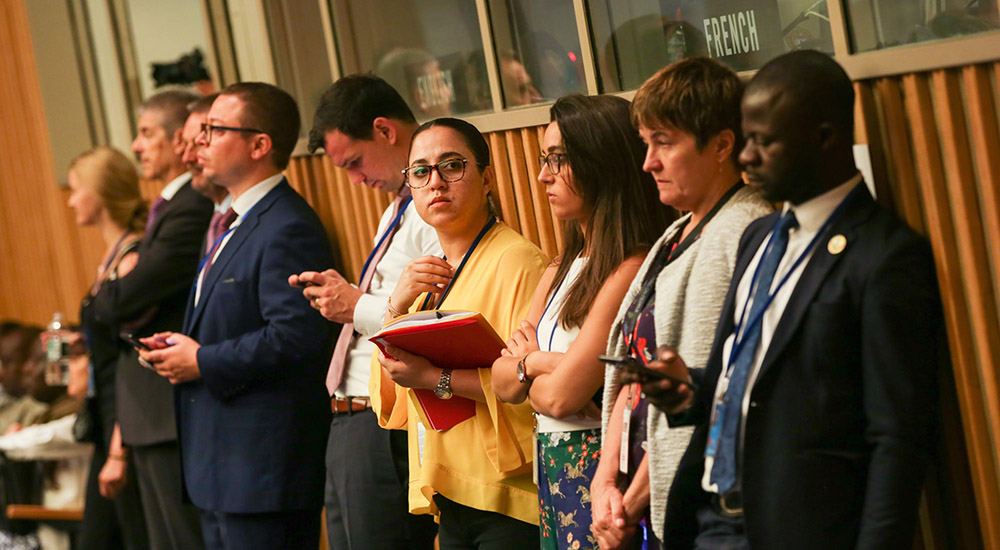
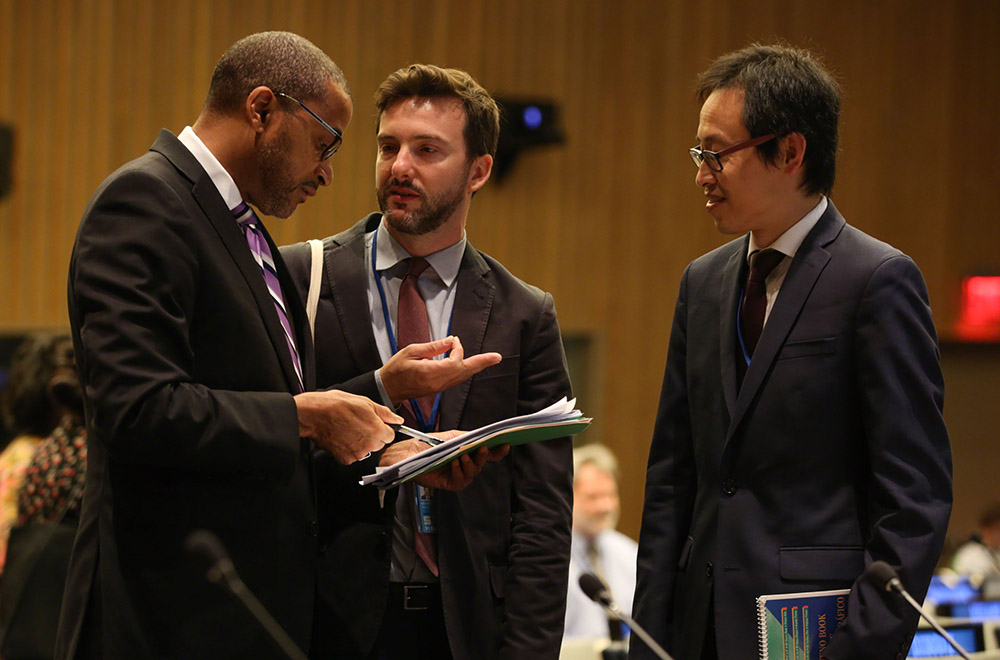
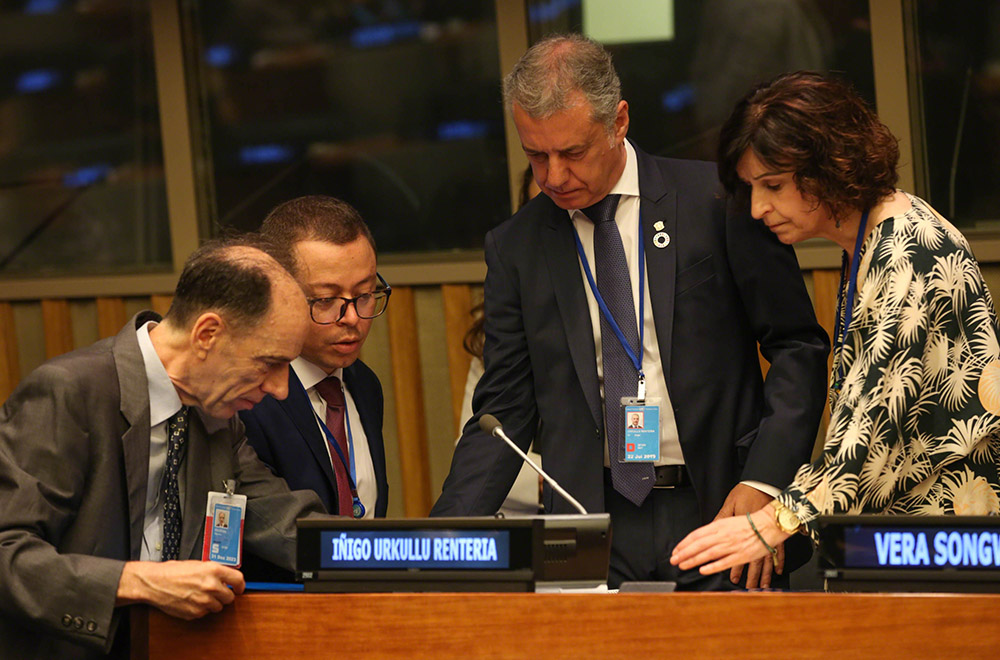
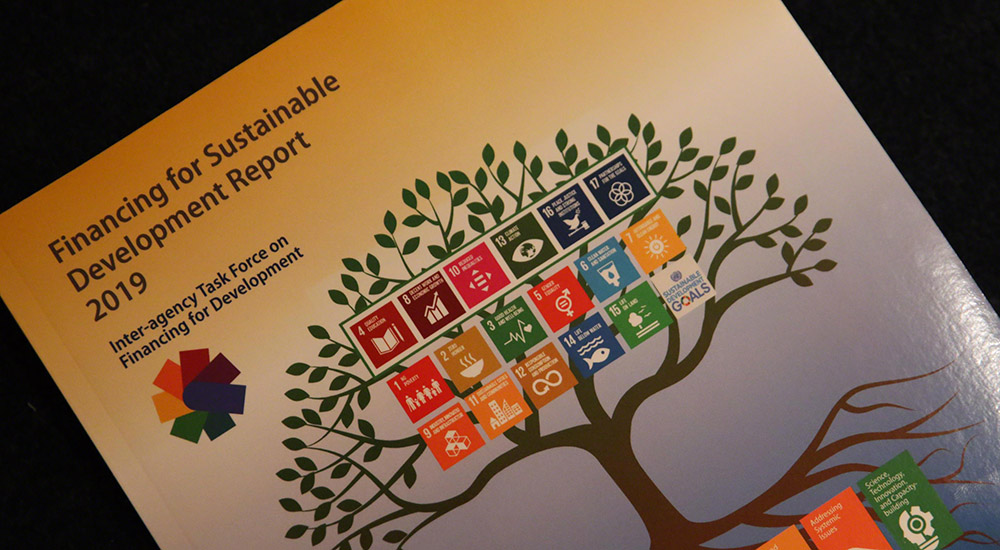
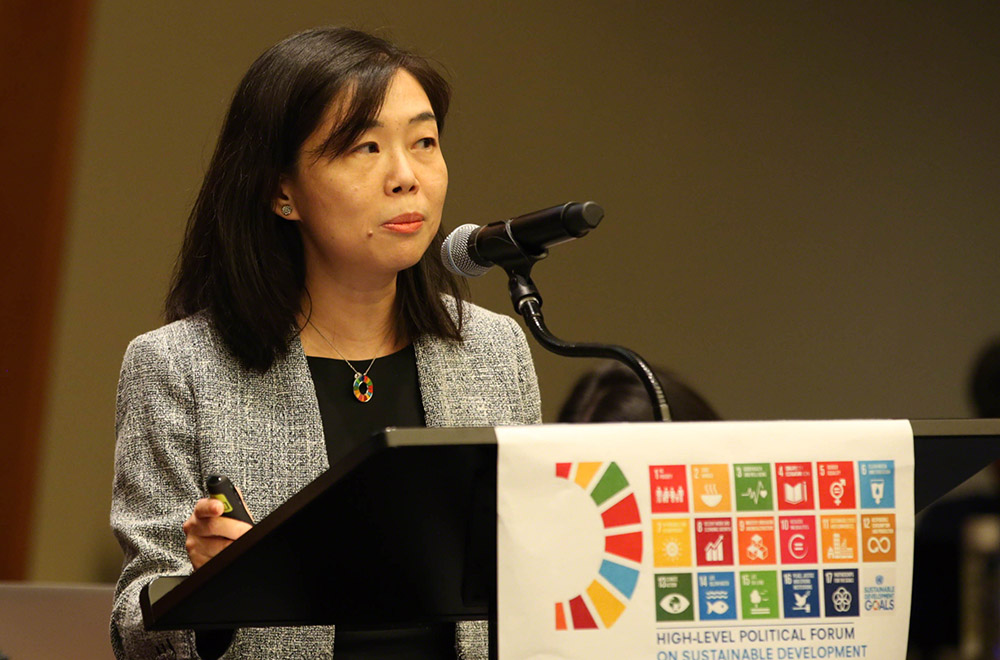
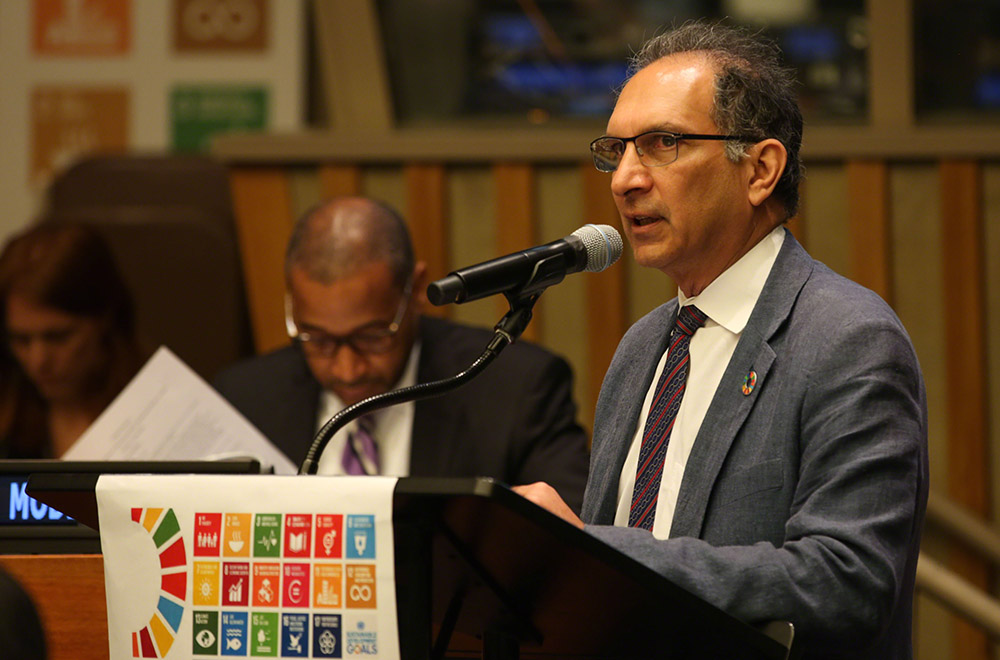
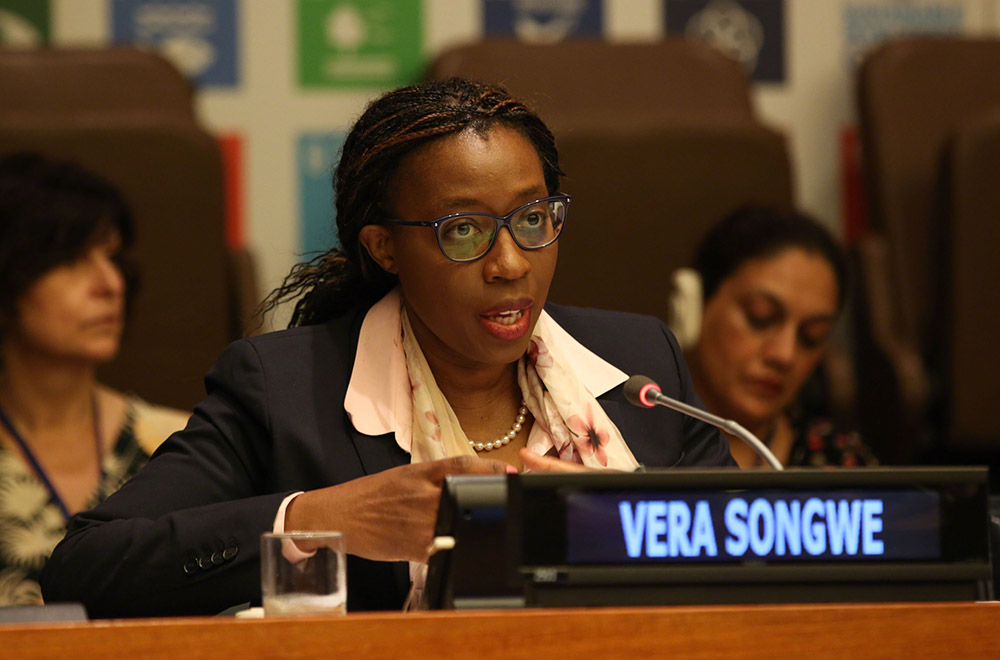
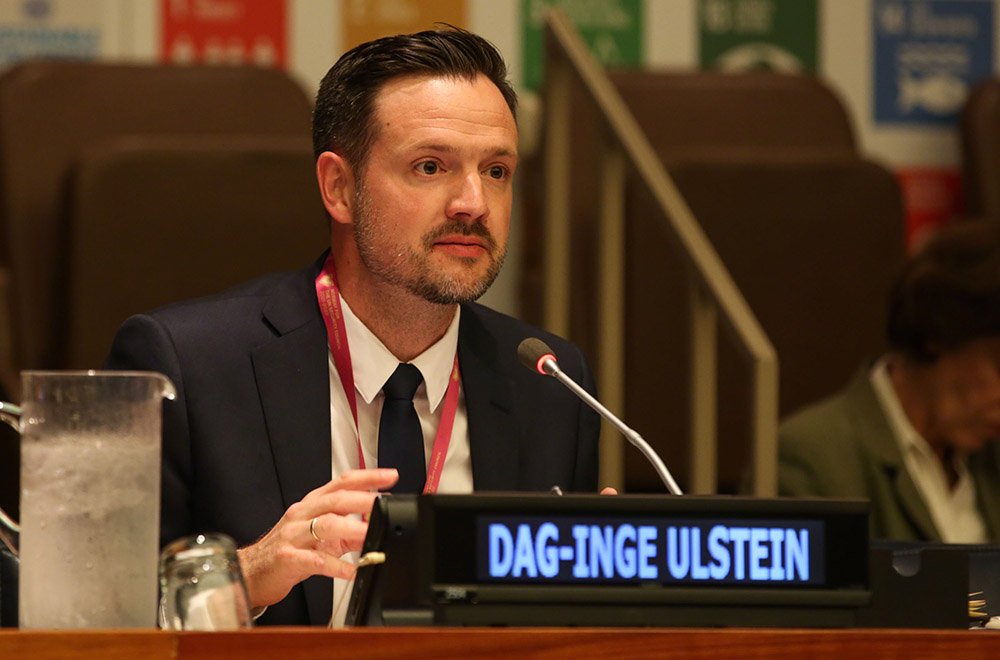
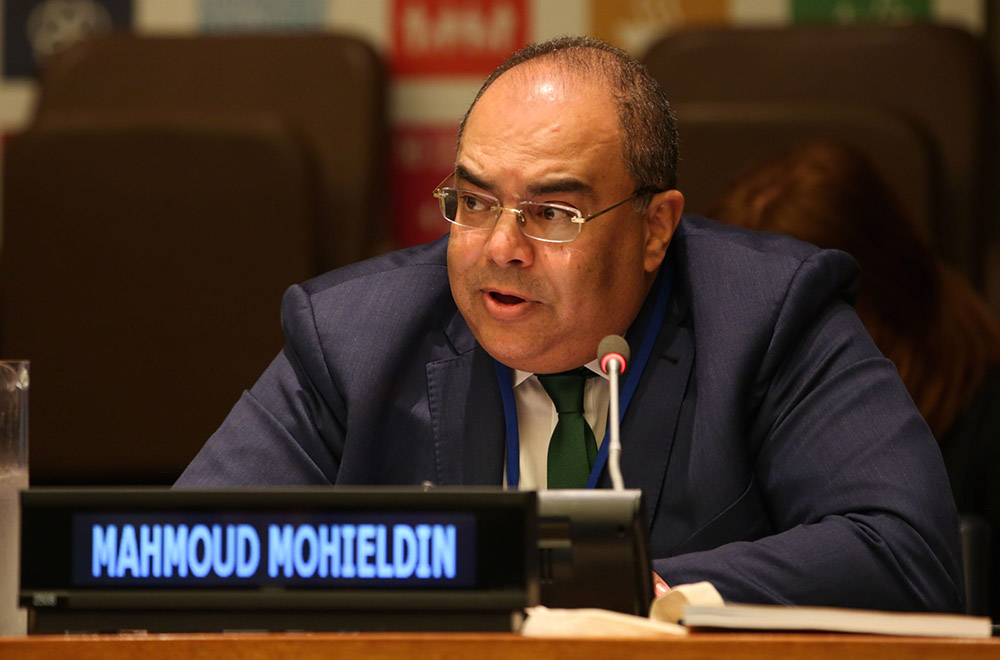
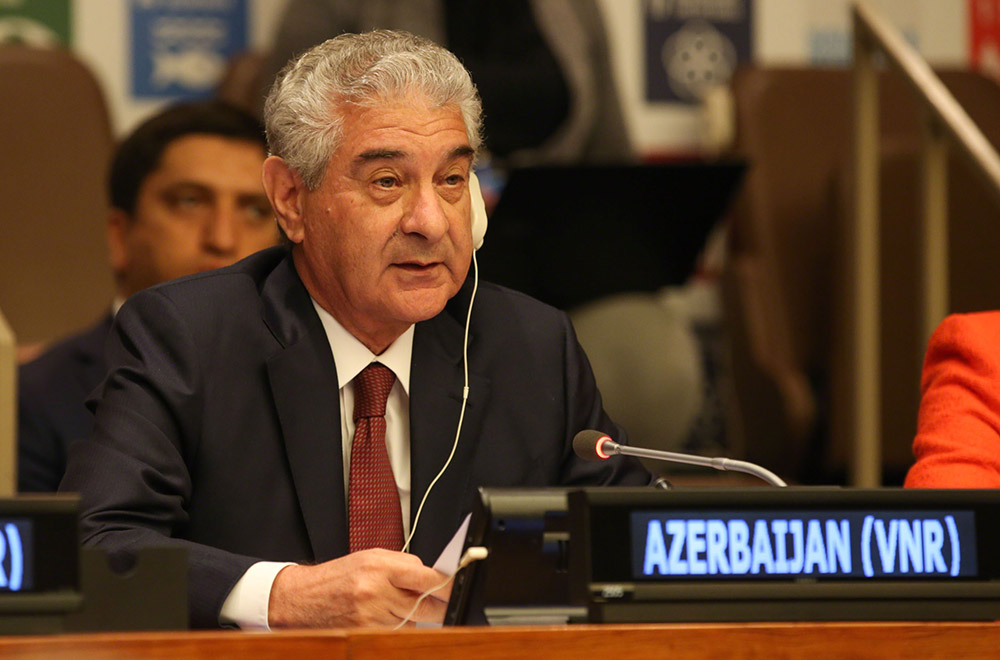
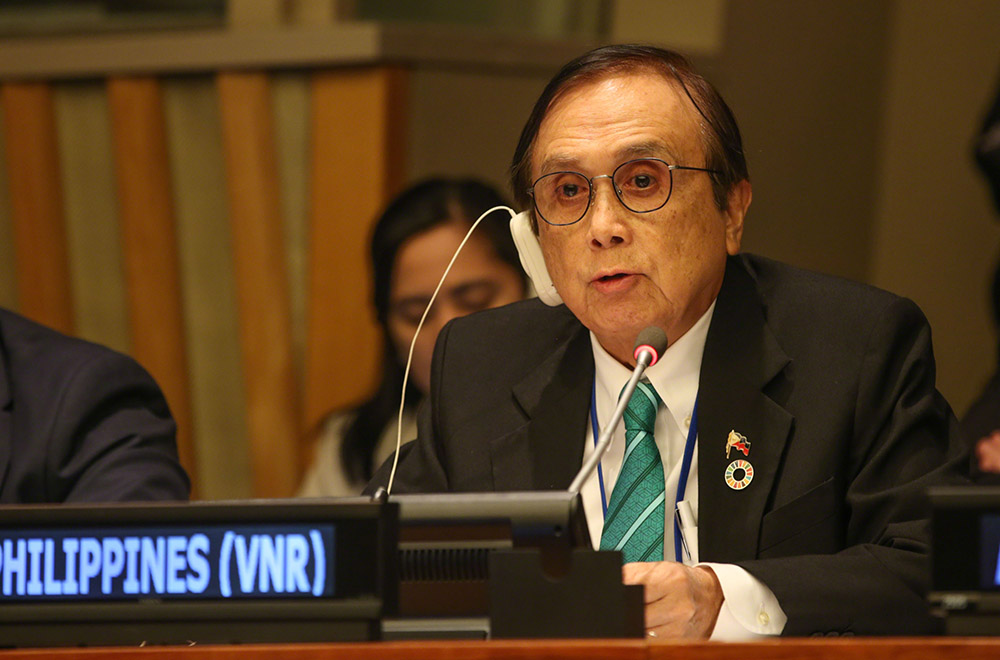
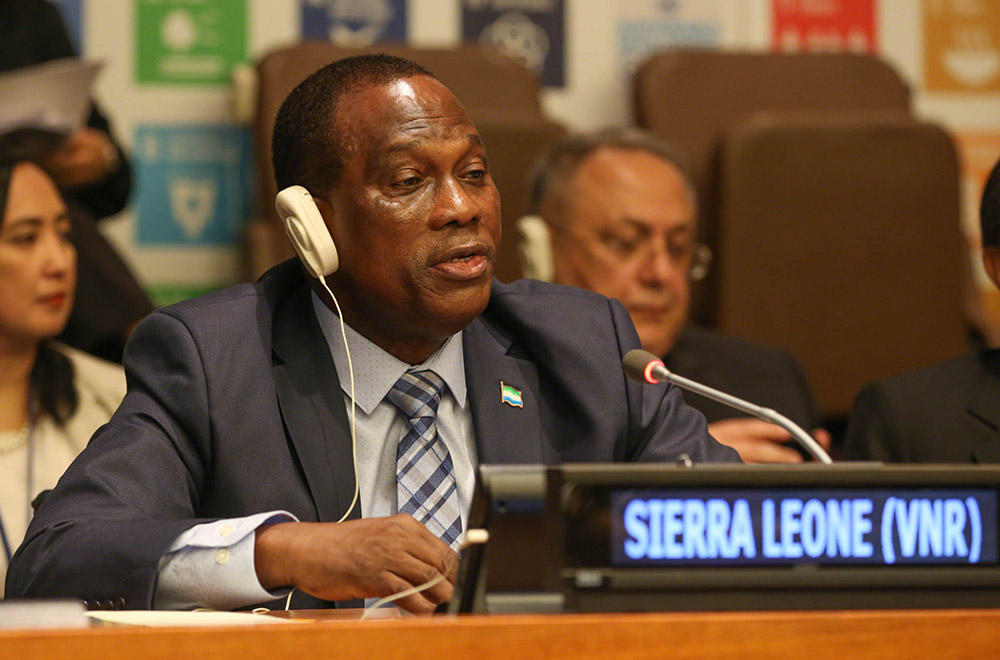
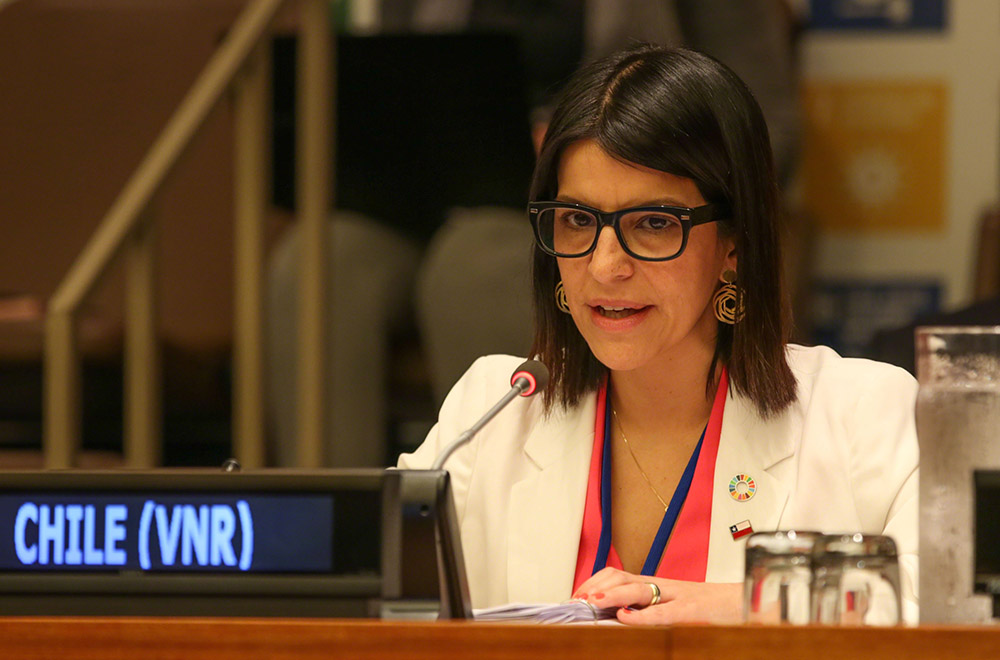
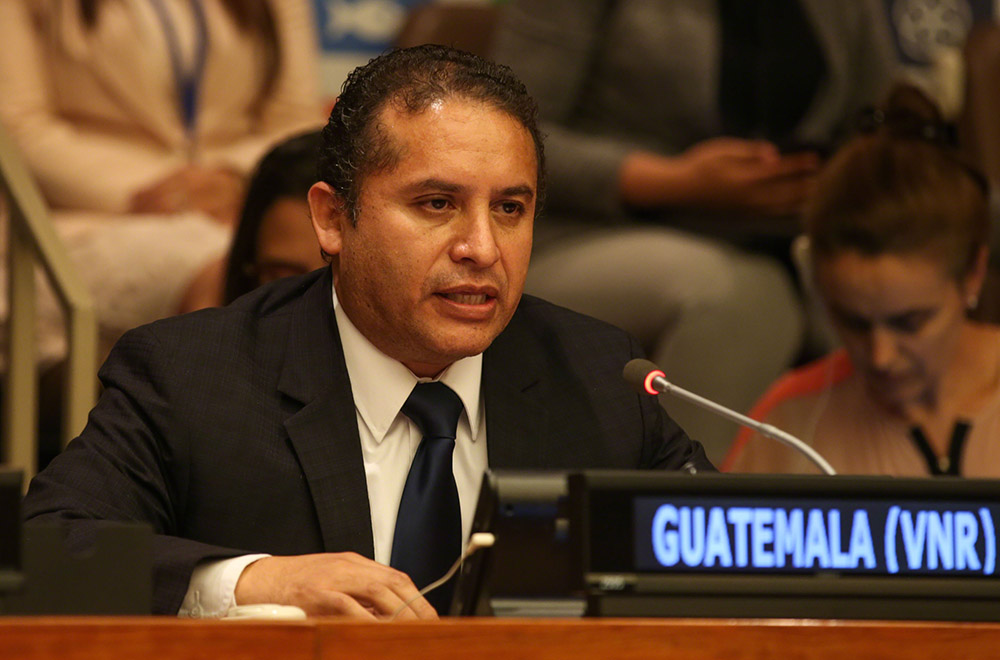
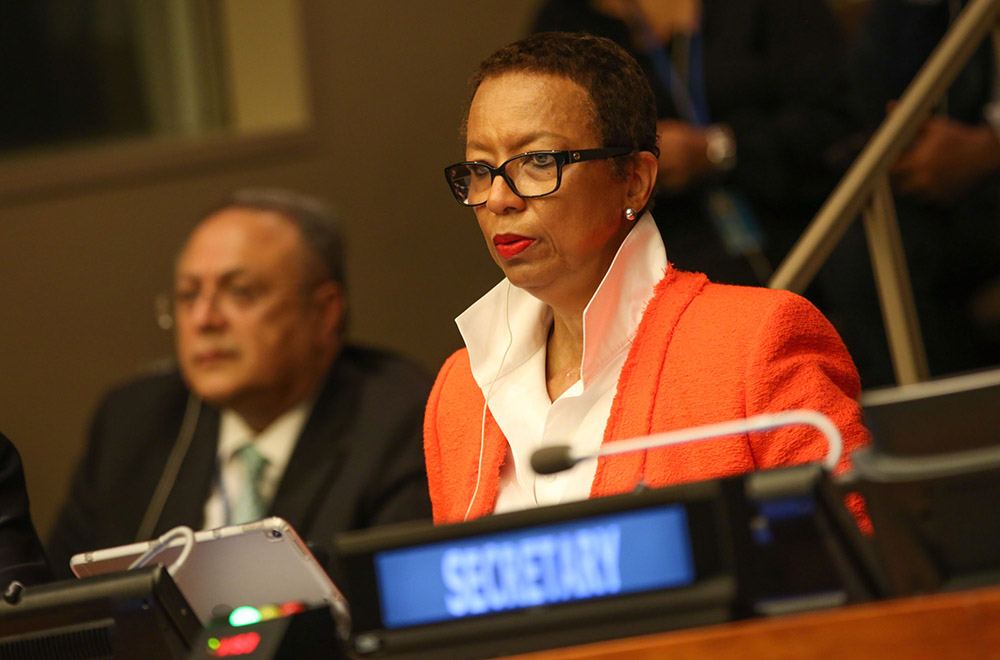
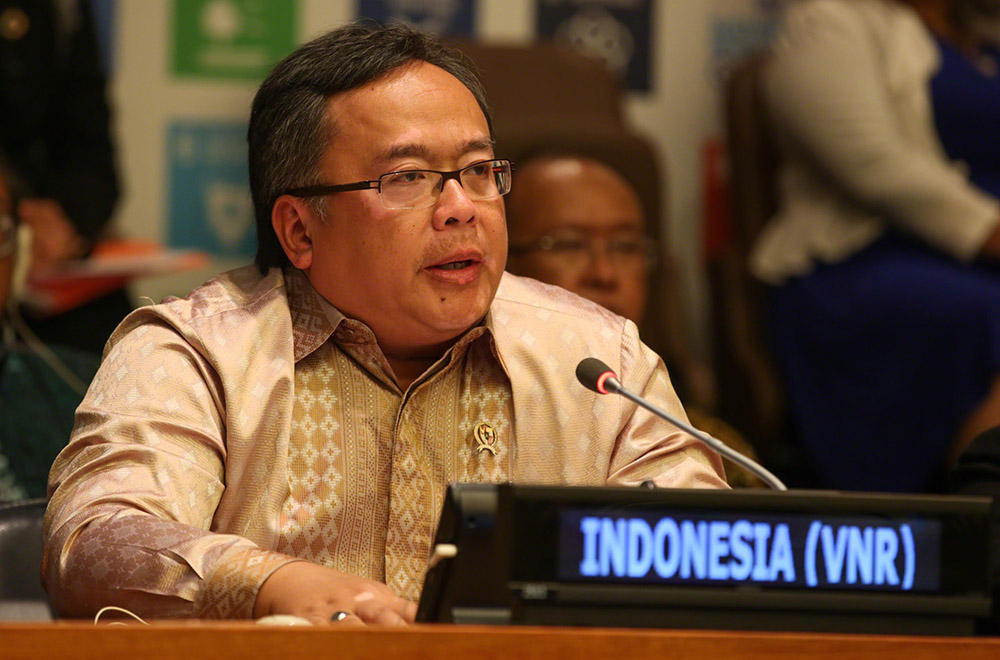
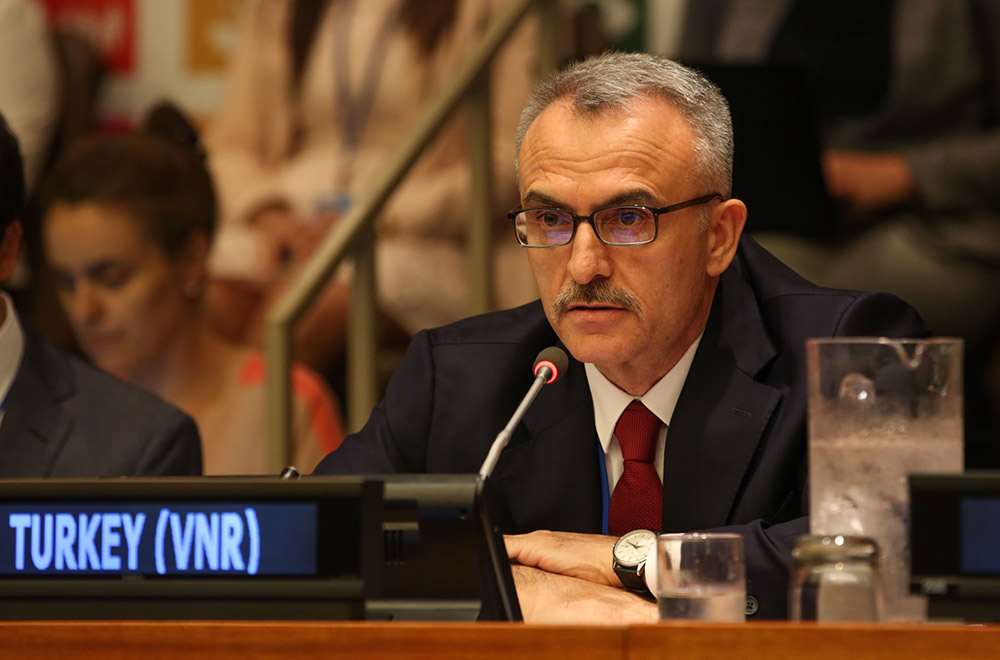
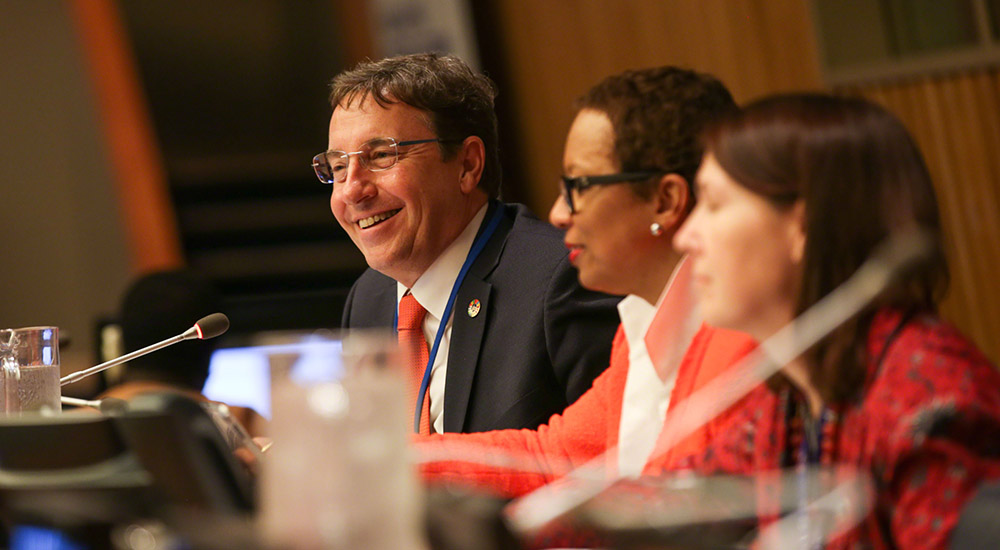
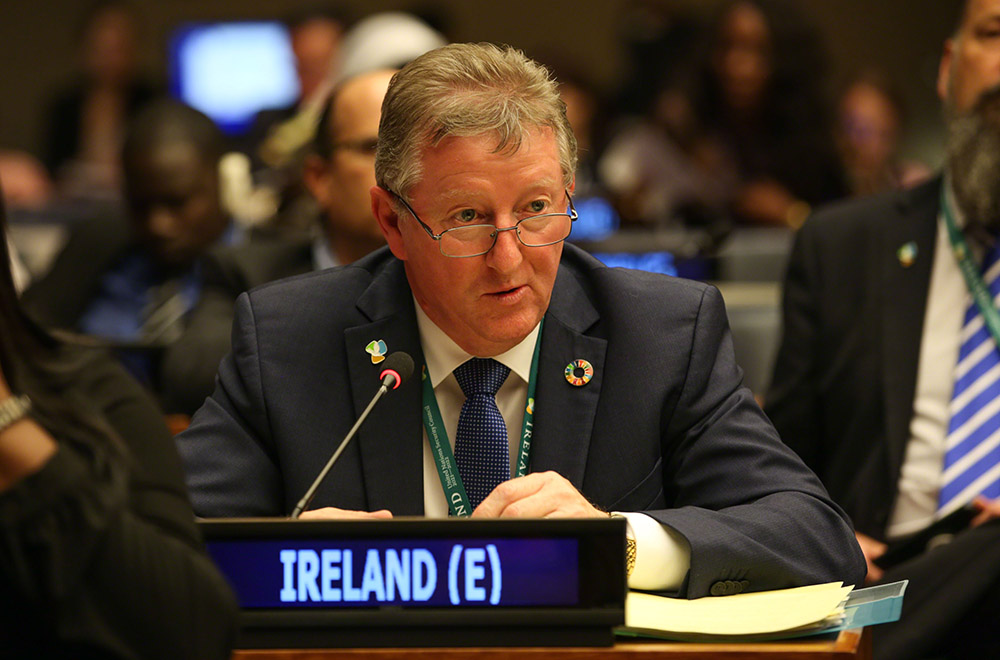
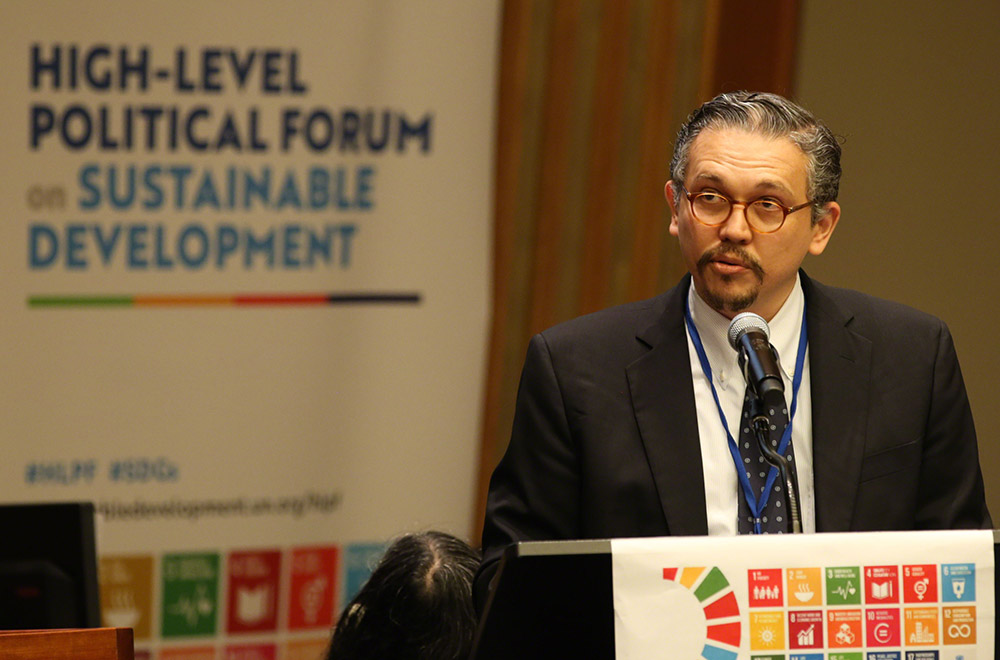
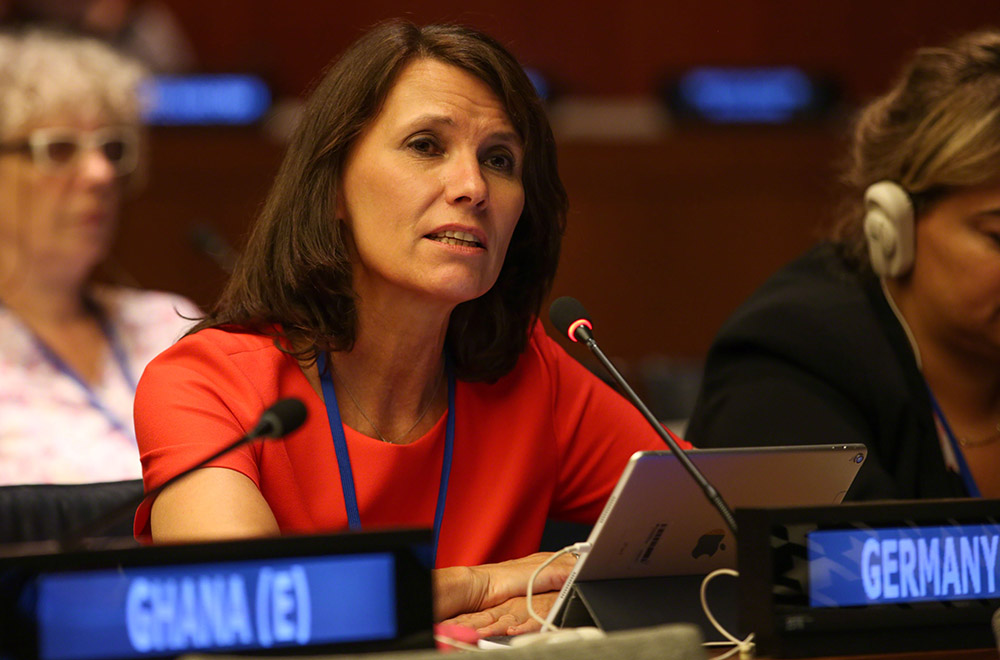
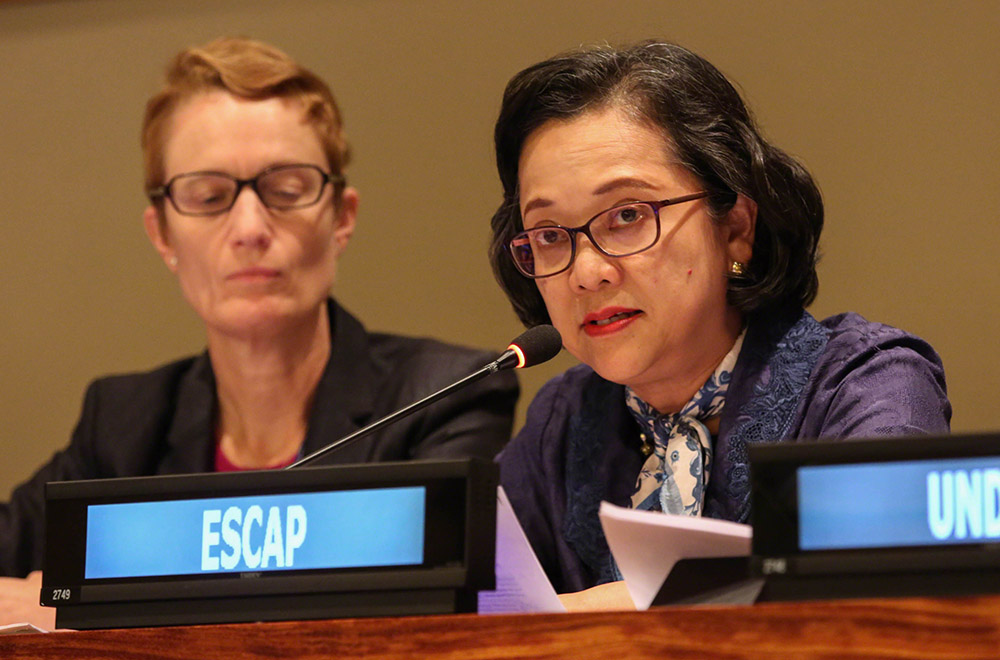
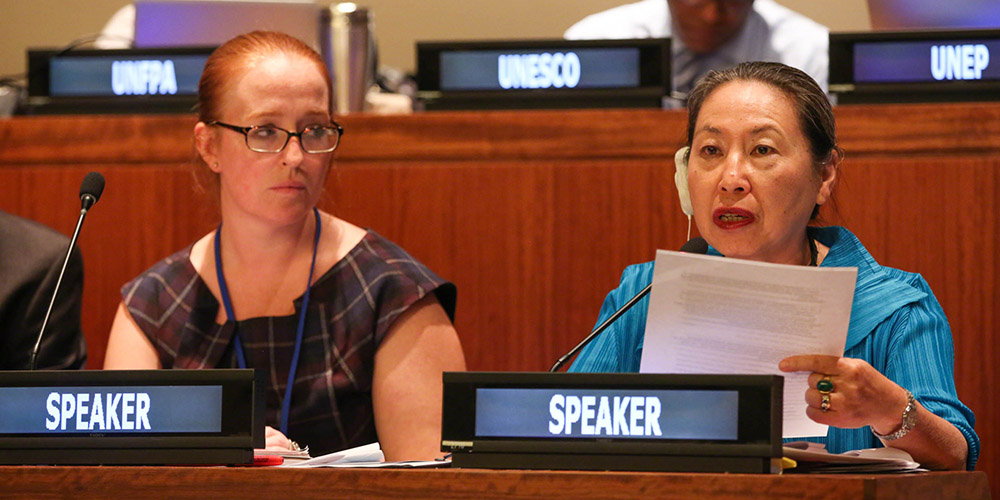
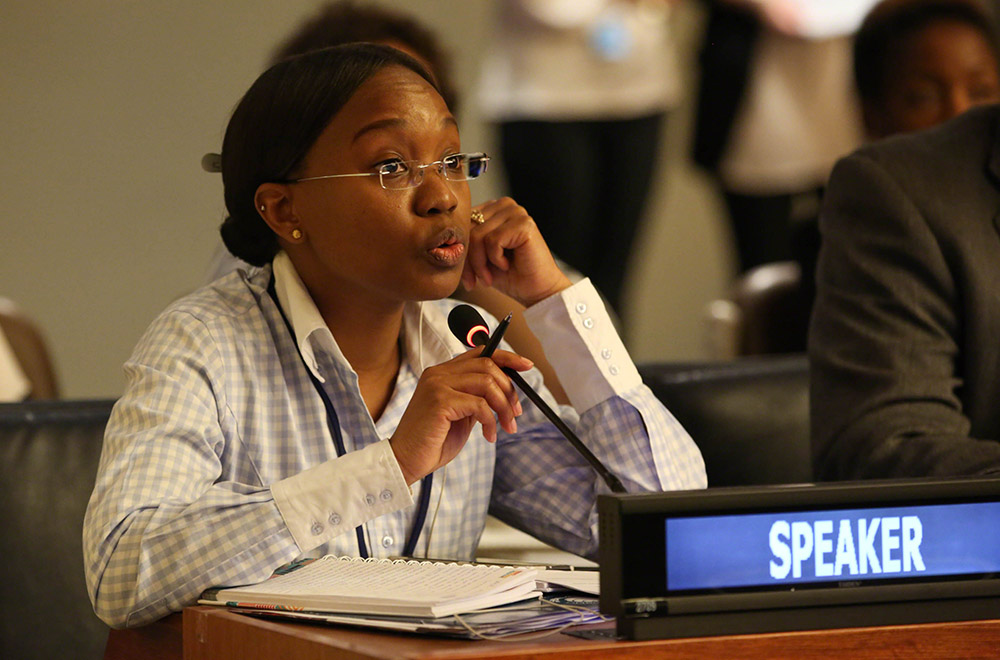
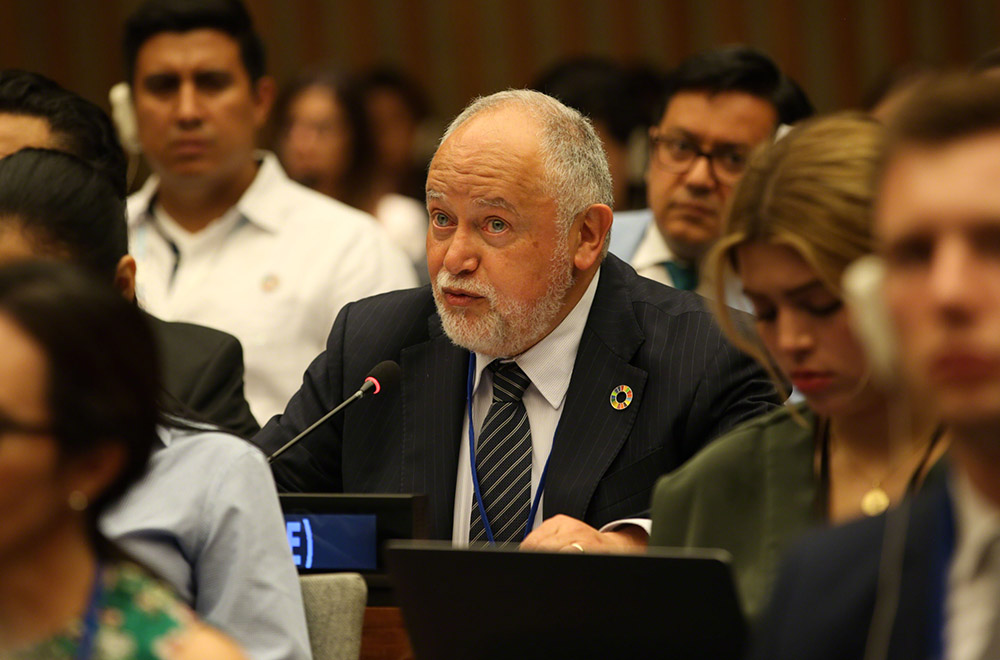
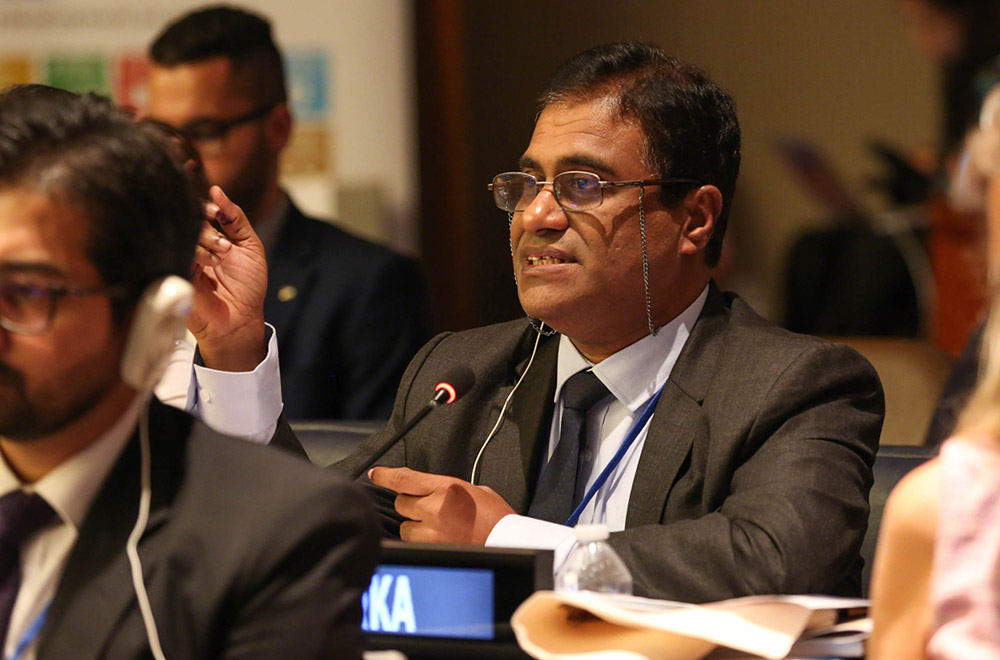
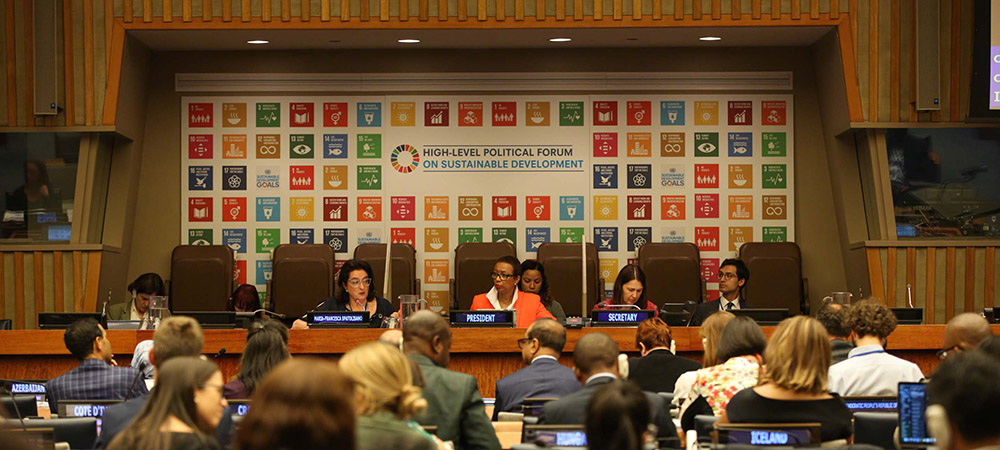
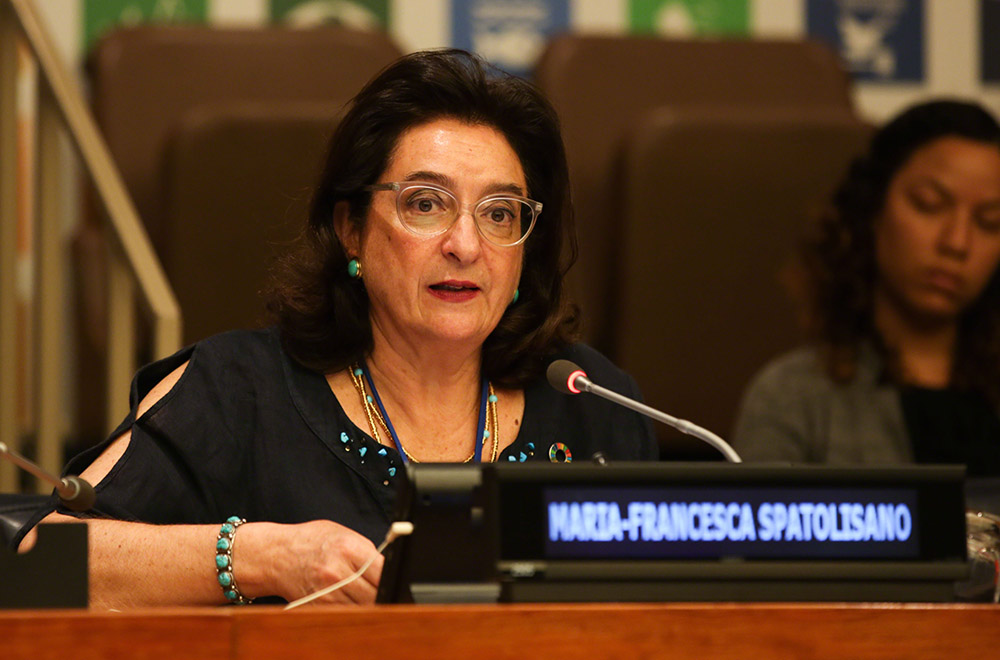
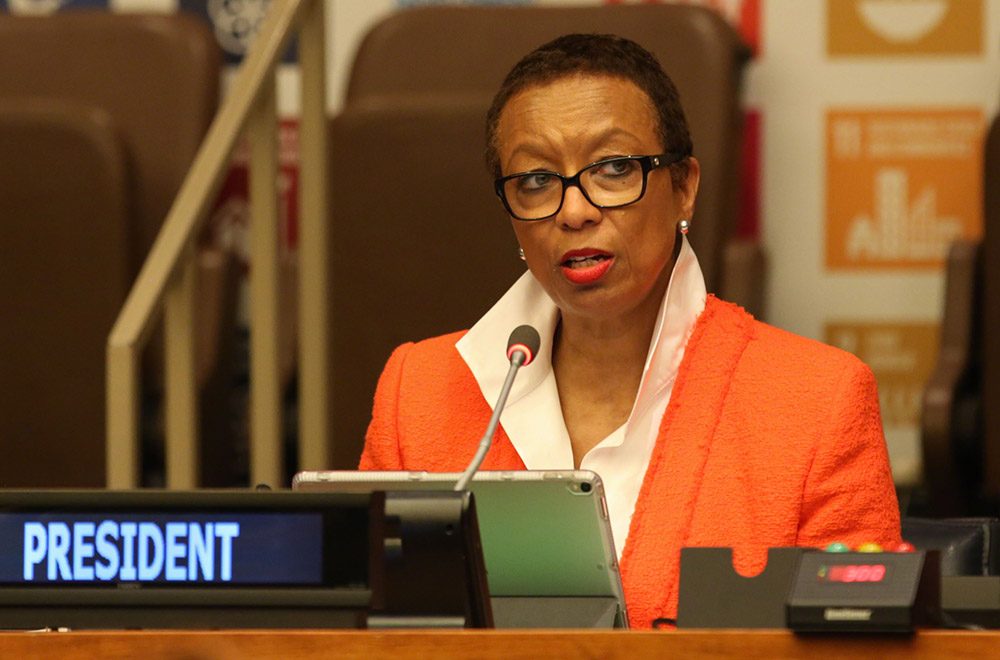
 HLPF participants discussed “moving from words to action” on financing for the Sustainable Development Goals (SDGs) on Monday morning. Reporting on progress, UN Department of Economic and Social Affairs (UN DESA) said official development assistance (ODA) totaled USD149 billion in 2018, down by 2.7% in real terms from 2017; and humanitarian aid fell by 8%. She noted a reduction in aid to least developed countries and African countries, saying donor countries are not living up to the pledge to scale up ODA.Homi Kharas, Brookings Institution, noted that while more than USD20-30 trillion has been spent on the SDGs so far, this investment has taken place mainly in high- and middle-income economies. He presented research showing that while minimum spending of around USD340 per capita annually is needed in the various sectors to implement the SDGs in low-income economies, with needs rising with country income levels, there is a big gap between this and current spending levels. Delegates discussed, among other things, the importance of implementing the shared vision of the 2030 Agenda through meeting aid commitments; reducing illicit financial flows; improving tax collection; reducing the cost of remittances; ensuring funds are available at the local level; and leveraging the private sector.Seven countries then presented their voluntary national reviews (VNRs) for the second time, in two panel discussions: Azerbaijan, Chile, Philippines, Sierra Leone, Guatemala, Indonesia, and Turkey. They described progress in nationalizing SDG targets, implementation of priority SDGs, and efforts to engage multistakeholders.In the afternoon, participants discussed lessons from four years of VNRs. Speakers highlighted challenges related to, among other things: data accuracy, collection, and disaggregation; lack of meaningful stakeholder involvement, and of “civil spaces”; lack of adequate attention to root causes of inequality in VNRs; institutional fragmentation; lack of adequate country ownership; and lack of follow-up, after presentations at HLPF. The role of VNRs in fostering coordination on SDGs and clarifying roles and responsibilities for implementation were also recognized.This was followed by a wrap-up session of the first five days of HLPF 2019. UN DESA summarized messages from the five days, saying that while governments are on the right track, the level of ambition is not enough to achieve the SDGs by 2030. UN Economic and Social Council (ECOSOC) President Inga Rhonda King highlighted, among other things, the importance of investing in data capacity, and the role of science in shaping policies. She urged governments to speed up implementation and kickstart transformative action.For more details on the day's events and to hear what delegates said in the corridors, see our daily Earth Negotiations Bulletin.
IISD Reporting Services, through its ENB Meeting Coverage, provided daily web coverage and daily reports from HLPF 2019. In addition, IISD Reporting Services has published a summary and analysis report from the meeting, which is now available in HTML and PDF.
Photos by IISD/ENB | Kiara Worth
For photo reprint permissions, please follow instructions at our Attribution Regulations for Meeting Photo Usage Page.
Financing the SDGs: Moving from Words to Action
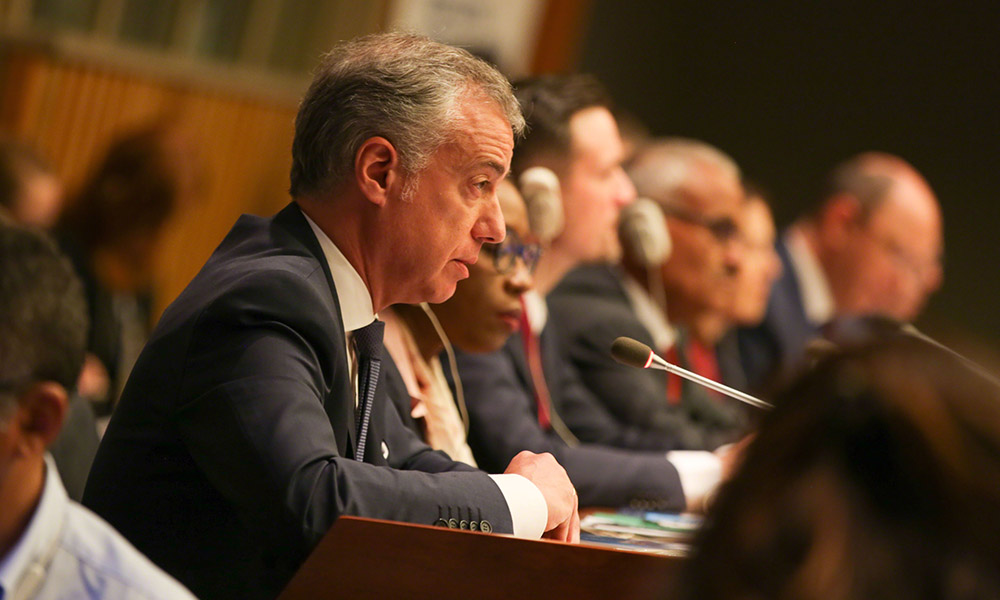
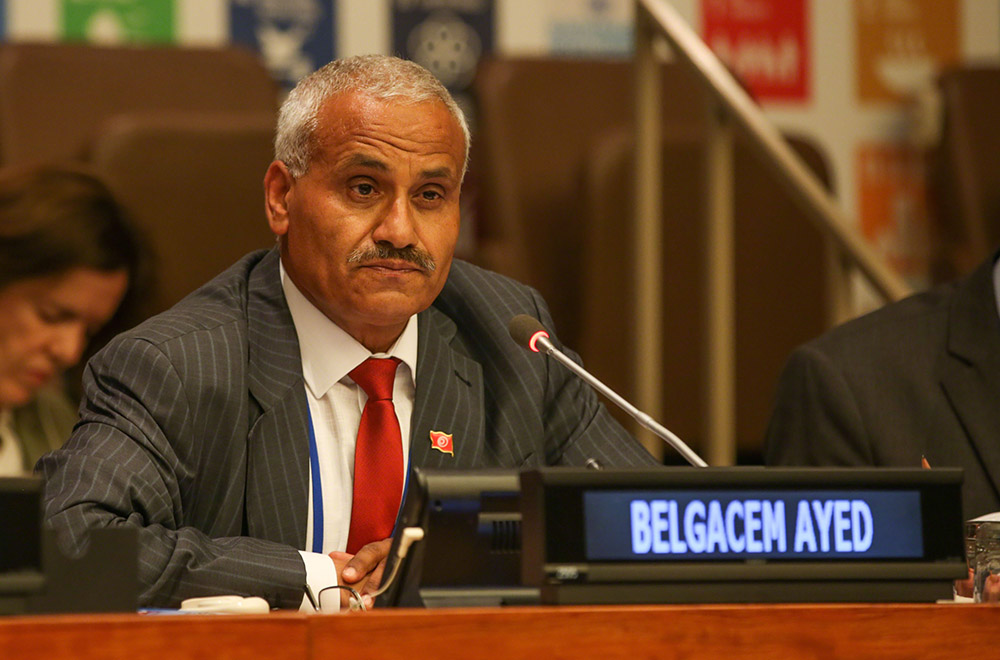
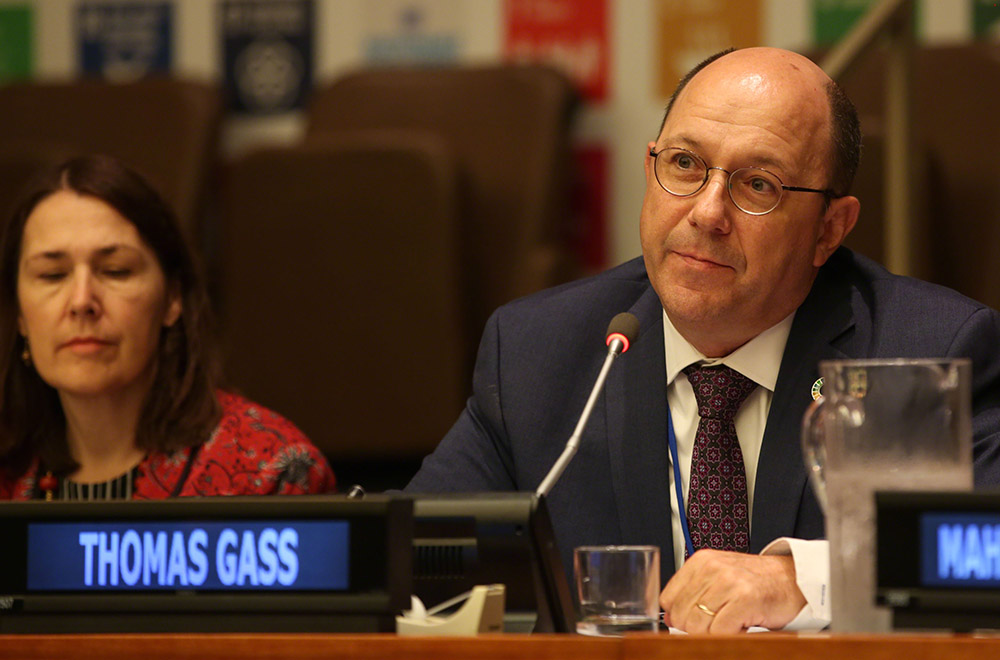
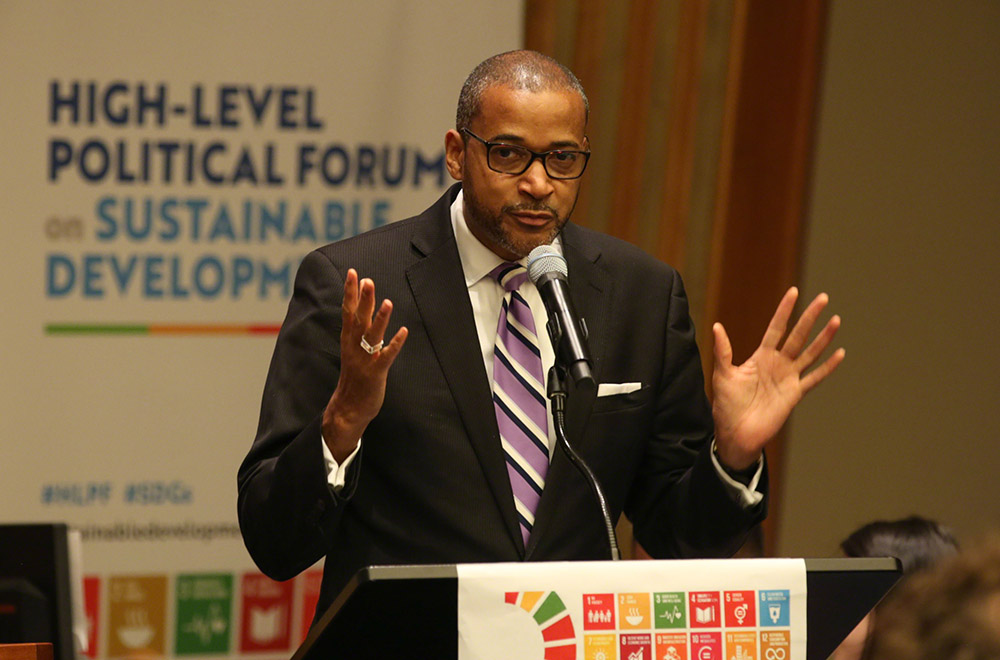

Voluntary National Reviews
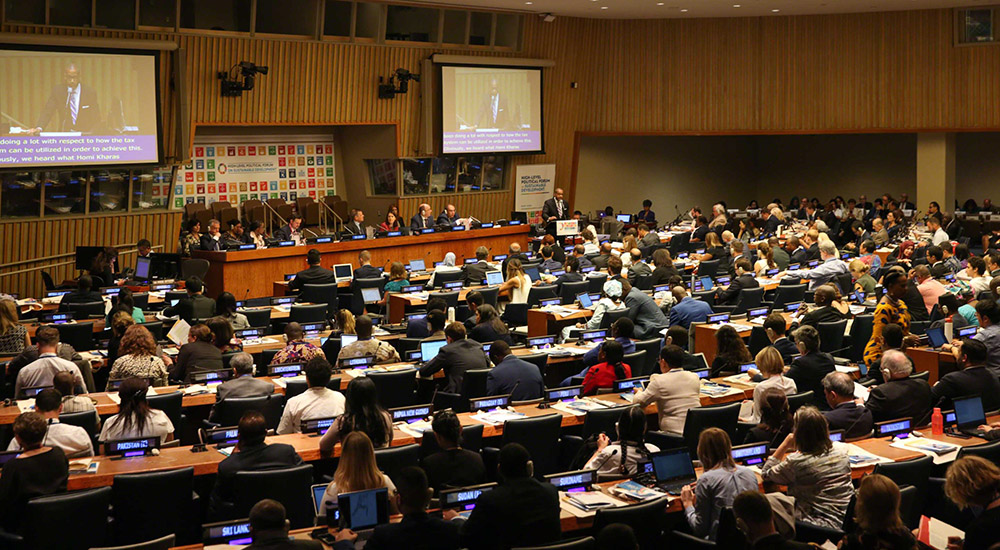
Four Years of VNRs: What Have We Learned on Implementing the SDGs?
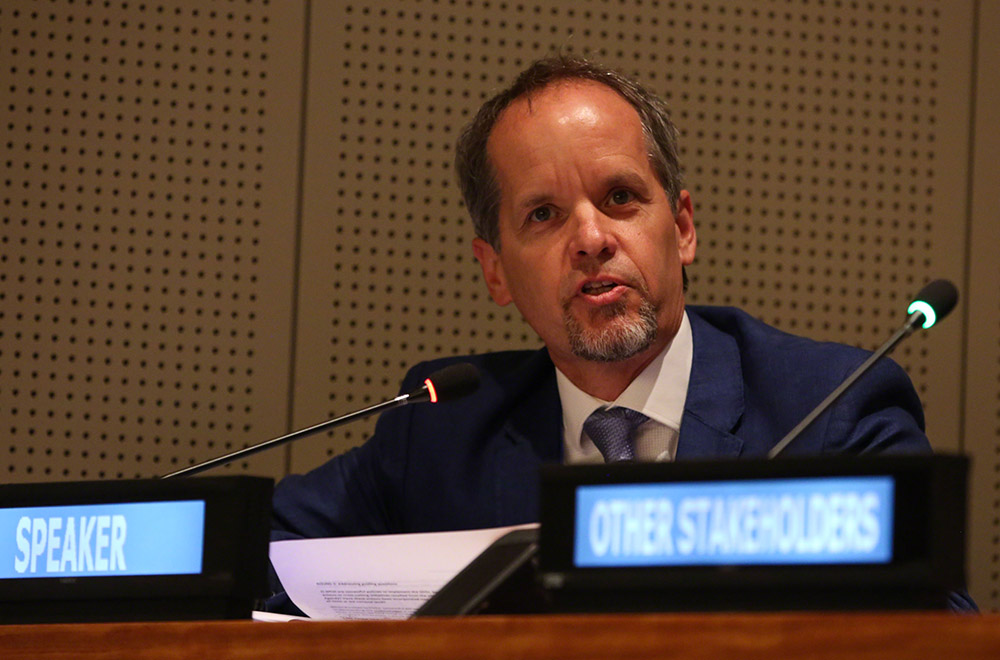
World Vision

Wrap-up Session of the First Five Days

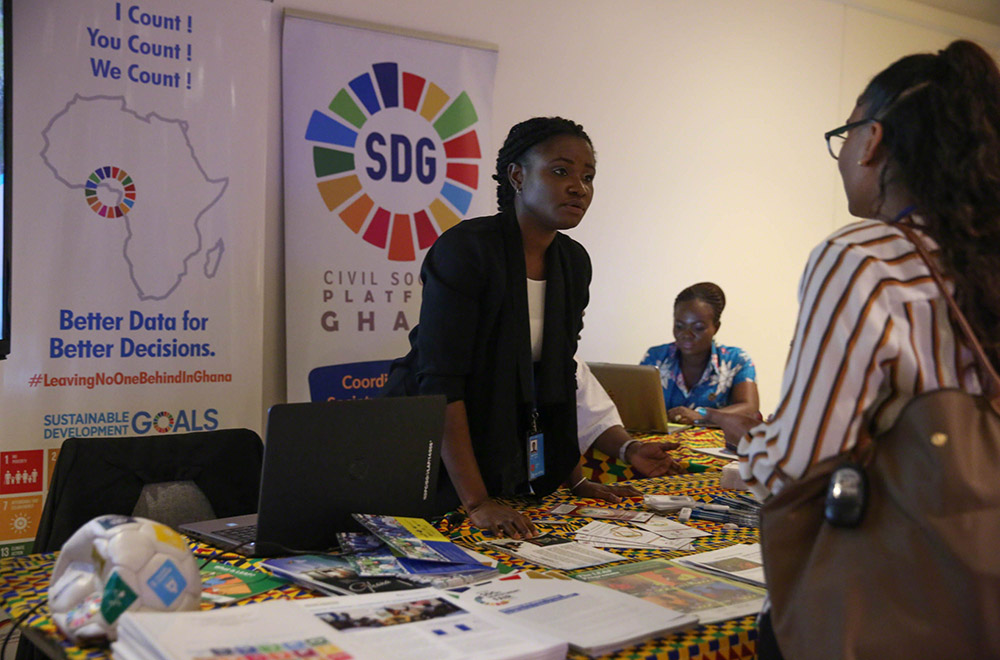
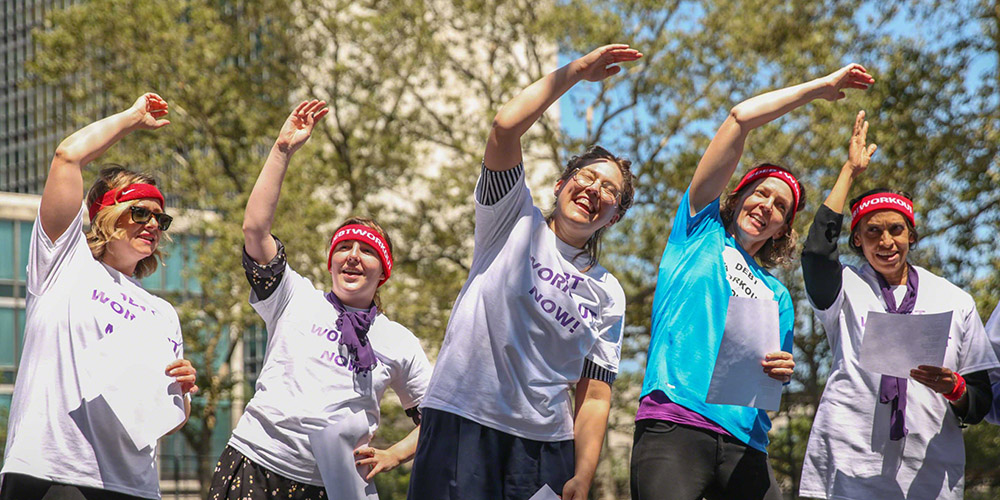
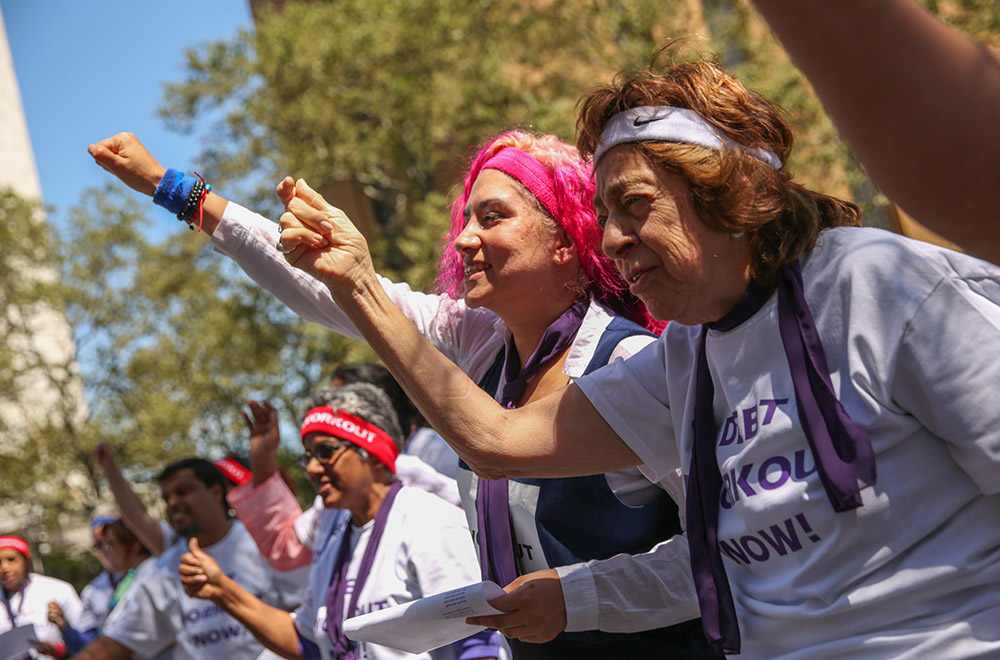
Civil Society Demonstration
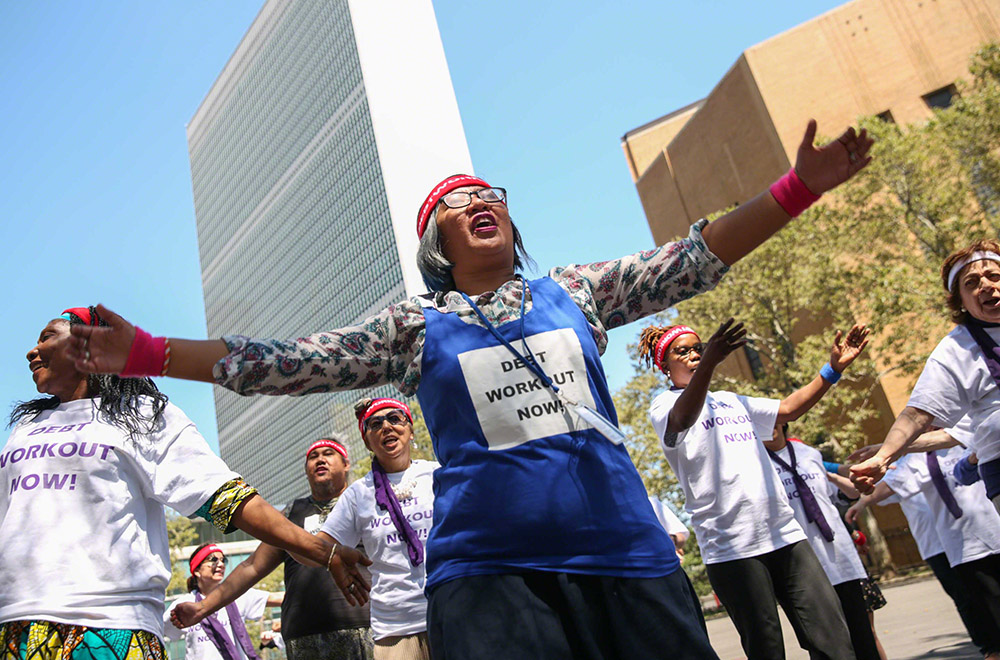
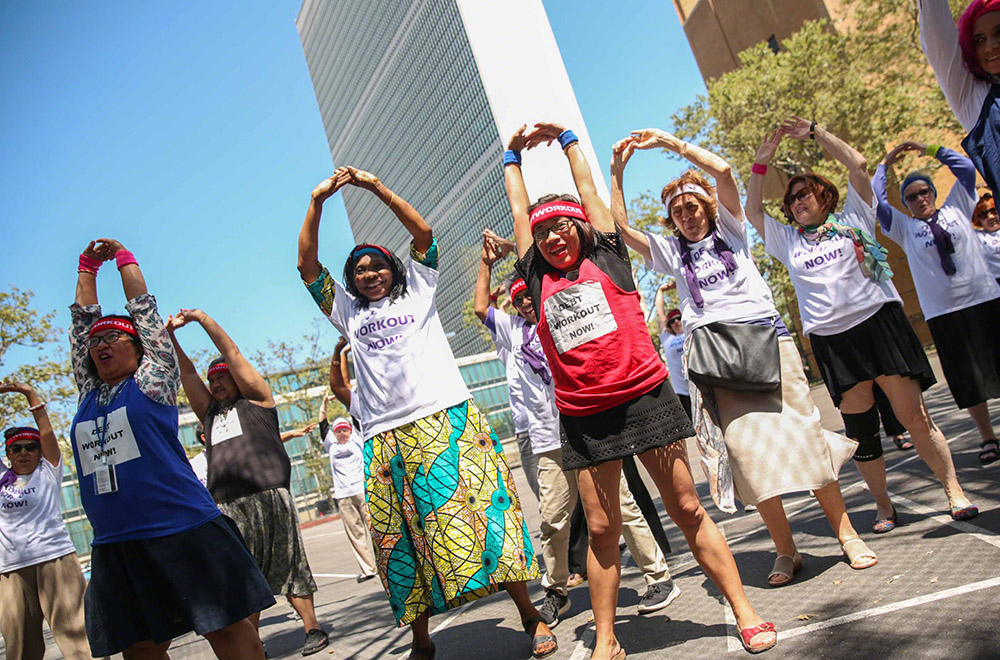
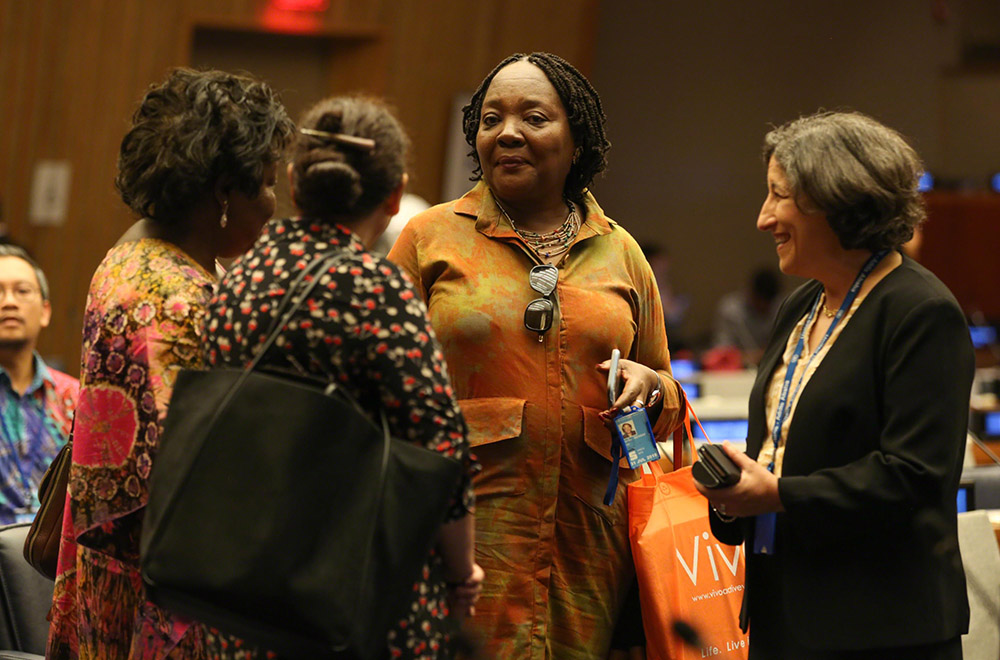
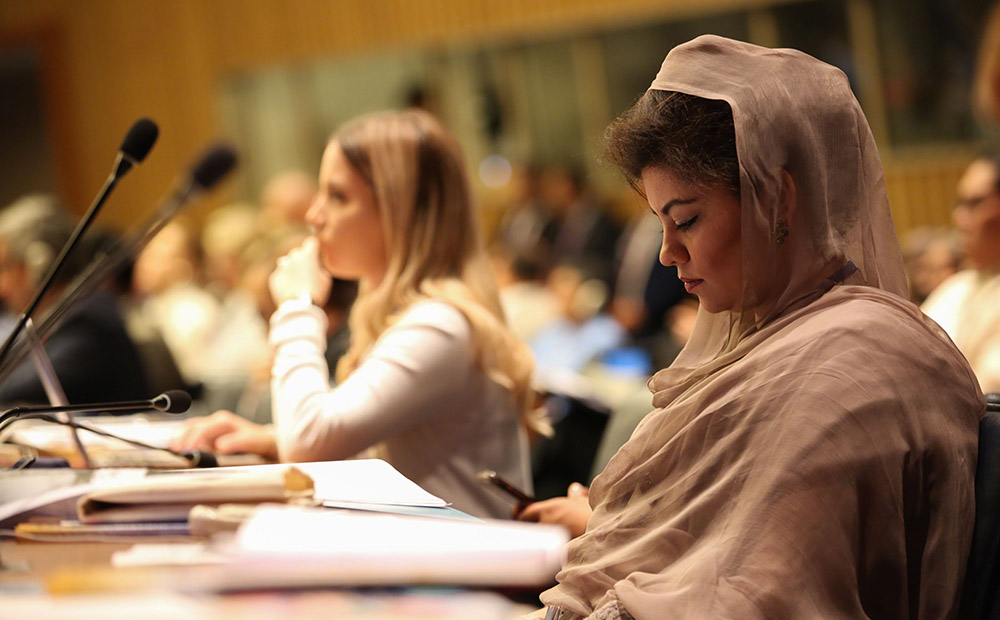
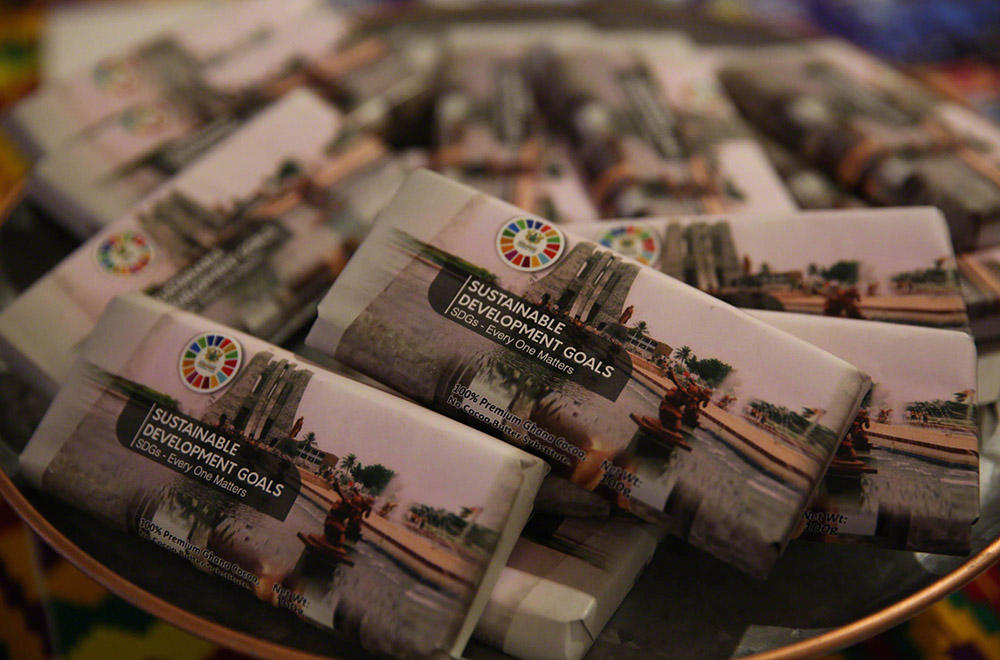
Around the Venue