Summary
Highlights for Thursday, 18 July 2019
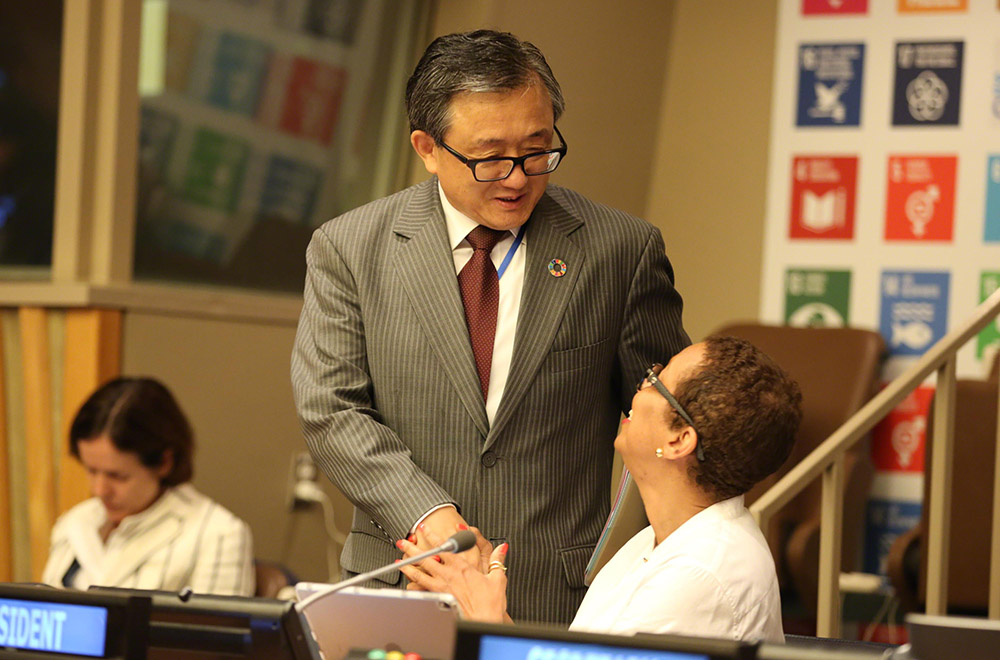
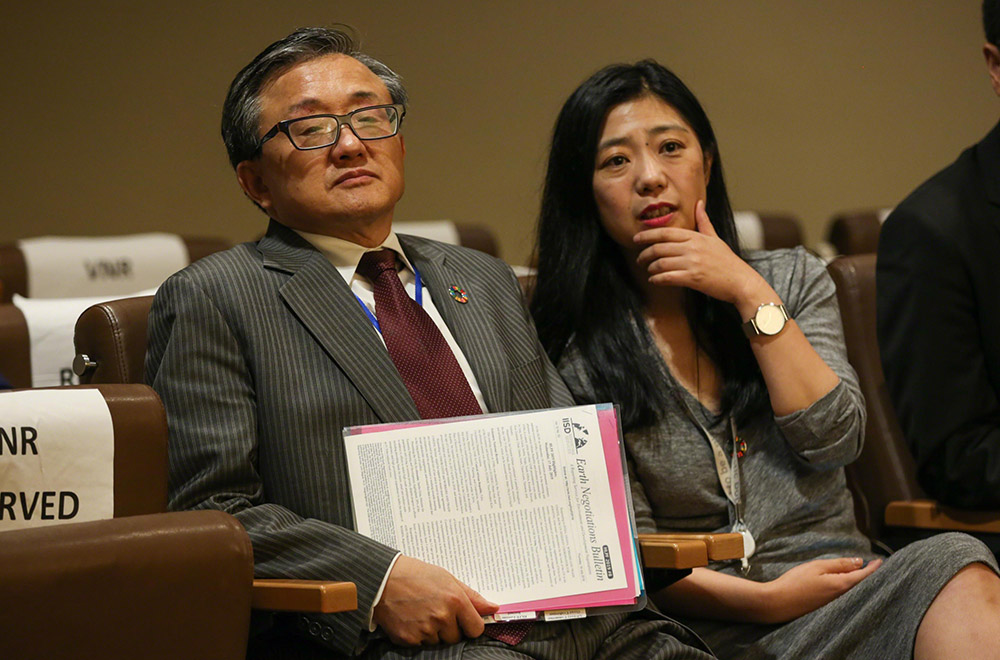
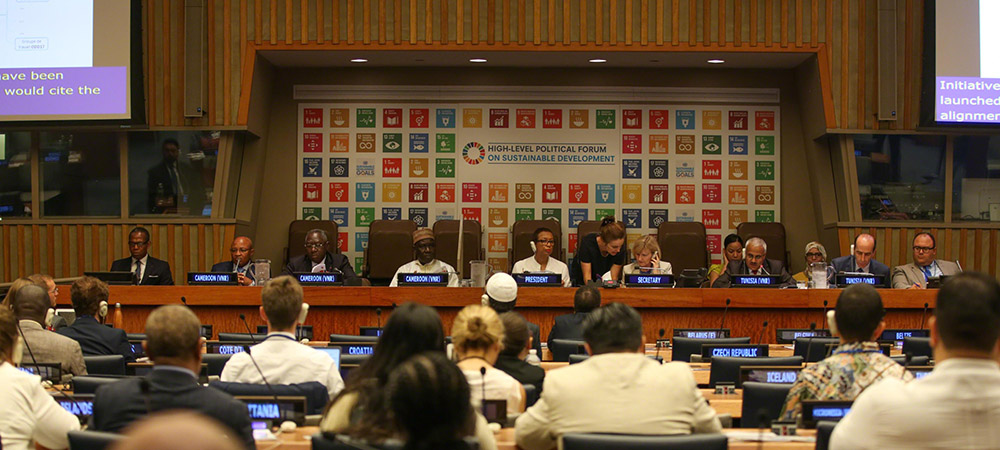
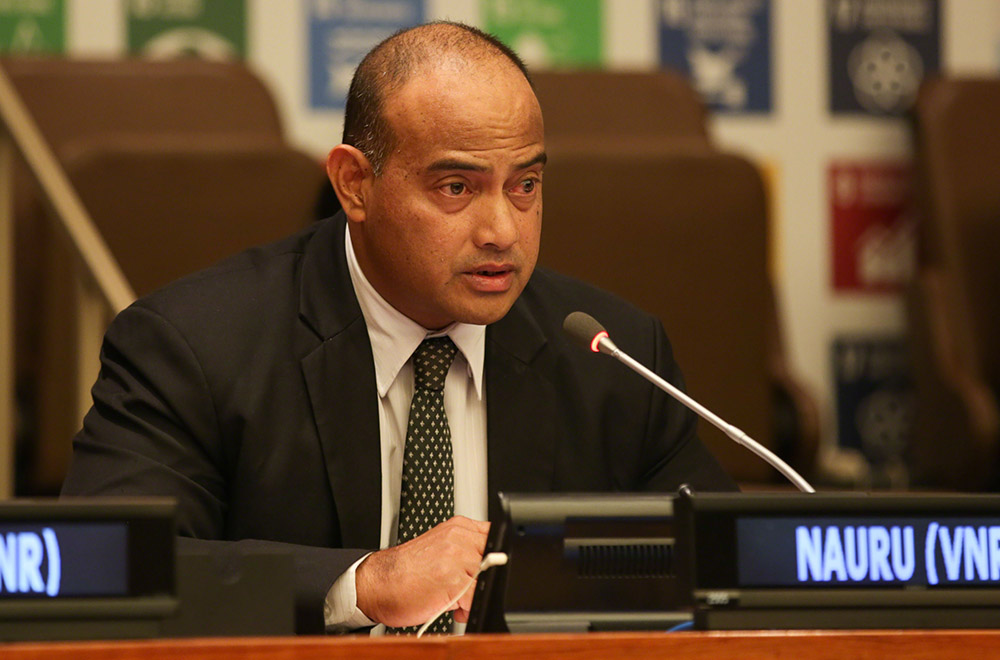
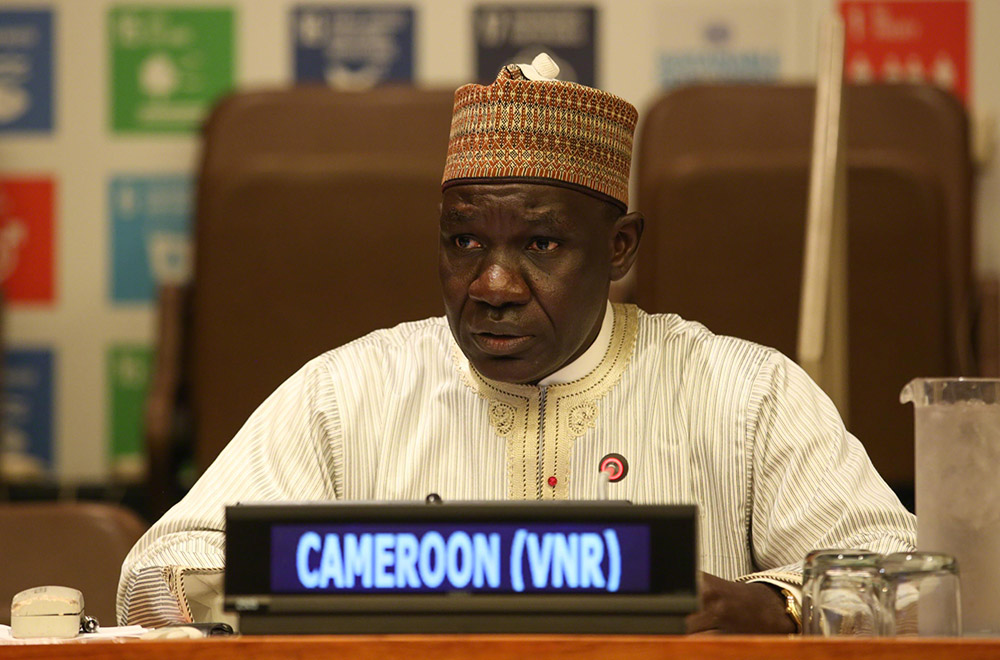
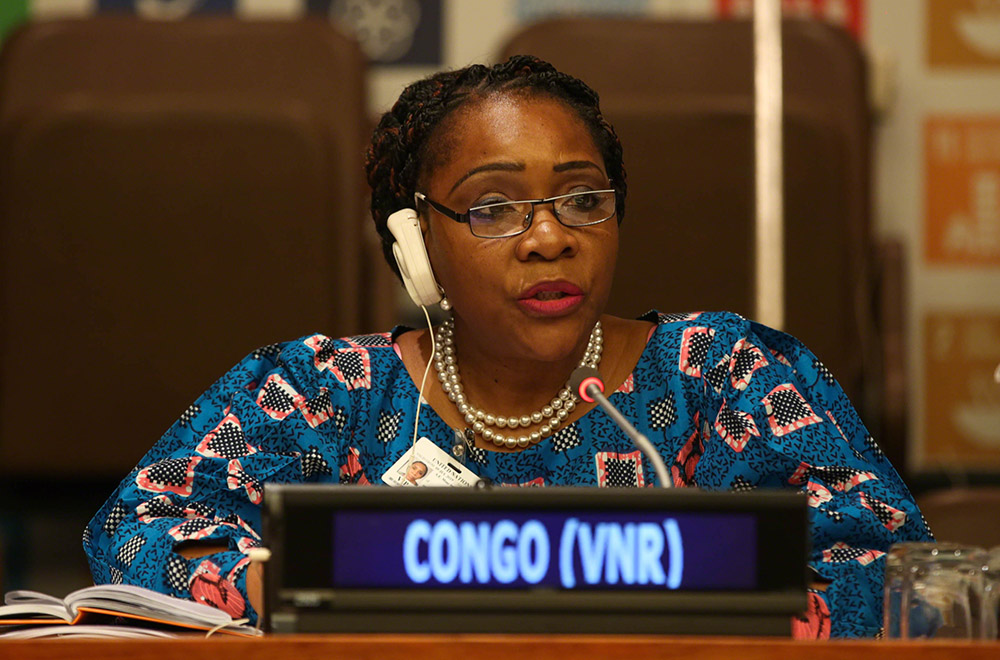
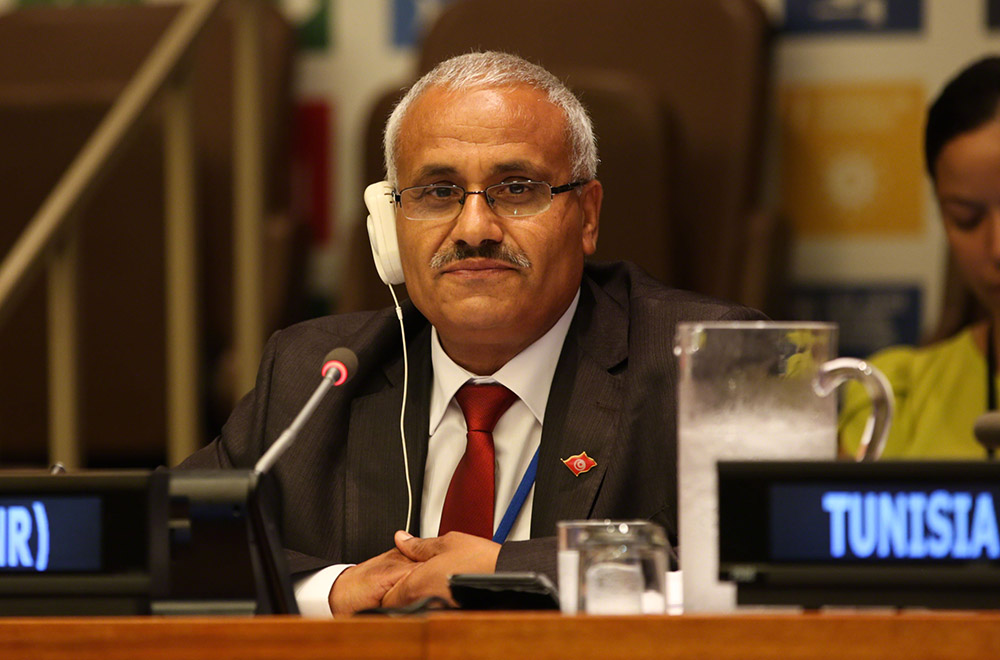
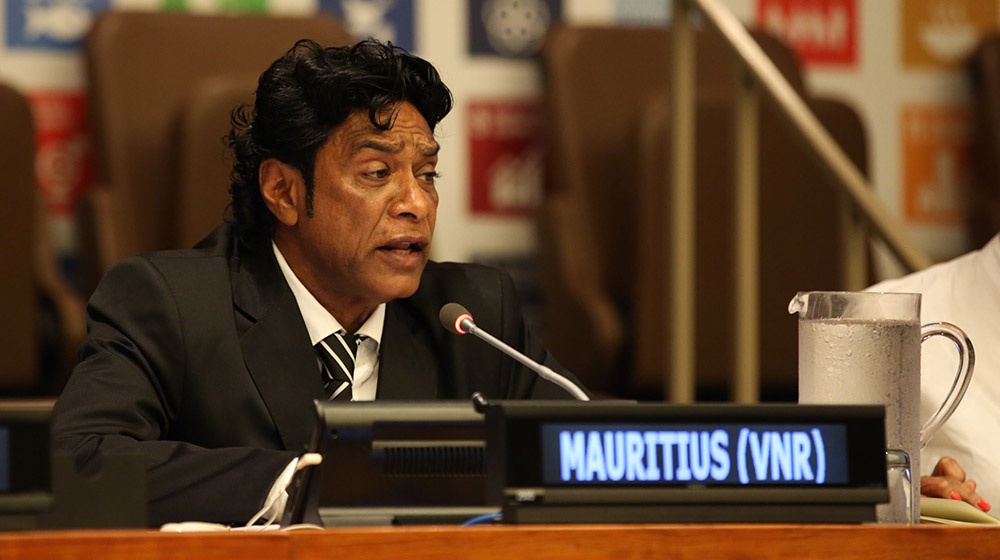
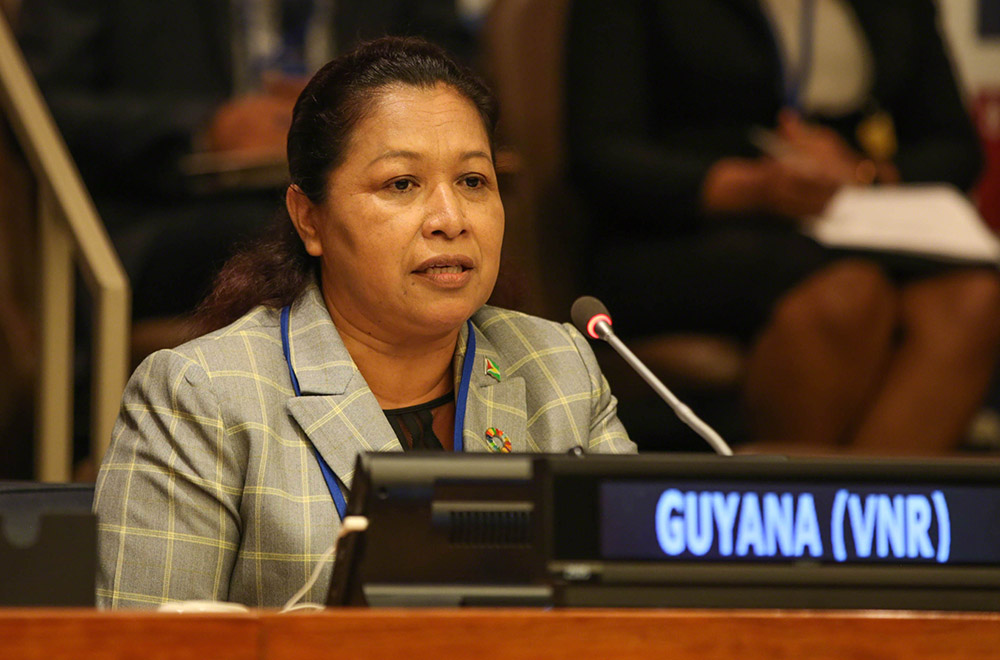
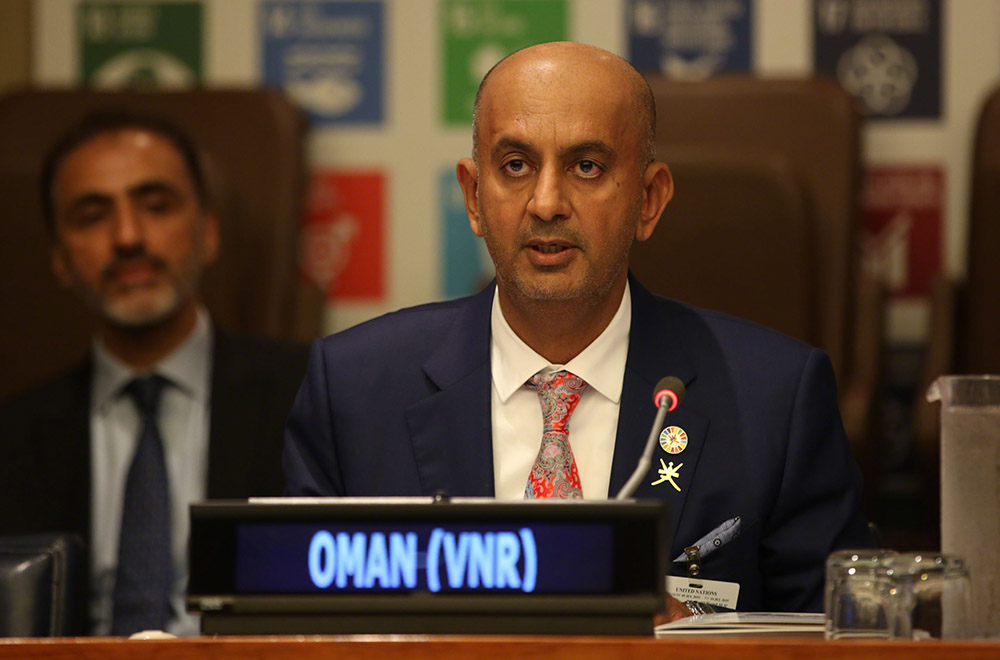
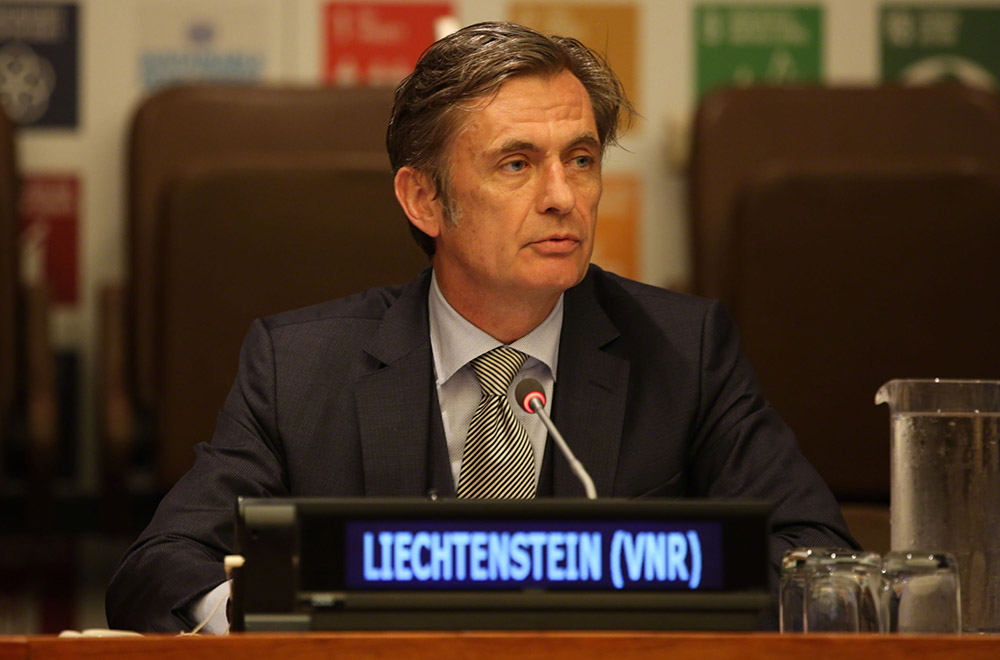
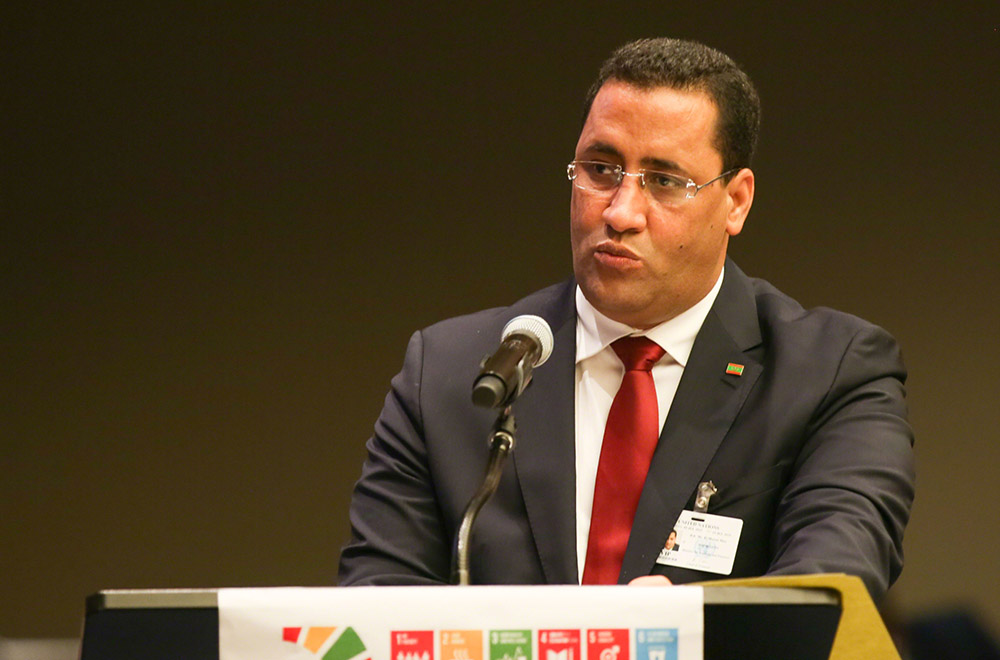
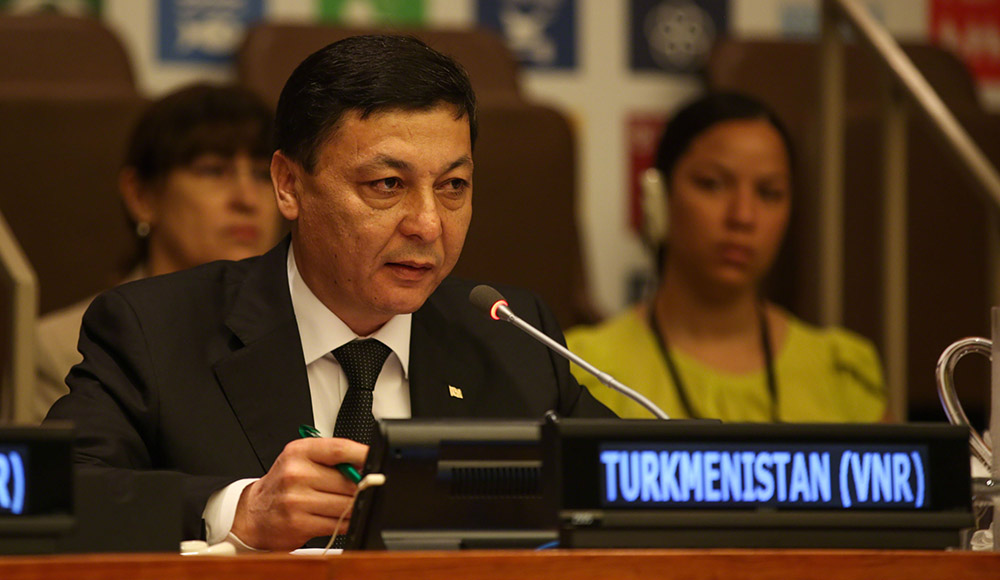
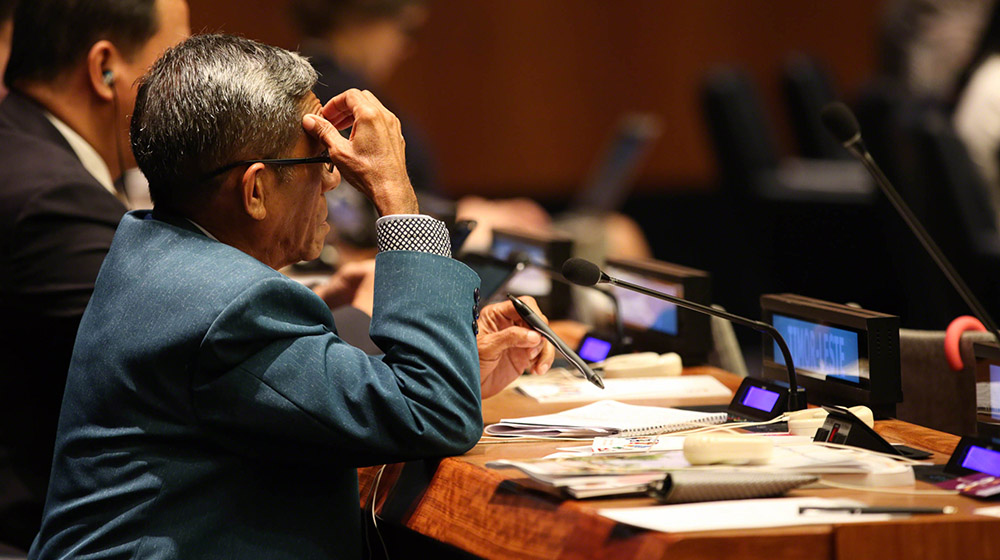
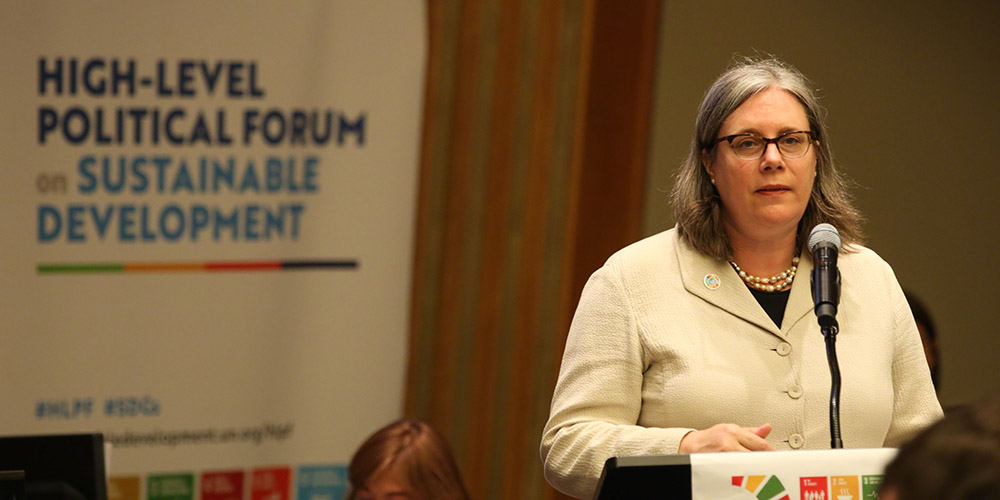
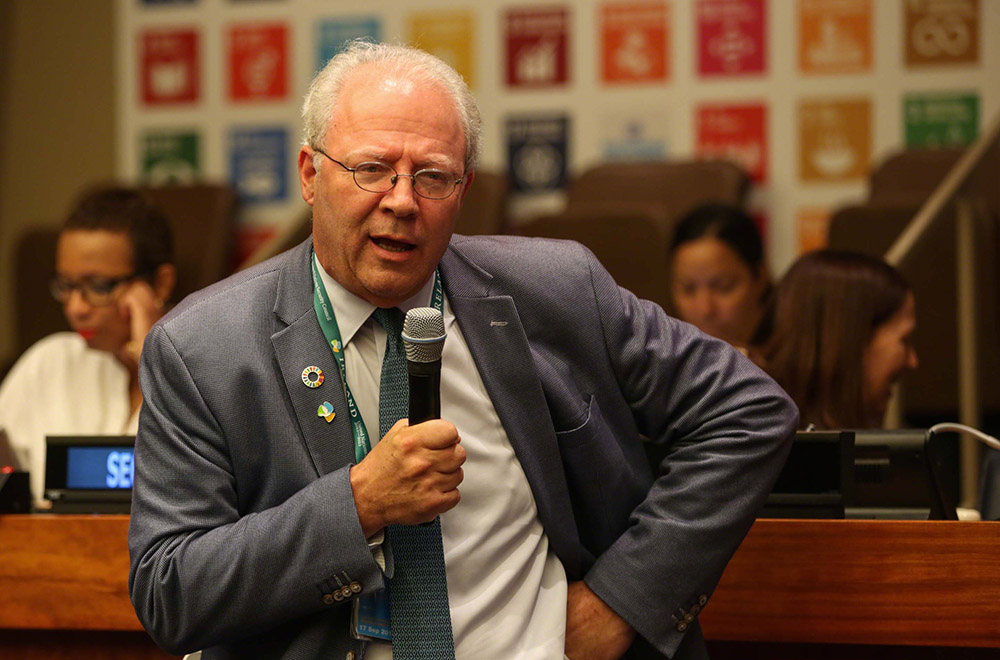
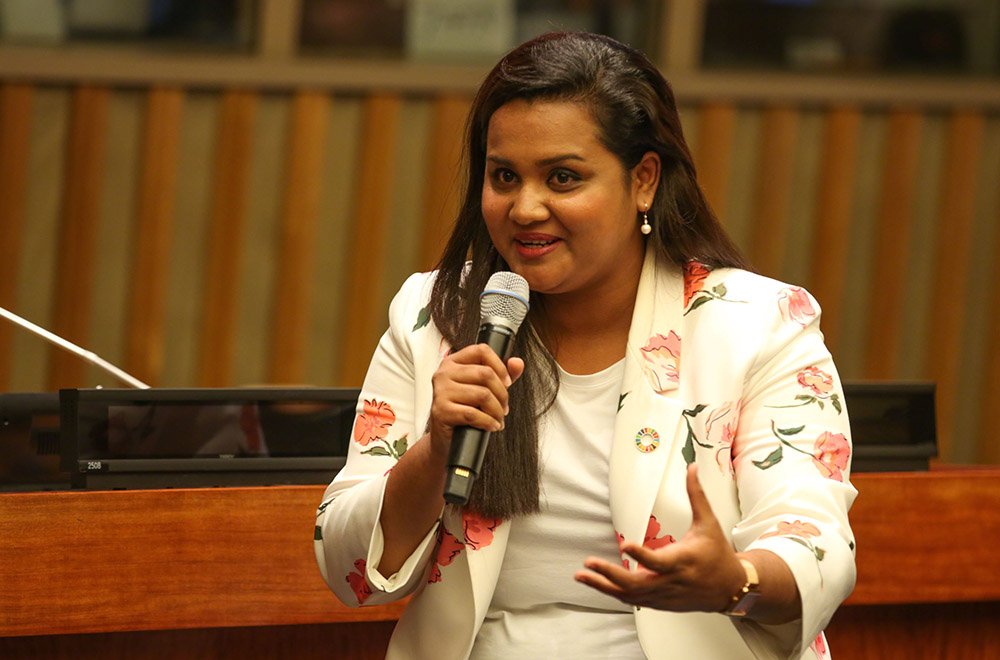
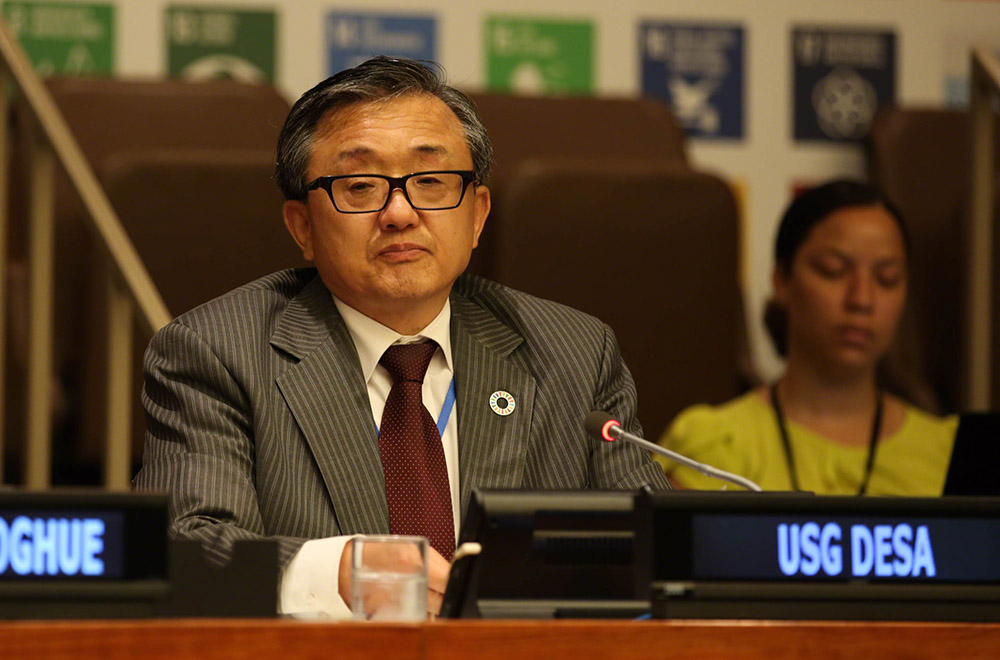
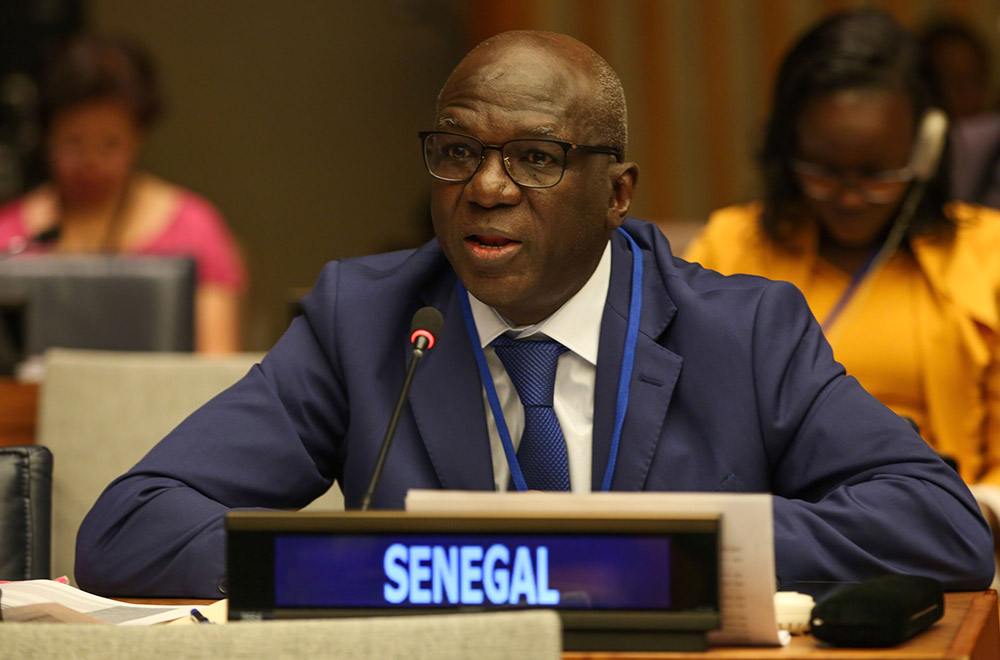
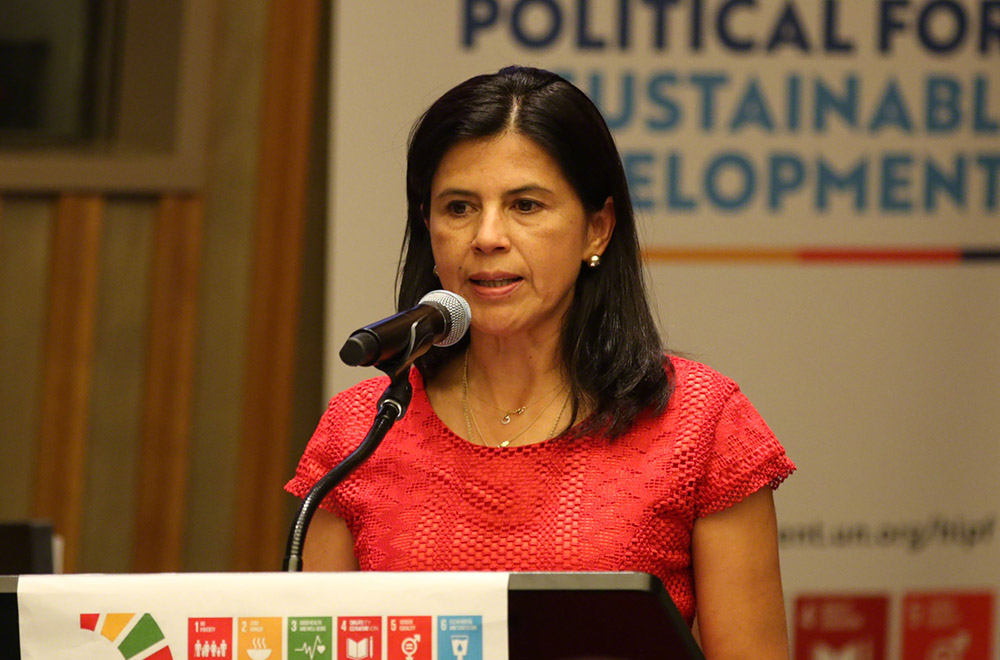
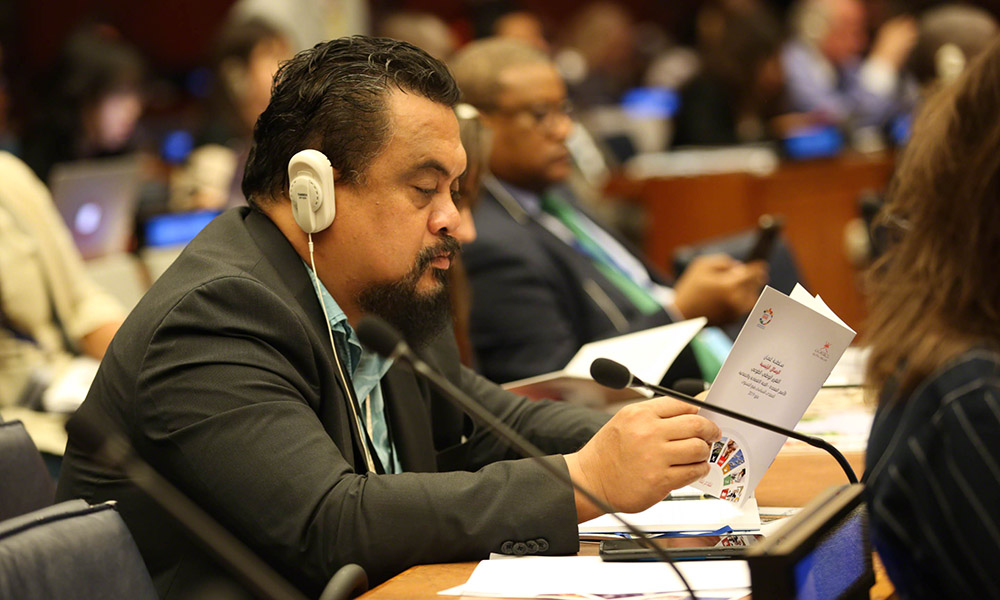
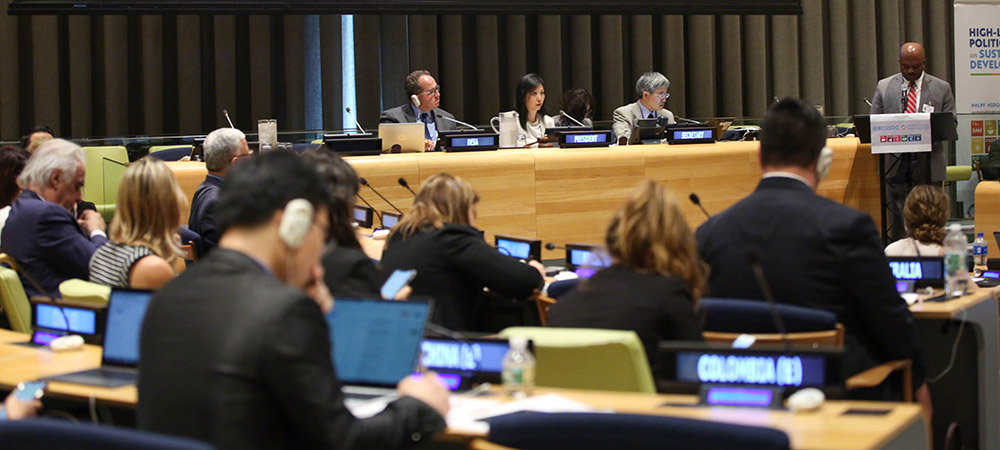
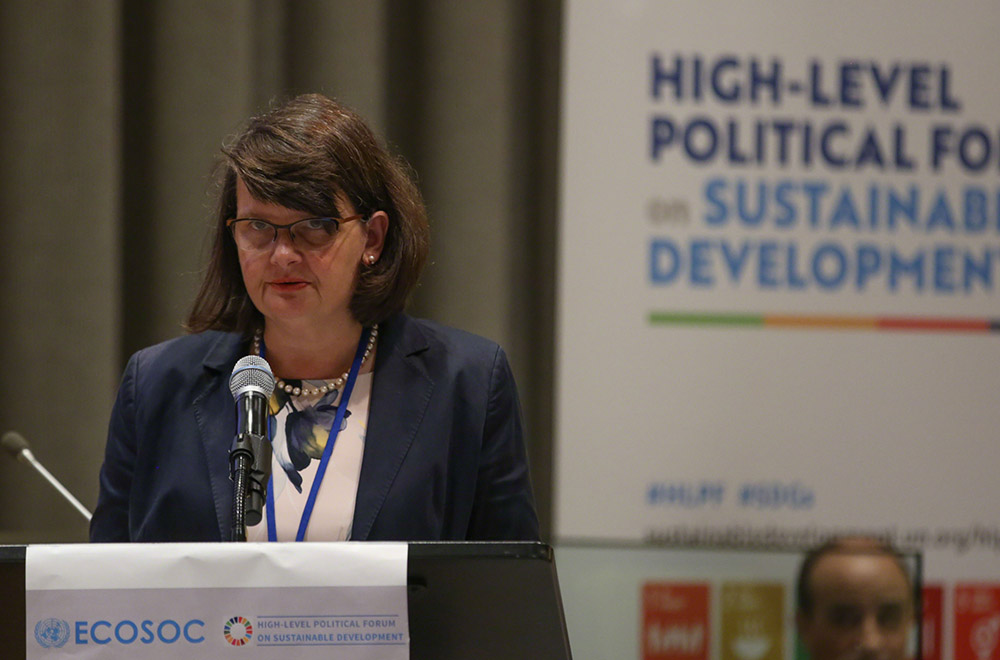
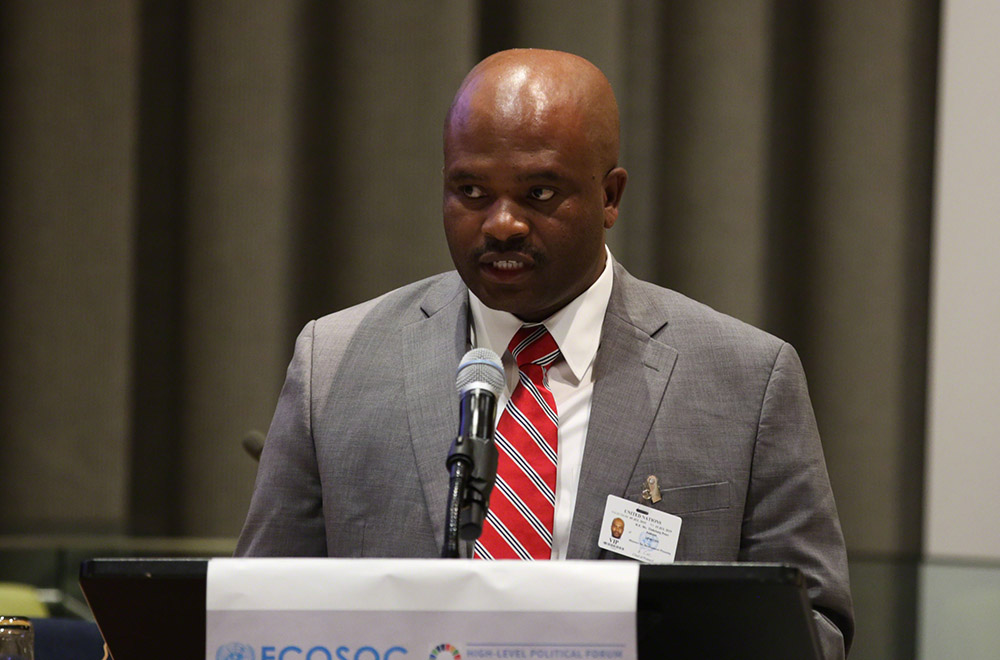
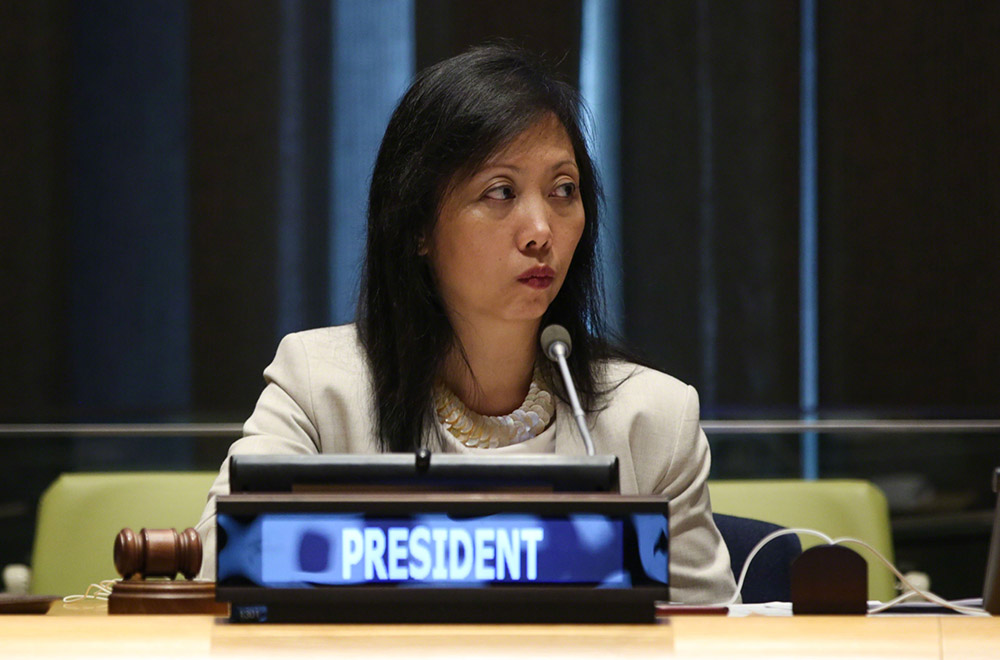
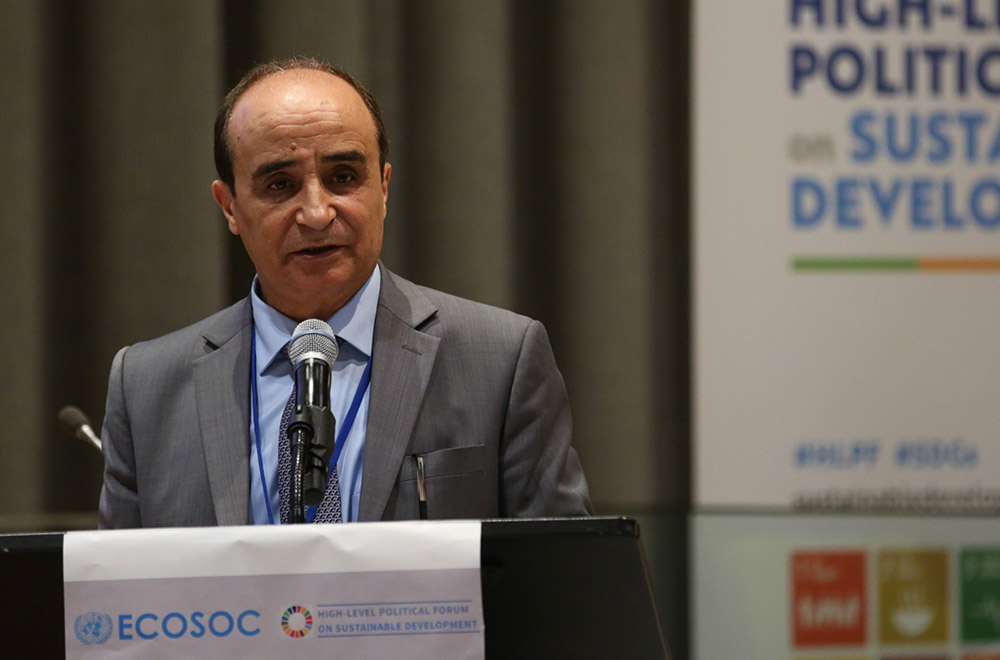
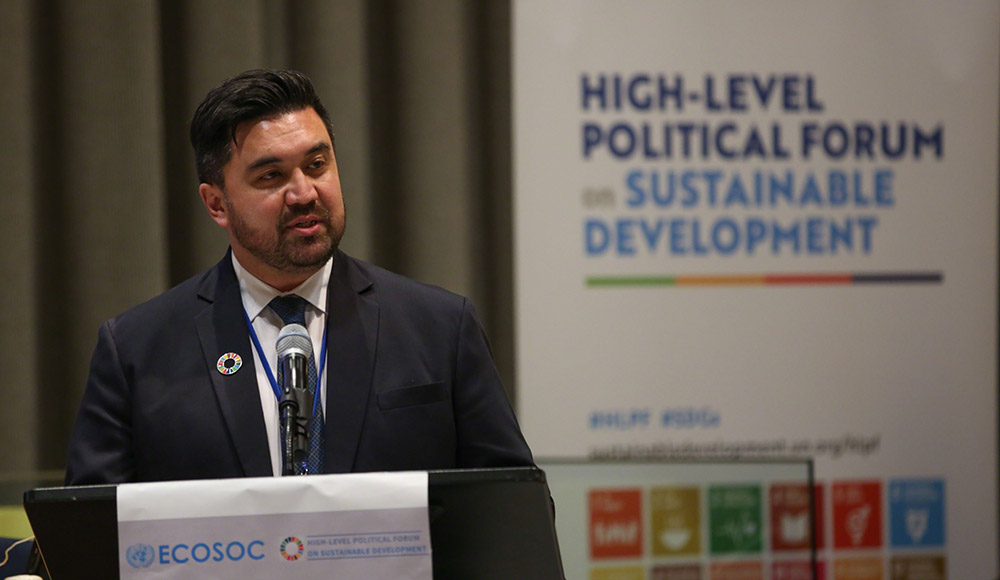
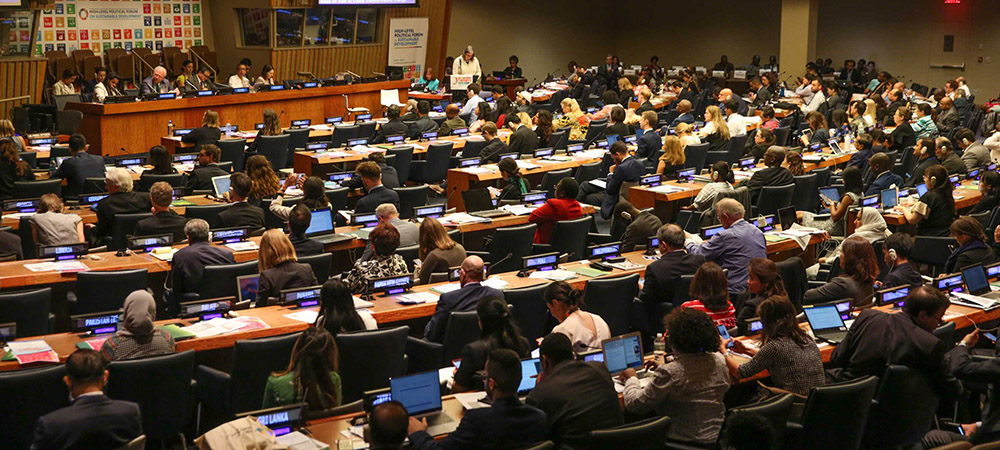
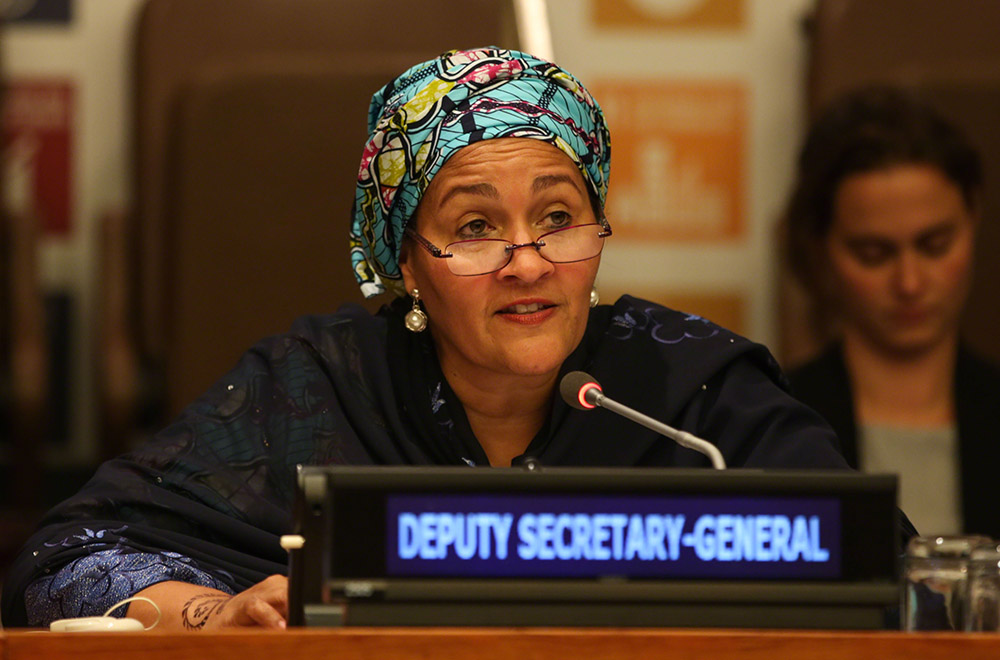
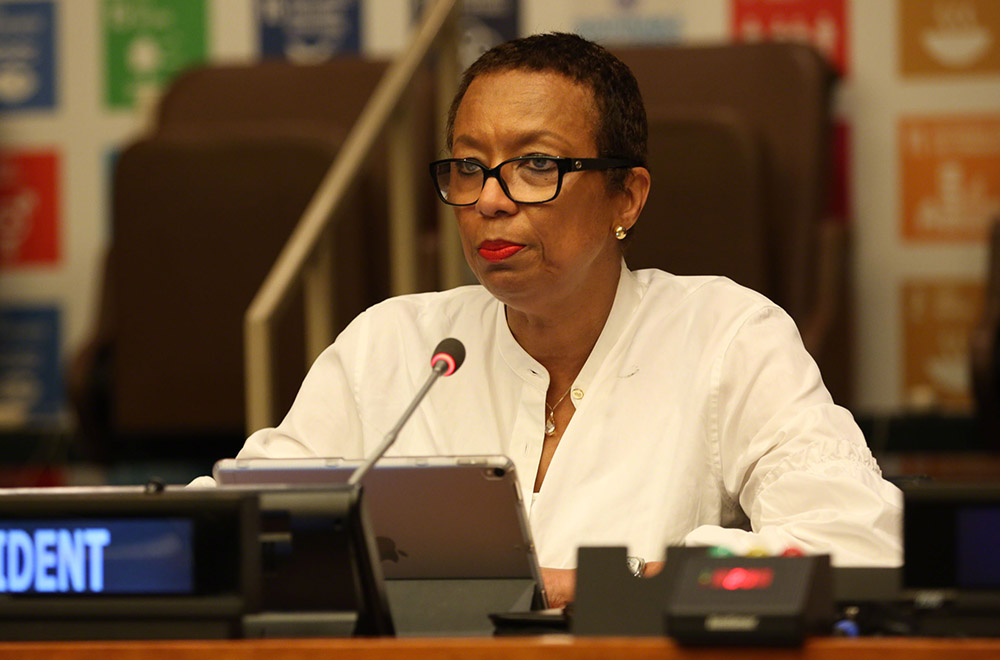
 Ten countries presented their voluntary national reviews (VNRs) on Thursday: Cameroon, Tunisia, Congo, Nauru, Guyana, Mauritius, Oman, Liechtenstein, Mauritania, and Turkmenistan.The General Debate continued in parallel in the afternoon, with 37 Heads of State and Government, ministers, and ambassadors making statements, which can be accessed here.A session on lessons learned from the first cycle of HLPF in the evening started with an “intergenerational dialogue” between David Donoghue, co-facilitator of the intergovernmental negotiations on the 2030 Agenda, and Jayathma Wickramanayake, UN Secretary-General’s Envoy on Youth. Wickramanayake called for the empowerment of youth, and fulfillment of the SDGs to ensure young people, constituting half the world’s population, have security, jobs, and opportunities to fulfil their potential. Donoghue said the intention to put “the infinite capacity of young people for activism” at the heart of the 2030 Agenda had not yet been realized, and worried that young people feel “betrayed” by their political institutions.UN Under-Secretary-General Liu Zhenmin listed the achievements of the HLPF so far, including: presentation of 142 VNRs; review of all of the SDGs; organization of regional fora; and stakeholder contributions. Presenting the preliminary and partial results of a survey conducted to inform the upcoming HLPF review process, Zhenmin said respondents believed the HLPF has fulfilled its functions; and the VNRs were useful to share lessons and challenges, advance implementation, and mobilize partners.In a discussion on lessons learned from the first cycle of the HLPF, speakers called for more inclusivity, more time and space for interaction, better use of regional institutions and spaces, a Ministerial Declaration that reflects the outcomes of a session, and better follow-up after a session, among many others.While discussing key messages for the SDG Summit, speakers highlighted the strong country ownership of the SDGs evidenced by national polices and actions; local-level reflection; and budgetary allocations for the SDGs. The challenges listed included difficulties in long-term planning, awareness building, and resource mobilization. Proposed focus areas included: a better understanding of interlinkages; the role of science, technology, and innovation in enabling co-benefits; governance, for integration and coordination; accurate and timely data for informed decision-making; gender equality and empowerment of women and girls; partnerships, including international cooperation; and regional forums that enable a space for peer learning and showcasing practical solutions.In the closing session, ECOSOC President King introduced the draft procedural report of the 2019 HLPF (E/HLPF/2019/L.1), which was adopted without amendments. Deputy Secretary-General Amina J. Mohammed highlighted three main areas: “the inclusion imperative”; democratic and effective institutions; and political commitment.The meeting was gaveled to a close at 6:04 pm.For more details on the day’s events and to hear what delegates said in the corridors, see our daily Earth Negotiations Bulletin (ENB).
IISD Reporting Services, through its ENB Meeting Coverage, provided daily web coverage and daily reports from HLPF 2019. In addition, IISD Reporting Services has published a summary and analysis report from the meeting, which is now available in HTML and PDF.
Photos by IISD/ENB | Kiara Worth
For photo reprint permissions, please follow instructions at our Attribution Regulations for Meeting Photo Usage Page.
Voluntary National Reviews

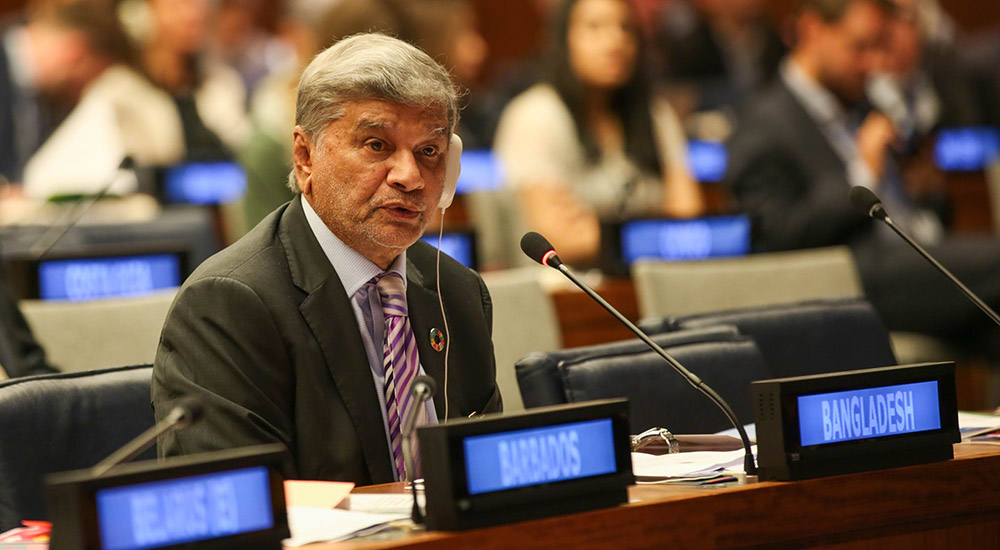
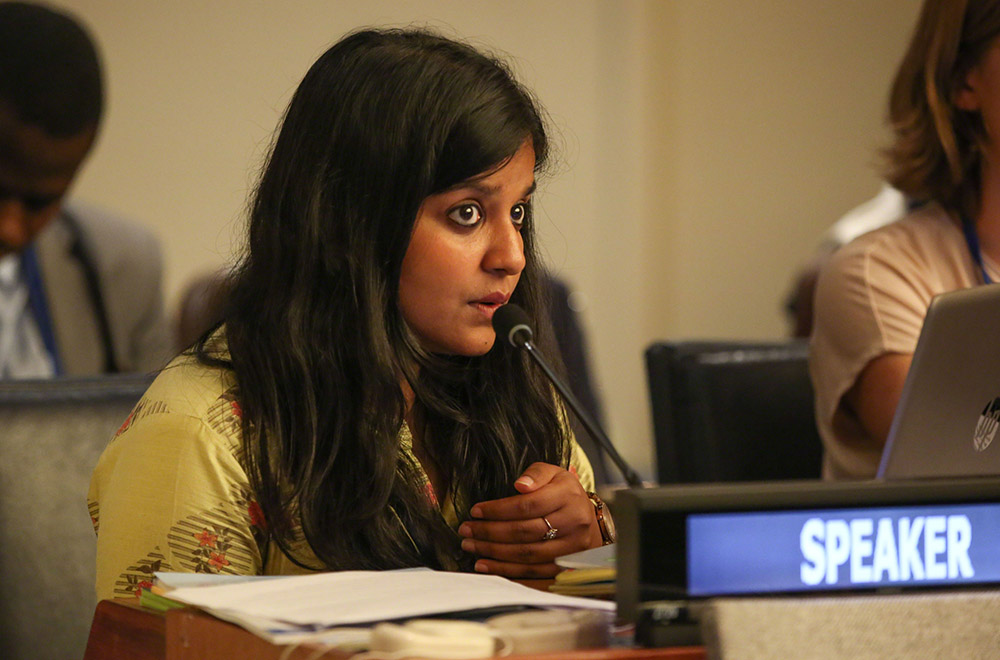
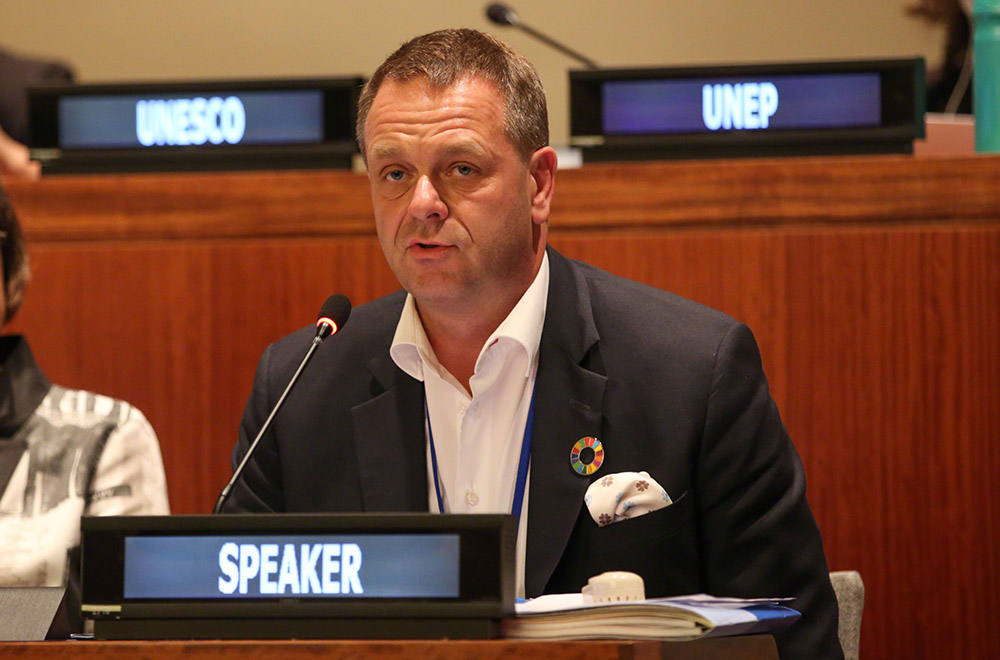
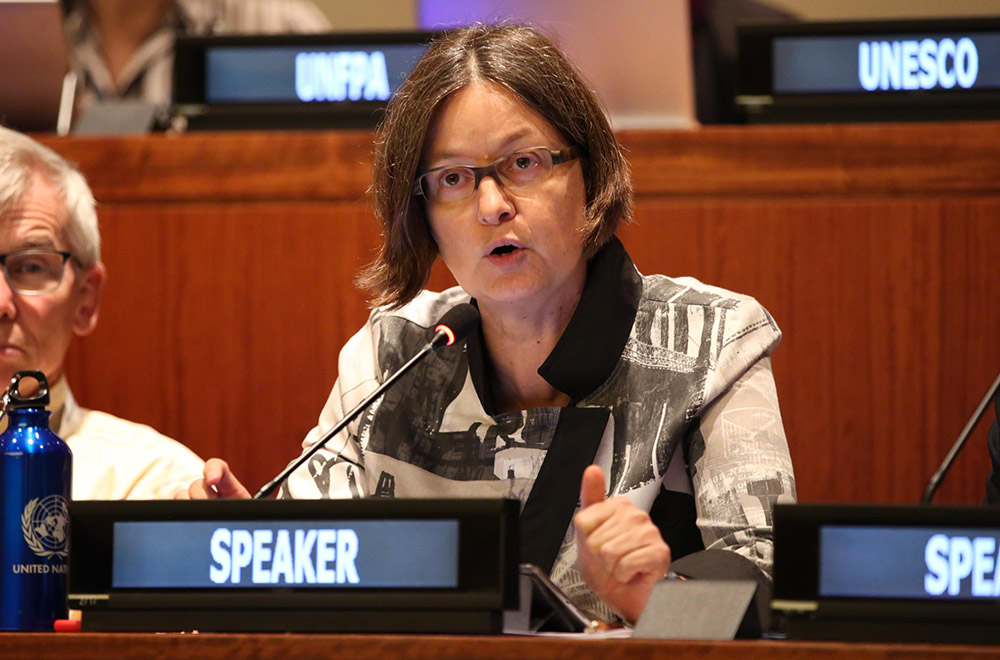
Lessons Learned from the First Cycle of HLPF and Messages for the 2019 HLPF Summit
General Debate
Closing of the HLPF
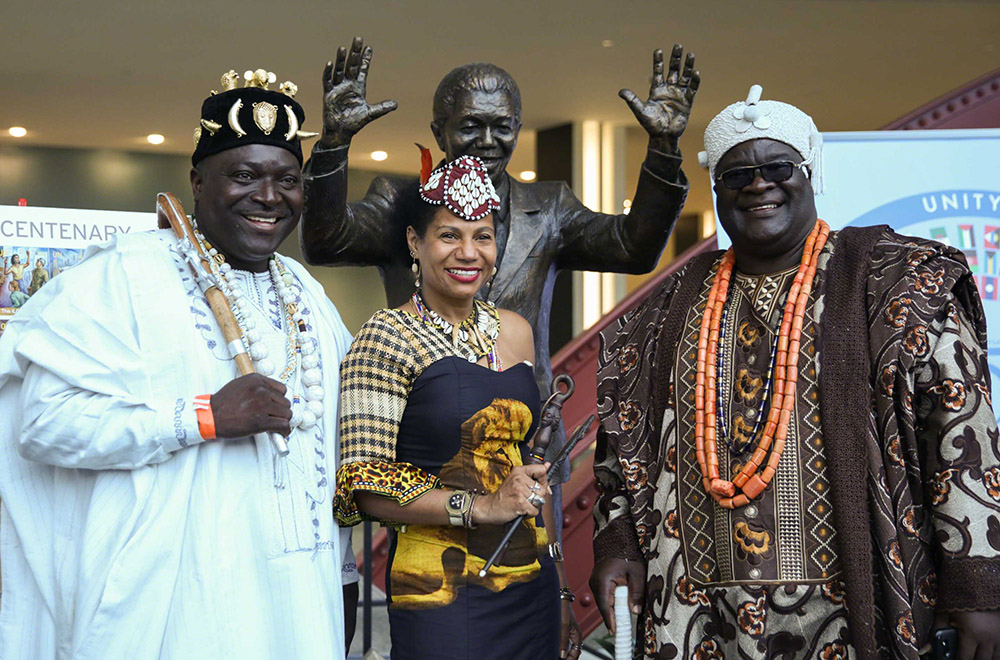
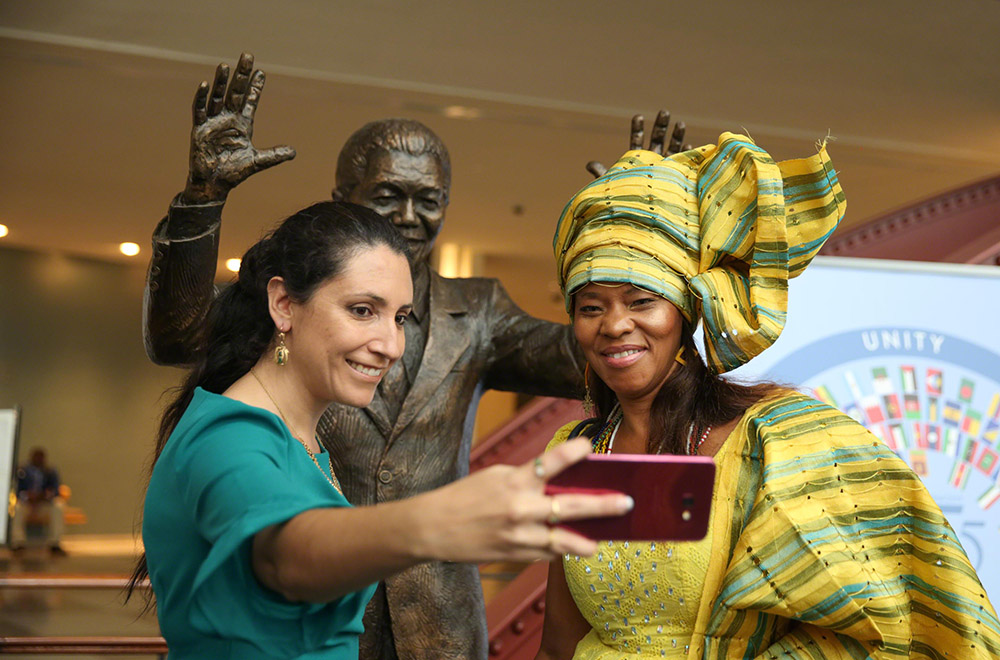
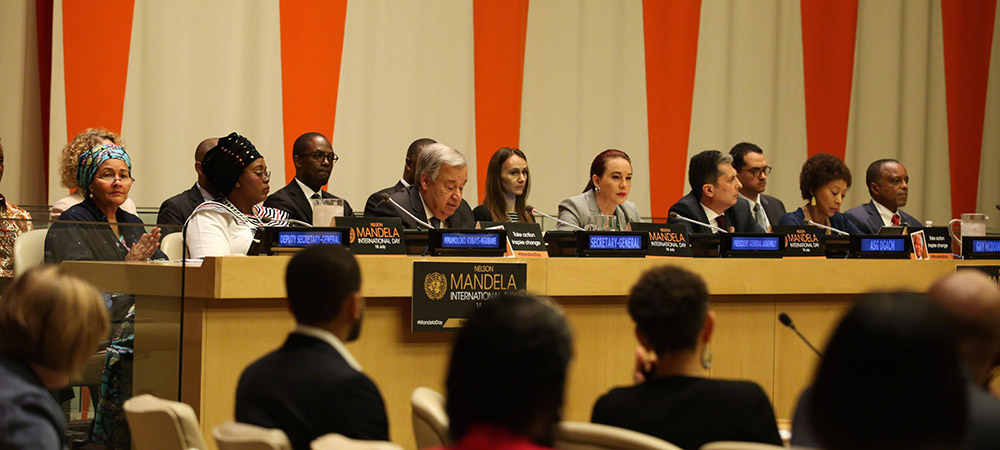
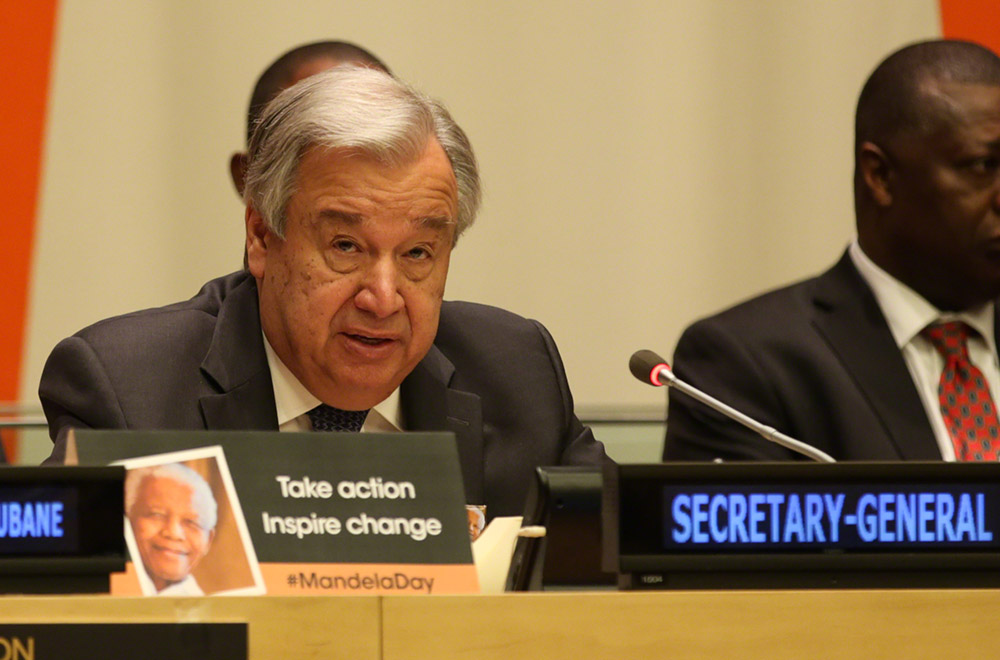
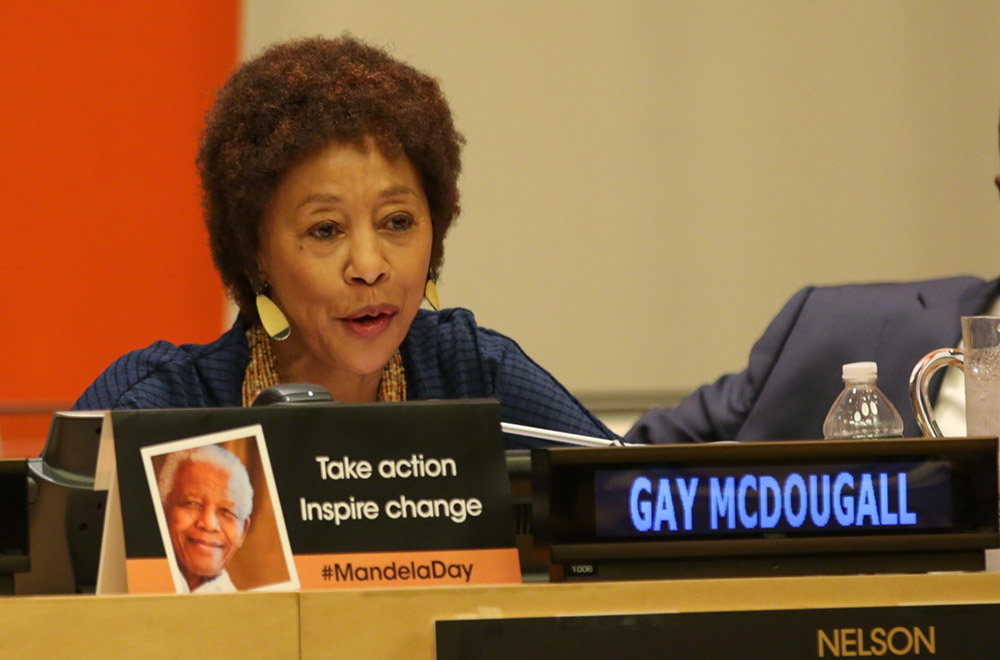
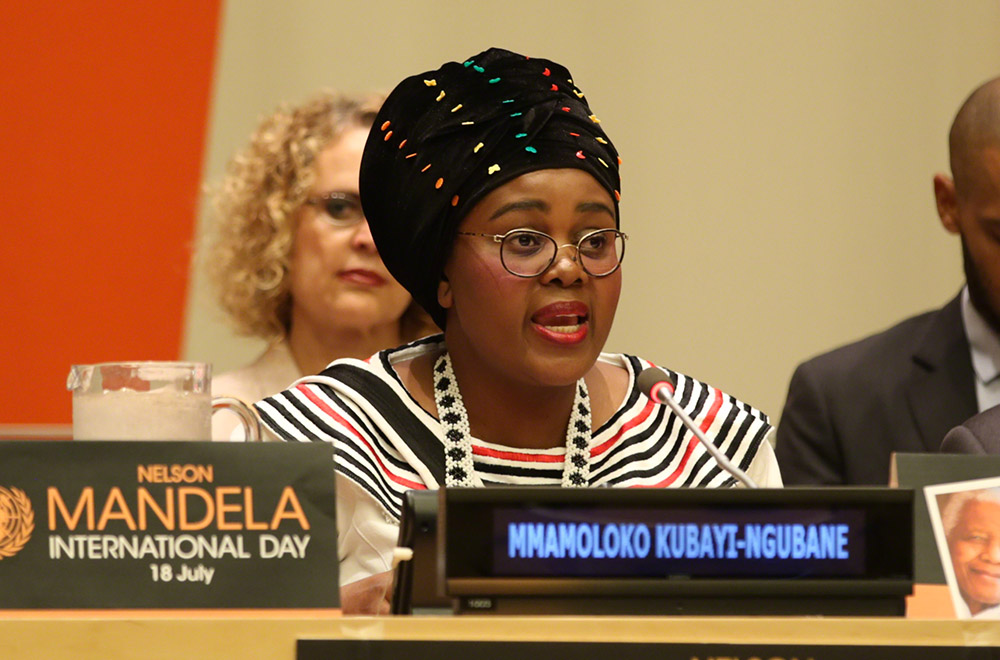
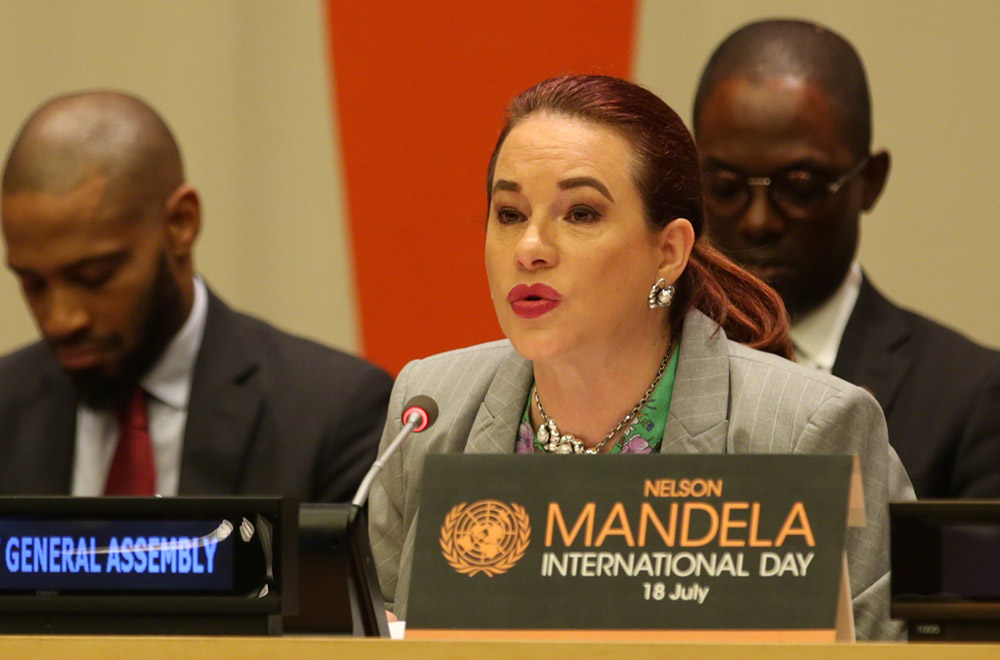
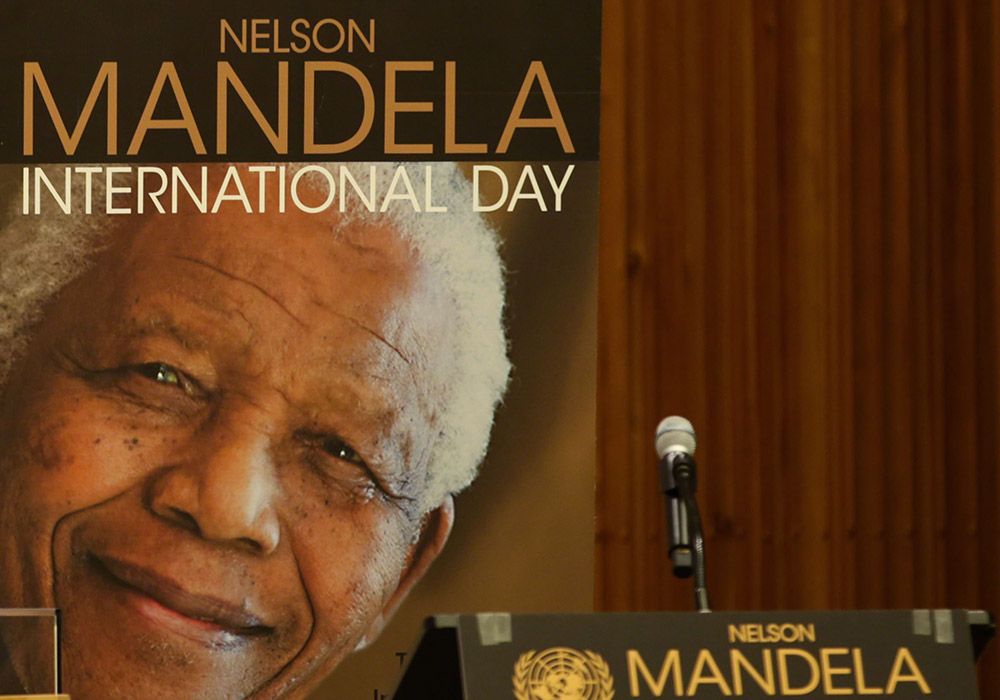
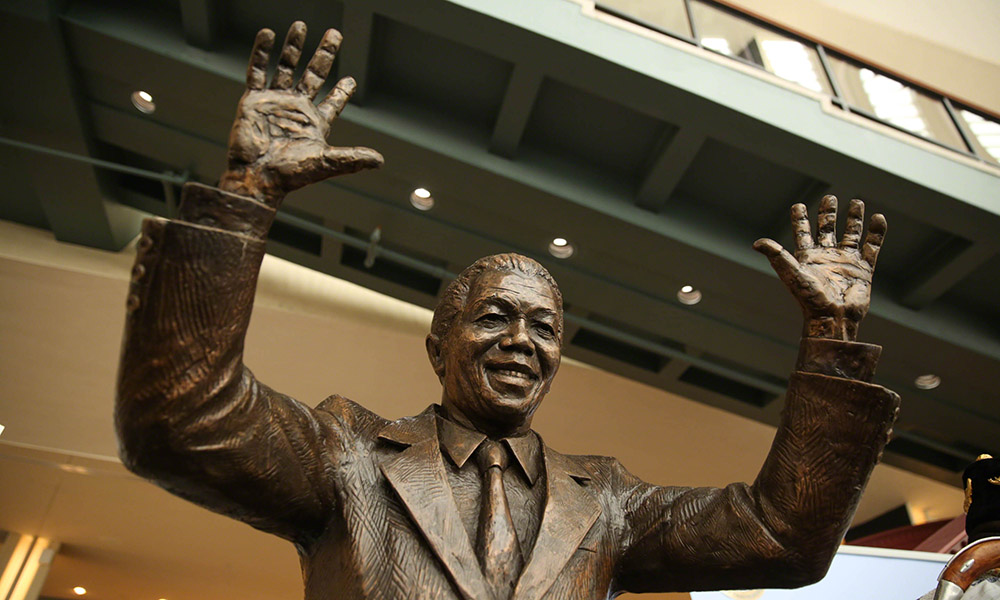
Nelson Mandela Day
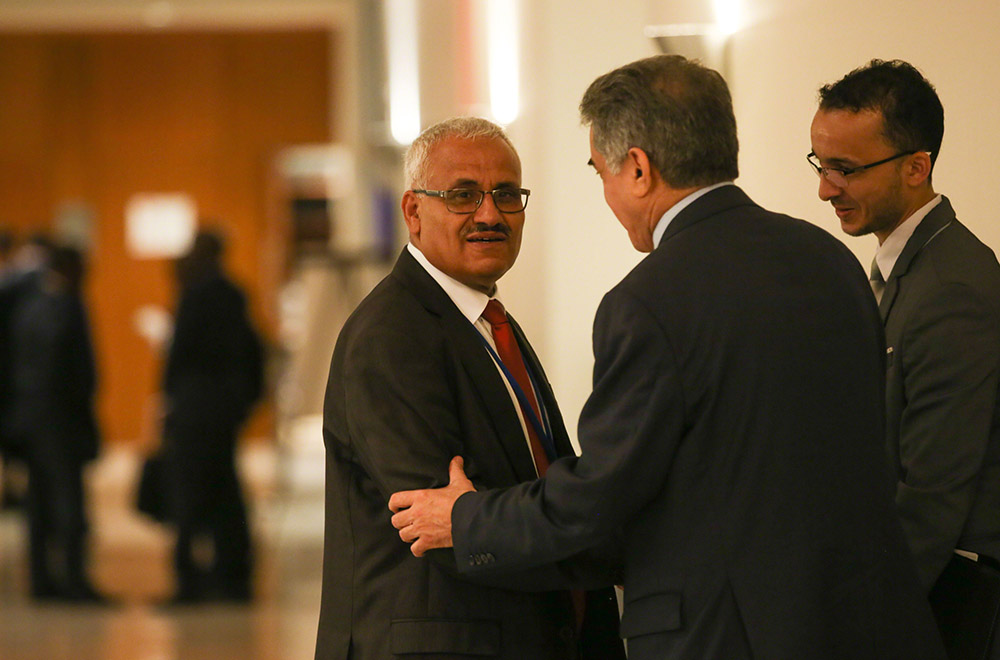
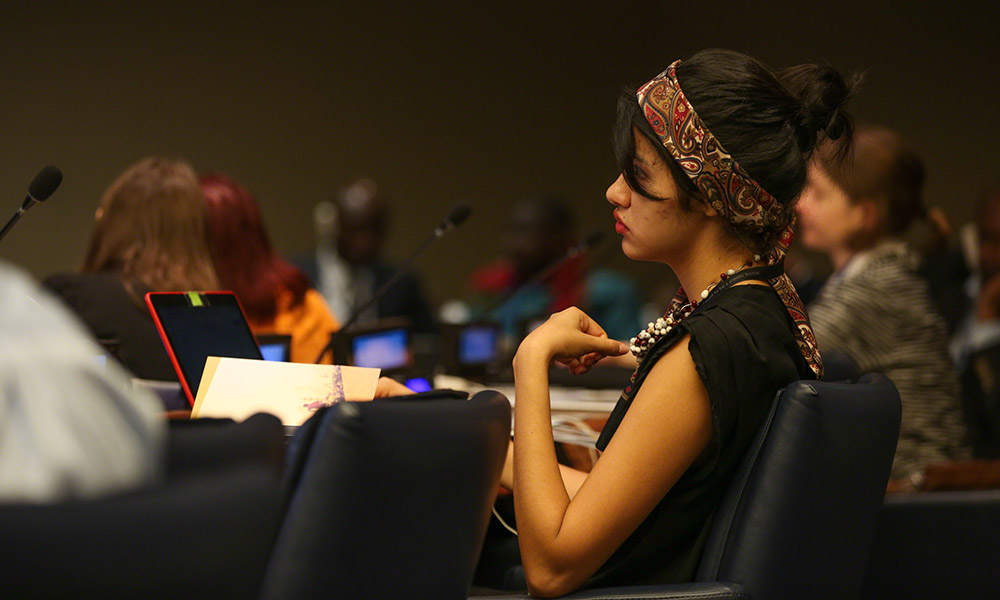
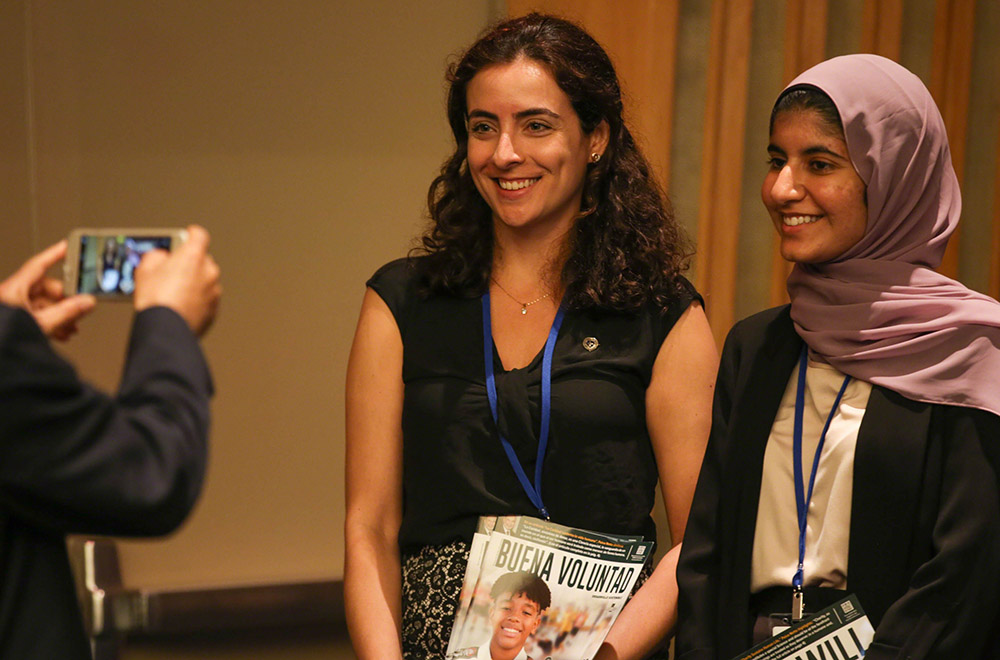
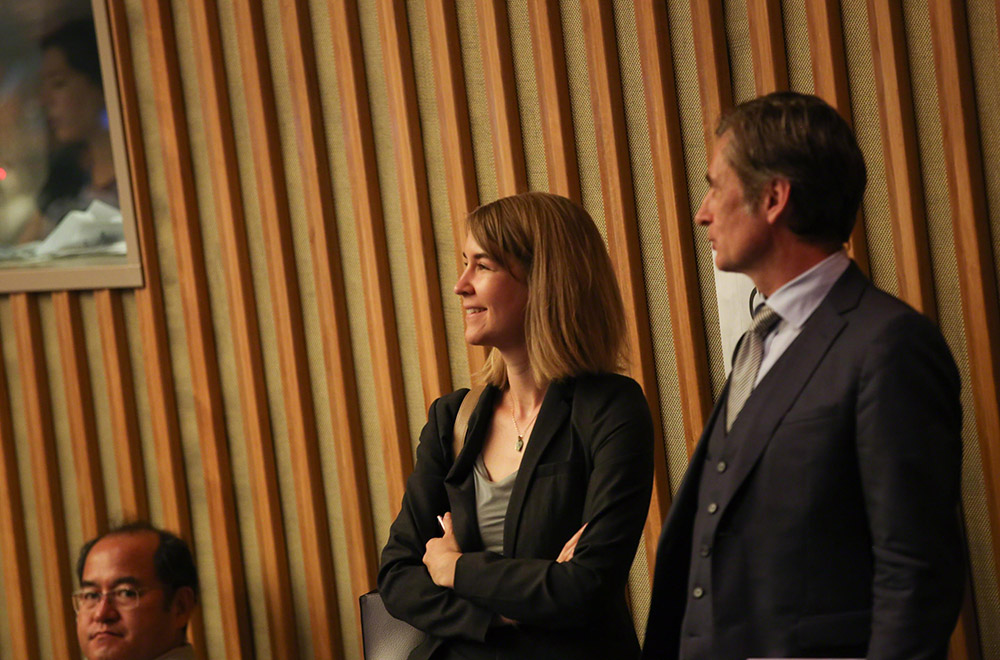
Around the Venue