About
Connecting the dots between the three Rio Conventions addressing climate change, biodiversity loss, and land degradation, stakeholders launch a collaborative platform to drive synergistic solutions to these interlocking dimensions of a planet at risk.
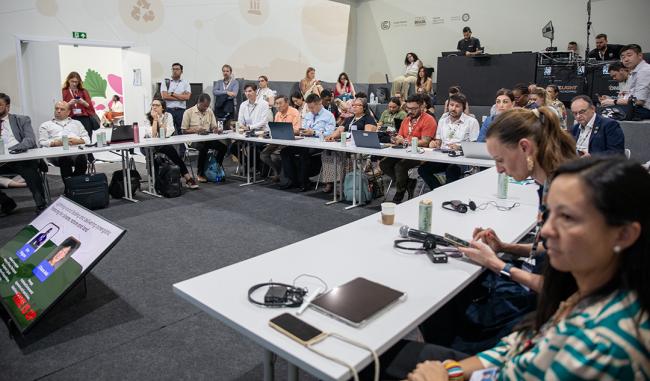
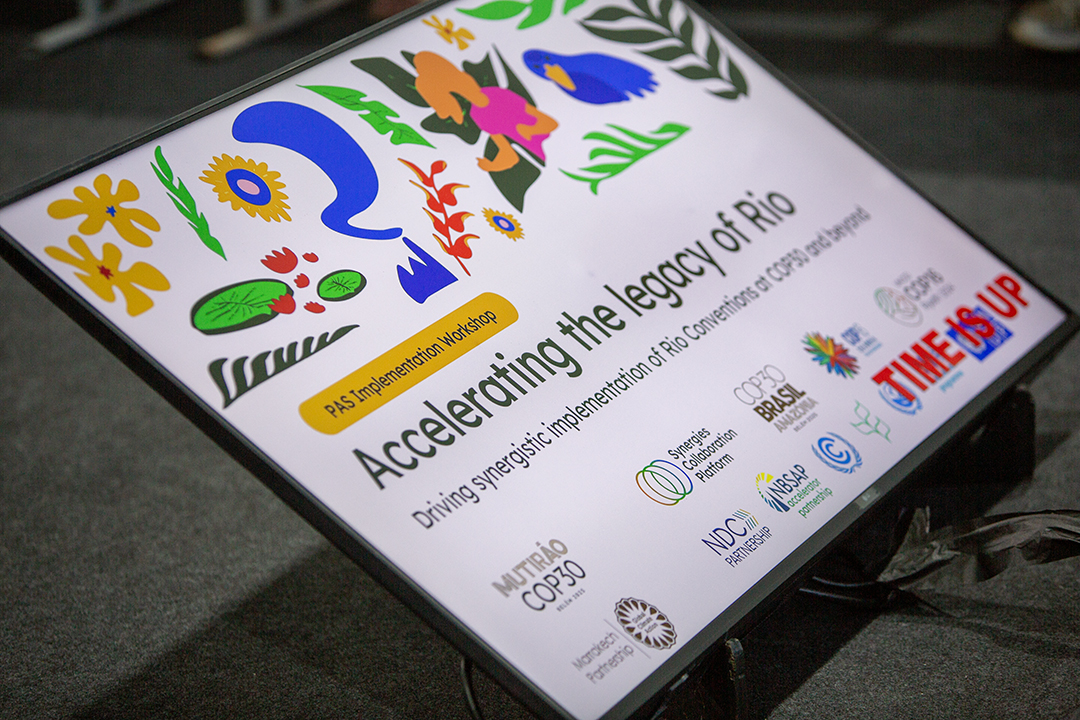
In the wake of the first Global Stocktake in 2023, implementing the Paris Agreement, the Kunming-Montreal Global Biodiversity Framework (GBF), and Land Degradation Neutrality (LDN) by 2030 will clearly require achieving synergies across the three Rio Conventions: the UNFCCC, the UN Convention to Combat Desertification (UNCCD), and the Convention on Biological Diversity (CBD). Aiming to accelerate momentum toward this goal, stakeholders gathered for a high-level roundtable to launch the Plan to Accelerate the Solution (PAS) for synergistic implementation of the Rio Conventions and its host platform, the Synergies Collaboration Platform (SCP) to facilitate collaboration and coordination.
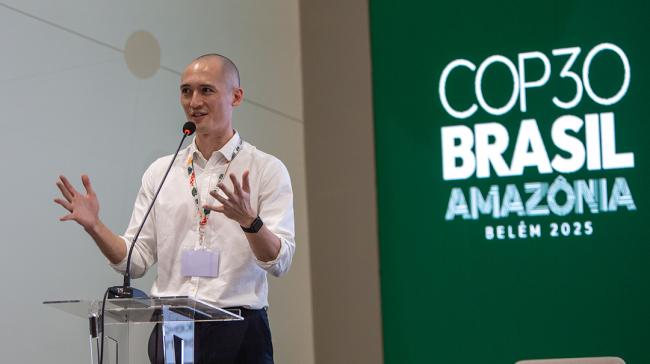
Opening the event, moderator Calder Tsuyuki-Tomlinson, Director, SCP Secretariat, underscored that the PAS and SCP are the result of a “groundswell of collective efforts supporting implementation” and urged whole-of-society approaches to ensure policy coherence and synergistic financing mechanisms.
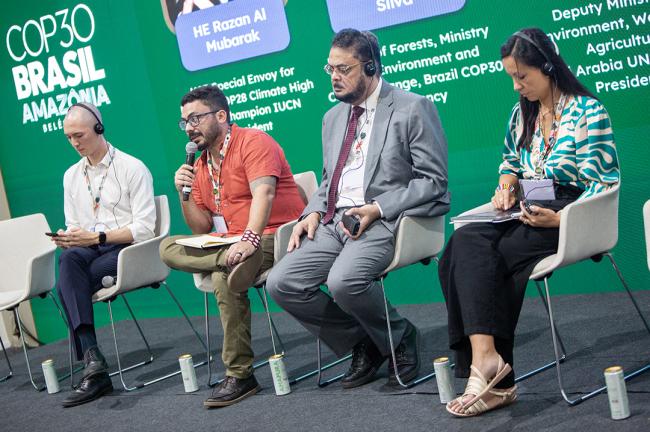
In a keynote address, Razan Khalifa Al Mubarak, United Arab Emirates (UAE) Special Envoy for Nature, COP 28 Climate High Level Champion, and President of the International Union for Conservation of Nature (IUCN), stressed that succeeding on climate change means acting in integrated ways that also address biodiversity loss and land degradation. “By scaling integrated solutions, we can meet our shared planetary ambitions,” Mubarak emphasized.
Thiago Belote Silva, COP 30 Presidency and Director of Forests, Ministry of the Environment and Climate Change, Brazil, underscored his ministry’s integrated approach to planning and implementation, which aims to build a “landscape” for action with built-in synergies.
Osama Faqeeha, Deputy Minister for Environment, Water, and Agriculture, Saudi Arabia, and UNCCD COP 16 Presidency, emphasized that the Riyadh Action Agenda, adopted at COP 16, recognizes the need to bring land, the Ocean, and the atmosphere together. “You cannot work on them separately,” he stressed. Faqeeha called for action on the ground that integrates national plans, finance, and political support.
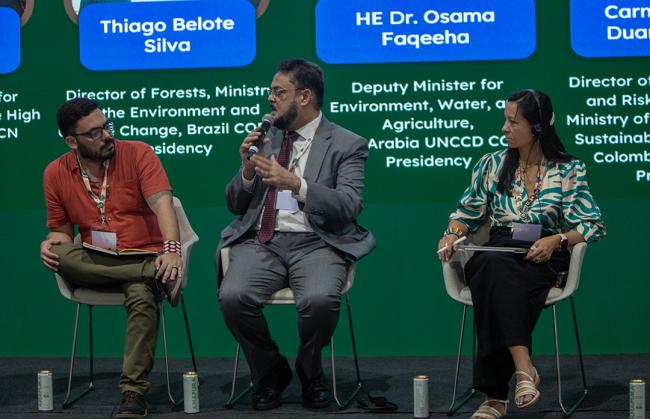
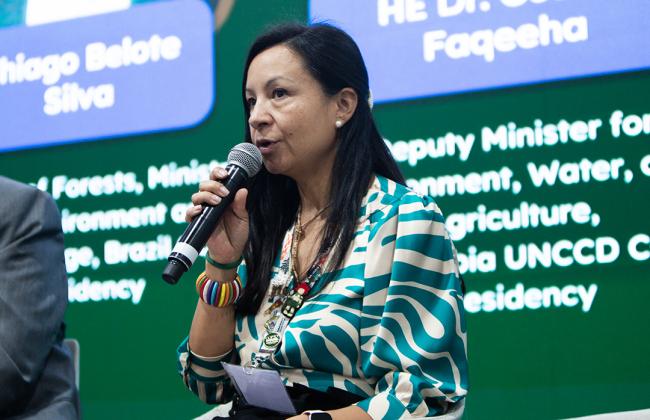
Carmen Stibel Duarte Torres, Director of Climate Change and Risk Management, Ministry of Environment and Sustainable Development, Colombia, and CBD COP 16 Presidency, called for greater knowledge sharing, monitoring, and synergistic collaboration, as well as the need to avoid maladaptation. Torres welcomed SCP support for Nationally Determined Contributions (NDCs) and transboundary solutions.
In a panel discussion, Mariana Panuncio-Feldman, Country Engagement Director, NDC Partnership Support Unit, highlighted that the Partnership works to support more than 100 countries in developing their NDCs. These countries, she said, are increasingly integrating climate and biodiversity as part of their sustainable development pathways. The third generation of NDCs are mentioning to a greater extent the need for countries to commit to enhancing synergies, she added. Panuncio-Feldman, however, noted that work remains to integrate tracking into NDCs. She welcomed the SCP as an “opportunity to connect the dots.”
Claudia Ortiz, Lead, Climate Strategies, NDC, and Transparency, UN Development Programme (UNDP), stressed that UNDP supports aligning finance for nature, climate, and NDCs, including for projects on the ground. She urged policy coherence and for finance to align with and support concrete, integrated solutions.
Mirey Atallah, Chief of the Adaptation and Resilience Branch, Climate Change Division, UN Environment Programme (UNEP), underscored a series of global stakeholder dialogues, which raised concerns about finance, planning, and monitoring. Atallah stressed the importance of unpacking what works at the NDC planning level. However, she explained that the requirements for countries to report NDCs, National Adaptation Plans (NAPs), targets, and other elements of their action plans creates a capacity burden. “We need to unpack what whole-of-society and economy approaches mean,” she added.
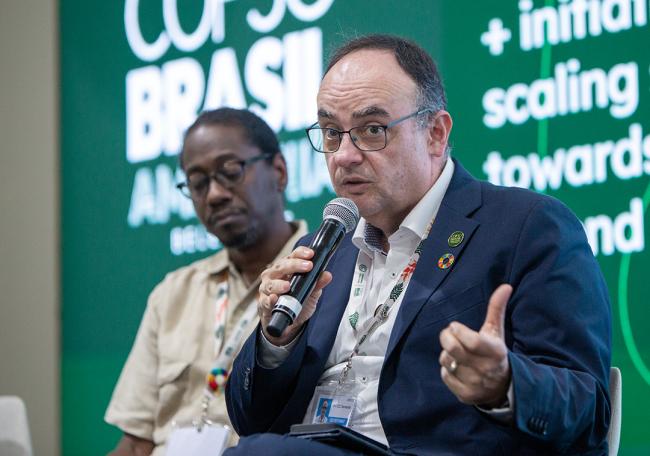
Alejandro Kilpatrick, Manager, Capacity-Building Subdivision, Means of Implementation Division, UNFCCC, highlighted that countries are facing challenges in breaking down silos and in understanding the complexity of instruments created by the Rio Conventions. He emphasized the need to strengthen collaboration to focus on country-level support, including: capacity building; coherence and complementary; and developing knowledge products, such as the new Rio Conventions website.
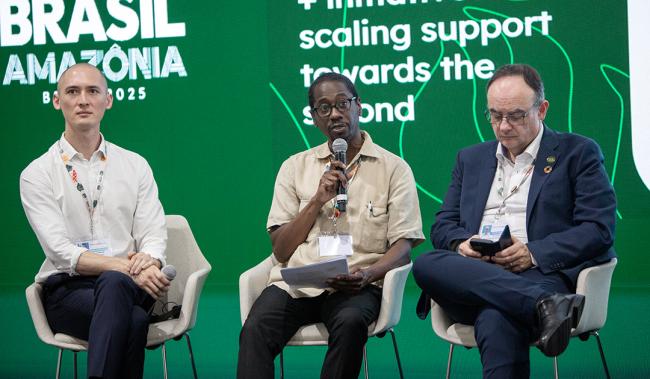
Orville Grey, Head of the Secretariat for the NAP Global Network, International Institute for Sustainable Development (IISD), described IISD’s work with Deutsche Gesellschaft für Internationale Zusammenarbeit (GIZ) to develop a checklist to help policy actors align NDCs, NAPs, and National Biodiversity Strategies and Action Plans (NBSAPs). Grey emphasized that “synergies are not just technical; they are foundations of resilience, equity and sustainable development.”
In a “lightning round” of interventions, Chizuru Aoki, Manager, Multilateral Environmental Agreements and Funds Division, Global Environmental Facility (GEF), urged an “all hands on deck” effort to mobilize financial resources and for policy coherence to enable governments to help lower costs.
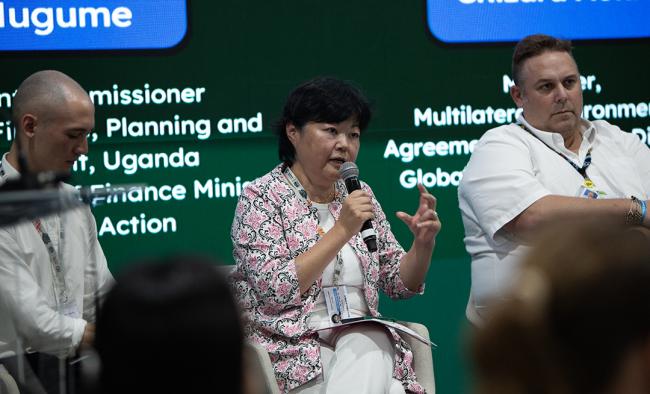
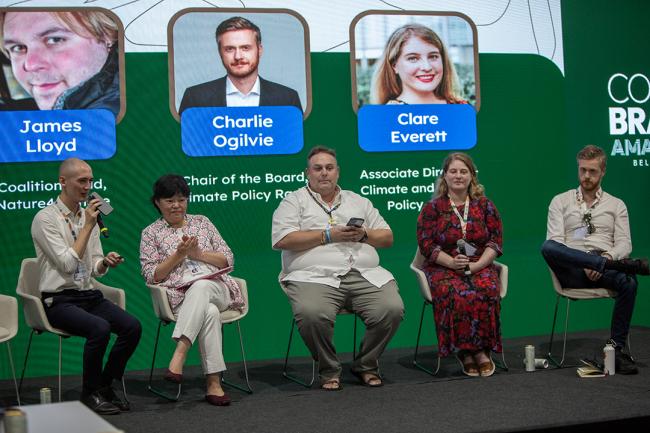
James Lloyd, Nature4Climate Coalition Lead, pointed to nature-based solutions as a way to deliver aligned finance. He highlighted Nature4Climate’s work with the data community to harmonize data requirements with the Rio Conventions.
Charles Ogilvie, Chair of the Board, Climate Policy Radar, shared the new Rio Policy Radar platform, which enables easy searches across submissions to the Rio Conventions.
Clare Everett, Associate Director, Climate and Nature Policy, CDP, urged creating frameworks to bring data to policymakers and action plans and to investors to de-risk and scale finance.
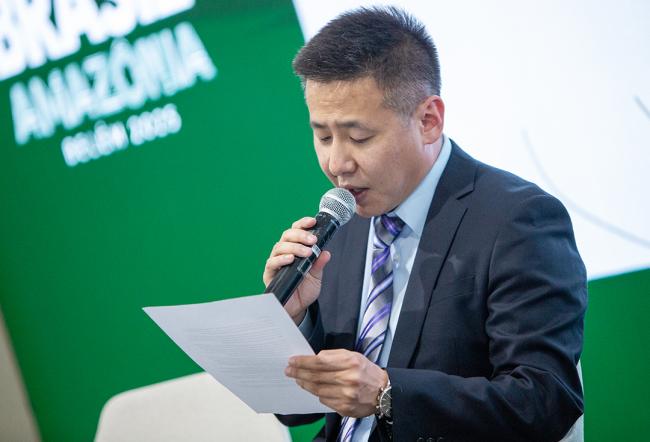
In closing remarks, Bat-Ulzii Batchuluun, Director General of the Policy and Planning Department, Ministry of Environment and Climate Change, Mongolia, and UNCCD COP 17 Presidency, underscored that the launch of the SCP reaffirms that pathways to action on climate change, biodiversity loss, and land degradation are indivisible. Batchuluun stressed that Mongolia will work to ensure synergies are operationalized and integrated into policy and national plans.
Nona Budoyan, Head, Climate Policy Department, MInistry of Environment, Armenia, and CBD COP 17 Presidency, stressed that collective success depends on building bridges and turning commitments into measurable results.
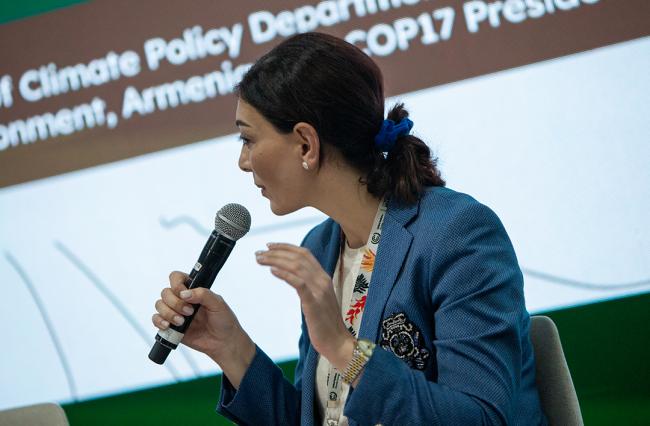
Organizers: SCP, UNFCCC COP 30 Presidency, CBD COP 16 Presidency, UNCCD COP16 Presidency, NDC Partnership, NBSAP Accelerator Partnership, UNFCCC, CBD, UNCCD, UNEP, UNDP
Contact: Calder Tomlinson I [email protected]
Website: https://synergiesplatform.org
To receive free coverage of global environmental events delivered to your inbox, subscribe to the ENB Update newsletter.
All ENB photos are free to use with attribution. For 2025 UN Climate Change Conference Belem - Side Events , please use: Photo by IISD/ENB | Angeles Estrada Vigil
Selected Images
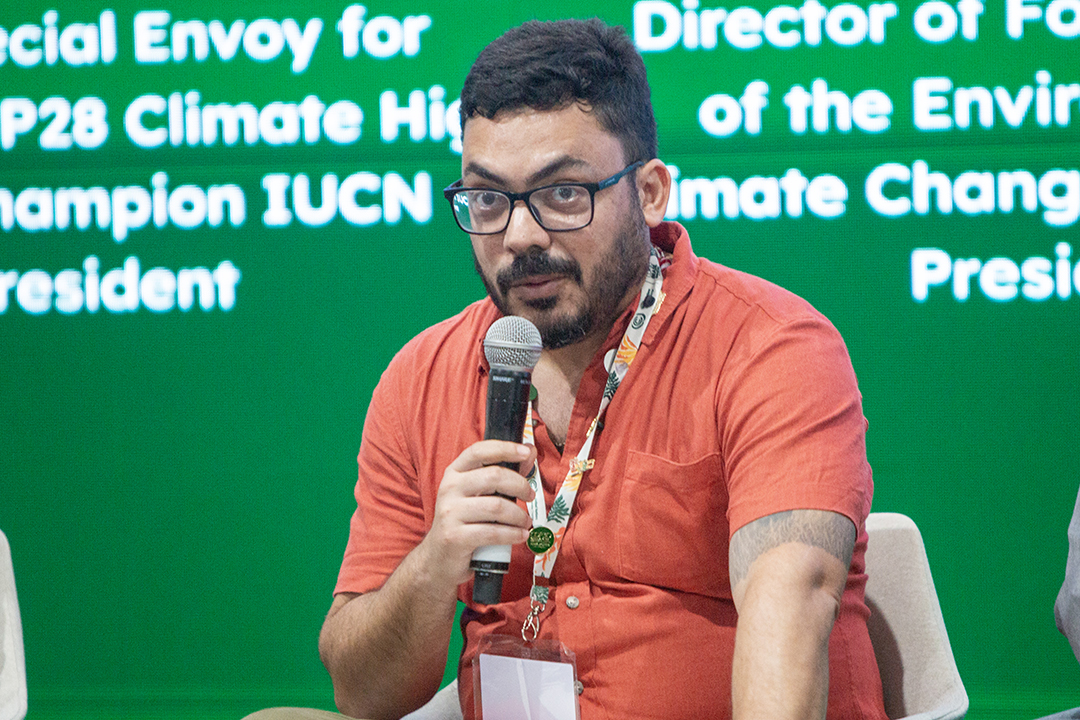
Thiago Belote Silva, Director of Forests, Ministry of the Environment and Climate Change, COP 30 Presidency
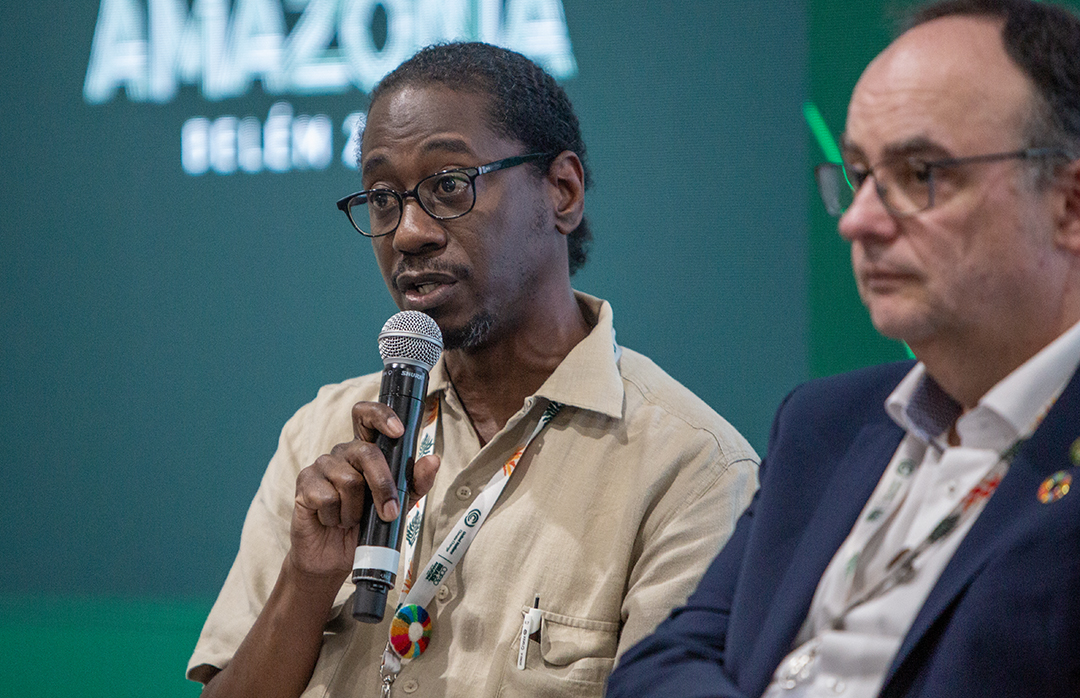
Orville Grey, Head of Secretariat for the NAP Global Network, IISD
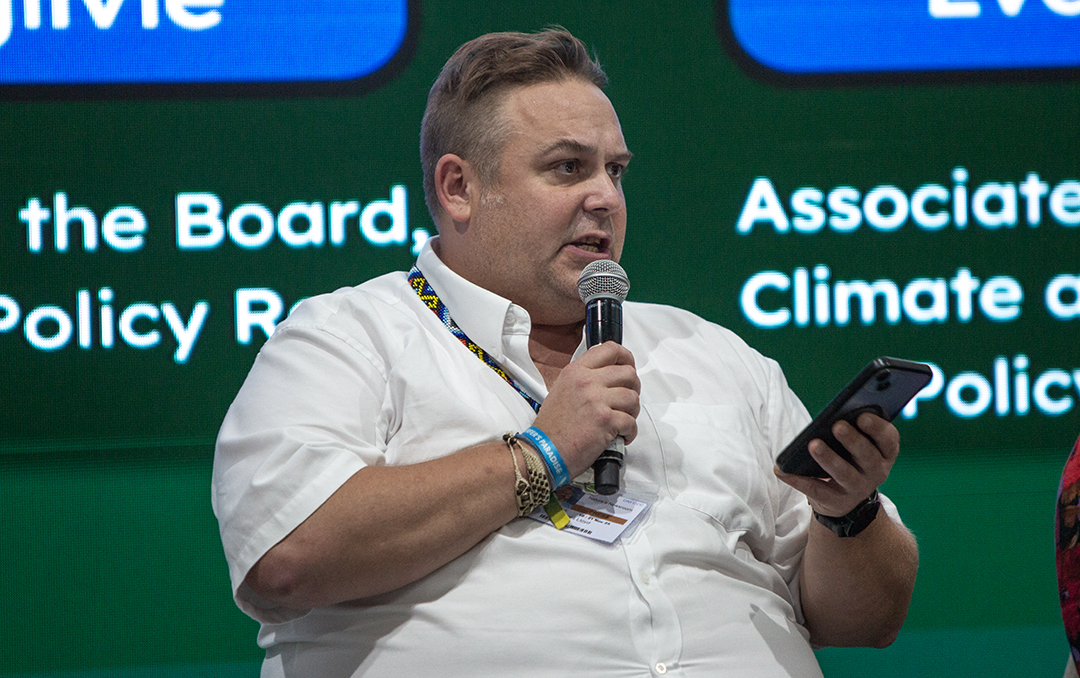
James Lloyd, Nature4Climate Coalition Lead
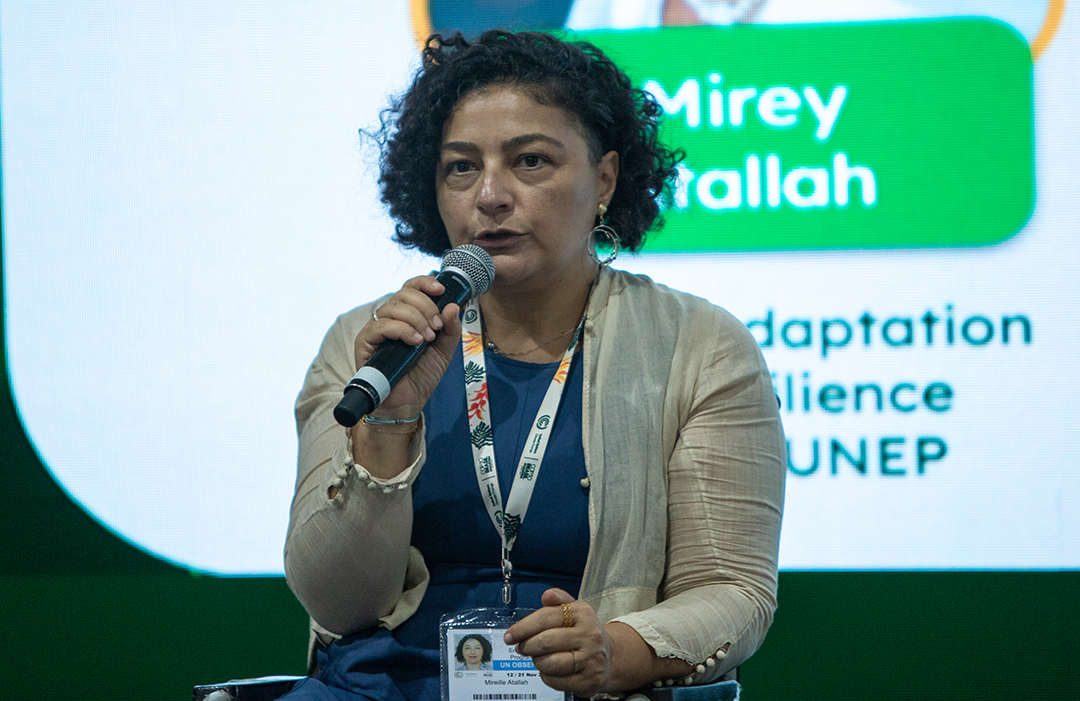
Mirey Atallah, Chief of the Adaptation and Resilience Branch, Climate Change Division, UNEP
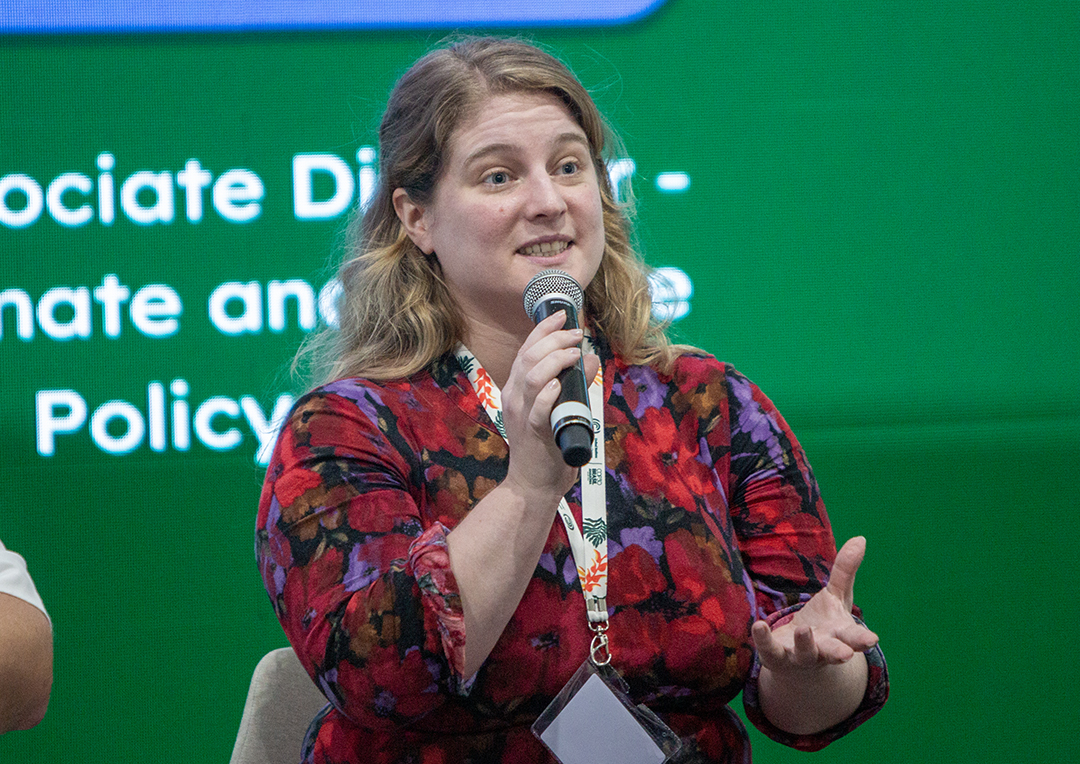
Clare Everett, Associate Director, Climate and Nature Policy, CDP
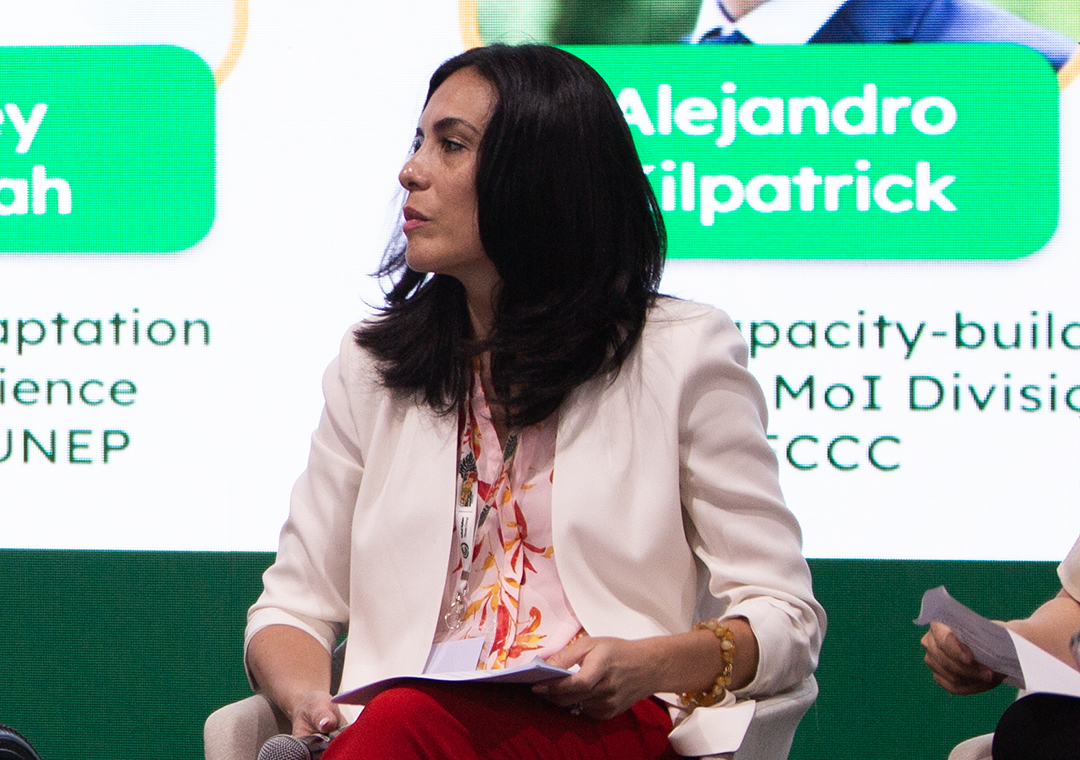
Claudia Ortiz, Lead, Climate Strategies, NDC, and Transparency, UNDP
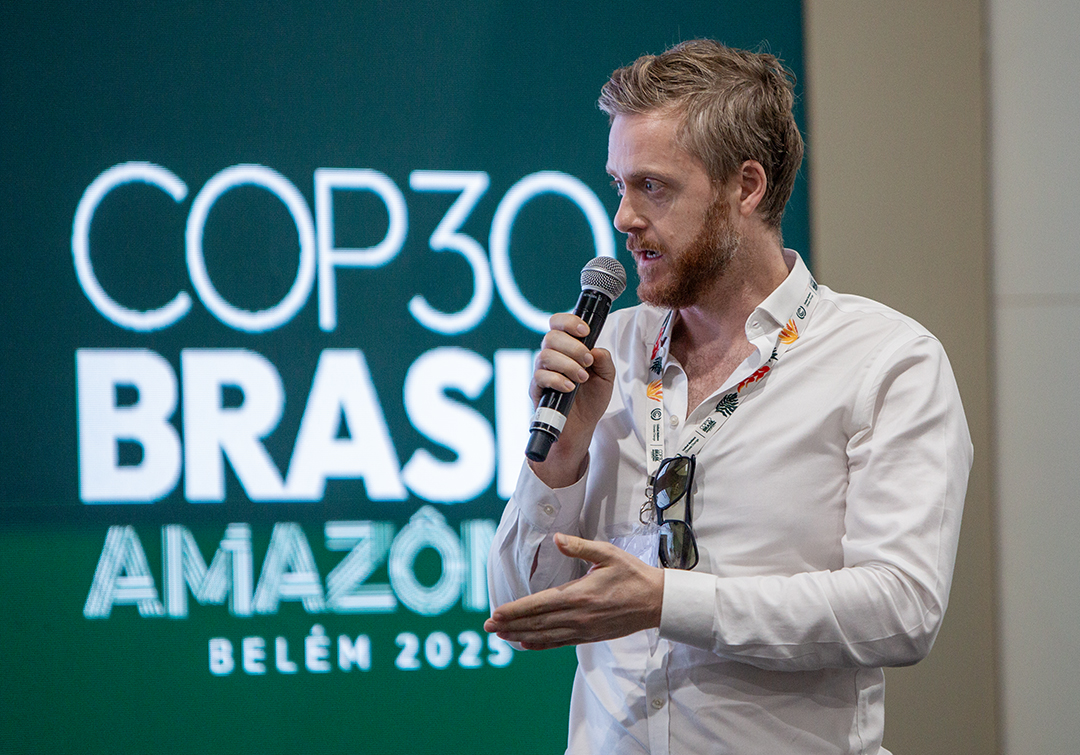
Charles Ogilvie, Chair of the Board, Climate Policy Radar