CITES CoP20
19 November 2025
The saiga antelope (Saiga tatarica) once roamed across Europe and North America alongside mammoths and saber-toothed cats. Once numbering in the millions, by the mid-2010s, the saiga population crashed by 95% in just 15 years.
But in a rare conservation success, two years ago, in late 2023, the International Union for Conservation of Nature (IUCN) reclassified the saiga antelope from critically endangered to near threatened on its Red List, signifying a major global recovery from a perilously low estimate of just 48,000 in 2005 to over 1.9 million in 2023. This is the result of nearly two decades of dedicated conservation work by governments, non-governmental organizations, research organizations, and the joint work programme between Convention on International Trade in Endangered Species of Wild Fauna and Flora (CITES) and the Convention on Migratory Species (CMS).
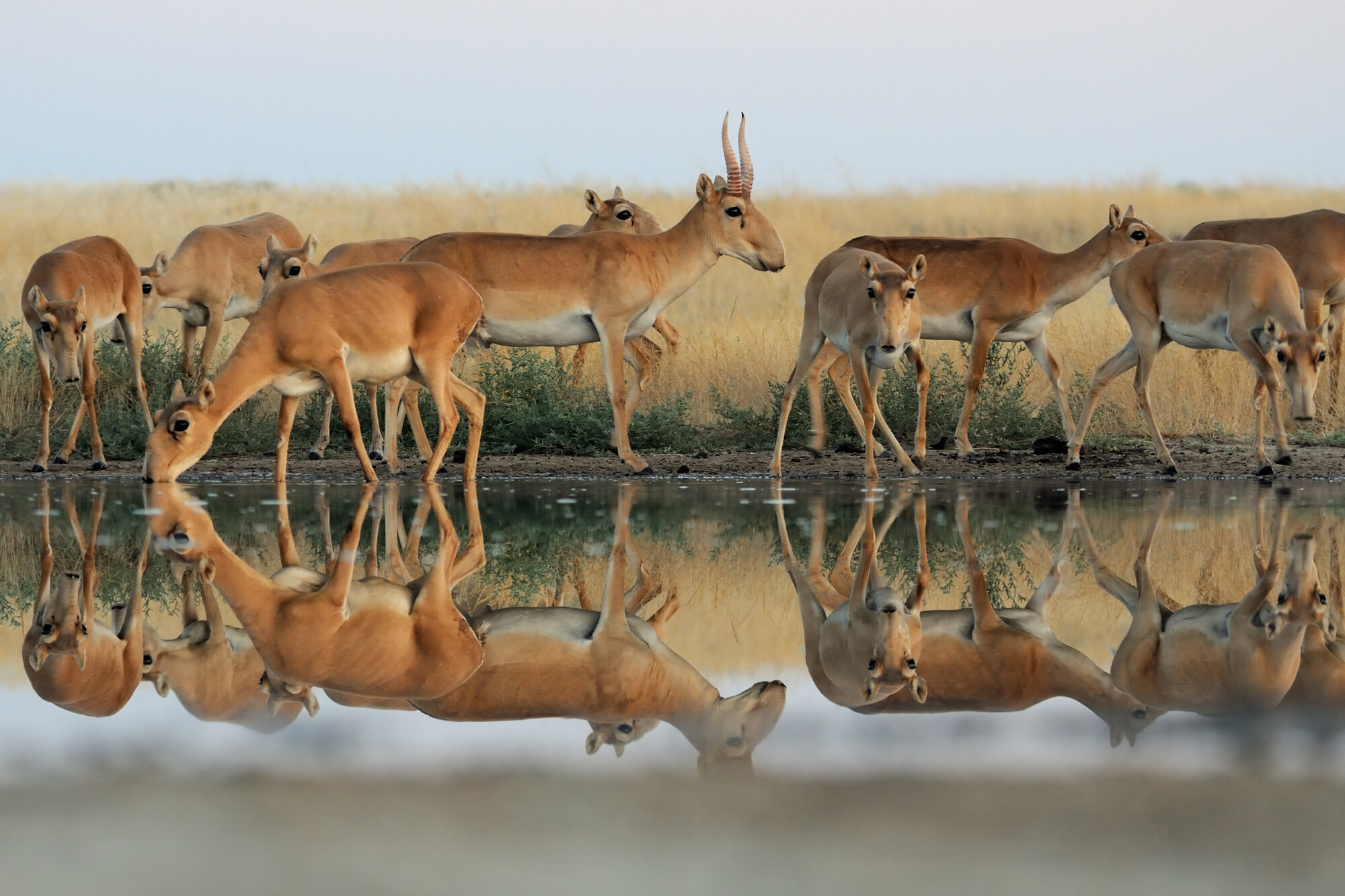
Saigas live in some of the harshest lands in the world, including in Kazakhstan, Mongolia, Russia, and Uzbekistan, often migrating long distances between summer and winter pastures. Saigas, while rebounding, are still under threat: they are increasingly hunted for their meat and valuable horns, which are believed to have medicinal purposes. Oil and gas exploration and transportation as well as the laying of new road and rail infrastructure hinder saiga migration and impede access to traditional pastures, many of which are being threatened by increasing livestock populations.
As demonstrated by the case of the saiga antelope, the overexploitation of wildlife resources is a major threat to conservation. Together with factors such as habitat loss and climate change, overexploitation can deplete populations and even bring some species close to extinction. International trade in wildlife helps drive demand for hundreds of millions of plant and animal specimens and is estimated to be worth billions of dollars annually. This trade encompasses live animals and plants as well as a vast array of products derived from them, including food, leather goods, musical instruments, timber, tourist curios, and medicines.
Since the trade in wild animals and plants crosses national borders, international cooperation is required to regulate it and, when warranted, ban it, to prevent certain species from overexploitation and extinction. CITES was conceived in the spirit of such cooperation.
What is CITES?
In 1972 the UN Conference on the Human Environment stated in Recommendation 99 in its adopted Plan of Action that a “conference be convened as soon as possible... to prepare and adopt a convention on export, import and transit of certain species of wild animals and plants.”
A final draft, based on an earlier draft by the IUCN and forwarded by the United States, served as the basis for the negotiations and in 1973 CITES was born. The treaty combats the overexploitation of wild animals and plants by delineating threatened species, establishing rules regarding their trade, and imposing trade sanctions against violators. The trade restrictions are designed to limit demand and with it the incentive to harvest threatened species. CITES is an umbrella regime containing the equivalent of many smaller regimes that address specific species.
CITES entered into force in 1975. For five decades, CITES has worked at the intersection of wildlife conservation and sustainable use, ensuring that international trade does not harm the survival of species in the wild. The CITES Strategic Vision 2021–2030 drives this mission forward, while supporting shared commitments under the 2030 Agenda for Sustainable Development and the Kunming-Montreal Global Biodiversity Framework.
Over 40,900 species—including roughly 6,610 species of animals and 34,310 species of plants—are protected by CITES against over-exploitation through international trade. The protected species are divided into three categories. Species listed in Appendix I are threatened with extinction and are not to be traded except for scientific or cultural endeavors. However, such species may be exported and imported for non-commercial purposes. Species on CITES Appendix I include the tiger, Asian elephant, chimpanzee, humpback whale, sun bear, scarlet macaw, sea turtle species, Brazilian rosewood, giant tropical pitcher plant, and Asian tropical lady’s slipper orchid, among many others.
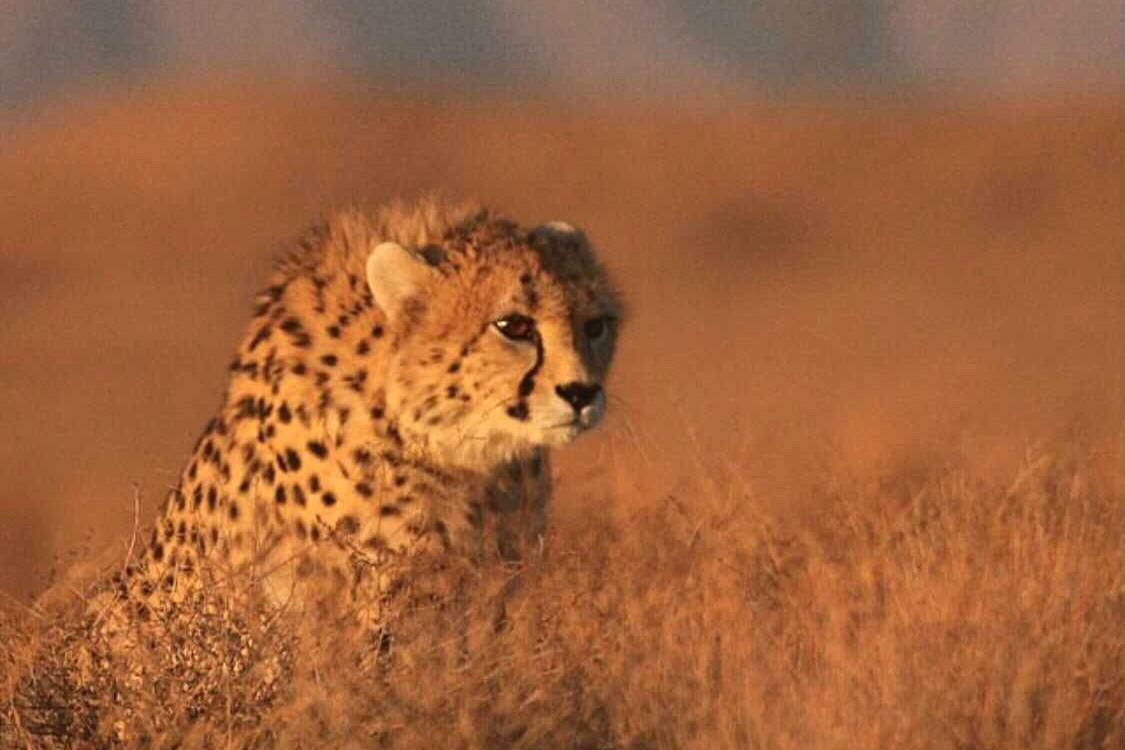
Species listed in Appendix II, although not yet endangered, are considered to be affected by international trade that, if left unregulated, would endanger them. Before a country can allow exports of an Appendix II species, a scientific authority must determine that the proposed export will not be detrimental to the survival of the species. International trade in Appendix II species is allowed, but is strictly controlled. Parties may only grant a permit to export such species after they have determined that the export will not be detrimental to the survival of the species. Examples of species listed on Appendix II are the American black bear, southern fur seal, Hartmann’s mountain zebra, toco toucan, common iguana, bigleaf mahogany, triangle palm, and cyclamen species.
CITES Appendix III includes those species that any Party has identified as being subject to regulation of exploitation within its jurisdiction and as needing the cooperation of other Parties to monitor international trade. Such cooperation is achieved primarily by the issuance of export permits by a state, which includes the species in Appendix III. Examples of species listed on Appendix III and the countries that listed them are the two-toed sloth (Costa Rica), African civet (Botswana), and the alligator snapping turtle (US).
The decision to list a particular species in Appendix I or II requires a vote by the Parties. Species listed in Appendix III are listed voluntarily by range states (states within which the species live) seeking cooperation in the control of international trade, and they do not require a vote. Appendix I lists more than 1,000 species; Appendix II lists more than 39,000, and Appendix III lists more than 500.
CITES requires all Parties (currently 185) to adopt national legislation that corresponds to the species listings. Countries must also designate a domestic management authority and a scientific authority. The scientific authority advises the management authority, which is in charge of issuing permits and certificates in keeping with the CITES appendices. These authorities work with customs offices, police departments, and other appropriate agencies to record species trading and report to CITES. Thus, the operation and enforcement of CITES can be compromised if national and local officials do not, or cannot, enforce it.
The CITES Conference of the Parties (CoP) meets every two to three years. There are three main subsidiary bodies that meet between CoPs: the Standing Committee, Animals Committee, and Plants Committee. The Standing Committee oversees and helps to coordinate the work of the other bodies with policy guidance and budget management. The Animals and Plants Committees monitor CITES’ effectiveness through a “review of significant trade,” a process whereby the Committees evaluate trade data pertaining to specific species, delving deeper if they notice anything out of place.
What is covered by CITES?
Both commercial and non-commercial trade of CITES-listed species, and their products, are regulated. Examples of regulated items include:
- high-end fashion goods (such as crocodile, python, and snake leather);
- traditional medicines (such as bear bile, tiger bone, and ginseng);
- marine species (including shark fin);
- scientific specimens (including live monkeys and monkey blood specimens);
- live animals being transferred between zoos;
- live plants, timber, and cut flowers (including sandalwood, orchids, and ferns);
- personal hunting trophies;
- tourist souvenirs; and
- musical instruments (such as rosewood fret boards found in guitars, and ivory used in pianos and bagpipes).
Combating the Illegal Wildlife Trade
The illegal wildlife trade has become one of the largest sources of criminal earnings in the world—ranking alongside trafficking of drugs, weapons, and people. Interpol (the International Criminal Police Organization), estimated in 2023 the global illegal wildlife trade at USD 20 billion a year. Between 2015 and 2021, seizures of illegal wildlife took place in 162 countries and territories with 82 countries and territories identified as the origin or transit routes for these transactions.
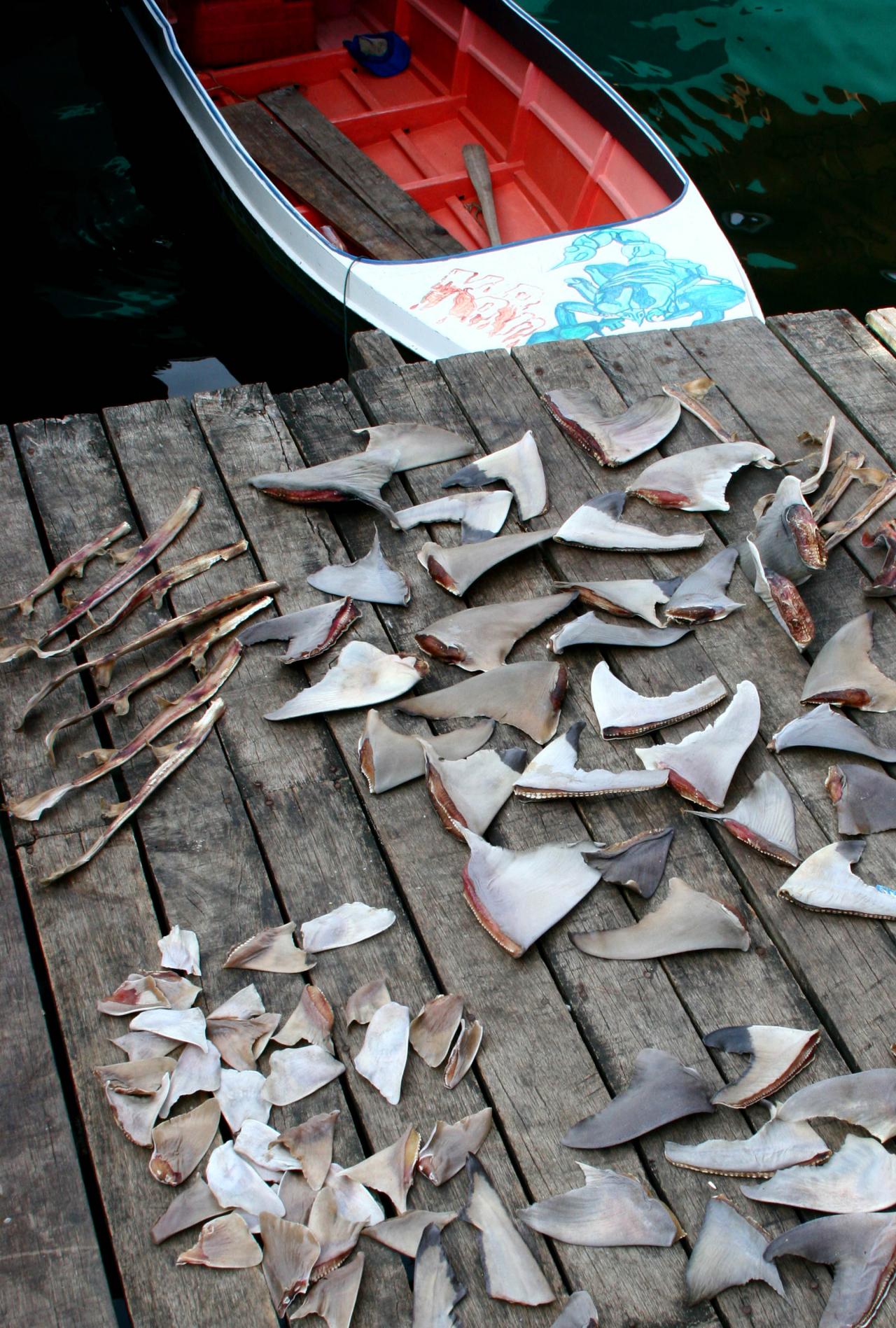
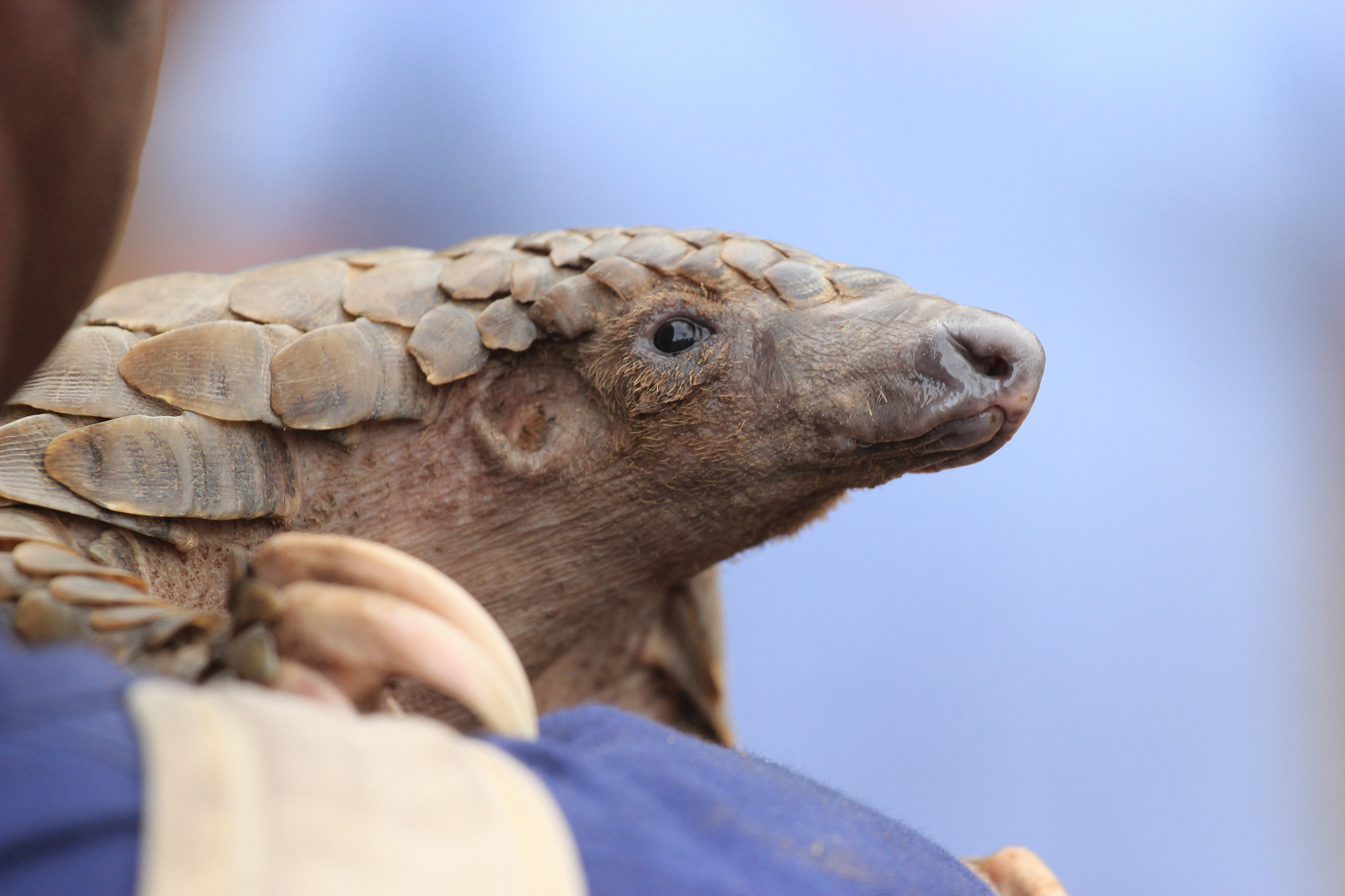
Illicit wildlife trade ranges in scale from single-item, local bartering to multi-ton, commercialized exports of animals and plants. Wildlife contraband may include live pets, hunting trophies, fashion accessories, cultural artifacts, ingredients for traditional or fanciful medicine, wild protein for human consumption (bushmeat), and other products. The most lucrative include tiger parts, elephant ivory, rhino horn, and exotic birds and reptiles. Illegal wildlife trade networks encompass a diverse array of actors, including local hunters, regional middlemen, wildlife experts, organized crime syndicates (that sometimes include terrorists and drug traffickers), shippers, front companies, online retailers, corrupt officials, wildlife markets, and consumers willing to purchase such contraband.
The internet and social media have contributed to the growth of the illegal wildlife trade, providing an unprecedented technological platform for a burgeoning, undocumented trade in endangered animals, alive and dead. The ability to scan the globe for buyers or sellers without leaving one’s home, to mask one’s identity with increasingly sophisticated software, and to buy and sell online without ever having to meet even a middleman are just three aspects of internet-based endangered species crime that challenge the abilities of national and international law enforcement officials.
In addition, many national laws aimed at regulating wildlife trade to ecologically sustainable levels do not yet address aspects of illicit internet sales, and some countries have few laws governing internet commerce at all. Even where laws exist, enforcement is often inadequate because officials do not have the capacity to address internet crime or because they are not focused on online trafficking in wildlife.
What to look for at CoP20?
CoP20, the first CITES CoP to take place in Central Asia, will take place from 24 November to 5 December 2025, preceded by a high-level dialogue on 23 November. Parties will be adopting decisions on the lists of species covered by the CITES Appendices and related trade regulations. Under the theme, "CITES at 50 in Samarkand: Bridging Nature and People," CoP20 is expected to bring together thousands of scientific, legal, enforcement and trade experts representing governments, intergovernmental organizations, non-governmental organizations, private sector entities, youth networks, and more from across the globe.

At each CoP, Parties to CITES may propose changes to the species listed on Appendices I and II for consideration. The proposals may seek to include species in Appendix I or II, transfer species between Appendices I and II, delete species from either Appendix or amend annotations (which specify the parts and derivatives covered by a listing or excluded from it). The objective of the agreed criteria is to ensure that decisions to amend the Convention’s appendices are founded on sound and relevant scientific information, ensuring agreed biological and trade criteria for such amendments are met.
Parties submitted a total of 51 proposals for CoP20: 39 fauna species and 12 flora species. Species include okapi, hyenas, geckos, galliwasps, tarantulas, frogs, mollusks, songbirds, ginseng, palms, succulents, aloes, guggul, padouk, and Brazilwood. Eleven of the fauna proposals are on commercially exploited aquatic species, which include a wide range of marine species including sea cucumbers, abalone, eels, sharks, and rays.
The proposals include species that are found in over 100 countries. The proposals were submitted and/or co-sponsored by a diverse group of Parties across all six CITES regions: 25 from Africa, seven from Asia, 14 from Central, South America and the Caribbean, nine from Europe, four from North America, and four from Oceania.
Beyond these proposals, CoP20 will review a number of funding-related issues affecting the Secretariat and the administration of CITES. On 24 July 2025, the United States Administration signed legislation to rescind the entire amount of federal funding from the account that funds the bulk of contributions for the United Nations Environment Programme (UNEP) and UNEP-administered multilateral environmental agreements (MEAs), including CITES, which Congress had appropriated for US fiscal years 2024 and 2025. In view of the possibility of a loss of up to 22% of the core budget of the Secretariat that had been agreed by CITES Parties, the higher UN standard staffing costs for the next triennium, among other rising costs, the CITES Secretary-General needs to take decisive action to reduce financial risks and mitigate the potential financial shortfall.
One such proposal from the Secretariat is to convene CoPs every four years instead of the current two-to-three-year cycle. There is also some discussion of moving the Secretariat from Geneva to Nairobi to save administrative costs.
The CoP’s lengthy agenda is also expected to address the role of CITES in reducing risk of future zoonotic disease emergence associated with international wildlife trade, cooperation with other MEAs and international organizations, CITES and forests, and capacity-building. Delegates will also address the gender action plan, the CITES Global Youth Network, engaging Indigenous Peoples and local communities, and Integrating human rights, livelihoods, and food security into the implementation of CITES. Finally, Uzbekistan will introduce the “Samarkand Declaration,” highlighting the political will and shared vision among five Central Asian countries to safeguard biodiversity, enable legal and sustainable trade, and dismantle transboundary trafficking networks.
Over the past five decades, the world has changed dramatically. Global trade has expanded at an unprecedented scale. Human populations have doubled. The triple planetary crises of climate change, biodiversity loss, and pollution are putting immense pressure on ecosystems and societies. Against this backdrop, CITES has played an essential role in balancing trade with conservation needs, grounding decisions in science, and helping shape policies that safeguard species for future generations.
Pamela Chasek, Ph.D., is the Co-founder and Executive Editor of the Earth Negotiations Bulletin.