The Convention on Migratory Species
4 March 2026
During a period of unprecedented loss of biodiversity, climate change, and fragmenting multilateralism, the Convention on Migratory Species has shown the importance of sustained international cooperation to enhance the conservation status of migratory species that cross our borders.
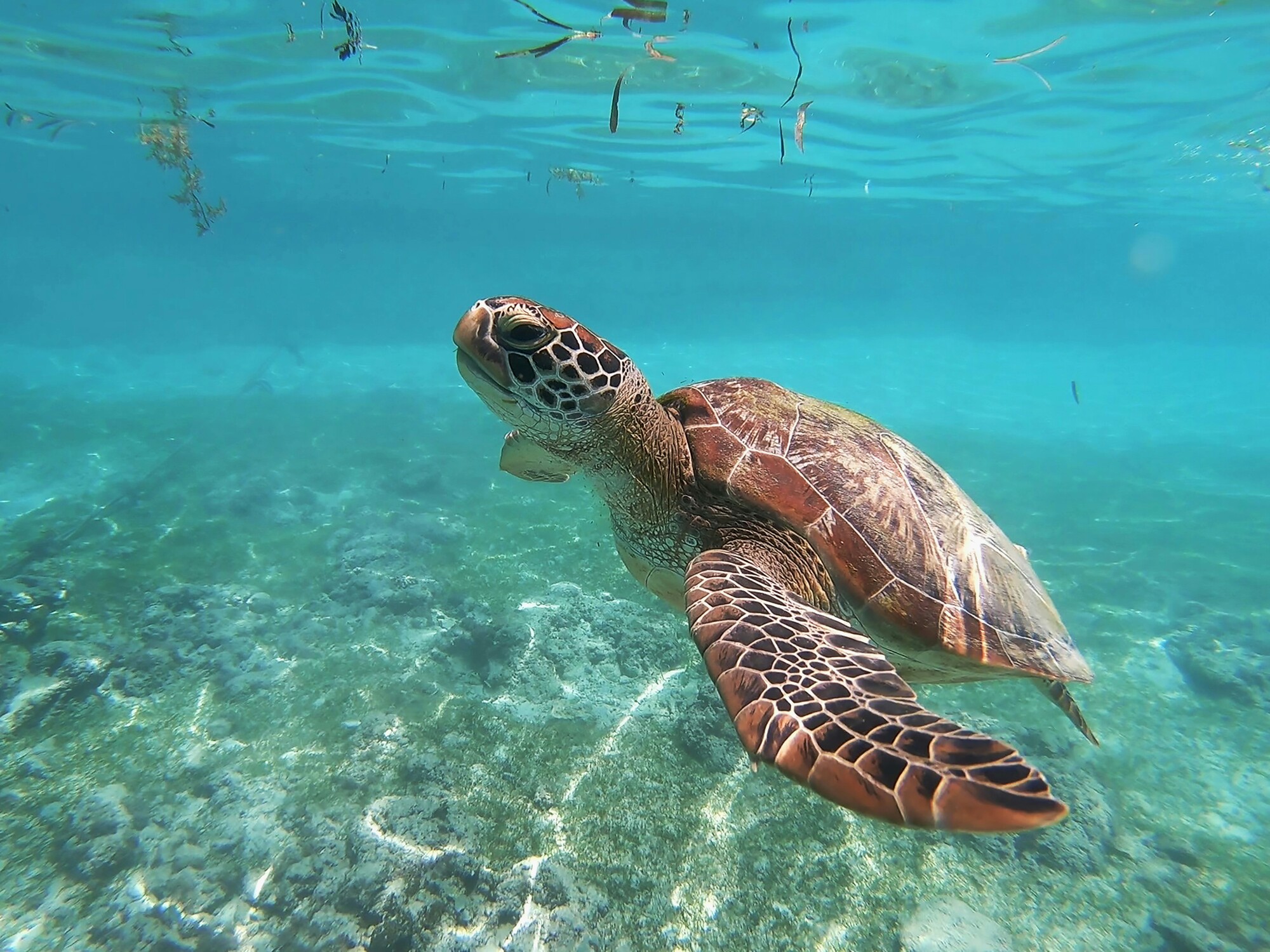
The green turtle (Chelonia mydas) is a highly migratory species that can live for over 80 years and grow to weigh more than 300 kg. While green turtles are found all over the world, nesting in over 80 countries and living in the coastal areas of more than 140 countries, they were classified as endangered four decades ago.
Green turtles play a vital ecological role in maintaining healthy seagrass beds, which are essential for supporting a large number of marine species. By grazing on seagrass, green turtles help keep these underwater meadows productive and resilient, enhancing their ability to sequester carbon from the atmosphere. This natural carbon storage contributes to mitigating climate change, making green turtles not only important for marine biodiversity but also for global environmental health.
Historically, green turtles were exploited for their fat, meat, and eggs. Human predation caused their tumultuous global population decline. In some areas, green turtles are still hunted for their meat or to supply shells to the wildlife trafficking trade, and egg collection for consumption remains a threat. Bycatch in commercial and recreational fishing gear, loss of nesting habitat due to coastal development, changing environmental conditions (e.g., sea level rise and climate change), and vessel strikes are the biggest threats facing green turtles.
But there was good news for the green turtle in December 2024. Due to the cooperative efforts of many countries and the work of the Convention on Migratory Species of Wild Animals (CMS), the green turtle population has increased enough for it to be reclassified by the International Union for Conservation of Nature (IUCN) as a species of “Least Concern.” This marked the first time an endangered marine turtle was reclassified to a non-threatened category. This notable achievement underscores the importance of sustained international cooperation to enhance the conservation status of migratory species.
What is the Convention on Migratory Species?
From antelopes and whales to bats, birds, and sea turtles, migratory species are species of wild animals that need to travel regularly, often seasonally, as part of their natural life cycles, and cross at least one national border. They are vital for healthy, well-functioning ecosystems. They provide crucial services like pollination, seed dispersal, carbon storage, and pest control, and benefit communities that rely on them as a source of food and income. Yet many such species are in decline due to pressures including habitat loss and fragmentation, overexploitation, climate change, and pollution.
The idea to negotiate an international instrument to protect migratory species came out of the 1972 Stockholm Conference on the Human Environment. In 1974, the Government of Germany was mandated by the newly established United Nations Environment Programme (UNEP) to draft the text for such an instrument, and the Federal Ministry of Food, Agriculture and Forestry took the lead in organizing the necessary international consultations. The negotiations to conclude the treaty were held in Bad Godesberg, a suburb of Bonn, Germany, in June 1979, leading to the adoption of the CMS.
Also known as the Bonn Convention, the CMS recognizes that states must be the protectors of migratory species that live within or pass through their national jurisdictions and aims to conserve terrestrial, marine, and avian migratory species throughout their ranges. CMS entered into force on 1 November 1983 and currently has 133 parties.
The Convention provides a framework through which parties may act to conserve migratory species and their habitat by:
- adopting strict protection measures for migratory species that have been characterized as being in danger of extinction throughout all or a significant portion of their ranges (species listed in Appendix I of the Convention);
- concluding agreements for the conservation and management of migratory species that have an unfavorable conservation status or would benefit significantly from international cooperation (species listed in Appendix II); and
- joint research and monitoring activities.
As of 2024, 172 migratory species are listed in Appendix I and 373 in Appendix II, with 107 species listed in both appendices.
To date seven specialized regional agreements for Appendix II-listed species, 19 Memoranda of Understanding (MoUs), and eight action plans have been concluded. These are open to all Range States of the species, regardless of whether they are Parties to the Convention.
The seven agreements aim to conserve: populations of European bats; cetaceans of the Mediterranean Sea, Black Sea, and contiguous Atlantic area; small cetaceans of the Baltic and North Seas; seals in the Wadden Sea; African-Eurasian migratory waterbirds; albatrosses and petrels; and gorillas and their habitats.
| CMS Regional Agreements | Acronym |
|---|---|
| Agreement on the Conservation of Albatrosses and Petrels | ACAP |
| Agreement on the Conservation of Cetaceans of the Black Sea, Mediterranean Sea and Contiguous Atlantic Area | ACCOBAMS |
| Agreement on the Conservation of African-Eurasian Migratory Waterbirds | AEWA |
| Agreement on the Conservation of Small Cetaceans of the Baltic, North East Atlantic, Irish and North Seas | ASCOBANS |
| Agreement on the Conservation of Populations of European Bats | EUROBATS |
| Agreement on the Conservation of Gorillas and their Habitats | Gorilla Agreement |
| Agreement on the Conservation of Seals in the Wadden Sea | Wadden Sea Seals |
The 19 MoUs aim to conserve the: Siberian Crane; the Slender-billed Curlew; marine turtles of the Atlantic coast of Africa; marine turtles of the Indian Ocean and Southeast Asia; the Middle-European population of the Great Bustard; the Bukhara Deer; the Aquatic Warbler; West African populations of the African Elephant; the Saiga Antelope; cetaceans in the Pacific islands region; Dugongs; the Mediterranean Monk Seal; the Ruddy-headed Goose; grassland birds of southern South America; High Andean Flamingos; South Andean Huemul; migratory sharks; raptors (birds of prey in Africa and Eurasia); and the Manatee and small cetaceans of Western Africa and Micronesia.
Action plans address: Central Asian flyway; Sahelo-Saharan antelopes; Chinese Crested Tern; Black-faced Spoonbill; Spoon-billed Sandpiper; Madagascar Pond Heron; White-winged Flufftail; and Lesser Flamingo. There are also three initiatives on bycatch, Central Eurasian Aridland Mammals, and Houbara Bustard, as well as three Special Species Initiatives on the Central Asian Flyway, Central Asian Mammals, and Sahelo-Saharan Megafauna.
CMS has also developed five special species initiatives including the: African Carnivores Initiative, Central Asian Flyway, Central Asian Mammals Initiative, Jaguar Initiative and Sahelo-Saharan Megafauna Initiative.
CMS is a key instrument for achieving international biodiversity commitments including the Kunming-Montreal Global Biodiversity Framework, and the United Nations Sustainable Development Goals (SDGs).
How Does the CMS Work?
The governing body of CMS is the Conference of the Parties (COP), which meets every two to three years to assess progress, amend the CMS Appendices, and set conservation priorities. Between meetings of the COP, the Standing Committee carries out activities on behalf of the COP, including monitoring the budget, making recommendations to be considered at the next COP, providing guidance to the Secretariat, and ensuring that decisions are implemented.
The CMS Scientific Council, composed of national experts appointed by the Parties and global experts agreed by the COP, provides technical and scientific advice on conservation measures. The Council notably makes recommendations to the COP on research on migratory species, specific conservation and management measures in relation to threats to migratory species, the inclusion of migratory species in the Appendices, and designation of species for concerted actions under the Convention.
In addition to the green turtle, the Convention has played a pivotal role in numerous conservation achievements, including the recovery of the Saiga Antelope and Bukhara deer populations in Central Asia, the resurgence of the Mediterranean Monk Seal in the eastern Atlantic, and significant reductions in the illegal killing of migratory birds in Cyprus and Nagaland, India. Work under the Convention has also advanced effective practices for minimizing adverse impacts on migratory species from infrastructure development, as well as the adoption of key global policies such as commitments on ecological connectivity.
CMS launched the first State of the World’s Migratory Species Report in 2024, which provides vital information on the conservation status of migratory species, identifies key threats, and provides a set of concrete recommendations. The report succeeded in raising global awareness of the importance of migratory species and the actions needed for their survival.
What to Expect at CMS COP15?
The 15th Meeting of the CMS Conference of the Parties (COP15) will take place from 23 to 29 March 2026 at the Bosque Expo in Campo Grande, Mato Grosso do Sul, Brazil, under the theme “Connecting Nature to Sustain Life.” This theme highlights the vital role of ecological connectivity for conserving ecosystems, which are crucial both for migratory species and human well-being. It also reflects linkages between ecological connectivity, the conservation of migratory species, and climate change.
During the week-long meeting, CMS COP15 is expected to:
- Adopt a Ministerial Declaration highlighting key global commitments for migratory species conservation
- Advance new concerted actions, action plans, and other conservation measures to address the most pressing needs and threats
- Launch the Global Initiative on Taking of Migratory Species (GTI), a new collaborative global effort to address illegal and/or unsustainable taking of migratory species, with a particular focus on domestic motivations and drivers of exploitation
- Enhance ecological connectivity by taking steps to safeguard vital migratory corridors and networks
- Advance sustainable infrastructure to minimize negative impacts on migratory species
- Evaluate progress on the Samarkand Strategic Plan (2024–2032) and set the course for the next decade of action
- Address global challenges impacting migratory species, including climate change, habitat loss, wildlife health threats, and the impacts of pollution and renewable energy infrastructure
- Strengthen synergies with other multilateral environmental agreements, including the Convention on International Trade in Endangered Species of Wild Fauna and Flora (CITES), the Convention on Biological Diversity (CBD), and the Ramsar Convention on Wetlands of International Importance
The COP will also review and approve proposals from CMS Parties to add species at risk to the CMS Appendices. Among the 17 proposals to amend the CMS Appendices that collectively implicate 42 species, several illustrate the urgent challenges facing migratory wildlife.
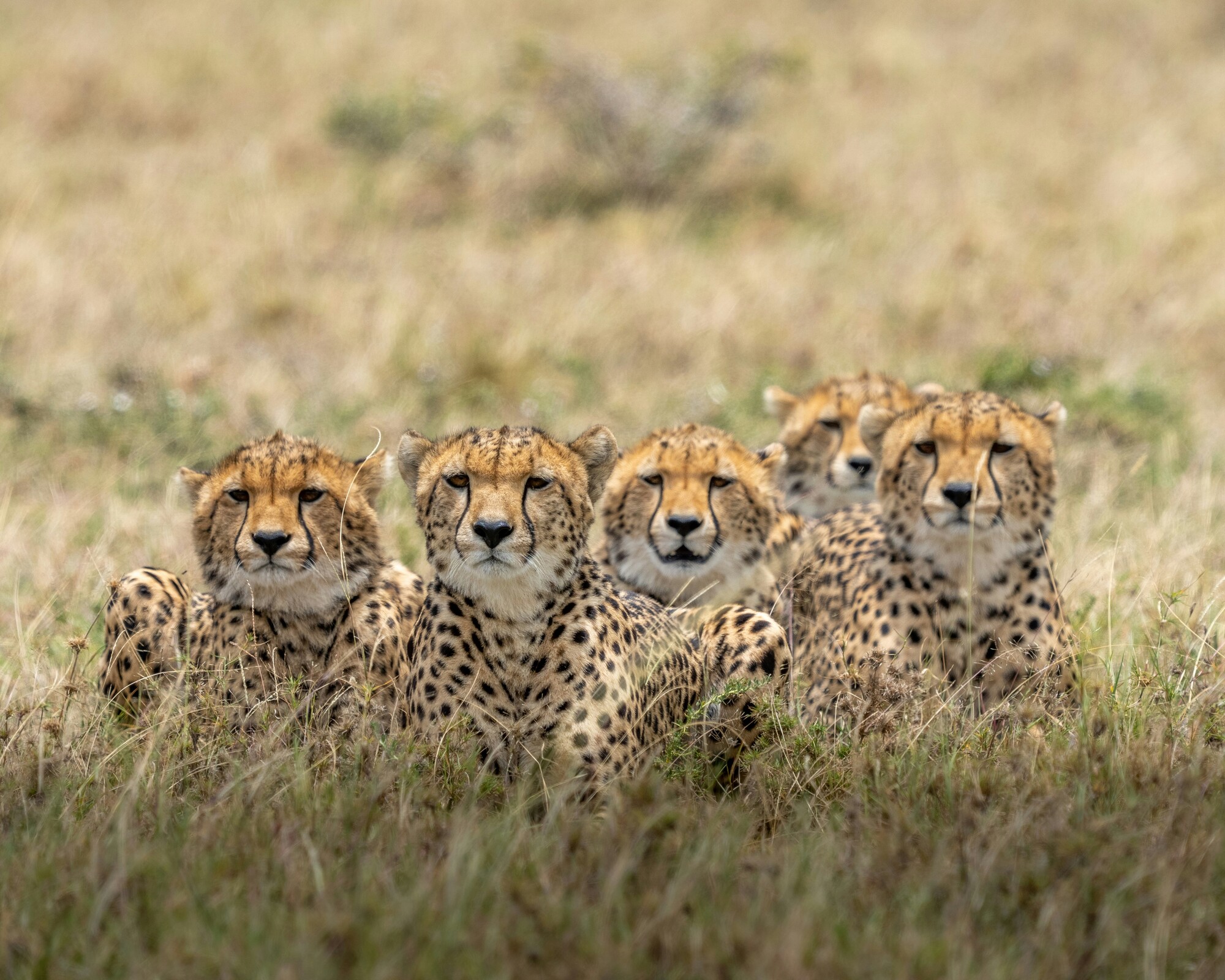
The striped hyena (Hyaena hyaena), for example, is currently listed as Vulnerable and Near Threatened on the IUCN Red List. The striped hyena migrates through an increasingly fragmented range across Asia and Africa. Its global population of less than 10,000 mature individuals is threatened by habitat loss and fragmentation due to agriculture, urbanization, and infrastructure development as well as diminished prey caused by declines in other large carnivores and shifts in livestock practices, and illegal hunting and trade. In December 2025, the 20th meeting of the CITES Conference of the Parties agreed to list the striped hyena in its Appendix II, which will strictly regulate international trade in the species. The Governments of Tajikistan and Uzbekistan have jointly submitted a proposal for the inclusion of the striped hyena on Appendix I and II of CMS.
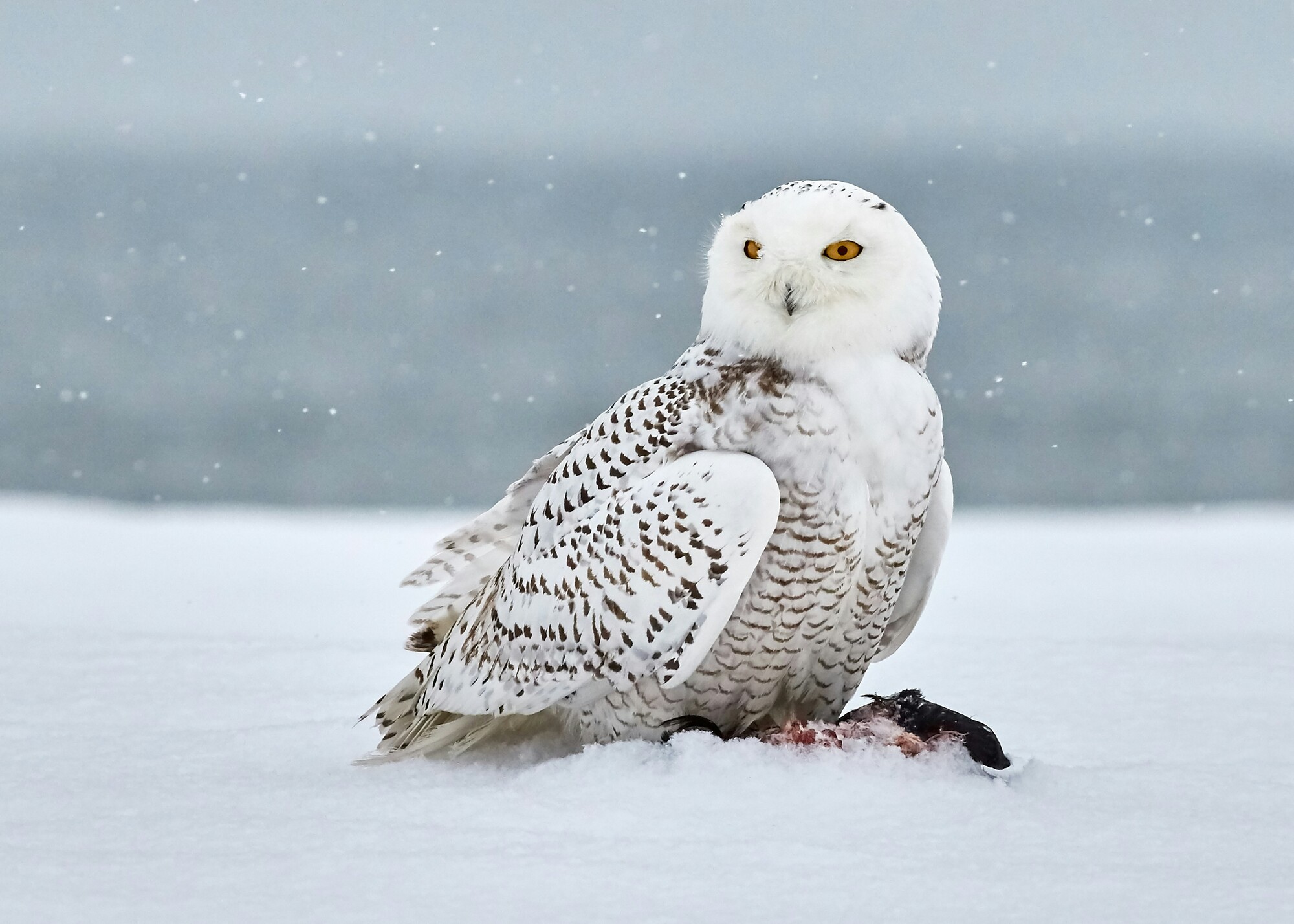
The snowy owl’s (Bubo scandiacus) status is also increasingly precarious. Over the past three decades, the species has lost a third of its global population. BirdLife International recently declared it extinct in Sweden. The snowy owl, a top predator of the Arctic tundra, serves as an indicator of the health of this fragile ecosystem. Climate change and overexploitation are among the primary drivers of its population decline.
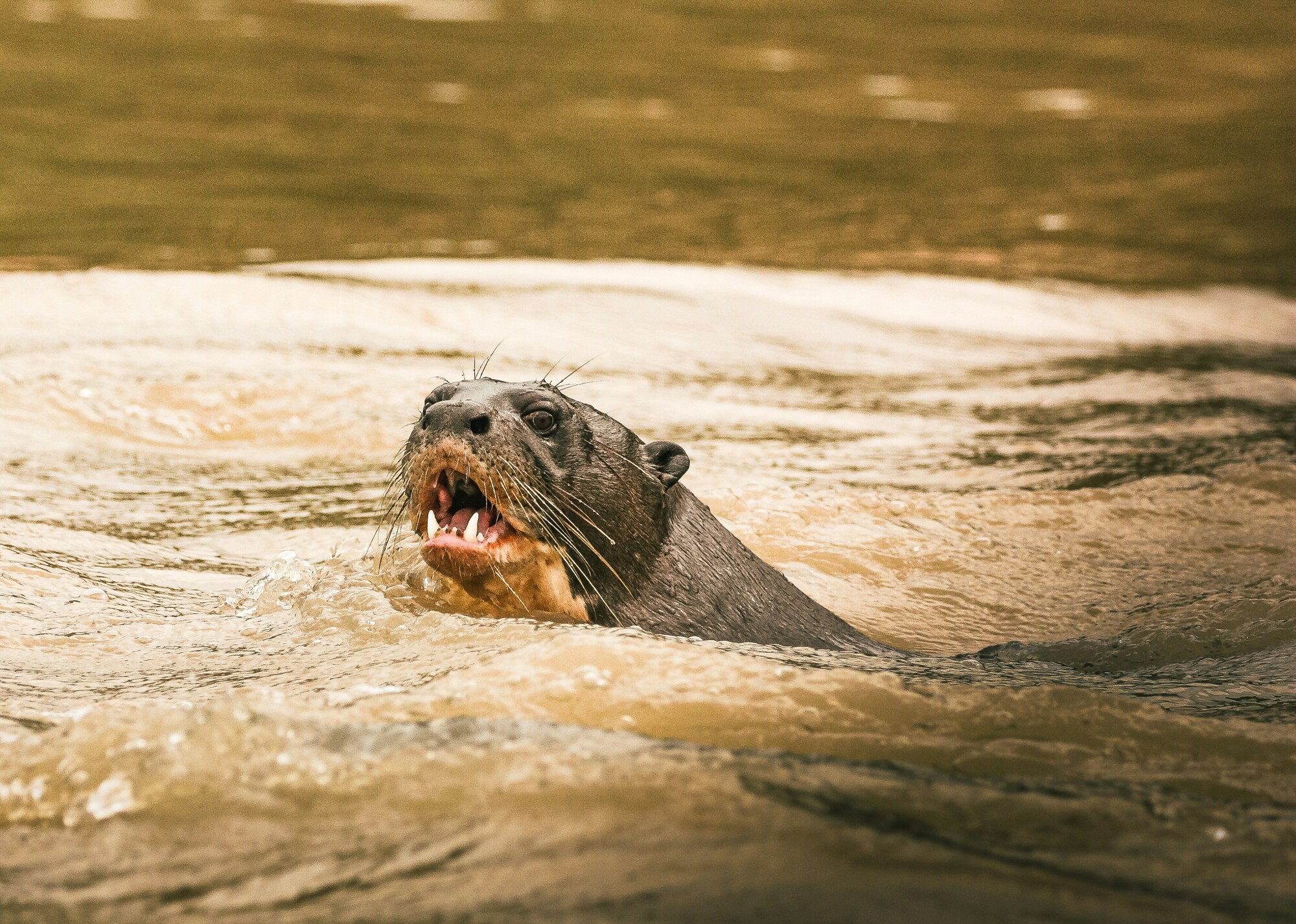
Marine species also face grave risks, as seen in the plight of the giant otter (Pteronura brasiliensis), the largest otter and one of the most significant predators in aquatic ecosystems in South America. Numerous threats pose problems for the giant otter, including contamination, overfishing, and conflicts with fishers, as well as infrastructure such as roads and hydroelectric dams. Severe droughts in Brazil as a consequence of climate change are also accelerating these risks. The accelerating habitat destruction throughout the giant otter’s range is believed to have caused a population decline of more than 50% over the past 25 years and, based on current trends, is expected to result in a further reduction in population size of more than 50% over the next 25 years.
One species is proposed for removal from CMS Appendix I. Uzbekistan has proposed removing the Bukhara deer (Cervus elaphus yarkandensis), reflecting successful long-term conservation action and the sustained recovery of this species. The Bukhara deer is expected to remain under Appendix II and national protection, with Range States committed to maintaining and further consolidating these gains.
Finally, COP15 marks the final meeting for CMS Executive Secretary Amy Fraenkel who will be retiring at the end of May. Executive Secretary-Designate Andrew Raine, currently Deputy Director of the UNEP Law Division, will also participate at COP15 to ensure a smooth transition.
Pamela Chasek, Ph.D., is the Co-founder and Executive Editor of the Earth Negotiations Bulletin.