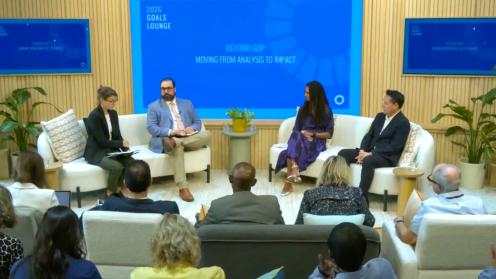
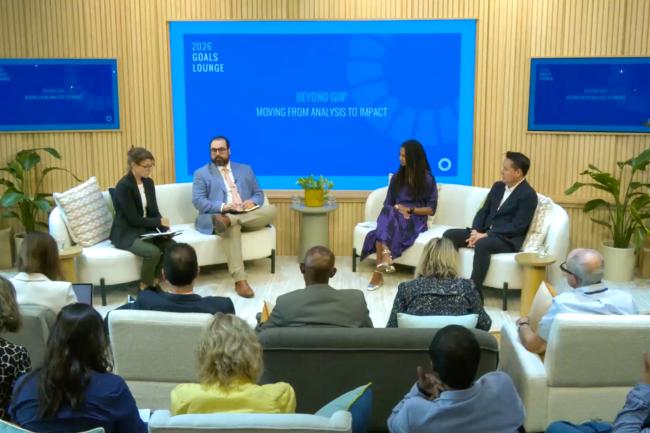
Representatives from governments, international organizations, and civil society gathered in the SDG Lounge on the sidelines of the 2026 session of the High-Level Political Forum to discuss practical solutions for advancing the Beyond GDP process.
Speakers noted that the adoption of the SDGs set in motion the current effort to develop complementary measures of Gross Domestic Product (GDP). Subsequently, the Pact for the Future called for the creation of a High-Level Expert Group on Beyond GDP (HLEG) to provide recommendations. This group concluded its work with the release, on 7 May 2026, of a report that identifies a conceptual framework, an indicator dashboard, and recommendations on how to implement this agenda on the statistical and policy side.
Speakers highlighted that the agenda needs to be both universal as well as respond to national circumstances. Lydia DePillis, New York Times reporter, moderated the event and invited panelists to discuss how the international community should move forward.
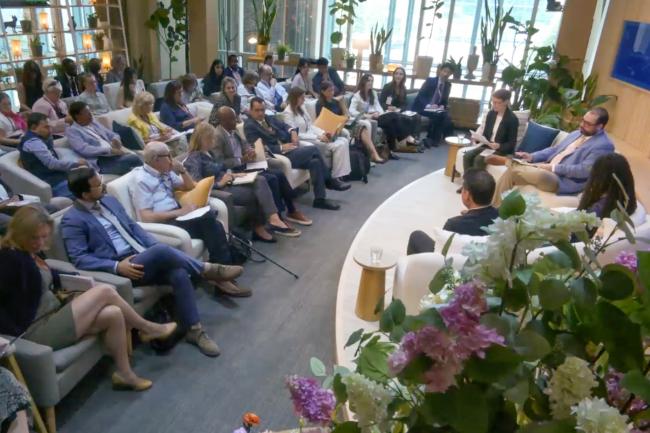
Rodolfo Reta Haddad, Coordinator of Social and Economic Affairs, Permanent Mission of Mexico to the UN, discussed efforts in Mexico to measure citizens’ wellbeing, noting the country has already linked existing data to 21 of the 31 indicators identified in the HLEG’s report.
Grace Wood, Development Counsellor, Permanent Mission of the United Kingdom to the UN, said her country reports against 59 indicators related to Beyond GDP, ranging from environmental concerns to usage of renewable energy, personal well-being, and voter turnout. She said these indicators provide an assessment of what drives sustainable and inclusive growth. She added that the government considers these metrics in assessments of policy costs and benefits and business case planning, among other activities.
George Gray Molina, Head of Inclusive Growth and Chief Economic Advisor, UN Development Programme (UNDP), said the HLEG has opened the door for the dialogue on Beyond GDP, and added that the conversation needs to incorporate a full spectrum of issues, from metrics to implications for capital markets.
Livia Bizikova, Lead, Monitoring and Governance, International Institute for Sustainable Development (IISD), highlighted IISD’s work with Indonesia, Trinidad and Tobago, Ethiopia, Ghana, and Zambia to assess how existing data can be used for Beyond GDP measurements and to develop a road map for how to take up Beyond GDP. She noted this work was implemented with support from the International Development Research Centre (IDRC), and highlighted that many people can internalize the importance of Beyond GDP and what it means for their daily lives. Bizikova stressed the urgent need to act quickly while interest in this topic is strong. She asked what the UN can do to support a country-owned agenda.
Otto Saki, Program Officer, Global Economic Governance, and Civic Engagement and Government, Ford Foundation, noted the catalytic role philanthropies can play. He emphasized that one-size will not fit all, as implementation should not be solely treated as a technocratic exercise but rather needs to recognize the role of human beings in the metrics. He said implementation should consider what society values and what we owe future generations.
During the discussion, Molina recalled that an intergovernmental process began following the release of the HLEG recommendations. He noted that many had hoped the HLEG would recommend a single index and suggested that, although such an index has not yet been suggested, it might evolve later. Reta Haddad said different groups of countries have different challenges and vulnerabilities and asked how they can get access to concessional finance. Wood highlighted that this conversation is taking place as discussions begin on the beyond 2030 development agenda and noted that the Beyond GDP discussion shifts the focus to outcomes rather than inputs.
In response to a question about how Beyond GDP could be mainstreamed into how bonds are valued, Molina said capital market access is where we have to go, but new metrics will not reveal new capital markets. He also noted that Beyond GDP metrics help to measure national progress, while the SDGs measure global progress.
A representative from Spain, which serves as co-facilitator for the UN’s intergovernmental process on Beyond GDP, announced that inputs to an elements paper would be accepted until 10 August. He noted that guiding questions for the inputs suggest comments on the following issues: the political vision of the Beyond GDP process; questions on indicators and headline indicators; requirements for national implementation and country ownership of a universal framework; and how Beyond GDP relates to other processes such as the Sevilla Commitment from the fourth international conference on Financing for Development (FfD4).
To receive free coverage of global environmental events delivered to your inbox, subscribe to the ENB Update newsletter.
Select Images
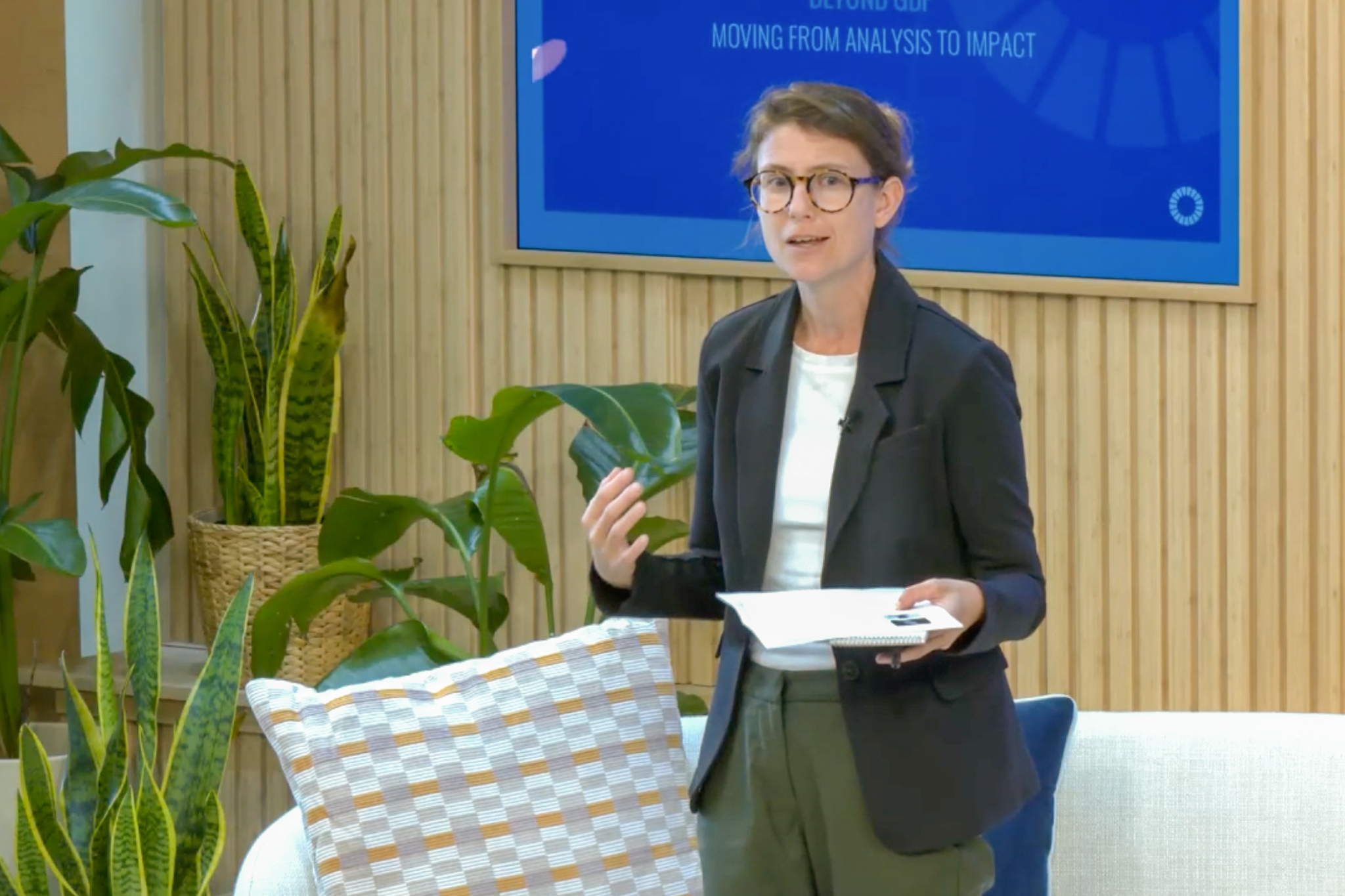
Lydia DePillis, Reporter, New York Times and moderator
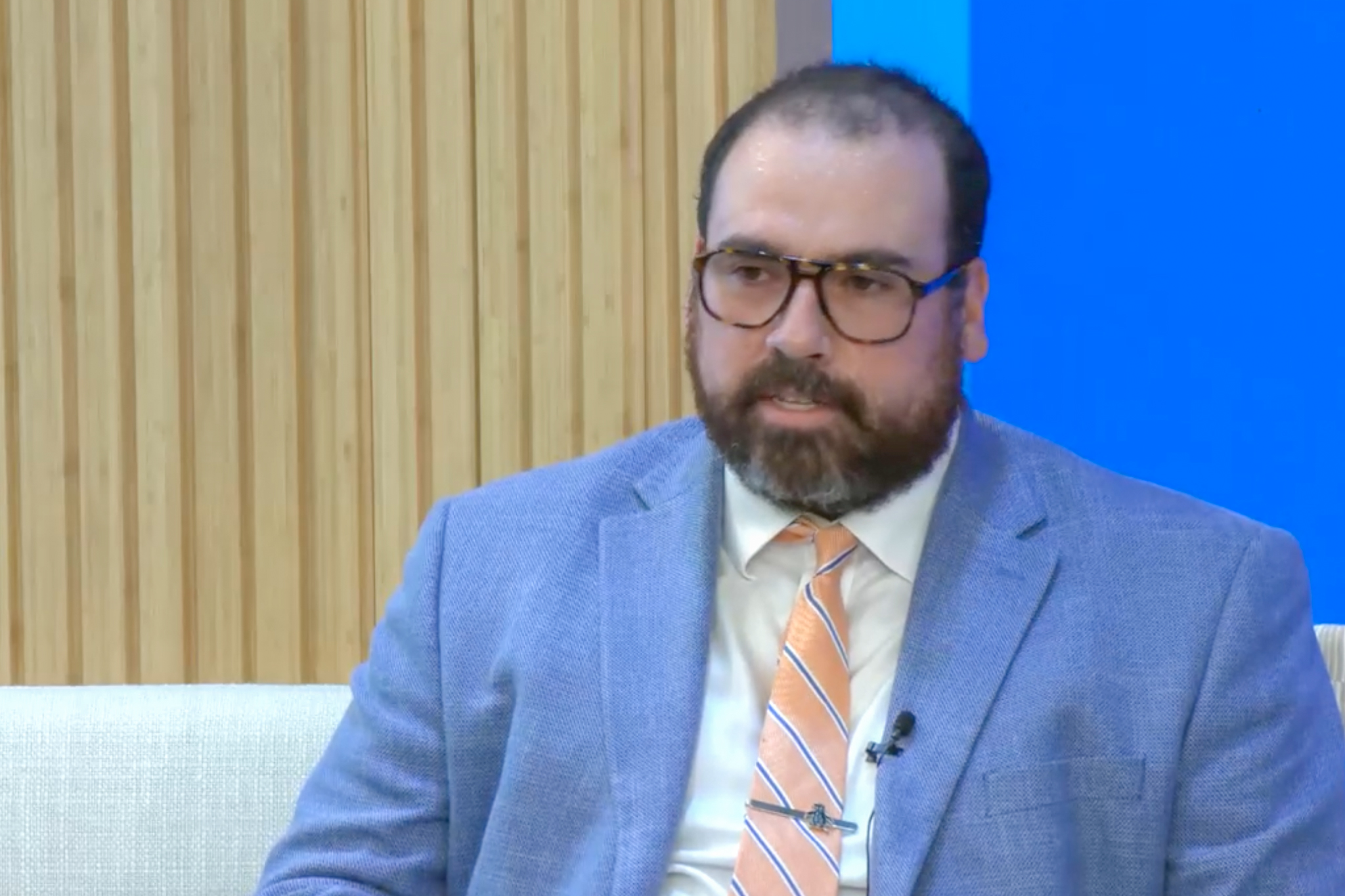
Rodolfo Reta Haddad, Coordinator of social and economic affairs, Permanent Mission of Mexico to the UN
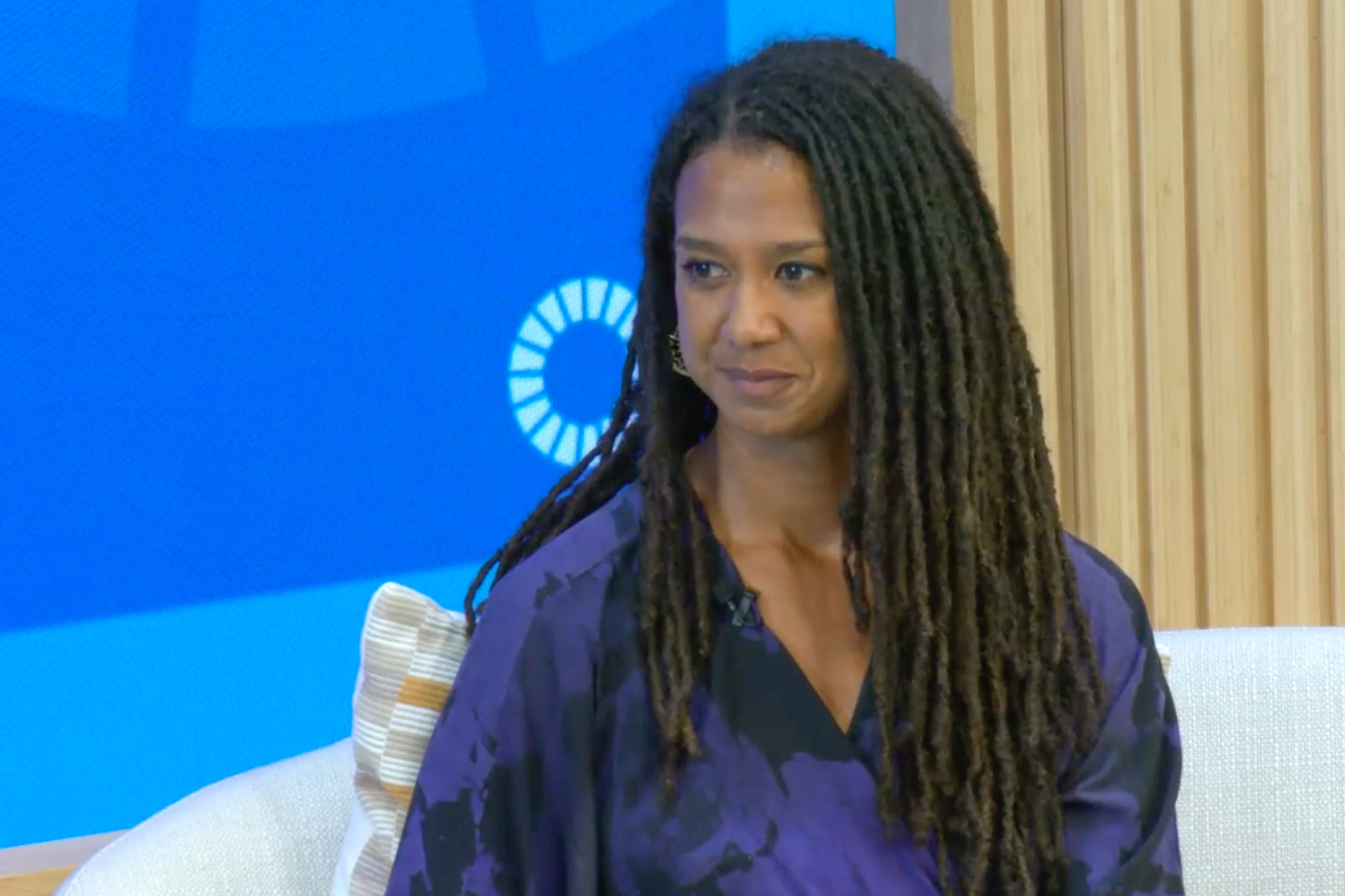
Grace Wood, Development Counsellor, Permanent Mission of the United Kingdom to the UN
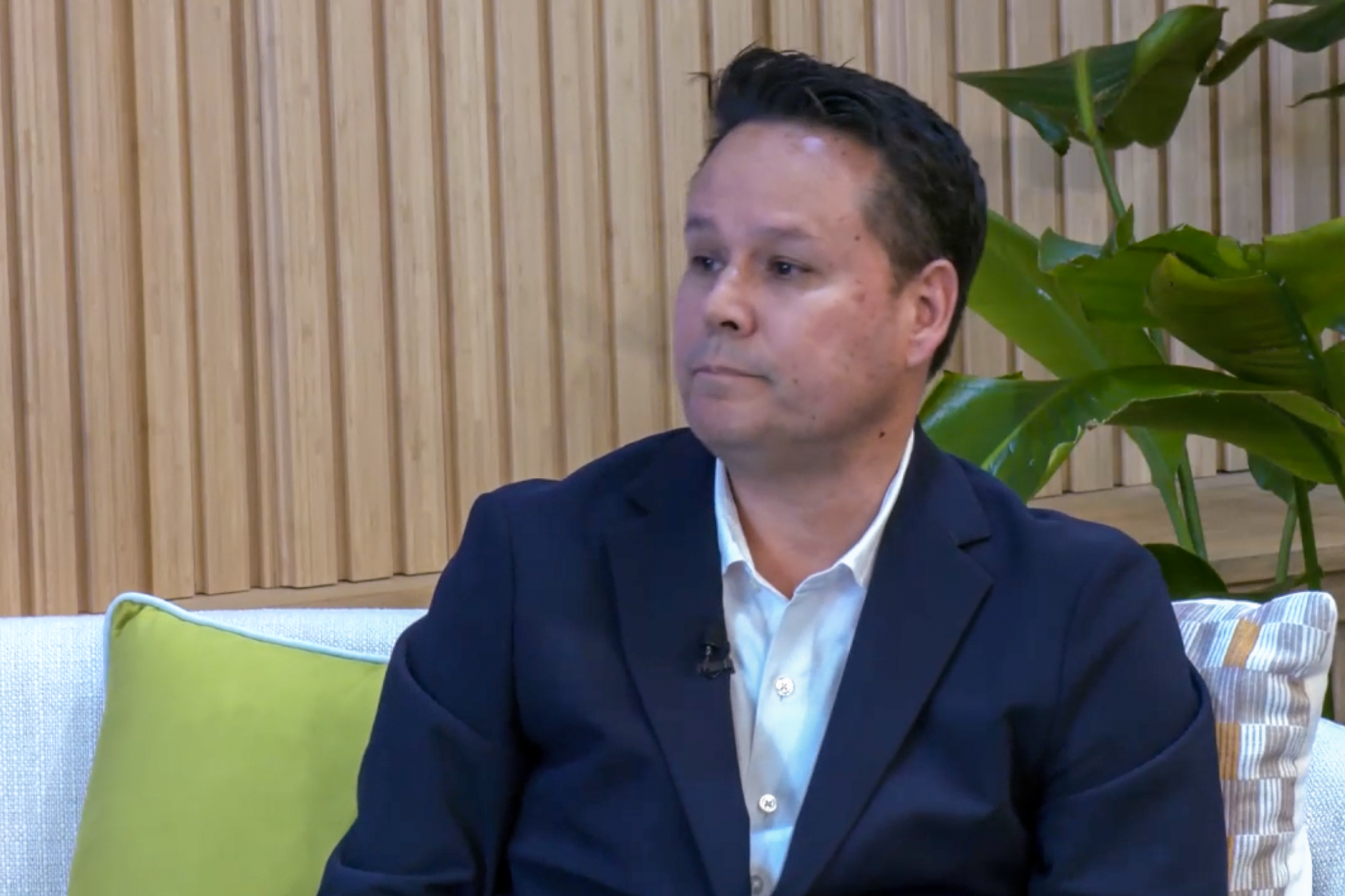
George Gray Molina, Head of Inclusive Growth and Chief Economic Advisor, UNDP
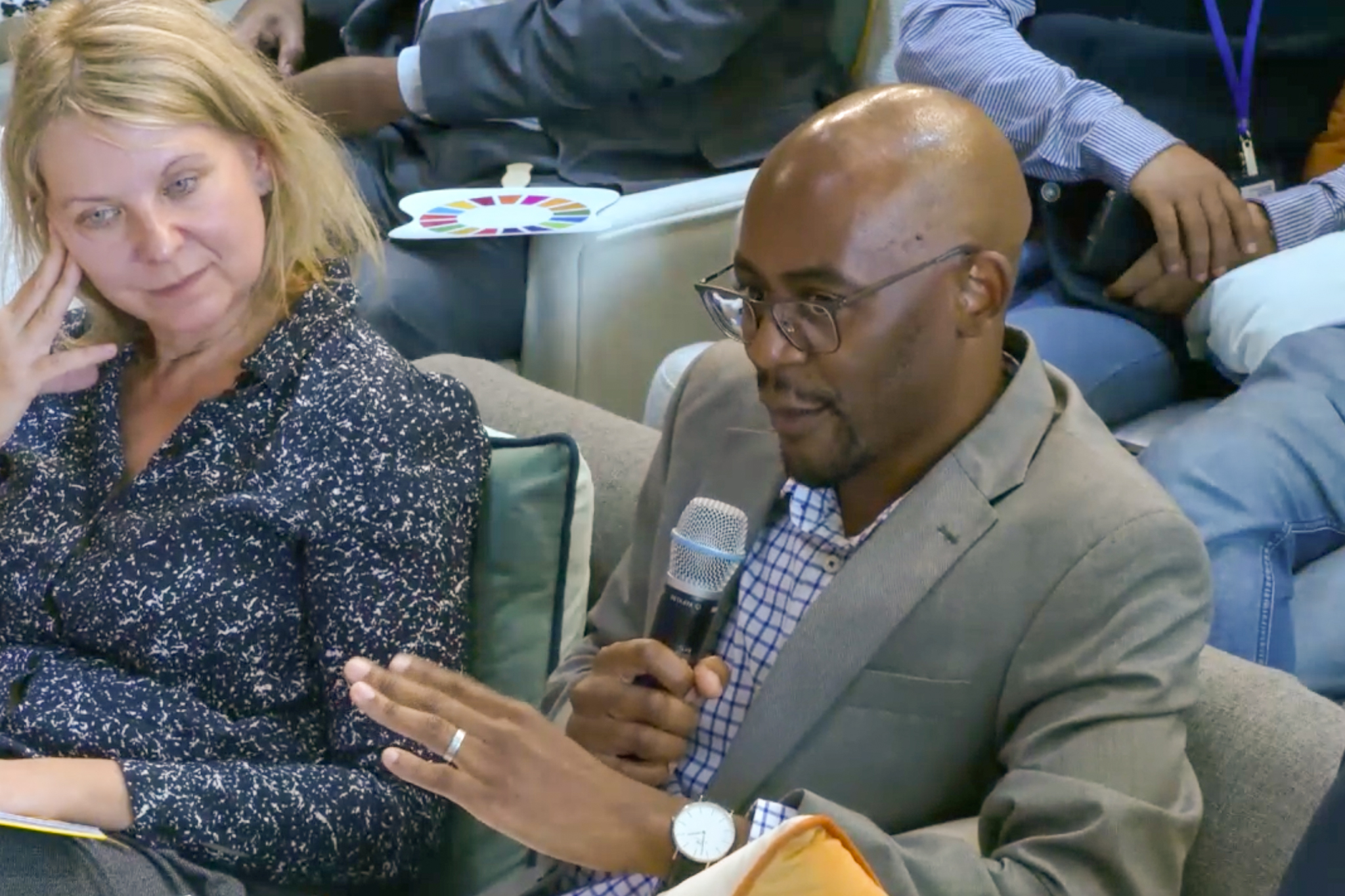
Otto Saki, Program Officer, Global Economic Governance, and Civic Engagement and Government, Ford Foundation
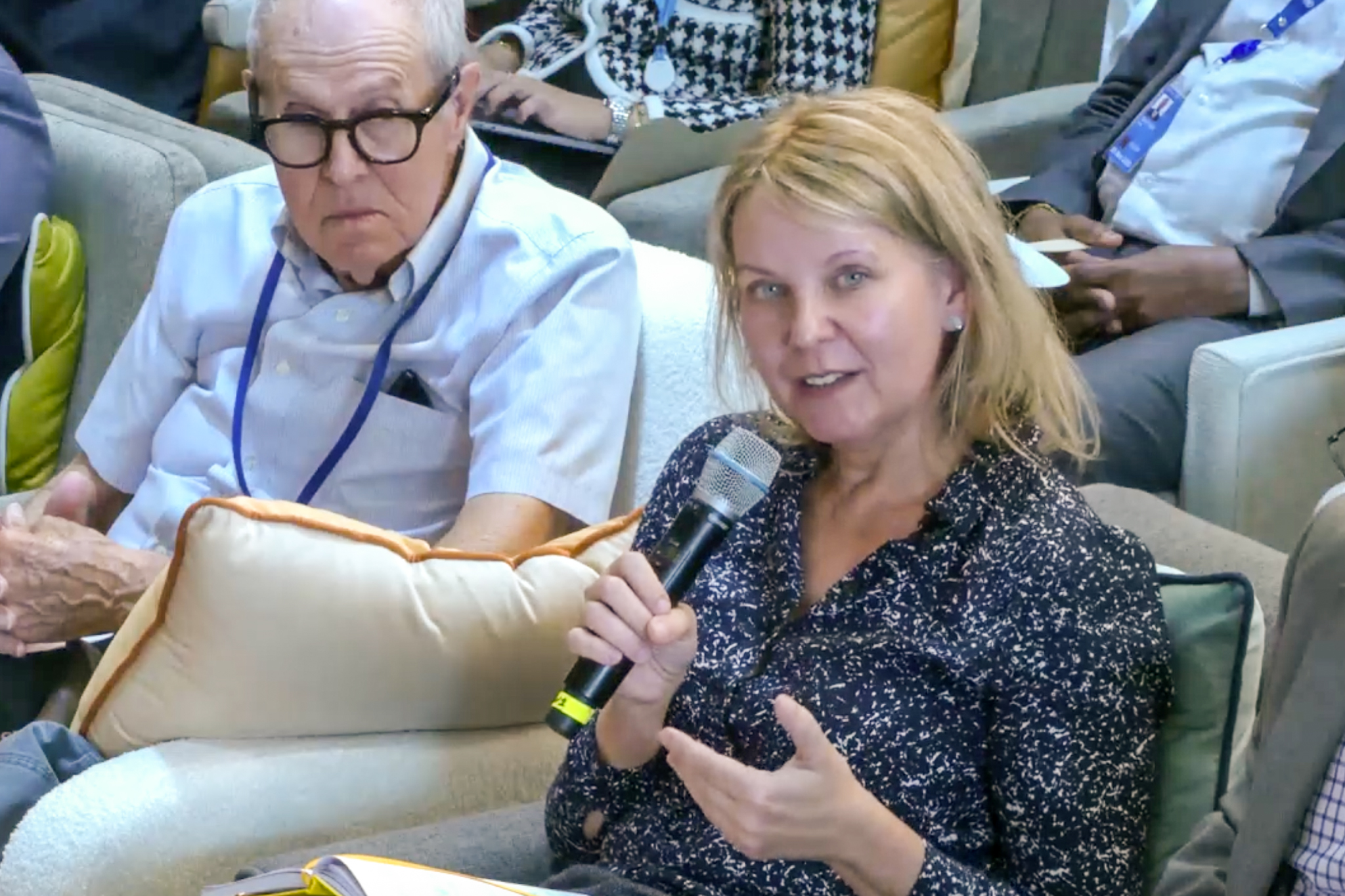
Livia Bizikova, Lead, Monitoring and Governance, International Institute for Sustainable Development