About
Exploring cooperative approaches to achieving low-emissions economies, experts and government officials from Taiwan and Paraguay shared their resources and experiences in boosting the role of renewables in their countries’ energy mixes.
Achieving cleaner and more resilient economies requires urgent action at scale to implement climate-friendly policies, practices, and technologies for all. This goal, which is essential to meeting the Paris Agreement climate targets while sustaining economic growth, cannot be met without international cooperation across all sectors of societies and economies.
Exploring opportunities for international cooperation to deliver in the climate fight, this side event brought together experts and government officials from Taiwan and Paraguay, who shared their cooperative efforts and offered insights on how to make progress on low-emissions pathways.
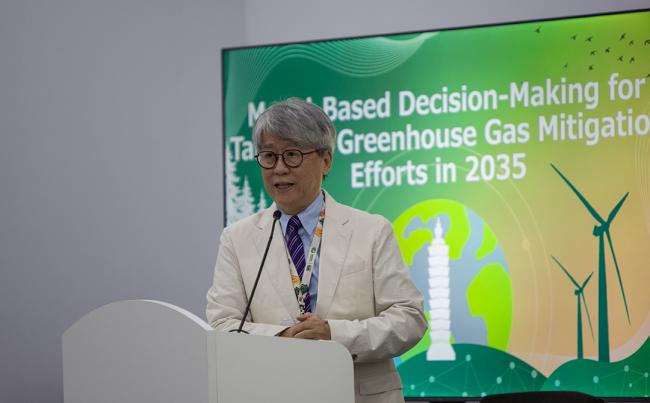
Opening the event, Chien-Te Fan, Professor, National Tsing Hua University, stressed the importance of taking the next steps toward implementation of the climate promises that have been made over the past 30 years. Fan highlighted Paraguay’s achievements in the clean energy sector, where renewables now constitute 97.3% of the country’s energy mix. He noted that Taiwan’s Nationally Determined Contribution (NDC) calls for boosting renewables. He welcomed the chance for each country to learn from each other.
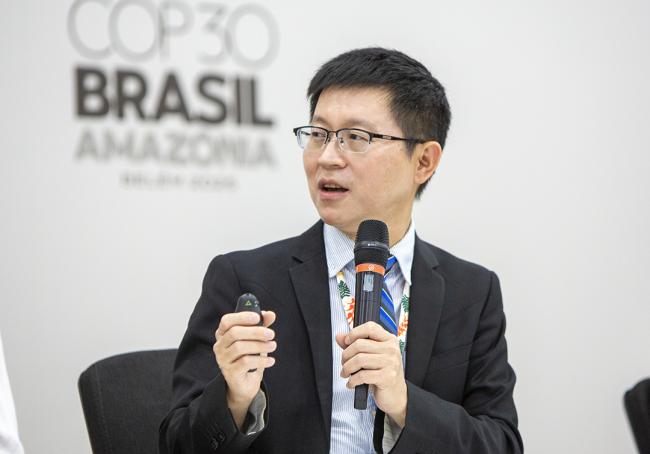
Shih-Ming Chung, Senior Scientist and Manager, Green Energy and Environment Research Laboratories (GEL), Industrial Technology Research Institute (ITRI), gave an overview of Taiwan’s decarbonization pathway and noted that, relative to the 2007 emissions peak, this corresponds to roughly a 43–47% decline, marking a key mid-term milestone toward deeper decarbonization by 2035. He highlighted six pillars of this approach, including technological innovation, financial support, carbon pricing, regulatory adaptation, green collar talent, and community engagement. Chung offered a model-based analysis of how equity and ambitions can be balanced and underscored that key elements to implementing these plans include voluntary reduction plans, green finance and carbon pricing, science-based modeling to improve transparency, and working together across all sectors.
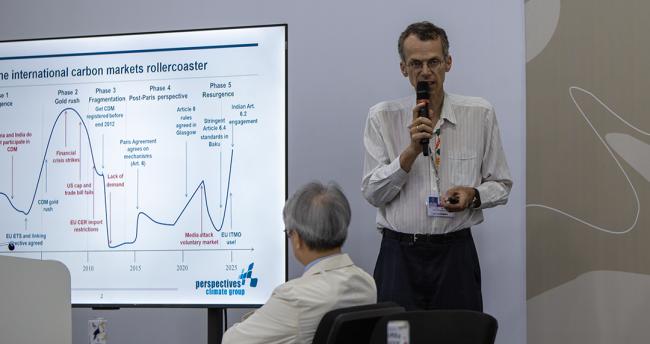
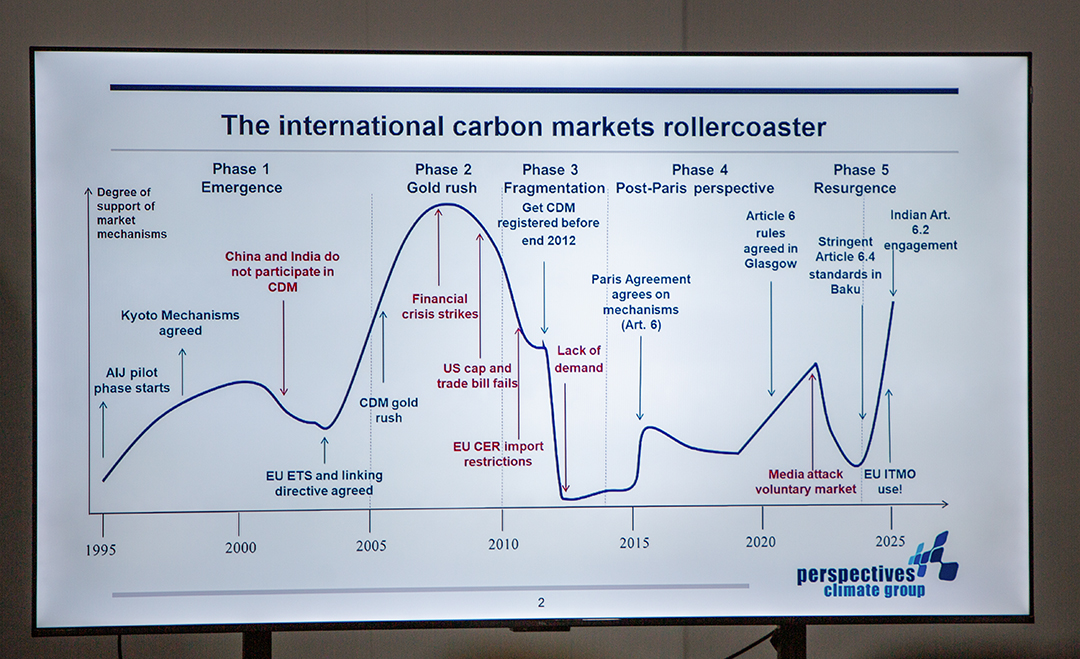
Next, Axel Michaelowa, Senior Founding Partner, Perspectives Climate Group, provided an historical overview of carbon markets and offered recommendations for implementing them at the national level. Michaelowa noted that carbon markets have been on a “roller coaster” ride over the past 20 years, with credit prices rising in the late 2000s, but then falling and rising again in successive waves of hope and criticism. He noted that credit prices are again on the rise since COP 29, where key breakthroughs on Article 6 of the Paris Agreement enabled more stringent, robust methodologies and standards. Moving forward, he advised countries to protect the quality of credits and advised against giving blanket authorization to private credit programmes. Michaelowa noted that Paraguay has a number of opportunities to establish high-quality credits, such as in the areas of landfill gas reduction, methane reduction, and electric vehicles (EVs).
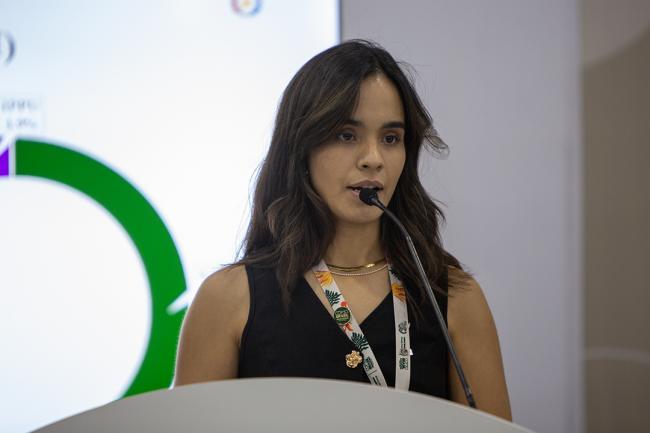
In the presentations segment, Cielito Jazmín Lezcano Contrera, GHG Inventory Compiler, Paraguay, provided an overview of the country’s emissions profile. She noted that Paraguay produces just 0.06% of global emissions and that about half of this comes from agriculture. She stressed that tracking the country’s emissions inventory is a crucial tool for identifying sectors with the highest mitigation potential.
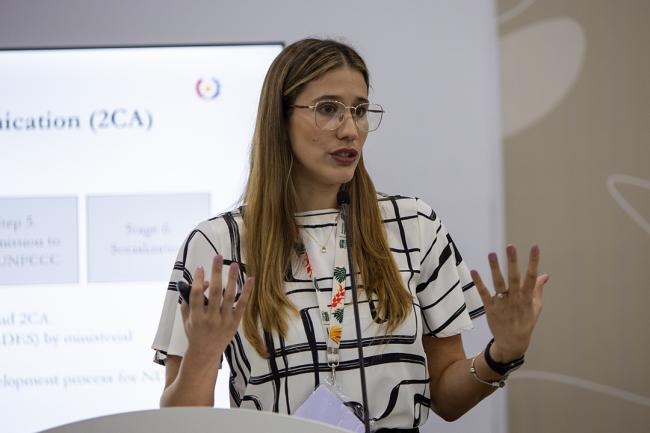
Fiorella Giselle Oreggioni Weiberlen, Mitigation Specialist, Ministry of Environment, Paraguay, next described efforts to consult with government ministries, private-sector actors, and academics to develop the third generation of Paraguay’s NDC. This included workshops and public consultations utilizing social media, she said, noting the process identified key activities that can make a difference, such as energy efficiency gains in heat generation, promoting the use of renewable energy in isolated areas, and transitioning to EVs, which has been aided by cooperation with Taiwan.
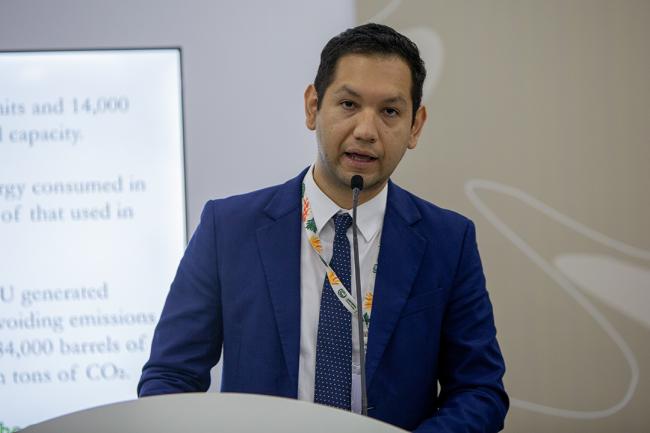
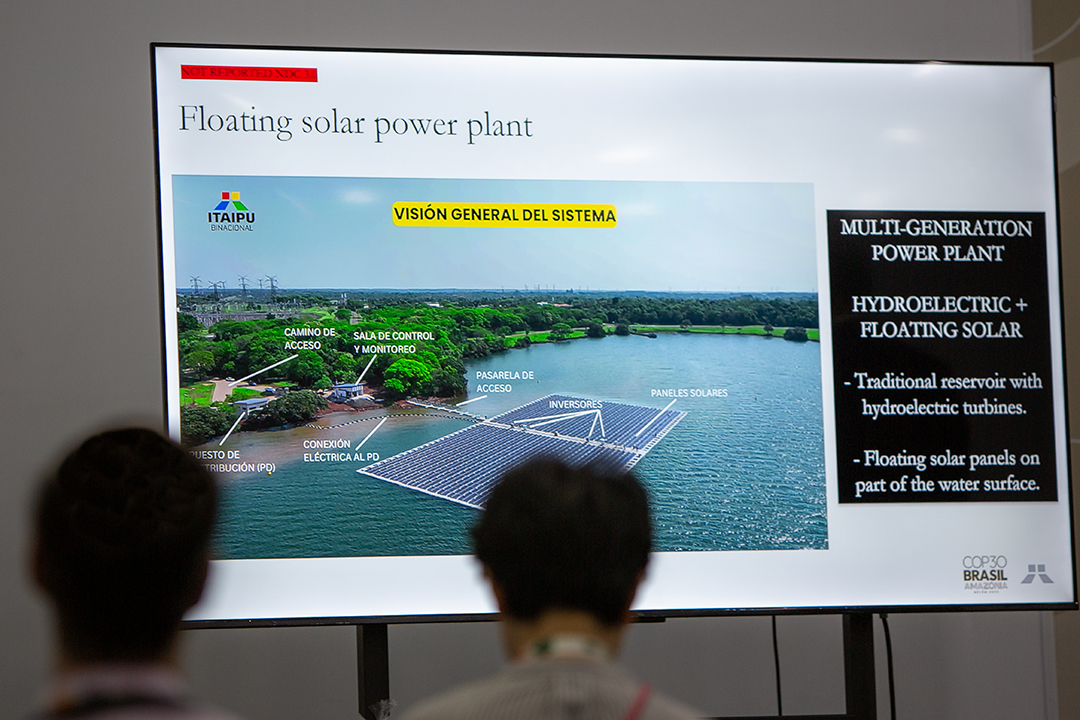
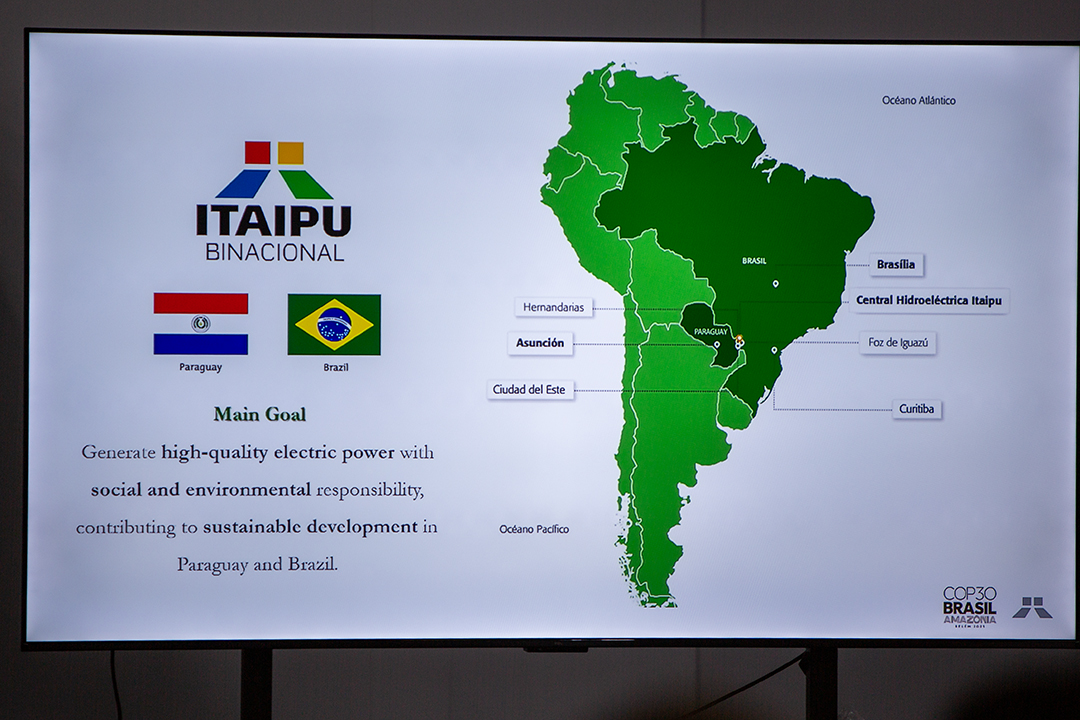
Sergio Daniel Mendez Gaona, Itaipu Binacional, described how Itaipu’s hydropower facilities contribute 90% of the energy used in Paraguay. Gaona underscored that Itaipu has fostered climate action by providing clean, renewable energy, protecting natural ecosystems, and investing in education and capacity building. He highlighted projects to bring renewable energy to remote areas, such as a solar power plant, as well as work to restore degraded forests to support biodiversity and ecosystem connectivity. Gaona noted that Itaipu is developing a floating solar power plant to complement hydroelectric generation.
Following the presentations, Fan asked the panelists to comment on the persistence of fossil fuels in Paraguay, where hydroelectric power is so abundant. Ganoa highlighted recent drought years that significantly undercut hydroelectric power generation, a clear impact of climate change and climate variability on the country’s energy mix.
Chung noted that Taiwan’s use of modeling can help decision makers rethink and revise their pathways to low-emissions futures.
Michaelowa underscored potential cooperation between Taiwan and Paraguay in the area of rice production, as various low-methane production techniques are being developed by Germany.
Finally, answering Fan’s question about policies to promote more EV use, Gaona emphasized the need for structural changes in companies and government to achieve a transformative switch to EVs.
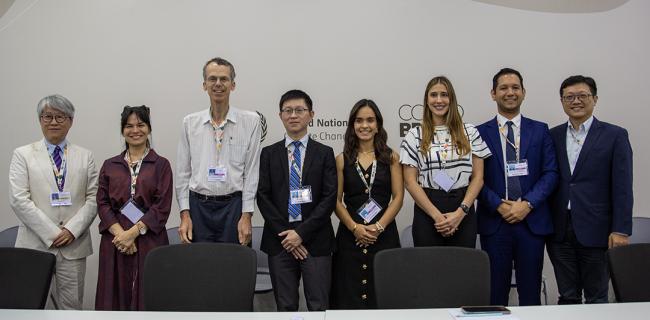
Organizers: ITRI, Paraguay
Contact: Wei-Chen Tsai I [email protected]
Website: https://www.itri.org.tw
To receive free coverage of global environmental events delivered to your inbox, subscribe to the ENB Update newsletter.
All ENB photos are free to use with attribution. For 2025 UN Climate Change Conference Belem - Side Events , please use: Photo by IISD/ENB | Angeles Estrada Vigil
Selected Images
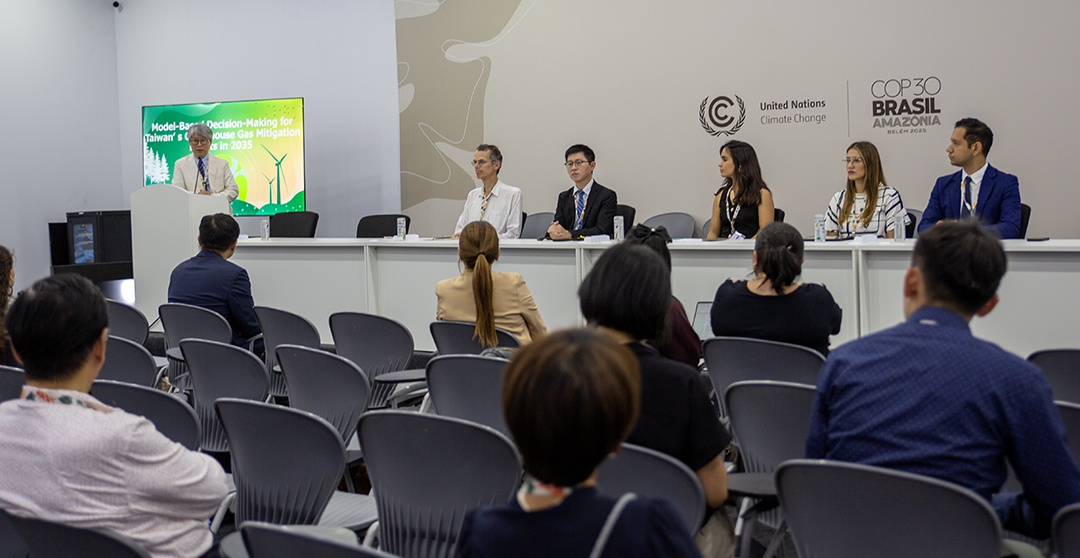
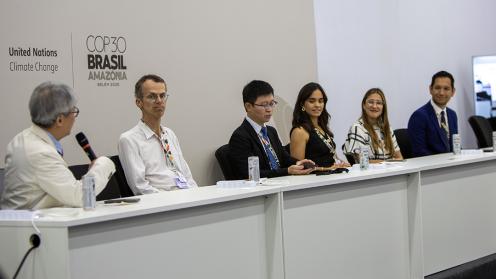
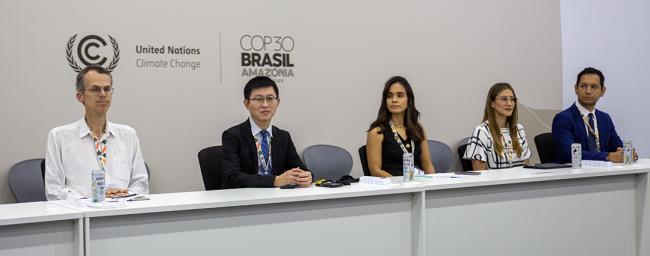
View of the room during the session

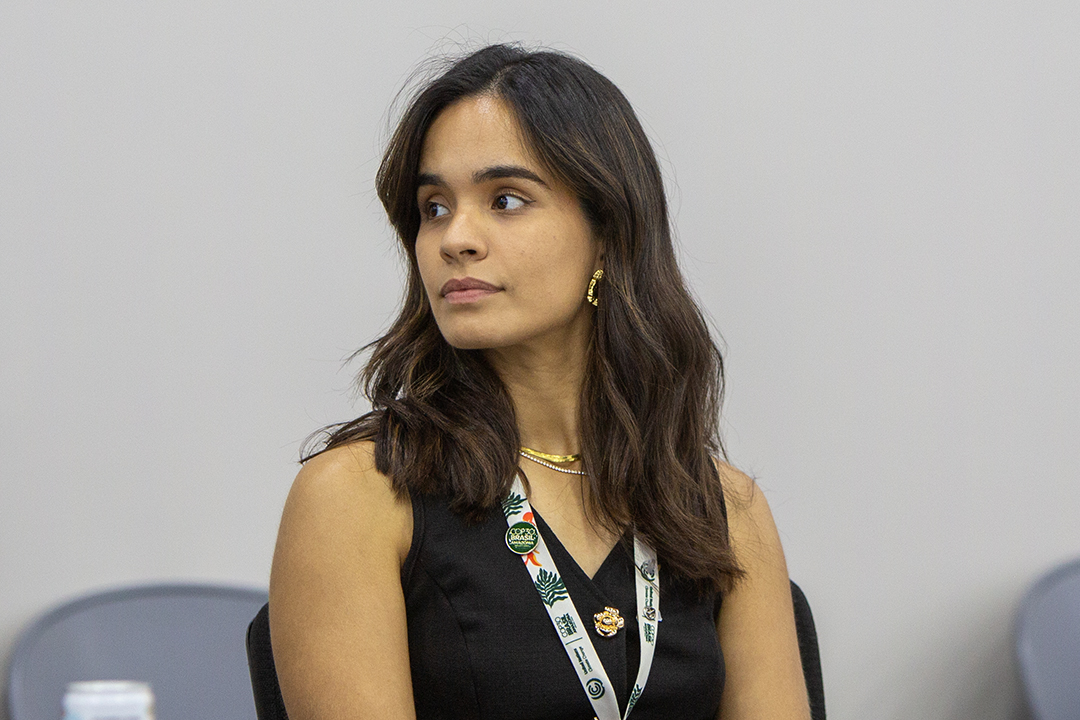
Cielito Jazmín Lezcano Contrera, GHG Inventory Compiler, Paraguay
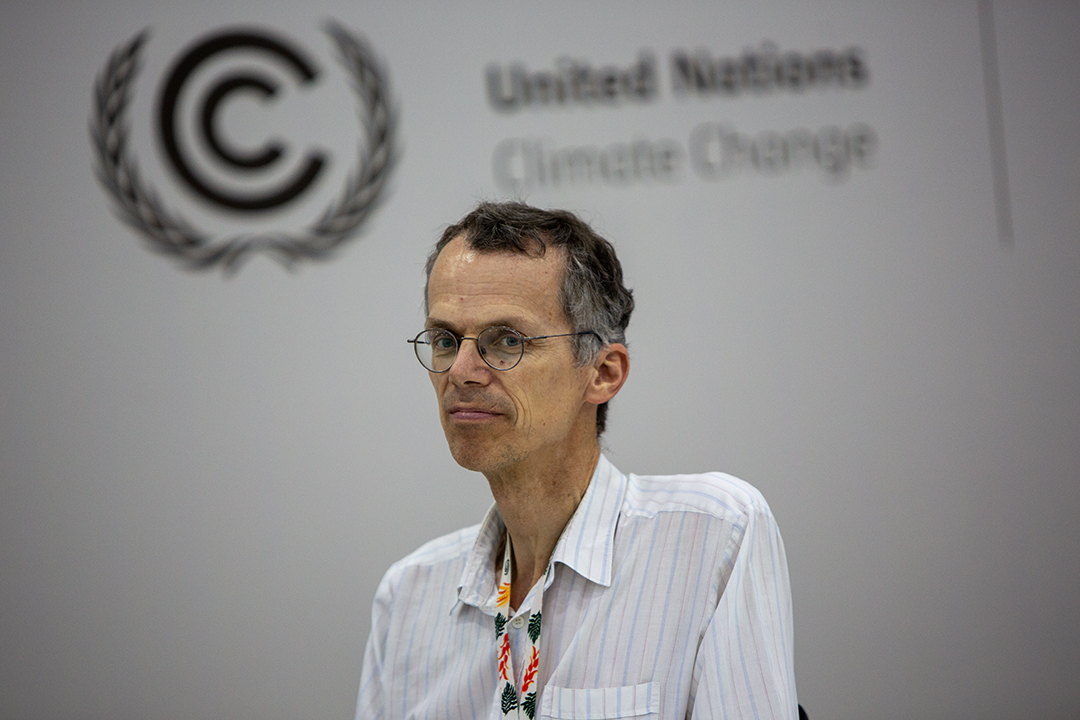
Axel Michaelowa, Senior Founding Partner, Perspectives Climate Group





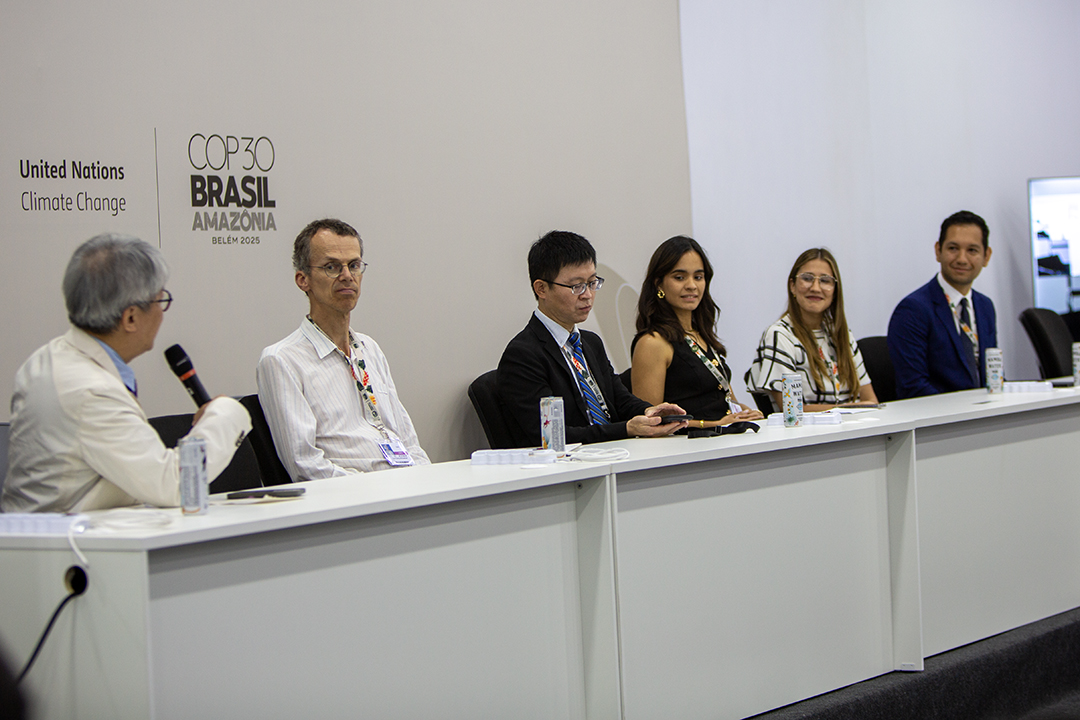
Chien-Te Fan, Professor, National Tsing Hua University, during the Q&A segment
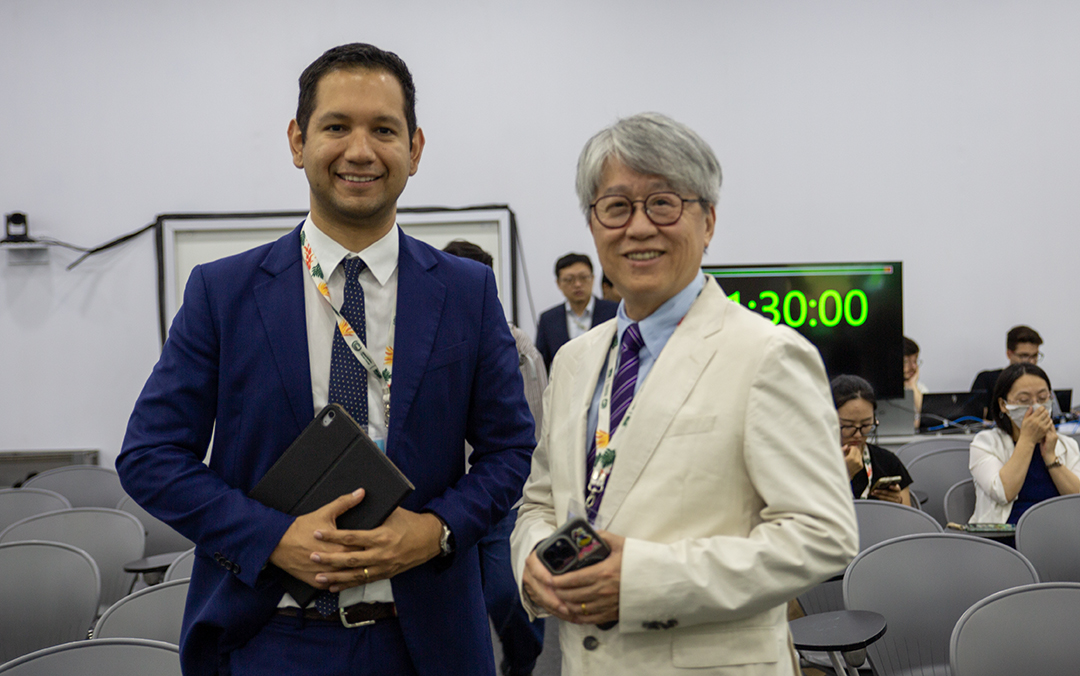
Sergio Daniel Mendez Gaona, Itaipu Binacional, Paraguay, and Chien-Te Fan, Professor, National Tsing Hua University