About
Participants called for urgent global action on systemic threats driving environmental challenges and said peace, justice and equity are prerequisites for sustainable development.
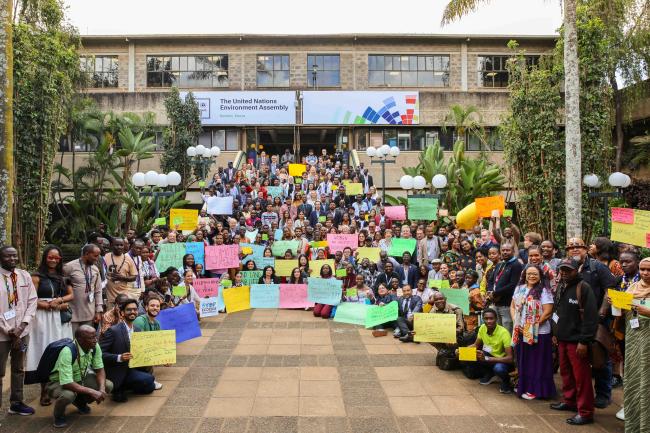
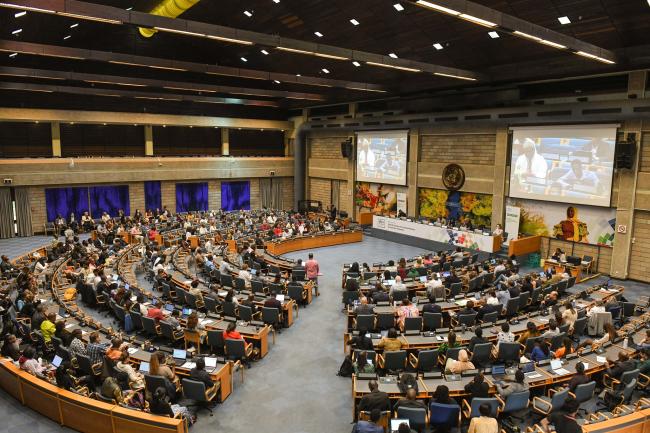
Against a backdrop of intensifying environmental crises and growing pressures on multilateralism, the 21st Global Major Groups and Stakeholders Forum (GMGSF-21) convened on the weekend before the Seventh Session of the United Nations Environment Assembly (UNEA-7).
The GMGSF enables a wide range of civil society stakeholders to exchange views and plan their contributions to UNEA’s deliberations, with the aim of fostering dialogue and collaboration in addressing the environmental issues on UNEA’s agenda.
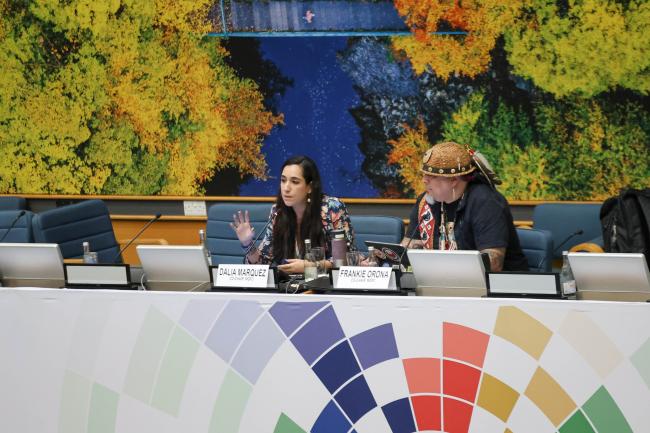
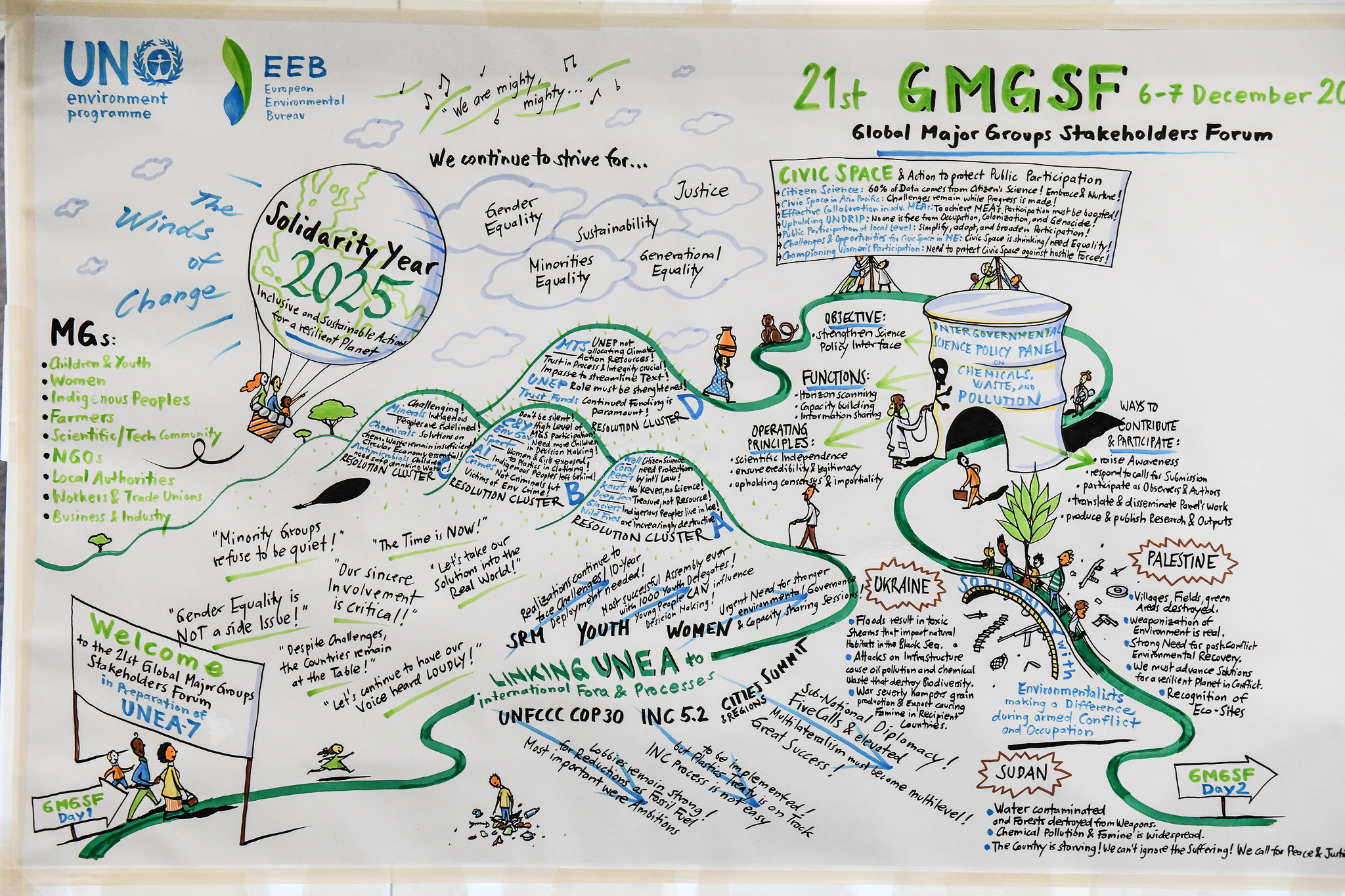
With the theme “Solidarity Year 2025: Inclusive and Sustainable Actions for a Resilient Planet” framing discussions, GMGSF-21 was co-facilitated by Dalia Márquez and Frankie Orona, Co-Chairs of the Major Groups Facilitating Committee (MGFC). Participants started the two-day forum with reports outlining UNEA’s links to international processes including:
- United Nations Environment Programme (UNEP) workshops on geo-engineering and solar radiation modification;
- the Global Youth Environment Assembly;
- the Women’s Environment Assembly;
- the 30th meeting of the Conference of the Parties to the UN Framework Convention on Climate Change;
- the 2025 Cities and Regions Summit; and
- ongoing negotiations to establish a legally binding instrument on plastic pollution.
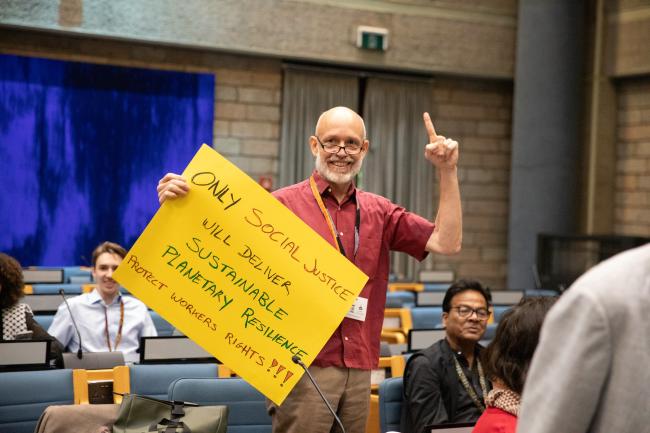
Participants also discussed action to protect public participation globally, nationally, and locally, sharing the experiences of different Major Groups and in different regions. In discussions of the newly established Intergovernmental Science Policy Panel on Chemicals, Waste, and Pollution, participants considered the panel’s relationship to other processes and bodies, including the Global Framework on Chemicals and the plastics negotiations. Participants considered ways of ensuring strong representation of Major Groups and Stakeholders in the Panel’s work.
Participants also addressed an agenda item entitled “Solidarity with environmentalists making a difference during armed conflict and occupation,” with presentations on the human and environmental impacts of ongoing armed conflict in Palestine, Ukraine, and Sudan.
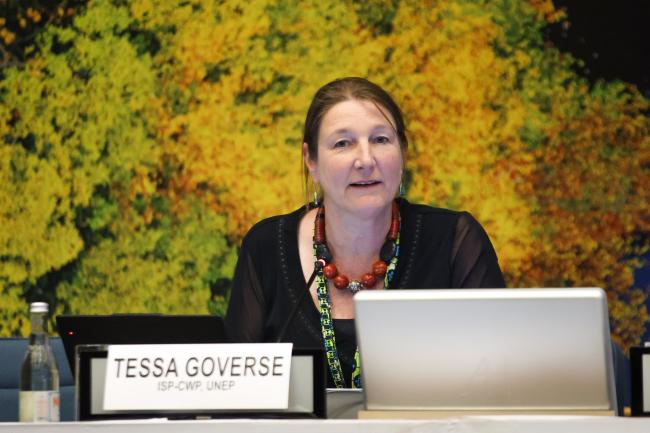
On the second day of the GMGSF, participants continued discussions on a wide range of issues. In a session entitled “Driving Sustainable Transformation across Sectors: From Voluntary Commitments to Certified and Assured Action,” speakers addressed questions including which UNEA-supported mechanisms are essential for driving measurable impacts across sectors, as well as how digital platforms, artificial intelligence, and real-time data systems enhance synergies and accelerate a shift toward assured environmental performance.
Other highlights of the day included a presentation by Marcos Orellana, the Special Rapporteur on toxics and human rights, on his priorities, and the introduction and discussion of the Seventh Edition of the Global Environmental Outlook. This report, which UNEP describes as the most comprehensive scientific assessment of the environment ever carried out, calls for all actors to acknowledge the urgency of interconnected environmental crises, build on past progress, and collaborate in the design and implementation of integrated policies, strategies, and actions to deliver a better future for all.
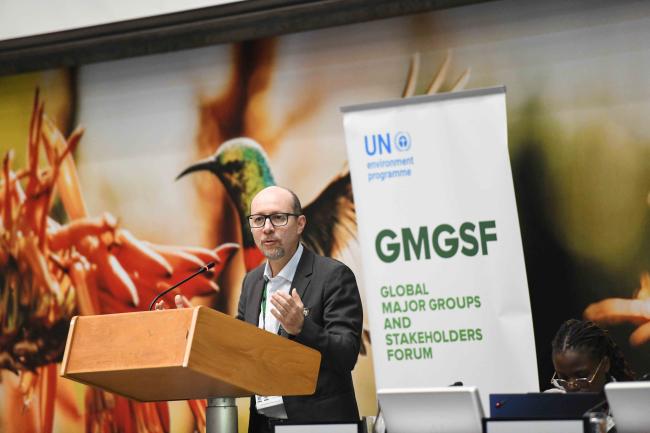
In the afternoon, UNEA-7 President Abdullah Bin Ali-Amri and UNEP Executive Director Inger Andersen joined GMGSF-21 for an exchange with participants, addressing questions from each of the Major Groups. Among other comments, President Ali-Amri underscored the importance of collective implementation of multilateral agreements, saying people are feeling the impacts of biodiversity loss, desertification, and climate change.
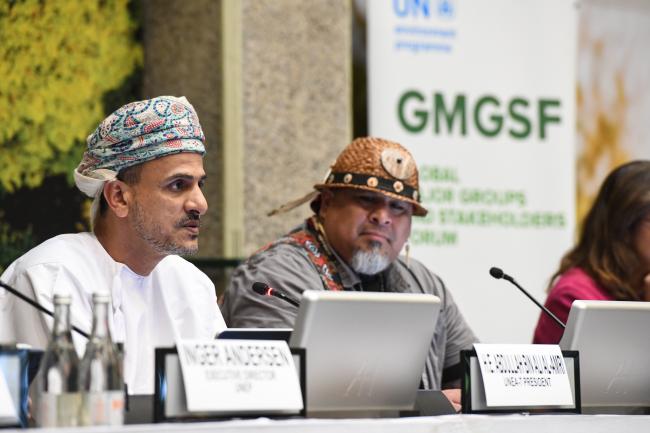
Executive Director Andersen highlighted the importance of synergies across processes and, noting that each convention is sovereign, described UNEA as a tapestry upon which the entire environmental landscape is embroidered.
Participants also held an informal dialogue between Member States and Major Groups and Stakeholders under the auspices of the Group of Friends. Participants expressed appreciation for the initiative as a way of ensuring stakeholders’ voices can be heard regularly and earlier in the process that leads to UNEA deliberations. Many emphasized the importance of continuing to improve stakeholder engagement.
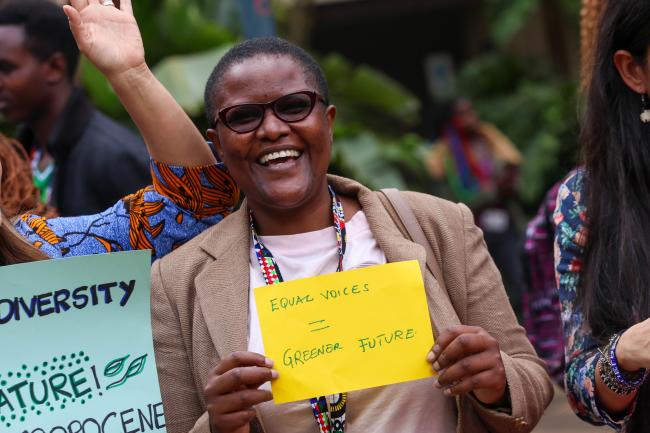
At the end of the day, GMGSF-21 adopted a Joint Global Statement reflecting the Major Groups and Stakeholders’ key messages to UNEA. In closing remarks, Co-Facilitator Orona emphasized that the GMGSF’s work is foundational to UNEA’s discussions, encouraged participants to carry forward the spirit GMGSF’s spirit of collaboration and to remain steadfast in advocating for ambitious, science-based, and equitable outcomes. Co-Facilitator Márquez underscored that participants stand together with renewed strength and clarity, and said solidarity is not an abstract concept, but an action. She underscored that “our diversity is our greatest strength,” and said science, policy and people must work hand in hand.
GMGSF-21 took place in a hybrid format from 6-7 December 2025 in Nairobi, Kenya.
To receive free coverage of global environmental events delivered to your inbox, subscribe to the ENB Update newsletter.
Selected Images
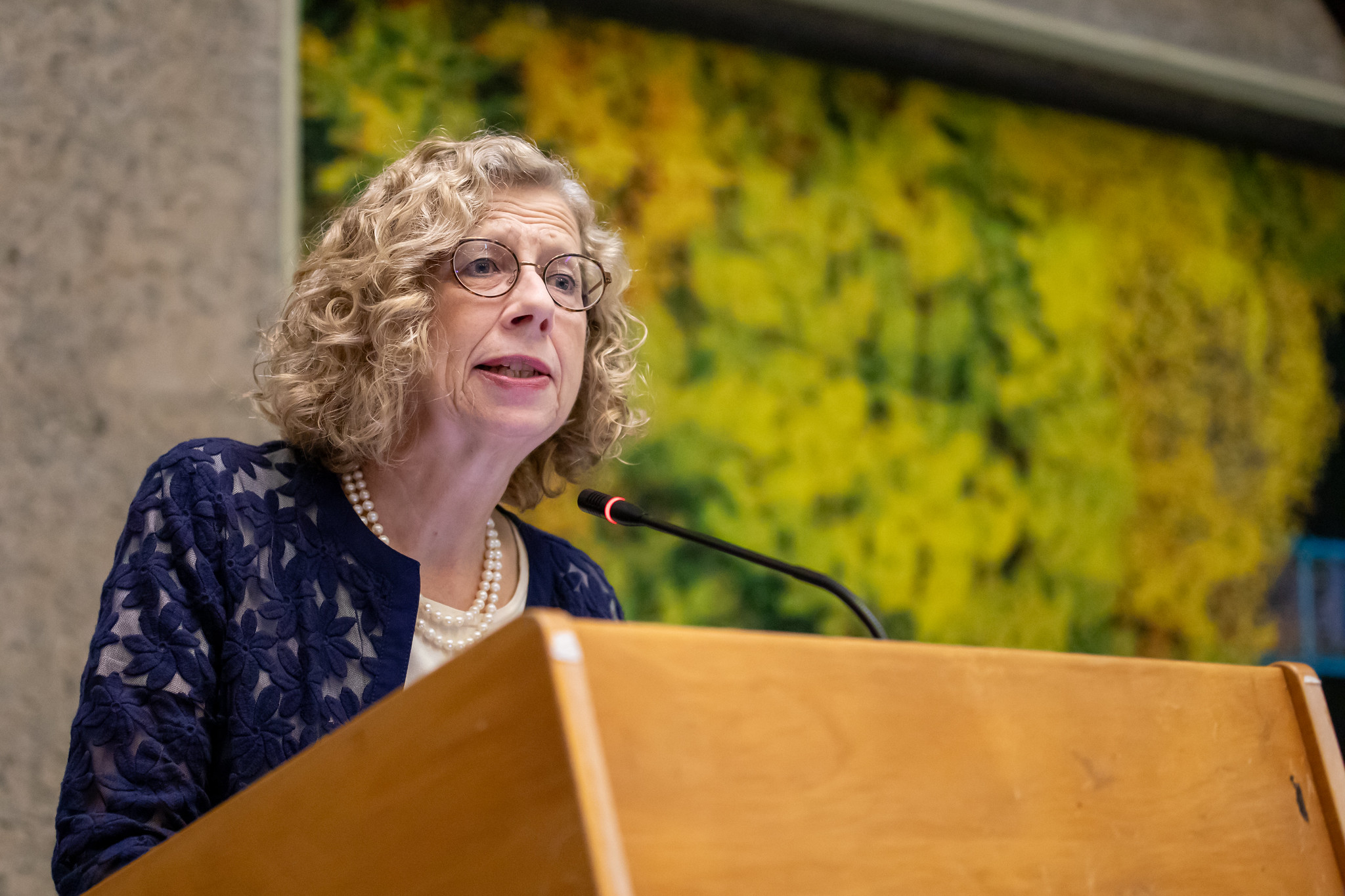
Inger Andersen, Executive Director, UNEP
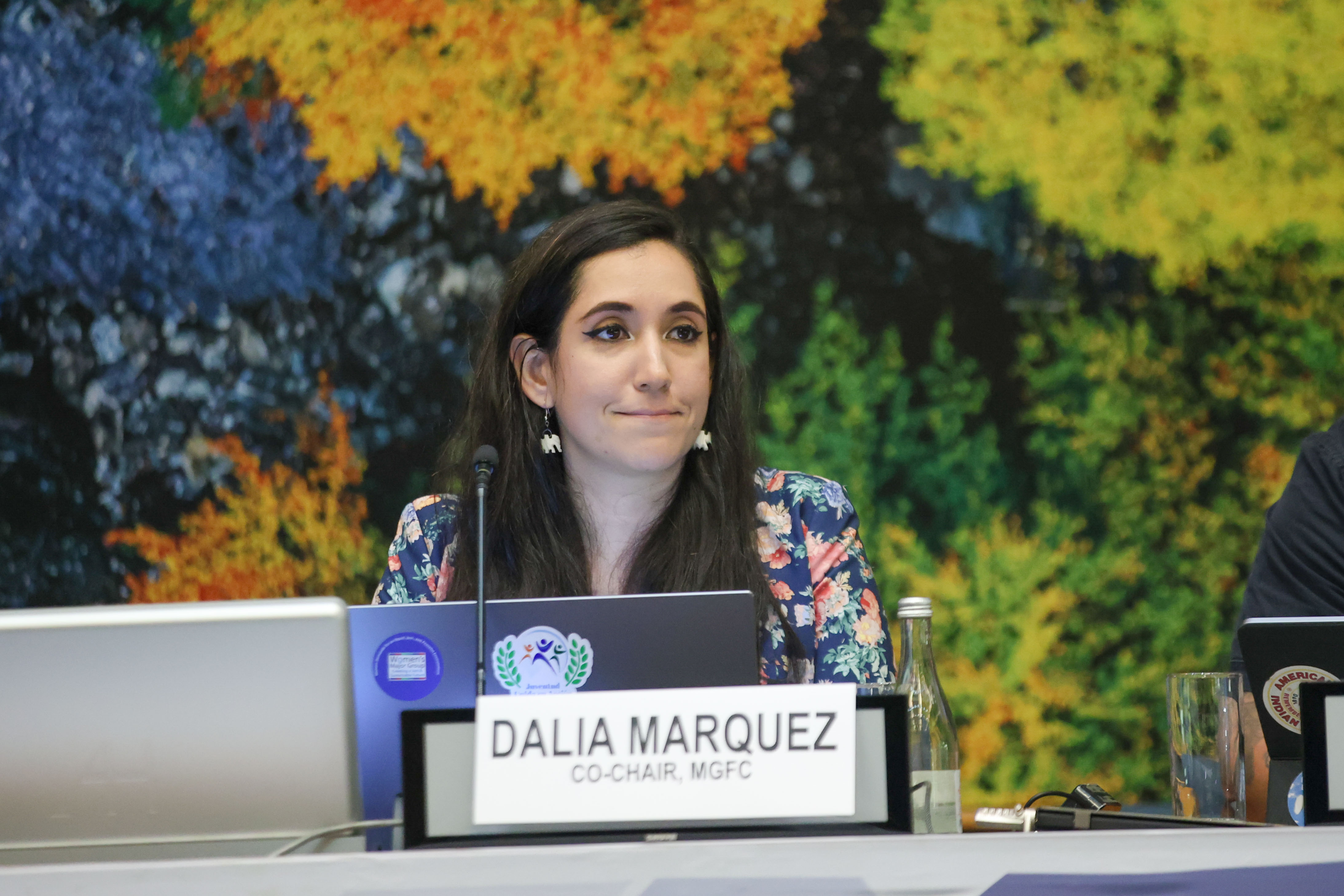
Dalia Márquez, Major Groups Facilitating Committee Co-Chair
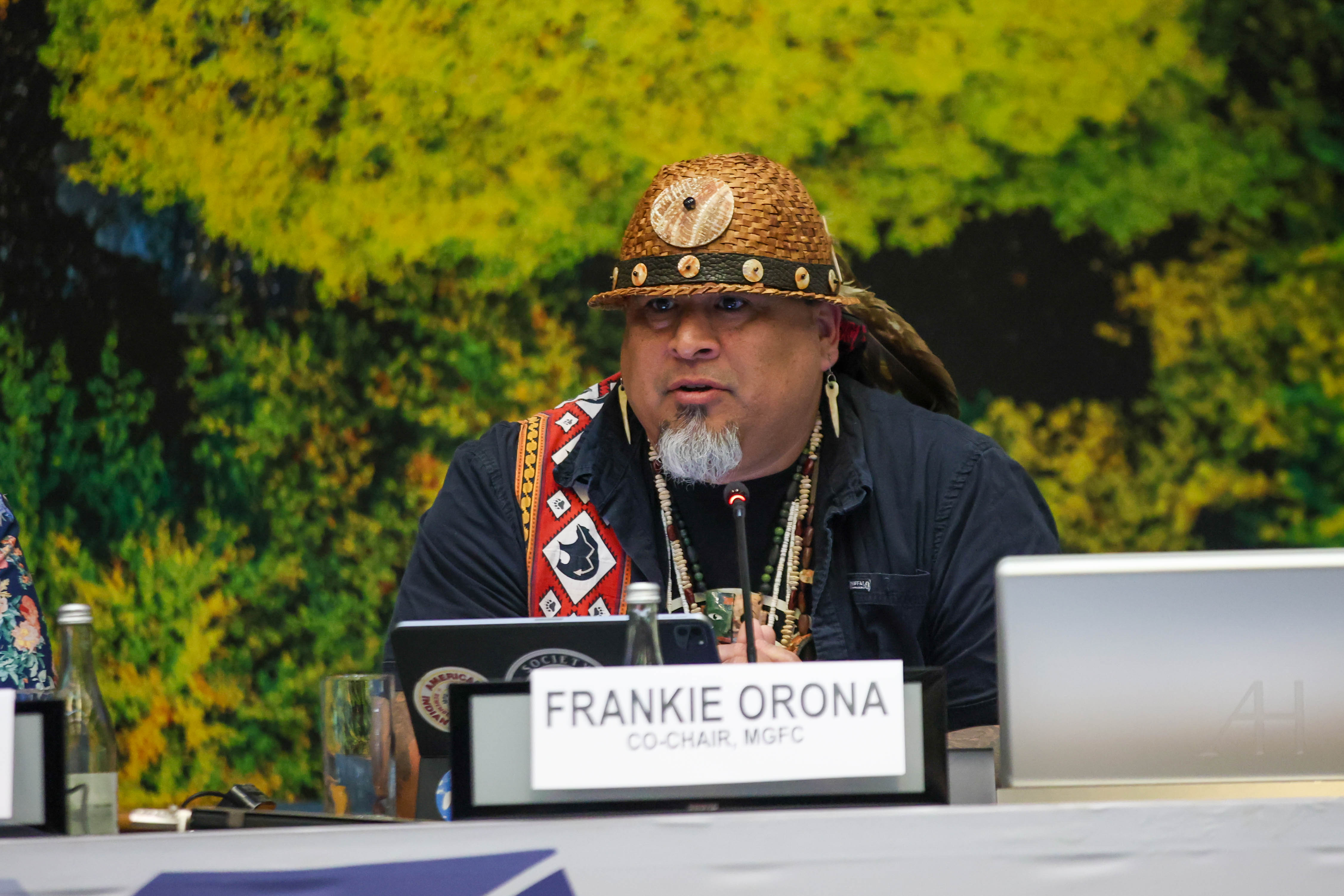
Frankie Orona, Major Groups Facilitating Committee Co-Chair
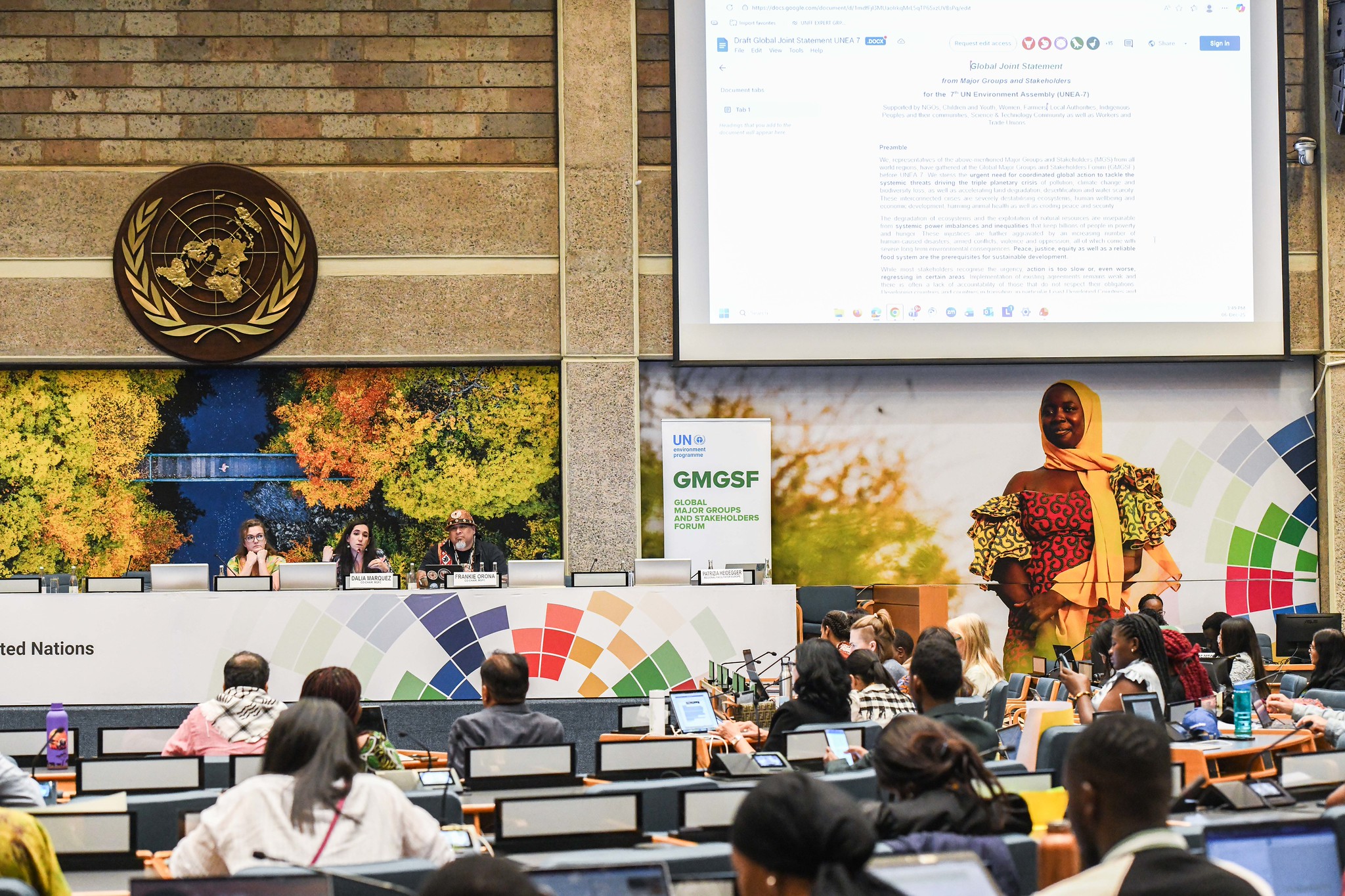
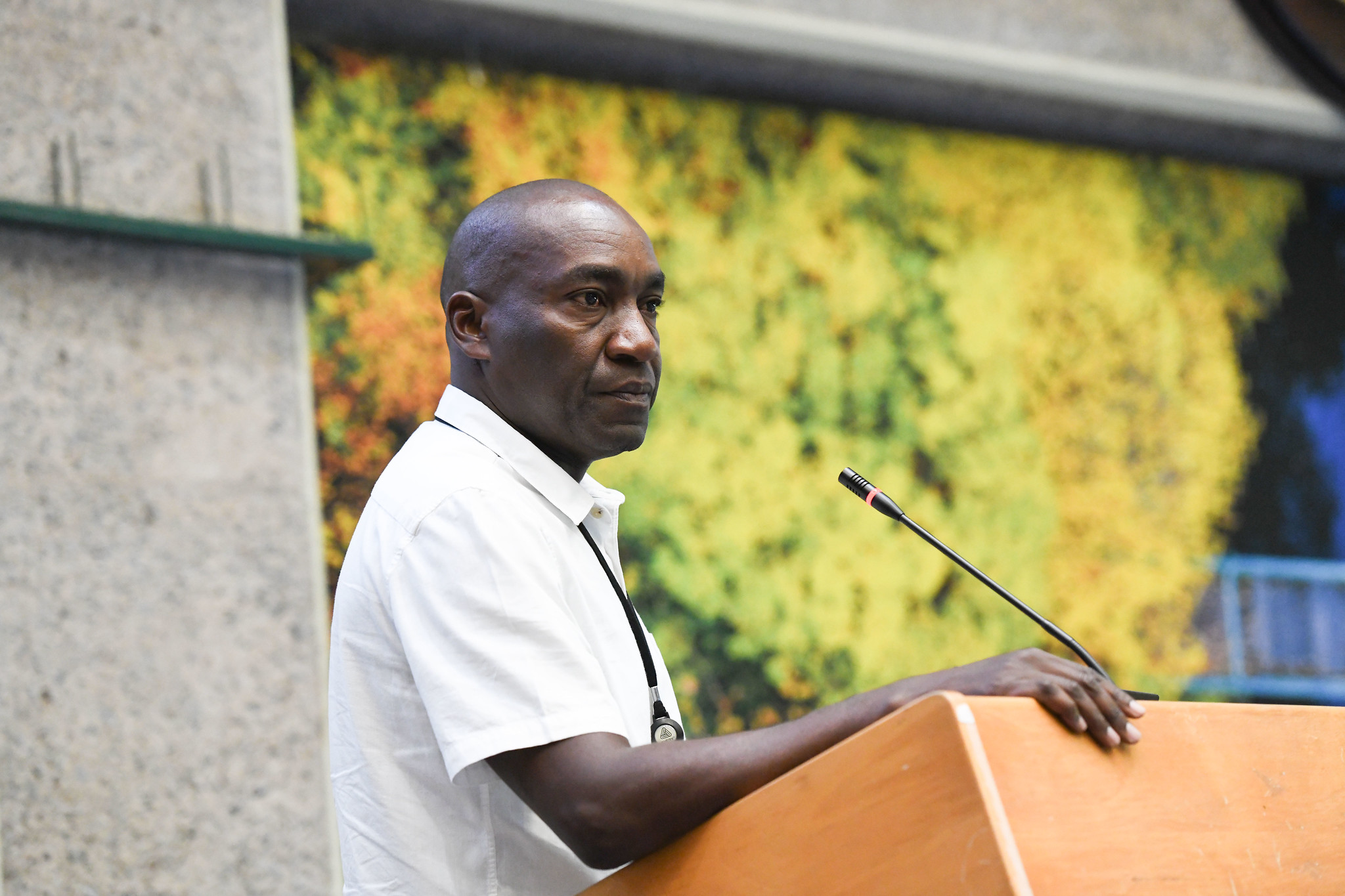
David Ombisi, Governance Affairs Office, UNEP
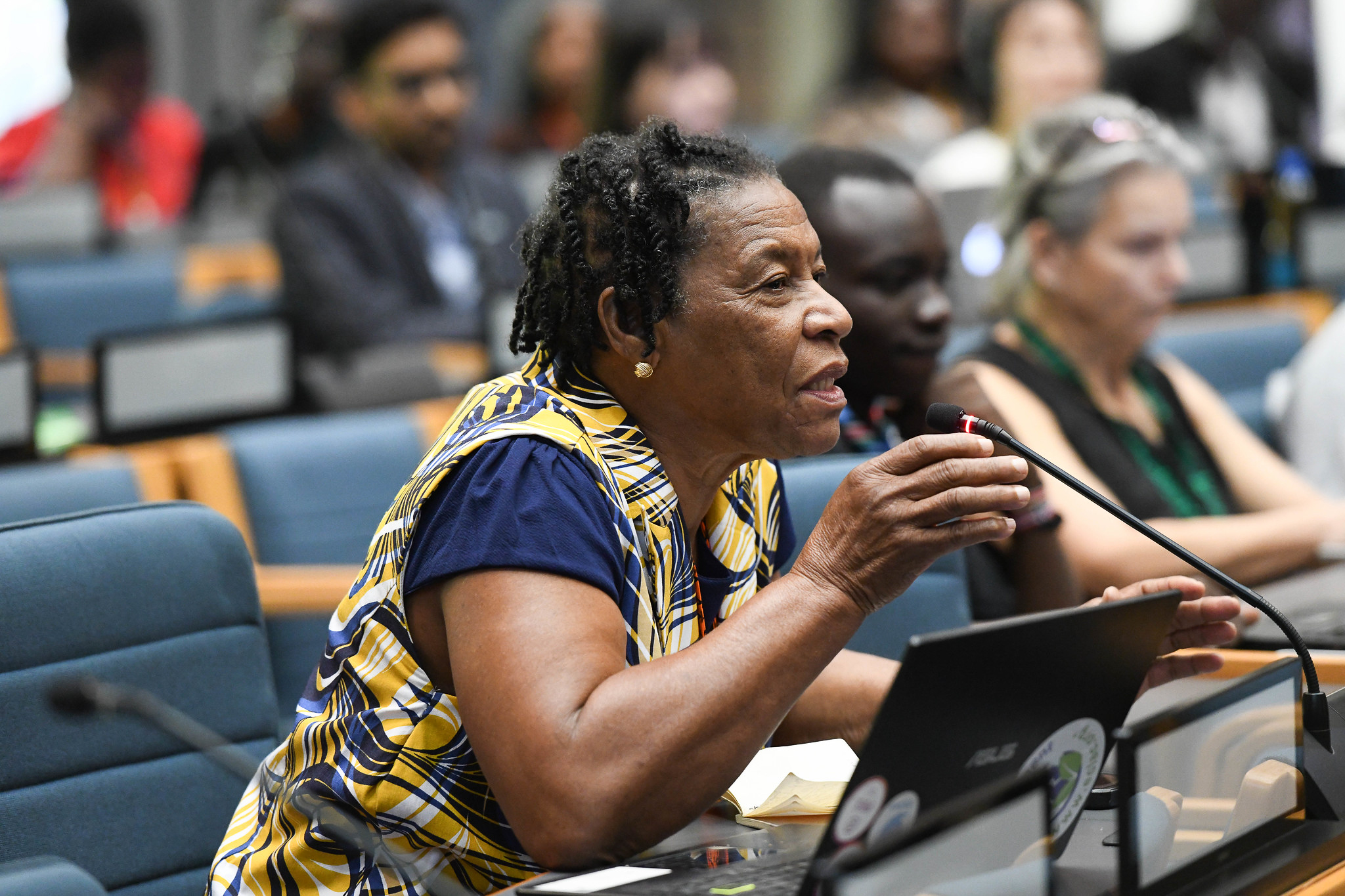
Ruth Spencer, Advisory Board Member, UN Women’s Civil Society Advisory Group for the Caribbean, Intergovernmental and Multi-stakeholder Advisory Group (IMAG)
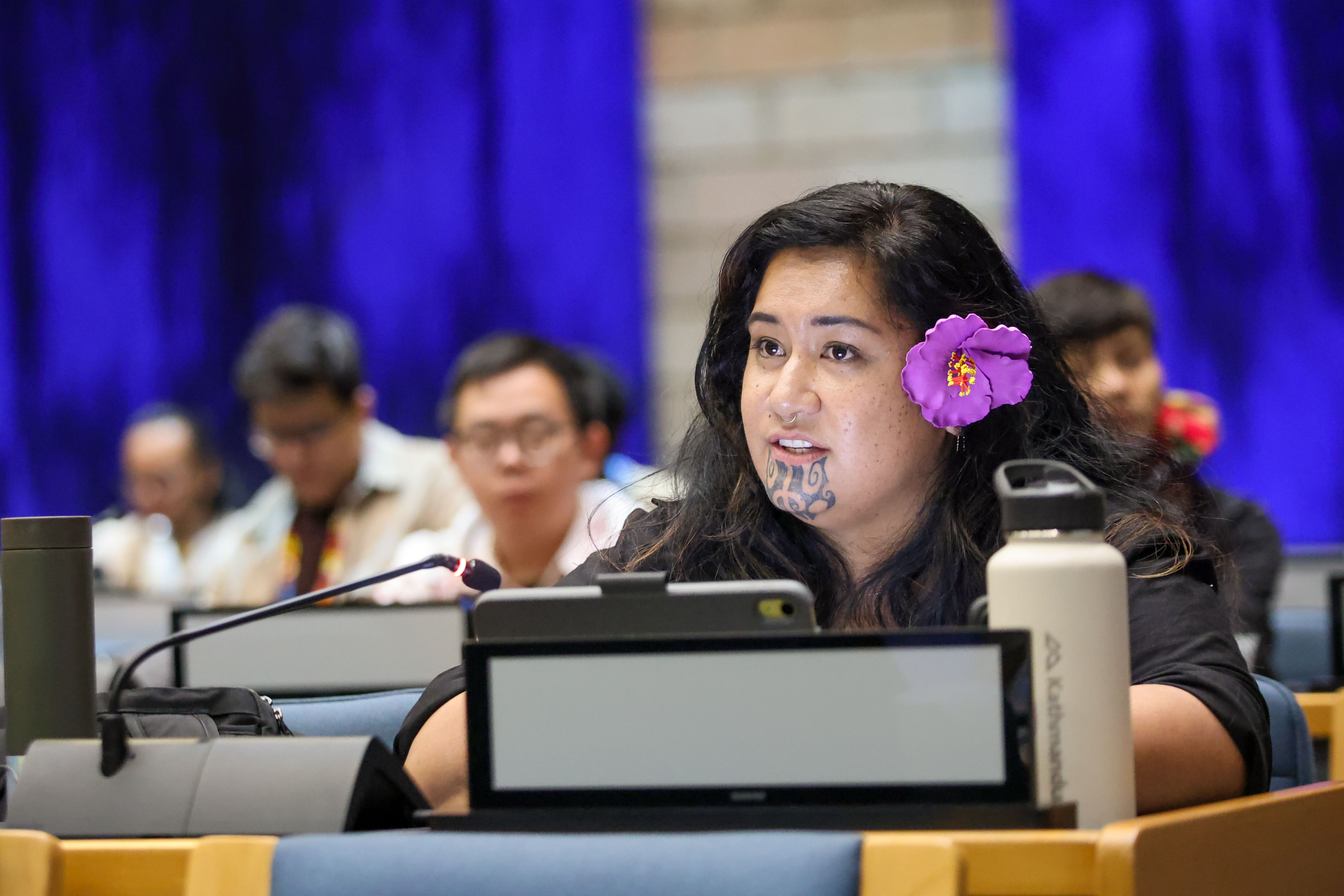
Juressa Lee, Indigenous Peoples and their Communities Major Group
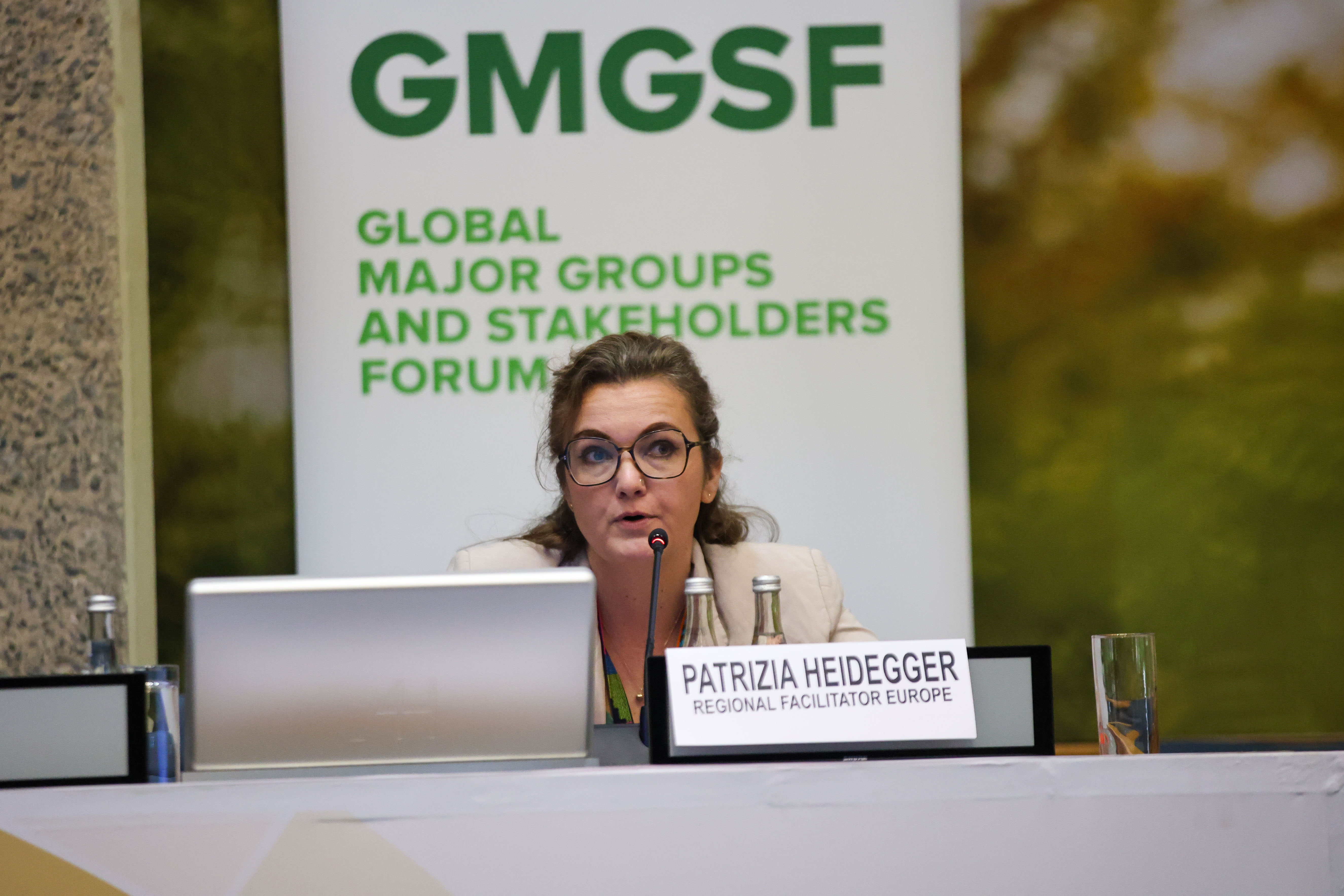
Patrizia Heidegger, Regional Facilitator Europe
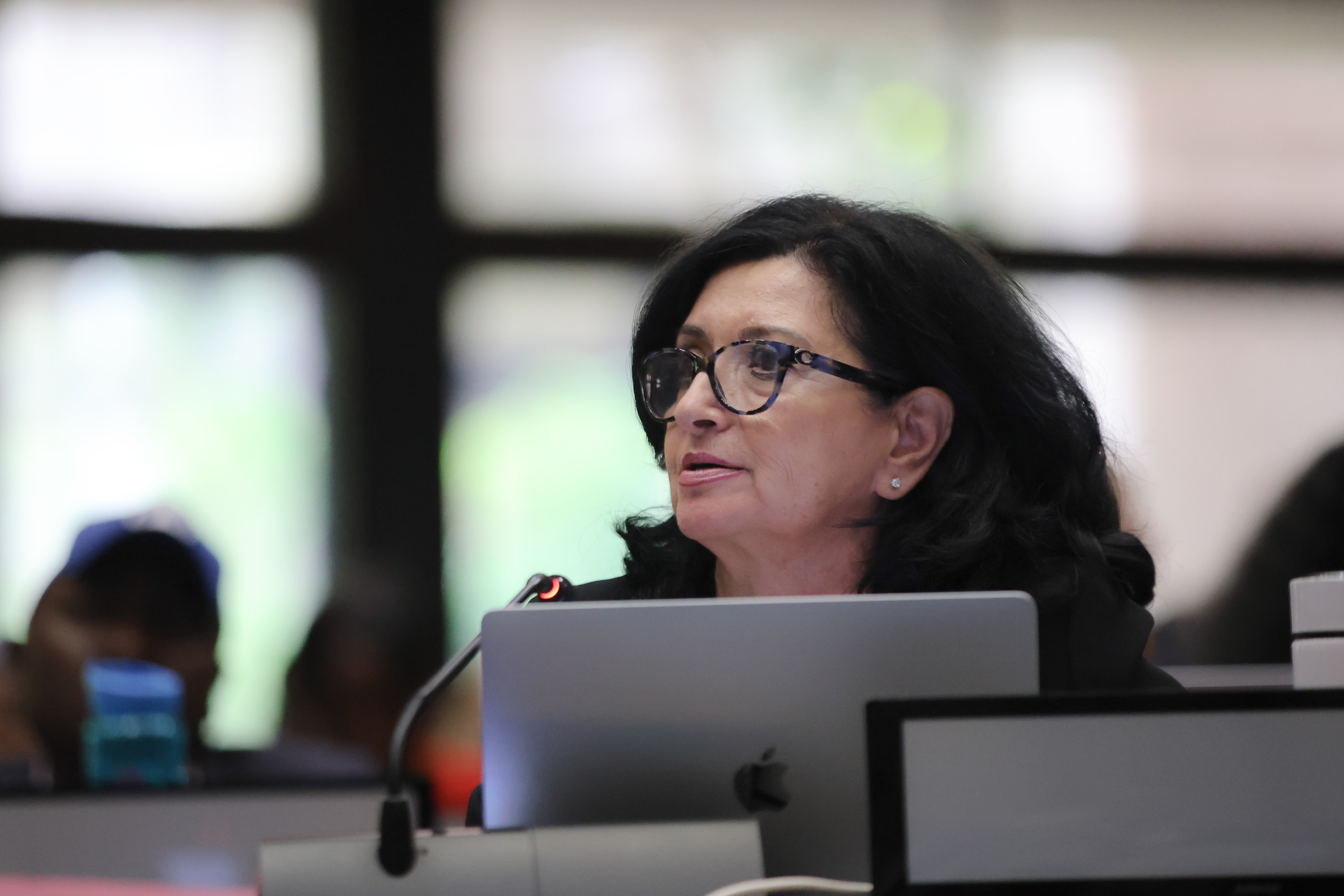
Marie Therese Merhej Seif, Women's Major Group
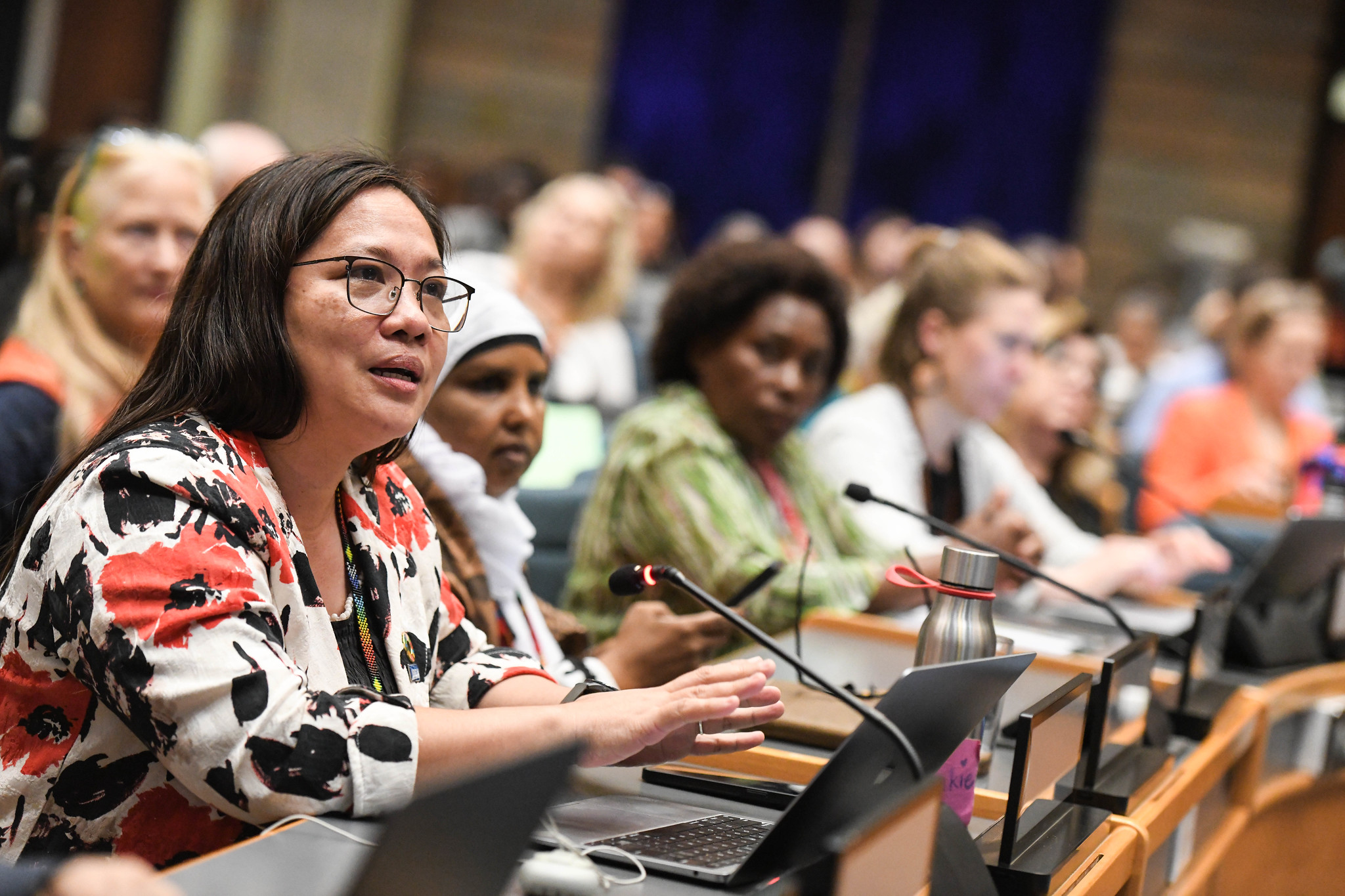
Chinkie Peliño-Golle, International Pollutants Elimination Network
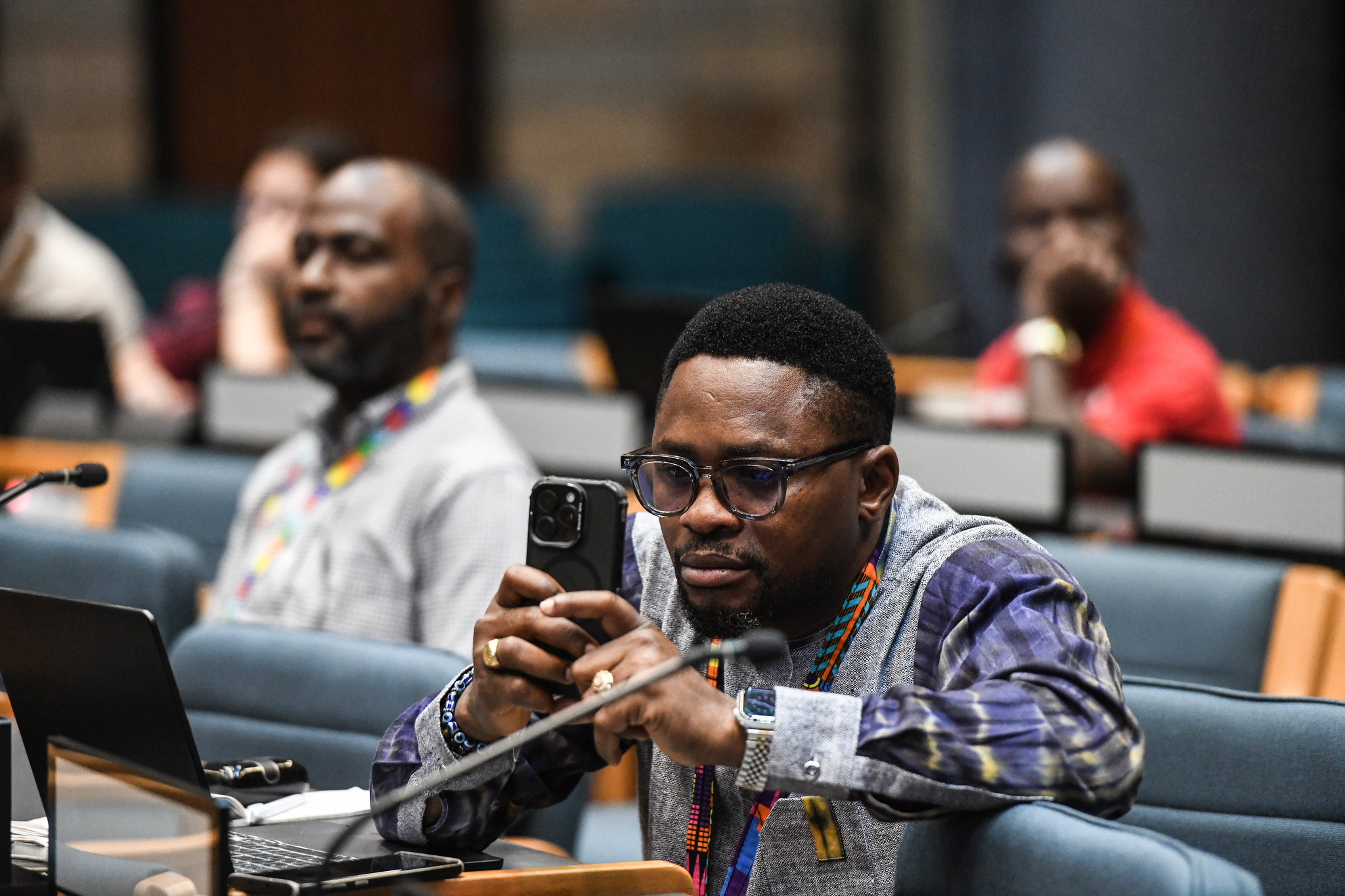
A participant takes a picture
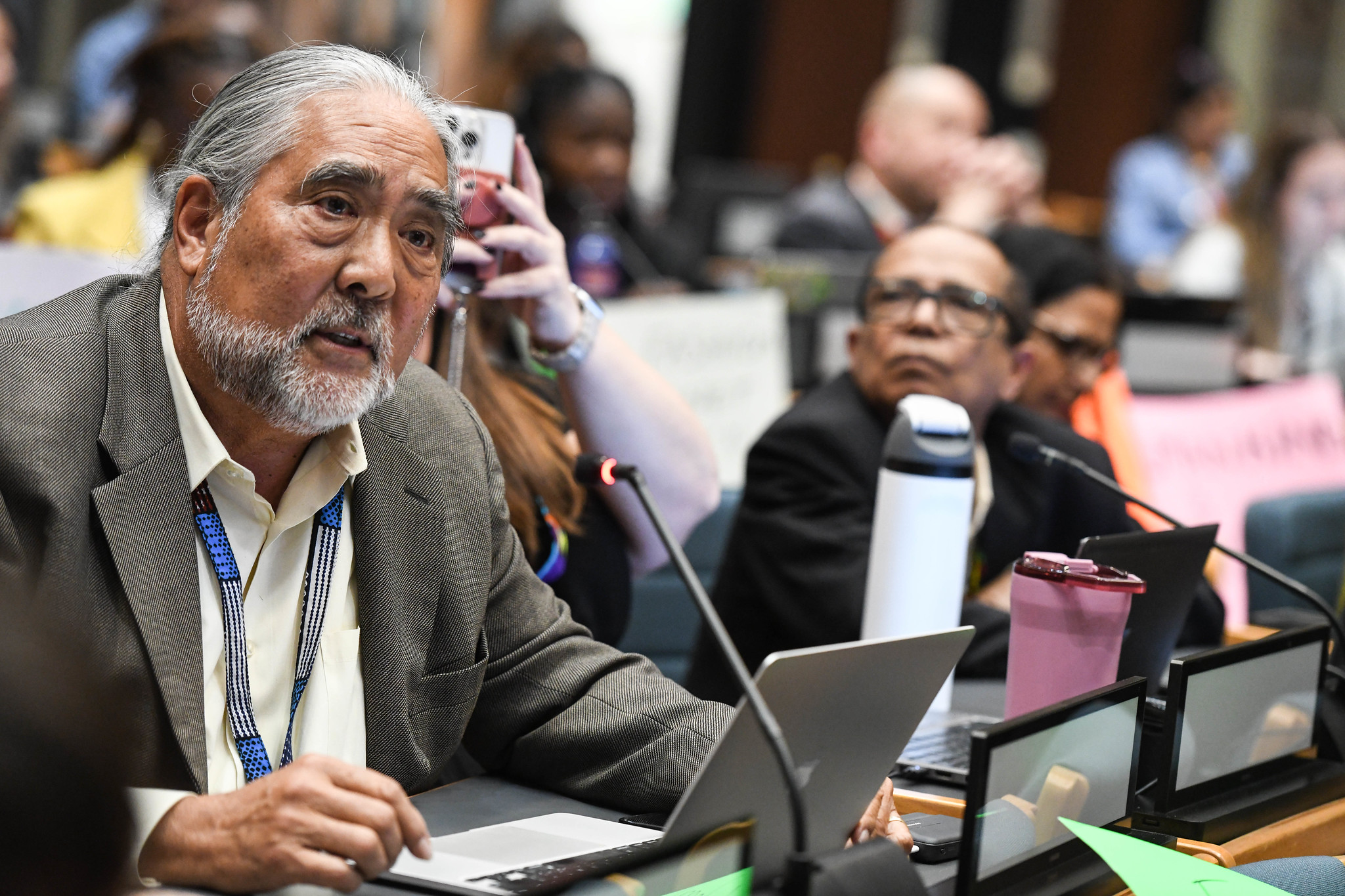
Arthur Kawamura, Farmers Major Group
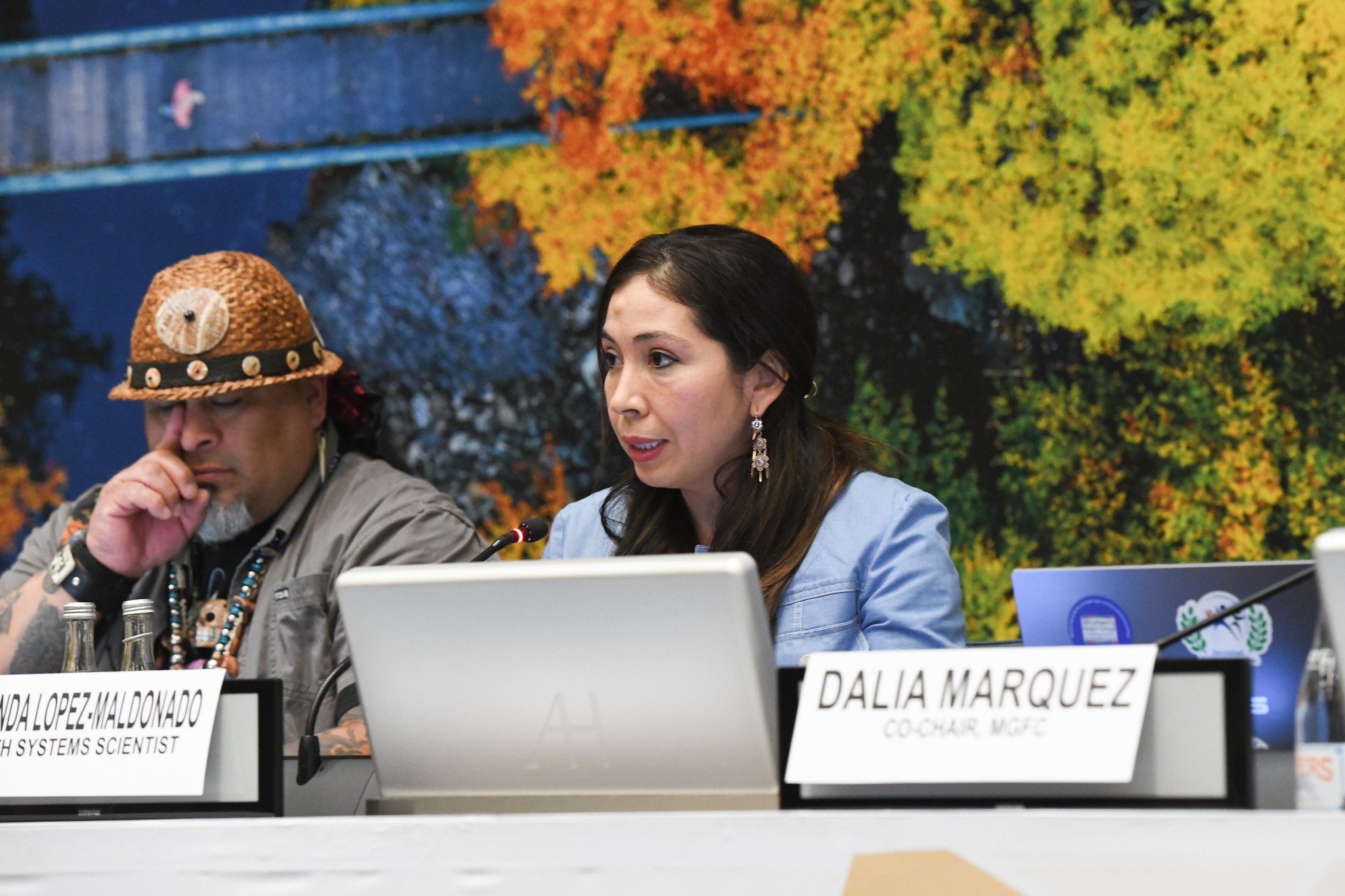
Yolanda Lopez-Maldonado, Earth Systems Scientist
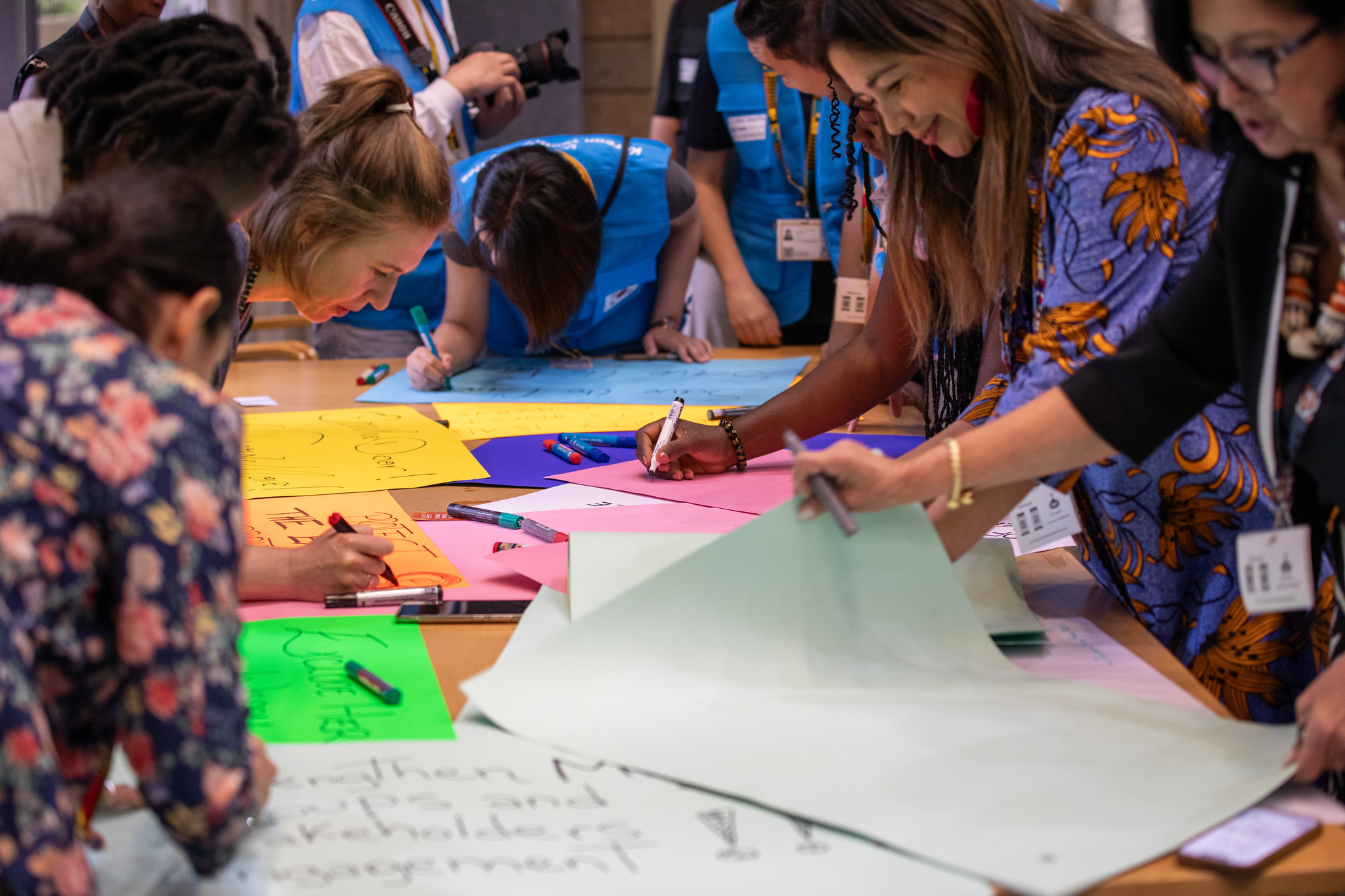
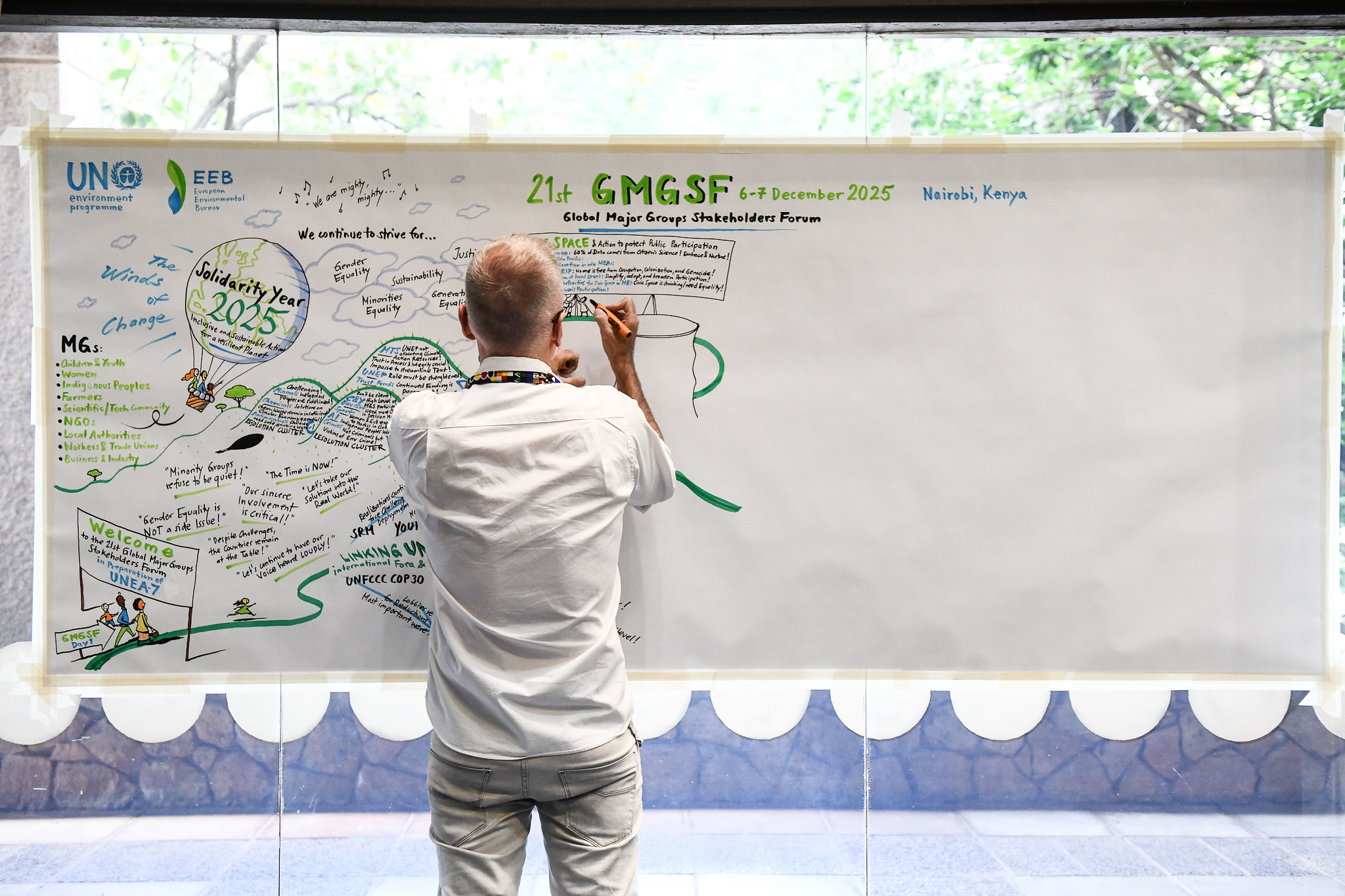
The session was captured through real-time illustration by Ingo Fast.
Around the Venue
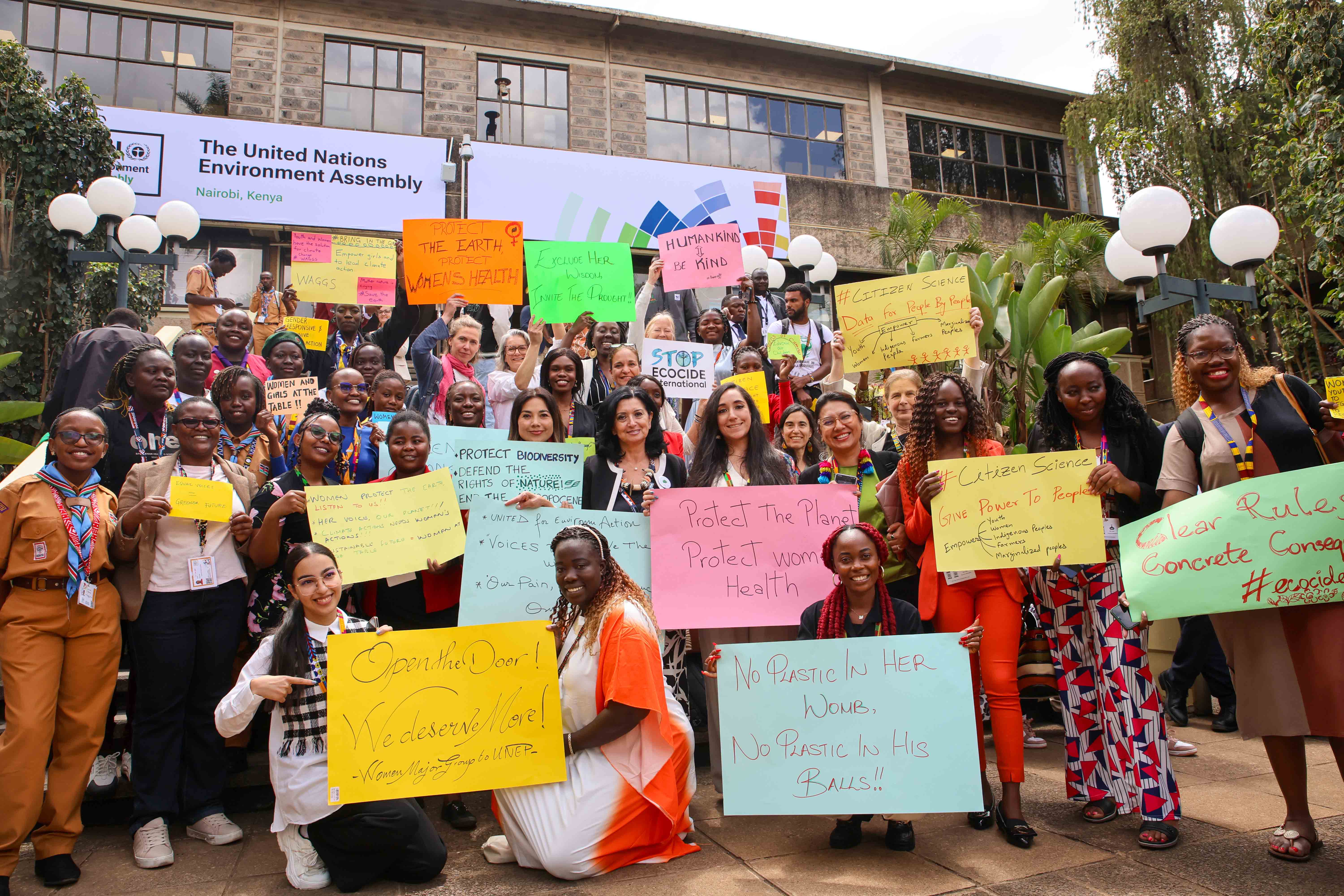
Members of Women's Major Group