About
A morning session opened Health Day at COP 30, uniting Parties and partners to endorse the Belém Health Action Plan and discuss the finance, coordination, and practical measures needed to protect communities facing rising climate-related health risks.

The climate crisis is a health crisis. Evidence linking heatwaves, floods, and droughts to disease outbreaks shows that climate change is placing lives at risk and straining health systems around the world. Opening Health Day at COP 30, this morning session brought UNFCCC Parties together for a high-level discussion on the endorsement of the Belém Health Action Plan for the Adaptation of the Health Sector to Climate Change, which was proposed by the Brazilian Ministry of Health. The event featured a roundtable on means of implementation with contributions from financing institutions and key development actors.
Opening
Marcele Oliveira, COP 30 Youth Climate Champion, opened the plenary by underscoring the importance for youth of action at the nexus of climate and health. She led the plenary in a physical stretching exercise, emphasizing that “we have a lot of work to do” and that it is critical to “protect[ing] each other” is critical. She concluded by calling for mental, physical, and planetary health for all.
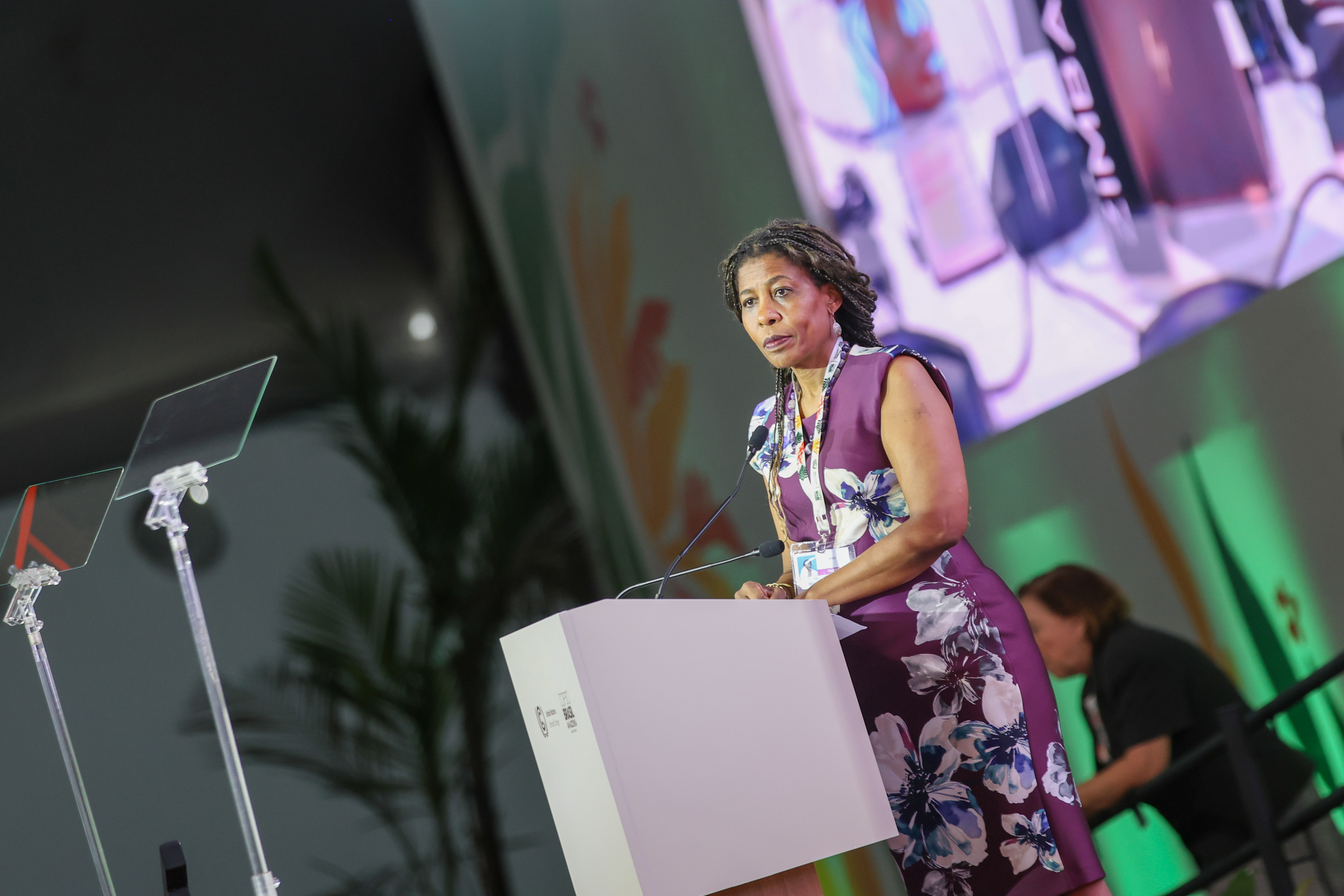
H.R.H Princess Abze Djigma, Co Chair, UNFCCC Paris Committee on Capacitybuilding, Burkina Faso, called for placing health at the core of climate policy, warning that neglecting this link means “the solution will find you in a way you don’t want it to.” She highlighted the connection between people, access to technology, and Indigenous knowledge as essential for driving climate action that can also strengthen health and health systems.

Simon Stiell, Executive Secretary, UNFCCC, emphasized that action to protect ecosystems is also a public health intervention that can deliver a “triple win for human health, the economy, and climate change.” He highlighted the Belém Health Action Plan as a blueprint that integrates adaptation, equity, and climate justice, the “three pillars of resilient societies."
Jarbas Barbosa, Director, Pan American Health Organization (PAHO), stressed that with more than 3.3 billion people highly vulnerable to climate impacts, the Belém Health Action Plan is a crucial, shared roadmap and commitment to protect lives. Barbosa called for working together to coordinate capacity building and integrating the action plan into national climate plans. This way, he said, the plan can help build “a future where climate action saves lives.”
In a video message, Tedros Adhanom Ghebreyesus, Director-General of the World Health Organization (WHO), characterized the Belém Health Action Plan as a way to produce measurable outcomes on climate change and more resilient health systems. He stressed that there “can’t be healthy people on a sick planet.”


Ana Toni, COP 30 Executive Director, underscored how COP 30 has been unique in foregrounding health and climate, an effort that grew out of Brazil’s climate plan that addresses the impacts of climate on the health sector. She stressed that now is the time for implementation and accelerating action on the ground, which requires coordination across all sectors. “That’s the only way to have a healthy planet and more healthy people,” Toni said.
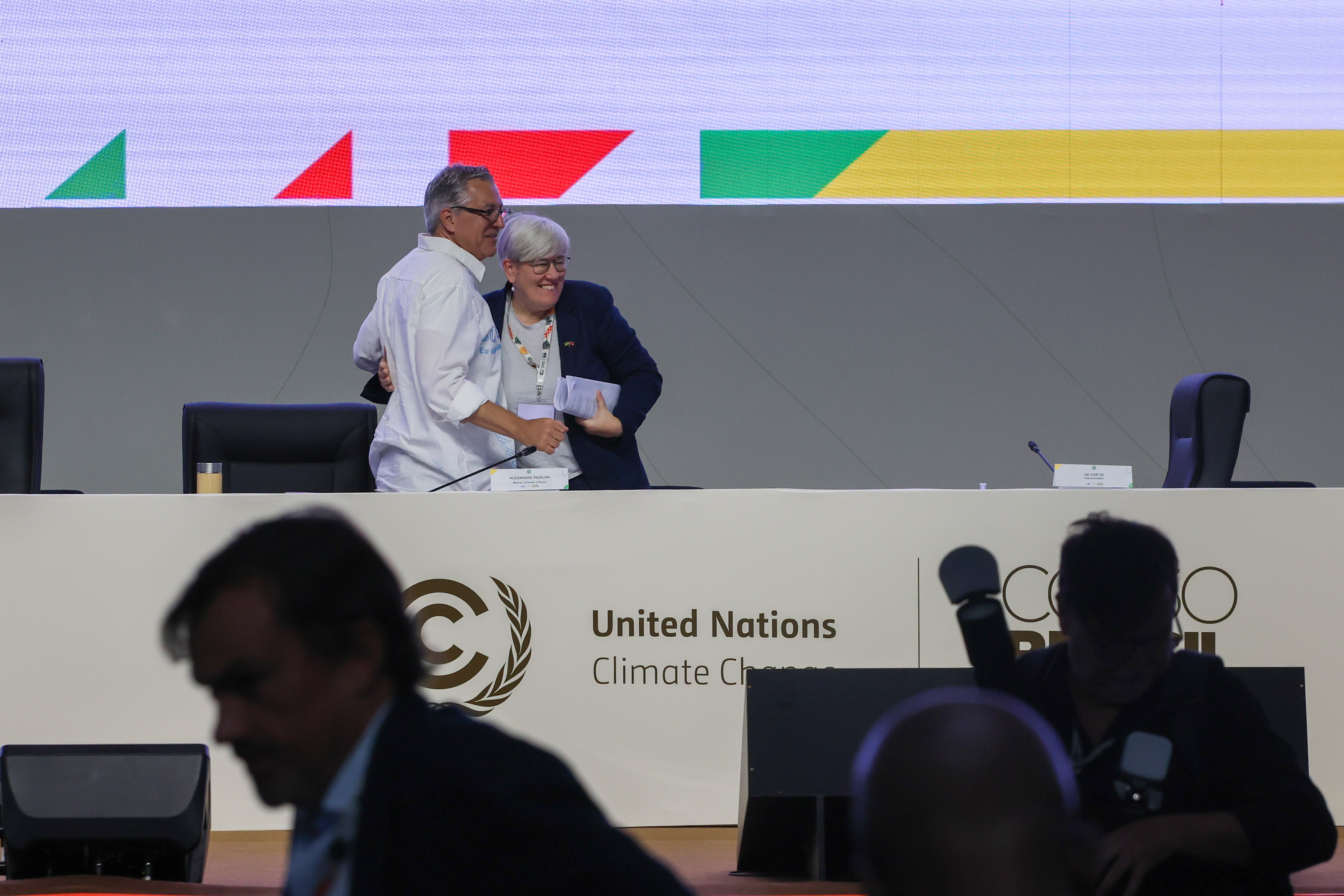
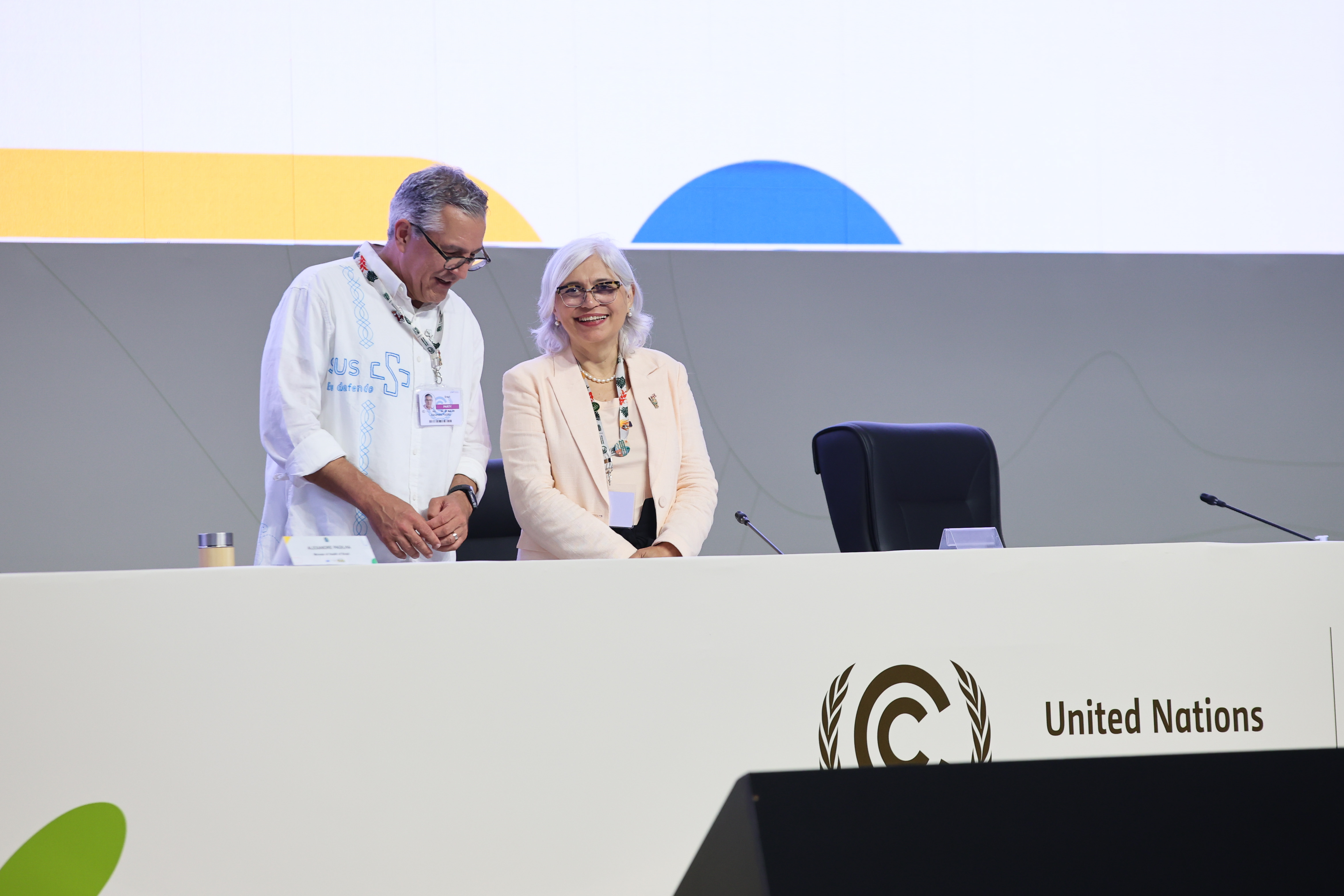
Alexandre Padilha, Minister of Health of Brazil, highlighted the scientific evidence that the climate crisis is “first and foremost a crisis of public health” and that now is the time to “walk the walk” by making a joint political commitment to take action. He noted that the Belém Health Action Plan is based on two cross-cutting issues: health equity and governance with the participation of civil society, which are essential for addressing the impact of climate change on health.

Interministerial Dialogue on Health to the Center of the Climate Agenda
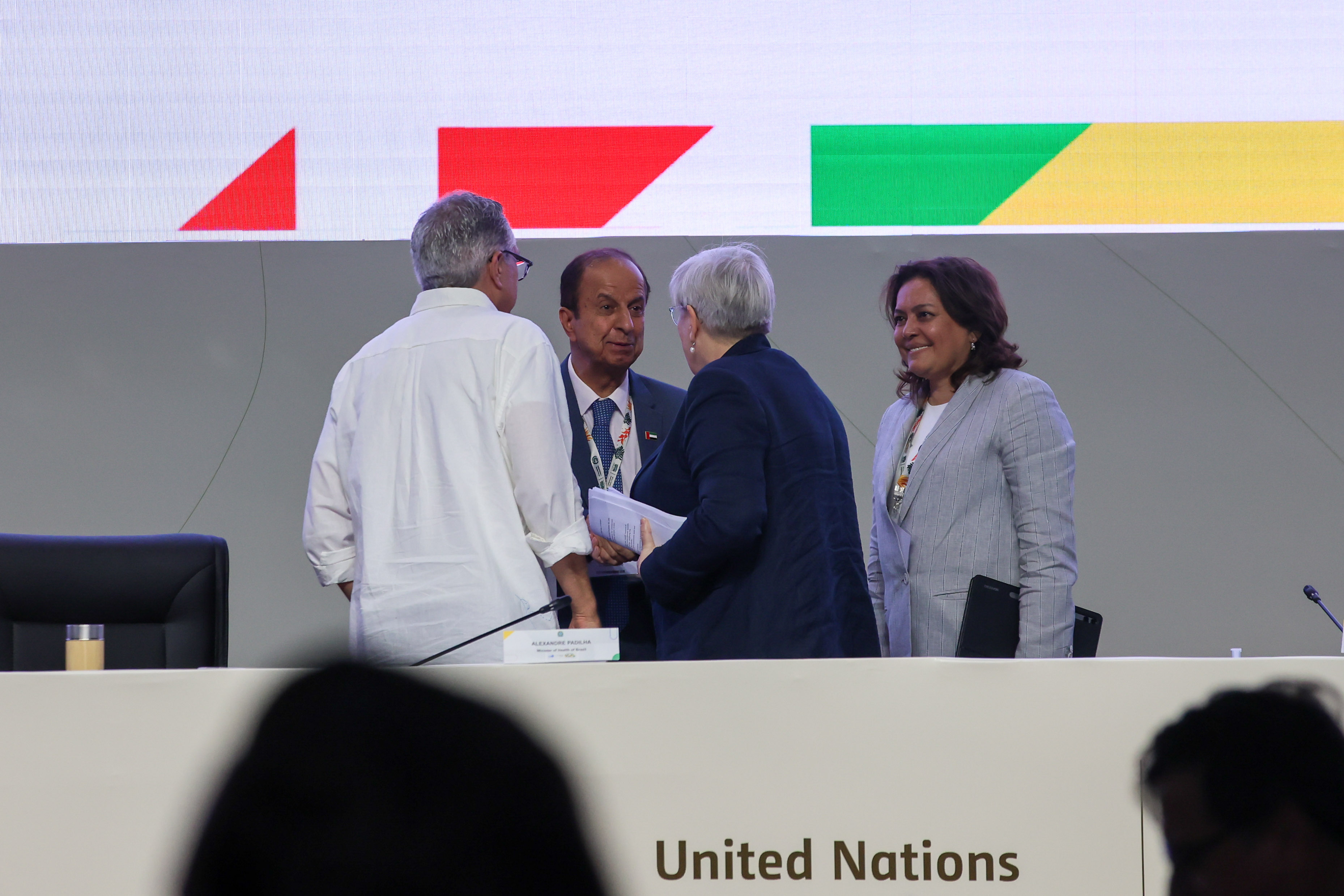
During a high-level dialogue with the Baku COP Presidencies Continuity Coalition for Climate and Health, moderated by Ethel Maciel, COP 30 Special Envoy for Health, speakers called for strong backing of the Belém Health Action Plan and stressed the need to link climate action with public health.
Rachel Kyte, COP 26 Representative and UK Special Representative for Climate, underscored that climate action depends on healthy populations. She called the Belém Health Action Plan a practical guidance tool for work on the ground, including efforts to solarize hospitals and build resilience. She said the UK will support similar work in other countries, and pointed to clean air as a shared priority and encouraged broad endorsement of the plan.
Khaled Abdelghaffar, COP 27 Representative and Deputy Prime Minister and Minister of Health and Population, Egypt, via a video message, confirmed Egypt’s commitment to global health leadership. He described climate impacts on health as wide ranging and serious. He also raised concern about the reference to LGBTQ+ groups in the text and said international documents should reflect national laws and values.

Hussain Alrand, COP 28 Representative and Assistant Undersecretary for Public Health, Ministry of Health and Prevention, United Arab Emirates, recalled that COP 28 hosted the first Health Day. He added progress since then has shown a move from pledges to implementation, and expressed hope the Belém Health Action Plan will guide future work to protect people and the planet.
Umayra Taghiyeva, COP 29 Representative and Deputy Minister of Ecology and Natural Resources, Azerbaijan, confirmed support for the plan and said health systems must respond to climate impacts, adapt, and provide leadership. She highlighted the plan’s focus on equity and said Azerbaijan will continue to work with partners as efforts build across successive COPs. Maciel noted that Health Day has now featured at three consecutive COPs, and is thus becoming a steady part of the process.
Countries taking the floor to endorse the Belém Health Action Plan included Tuvalu, the Netherlands, Spain, Uruguay, Portugal, France, Kenya, Suriname, Japan, Norway, and Zimbabwe. Their remarks stressed shared concerns around growing climate-related health risks, and the need for resilient and equitable health systems, strong early warning and surveillance capacities, coordinated and science based action, support for vulnerable groups, and reliable finance. Many highlighted the importance of multilateral cooperation, cross sectoral work, and the translation of the Belém Health Action Plan into concrete measures that can protect communities already facing severe impacts.

High-Level Sessions and Announcements on Means of Implementation for Climate and Health
Jarbas Barbosa, Director, PAHO, stressed that protection of the most vulnerable must guide regional and global action. He reported that 67% of health facilities in the Americas are exposed to climate hazards and that 24 million people in recent years were unable to access care due to climate impacts. He said his organization is working to integrate health into Nationally Determined Contributions and National Adaptation Plans. He said the Belém Health Action Plan offers a clear structure for the shift from commitments to real measures.
Agnes Soares da Silva, Director of the Department of Environmental Health and Occupational Health Surveillance, Ministry of Health, Brazil, underlined that the plan cannot succeed without adequate means of implementation. She noted that climate finance for health remains extremely limited since only a small portion of adaptation funding supports health-related work, and called for stronger public and concessional finance.
In a first panel, representatives from several philanthropic institutions belonging to the Climate and Health Funders Coalition, which brings together 35 philanthropies, described their engagement. Jessica Anderen, Chief Executive Officer, Ikea Foundation, highlighted the urgency of tackling air pollution since it is a major cause of death and a contributor to global warming. Lyana Latorre, Vice President for Latin America and the Caribbean, Rockefeller Foundation, said extreme heat now kills one person every minute and announced new support to strengthen early warning systems.

Ana Maria Loboguerrero, Director of Adaptive and Equitable Food Systems, Gates Foundation, pointed to growing risks to mothers, babies, and communities due to heat, rainfall shifts, and changing disease patterns. Alan Dangour, Director of Climate and Health, Wellcome Trust, a global charitable foundation, then announced that members of the Climate and Health Funders Coalition have committed USD 300 million to advance integrated climate and health solutions and to support the Belém Health Action Plan.
In a second panel with multilateral development banks and funds, Valerie Hickey, Global Director of Climate Change, World Bank, welcomed the COP 30 Presidency’s efforts to place people at the center of its climate agenda. She stressed that climate change is a source of serious human suffering. She explained that World Bank models indicate that by 2030 an additional 44 million people may fall back into poverty and that climate impacts could cause 60 million deaths by 2050, with major economic losses.
Erik Berglof, Chief Economist, Asian Infrastructure Investment Bank (AIIB), voiced strong support for the Belém Health Action Plan and highlighted the bank’s new climate policy, which includes a significant health component.

María Soledad Bos, Lead Specialist in the Social Sector, Inter-American Development Bank (IDB), described work to: integrate health, environmental, and climate data; strengthen early warning systems; and support resilient hospitals and Caribbean adaptation.
Oscar Garcia, Director of Monitoring and Evaluation, Green Climate Fund (GCF), called for integrated surveillance, climate proofing, data systems, concessional finance, technology, and capacity building. He confirmed continued cooperation with partners and philanthropic organizations.
In concluding remarks, Padilha said over 80 countries and institutions have endorsed the Plan to date, with more expected to do so by the end of COP 30.
Organizers: World Health Organization and COP 30 Presidency
Contact: Marina Maiero I [email protected]
For more information: https://cdn.who.int/media/docs/default-source/climate-change/en---belem-action-plan.pdf
To receive free coverage of global environmental events delivered to your inbox, subscribe to the ENB Update newsletter.
All ENB photos are free to use with attribution. For 2025 UN Climate Change Conference, Belém - Side Events, please use: Photo by IISD/ENB | Anastasia Rodopoulou
Selected Images
Moderator Marise Nogueira, Head, Special Advisory Office for International Affairs, Ministry of Health, Brazil
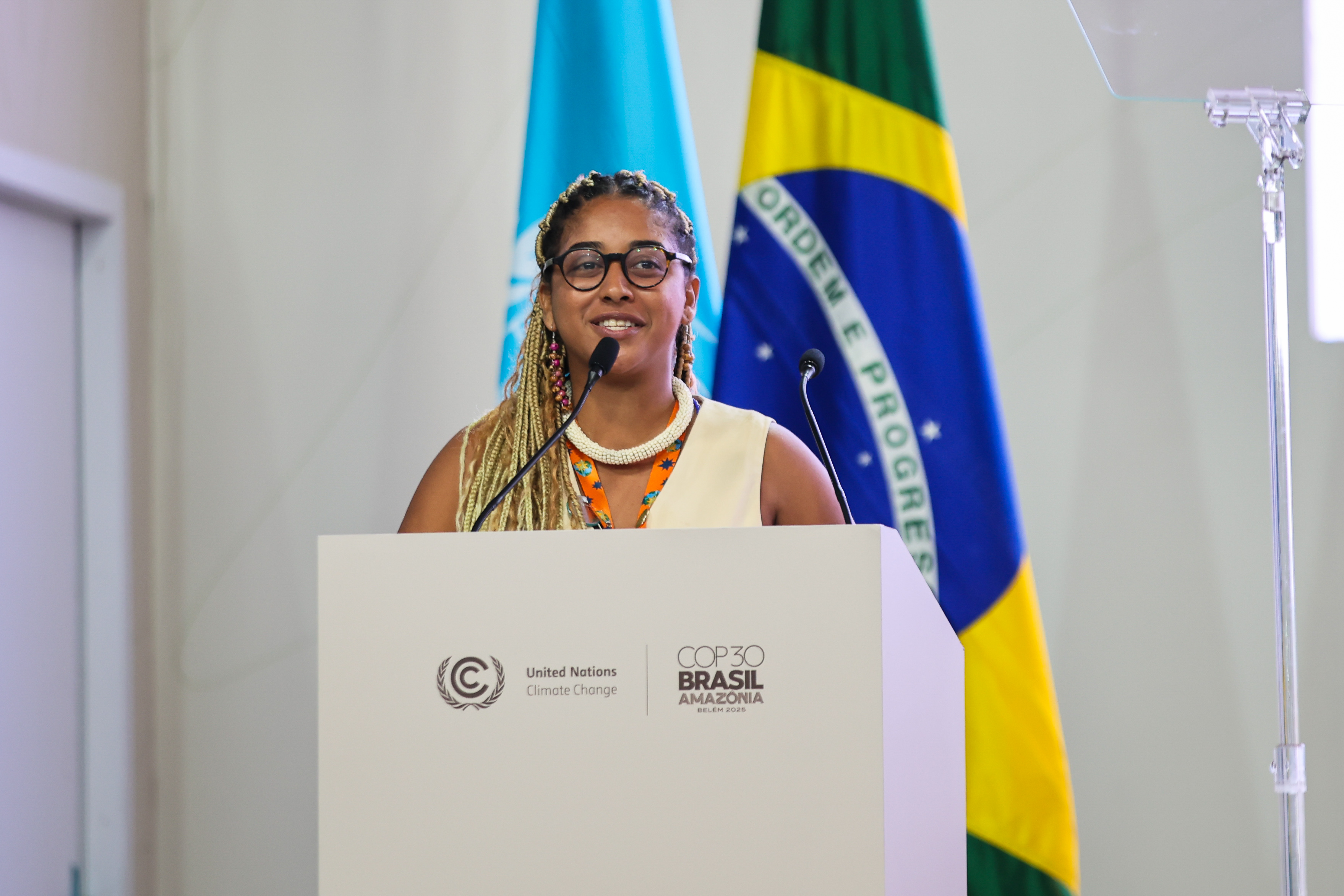
Marcele Oliveira, COP 30 Youth Climate Champion
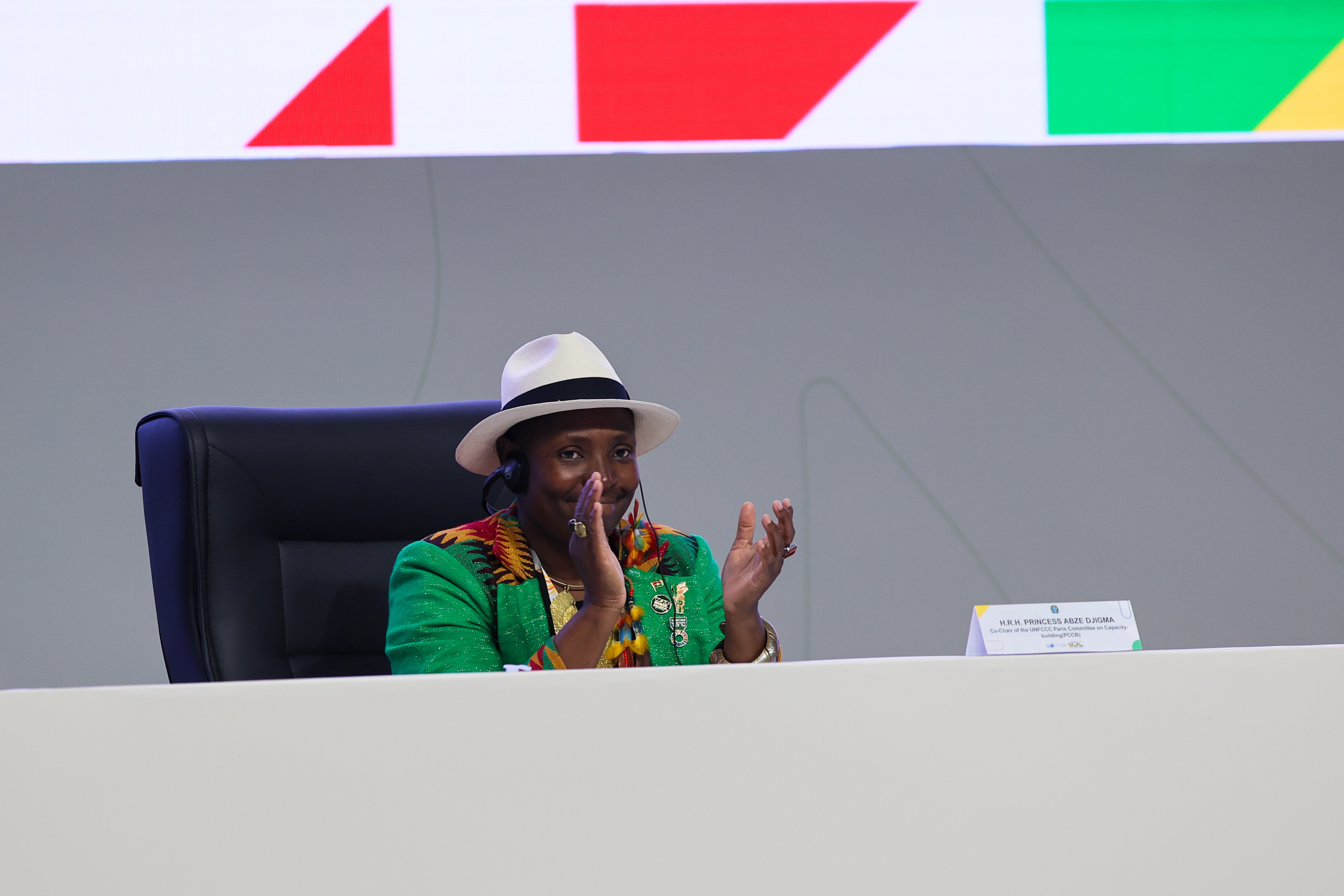
H.R.H Princess Abze Djigma, Co-Chair, PCCB

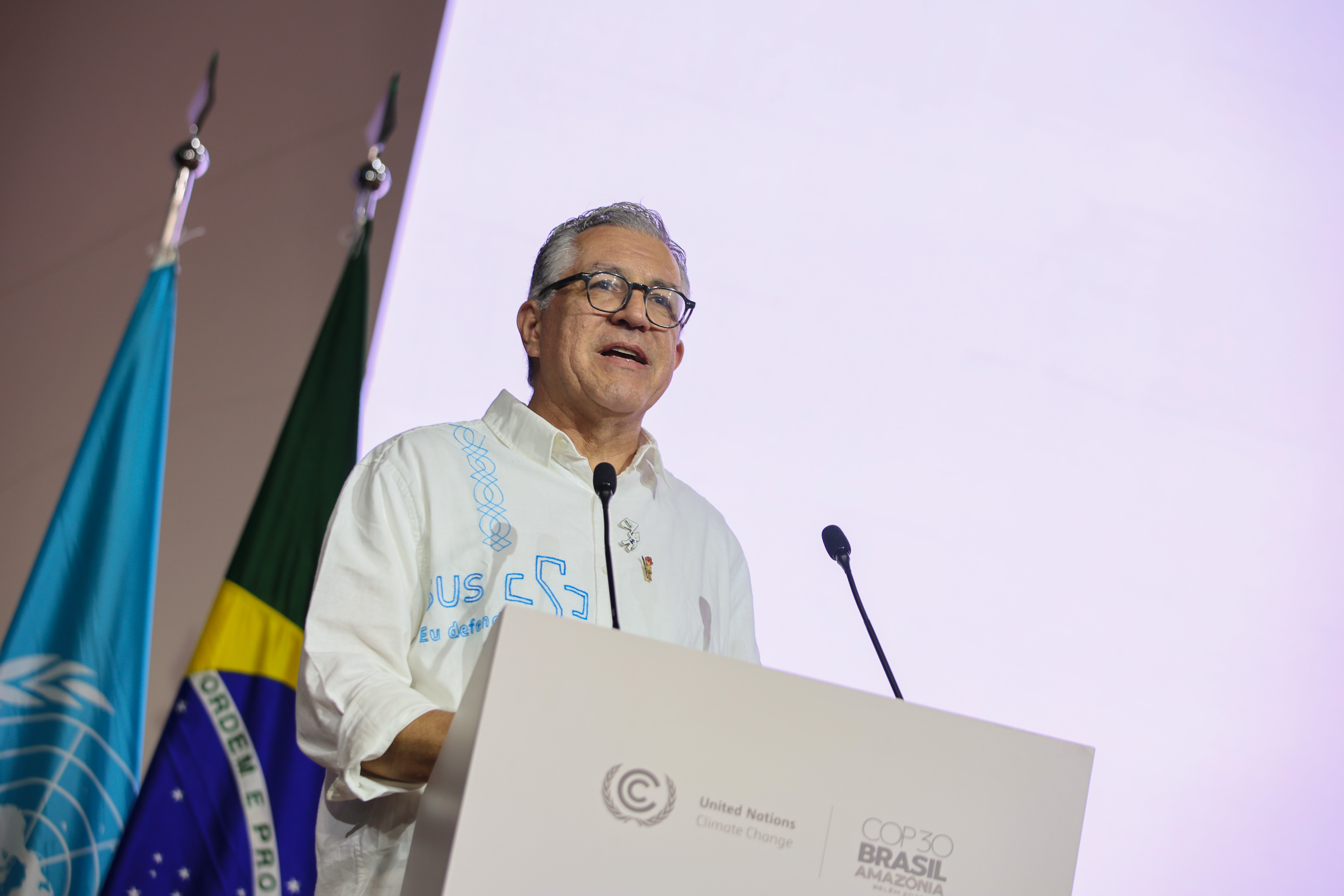
Alexandre Padilha, Minister of Health, Brazil
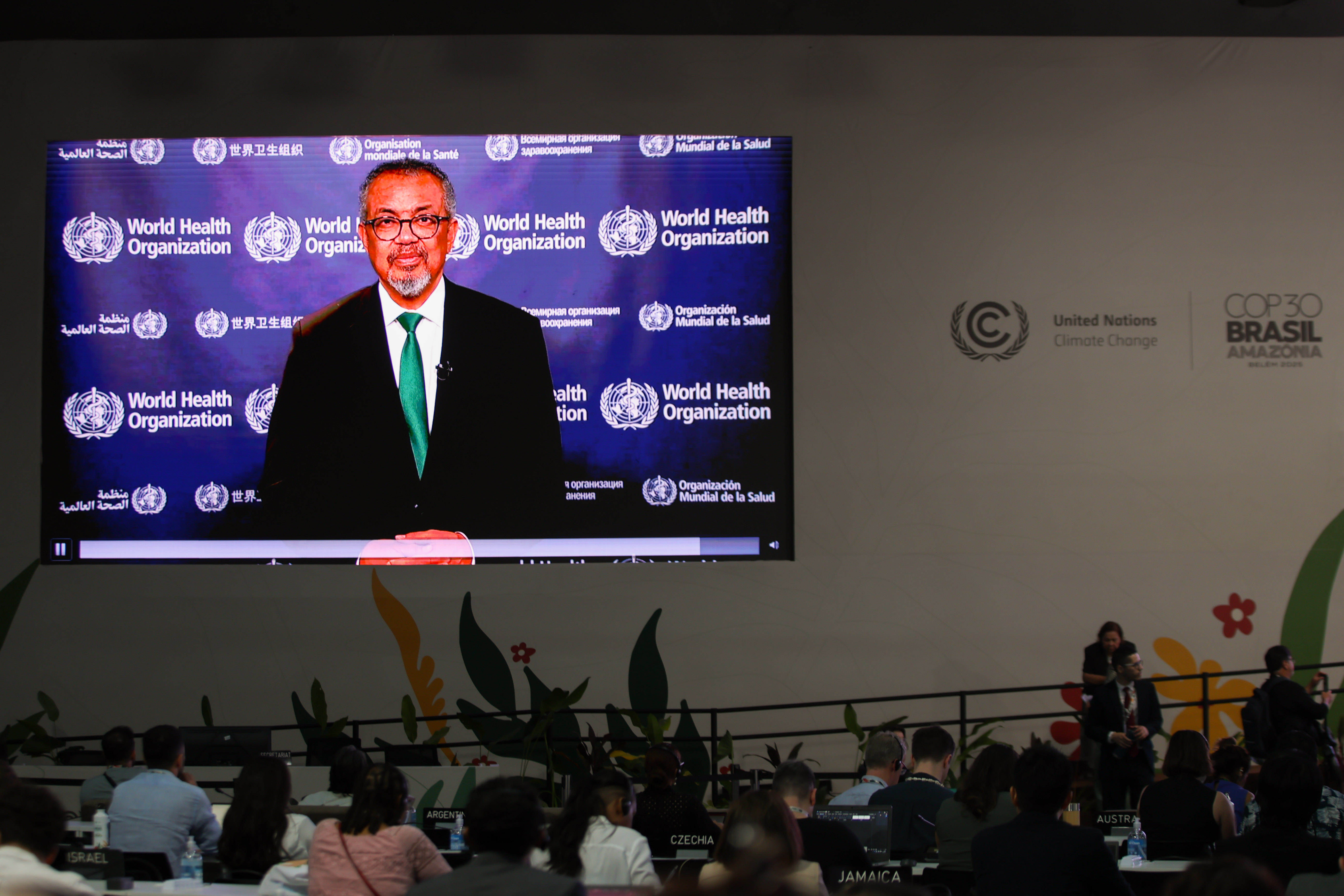
Tedros Adhanom Ghebreyesus, Director-General, WHO, addressed the session via a video message.
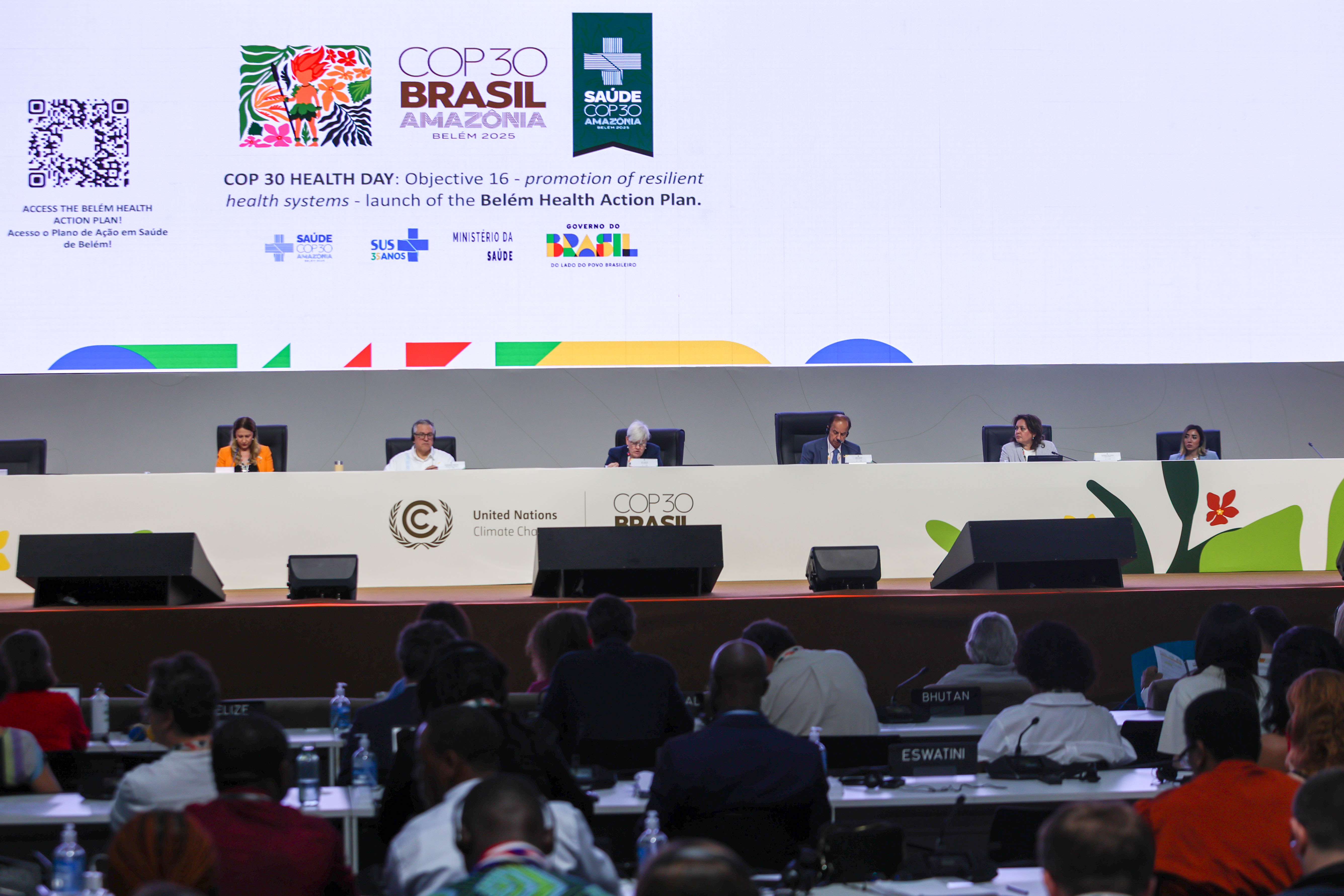
A view of the panel during the Dialogue of COP Presidencies
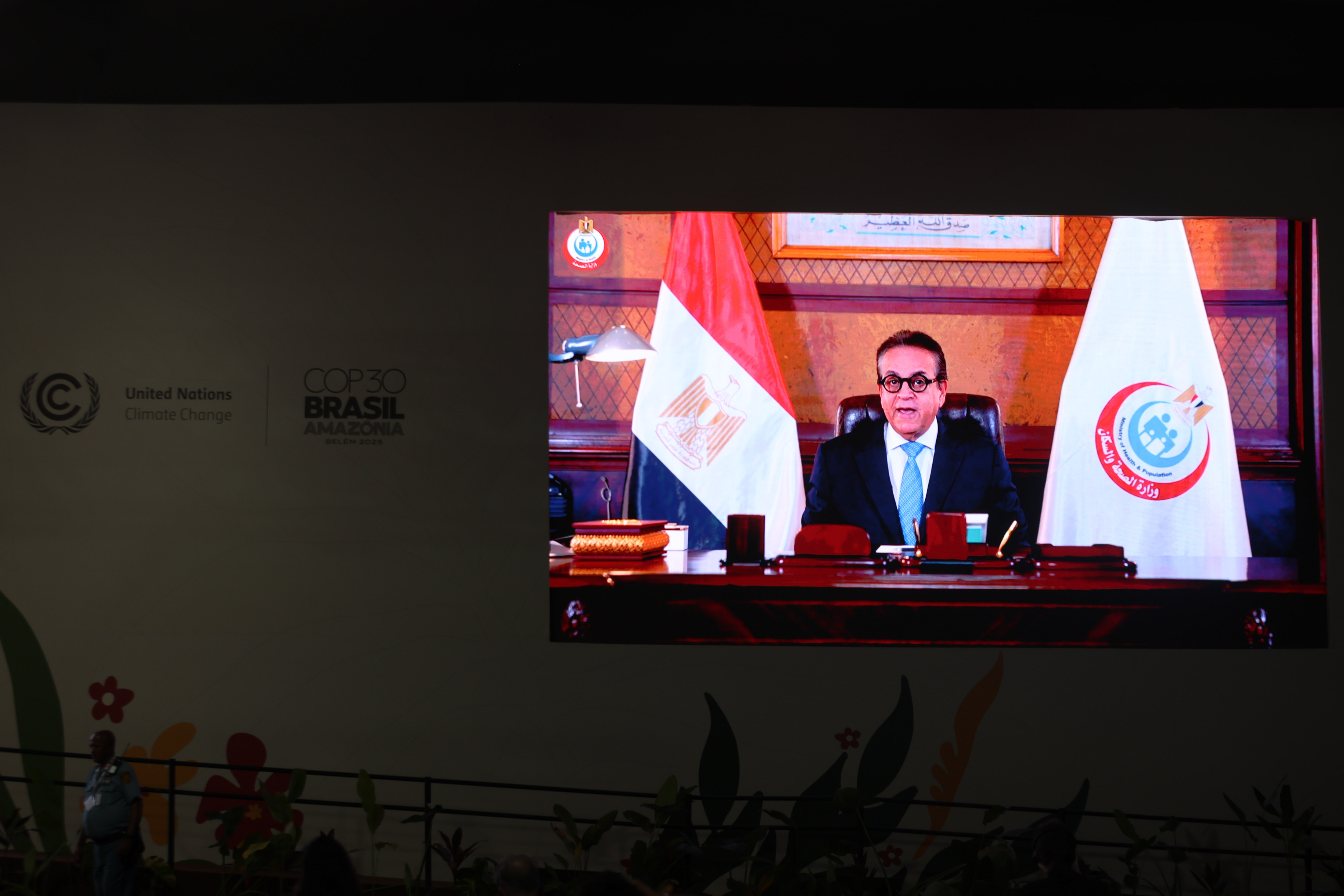
Khaled Abdelghaffar, COP 27 Representative and Deputy Prime Minister and Minister of Health and Population, Egypt, addressed the session via a video message.
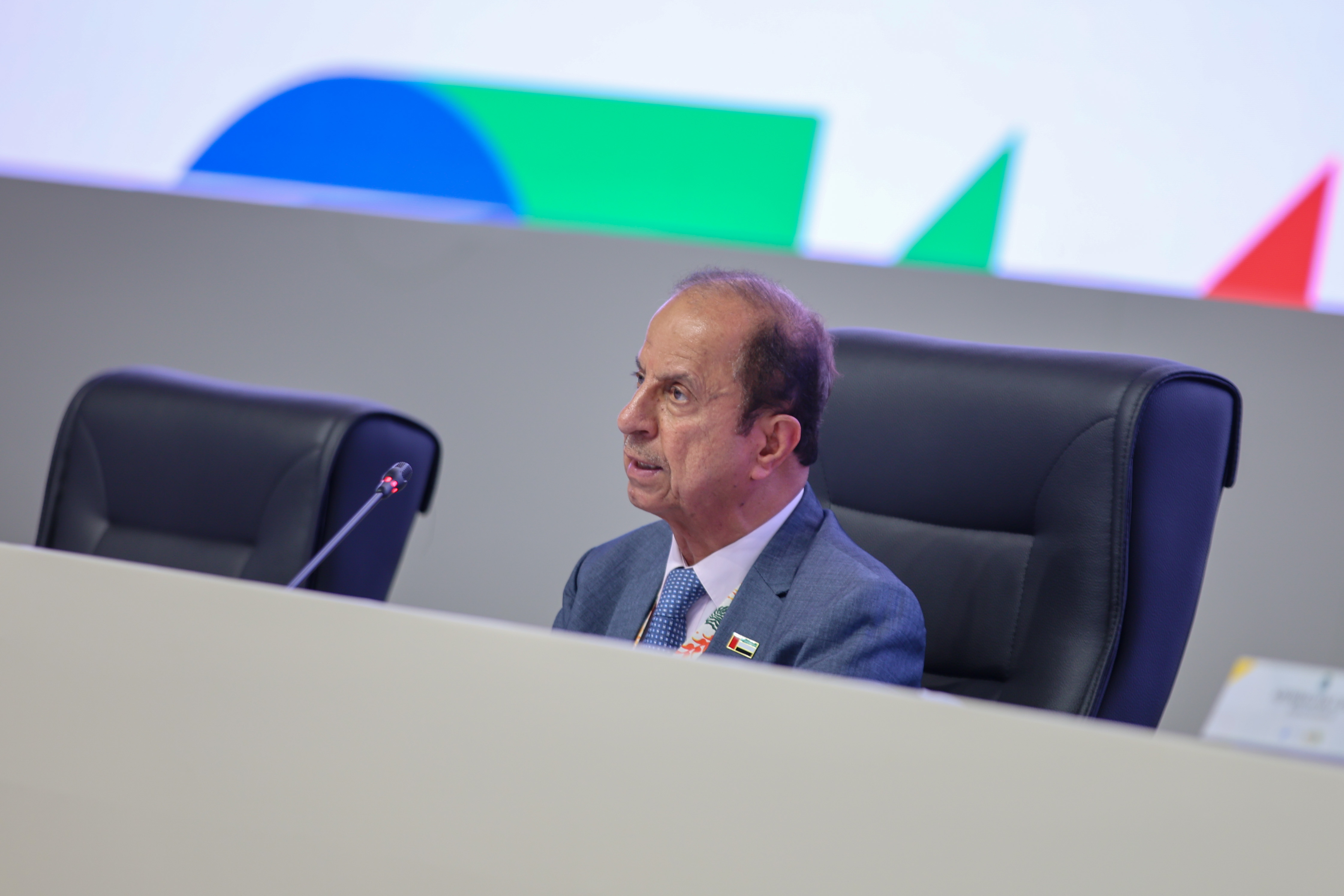
Hussain Alrand, COP 28 Representative and Assistant Undersecretary for Public Health, Ministry of Health and Prevention, United Arab Emirates
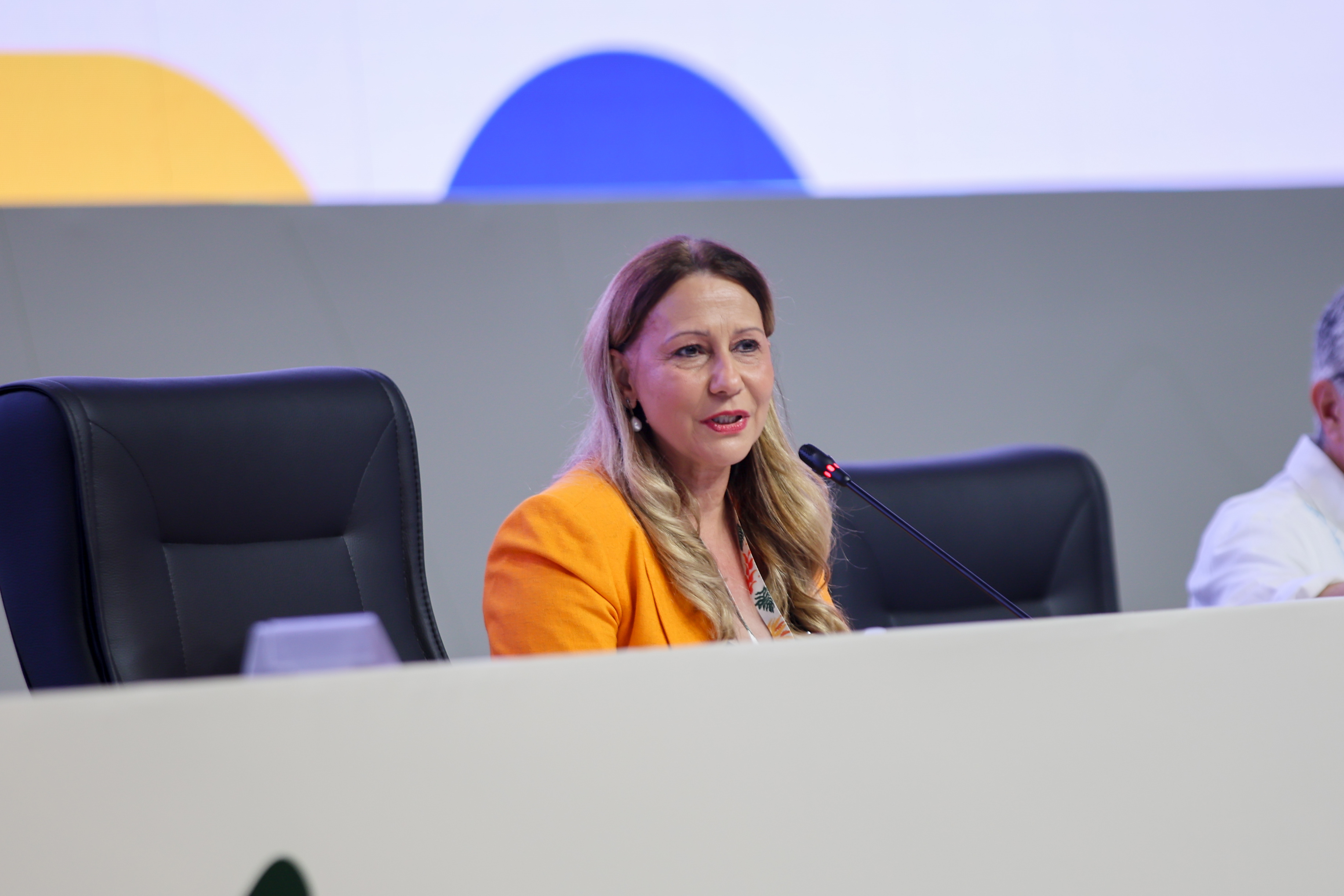
Ethel Maciel, COP 30 Special Envoy for Health
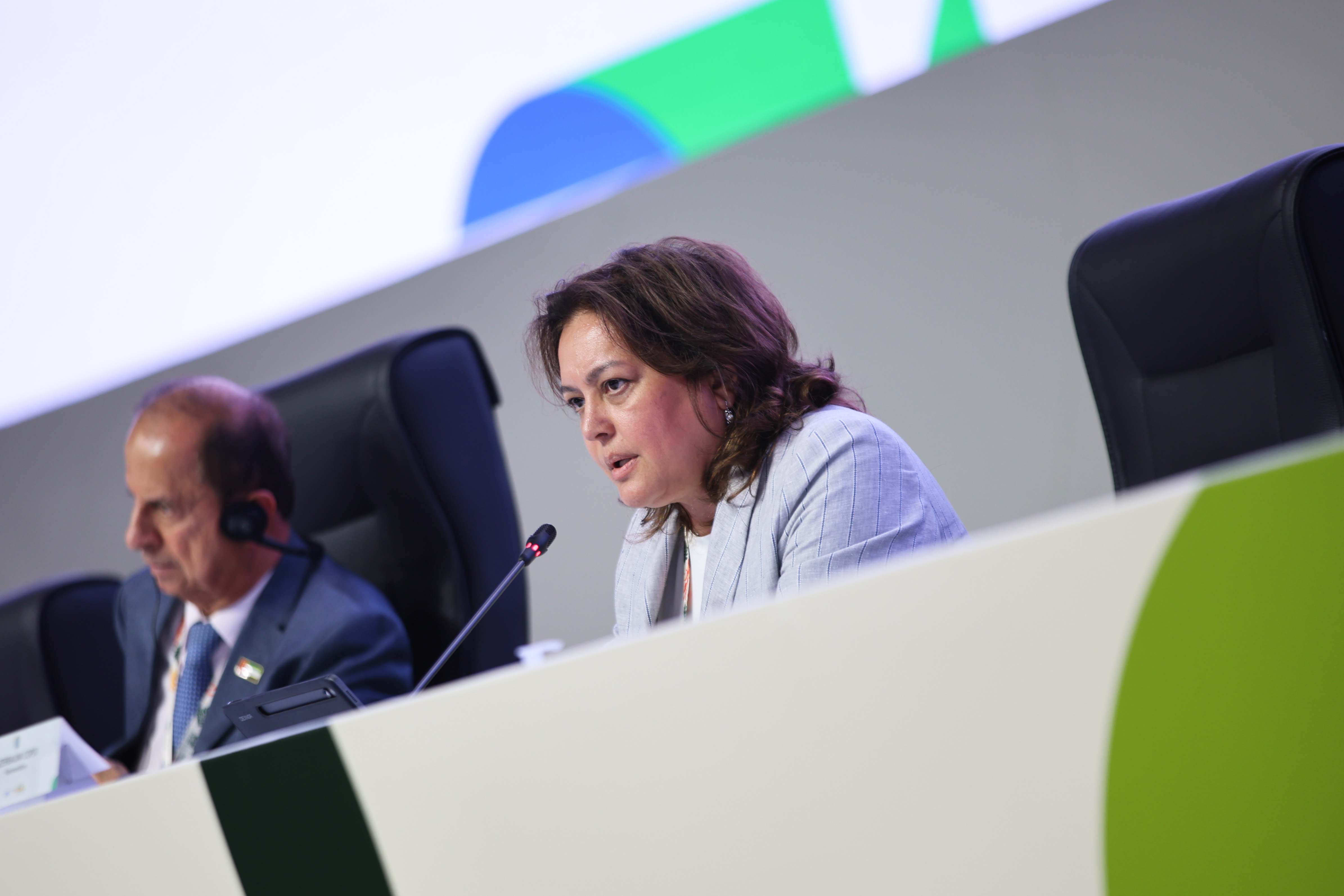
Umayra Taghiyeva, COP 29 Representative and Deputy Minister of Ecology and Natural Resources, Azerbaijan
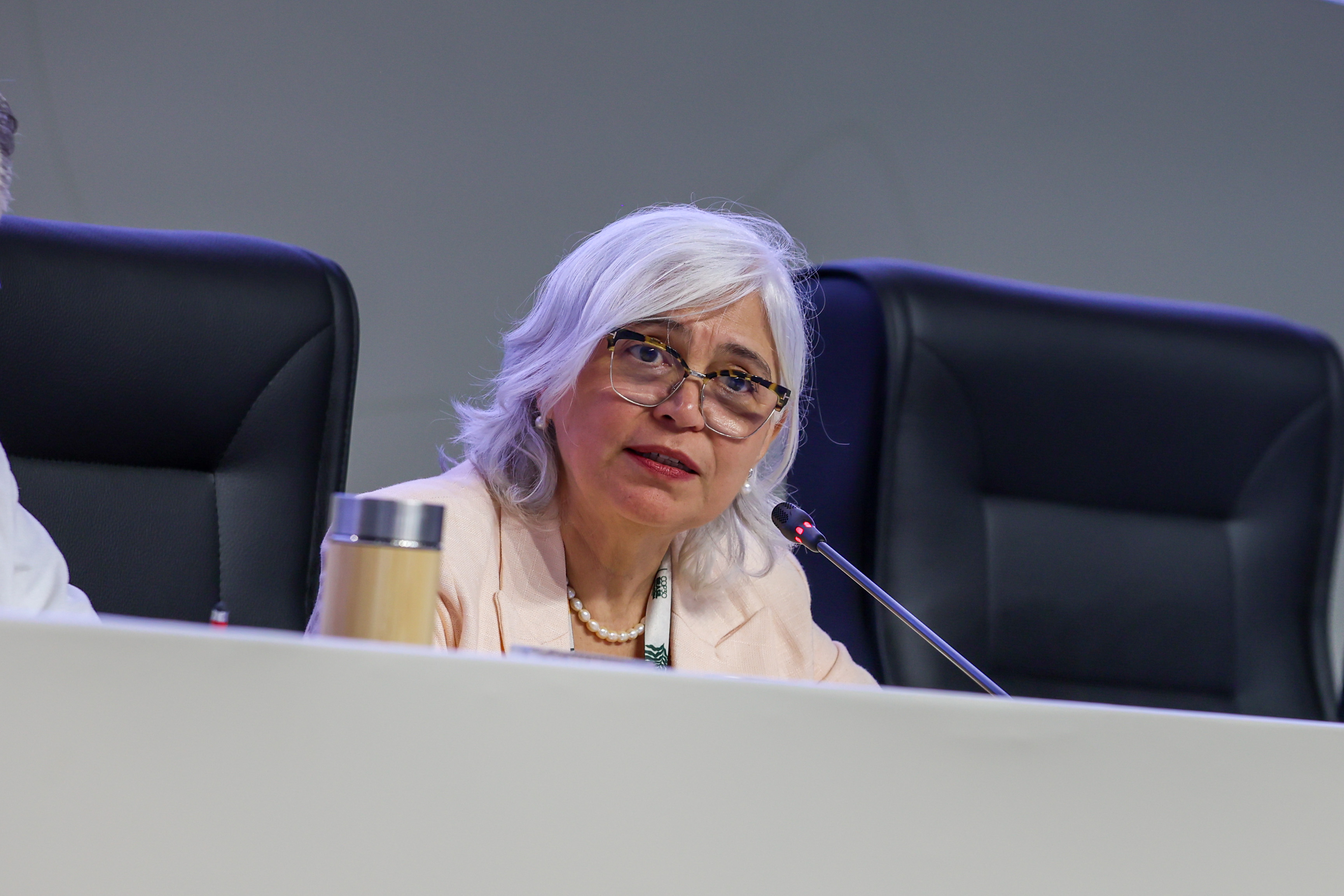
Agnes Soares da Silva, Director, Department of Environmental Health and Occupational Health Surveillance, Ministry of Health, Brazil
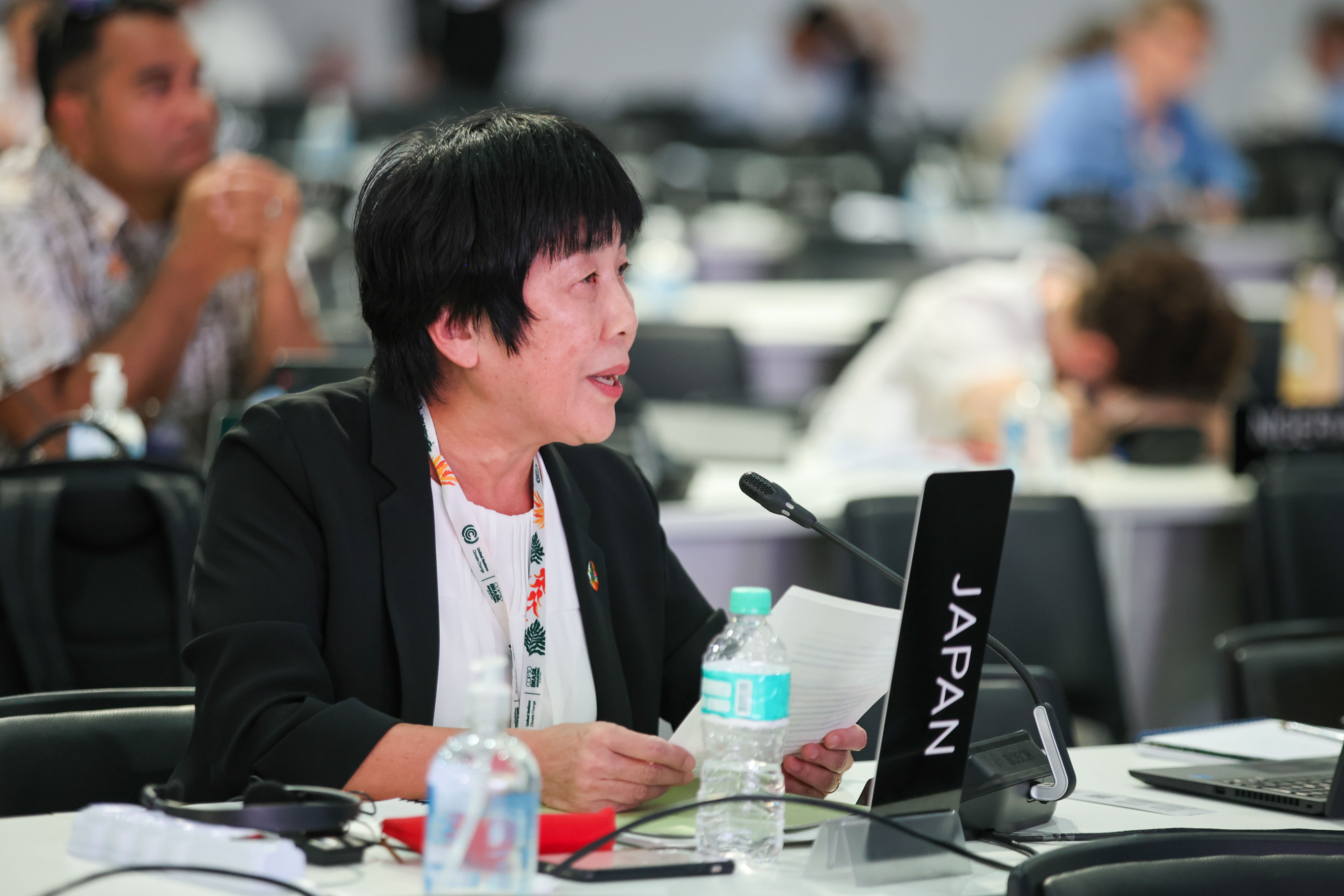
Naoko Yamamoto, Japan
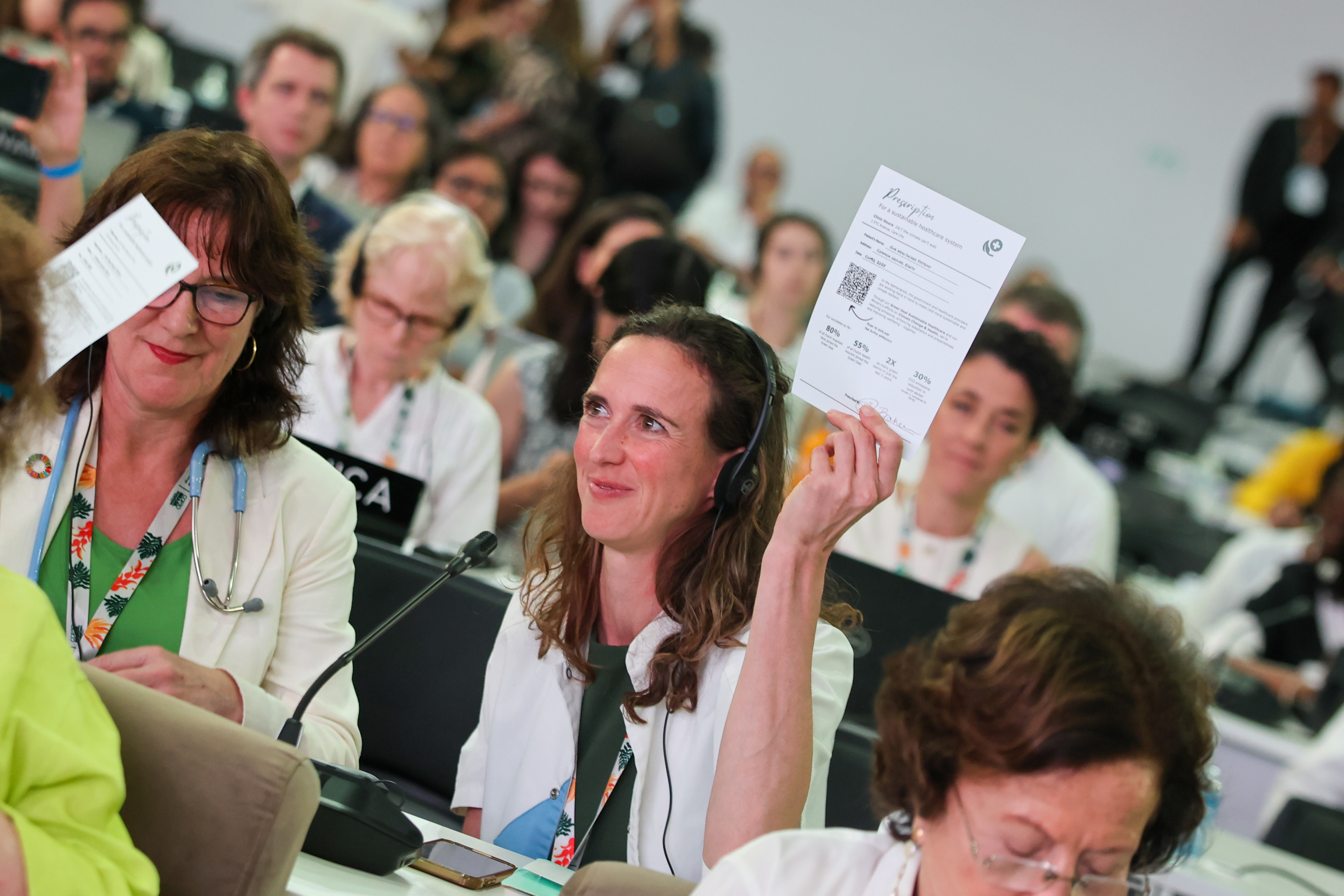
Evelyn Ariane Brakema, the Netherlands

Prescription for a sustainable healthcare system by the Government of the Netherlands
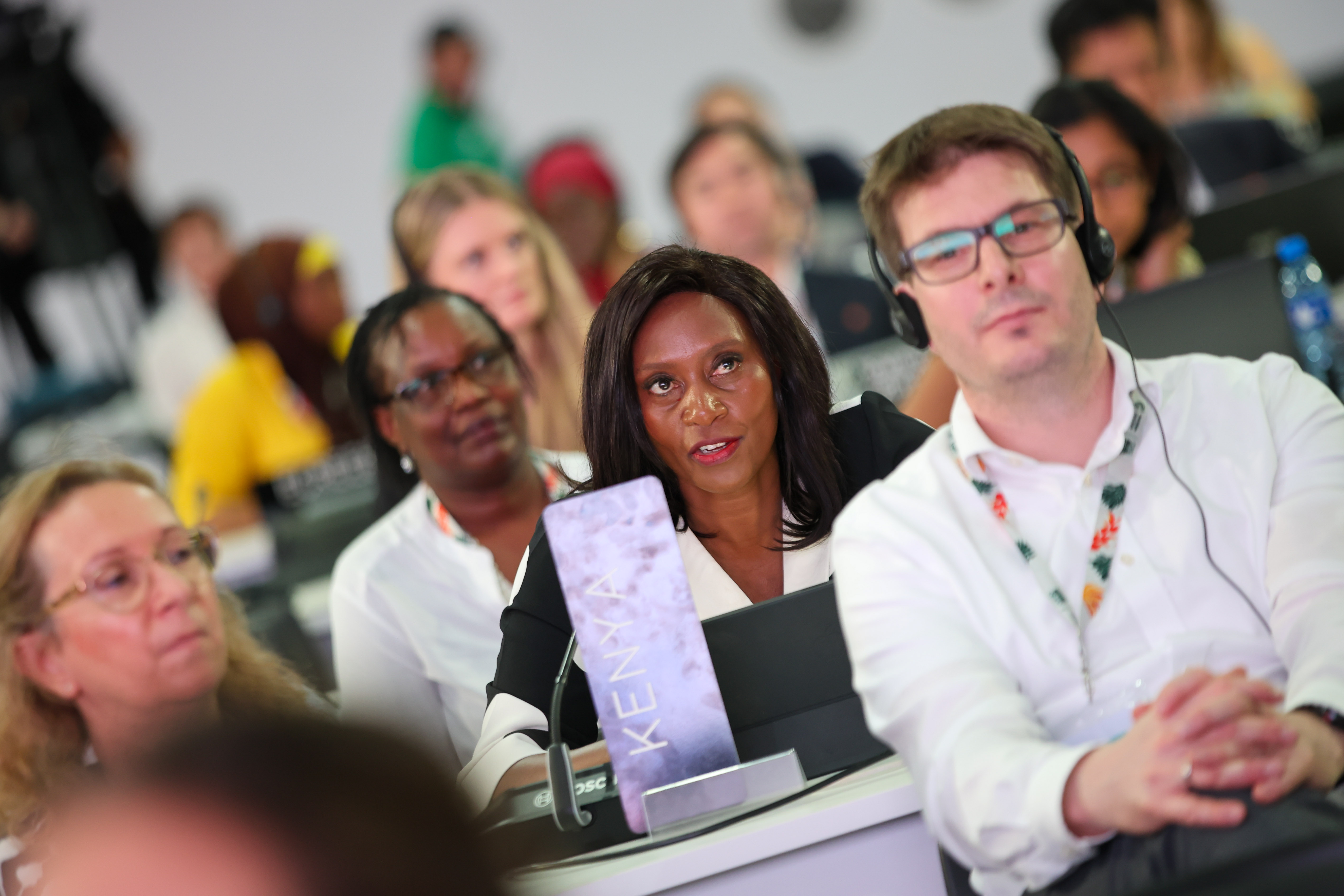
Mary Muthoni Muriuki, Kenya
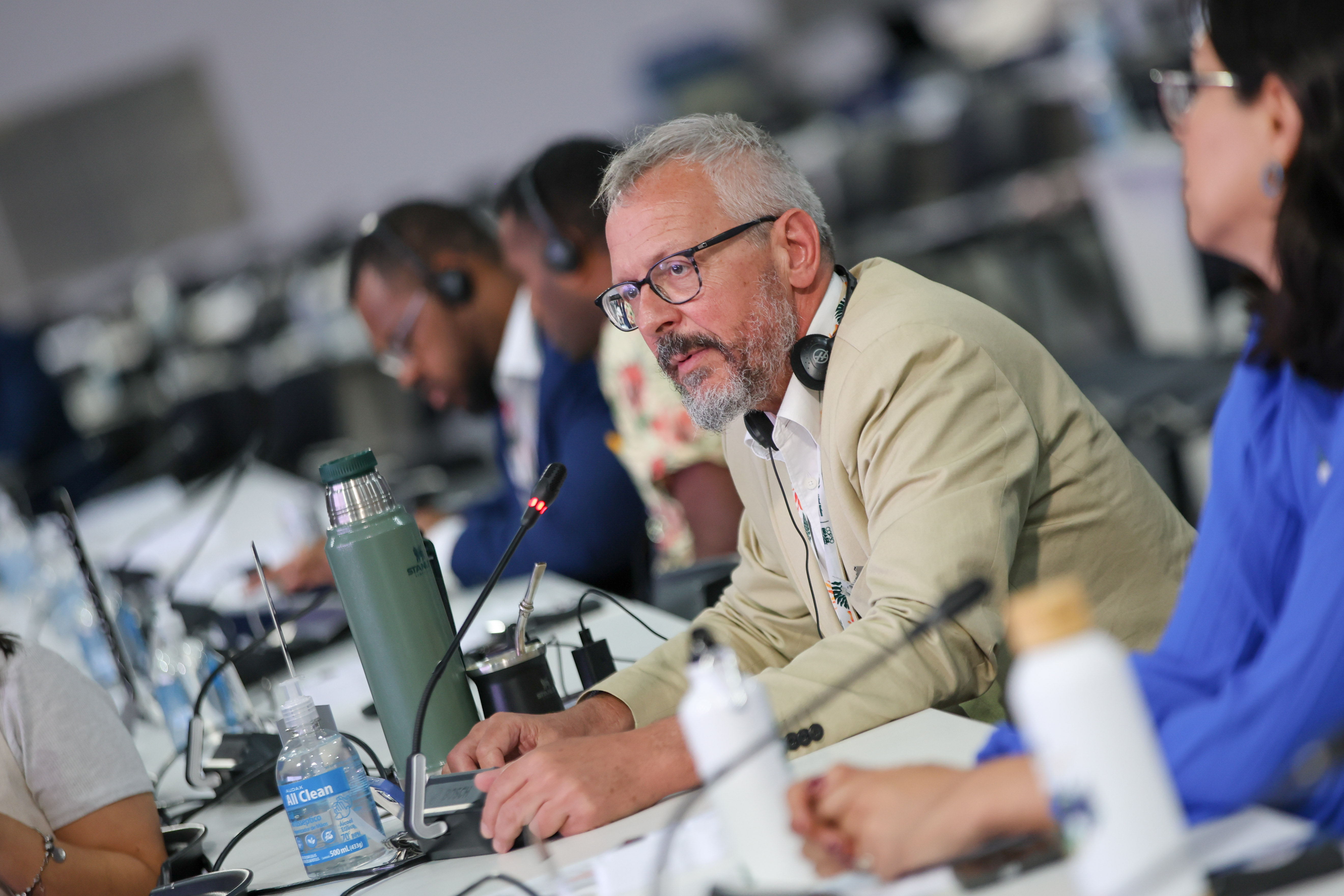
Leonel Carlos Briozzo Colombo, Uruguay


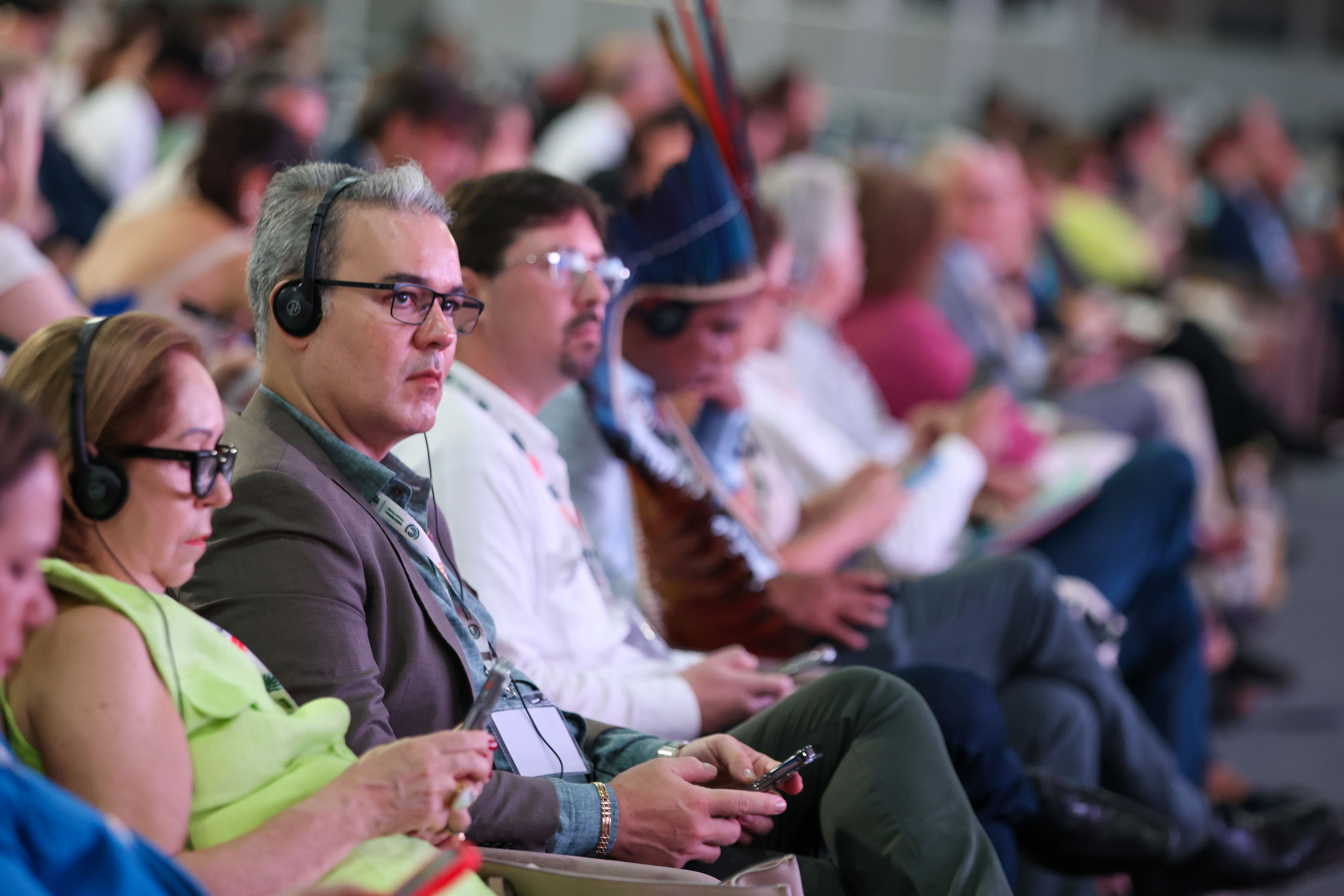
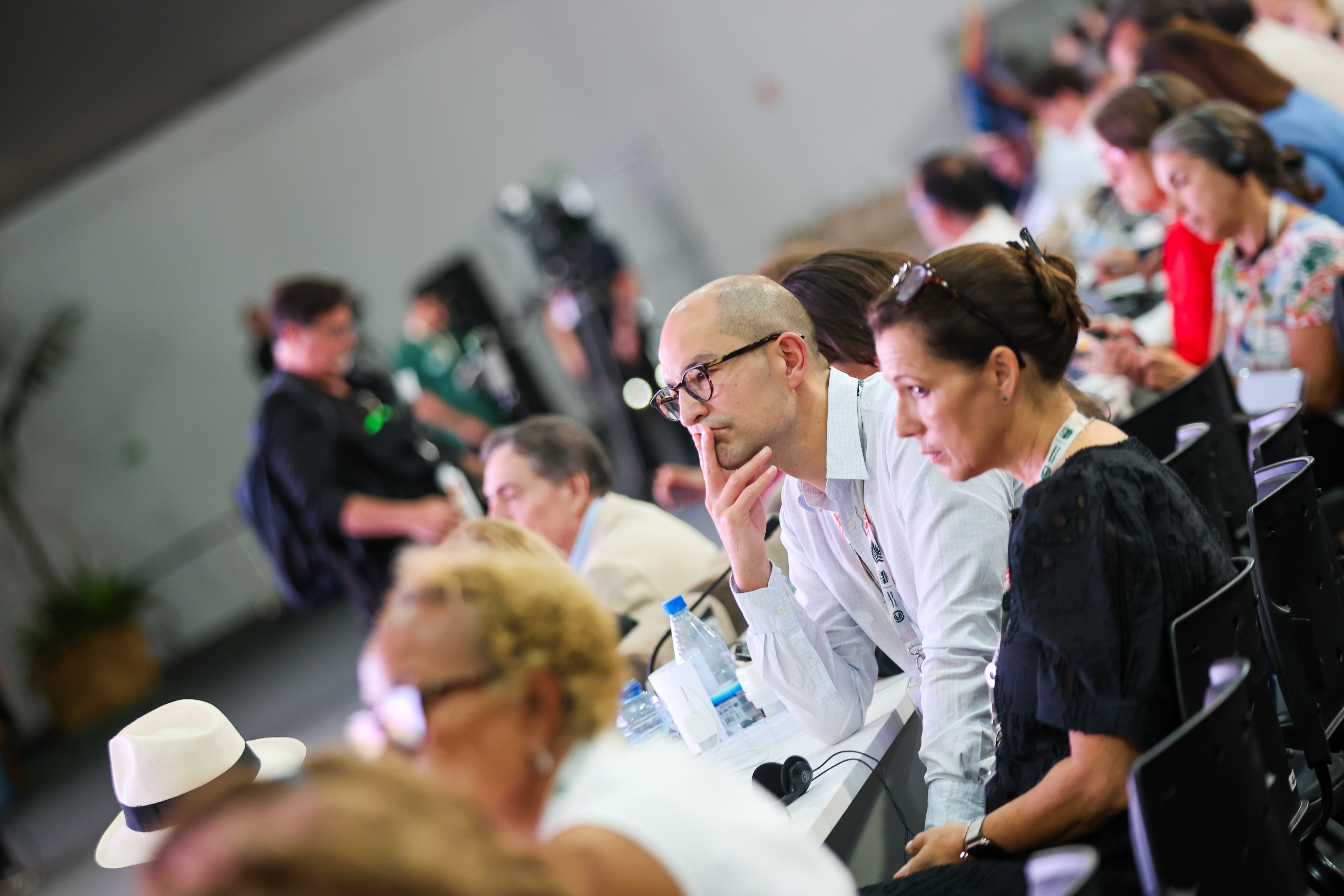
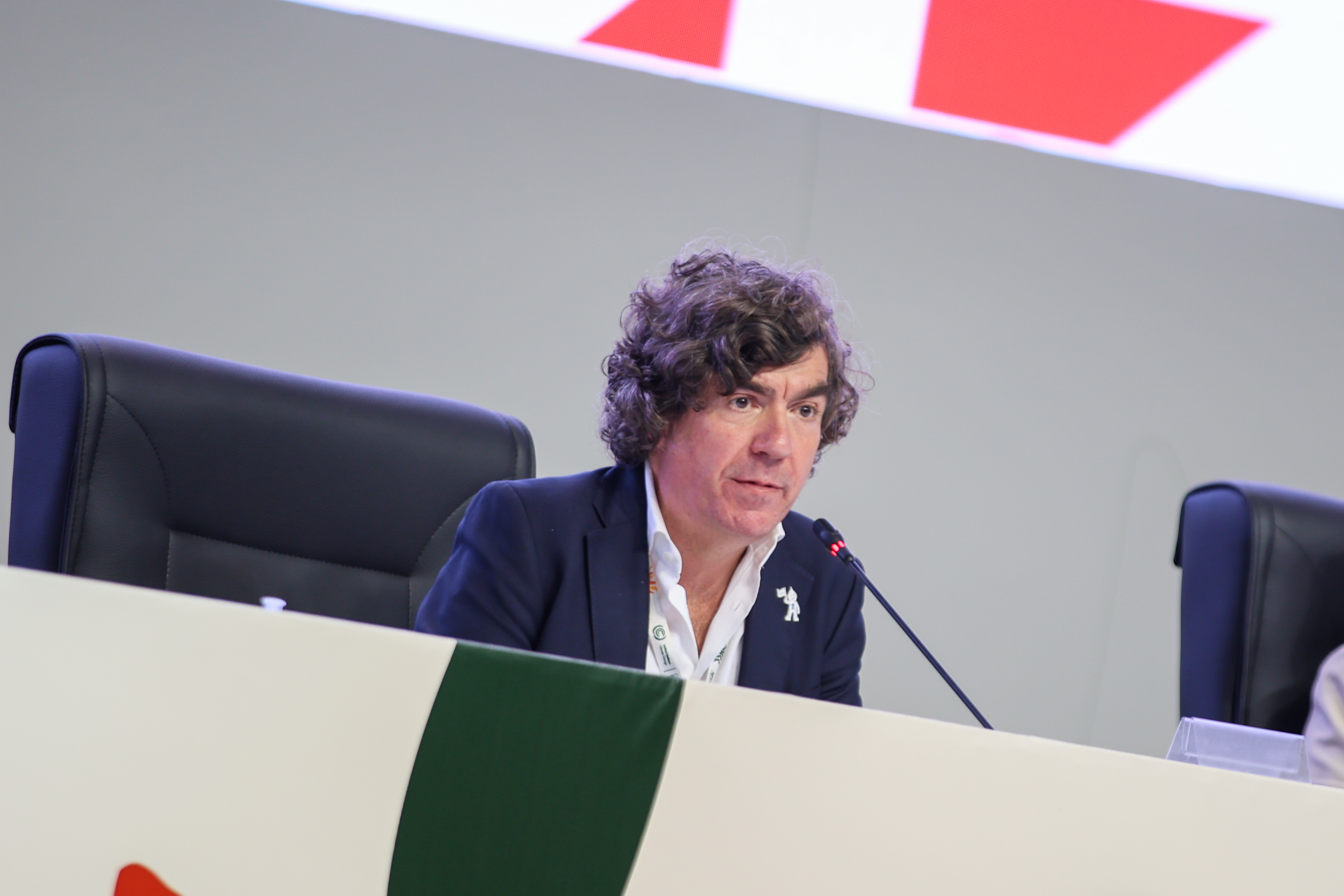
Alan Dangour, Director, Climate and Health, Wellcome Trust
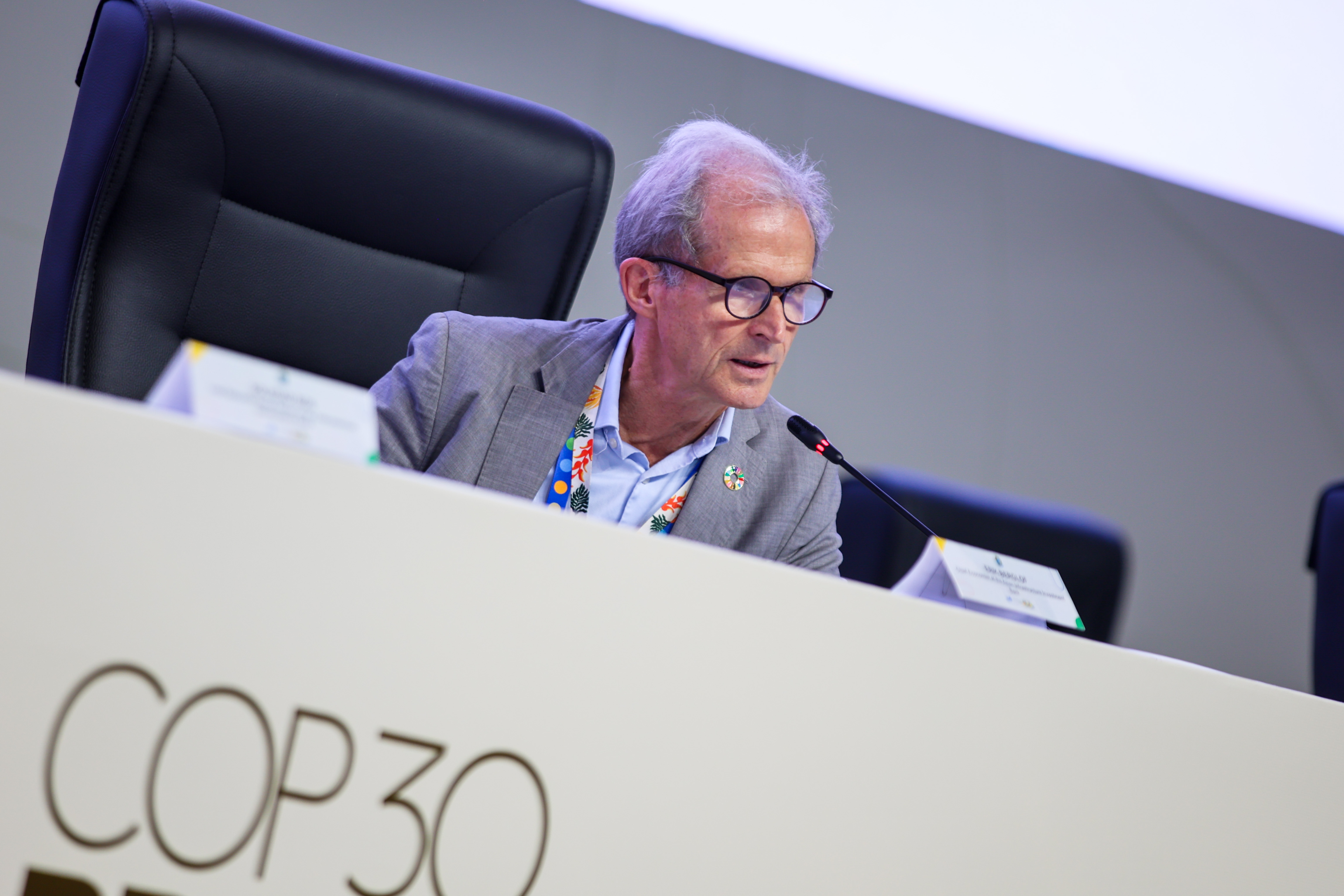
Erik Berglof, Chief Economist, AIIB
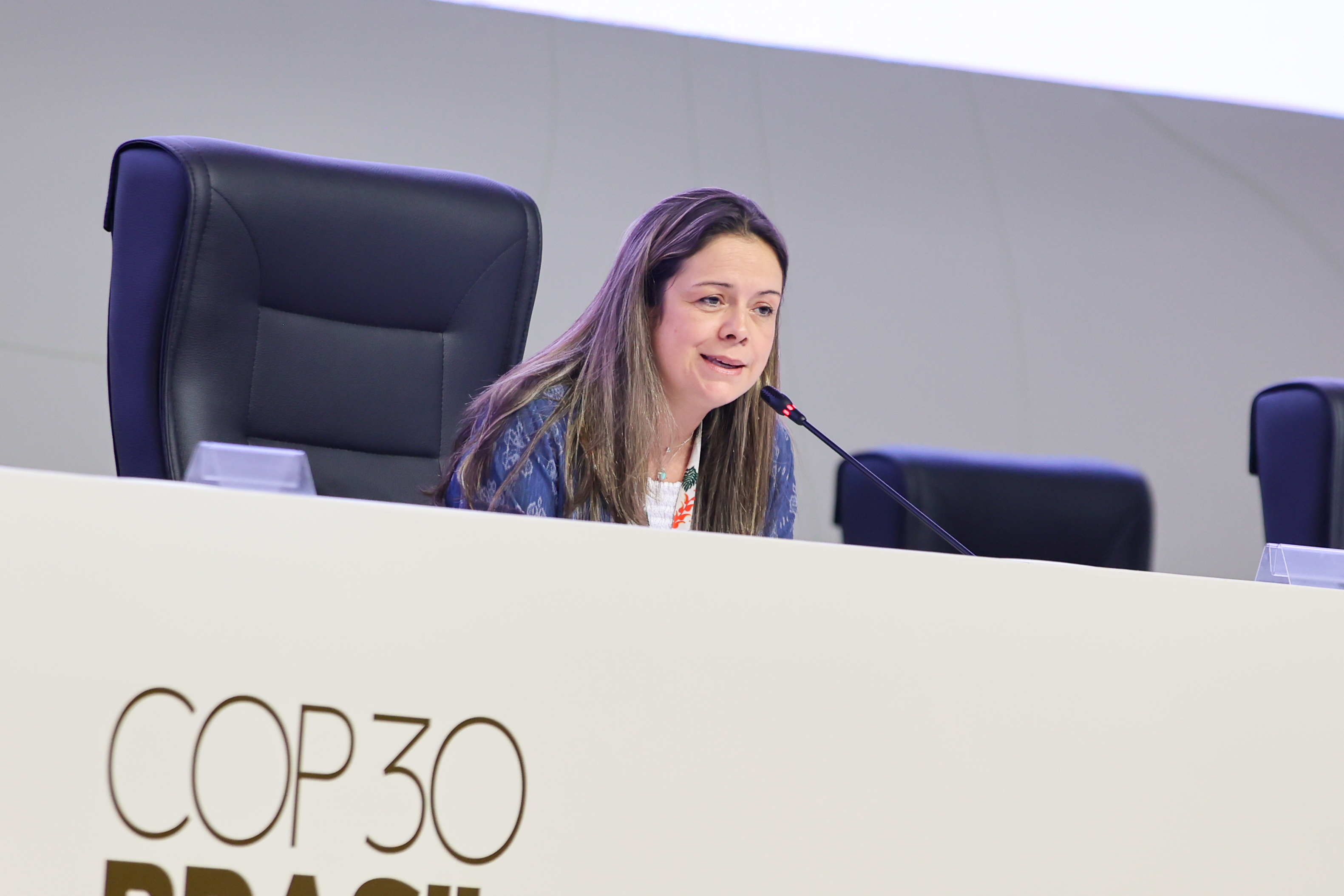
Lyana Latorre, Vice President, Regional Office for Latin America and the Caribbean, Rockefeller Foundation
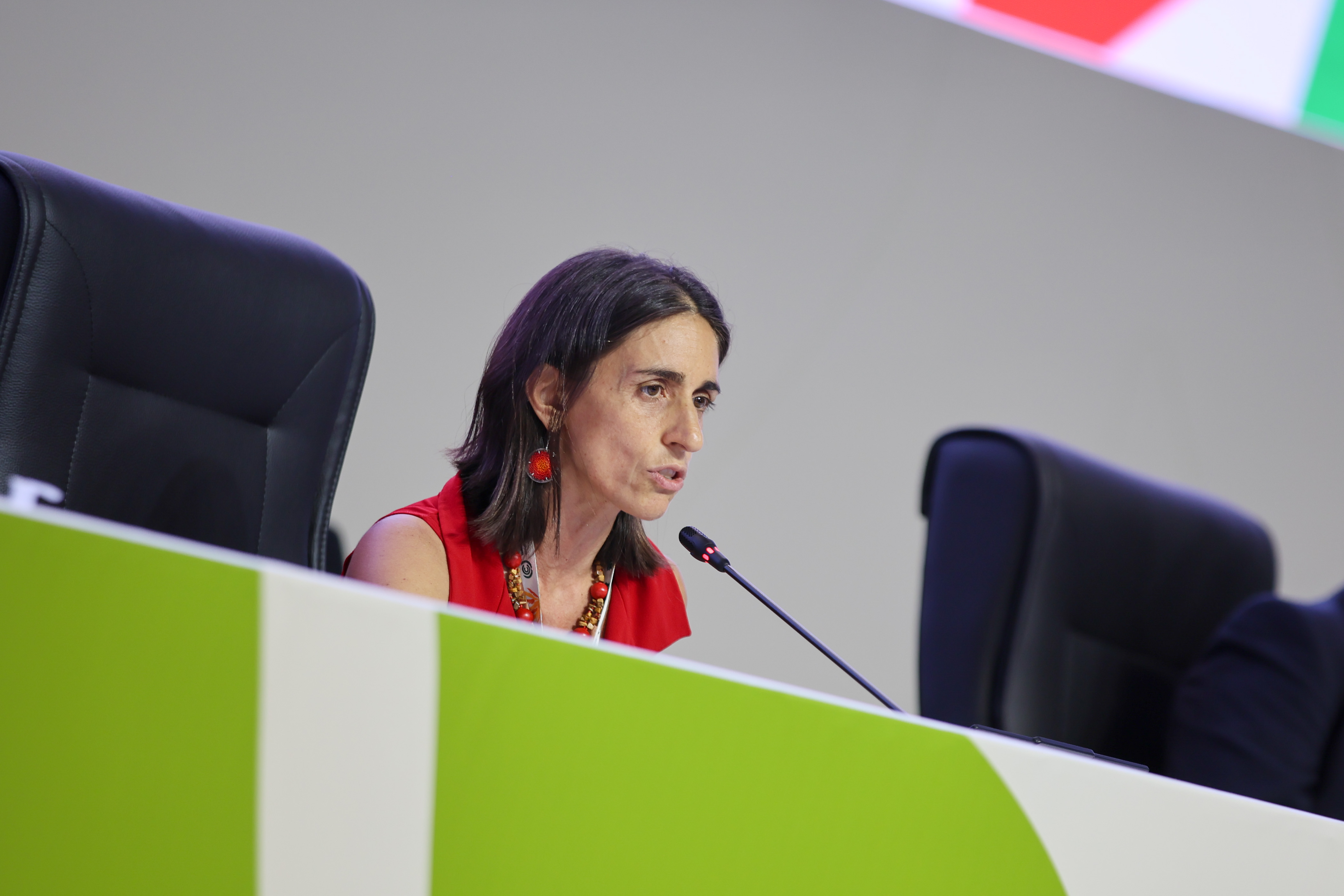
Ana Maria Loboguerrero, Director, Adaptive Food Systems, Gates Foundation
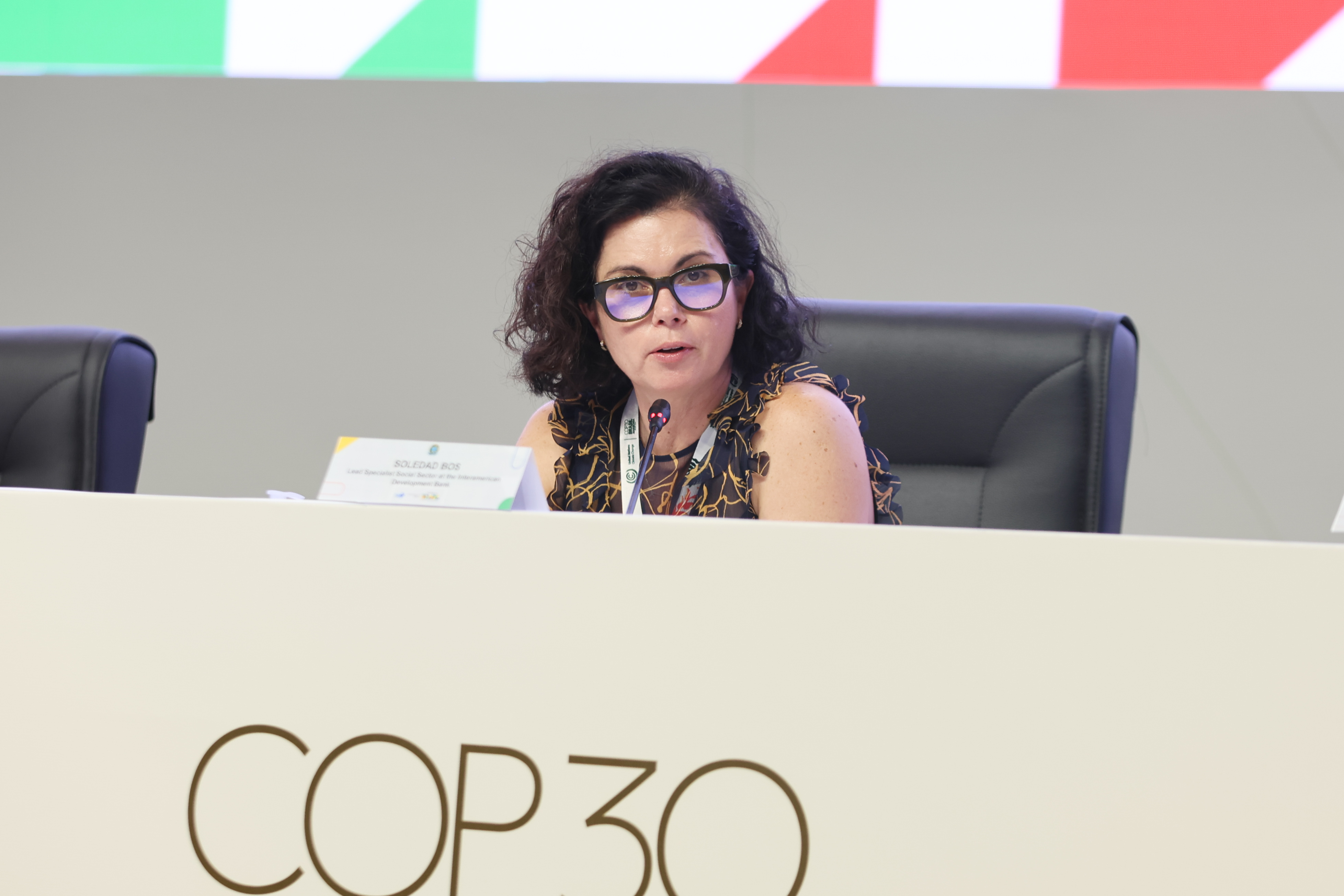
María Soledad Bos, IDB
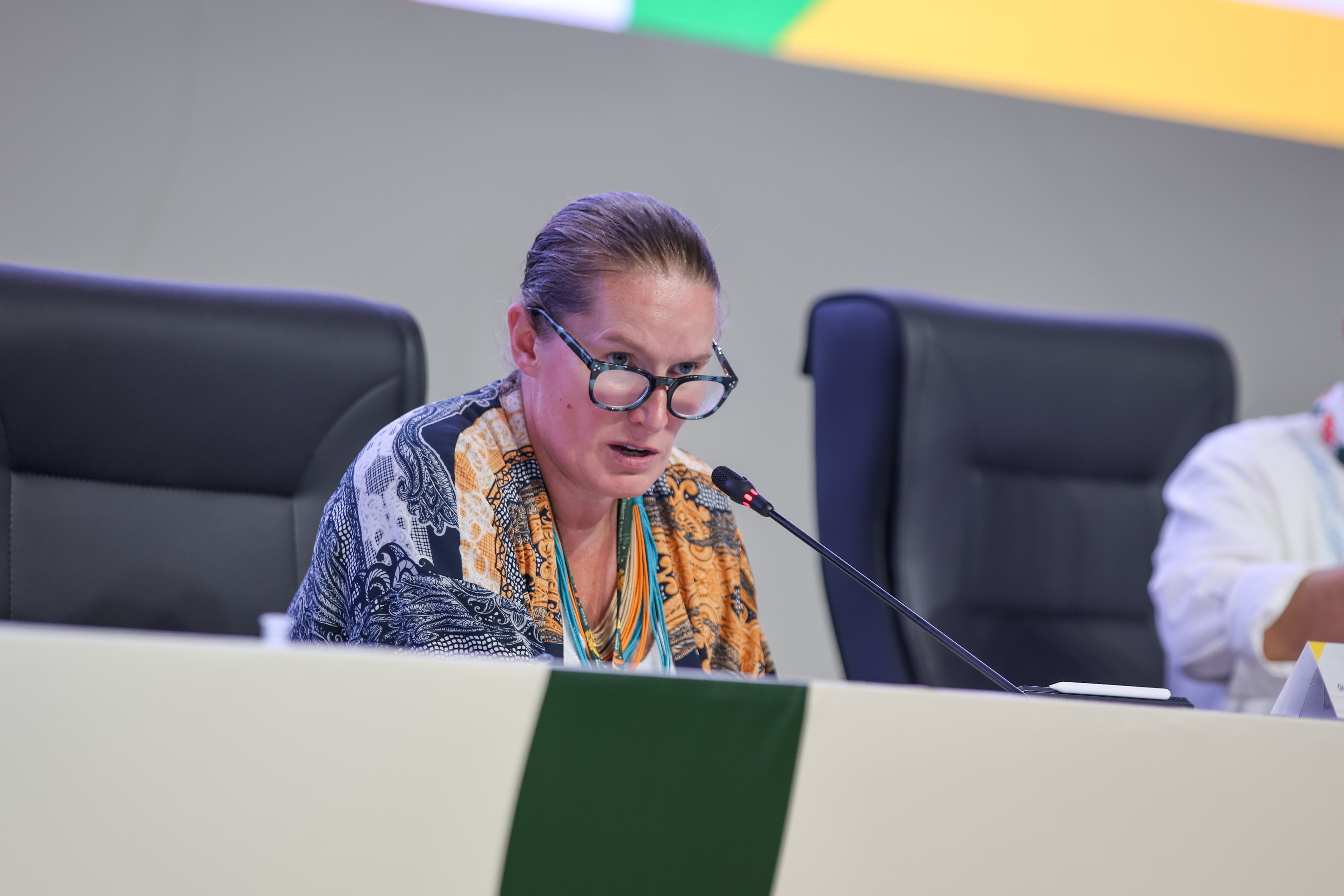
Valerie Hickey, Global Director, Climate Change, World Bank
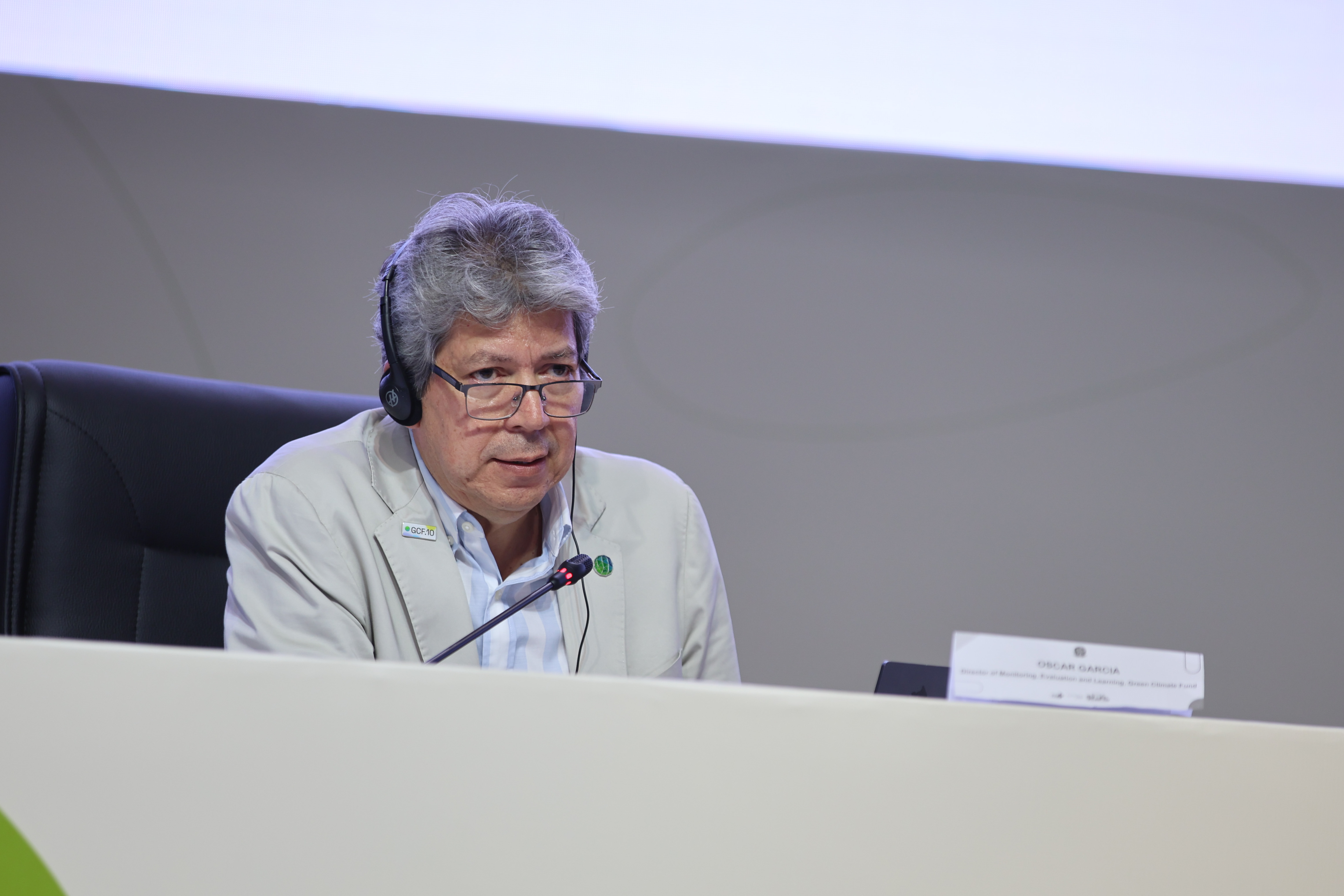
Oscar Garcia, Director, Monitoring and Evaluation, GCF
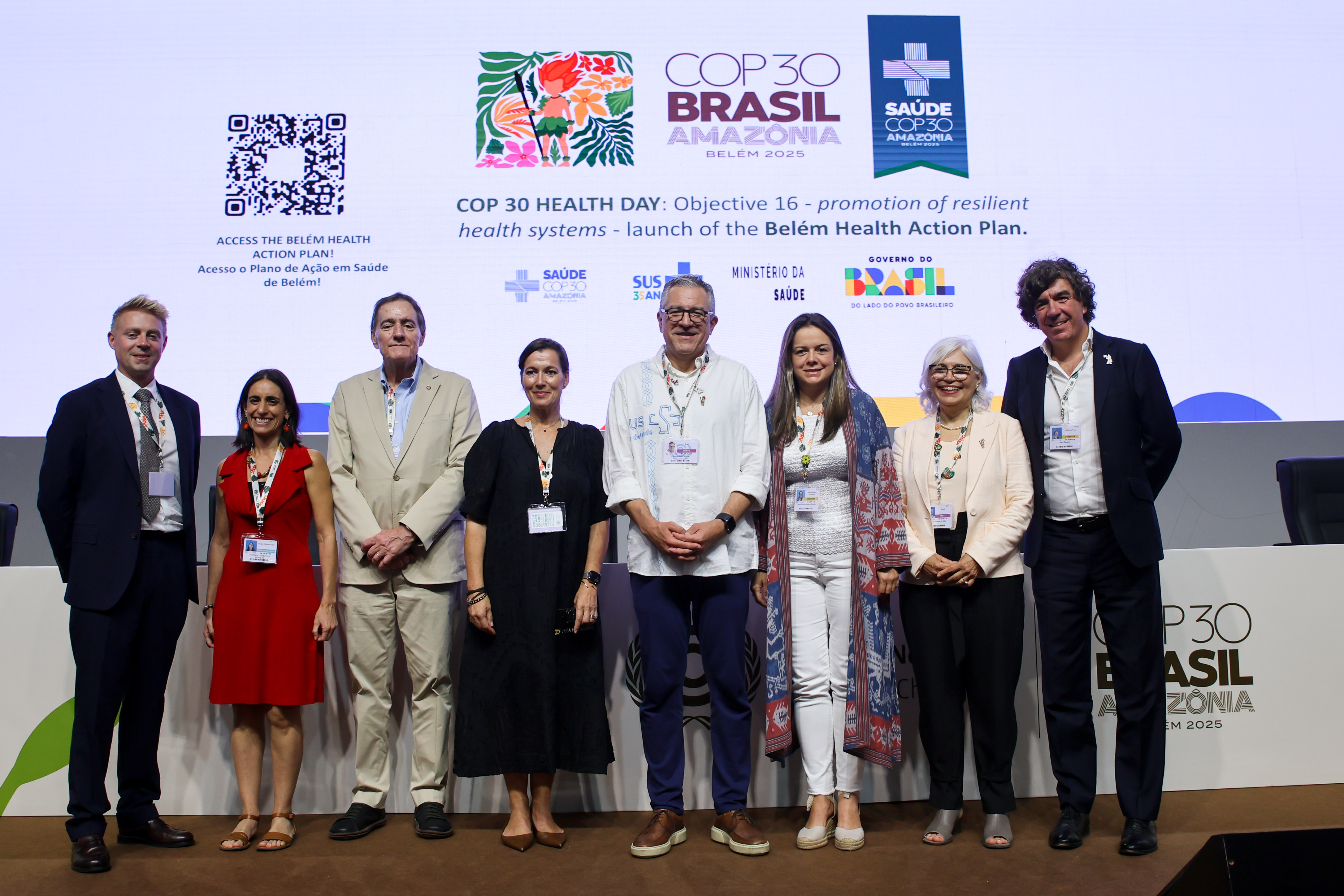
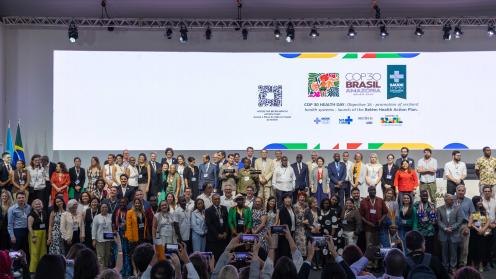
Group photo at the end of the Roundtable on the Climate and Health Funders Coalition
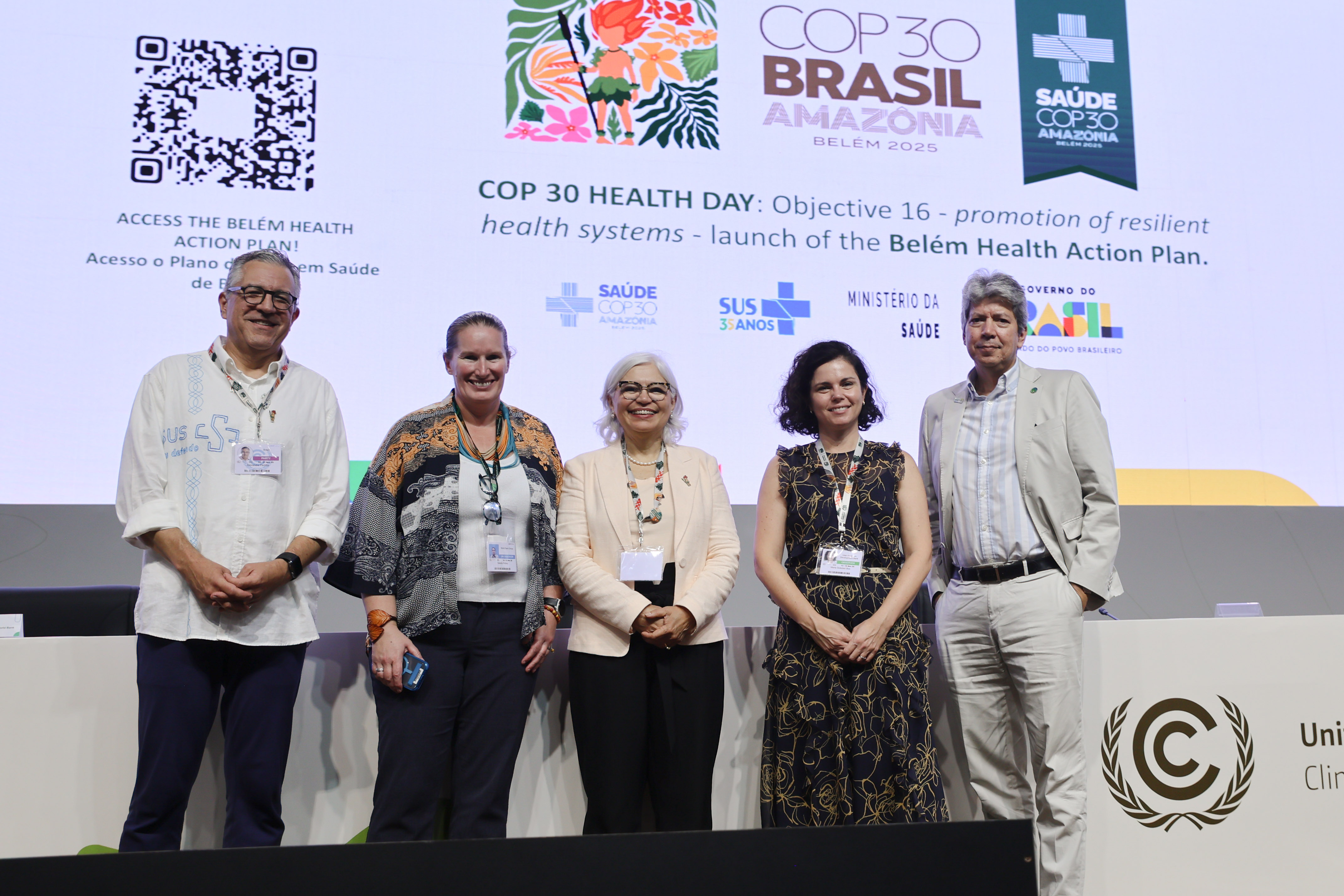
Group photo at the end of the Roundtable on Multilateral Banks and Funds