About
Building momentum toward the next UN Environmental Assembly, stakeholders from government, business, banking, and civil society engaged in a dialogue about the growing evidence that synergies are achievable and essential for addressing the world’s interlocking crises.
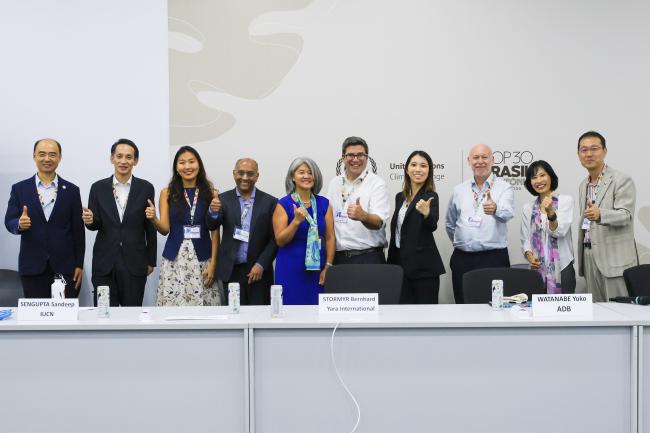
Addressing the interlocking crises of climate change, biodiversity loss, and pollution requires collaborative, multi-sectoral approaches that generate synergistic solutions. The sixth session of the UN Environment Assembly (UNEA-6) recognized this by adopting a Synergy Resolution calling for promoting synergies when countries implement environmental agreements. At this side event, governments, international organizations, and business and youth leaders offered concrete examples of synergy in action and UNEP shared insights from the upcoming Asia-Pacific Synergy Report. All of these are aimed at building momentum for action from COP 30 to UNEA-7.
Moderator Junichi Fujino, Principal Synergy Coordinator, Institute for Global Environmental Strategies (IGES), opened the event expressing hope it will inspire new ideas about cooperation to achieve synergies. Fujino welcomed opening remarks by Kentaro Doi, Vice-Minister for Global Environmental Affairs, Japan (MOEJ), and Niklas Hagelberg, Subprogramme Coordinator for Climate Change, UN Environment Programme (UNEP). Doi urged synergistic actions and noted Japan is preparing a resolution for UNEA-7 to scale up synergies on the ground. “The question is no longer whether synergies are needed, but how we can translate them into concrete, actionable solutions,” he added. Hagelberg, who was unable to attend the event, sent written remarks, which were delivered by Fujino. The remarks reaffirm support for advancing synergies and emphasizing that they are not theoretical but are a crucial strategy for delivering on the Sustainable Development Goals (SDGs) and whole-of-society solutions.

In a keynote address, Ma Jun, Director, Institute of Public and Environmental Affairs (IPE), offered insights from research feeding into the Asia-Pacific Synergy Report, targeted for release in 2026. Jun, co-lead of the report and member of the Expert Panel for the Global Synergy Report, stressed that synergies are essential for advancing the SDGs and achieving net-zero emissions by 2050. Jun underscored that the report includes practical insights from around the world, regarding, for example, food refrigeration techniques in Indonesia, reviving agriculture heritage and ecotourism in Viet Nam, and addressing air pollution and health in Mongolia.
Opening the stakeholder dialogue portion of the event, Sandeep Sengupta, Global Policy Lead on Climate Change, International Union for Conservation of Nature (IUCN), highlighted COP 30 as a place to send a strong signal on synergies. He stressed that synergies can reduce duplication of action, harmonize reporting requirements, and streamline and align action plans and strategies across the three Rio Conventions.

Quentin Drewell, Senior Director, Circular Products & Materials, World Business Council for Sustainable Development (WBCSD), highlighted the launch of the Global Circularity Protocol for Business (GCP), which aims to develop a common language for the circularity of resources for businesses. Drewell said the GCP can have an accelerated and magnified impact on resource use, ultimately driving capital flow back to businesses while lowering carbon emissions.
Bernhard Stormyr, Head of Sustainable Management, Yara International, offered the example of synergies by noting that nitrogen fertilizer, which Yara produces, is presently used inefficiently. Stormy noted that achieving more efficient use of this product can reduce emissions and impacts on biodiversity while improving profits and helping to feed the world’s growing population.

Yoko Watanabe, Director for Environment, Asian Development Bank (ADB), highlighted ADB’s action plan, launched last year, and emphasized the importance of putting synergy at the core of policy. Watanabe mentioned the Asia-Pacific Climate Report, which shows that investment in nature remains critically insufficient, with a global biodiversity financing gap of USD 942 billion per year. She said the ADB is developing innovative financial instruments such as the USD 100 million Biodiversity and Nature Theme Bond for funding projects across Asia and the Pacific.
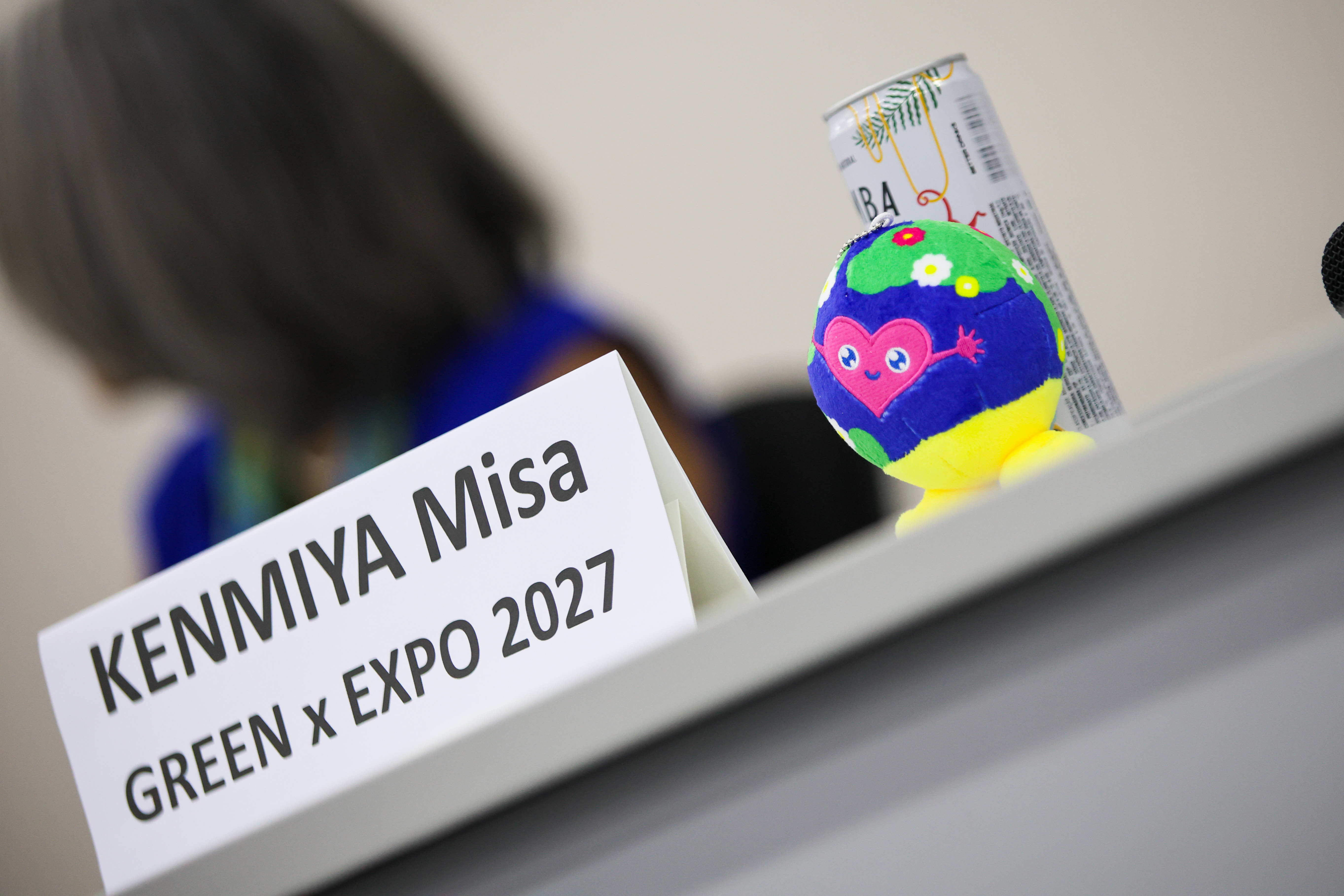
Misa Kenmiya, Executive Director, Sustainability Management Department, Japan Association for the International Horticultural Expo 2027 (GREENxEXPO 2027) in Yokohama, which has taken synergy as its theme. Focusing on imagining a better future, the Expo aims for sustainability and spreading the message about synergies, he explained.
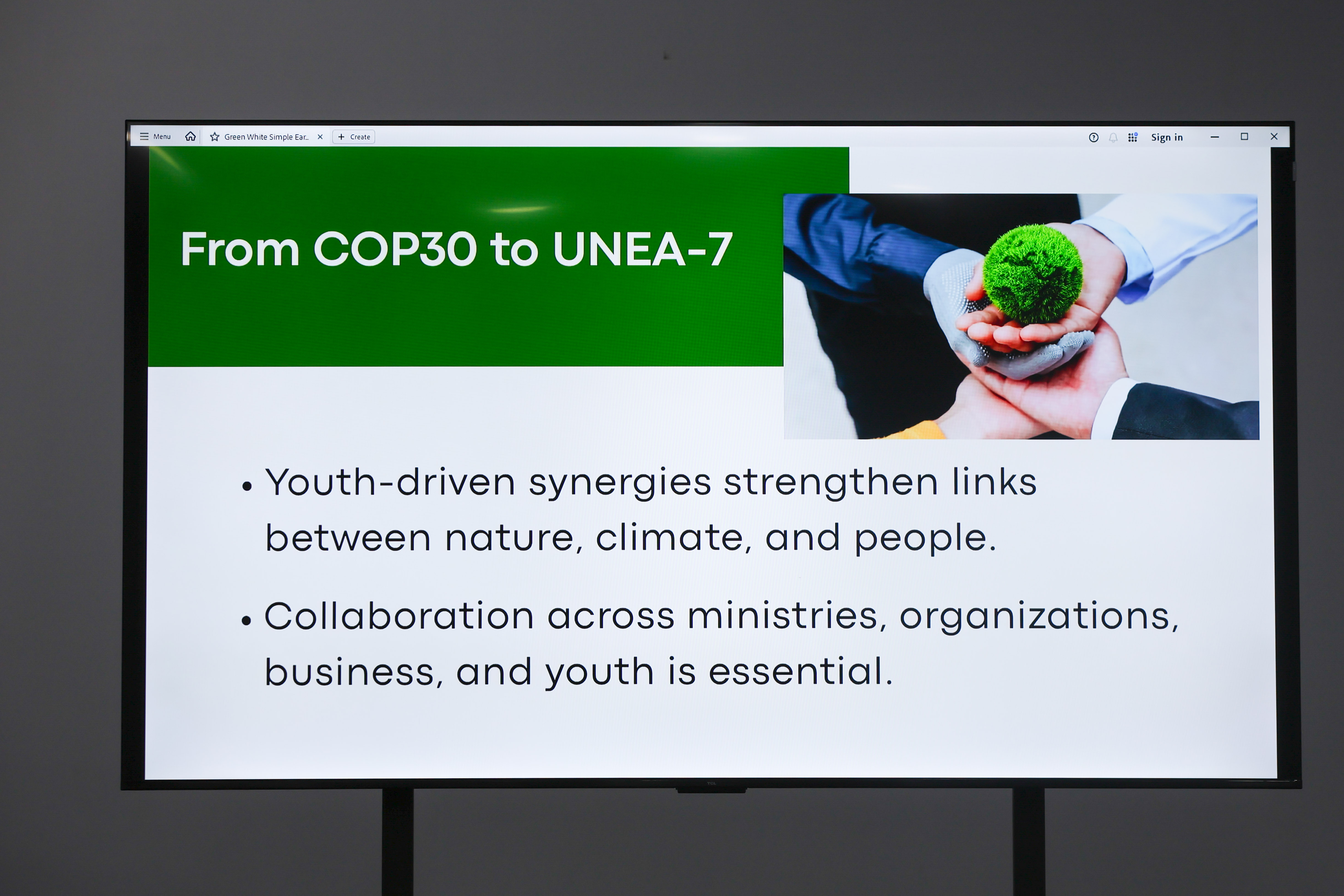
Haruno Tadokoro, Head of Energy Policy, Climate Youth Japan, shared her group’s experiences working to bridge government, business, and generational approaches to synergies. She emphasized that youth are effective communicators who can create social networks that strengthen implementation.

Fujino asked the panelists to reflect on which elements of synergy need to be sharpened and clarified. Responses included, inter alia: the need for ministries to speak to one another; creating shared standards and definitions for businesses; creating the right incentives; integrated approaches to finance; valuing the intangible value of biodiversity; and expanding opportunities for youth to engage with and learn from other stakeholders.
In closing comments, Khulan Berger, Director of Development, Climate Bridges, welcomed the forthcoming launch of the Asia-Pacific Synergy Report and stressed the need to bridge generations and sectors. “If you want to go fast, go alone; if you want to go far, go together,” she concluded.
In final remarks around questions posed by Berger and Tadokoro, panelists noted key elements of achieving synergies include forging partnerships, offering practical solutions, and engaging with youth.
Organizers: MOEJ, IUCN, WBCSD, IGES
Contact: Junichi Fujino I [email protected]
Website: https://www.iges.or.jp
To receive free coverage of global environmental events delivered to your inbox, subscribe to the ENB Update newsletter.
All ENB photos are free to use with attribution. For 2025 UN Climate Change Conference, Belém - Side Events, please use: Photo by IISD/ENB | Anastasia Rodopoulou
Selected Images
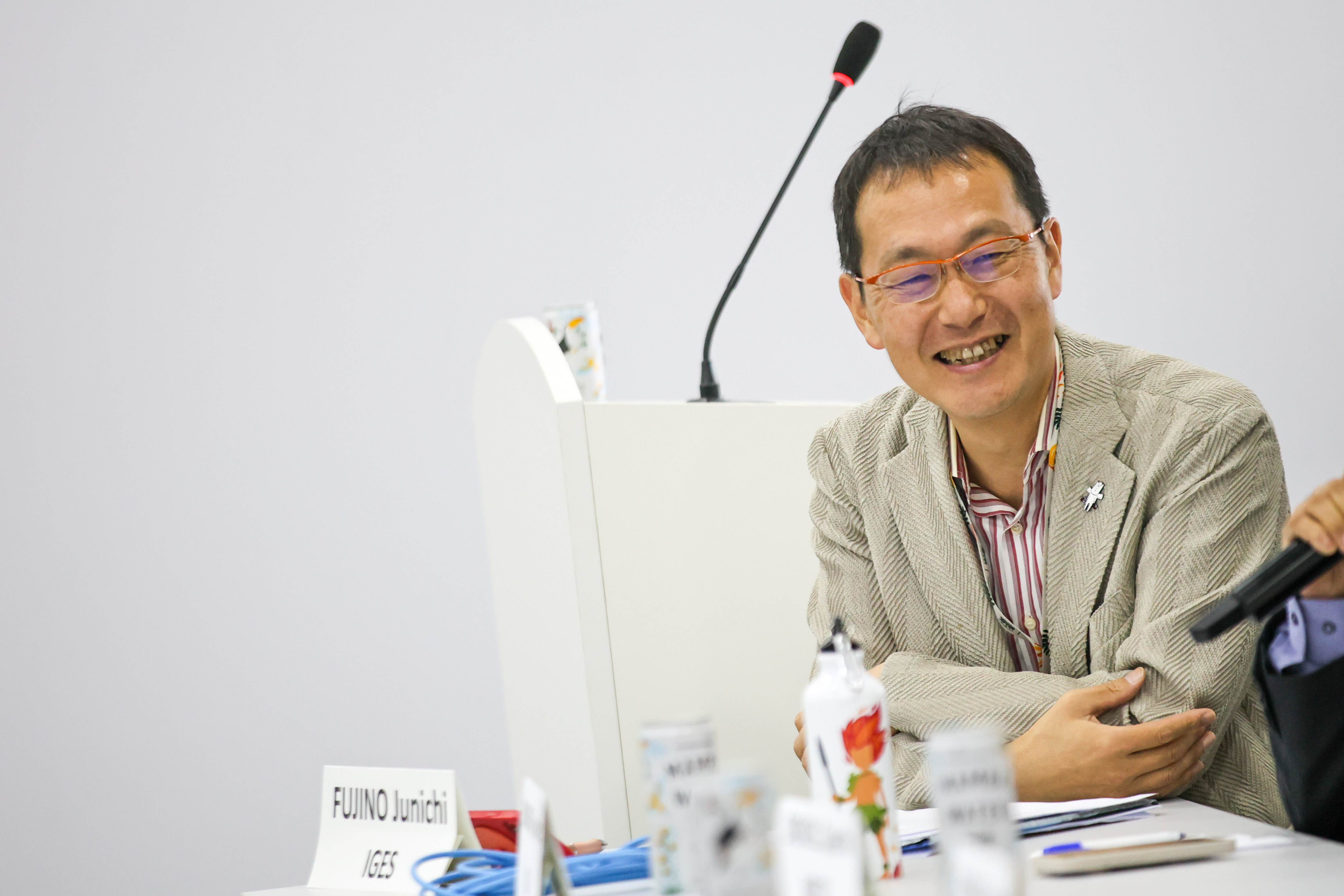
Moderator Junichi Fujino, Principal Synergy Coordinator, IGES
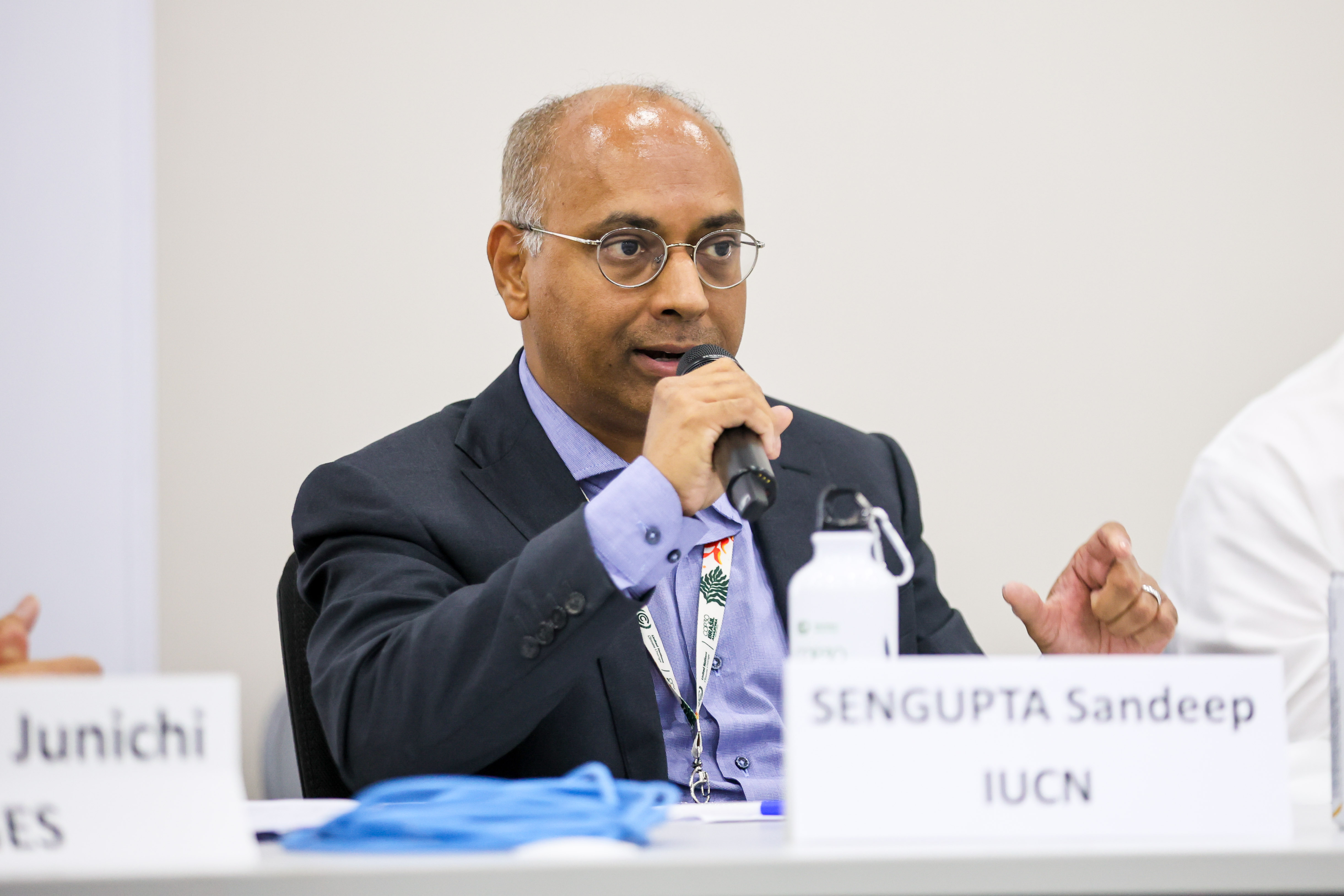
Sandeep Sengupta, Global Policy Lead on Climate Change, IUCN
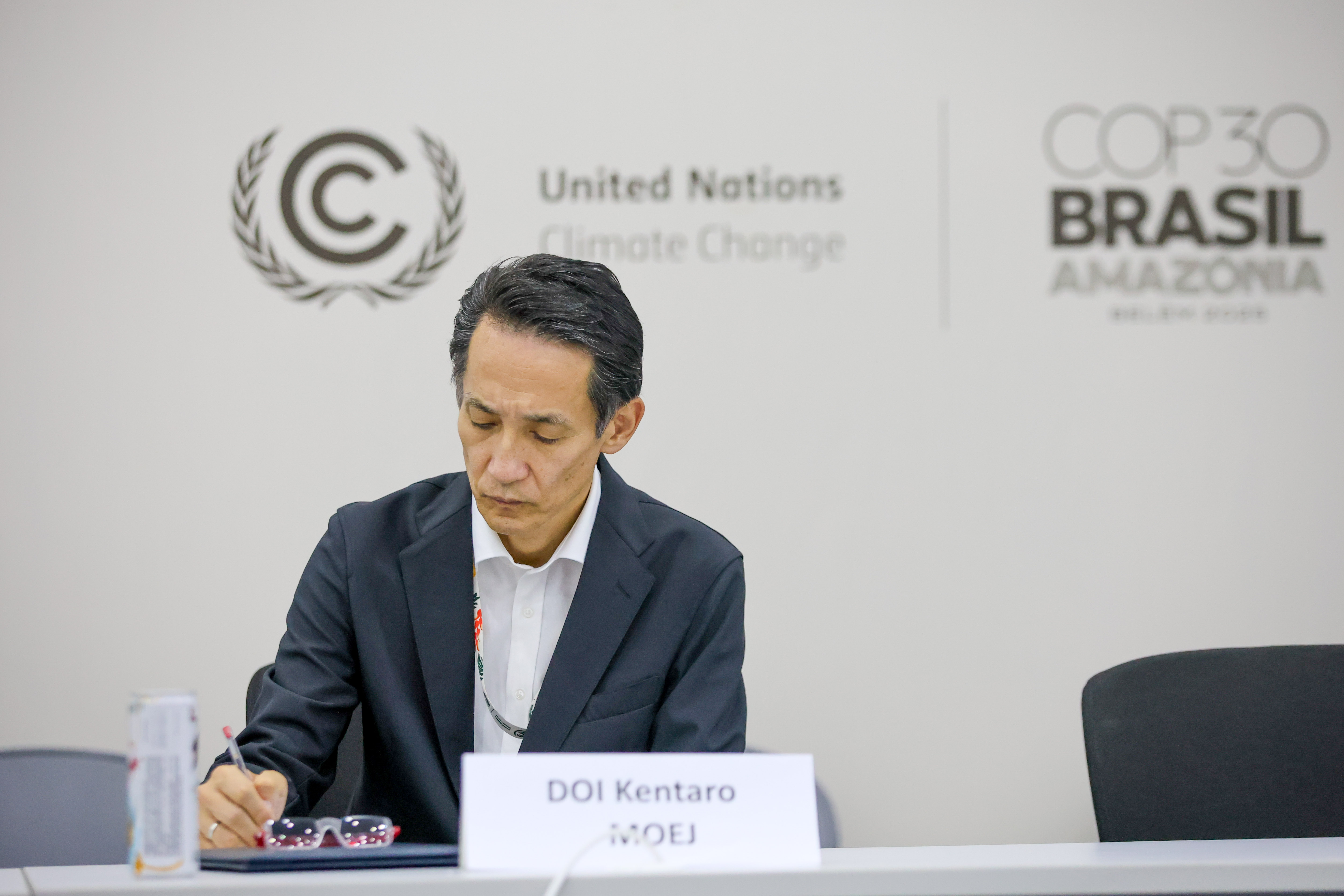
Kentaro Doi, Vice-Minister, Global Environment Affairs, MOEJ
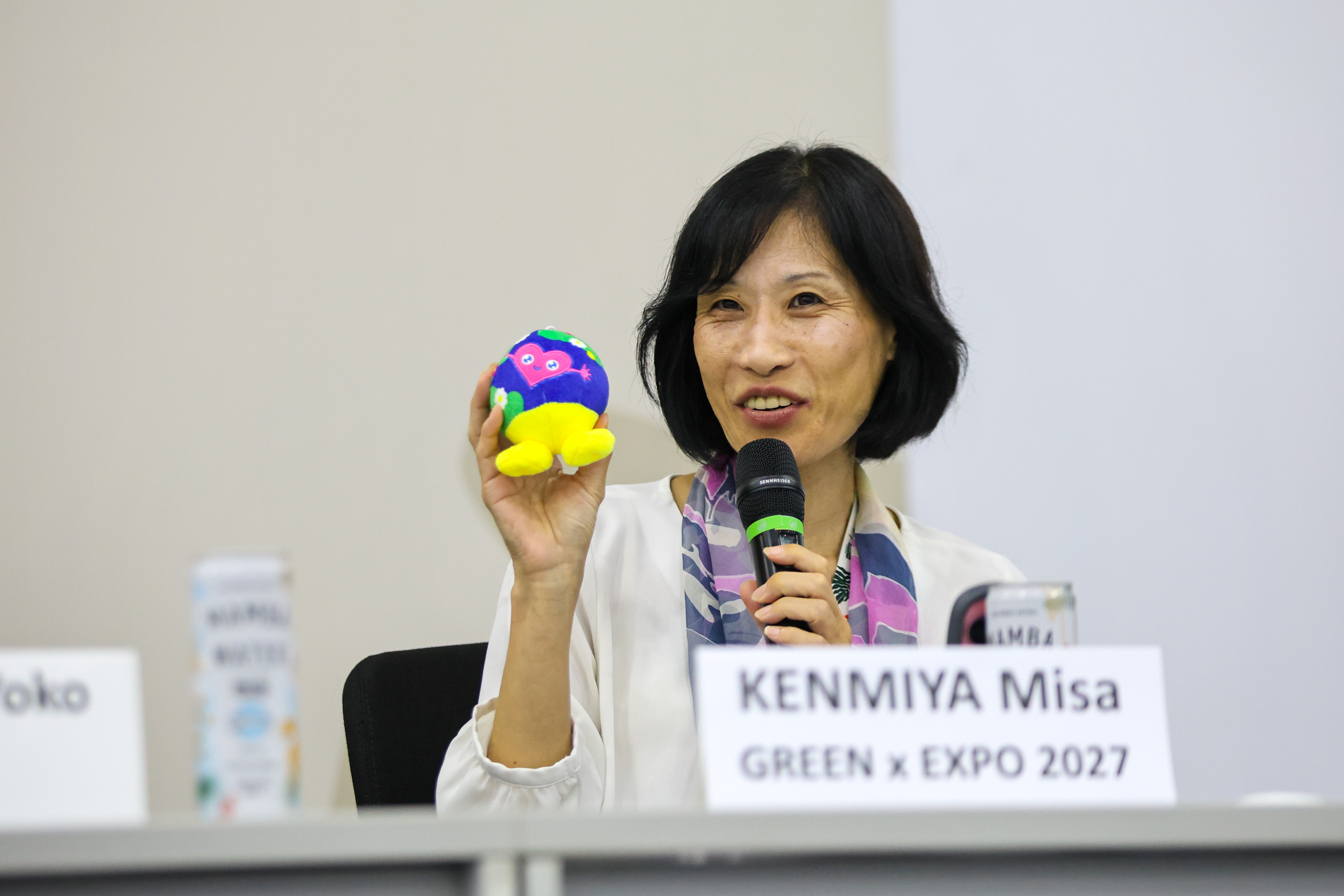
Misa Kenmiya, Executive Director, Sustainability Management Department, Japan Association for the International Horticultural Expo 2027 (GREEN X EXPO 2027)
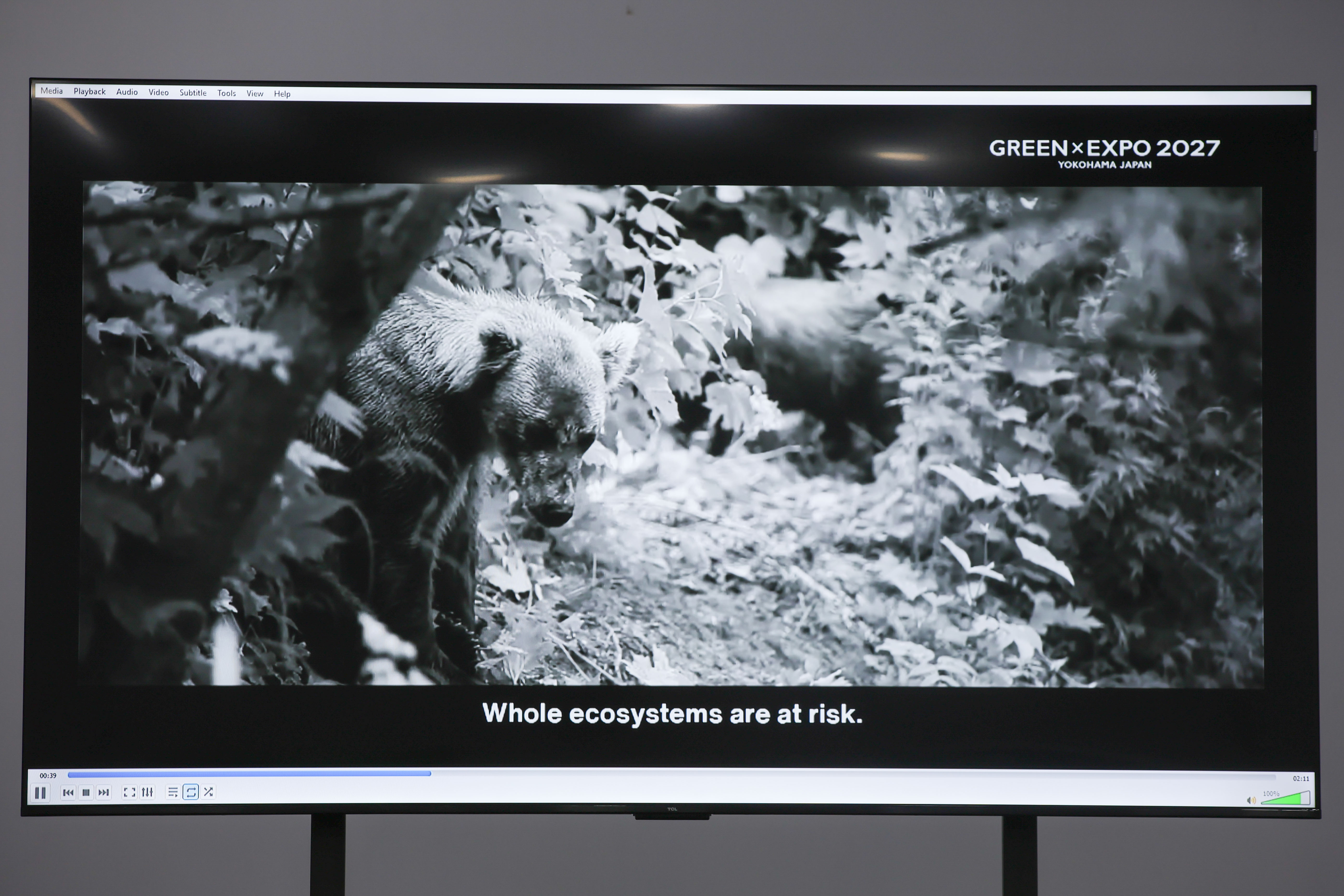
A slide from Misa Kenmiya's presentation
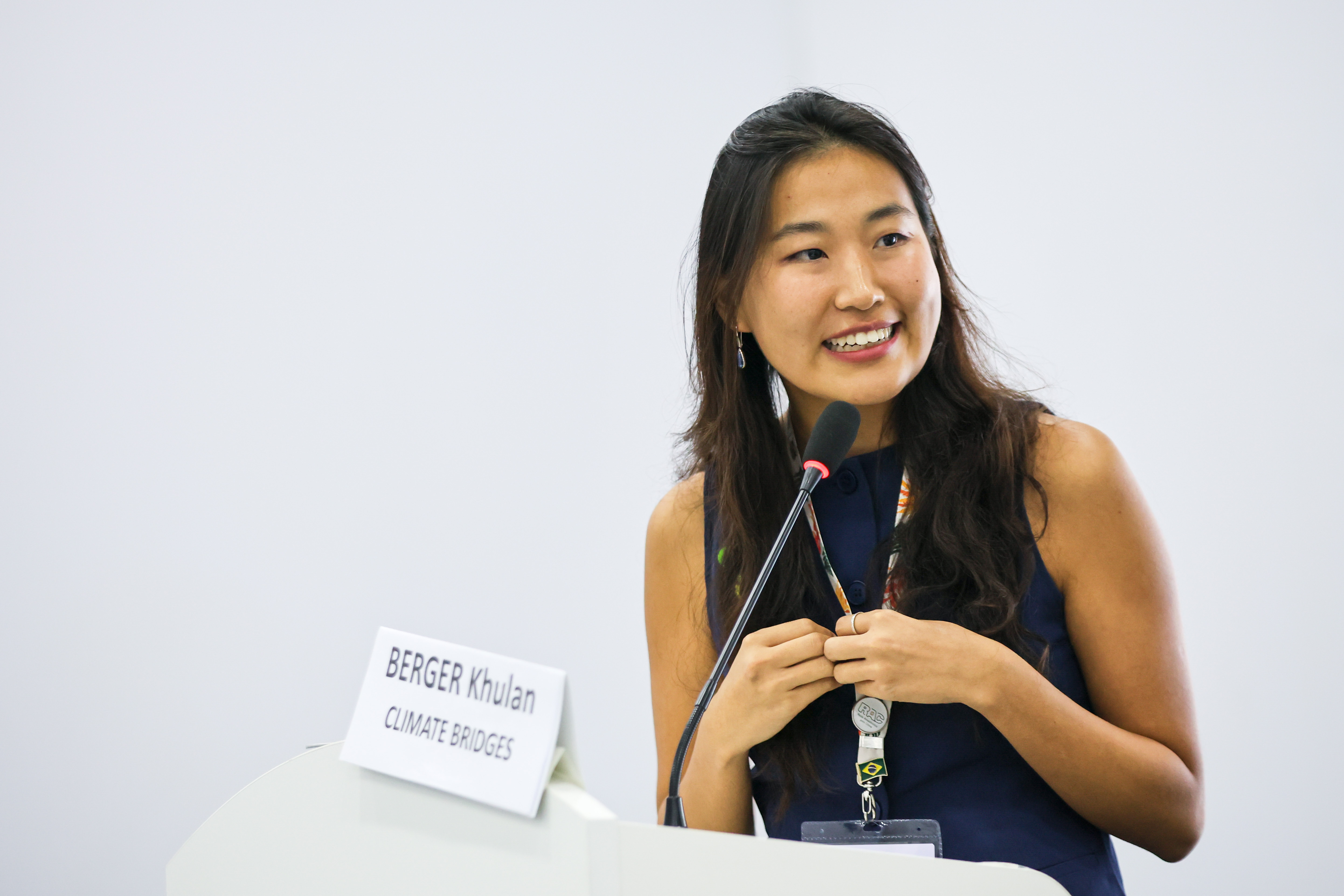
Khulan Berger, Director, Development, Climate Bridges
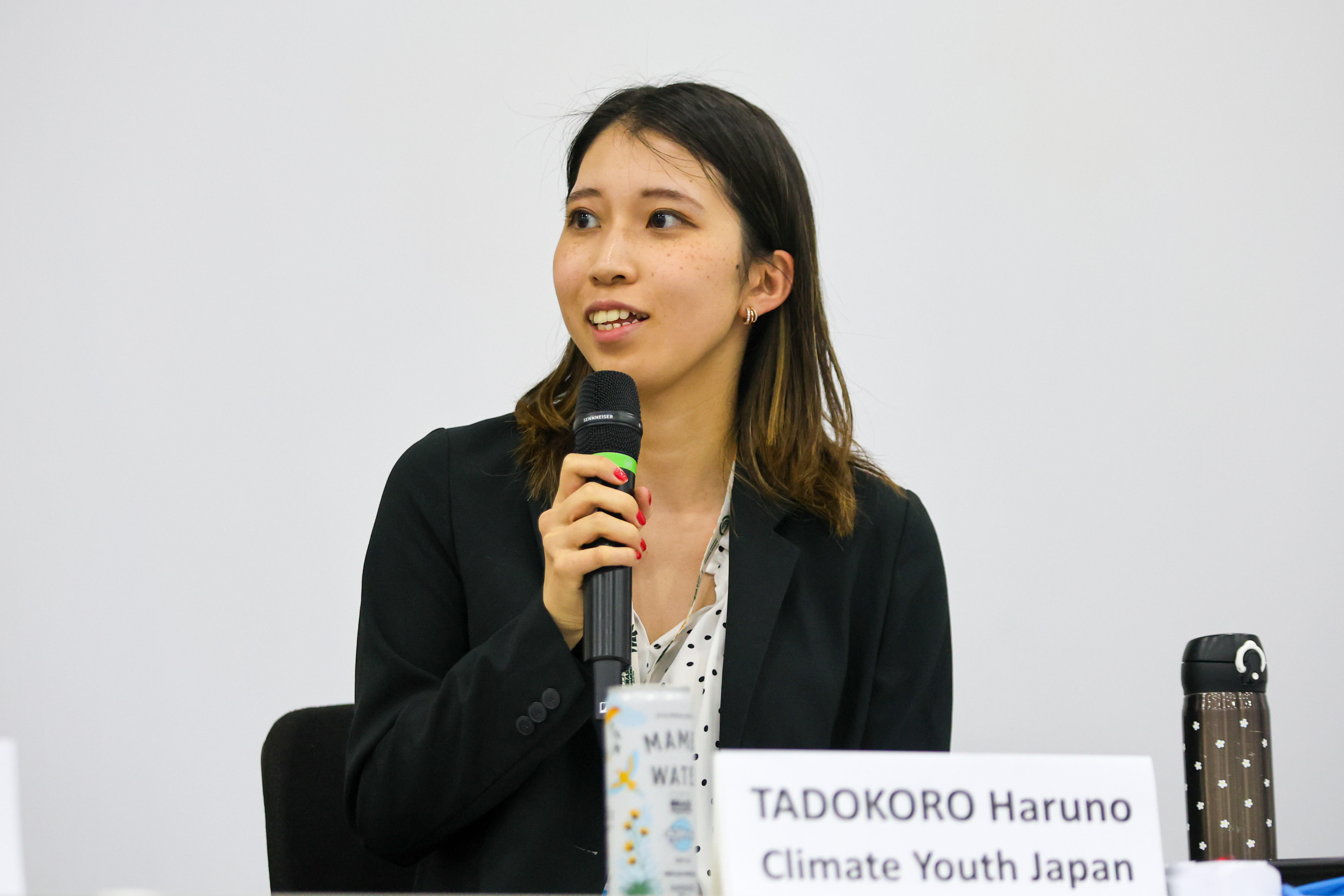
Haruno Tadokoro, Head of Energy Policy, Climate Youth Japan
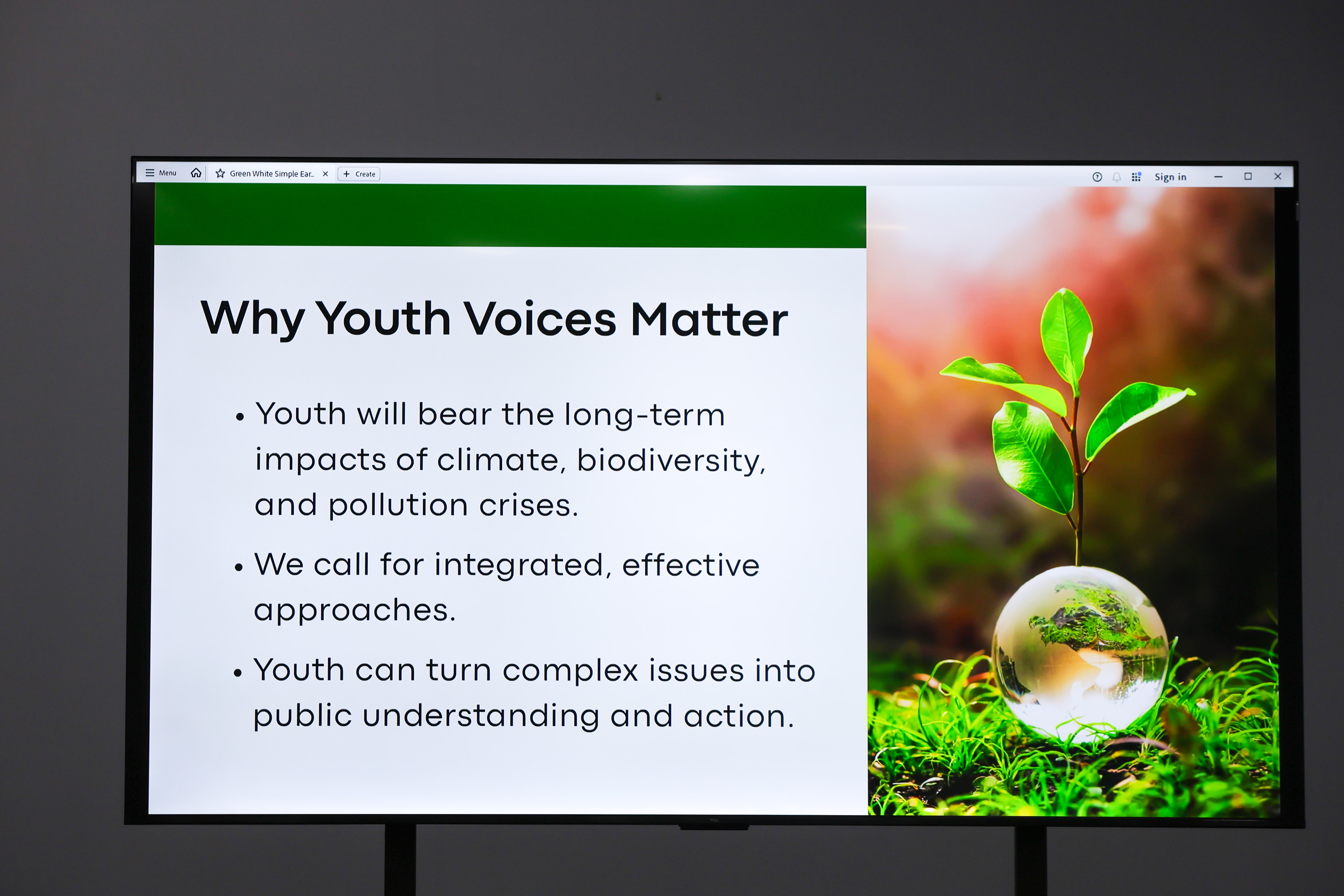
A slide from Haruno Tadokoro’s presentation
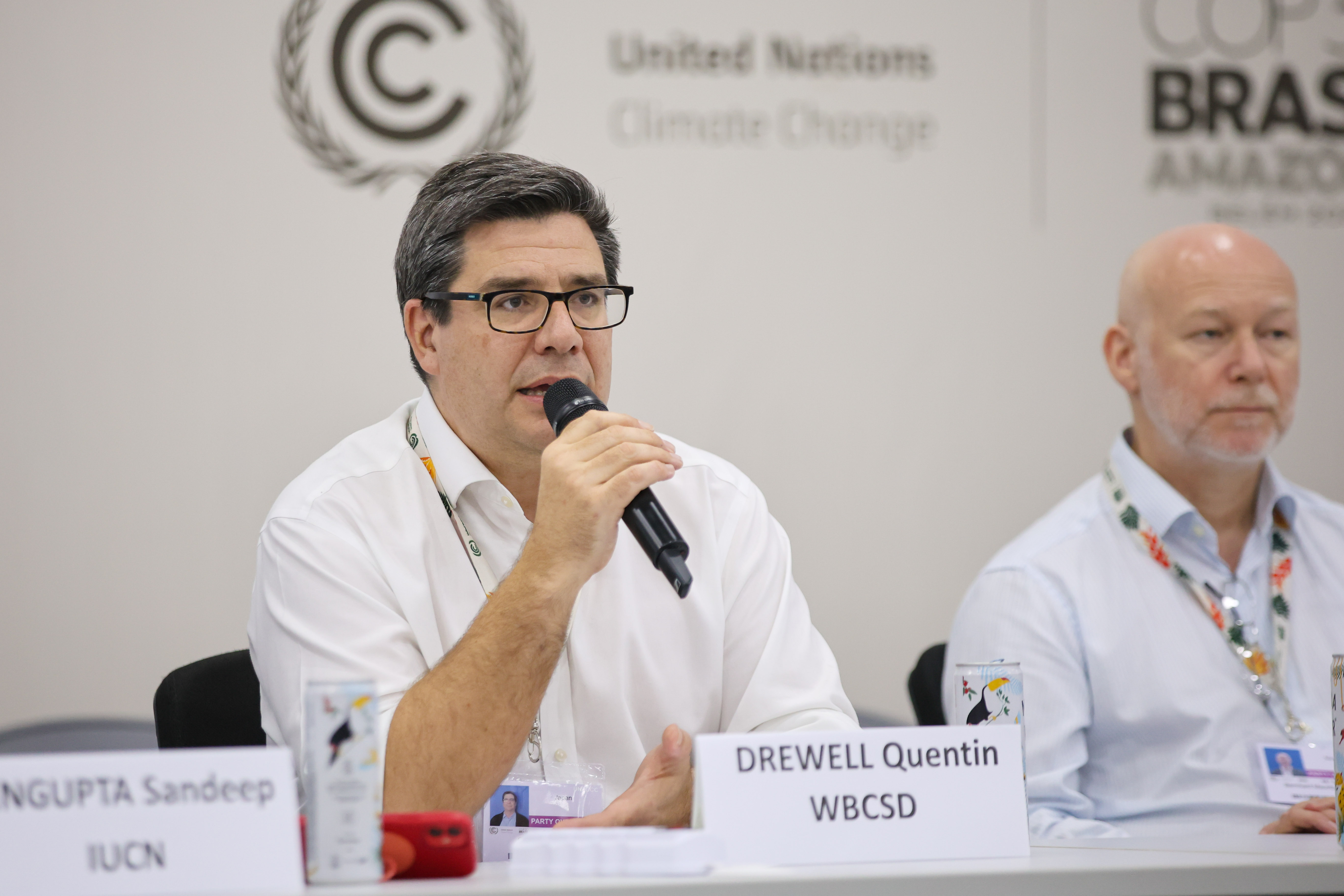
Quentin Drewell, Senior Director, Circular Products and Materials, WBCSD
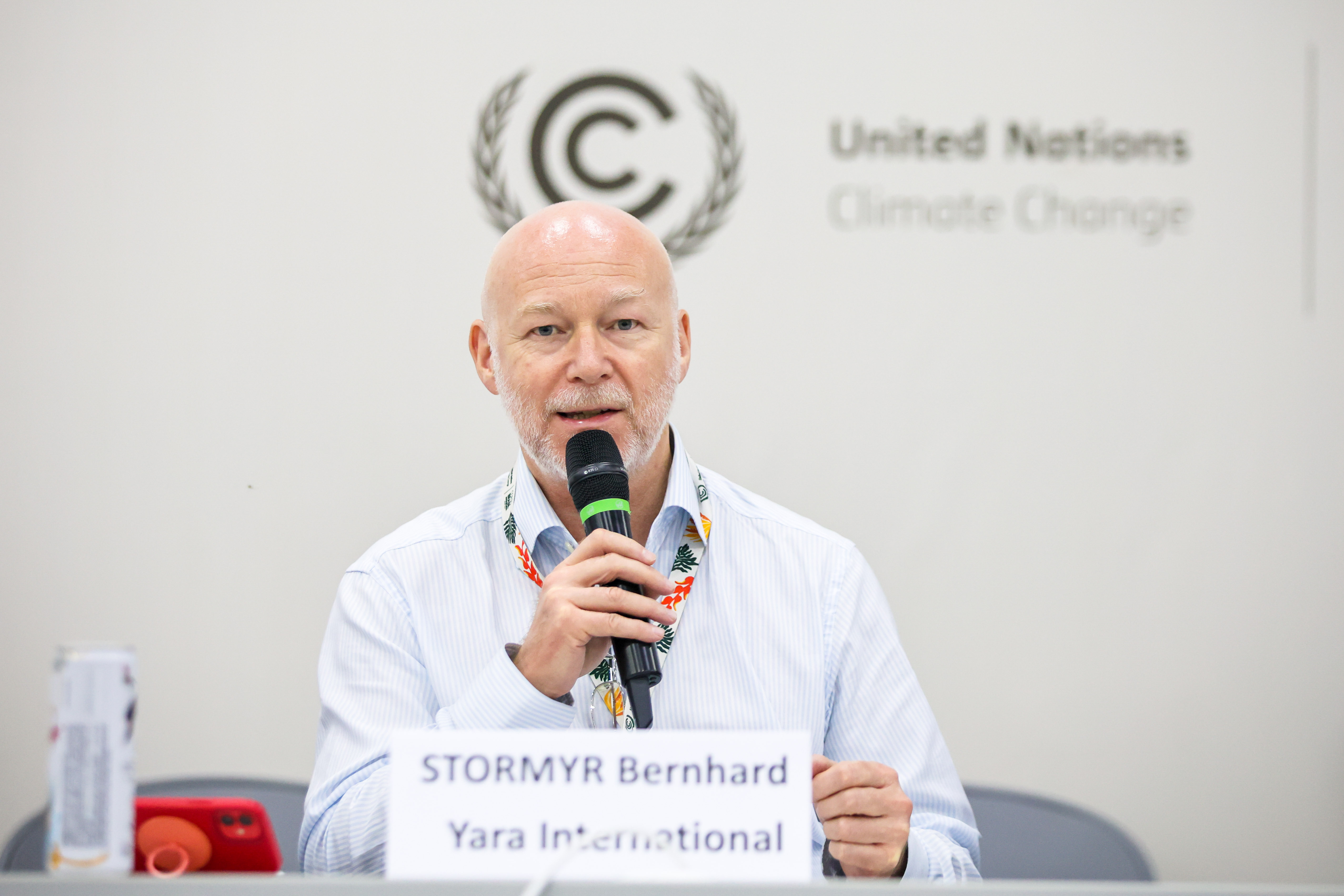
Bernhard Stormyr, Head, Sustainable Management, Yara International