About
With a warming planet putting billions of lives and livelihoods at risk, government officials and experts on policy and technical solutions urged scaling up finance to build resilient housing and achieve justice and equity for the world’s vulnerable communities and informal settlements.
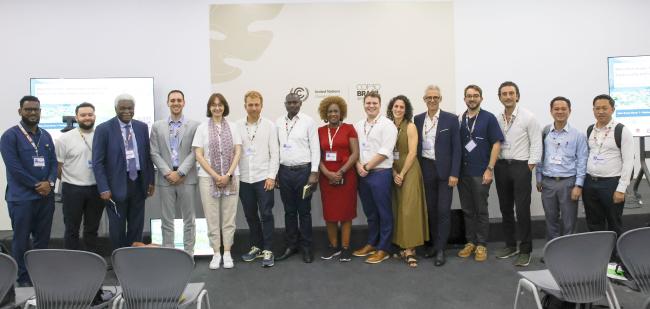
For vulnerable communities and people living in informal settlements, where adequate housing and infrastructure are sorely lacking, climate change poses a multi-dimensional threat to lives and livelihoods. If built environments are not resilient, intensifying storms, heatwaves, and droughts can bring untold disaster and exacerbate already deep social and economic inequities. At this side event, stakeholders highlighted the urgent need to scale up finance for resilient and sustainable built environments, and offered roadmaps for partnership approaches based on equity, inclusion, and community empowerment.
Moderator Alexandre Apsan Frediani, Principal Researcher on Human Settlements, International Institute for Environment and Development (IIED), welcomed the event as a space to not only think about increasing finance for built environments “but also to think of it in a way that gets down to local communities at the forefront of climate change and inequality.”
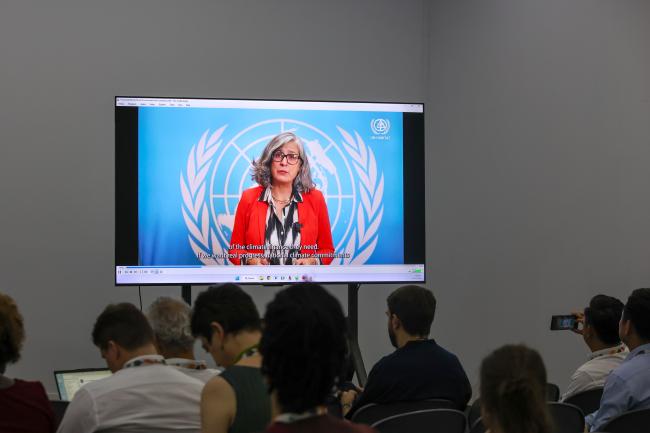
In video remarks, Anacláudia Rossbach, Executive Director of UN-Habitat, emphasized that “housing is the foundation of climate resilience,” but achieving resilience requires access to climate finance. Highlighting cities, which produce 70% of the world’s greenhouse gases, as an essential focus for meeting climate goals, Rossbach urged partnership and context-specific approaches to scaling up climate finance. She stressed, inter alia, the need for inclusivity, measuring outcomes, and building pipelines.
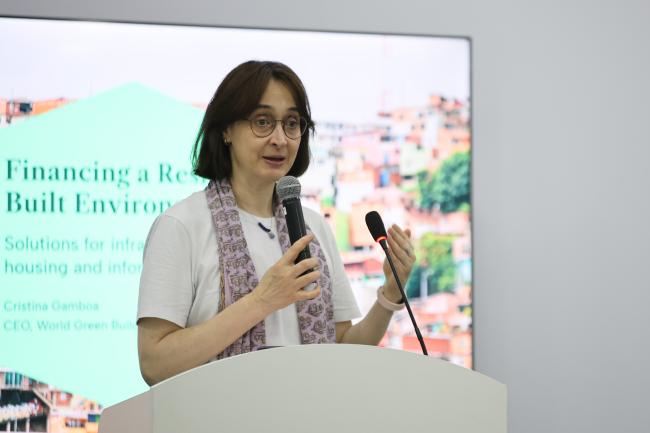
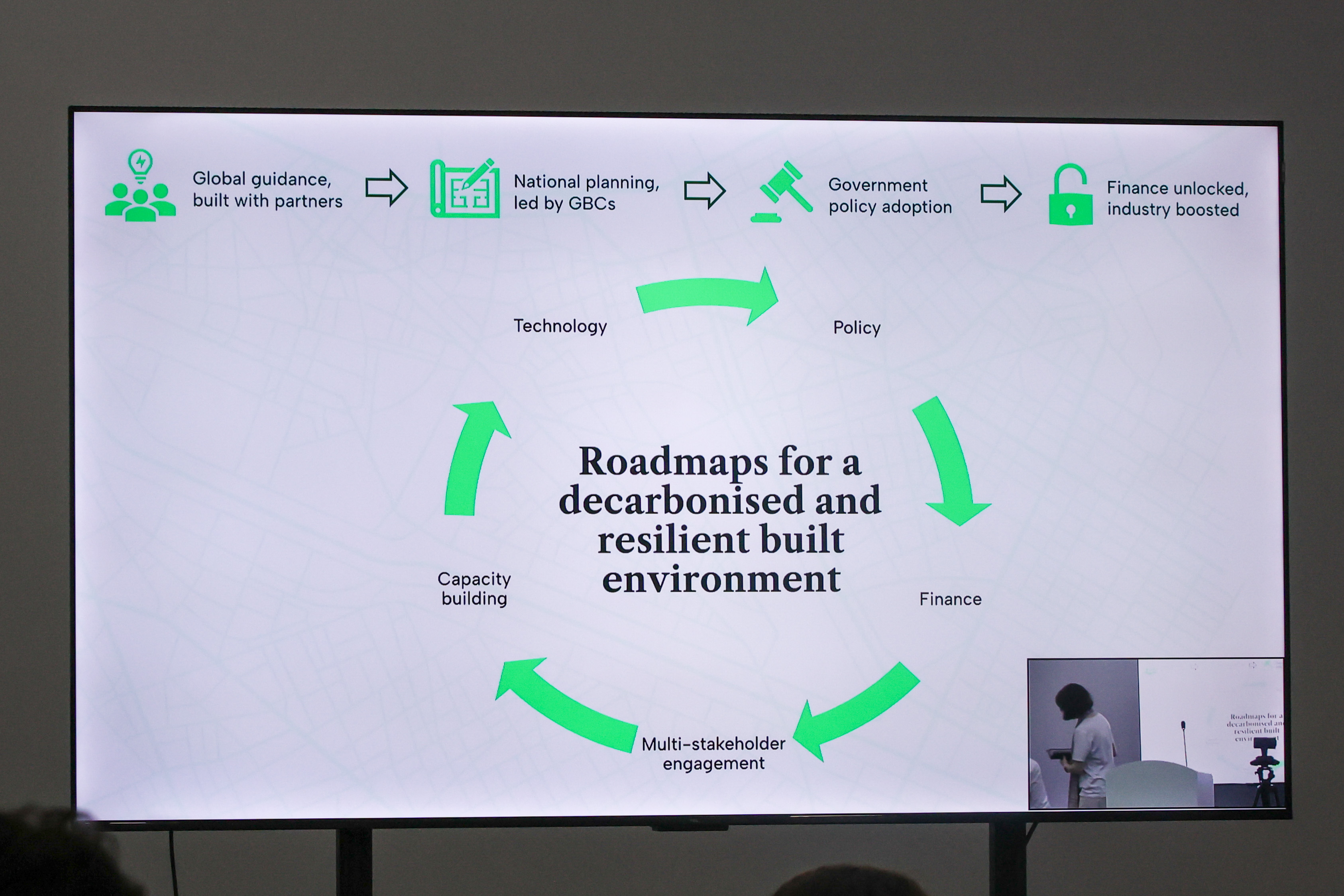
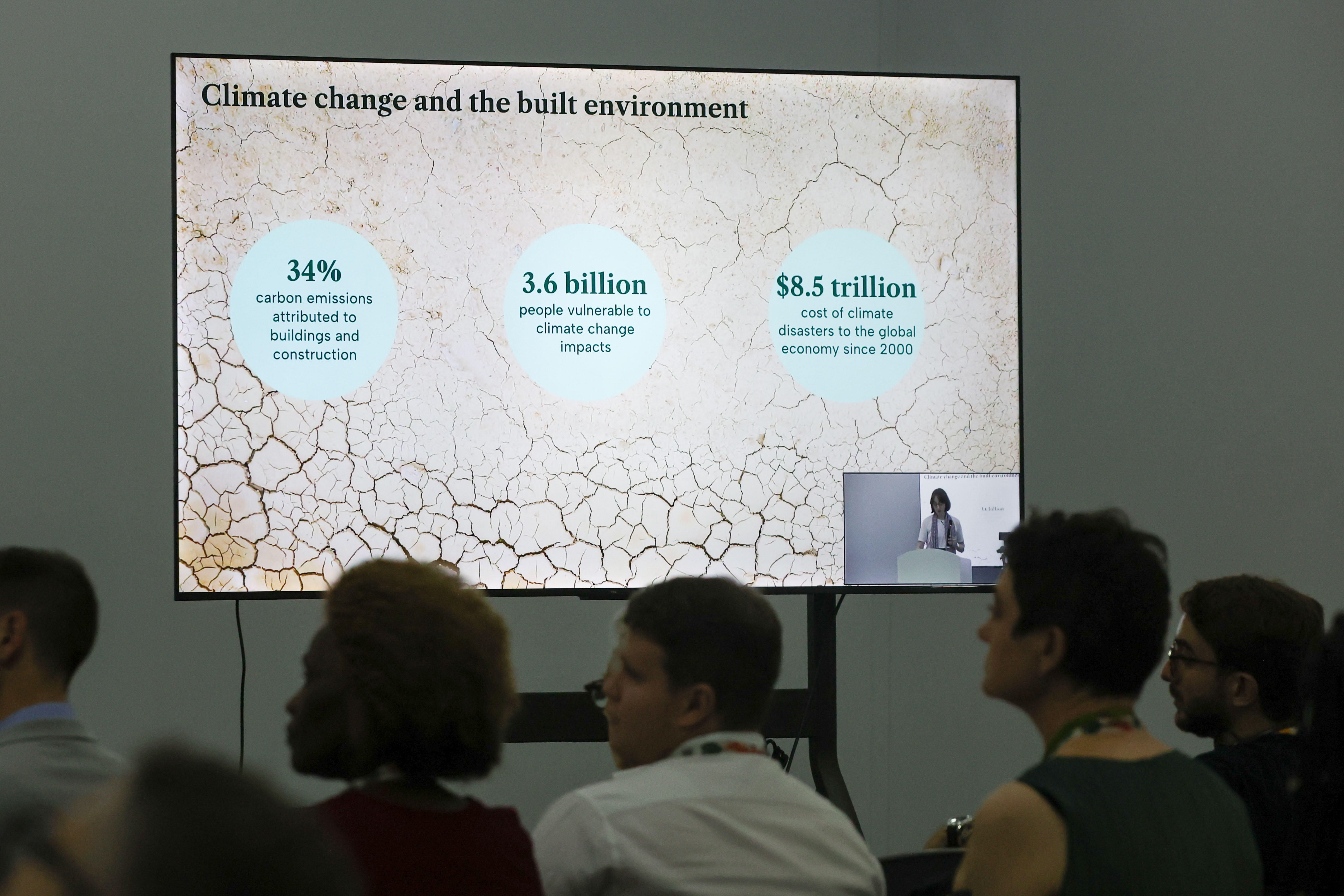
In her keynote, Cristina Gamboa, CEO, World Green Building Council (WorldGBC), described her organization’s work to create a network focused on sustainable building, which now extends into more than 85 countries. She noted that 34% of carbon emissions are attributable to housing, which creates a huge opportunity in this sector for gains in the climate fight. Gamboa stressed that resilience is not just about physical structure “but also about social and financial inclusion.” She called attention to the WorldGBC’s new report, Developing a Strategy for Climate Resilient Buildings, which offers guidance for industry and policymakers.
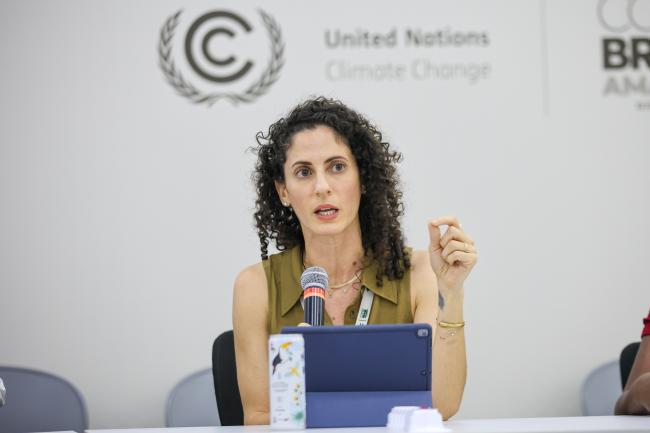
Opening the first panel exploring policy solutions, Ariana Karamallis, Global Advocacy and Development Manager, Build Change, stressed that policymaking is an essential part of a systems approach to building climate- and disaster-resilient housing. Karamallis urged homeowner-driven policies that address affordability, offering the example of her organization’s work in partnership with the government of Colombia to shift policy toward upgrading informal housing. She stressed that community-led approaches can also achieve scale, while excluding communities from decision-making can create unsustainable outcomes.
Rebecca Ochong, Director of Government Relations and International Advocacy, Habitat for Humanity International, presented research included in a new Habitat for Humanity report, Climate Action Trough Housing and Informal Settlements, which found that the majority of NDCs submitted since 2024 do not include housing in a substantial way. Additionally, she noted, finance is not flowing to countries that have foregrounded housing in their NDCs. Ochong urged ensuring that “we fund what countries are asking for” and for pressure by civil society to achieve this outcome. She noted Habitat for Humanity’s work with Malawi to bring housing into the country’s NDC. She added that positive signs exist in a Habitat for Humanity analysis of the most recent NDCs, indicating they are increasingly including housing.
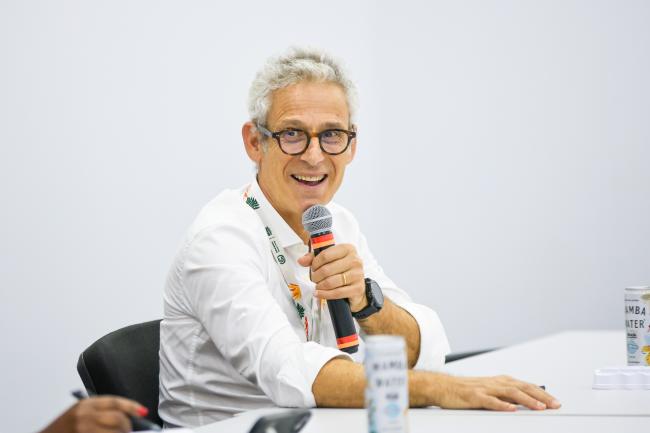
Felipe Faria, CEO, GBC Brazil, underscored that focusing on vulnerable communities means addressing a housing deficit in which most people, while they have homes, these homes are precarious: “Homes that serve everything but not to put someone inside,” he said. He emphasized the need for both finance and technical support to improve the quality of housing, such as better insulation that can help people withstand heat waves. Faria highlighted the effectiveness of policies that have impacts on housing projects at the earliest stages of development so that they meet quality standards.
Yves-Laurent Sapoval, Ministerial Delegate for Sustainable Cities and Urban Envoy for the Ministry of Territories, Ecology and Housing, France, underscored that COP 30 is an important moment for the housing sector because it has combined what had been separate conversations about social housing and globally sustainable buildings. Sapoval pointed to an increasing recognition that building “fast and cheap” is not a way to achieve sustainable housing. “We have to stop building ready-to-retrofit buildings,” he urged, adding that much work remains to communicate the fact that addressing housing needs is an essential element of a just transition
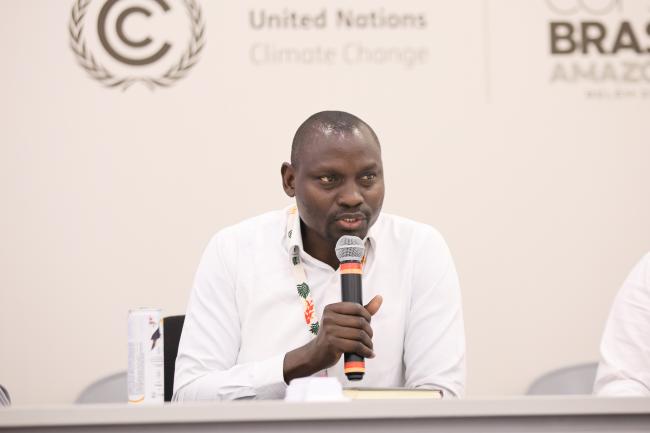
In the second panel on technical solutions, Robert Sangori, State Department of Housing and Urban Development, Kenya, described work to address climate change at the city level. Recognizing cities as climate actors, he described the Building Climate Resilience of the Urban Poor (BCRUP) initiative, which targets grassroots interventions at the local level. Sangori stressed that the poor are not confined to slums, but rather “they interact with the city,” and that institutionalizing, at the country level, a multi-sectoral approach to the mobilization of finance, technical transfer, and capacity building is essential.
Angelos Pastras, Senior Energy Storage Consultant, DNV, and member, World Federation of Engineering Organizations (WFEO) Committee on Young Engineers, urged breaking down silos, such as those that often stymy collaboration between mechanical engineers, civil engineers, and architects. He shared examples from his own experience of working in the UK with engineers and planners to optimize the design of concrete foundations to increase efficiency to reduce carbon emissions.
Artur Brito, TPF Engenharia and Chair of Future Leaders Council, International Federation of Consulting Engineers (FIDIC), highlighted how housing sustainability and resilience can be enhanced through procurement processes by: “letting go of lowest-price bidding” and promoting quality, cost-based selection processes; creating robust construction contracts foregrounding sustainability; and capacity building for engineers and professionals so hey know their role in the process. Brito noted that FIDIC’s just-released Carbon Management Framework provides a structured approach to reduced carbon emissions, which can help small-scale builders achieve sustainment procurement processes.
Daniel Pérez Jaramillo, Infrastructure and Energy Sector Advisor, Inter-American Development Bank (IADB), underscored that IADB is tackling resilience by: making resilience a performance requirement for investments, which necessitates ensuring codes are followed; moving from project finance to a more holistic approach that can achieve synergies between sectors with natural carbon solutions; and pushing financial innovation, such as backstop guarantees for projects and blended finance.
Closing the session, Frediani urged stopping evictions, which generate substantial carbon emissions, and taking a holistic approach to housing that achieves equity and justice goals.
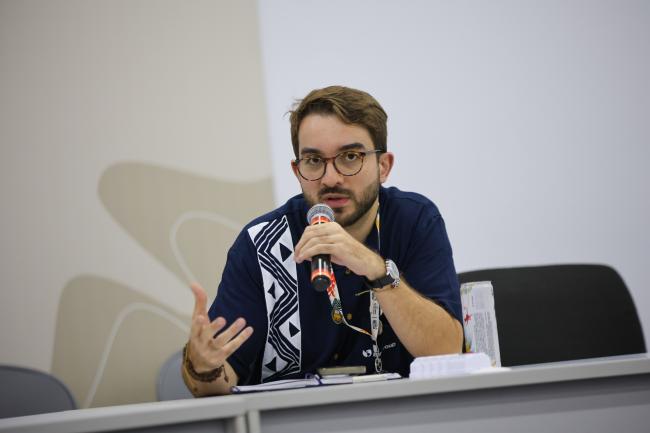
Organizers: Build Change, FIDIC, Habitat for Humanity, IIED, WFEO Committee on Young Engineers/Future Leaders, WorldGBC
Contact: Ariana Karamallis I [email protected]
Website: https://buildchange.org/
To receive free coverage of global environmental events delivered to your inbox, subscribe to the ENB Update newsletter.
All ENB photos are free to use with attribution. For 2025 UN Climate Change Conference, Belém - Side Events, please use: Photo by IISD/ENB | Anastasia Rodopoulou
Selected Images
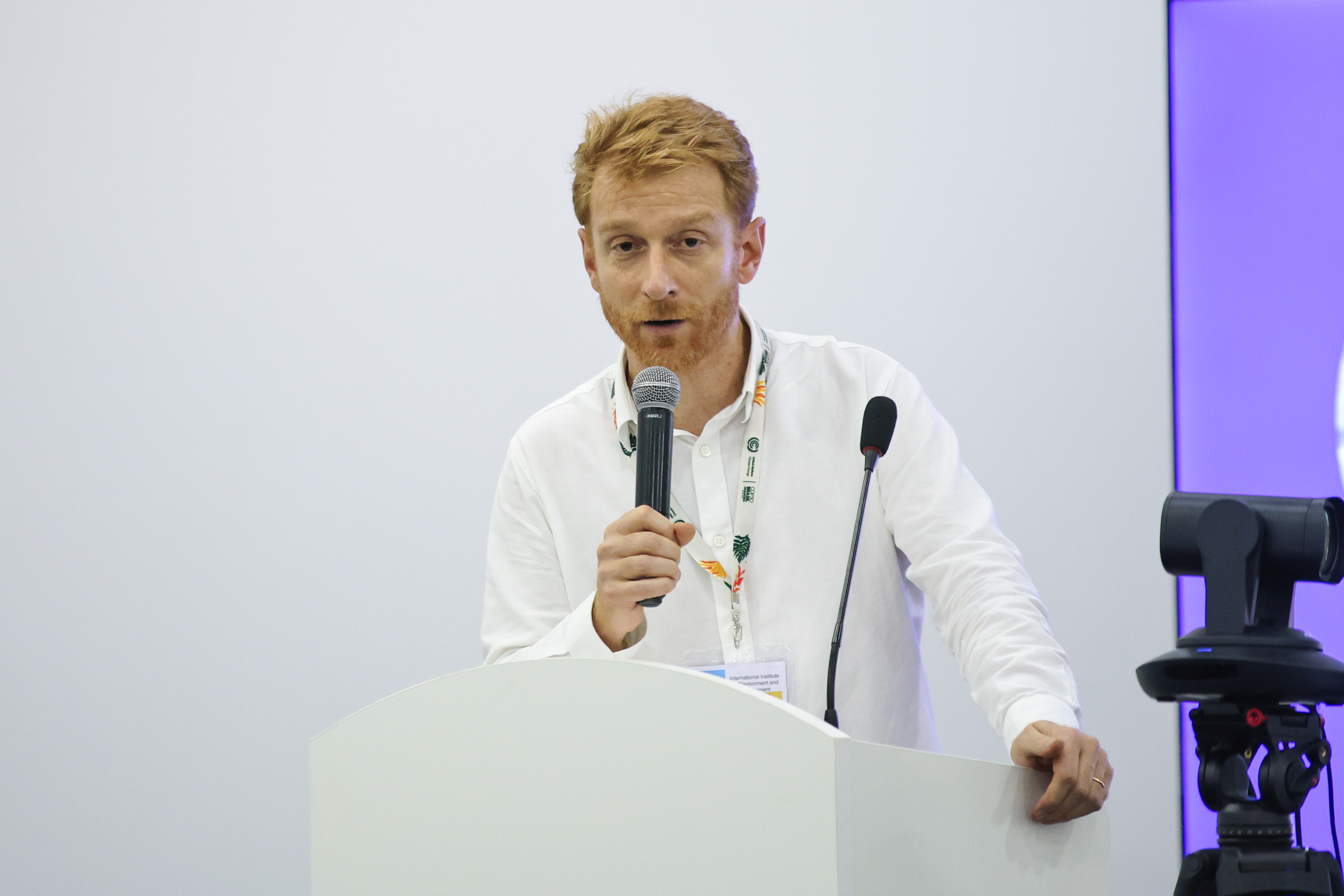
Moderator Alexandre Apsan Frediani, Principal Researcher on Human Settlements, IIED
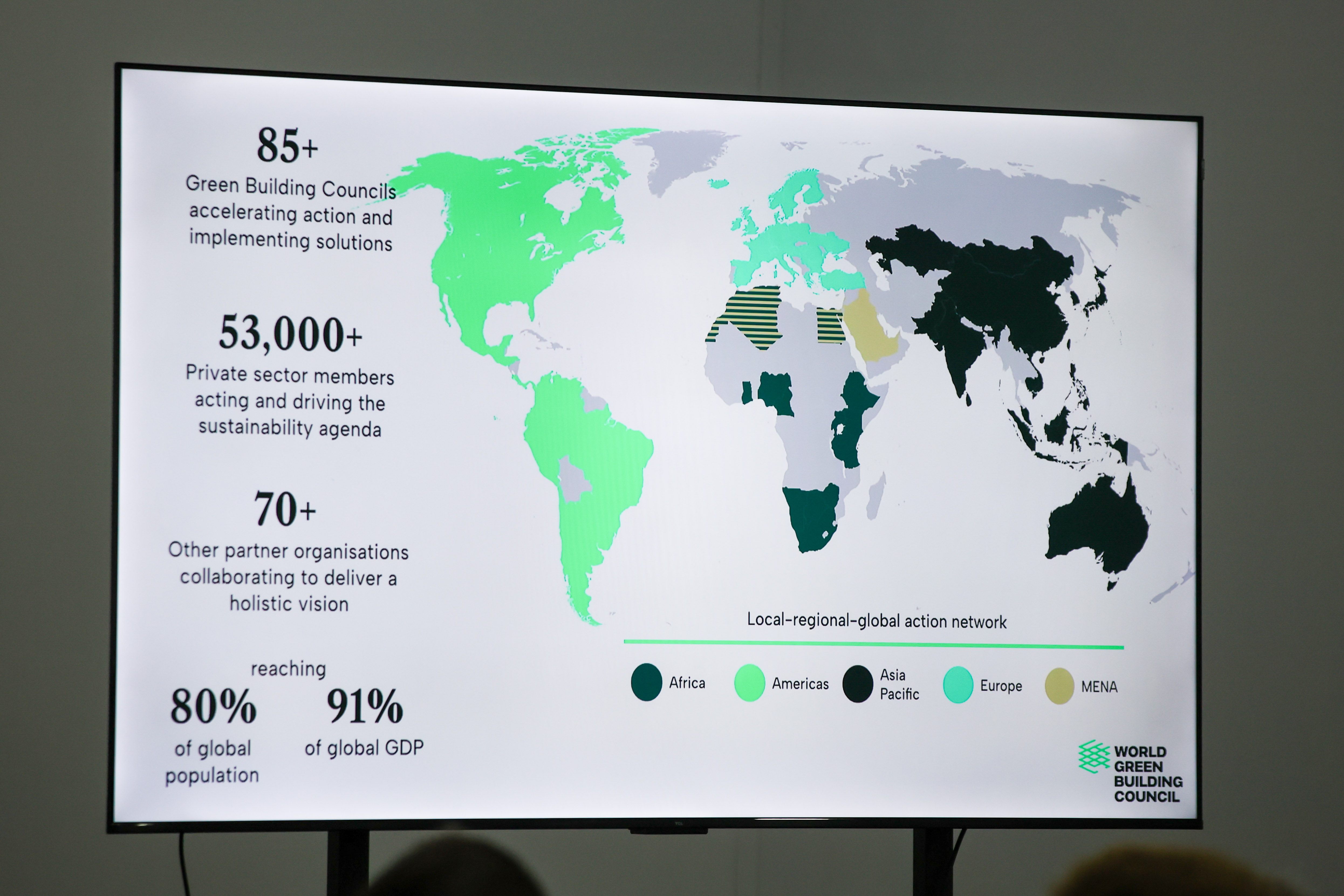
A slide from Cristina Gamboa's presentation
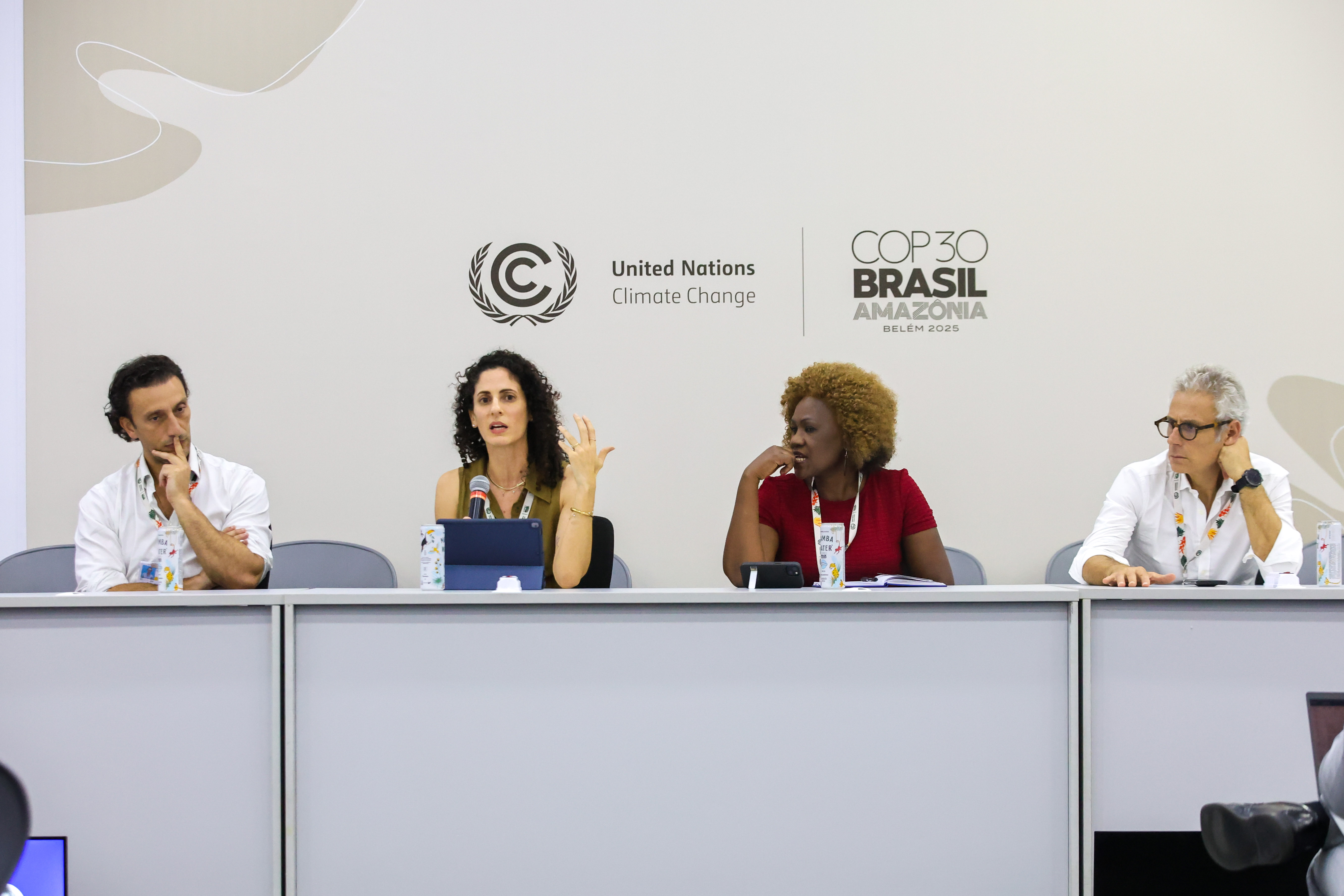
A view of the panel on policy solutions
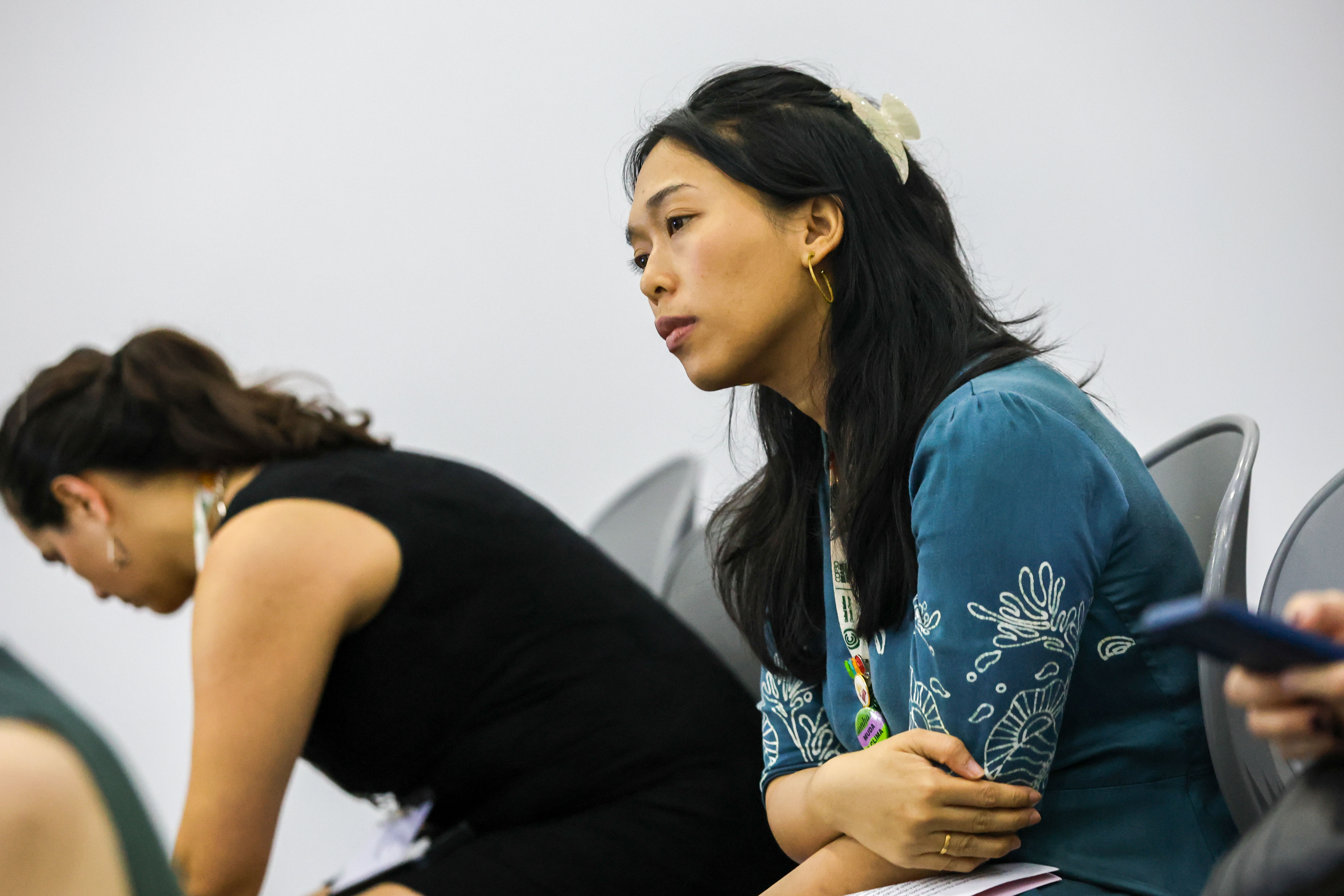
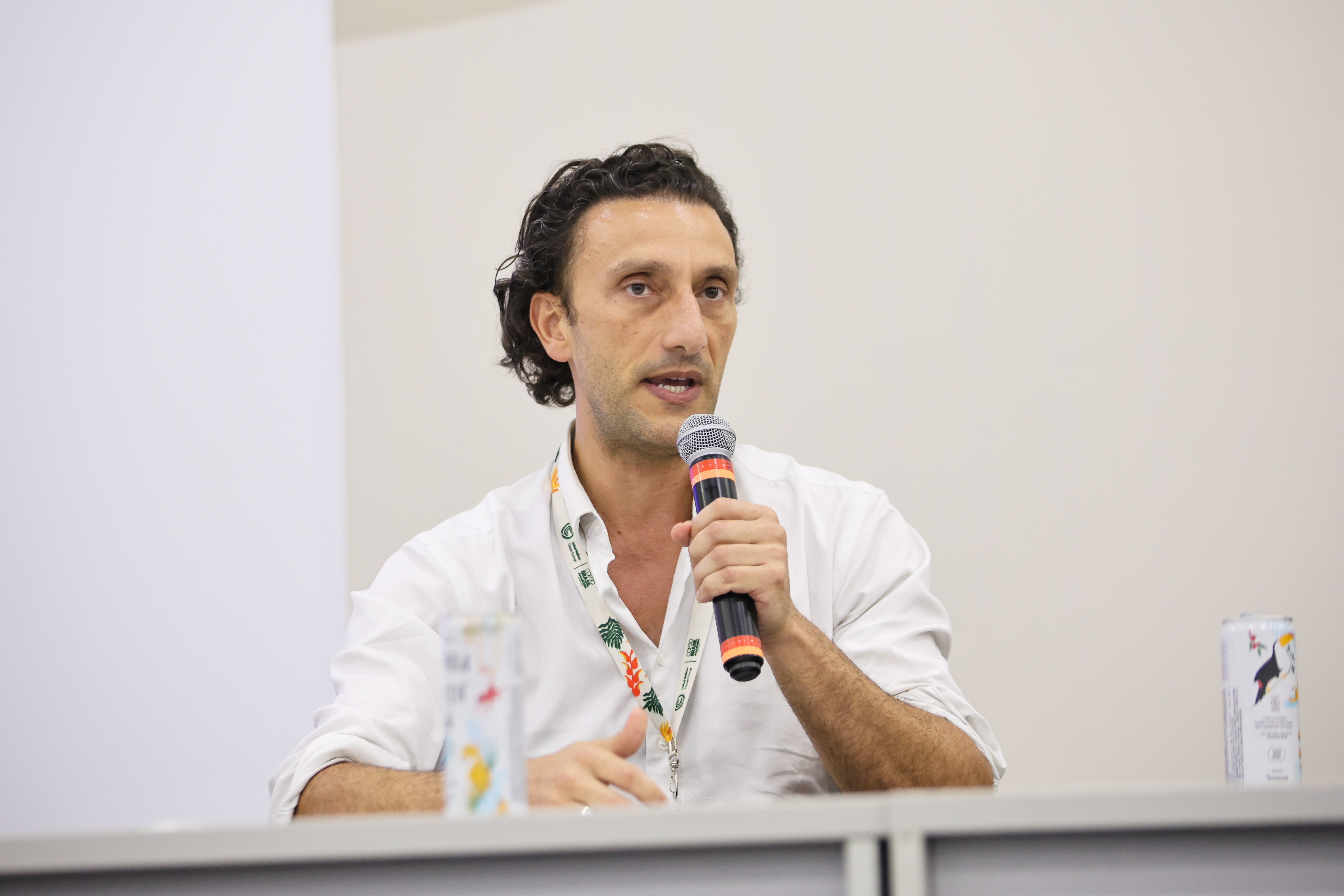
Felipe Faria, Chief Executive Officer, Brazil GBC
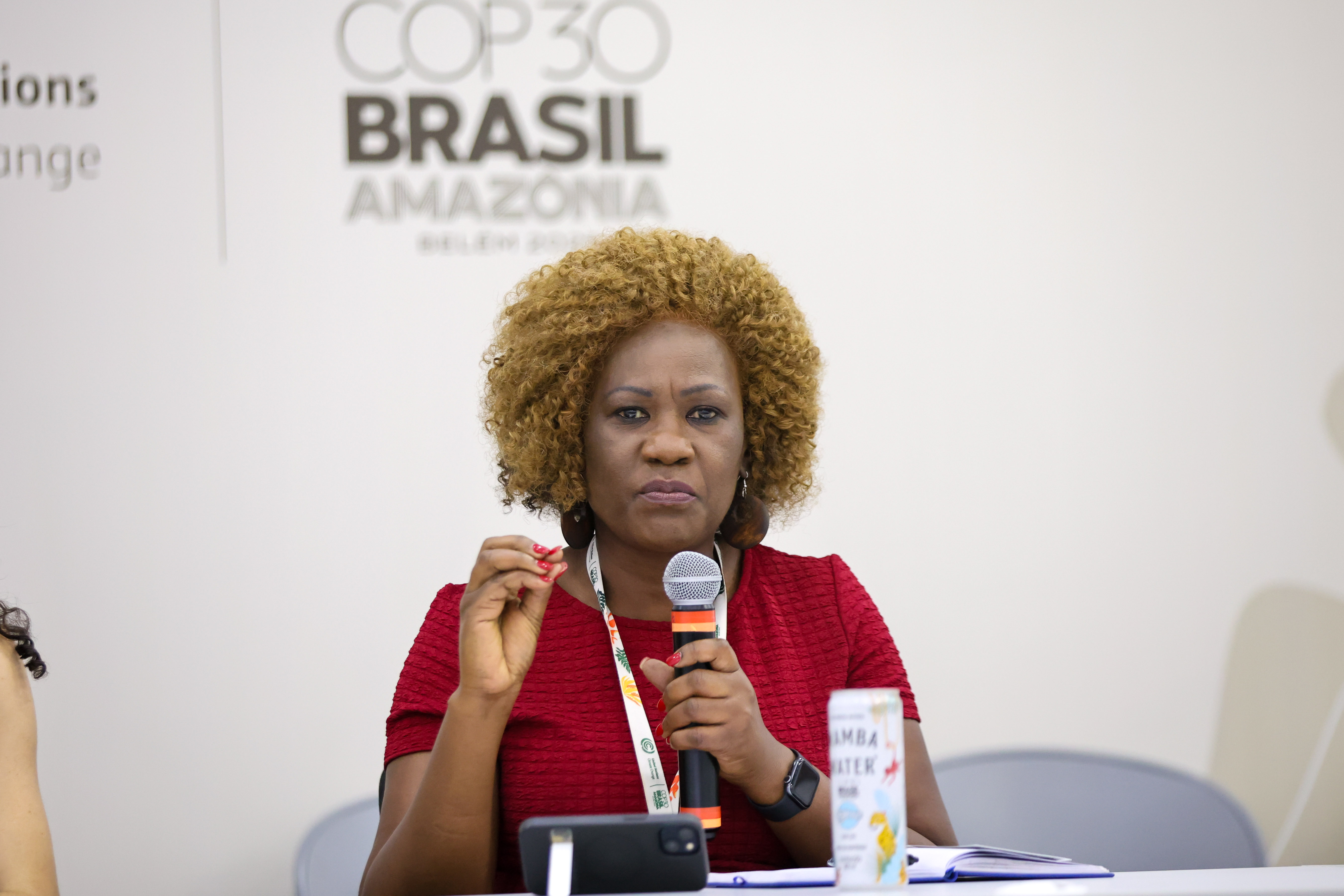
Rebecca Ochong, Director, Government Relations and International Advocacy, Habitat for Humanity International
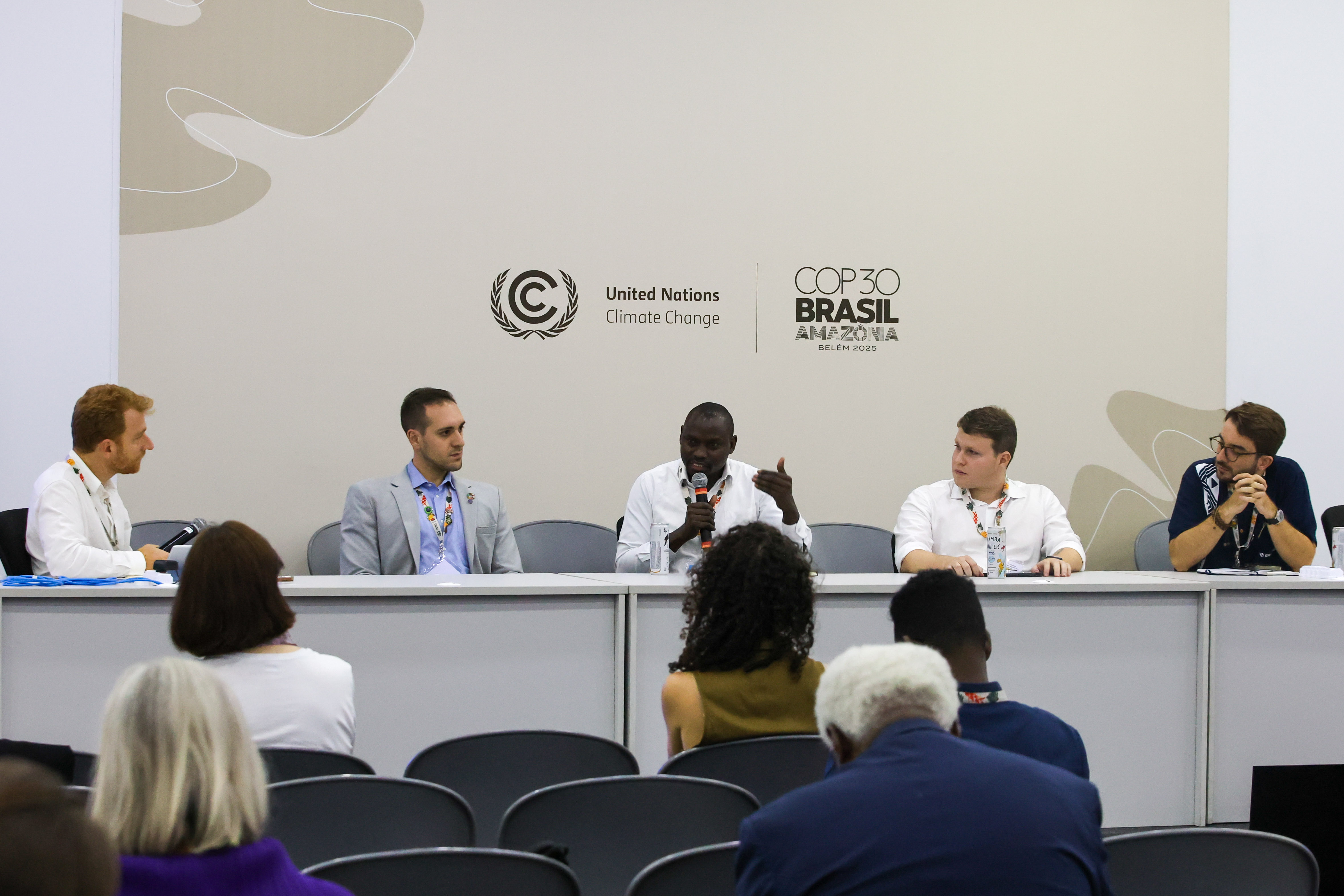
A view of the panel on technical solutions
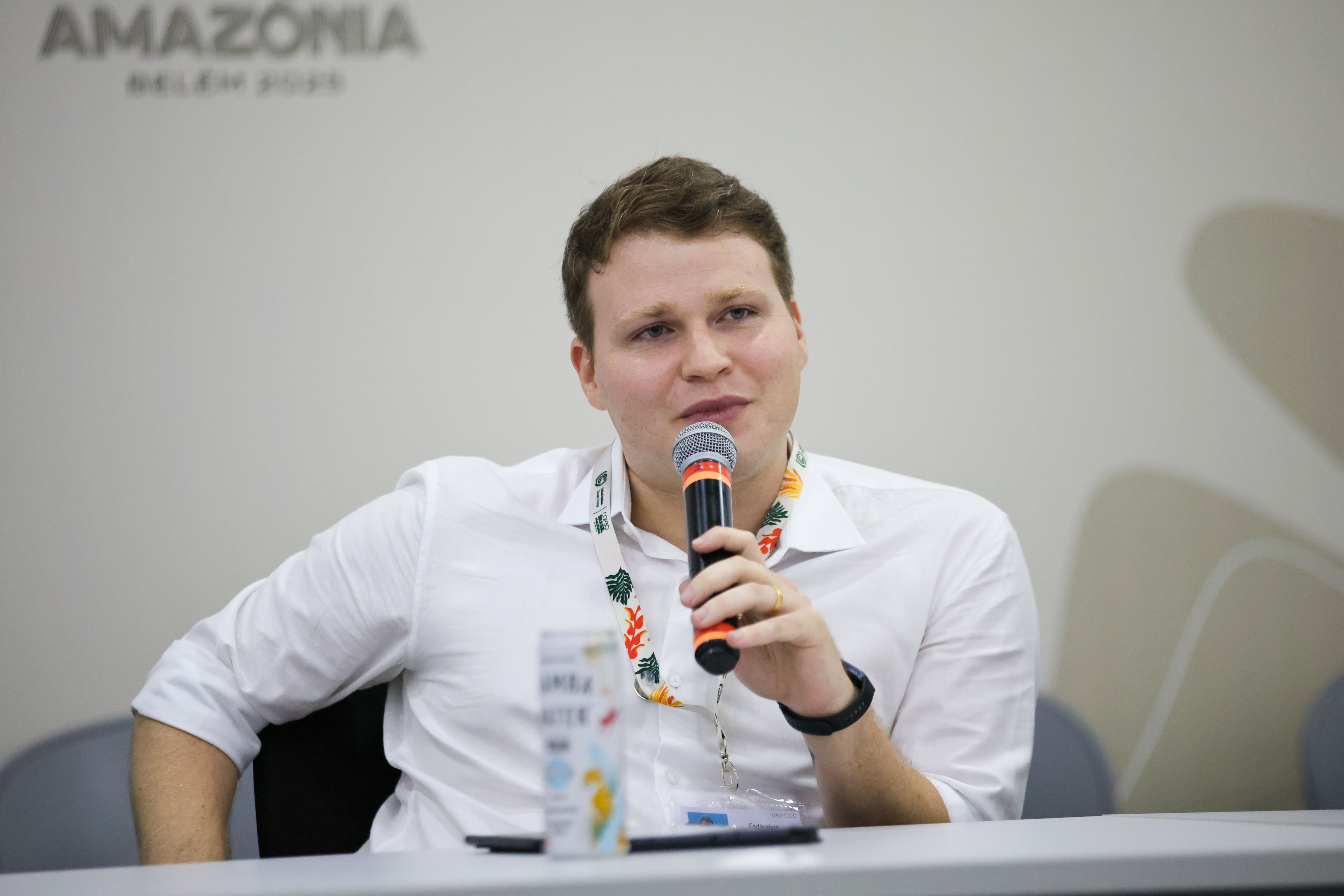
Artur Brito, TPF Engenharia and Chair, Future Leaders Council, FIDIC
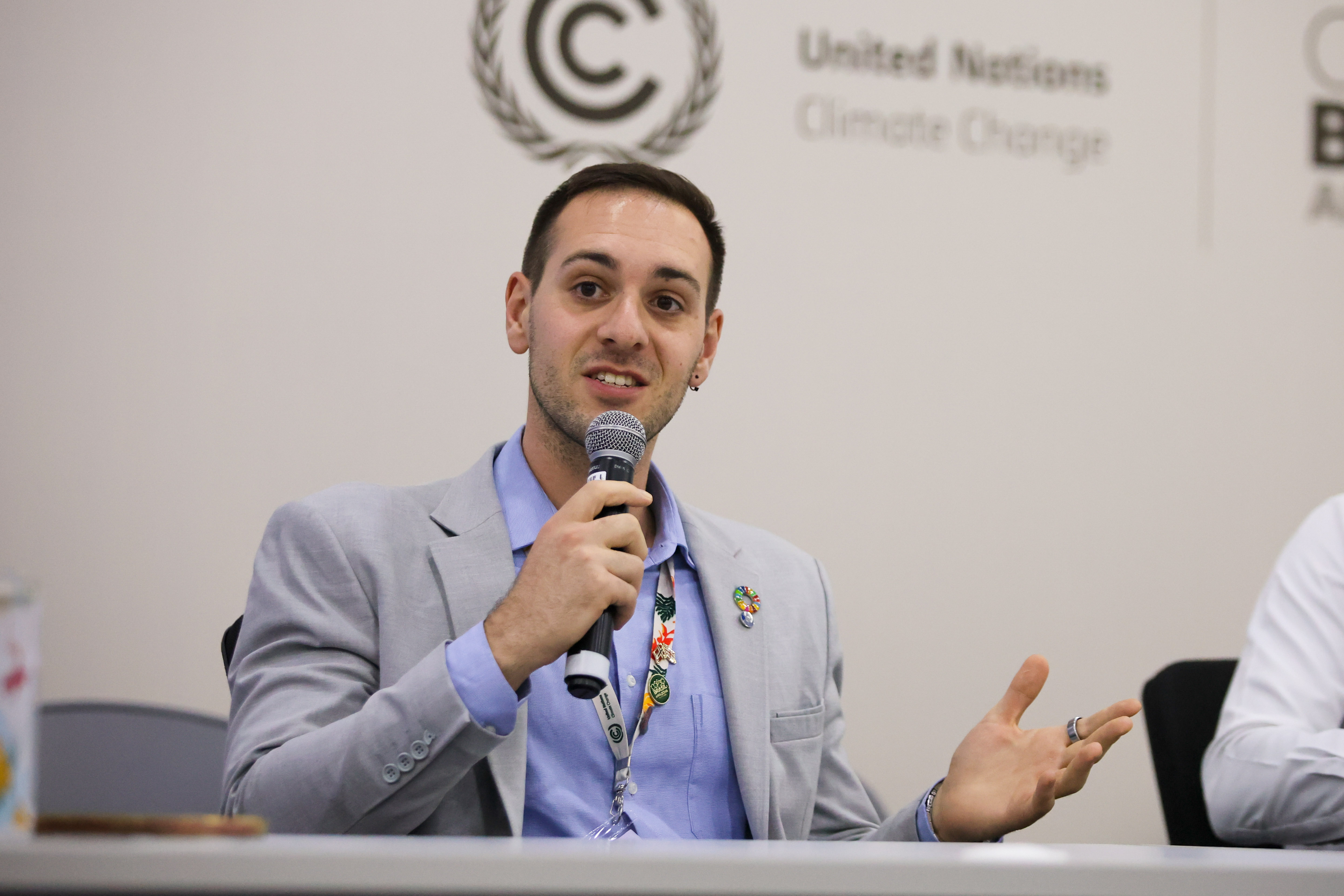
Evangelos Pastras, Senior Energy Storage Consultant, DNV, and member, WFEO Committee on Young Engineers