About
Accelerating Blue Package momentum to unlock the climate-fighting potential of the Ocean, stakeholders gathered to launch new resources to track progress on ocean health and achieve a cleaner ocean economy.
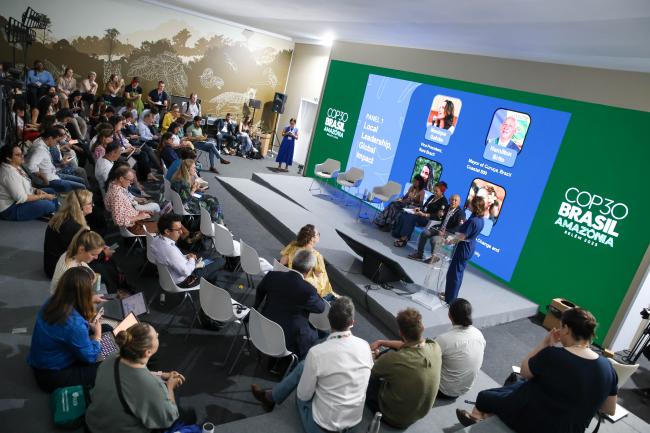
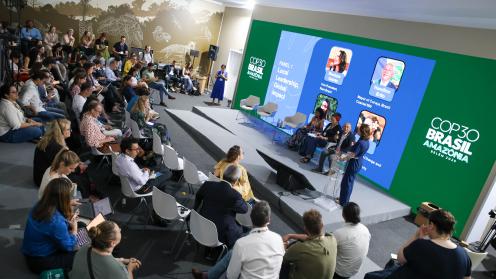
The first Global Stocktake (GST) under the Paris Agreement exposed a crucial gap: though the global Ocean is a critical ally in the climate fight, it is underrepresented and underfunded in national action plans. With the clock ticking until the next GST, expected to be concluded in 2028, the COP 30 Action Agenda developed the Blue Package linking local leadership, decarbonized shipping, and capital mobilization to accelerate high-impact ocean-based solutions. On Ocean Day, stakeholders gathered to advance ocean action at this high-level event, which launched the Ocean Breakthroughs Dashboard to track progress and the Marine Biodiversity and Ocean Health (MBOH) toolkit for a cleaner ocean economy.
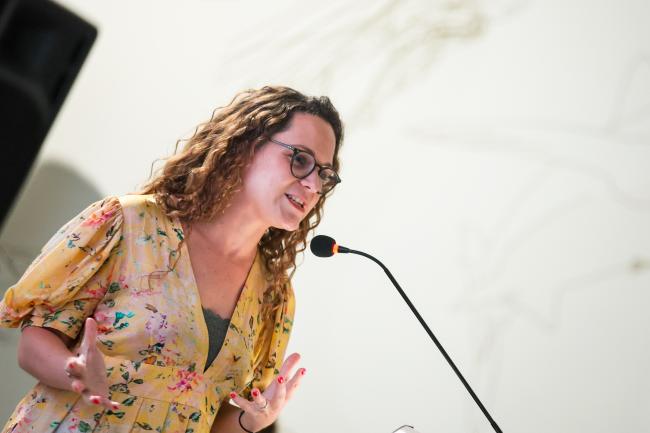
MC Loreley Picourt, Executive Director of the Ocean and Climate Platform (OCP) and Focal Point for Ocean and Coastal Zones with the Marrakesh Partnership for Global Climate Action (MP-GCA), said the spirit of “mutirão” has shaped ocean work long before COP 30. She pointed to the Ocean Breakthroughs launched at COP 28, which identify five tipping points for action by 2030 across conservation, food, energy, transport, and tourism. She also welcomed COP 30’s recognition of the Ocean as part of the solution, noting the presence of two Ocean Days this year and the role of the Blue Package in accelerating implementation.
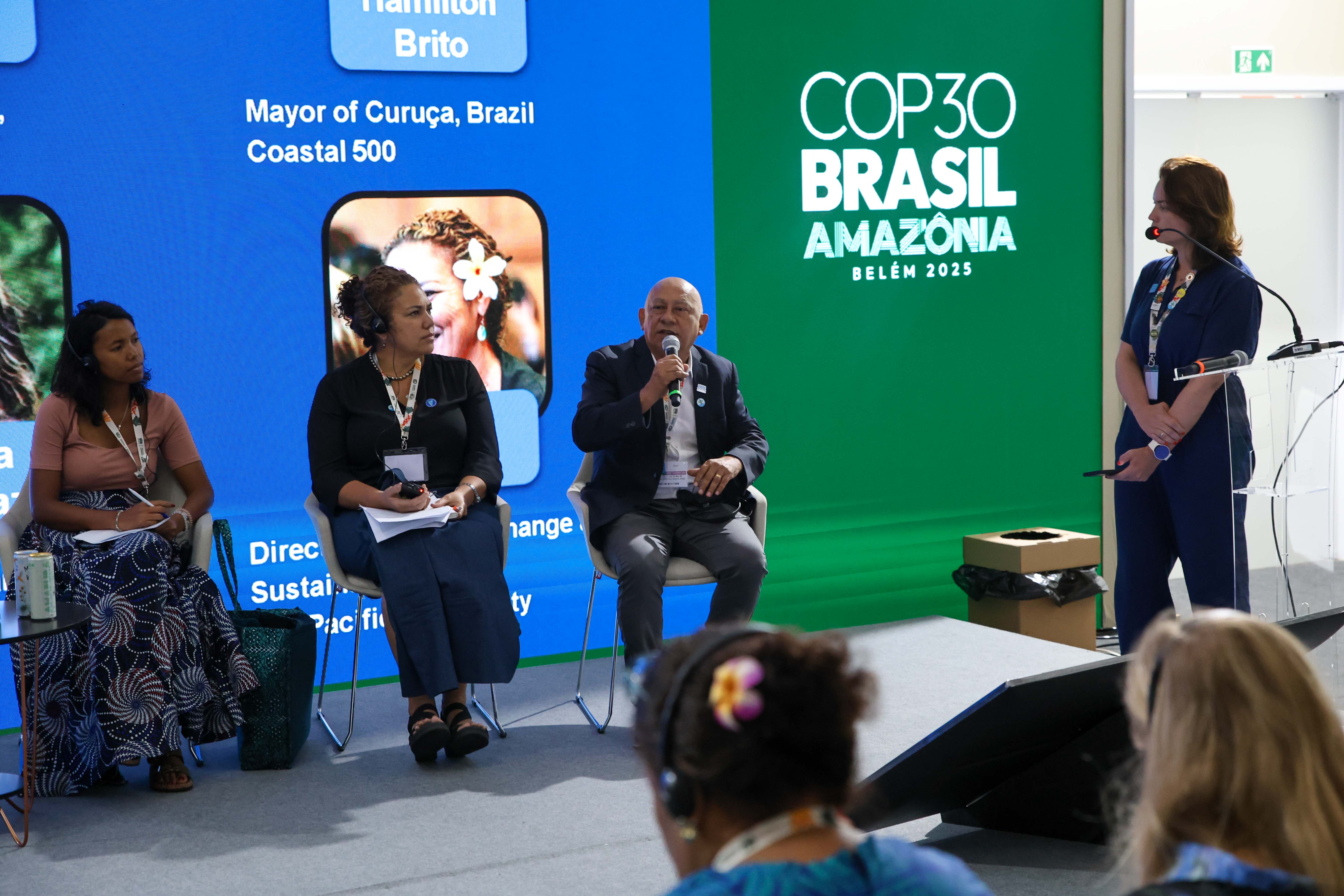
The first panel on local leadership for global impact was moderated by Monique Galvão, Vice President of Rare Brazil. Galvão highlighted the leadership of Indigenous Peoples and local communities in ocean adaptation, and announced the launch of a new breakthrough, namely the Peoples of the Oceans Breakthrough.

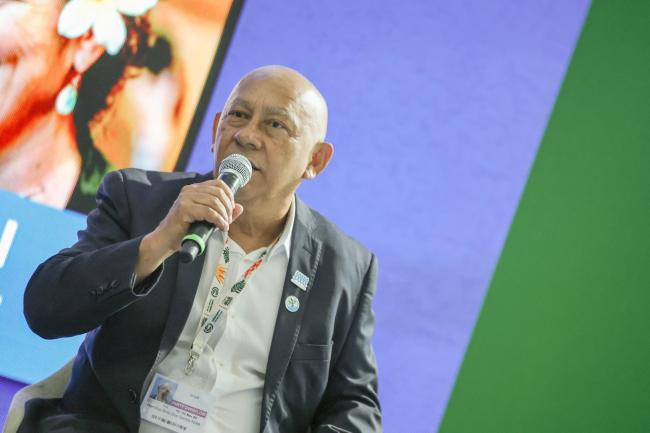
Hamilton Brito, Mayor of Curuçá and member of the Coastal 500 network, said his municipality sits in the Amazon coastal zone of Pará. He explained that sea level rise and broader climate impacts place steady pressure on coastal livelihoods and food security. Work with local communities has strengthened responses, he stressed, since solutions need to draw on ancestral knowledge and help people remain in their territories while building resilience. As an example of a successful, multigenerational initiative, he described a 20-year oyster production project that now supports more than 50 families. He added that multilevel partnerships, including cooperation with Rare Brazil, have helped amplify local perspectives in global spaces. He ended by urging the international community to invest directly in local communities in Pará.
Coral Pasisi, Director of Climate Change and Sustainability at the Pacific Community, said coastline communities hold the frontlines of climate impacts yet face major financial barriers. As an example of how a country developed its own financing arrangement , she described Niue’s Ocean Wide Trust, a public-private partnership that protects 40% of its marine area and finances conservation through voluntary nature credits. This includes through Ocean Conservation Commitments, an innovative financing mechanism that helps fund the protection of one km² of Niue’s ocean waters for 20 years. She also pointed to other initiatives, including tuna supply chains in Micronesia that channel part of their value back into conservation, and communities partnering with insurance companies in Fiji to protect coral reefs and reduce risk.
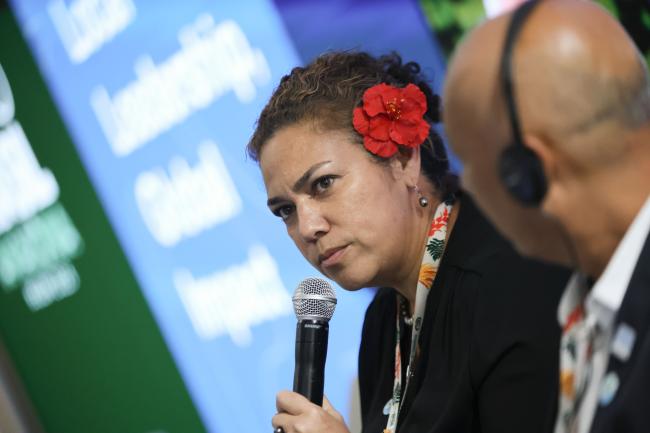
Vatosoa Rakotondrazafy, Regional Coastal and Ocean Governance Manager at International Union for Conservation of Nature’s Eastern and Southern Africa Regional Office (IUCN ESARO), outlined the Peoples of the Oceans Breakthrough. She said the initiative centers on marine local and Indigenous Peoples and is shaped through ongoing consultations. She emphasized priorities, such as rights, territory, access to funding, visibility, and capacity building. She noted that a working group is being formed and invited interested partners to join.
After the first panel, Picourt announced the launch of the Ocean Breakthroughs Dashboard which she called “the world’s first systematic tool that brings transparency and accountability to the very heart of ocean action.” Picourt stressed that the dashboard assesses progress on climate and nature goals across five key Ocean sectors: marine conservation, renewable energy, shipping, aquatic food, and coastal tourism. She said the dashboard will show gaps across these sectors and provide sector-specific findings while reflecting the reality on the ground and showcasing leadership on these goals.
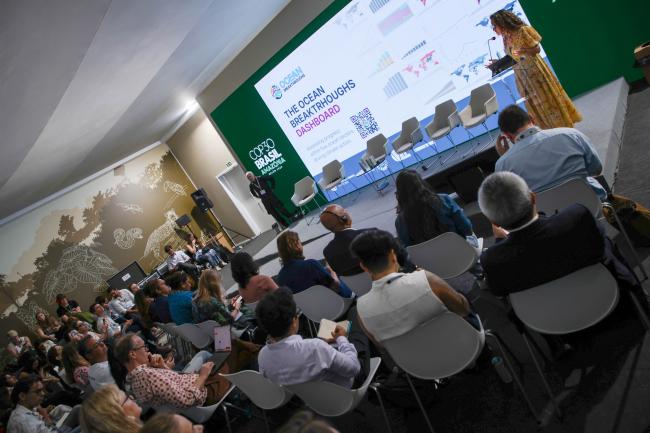
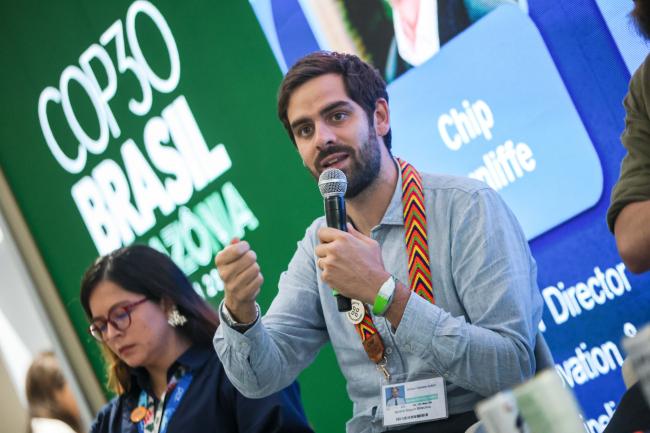
During the second panel on collective acceleration through the Ocean Breakthroughs, moderated by Chip Cunliffe, Senior Director Innovation & Pipeline Development, Ocean Risk and Resilience Action Alliance (ORRAA), stakeholders offered examples of action to advance and scale ocean solutions.
Ignace Beguin Billecocq, Executive Director, Mangrove Breakthrough, highlighted how the initiative is creating the architecture to accelerate action by building a coalition of government, subnational, finance, and NGO partners. Billecocq described key steps for creating clarity to investors, including: developing Nationally Determined Contributions (NDCs) that give a signal to the market; engaging at the national level to develop investment roadmaps; and mobilizing around the narrative that mangroves are key resources for carbon sequestration, adaptation, and water quality.
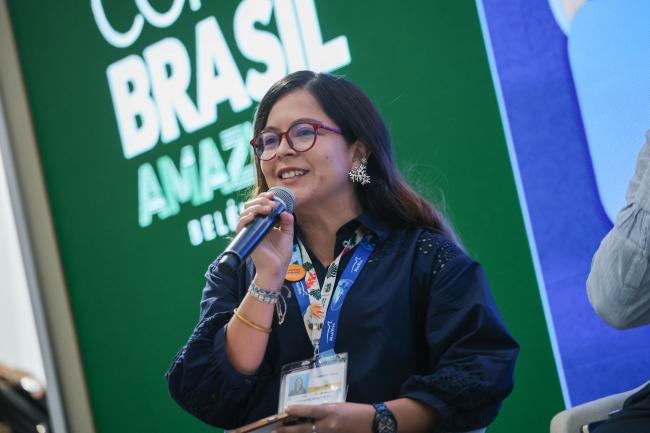
Katherine Arroyo-Arce, Executive Director, Marviva, highlighted her organization’s work to promote responsible fisheries through meaningful empowerment and effective participation. This, she said, has involved engaging in dialogue with communities and providing training for sustainable fishing practices. Arroyo underscored how this community outreach includes participatory monitoring, where communities voluntarily collect data and track fishing activity.
Oliver Page Toohey, Director of Pacific Engagement, Australia, stressed that partnerships and Pacific leadership have been essential for encouraging climate finance for ocean action. He pointed to successful partnership approaches, such as the Pacific Resilience Facility and Unlocking Blue Pacific Prosperity. He said such initiatives “demonstrate to the market an intent and accountability that can drive private-sector finance.”
In video remarks, Eleanor Besley-Gould, CEO, Sustainable Shipping Initiative, announced the launch of the MBOH toolkit. The toolkit, she said, will deliver insights on practices, partnerships, regulations and gaps, and will enable stakeholders to take informed action to protect marine biodiversity and economic resilience.
Picourt closed the event by highlighting that the enabling conditions are in place to deliver tangible results by 2028.
Organizers: MP-GCA Ocean & Coastal Zones, High-Level Climate Champions, Rare, Coastal 500, Ocean & Climate Platform, ORRAA, Sustainable Shipping Initiative
Contact: Cyrielle Lam I [email protected]
Website: https://ocean-climate.org
To receive free coverage of global environmental events delivered to your inbox, subscribe to the ENB Update newsletter.
All ENB photos are free to use with attribution. For 2025 UN Climate Change Conference, Belém - Side Events, please use: Photo by IISD/ENB | Anastasia Rodopoulou
Selected Images
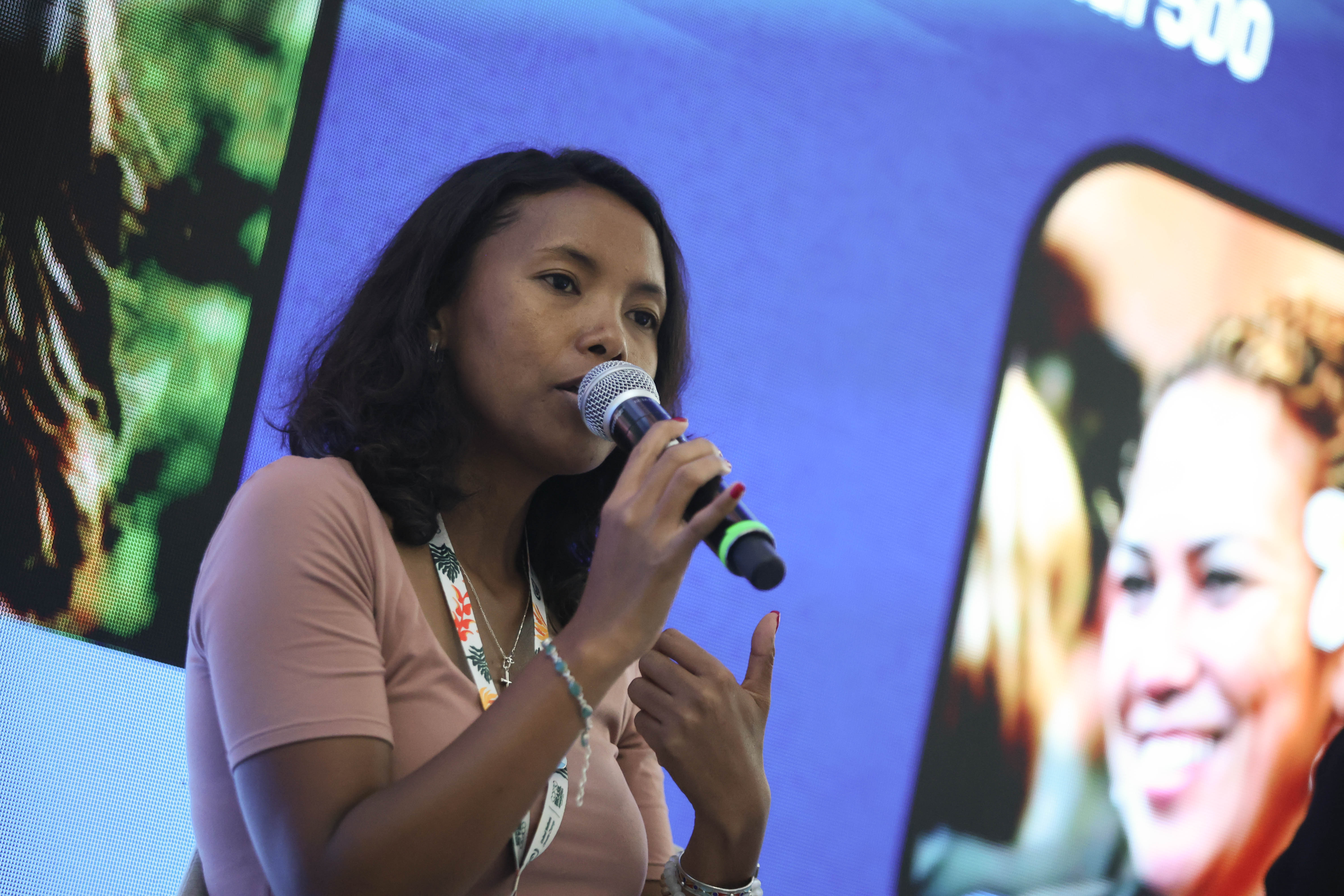
Vatosoa Rakotondrazafy, Regional Coastal and Ocean Governance Manager, IUCN ESARO
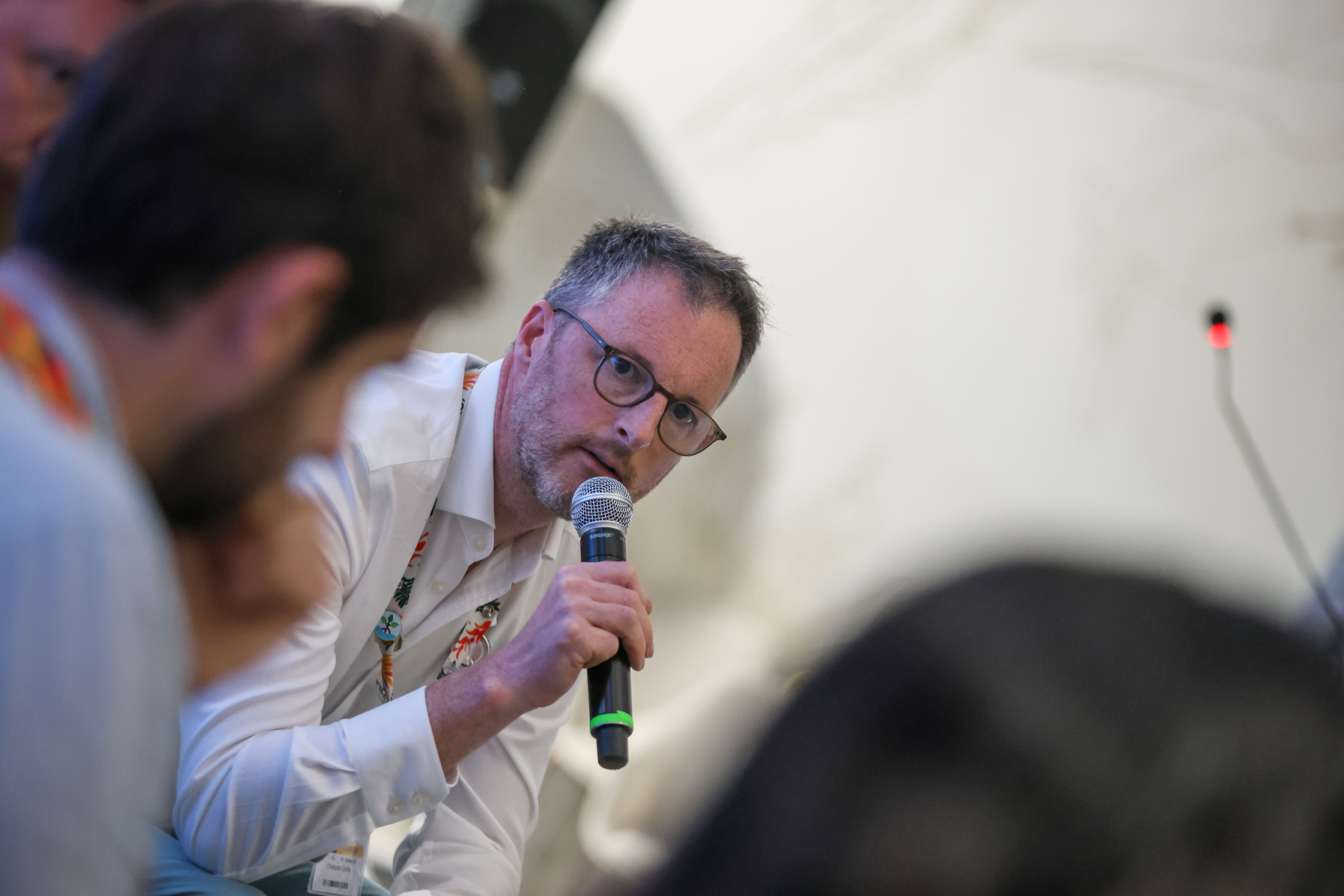
Chip Cunliffe, Senior Director, Innovation and Pipeline Development, ORRAA
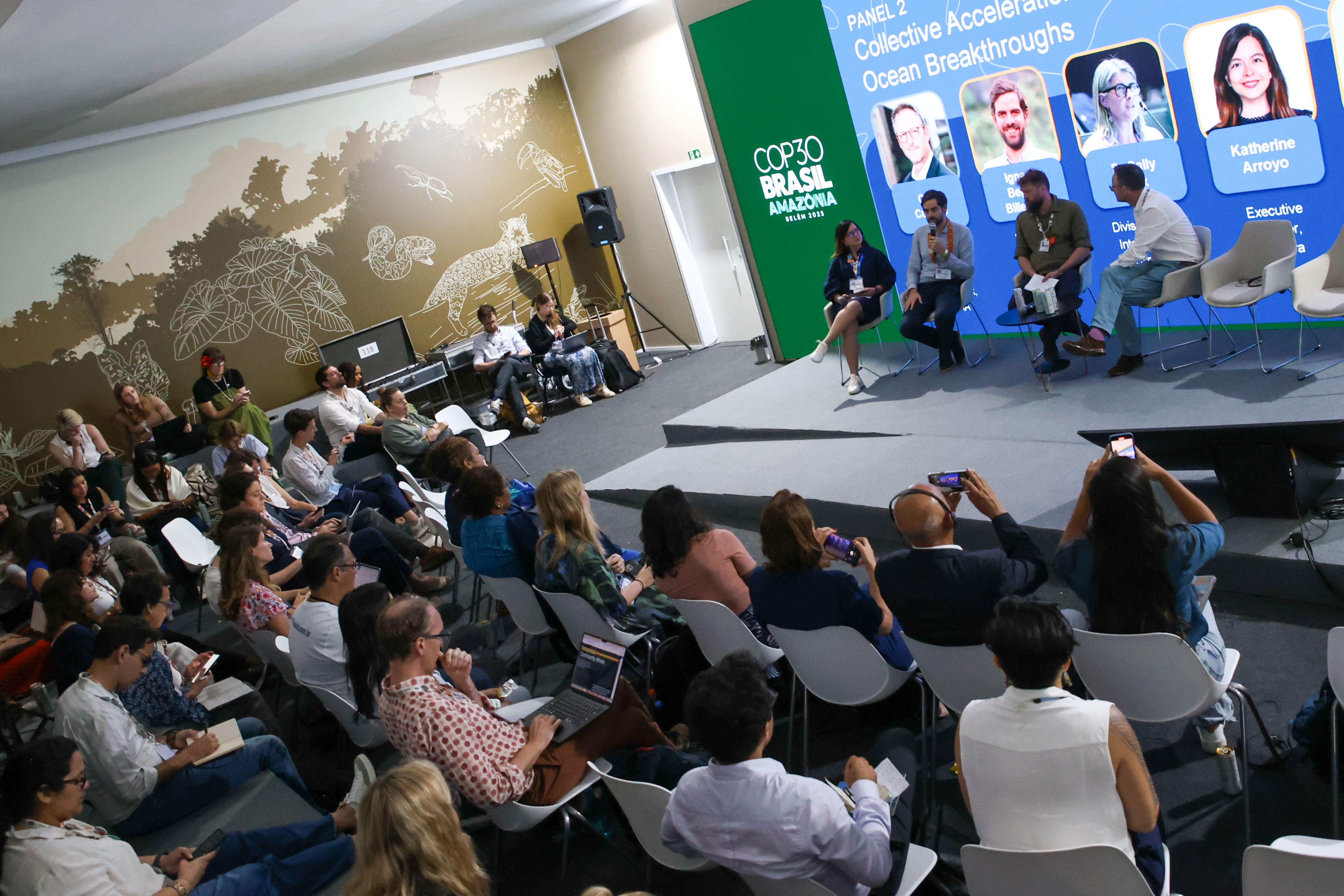

Oliver Page Toohey, Director, Pacific Engagement, Australia
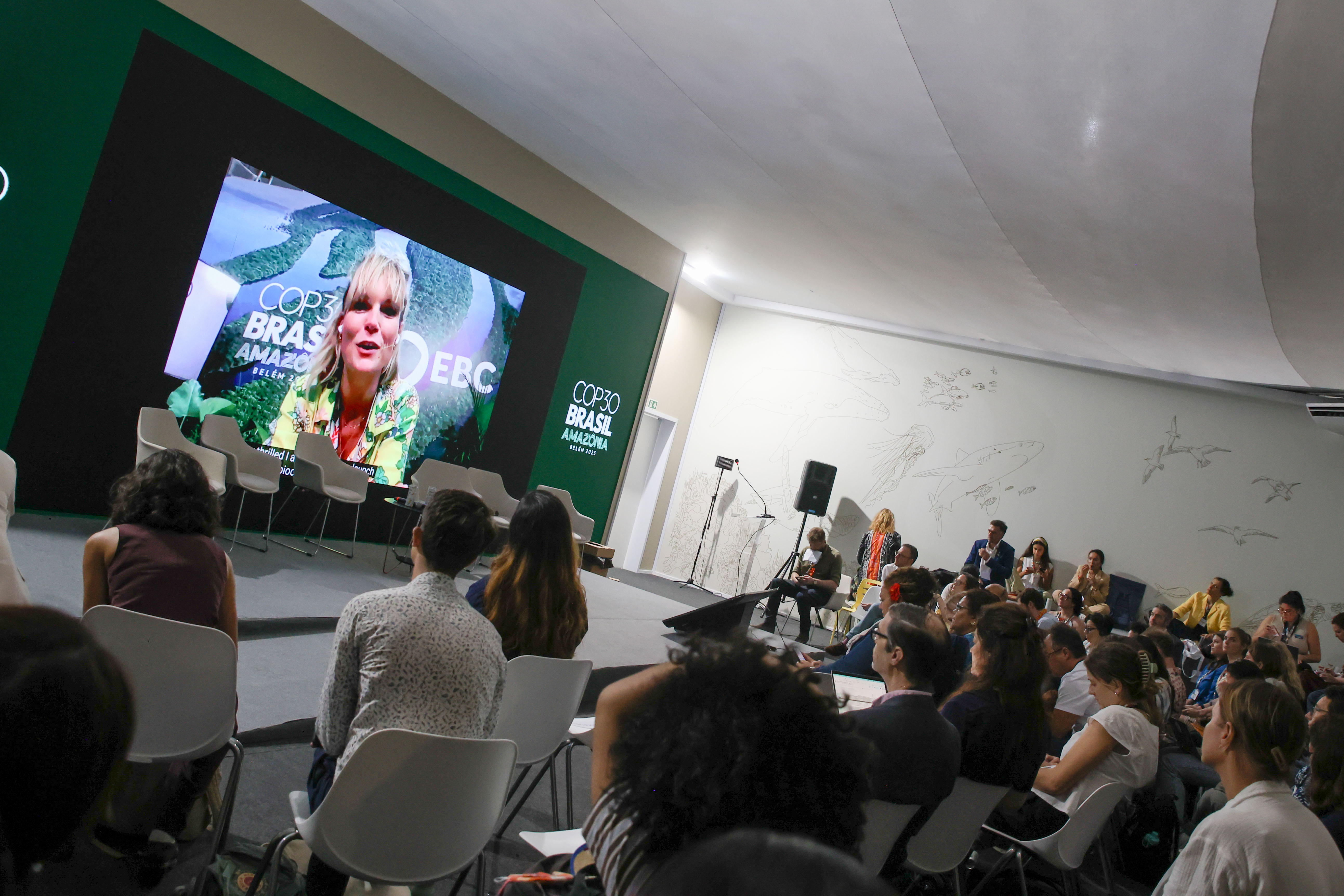
Eleanor Besley-Gould, Chief Executive Officer, Sustainable Shipping Initiative, addressed the event virtually.

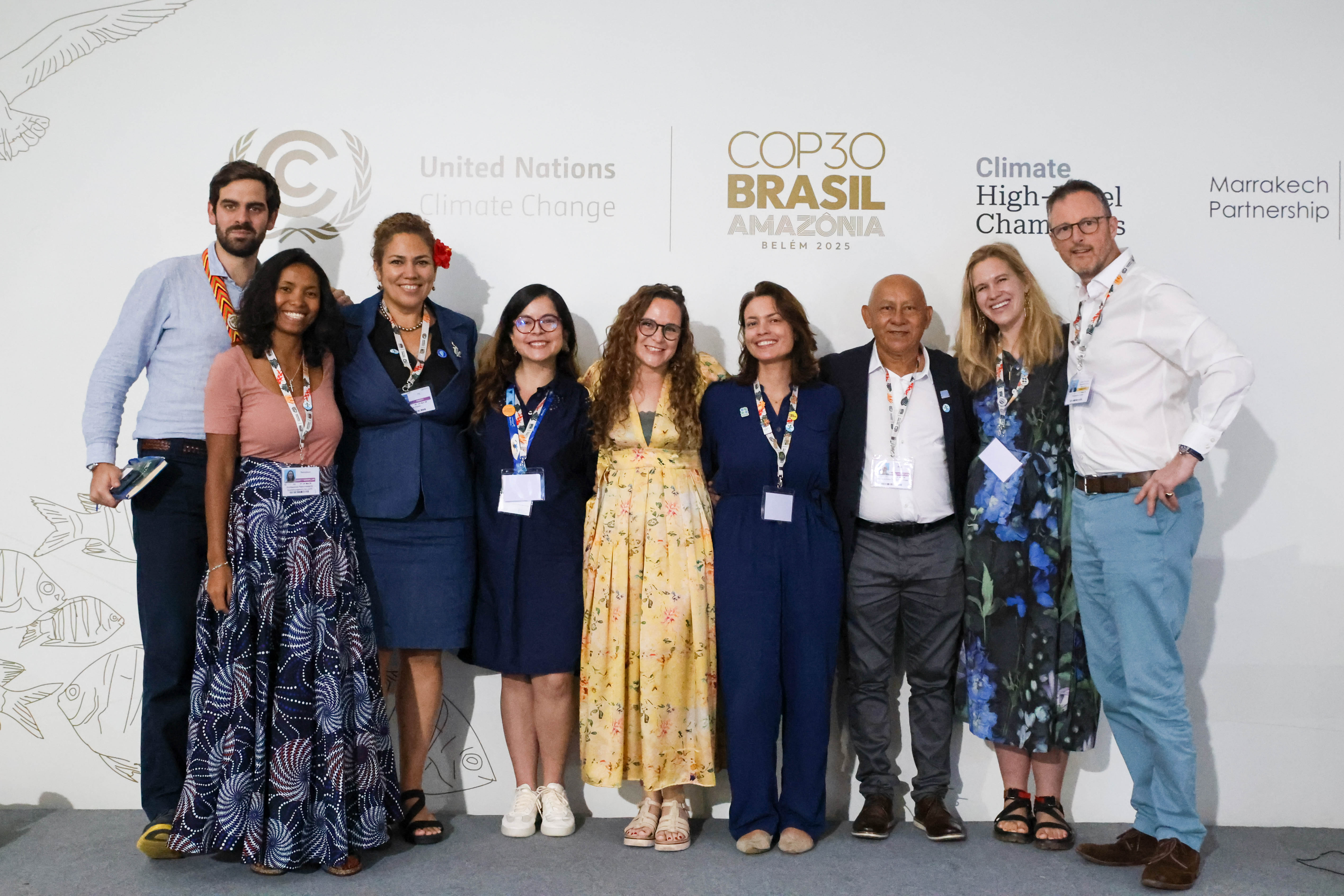
Panelists and organizers pose for a group photo at the end of the event.