About
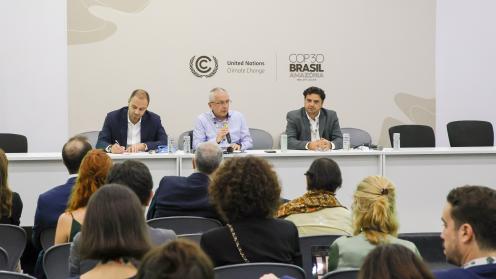
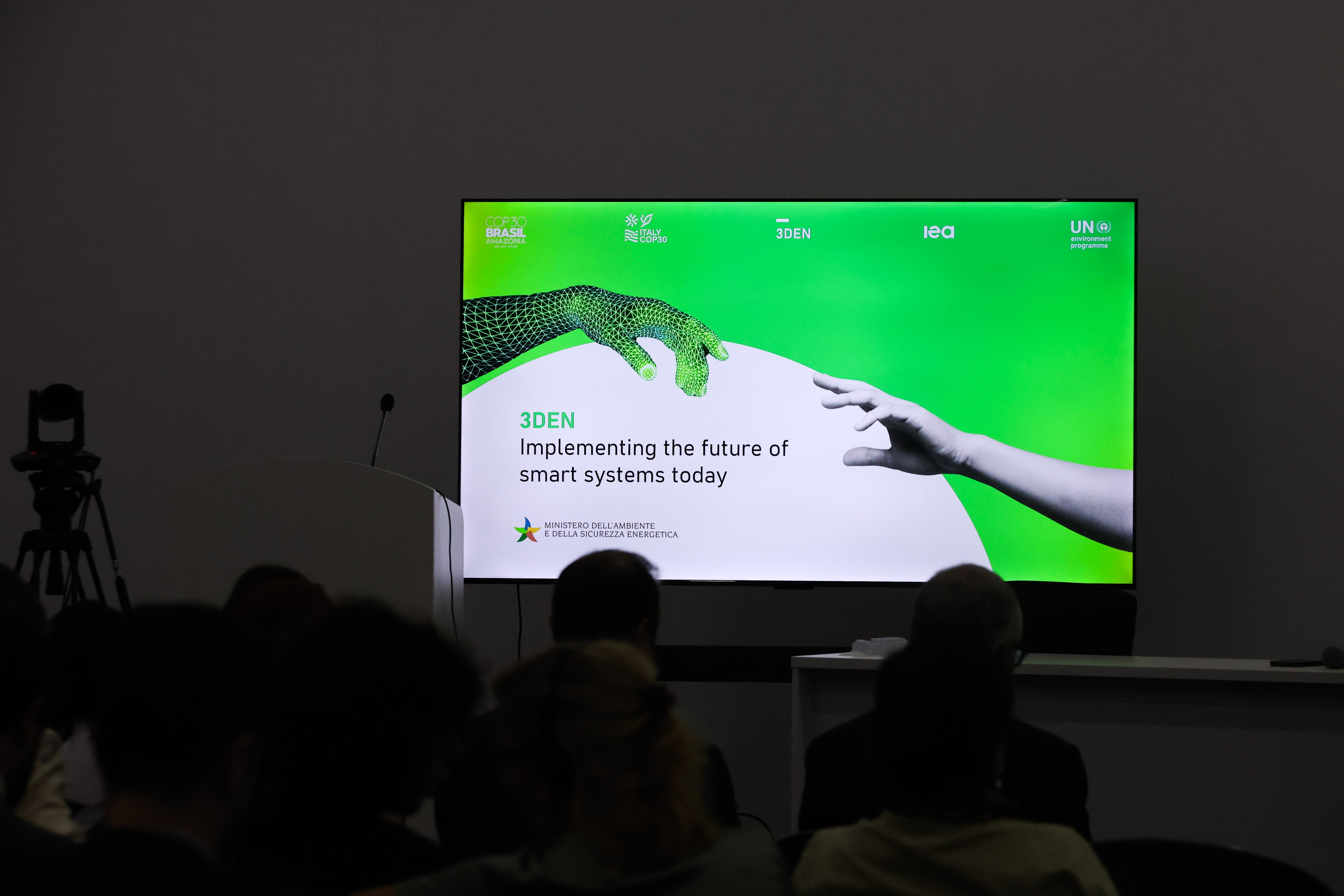
Amid strong focus on resource efficiency, this session demonstrated how digital tools strengthen power systems. UNEP, the IEA, and Italy unveiled 14 new projects under phase two of the 3DEN Initiative.
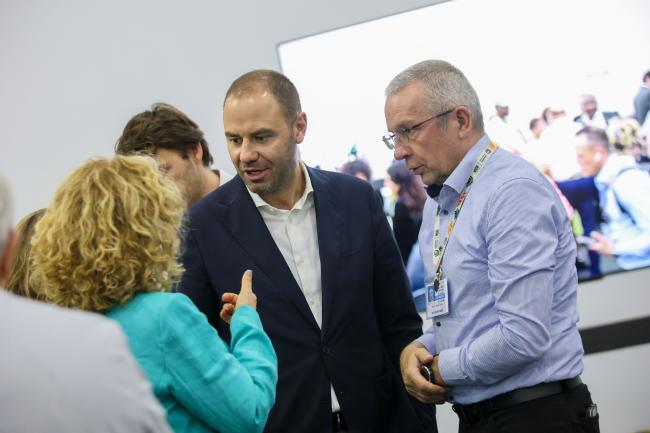
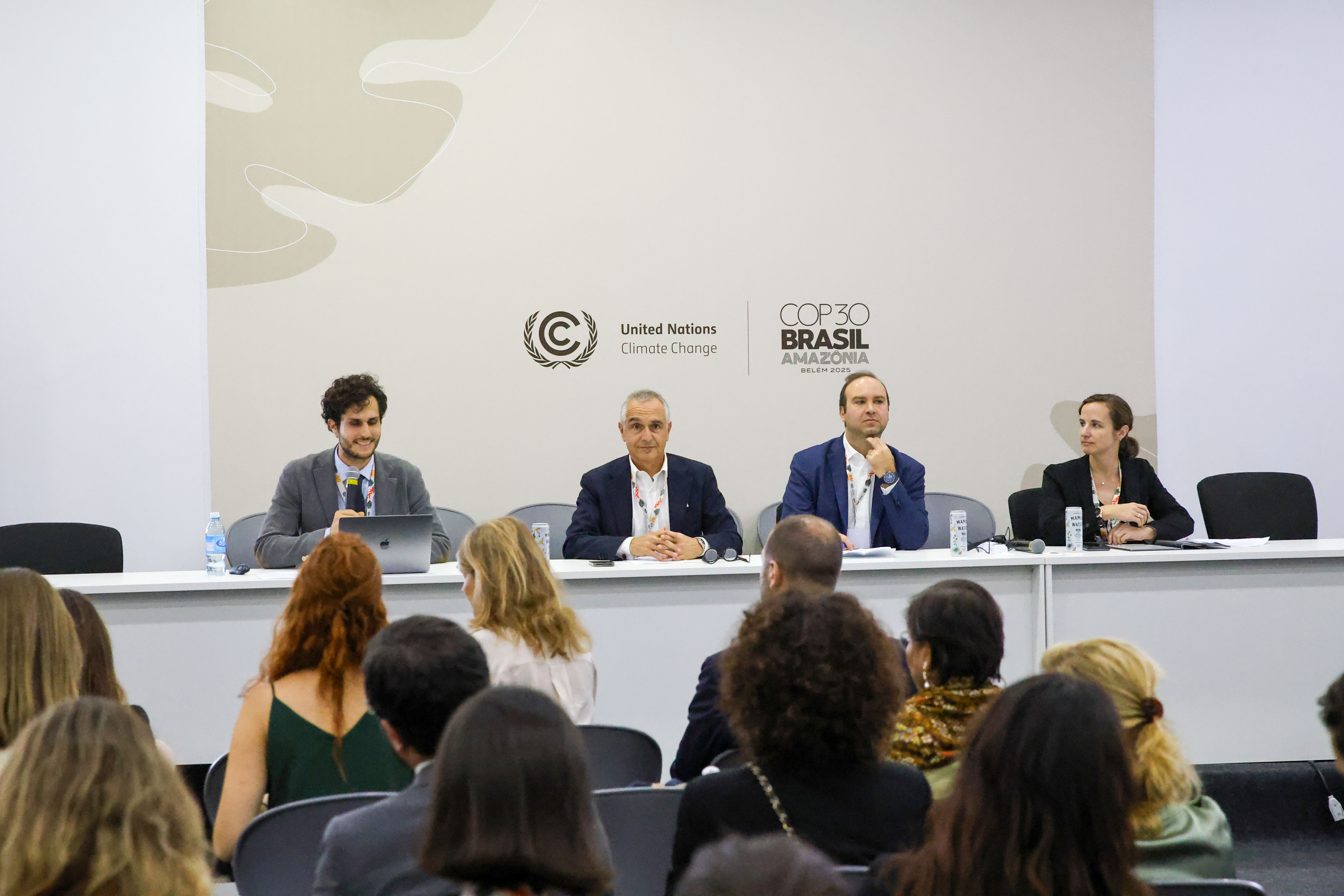
At COP 30, resource efficiency and digitalization feature prominently, but meaningful outcomes depend on what is implemented on the ground. Since 2021, the Digital Demand-Driven Electricity Networks (3DEN) Initiative has demonstrated how digital tools can strengthen power systems worldwide. During this side event, the UN Environment Programme (UNEP), the International Energy Agency (IEA), and Ministry of Environment and Energy Security (IMEES/MASE) announced the initiative’s second phase, which brings 14 additional projects to Africa and Brazil.
Annalidia Pansini, Senior Policy Advisor on Decarbonization and Climate Change, Ministry of Environment and Energy Security, Italy, moderated an institutional segment. She opened by noting that COP 30 places strong attention on digitalization and resource efficiency, as well as on implementation. She said 3DEN fits this agenda by translating these themes into concrete projects that generate real benefits for communities and the private sector.
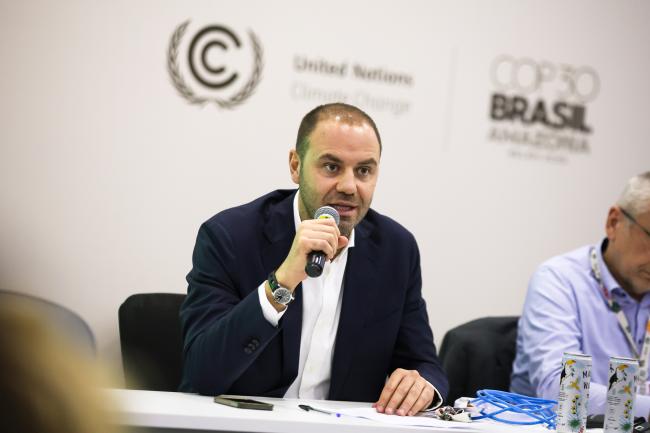
Alessandro Guerri, Director General, Ministry of Environment and Energy Security, Italy, then highlighted the significant increase in Italy’s climate finance contribution in 2024, and framed 3DEN, which is backed by Italy, as a practical tool for accelerating energy efficiency and digital transformation. He emphasized the programme’s rigor, describing how UNEP provides technical depth, how tenders are evaluated by external experts, and how partners commit part of the financing themselves. He said Italy hopes COP 30 will help expand the visibility of 3DEN so its model can be replicated globally.
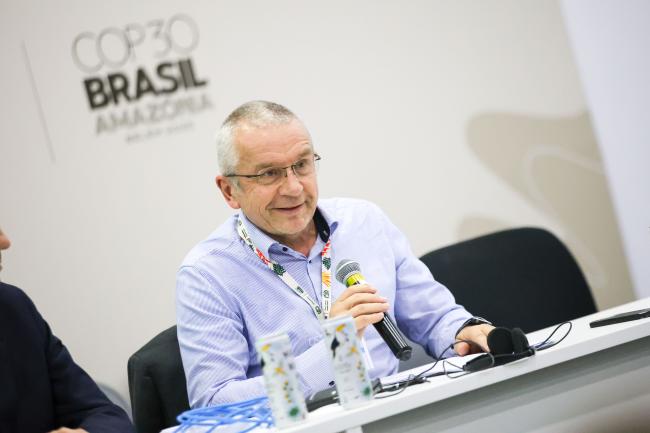
Martin Krause, Director, Climate Change Division, UNEP, positioned 3DEN as a rare example of implementation already delivering measurable results. He noted that digitalization is transforming how energy is produced and consumed, offering faster integration of renewables and potentially saving US 1.2 trillion in grid efficiency by 2050. He highlighted the impact of several projects from 3DEN’s Phase I: households in Brazil reduced electricity bills by 70% and experienced 60% fewer blackouts; a digital twin in New Delhi improved reliability for tens of thousands of users; Colombia enhanced supply for 300,000 consumers; and Morocco’s largest mineral water company cut energy use by 25%. Across four pilots, he said 3DEN reached 340,000 people, added 26 MW of clean power, mobilized US 9.2 million, and reduced more than 5,000 tonnes of CO2. He announced that Phase II will reach seven African countries and introduce 14 new projects worth US 28.6 million, including new work on agriculture and rural productivity.
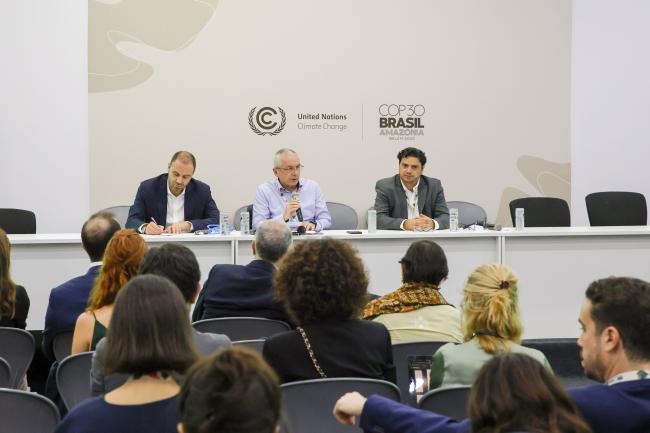
Adalberto Maluf, National Secretary of Urban Environment and Environmental Quality, Brazil, situated these results within Brazil’s broader clean energy transition. With 90% of Brazil’s electricity already renewable, he said digital tools are now essential for managing rapid solar and wind growth, reducing curtailment, and overcoming legacy constraints in grid operations. He emphasized that digitalization can expand rural productivity, generate green jobs, lower bills for low-income households, and support Brazil’s efforts to reduce inequality. He welcomed cooperation between Brazil, Italy, and UNEP around 3DEN, and stressed the importance of reliable data and transparent information systems for further progress.
A segment on implementation, moderated by Alessandra Fidanza, Senior Advisor, Ministry of Environment and Energy Security, Italy, began with Ignacio Martinez Echenique, Multilateral Policy Officer, IEA reviewing Phase I of 3DEN. He said digitalization and decentralization create both opportunities and new operational complexities and argued that strong data and clear policy frameworks are essential. He summarized lessons from the first phase, including the need for reliable data, the cost effectiveness of digital solutions, the central role of skilled people, and the importance of financing and supportive regulation for scaling.
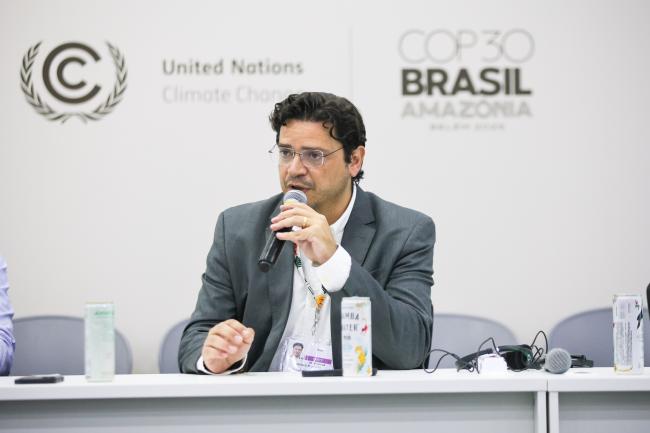
Fidanza then provided an update on Phase 2. She explained that an open call between January and May 2025 generated 93 applications from eight countries. After an evaluation process based on 3DEN assessment criteria, she said 14 projects were selected, and noted that eight of them focus on agrifood systems and six on urban energy.
The audience then heard from a cross section of Phase II projects. Antonio Scala, CEO, Enel Brasil, presented a project that will seek to strengthen São Paulo’s grid through artificial intelligence and machine learning. He described a digital twin that integrates weather forecasting, vegetation maps, and grid data to prevent outages and guide investment decisions.
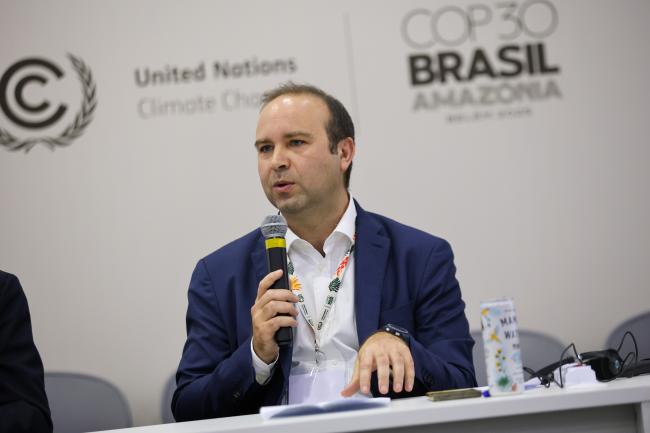
Mario Motta, Rector’s Delegate for Energy Transition, Politecnico di Milano, and Scientific Coordinator, Enersem, spoke about a project in Tunisia that introduces a digital layer for dairy processing plants that can reduce long standing inefficiencies, lower emissions, and support companies. He emphasized the potential impact of the project, as these companies represent more than 70% of Tunisia’s dairy market, and said the tools and methodologies will be publicly available and adaptable across the Middle East and North Africa (MENA) region.
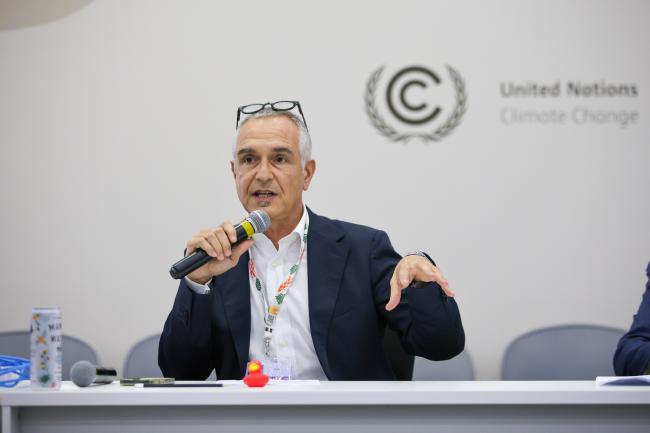
Maura Lillis, Director of Multilateral and Bilateral Partnerships, Rocky Mountain Institute, described a project in Nasarawa State, Nigeria, designed to break the cycle of high losses and low investment in distribution companies. She said smart meters, a new data backbone, and a pay-as-you-save model will help utilities recover revenue and improve service reliability for 250,000 consumers. She highlighted opportunities to scale through investor confidence, regulatory support, and capacity building.
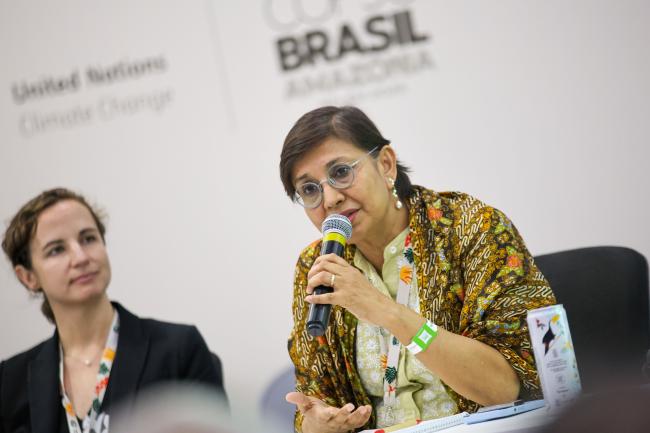
Closing the event, Kavita Sinha, Director, Private Sector Facility, Green Climate Fund (GCF), outlined how the GCF can help scale these innovations. She pointed to readiness platforms already launched in Brazil and said the GCF stands ready to support countries that prioritize digital solutions for reliability and resilience. She encouraged partners to bring forward proposals from Phase II for potential expansion and replication.
Organizers: Italian Ministry for the Environment and Energy Security, IEA, UNEP
Contact: Aarth Saraph, Associate Programme Management Officer, Finance Unit, Mitigation Branch, Climate Change Division, UNEP I [email protected]
For more information: https://www.unep.org/topics/energy/digitalization/digital-demand-driven-electricity-networks-initiative-3den
To receive free coverage of global environmental events delivered to your inbox, subscribe to the ENB Update newsletter.
All ENB photos are free to use with attribution. For 2025 UN Climate Change Conference, Belém - Side Events, please use: Photo by IISD/ENB | Anastasia Rodopoulou
Selected Images
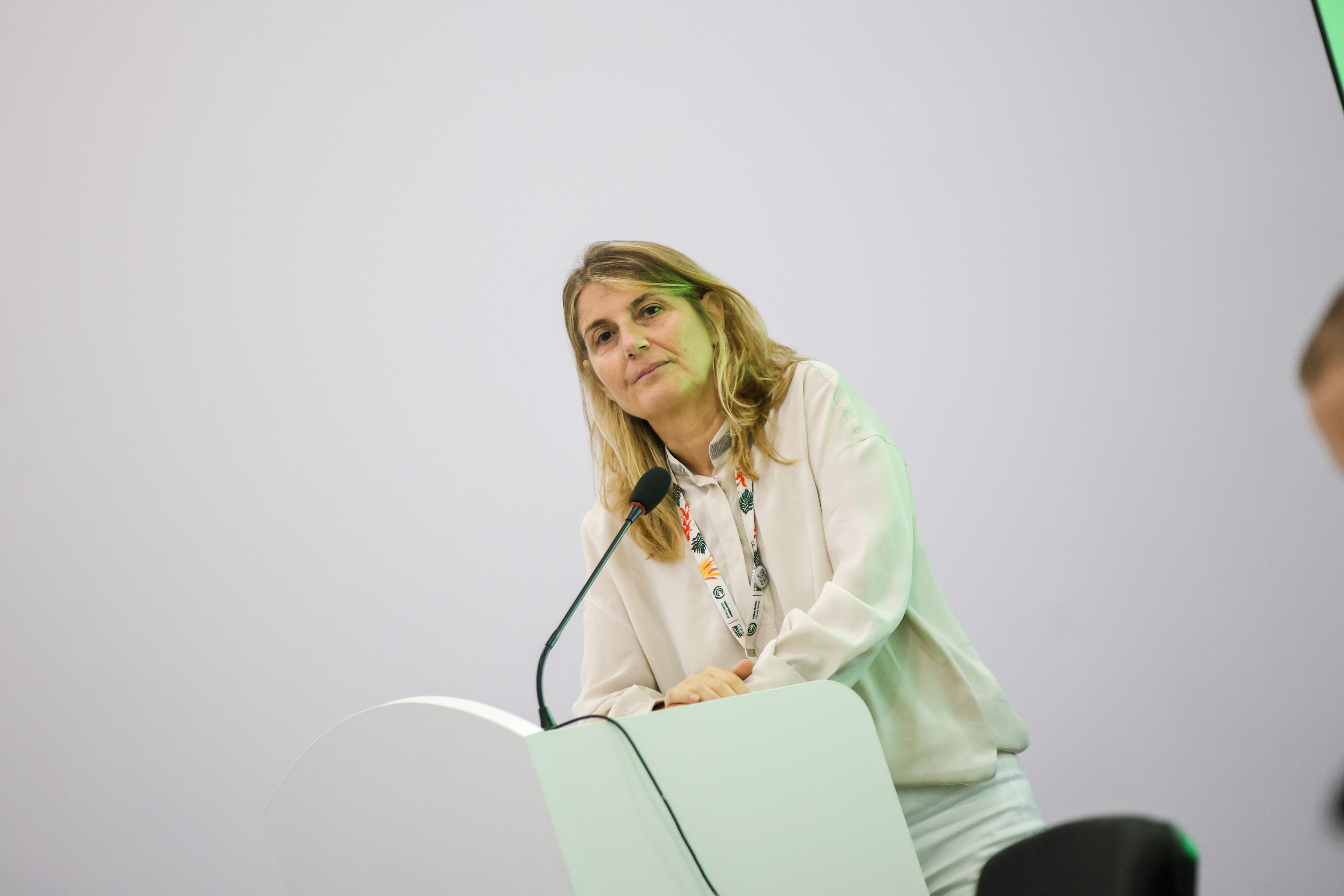
Annalidia Pansini, Senior Policy Advisor on Decarbonization and Climate Change, Ministry of Environment and Energy Security, Italy
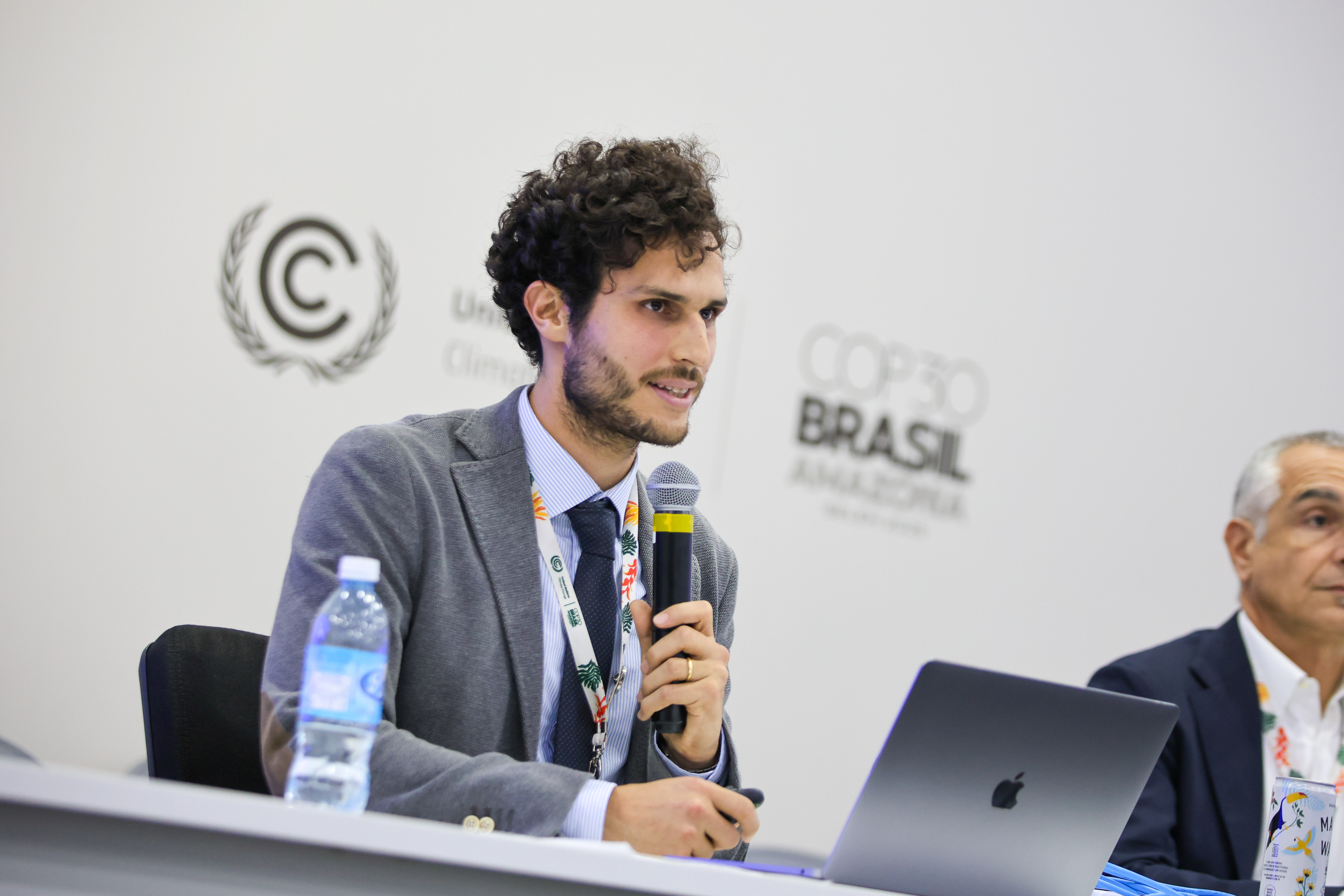
Ignacio Martinez Echenique, Multilateral Policy Officer, IEA
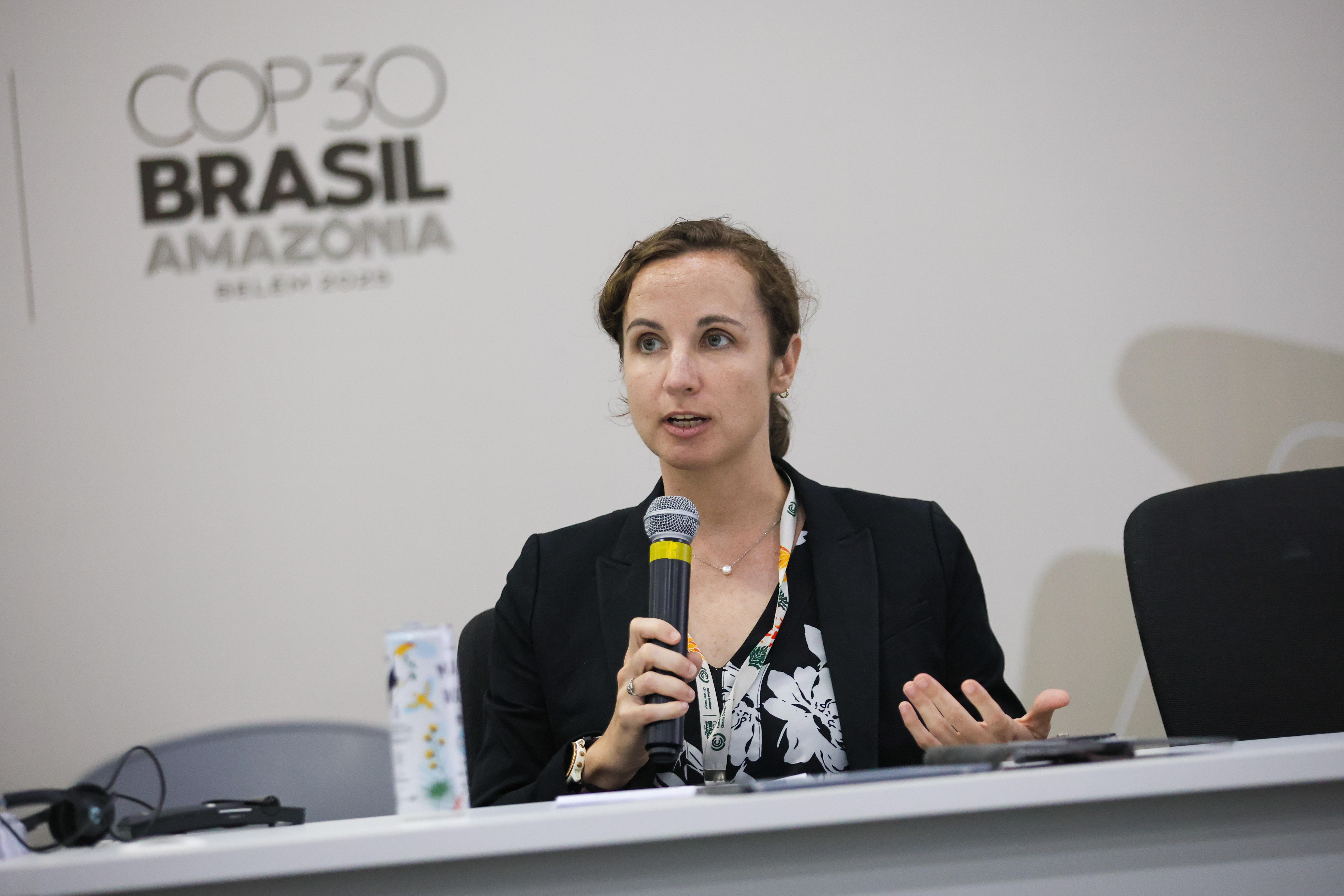
Maura Lillis, Director of Multilateral and Bilateral Partnerships, Rocky Mountain Institute
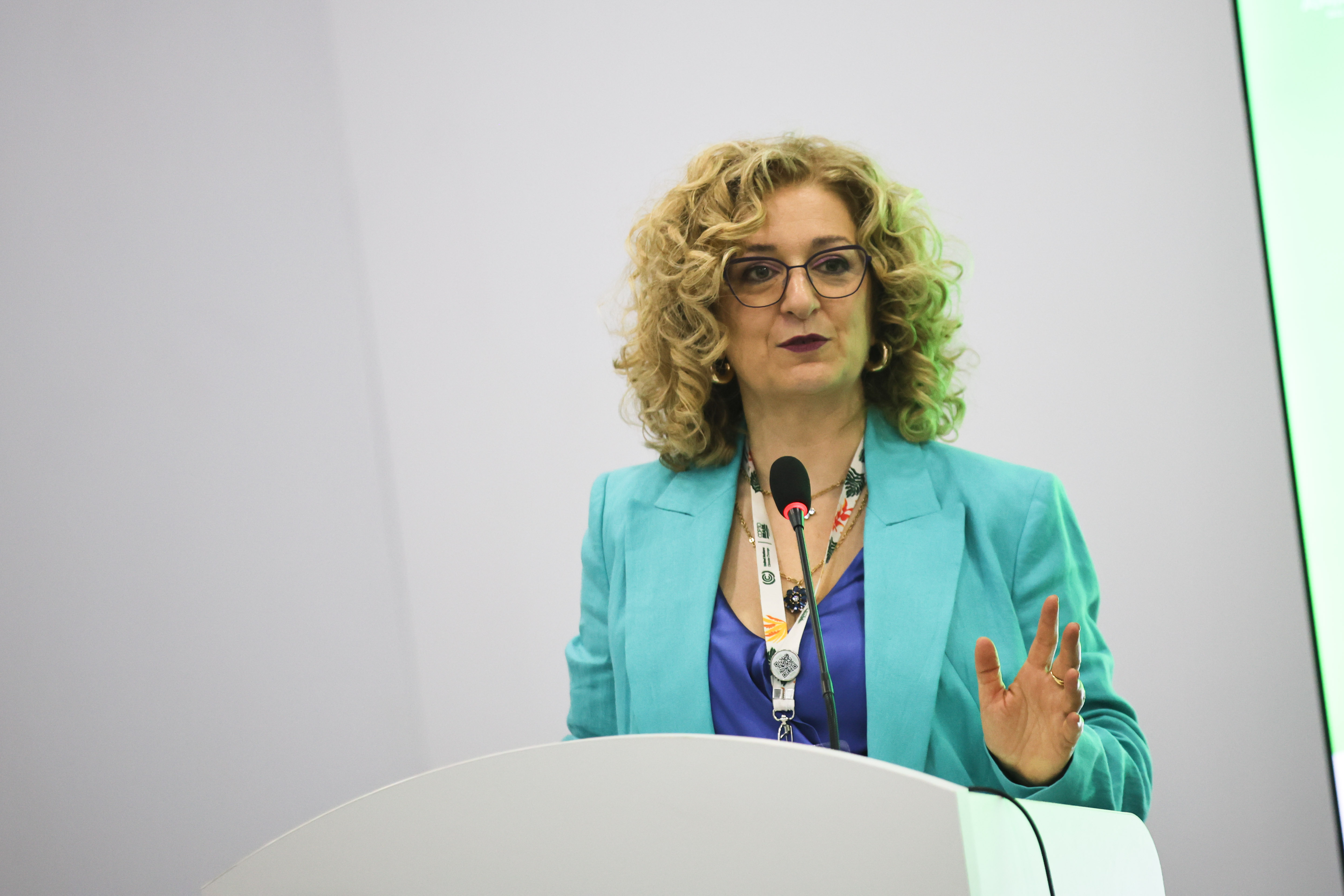
Alessandra Fidanza, Senior Advisor, Ministry of Environment and Energy Security, Italy
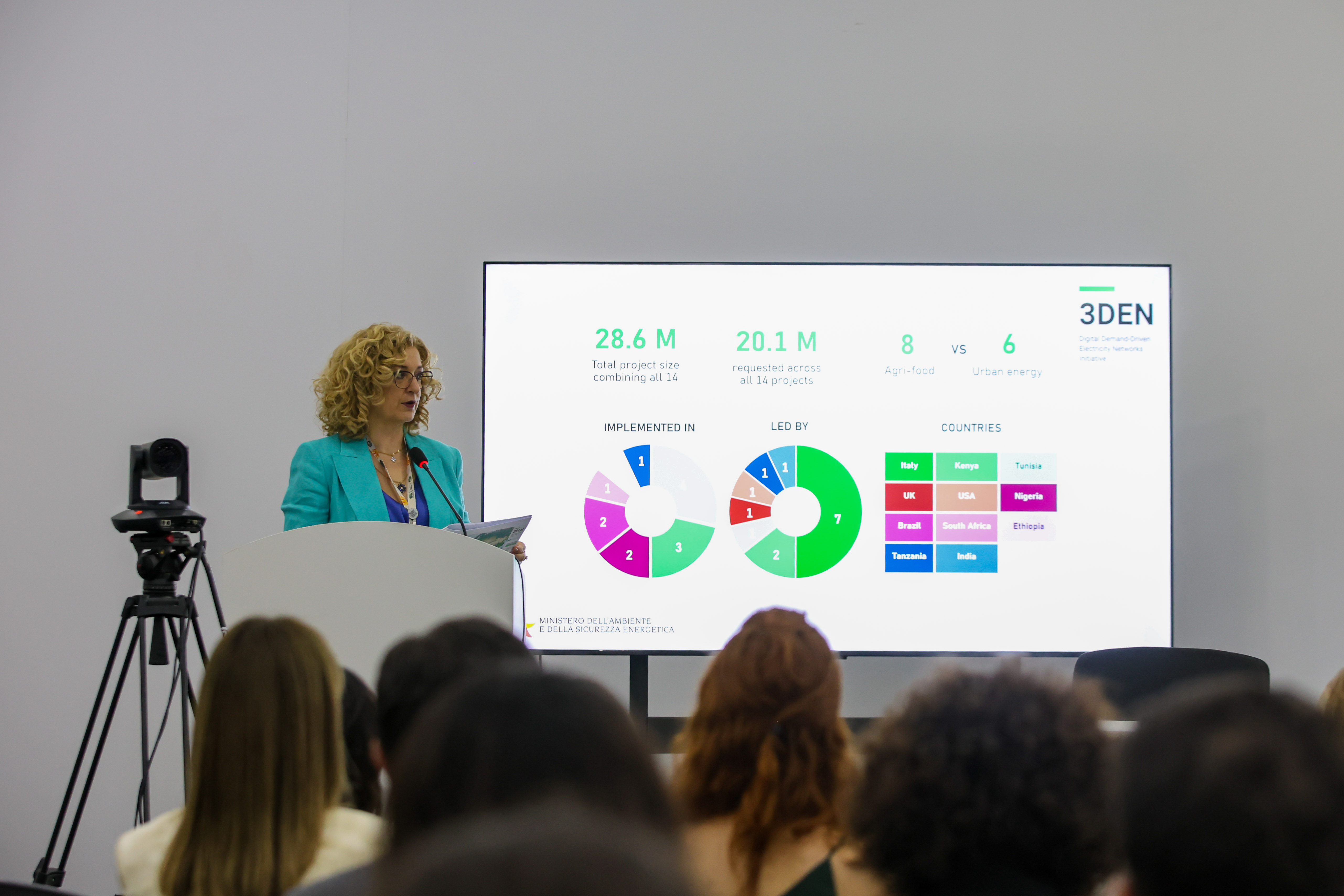
Alessandra Fidanza, Senior Advisor, Ministry of Environment and Energy Security, Italy



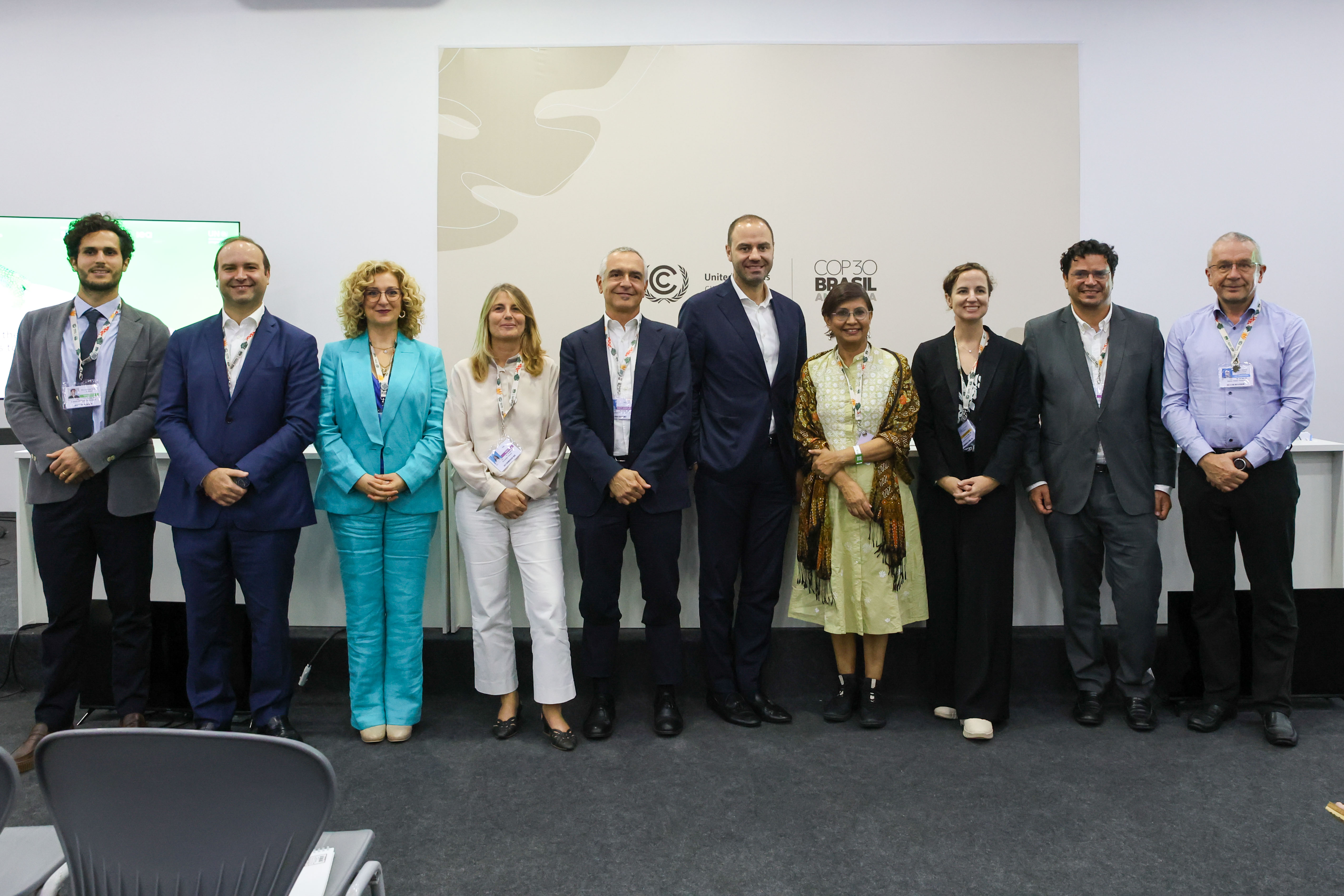
Speakers pose for a family photo.