About
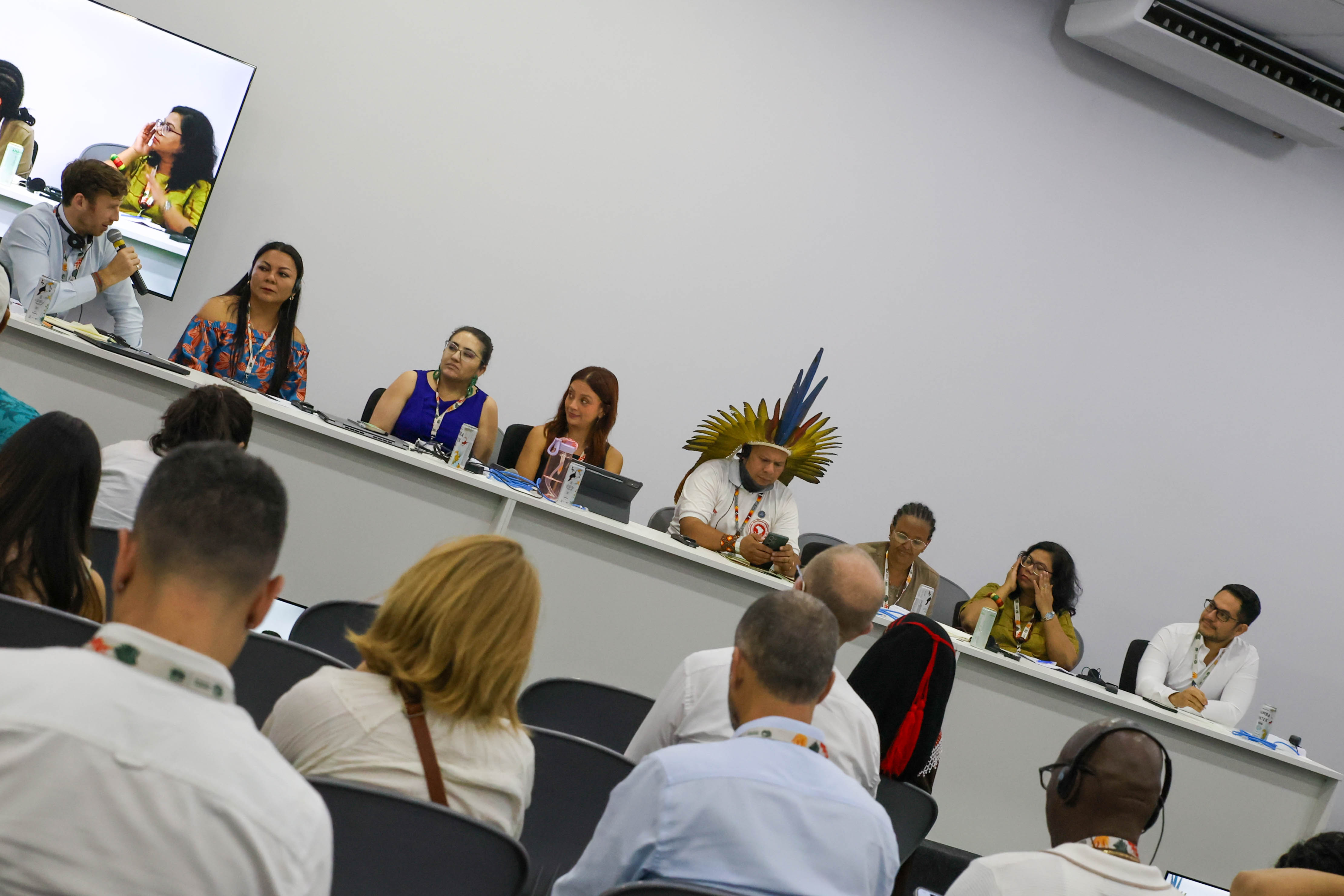
In a side event foregrounding the need to protect Indigenous land tenure rights, stakeholders shared on-the-ground experiences with pushing for and integrating territorial recognitions into effective national climate action plans.
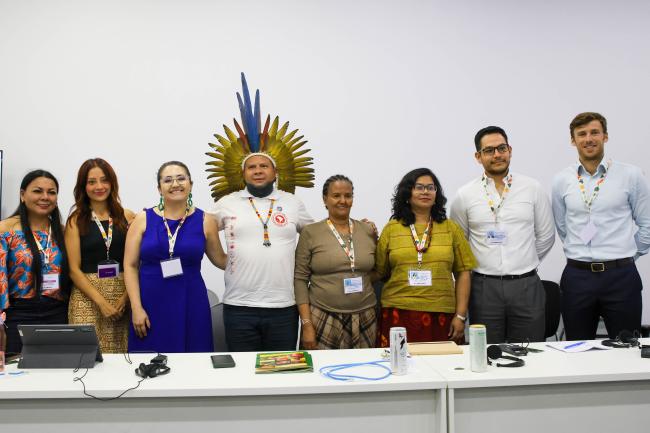
Forests and other biodiverse lands managed by communities store nearly 300 billion metric tons of carbon, more than a fifth of all the carbon stored in tropical and subtropical forests combined. Yet Indigenous Peoples, Afro-descendant Peoples, and local communities who are stewards of these lands struggle to gain recognition and protection for their territorial rights. Aligning with Brazil’s proposed Global Mutirão, a collective mobilization based on Indigenous values, the panel discussions in this event organized by the Rights and Resources Initiative (RRI), Landesa, and Asociación Ambiente y Sociedad showcased concrete, community-level experiences, and offered guidance on how to strengthen Nationally Determined Contributions (NDCs) through the recognition and protection of land tenure rights.
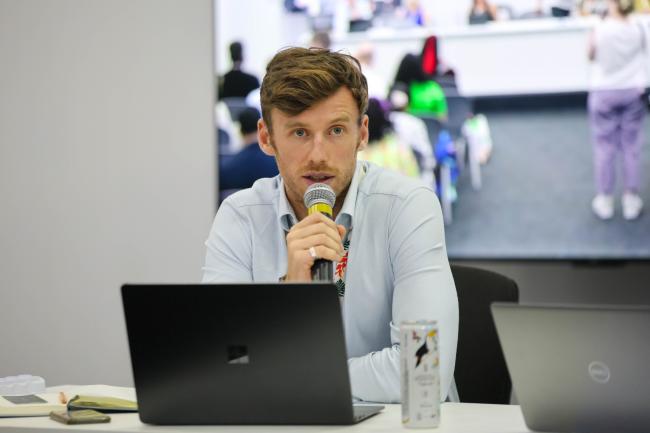
Moderator Charlie Speller, Director of Policy, Forest and Climate Leaders Partnership, opened the event by pointing to the latest Land Gap Report. He said the report shows that developing countries are relying on land to meet their climate ambitions, but that NDCs are failing to halt deforestation and degradation of these lands. This, he said, underscores the need for an approach to climate ambition that secures the territorial rights of the communities who care for these lands.
Opening the first panel focusing on bringing a land rights-based perspective to NDCs, Carla Cardenas, Latin America Program Director, RRI, shared the results of a review of NDCs from 25 countries across Asia, Africa, and Latin America. She said the review showed that although most of these recognize the role of Indigenous Peoples and local communities, less than half integrate traditional knowledge, and few recognize collective territorial rights as climate instruments. Cardenas called for NDCs to recognize, inter alia: collective tenure, direct access to financing, and the need to prevent conflict related to minerals. She highlighted RRI’s rights-based NDC model to help countries include Indigenous Peoples, Afro-descendant Peoples, and local communities in their climate action plans.
Juan Jose Robalino, Climate Change and Land Tenure Specialist, Landesa, pointed to his organization’s review of 170 NDCs, which showed that less than 28% mention land tenure and less than 30% commit to strengthening land rights, despite relying on land-based action to meet climate goals. Robalino stressed Landesa’s work to collaborate with and provide technical guidance to governments and non-governmental stakeholders on integrating land tenure in NDCs.
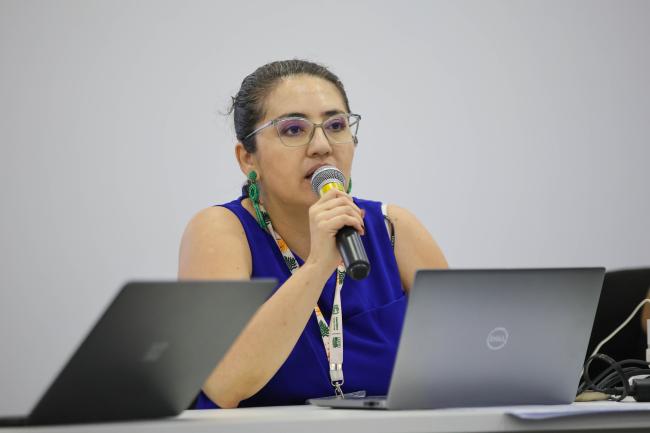
Vanessa Torres, Deputy Director, Asociación Ambiente y Sociedad, urged seeing communities as strategic partners in climate action rather than beneficiaries, and offered five principles based on concrete experience in strengthening climate action: recognizing territories as climate solutions and protecting community land tenure rights; ensuring real, effective participation by Indigenous Peoples, Afro-descendent Peoples, and local communities; transparency and access to information in developing NDCs and monitoring climate funding; decentralizing funding so local governments and grassroots initiatives are able to access resources; and ensuring that just NDCs are not contradicted by national policies, such as subsidizing extractive projects. Torres concluded by emphasizing that “climate action is multiplied when communities are recognized as partners.”
In the second panel on sharing concrete experiences that foreground land rights in climate action, Azeb Kelemework Bihon, UN Entity for Gender Equality and the Empowerment of Women (UN Women), stressed the capacity of women to implement climate-smart agricultural practices and called for prioritizing gender equality to close the gap between NDCs and realities. Bihon called for NDCs to include gender targets and enhance access to finance, information, and land.
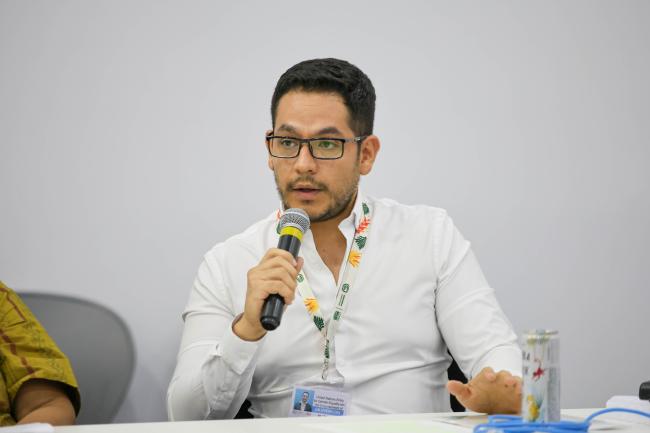
Shanjida Khan Ripa, Program Manager, Association for Land Reform and Development (ALRD) in Bangladesh, shared a case study of a woman in Bangladesh who, with training provided by ALRD, organized help to get elderly residents, children, and women to shelter as Cyclone Raymond threatened their community. Ripa urged NDCs to unleash this leadership potential among women to help them protect their families and build climate resilience. She underscored the need to pressure governments, pointing to recent work with Landesa and other stakeholders to increase recognition of gender equality and land rights in NDCs.
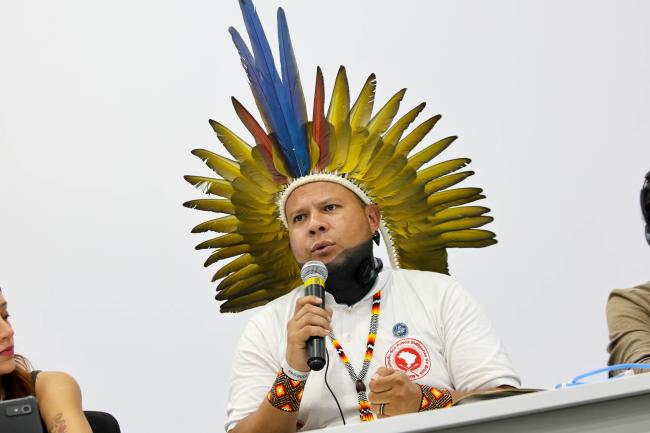
Kleber Karipuna, National Coordinator, Articulation of Indigenous Peoples of Brazil (APIB), welcomed the endorsement by Brazil and eight other countries of the Intergovernmental Commitment of Land Tenure at COP 30, but said now is the time to move on from recognition to practical action. Karipuna highlighted APIB’s launch of an “Indigenous NDC” demanding demarcation and protection of Indigenous territories. He urged implementation through concrete reforms along seven axes, including, inter alia: just transition and ending mineral activity in Indigenous territories; direct financing and local funds; climate justice and proportional access to climate finance; Indigenous knowledge; and equal importance of climate change and biodiversity.
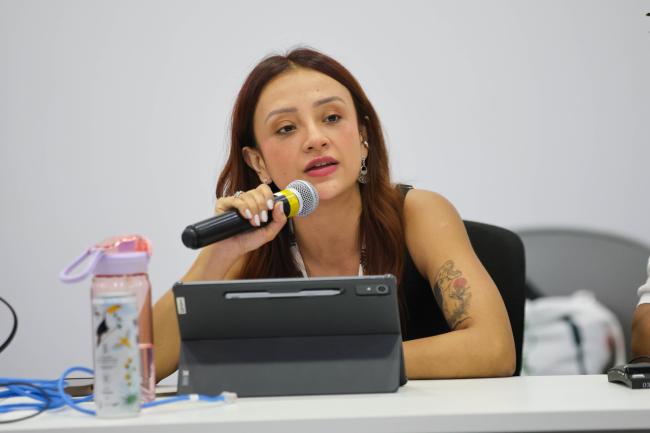
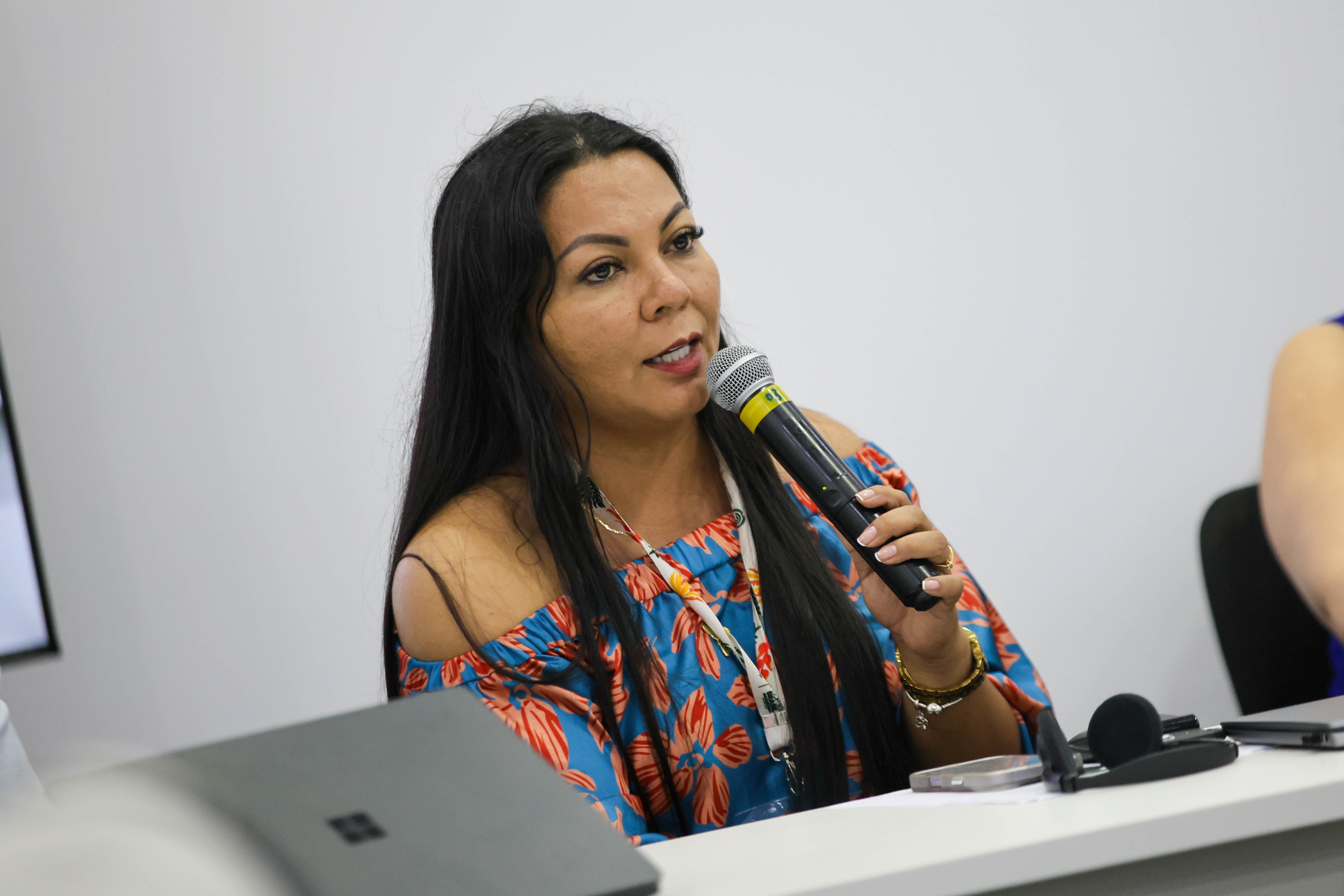
Concluding the event, Ginny Katherine Alba Medina, Organization of the Indigenous Peoples of the Colombian Amazon (OPIAC), underscored her organization’s work to foster consultations between Indigenous Peoples and the government of Colombia. This, she explained, has involved connecting proposals and solutions from Indigenous Peoples in the Amazon with other Indigenous communities in Colombia. She said this has resulted in a national goal for Colombia to report the contribution of Indigenous territories to mitigation based on traditional knowledge. She stressed the importance of direct finance mechanisms and recognition of Indigenous Peoples’ territories in climate management.
Organizer: Rights and Resources Initiative, Landesa, and Asociación Ambiente y Sociedad
Contact: Lucas Wassan I [email protected]
Website: https://rightsandresources.org/
https://www.ambienteysociedad.org.co/
https://www.landesa.org/
To receive free coverage of global environmental events delivered to your inbox, subscribe to the ENB Update newsletter.
All ENB photos are free to use with attribution. For 2025 UN Climate Change Conference, Belém - Side Events, please use: Photo by IISD/ENB | Anastasia Rodopoulou
Selected Images
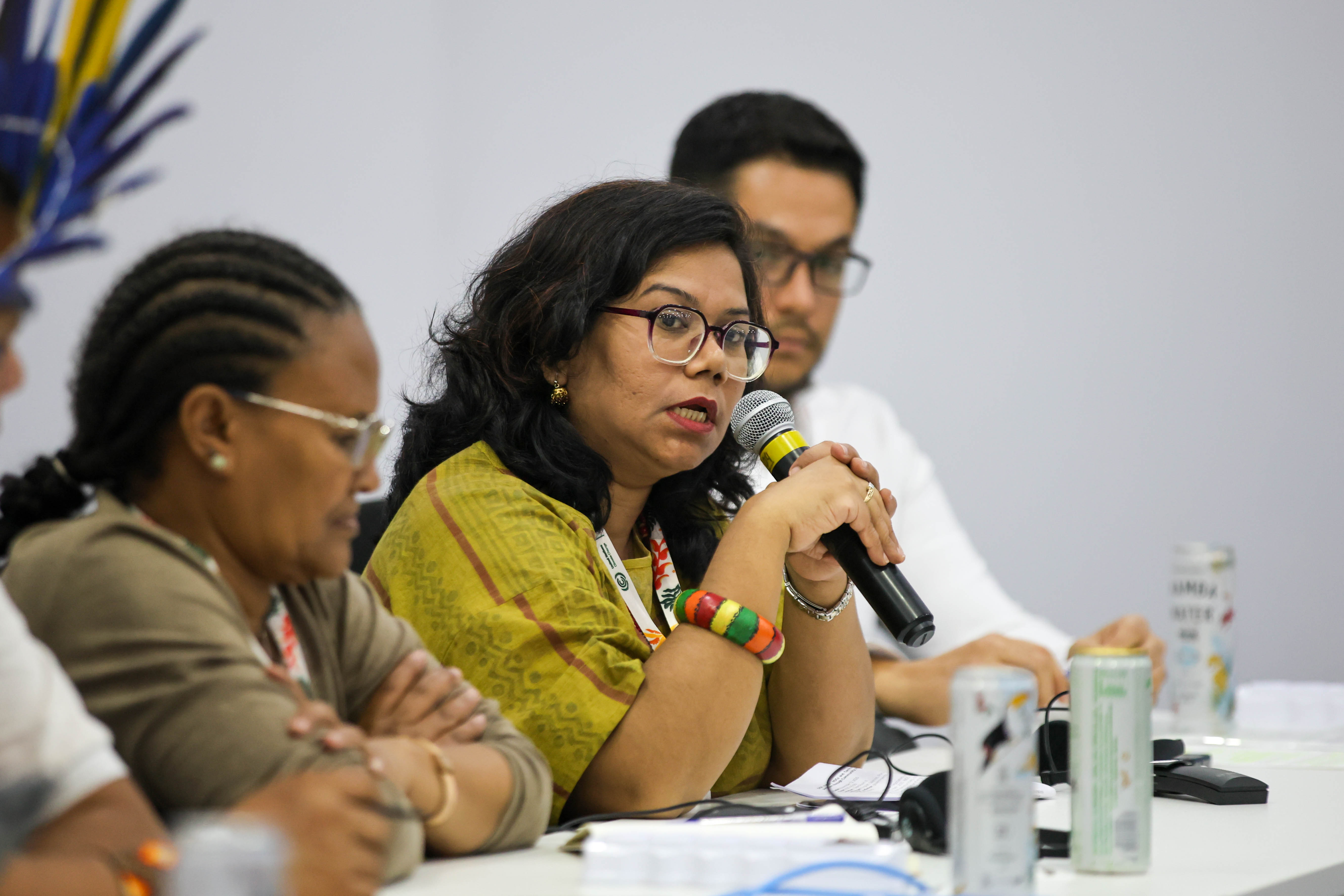
Shanjida Khan Ripa, Program Manager, ALRD
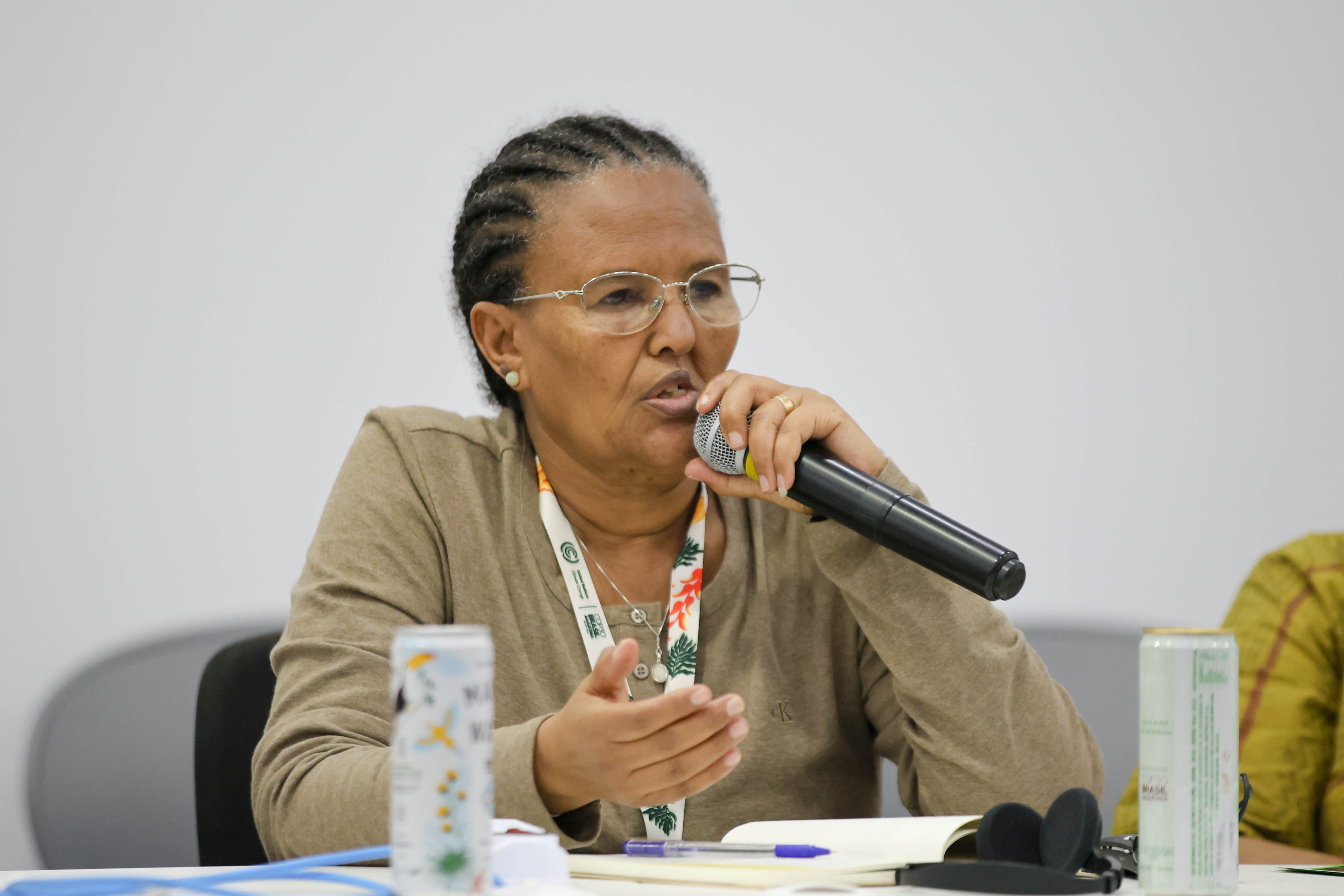
Azeb Kelemework Bihon, UN Women
Ginny Katherina Alba Medina, OPIAC