About
Amid rising interest in regional decarbonisation, a side event showed how Carbon Capture and Storage is gaining traction across Latin America and the Caribbean, revealing scientific advances, new regulatory frameworks, and early projects driving CCS readiness.
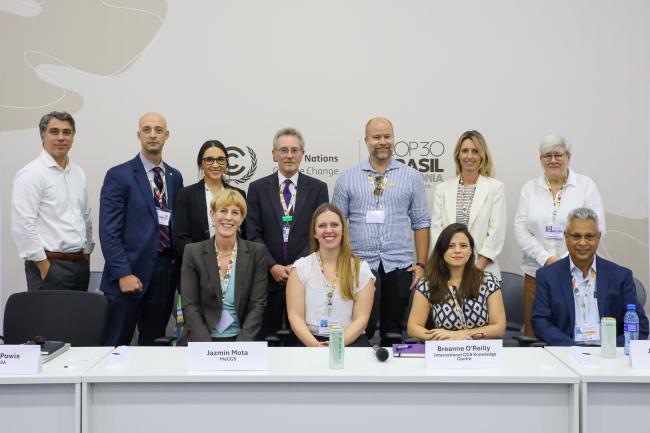
Responding to the COP 30 Presidency’s call for non-state actors to work together and concentrate efforts where they can generate significant ripple effects, a side event explored how carbon capture and storage (CCS) could serve as one such leverage point. The discussion examined the growing uptake of CCS across Latin America and the Caribbean, with speakers presenting scientific insights, recent project advances, and emerging initiatives that signal increasing CCS readiness in the region.
Moderator Tim Dixon, Director and General Manager, IEA Greenhouse Gas R&D Programme (IEAGHG), opened the event by explaining that CCS captures carbon dioxide (CO2) from major sources and stores it deep underground in geological formations that can securely retain the gas. He noted that several international rules regulate this activity and that all mitigation pathways in the IPCC’s Sixth Assessment Report include a role for CCS. He pointed to the most recent Global Status of CCS report indicating 77 operational projects that currently capture 64 million tonnes of CO2 each year. According to Dixon, this represents progress but remains far from what is needed to align with scientific assessments.
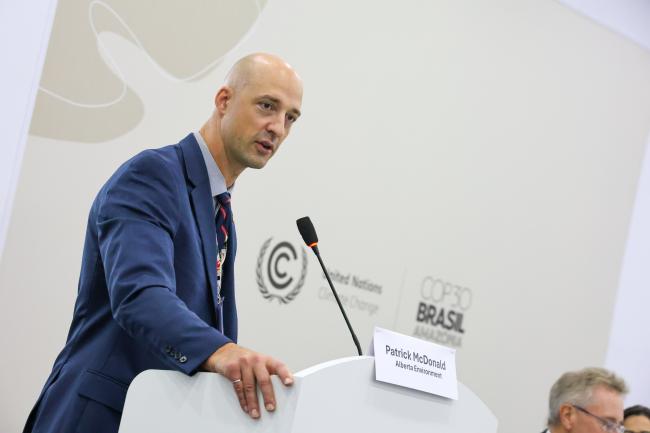
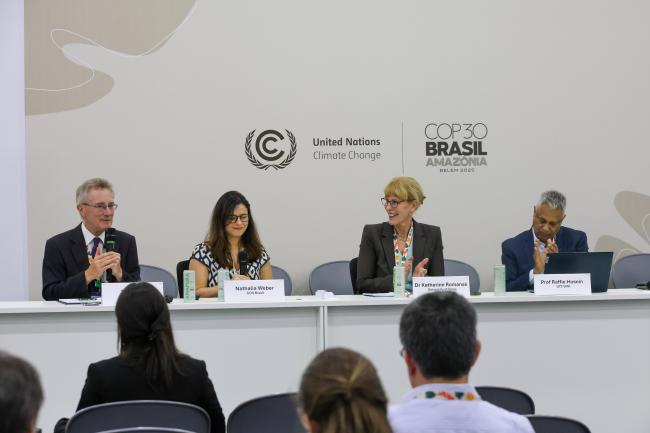
The first panel addressed the role of non-state actors in technology transfer. Patrick McDonald, Assistant Deputy Minister, Air, Climate and Clean Technology Division, Alberta Environment and Protected Areas, Canada, outlined Canada’s efforts to create a supportive environment for CCS deployment. This includes presenting science-based evidence on CCS in international fora and coordinating closely with partners in the Global South, he said. McDonald explained that Canada focused first on a strong regulatory framework to ensure project safety and investor confidence. He noted that this helped move CCS from the concept stage to commercial operation through projects such as the Quest facility in Alberta. He also referred to the International CCS Knowledge Centre as an important platform for global exchange.
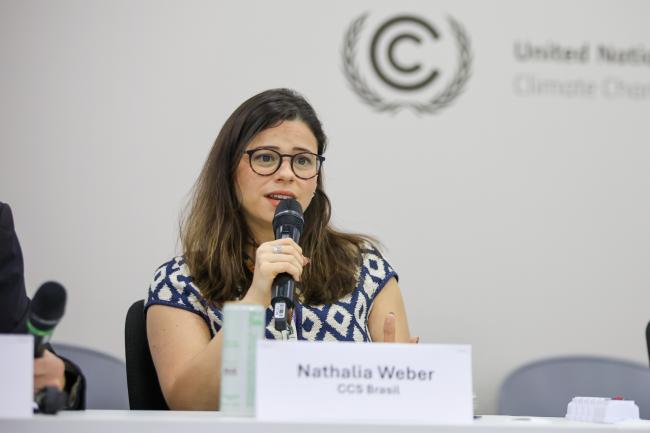
Nathália Weber, Co-Founder and Director, CCS Brasil, described a rapid increase in political, industry, and civil society engagement with CCS across the country. She explained that while CCS was not widely discussed in Brazil five years ago, the situation has changed following the approval of a regulatory framework. Despite this progress, she underscored that Brazil still needs targeted incentives, functional carbon markets, streamlined licensing processes, and stronger community engagement.
Katherine Romanak, Research Professor, Gulf Coast Carbon Center, University of Texas at Austin, outlined the contribution of research institutes to the advancement of CCS. She explained that her center has long examined geological storage and monitoring practices, progressing from early pilot projects to full industrial sites in the United States. She said the Network of National CCUS Centres of Excellence, a joint initiative of IEAGHG and the Gulf Coast Carbon Center, was established to share this experience with countries beginning their own CCS work. This network, she continued, connects national institutions in the Global South to foster collaboration, exchange knowledge, and address common challenges related to financing, regulatory design, and data availability. Romanak noted the aim is to accelerate carbon capture utilisation and storage (CCUS) deployment by building technical capacity, supporting peer learning, and encouraging coordinated policy engagement.
Raffie Hosein, Head of the Department of Chemical Engineering, University of West Indies (UWI), outlined the situation in Trinidad and Tobago, a country with more than one 100 years of oil production and significant exposure to climate impacts. He described the creation in 2024 of the Carbon Capture Utilisation and Storage-Collaborate (CCUS-C) Center, a joint initiative between UWI and the University of Trinidad and Tobago (UTT). He also noted ongoing work on a national Carbon Storage Atlas, which seeks to map underground sites that can be used to store captured CO2. He stressed that capacity building and coordination with government and industry are central to progress, while funding remains a major challenge.
Through a recorded message, Donnie Boodlal, Project Lead, UTT, summarized a Green Climate Fund readiness project on storage in saline aquifers. He explained that the project’s objectives include capacity building, knowledge sharing, and institutional preparation. He also highlighted the importance of partnerships and future demonstration studies.
During the discussion, panelists addressed concerns about long-term storage integrity. Romanak explained that CO2 becomes securely trapped underground through natural processes and can be monitored with established tools. They also agreed that pilot projects play an important role by bringing together government, industry, and academia.
A second panel explored the role of non-state actors in project development. Olivia Powis, CEO, Carbon Capture and Storage Association (CCSA), provided an overview of the UK’s experience. She explained that clear legislation and net-zero targets have created certainty for investors, and that the UK adopted a cluster-based model where capture facilities share transport and storage infrastructure. Several major projects are now under construction in northern England, she said, with additional clusters under consideration in areas such as Scotland. She noted that CCS supports industrial decarbonization, protects thousands of jobs, and could allow the UK to store CO2 from other European countries.
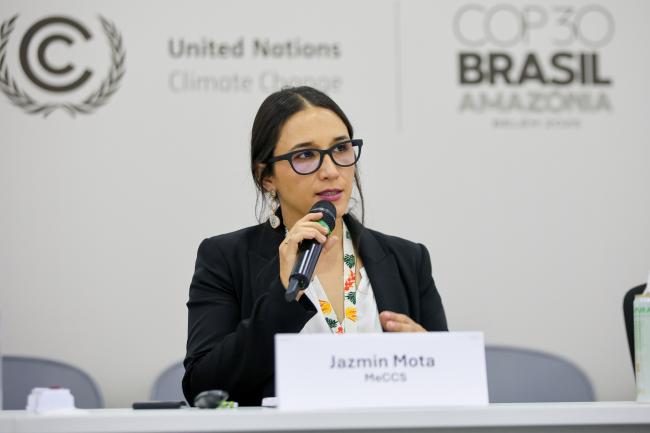
Jazmín Mota Nieto, National Autonomous University of Mexico and founder of the Mexican CCS Platform (MeCCSP), described work with the steel and cement sectors. She explained that financing remains difficult; yet partnerships allow for early action. Her team, she said, is designing capacity-building programmes so companies can develop dedicated CCS units linked to broader environmental strategies. She also described MeCCSP, which connects practitioners, academics, and policymakers, and promotes shared understanding grounded in national contexts.
Breanne O’Reilly, Chief Operating Officer, International CCS Knowledge Centre (ICCSKC), described Canada’s 12 years of operational experience. She explained how the Centre’s Insight Accelerator provides tools for governments and companies seeking to assess CCS opportunities.
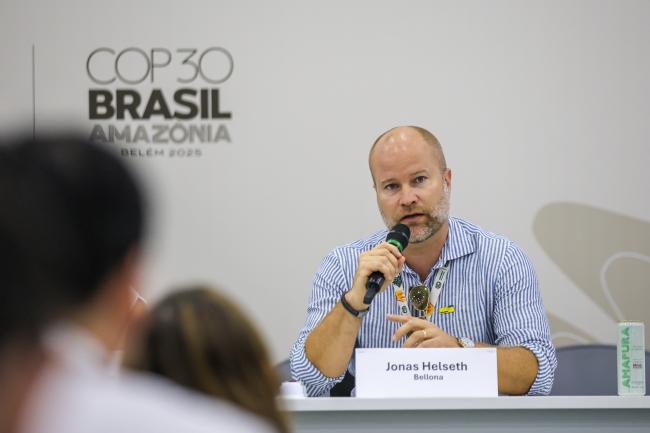
Jonas Helseth, Executive Director, Bellona Europa, stressed that CCS is “not an ideology” but a “practical tool” to manage emissions that cannot be otherwise eliminated in, for example, the steel and cement sectors. Civil society organizations, he said, must ensure public funds are spent responsibly and that projects are assessed carefully. He noted that the CCS value chain requires coordination between multiple sectors, and that progress has often stalled when responsibility falls primarily on oil and gas companies.
Via video message, Edgar Yañez, Technical Authority, Energy Transition and Decarbonization, Ecopetrol, summarized work on offshore storage potential in Colombia. He encouraged stronger cooperation within Latin America and proposed the creation of a regional centre of excellence.
Daniel Lopes, Executive Vice President, Sustainability and Business Development, FS Fueling Sustainability, outlined progress toward the first bioenergy with CCS project in Brazil. He described a phased development process that has now reached injection testing and aims to scale further by 2026.
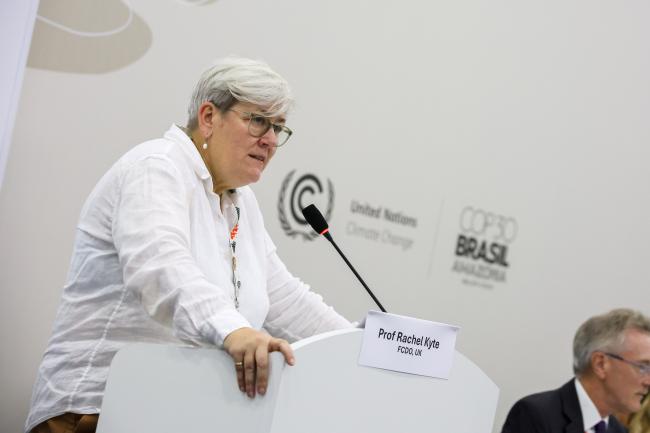
In closing, Rachel Kyte, the UK Special Representative for Climate, underlined that CCS is essential for meeting the UK’s climate commitments and for supporting its industrial strategy. She explained that market conditions must allow the sector to grow, as it matures it could help support 55,000 jobs, and the government has an active role in shaping the framework.
Organizers: University of Texas at Austin, IEAGHG, Bellona, CCSA, ICCSKC
Contact: Tim Dixon I [email protected]
For more information: https://ieaghg.org/
To receive free coverage of global environmental events delivered to your inbox, subscribe to the ENB Update newsletter.
All ENB photos are free to use with attribution. For 2025 UN Climate Change Conference, Belém - Side Events, please use: Photo by IISD/ENB | Anastasia Rodopoulou
Selected Images
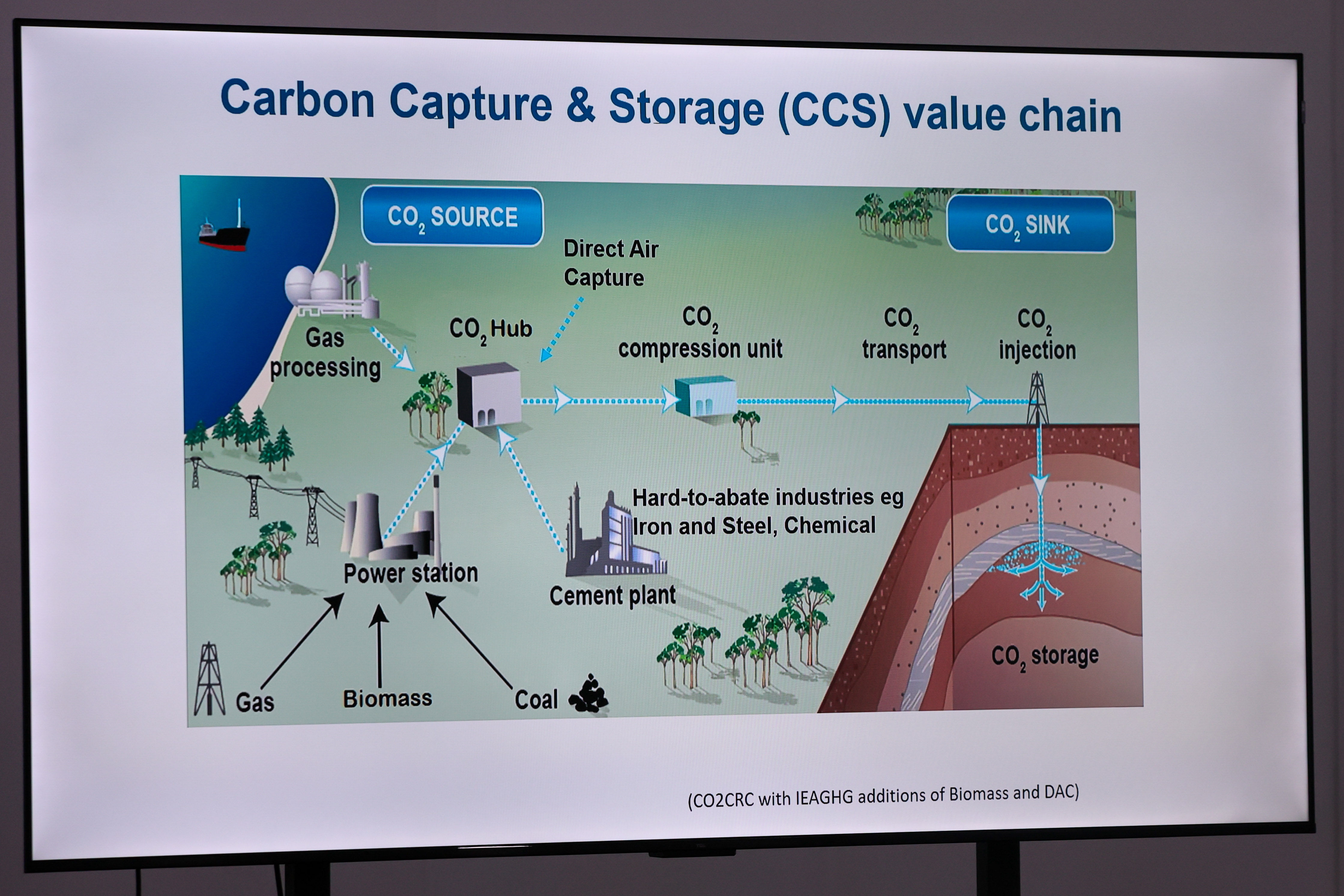
A slide from Tom Dixon's presentation
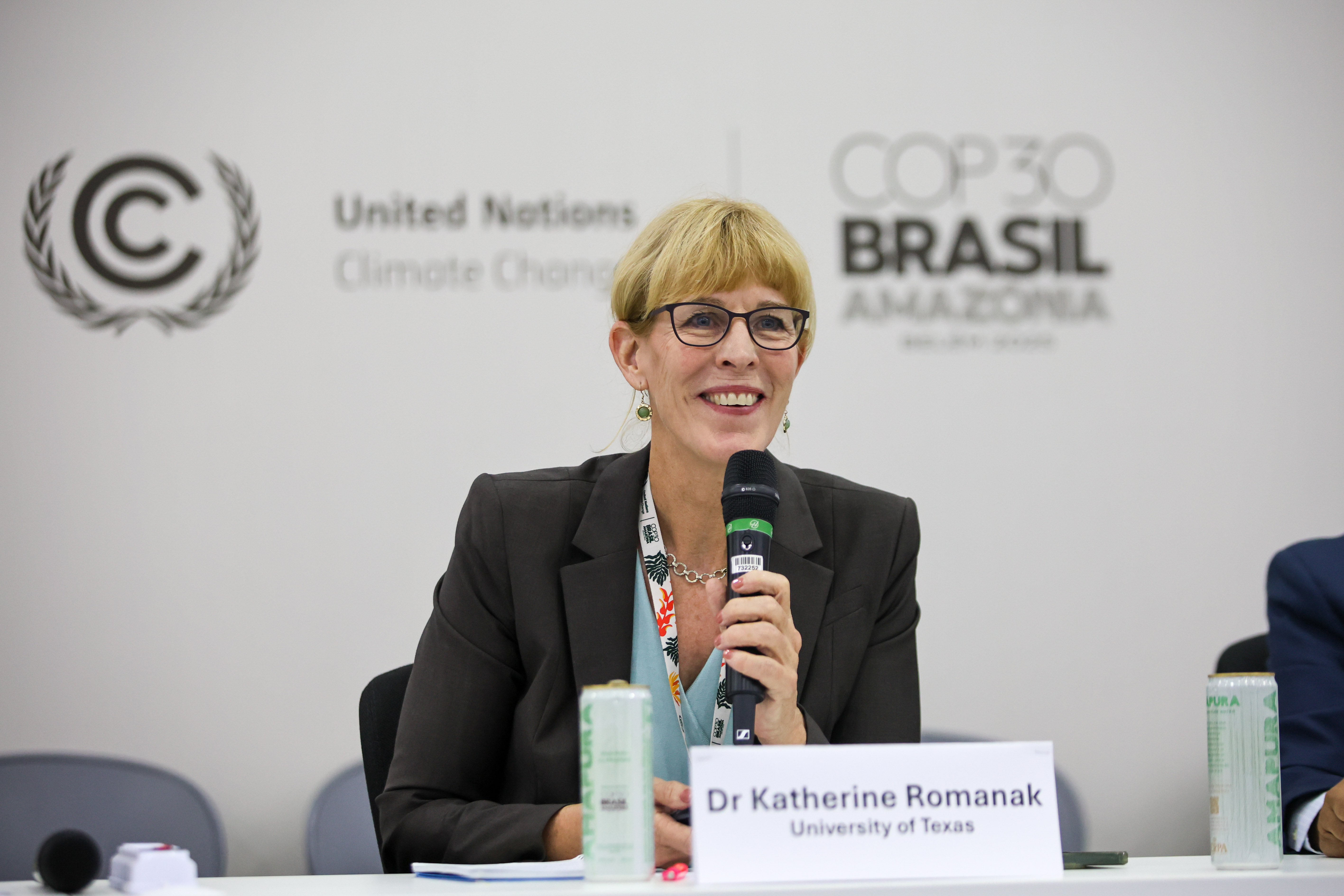
Katherine Romanak, Research Professor, Gulf Coast Carbon Center, The University of Texas at Austin
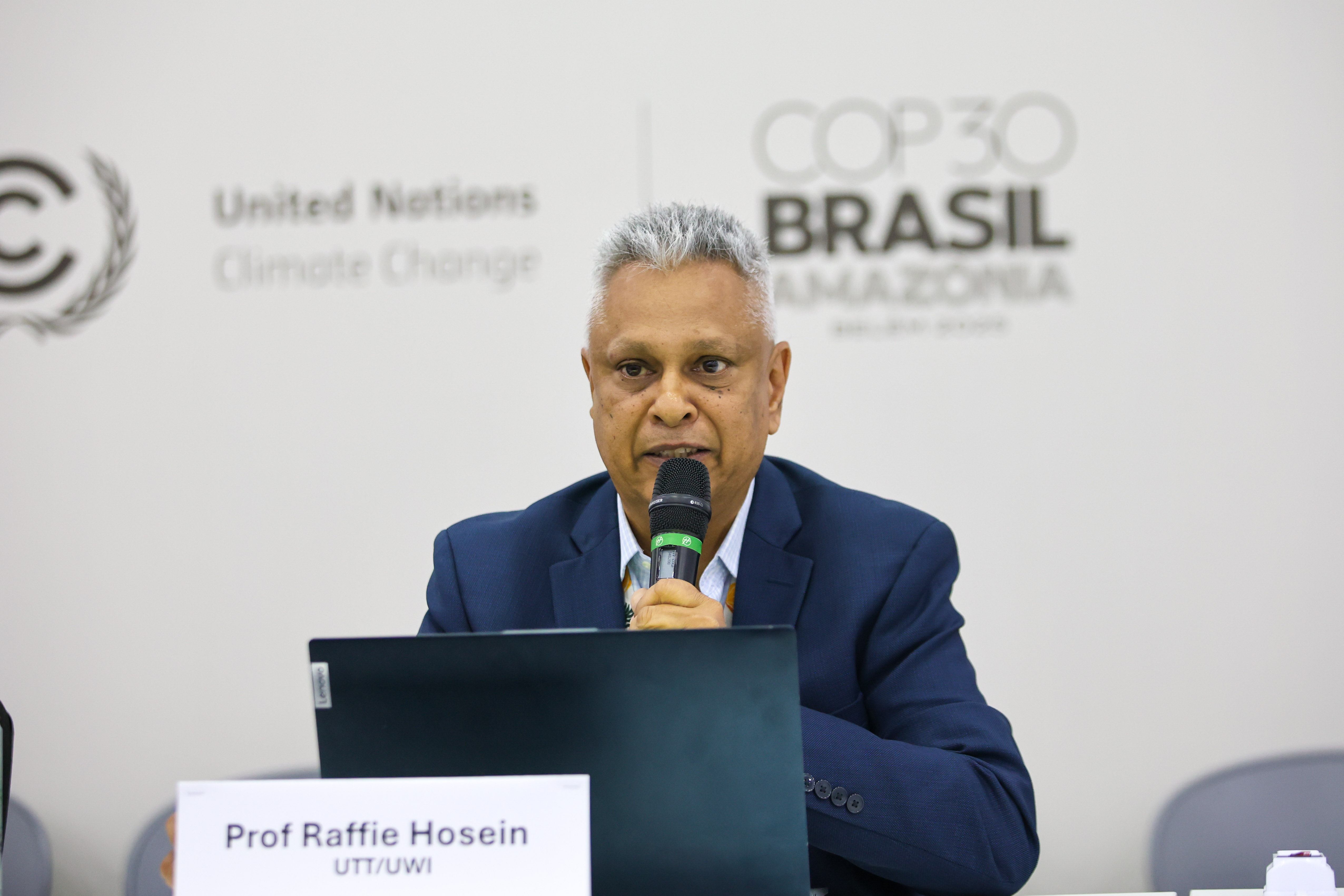
Raffie Hosein, Head, Department of Chemical Engineering, UWI
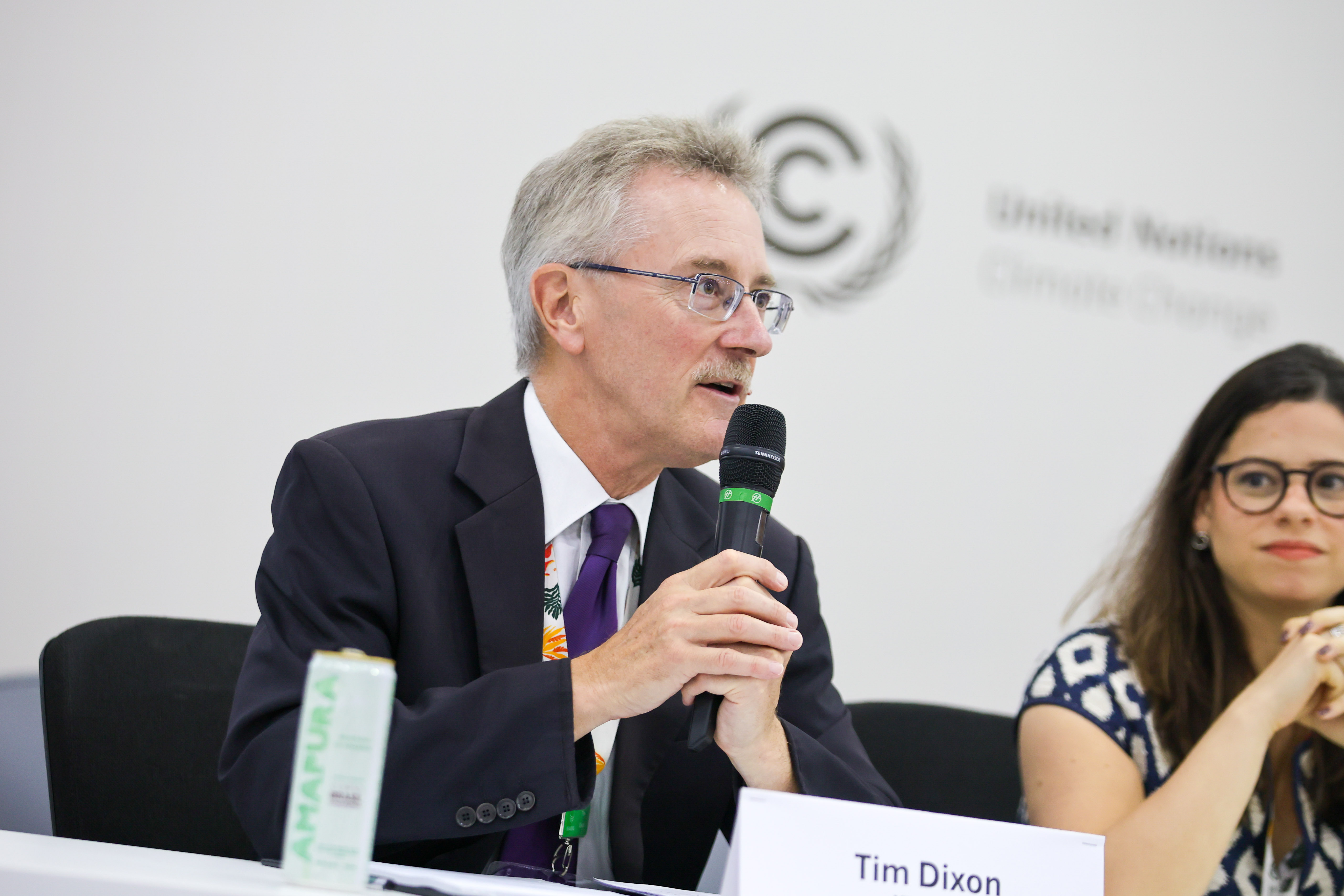
Tim Dixon, Director and General Manager, IEAGHG
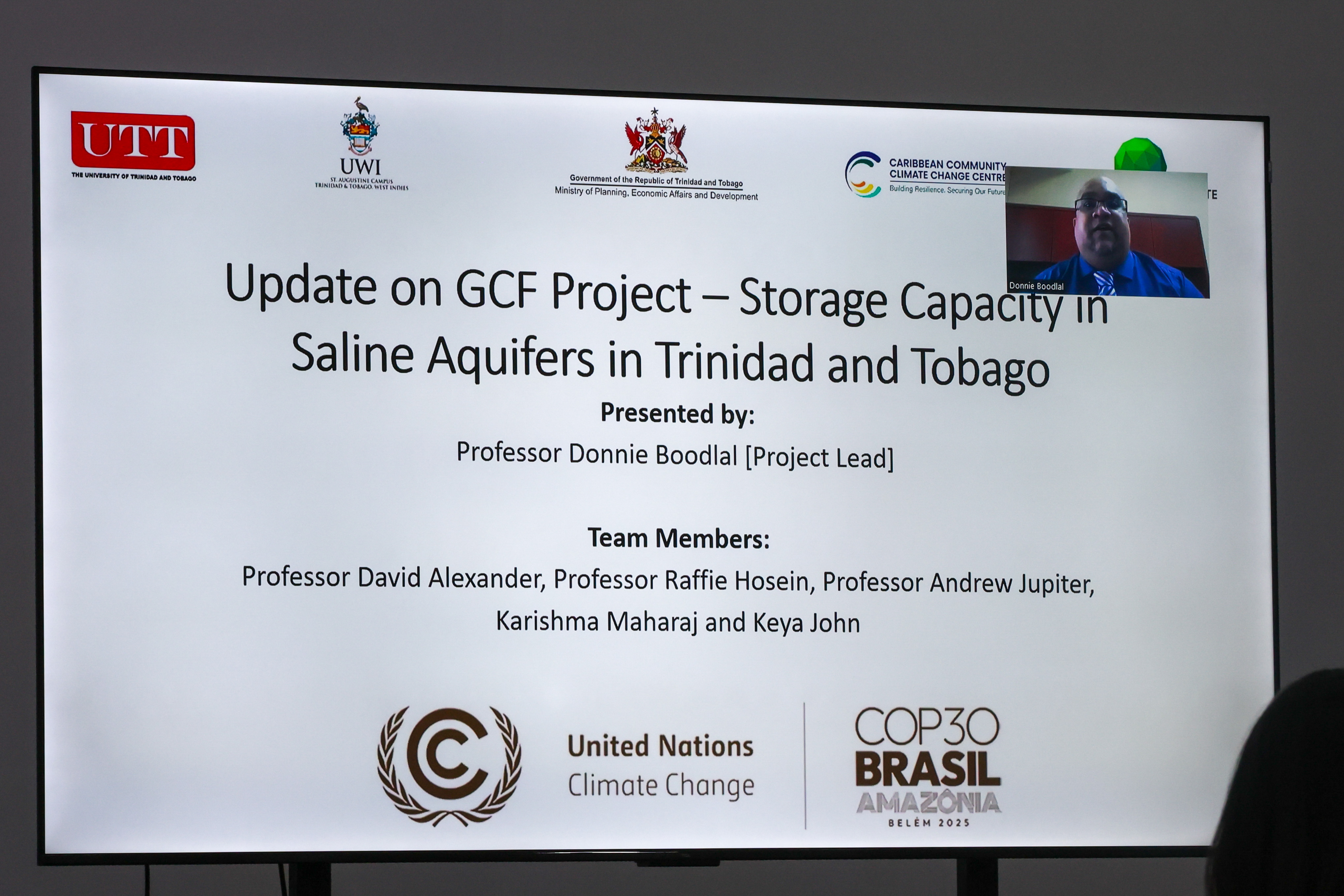
Donnie Boodlal, Project Lead, UTT, addressed the event via a video presentation.
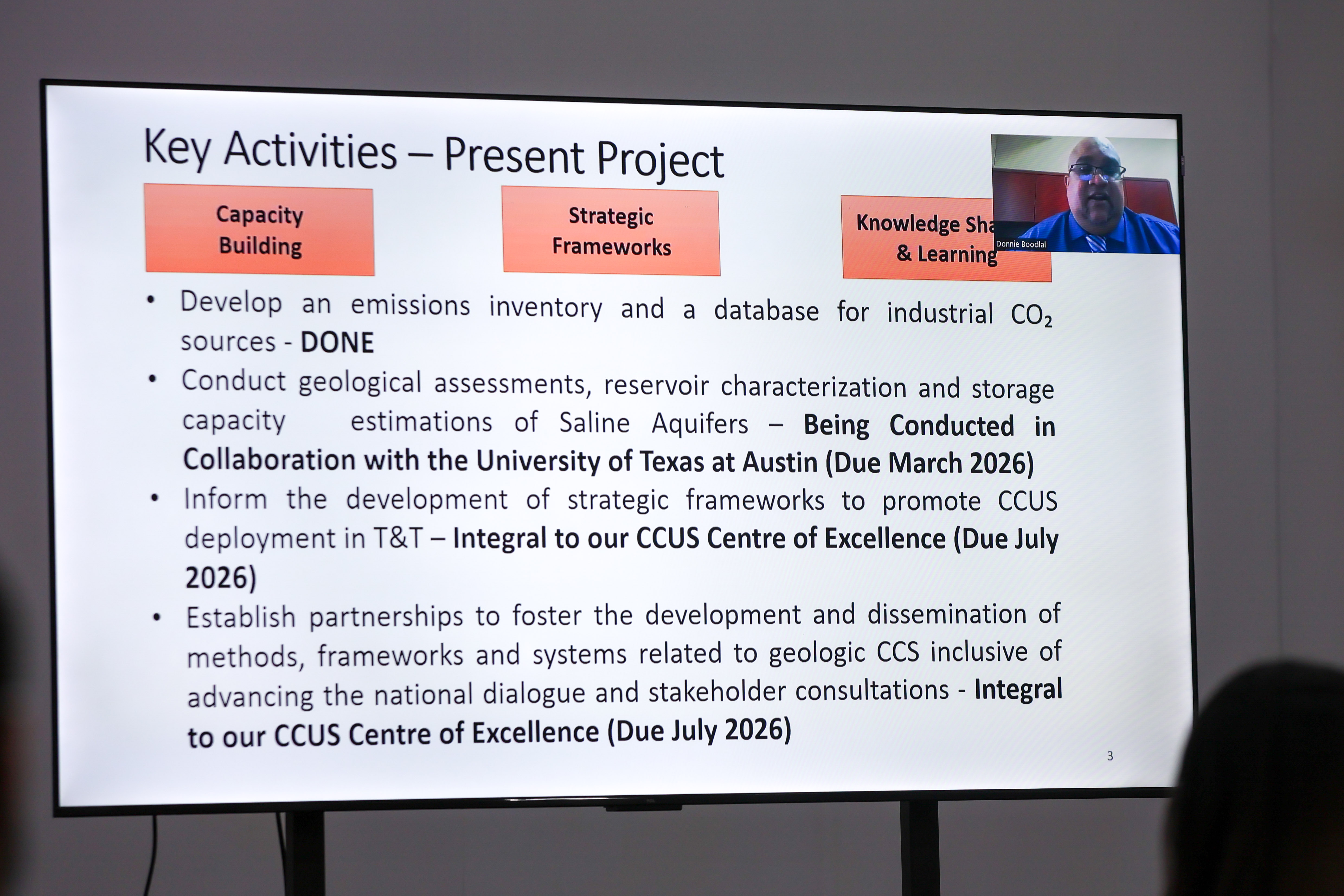
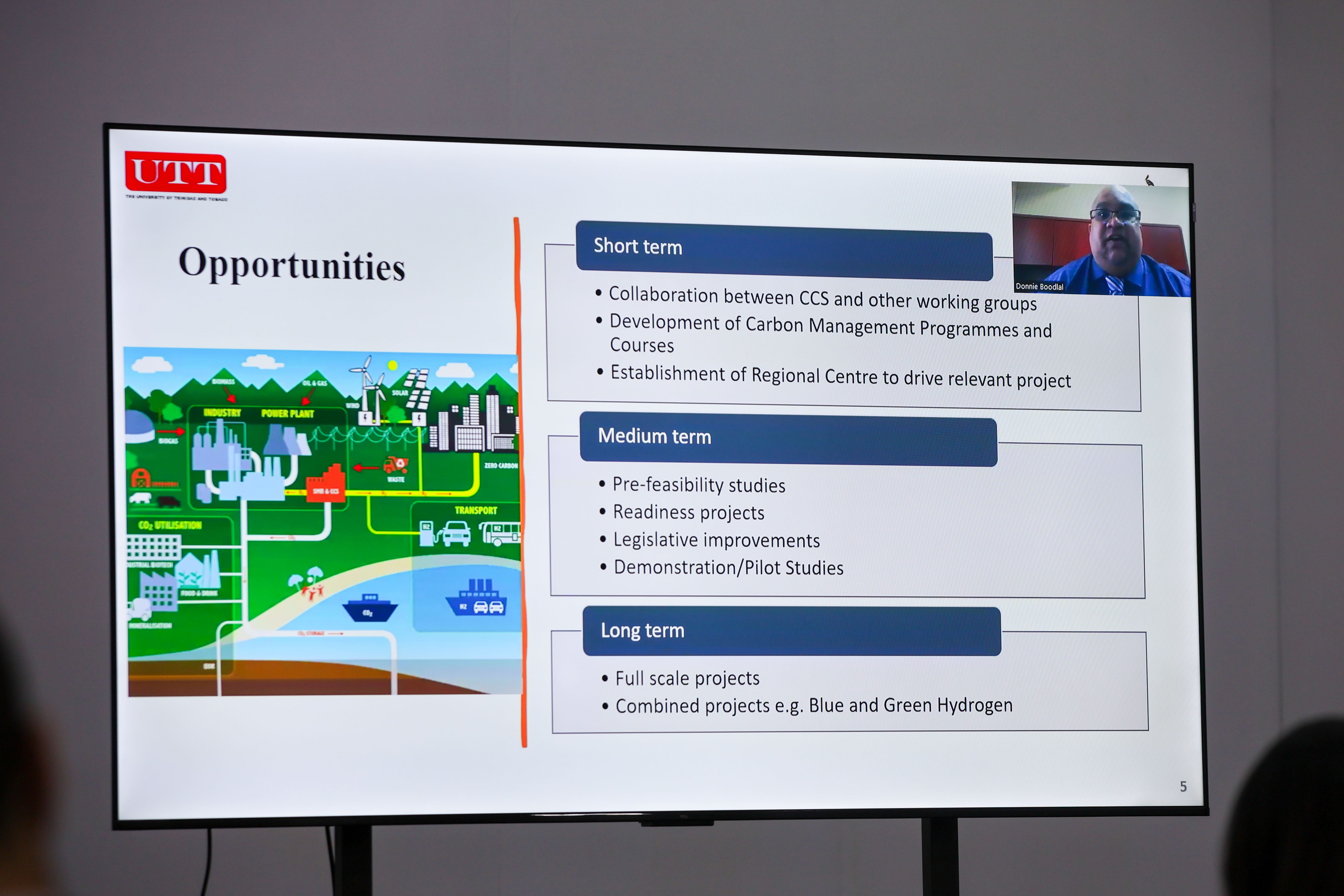
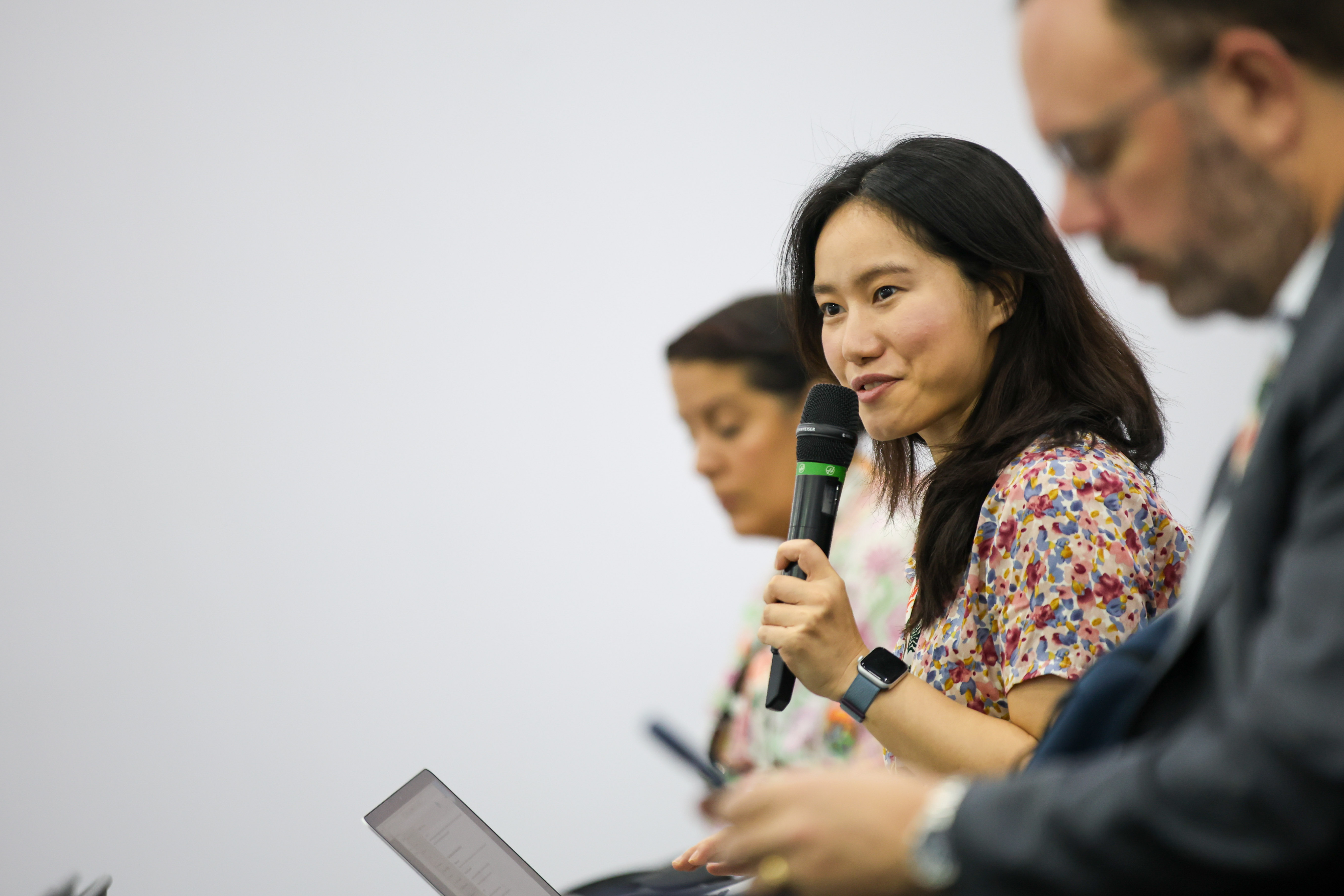
A participant poses a question to the panelists.
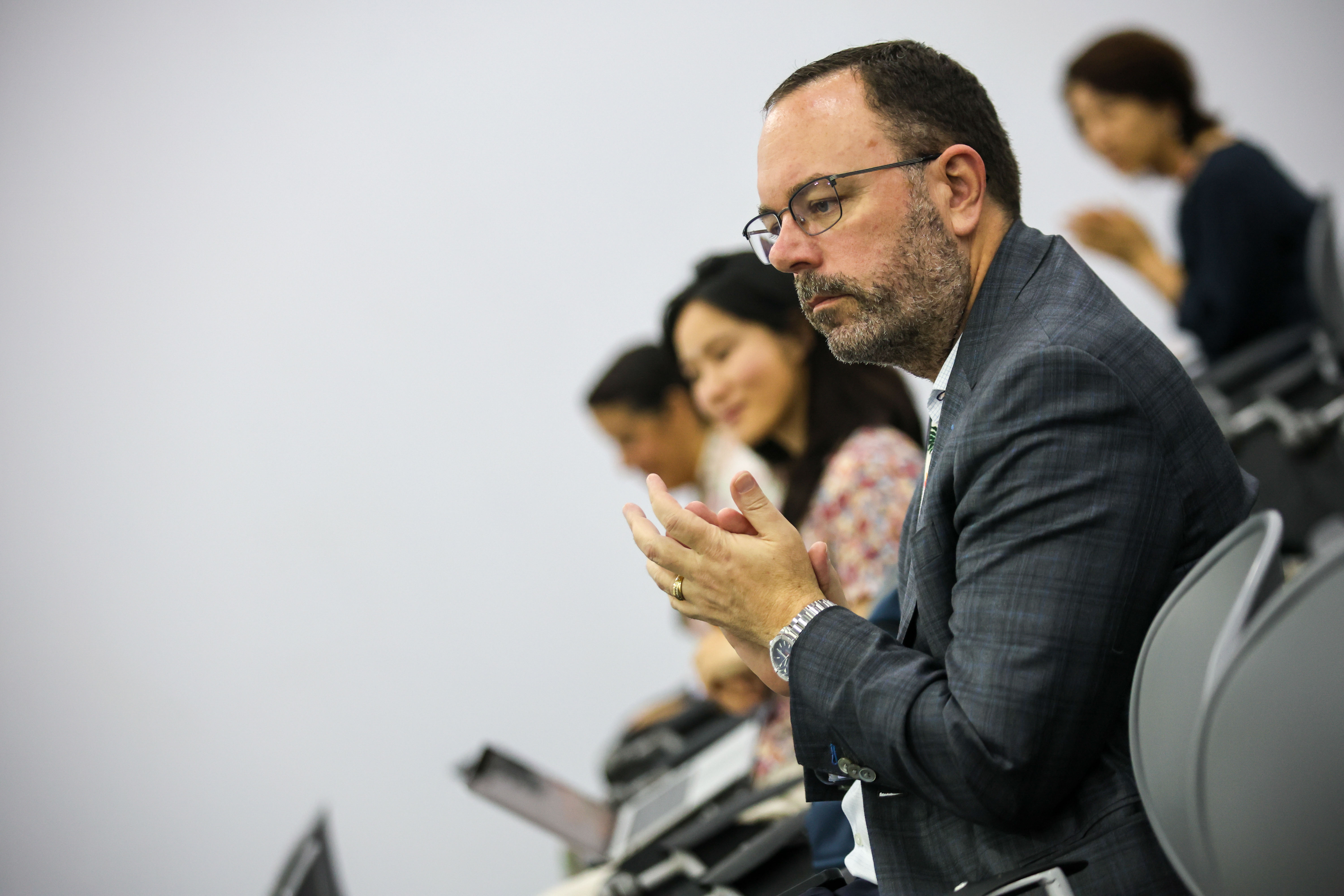
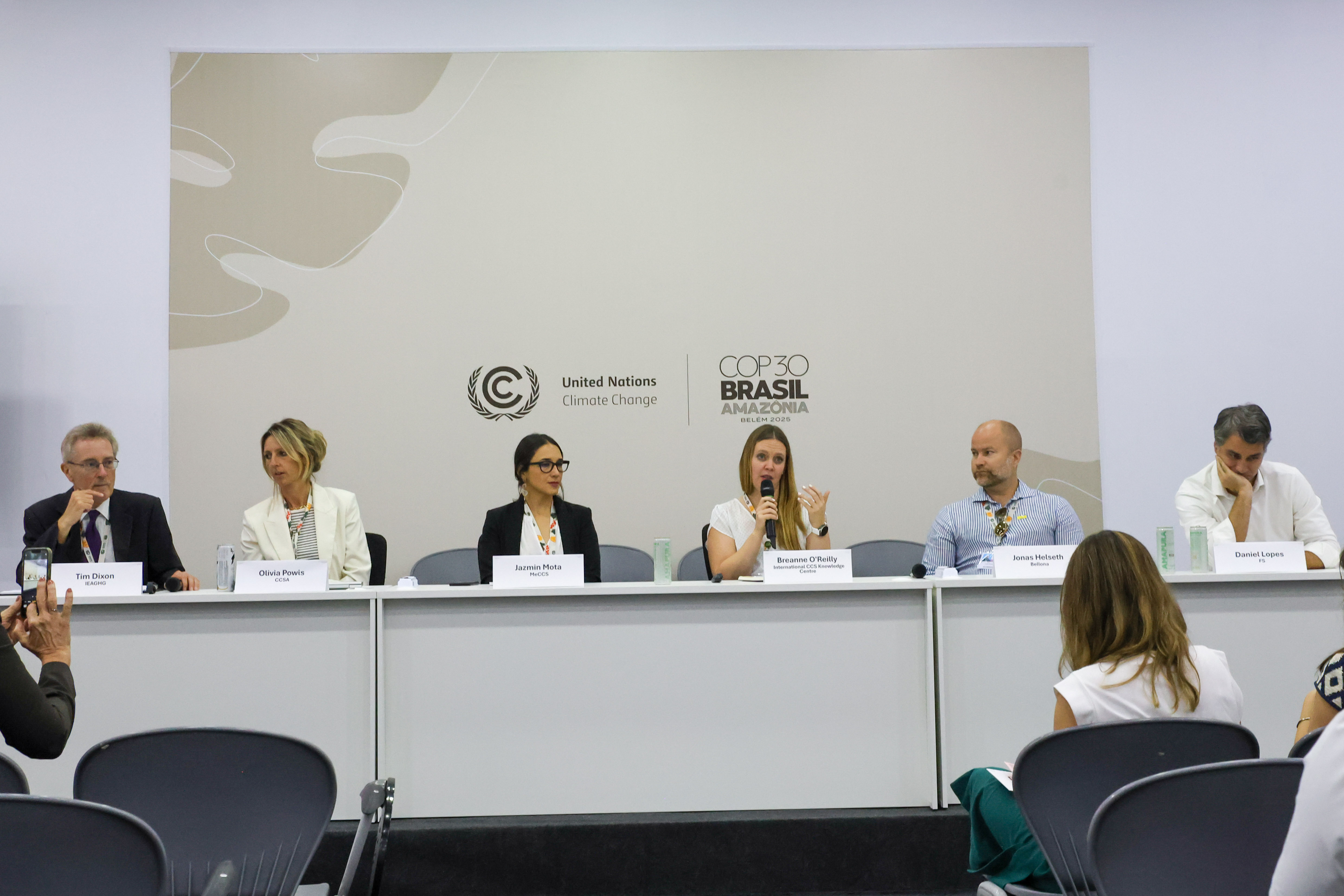
A view of the panel on the role of non-state actors in project development
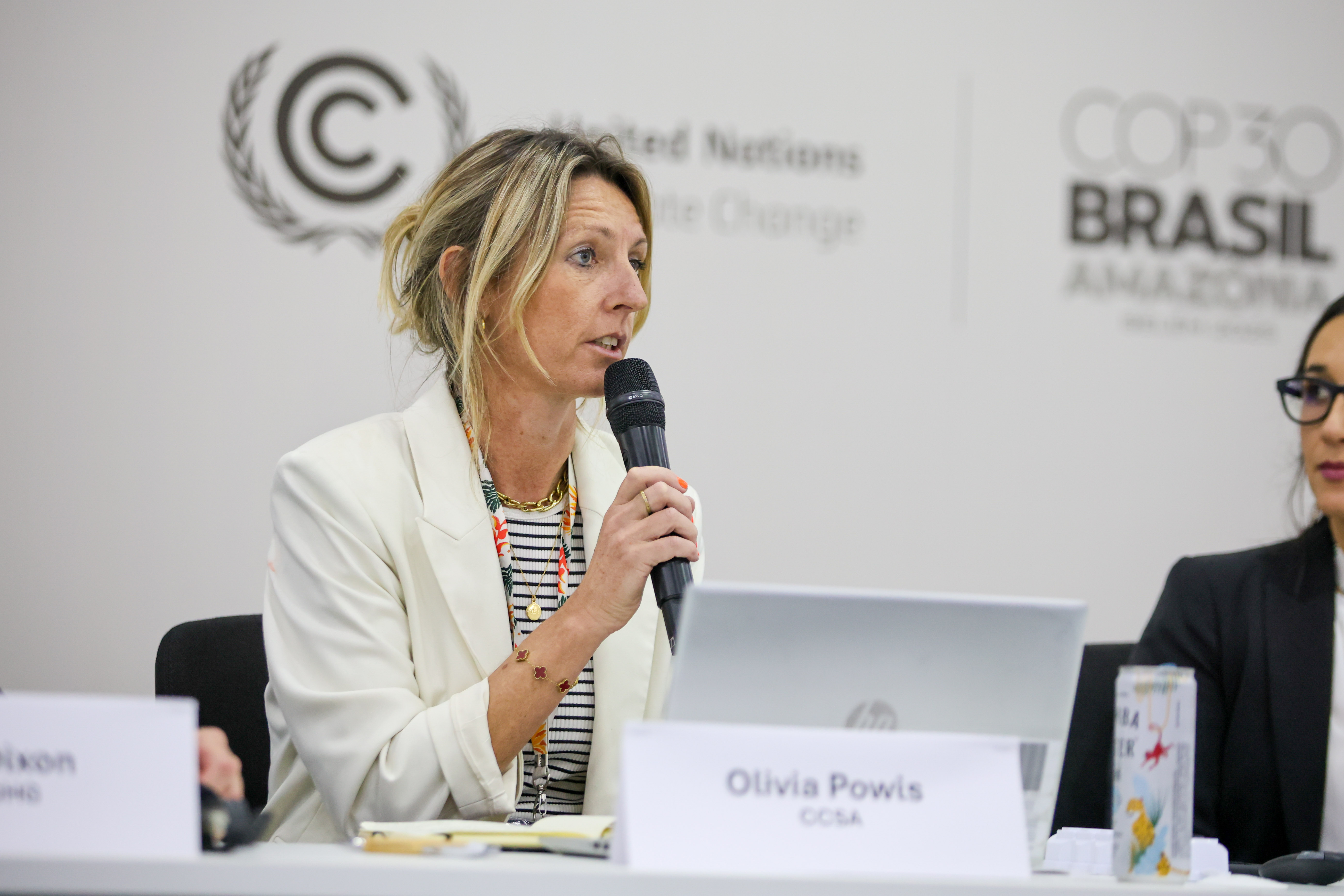
Olivia Powis, Chief Executive Officer, CCSA
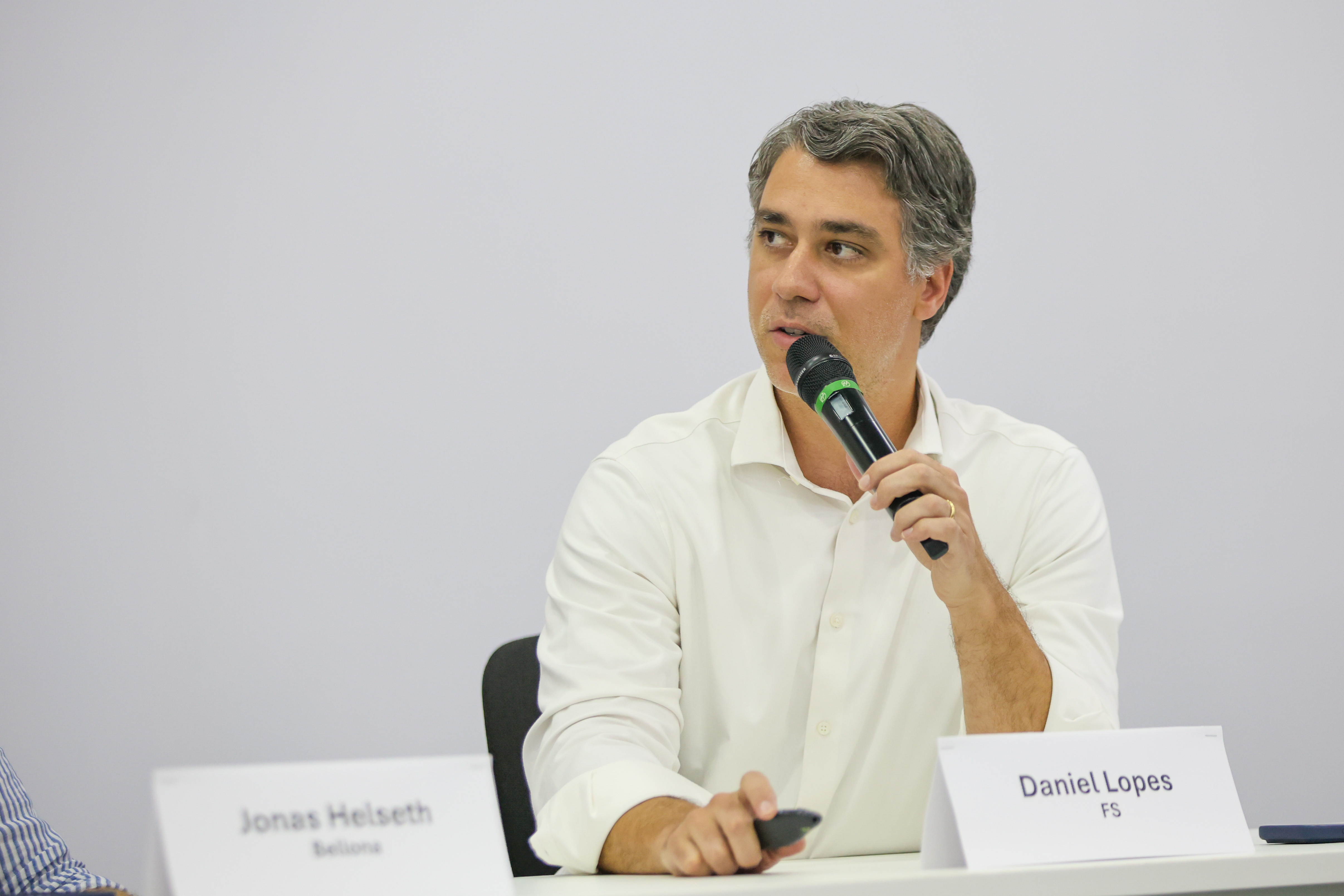
Daniel Lopes, Executive Vice President, Sustainability & Business Development, FS Fueling Sustainability
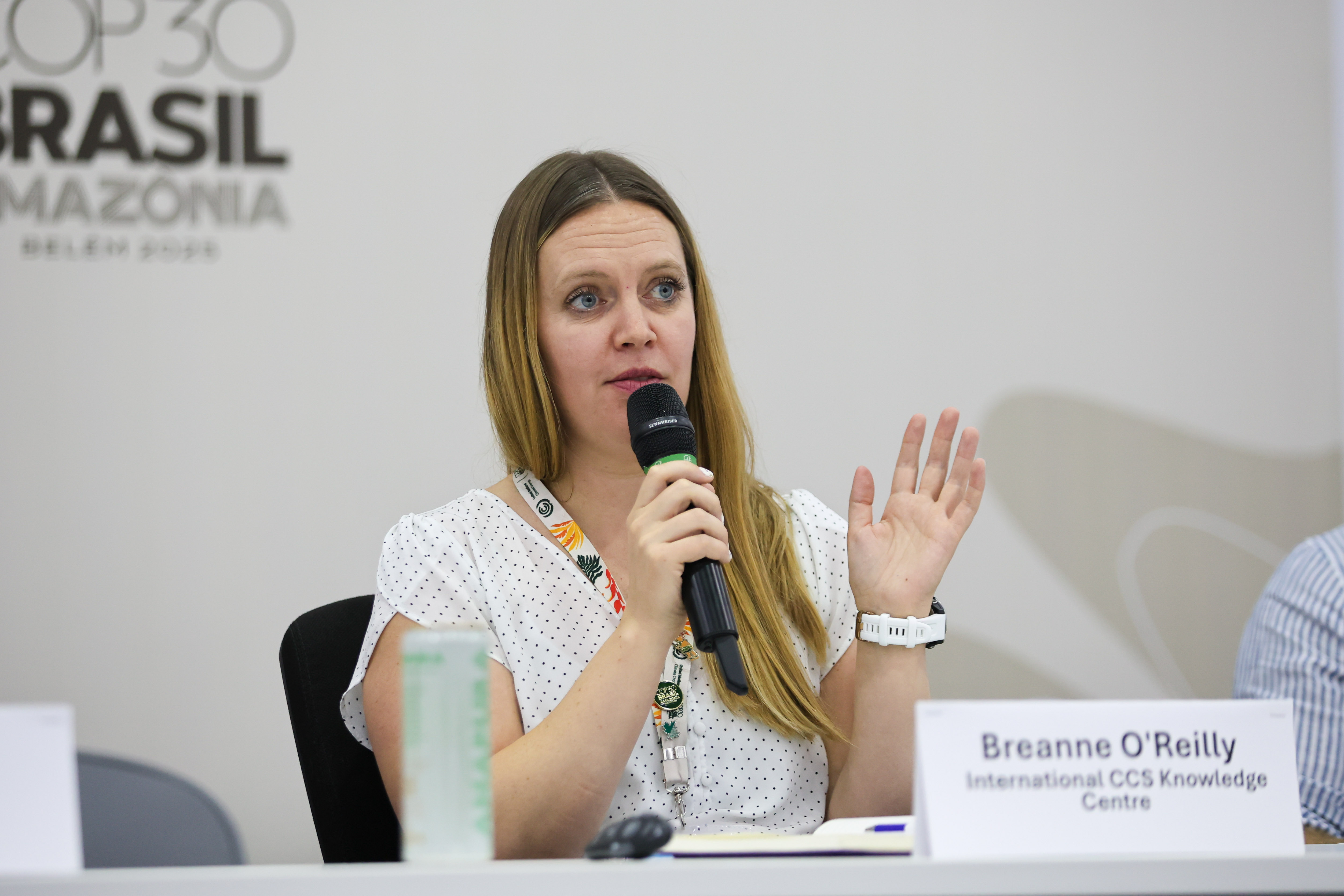
Breanne O’Reilly, Chief Operating Officer, ICCSKC
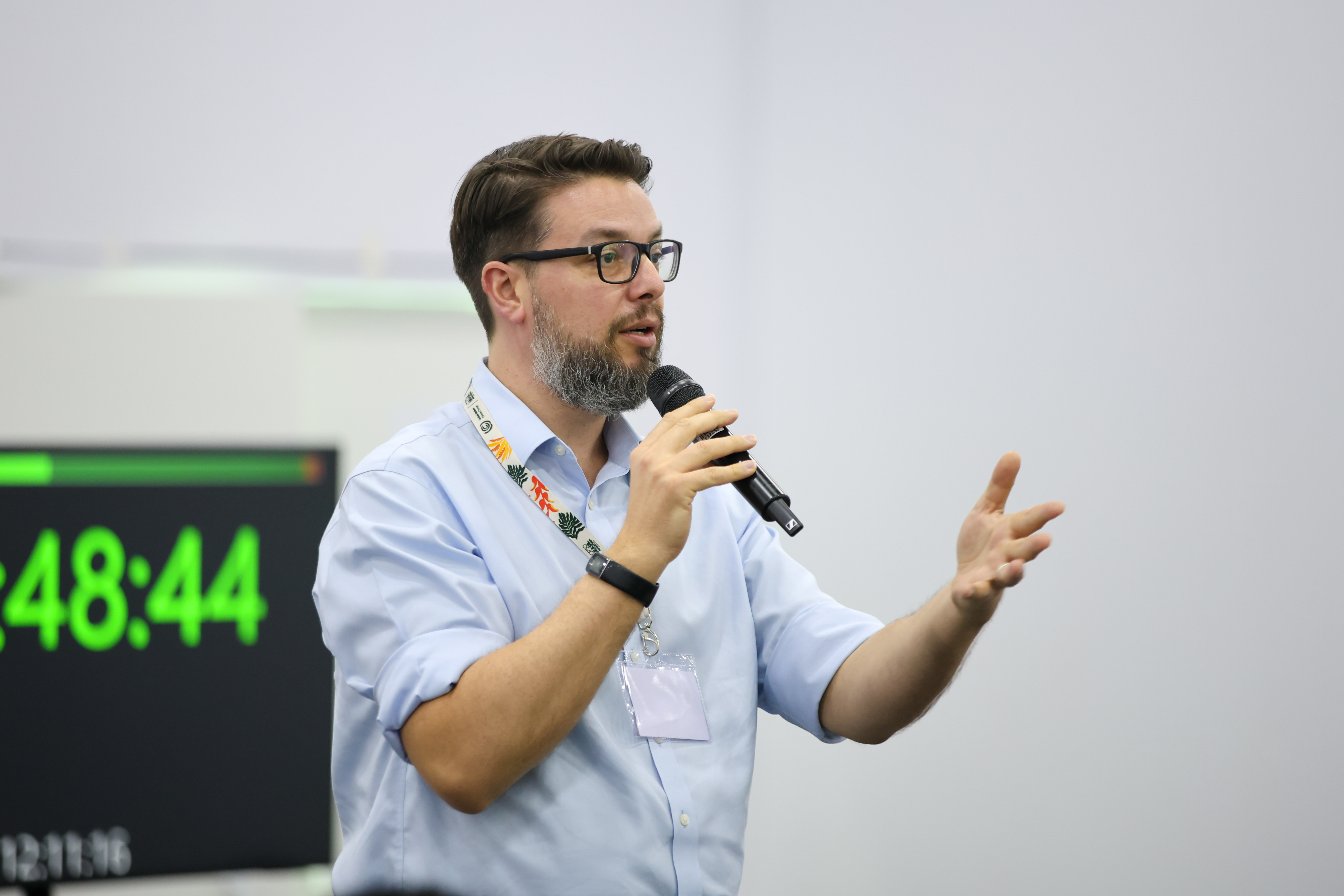
A participant poses a question to the panelists.