About
Seeking to open new fronts in the climate fight, researchers, policymakers, and aid agencies shared their experiences in developing credit markets and science-based measures to scale up finance for nature-based solutions.
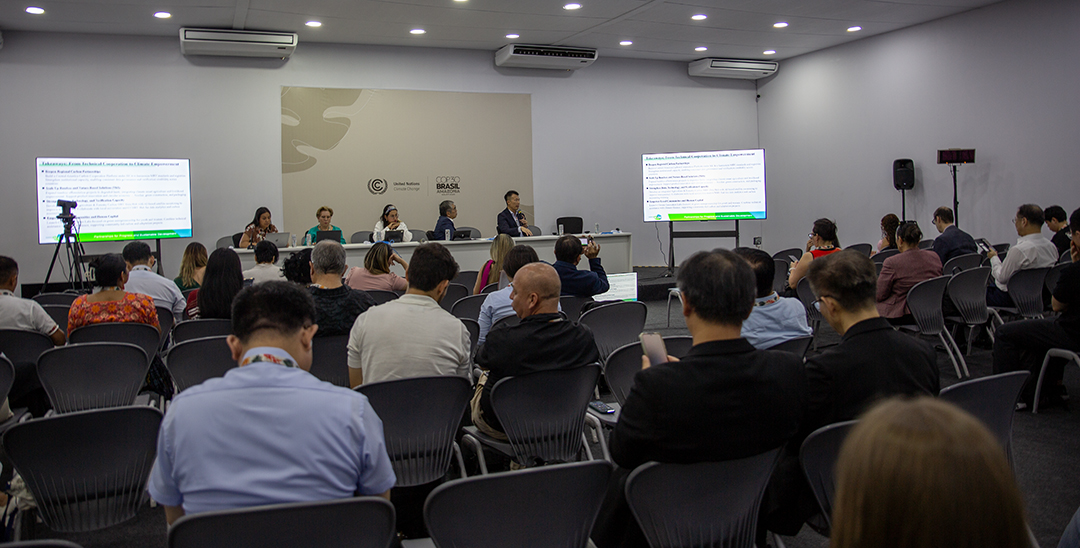
Nature-based solutions (NbS) offer wide-ranging synergies and co-benefits, from sequestering carbon to enhancing ecosystem integrity and advancing national climate goals. Scaling up actions, such as forest restoration, biodiversity conservation, and sustainable agriculture, through financial mechanisms also can build climate resilience and adaptive capacity. At this side event, government officials and researchers discussed how institutional frameworks, the creation of biodiversity credits, and international development collaborations can transform NbS into bankable initiatives and accelerate climate action.
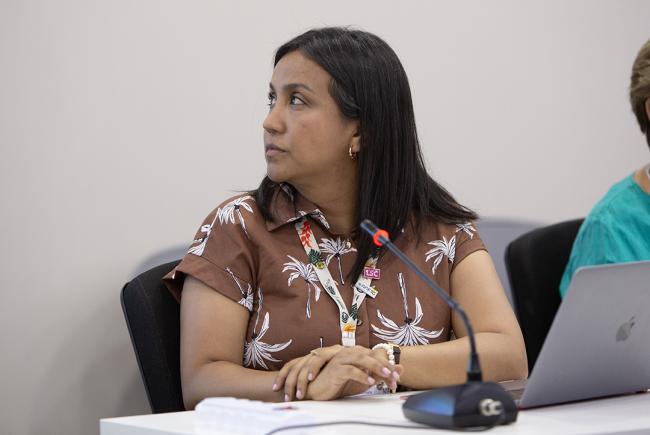
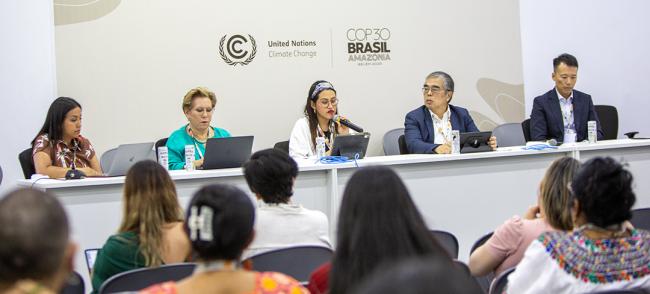
Andrea Domenika Fernández, International Cooperation Unit Coordinator, Ministry of Environment and Natural Resources, Guatemala, moderated the event and invited participants to share their experiences with unlocking the potential of NbS.

Andrea Lucrecia Fión Góngora, Director of Climate Change, Ministry of Environment and Natural Resources, Guatemala, opened the discussion by stressing that making this potential a reality requires identifying clear pathways for finance linked to verified indicators. Góngora outlined key dimensions of efforts to make NbS credible so that they attract finance, including, inter alia: consistent data and updated methodologies; clear rules established by governments; sharing benefits with Indigenous Peoples; and facilitating an inclusive dialogue.
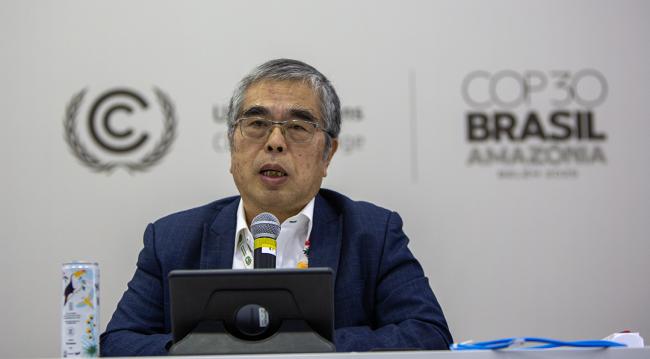
Ming-Jer Tsai, Professor, School of Forestry and Resource Conservation, Taiwan University, shared research on global trends in developing biodiversity credits, underscoring that Asia’s numerous biodiversity hotspots can make this region a bioeconomy leader. Tsai noted that climate finance has been scaled up, but biodiversity finance is still lagging behind. However, he said, global market momentum has been building, with countries introducing biodiversity-positive incentives, tax breaks, tradeable permit schemes, and subsidies. Tsai emphasized that establishing biodiversity credit markets requires scientific evidence and metrics to ensure finance delivers for nature. He called biodiversity finance the “next frontier beyond carbon.”
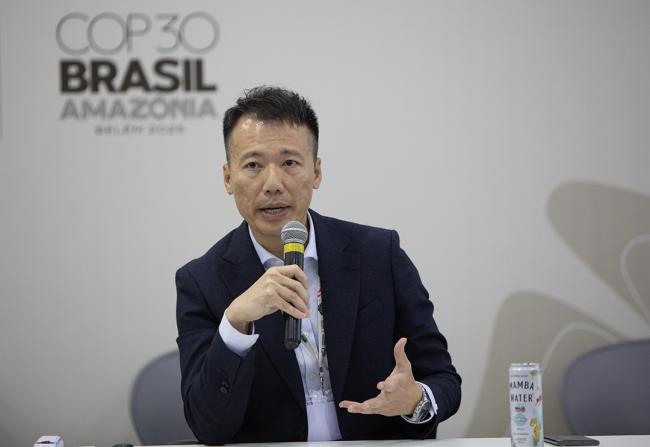
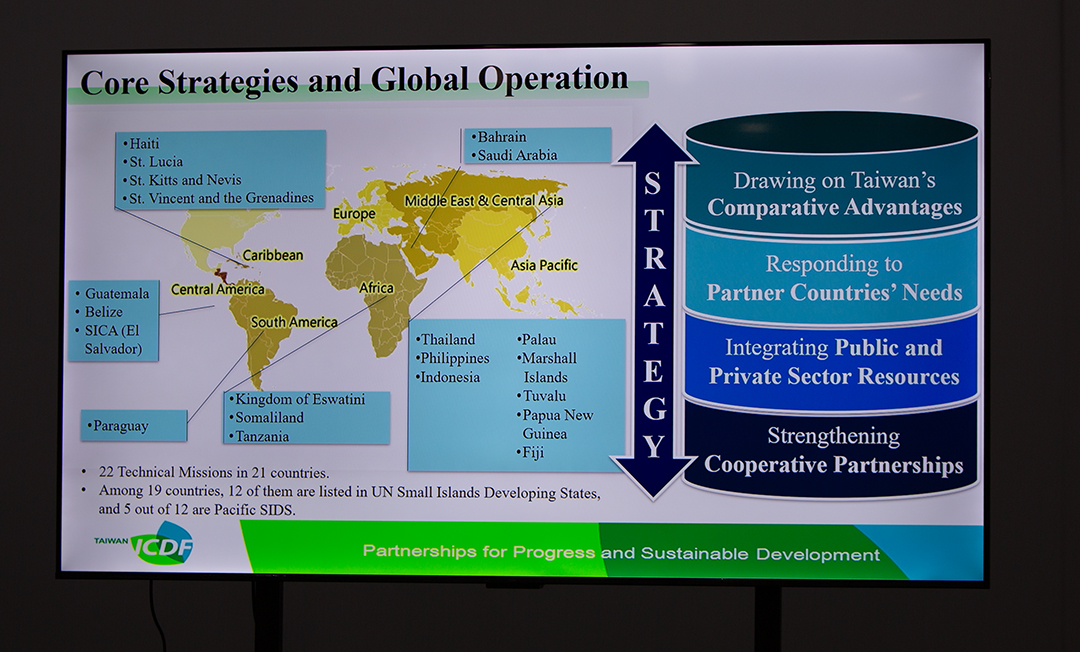
Ming-hong Yen, Director, Department of Technical Cooperation, Taiwan’s International Cooperation and Development Fund (TaiwanICDF), highlighted his agency’s technical, financial, educational, and humanitarian assistance work with 21 countries, many of them small-island nations on the front lines of climate change. Yen described projects embracing carbon credit measures, including sustainable management of bamboo in Guatemala, capacity building for low-carbon rice innovation in Southeast Asia, and improvements in fruit and vegetable supply chain efficiency in Saint Lucia. He emphasized the need to deepen partnerships, scale up NbS, strengthen data and verification capacity, and empower local communities to take the lead.
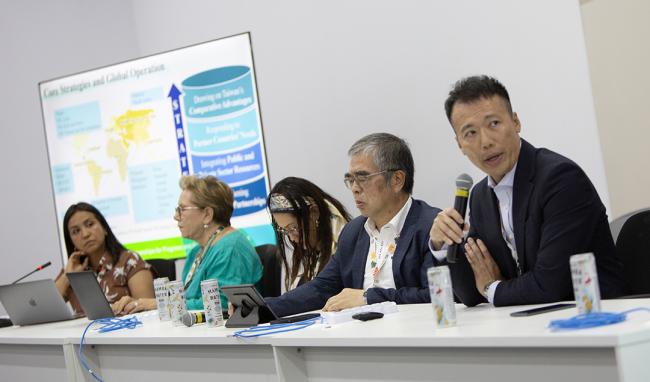
In a first round of questions posed by Fernández, panelists were asked to reflect on their experiences with strengthening NbS and financial mechanisms and the challenges countries faced when seeking to implement NbS financial strategies. Gongóra pointed to legal frameworks and policy reforms that have strengthened transparency, accountability, and inter-institutional cooperation. “Our journey,” she said, “demonstrates that even with limited resources, inter-institutional cooperation can drive progress.”
Tsai emphasized that creating credible biodiversity credit systems requires three elements: a solid scientific foundation, transparent governance, and strong partnerships across sectors. Tsai underscored how robust verification systems provide the foundation for biodiversity credit systems by ensuring “that credits are not just symbolic; they reflect real ecological outcomes.” To develop robust verification, Tsai noted that his team is taking a community-led approach focusing on transparency, open registries, and digital monitoring tools to track biodiversity gains "Credibility comes from a balance of science, transparency, and inclusiveness,” he added. However, he noted that challenges remain in developing methodological frameworks that recognize the co-benefits of biodiversity, quantifying carbon in biodiverse contexts, and achieving institutional coordination, which requires policy innovation.
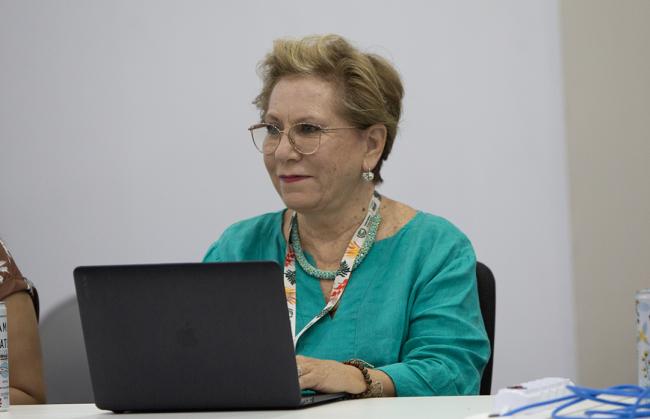
Yen noted that many developing countries are challenged by the complexity of accessing financial assistance, explaining that, to help them, TaiwanICDF provides knowledge, skills training, and data that can support partner countries to develop their carbon governance systems.
Closing the panel discussion, Fernández asked panelists to share key steps for countries to turn NbS into sustainable investment opportunities. Responses included: the need to have legal mechanisms ready and to ensure all sectors are involved; establishing credible measurement and evaluation systems and transparent, science-based methods; and pilot projects to demonstrate to investors the potential of NbS.
In final remarks, Rita Mishaan Rossell, Advisor to the Ministry of Environment and Natural Resources, Guatemala, underscored how the panel had demonstrated key elements to unlock the potential of NbS, including innovation, cross-sector participation, transparency, and scientific knowledge. Rossell noted that projects such as those described by the panelists have the potential to create livelihoods and improve the quality of life. Unlocking this potential requires sharing knowledge and using solutions developed around the world, she concluded.
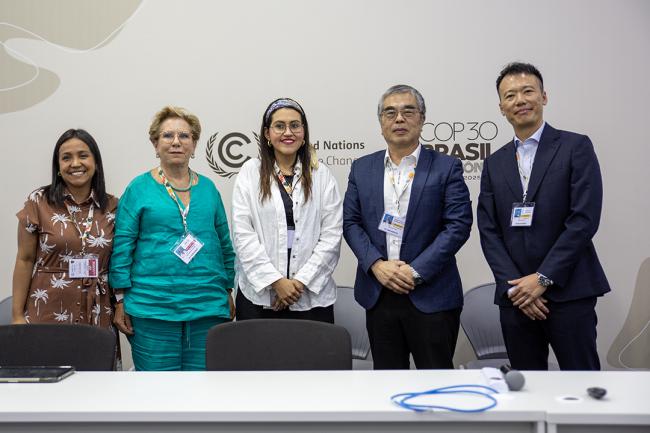
Organizers: Taiwan Institute for Sustainable Energy (TISE), TaiwanICDF, and the Government of Guatemala
Contact: Hsu-Hung Yen I [email protected]
Website: https://taise.org.tw/
To receive free coverage of global environmental events delivered to your inbox, subscribe to the ENB Update newsletter.
All ENB photos are free to use with attribution. For 2025 UN Climate Change Conference Belem - Side Events , please use: Photo by IISD/ENB | Angeles Estrada Vigil
Selected Images