About
The Call to Action on Integrated Fire Management and Wildfire Resilience, now backed by 62 countries, set the tone as speakers highlighted early results from the Global Fire Management Hub and rising cooperation on prevention-centered strategies.
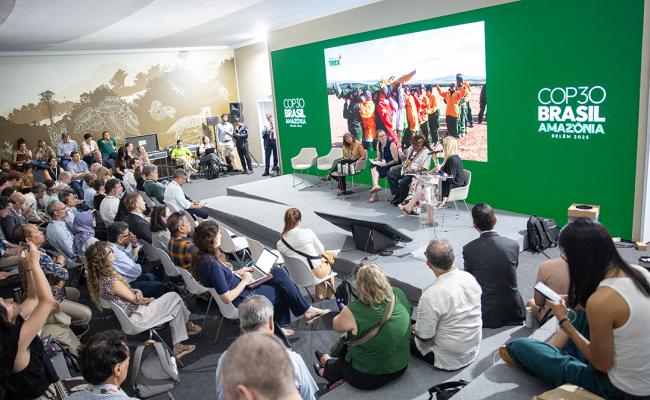
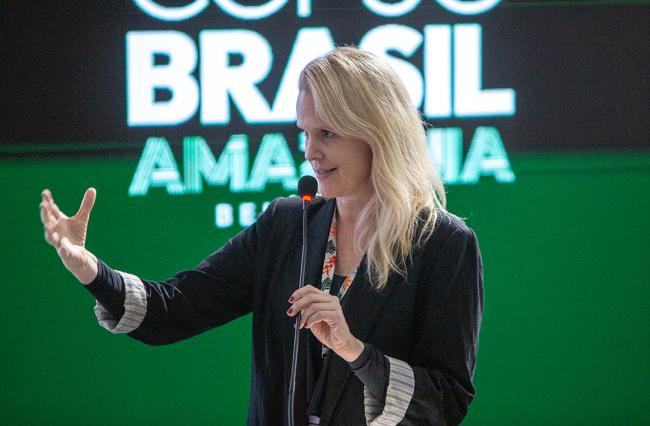
Building on the Call to Action on Integrated Fire Management and Wildfire Resilience announced by President Luiz Inácio Lula da Silva at the Belém Leaders Summit prior to COP 30, this side event presented early results of the Global Fire Management Hub launched by the Food and Agriculture Organization of the UN (FAO) and the UN Environment Programme (UNEP) in 2023. The Fire Hub brings together partners to reduce the harm to livelihoods and ecosystems caused by extreme wildfires—among the most destructive signs of climate disruption affecting all regions—and helps scale integrated fire management as a cross-cutting climate solution. The session was moderated by Amy Duchelle, Team Leader for Forests and Climate, FAO.
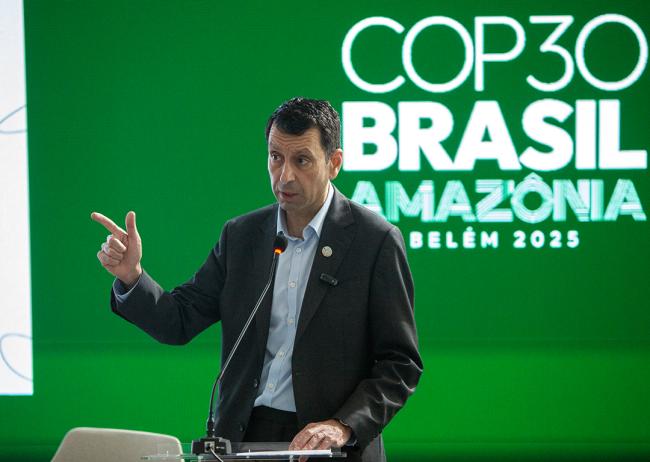
In opening remarks, Kaveh Zahedi, Director, Office of Climate, Biodiversity and Environment, FAO, said the event supports objectives under Axis 2 of the COP 30 Action Agenda on Stewarding Forests, Oceans, and Biodiversity. He reported that the Call to Action on Integrated Fire Management is now endorsed by 62 countries and four organizations, and said it urges a shift from reaction to prevention. Citing findings from FAO’s 2025 Global Forest Resources Assessment, Zahedi noted that about 260 million hectares are affected by fires every year, roughly half of which are forests. He described the Hub’s five pillars: knowledge sharing, capacity building, community resilience, early warning, and policy support. He said the Hub is ready to serve as an operational backbone for global cooperation. He concluded by stressing that the Call to Action has raised wildfire resilience to a global climate priority and that further efforts are urgently needed.
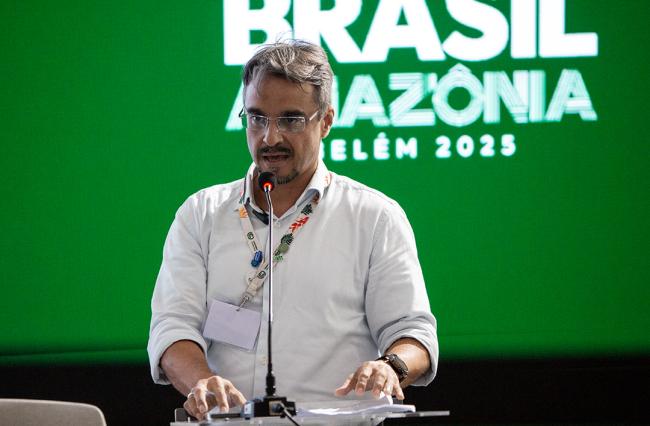
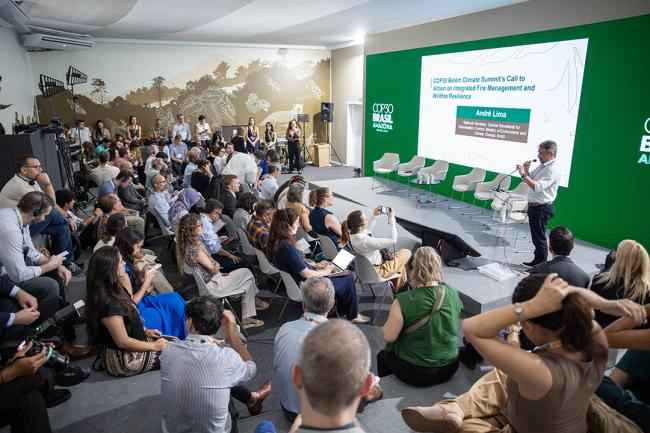
André Lima, National Secretary, Extraordinary Secretariat for Deforestation Control, Ministry of Environment and Climate Change, Brazil, then spoke about the increasing frequency, intensity, and longevity of droughts in Brazil. He recalled that in 2022 only 7% of Amazon fires occurred in forested areas, while in 2025 that share rose to 35%. He outlined a law adopted in 2024 that shifts wildfire policy from reaction to prevention, and said Brazil now works through ministries, subnational authorities, civil society, and Indigenous communities to implement measures. He highlighted an investment of BRL 1.5 billion to combat fires in priority municipalities, and successes in achieving significant reductions in fires across Brazil as a whole, namely 42% compared to the previous eight years. He underscored the value of collaboration with neighboring countries and said the Fire Hub and FAO are essential partners.
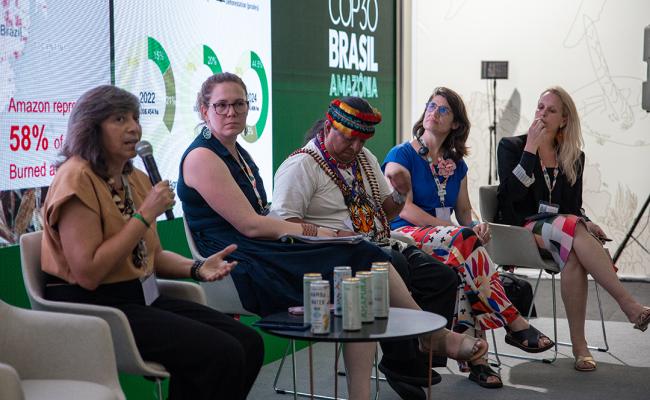
A panel then showcased results under the Global Fire Management Hub’s five pillars. On knowledge and data sharing, Ane Alencar, Director of Science, Amazon Environmental Research Institute, presented MapBiomas Fire, a collaborative platform that compiles local expertise to produce data on burned areas in Brazil. She said it was transformative in tracking changes in fire frequency, intervals, extent, and size, and in assisting government planning. Reflecting on the severe 2024 fire season, she explained that the Amazon reached a point where forest became highly flammable, with seven million hectares lost. She stressed that reliable and inclusive data is essential for monitoring and action.
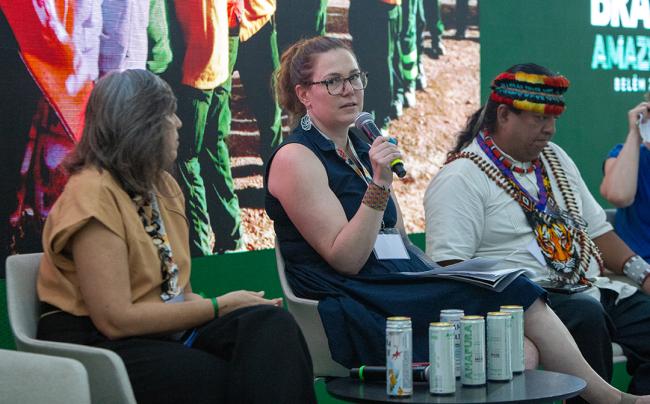
On capacity building, Rachel Pasternack, Global Lead for Forests, The Nature Conservancy, described global Prescribed Fire Training Exchanges (TREX), which trains fire practitioners from around the world. She described weeks-long training events that teach planning and safe burning, and said more than 200 of these exchanges have taken place. Stressing that “together we can rewrite the story of fire,” she emphasized intentional inclusion and cooperation.
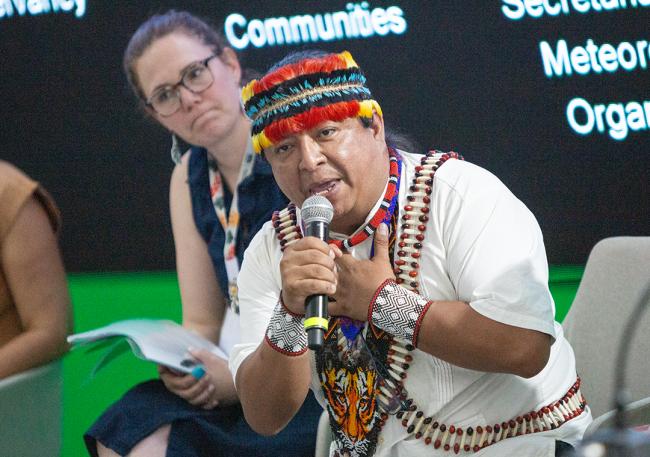
On wildfire resilient communities, Juan Carlos Jintiach, Executive Secretary, Global Alliance of Territorial Communities, Ecuador, said Indigenous Peoples must be central to any discussion of fire. He said the issue relates to rights, security of land, and the protection of territory. He also stressed the importance of ancestral knowledge, noting Indigenous communities safeguard one million hectares of forest, and called for designing technologies in partnership with communities.
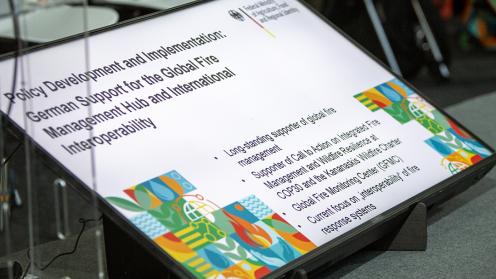
On policy development and implementation, Katalin Solymosi, Senior Advisor, Federal Ministry of Agriculture, Food and Regional Identity, Germany, highlighted Germany’s support for the Global Fire Management Hub and the Global Fire Monitoring Center. She said the choice of Belém for COP 30 is fitting because local communities are urgently seeking ways to protect forests. In particular, she underlined the importance of international interoperability, stressing systems must be able to connect across borders. This could include, she said, communications among fire brigades and legal arrangements for cross border loss and damage. She also called for consensus on sustainable forest management as a core preventive measure.
In absentia of a scheduled speaker from the World Meteorological Organization (WMO), Duchelle then acknowledged WMO’s contributions in forecasting and in addressing smoke pollution.
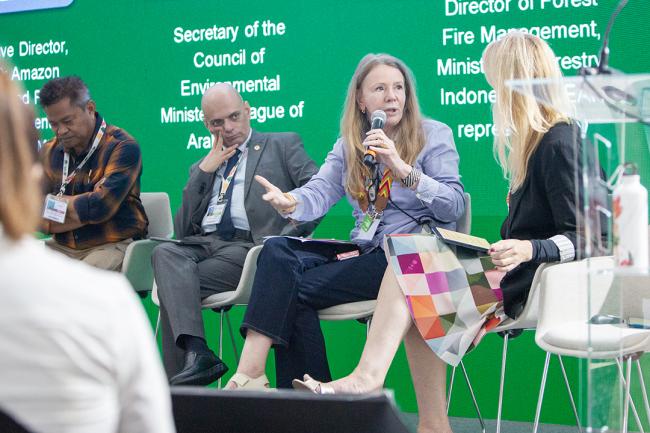
A roundtable on regional cooperation ensued. Vanessa Grazziotin, Executive Director, Amazon Cooperation Treaty Organization (ACTO), described the Amazon Integrated Fire Management Network. She said regional cooperation is essential as drought driven fires intensify. She recalled that the Amazon Summit in Belém in 2023, which brought together leaders from the eight Amazon countries, strengthened political commitment to protect the biome. She said ACTO is negotiating a regional agreement on fire and creating a center for disaster response. She announced a new Regional Program for Integrated Fire Management in the Amazon Forest which will benefit from a total investment of EUR 18.7 million to prevent, respond to, and recover from forest fires in both national and cross-border areas.
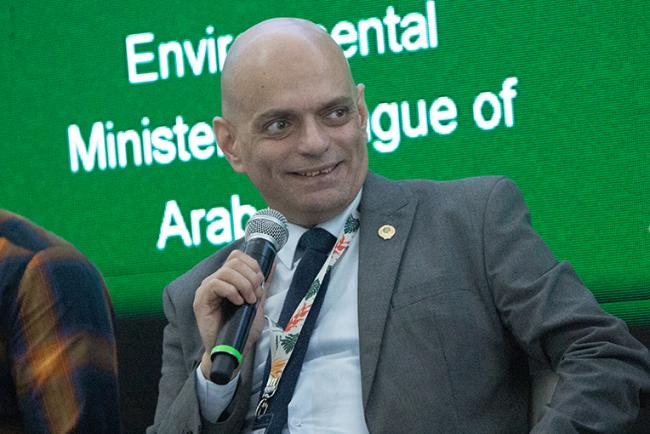
Mahmoud Fath Allah, Secretary of the Council of Environmental Ministers, League of Arab States, outlined work with the League’s 22 Member States. He said forest fires affect many countries in the region and that, together with FAO’s regional office, Members have adopted a five-year roadmap on forest fire management for the period 2025 to 2030. He said ministers have endorsed a regional plan of action, marking an important step toward cooperation.
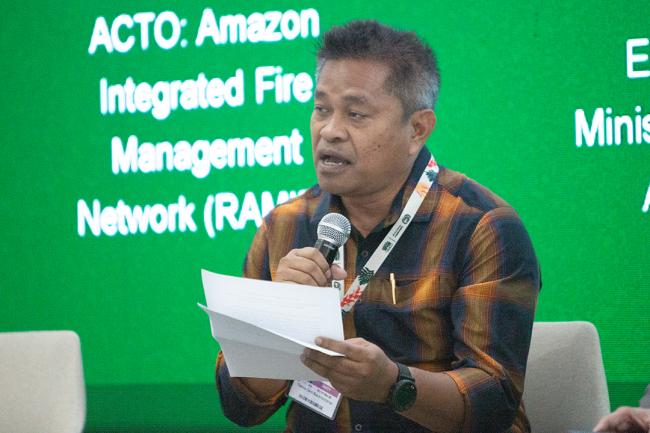
Thomas Nifinluri, Director of Forest Fire Management, Ministry of Forestry, Indonesia, described efforts among Member States of the Association of Southeast Asian Nations (ASEAN), four of which have endorsed the Call to Action. He said countries are committed to shifting from suppression to prevention, improving knowledge systems, creating regular and comparable mapping, and supporting policy development. He added that ASEAN is establishing a center to address pollution from forest fires.
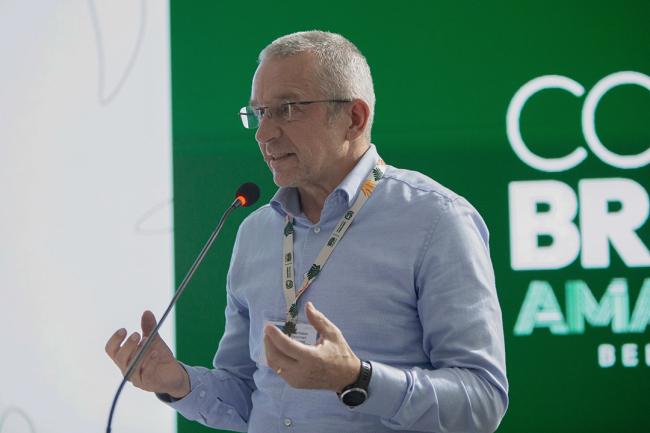
In closing, Martin Krause, Director, Climate Division, UNEP, said the partnership behind the Fire Hub grew from a shared determination to move towards implementation. He warned that, while wildfires release large amounts of CO2 each year, devastate ecosystems, and displace communities, most countries still rely on reactive approaches. Krause concluded by urging governments to put wildfire at the center of the climate agenda, and said UNEP stands ready, together with FAO, WMO, the UN Office for Disaster Risk Reduction, and Indigenous networks, to scale up this work.

Organizers: FAO and the Government of Brazil
Contact: Amy Duchelle and Miranda Wadham-Smith, FAO I [email protected], [email protected]
For more information: https://www.fao.org/partnerships/fire-hub/en
To receive free coverage of global environmental events delivered to your inbox, subscribe to the ENB Update newsletter.
All ENB photos are free to use with attribution. For 2025 UN Climate Change Conference Belem - Side Events , please use: Photo by IISD/ENB | Angeles Estrada Vigil
Selected Images
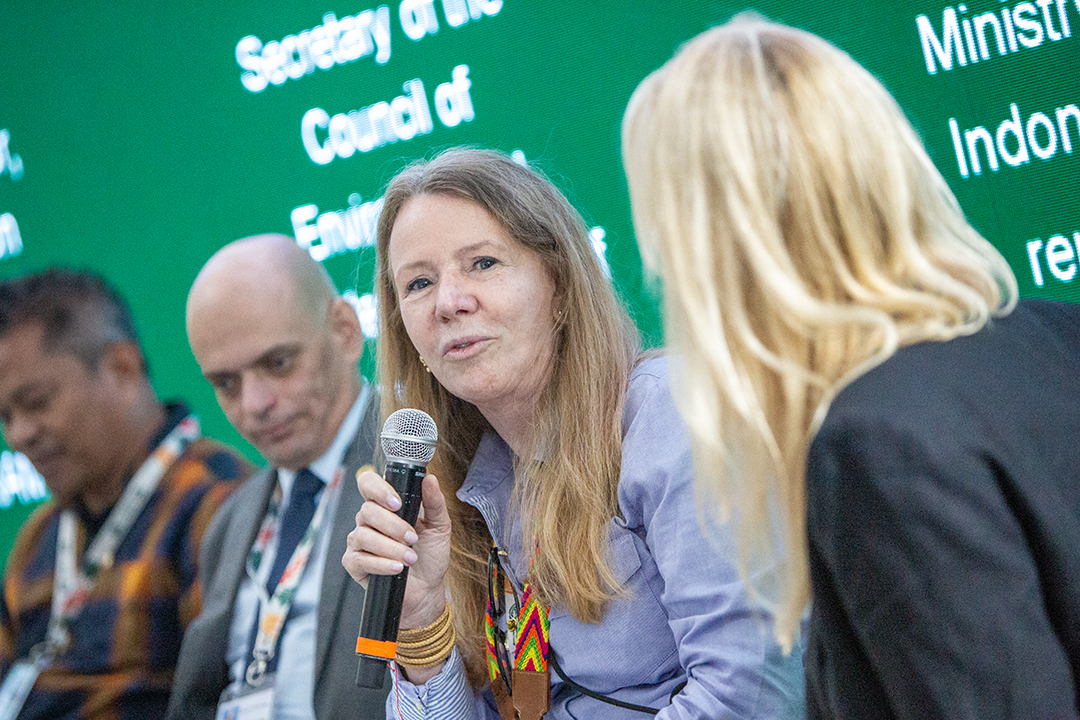
Vanessa Grazziotin, Executive Director, ACTO
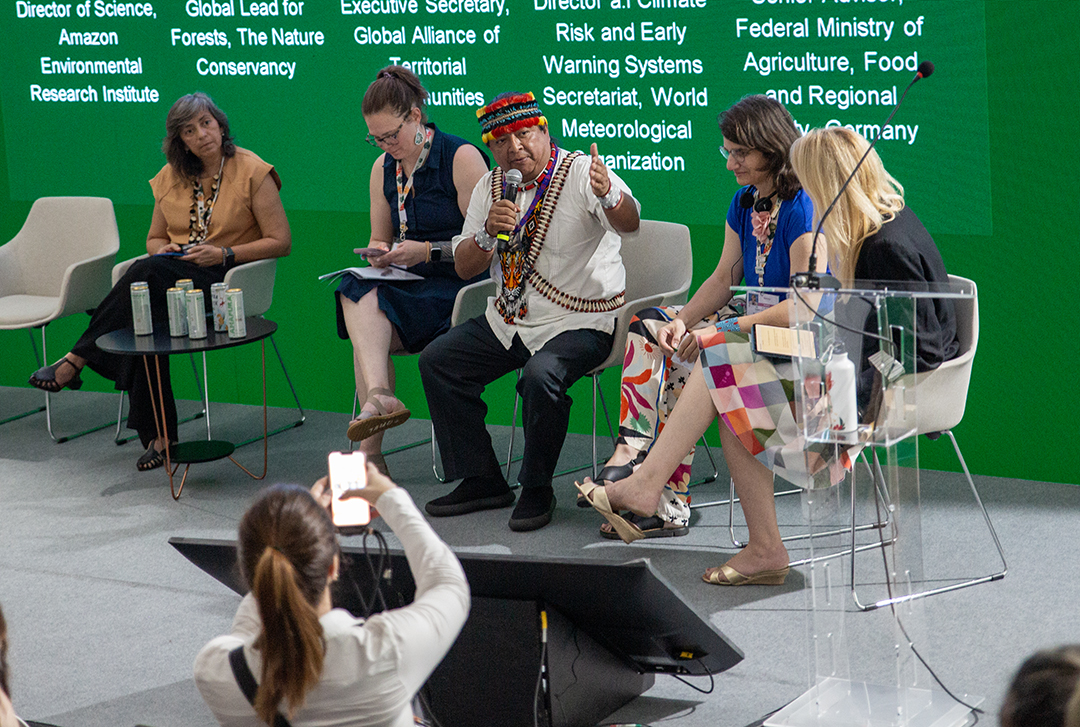
Juan Carlos Jintiach, Executive Secretary, Global Alliance of Territorial Communities, Ecuador, addresses the audience.
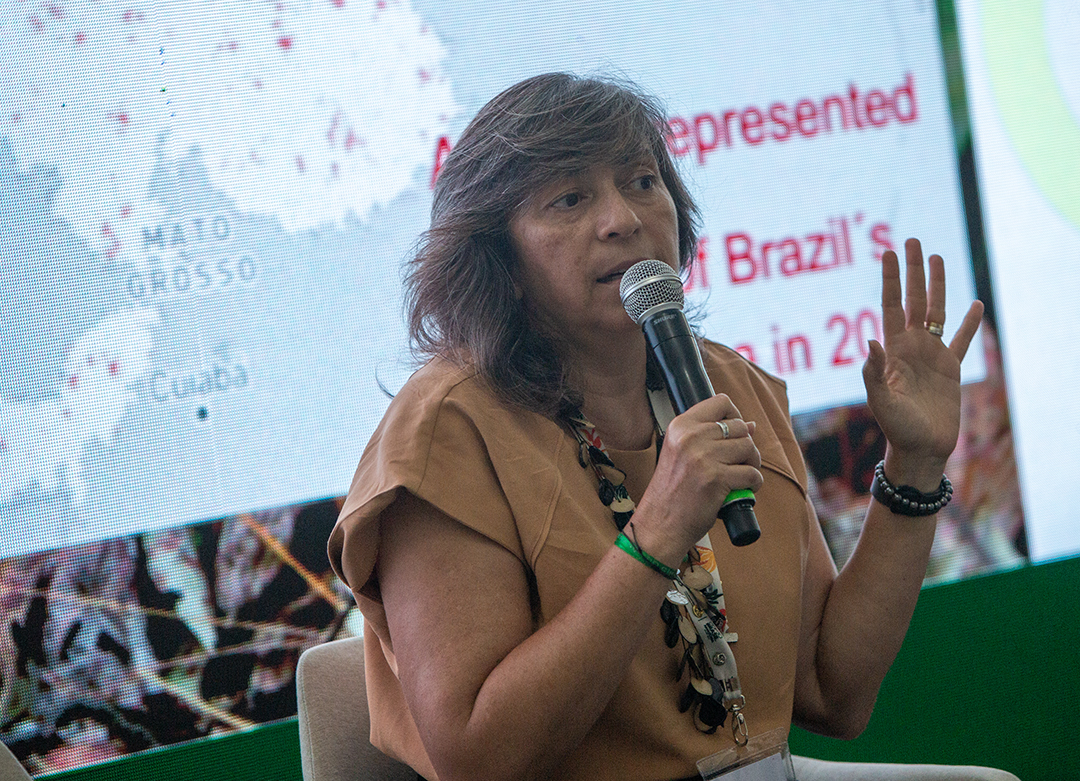
Ane Alencar, Director of Science, Amazon Environmental Research Institute

Katalin Solymosi, Senior Advisor, Federal Ministry of Agriculture, Food and Regional Identity, Germany