About
Advancing the Buildings Breakthrough Agenda, experts on green construction policies and practices offer new resources and insights for creating the Nearly-Net Zero and Resilient Buildings of the future.
With the world off track from achieving the goals of the Paris Agreement, urgent action is required to improve the resilience of built environments and reduce their contributions to climate change. The adoption of renewable and sustainable materials and practices can drive major gains for built environments, but fully and efficiently implementing these climate actions can stretch the capacity of institutions and practitioners.
This side event brought together experts to offer concrete examples and best practices for implementation of green building strategies that can deliver big wins for the climate and environment.
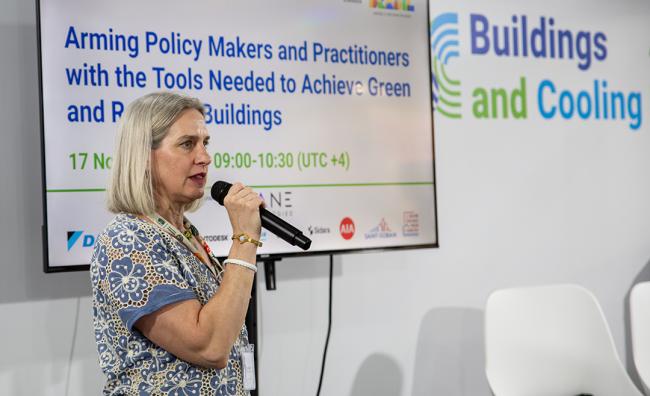
Introducing the event, Judy Zakreski, Senior Vice President, Global Operations and Solutions, International Code Council, highlighted work under the Buildings Breakthrough Agenda to identify capacity-building resources for institutions and practitioners. Zakreski pointed out how a focus on implementation has meant mapping the landscape of existing policies and regulations on the institutional side of the question and the skills and training necessary on the practitioner side to make Nearly-Zero Emission and Resilient Buildings (NZERB) the new norm by 2030.
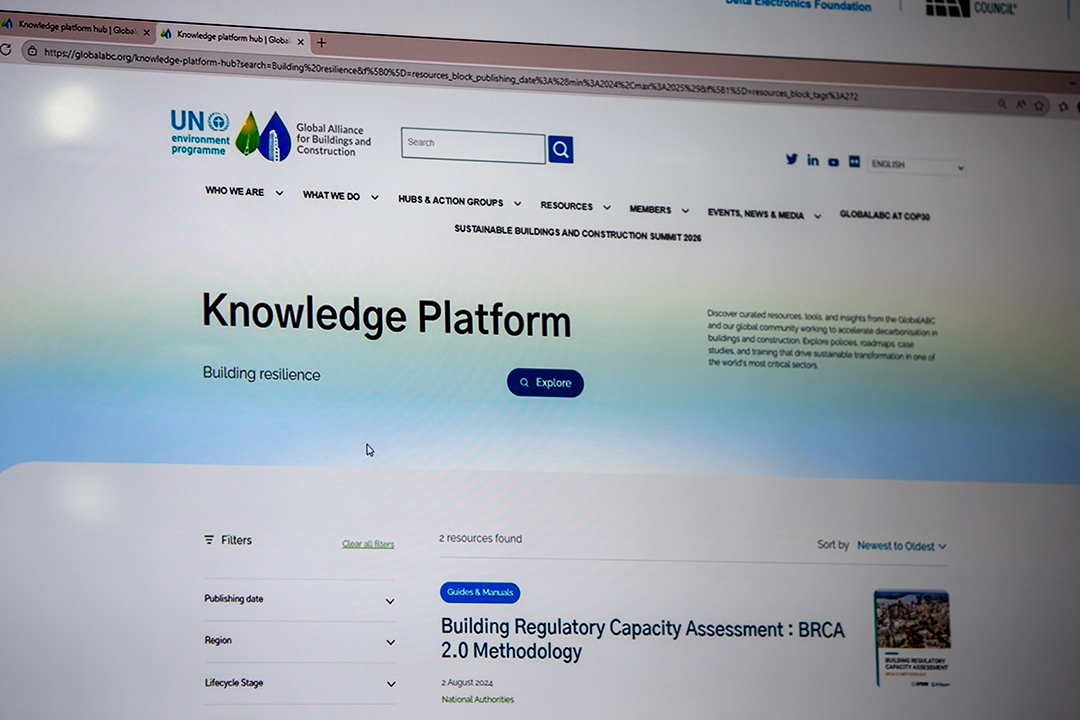
Zakreski provided the audience with a sneak preview of a new capacity-building portal, which is designed to be an online resource populated by submitted tools and best practices for sustainable and resilient building. Zakreski noted the portal will close a critical gap in achieving NZERB because, presently, no centralized place to learn from what others have done exists.
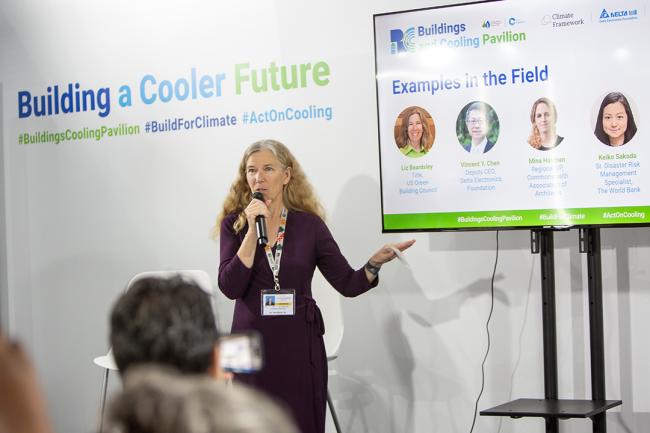
Liz Beardsley, Senior Policy Council, US Green Building Council (USGBC), moderated the first panel focusing on examples from the field. Offering her own examples of resources available to institutions and practitioners, Beardsley pointed to courses and other materials often provided for free by USGBC, including a Guide to Strategic Decarbonizing Planning.
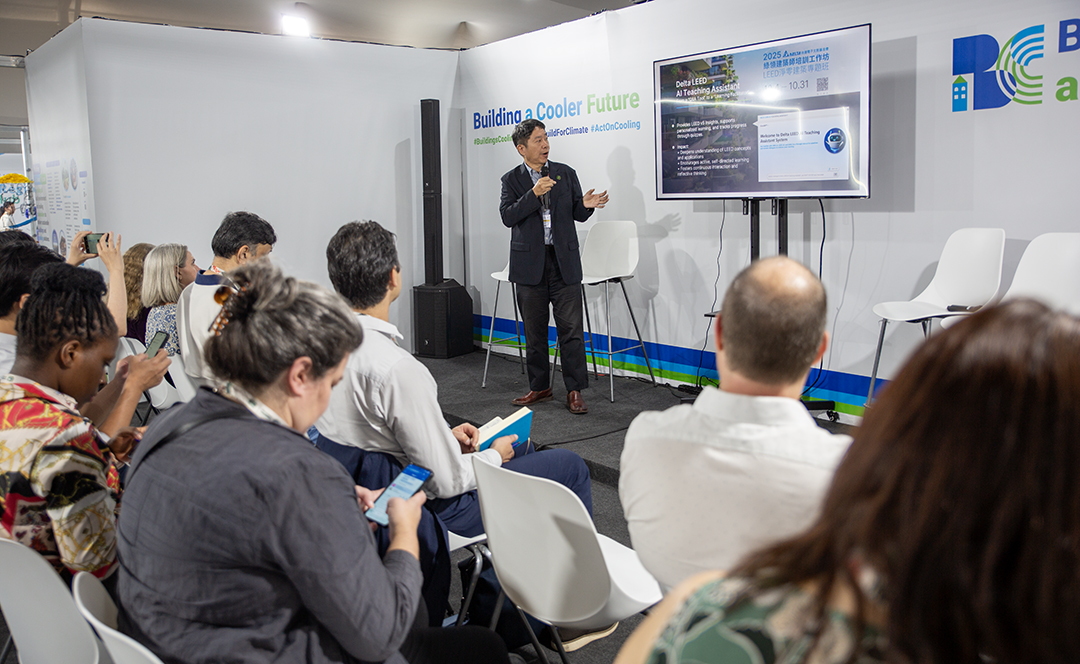
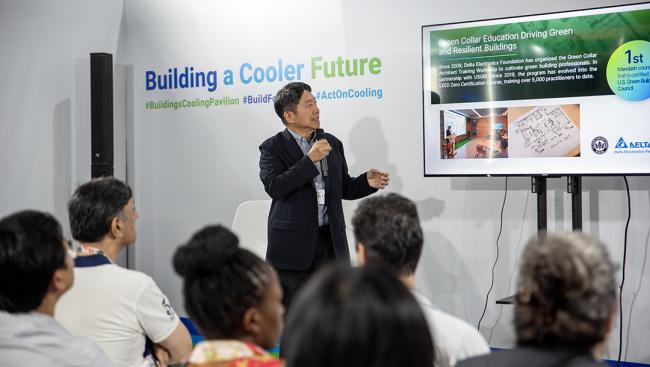
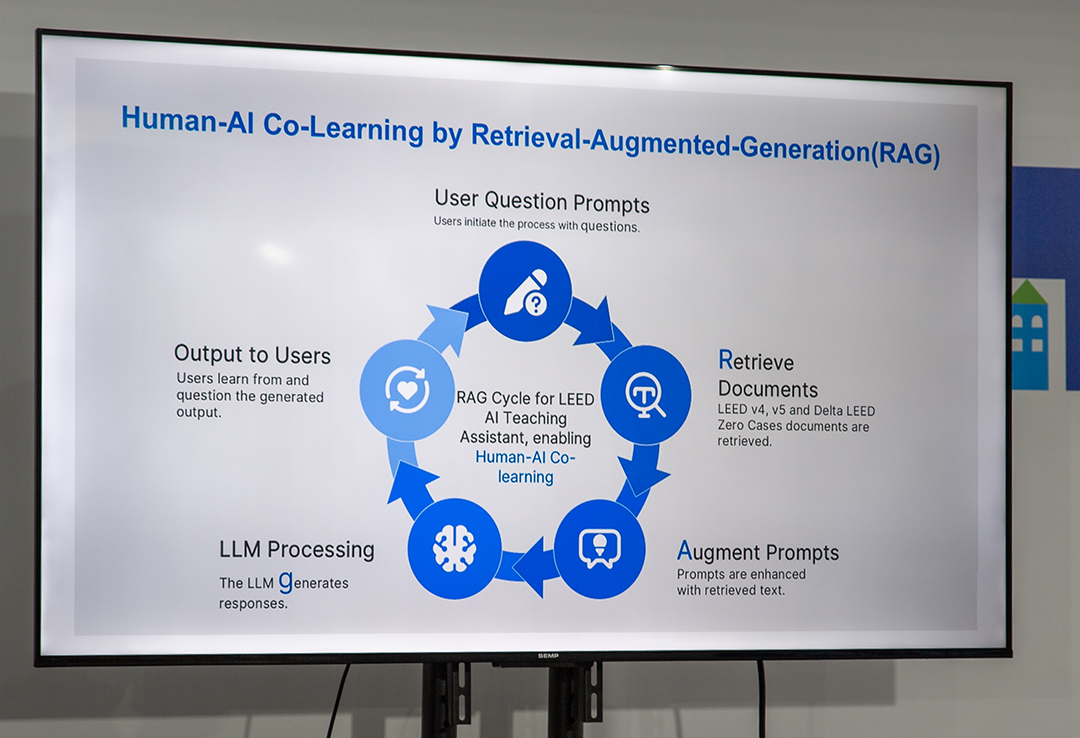
Vincent Y. Chen, Deputy CEO, Delta Electronics Foundation, highlighted the foundation’s new AI-enabled system for helping policymakers and practitioners build knowledge and skills capacity for NZERBs. Chen noted that the system co-learns with its human users to develop deeper understanding of core concepts. This platform, he added, enables the continuous addition of new information on NZERB, empowering professionals and institutions to enhance their expertise in NZERBs.
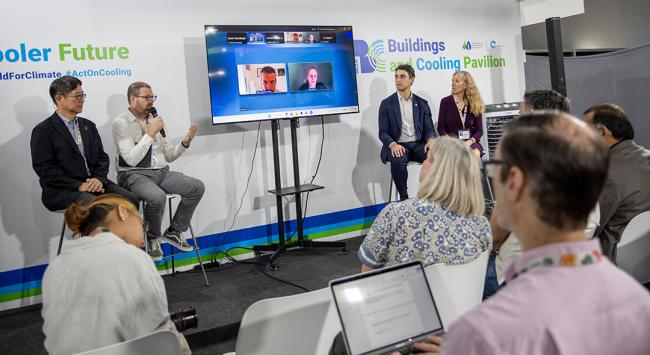
Mina Hasman, Regional Vice President, Commonwealth Association of Architects (CAA), stressed that a core capacity-building challenge lies in the fragmented state of climate literacy and tools, including inconsistent interpretations of key concepts. She highlighted her organization’s work to establish the Climate Framework Initiative, which connects research and practice across six themes, including human factors, circular economy, and ecology and biodiversity. She said the initiative has been integrated into the Royal Institute of British Architects (RIBA) Climate Guide. She added that a global memorandum of understanding was produced to help embed climate literacy into education and practice, align expectations across discipline and regions, and support the development of a climate literacy training programme.
Keiko Sakoda, Senior Disaster Risk Management Specialist, World Bank, highlighted the bank’s framework to help countries assess their policy and building code needs. Sakoda underscored that this includes checklists covering key topics in building codes, and that the initiative has produced country- and regional-level baseline data and profiles.
Filippo Calcerano, Senior Researcher, National Research Council of Italy, emphasized his work focusing on adaptation and mitigation in historic sites, noting that “cultural heritage is part of the solution to climate change.” He urged coordinated action on built heritage and offered guidelines, models, and simulations available to help with decision making at cultural heritage sites to achieve resilience and sustainability goals.
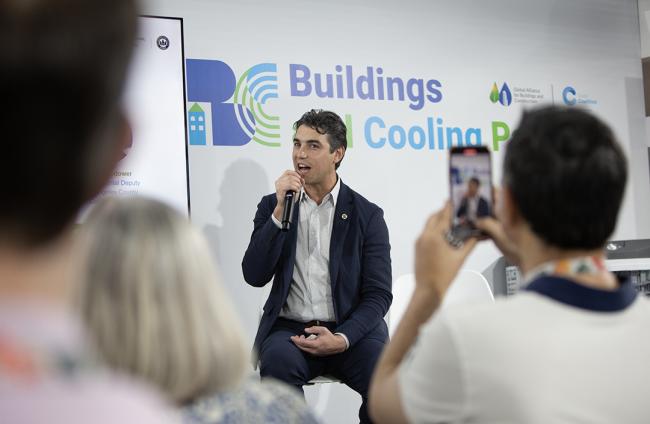
A second discussion offering reflections from governments, moderated by Ryan Colker, Executive Director, Energy Resilience & Innovation, International Code Council, stressed the need for real-world examples to connect sustainability and resilience to policymakers, practitioners, and consumers.
Aaron Ordower, Environment Deputy for Supervisor Lindsey Horvath, Los Angeles County, US, highlighted his county’s focus on implementation, which has grown more urgent as heatwaves, floods, and wildfires increasingly devastate homes and neighborhoods. He stressed the need for capacity building and knowledge at all levels, noting his own experience of trying to replace a gas water heater with an electric heat pump, something which his plumber and building inspector had little knowledge of. Ordower underscored that when people realize green technologies are not only more cost-effective but can lead to safer buildings, momentum will increase to implement them as solutions. Ordower also welcomed more dialogue between local, state, regional, and national governments, as well as AI tools that can help time-strapped planners sort through resources.
Following the panel and discussion, speakers urged public outreach efforts to make more people aware of available resources. Ordower noted the importance of liaising with partner organizations; Chen highlighted regular workshops his organization holds with the public and experts; Colker pointed to community engagement at special events; Hasman urged targeted, strategic engagement with specific authorities; and Calcerano stressed that time and cost issues can hinder progress.
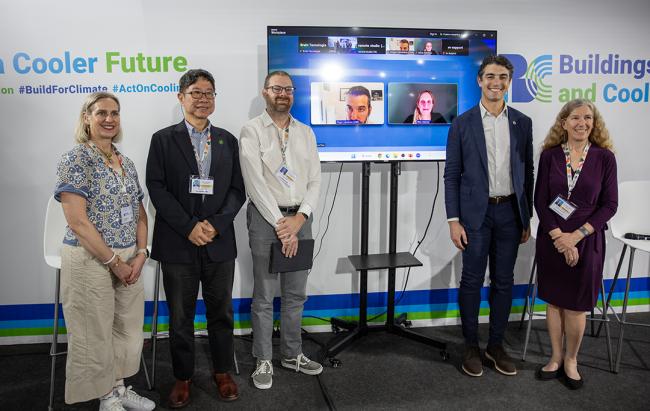
Closing out the event, participants urged, inter alia: thinking about continuing education requirements around new technologies and policies (Colker); research and pressure on government to shift policies (Chen); engaging with building trades and design professionals as early as possible and bringing a public safety lens to public outreach efforts (Ordower); greater accountability and measurable targets (Hasman); and interdisciplinary approaches (Calcerano).
Organizers: Delta Electronics Foundation
Contact: Liehfang Li I [email protected]
Website: https://www.delta-foundation.org.tw/en
To receive free coverage of global environmental events delivered to your inbox, subscribe to the ENB Update newsletter.
All ENB photos are free to use with attribution. For 2025 UN Climate Change Conference Belem - Side Events , please use: Photo by IISD/ENB | Angeles Estrada Vigil
Selected Images
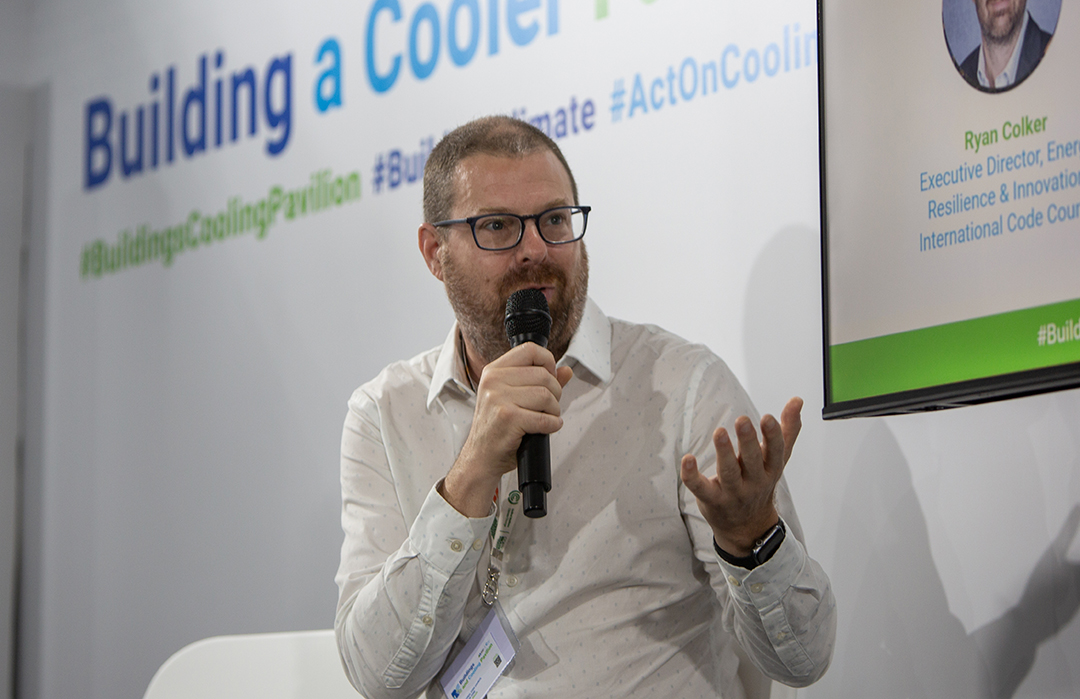
Ryan Colker, Executive Director, Energy Resilience & Innovation, International Code Council
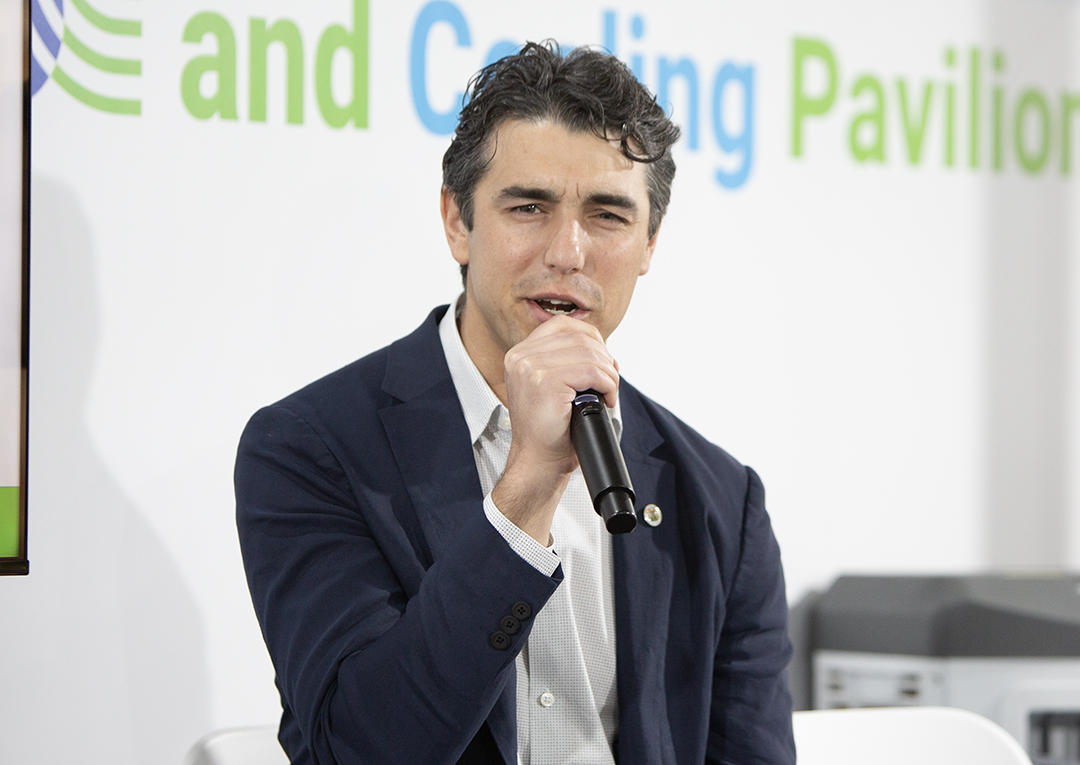
Aaron Ordower, Environment Deputy for Supervisor Lindsey Horvath, Los Angeles County, US
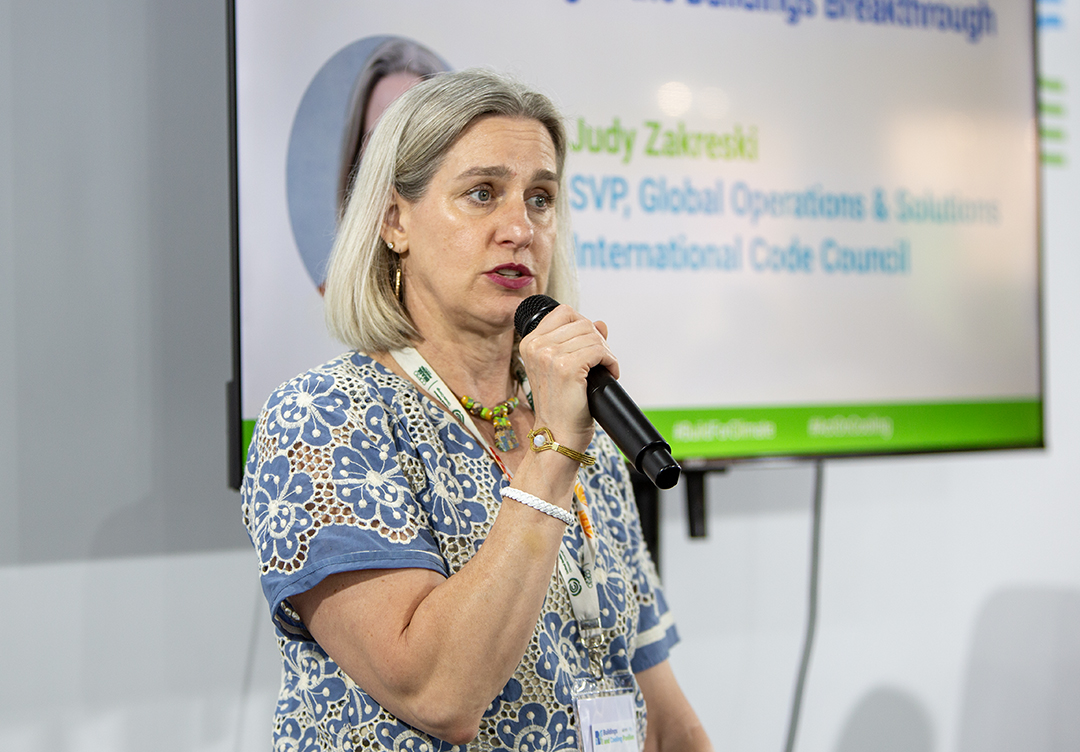
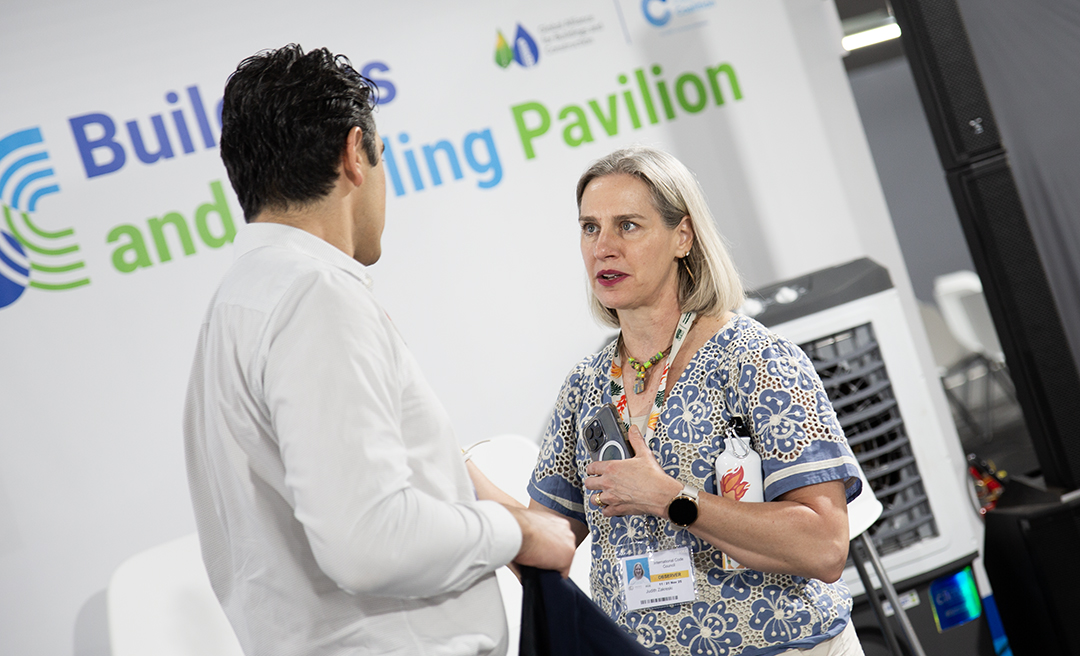
Judy Zakreski, Senior Vice President, Global Operations and Solutions, International Code Council
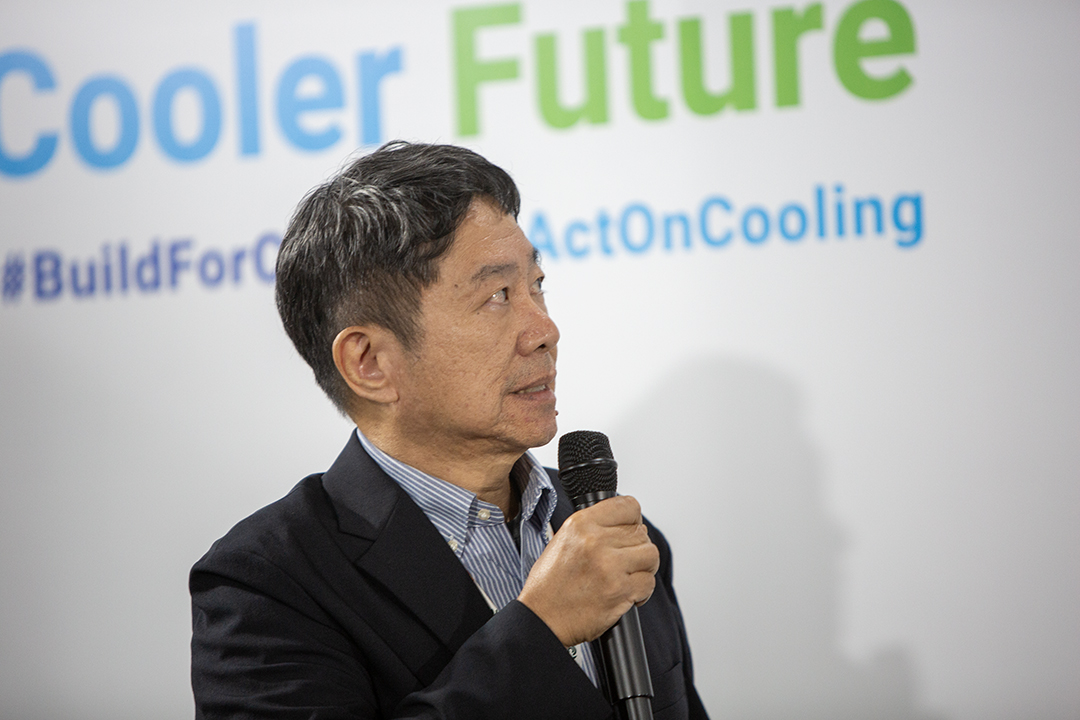
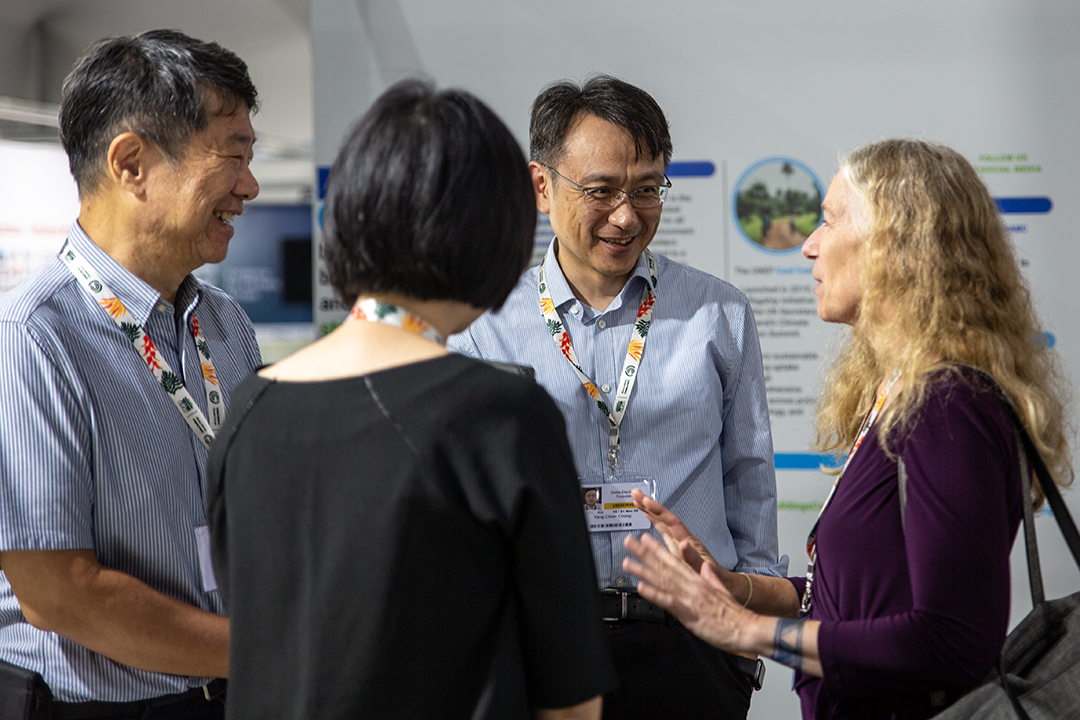
Vincent Y. Chen, Deputy CEO, Delta Electronics Foundation


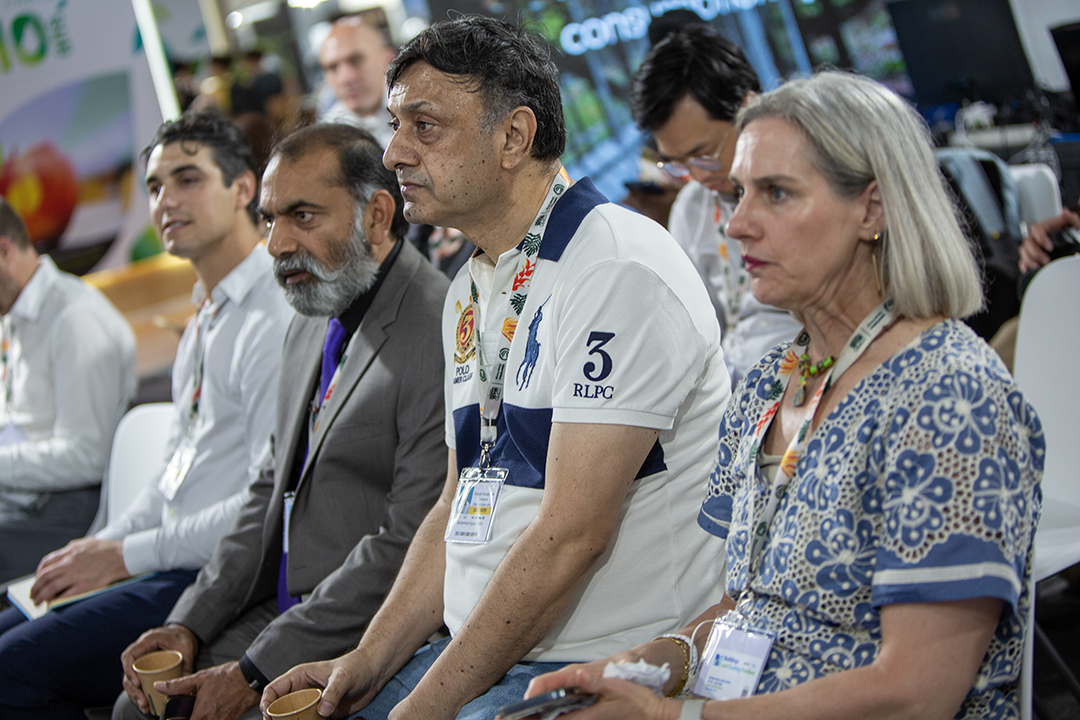
Panelists during the Q&A Segment