About
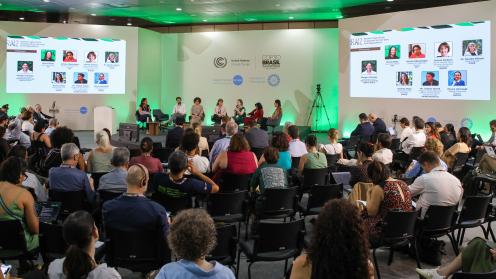
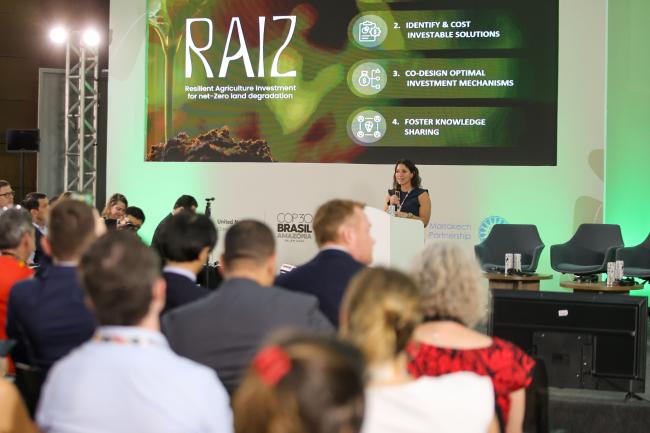
A Ministerial event launched the Resilient Agriculture Investment for Net-Zero land degradation (RAIZ), a collective effort to accelerate investments in resilient agriculture and farmland restoration.
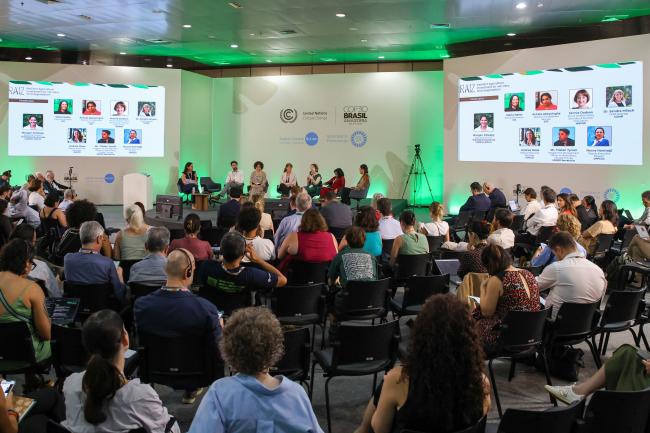
Land degradation stands as one of the most pressing challenges of our time, undermining food security, accelerating biodiversity loss, and exacerbating climate change, with 1 billion hectares of agricultural land degraded worldwide. It also represents an opportunity: restoring degraded farmland, such as cropland and pasture, raises yields and ensures food security, stabilizes value chains, reduces pressure on forests, and strengthens rural livelihoods. While degraded land is a priority across all Rio Conventions, rapidly scaling financing to meet these global commitments and achieve important co-benefits for climate, nature, and food security is still needed. This Ministerial event launched the Resilient Agriculture Investment for Net-Zero land degradation (RAIZ), a global “mutirão,” or collective effort, to accelerate investments in resilient agriculture and farmland restoration.
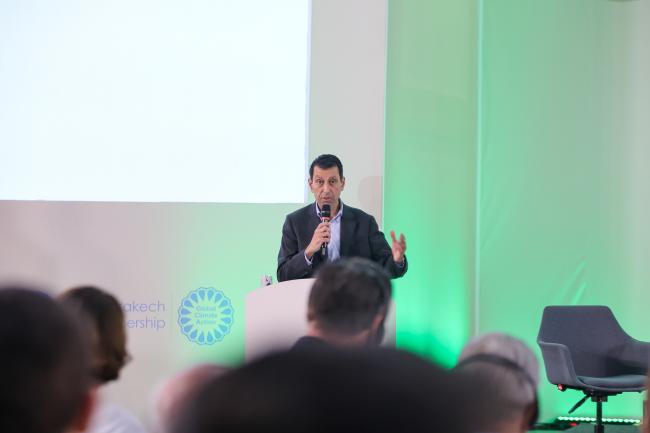
Opening the event, Moderator Kaveh Zahedi, Director, Office of Climate Change, Biodiversity and Environment, Food and Agriculture Organization of the UN (FAO), explained that RAIZ seeks to accelerate investment in restoration and resilient agriculture while supporting the objectives of the Rio Conventions by providing finance-ready approaches that link national priorities with investable solutions and capital flows. He added that this launch stands as a key legacy moment for COP 30.
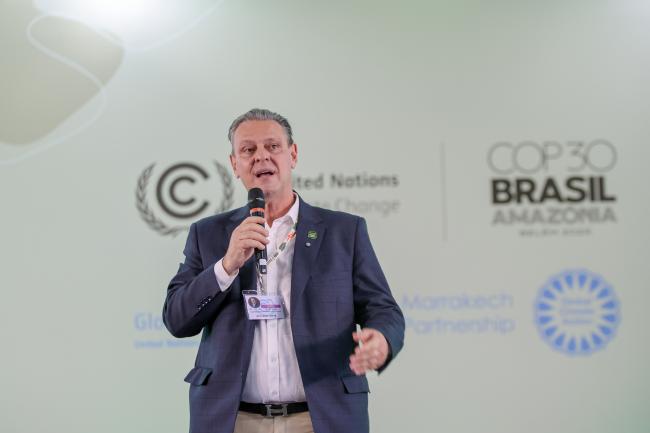
Delivering opening remarks, Carlos Fávaro, Minister of Agriculture and Livestock, Brazil, said RAIZ builds on the Brazilian model and experience. He explained how Brazil shifted from a food importer to a major agricultural and renewable energy producer over the past 50 years. This shift, he said, came from strategic decisions that fostered targeted investment, including the creation of the Brazilian Agricultural Research Corporation (EMBRAPA), a state-owned enterprise under the Brazilian Ministry of Agriculture and Livestock that focuses on agricultural research and innovation for a modern, sustainable tropical agriculture. He continued by pointing to the Caminho Verde Brasil (Green Way Programme), launched in 2023, which he said restored 3 million hectares and led Brazil to experience a record harvest in 2025.
Morgan Gillespy, Executive Director, Food and Land Use Coalition (FOLU), then stressed RAIZ’s “quadruple-win” for climate, biodiversity, food security, and addressing desertification. She noted, among other things, that restoring just 10% percent of this land could generate 44 million additional tons of food per year and feed 154 million more people annually globally. The main obstacle, she continued, is financial: the global investment gap reaches US 105 billion per year, she said, and can only be closed if governments address farmland restoration’s high upfront costs and uncertain returns through de-risking strategies, improving the conditions for private sector investment. She explained RAIZ will provide four categories of services: mapping degraded landscapes, identifying investable solutions, designing suitable investment mechanisms, and strengthening collaboration so lessons can travel quickly.
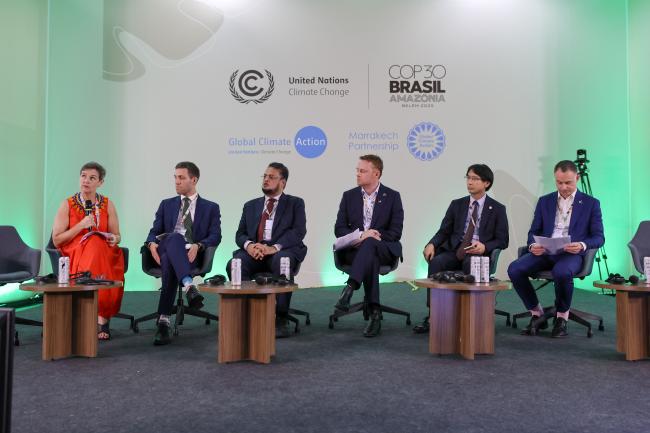
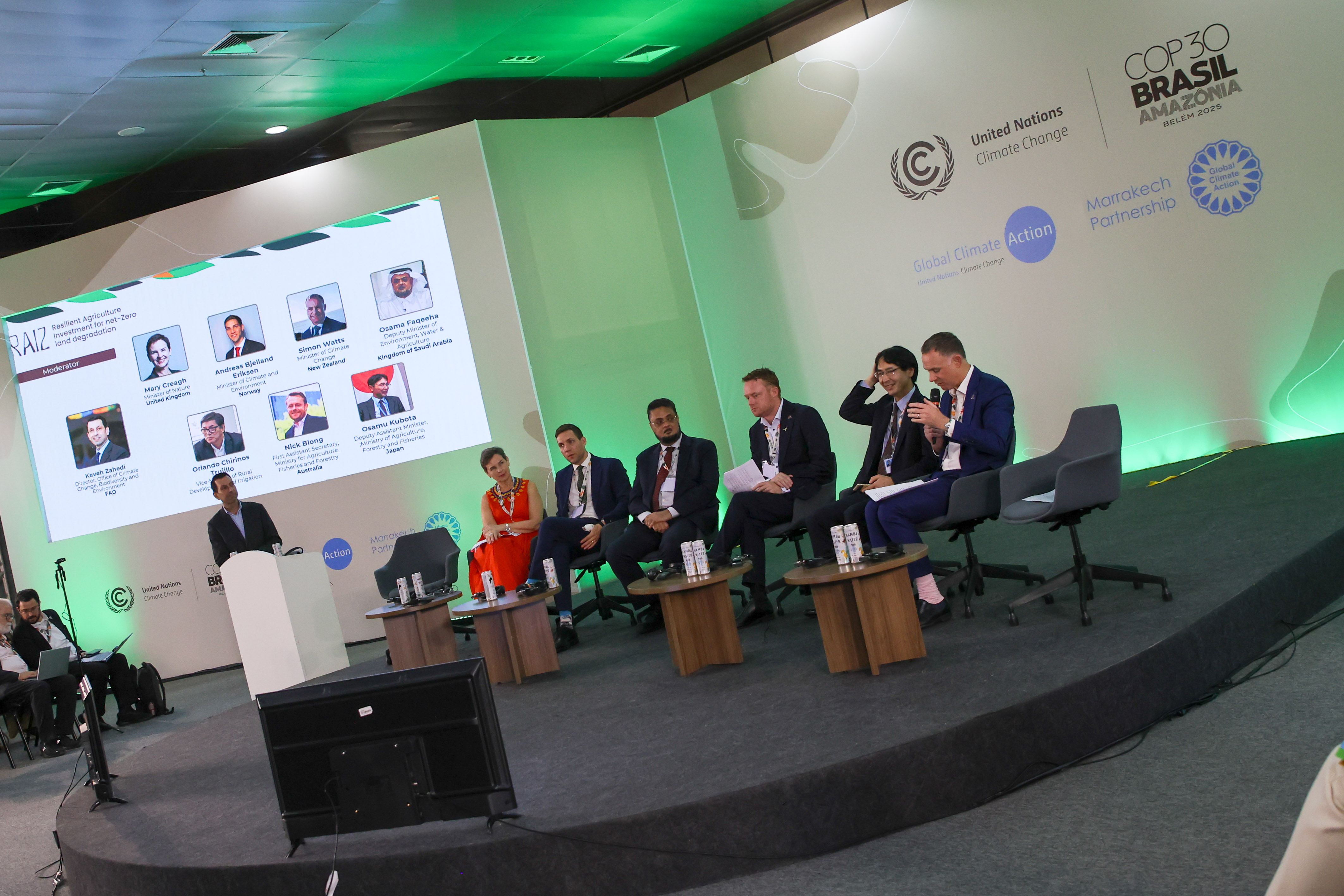
Zahedi then moderated a first ministerial panel on restoration and the relevance of RAIZ. Mary Creagh, Minister for Nature, United Kingdom, said soils in her country are under pressure from intensive use and require new approaches that include working with farmers and rewarding practices that generate public benefits. She explained that the United Kingdom is expanding payments for soil regeneration practices, such as tree planting, runoff control, and flood prevention, rising from GBP 800 hundred million in 2023 to GBP 2 billion by 2028. Creagh said RAIZ captures this same idea by linking incentives to measurable ecological benefits, and emphasized promoting business models that attract private partners.
Andreas Bjelland Eriksen, Minister of Climate and Environment, Norway, noted that the Tropical Forest Forever Facility, an initiative launched at COP 30 to secure the future of tropical forests via an innovative financing mechanism, represents a shift from discussing capital needs to deploying funding at scale. He added that agriculture must similarly offer credible investment opportunities for land restoration to succeed. He pointed to livestock tracking systems as an example, noting these help create transparency and make sustainable cattle production more profitable than unsustainable practices. He said de-risking and dependable monitoring can unlock private investment.
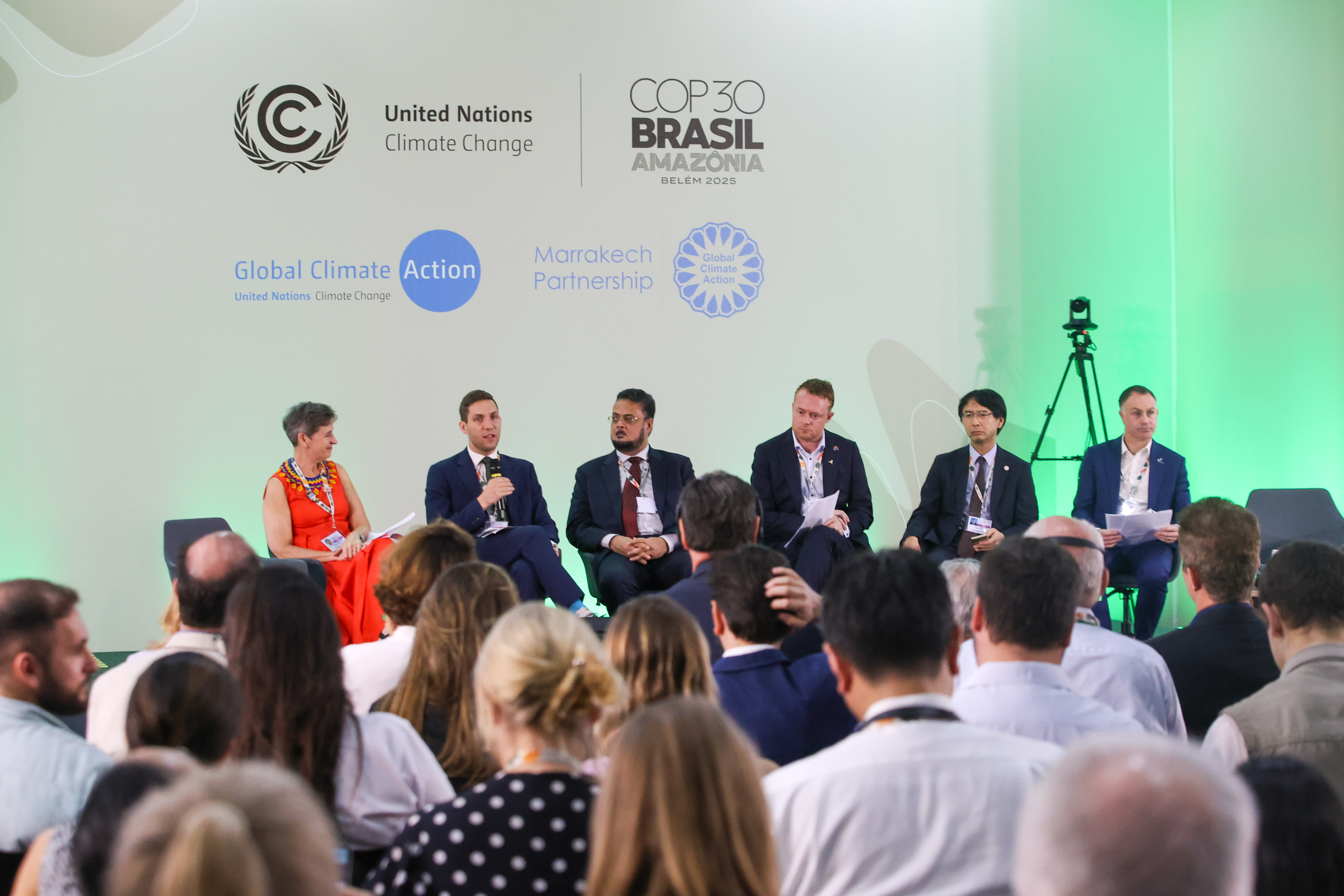
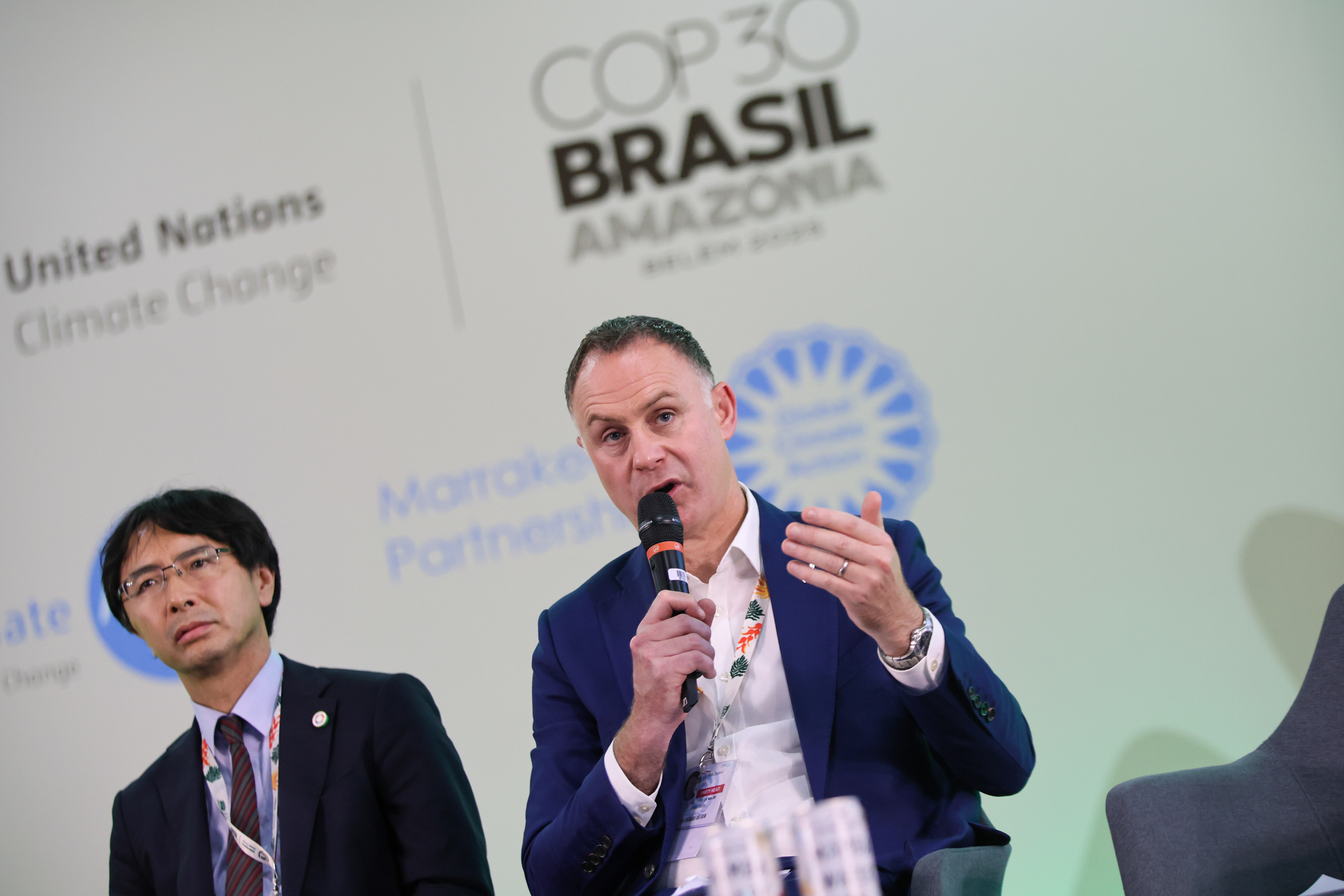
Simon Watts, Minister of Climate Change, New Zealand, described the Resilient Pastures Programme, which for more than 20 years has restored vulnerable areas through cooperation between central and local governments. He said nature-based solutions form one of the five pillars of New Zealand’s climate strategy and that 7000 hectares have been restored through planting schemes. He stressed that farmers respond to clear market signals and climate finance can support investment in research and technology.

Osama Faqeeha, Deputy Minister for Environment, Saudi Arabia, and Advisor to the UN Convention to Combat Desertification (UNCCD) COP 16 Presidency, said RAIZ aligns closely with priorities set in Riyadh, where agriculture and land restoration were placed at the center of the agenda. He described the Riyadh Global Drought Resilience Partnership, which links 64 countries and has mobilized more than US 2.2 billion. He stressed private sector financing is in their own best interest, as 85% percent of companies depend on natural capital.
Nick Blong, First Assistant Secretary, Sustainability, Climate and Strategy Division, Department of Agriculture, Fisheries and Forestry, Australia, described Australia’s climate-smart agriculture, which includes renewable energy investments, carbon programmes, and research efforts. Thanks to these efforts, he said, farming systems in Australia produce far more food than the domestic market requires despite facing frequent floods and droughts.
Osamu Kubota, Deputy Assistant Minister of Agriculture, Forestry and Fisheries, Japan, said Japan sees RAIZ as a major contribution to the global restoration agenda. He recalled a long history of Brazil-Japan cooperation through the Japan International Cooperation Agency and said this partnership helped Brazil become a major grain producer. He noted that soil degradation is increasing and leads to land abandonment, and described a new letter of intent with Brazil that will support surveys and pilot projects using Japanese companies and soil conditioners.
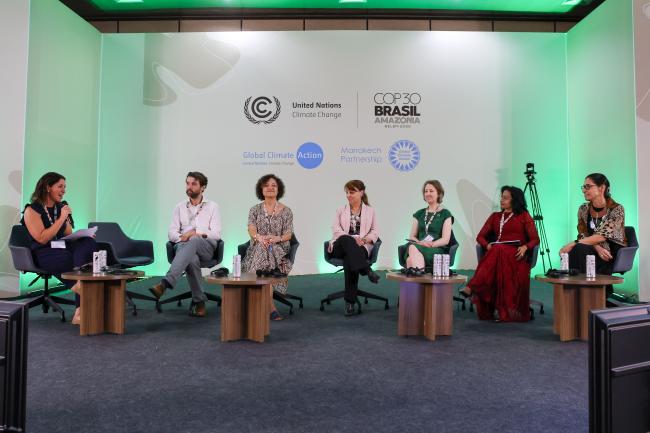
In a fireside chat on financing farmland restoration, moderated by Gillespy, Maria Netto, Executive Director, Institute for Climate and Society (iCS), said Brazil’s Eco Invest mechanism represents a strong example of co-investment between private and public actors because it channels international funding through domestic banks, and aligns these flows with national priorities. She explained that this would not have been possible without the Green Way Programme, which created clear investment criteria and indicators.
Achala Abeysinghe, Director of Investment Services, Green Climate Fund (GCF), said restoration finance has been slowed by investors that perceive it to be high risk. Thus, she noted, de-risking strategies must be prioritized. She explained that the GCF provides concessional finance that helps countries support projects considered too risky under normal conditions, and that the GCF also manages a US 1.2 billion technical support fund that can back innovative partnerships such as RAIZ.
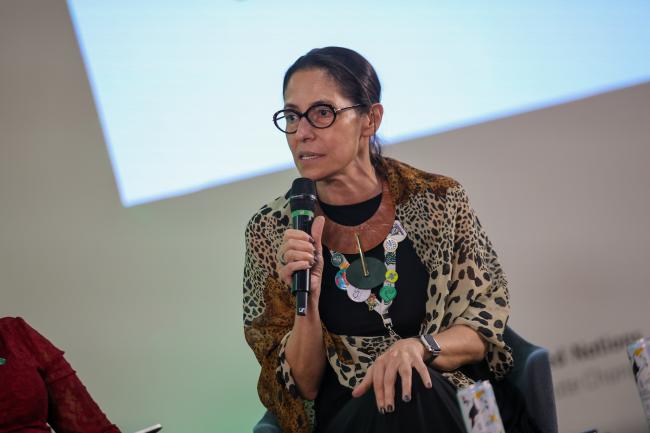
Jennie Dodson, Senior Director, World Business Council for Sustainable Development (WBCSD), said companies want to invest in resilient landscapes because they depend on stable supply chains. She described the COP 28 Action Agenda on Regenerative Landscapes, which she said mobilized 9 billion dollars in corporate commitments. She described the Landscape Accelerator Brazil (LAB), which convenes stakeholders across the value chain and generates investments that could support an area comparable in size to France and generate US 28 billion dollars in annual value for Brazil.
Sandra Milach, Chief Scientist, CGIAR, said substantial financial flows already move through the agrifood system and could be aligned more effectively with restoration goals. She stated that science plays a central role in both de-risking investments, and recalled that the Brazilian Agricultural Research Corporation (EMBRAPA) has restored more than 34 million hectares since the 1990s.
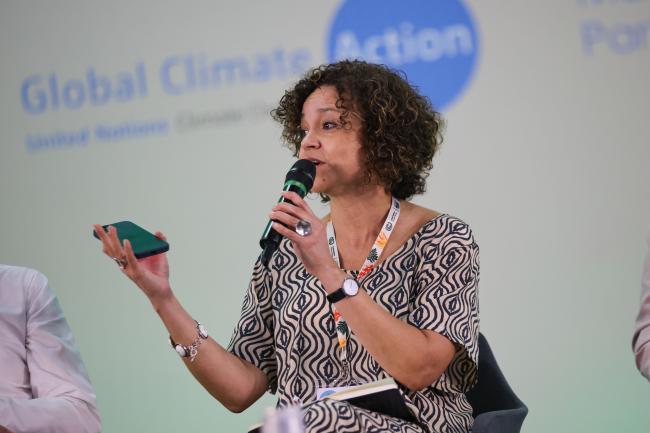
As part of a Presidency Panel on RAIZ as an accelerator across the Rio Conventions, Andrea Meza Murillo, Deputy Executive Secretary, UNCCD, said multilateral processes can give clear signals to markets and support national policy making. She pointed to the Riyadh Partnership’s focus on innovation, science-based solutions, and partnerships for degraded land as an example, and said RAIZ can also draw on the UNCCD Data Dashboard.
Tristan Tyrrell, Programme Management Officer for Biodiversity and Climate Change, Convention on Biological Diversity (CBD) Secretariat, said restoration is central to the Kunming-Montreal Global Biodiversity Framework (GBF). He stated that Target 2 on restoration and Target 15 on corporate responsibility align closely with RAIZ, and that soil health supports all biodiversity outcomes.
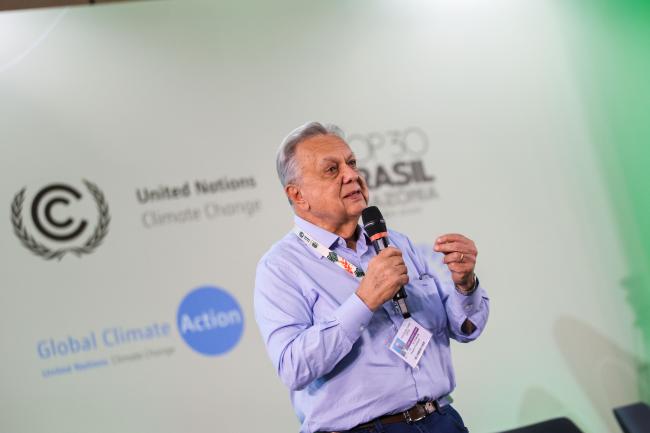
In his closing remarks, Roberto Rodrigues, COP 30 Special Envoy for Agriculture, said soil sits at the core of human life and stressed that financing restoration carries the same importance. He noted that agriculture has traditionally not received the attention it deserves at COP meetings, and that Brazil is addressing this gap by placing soil and agriculture at the center through the RAIZ programme.
Organizers: Ministry of Agriculture and Livestock of Brazil, FAO, Food and Land Use Coalition, UNCDD
Contact: Kamyla Borges I [email protected]
For more information: https://www.fao.org/climate-change/fao-at-cop30/raiz/en
To receive free coverage of global environmental events delivered to your inbox, subscribe to the ENB Update newsletter.
All ENB photos are free to use with attribution. For 2025 UN Climate Change Conference, Belém - Side Events, please use: Photo by IISD/ENB | Anastasia Rodopoulou
Selected Images
Simon Watts, Minister of Climate Change, New Zealand
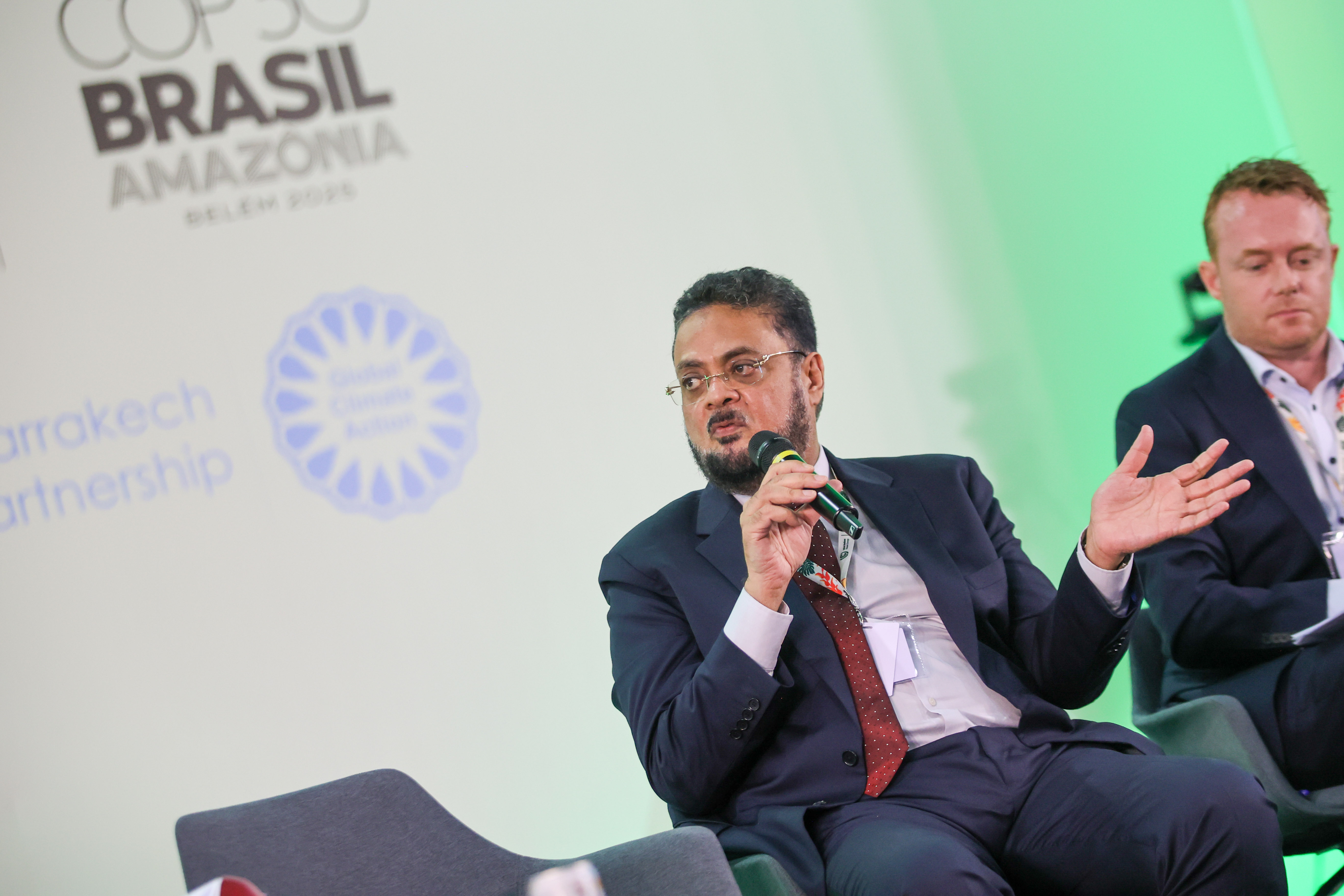
Osama Faqeeha, Deputy Minister for Environment, Saudi Arabia, and Advisor to the UNCCD COP 16 Presidency
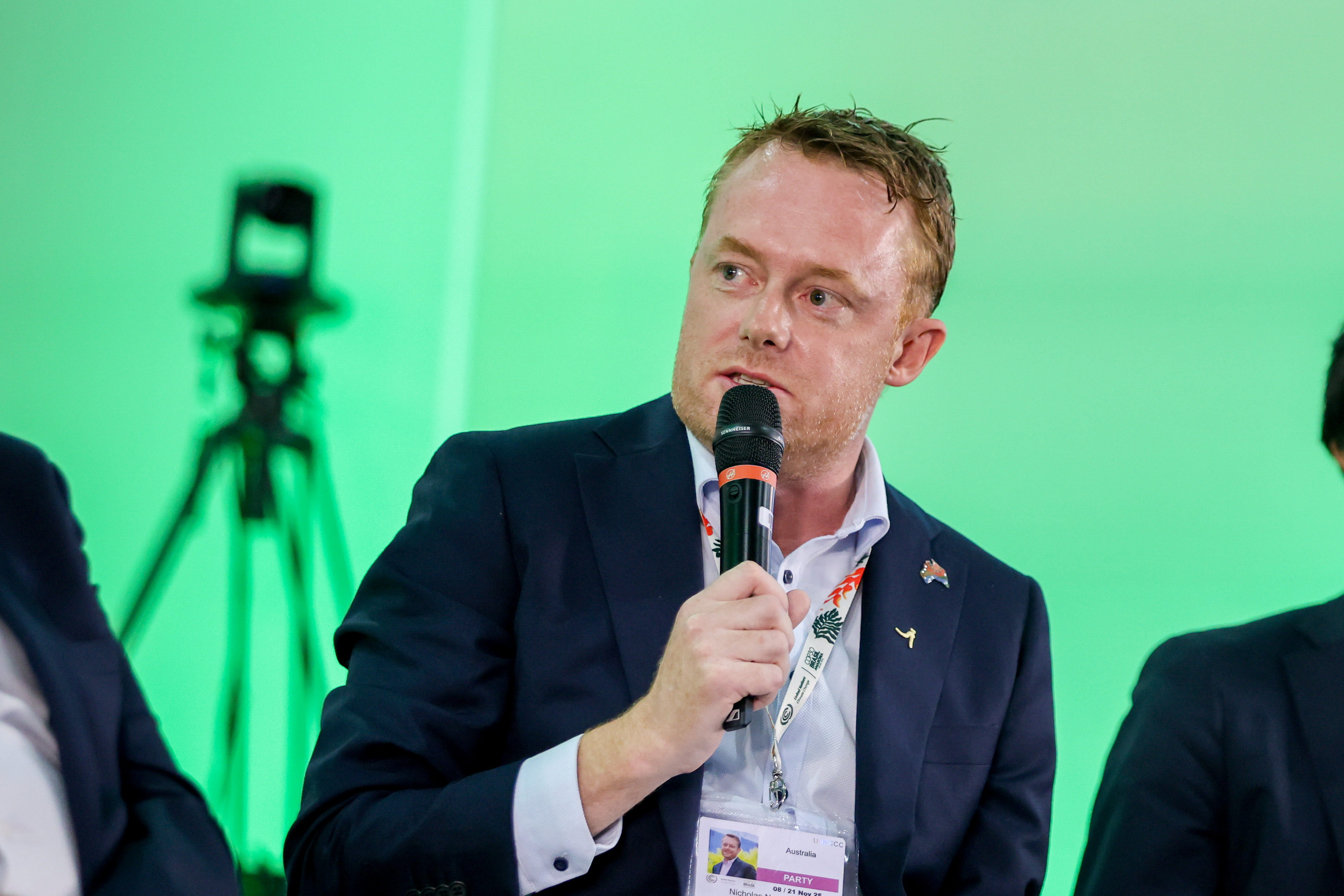
Nick Blong, First Assistant Secretary, Sustainability, Climate and Strategy Division, Department of Agriculture, Fisheries and Forestry, Australia
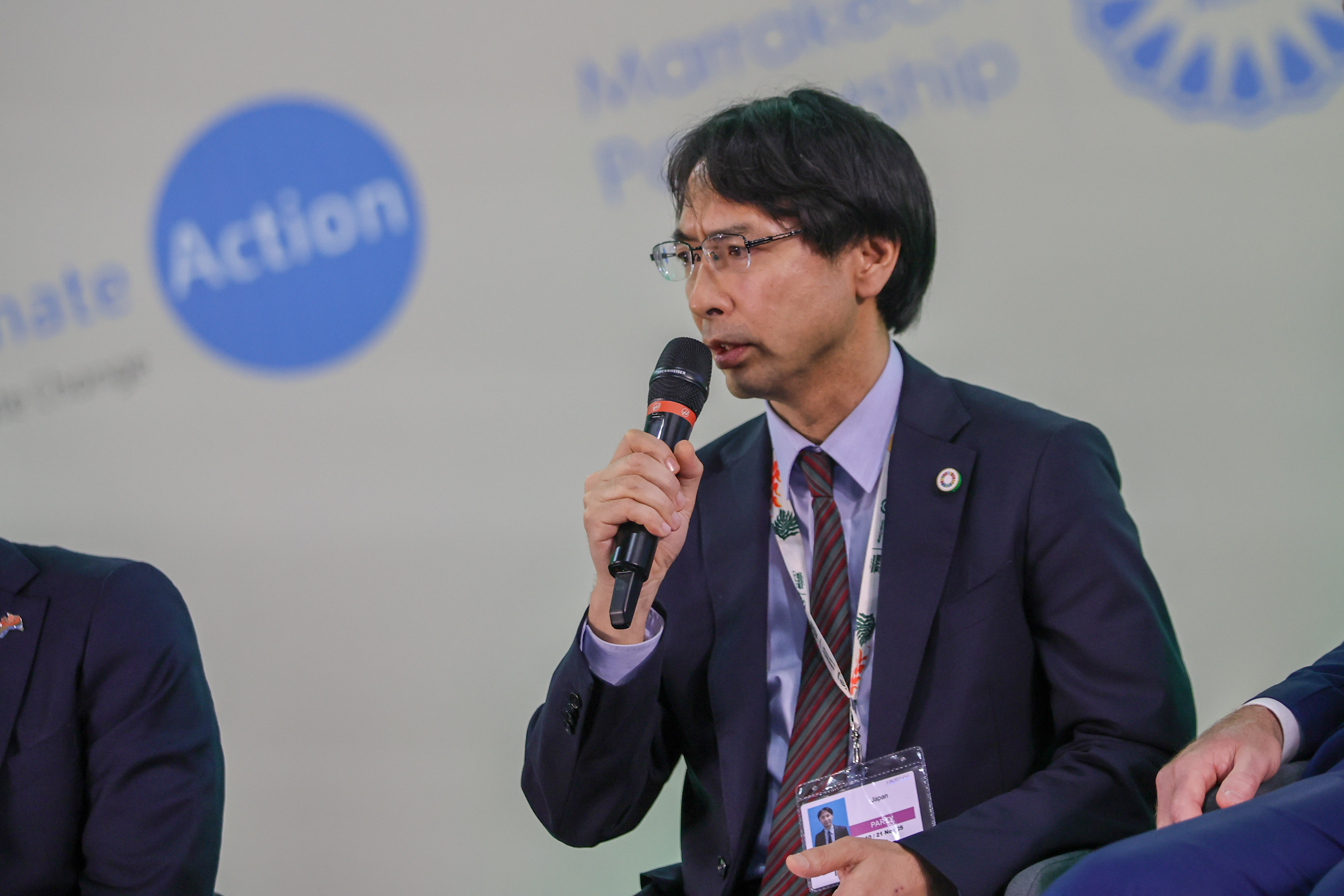
Osamu Kubota, Deputy Assistant Minister of Agriculture, Forestry and Fisheries, Japan
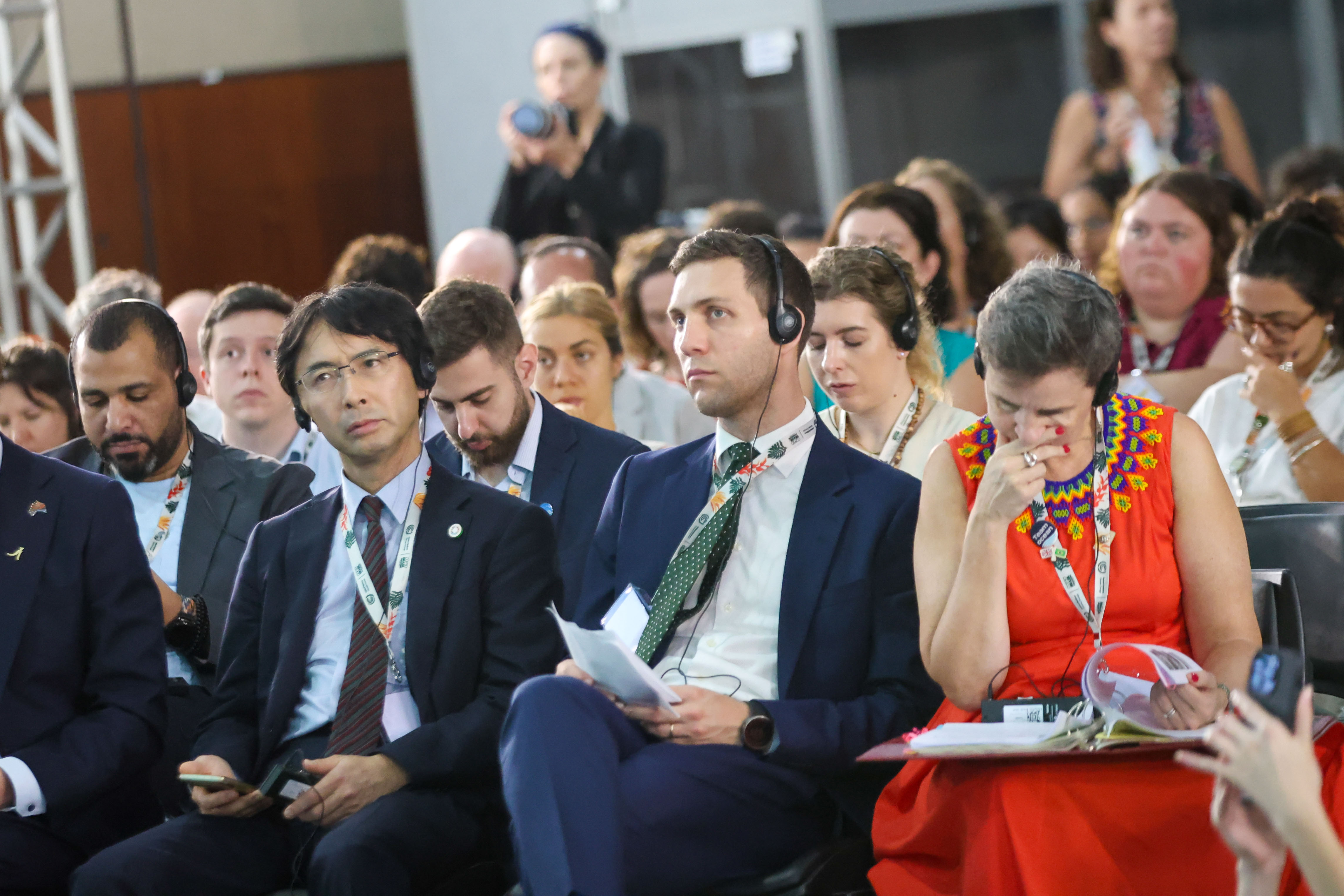
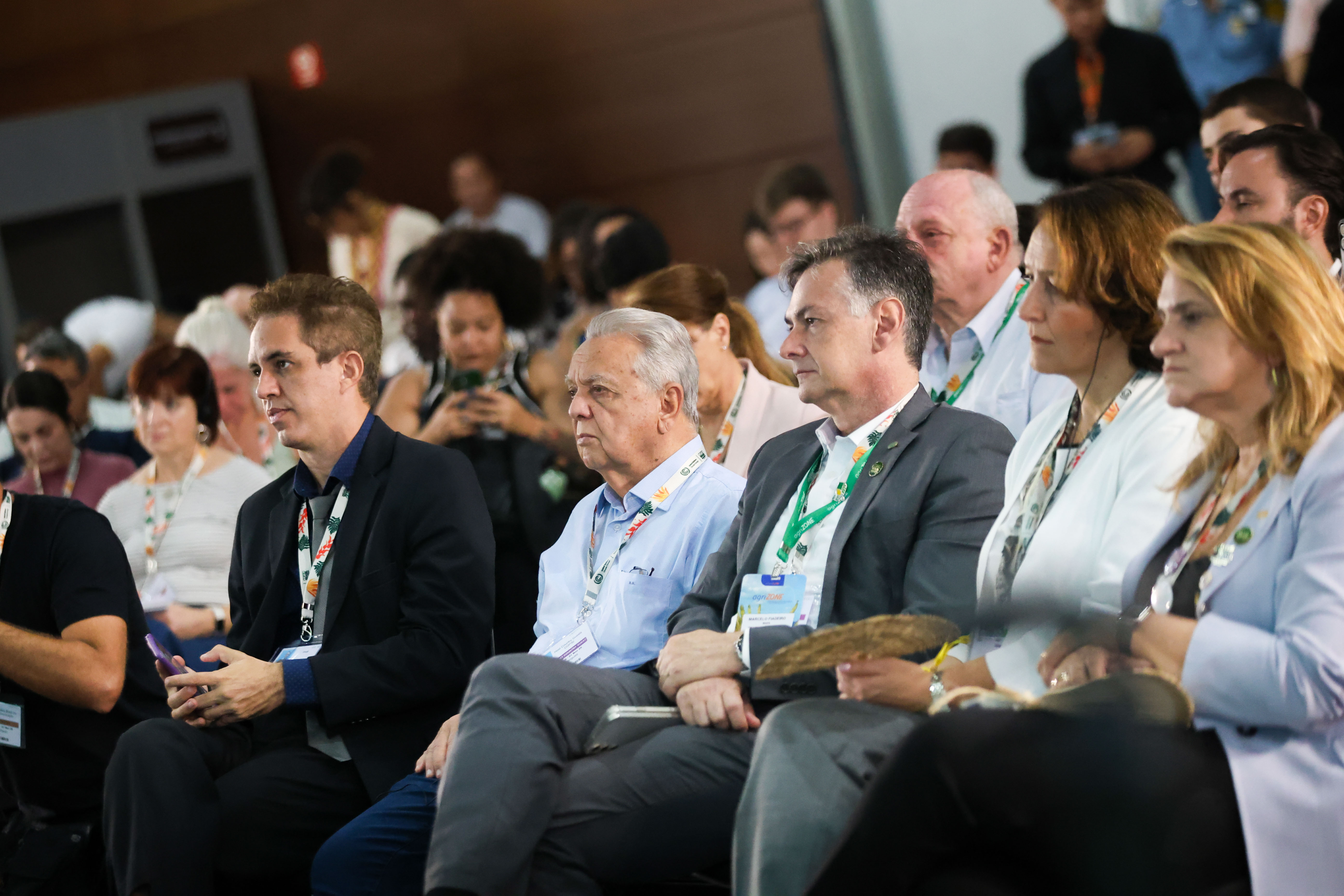
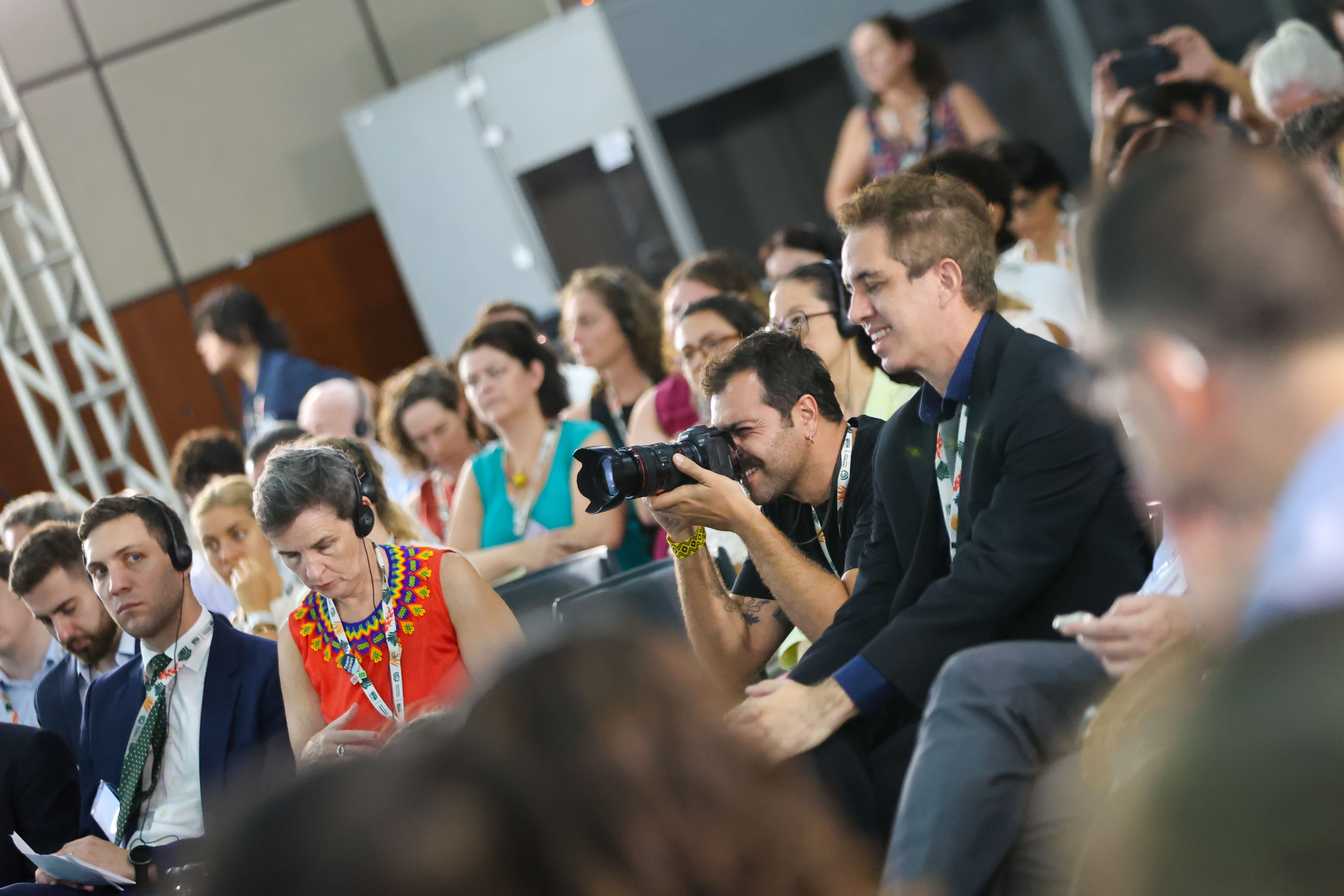
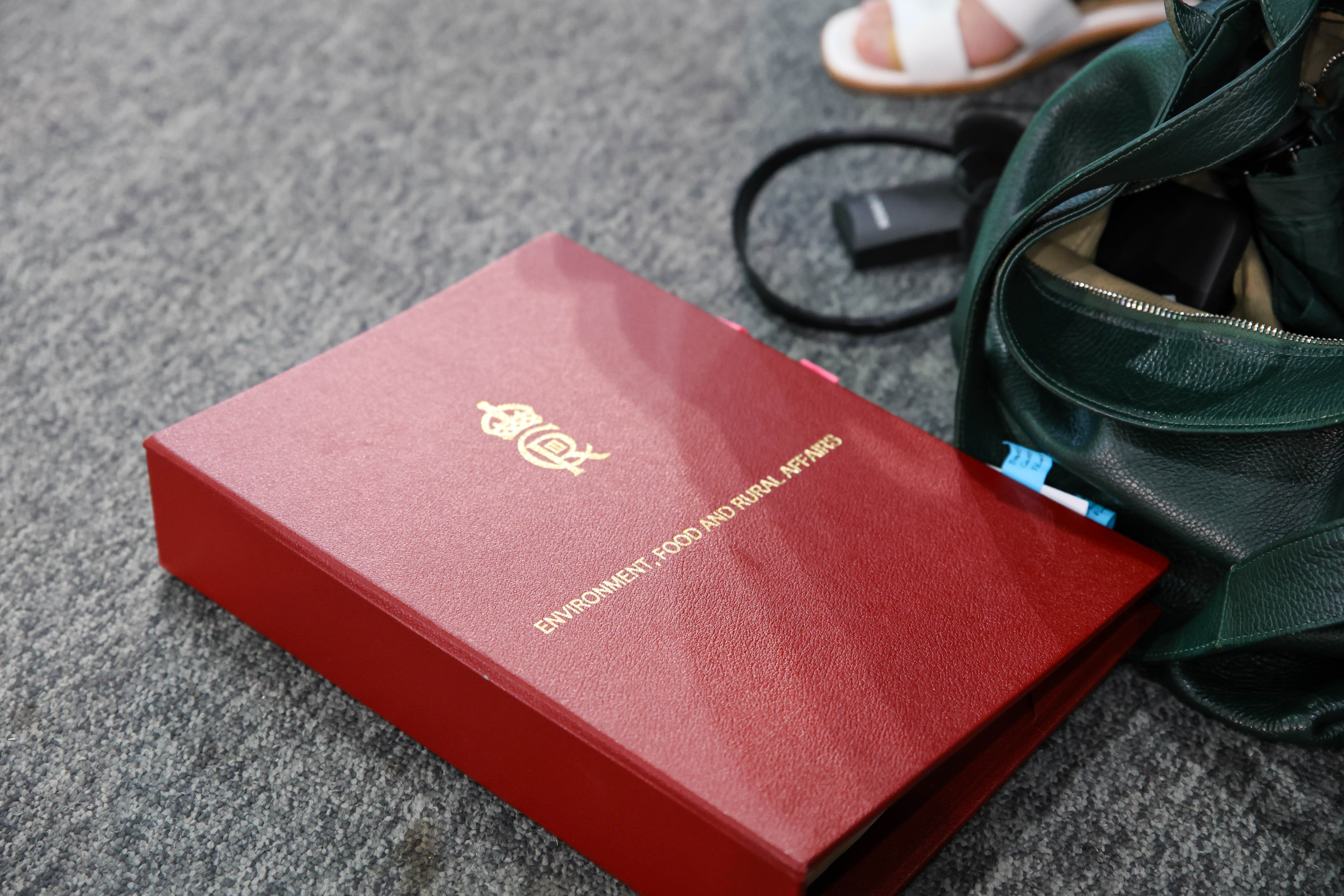
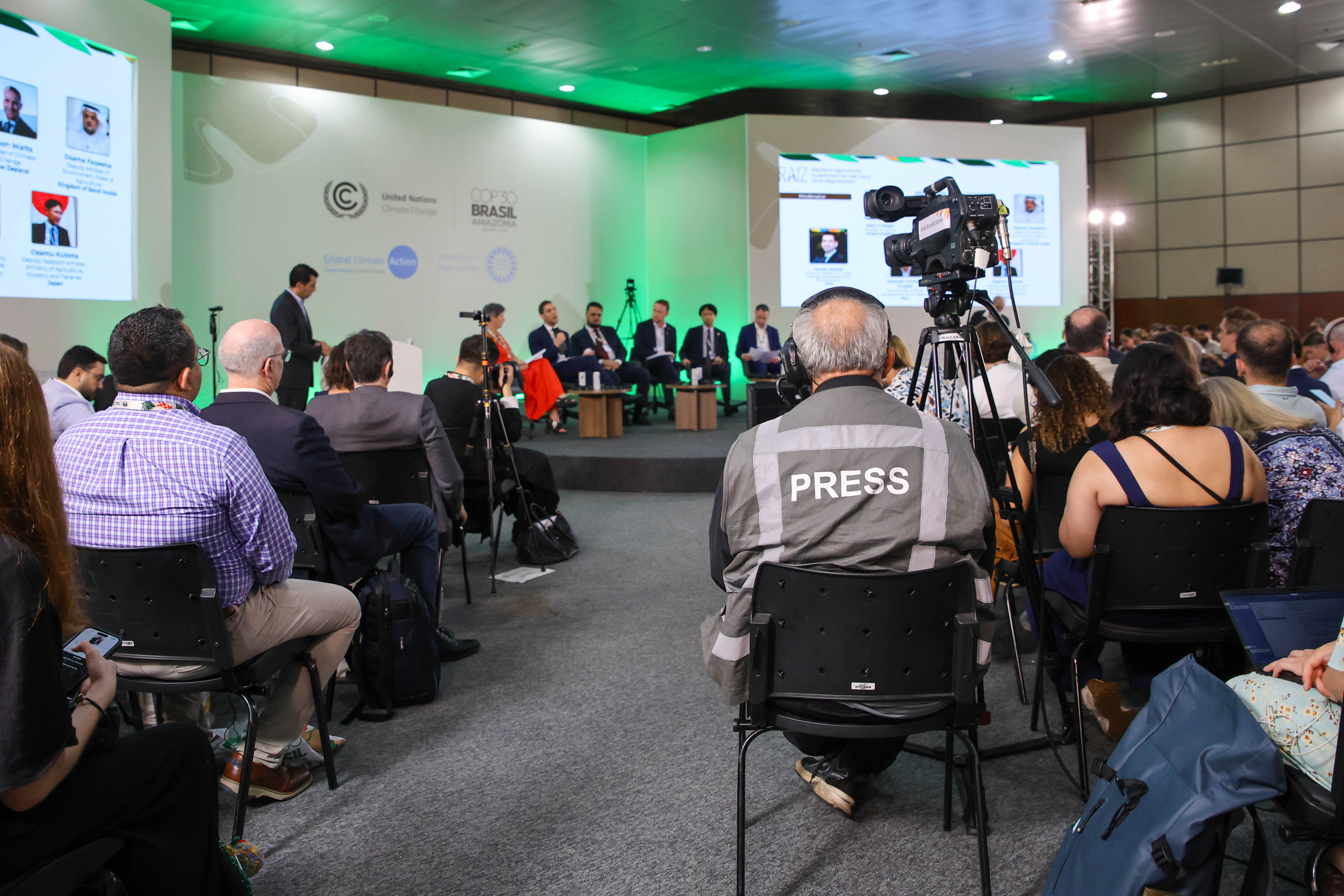
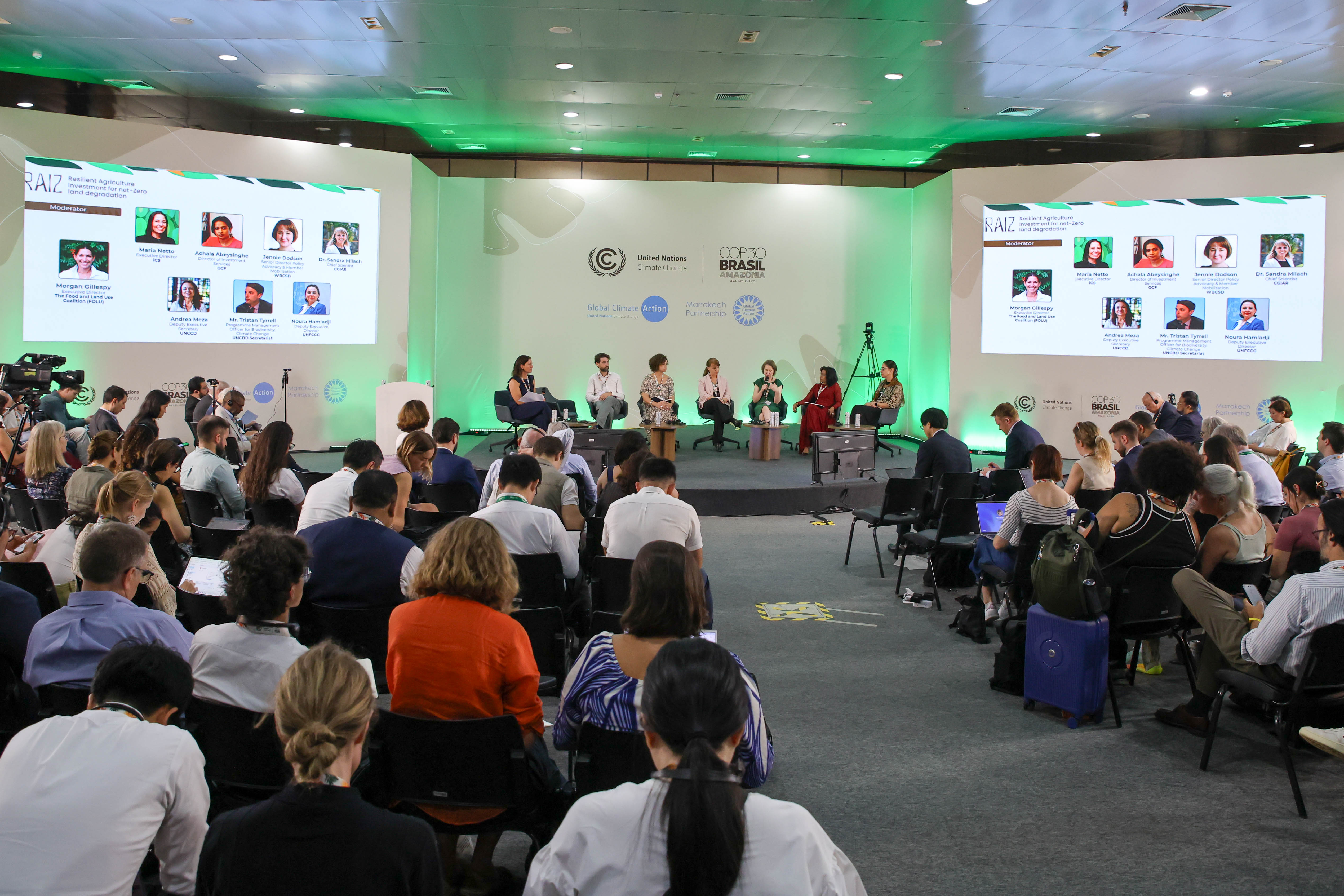
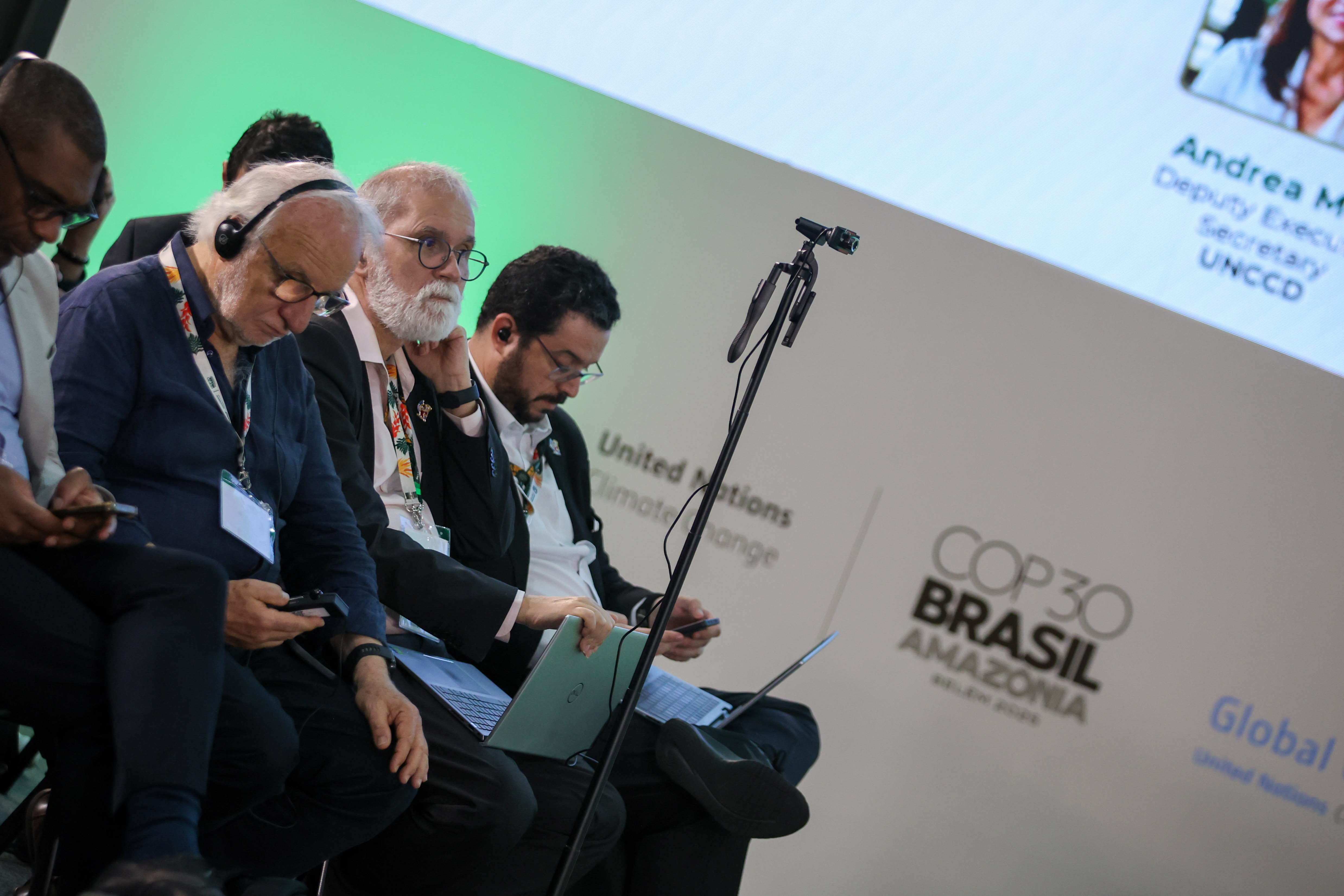
Audience members follow the panel discussion.

Jennie Dodson, Senior Director, WBCSD
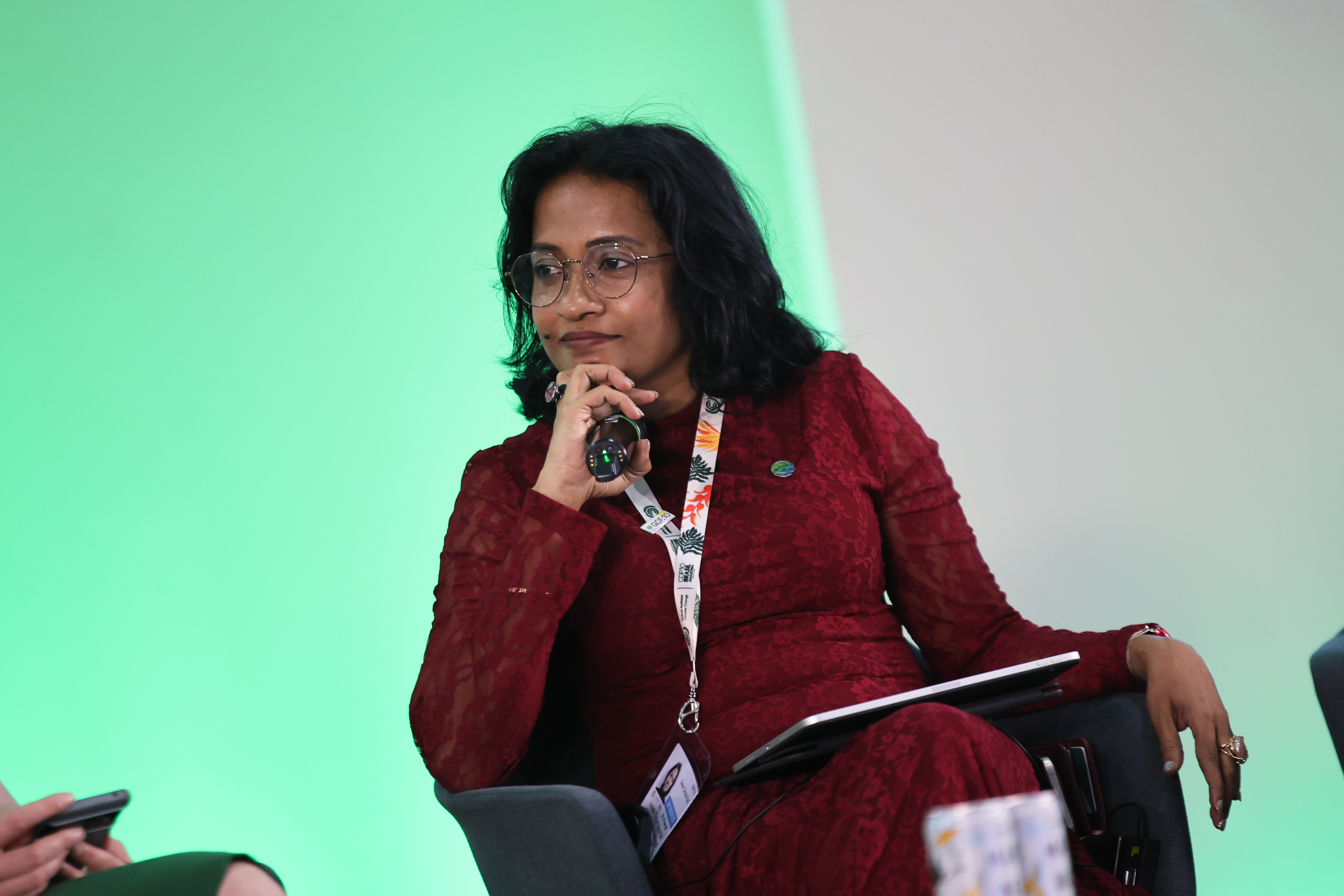
Achala Abeysinghe, Director of Investment Services, GCF
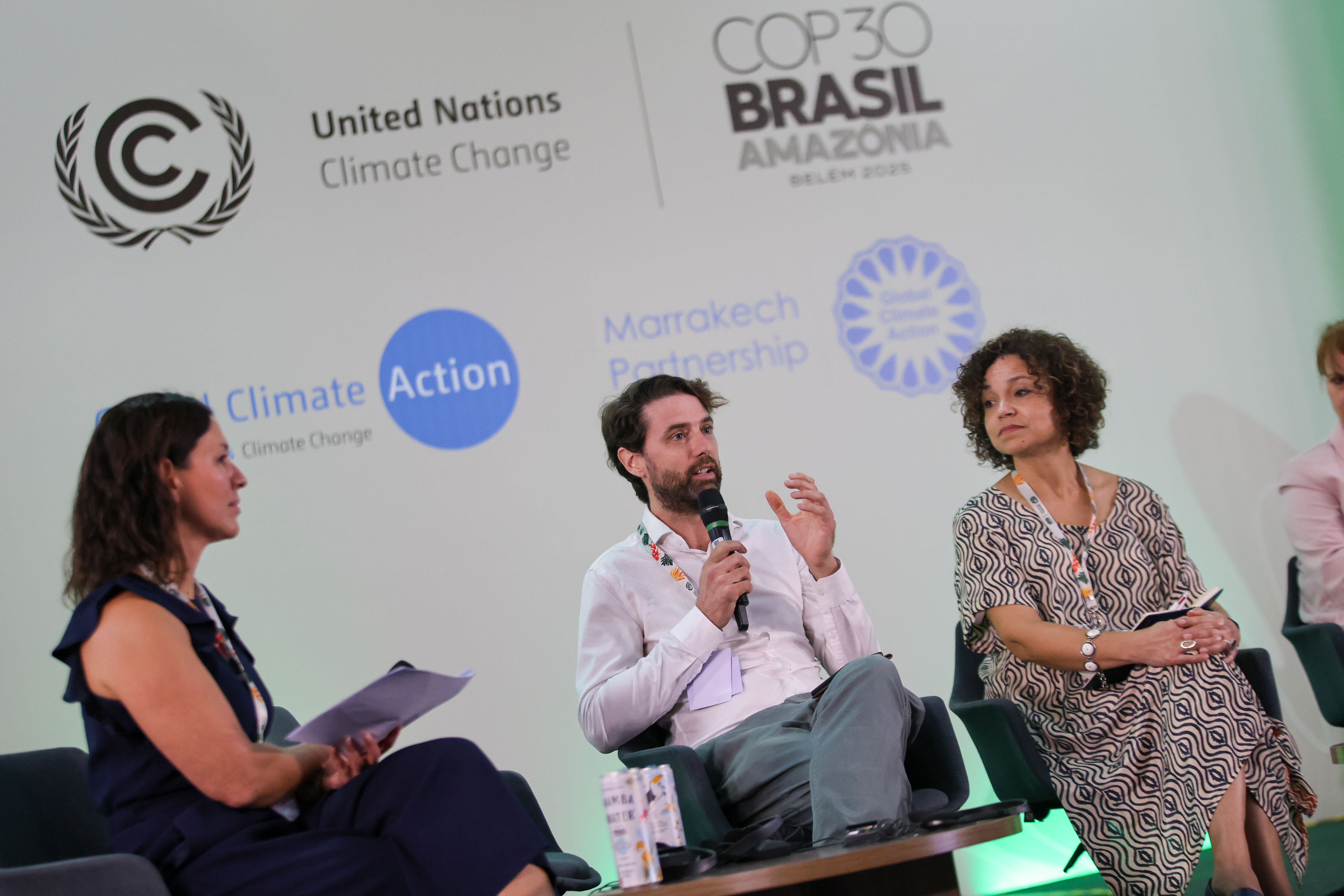
Tristan Tyrrell, Programme Management Officer for Biodiversity and Climate Change, CBD Secretariat
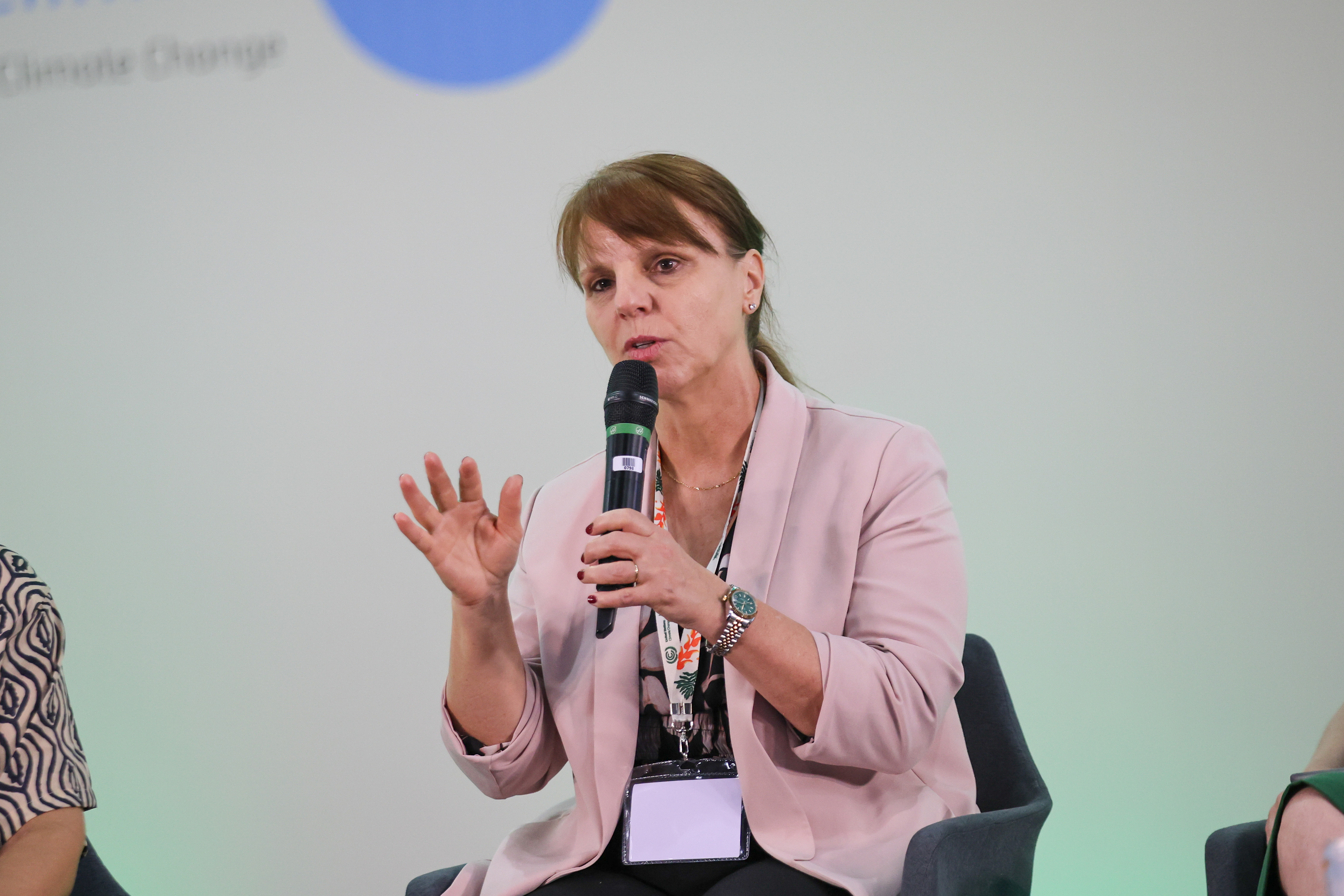
Sandra Milach, Chief Scientist, CGIAR
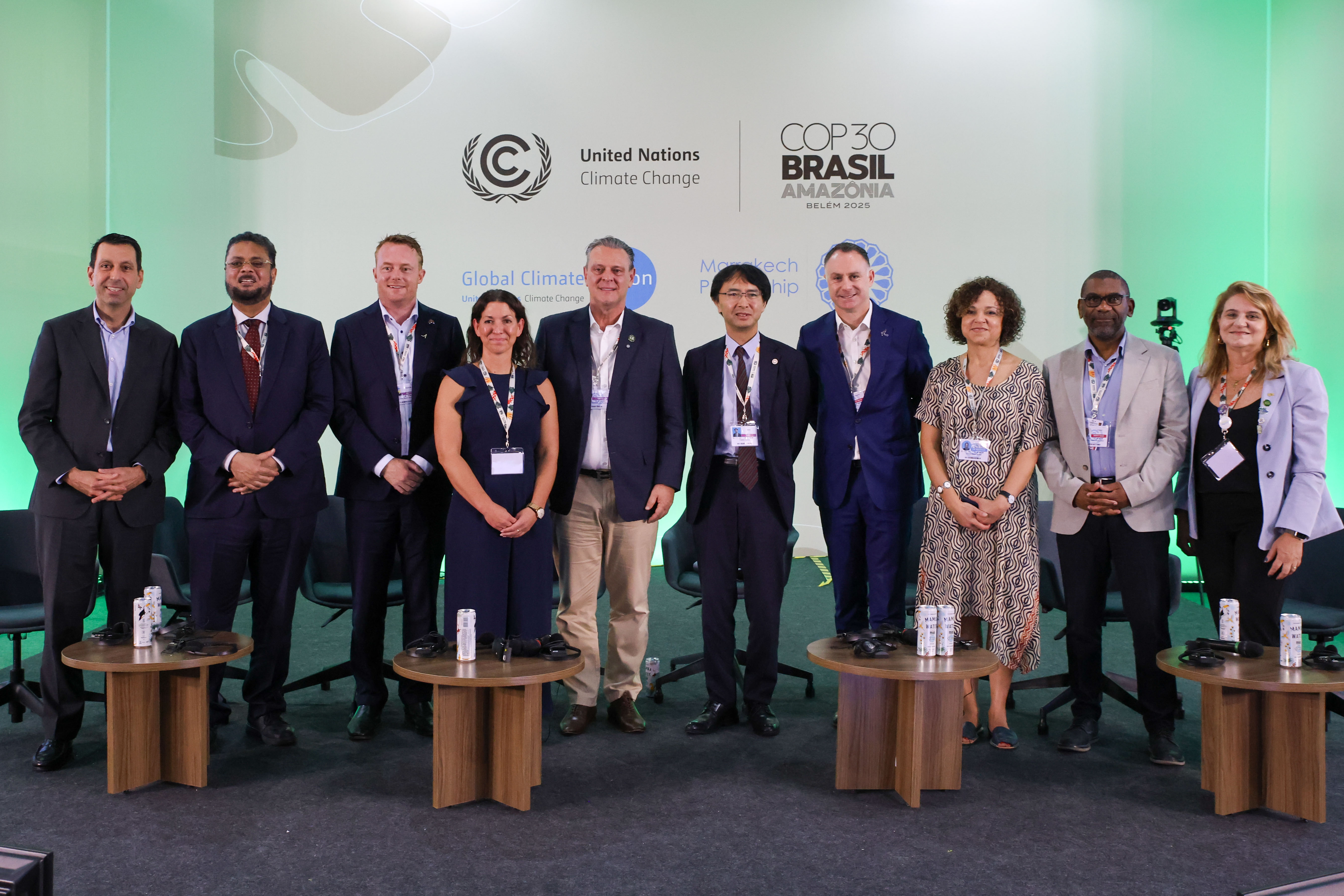
Speakers gather for a family photo.