The first-ever UN System-wide Strategy on Water and Sanitation (Strategy) strives to unite the UN system’s work to achieve accessible, available and sustainably managed water and sanitation for all people and the planet. The Strategy, launched in July 2024, places UN-Water in charge of developing its collaborative implementation plan.
Participants at the first day of the 41st UN-Water meeting discussed priority collaborative actions (PCAs) to implement the Strategy to enable the UN to:
- Lead and inspire collective action on water and sanitation;
- Engage better for countries by leveraging whole-of-UN system support and by mobilizing stakeholders and partnerships for water and sanitation;
- Align UN system support for the integration of water and sanitation issues across sectors and mainstreaming into intergovernmental processes; and
- Accelerate progress and transformational change by unifying UN system support through the five SDG 6 (clean water and sanitation) global accelerators (financing, data and information, capacity development, innovation, and governance).
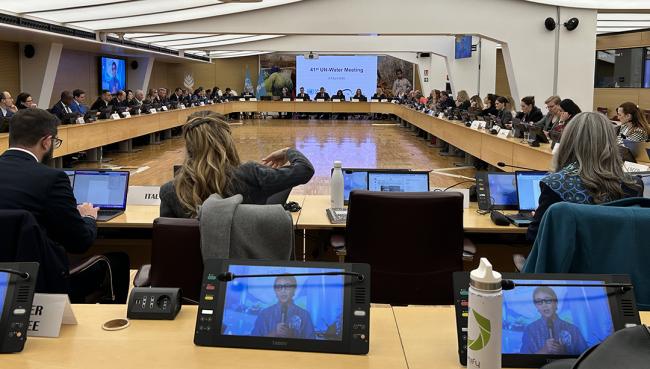
Discussions on the PCA to lead and inspire action addressed activities that aim to enhance coordination within the UN system to ensure consistency, impact, and alignment of communications on water and sanitation, as well as to elevate water and sanitation by strengthening leadership, engagement and messaging.
The two-year work plan on this area includes activities related to the development of a shared platform to improve collaboration within the UN-Water communicators network and efforts to amplify the water agenda in non-traditional forums and processes. Discussions also addressed plans to provide the best available evidence based on SDG indicators reporting and data collection, and supporting UN-Water Principals and the UN Secretary-General’s Special Envoy on Water to advocate for water and sanitation in the global sustainable development framework beyond 2030.
Discussions on engaging countries focused on ways to amplify the success of UN-Water’s country-level efforts by leveraging water-related expertise and resources within and beyond the UN system and providing support to country teams.
On the PCA to align UN system support across sectors, participants considered how to achieve the objective to have the UN system provide targeted technical and scientific assistance, policy advice, and joint guidance to interested parties to the Rio Conventions, and to assist the parties to address water and sanitation considerations in convention decisions, declarations, work programmes, and national implementation plans.
On the PCA to accelerate progress through the SDG 6 global accelerators, discussions addressed progress with the ‘data and information’ accelerator, given that it will be focused on in the coming years due to the leveraging effect data can play for the governance, finance, innovation, and capacity-building accelerators.
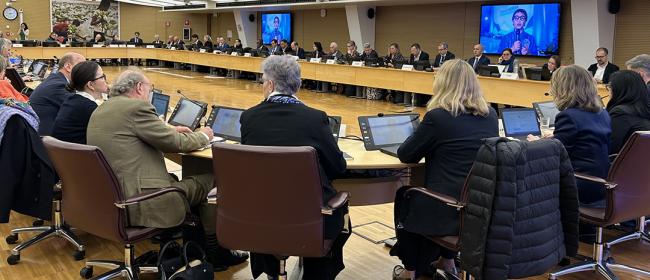
A discussion was organized under Chatham House Rules to share ideas on how to navigate change in the face of challenges to multilateralism. Delegates concluded the first day’s agenda items swiftly, deferring only a few decision-wording issues to the second day before they headed out to an informal networking session.
Selected Images
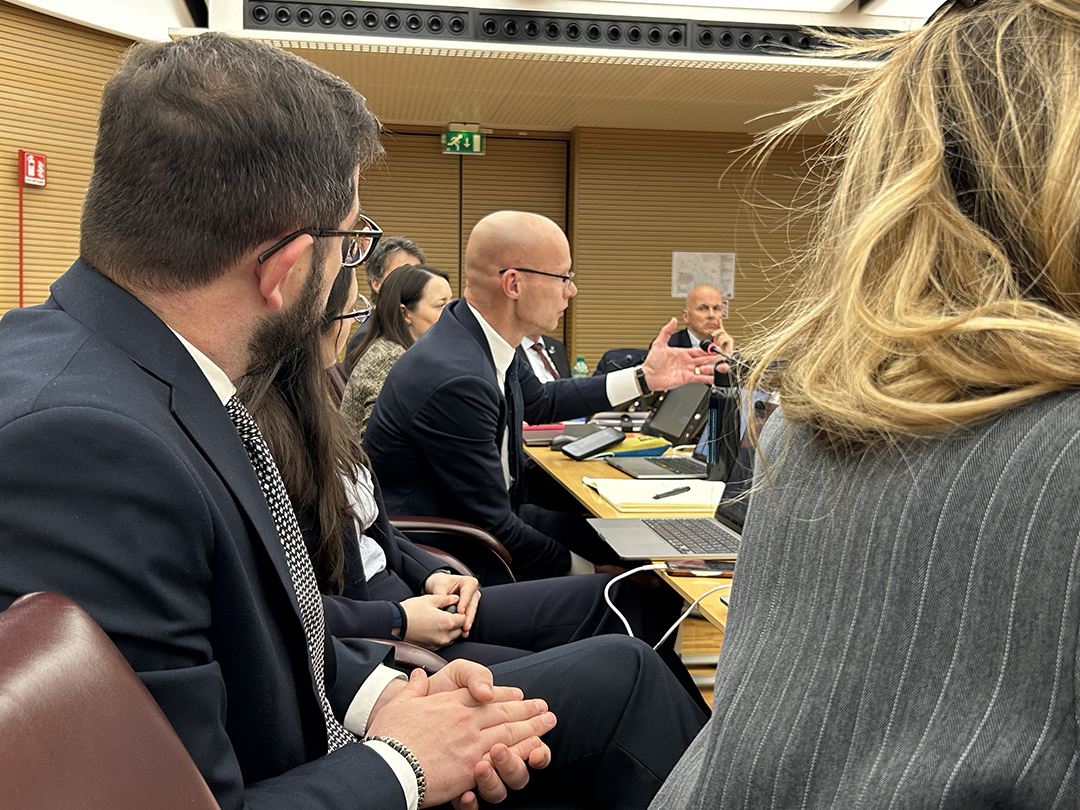
Henk Ovink, Global Commission on the Economics of Water
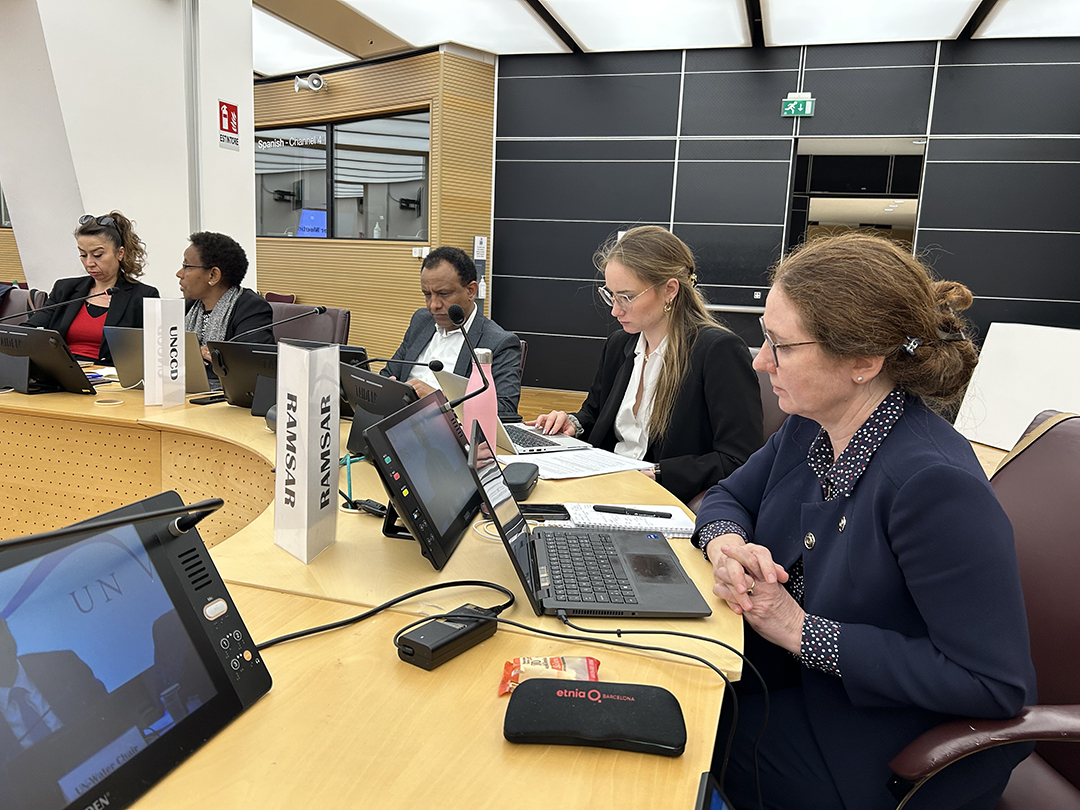
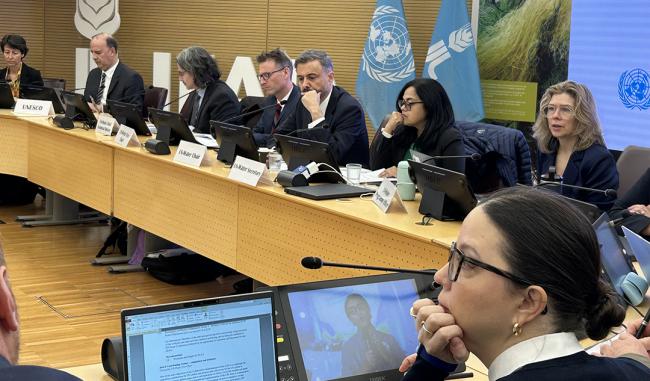
Representatives from the UN Convention to Combat Desertification and the Ramsar Convention on Wetlands offered inputs during the discussion on mainstreaming water within the Rio Conventions.