
About
The Baku Dialogue on Water for Climate Action – a multi-stakeholder platform that brings together 73 states and dozens of stakeholders to foster continuity and coherence on water-related climate action – convened for its first interim meeting during the 2025 Bonn Climate Change Conference.
Among the fourteen new initiatives championed by the COP 29 Presidency in Baku, the Declaration on Water for Climate Action represents the first water-focused political declaration adopted on the margins of a UN Climate Change Conference. The Declaration launched the Baku Dialogue on Water for Climate Action, which is a platform dedicated to a COP-to-COP approach aimed at fostering continuity and coherence on water-related climate action. It aims to ensure a consistent focus on water and its interplay with climate change and biodiversity.
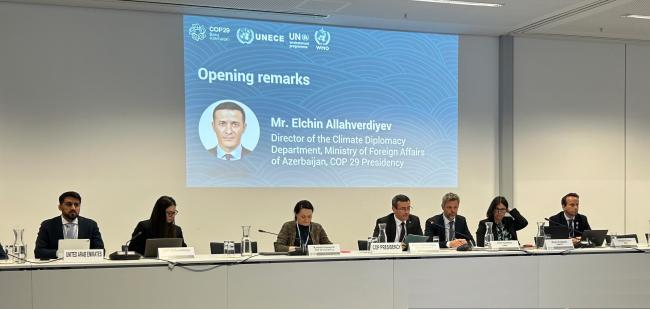
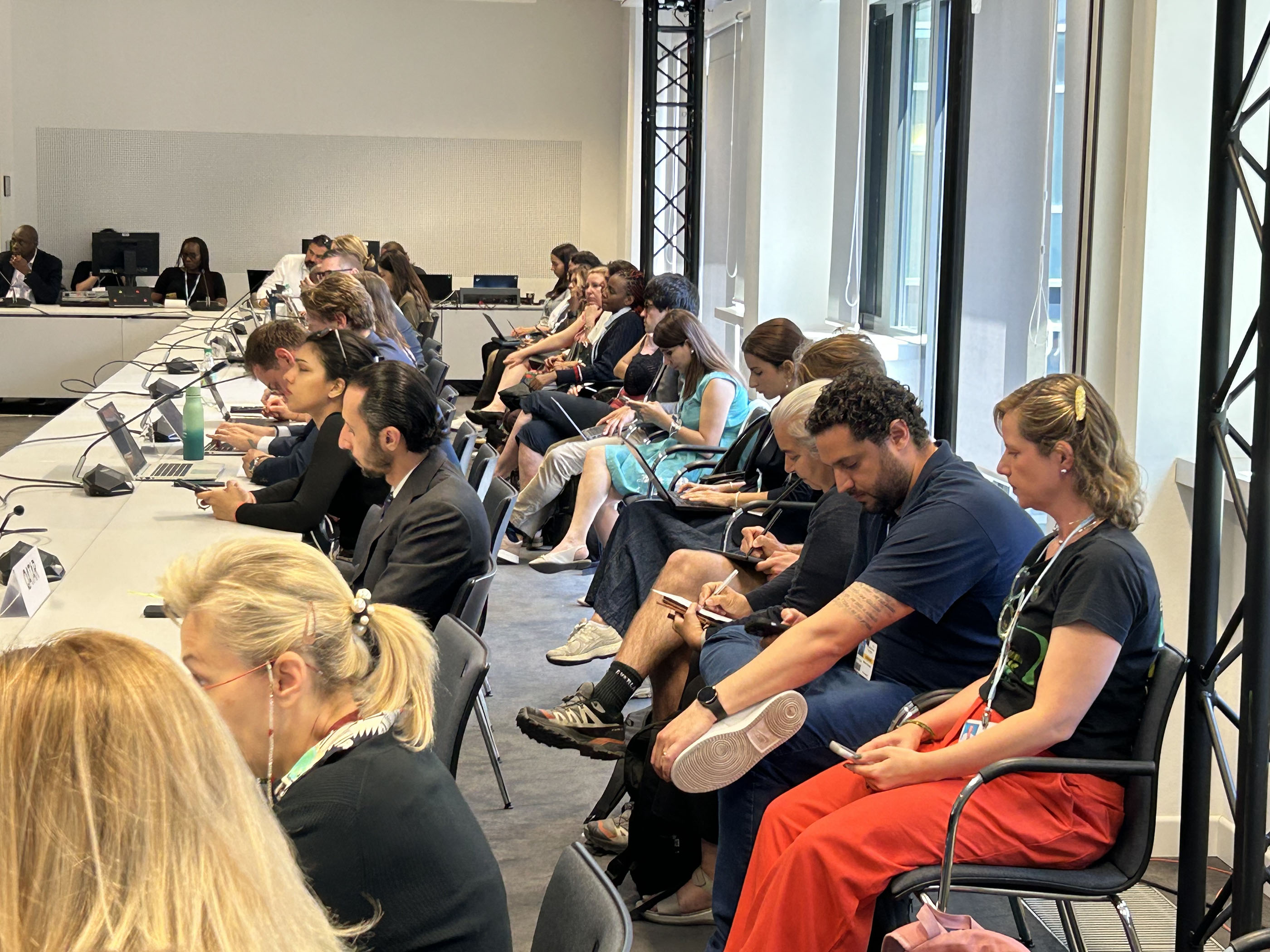
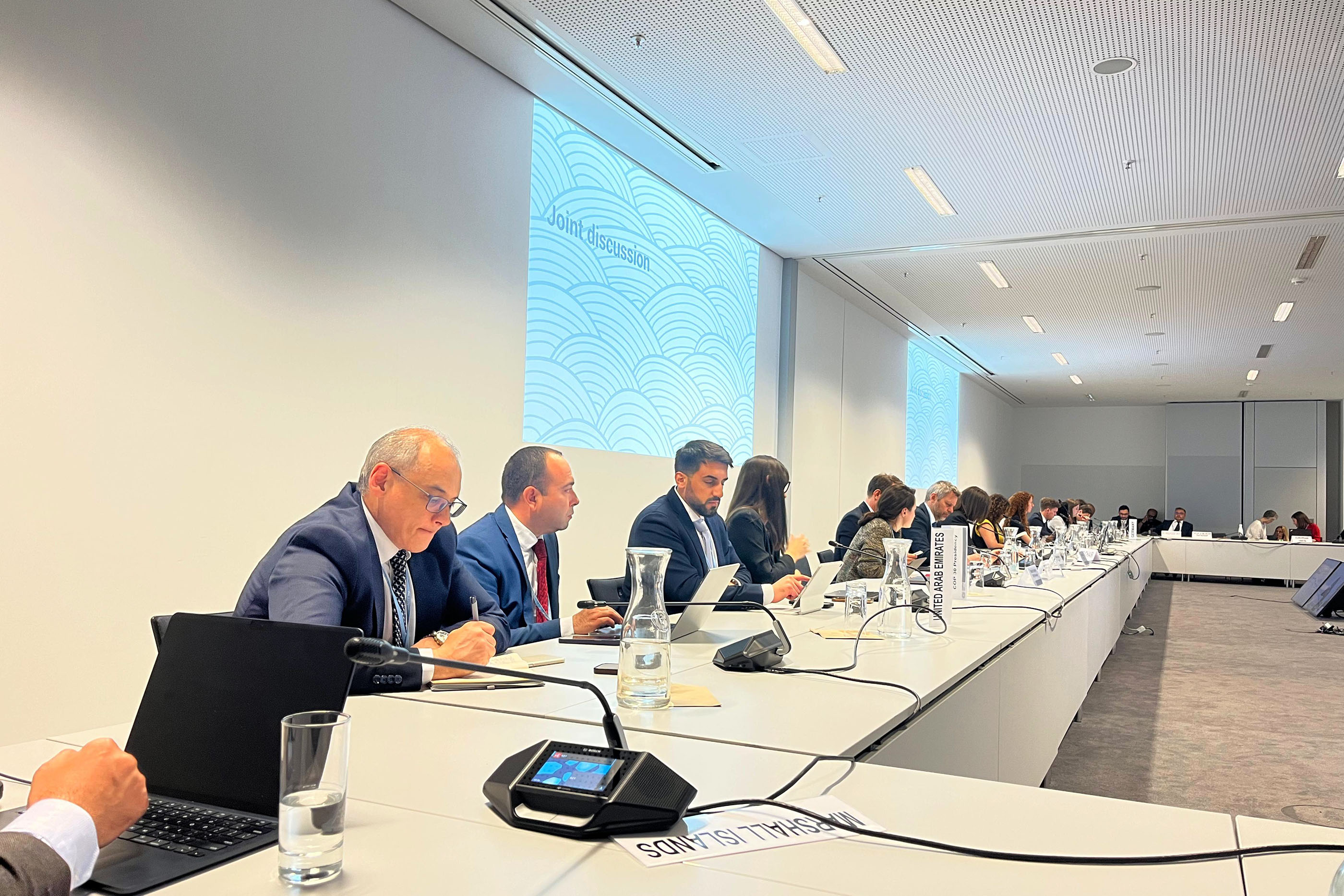
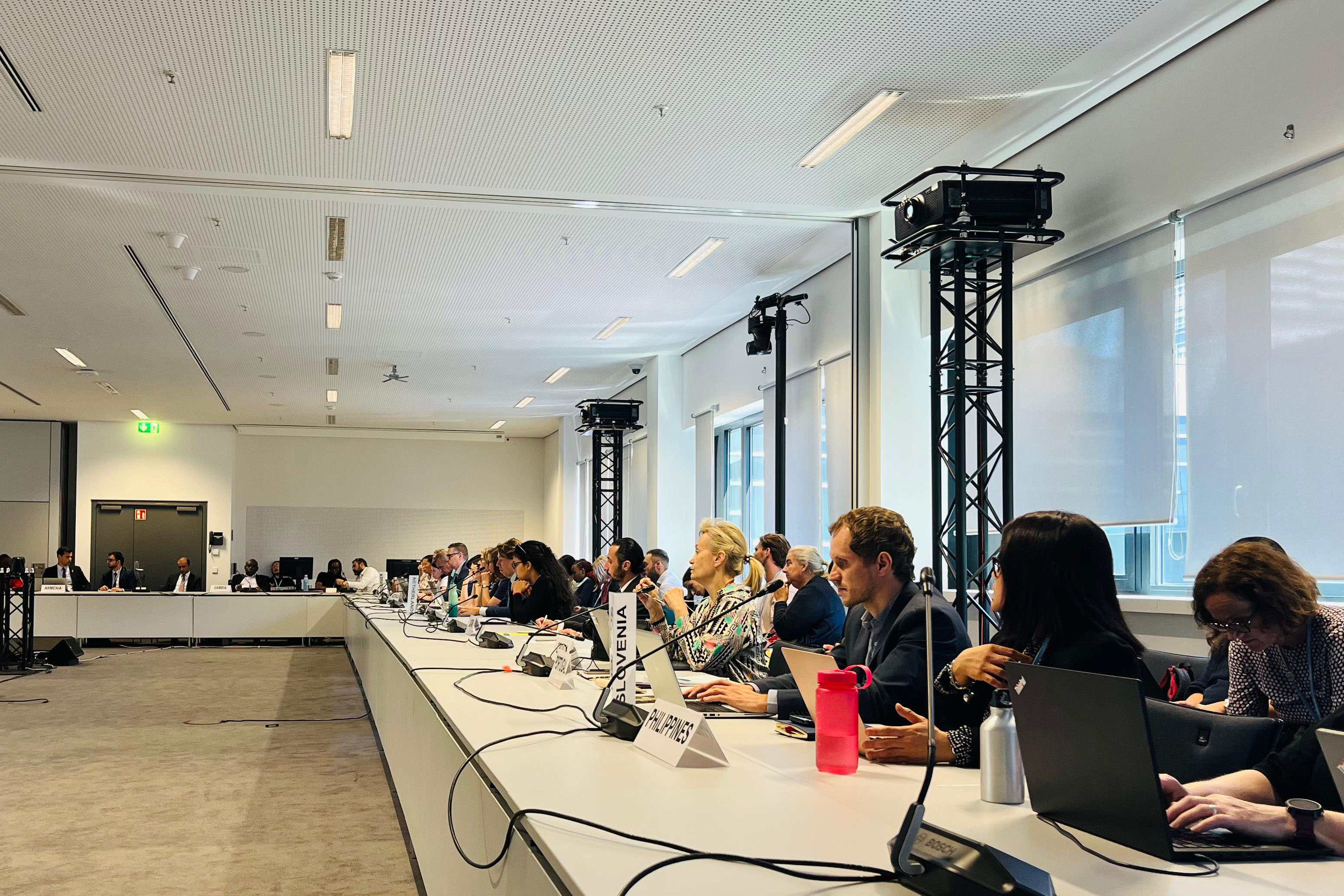
On 21 June 2025, during the Bonn Climate Change Conference, participants at the first interim meeting of the Baku Dialogue filled the Tokio room at the World Conference Center Bonn for a briefing on the status and operationalization of this platform.
In his opening remarks, Elchin Allahverdiyev, Director of the Climate Diplomacy Department, Ministry of Foreign Affairs of Azerbaijan, COP 29 Presidency, noted that the climate crisis is also a water crisis and requires urgent and coordinated collective action. He highlighted that the Baku Dialogue offers an open, inclusive, and action-oriented platform. He explained that it currently includes the active participation of 72 countries and several dozen stakeholders who are intensively working on the operationalization of the dialogue, including the UN Economic Commission for Europe (UNECE), UN Environment Programme (UNEP), and World Meteorological Organization (WMO).

Update on the Roadmap and Coordination Efforts towards COP 30
Niklas Hagelberg, Climate Change Coordinator of UNEP, provided an overview of activities undertaken since launching the multi-stakeholder COP 29 Declaration on Water for Climate Action, including the organization of water and climate discussions, efforts to ensure water and climate are included in the agenda for the 2026 UN Water Conference, and briefings for UN member states.
Sonja Koeppel, Secretary of the Water Convention, UNECE, highlighted related events and milestones on the road to COP 30, including a meeting on 9 July to select the themes for the 2026 UN Water Conference, the African Union-AIP Water Investment Summit 2025 in August, World Water Week in August, and the Sector Ministers Meeting in October.

Hagelberg introduced the three work packages proposed as pillars of the Water for Climate Initiative to transform the Baku Dialogue Concept, the Water Declaration, and linked commitments into an operational platform coordinated by UNEP and delivered together with the COP 29 Presidency, UNECE and WMO. He reviewed the actions UNEP is guiding for the action area related to global advocacy and coordination, including:
- strengthening COP-to-COP synergies, continuity and coherence including across the Rio Conventions;
- advocating for and support the development of collaborative and aligned water-related climate actions and policies;
- organizing South-South and triangular cooperation dialogues for knowledge and data sharing;
- enhancing the effective implementation of water-related initiatives and coordinate with major water events including the UN Water Conferences in 2026 and 2028; and
- mobilizing diverse partnerships and cooperation to enable investment in water.
Nicolas Franke, Hydrology, Water and Cryosphere Division, said WMO is coordinating the following activities under the Baku Dialogue to strengthen the generation of scientific evidence on water and climate change:
- strengthening country capacity to understand the status and outlook of water resources across the hydrological value chain;
- supporting interested countries in improving prevention, preparedness, resilience, and recovery in response to water-related hazards and disasters;
- disseminating and using basin-wide climate scenarios and climate risk and vulnerability assessments related to water resources; and
- exploring the links between conserving, protecting, restoring, and sustainably managing water resources, water basins, and water-related ecosystems.
Sonja Koeppel introduced the policy actions and activities that UNECE is leading under the initiative, including:
- supporting interested countries in effectively integrating water considerations in the design of climate policies;
- compiling best practice and policy case studies;
- expanding the use of relevant integrated approaches such as Integrated Water Resources Management (IWRM), nature-based solutions (NbS), ecosystem-based adaptation (EbA), S2S (source to sea) approaches, tools, and methods; and
- supporting the development of national and regional/transboundary water-related adaptation strategies and plans.

Updates from Member States, UN Agencies, and Partners on Current Opportunities, Guidelines and Tools to Mainstream Water into Climate Action
Moderated by Kamala Huseynli, COP 29 Presidency, the interim meeting then heard statements from states and observers. The European Union welcomed the dialogue and said they are working with UNEP to provide funding support. They also shared that the Baku Dialogue is an important mechanism and was recognized in their recently adopted EU Water Resilience Strategy. Kazakhstan highlighted that Central Asia is vulnerable to climate change, most of its water resources are transboundary, and it requires data to develop relevant policies.
The United Arab Emirates, as co-host of the 2026 UN Water Conference, highlighted that water was central to the COP 28 Dubai Action Agenda. He said water risks are intensifying and highlighted their commitment to advance the first pilar of the Baku Dialogue especially ahead of the upcoming milestones.
The Netherlands highlighted their role as a champion for water in climate action, stressed the need to generate concrete action on the ground and to streamline water into the three Rio Conventions, called for building on the work of the Global Commission on the Economics of Water, and proposed convening an annual high-level COP event on water and climate.
As host of COP 30, Brazil underlined its work to ensure water action is fully recognized and translated into climate action and as a core component of the mitigation and adaptation agendas. Brazil also said they are looking forward to co-hosting the first meeting of the Baku Dialogue on the sidelines of COP 30.
Germany said the Baku Dialogue provides an opportunity to strengthen COP-to-COP agendas as well as synergies with the Rio Conventions, and called for ensuring the continuity and long-term nature of the platform by ensuring it remains efficient and lean.

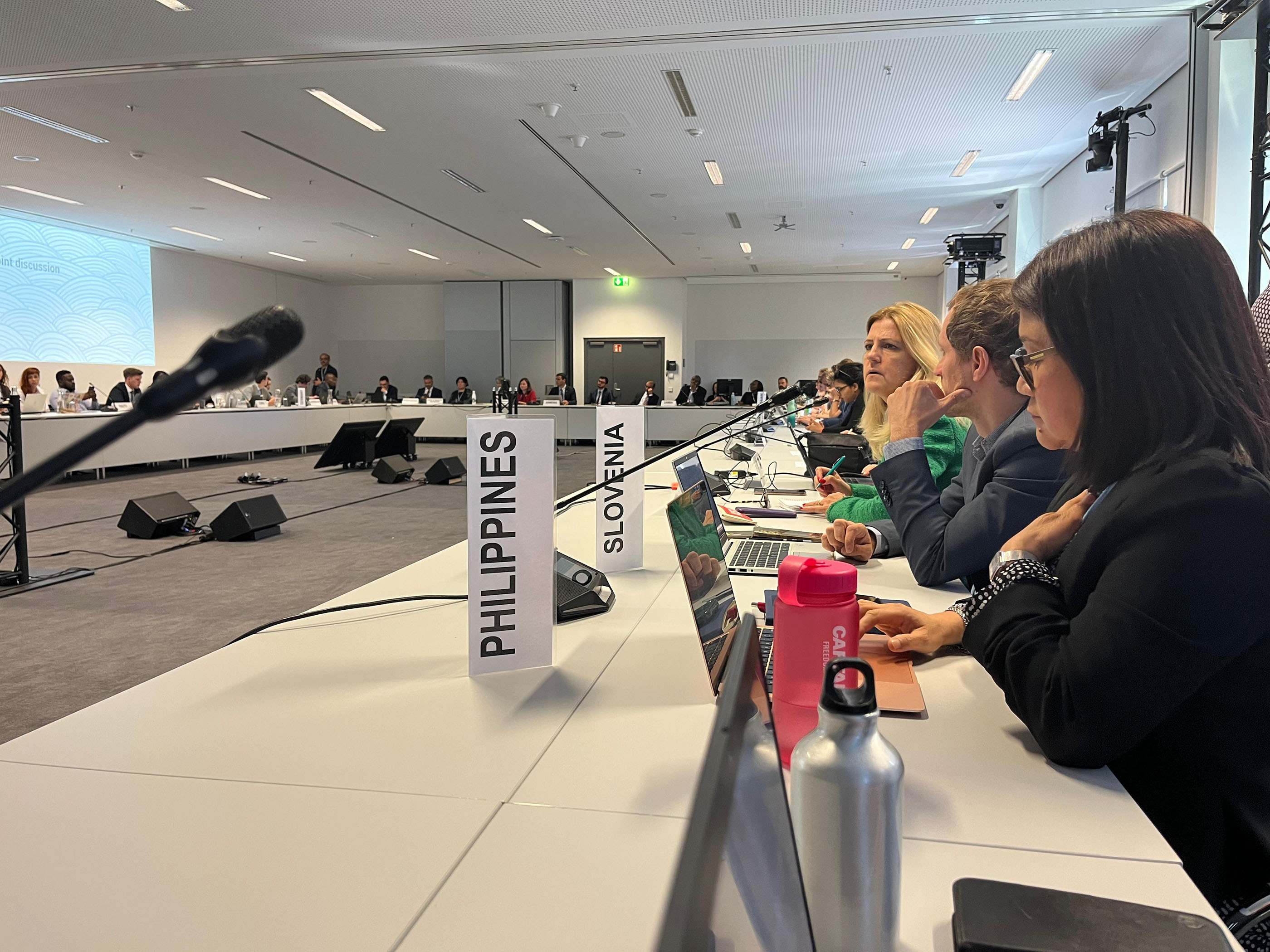
Slovenia and Hungary noted the importance of transboundary water cooperation. Japan highlighted how best practices, like their current and new policies on resilience, should be shared among parties.
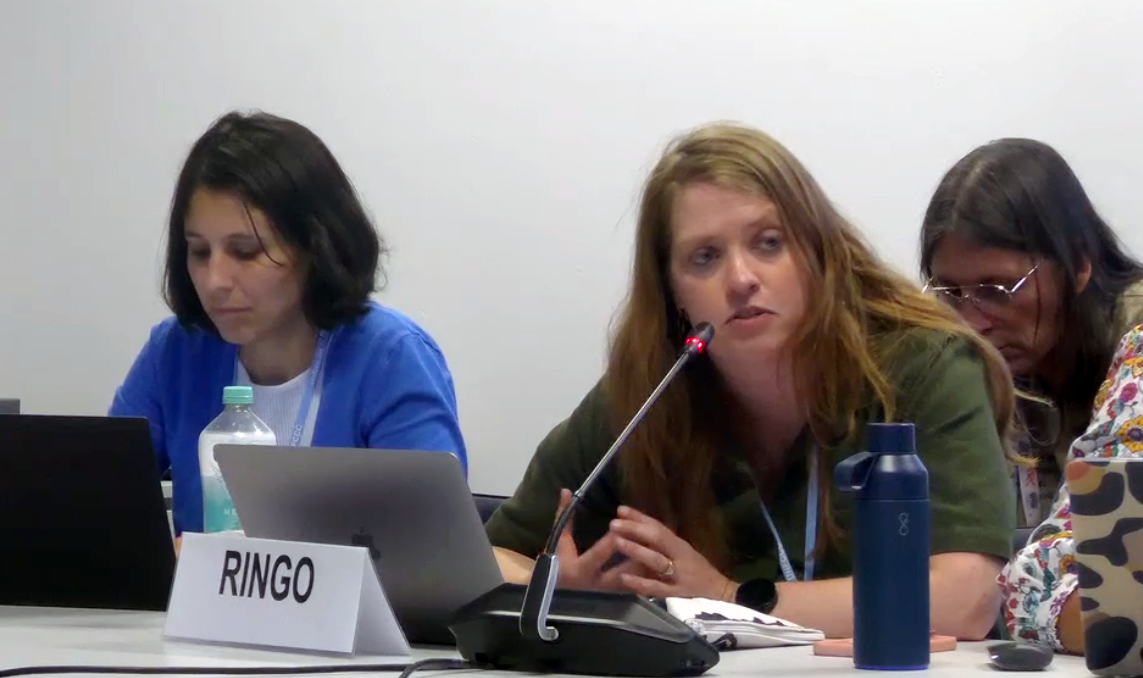
The Philippines reported water is a priority sector and their biodiversity strategy and action plan integrate water issues into sections on protected areas, ecosystems, and watershed management. She announced her country would endorse the Declaration, becoming the 73rd country to do so. The Gambia said the Declaration is a landmark for recognizing water as essential for addressing climate change and achieving peace.
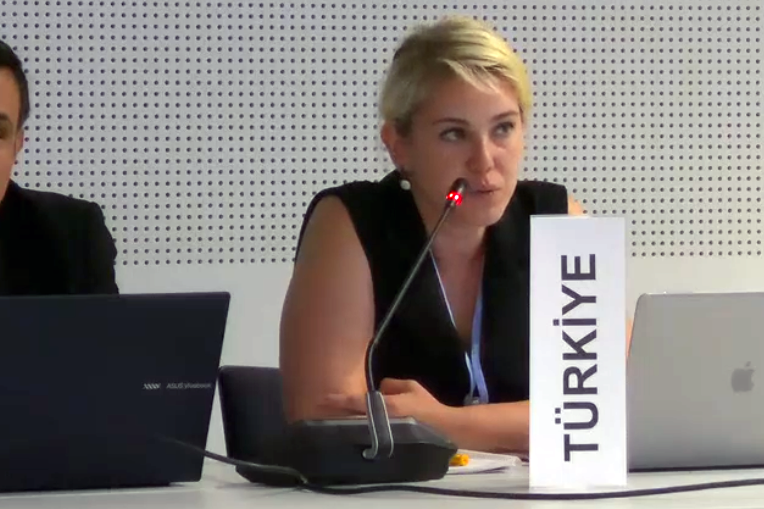
Türkiye reported her country will be water stressed by 2040. With regard to transboundary water, she said her country holds up the obligation to not cause significant harm, stressed the importance of cooperation among riparian states, and emphasized the need to ensure fair and effective management of water resources.
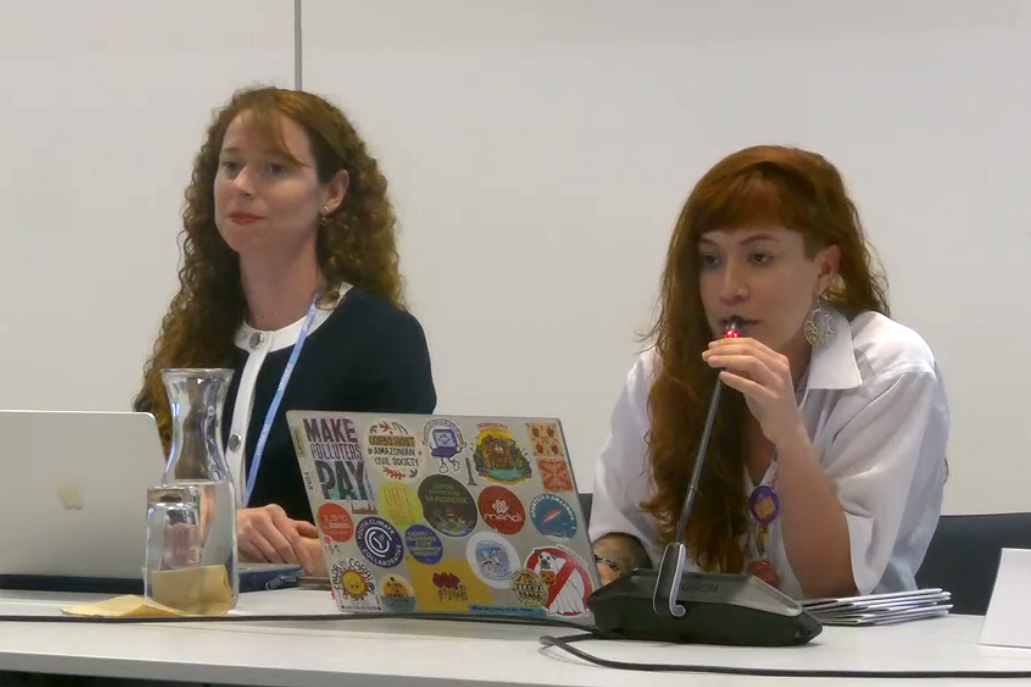
Several observers highlighted that the water-climate nexus must be considered holistically, noting connections and synergies with biodiversity policy and the need to incorporate gender, youth, and Indigenous Peoples perspectives. Henk Ovink, Global Commission on the Economics of Water, discussed the Commission’s support to advance the Initiative, noting the need for synergies and pointing to the opportunities to advance this discussion in the lead up to and during the 2026 and 2028 UN Water Conferences.
The role of universities in advancing science to contribute to solutions was noted, with Arizona State University offering to contribute information on what has been studied on water and climate interlinkages. The Green Climate Fund mentioned its funding for water and climate-related projects and said water should be identified as a priority in Nationally Determined Contributions (NDCs) and National Adaptation Plans (NAPs).
Huseynli thanked participants for engaging in the first interim meeting and looked forward to furthering the dialogue in the coming months.
To receive free coverage of global environmental events delivered to your inbox, subscribe to the ENB Update newsletter.
The Earth Negotiations Bulletin writers for this event are Lynn Wagner, Ph.D.; and Valentina Romoli. The Digital Editor is Diego Noguera. The Editor is Leila Mead.
Joint Discussion

Henk Ovink, Global Commission on the Economics of Water, addressed the event virtually