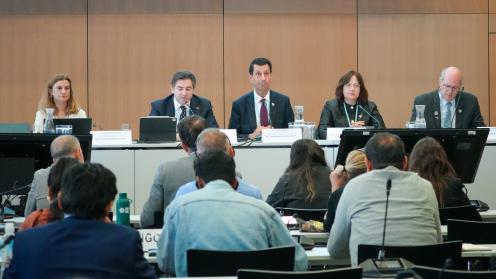
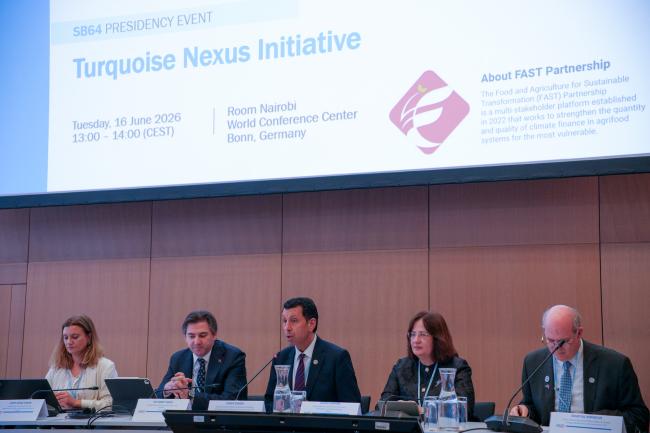
While the food, water, and climate crises are deeply interconnected, national climate commitments rarely reflect coordination across water, agriculture, water, food security, and adaptation measures. The Turquoise Nexus Initiative (TNI) —an initiative of Türkiye that will be formally launched at COP 31—aims to address this fragmentation by creating a global mechanism that will integrate food systems transformation, sustainable water management, and climate adaptation.
As a proposed programme of the Food and Agriculture Organization’s (FAO) Food and Agriculture for Sustainable Transformation (FAST) Partnership, the TNI will bring together governments, international organizations, research institutions, civil society, and the private sector around a common agenda for climate-resilient, water-centered agriculture and food systems. It will aim to enable developing countries to embed integrated food-water-climate approaches into their nationally determined contributions and Paris Agreement implementation efforts.
Participants gathered during the 2026 June Climate Meetings to learn about the TNI and share their feedback on the proposed programme.
Kaveh Zahedi, Assistant Director General and Director of the FAO’s Office of Climate Change, Biodiversity, and Environment, welcomed participants. Noting growing momentum to address climate change through agriculture and food systems, he said the FAO was delighted to welcome Türkiye as a member of the FAST Partnership. He explained this Partnership is a COP-to-COP mechanism that aims to ensure agriculture, food security, and climate finance remain high priorities on the international climate agenda. It also aims to increase the quantity and quality of climate finance to support the transformation of agriculture and food systems, he noted.
Fatma Varank, Deputy Minister, Ministry of Environment, Urbanization and Climate Change, Türkiye, highlighted the vision and priorities of the COP 31 Presidency, underscoring the importance of implementation.
Ahmet Bağci, Deputy Minister, Ministry of Agriculture and Forestry, Türkiye, underscored that the climate agenda cannot succeed without addressing food security. He said Türkiye aims to create a concrete project pipeline to transform ambitious goals into practical solutions. He further emphasized that food, water and climate are not separate issues, and said investment strategies should reflect this reality. He highlighted the need for blended finance, innovative funding models, and more investment from the private sector.
Umay Gökçe Özkan, Coordinator for International Technical Organizations, Ministry of Agriculture and Forestry, Türkiye, said that while food, water, and climate change are not separate problems, the world’s responses remain disconnected. She emphasized that fragmentation is structural, not incidental, and said the TNI is designed to close the structural gaps through policy coherence and implementation support, knowledge generation and technical exchange, and investment readiness and finance alignment. She also outlined Türkiye’s water-centered agricultural model, noting it is currently operational and is applicable to semi-arid regions in the Middle East and North Africa, Sub-Saharan Africa, and Central Asia. Explaining that the model bridges the gap between policy commitments and investment flows, she said it prevents the silos that have slowed action on issues including land restoration and sustainable agriculture, resilient and adaptive food systems, food and nutrition security, and water management and climate finance.
Martial Bernoux, Senior Natural Resources Officer, Office of Climate Change, Biodiversity, and Environment, FAO, outlined the history and purpose of the FAST Partnership, saying it supports concrete actions at the nexus of climate, finance, and agrifood systems. He pointed to three systemic challenges to improving the quantity and quality of climate finance flowing to agrifood systems, including access, knowledge and capacity, and policy support and dialogue. He explained that the FAST Partnership is co-chaired by past, current, and incoming Presidencies, including Azerbaijan, Brazil, and Türkiye, and thanked Türkiye for bringing water, the “missing element,” to the Partnership.
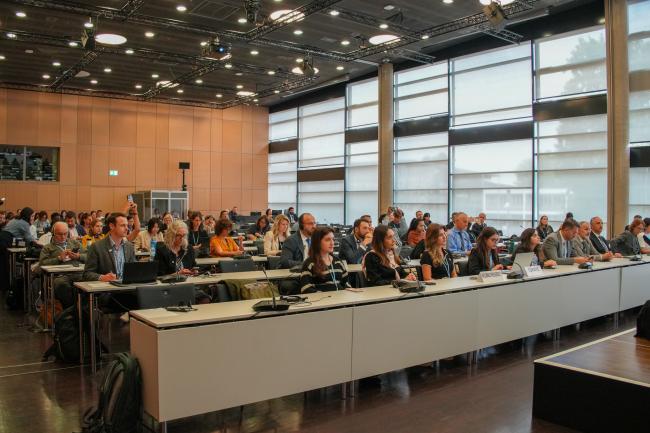
Discussion
In ensuing discussion, participants reflected on the importance of this initiative. The WORLD FARMERS ORGANIZATION welcomed the TNI, emphasizing that any water-food-climate nexus that does not put farmers at the center will fall short, and highlighting the need to ensure implementation mechanisms channel resources directly to farmers.
BRAZIL said they were happy to see the TNI aims to provide policy coherence and is not creating a parallel track. They emphasized the need to address these crises jointly and welcomed work to overcome fragmentation.
EGYPT congratulated the organizers on the initiative and expressing its interest in engaging further.
Sally Higgins, Youth Climate Champion for COP 31, emphasized that young people are committed to ensuring that agriculture and food are on the agenda and are thinking of future generations as well as their own.
YOUNGO, the children and youth constituency of the UN Framework Convention on Climate Change, welcomed the opportunity to share youth-led practices and identify implementation gaps at the country level.
Closing
In closing remarks, Bağcı reiterated that food security, water management, and climate action are deeply interconnected and must be addressed together. Saying the TNI will support knowledge exchange and technical cooperation, Bağcı emphasized that the objective of the TNI is to create a practical platform that will help countries connect policies and translate them into implementation.
To receive free coverage of global environmental events delivered to your inbox, subscribe to the ENB Update newsletter.
Select Images
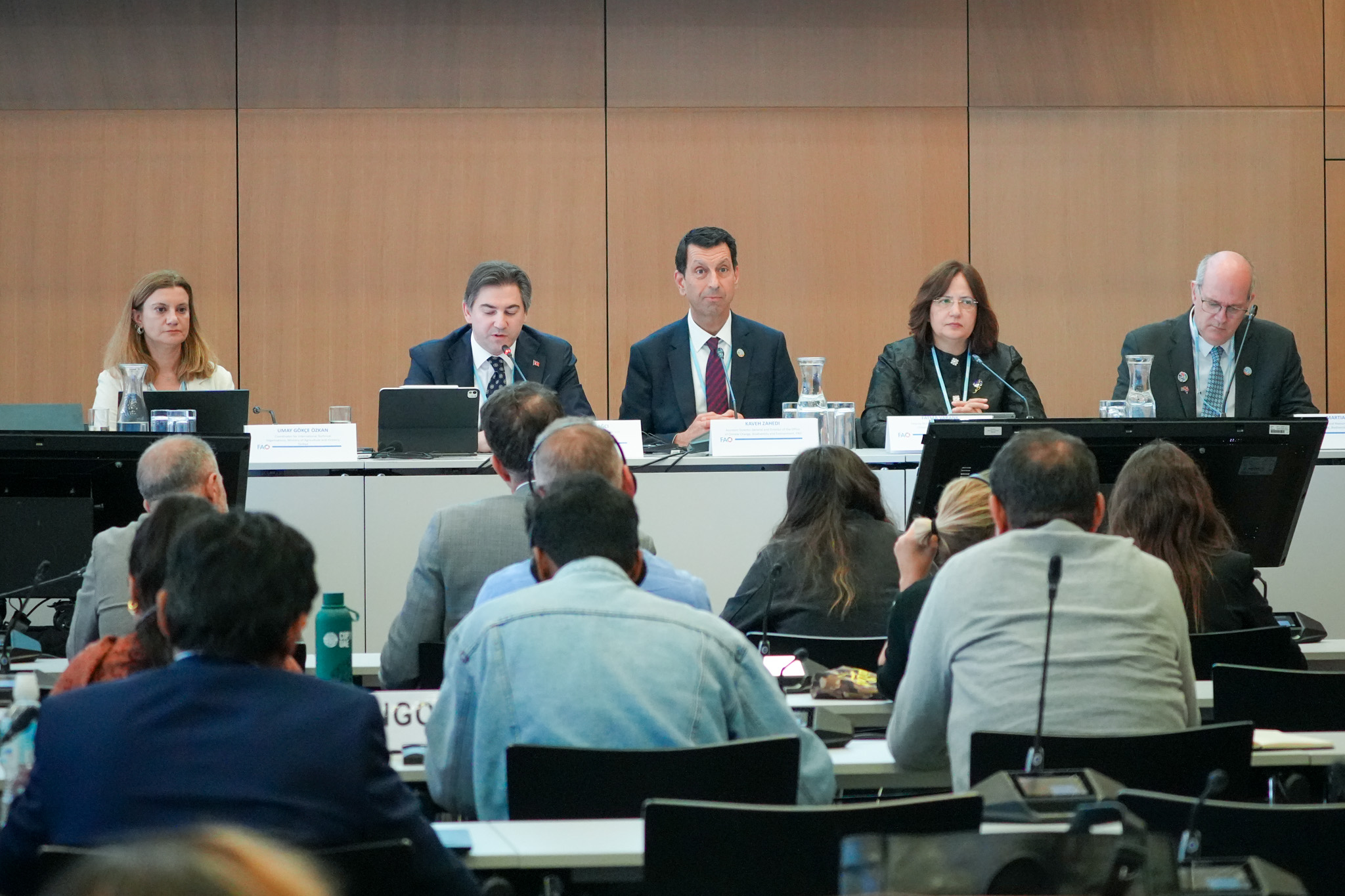
Umay Gökçe Özkan, Ministry of Agriculture and Forestry, Türkiye; Ahmet Bağci, Deputy Minister, Ministry of Agriculture and Forestry, Türkiye; Kaveh Zahedi, Assistant Director General and Director of the FAO’s Office of Climate Change, Biodiversity, and Environment; Fatma Varank, Deputy Minister, Ministry of Environment, Urbanization and Climate Change, Türkiye; and Martial Bernoux, Office of Climate Change, Biodiversity, and Environment, FAO
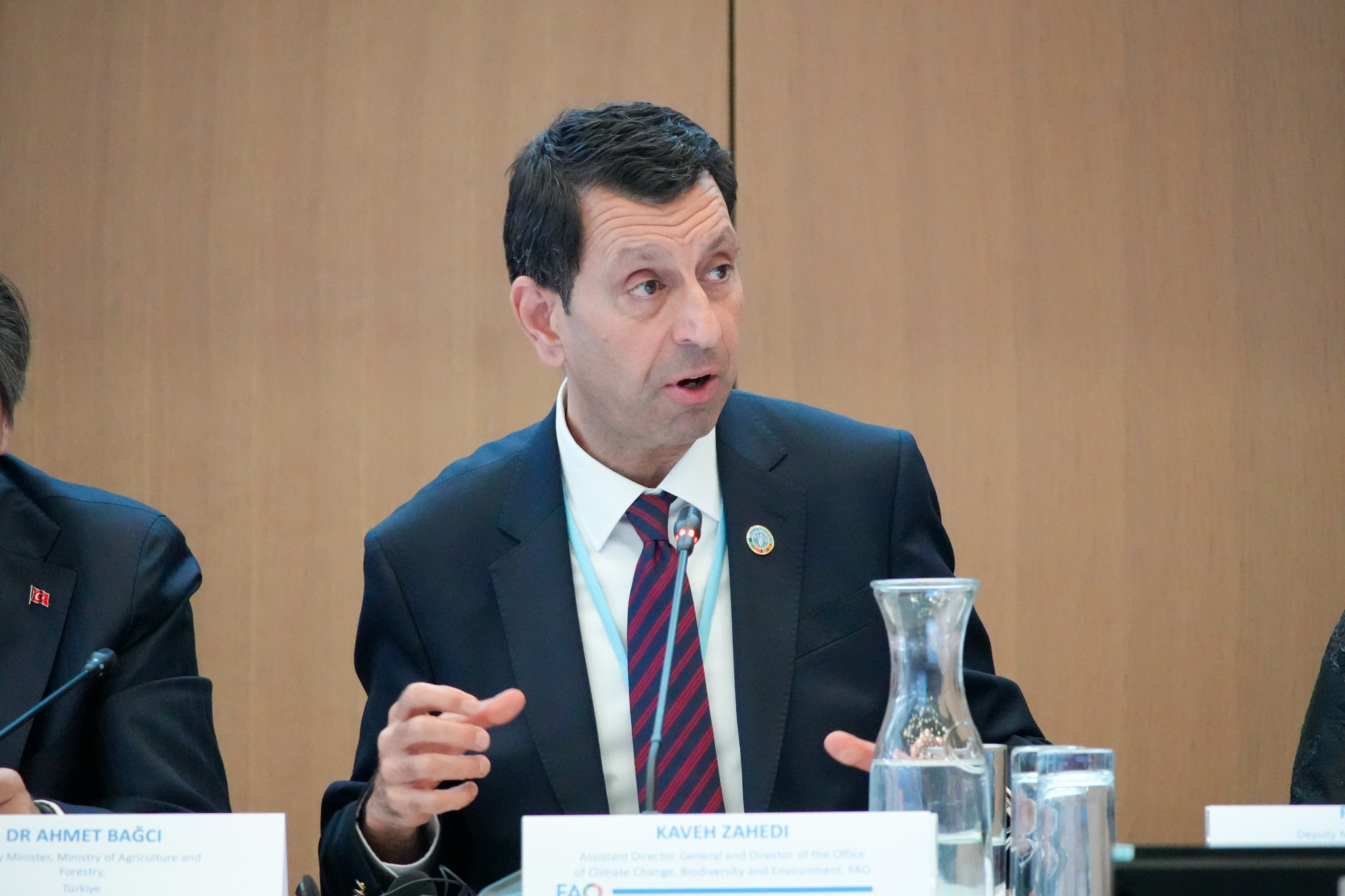
Kaveh Zahedi, Assistant Director General and Director of the FAO’s Office of Climate Change, Biodiversity, and Environment
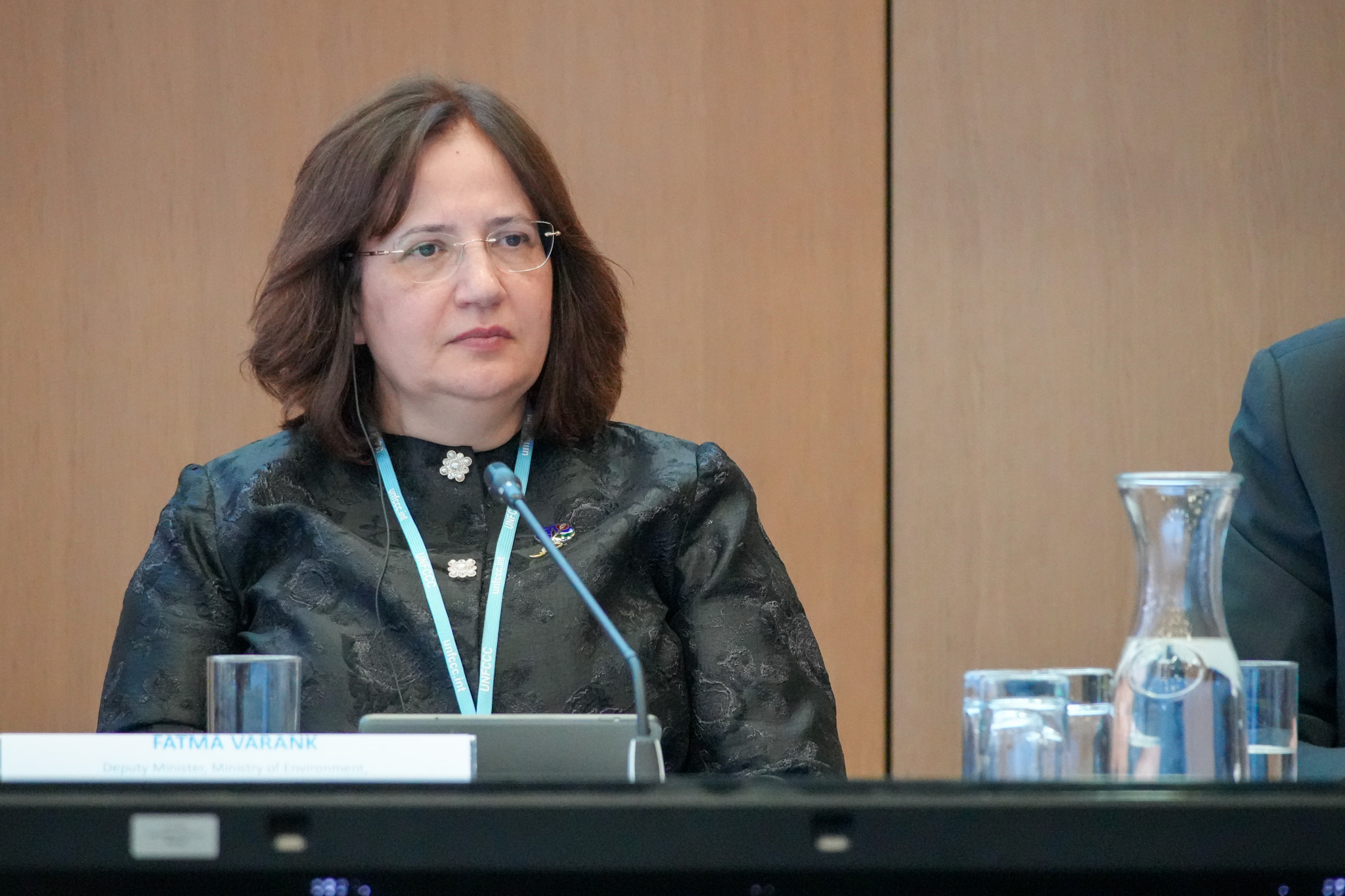
Fatma Varank, Deputy Minister, Ministry of Environment, Urbanization and Climate Change, Türkiye
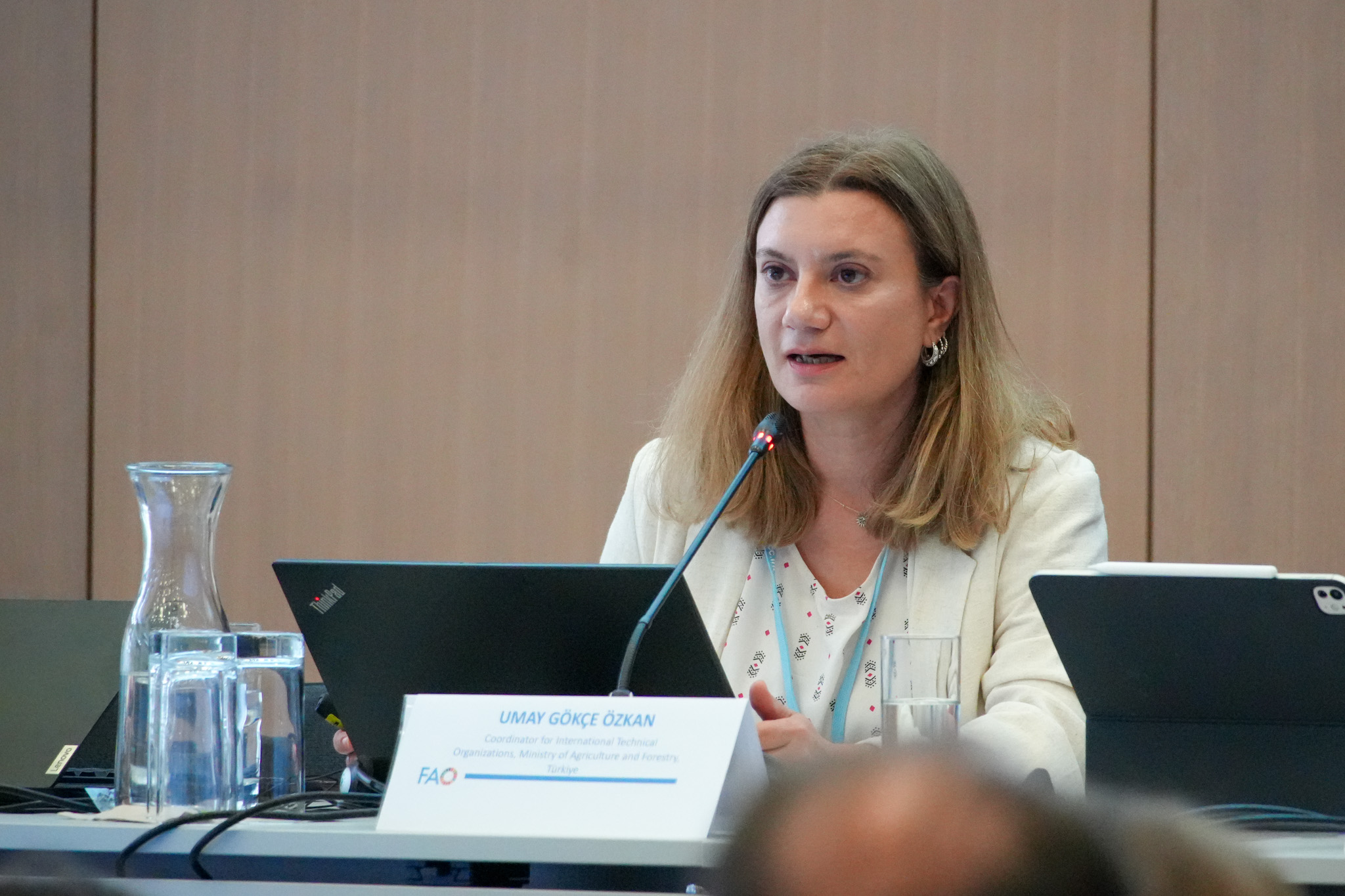
Umay Gökçe Özkan, Ministry of Agriculture and Forestry, Türkiye
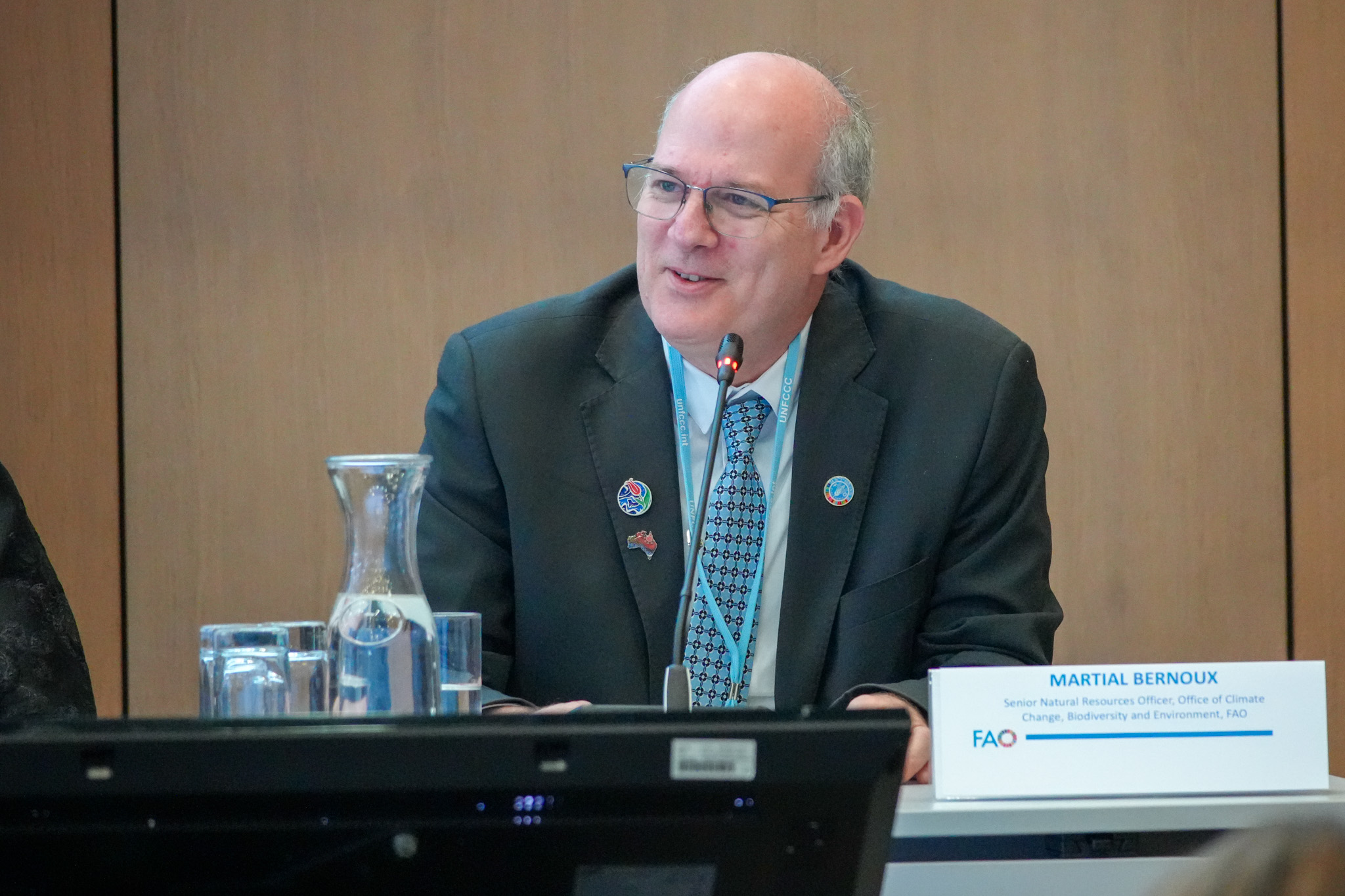
Martial Bernoux, Office of Climate Change, Biodiversity, and Environment, FAO
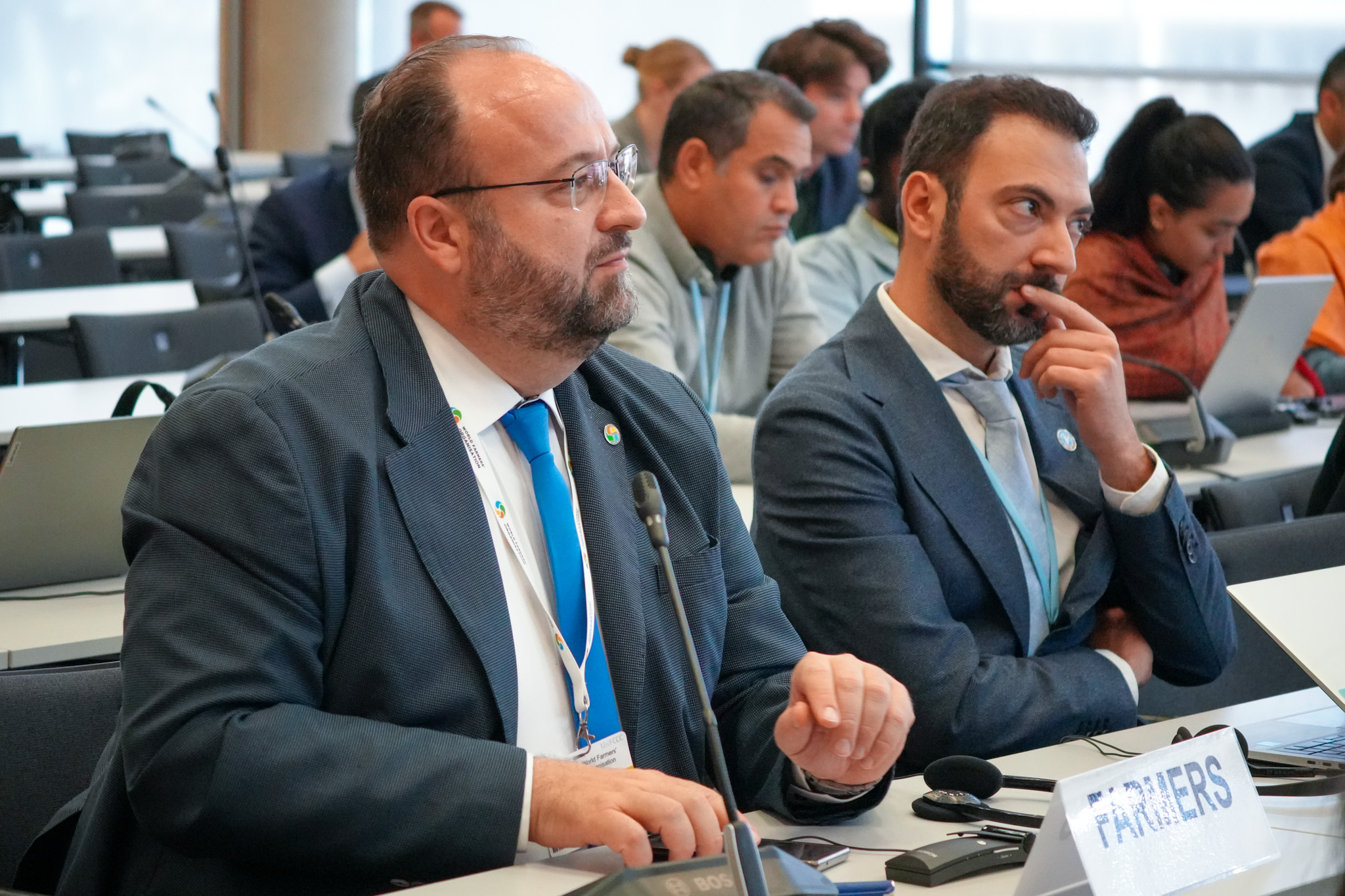
Andrea Porro, Secretary General, World Farmers Organization
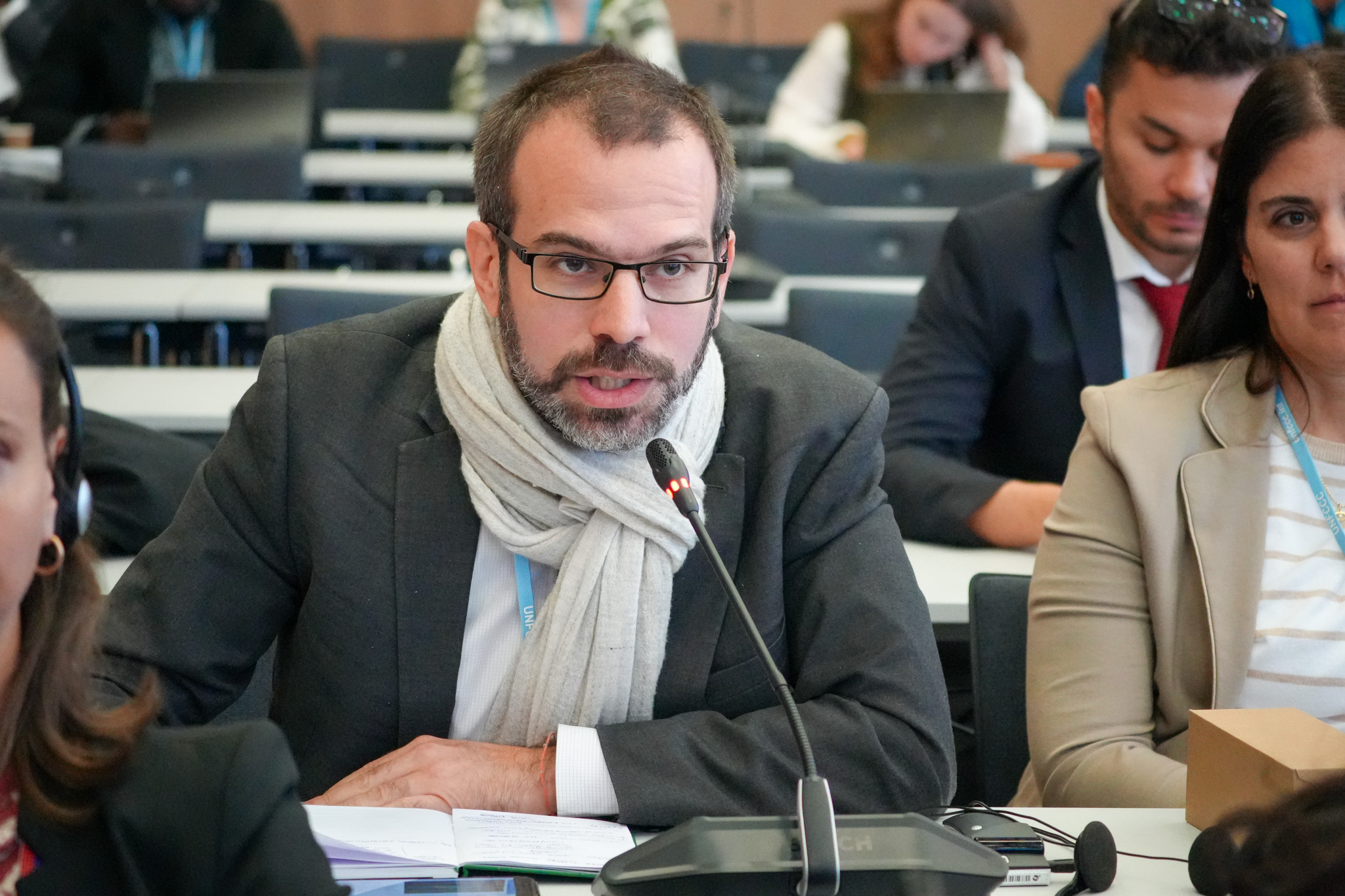
Thomas Patriota, Ministry of Agrarian Development and Family Farming, Brazil
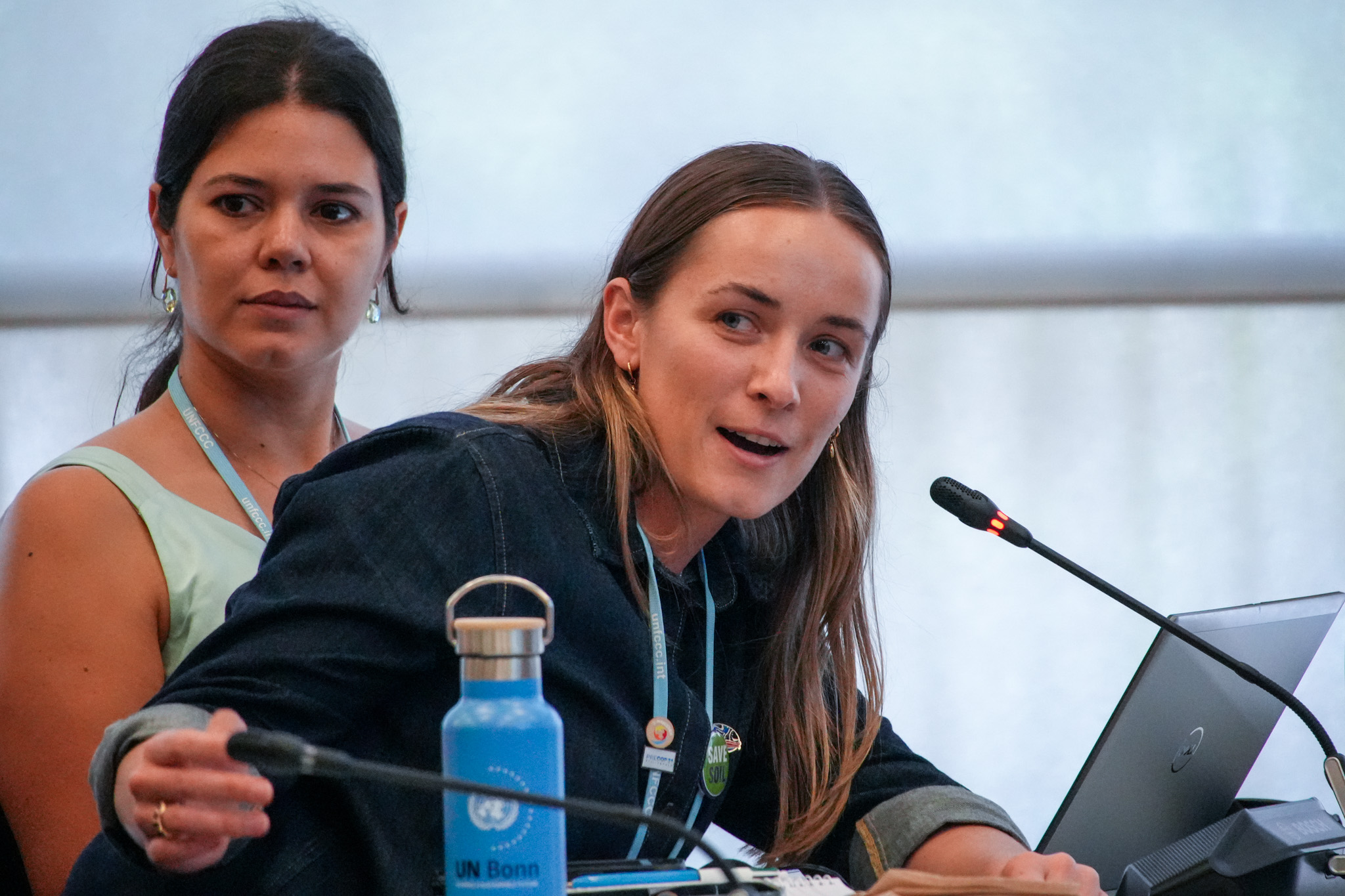
Sally Higgins, COP 31 Presidency Youth Climate Champion
