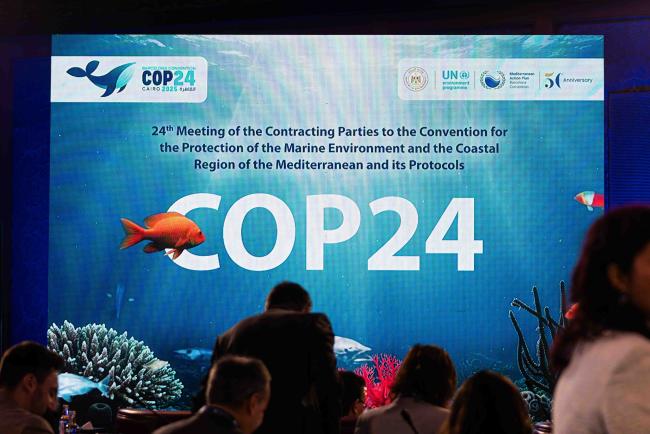
Still in celebratory spirits, recalling the previous night’s lively stories on the history of the of the Mediterranean Action Plan (MAP) on its 50th anniversary, delegates resumed their meeting at the venue on the sunny banks of the Nile.
With the backdrop of the Mediterranean region currently facing water scarcity, food and energy insecurity, and ecosystem degradation, Barcelona Convention COP 24 discussed linking climate change with the water-energy-food-ecosystems (WEFE) Nexus. Delegates welcomed the opportunity to adopt a comprehensive and integrated approach to promote sustainable development and resilience the region. One delegate enthused that the Mediterranean is the first region in the world to apply the WEFE Nexus, which is “set to become a major approach in the coming decades.”
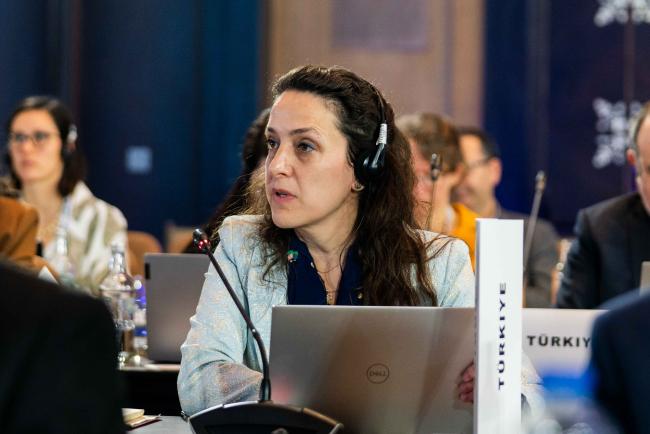
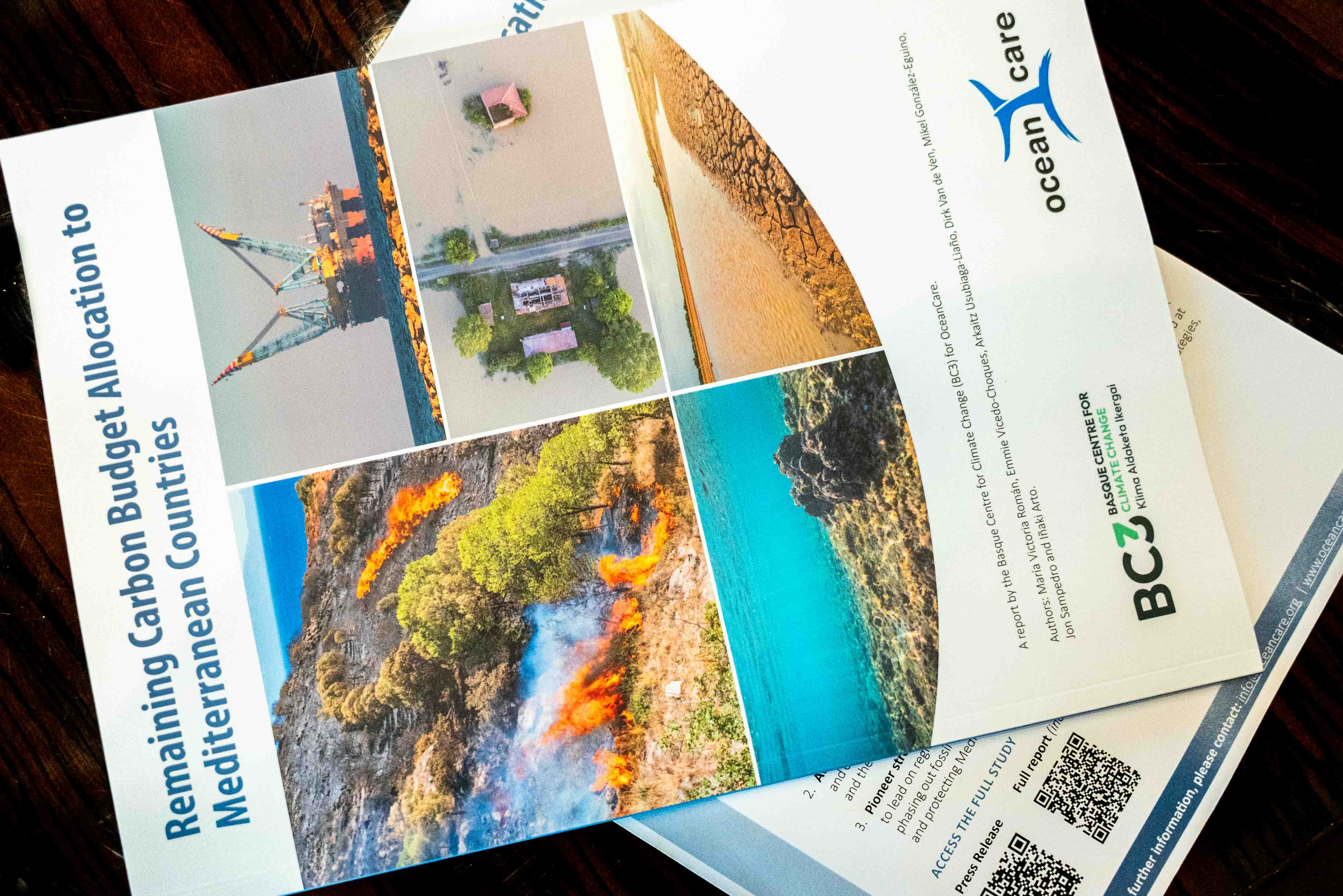
In the morning, delegates discussed the draft decision on the mandate for the newly established Climate Change Regional Activity Centre (CC/RAC), which is hosted by Türkiye. They applauded its establishment as an opportunity for coordinated action and implementation on both climate change mitigation and adaptation in the Mediterranean Sea. One delegate remarked on the timely establishment of the CC/RAC, recalling countries’ commitment to decarbonize that was voiced at COP 23. He drew attention to a recent study, which predicts that at current emission rates, the Mediterranean’s remaining carbon budget will be exhausted by 2035, pushing the region beyond the Paris Agreement’s 2°C threshold.
Several other thematic decisions were on the agenda, including on: Specially Protected Areas of Mediterranean Importance (SPAMIs); Strategies and Action Plans under the Protocol concerning Specially Protected Areas and Biological Diversity in the Mediterranean (SPA/BD Protocol); the Updated Offshore Action Plan 2026-2035; and implementation of updated National Action Plans.
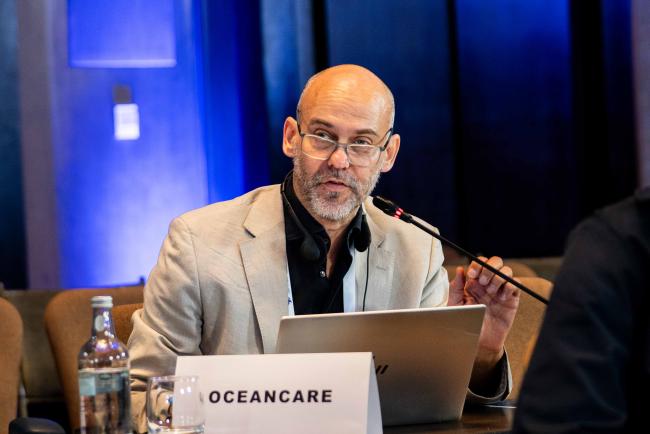
In the afternoon, Plenary resumed considerably later than planned, due to extensive working group discussions on the proposed Programme of Work (PoW) and Budget for the next biennium. Delegates decided not to increase contributions for 2026-2027, instead favoring a results-based approach for the PoW and Budget for 2028-2029.
Egypt announced that consensus had been reached on the draft Cairo Ministerial Declaration. Celebrating that the text now reflects solidarity and cooperation, they underlined the need to account for national circumstances and capabilities and to draw on enhanced support from all sources, including accessible finance, capacity building, technical assistance, and technology transfer. Many hailed a happy ending to fruitful negotiations, whilst others lamented the removal of a reference to a comprehensive approach addressing the full lifecycle of plastics.
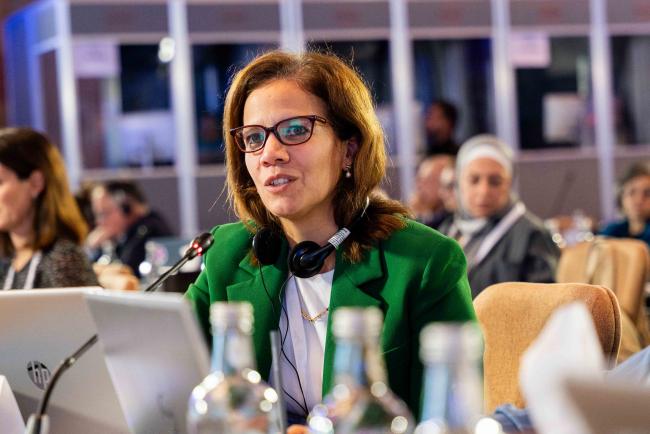
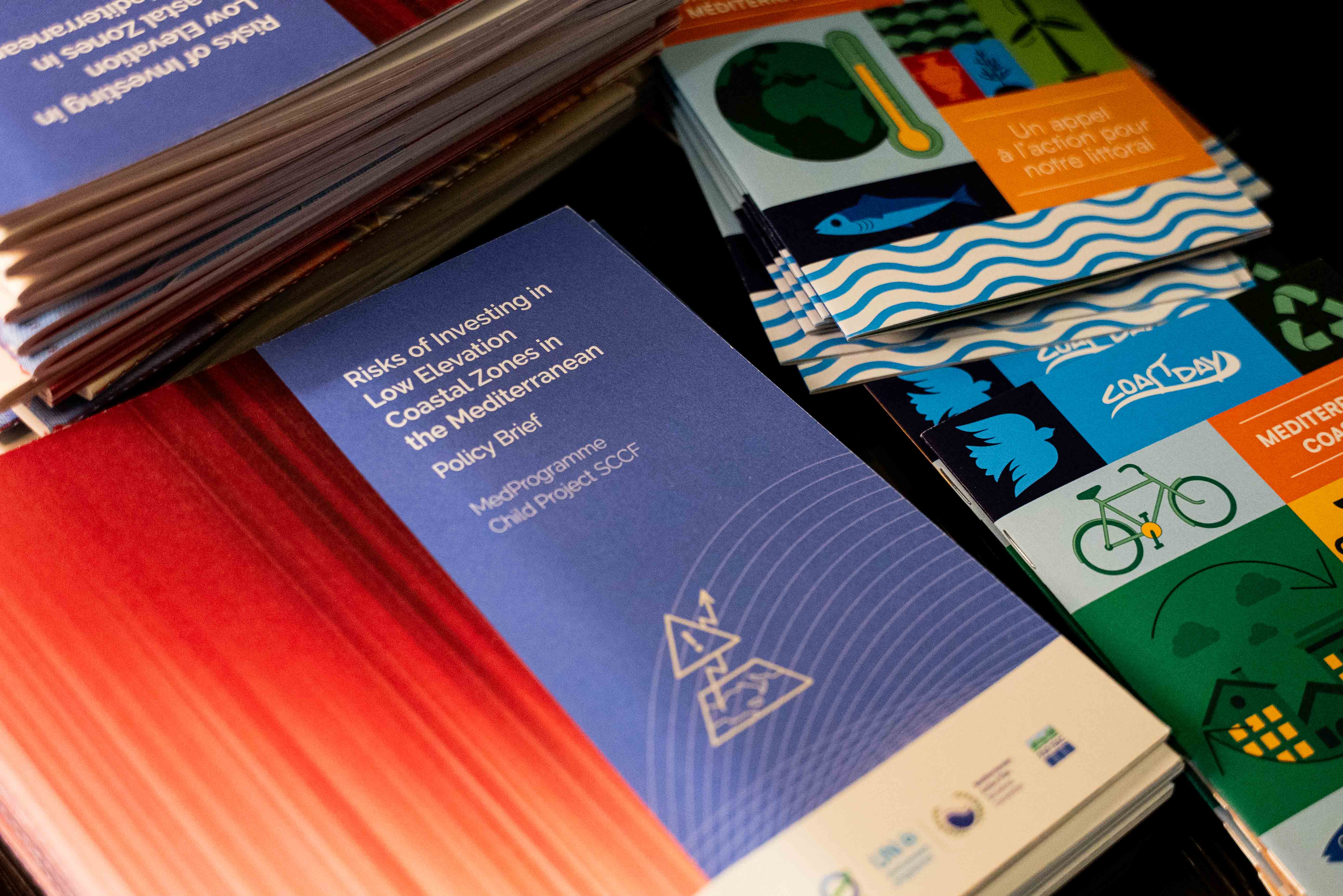
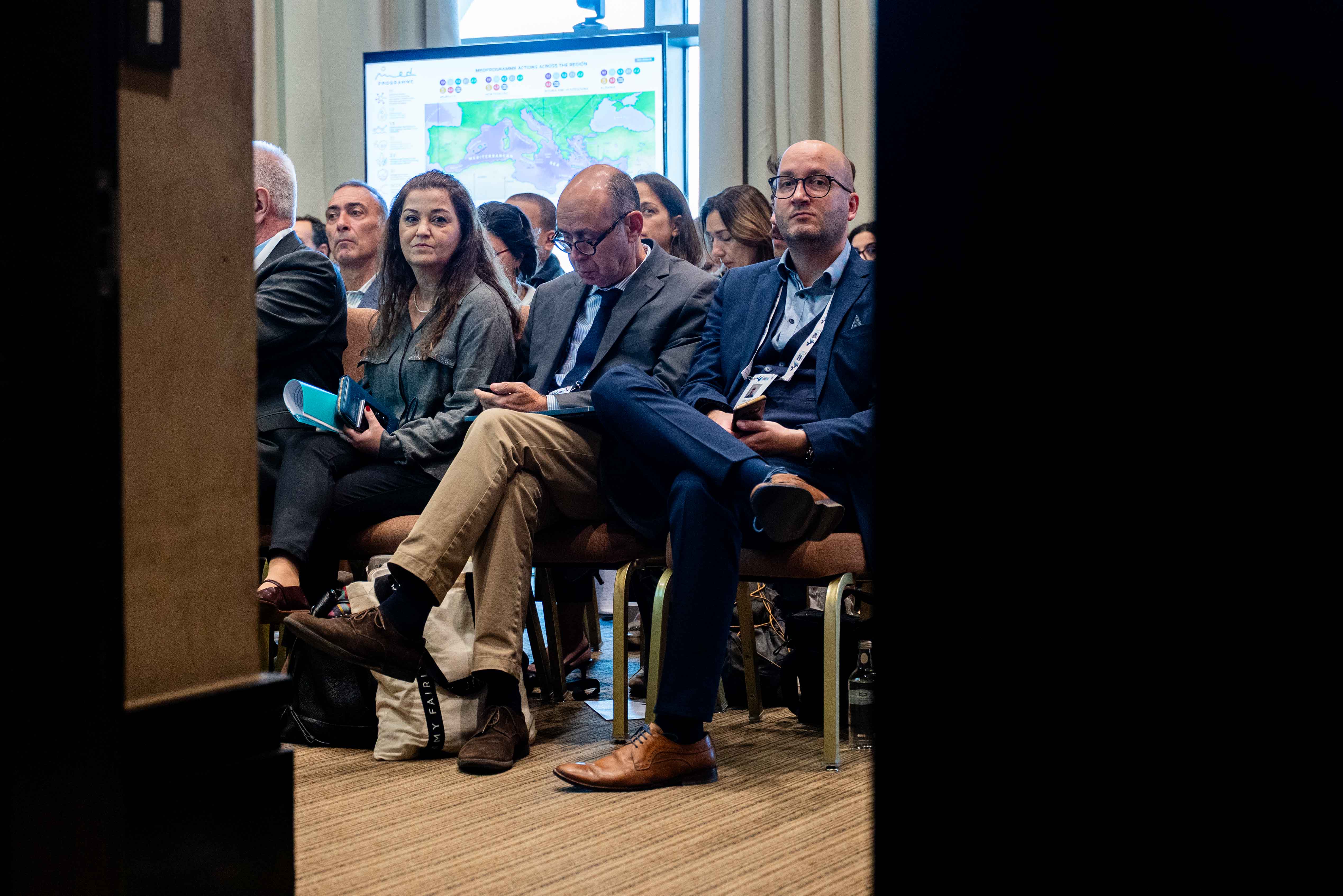
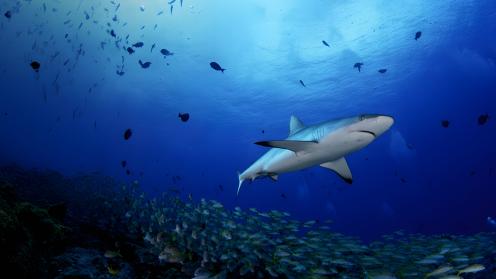
Several side events were held throughout the day, including on: legal indicators and tools for evaluating the Barcelona Convention; conservation and restoration of Mediterranean coastal wetlands; halting shark and ray extinction; and the MedProgramme. The latter is a Global Environment Facility (GEF)-funded programme executed by UNEP/MAP aimed at enhancing environmental security in the region. At this event, UNEP/MAP Coordinator Tatjana Hema stressed its strong transformative power, invited new partnerships, and expressed optimism regarding an extension of the Programme after 2026.
In the evening, delegates enjoyed a reception and cultural programme, hosted by Egypt, at the scenic El Andalos Park in Cairo.
To receive free coverage of global environmental events delivered to your inbox, subscribe to the ENB Update Newsletter.
All ENB photos are free to use with attribution. For the Barcelona Convention COP 24, use: Photo by IISD/ENB | Mika Benoni
Plenary Session
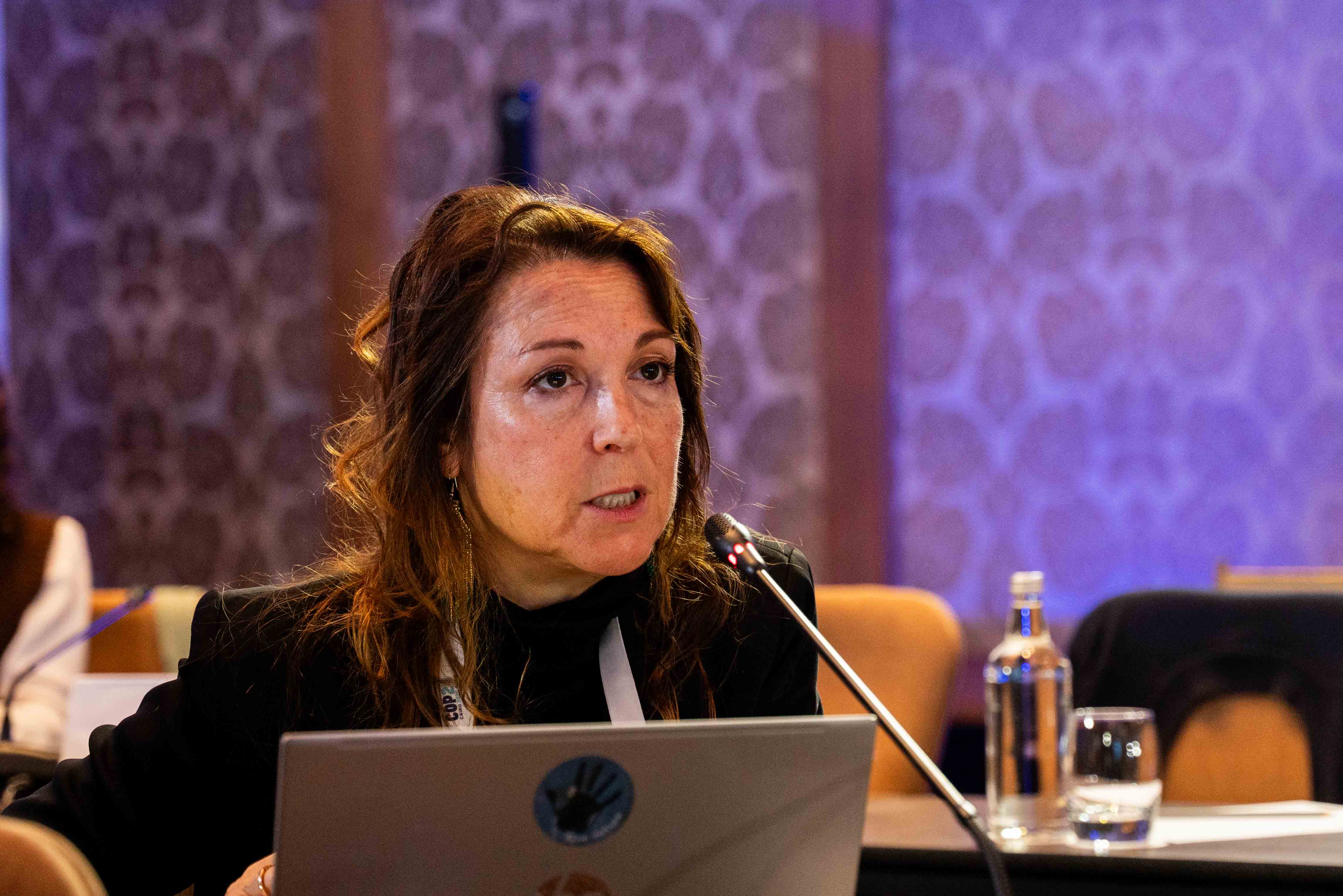
Carole Martinez, MedPAN
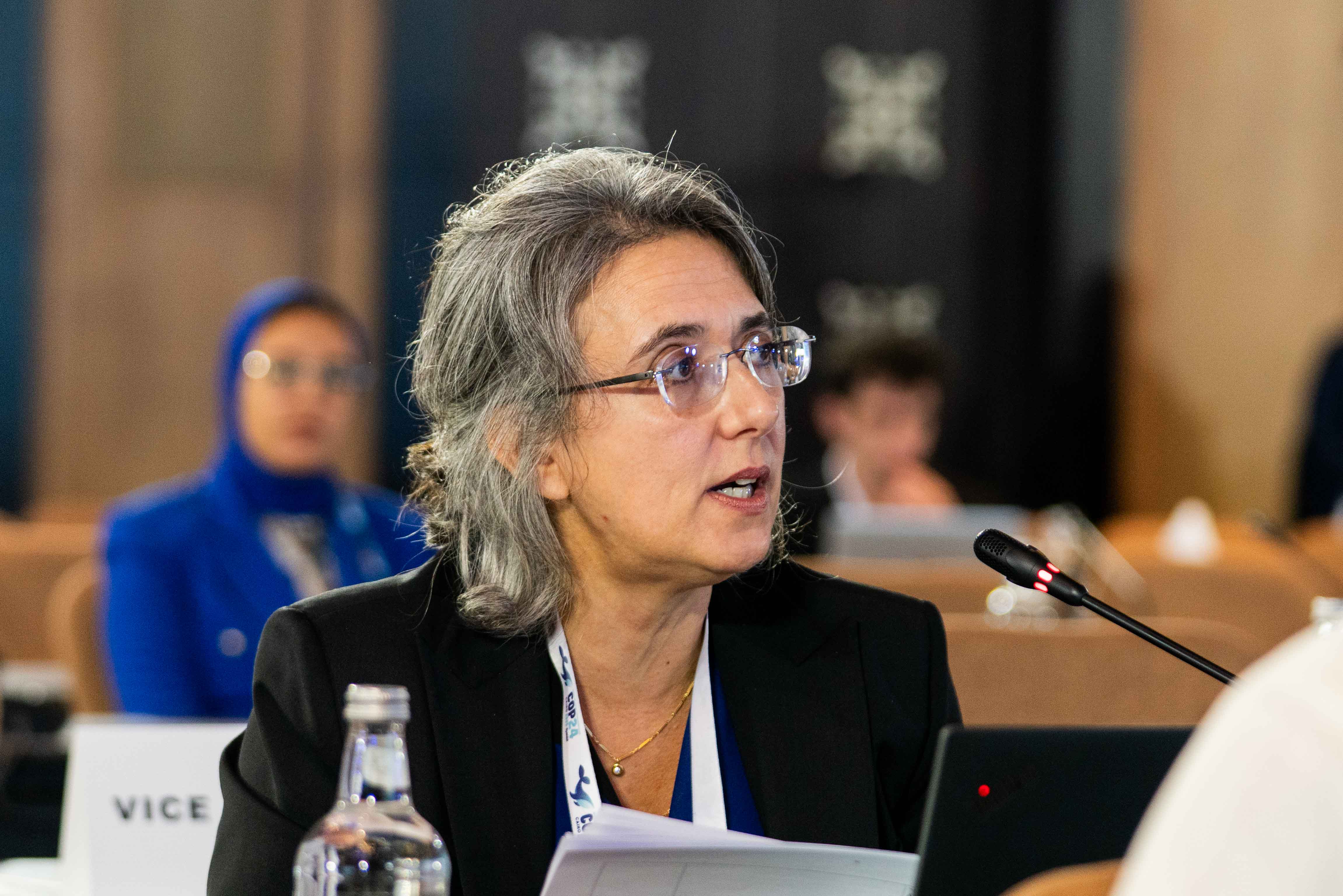
Paula Alexandra Duarte Gaspar, EU
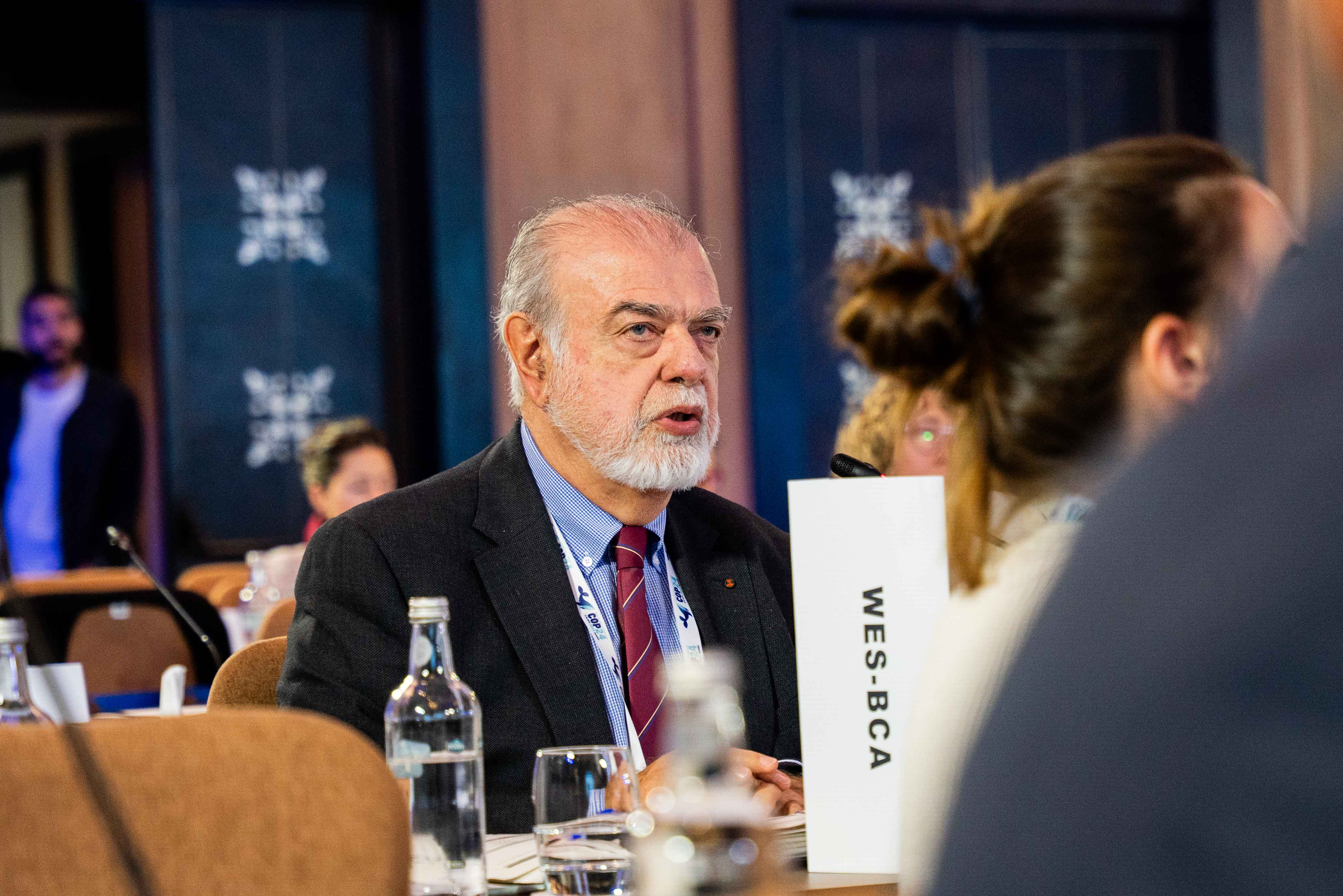
Michael Scoullos, Water and Environment Support – Biodiversity and Climate Action (WES-BCA)
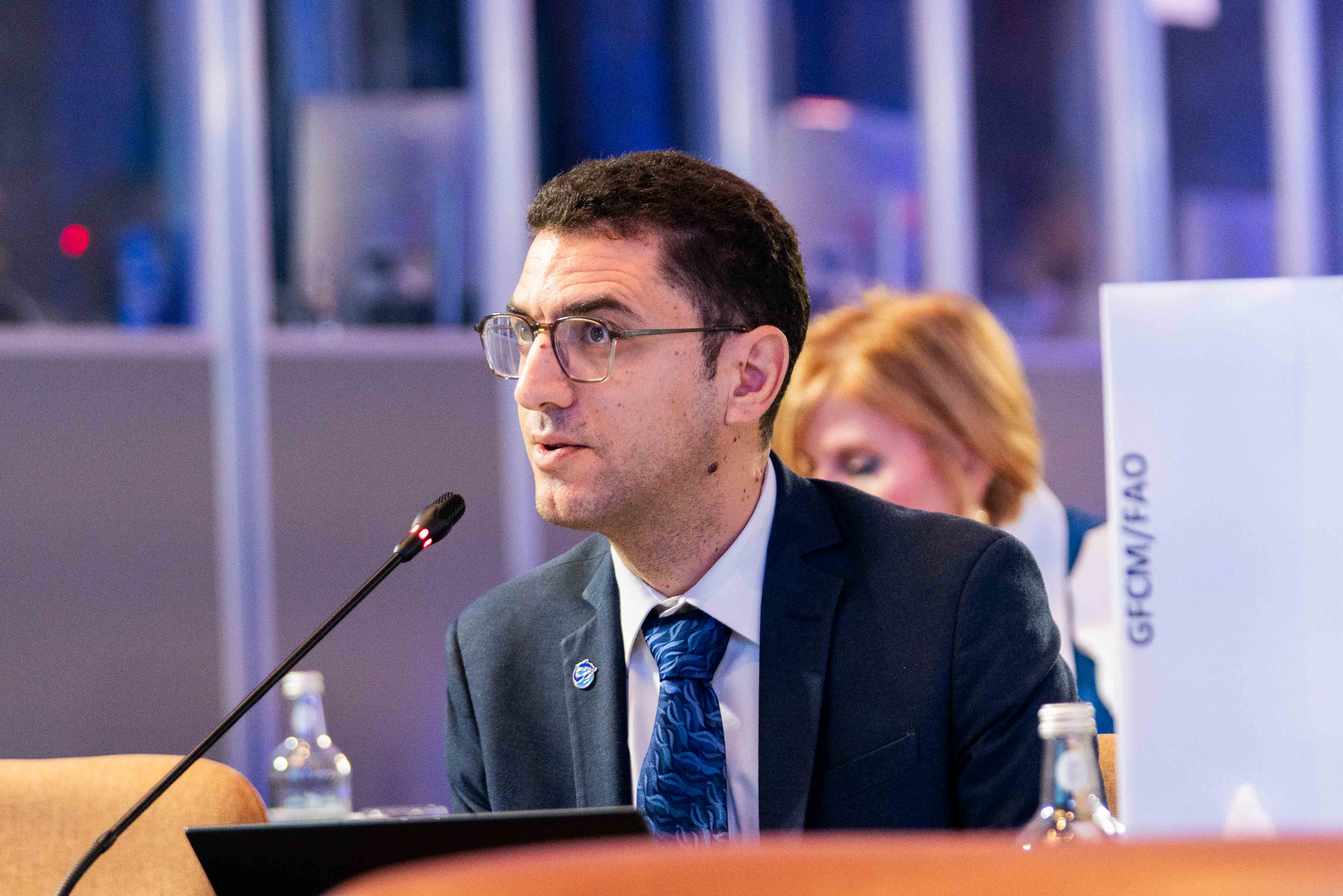
Anis Zarrouk, General Fisheries Commission for the Mediterranean (GFCM)
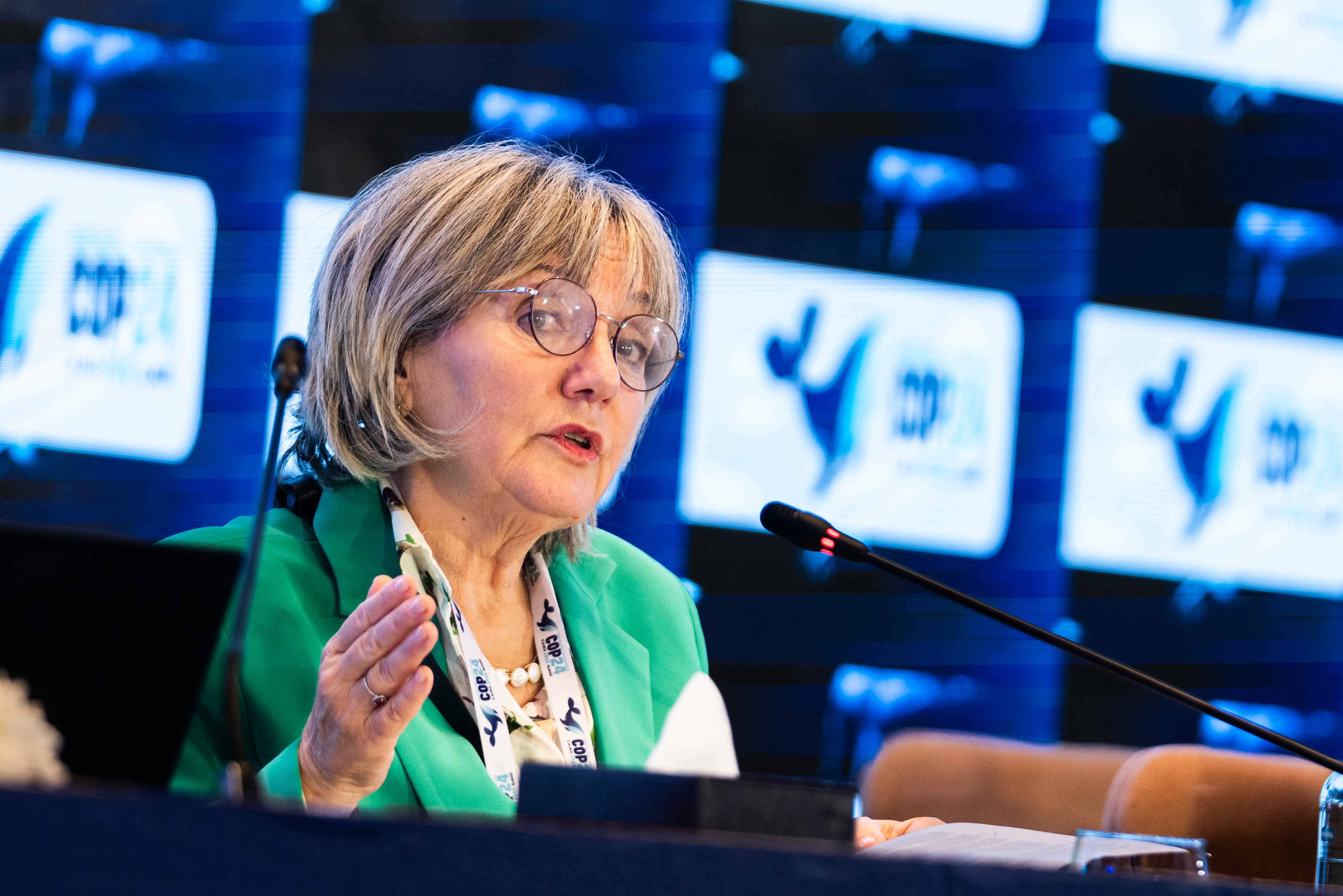
Tatjana Hema, Coordinator of UNEP/MAP – Barcelona Convention
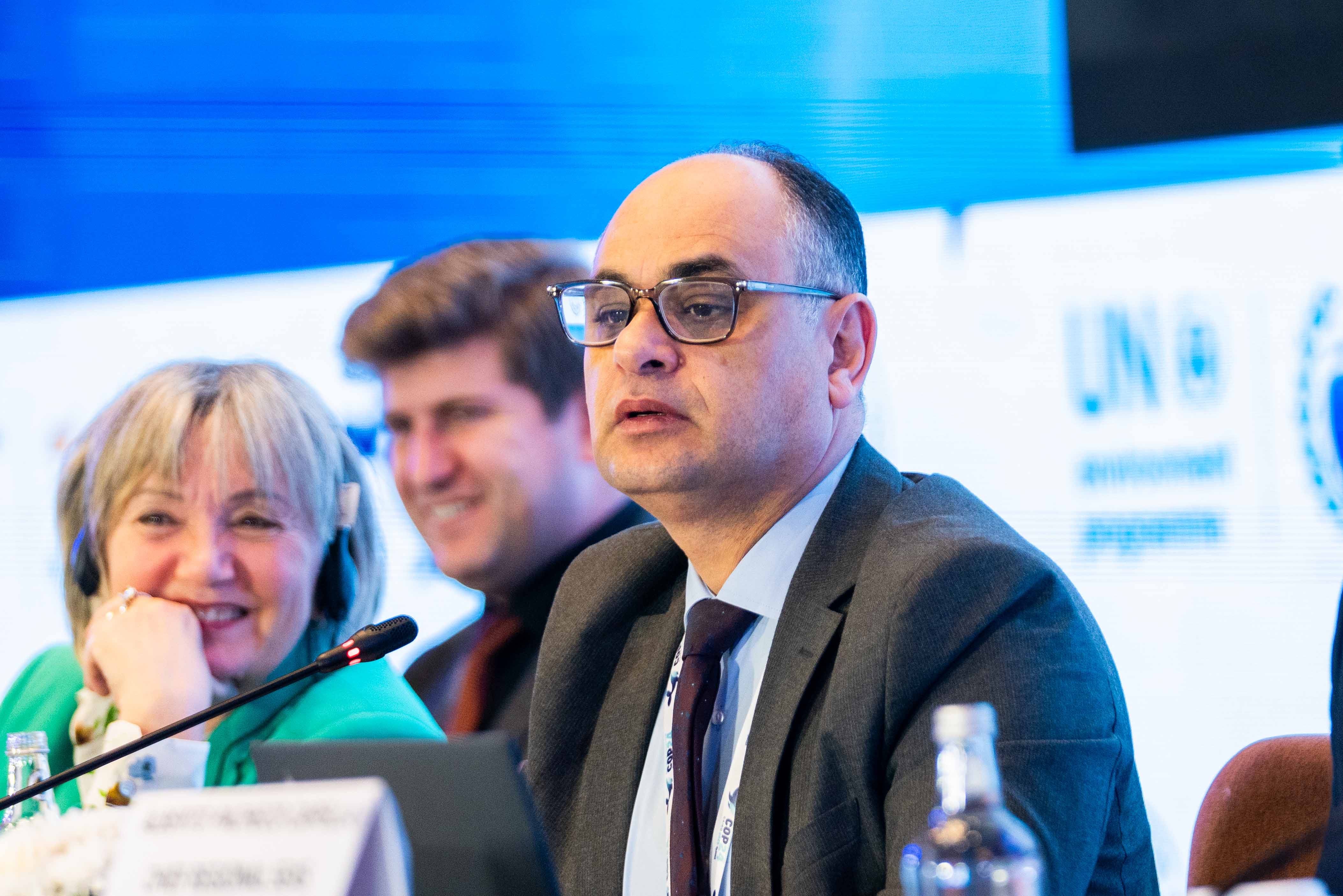
Ali Abo Sena, COP 24 President
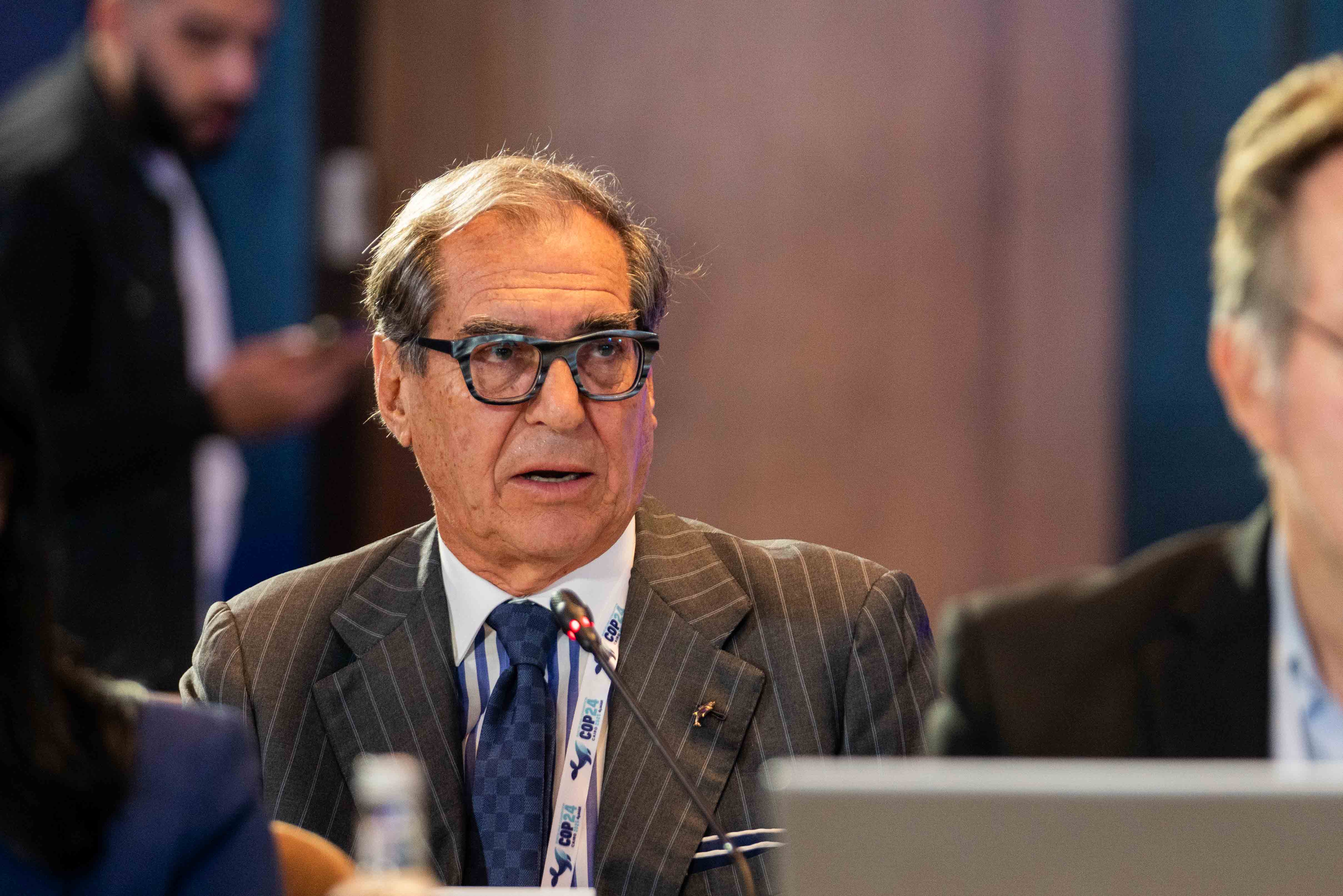
Pier Paolo Celeste, Marevivo
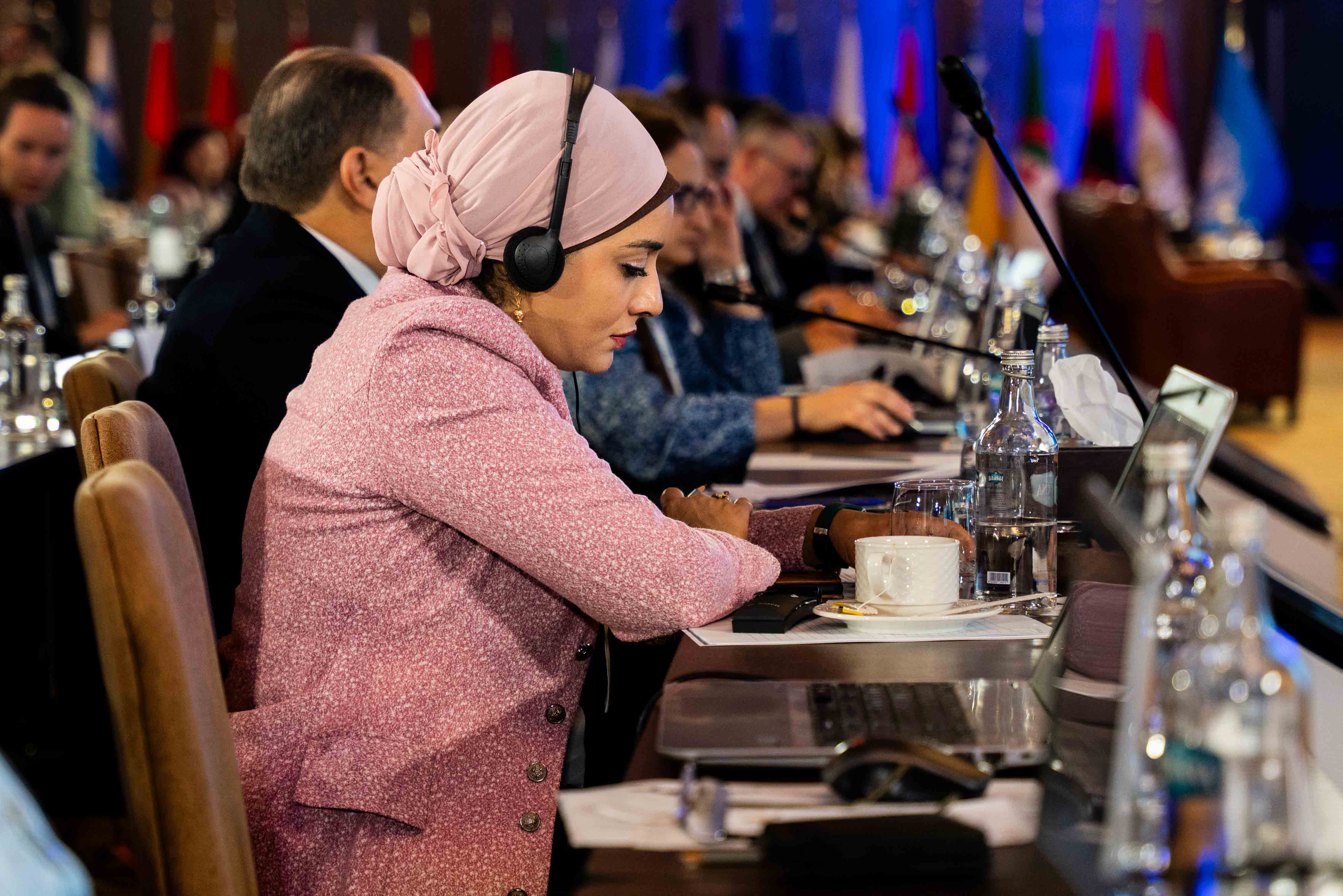
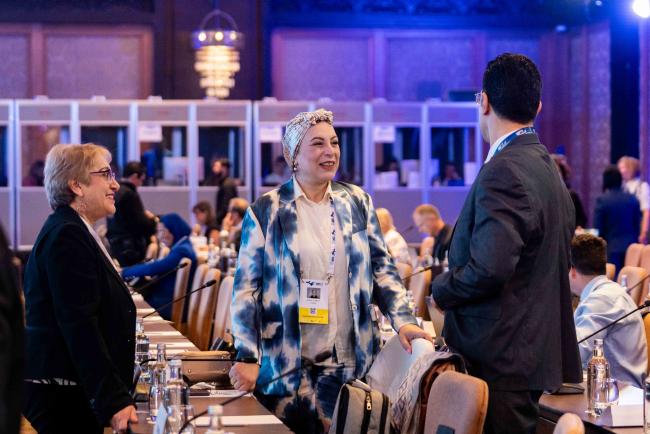
Around the venue