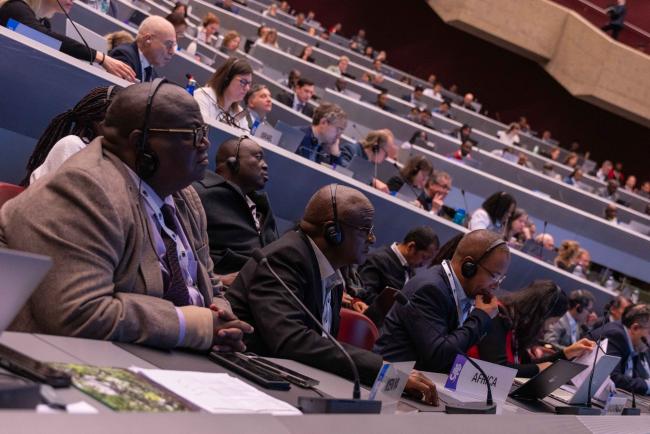
Whether sourced from elephants or long-gone woolly mammoths, ivory was a word heard often during Wednesday’s morning plenary at the 78th meeting of the Standing Committee (SC) of the Convention on International Trade in Endangered Species (CITES).
Israel’s attention-grabbing idea of listing an extinct species in one of the CITES Appendices in hopes of protecting highly threatened, living, modern species prompted much debate. Some parties objected to the validity of listing species that no longer exist—except in museums or geological strata. Others objected to the recommendation encouraging parties with domestic ivory markets to closely monitor them in order to identify, prevent, and address any attempts to launder or mislabel elephant ivory as mammoth ivory.
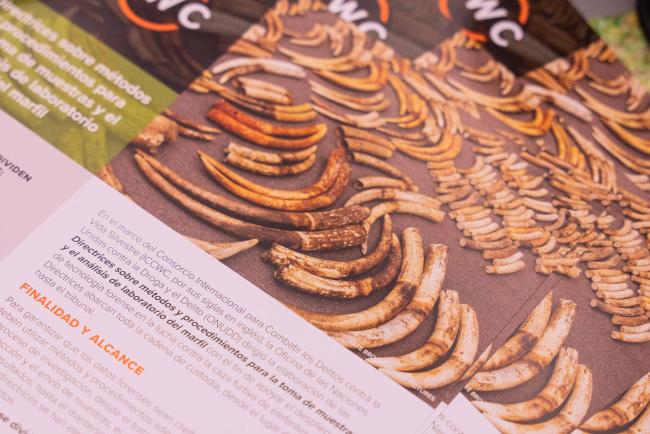
Wildlife Conservation Society (WCS) further observed that facilitated by the climate crisis reducing the permafrost, mammoth skeletons are becoming increasingly accessible, especially in the Russian Federation, where their ivory is exported to markets in Asia and possibly beyond. The Russian Federation claimed this was not true. Ultimately, the SC noted the woolly mammoth research compiled in an information document on the trade in mammoth ivory, and encouraged parties exporting and importing mammoth tusks to strictly apply the domestic regulatory measures they have in place for trade in these storied specimens.
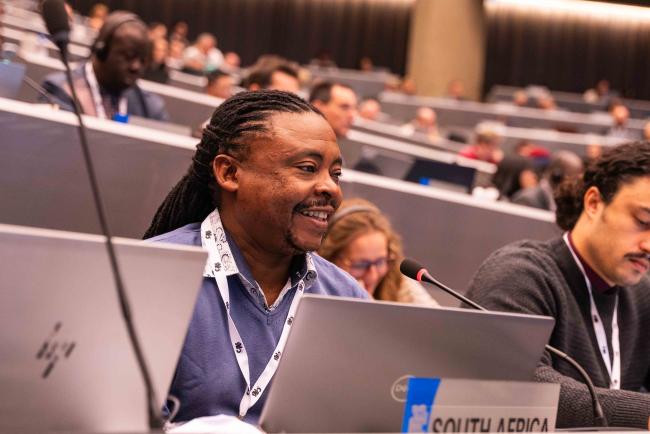
Many other elephant-related agenda items were covered on Wednesday morning including on the National Ivory Action Plan (NIAP) process. The SC agreed that Malaysia and Cambodia have fulfilled all the criteria to exit the NIAP process. Several countries were deemed to have made good progress. Congo, Togo and Qatar, however, had not demonstrated sufficient progress. The SC agreed to issue written cautions to these parties requesting them to step up their efforts to implement their NIAPs and to submit progress reports to the Secretariat. Congo, Togo and Qatar were warned of serious consequences, including trade suspensions, if they fail to achieve sufficient progress.
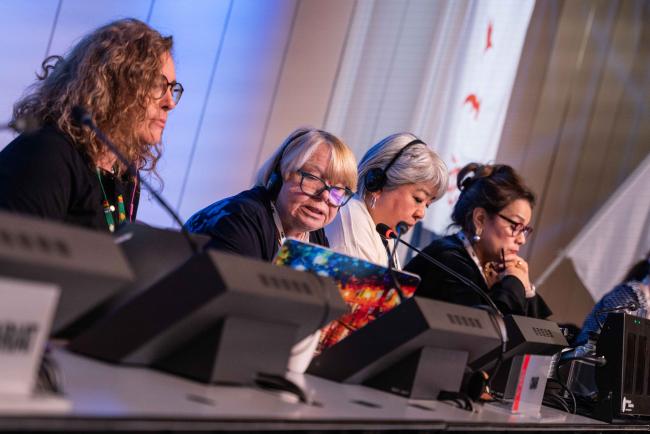
In the afternoon, alarms sounded across Switzerland as part of the nation’s annual siren alarm test. But the loudest sirens heard in plenary were Chair Gnam’s repeated warnings that proceedings were running ever further behind, despite her admirable attempts to limit the lengths of interventions. In hopes of accelerating the agenda at SC78, an in-session working group was established to tackle documents relating to sharks and rays.

The SC then tackled the application of compliance measures against Ecuador and Peru. While the SC commended these two countries on their efforts and progress made on the protection of sharks and rays, several remaining concerns were identified, including discrepancies in the trade databases of these countries, bycatch issues, and limited information sharing. NGOs cautioned that despite all efforts, significant numbers of endangered sharks and rays are still being traded illegally or are lost as bycatch.
By the end of the afternoon session, the SC meeting was still half a day behind on its agenda, despite SC78 Chair Gnam’s heroic efforts at time management, which earned her a round of applause.
To receive free coverage of global environmental events delivered to your inbox, subscribe to the ENB Update newsletter.
All ENB photos are free to use with attribution. For SC 78, please use: Photo by IISD/ENB | Mika Schroder.
Plenary
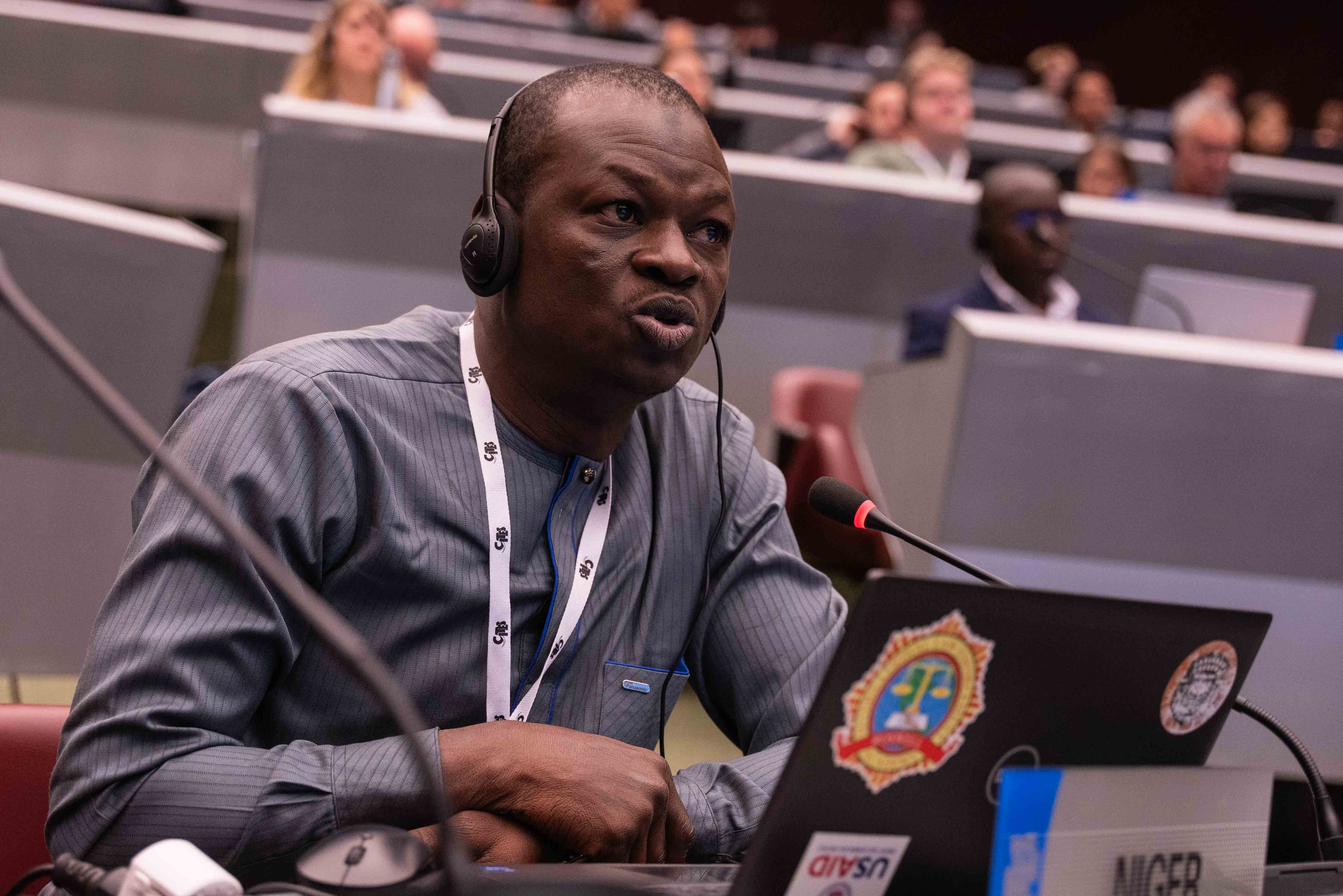
Arfou Saley Bouana, Niger
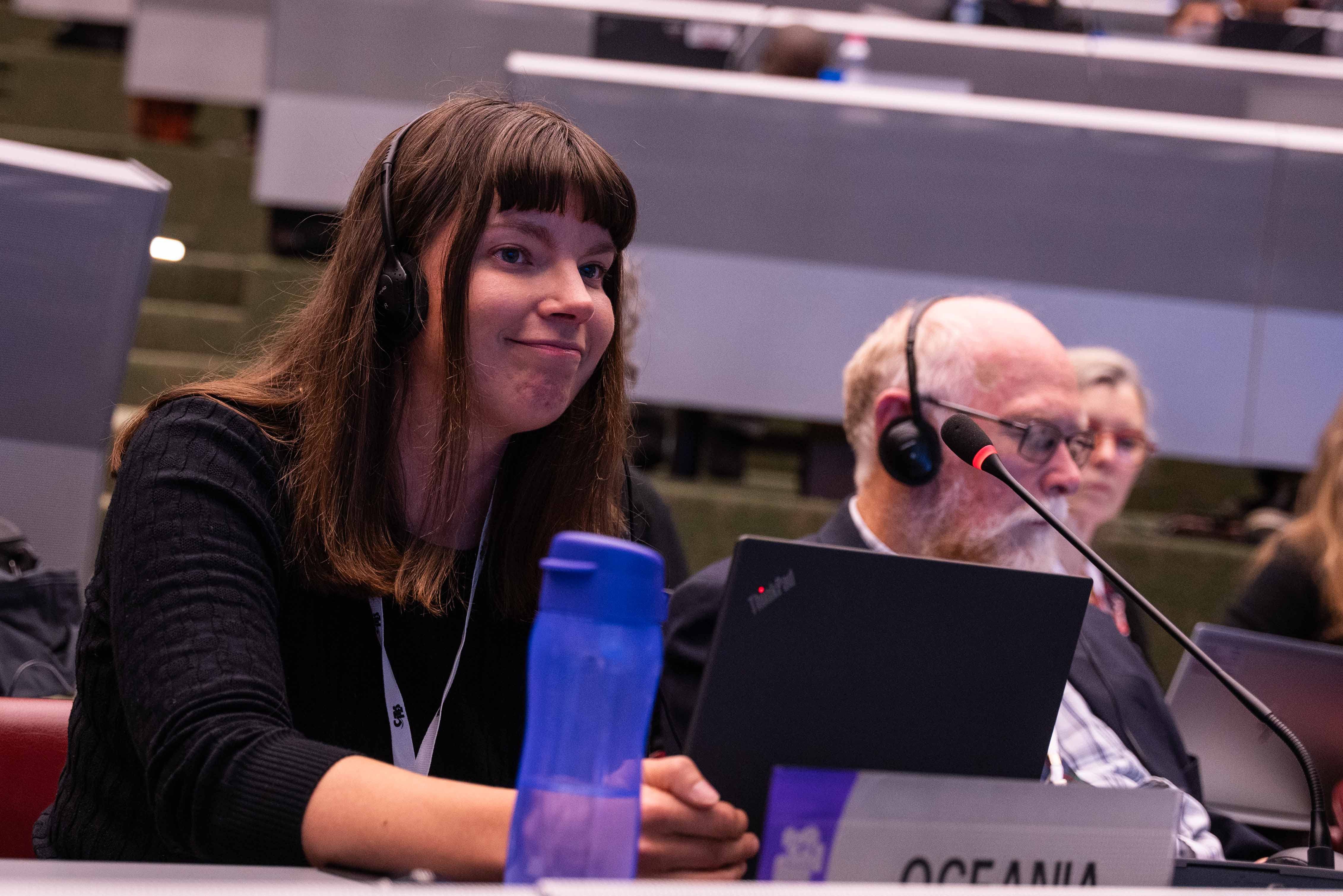
Anni Brumby, New Zealand

Rinah Razafindrabe, Madagascar

Naimah Aziz, US

Apinya Chaitae, Thailand
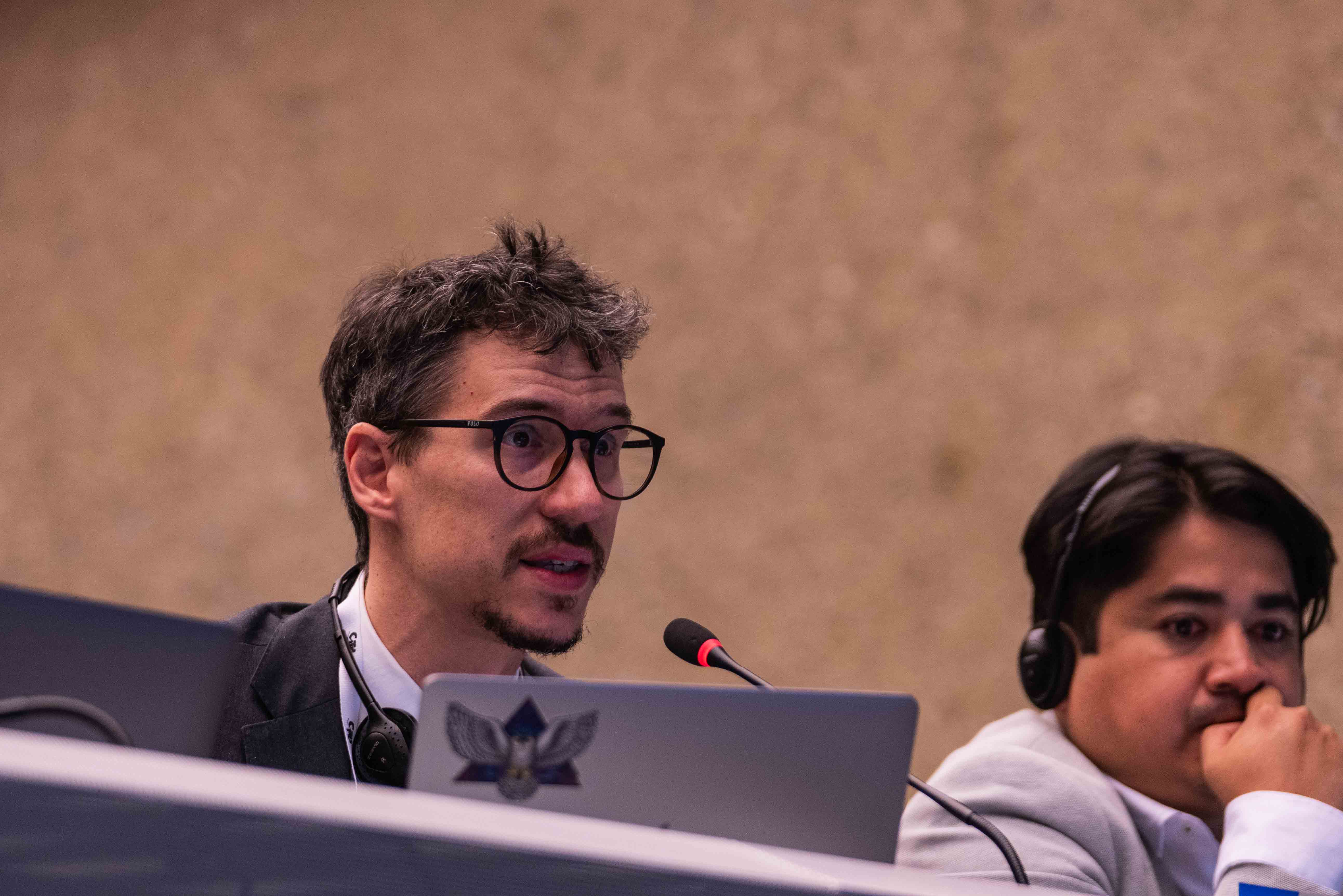
Bernardo Roca-Rey Ross, Peru

Cristina de Avila, EU
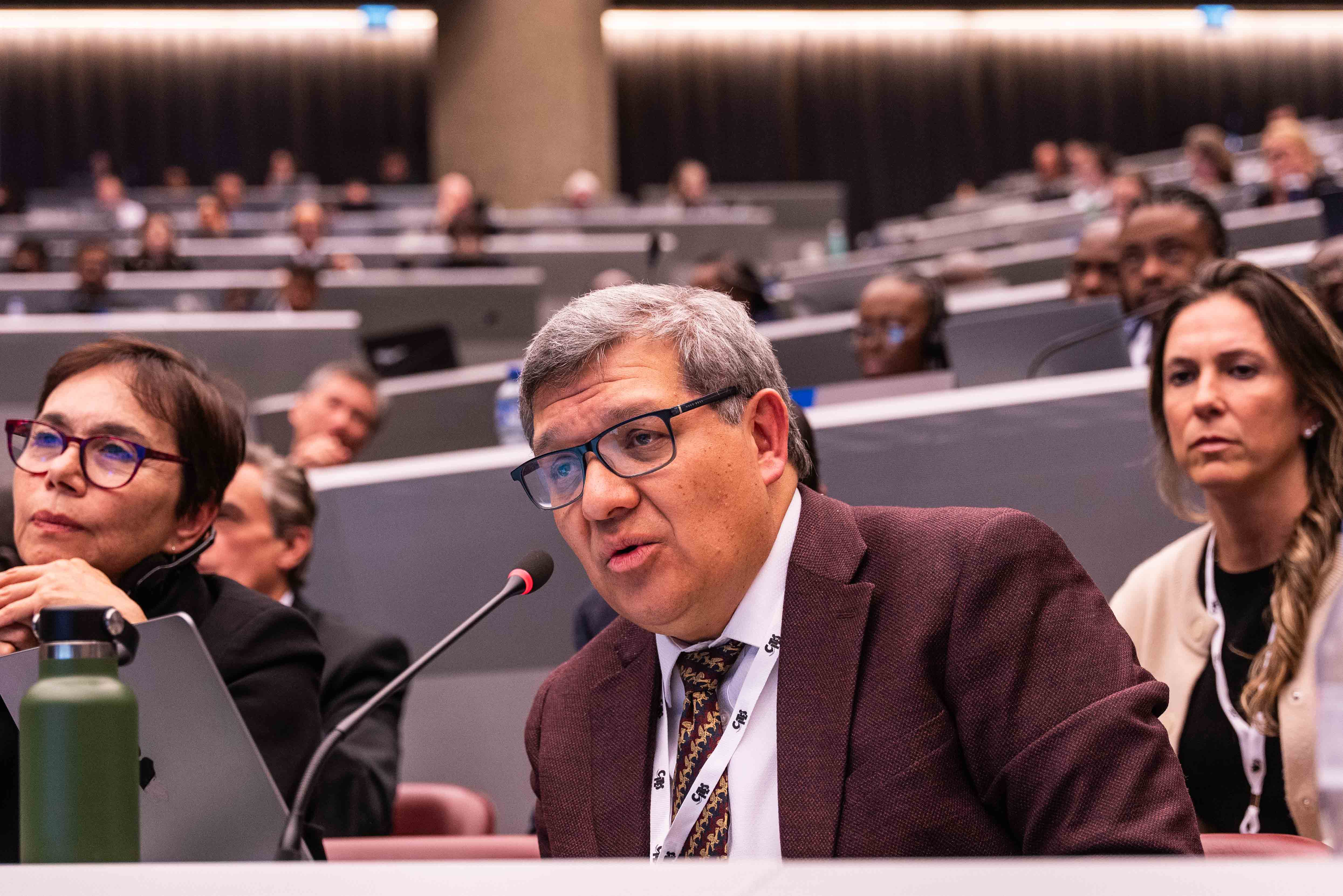
Hesiquio Benítez-Díaz, Mexico

Cyril Taolo, Botswana
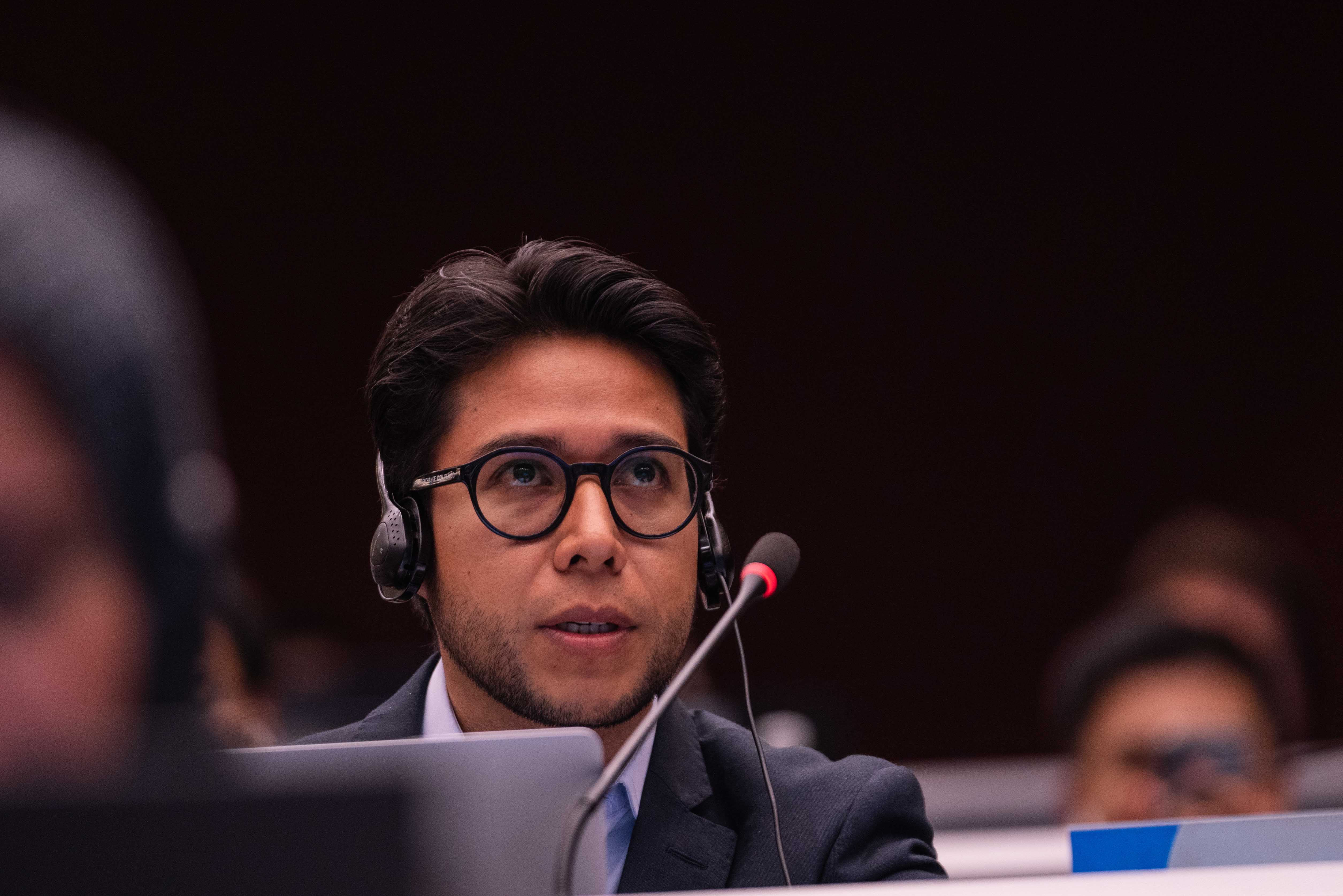
David Alejandro Veintimilla Yánez, Ecuador
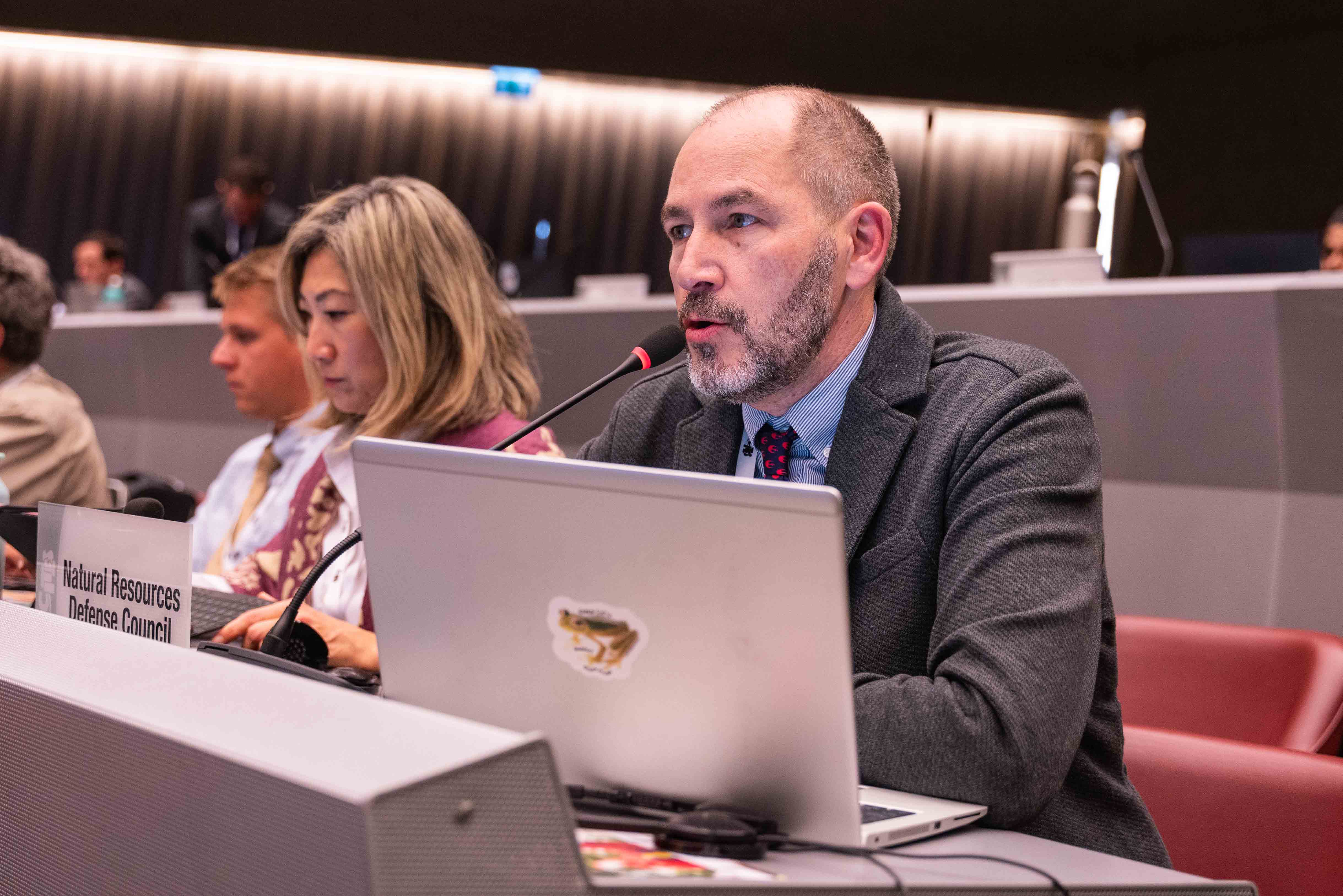
Zac Smith, Natural Resources Defence Council

Banumathi, India
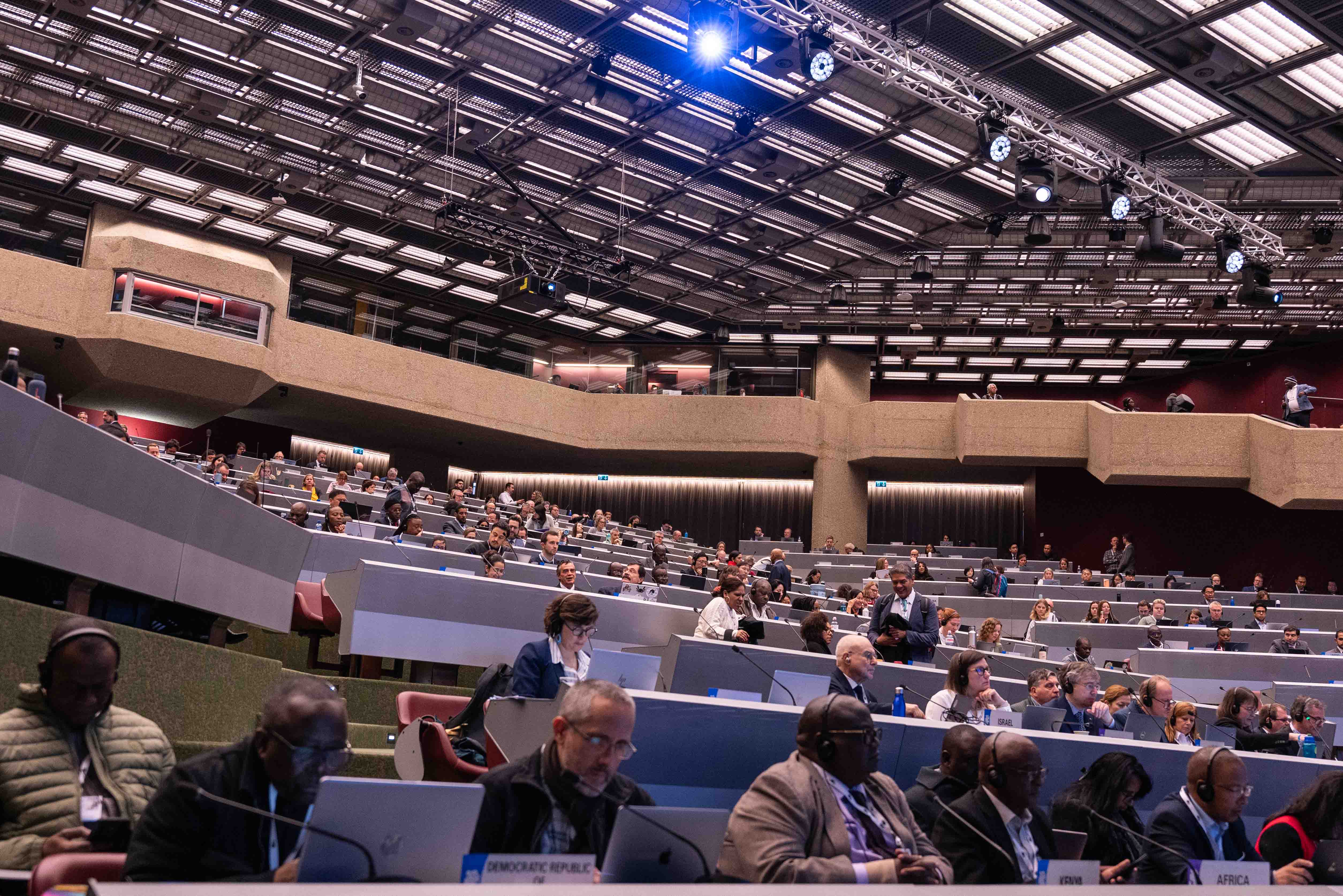
Wei Ji, China
Karol Wolnicki, Poland
Delegates from Maldives consulting
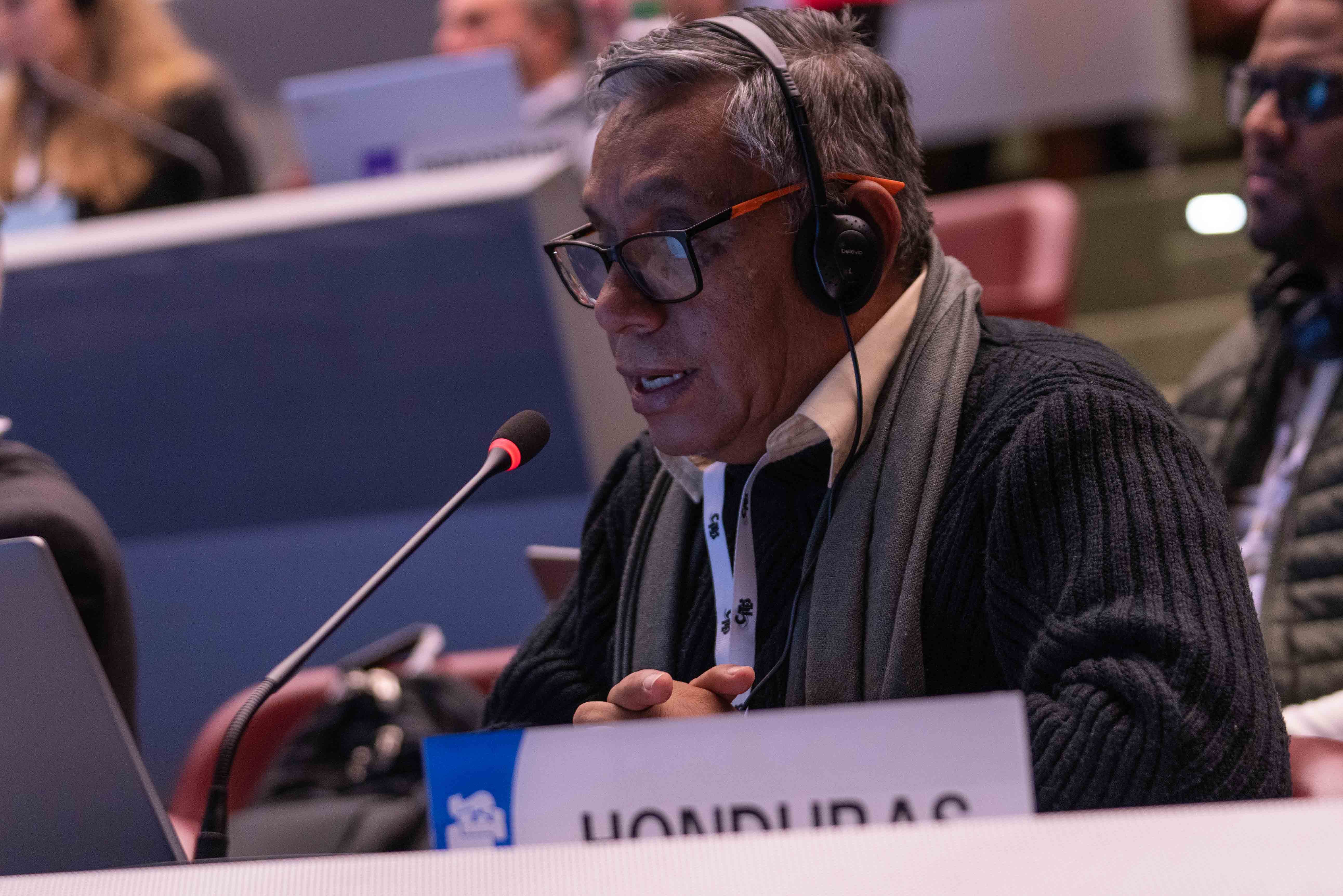
Leonel Edgardo Marineros Sanchez, Honduras

Hugh Robertson, New Zealand
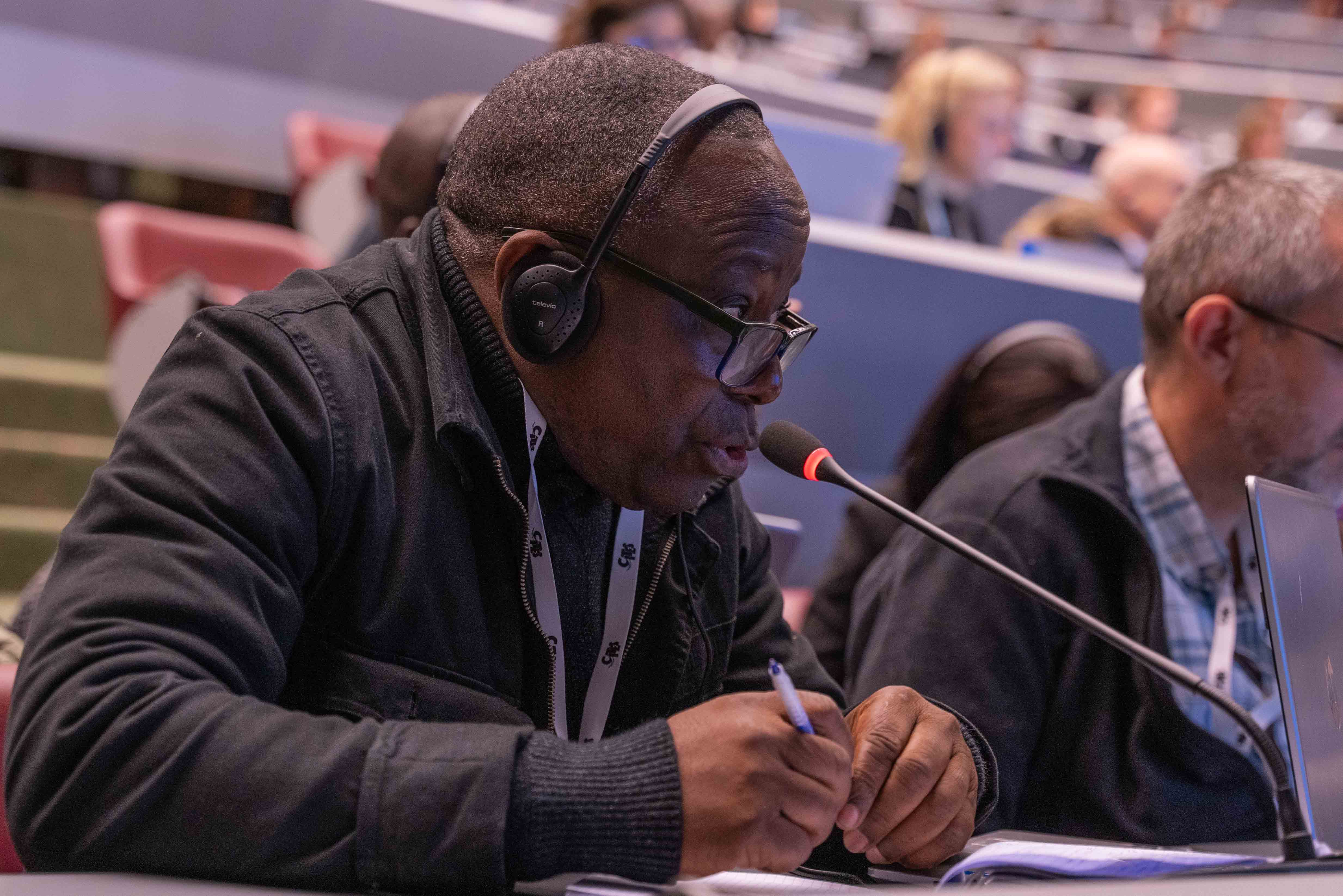
Jean Joseph Mapilanga Wa Tsaramu, Democratic Republic of Congo
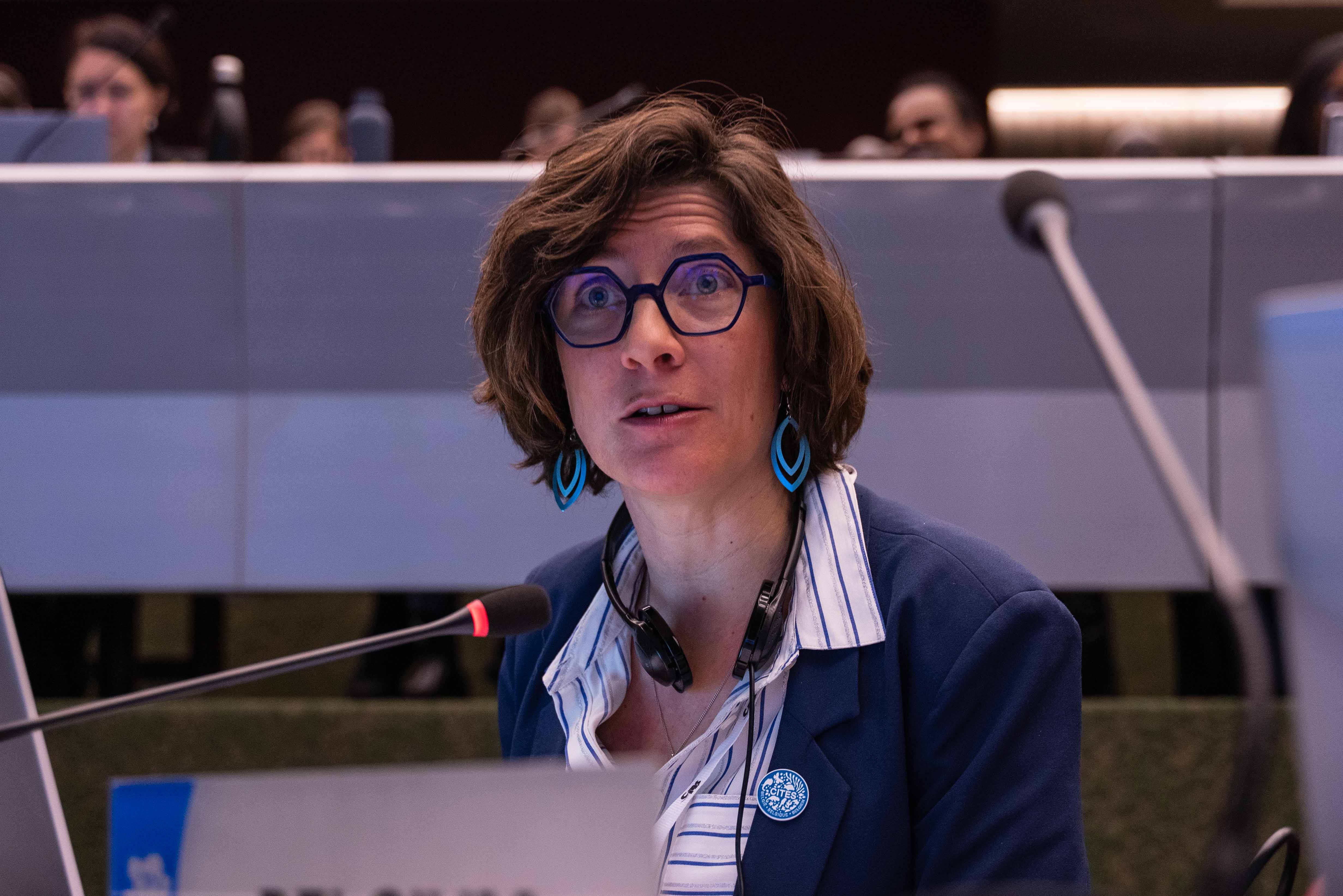
Miet Van Looy, Belgium
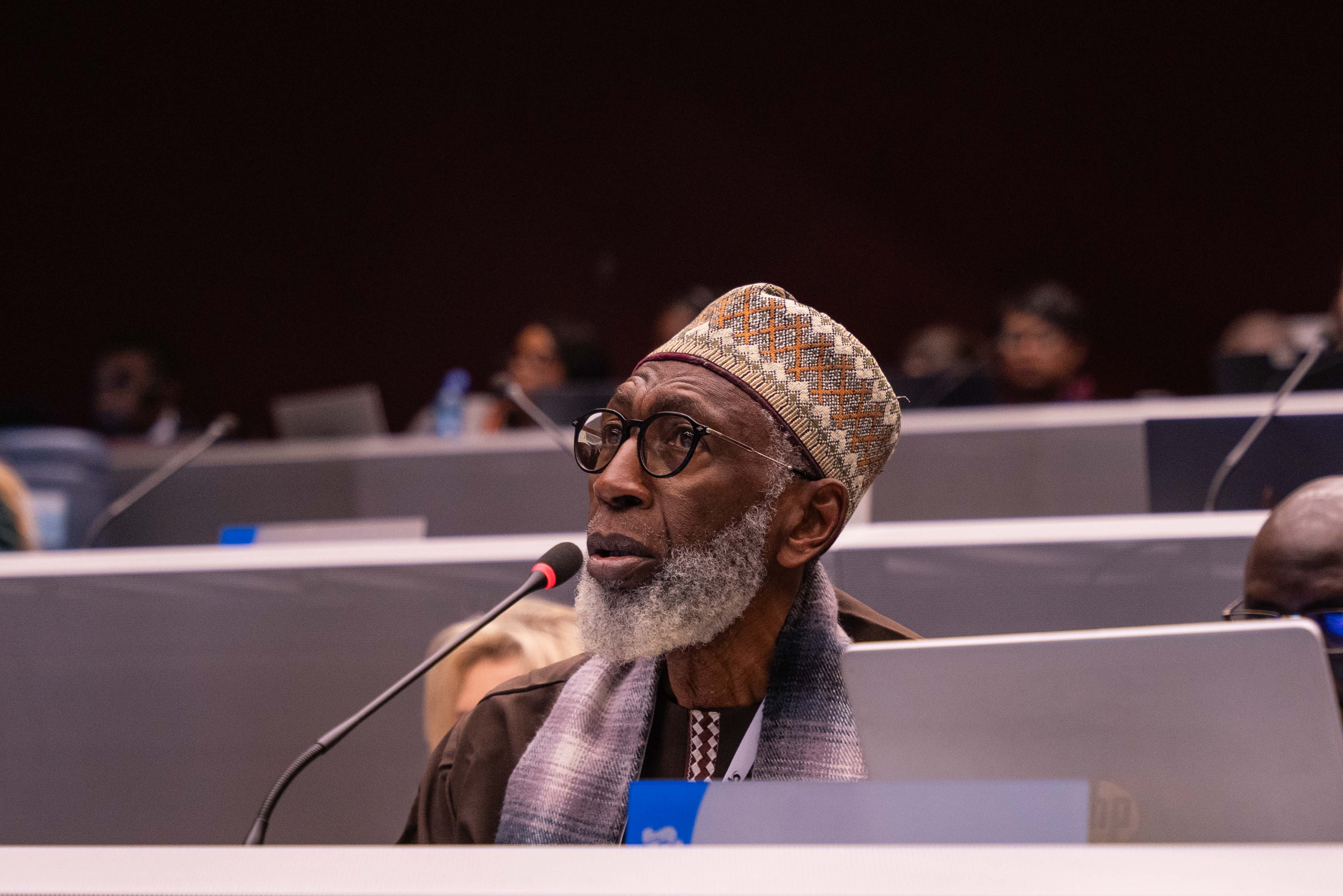
Mamadou Diallo, Senegal

Elizabeth Biott, UK
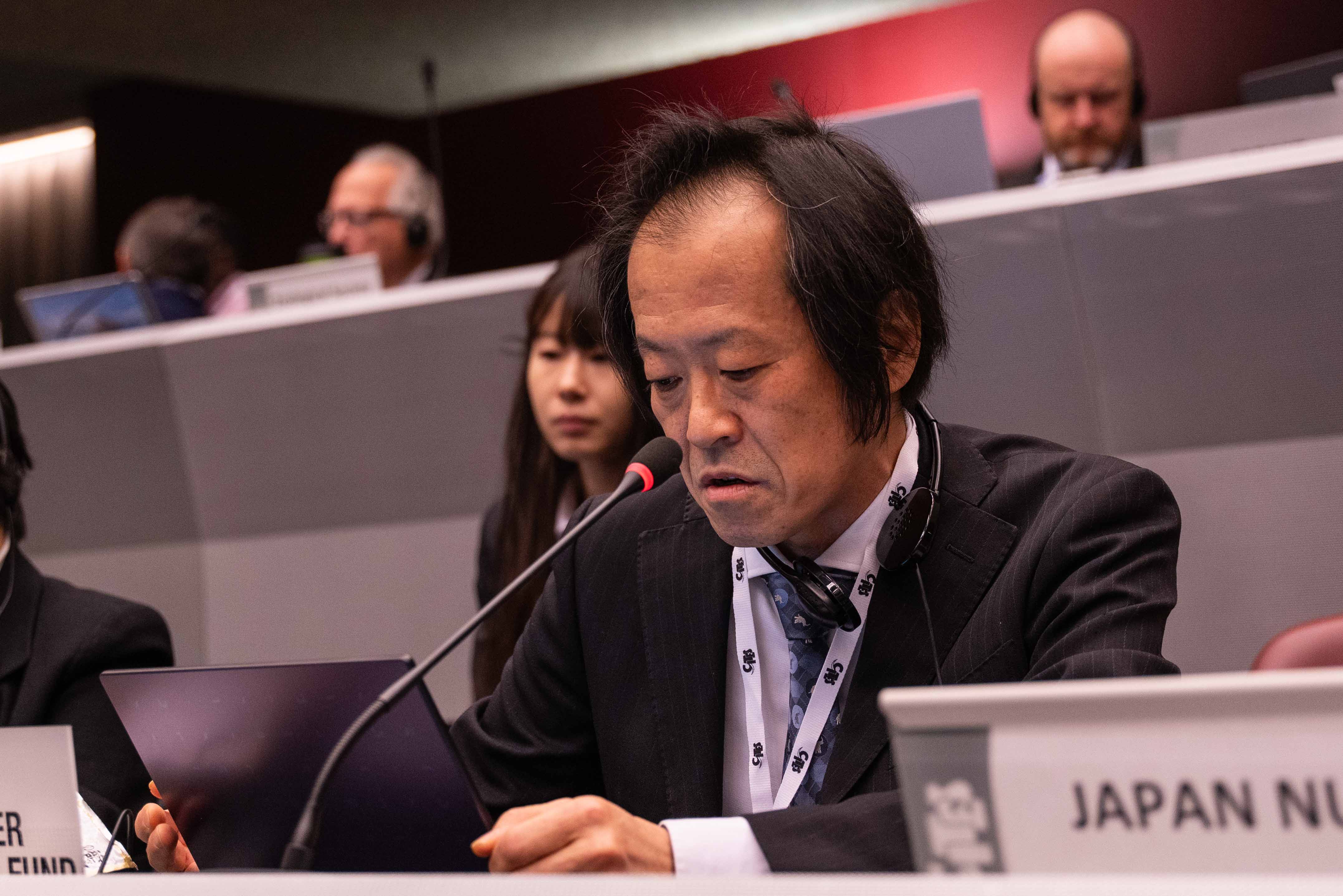
Masayuki Sakamoto, Japan Tiger and Elephant Fund
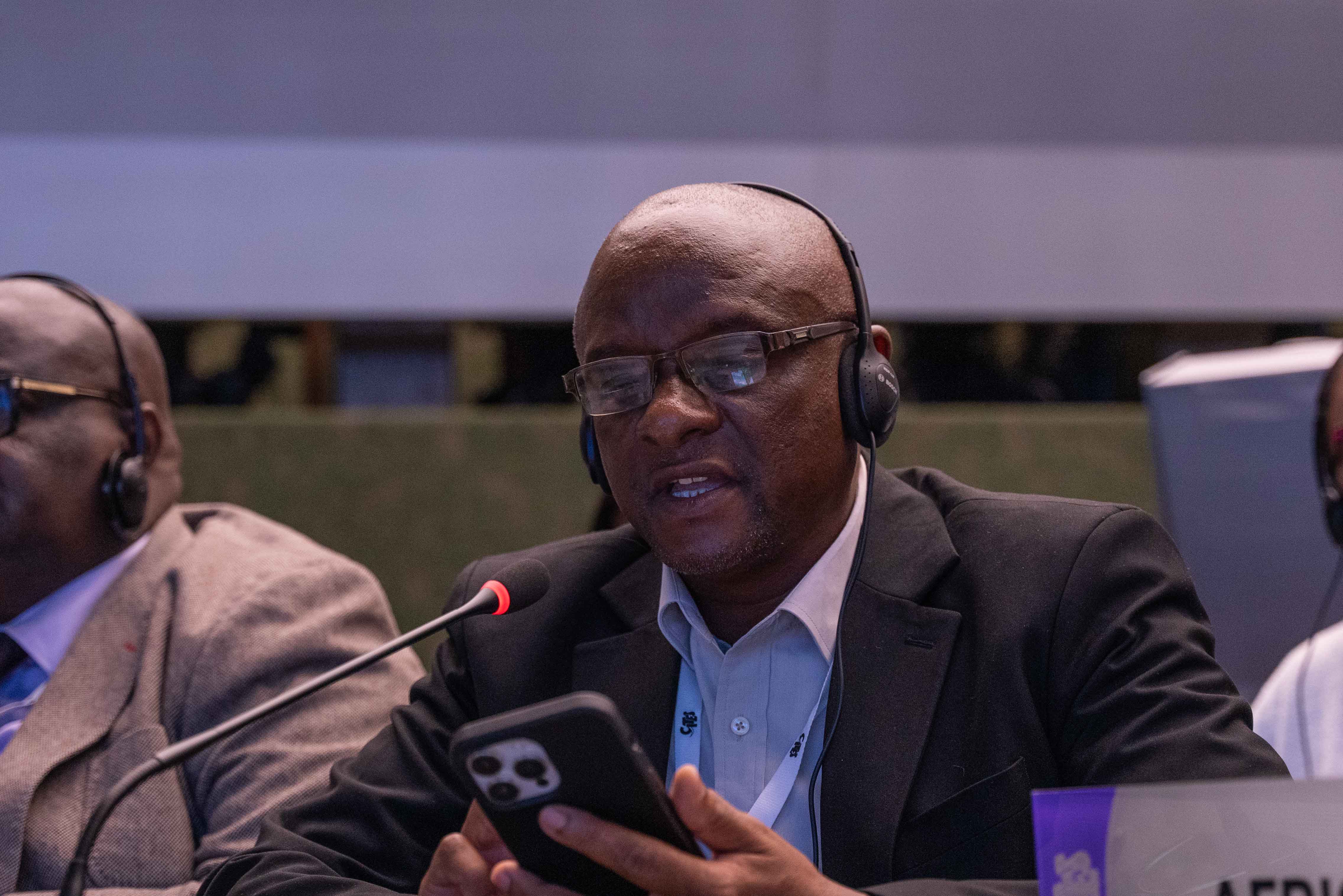
Shadrack Ngene, Kenya

Patience Gandiwa, Zimbabwe
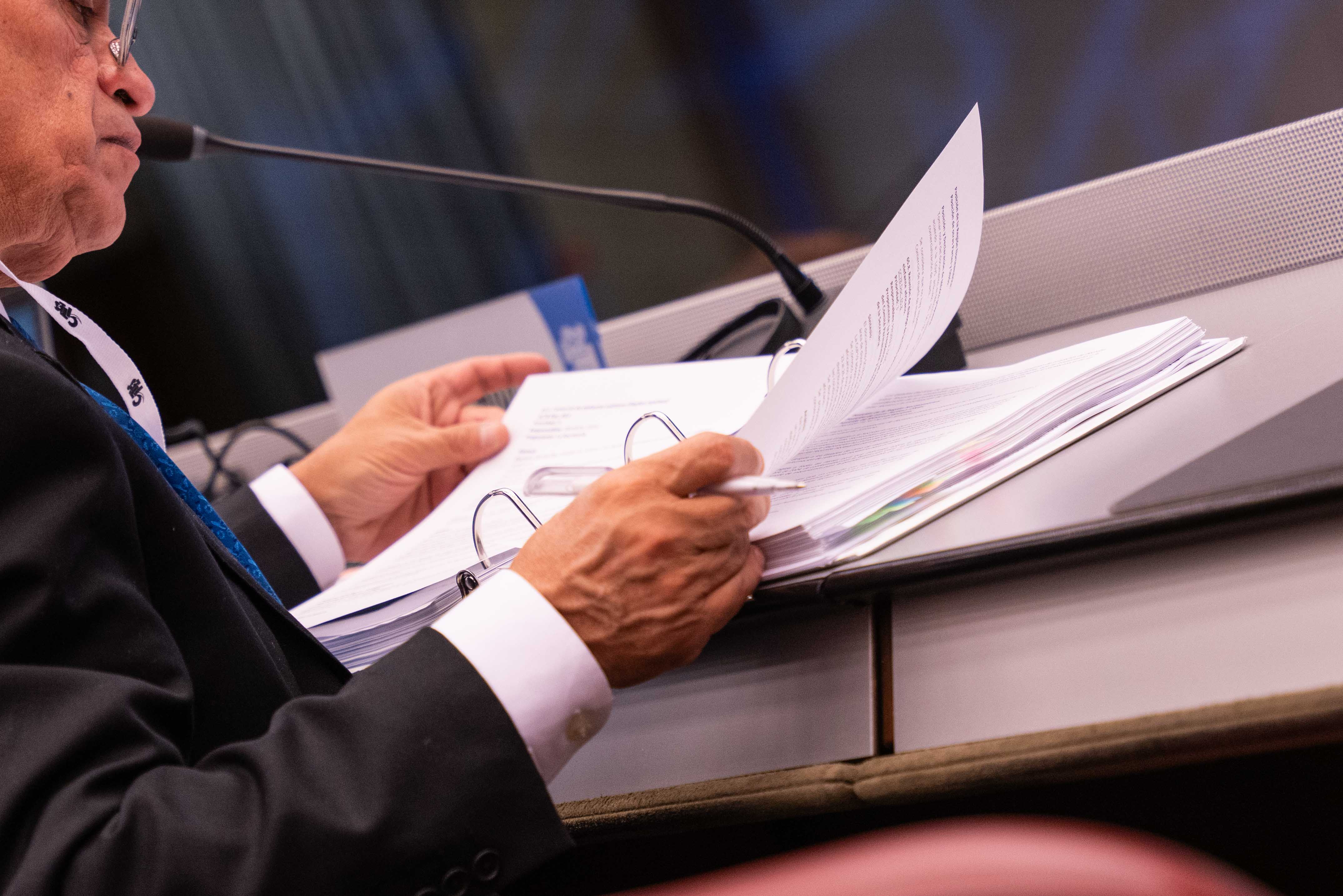
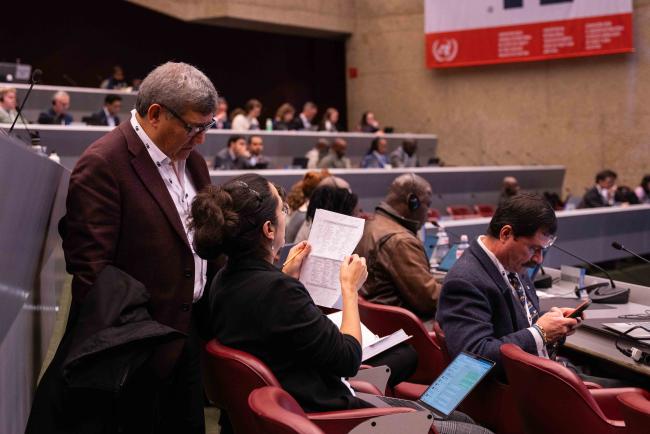
Participant leafing through meeting documents.

Patrick Omondi, Kenya
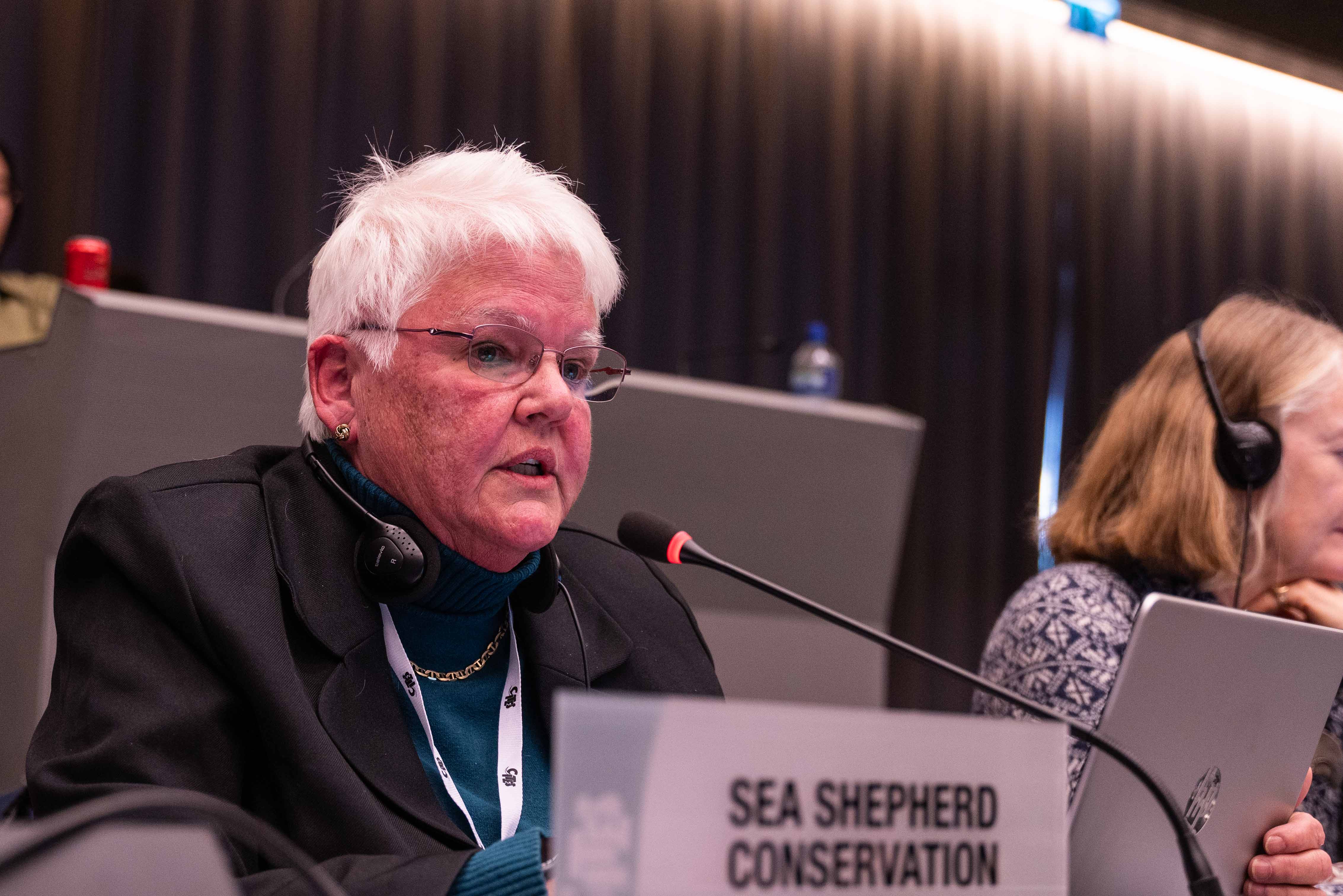
Nina Young, Sea Shepherd Conservation Society

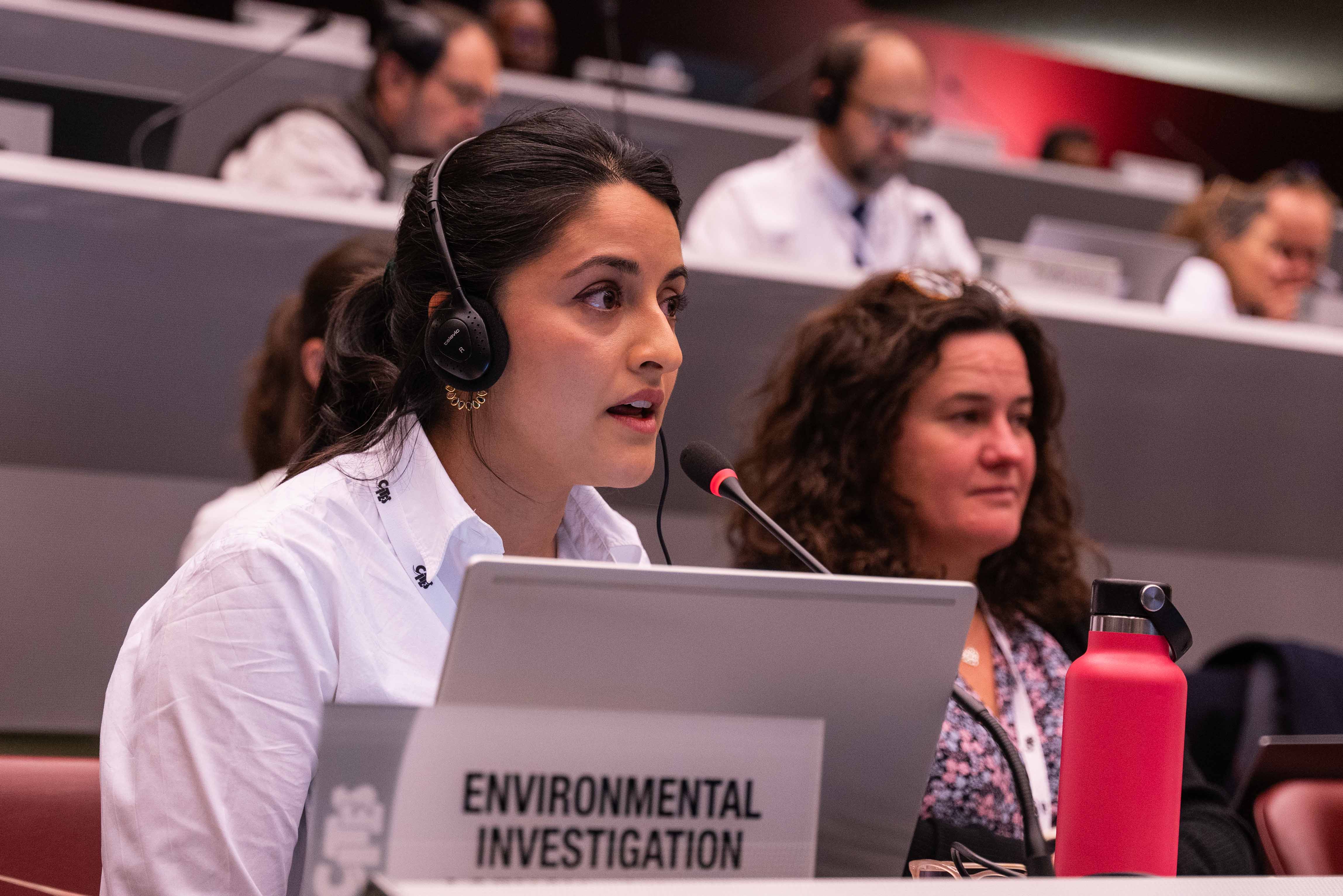
Rachel Mackenna, Environmental Investigation Agency (UK)
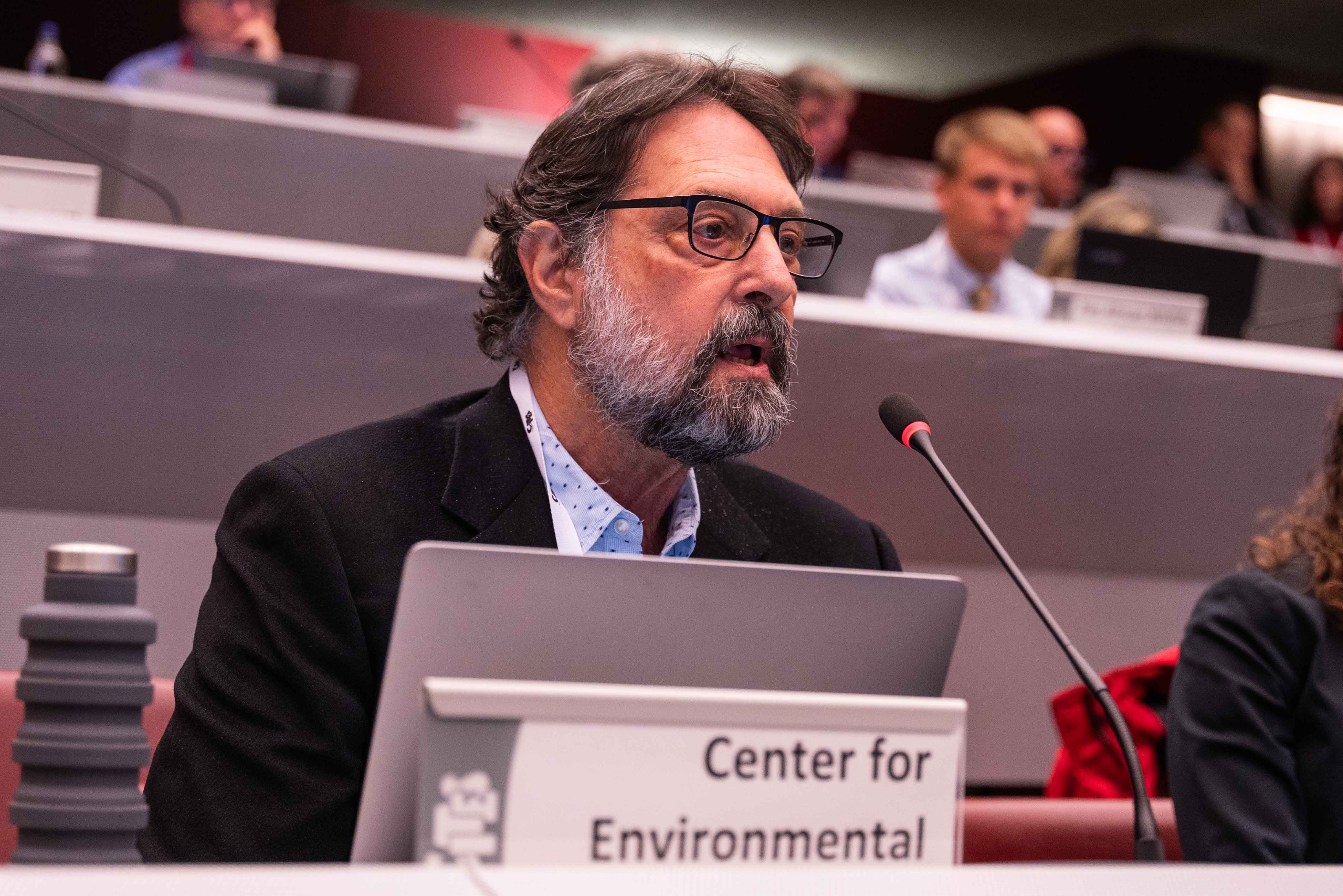
Samuel K. Wasser, Center for Environmental Forensic Science

Anne St. John, US
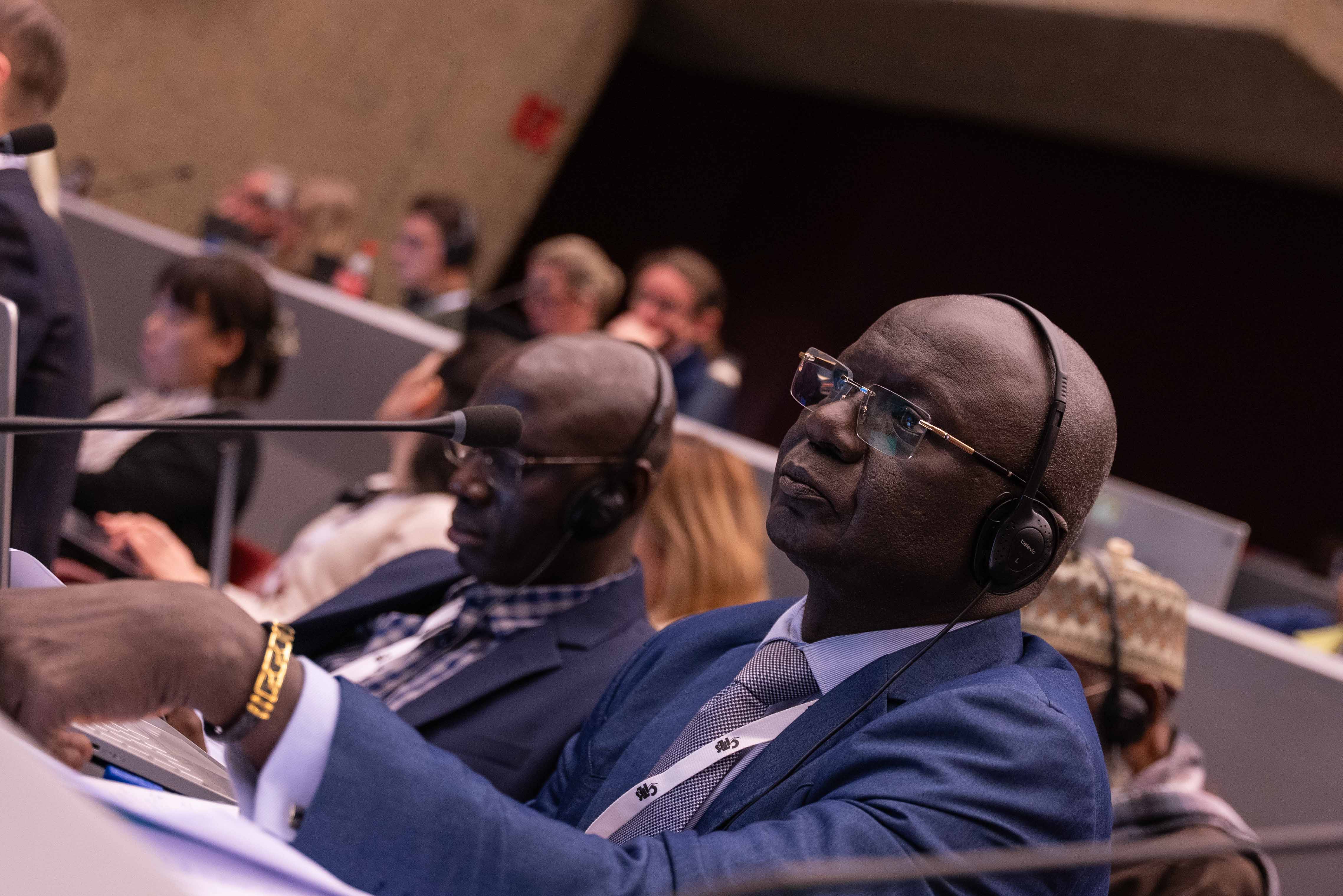
Abba Sonko, Senegal
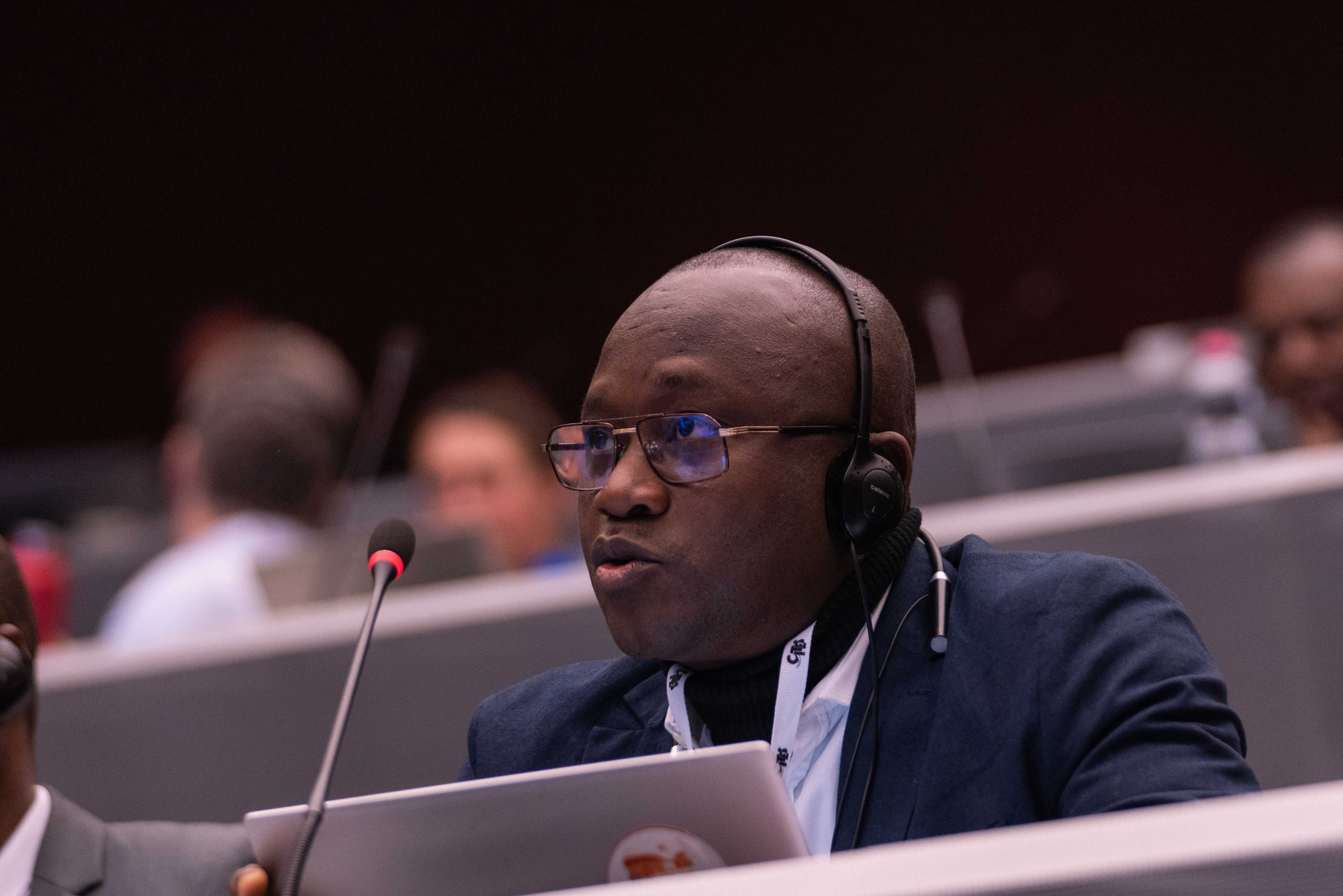
Sinagabe o. Ulysse Korogone, Benin
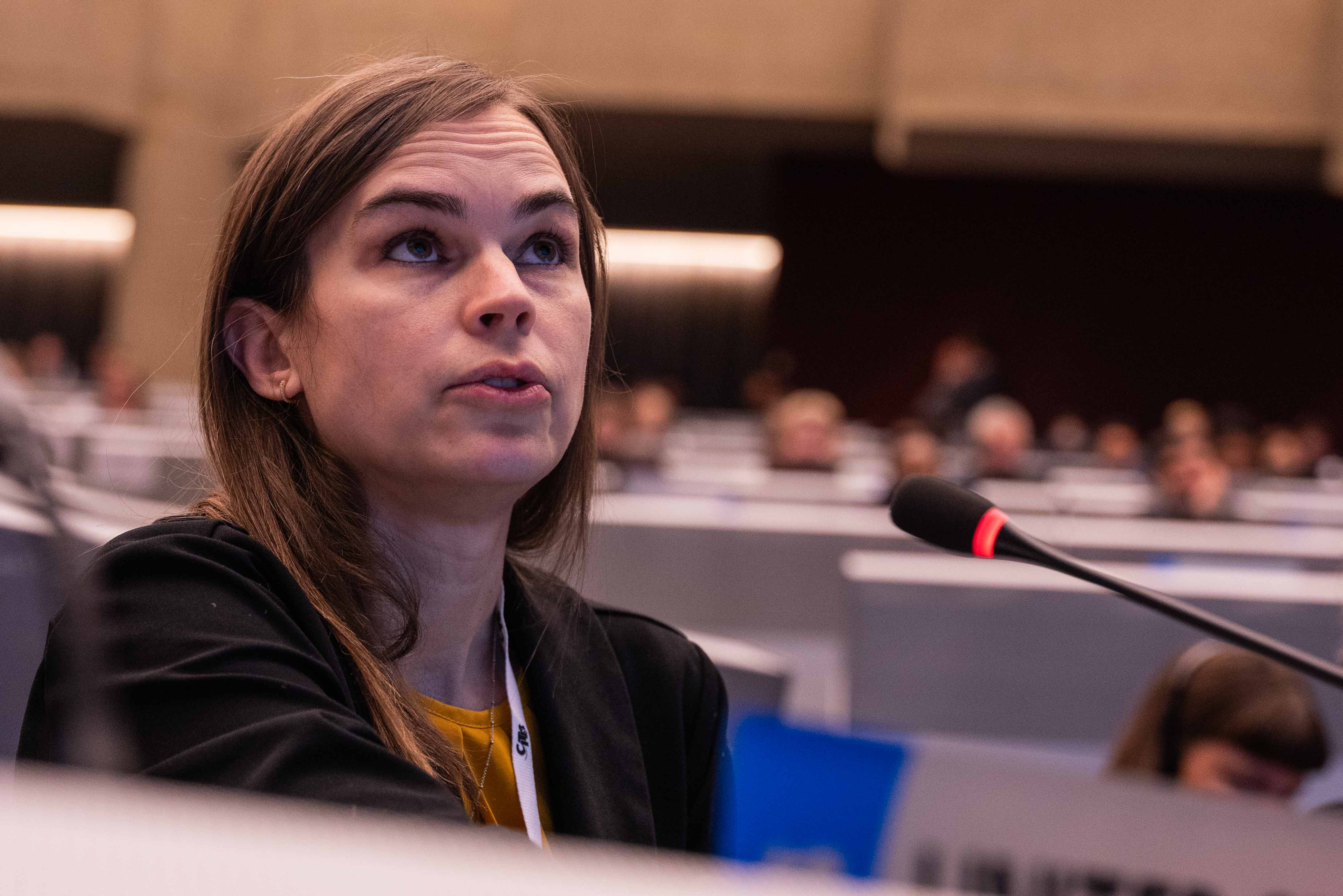
Rhyan Tompkins, US

Supunya Devavrata, IWMC-World Conservation Trust
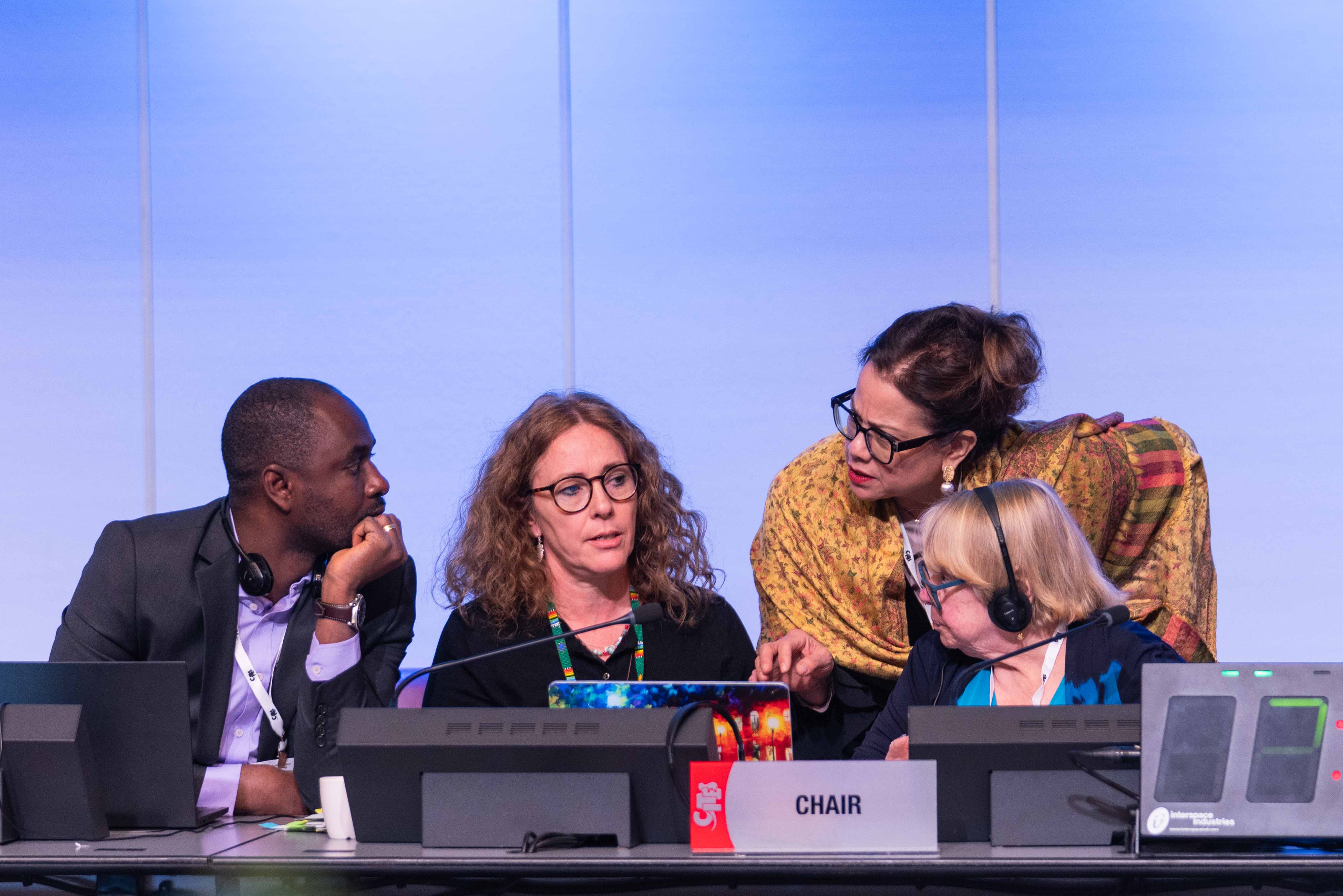
SC78 Chair Rosemarie Gnam consults with the Secretariat.
Around the venue
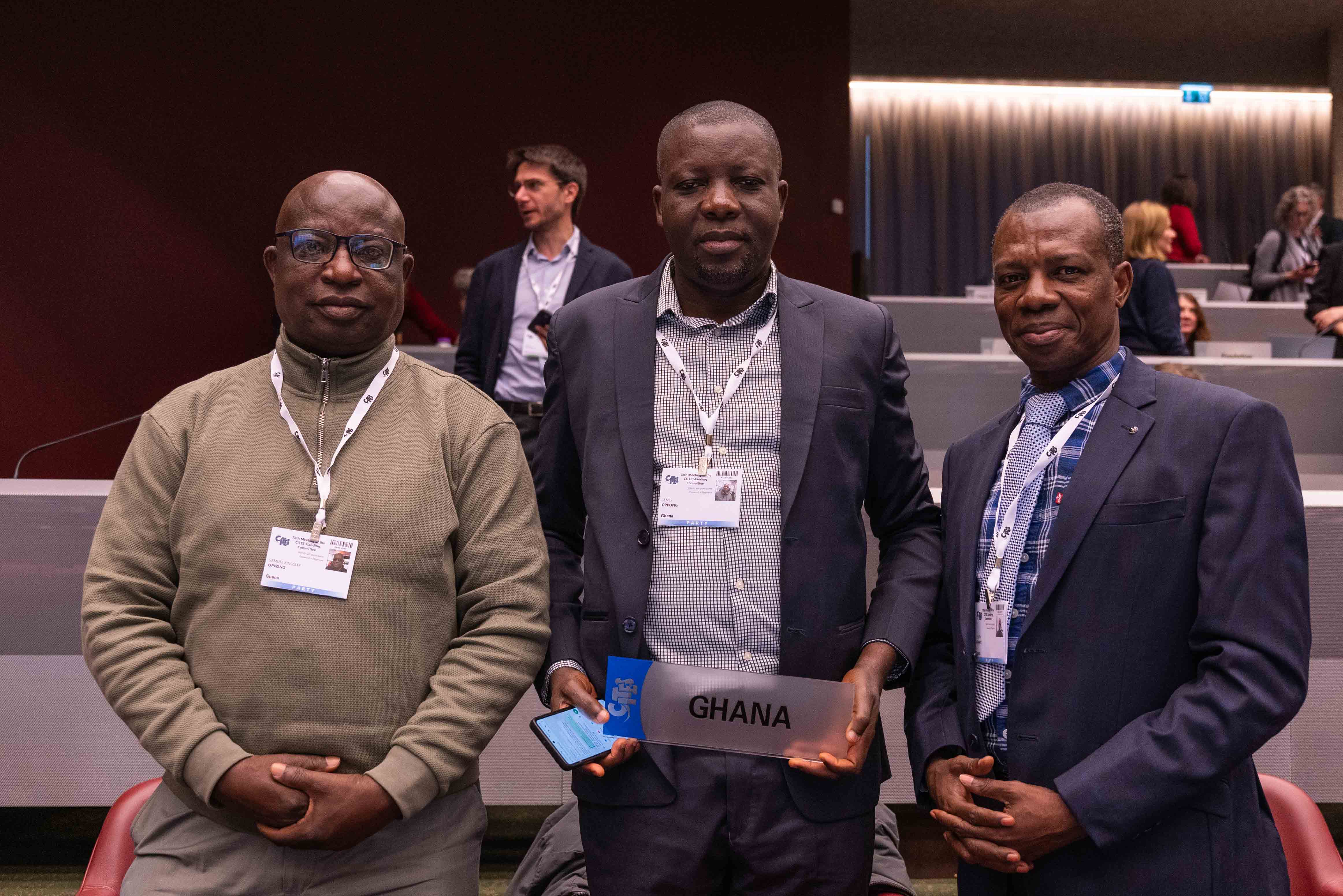
The delegation from Ghana
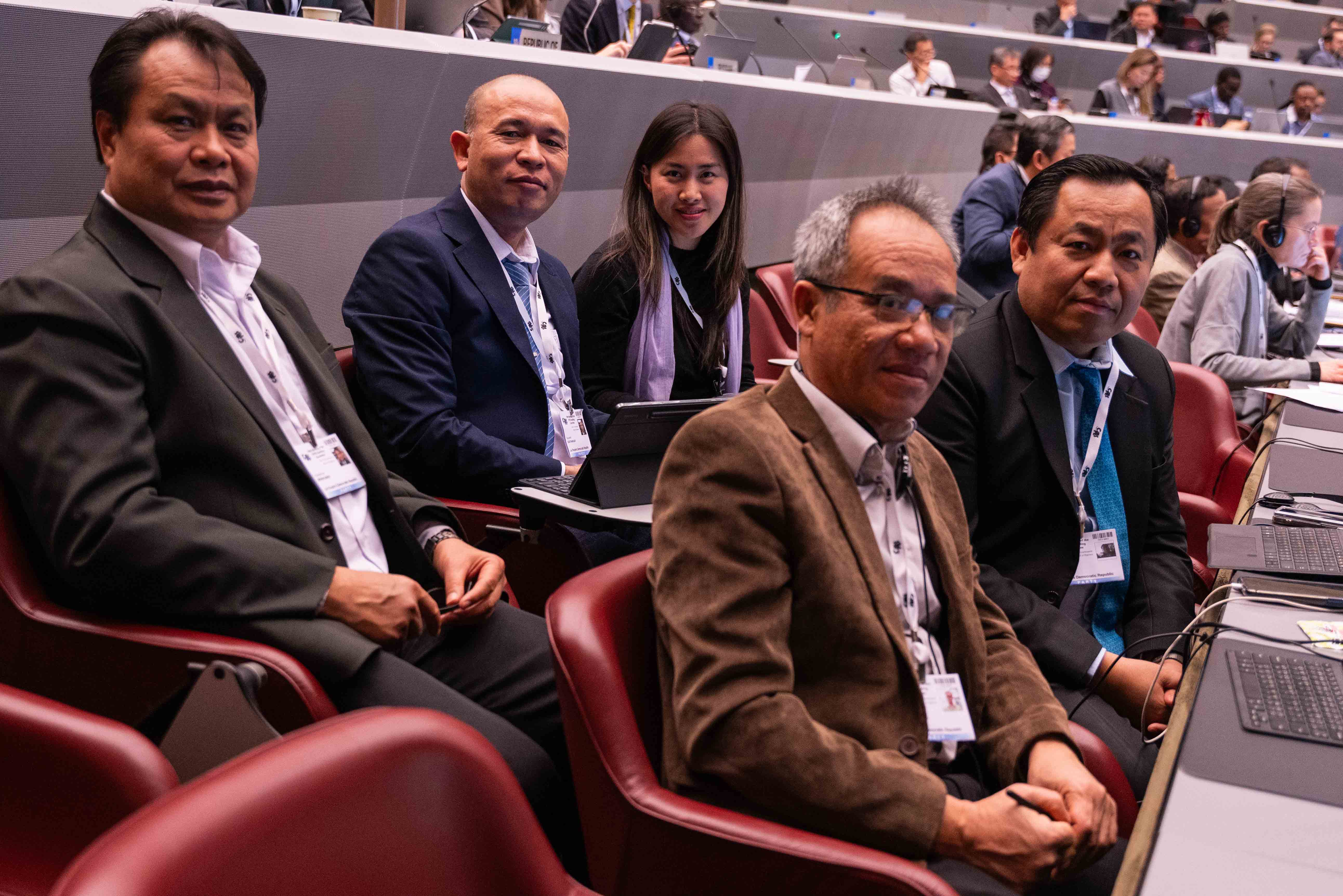
The delegation from Lao PDR
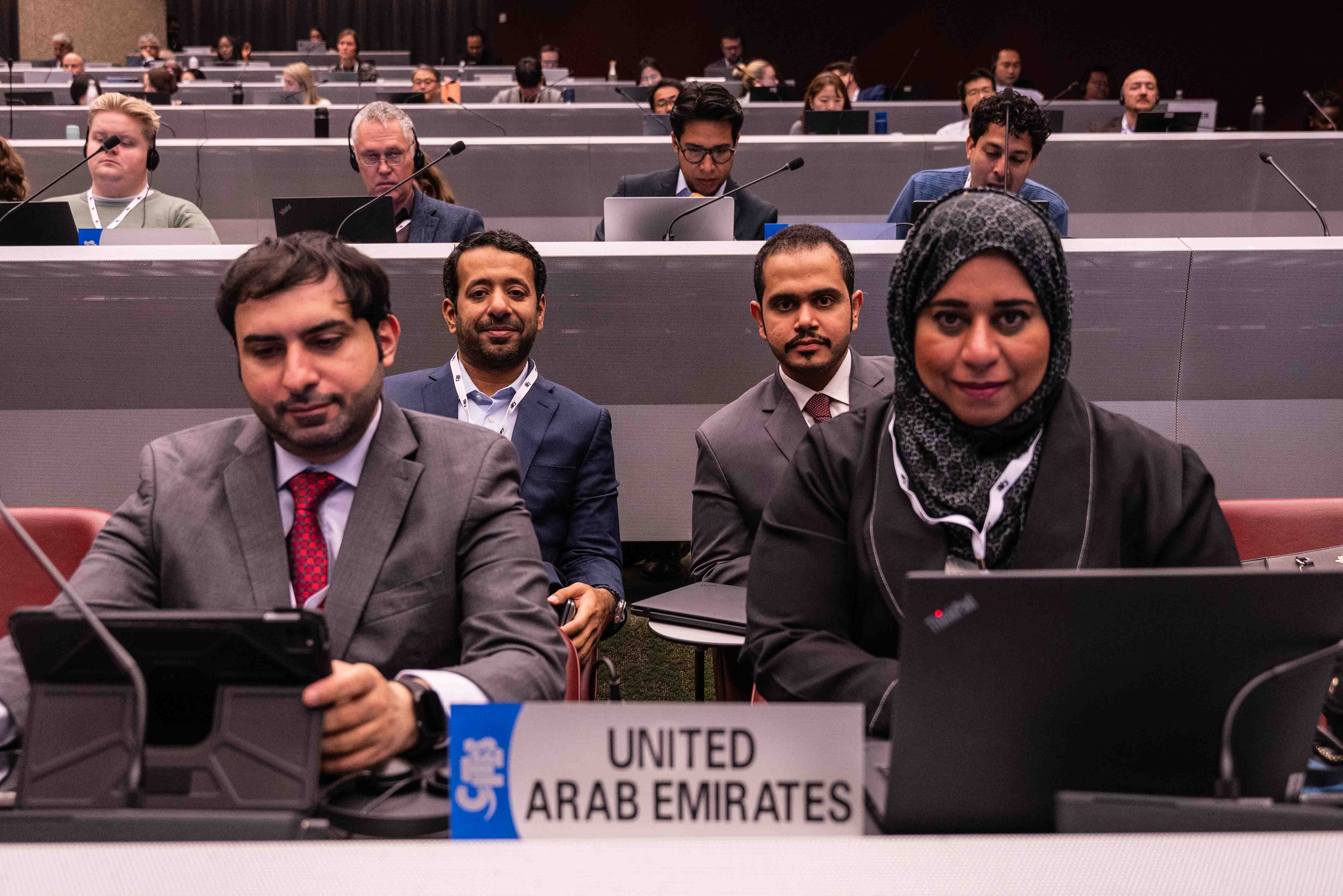
The delegation from the United Arab Emirates
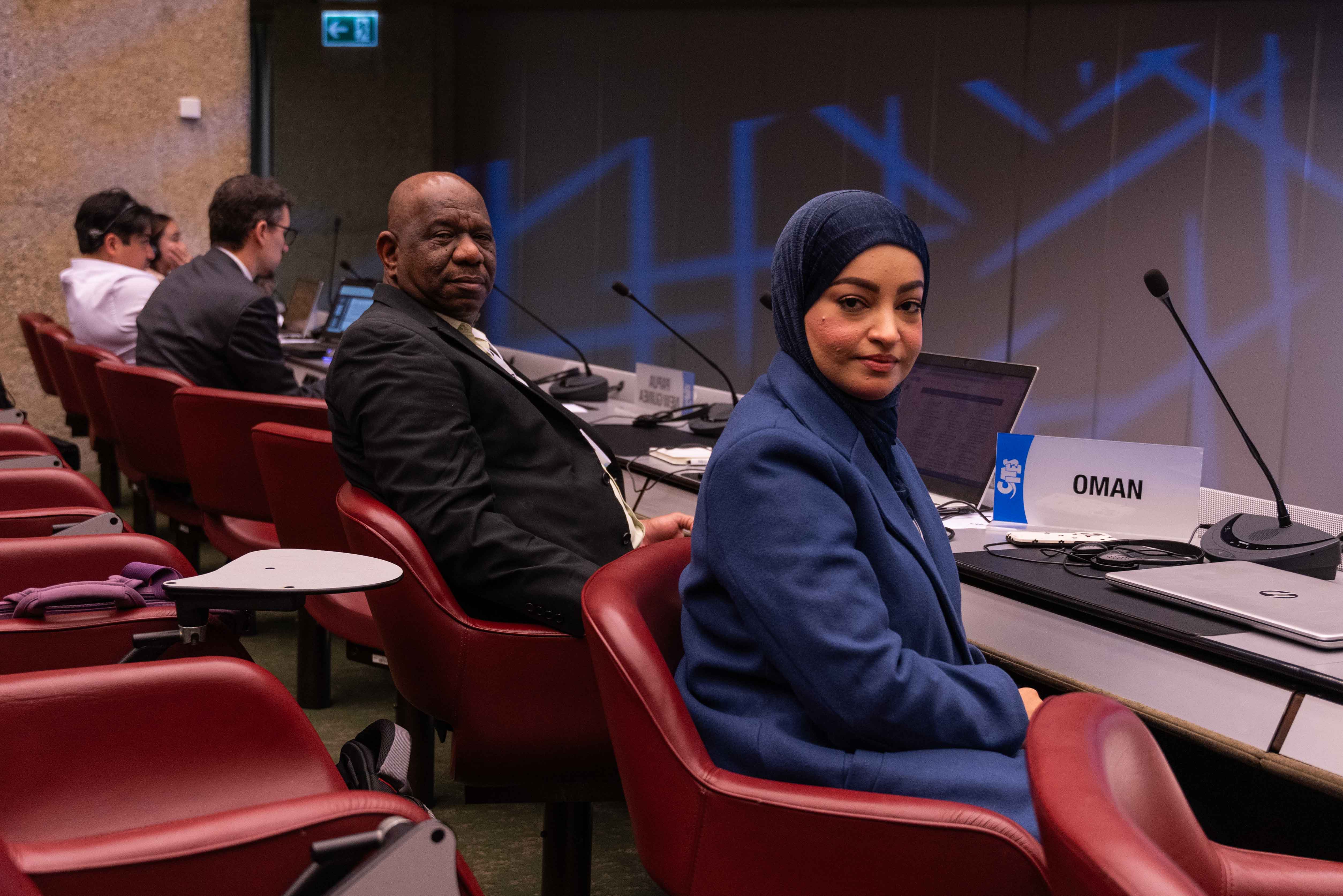
The delegation from Oman
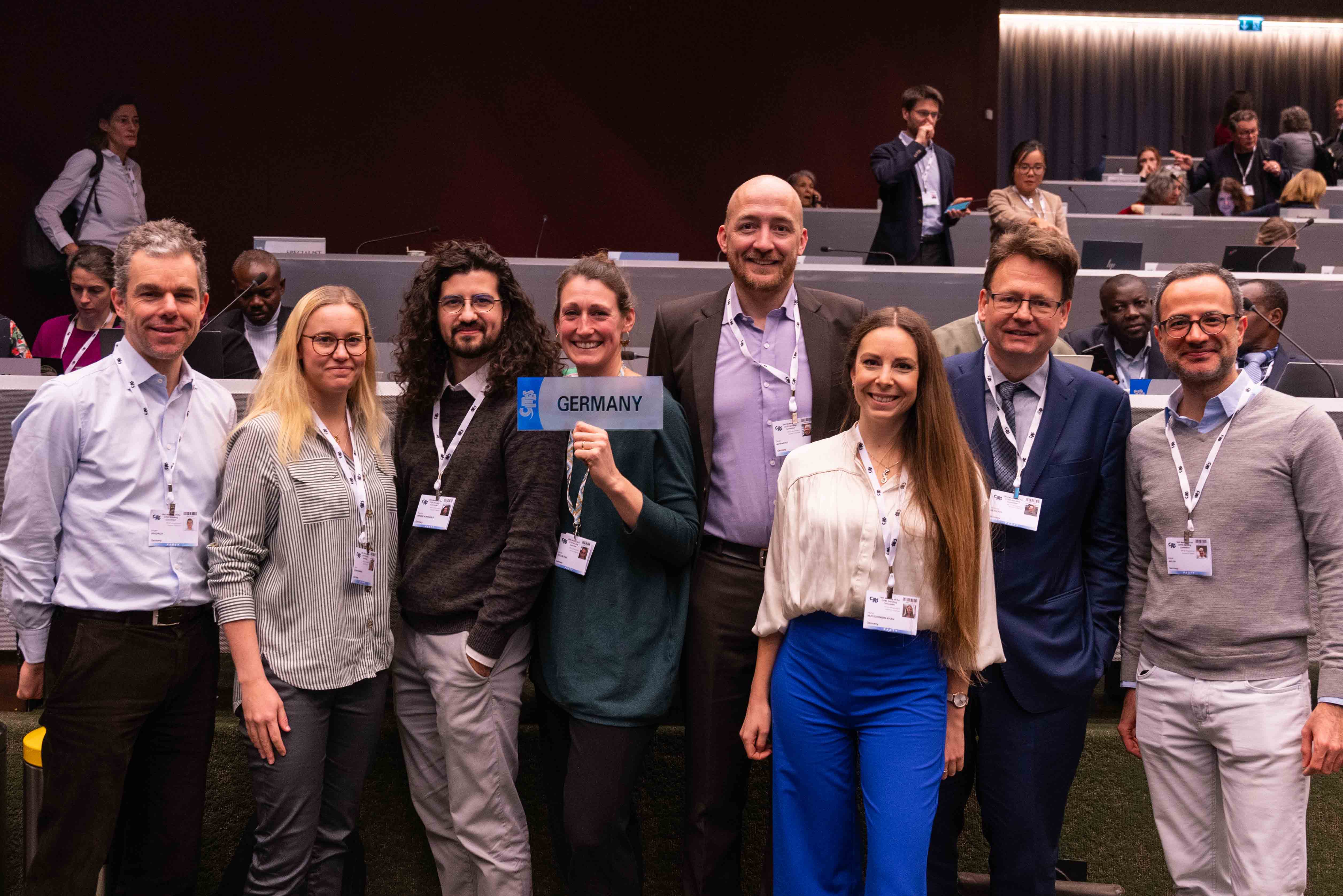
The delegation from Germany
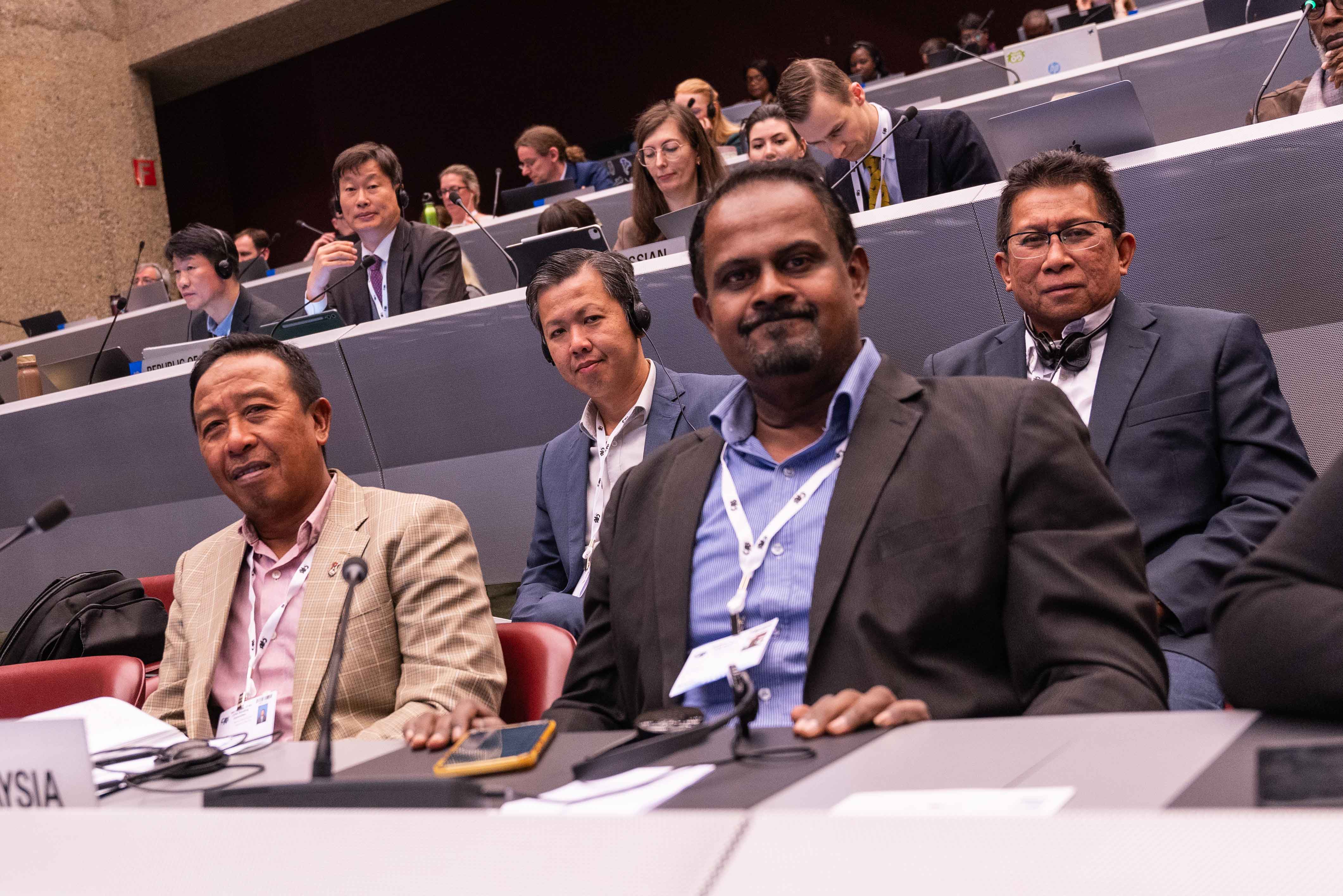
The delegation from Malaysia
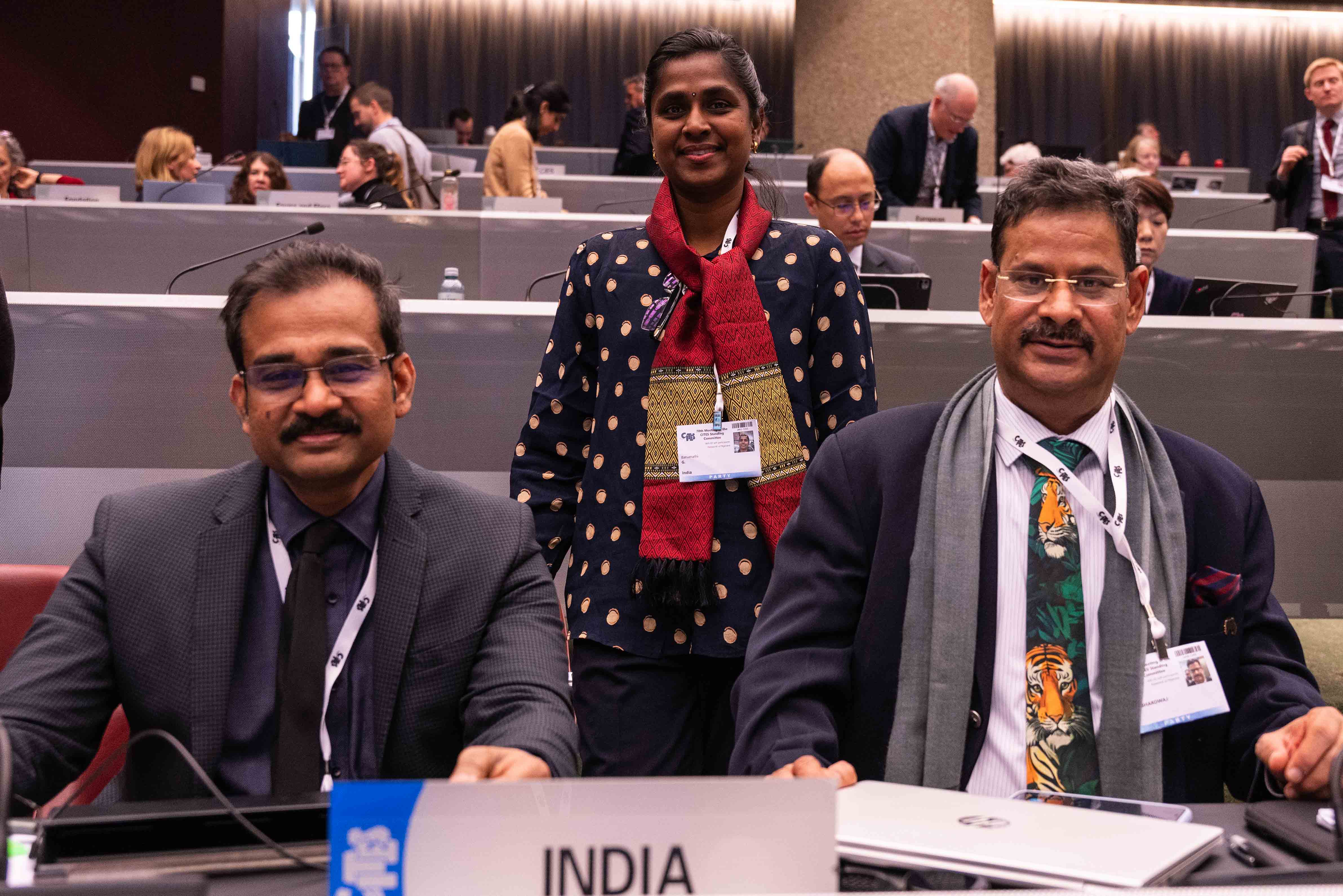
The delegation from India