Mountains are home to 1.2 billion people worldwide. They are centers of cultural and linguistic diversity, hosting a remarkable range of sustainable subsistence models and land-use systems. However, the threats mountains are facing, stemming from climate change, biodiversity loss, land degradation and pollution, are threatening food security and livelihoods in both upland and downstream regions. On the second day of the Seventh Global Meeting of the Mountain Partnership, two panels focused on scaling up investment and finance mechanisms to support sustainable mountain development, and help build inclusive and sustainable economies. In the afternoon parallel sessions covered youth engagement and sustainable tourism.
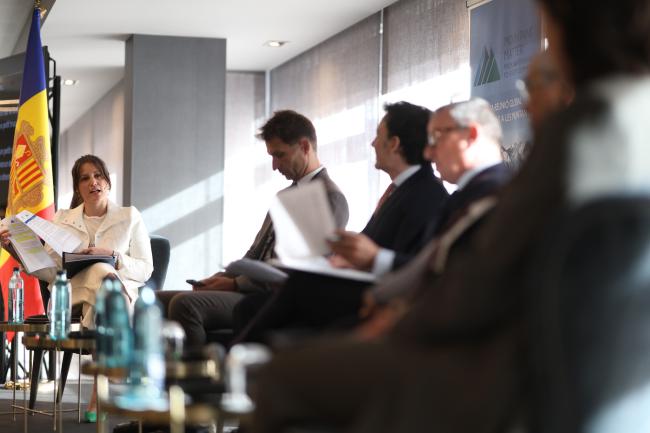
During the panel on financing sustainable mountain development, participants were told of an approximately USD 173 billion annual financing gap for meeting the adaptation needs of mountain developing countries. Panelists discussed, amongst other things, how to build bridges between the financial agendas for sustainable development and climate action. In this regard, some noted that clear and integrated policy frameworks are important for attracting investment and finance. Several brought up the importance of scaling up existing tools, instruments and programs like green and blue bonds, and biodiversity credits. Many also stressed that public and private institutions must work with and benefit local communities, underlining that they contribute local expertise and knowledge, and are crucial for local implementation of projects.
In the panel on building livelihoods, agrifood systems and economies, participants heard from a range of domestic and regional initiatives that work to enhance resilience in mountain regions. One insight shared amongst many was that mountain economies become more resilient when support not only addresses production, but also inclusive value chains and market access. One participant stressed that mountain agriculture not only produces food, but also delivers ecosystem services, landscape stewardship, and regional cohesion, with another stating that the future of mountains lies in their cultural heritage.
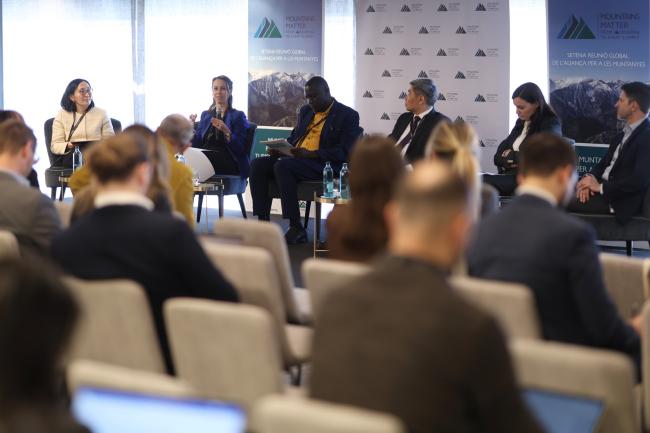
After lunch, delegates considered the revised Mountain Partnership strategy documents, consisted of the Governance, Advocacy, and Communication strategies outlining the Partnership’s function, and key messages and priorities for the upcoming four-year period. Regarding the Governance Strategy, discussion focused on a proposal for a new seat for the private sector in the Mountain Partnership Steering Committee, a proposal which was ultimately withdrawn. Delegates endorsed the documents with respective amendments.
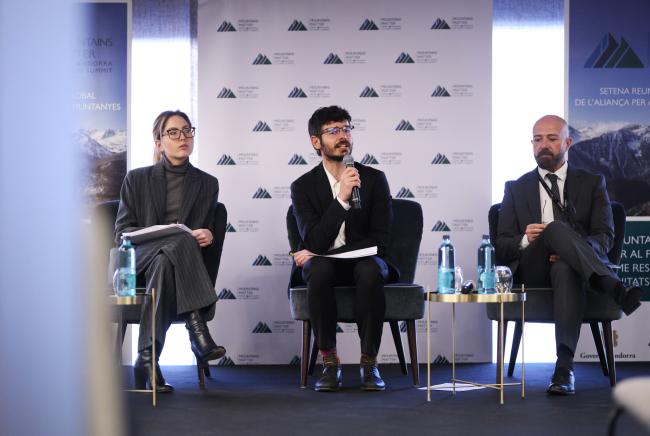
In the afternoon, two parallel sessions were held on youth engagement and sustainable tourism. In the session on youth, panelists highlighted youth advocacy work on the local and governance level. Points raised included: the importance of institutionalizing meaningful youth participation so they can genuinely engage in decision-making; the role of youth in sharing stories from the community level; the power of local action; and the significance of building alliances with diverse capacities and experiences.
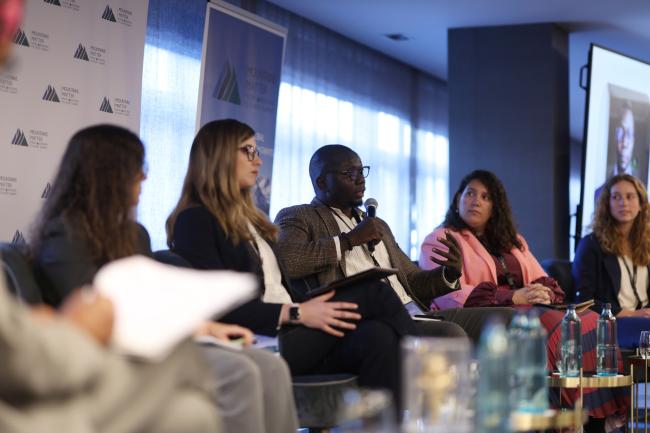
During the session on sustainable tourism, panelists shared insights from recovery efforts following climate shocks, actions for bringing local food systems into the tourism industry, and the importance of regional cooperation for addressing issues beyond the capacities of one country alone. One panelist argued that sustainability must align with resilience by strengthening community capacity and skills, and investing in climate-resilient infrastructure.
Newsletter: To receive free coverage of global environmental events delivered to your inbox, subscribe to the ENB Update newsletter.
Photos by the Government of Andorra
Financing Sustainable Development in Mountain Areas
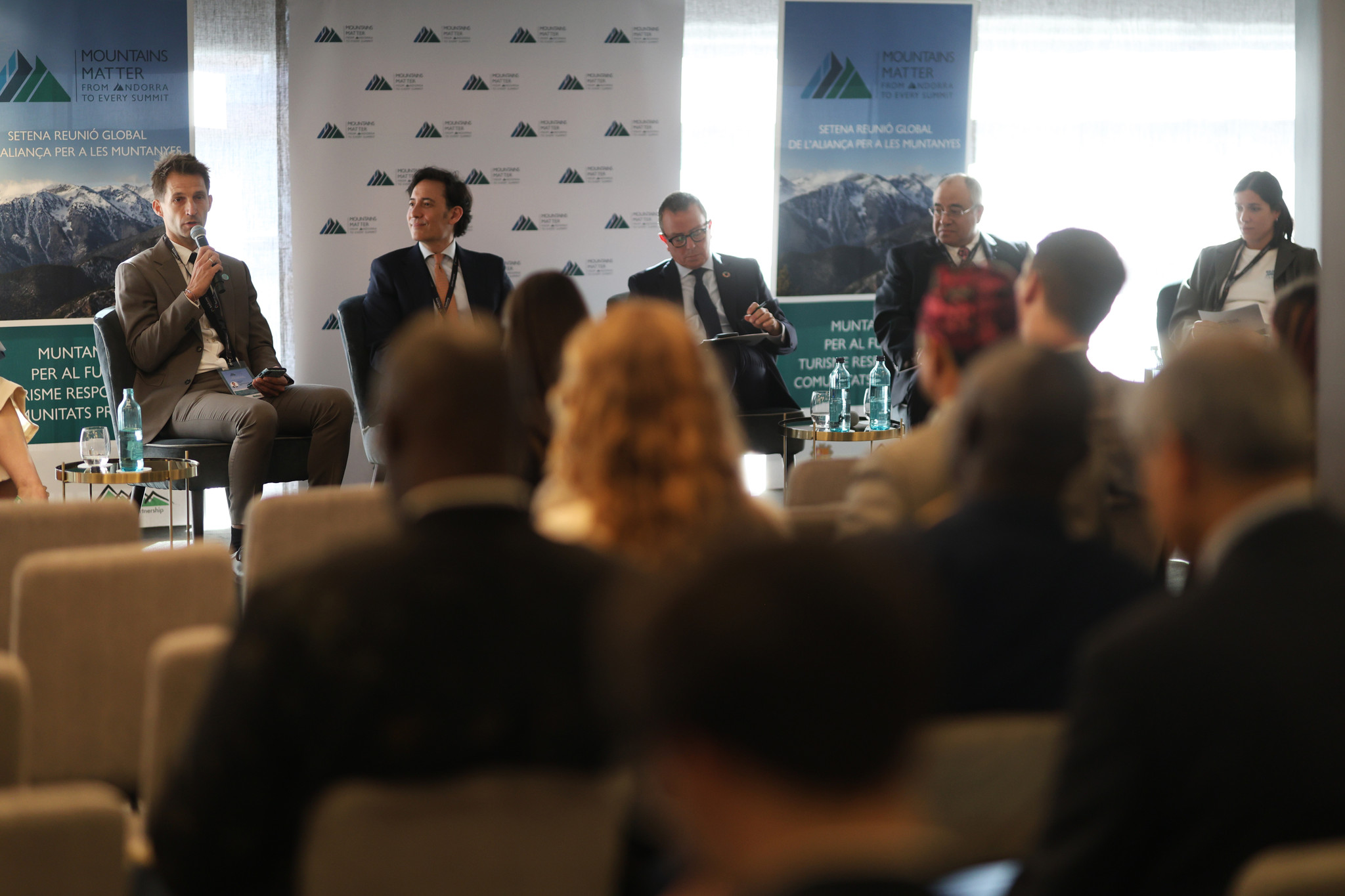
Panelists during the intervention by Matthias Jurek, Programme Management Officer, UN Environment Programme (UNEP).
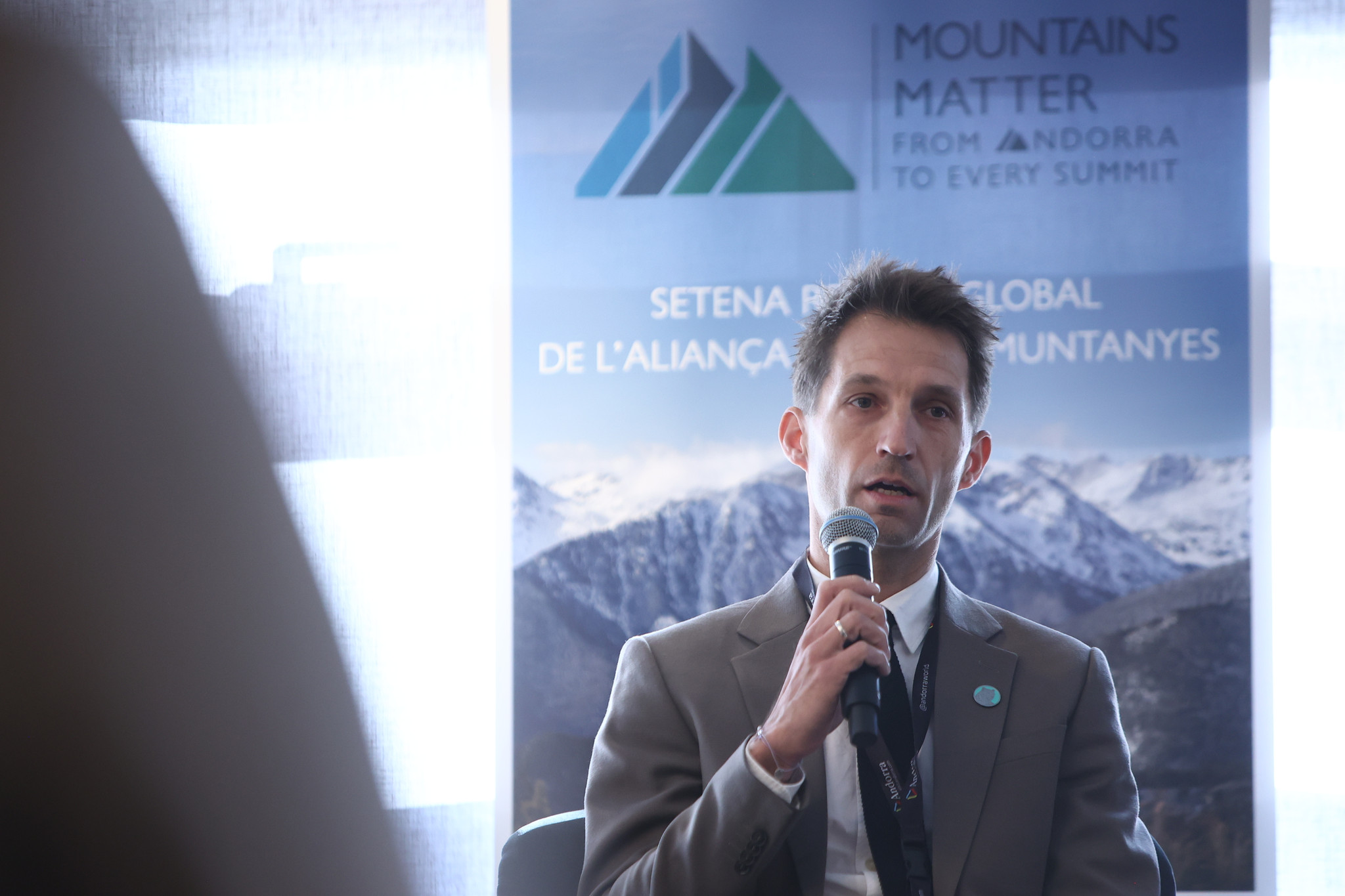
Matthias Jurek, Programme Management Officer, UNEP
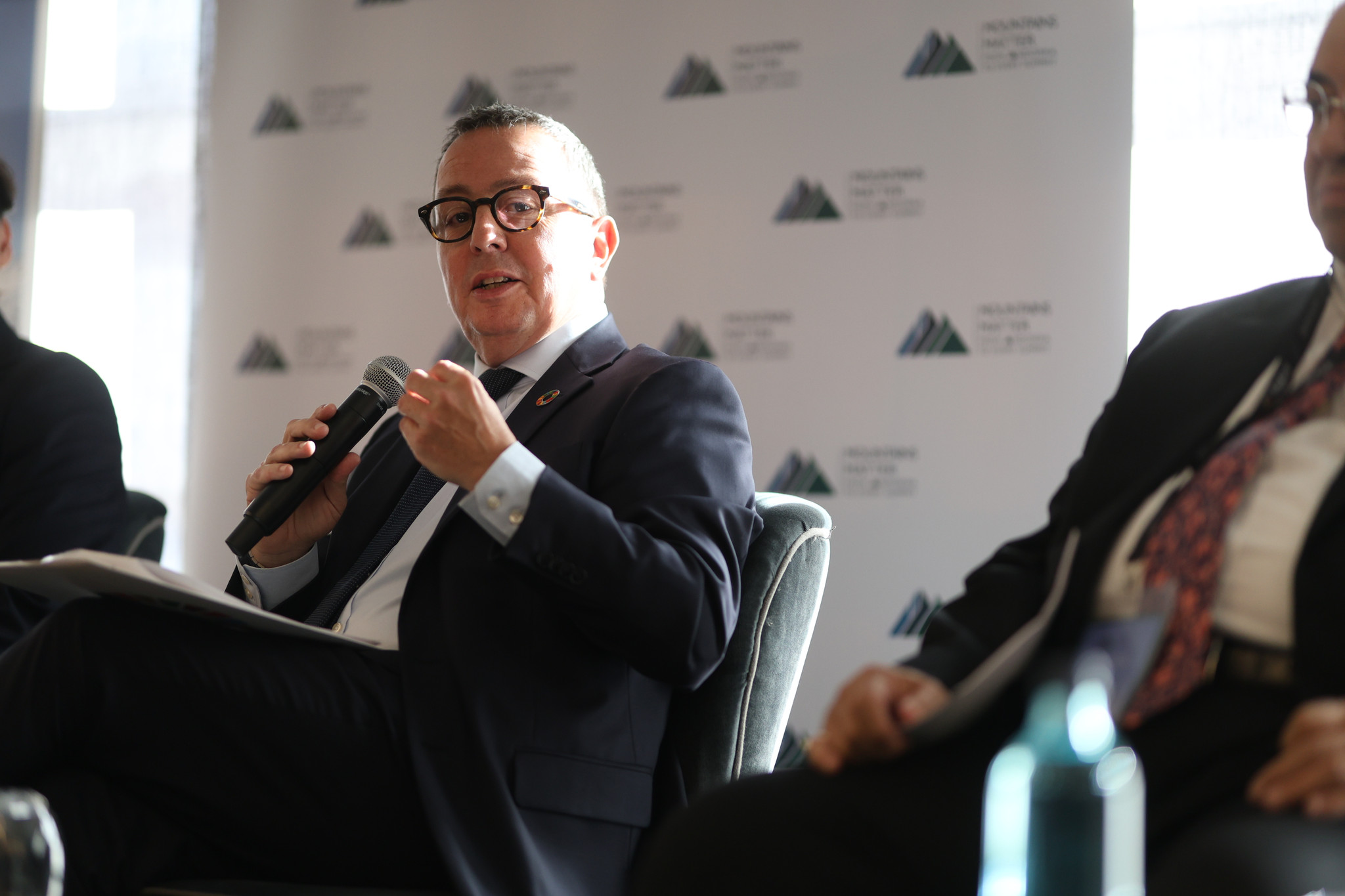
Jordi Llopart, Senior Advisor to the Administrator Strategic Alliances Executive Office, UNDP
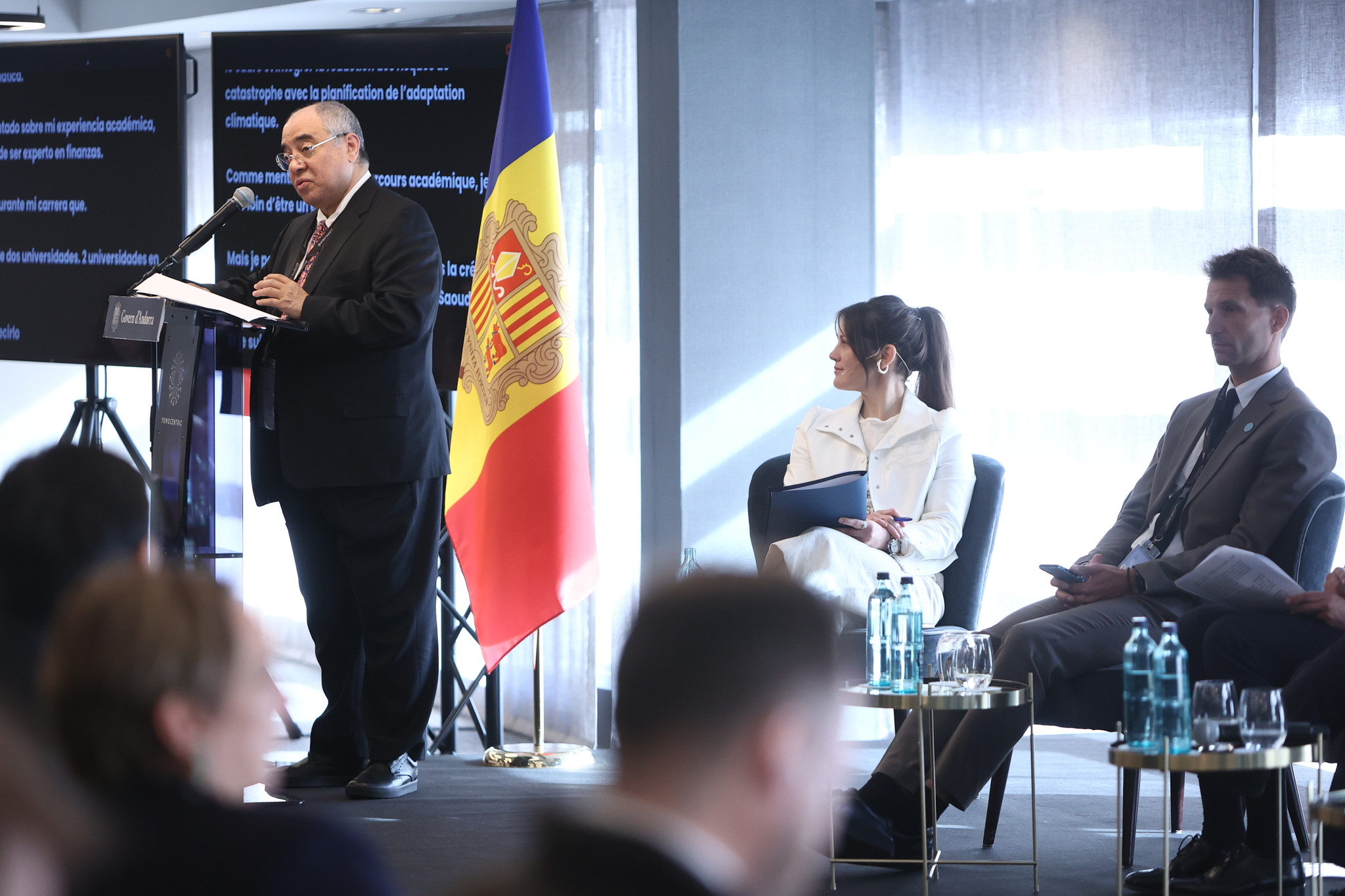
Mohammad Bin Abdulaziz Alnafaa, Executive President Advisor and General Supervisor for Terrestrial Remediation & Restoration Projects, National Center for Vegetation Cover Development and Combating Desertification, Saudi Arabia
A participant follows the panel discussions
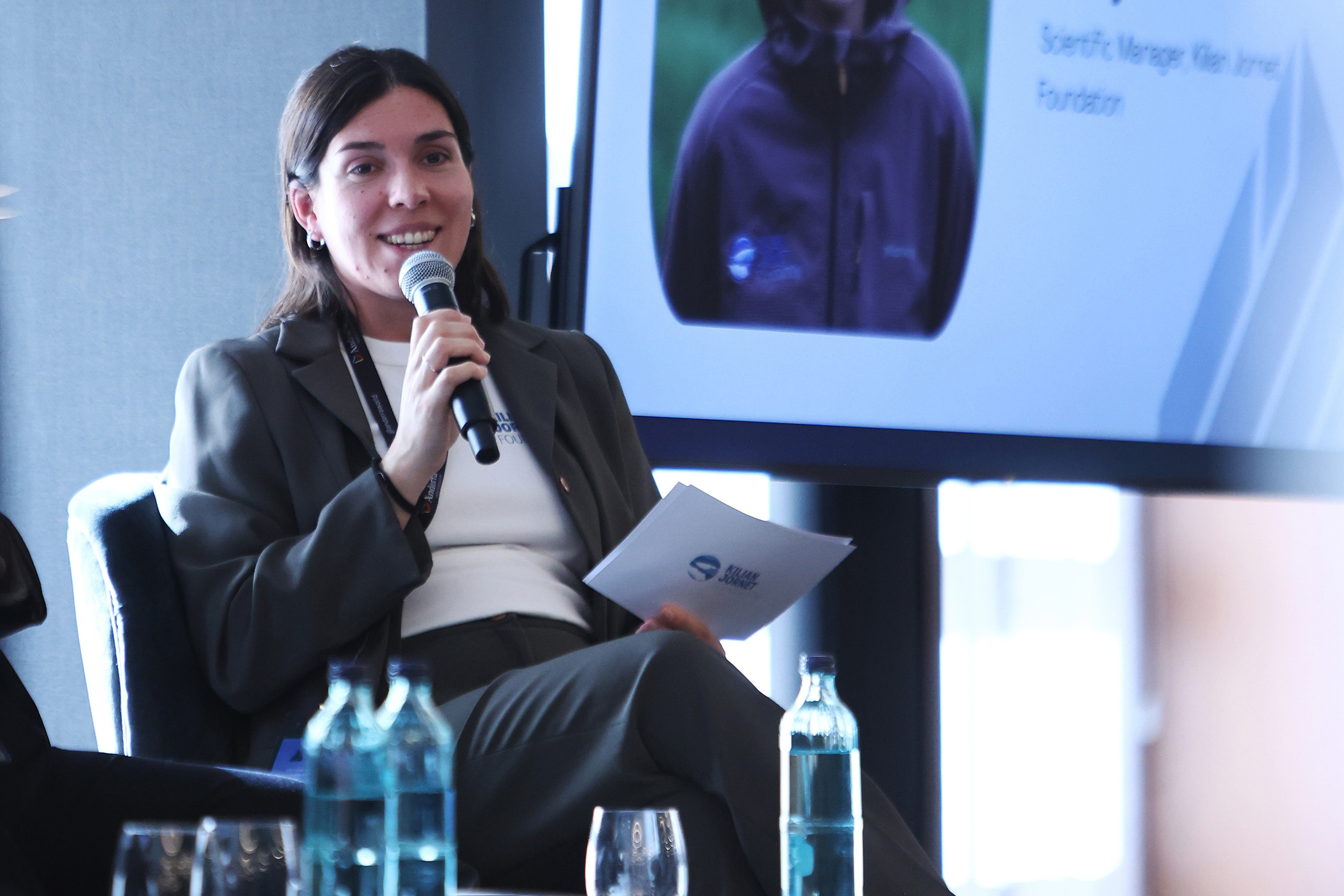
Anna González Manjón, Scientific Manager, Kilian Jornet Foundation
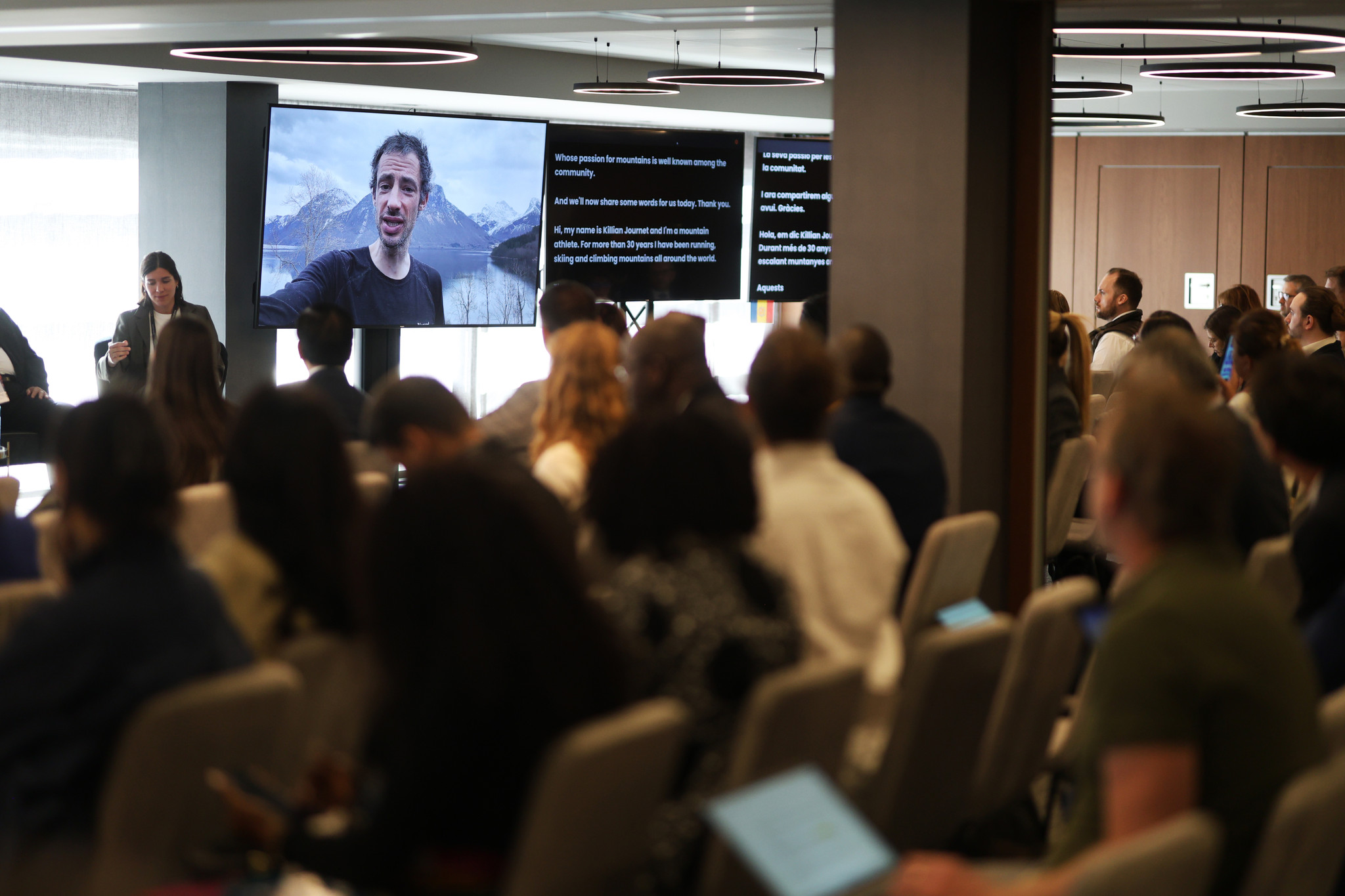
Killian Jornet, mountain athlete, addresses participants via a video message.
Fostering Change in Mountains – Building Livelihoods, Agrifood Systems and Economies
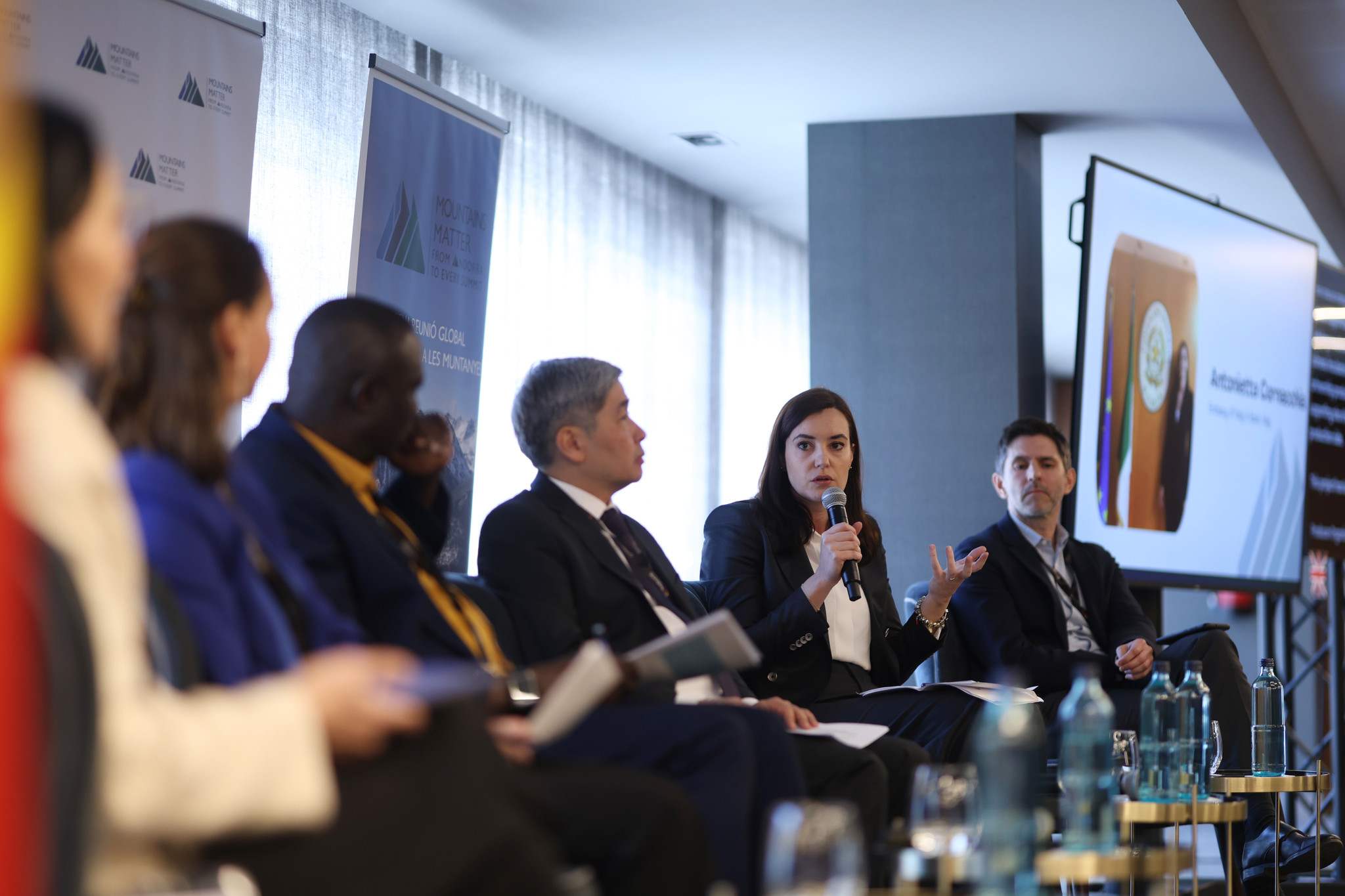
Antonietta Cornacchia, Embassy of Italy in Spain, Italy
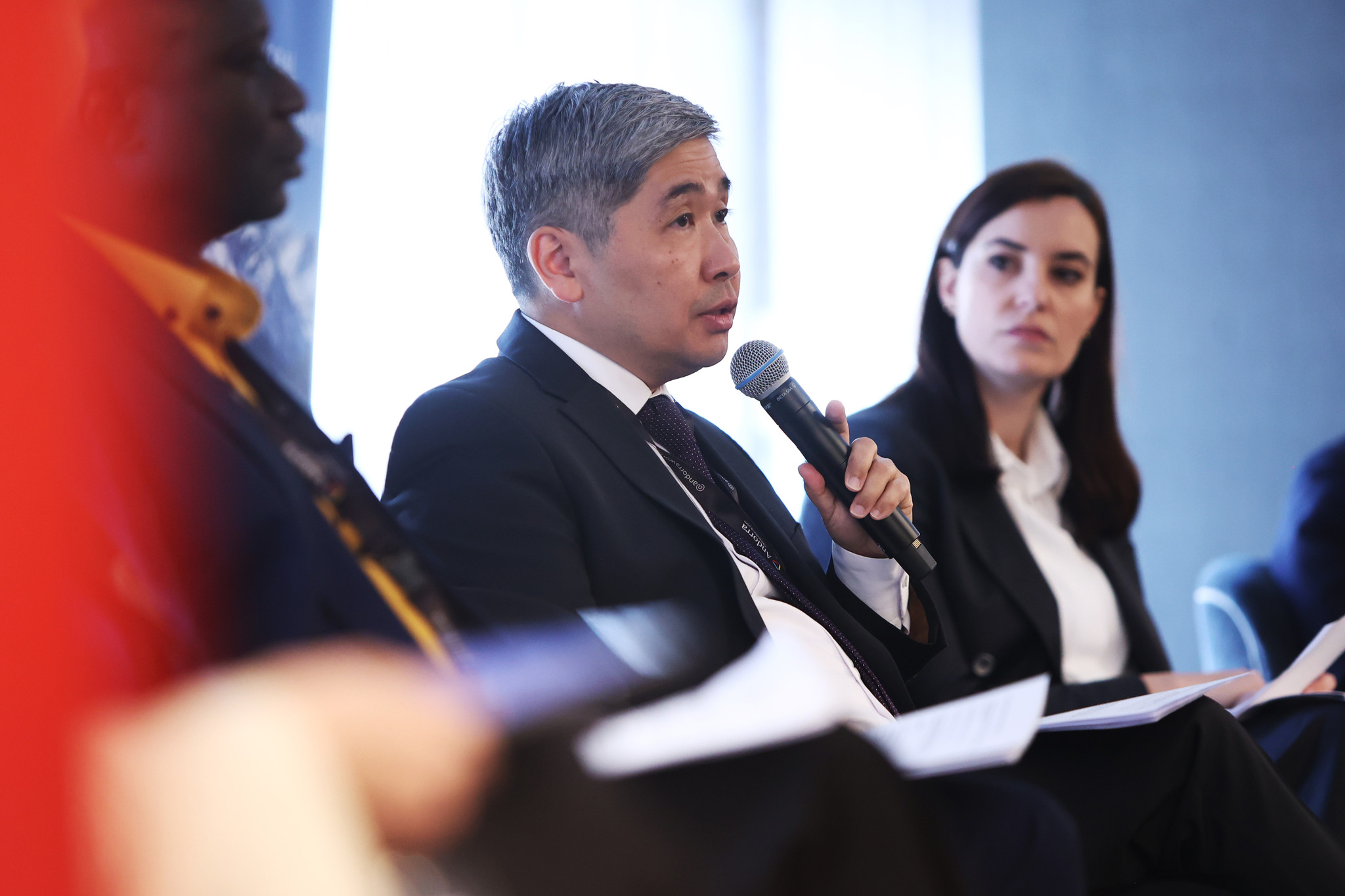
Bakyt Dzhusupov, Ambassador and Coordinator of Economic and Environmental Activities, Organization for Security and Co-operation in Europe
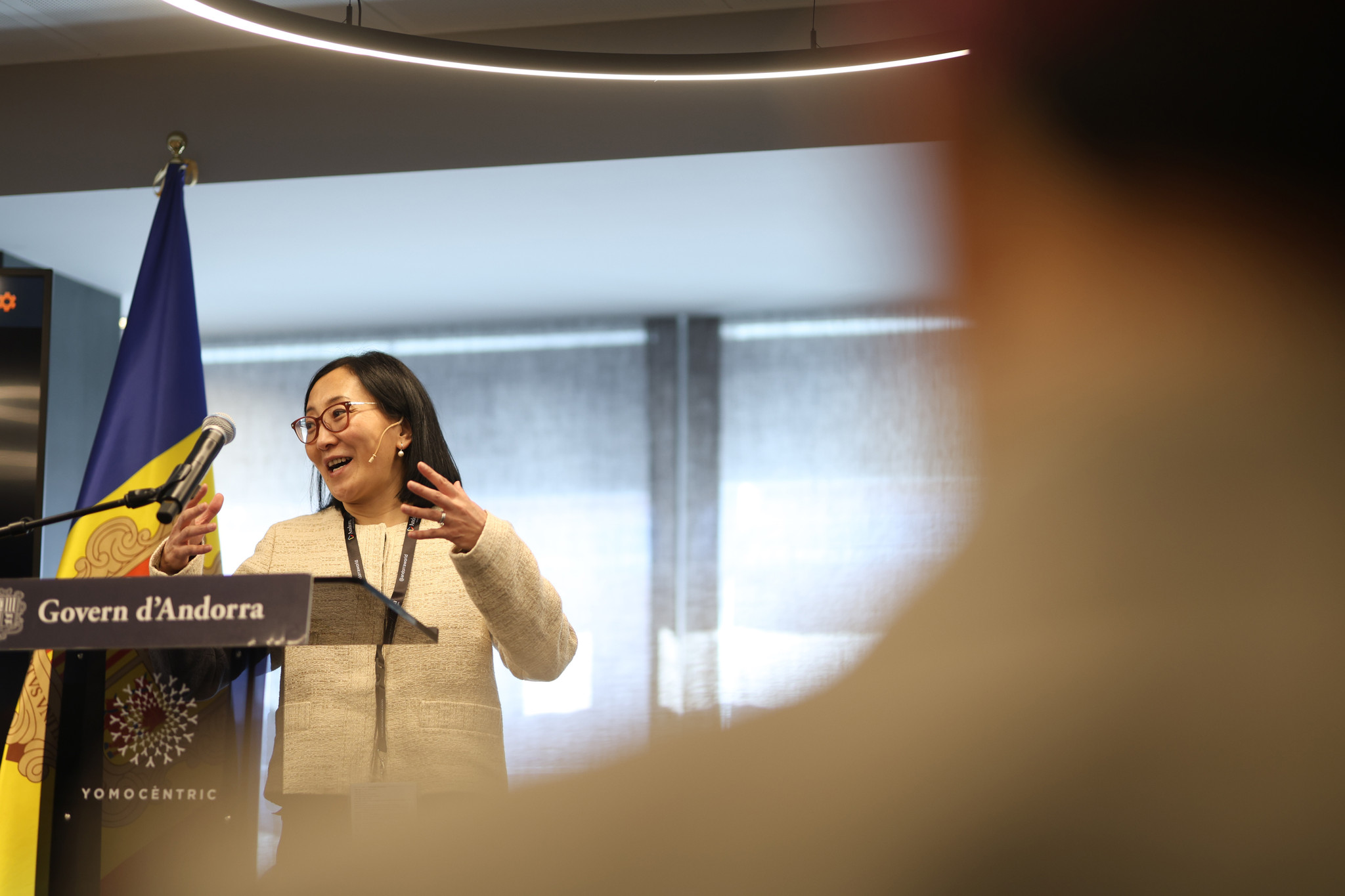
Moderator Una Jones, Chief Executive Officer, Sustainable Fibre Alliance
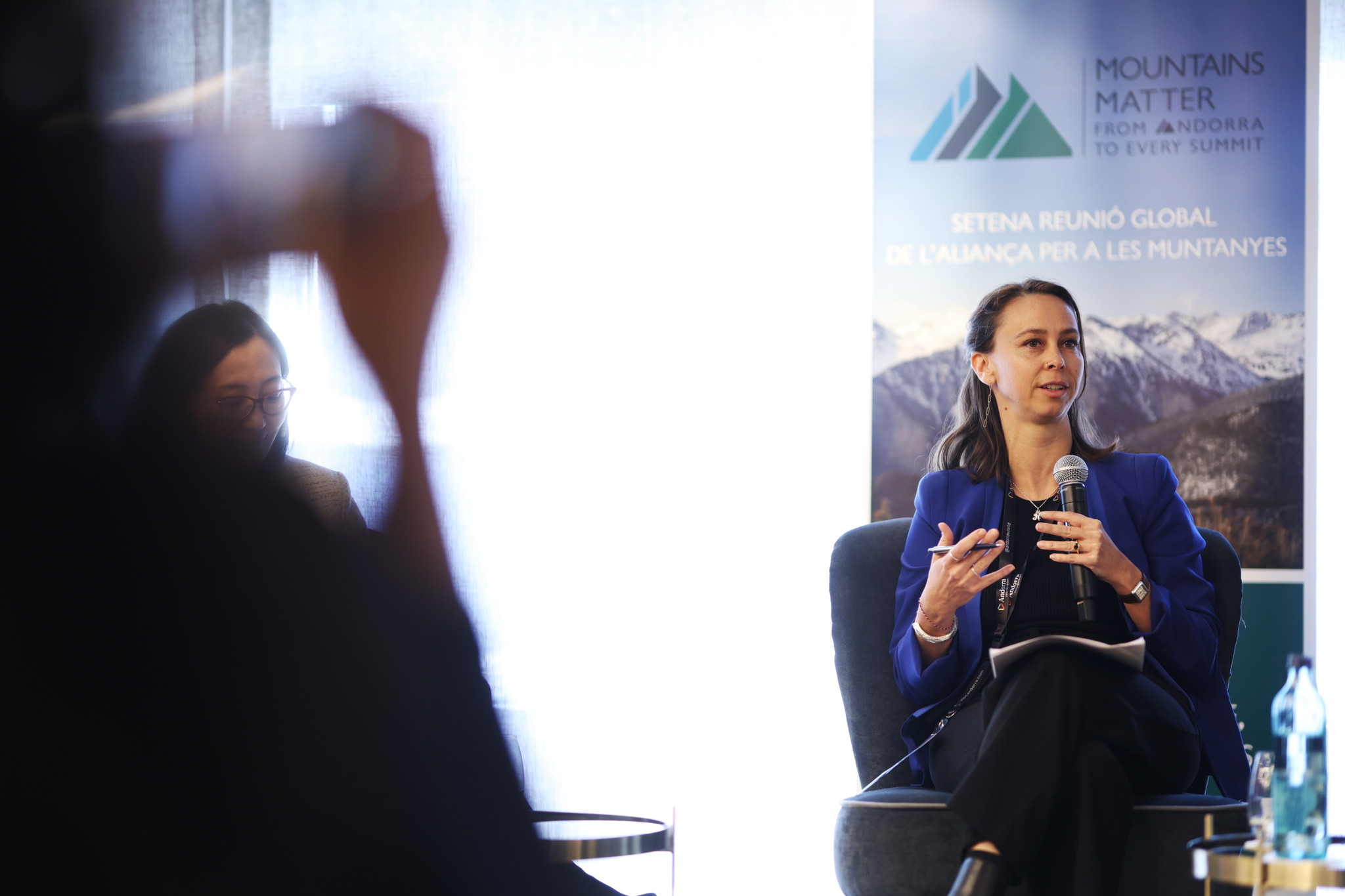
Saskia Sanders, Senior Policy Advisor for Sustainable Food Systems, Federal Office for Agriculture, Switzerland

John Palacin, President, Agence des Pyrénées
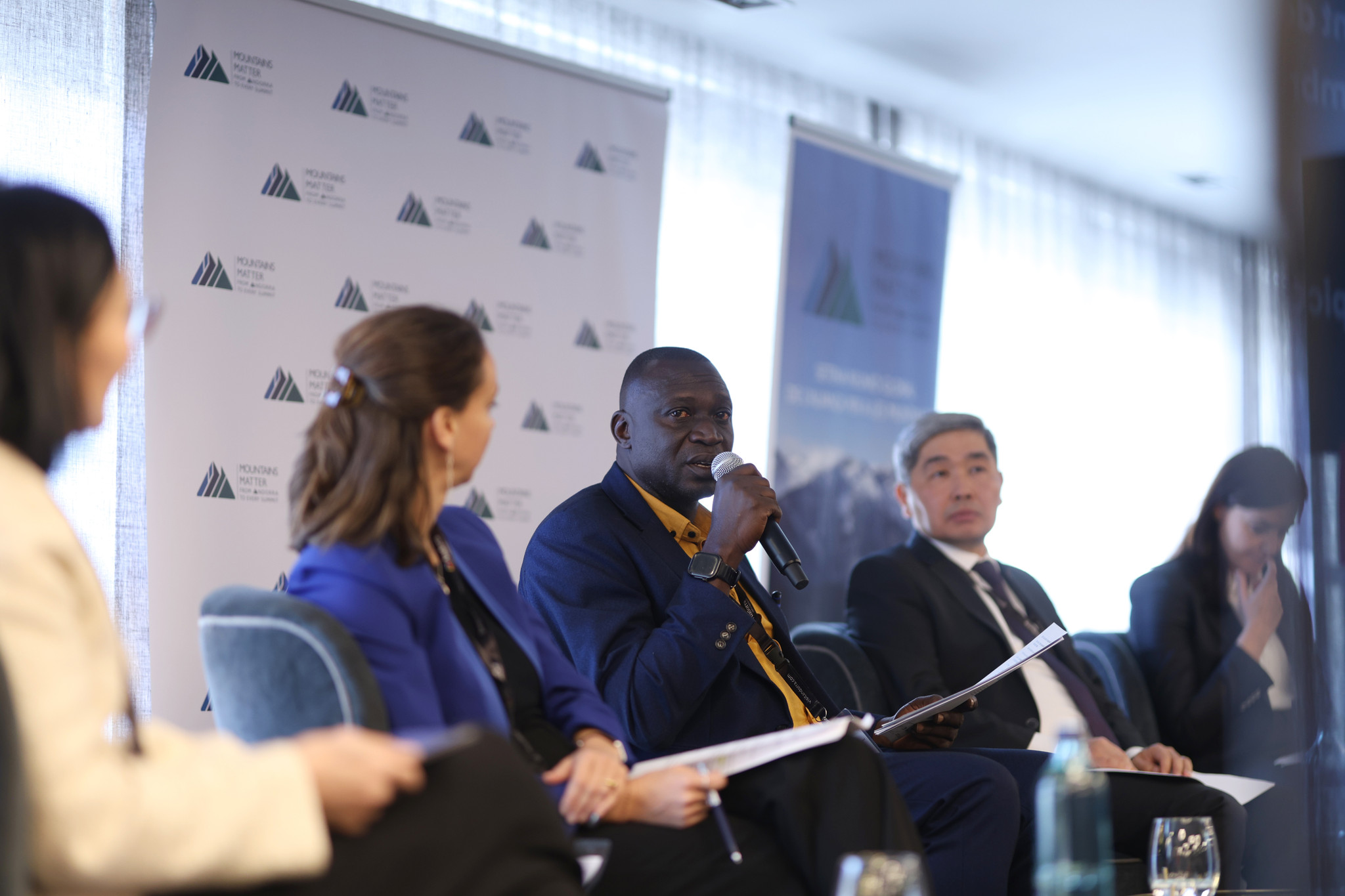
David Okurut, Director of Environmental Affairs, Ministry of Water and Environment, Uganda
Mountain Partnership Strategy Documents discussion
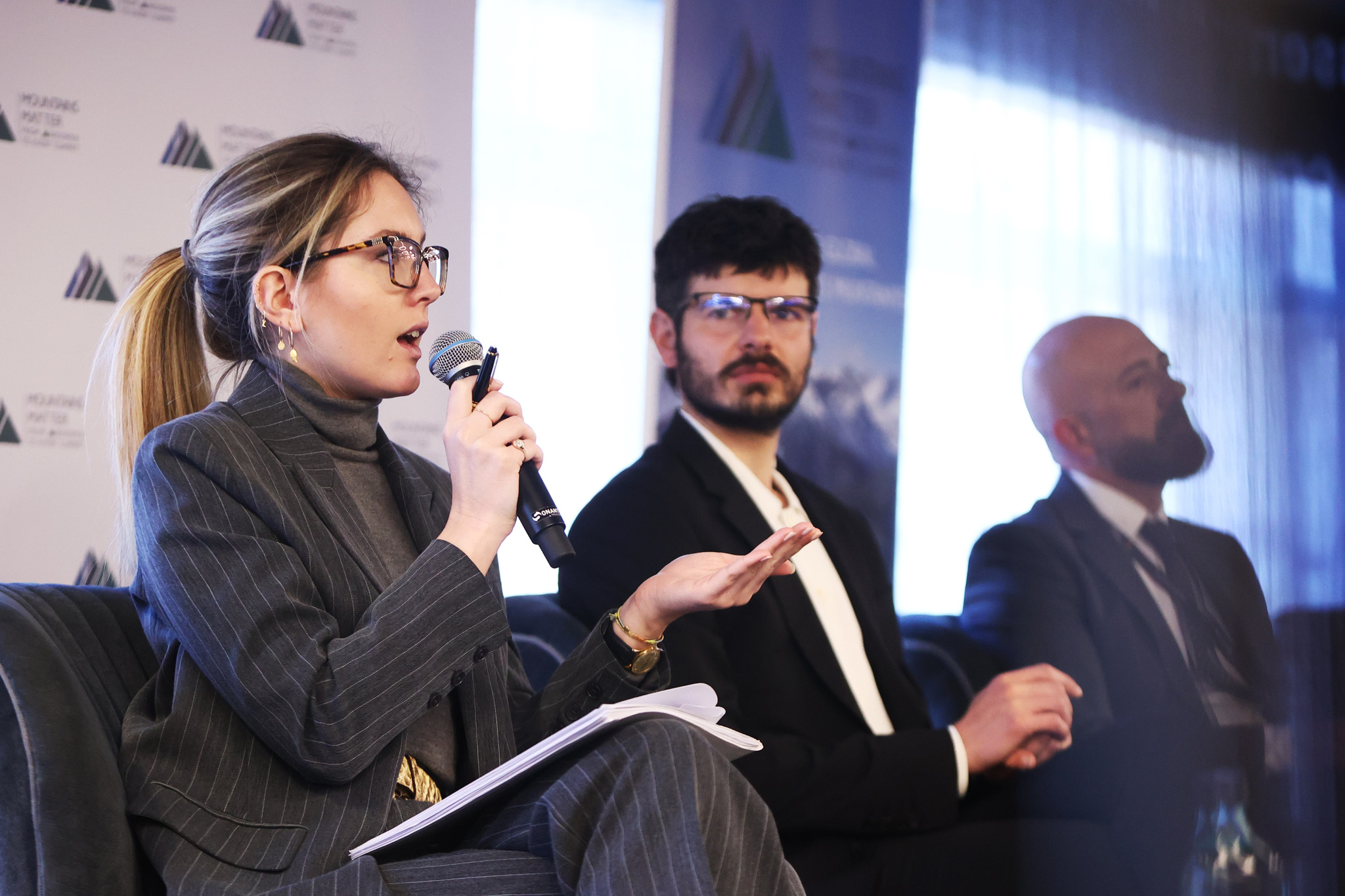
Ludovica Tancredi Martinelli, Mountain Partnership Steering Committee Chair
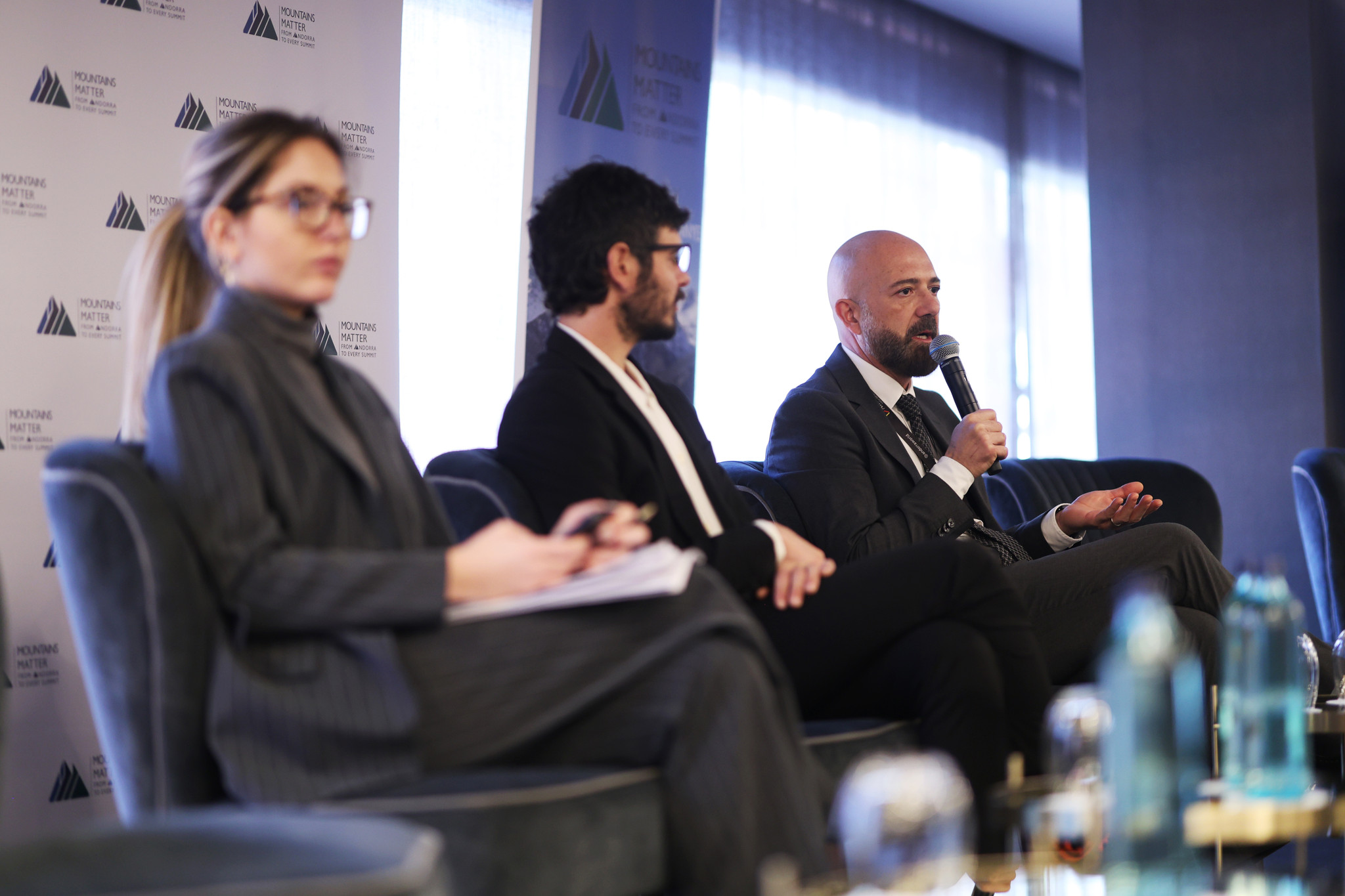
Giorgio Grussu, Mountain Partnership Secretariat

Participants engage in the discussion
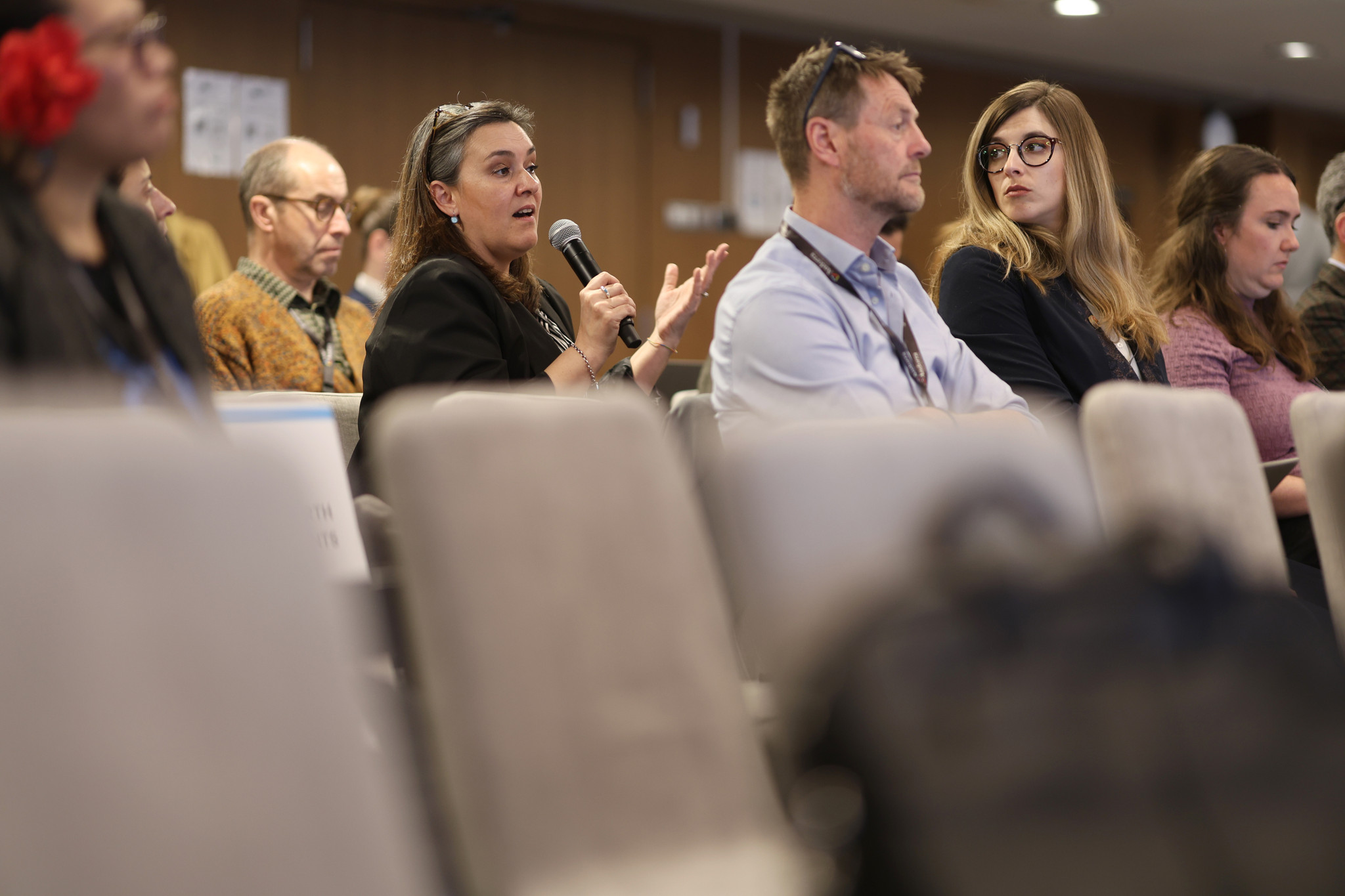
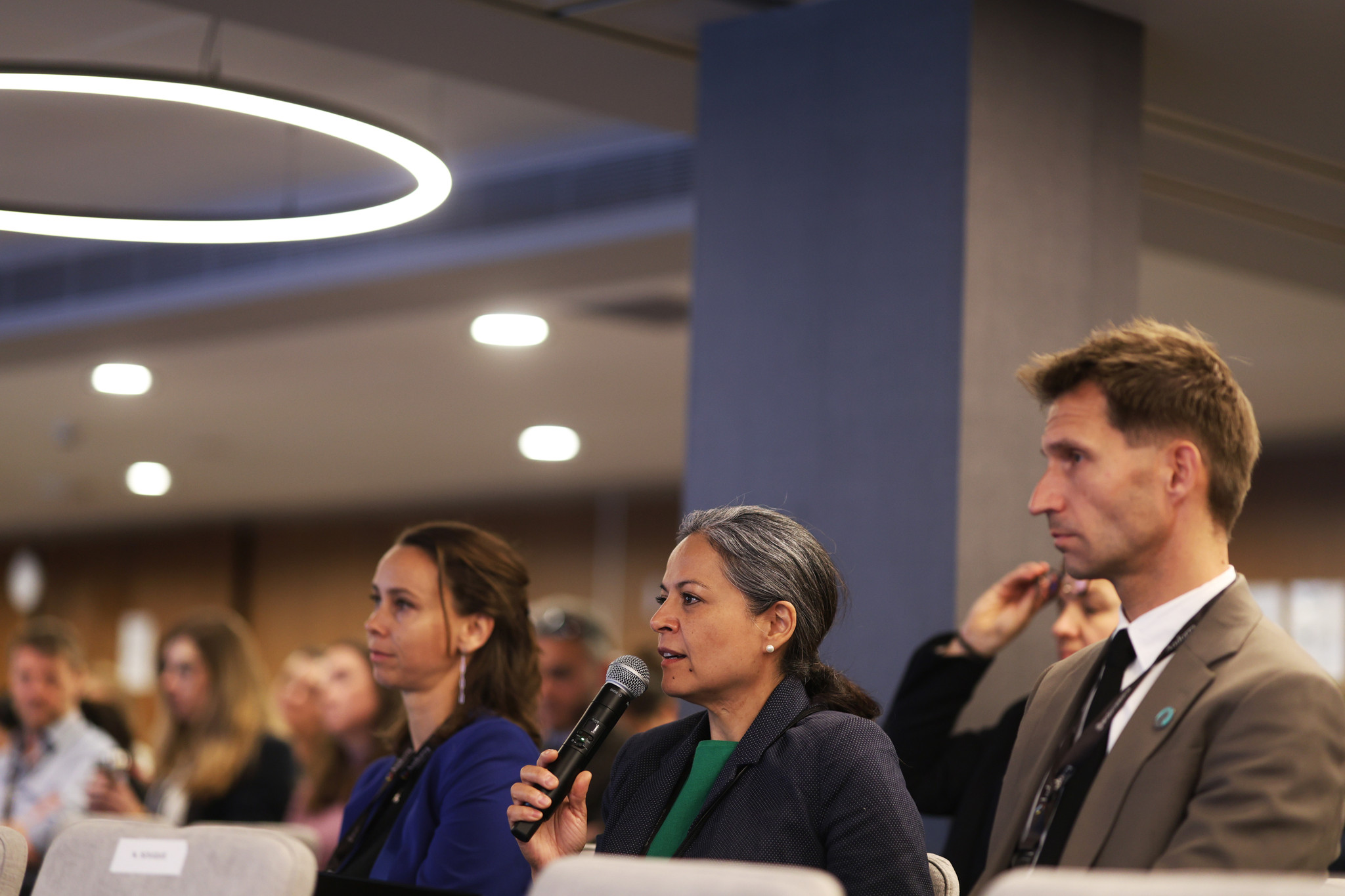
Youth at the Table: Advocacy, Education, Early Careers
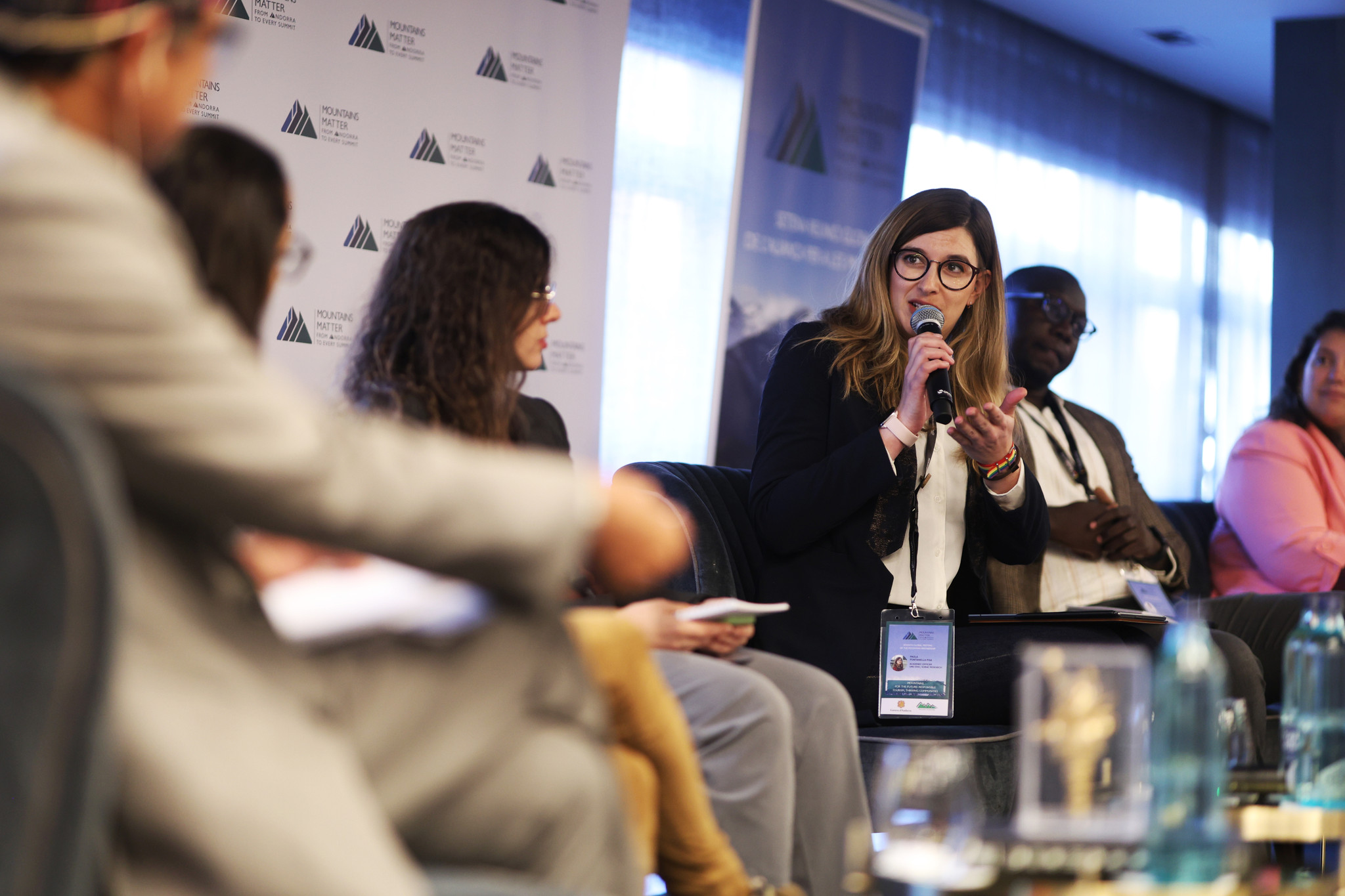
Paola Fontanella Pisa, Associate Academic Officer, UN University Institute for Environment and Human Security / Eurac Research
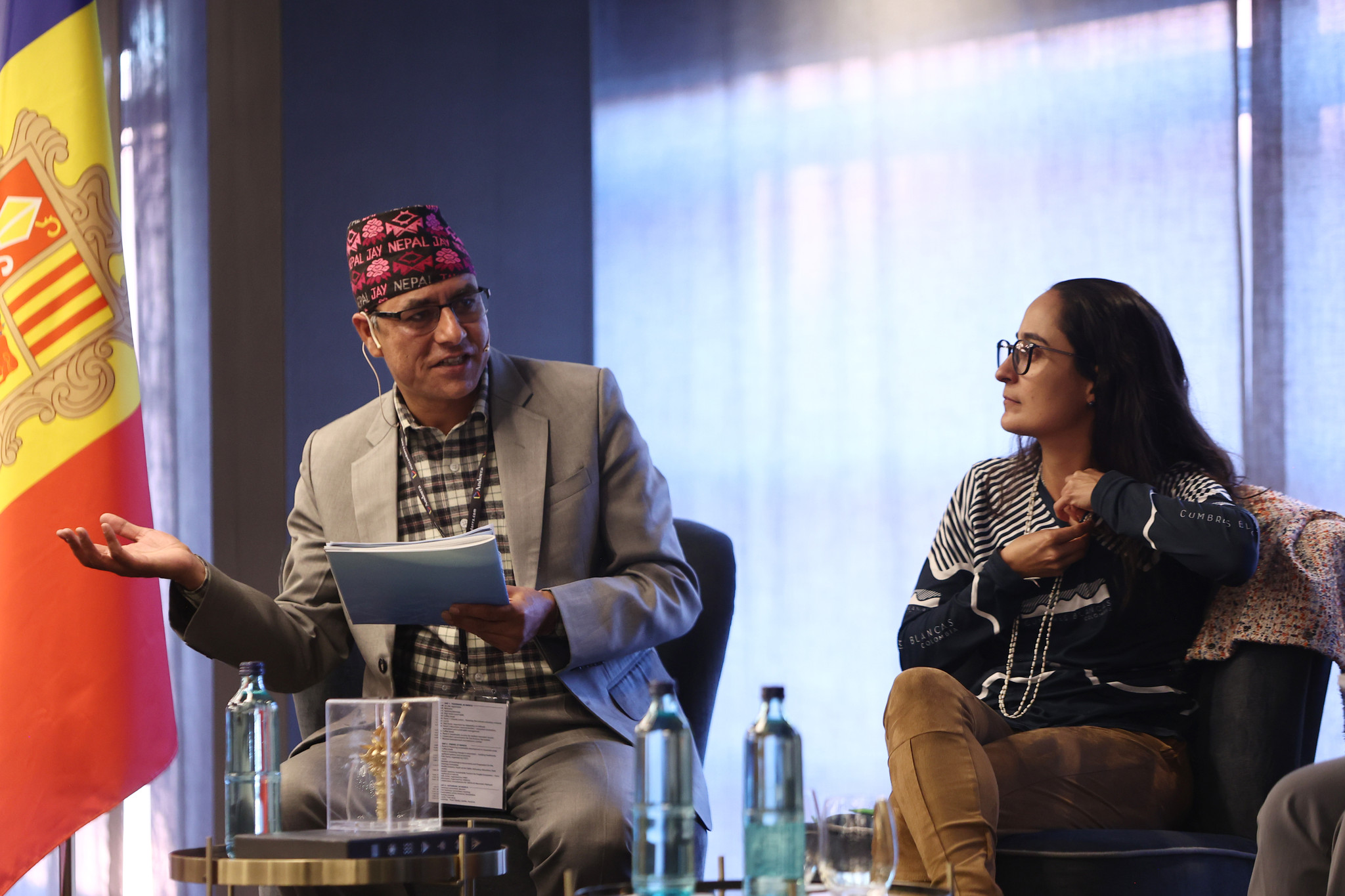
Moderator Gobinda Bahadur Shahi, Executive Director, Karnali Integrated Rural Development And Research Centre (KIRDARC)
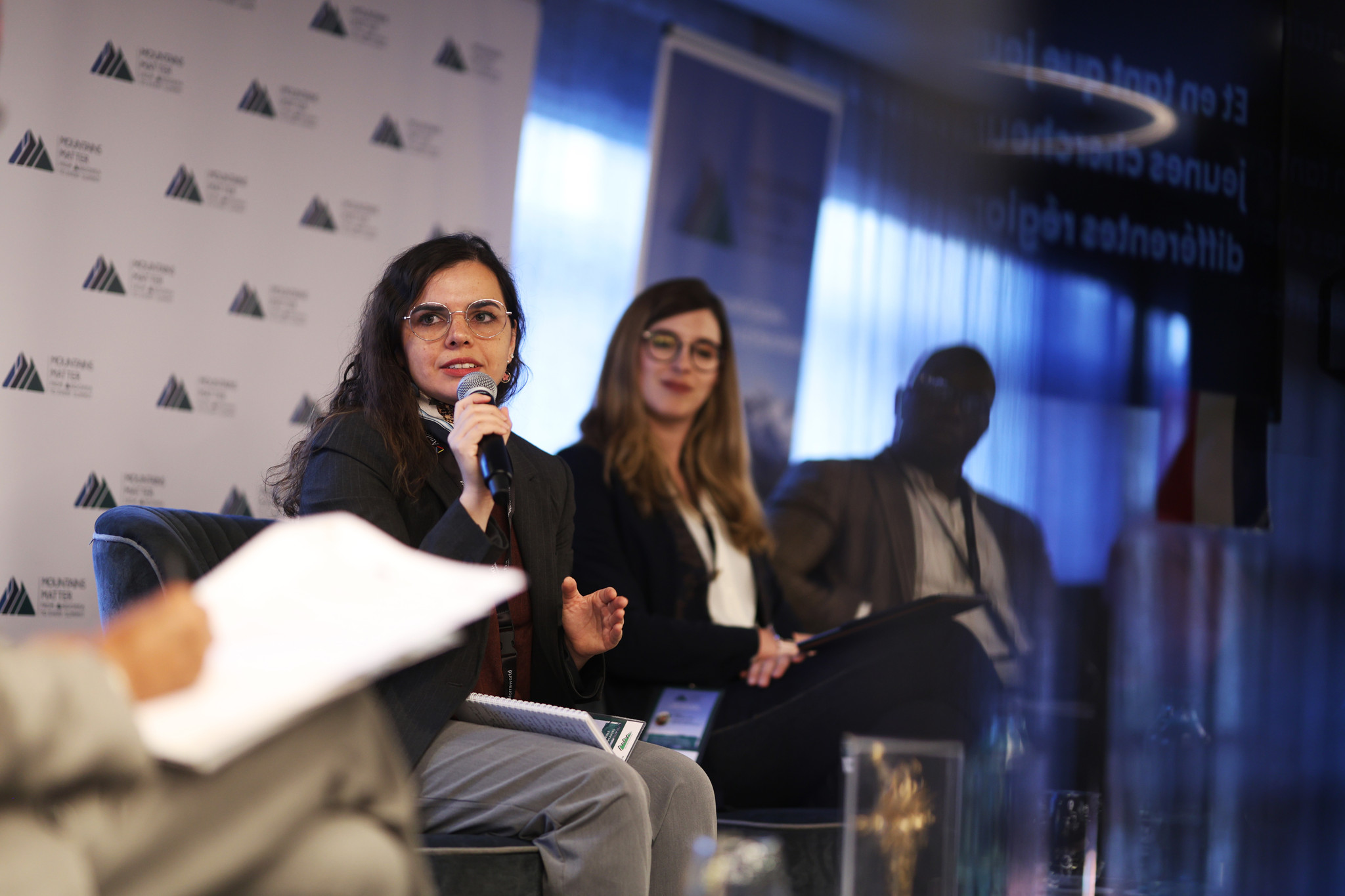
Rocío Melina Garcia, Mountain Youth Hub
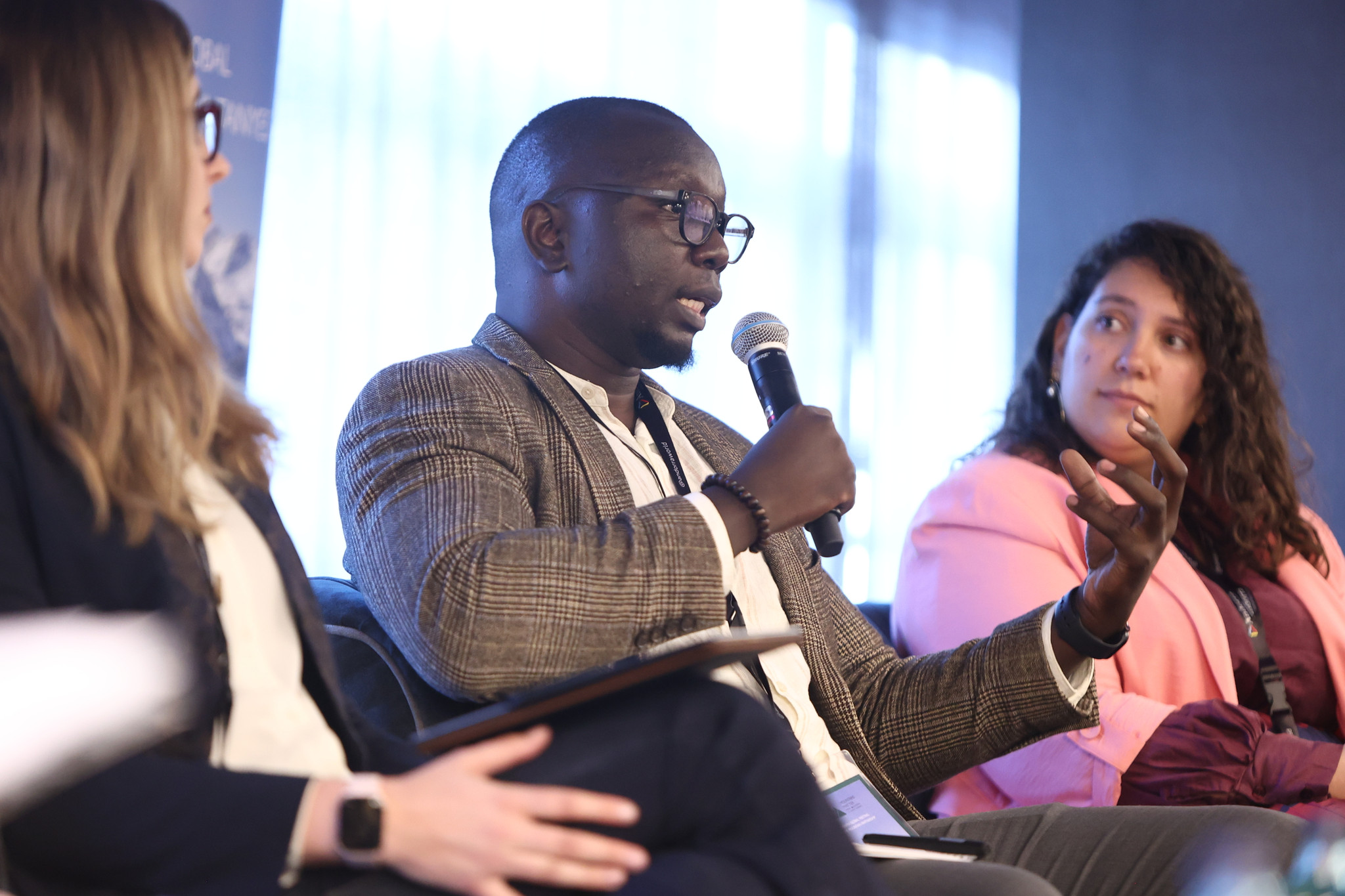
Amos Amanubo, Africa Regional Coordinator, Global Landscapes Forum
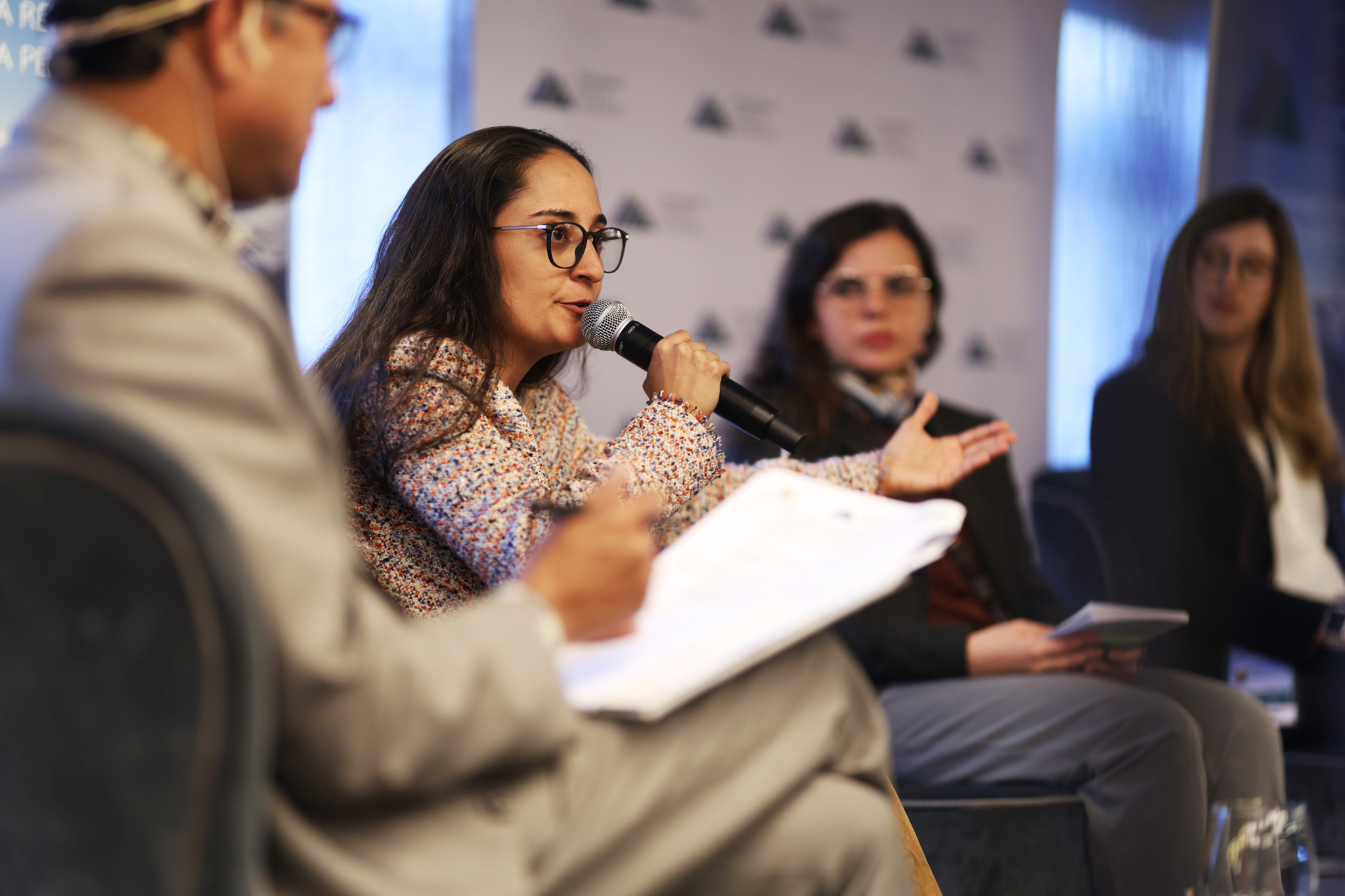
Marcela Fernández, Founder, Cumbres Blancas
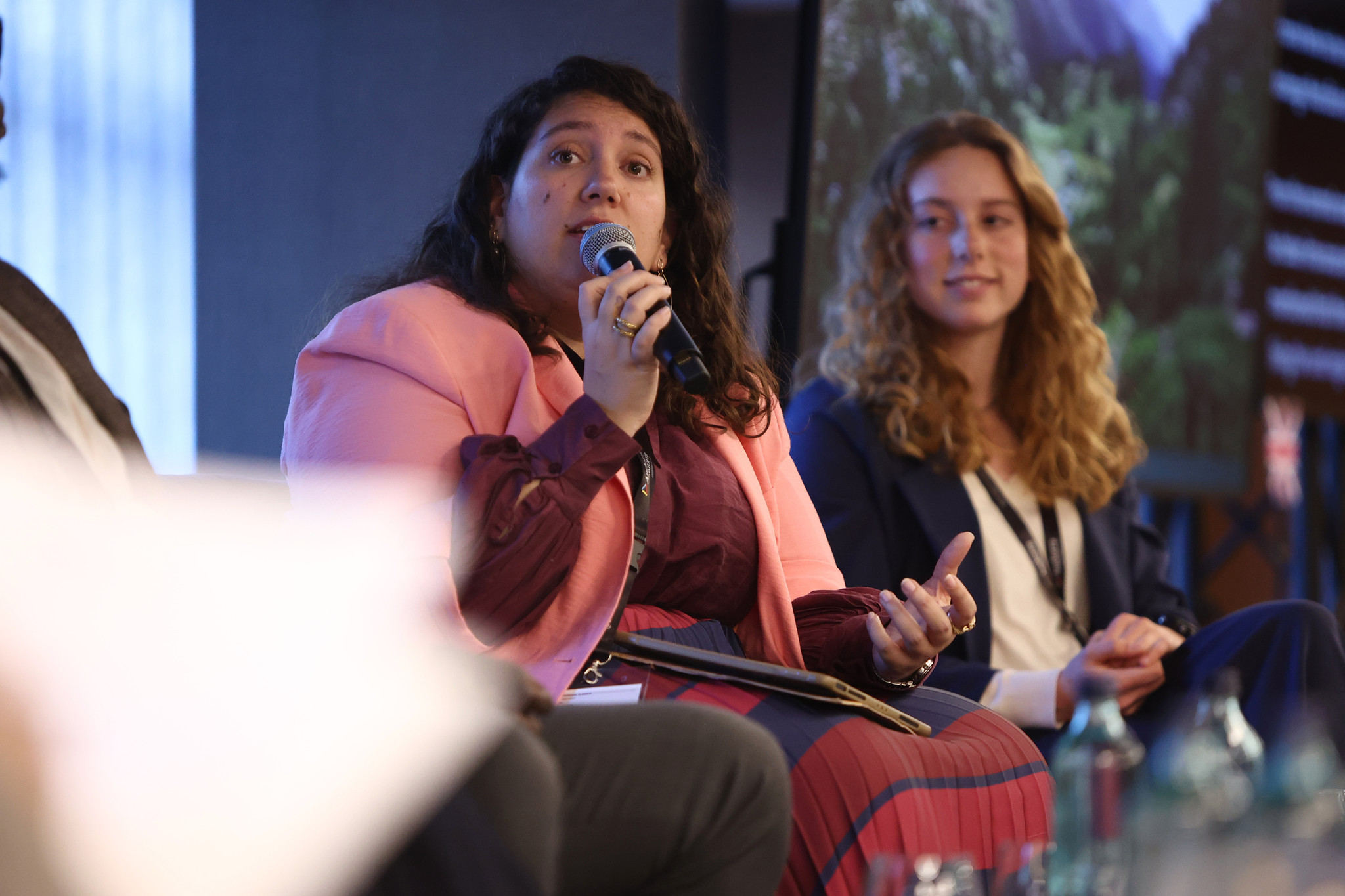
Lisa Cruz Lackner, President, Fòrum de la Joventut d'Andorra
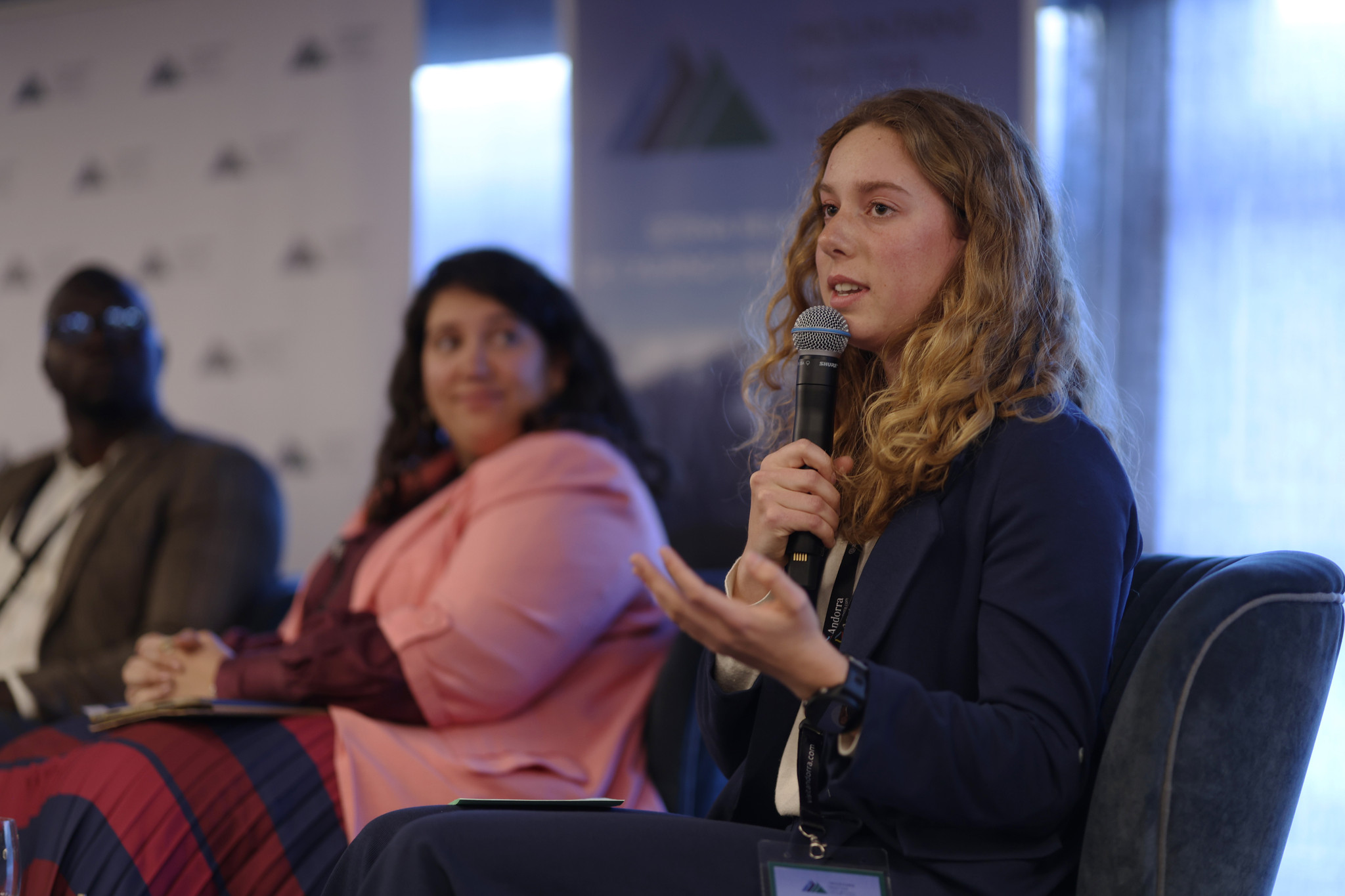
Inés Bafaluy, Member of the Student Parliament of Toulouse and Head of the Societal-Environmental Commission
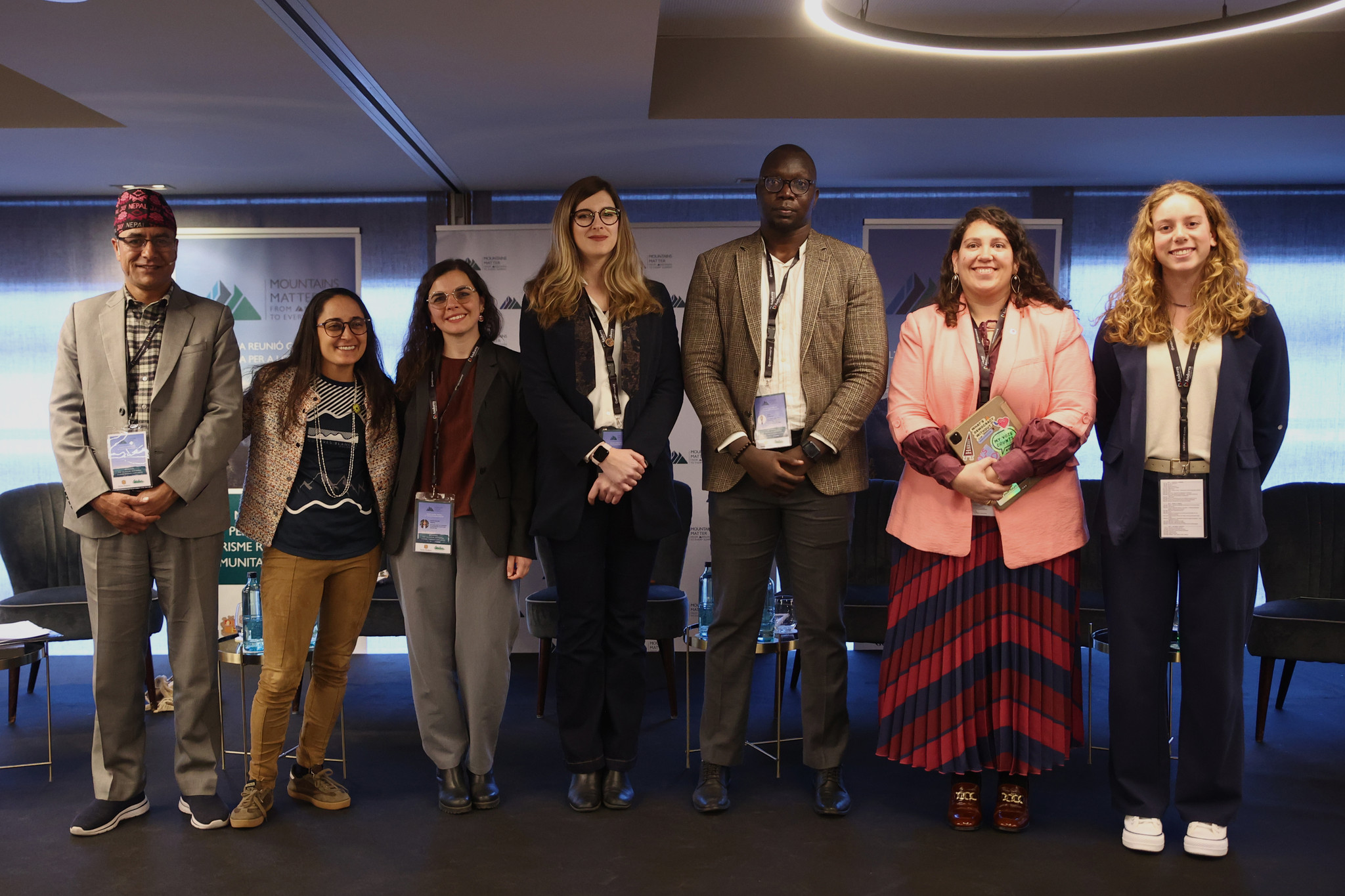
Group photo at the end of the panel
Sustainable Tourism for Fragile Ecosystems – From Highlands to Islands
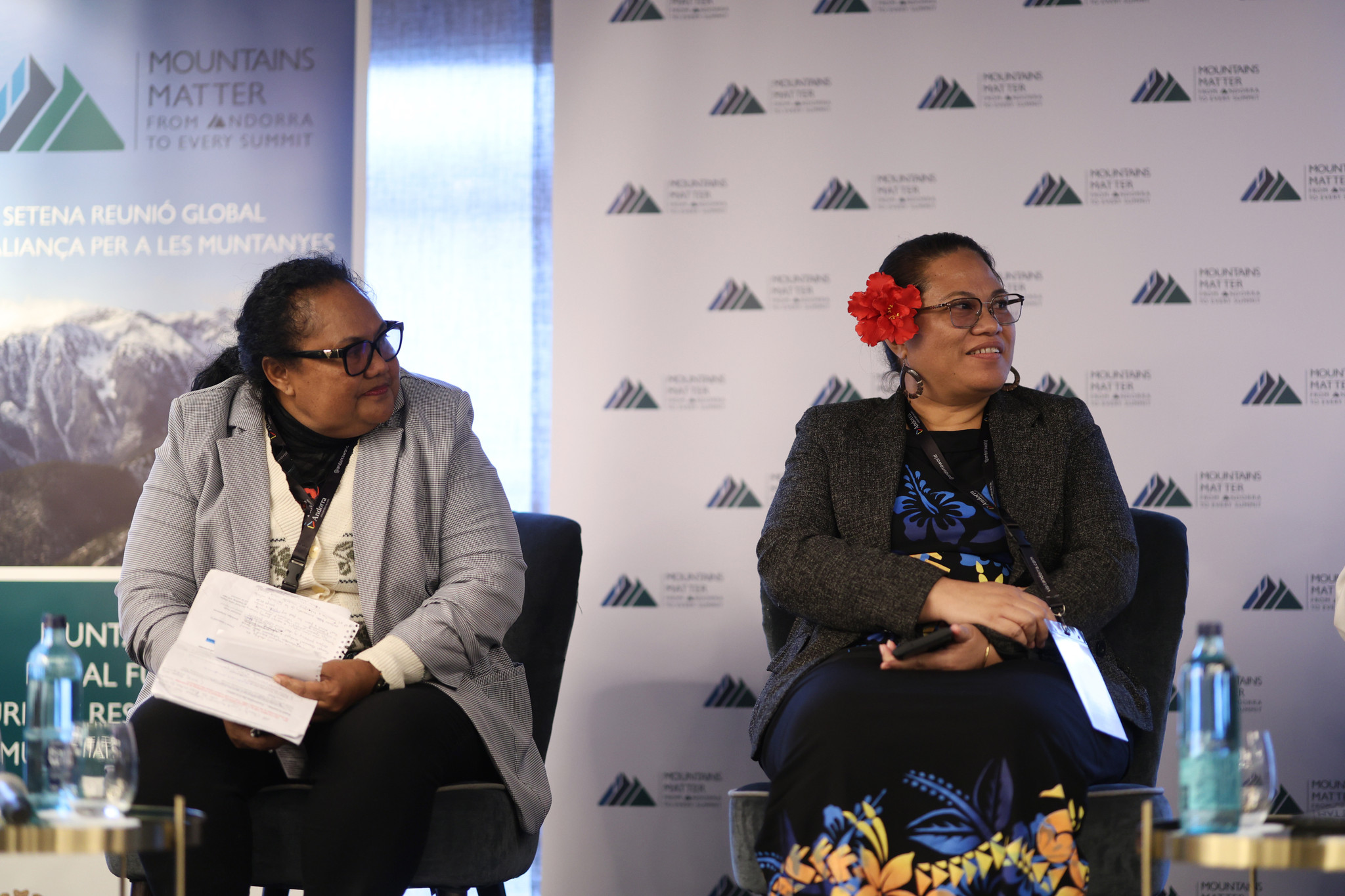
Jimaima Lako, Pro-Vice Chancellor and Professor in Food Science, Fiji National University, and Christina Leala-Gale, Director of Sustainable Tourism, Pacific Tourism Organization
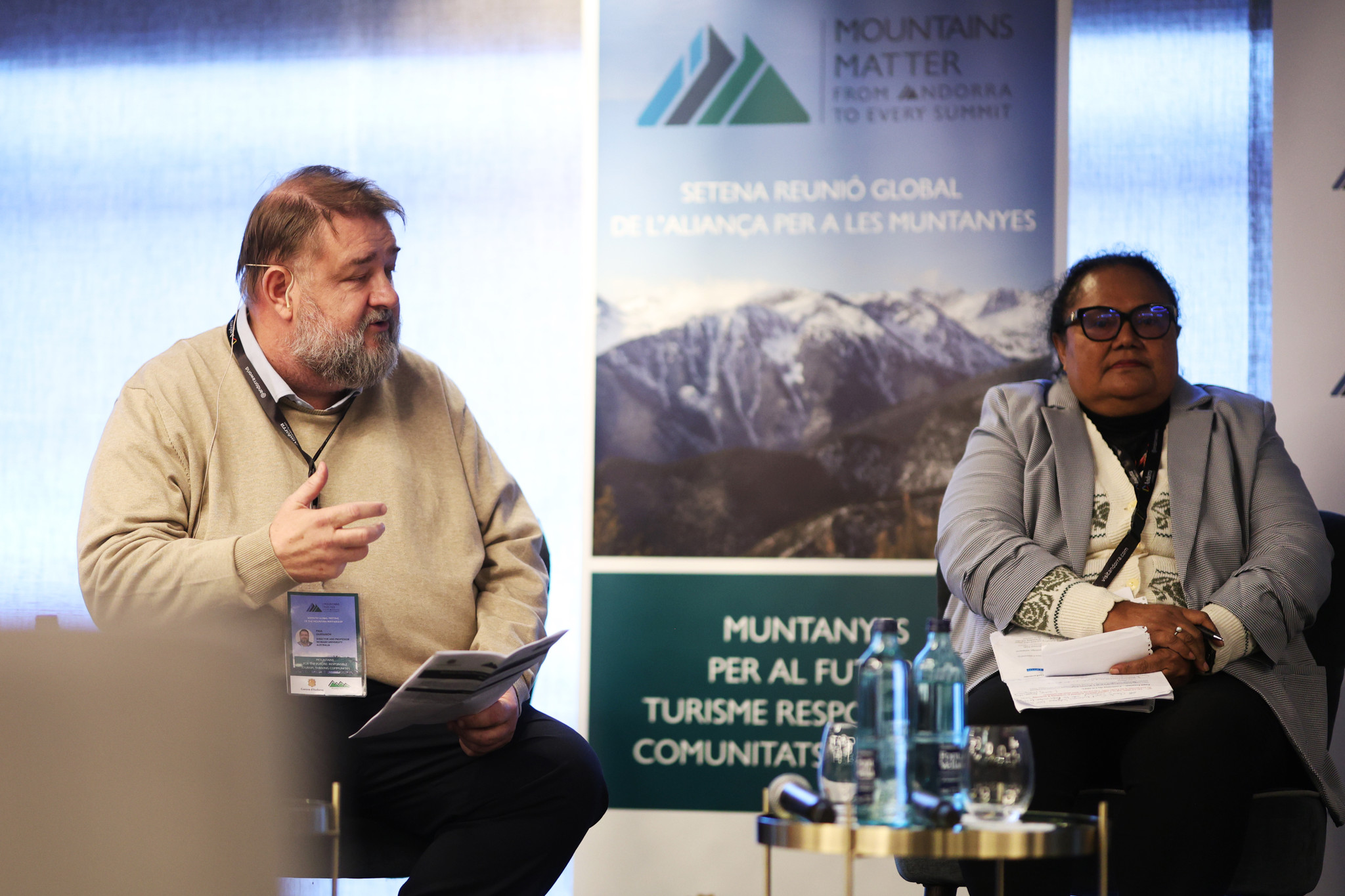
Moderator Paul Dargusch, Director, Monash University
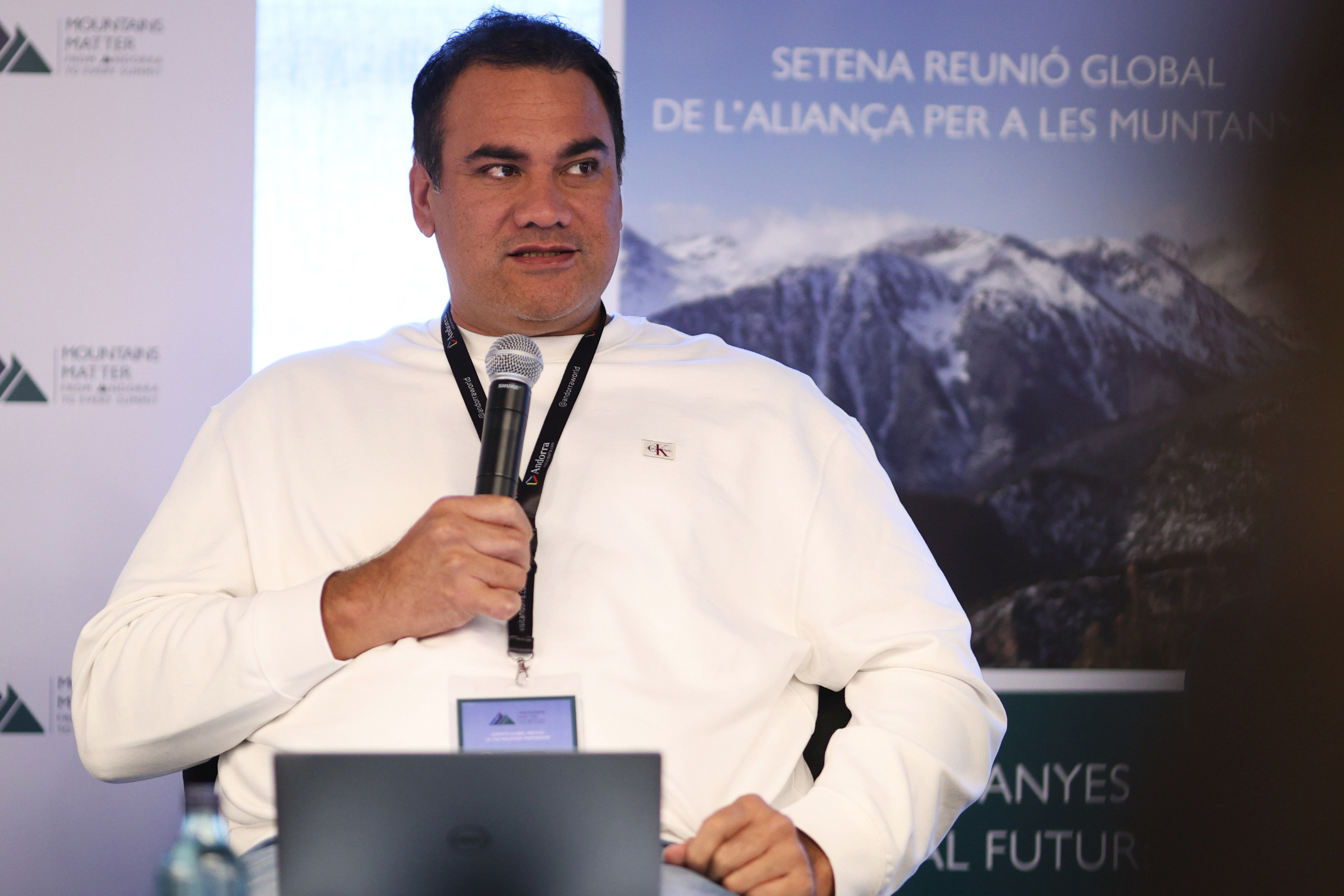
Niumata Kitiona Pogi, Chief Executive Officer, Samoa Tourism Authority
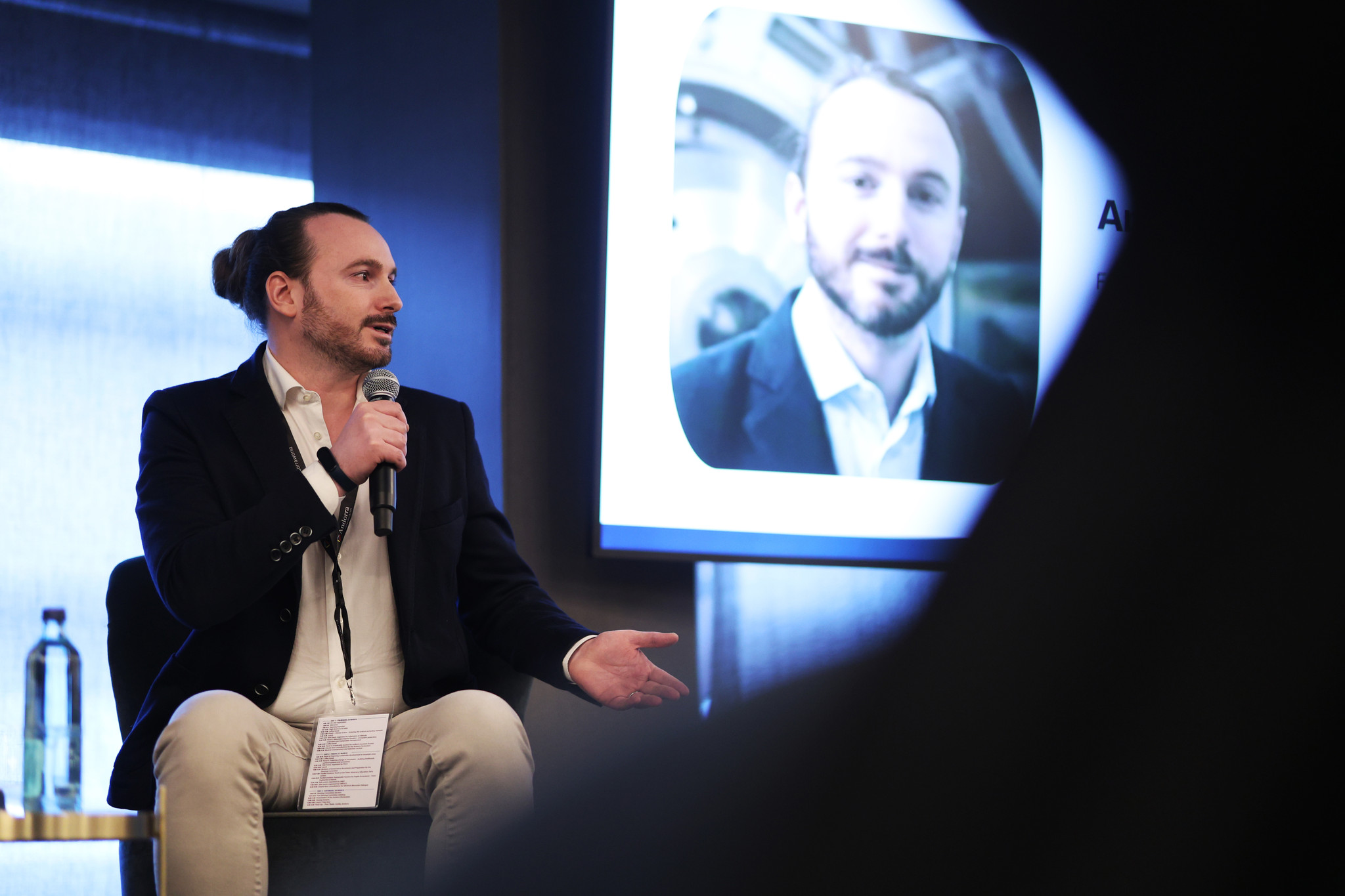
Antonio Padovani, CEO and Founder of Latteplus
Around the Venue