
The second day of the 61st session of the International Tropical Timber Council (ITTC-61) was Trade and Markets Day and featured a variety of voices from civil society and the private sector. Speakers discussed efforts to advance sustainable tropical forest management, as well as the challenges and opportunities in improving the sustainability of the timber industry.
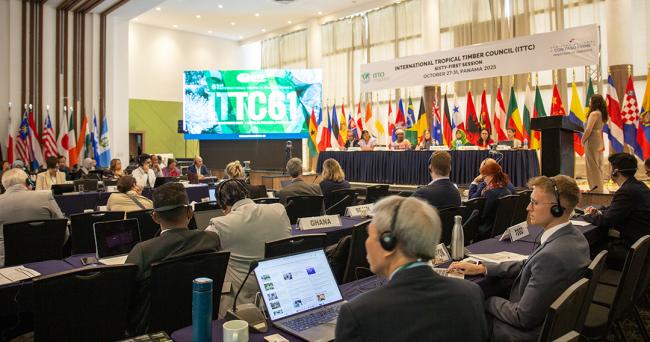
In the morning, the Civil Society Advisory Group (CSAG) held a panel on integrating biodiversity conservation and livelihoods under the International Tropical Timber Agreement (ITTA) and the Global Biodiversity Framework.
Fernanda Rodrigues, UN Forum on Forests (UNFF) Women's Major Group, highlighted opportunities to unify national indicators across biodiversity and forest management frameworks and underscored the importance of broad stakeholder inclusion.
Karen Noboa, TRAFFIC, described implementation successes related to: improved certification and traceability tools; investment in community-based forest management models and benefit sharing; and remote sensing technology.
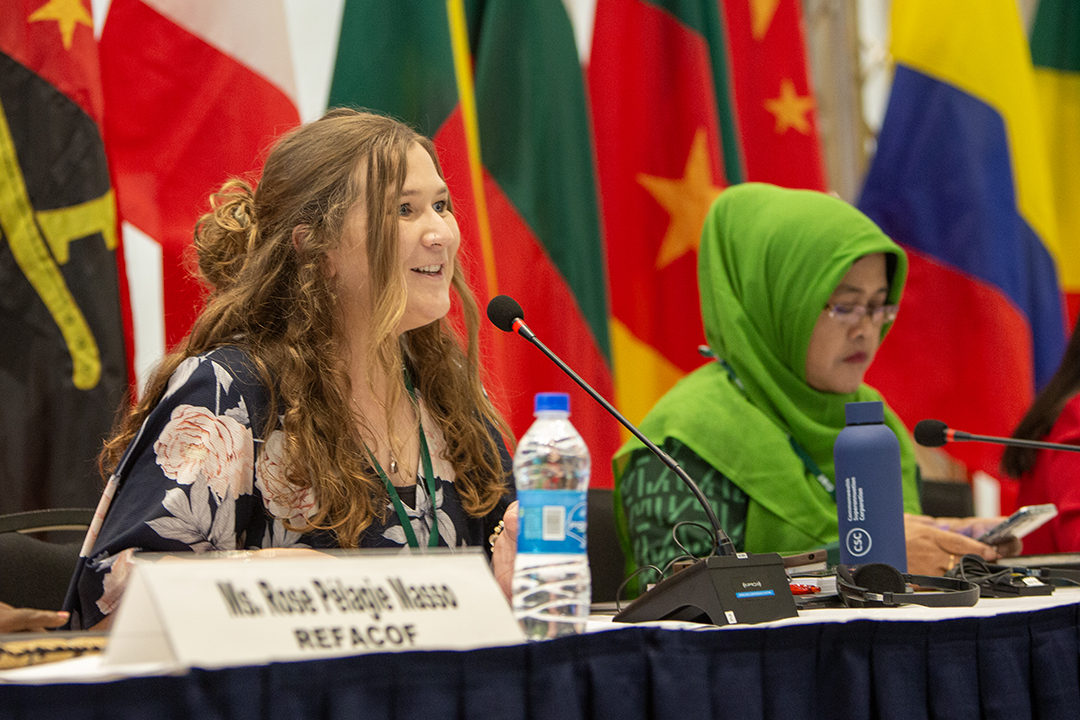
Rose Pélagie Masso, African Women’s Network for Community Forest Management (REFACOF), described forest restoration impacts from International Tropical Timber Organization (ITTO) partnerships in Togo and Benin, as well as work in Cameroon, based on approaches that strengthen women’s land tenure, livelihood security, access to finance and decision-making powers.
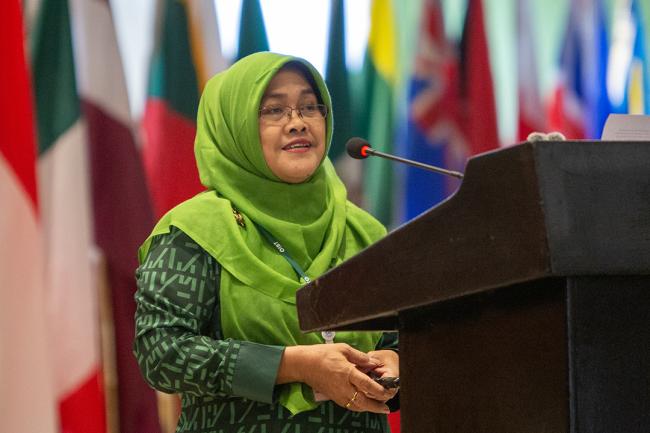
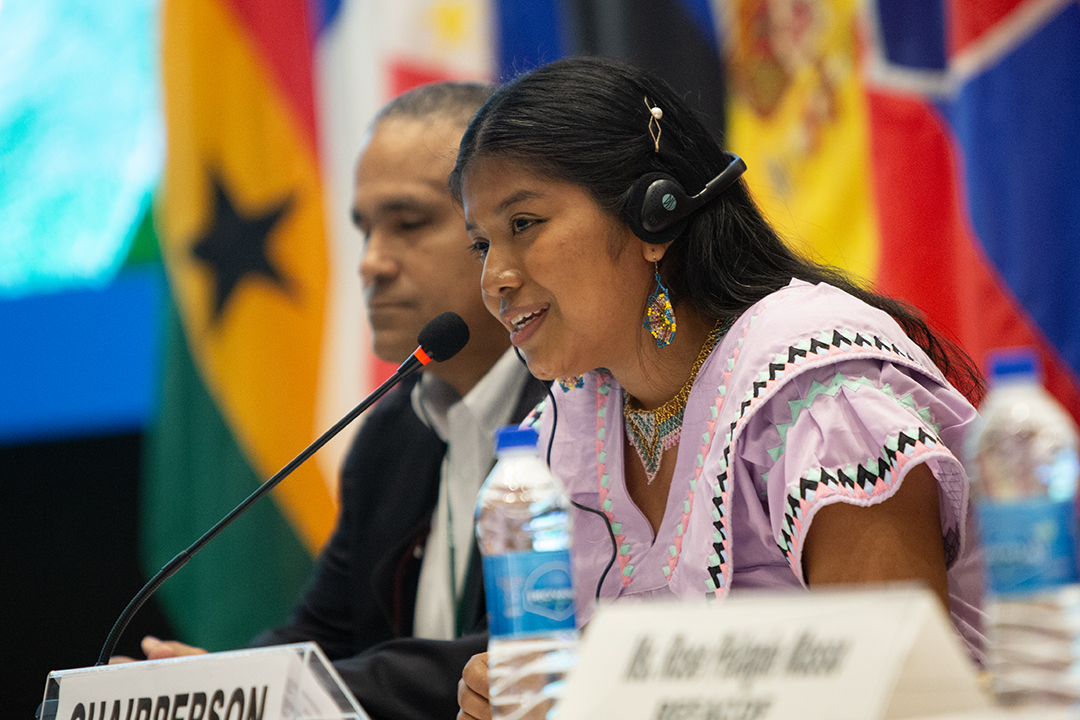
Christine Wulandari, Indonesian Communication Forum on Community Forestry (FKKM), discussed her country’s model of community-based landscape approaches to biodiversity and livelihoods. She highlighted the importance of forest management in ensuring sustainable production, strengthening local institutions, and supporting adaptation and climate mitigation. Ramón Chiari, Ministry of Environment, Panama, described the country’s legal framework that allows Indigenous communities to manage their own forest resources sustainably and to conserve and improve their livelihoods.
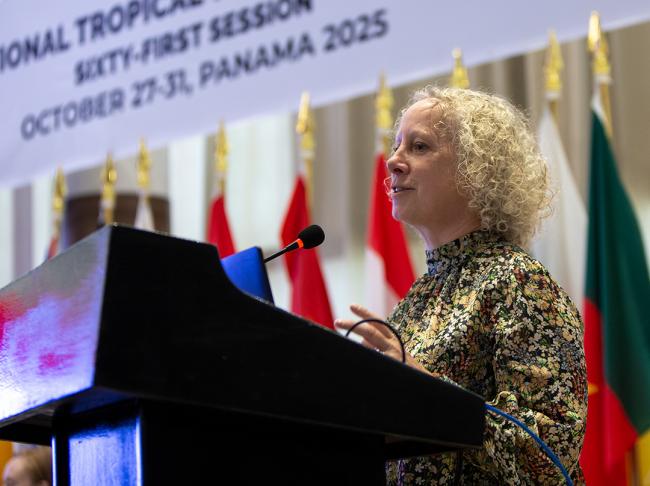
In the afternoon, the Annual Market Discussion took place on the theme “The Timber Industry Reimagined: Lessons from Market Struggles and Sustainability Efforts,” moderated by Ashley Amidon and Ivan Tomaselli, Co-Chairs of the Trade Advisory Group (TAG).
Emily Fripp, Efeca, UK, outlined trends and challenges faced by the forest industry, such as the constantly changing geopolitical context and the global need for traceability and transparency. She highlighted the EU Regulation on Deforestation-free Products (EUDR) as an example of why the market will need to adapt.
João Baldasso, Centro das Indústrias Produtoras e Exportadoras de Madeira do Estado de Mato Grosso (CIPEM), Brazil, highlighted that the country’s Forest Code requires private landowners in the Amazon region to maintain 80% of their property as a “Legal Reserve” of native vegetation, totaling 160 million hectares that cannot be exploited.
Jaime Sotela Montero, Cámara Forestal Madera e Industria de Costa Rica, highlighted that the country is developing a national civil code for wood construction and a climate change code for the construction sector to improve the industry’s sustainability.
Ngo Sy Hoai, Vietnam Timber and Forest Products Association, described his country’s journey from severe deforestation to becoming a leading exporter of wood products. He highlighted lessons learned including simultaneous reforms of the forestry sector and wood industry, and the development of a timber certification scheme to help penetrate high-end markets.
Providing a case study of the African tropical forest industry, Tullia Baldassarri, Interholco, described the dynamics of managing a concession in the Republic of the Congo to produce high quality and high value timber. She stressed commitments to workers’ rights and approaches to build trust and confidence with communities.
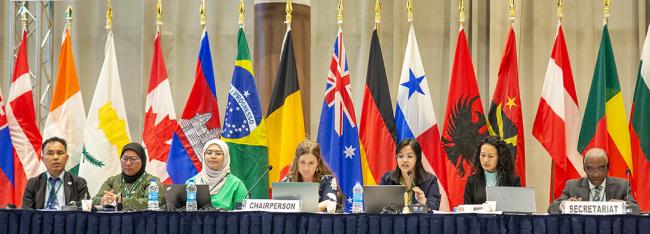
Throughout the day, the Committees on Reforestation and Forest Management (CRF), on Economics, Statistics and Markets (CEM), and on Forest Industry (CRF) continued their policy work in a Joint Session. They considered updates from the Secretariat on various areas of the ITTO’s work, such as dissemination of the ITTO Guidelines for Forest Landscape Restoration in the Tropics. Regarding the Revision of the ITTO Guidelines on Fire Management in Tropical Forests, the Secretariat presented a prototype of the ITTO Tropical Integrated Fire Management Toolkit, which is under development and is expected to be released in the second quarter of 2026.
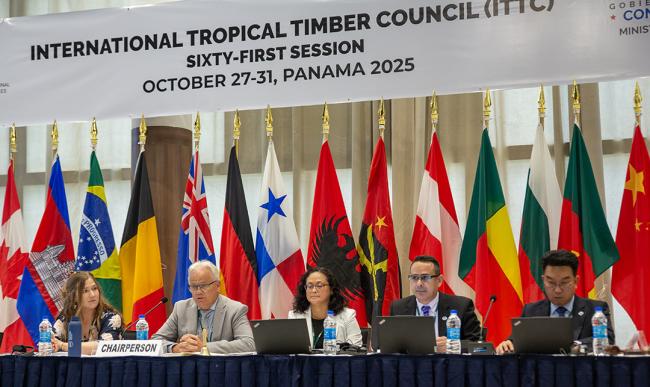
All ENB photos are free to use with attribution. For the 61st Session of the International Tropical Timber Council, please use: Photo by IISD/ENB | Angeles Estrada Vigil
CSAG Panel Discussion ‘Advancing Sustainable Tropical Forest Management: Integrating Biodiversity Conservation and Livelihoods under the ITTA and Global Biodiversity Framework‘
Cassandra Price, Australia
Evelyn Jiménez, CSAG Chairperson
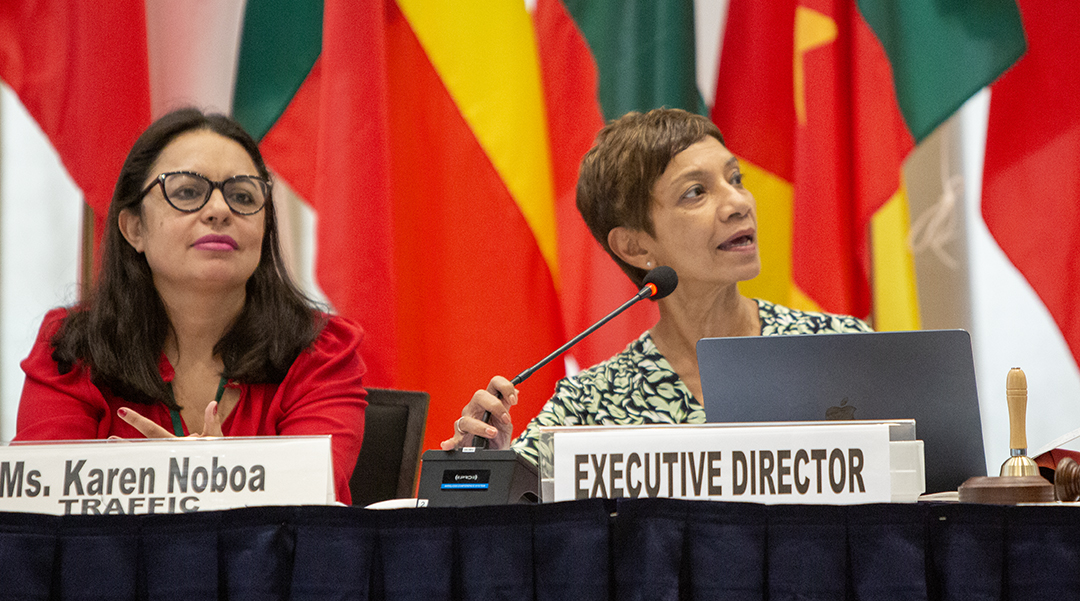
Sheam Satkuru, ITTO Executive Director
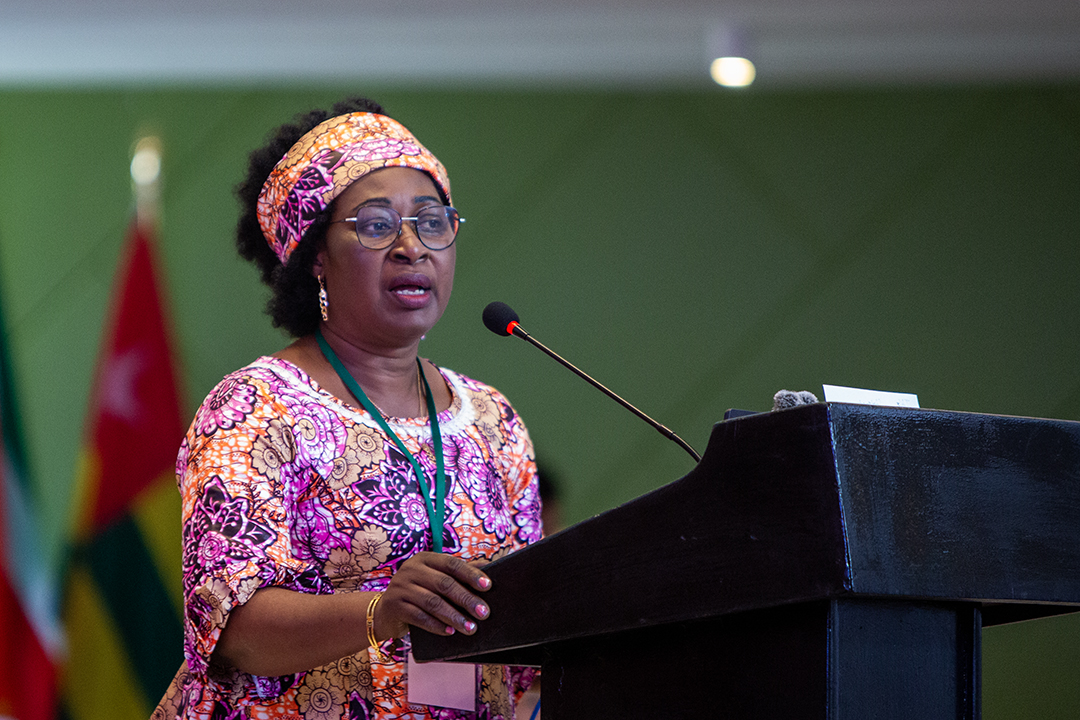
Rose Pélagie Masso, REFACOF
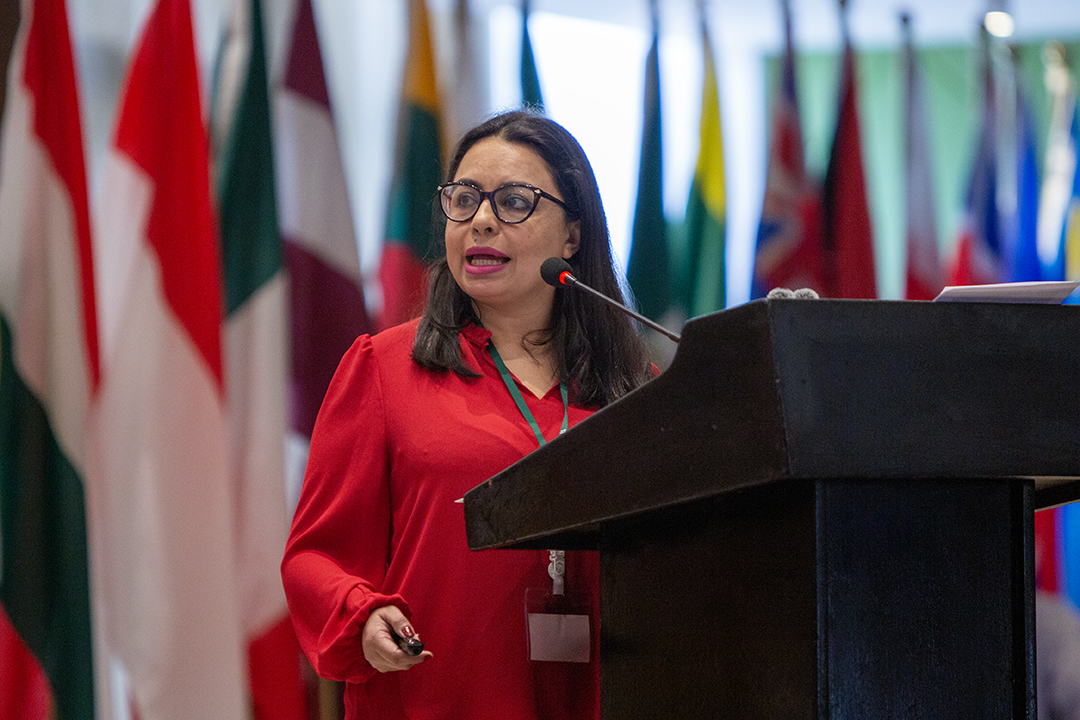
Karen Noboa, TRAFFIC
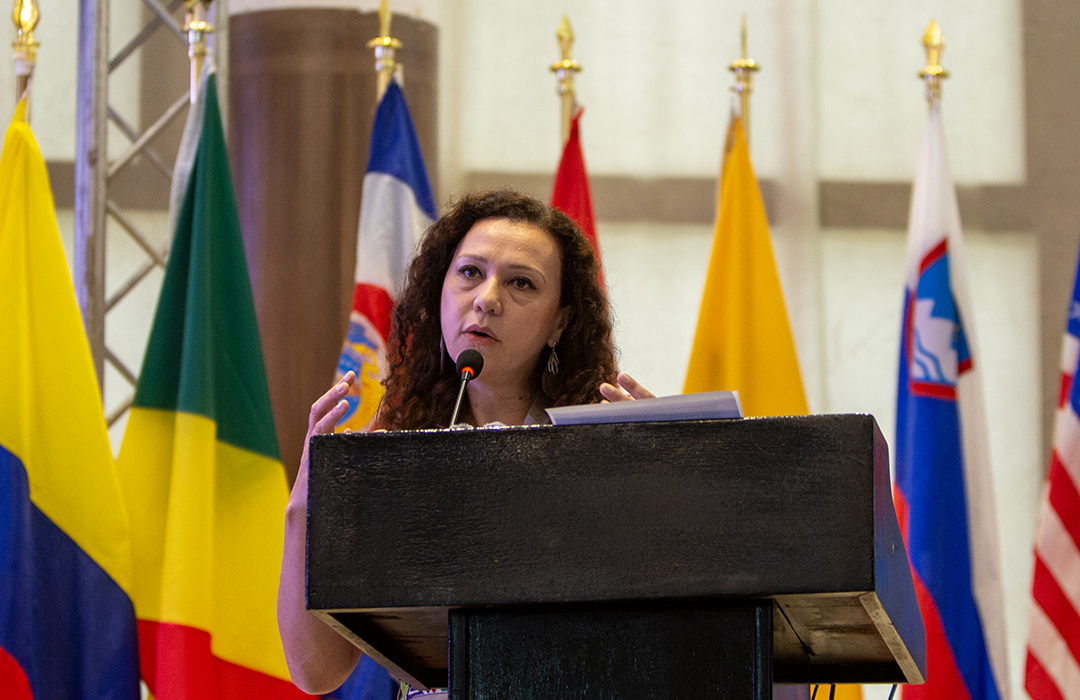
Fernanda Rodrigues, UNFF Women's Major Group
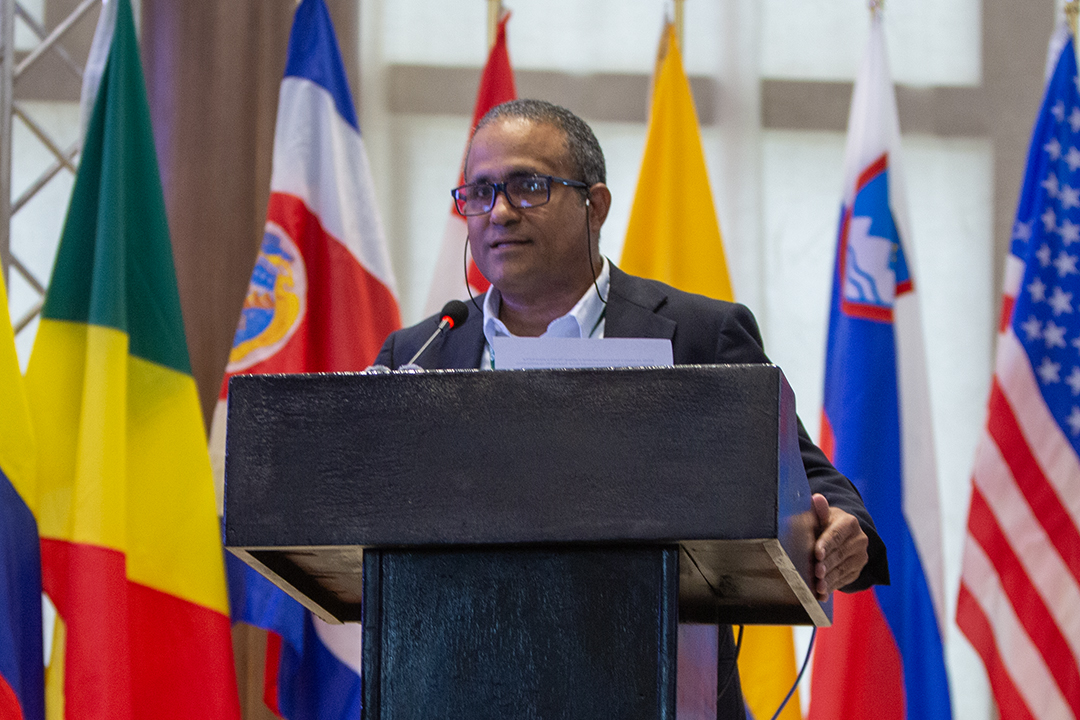
Ramón Chiari, Panama
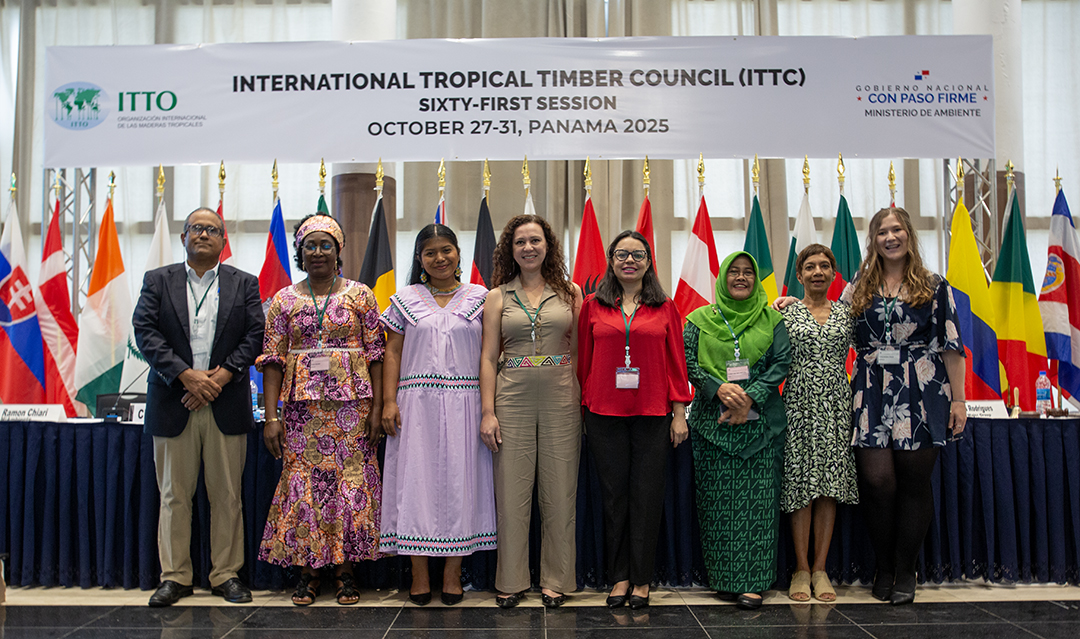
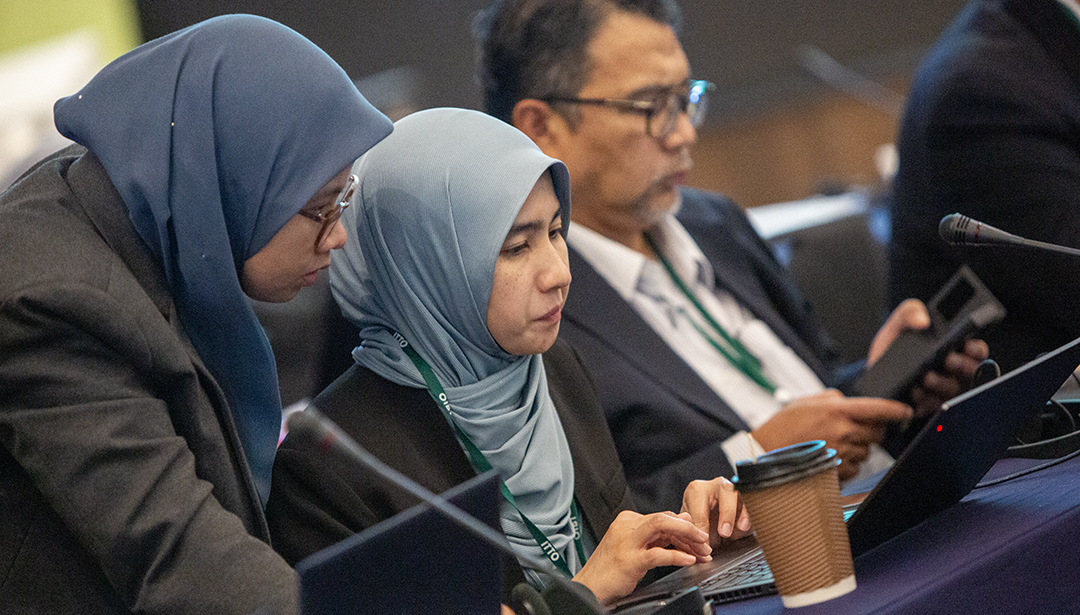
Siti Nor Bushra Binti and Eirna Yani Mohd Arip, Malaysia
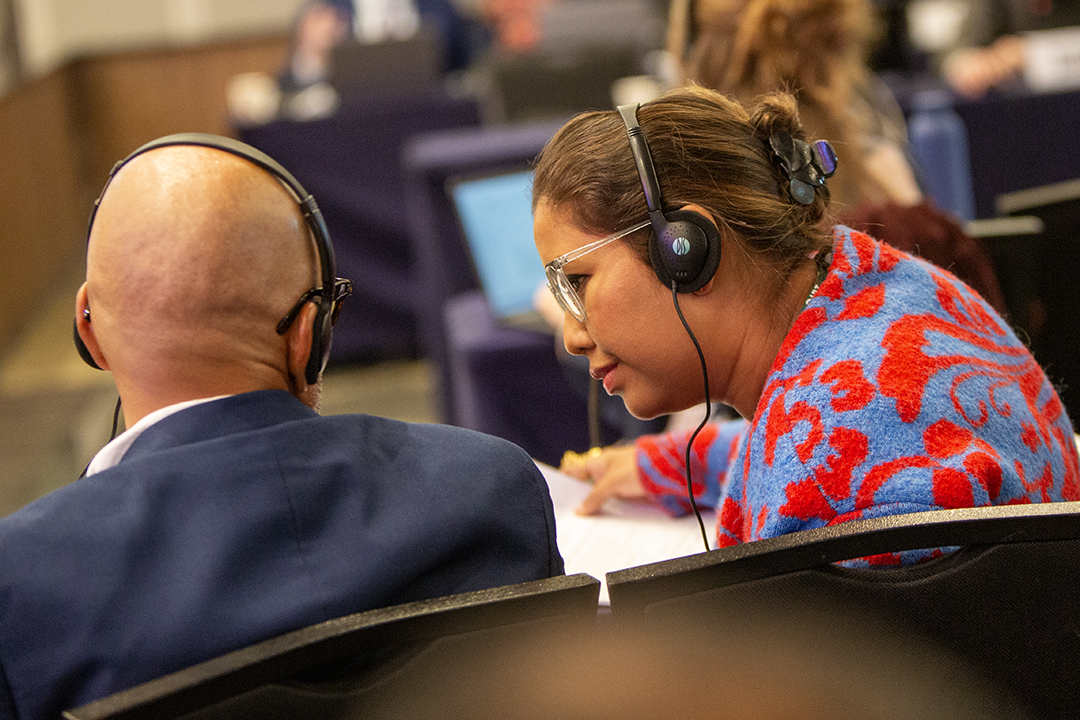
Vaneska Bethancourt, Panama
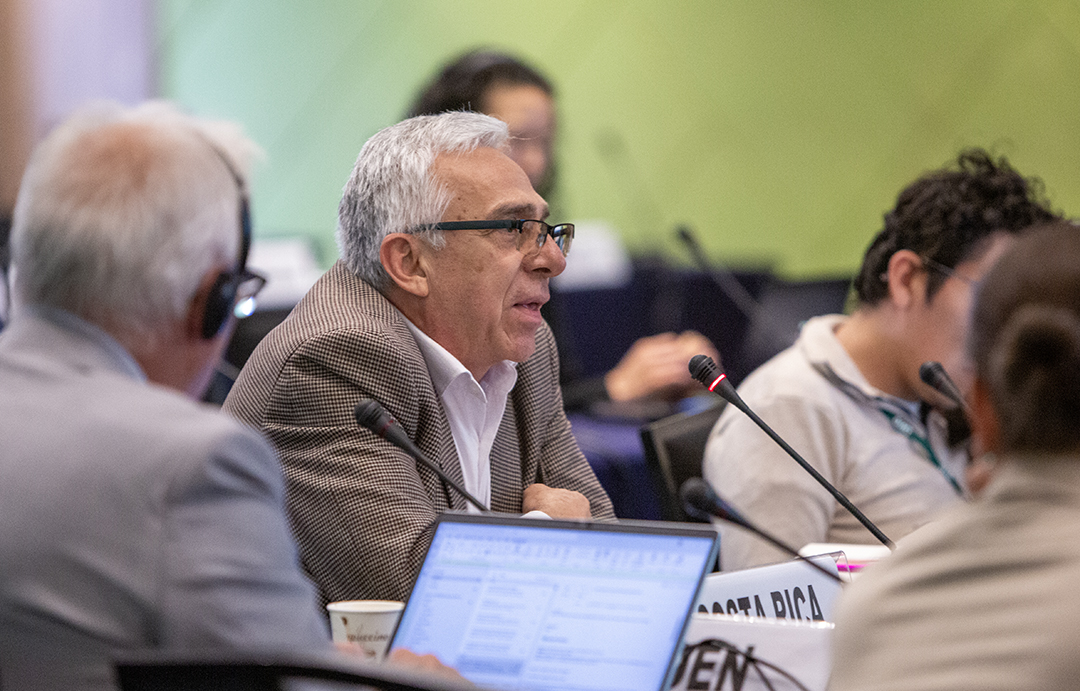
Jorge Mario Rodríguez Zúñiga, Vice-Minister of the Environment, Costa Rica
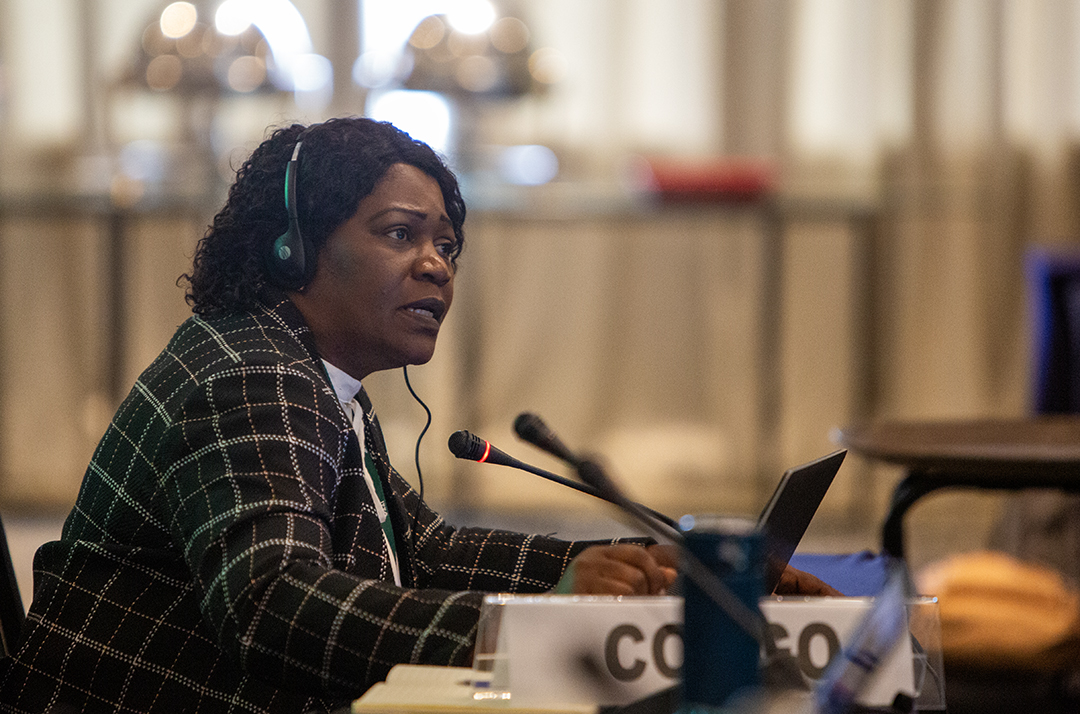
Paulette Ebina Taraganzo, Republic of the Congo
Policy Work under the Committees
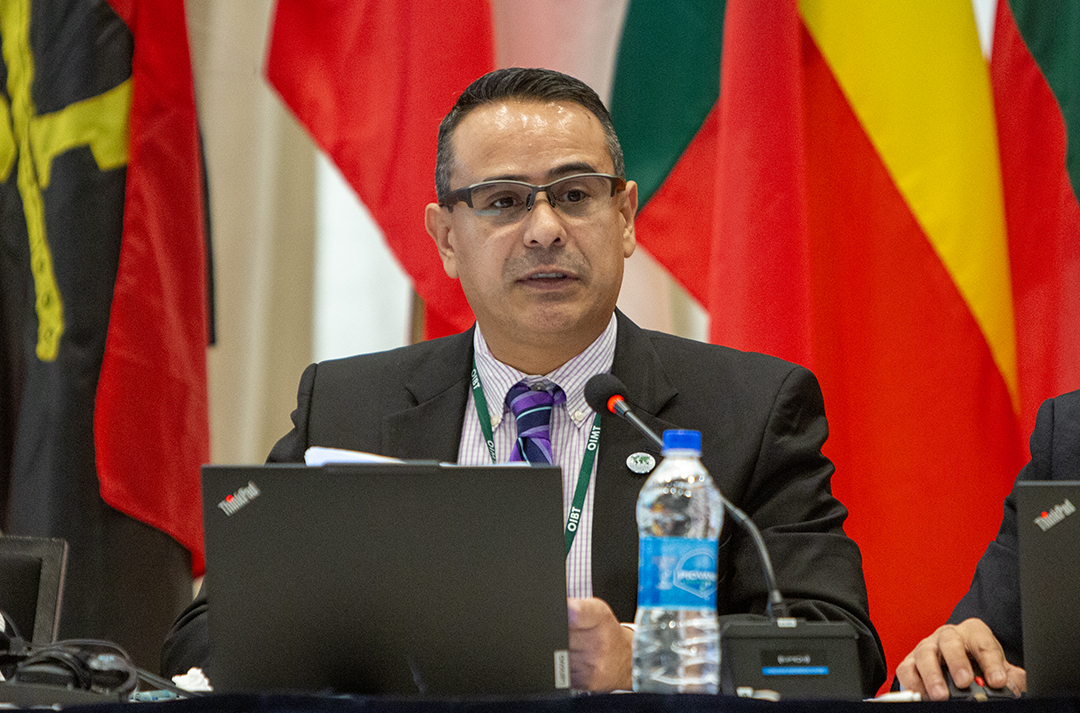
Ramón Carrillo Arellano, ITTO Secretariat
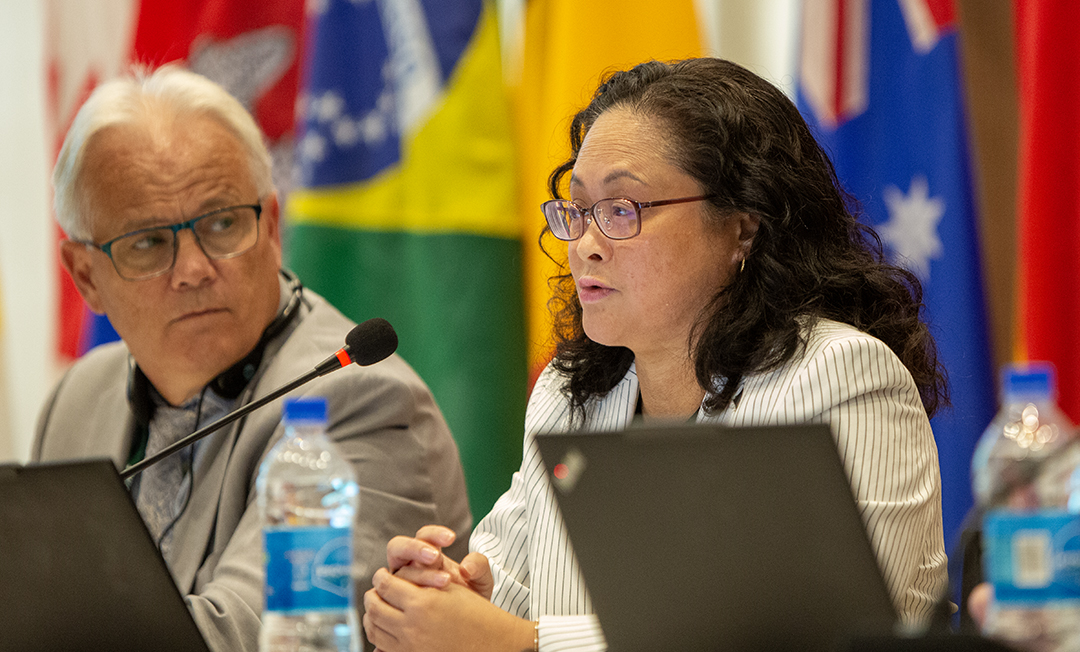
Jennifer Conje, Director of Forest Management, ITTO
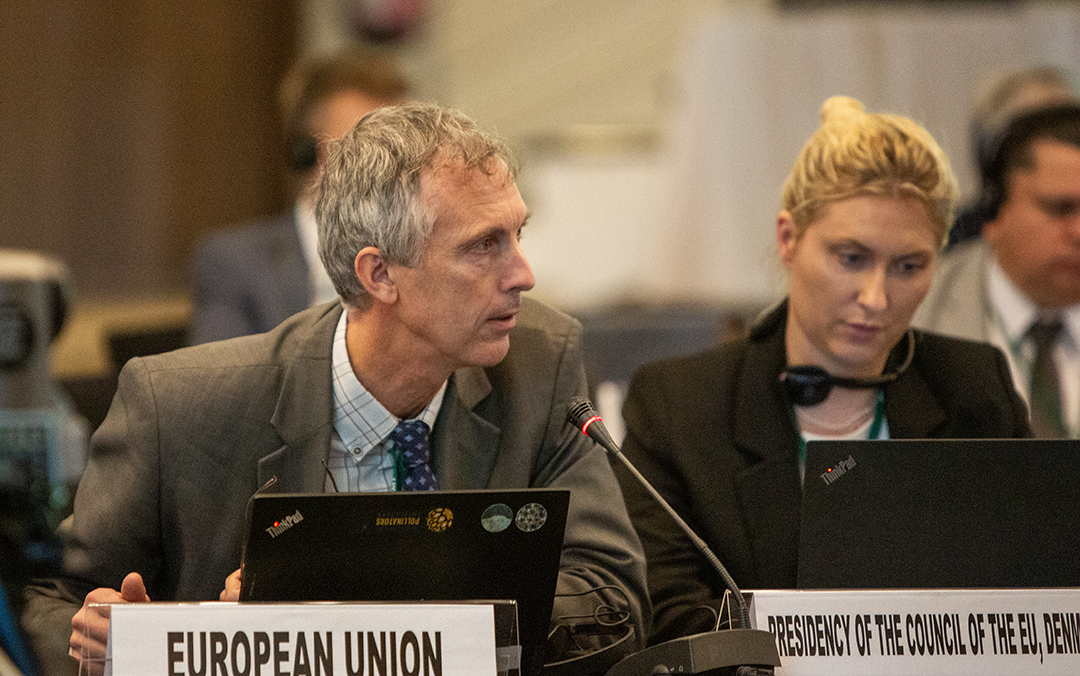
Anne Theo Seinen, EU
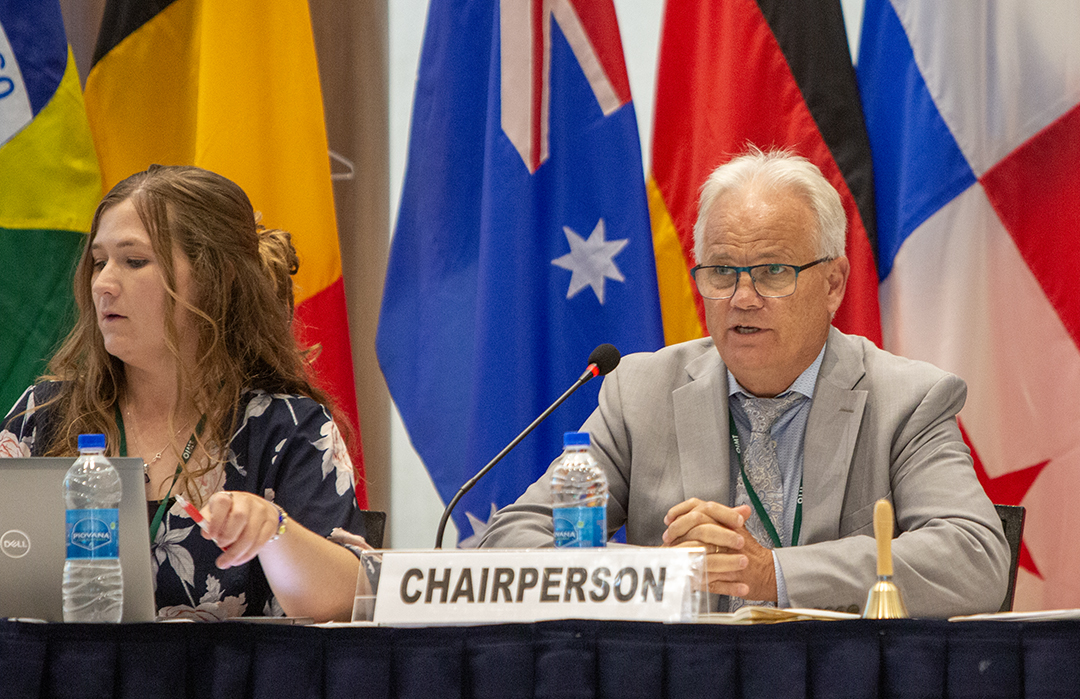
Björn Merkell, Sweden
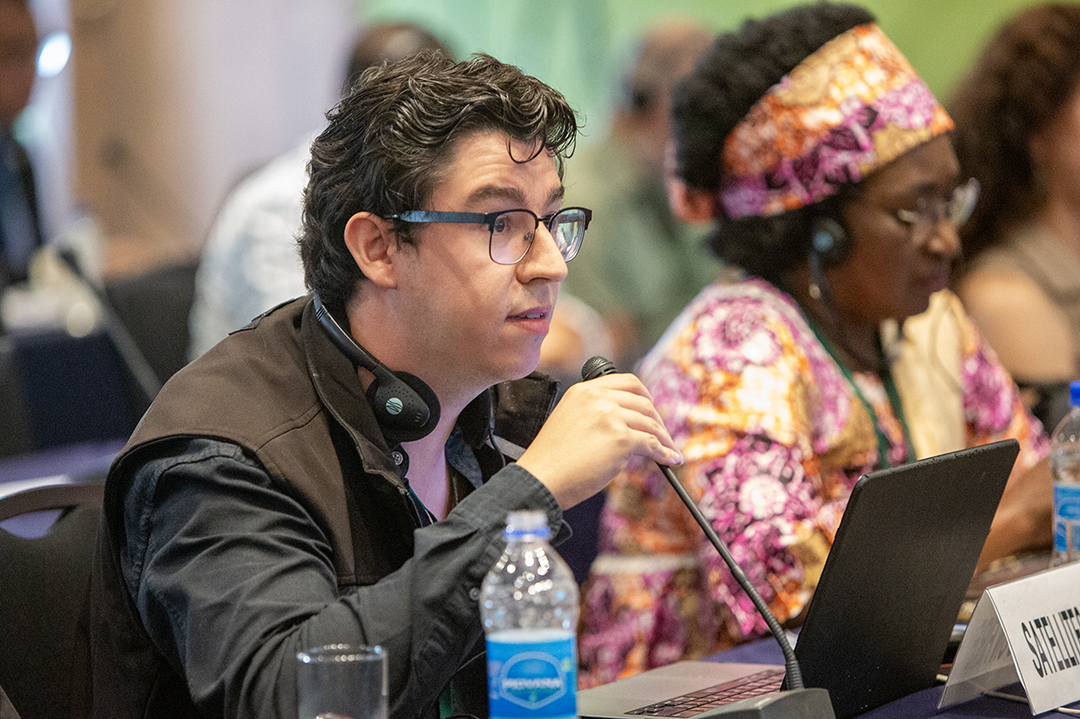
Armando Manuel Hernández García, Satellites on Fire
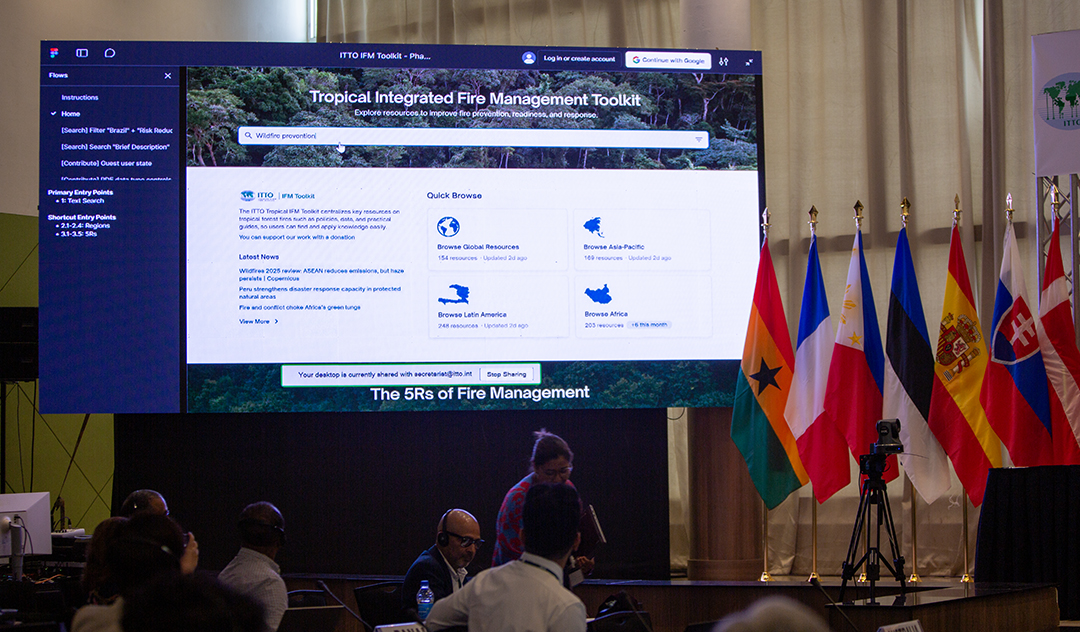
Prototype webpage for the Tropical Integrated Fire Management Toolkit
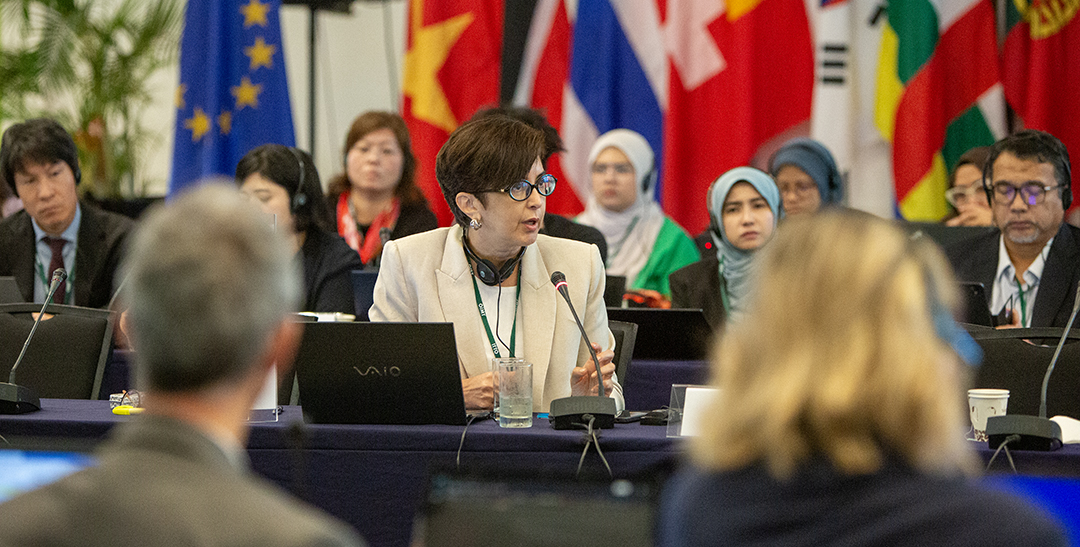
Carmen Roseli Menezes, Brazil
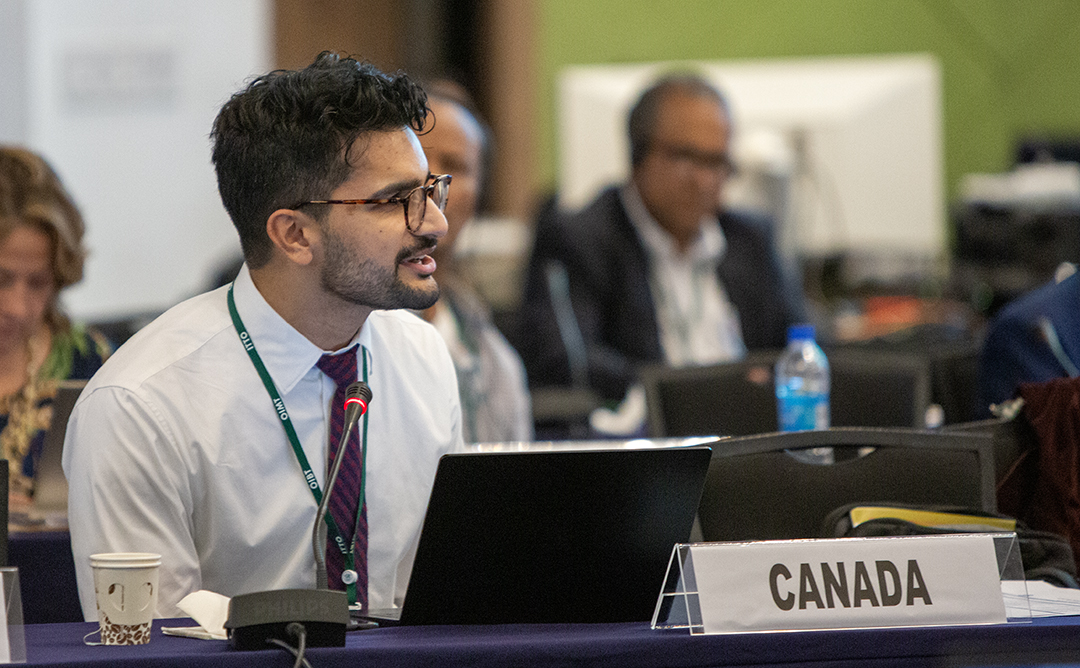
Talha Sadiq, Canada
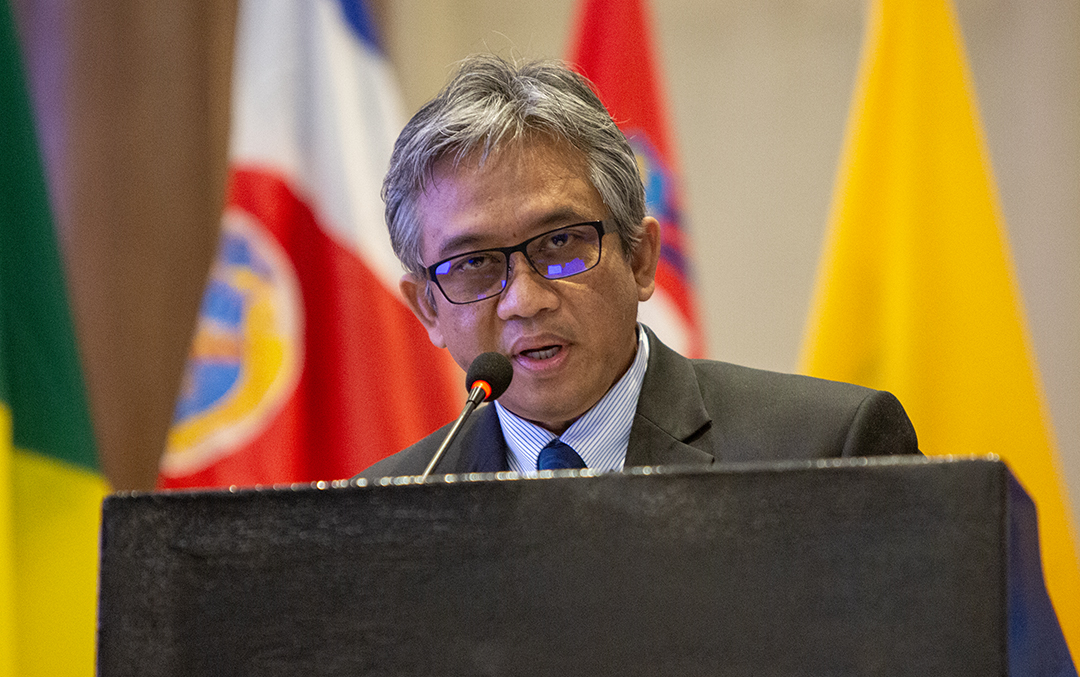
Tetra Yanuariadi, ITTO Secretariat
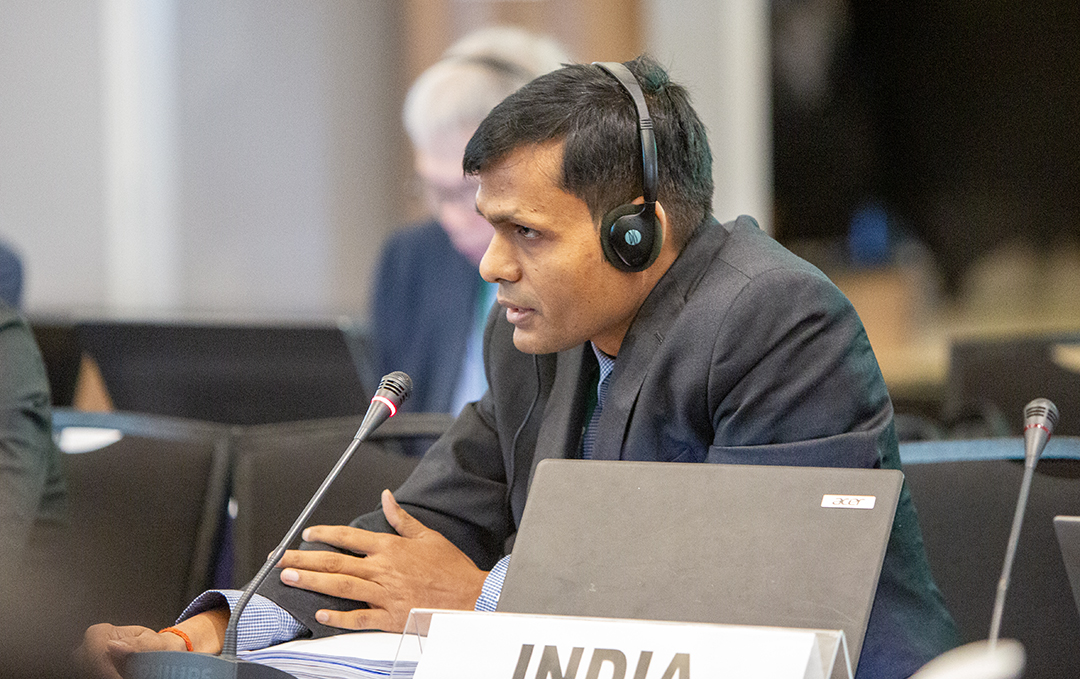
Jitesh Kumar, India
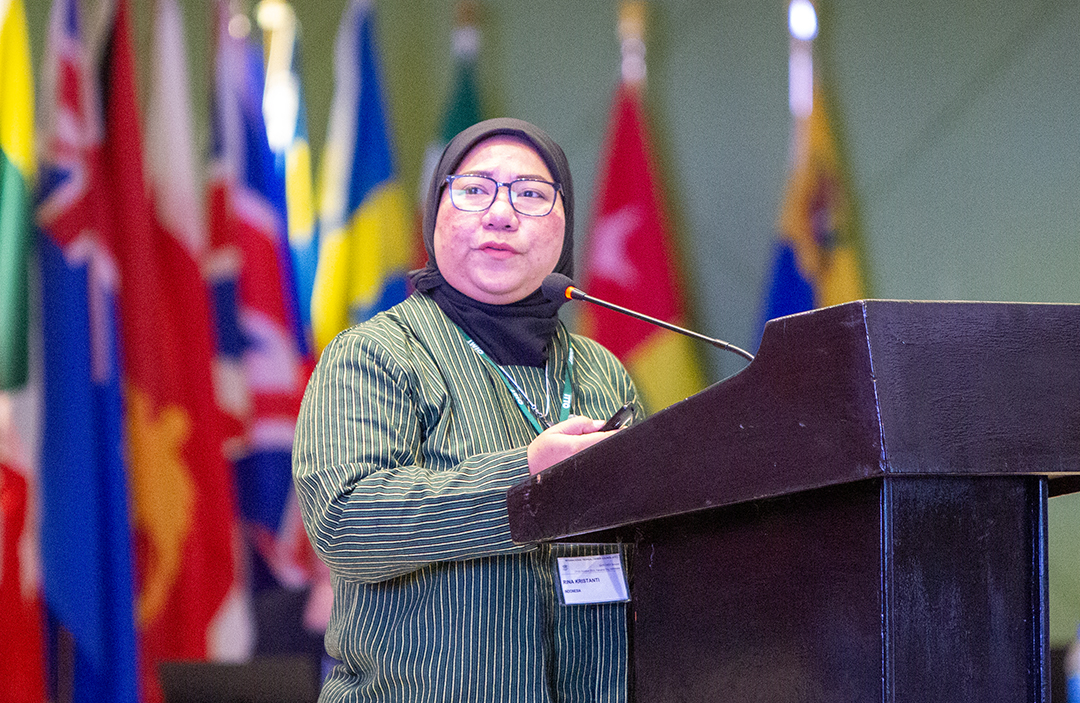
Rina Kristanti, Indonesia
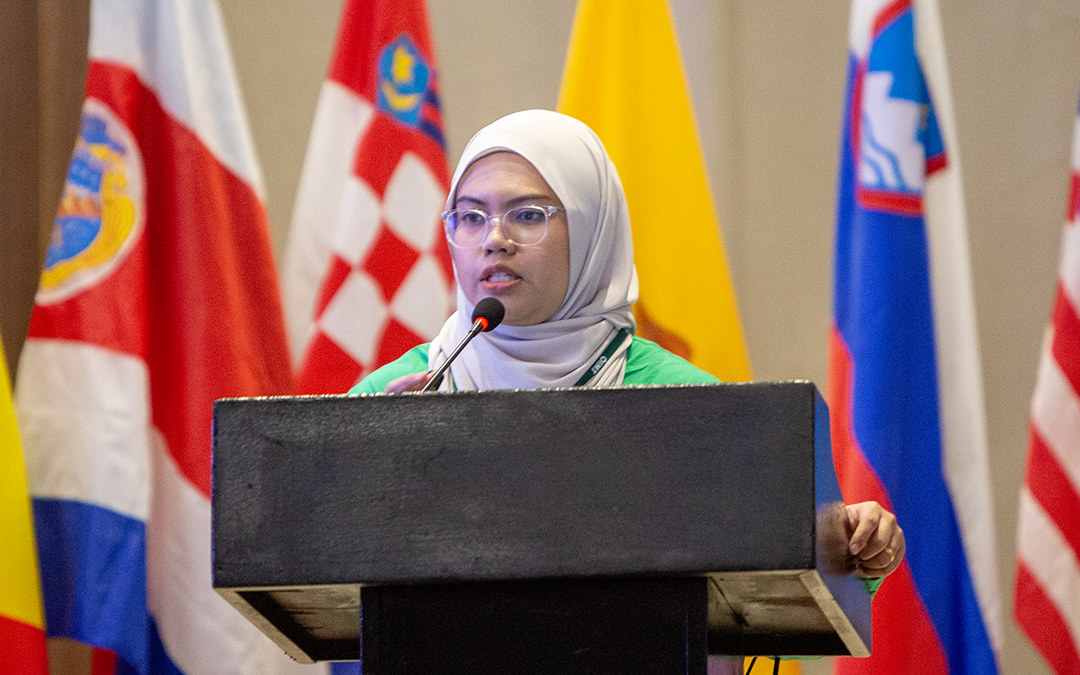
Adibah Binti Mohamad Aris, Malaysia
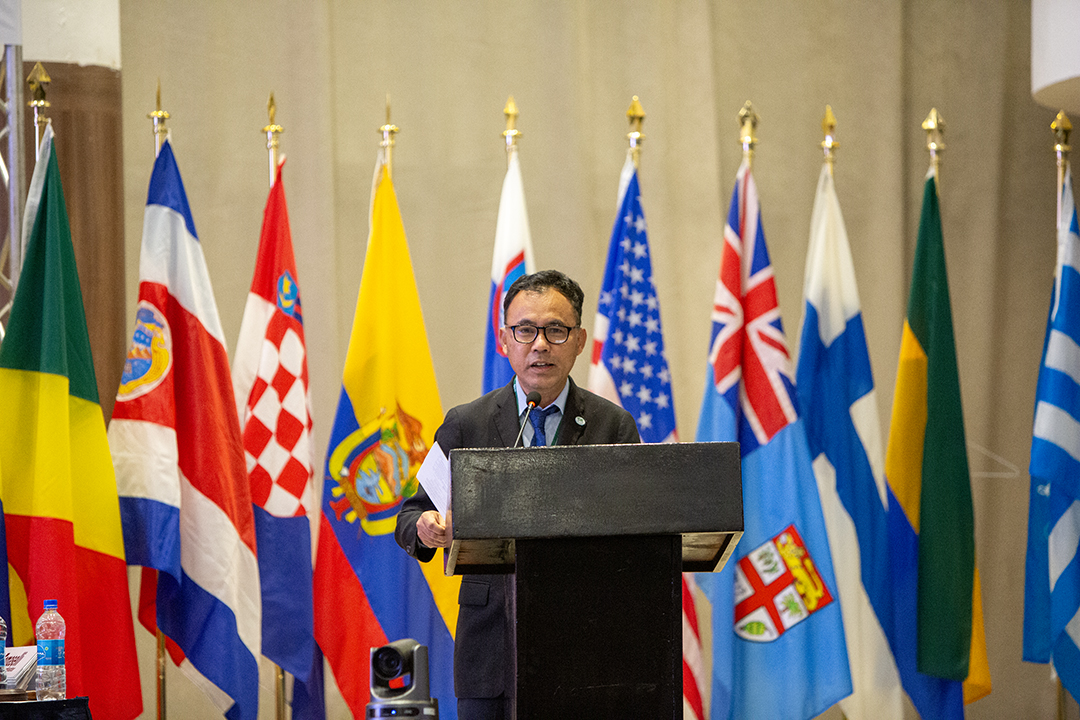
Yongyut Trisurat, Kasetsart University
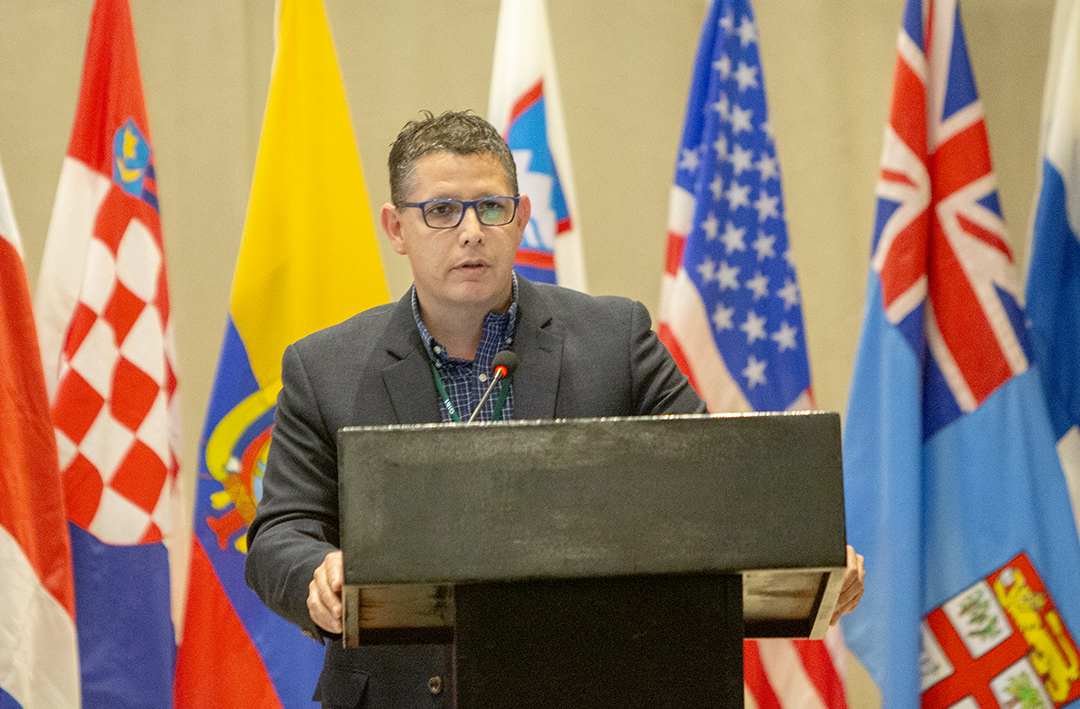
Nils Perez, Peru
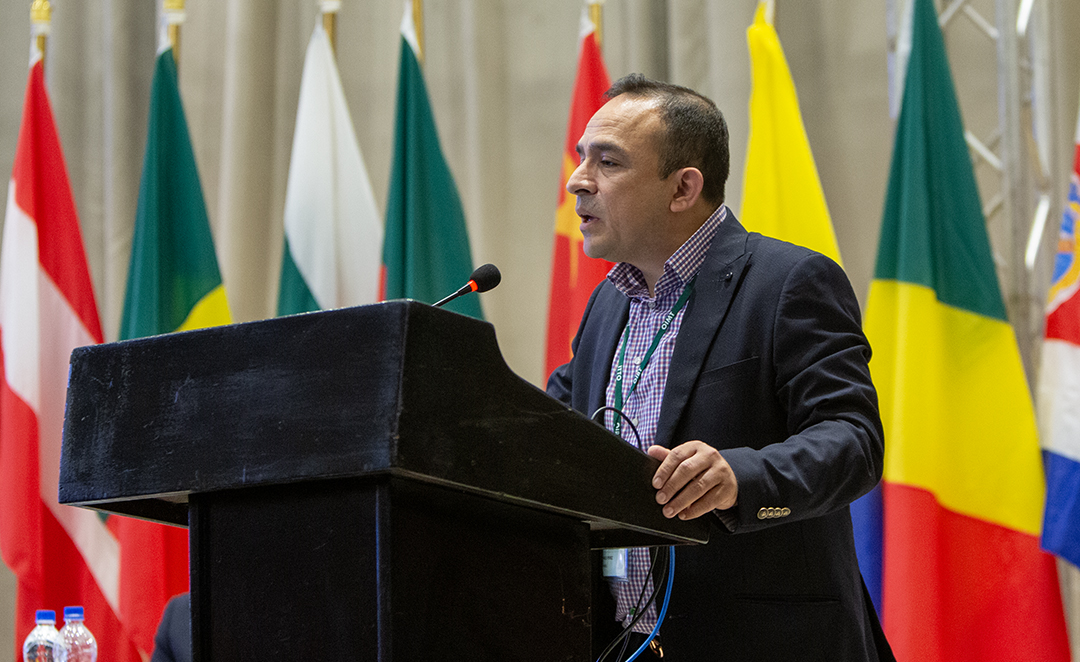
Eduardo Aza, Peru
Annual Market Discussion ‘The Timber Industry Reimagined: Lessons from Market Struggles and Sustainability Efforts‘
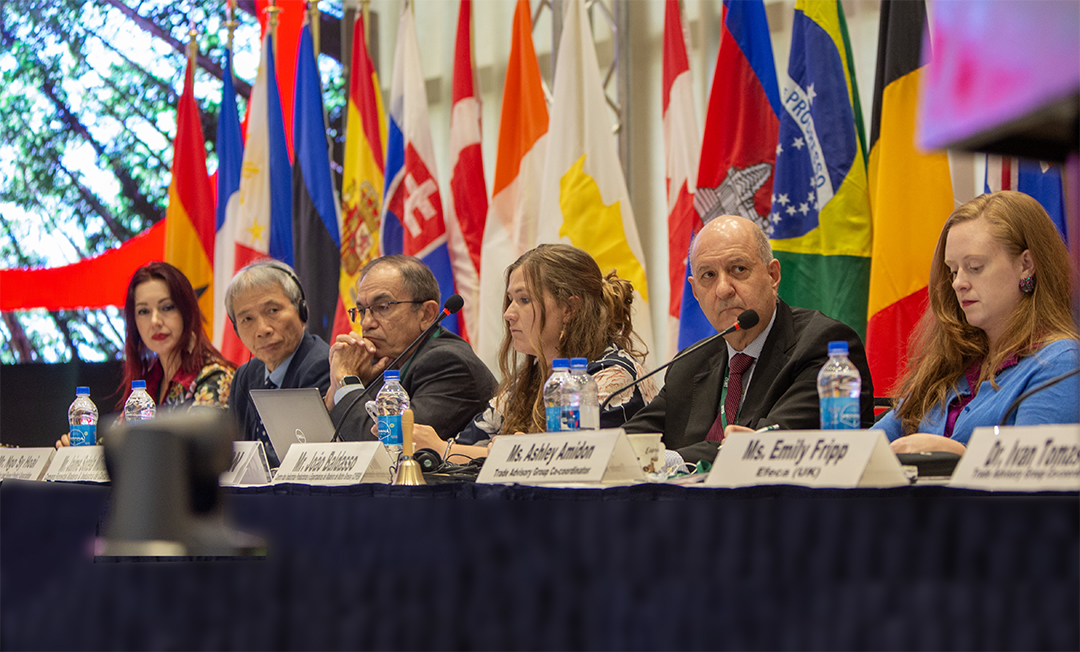
Tullia Baldassarri, Interholco, Switzerland; Ngo Sy Hoai, Vietnam Timber & Forest Products Association; Jaime Sotela Montero, Cámara Forestal Madera e Industria, Costa Rica; Cassandra Price, Australia; João Baldasso, CIPEM, Brazil; and Ashley Amidon, TAG Co-Chair
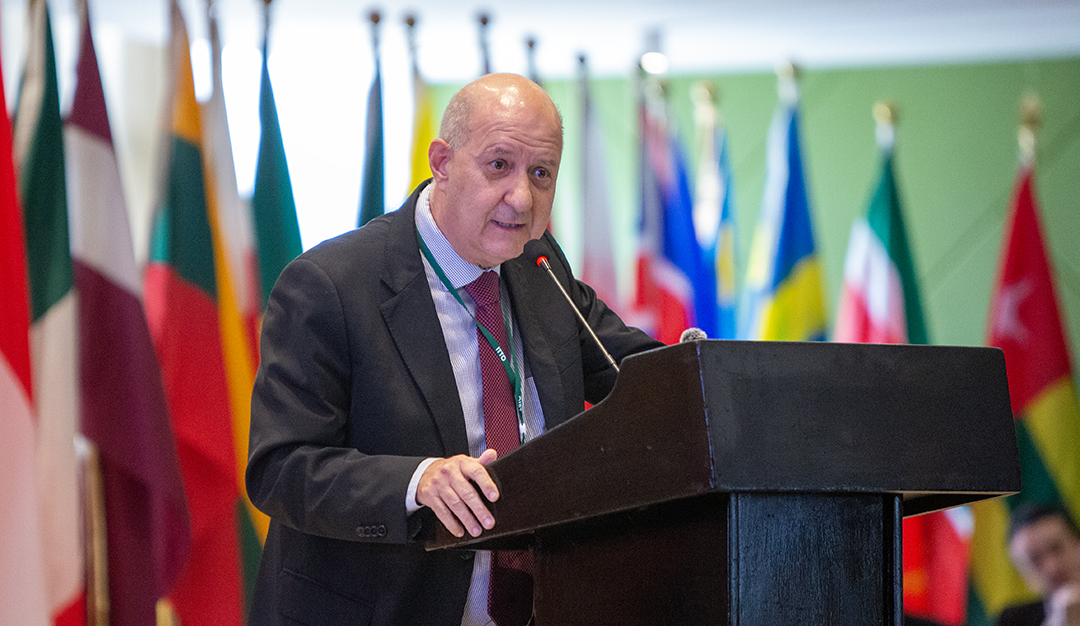
João Baldasso, CIPEM, Brazil
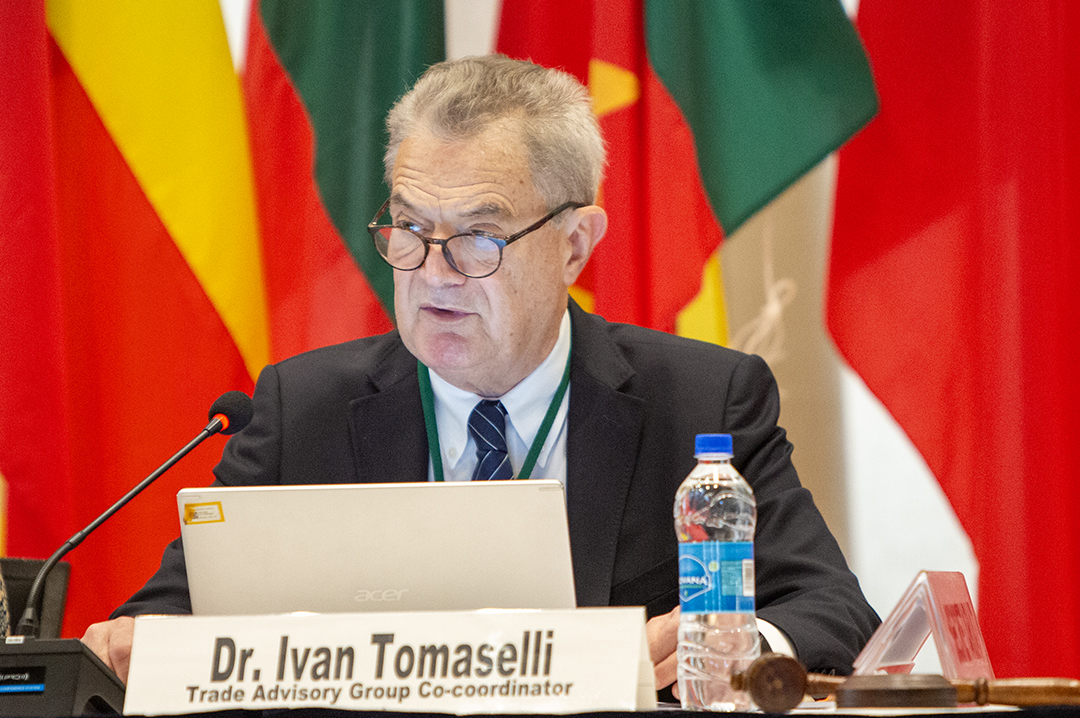
Ivan Tomaselli, TAG Co-Chair
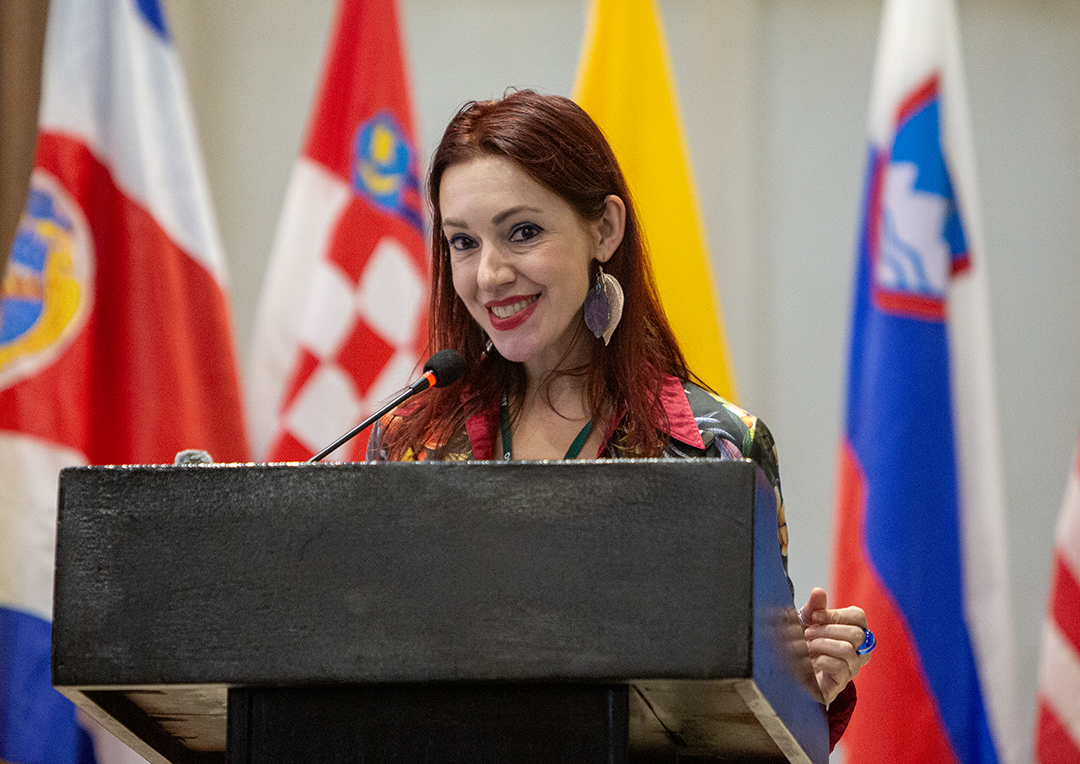
Tullia Baldassarri, Interholco, Switzerland
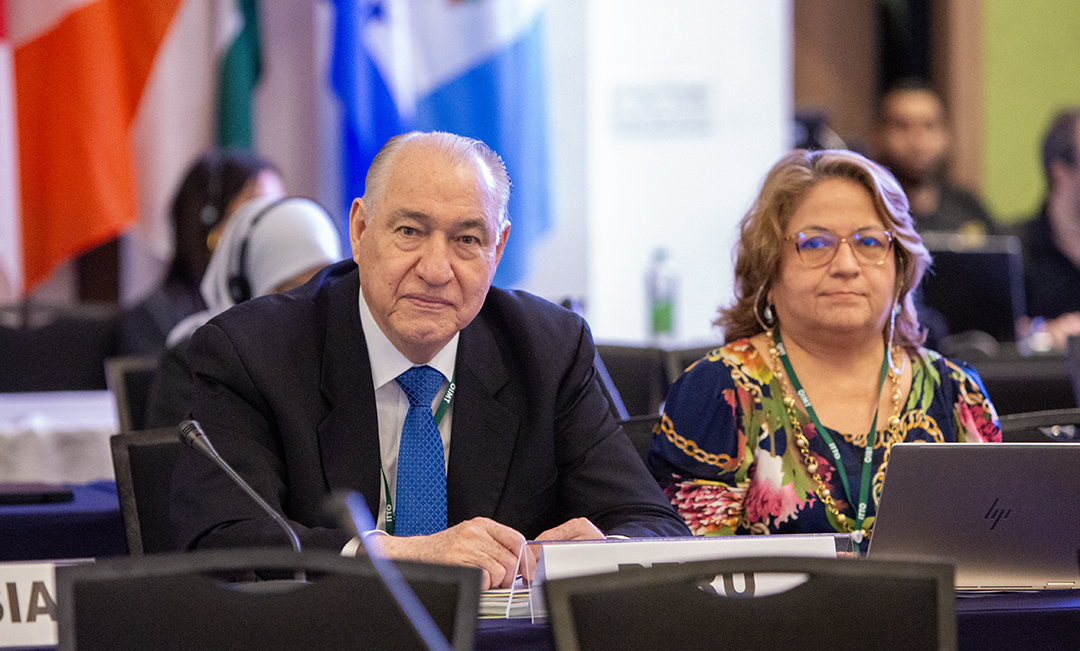
Roberto Hernán Seminario Portocarrero, and Mercedes Gil, Peru
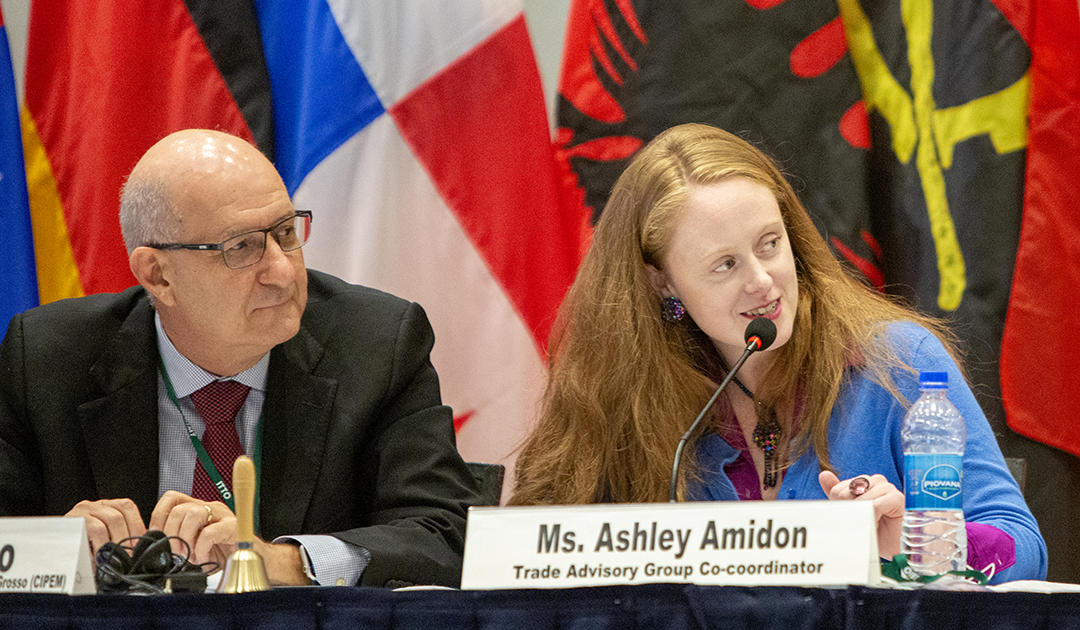
Ashley Amidon, Trade Advisory Group (TAG) Co-Chair
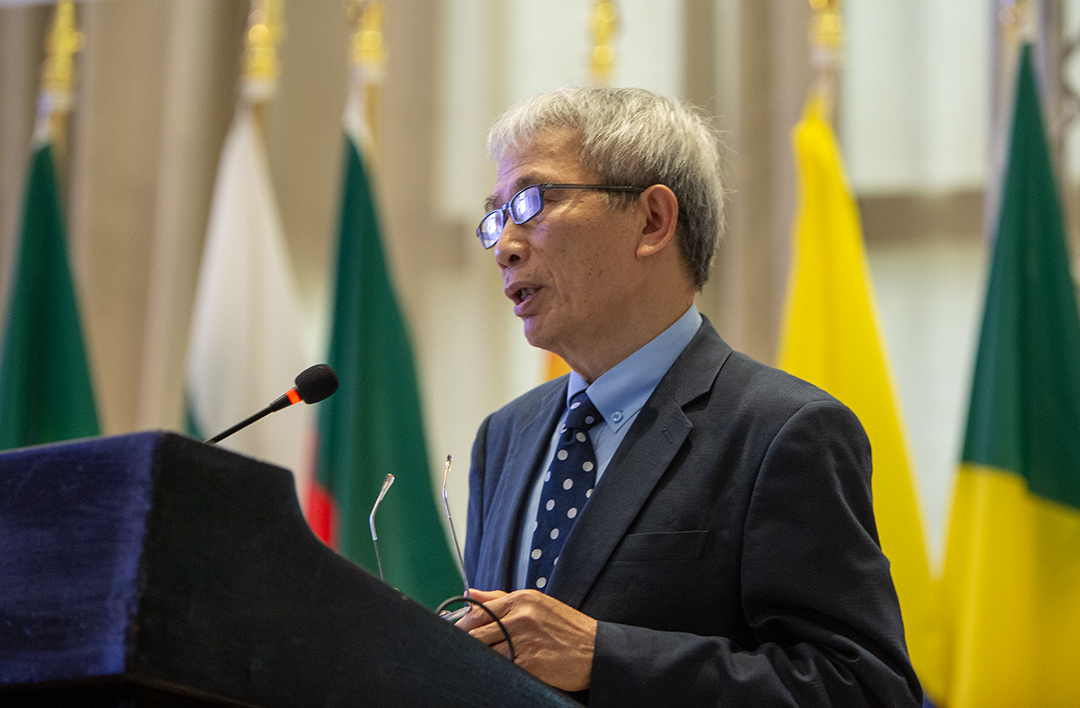
Ngo Sy Hoai, Vietnam Timber & Forest Products Association
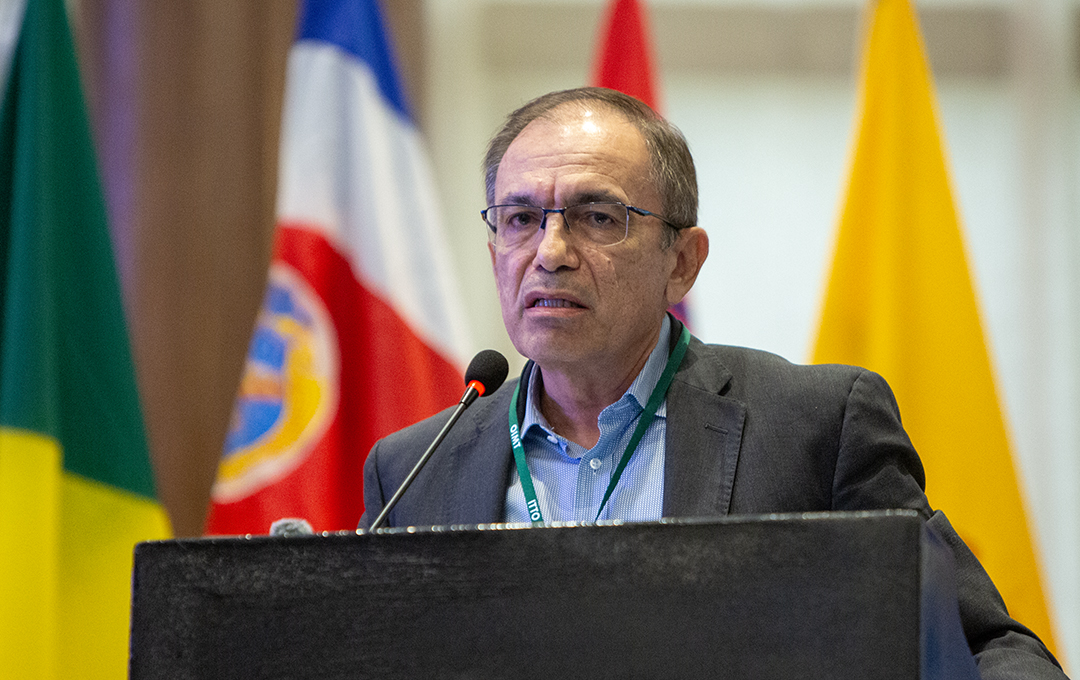
Jaime Sotela Montero, Cámara Forestal Madera e Industria, Costa Rica
Around the Venue