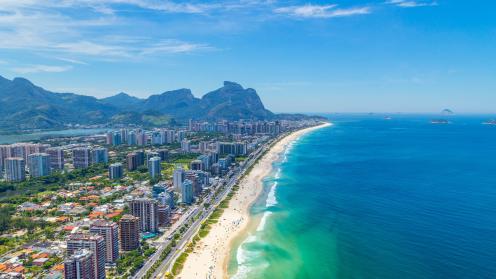

“Spread the word of our efforts here in Nice to defend our culture, history, heritage, and territories. When the Ocean burns, inaction is not an option — we have a duty to hold the line.”
Launching the Ocean Rise & Coastal Resilience Coalition, Christian Estrosi, Mayor of Nice and President of the Coalition, highlighted two years of hard, synergistic work paving the way for increased cooperation among coastal cities. Stressing that “the Ocean is sick because of human actions with unpredictable consequences,” Estrosi emphasized that multilateralism is more vital than ever, with urgent action required in “a shifting world with tensions on the rise.”
In opening remarks, Li Junhua, UN Under-Secretary-General for Economic and Social Affairs, reiterated the UN’s commitment to supporting vulnerable coastal communities and highlighted the importance of the Coalition in mobilizing leadership and finance, disseminating knowledge, building capacity, and amplifying coastal voices in international ocean governance.
Peter Thomson, UN Secretary-General’s Special Envoy for the Ocean, emphasized the urgency of strengthening global cooperation to address sea level rise, underscoring intergenerational justice. Thomson stressed that sea level rise is “a local issue above all,” and that time is of the essence in harnessing solutions and transformative adaptation strategies.
Franz Tattenbach Capra, Minister of Environment and Energy, Costa Rica, called for building a global alliance for coastal resilience through knowledge sharing, partnership, and investment in nature-based solutions (NBS).

In an opening segment titled “Voices from rising shores,” Feleti Penitala Teo, Prime Minister of Tuvalu, stressed the existential threat of sea level rise, underscoring this globally caused phenomenon requires collective, equitable action. Teo urged the Coalition to complement the objectives of a proposed UN declaration on sea level rise, based on the Declaration on Sea-level Rise and Statehood adopted by the Heads of State and Government of the Alliance of Small Island States (AOSIS) in September 2024, including principles of statehood continuity and safe and dignified mobility pathways.
Speaking on behalf of Latin America’s first relocated community due to sea level rise, Adriano Pérez, General Chief of Guna Yala Comarca, Panama, emphasized that the “Ocean cannot be negotiated, but must be protected.” Pérez called for the Coalition to facilitate access to financing for the territories on the frontlines of coastal climate change and action.
Noting the devastation caused by Hurricane Katrina, LaToya Cantrell, Mayor of New Orleans, US, shared insights from the city’s efforts toward recovery and risk preparedness amid a climate of uncertainty. Cantrell highlighted the significant need for resources to finance adequate infrastructures and the importance of proactively involving residents and neighborhoods.
In an opening “fireside chat” on the missions of the Coalition, Loreley Picourt, Executive Director, Ocean & Climate Platform, underscored that it aims to enable a “livable, inclusive, and dignified future for all.” She outlined its priorities to: build a shared long-term adaptive vision grounded in science and tailored to each place; make the business case for adaptation, while emphasizing the need to address inequities; and amplify the voices of those on the frontlines of coastal climate adaptation in international negotiations.
In a keynote opening speech, John Kerry, Former Secretary of State and Special Presidential Envoy for Climate, US, underscored the need to transition away from fossil fuels and scale up the deployment of renewable energies. Kerry urged delegates to demand action and to “fight back against greed, selfishness, and comfort with the status quo.”
Thematic Sessions
In Session 1 on Putting Science at the Heart of Coastal Cities and Regions’ Adaptation, panelists from around the world shared tangible examples of how science can support decision making at the local level.
Panelists, among other things:
- portrayed complementarities between local knowledge and technological solutions, including artificial intelligence and satellite data;
- showcased how partnerships support adaptation efforts at the local level;
- focused on ways to make science easily accessible to the public, strengthen data quality, and promote innovative solutions; and
- discussed proactive marine solutions and environmental initiatives for a holistic approach to resilience, stressing the need to place science at the heart of coastal adaptation and turn vulnerability into resilience.
Session 2 (From Data Collection to Risk Assessment) featured panelists from coastal local authorities in the Caribbean, Southeast Asia, and Europe, as well as representatives of global and regional observation systems, and technology and strategy developers.
Panelists outlined challenges faced by coastal territories, including tidal flooding, infrastructural damage, and poor data availability, before discussing the enabling factors required for swift and adaptive climate solutions. Speakers highlighted the advantages of satellite and open access data, and the importance of developing technologies that respond to local users’ needs. They stressed the active involvement of local communities in designing risk response strategies, called for mainstreaming coastal resilience work into “business as usual,” and highlighted the importance of capacity building to ensure cities and stakeholders can efficiently use data and toolkits.
Session 3 on Multi-level Governance of Coastal Cities and Regions focused on: governance approaches across local, regional, national, and international levels; engagement of multiple stakeholders and rightsholders, including Indigenous Peoples and local communities (IPLCs); and barriers to and opportunities for blue economies.
Panelists, composed of national and subnational representatives from around the world highlighted, among other things:
- collaborative rather than competitive governance;
- coordination from the subnational to the international level, including for finance;
- the importance of public authorities engaging local populations;
- the need for structured mechanisms to enable multi-level governance collaboration;
- community training and knowledge-sharing;
- alignment of plans and strategies interregionally and intergovernmentally;
- conservation efforts; and
- infrastructure projects to protect against disasters and prevent flooding in coastal areas.

Session 4 on Financial Strategies, Partnerships, and Engineering for Coastal Cities and Regions brought together policymakers and representatives of public development banks to discuss, among other things, financial mechanisms and programmes available to coastal cities and regions and ways to scale them up.
Offering insights from around the world, panelists highlighted, among others:
- that the Ocean is a critical part of the fight to tackle climate change, while remaining one of the most underfunded;
- the role of decentralized cooperation and access to climate finance, underscoring the need to directly involve local authorities and communities in planning and implementing relevant strategies and initiatives;
- the need for dedicated financial tools and for strengthening technical capacities;
- the role of public development banks and financial funds in accelerating access to finance for coastal adaptation and facilitating multi-level dialogue; and
- investments centered on NBS as cost-effective tools for climate adaptation.
Session 5 on Ports, Cities and Regions: United for Coastal Resilience opened with the film “Floating World” by Siobhán McDonald, depicting the River Liffey and the environment of Dublin Port. Thereafter, mayors of major port cities, port authorities, and elected representatives from Africa, North America, and Europe discussed their efforts to adapt to climate change, particularly to rising sea levels, and to increase the resilience of ports and port cities.
Panelists addressed, among others:
- conducting climate adaptation and resilience in a manner that maintains the identities of maritime cities and their economies, and respects local communities;
- collaborations among port authorities, local and national authorities, and local populations;
- engagement of research institutions in collecting data and forecasting future scenarios;
- mechanisms to price carbon;
- integrating climate resilience into port and urban plans;
- global platforms and initiatives, including the C40 Green Ports Forum; and
- the importance of sharing experiences and knowledge between ports and cities.
Session 6 on Cities and Regions at the Edge: Hybrid and Soft Solutions for a Resilient Future convened mayors and local government representatives from Africa, the Caribbean, and Latin America, alongside innovative NBS and hybrid solution developers. Stressing that “we are already living in the future,” Ralph Regenvanu, Minister of Climate Change, Vanuatu, emphasized that NBS are critical for both communities already experiencing climate change impacts and those who are yet to be affected.
Panelists shared the challenges faced by their municipalities, emphasizing that local governments are well-placed to deploy impactful and needs-based solutions. They highlighted local NBS initiatives, further underscoring:
- the importance of considering climate change impacts through a gender perspective;
- the need for community buy-in;
- hybrid and soft solutions’ complementary and cost-effective nature; and
- the critical role of global networks of local authorities for facilitating best practice sharing and implementing solutions.

Focused on 2050 and beyond, Session 7 on Bold Visions for the Future of Coastal Cities and Regions featured an exchange of experiences and practices with long-term and locally-adapted approaches to addressing climatic challenges in coastal areas.
Panelists, composed of mayors, subnational representatives, and civil servants from the Caribbean, Africa, and Europe, highlighted their visions, strategies, and actions, including:
- the need for adaptive approaches;
- changing mindsets from “fighting” nature to “cooperating with” nature;
- combining traditional and new knowledges and techniques;
- implementing projects involving managed retreat from coastal areas;
- bolstering existing and building new infrastructure, including with natural buffers; and
- a wide range of initiatives, engaging all of society, including disaster preparedness, mangrove reforestation, supporting local livelihoods, and conducting participatory research and policy development.
In Session 8 on Centering Social Justice, Fighting Climate Gentrification, mayors and representatives from seven coastal cities highlighted their municipalities’ socioeconomic and environmental contexts, sharing best practices of community-driven solutions to build coastal resilience through a climate justice lens.
Panelists outlined challenges, including cumulative threats from coastal erosion and development pressures, maladapted national-level strategies, aging infrastructure, and resource constraints. They stressed the advantages of developing initiatives that tackle multiple vulnerabilities concurrently, such as combining flood prevention projects with water provision to households alongside urban greening.
Speakers further emphasized the importance of partnerships for unlocking finance, and of meaningful stakeholder engagement for ensuring decision-making meets citizens’ needs and contributes to sustainable development pathways.
Session 9 (Engage the Insurance Industry) brought together policymakers and representatives of the insurance industry to discuss the role of prevention and insurance in managing climate risks, as well as relevant regional and local efforts and initiatives to build coastal resilience.
Among many issues, panelists discussed:
- the role of insurance as one of the tools to bring financial resources to vulnerable populations;
- combining insurance with adaptation;
- examples of using parametric insurance and policies in different sectors;
- collaboration between coastal cities and the insurance industry;
- ways to move from reactive to proactive resilience models, including the role of insurance in such planning;
- scientifically assessing resilience to climate risks before any risk is transferred to insurance; and
- the role of new technologies, including artificial intelligence, as a way to “ride the perfect storm we have created” in terms of risks.

Closing
In the closing session, a roundtable discussion brought together Heads of State and Government. Agnès Pannier-Runacher, Minister of Ecological Transition, Biodiversity, Forests, the Sea and Fisheries, France, highlighted the 2021 Climate and Resilience Law and the 2025 national adaptation plan on climate change as medium- and long-term efforts to provide tools and resources for spatial restructuring of vulnerable coastal areas, in order to protect citizens from coastline retreat.
Mark Brown, Prime Minister of the Cook Islands, emphasized that the resilience of coastal communities can be ensured by “marrying” traditional knowledge with modern scientific methods, and called for preserving the statehood of island nations facing sea level rise.
José Maria Neves, President of Cabo Verde, emphasized as a priority the creation of a global pact on climate mobility and a multilateral framework to guarantee protection, support, and opportunities for populations displaced due to climate change. Neves urged for empowering and capacity building for local authorities, stating that they are best-placed to ensure that responses to climate change protect cultural heritage.

A closing segment on Turning vision into action attracted a series of concrete announcements. Marit Warncke, Mayor of Bergen, Norway, underscored coastal cities’ shared responsibility to join the Coalition and emphasized that building coastal resilience requires cooperation beyond borders.
Haakon Vatle, CEO, Statsraad Lehmkuhl Foundation, highlighted the One Ocean Expedition being undertaken by the Statsraad Lehmkuhl tall ship currently docked in Nice, noting the expedition will contribute to the Coalition’s objectives.
Selma Cherchali, Head, Earth Observation Programme, National Centre for Space Studies (CNES), announced the launch of the Space4Ocean Alliance, highlighting that it will facilitate collective, cross-sectoral actions to create scalable and replicable solutions to sea level rise and climate change.
Liz Barrow, European Space Agency (ESA), introduced a funding call by the ESA’s Business Applications and Space Solutions programme for projects that use space data to develop innovative solutions for coastal resilience.
Frédéric Cholé, Ministry of Europe and Foreign Affairs, France, presented a call for international, collaborative projects for sustainable coastal adaptation aimed at French local authorities and their foreign counterparts.
Pavel Misiga, Head of Oceans, Seas and Waters Unit, Directorate-General for Research and Innovation, European Commission, outlined financial support provided through the Horizon Europe research and innovation missions, namely the Restore our Ocean and Waters Mission, for which coastal resilience is a key objective.
Kamal Amakrane, Managing Director of the Global Centre for Climate Mobility, highlighted the Communities Climate Adaptation Facility, noting the launch of a dedicated funding window for sea level rise adaptation projects developed by coastal cities.
In final closing remarks, Christian Estrosi, Mayor of Nice, and Romain Troublé, President, Ocean & Climate Platform, underscored the significance and potential of the Coalition, thanking all partners that worked hard toward making it a reality. He concluded that urgent action is “the only path to a sustainable Ocean.”
To receive free coverage of global environmental events delivered to your inbox, subscribe to the ENB Update newsletter.
All ENB photos are free to use with attribution. For the Ocean Rise and Coastal Resilience Summit please use: Photo by IISD/ENB - Kiara Worth
Opening Ceremony
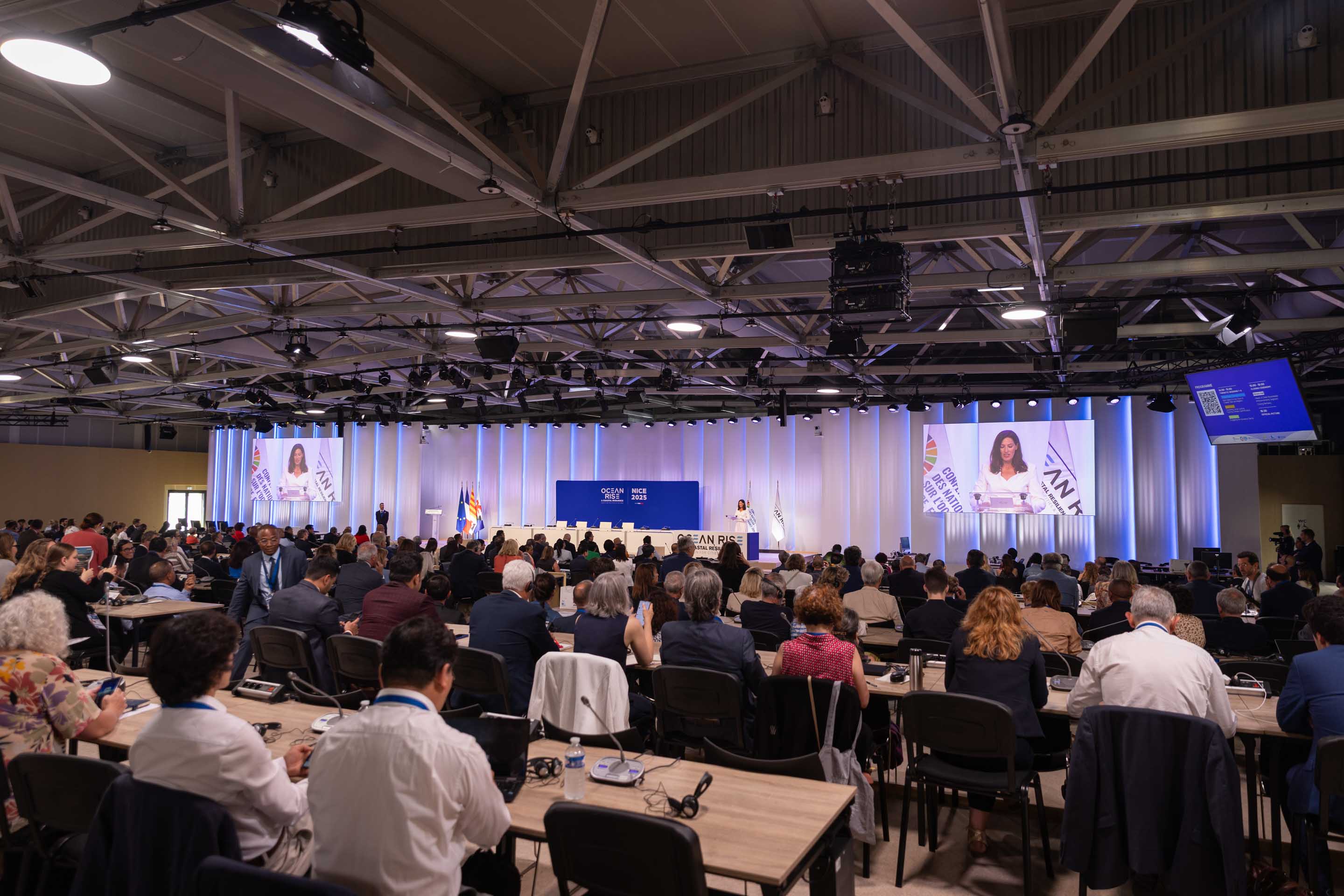
Delegates gather for the opening plenary
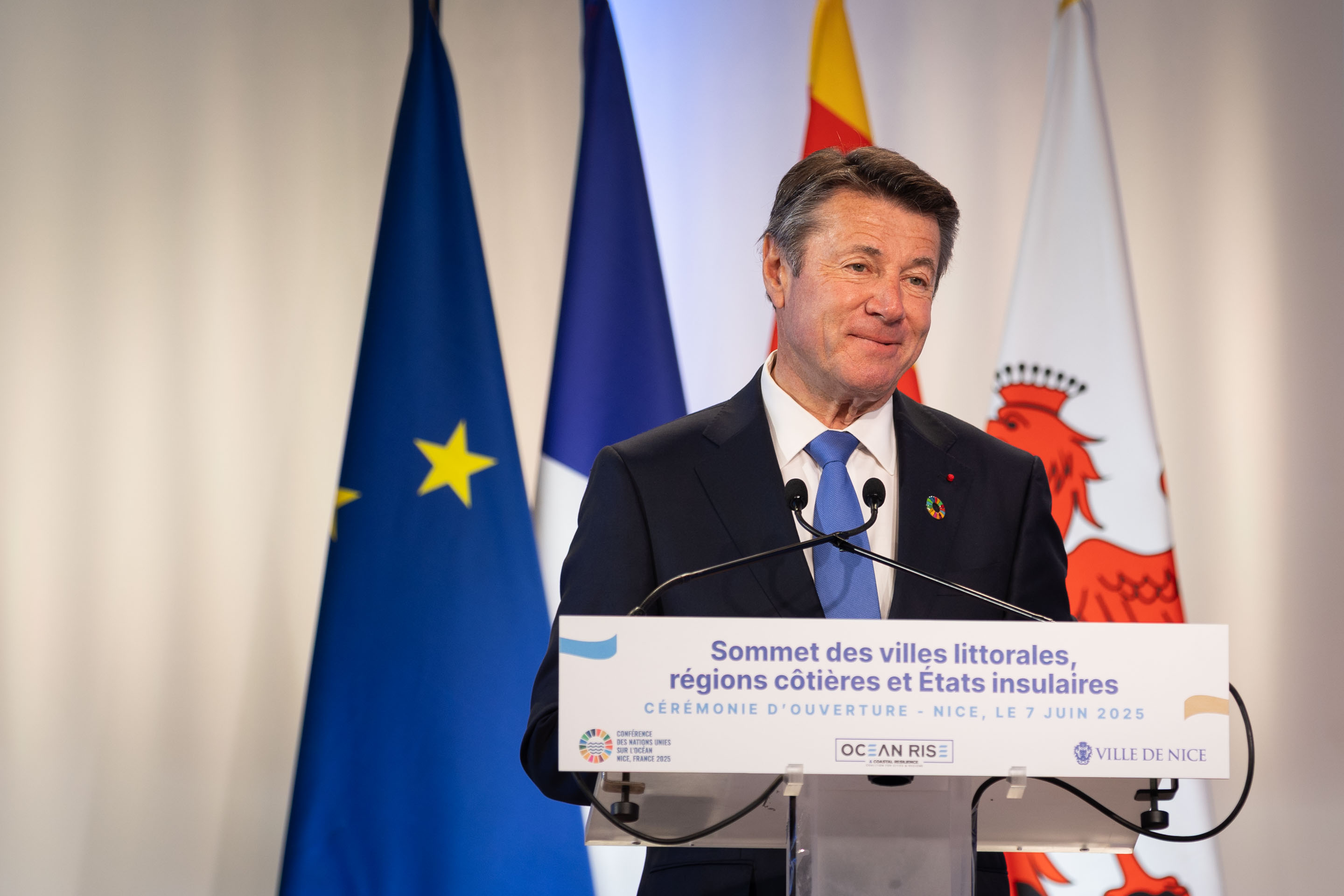
Christian Estrosi, Mayor of Nice, and President, Ocean Rise and Coastal Resilience Coalition
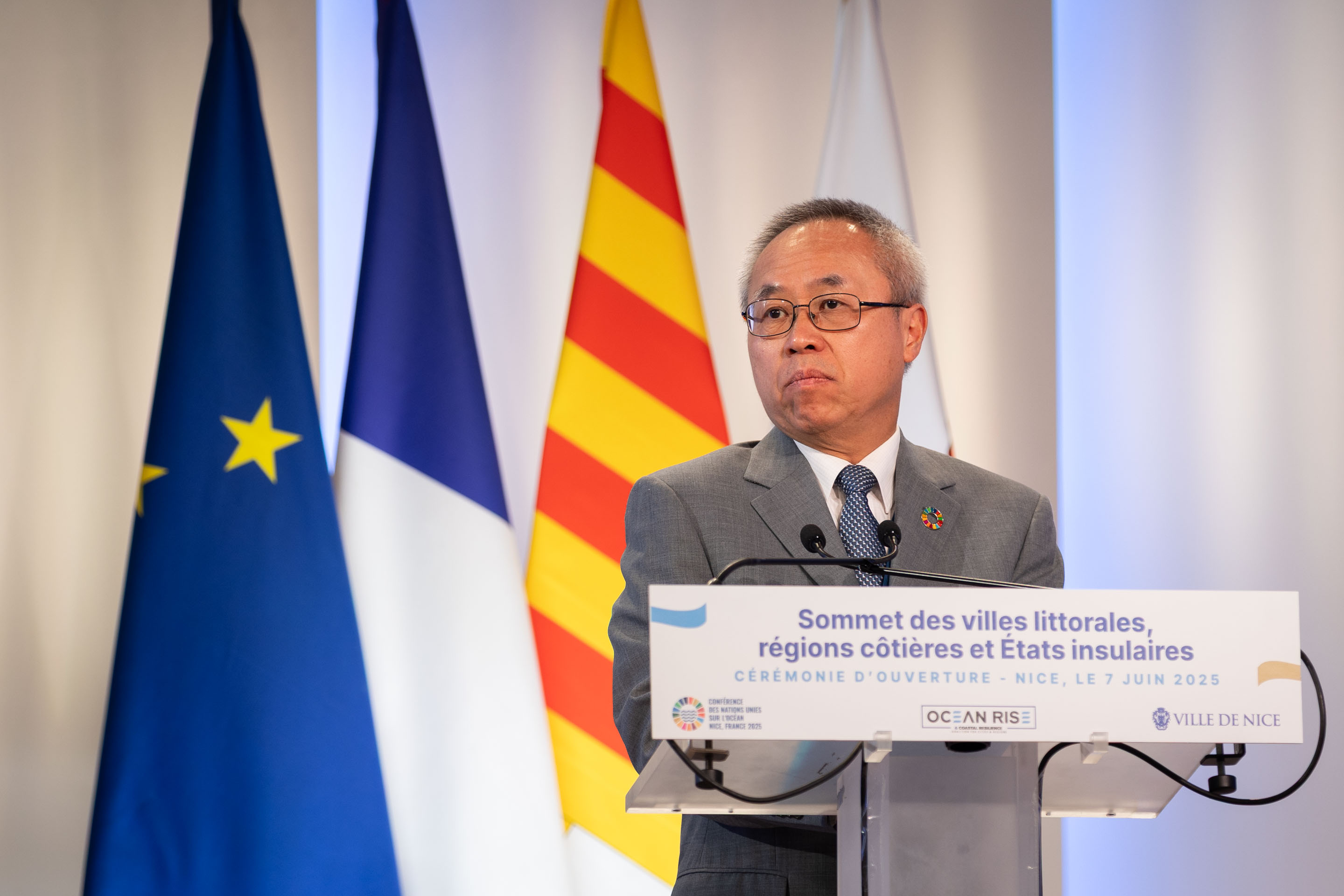
Li Junhua, UN Under-Secretary General for Economic and Social Affairs
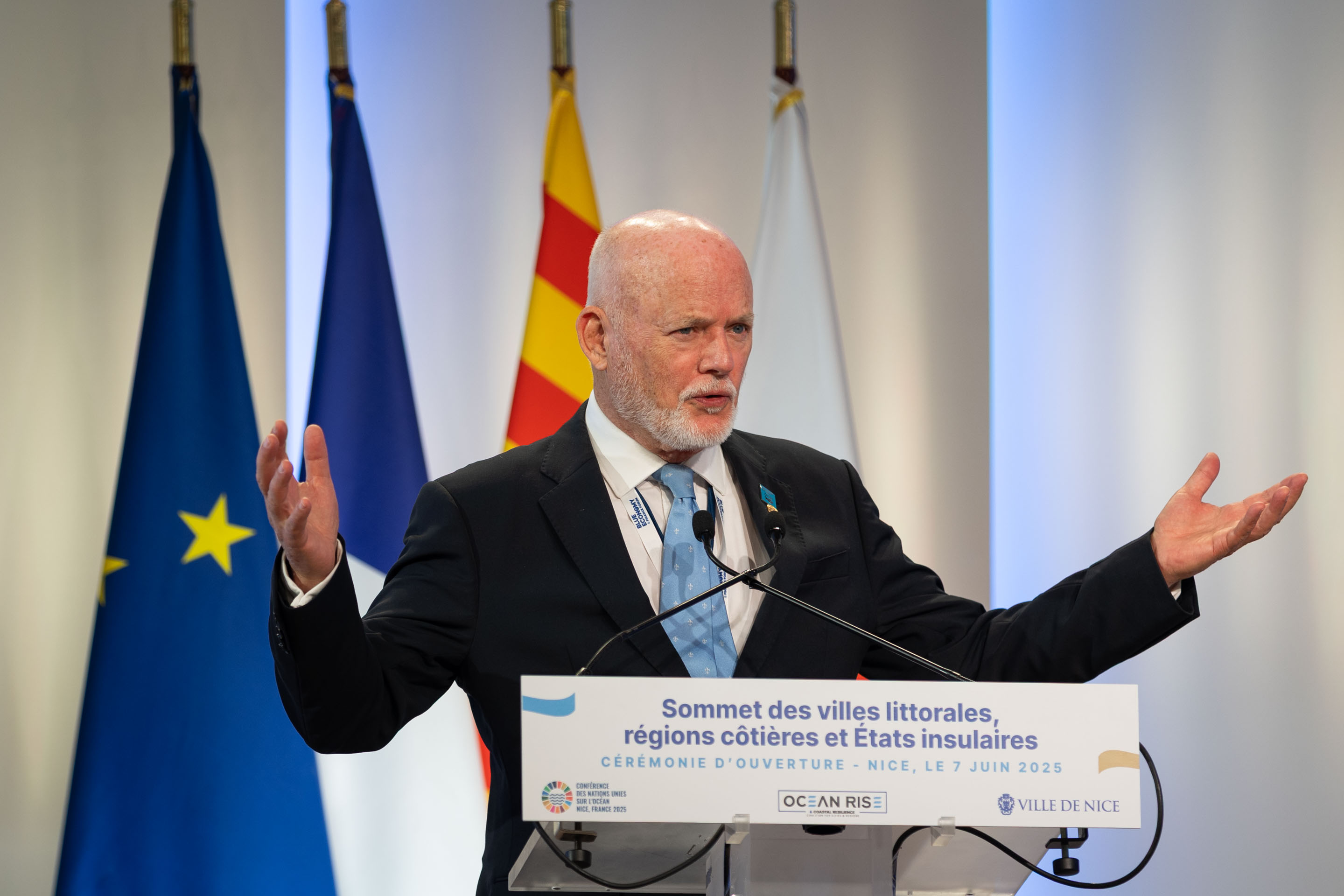
Peter Thomson, UN Secretary-General's Special Envoy for the Ocean
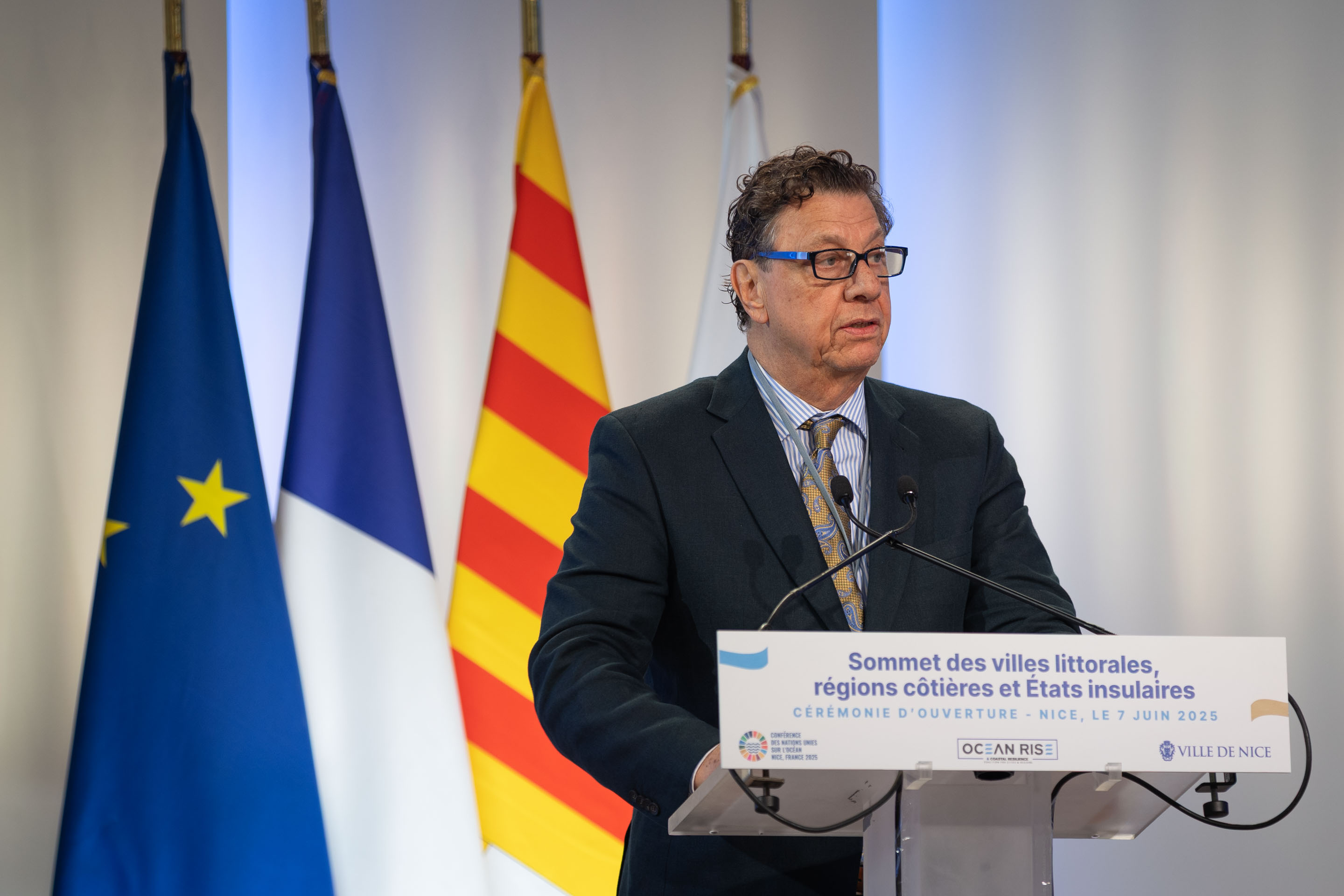
Franz Tattenbach Capra, Minister of Environment and Energy, Costa Rica
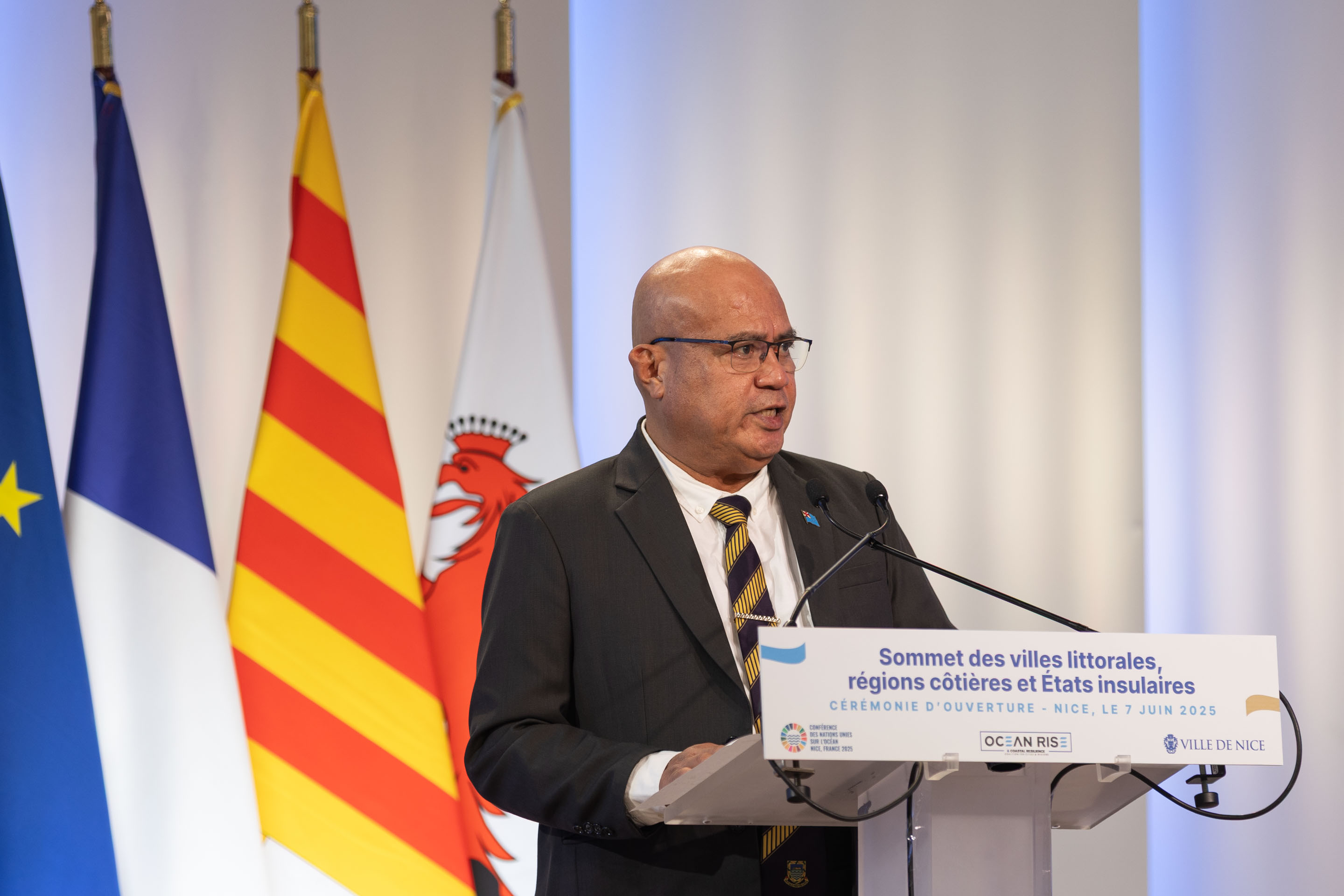
Feleti Penitala Teo, Prime Minister, Tuvalu
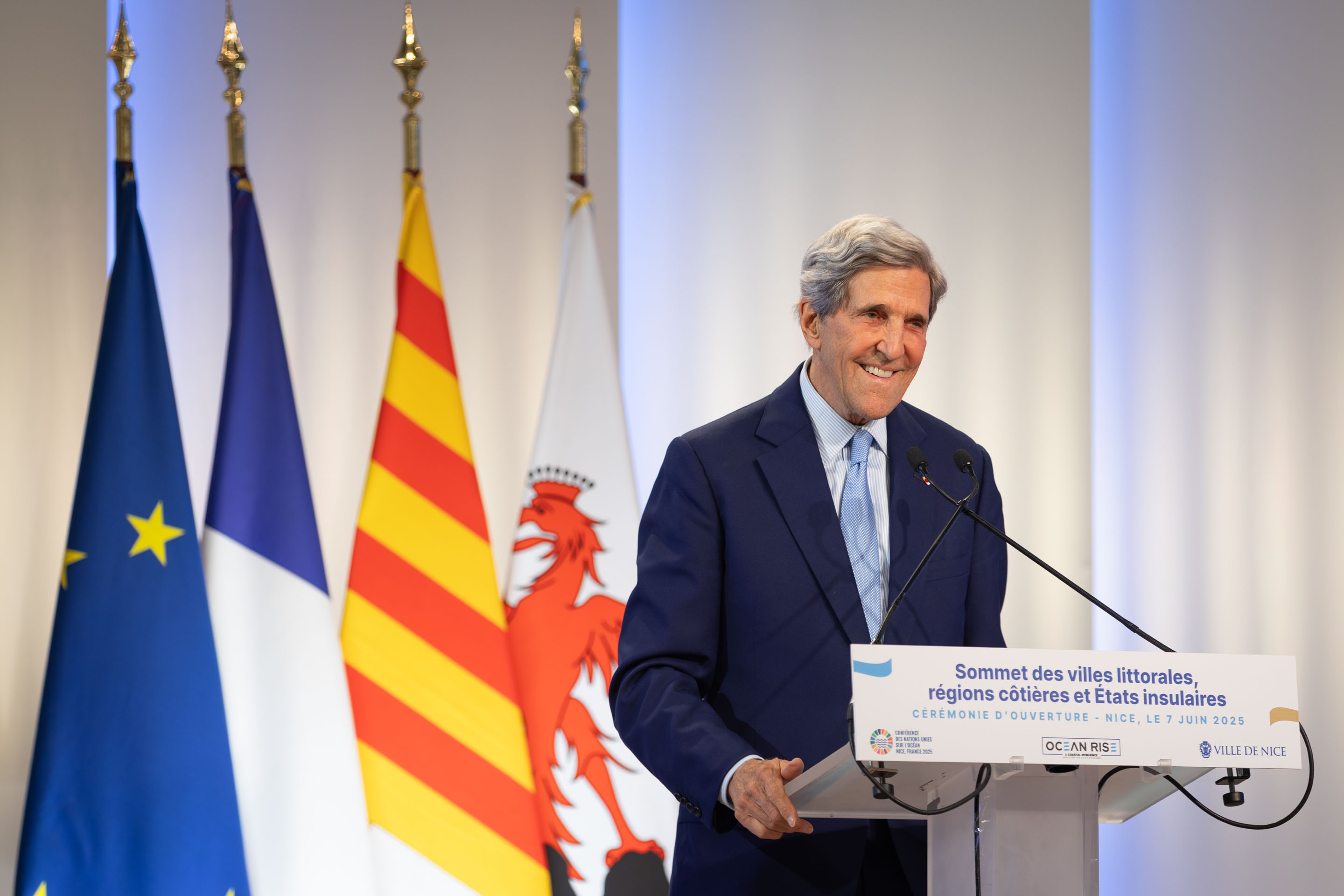
John Kerry, Former Secretary of State and Special Presidential Envoy for Climate, US
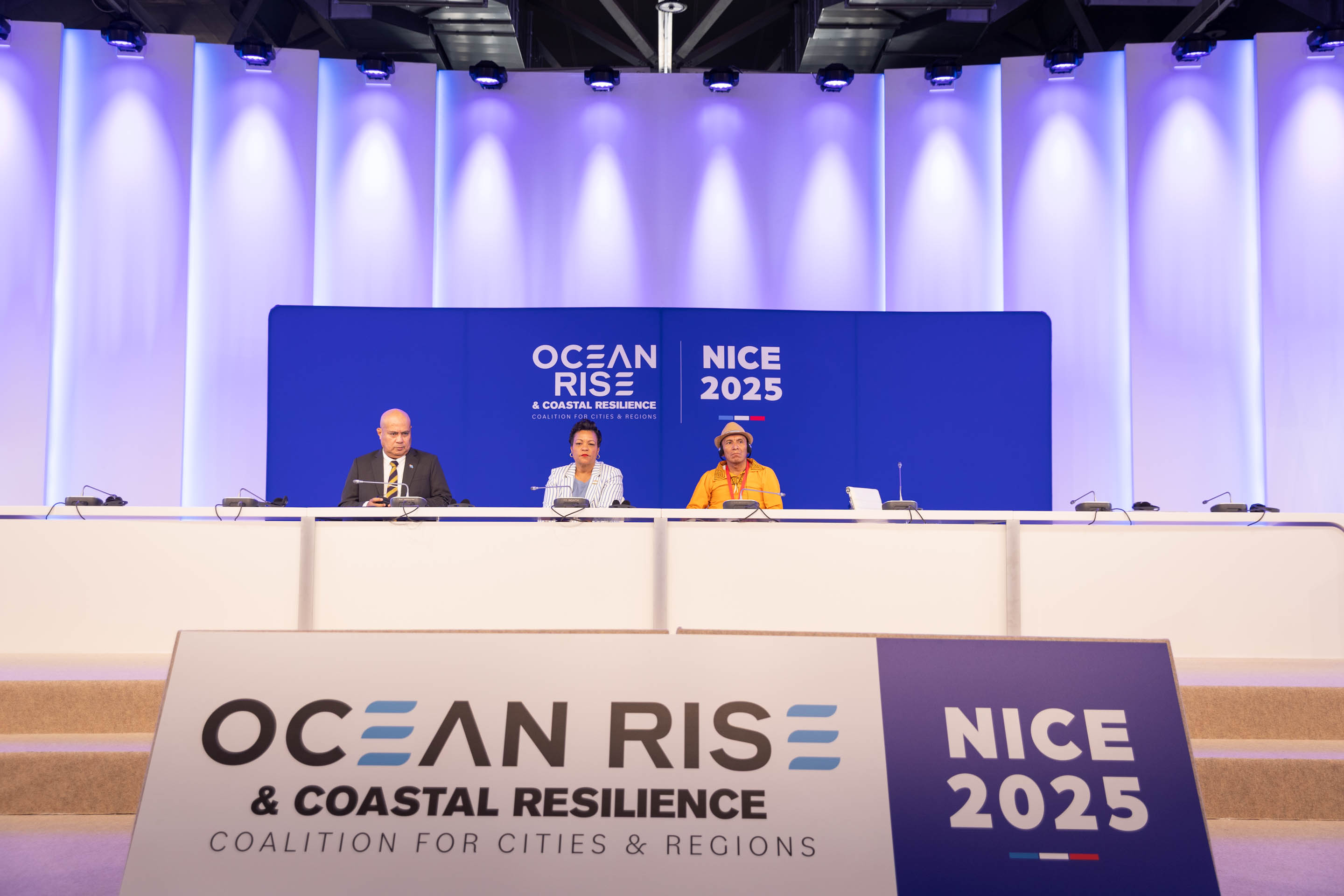
Panel speakers for ‘Voices from Rising Shores’: Feleti Penitala Teo, Prime Minister, Tuvalu; Andriano Pérez, General Chief of the Guna Yala Comarca, Panama; LaToya Cantrell, Mayor of New Orleans, Louisiana, US
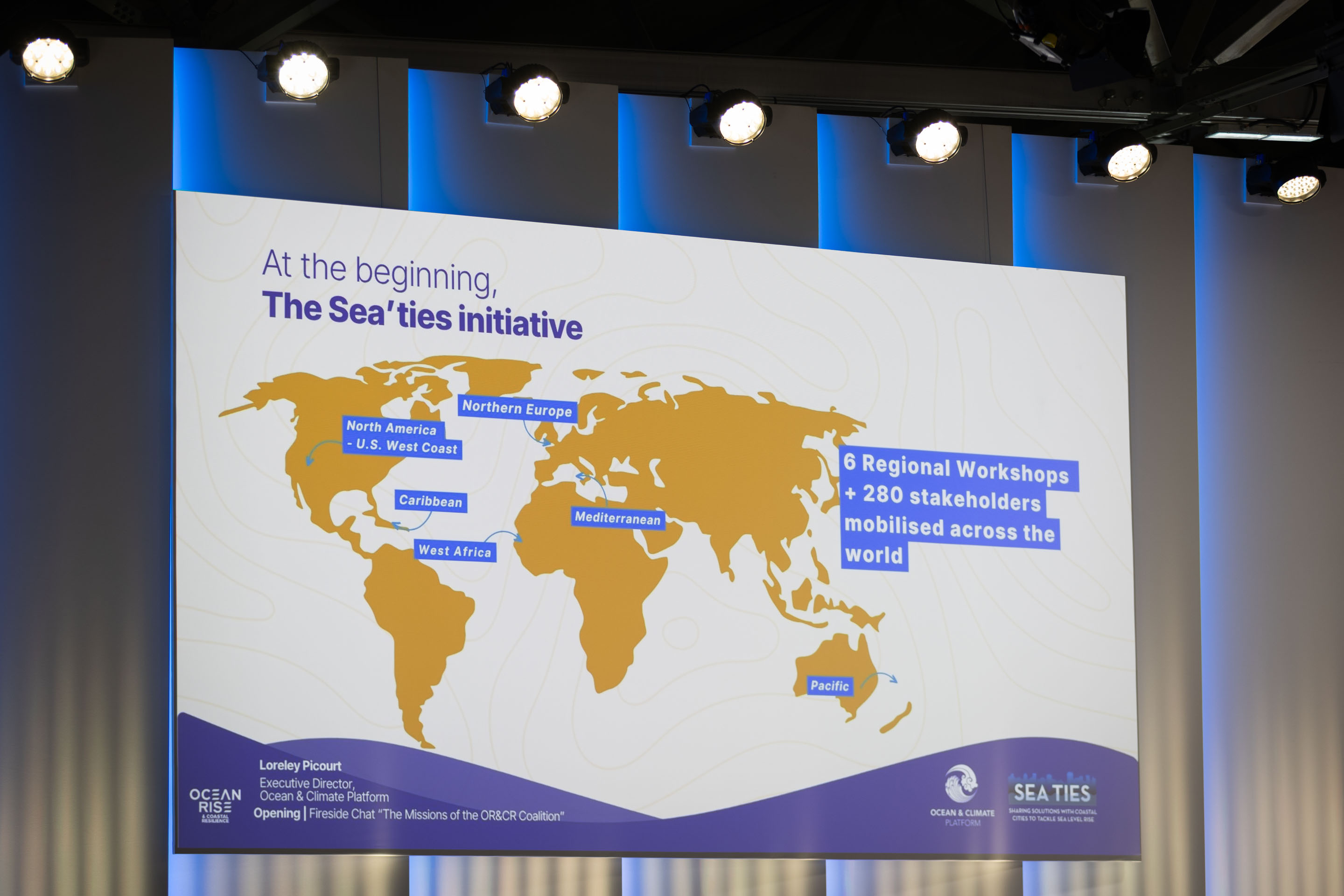
A slide provides an overview of the Sea’ties Initiative
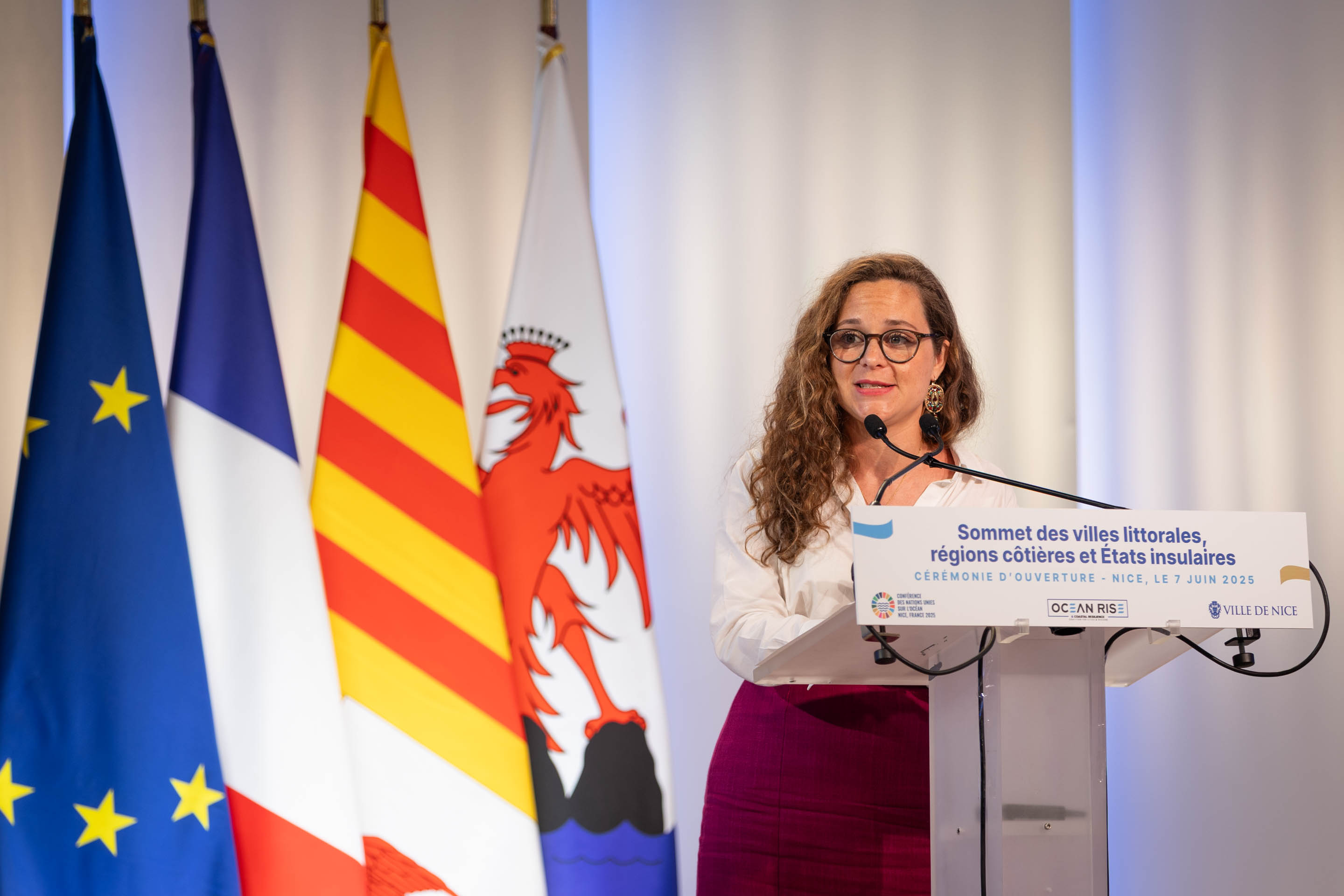
Loreley Picourt, Executive Director, Ocean and Climate Platform
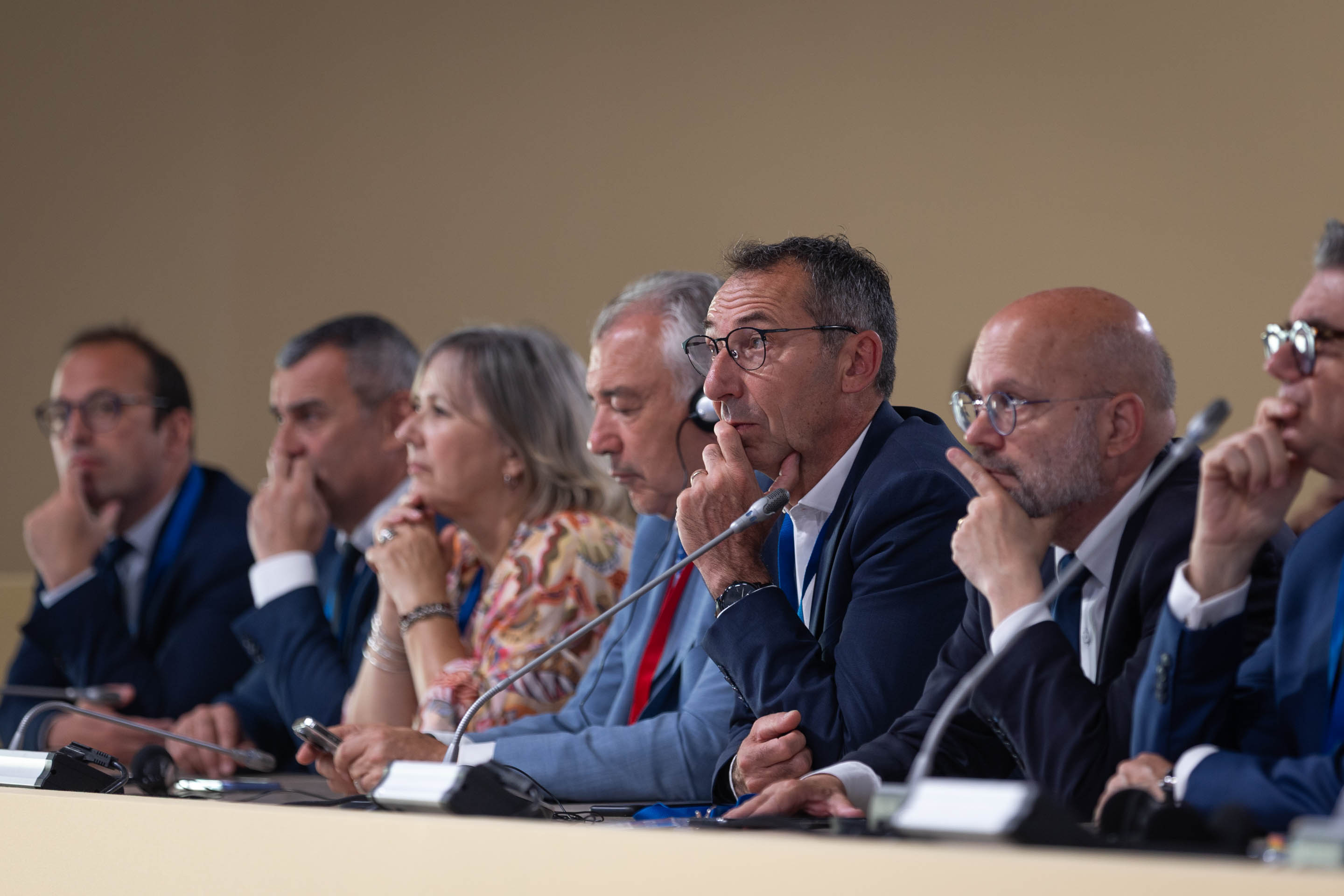
Delegates listen to the interventions
Thematic Session 1: Putting Science at the Heart of Coastal Cities and Regions' Adaptation
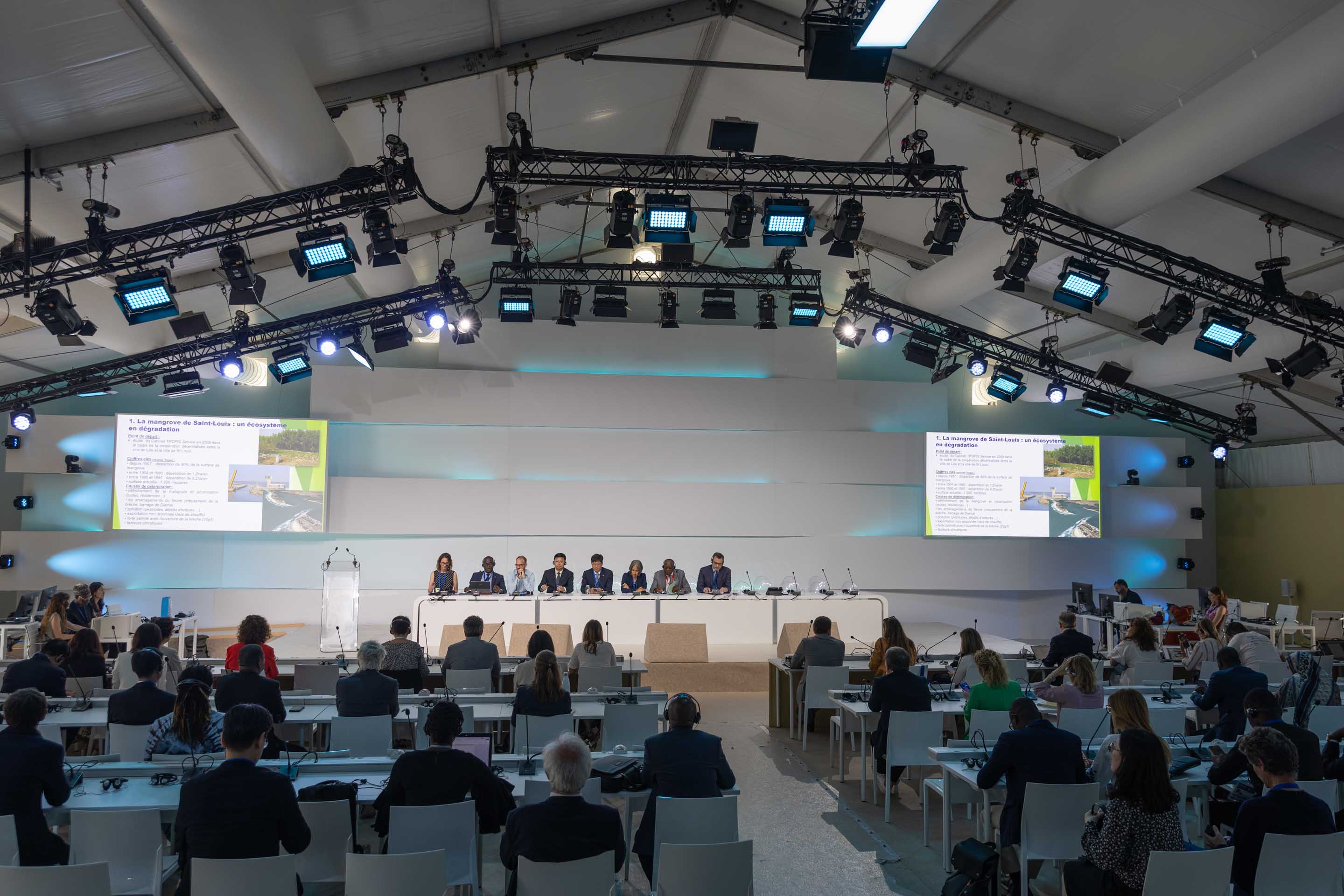
Participants gather for Thematic Session 1: Putting Science at the Heart of Coastal Cities and Regions’ Adaptation
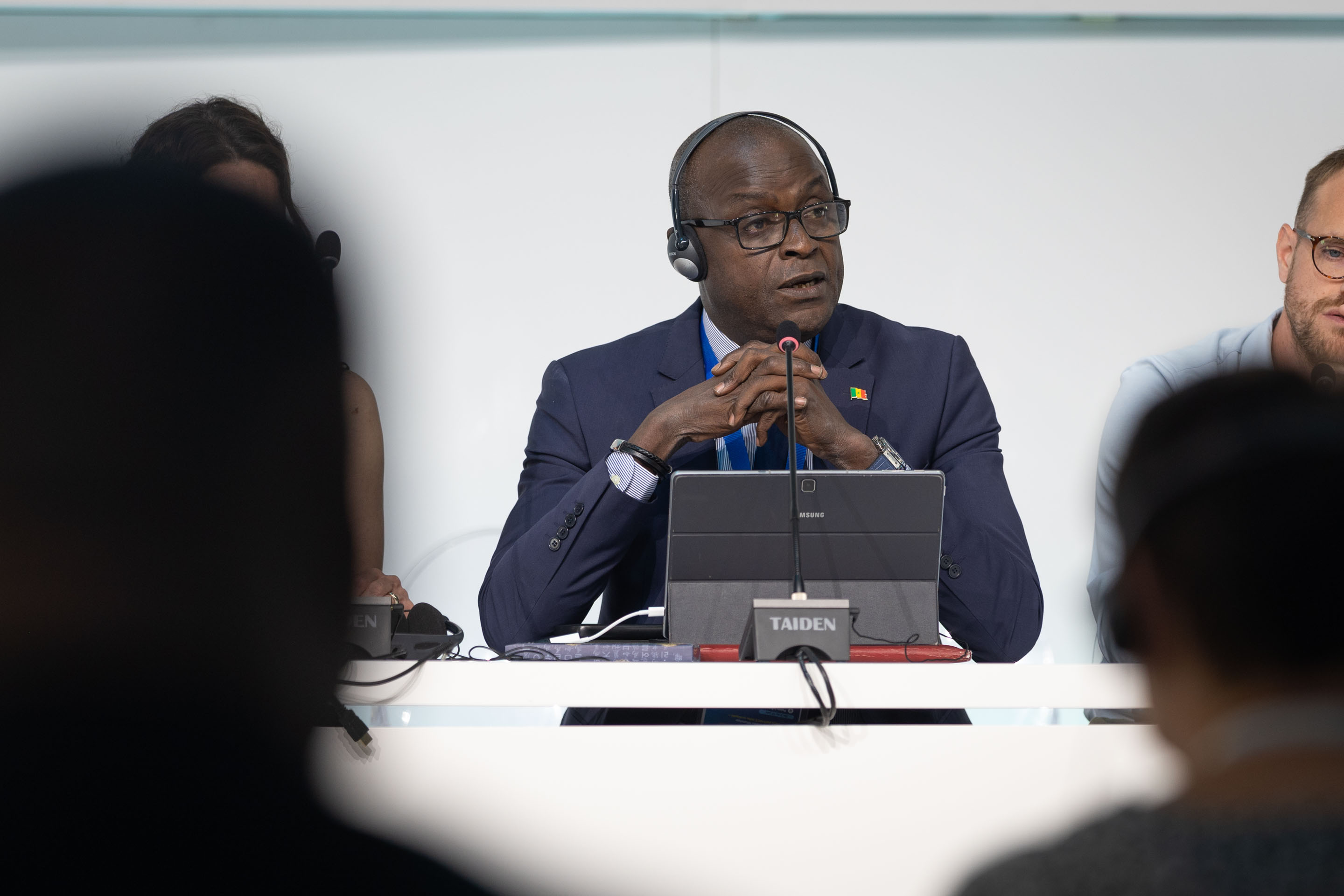
Moustapha Mbaye, President of Department Council of Saint-Louis, Senegal
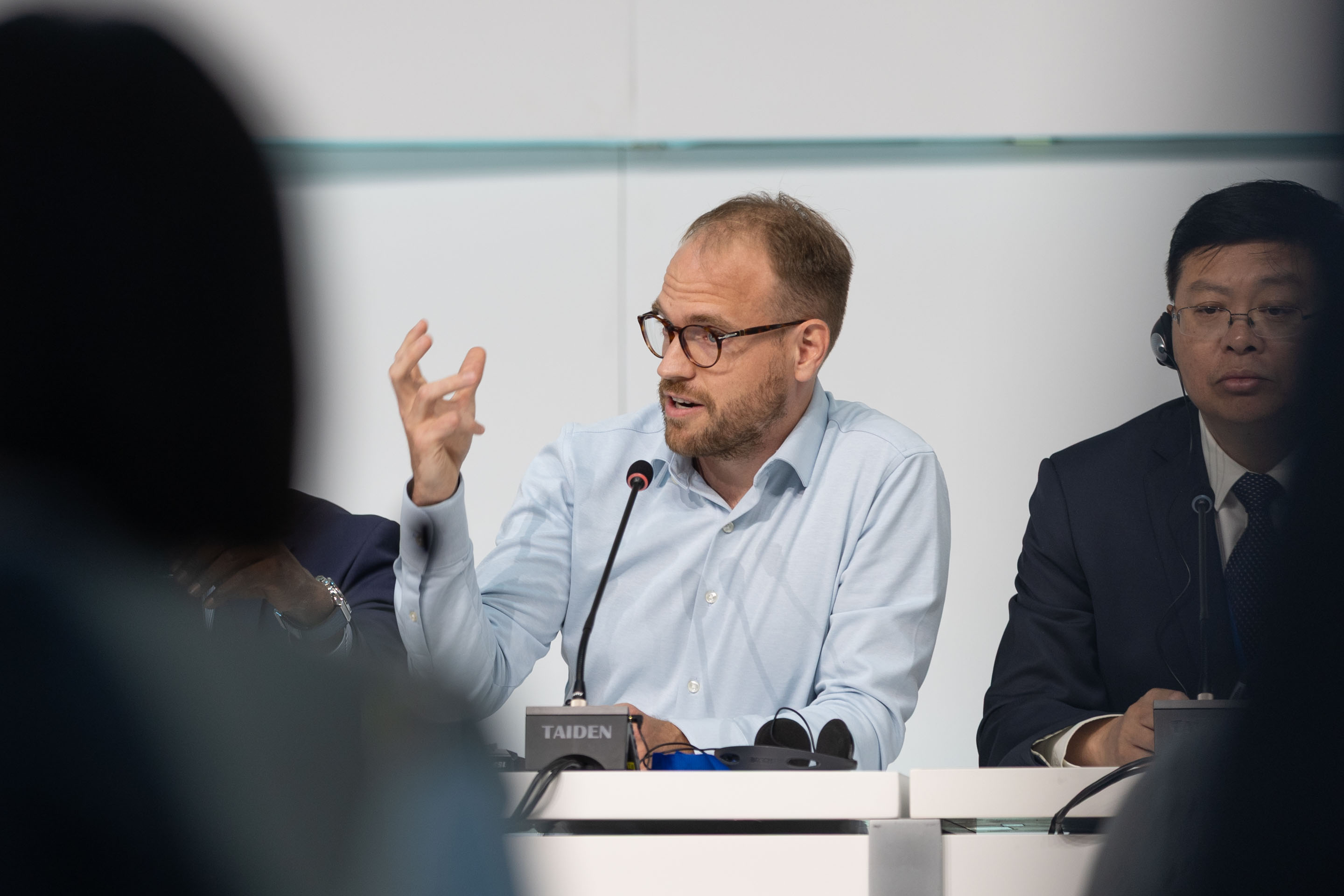
Erwin Bergsma, Coastal Oceanography Expert, National Center for Space Studies (CNES)
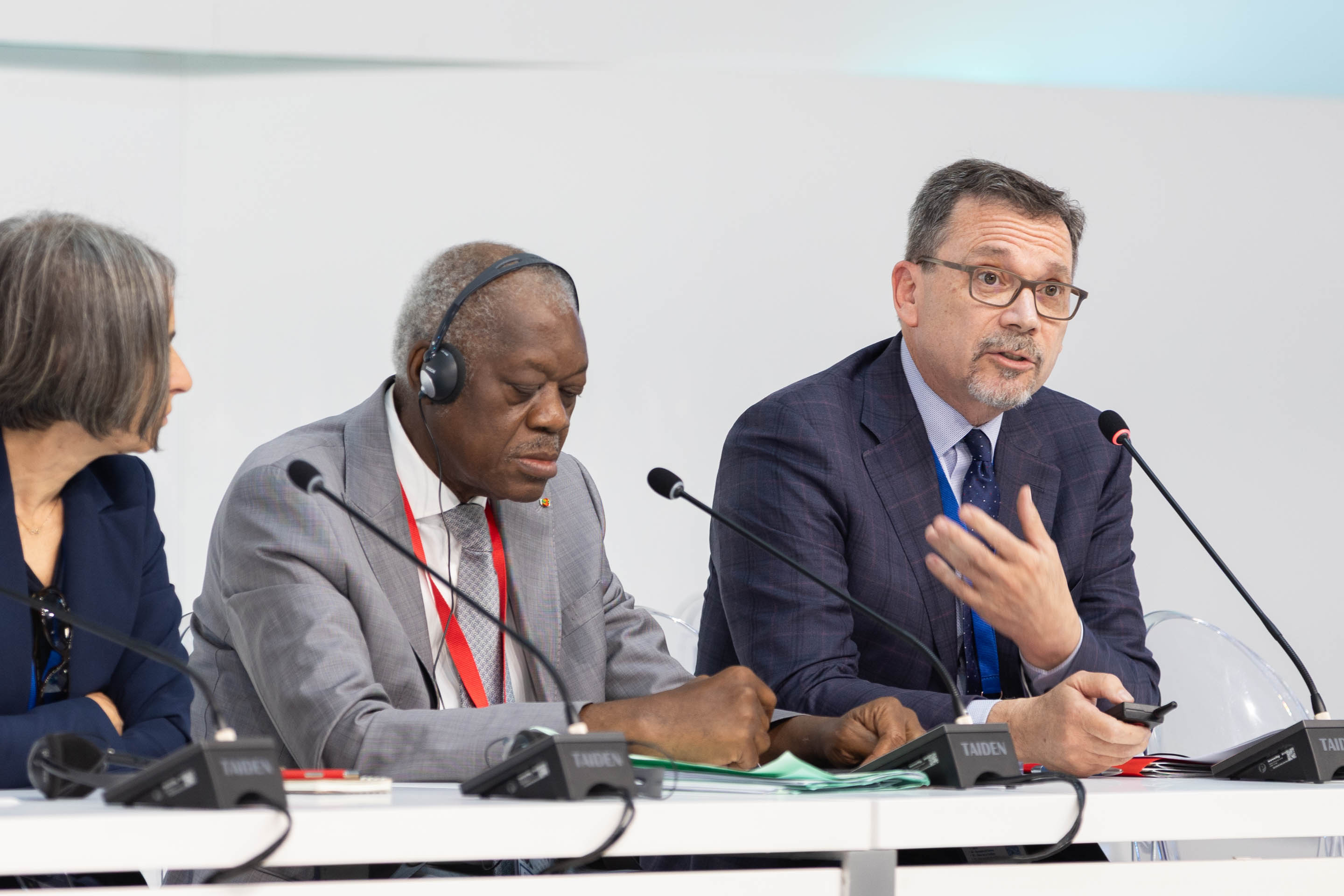
Stephen Hammer, CEO, New York Climate Exchange
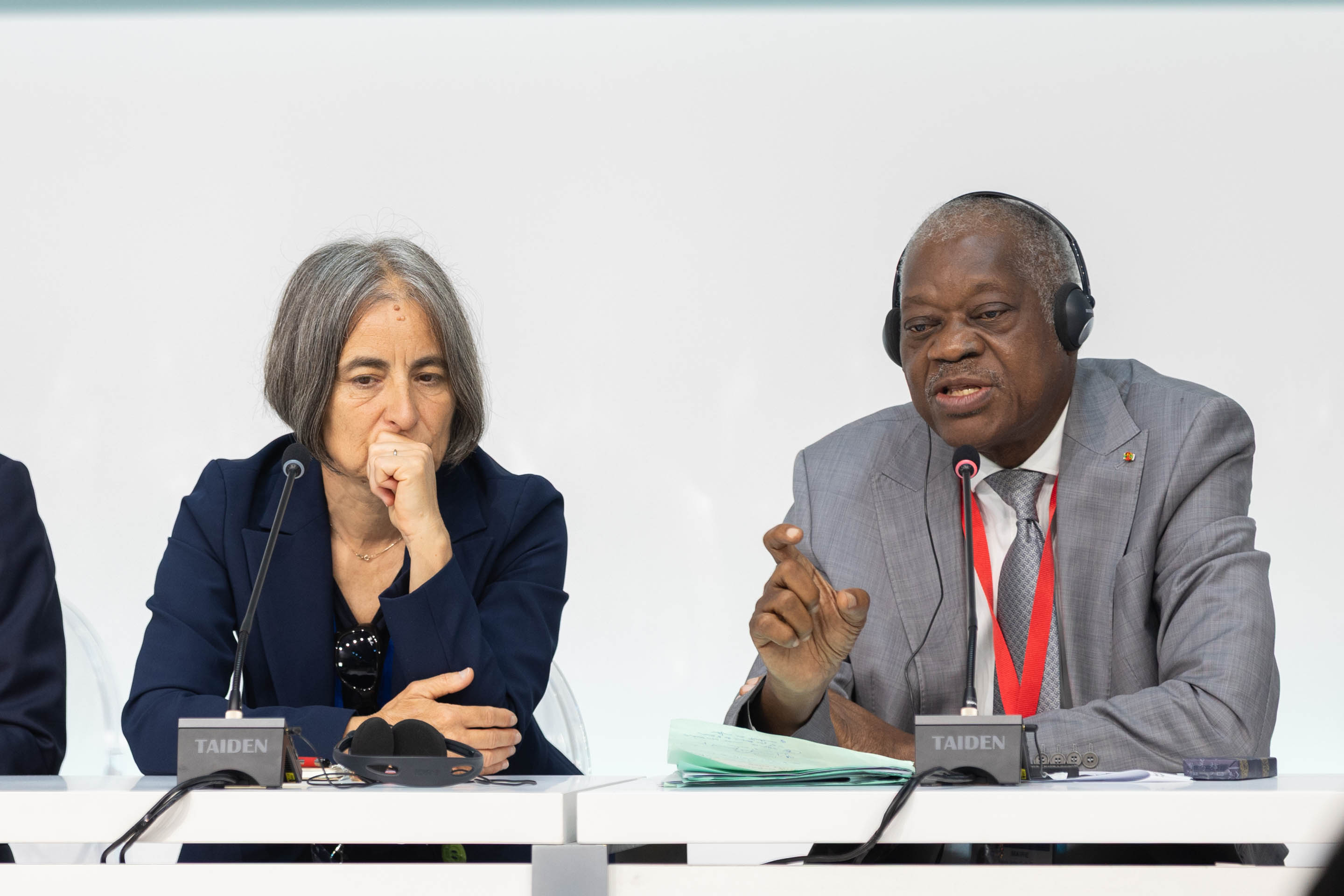
Alexis Aquereburu, Mayor of Aného, Togo
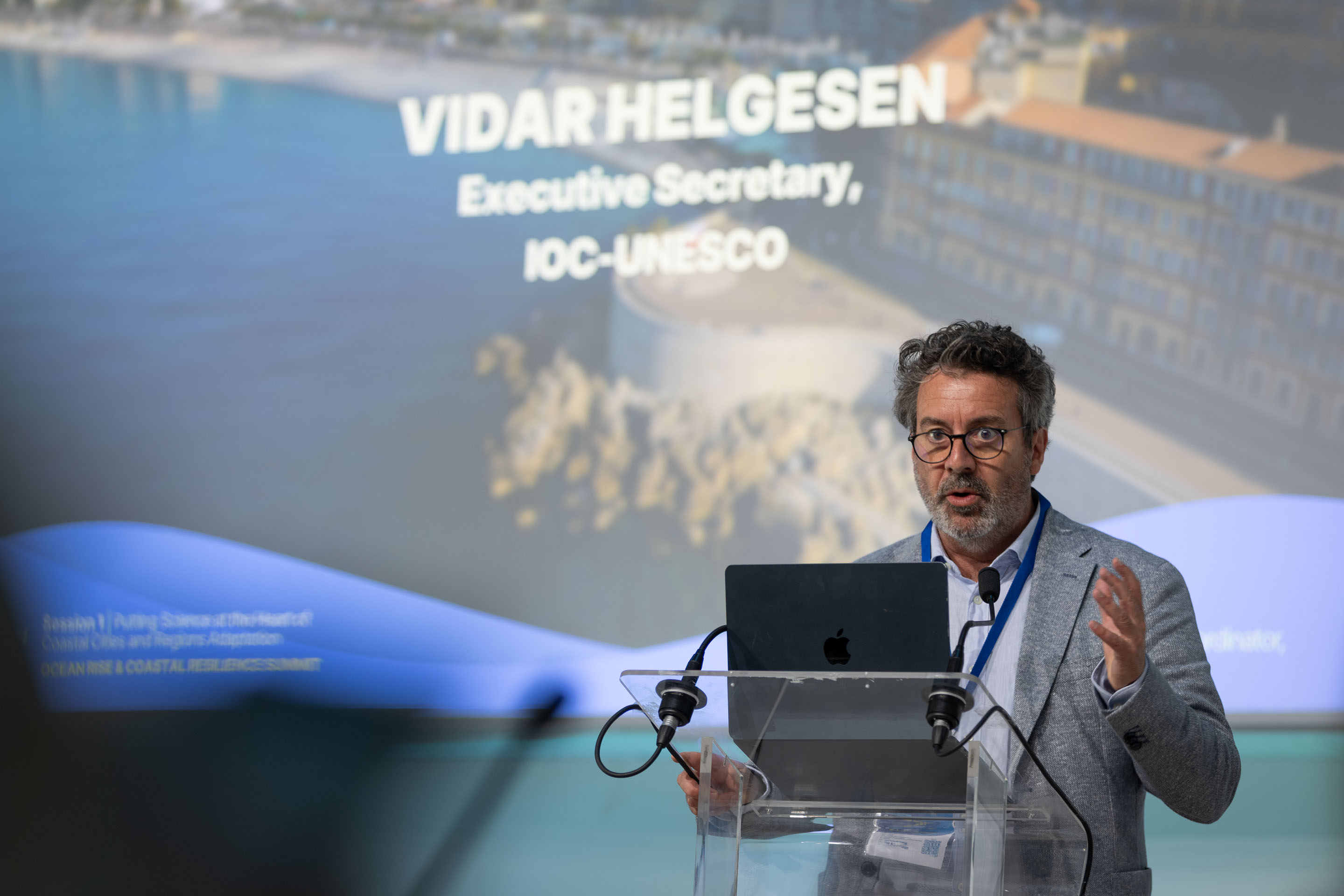
Julian Barbière, Intergovernmental Oceanographic Commission of the UN Educational, Scientific and Cultural Organization (IOC/UNESCO), on behalf of IOC/UNESCO Executive Secretary Vidar Helgesen
Thematic Session 2: From Data Collection to Risk Assessment
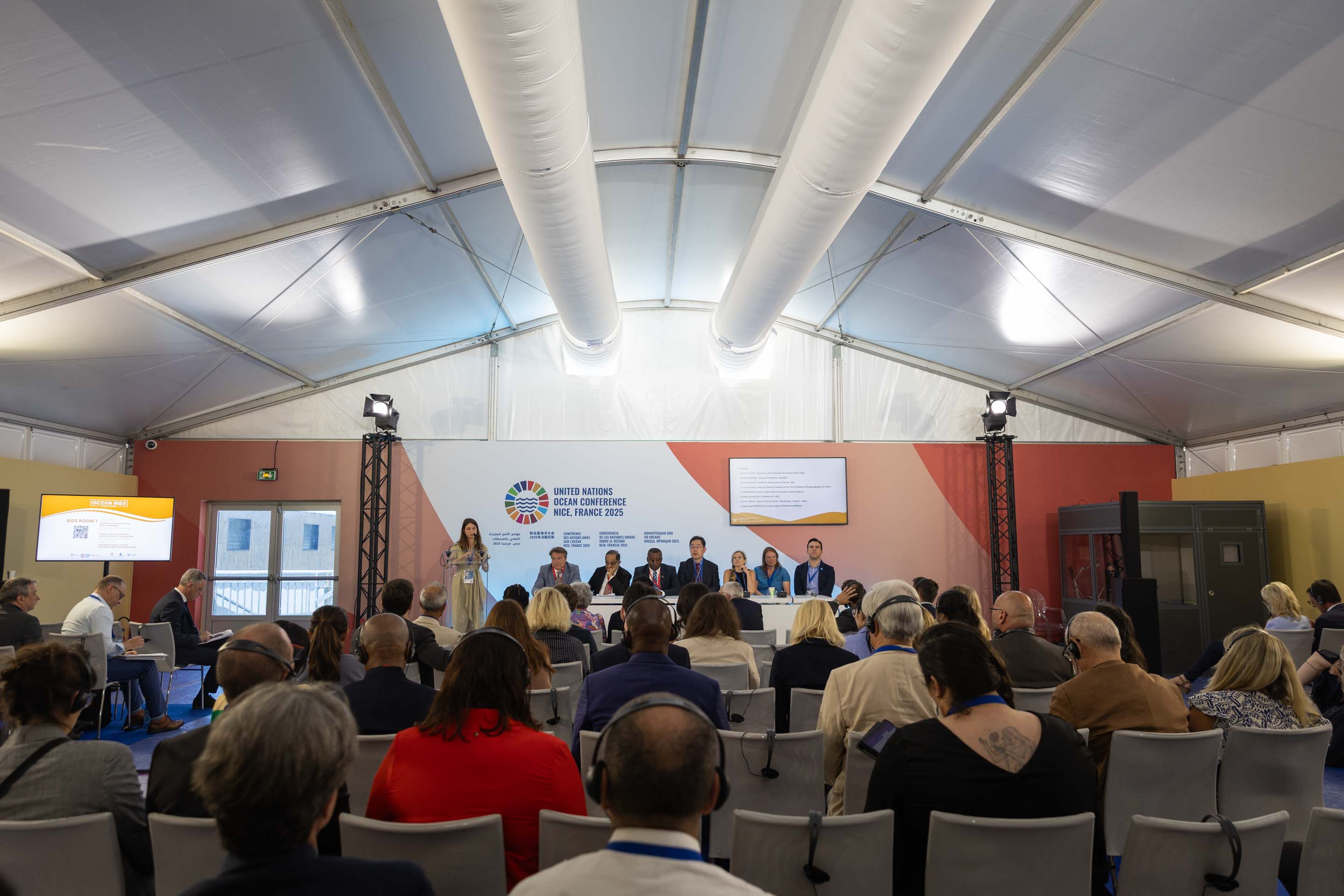
Participants gather for Thematic Session 2: From data collection to risk assessment

Massimiliano De Martin, Councillor of Venice, Italy, and Hanif Yusoof, Governor of the Western Province, Sri Lanka
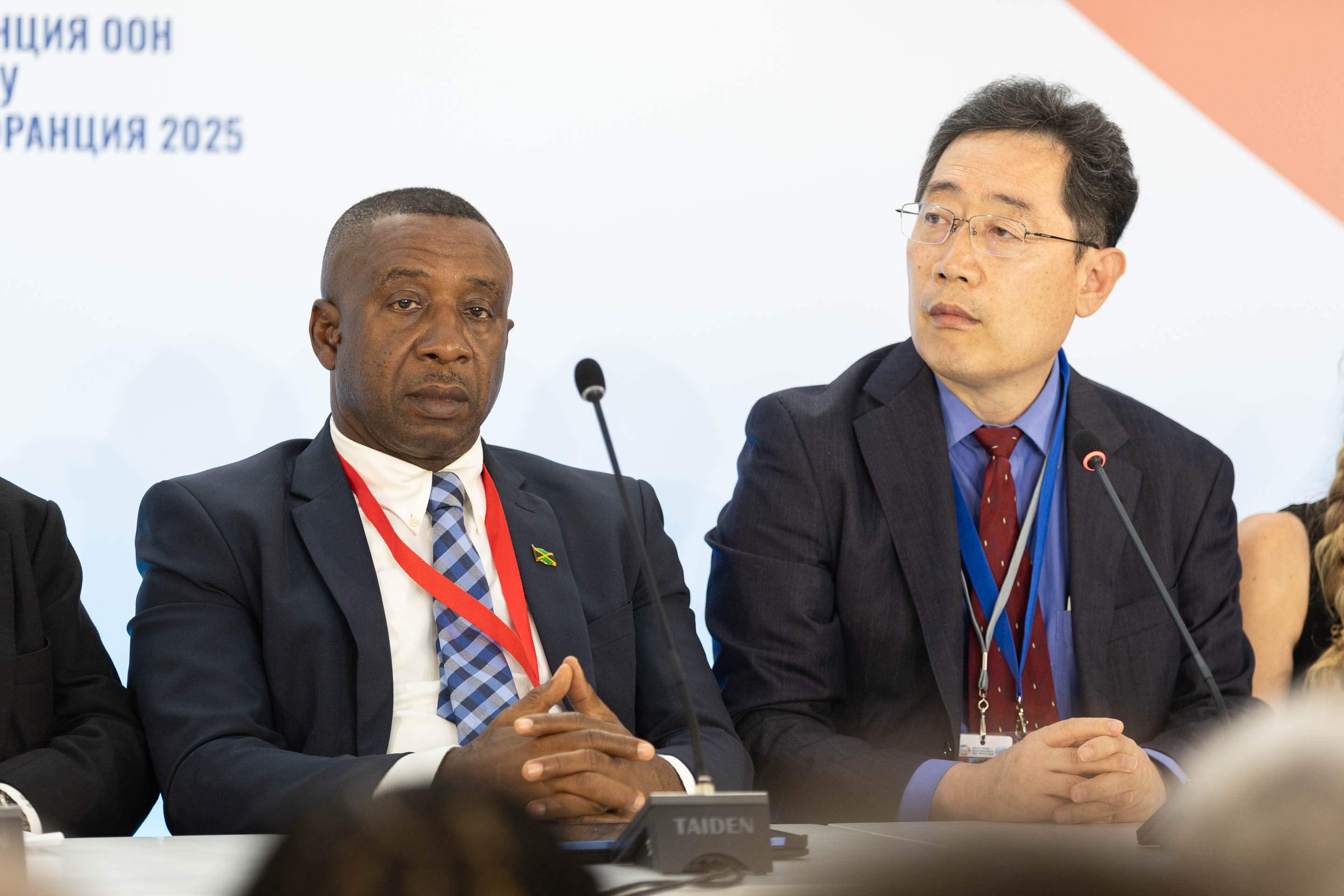
Andrew Swaby, Mayor of Kingston, Jamaica, and Fangli Qiao, Deputy Director General, First Institute of Oceanography (FIO)

Liz Barrow, Research Specialist, European Space Agency
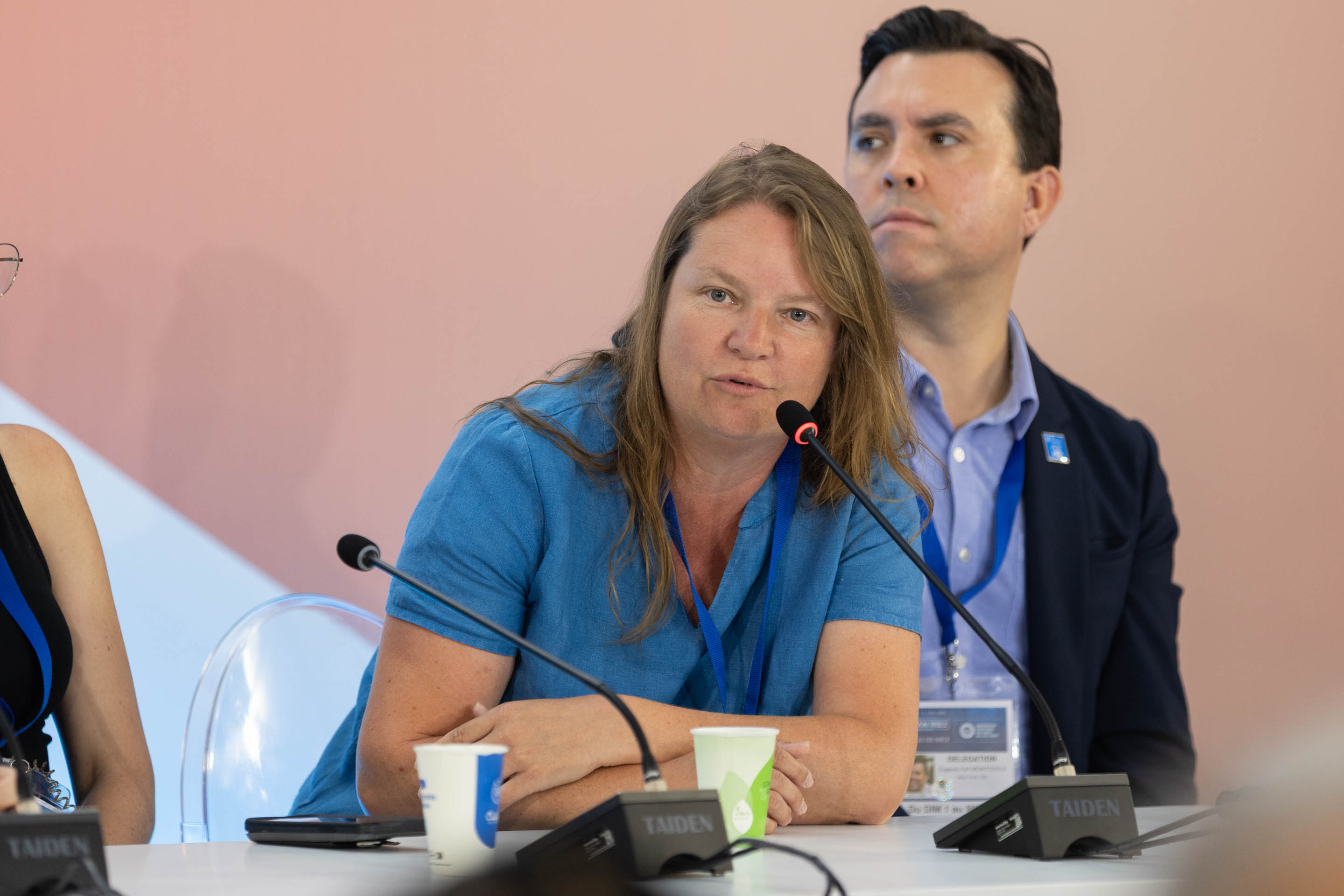
Aurélie Dehouck, President, I-SEA
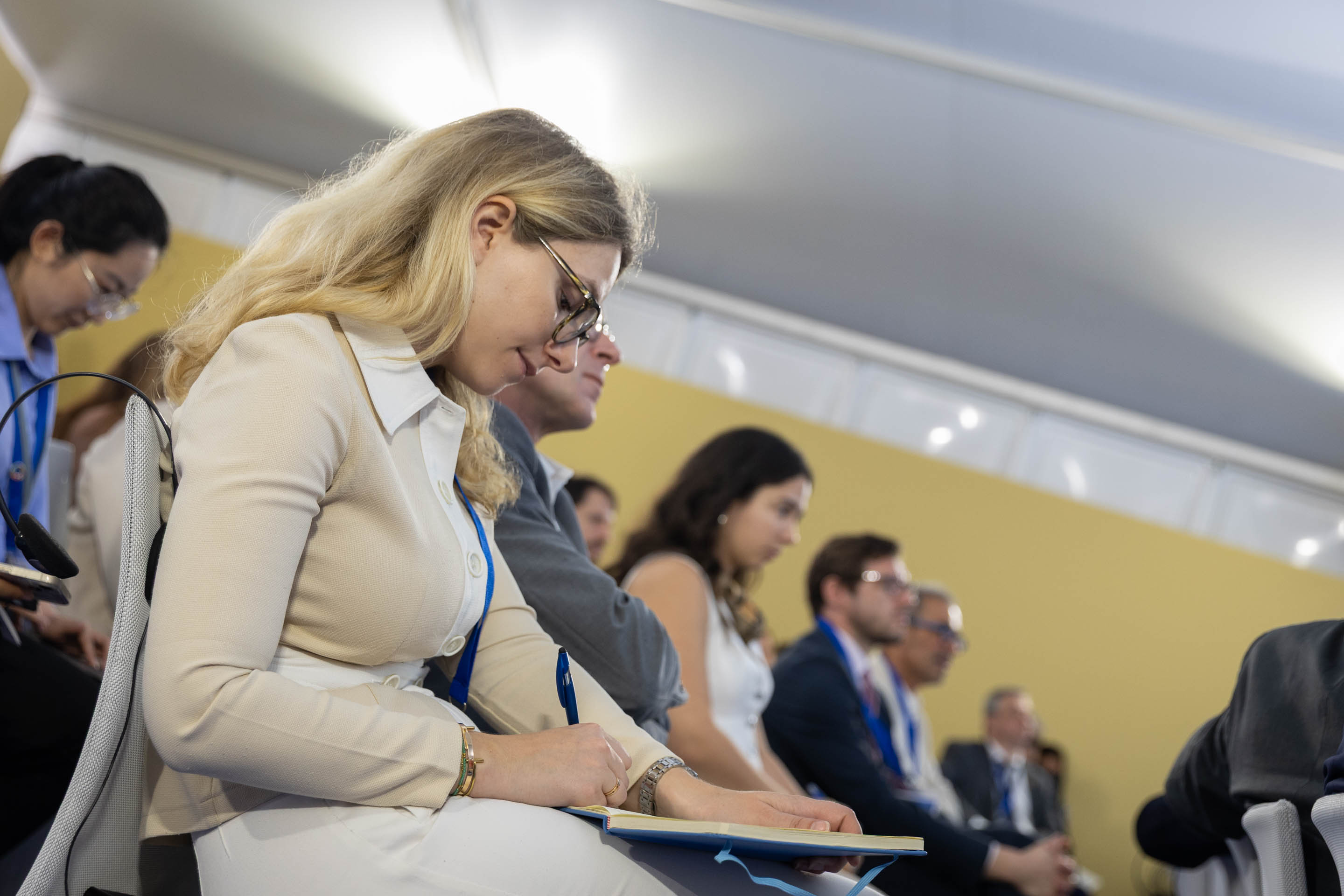
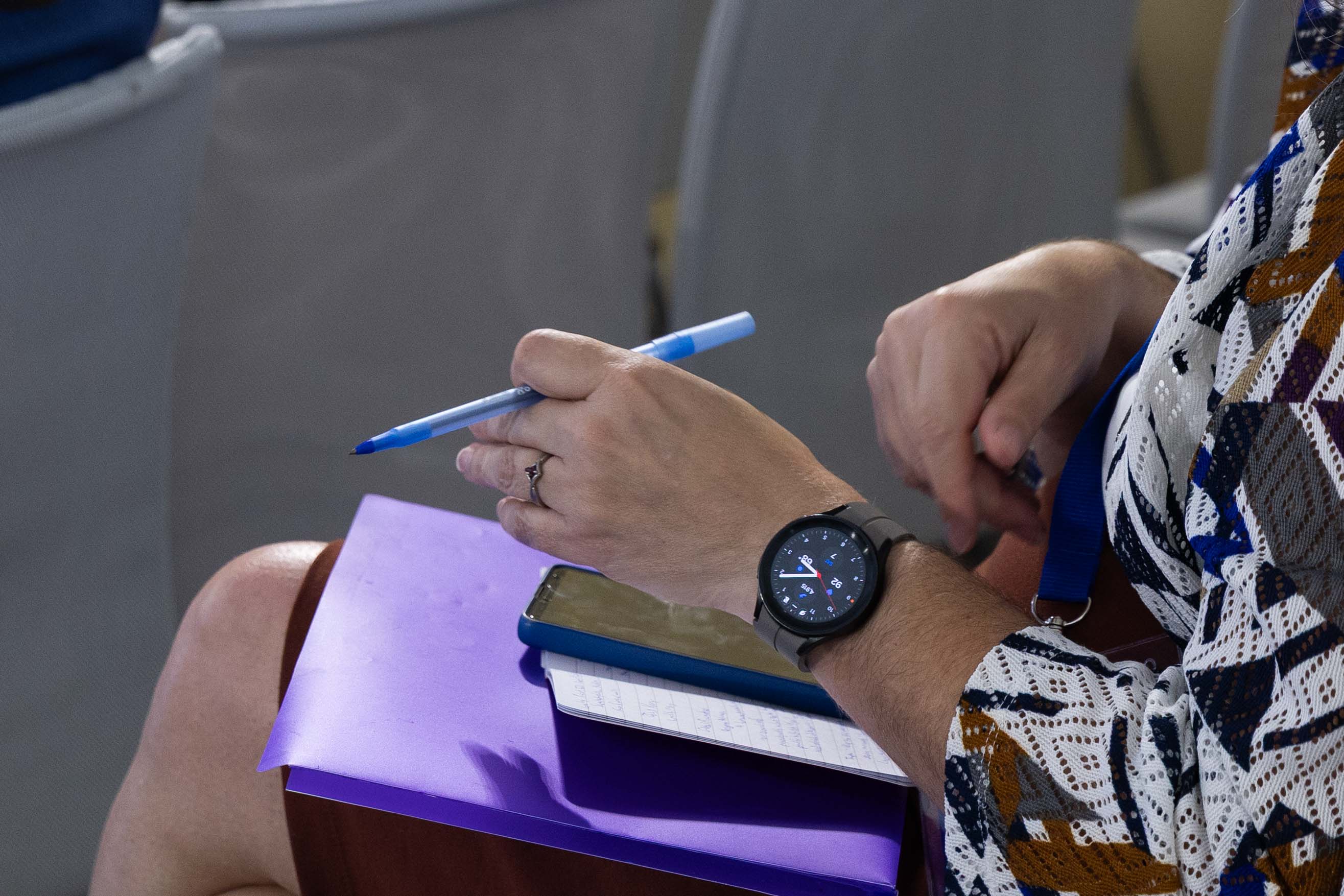
Participants take notes during the session
Thematic Session 3: Multi-level Governance of Coastal Cities and Regions Adaptation and Resilience
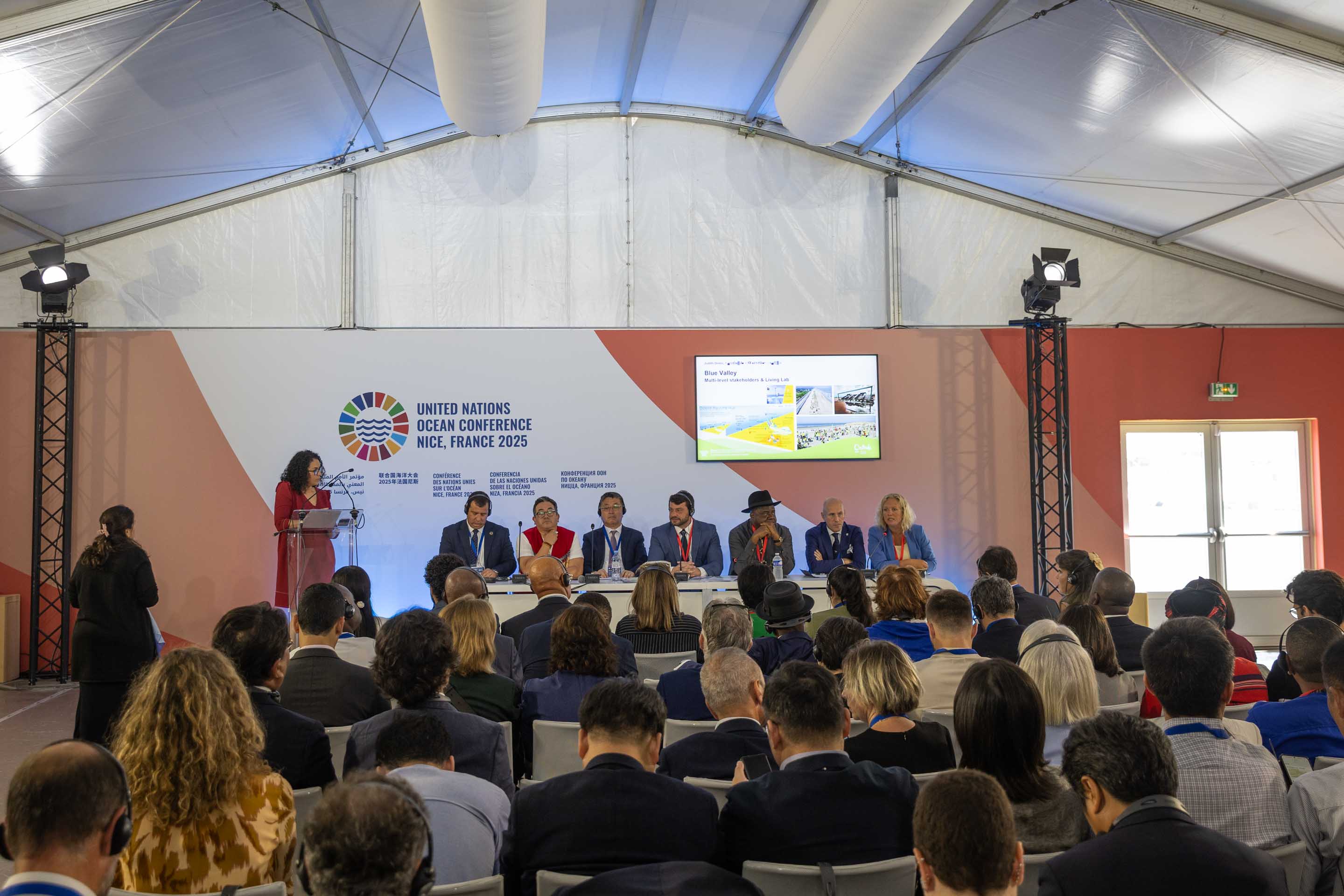
Participants gather for Thematic Session 3: Multi-level governance of coastal cities and regions adaptation and resilience
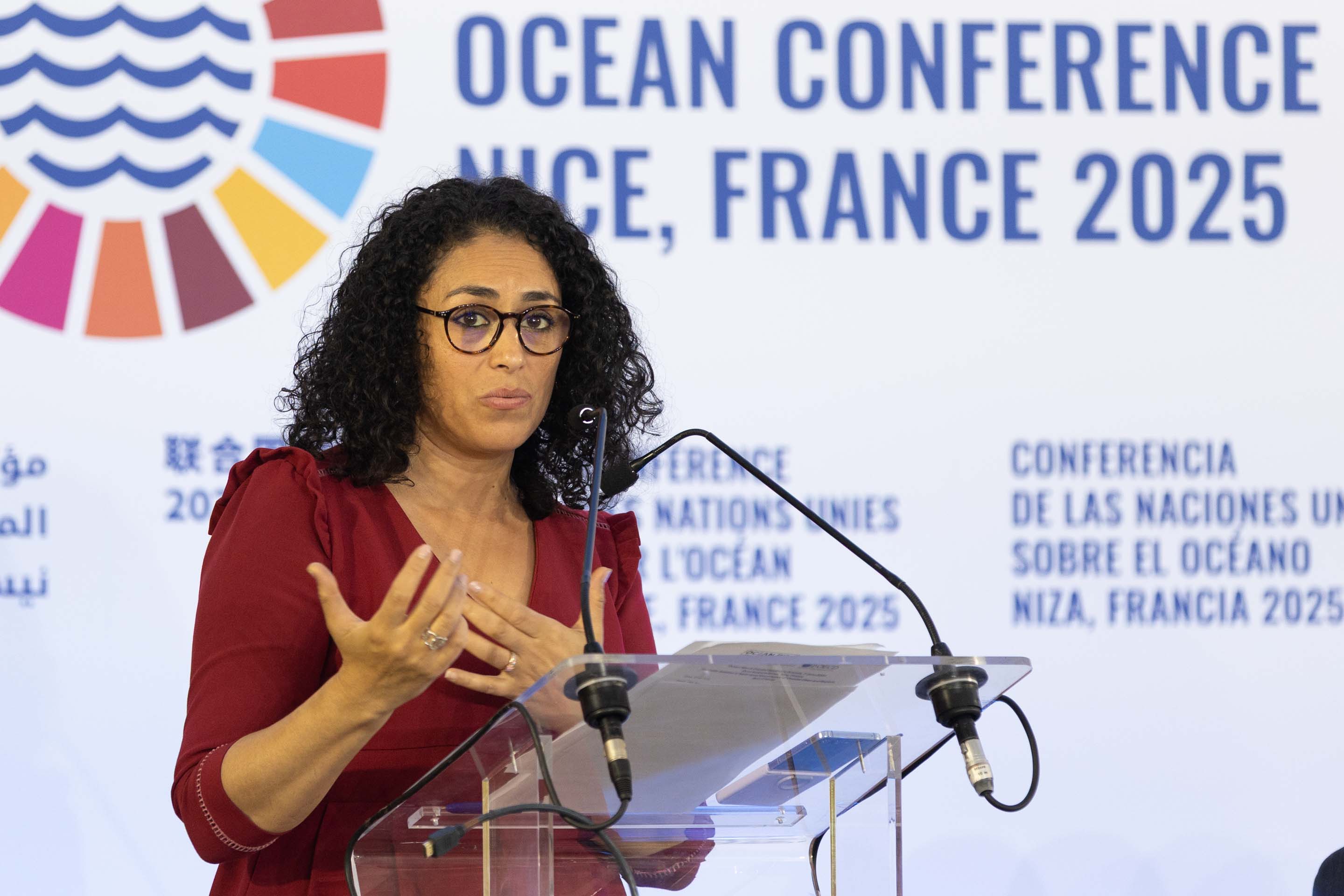
Aziza Akhmouch, Organisation for Economic Co-operation and Development (OECD)
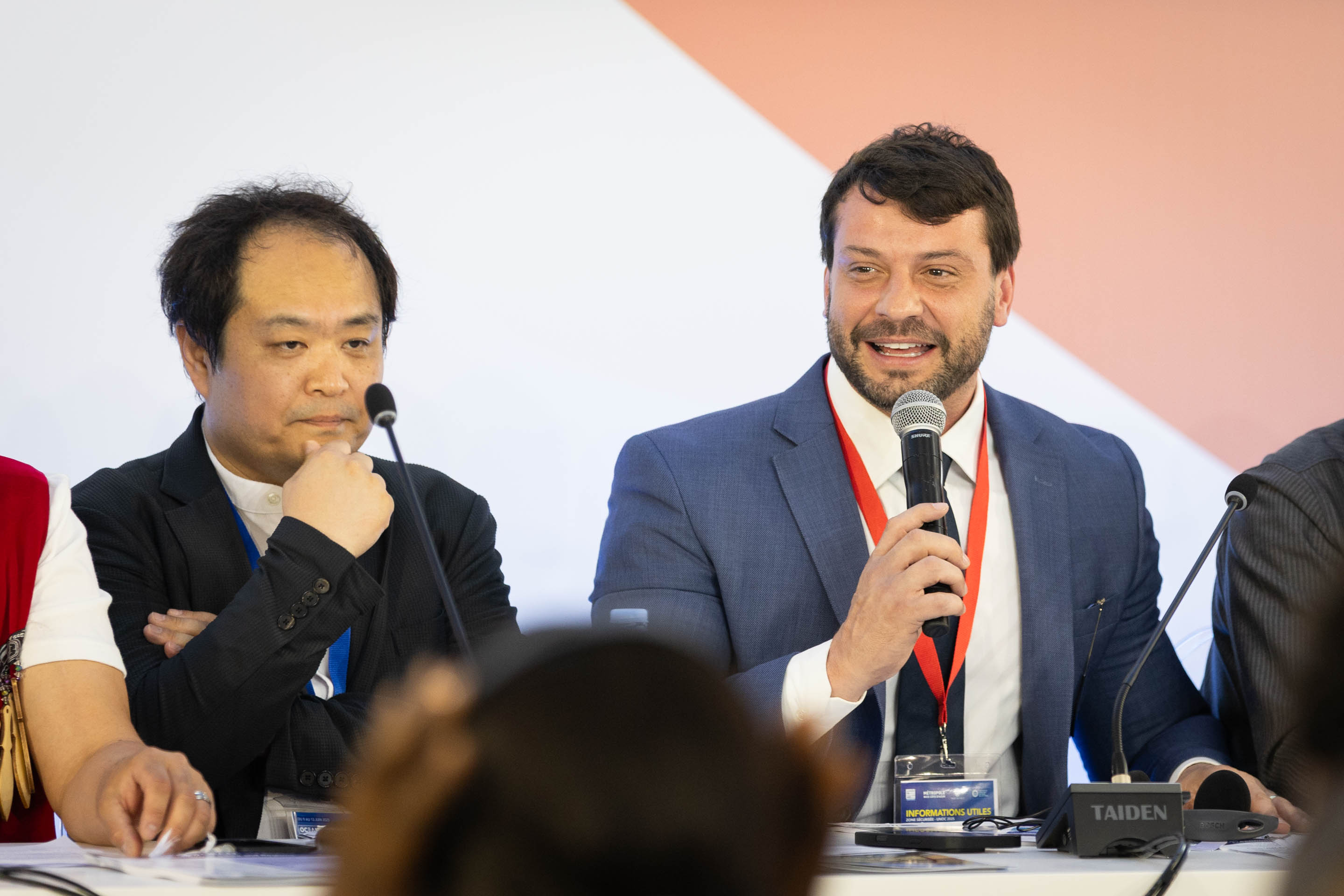
Bernardo Rossi, Secretary for the Environment and Sustainability, State of Rio de Janeiro, Brazil

Williams Wilson, Elected Councillor, Spokesperson for Squamish Nation, Canada
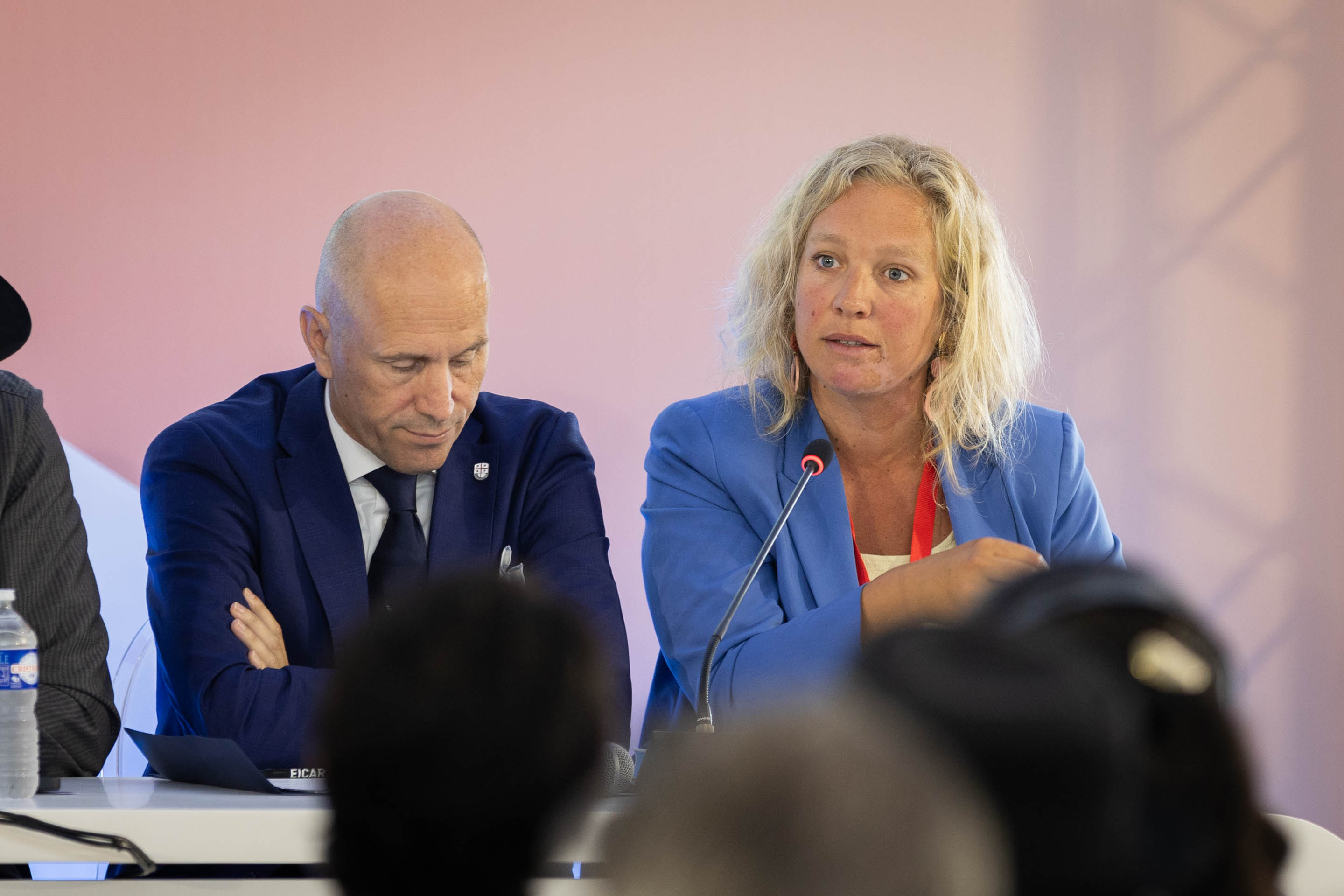
Judith Ooms, Alderwoman of Oostende, Belgium

Thematic Session 4: Financial Strategies, Partnerships and Engineering
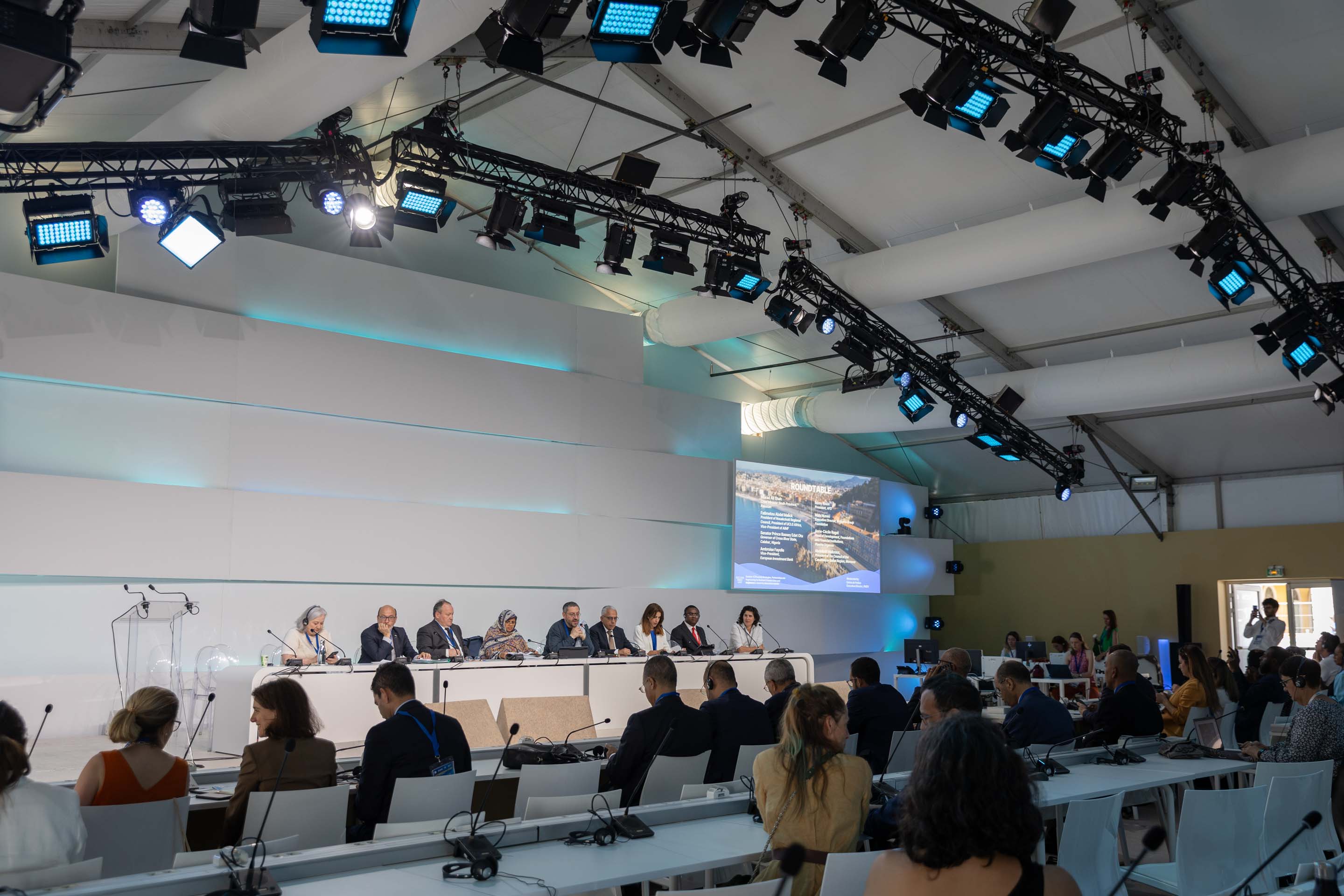
Delegates gather for Thematic Session 4: Financial strategies, partnerships and engineering
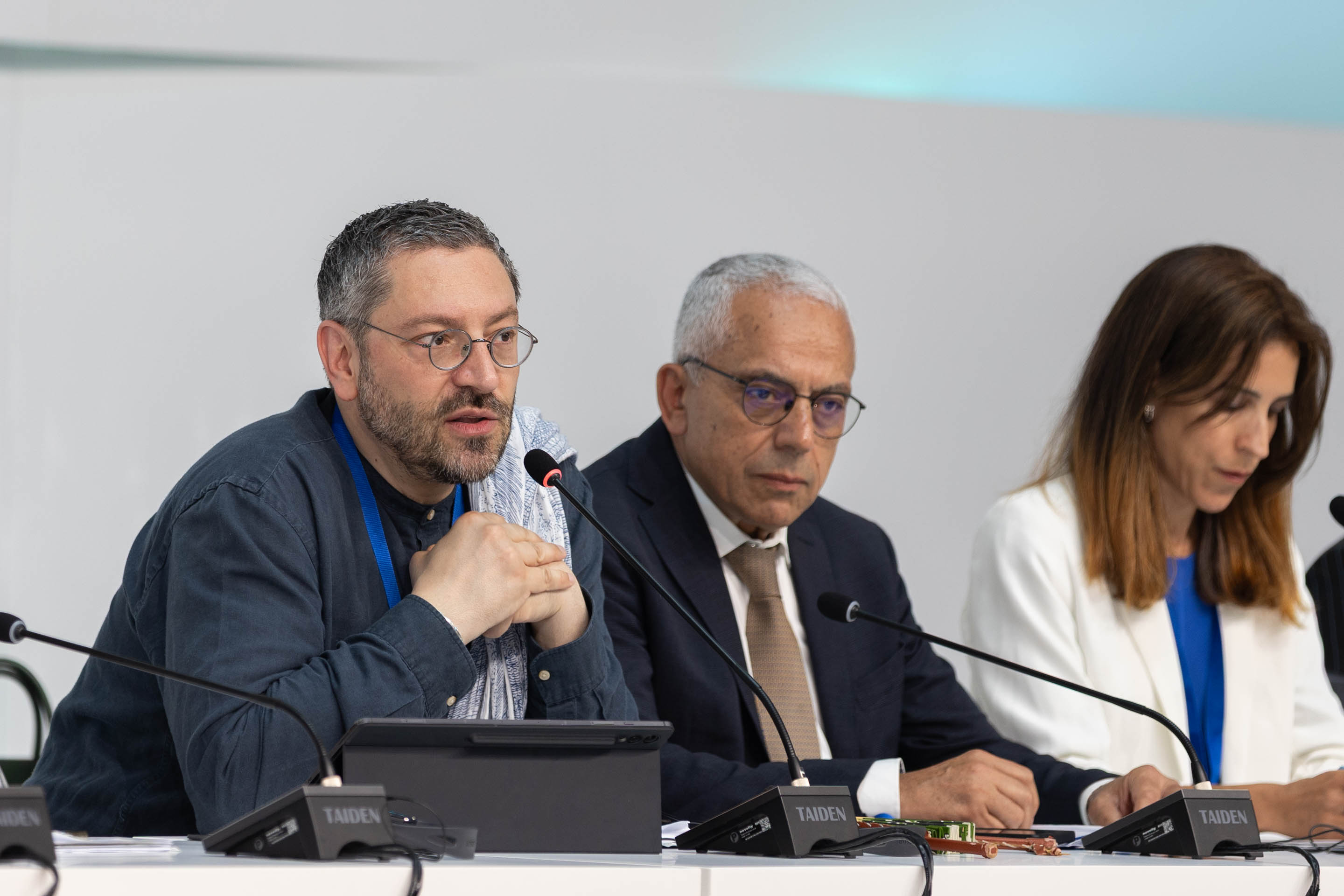
Carlos de Freitas, Executive Director, Global Fund for Cities Development
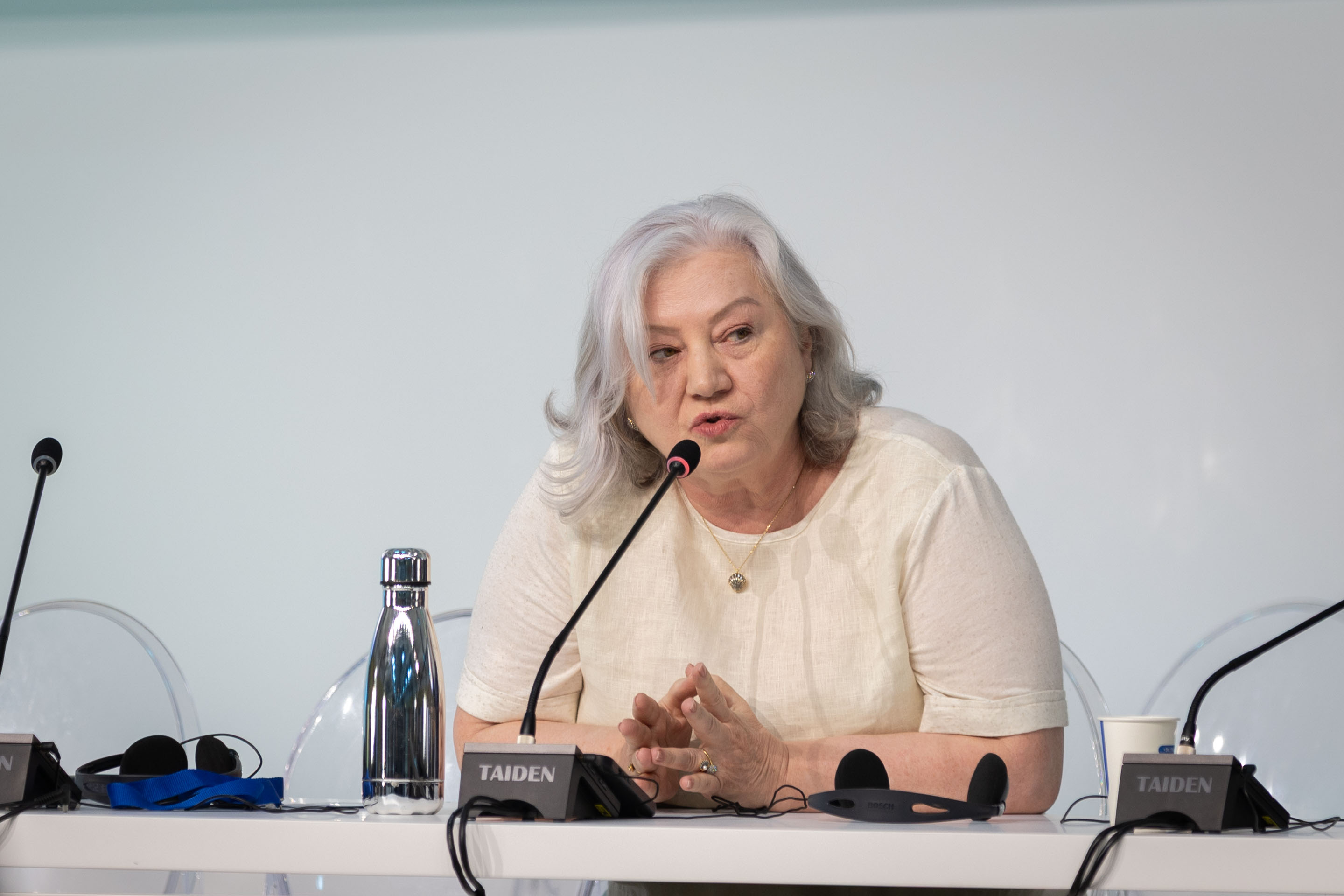
Malu Nunes, Executive Director, Boticario Group Foundation, Brazil
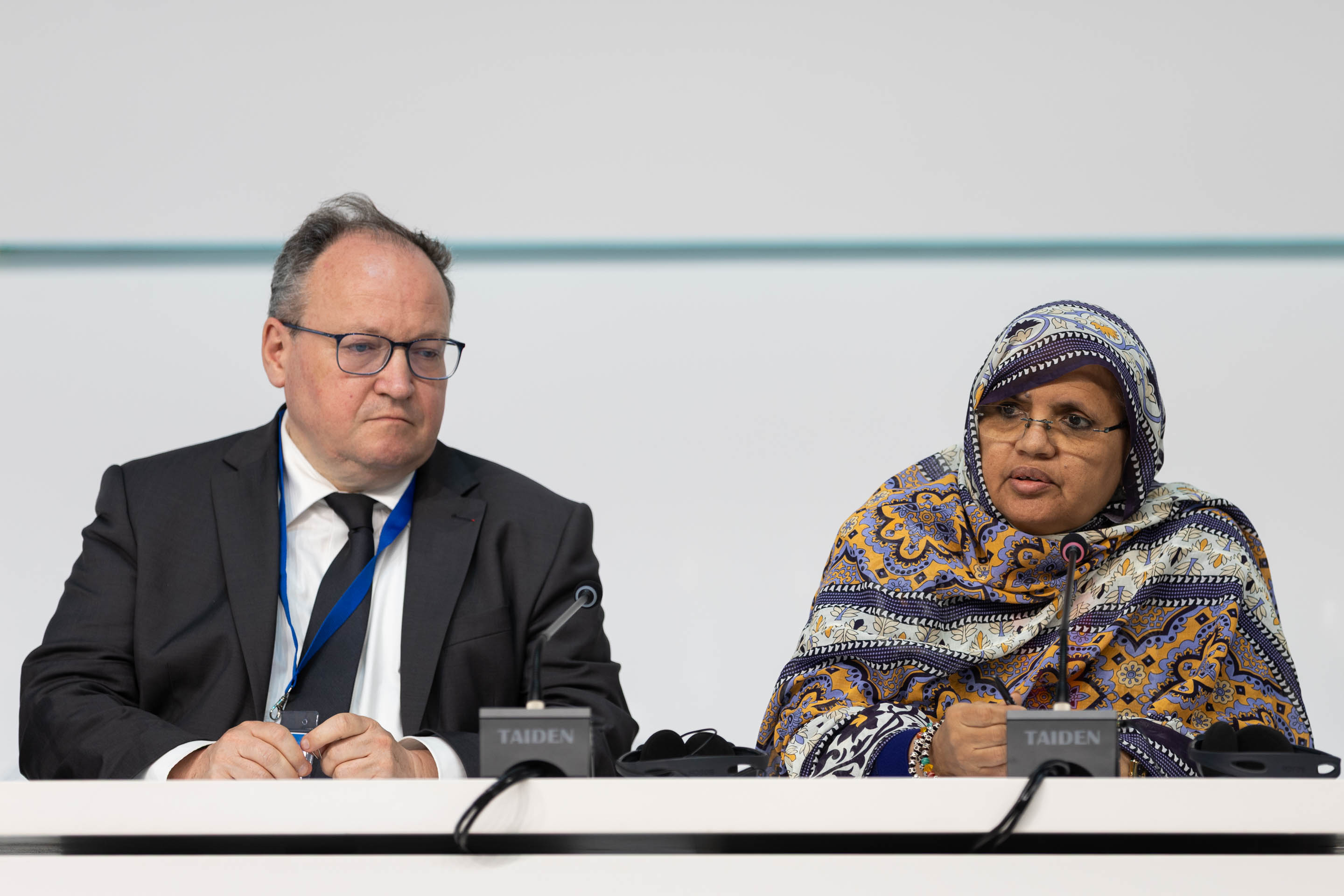
Ambroise Fayolle, Vice-President, European Investment Bank, and Fatimetou Mint Abdel Malik, President of the Nouakchott Region, Mauritania
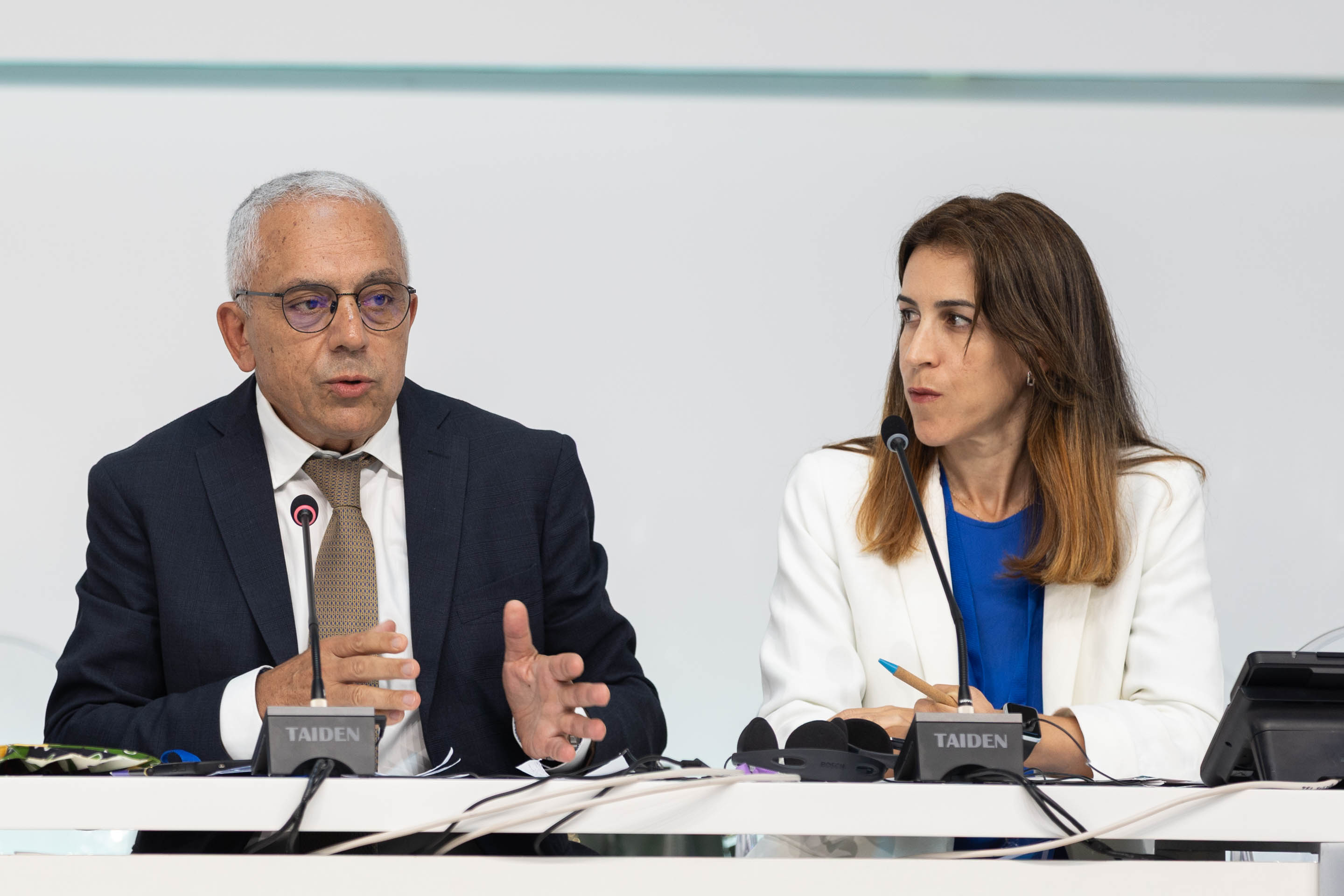
Abdellatif Maazouz, President of the Council of the Casablanca-Settat Region, Morocco, and Penélope Gómez Jiménez, Councilor for Environmental Sustainability, Malaga Municipality, Spain

Thematic Session 5: Ports, Cities and Regions: United for a Resilient Future
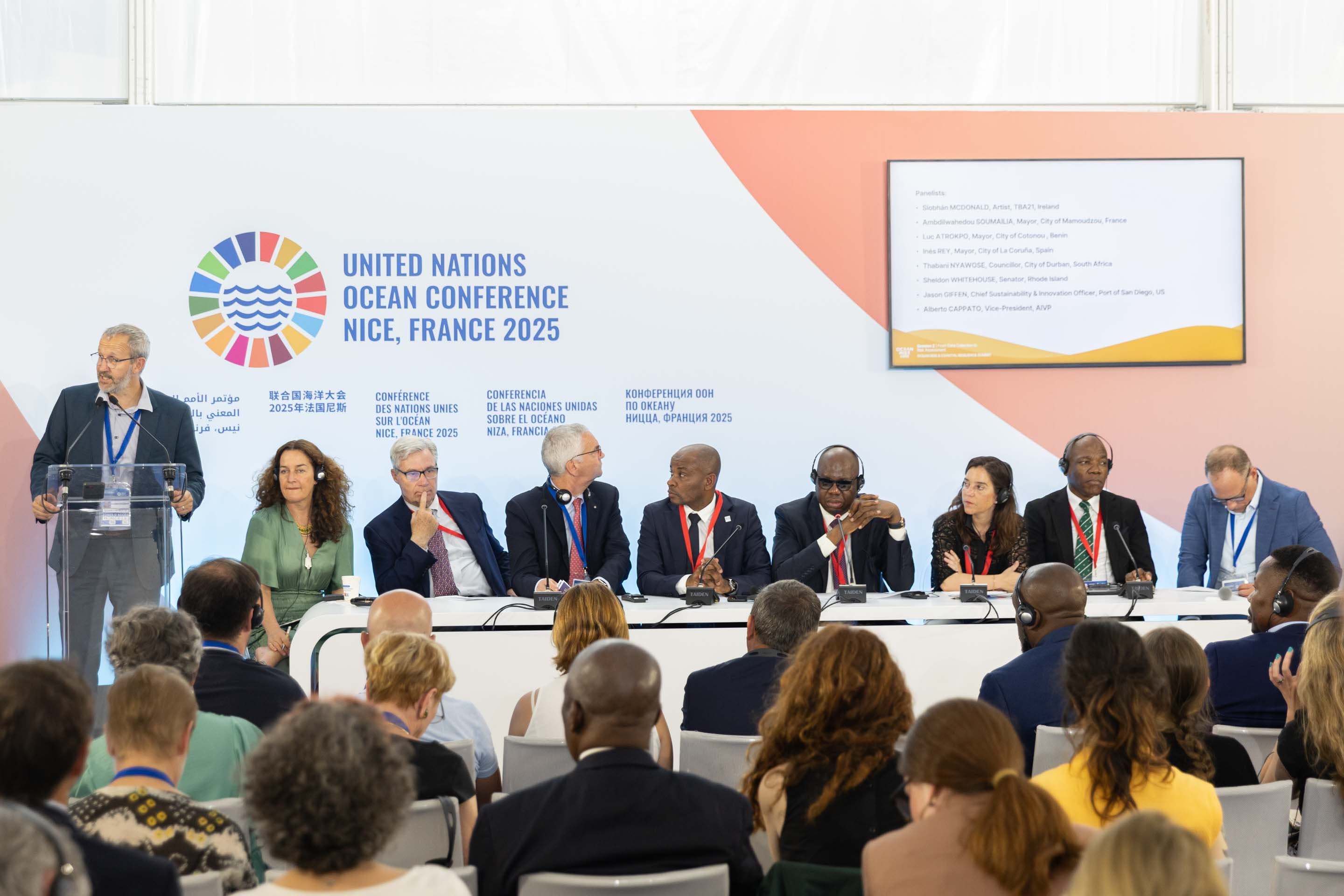
Participants gather for Thematic Session 5: Ports, Cities and Regions: United for a Resilient Future
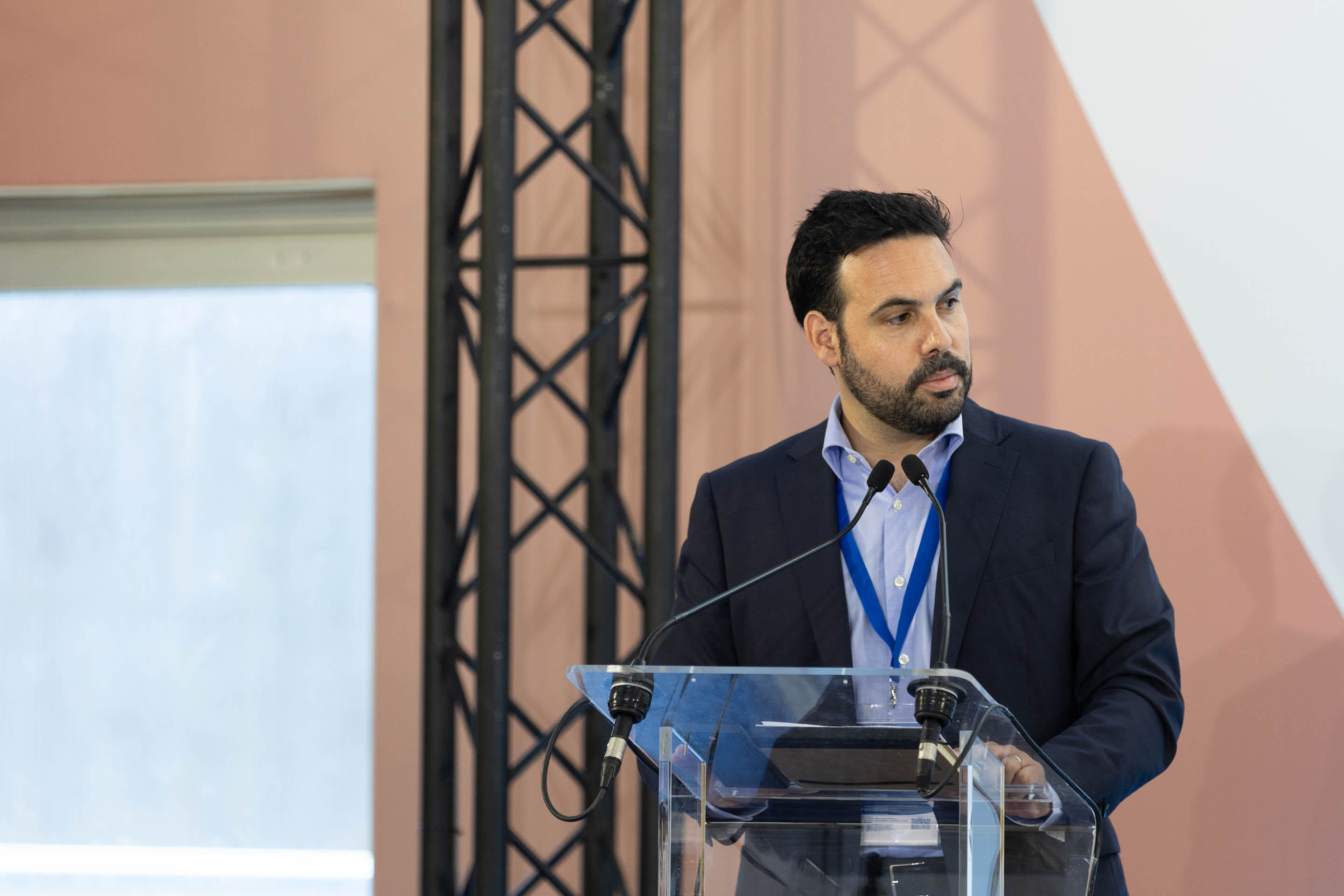
José Sánchez, Director, AIVP Agenda 2030
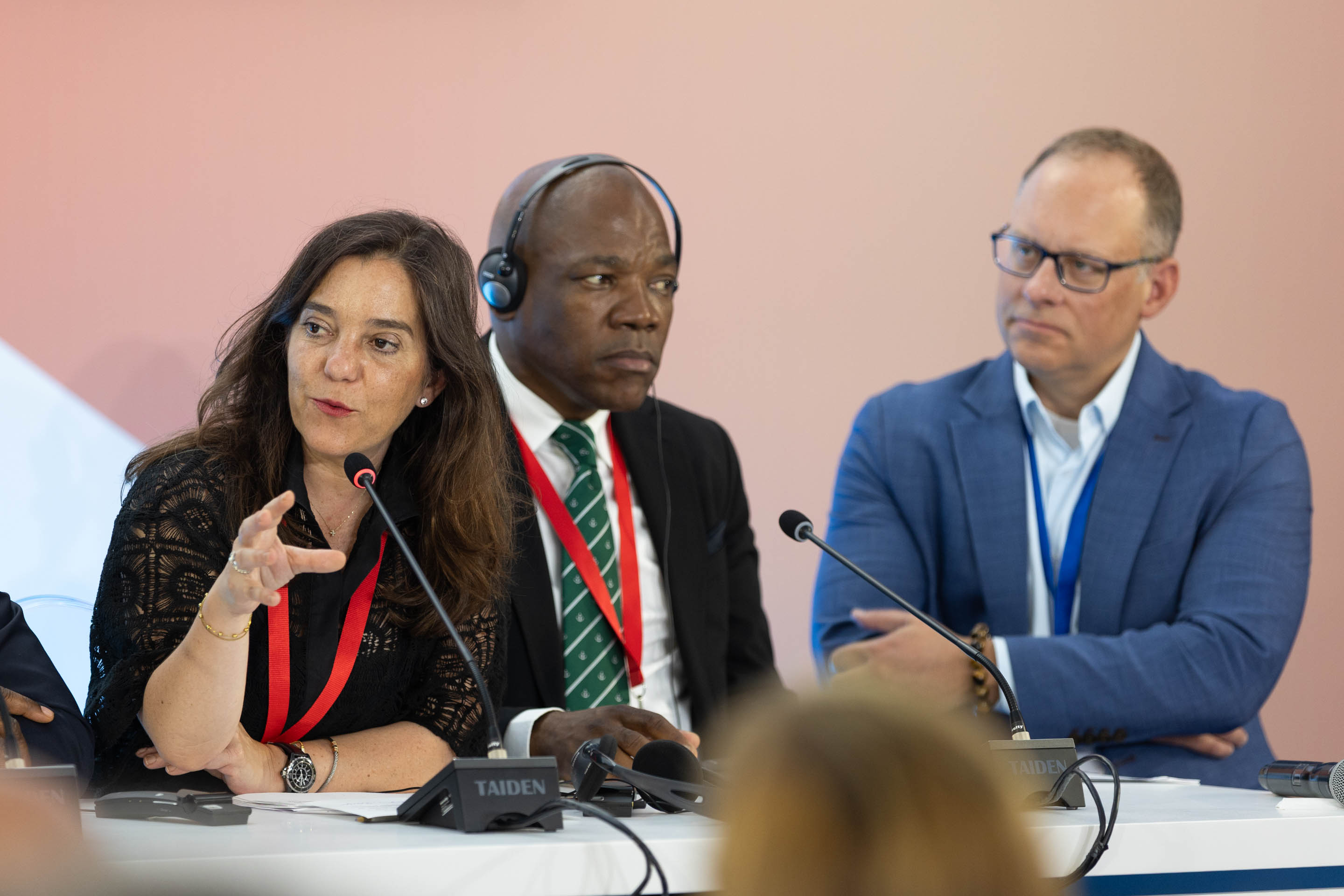
Inés Rey, Mayor, City of A Coruña, Spain
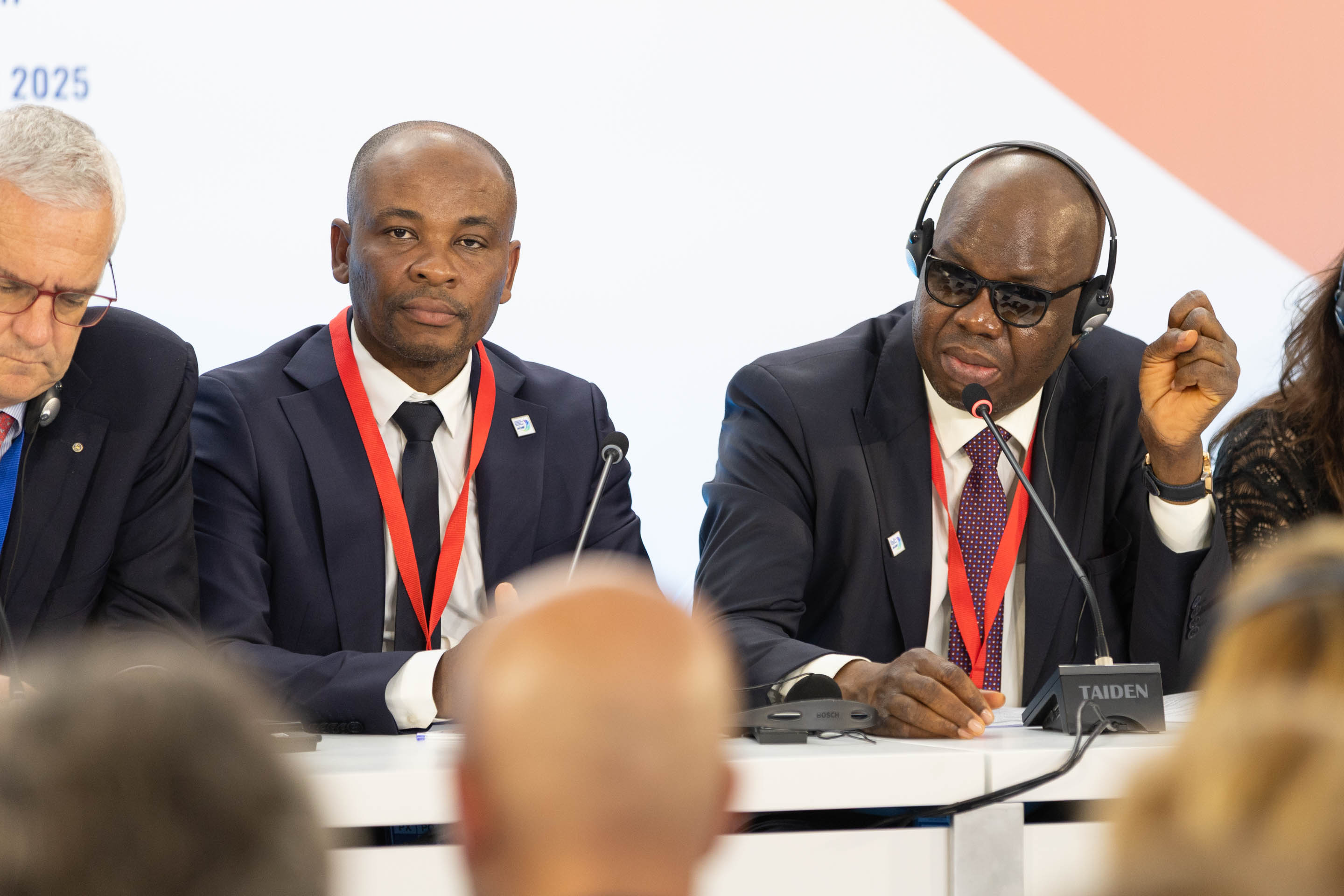
Ambdilwahedou Soumaïla, Mayor, City of Mamoudzou, Mayotte, France, and Luc Atrokpo, Mayor, City of Cotonou, Benin
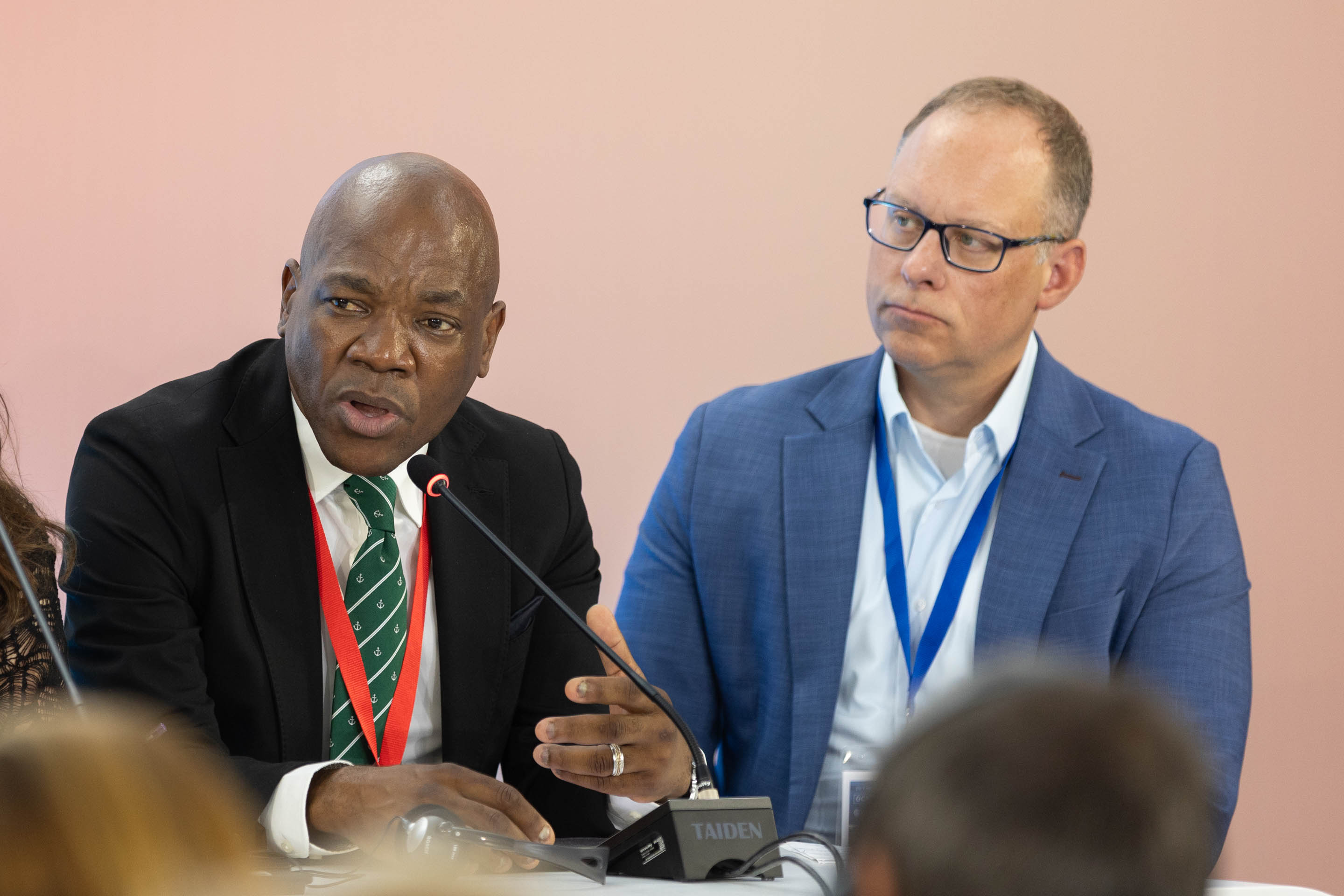
Thabani Nyawose, Councillor, City of Durban, South Africa, and Jason Giffen, Chief Sustainability and Innovation Officer, Port of San Diego, US
Thematic Session 6: Cities and Regions at the Edge: Hybrid and Soft Solutions for a Resilient Future
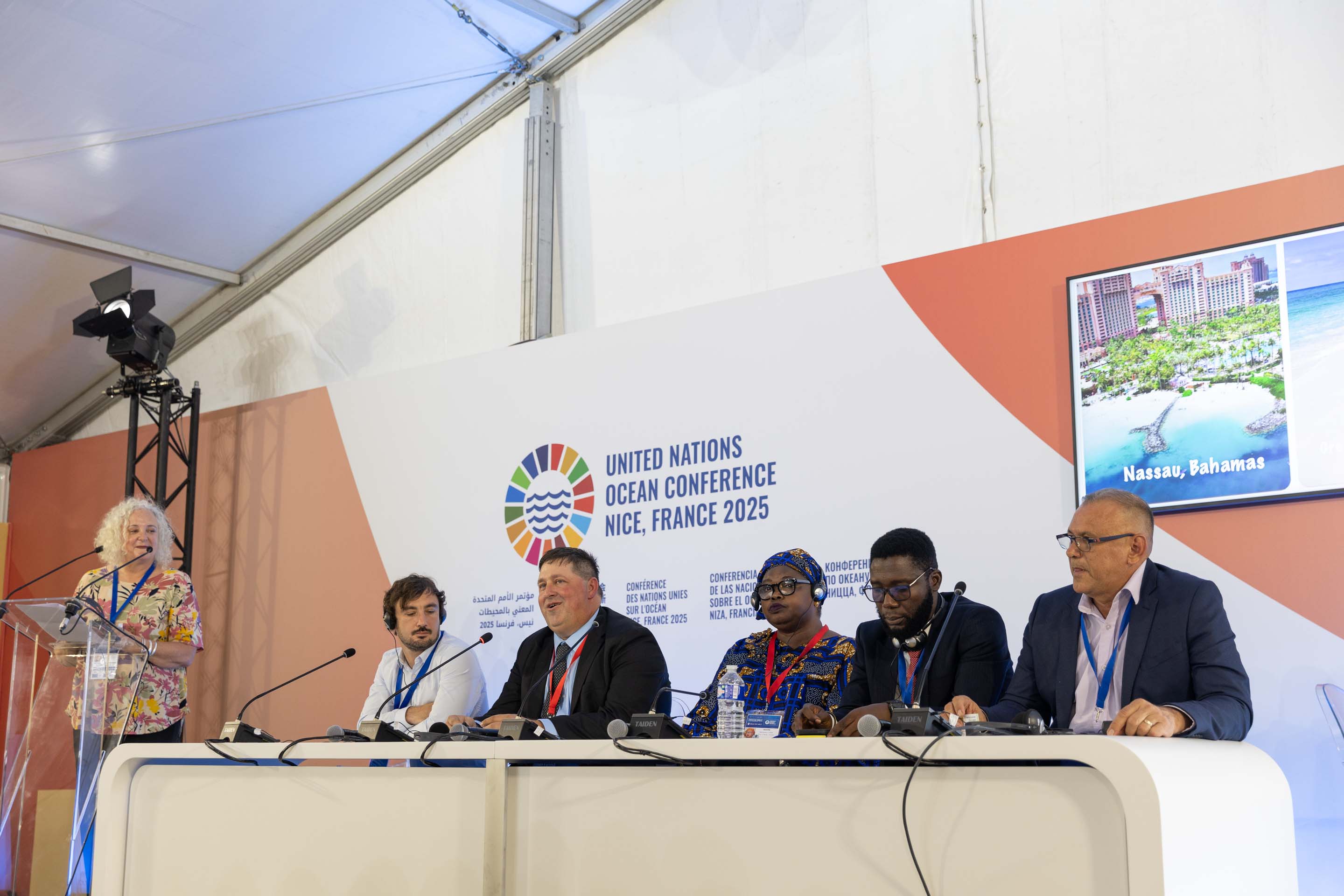
Panel speakers for Thematic Session 6: Cities and Regions at the Edge: Hybrid and Soft Solutions for a Resilient Future
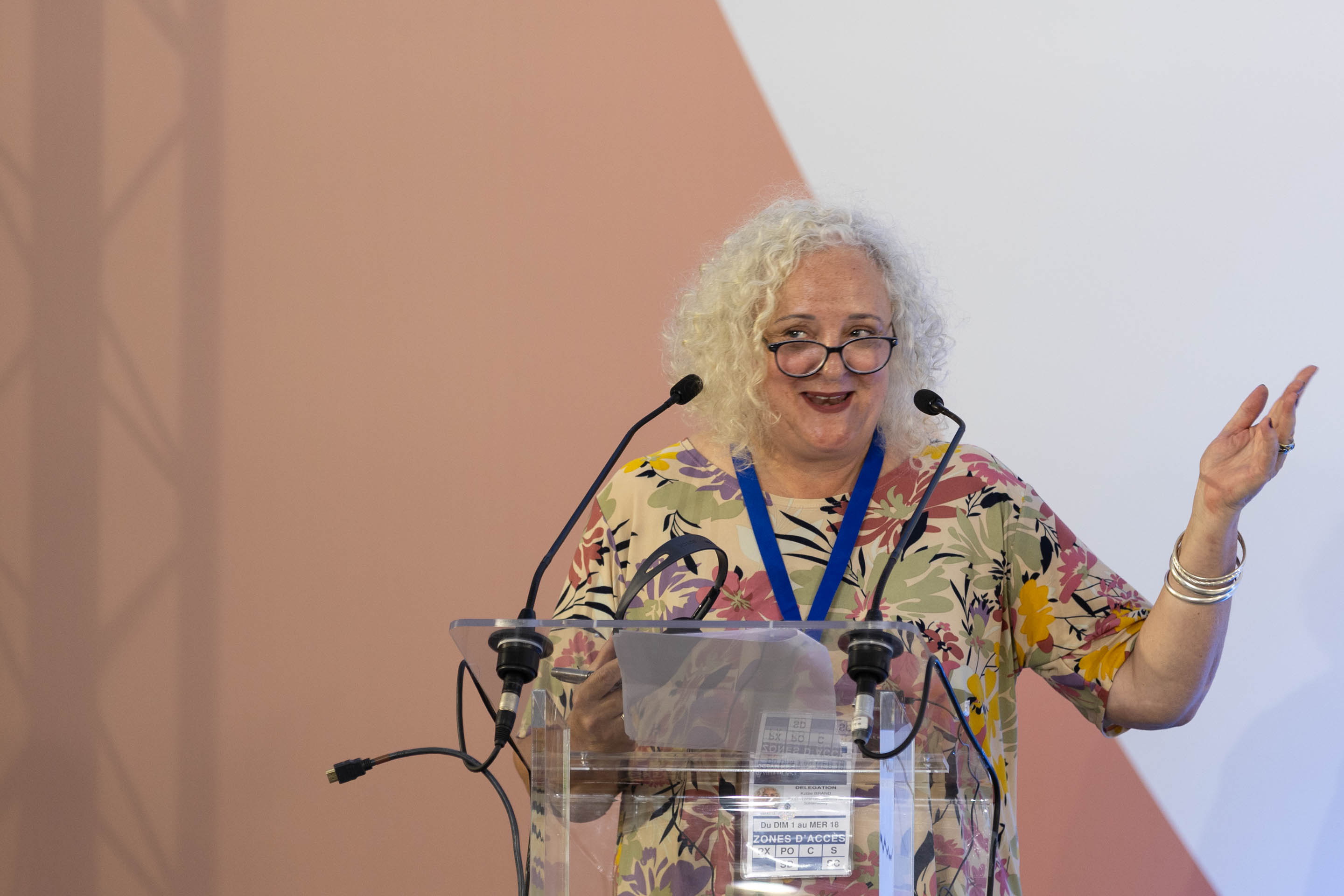
Kobie Brand, ICLEI – Local Governments for Sustainability Africa
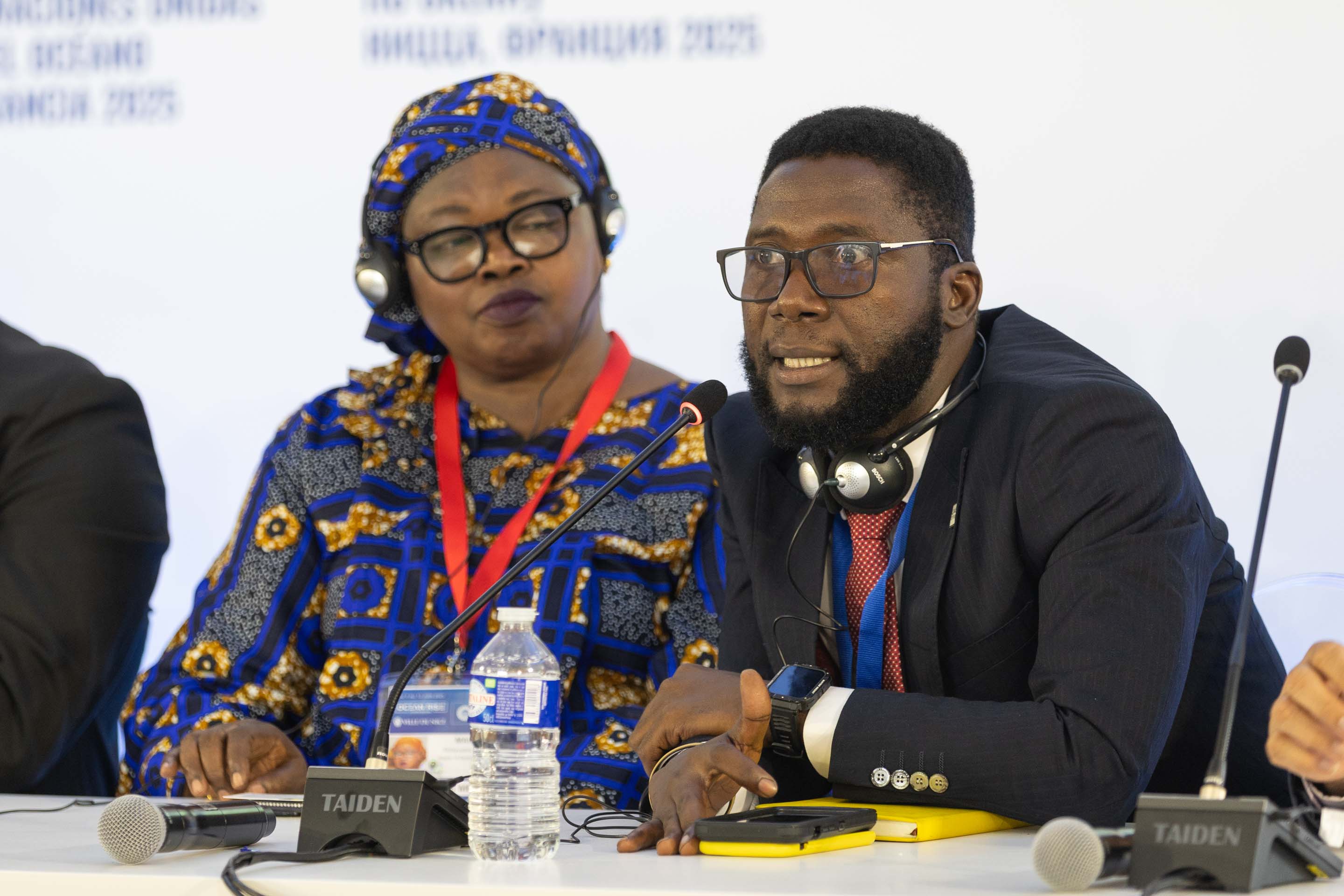
Sallieu Kanu, representing the Mayor of Freetown, Sierra Leone
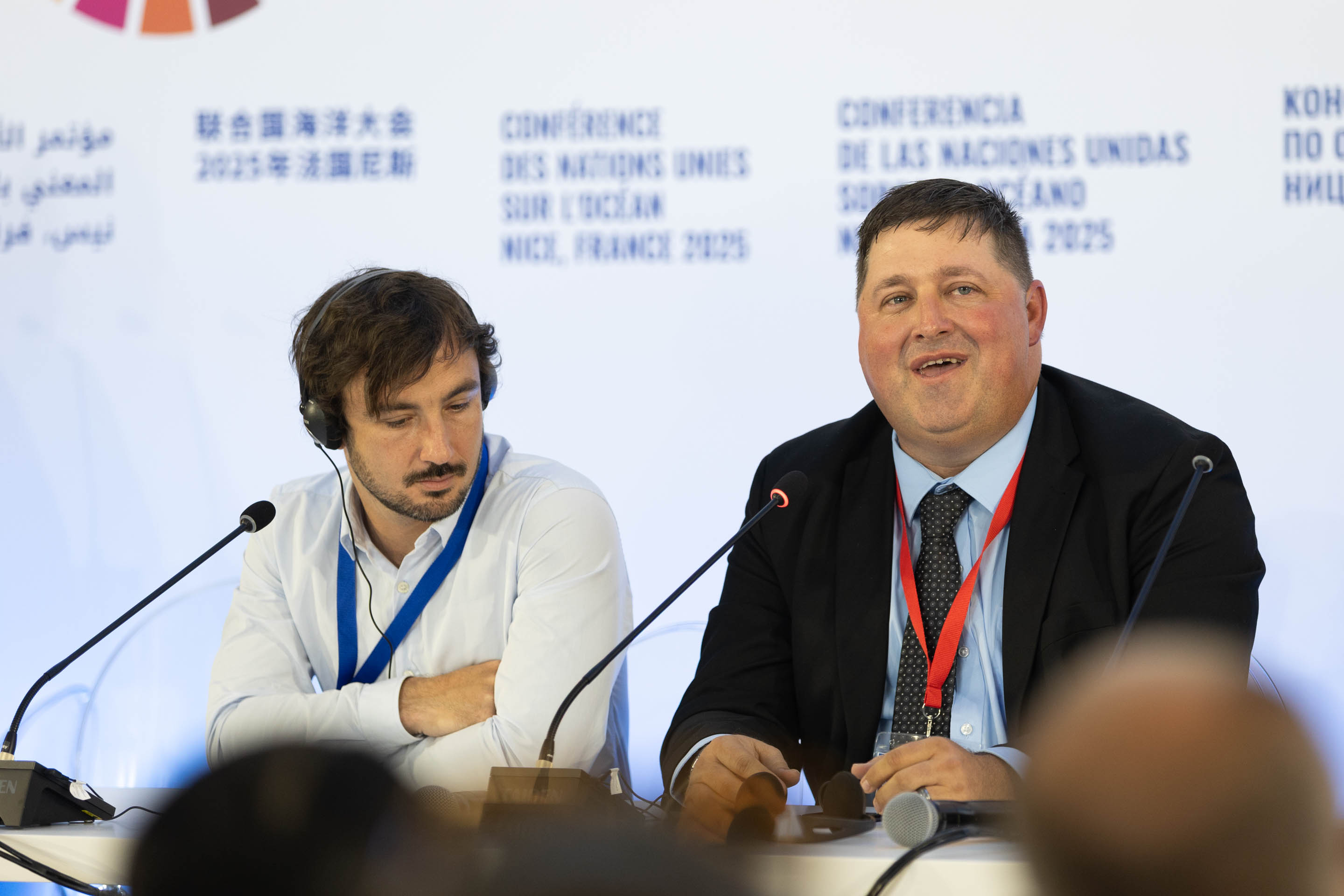
Jeremy Sweeting, Chief Councillor of Hope Town, Bahamas
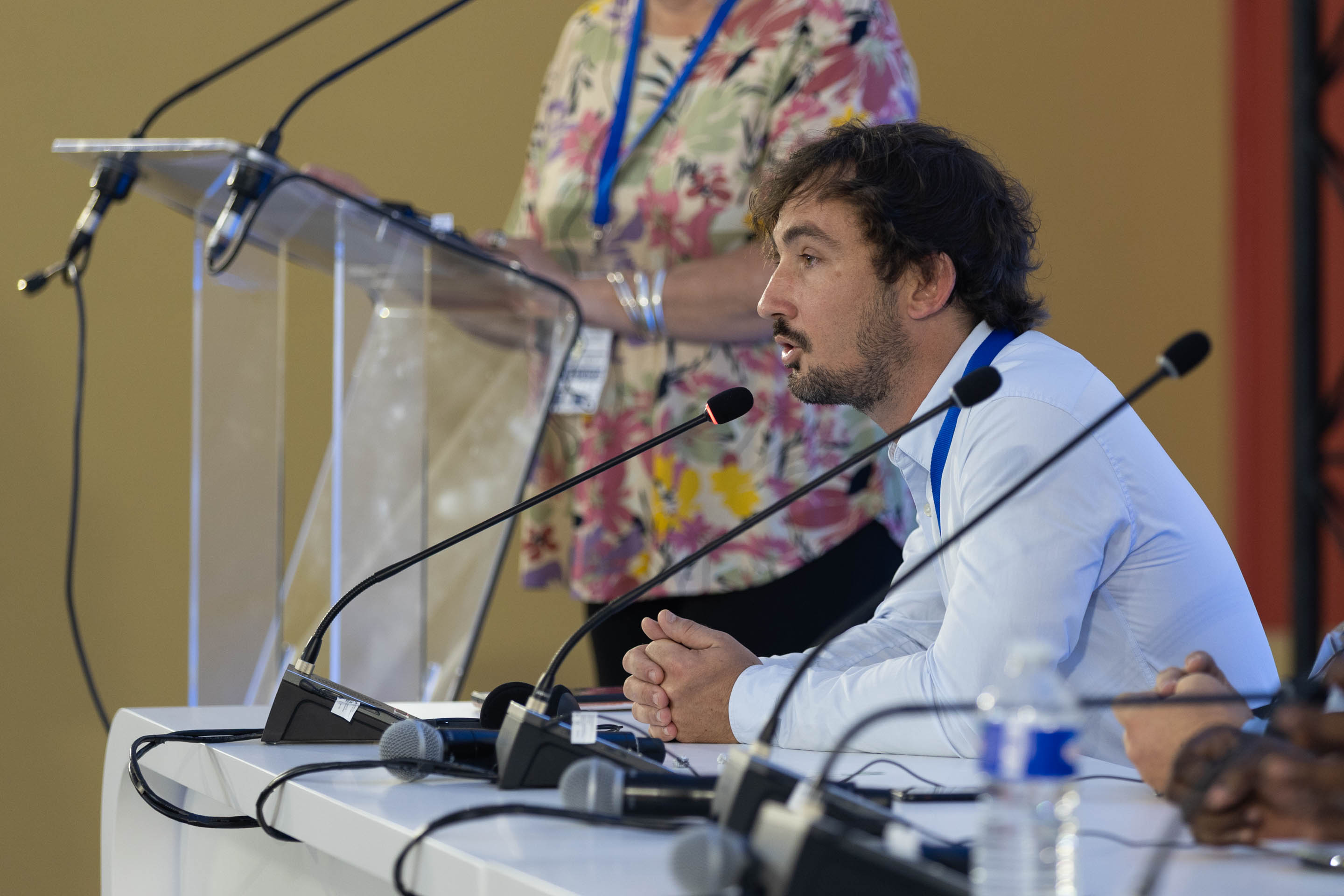
Robin Alauze, Founder and CEO, Lineup Ocean
Thematic Session 7: Bold Visions for the Future of Coastal Cities and Regions
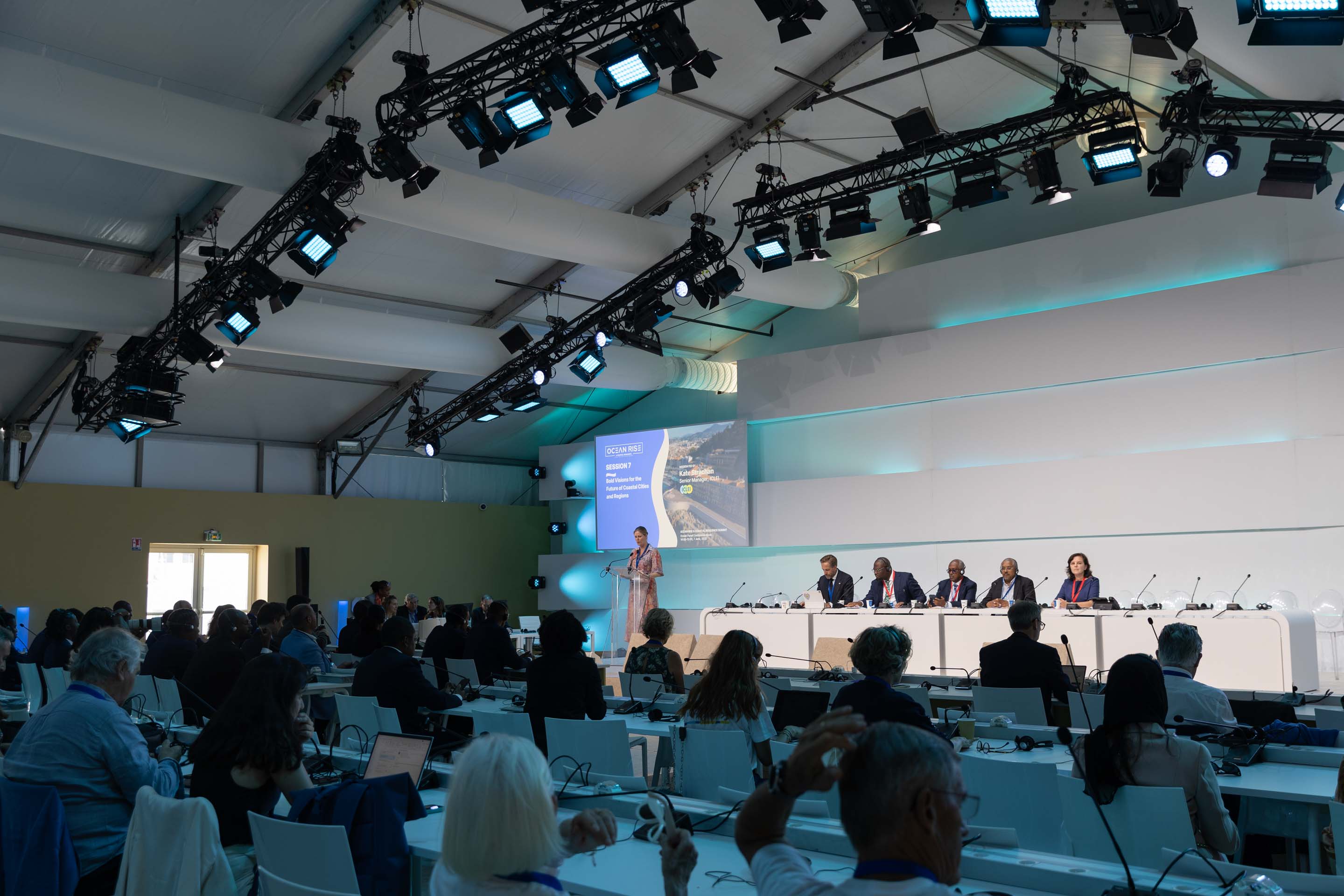
Participants gather for Thematic Session 7: Bold Visions for the Future of Coastal Cities and Regions
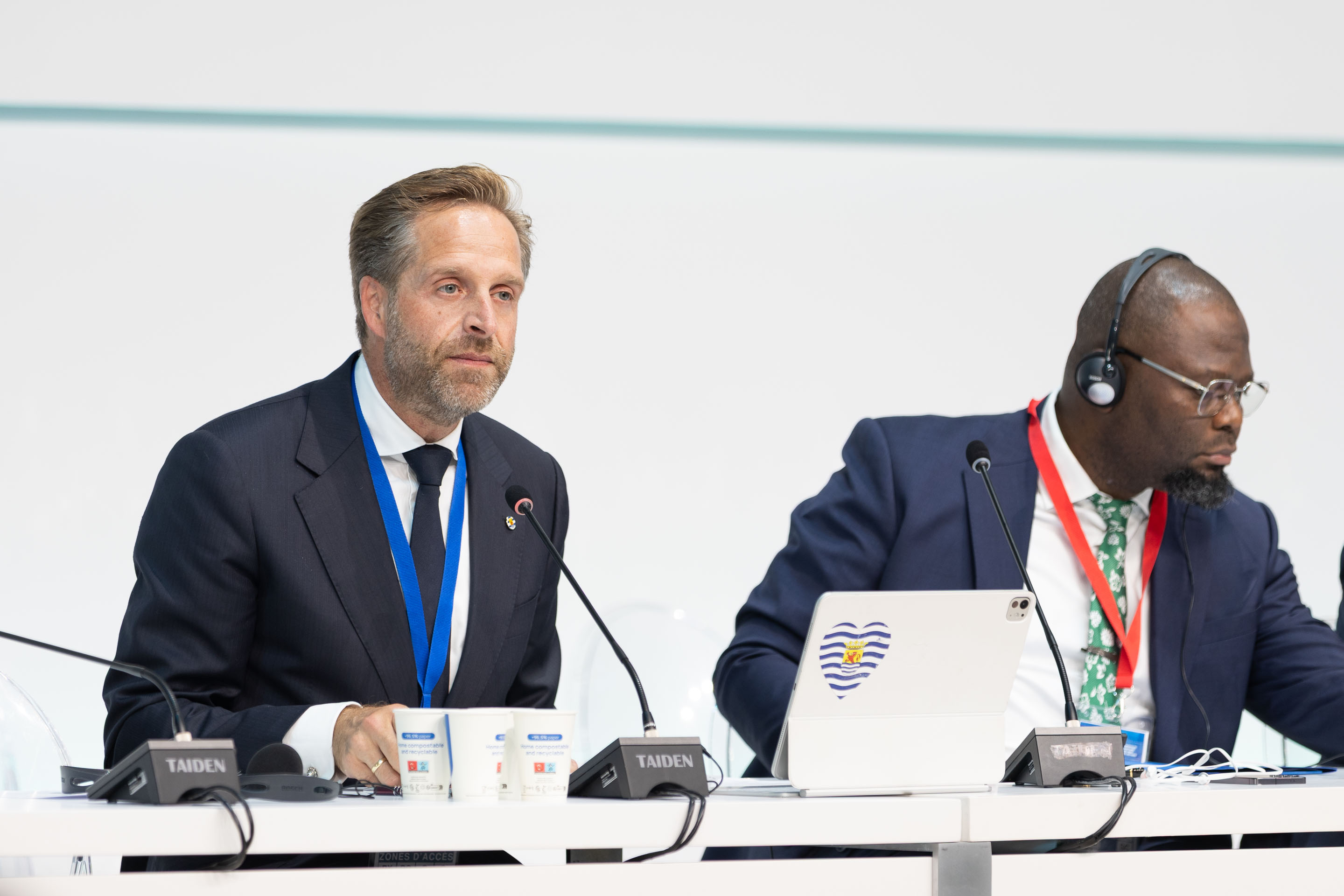
Hugo de Jonge, King's Commissioner in Zeeland, the Netherlands

Kate Strachan, ICLEI Africa
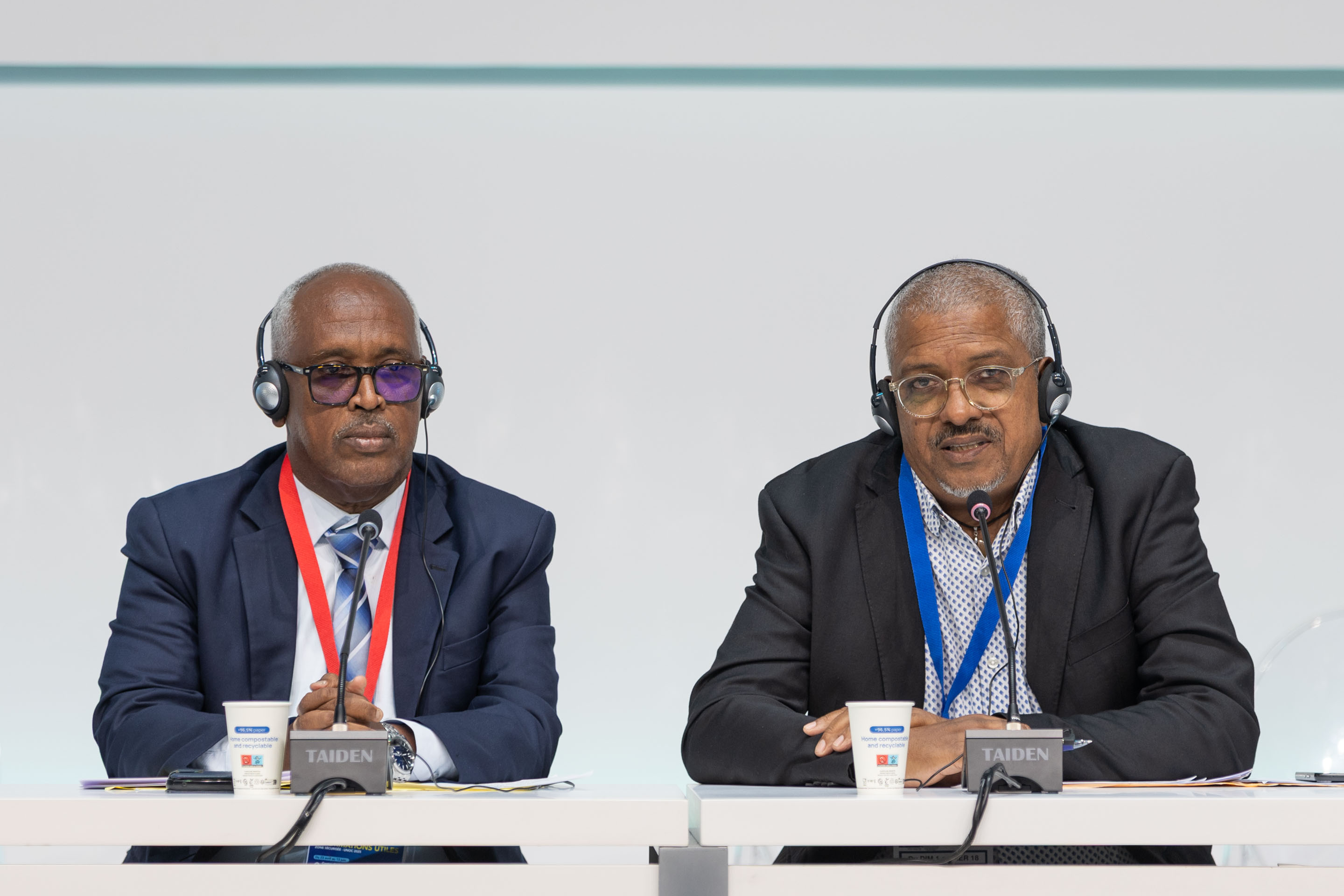
Mohamed Houmed, President of Obock Regional Council, Djibouti, and Marcellin Nadeau, former mayor of the City of Le Prêcheur, Martinique
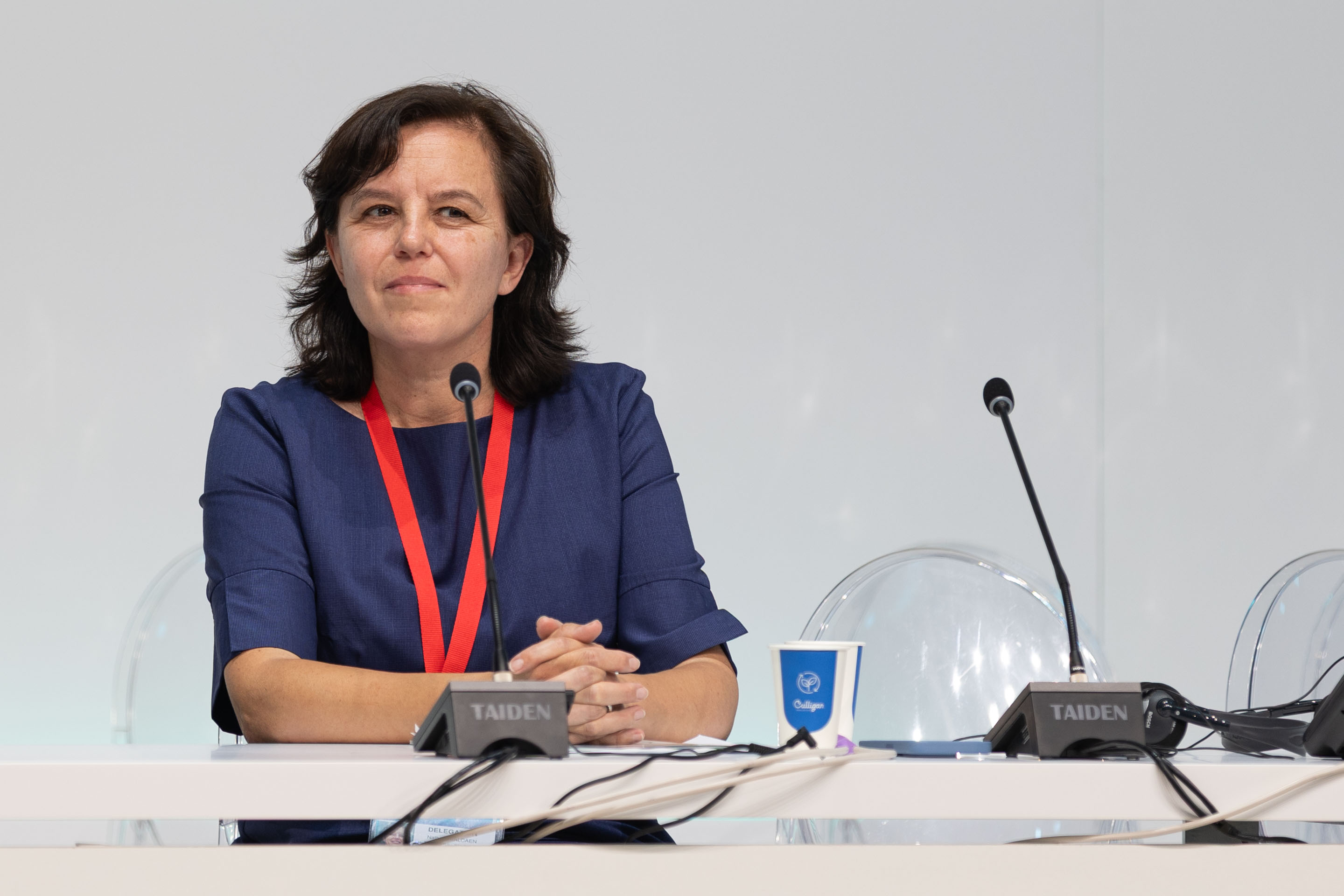
Nathalie Balcaen, Administrator General, Belgium’s Agency for Maritime and Coastal Services
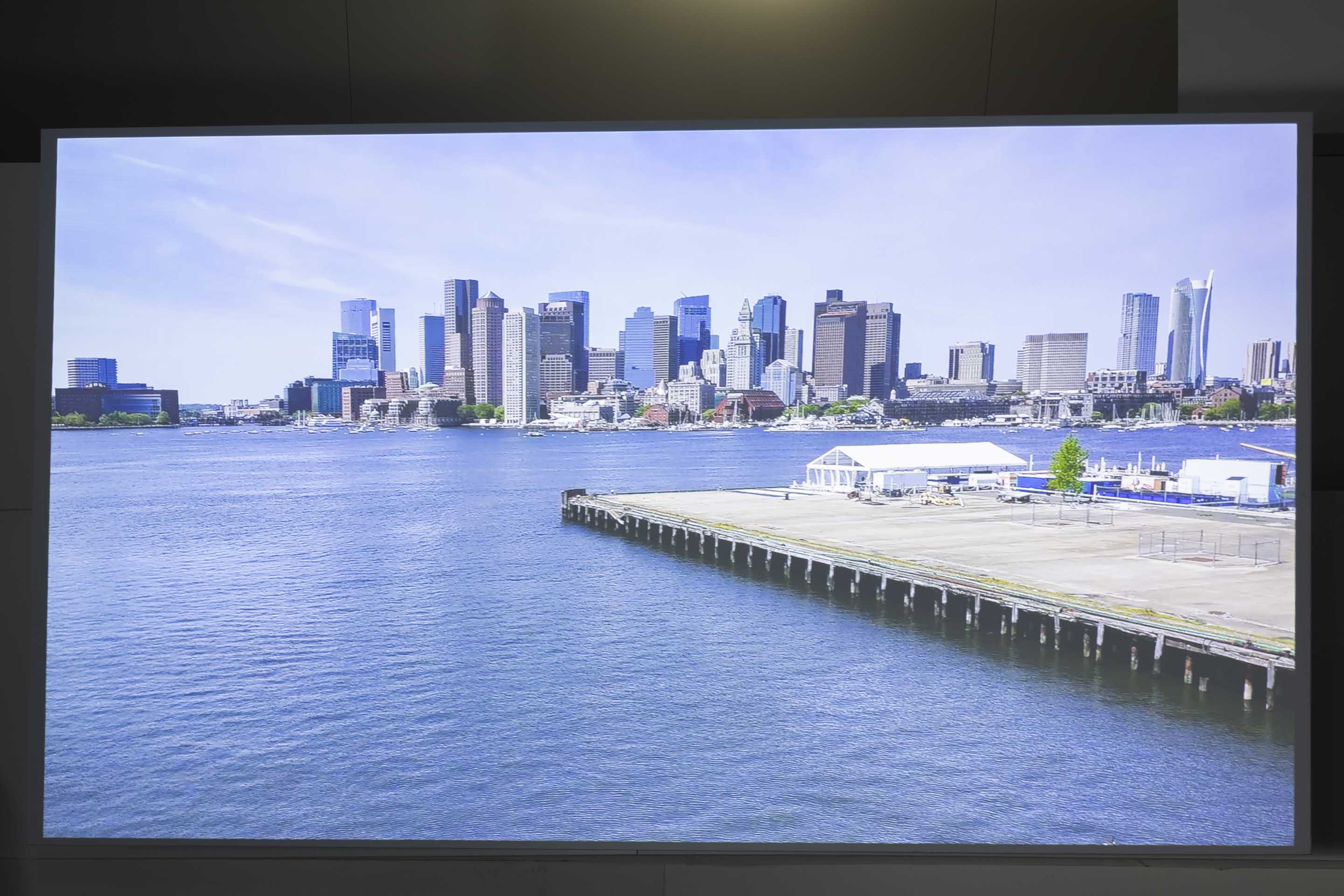
A video highlights the efforts being made to address coastal flooding
Thematic Session 8: Centering Social Justice, Fighting Climate Gentrification
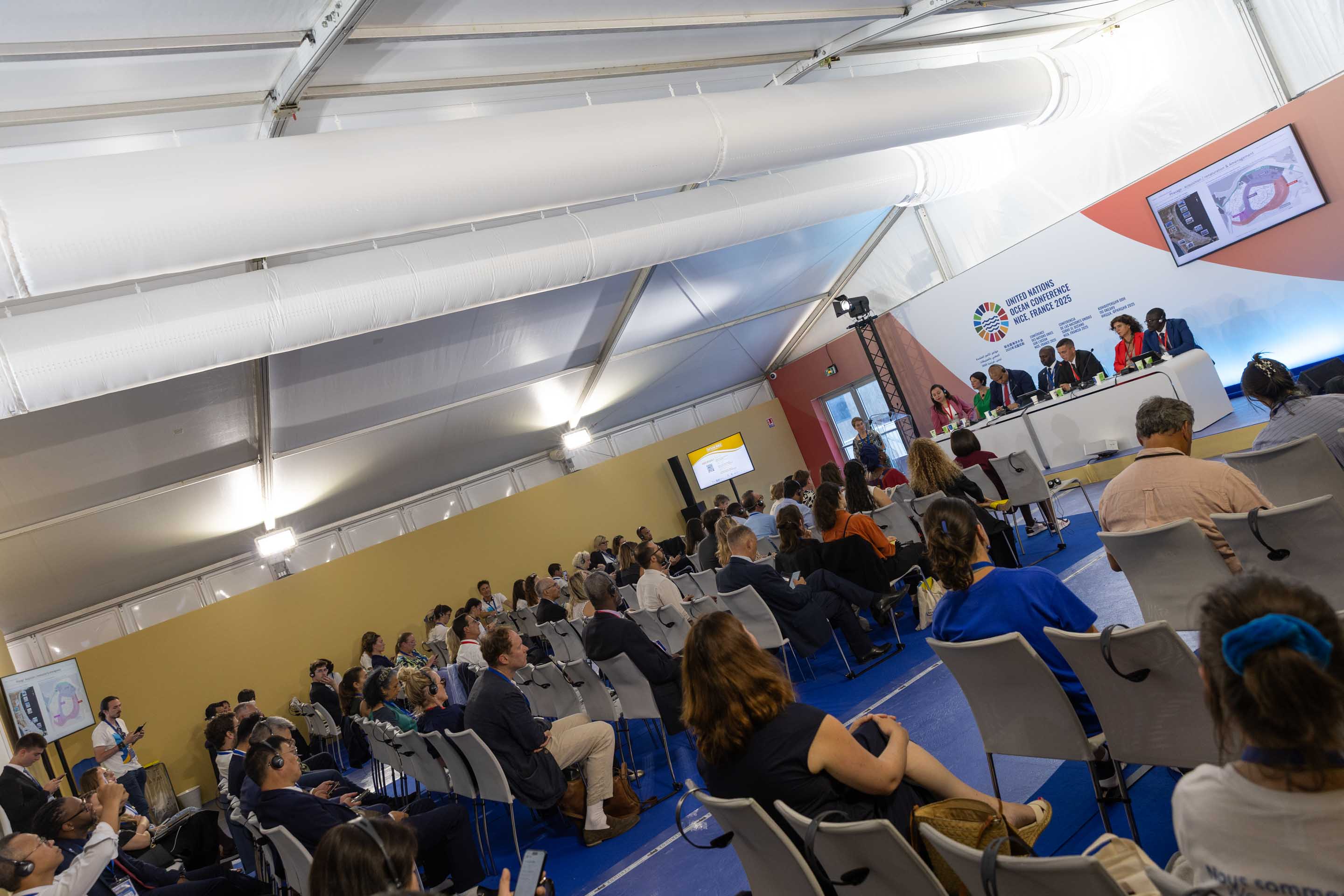
Participants gather for Thematic Session 8: Centering social justice, fighting climate gentrification
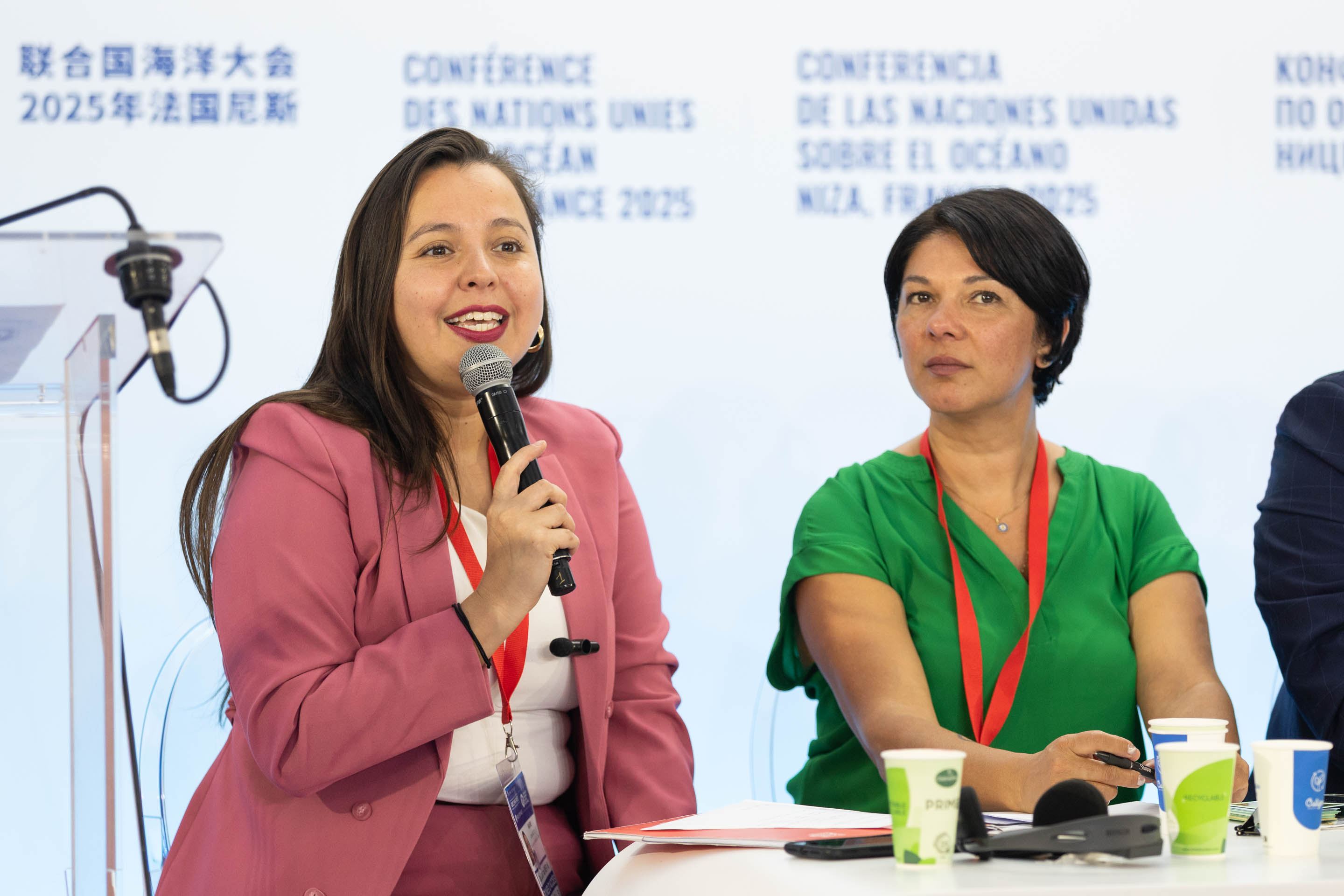
Camila Nieto, Mayor of Valparaiso, Chile, and Tatiana Roque, Municipal Secretary for Science, Technology, and Innovation, City of Rio de Janeiro, Brazil
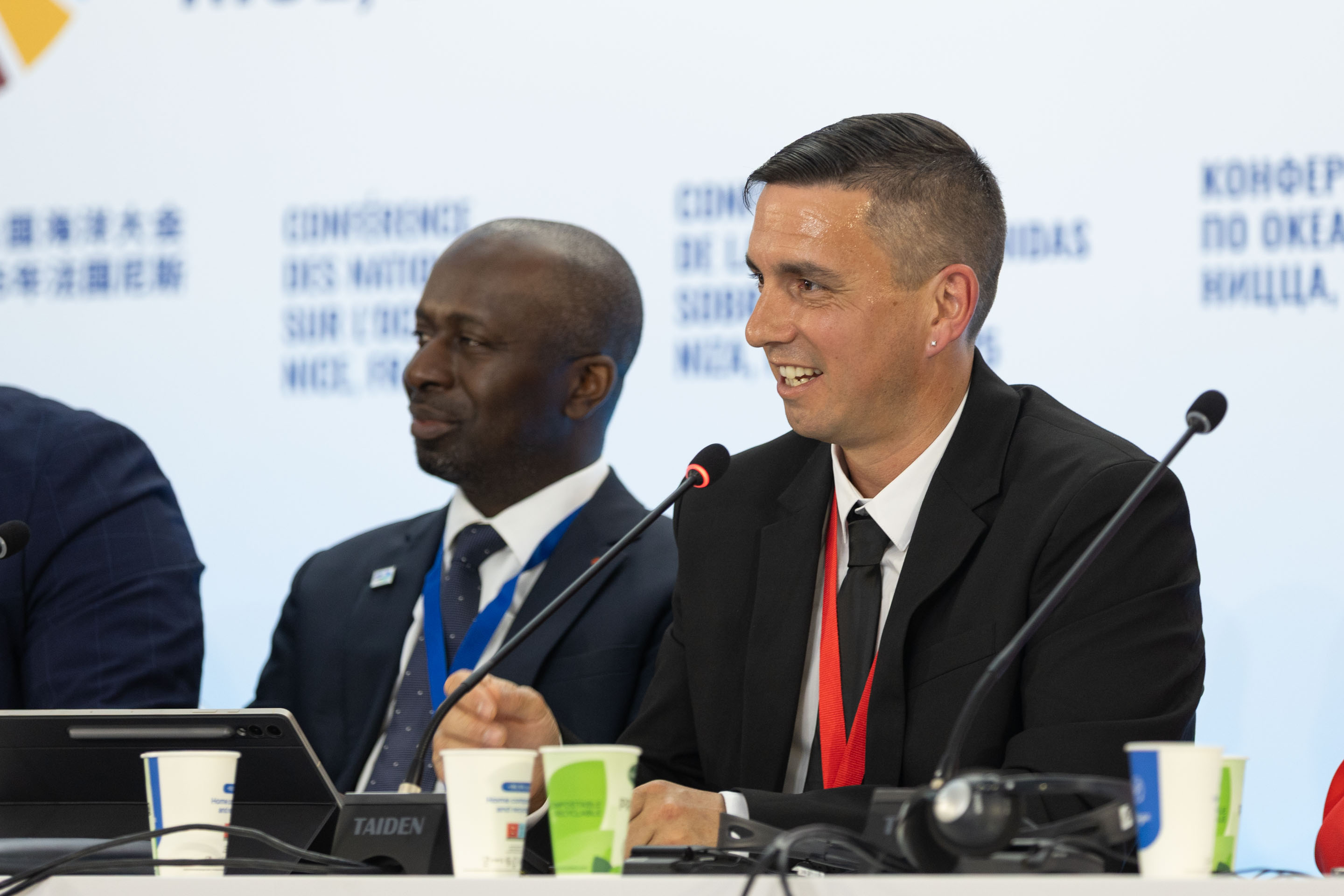
Franck Detchéverry, Mayor of Miquelon-Langlade, France
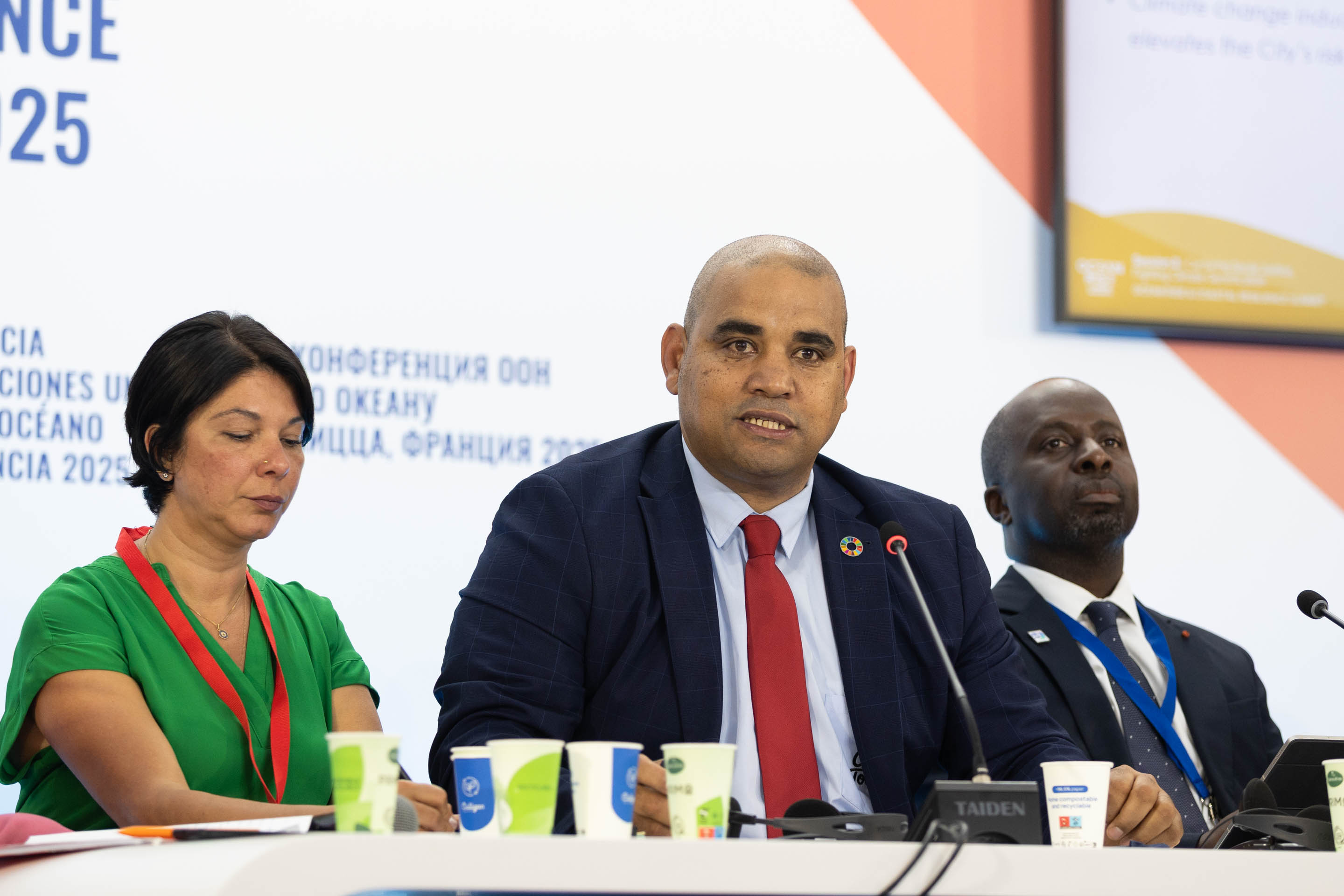
Eddie Andrews, Deputy Mayor of Cape Town, South Africa
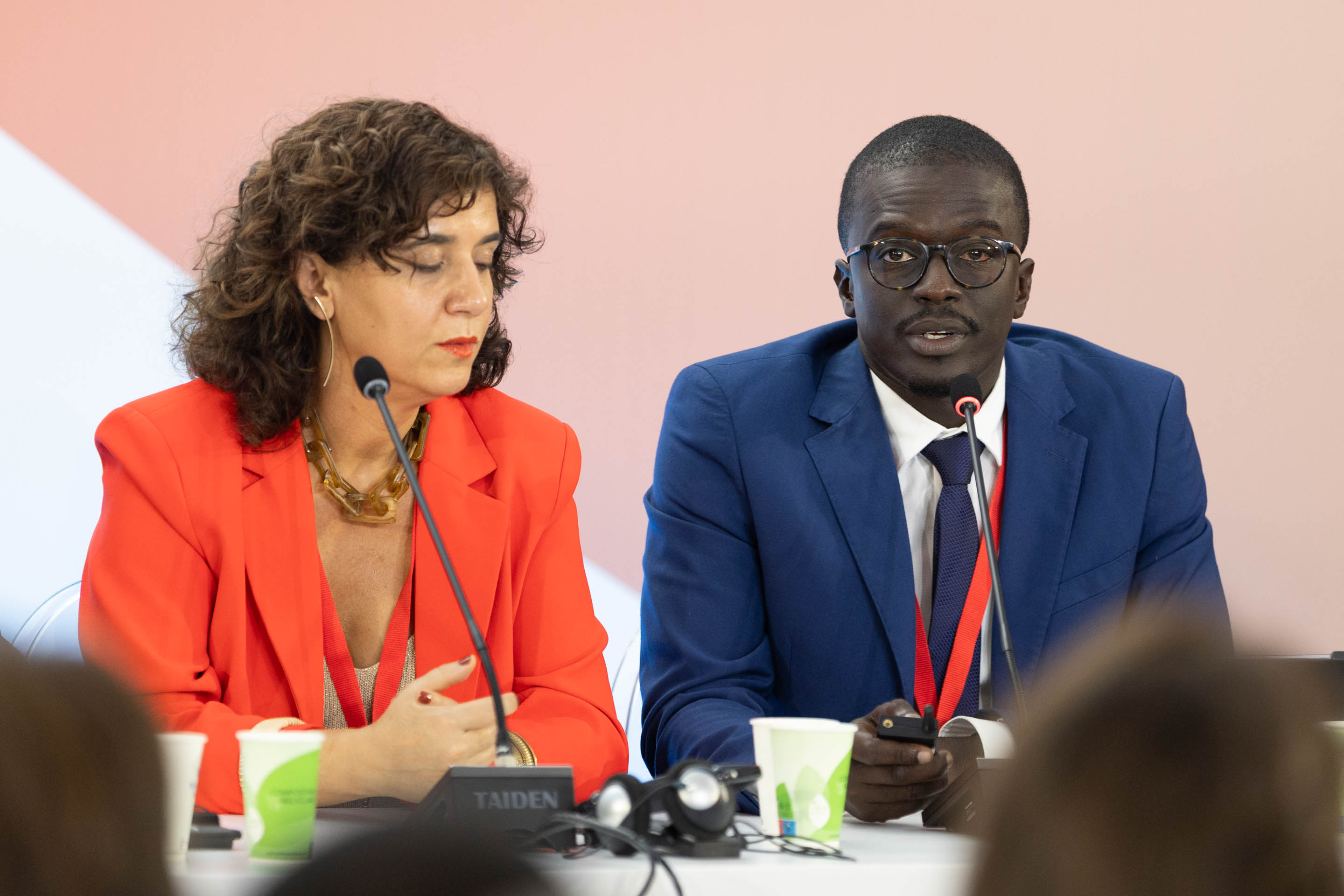
Seydina Issa Laye Sambe, Mayor of Yoff, Dakar, Senegal
Thematic Session 9: Engage the Insurance Industry
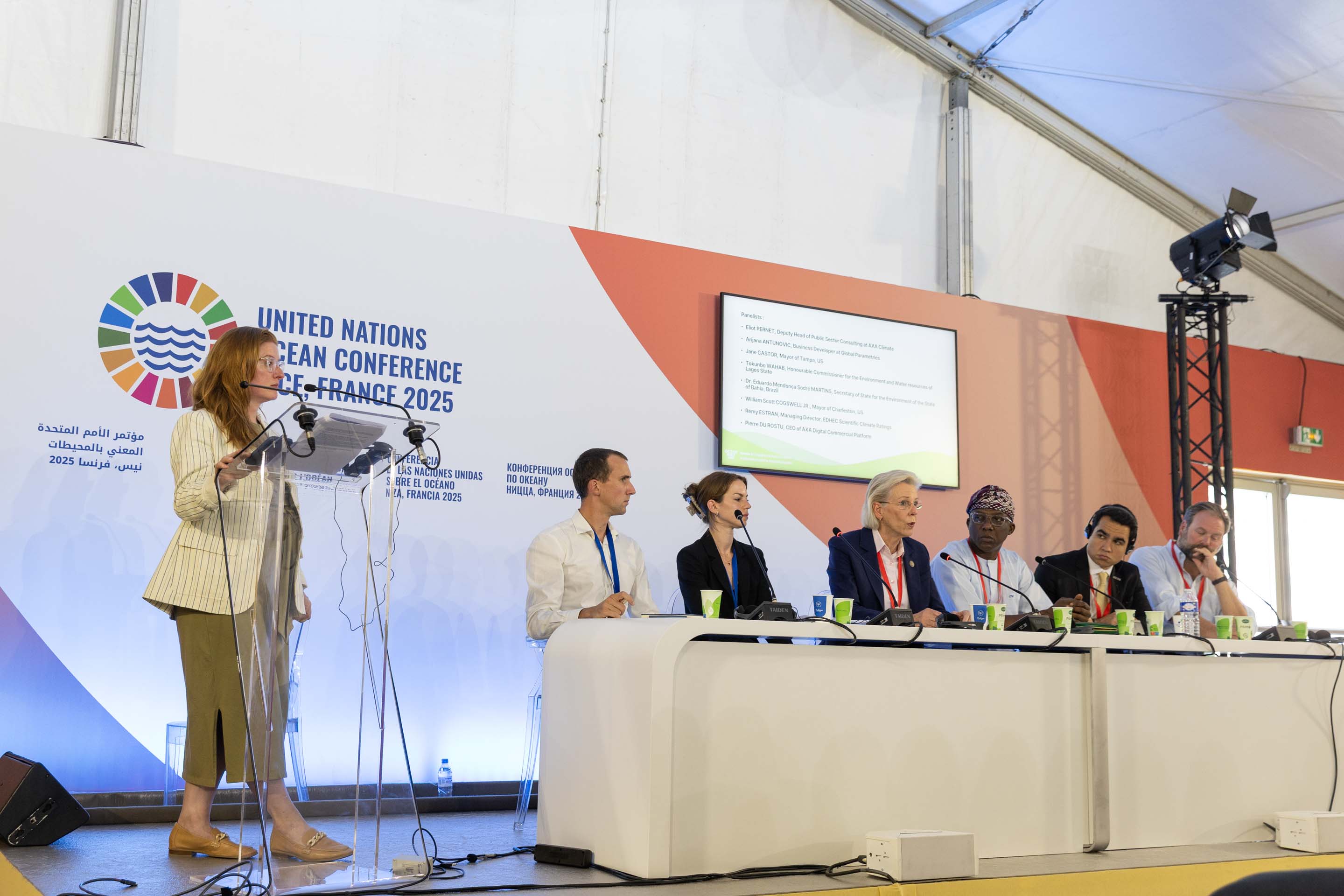
Panel speakers for Thematic Session 9: Engage the insurance industry
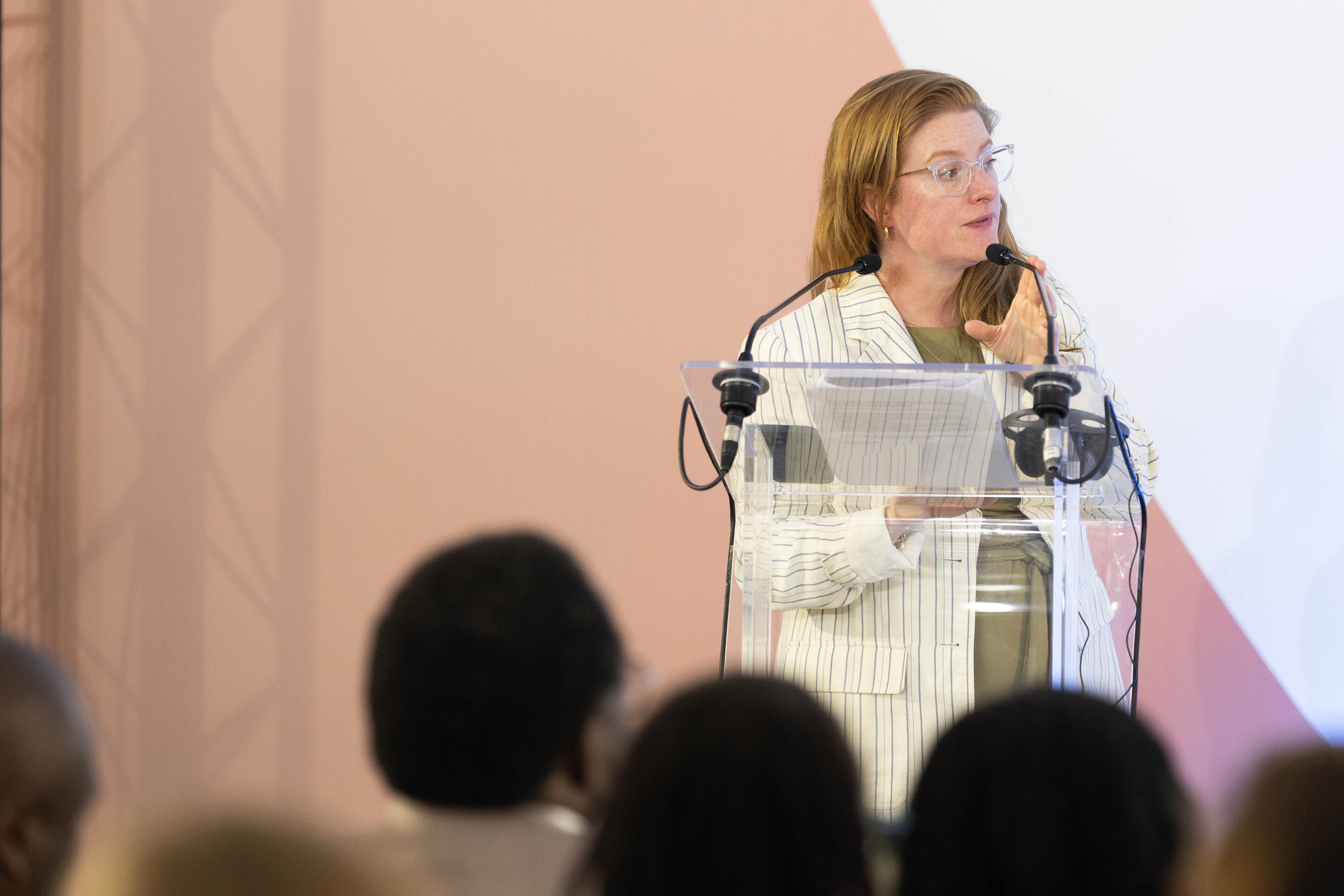
Melissa Wright, Bloomberg Ocean Initiative
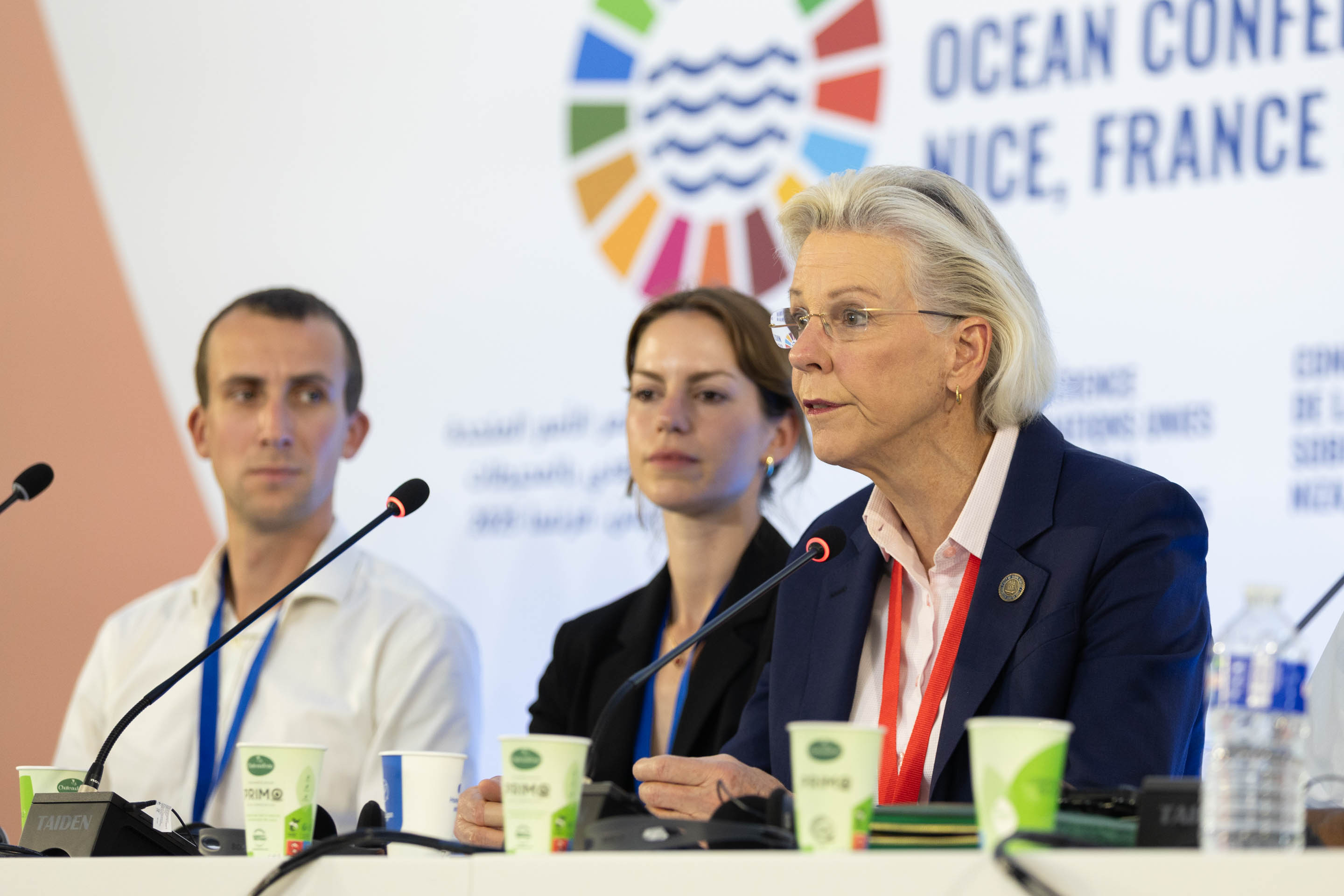
Jane Castor, Mayor of Tampa, US
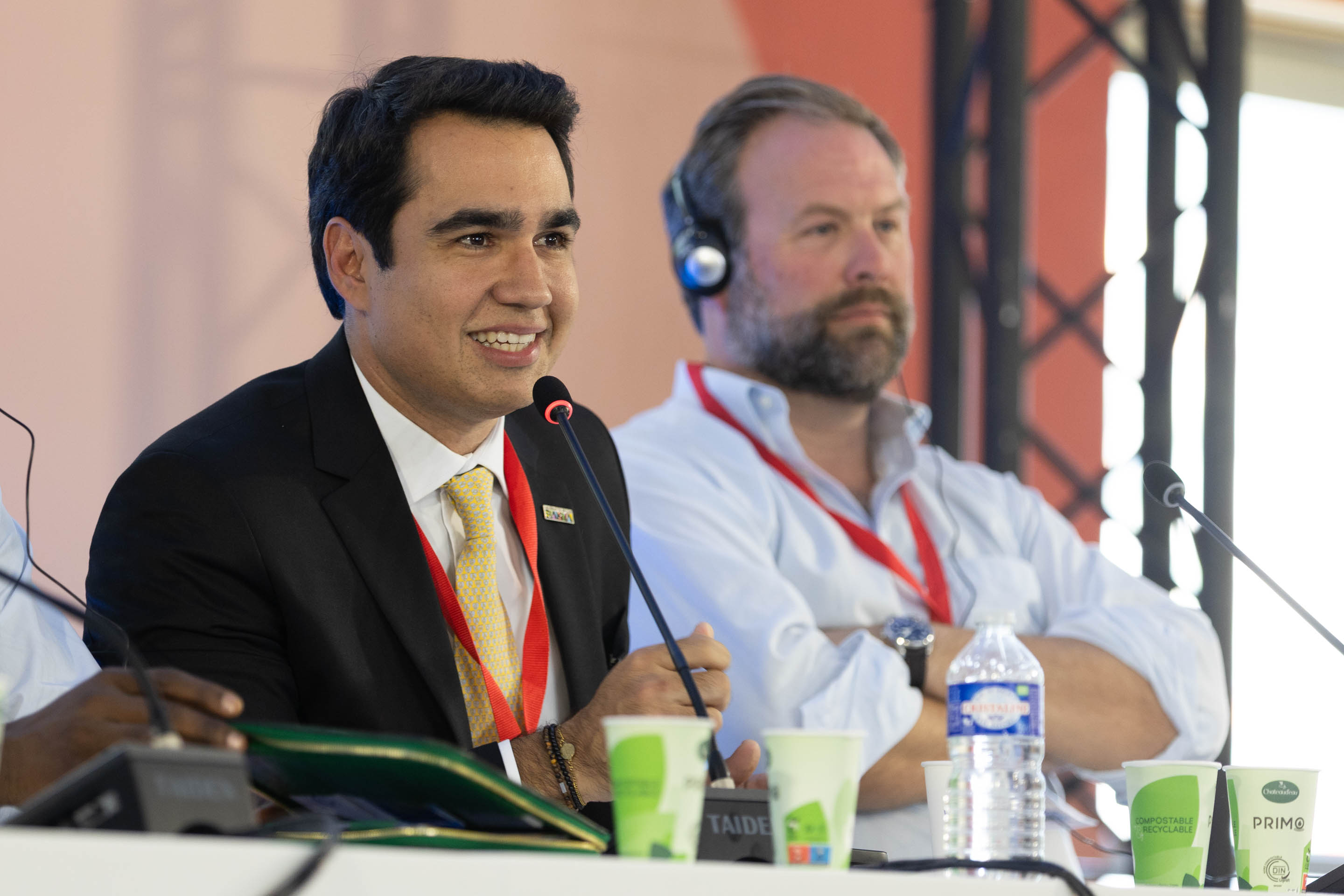
Eduardo Mendonça Sodré Martins, Secretary of State for the Environment, State of Bahia, Brazil
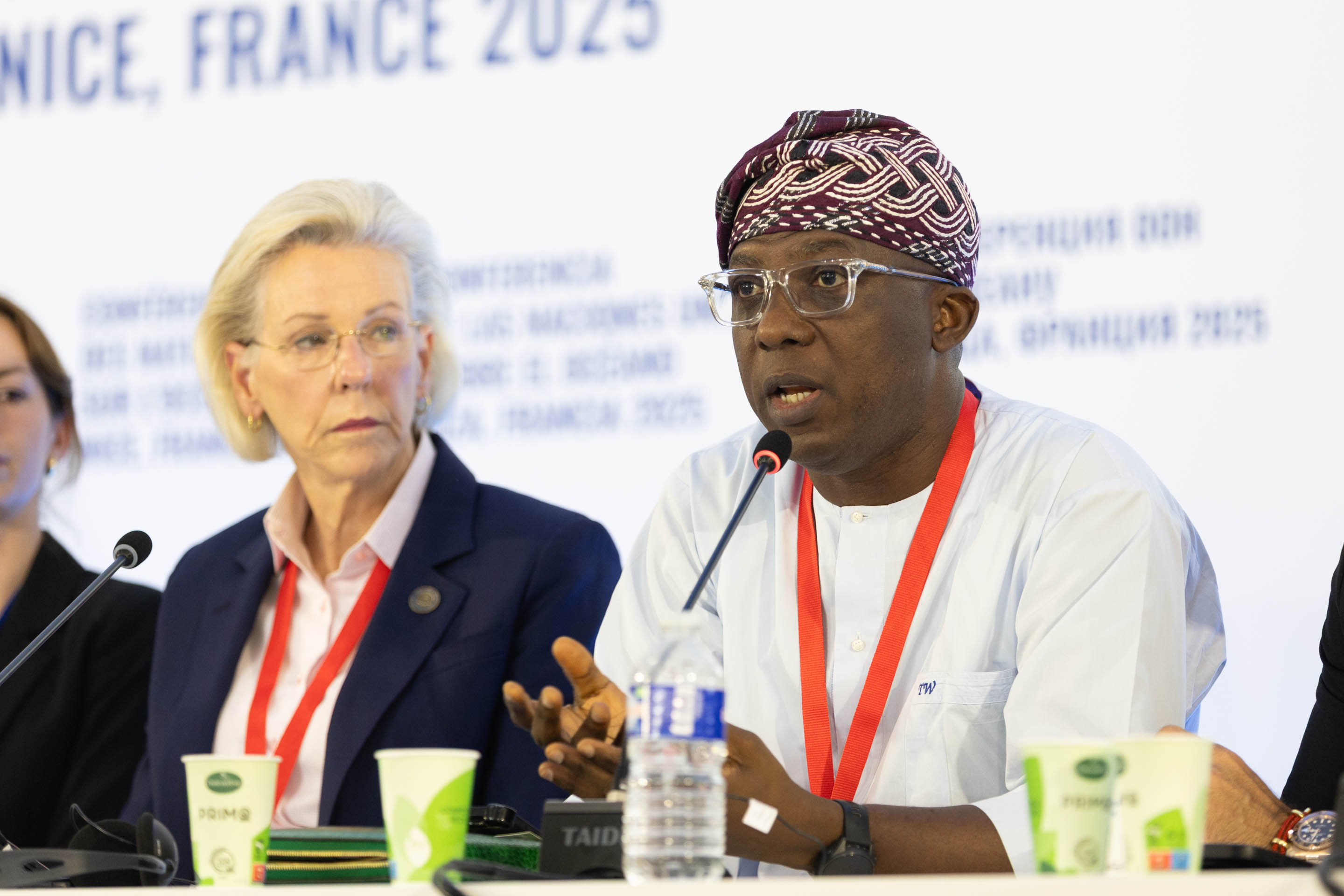
Tokunbo Wahab, Commissioner, Environment and Water Resources, Lagos State, Nigeria
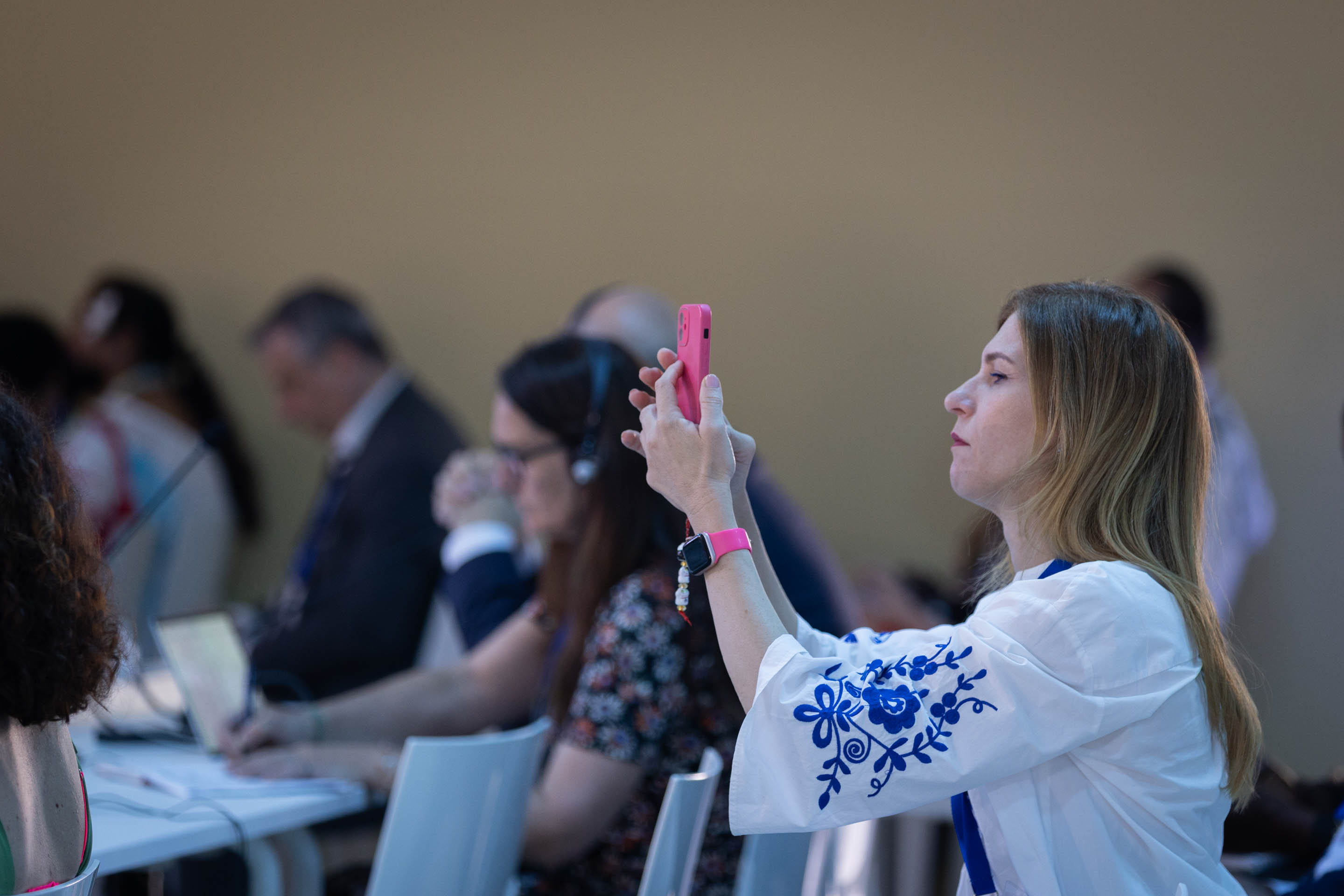
Closing Plenary
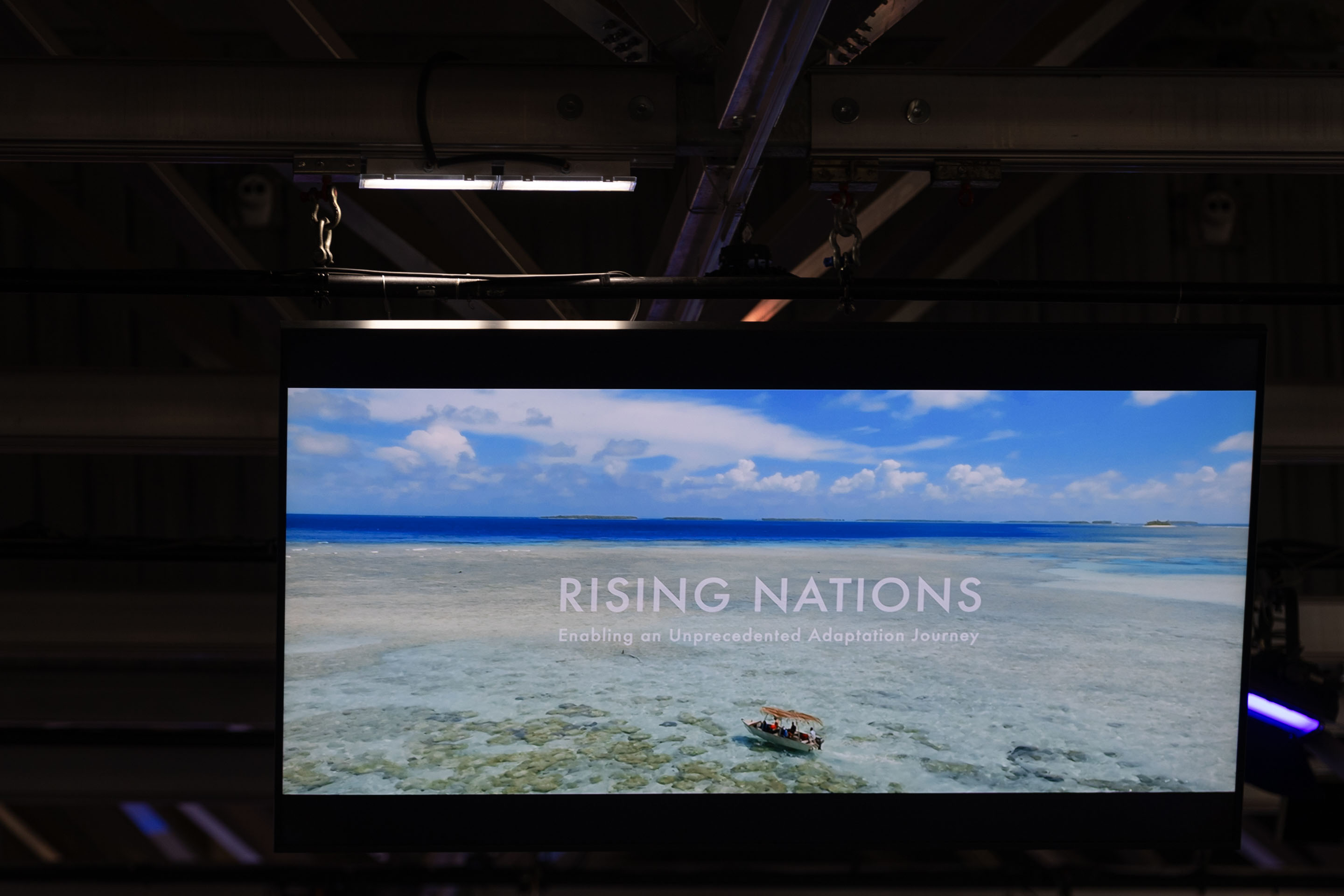
During the closing plenary, a video highlights the efforts taken by small island developing states to tackle sea level rise
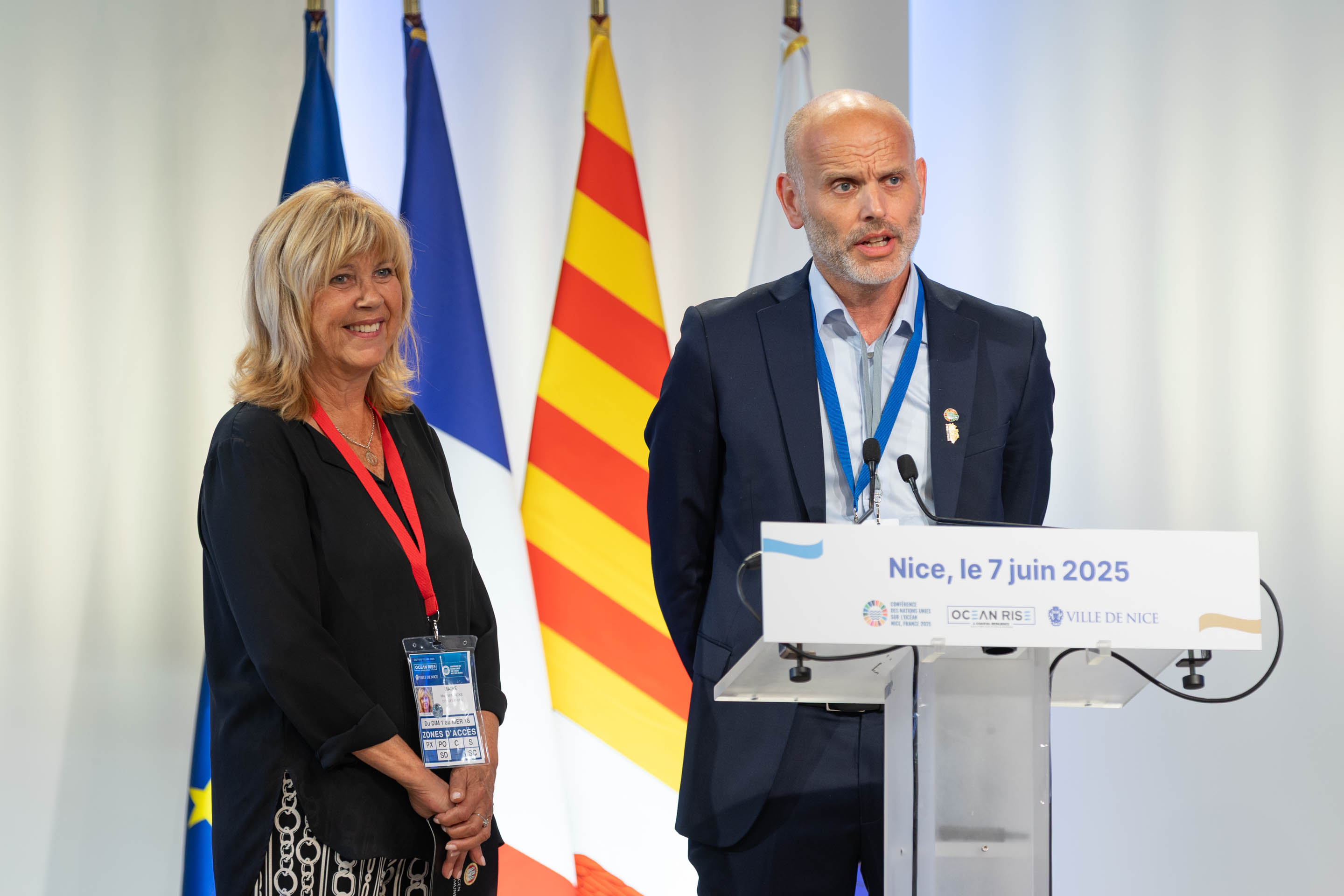
Marit Warncke, Mayor of Bergen, Norway, and Haakon Vatle, CEO, Statsraad Lehmkuhl Foundation
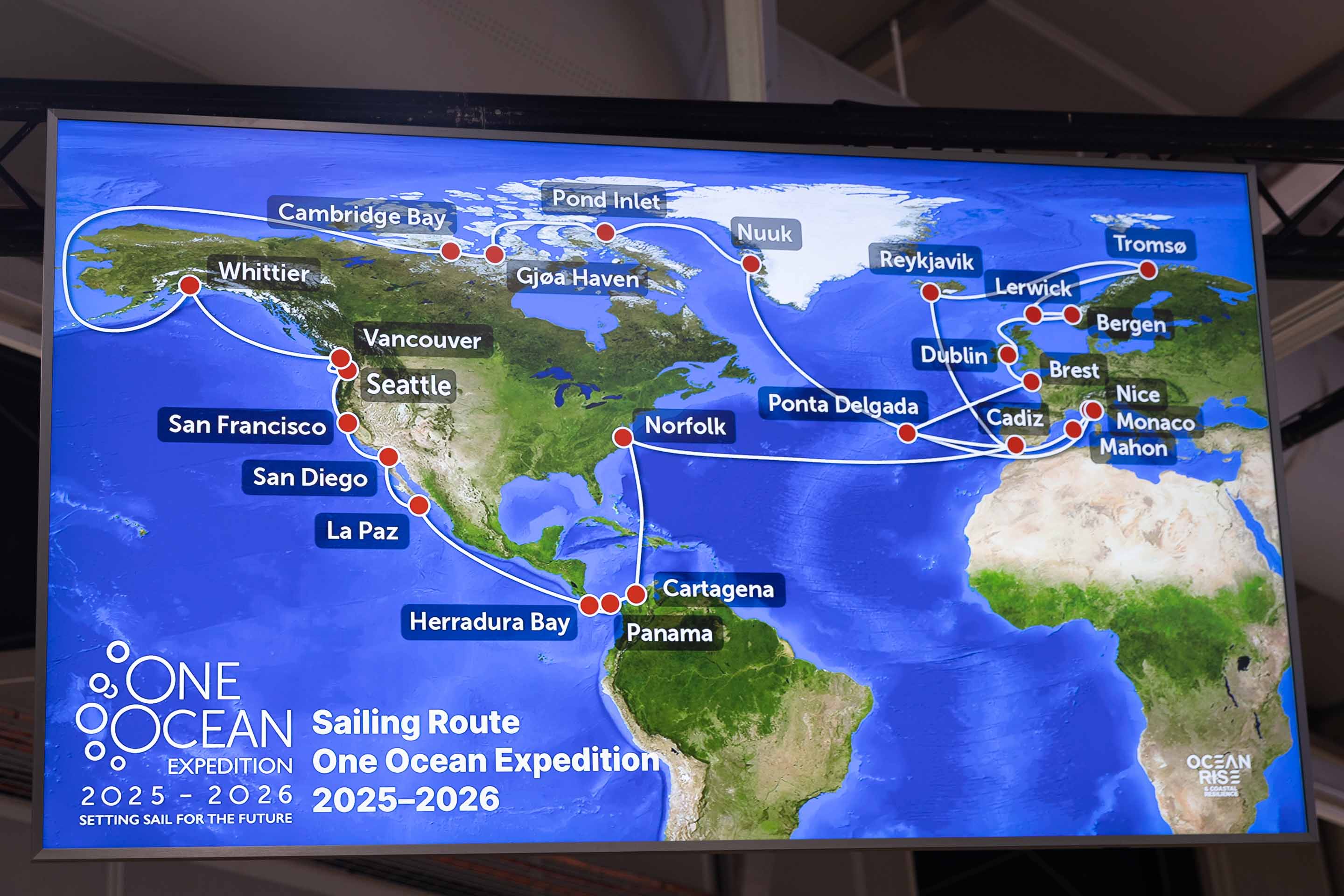
A slide highlights the route taken by the One Ocean Expedition
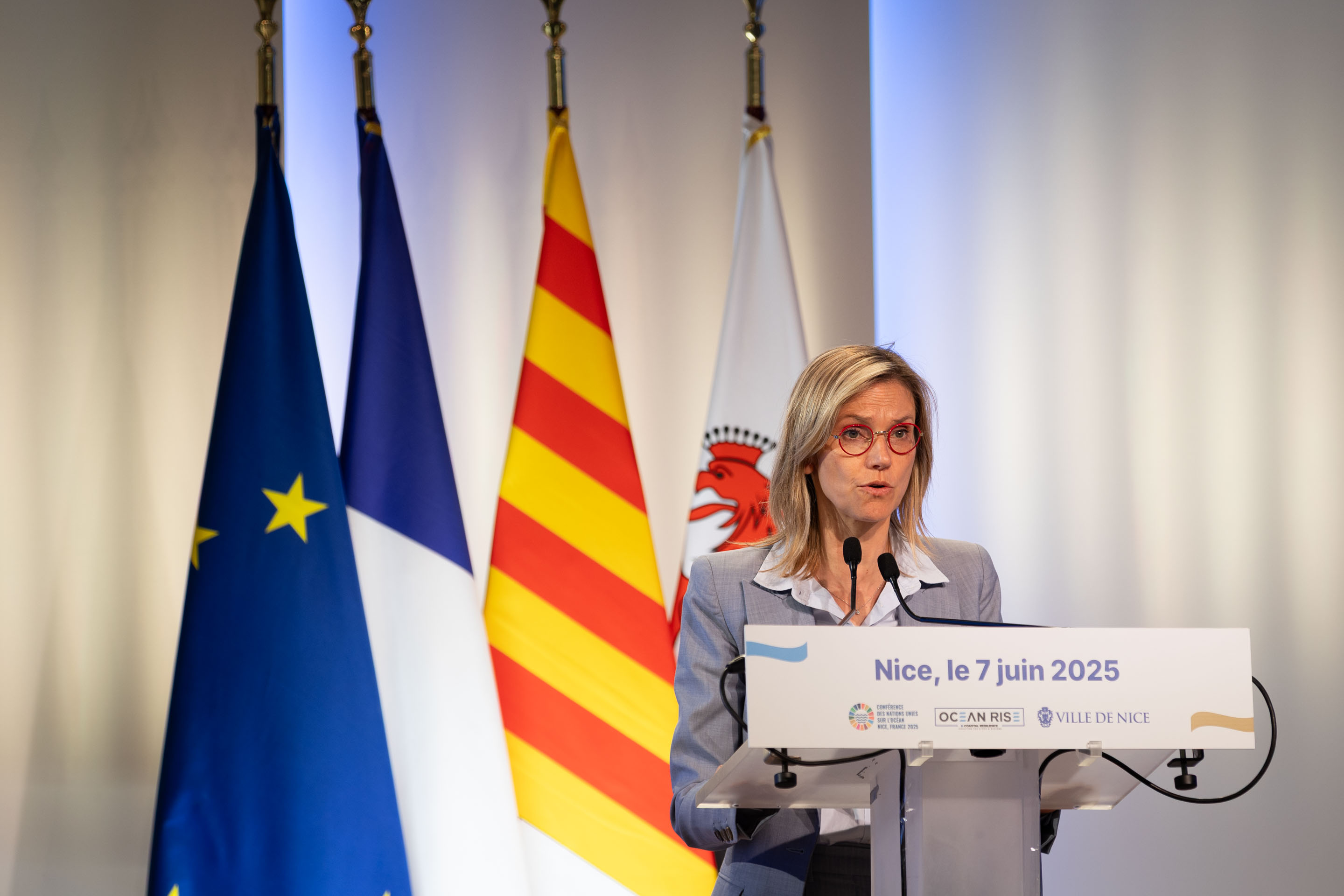
Agnès Pannier-Runacher, Minister of Ecological Transition, Biodiversity, Forests, the Sea and Fisheries, France
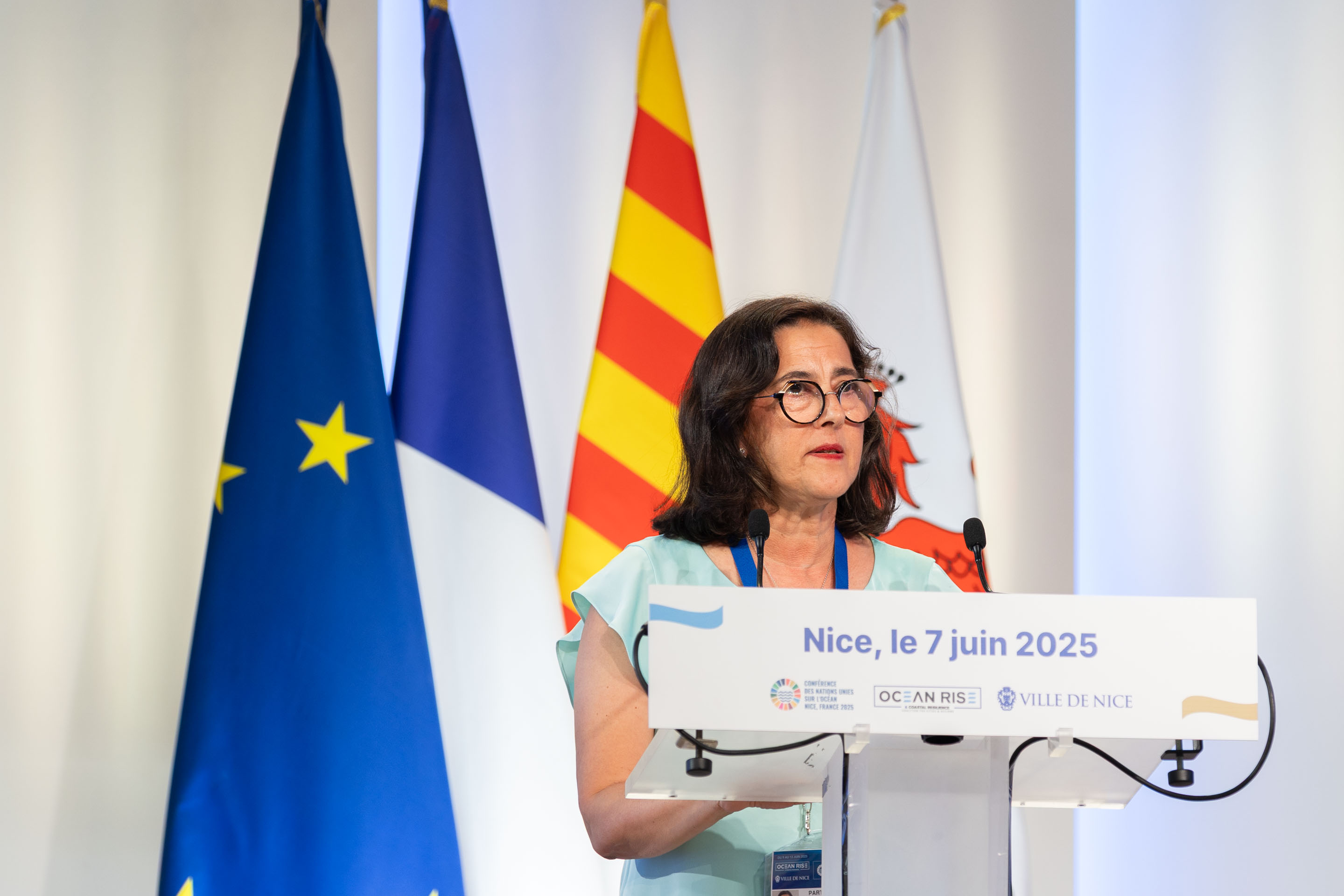
Selma Cherchali, Head, Earth Observation Programme, CNES
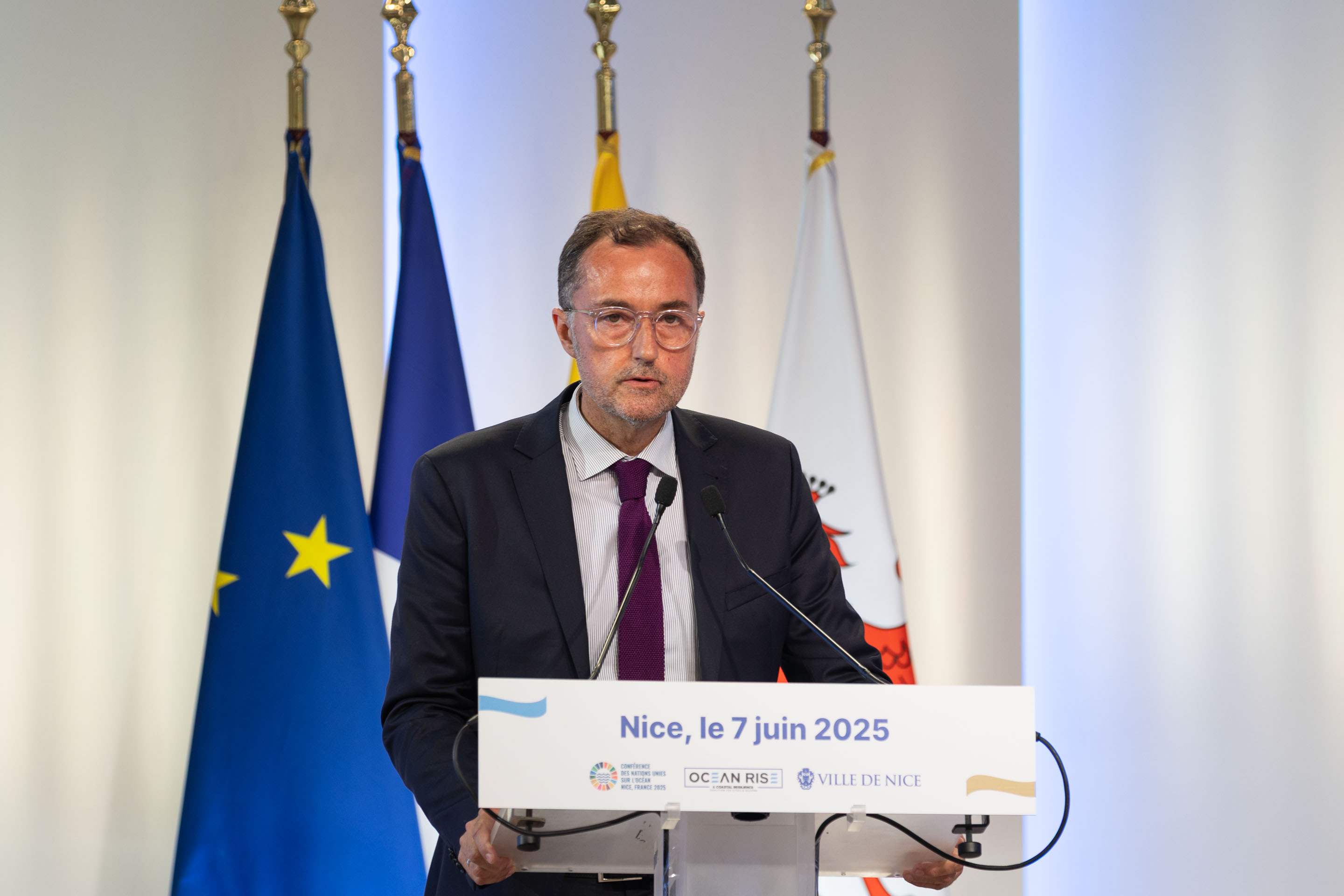
Frédéric Cholé, Delegate for Local Authorities and Civil Society, Ministry of Europe and Foreign Affairs, France
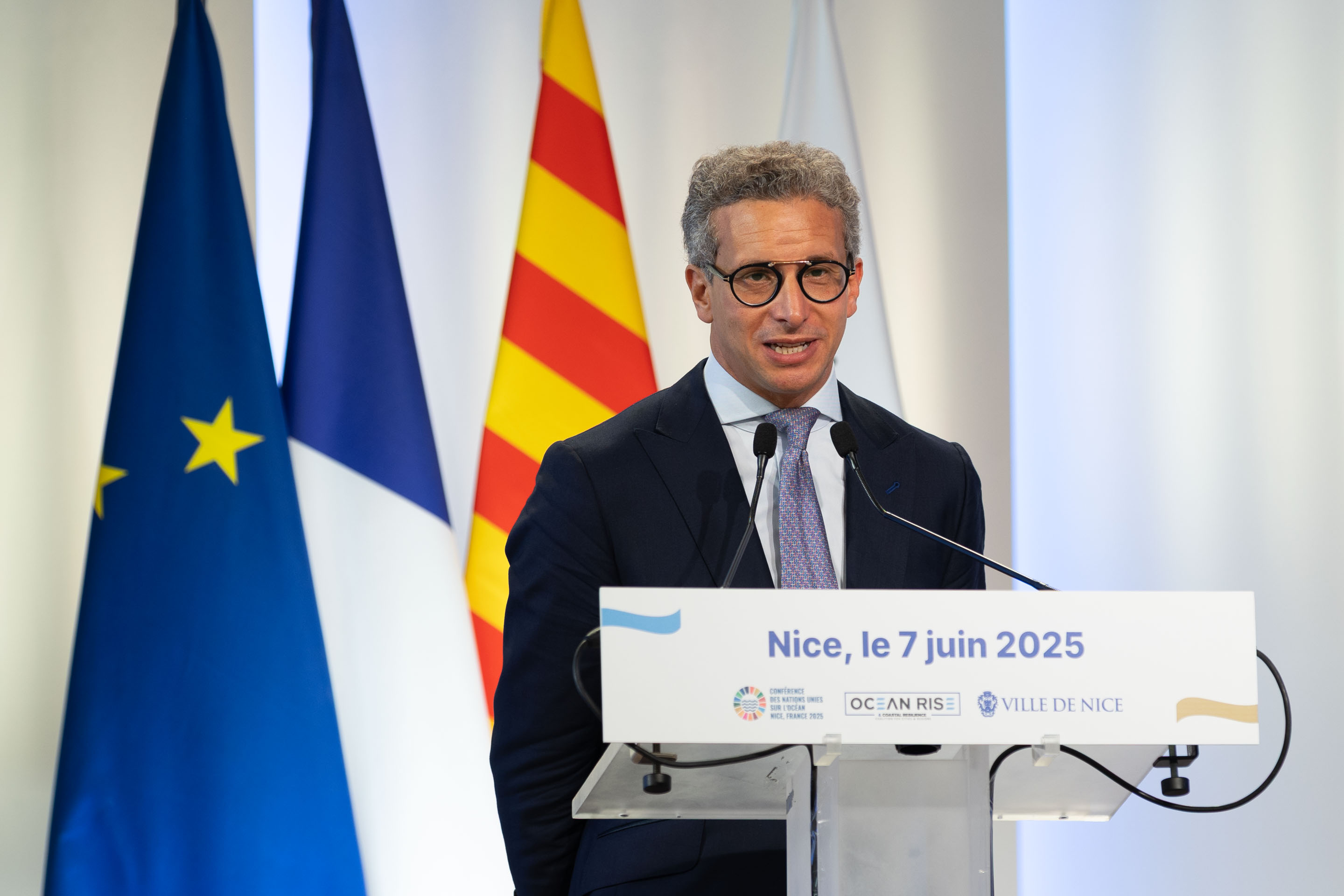
Kamal Amakrane, Managing Director, Global Centre for Climate Mobility
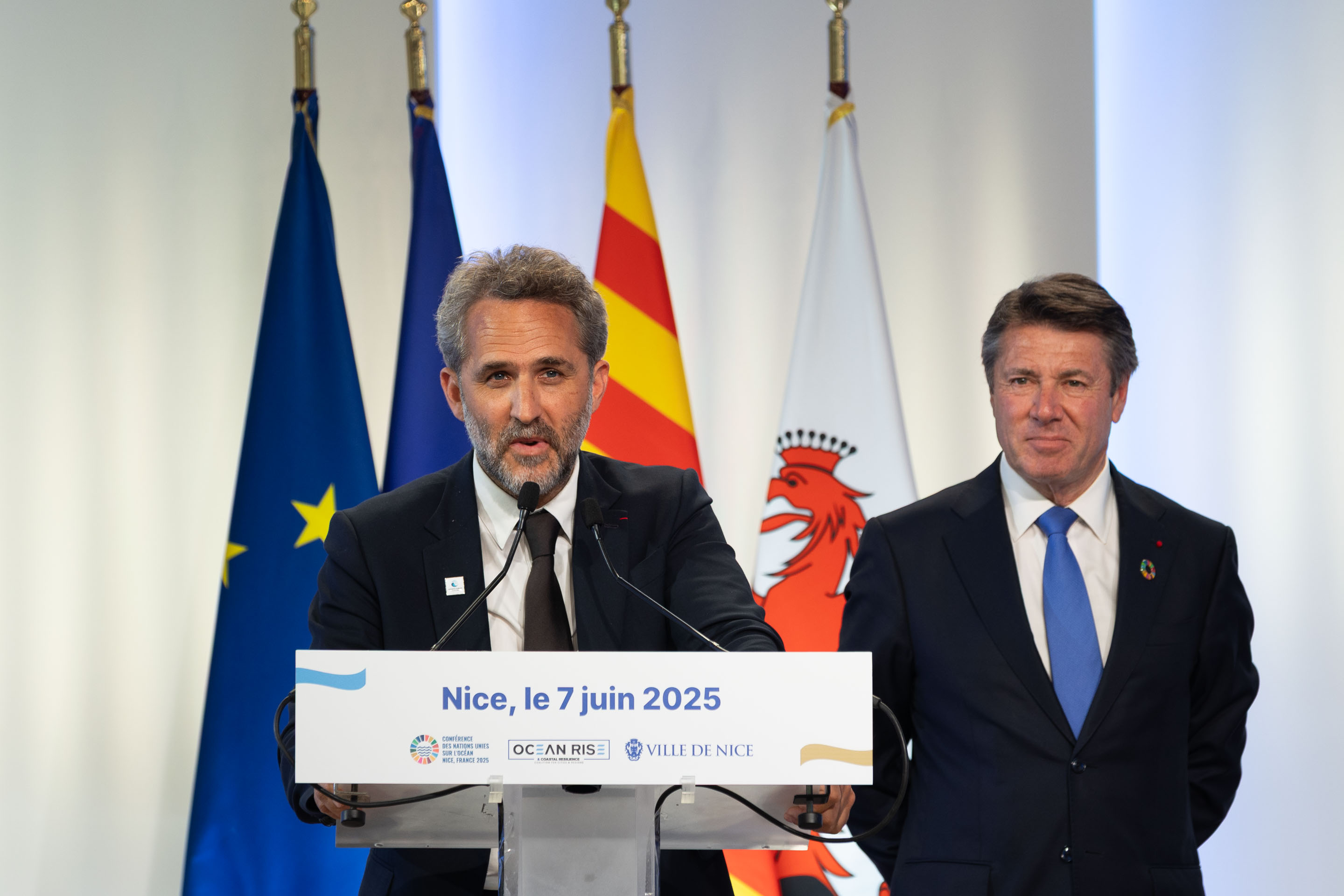
Romain Troublé, President, Ocean and Climate Platform, and Christian Estrosi, Mayor of Nice, and Chair, Ocean Rise and Coastal Resilience Coalition
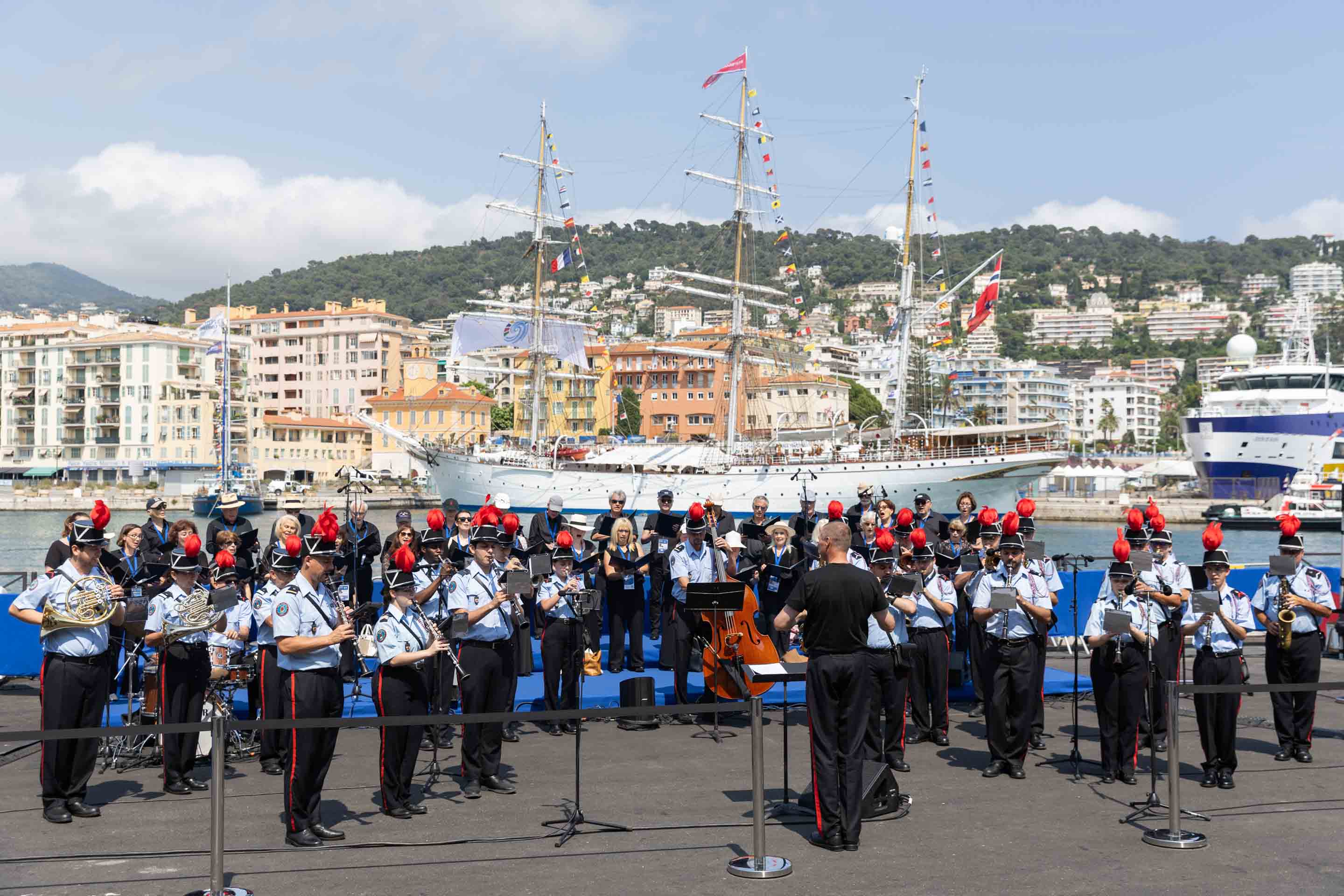
A band and choir perform at the close of the day's events
Around the Venue
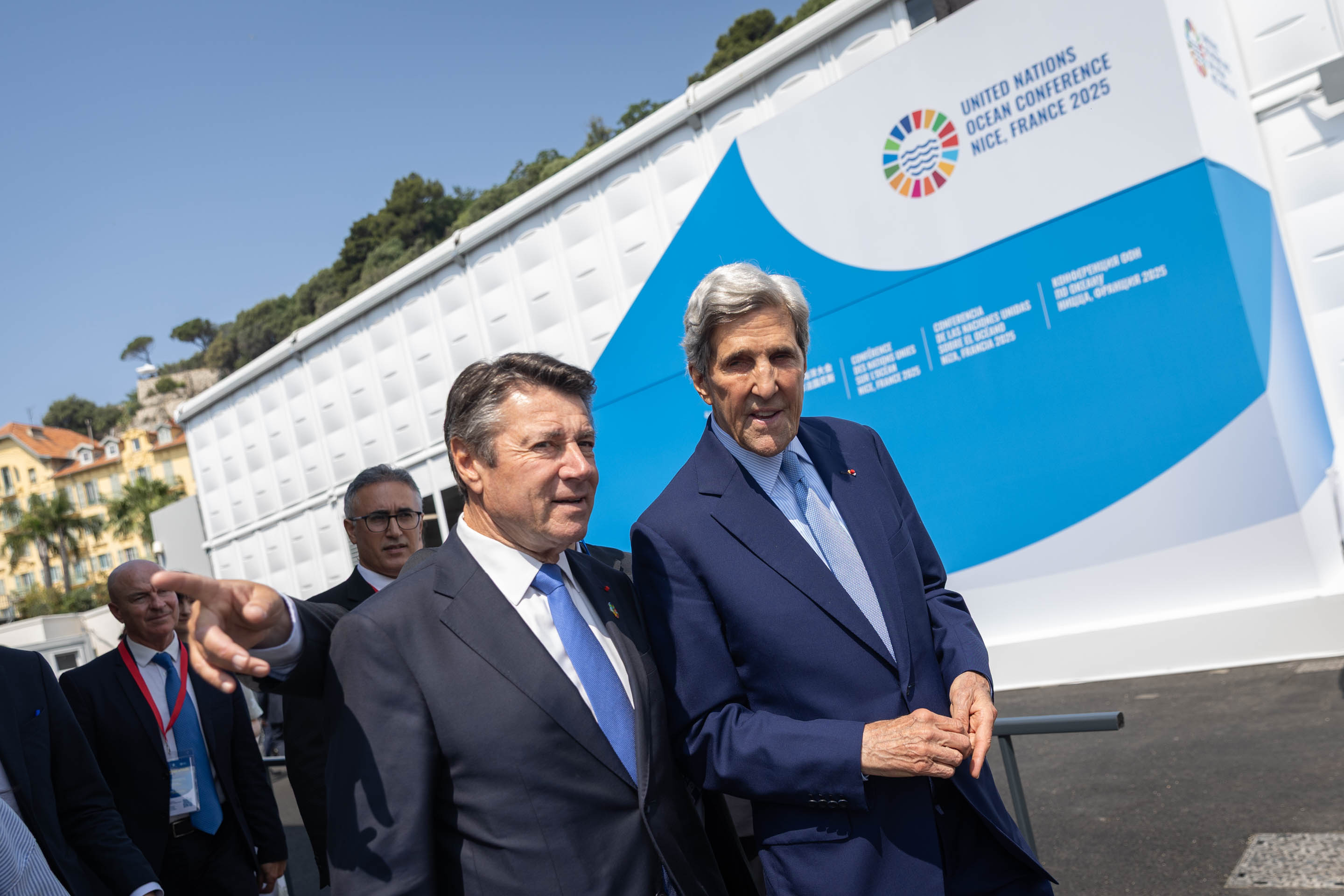
Christian Estrosi, Mayor of Nice, and President, Ocean Rise and Coastal Resilience Coalition, and John Kerry, Former Secretary of State and Special Presidential Envoy for Climate, US
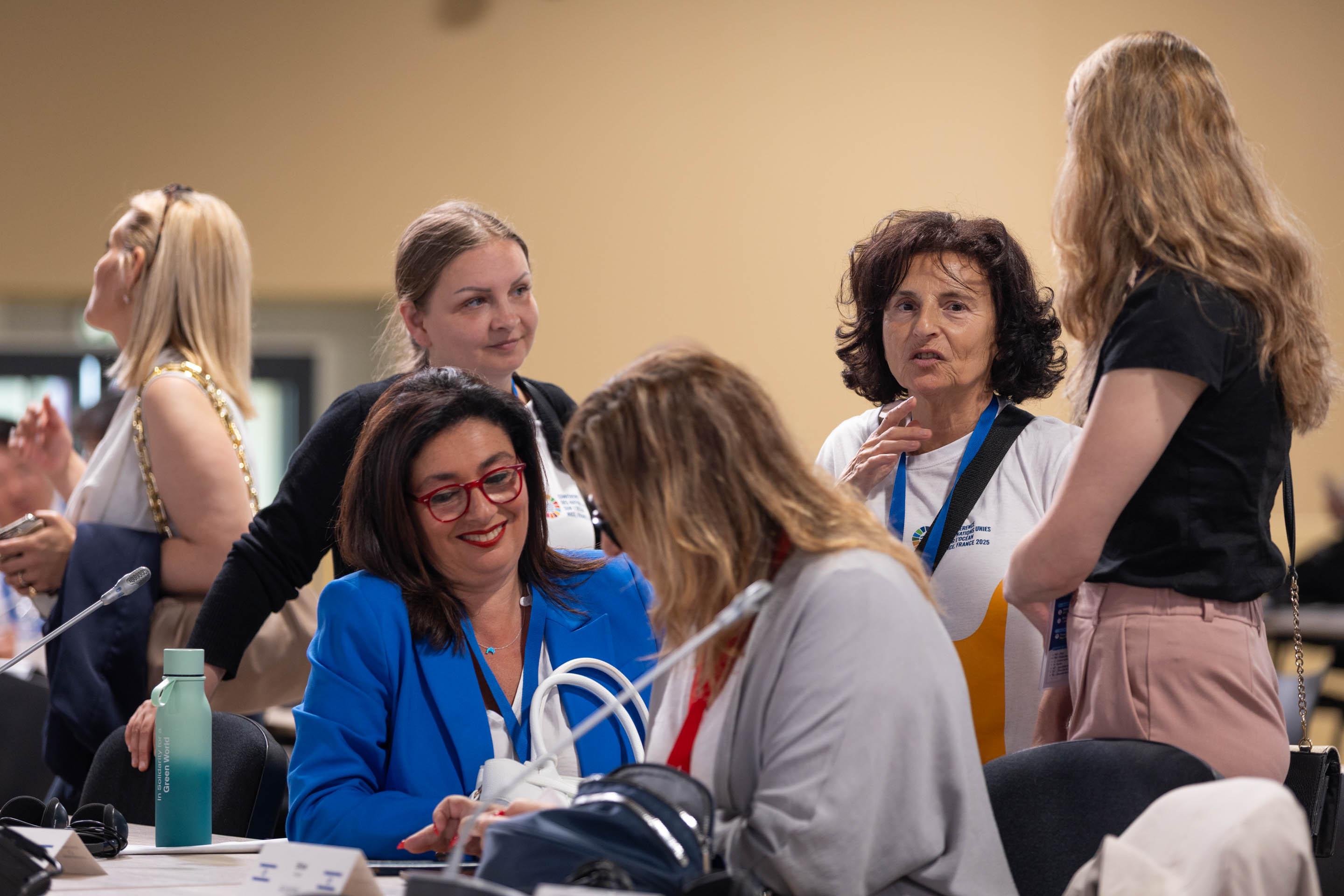
Delegates speak informally at the start of the day
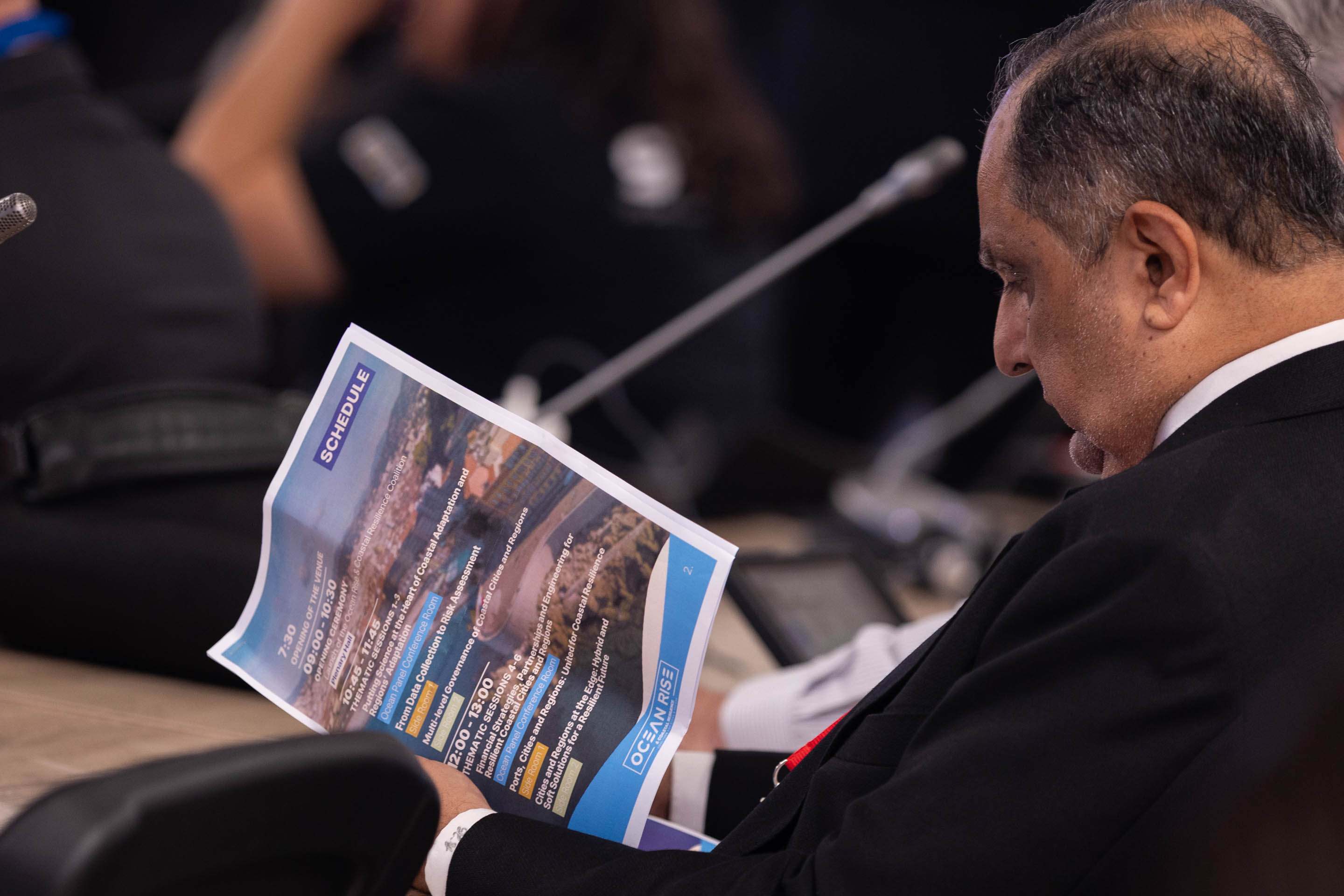
A participant reviews the schedule for the day
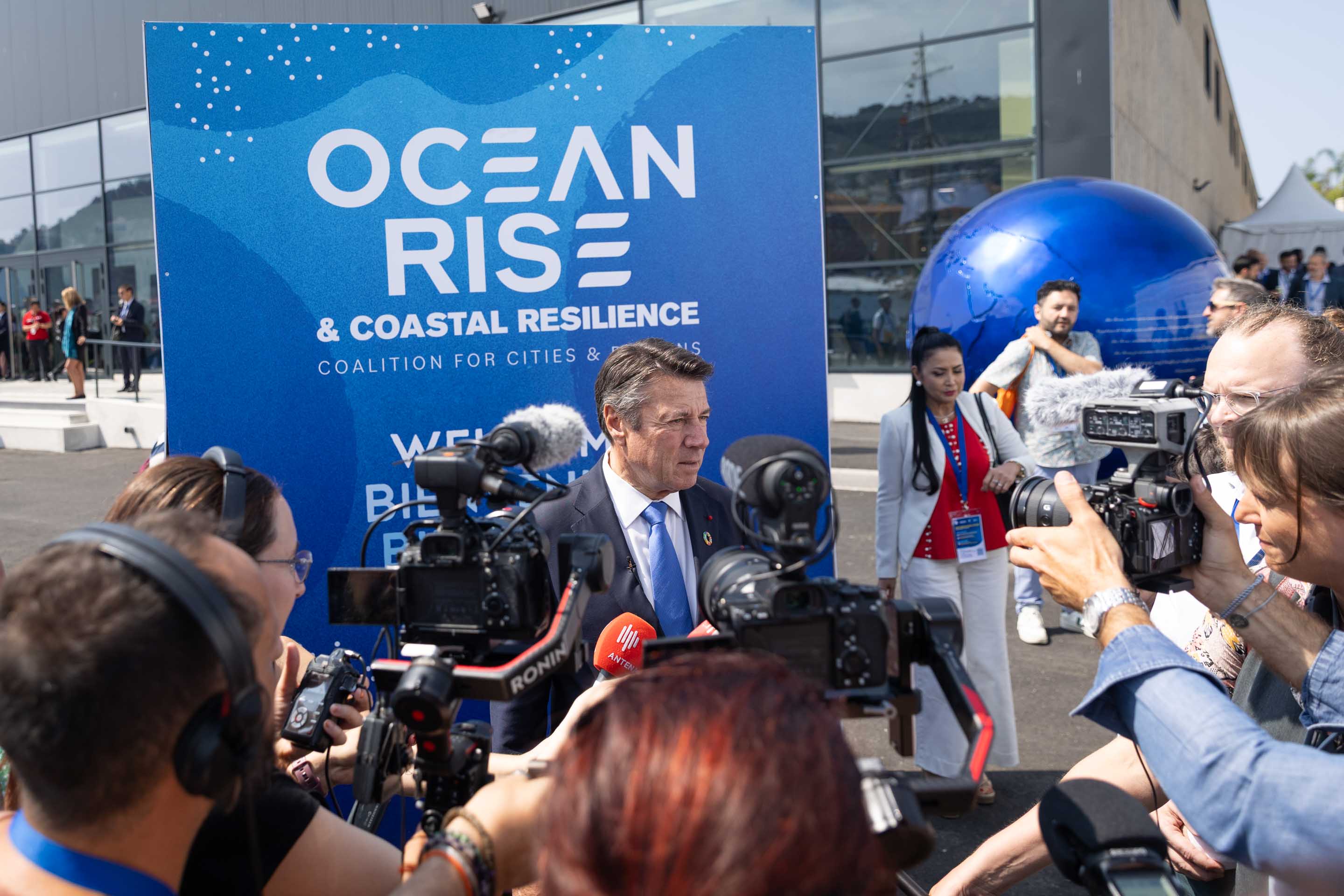
Christian Estrosi, Mayor of Nice, and President, Ocean Rise and Coastal Resilience Coalition, conducts an interview with the press
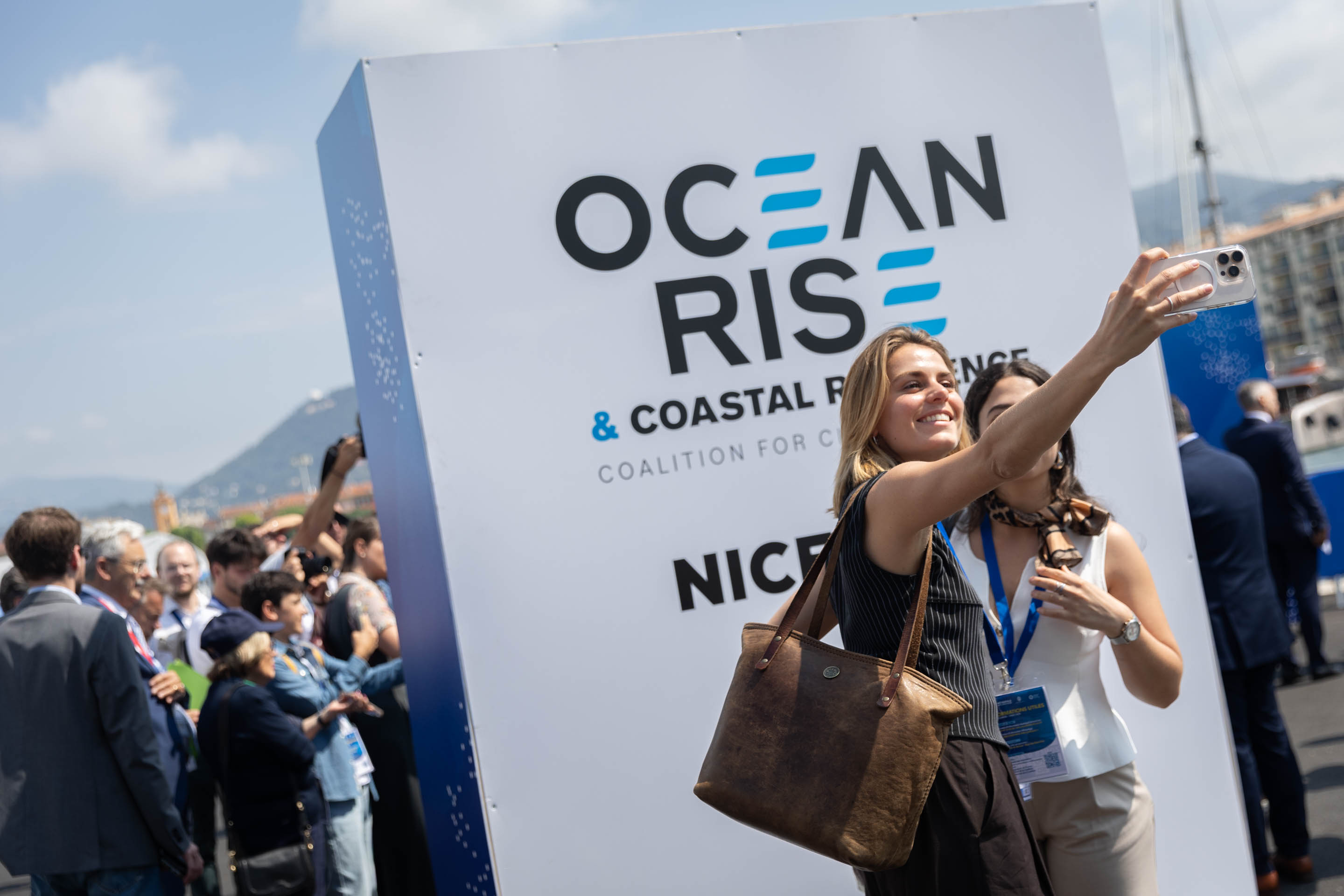
Delegates take photos around the venue
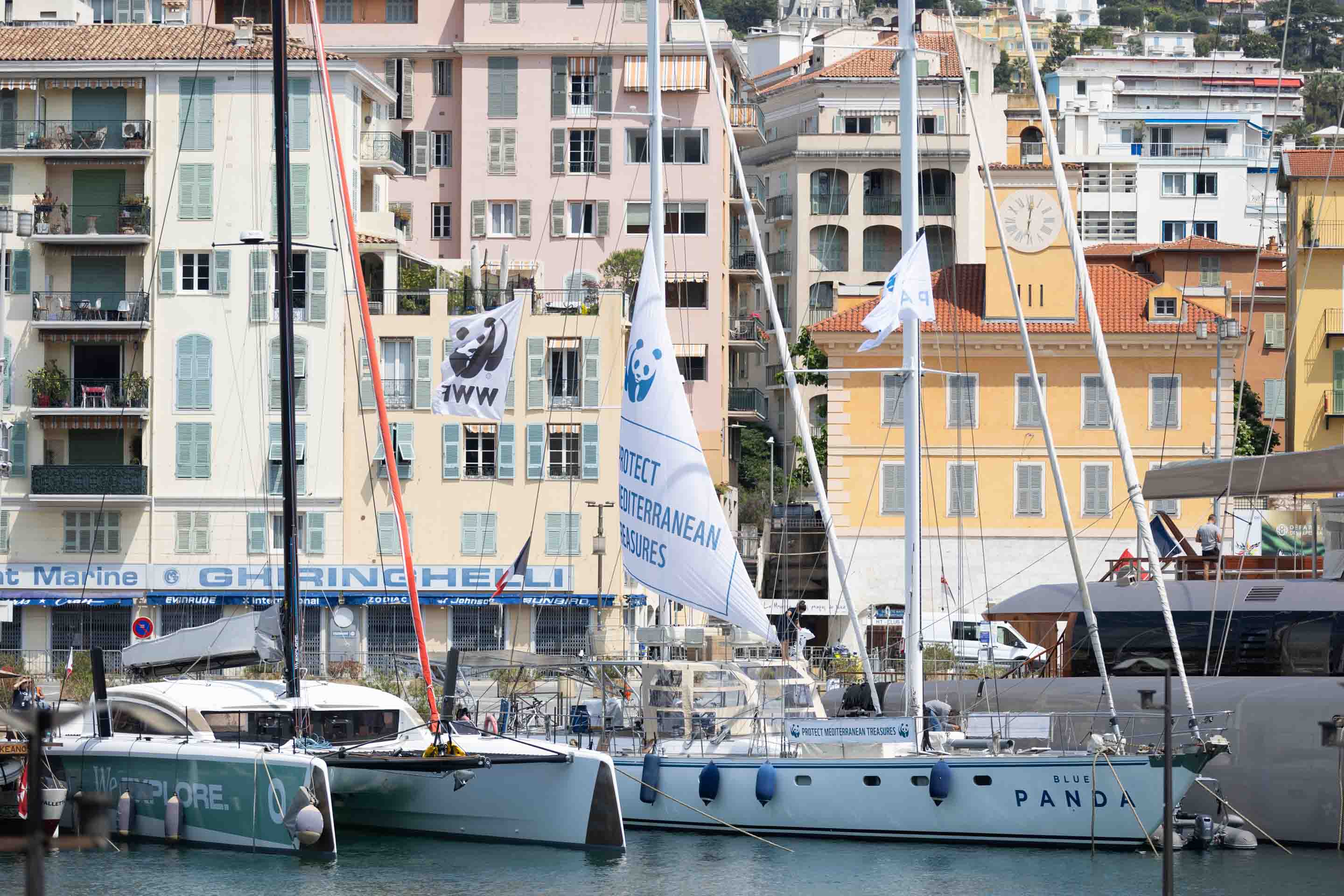
View from the harbour