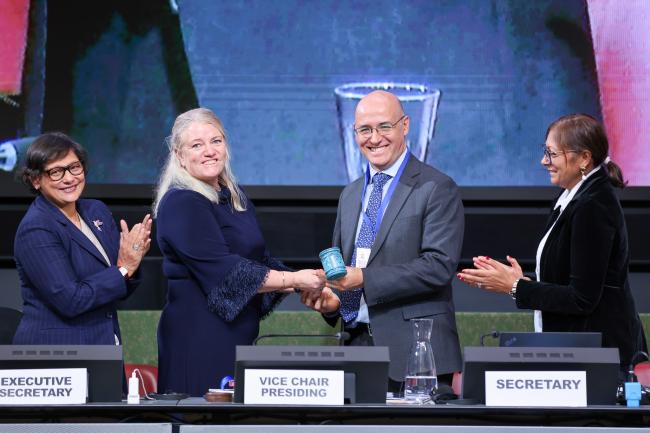
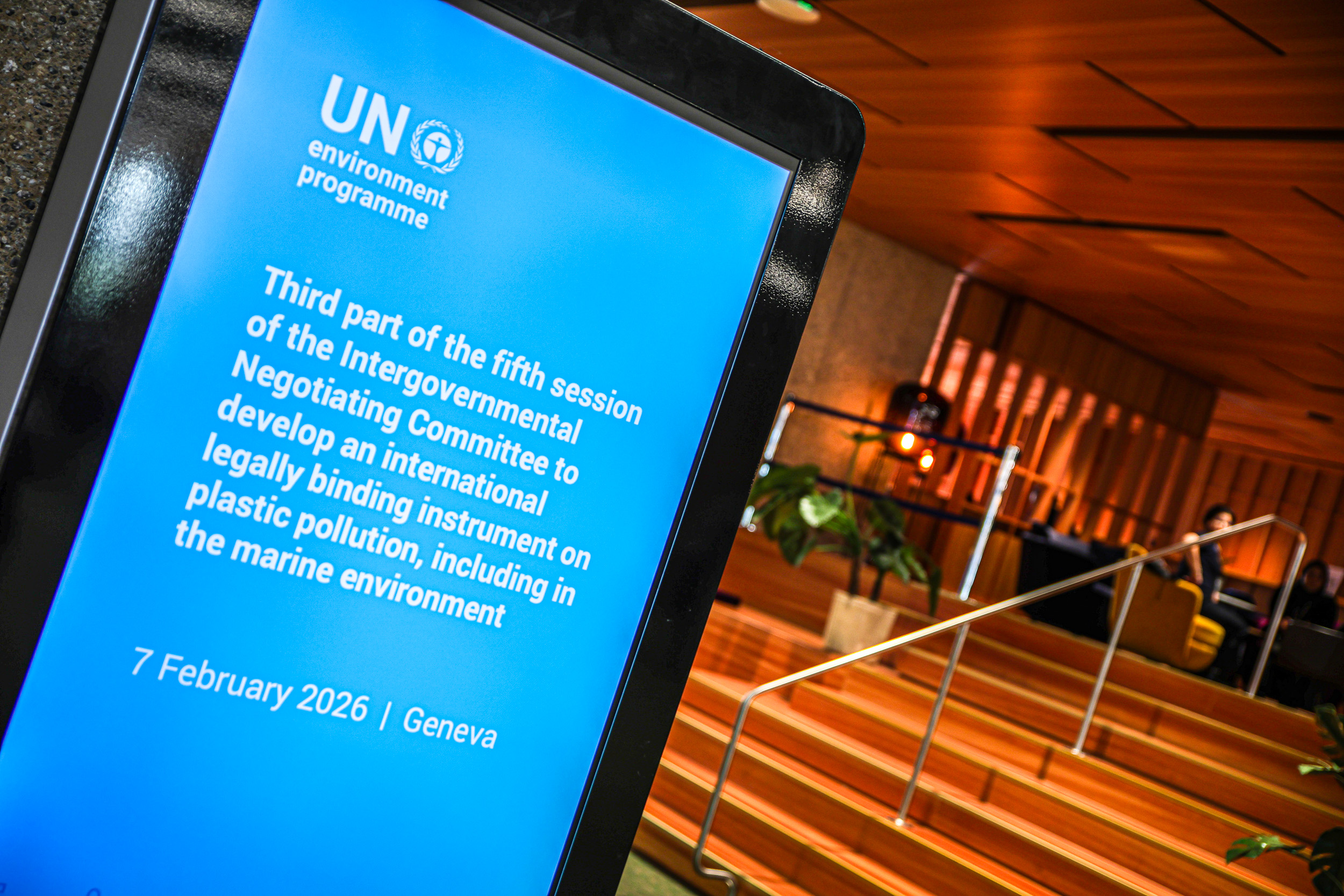
After three months of consultations, the Intergovernmental Negotiating Committee (INC) tasked with developing a legally binding instrument on plastic pollution, including in the marine environment, has elected Julio Cordano (Chile) to serve as its new Chair.
The INC held a one-day resumed session (INC-5.3) with the sole purpose of electing officers to guide the remainder of the negotiating process. This session followed the October 2025 resignation of Ambassador Luis Vayas Valdivieso (Ecuador) and the intended resignation of INC Rapporteur Asha Challenger (Antigua and Barbuda). At INC-5.3, delegates were tasked with selecting a Chair from three candidates: Ndiaye Cheikh Sylla (Senegal), Nazia Zaib Ali (Pakistan), and Julio Cordano (Chile). The INC was also expected to elect a new Vice-Chair representing Small Island Developing States and to designate a new rapporteur.
At the outset of the meeting, INC Vice-Chair Johanna Lissinger Peitz (Sweden) noted that she had been appointed by the INC Bureau as the Presiding Vice Chair and had worked with the Bureau over the past few months to prepare for the elections. She expressed hope that a new Chair could be elected by acclamation, which would only be possible if there were only one candidate; if this proved impossible, the Committee would proceed by secret ballot.
KUWAIT, supported by BRAZIL, IRAN, SAUDI ARABIA, MALAYSIA, QATAR, the UNITED ARAB EMIRATES (UAE), ARGENTINA, BAHRAIN, OMAN, and the RUSSIAN FEDERATION, called for suspension of the session for “a few hours” to allow the three candidates to consult, with the aim of facilitating election of the Chair by acclamation. SAUDI ARABIA insisted the selection of the Chair be based on consensus.
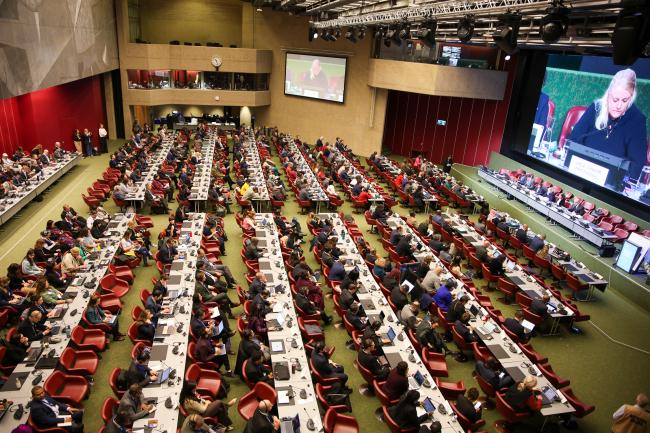
NIGERIA, supported by BARBADOS, supported suspending plenary but only for a clearly defined amount of time. The US and PERU expressed flexibility to allow a time-limited suspension to facilitate consensus, but emphasized the Committee would need to proceed with elections by secret ballot if consensus could not be achieved.
Many countries noted that countries already had substantial time to reach a decision. Those who expressed support for moving straight to voting by secret ballot included ANGOLA, the DOMINICAN REPUBLIC, ANTIGUA AND BARBUDA, ZIMBABWE, MONACO, FIJI, CAMEROON, PANAMA, ECUADOR, UGANDA, SOUTH AFRICA, CÔTE D’IVOIRE, ETHIOPIA, THE GAMBIA, MADAGASCAR, TANZANIA, SWITZERLAND, MICRONESIA, COSTA RICA, GUINEA, and NAMIBIA.
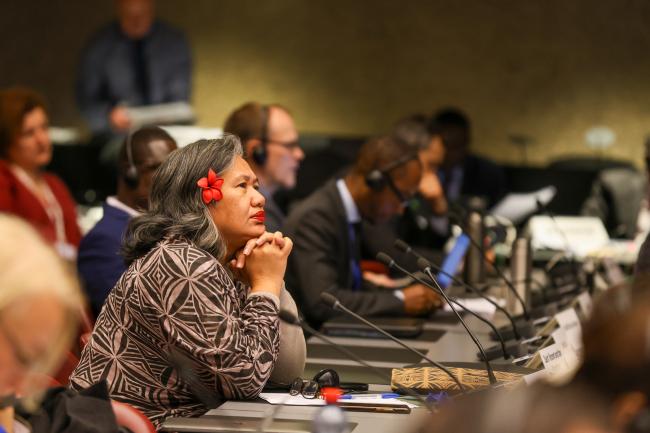
Presiding Vice-Chair Lissinger-Peitz suggested suspending plenary for two hours to allow the three candidates to try to reach agreement on a path to elect a candidate by acclamation. She said that if no agreement could be reached, the Committee would proceed to elections upon resumption of the plenary.
Following a request from the RUSSIAN FEDERATION, Presiding Vice-Chair Lissinger-Peitz invited the three candidates to briefly share their vision for the process. Cordano (Chile) highlighted the importance of finding common ground to enable countries to move forward together and achieve a meaningful agreement. Zaib (Pakistan) underscored the importance of transparency and neutrality as foundations for compromise and progress in negotiations and highlighted advances in Pakistan’s domestic work on plastic pollution. Sylla (Senegal) cited his knowledge of the process and its challenges and emphasized that leadership based on transparency, integrity, and dedication will bring the negotiations to a successful conclusion. Plenary was then suspended.
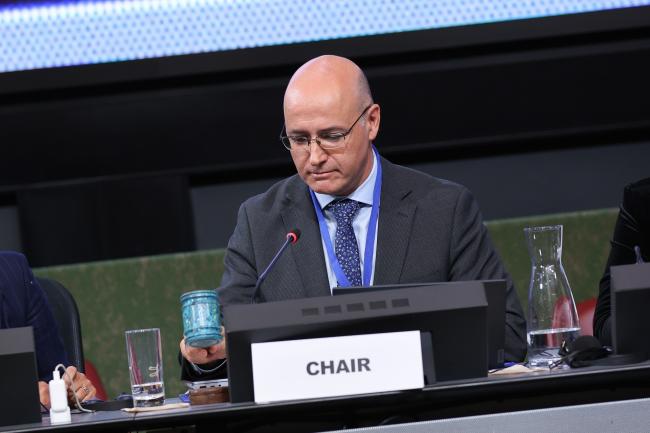
When plenary resumed approximately two and a half hours later, Presiding Vice-Chair Lissinger-Peitz reported that discussions had not yielded an outcome that would allow election of the Chair by acclamation. The Committee proceeded to elections by secret ballot, in accordance with the draft Rules of Procedure.
Following the first round of voting, Lissinger-Peitz announced that 155 members were present and voting, which meant the threshold for a majority was 78 votes. She then announced that Cordano had received 73 votes, Sylla received 48, and Zaib received 34. Since none of the candidates received a majority, a second ballot would be restricted to the two candidates who received the largest number of votes.
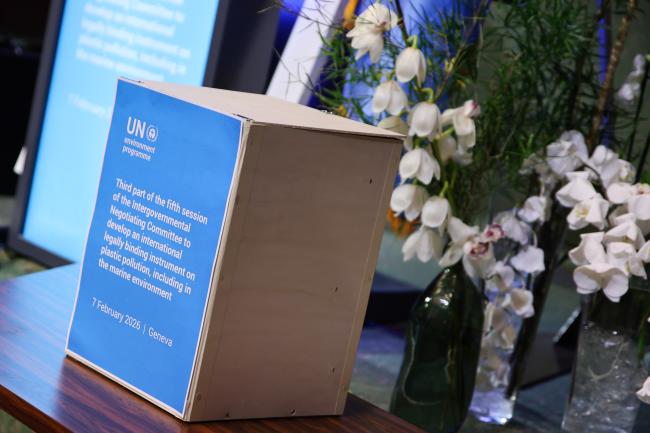
Delegates held further consultations outside of plenary with the aim of facilitating election of a new Chair by acclamation but were unable to reach agreement.
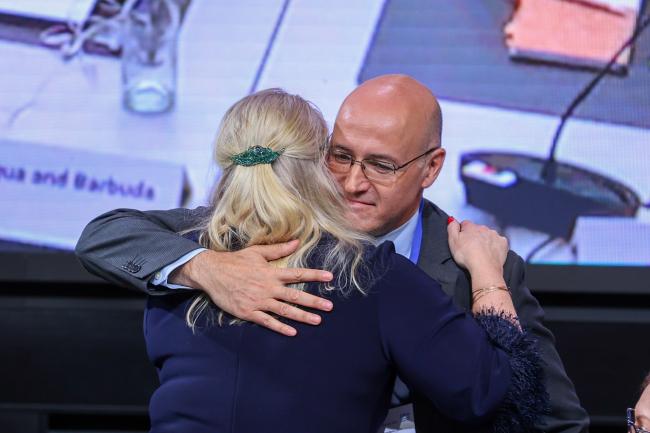
After a second round of voting by secret ballot, Presiding Vice-Chair Lissinger-Peitz announced that 145 members were present and voting, and the threshold for a majority was 73 votes. She announced that Cordano received 92 votes and Sylla received 53. She declared Cordano to be elected and offered her warm congratulations.
SENEGAL congratulated Cordano and said the Committee had demonstrated its capacity for making responsible collective decisions. GHANA lauded the integrity demonstrated throughout the election said the Committee would leave INC-5.3 stronger, more united, and better equipped to move the negotiations forward. PAKISTAN congratulated Cordano and reiterated the importance of inclusivity and transparency in the negotiations. ARGENTINA lamented that the Committee was unable to reach this outcome via consensus and requested this not be interpreted as a precedent either in this process or other environmental agreements.
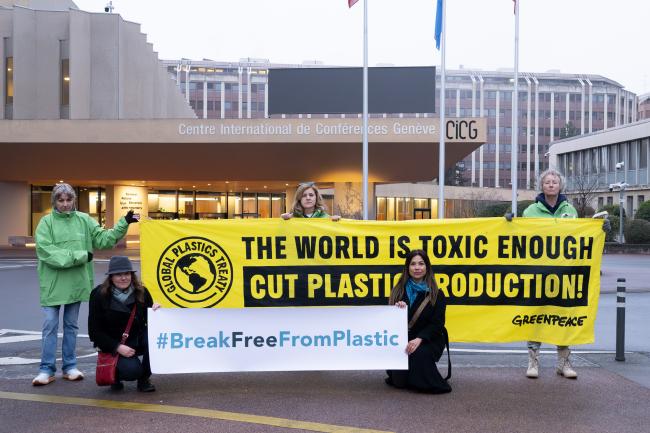
Newly elected INC Chair Julio Cordano thanked the Committee for the opportunity they had bestowed upon him, emphasized that plastic pollution is a planetary problem that affects every country, community, and individuals, and said flexibility and pragmatism will be a goal for the remaining negotiations. He also committed to ensuring that the Committee’s future text evolves predictably and without surprises.
The INC then elected by acclamation Linroy Christian (Antigua and Barbuda) as a Vice Chair, and designated Irma Gurguliani (Georgia) as Rapporteur.
In closing remarks, INC Executive Secretary Jyoti Mathur-Filipp, speaking on behalf of United Nations Environment Programme (UNEP) Executive Secretary Inger Andersen, expressed appreciation for the cooperation, dedication, and commitment of members of the INC. She reiterated the Secretariat’s commitment to supporting delegates in the work ahead.
Chair Cordano gaveled INC-5.3 to a close at 7:12 pm. INC-5.3 was held in Geneva, Switzerland. Over 600 participants from governments and observer organizations participated in the one-day meeting.
To receive free coverage of global environmental events delivered to your inbox, subscribe to the ENB Update newsletter.
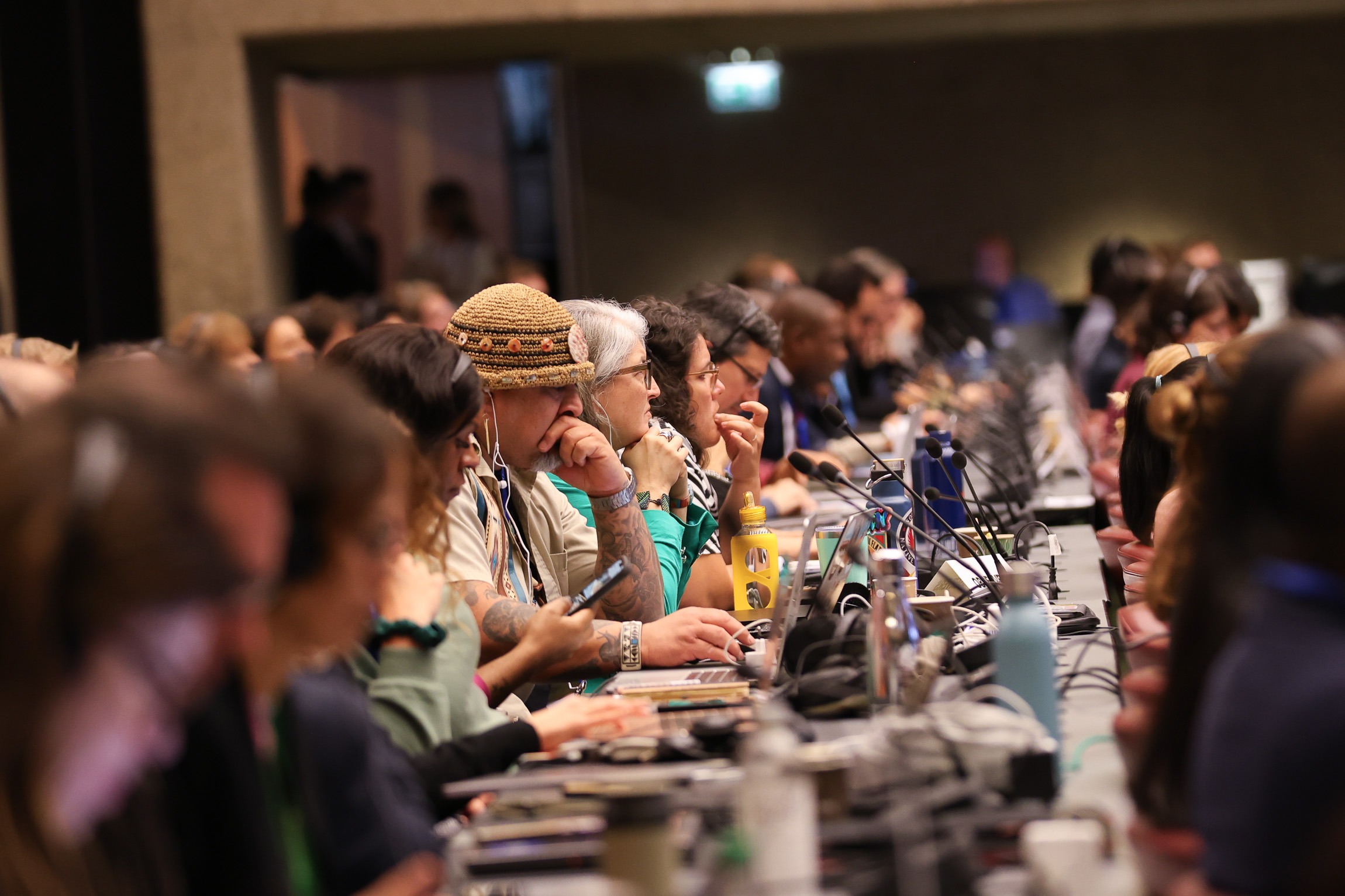
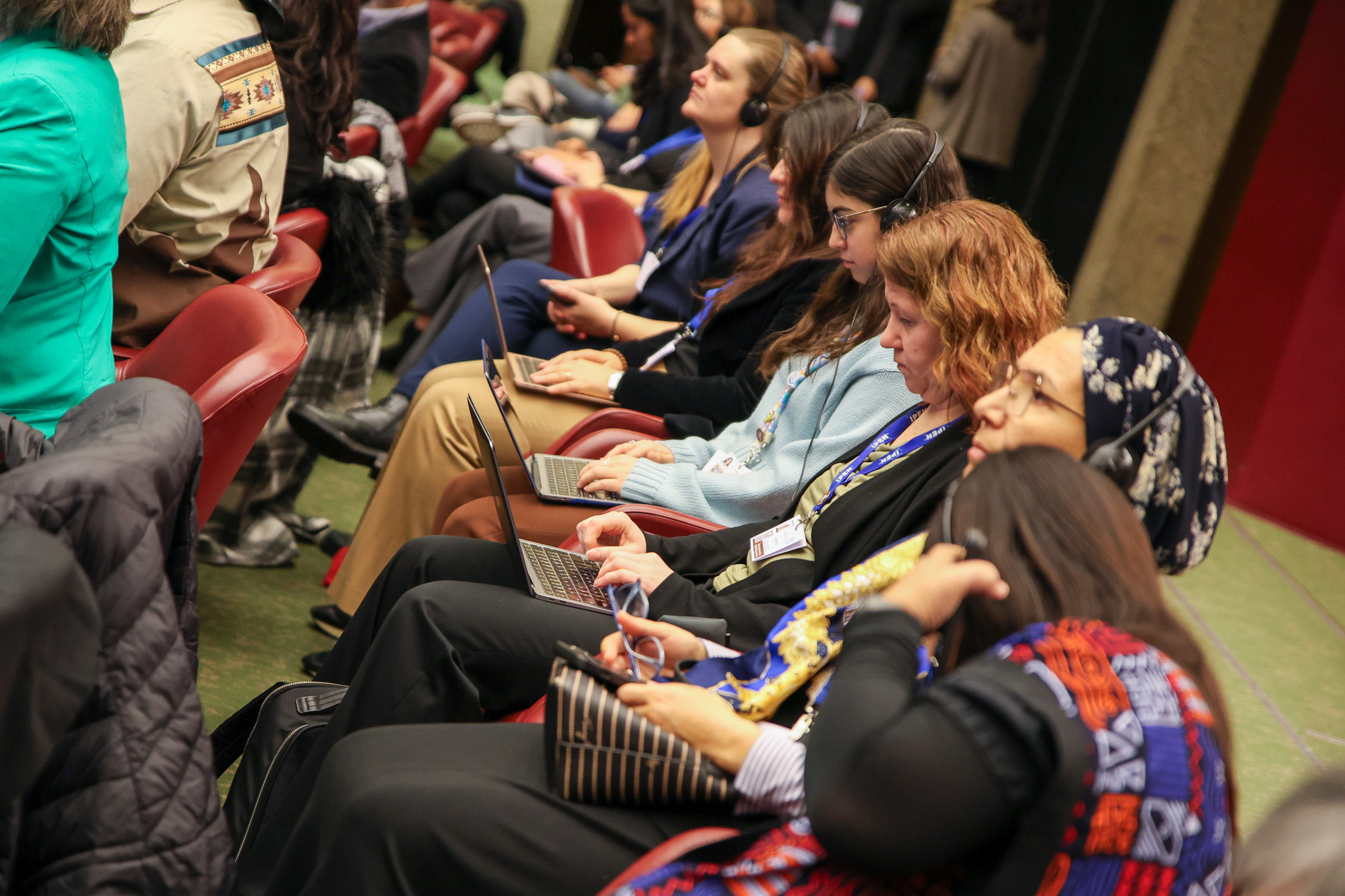
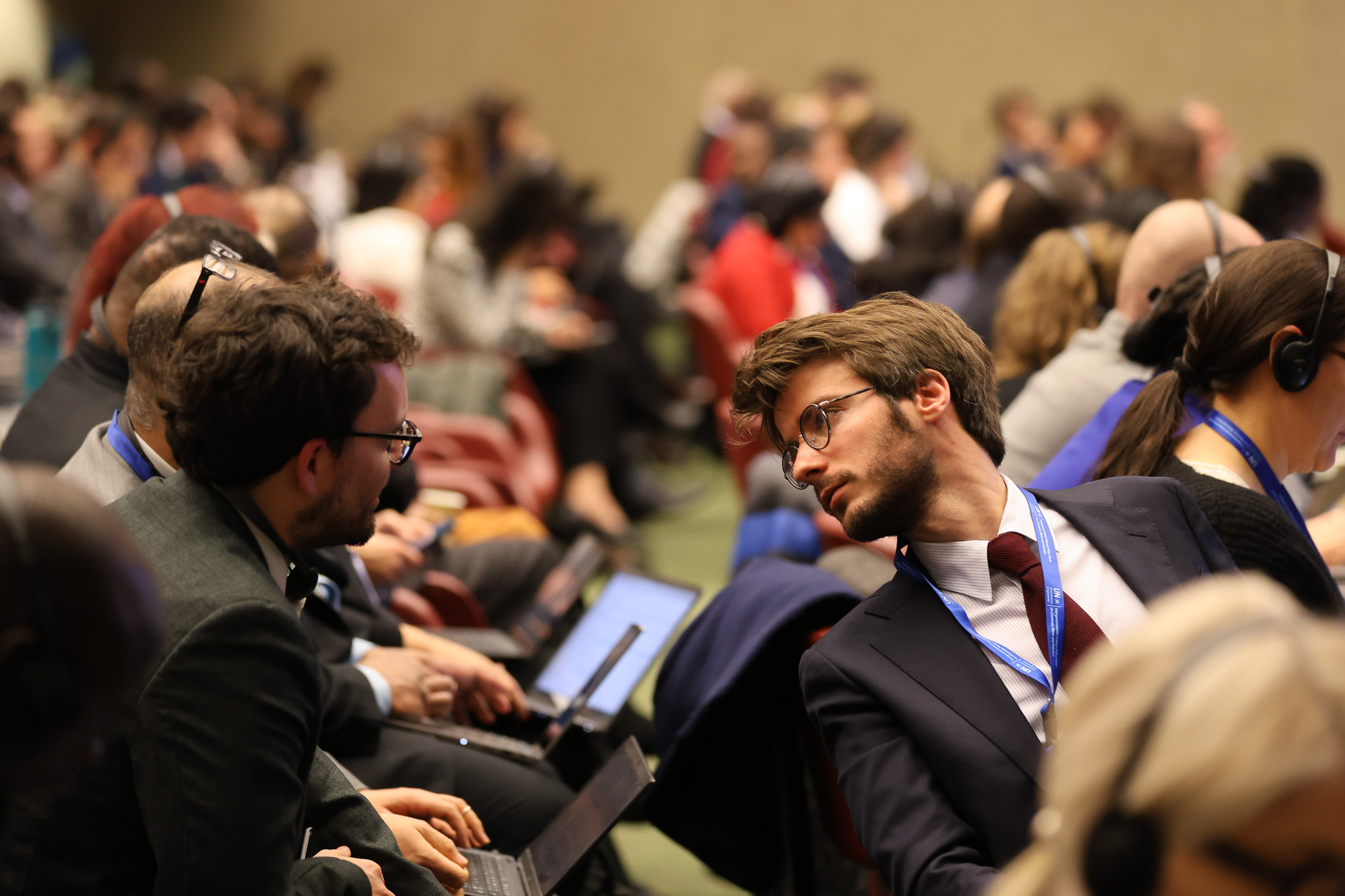
All ENB photos are free to use with attribution. For photos of the 3rd Part of the 5th Session of the Intergovernmental Negotiating Committee to Develop an International Legally Binding Instrument on Plastic Pollution, Including in the Marine Environment (INC-5.3), please use: Photo by IISD/ENB - Mike Muzurakis
Plenary Session
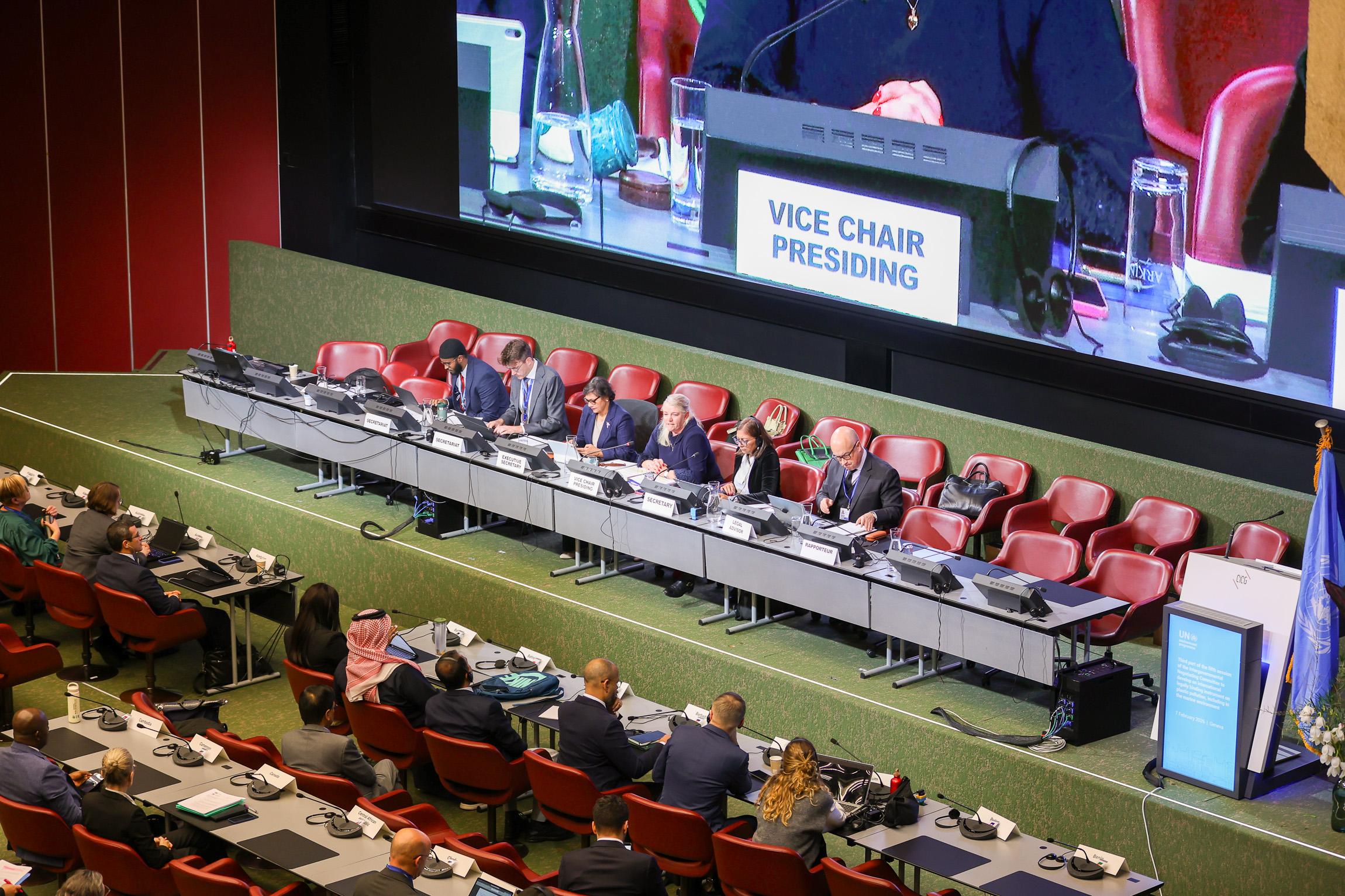
View of the dais during the morning plenary
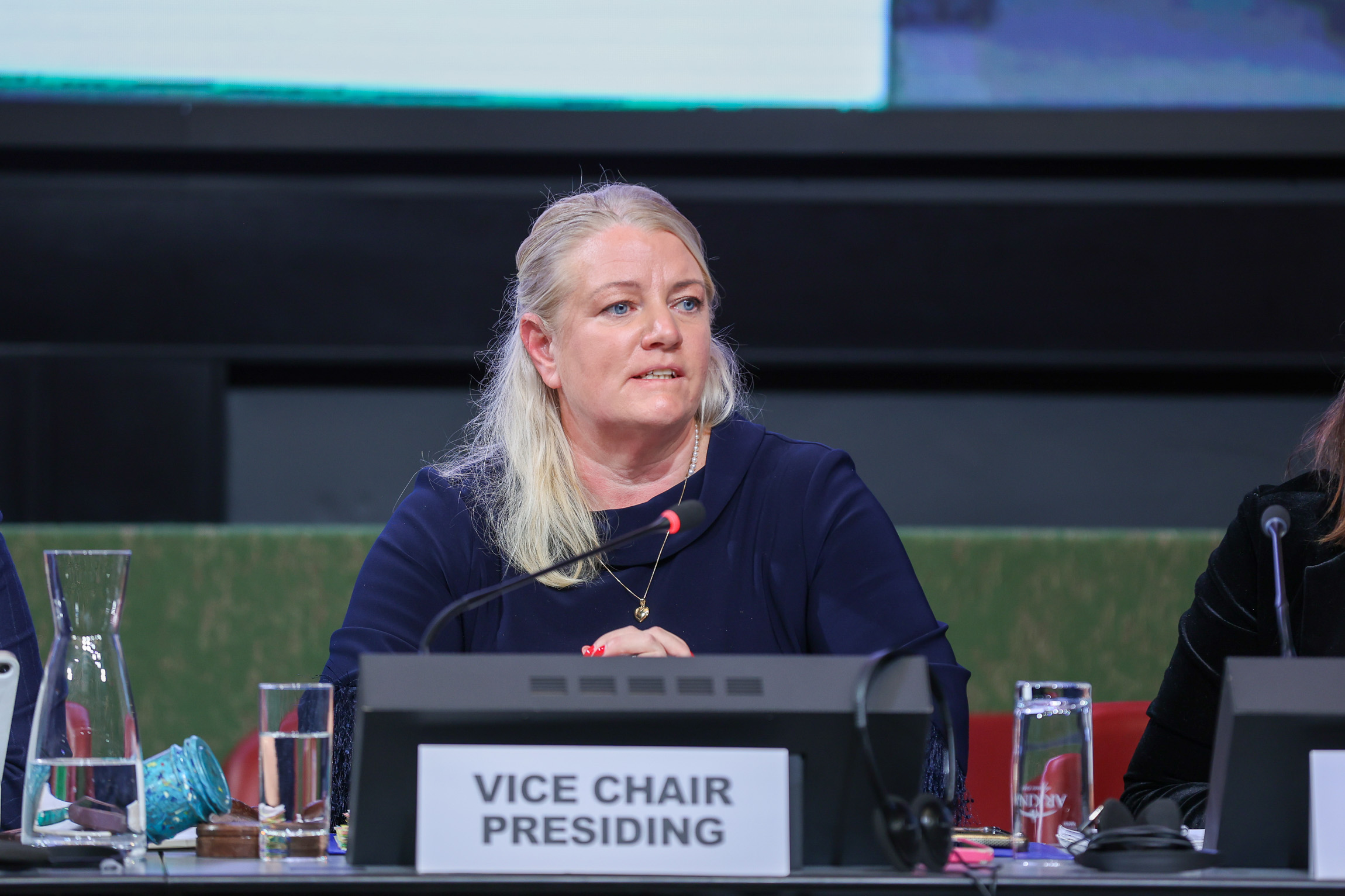
Vice-Chair Johanna Lissinger-Peitz, Sweden
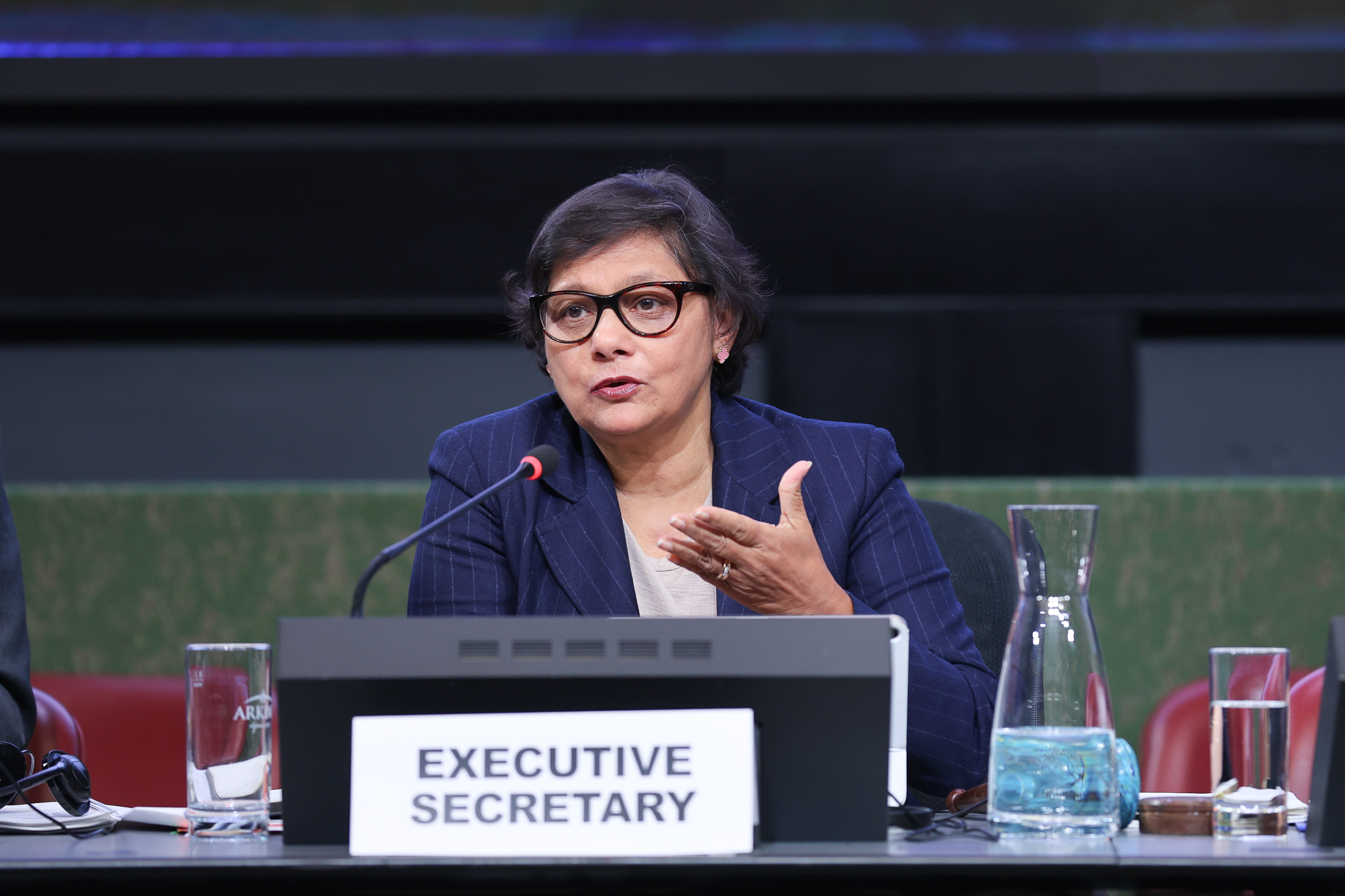
Jyoti Mathur-Filipp, Executive Secretary, INC Secretariat
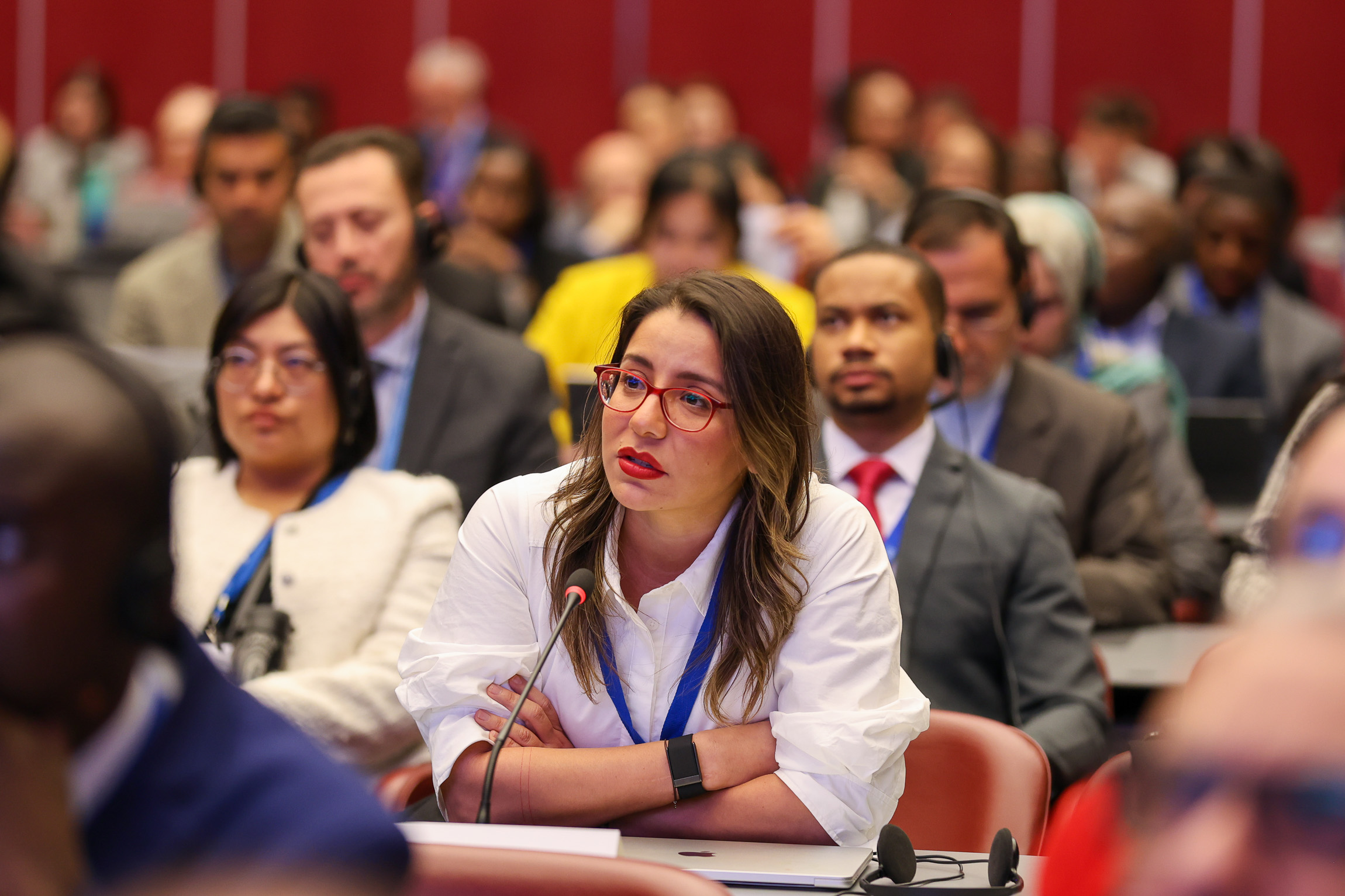
Claudia Marcela Taboada, Dominican Republic
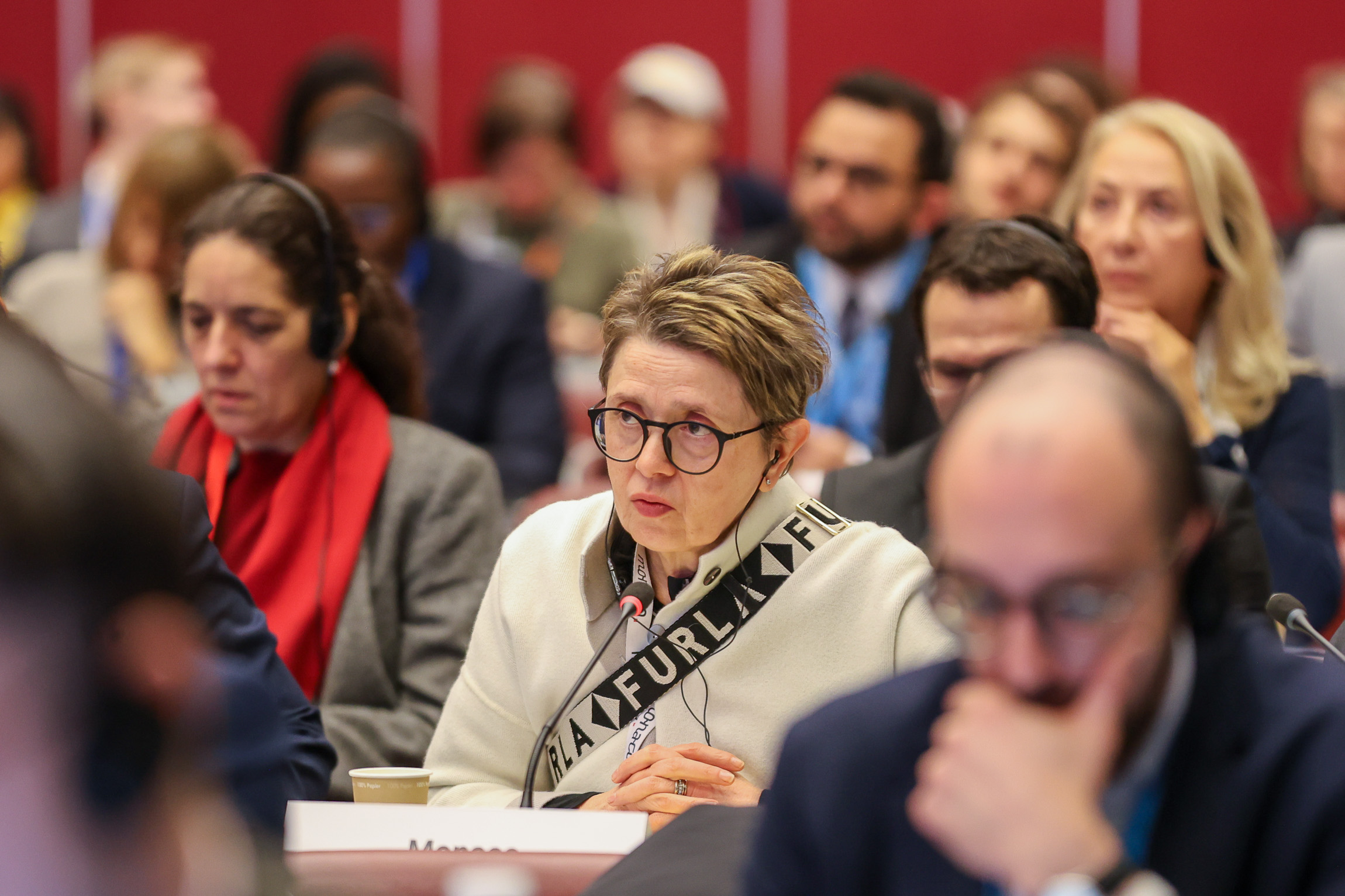
Carole Lanteri, Monaco
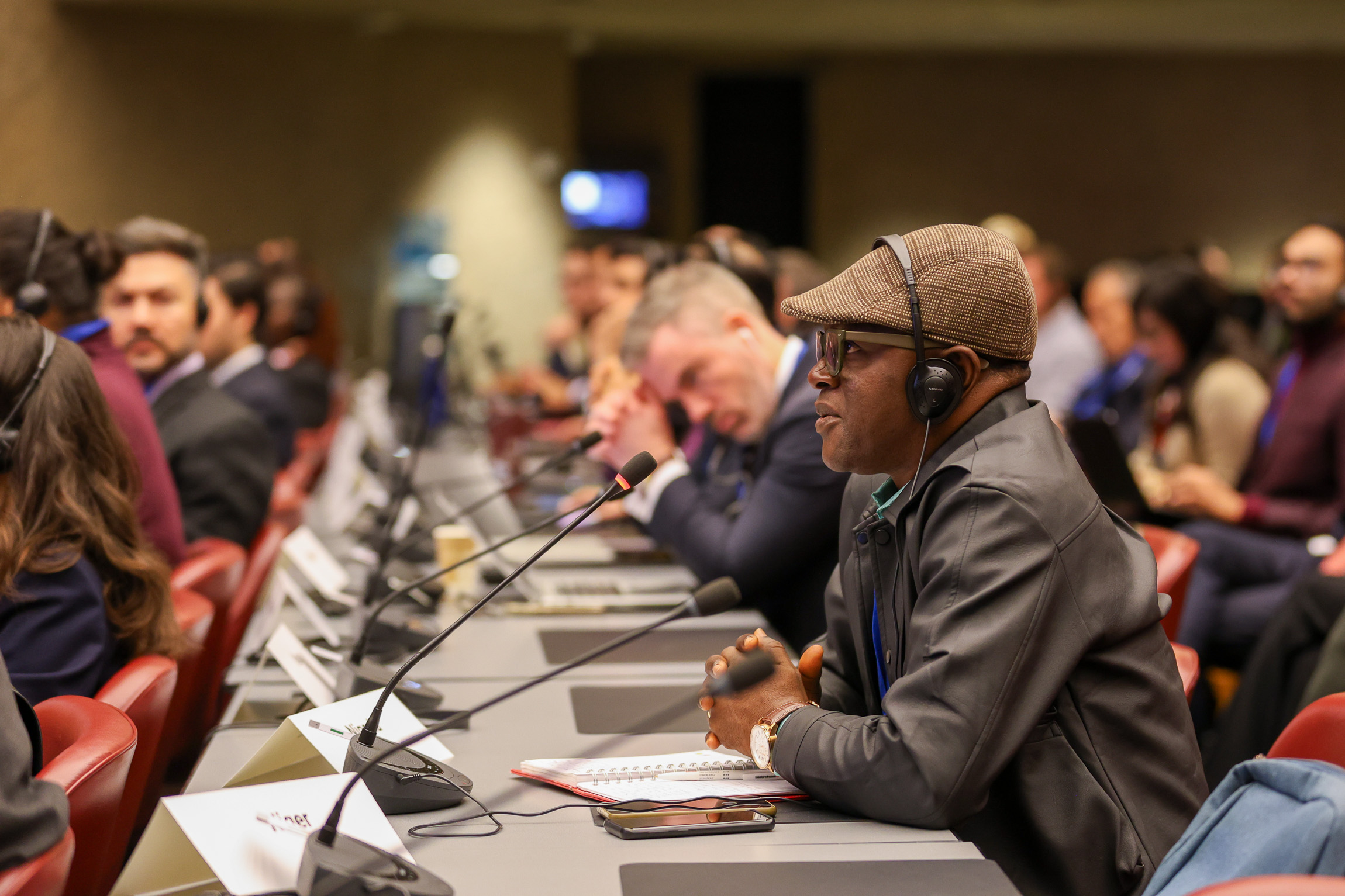
Ahmadu Jibrin, Nigeria
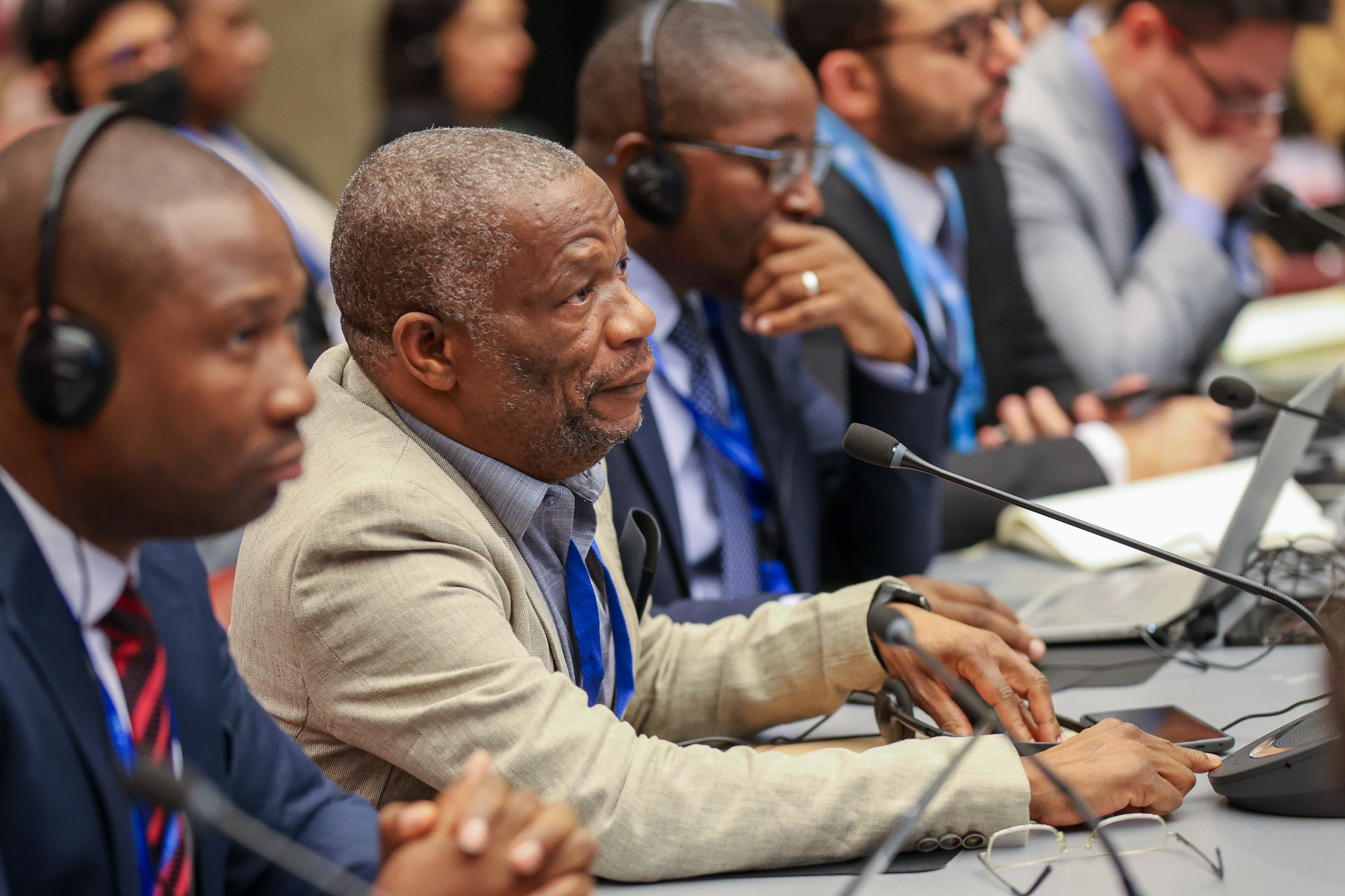
Abraham Zivayi Matiza, Zimbabwe
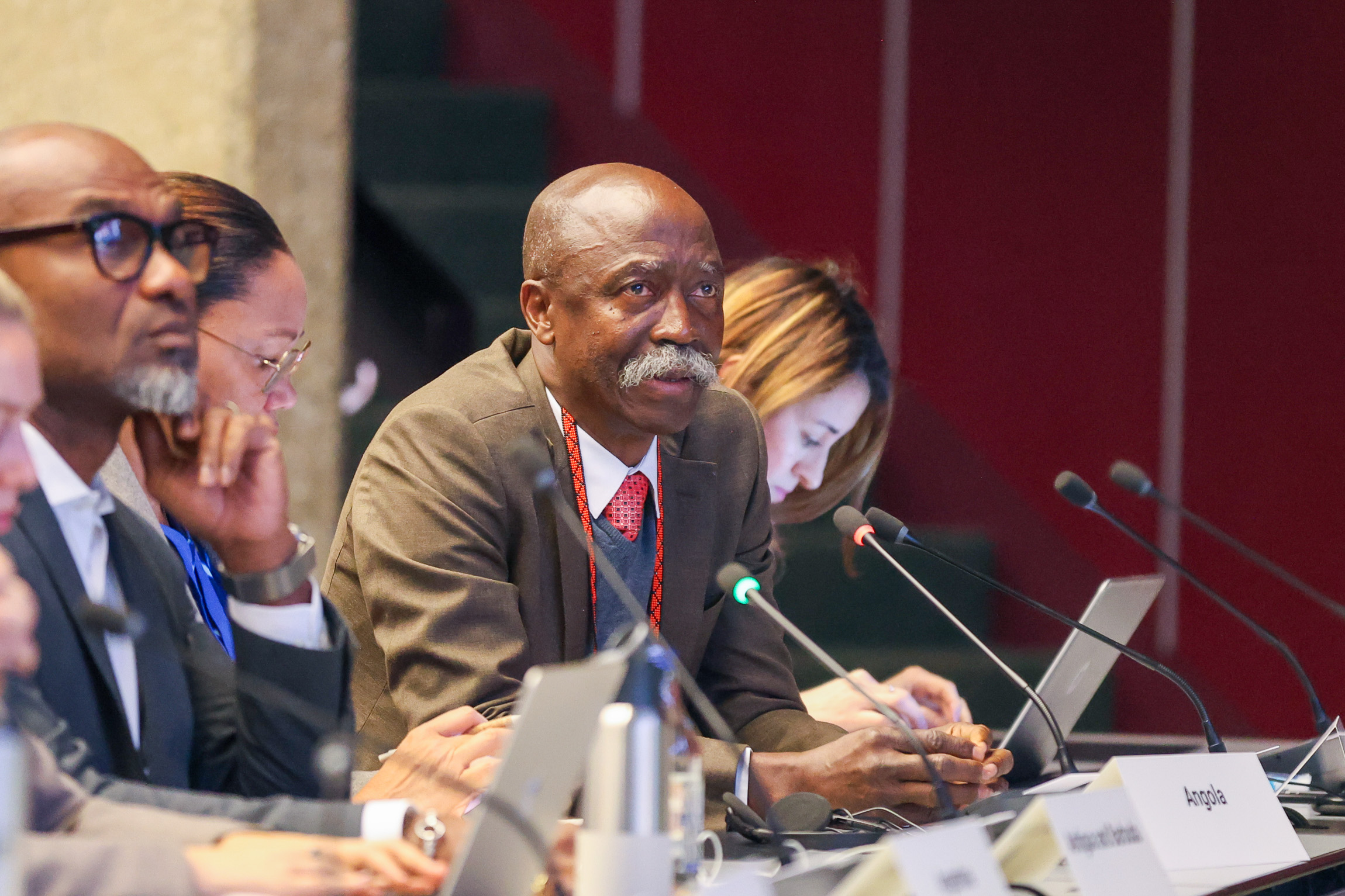
Santos Virgílio, Angola
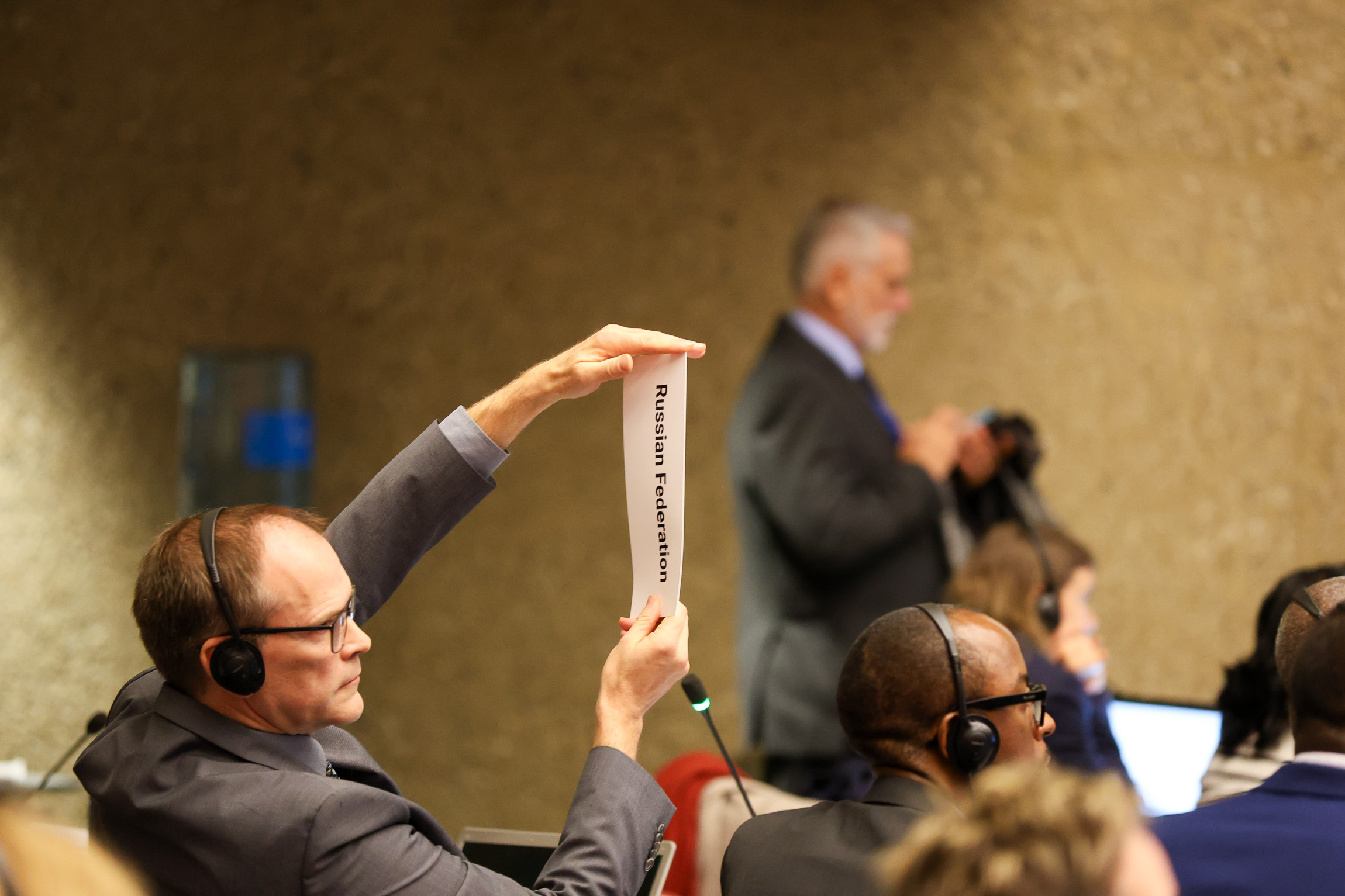
Vladimir Lenev, Russian Federation, raising a point of order
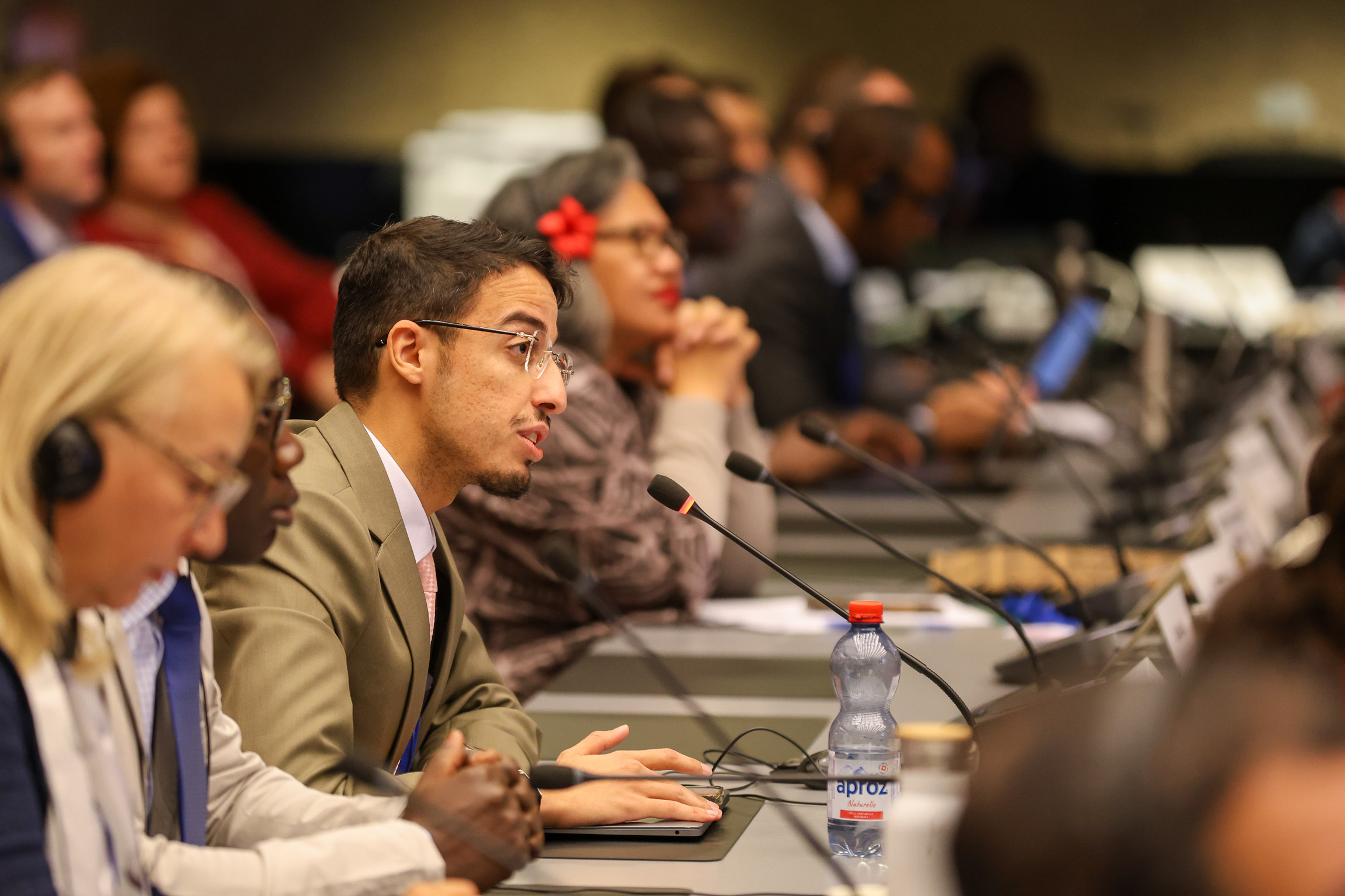
Tamim Alothimin, Saudi Arabia
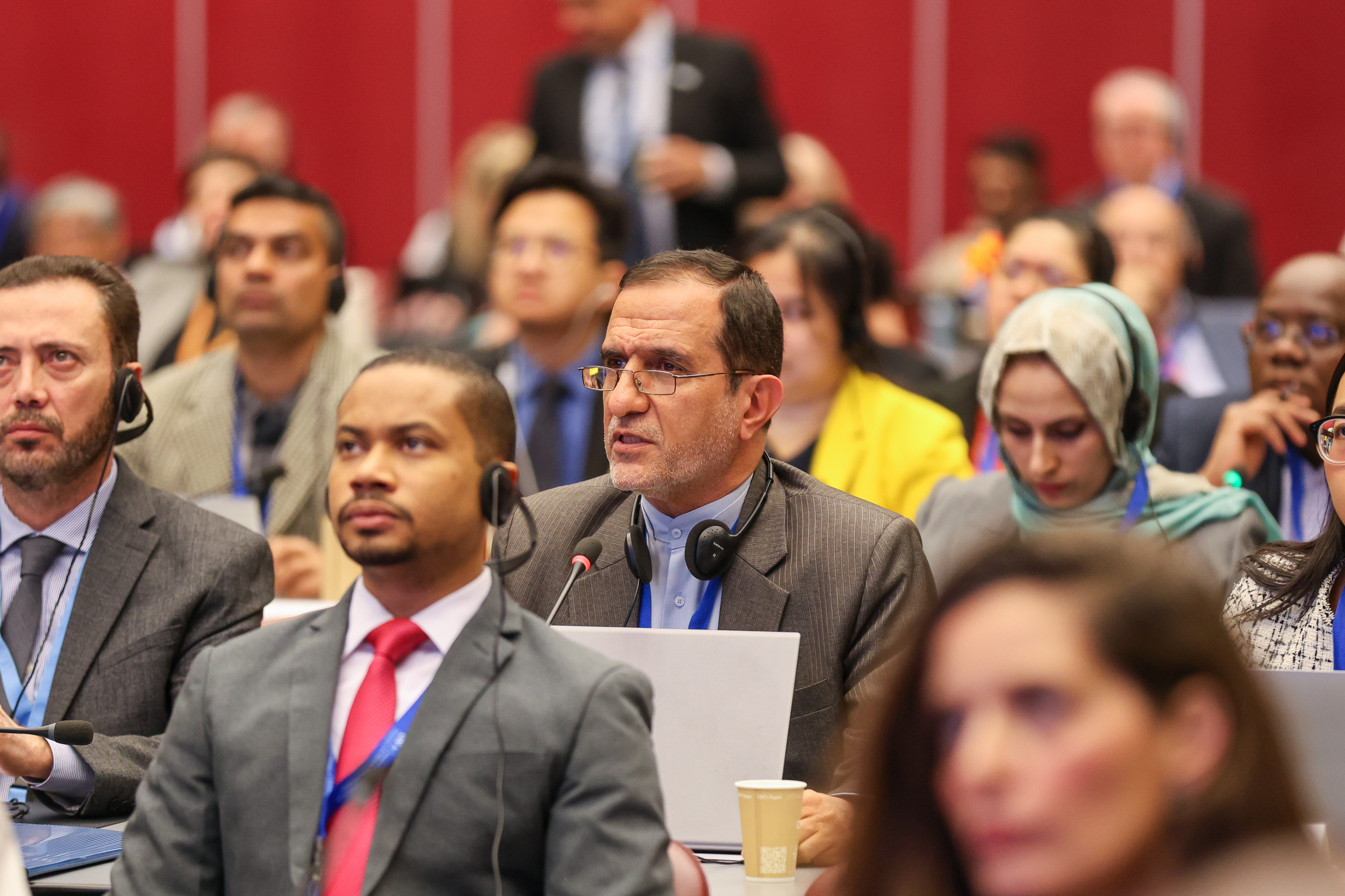
Massoud Rezvanian Rahaghi, Iran
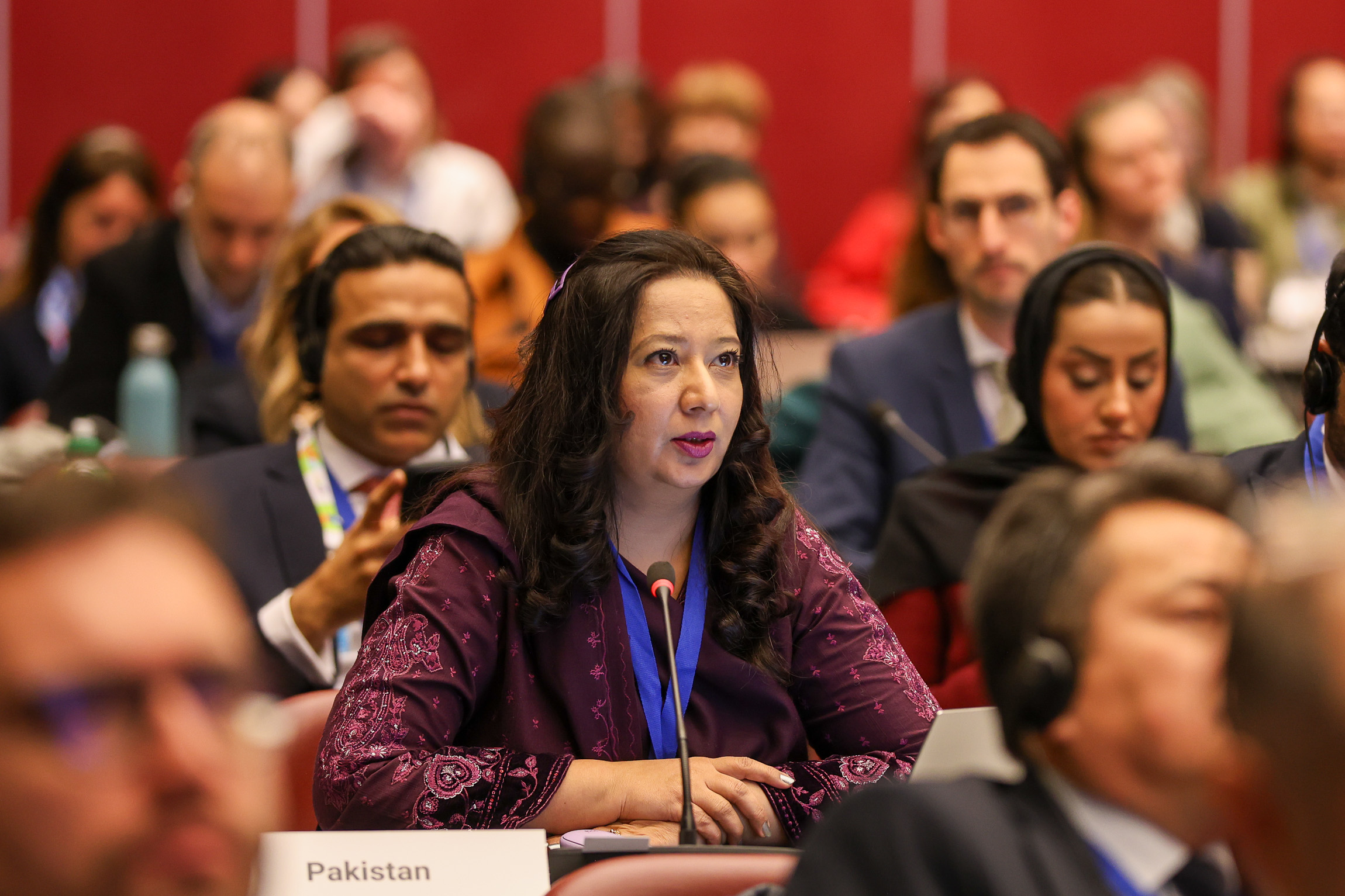
Nazia Zaib Ali, Pakistan
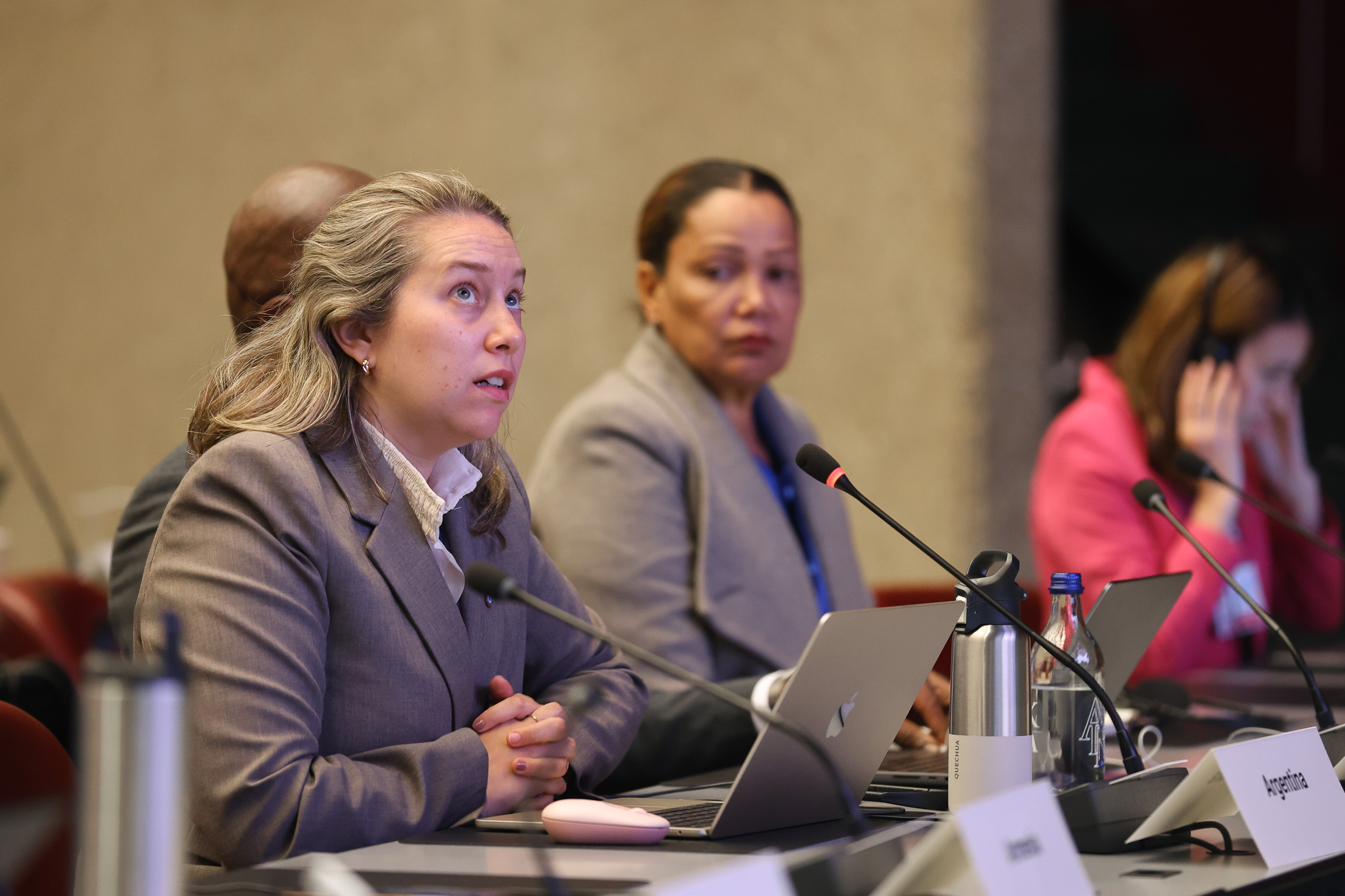
Greta Rubinich, Argentina
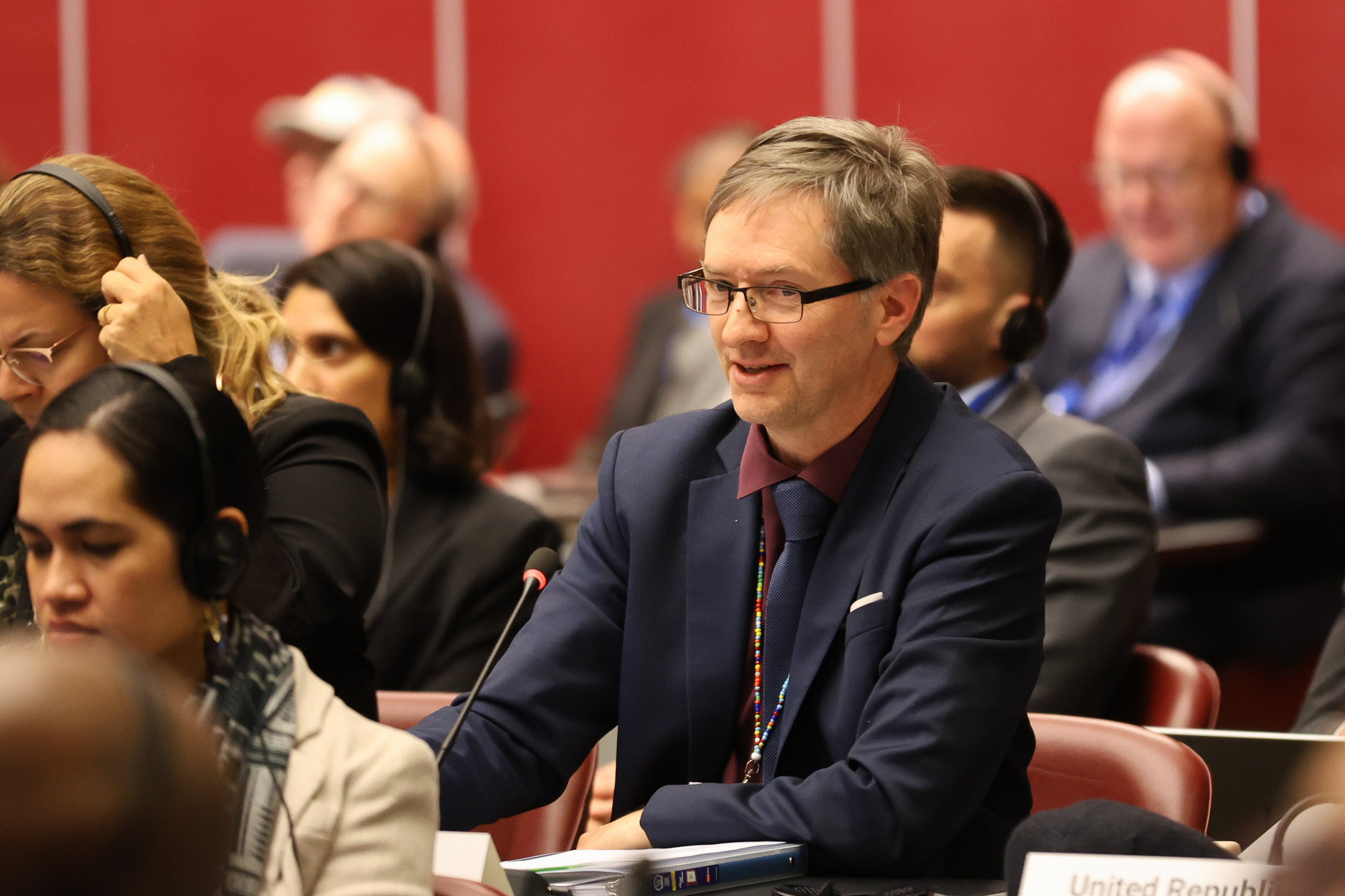
John Thompson, US
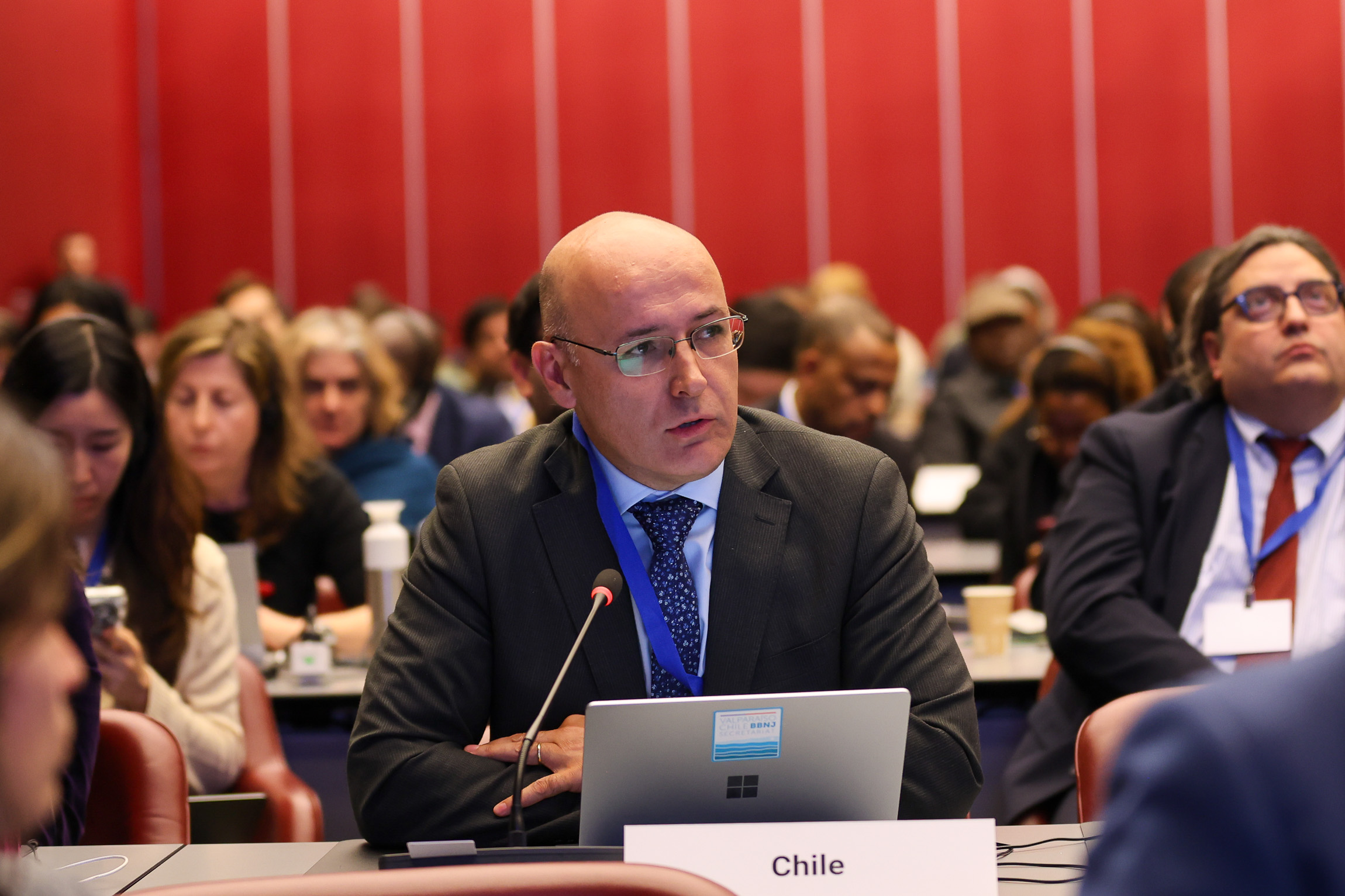
Julio Cordano, Chile
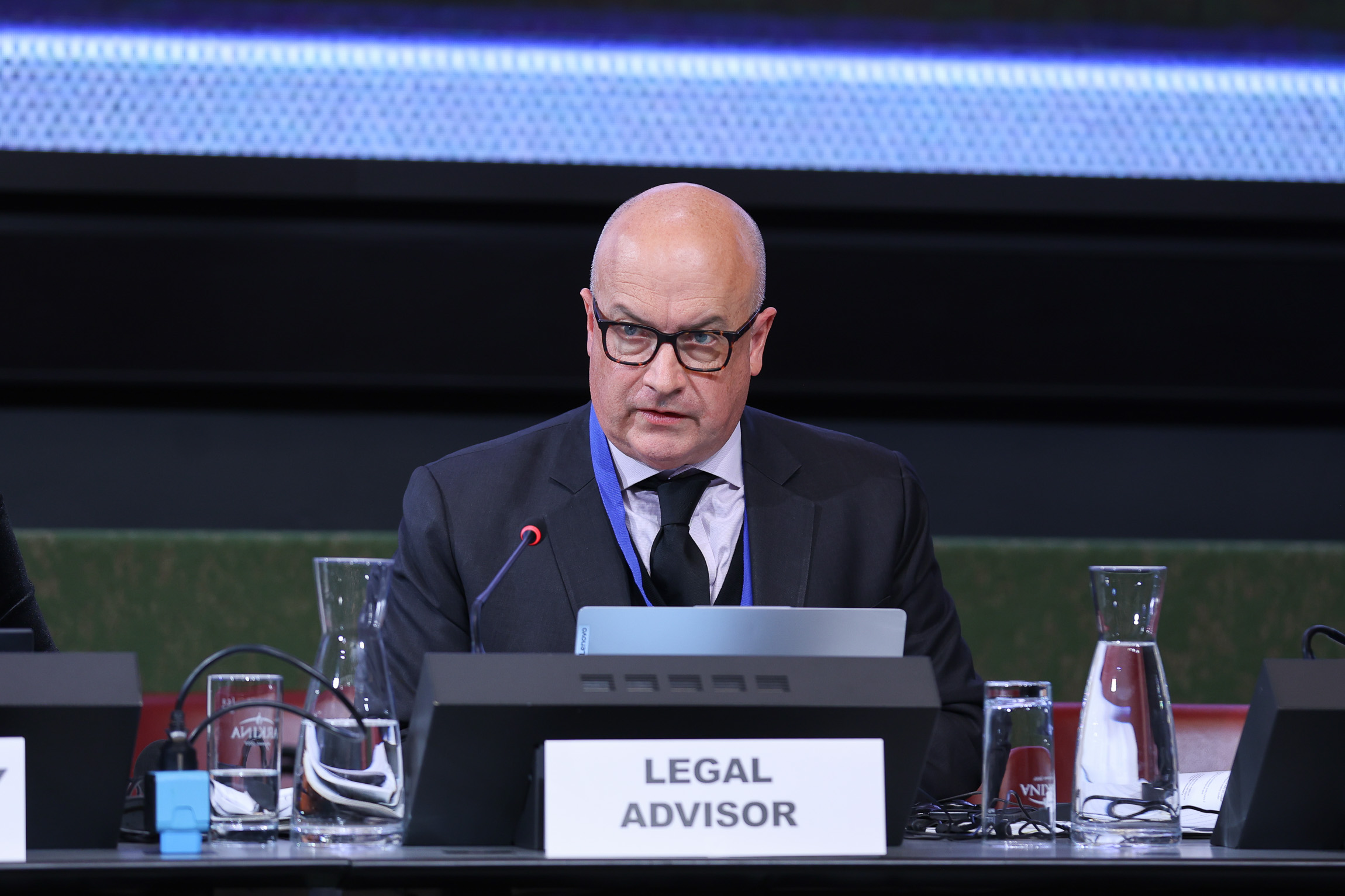
Stadler Trengove, Legal Officer, UN Environment Programme (UNEP)
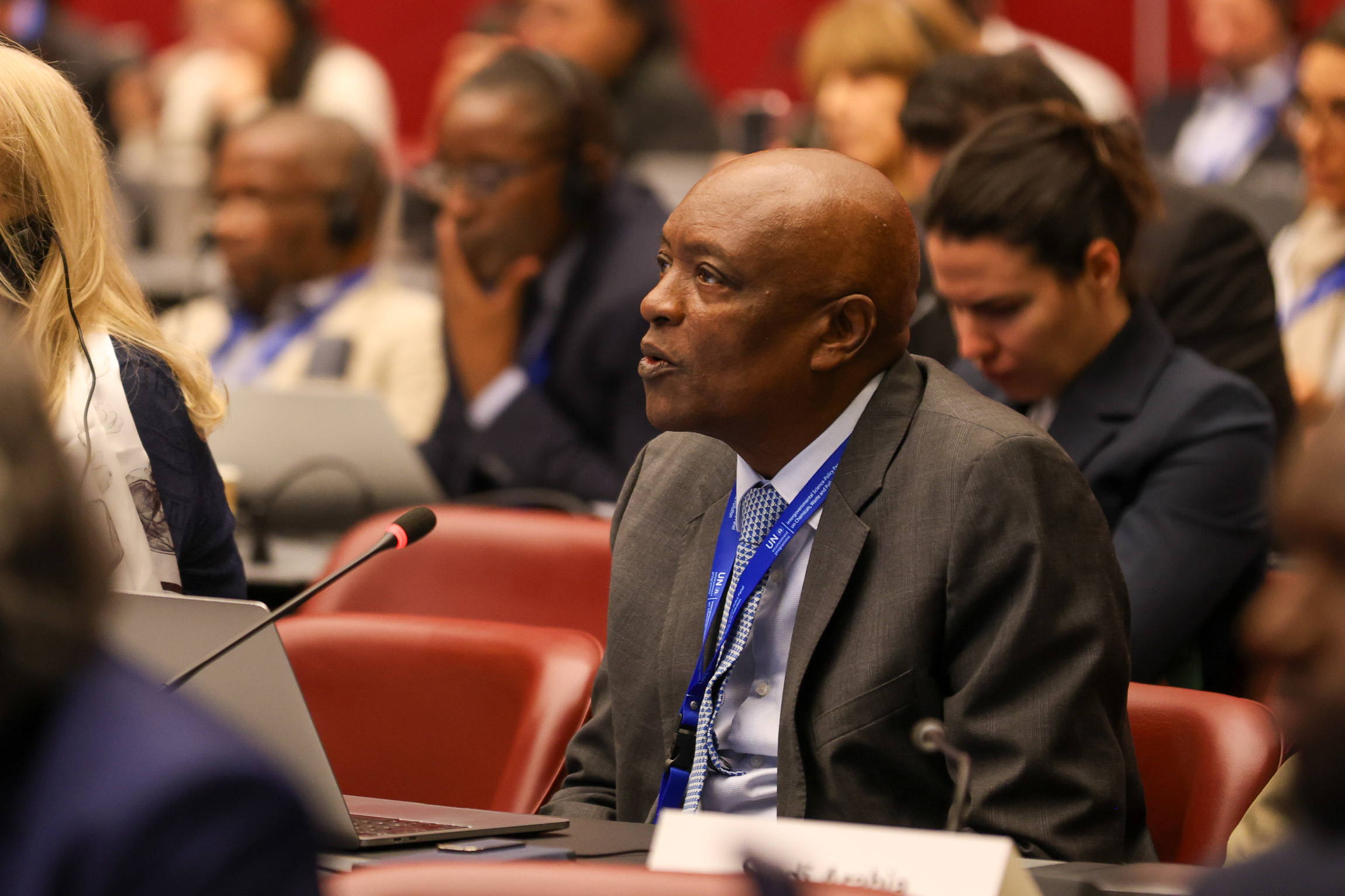
Cheikh Ndiaye Sylla, Senegal
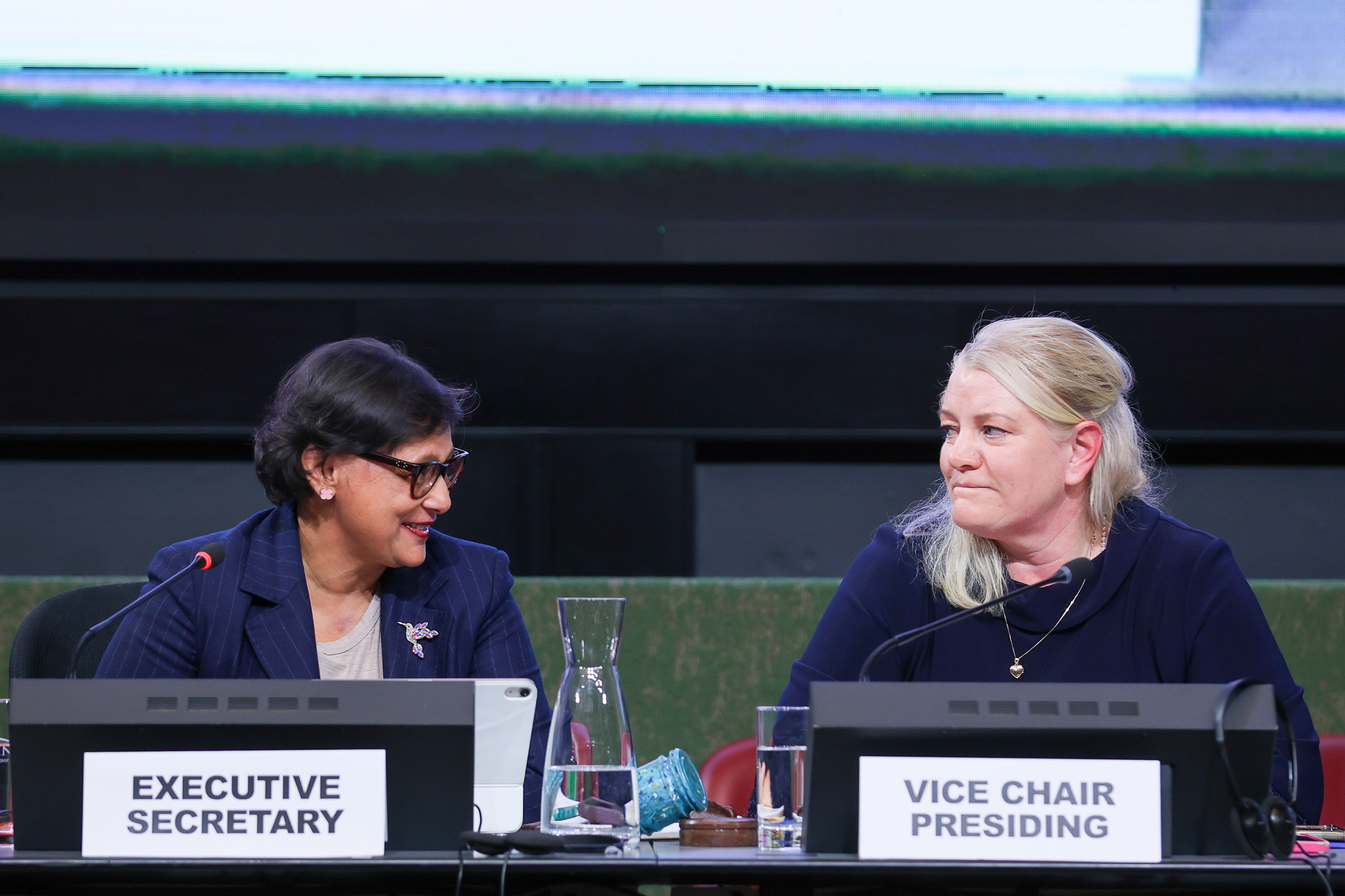
Jyoti Mathur-Filipp, Executive Secretary, INC Secretariat, and Vice-Chair Johanna Lissinger-Peitz, Sweden
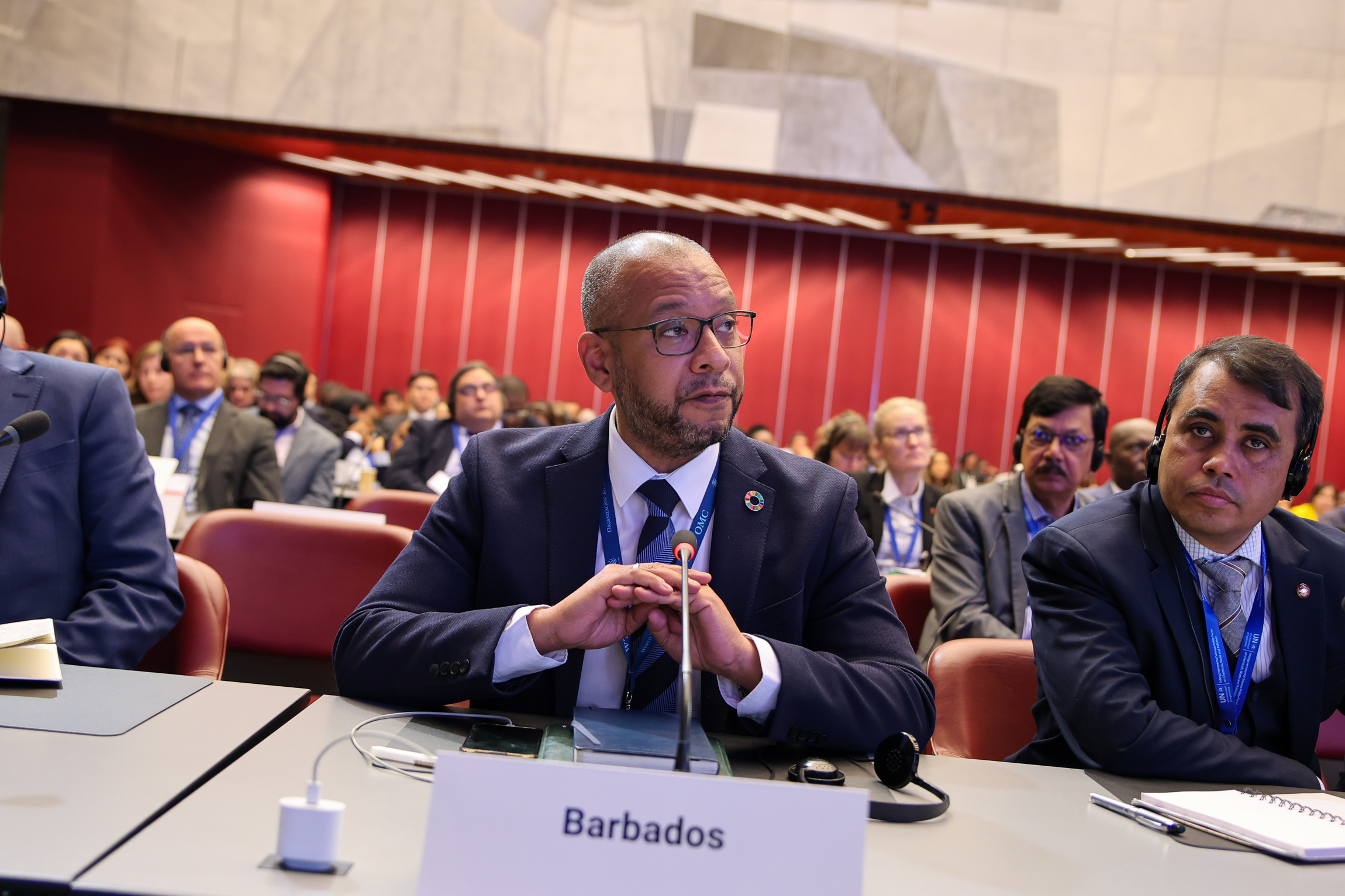
Matthew Anthony Wilson, Barbados
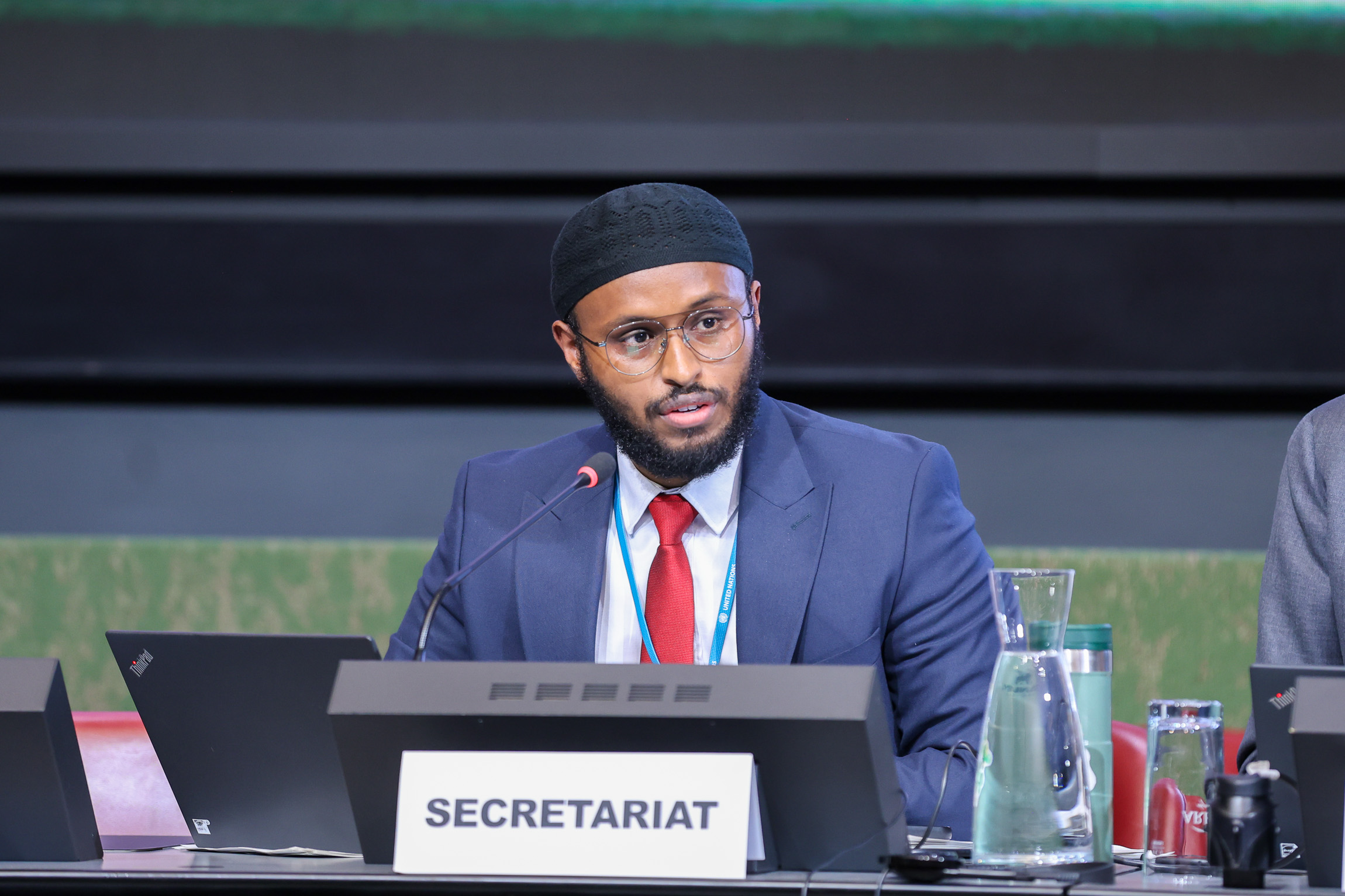
Nasrudin Abdirashid, INC Secretariat
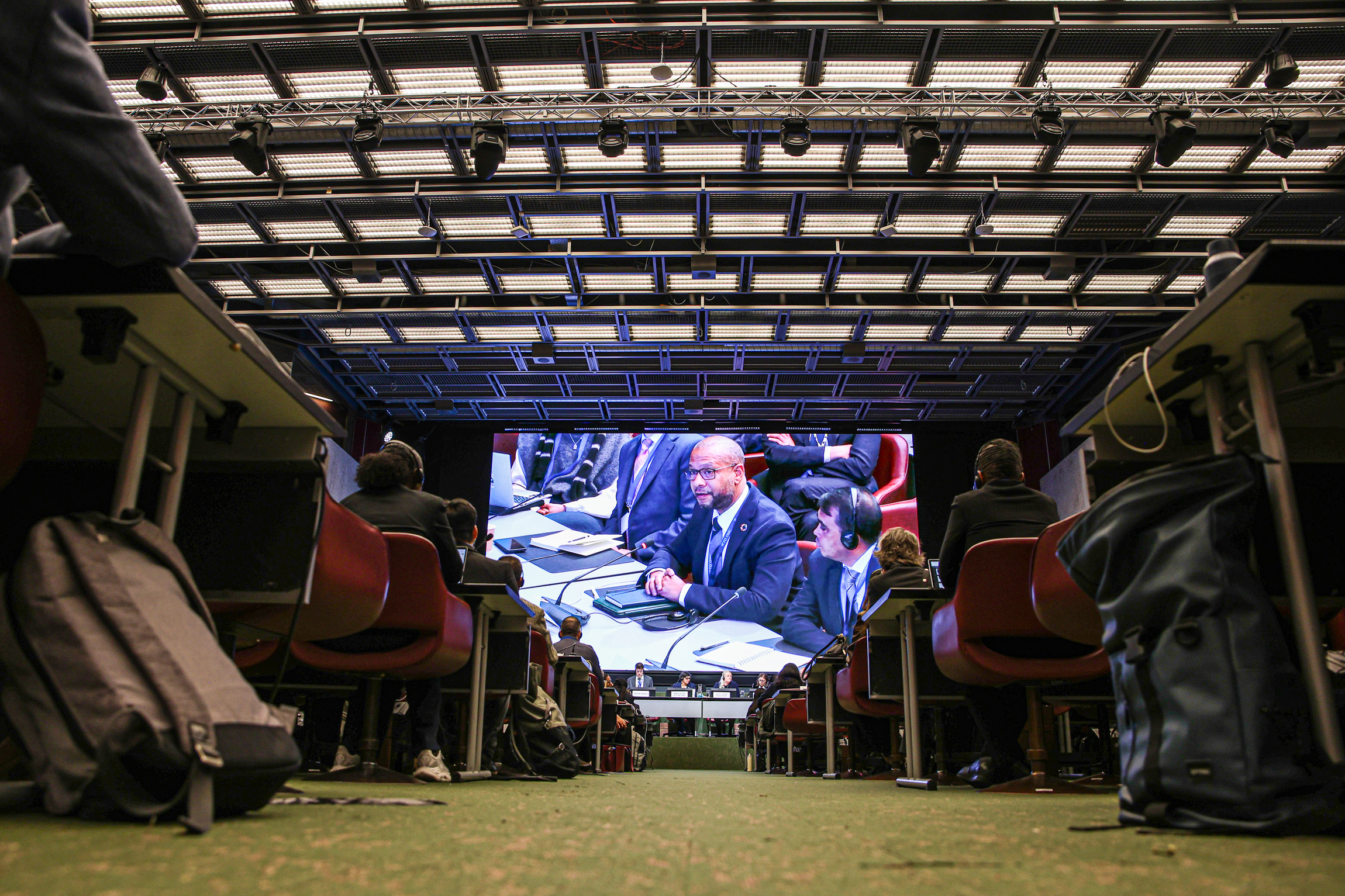
Between Sessions
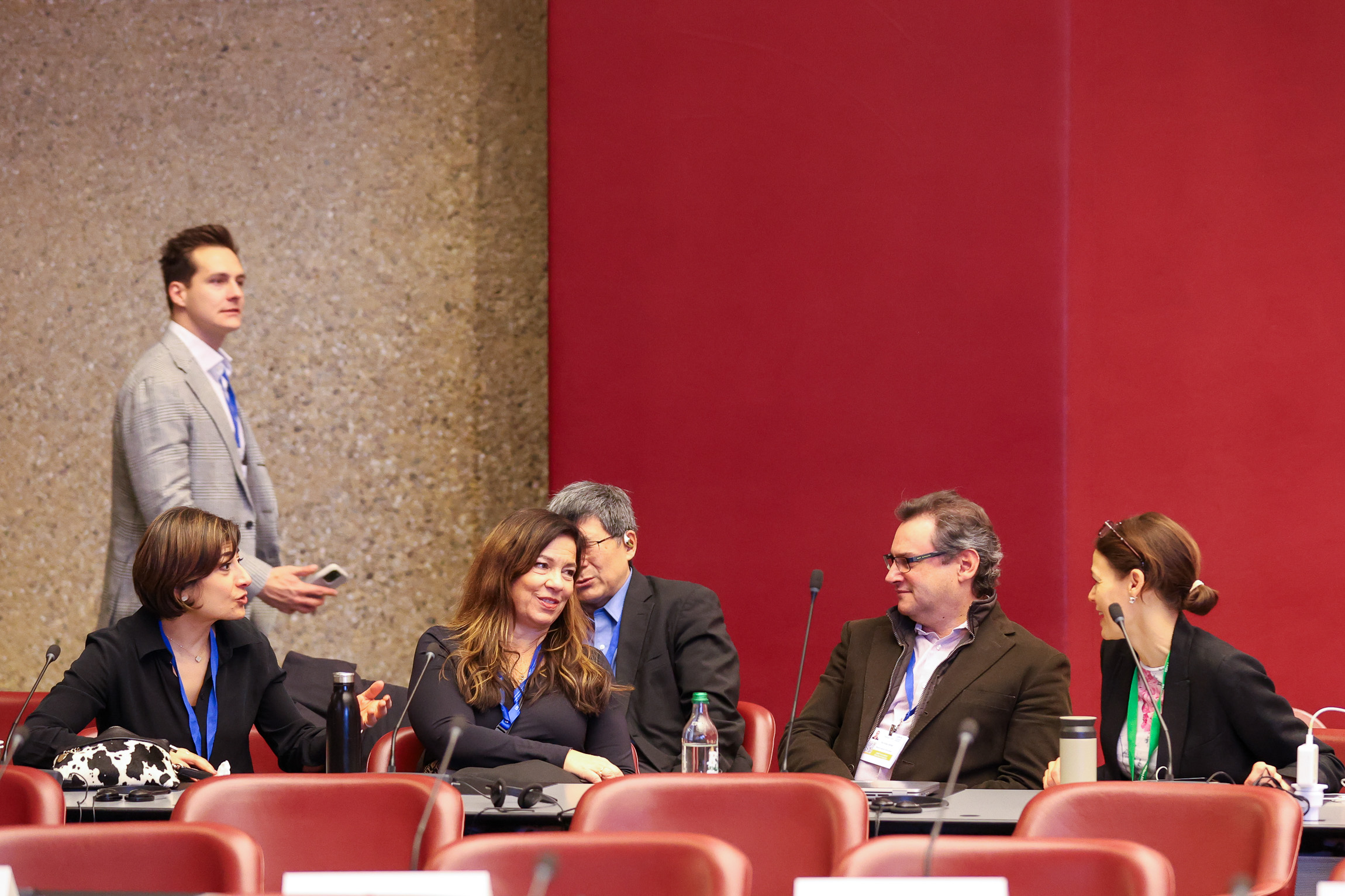
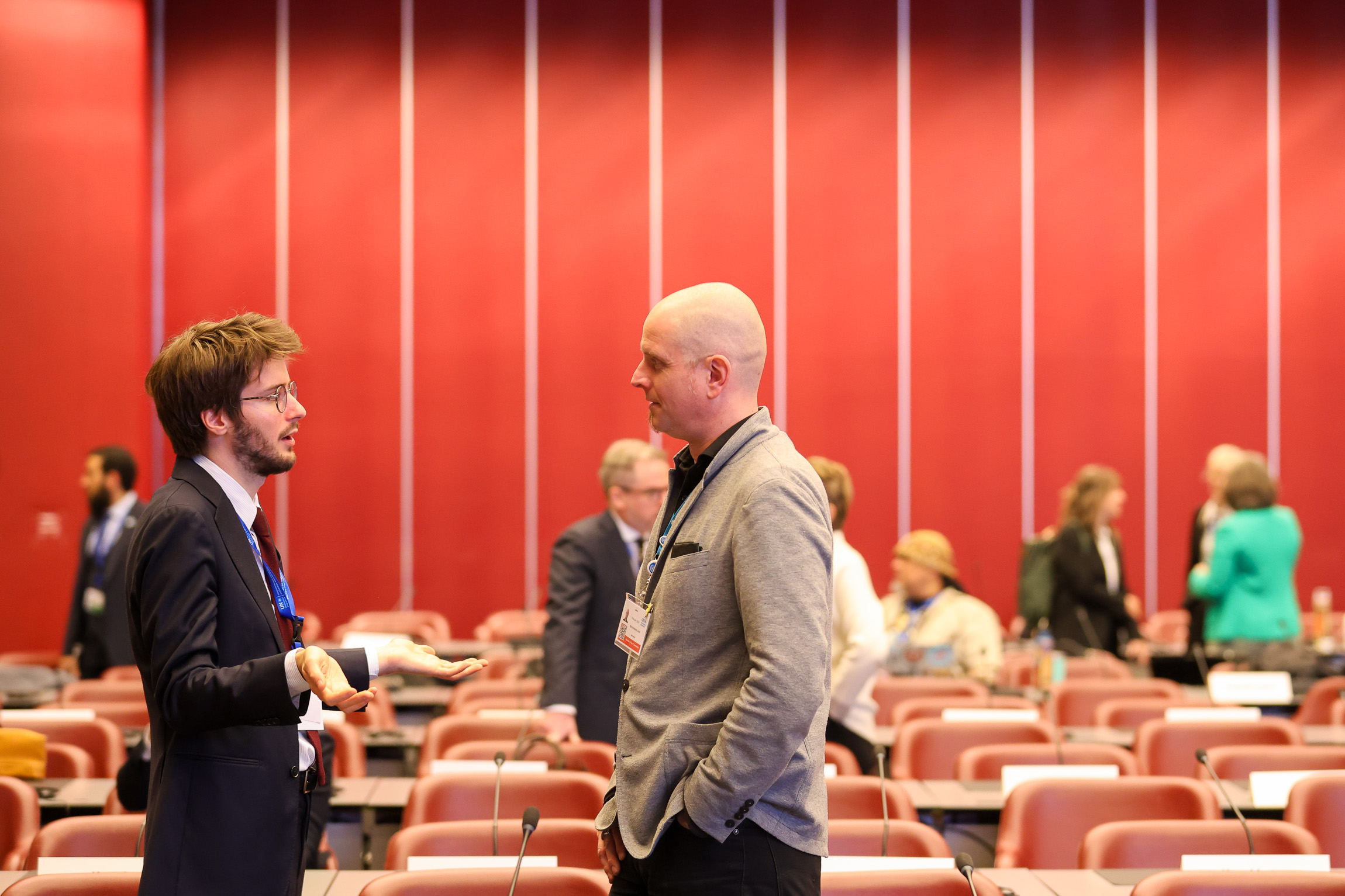
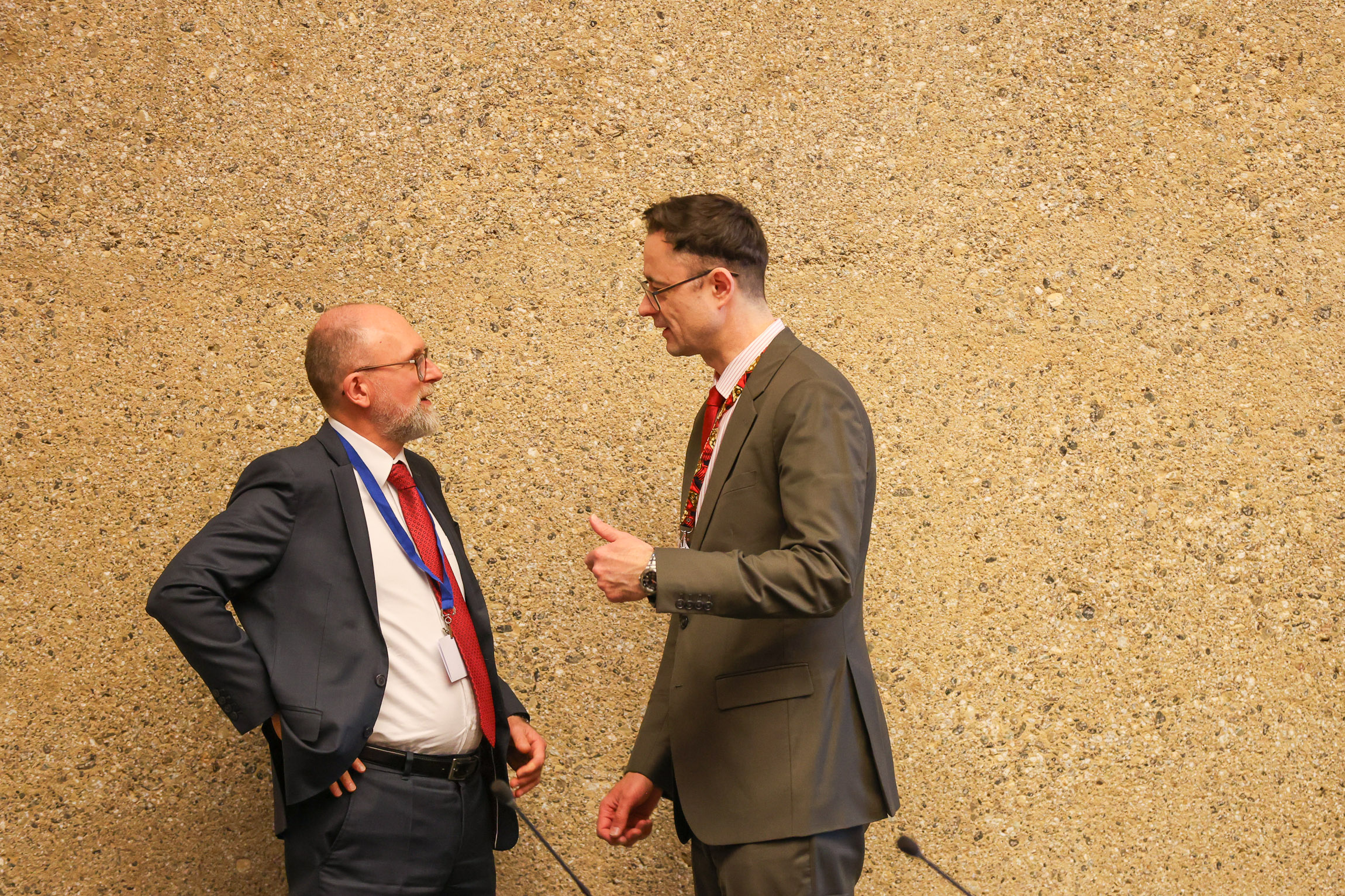
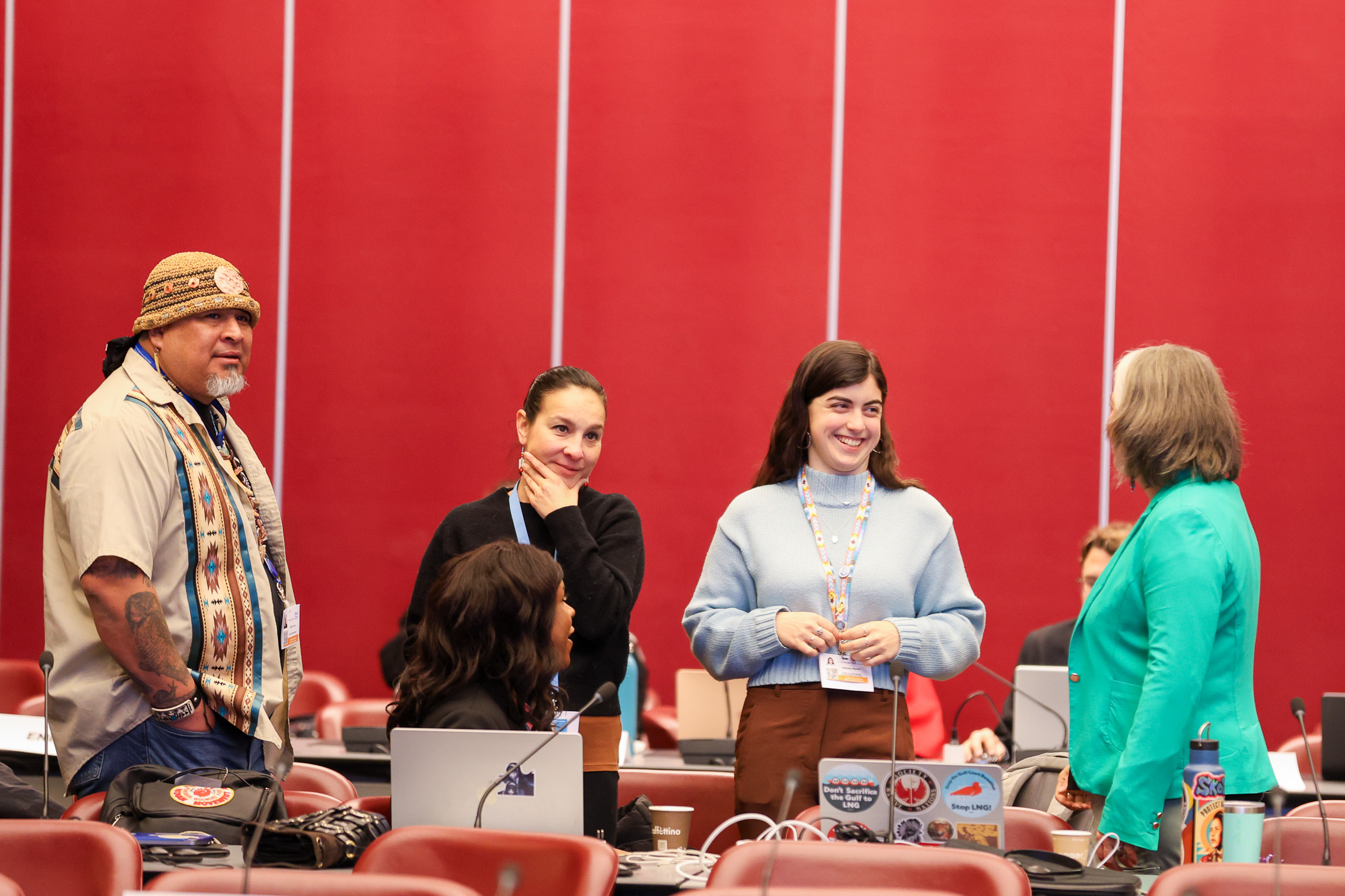
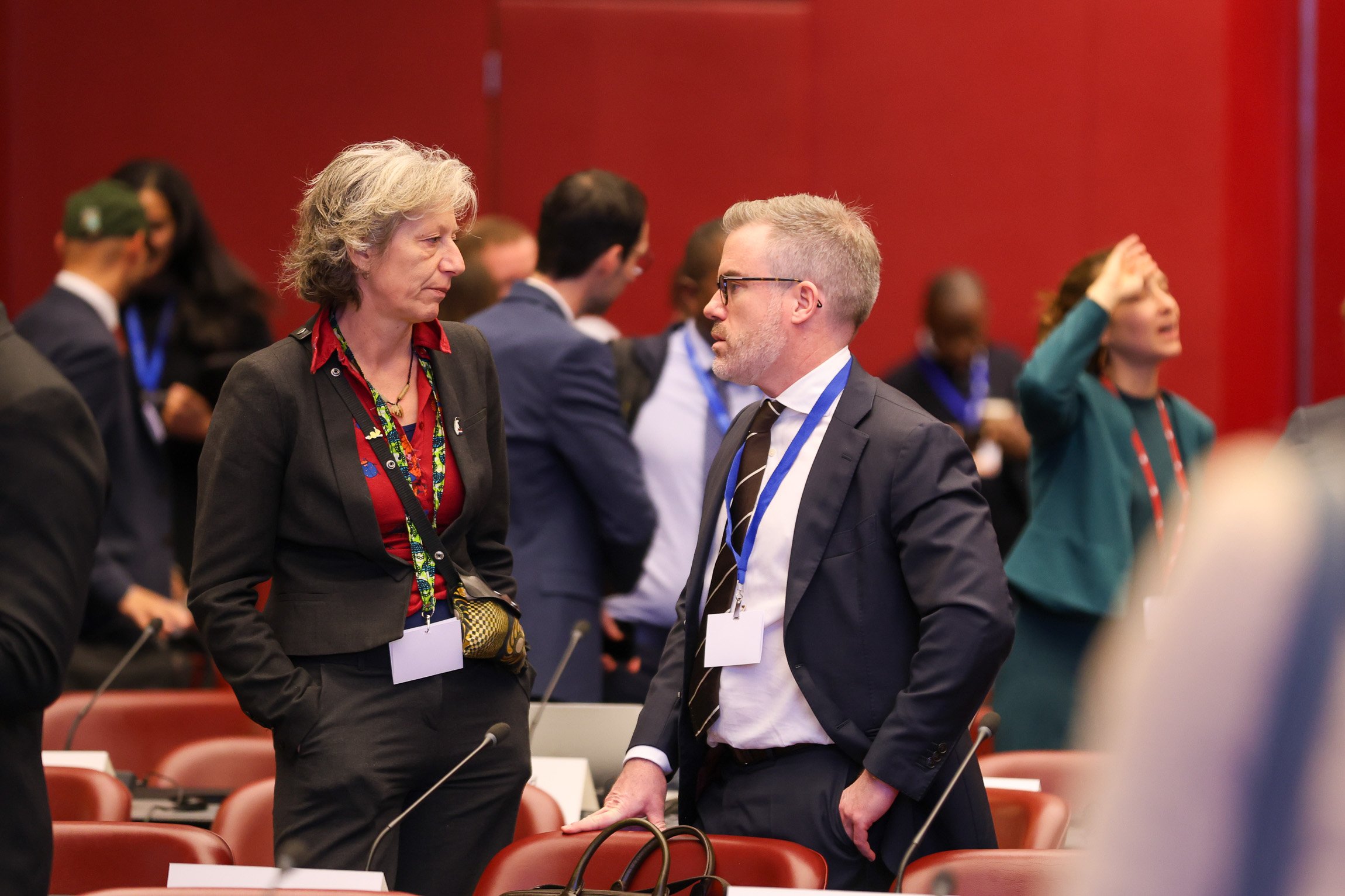
Gudi Alkemade, the Netherlands, and Sverre Thomas Jahre, Norway
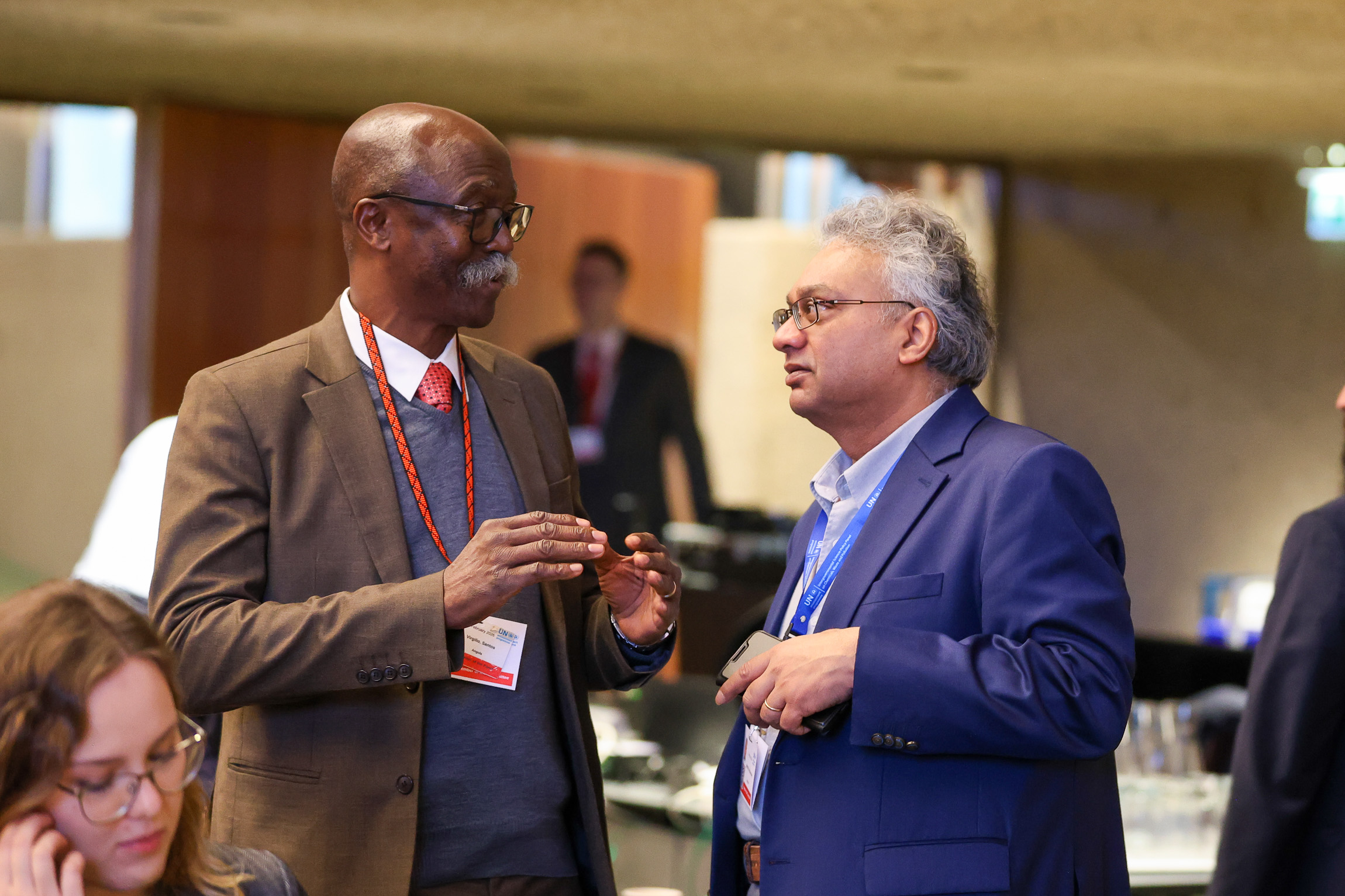
Santos Virgílio, Angola, and Hirikeshsing Unnuth, Mauritius
Around the Venue

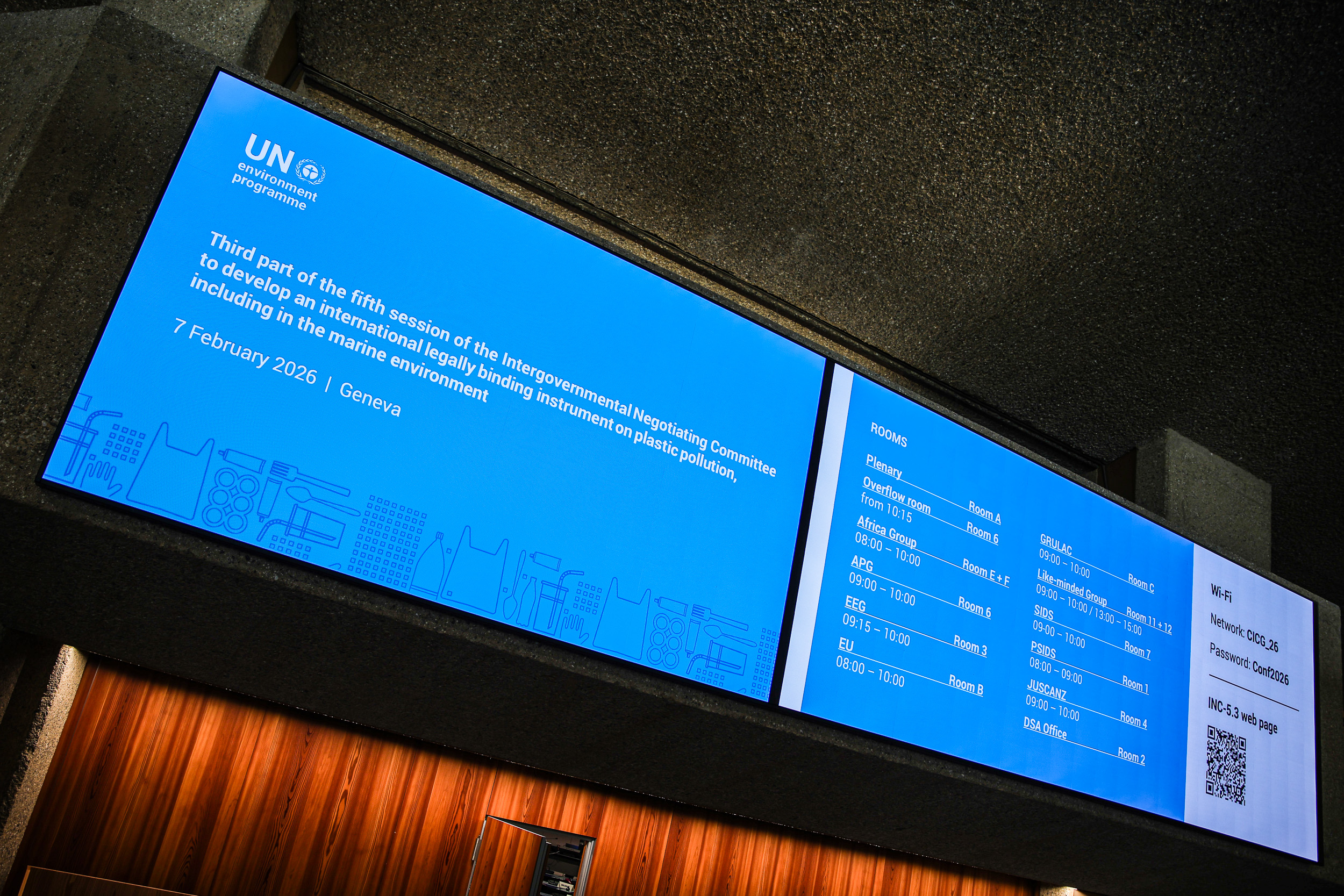
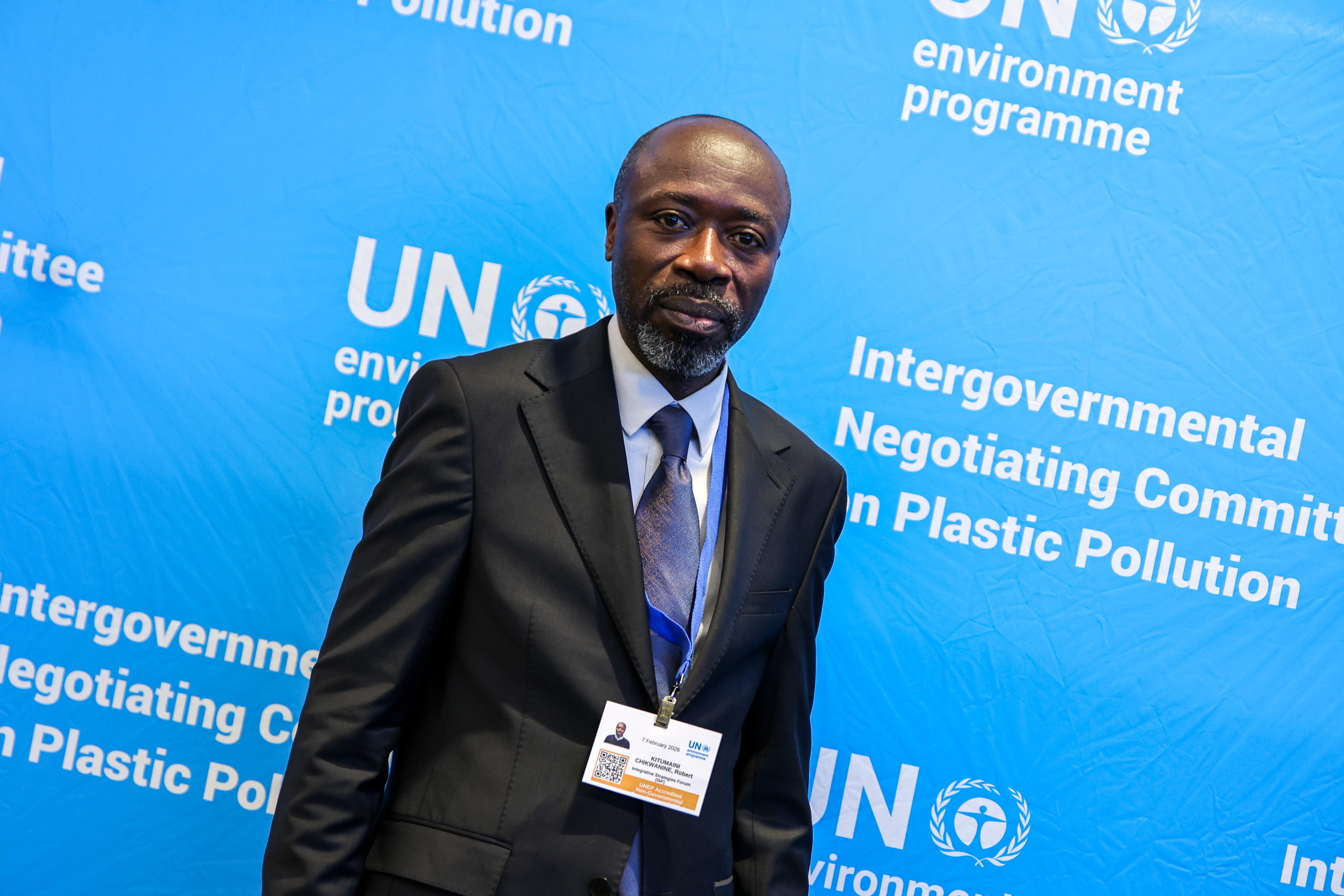
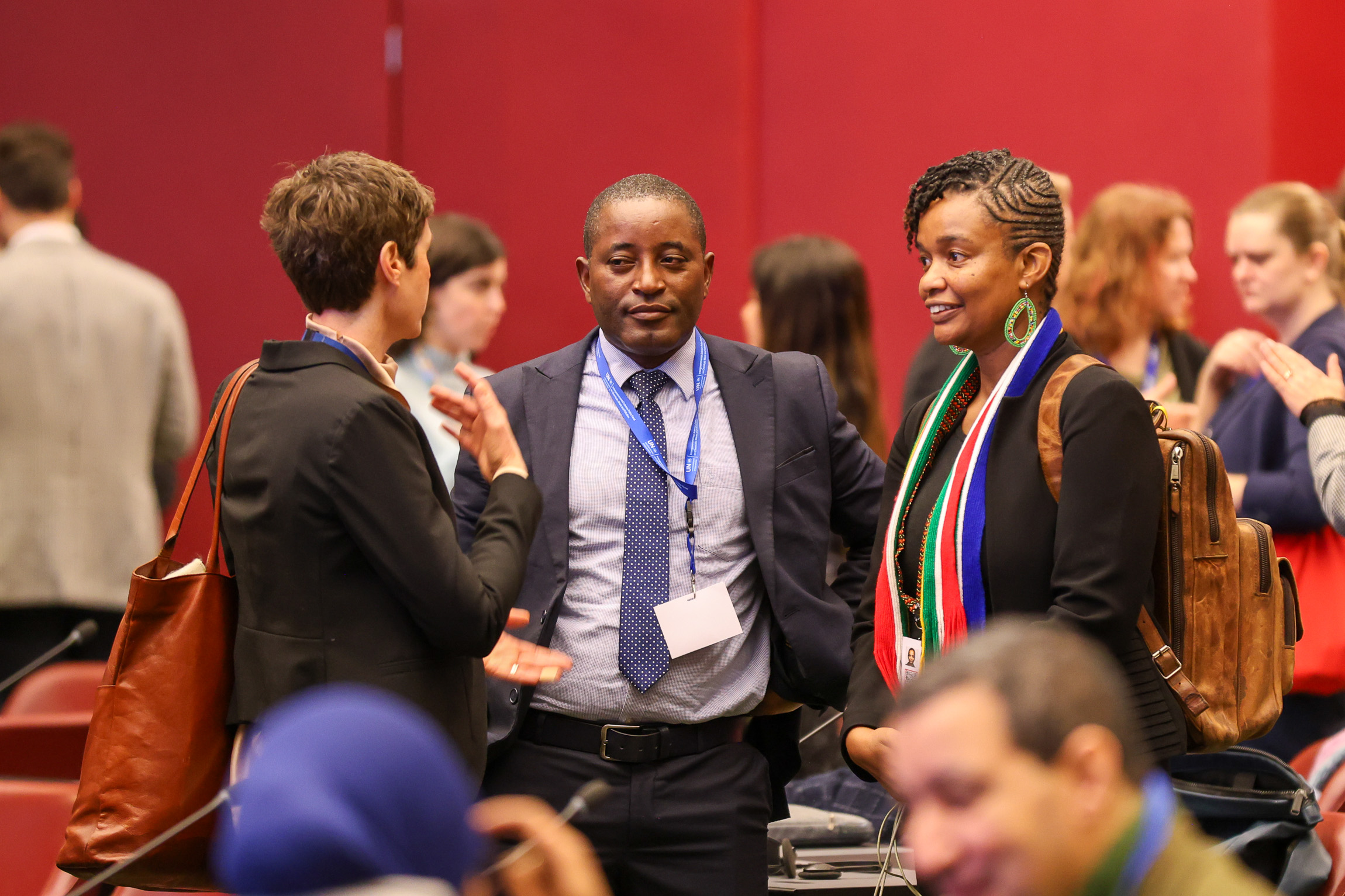
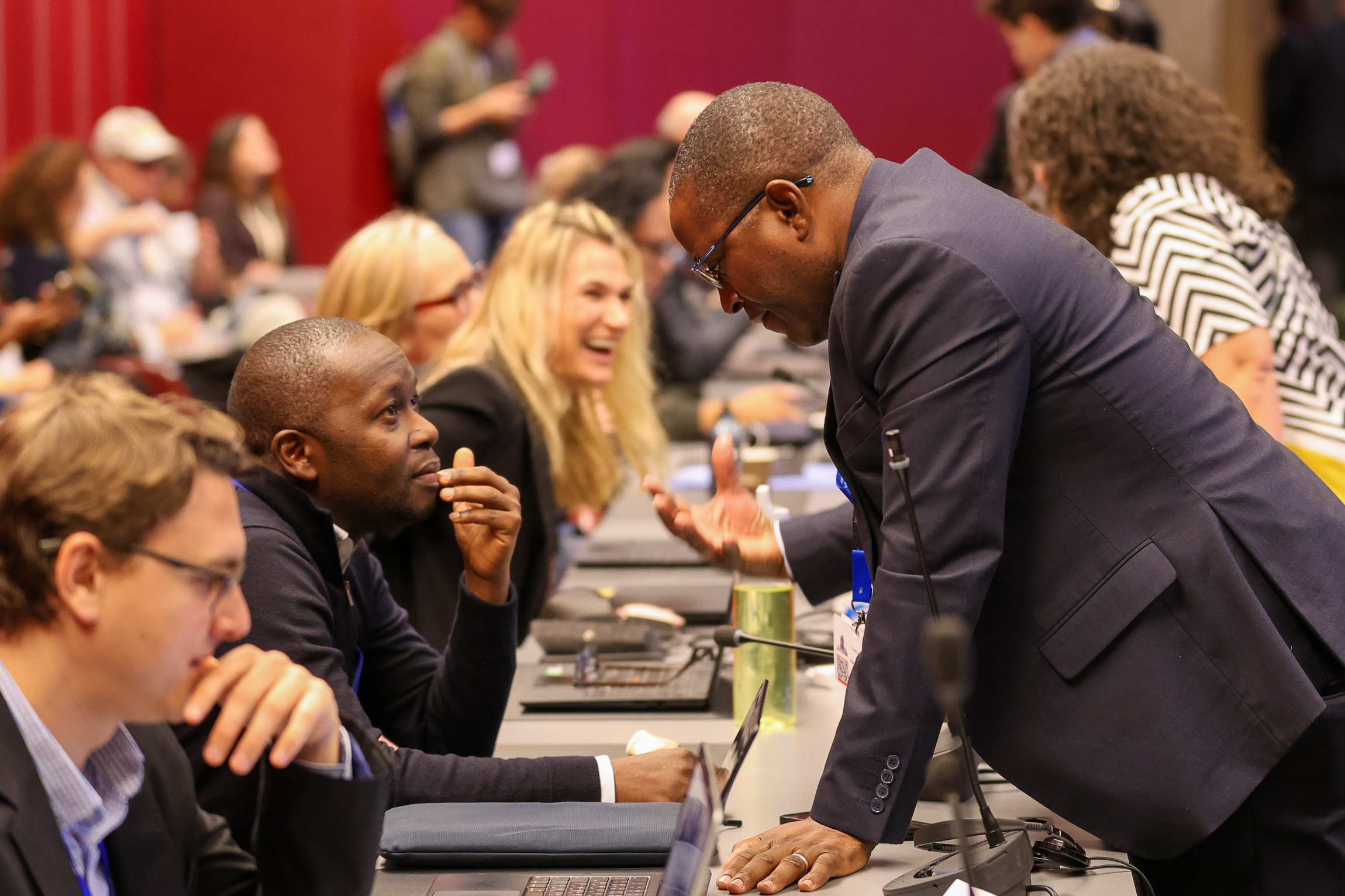
Robert Kitumaini Chikwanine, Democratic Republic of the Congo