About
The 2025 Land Gap Report shows countries rely on land for carbon removal in unrealistic ways, prompting researchers and policy experts to examine the roots of this gap and explore safer options for meeting climate and sustainability goals.
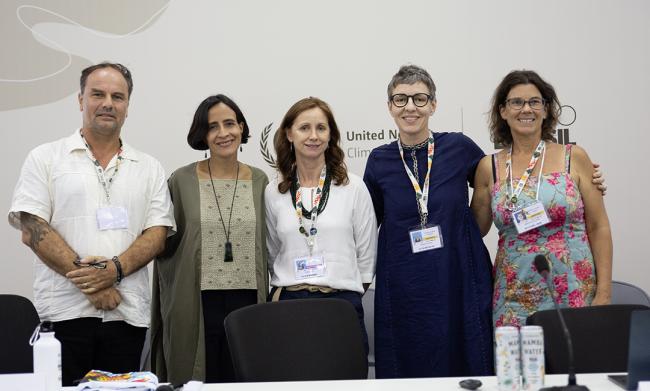
The 2025 Land Gap Report has fueled concern that countries are relying on land-based carbon removal in their Nationally Determined Contributions (NDCs) to such an extent that achieving these targets is both unrealistic and potentially damaging to human and natural systems. The reported difference between unrealistic and unsustainable ambitions and what the finite amount of physically-existing land actually is capable of delivering in the climate fight raises a host of questions about what is contributing to this gap, and alternative ways to achieve climate and sustainability goals.
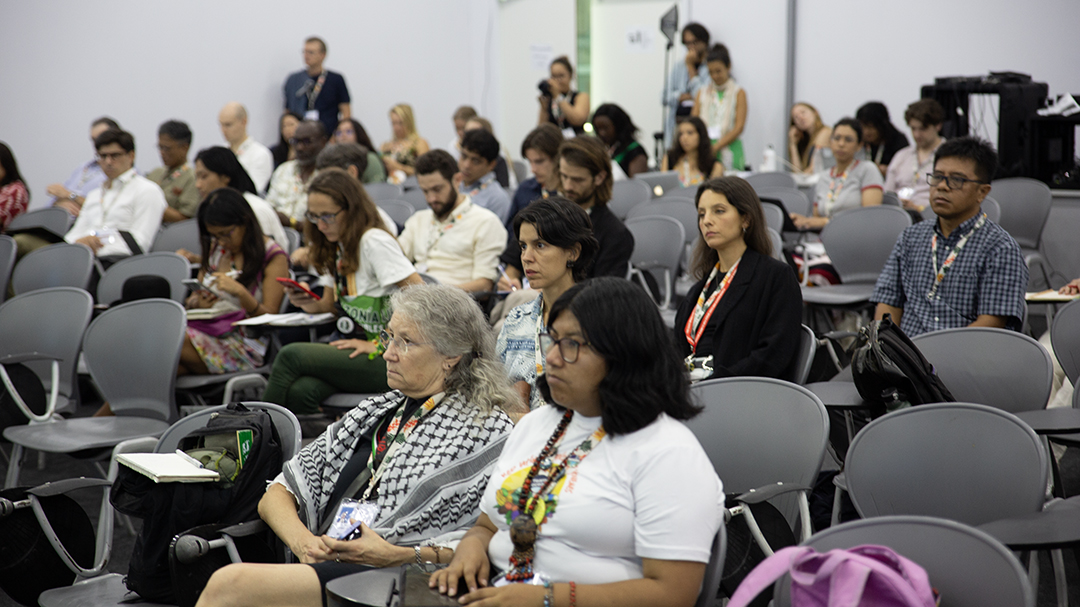
At this side event, experts offered insights into how current financial, legal, and policymaking structures constrain the capacity of governments to build realistic roadmaps for achieving their climate ambitions, and what can be done to turn the tide toward more just and sustainable action for people and the environment.
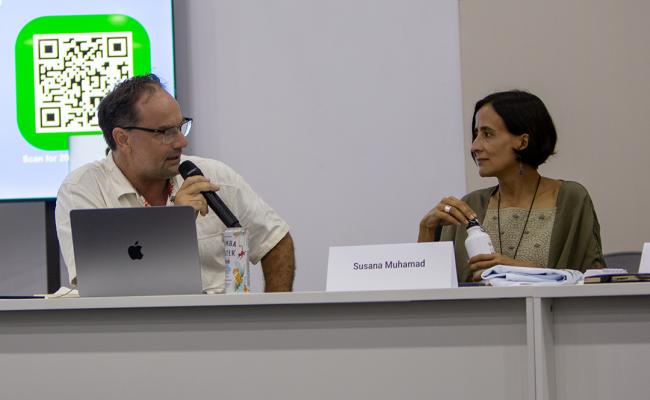
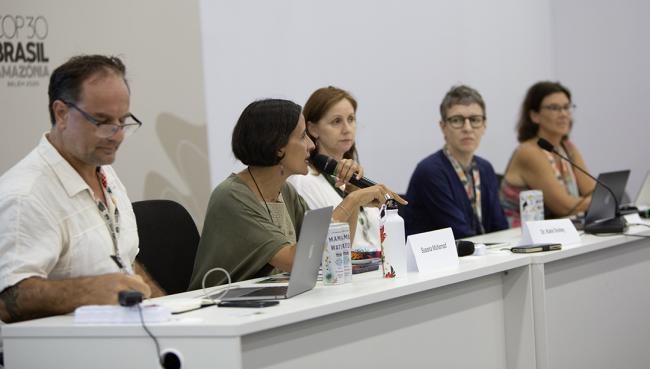
Moderating this event, Stephen Leonard, Climate Law and Policy Specialist, welcomed panelists’ insights into the reasons for this land gap and possible ways forward.
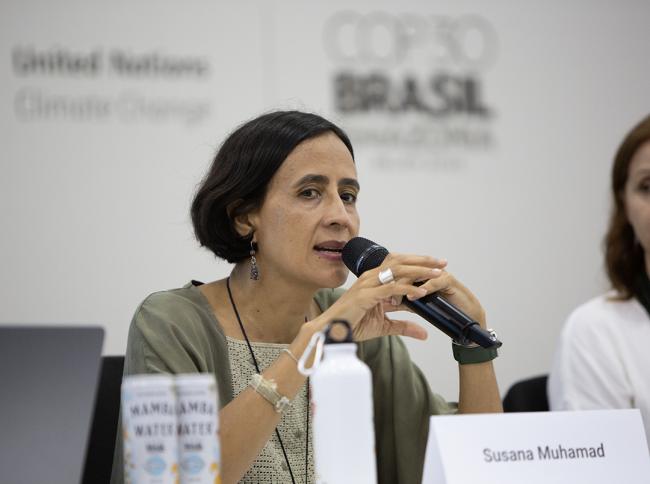
Susana Muhamad, former Minister of Environment and Sustainable Development, Colombia, set the scene by emphasizing that current economic logics do not align with the deep cultural and historical connections that people feel for the land that supports their well-being and their lives. Muhamad stressed that this helps explain the clashes between Indigenous Peoples and security at COP 30. She said the Land Gap Report raises serious questions about how land is treated in NDCs. She urged stopping the use and production of fossil fuels while restoring the planet in a process in which “land is conceptualized to strengthen communities.” Muhamad stressed that “by restoring nature we give power back to life and wellbeing to people.”
Leonard asked Muhamad to reflect on where she is seeing leadership on these issues. She responded that communities and Indigenous Peoples are defending their lands “because there is no separation for them between territory and life.” She noted that the concentration of land in the hands of the few is a source of conflict and displacement of people.
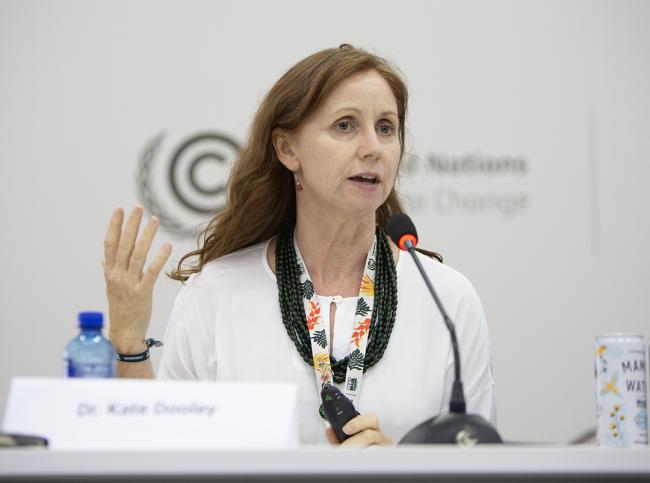
Kate Dooley, Senior Research Fellow, School of Geography, Earth and Atmospheric Sciences, University of Melbourne, and Co-Lead Author of the Land Gap Report, provided an overview of the first portion of the Land Gap Report, highlighting that the nearly 1 billion hectares of land required to implement NDCs vastly exceeds currently available land. “The implied land use change would be unprecedented,” Dooley noted. She emphasized that pledges made by developed countries rely heavily on land to store carbon and that this is undermining the drive to phase out fossil fuels. Dooley also noted that achieving commitments in NDCs would still result in nearly 20 million hectares of forest to be lost or degraded each year, only a slight decline from the 26 million hectares lost each year over the past decade. She urged protecting forests rather than relying on land-based carbon removal to achieve climate goals.
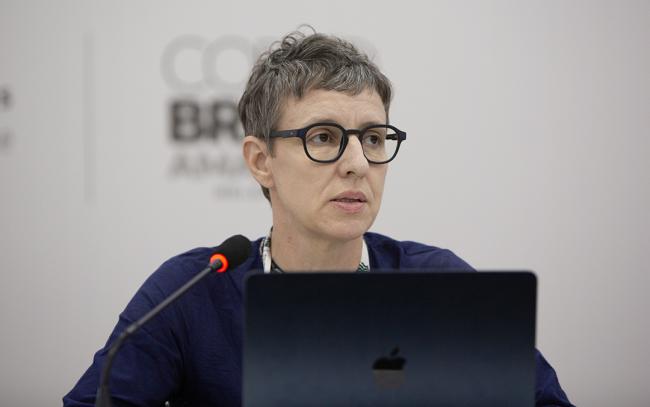
Kate Horner, Coordinator, Transformations in Economies for Rights and Resources Alliance (TIERRA), and Co-Lead Author of the Land Gap Report, stressed that the report shows how the current structure of climate governance limits the policy and fiscal space for necessary action at the national level. Horner noted that developing countries, in particular, face “short-term pressure to repay debt, maintain investment, and comply with mandates of financial institutions that incentivize ongoing extraction of resources that are driving deforestation and degradation.” Horner emphasized that failure to respond to these pressures can undermine a country’s financial stability. She also noted that tax and trade policies are channeling money away from local communities and local markets. Horner emphasized that these structural challenges are not “implacable features of global policy.” As an example of positive change, she pointed to the Africa Group’s effort to shift power toward multilateral processes where developing countries have more of a voice. Horner urged a new economic approach that privileges a rights-based economy.
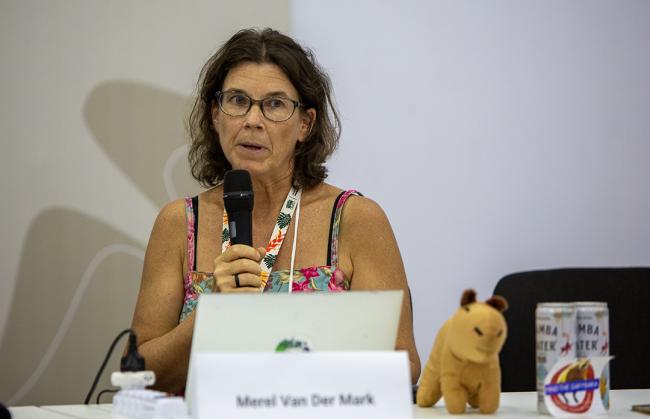
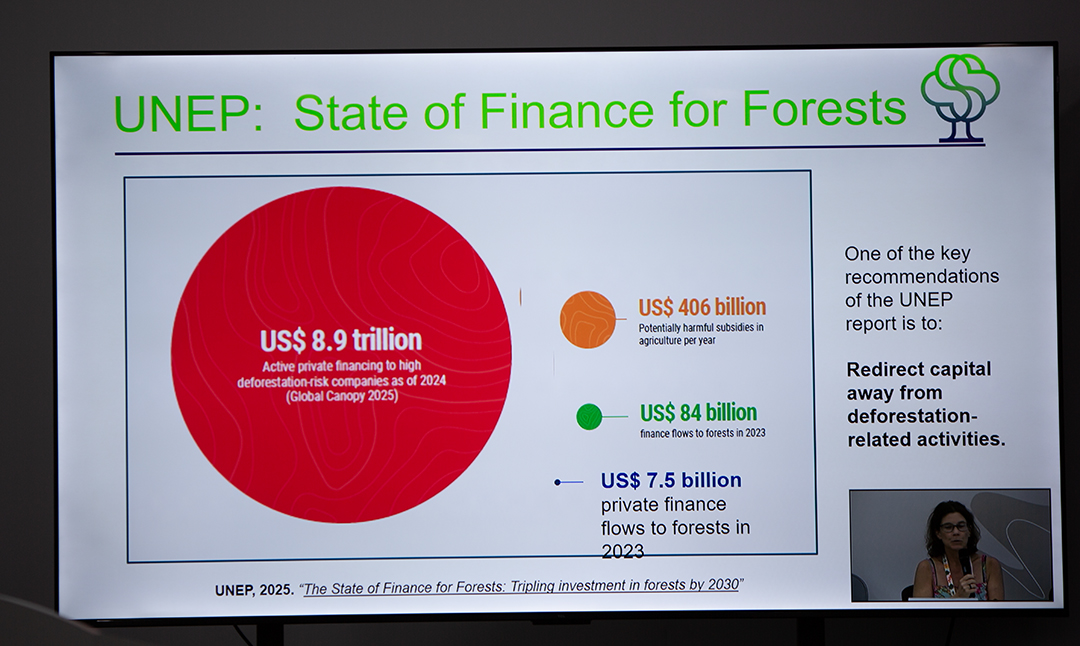
Merel van der Mark, Coordinator, Forests and Finance Coalition, offered insights from the group’s Banking on Biodiversity Collapse 2025 report, which shows that weak banking policies are contributing to persistent flows of finance to forest-risk commodity companies. This means that the “finance is flowing, but deforestation is not halting,” van der Mark said. She noted that financial regulations are not “fit for purpose” and are not preventing finance from going toward environmental destruction and human rights violations. Van der Mark highlighted recommendations from the Intergovernmental Science-Policy Platform on Biodiversity and Ecosystem Services (IPBES) for transforming economic paradigms so that they “prioritize nature and social equity over private interests.” This means, she added, addressing multiple areas of concern, including, inter alia: risk management and financial stability, monetary policy, financial crimes, corporate disclosure, and protecting human rights.
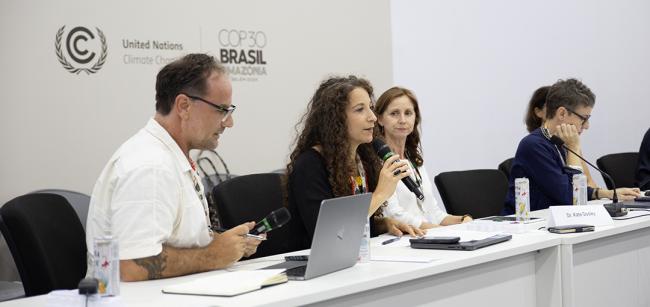
Responding to panelists’ interventions, Jennifer Skene, Global Forest Policy Director, Natural Resources Defence Council (NRDC), pointed to the “gaping hole in accountability,” which fragments global forest policy and undermines climate ambitions and global cooperation. Skene stressed the importance of COP 30 producing a roadmap to halt deforestation and forest degradation.
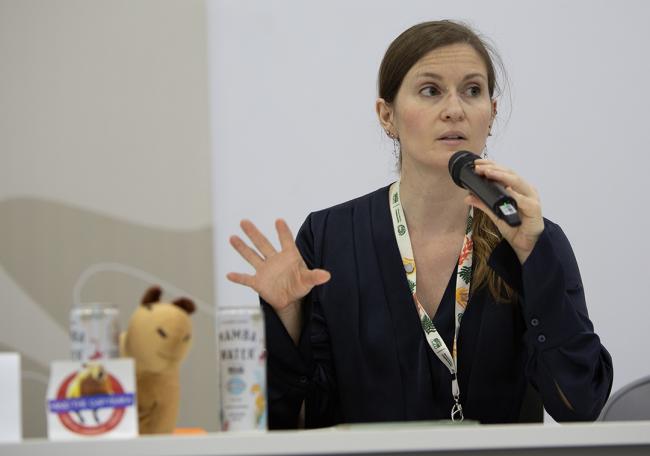
Also responding, Nikki Reisch, Director, Climate and Energy Program, Center for International Environmental Law (CIEL), emphasized that the importance of both phasing out fossil fuels and protecting and restoring natural ecosystems. She noted that governments have a legal duty to take more urgent and rapid action to halt the production and use of fossil fuels, as per the recent International Court of Justice advisory opinion. She emphasized that “further commodifying ecosystems,” as in the case of carbon markets, is not the answer. She urged “systemic, structural approaches to shift the climate and economic system.”
Organizer: University of Melbourne
Contact: Kate Dooley I [email protected]
Website: https://landgap.org/
To receive free coverage of global environmental events delivered to your inbox, subscribe to the ENB Update newsletter.
All ENB photos are free to use with attribution. For 2025 UN Climate Change Conference Belem - Side Events , please use: Photo by IISD/ENB | Angeles Estrada Vigil
Selected Images
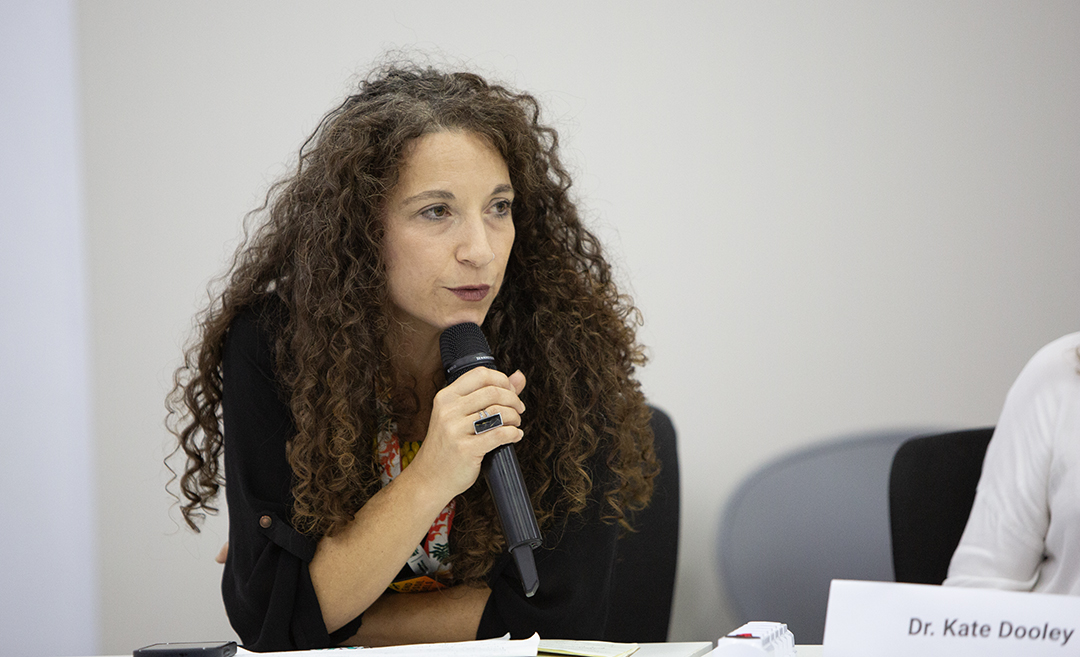
Nikki Reisch, Director, CIEL
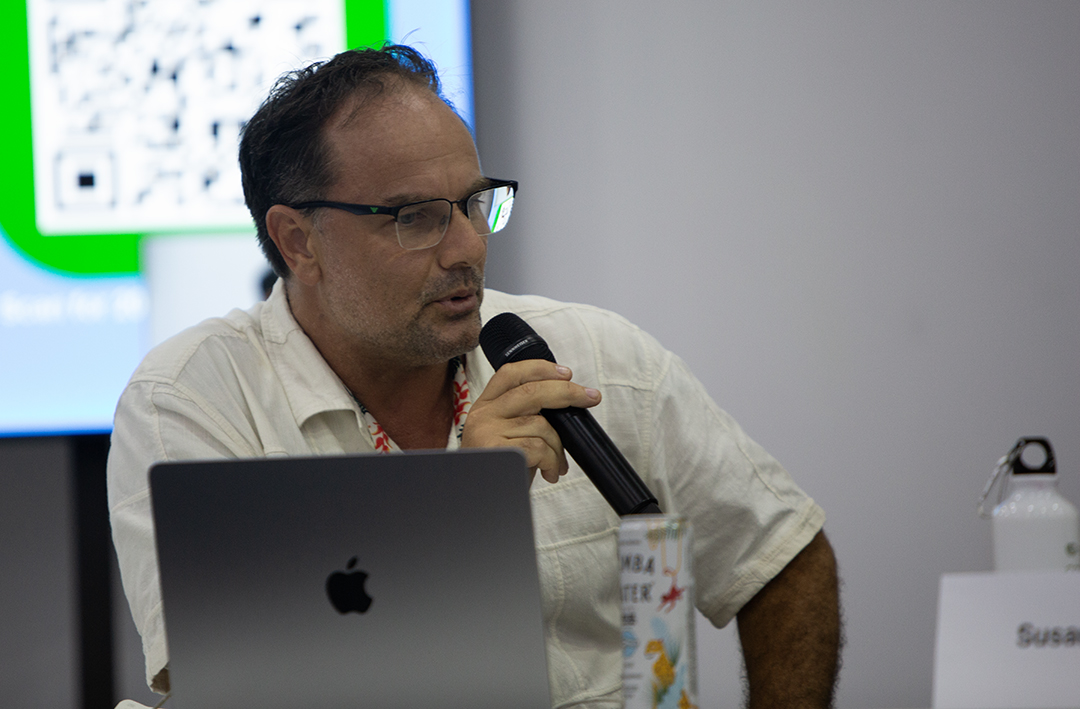
Stephen Leonard, Climate Law and Policy Specialist