About
With blue initiatives increasingly rising in policymaking circles, researchers shared their work to identify marine ecosystems under threat from warming temperatures and develop new technologies and techniques to unlock the Ocean’s potential to mitigate climate change.
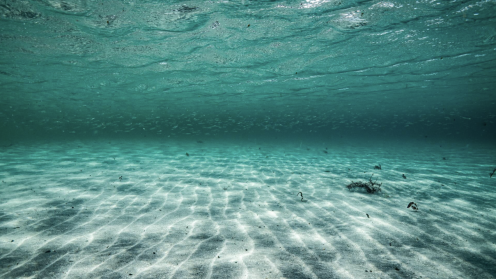
The Ocean is central to action addressing climate change and biodiversity, but its true potential has yet to be fully understood and unlocked. Doing so requires scientific research to improve marine management practices and technologies, as well as channeling new flows of finance to support blue initiatives.
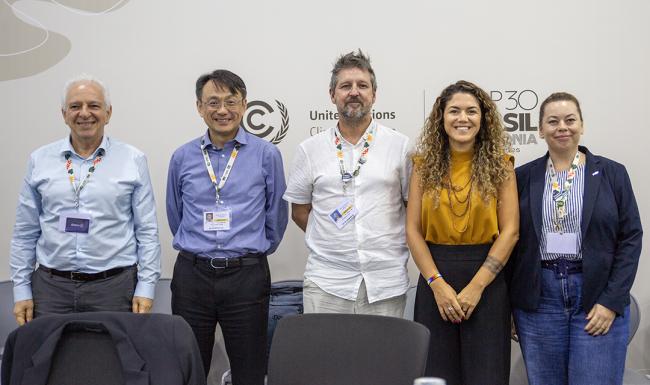
At this side event, experts gathered to share their experiences studying the climate mitigation power of the Ocean, such as harnessing it for renewable energy projects, and to discuss the necessary steps to help marine ecosystems adapt to a warmer world.
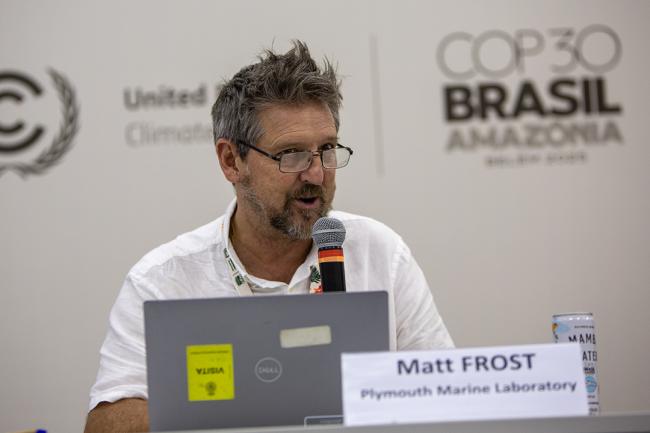
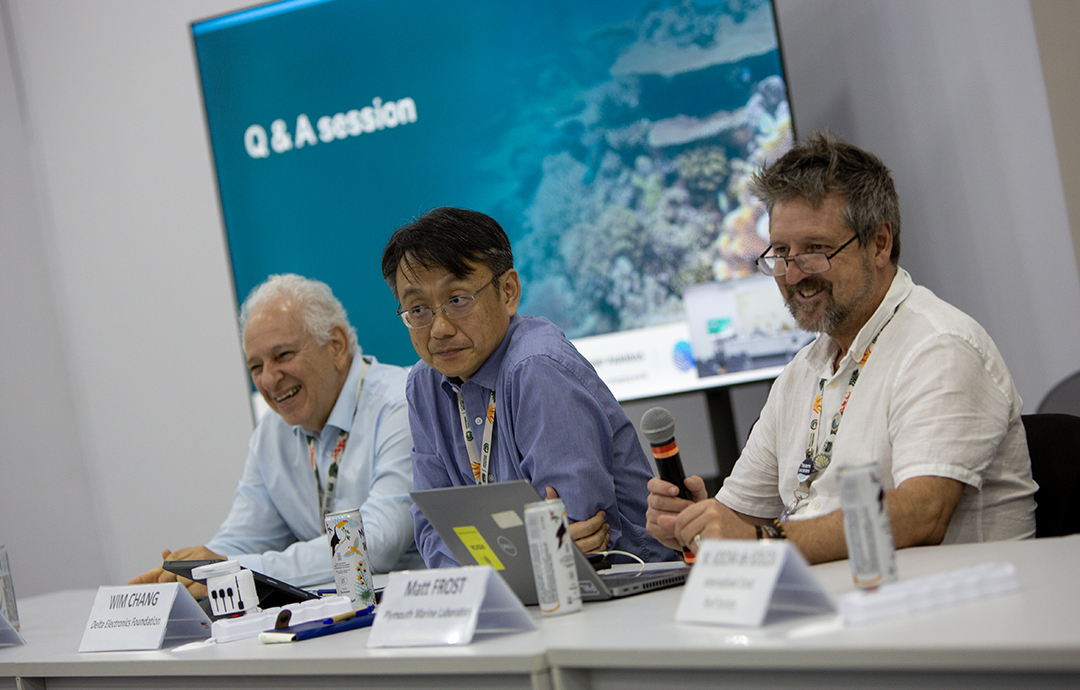
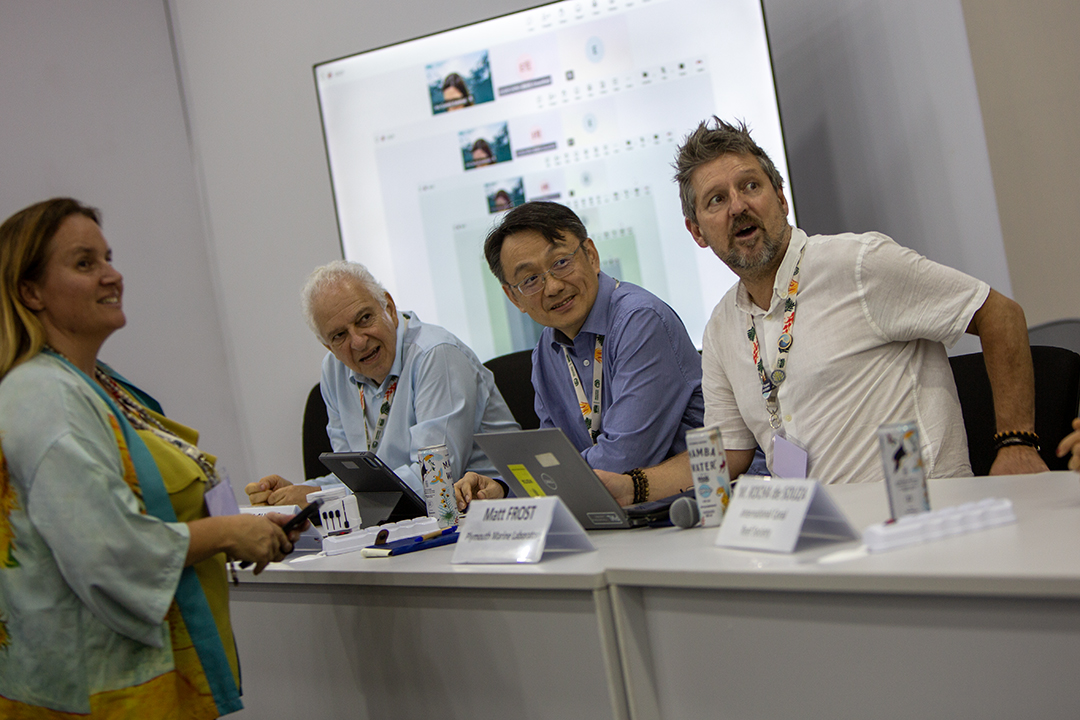
Introducing the side event, moderator Matt Frost, Professor, Head International Office, Plymouth Marine Laboratory, and Co-Lead of the Expert Group of the High Level Panel for a Sustainable Ocean Economy, emphasized that as the human population grows and we begin to break planetary boundaries, making smart adaptation decisions is essential. This, he said, requires thinking across governance, finance, and the marine environment.
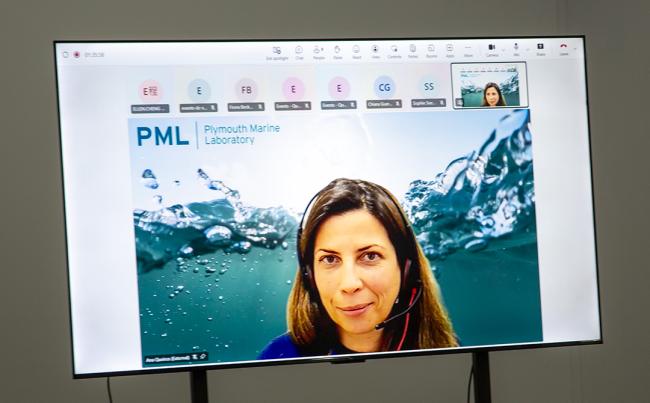
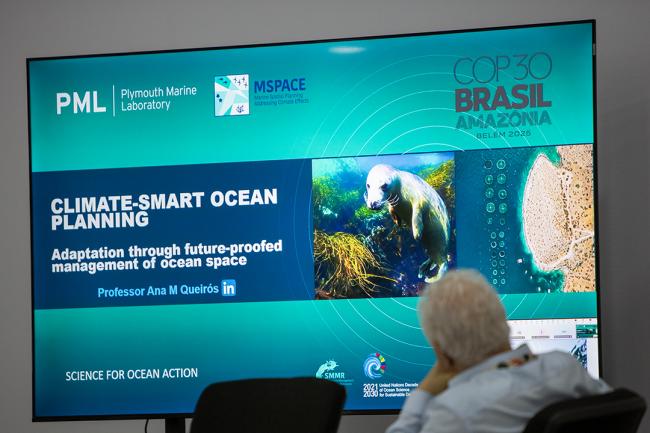
Opening panel presentations with a video presentation, Ana Queirós, Professor, Climate Change Ocean Challenge Lead, Plymouth Marine Laboratory, emphasized that ocean management needs to deliver on adaptation goals. This, she said, requires marine planning and policymaking to reduce vulnerability, which must be based on the best available evidence. Queirós stressed knowledge co-creation and transdisciplinary approaches to deliver sectorally and spatially specific support to the places and people who most need help for adaptation.
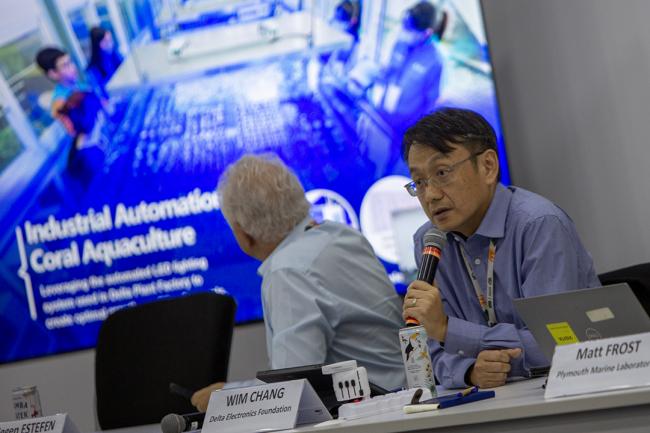
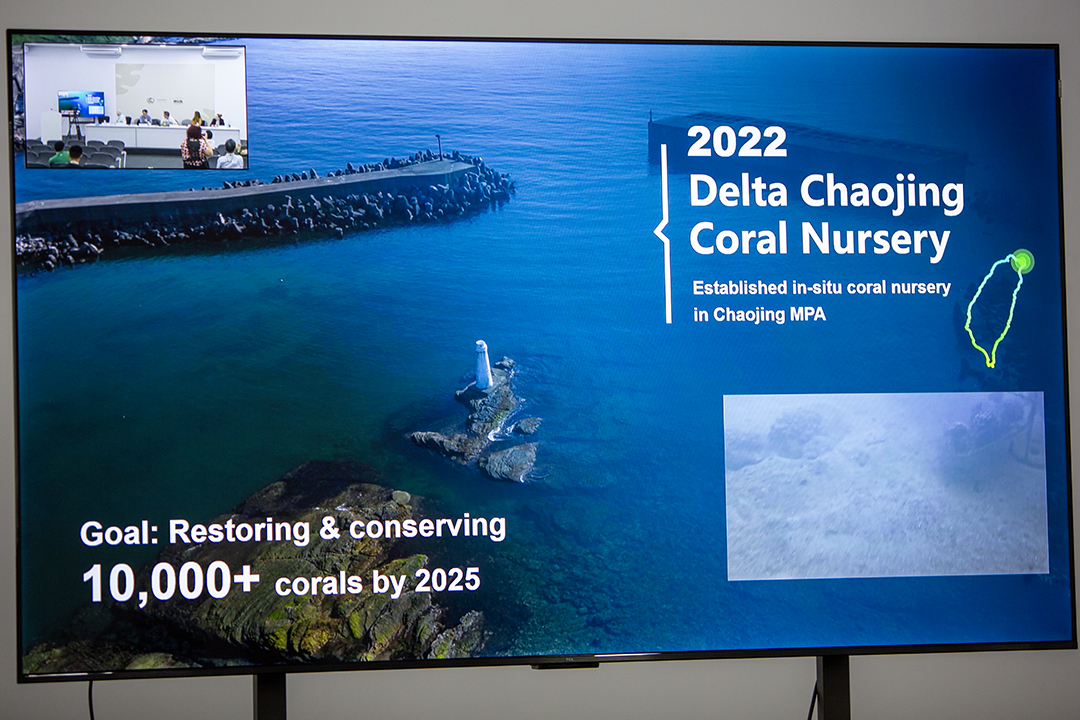
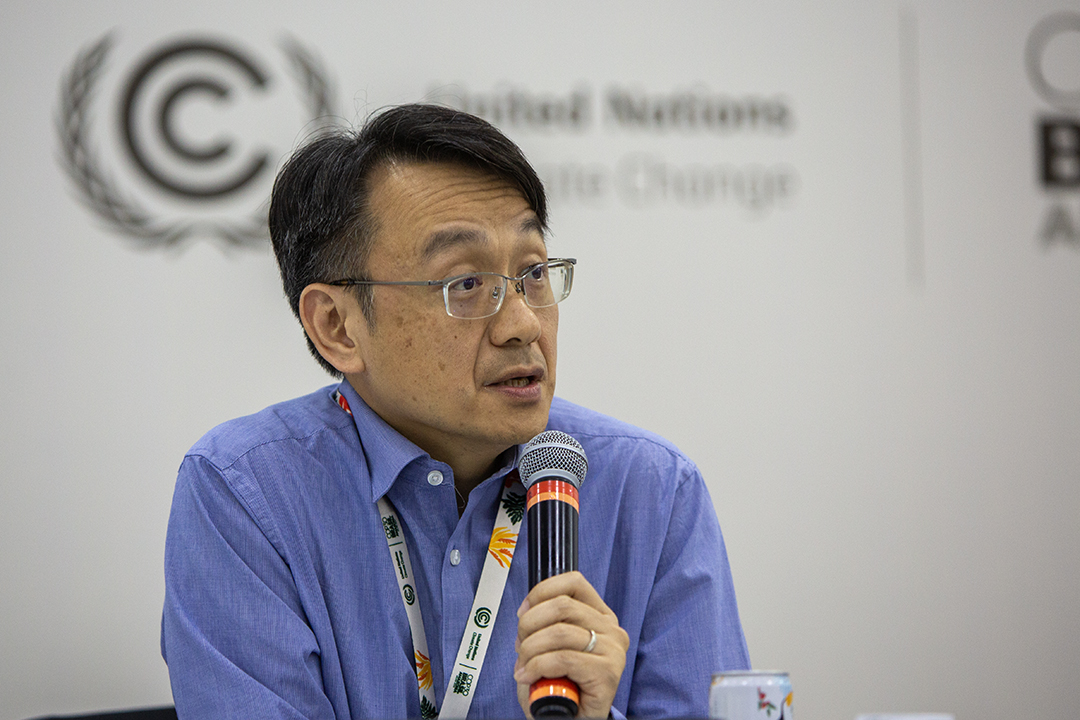
Wim Chang, Chief Executive Officer, Delta Electronics Foundation, described the Foundation’s work to connect academics and NGOs to deliver measurable, nature-positive outcomes. Chang walked participants through the Foundation’s project to harness the power of robots and artificial intelligence (AI) to identify coral species and restore coral reefs, which are increasingly bleaching due to climate change. The project, he noted, also has coordinated with research institutes to train volunteers in this work, adding that now the Foundation plans to build a coral observation center. “We must act with purpose,” Chang stressed, “with innovation and human energy.”
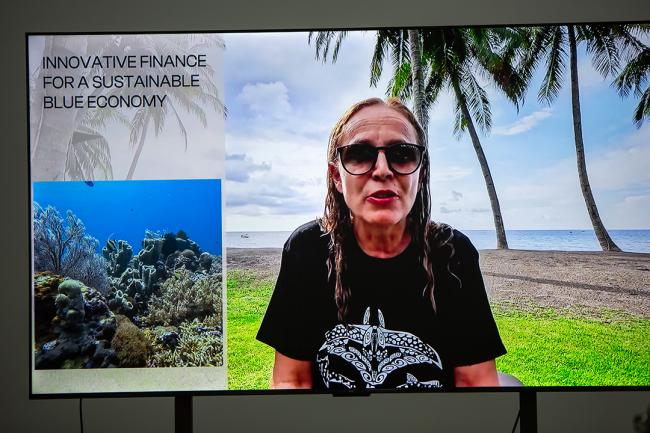
In a recorded presentation, Constance Chalchat, Chief Sustainability Officer, Global Markets, BNP Paribas Corporate and Institutional Banking, highlighted climate-smart work among multiple actors in the “coral triangle” region around Indonesia: fishers using traditional methods, conservation efforts to renew sea turtle populations, and teams working to rebuild underwater ecosystems. Chalchat highlighted a blue bond issued by BNP Paribas to support sustainable management, but also noted that work remains to be done to address multiple complexities in providing financial support for blue projects, including: fragmented stakeholders; limited metrics; and misalignments between investor and project timelines. She urged aligning stakeholders around co-benefits, grouping projects, and supporting ocean research.
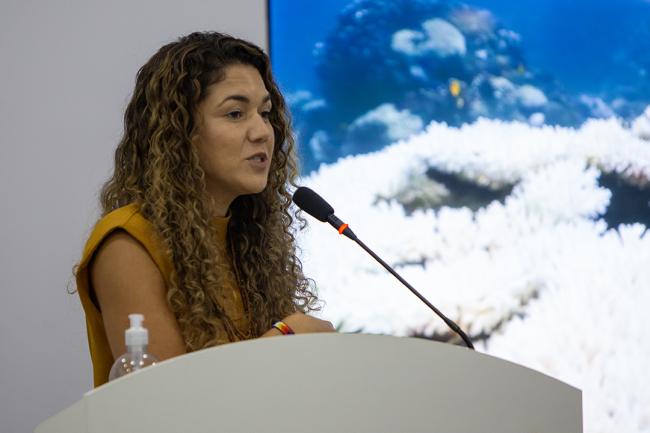
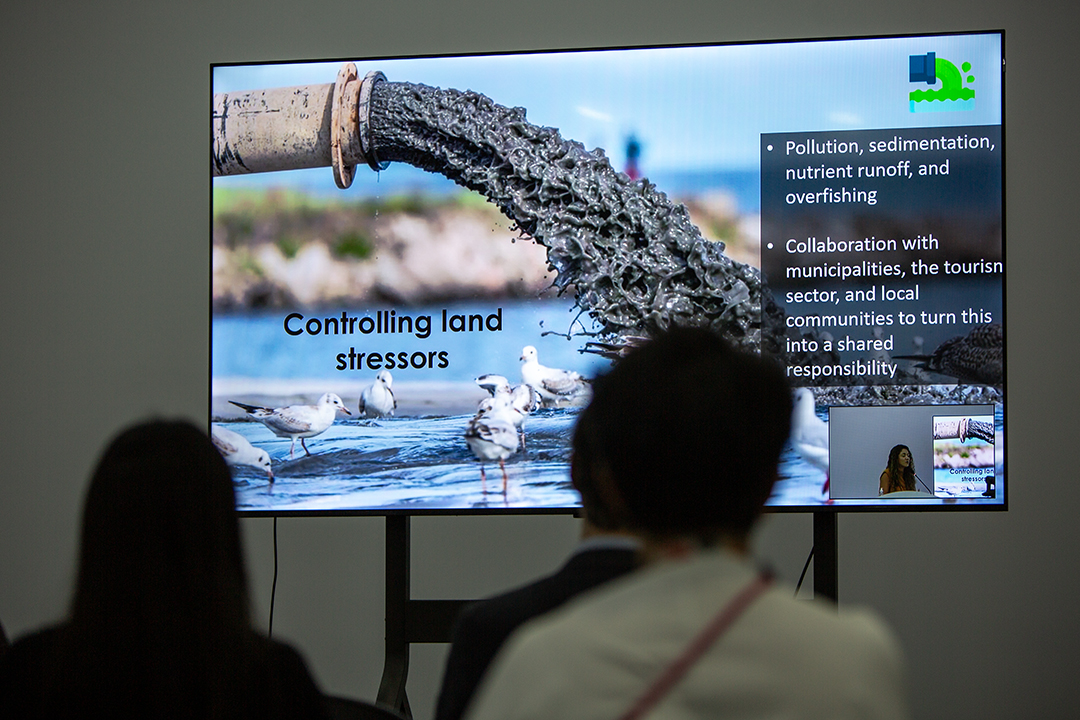
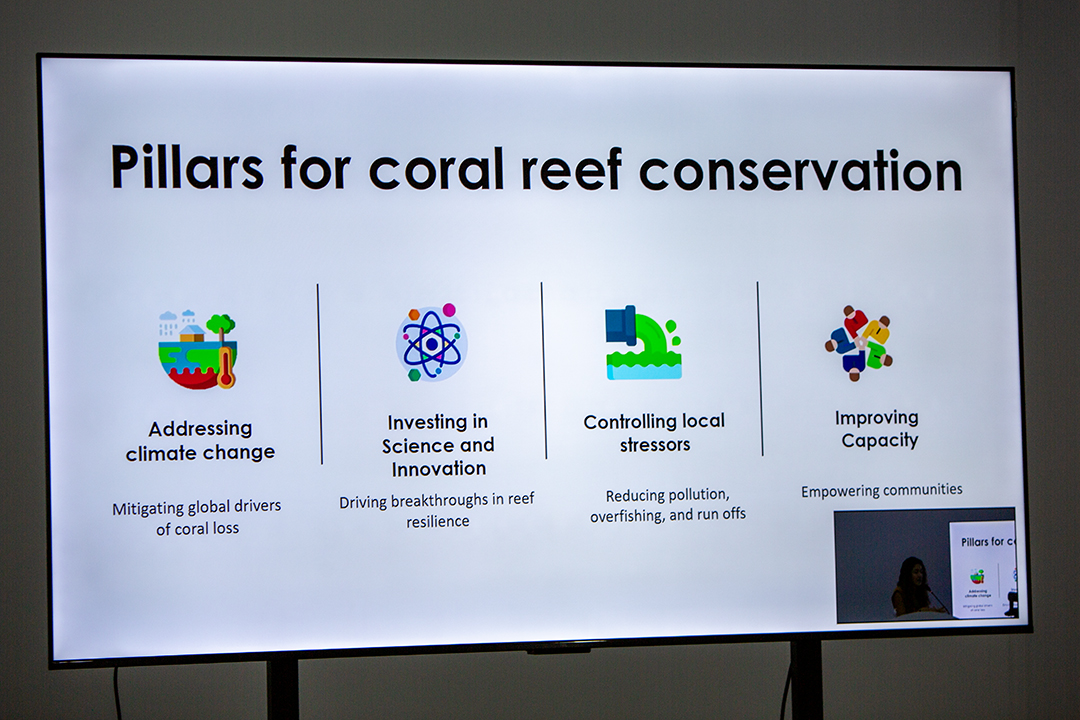
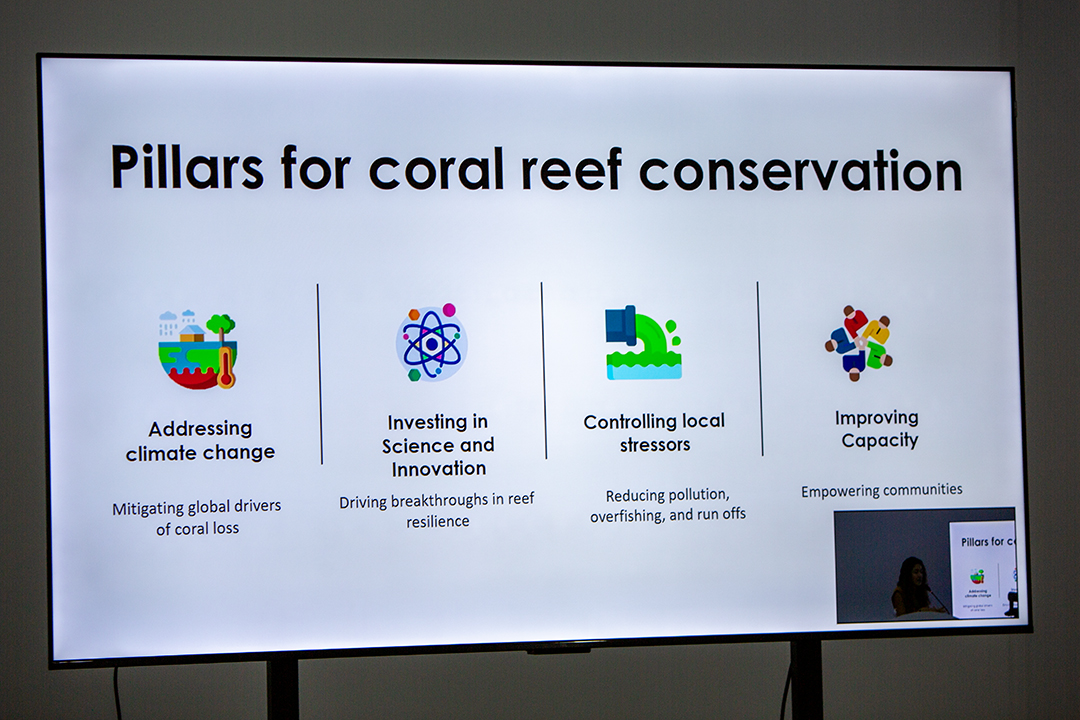
Mariana Rocha de Souza, Recording Secretary and Conservation Committee, International Coral Reef Society (ICRS), gave an overview of coral bleaching events, which have affected 54% of the world’s coral reefs in the past two years. In terms of solutions, de Souza pointed to: mitigating climate change; investing in science and innovation; controlling local stressors, such as pollution and overfishing; and empowering communities. She highlighted how digital mapping, AI, and traditional ecological knowledge can help fill gaps in our understanding of coral reef health,
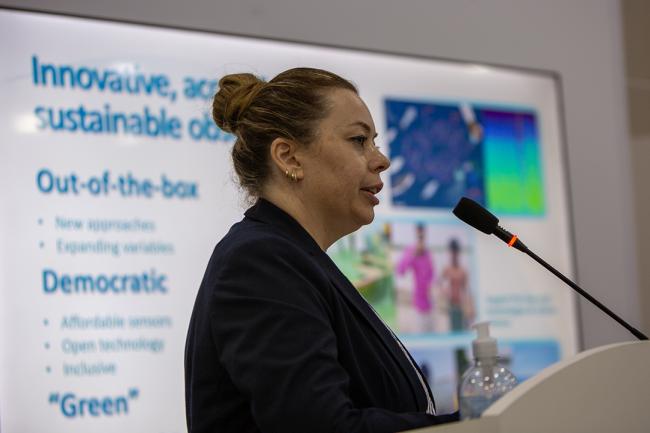
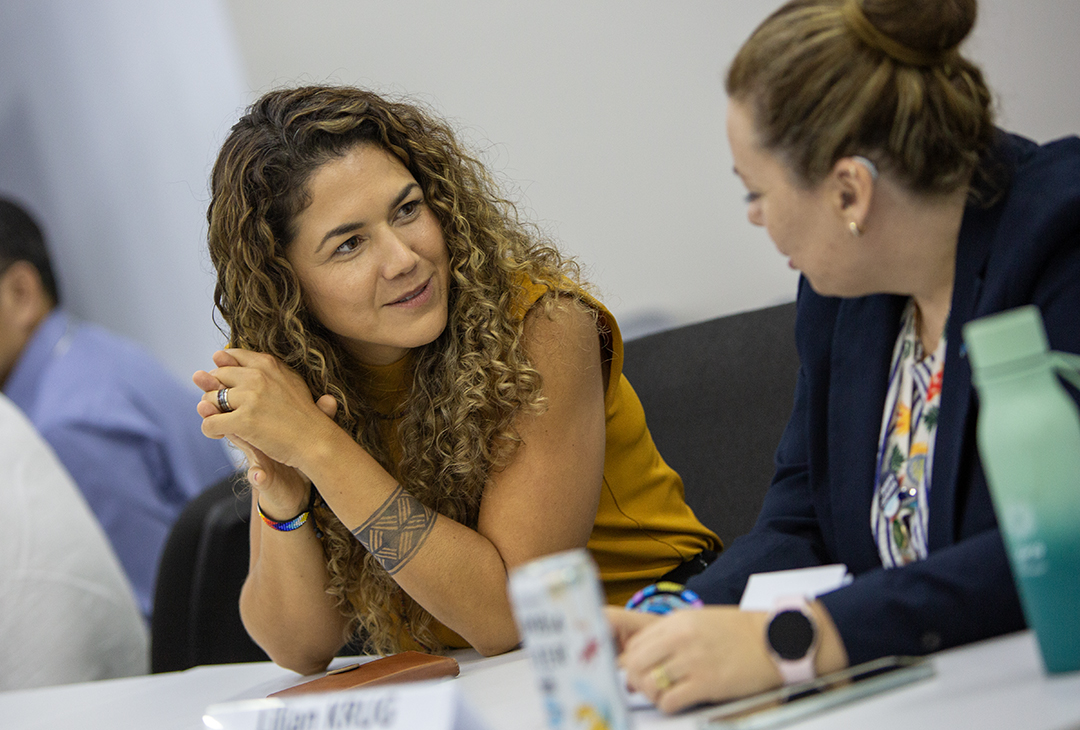
Lilian A. Krug, Scientific Coordinator, Partnership for Observation of the Global Ocean (POGO), stressed the need for long-term ocean observation efforts to understand changes in marine health and to guide mitigation and adaptation responses. She noted that observations are unequally distributed around the globe. She explained that making observation “smart” requires developing co-designing observation systems with scientists, Indigenous Peoples, policymakers, and the private sector, as well as developing innovative and low-cost technologies. Krug urged engaging citizen scientists to promote ocean literacy and stressed that “without data there can be no action.”
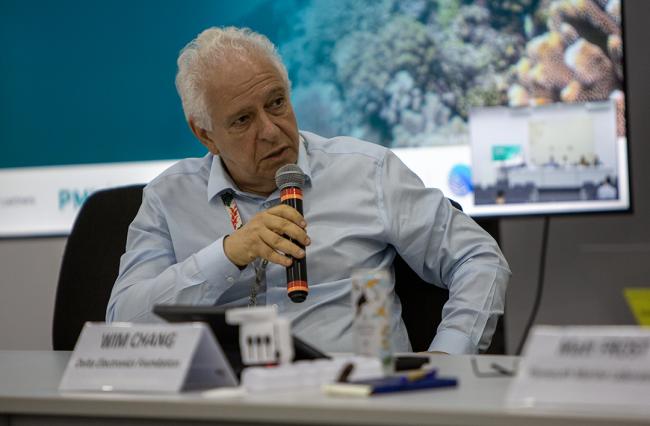
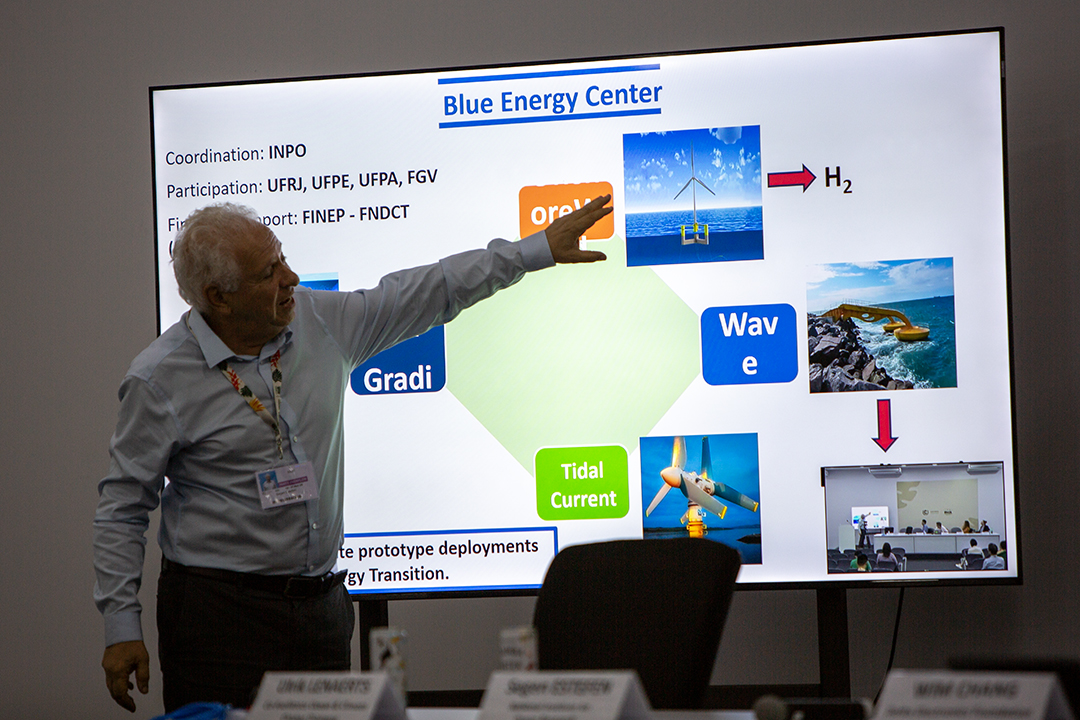
Segen Estefen, Director-General, National Institute for Ocean Research (INPO), Brazil, offered examples of his Institute’s research on large-scale ocean circulations, marine biodiversity and the deep Ocean, and new technologies. He highlighted the work of the Blue Energy Center to accelerate energy transitions based on marine energy sources, such as off-shore wind, tidal currents, and ocean temperature gradients. Estefen noted, for example, that wave energy can be used to desalinate water. He also highlighted adaptation research, such as using real-time data and AI to enhance monitoring, forecasting, and decision making. He described the upcoming launch of the South Atlantic Digital Twin initiative to help with coastal and marine risk management and capacity building.
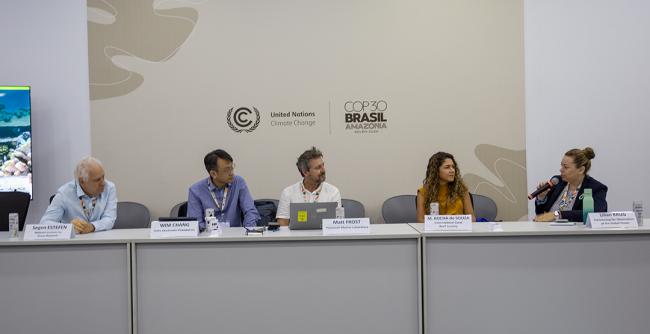
Closing the presentations, Frost stressed that political changes have increased the salience of ocean diplomacy, as maritime boundaries are contested and nations go to court to defend their territorial rights as sea level rise submerges land masses. Frost emphasized that even as multilateralism is challenged, this side event and the people in the room show that international cooperation is very much alive and needed.
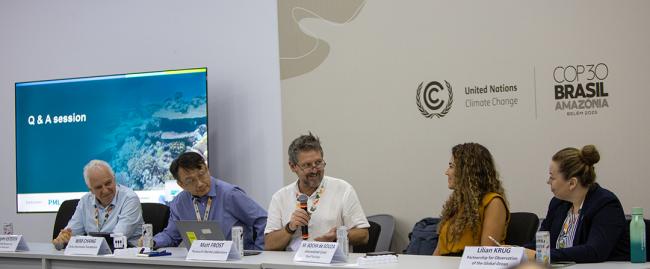
Responding to questions, participants noted the potential of AI to play a role in predicting and responding to coral bleaching (Chang and de Souza); stressed the crucial role of public participation in and contributions to marine science (Krug and de Souza); and welcomed the increasing uptake of the Ocean into international policymaking (Queirós).
Frost also asked participants to reflect on how to respond to decreasing funding for scientific research. Estefan called for more international cooperation and open data sharing and noted that new technologies such as autonomous vessels can provide help. Krug also emphasized the need to provide data to developing countries and institutions with limited resources, noting that POGO provides training in this area.
Organizers: Delta Electronics Foundation
Contact: Liehfang Li I [email protected]
Website: https://www.delta-foundation.org.tw/en
To receive free coverage of global environmental events delivered to your inbox, subscribe to the ENB Update newsletter.
All ENB photos are free to use with attribution. For 2025 UN Climate Change Conference Belem - Side Events , please use: Photo by IISD/ENB | Angeles Estrada Vigil
Selected Images


Segen Estefen, Director-General, INPO
Wim Chang, CEO, Delta Electronics Foundation