About
This side event examined how sustainable wood and tropical forest management strengthen climate mitigation and adaptation. Panelists highlighted community livelihoods, carbon storage, and practical models that can be expanded across forest-rich regions.
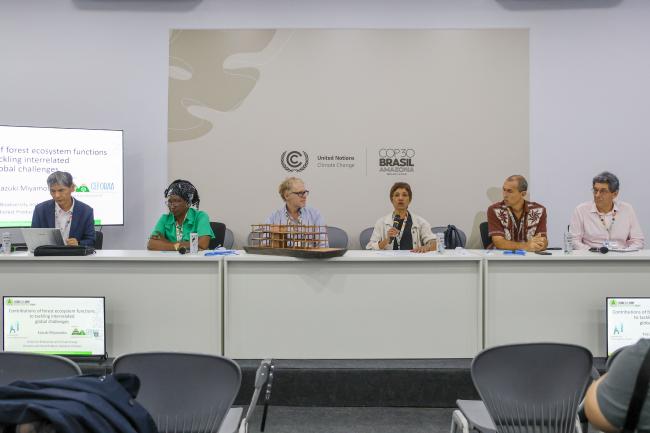
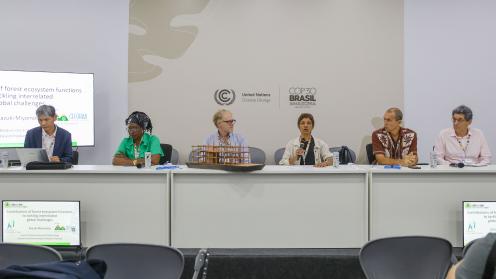
The use of sustainable wood provides steady income for forest communities, supports their wellbeing, and helps keep forest resources healthy over time. Sustainable wood also stores carbon both in tropical forests, and in the wood products that come from them. This side event, co-organized by the International Tropical Timber Organization (ITTO) and the Forestry and Forest Products Research Institute (FFPRI), highlighted practical climate-smart initiatives that improve livelihoods through sustainable forest management. It also explored the lessons and approaches that can guide wider application of these efforts across the tropics.
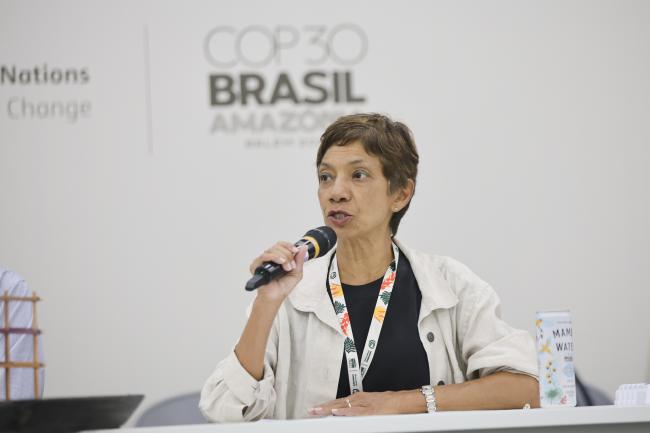
Moderator Sheam Satkuru, Executive Director, ITTO, opened the event by recalling that ITTO is a 76-member intergovernmental organization headquartered in Yokohama, Japan, with operations across all three tropical forest regions in Latin America, Asia-Pacific, and Africa. She said ITTO works closely with FFPRI and relies on this partnership to implement forest projects both in Japan and internationally. She emphasized that sustainably managed tropical forests contribute to climate stability, biodiversity, and community wellbeing, while also supporting a climate-smart circular economy. Satkuru added that tropical forests sustain the livelihoods of 1.65 billion people globally, particularly Indigenous Peoples and local communities. She concluded by calling for a stronger shared voice for tropical sustainable forestry supported by sustained financing and partnerships.
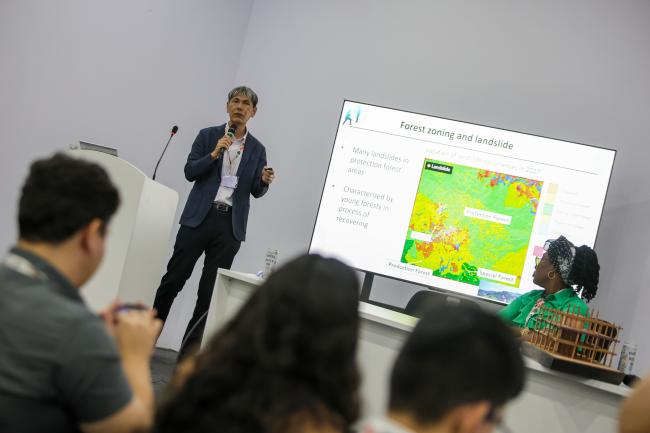
Citing the Intergovernmental Science-Policy Platform on Biodiversity and Ecosystem Services (IPBES) Nexus Assessment, Kazuki Miyamoto, Center for Biodiversity and Climate Change, FFPRI, said nature-based solutions must serve as an essential component of any integrated global environmental strategy. He then outlined two FFPRI initiatives: a Forest-based Disaster Risk Reduction project in Viet Nam and an integrated forest management model for the Andes Amazon region in Peru. Regarding Viet Nam, he described FFPRI’s methodology, which began with identifying severe rainfall events and frequent landslides in mountain regions, followed by the development of erosion control technologies and forest management tools. He stressed FFPRI worked with local communities to identify priority areas that face either high landslide risk or sit near settlements. Turning to Peru, he noted FFPRI is constructing an integrated forest management model to address threats such as afforestation, land use change, logging, and fires. This model, he concluded, uses satellite imagery and risk mapping to generate management scenarios that are then selected and refined by local communities before final zoning.
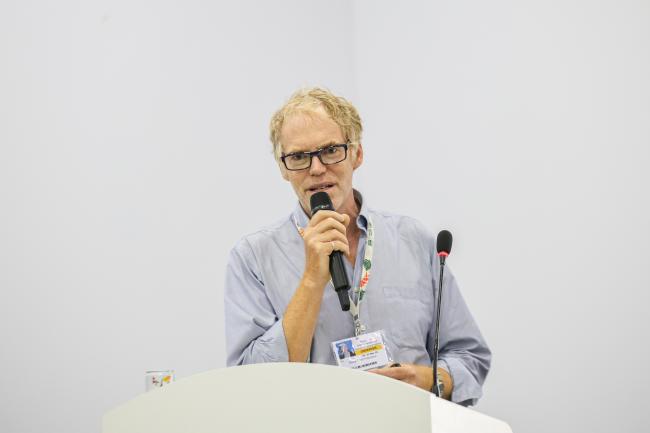
Scott Francisco, CEO, Pilot Projects, described his work on the links between construction practices and global forest conservation. He explained that cities will need to rely more on bio-dense building materials as they move away from carbon intensive ones, and that although plantation forests will supply significant volumes of timber, they cannot be the only source. He encouraged cities to incorporate circular timber and conservation timber from well managed natural forests, noting that conservation timber reinforces long-term forest conservation by creating economic value for ecosystems. He also shared the concept for a Mass Timber pavilion designed for COP 30 with conservation timber, but which ultimately did not get made. He pointed to his related work with the Cities4Forests network, including the Sustainable Wood for Cities toolkit, which guides cities in using sustainable timber within their climate strategies.
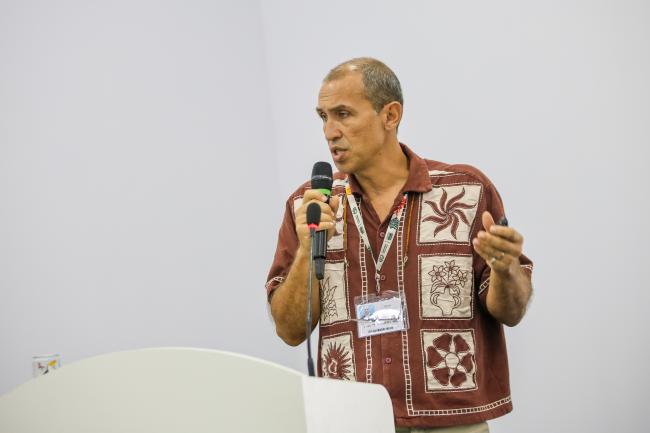
Lucas José Mazzei de Freitas, Researcher, Brazilian Agricultural Research Corporation (EMBRAPA), discussed research needs for community tropical forest management in the Brazilian Amazon. He said limitations including current tools not being able to reliably distinguish selective logging from illegal logging, and existing research focusing primarily on natural forests while many are domesticated. He identified the Tapajós National Forest as a successful community management example and summarized key research insights, including shifts in floristic composition after low-intensity interventions and the need to maintain mature tree stocks to ensure viable second cutting cycles. He called for more research on community tropical forest management, noting Brazil has only three research groups, and only one international network is working on tropical silviculture.
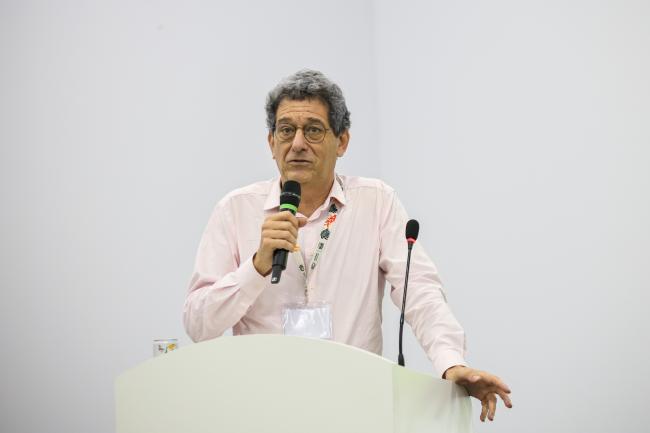
Jeanicolau Simone de Lacerda, Chair of Programme for the Enforcement of Forest Certification (PEFC), Brazil, and International Tropical Timber Technical Association (ATIBT), provided an on-the-ground example of sustainable practices that help reforest deforested areas, making a difference for the local community. He noted that the project enabled the forest to flourish, and an inclusive approach to the project based on respect for the local community earned the community’s appreciation. Lacerda said the project created a “sense of citizenness,” and the community ultimately changed its name to “New Paradise.”
Rose Pélagie Masso, Cameroon Ecology, shared her experience with the African Women's Network for Community Management of Forests (REFACOF), a platform made up of 20 central, east, and west African countries that advocates for the rights of women to land tenure. Masso emphasized that women often face challenges in forestry and related sectors that limit their roles and access to finance. She noted that REFACOF is implementing ITTO land restoration projects, funded by Soka Gakkai, in Cameroon, Benin, and Togo, and urged support for the network’s goal of planting 20 million trees.

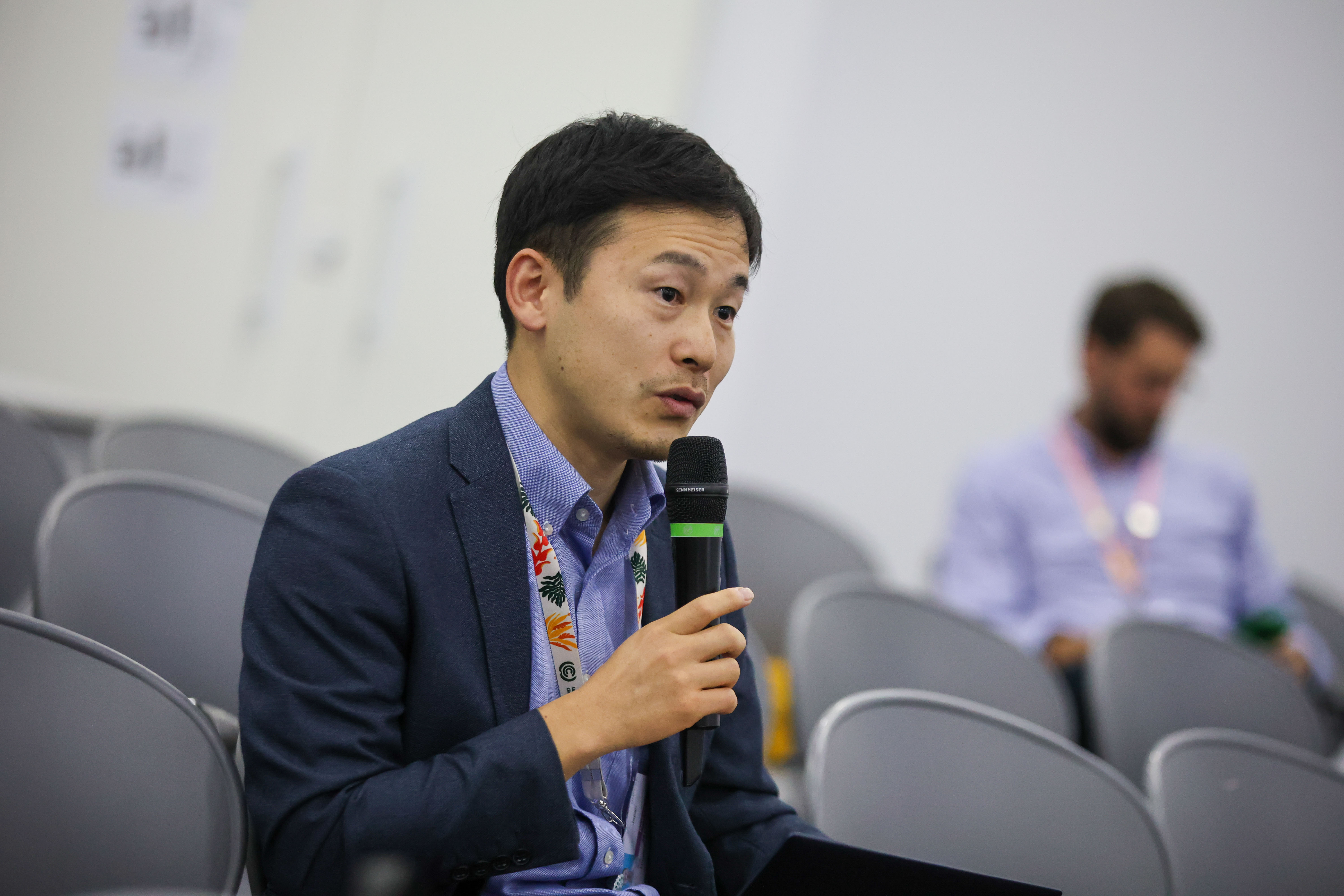
Responding to questions following the panel, speakers emphasized, inter alia: the contributions of sustainable management practices to forest health; the need to work with and learn from Indigenous Peoples and local communities; the importance of getting pilot projects off the ground; and the need for continued cooperation between governments, private sector, and communities.
Organizers: ITTO and FFPRI
Contact: Paula SARIGUMBA I [email protected]
For more information: https://www.itto.int/
To receive free coverage of global environmental events delivered to your inbox, subscribe to the ENB Update newsletter.
All ENB photos are free to use with attribution. For 2025 UN Climate Change Conference, Belém - Side Events, please use: Photo by IISD/ENB | Anastasia Rodopoulou
Selected Images
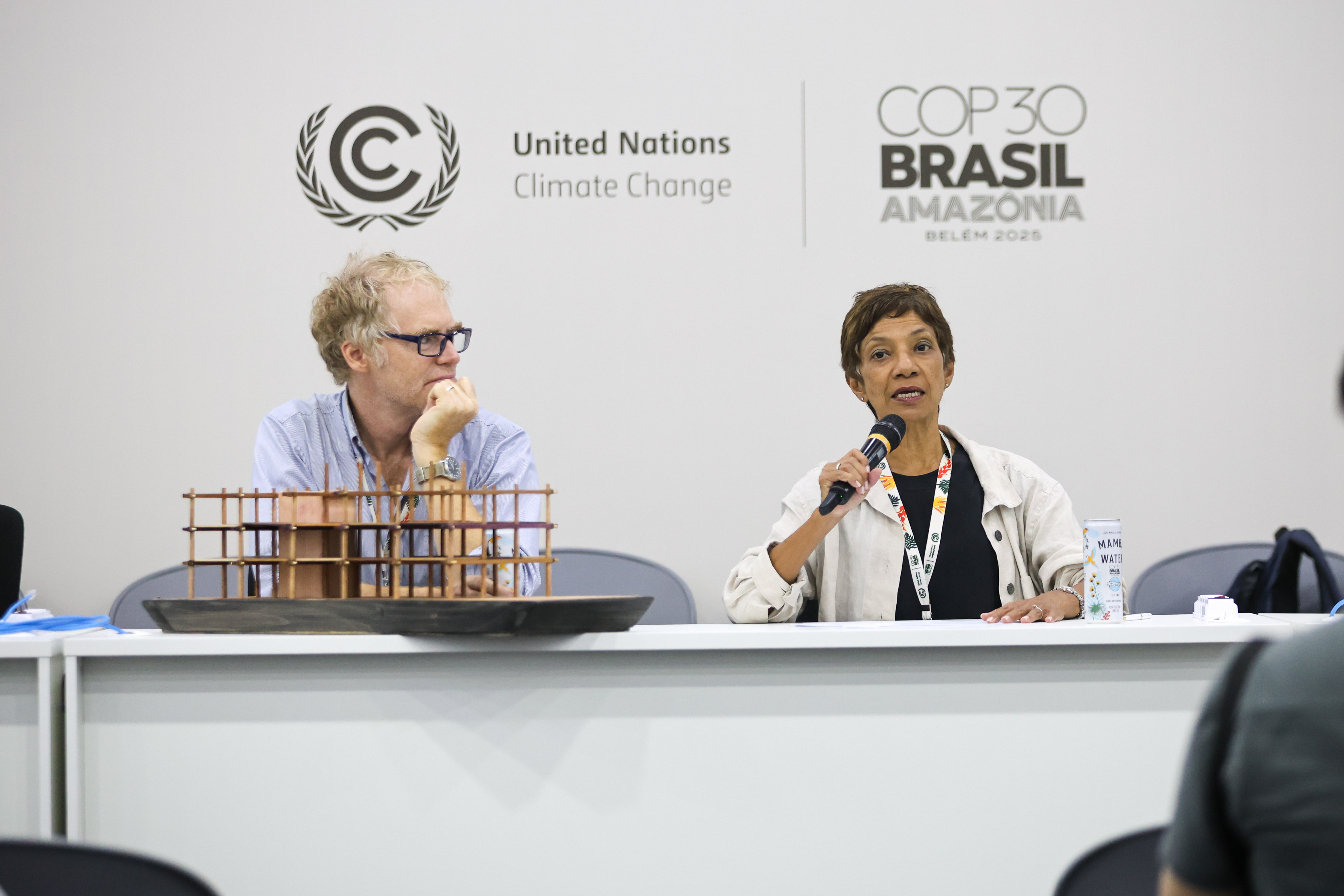
Scott Francisco, CEO, Pilot Projects, and Sheam Satkuru, Executive Director, ITTO
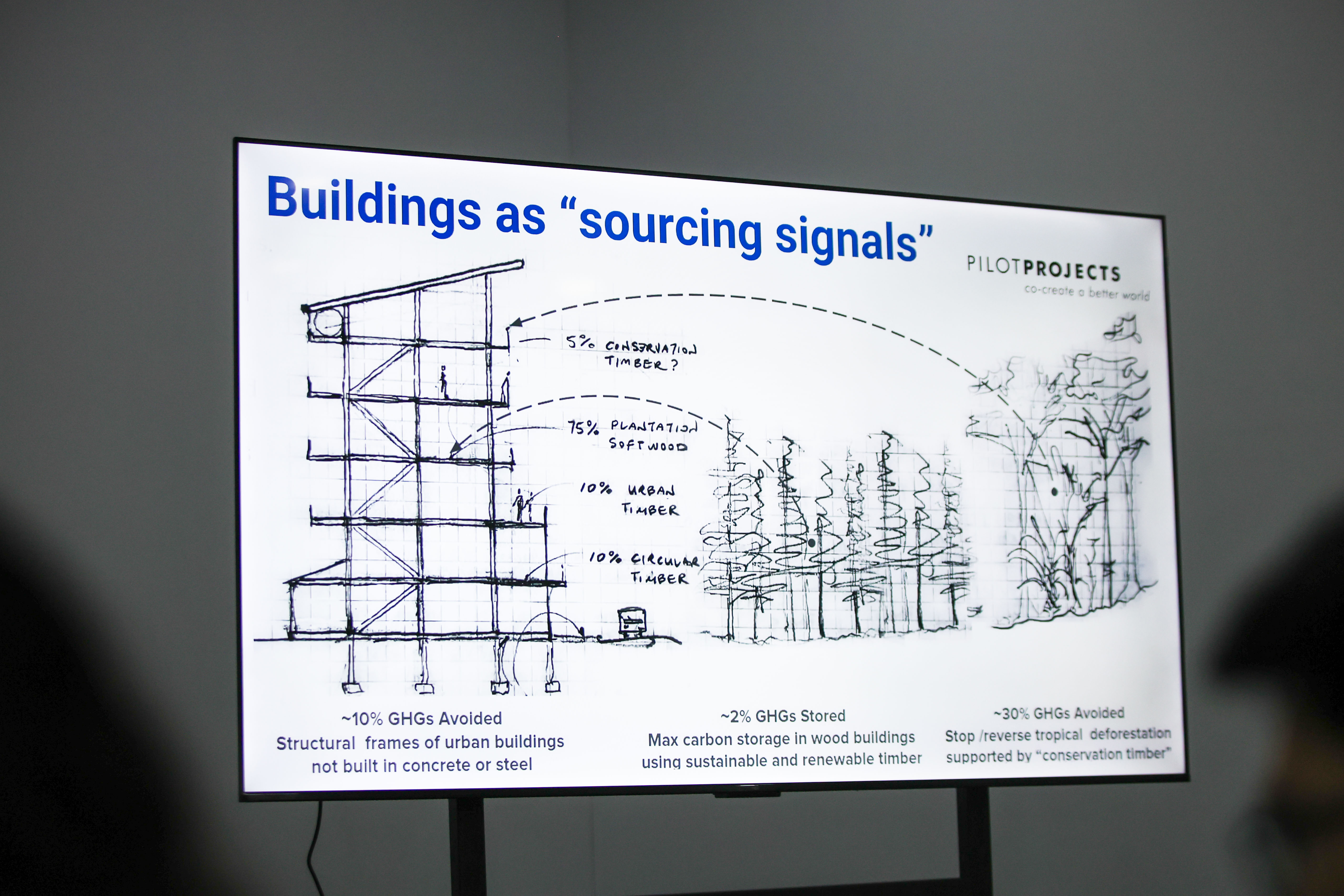
A slide from Scott Francisco's presentation
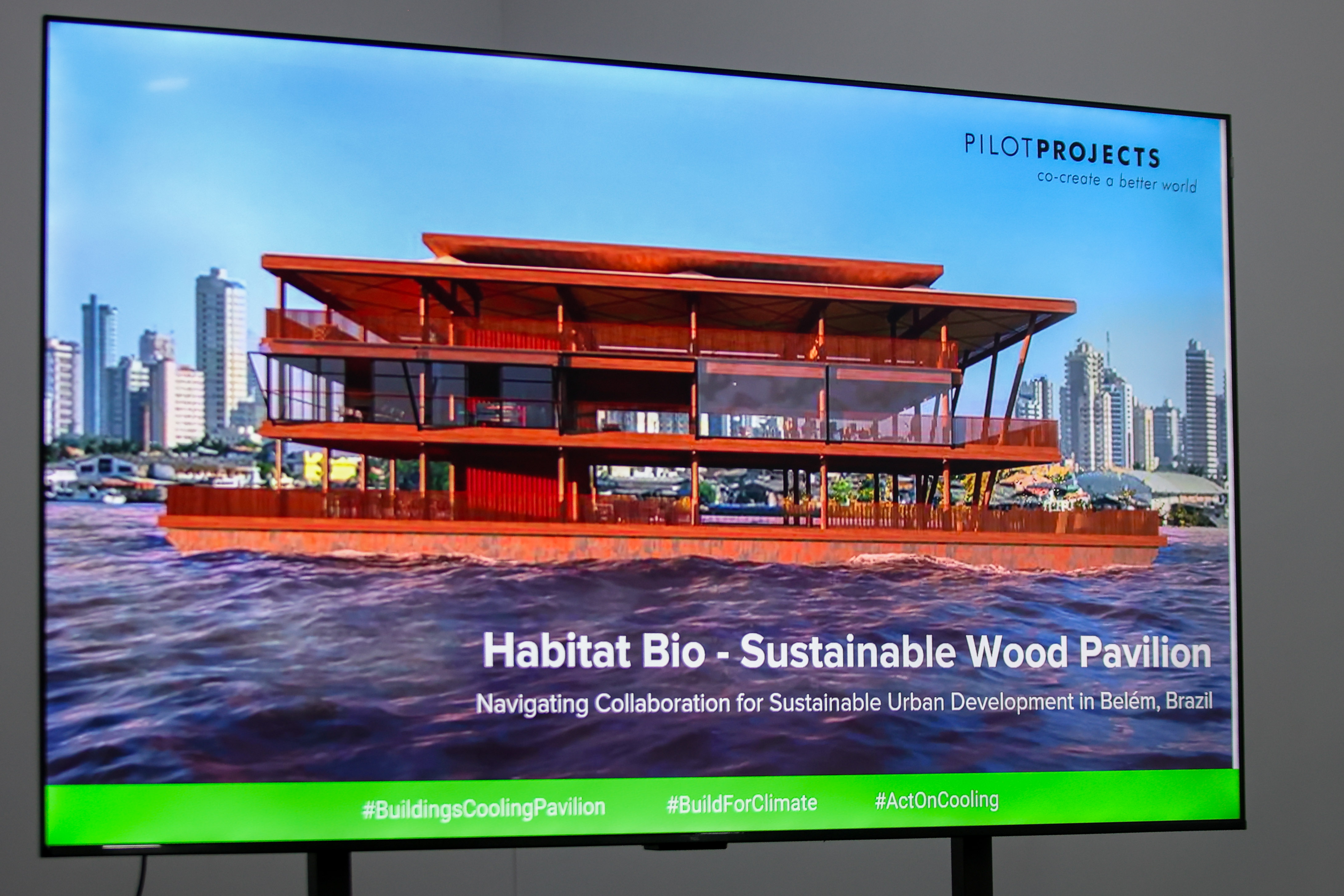

A model of a sustainable wood pavilion
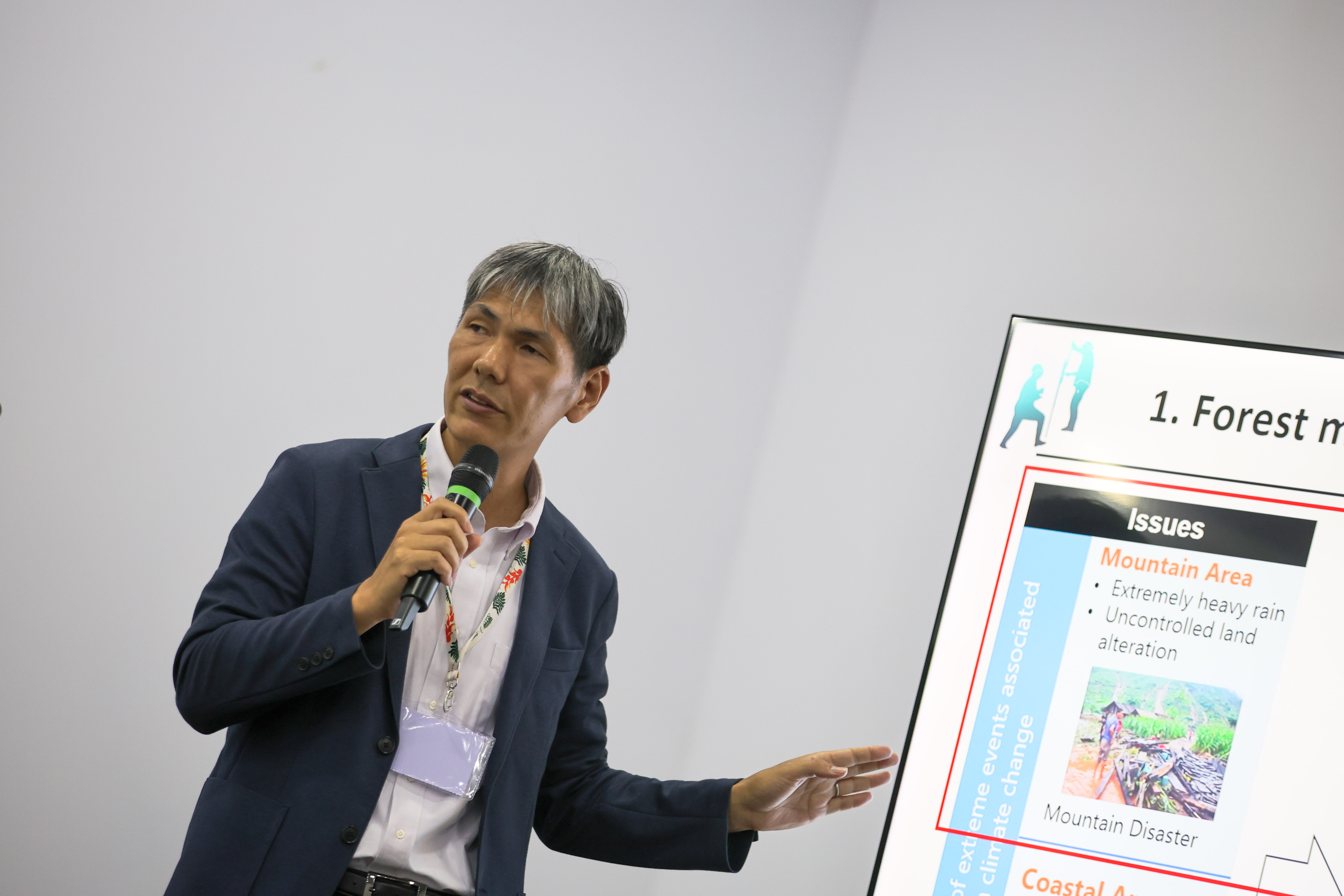
Kazuki Miyamoto, Center for Biodiversity and Climate Change, FFPRI
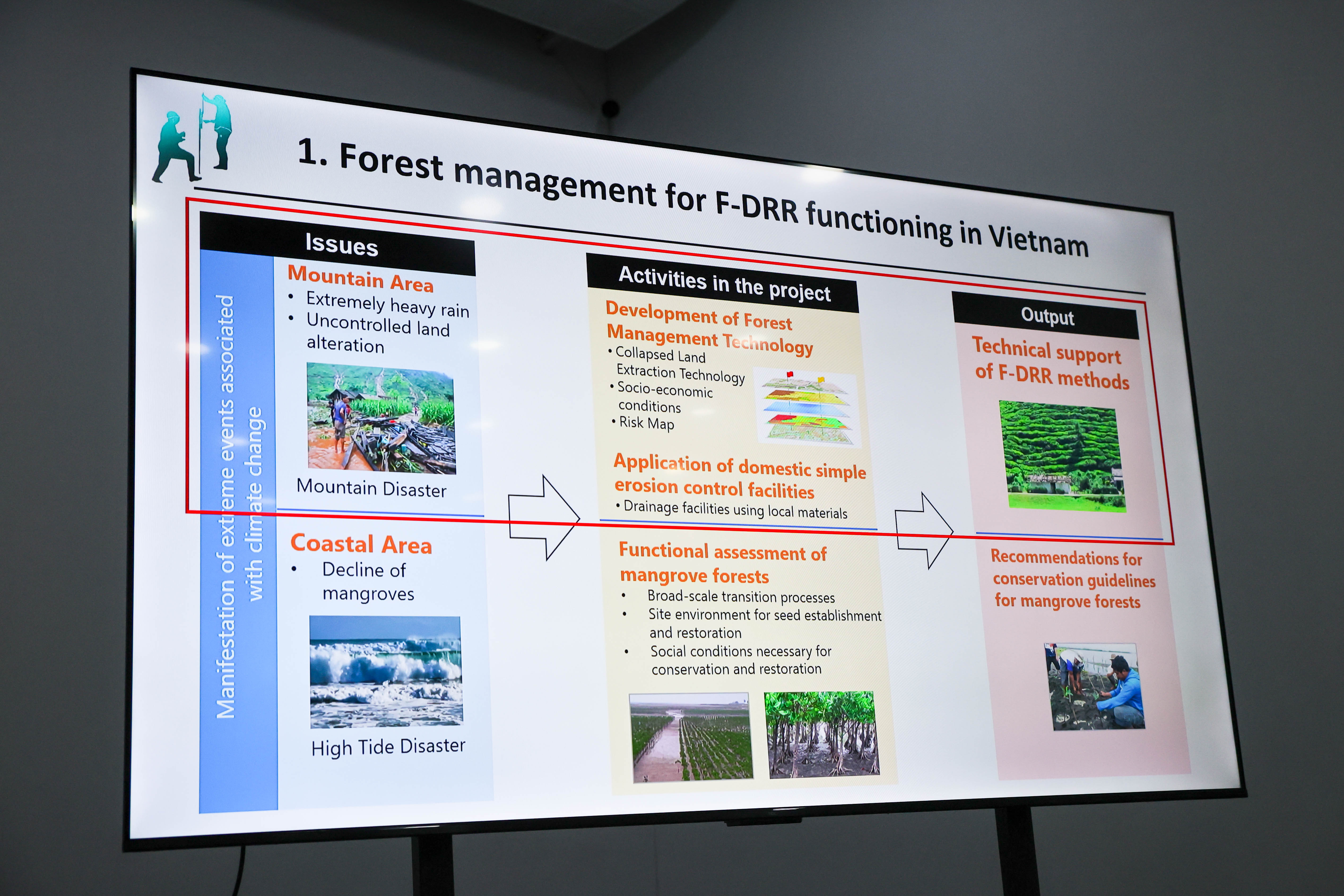
A slide from Kazuki Miyamoto's presentation
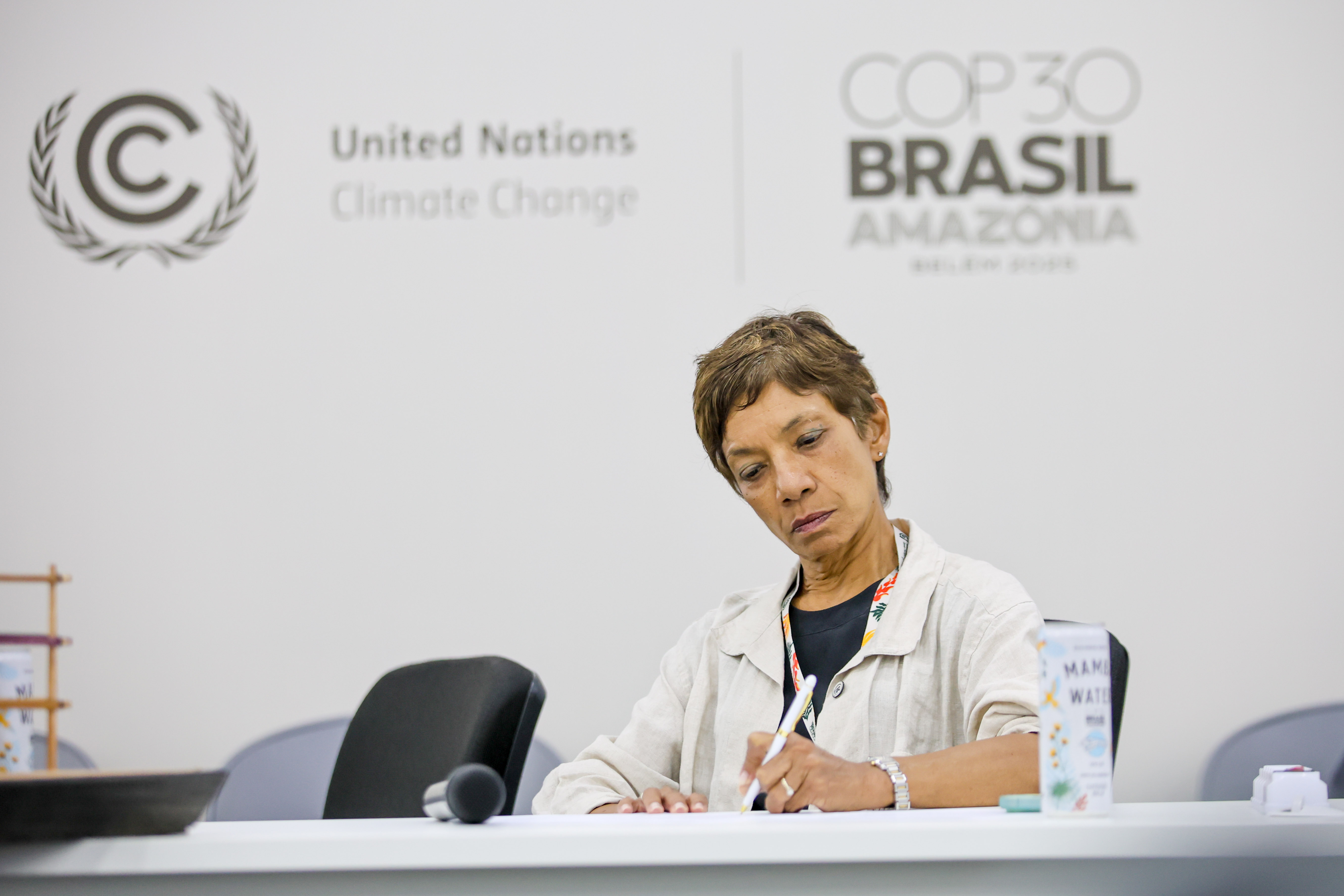
Sheam Satkuru, Executive Director, ITTO

A participant takes notes
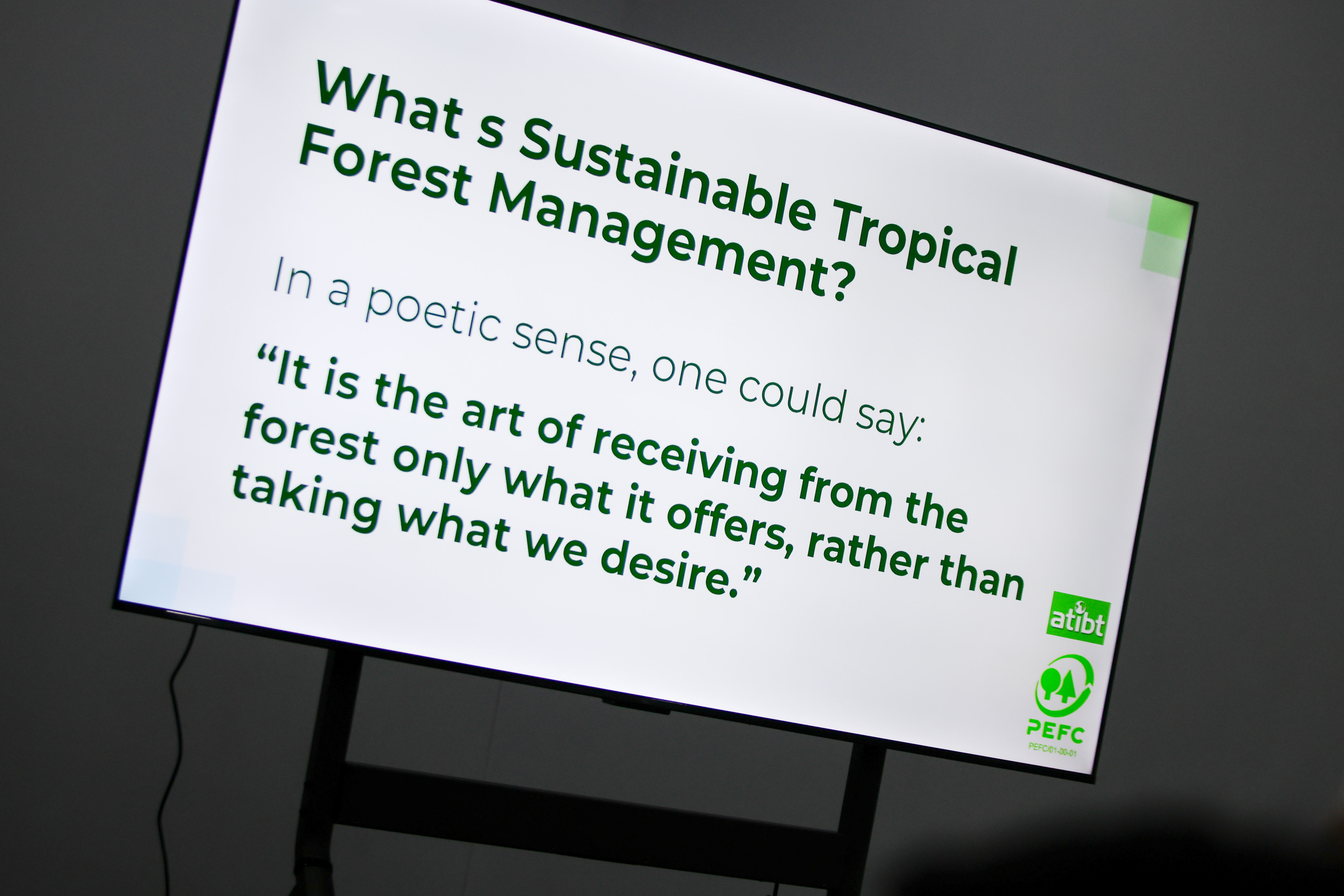
A slide from Jeanicolau Simone de Lacerda's presentation
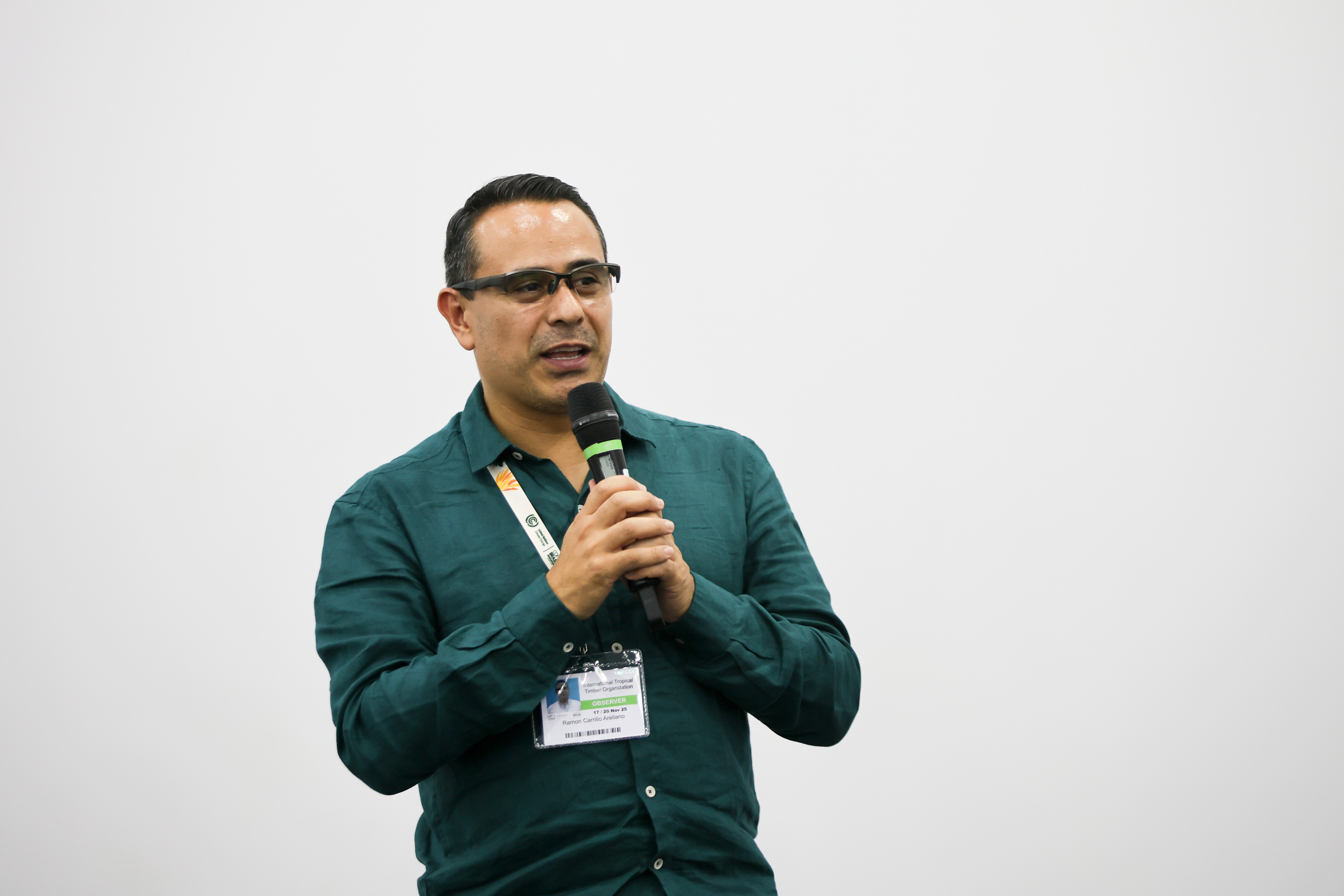
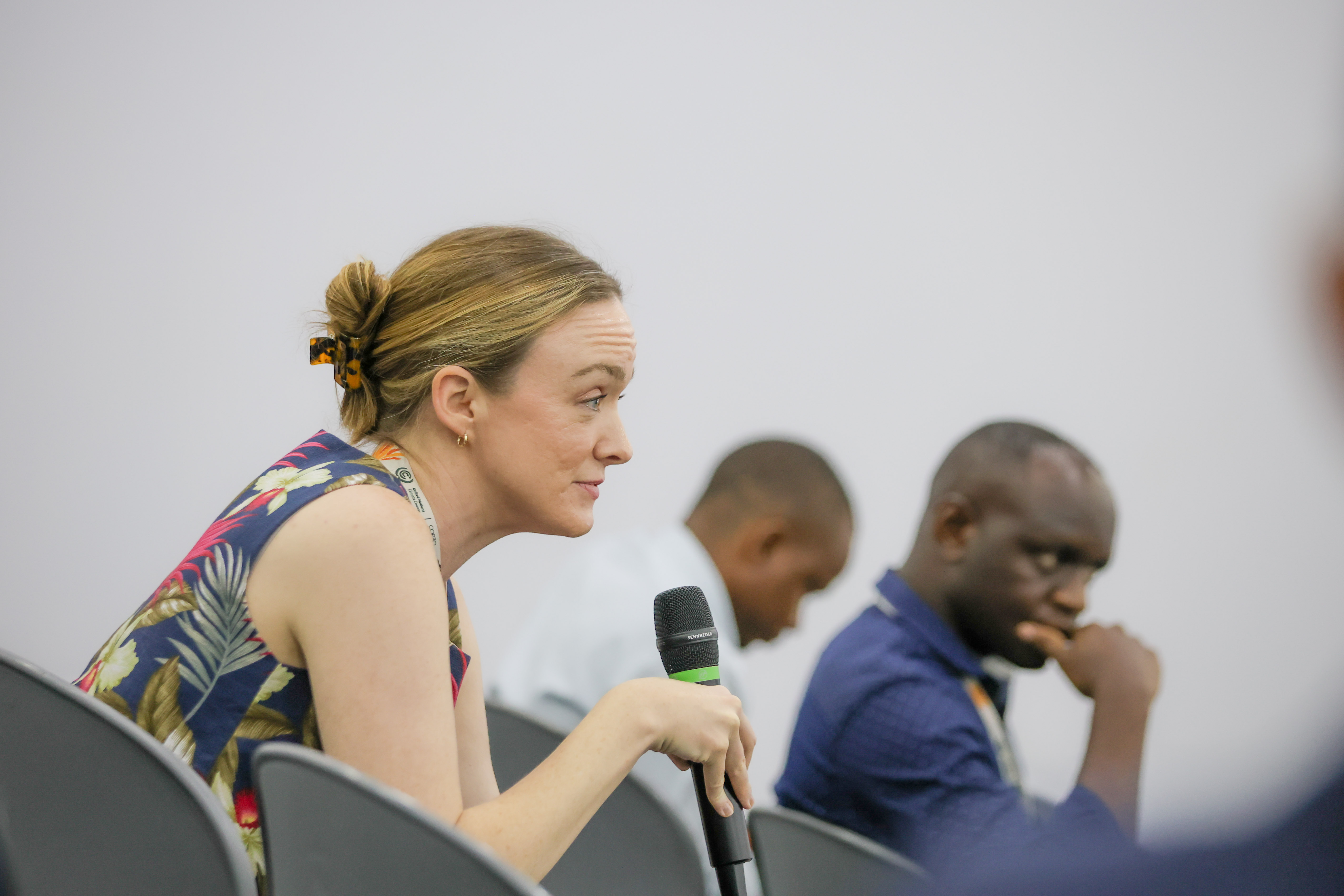
An open exchange with the audience followed the panel.
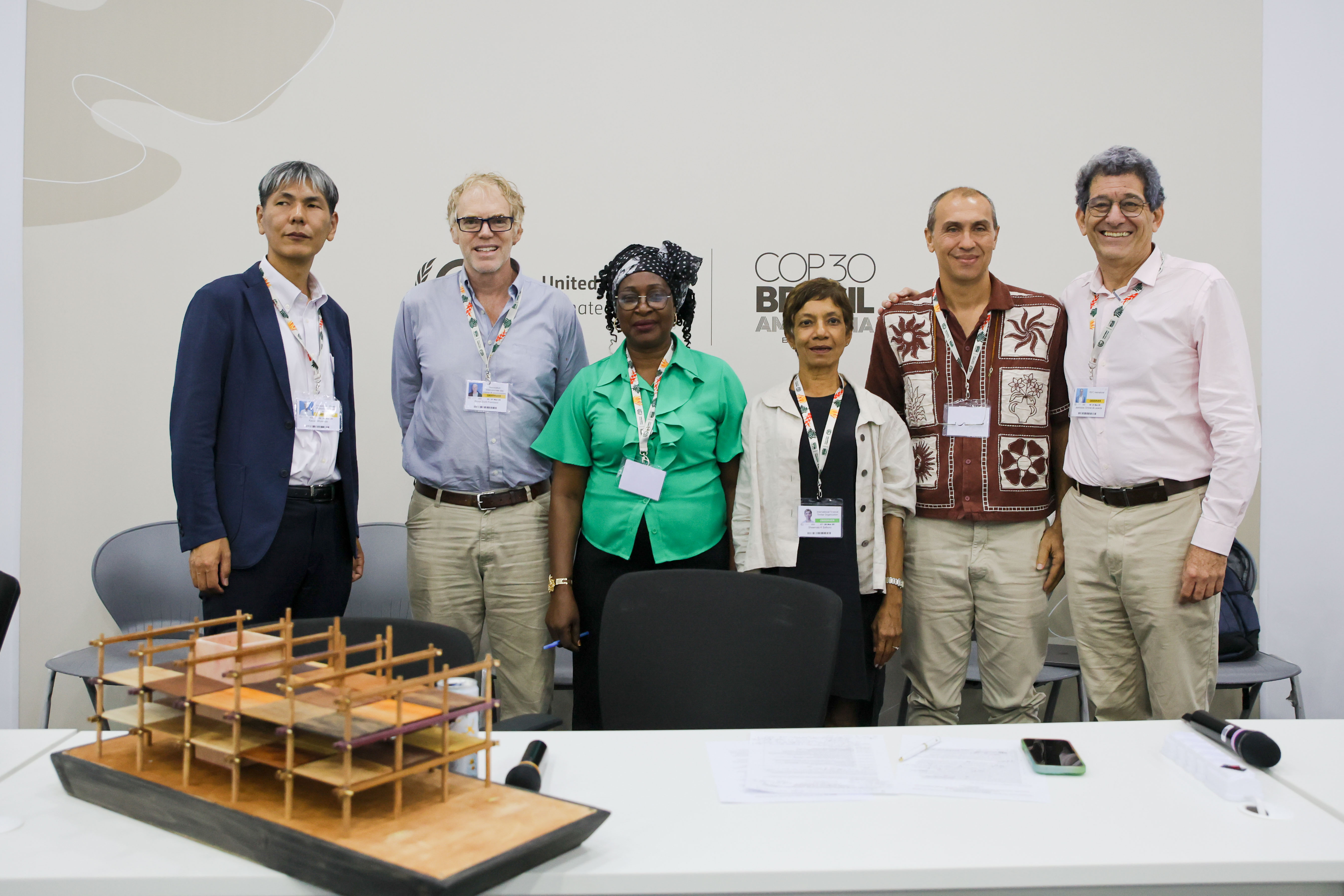
Speakers pose for a family photo.