About
Political leaders and policy experts shared key takeaways from a series of global dialogues on how to use existing national planning, reporting, and financing systems to support synergistic implementation of climate, biodiversity, and land goals.
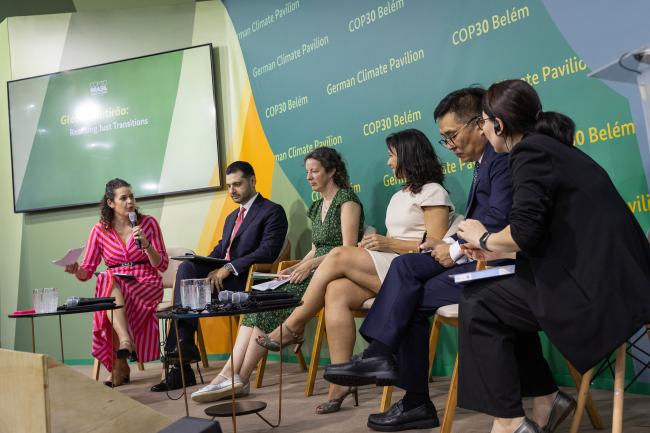
Despite the deep interconnections among the global climate, biodiversity, and land agendas, policy responses and financial flows are fragmented. This lack of alignment undermines effective action, leads to suboptimal use of financial resources, and creates additional reporting burdens for governments. During this high-level event, political leaders and policy experts shared key takeaways from a series of global dialogues on pathways for using national planning, reporting, and financing systems to support synergistic implementation of the UN Framework Convention on Climate Change (UNFCCC), the UN Convention to Combat Desertification (UNCCD), and the Convention on Biological Diversity (CBD).
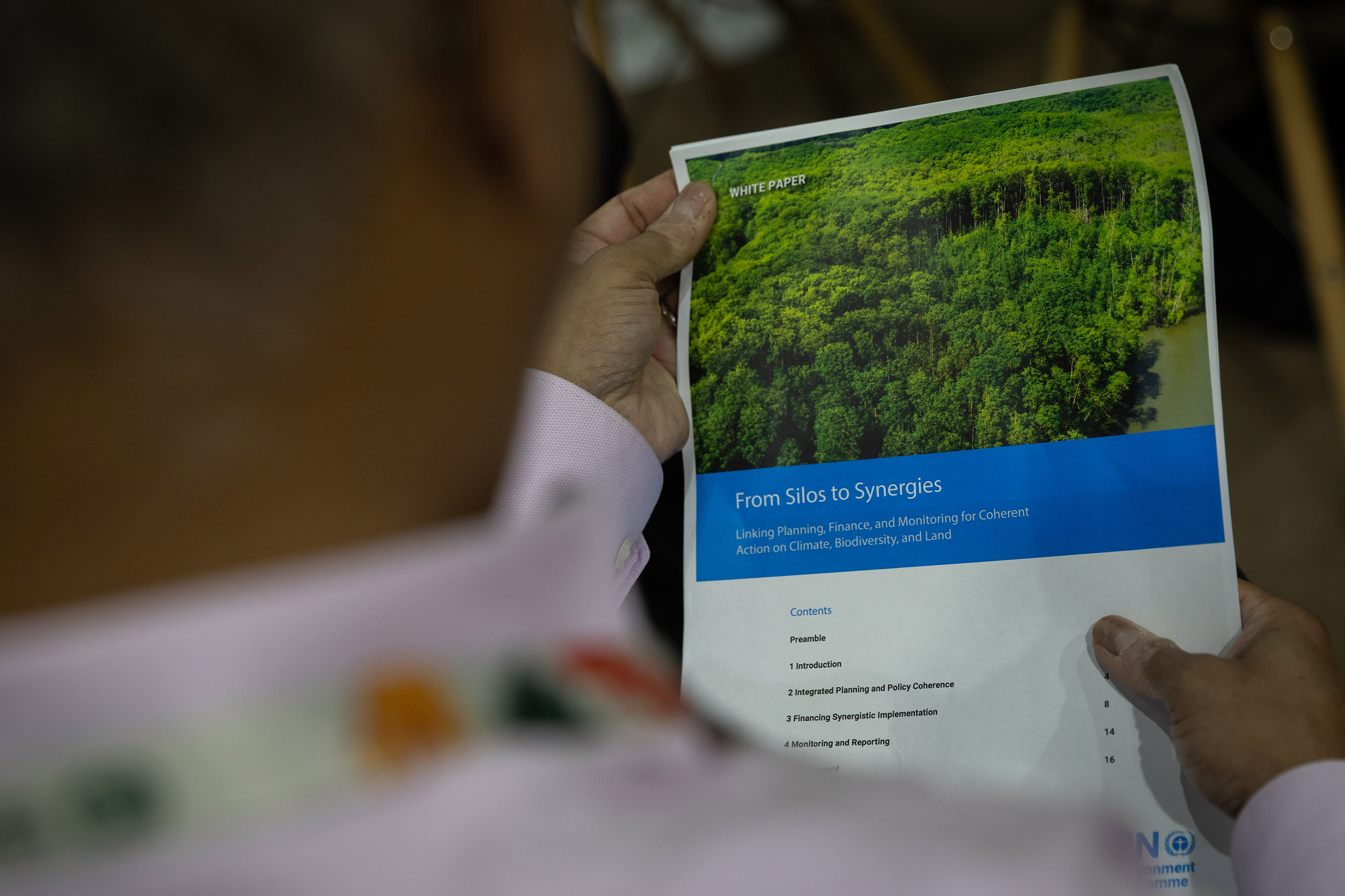
The event launched a white paper, titled From Silos to Synergies, with key recommendations directed to the current presidencies of the Conferences of the Parties (COPs) to the three Rio Conventions. The recommendations aim to mobilize support for aligning planning, reporting, and financing to enable effective implementation and action.
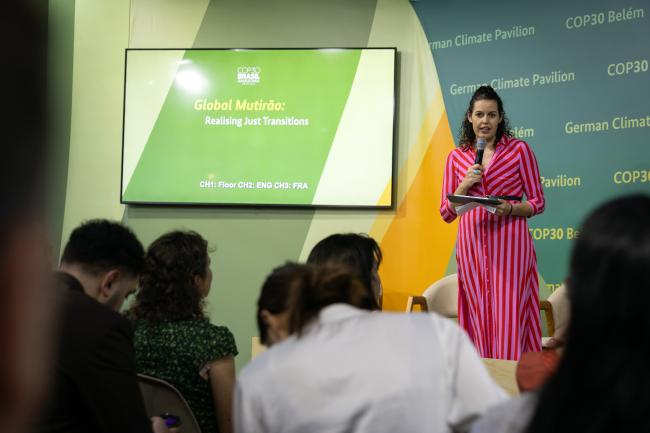
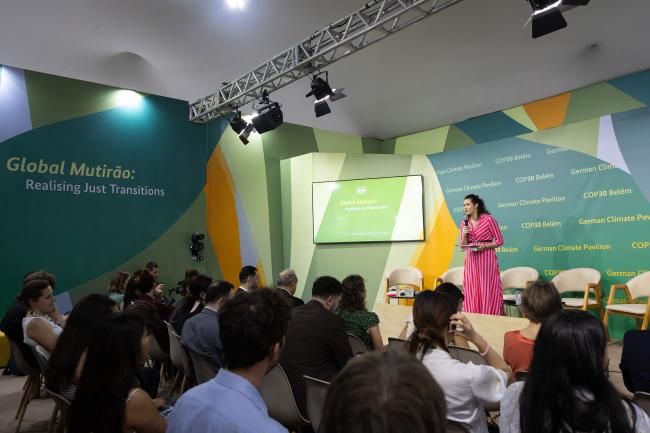
The event was moderated by Katie Gallus, geographer and international moderator.
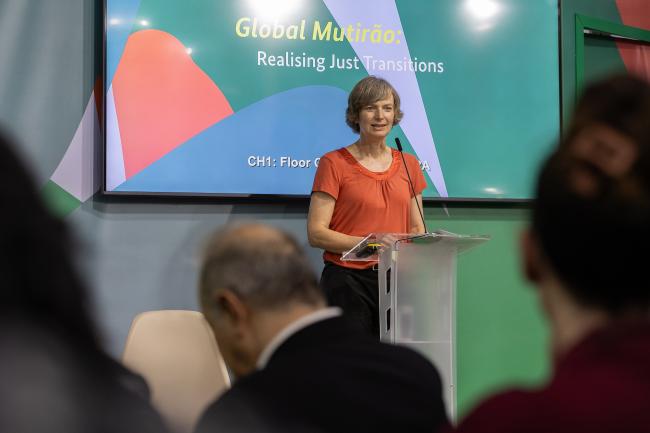
Eva Kracht, Director-General for International and European Policy, German Federal Ministry for the Environment, Climate Action, Nature Conservation and Nuclear Safety (BMUKN), highlighted the importance of better aligning and accelerating action on climate, biodiversity, and land use. She emphasized that nature-based solutions offer cost-effective and efficient ways to combine climate mitigation, adaptation, biodiversity, conservation, and ecosystem restoration, while providing livelihoods to people. She explained that the Government of Germany organized a series of pre-COP 30 dialogues, which brought together international stakeholders that informed the white paper, with the aim of exploring frameworks and key levers for widespread implementation of synergies among the Rio Conventions.
Mirey Atallah, Chief of the Adaptation and Resilience Branch, Climate Change Division, UN Environment Programme (UNEP), introduced the white paper. On integrated policy and coherence, she highlighted recommendations including: embedding Rio targets into national planning and budgetary frameworks; establishing cross-ministerial mandates and legal anchors for cooperation; using spatial and landscape planning as a vehicle for coherence; standardizing planning cycles for targets; and developing incentives for collaboration at all levels.
On financing synergistic implementation, she pointed to recommendations, such as: moving from a project-based approach to programmatic, country-led portfolios; integrating synergy budget tagging and cross-ministerial finance committees; creating country-led financing platforms to align grants, loans, and private capital; mainstreaming blended finance and risk-sharing tools; building financial literacy for biodiversity-climate-land investments; and establishing clear finance taxonomies.
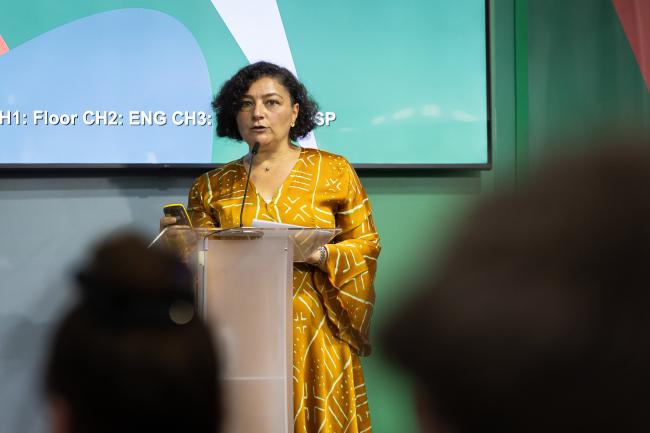
On coherent monitoring and reporting, key recommendations include: harmonizing indicators and data collection across the Rio Conventions; promoting national data repositories with the aim of collecting data once and using it many times; leveraging specific accounting tools; supporting integrated measurement, reporting, and verification systems to track public, private, and international flows; and ensuring data interoperability and shared ownership with local actors.
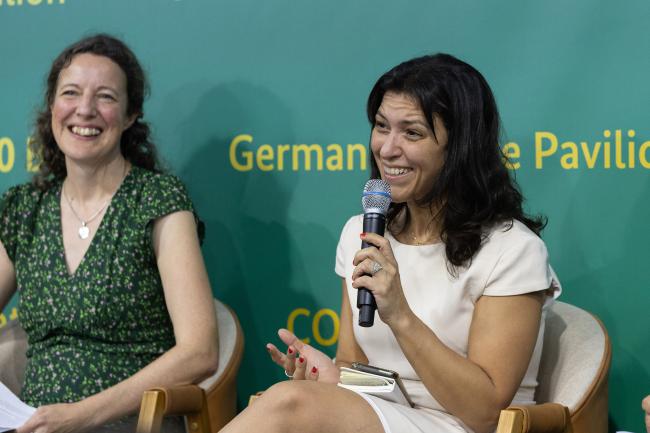
Carina Pimenta, National Secretary for Bioeconomy, Ministry of Environment and Climate Change, Brazil, highlighted the bioeconomy as a key opportunity for connecting biodiversity, climate, and desertification targets. She said Brazil’s perspective can contribute to a more inclusive understanding of the bioeconomy and emphasized the importance of ensuring the territorial rights of communities and Indigenous lands as part of realizing a just transition.
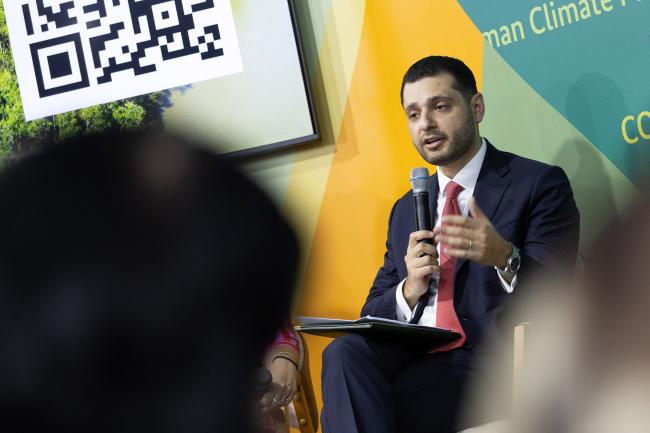
Hambardzum Matevosyan, Minister of Environment, Armenia, underscored the need for cooperation among the Rio Conventions, saying climate, biodiversity, and land degradation are inextricably linked and require coordinated solutions. He emphasized the need to avoid duplication of efforts or decisions that contradict each other across the three conventions. He also underscored the importance of both resource mobilization and the ability to use the same data multiple times.
Batbaatar Bat, Minister of Environment and Climate Change, Mongolia, said achieving the objectives of the Rio Conventions requires practical, coordinated, and mutually reinforcing actions across national strategies. He said Mongolia is adopting a whole-of-society approach to implement a series of small but meaningful initiatives that, together, can generate significant and lasting results. He noted that a recent assessment of Mongolia’s implementation efforts showed solid progress and identified opportunities to strengthen alignment, coherence, and joint implementation.
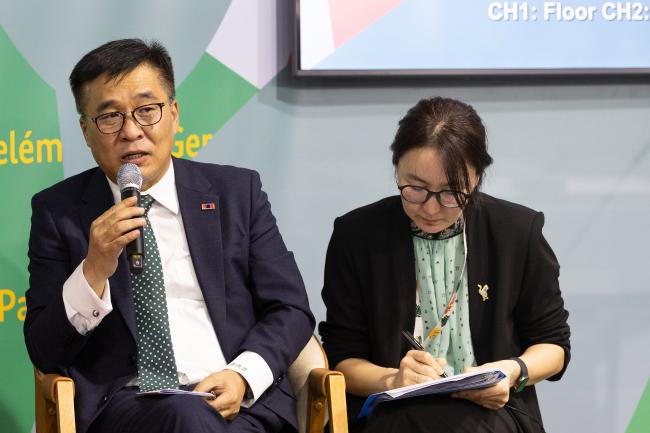
Noting that Mongolia will host UNCCD COP 17 in August 2026, Minister Bat said Mongolia will launch flagship initiatives on rangelands, the nexus between water and land, and nature-based solutions for sustainable infrastructure. He said these initiatives will strengthen the land, climate, and biodiversity nexus by promoting integrated land restoration, ecosystem-based planning, and the incorporation of nature-based solutions into national development plans, thus enhancing synergies across the Rio Conventions.
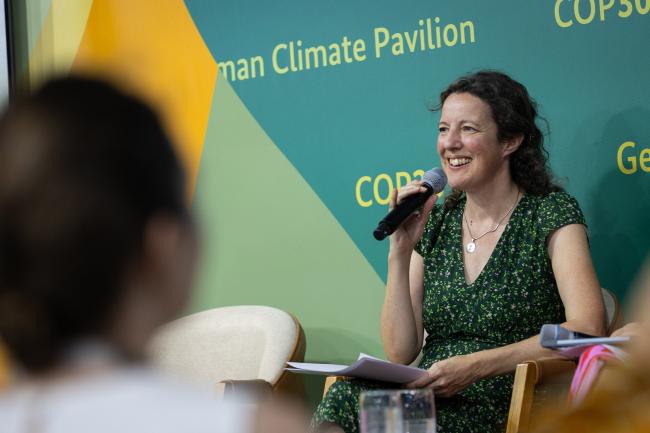
Melanie Coath, Senior Climate Change Policy Officer, Royal Society for the Protection of Birds, which is based in the UK, said the white paper offers insights into both challenges and solutions for implementing the synergies agenda. She said the report considers how stakeholders can strengthen efforts to align monitoring and reporting, provide synergistic finance, align data, integrate science, and matchmake country support requests.
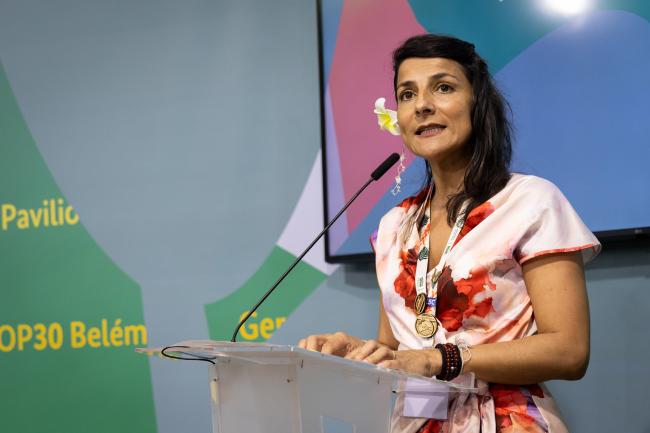
In closing remarks, Irene Vélez Torres, Minister of Environment and Sustainable Development, Colombia, highlighted the urgency of integrating the biodiversity, land, and climate agendas, and said COP 30 must deliver the political framework to make synergistic action possible. She proposed that concrete language on synergies be reflected in the COP 30 cover decision, and that an expert group be established to identify priorities and convergence points across adaptation, mitigation, finance, technology, and just transition. She reaffirmed Colombia’s political will to move from fragmented actions to integrated solutions, from parallel efforts to shared outcomes, and from commitments to transformation on the ground. She highlighted the need for the convergence of science, policy, and territorial action to protect and restore nature, saying this is the essential foundation for climate stability, food security, and well-being.
Organizers: UNEP, Ambiente, Synergies Collaboration Platform, and the BMUKN
Contact:
Larissa Stiem-Bhatia, [email protected], Z.U.G. on behalf of BMUKN
Lena Kopetzky, [email protected], Climate Change Division, UNEP
Website: https://german-climate-pavilion.de/?pgm=25&nav=14&language=&tz=America%2FBelem
Text written by Jessica Templeton, Ph.D. The Digital Editor is Diego Noguera. The Editor is Leila Mead. Photos by UN Climate Change - Kiara Worth.
To receive free coverage of global environmental events delivered to your inbox, subscribe to the ENB Update newsletter.
Selected Photos
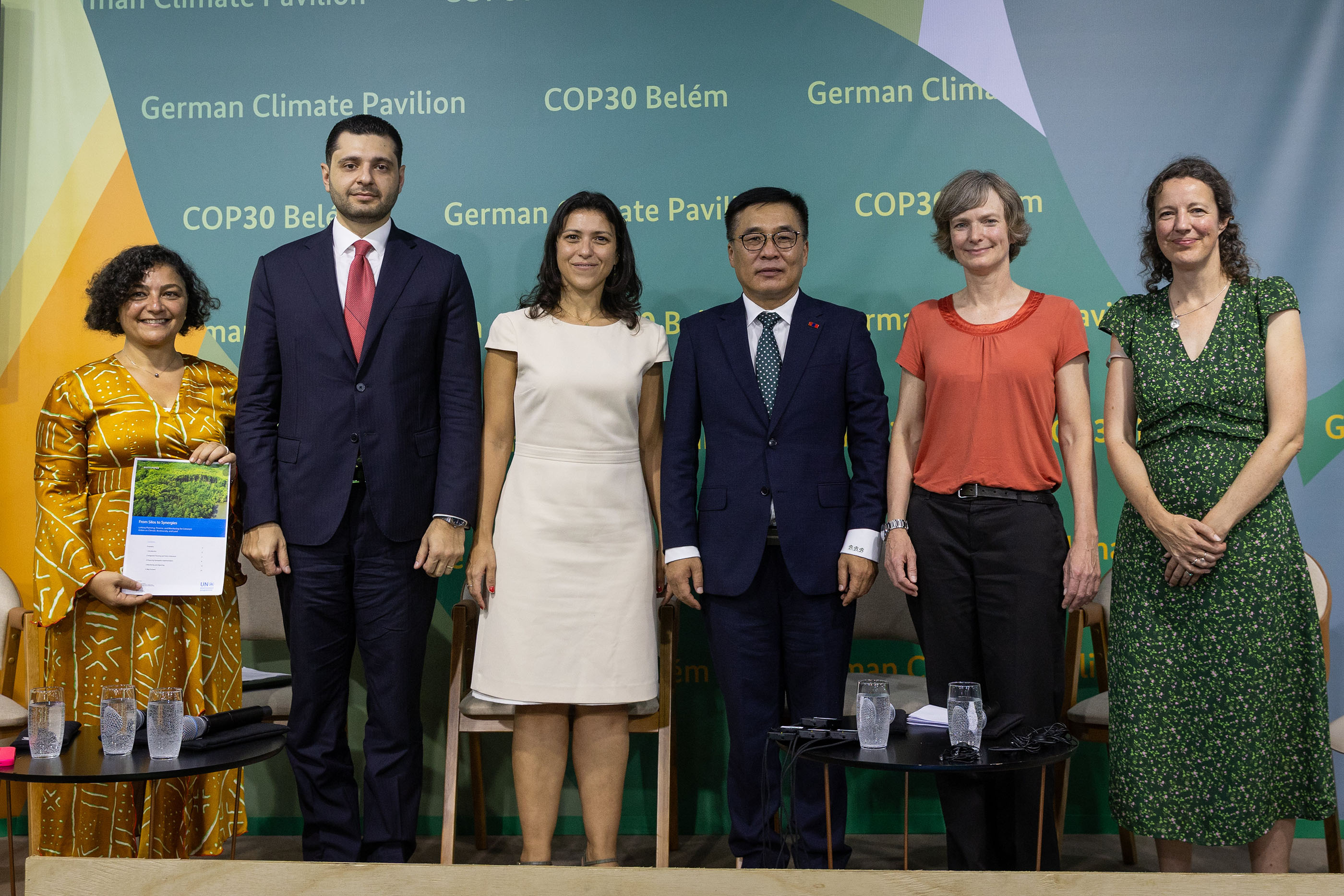
Family photo of panelists prior to the start of the event
Irene Vélez Torres, Minister of Environment and Sustainable Development, Colombia
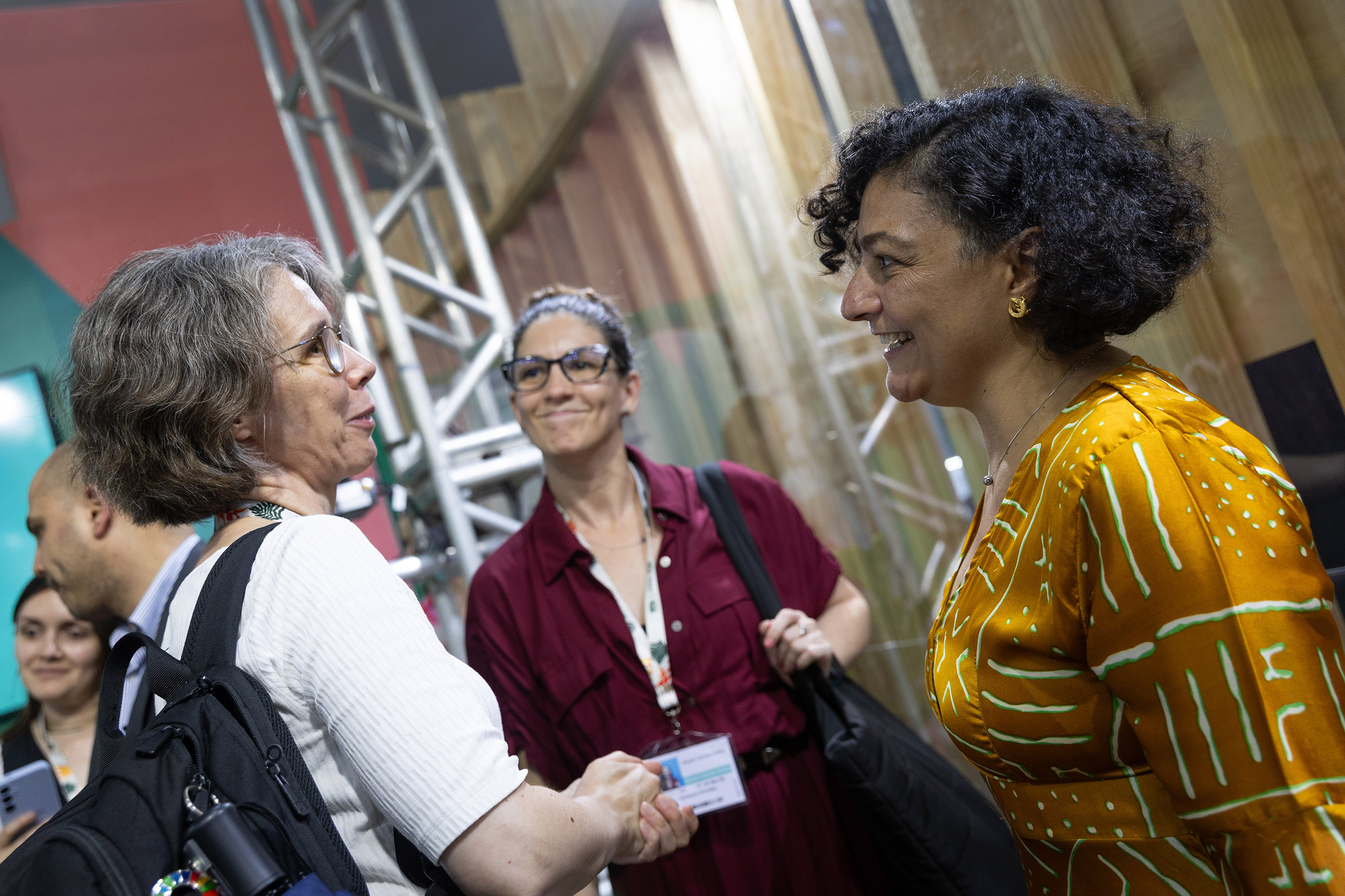
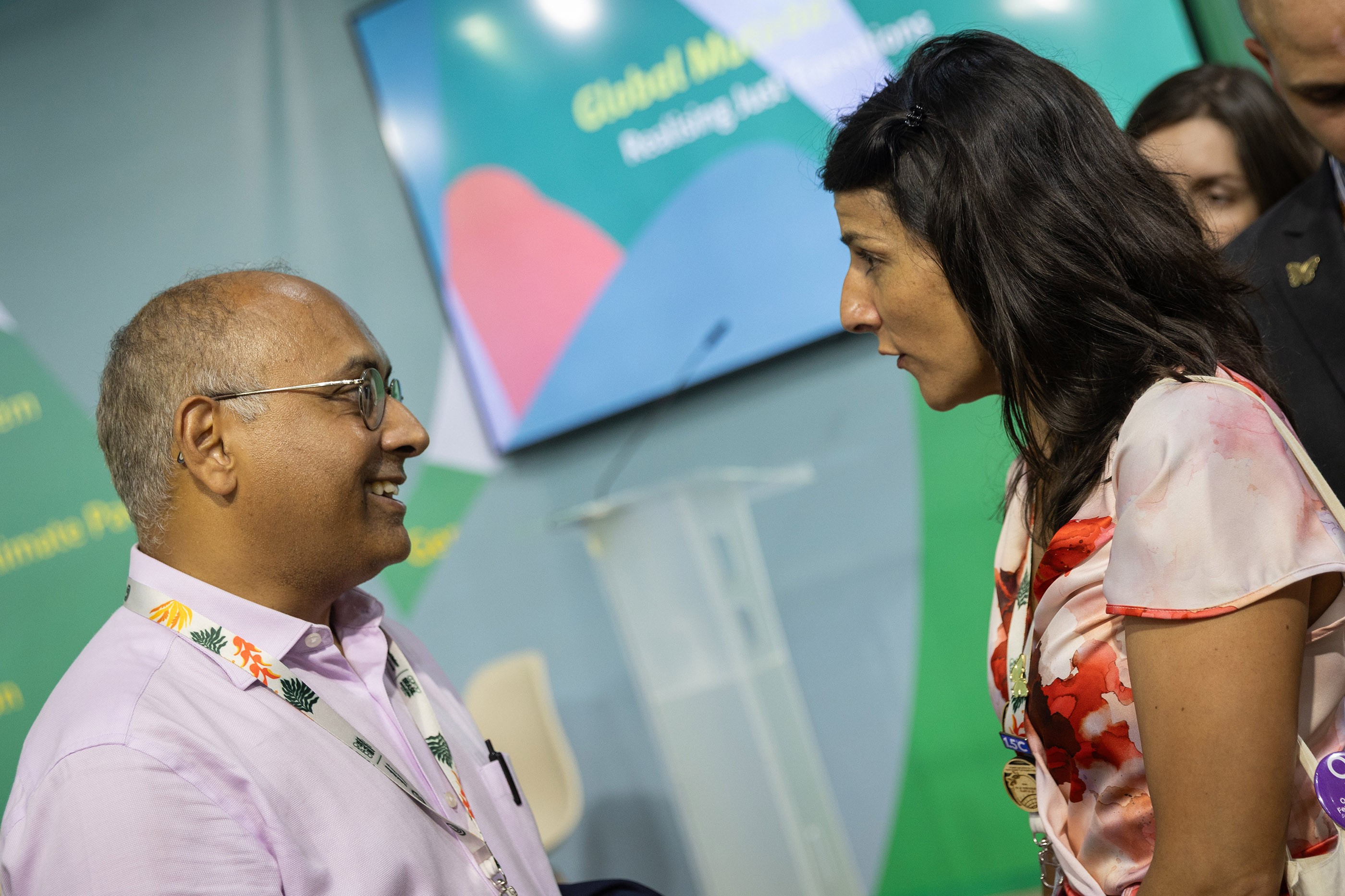
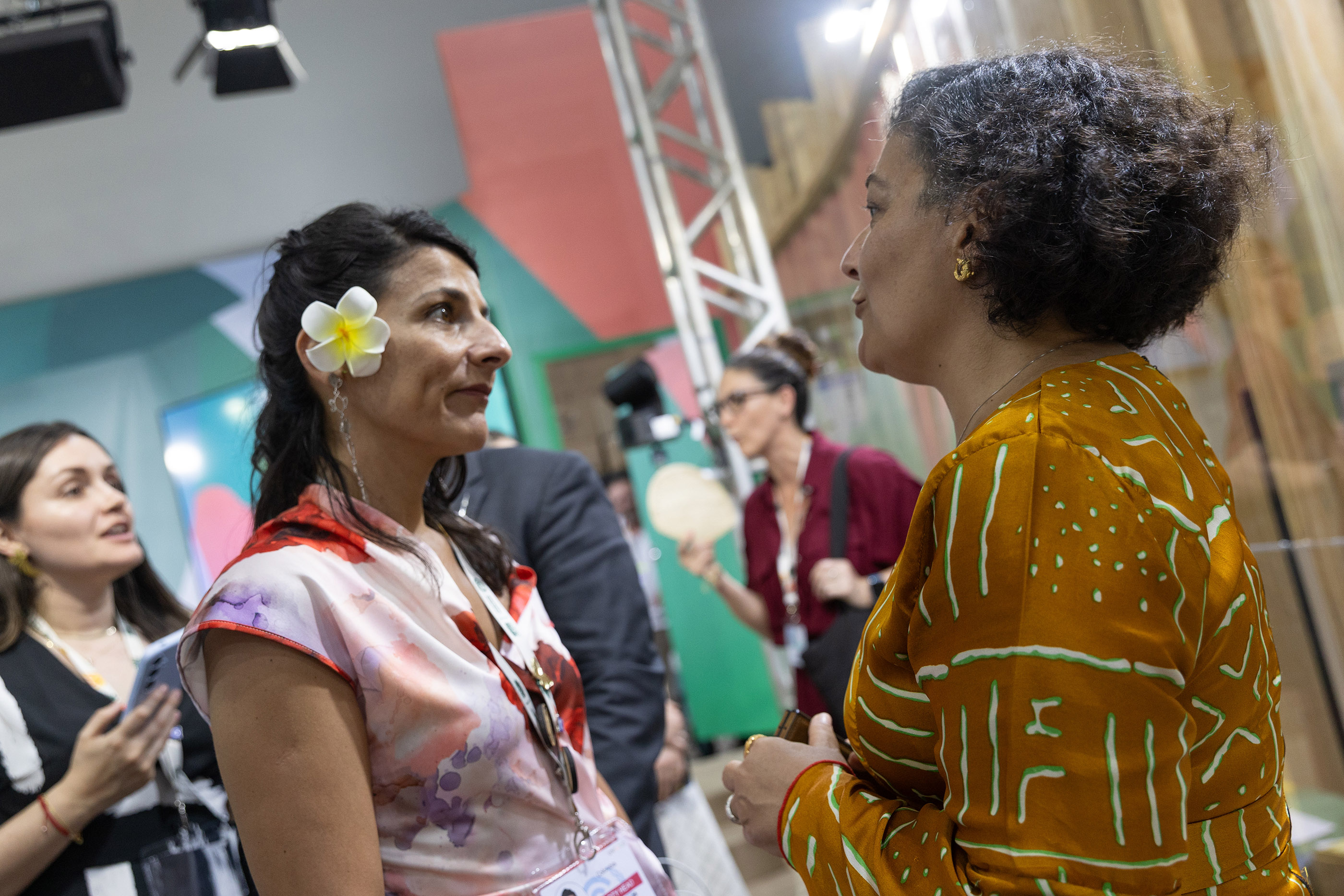
Irene Vélez Torres, Minister of Environment and Sustainable Development, Colombia, and Mirey Atallah, Chief of the Adaptation and Resilience Branch, Climate Change Division, UNEP