Alvaro Lario, UN-Water Chair, opened the 42nd UN-Water Meeting noting that the talks are taking place at a time when this community is more important than ever. He highlighted that the UN Secretary-General’s UN80 Initiative calls for reforming the UN by making it more networked to better respond to current challenges and recalled that the UN System-wide Strategy on Water and Sanitation relies on such a networked system. Lario also pointed to the agenda item on the 2026 UN Water Conference and the opportunity the Conference will provide for working collectively to deliver change and transform lives at scale.
Special Envoy on Water Retno Marsudi recalled she had been appointed as a result of the 2023 UN Water Conference. She called for hope, solutions, and empowerment narratives and said they can help with leadership across the UN system and within countries as well as by demonstrating that financing and investment in water is not a burden.
Among other items discussed during the first day of the two-day event in Geneva, Switzerland, UN-Water Members and Partners discussed preparations of the 2026 Synthesis Report, which will feed into the review of SDG 6 implementation during the July 2026 session of the High-Level Political Forum (HLPF).
During a lengthy discussion on preparations for the 2026 UN Water Conference, which will take place in December 2026 in the United Arab Emirates (UAE), UN-Water Members and Partners offered to support the process of preparing concept notes for the six interactive dialogues, namely:
- Water for People (human rights to water and sanitation);
- Water for Prosperity (integrated water resource management, water-energy-food nexus, water efficiency);
- Water for Planet (climate, biodiversity, desertification, environment, source-to-sea);
- Water for Cooperation (transboundary cooperation, scientific cooperation, and inclusive governance);
- Water in Multilateral Processes (SDG 6, 2030 Agenda); and
- Investments for Water (financing, innovation, capacity building).
Speakers discussed the timeline for the preparation of the concept notes, with some saying the proposed first draft deadline of June/July 2026 would not be early enough to support the co-chairs and their preparations for each dialogue. Speakers discussed the possibility of using the January 2026 preparatory meeting in Dakar, which Senegal as co-host of the December conference is organizing, as an opportunity to convene initial discussions on the papers. A number of other events during 2026 were also discussed as opportunities to advance discussions on the themes, including regional events in preparation for the July HLPF and the HLPF itself.
Speakers noted the need to bring representatives from finance and the private sector to the Conference, and highlighted the importance of engaging youth, Indigenous knowledge, science, and gender perspectives. Issues such as groundwater and desalination were emphasized as themes to incorporate into the concept notes.
Many emphasized the importance of identifying what outcomes are expected from the 2026 UN Water Conference. Some called for lessons from the commitments that were announced during the 2023 UN Water Conference. Many speakers referred to the uncertainty and changed context that current geopolitics and the UN reform process introduce for the 2026 event, compared with what was viewed as possible when the 2023 UN Water Conference took place.
During the second day of the 42nd UN-Water Meeting, UN-Water Members and Partners will be joined by representatives of UN Member States, to jointly discuss expectations for the 2026 UN Water Conference.
To receive free coverage of global environmental events delivered to your inbox, subscribe to the ENB Update newsletter.
Select photos
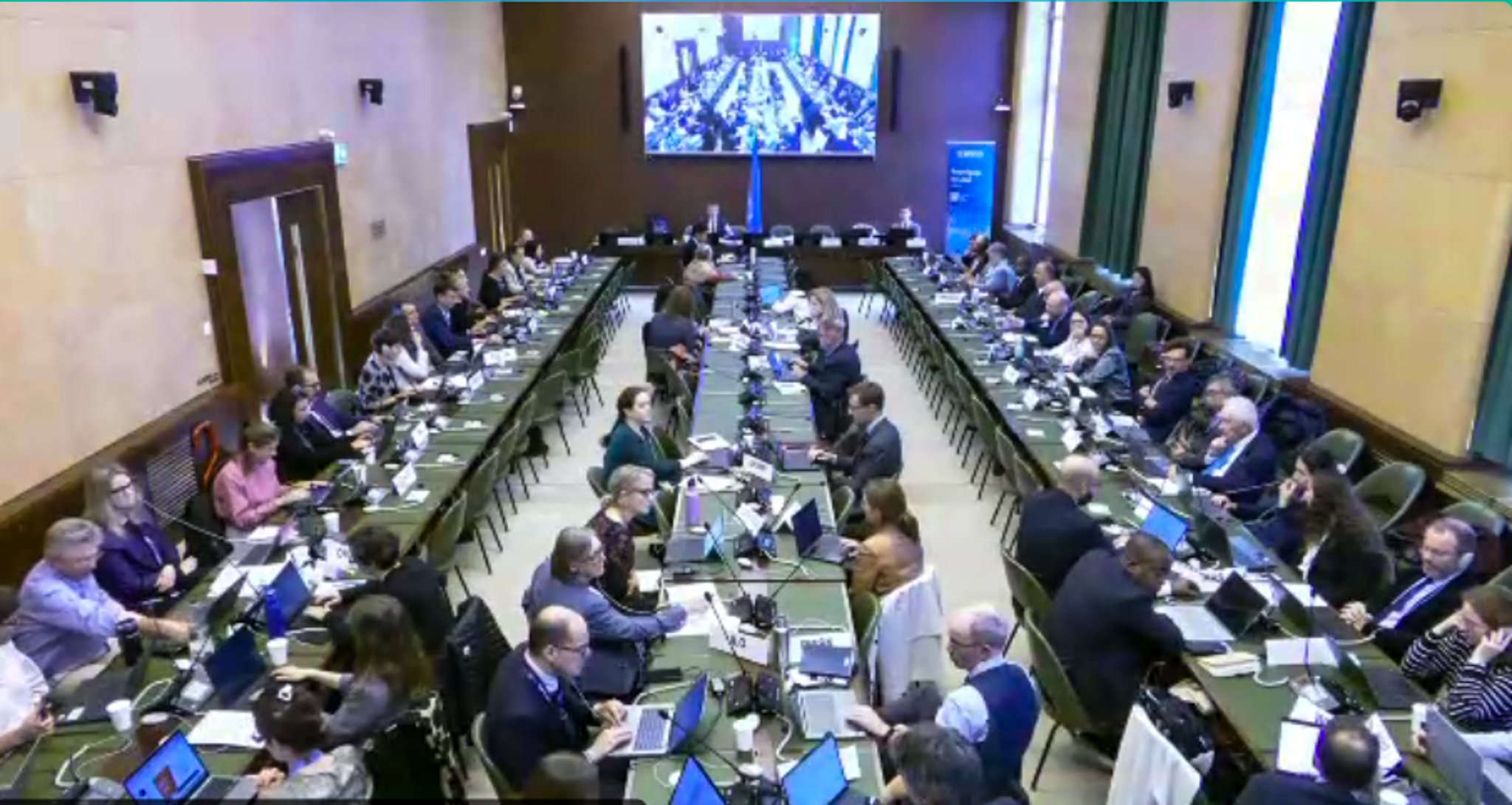
View of the meeting room
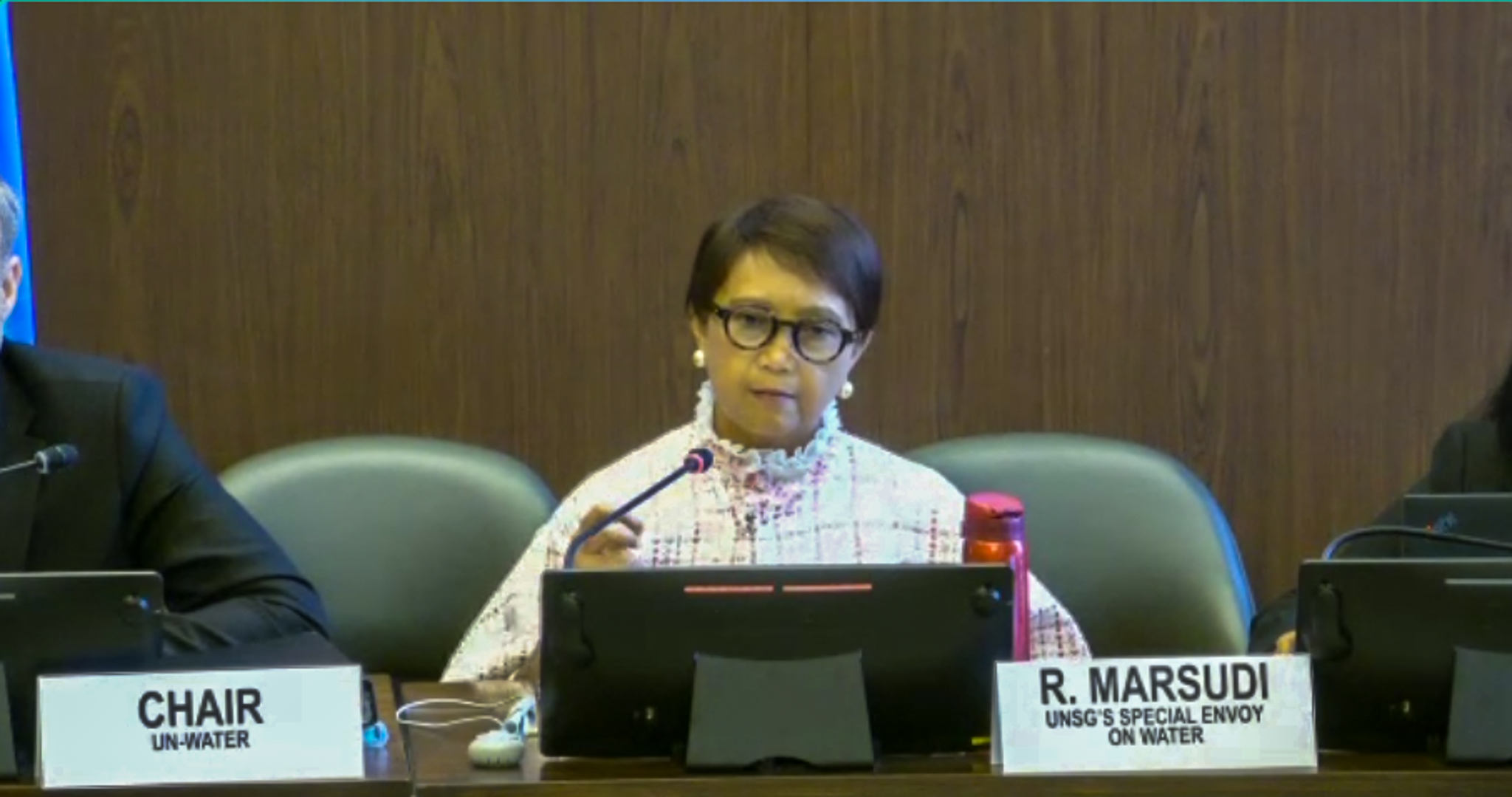
Retno Marsudi, Special Envoy on Water
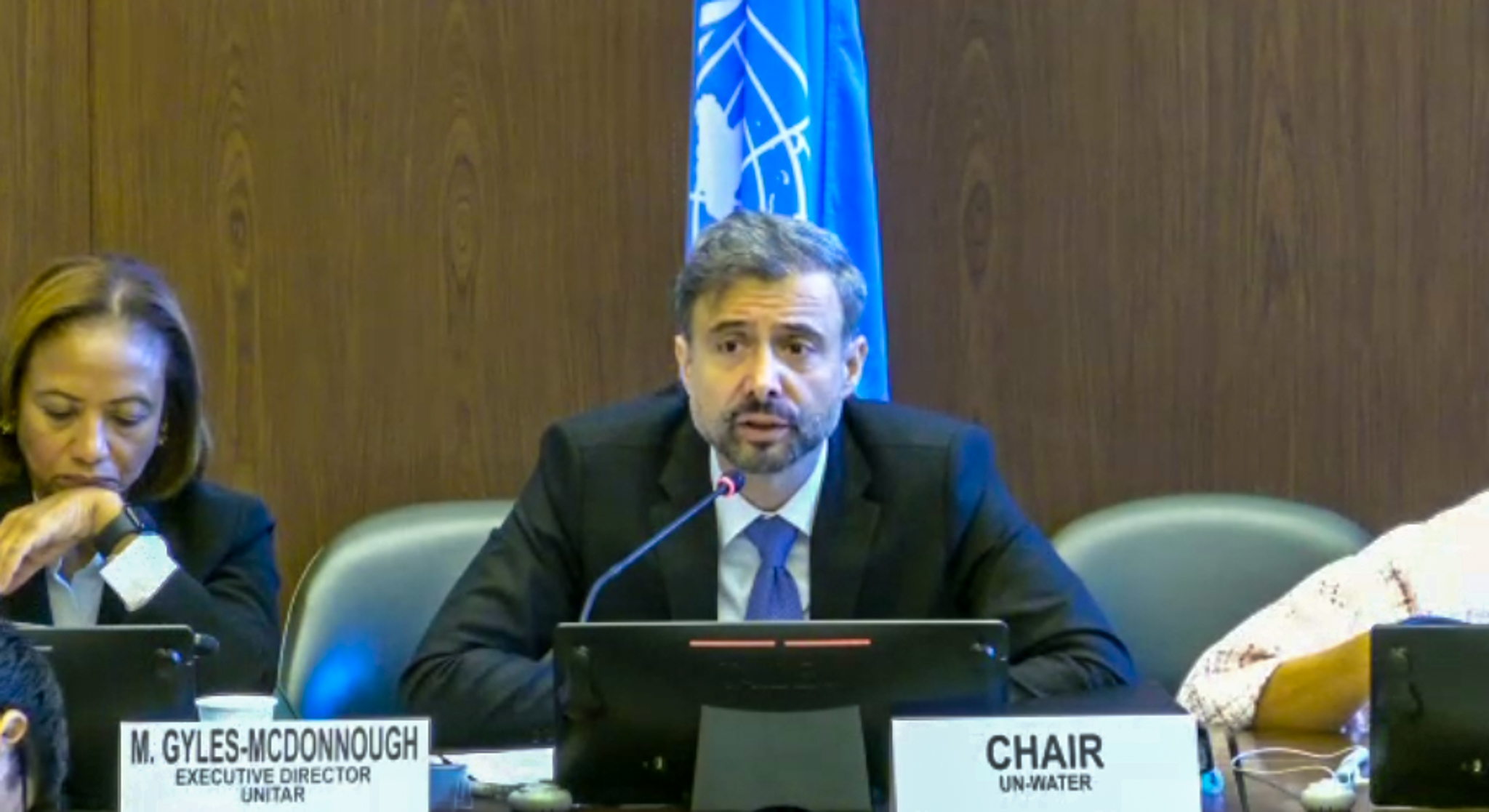
(L-R) Michelle Gyles-McDonnough, Executive Director, UN Institute for Training and Research (UNITAR) and Alvaro Lario, UN-Water Chair
