
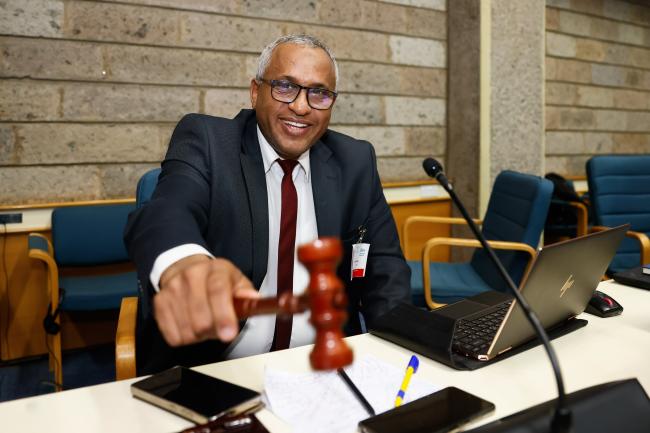
The resources needed to feed artificial intelligence (AI) data centers, alongside their social and environmental implications, were high on the agenda on the last day of the ministerial segment of the 20th Ordinary Session of the African Ministerial Conference on the Environment (AMCEN-20). Closely related was a discussion of the continent’s cache of critical minerals, essential for the global transition towards clean energy and for powering digital technologies.
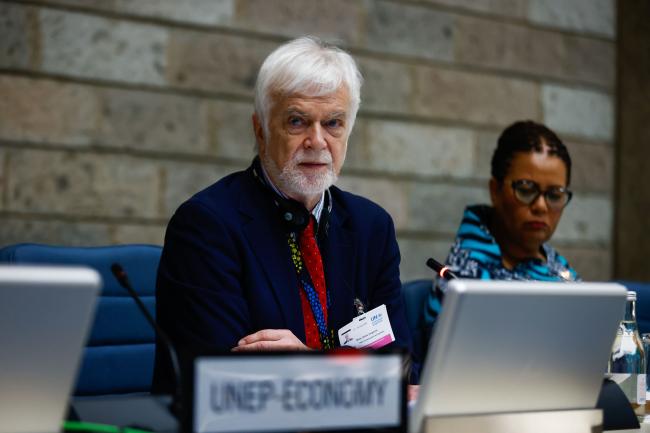
First, delegates engaged in a ministerial dialogue specifically addressing the role of sustainable digital technologies, AI, and early warning systems and assessments for environmental sustainability in Africa. Delegates heard from panelists about the role of AI and digital technologies in addressing climate change and biodiversity loss, with strong calls for local data to inform AI analysis in order to deploy local solutions.
There were calls for caution in the use of AI, with some noting that without local, context-specific data, AI analyses could exhibit harmful biases, thereby perpetuating misinformation and disinformation. Also under discussion was how best to deploy AI and new digital tools in early warning systems to support countries to forecast extreme climate events, better manage wildlife, and map their minerals and other resources.
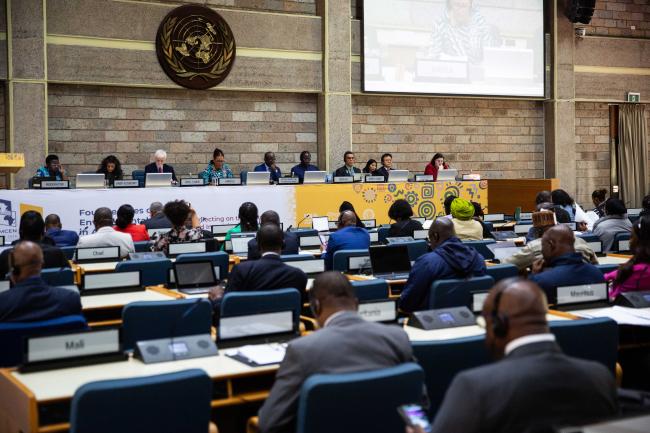
During the final ministerial dialogue on minerals critical for the energy transition in Africa, panelists underlined the key role of Africa’s minerals in the global energy transition. Several delegations lamented that Africa has borne the brunt of the unsustainable extraction of key minerals, which has left behind poverty, disease, and war. They called for clear measures to ensure sustainable extractive practices, with many sharing national measures and international standards to ensure the mining industry adheres to environmental rules and regulations and guarantees social protections. Some countries called on development partners and the private sector to provide financing to support sustainable mining practices, with others preferring homegrown solutions to address these challenges.

The Conference adopted an omnibus decision and ten additional decisions on, among others:
- ocean governance;
- strengthening chemicals and waste governance;
- Africa’s participation at the upcoming meetings of the Conferences of the Parties (COPs) to the Convention on International Trade in Wild Species of Fauna and Flora (CITES), the Ramsar Convention, and the Minamata Convention, as well as the upcoming session of the UN Environment Assembly (UNEA);
- climate change;
- the draft protocol on drought;
- biodiversity; and
- AMCEN’s priorities in the period 2025-2027.
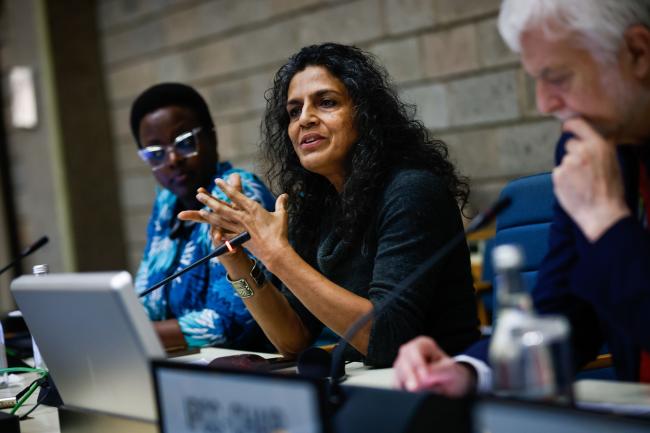
Participants also considered the Tripoli Declaration on Environmental Action in Africa, debating whether to convene an extraordinary session of AMCEN just prior to the second Africa Climate Summit to be held in Addis Ababa, Ethiopia, in early September 2025. Delegates ultimately agreed to hold a high-level meeting of environment ministers on the first day of the Summit, and adopted the Declaration as amended.
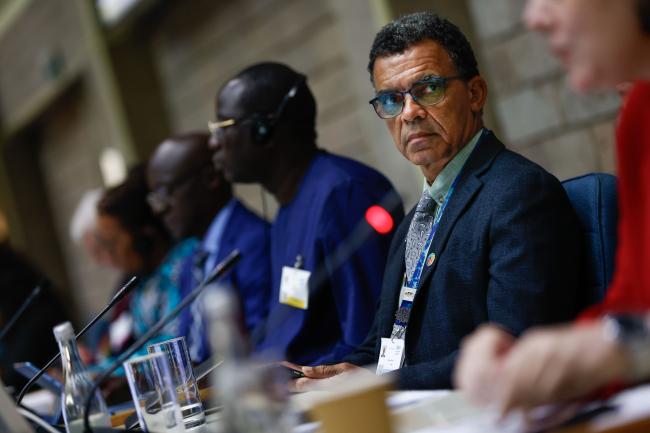
In her closing remarks, Elizabeth Maruma Mrema, Deputy Executive Director, UN Environment Programme, congratulated delegates on ending the meeting on a positive note, and thanked the technical experts for their work on negotiating the 11 decisions adopted by ministers. Noting that “we now have a marching order” for Africa’s priorities for the environment in the biennium ahead, she concluded by welcoming ministers back to Nairobi for UNEA-7 in December 2025.
AMCEN-20 President Ibrahim Munir, Minister of Environment, Libya, closed the meeting at 7:40 pm.
On Friday, delegates will convene in a high-level special session to commemorate AMCEN@40.
To receive free coverage of global environmental events delivered to your inbox, subscribe to the ENB Update newsletter.
All ENB photos are free to use with attribution. For the 20th Ordinary Session of the African Ministerial Conference on the Environment (AMCEN-20) meeting, please use: Photo by IISD/ENB | Natalia Mroz/ Danny Skilton
Ministerial Dialogues
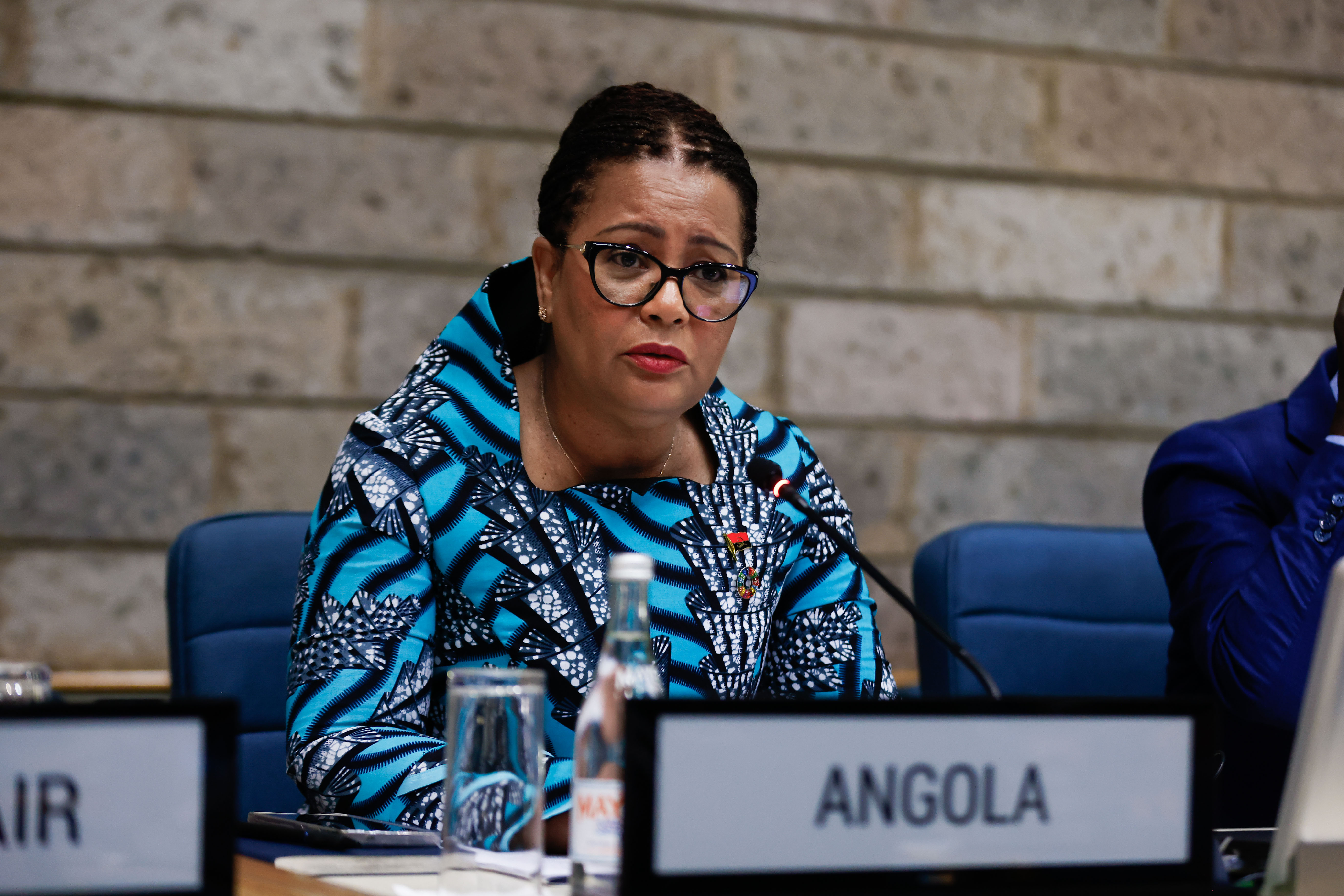
Ana Paula Chantre Luna de Carvalho, Minister of Environment, Angola

Daouda Ngom, Minister of Environment and Ecological Transition, Senegal
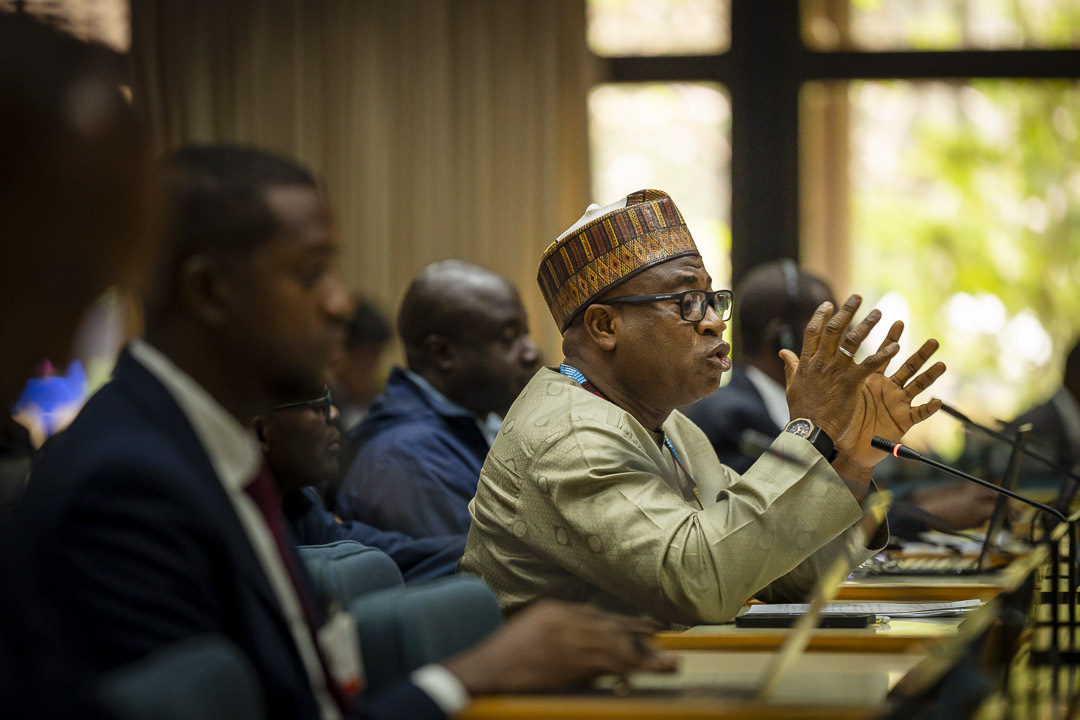
Ibrahim Murtala Muhammed, Minister of Environment, Science, Technology and Innovation, Ghana
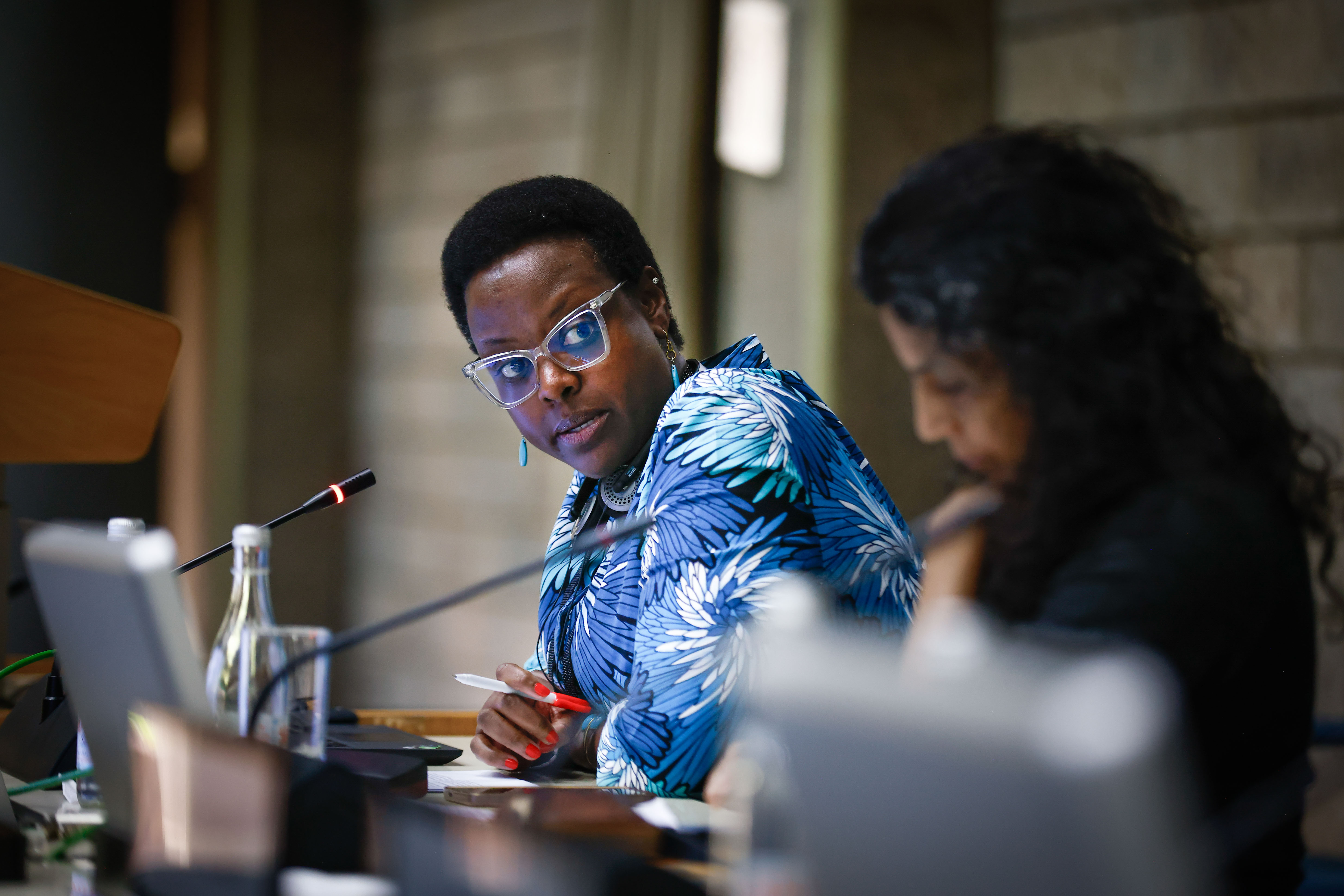
Keishamaza Rukikaire, Global Head of News and Media, UNEP
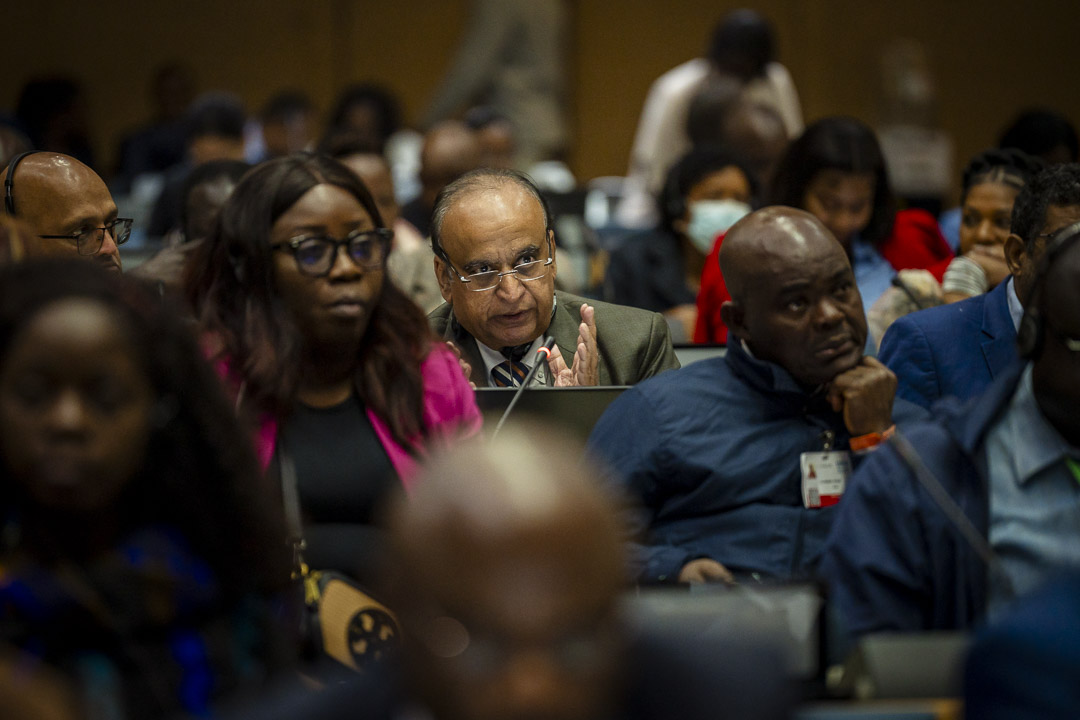
Narsinghen Hambyrajen, Junior Minister of Foreign Affairs, Regional Integration and International Trade, Mauritius
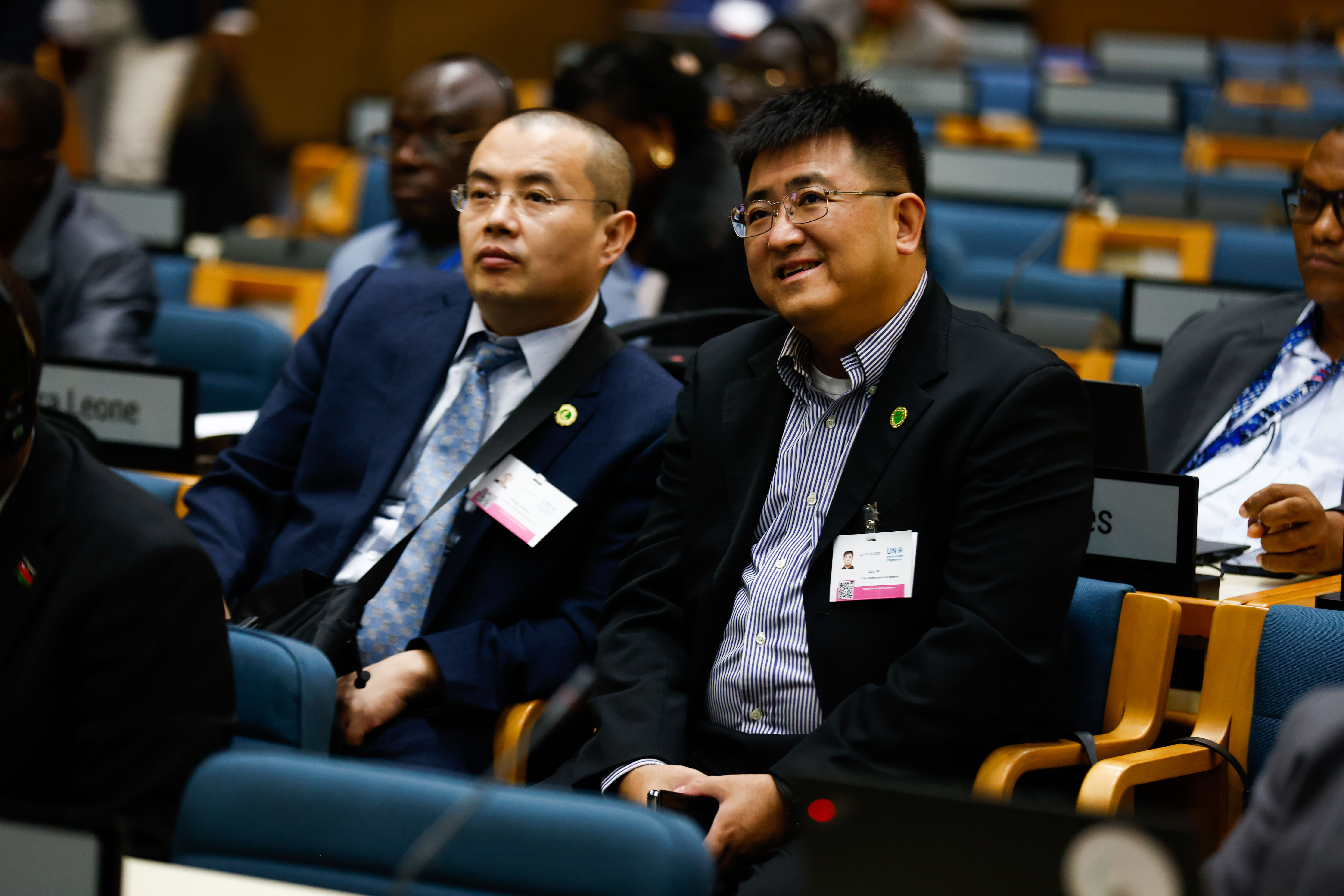
Delegates listen to panelist presentations.
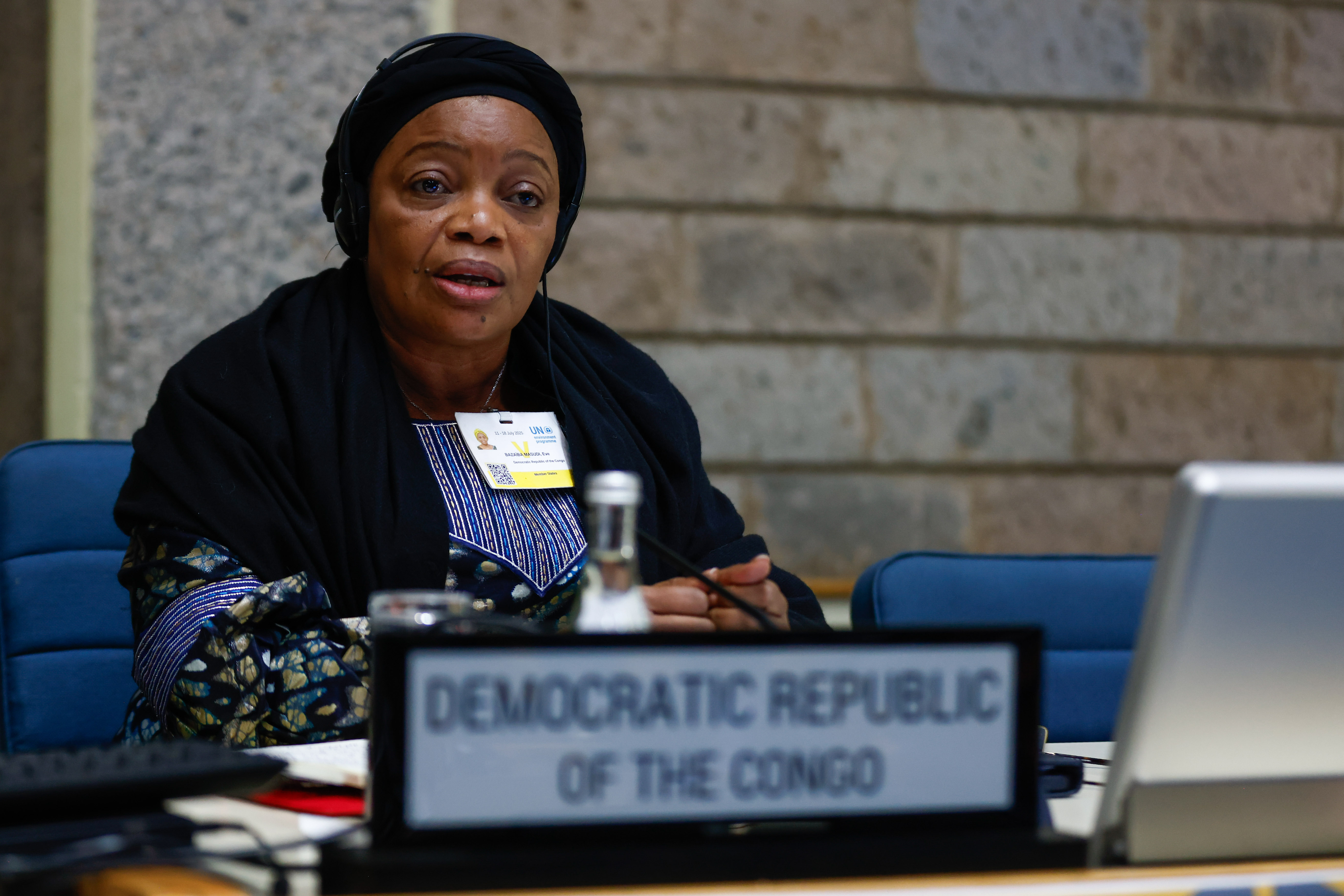
Ève Bazaiba Masudi, Deputy Prime Minister and Minister of Environment and Sustainable Development, Democratic Republic of the Congo

Sabrina Ejore, Namibia
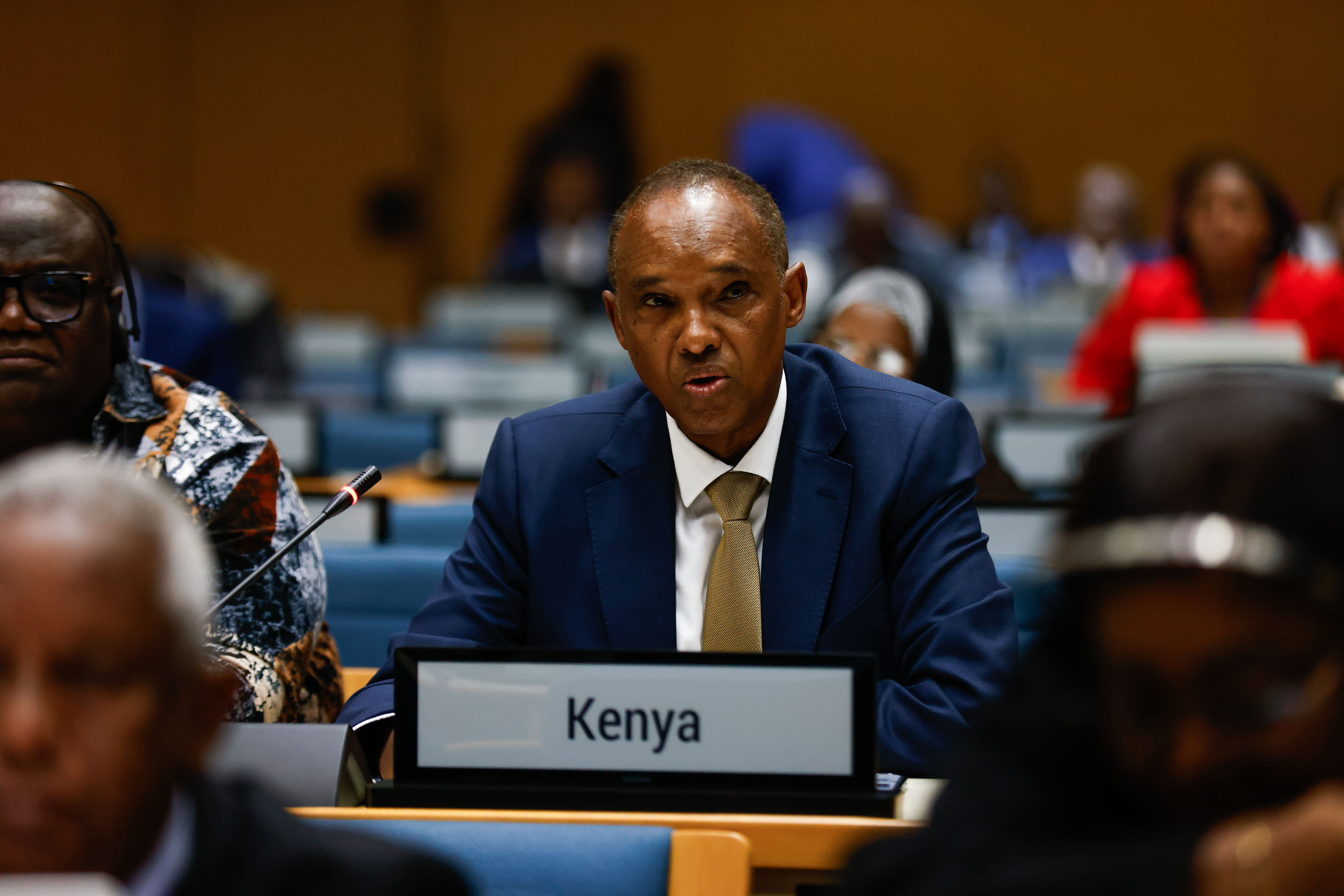
Ali Mohamed, Special Envoy on Climate, Kenya
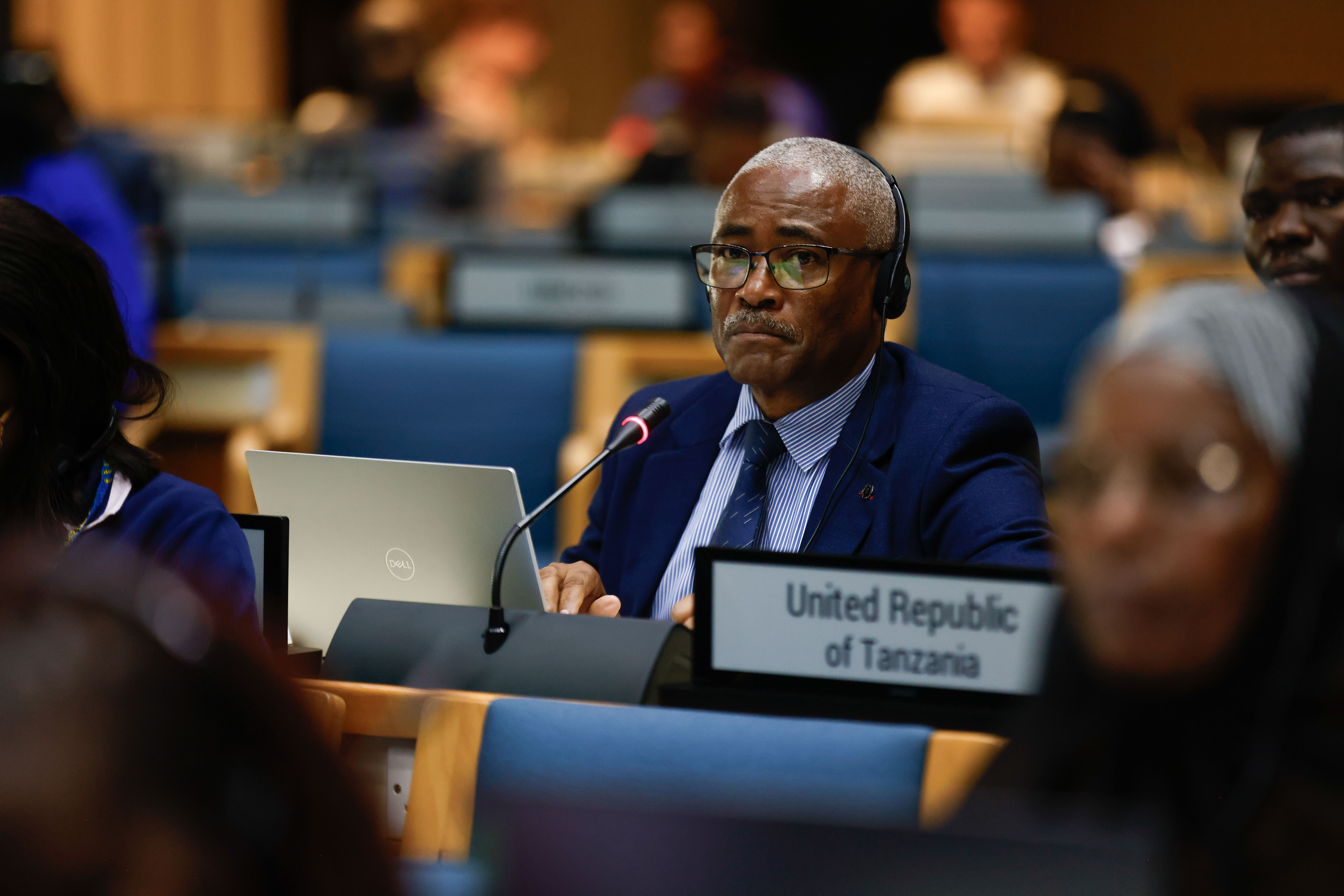
Peter Lawrence Msoffe, Tanzania
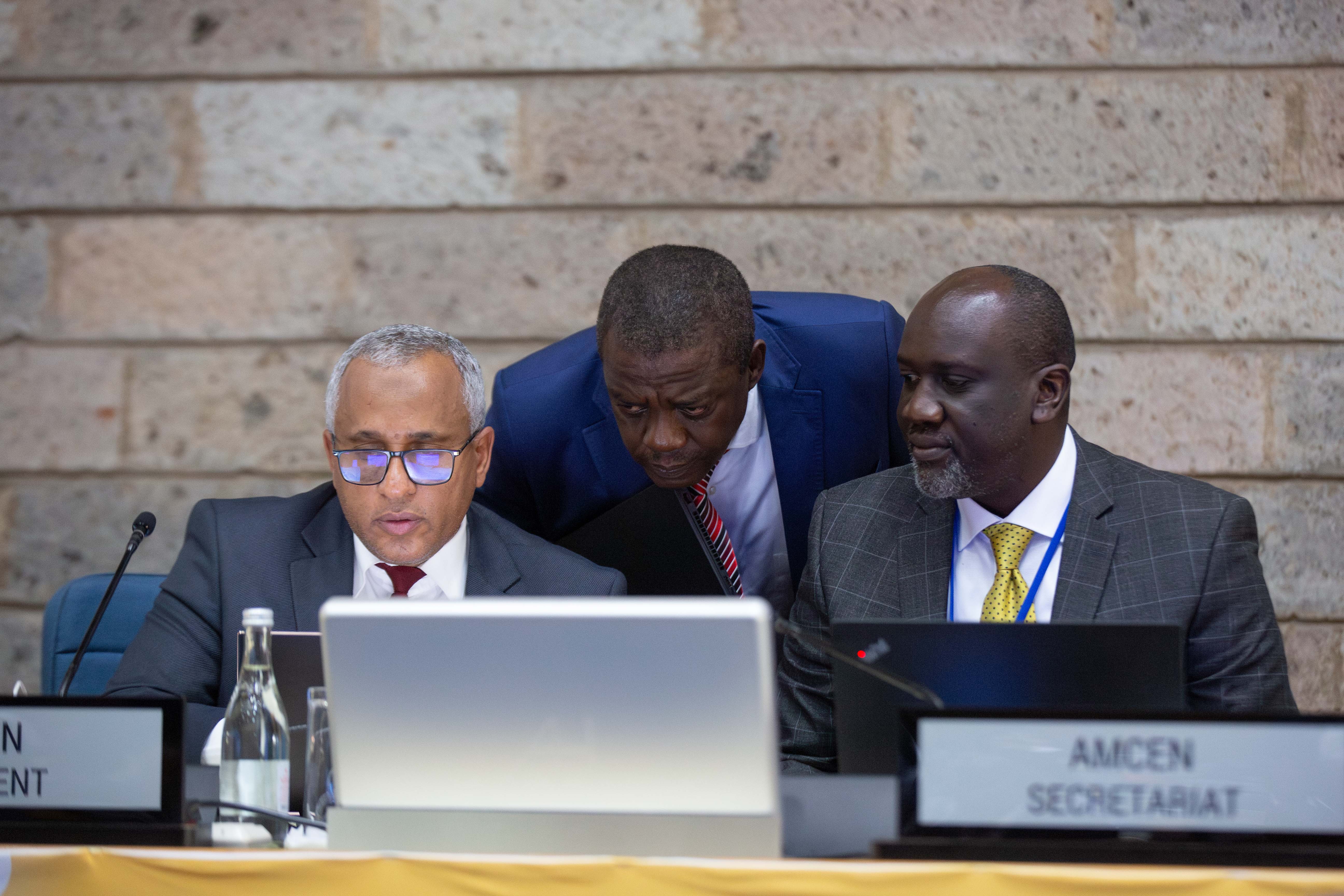
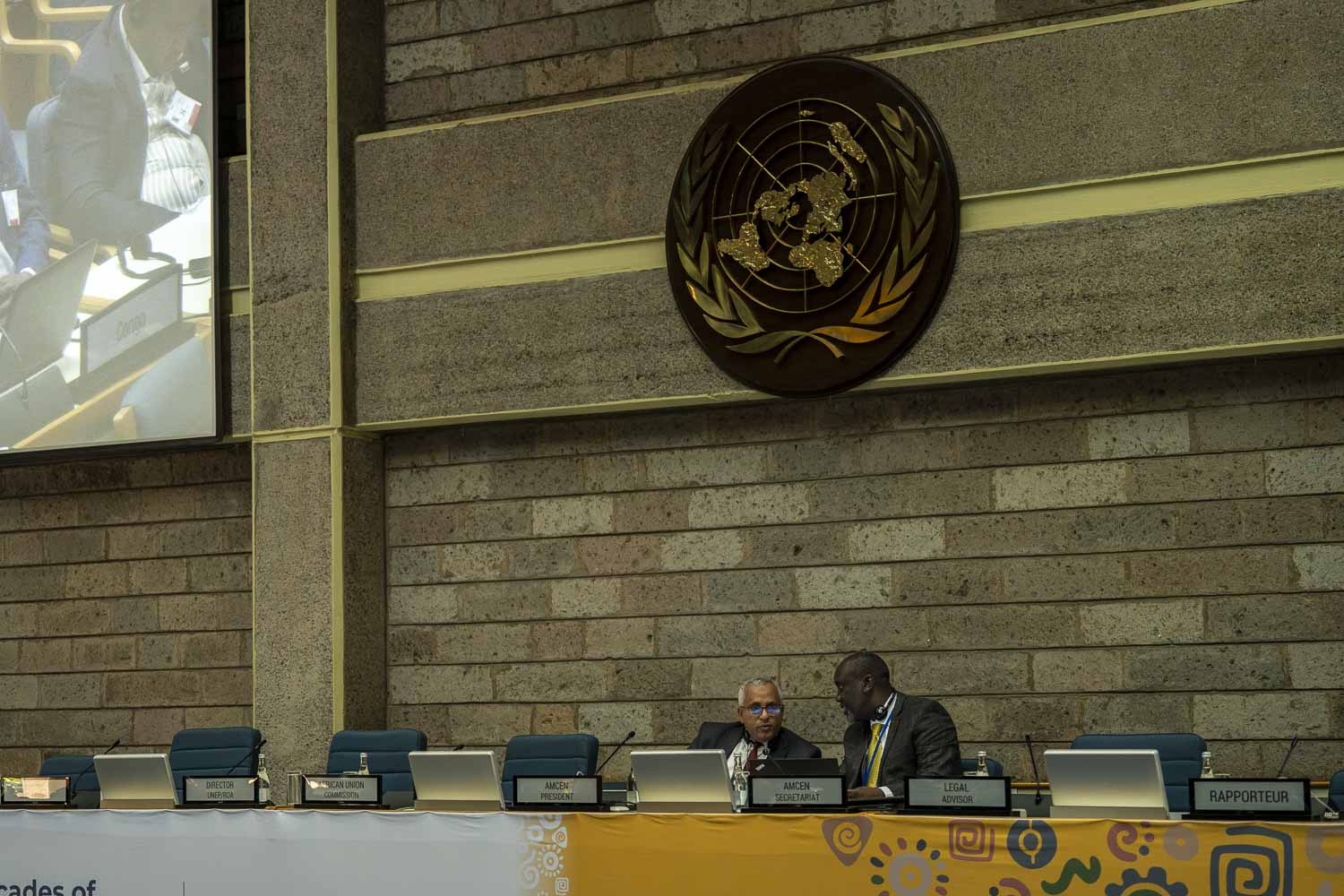
Ibrahim Munir, Minister of Environment, Libya, and AMCEN-20 President, Robert Wabunoha, AMCEN Secretariat, and Allan Meso, AMCEN Secretariat
Ministerial Segment
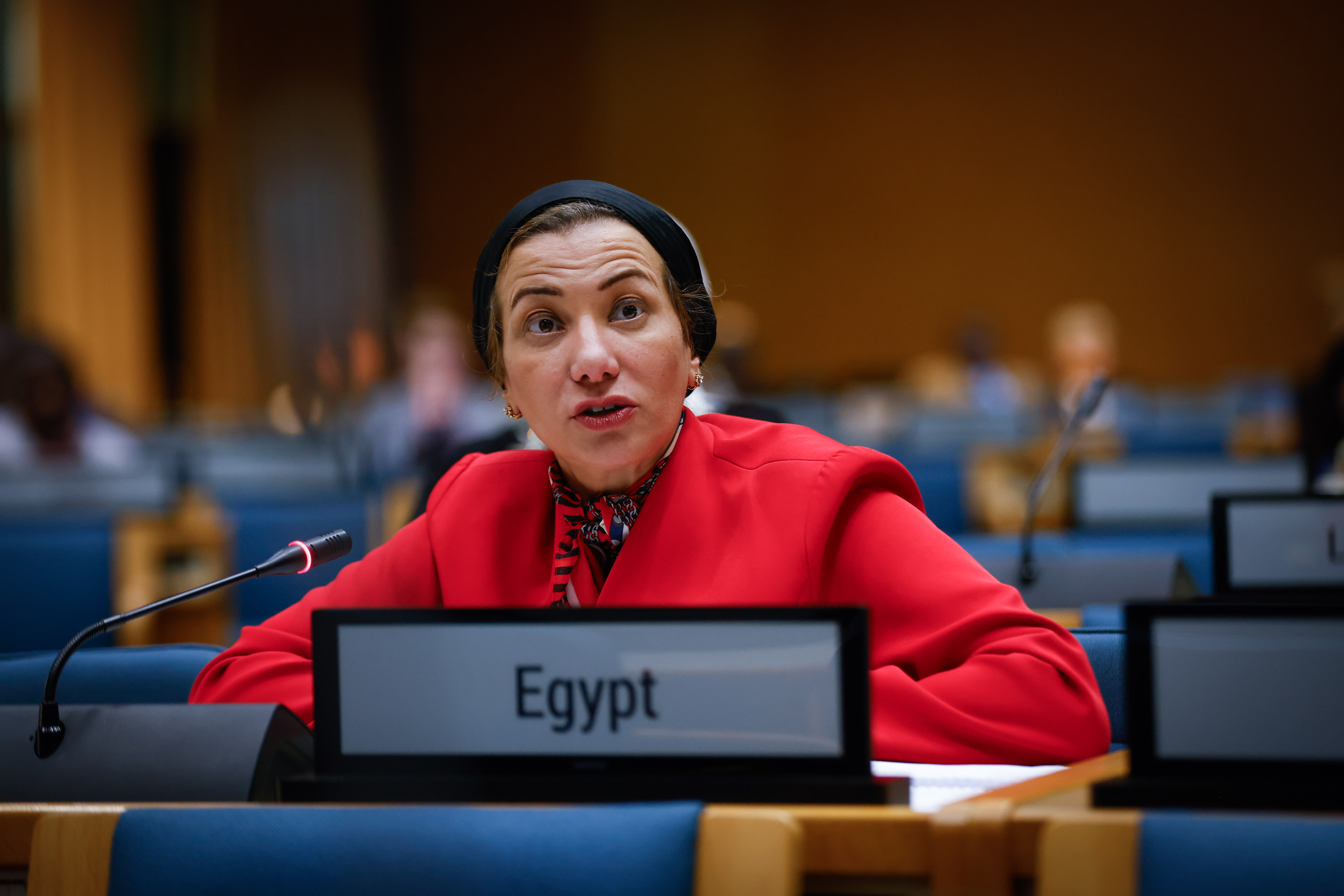
Yasmine Fouad, Minister of Environment, Egypt, and incoming Executive Secretary, UNCCD
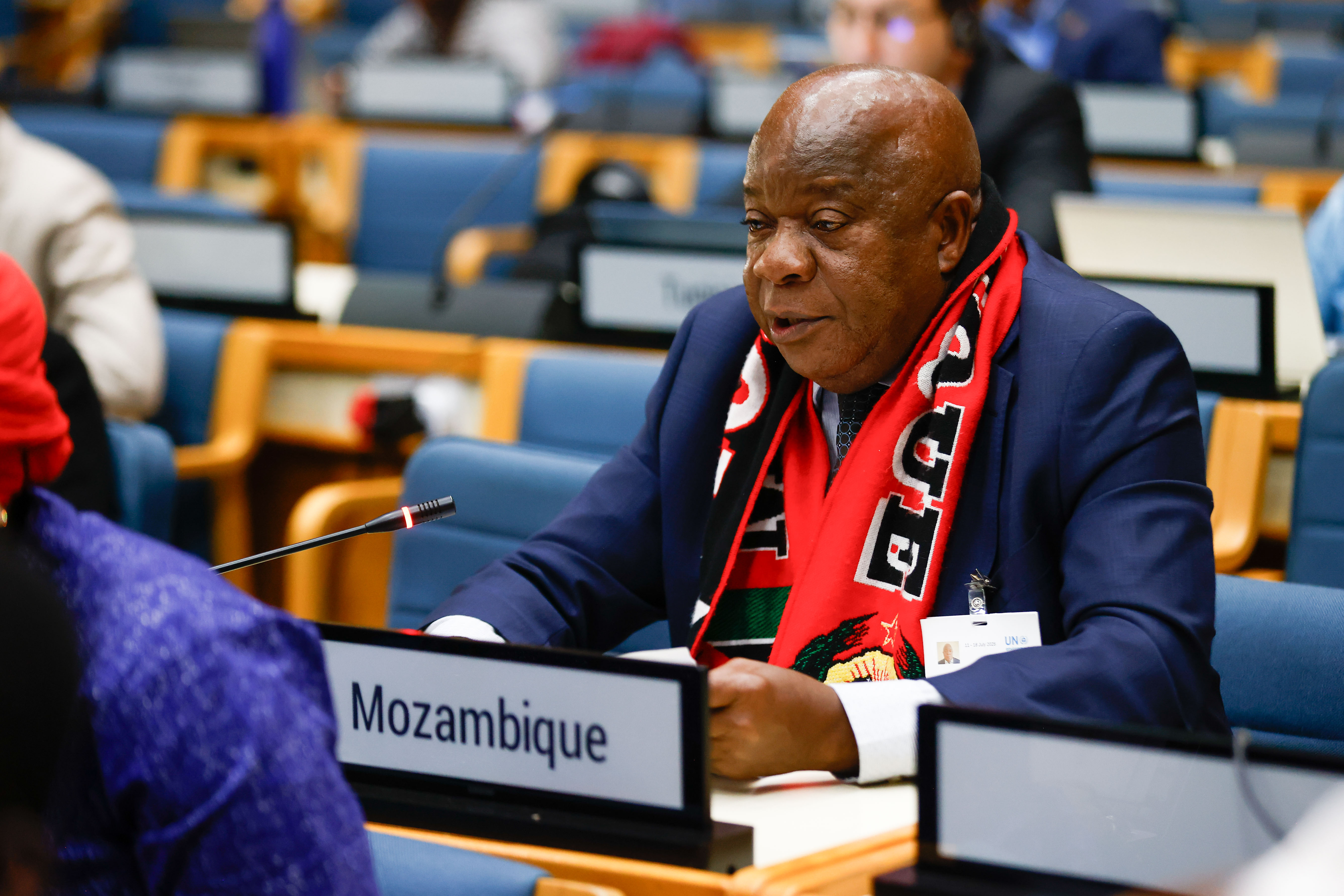
Jeronimo Chivavi, Mozambique, speaking for the African Group in Nairobi
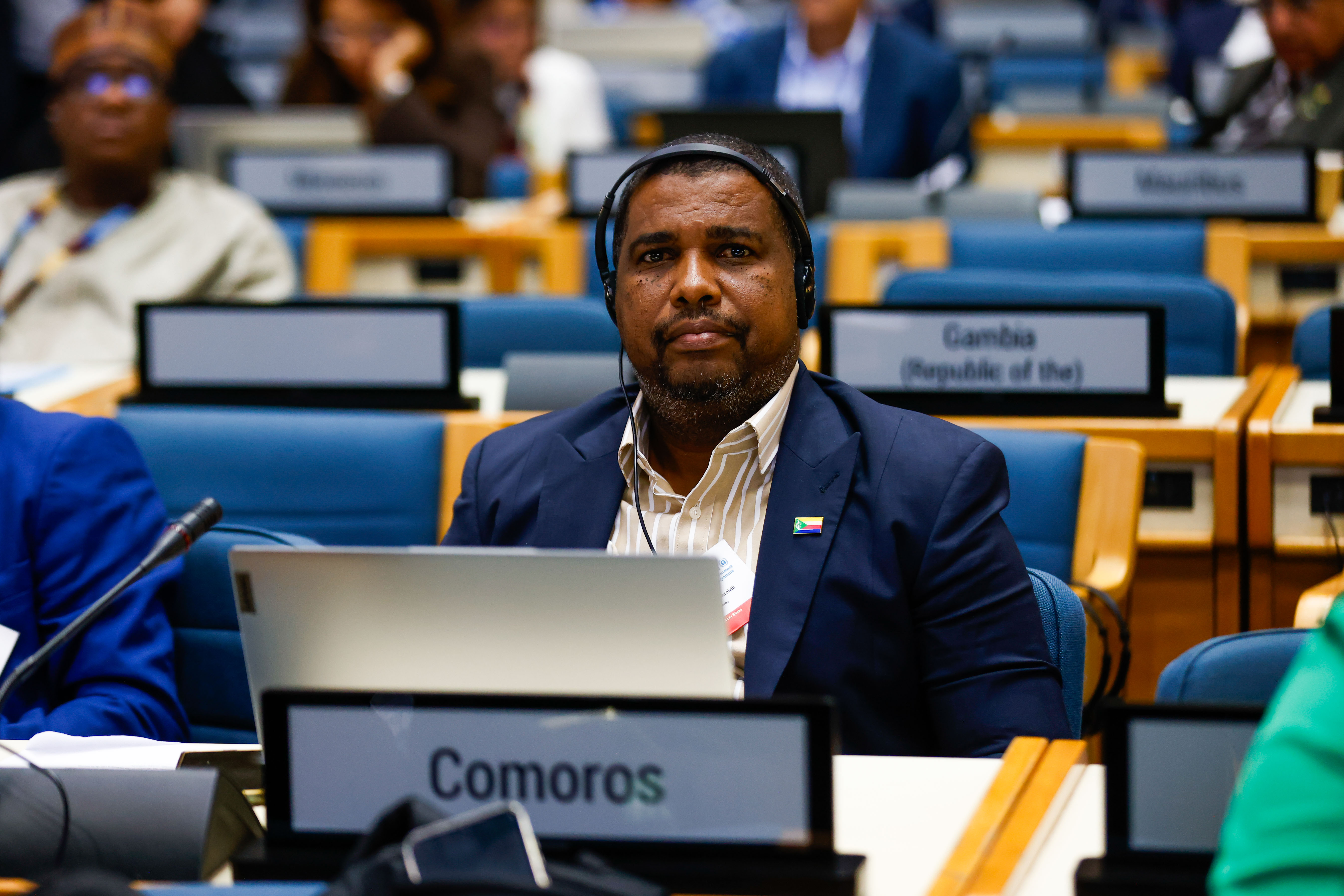
Abdourahamani Ali Mroivili, Comoros
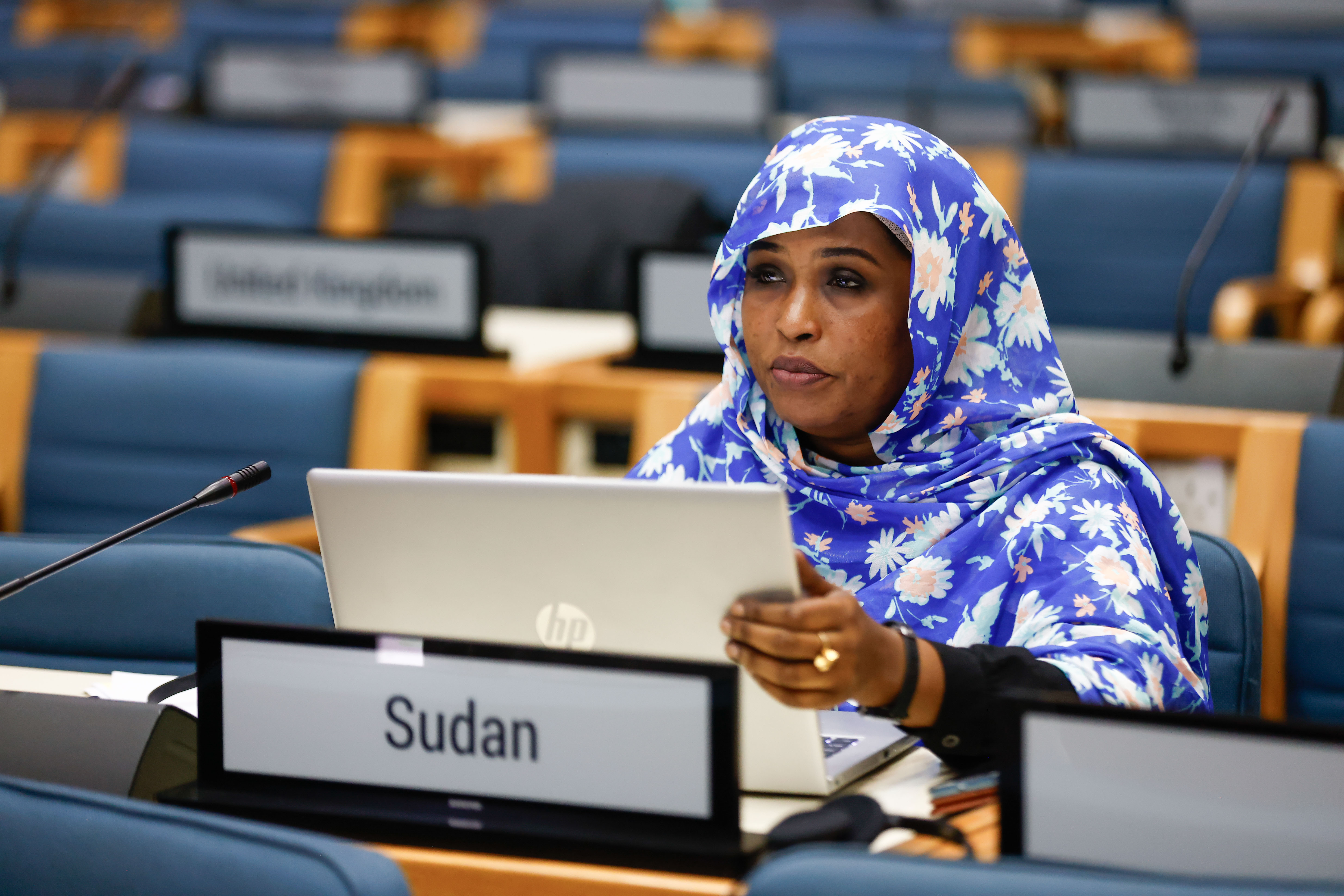
Rasha Yousif, Sudan
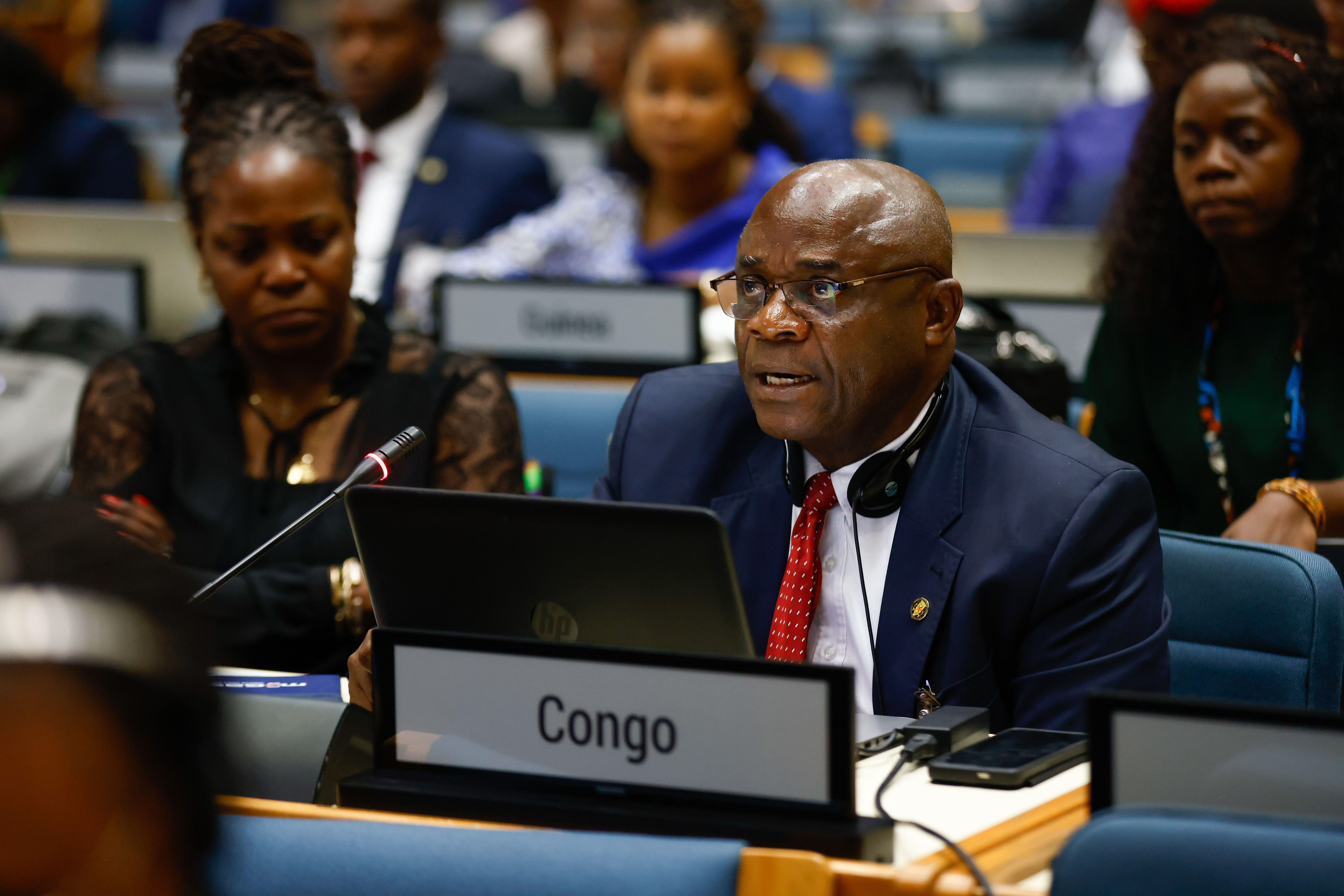
Jean Kegnolot, Congo
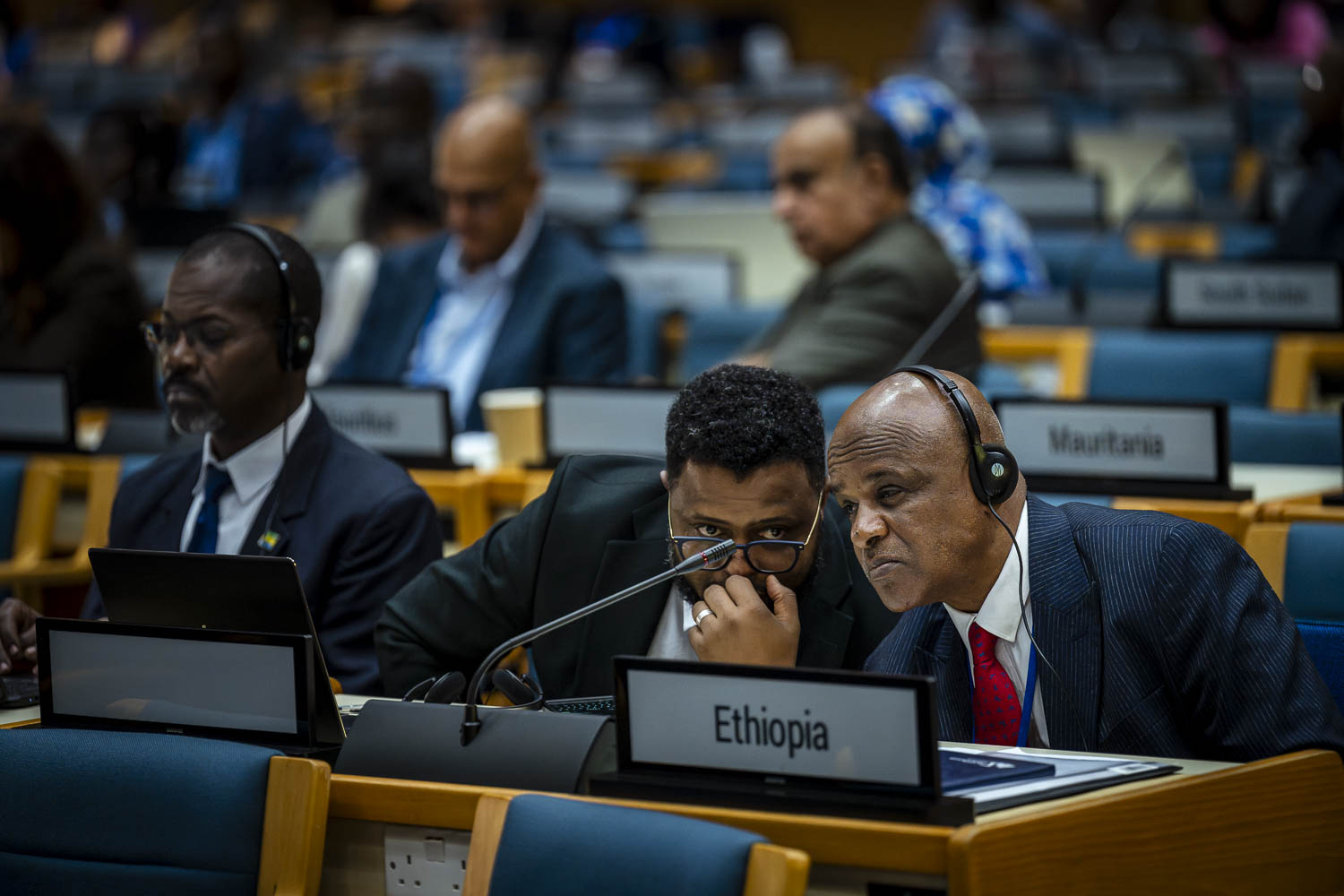
Segnie Feyissa and Demeke Atnafu, Ethiopia
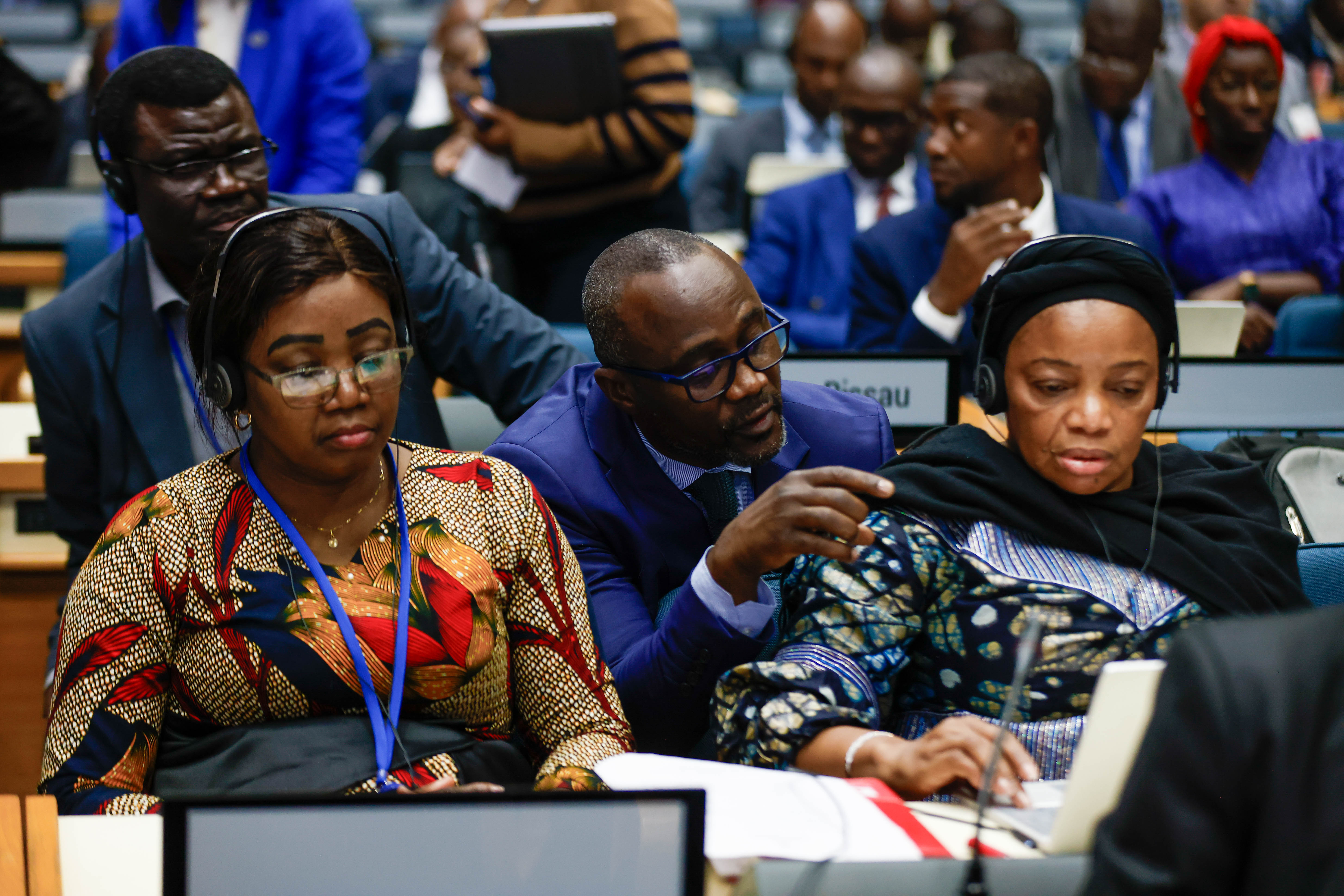

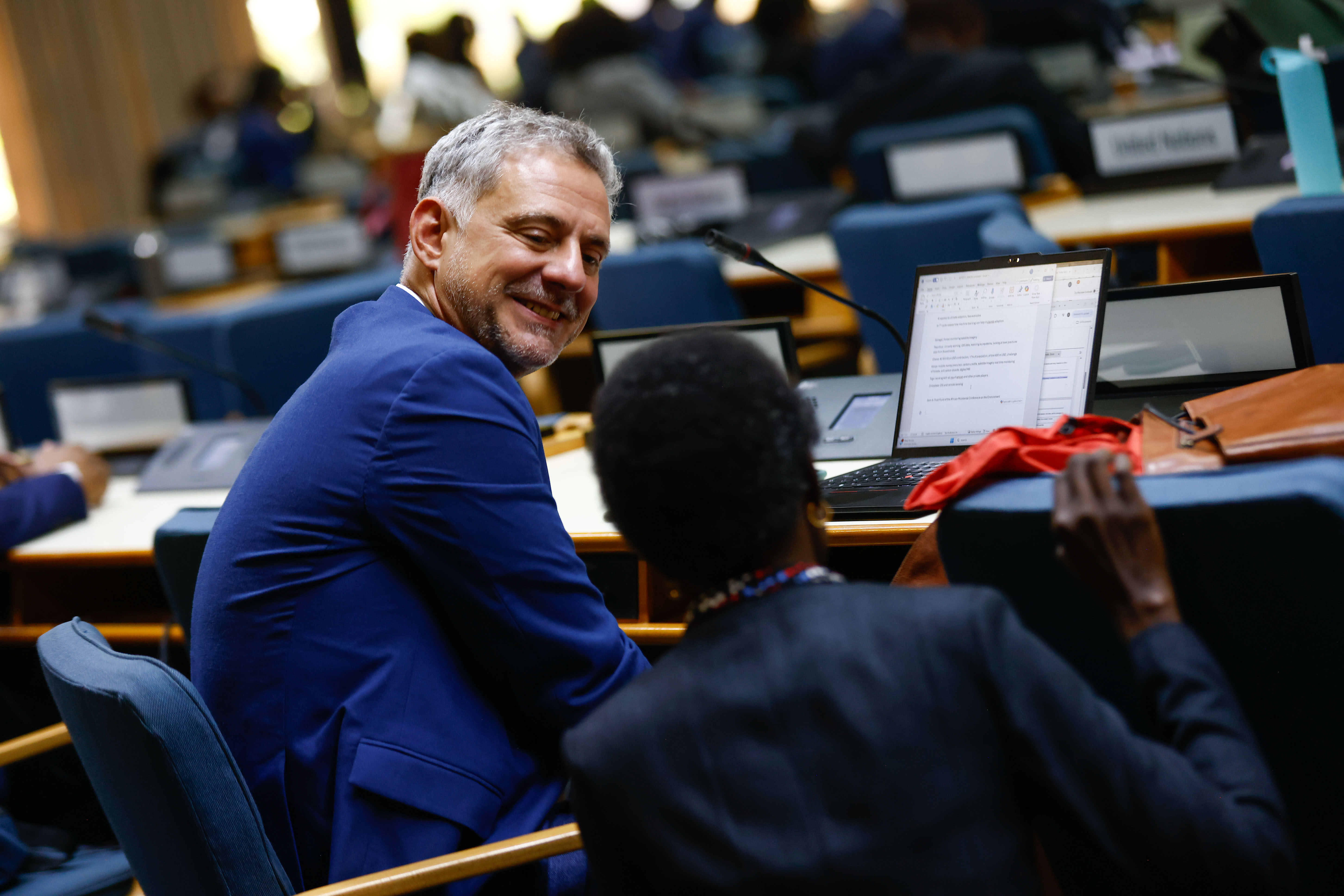
Between Sessions

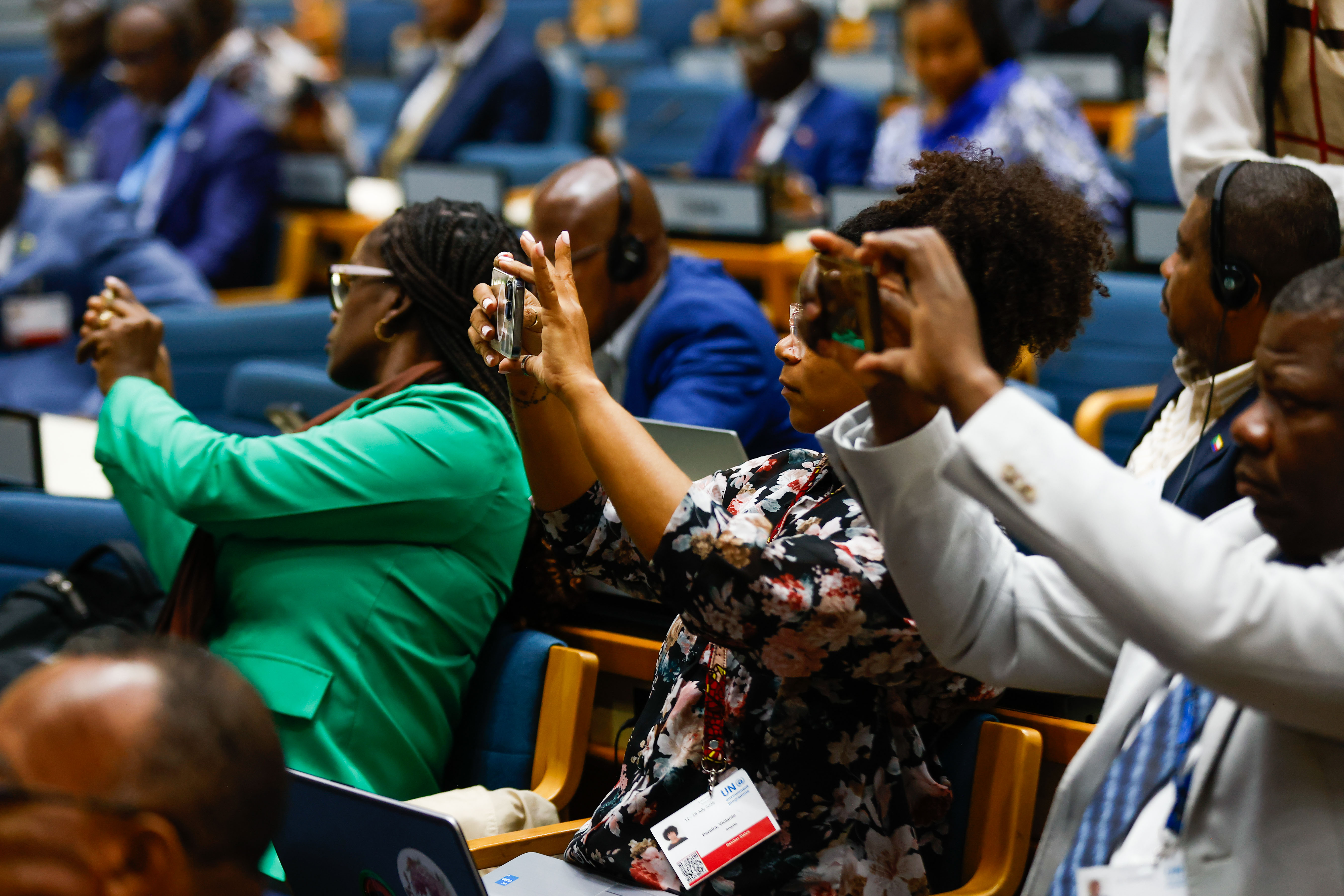
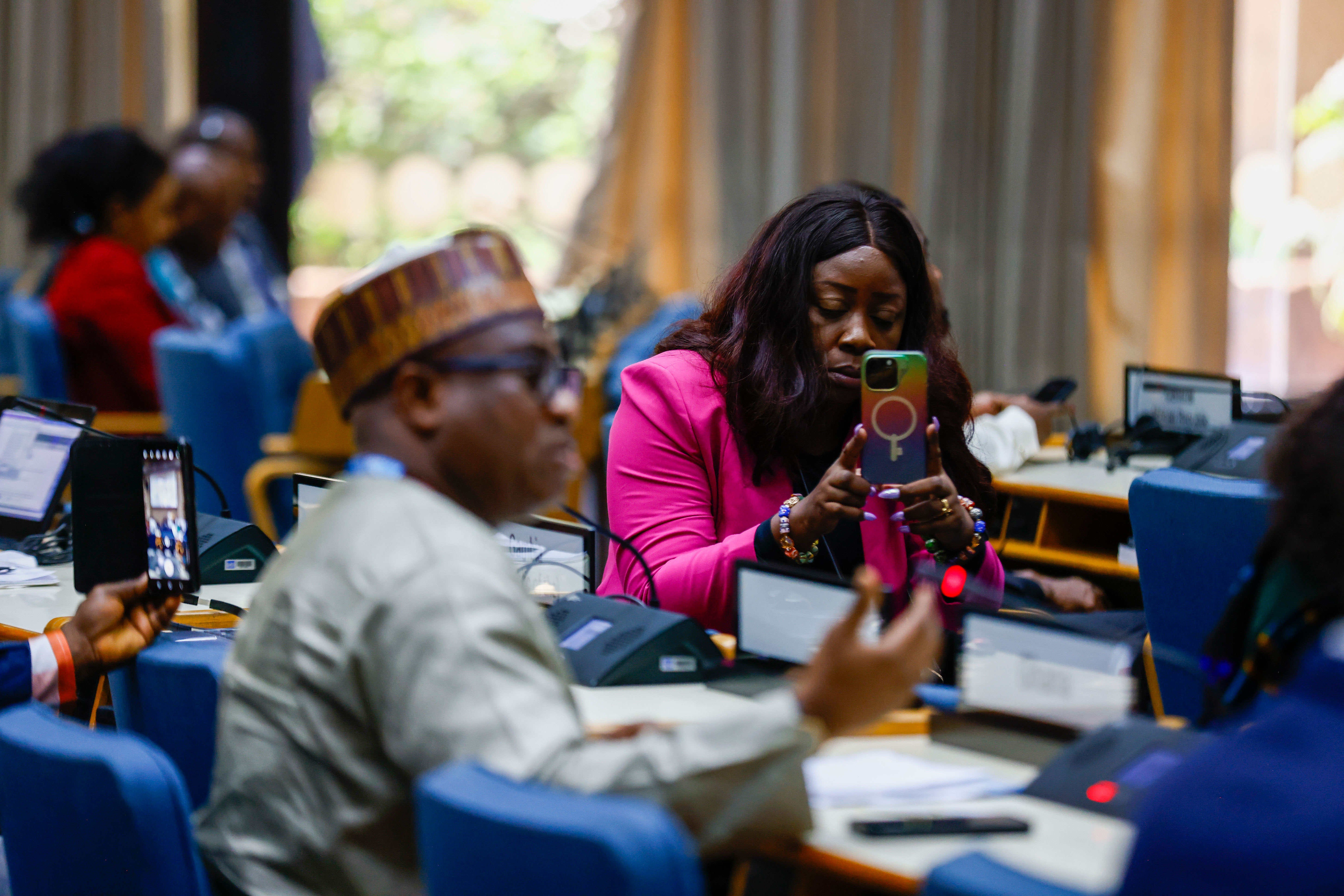
Delegates take a selfie.
Delegations at AMCEN
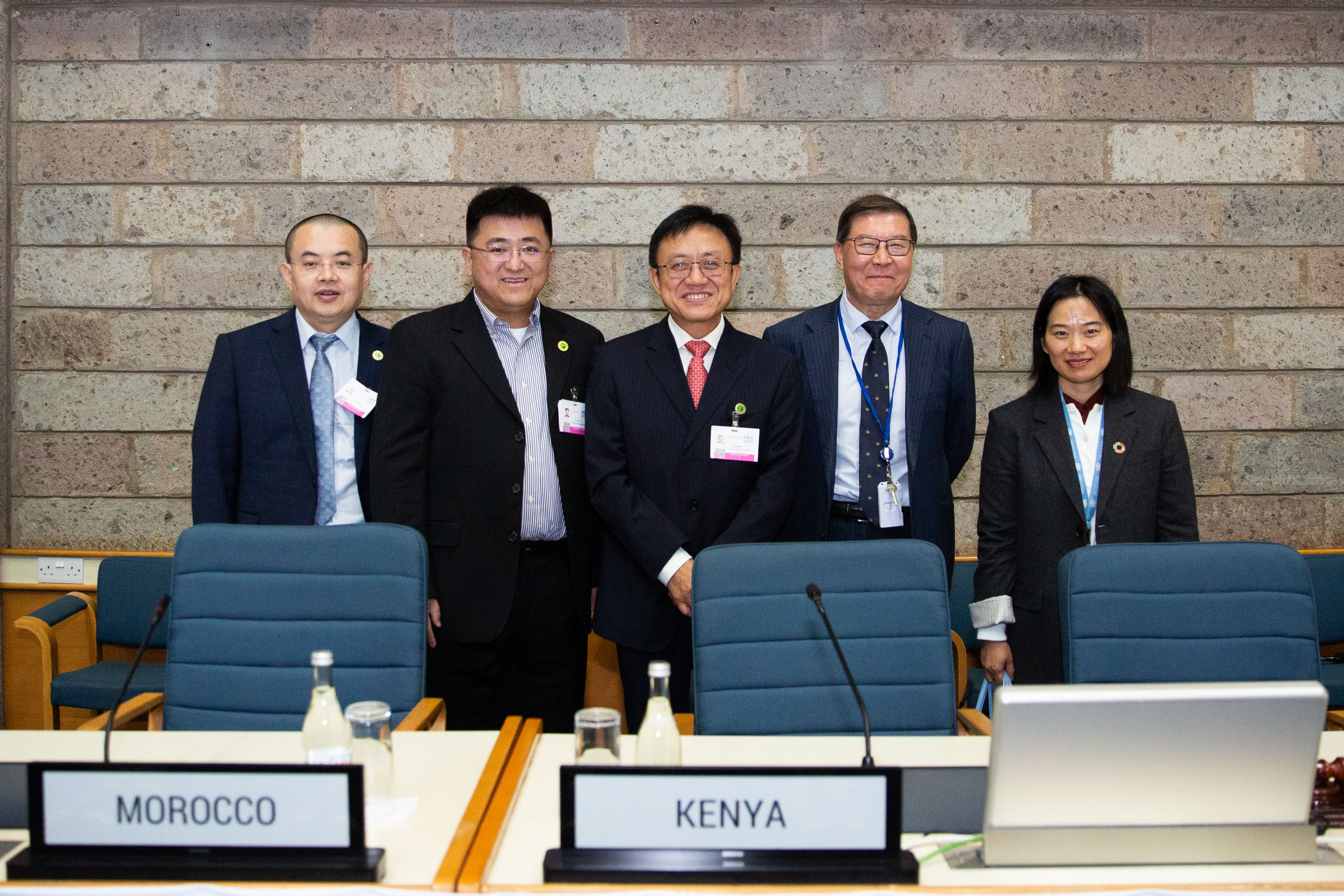
UNEP and partners working on the Early Warning for Environment Initiative.
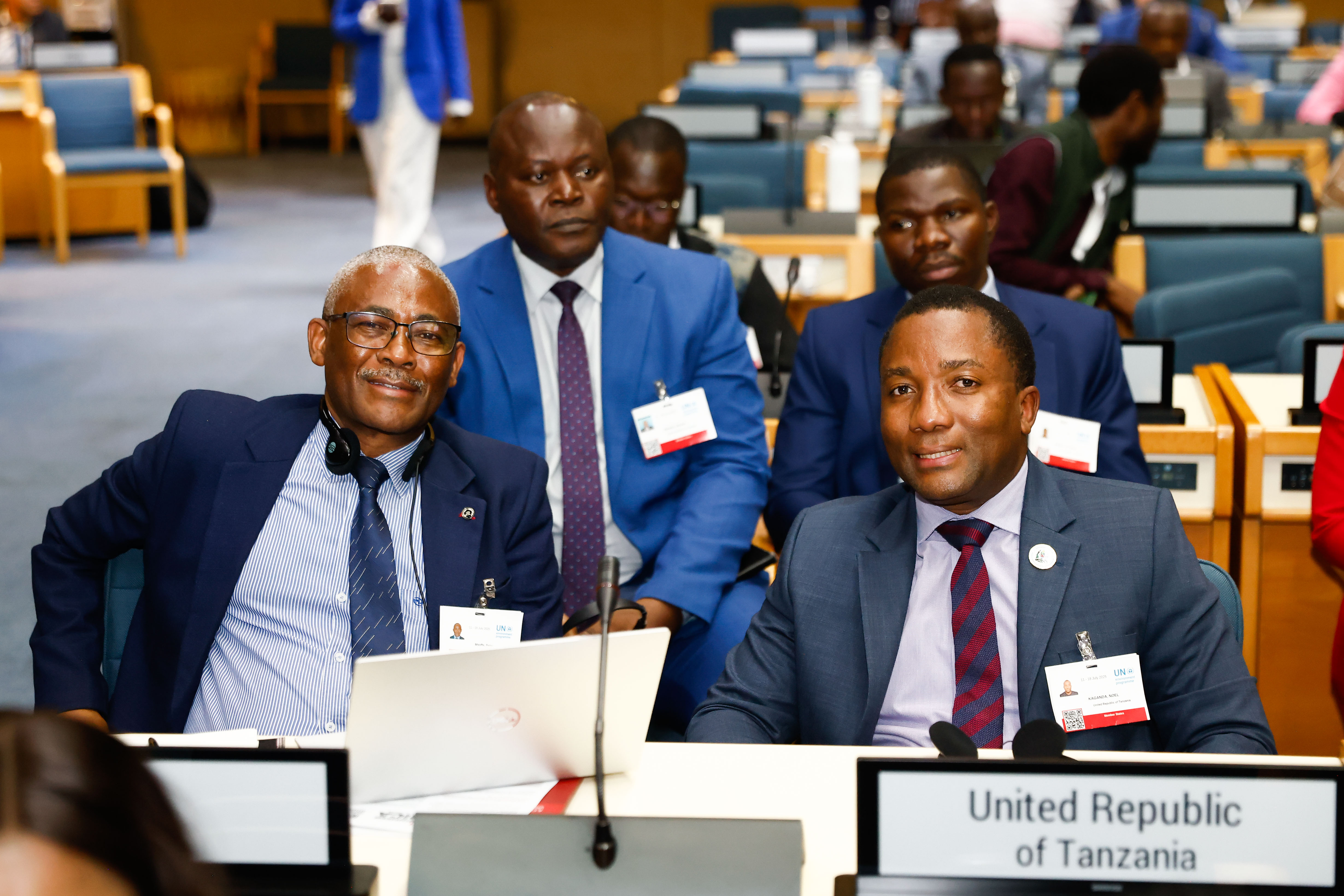
Tanzania delegation
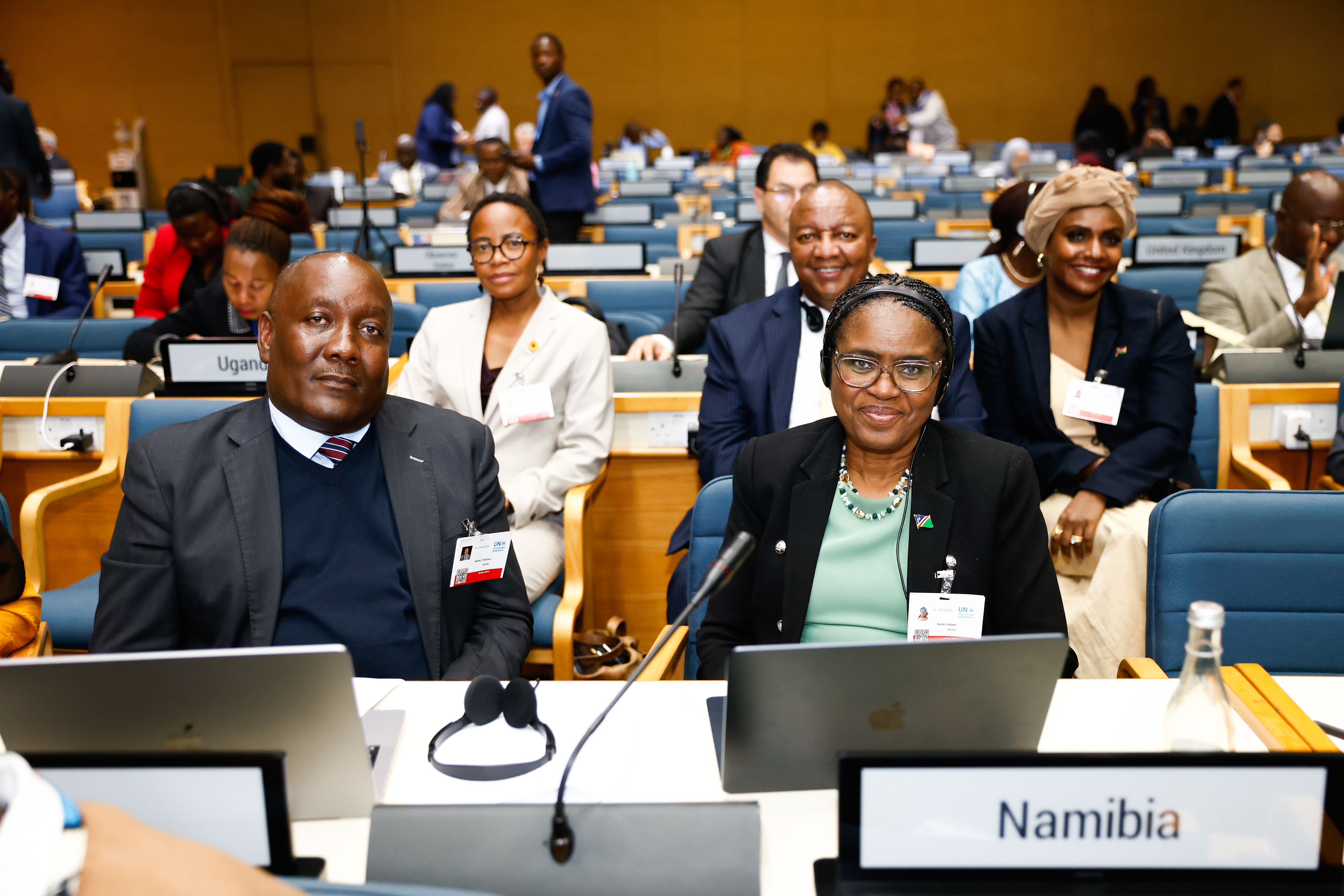
Namibia delegation
Around the Venue
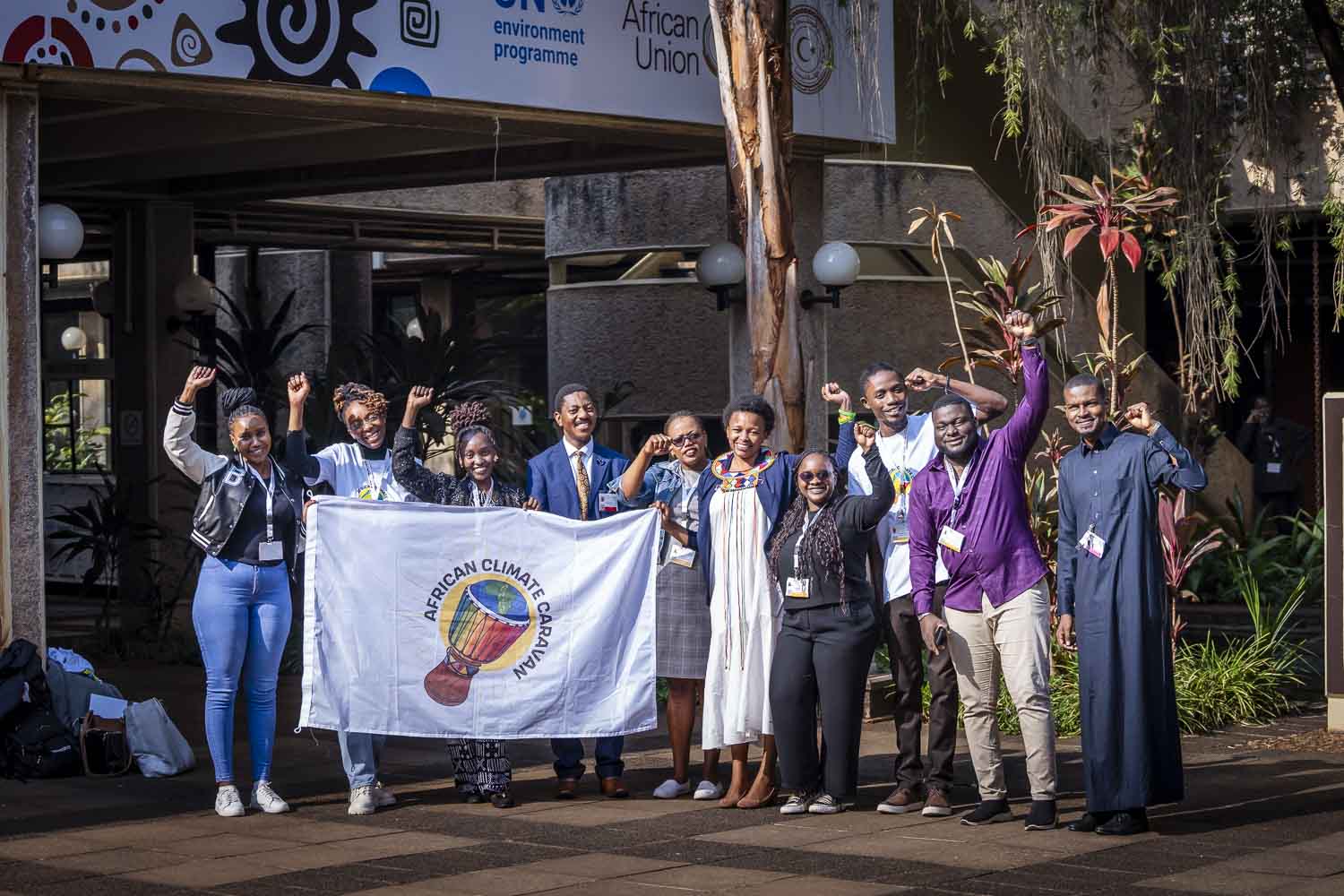
Africa Climate Caravan poses for a photo.
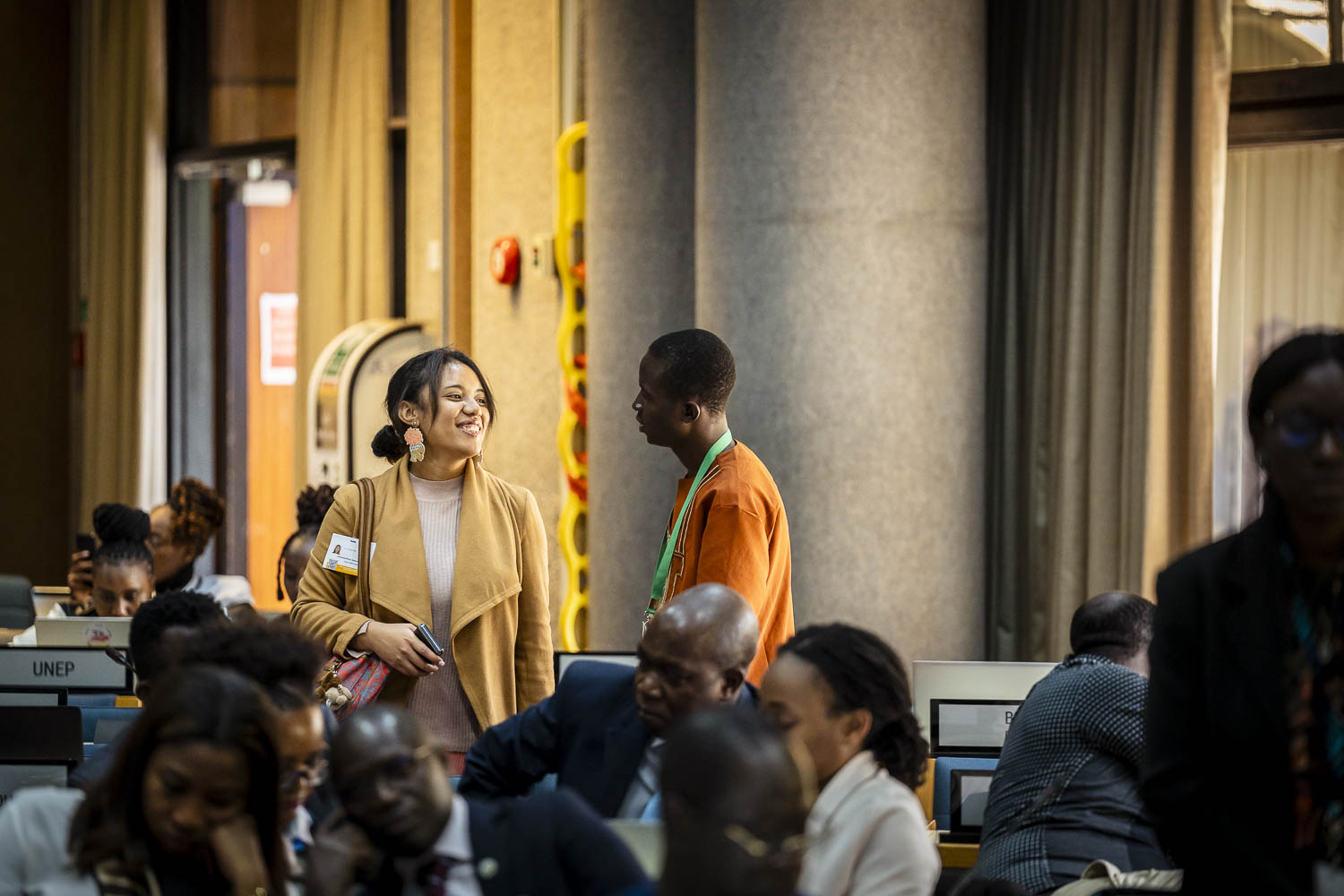
Delegates share a light moment between sessions.

Delegates connect during a break.

A curious visitor.