
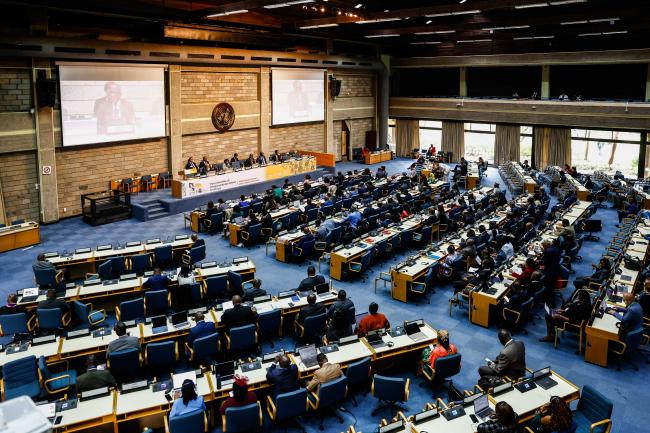
“The time for talking is long past. The time for action is now.” Delegates attending the opening of the twentieth session of the African Ministerial Conference on the Environment (AMCEN-20) rallied around this call as they entered the ministerial-level segment of the meeting, with a packed agenda before them.
On behalf of the outgoing AMCEN presidency, Jacques Assahoré Konan, Minister of the Environment, Sustainable Development and Ecological Transition, Côte d’Ivoire, opened the meeting.

Elizabeth Maruma Mrema, Deputy Executive Director, UN Environment Programme (UNEP), recalled that at AMCEN’s inception in Egypt 40 years ago, the triple planetary crises of climate change, biodiversity loss, and pollution were “clouds on the horizon,” stressing these are now “at the center of the storm.”

Moses Vilakati, Commissioner for Agriculture, Rural Development, Blue Economy and Sustainable Environment, African Union, underscored that a healthy environment is “the bedrock upon which sustainable development, green growth, and shared prosperity are built.”

Ibrahim Thiaw, outgoing Executive Secretary, UN Convention to Combat Desertification (UNCCD), underlined that after 40 years, Africa can no longer lean on youth and inexperience as excuses for inaction, and underscored the need for tangible policies to address land degradation as a path toward peace and security.

Fred Boltz, Global Environment Facility (GEF), stressed that a decline in official development assistance (ODA) does not have to result in a decline in GEF funding for environmental actions in Africa and around the world.

Deborah Mlongo Barasa, Cabinet Secretary for Environment, Climate Change and Forestry, Kenya, underlined that Africa is not “waiting to be rescued, we are rising to lead.”

Stating that “life begins at 40, and so does a renewed commitment to Africa’s environmental future,” Wycliffe Musalia Mudavadi, Kenya’s Prime Cabinet Secretary, urged delegates to reach bold, actionable outcomes to shape a “sustainable and resilient Africa for generations to come.”

Delegates then elected Ibrahim Munir, Minister of Environment, Libya, as AMCEN-20 President.
The Conference proceeded to hear the report from the AMCEN Expert Group meeting, which convened from 14-15 July. The Group reported that they had agreed on five draft decisions related to: ocean governance in Africa; Africa’s participation at the twentieth meeting of the Conference of the Parties to the Convention on International Trade in Endangered Species of Wild Fauna and Flora (CITES COP 20); Africa’s participation at COP 15 of the Ramsar Convention on Wetlands of International Importance; biodiversity; and a protocol on drought. The Expert Group will continue to meet to discuss seven additional draft decisions, and report on progress to plenary later in the week.
Kenya’s President William Ruto reiterated his partnership with all developing countries in ensuring that “we can be part of the solution,” to climate change, and called on ministers to work together to ensure adequate climate and development financing flows.

Ministers and high-level delegates also heard reports on the outcomes of Africa’s engagement in recent key global meetings, including COP 29 of the UN Framework Convention on Climate Change, COP 16 of the Convention on Biological Diversity, UNCCD COP 16, and the 2025 COPs of the Basel, Rotterdam, and Stockholm Conventions, which address hazardous chemicals and waste.
Zimbabwe presented on the upcoming Ramsar COP 15, noting that wetlands are a “core ingredient” in combatting climate change and biodiversity loss. Delegates also heard a presentation on UNEP’s draft Medium Term Strategy for 2026-2029, which will be discussed during the seventh meeting of the UN Environment Assembly in December 2025.
In the afternoon, delegates engaged in two ministerial policy dialogues, addressing: sustainable and climate-resilient financing and budgeting as a pathway to address climate change, natural disasters, and environmental degradation in Africa; and leveraging the G20 to address Africa’s environmental challenges.
AMCEN's Expert Group continued to discuss draft decisions on Wednesday, with a view to forwarding finalized drafts to the ministerial segment for adoption on Thursday.
To receive free coverage of global environmental events delivered to your inbox, subscribe to the ENB Update newsletter.
All ENB photos are free to use with attribution. For the 20th Ordinary Session of the African Ministerial Conference on the Environment (AMCEN-20) meeting, please use: Photo by IISD/ENB | Natalia Mroz
Ministerial Segment
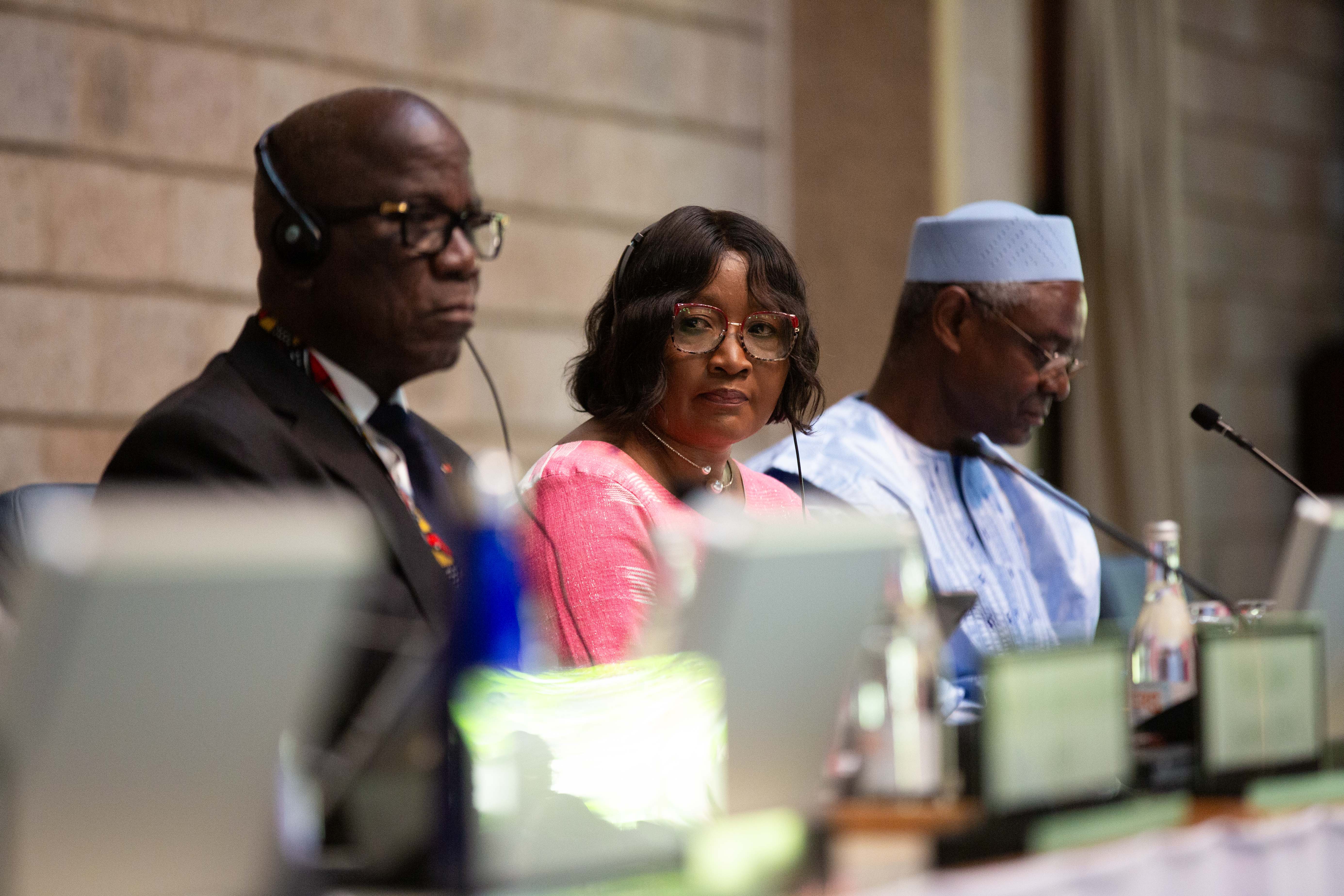
Rose Mwebaza, Director and Regional Representative for Africa, UNEP
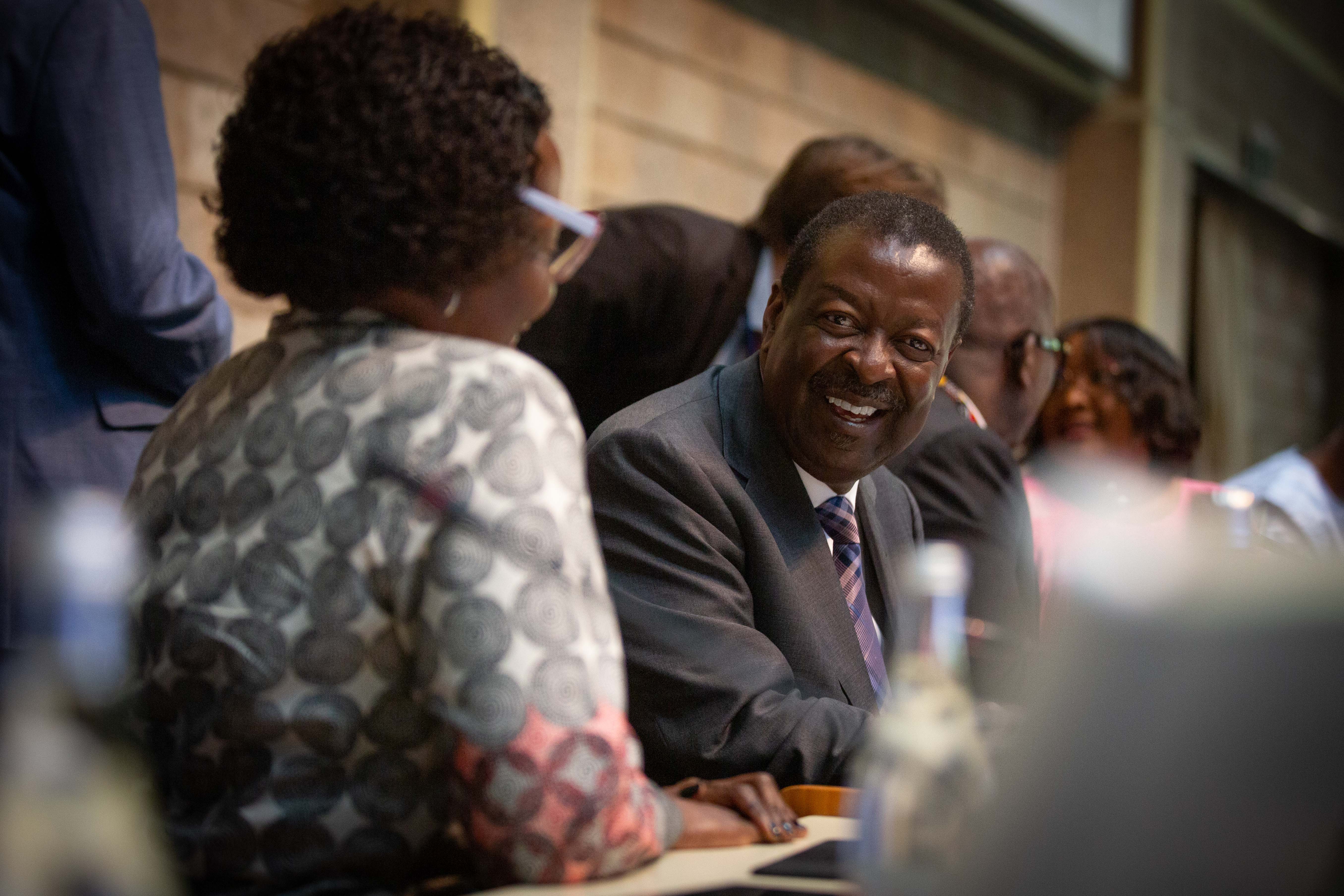
Wycliffe Musalia Mudavadi, Prime Cabinet Secretary, Kenya
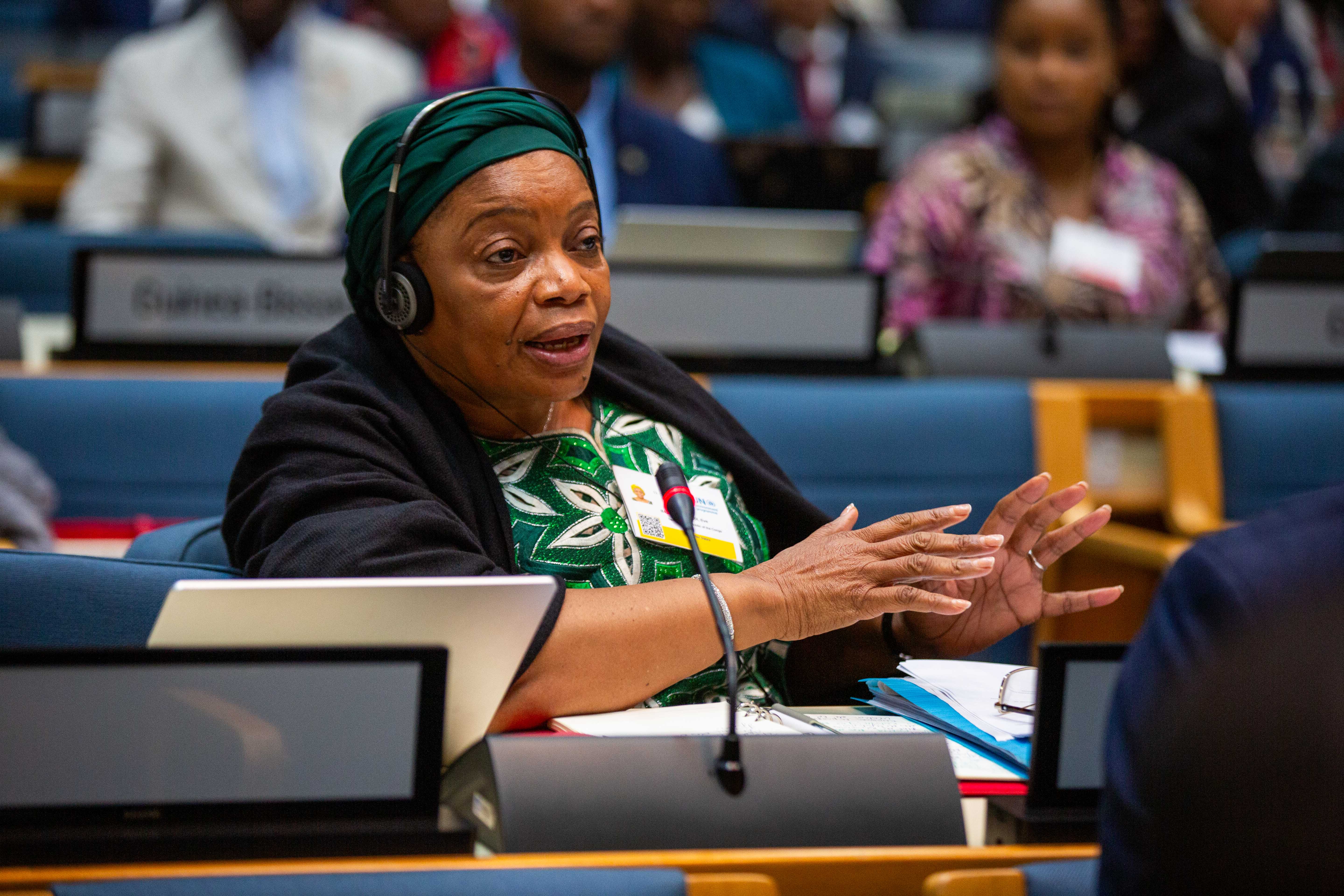
Ève Bazaiba Masudi, Deputy Prime Minister and Minister of Environment and Sustainable Development, Democratic Republic of the Congo
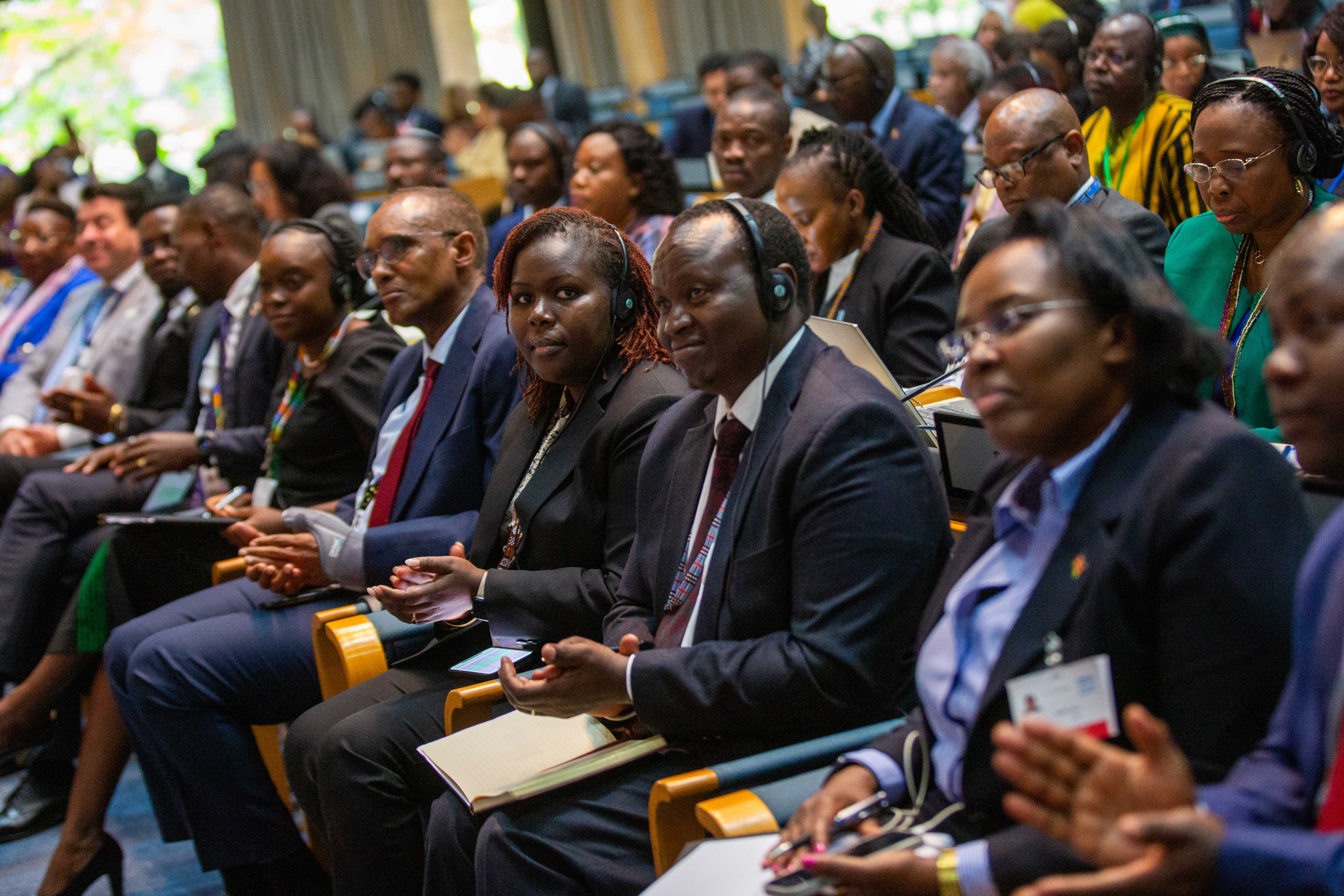
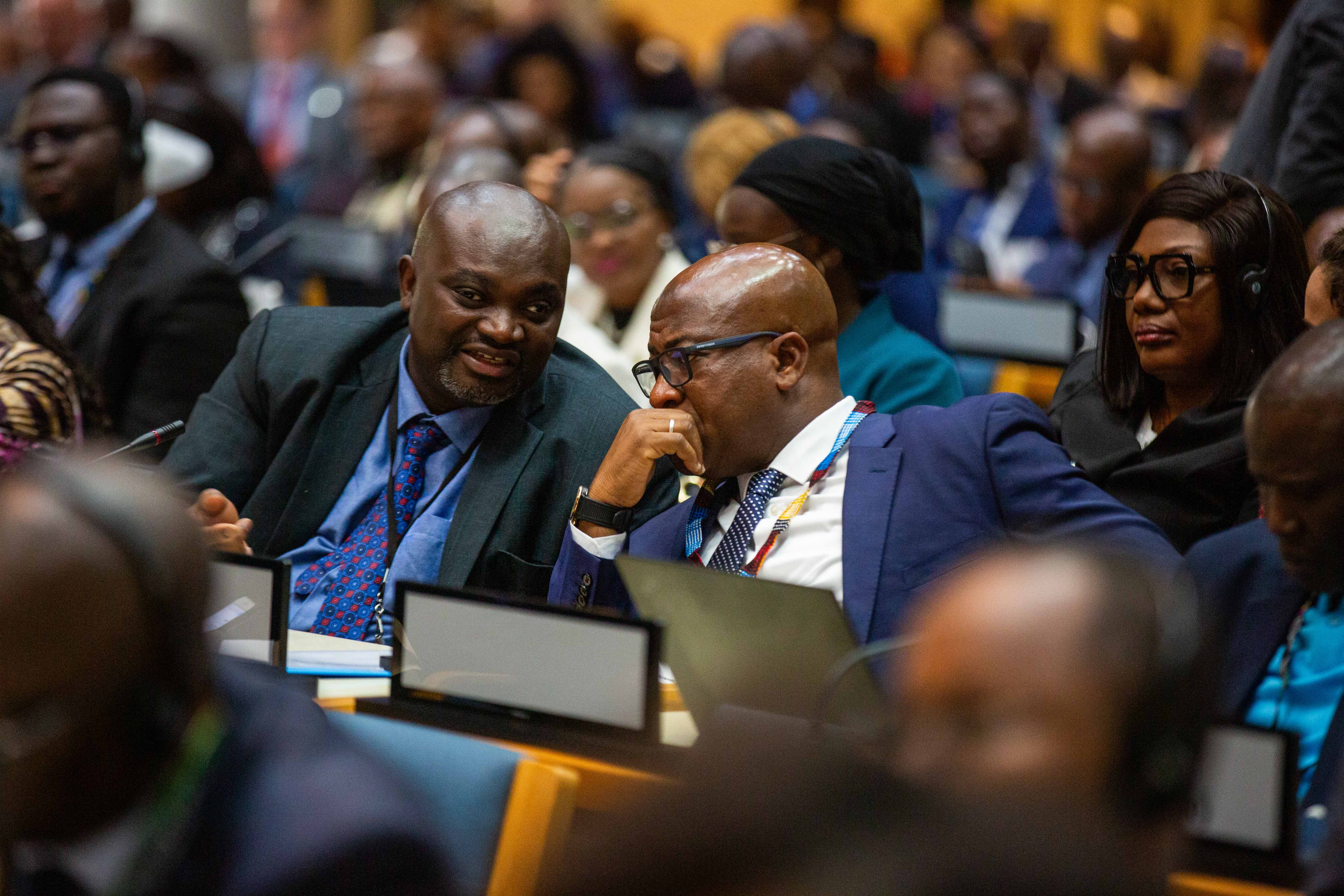
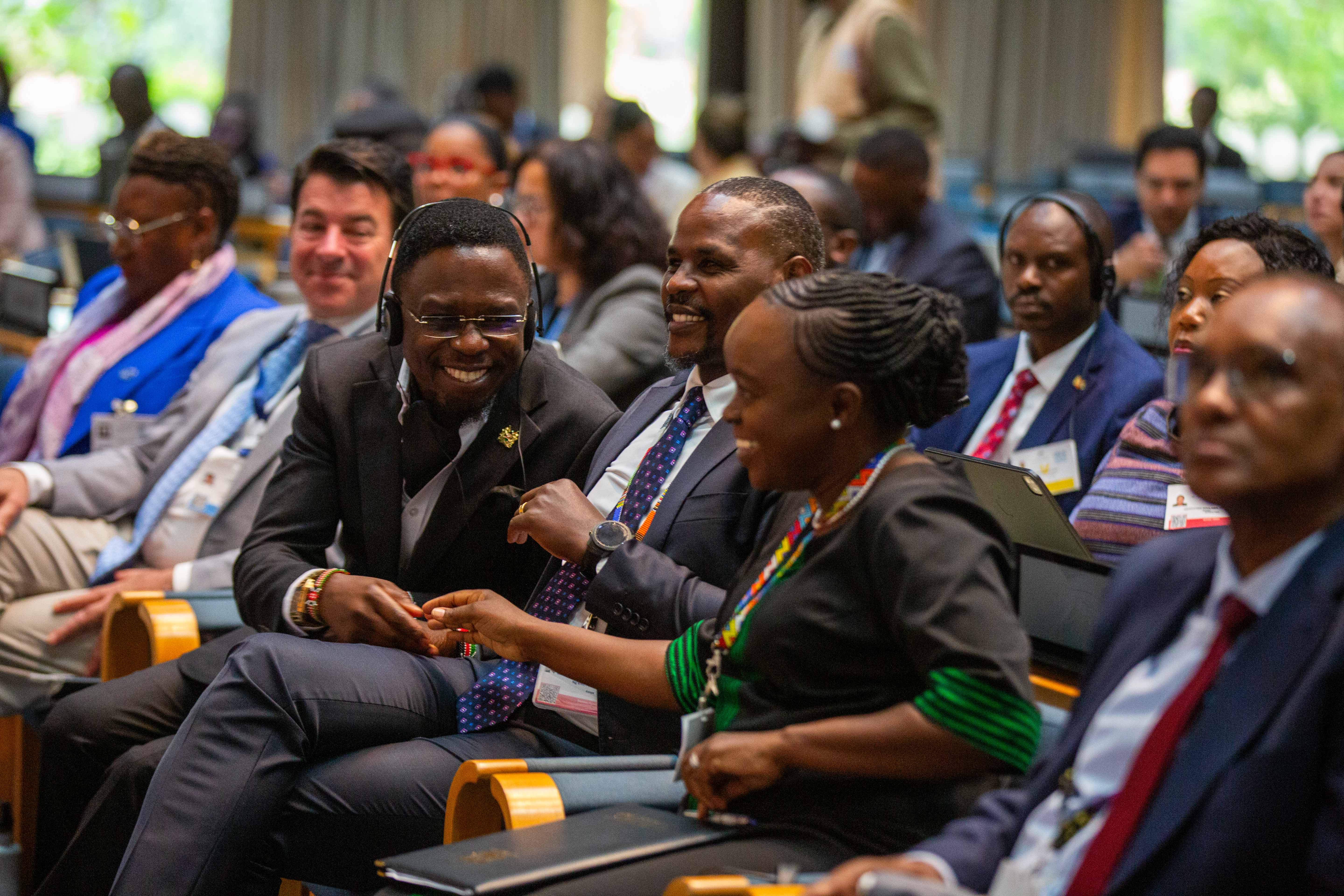
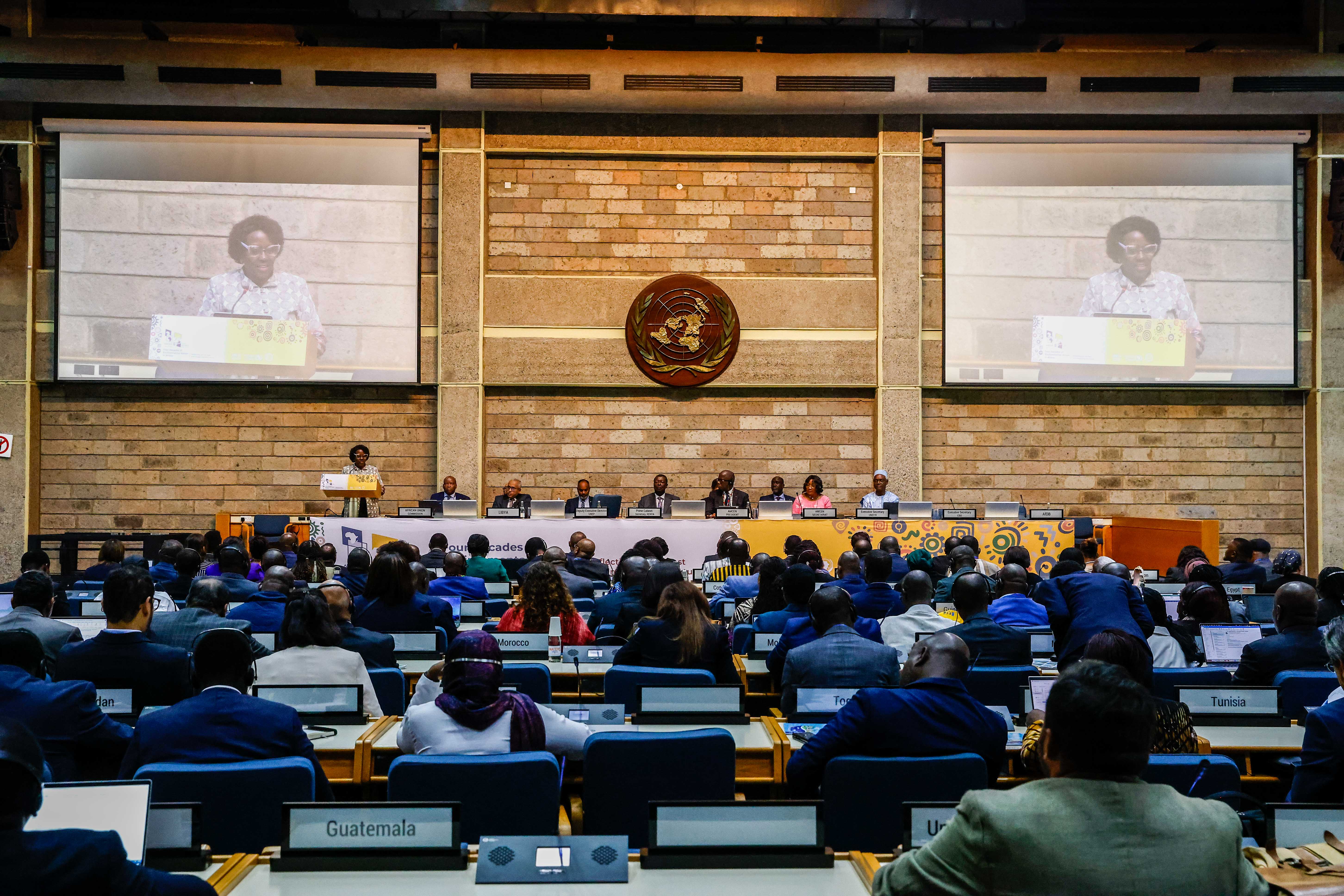
A view of the room during the ministerial segment.
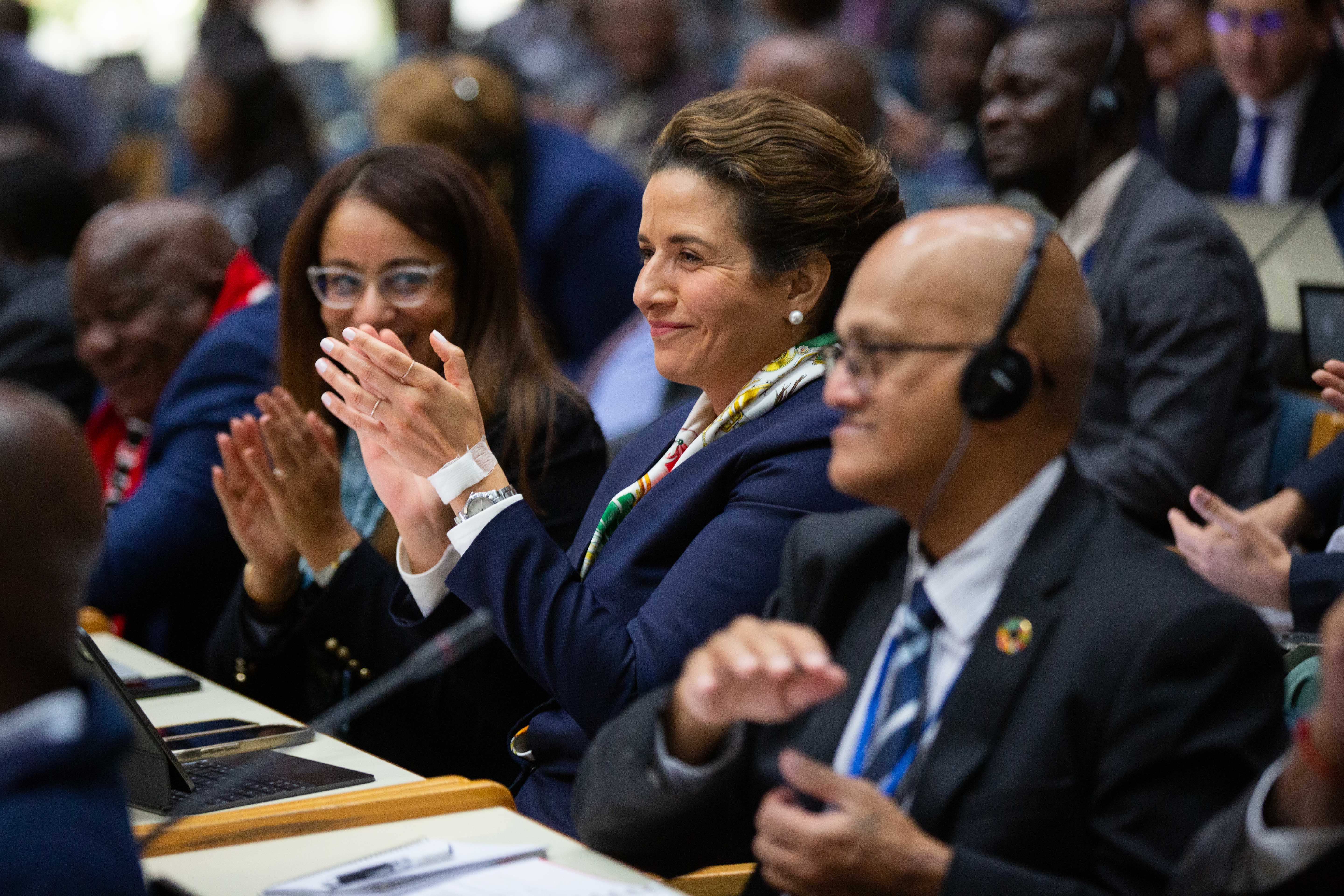
Leila Benali, Minister of Energy Transition and Sustainable Development, Morocco
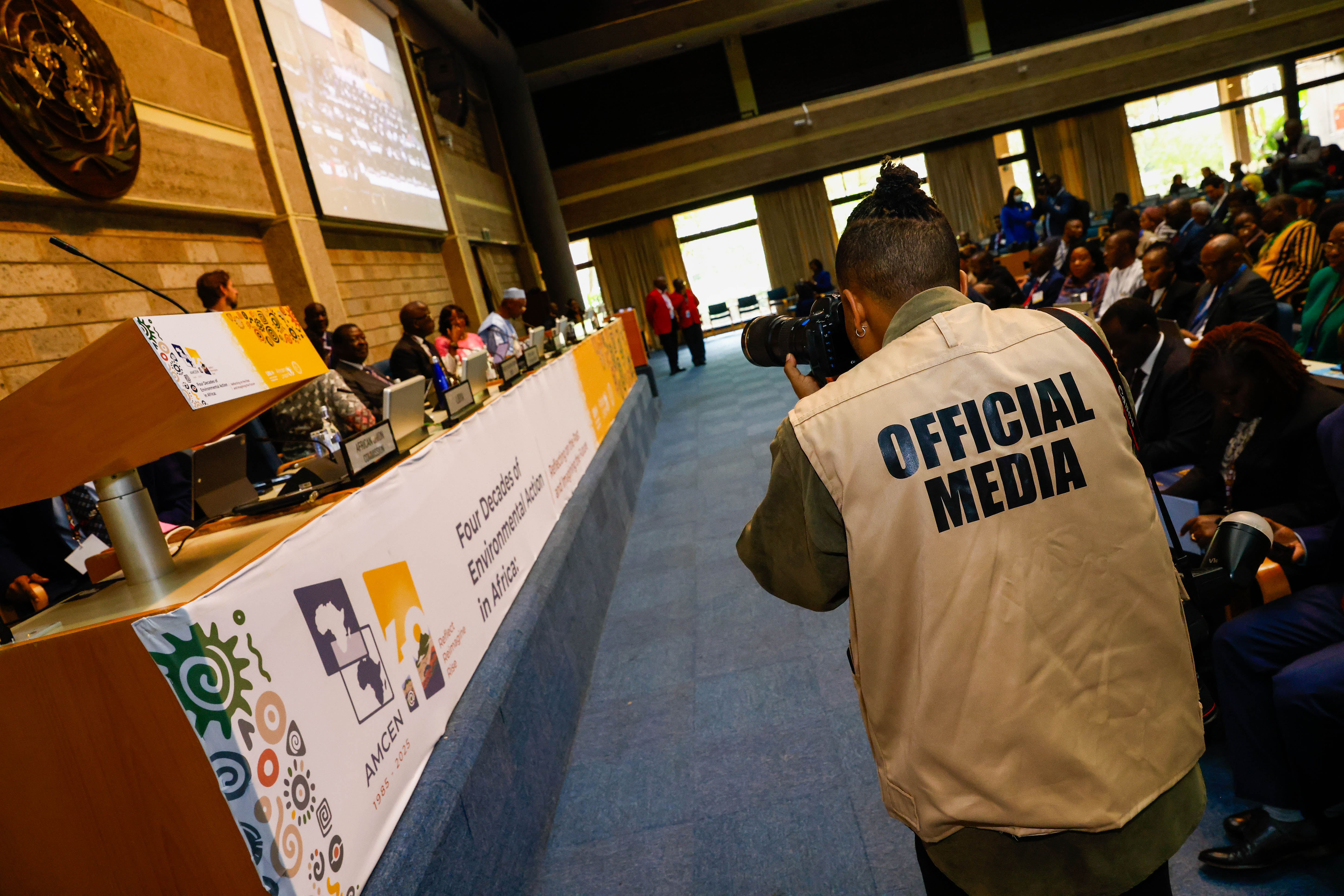
Ministerial Dialogues
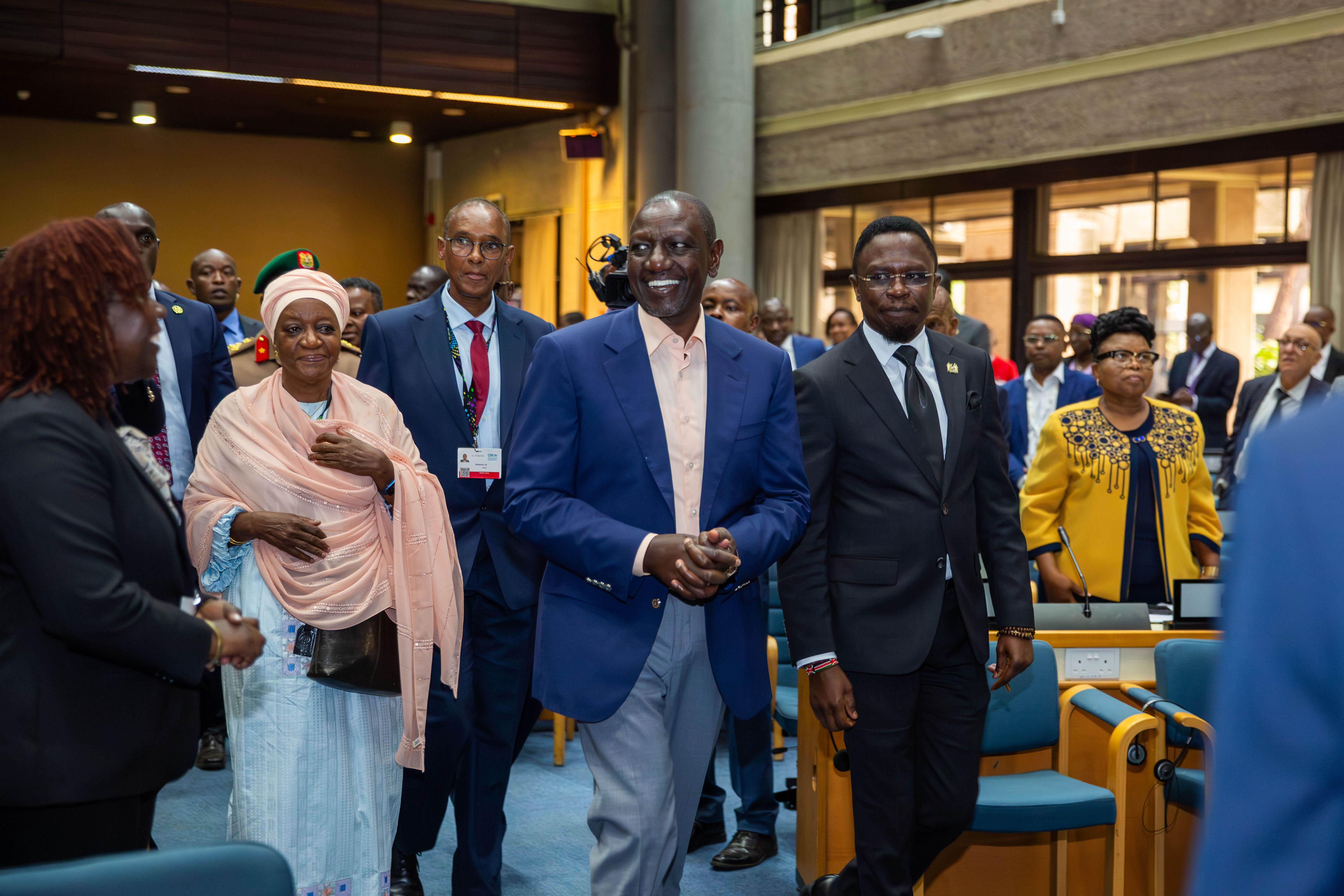
President of Kenya William Ruto greets delegates.
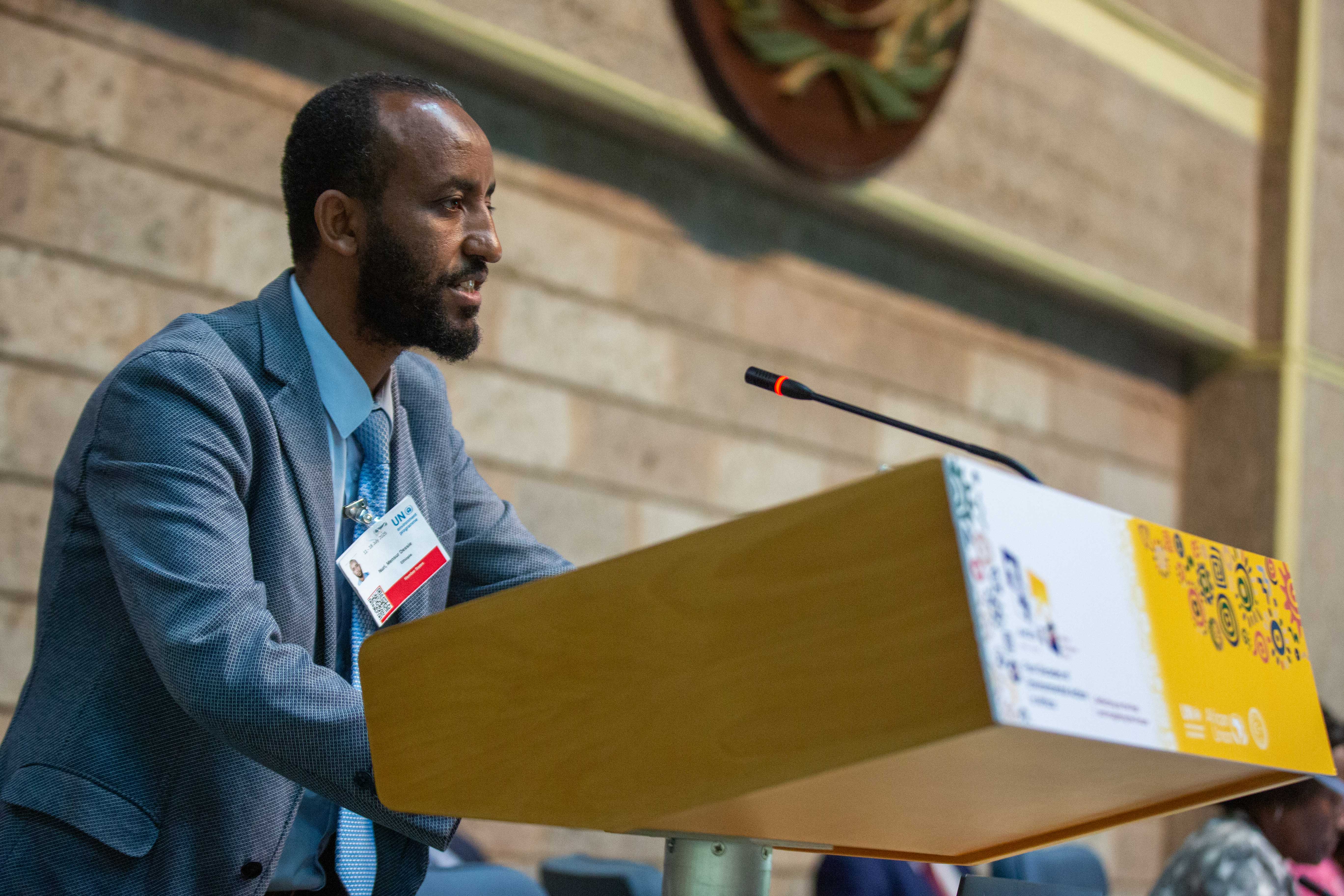
Mensur Dessie Nuri, Ethiopia
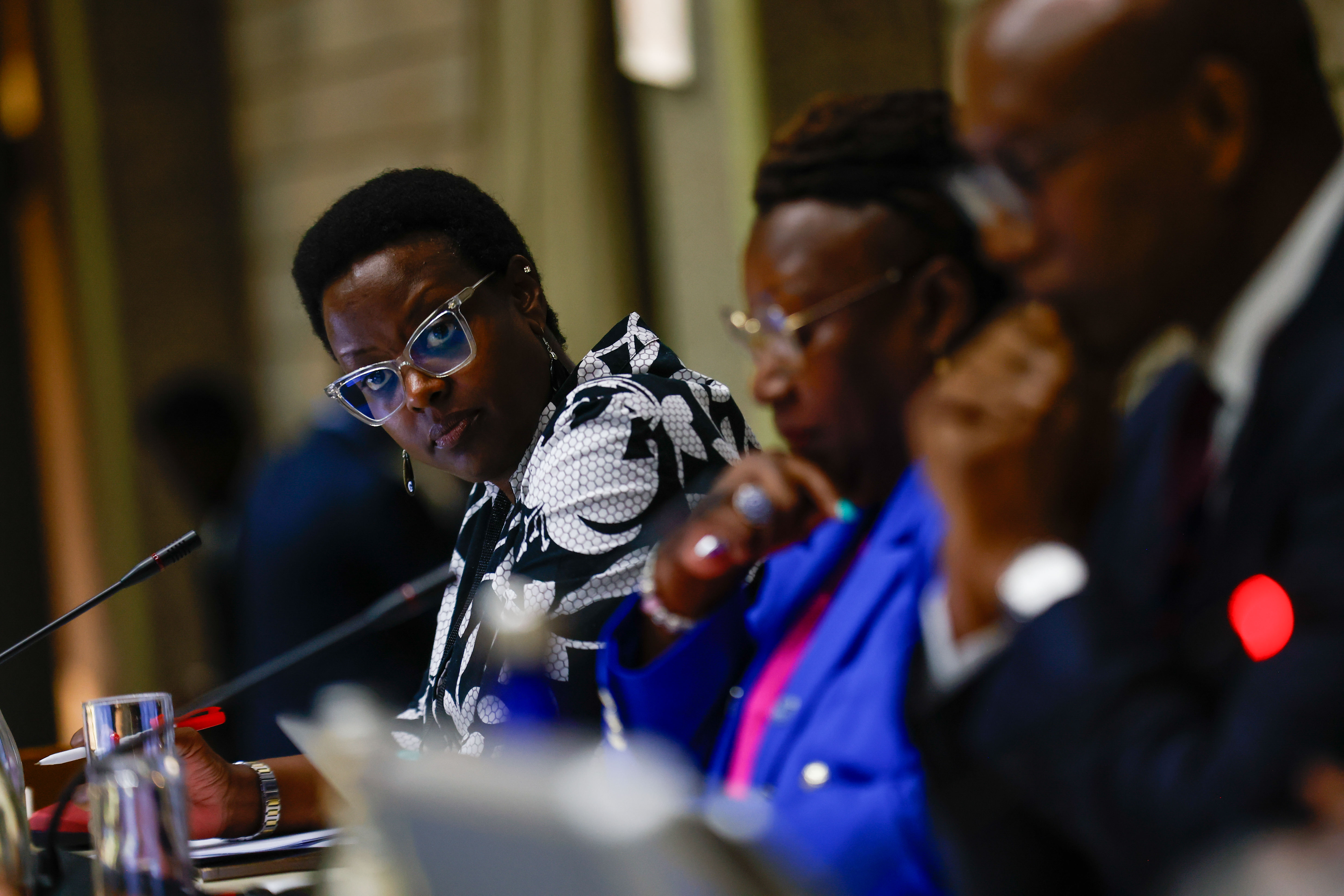
Keishamaza Rukikaire, Global Head of News and Media, UNEP
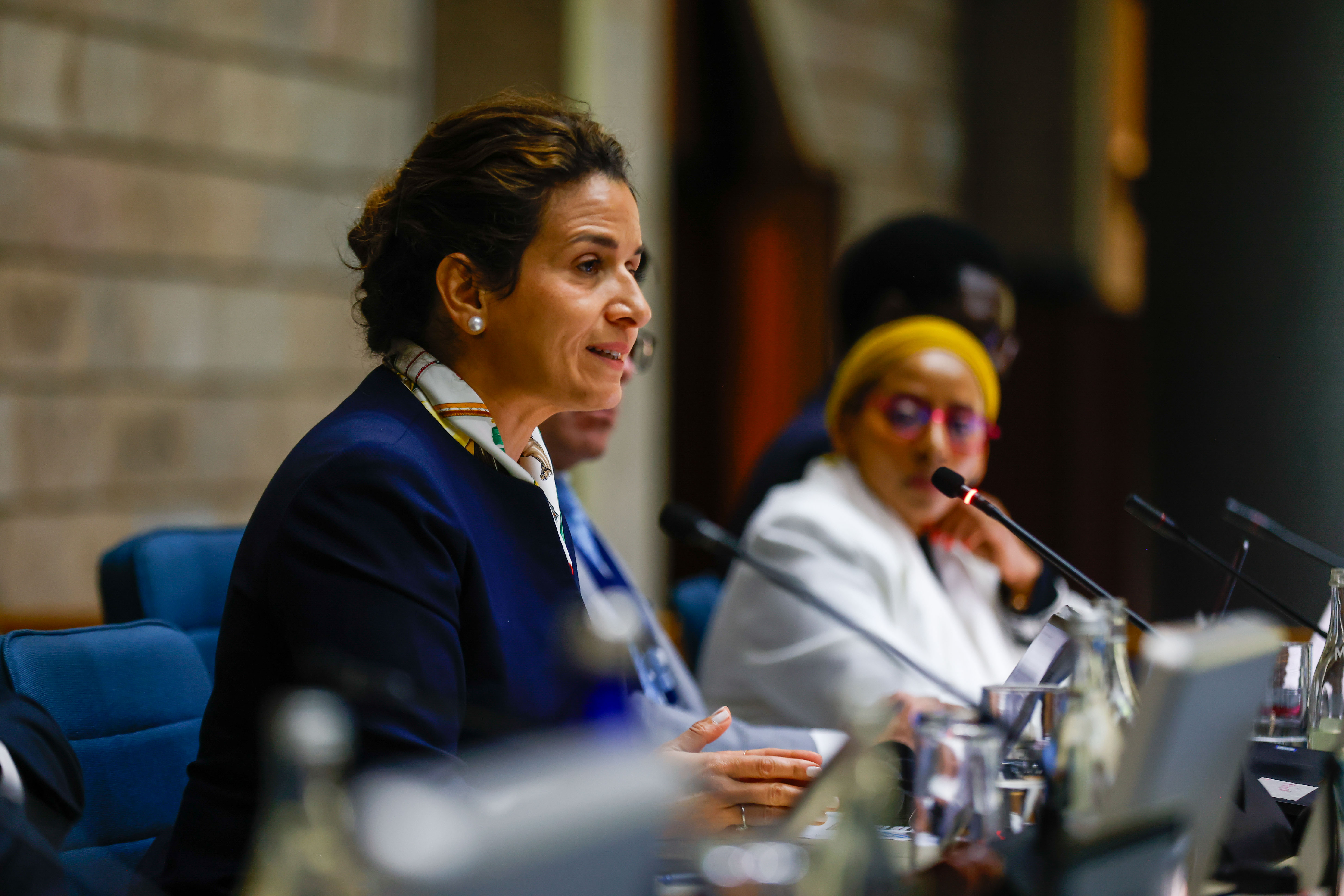
Leila Benali, Minister of Energy Transition and Sustainable Development, Morocco
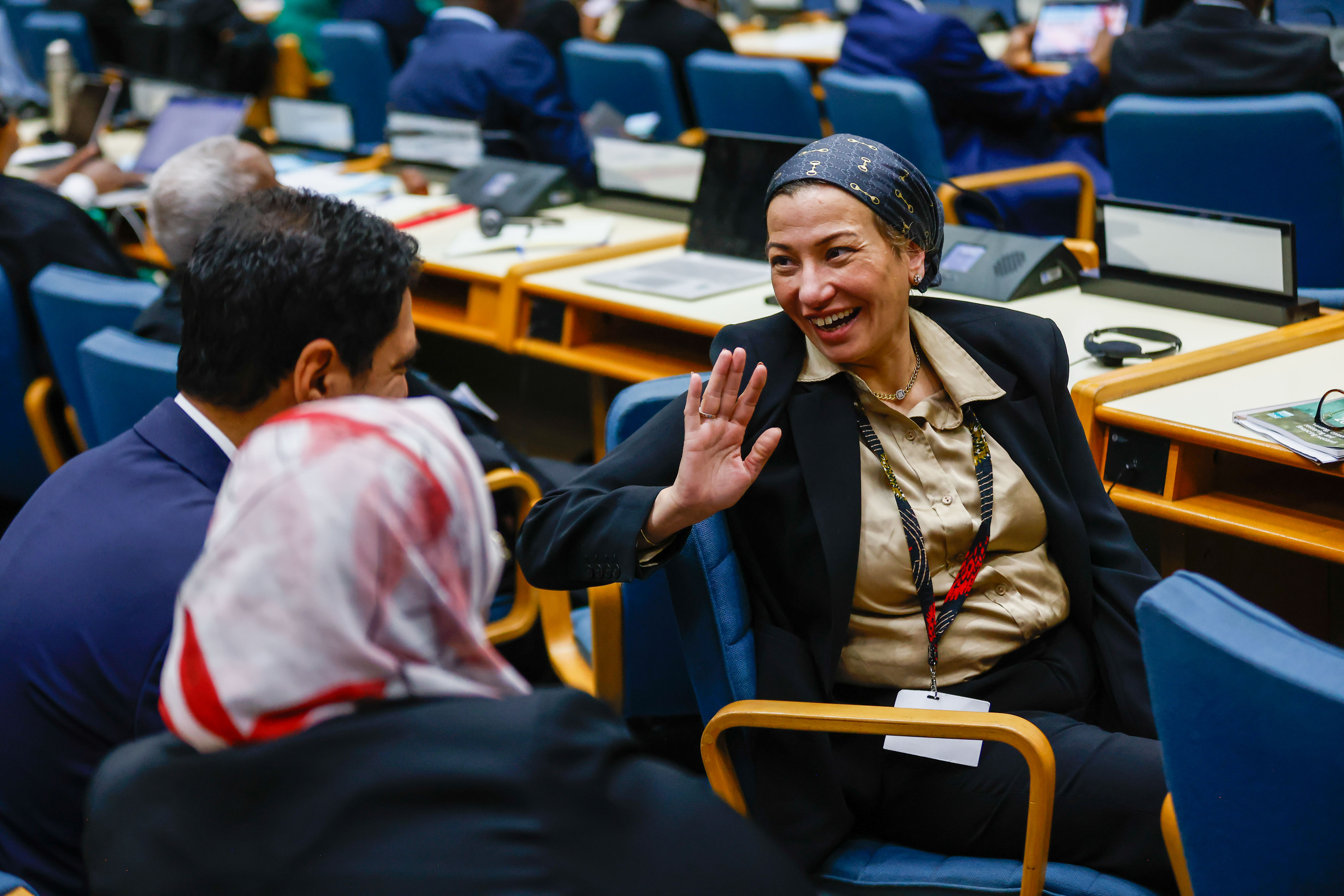
Yasmine Fouad, Egypt, and incoming Executive Secretary, UNCCD
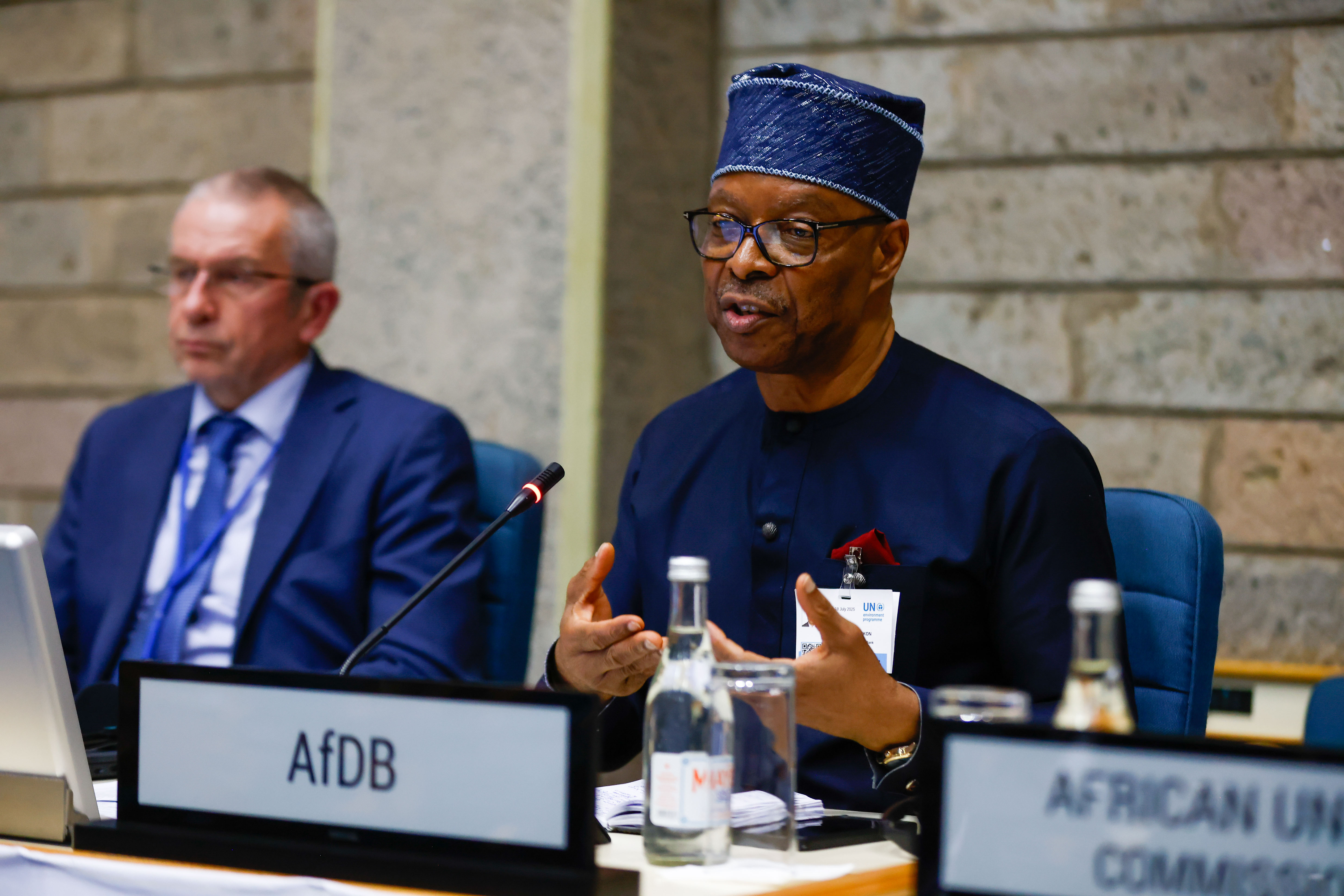
Anthony Nyong, African Development Bank
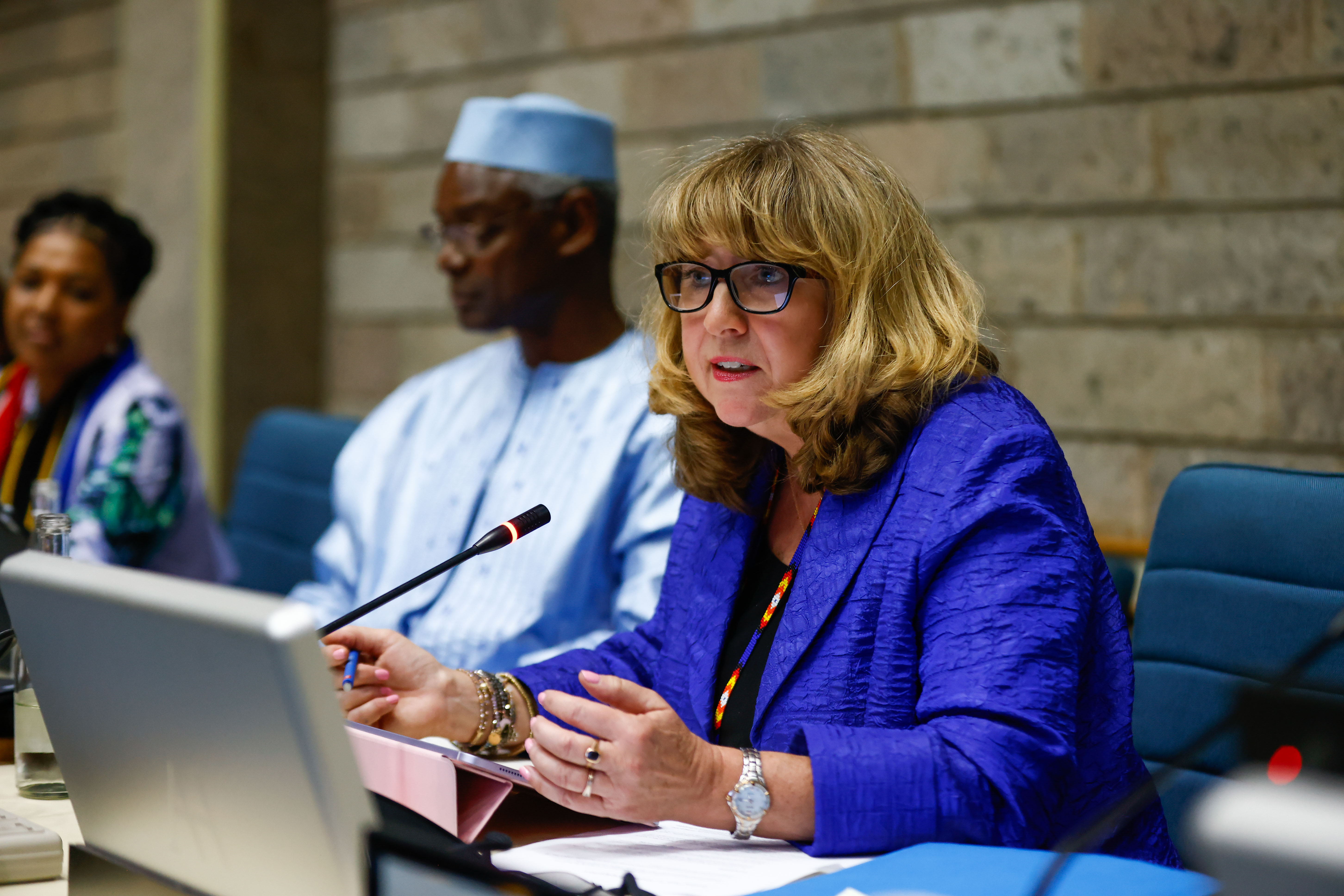
Astrid Schomaker, Executive Secretary, Convention on Biological Diversity (CBD)
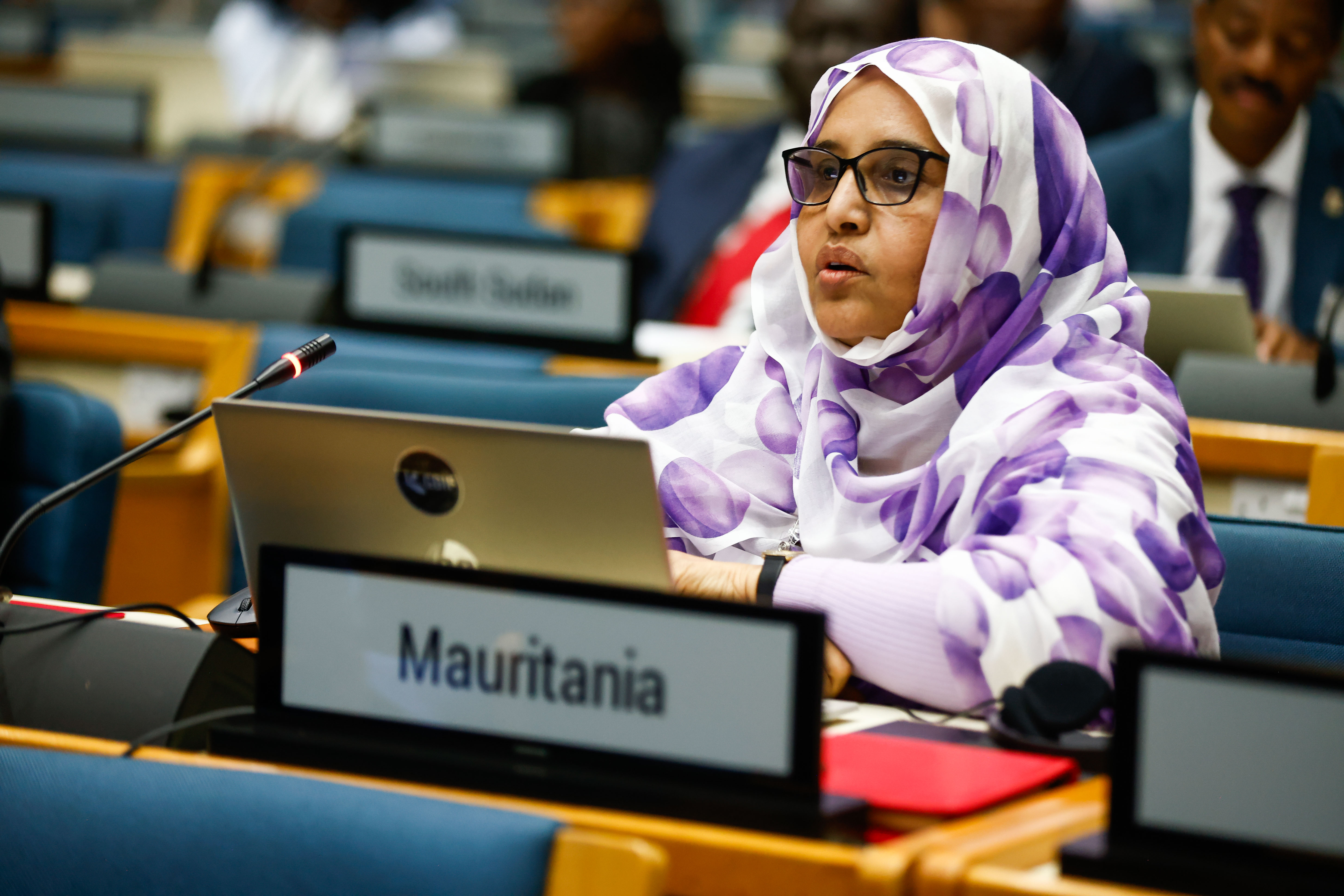
Messouda Mohamed Laghdaf, Minister of Environment and Sustainable Development, Mauritania

Ibrahim Murtala Muhammed, Minister of Environment, Science, Technology and Innovation, Ghana
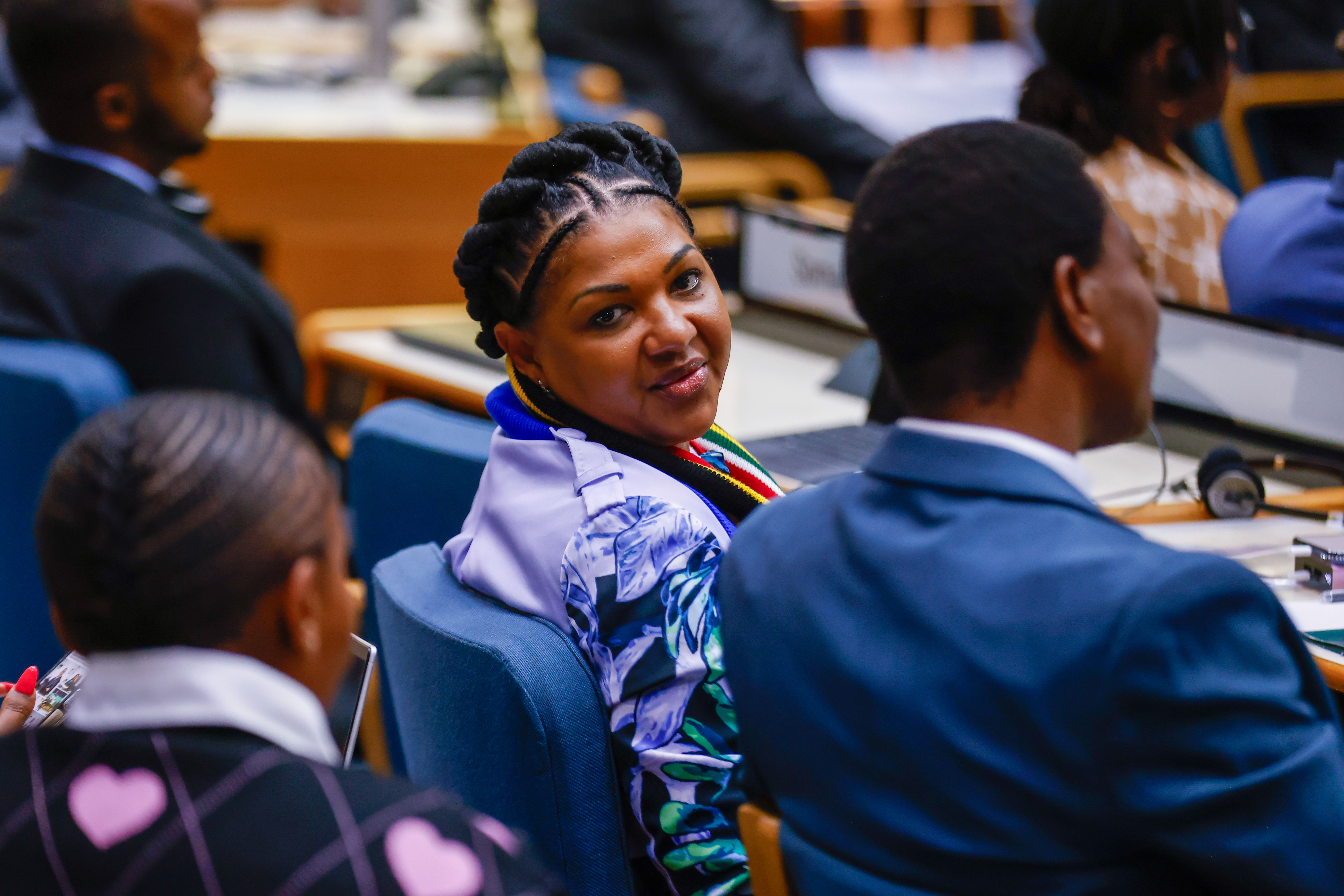
Bernice Swarts, Deputy Minister of Forestry, Fisheries and the Environment, South Africa
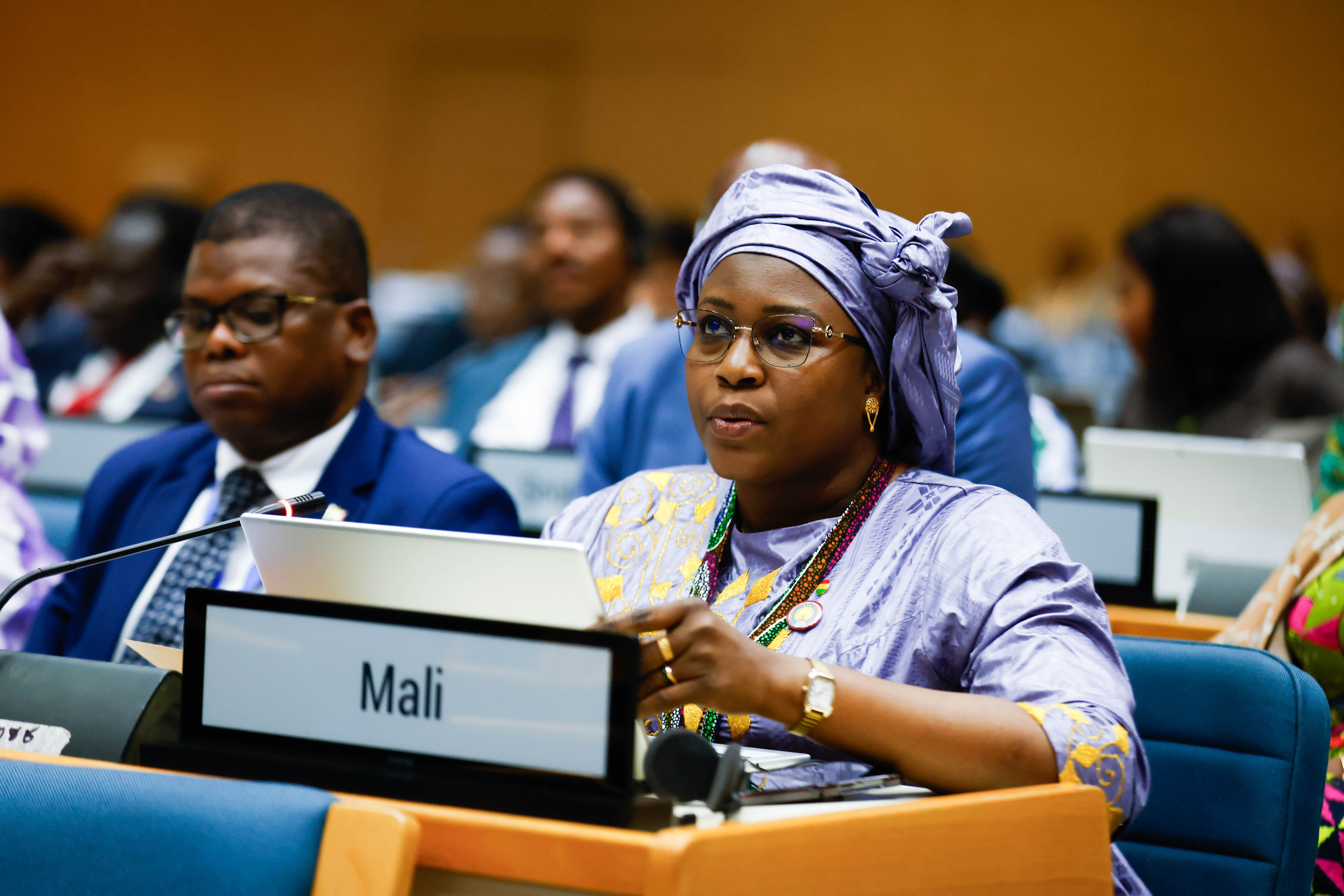
Mariam Tangara Doumbia, Minister of Environment, Sanitation and Sustainable Development, Mali
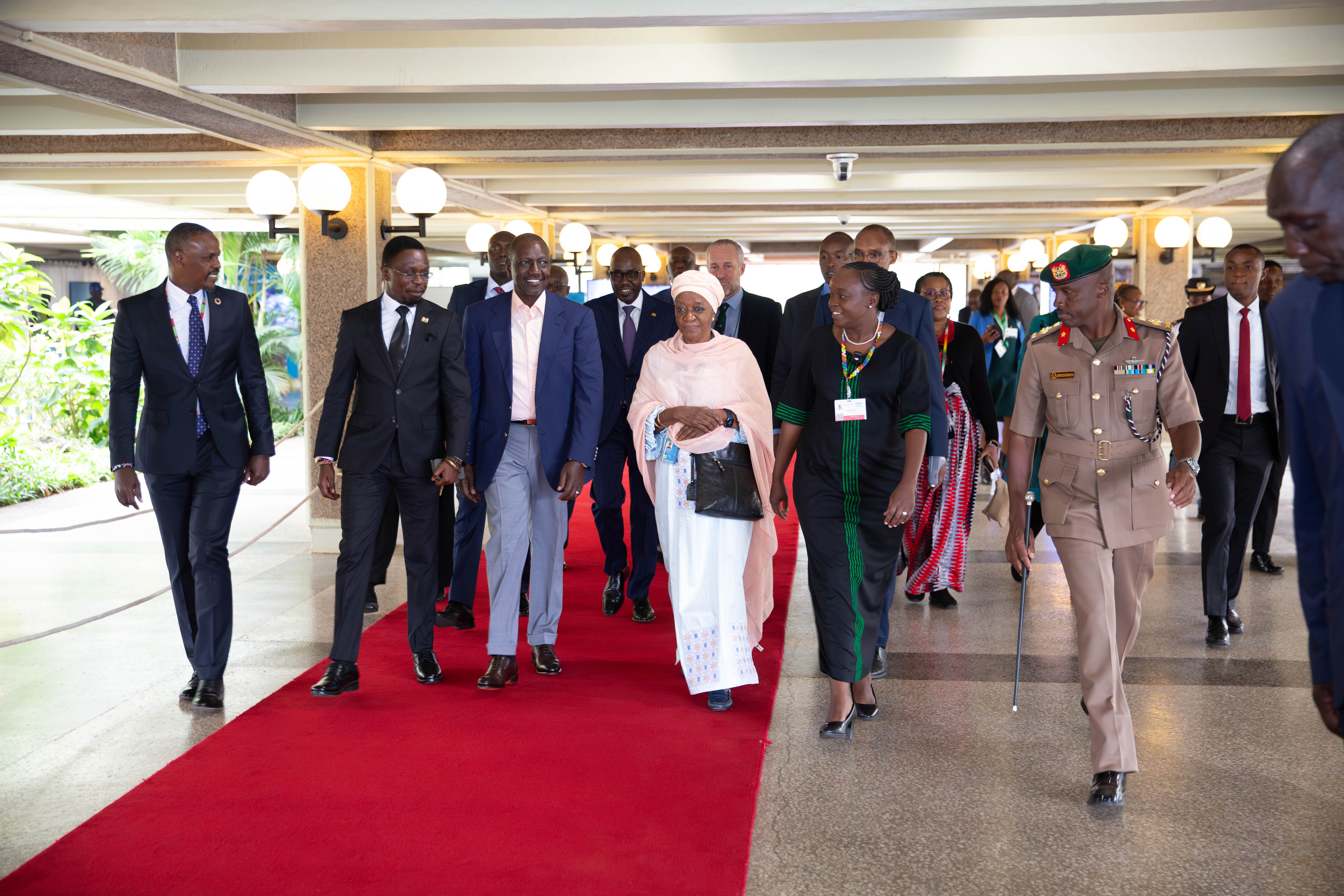
Kenya’s President William Ruto with high level delegates.
Between Sessions
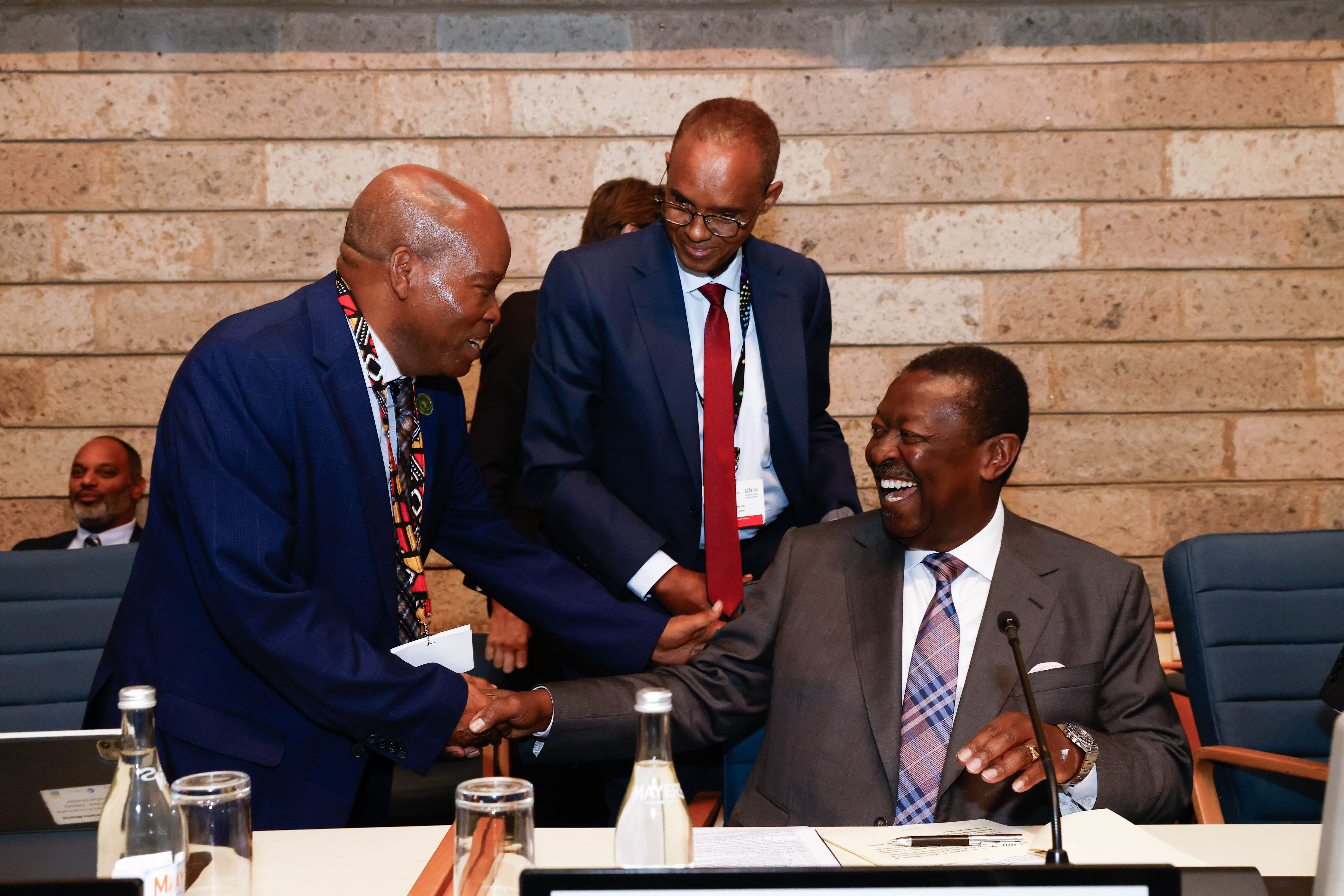
Wycliffe Musalia Mudavadi, Prime Cabinet Secretary, Kenya, greets panelists
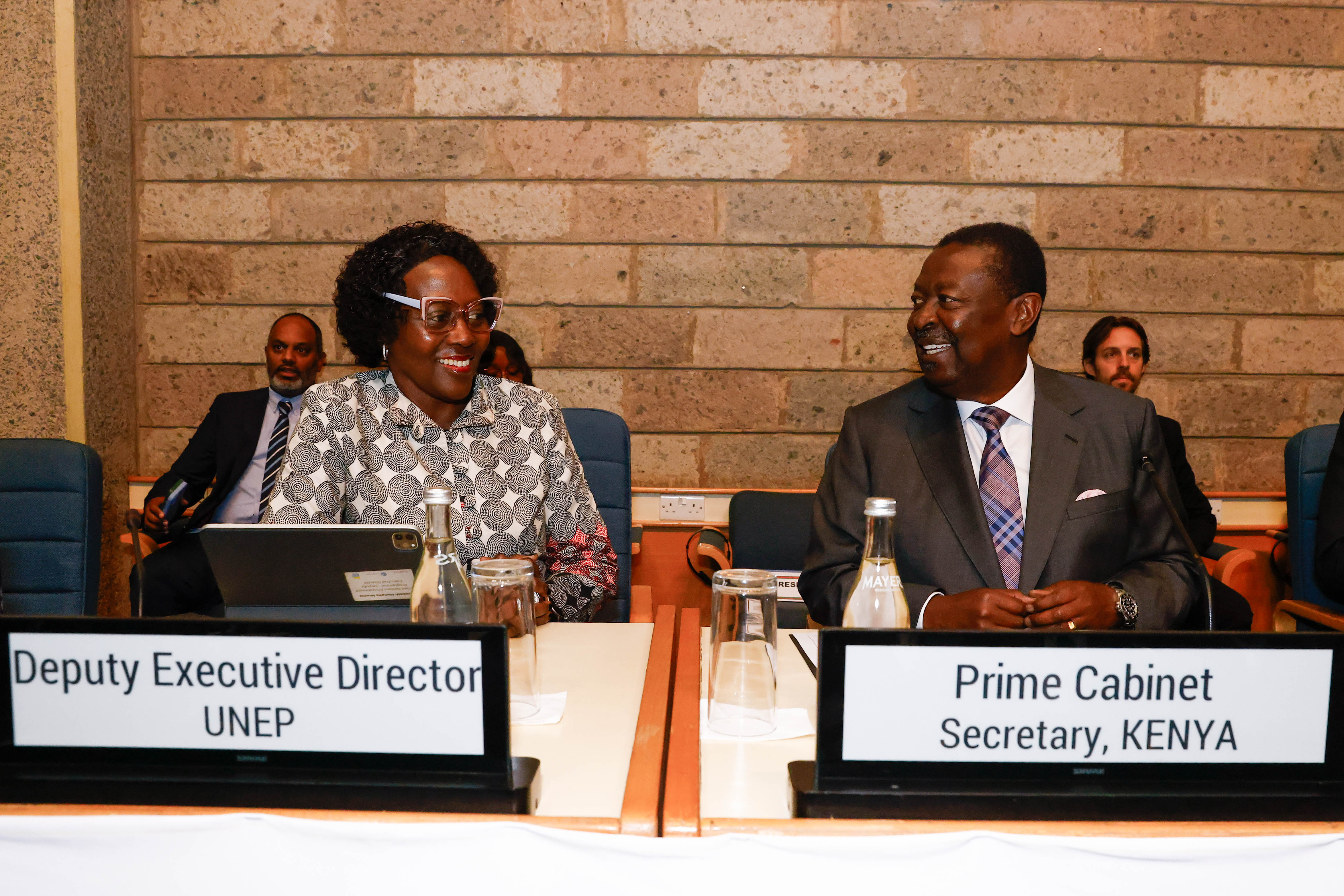
Elizabeth Maruma Mrema, Deputy Executive Director, UNEP, and Wycliffe Musalia Mudavadi, Prime Cabinet Secretary, Kenya
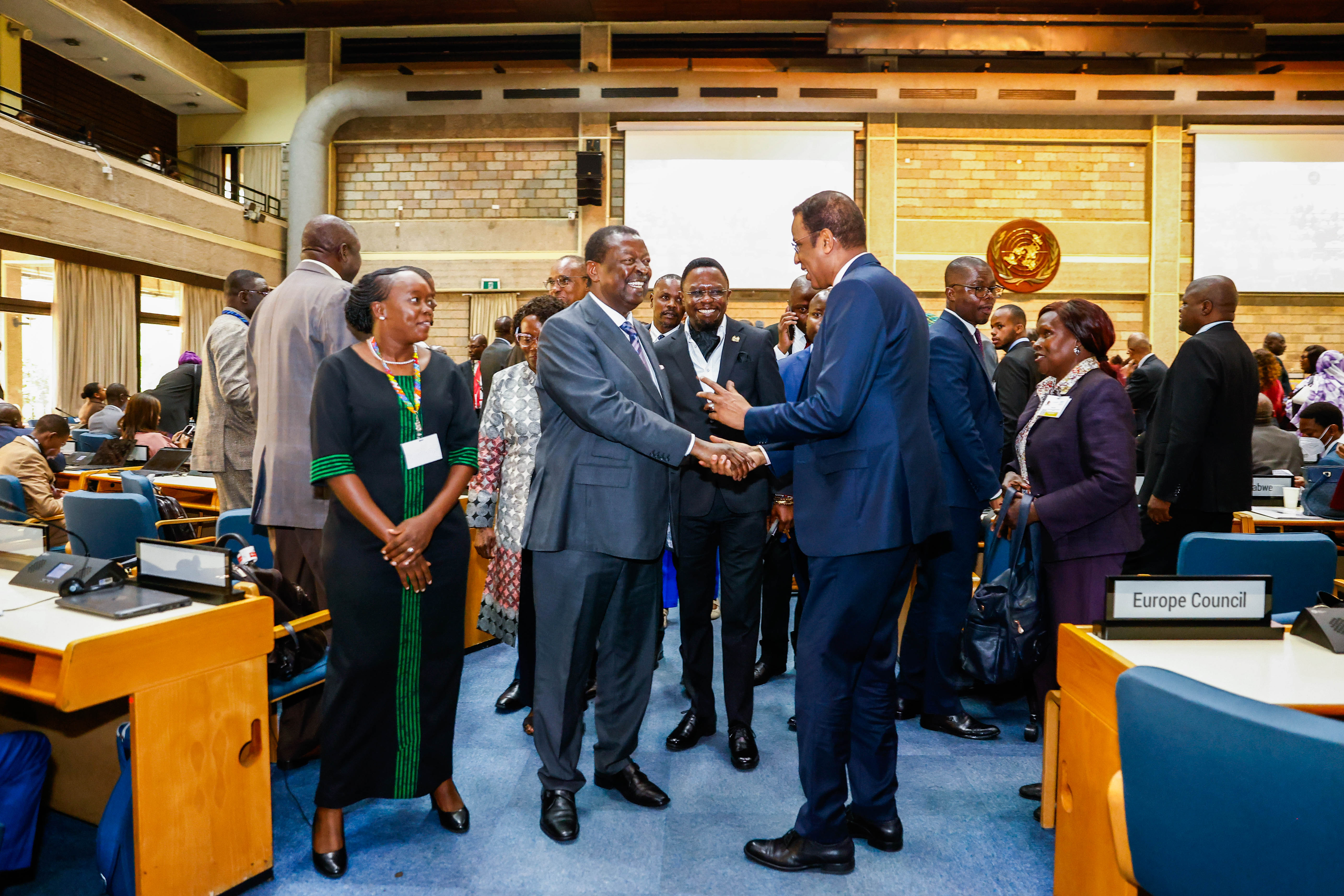
Wycliffe Musalia Mudavadi, Prime Cabinet Secretary, Kenya, greets delegates.
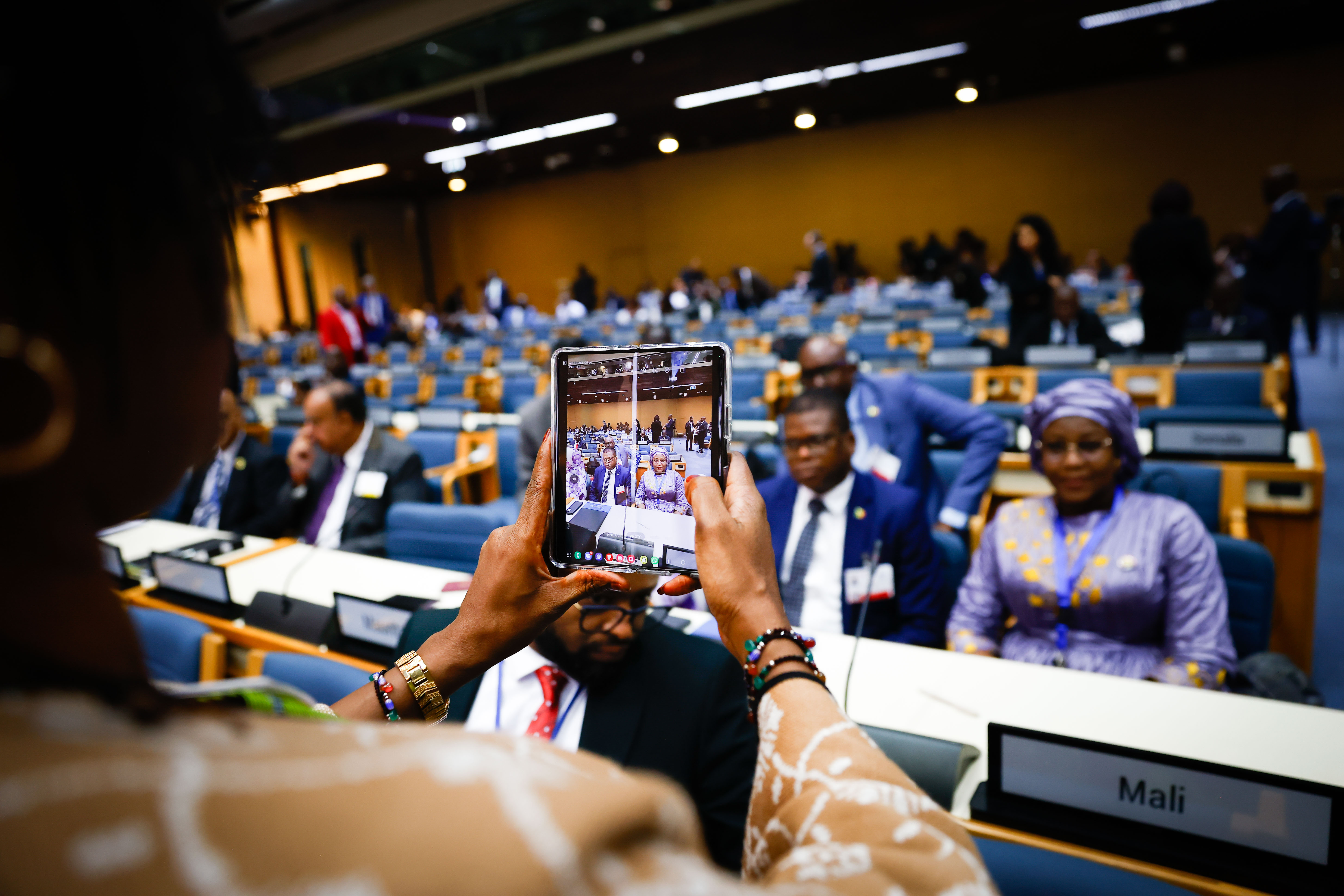
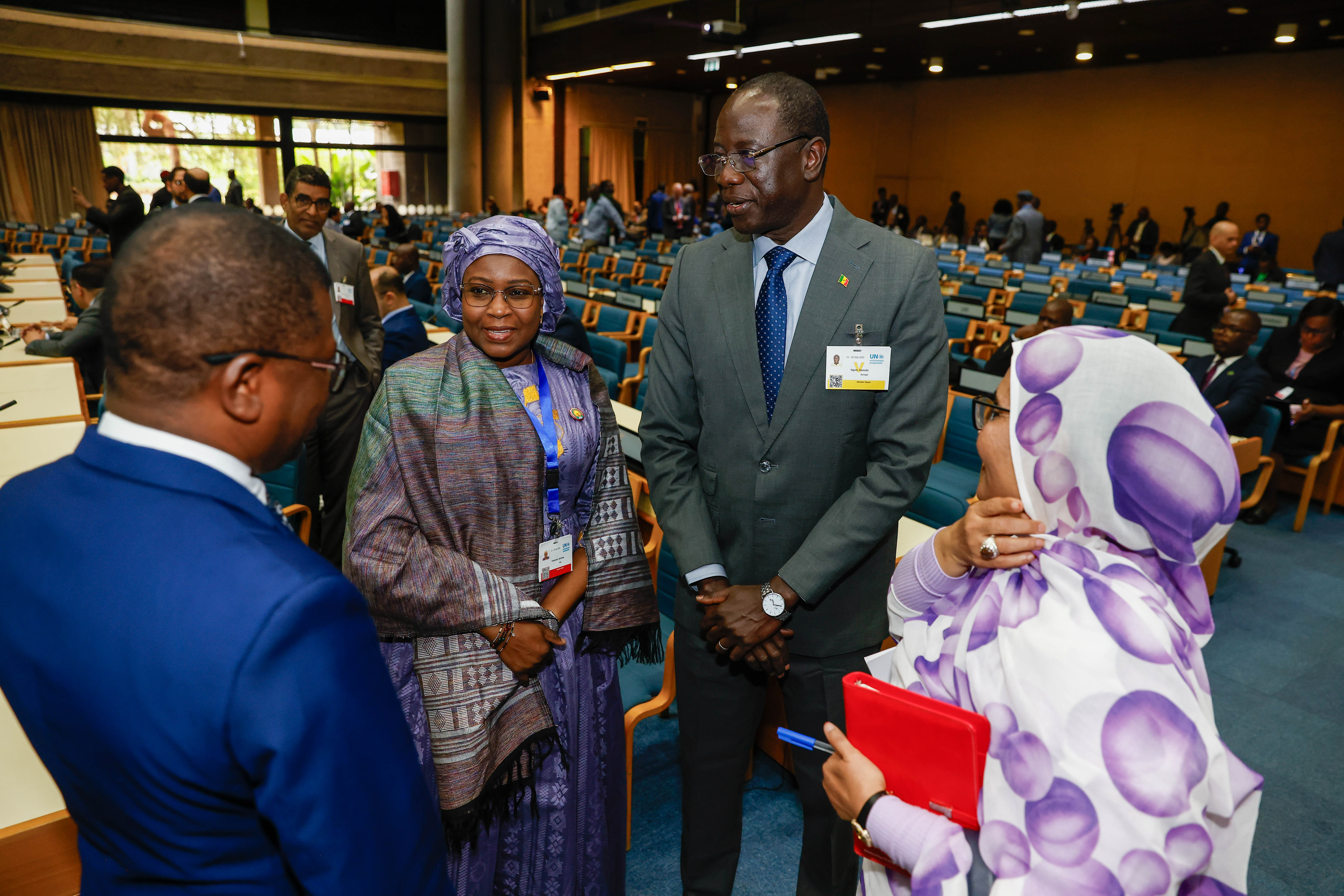
Mariam Tangara Doumbia, Minister of Environment, Sanitation and Sustainable Development, Mali, and Daouda Ngom, Minister of Environment and Ecological Transition, Senegal
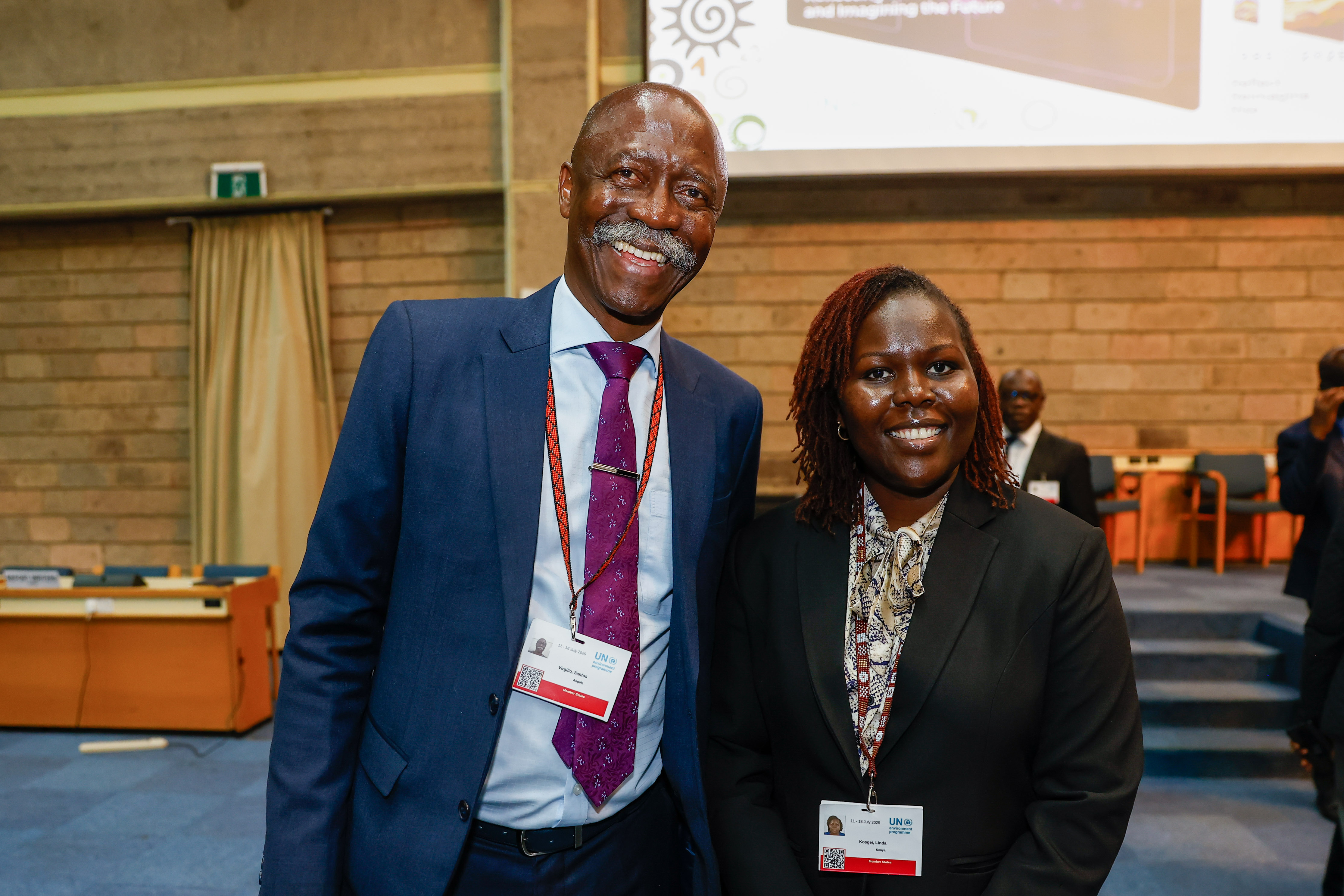
Santos Virgilio, Angola, and Linda Kosgei, Kenya
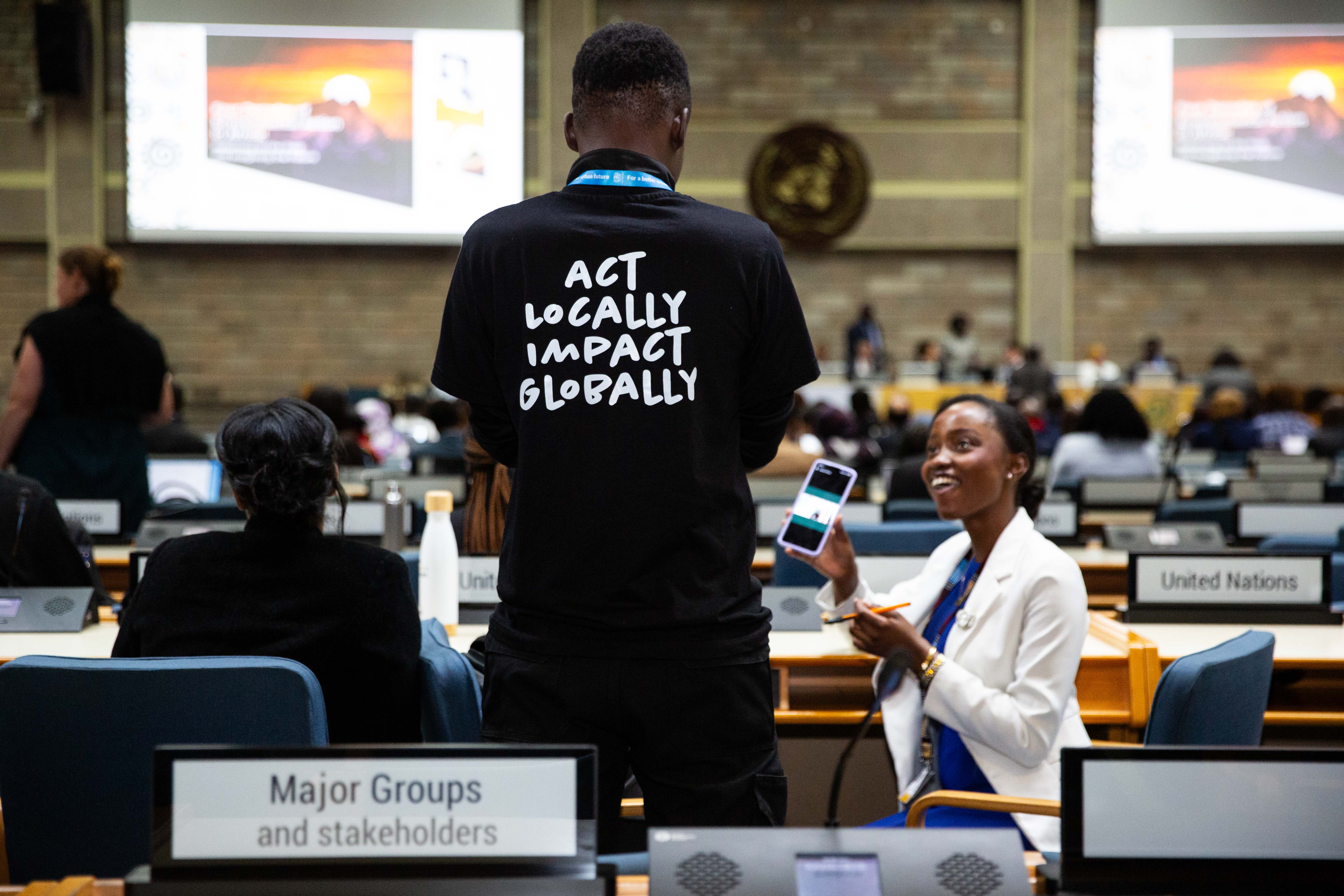
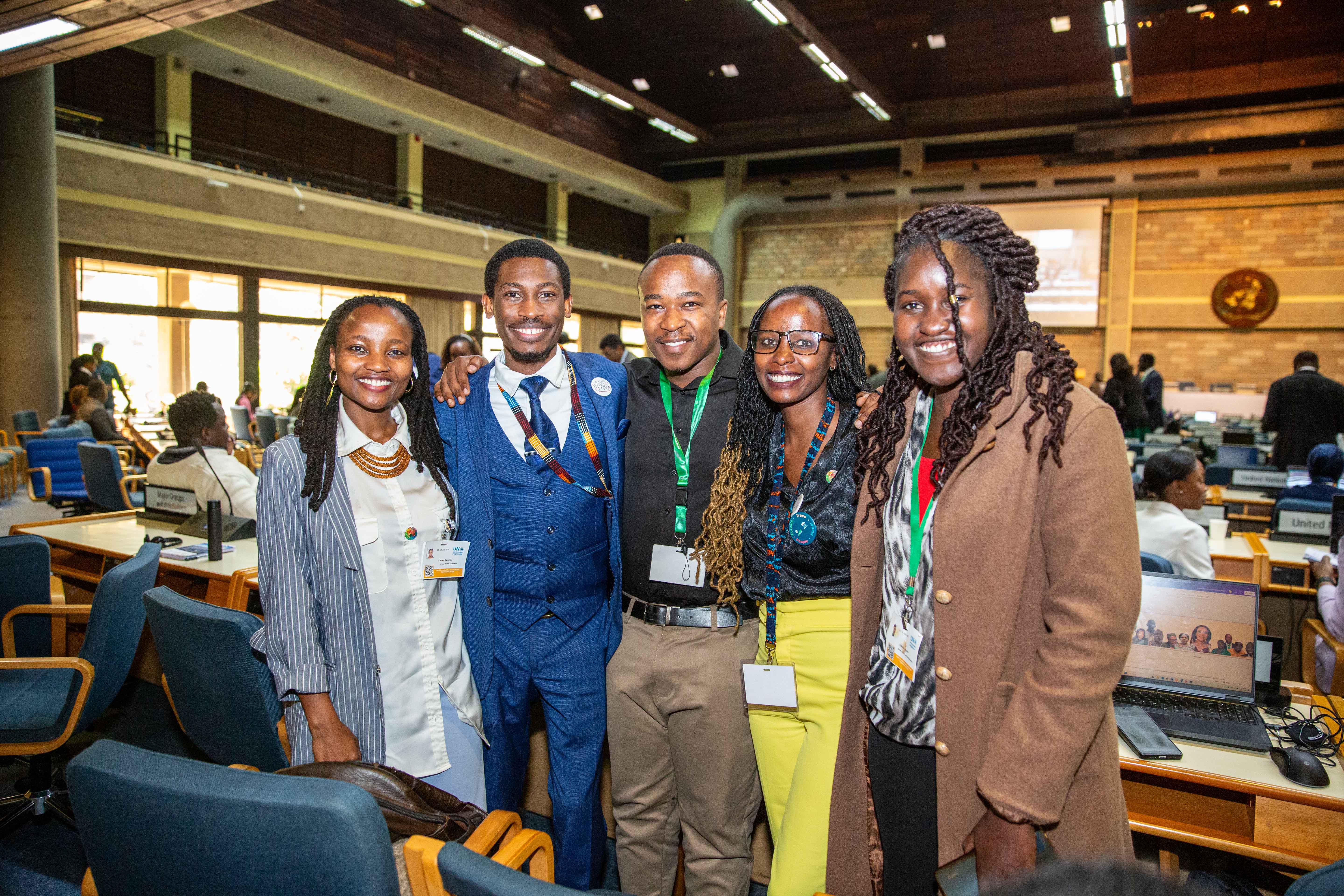
Delegations at AMCEN
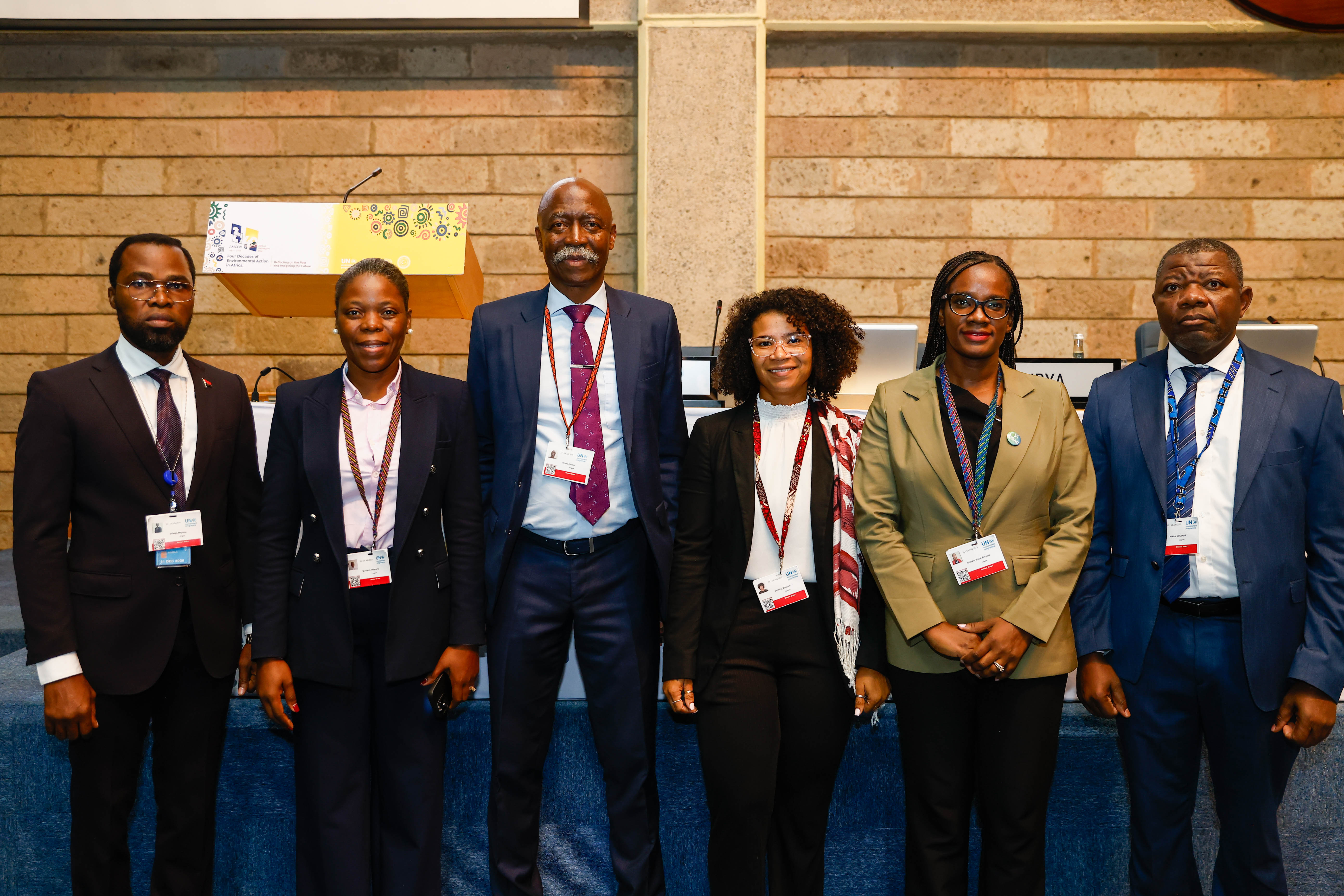
Delegates from Angola
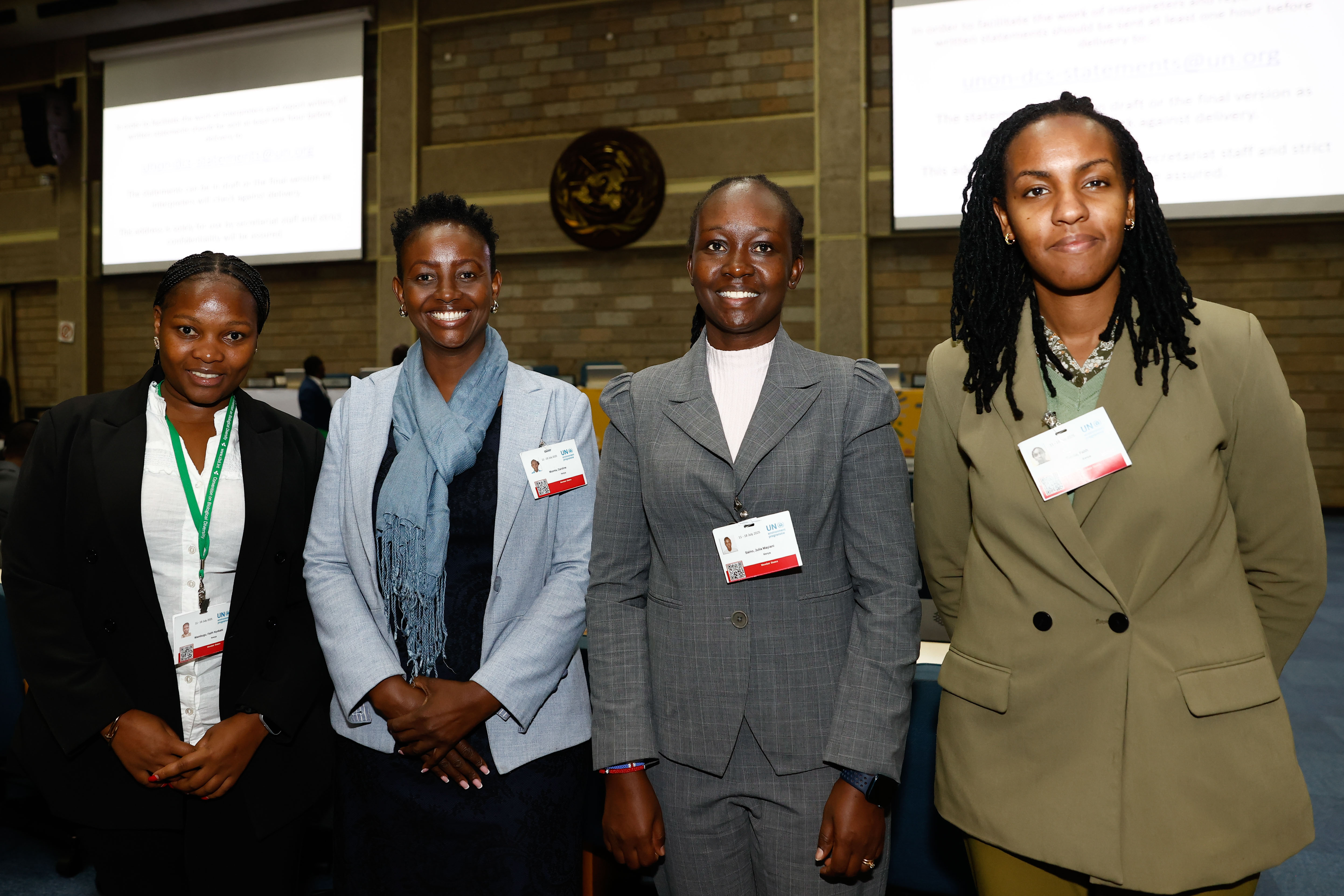
Delegates from Kenya
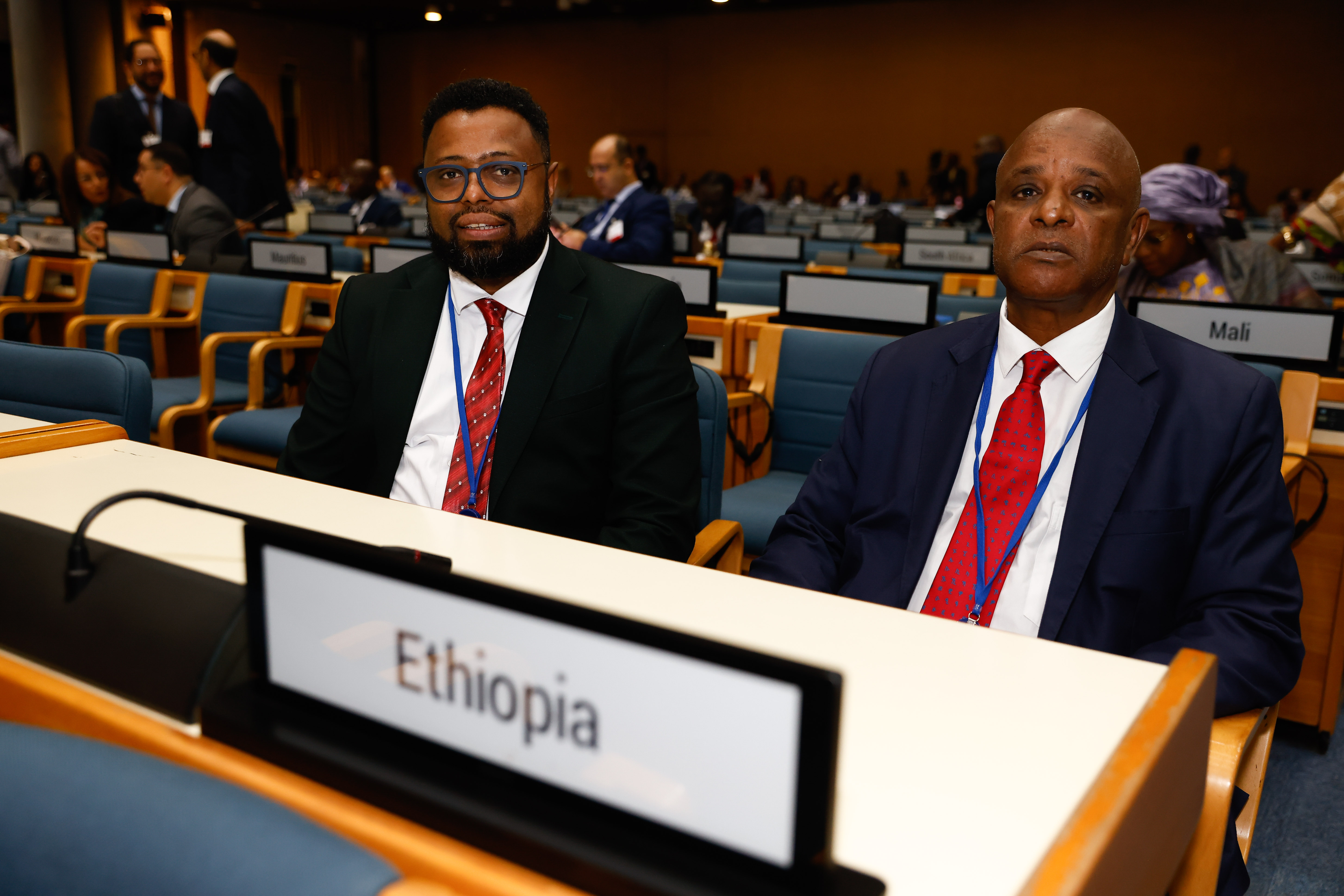
Segnie Feyissa and Demeke Atnafu, Ethiopia
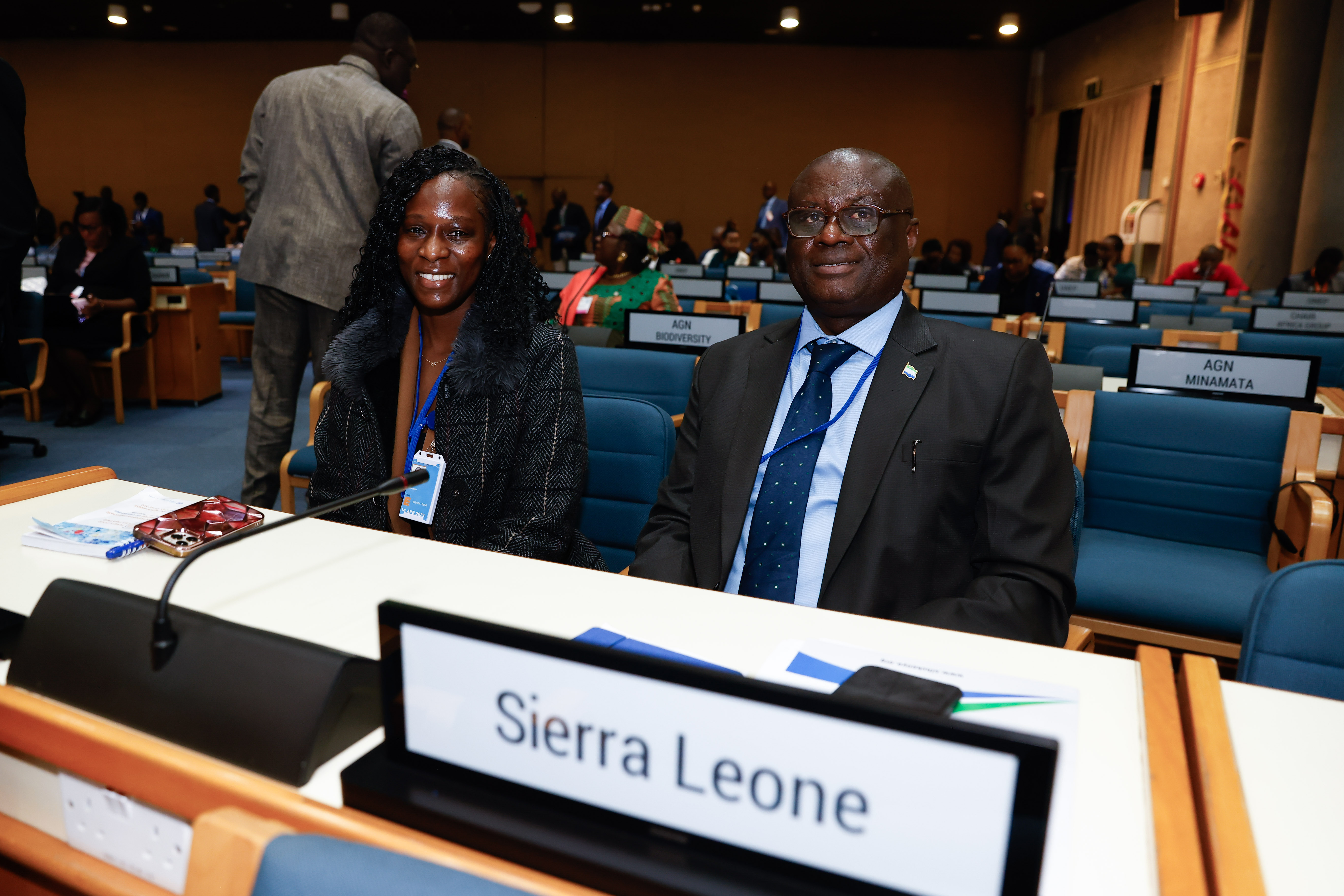
Salliamatu Bah and Peter Lavahun, Sierra Leone
Around the Venue
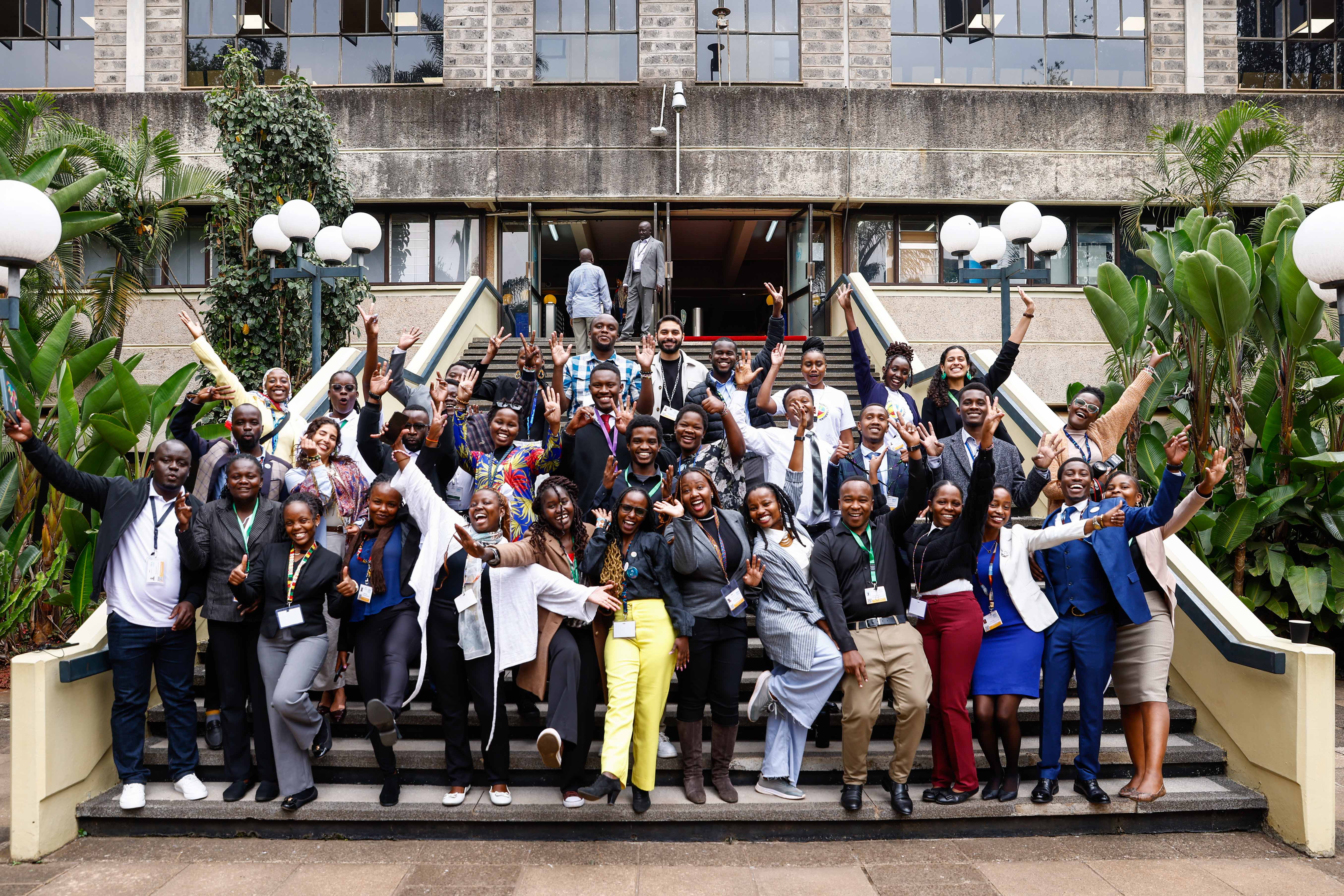
Children and Youth delegates pose for a group photo.