
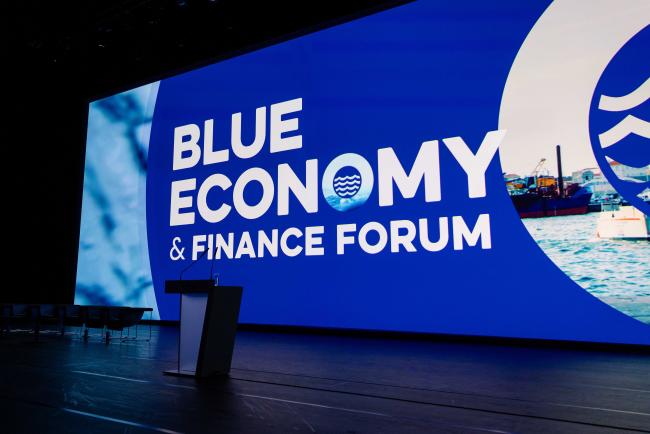
How can the Ocean be a crucial life source on the planet, yet its protection remain the least funded of all the Sustainable Development Goals (SDGs)? Perhaps even more pressing—how can the world turn the tide on ocean degradation and make way for a regenerative blue economy that heals rather than harms the planet’s wellbeing? These were some of the questions that participants discussed during the first day of the Blue Economy and Finance Forum (BEFF).
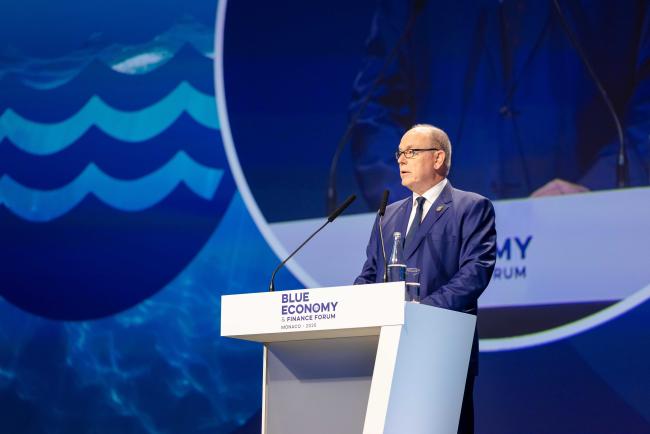
In his opening remarks, HSH Prince Albert II of Monaco highlighted a key message of the Forum being the need for a new development that preserves the balance of the planets and its wealth. He underscored the indispensable work of the scientific community to highlight threats facing the Ocean. He said that the economy, faced with planetary boundaries that have already been exceeded, must invest in a new kind of growth, noting that the Forum provide an opportunity to explore this in greater detail.
Pascal Lamy, BEFF Co-Chair and Vice President of the Paris Peace Forum, expressed hope that the Forum will give new momentum to an investment movement in the blue economy to ensure that it becomes truly sustainable. Ilana Seid, BEFF Co-Chair and Permanent Representative of Palau to the UN, stressing that “small nations can spark big change,” highlighted the Unlocking Blue Pacific Prosperity initiative, a regional movement to develop the largest conservation area in the history of the world, enabling investment towards enhancing ocean resilience.
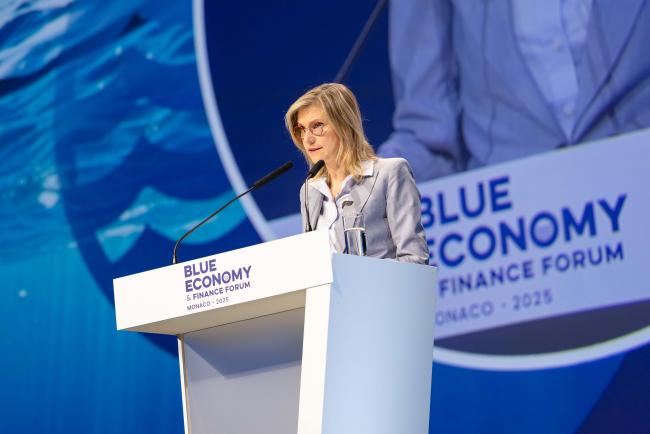
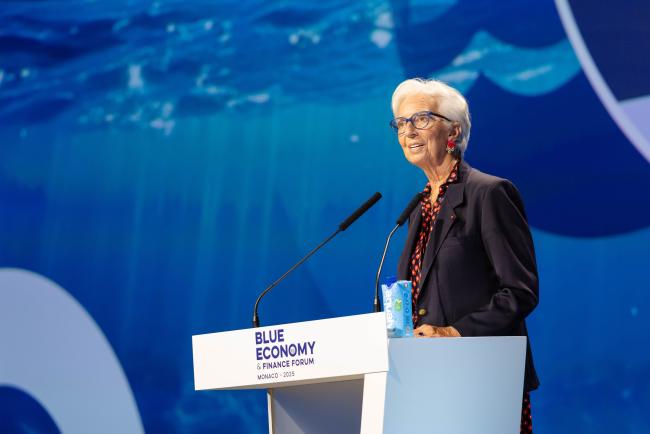
During the morning plenary, attendees heard from two panels on the theme of investing for ocean health, preservation and resilience. In a keynote speech, Christine Lagarde, European Central Bank (ECB) President, highlighted that the Ocean is one of our most powerful allies in the fight against climate change as well as a key pillar of the global economy. She referenced the profound consequences stemming from the Ocean becoming increasingly strained, and noted that the cost of inaction is far higher than what is projected for conservation and adaptation strategies. Agnès Pannier-Runacher, Minister of Ecological Transition, Energy, Climate and Risk Prevention, France, reflecting that climate and pollution denial is a weapon of mass destruction, highlighted the catalyzing power of finance, science, and diplomacy to build a resilient and sustainable blue economy.
In the ensuing panels, participants discussed catalyzing finance for ecosystem conservation impacts, and financing transboundary conservation programmes. One panelist called for realigning global financing with the reality of communities living on the ground for a healthy Ocean while another referred to enabling innovative and responsible accounting of nature, introducing the concept of “earth equity” as an alternative to capital. Panelists exchange ideas on how debt swap tools could be applied to simultaneously address the nature-finance gap while confronting the debt crisis facing two-thirds of countries around the world. On innovative finance models, the Global Fund for Coral Reefs was highlighted as an example of blended finance that mobilizes public and private resources to strengthen the resilience of coastal reef ecosystems, local communities, and economies.
In the afternoon, participants heard from two panels on the theme of financing a regenerative and sustainable blue economy. In his keynote speech, Costas Kadis, EU Commissioner for Fisheries and Oceans, outlined features of the new European Ocean Pact that provides both policy as well as shared commitments, stressing that realizing its full potential will require investment from both the private and public sectors.
In subsequent panels, panelists discussed uniting forces for realizing the power of blended finance, and fuelling innovation and the blue transition towards private investment. Sylvie Goulard and Amelie Fawcett, Co-Chairs of the International Advisory Panel on Biodiversity Credits (IAPB), provided updates on their work in exploring ways to build confidence in this emerging market, underscoring the importance of inclusivity and engaging with Indigenous Peoples as co-creators. The audience heard about the significance of having a “regenerative” blue economy that does not only do less harm, but also does measurable good.
Gianpiero Leoncini, Executive Vice President, Development Bank of Latin America and the Caribbean (CAF), announced that CAF will invest USD 2.5 billion to boost the sustainable blue economy and preserve the region’s Ocean.
Participants interacted informally in Solutions Hubs and side events throughout the morning and afternoon. They were also invited to a screening of the film Ocean with David Attenborough, with special guest Enric Sala, National Geographic.
To receive free coverage of global environmental events delivered to your inbox, subscribe to the ENB Update newsletter.
All ENB photos are free to use with attribution. For the Blue Economy and Finance Forum please use: Photo by BEFF | Jean Charles Vinaj
Opening
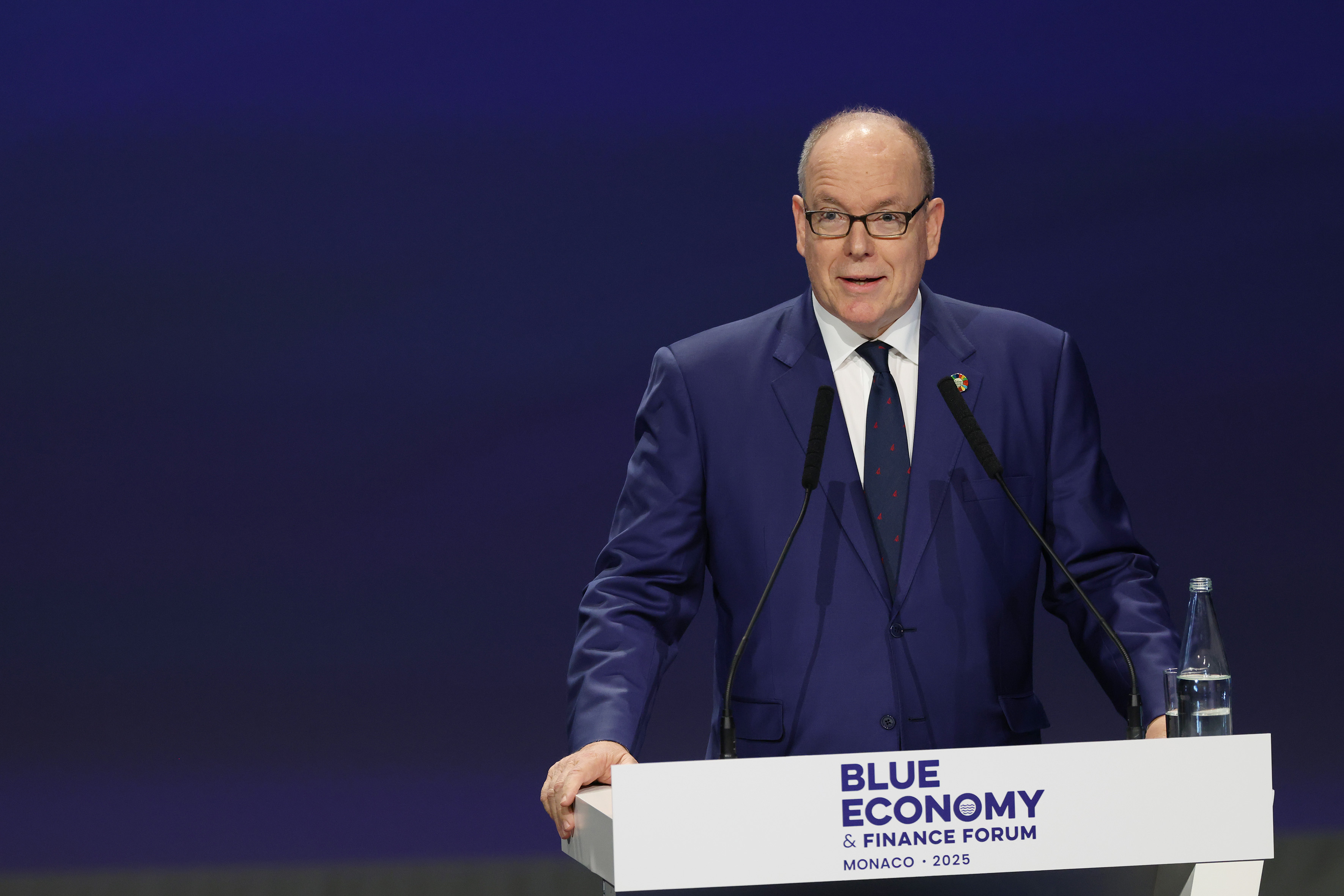
His Serene Highness Prince Albert II of Monaco
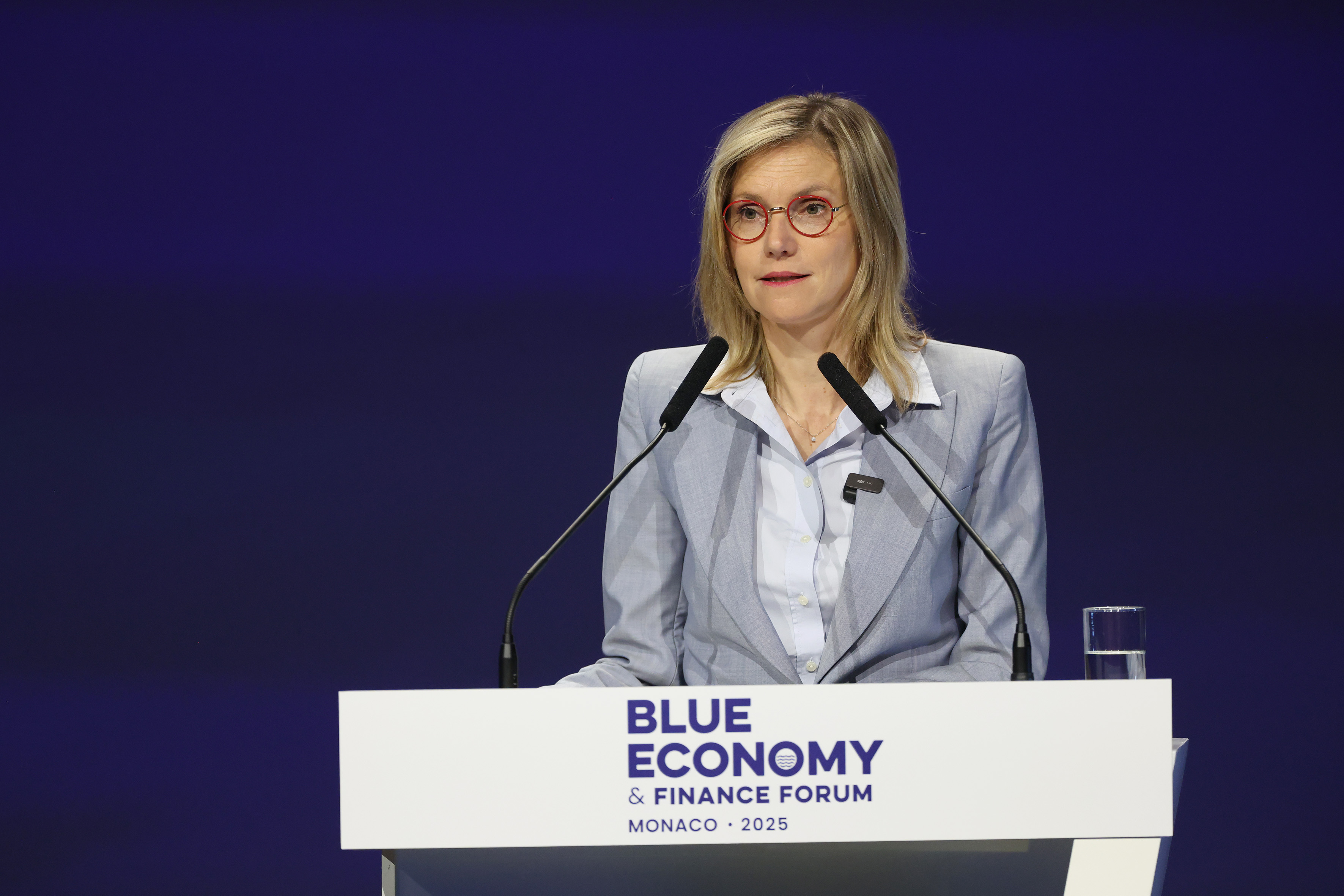
Agnès Pannier-Runacher, Minister of Ecological Transition, Biodiversity, Forests, Sea and Fisheries, France
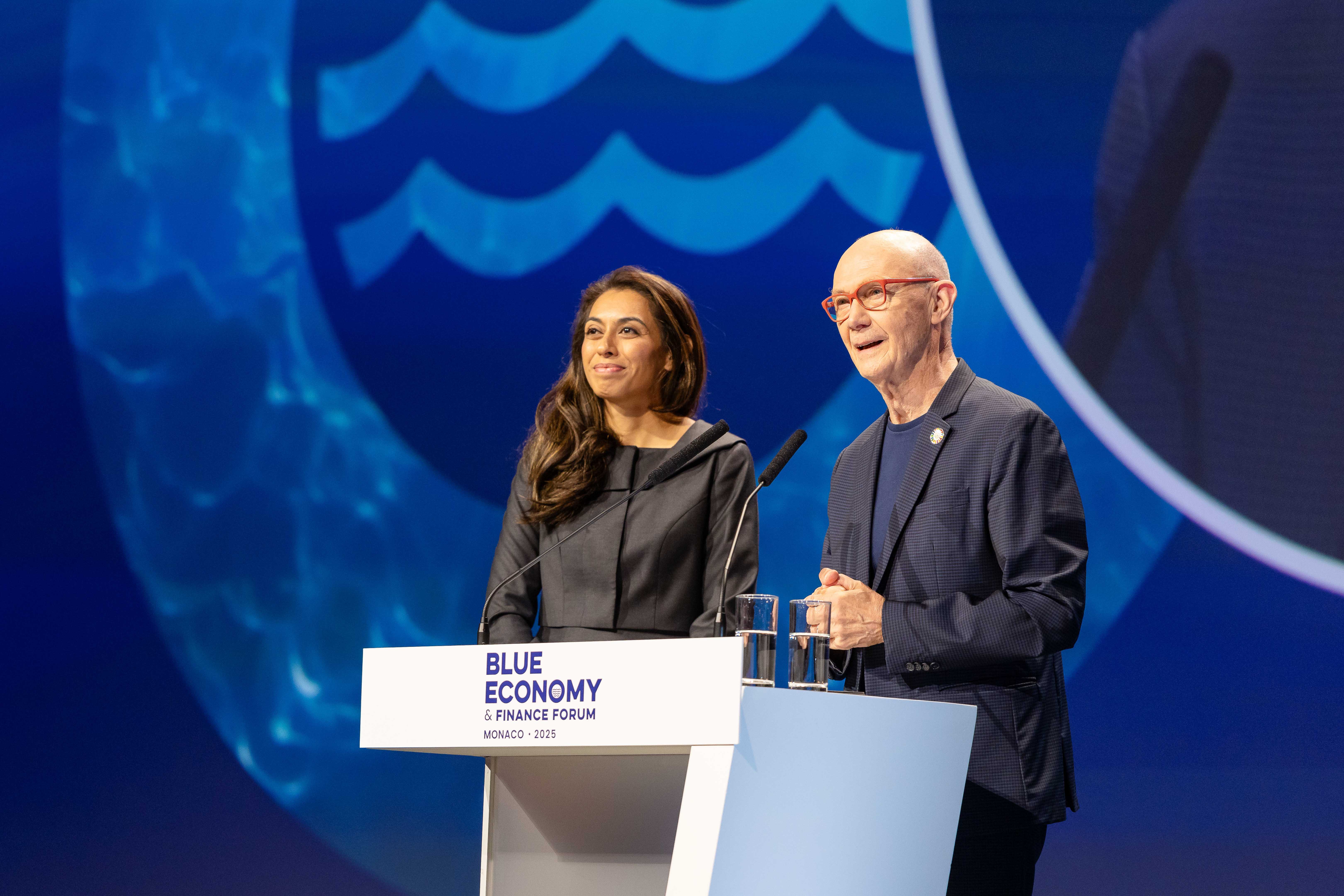
BEFF Co-Chairs Ilana Seid, Permanent Representative of Palau to the UN, and Pascal Lamy, Vice-President, Paris Peace Forum
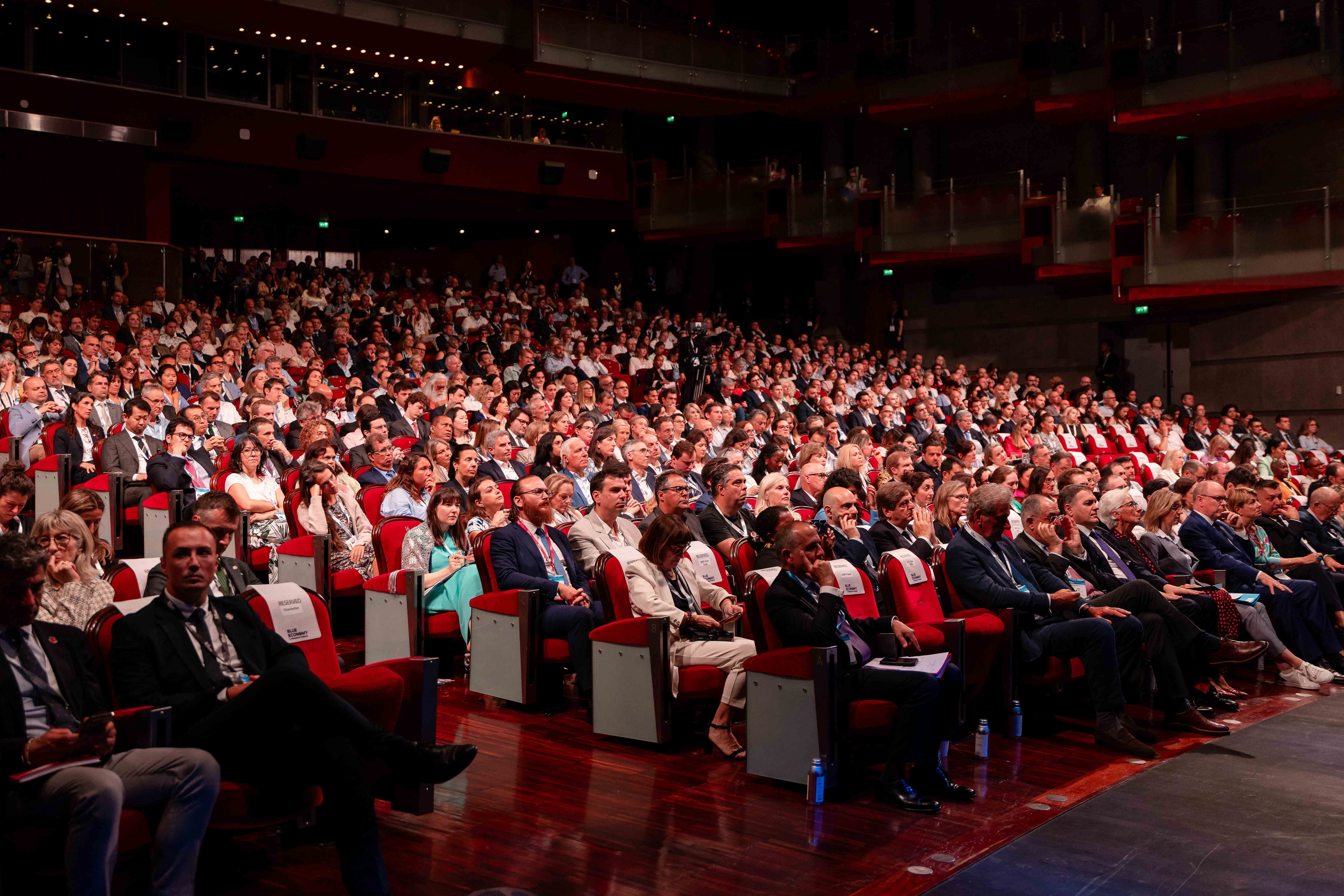
Plenary: Investing for Ocean Health, Preservation and Resilience
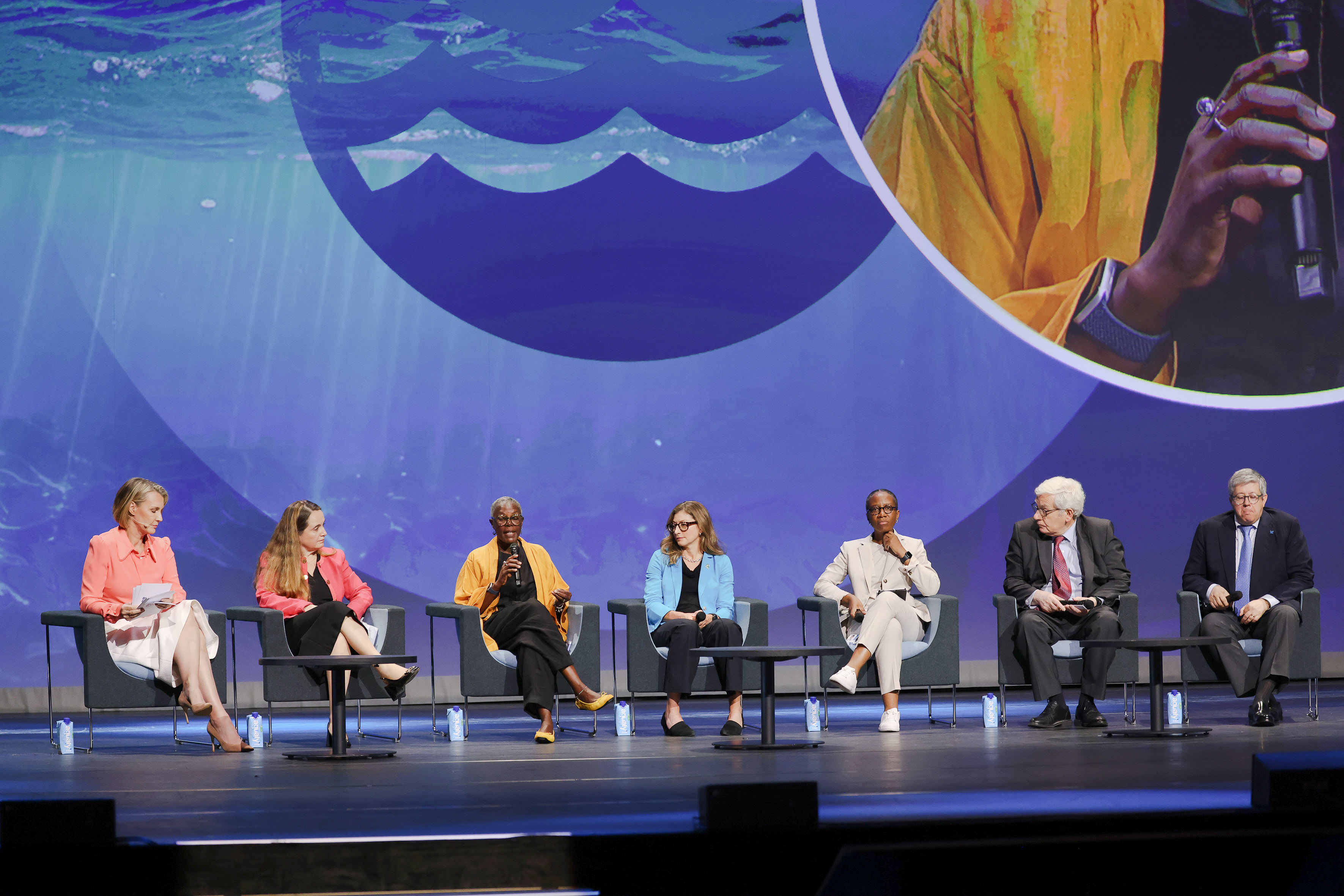
View of the first panel on Catalysing Finance for Ecosystem Conservation Impacts (Local or National)
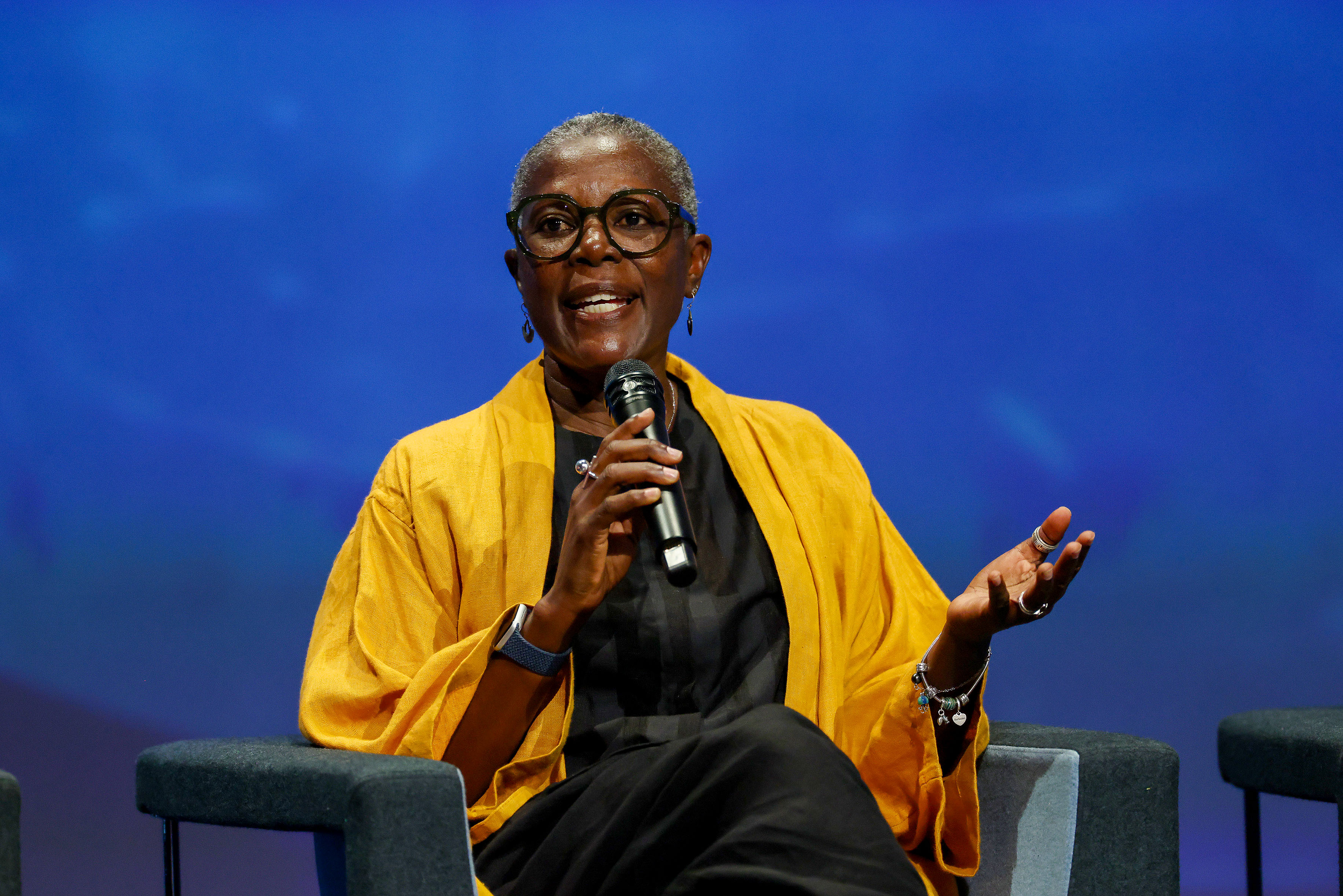
Angelique Brathwaite, Co-Founder, Blue Alliance Marine Protected Areas
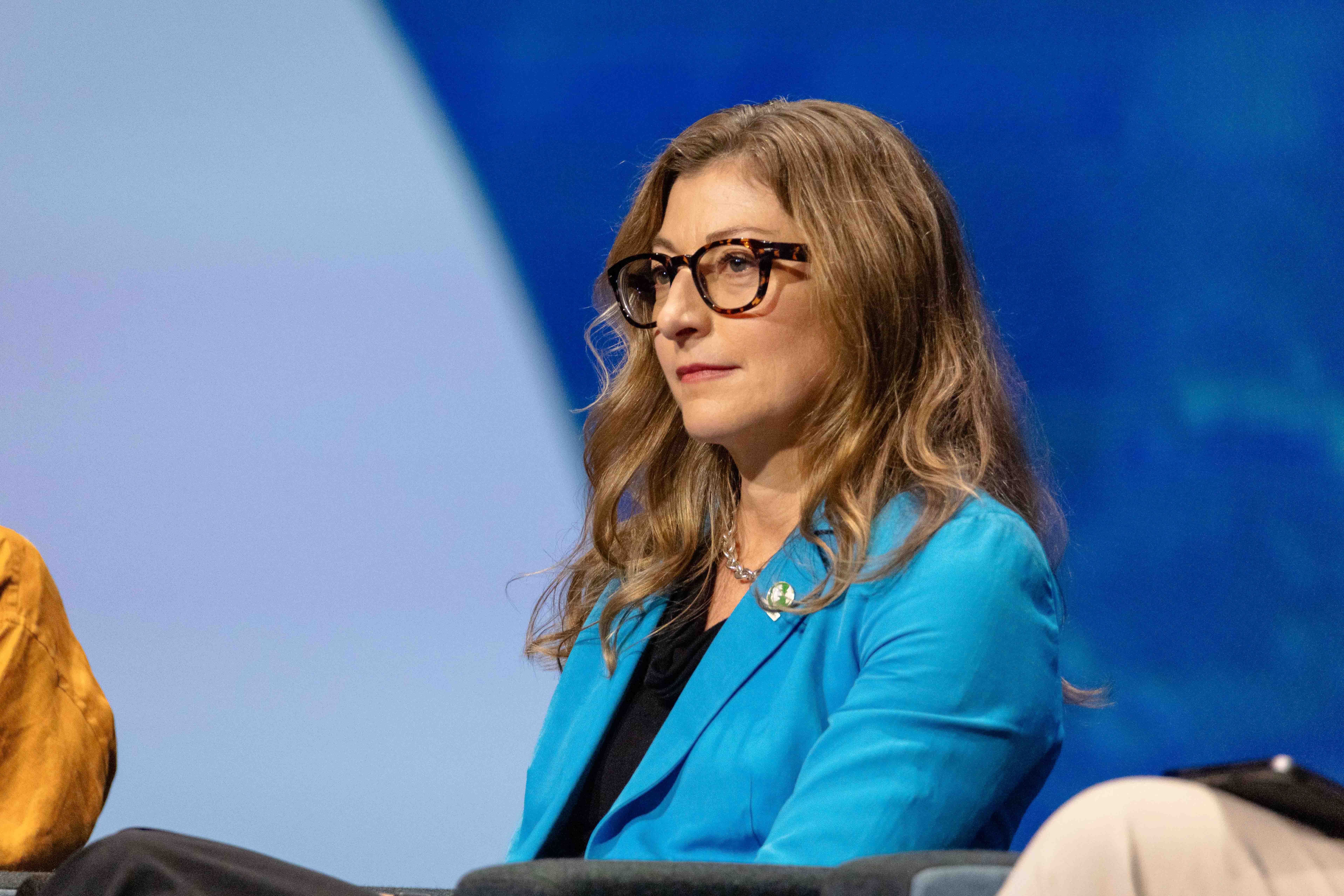
Melissa Garvey, Global Director, Nature Bonds, The Nature Conservancy
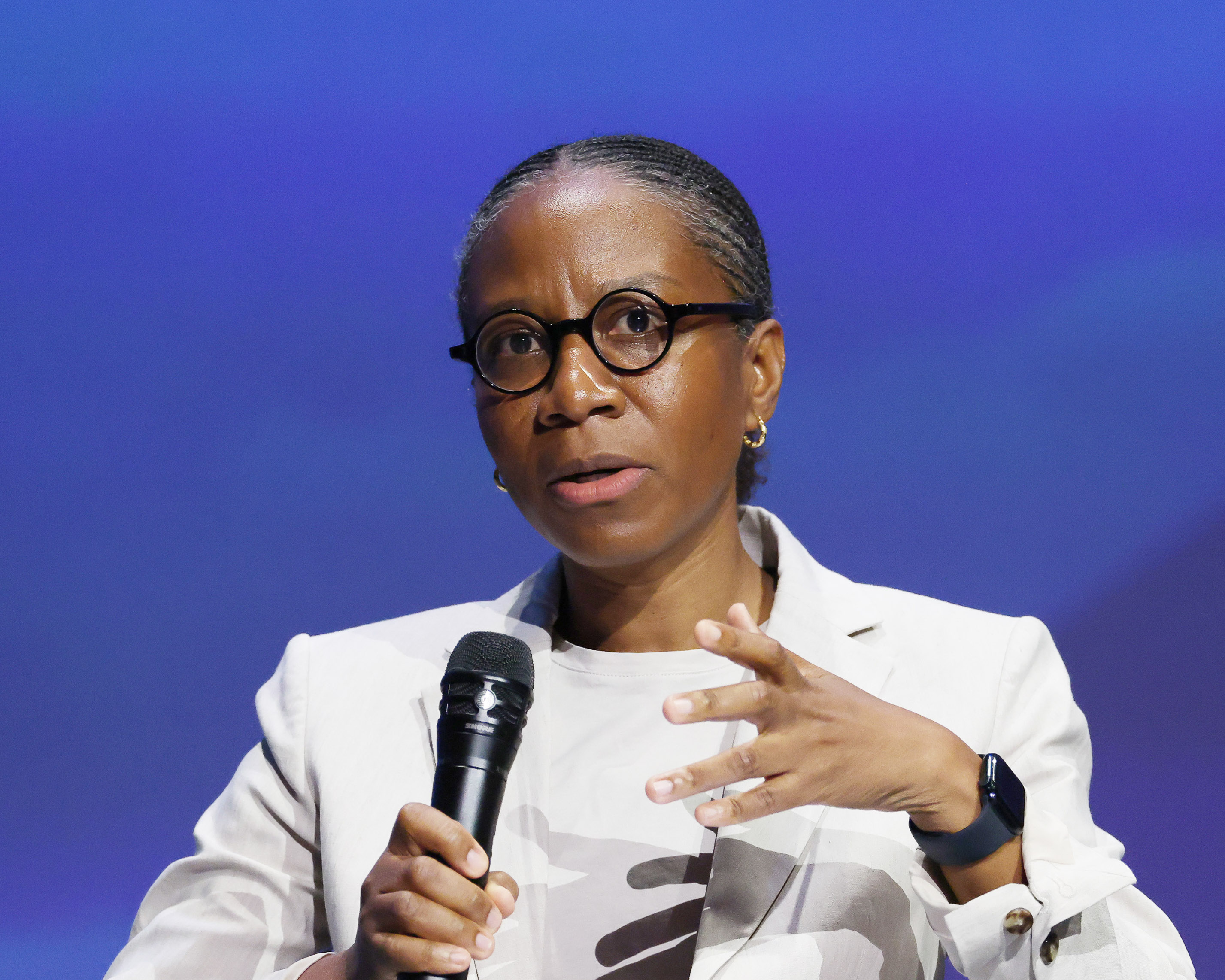
Ekhosuehi Iyahen, Secretary-General, Insurance Development Forum
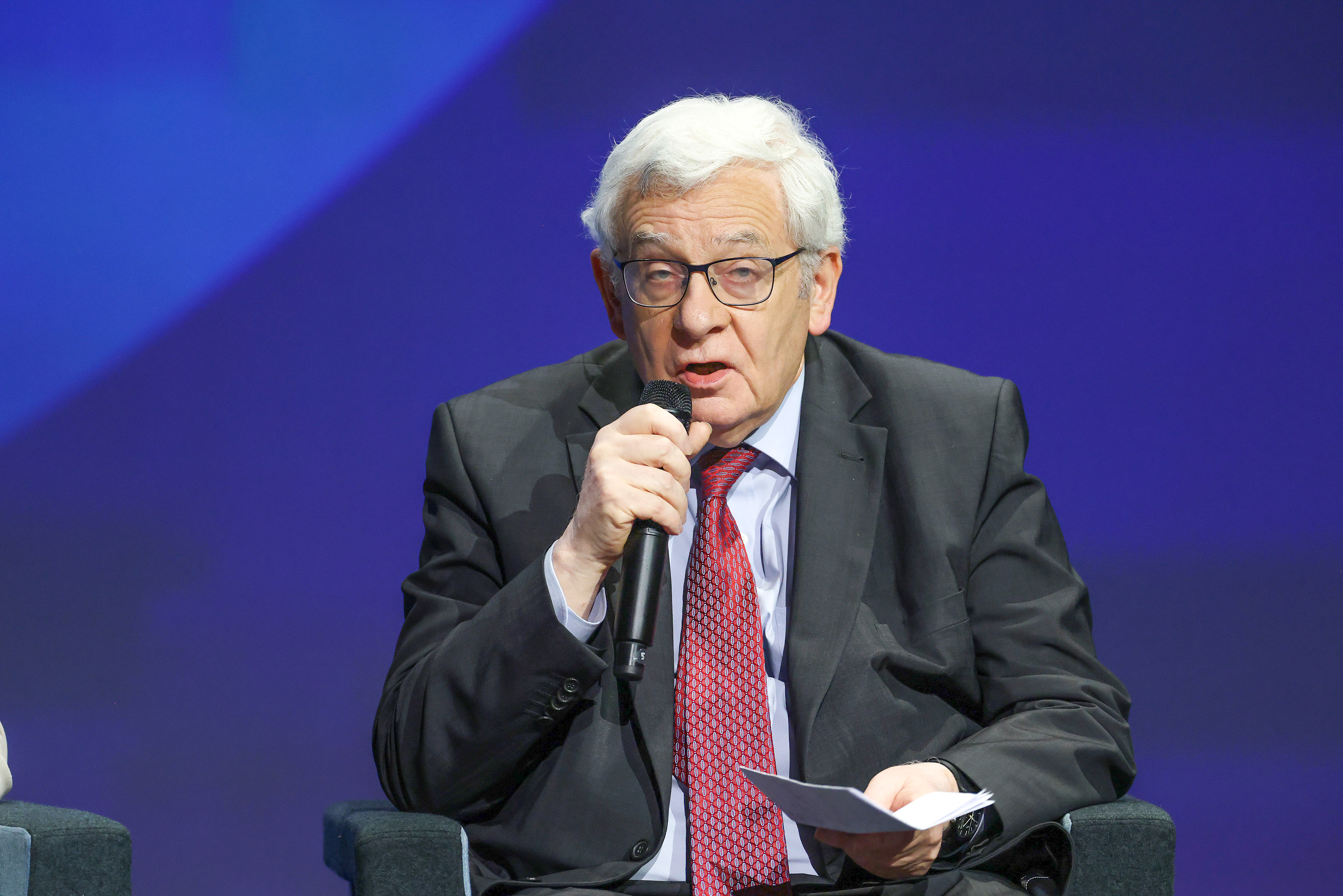
Jean Lemierre, Chairman of the Board, BNP Paribas
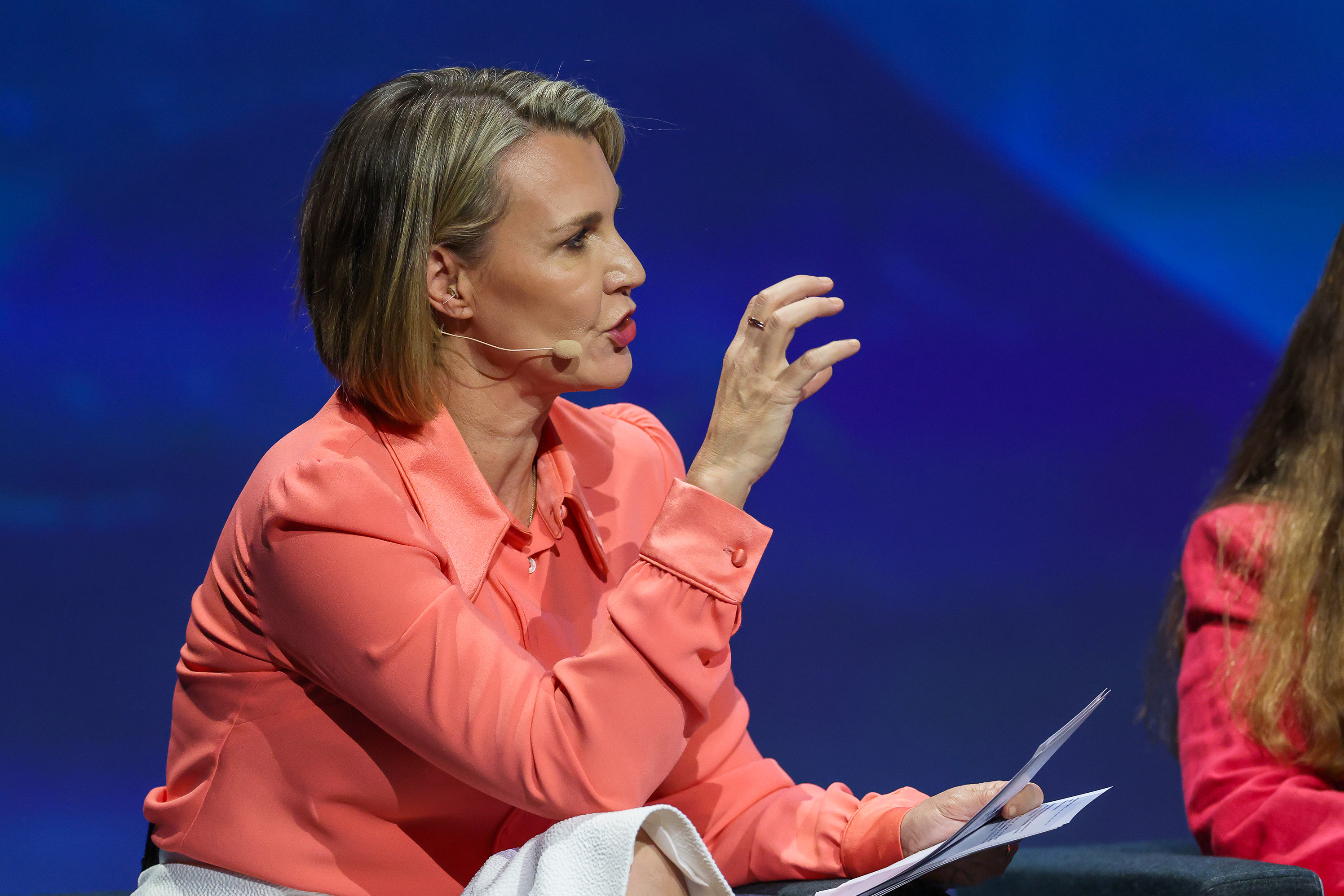
Robyn Curnow, Moderator
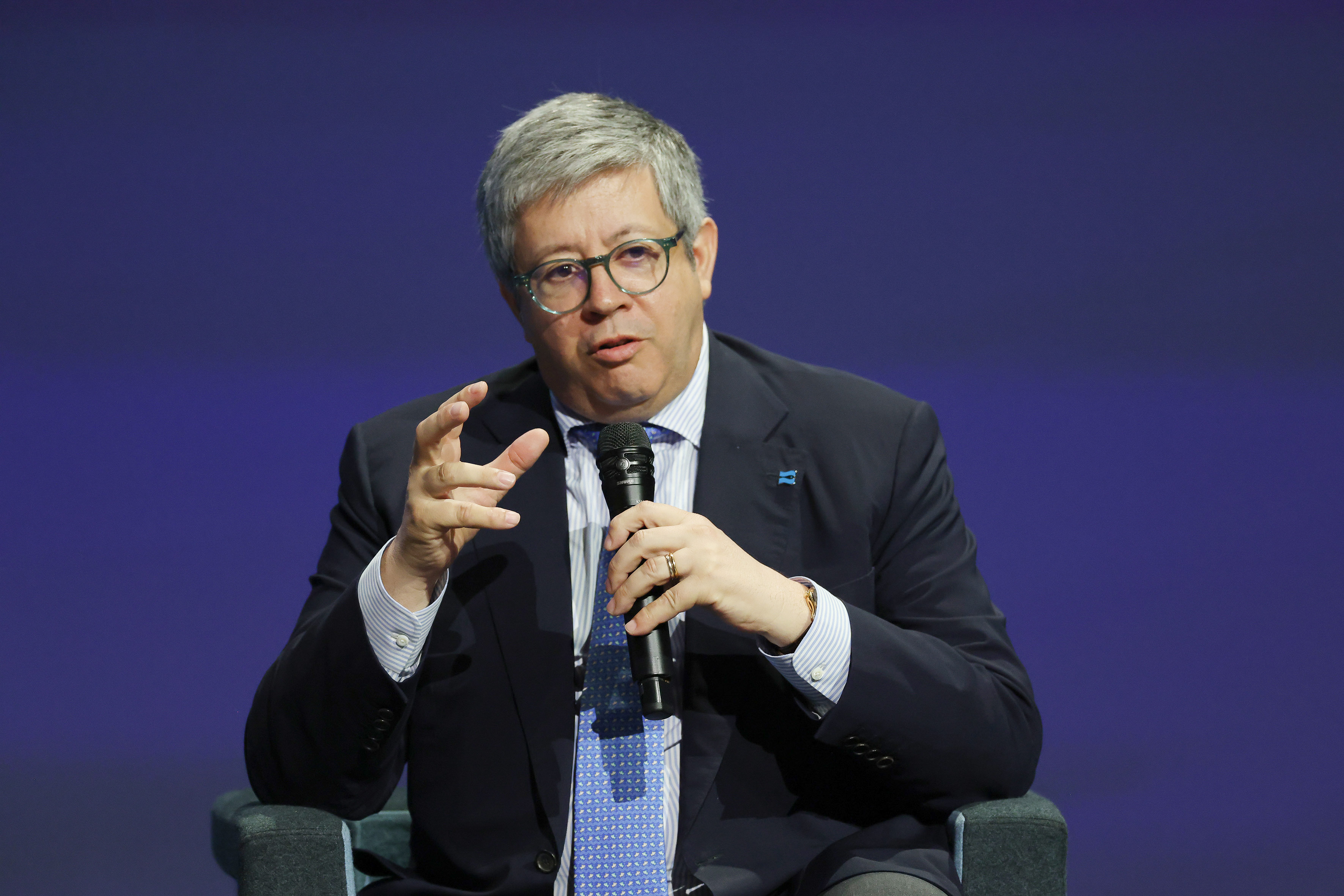
José Soares dos Santos, Founder and Chairman, Oceano Azul Foundation
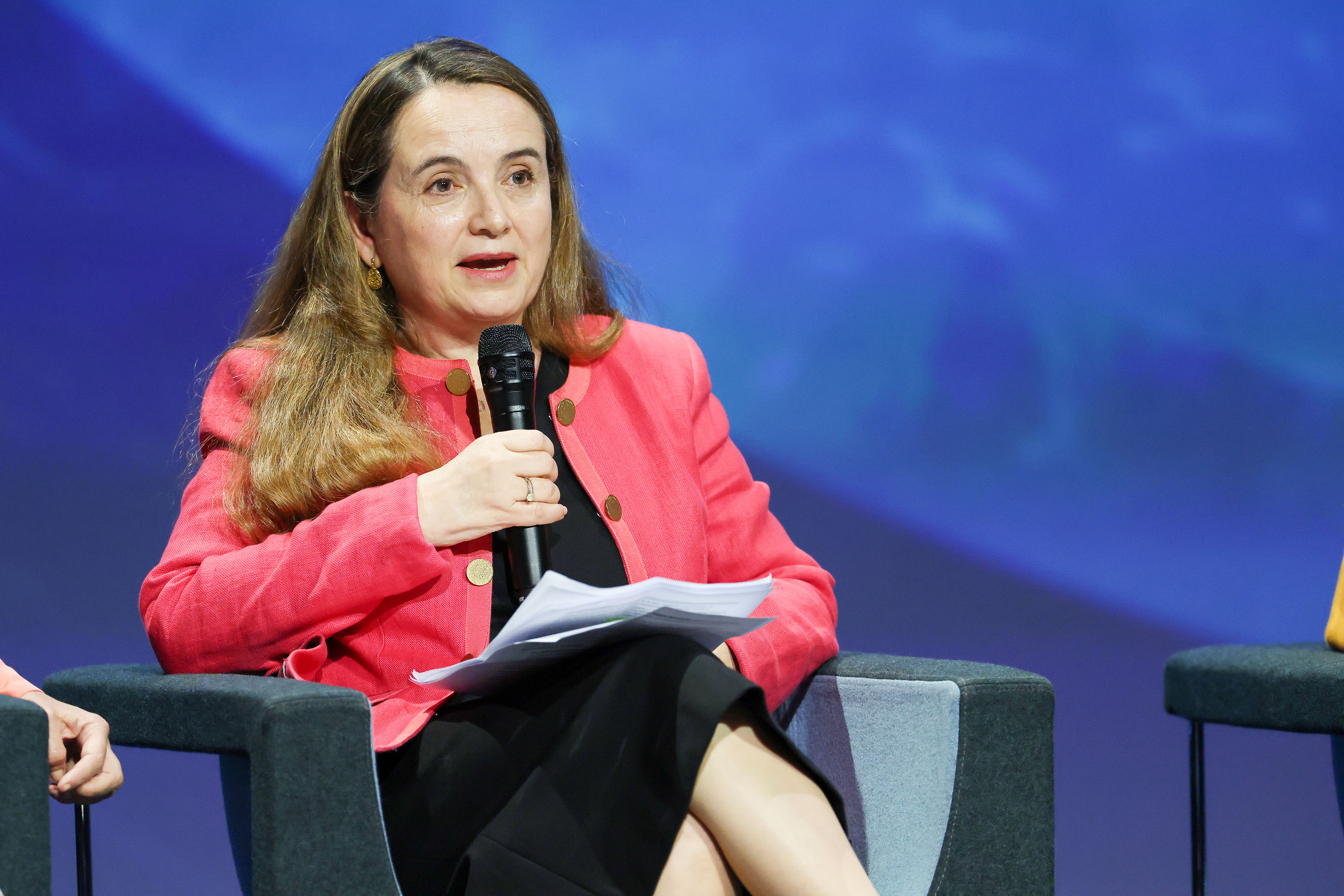
Grethel Aguilar, Director-General, International Union for Conservation of Nature (IUCN)
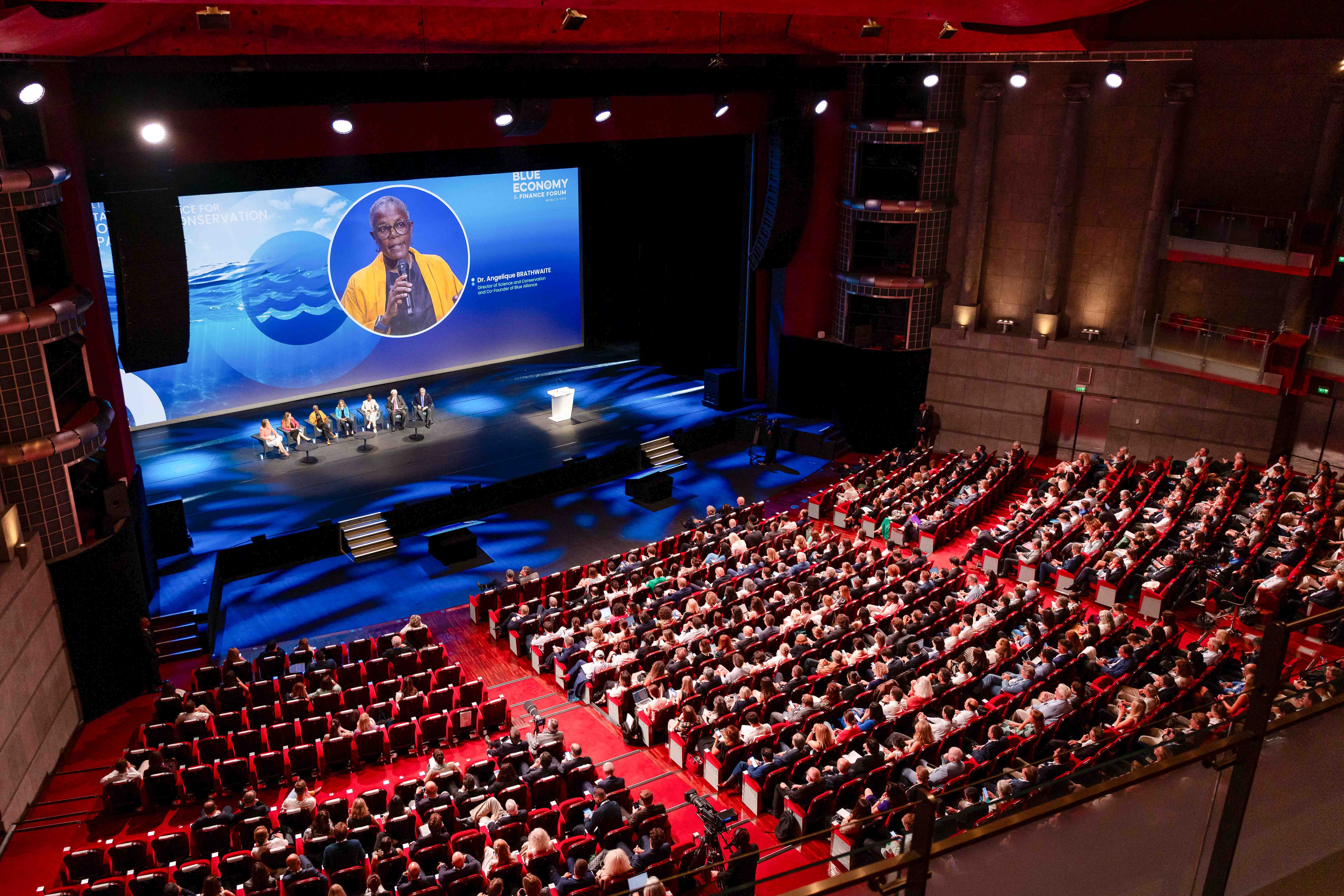
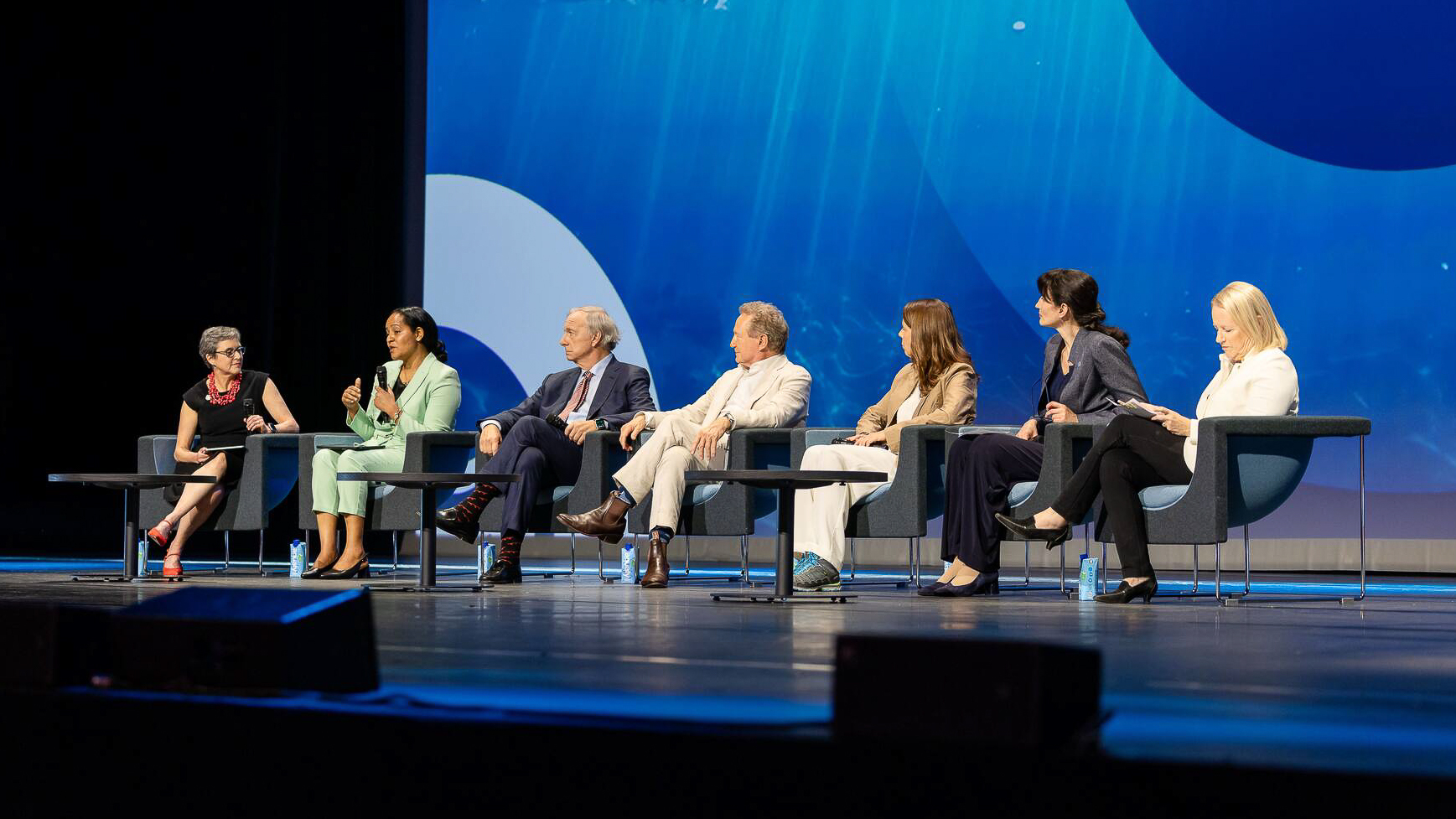
View of the second panel on Financing Transboundary Conservation Programmes
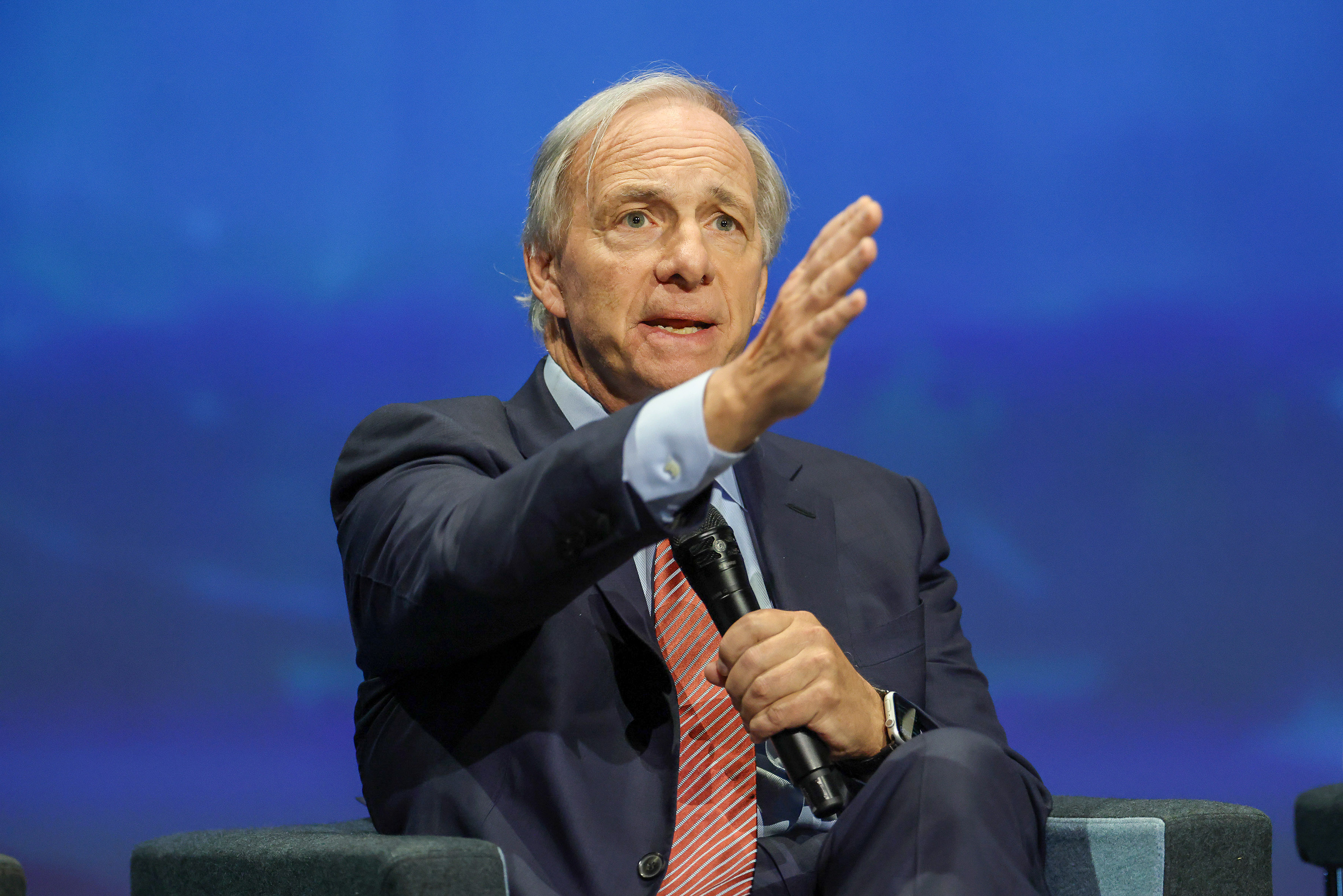
Ray Dalio, Founder, Bridgewater
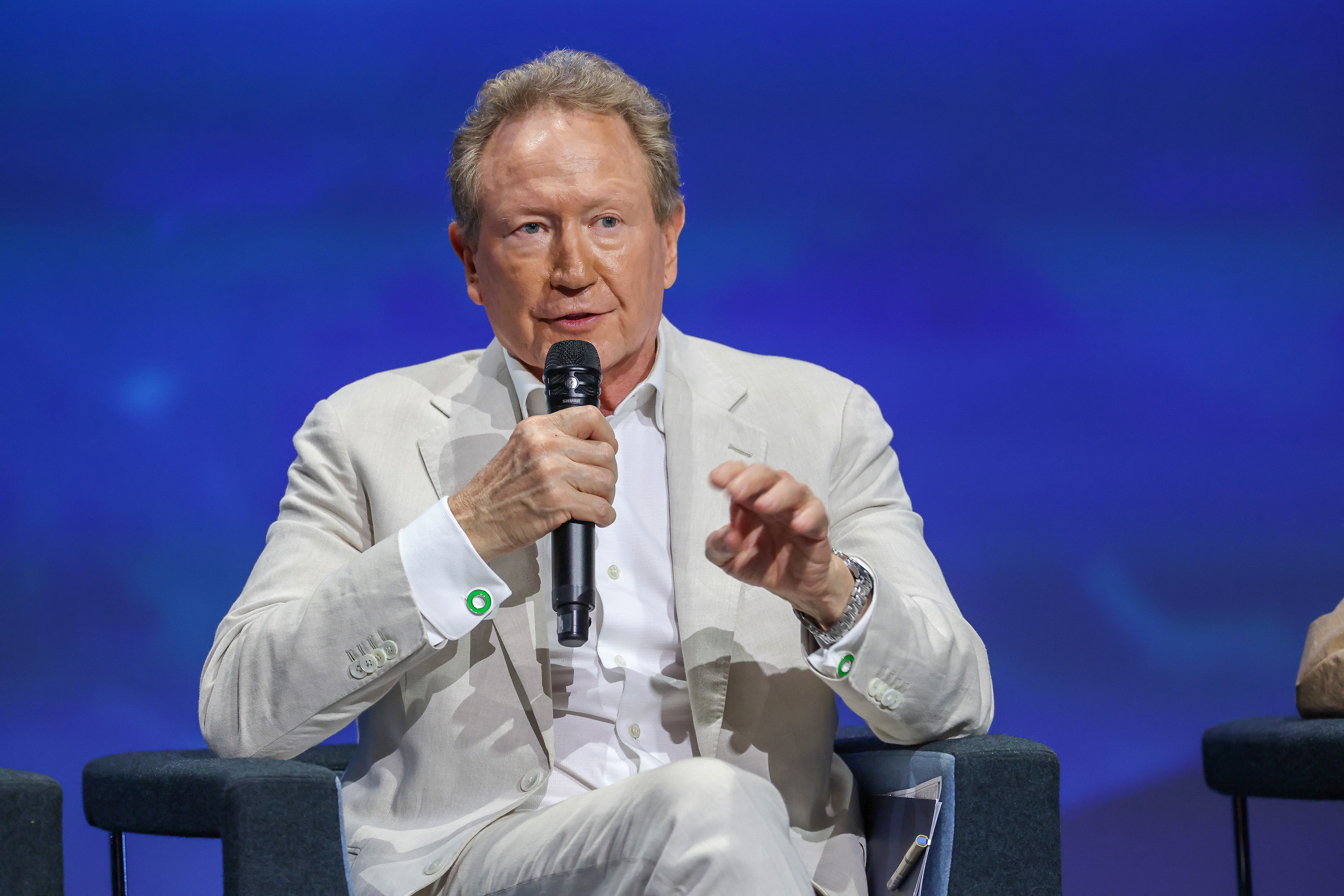
Andrew Forrest, Executive Chairman and Founder, Fortescue, and Founder, Minderoo Foundatio, and Tattarang
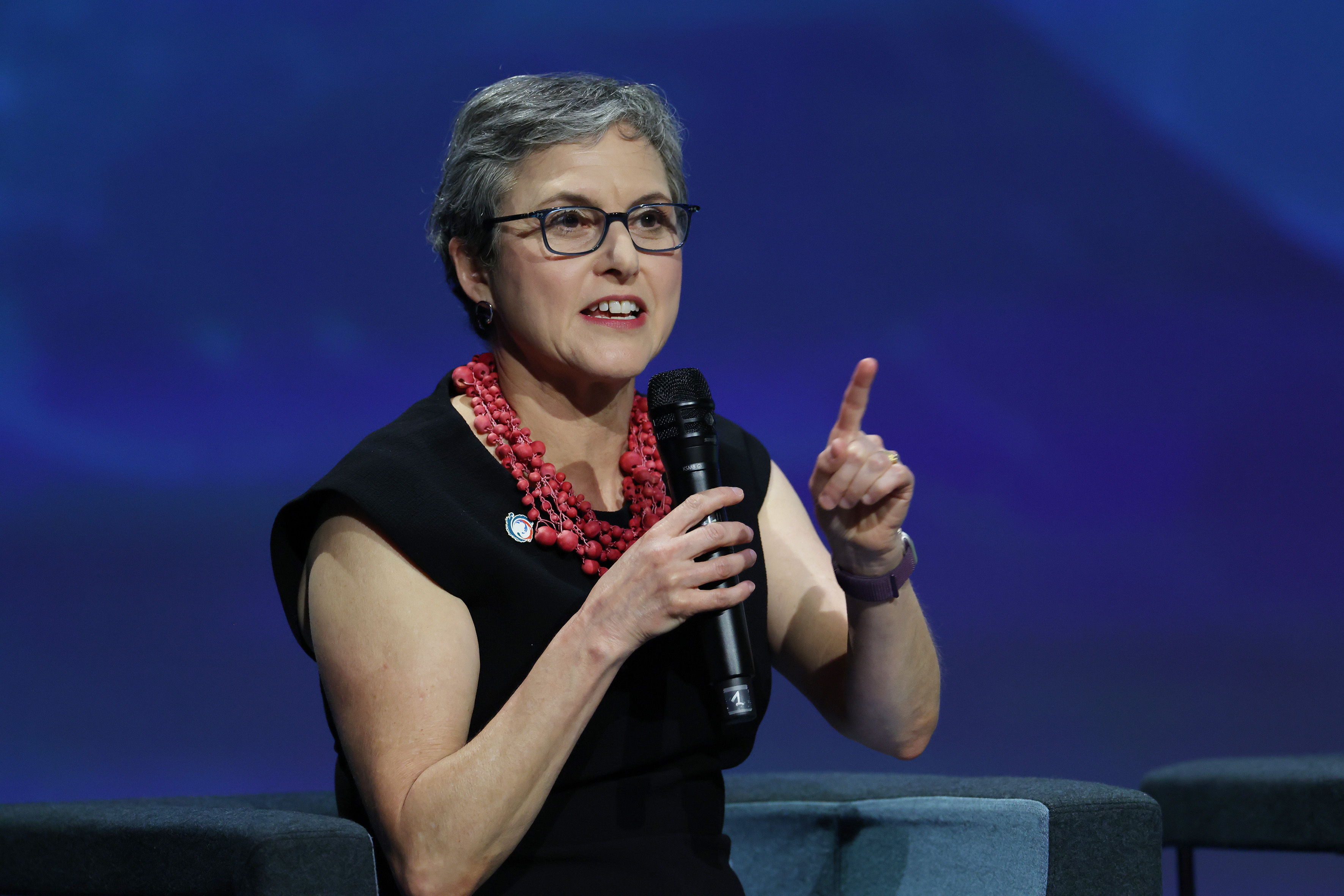
Moderator Karen Sack, Executive Director, Ocean Risk and Resilience Action Alliance
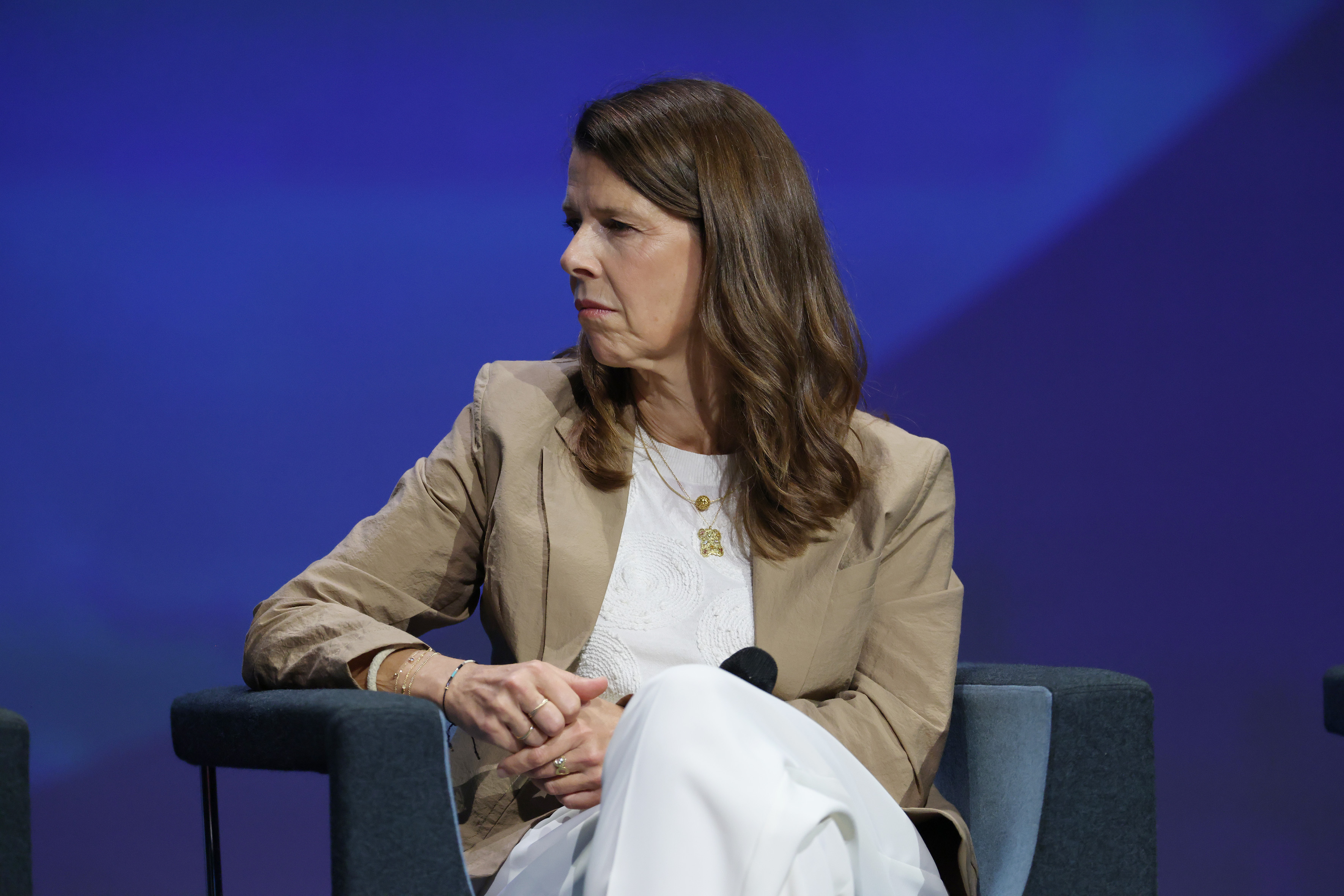
Barbara Karuth-Zelle, Group Chief Operating Officer and Board Member, Allianz SE
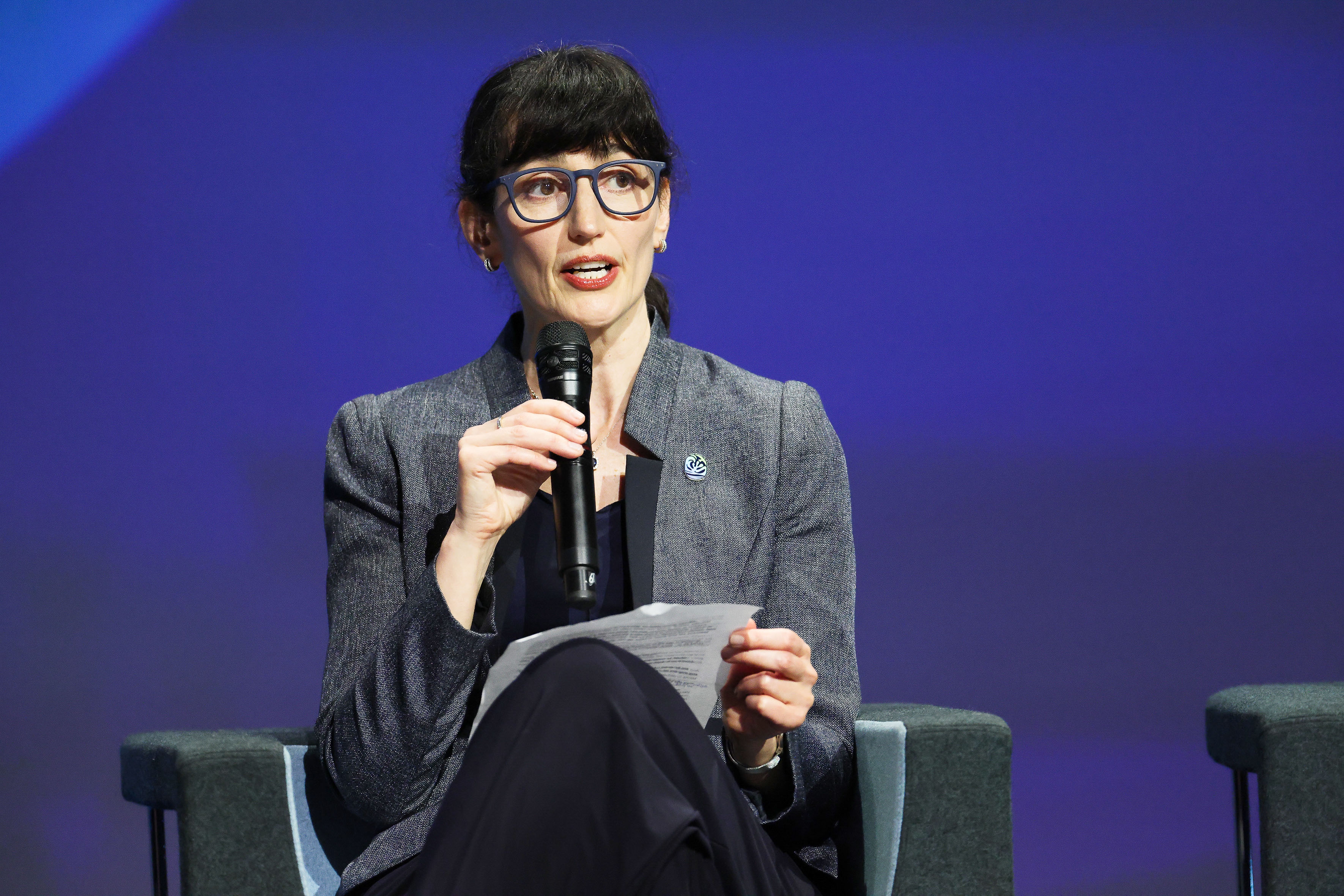
Kristin Rechberge, Founder and CEO, Dynamic Planet and Revive Our Ocean
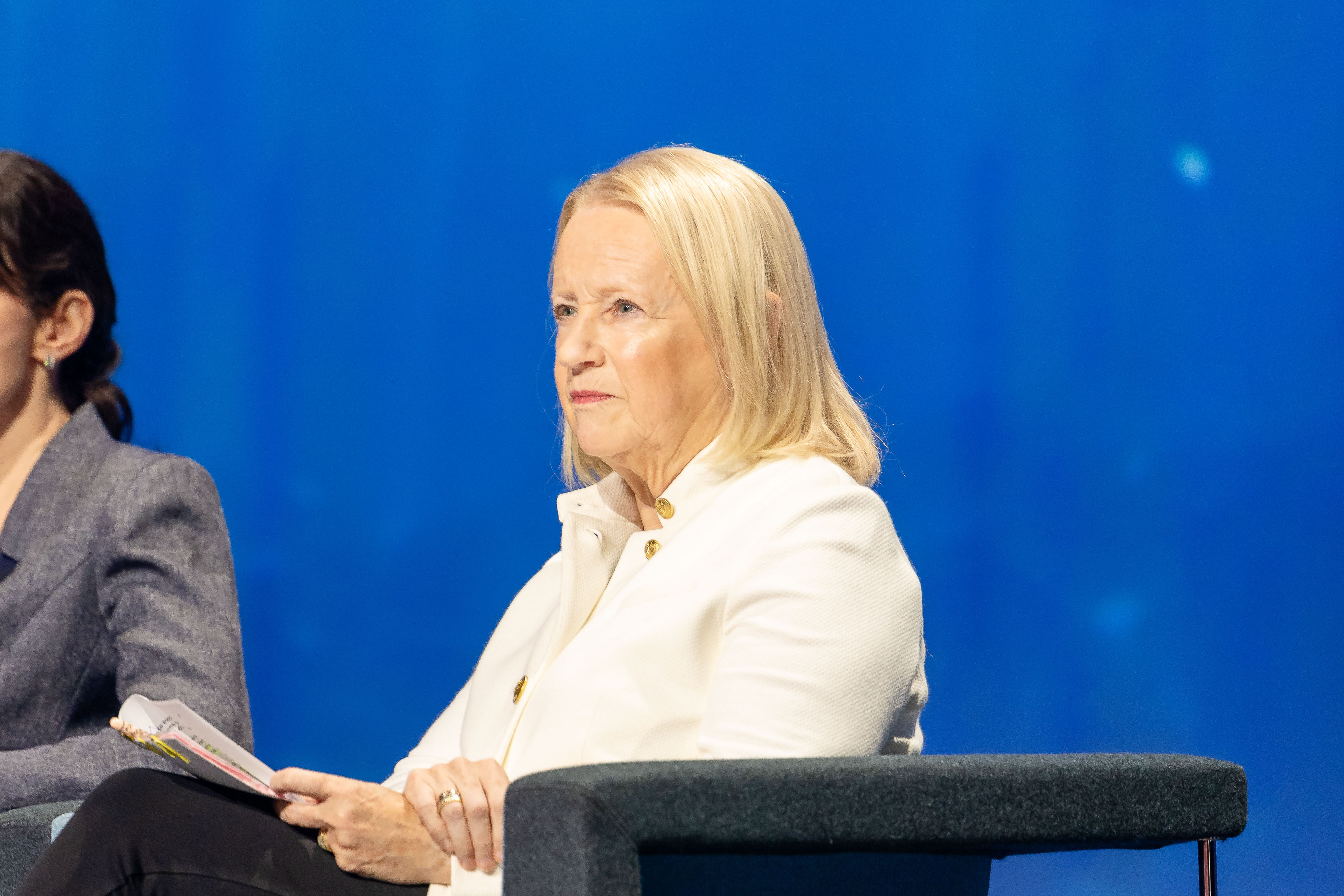
Mary Schapiro, Vice-Chair, Glasgow Financial Alliance for Net Zero (GFANZ)
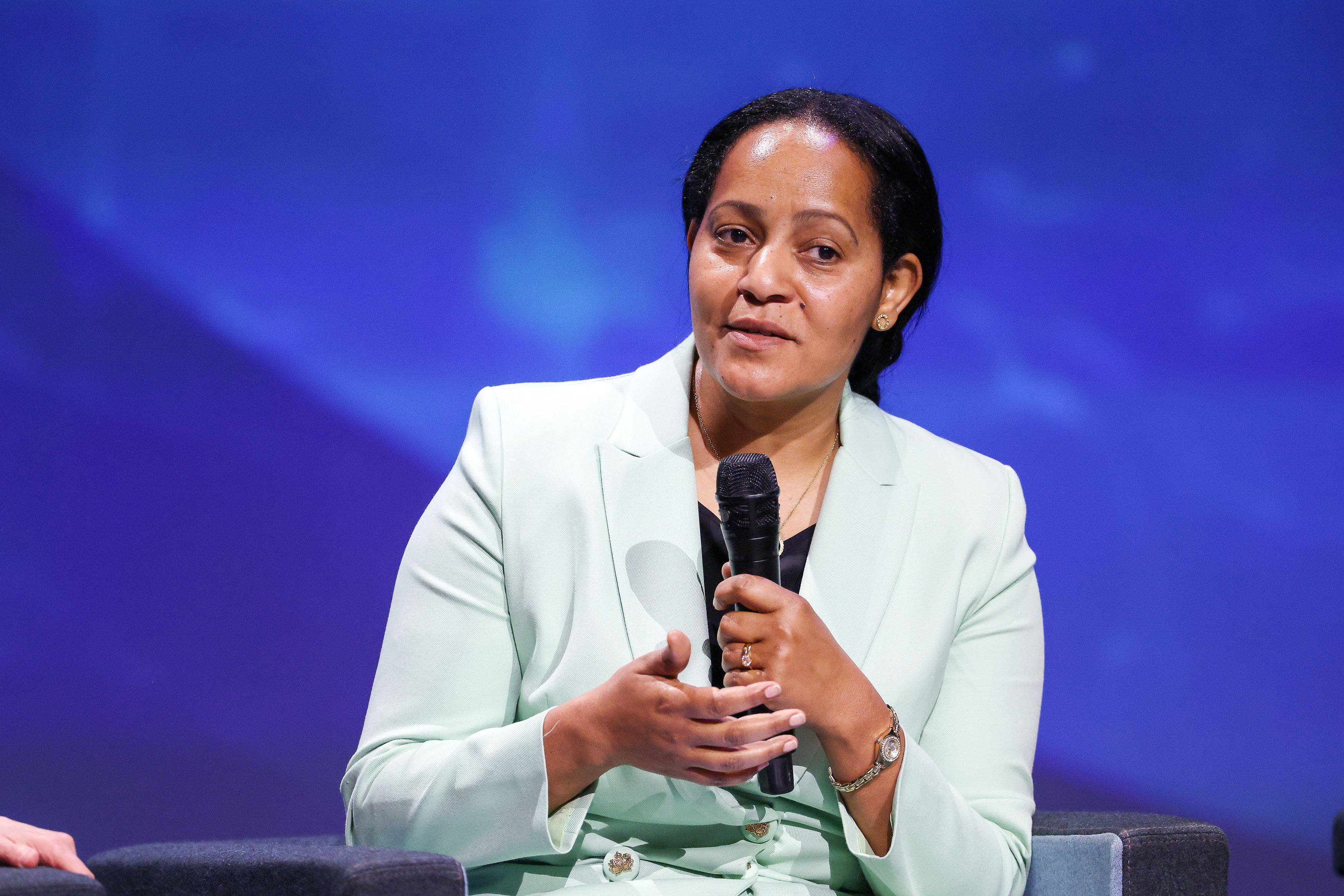
Sinikinesh Beyene Jimma, UN Environment Programme (UNEP)
Plenary: Financing a Regenerative and Sustainable Blue Economy
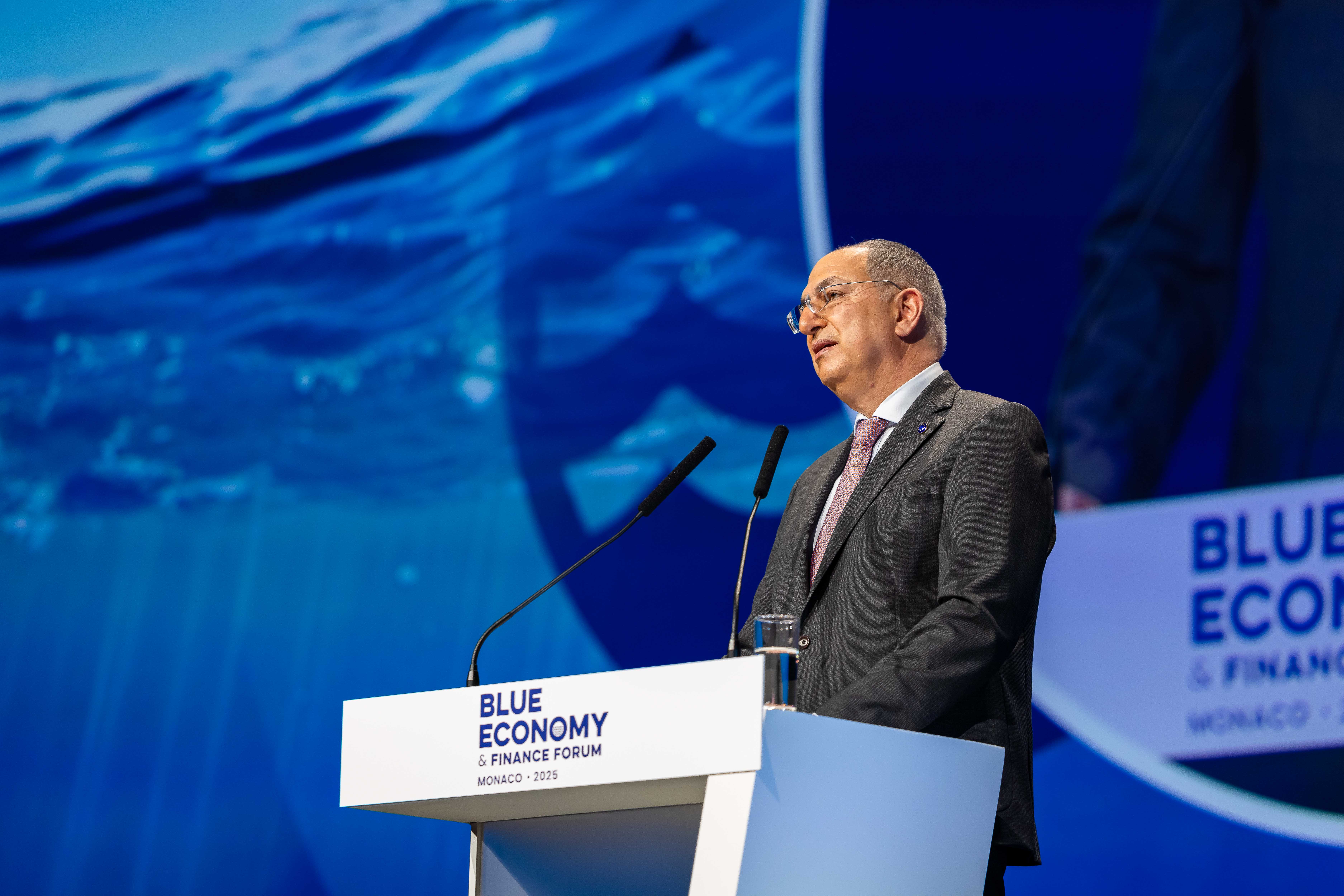
Costas Kadis, Commissioner for Fisheries and Oceans, EU
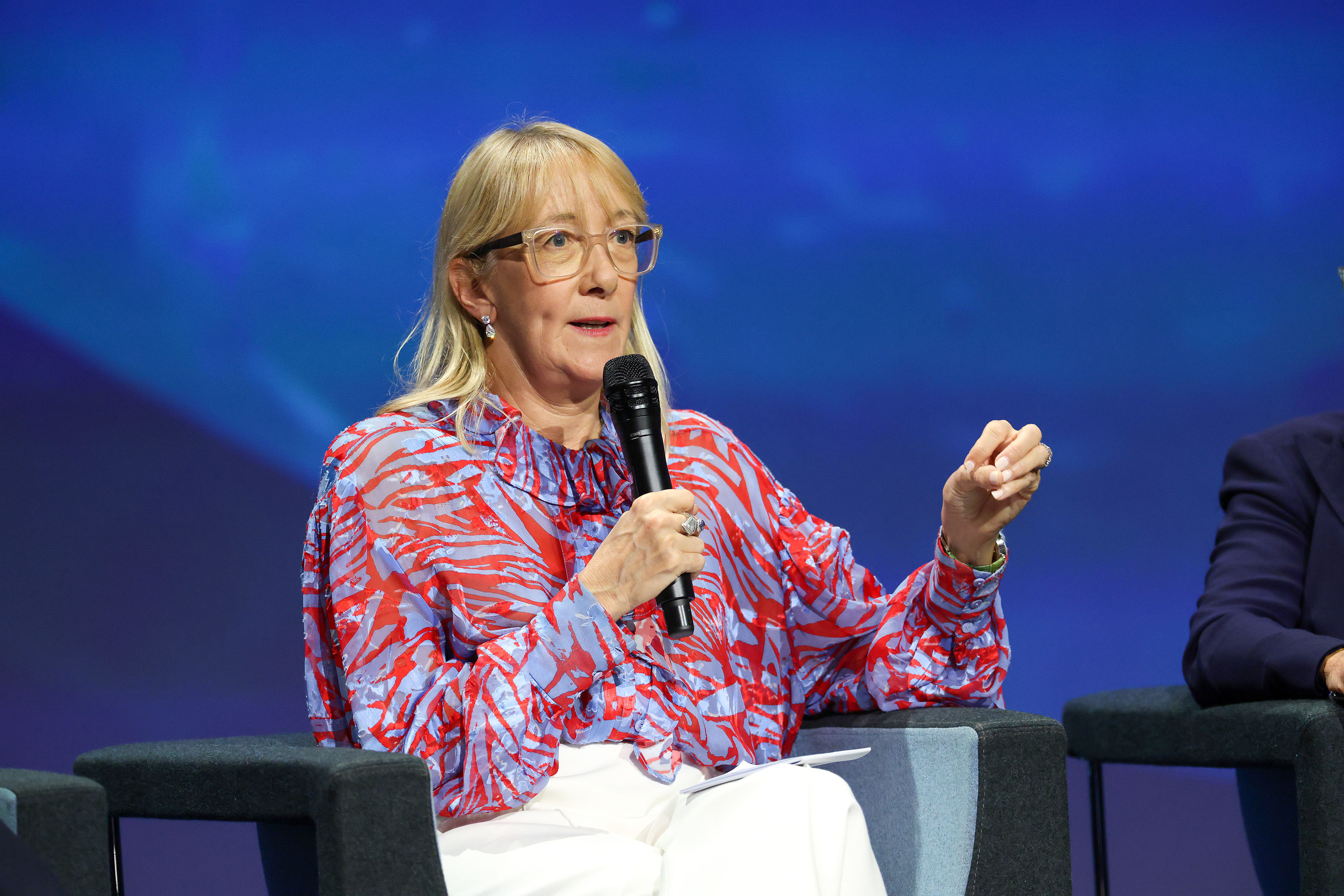
Marisa Drew, Chief Sustainability Officer, Standard Chartered
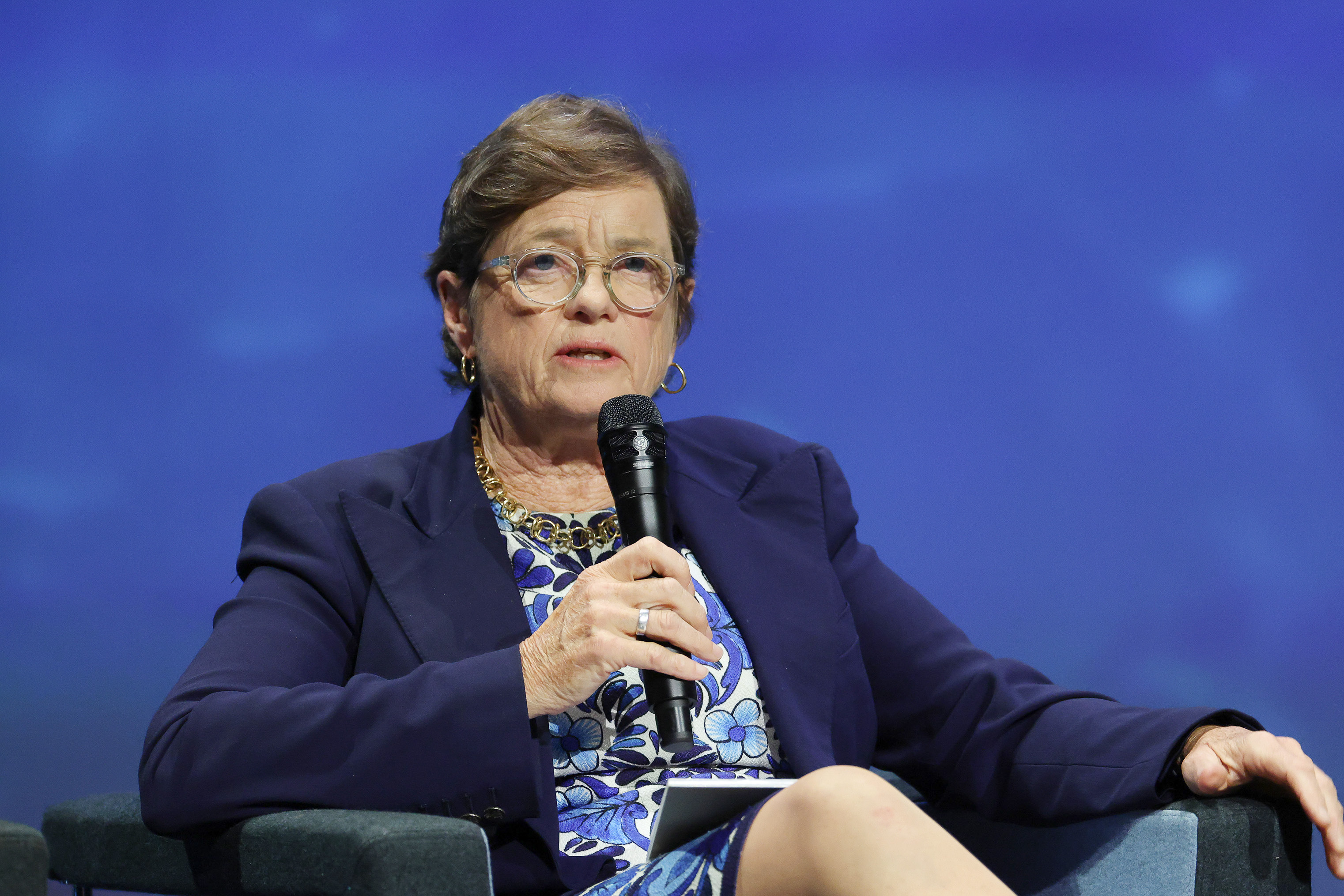
Dame Amelia Fawcett, Co-Chair, International Advisory Panel on Biodiversity Credits (IAPB), and Non-Executive Director, State Street Corporation
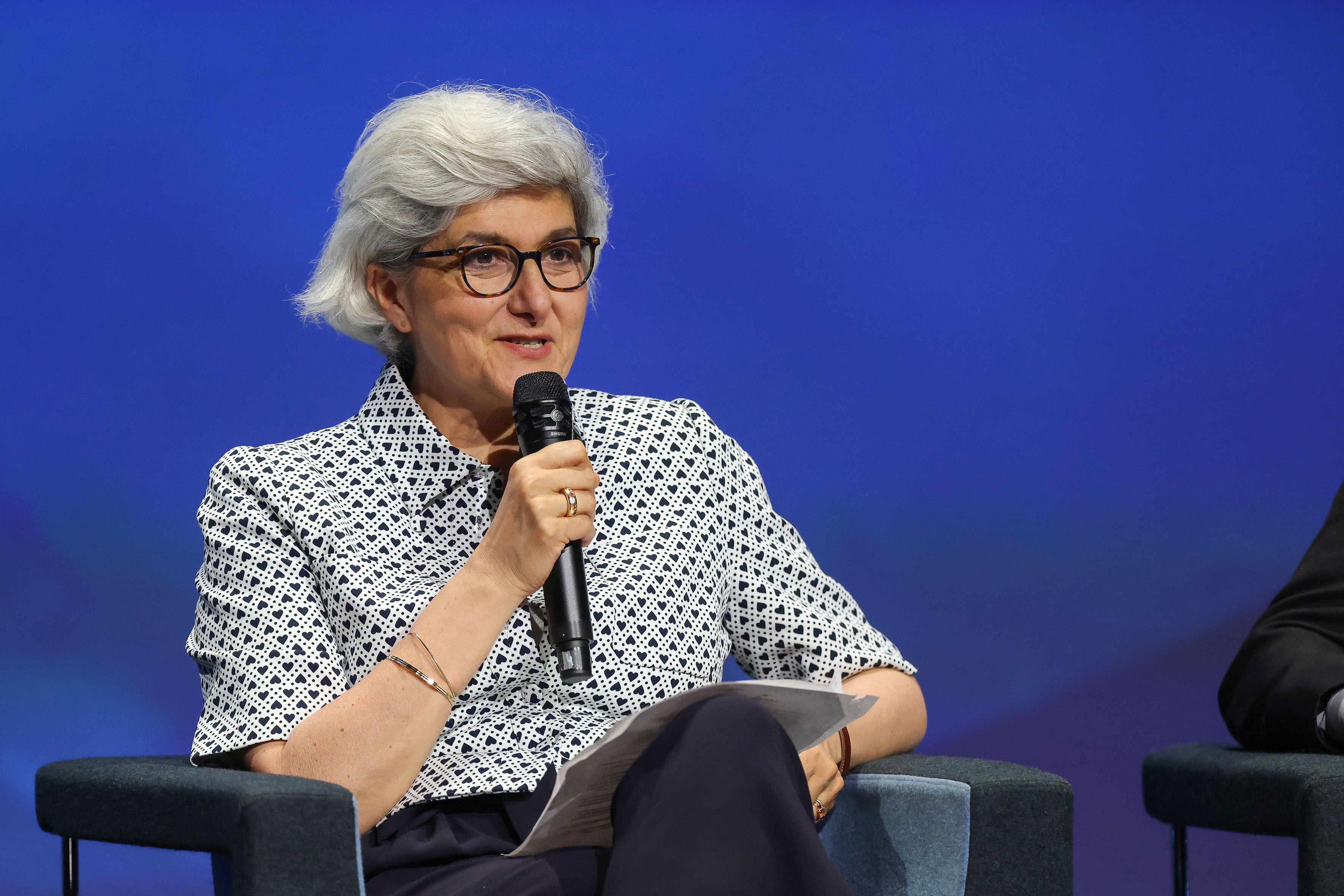
Sylvie Goulard, IAPB Co-Chair
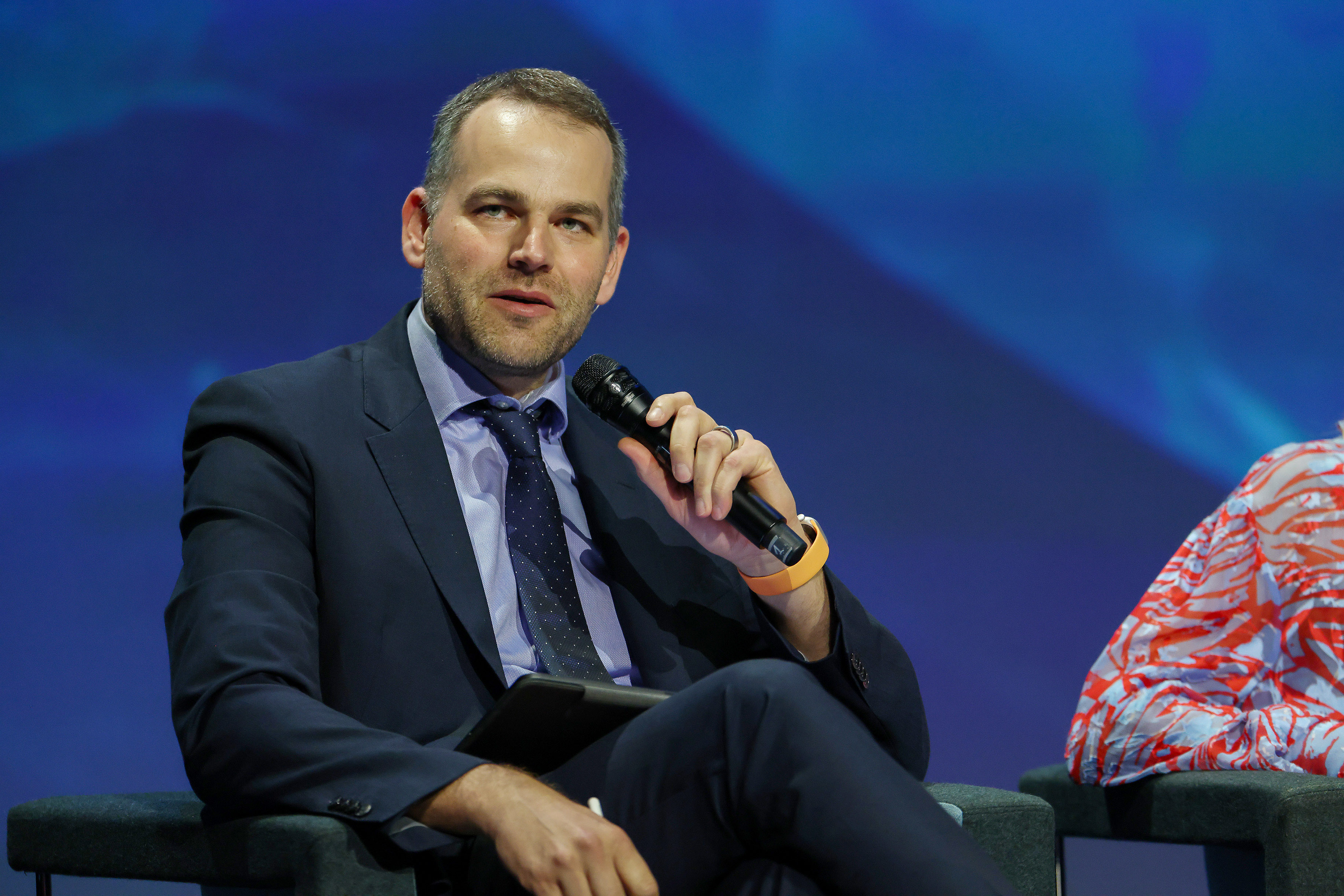
Moderator Sebastian Buckup, Managing Director, World Economic Forum
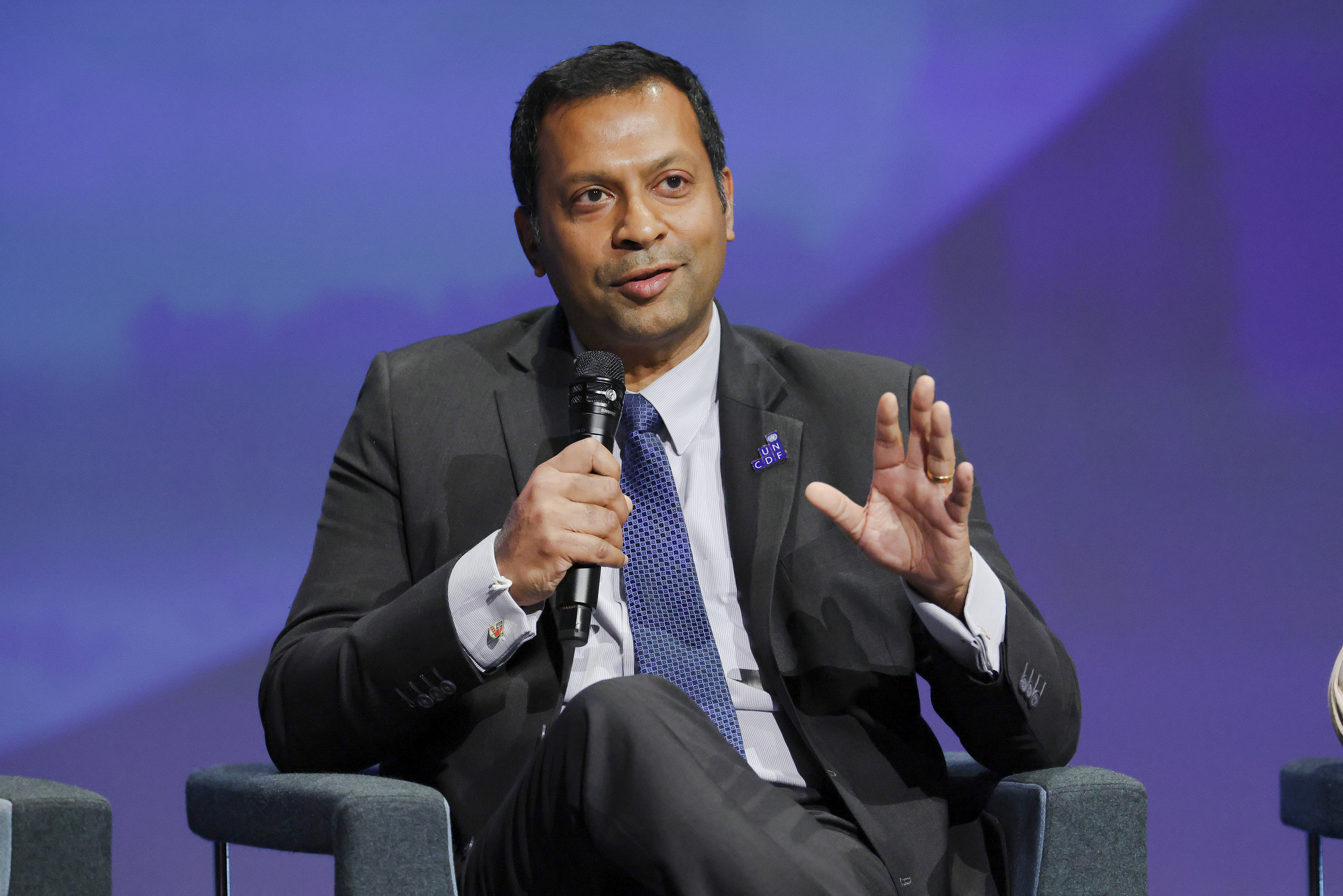
Pradeep Kurukulasuriya, Executive Secretary, UN Capital Development Fund
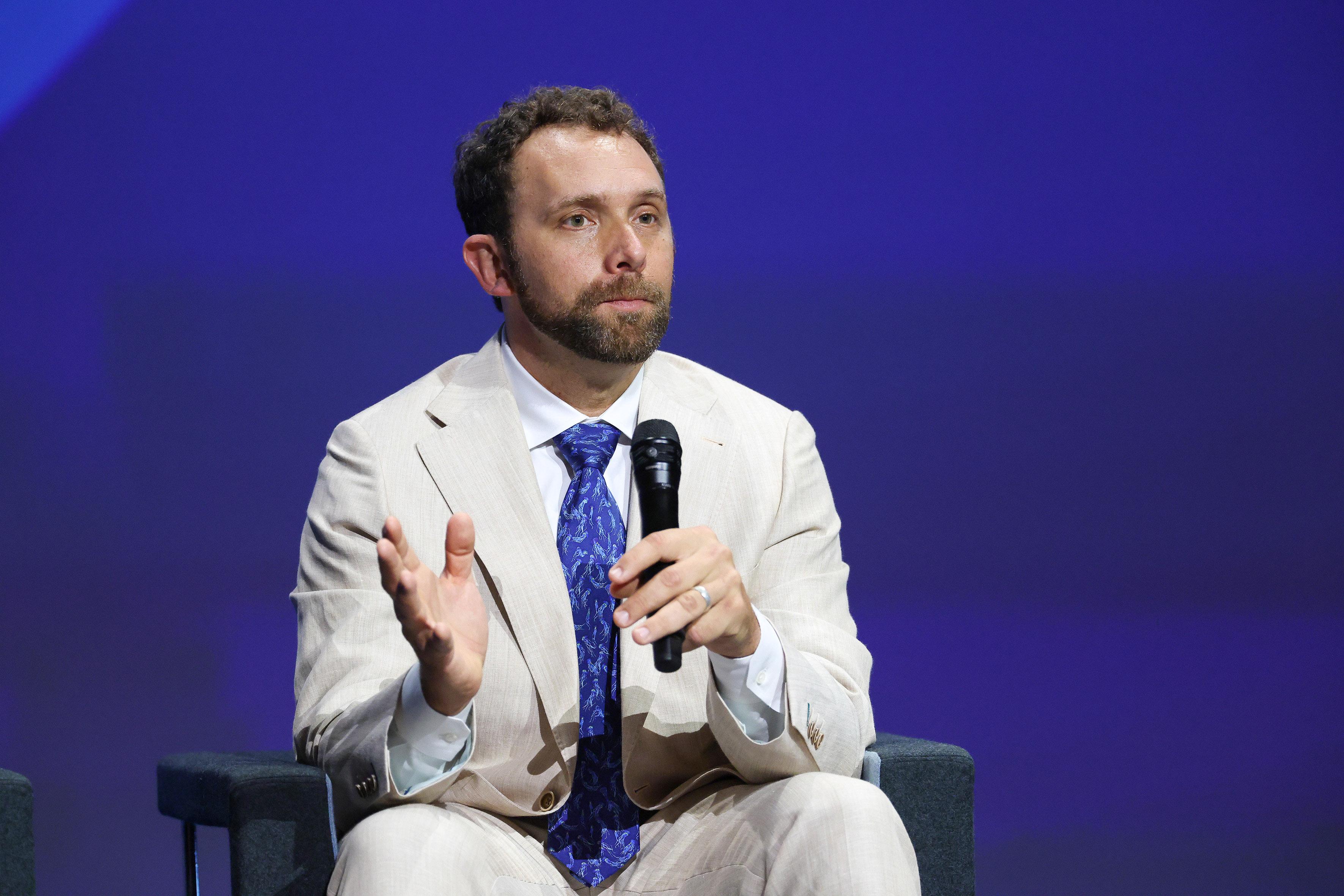
Lukas Walton, Founder and CEO, Builders Vision

View of the second panel on Fuelling Innovation and the Blue Transition Through Private Investment
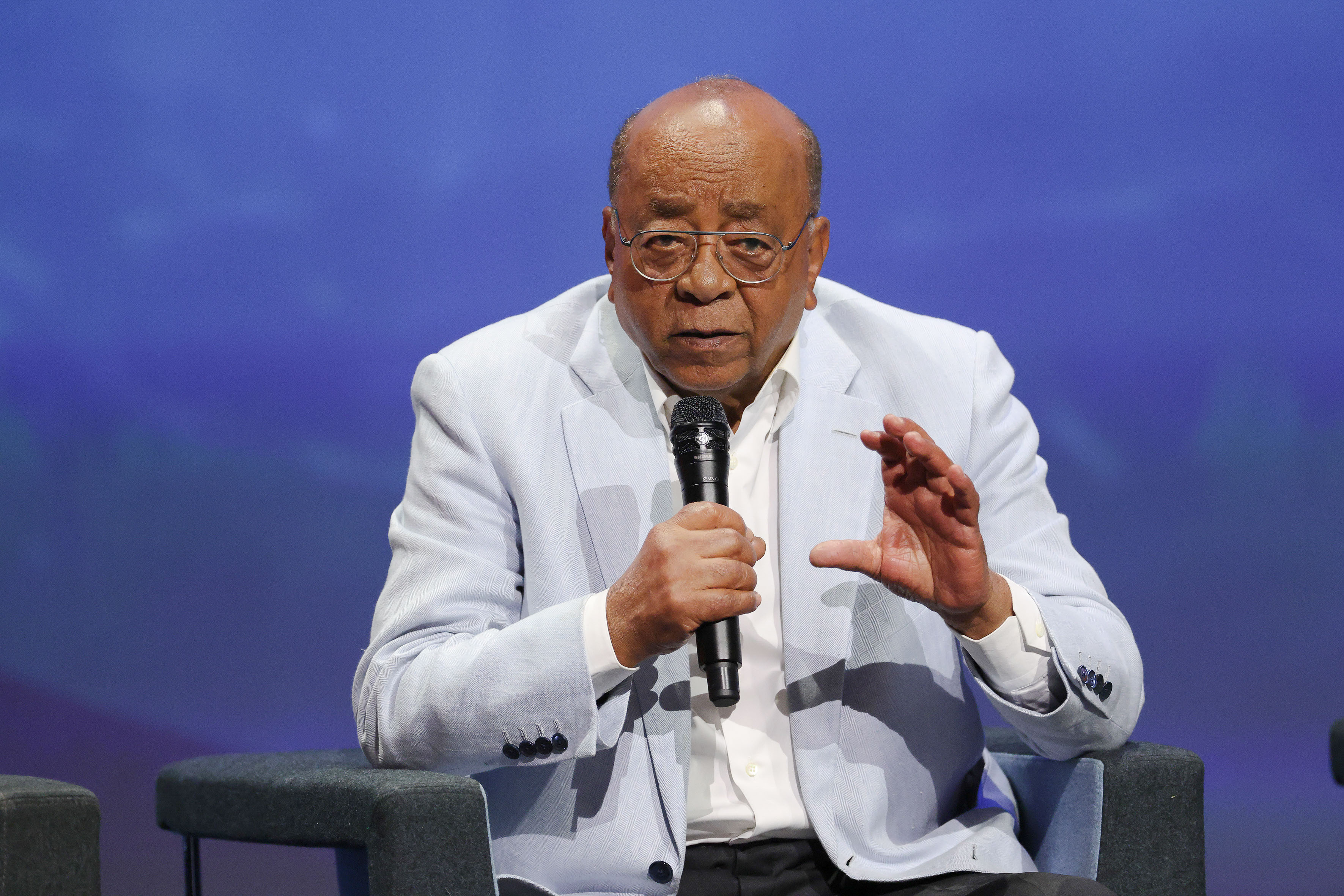
Mo Ibrahim, Chairman, Mo Ibrahim Foundation
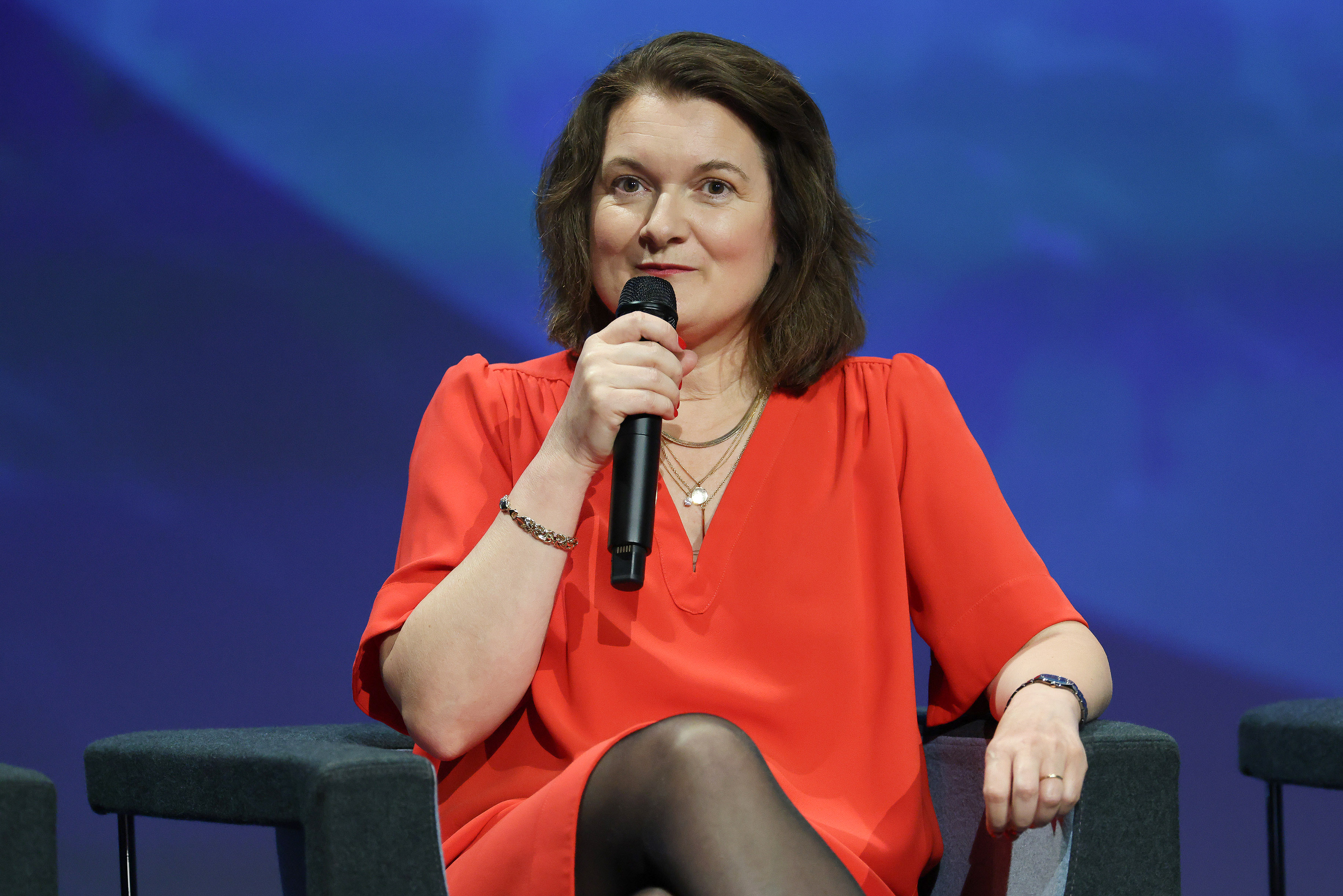
Isabelle de Cremoux, CEO, Seventure Partners
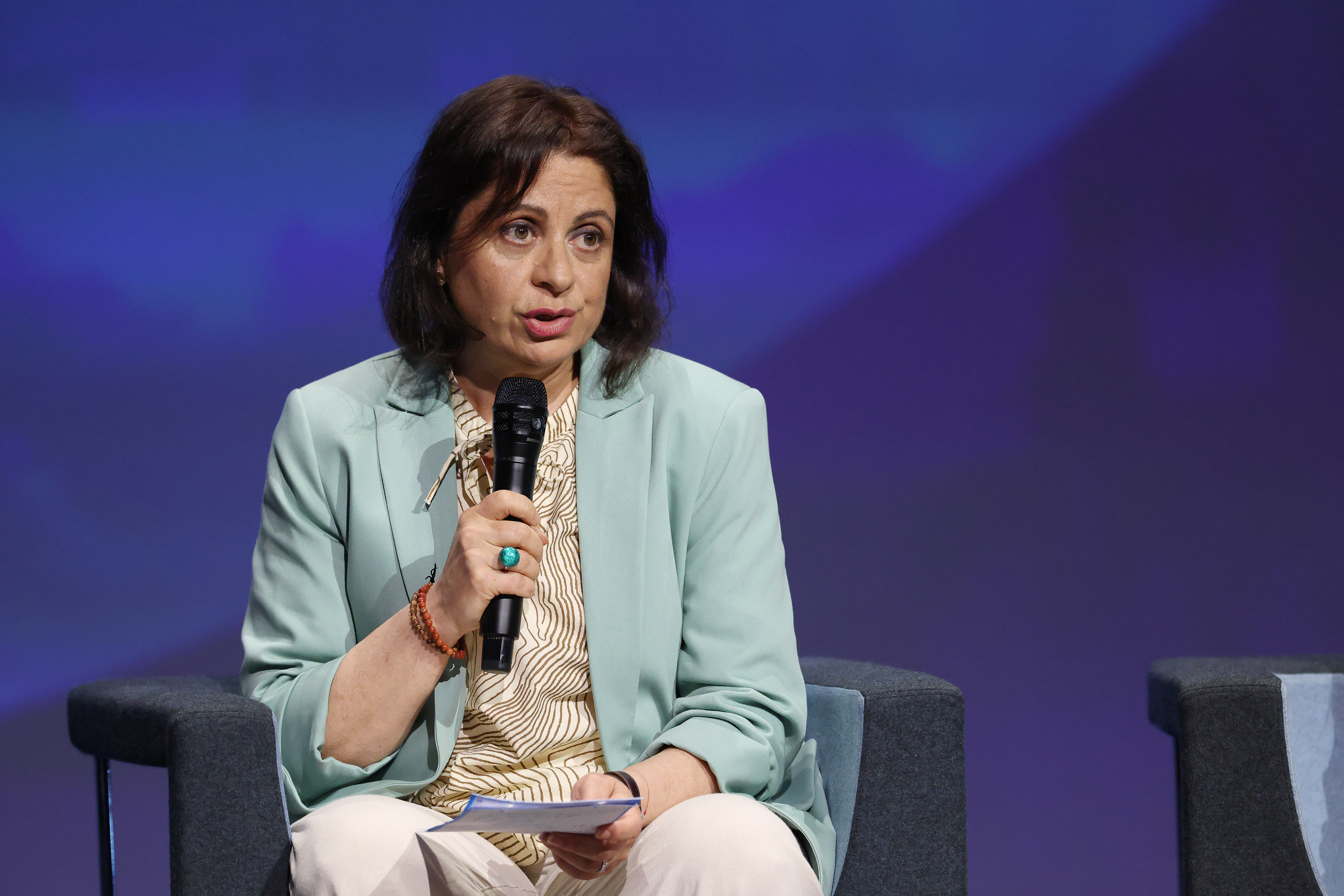
Nathalie Sarel, Managing Director and Head, Sustainable Banking, Crédit Agricole CIB
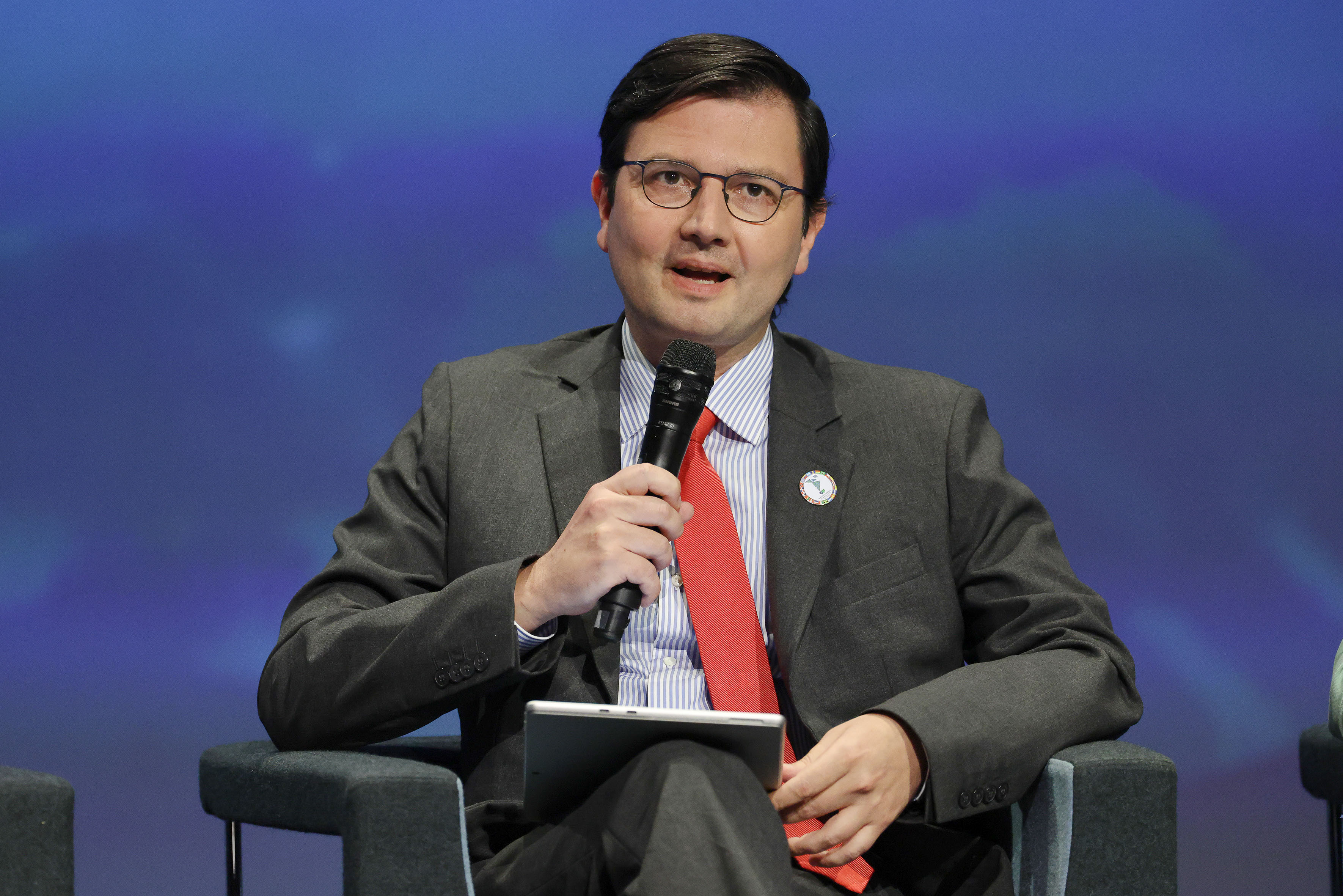
Gianpiero Leoncini, Executive Vice President, Development Bank of Latin America and the Caribbean (CAF)

Xu Ben Zhang, Program Lead, Kelp Forest Foundation