
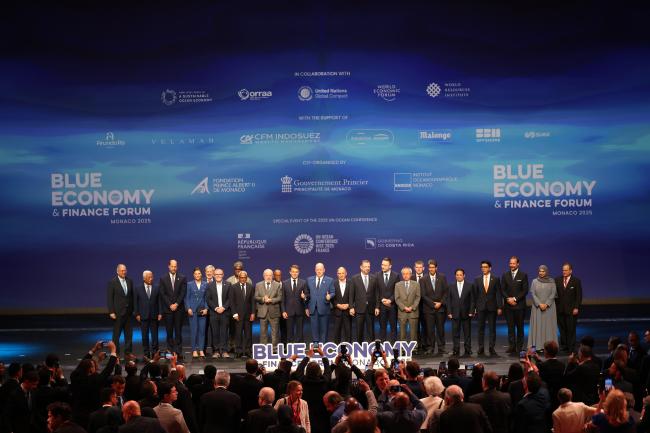
It is estimated that annual investments of USD 175 billion are needed for the maritime economy to become sustainable and inclusive, requiring greater cooperation between governments, the private sector, intergovernmental organizations, coastal communities, and civil society. On the last day of the Blue Economy and Finance Forum (BEFF), participants discussed what this means in practice, hearing first-hand from countries and organizations what is needed for a greater push towards accelerating a regenerative blue economy.
On Sunday morning, two panels took place on transforming blue ports and shipping. In his keynote speech Arsenio Domínguez, Secretary-General, International Maritime Organization (IMO), said that “decarbonizing is not free," explaining that in addition to mandatory regulations, technology development, alternative fuels, and new data are needed to improve efficiency and develop guidelines for the shipping sector, which is only possible with investment.
During the panels, participants discussed shipping mitigation and decarbonization, and port and coastal infrastructure adaptation. Moderator Vassilios Demetriades, UW Group, framed the discussion by explaining that decarbonization of the shipping sector is a prerequisite for a sustainable blue economy. One participant noted a growing demand for safe and affordable green energy in the midst of increasing concerns regarding energy security, economic resilience and growing inequalities, with the latter causing uncertainty and risks to investment. On ways forward to enable the energy transition, panelists highlighted greater collaboration among relevant actors, clear regulations and incentives, and renewed support to the development of green fuels.
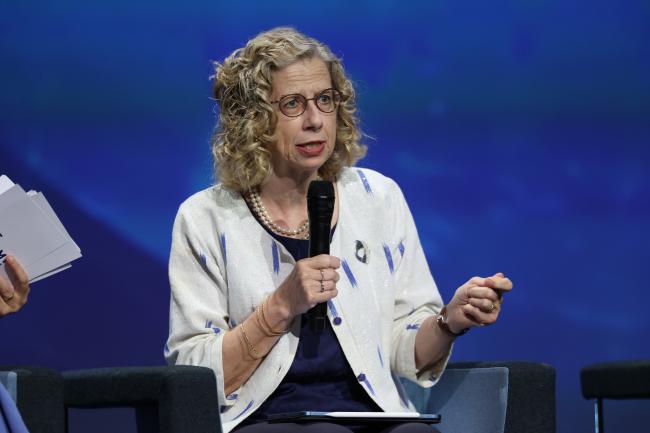
After a coffee break and a dance performance “The pulse of the Ocean” by dance company Steps for Change, a panel convened on looking forward and global solutions for ocean finance. Panelists highlighted progress towards the global biodiversity target on protecting 30% of marine and coastal ecosystems by 2030 (30x30) and ongoing negotiations for a legally binding treaty on plastic pollution. Acknowledging initiatives such as the Finance in Common’s Ocean Positive Coalition and the UN Global Compact’s Ocean Investment Protocol to help enable a sustainable ocean economy, one panelist stressed that “we all need to do a little more” to improve ocean financing.
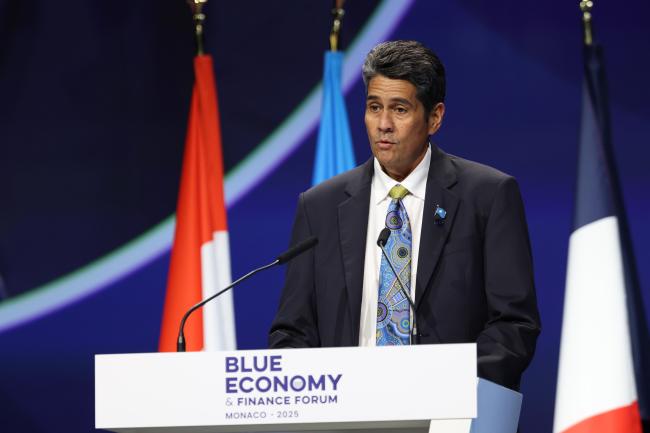
During a final panel, Ministers and Heads of State highlighted efforts to unlock ocean finance to catalyze sustainable blue economy initiatives. Amongst others, Albert Van Klaveren, Minister of Foreign Affairs, Chile, called for the urgent closing of the funding gaps for the Sustainable Development Goals (SDGs) and Kunming-Montreal Global Biodiversity Framework (GBF). Carsten Schneider, Federal Minister of the Environment, Climate Protection, Nature Conservation and Nuclear Safety, Germany, highlighted the new Marine Nature Conservation Fund, which will see revenues from wind farm licenses used for marine conservation. Surangel Whipps Jr., President of Palau, highlighted that of all financial flows to the Pacific region, only 3% come from private sources, indicating that global private capital is missing some of the world's most promising investment opportunities.
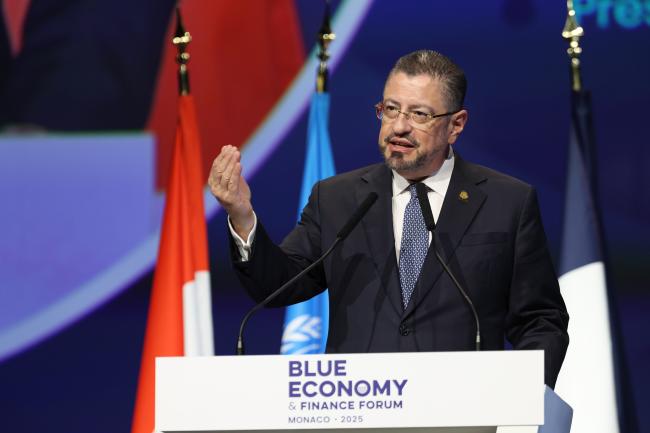
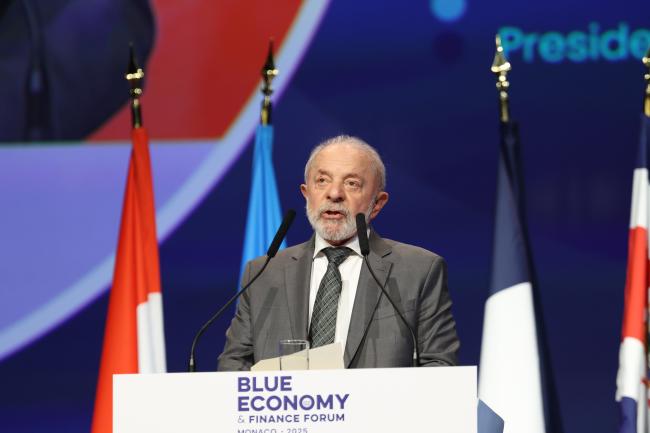
During closing statements, HRH William, Prince of Wales, United Kingdom, reflected that “we are united by our deep connection to the Ocean,” acknowledging the power of urgency and optimism to change the course of history for a sustainable Ocean. Luiz Inácio Lula da Silva, President of Brazil, highlighted recent evidence of increased investments to military budgets while spending in official development assistance (ODA) decreases, clarifying that our challenge is not for lack of money but due to a lack of political will and commitment. Rodrigo Chaves Robles, President of Costa Rica, recognized the power of BEFF to signal to the world commitment to act boldly to protect the Ocean, calling the blue economy not a mere theoretical concept, but “an immediate necessity and non-negotiable for humanity.”
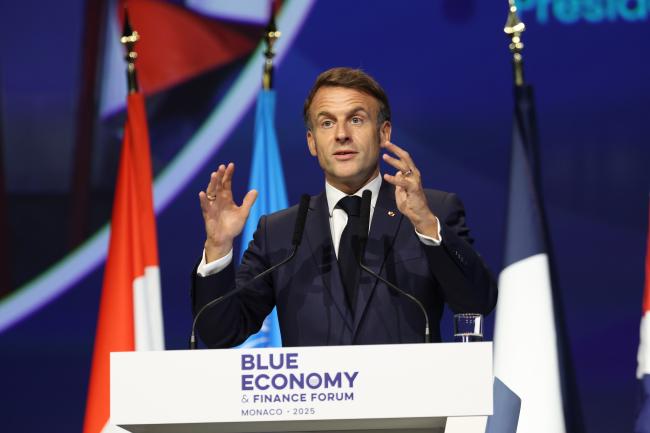
Emanuel Macron, President of France, asserted that climate change and threats to biodiversity and the Ocean are not a matter of opinion, affirming that we share a political, ethical, and scientific duty to continue to fund free and open science to foster cooperation based science-based decisions. HSH Prince Albert II of Monaco closed BEFF by expressing gratitude for the quality of discussions and concrete commitments made, stressing that solutions do exist, identifying sustainable fisheries, aquaculture, and biotechnology as keys to a new maritime blue economic model.
The meeting closed at 1:37pm.
To receive free coverage of global environmental events delivered to your inbox, subscribe to the ENB Update newsletter.
All ENB photos are free to use with attribution. For the Blue Economy and Finance Forum please use: Photo by BEFF | Jean Charles Vinaj
Plenary: Transforming Blue Ports and Shipping
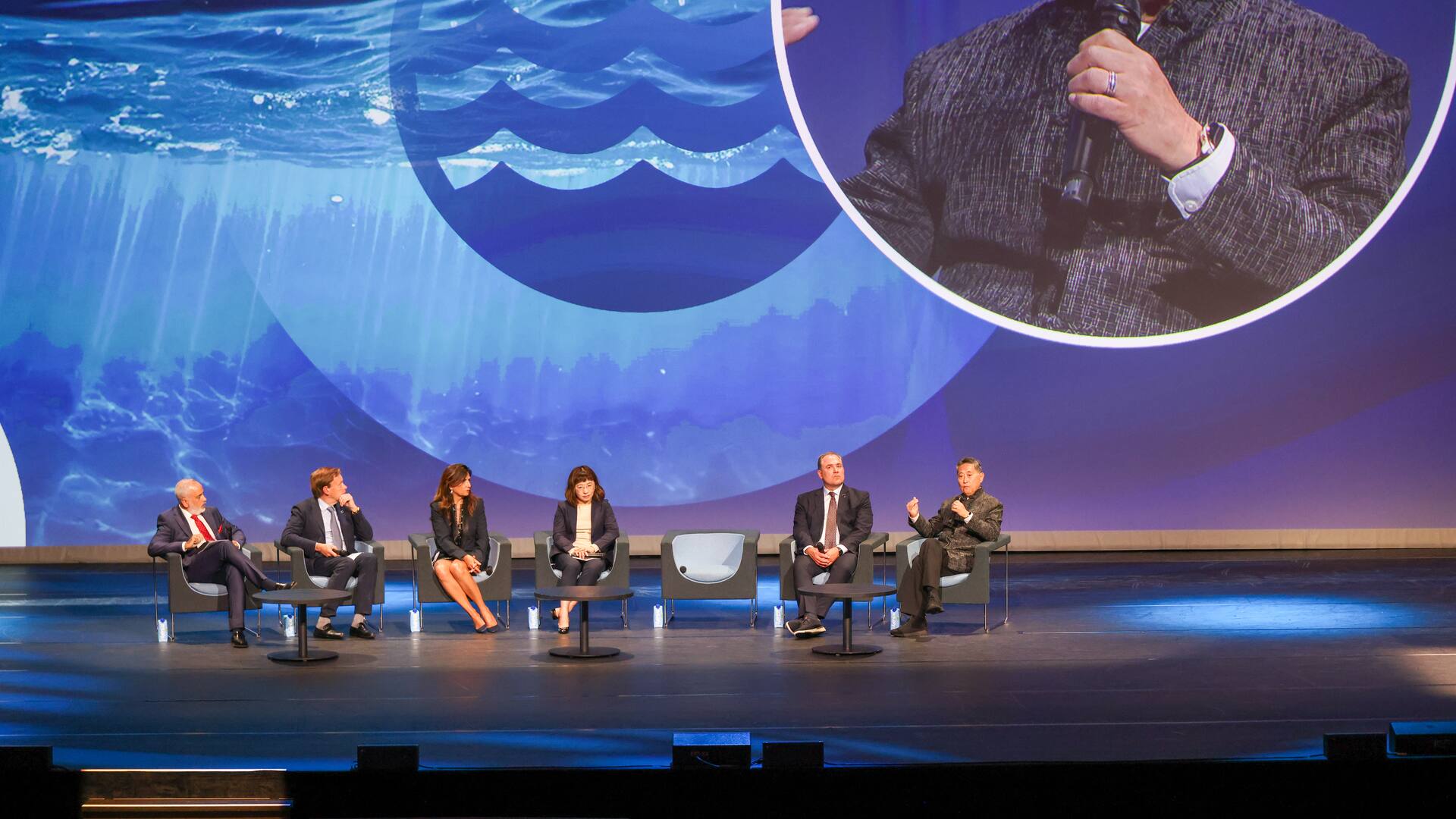
View of the panel on Shipping Mitigation and Decarbonation
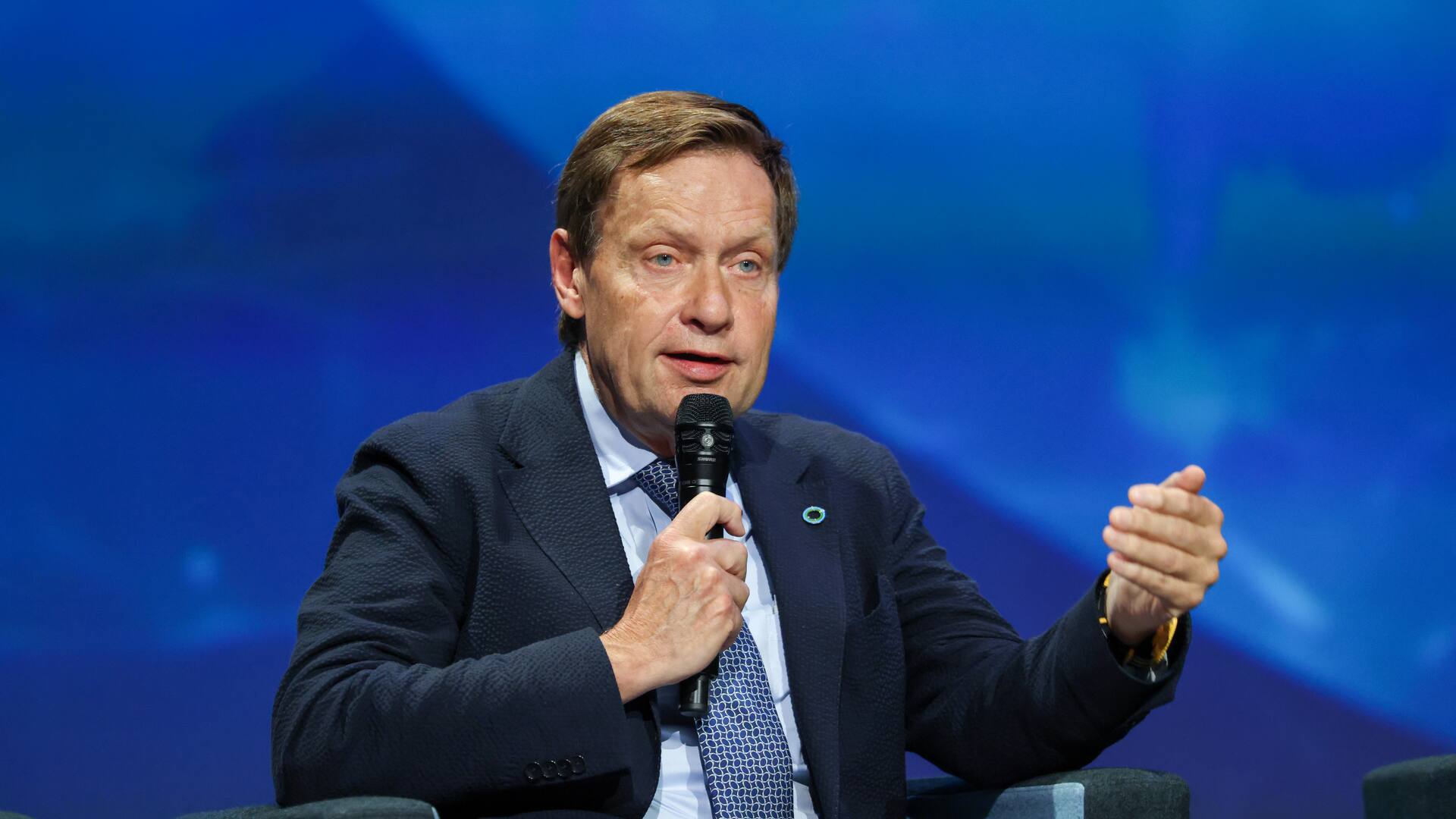
Thomas Thune Andersen, Chairman, Lloyd’s Register Group
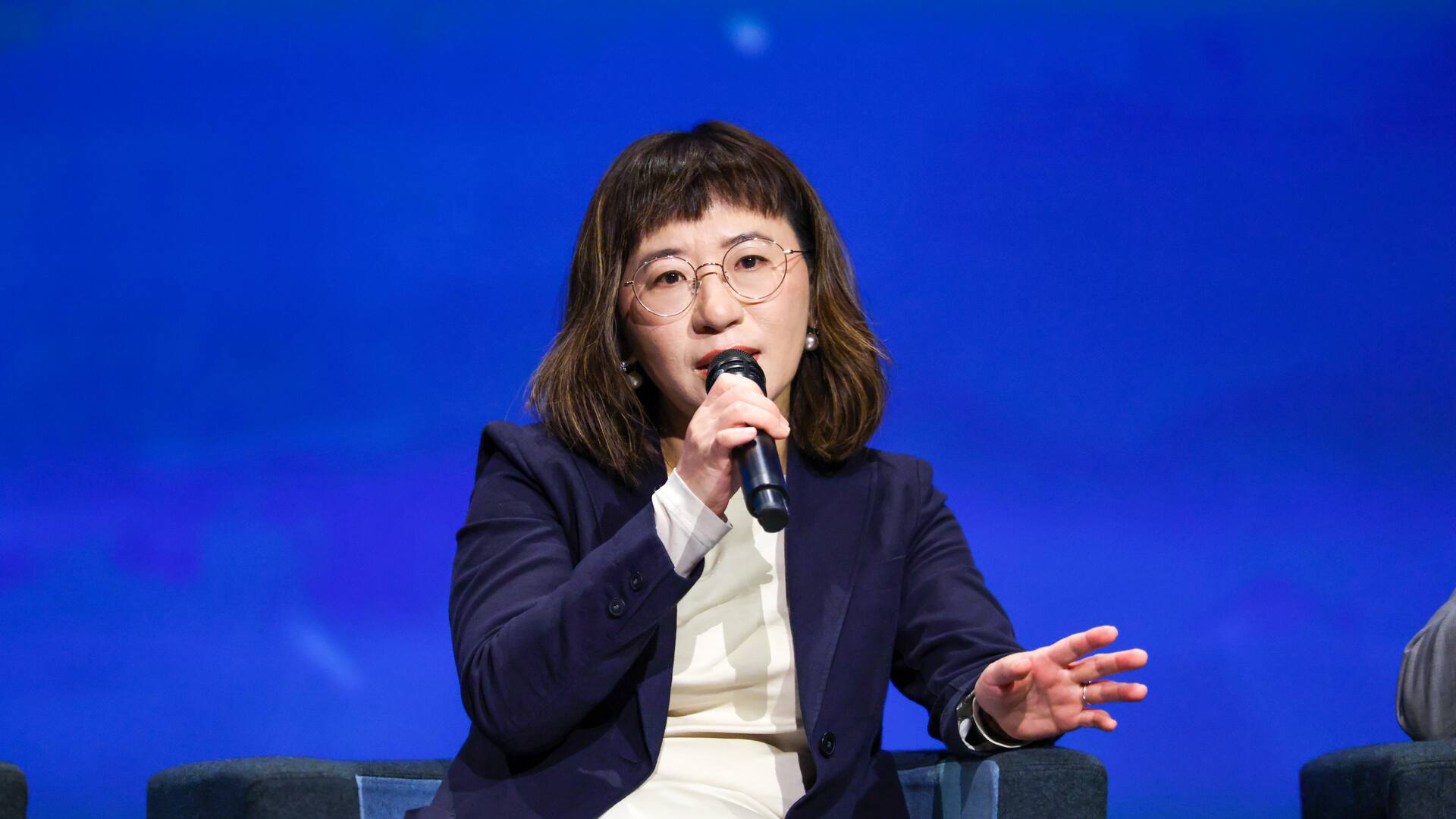
Amy Chang, Commissioner, Maritime and Port Development and Deputy Secretary for Transport and Logistics, Hong Kong Government
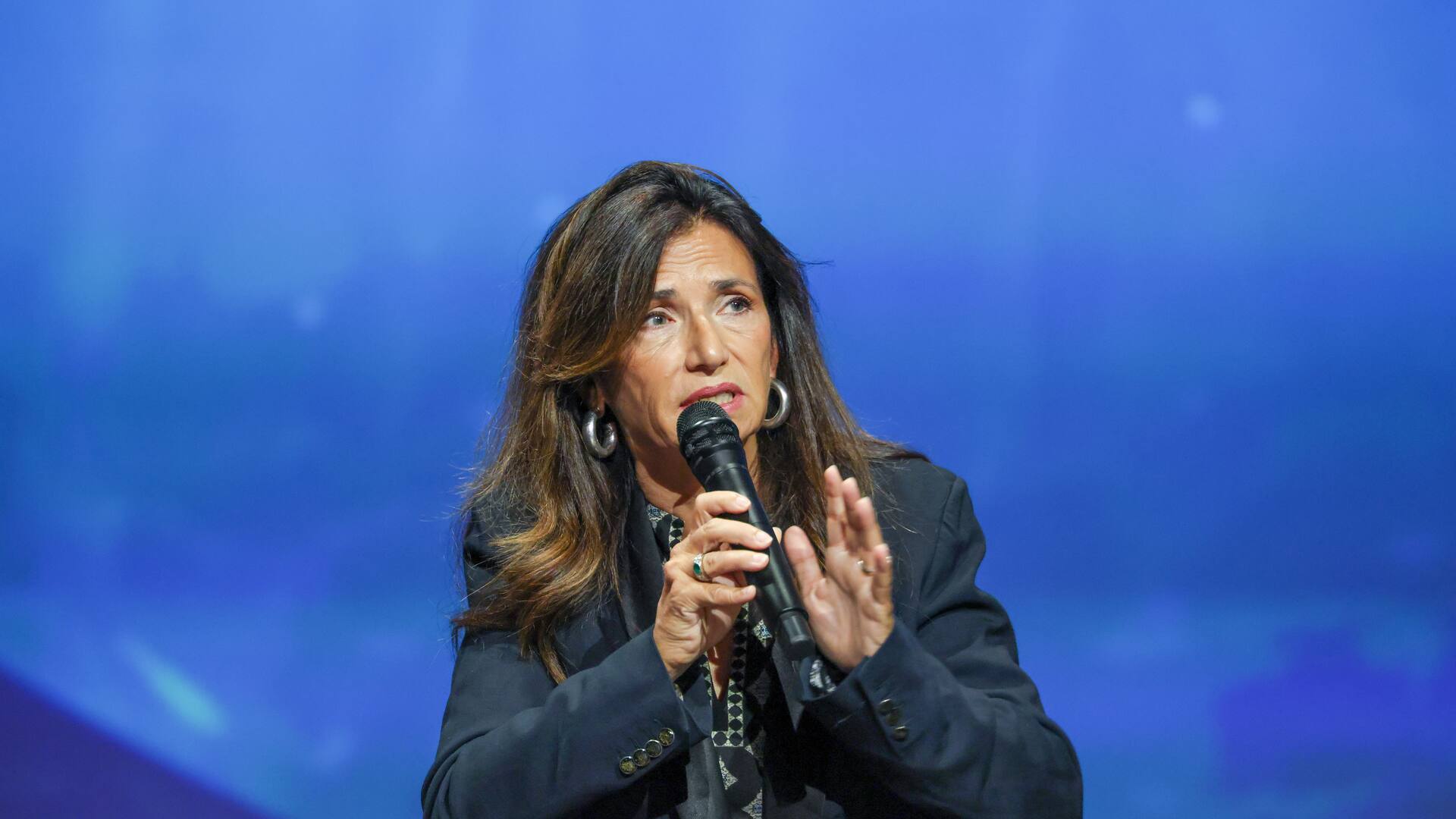
Christine Cabau, Executive Vice-President, Assets and Operations, CMA CGM Group
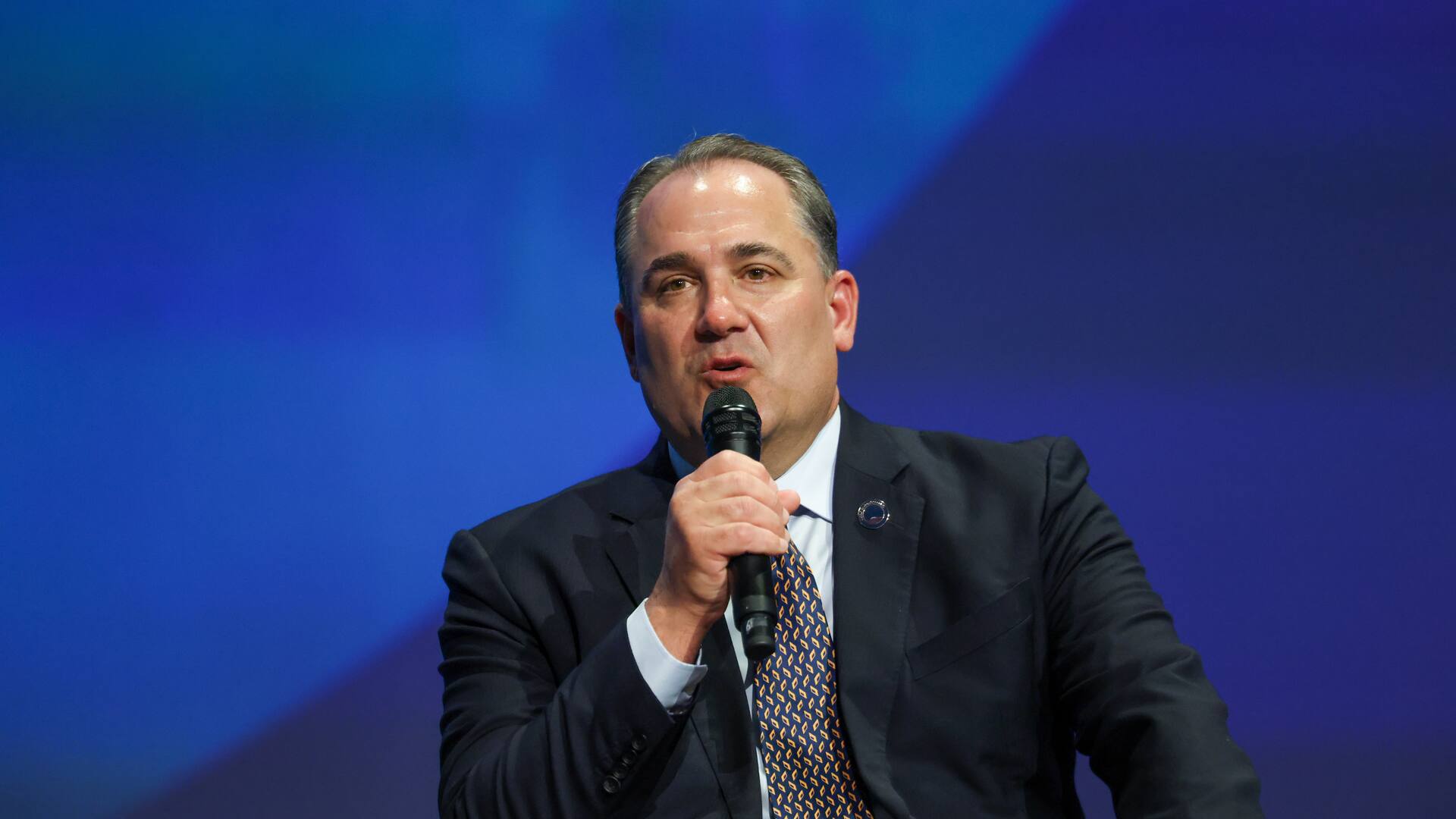
Joe Kramek, President and CEO, World Shipping Council
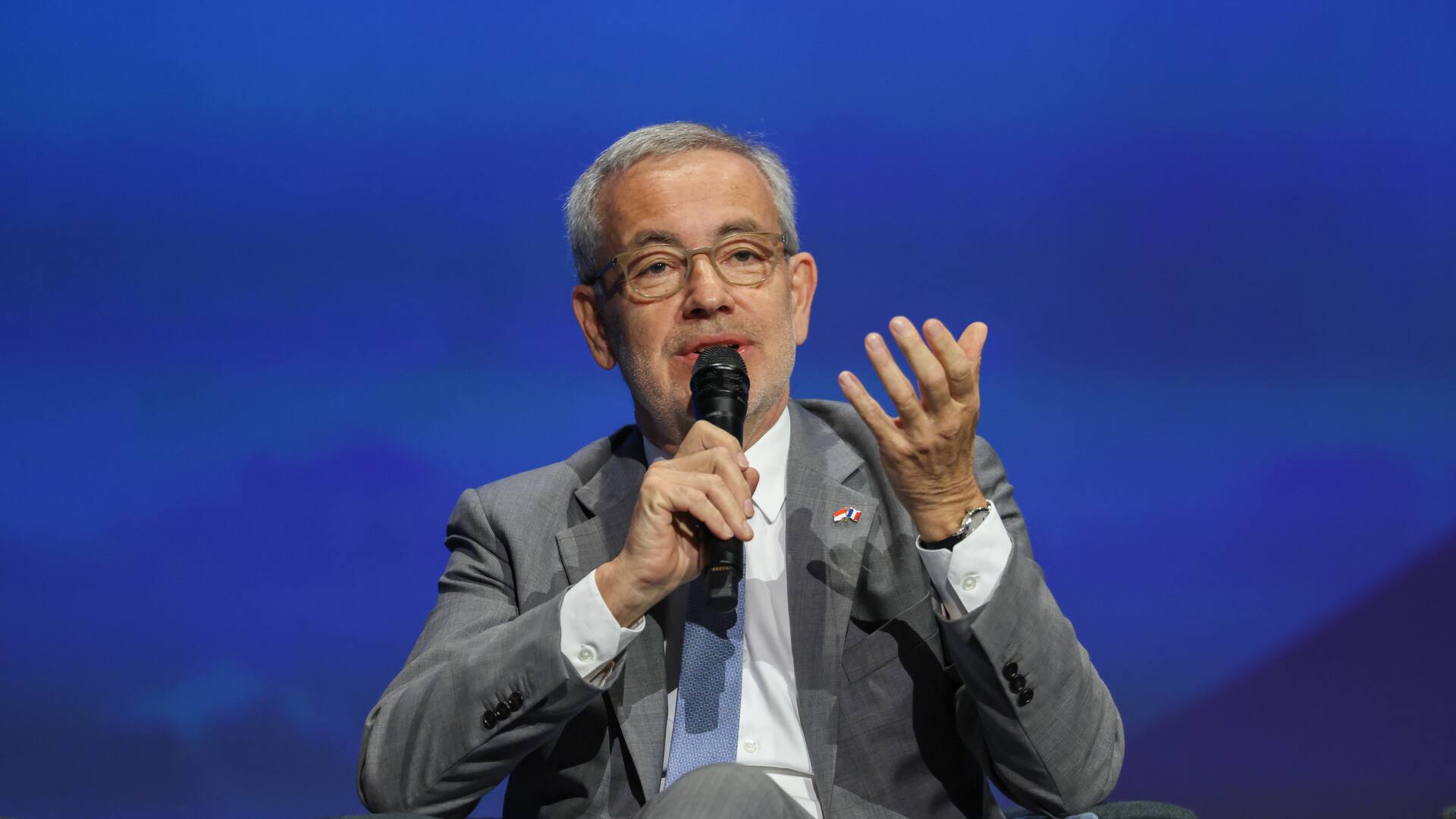
Jean-Pierre Clamadieu, Chairman, Board of Directors, Engie
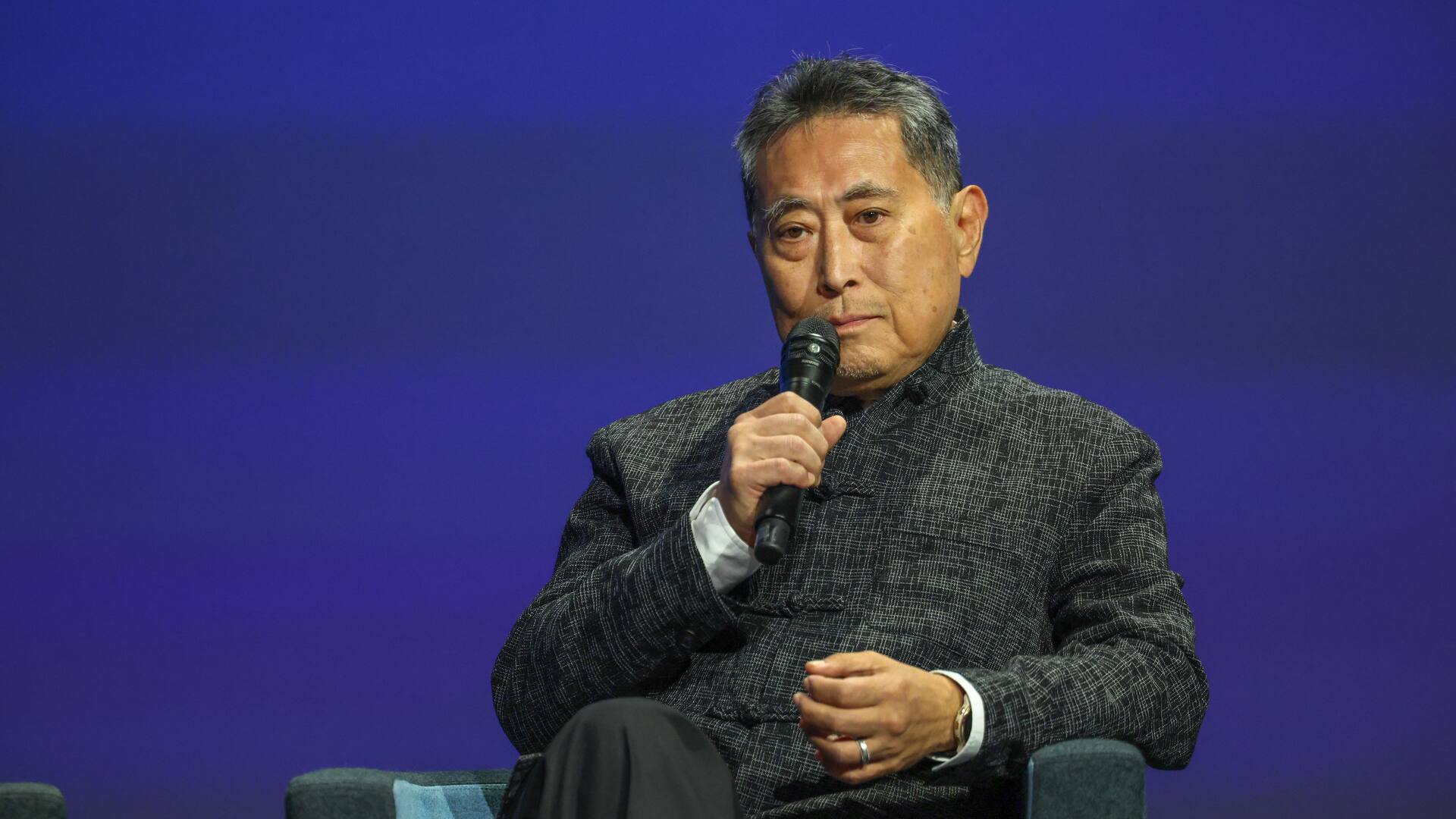
Chavalit Frederick Tsao, Chairman, Tsao Pao Chee (TPC)
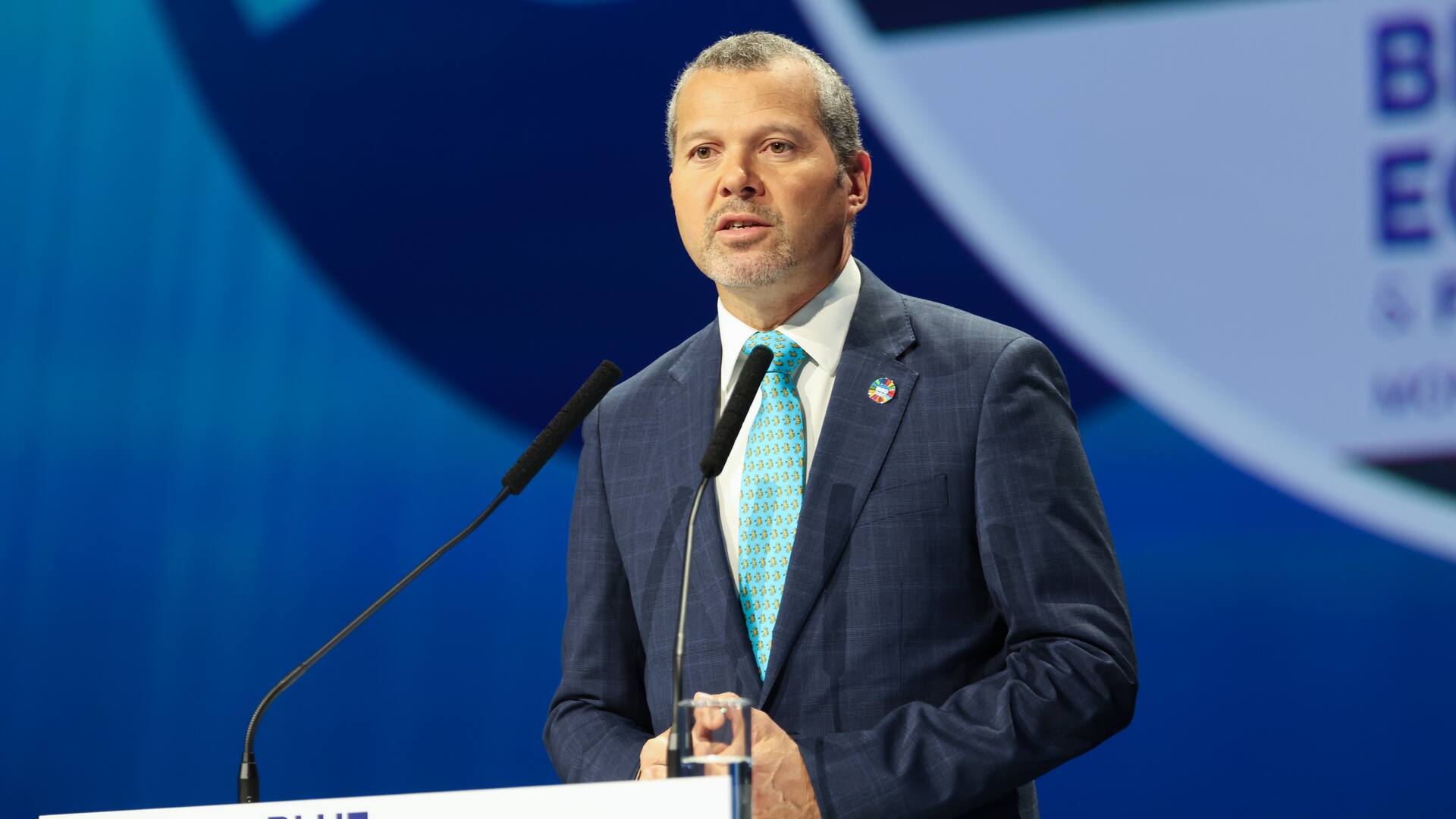
Arsenio Dominguez, Secretary-General, International Maritime Organization (IMO)
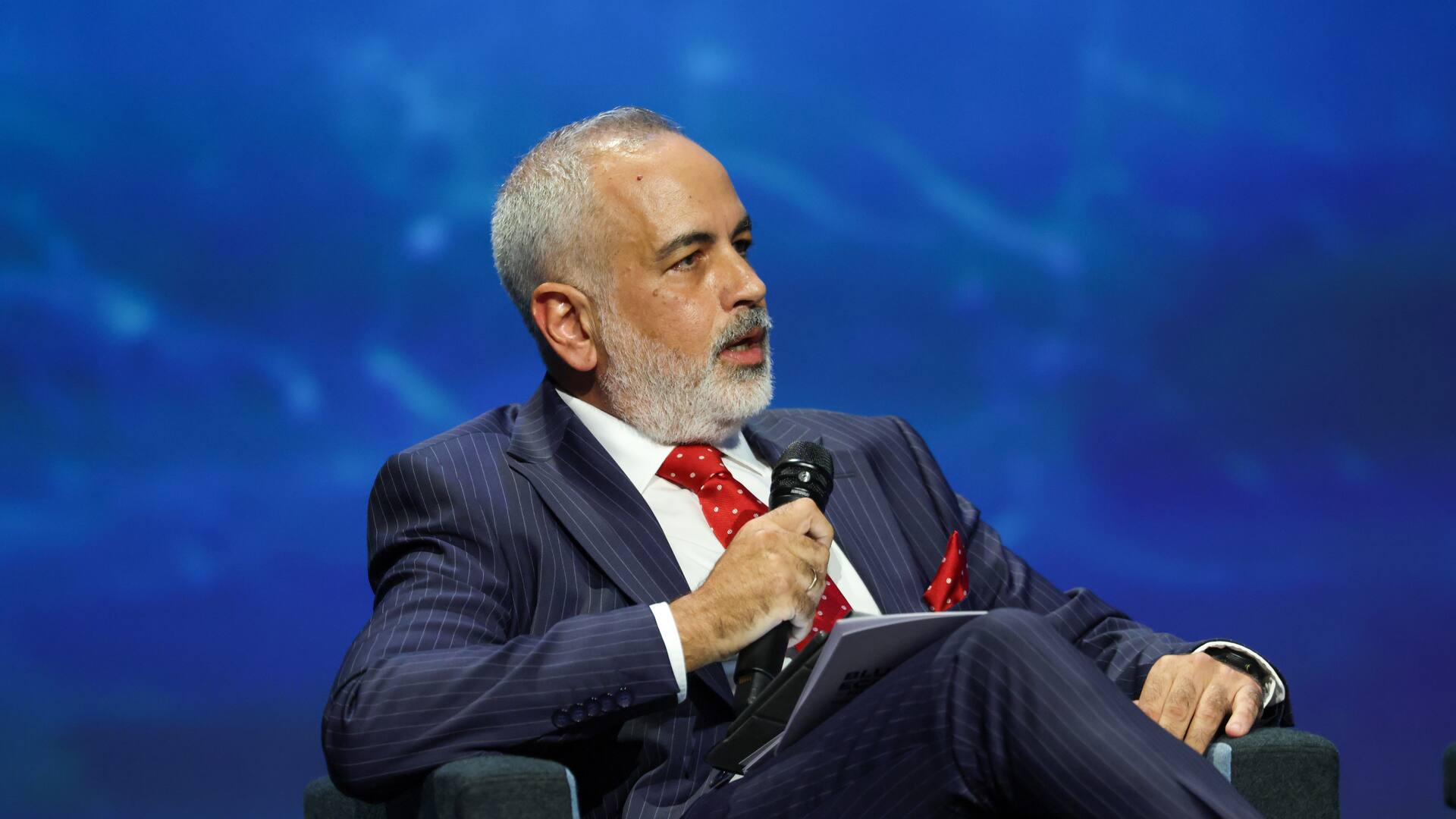
Moderator Vassilios Demetriades, UW Group
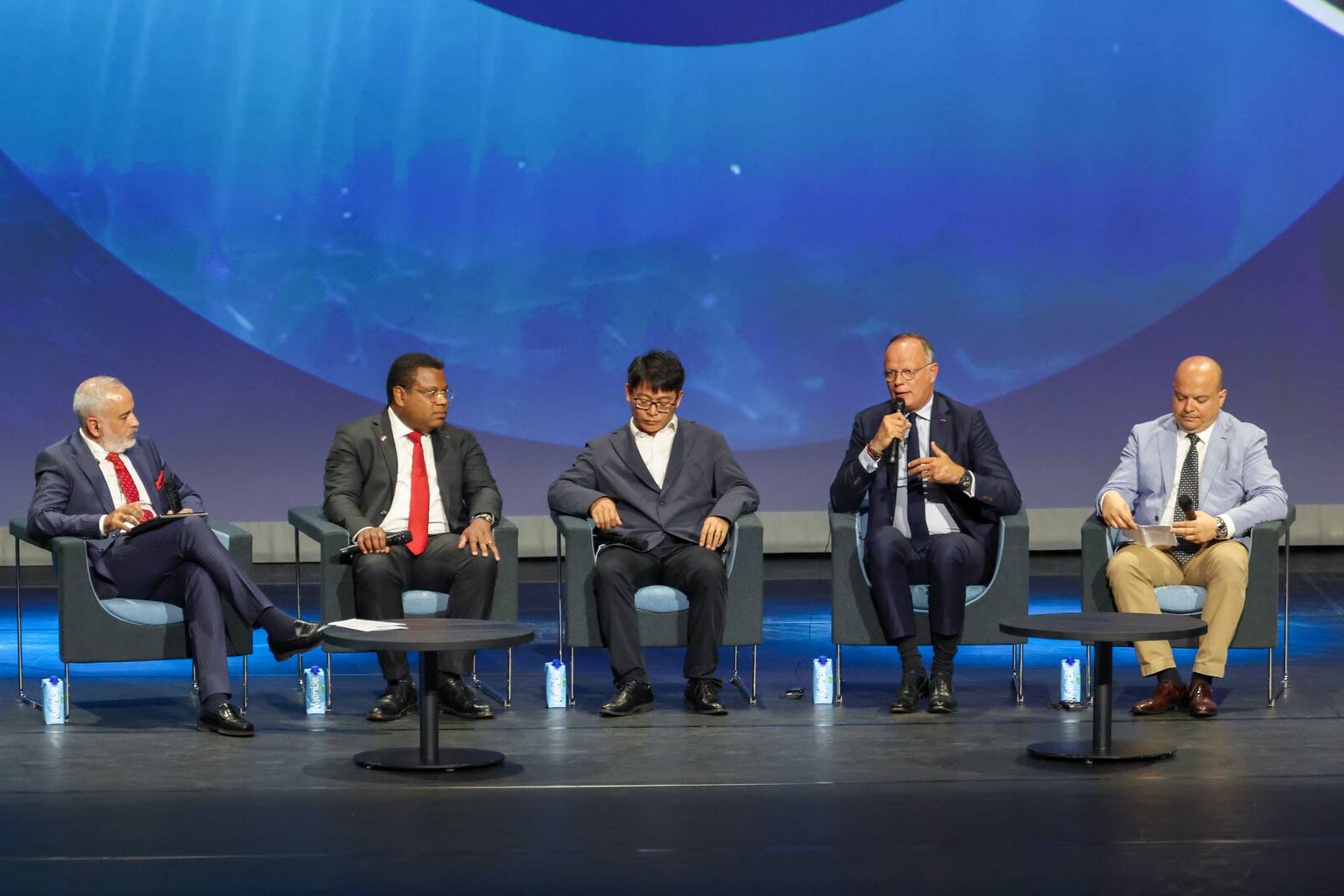
View of the panel on Port and Coastal Infrastructure Adaptation
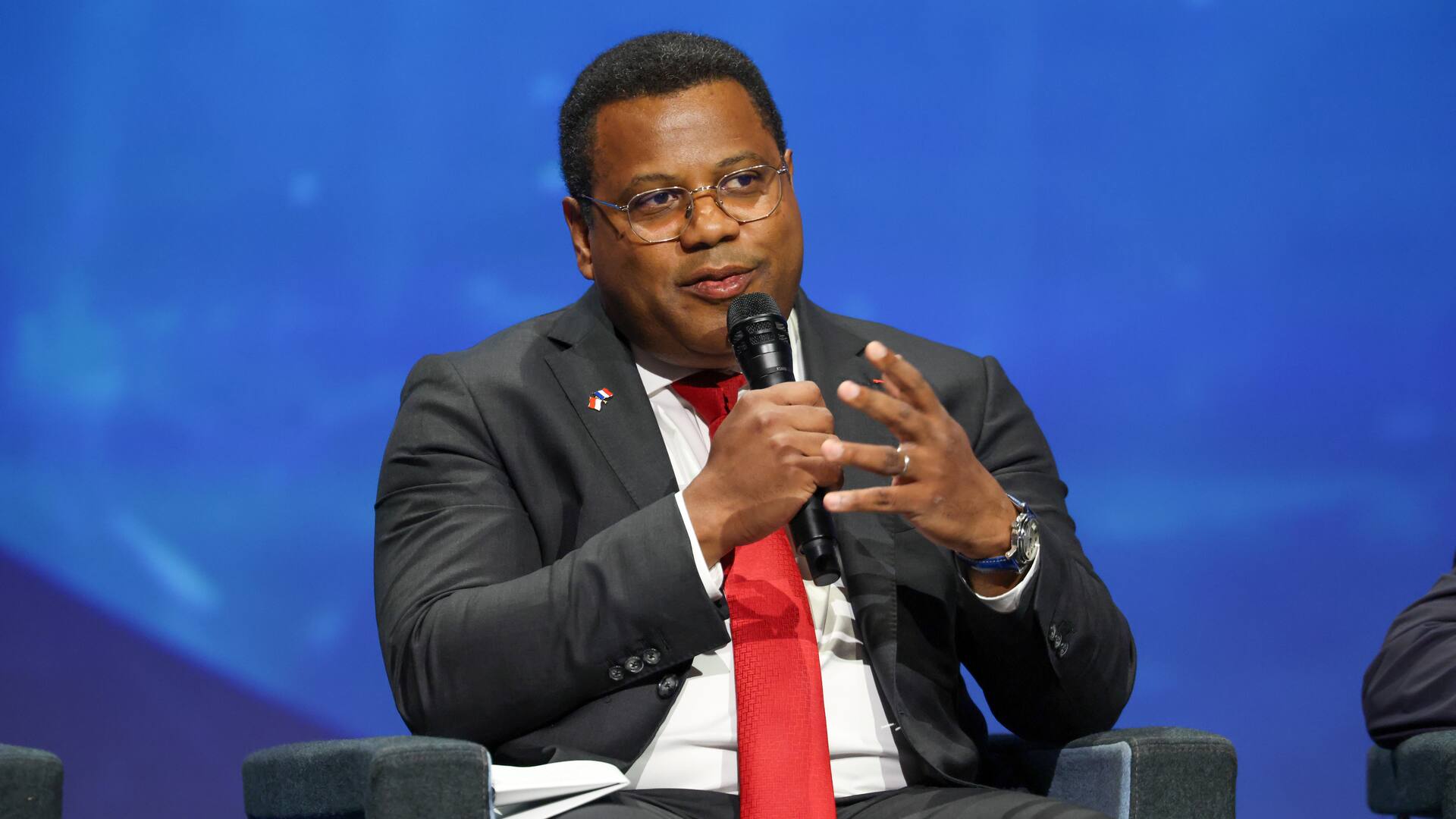
Thierry Déau, CEO and Founder, Meridiam, and Chairman, SUEZ
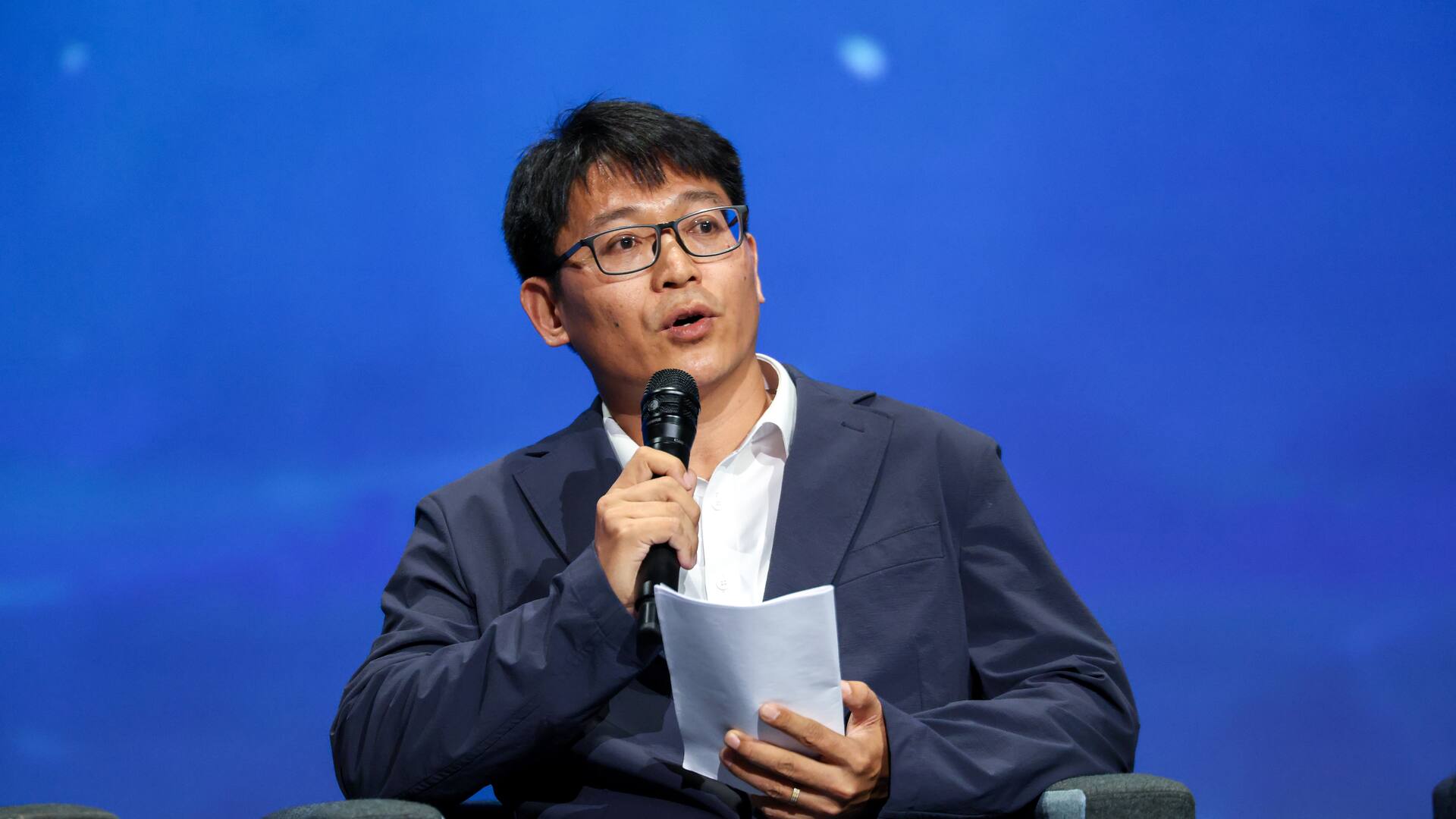
Tao Liu, Vice President, Shanghai International Port Group
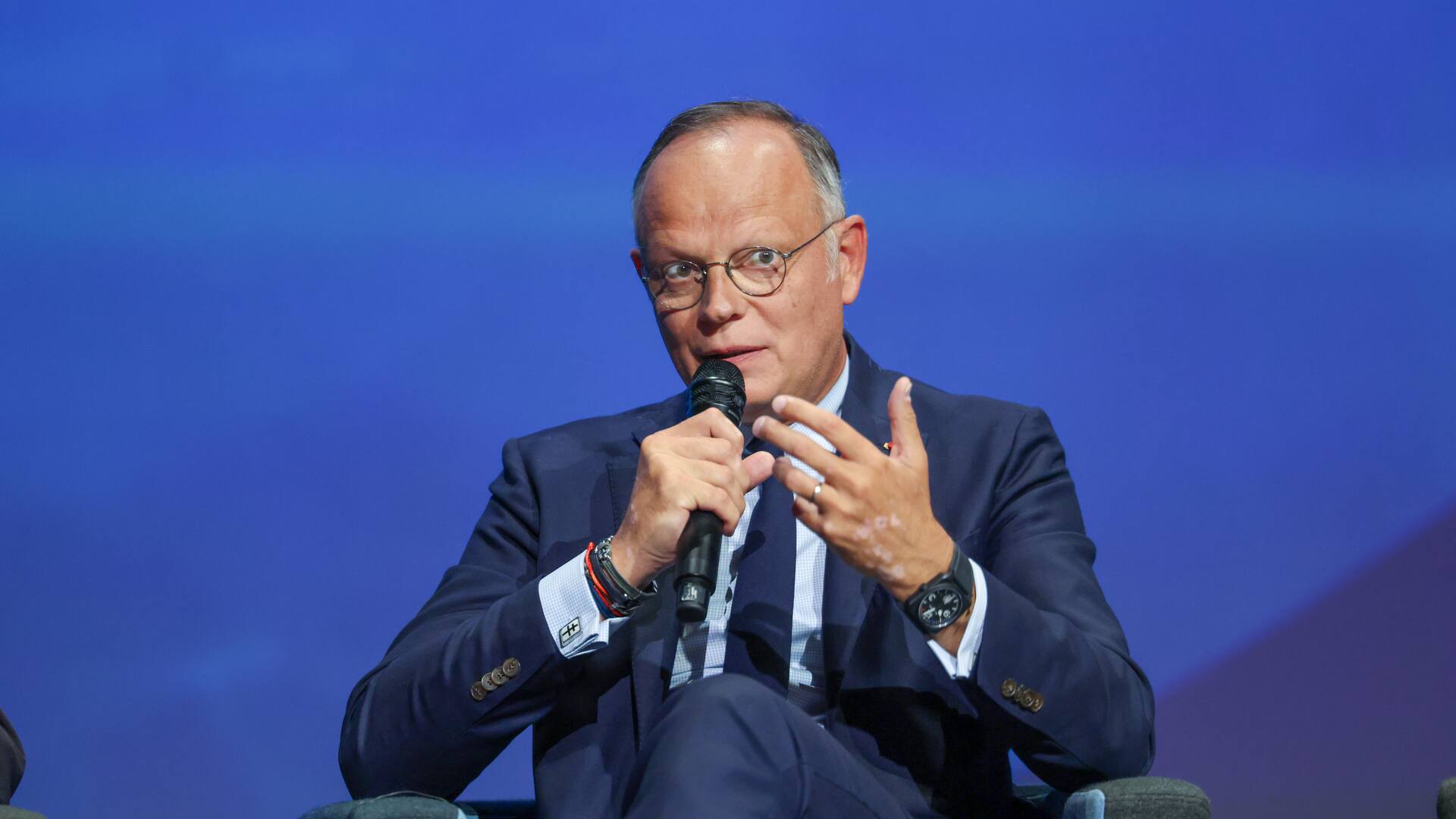
Édouard Philippe, President, International Association Cities and Ports (AIVP), and Mayor of Le Havre
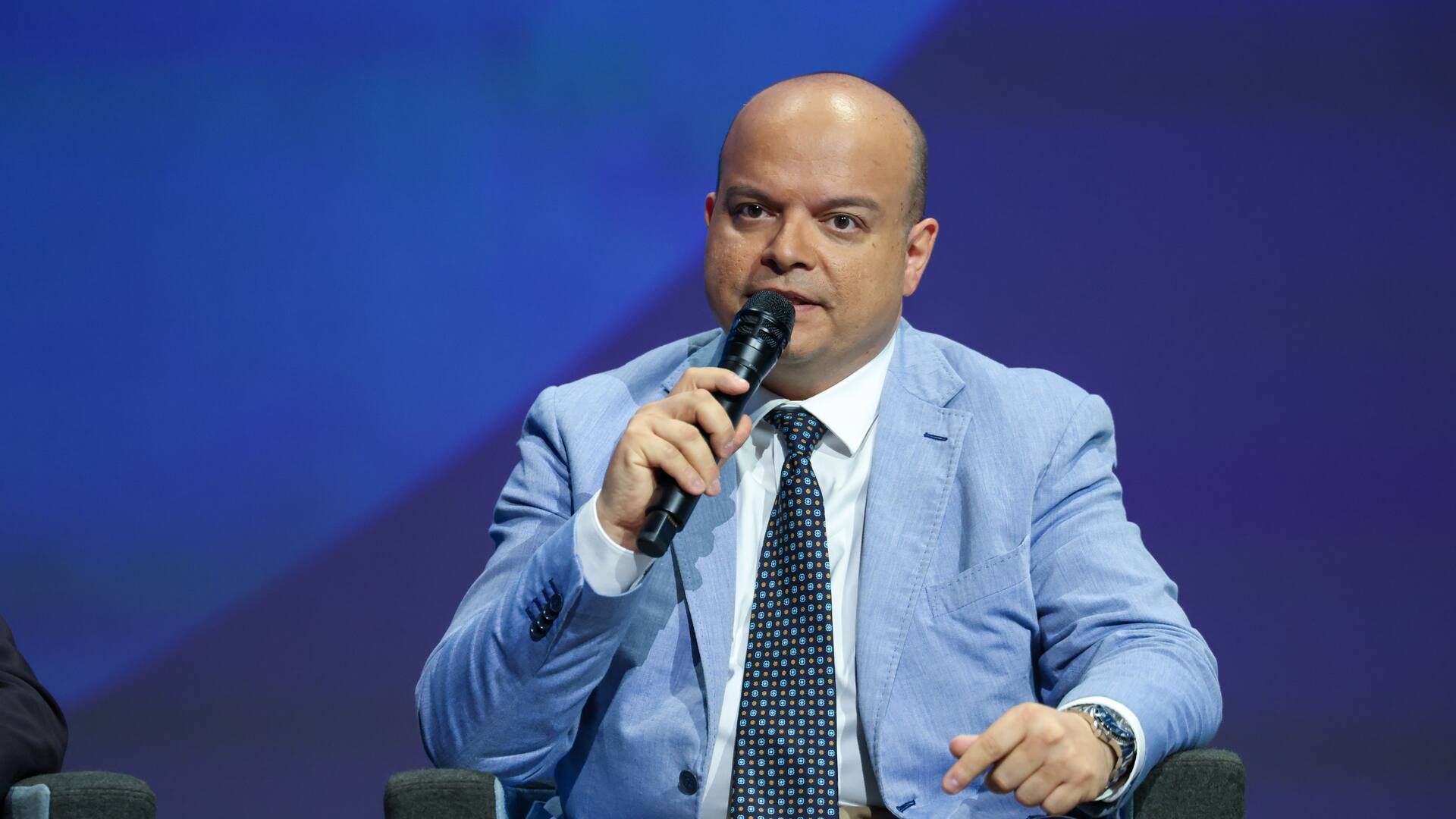
Francesco Prazzo, General Manager, SBM Offshore
Plenary: Ensuring Sustainable Ocean Governance and Finance
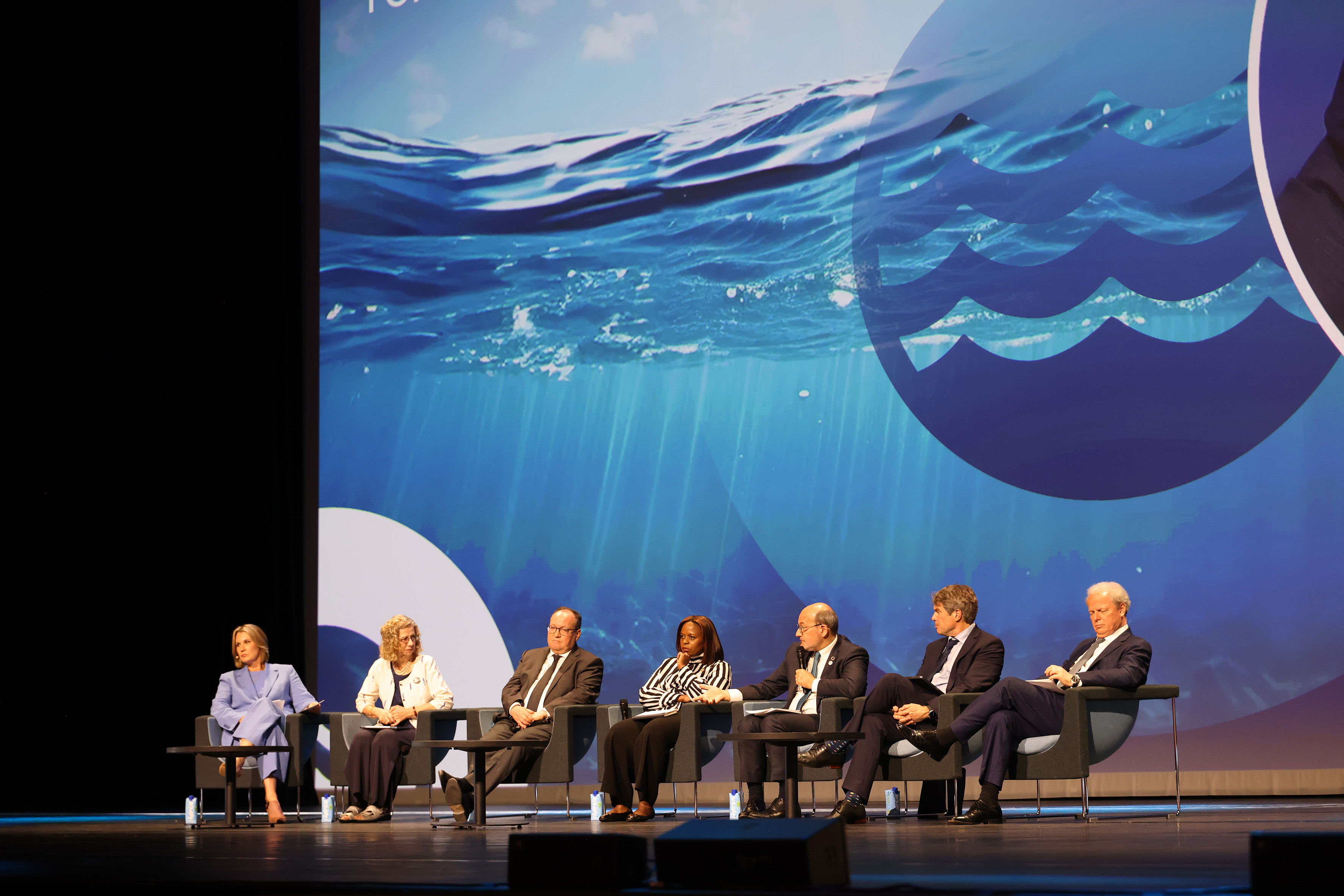
View of the panel on Looking Forward: Global Solutions for Ocean Finance
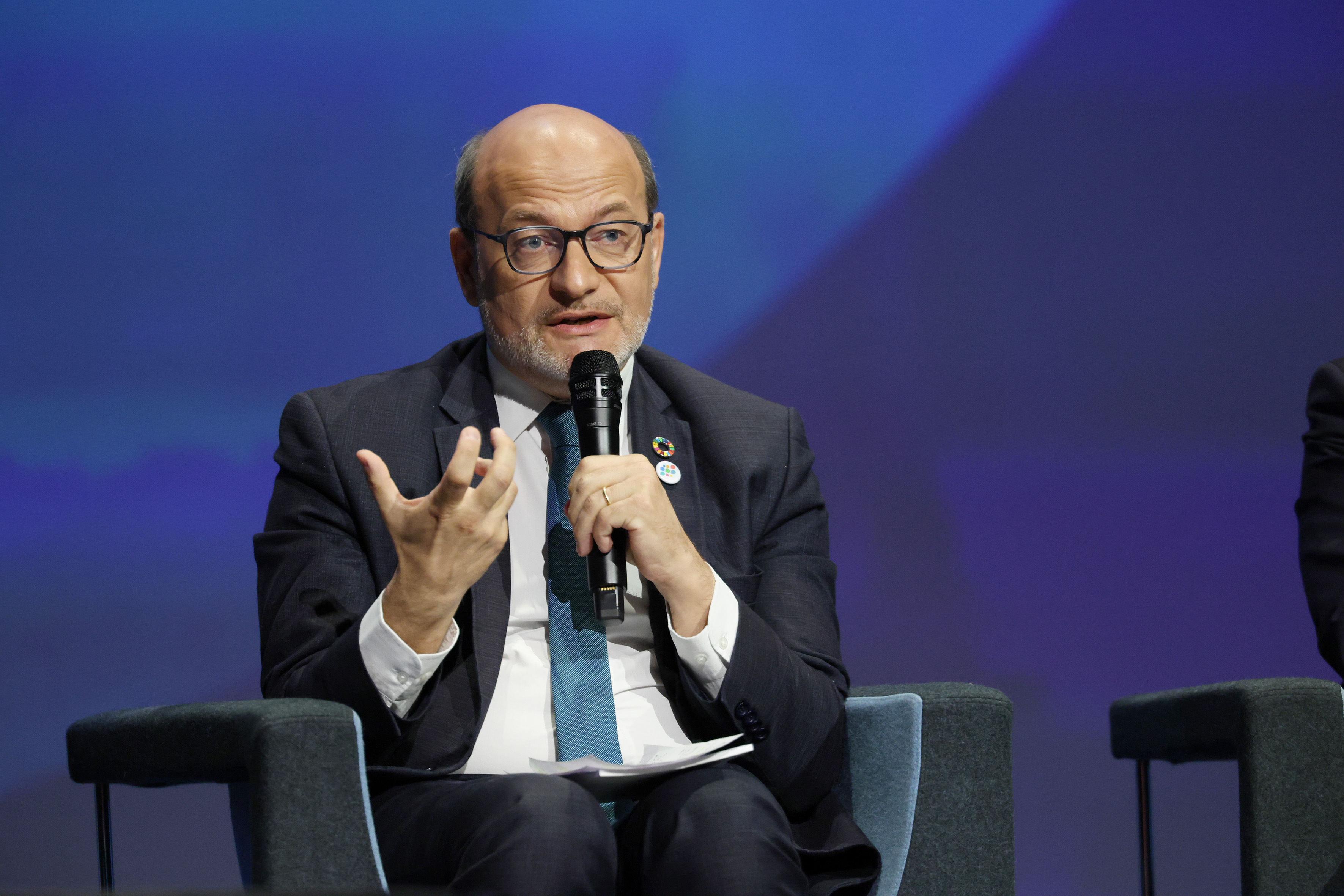
Rémy Rioux, Chairman, Finance in Common (FiCS)
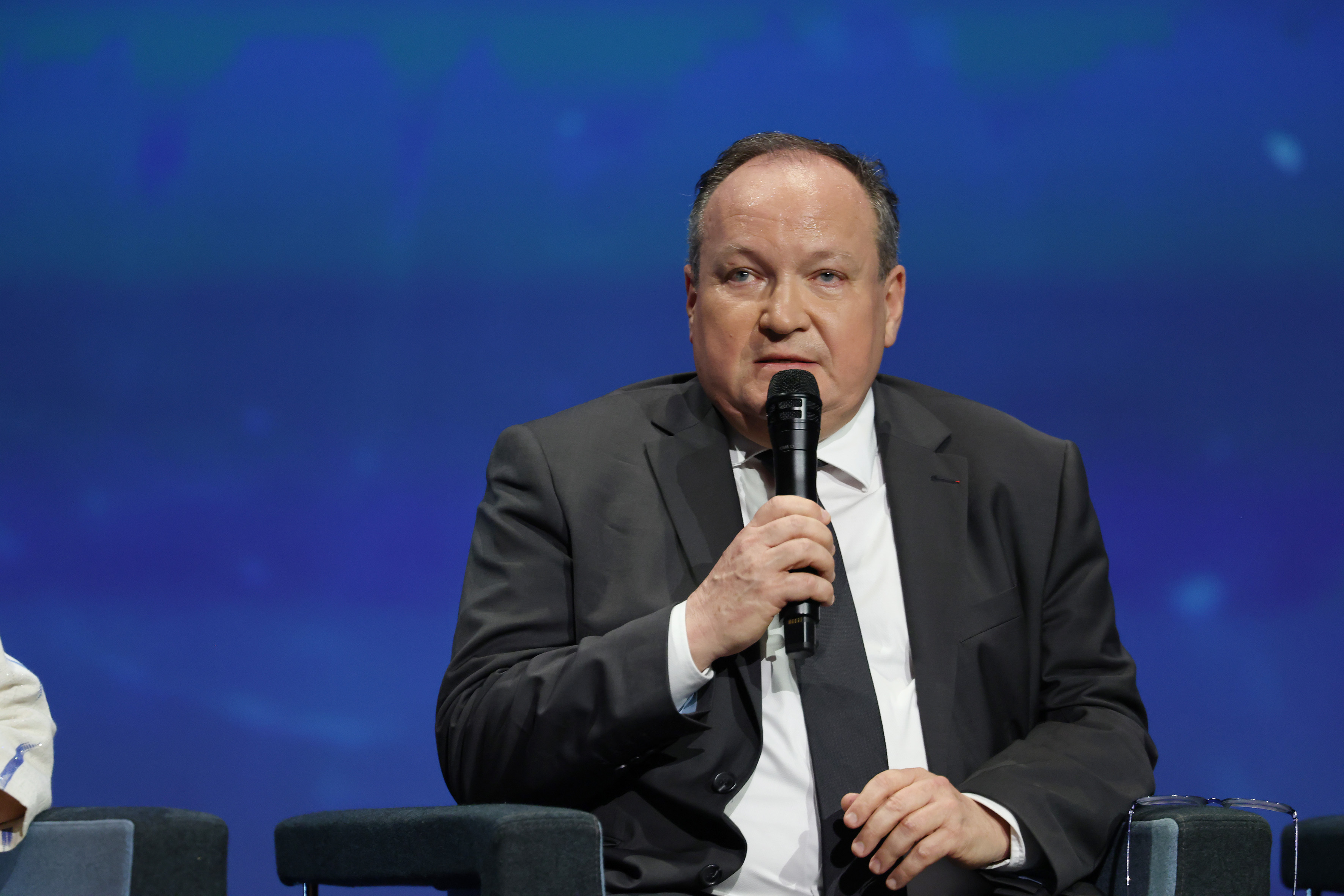
Ambroise Fayolle, Vice-President, European Investment Bank (EIB)
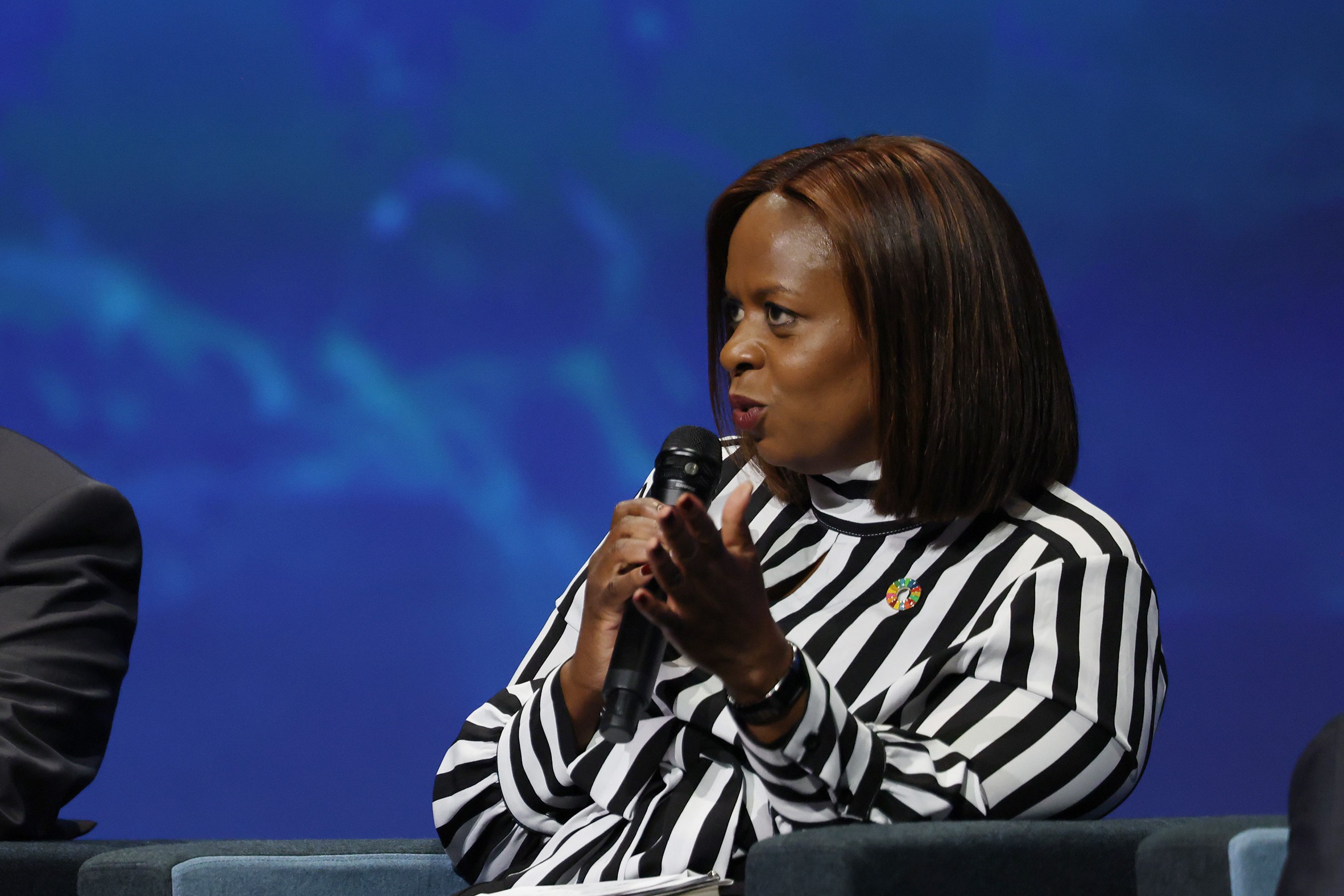
Sanda Ojiambo, Assistant Secretary-General, CEO and Executive Director, UN Global Compact
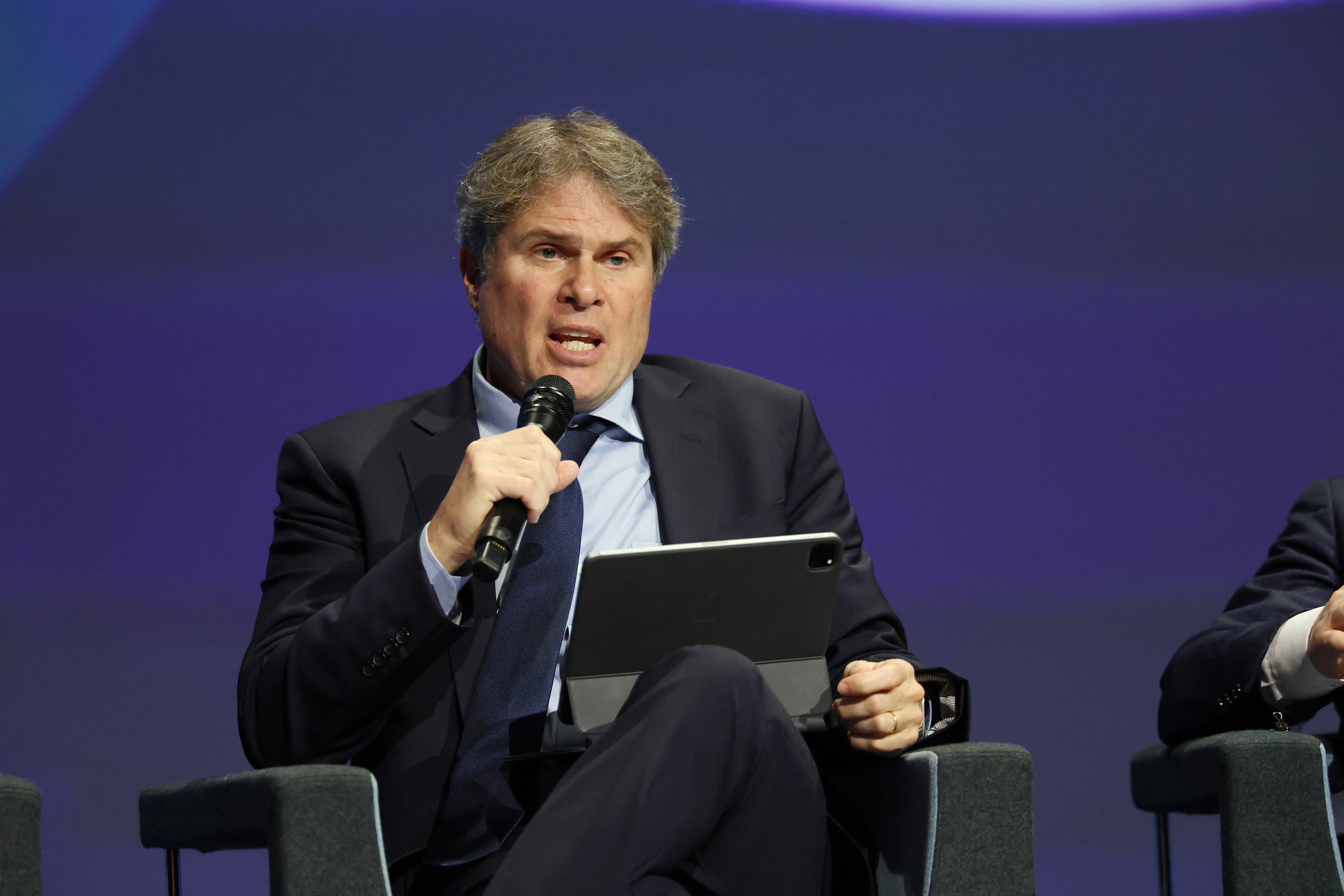
James Scriven, CEO, IDB Invest
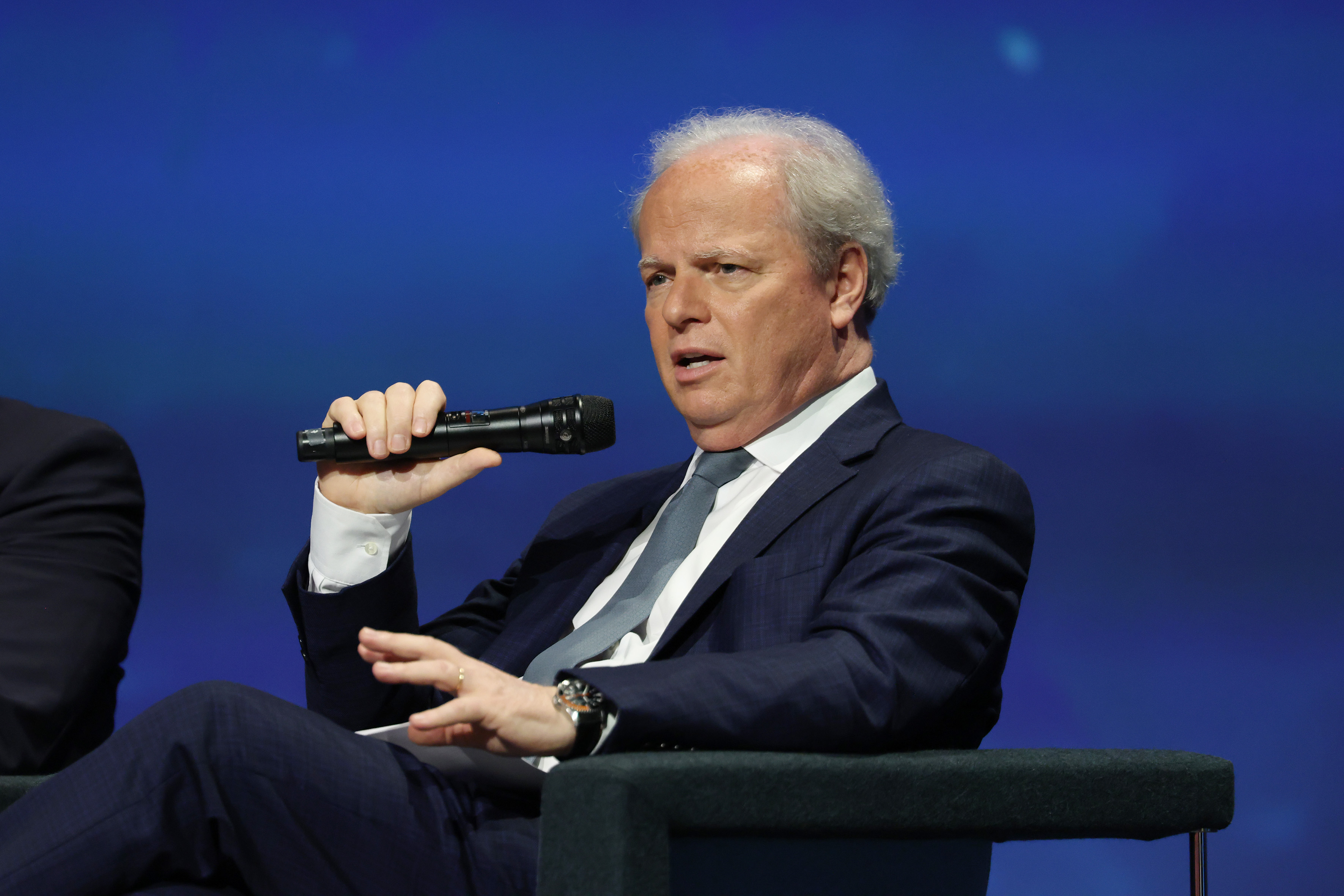
Axel van Trotsenburg, Senior Managing Director, The World Bank Group
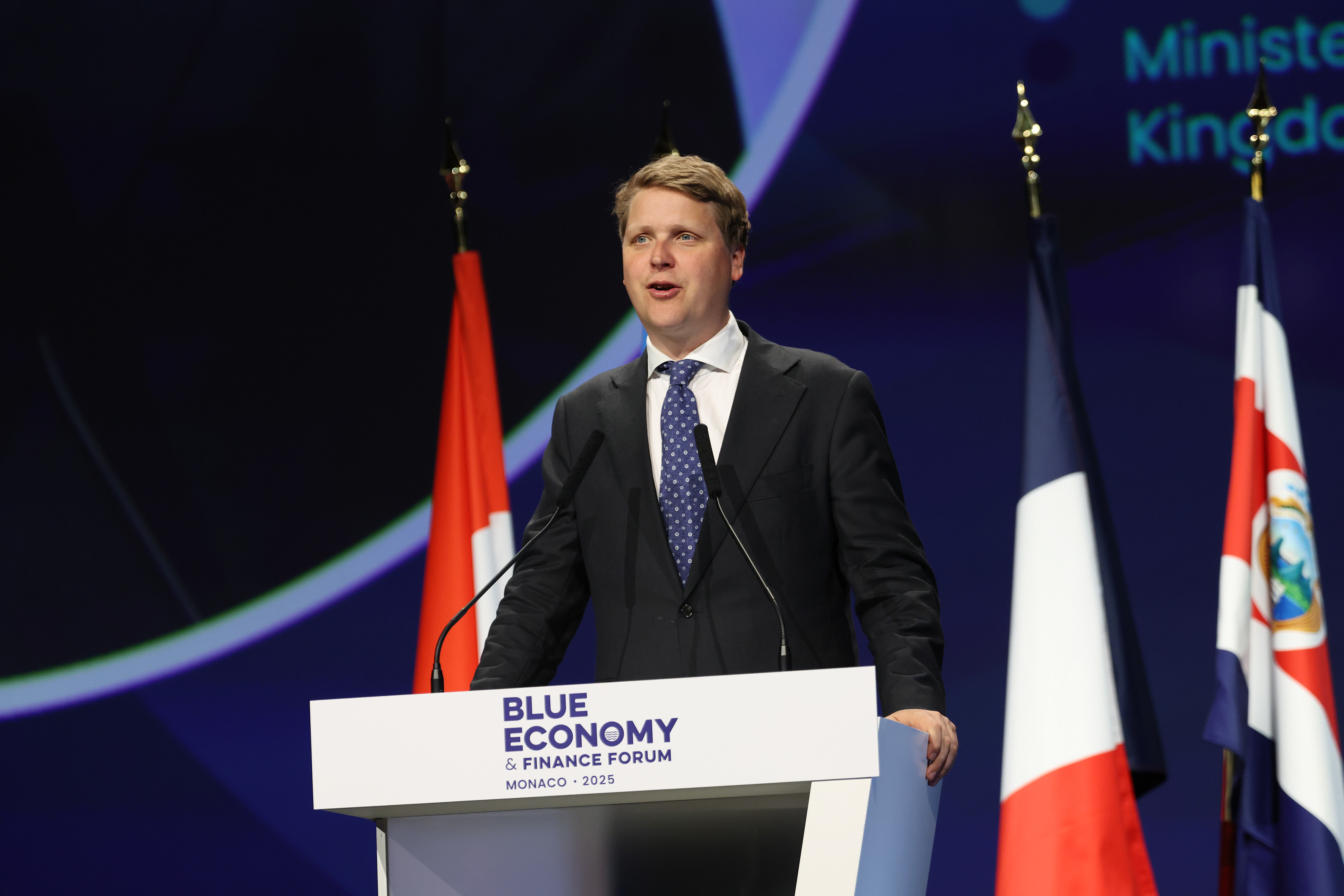
Åsmund Grøver Aukrust, Minister of International Development, Norway
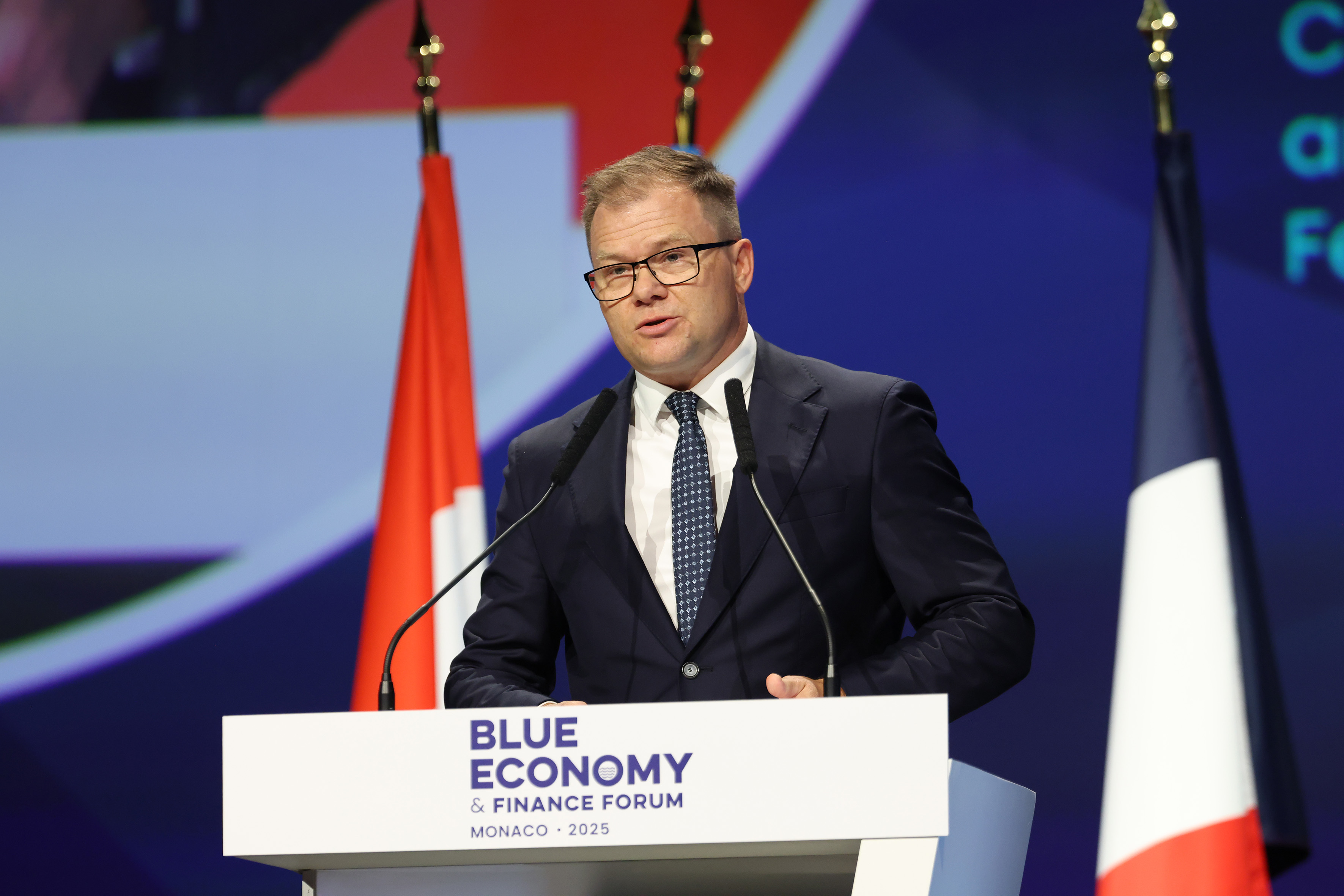
Carsten Schneider, Minister of the Environment, Climate Protection, Nature Conservation and Nuclear Safety, Germany
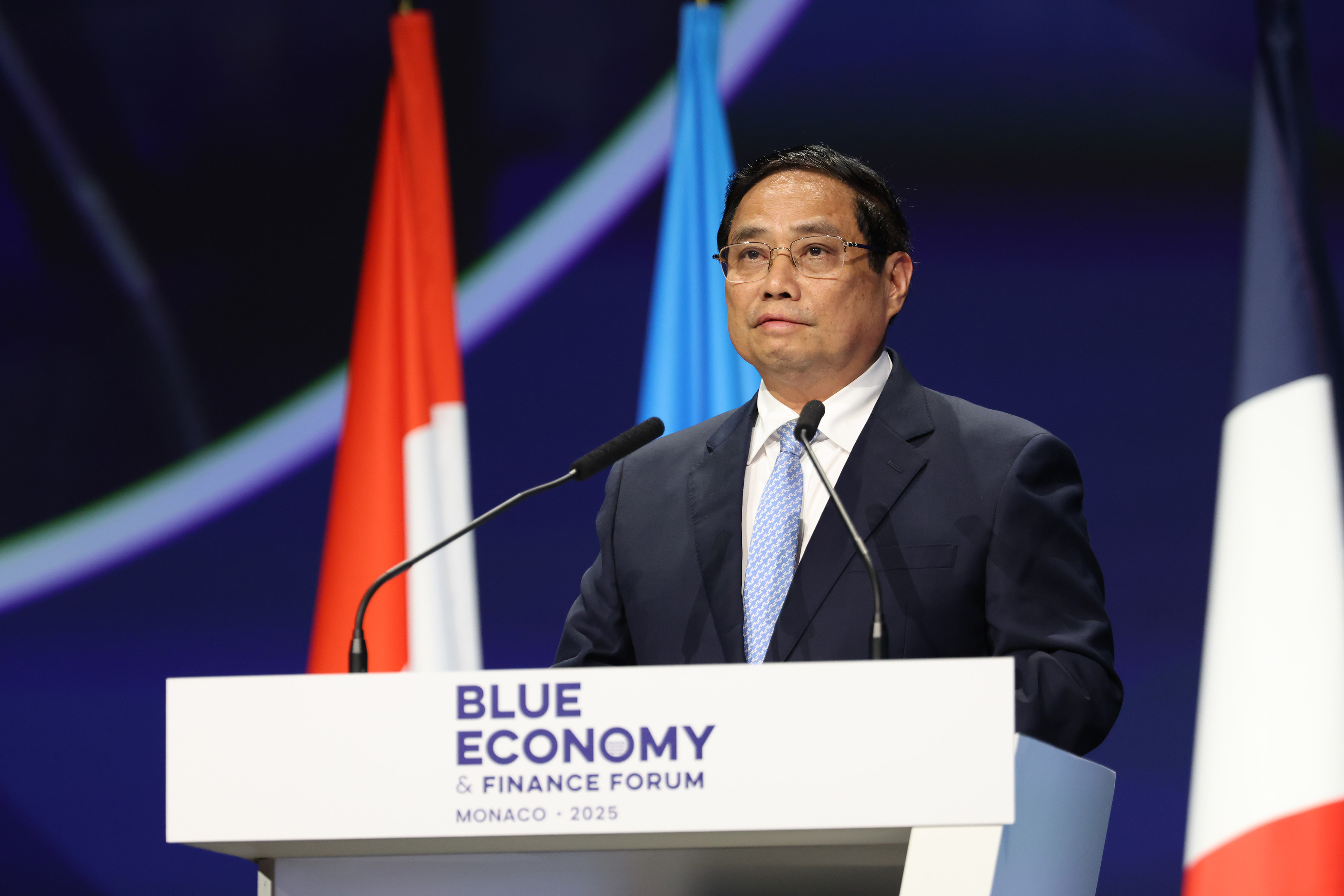
Pham Minh Chinh, Prime Minister of Viet Nam
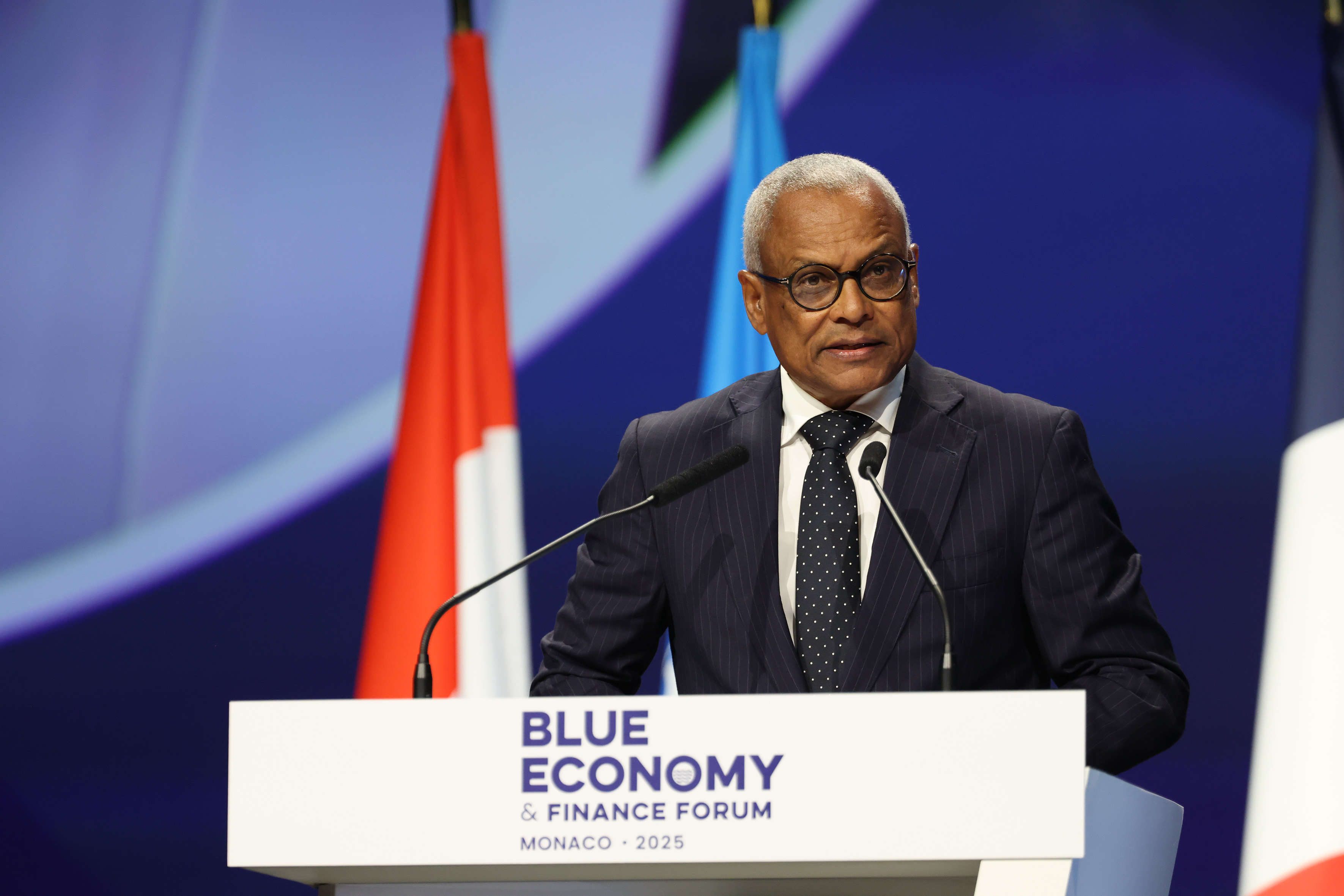
José Maria Neves, President of Cabo Verde
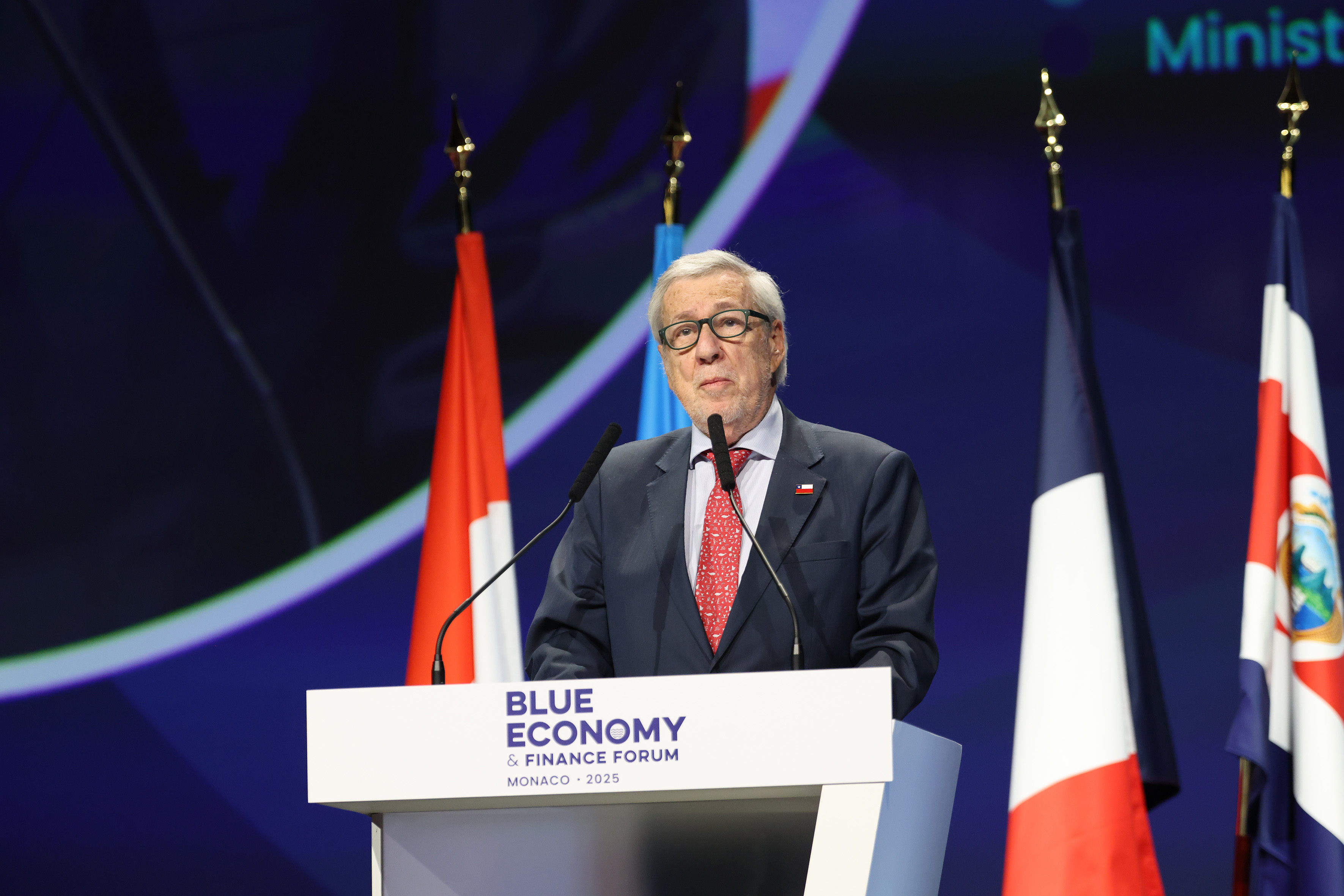
Alberto van Klaveren, Minister of Foreign Affairs, Chile
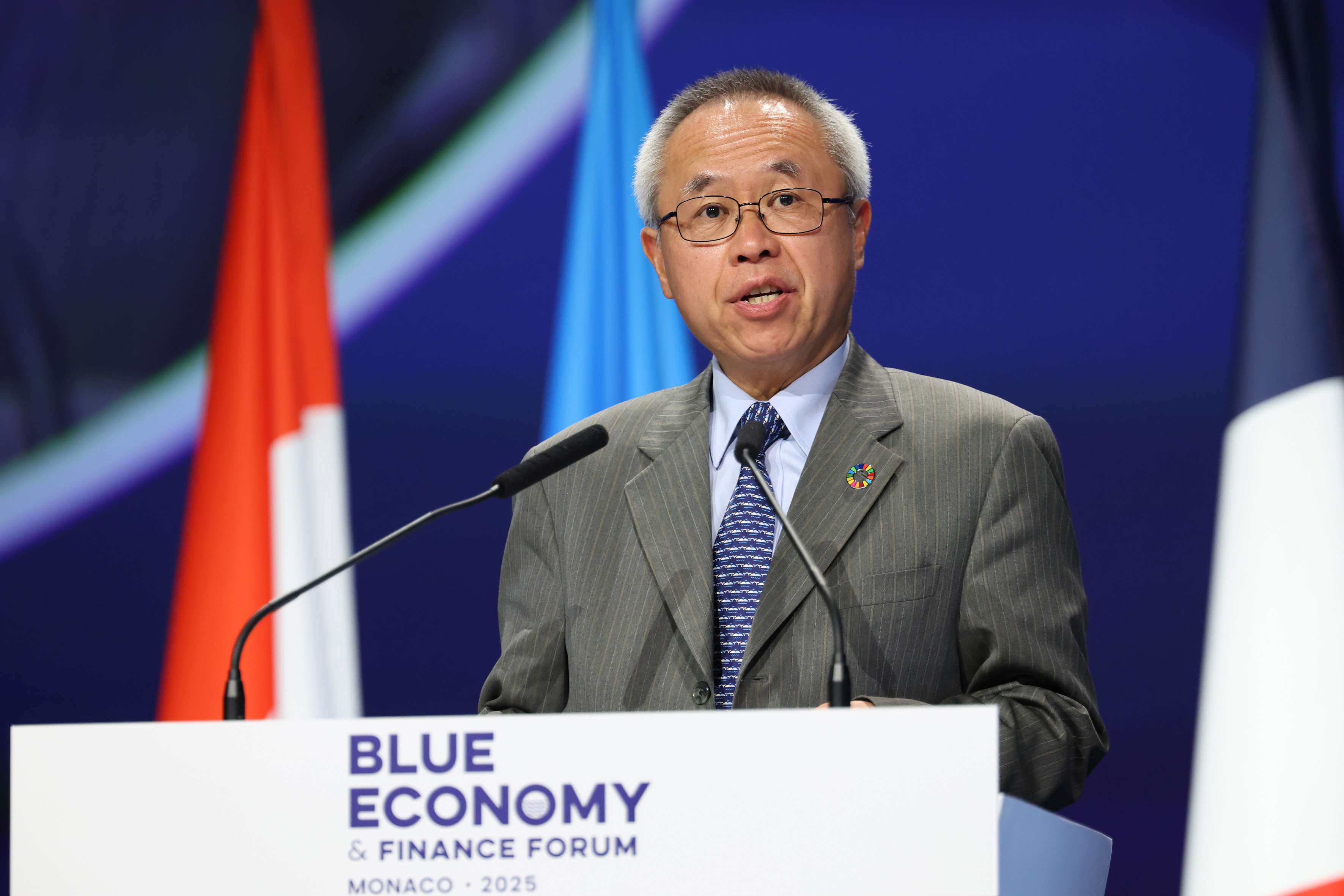
Junhua Li, UN Under-Secretary-General for Economic and Social Affairs
Closing Ceremony
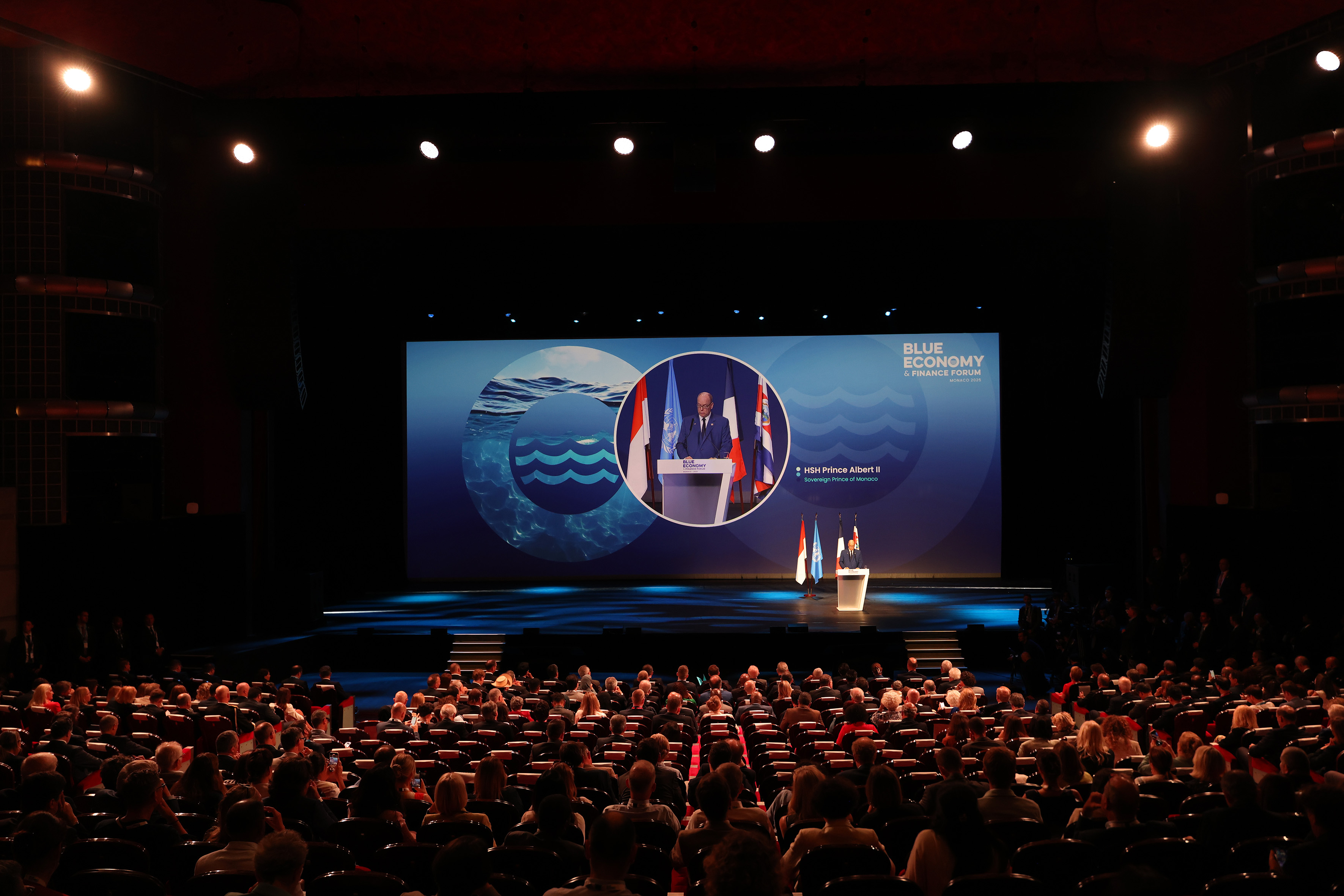
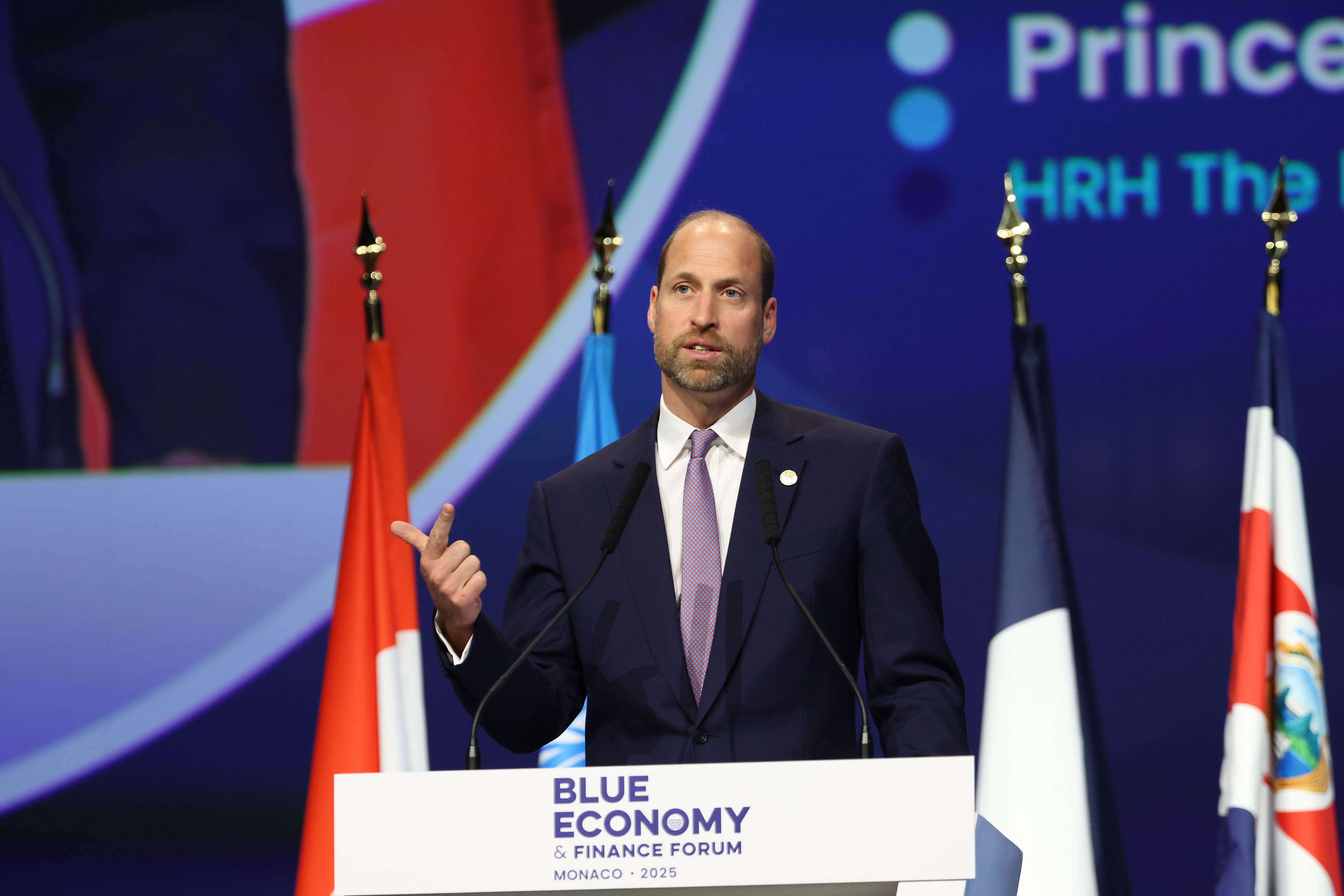
His Royal Highness William, Prince of Wales, United Kingdom
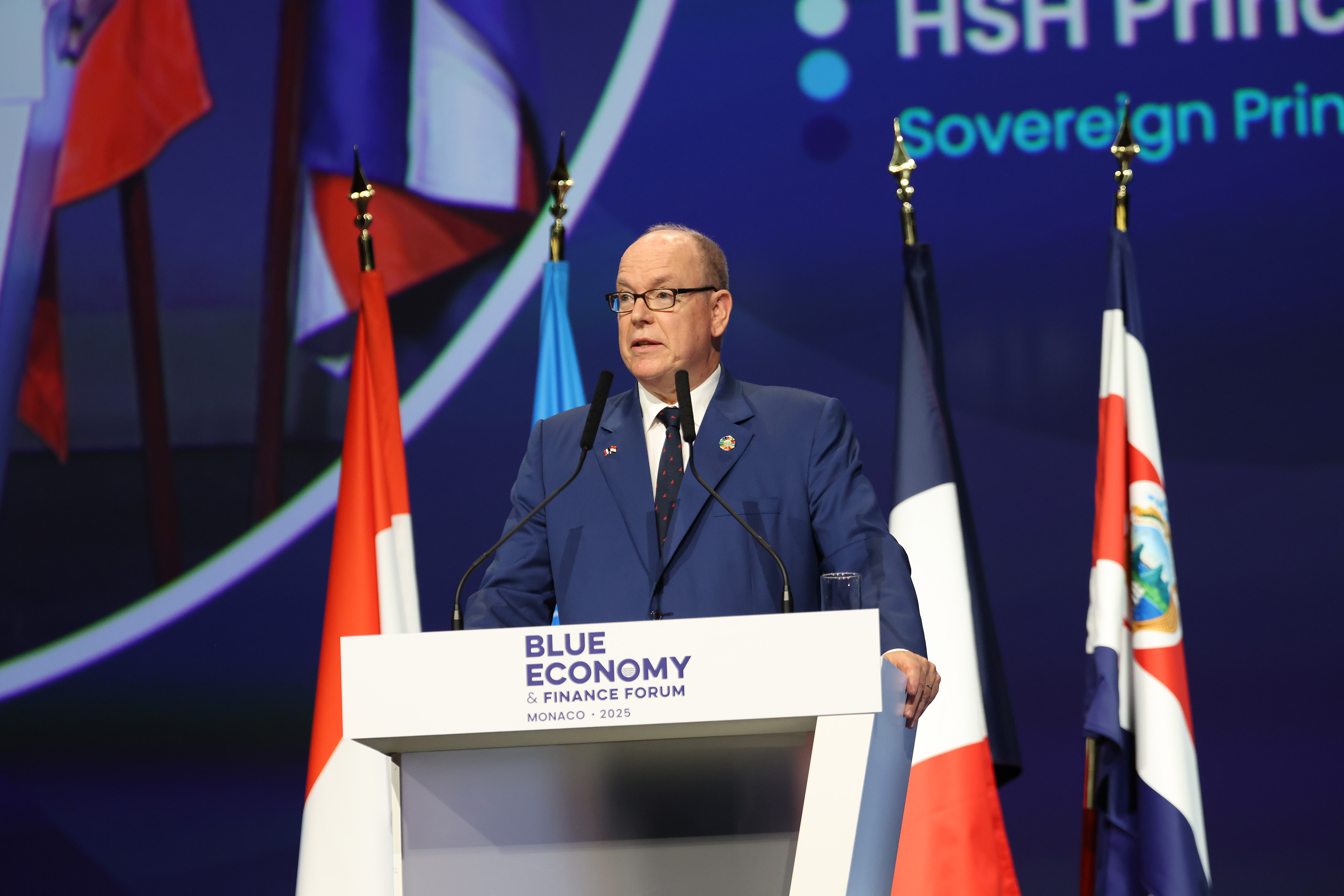
His Serene Highness Prince Albert II of Monaco
Cultural Performance - The Pulse of the Ocean


