
The 2026 June Climate Meetings are off to a good start, at least compared to the last several meetings of the Subsidiary Bodies (SBs) to the UN Framework Convention on Climate Change (UNFCCC). At the opening of this session, delegates did not get bogged down in haggles over the SBs’ agendas but instead swiftly agreed to the organization of work, paving the way for substantive negotiations to commence.
This does not mean negotiations in Bonn will be easy, especially as the issue of fossil fuel transition featured prominently across opening statements. Delegates left the last climate conference in Brazil without agreement on this issue. In the meantime, global oil supply chains have been disrupted by the blockade of the Strait of Hormuz, leading many to underscore the importance of transitioning away from fossil fuels for the sake of both the climate system and energy security.
Want to dig deeper into today's talks? Read the full Earth Negotiations Bulletin daily report.
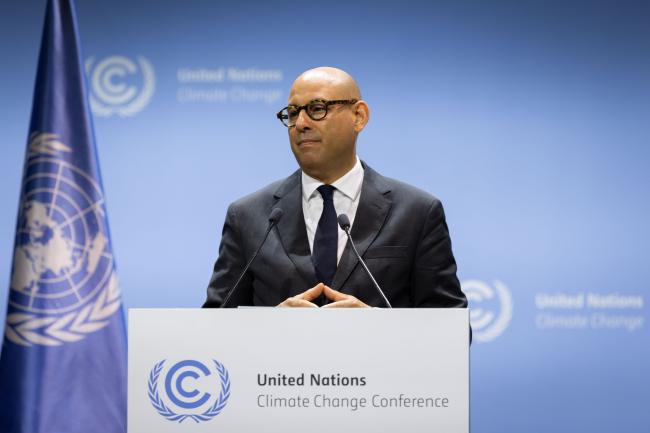
UNFCCC Executive Secretary Simon Stiell cautioned against reopening past debates and remaining entangled in fossil fuel dependency. Türkiye and Australia, as the designated Co-Presidencies of the upcoming thirty-first session of the Conference of the Parties (COP 31) to the UNFCCC, also underscored the need to urgently enhance electrification and the supply of clean energy.
However, while the Environmental Integrity Group encouraged countries to develop fossil fuel transition roadmaps, as recently discussed at the Santa Marta Conference, the Arab Group opposed the inclusion of roadmaps developed outside of the UNFCCC process and denounced a politicization of the process through targeting specific emission sources.

In the meantime, the COP 30 Presidency is using the June Climate Meetings to advance consultations aimed at informing the development of another roadmap, on a somewhat less contentious issue: halting and reversing deforestation and forest degradation by 2030. Many Parties welcomed this initiative and, noting the short window of opportunity until 2030, urged a strong focus on practical actions. Several Parties also highlighted the need for buy-in from all relevant stakeholders, especially Indigenous Peoples. Later in the week, the COP Presidency will also consult with observers.
A number of mandated events also took place during the day, including on the new work programme on climate finance, with Parties debating its scope and modalities.

To receive free coverage of global environmental events delivered to your inbox, subscribe to the ENB Update newsletter.
All ENB photos are free to use with attribution. For SB64 please use: Photo by IISD/ENB - Kiara Worth
Opening Plenary
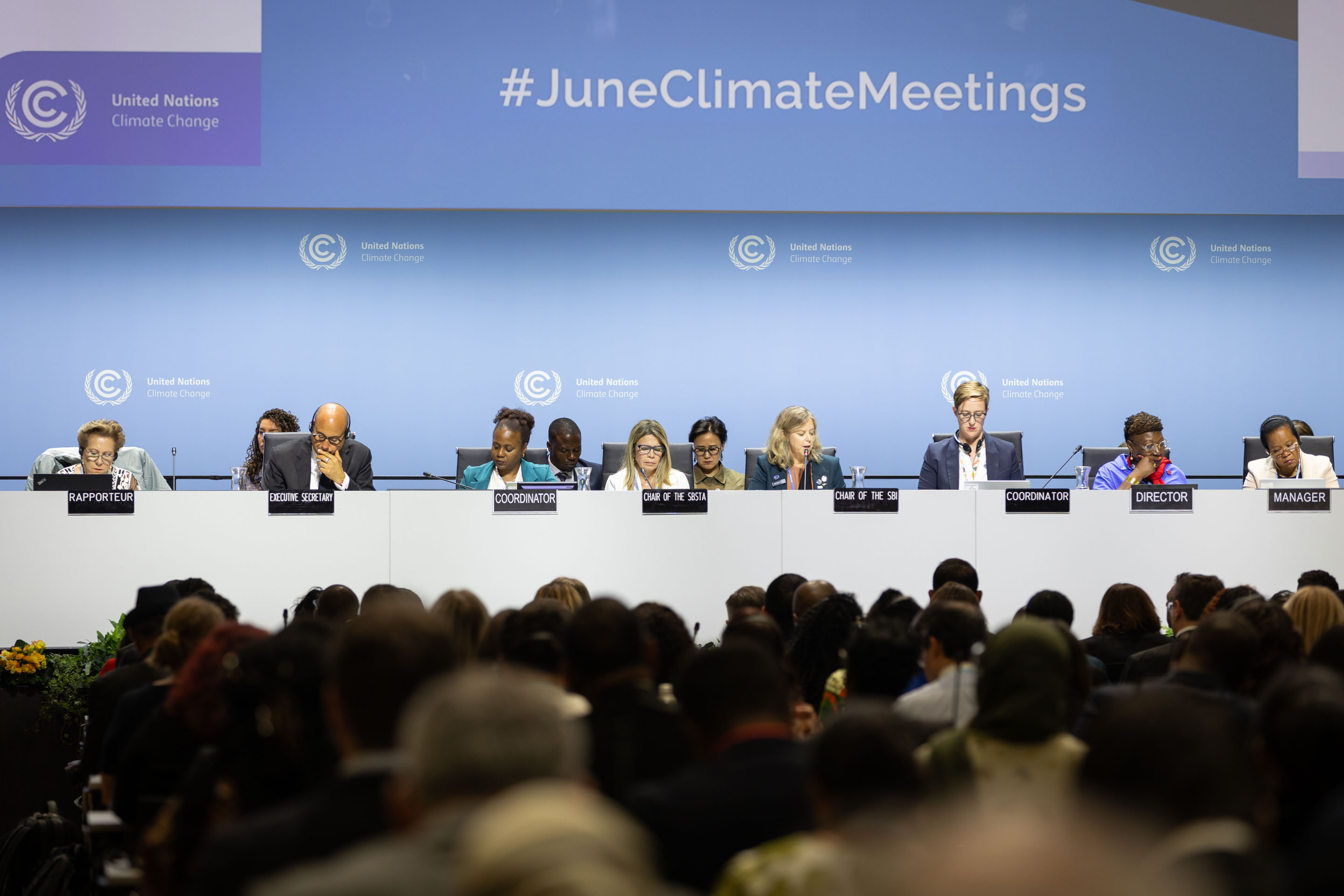
View of the dais during the opening plenary
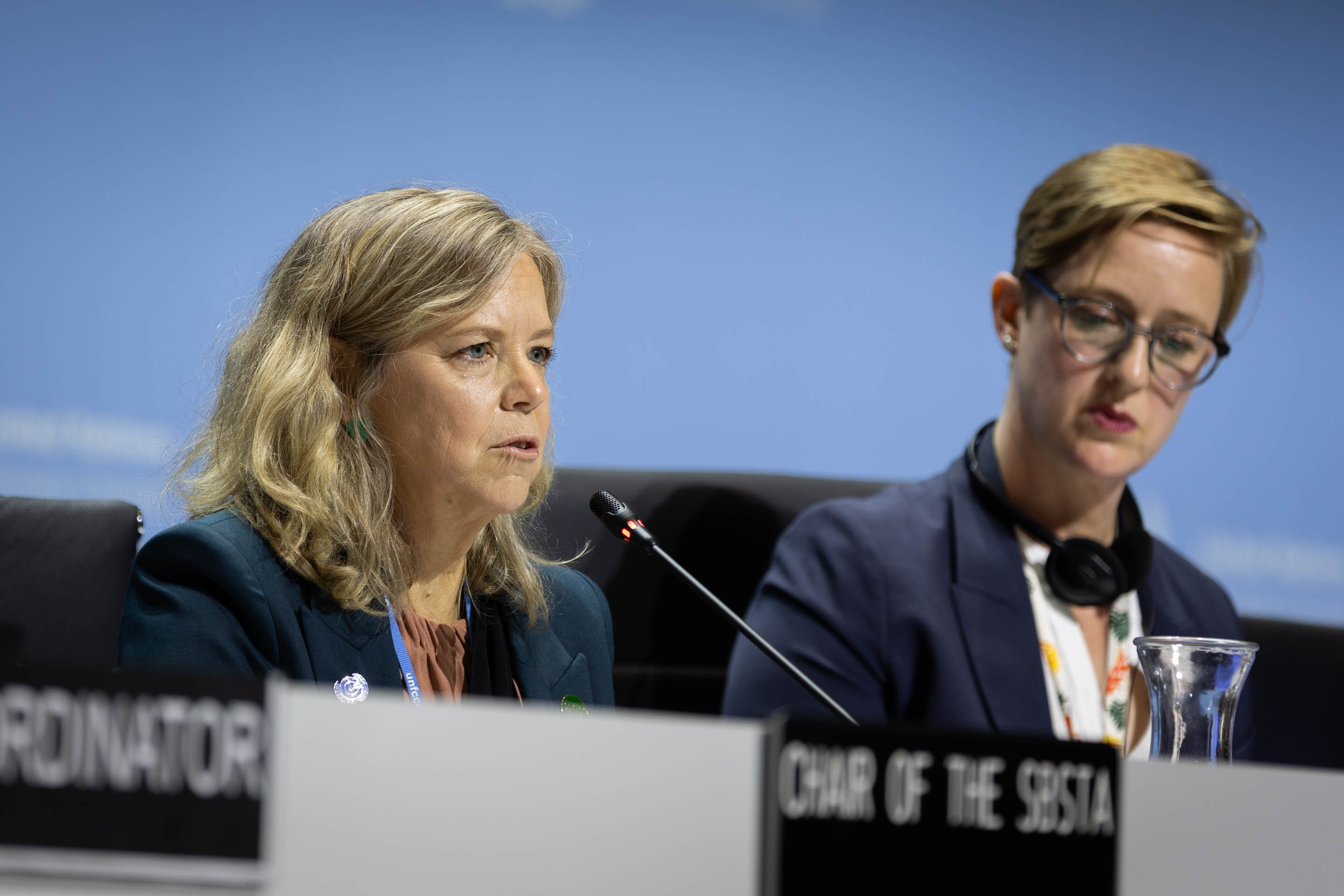
Julia Gardiner, SBI Chair
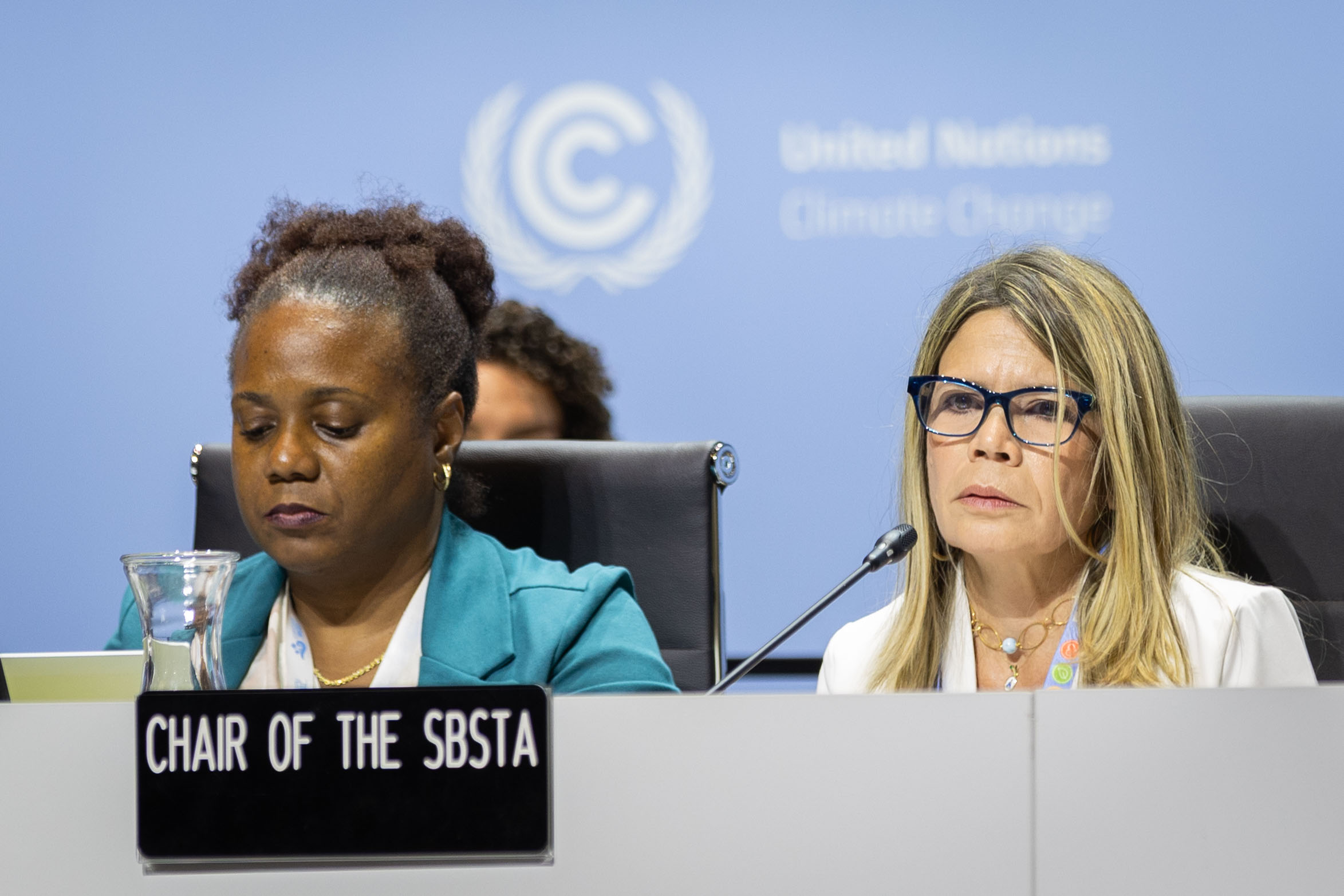
Carol Franco, SBSTA Vice-Chair
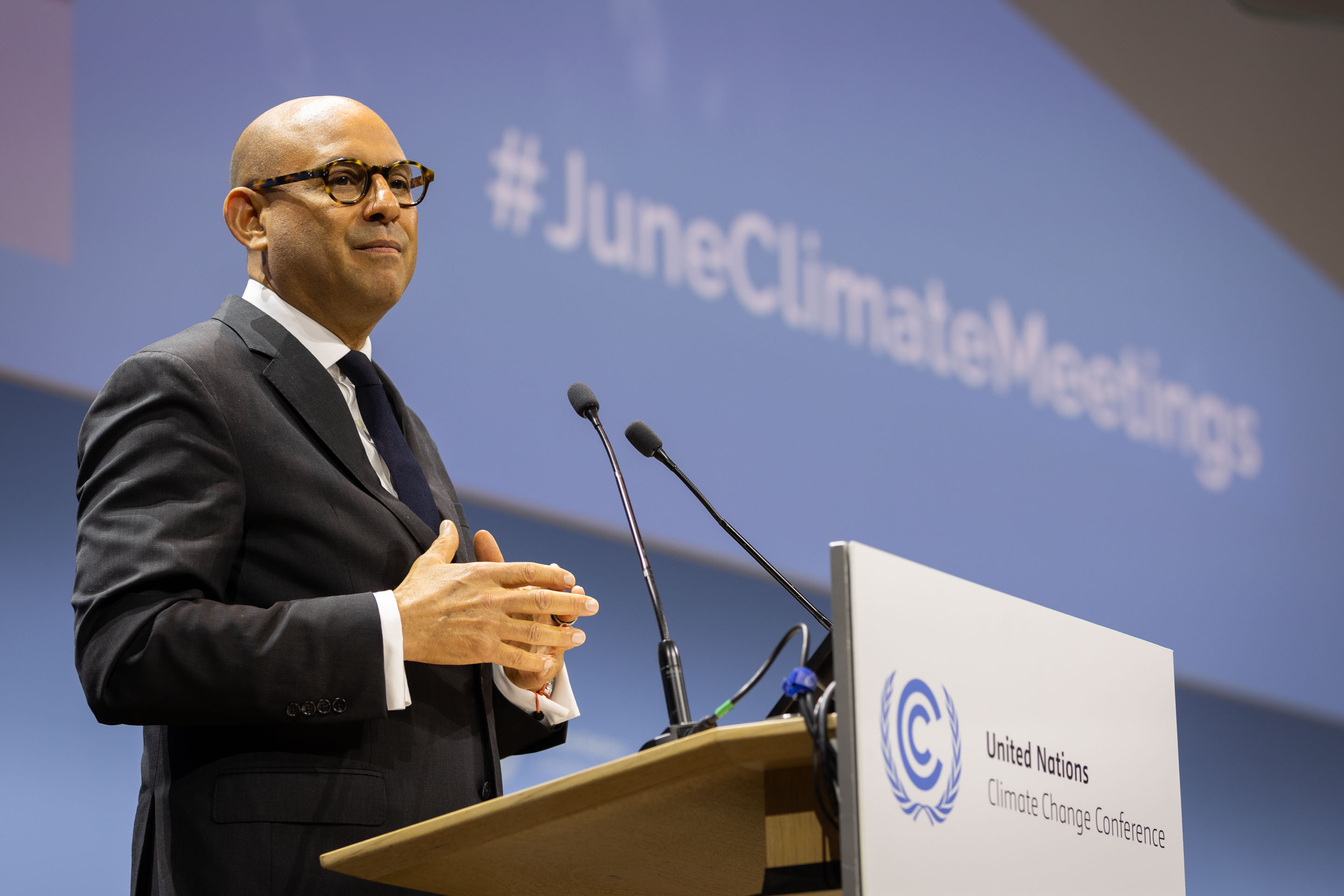
UNFCCC Executive Secretary Simon Stiell
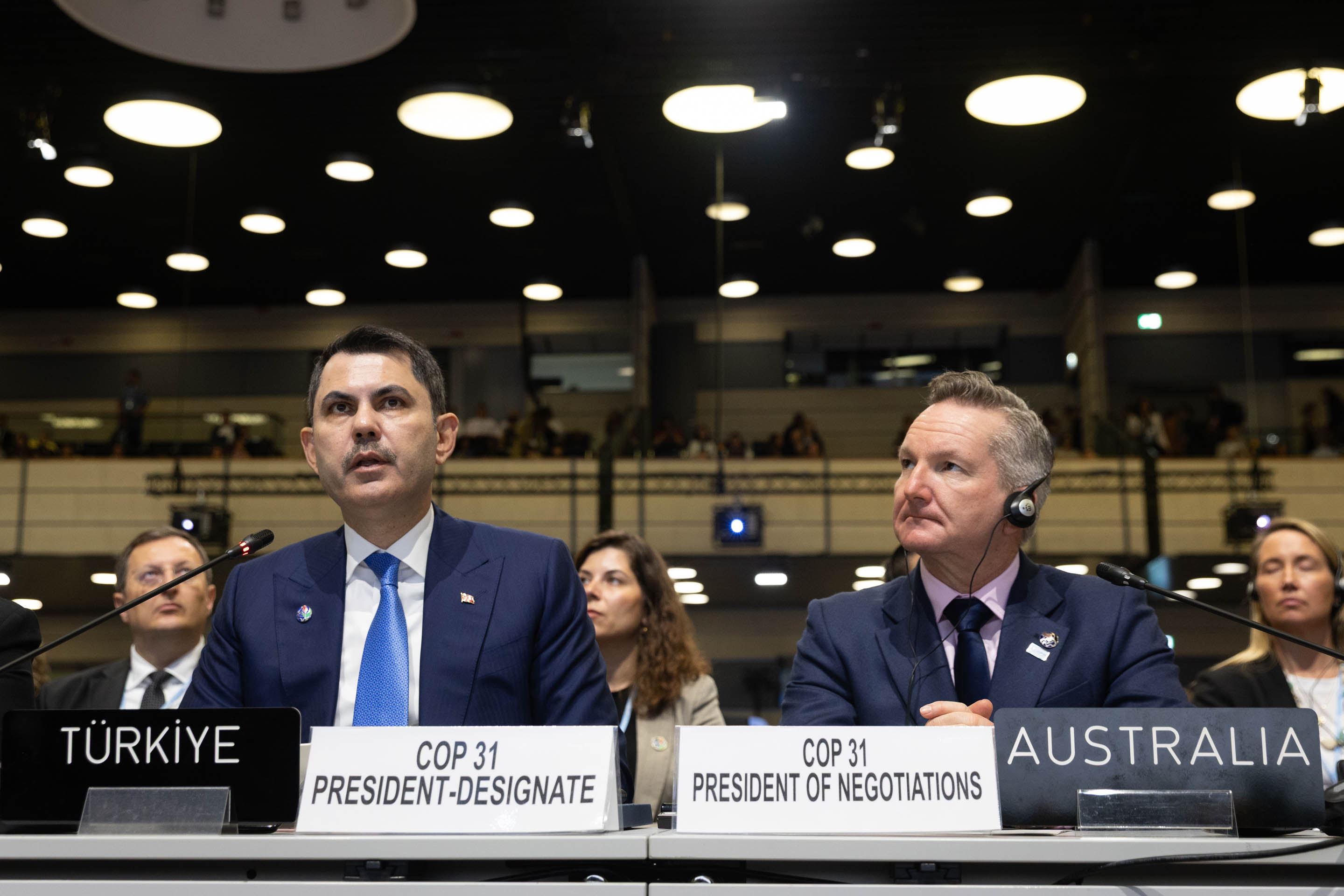
COP 31 President-Designate Murat Kurum, Türkiye, and COP 31 President-Designate of Negotiations Chris Bowen, Australia
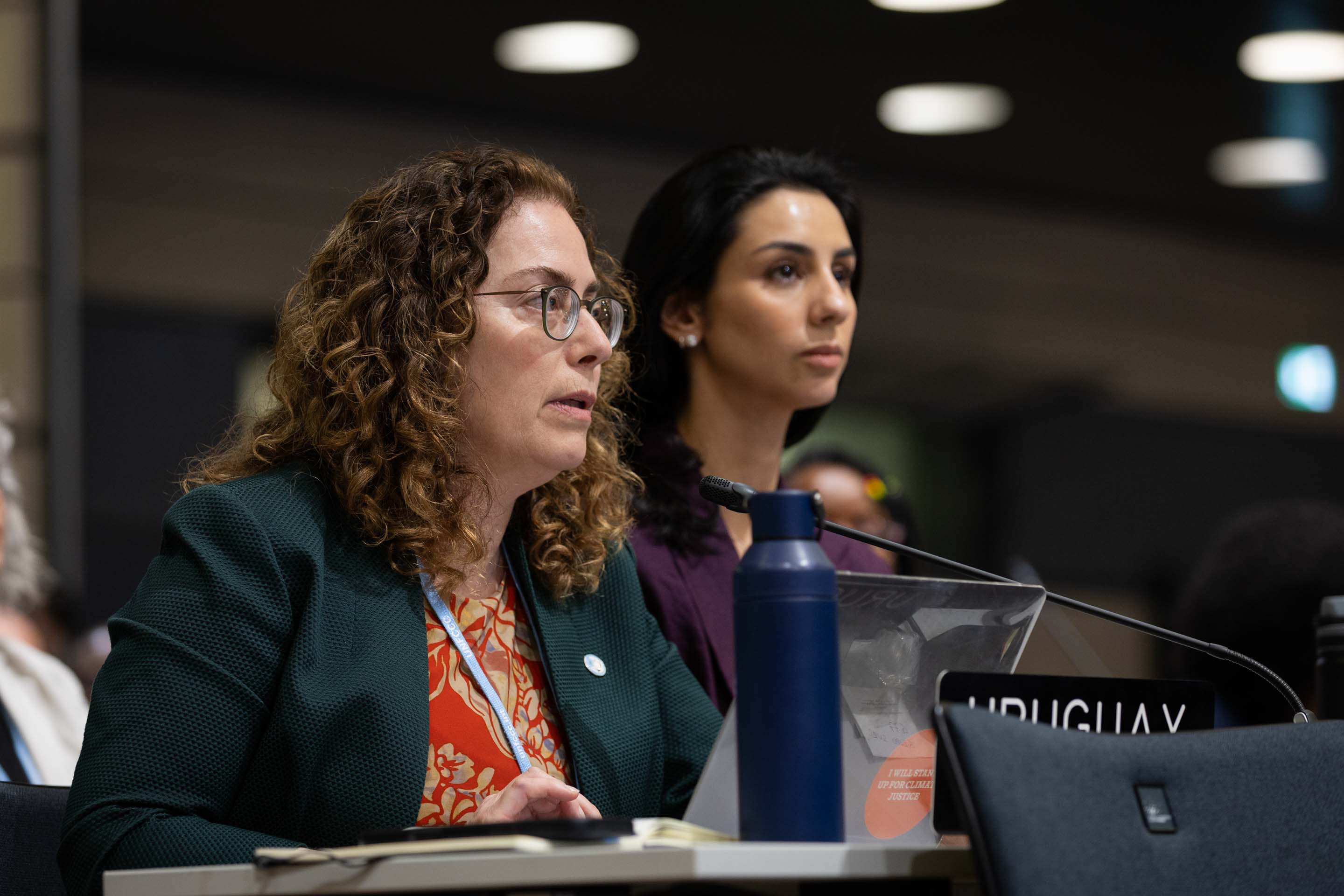
Laura Dupuy, Uruguay, on behalf of the G-77/China
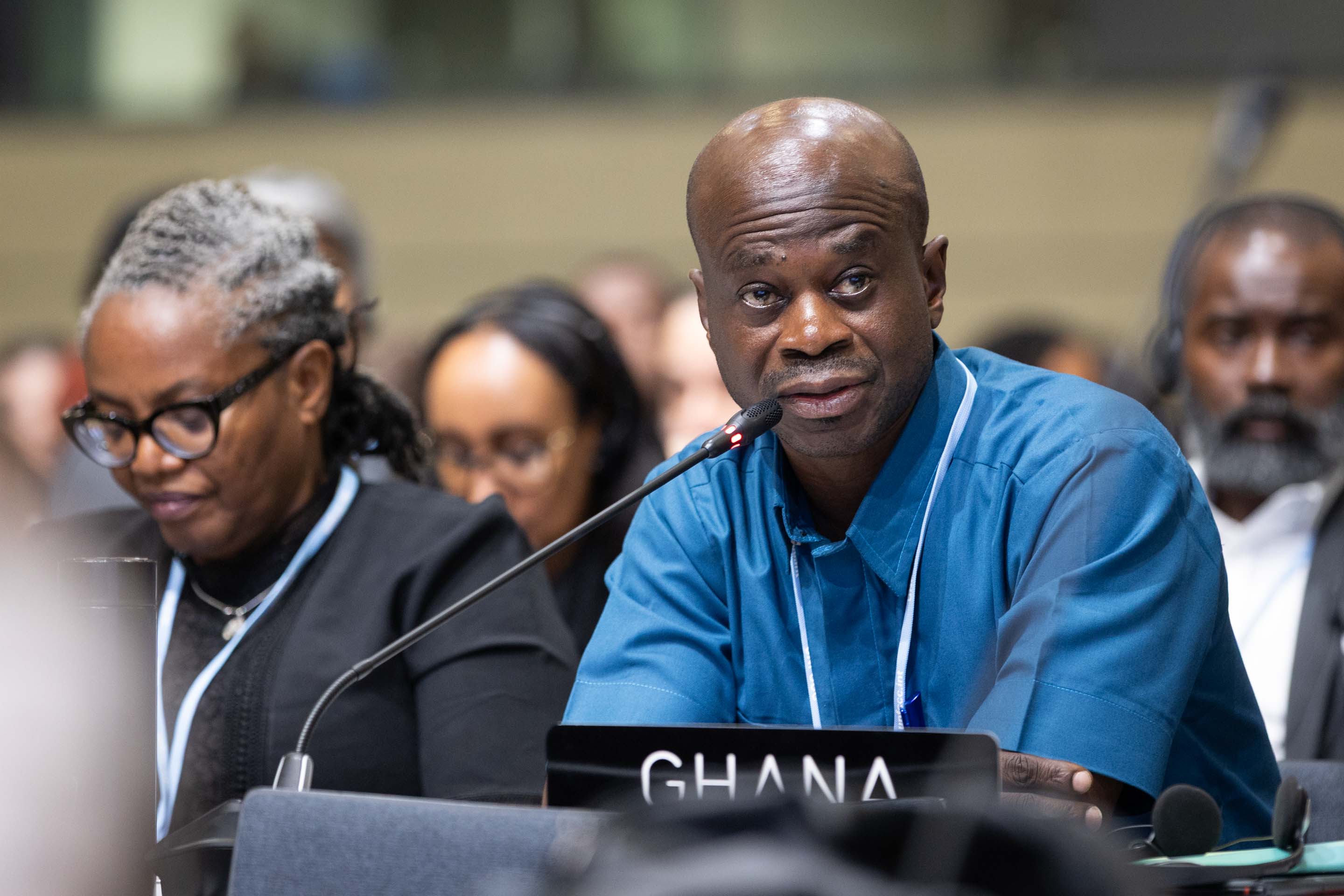
Antwi-Boasiako Amoah, Ghana, on behalf of the African Group
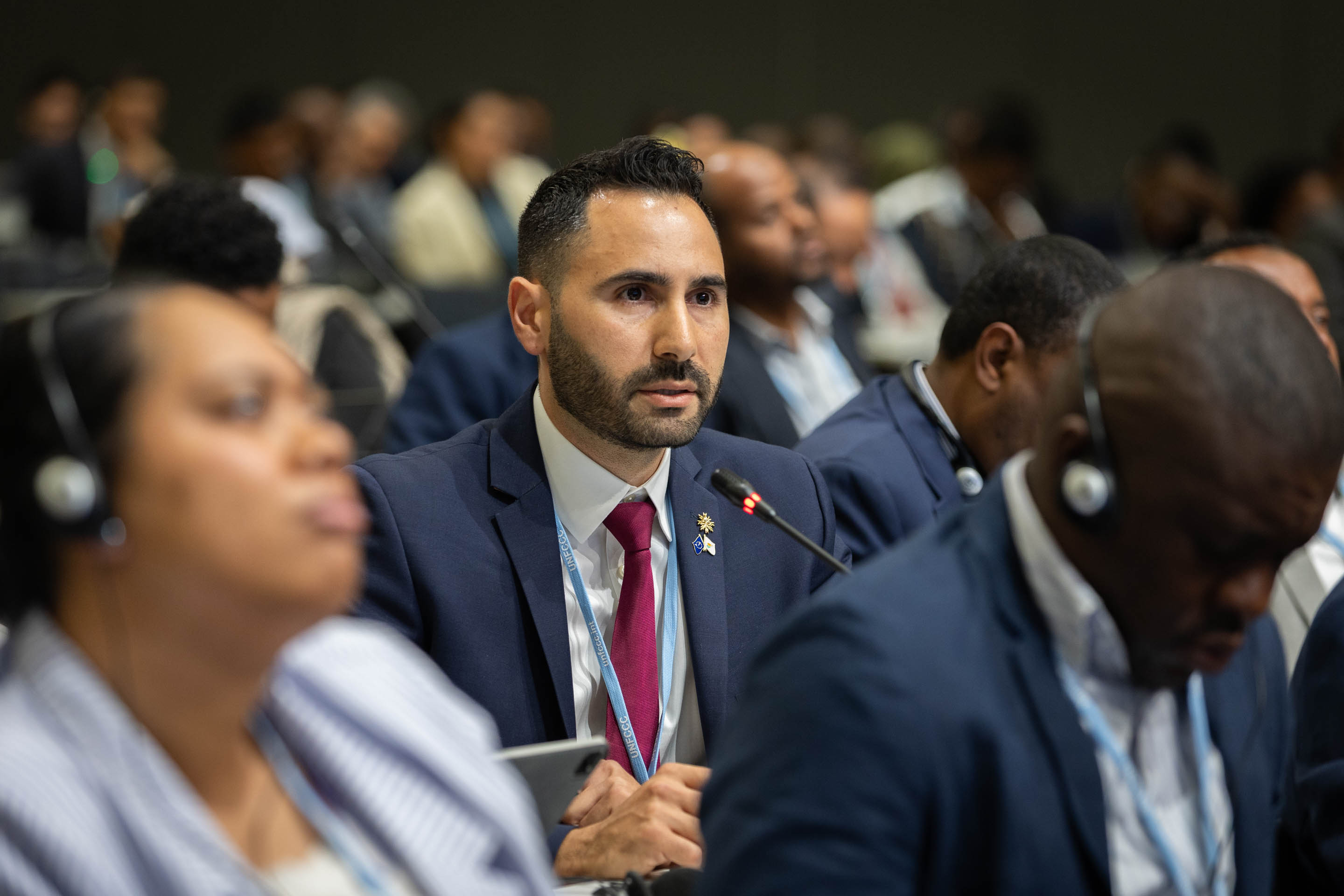
Demetris Psyillides, EU
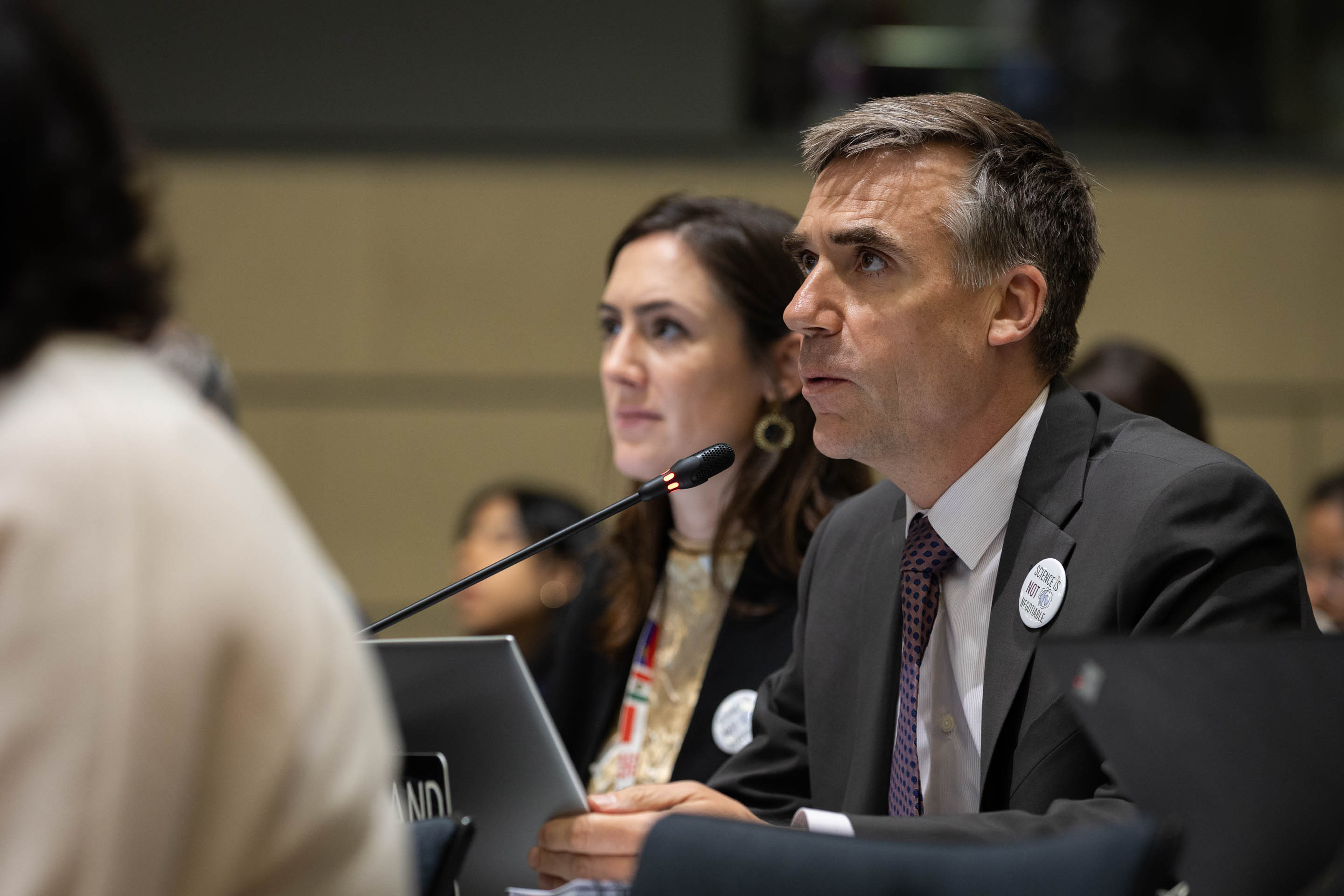
Felix Wertli, Switzerland, on behalf of the Environmental Integrity Group (EIG)
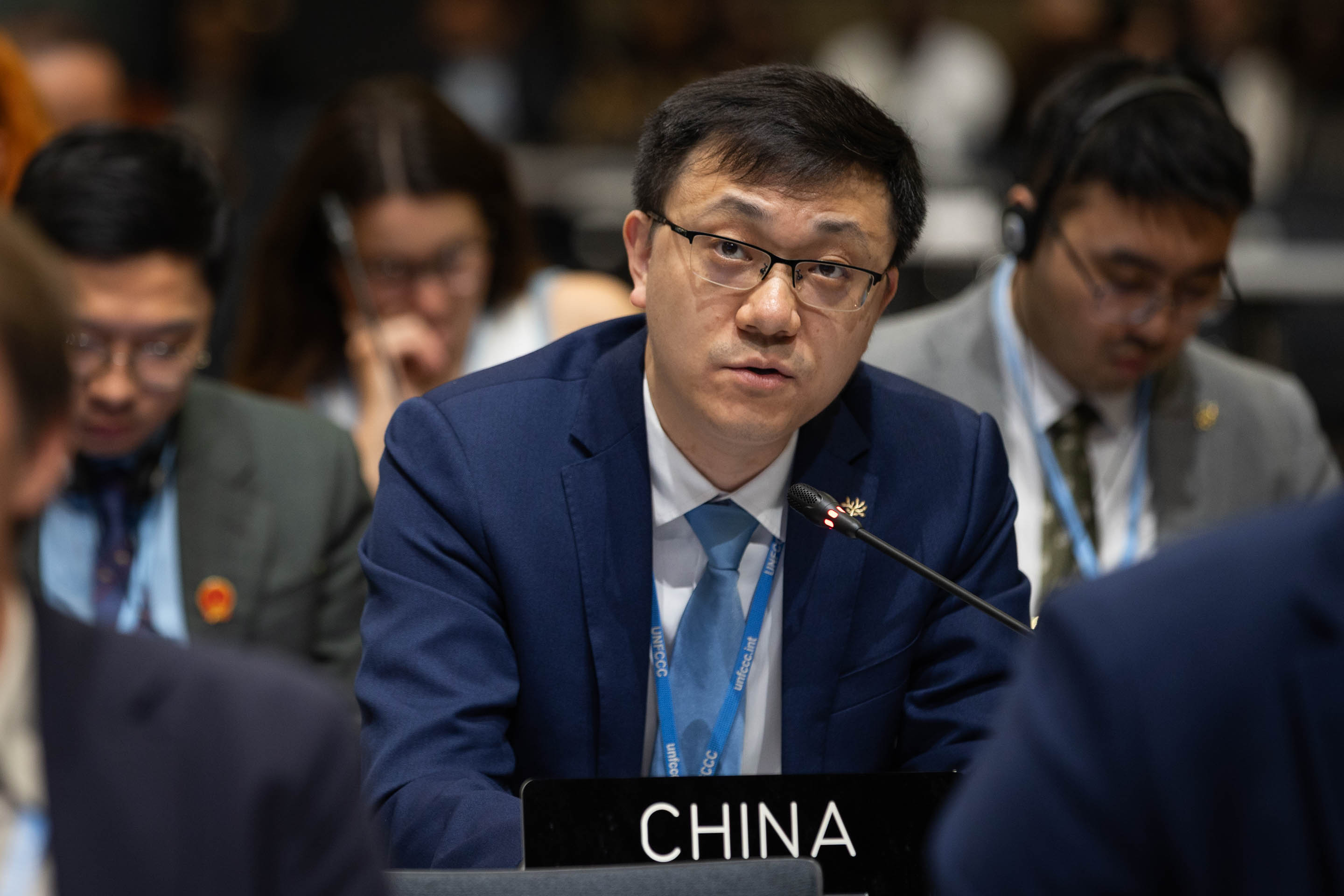
Liang Pei, China, on behalf of the Like-Minded Developing Countries (LMDCs)
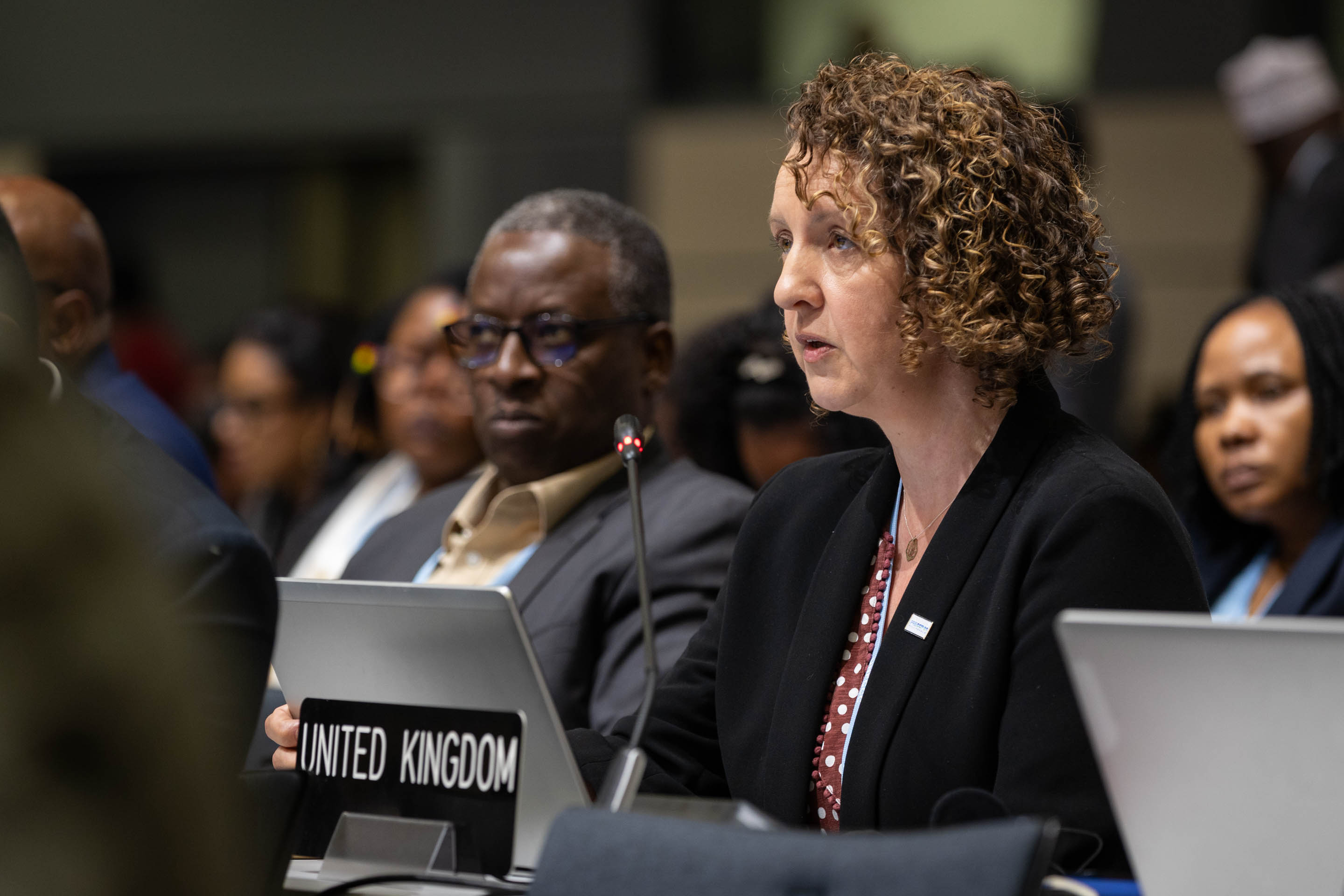
Kate Hughes, UK, on behalf of the Umbrella Group
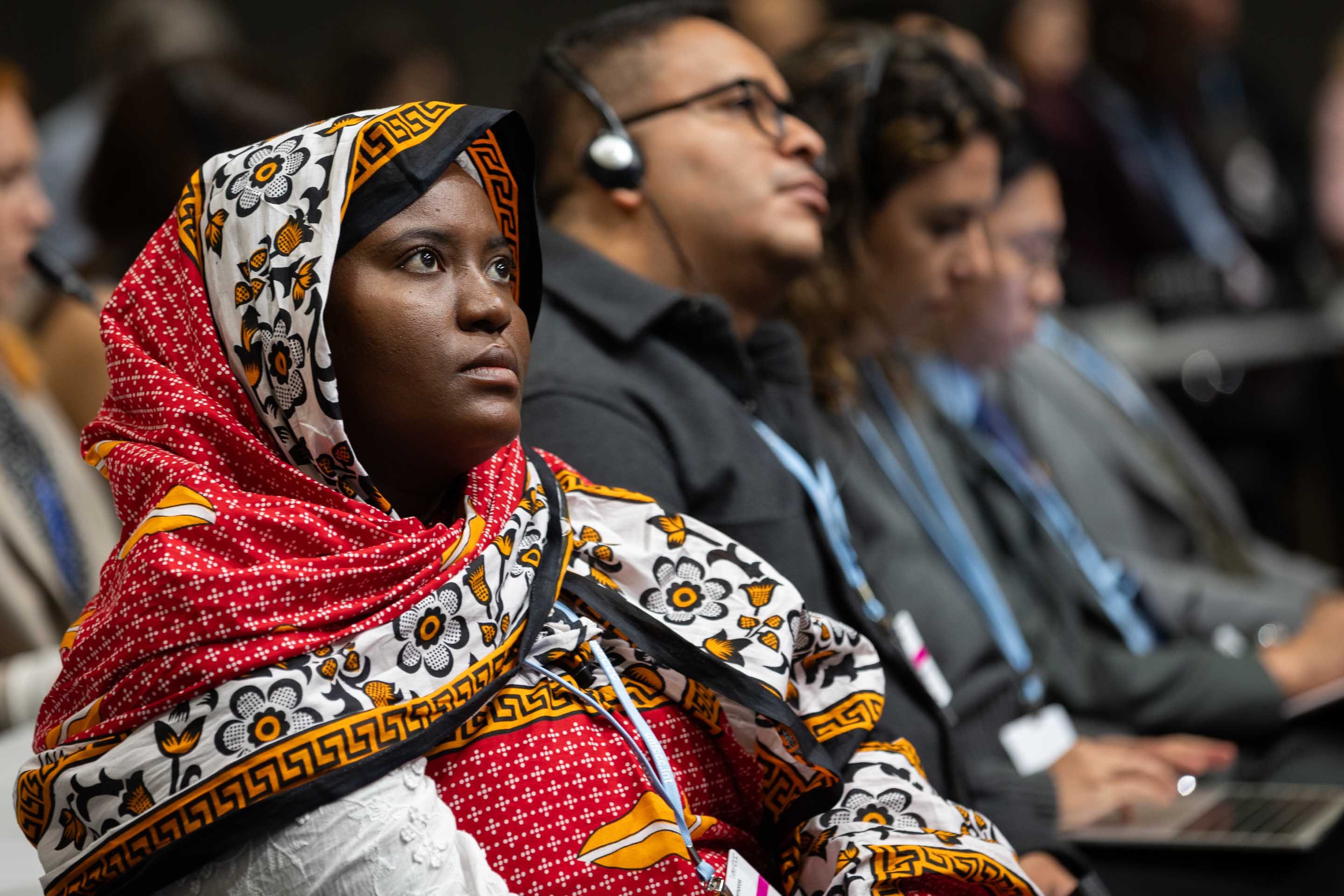
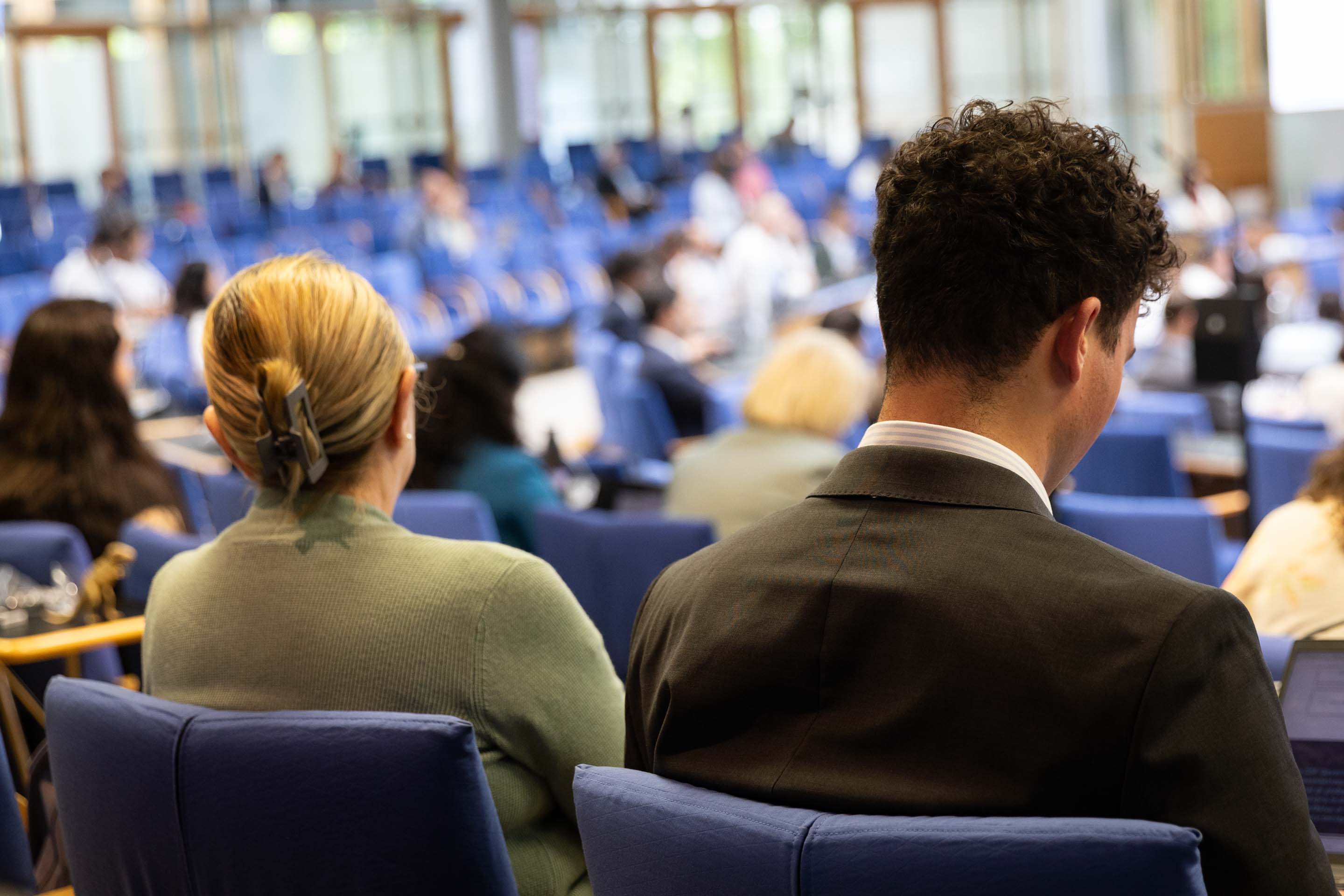
Delegates listen to the interventions
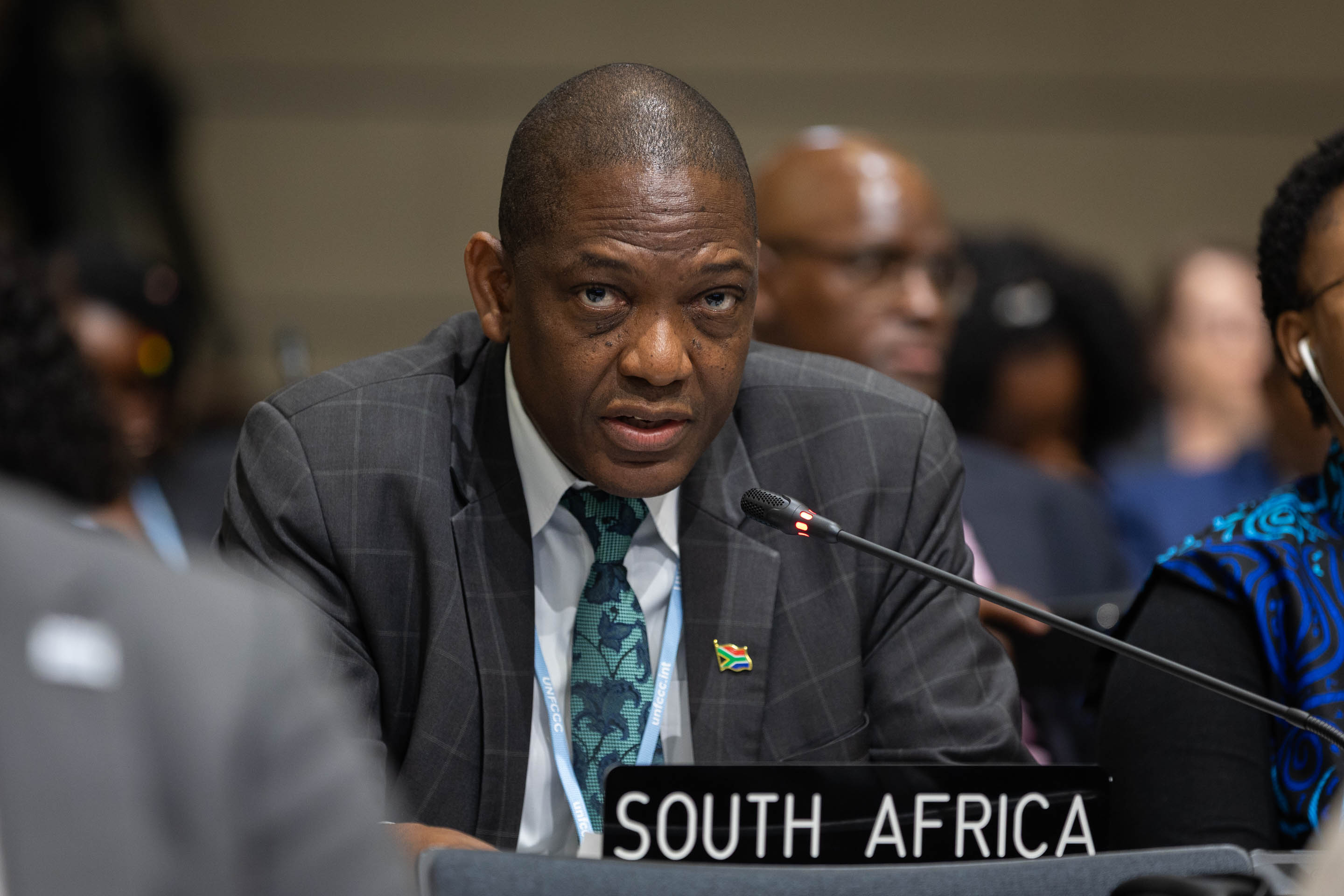
Maesela John Kekana, South Africa, on behalf of Brazil, South Africa, India and China (BASIC)
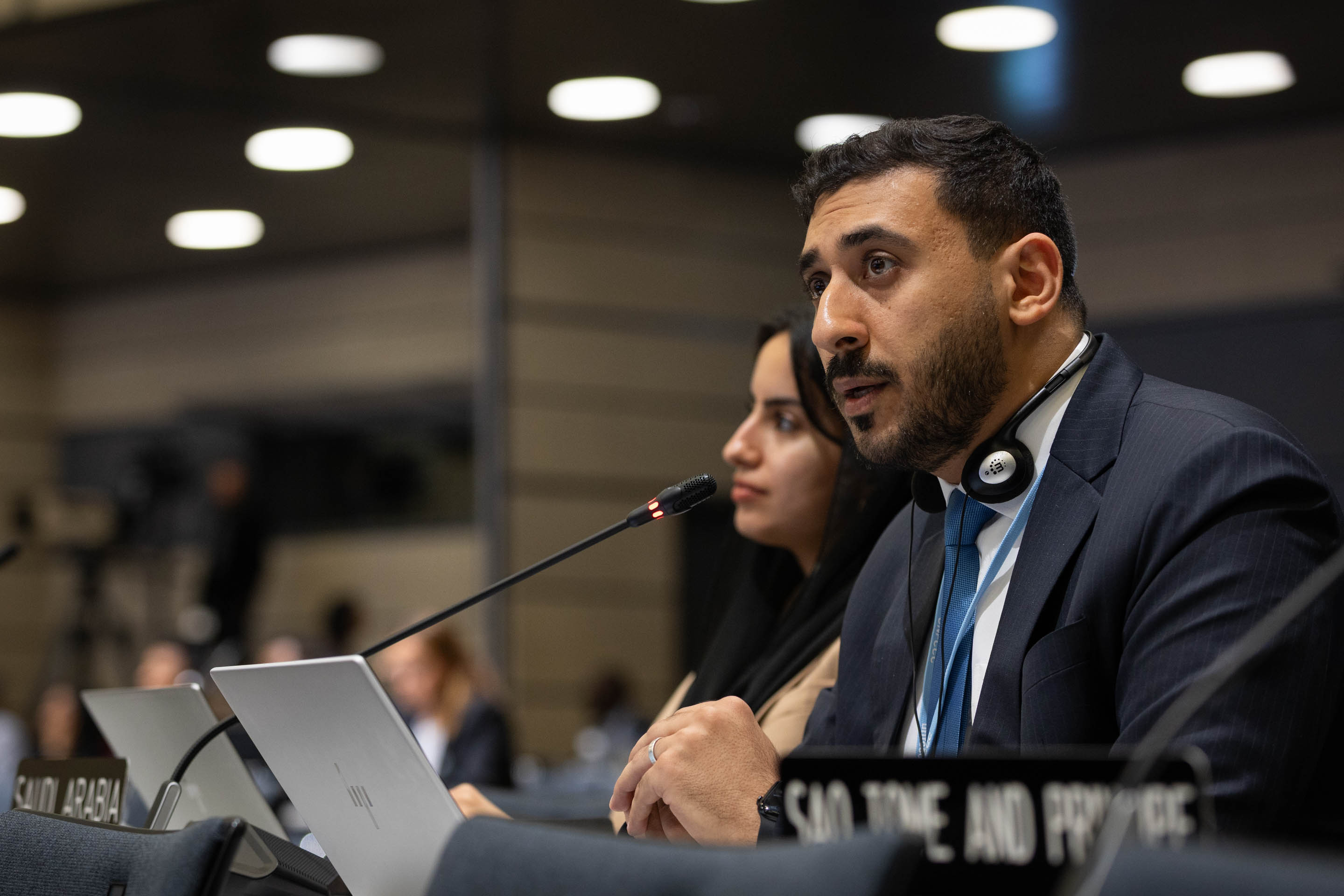
Abdulaziz Abdallah Albutti, Saudi Arabia, on behalf of the Arab Group
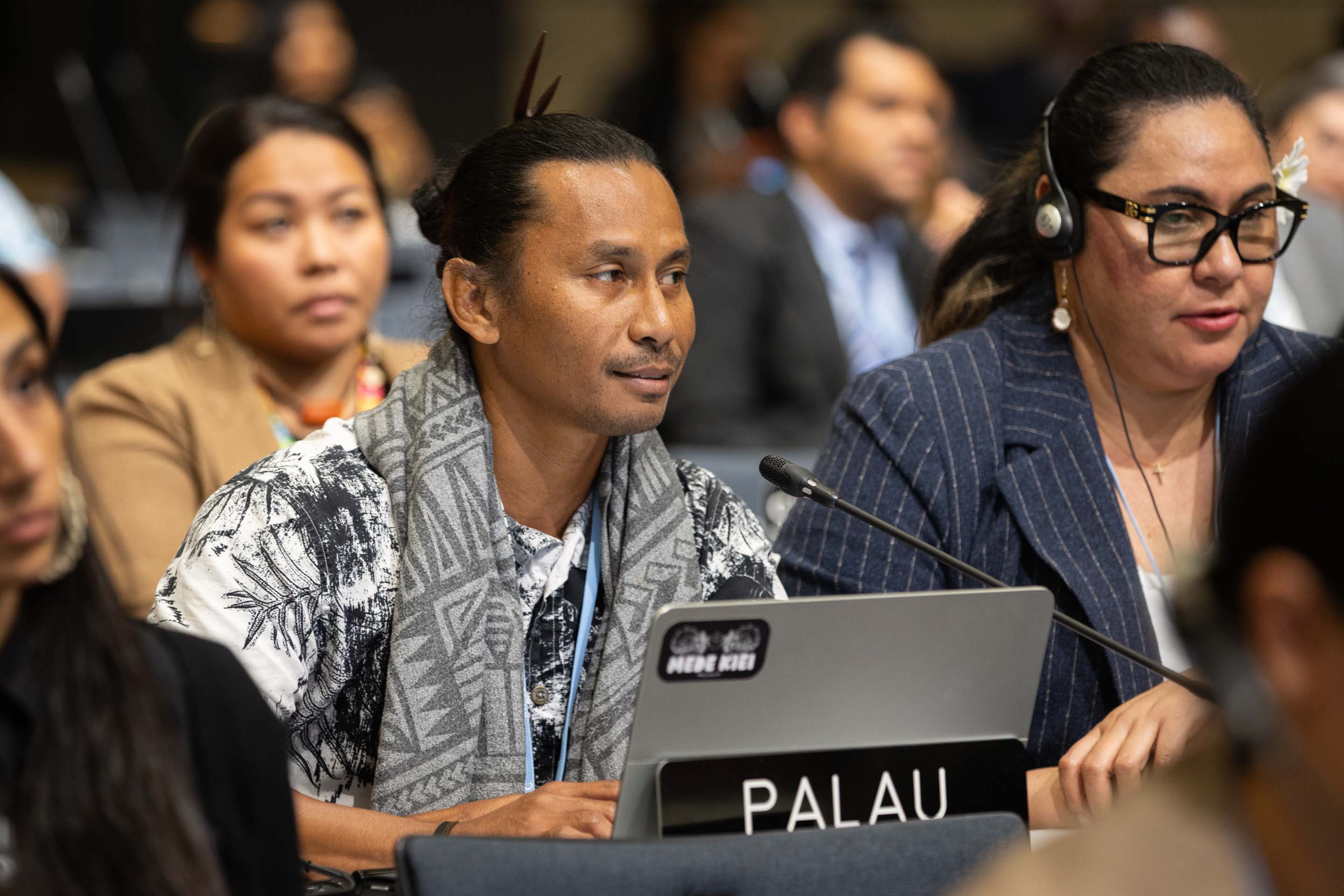
Erbai Xavier Matsutaro, Palau, on behalf of the Alliance of Small Island States (AOSIS)
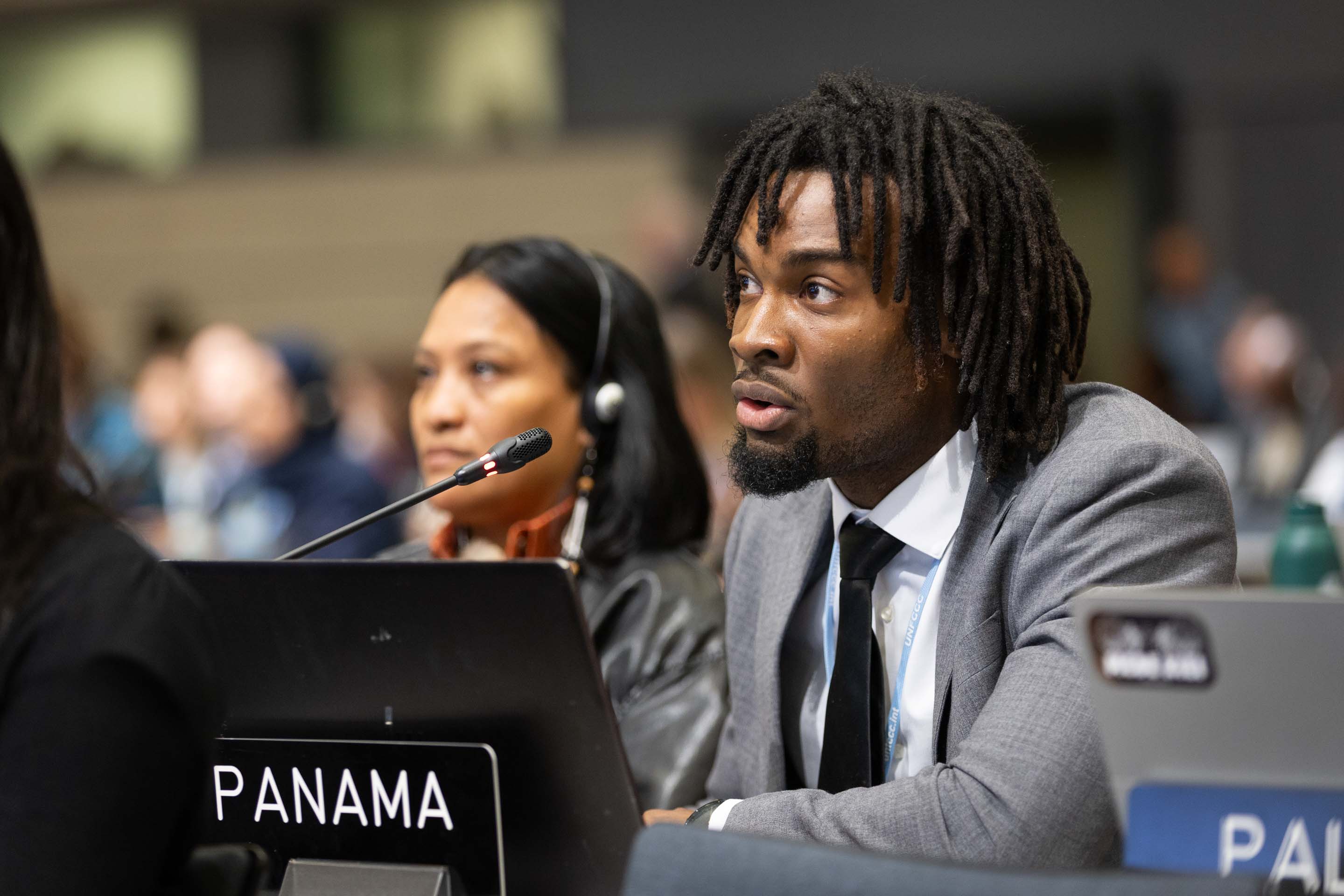
Abdiel Ismael Douglas, Panama, on behalf of Independent Association of Latin America and the Caribbean (AILAC)
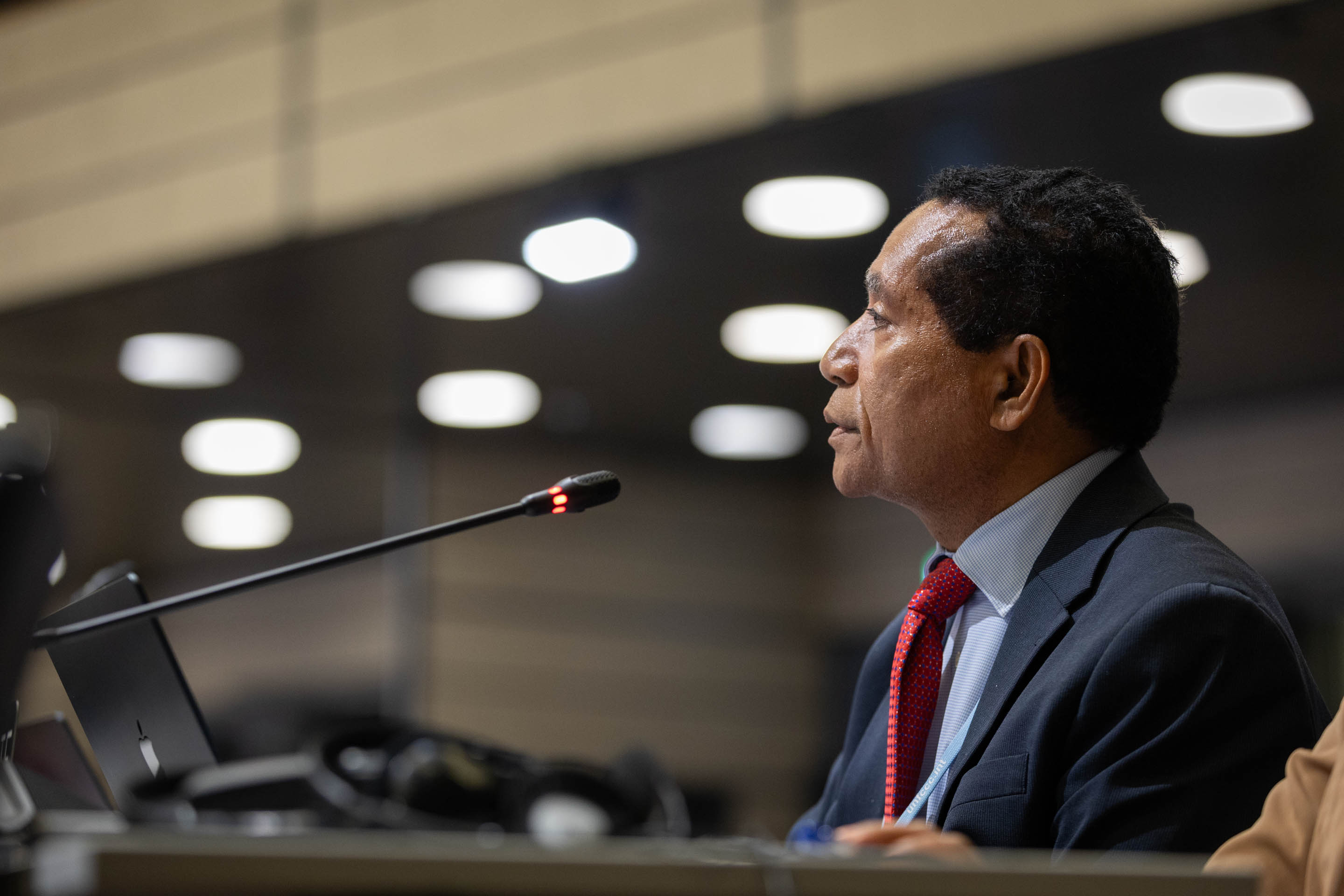
Adao Soares Barbosa, Timor Leste, on behalf of the Least Developed Countries (LDCs)
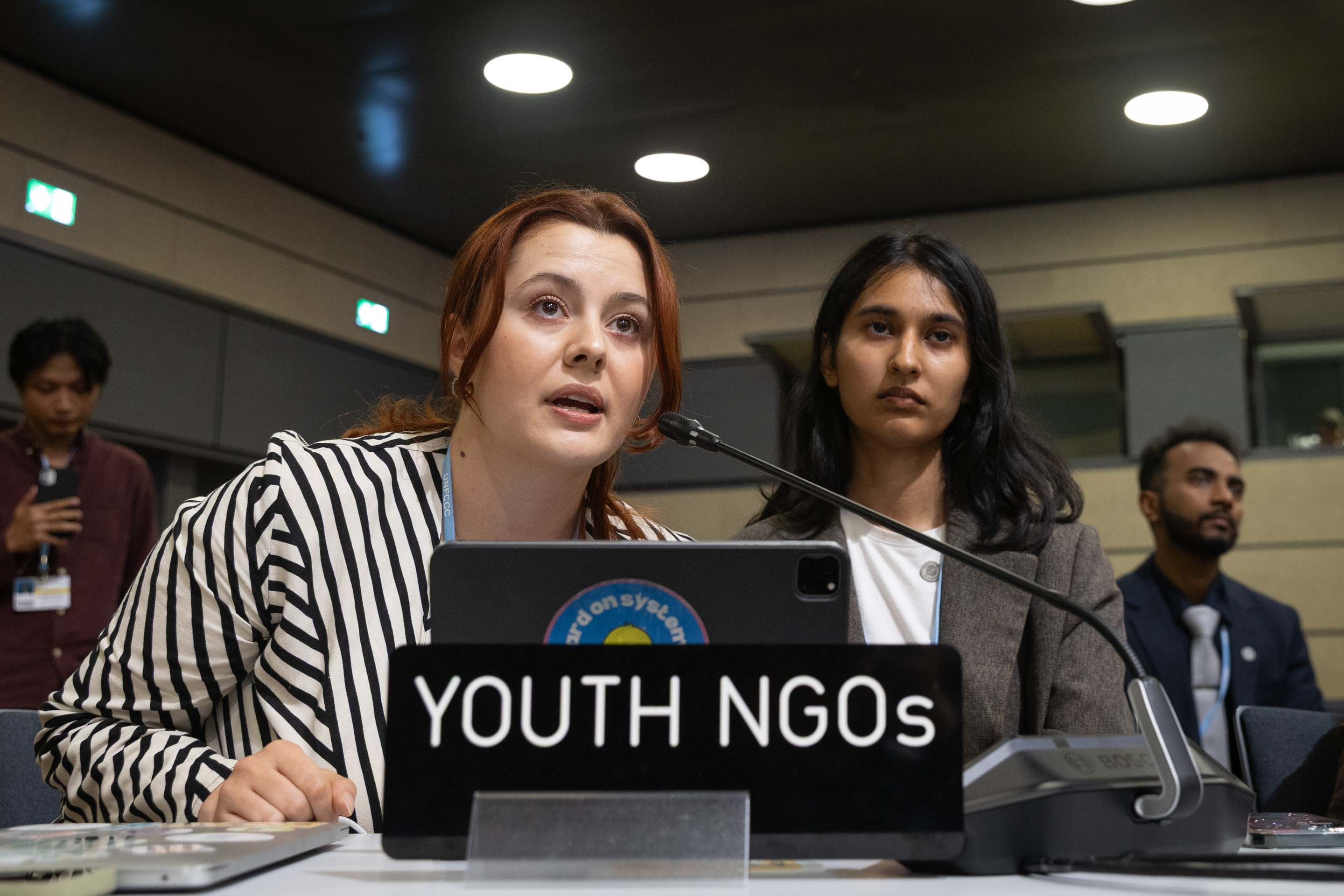
Elena-Alexandra Miron and Dimple Asopa, Youth NGOs (YOUNGO)
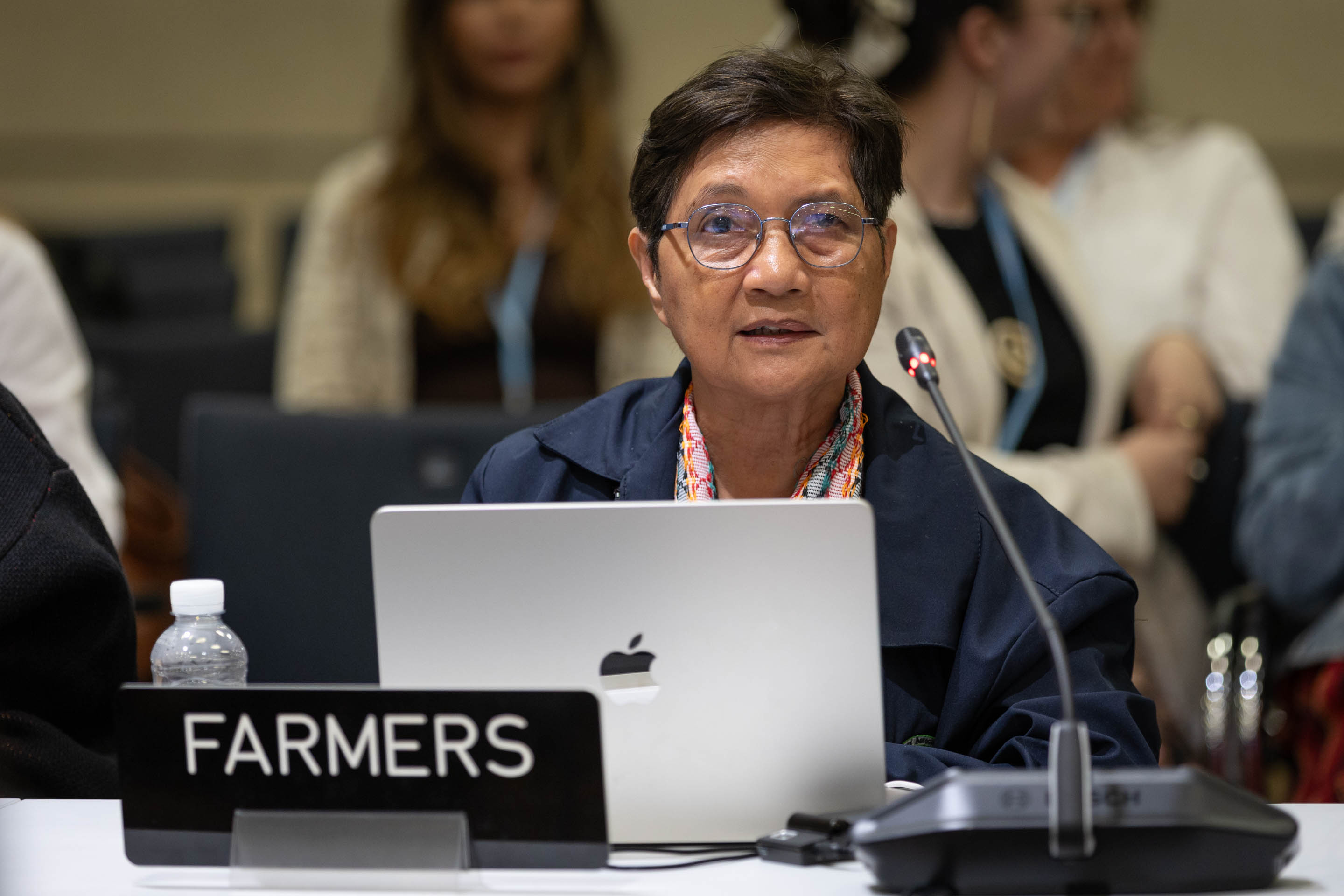
Estrella Banzuela, Farmers NGOs
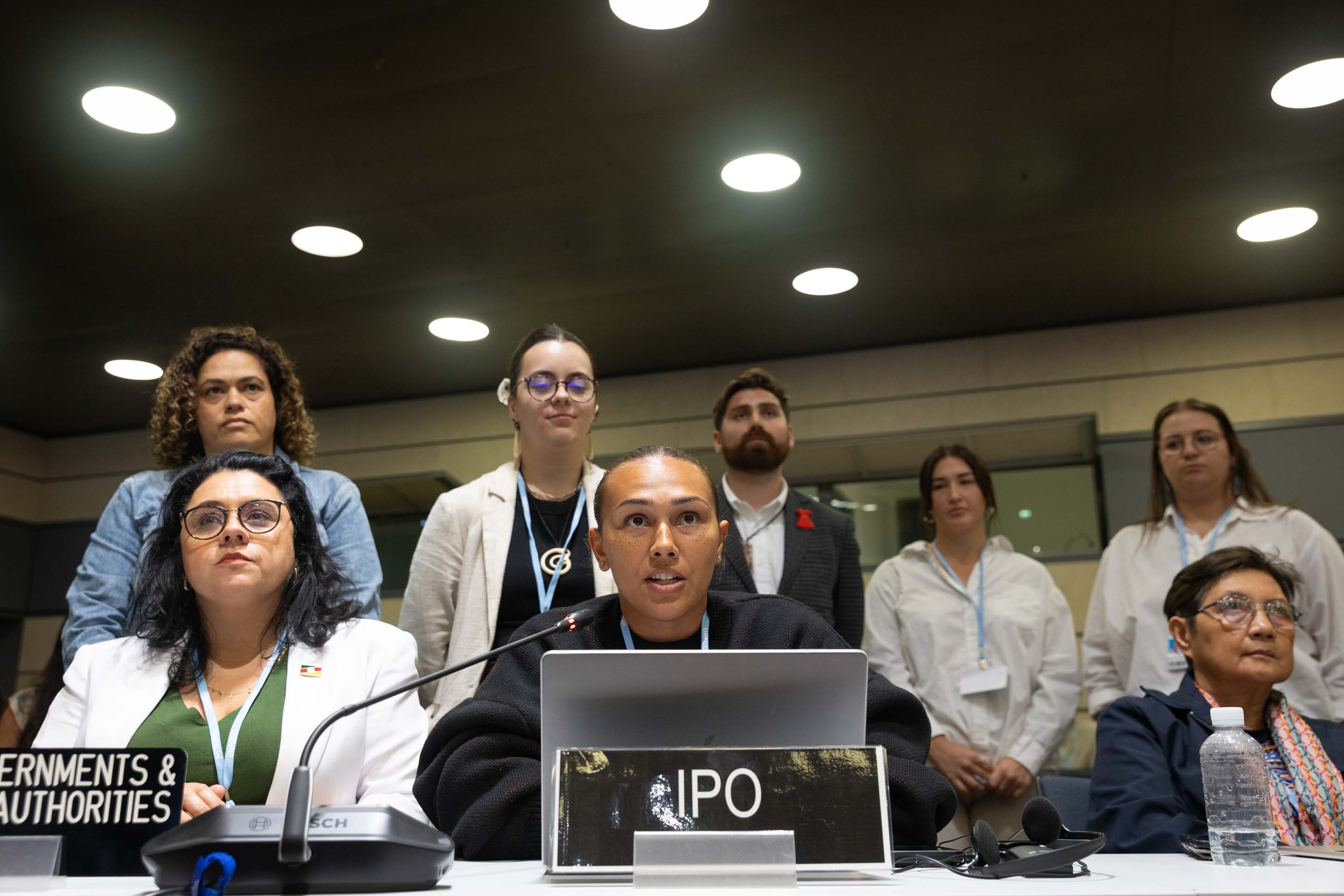
Tamika Lallyette-Sadler, Indigenous Peoples Organizations (IPOs)
Climate Finance Work Programme Engagement Workshop
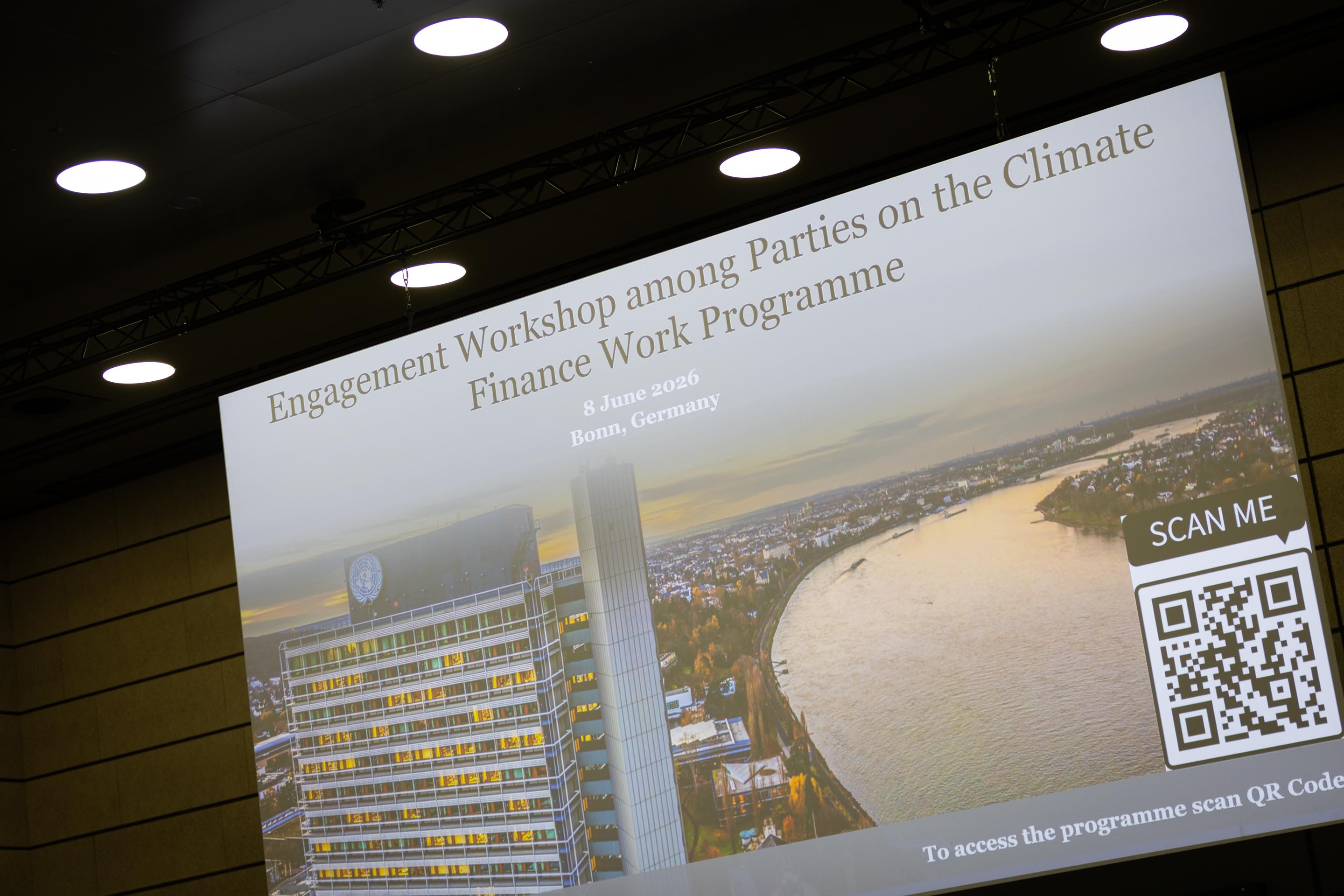
Delegates attend a special workshop to discuss the Climate Finance Work Programme
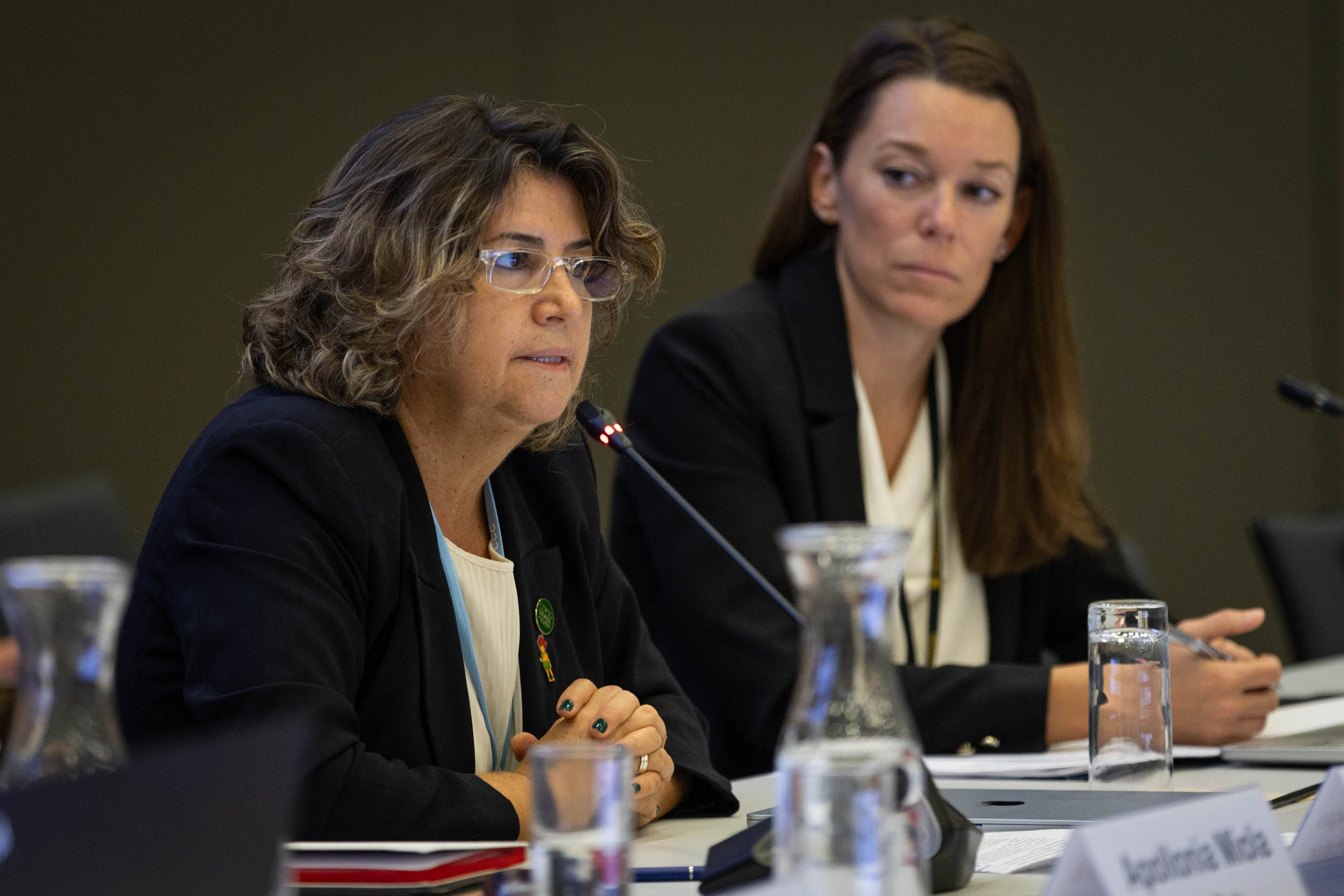
Liliam Chagas, COP 30 Presidency
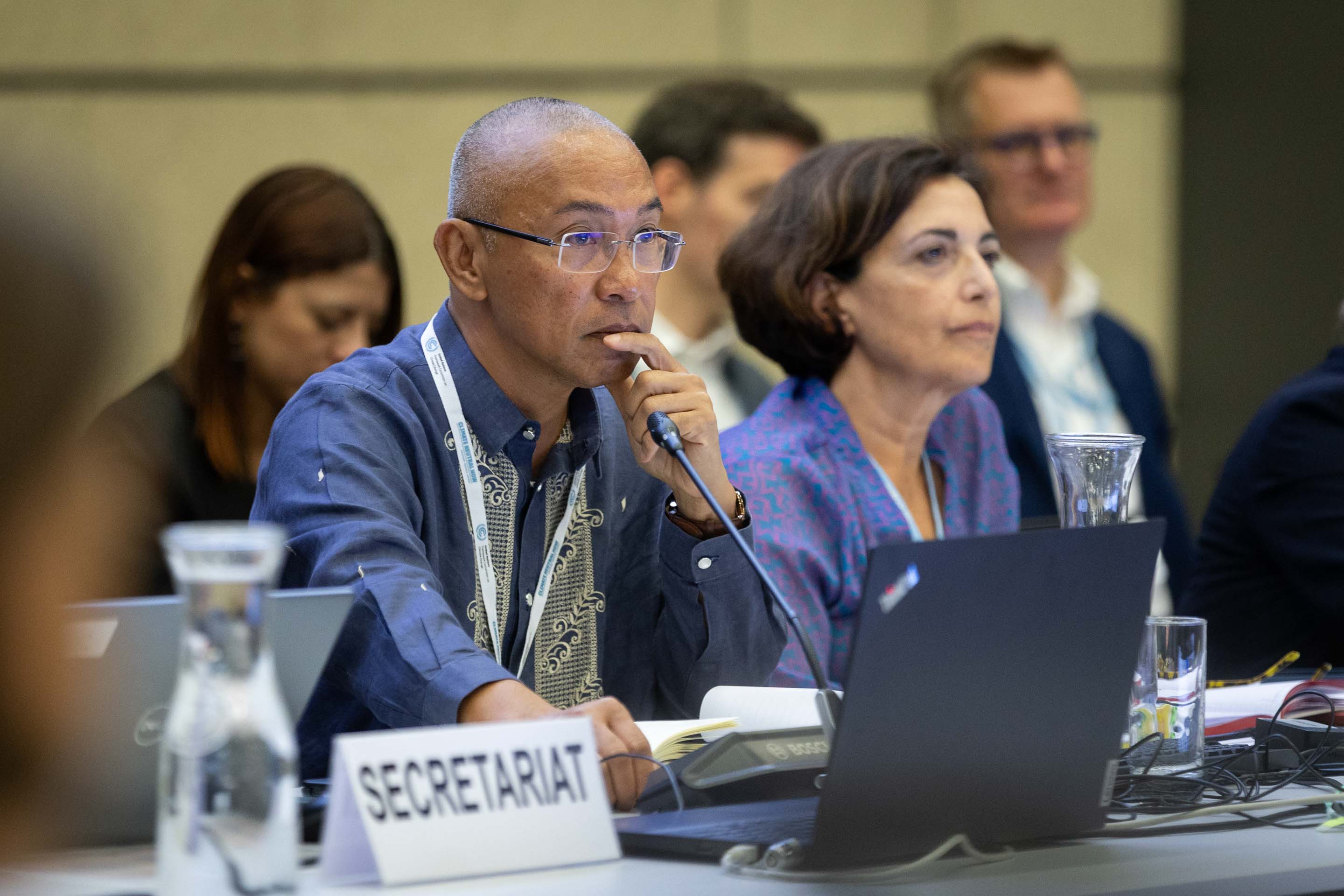
Workshop Co-Chairs Yolando Velasco, the Philippines, and Apollonia Miola, European Commission
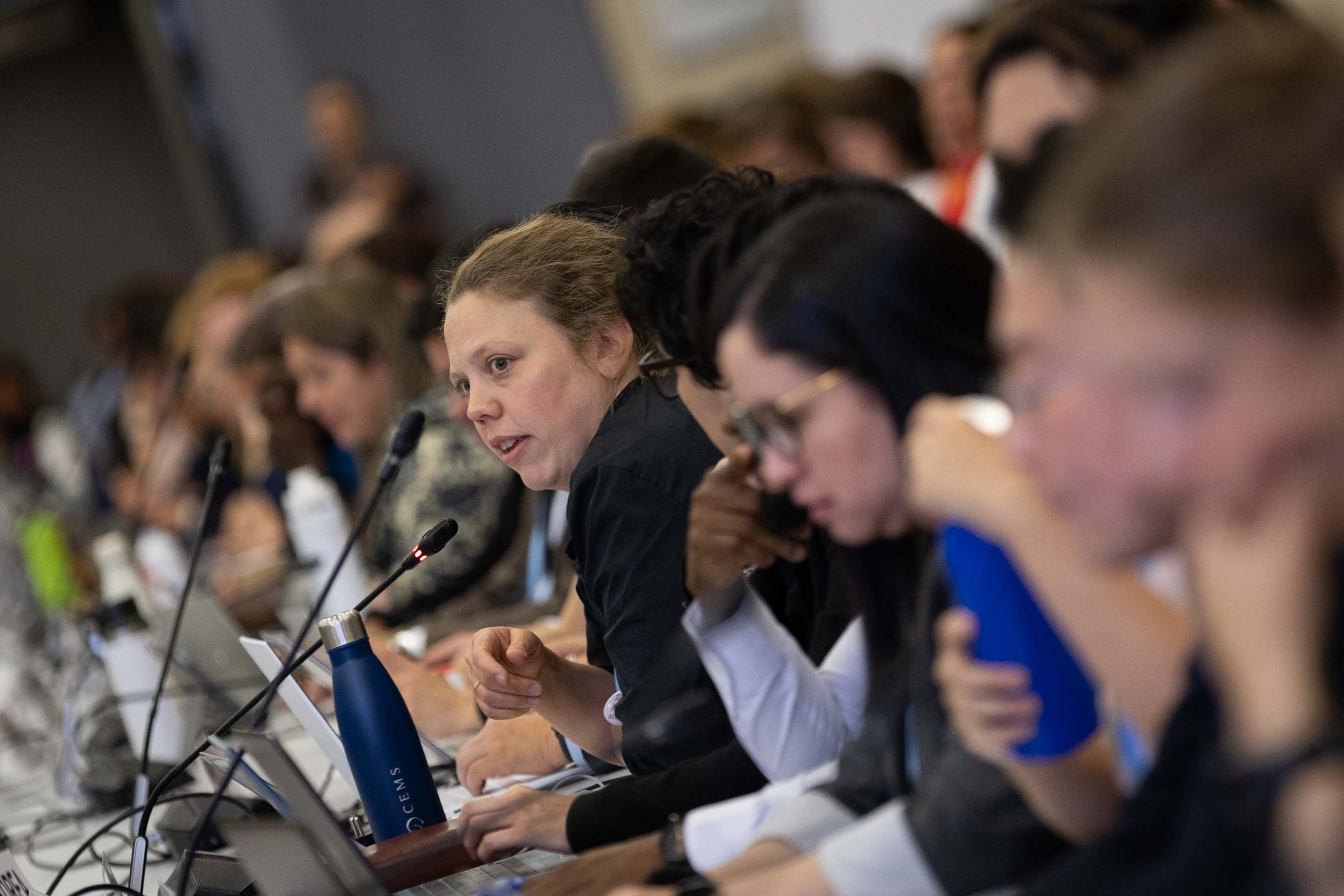
Gabriela Blatter, Switzerland
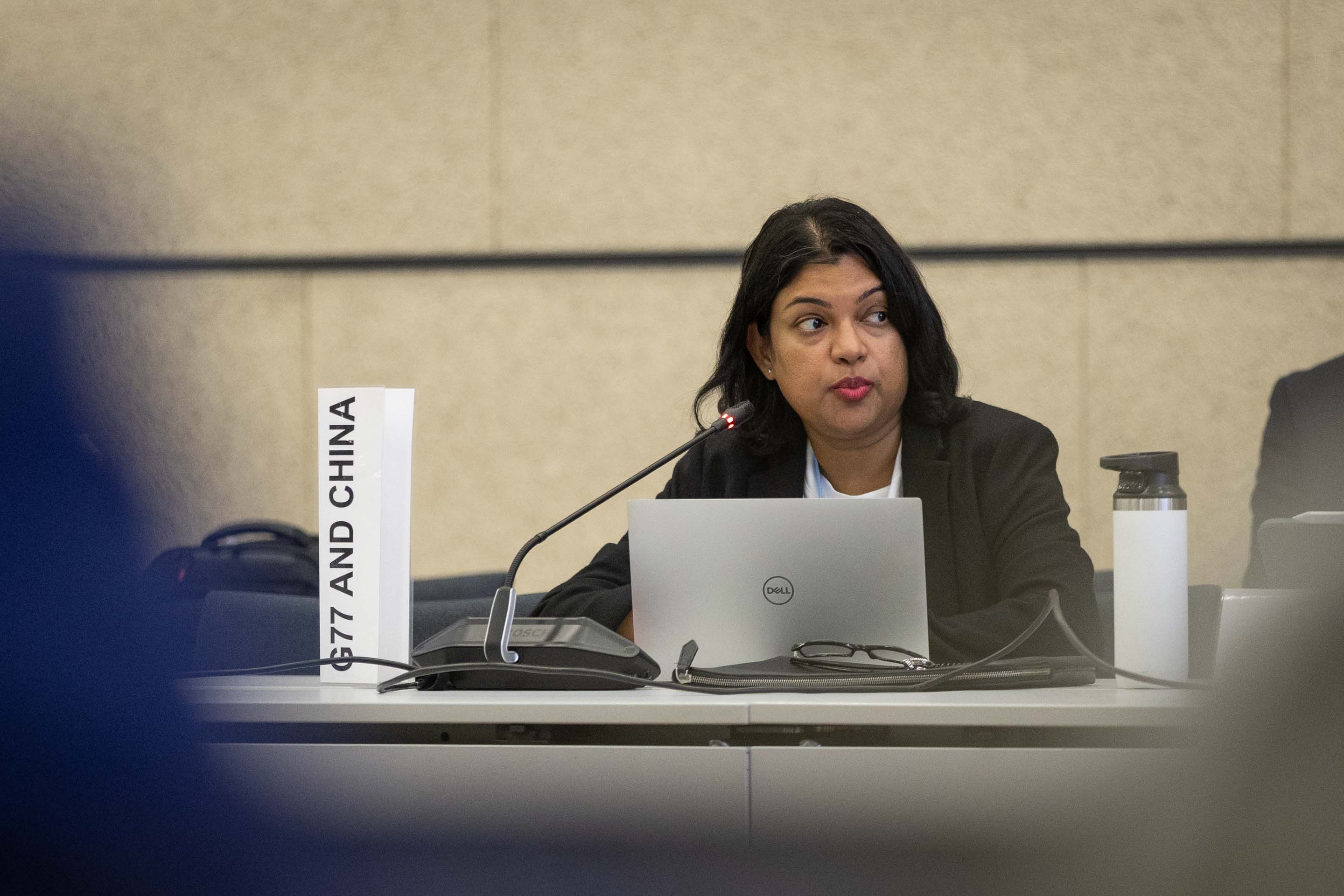
Vositha Wijenayake, Uruguay, on behalf of G-77/China
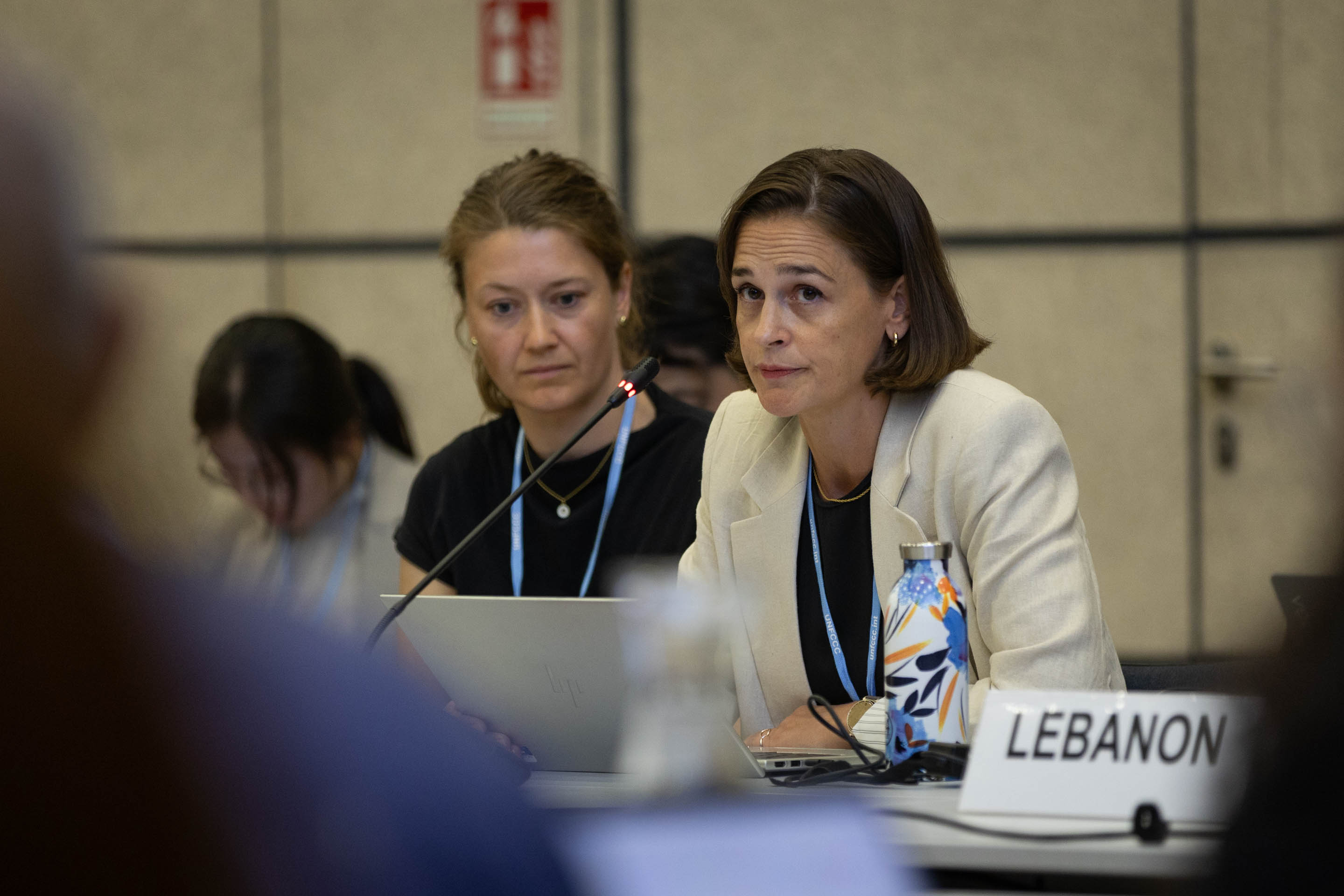
Camilla Borrevik, Norway
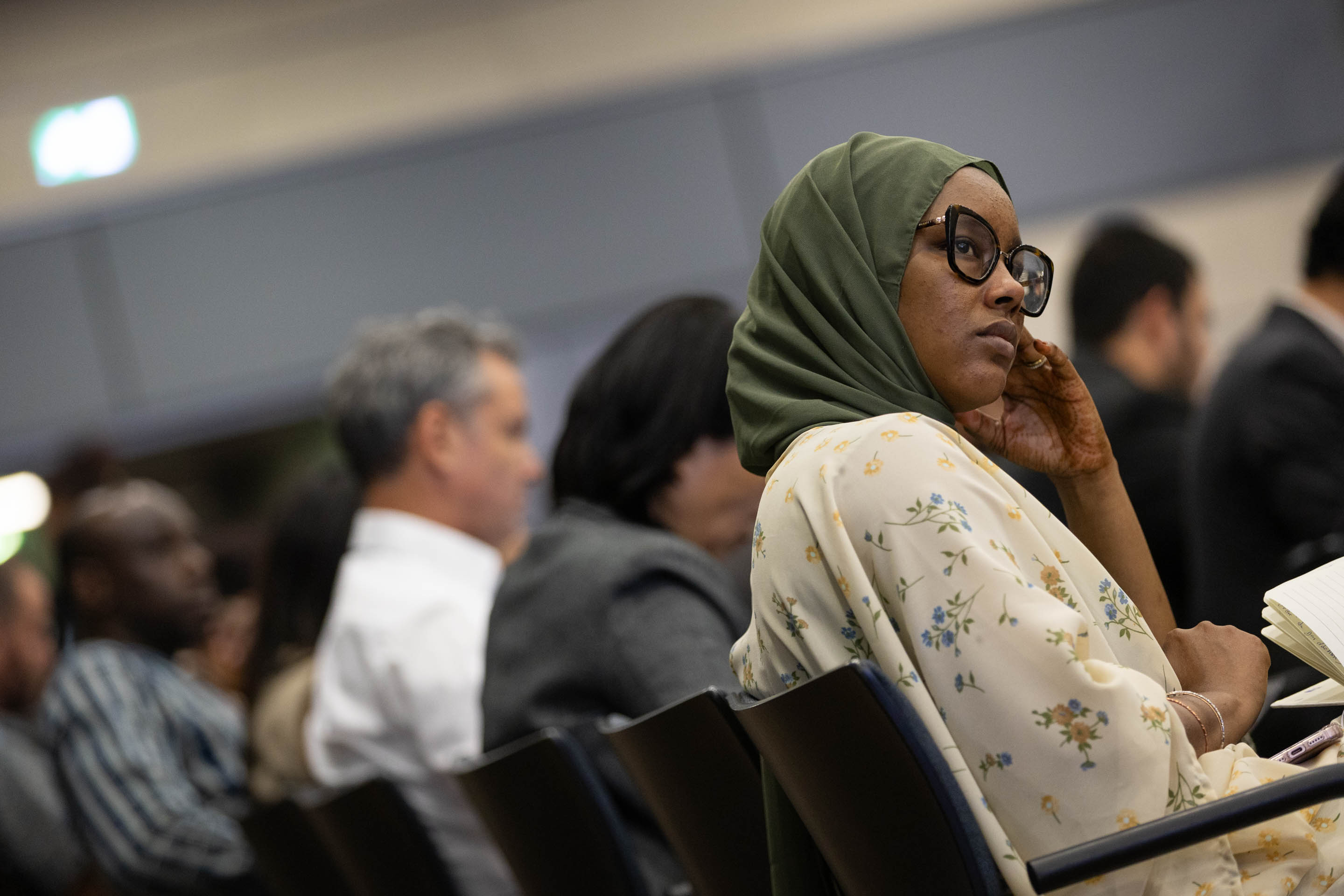
Delegates listen to the discussion
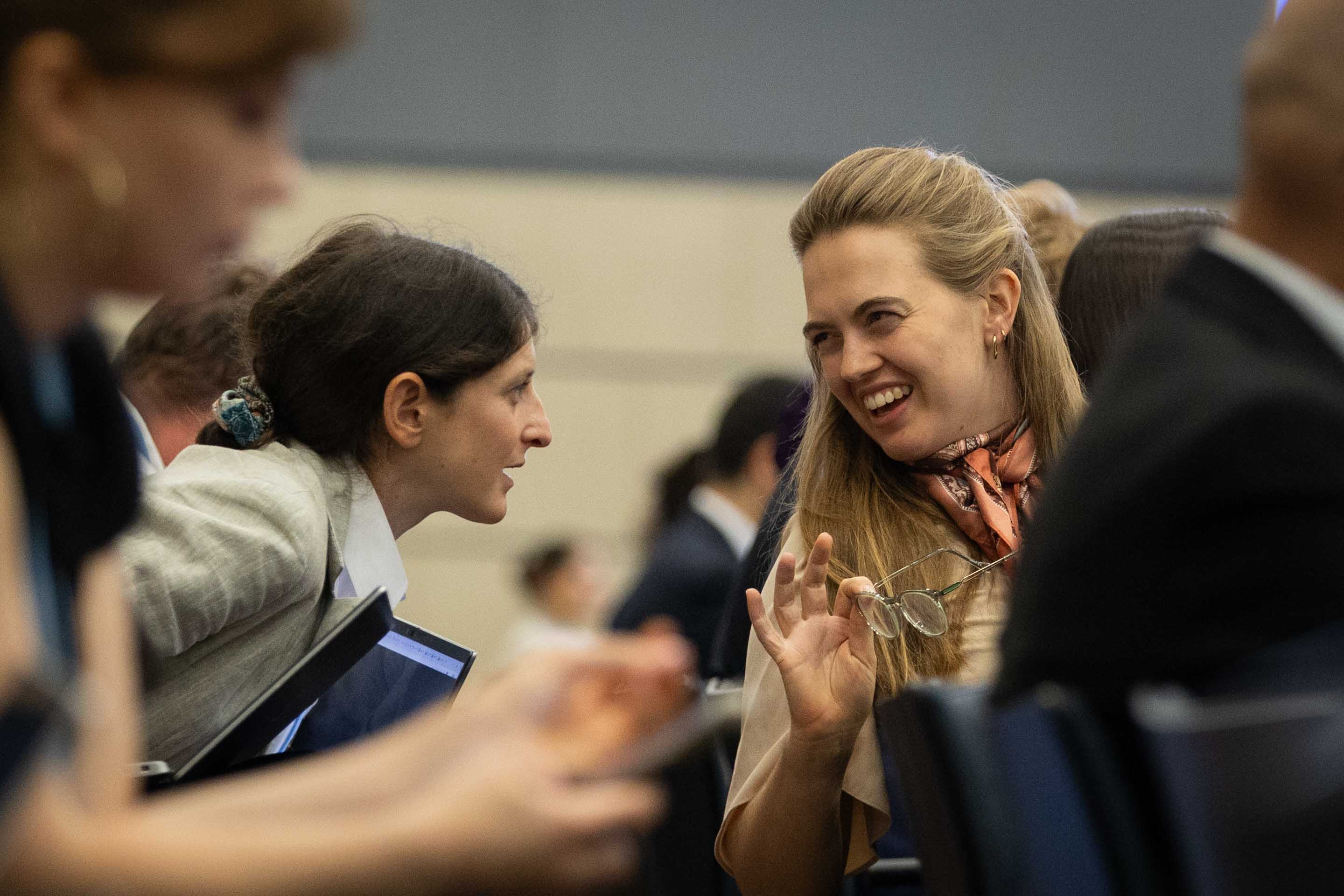
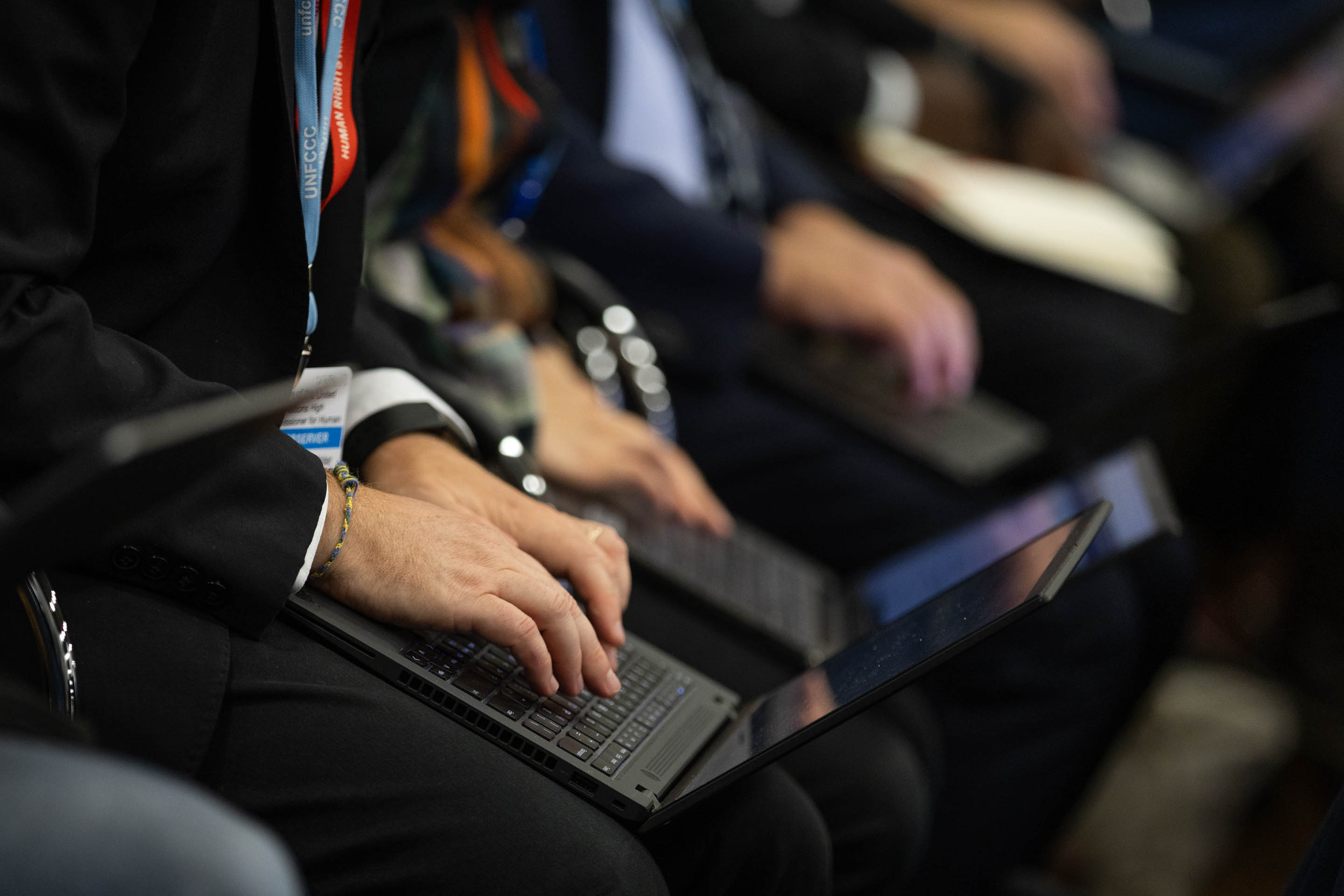
Delegates consult during the session
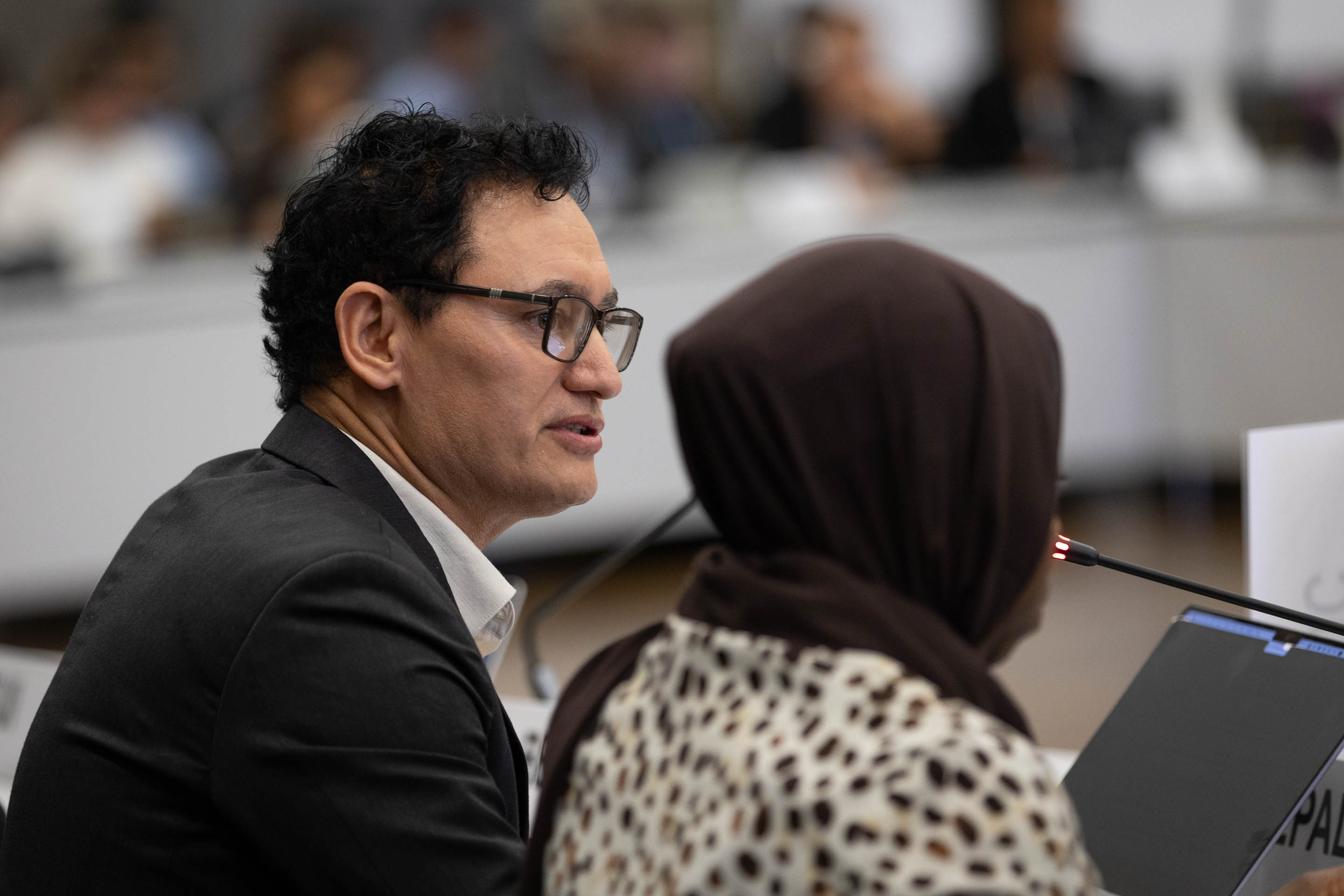
Raju Pandit, Nepal, on behalf of LDCs
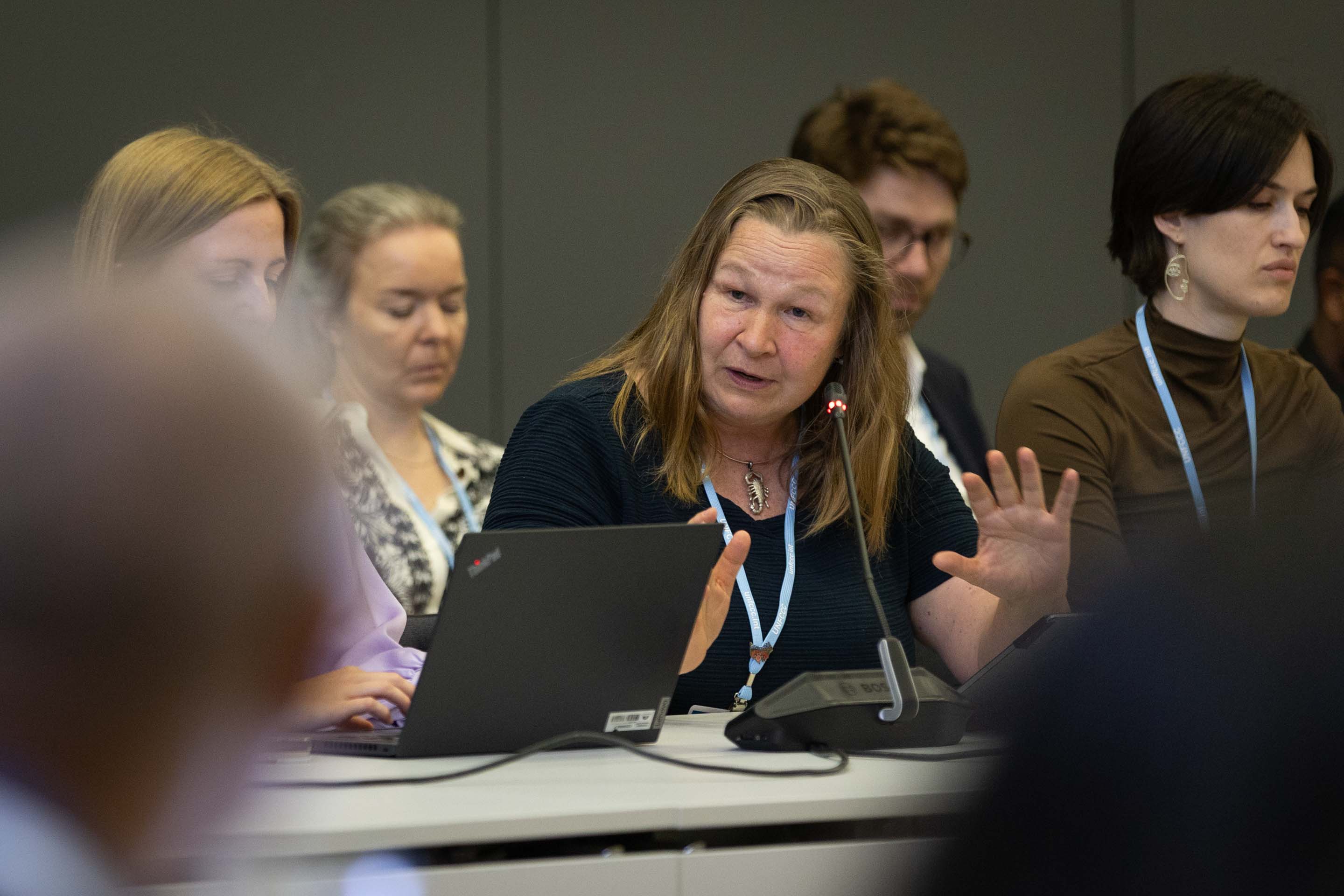
Outi Honkatukia, EU
World Café Workshop: Support for Developing Country Reporting under the Paris Agreement
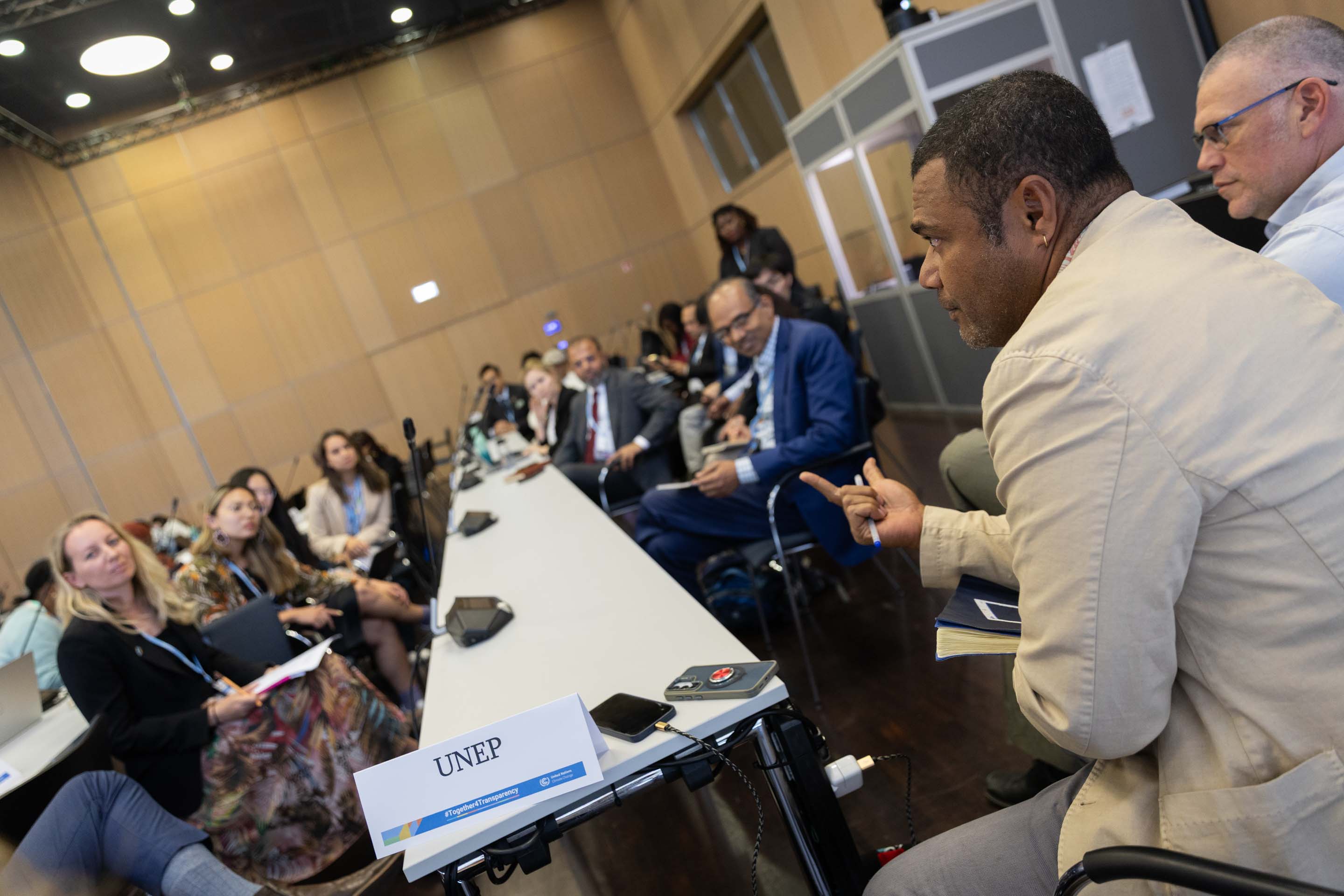
Delegates participate in a world café workshop to have in-depth discussions about the provision of financial and technical support for reporting and capacity-building to developing country Parties
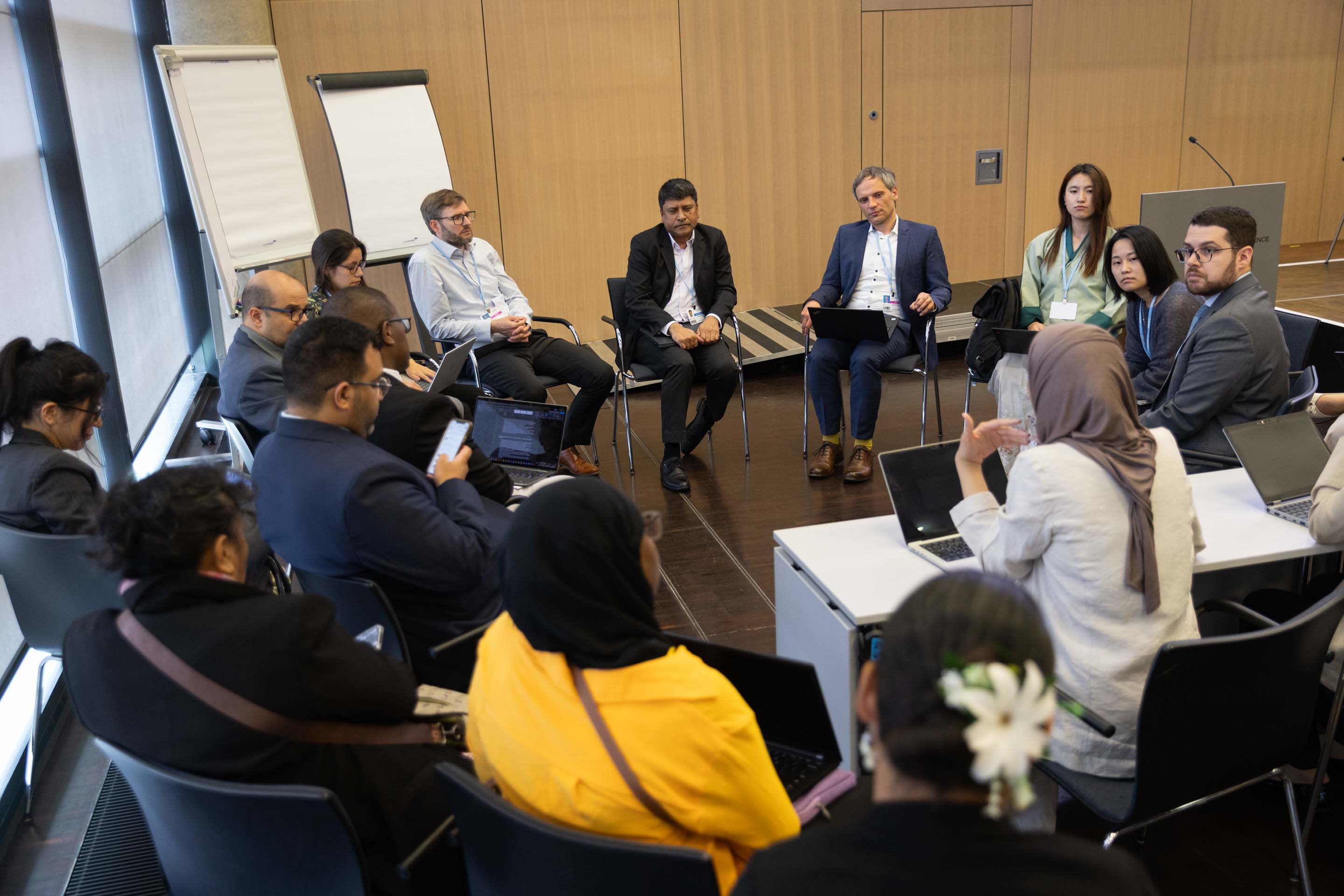
Breakout groups take place throughout the afternoon
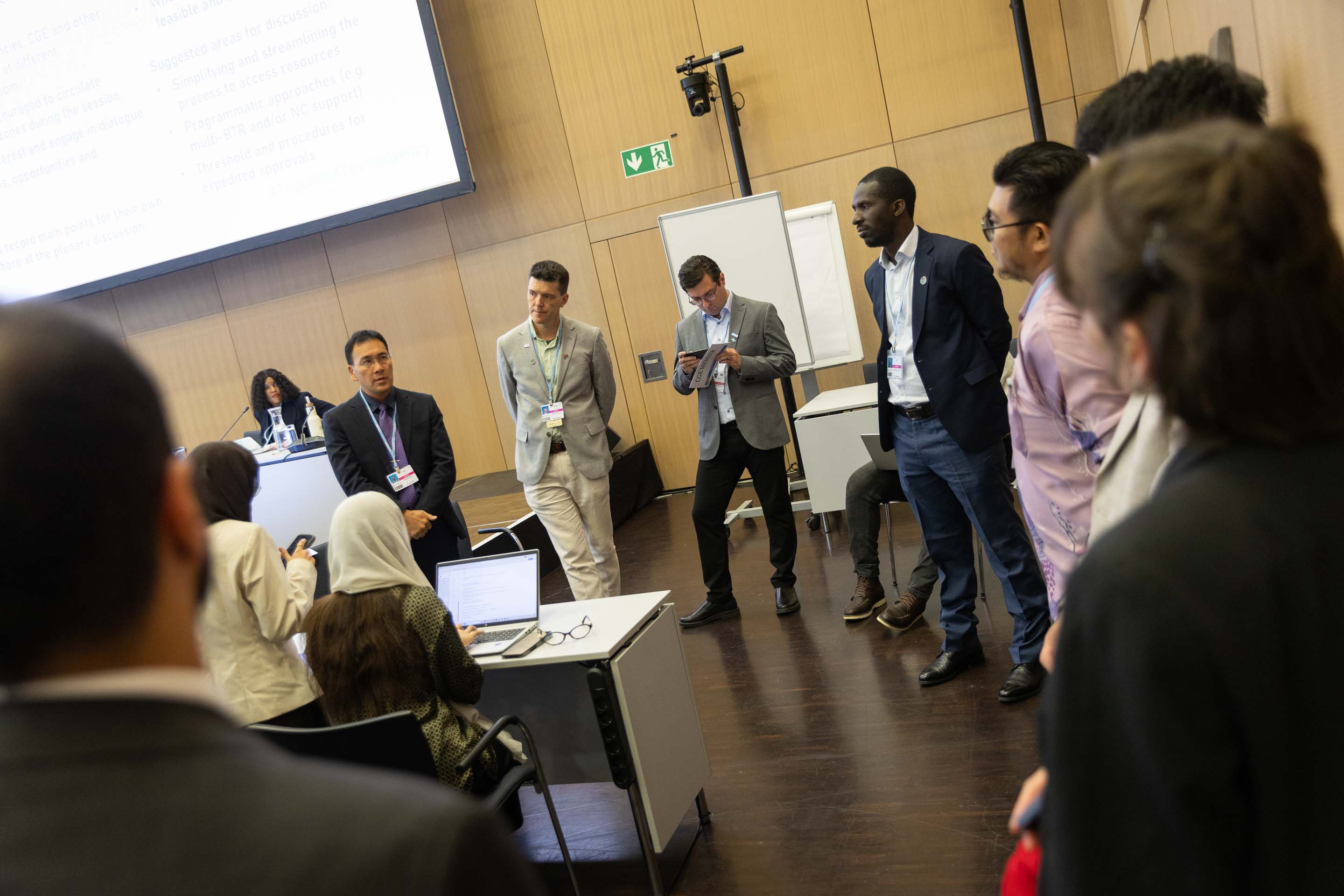
Workshop on Agriculture and Food Security
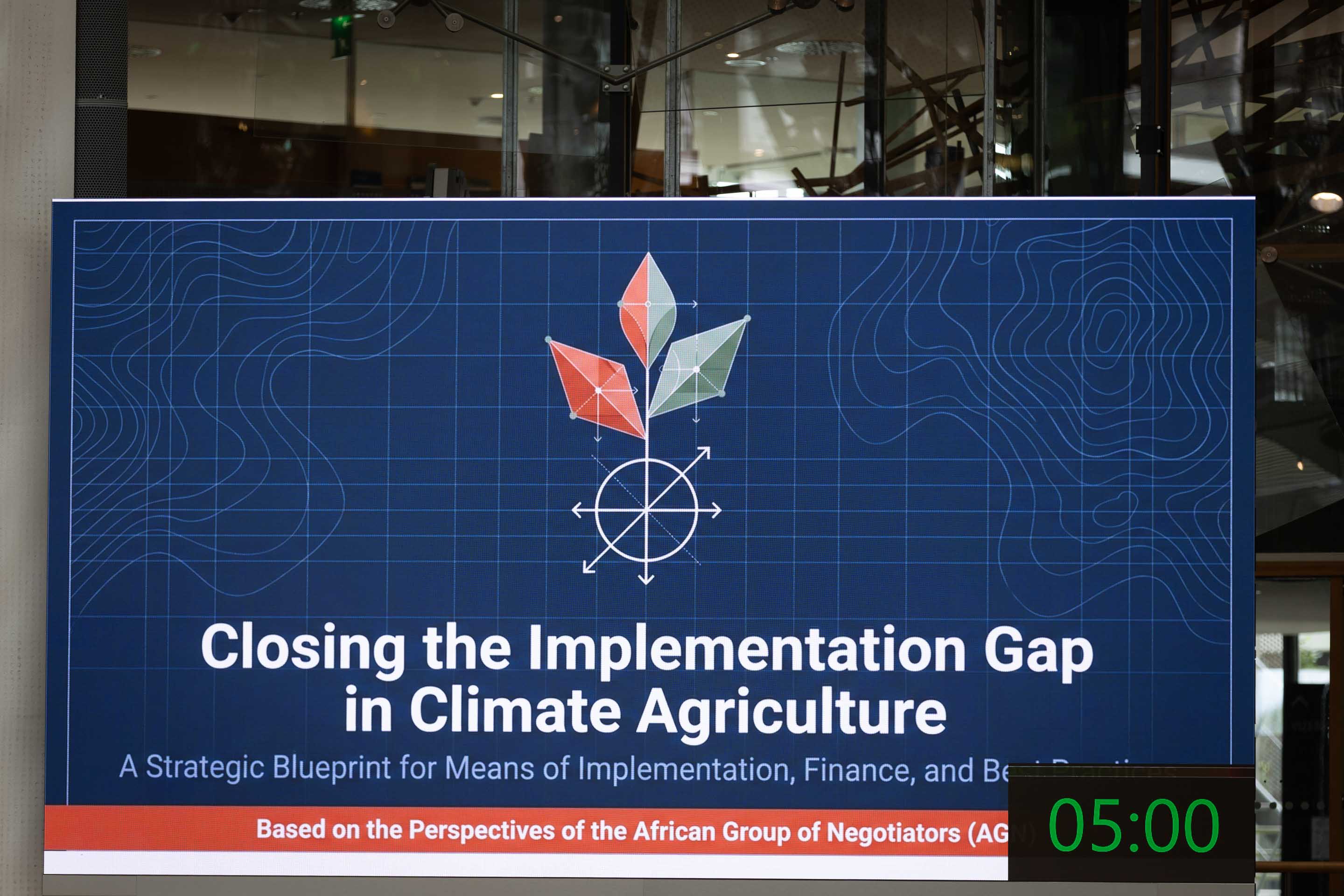
An in-session workshop is held to discuss progress, challenges, and opportunities relating to identifying needs and accessing means of implementation for climate action on agriculture and food security.
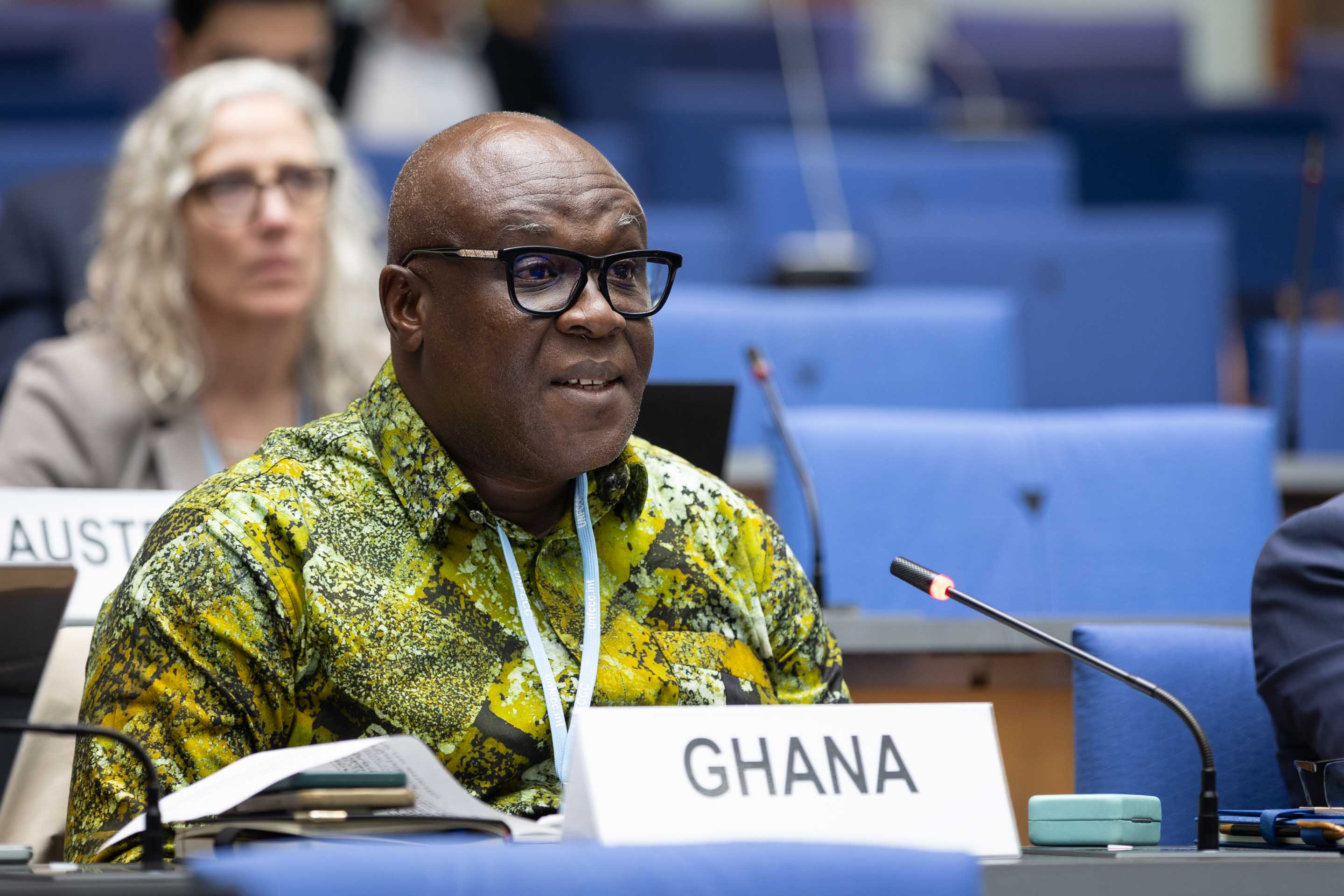
Kingsley Amoako, Ghana, on behalf of the African Group
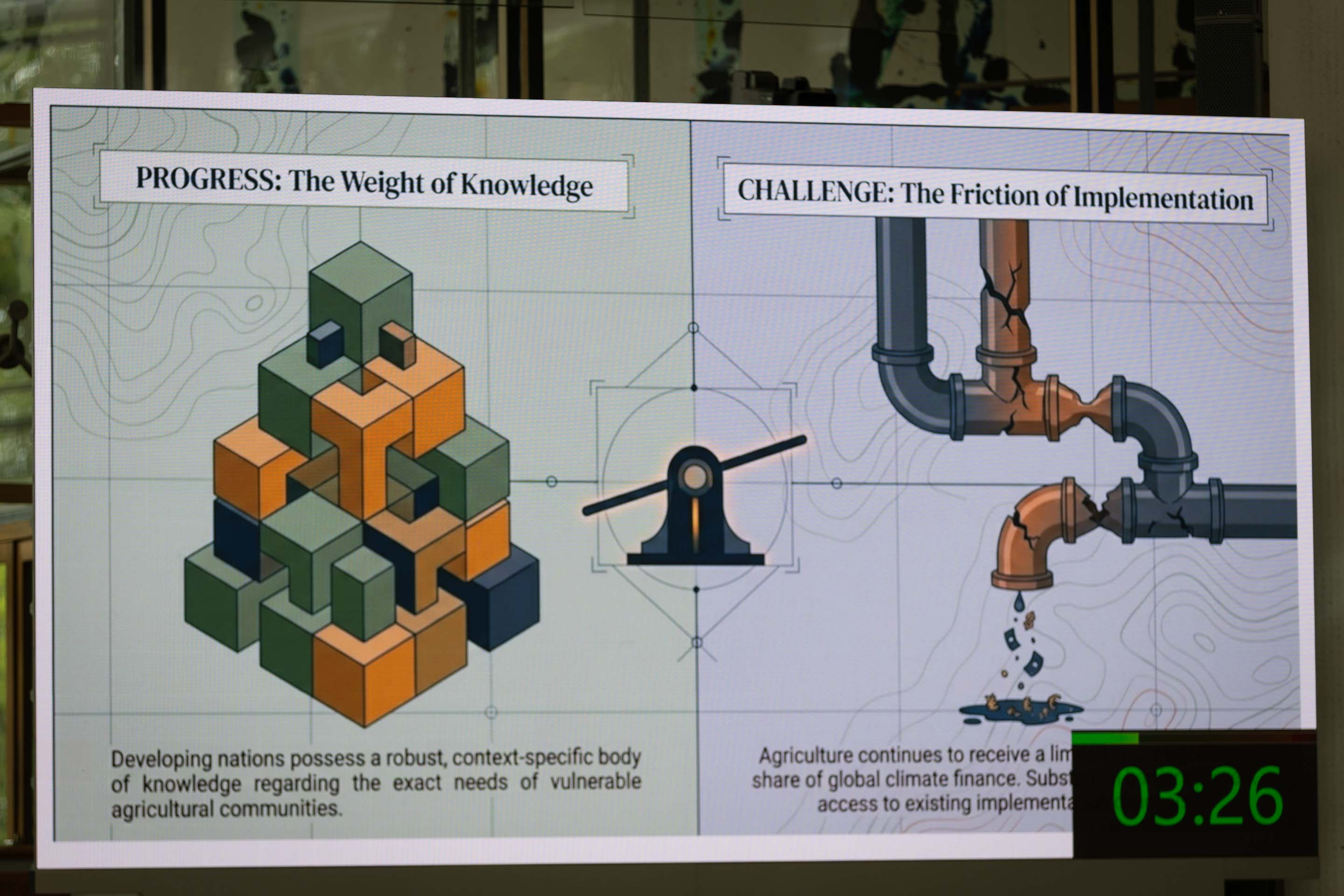
A slide from the African Group presentation highlights the challenges of implementation
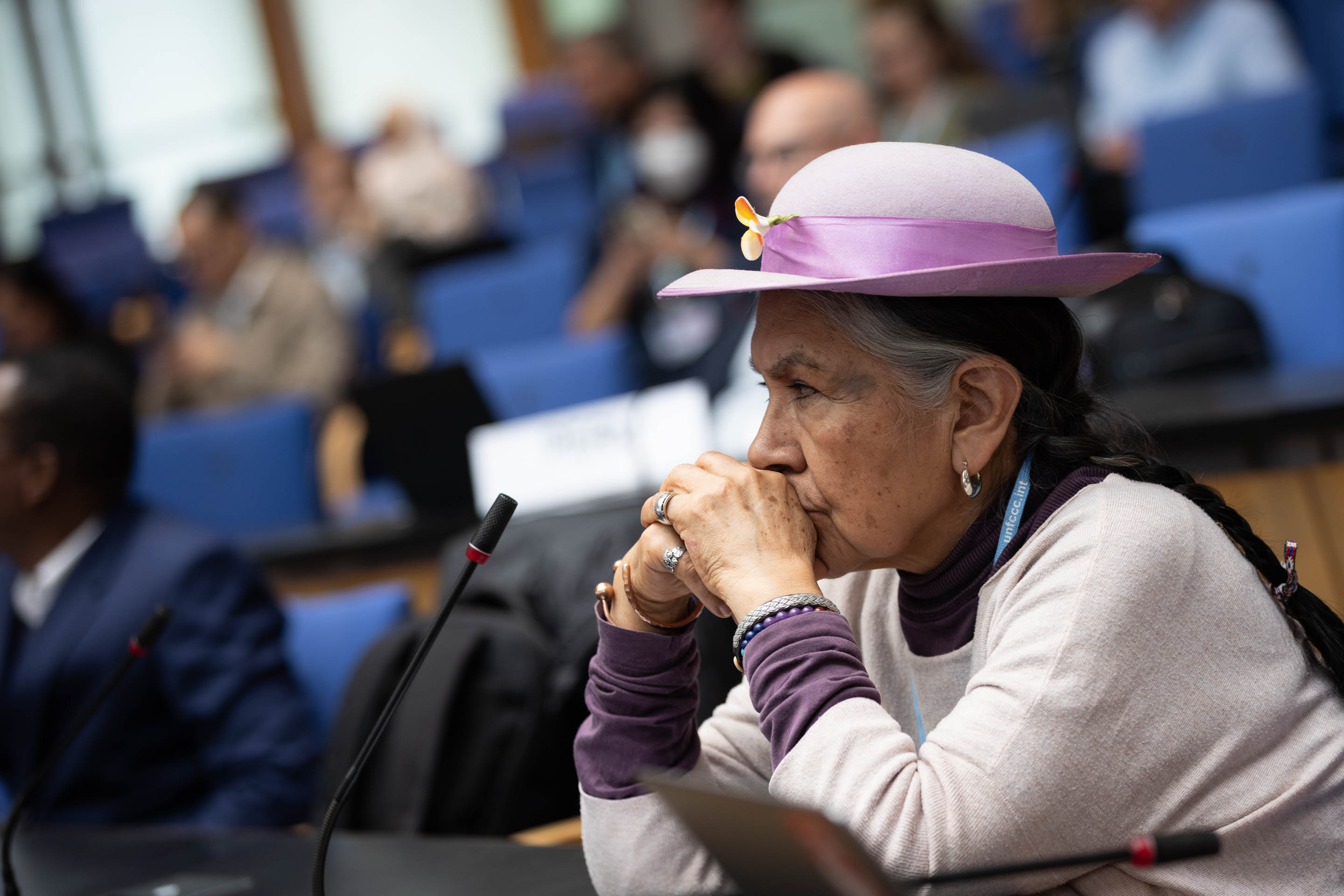
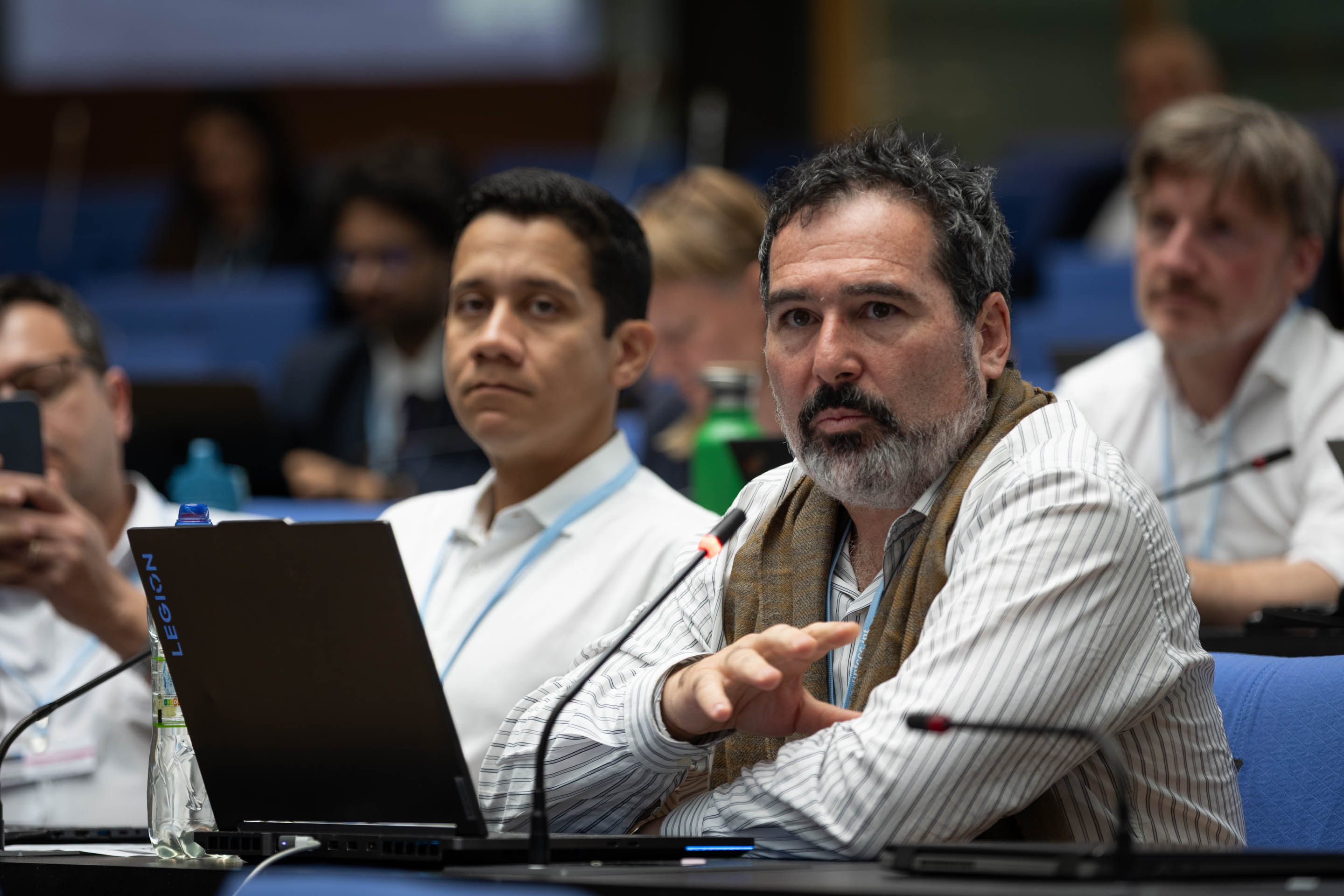
Gustavo Mozzer, Brazil
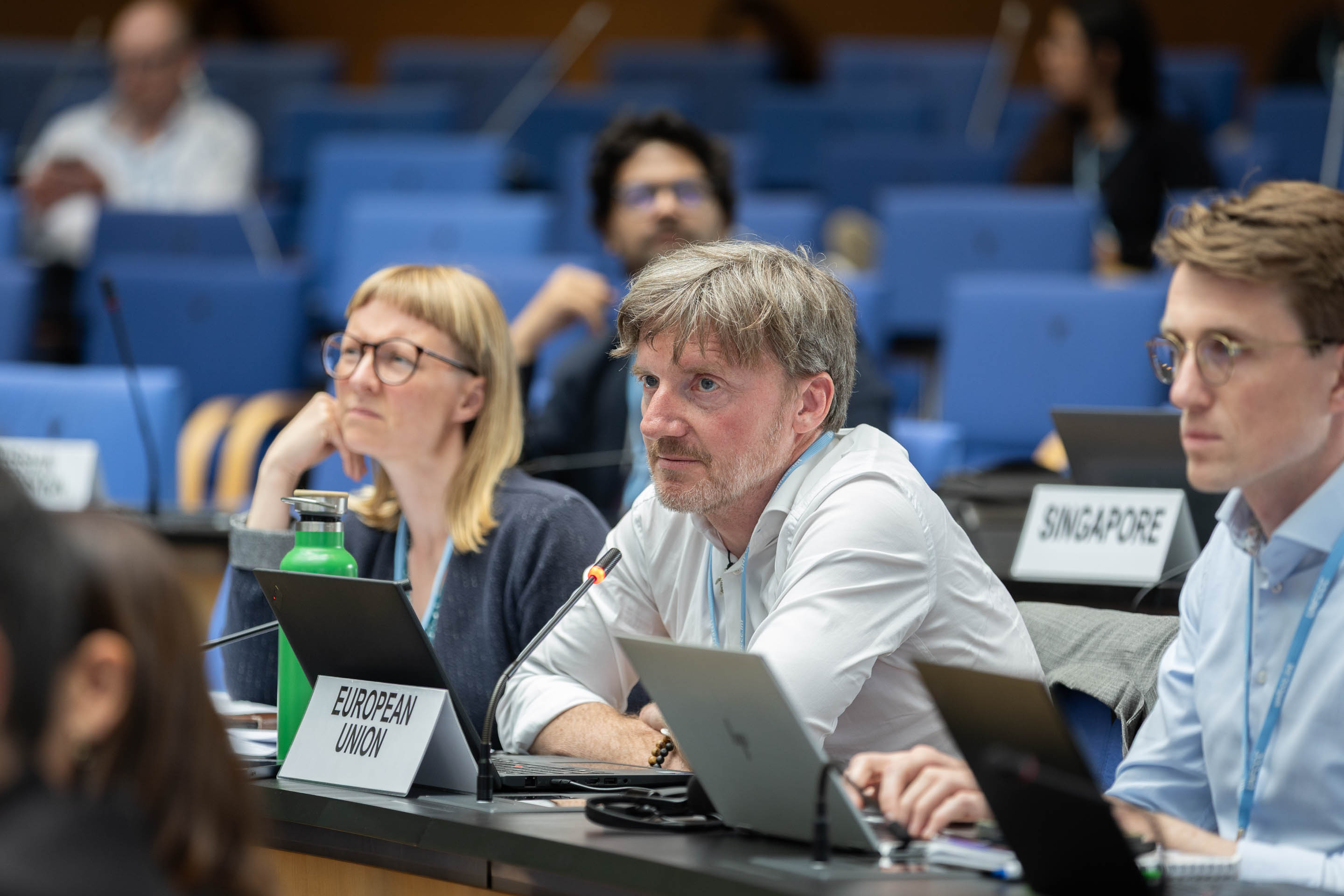
Herwig Ranner, EU
Around the Venue
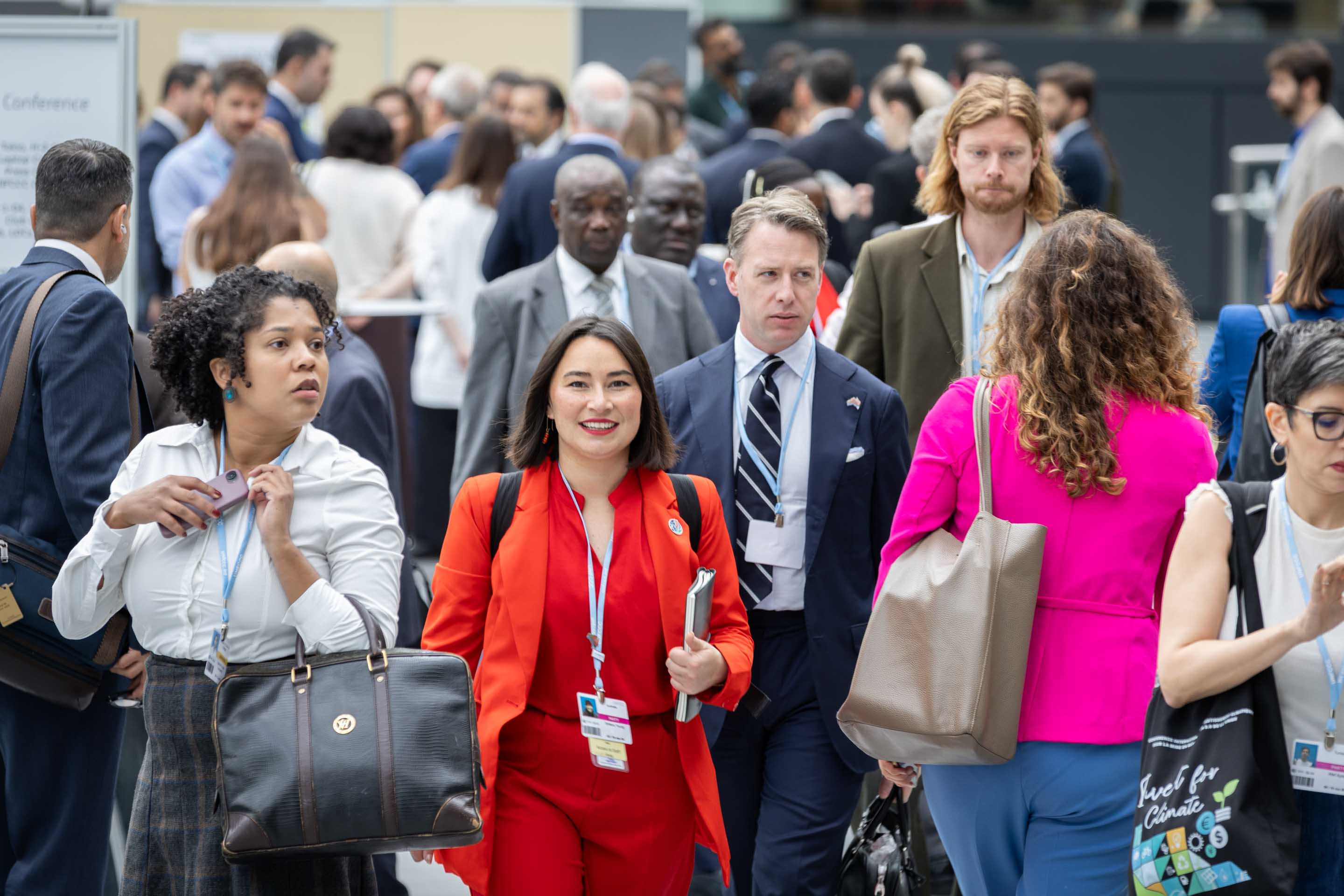
Delegates arrive for the start of the June Climate Meetings
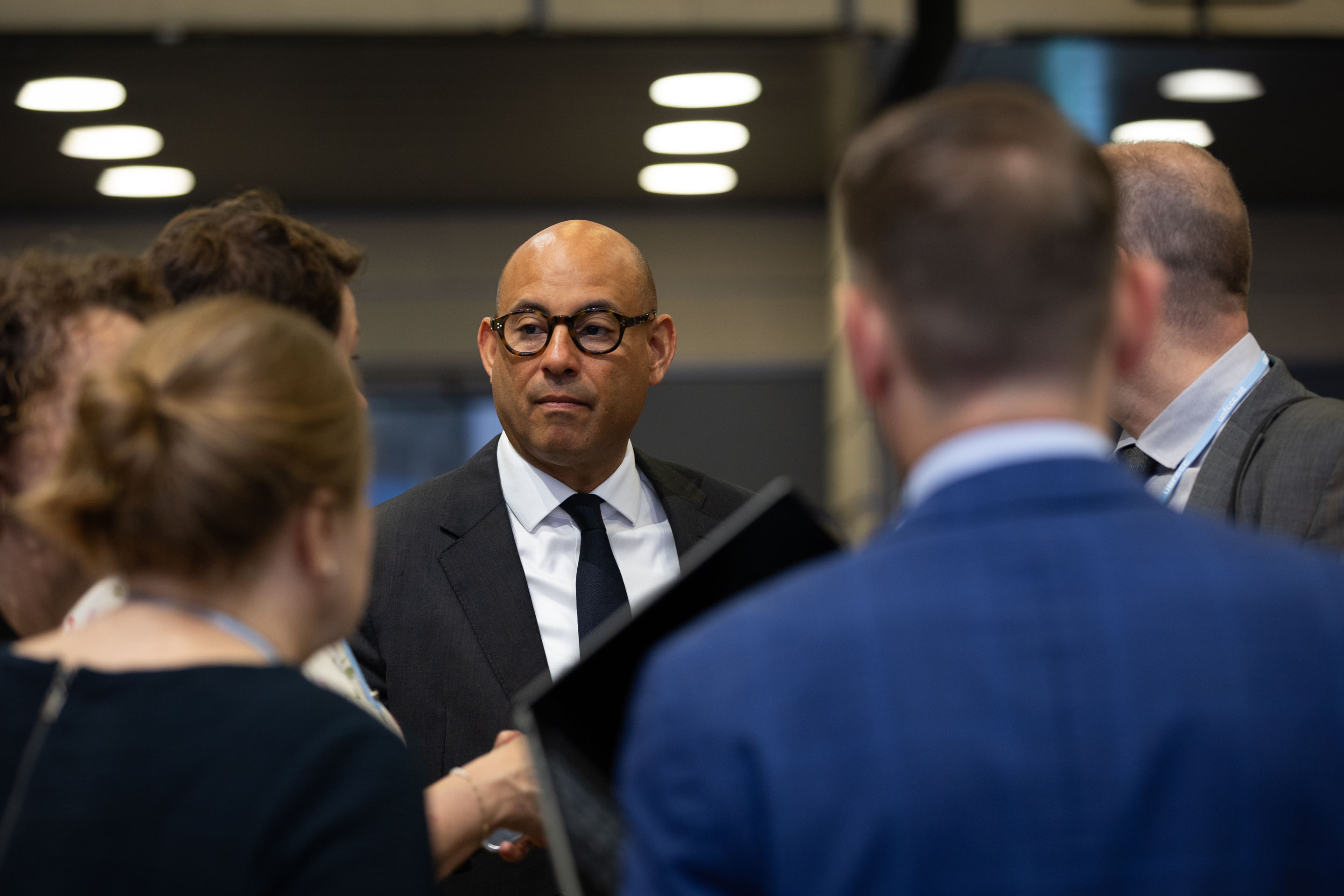
Simon Stiell, UNFCCC Executive Secretary, speaks with delegates
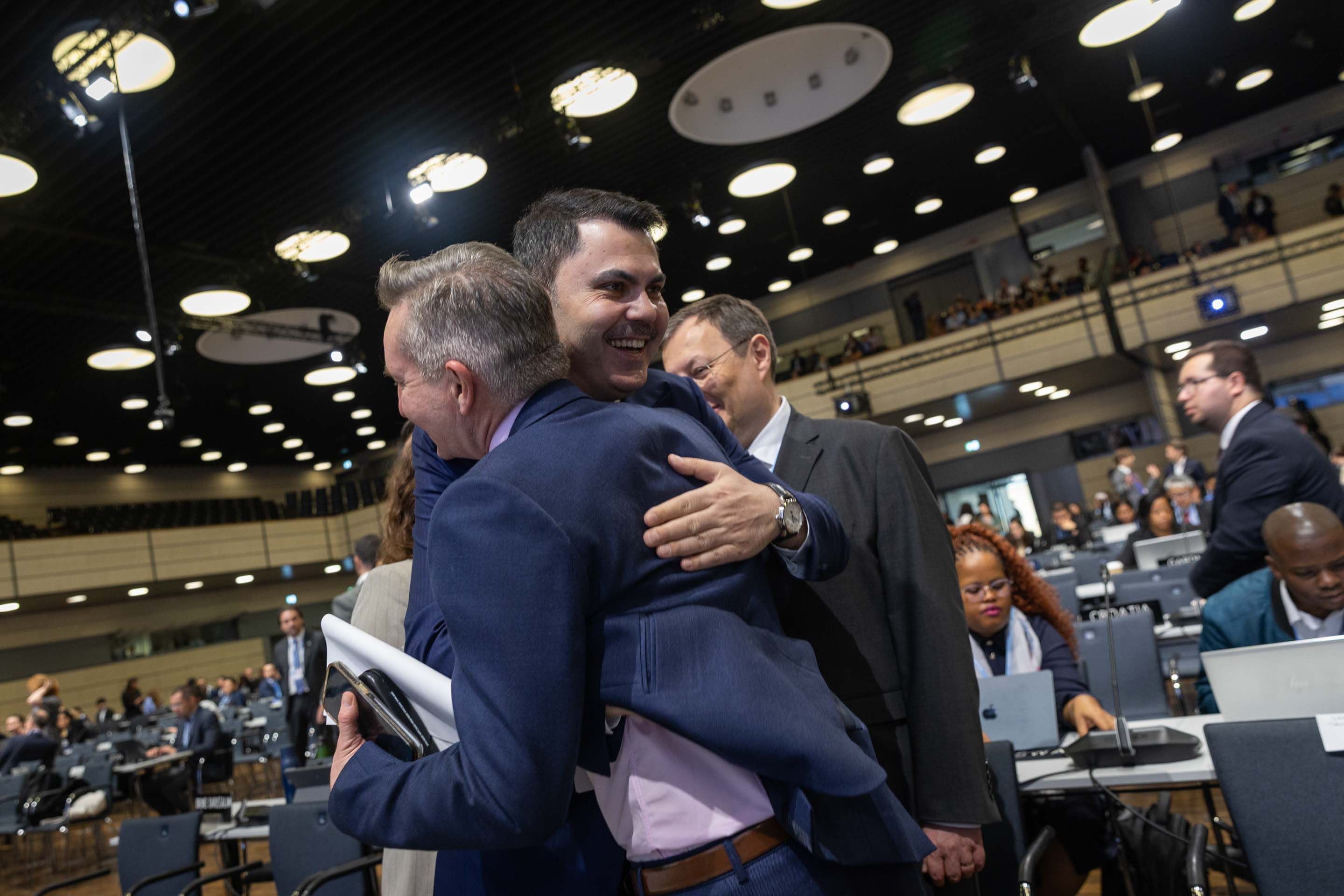
COP 31 President-Designate Murat Kurum, Türkiye, greets COP 31 President-Designate of Negotiations Chris Bowen, Australia
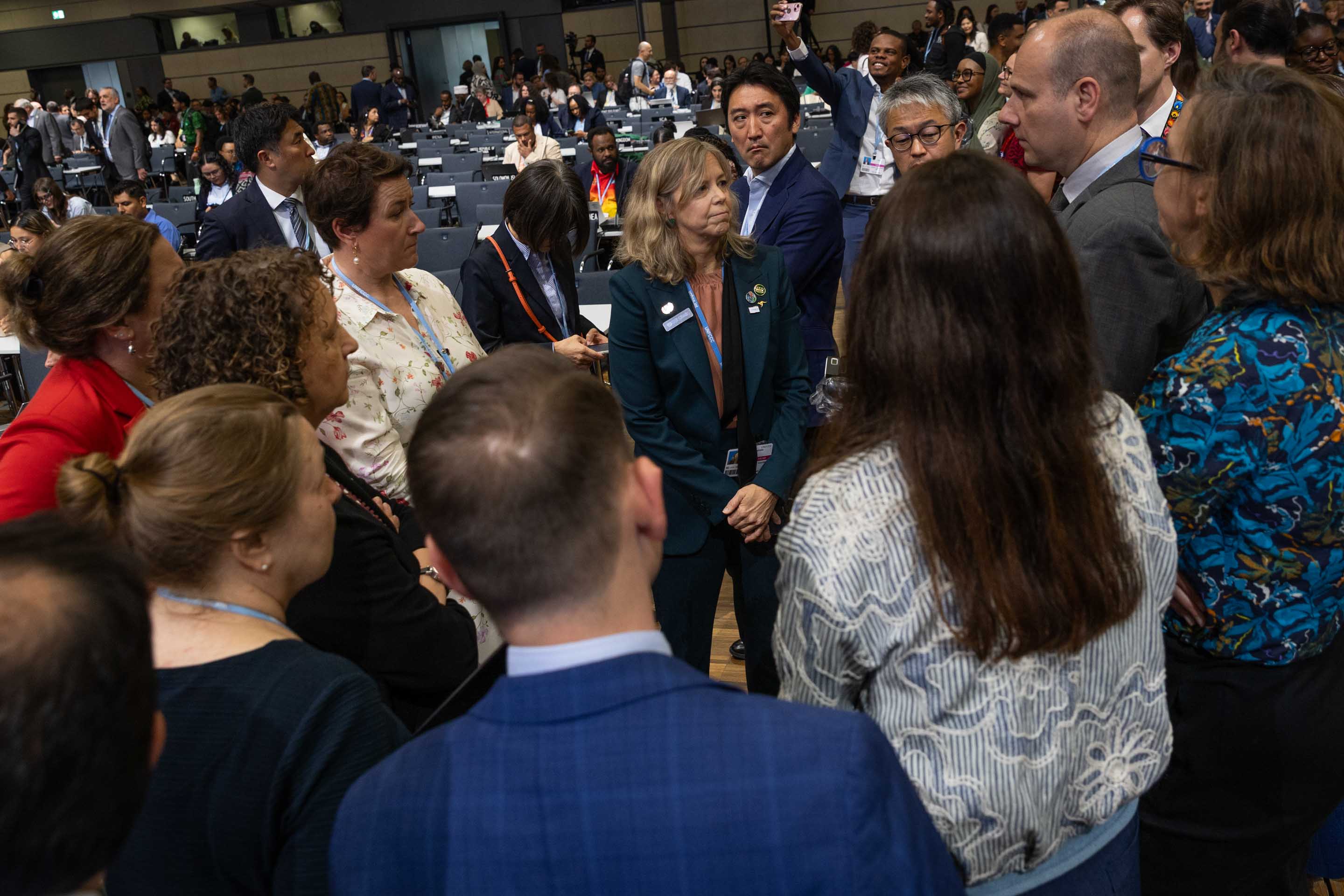
Julia Gardiner, SBI Chair, consults with delegates informally with delegates
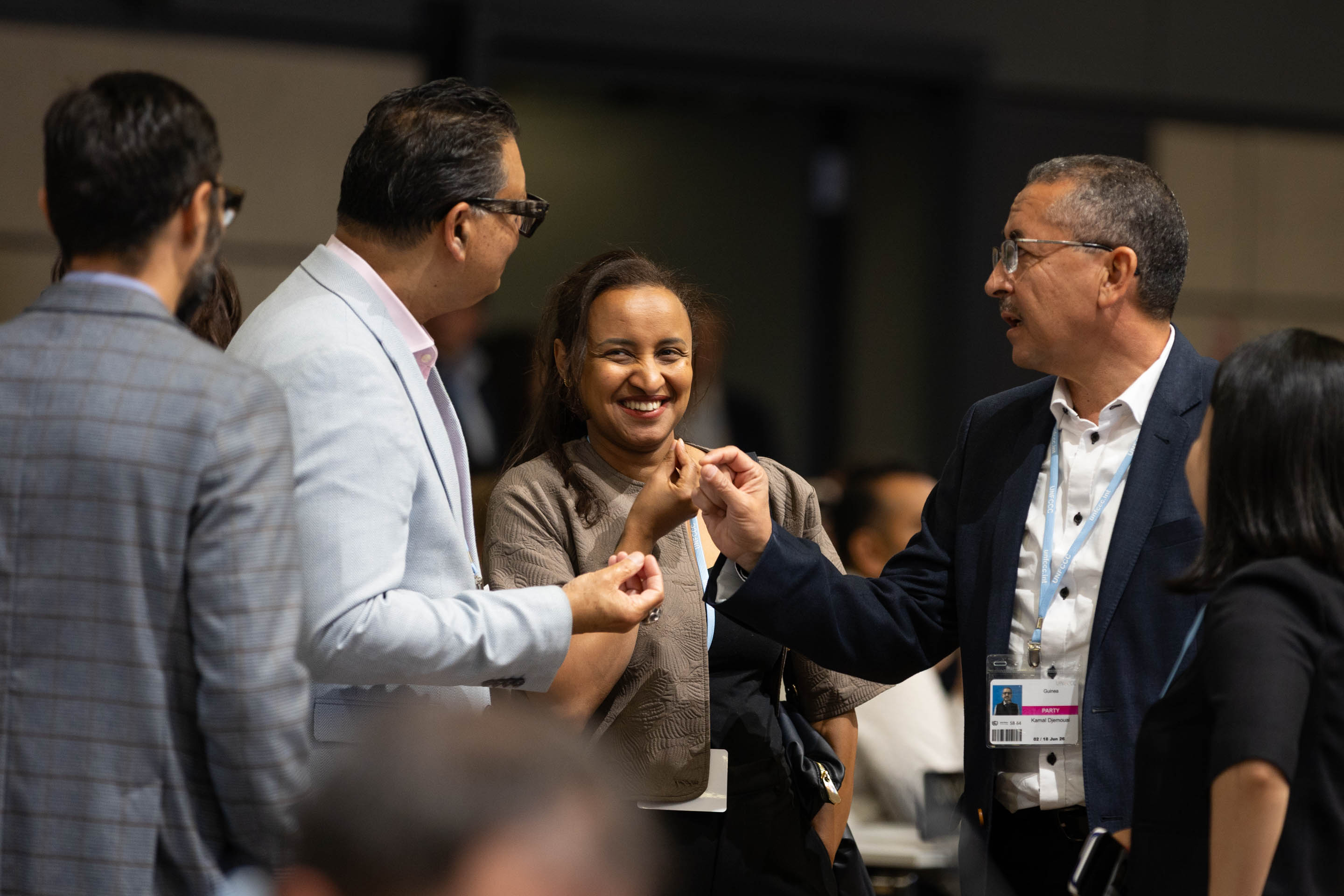
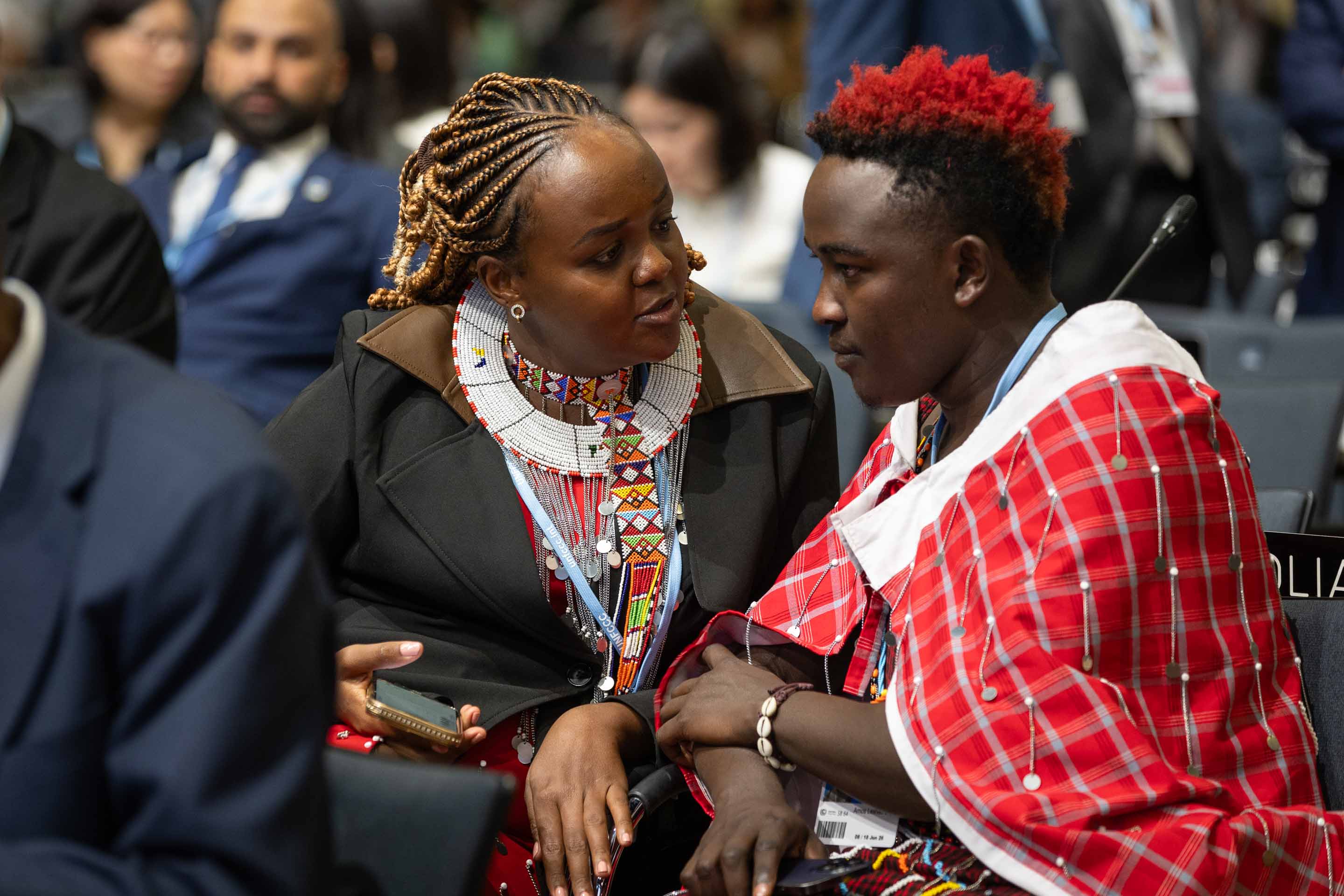
Delegates speak informally between sessions
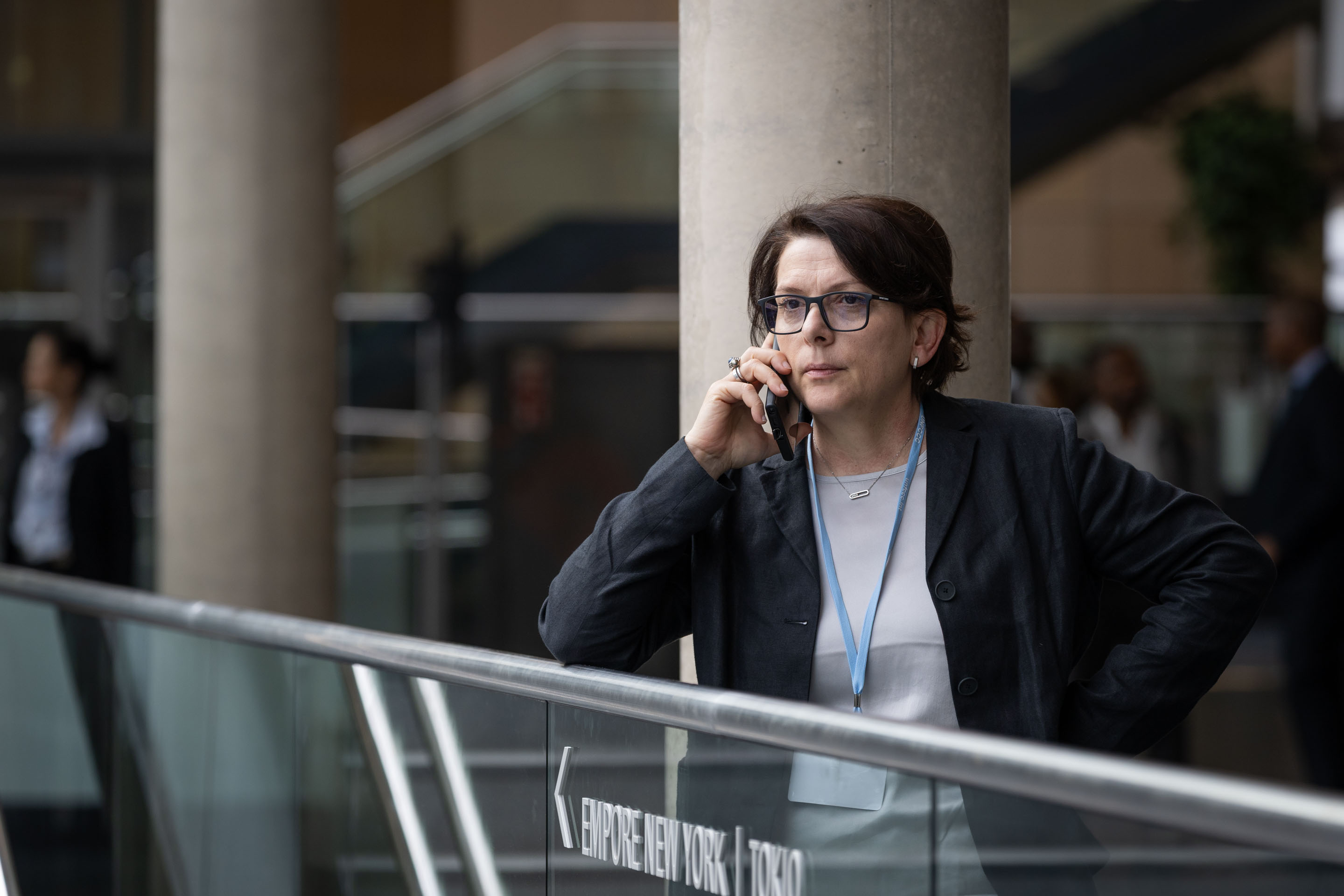
Ermira Fida, Deputy Secretary, Intergovernmental Panel on Climate Change (IPCC)
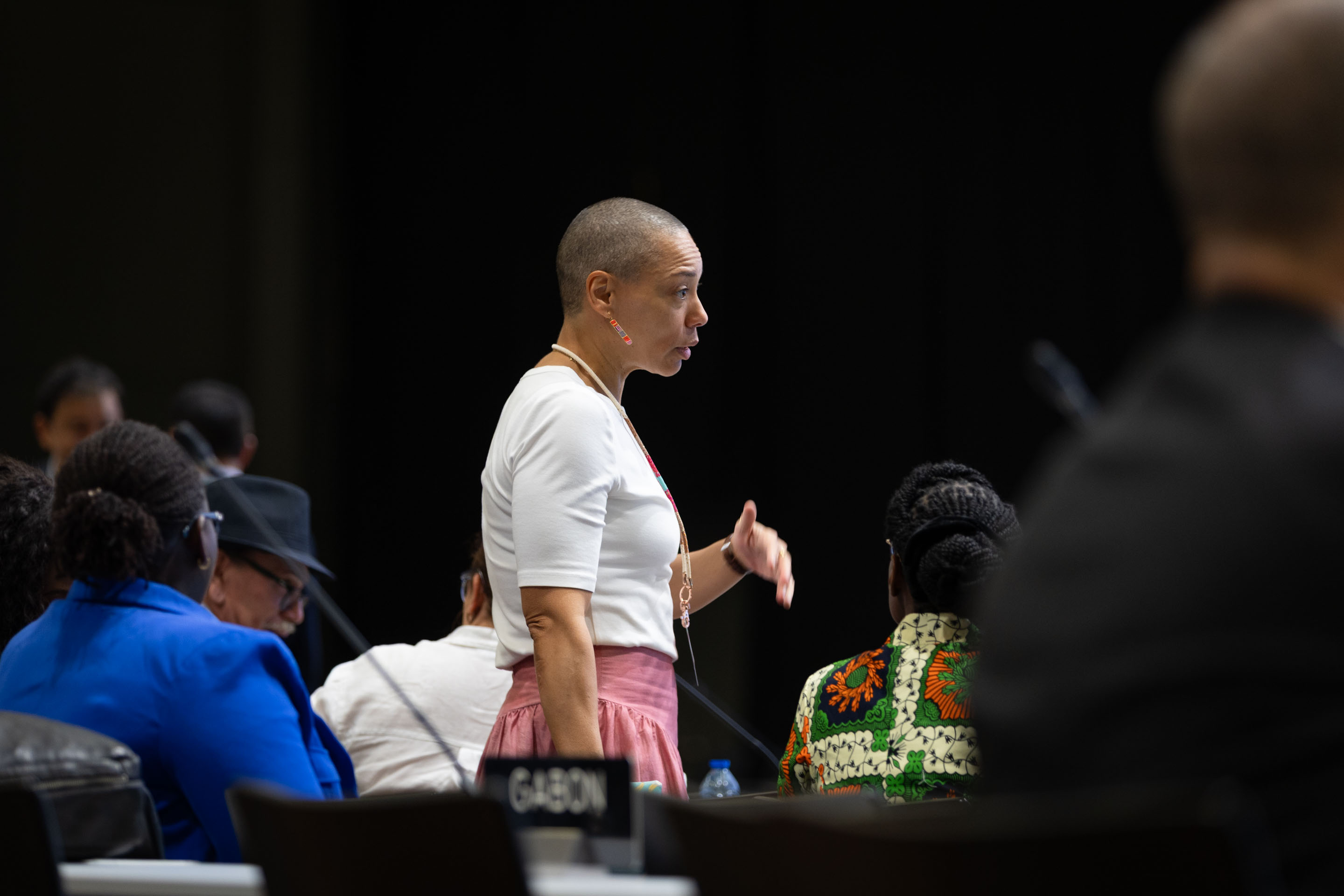
Laurence Ahoussou, Canada
Delegates from Antigua and Barbuda consult
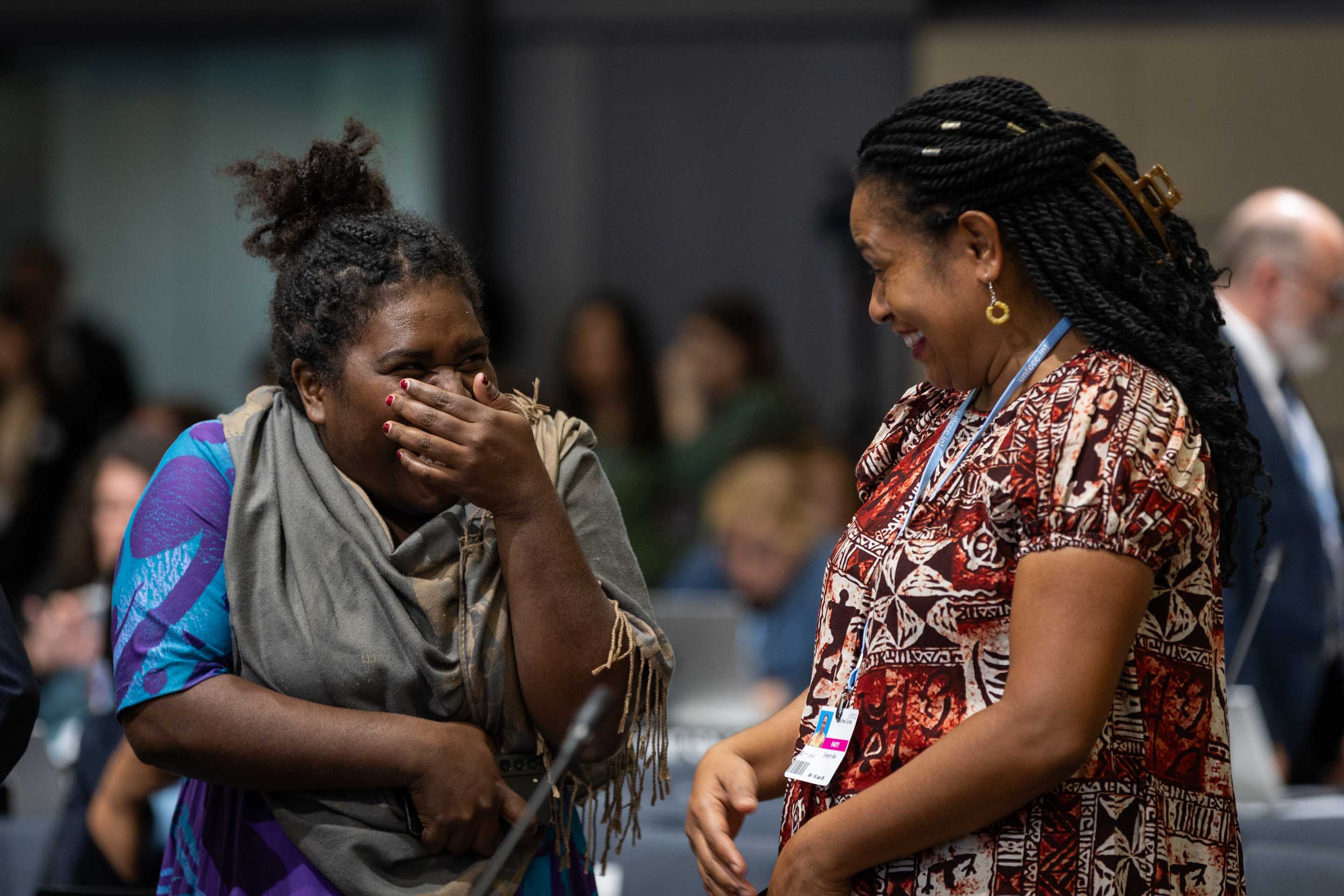
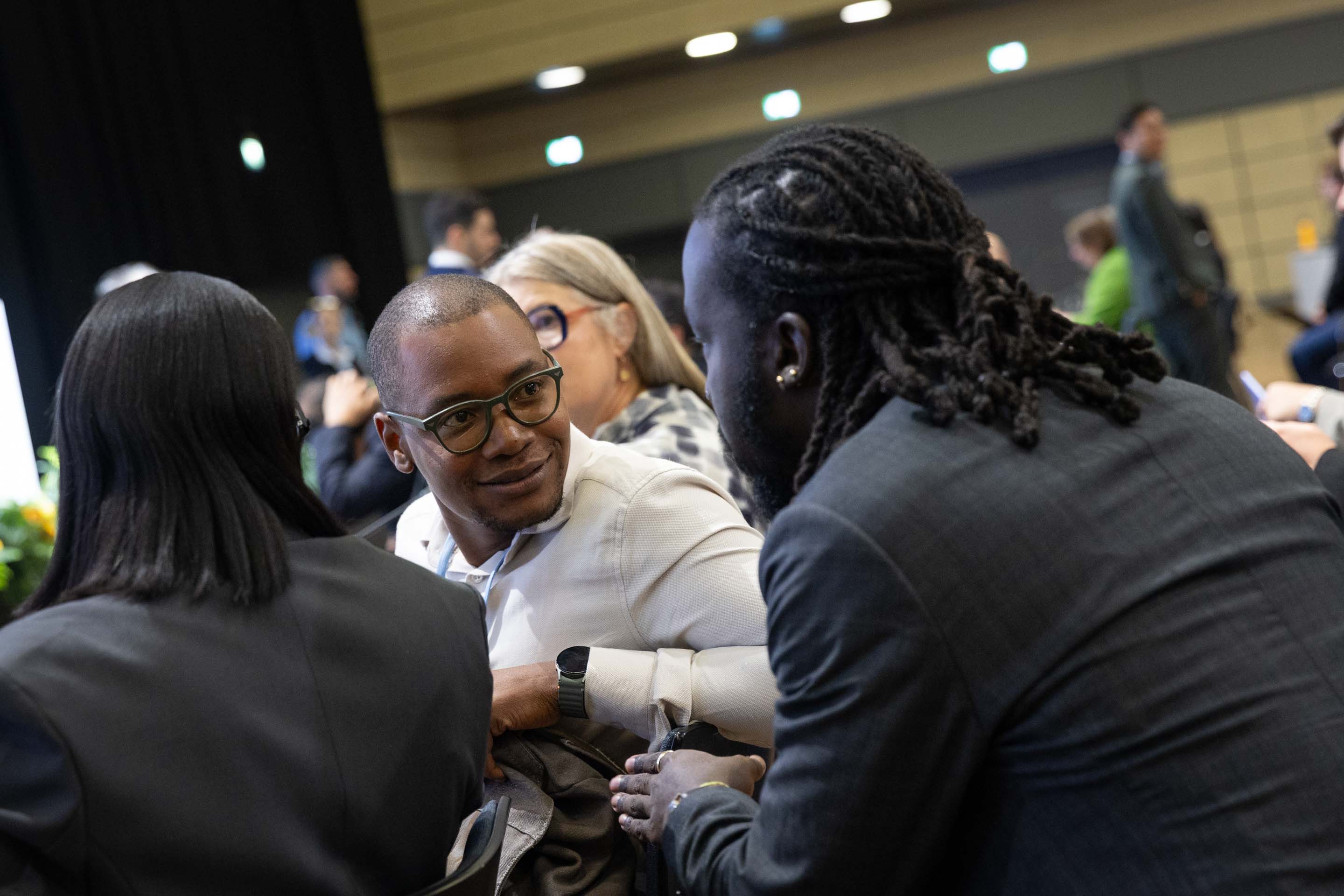
Delegates enjoy a moment together