
Although the Paris Agreement was adopted more than ten years ago, some of its elements are just now coming to life. Chief among them are the market-based approaches for the Agreement’s cooperative implementation (Paris Agreement Articles 6.2 and 6.4).
Want to dig deeper into today's talks? Read the full Earth Negotiations Bulletin daily report.

One reason that the launch of these carbon markets is so important to many developing countries is that a share of the proceeds of the Article 6.4 mechanism will flow into the Adaptation Fund–and thus increase its capitalization. This is crucial, since current levels of adaptation finance significantly lag behind growing needs. In Bonn, Parties are reflecting on the arrangements needed for the monetization of this share of proceeds, which will mark the Fund’s transition from the Kyoto Protocol to exclusively serving the Paris Agreement.
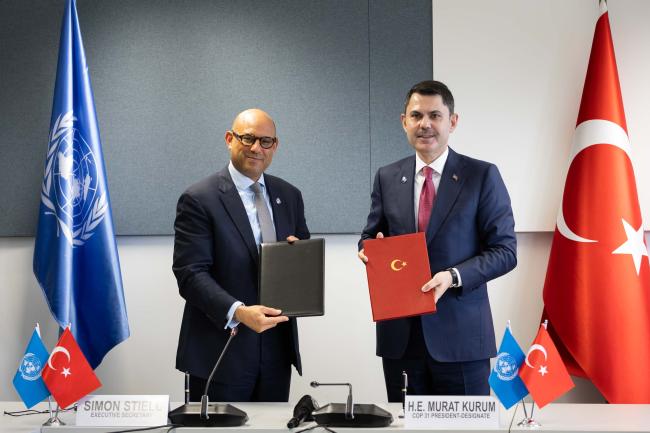
A number of other sessions echoed broader debates on the need to reform the multilateral system and “streamline” it with a view to increasing “efficiency” and leveraging “synergies,” to name just a few buzzwords. While the exchange on planning for future United Nations Framework Convention on Climate Change (UNFCCC) sessions saw some concrete proposals emerge for how to ensure sessions of the Conference of the Parties (COP) meet expectations, discussions on cooperation with other international organizations were less fruitful.

Despite resounding calls for enhanced cooperation among the Rio Conventions with a view to increasing resource efficiency and implementation, some Parties see risks associated with weakened accountability and competing priorities.

To receive free coverage of global environmental events delivered to your inbox, subscribe to the ENB Update newsletter.
All ENB photos are free to use with attribution. For SB64 please use: Photo by IISD/ENB - Kiara Worth
Workshop on Non-Market Approaches
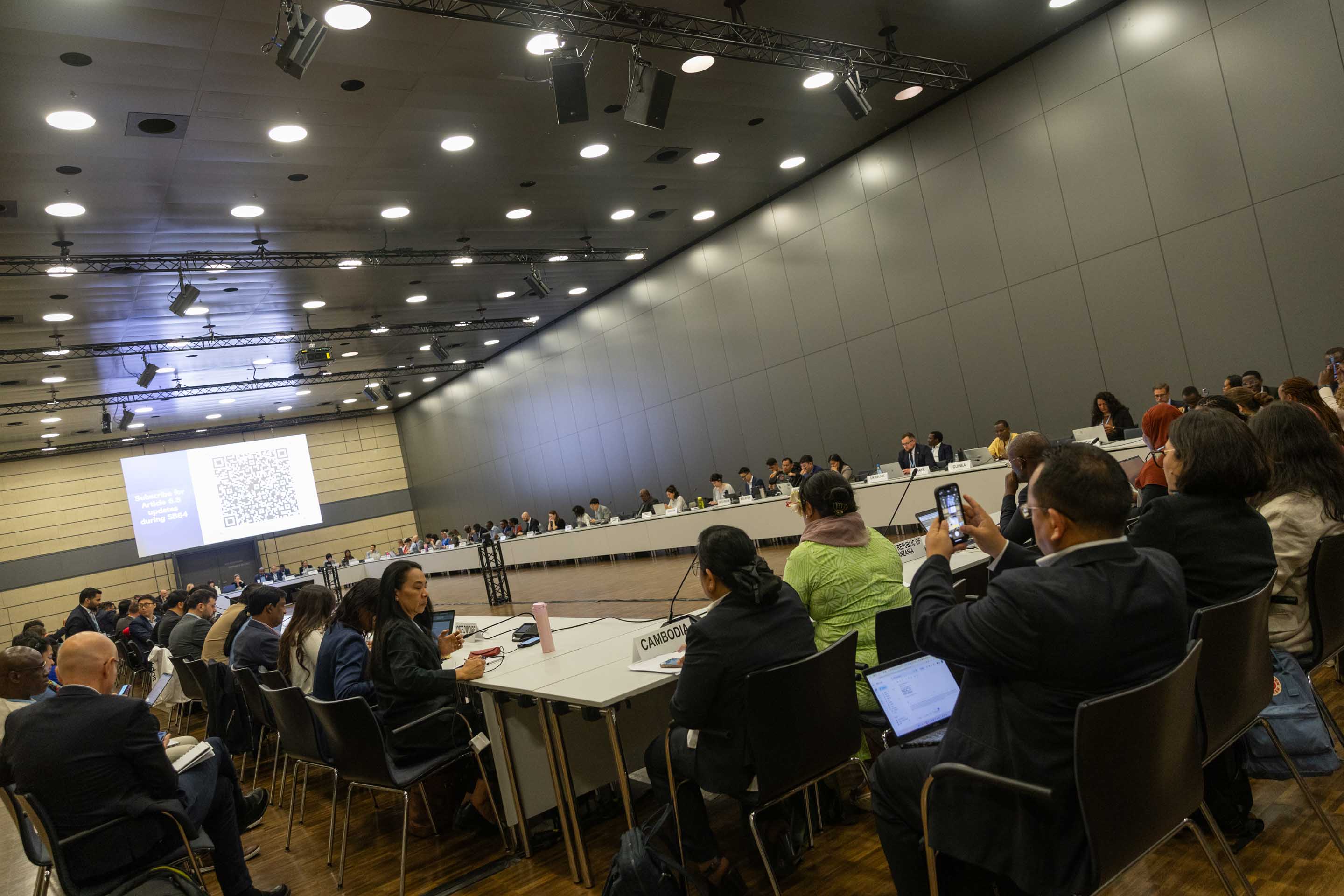
Delegates gather for the in-session workshop to discuss non-market approaches
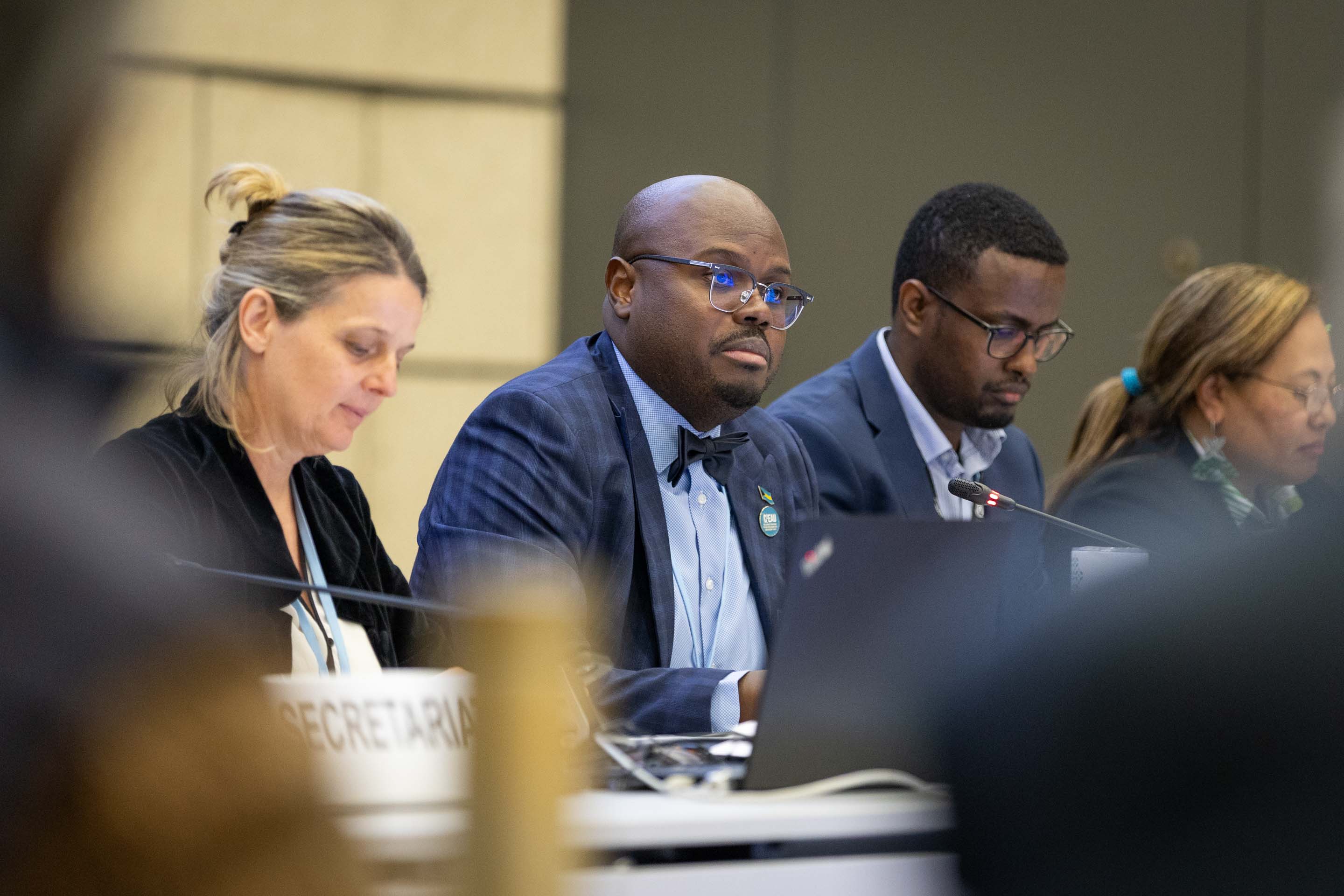
Workshop Co-Chair Charles Hamilton, the Bahamas
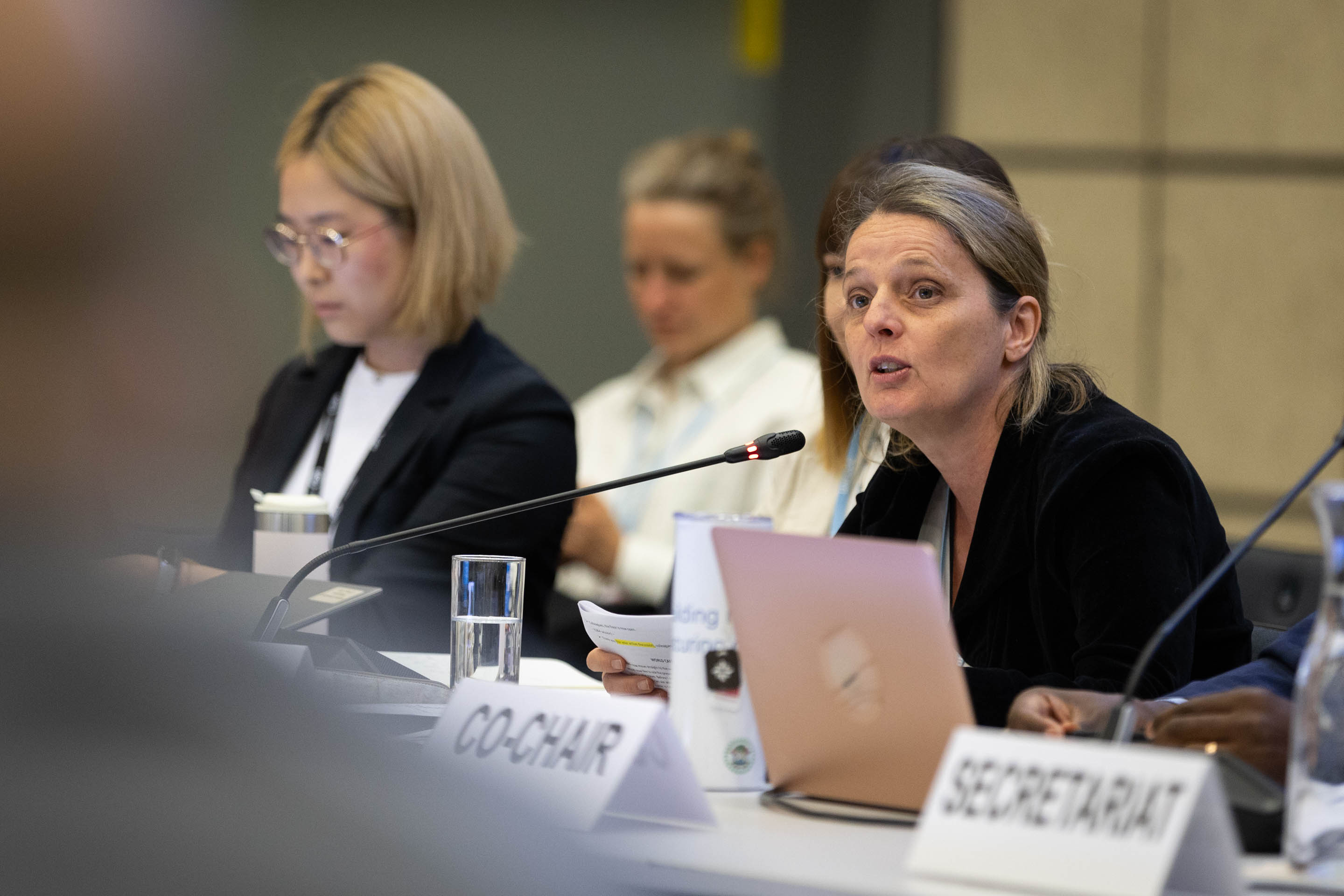
Workshop Co-Chair Angela Friedrich, Austria
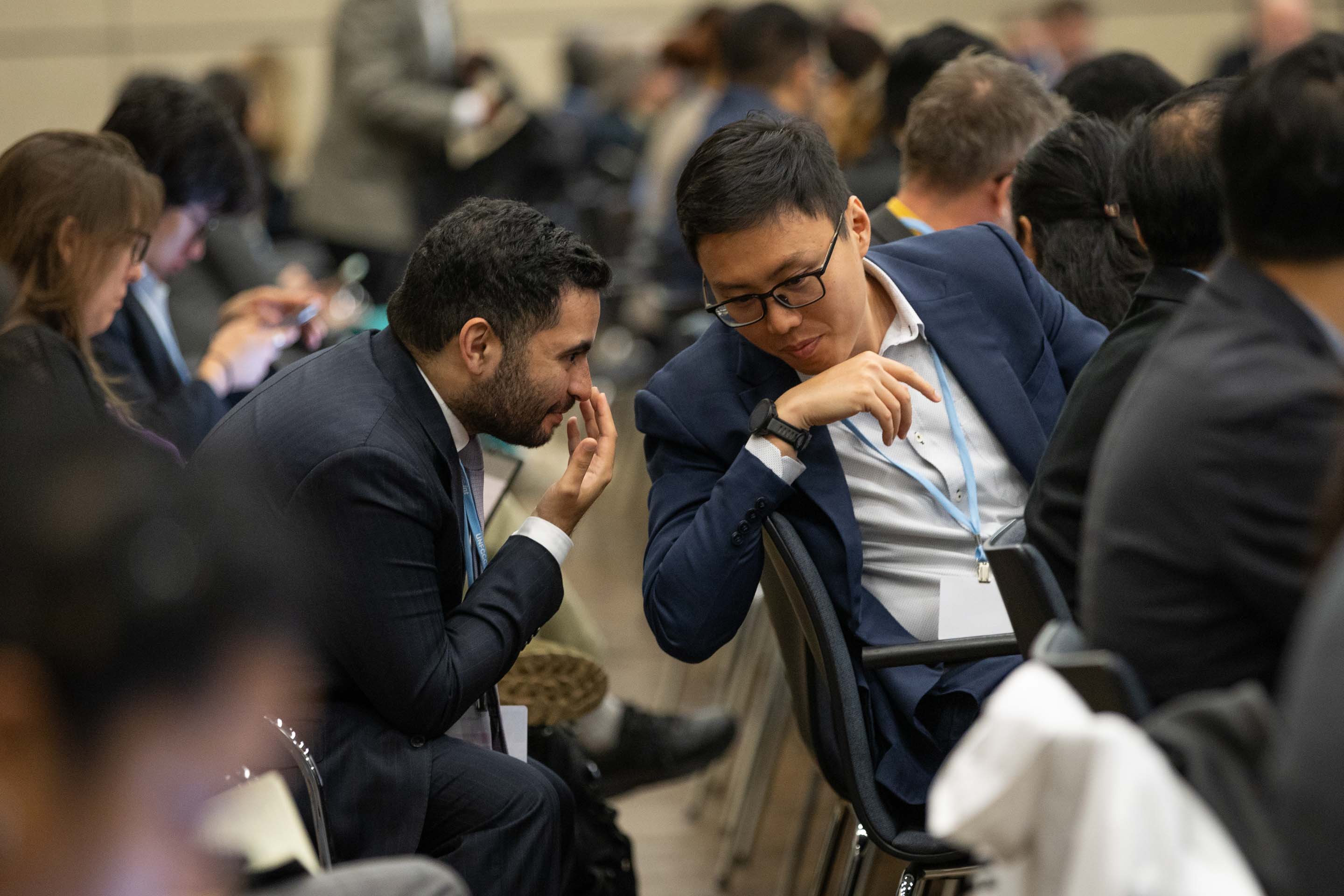
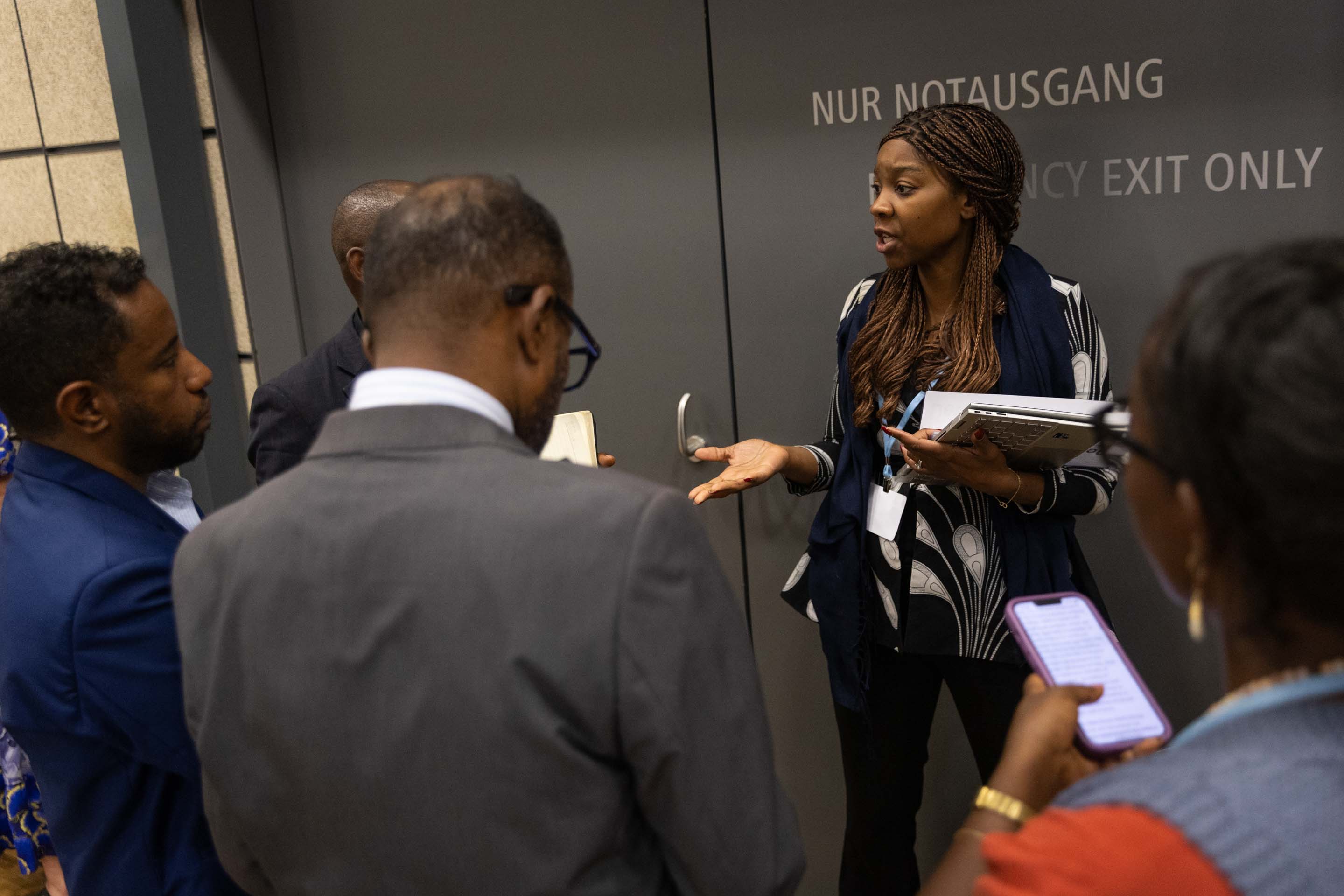
Delegates consult during the session
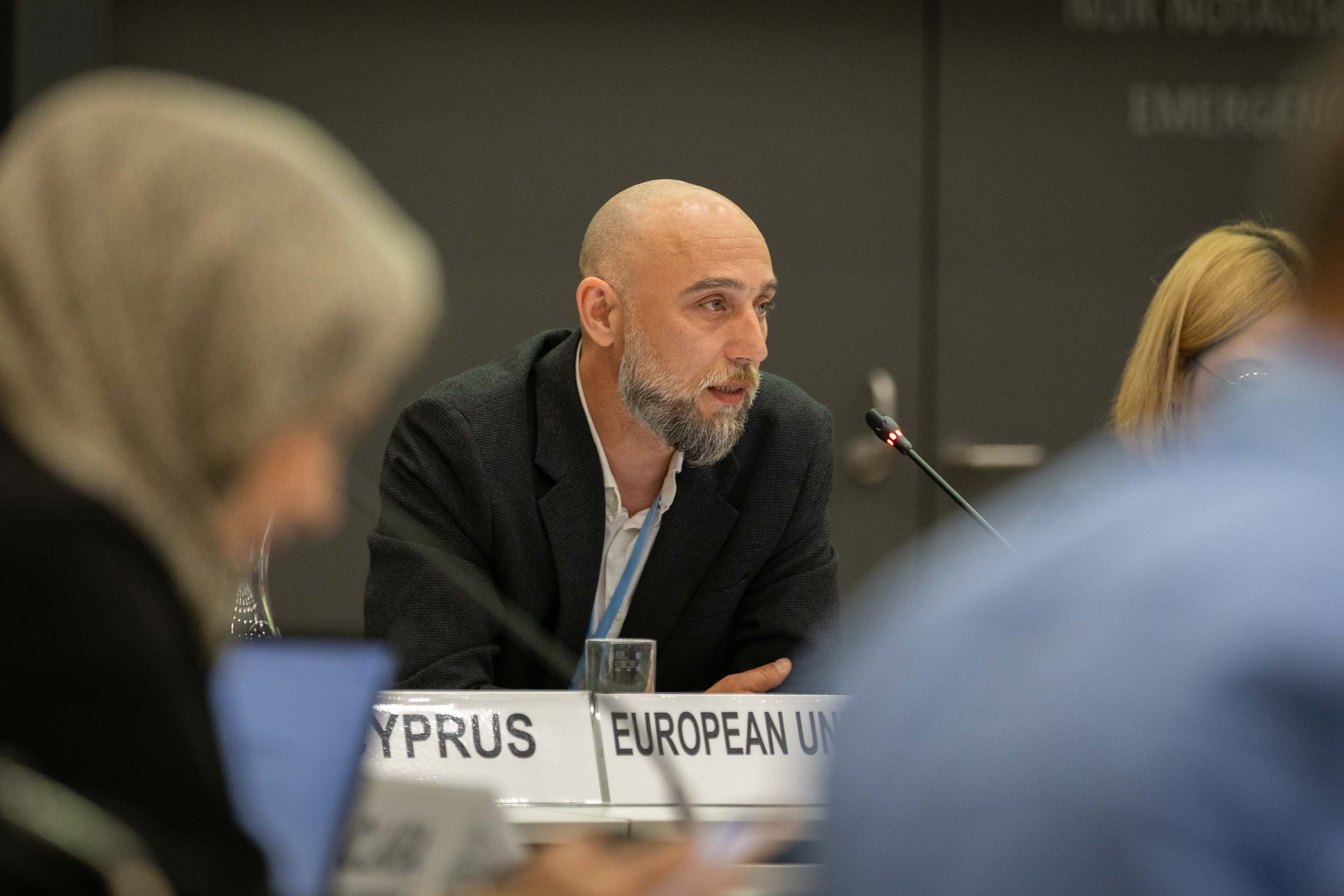
Łukasz Wróbel, EU
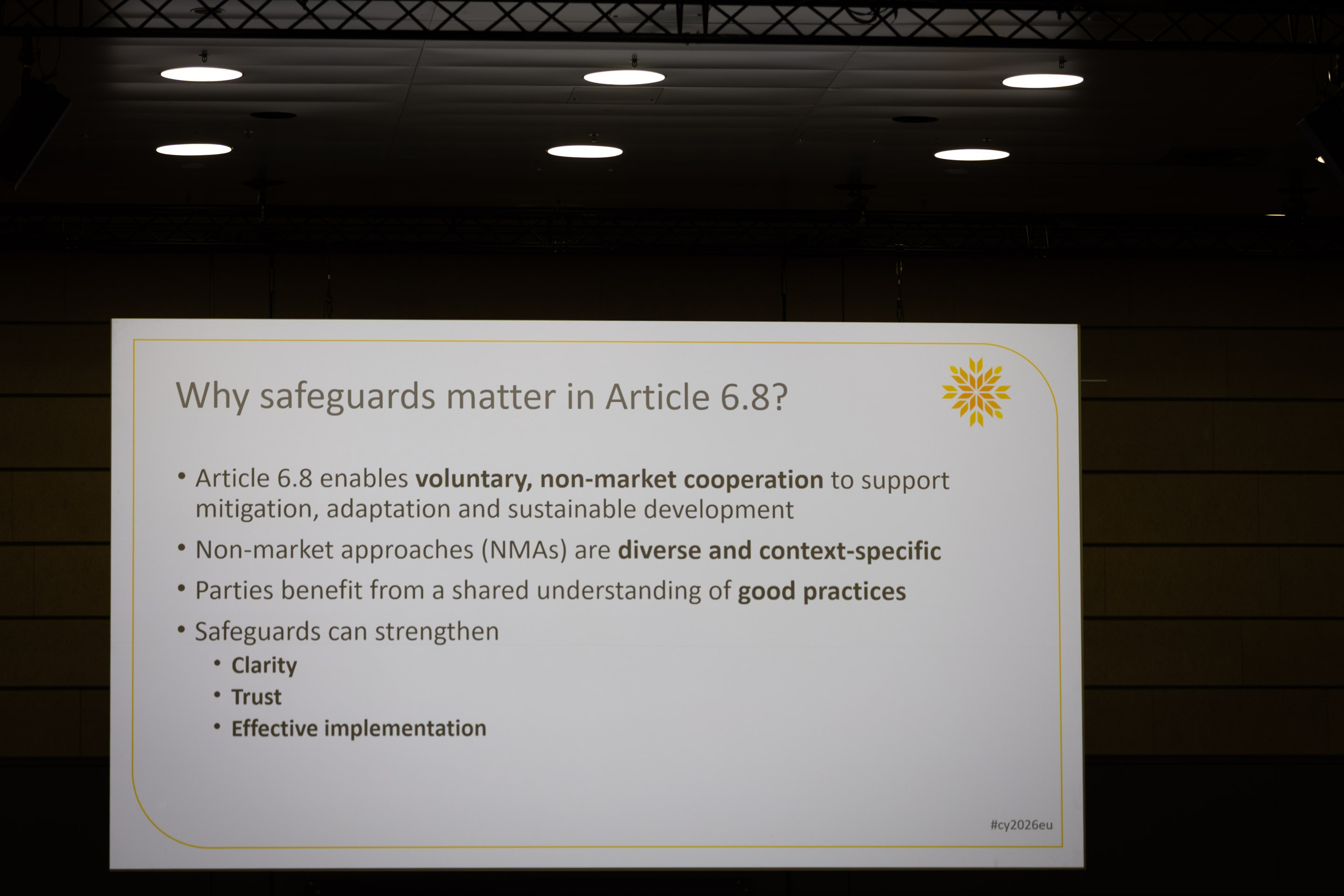
A slide from the EU's presentation highlights the importance of safeguards
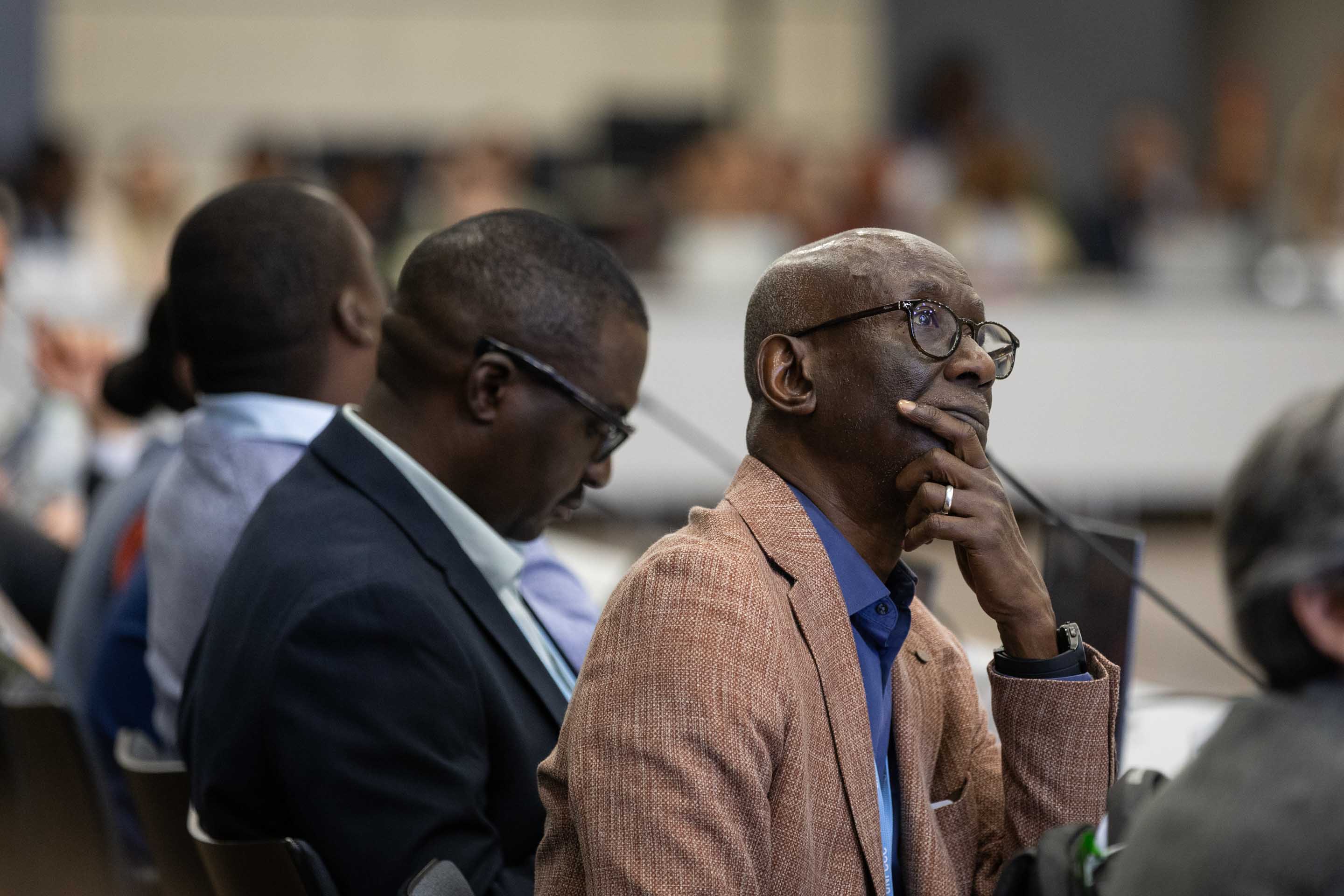
Delegates listen to the presentations
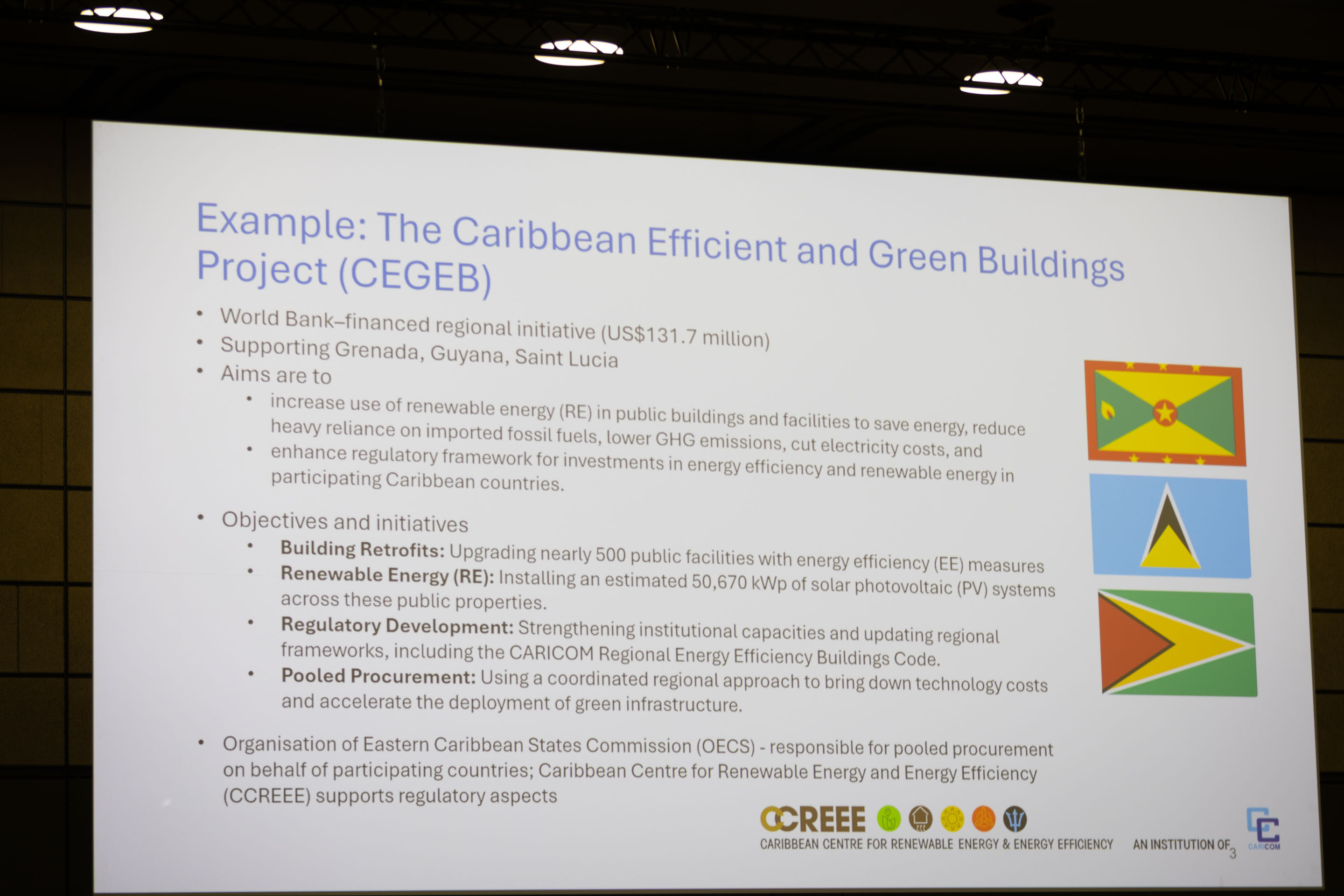
A slide highlights a non-market approach from the Caribbean region
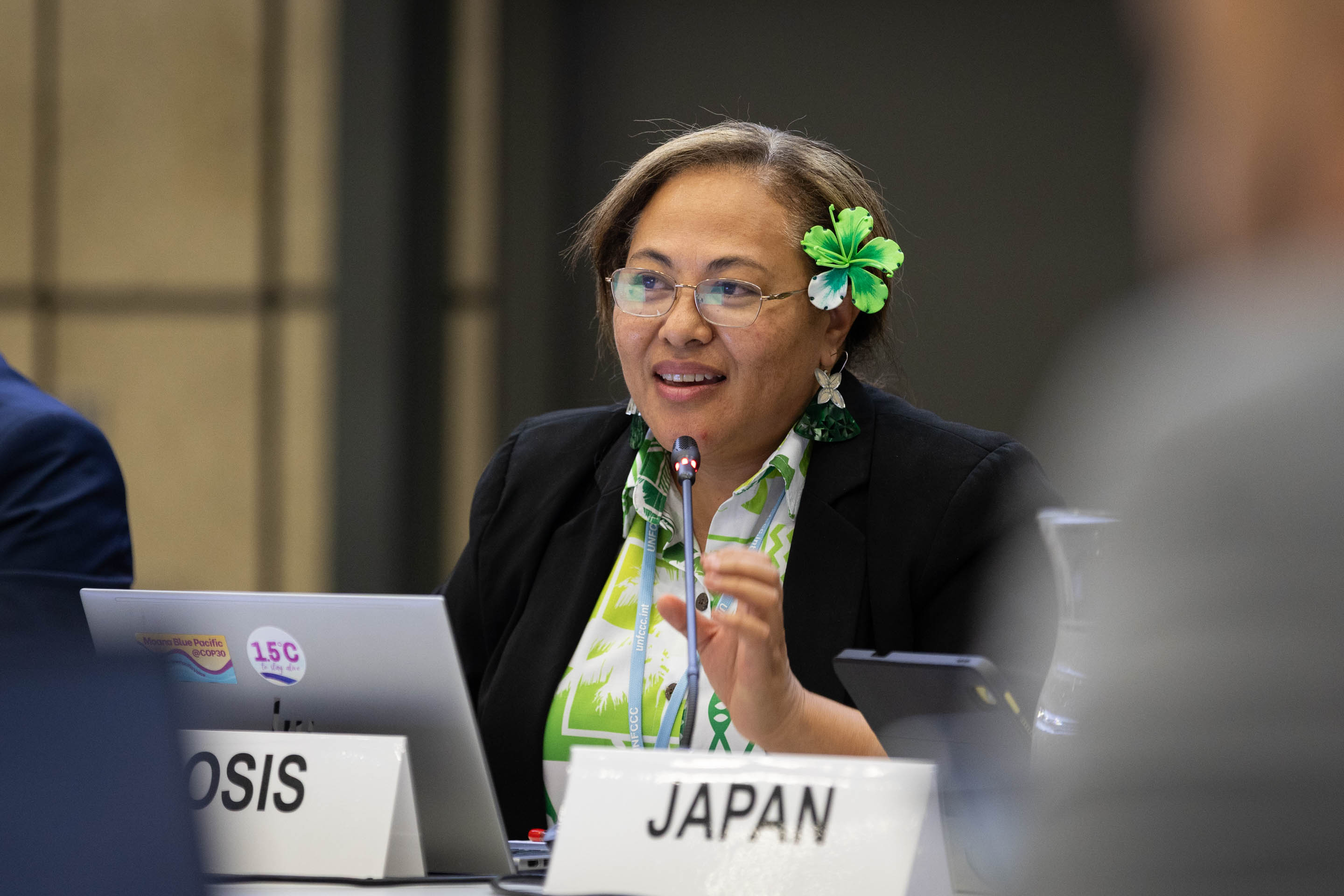
Vanda Faasoa-Chan Ting, Samoa, on behalf of the Alliance of Small Island States (AOSIS)

Delegates break out into groups to share experiences
Global Goal on Adaptation Workshop
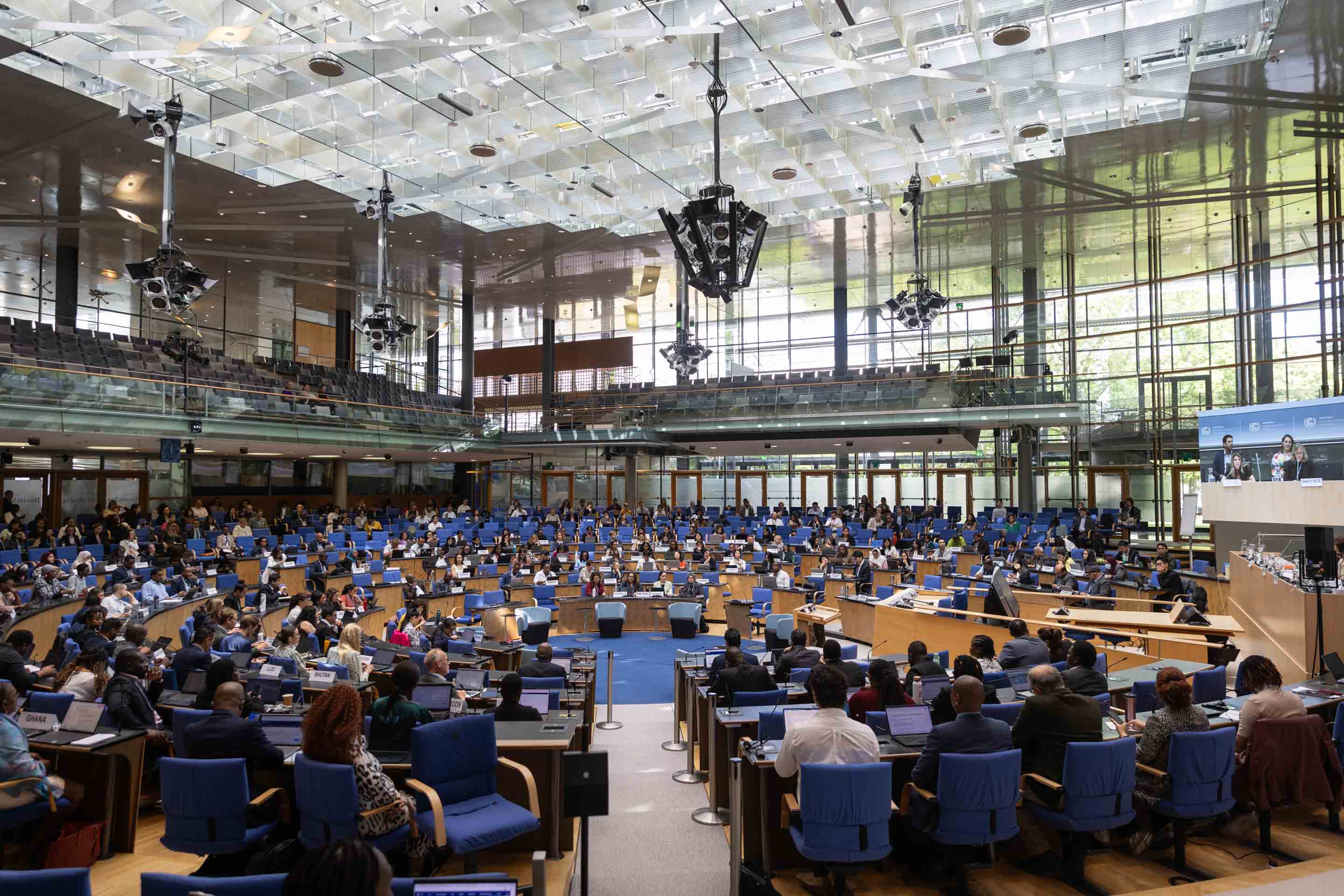
Delegates gather for the workshop under the Baku Adaptation Roadmap
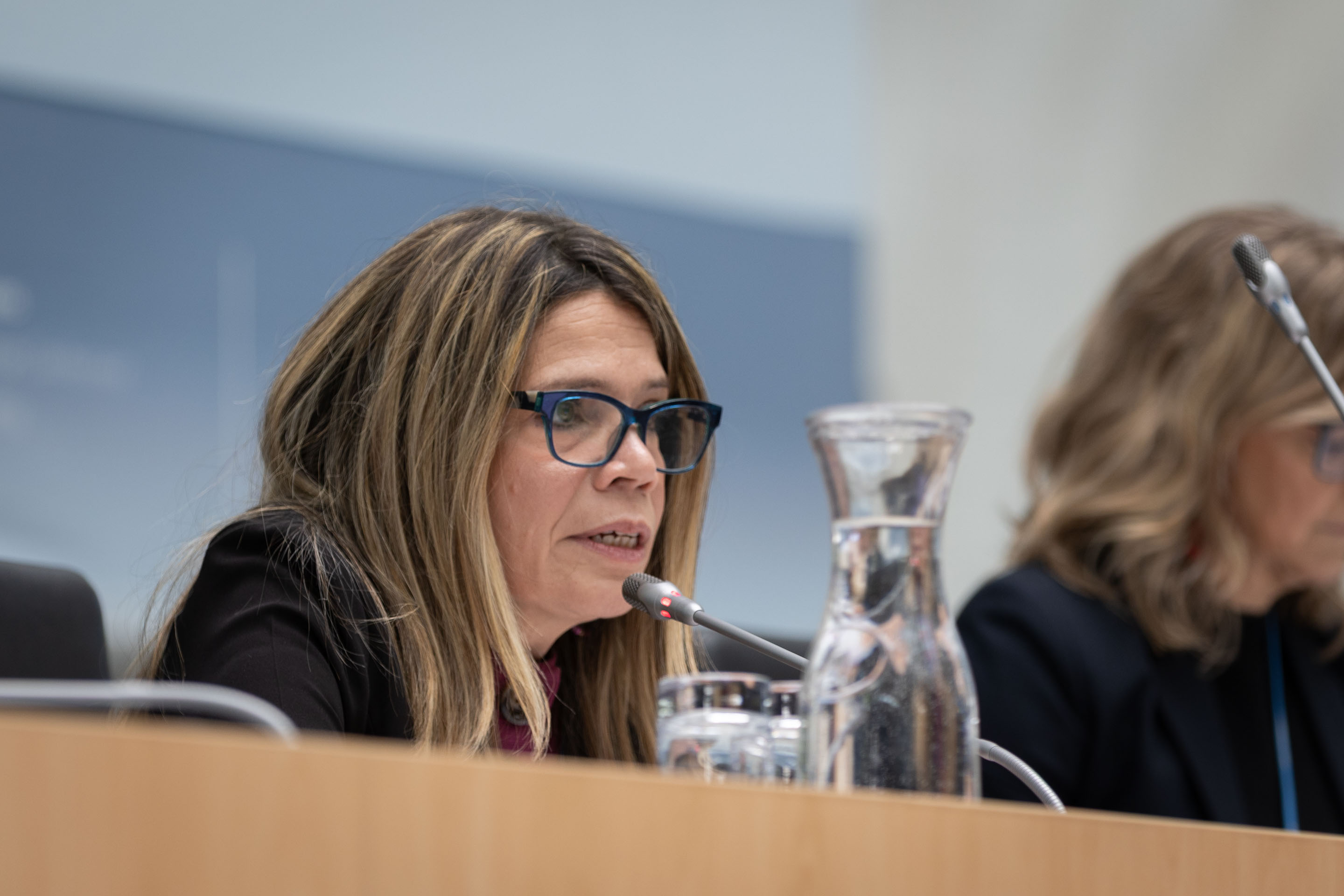
Carol Franco, SBSTA Vice-Chair
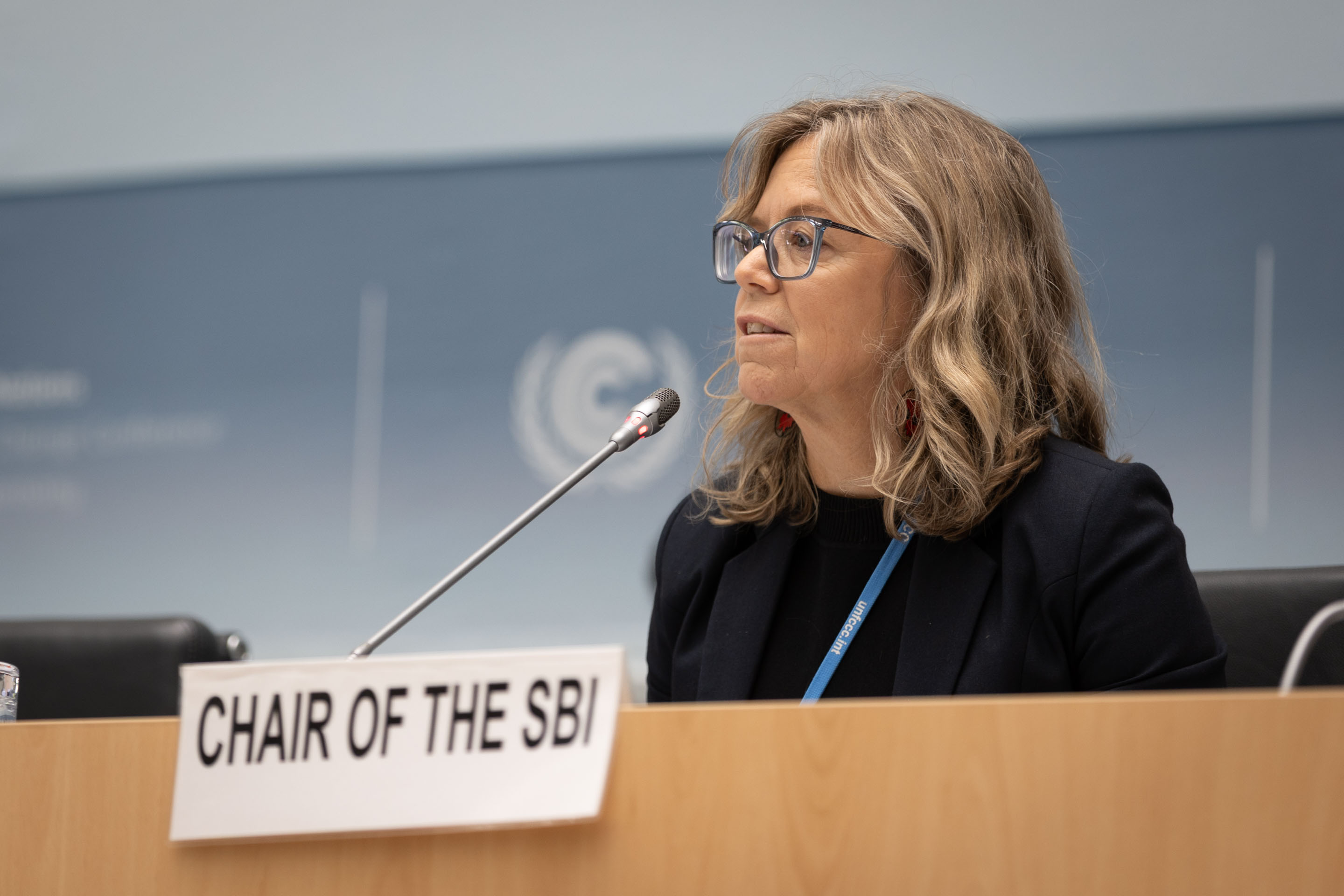
Julia Gardiner, SBI Chair
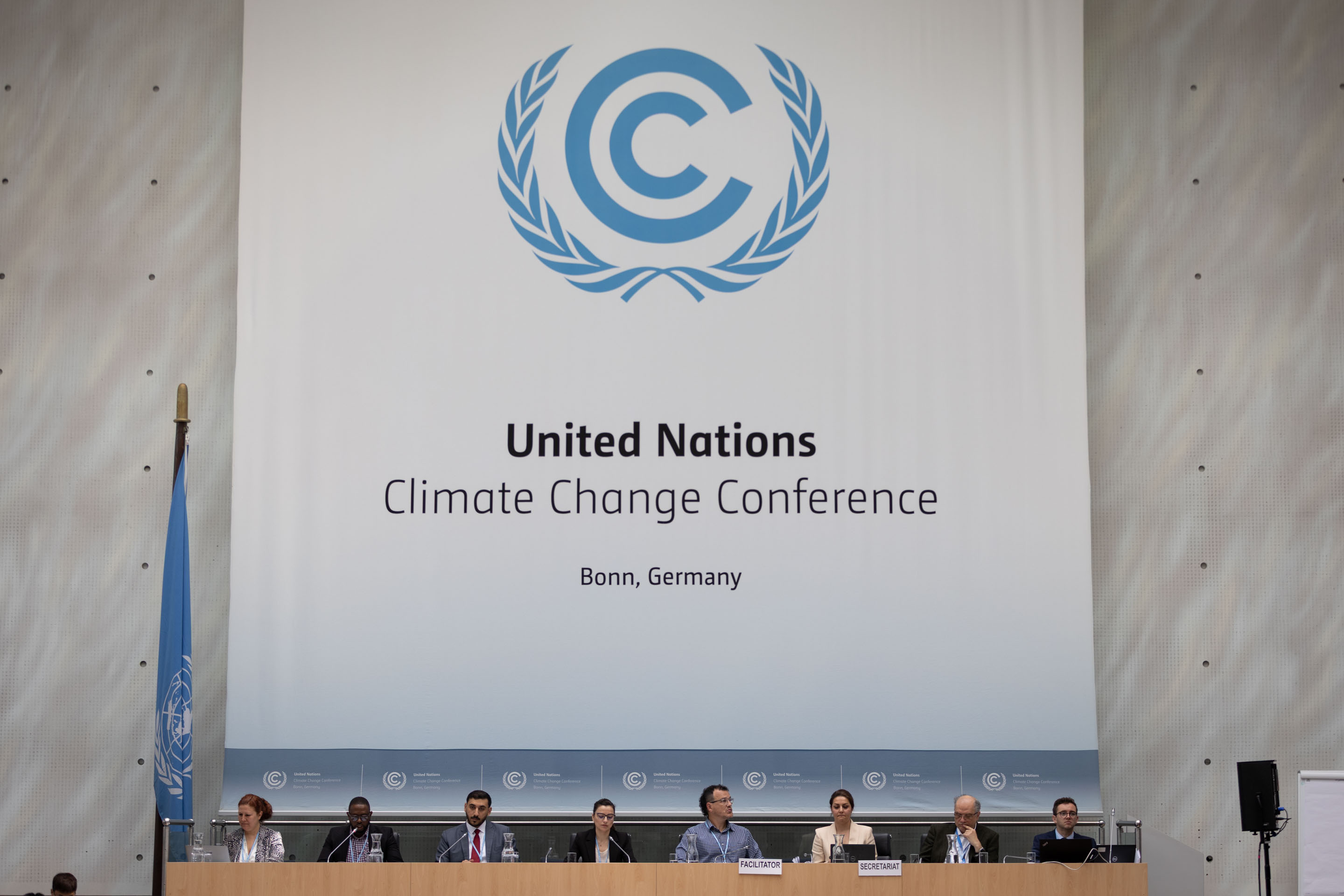
Panel speakers during the event
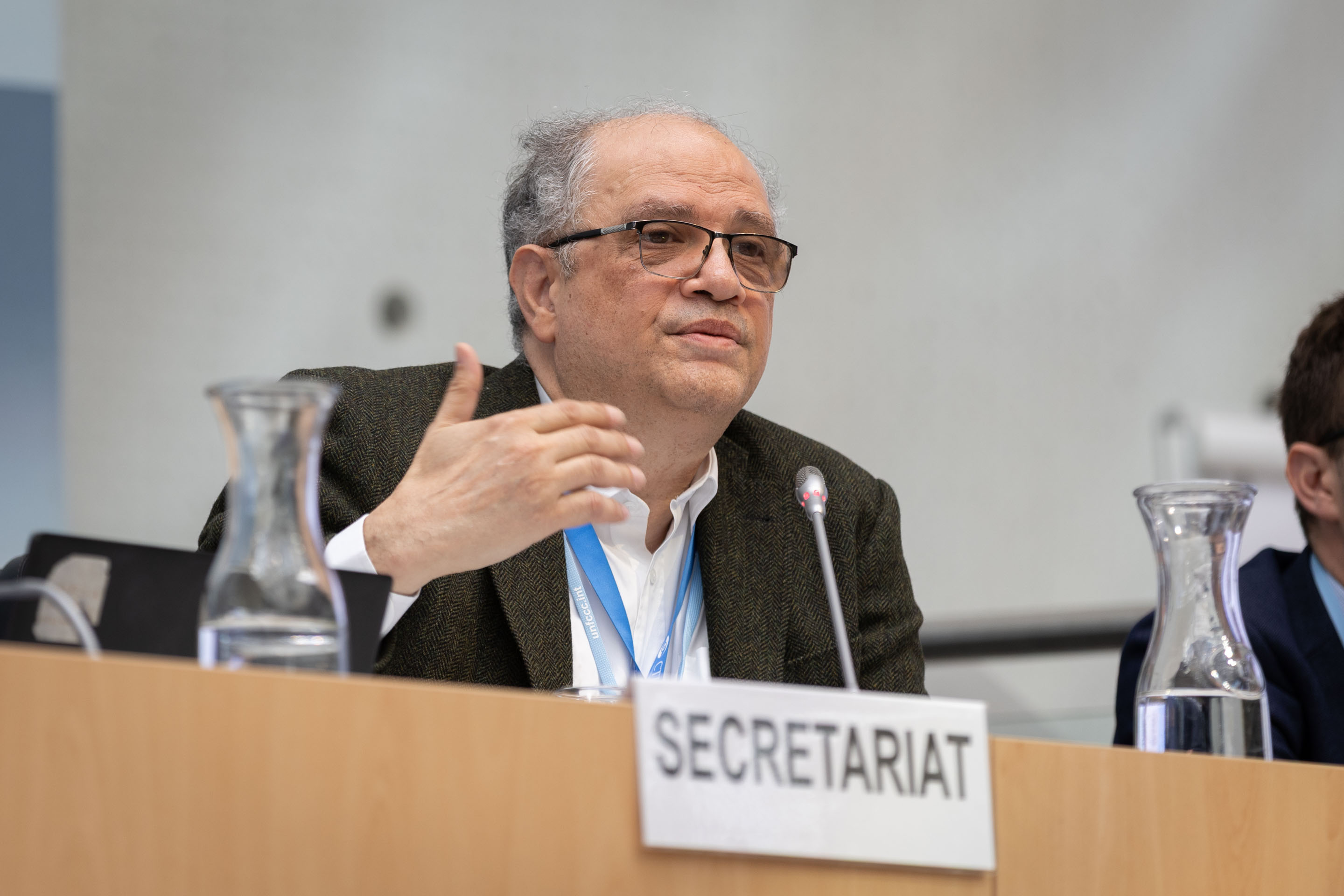
Youssef Nassef, Director of Adaptation Division, UNFCCC
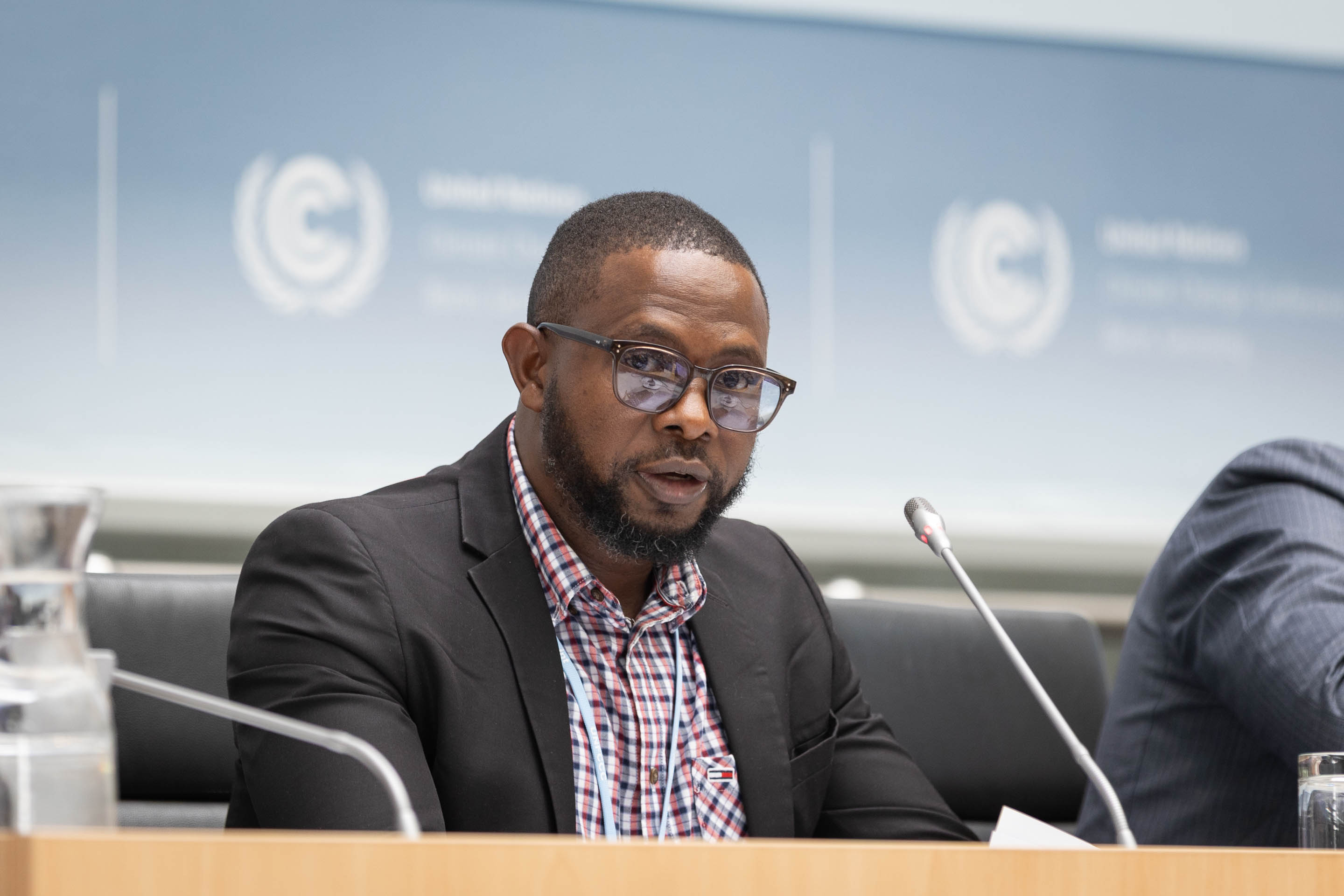
Mokoena France, Least Developed Countries Expert Group (LEG)
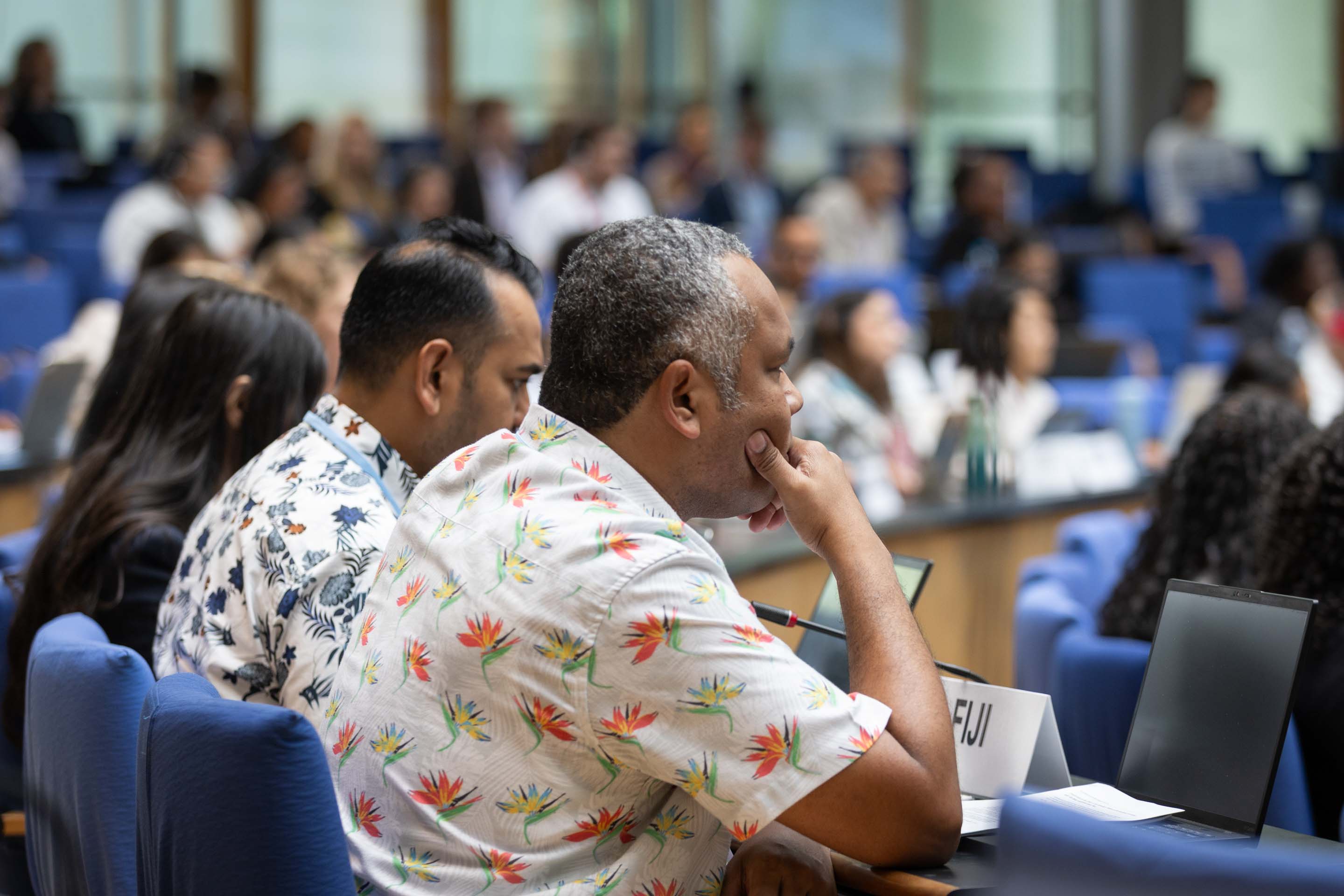
Delegates listen to the discussion
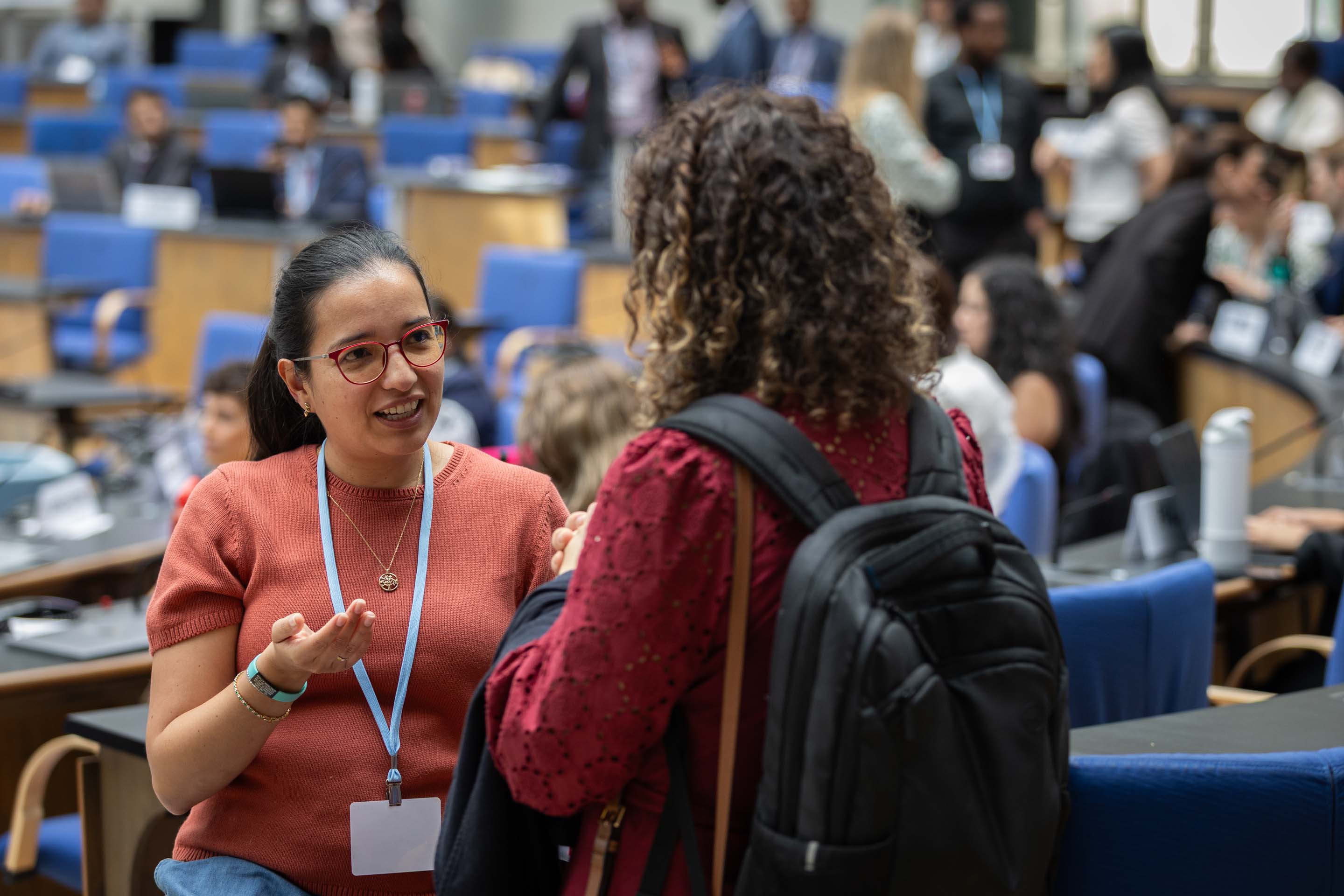
Delegates consult informally during the session
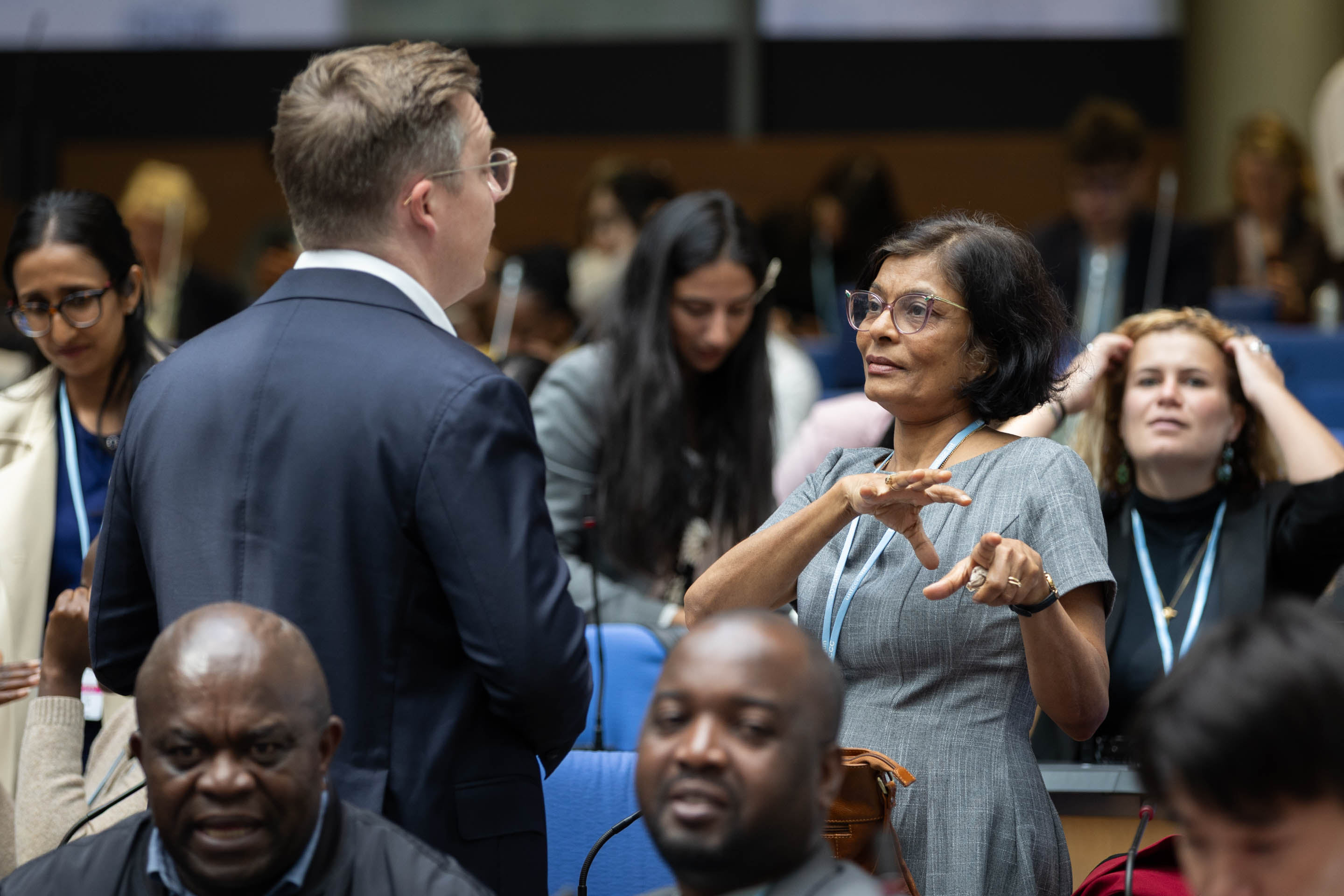
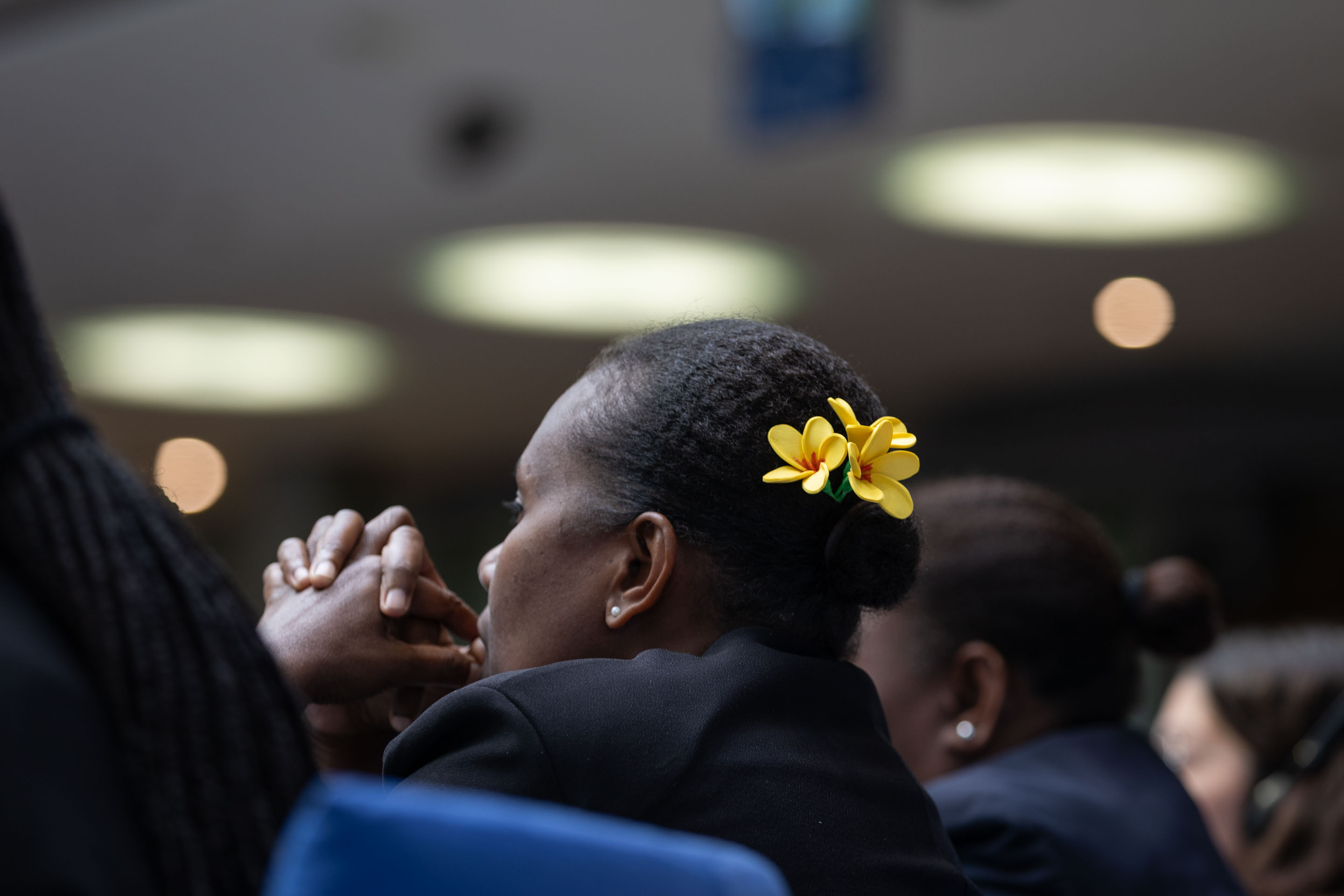
Informal Consultations Throughout the Day
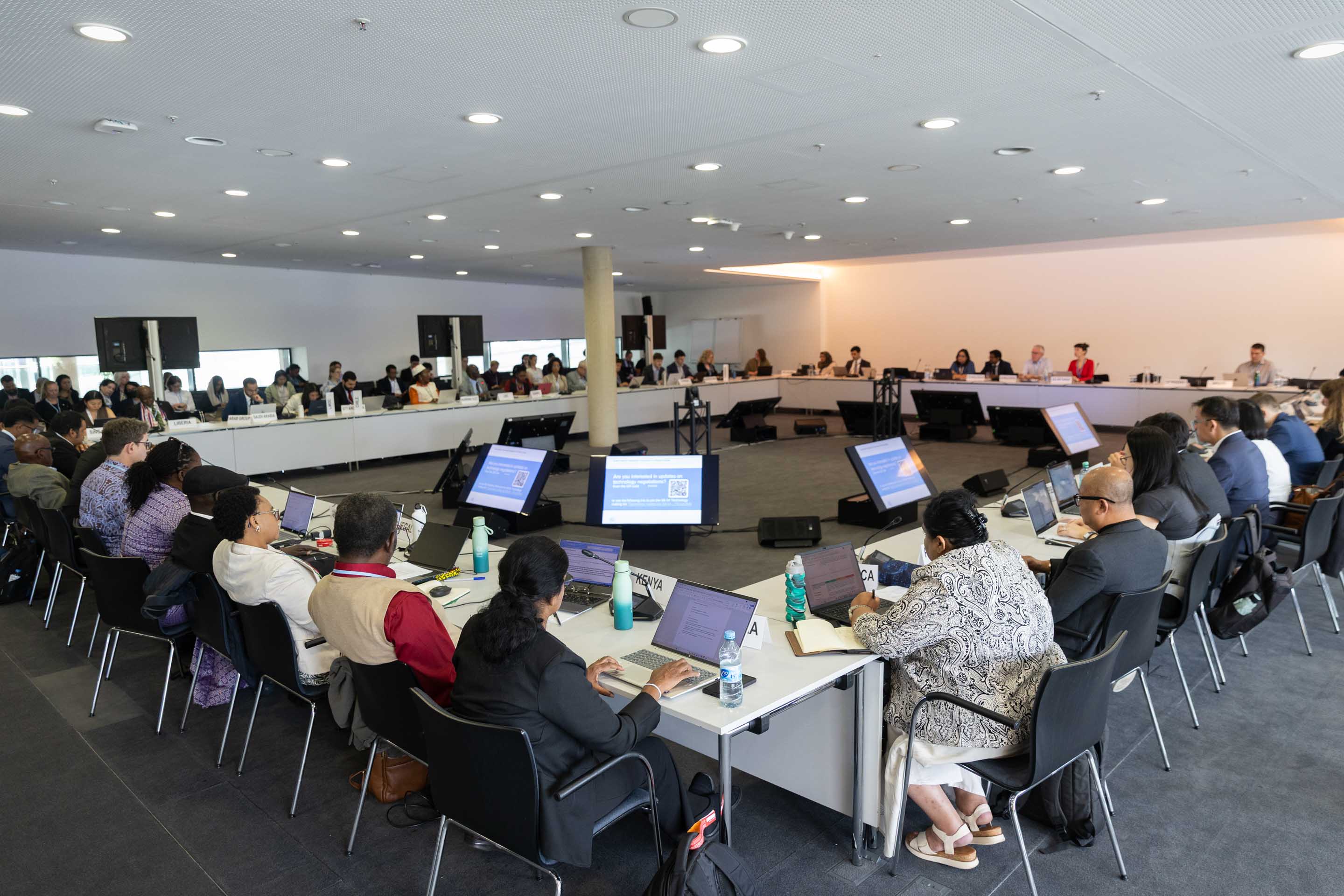
Informal consultations on the Climate Technology Centre (CTC)
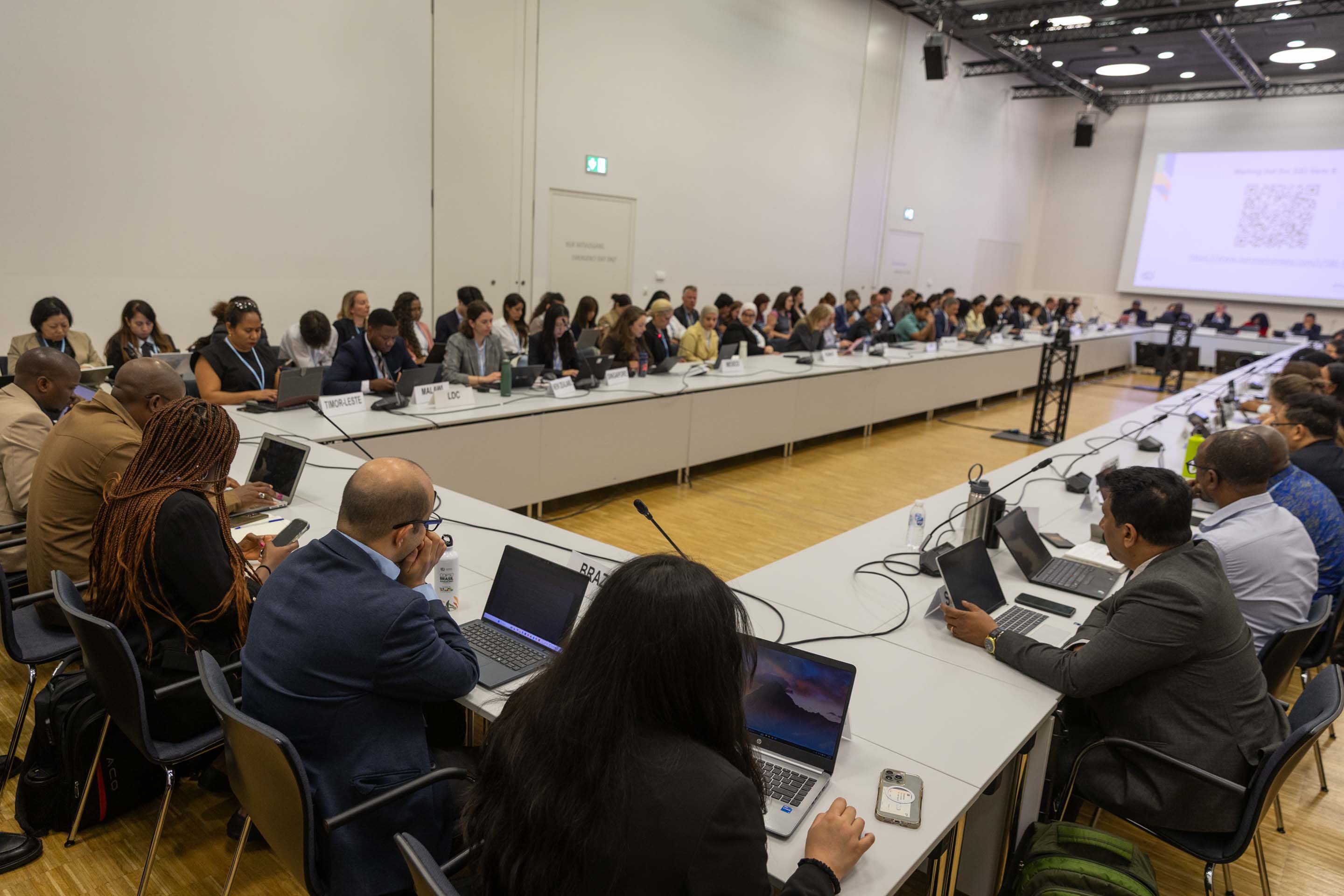
Informal consultations on support for reporting
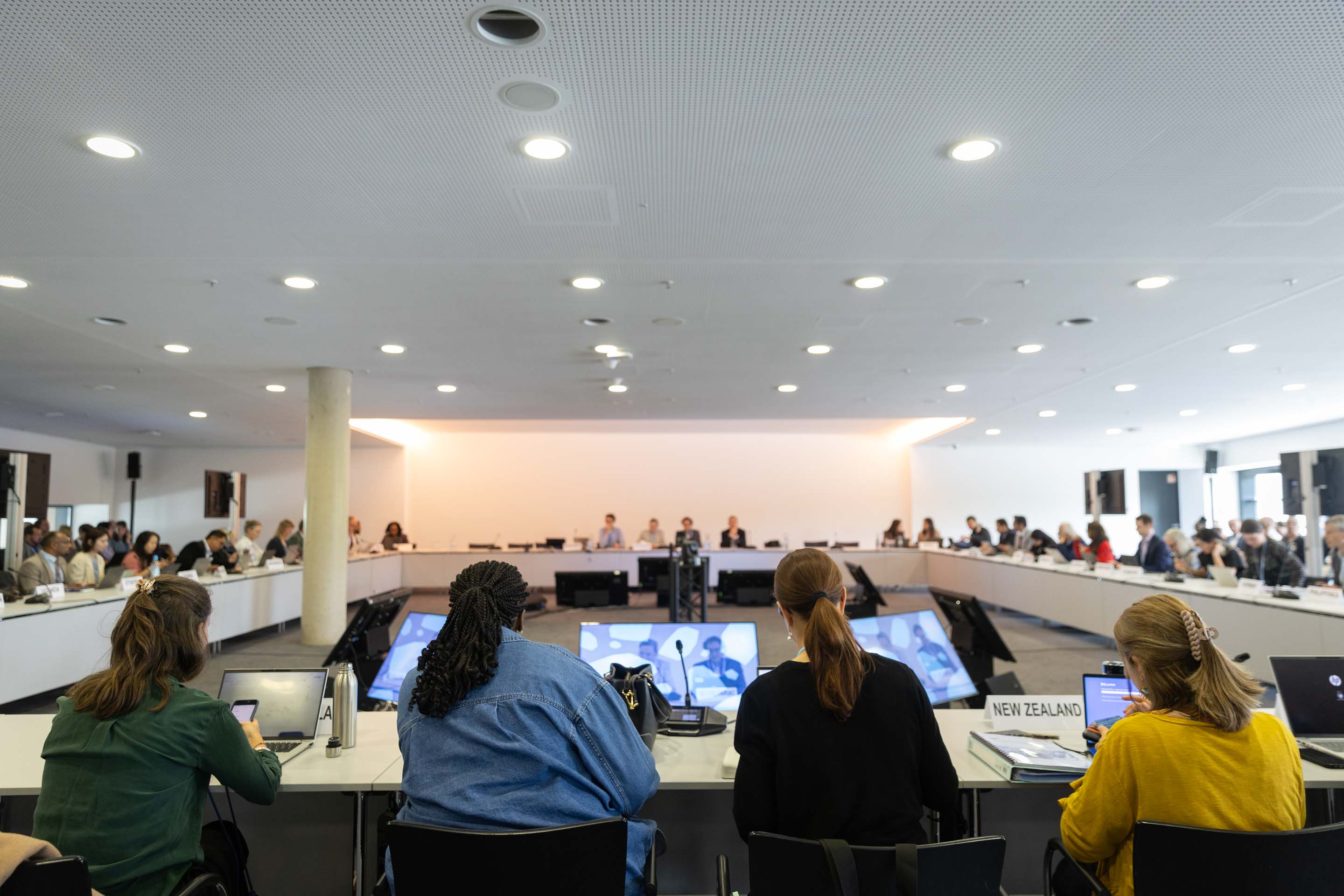
Informal consultations on agriculture and food security
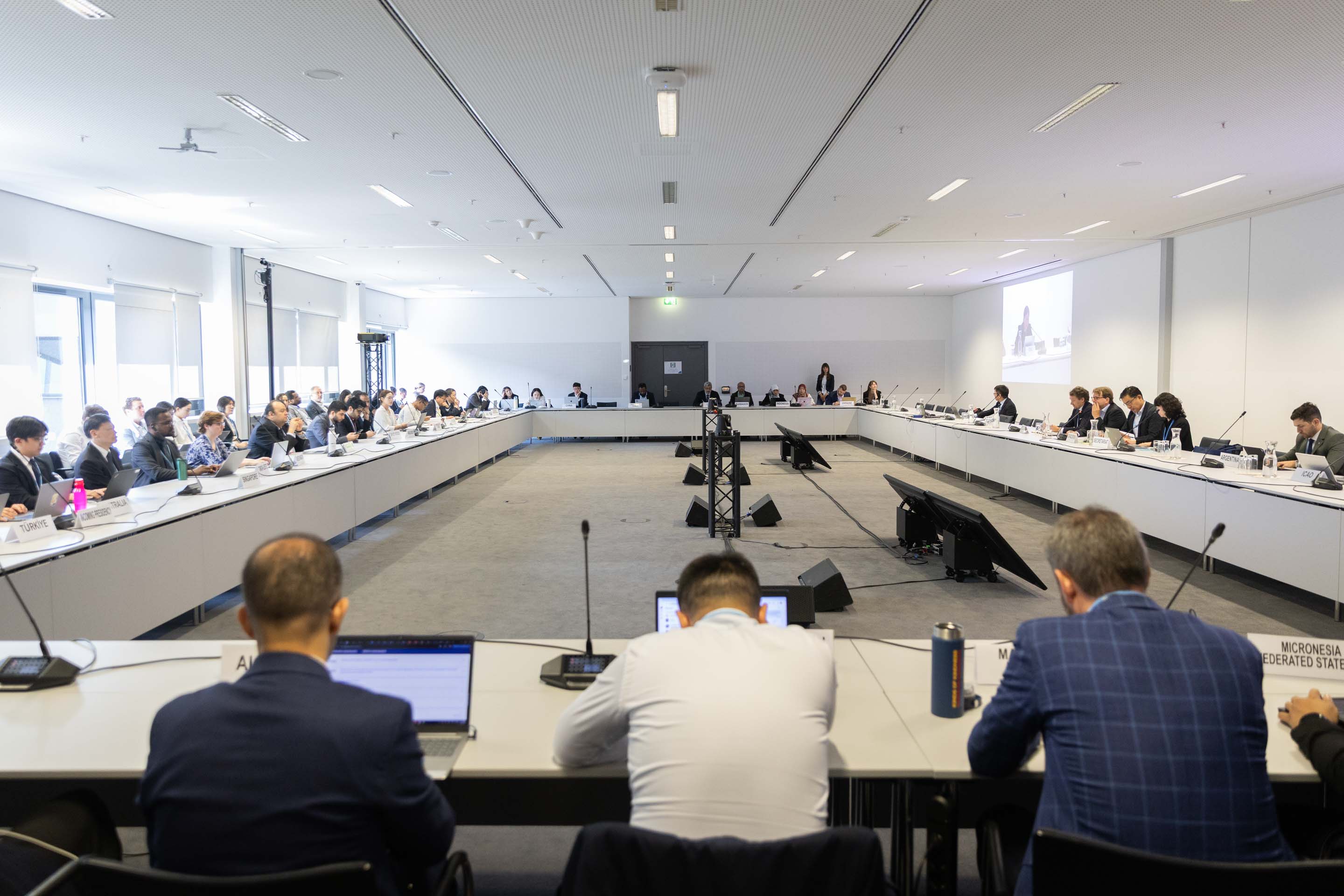
Informal consultations on emissions from aviation and maritime transport
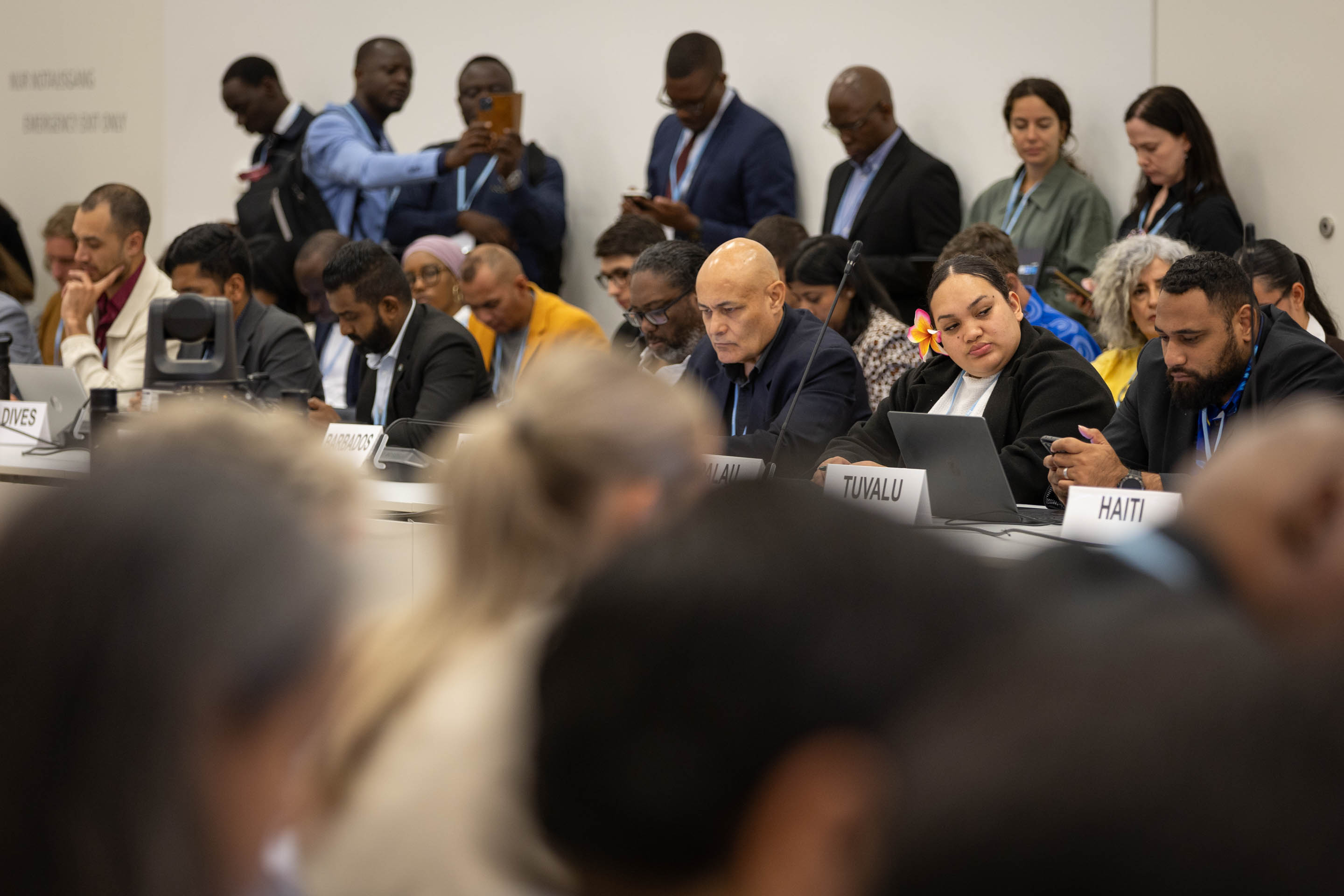
The room is filled to capacity during the informal consultations on the Adaptation Fund
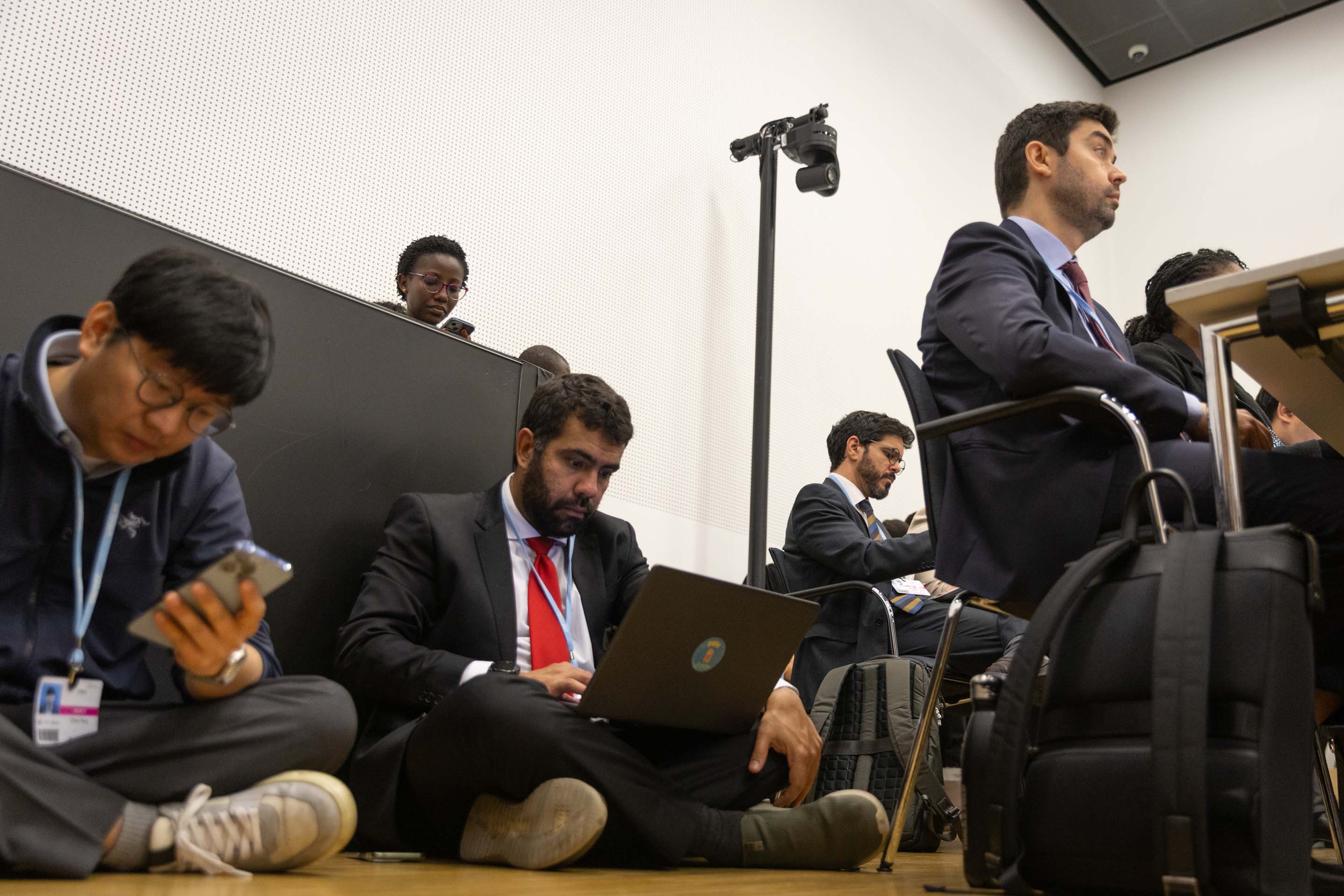
Delegates resort to sitting on the floor as all seats are occupied
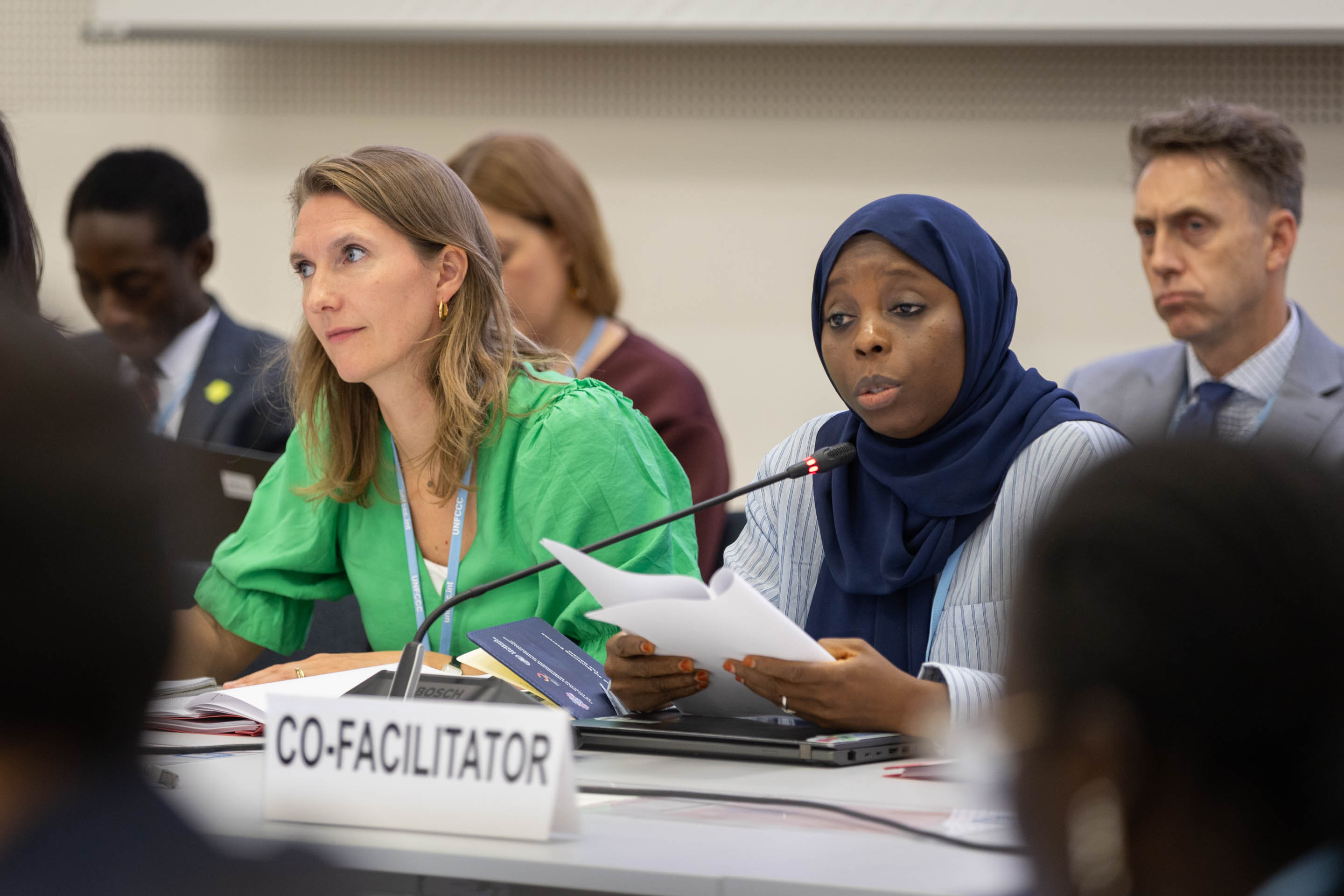
Koosje Beumer-van der Loo, the Netherlands, and Isatou Camara, The Gambia, Co-Facilitators of the Adaptation Fund informal consultations
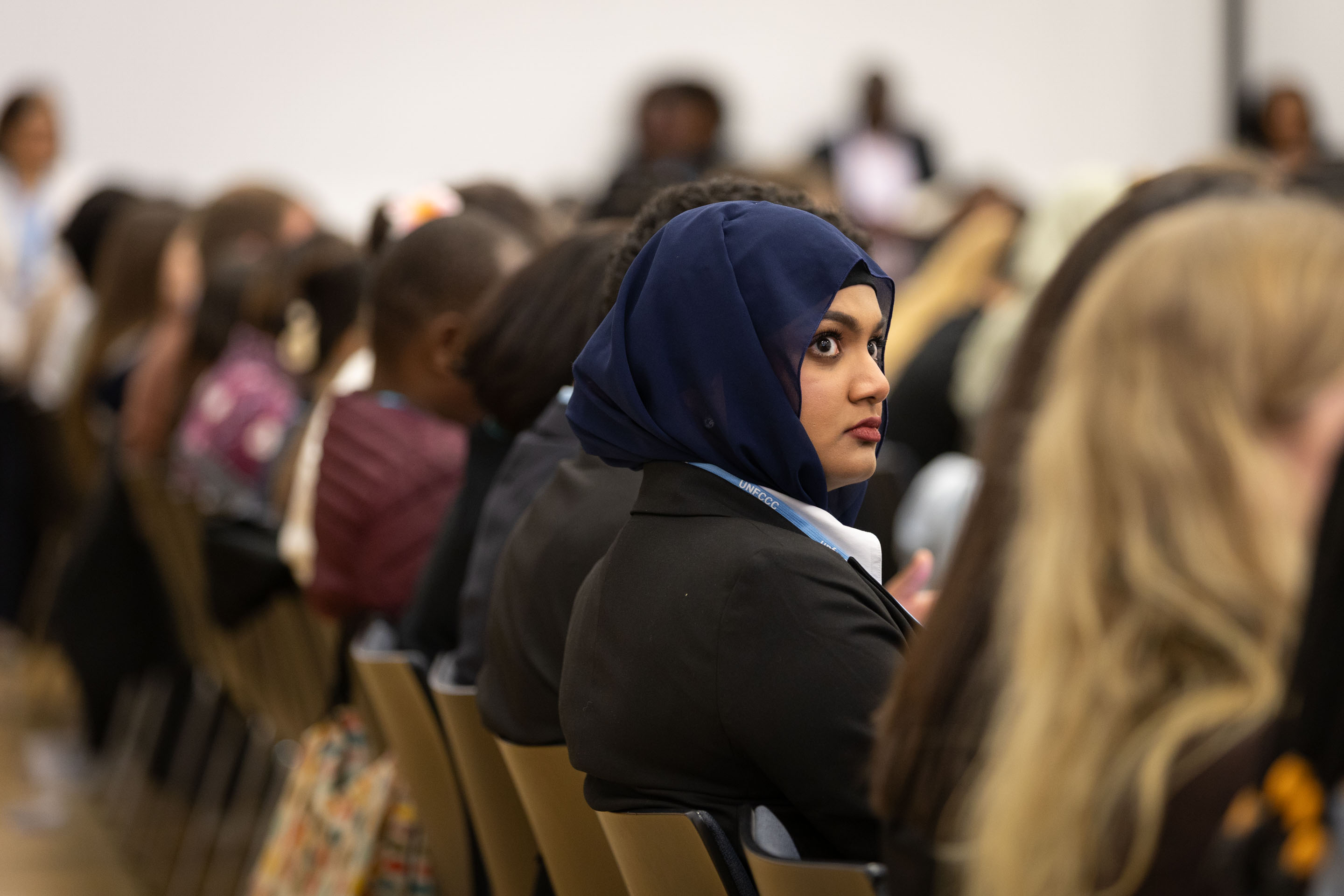
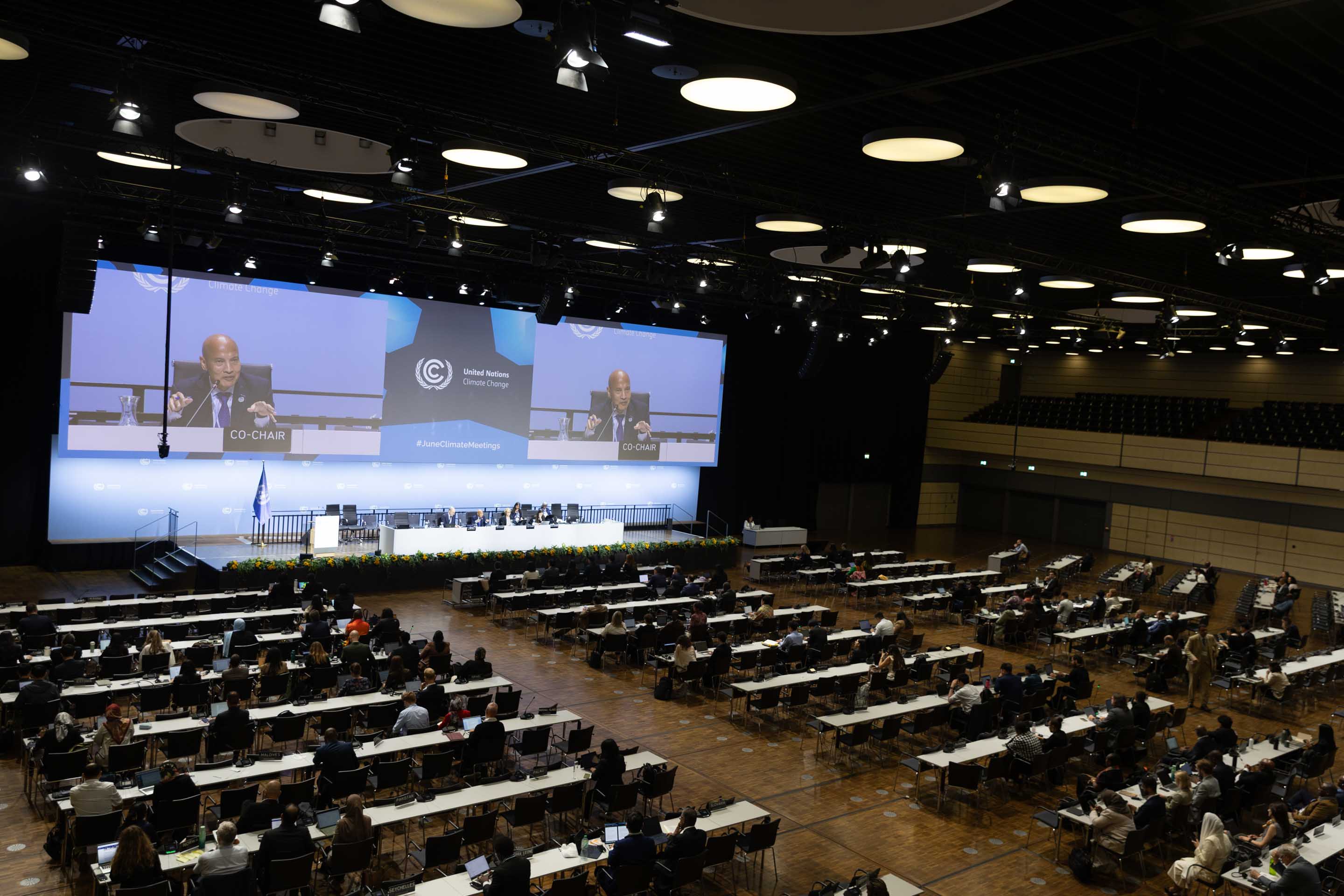
Contact Group on the just transition work programme
Dialogue on Finance Flow Alignment
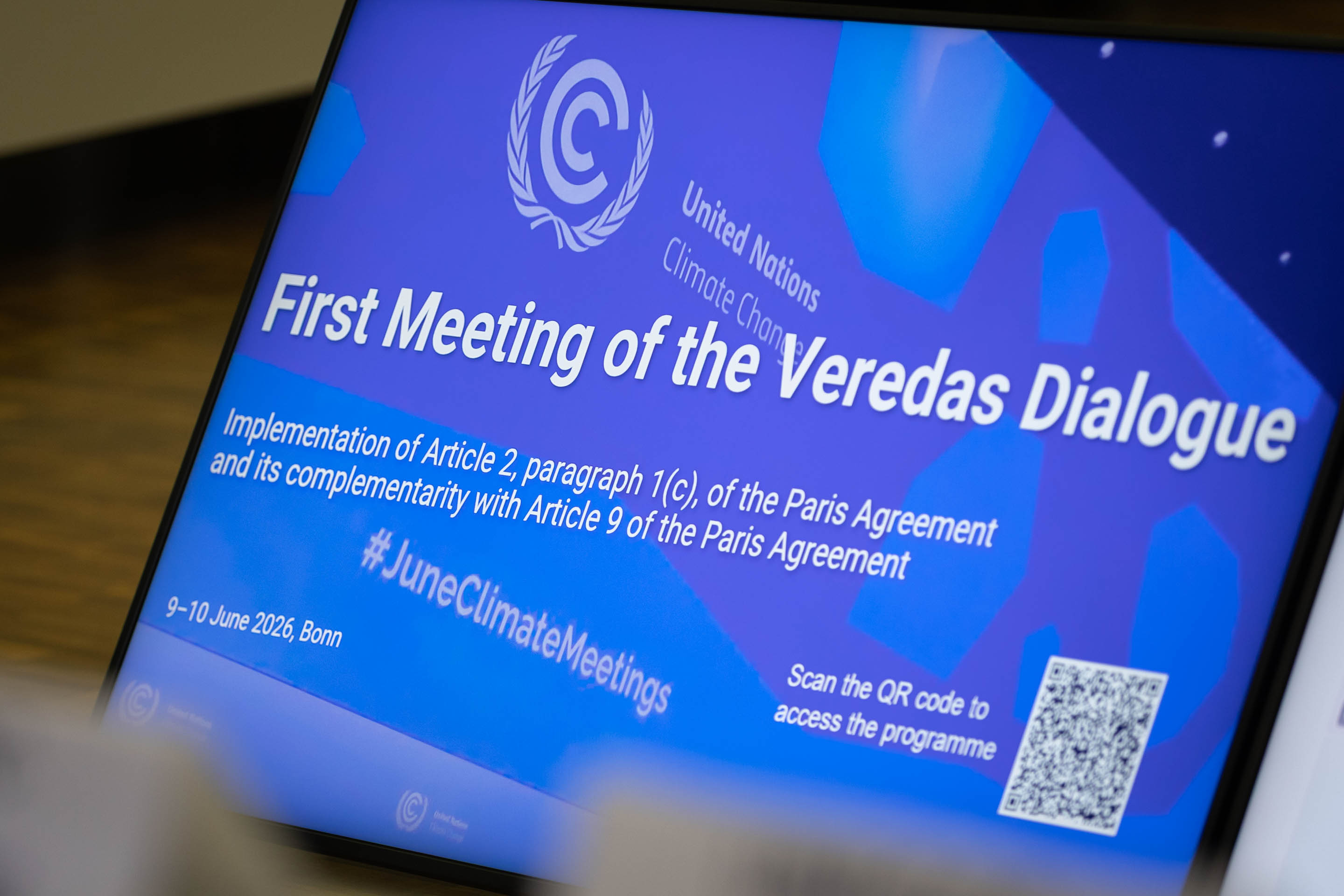
Delegates attend the first meeting of the Veredas Dialogue to discuss finance flow alignment
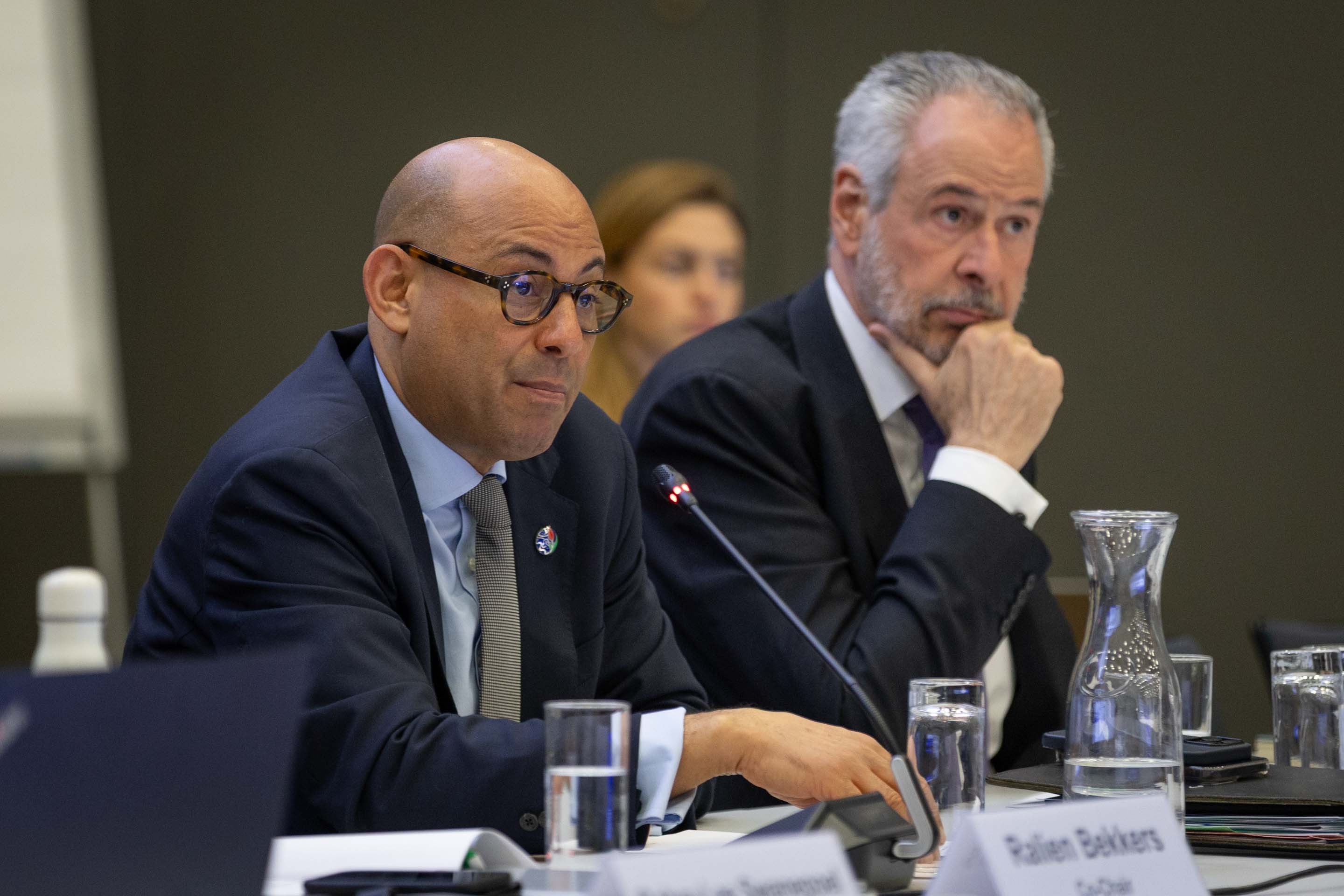
UNFCCC Executive Secretary Simon Stiell
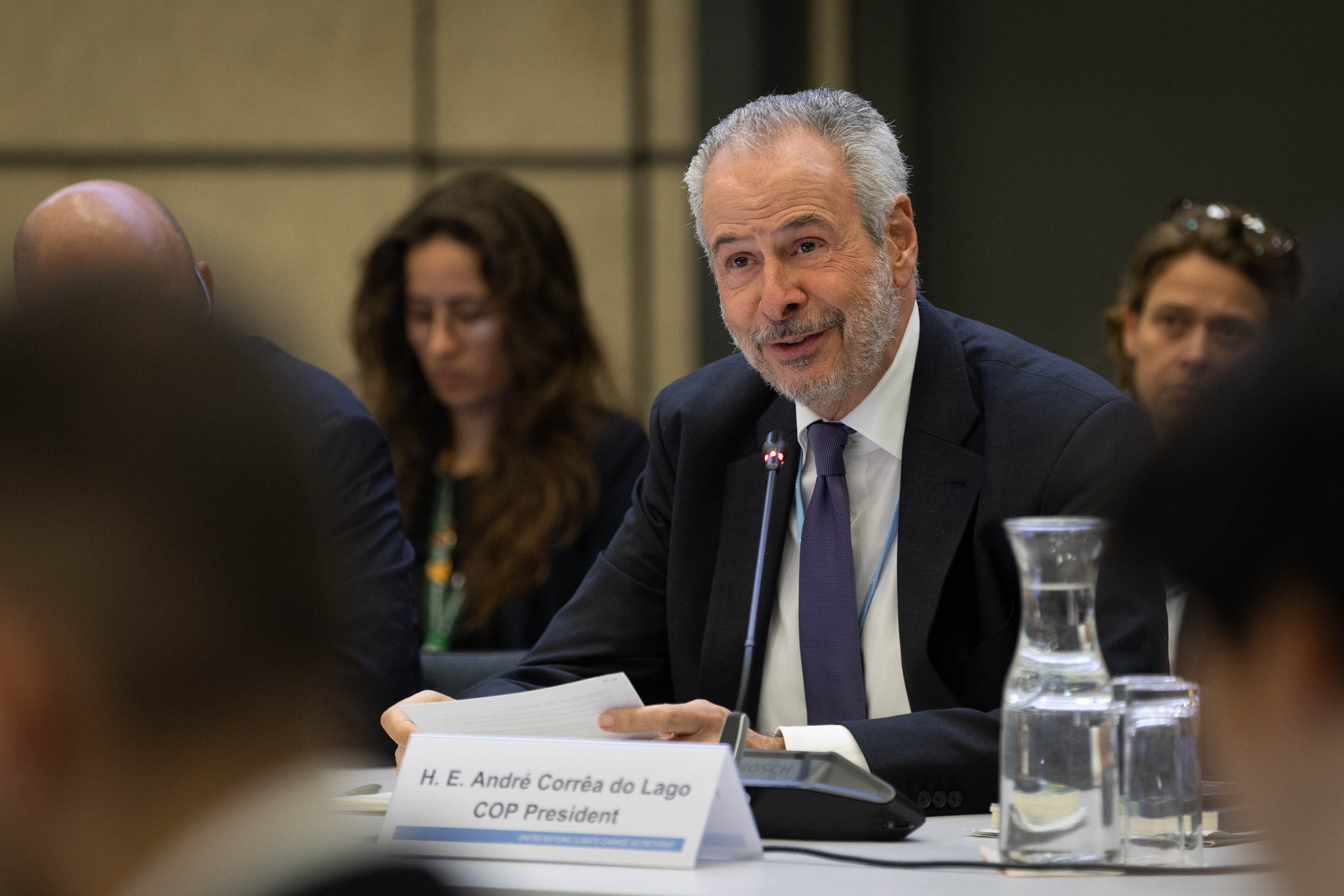
André Corrêa do Lago, COP 30 President
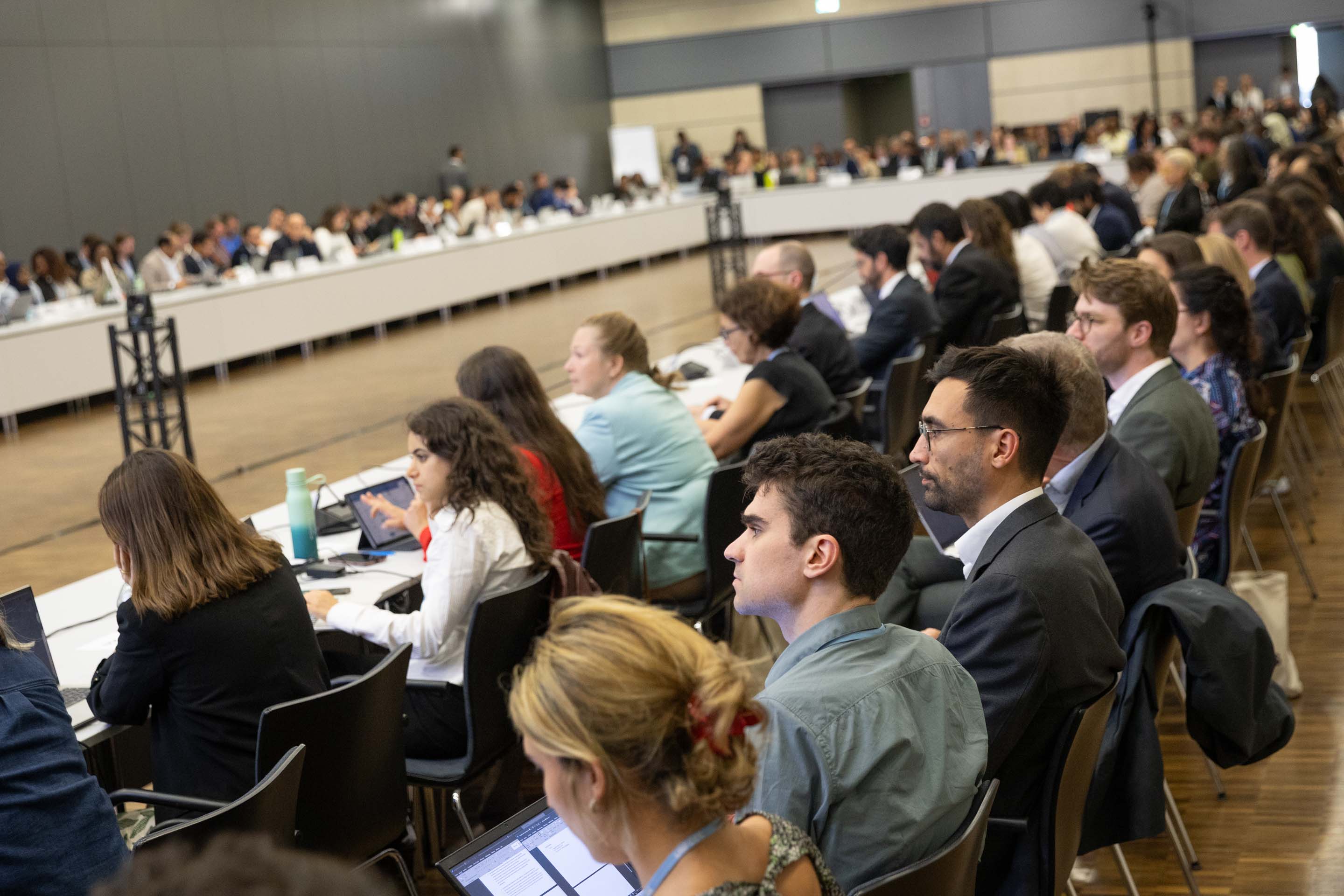
The room is filled to capacity
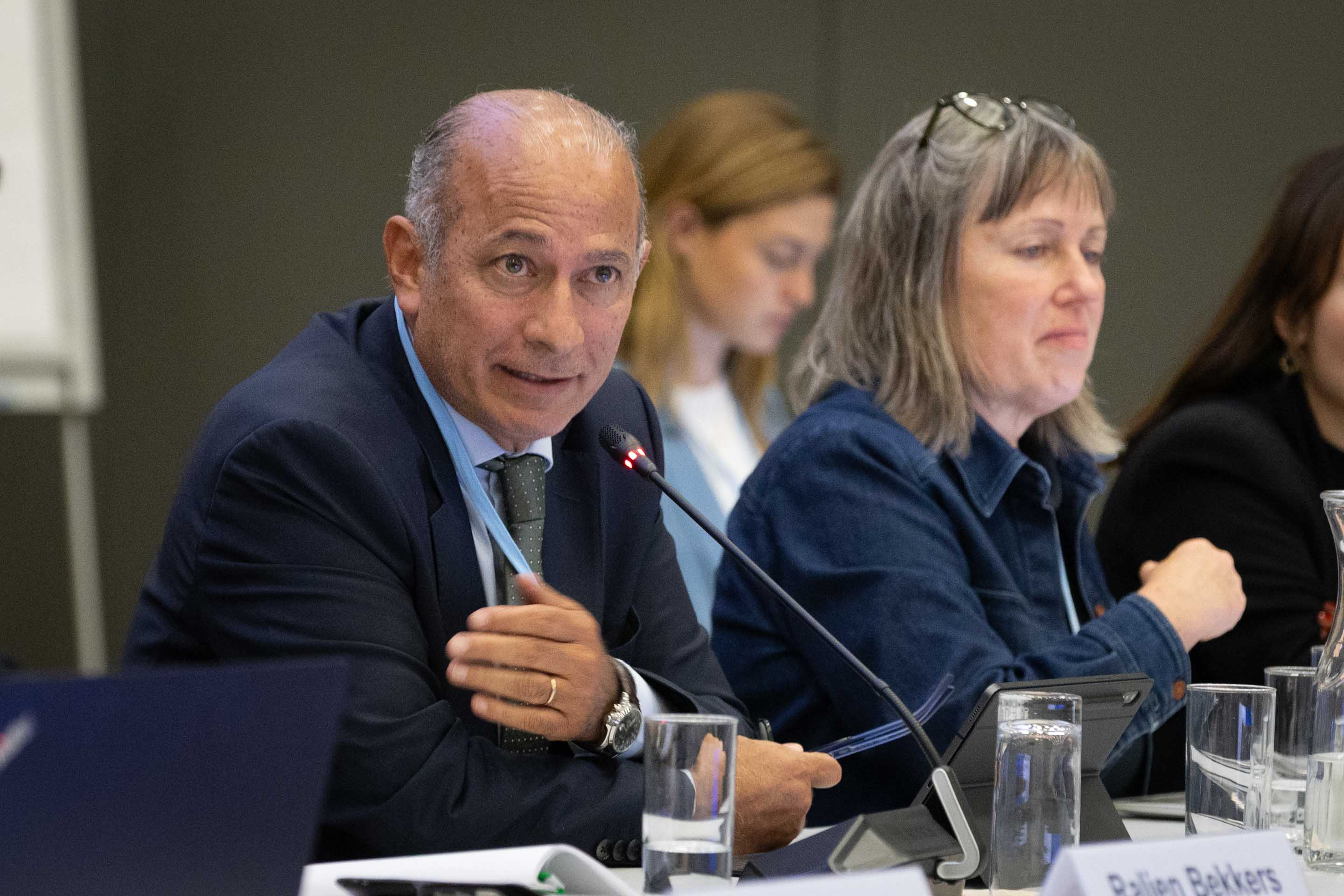
Wael Aboulmagd, Ministry of Foreign Affairs, Egypt
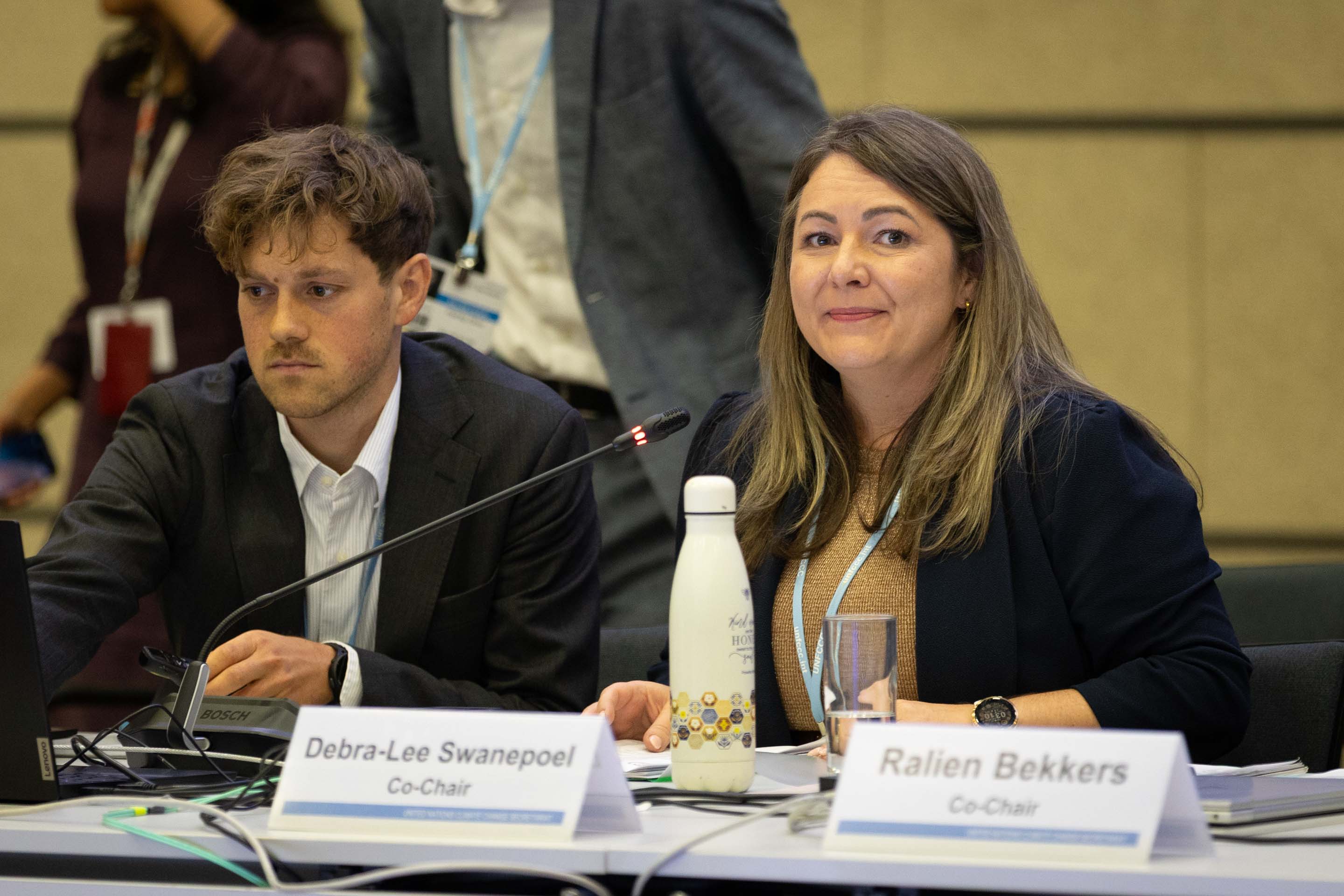
Debra-Lee Swanepoel, 2026 Dialogue Co-Chair
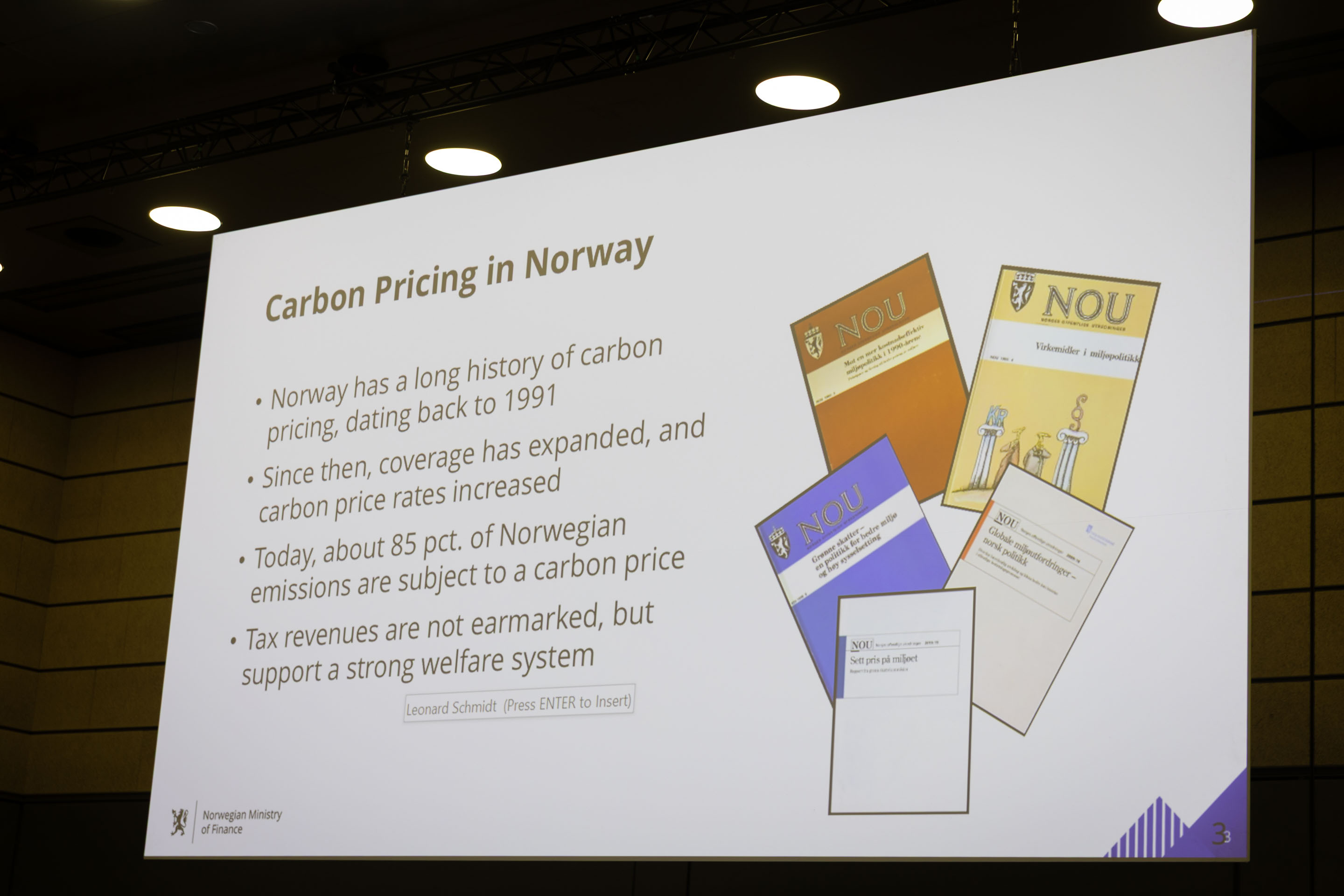
A slide provides an overview of Norway's carbon pricing
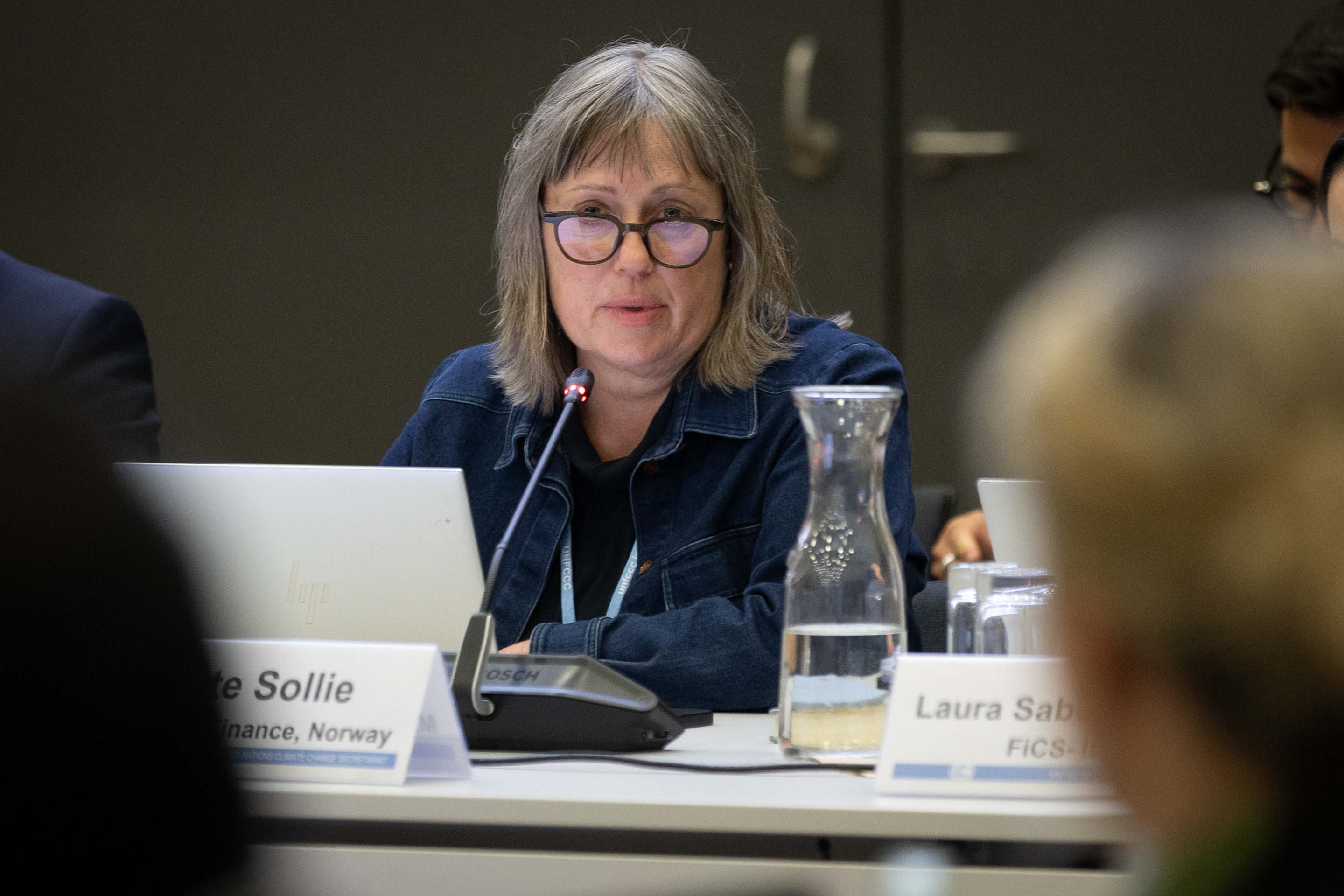
Marte Sollie, Ministry of Finance, Norway
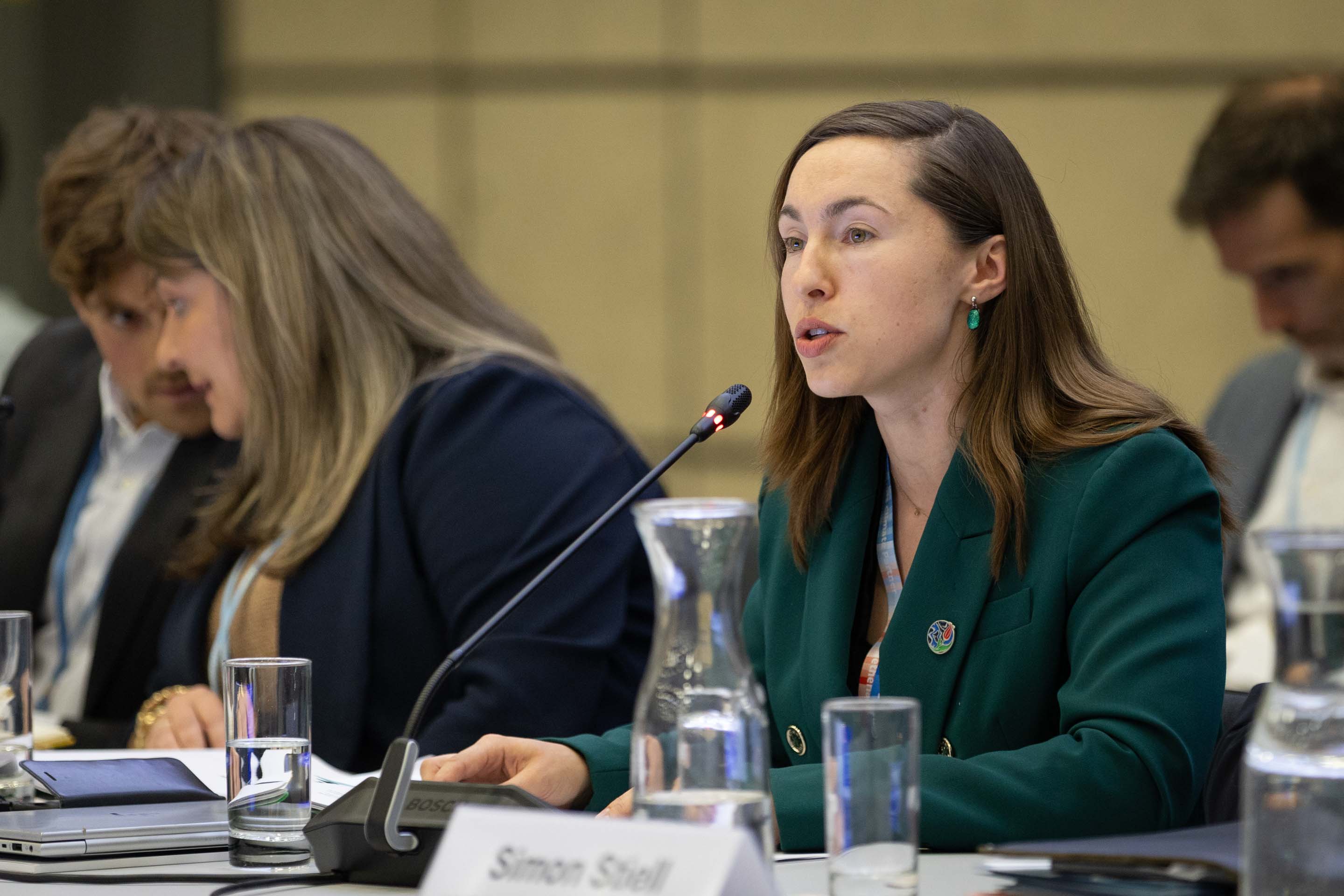
Ralien Bekkers, 2026 Dialogue Co-Chair
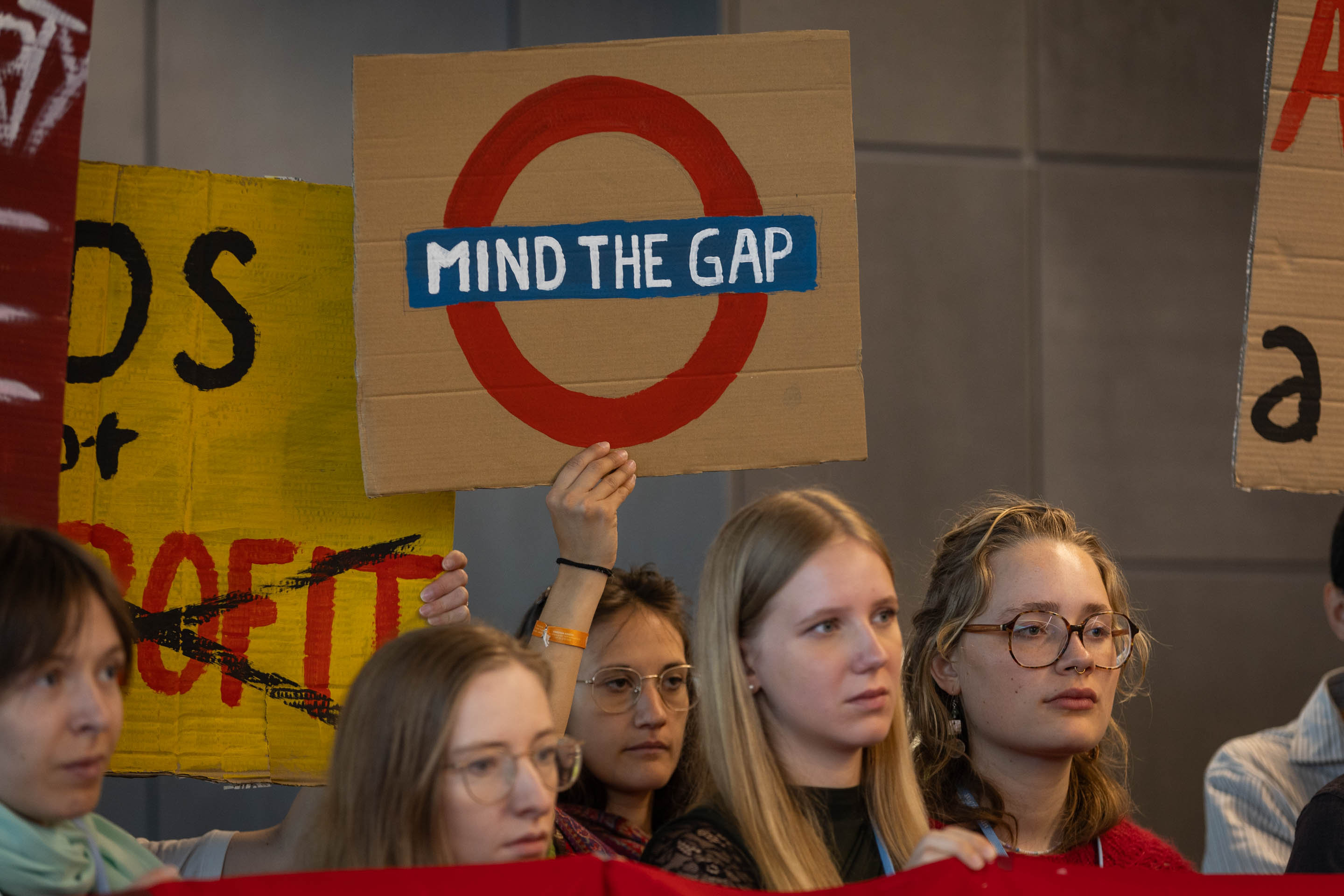
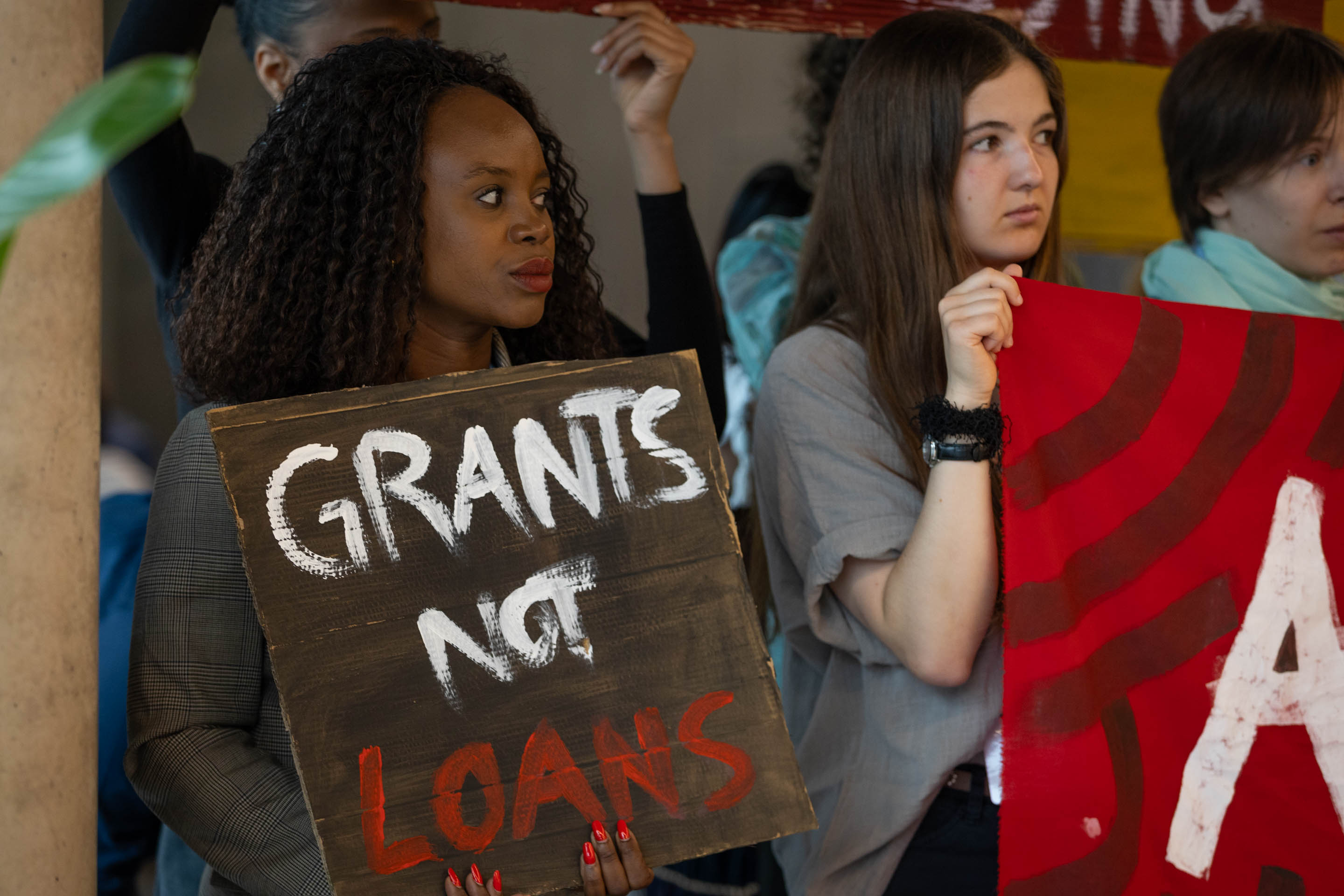
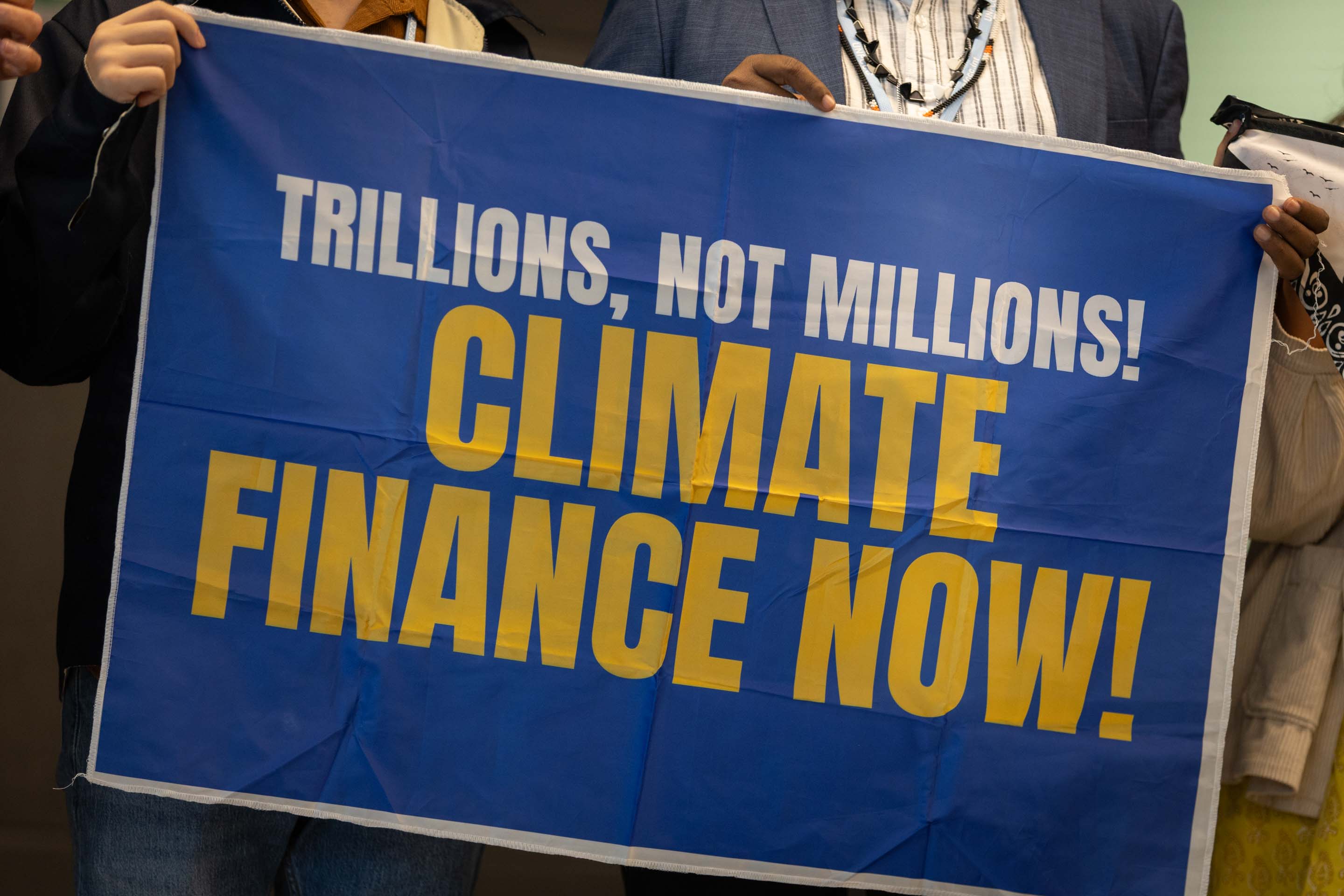
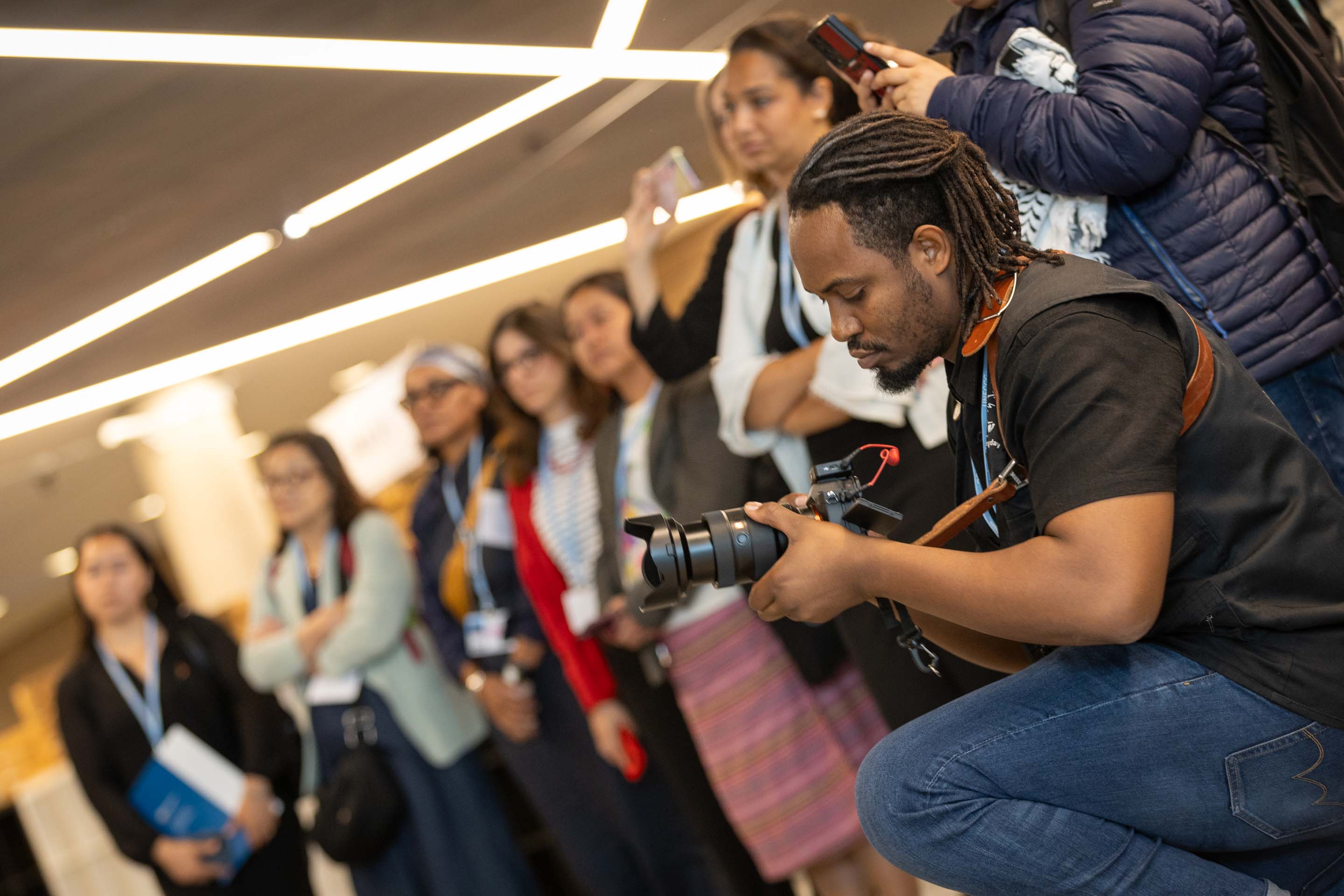
Civil Society Actions
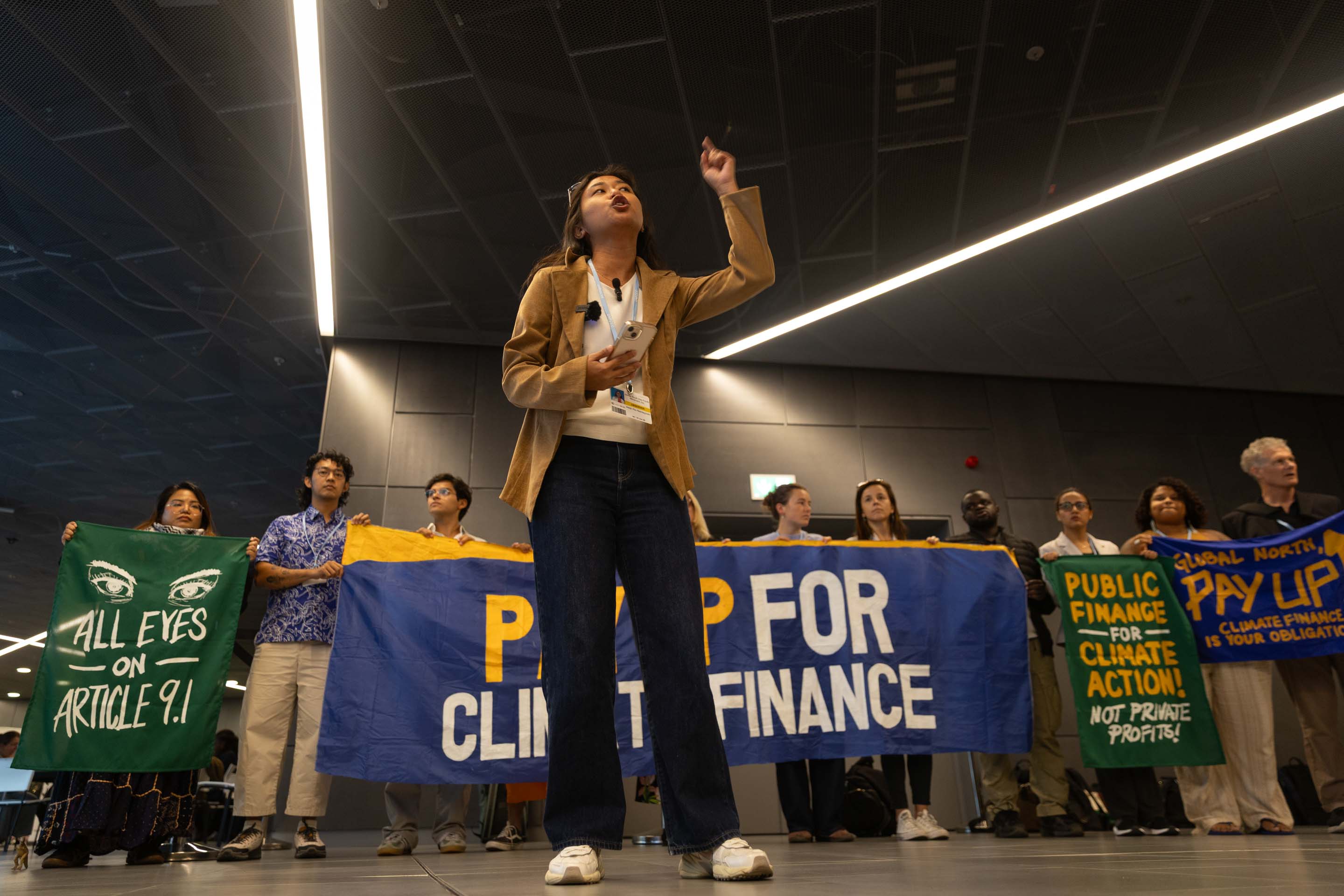
Members of civil society demonstrate in the corridors, calling for countries to 'pay up for climate finance'
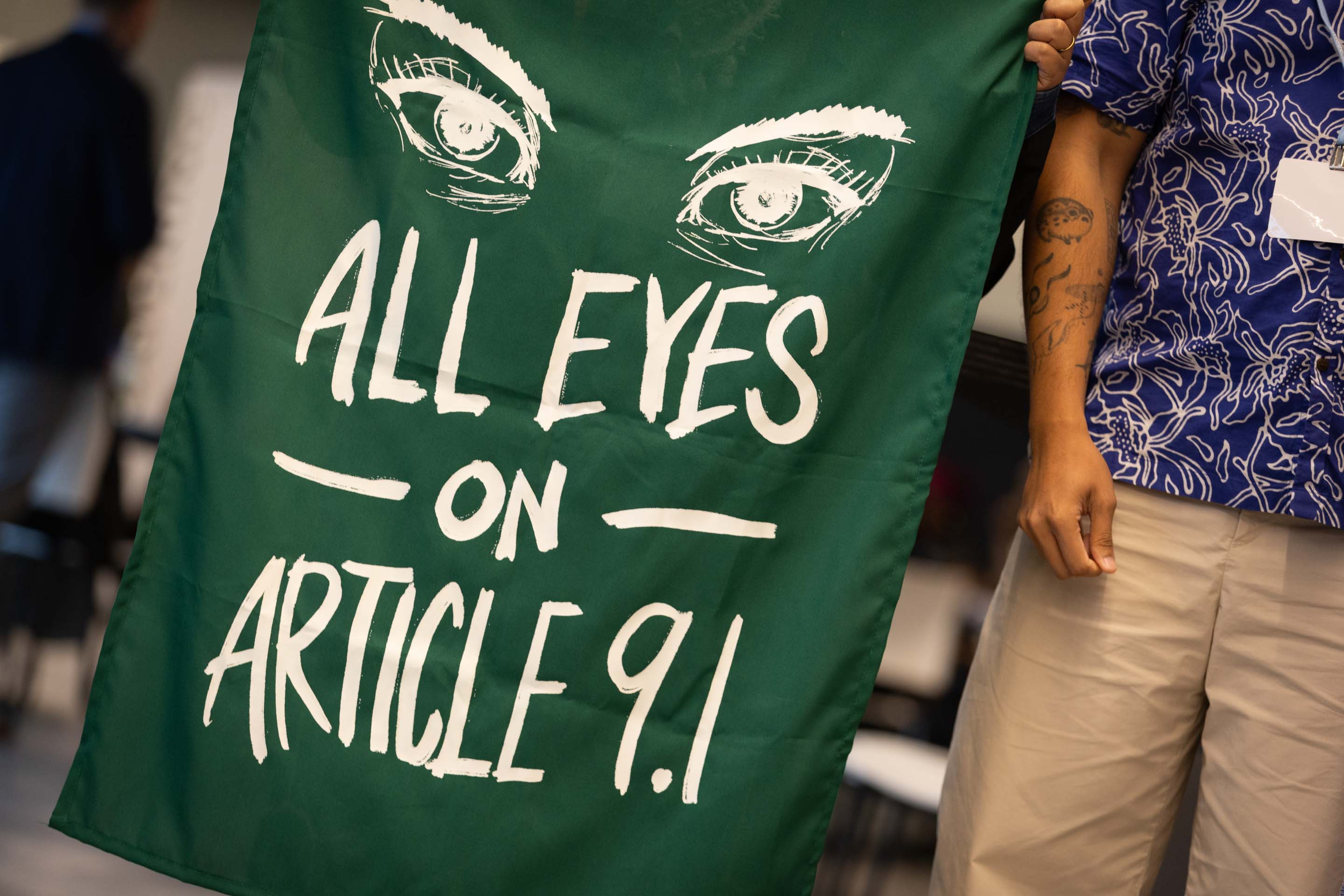
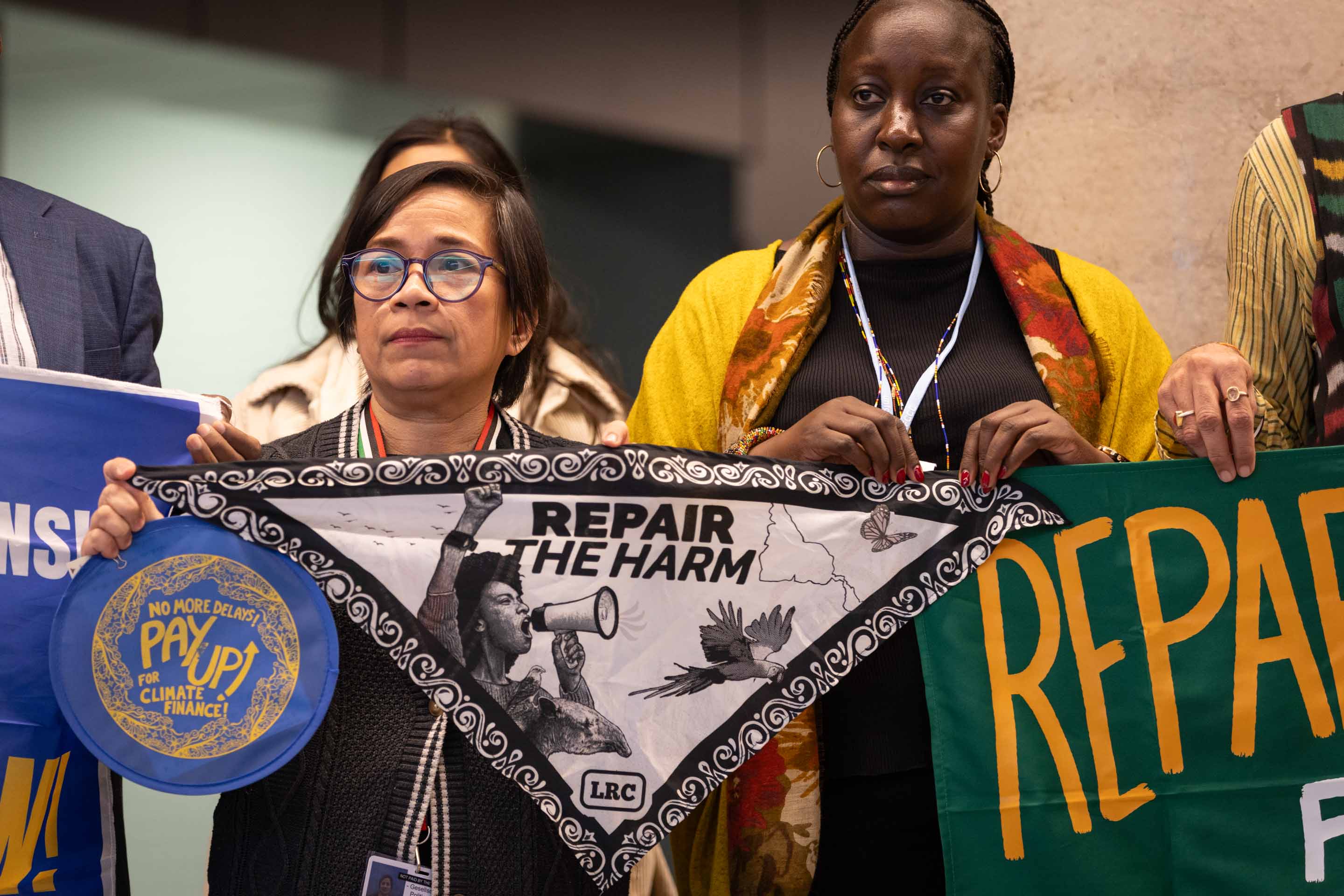
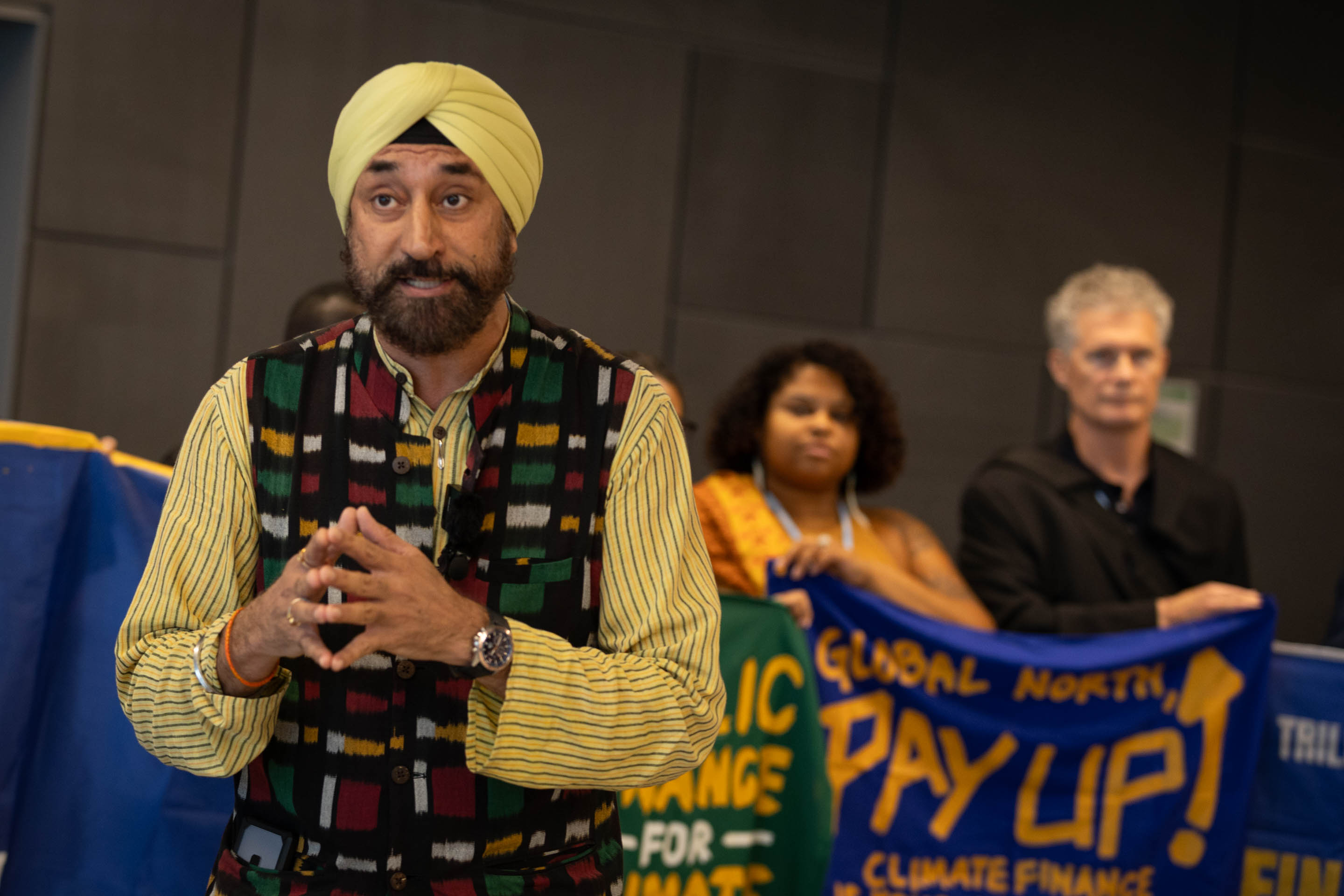
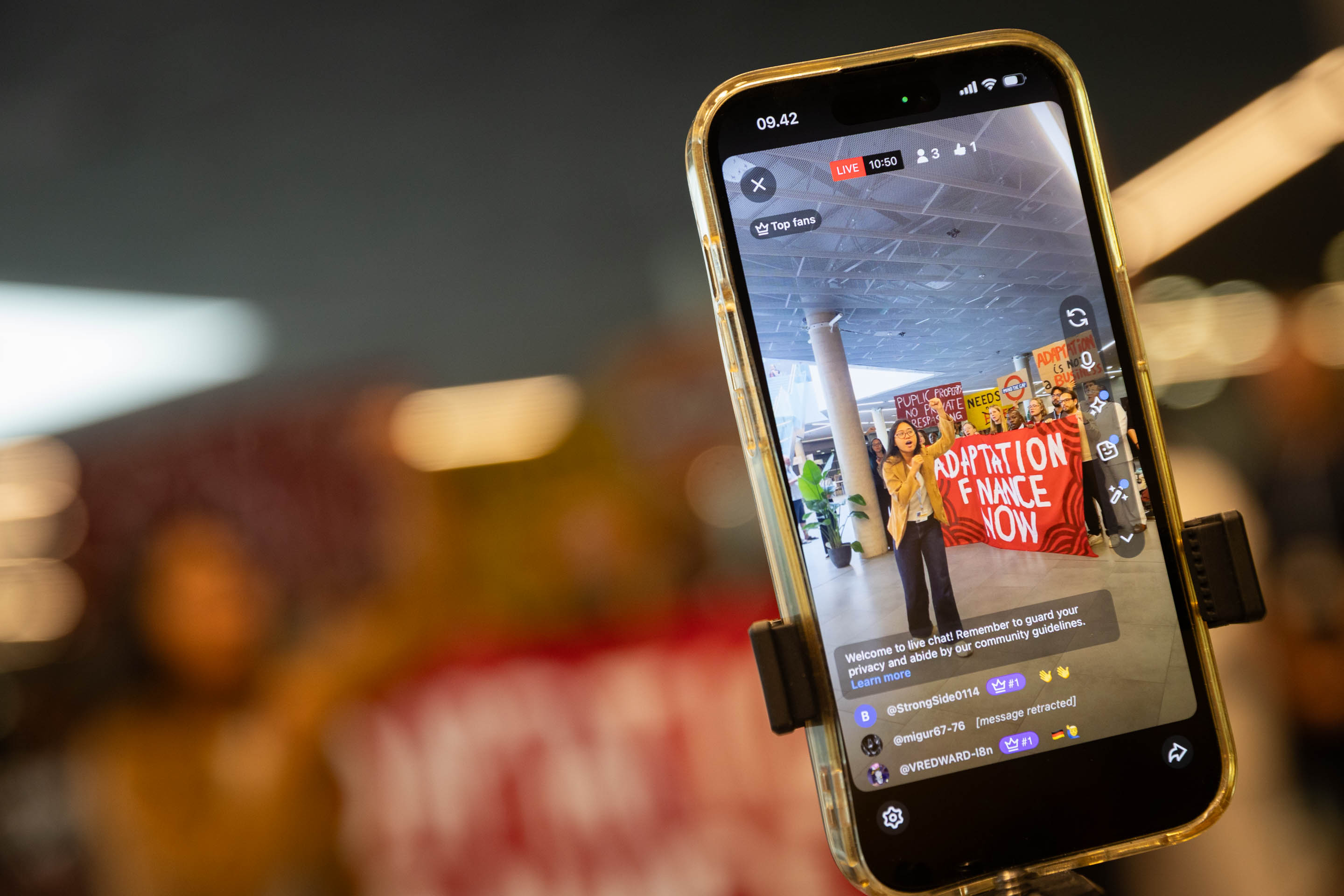
Members of civil society call for adaptation financing
Around the Venue
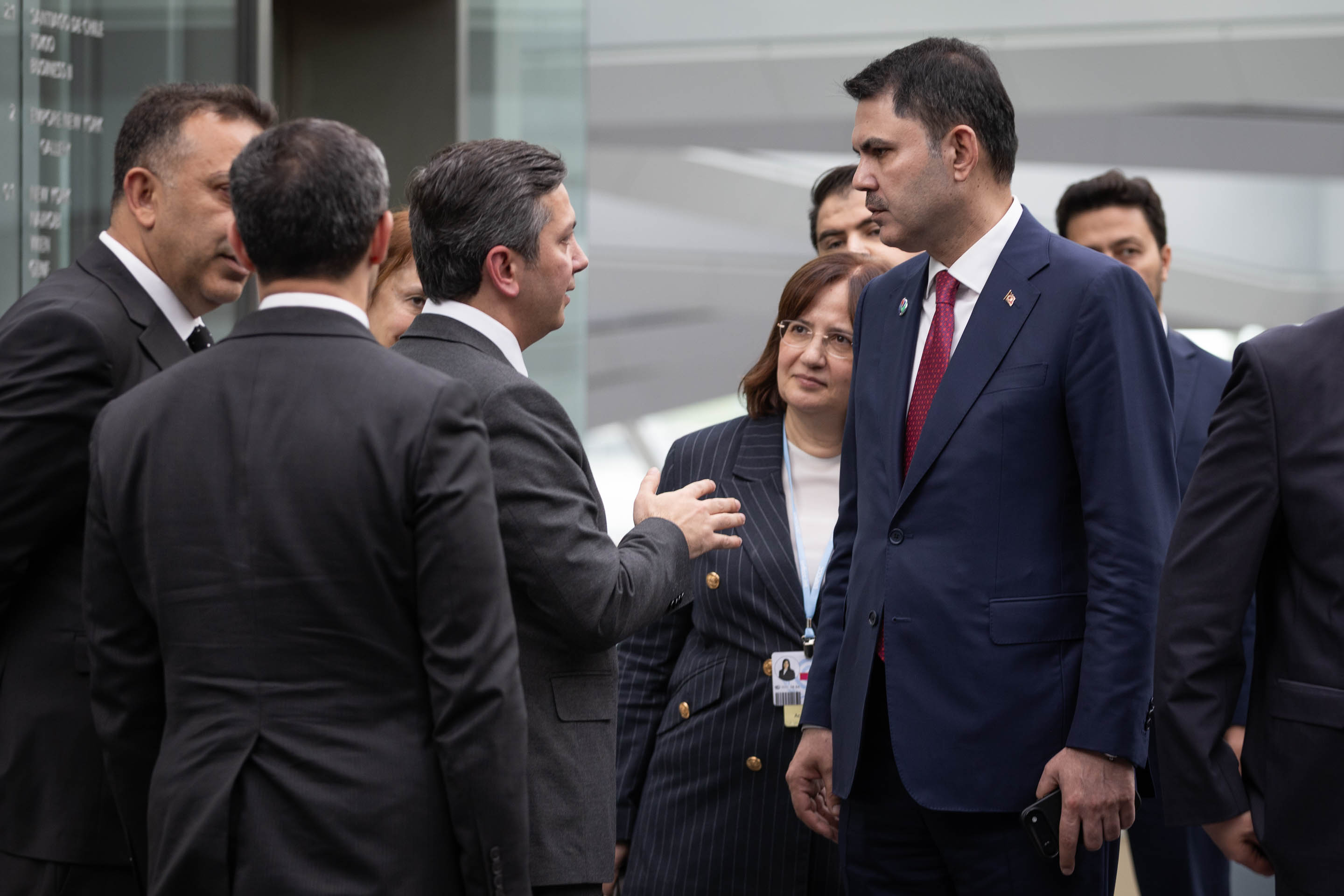
Yalchin Rafiyev, COP 29 Presidency, speaks with COP 31 President-Designate Murat Kurum, Türkiye
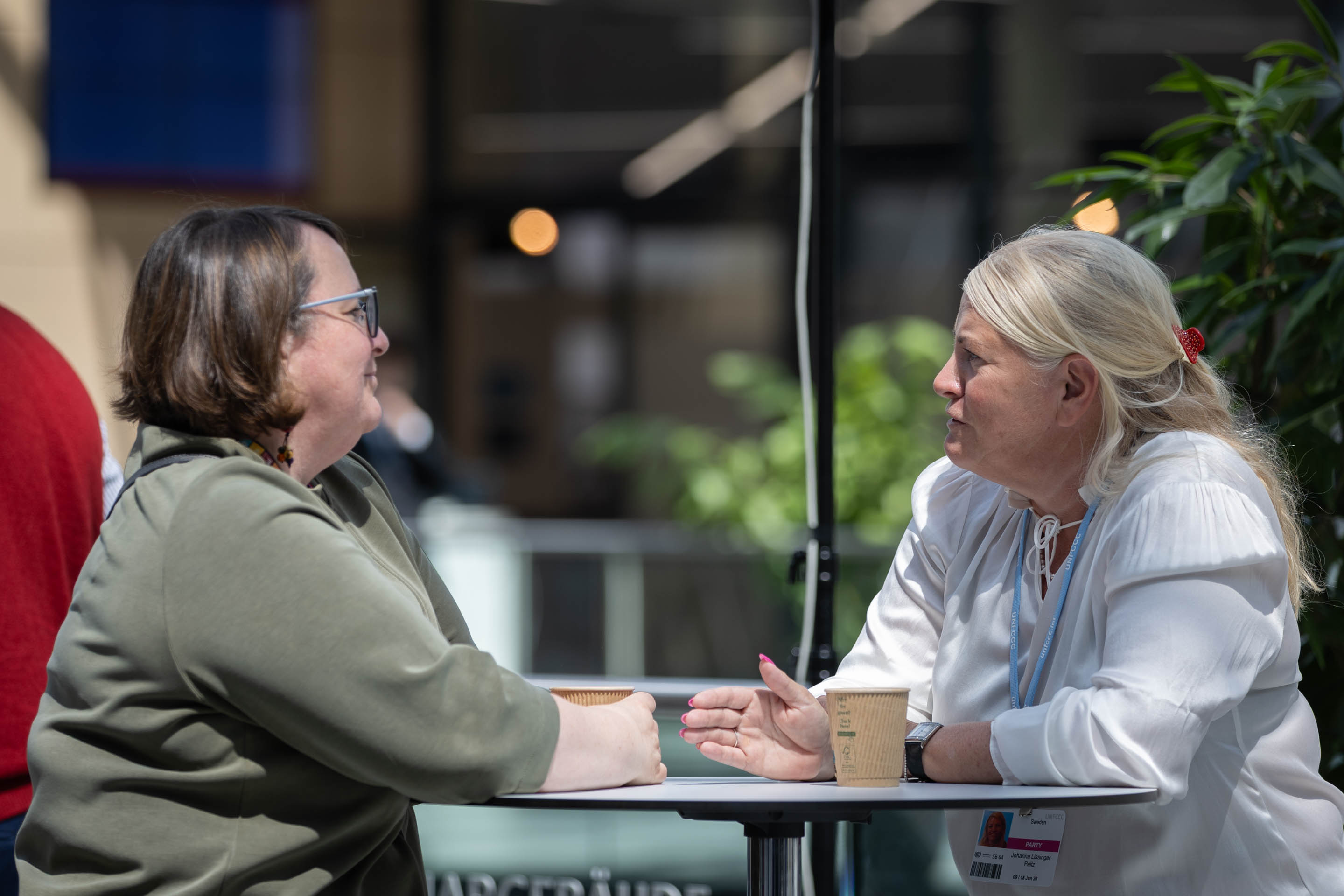
Elfriede More, Austria, speaks with Johanna Lissinger Peitz, Sweden
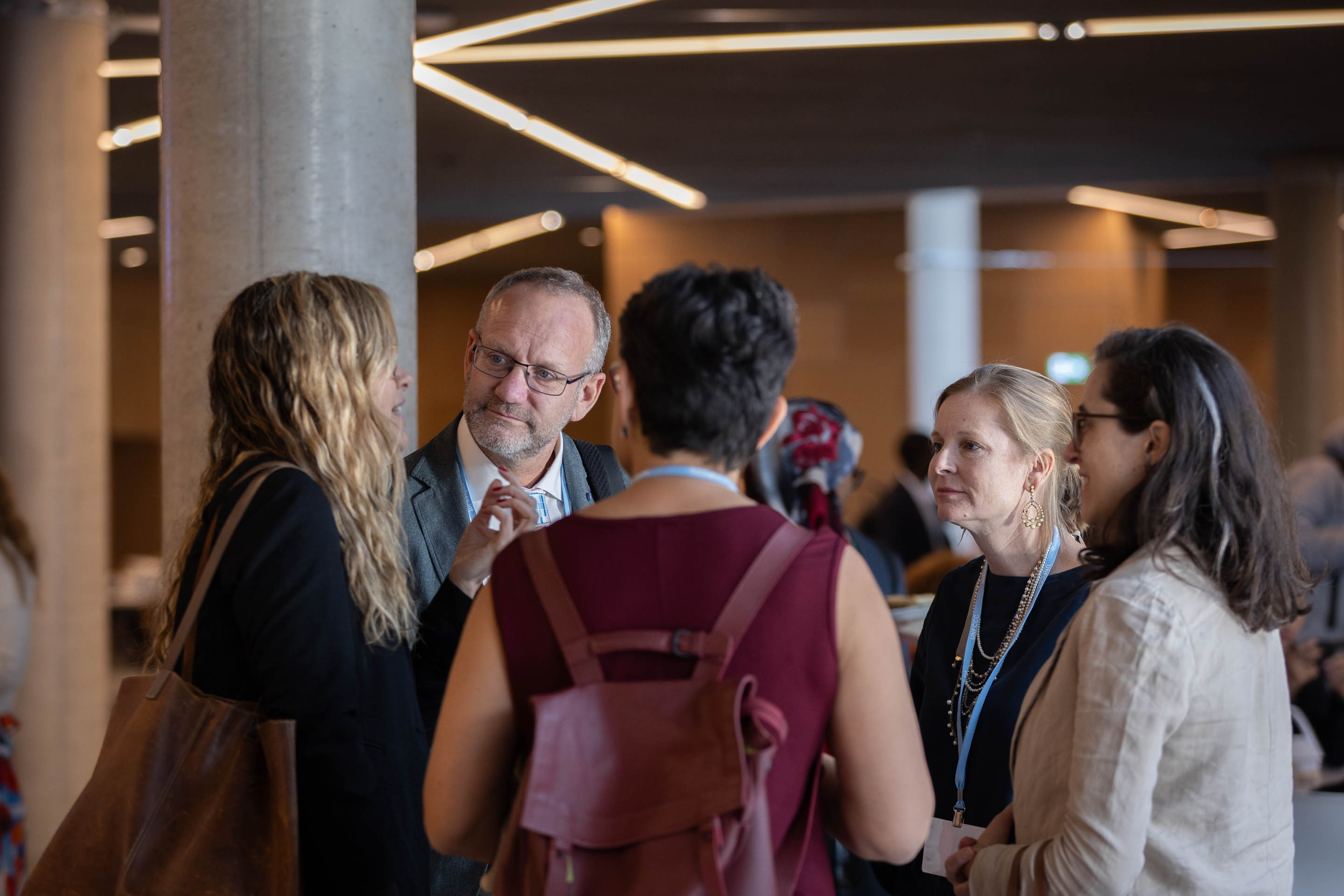
Gonzalo Muñoz, former High Level Climate Action Champion, speaks with friends
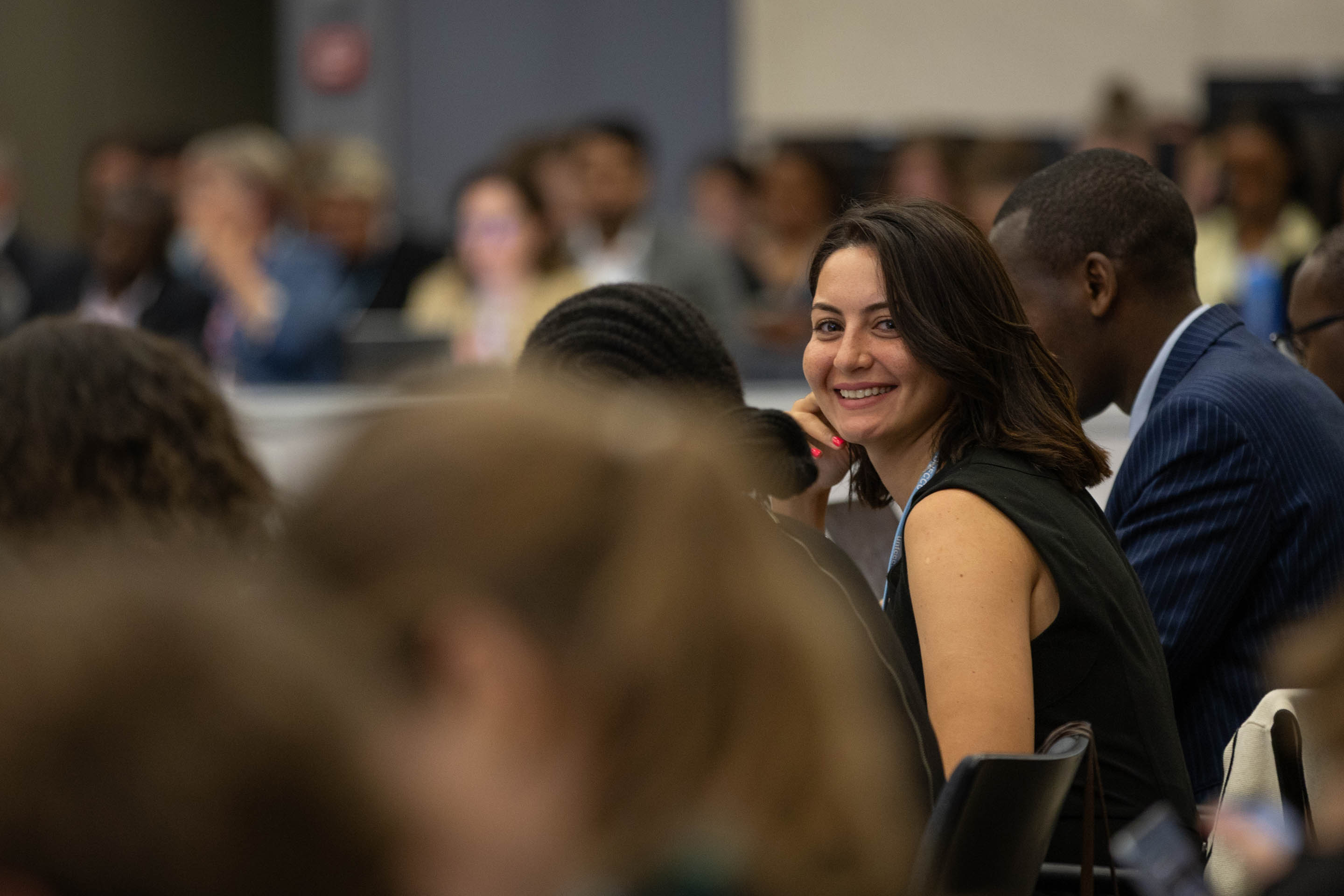
Mariam Allam, Egypt
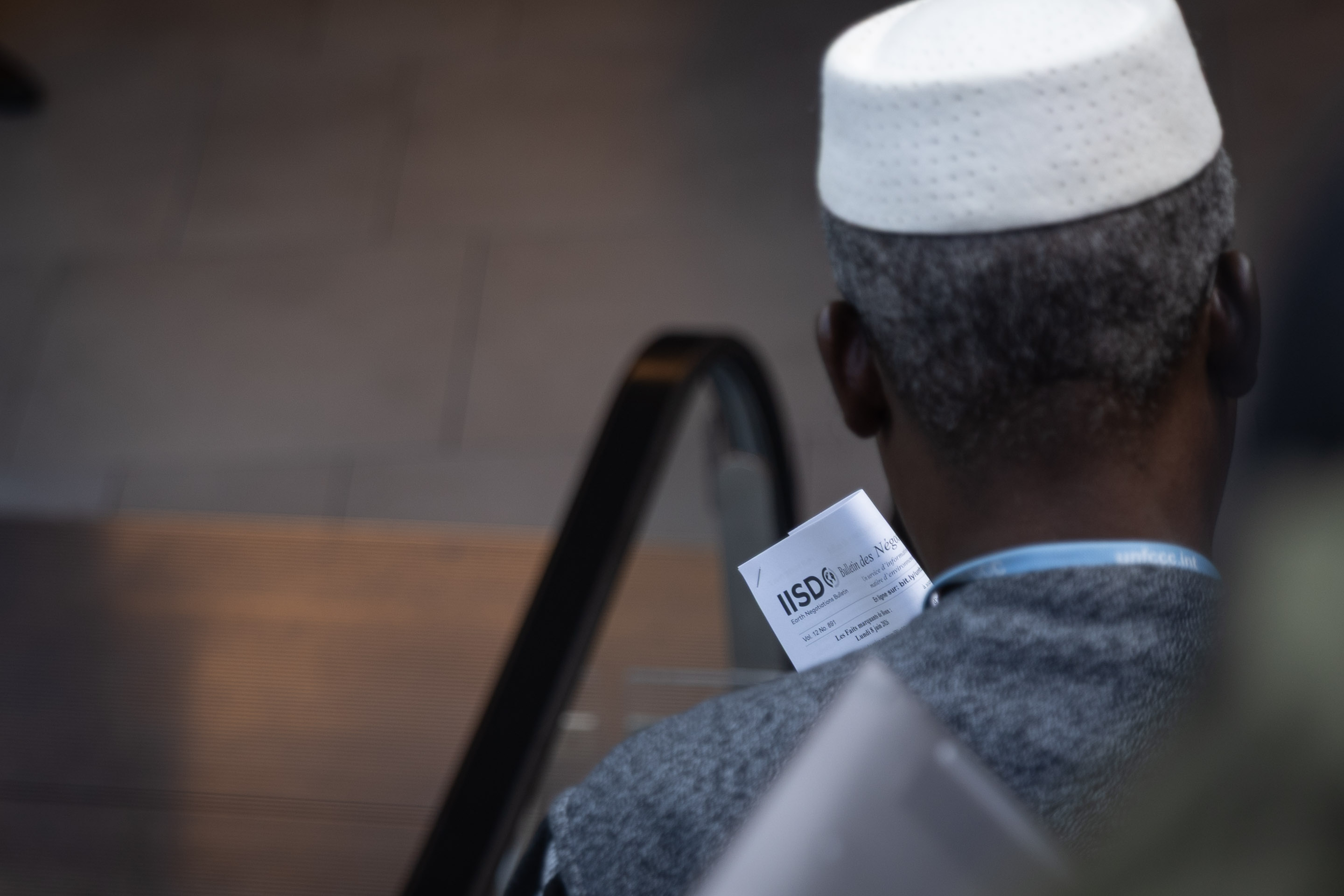
A delegate carries the Earth Negotiations Bulletin (ENB) to stay up to date with negotiations