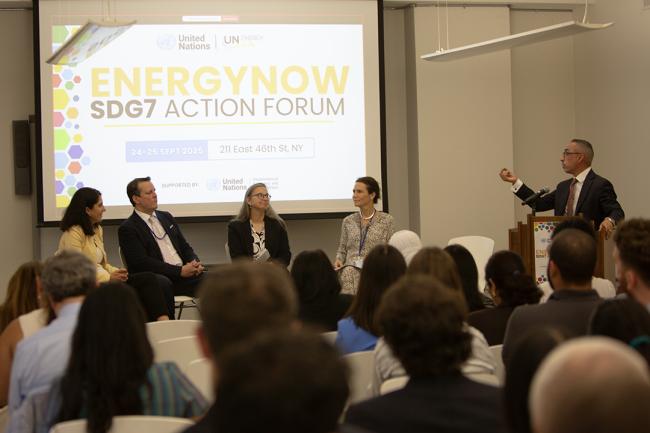
With five years until 2030, only 35% of SDG targets are on track or making moderate progress, while nearly half are progressing too slowly and close to a fifth are even regressing. Many working on the various SDGs emphasize the need to focus on their interconnectedness, rather than approaching them in siloes, and SDG 7 (affordable and clean energy) in particular cannot be addressed in isolation.
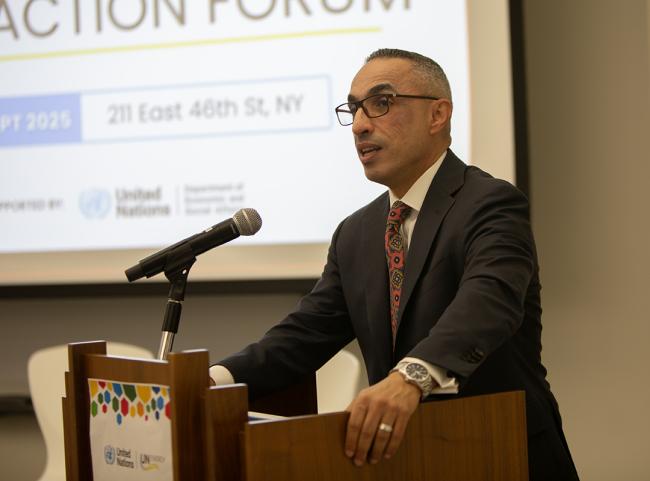
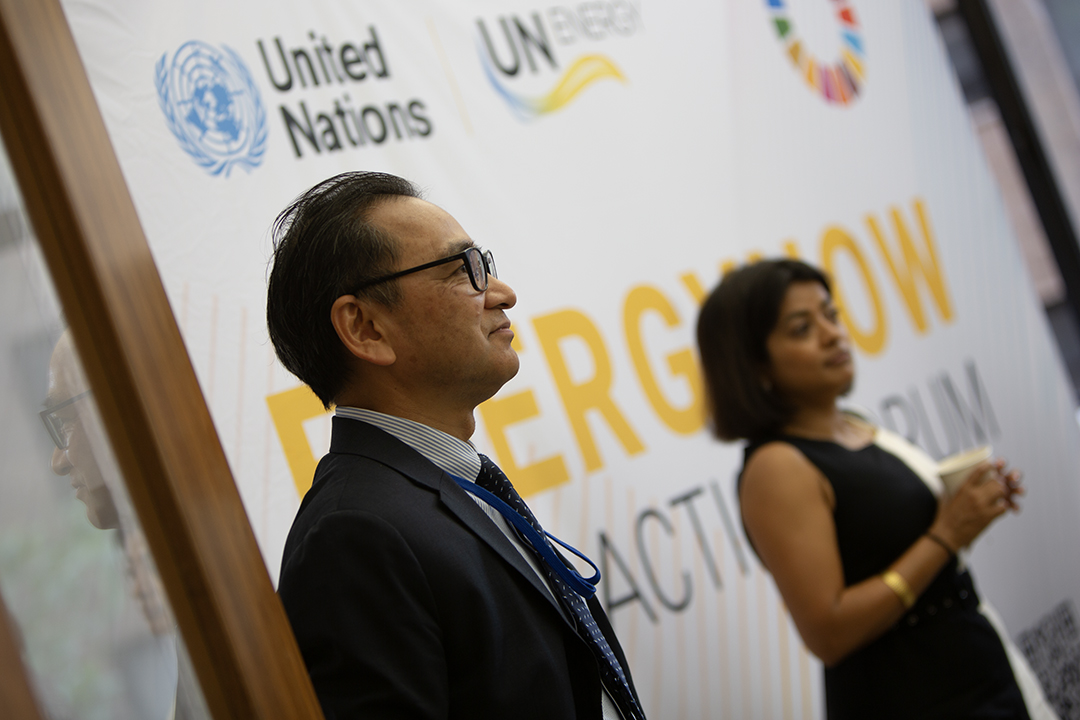
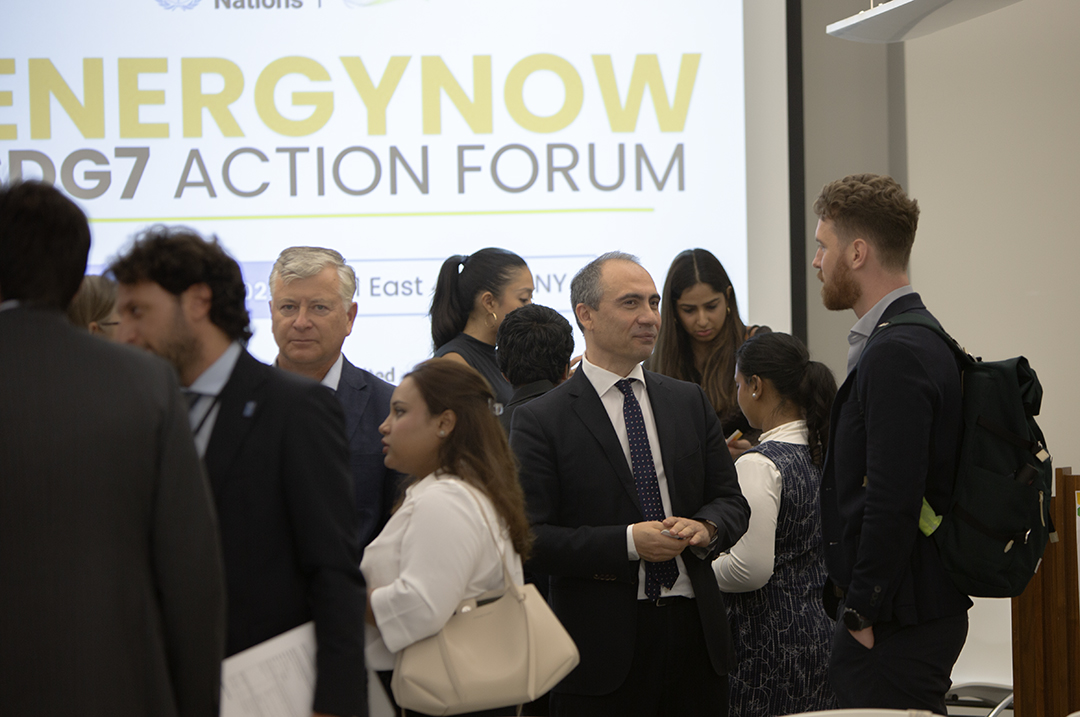
Meeting on the sidelines of the 80th session of the UN General Assembly, the ENERGYNOW SDG7 Action Forum addressed the nexus of health, food security, climate change, and energy, among others. In opening the Forum on Wednesday morning, Minoru Takada, UN-Energy, UN DESA, noted upcoming milestones toward the final pre-2030 review of progress on SDG 7 at the High-Level Political Forum on Sustainable Development (HLPF) 2026 and invited ideas towards a post-2030 framework, for further elaboration at the 2027 SDG Summit.
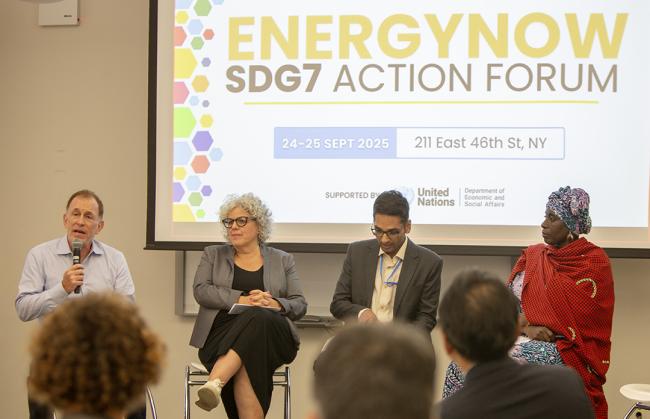
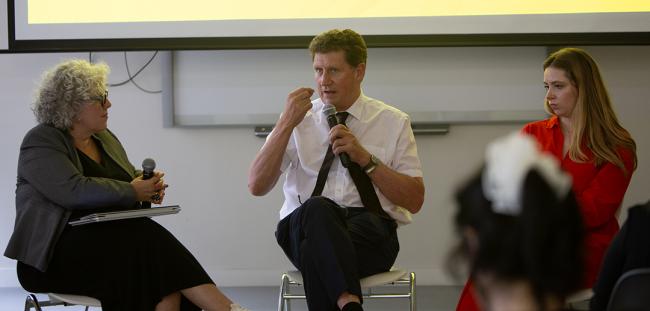
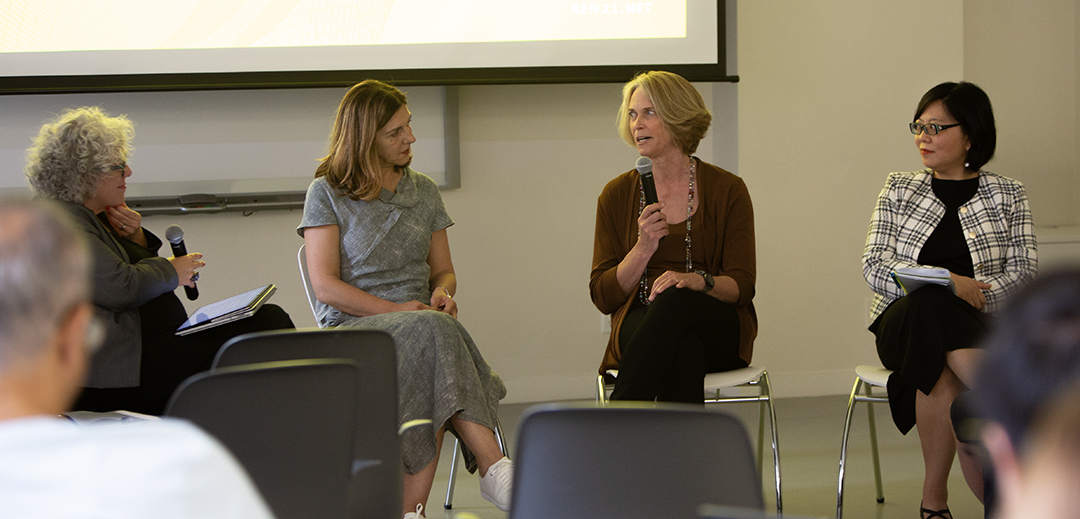
In the afternoon plenary session, panelists and participants considered future energy discussions beyond 2030, hearing that rapid political, social, and economic changes and continuing global population growth are driving changes in energy use, with one calling for building political momentum to phase out fossil fuels.
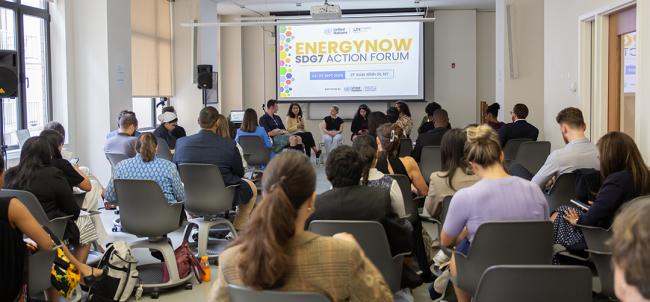
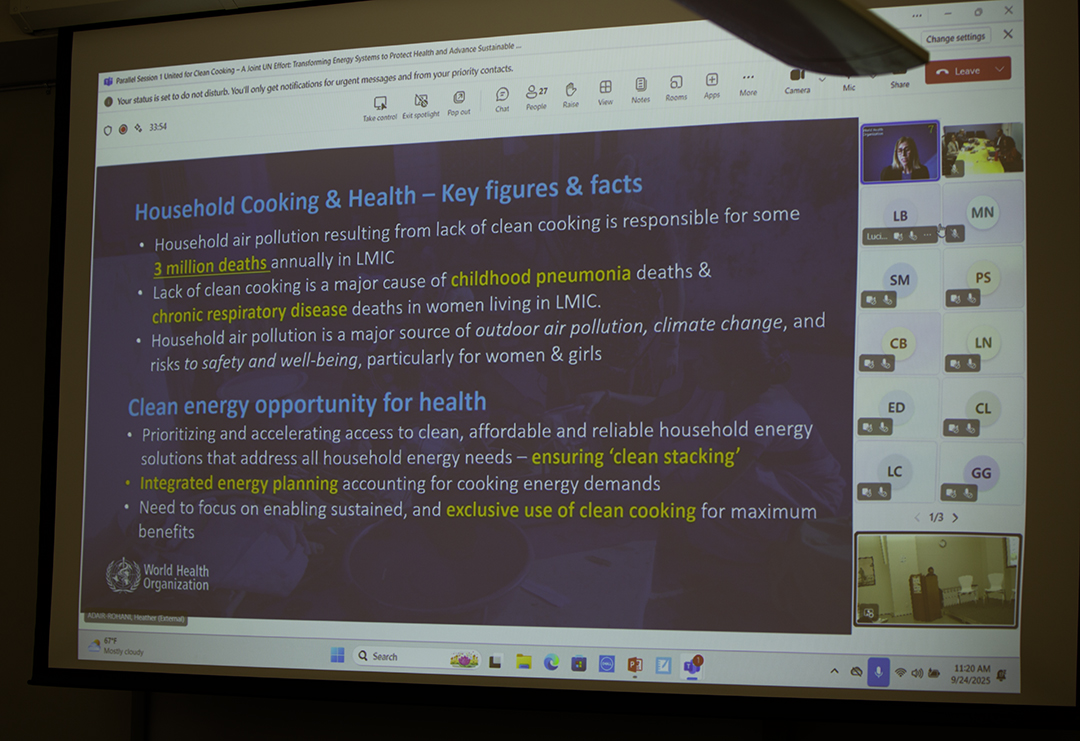
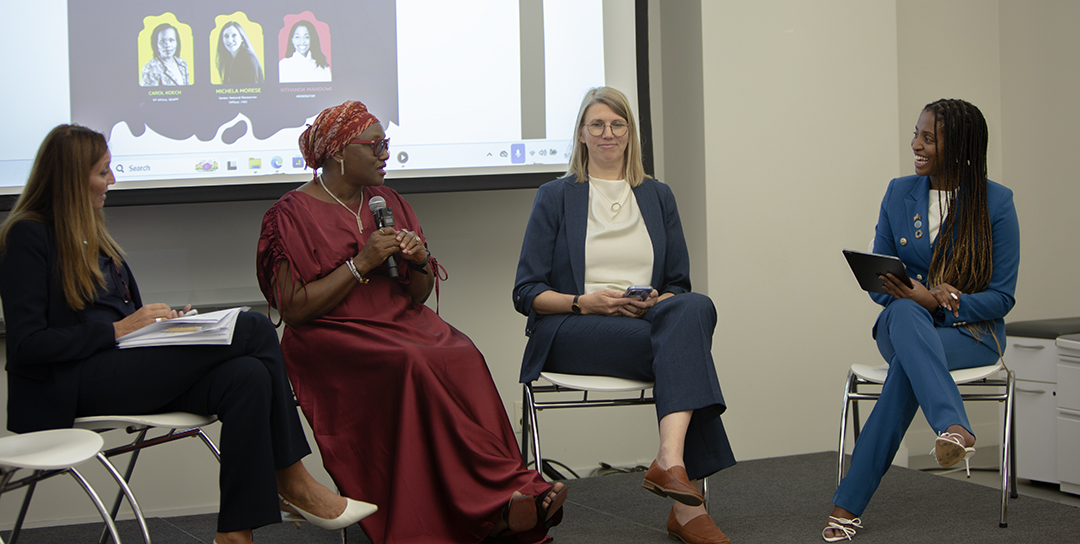
Four parallel sessions were held during the day. During a session on United for Clean Cooking – A Joint UN Effort: Transforming Energy Systems to Protect Health and Advance Sustainable Development, speakers highlighted that 2.1 billion people still lack clean cooking, and called for increasing political will to address the issue and integrating clean cooking into broader energy planning.
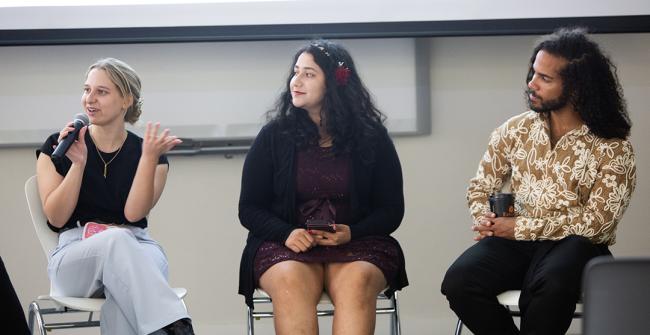
Another session addressed changing AI from an energy burden to an engine of equitable transition, with panelists advising on how to ensure that AI systems are efficient, clean, and inclusive, such as through building equity into AI from day one.
One parallel session heard from champions of change who are accelerating the renewable energy transition toward renewables-based economies. They spoke on lessons in building trust, understanding the challenges, opportunities, and resources available, and making strategic connections with networks of stakeholders, international organizations, industry leaders, financial institutions, experts, and civil society.
Finally, the SDG7 Africa Youth Energy Forum convened, where speakers stressed the need for youth to be co-creators, not just beneficiaries. The Youth Sustainable Energy Hub (YSEH) was introduced and highlighted, with presenters discussing projects on: peer-to-peer solar trading; renewable electric vehicle (EV) charging; a solar-powered milking machine, solar cold storage for medicine, and ethanol fuel and clean cookstoves.

To receive free coverage of global environmental events delivered to your inbox, subscribe to the ENB Update newsletter.
All ENB photos are free to use with attribution. For ENERGYNOW: SDG7 Action Forum 2025, please use: Photo by IISD/ENB | Angeles Estrada Vigil
Plenary Session I: Mobilizing a Final Push on SDG7 and Roadmap towards SDG7 review at HLPF 2026
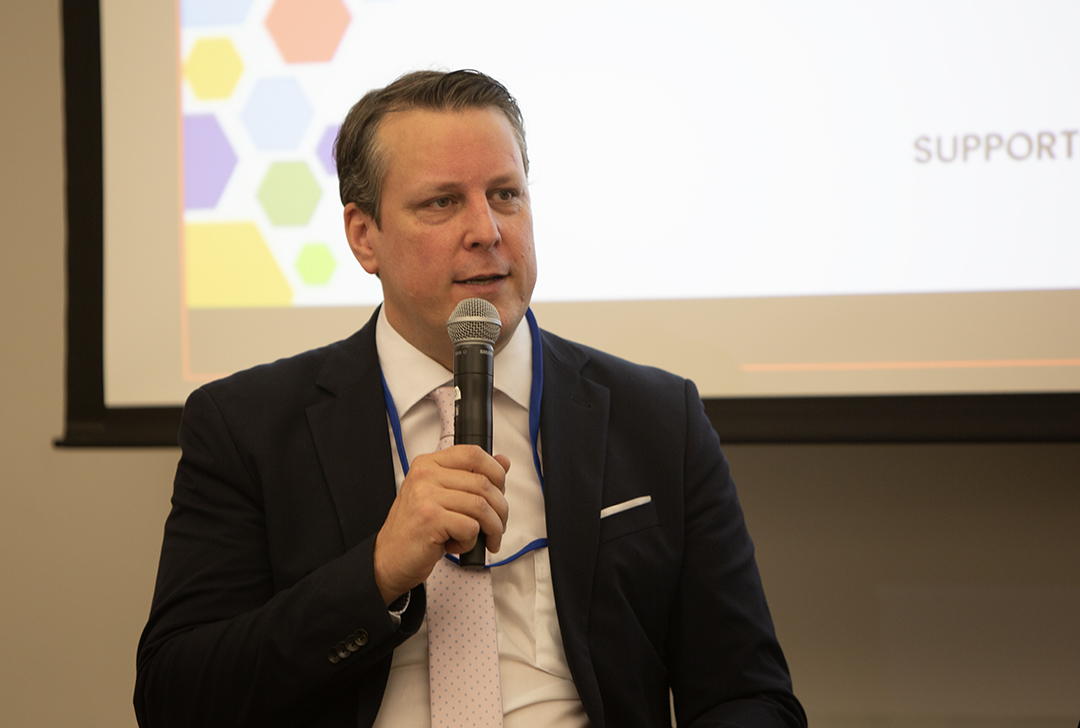
Daniel Schroth, Director, Renewable Energy & Energy Efficiency Department, African Development Bank (AfDB)
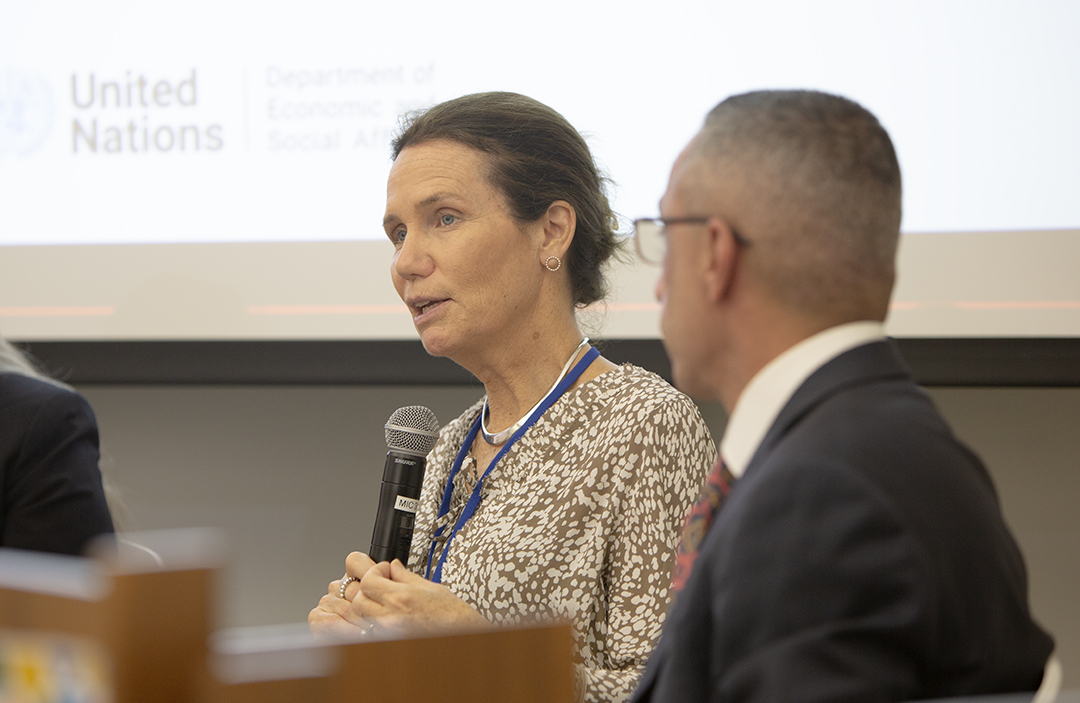
Annika Blakstad Otterstedt, Assistant Director General, Swedish International Development Cooperation Agency (Sida)
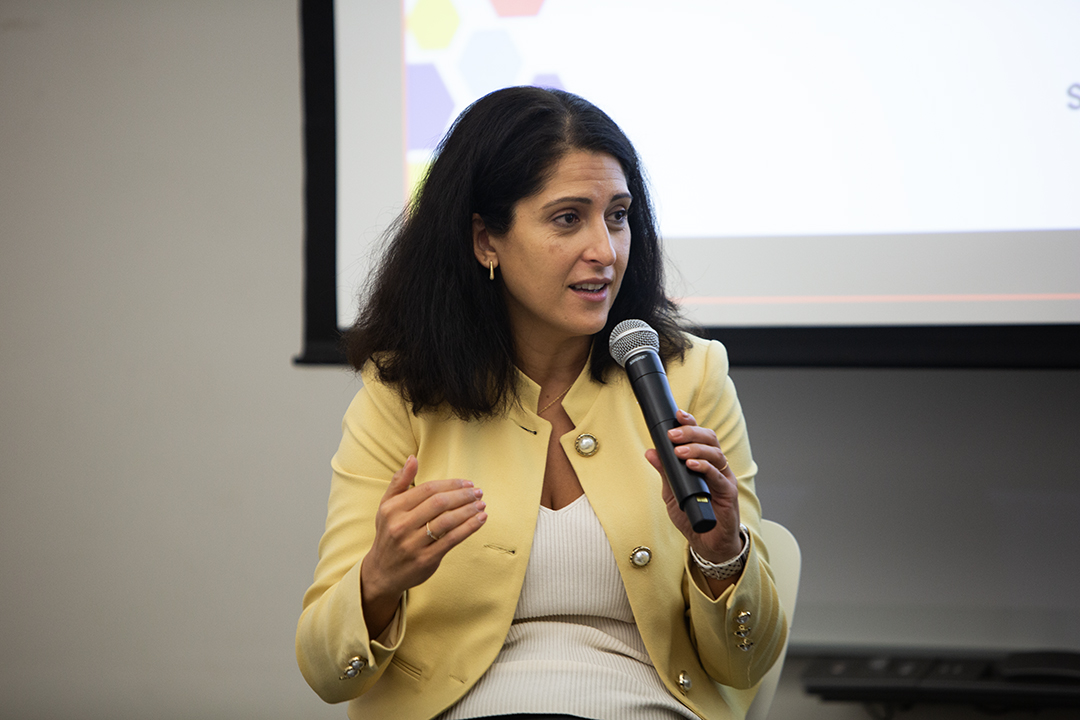
Rana Ghoneim, Director, Division of Energy and Climate Action, UN Industrial Development Organization (UNIDO)
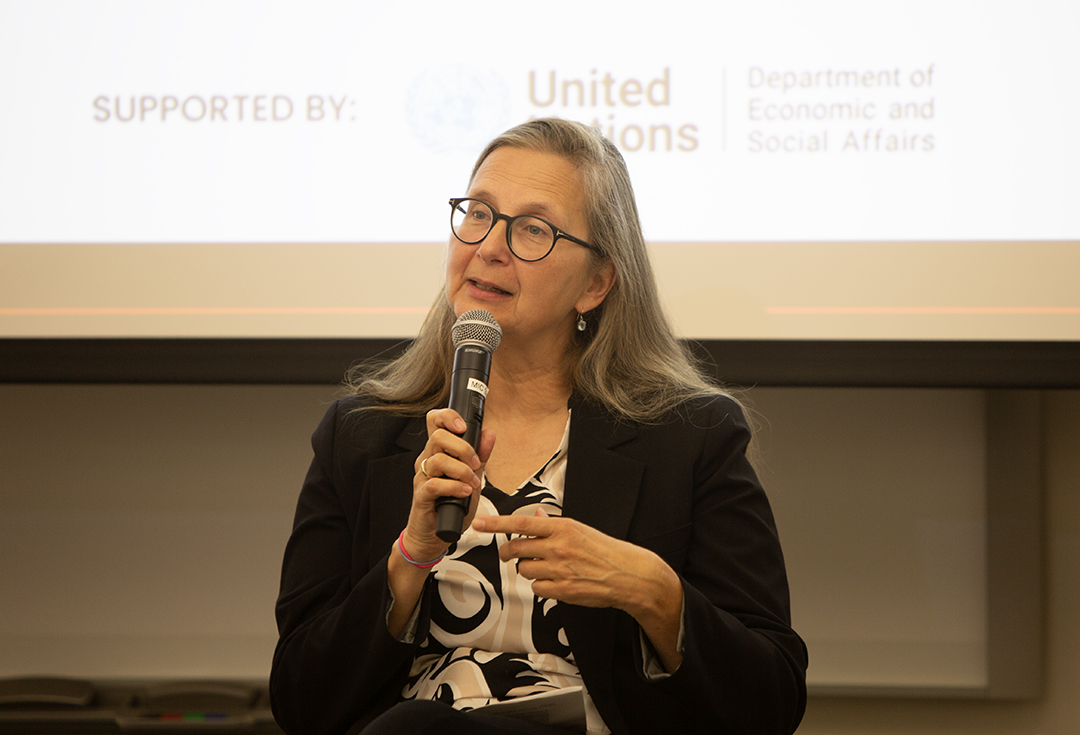
Fanny Missfeldt-Ringius, ESMAP Practice Manager, World Bank
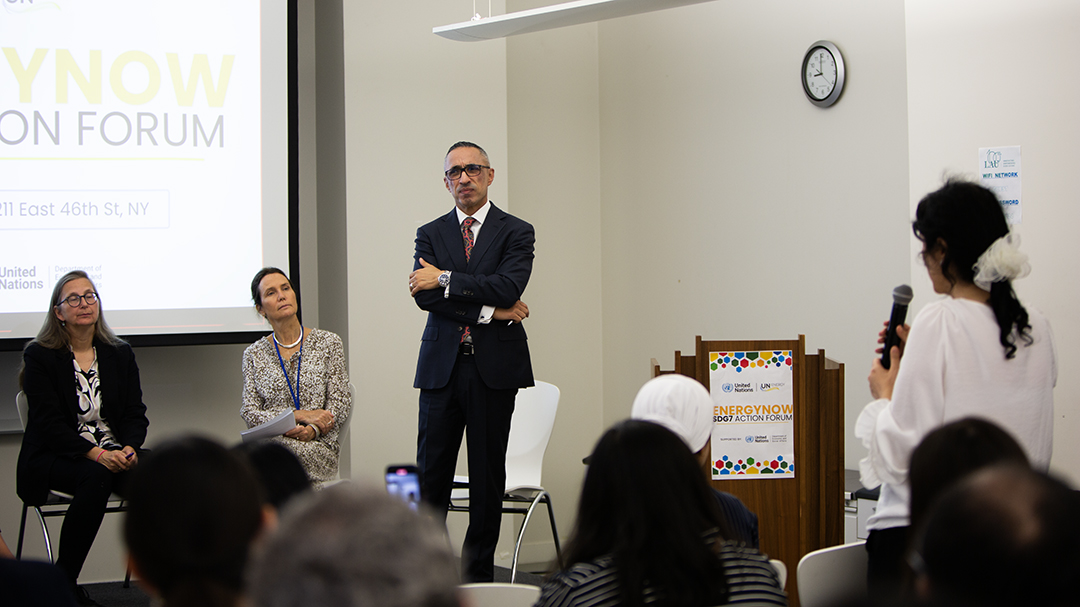
Panel during the Q&A segment

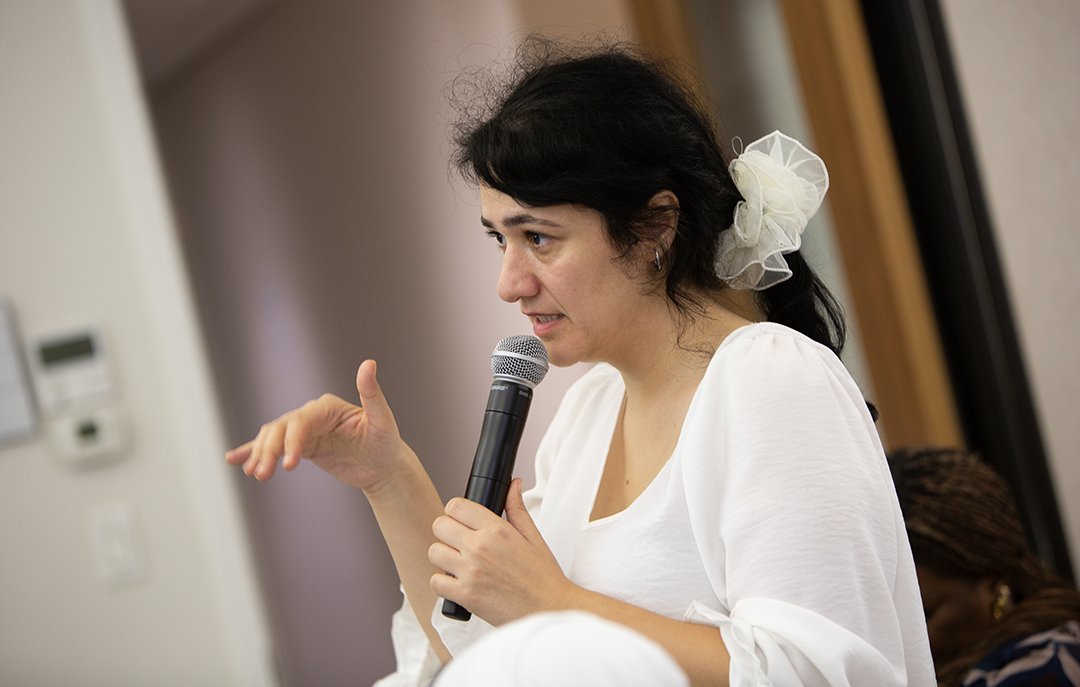
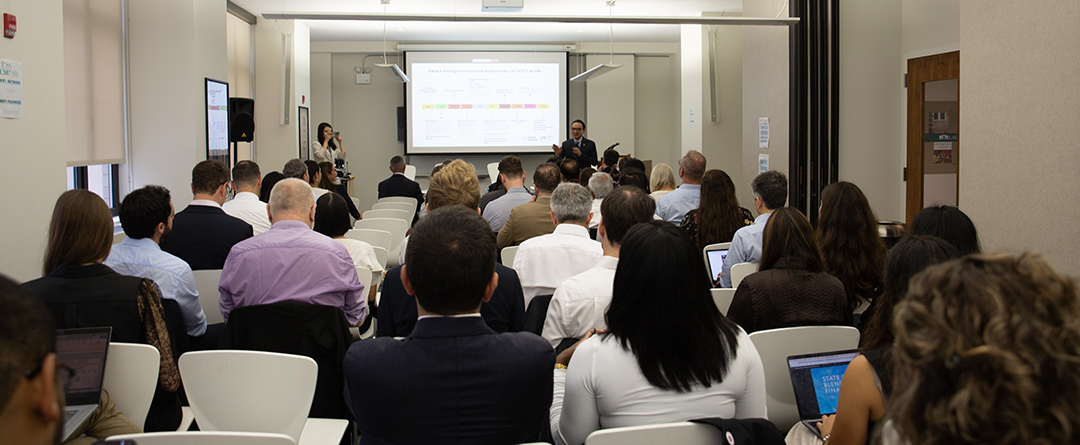
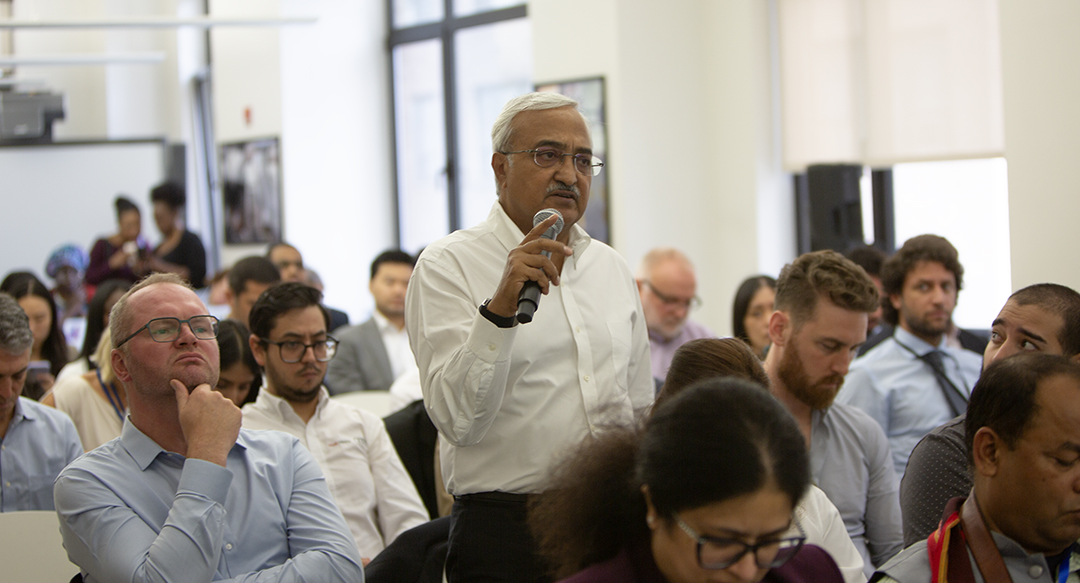
Parallel Session 1: United for Clean Cooking – A Joint UN Effort: Transforming Energy Systems to Protect Health and Advance Sustainable Development
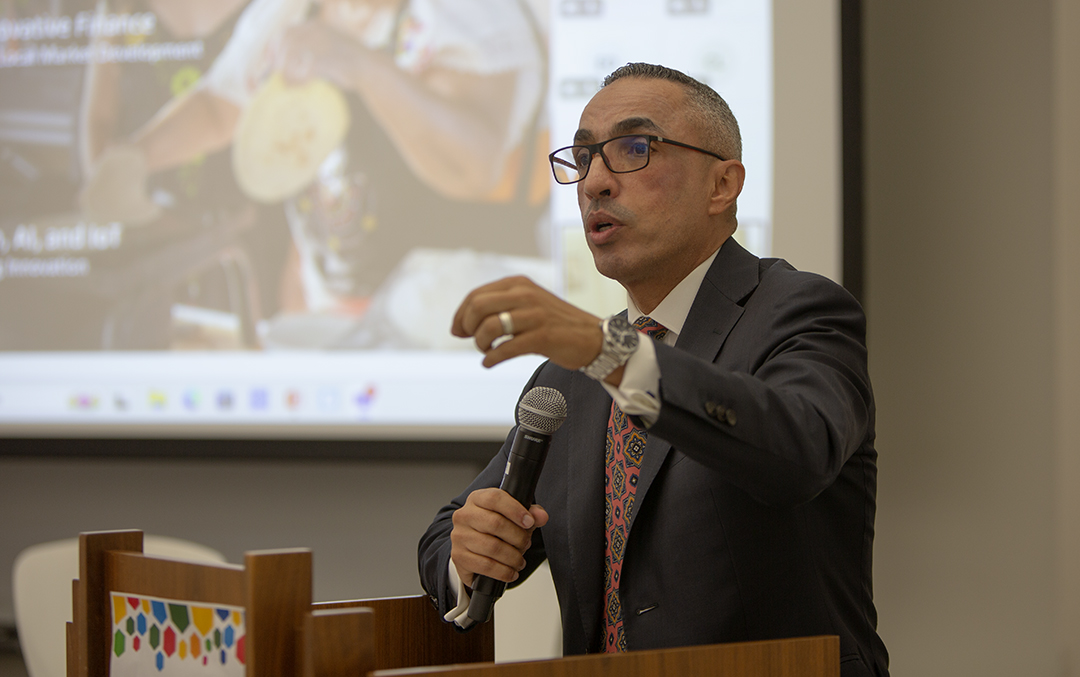
Riad Meddeb, Director, Sustainable Energy Hub, UNDP
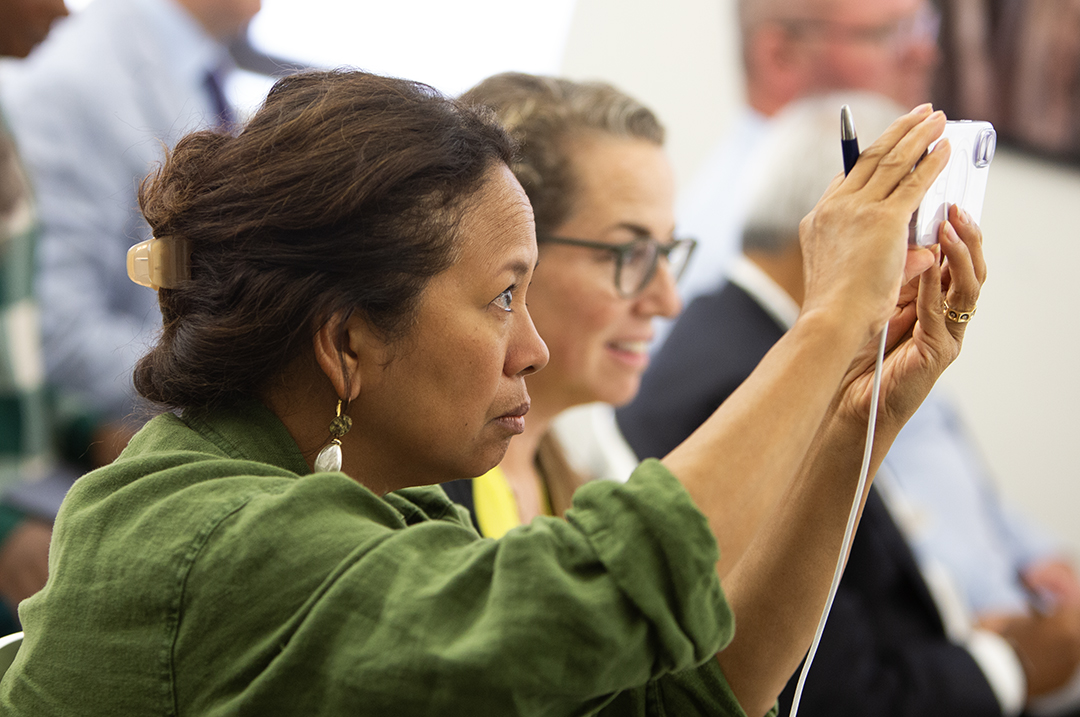
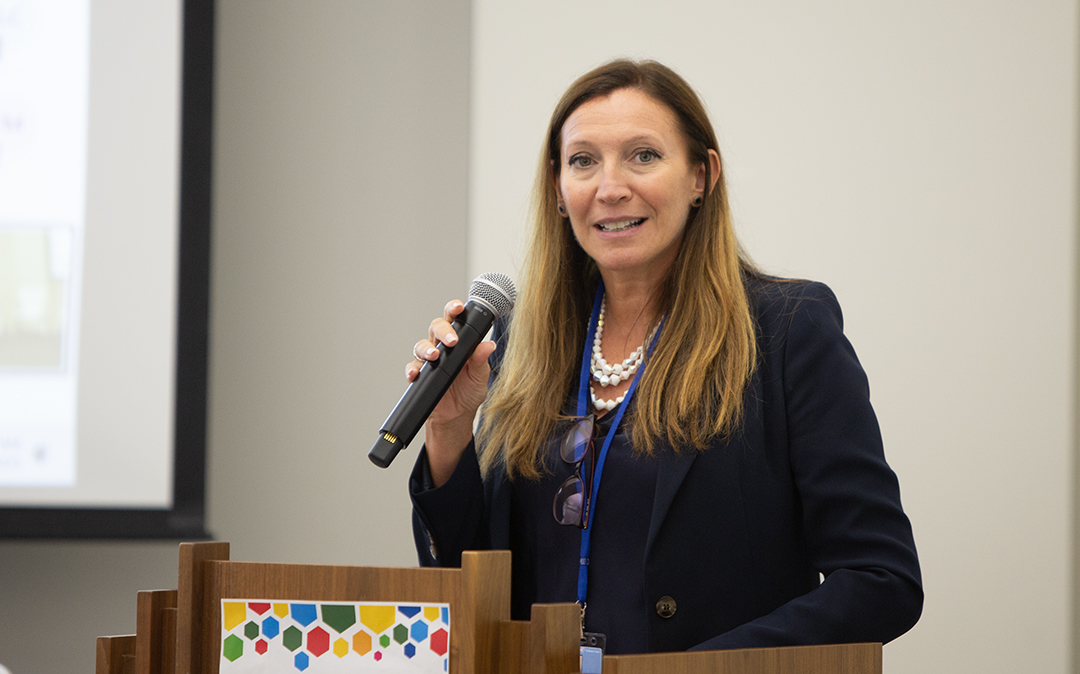
Michela Morese, Senior Natural Resources Officer, Food and Agriculture Organization of the UN (FAO)
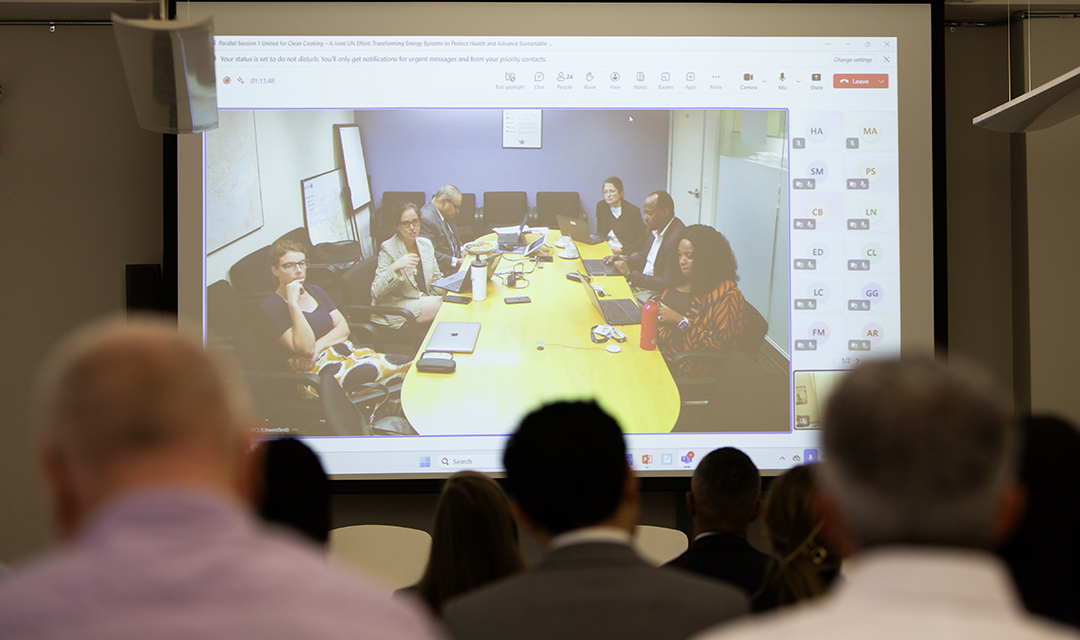
Michelle Hallack, Senior Specialist, ESMAP, World Bank (online)

Ed Brown, MECS Research Director & Professor of Global Energy Challenges, Loughborough University
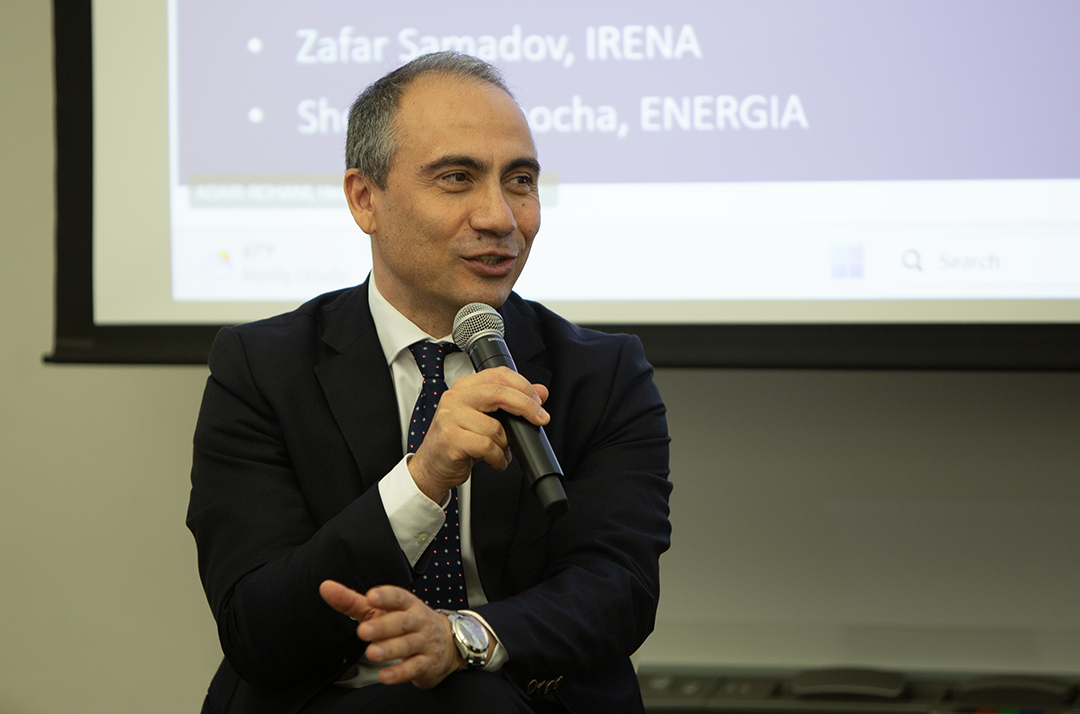
Zafar Samadov, Program Officer, Partnerships, International Renewable Energy Agency (IRENA)
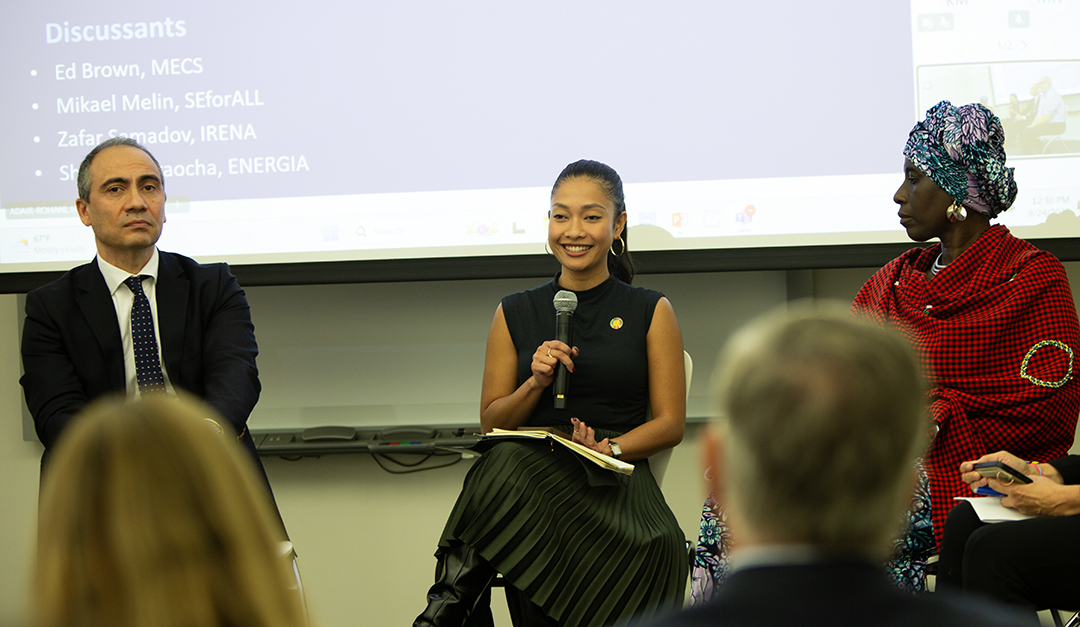
Arisa Andreani Inagaki, CommunicaIons, Advocacy & Partnerships Analyst, SEforALL
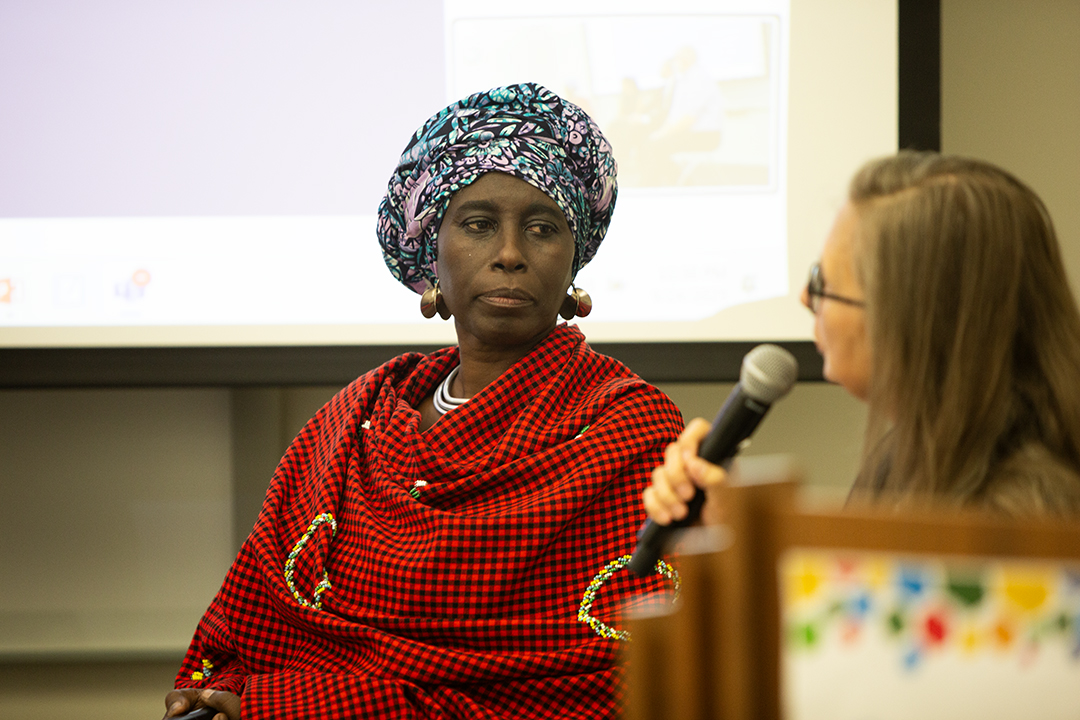
Sheila Oparaocha, Executive Director, ENERGIA
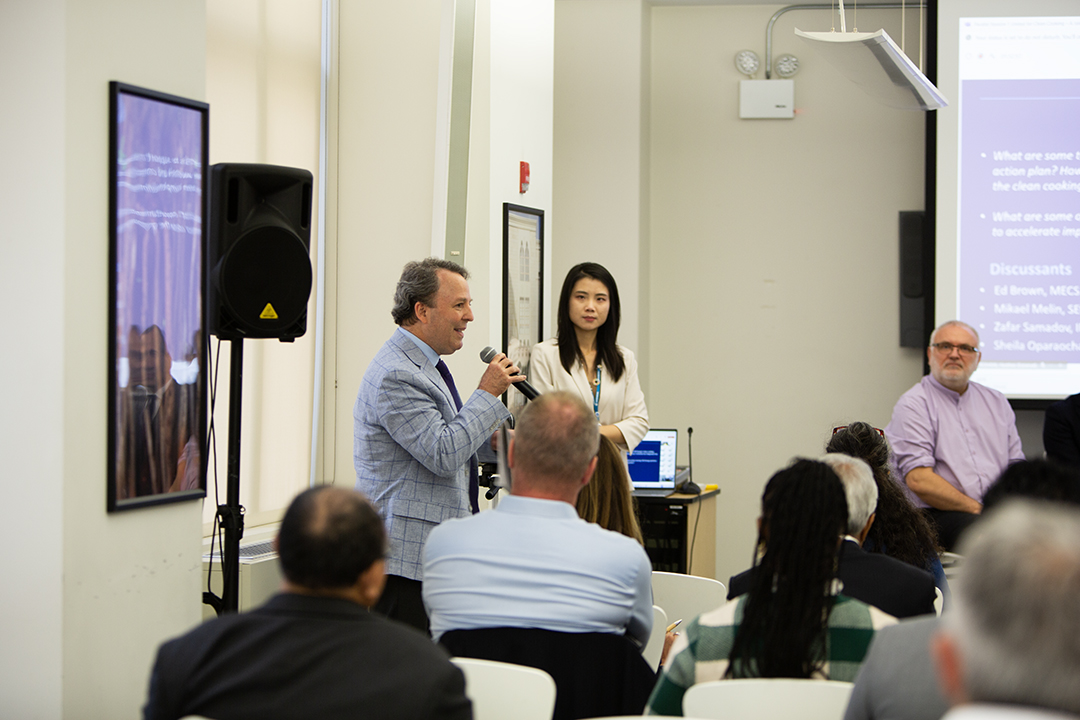
Panelists during the Q&A segment
Parallel Session 2: From Energy Burden to Engine of Transition: Centering Equity in the Age of AI
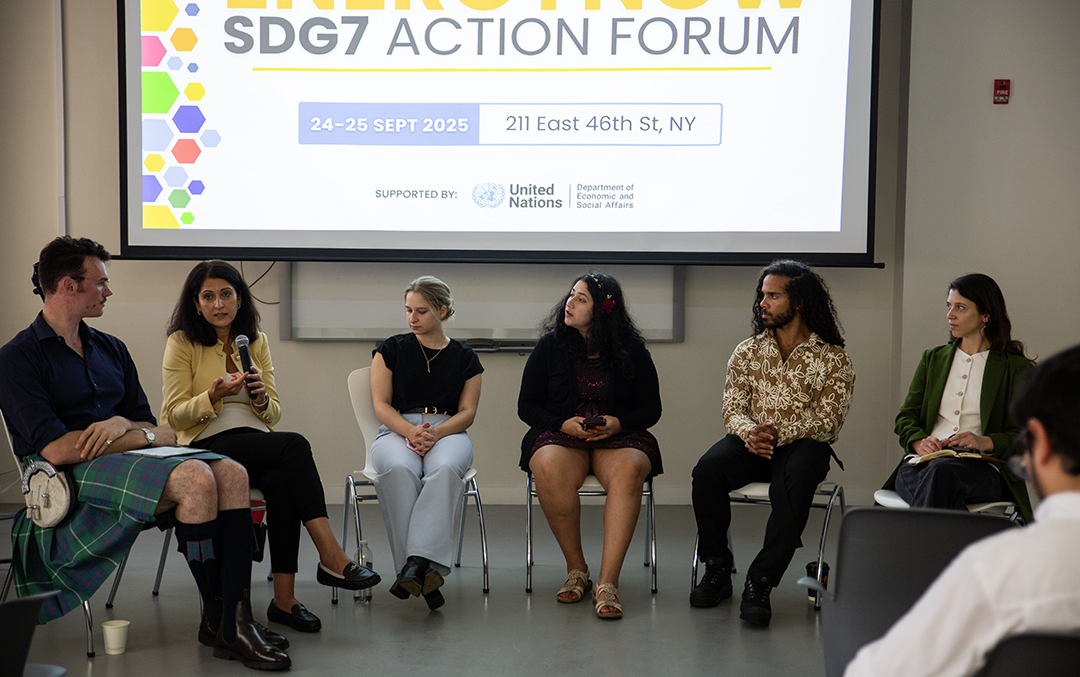
Rana Ghoneim, UNIDO, speaks during the parallel session on Energy Burden to Engine of Transition: Centering Equity in the Age of AI
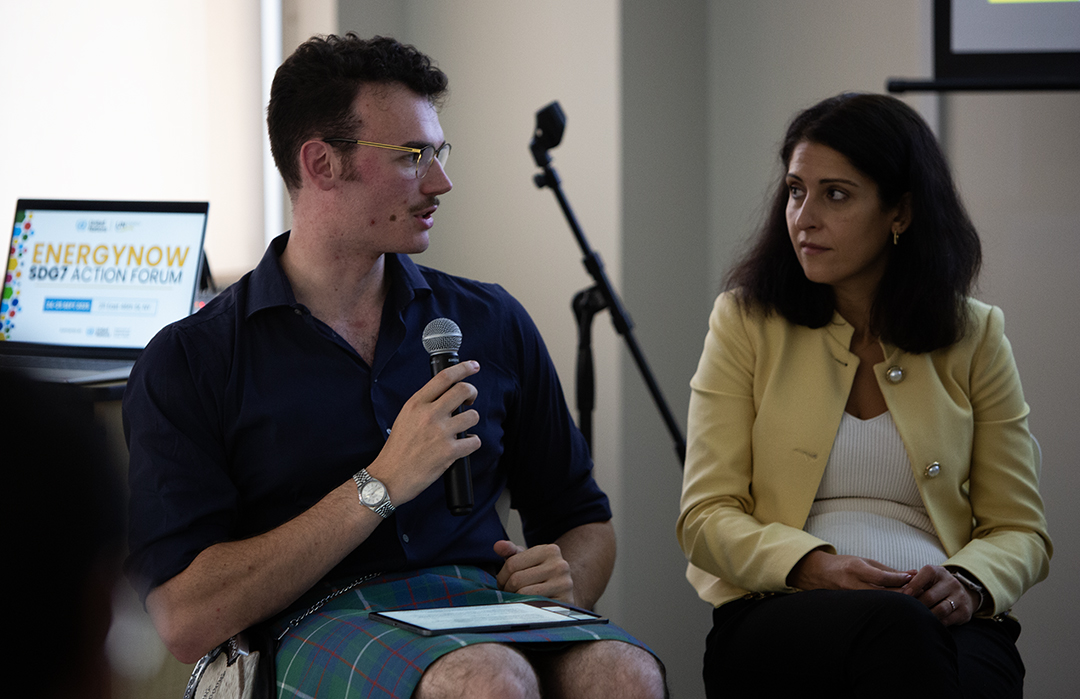
Josh Oxby, Global Focal Point, SDG 7 Youth ConsItuency
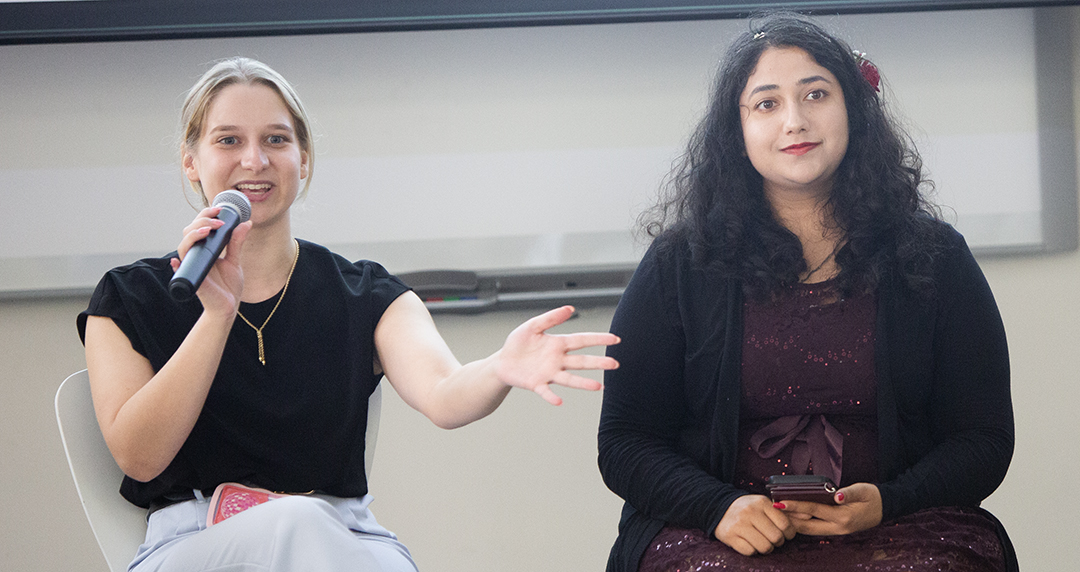
Ava Strasser, SEforALL, and Alankrita Dayal, UN Major Group for Children & Youth

Participant listening attentively during the panel
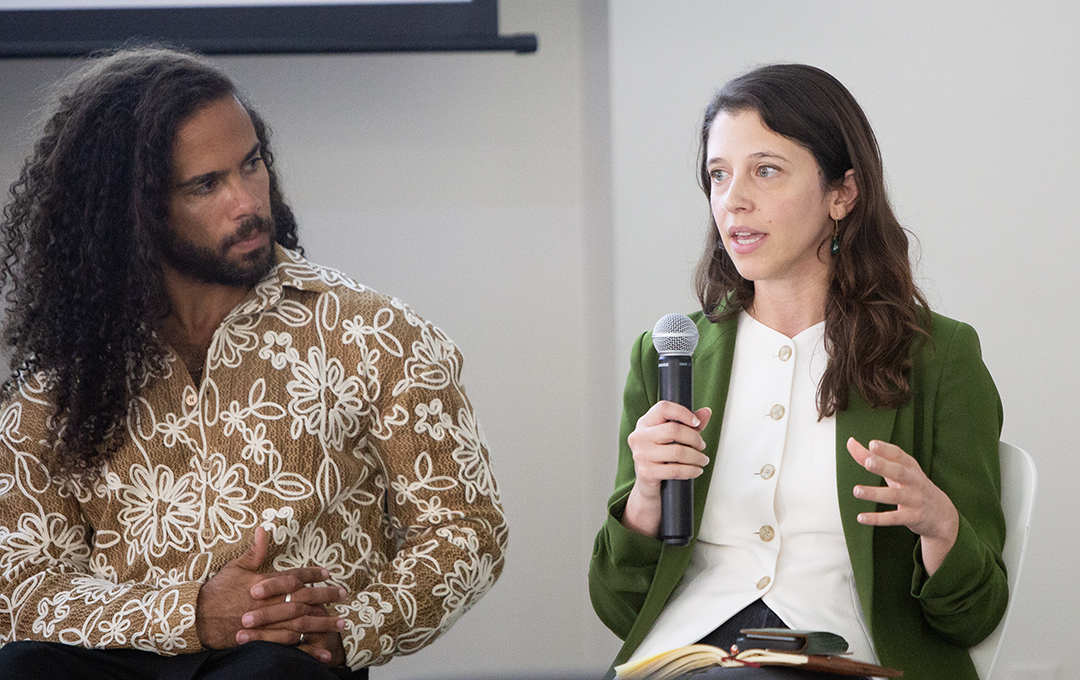
Dominique Souris, Head of Climate, Goodwall

Casey Weston, Senior Manager, Public Policy & Economic Graph, LinkedIn
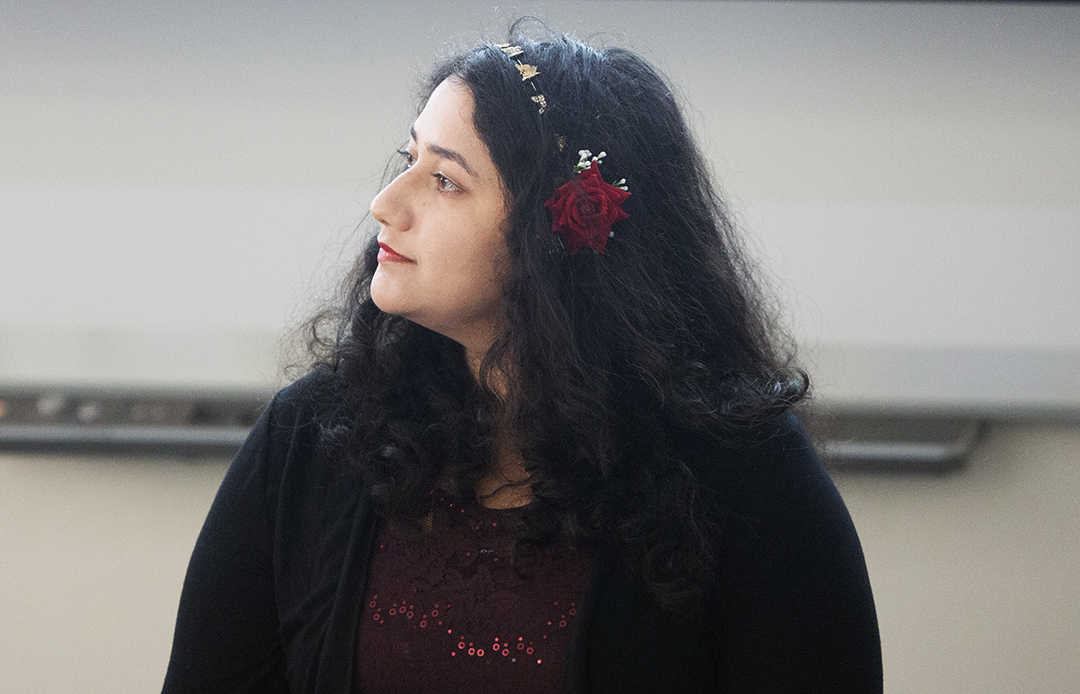
Alankrita Dayal, North America Focal Point Lead, UN Major Group for Children & Youth
Plenary Discussion II: Future Energy Discussions Beyond 2030
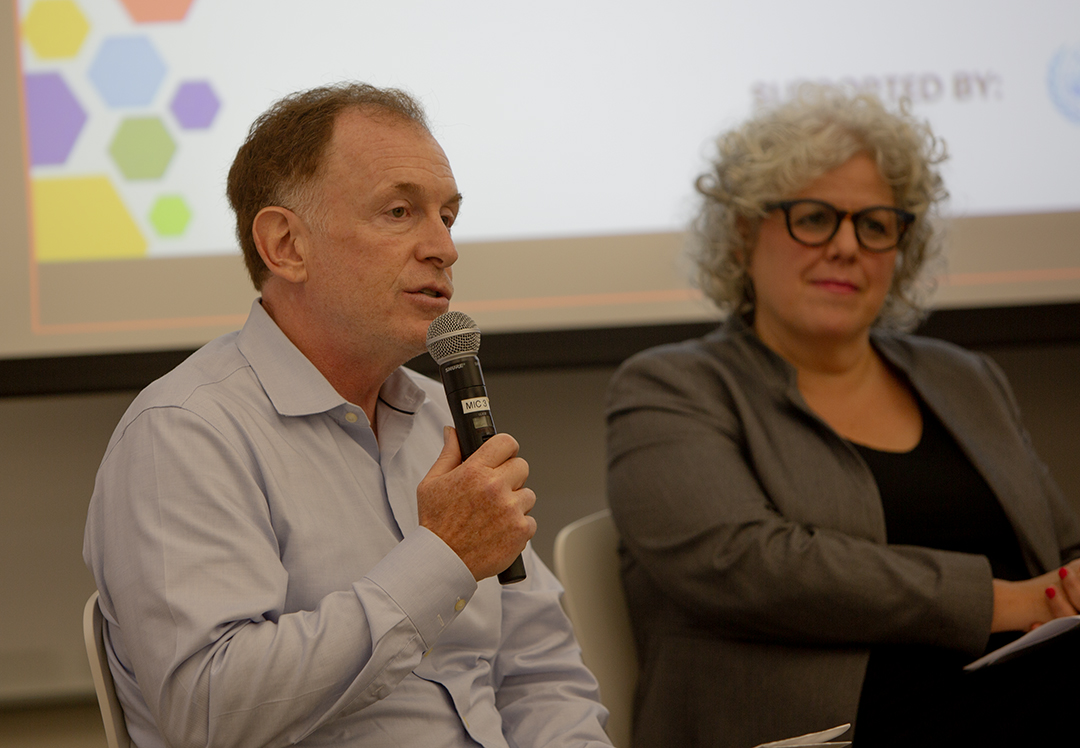
Morgan D. Bazilian, Colorado School of Mines
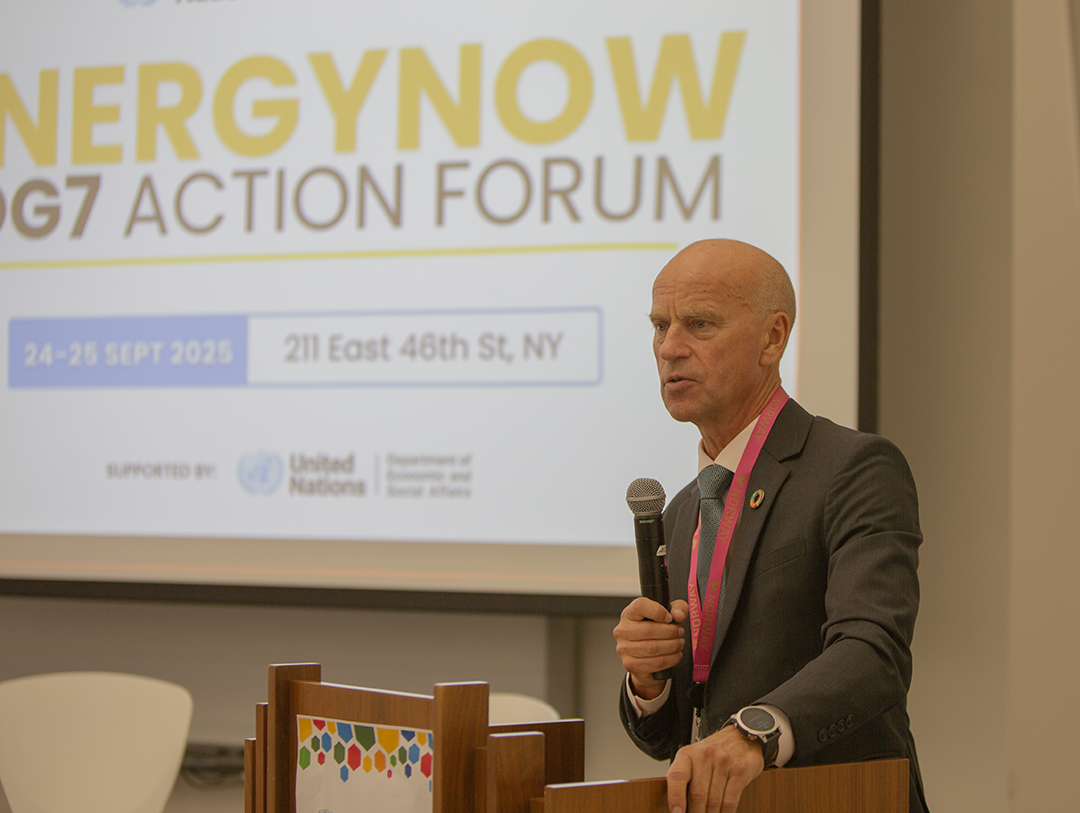
Hans Olav Ibrekk, Special Envoy, Norwegian Ministry of Foreign Affairs
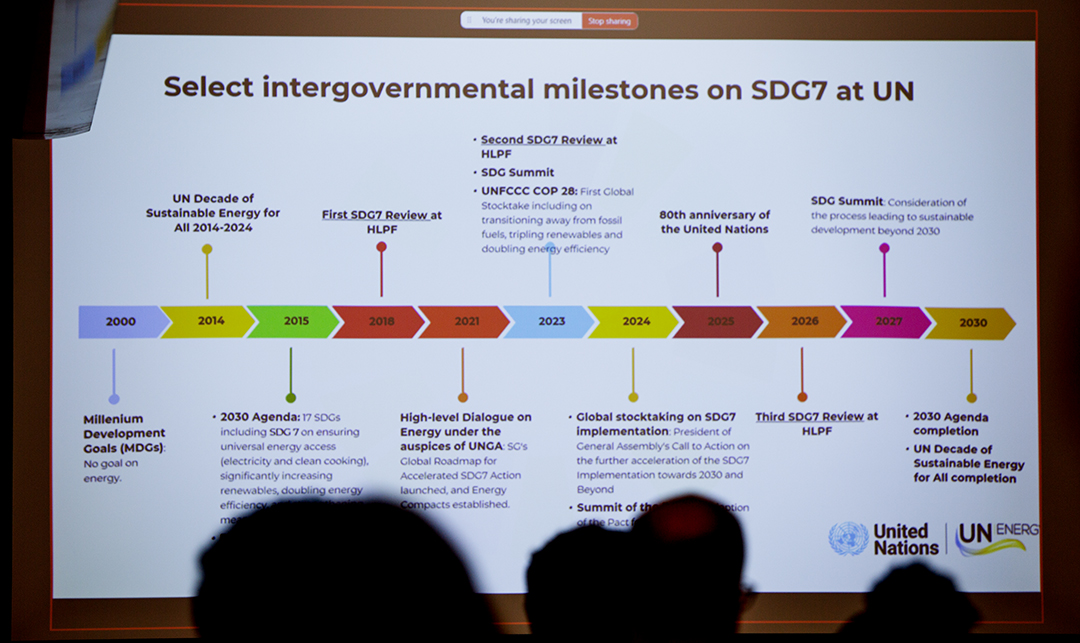
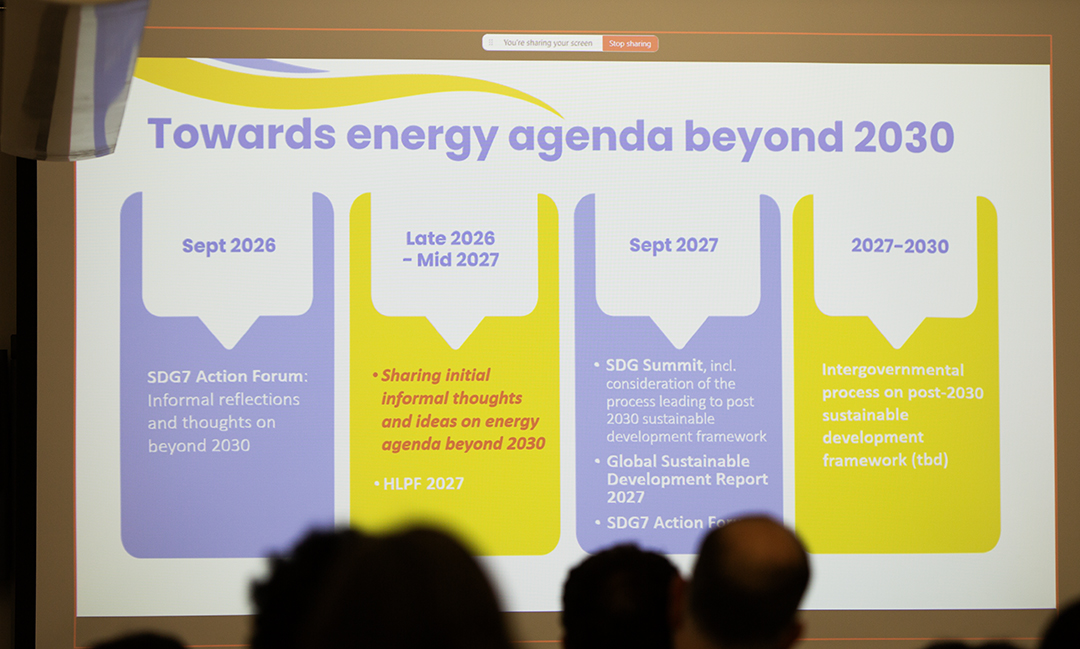
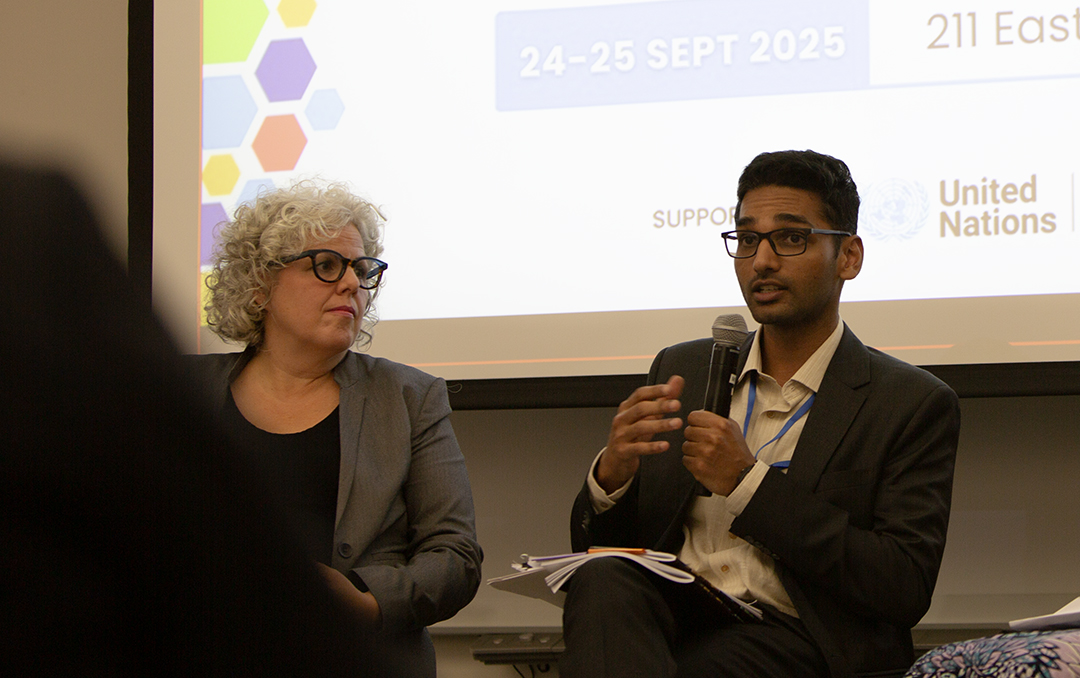
Dhruvak Aggarwal, Programme Lead, Council on Energy, Environment and Water (CEEW)
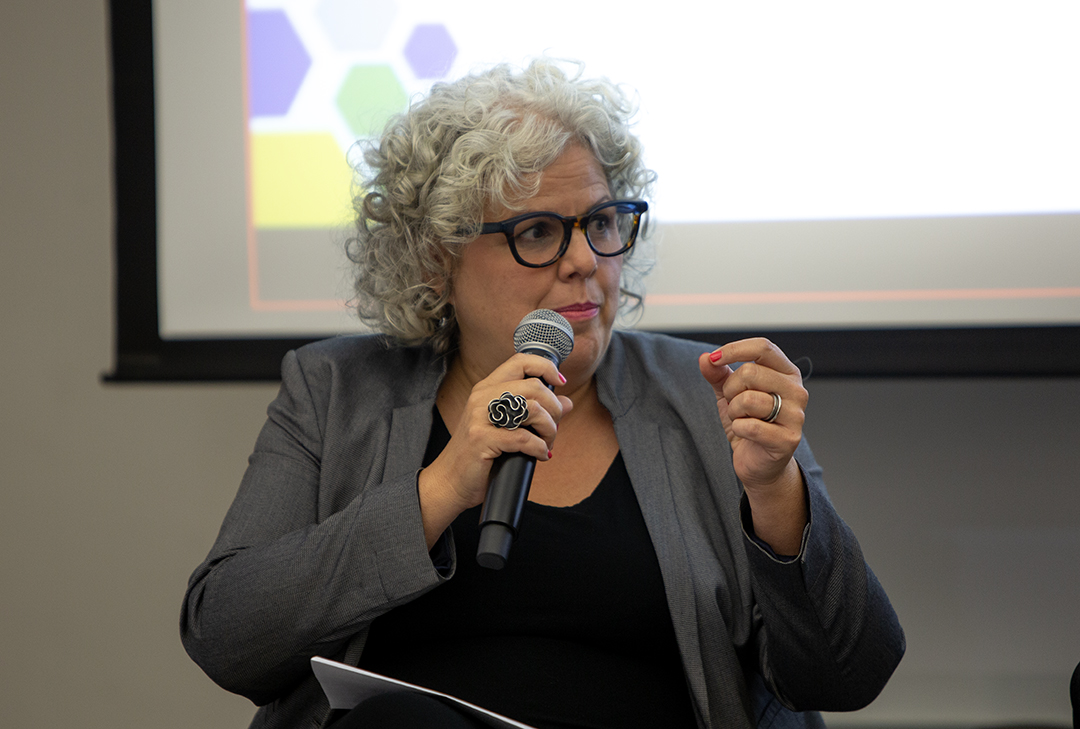
Rana Adib, ExecuIve Director, REN21
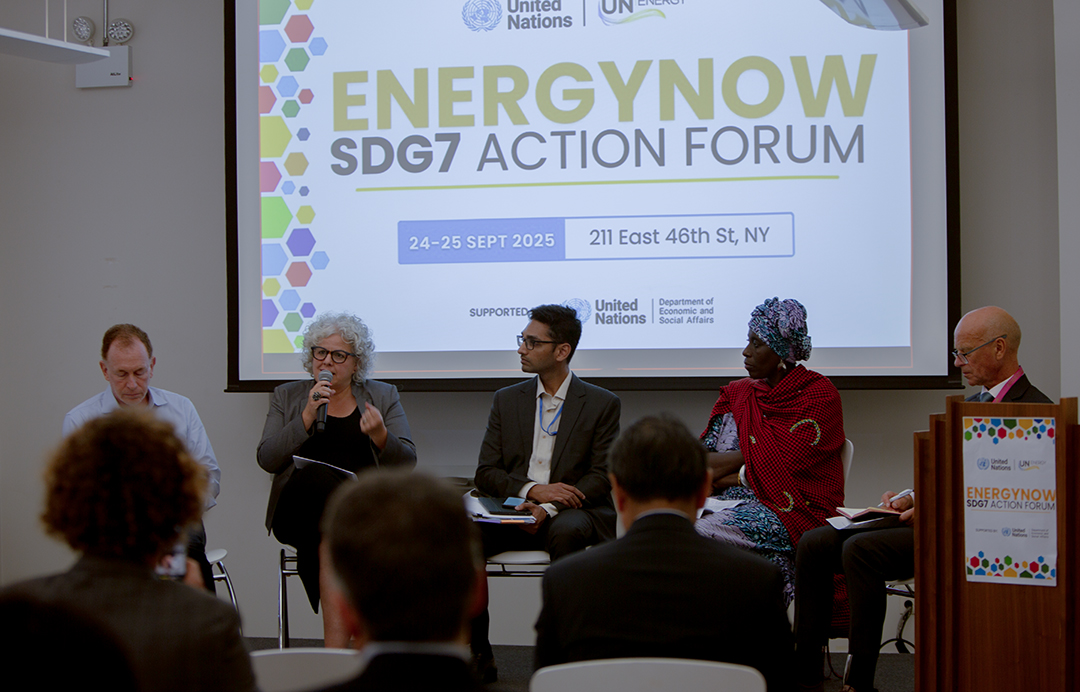
Panelists during Future Energy Discussions Beyond 2030
Parallel Session 3: SDG7 Africa Youth Energy Forum
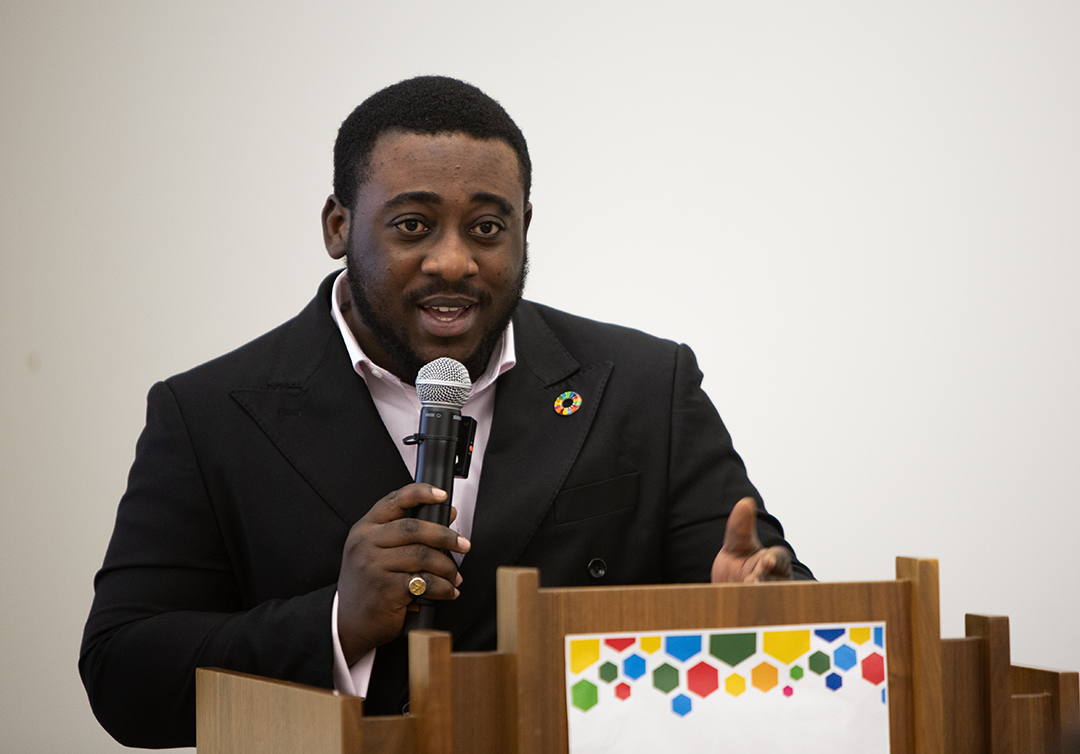
Worship Joshua Frimpong, Executive Director, Eco-Africa Network
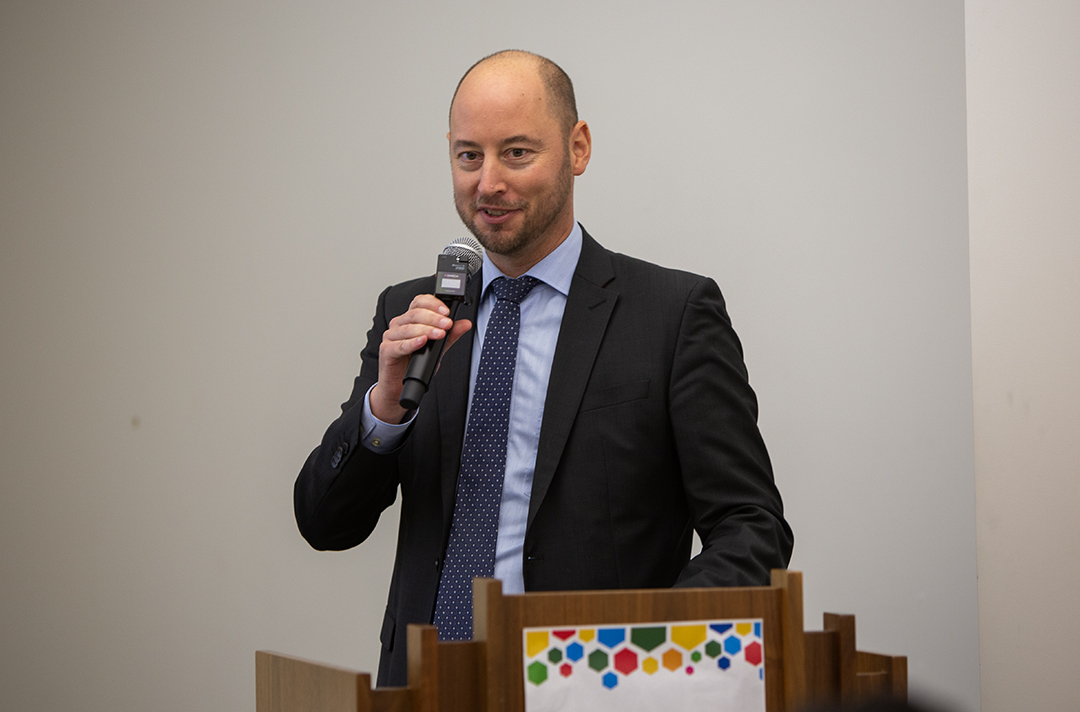
Martin Niemetz, Sustainable Development Officer, UN DESA
Habiba Ali, Managing Director & CEO, Sosai Renewable Energies
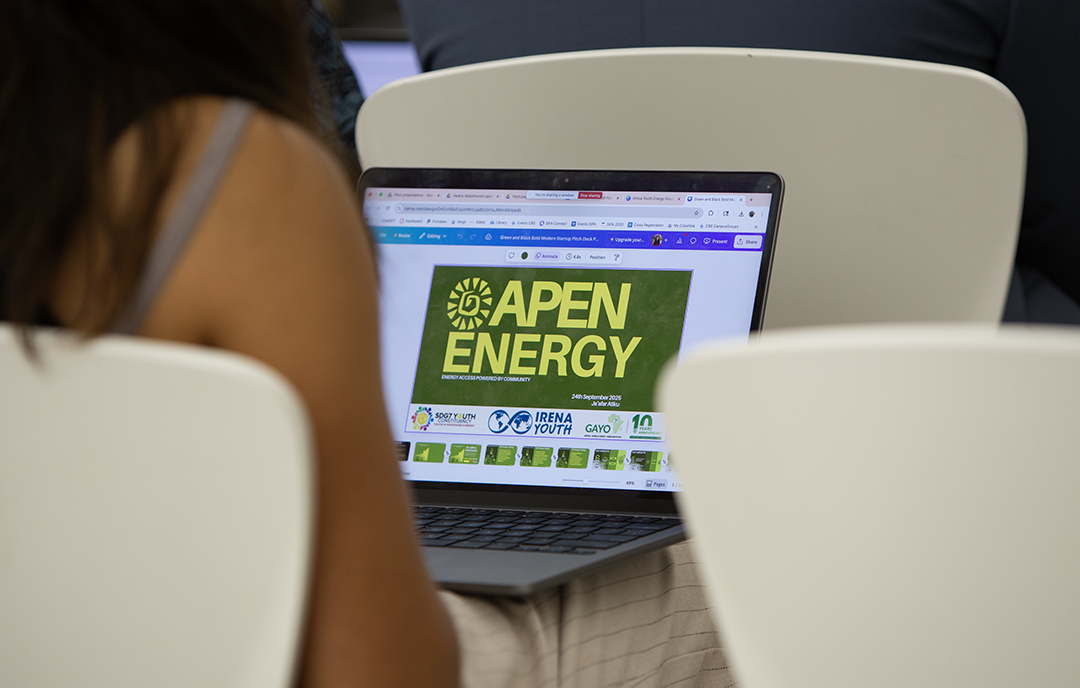
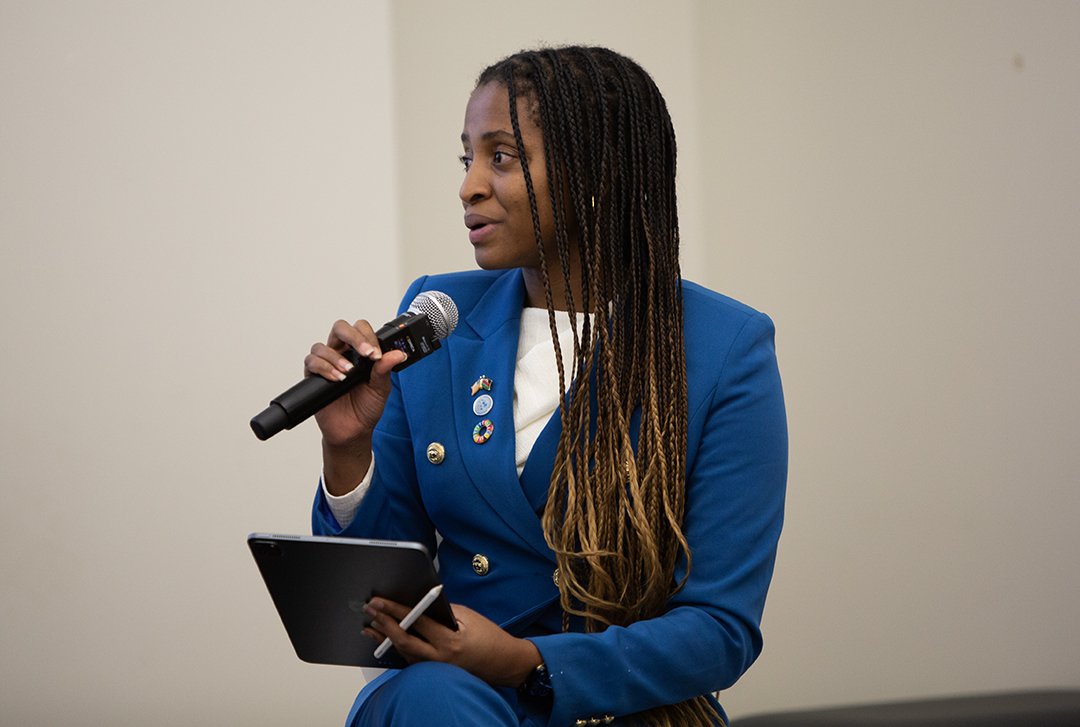
Carol Koech, Vice President for Africa, Global Energy Alliance for People and Planet (GEAPP)
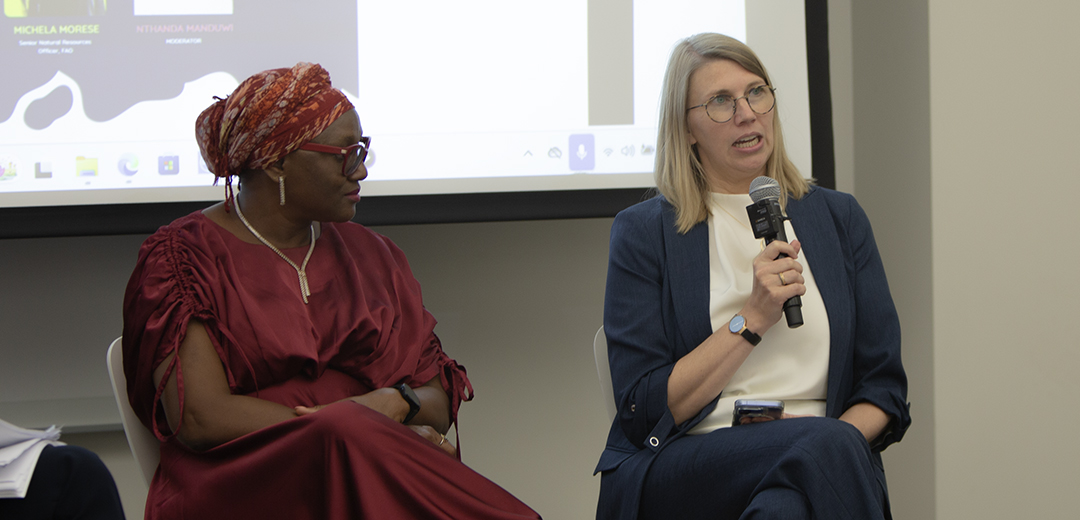
Johanna Christine Galan, Senior Energy Specialist, World Bank
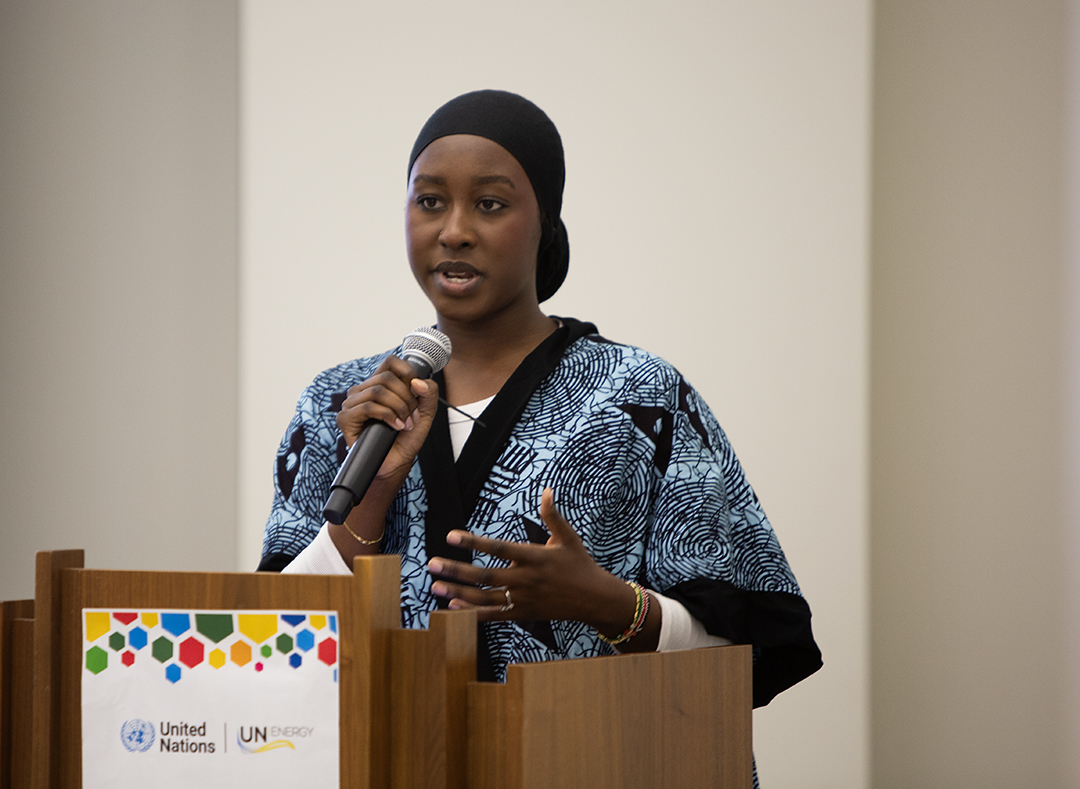
Myrah Oloo, Founder & Lead, Community EducaIon IniIaIves, SIAYA
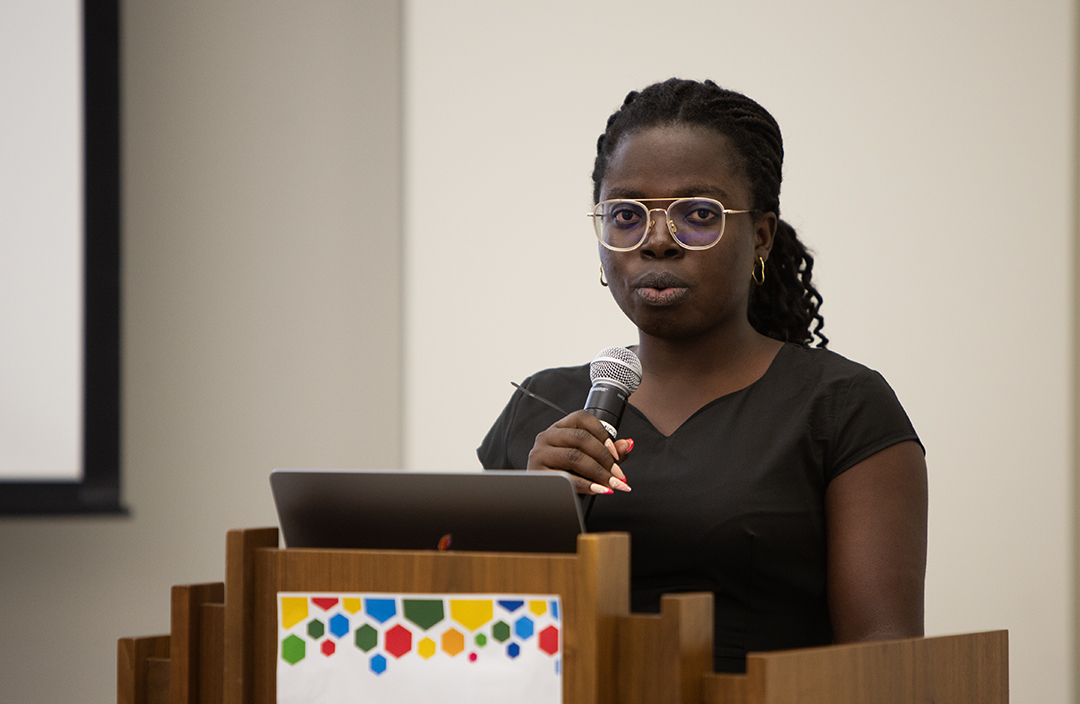
Emmanuella Doreen Kwofie, SheBlue Initiative
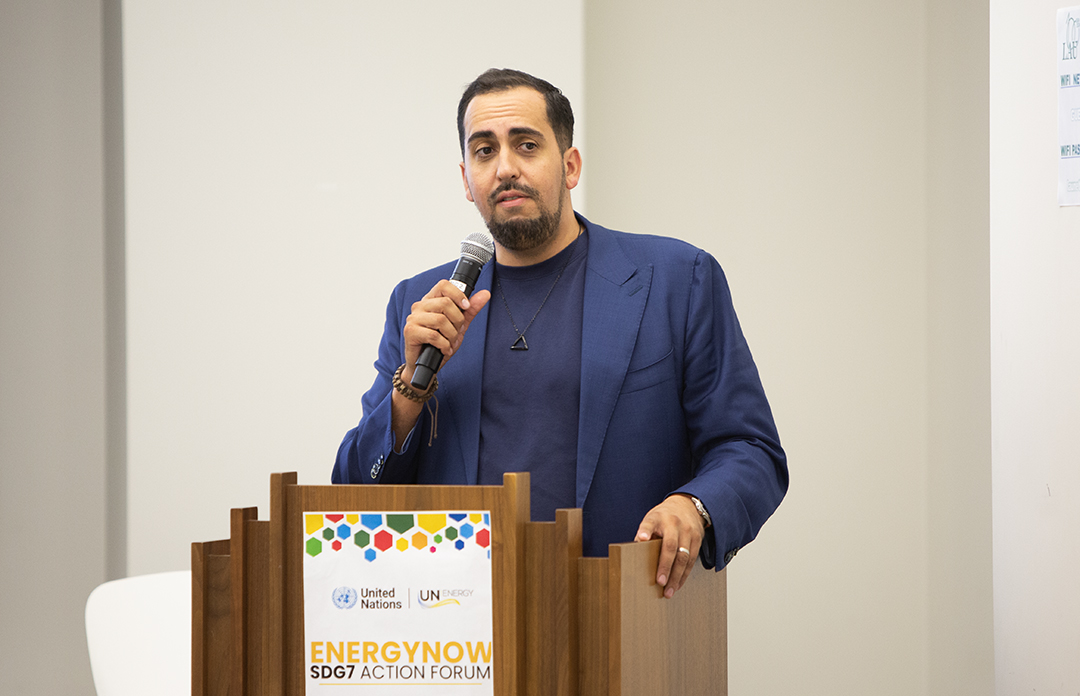
Simon Benmarraze, Head of Energy Planning and Modelling, IRENA
Parallel Session 4: Champions of Change: Accelerating the Renewable Energy Transition
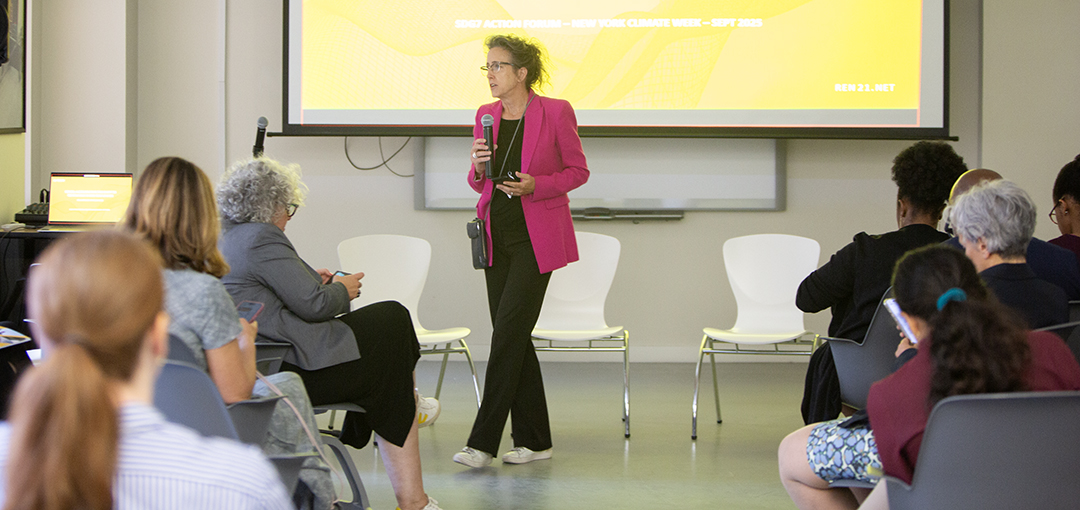
Laura E. Williamson, REN21, moderated the session
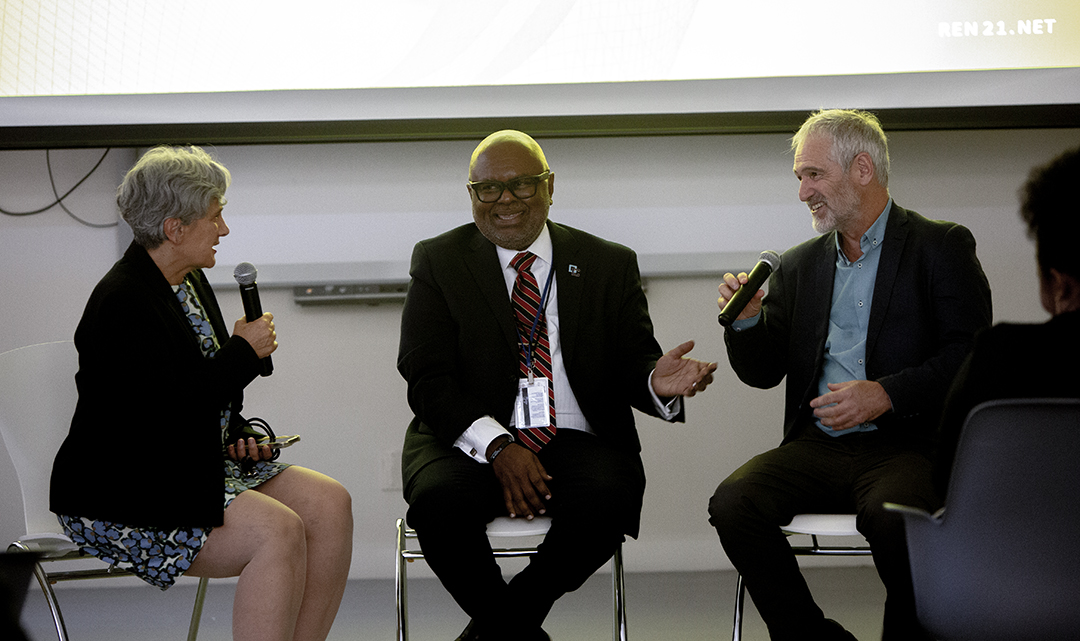
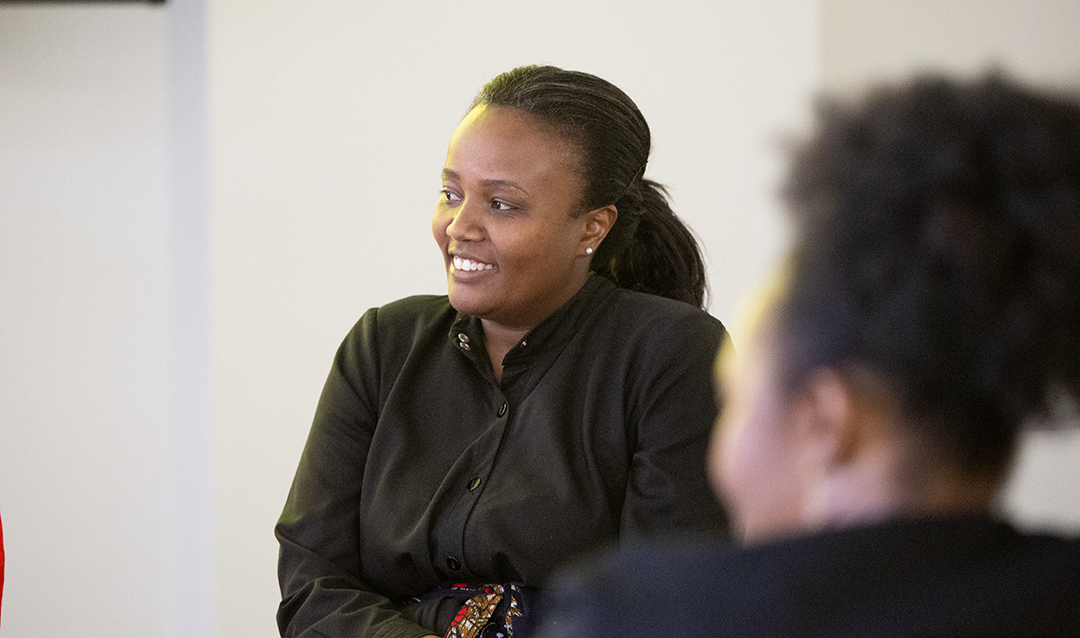
Joyce Kabui, Energy and IndustrialisaIon Advisor, Government of Kenya
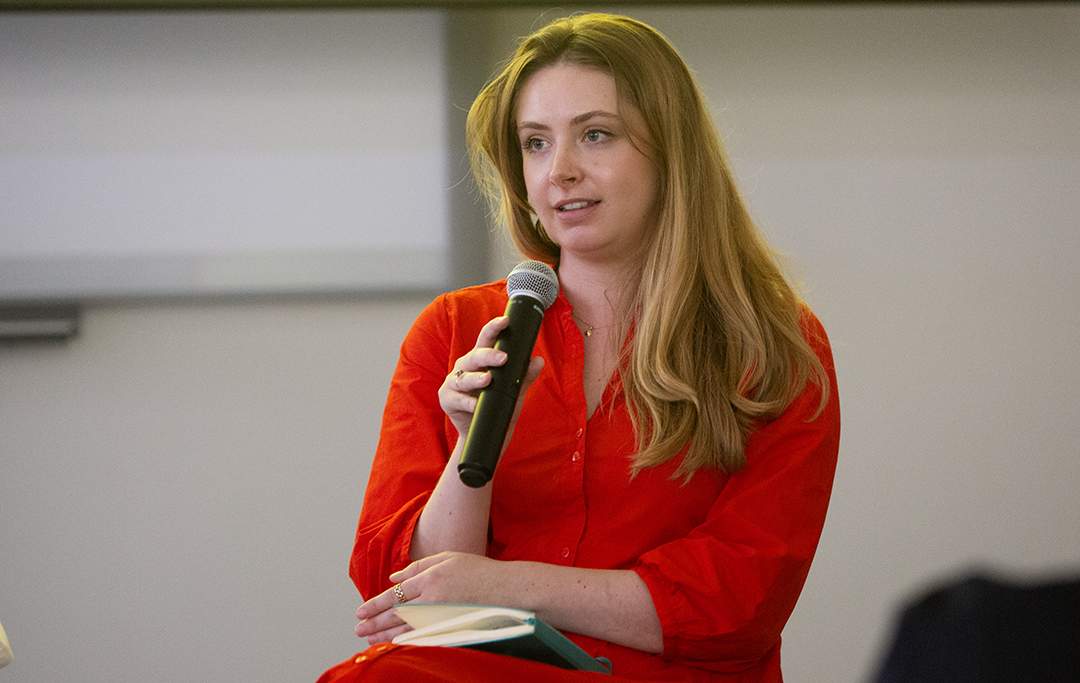
Charley Roberts, Senior Policy Advisor, Clean Energy Transition Partnership (CETP), International Energy Finance, E3G
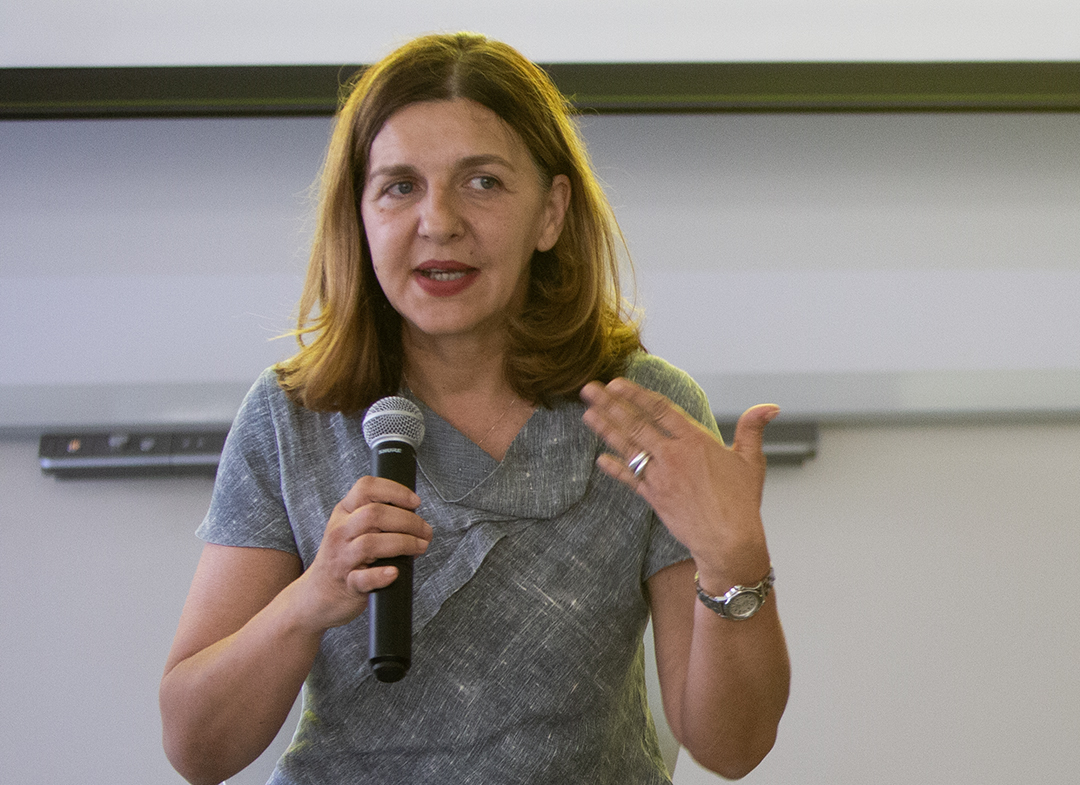
Anne Jellema, CEO, 350.org
Elizabeth Press, Director, APRA Implementation Office, United Nations Office for Project Services (UNOPS)
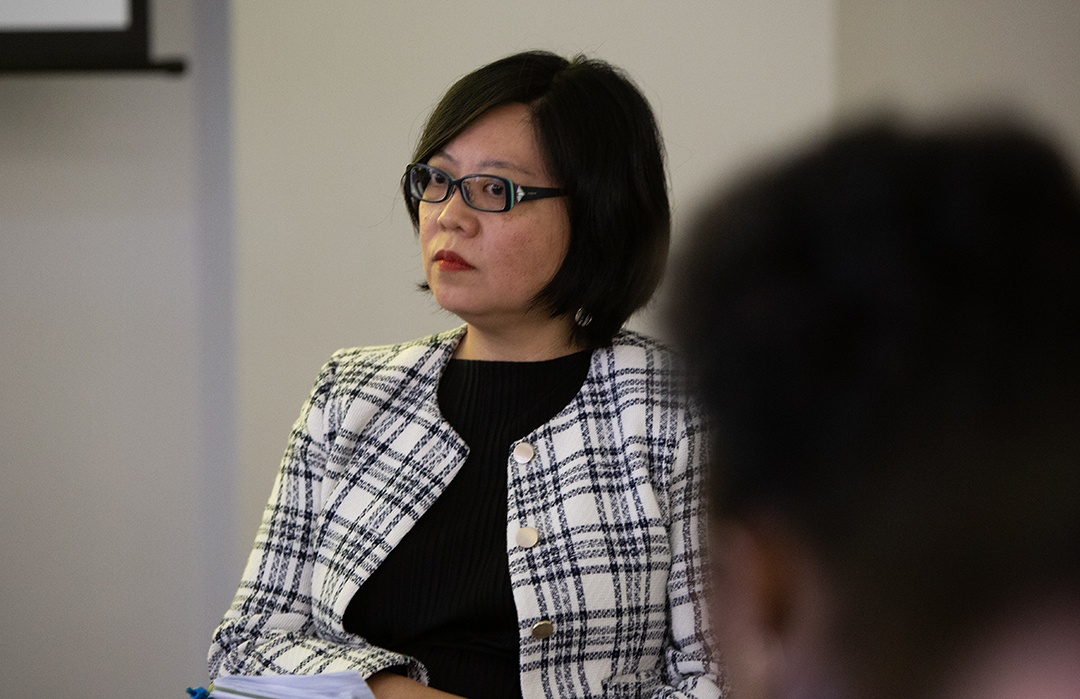
Liming Qiao, CEO and Founder of Future Energy Storage and System Integration Alliance (FESSIA)
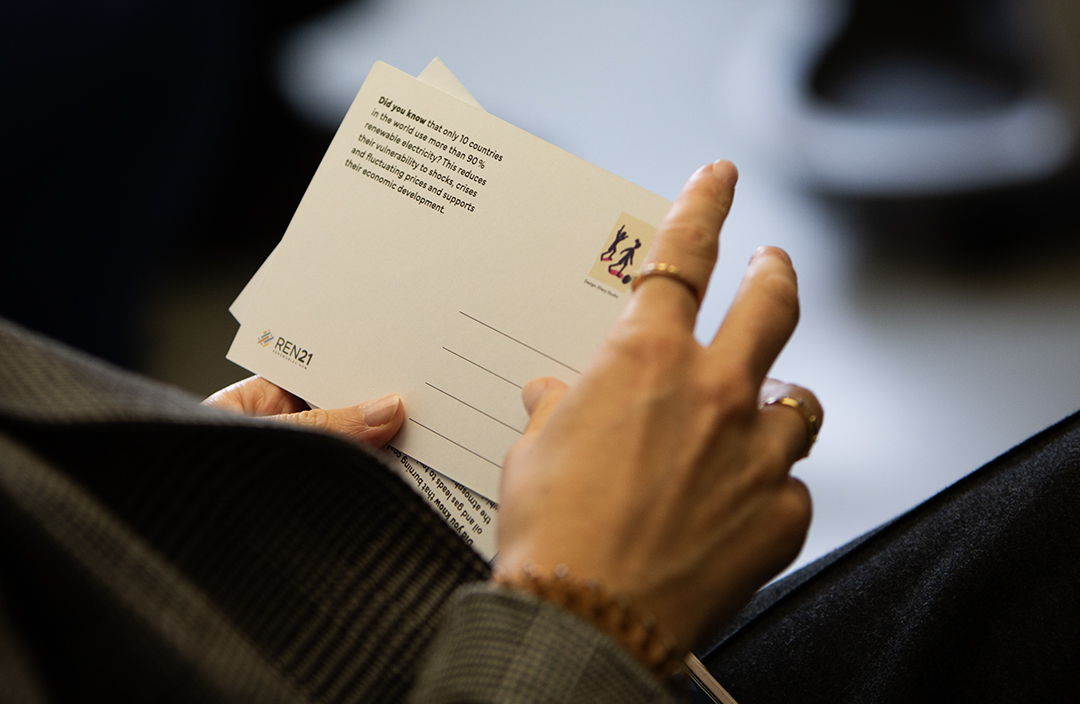
Around the Venue