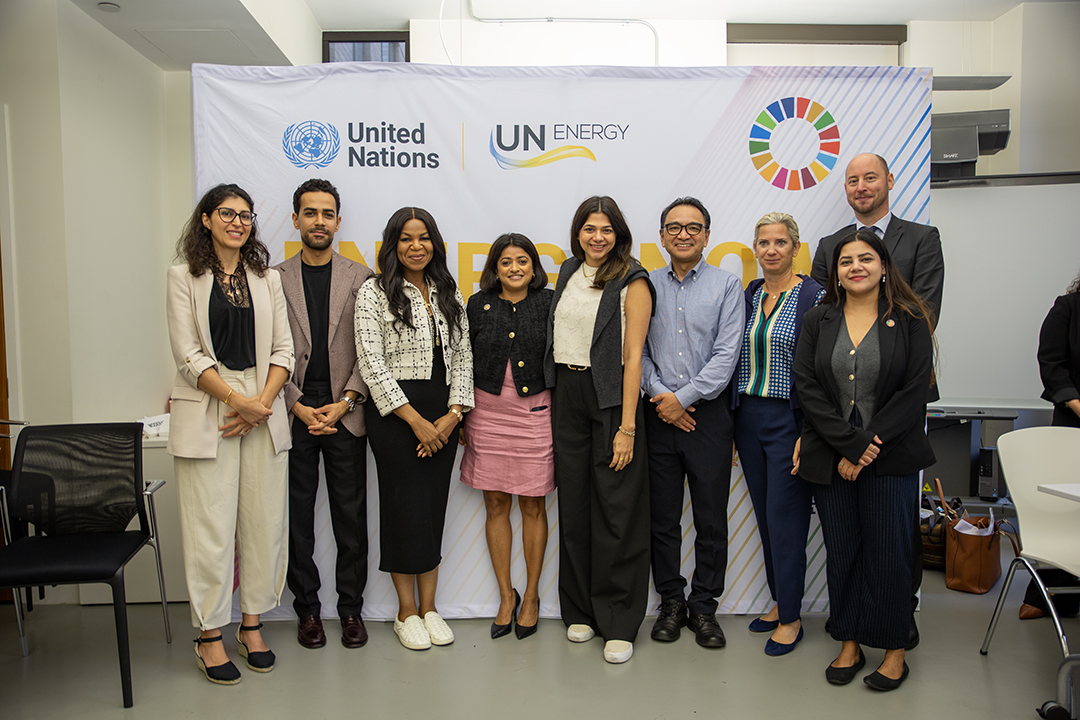
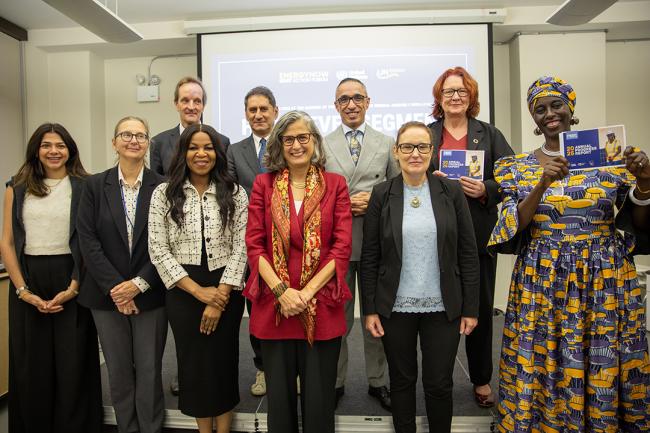
Financial commitments under the Energy Compacts have topped USD 1.6 trillion with USD 284 billion already mobilized towards achieving global clean energy goals. This is according to the fourth edition of the Energy Compacts Annual Progress Report, which was launched during the High-Level Segment on the second day of the 2025 ENERGYNOW SDG Action Forum. In addition to the progress report, policy briefs were launched on: employment; and least developed countries (LDCs), landlocked developing countries (LLDCs), and small island developing States (SIDS). During his remarks, Francesco La Camera, Director General, International Renewable Energy Agency (IRENA) stressed that the “energy transition is unstoppable.”
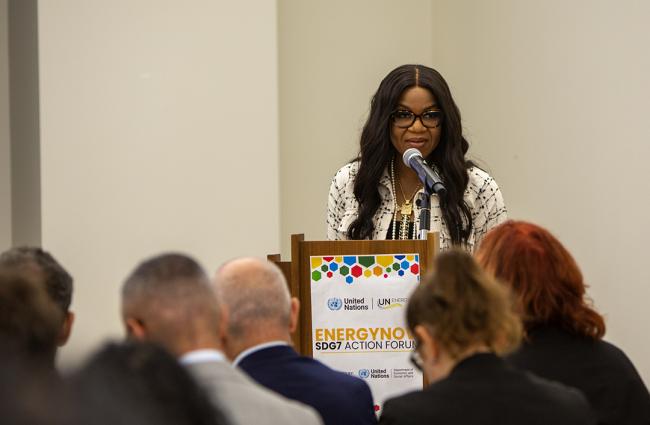
Following the High-Level Segment, a parallel session convened on gender data in sustainable energy. Participants heard detailed explanations of the need for gender data in the area of renewable energy and the solutions being pursued by various entities. They noted that the world has moved forward since 2015 when politics prevented agreement on including any indicators related to gender in SDG7; general agreement exists to rectify this in the post-2030 agenda and to start building momentum toward this.
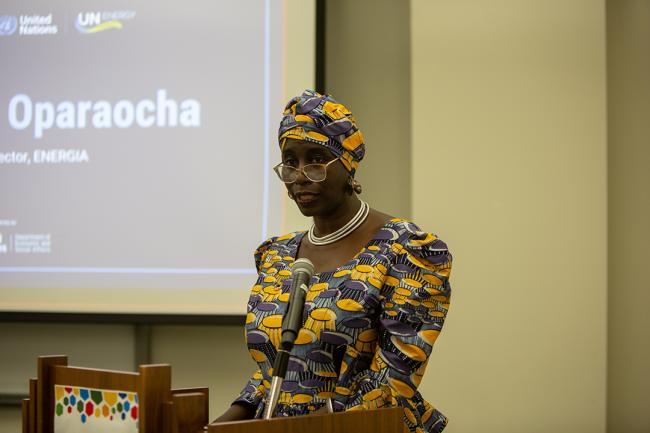
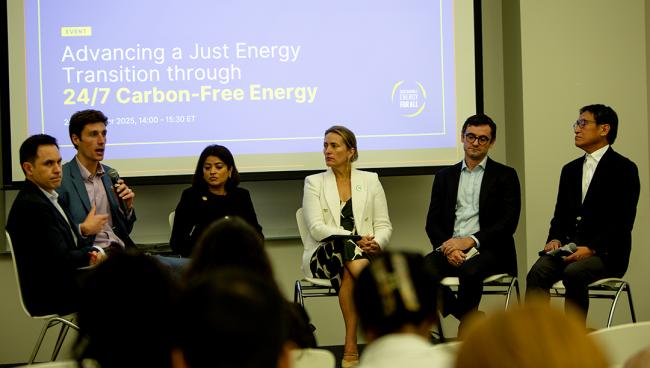
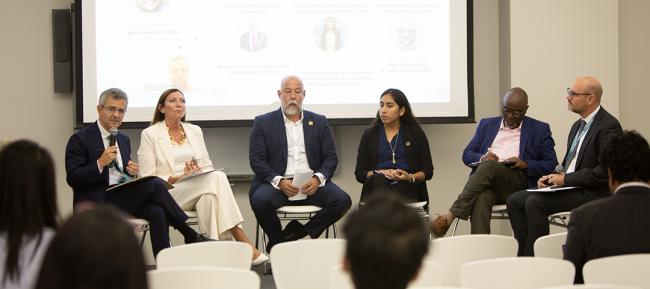
Another parallel session discussed the Just and Inclusive Energy Transition (JIET) Compact, an initiative supported by the G20 under Brazil’s 2024 presidency, and the 24/7 Carbon-Free Energy Compact, which aims to achieve clean reliable energy that can withstand disasters and that are not vulnerable to grid breakdowns.
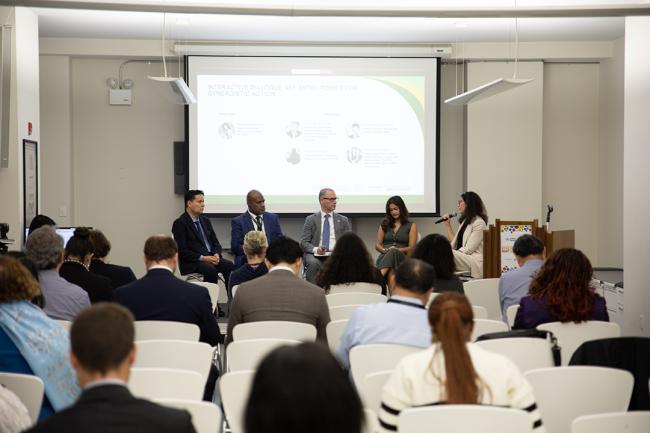
In the afternoon plenary, speakers presented key findings and recommendations from the Third Global Report on Climate and SDG Synergies. The report highlights that the synergistic allocation of funds could reduce total government spending by up to 37%; and growing evidence on other benefits of synergistic policies and action. A panel then addressed key entry points for synergistic actions, including on energy, health, and gender.
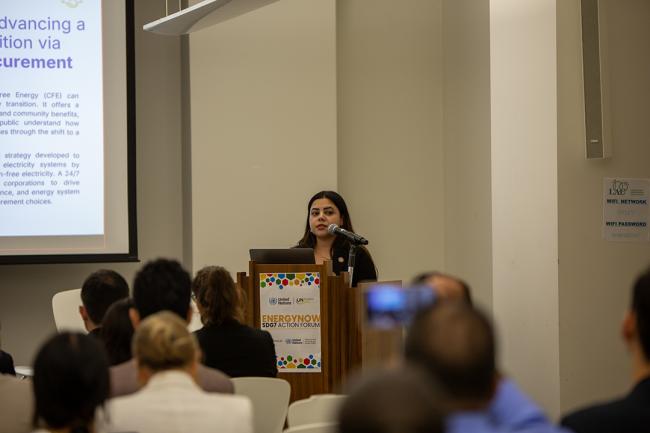
Afternoon parallel sessions explored sustainable energy and clean water access to ensure quality education and learning opportunities for all and evidence-based solutions to advancing sustainable economic growth, productive employment, and decent work for women and girls. During the former, participants heard from speakers representing diverse entities working at the nexus of water and energy in a variety of fields: agrifood, sugar production, utilities, rural green electrification, and urban water recovery and preservation in areas vulnerable to drought. Discussions addressed the need to scale this kind of multistakeholder conversation to the ministerial level.
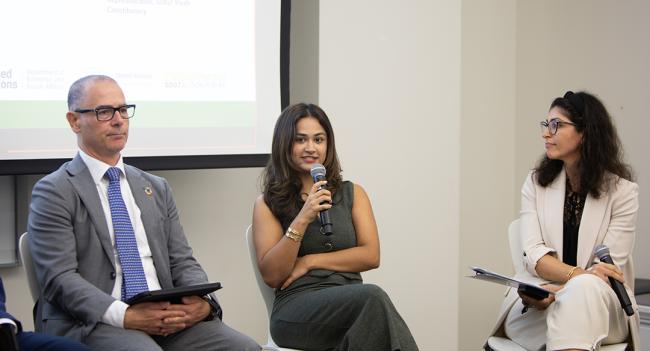
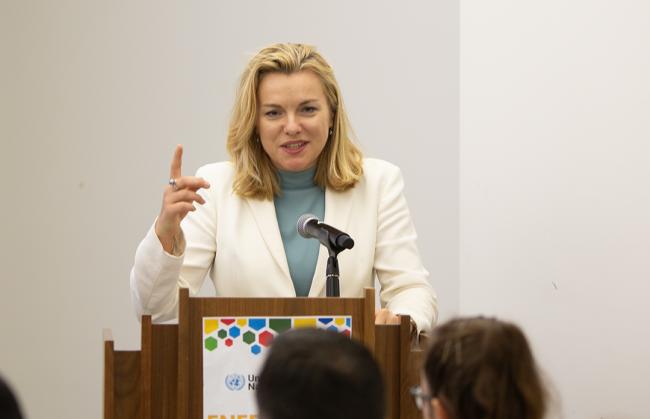
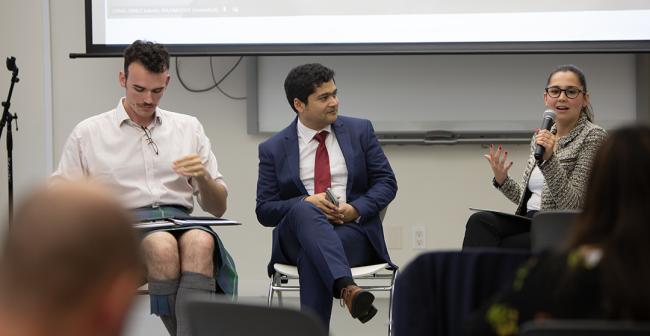
The parallel session on economic growth, employment, and decent work for women heard about actions that governments, companies, civil society, and other entities can take to mainstream gender into energy planning and development planning more generally. Participants discussed innovative training programmes to ensure more women work in renewable energy and in trades that are normally dominated by men, including as electricians, construction workers, and engineers. They also underscored that increased energy access for women can further women’s empowerment, and the need to raise awareness among men and shift social norms.
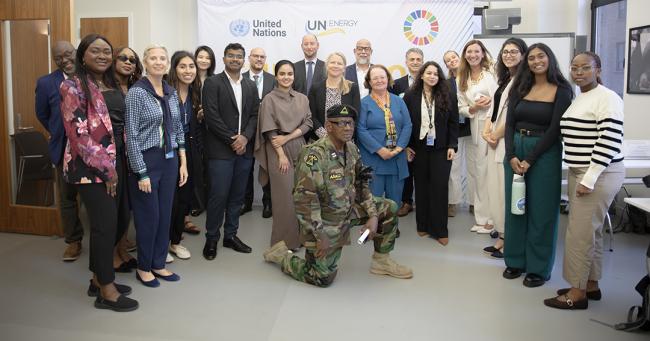
To receive free coverage of global environmental events delivered to your inbox, subscribe to the ENB Update newsletter.
All ENB photos are free to use with attribution. For ENERGYNOW: SDG7 Action Forum 2025, please use: Photo by IISD/ENB | Angeles Estrada Vigil
High-level Segment
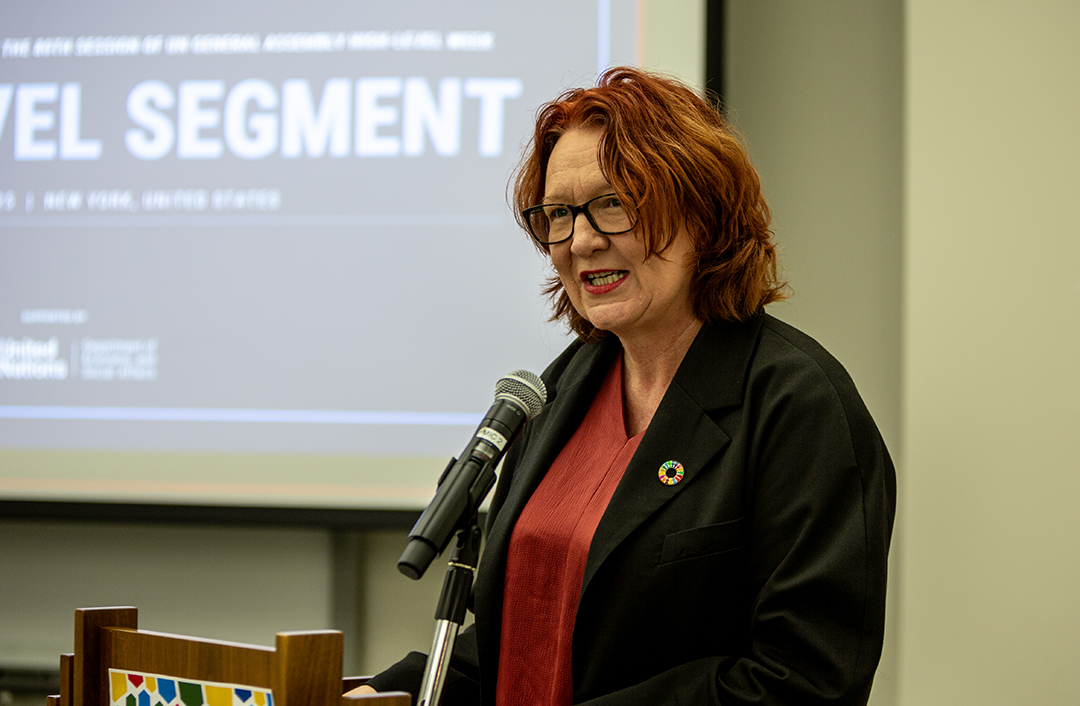
Bjørg Sandkjær, Assistant Secretary-General for Policy CoordinaIon, UN DESA
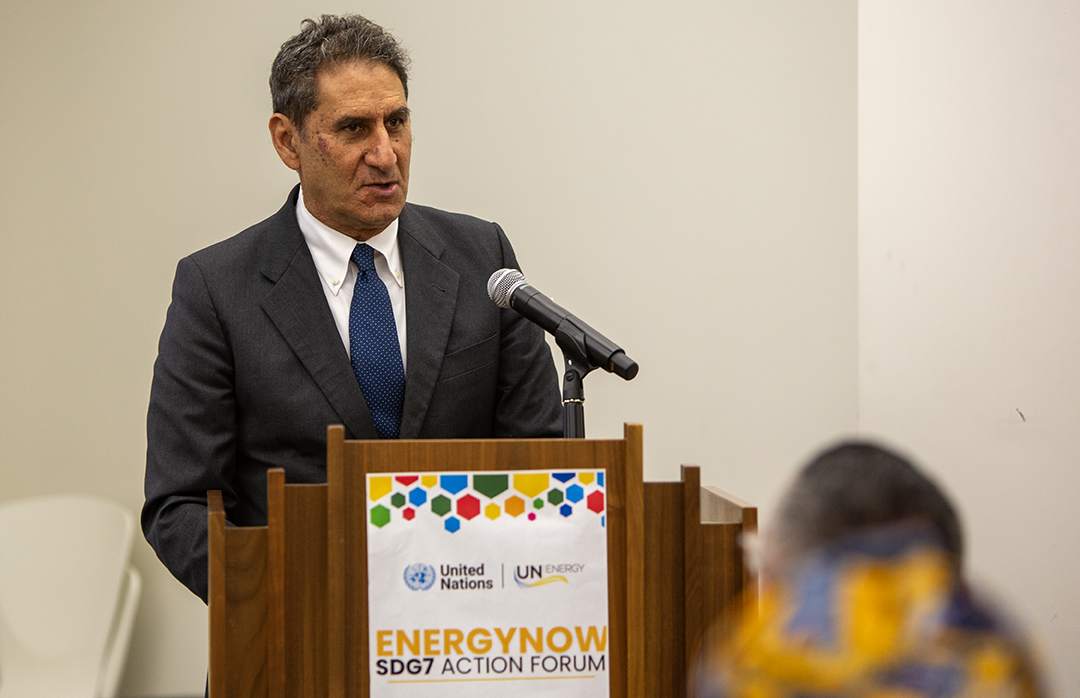
Francesco La Camera, Director-General, IRENA
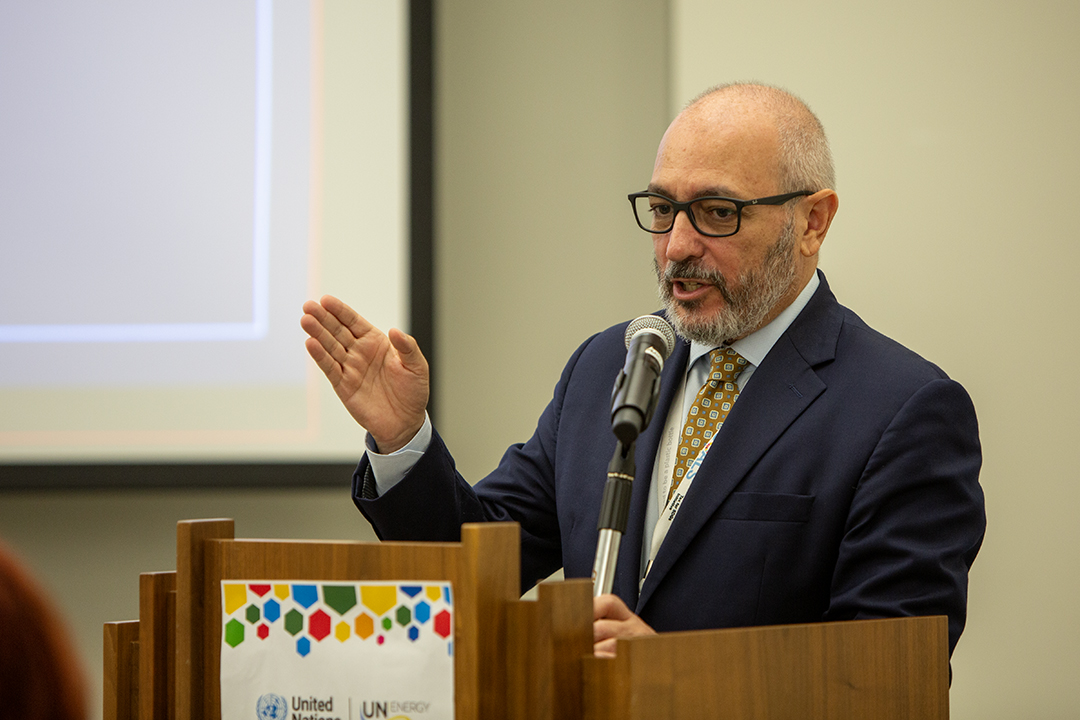
Marcos Neto, UNDP Assistant Administrator and Director of the Bureau for Policy and Programme Support
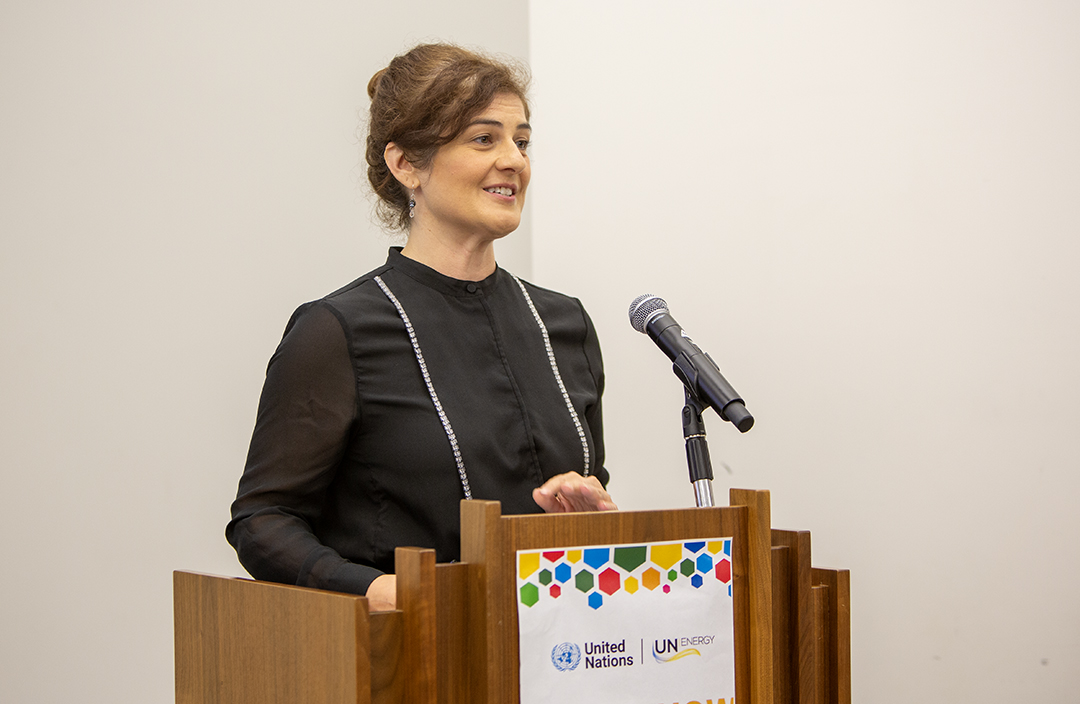


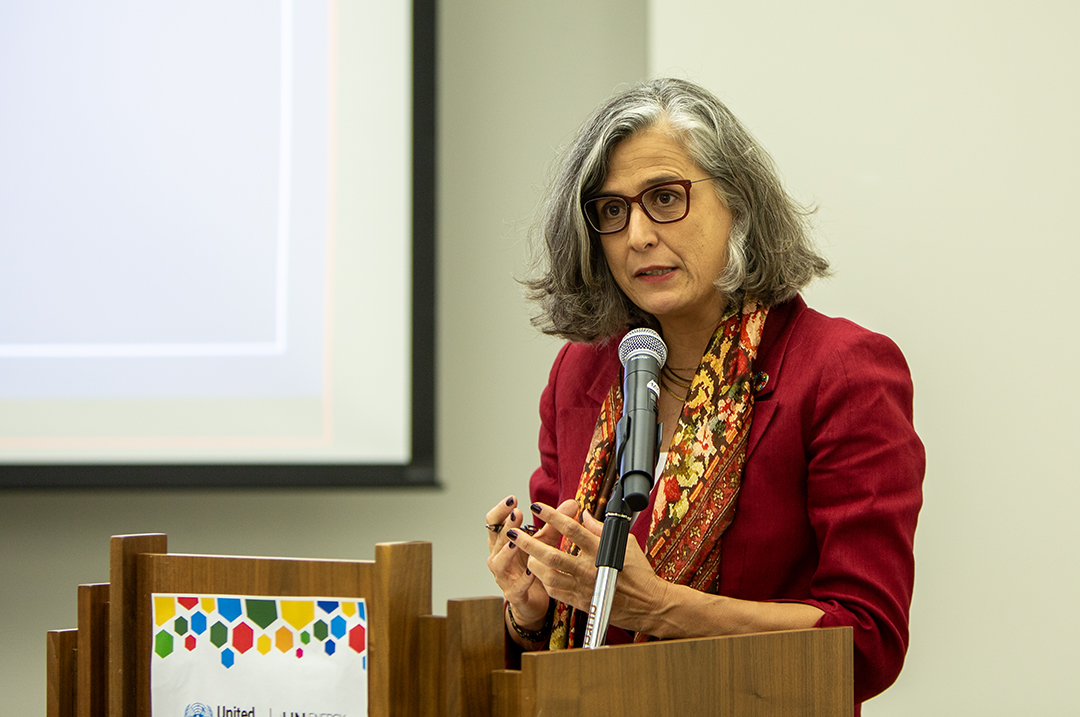
Anacláudia Rossbach, Executive Director, UN-Habitat
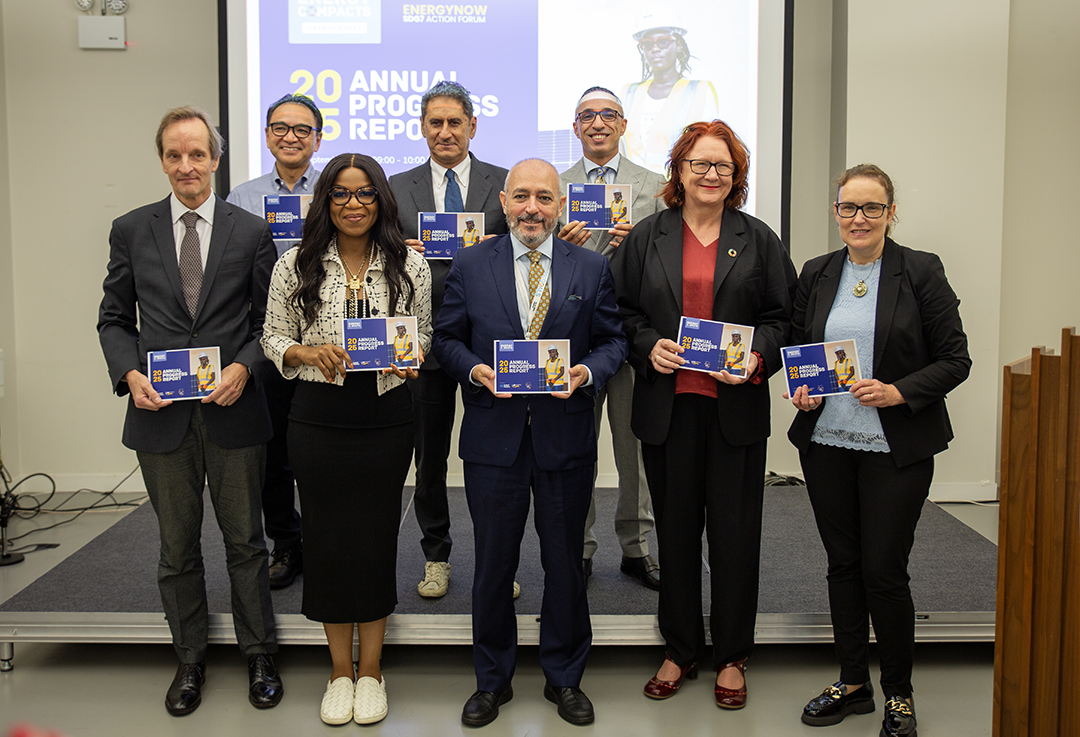
Parallel Session: Power in Numbers: Leading the Way on Gender Data in Sustainable Energy
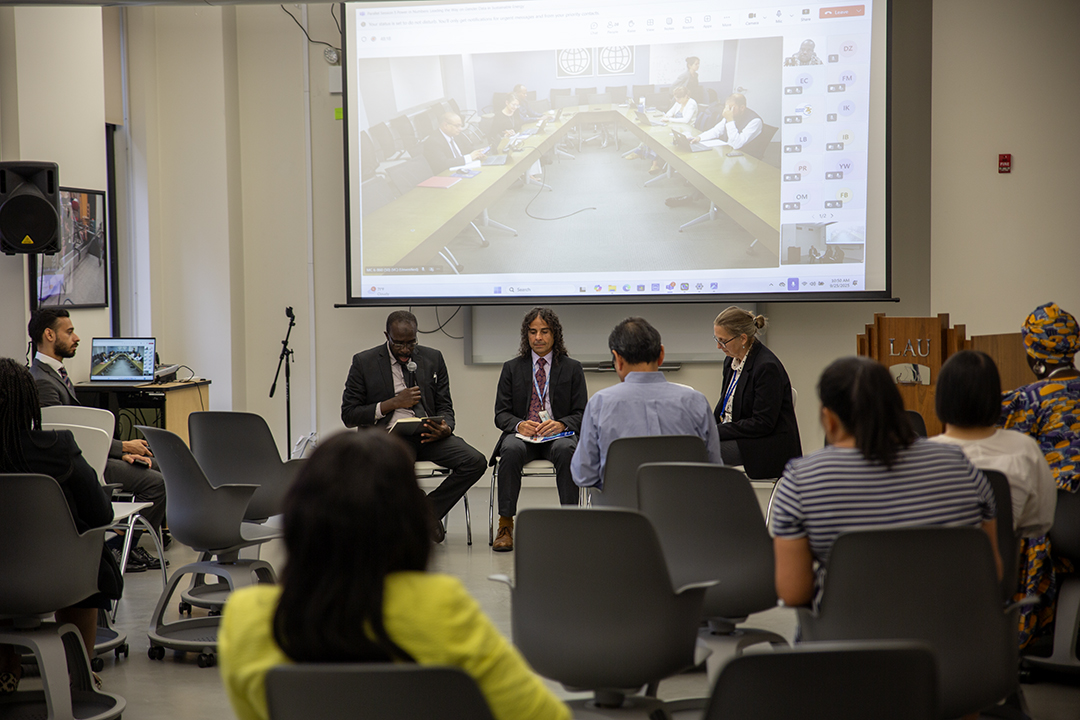
Power in Numbers- Leading the Way on Gender Data in Sustainable Energy
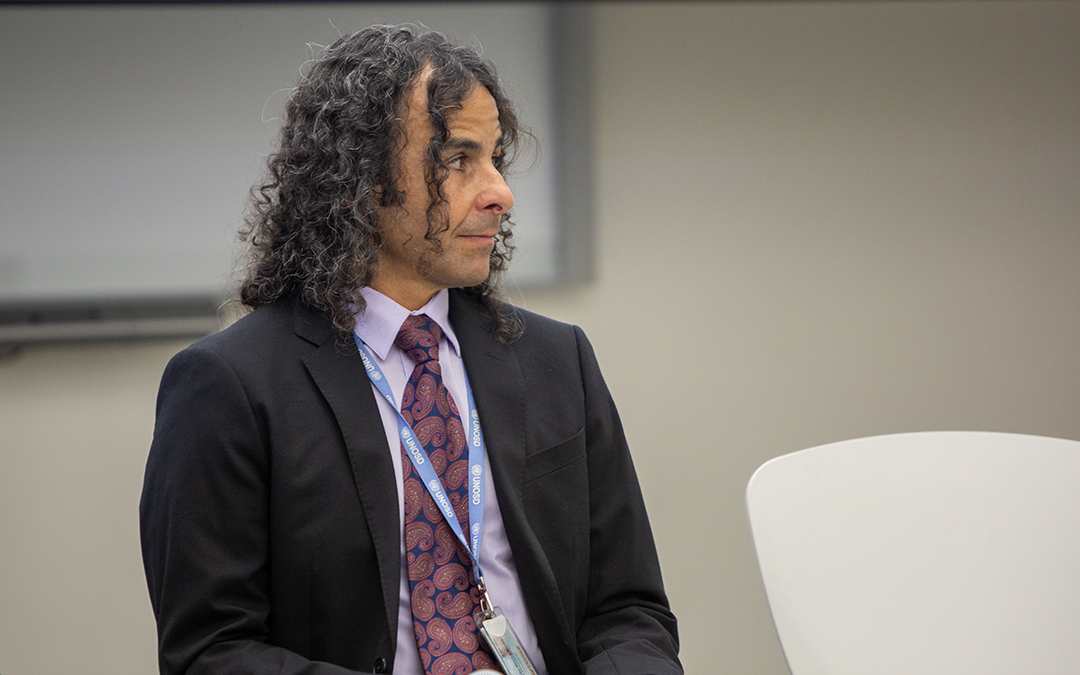
Leonardo Souza, Chief of Energy Statistics Section, UN Statistics Division (UNSD)
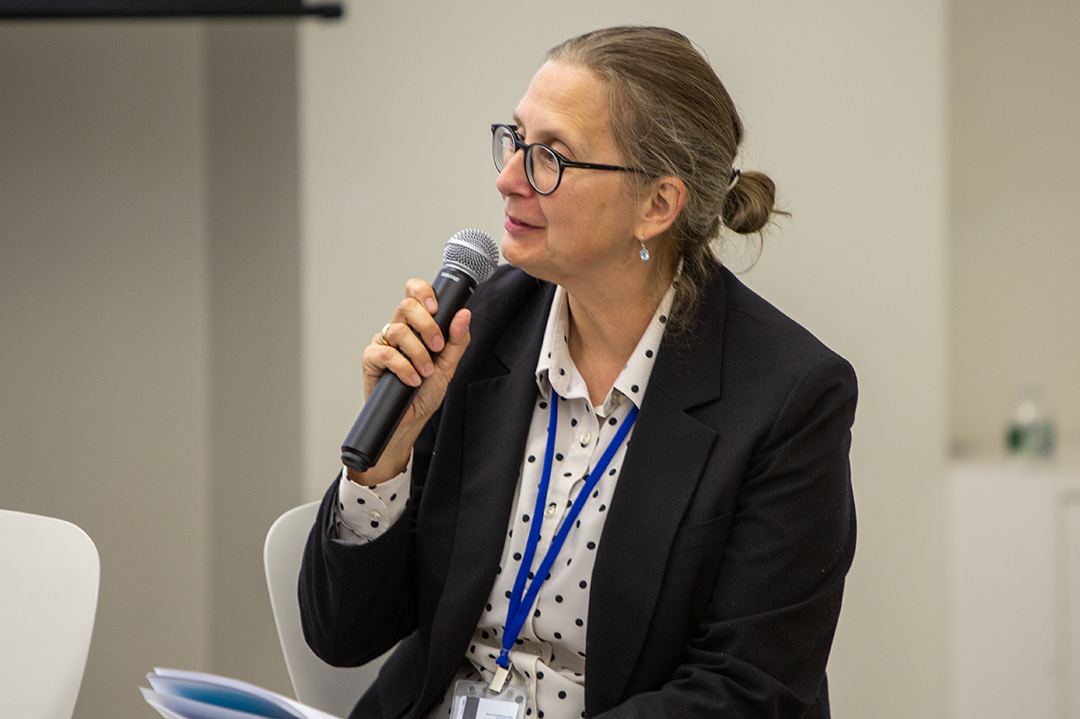
Fanny Misfeldt-Ringius, Practice Manager, Energy Sector Management Assistance Program (ESMAP), World Bank
Parallel Session: Advancing a Just Energy Transition through 24/7 Carbon-Free Energy
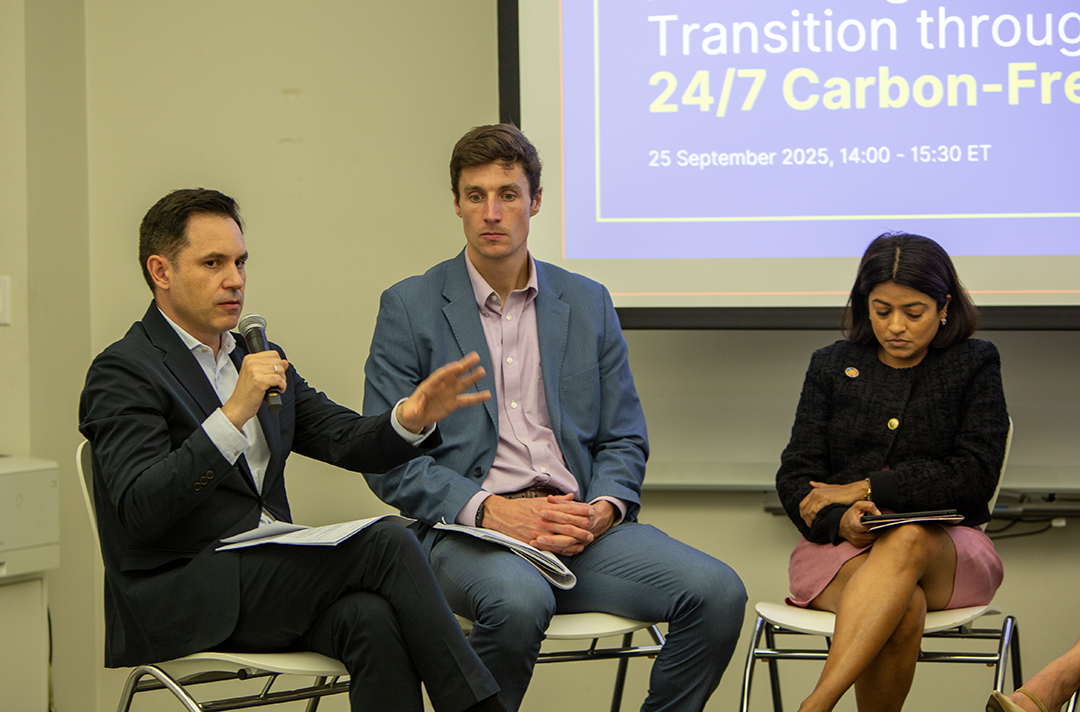
Miguel Muñoz Rodriguez, Head of Climate Policies and Alliances, Iberdrola
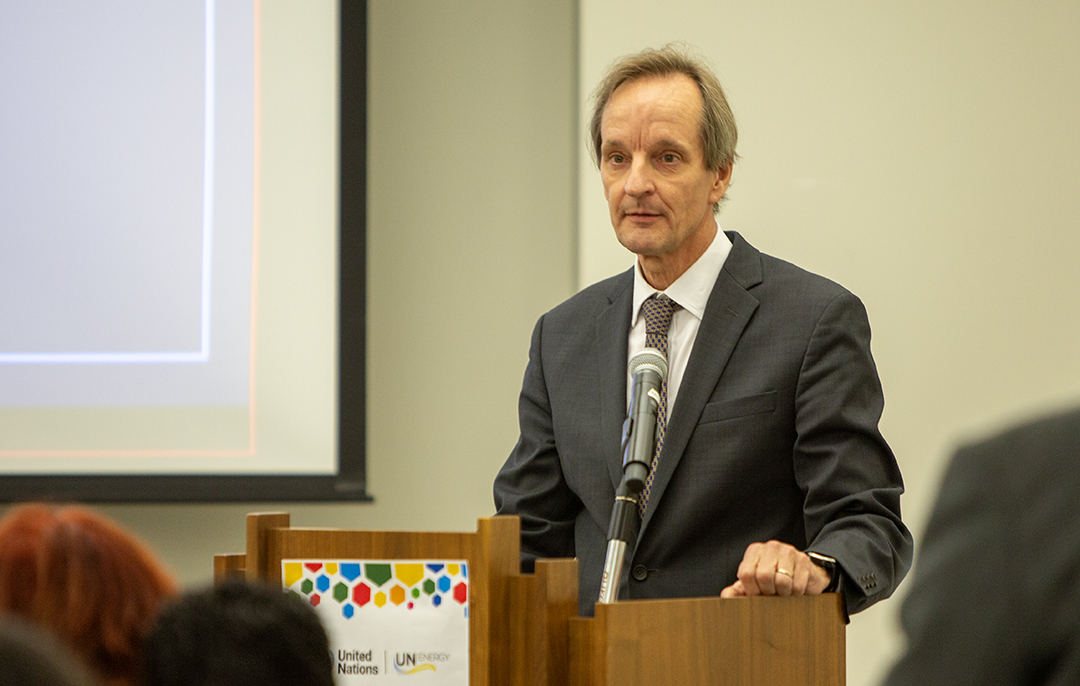
Rolland Mollerus, Director, UN Office of the High Representative for the Least Developed Countries, Landlocked Developing Countries and Small Island Developing States (UN-OHRLLS)
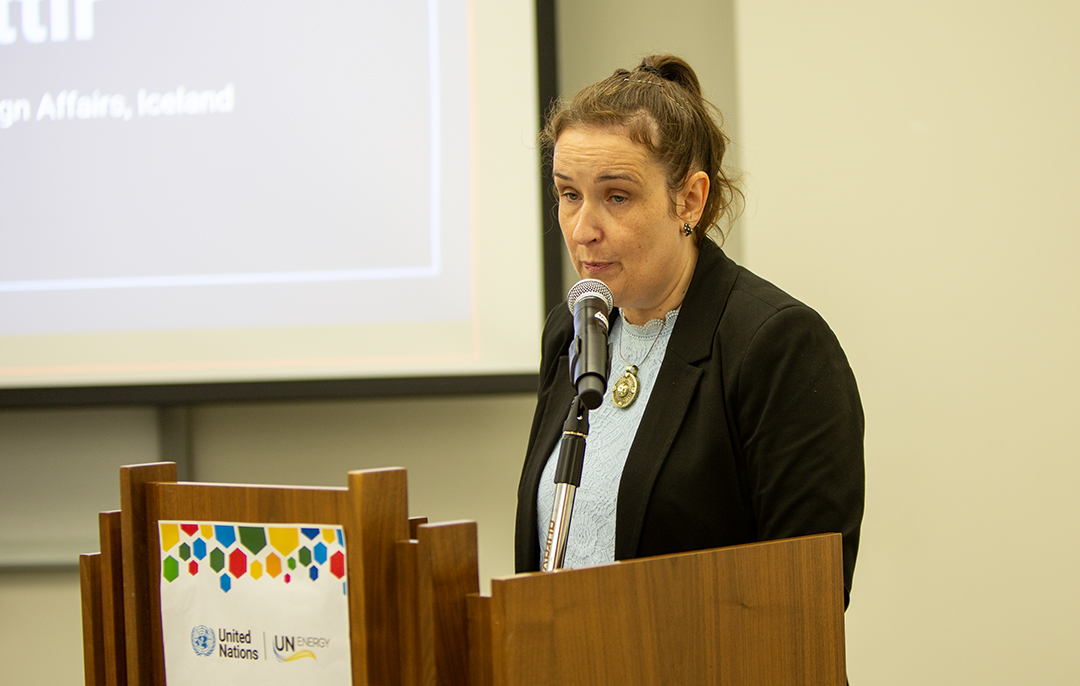
María Erla Marelsdóir, Climate Ambassador, Ministry of Foreign Affairs, Iceland
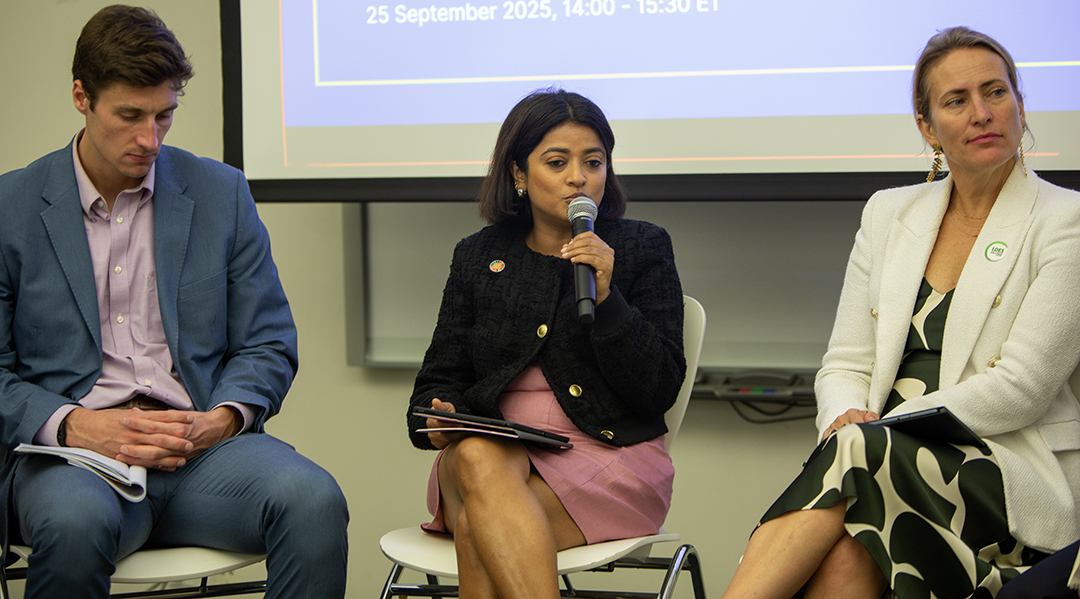
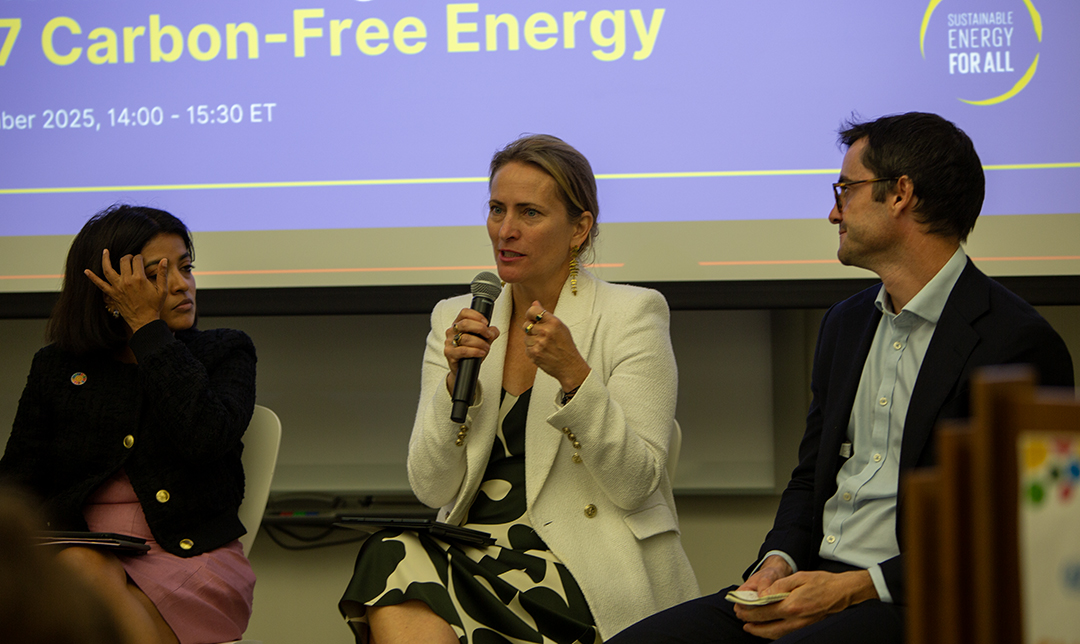
Julia Souder, CEO, Long DuraIon Energy Storage Council
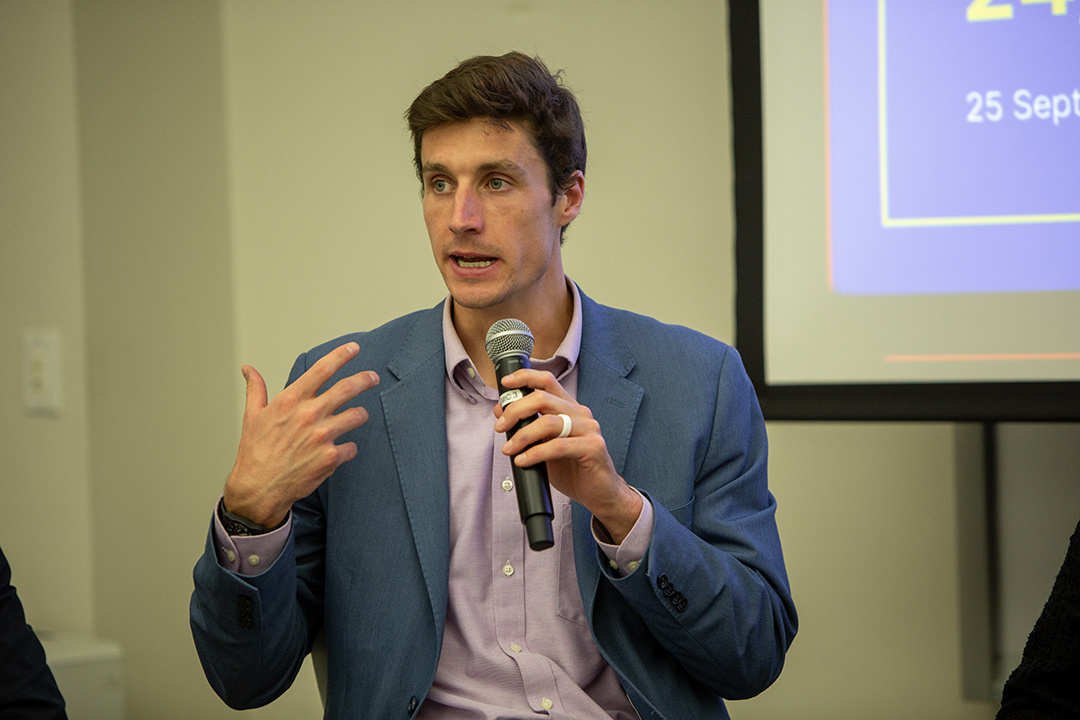
Alex Piper, Head of US Policy and Markets, EnergyTag

Matt Gray, CEO, Transition Zero
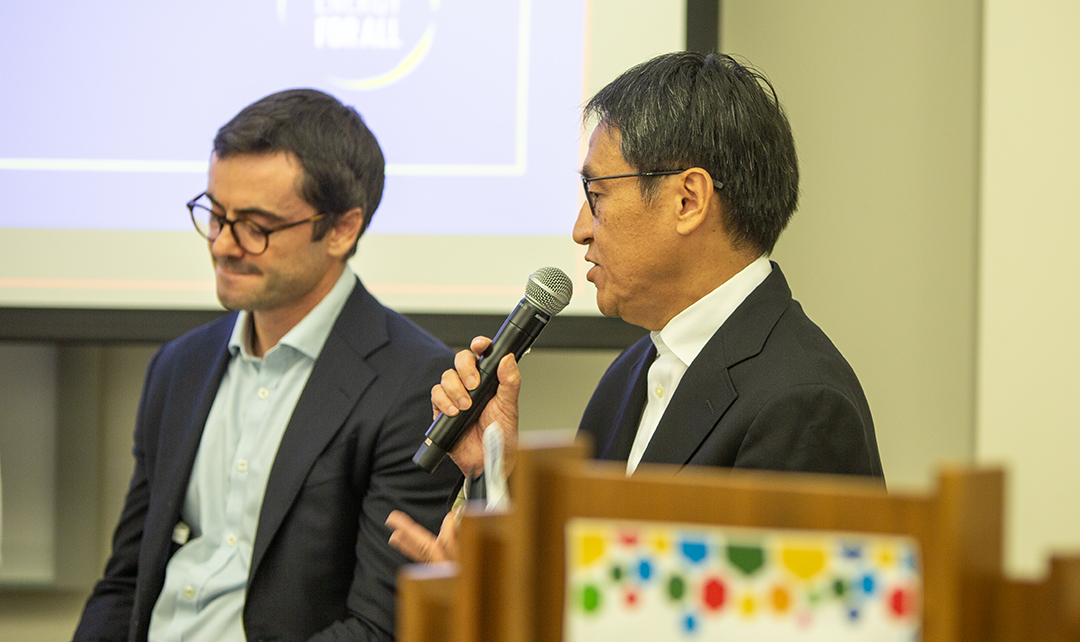
Naoki Sakai, CEO, D-Sharing
Plenary Session: Promoting Synergies for Accelerated Progress towards SDGs and Paris Agreement
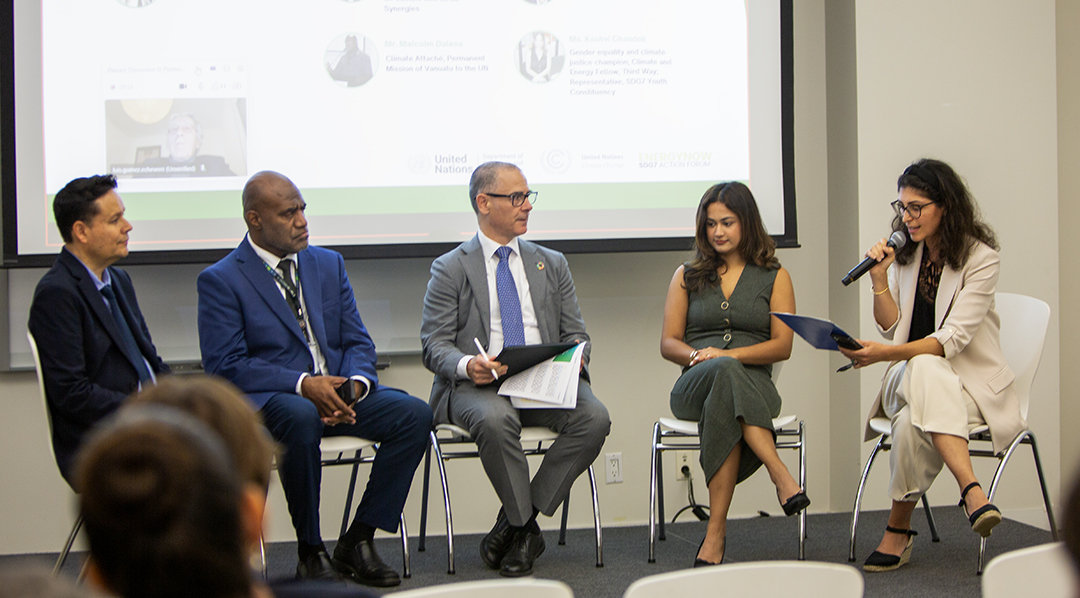
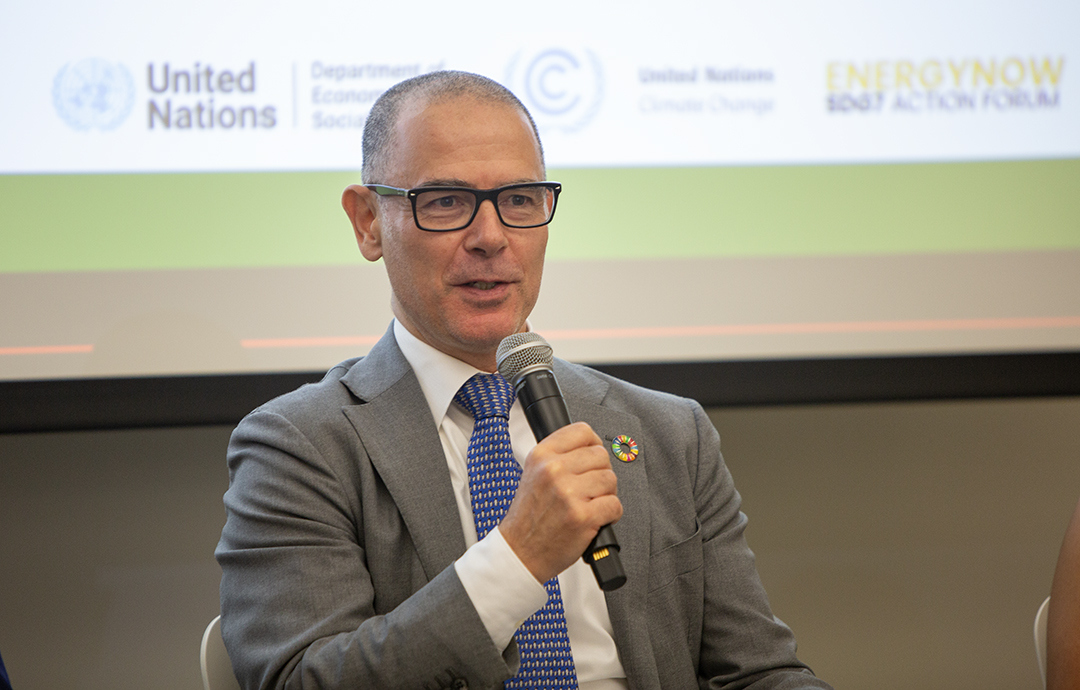
Kaveh Guilanpour, Vice President for InternaIonal Strategies, Centre for Climate and Energy SoluIons
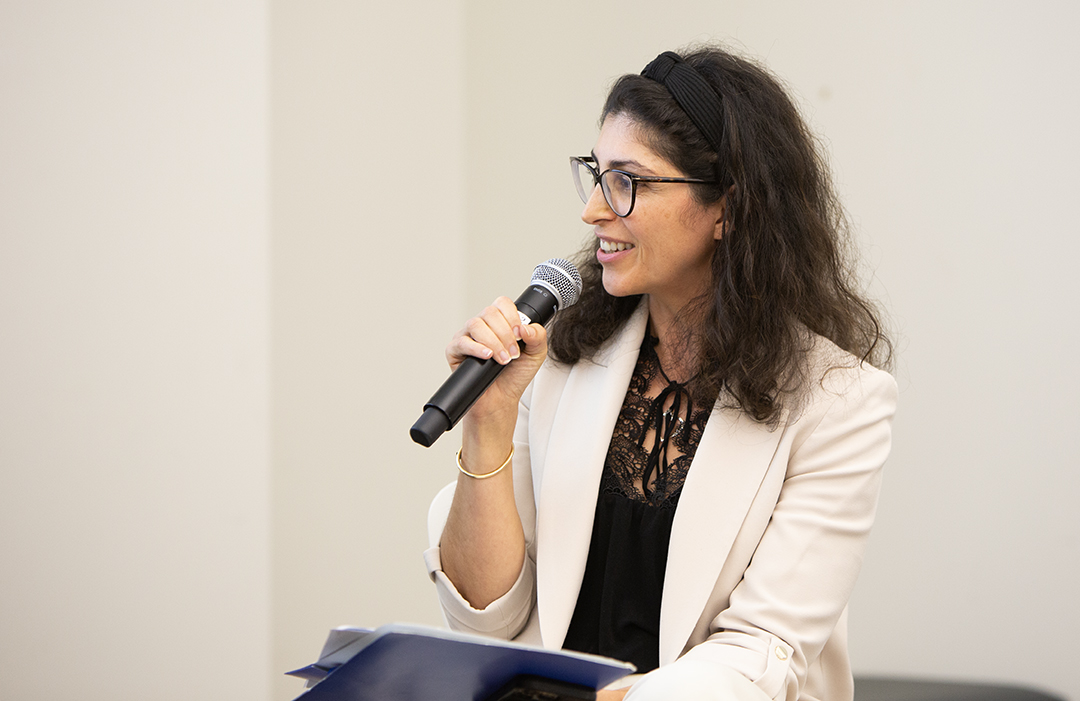
Bahareh Seyedi, Senior Sustainable Development Officer, UN DESA
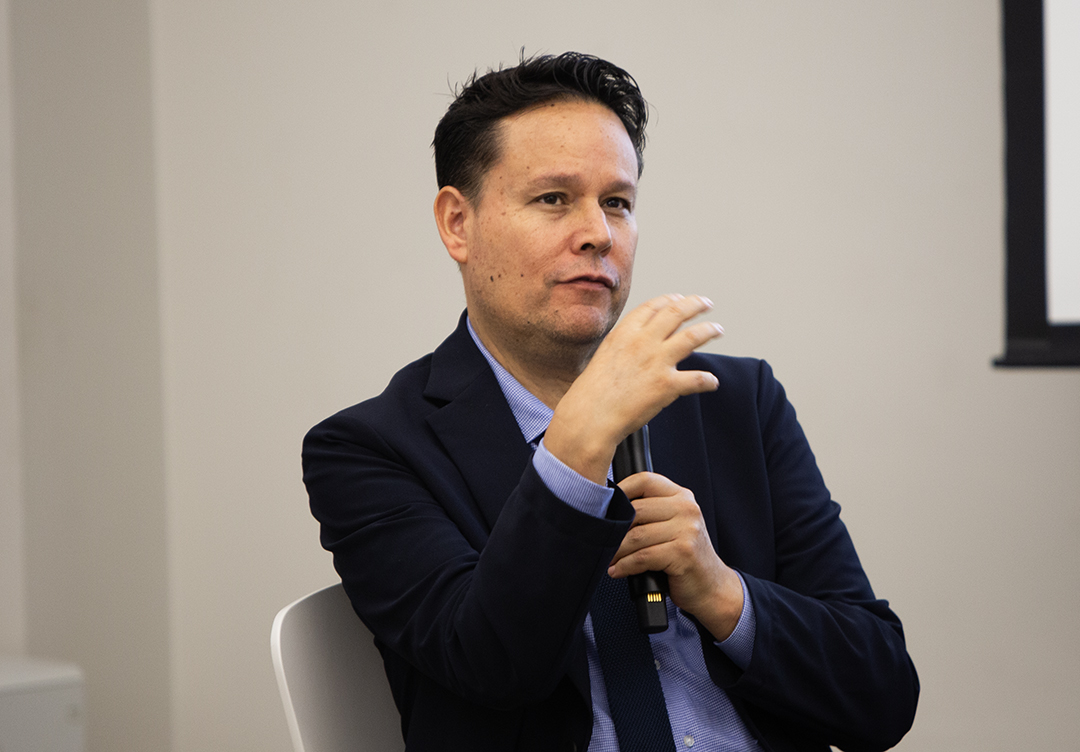
George Gray Molina, Head of Inclusive Growth and Chief Economist, UNDP
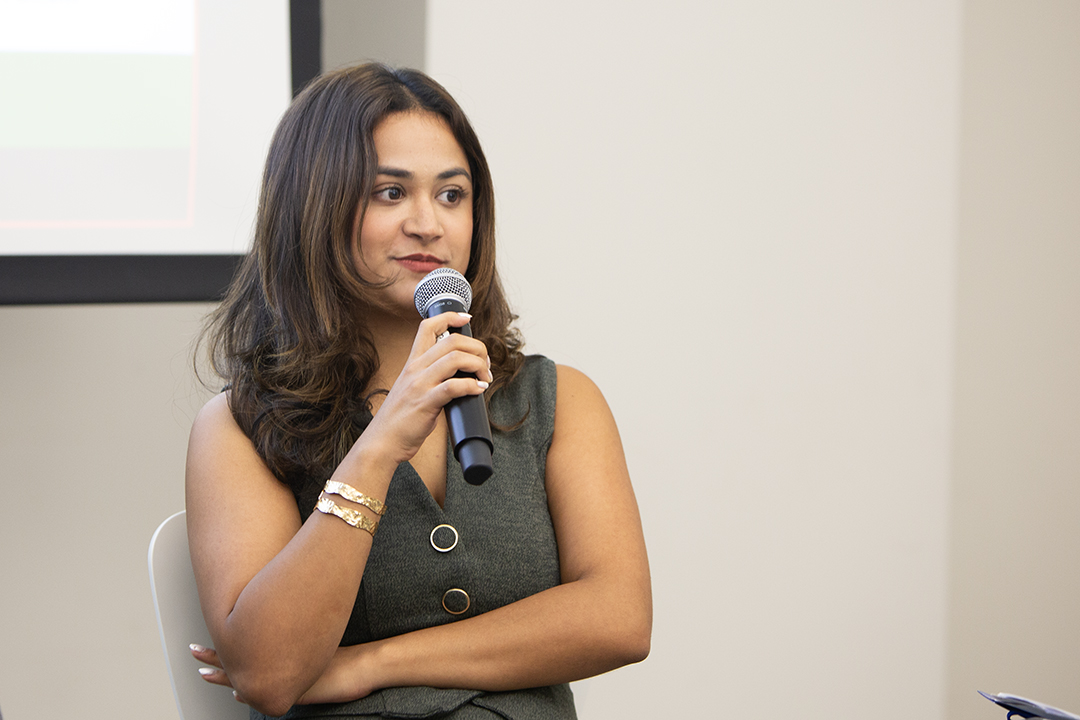
Kashvi Chandok, Climate and Energy Fellow, Third Way, and SDG7 Youth Constituency
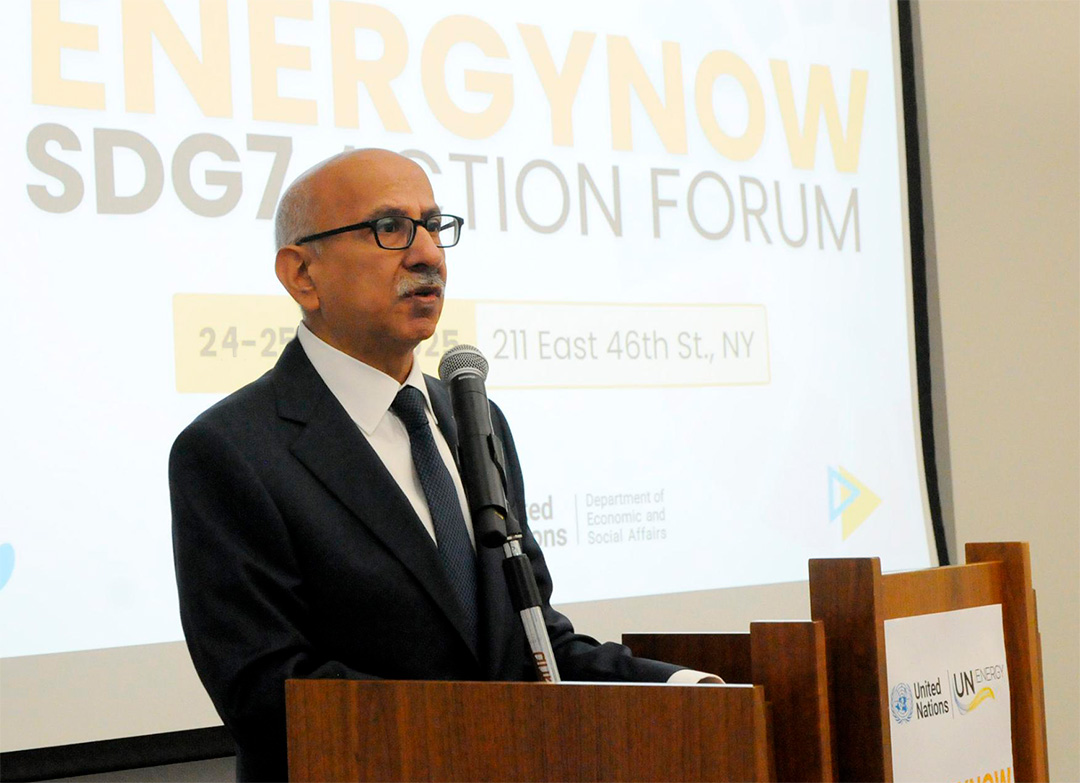
Navid Hanif, Assistant Secretary-General for Economic Development, UN DESA
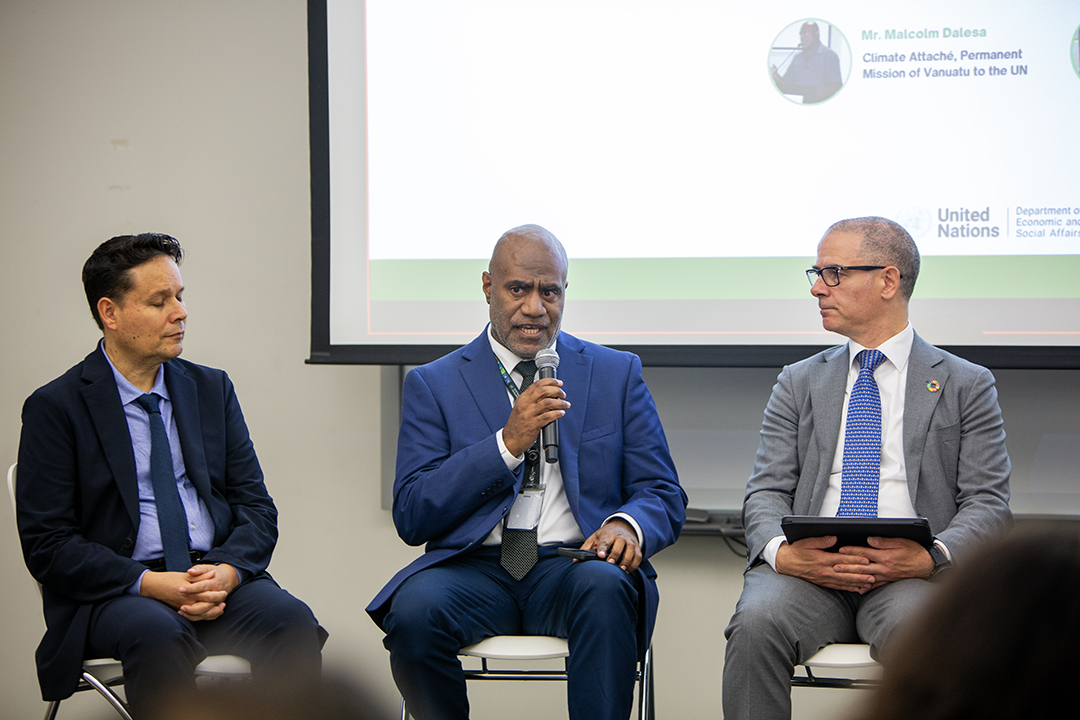
Malcolm Dalesa, Climate Apaché, Permanent Mission of Vanuatu to the UN
Parallel Session: Sustainable Energy and Clean Water Access to Ensure Quality Education and Learning Opportunities for All
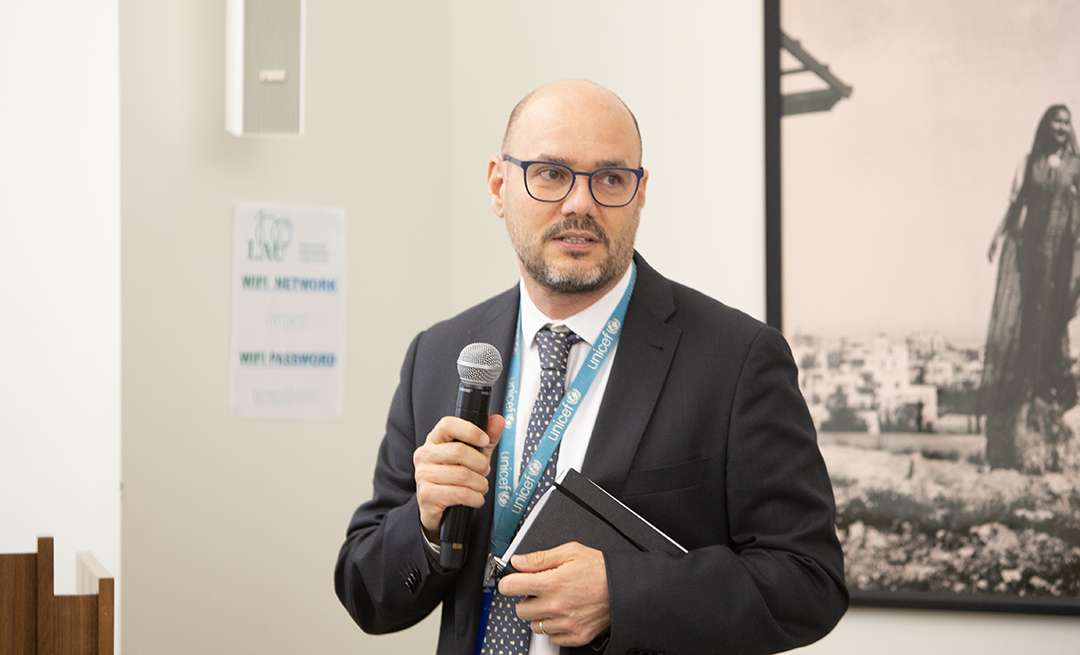
Jorge Alvarez-Sala, WASH Specialist, UNICEF
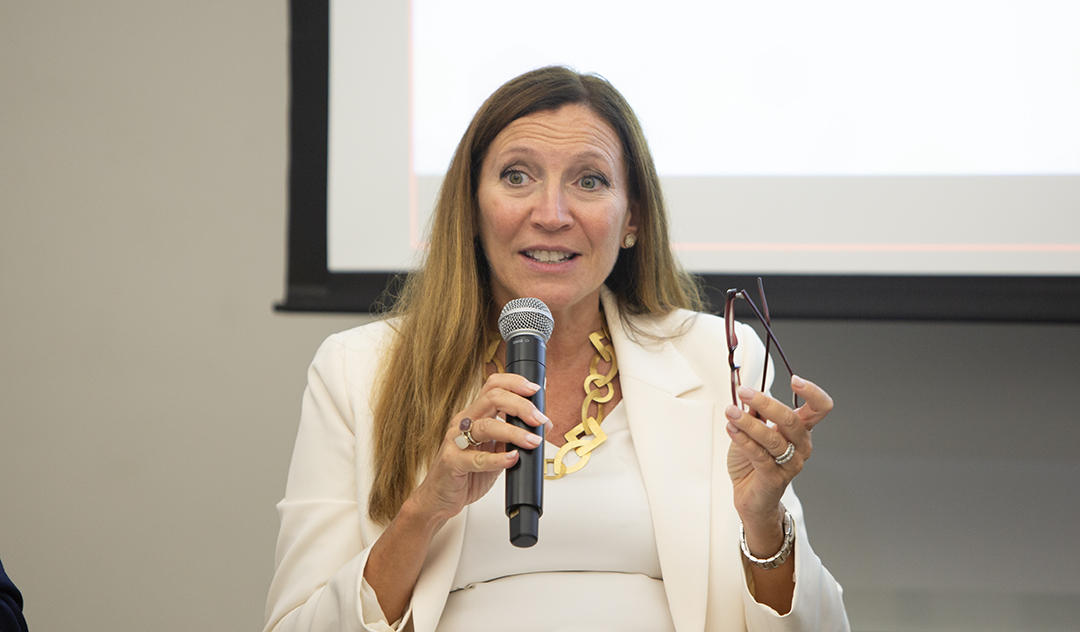
Michela Morese, Senior Natural Resources Officer, Food and Agriculture Organization of the UN (FAO)
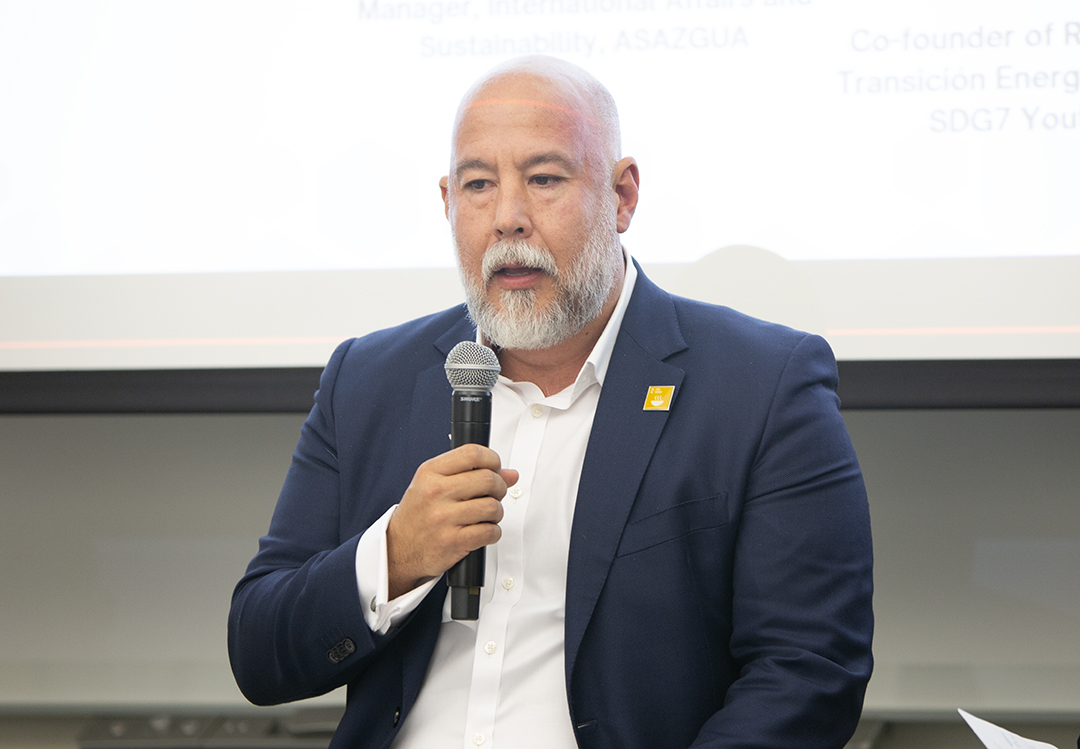
Gustavo Paredes, Manager, InternaIonal Affairs and Sustainability, ASAZGUA, Guatemala
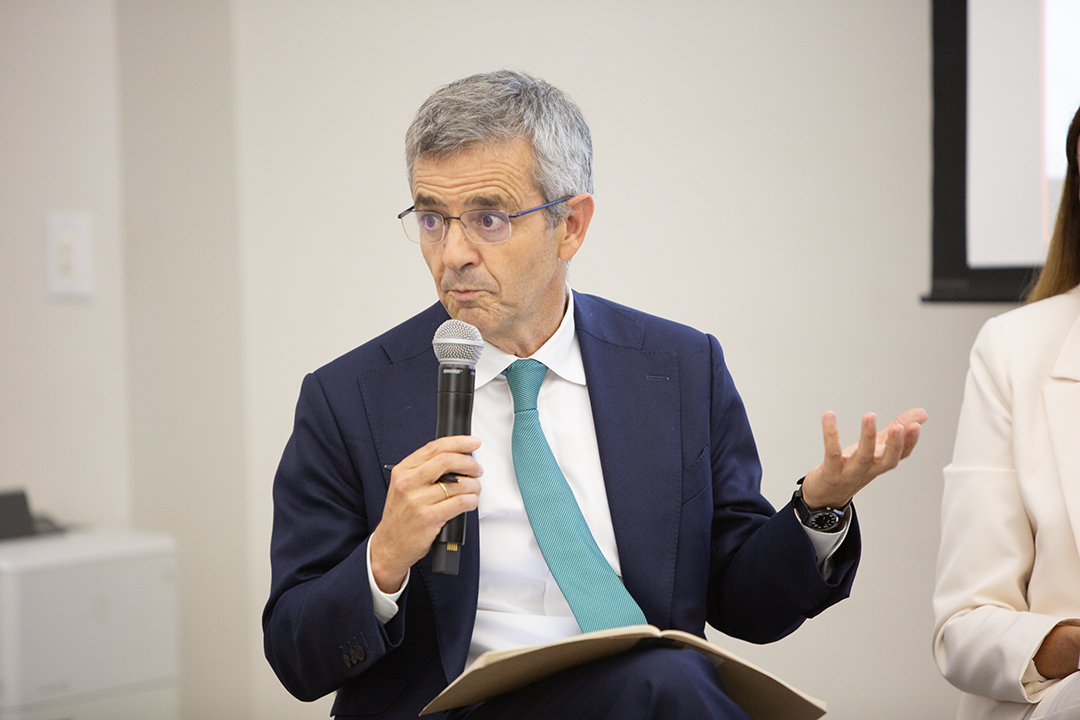
Gonzalo Sáenz de Miera, Director, Climate Change and Alliances, Iberdrola, Spain
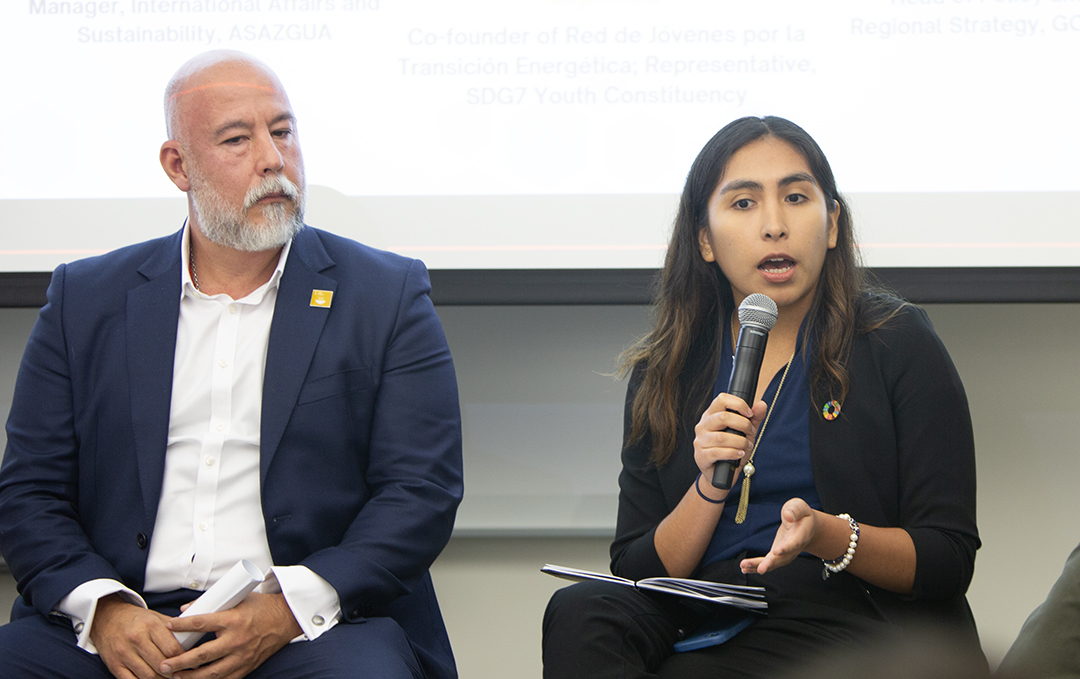
Alejandra Valdivia Espinoza, Co-Founder of Red de Jóvenes por la Transición EnergéIca, and SDG7 Youth Constituency
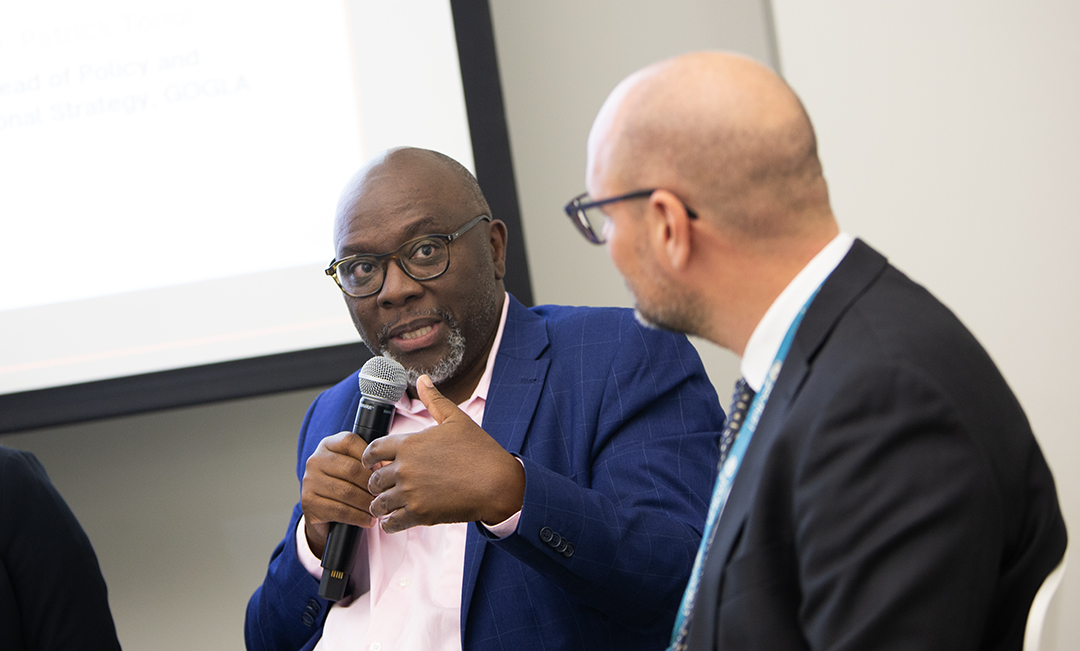
Patrick Tonui, Head of Policy and Regional Strategy, GOGLA
Parallel Session: Just and Inclusive Transition: Evidence-Based Solutions to Advancing Sustainable Economic Growth, Productive Employment and Decent Work for Women and Girls
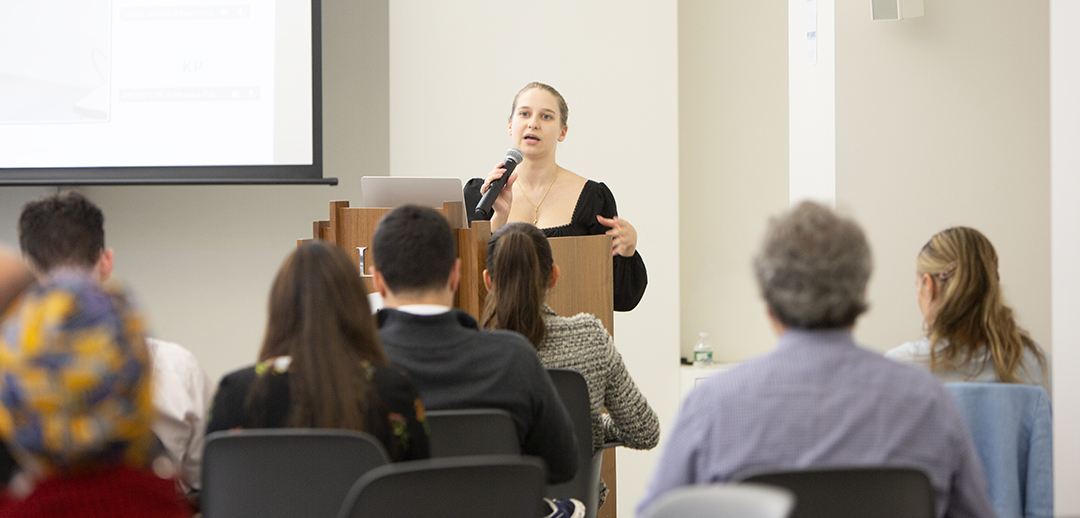
Ava Strasser, Gender & Youth Analyst, SEforALL
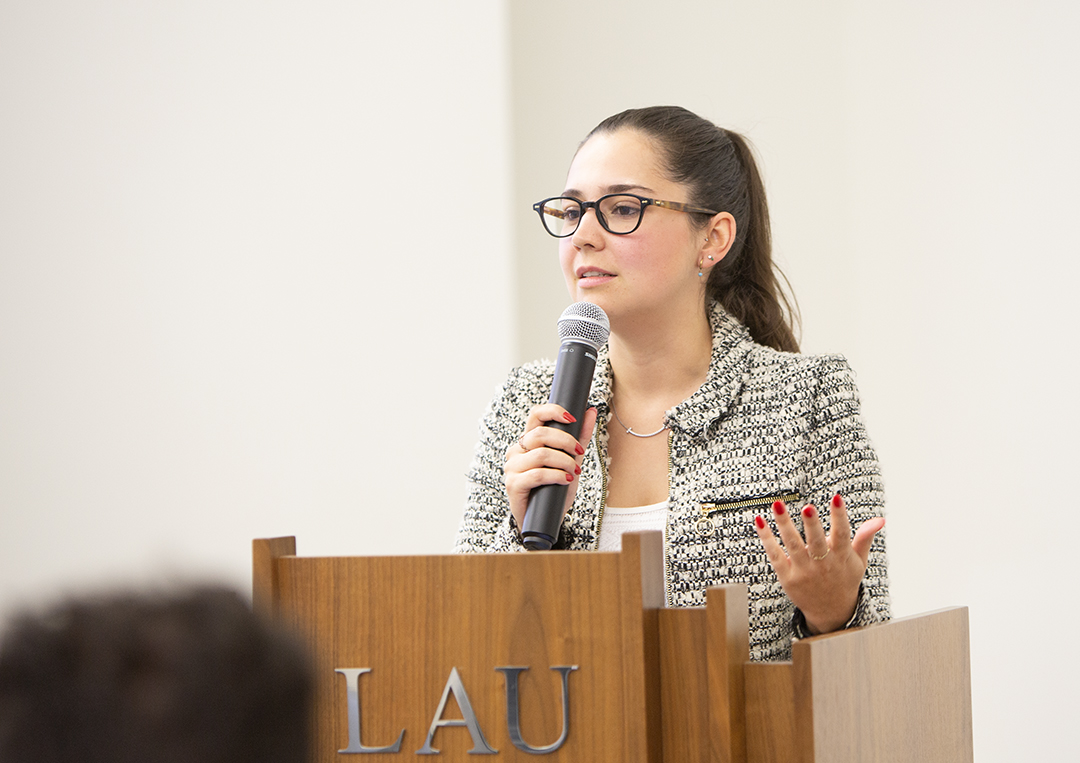
Laura Garcia Cancino, Senior Legal Researcher, Columbia Center on Sustainable Investment
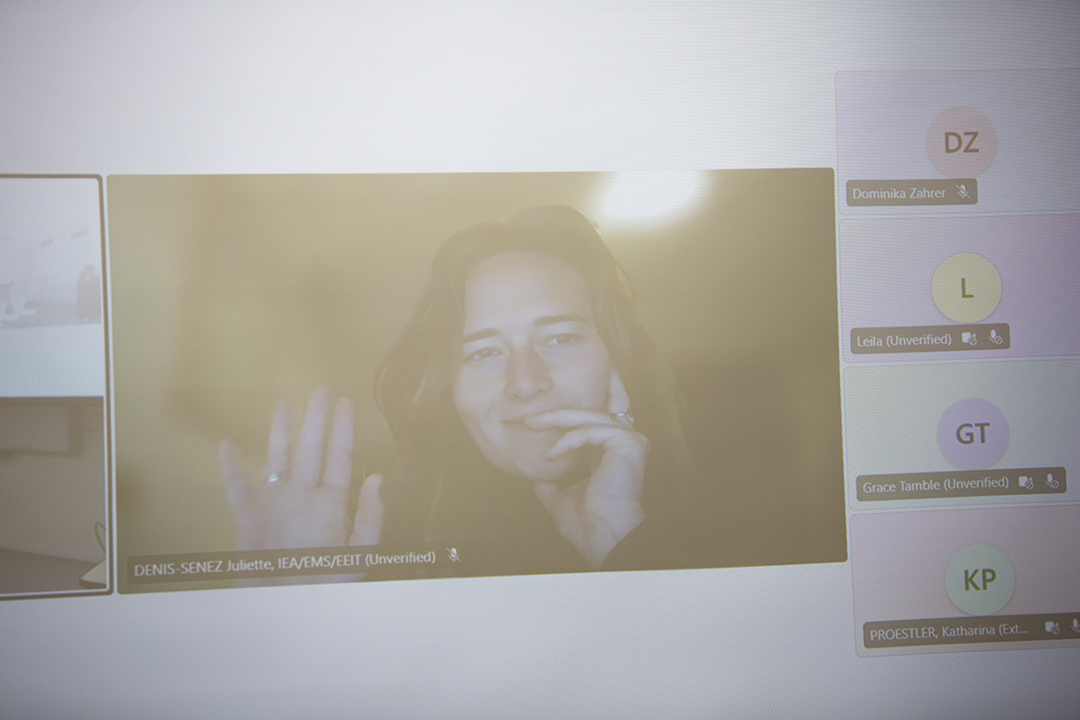
Juliette Denis-Senez, Policy Analyst on People-Centred Clean Energy TransiIons, International Energy Agency (IEA)
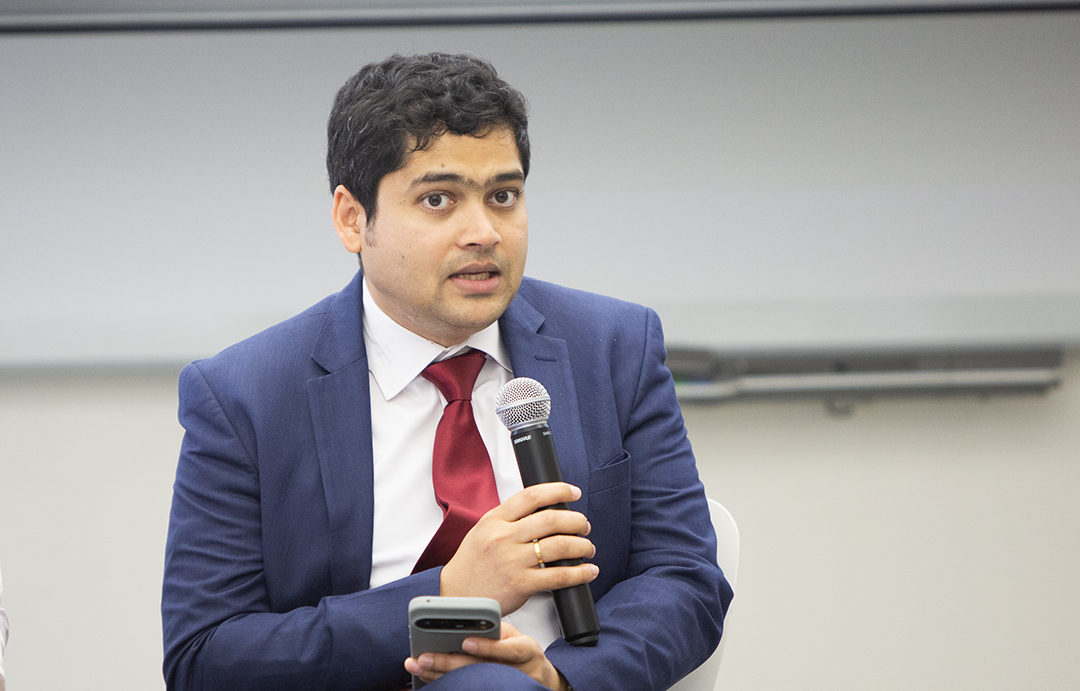
Sarbojit Pal, Energy and Climate Action Division, UN Industrial Development Organization (UNIDO)
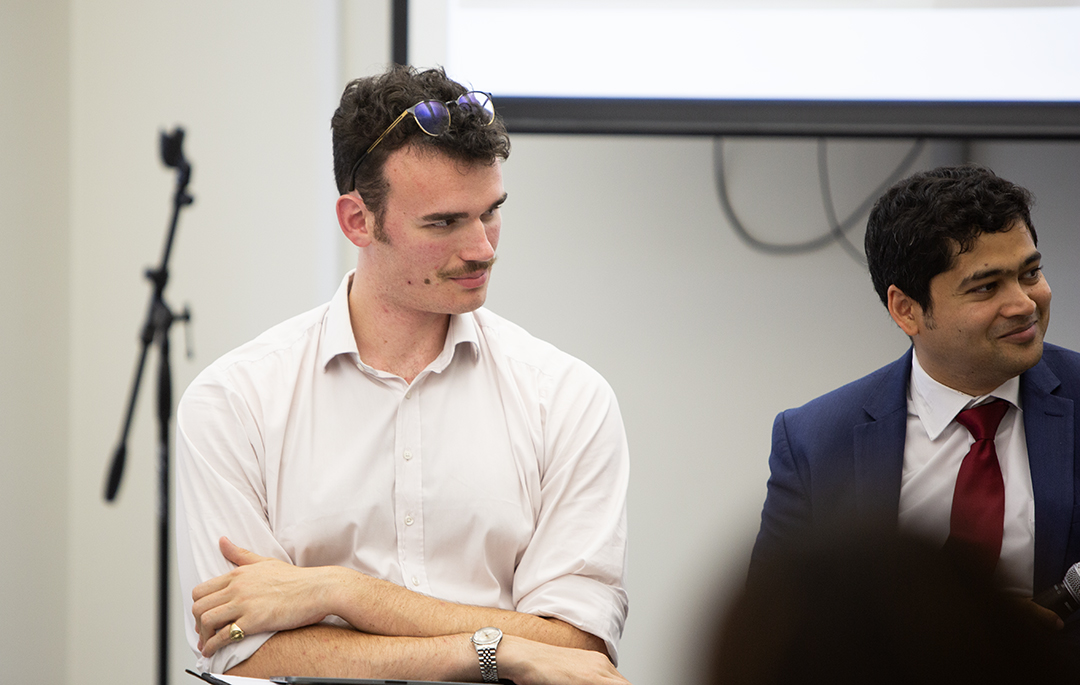
Josh Oxby, Energy & Youth Programme Analyst, UNDP
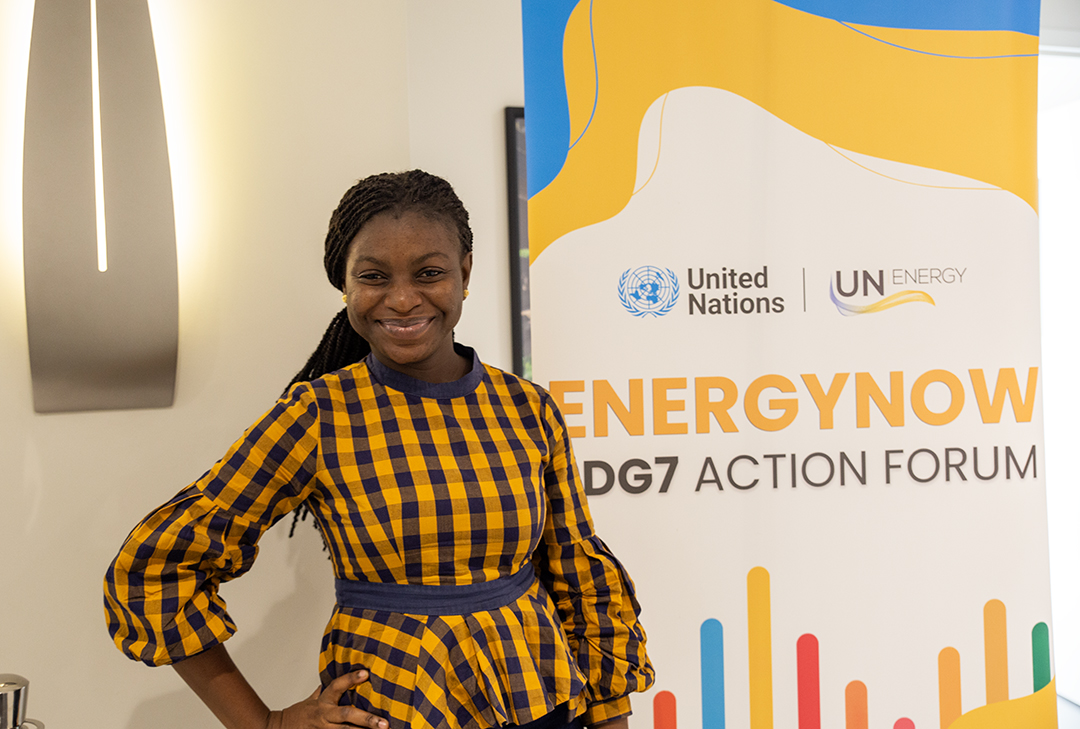
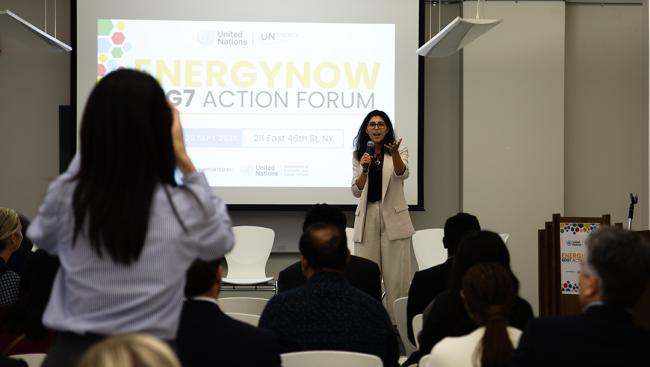
Around the Venue