About
A side event showed how robust food and agriculture plans can lift climate ambition, with countries sharing third round NDC insights and reviewing tools that can support them, including FAO’s Agrifood Systems Help Desk.
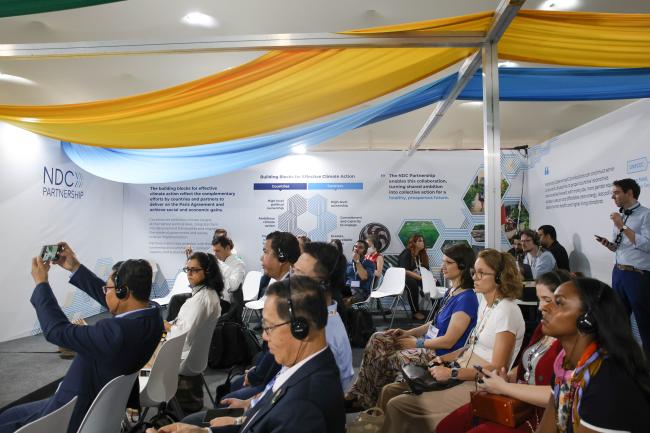
Agrifood systems are central to the global climate agenda; they account for roughly one-third of total anthropogenic greenhouse gas emissions and are vital for food security and the livelihoods of over one billion people. As countries move forward with enhanced climate commitments through their updated Nationally Determined Contributions (NDCs), transforming agrifood systems has become critical to achieving the goals of the Paris Agreement.
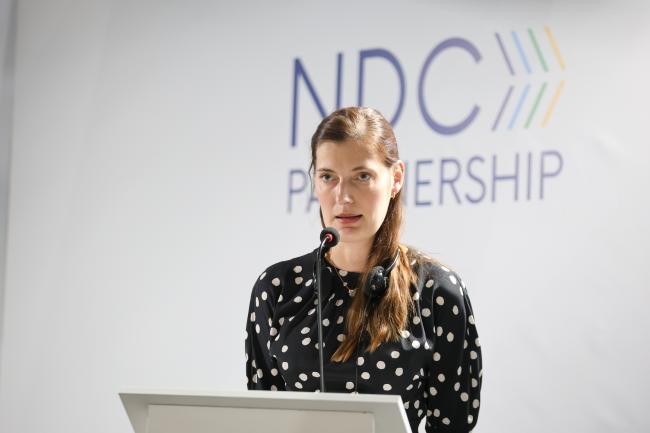
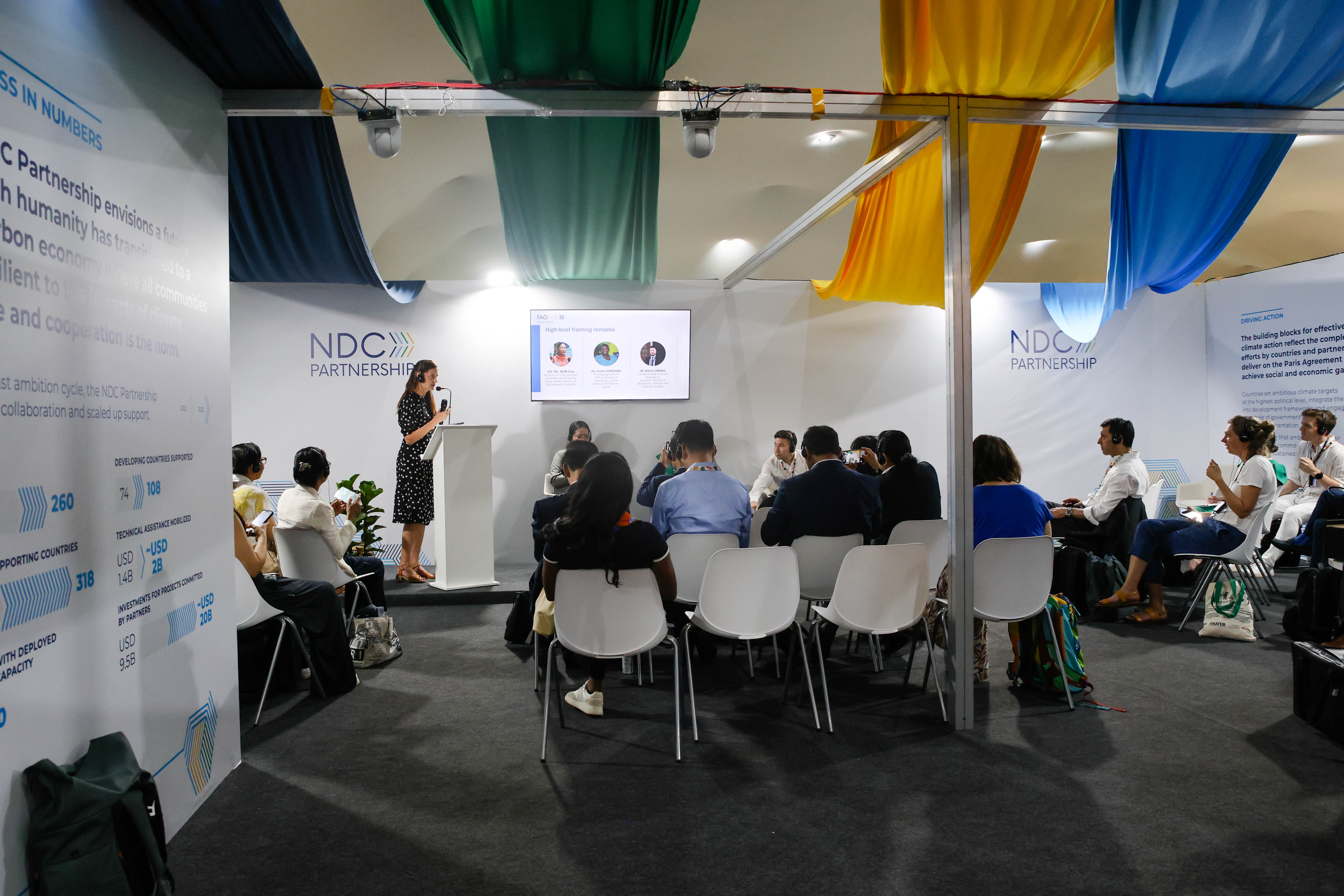
This side event highlighted the pivotal role of agrifood systems meeting the commitments made by countries in their updated NDCs 3.0 with countries providing insights. It also showcased how the Food and Agriculture Organization of the UN (FAO) NDC Agrifood Systems Help Desk, along with related tools and partnerships can support countries in turning climate commitments into actionable, financed solutions. The event was moderated by Liva Kaugure, Natural Resources Officer, Office of Climate Change, Biodiversity and Environment, FAO.
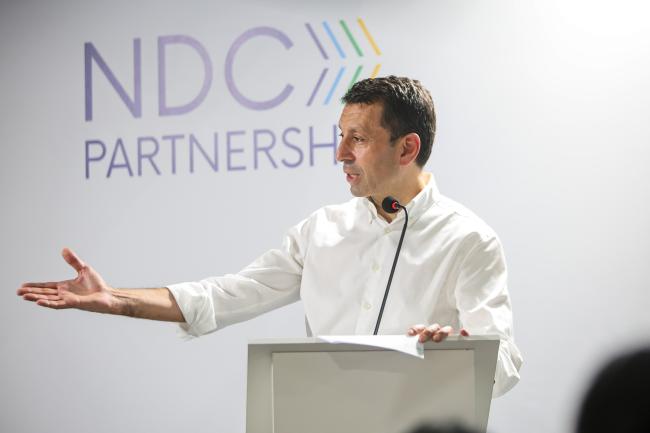
Opening the session, Kaveh Zahedi, Director, Office of Climate Change, Biodiversity and Environment, FAO, stressed agrifood systems are a “one shot investment” that can significantly advance progress towards the goals of the Paris Agreement. He outlined findings from a recent FAO review of 35 NDCs 3.0 submitted as of 15 September 2025, which shows that while agrifood systems are indeed receiving more attention than ever before, major gaps and opportunities remain to turn ambition into measurable action. As an example, he pointed to only 8% of pledged emission reductions among the top 15 agrifood emitters being supported by concrete mitigation measures, with the remaining lacking clear implementation pathways. In the area of adaptation, he said only 40% of NDCs reference climate risk and vulnerability assessments for agrifood systems. Similarly, he said, financing is lagging behind, with roadmaps for private sector investments still unclear and only five NDCs including new or increased finance estimates for agrifood systems. He pointed to the FAO NDC Agrifood Systems Desk, the Scaling up Climate Ambition on Land Use and Agriculture through Nationally Determined Contributions and National Adaptation Plans (SCALA) programme, co-led by the UN Development Programme (UNDP) and FAO and funded by the Government of Germany, and the FAST Partnership as central vehicles to support countries in accelerating and unlocking the full potential of the agrifood sector.
The audience then heard from three countries on their experience in centering agrifood systems in their national climate plans. Ngin Lina, Secretary of State and Chair of the Gender Action Mainstreaming Group (GAMG), Ministry of Environment, Cambodia, said that her country’s NDC 3.0, officially published in July 2025, identifies agriculture, forestry, and other land uses (AFOLU) as one of the five priority sectors for both adaptation and mitigation. She stressed the importance of gender equality in climate and agriculture, since women make up a large share of the rural workforce yet continue to face constraints in access to land, finance, and technology. She noted FAO’s support for enhancing the capacity of GMAG to implement its NDC3.0 through a project on scaling up gender mainstreaming under UNFCCC processes and called for deeper knowledge exchange, as well as stronger inclusion of women in leadership.
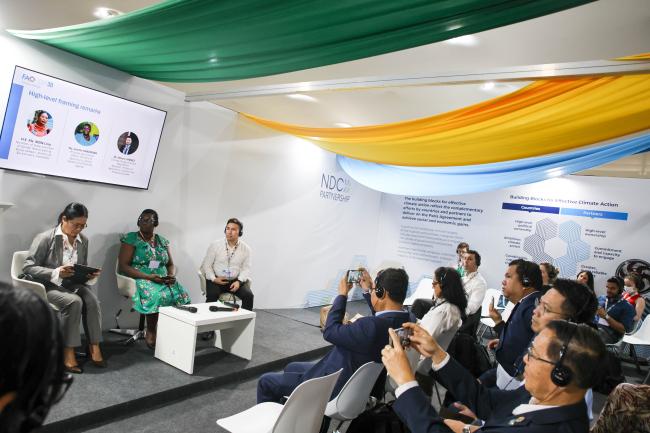
Imelda Kanzomba, Principal Agricultural Officer, Ministry of Agriculture, Animal Industry and Fisheries, Uganda, described the importance of agriculture to Uganda’s economy and to the livelihoods of the majority of its population. She noted the country’s exposure to severe droughts, floods, and landslides, which reinforces the national focus on resilience. She outlined Uganda’s history of policy engagement with the nexus of climate and agrifood systems, such as its National Adaptation Plan for the Agriculture Sector, adopted in 2018. She said Uganda’s NDC 3.0, to be launched in 2026, is based on more advanced analyses of climate risk and vulnerability including consideration for gender and scenario analysis. She highlighted progress made through participatory assessments under the SCALA programme, which helped identify local vulnerabilities and integrate agrifood priorities into their updated National Adaptation Plan (NAP) and NDC. She also drew attention to new efforts to attract private sector investment and to the recent completion of a national climate and gender strategy.
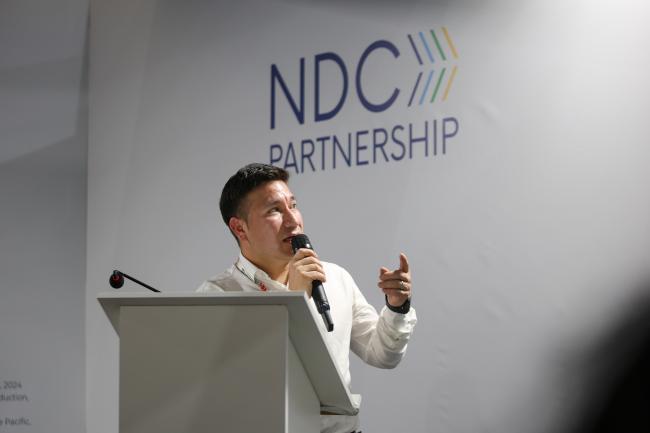
Wilmer Jimenez, Ministry of Agriculture, Livestock and Fisheries, Ecuador, presented the country’s second NDC, submitted in 2025. He outlined six adaptation action lines for agrifood systems, including expansion of parcel level irrigation, adoption of agroecological practices, and introduction of new insurance tools for farmers. He also described mitigation actions such as regenerative livestock systems and emission reductions in manure management and nitrogen fertilisation. Work is underway, he concluded, on Ecuador’s implementation plan involving data harmonisation and validation by the national climate committee.
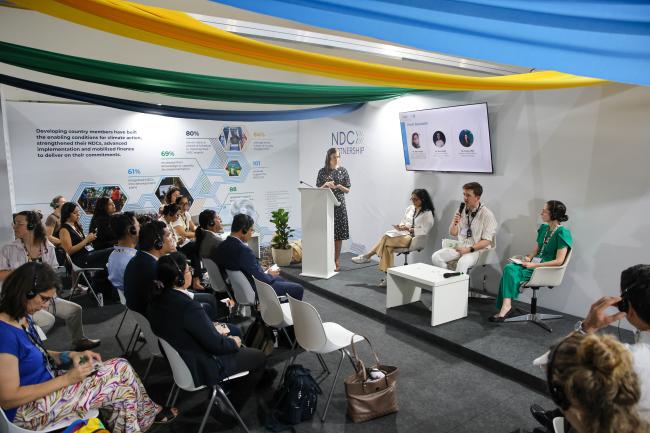
A panel on tools and resources available to support countries ensued. Rohini Kohli, Senior Technical Advisor on Climate Change Adaptation Policy and Planning, UNDP, cited an analysis of Agrifood Systems in National Adaptation Plans, by UNDP and FAO, which shows that agrifood systems are universal priorities in NAPs and that countries are making concerted efforts to prioritize adaptation actions across the main agricultural subsectors. Despite this recognition, she stressed, the report finds that agrifood systems account for only 20% of global adaptation funding, despite making up more than half of adaptation finance needs in developing countries. Kohli shared examples from SCALA’s work, including the restoration of degraded land in Ethiopia, and emphasized the need for greater policy coherence at the national level, multi-stakeholder processes, and blended finance that connects domestic, private, and international sources.
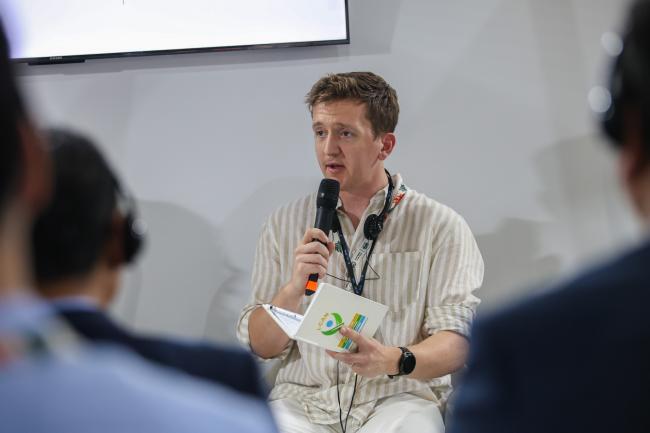
Oliver Camp, Environment and Food Systems Advocacy Adviser, Global Alliance for Improved Nutrition (GAIN), offered a brief analysis of strengths and gaps in submitted NDCs. He noted that NDCs vary in quality and ambition yet most now include references to sustainable agriculture, food security, and livestock management. He saw progress in the growing visibility of food systems but highlighted important areas that require increased attention, including food loss and waste and dietary shifts. He concluded by encouraging governments to make use of existing tools and partnerships as they revise and implement their NDCs.
Amelia Linn, Director, Director of Global Policy, Mercy for Animals, presented insights from the Food Systems NDC Scorecard, a methodology that assesses how fully countries integrate food systems into their NDCs. She noted that many NDCs still focus narrowly on production rather than the entire food chain. She highlighted positive examples, including in Switzerland where dietary measures were incorporated, and encouraged countries to use the scorecard as a roadmap for strengthening future NDCs.
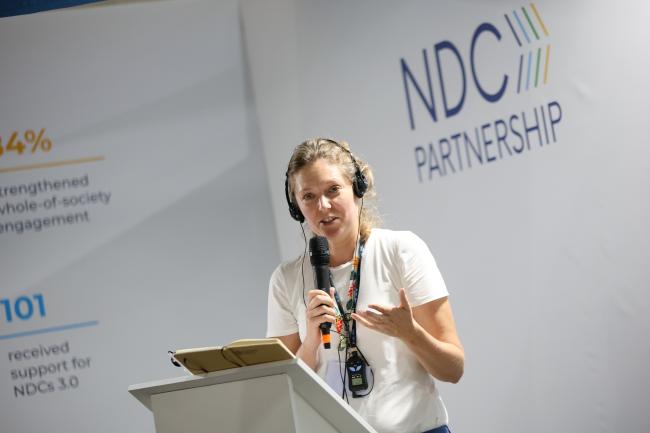
Anne Roth, Senior Policy Advisor, Federal Ministry of Agriculture, Food and Regional Identity, Germany, closed the session by reaffirming Germany’s support for integrating food and agriculture into NDC processes and pointed to ongoing initiatives, including the SCALA Programme and the FAST Partnership. She called for sustained attention to food loss and waste and invited countries to make use of the support available through FAO’s Agrifood Systems Help Desk.
Organizers: FAO, UNDP, and NDC Partnership
Contacts: Julia Wolf, FAO, and Rohini Kohli, UNDP I [email protected], [email protected]
For more information: https://www.fao.org/in-action/scala/en
To receive free coverage of global environmental events delivered to your inbox, subscribe to the ENB Update newsletter.
All ENB photos are free to use with attribution. For 2025 UN Climate Change Conference, Belém - Side Events, please use: Photo by IISD/ENB | Anastasia Rodopoulou
Selected Images
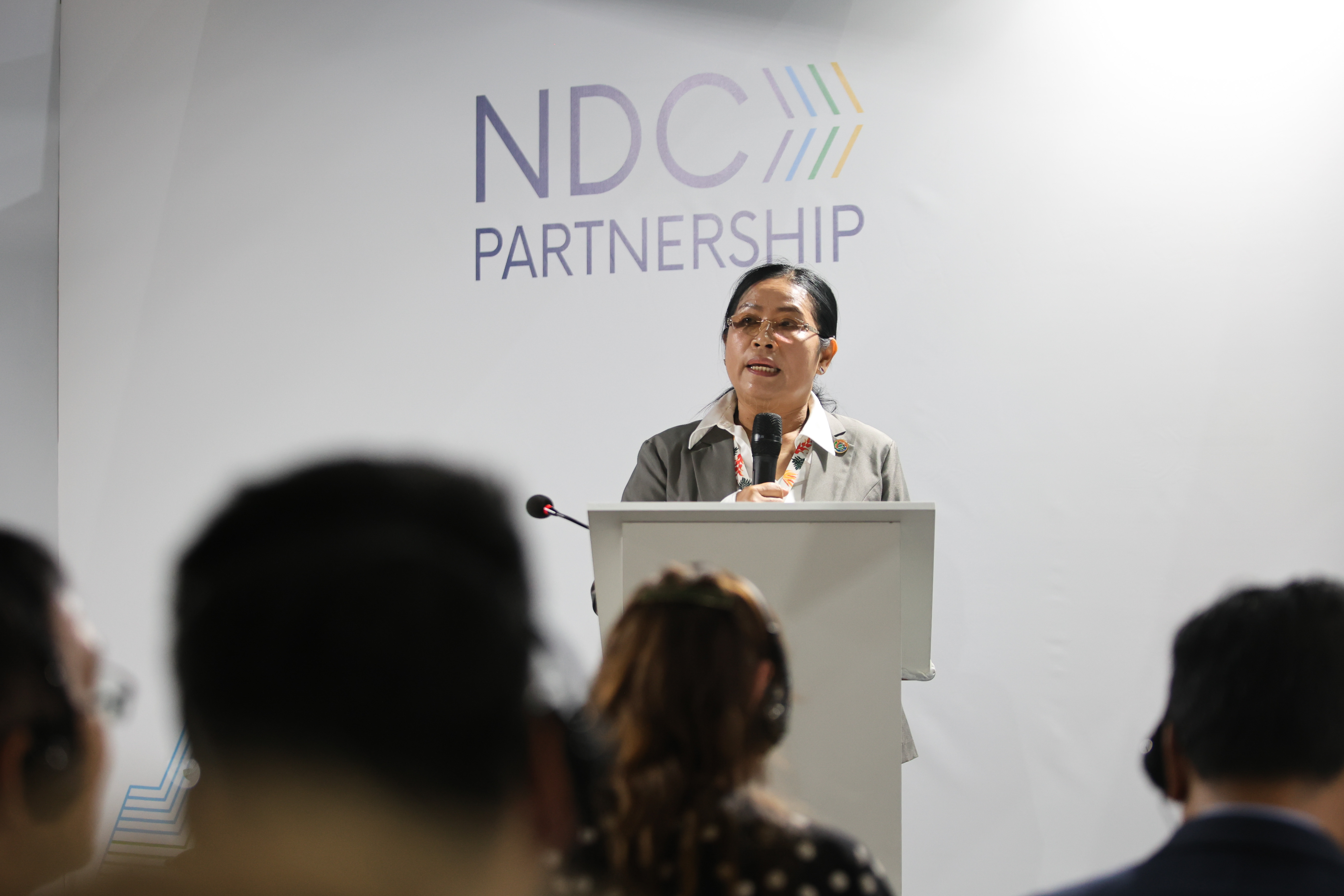
Ngin Lina, Secretary of State and GAMG Chair, Ministry of Environment, Cambodia
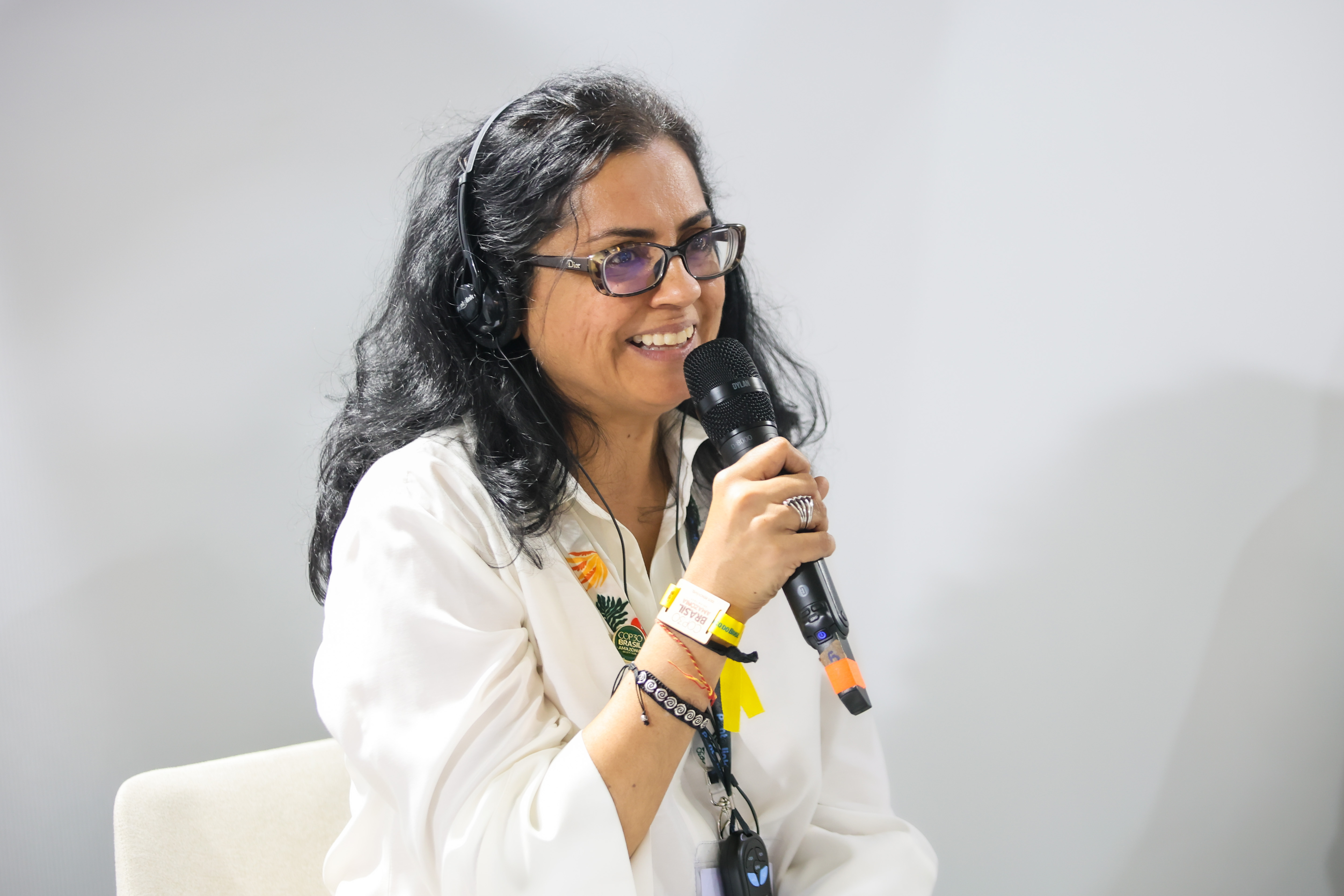
Rohini Kohli, Senior Technical Advisor on Climate Change Adaptation Policy and Planning, UNDP
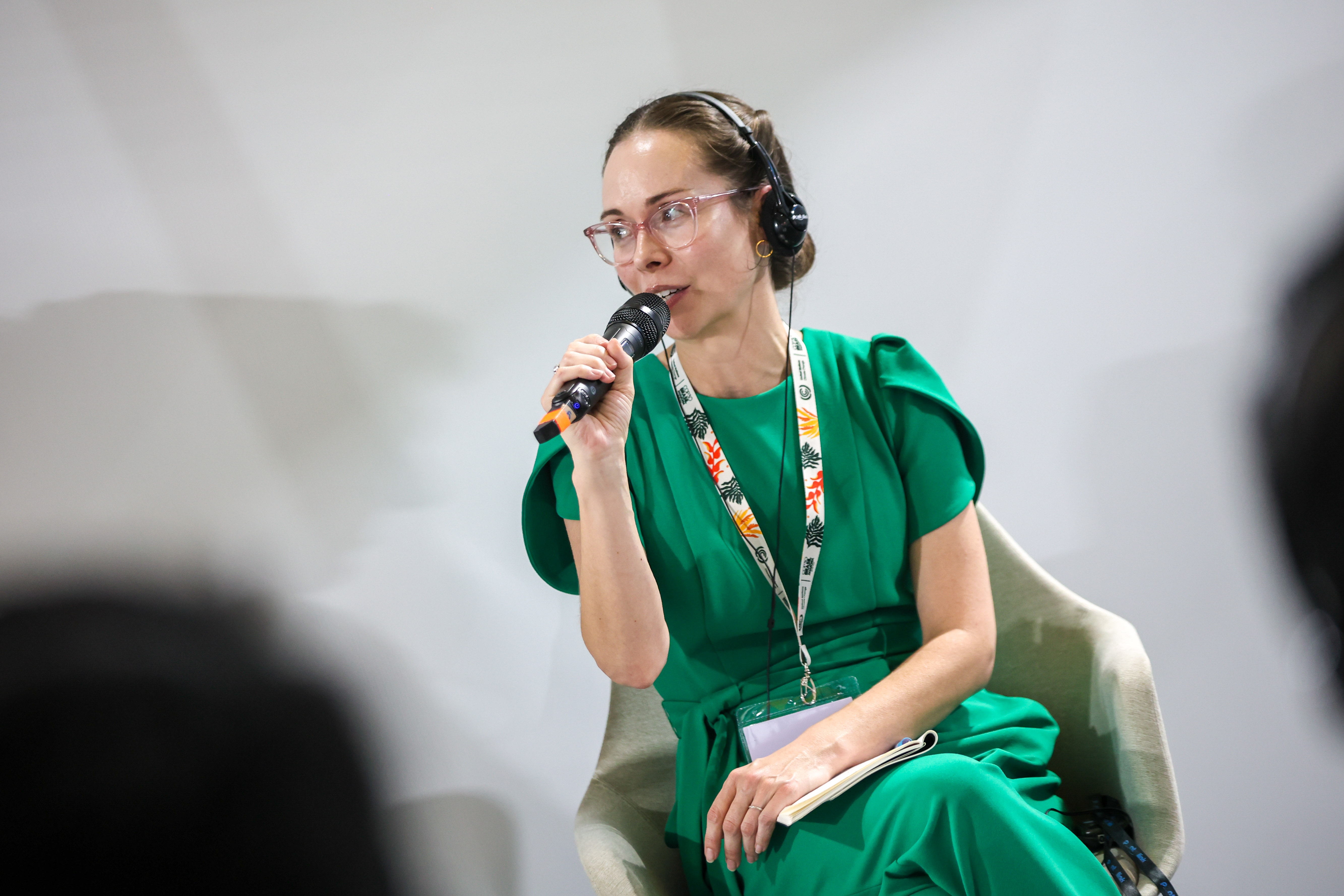
Amelia Linn, Director of Global Policy, Mercy for Animals

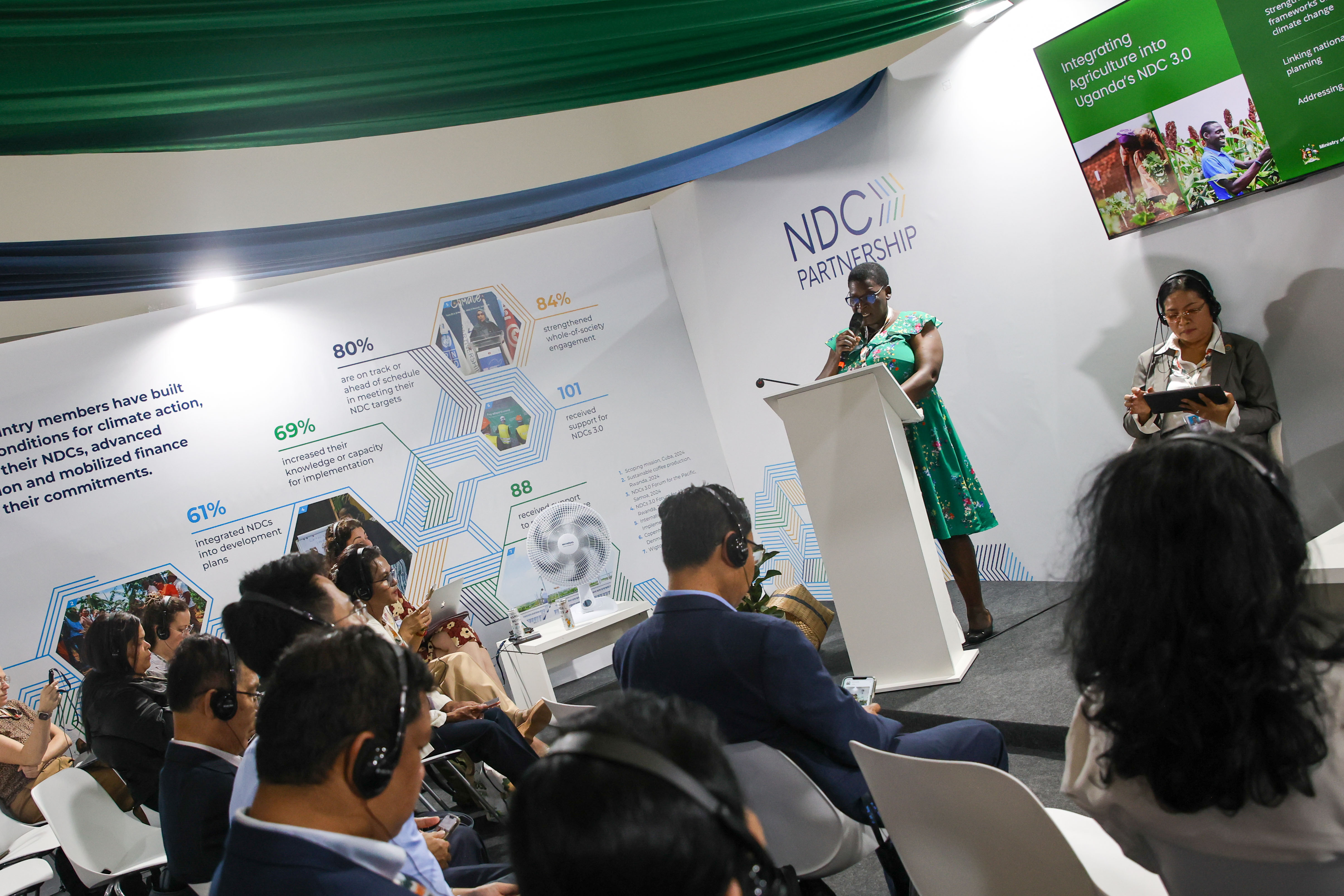
Imelda Kanzomba, Principal Agricultural Officer, Ministry of Agriculture, Animal Industry, and Fisheries, Uganda
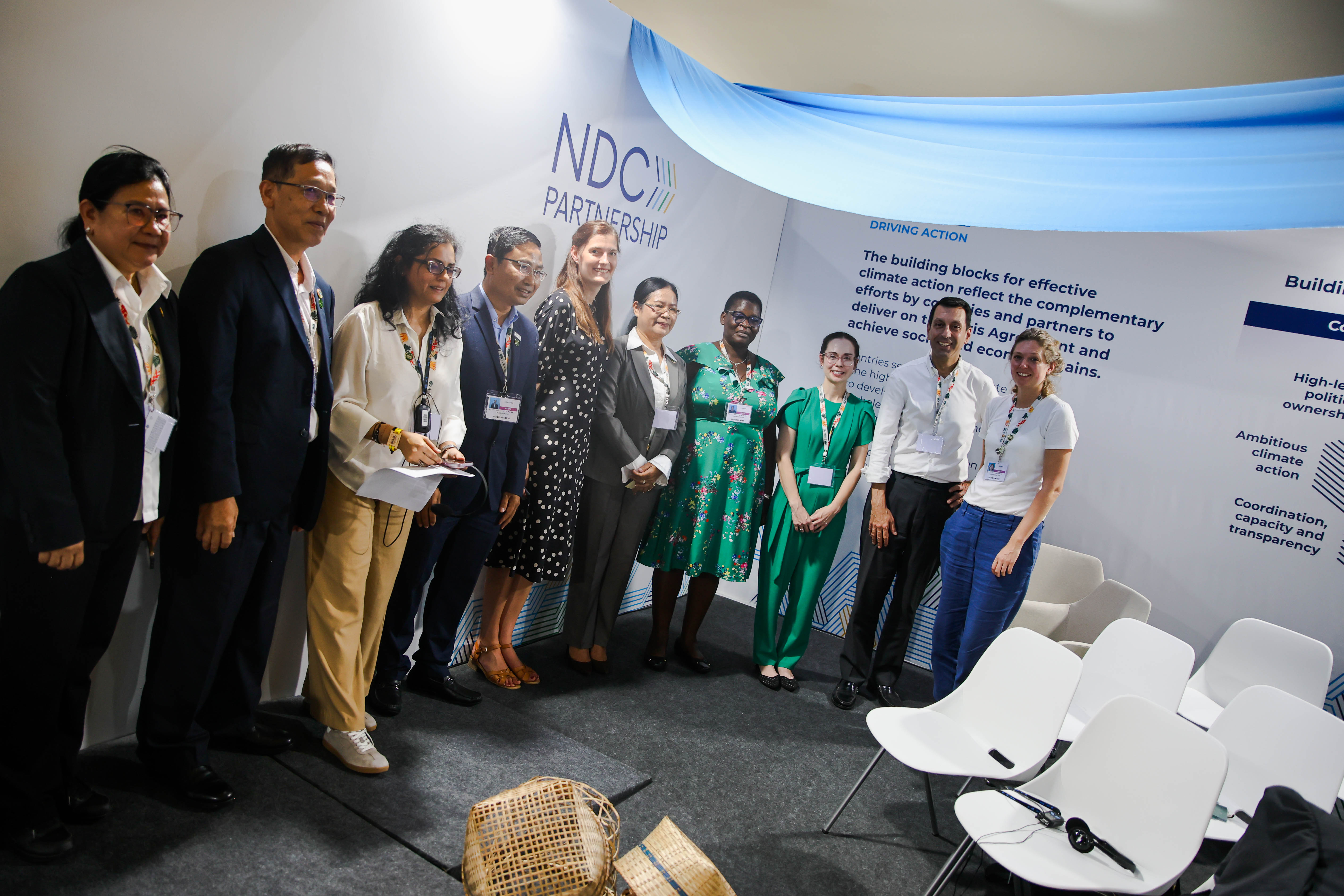
Speakers pose for a family photo.
