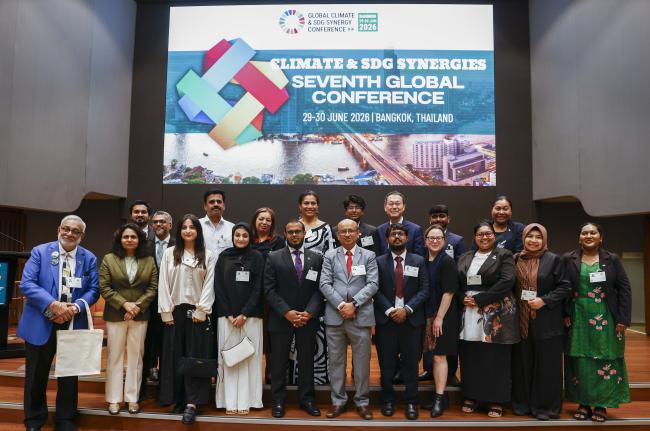
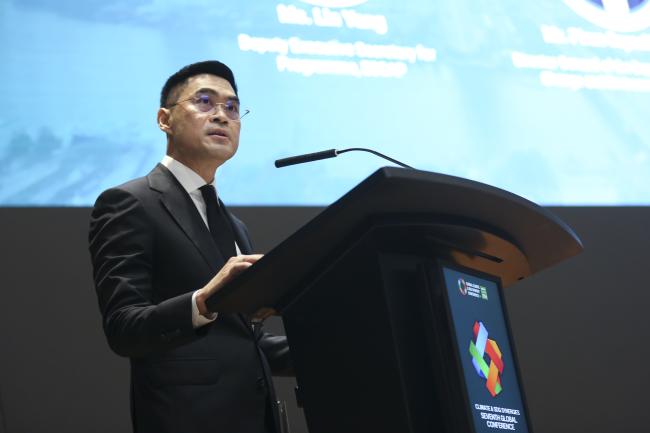
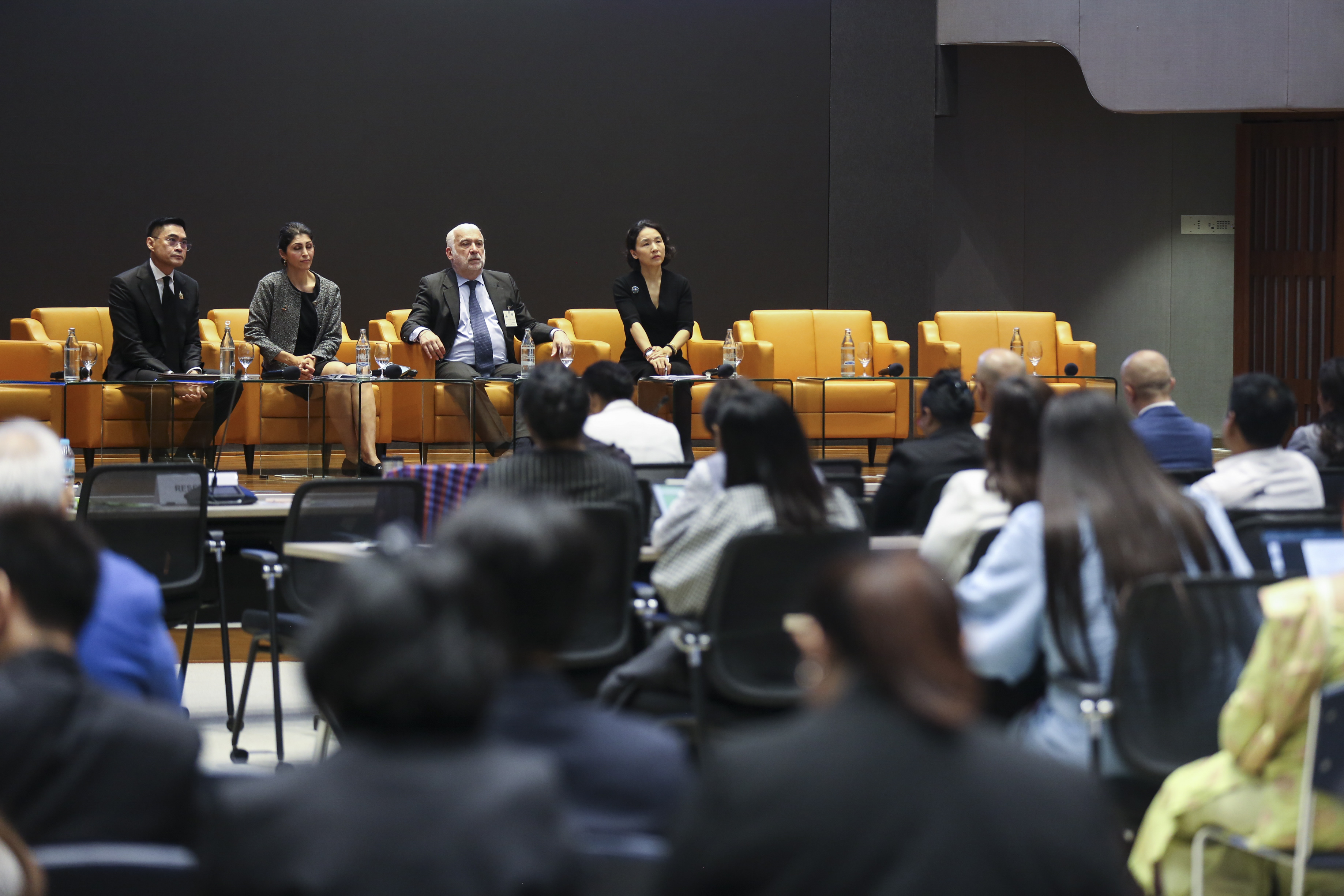
“Fragmented efforts are no longer viable” to tackle today’s interconnected and compounding global crises. In his opening remarks at the Seventh Global Conference on Climate and Sustainable Development Goal (SDG) Synergies, Phirun Saiyasitpanich, Director-General of the Department of Climate Change and Environment, Ministry of Natural Resources and Environment, Thailand, called for stronger alliances between economic resilience and environmental and sustainable development policies.
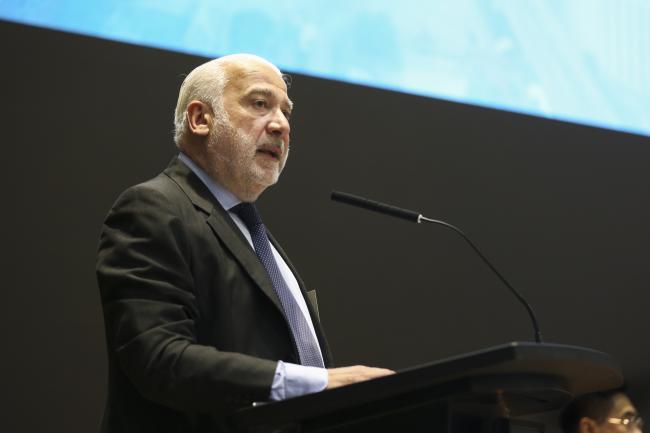
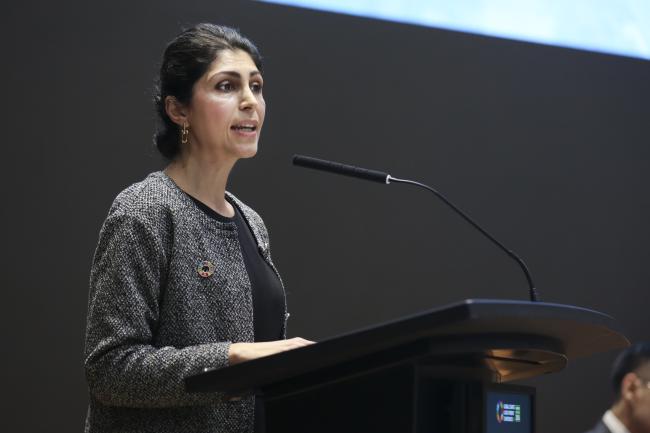
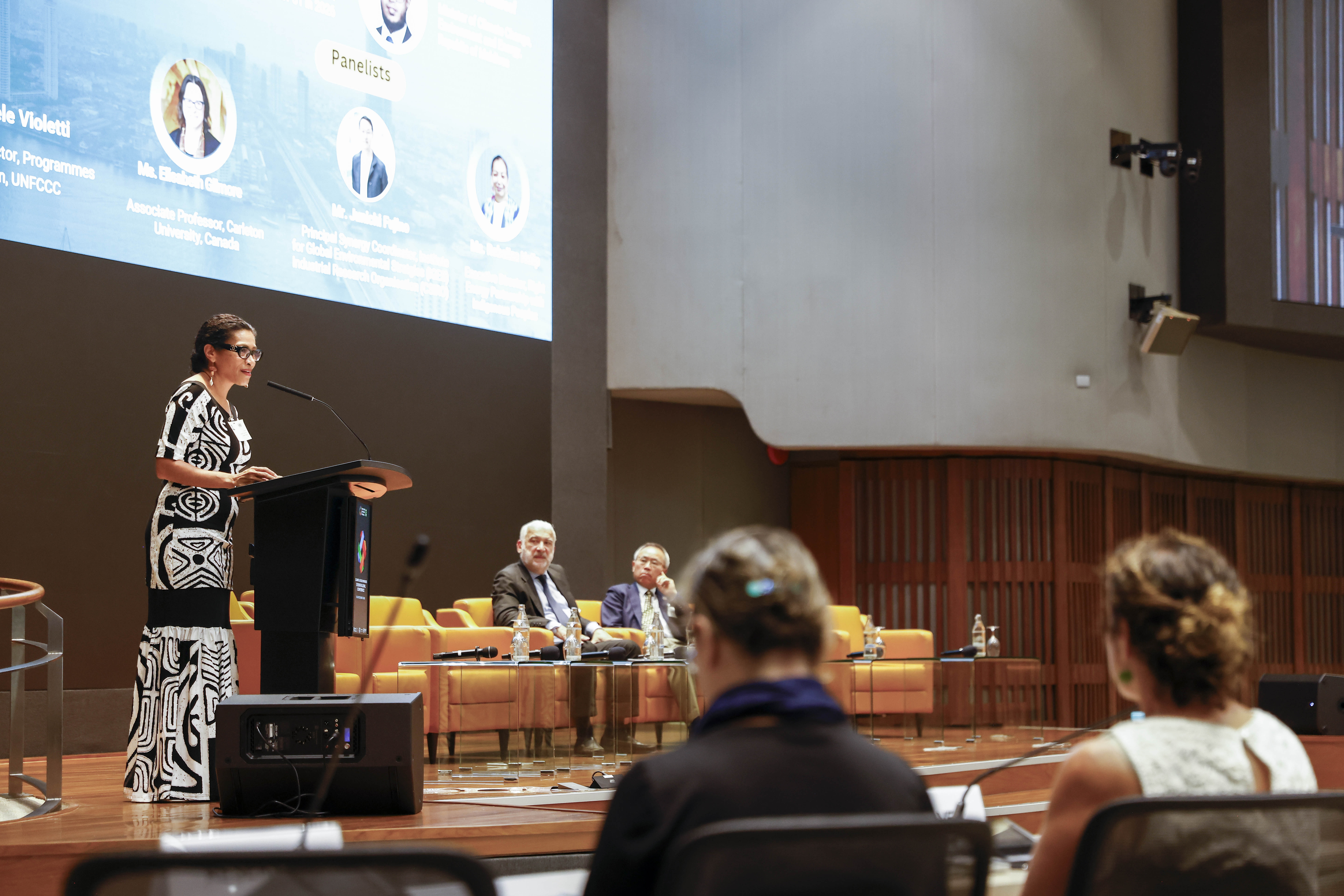
Daniele Violetti, Senior Director, Programmes Coordination, UN Framework Convention on Climate Change (UNFCCC) Secretariat, underscored that climate change actively erodes progress on poverty, food security, health, and ecosystems protection, saying these interconnected crises require integrated solutions. Bahareh Seyedi, Senior Sustainable Energy and Climate Advisor, UN Department of Economic and Social Affairs (UN DESA) added that climate actions that “keep development in mind” can reinforce progress on other SDGs, including health, food security, and economic development.
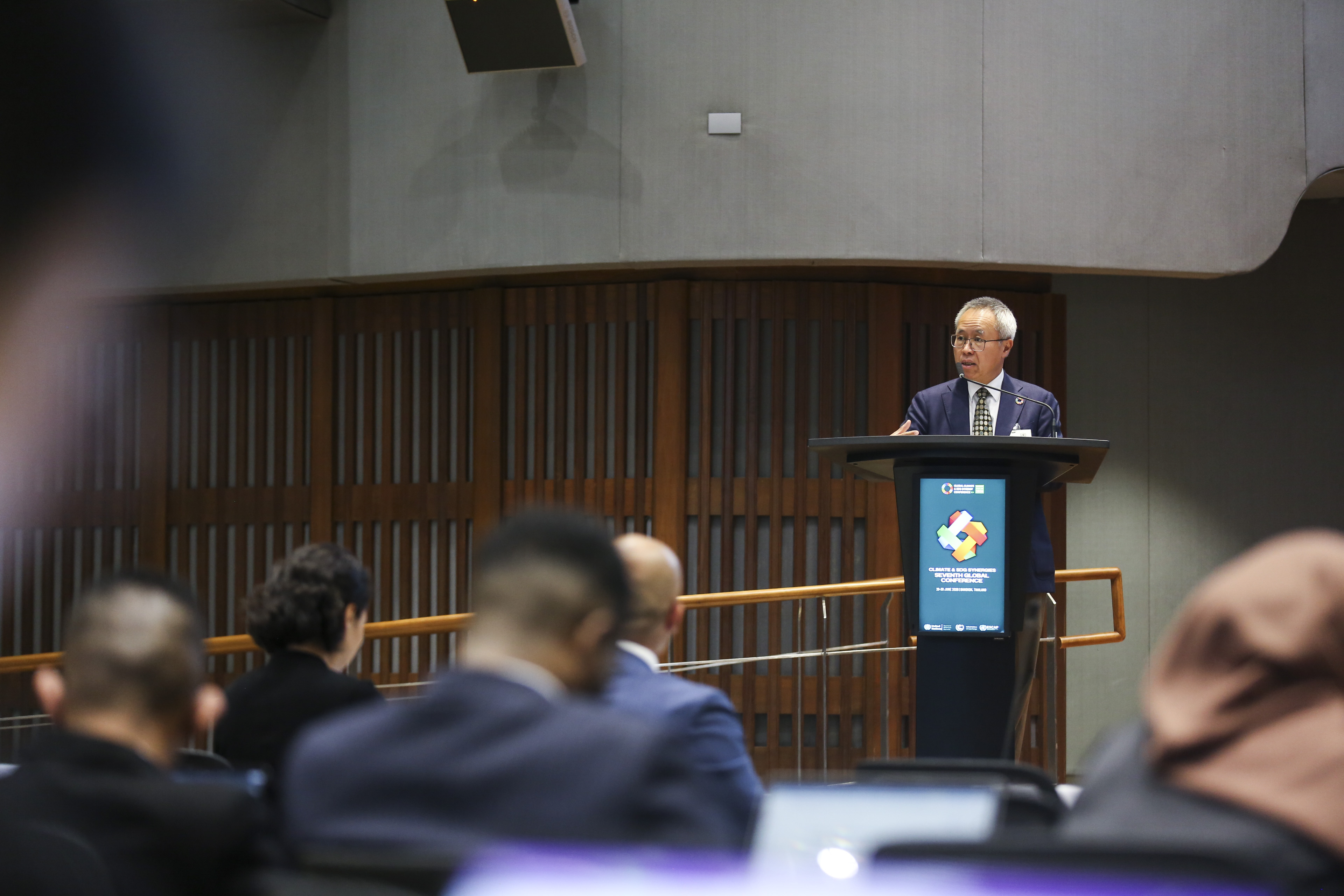
Reflecting on the conference’s theme of moving “From commitment to delivery: scaling integrated action in a volatile world,” Lin Yang, Deputy Executive Secretary for Programme, UN Economic and Social Commission for Asia and the Pacific (ESCAP), urged focusing on integrated approaches that achieve co-benefits in today’s constrained fiscal and policy environments.
Joining via video message, Celeste Saulo, Secretary-General, World Meteorological Organization (WMO), and Astrid Schomaker, Executive Secretary, Convention on Biological Diversity (CBD), addressed where we stand on the state of climate and the SDGs. They stressed that climate hazards, such as El Niño events and glacier loss, are development emergencies, and called for “connecting the dots” at the intergovernmental level to unlock synergistic development planning at national levels.
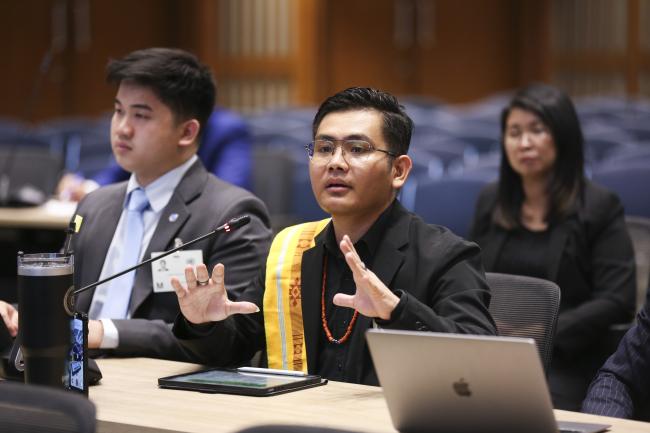
In a scene-setting session, members of the Expert Group on Climate and SDG Synergies considered how to transition from fragmentation to integration, by turning commitments into coherent and integrated actions in a resource-constrained world. Among key messages, speakers highlighted:
the importance of involving scientists, local governments, and the private sector in developing solutions for those on the frontlines of climate change;
co-benefits of well-designed climate actions on reducing poverty, strengthening resilience, and improving quality of life;
that the distinction between climate and development actions is “artificial”; and
synergies between climate and energy security.
During a multi-stakeholder dialogue, panelists and audience members engaged on how to advance whole-of-government and whole-of-society approaches in climate and SDG policymaking. Speakers touched on the need to create space for traditional and formal governance systems to work alongside one another, enshrine true social inclusion in sustainable development, and bring more stakeholders to the decision-making table.
In the afternoon, delegates engaged in six roundtable sessions under the theme “integrated delivery systems for people and the planet.”
In the roundtable on climate justice, energy resilience, and small island developing States (SIDS), speakers stressed the wide-ranging impacts of fossil fuel dependence and called for, among others: operationalizing the multidimensional vulnerability index; recognizing the value of Indigenous and local knowledge in shaping fit-for-purpose solutions; and strong international and regional partnerships that enshrine the principle of common but differentiated responsibilities.
On sustainable transport and mobility for inclusive and low-carbon development, panelists addressed, among others, the impact of the transport sector on climate change and development, the need for accessible development finance for SIDS, which face high infrastructure costs and capacity constraints, and the finance gap for building sustainable transportation systems.
Speakers in a roundtable on energy and a just transition for climate and development underscored that while there is visible progress on renewable energy deployment and electricity access, persistent structural gaps hinder a truly just and inclusive energy transition. Participants stressed that stronger institutional coordination remains the critical “missing link” in implementing nationally determined contributions (NDCs).
The roundtable addressing interlinkages between water, health, and climate saw speakers emphasize the need to consider water-related climate hazards holistically, throughout the water cycle and across borders and sectors. Among others, they urged a people-centered approach and for integrating water security into the development agenda.
Participants in the roundtable on nature-based solutions (NbS) for a climate resilient and nature-positive future discussed the importance of NbS for a just climate transition. Speakers emphasized that NbS are not a single, one-size-fits-all solution, but a diverse set of context-driven interventions, requiring stronger cross-sectoral collaboration and expanded partnerships.
A roundtable on smart, sustainable cities focused on identifying barriers to scaling solutions, closing gender and inclusivity gaps, pairing digital, smart solutions with more traditional, resilient ones, and examining the impact of new technologies on urban communities.
To receive free coverage of global environmental events delivered to your inbox, subscribe to the ENB Update newsletter.
All ENB photos are free to use with attribution. For the Seventh Global Conference on Climate and SDG Synergies meeting, please use: Photo by IISD/ENB | Natalia Mroz
Opening: From Commitment to Delivery - Scaling Integrated Action in a Volatile World
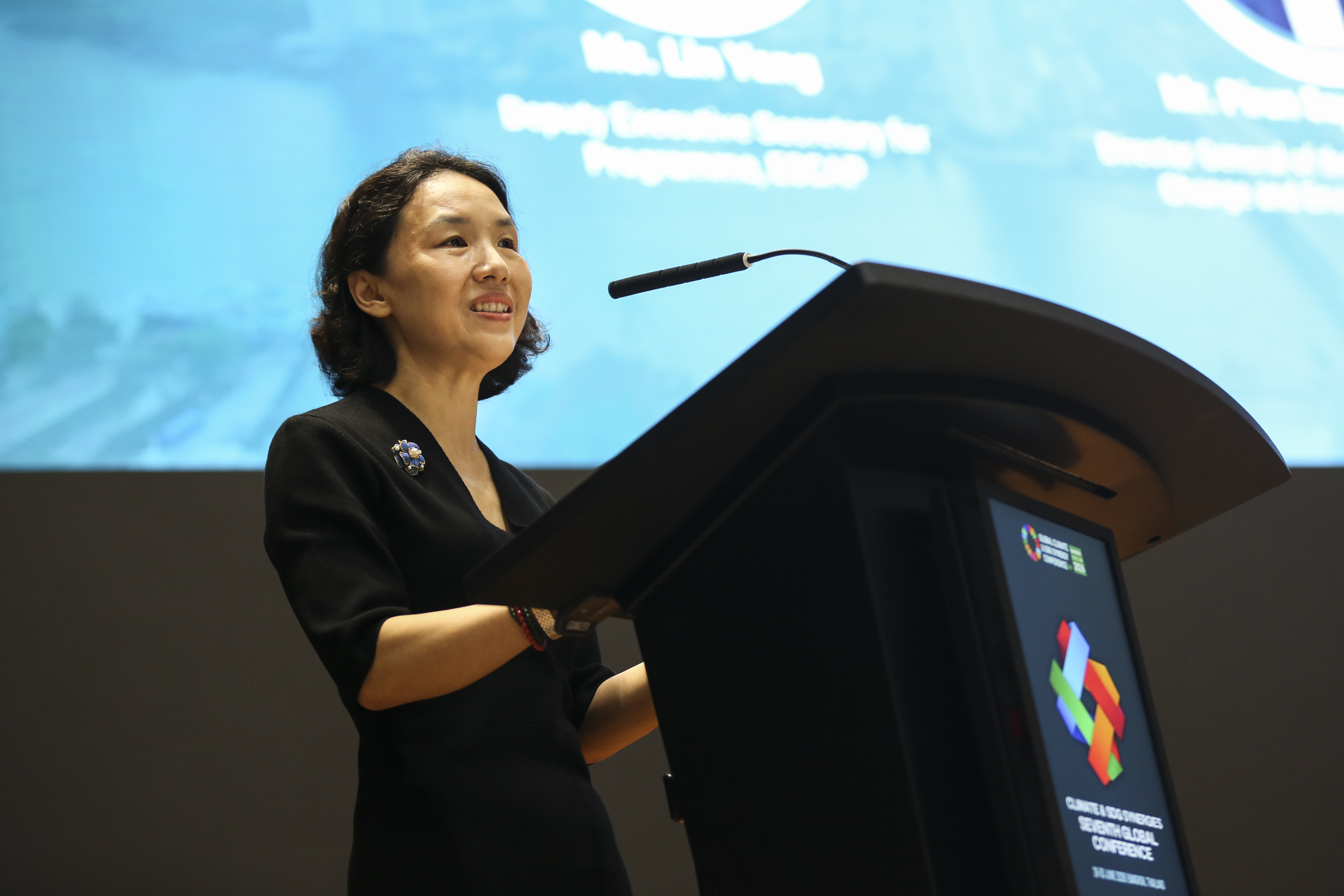
Lin Yang, Deputy Executive Secretary, ESCAP
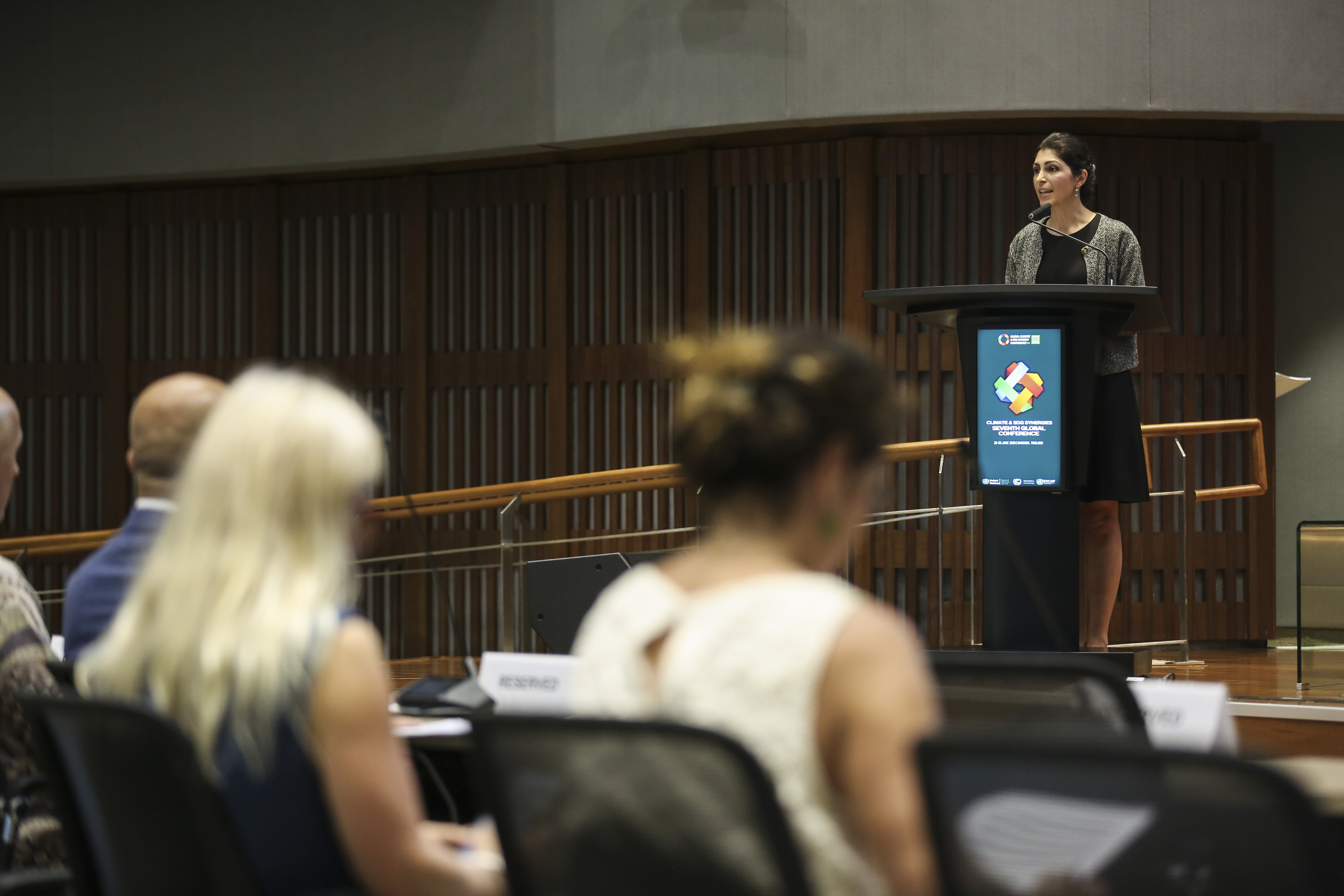
Bahareh Seyedi, UN DESA
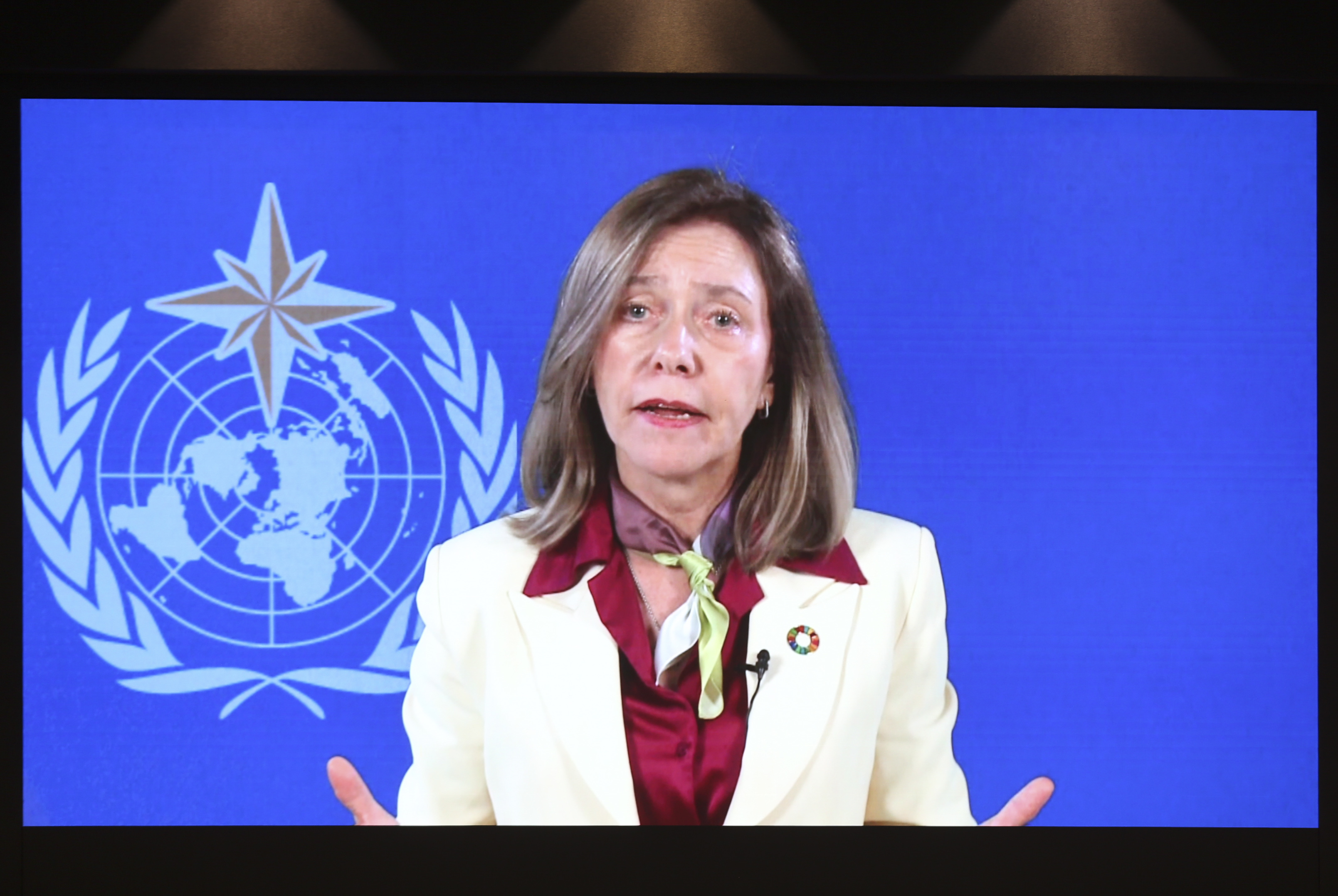
Celeste Saulo, Secretary-General, WMO
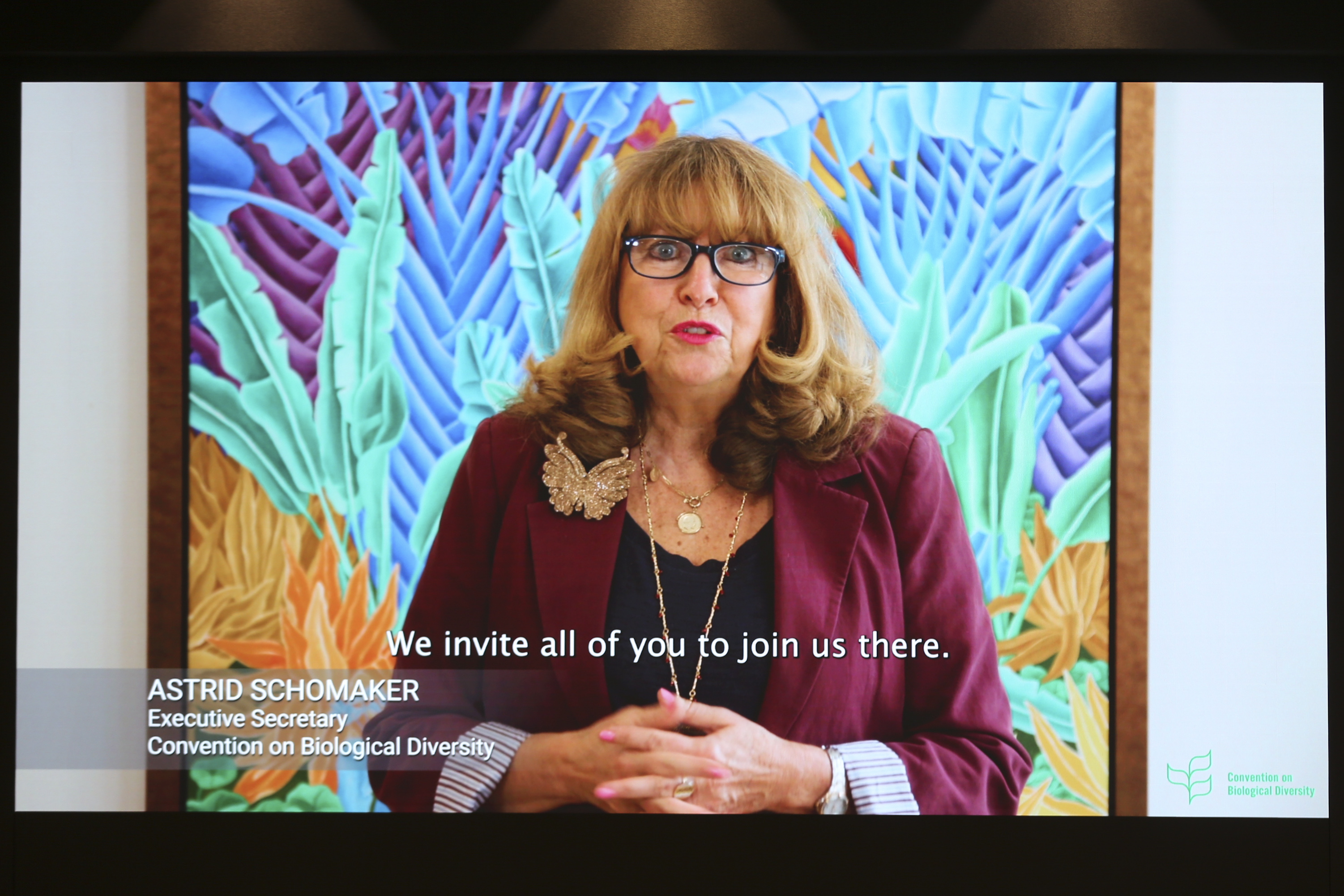
Astrid Schomaker, Executive Secretary, CBD
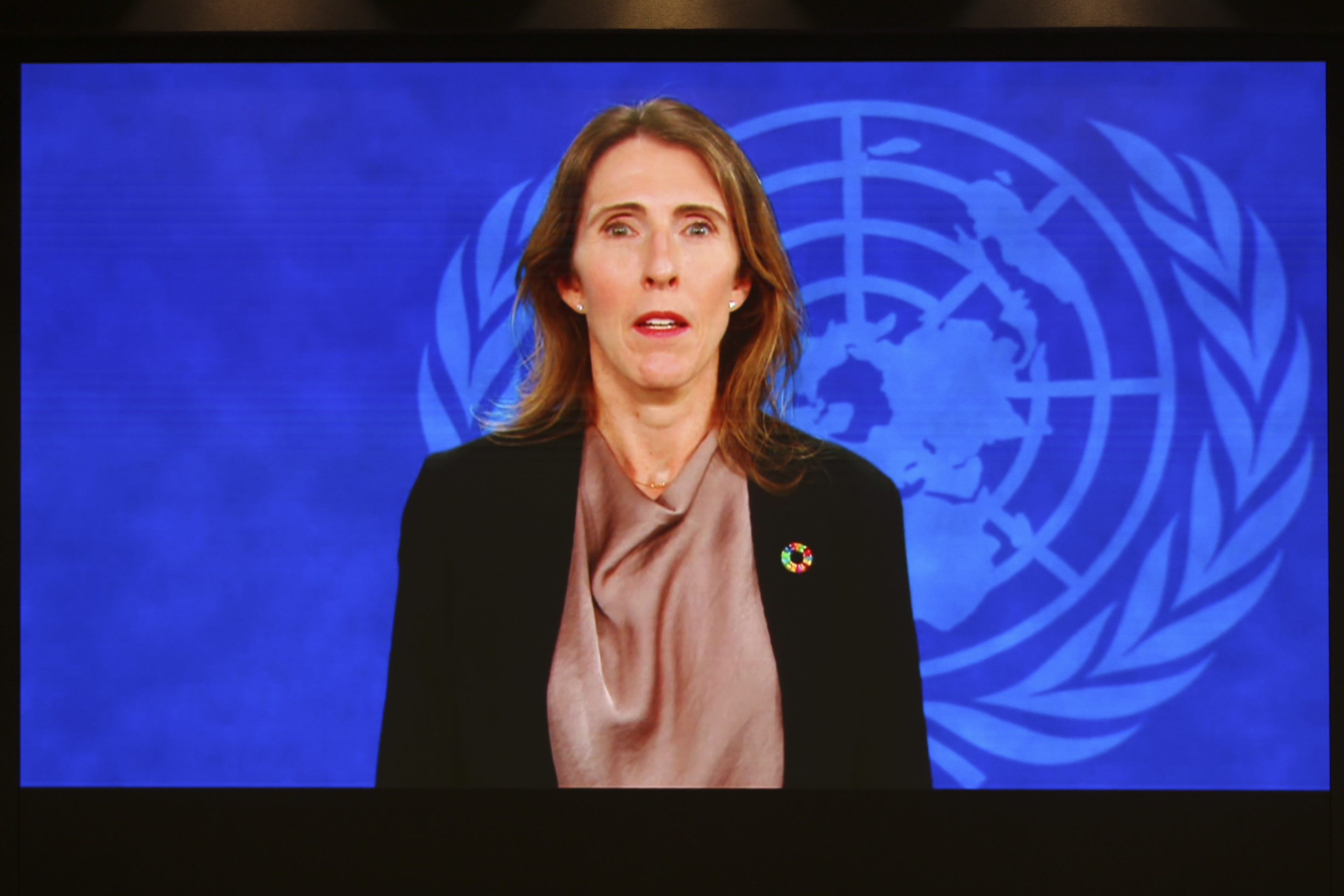
Astra Bonini, UN DESA
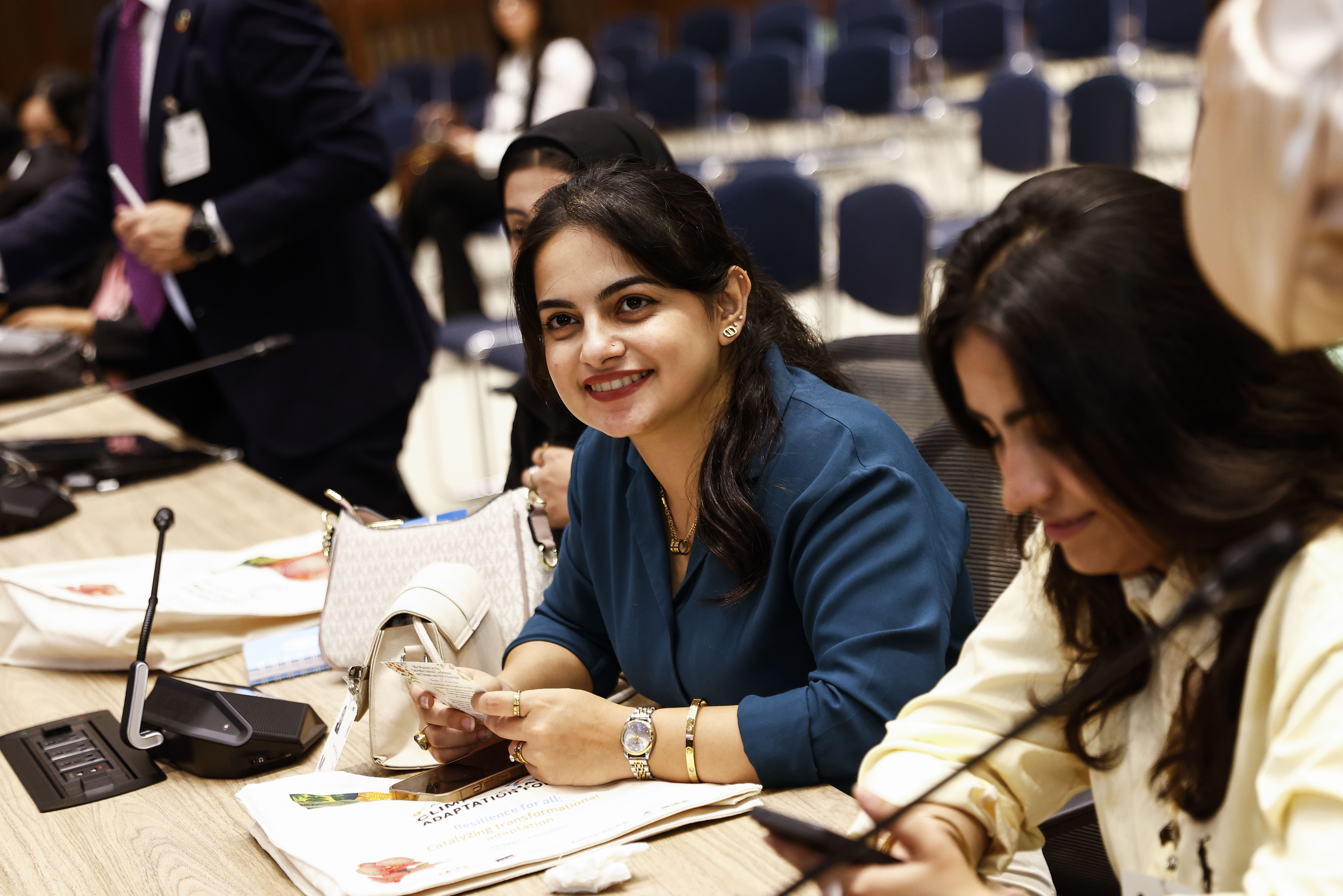
Participant listens to the discussions
From Fragmentation to Integration: Turning Commitments into Coherent and Integrated Action in a Resource Constrained World
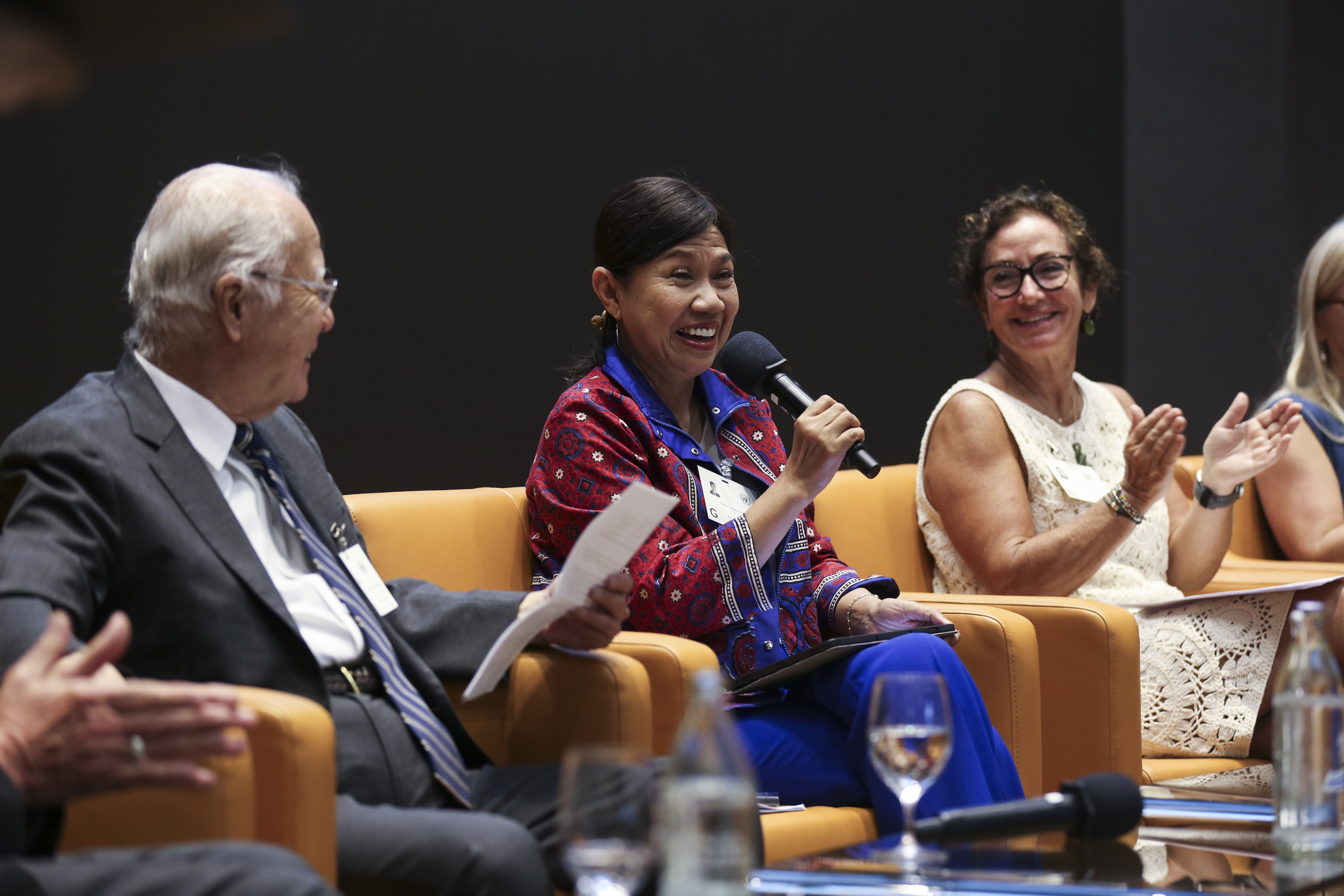
Bernadia Irawati Tjandradewi, Secretary General, United Cities and Local Governments Asia-Pacific (UCLG-ASPAC)
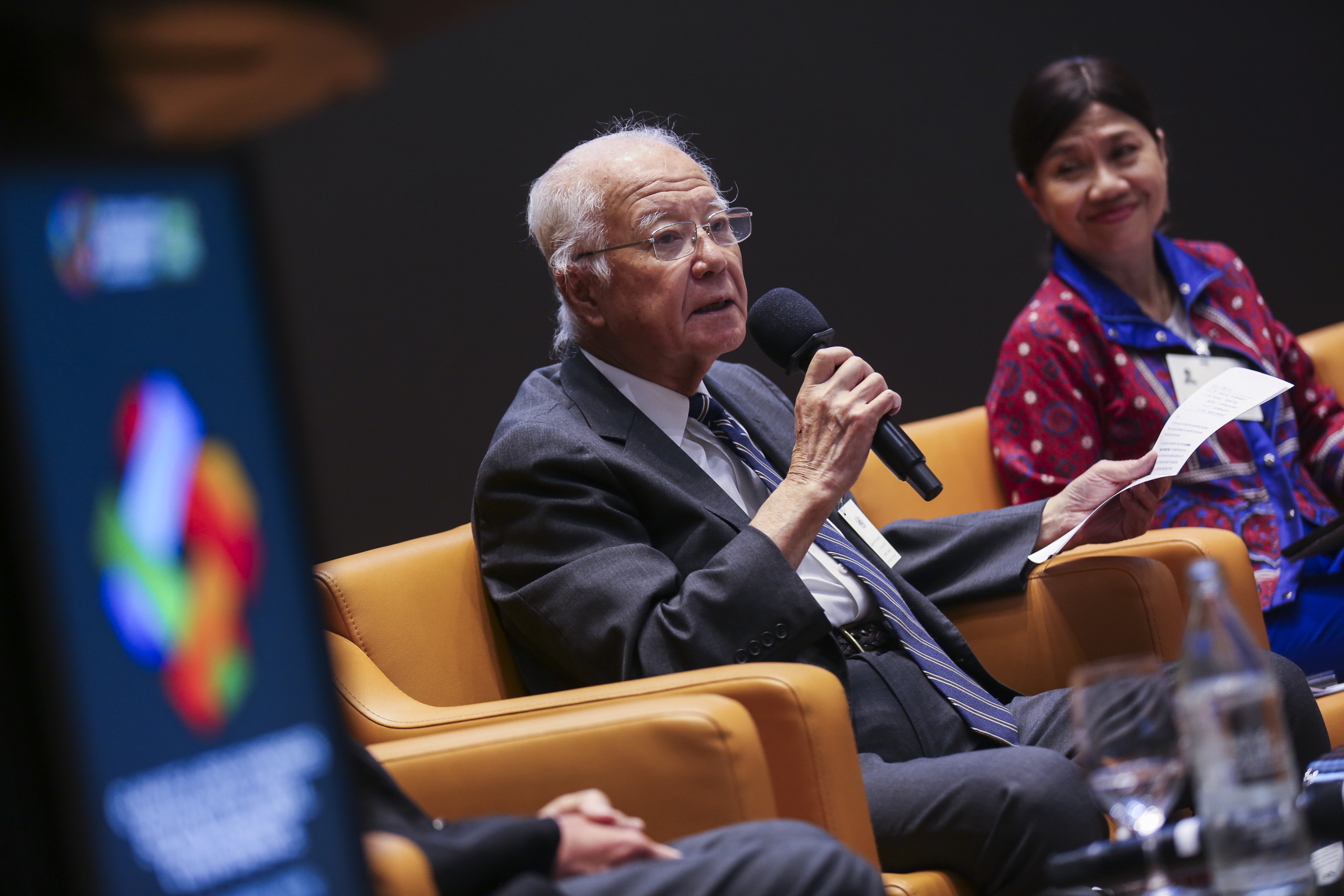
Kazuhiko Takeuchi, President, Institute for Global Environmental Strategies (IGES)
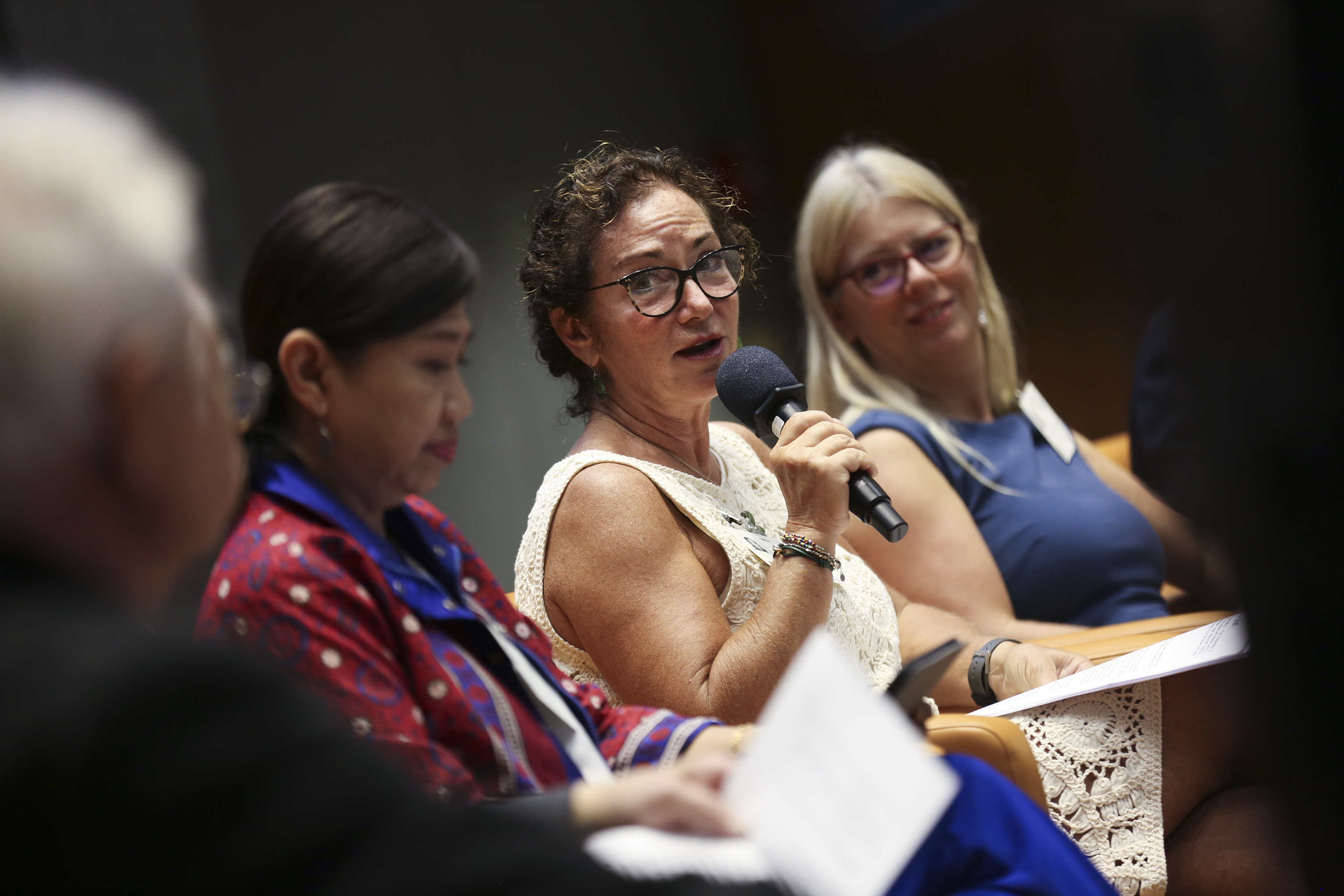
Meagan Fallone, Founder, StepUp Advisers
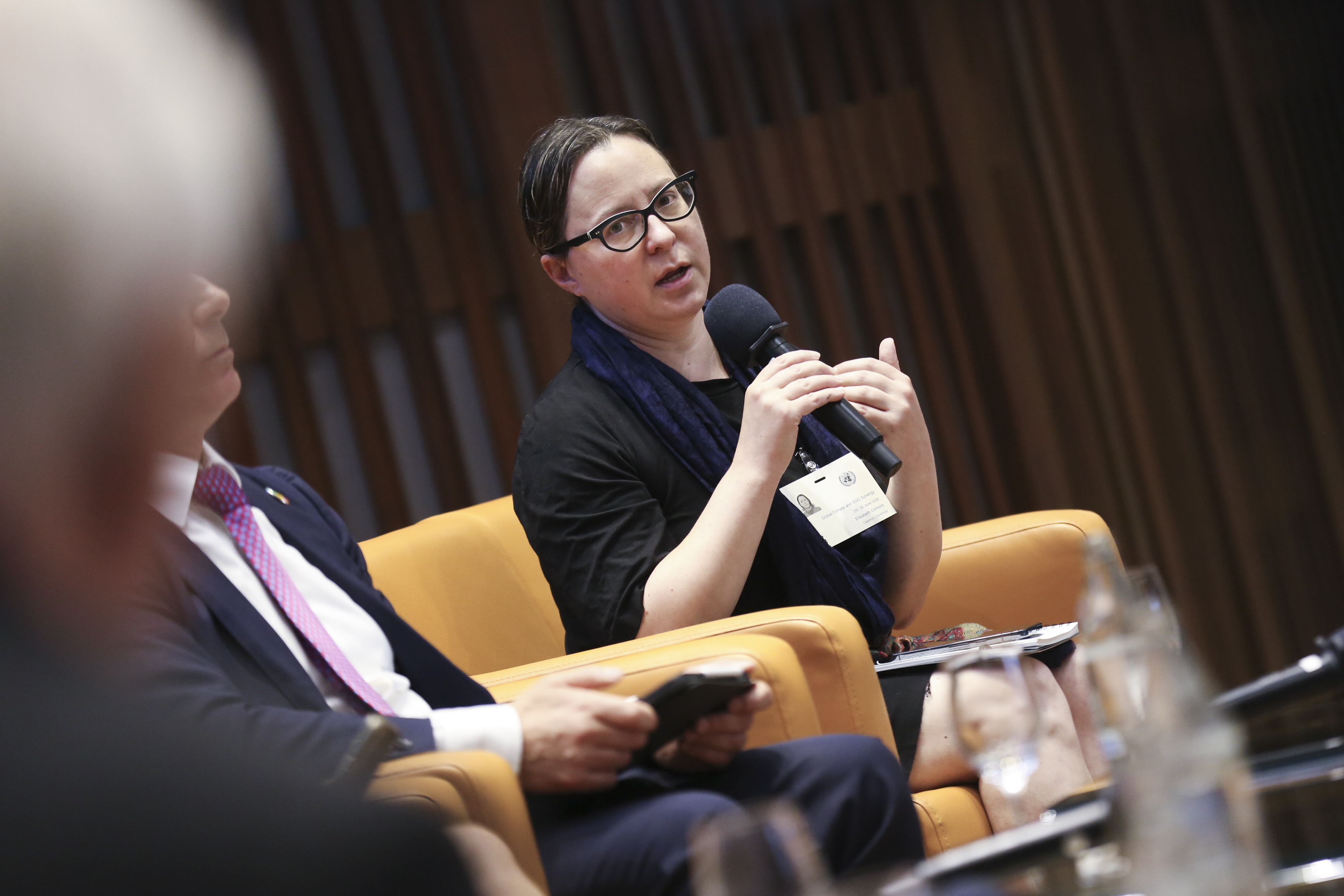
Elisabeth Gilmore, Carleton University
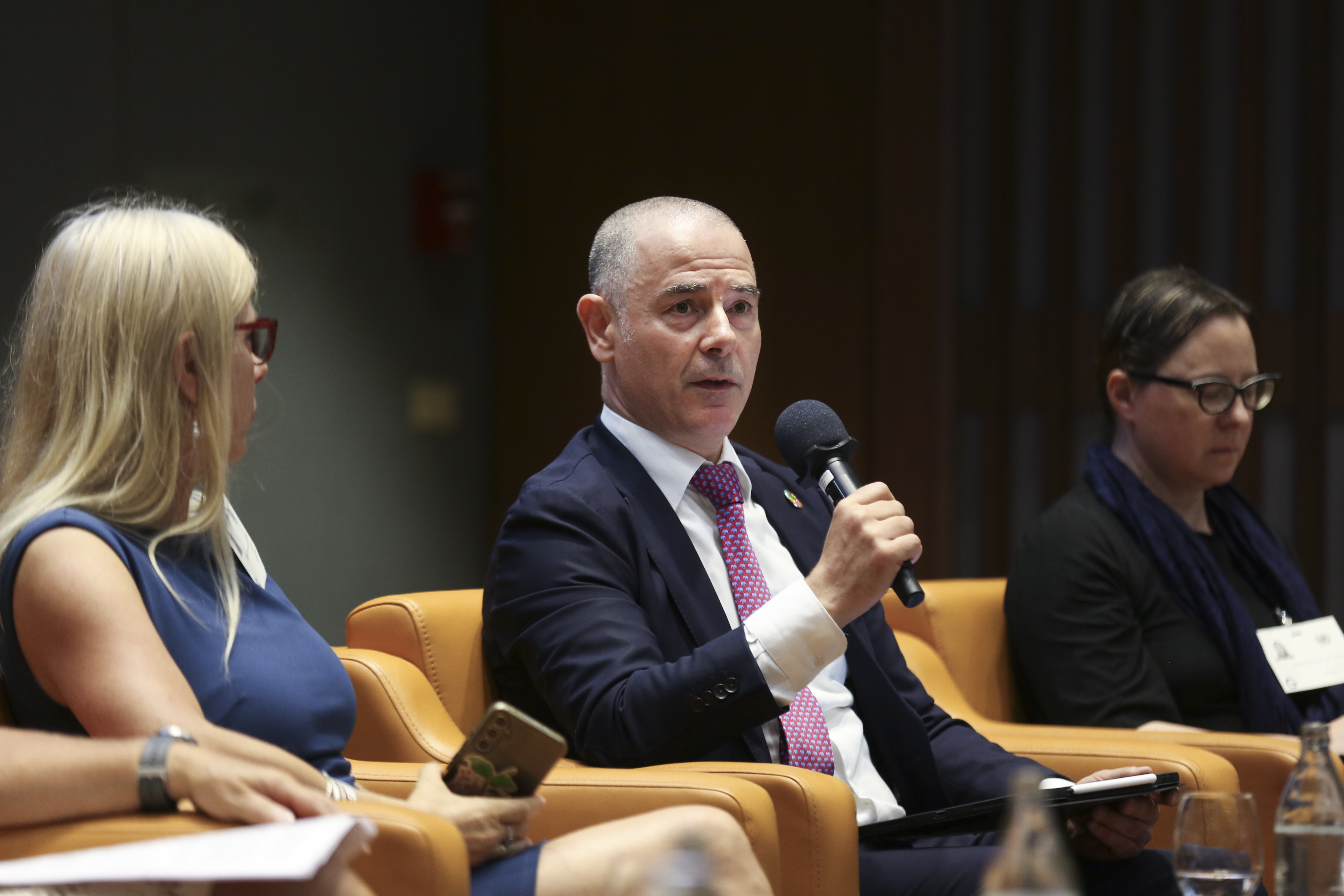
Kaveh Guilanpour, Vice-President, Center for Climate and Energy Solutions
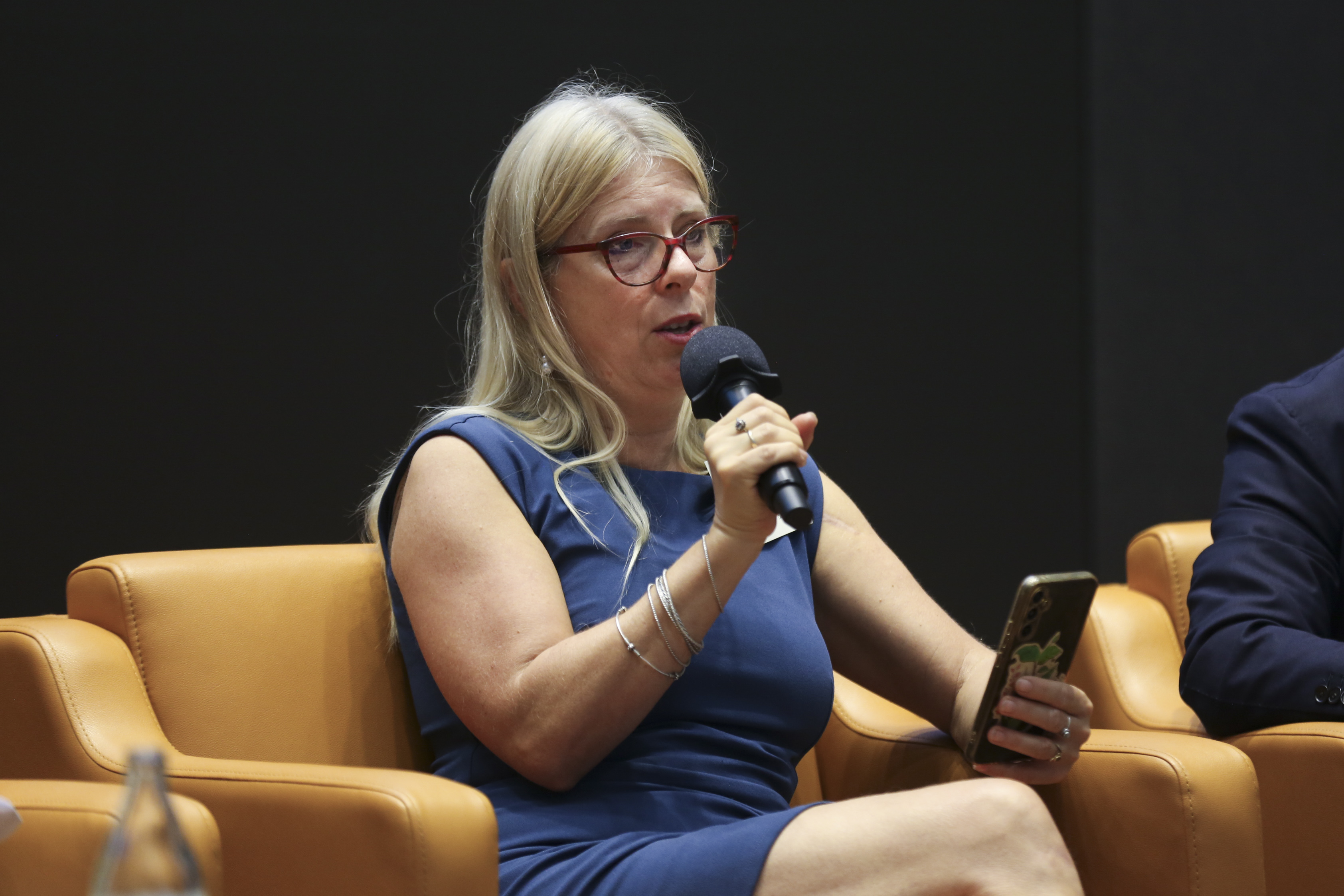
Diana Ürge-Vorsatz, Intergovernmental Panel on Climate Change and Center for Climate Change and Sustainable Energy Policy
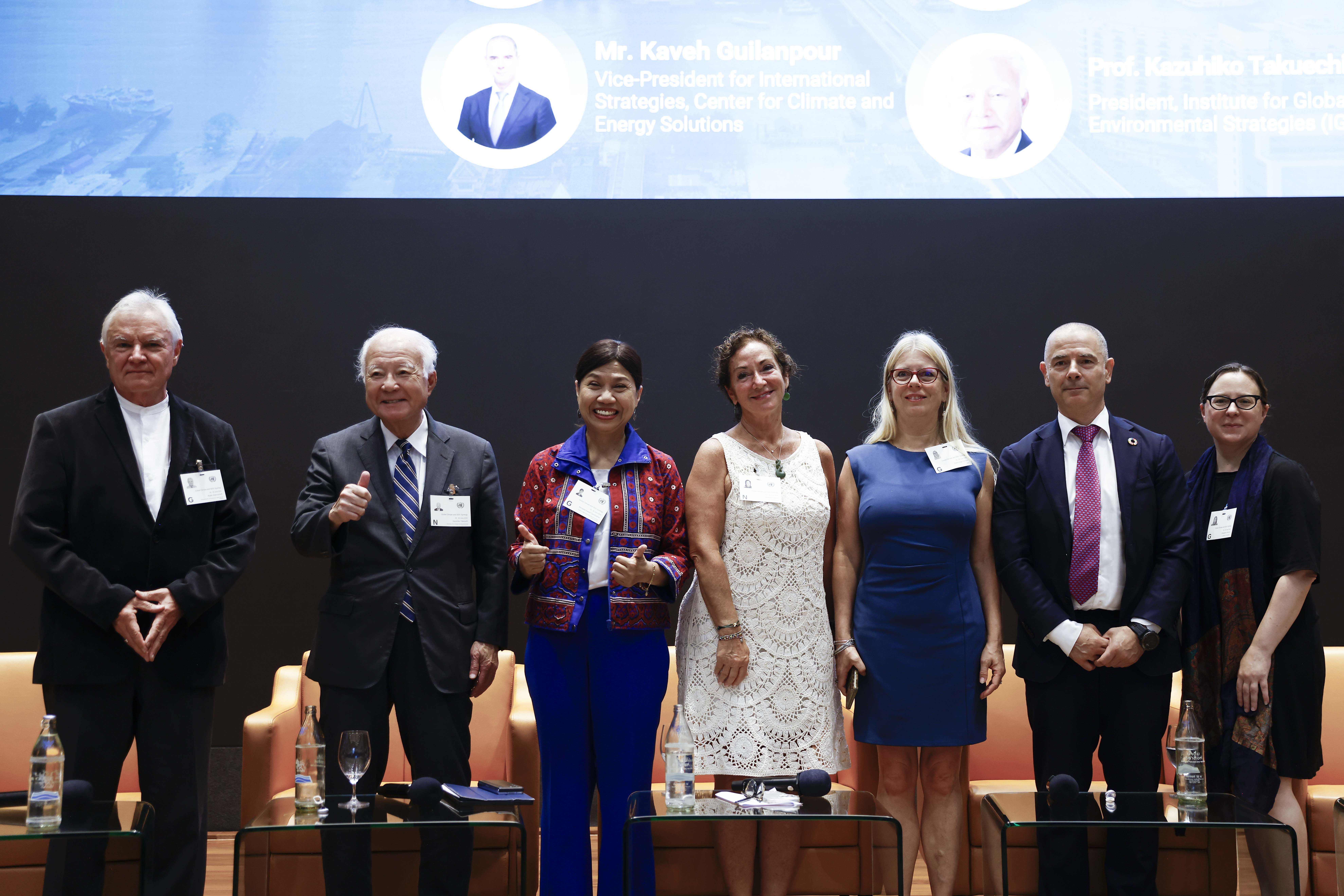
Financing in Crisis and Fiscal Policies Under Scrutiny: How Can All-of-Government and All-of-Society Approaches in Climate and SDG Policy Making Be Better Advanced?
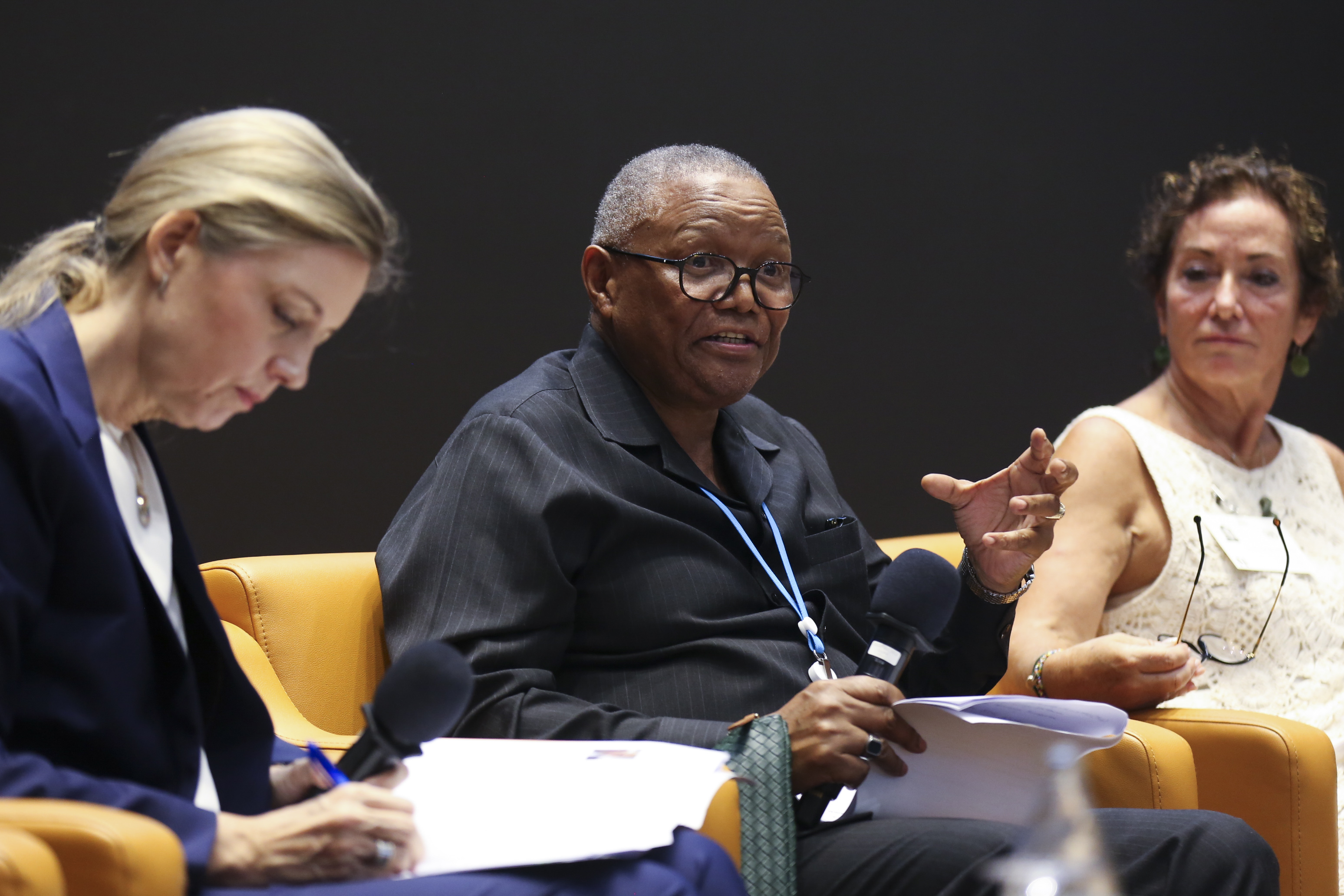
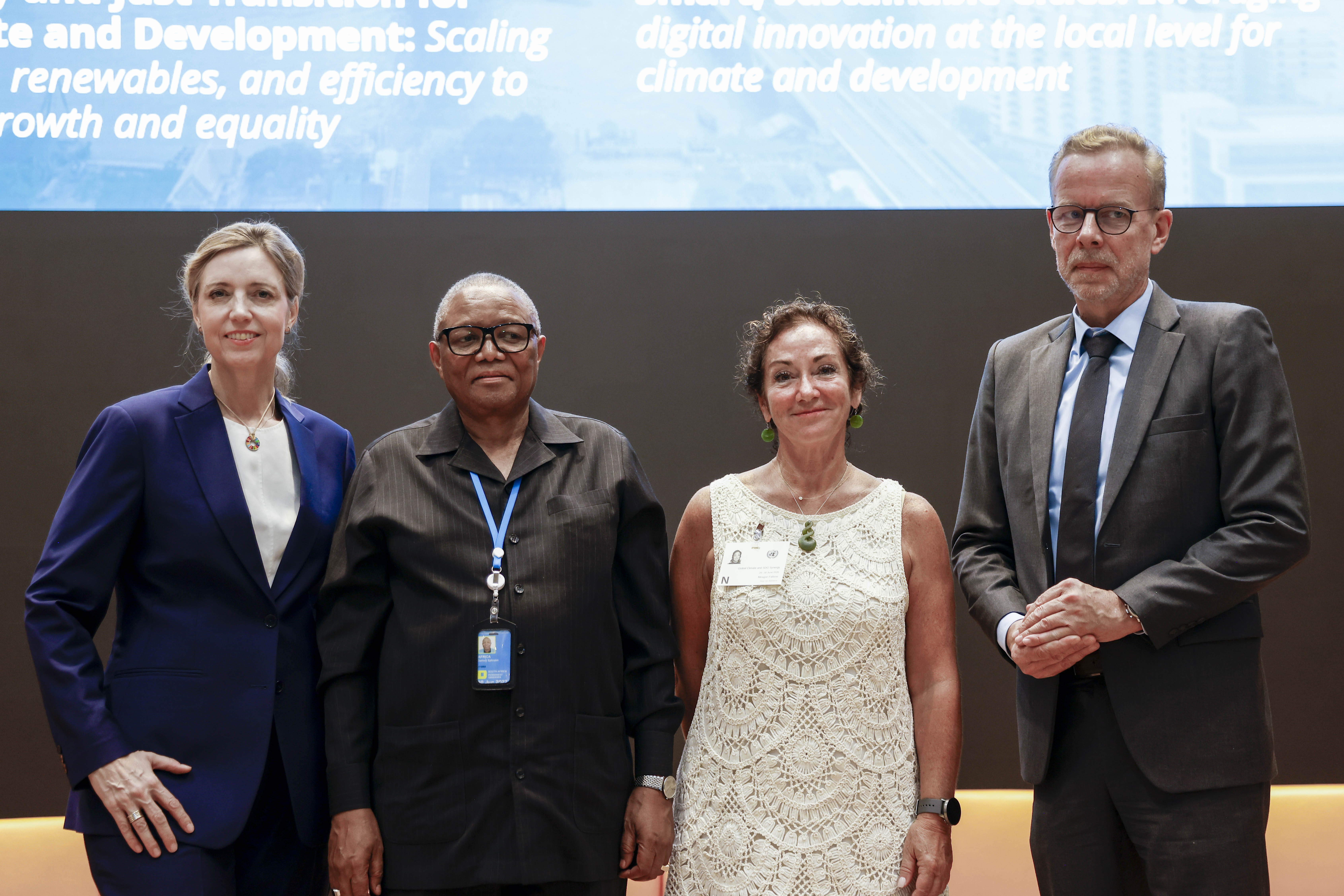
Darkey Ephraim Africa, Ambassador of South Africa to Thailand
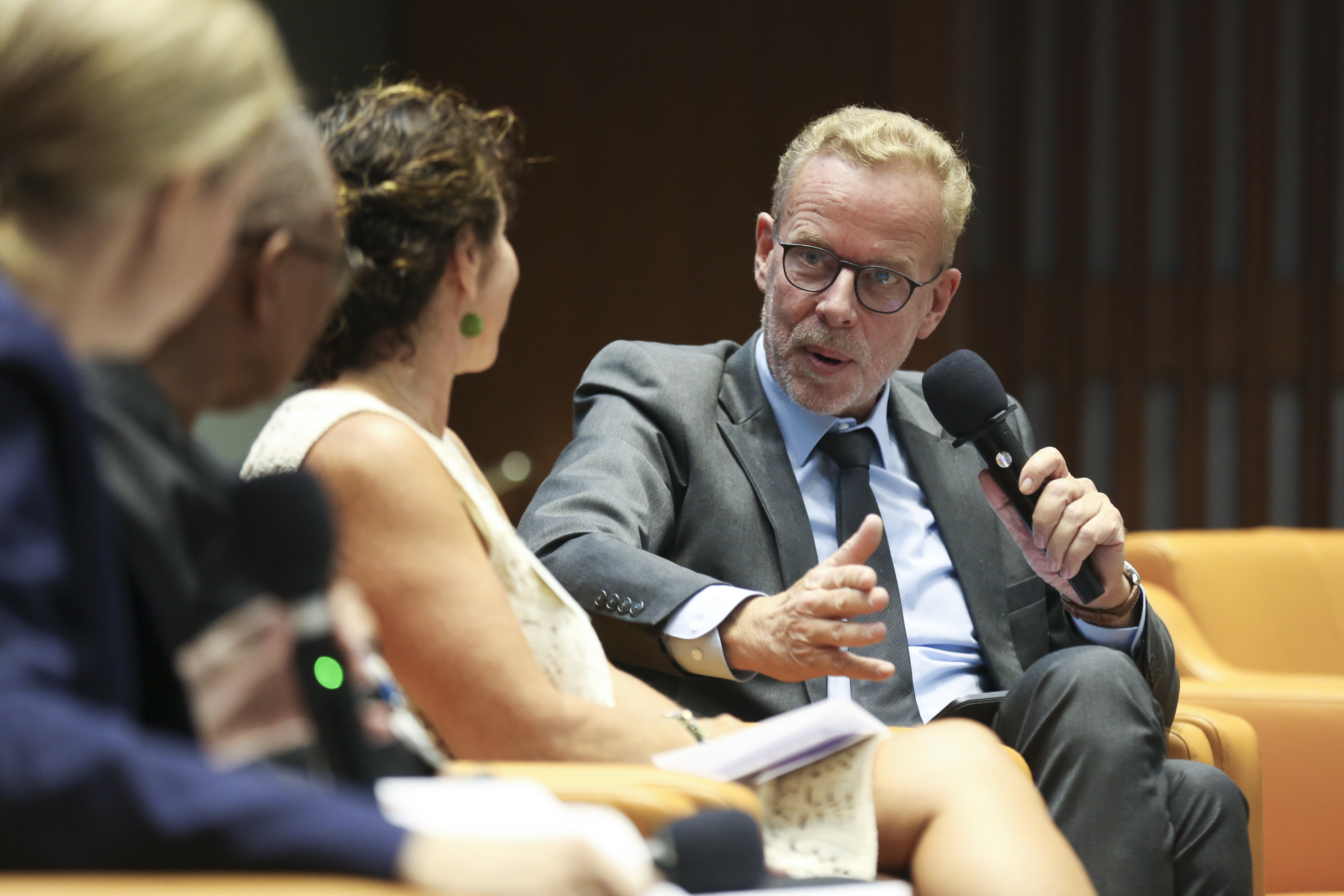
Gerd Trogmann, UN Development Programme Bangkok Regional Hub
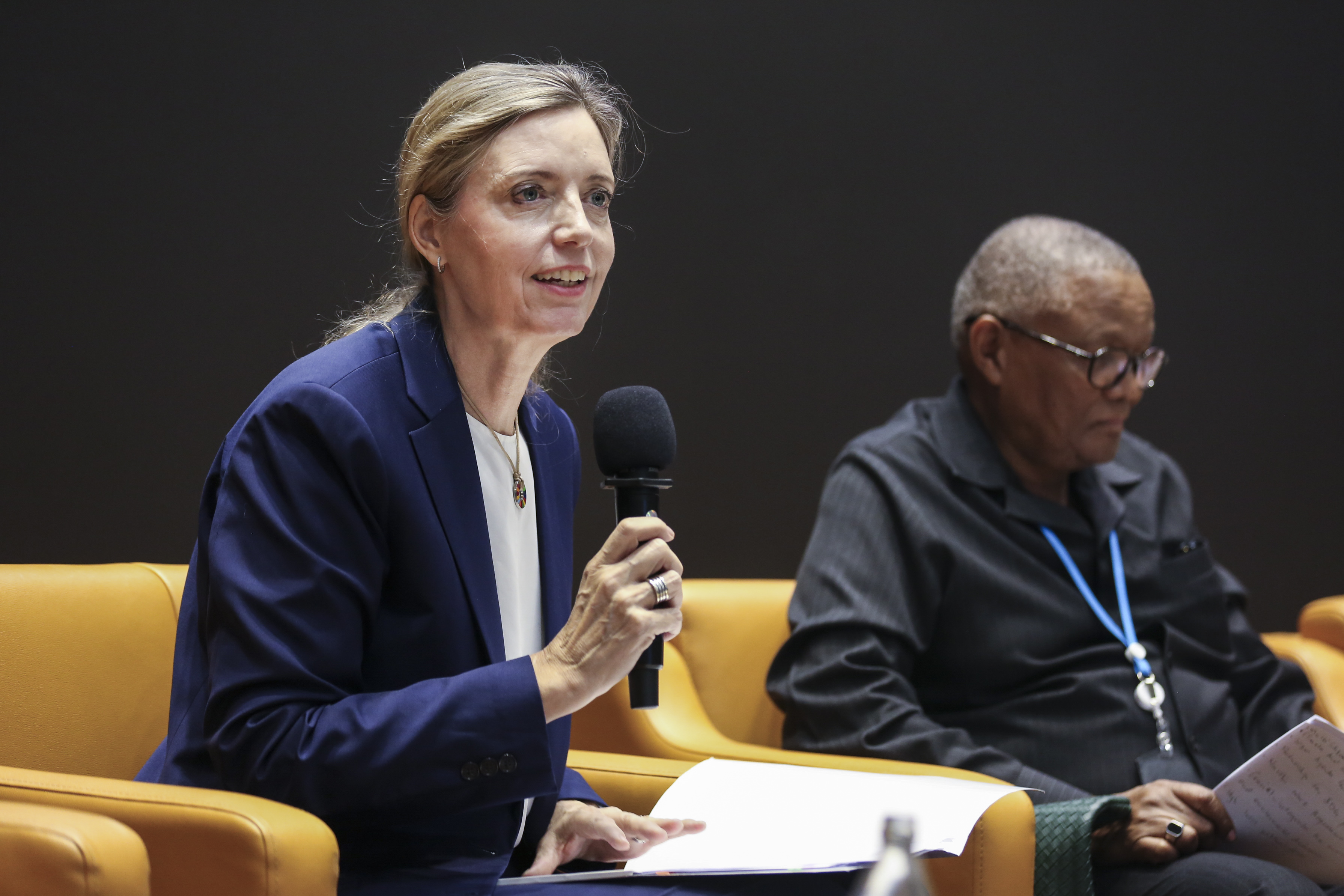
Michaela Friberg-Storey, UN Resident Coordinator in Thailand
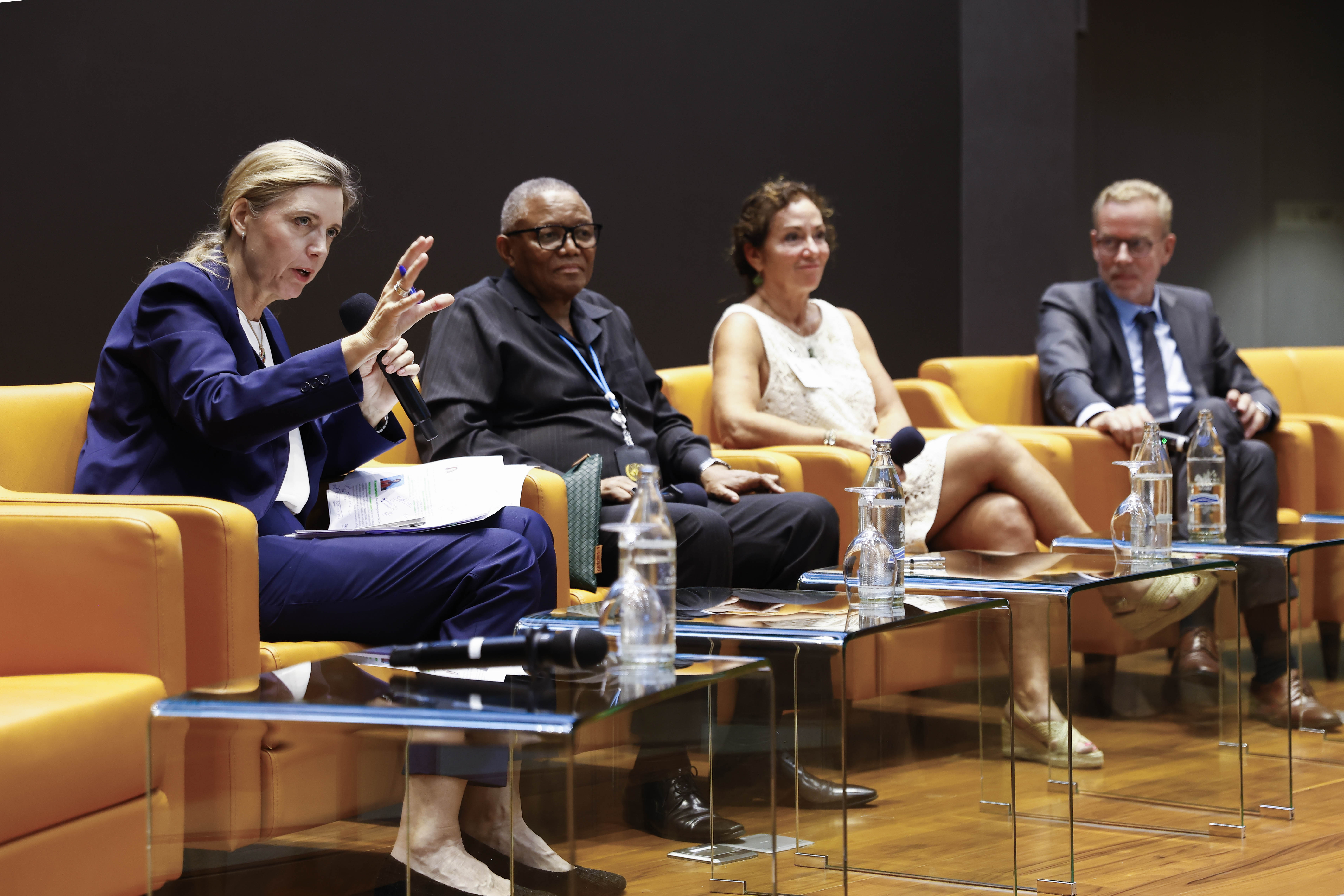
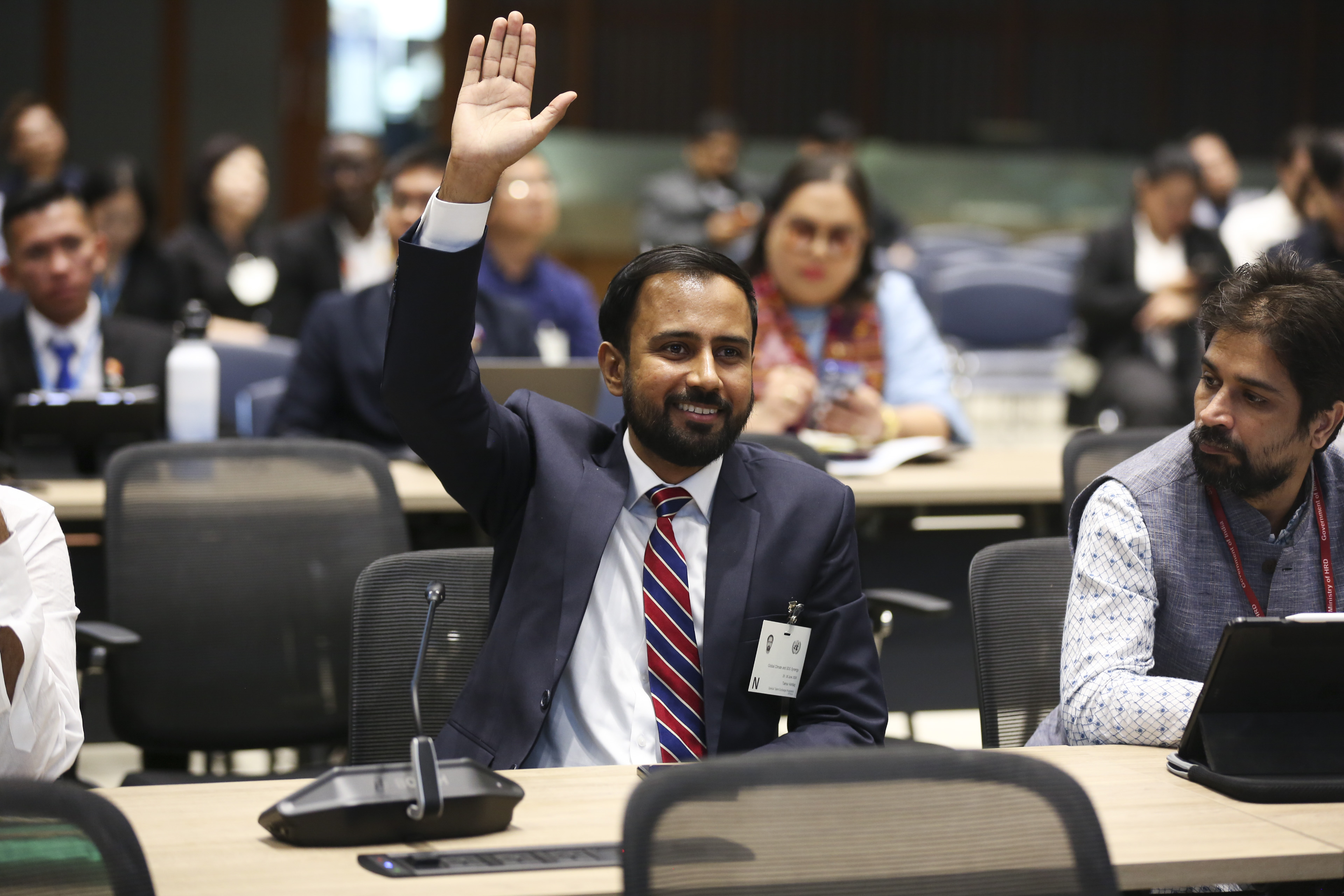
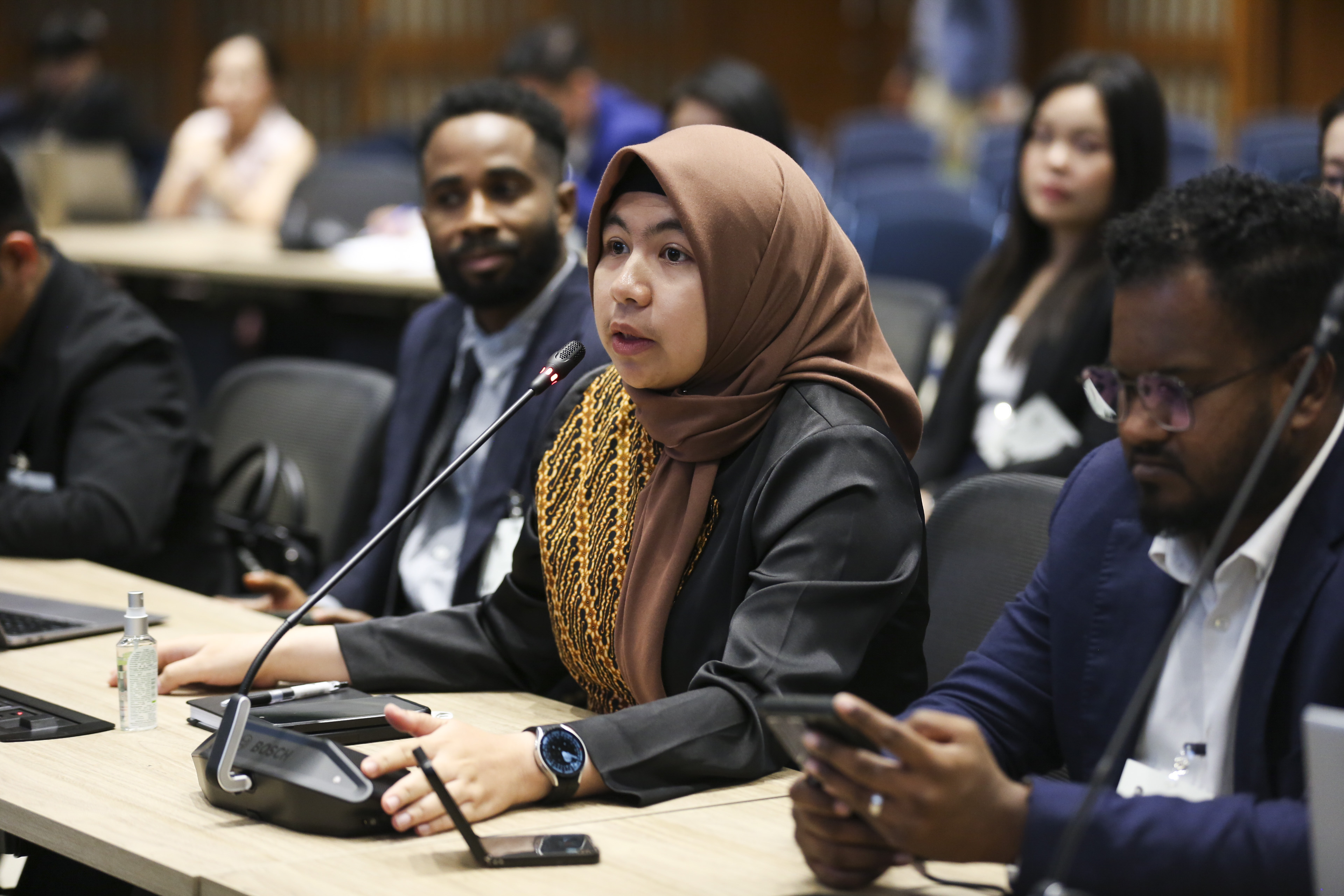
Interventions from the floor during the session
Thematic Roundtable: Climate Justice, Energy Resilience, and SIDS - Delivering Integrated Solutions Where Vulnerability is Greatest
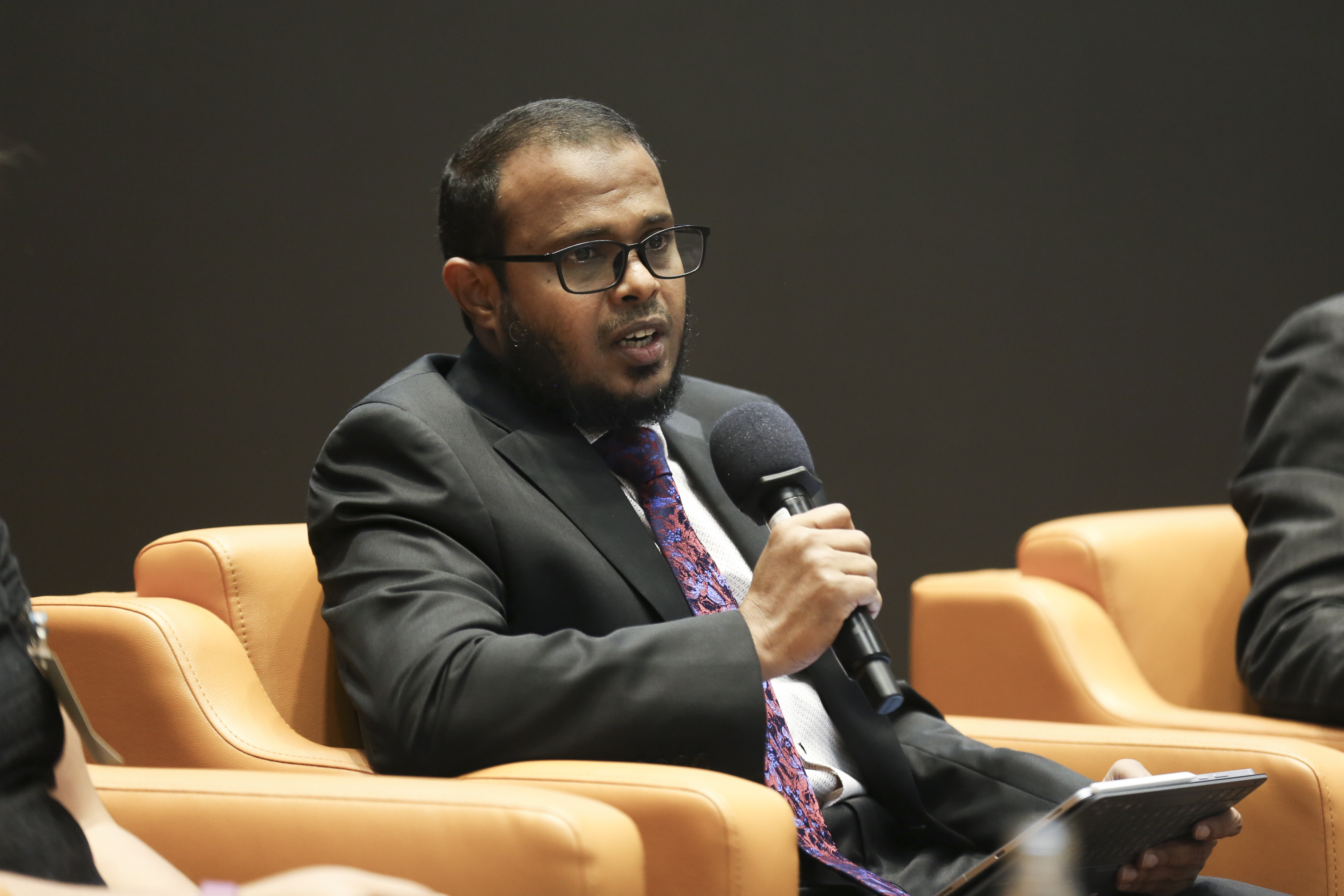
Ali Shareef, Minister of Climate Change, Environment and Energy, Maldives
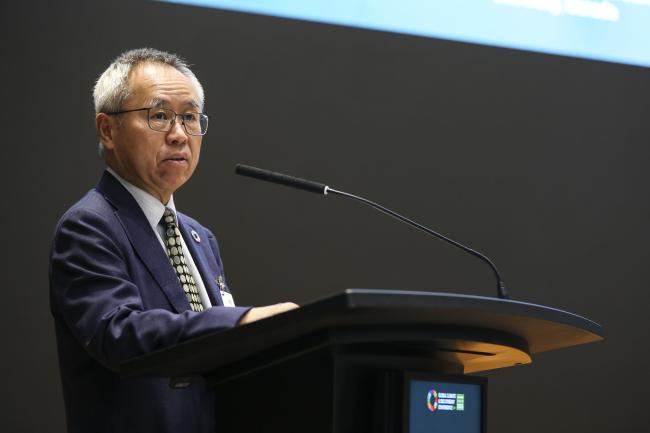
Li Junhua, UN Under-Secretary-General for Economic and Social Affairs
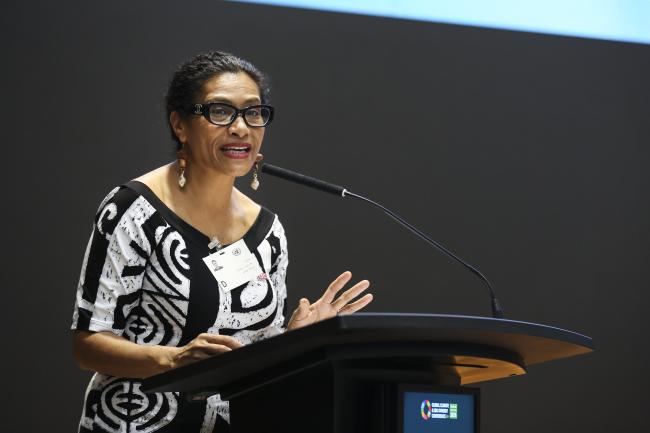
Lynda Tabuya, Minister for Information, Environment and Climate Change, Fiji
Thematic Roundtable: Sustainable Transport and Mobility for Inclusive and Low-Carbon Development
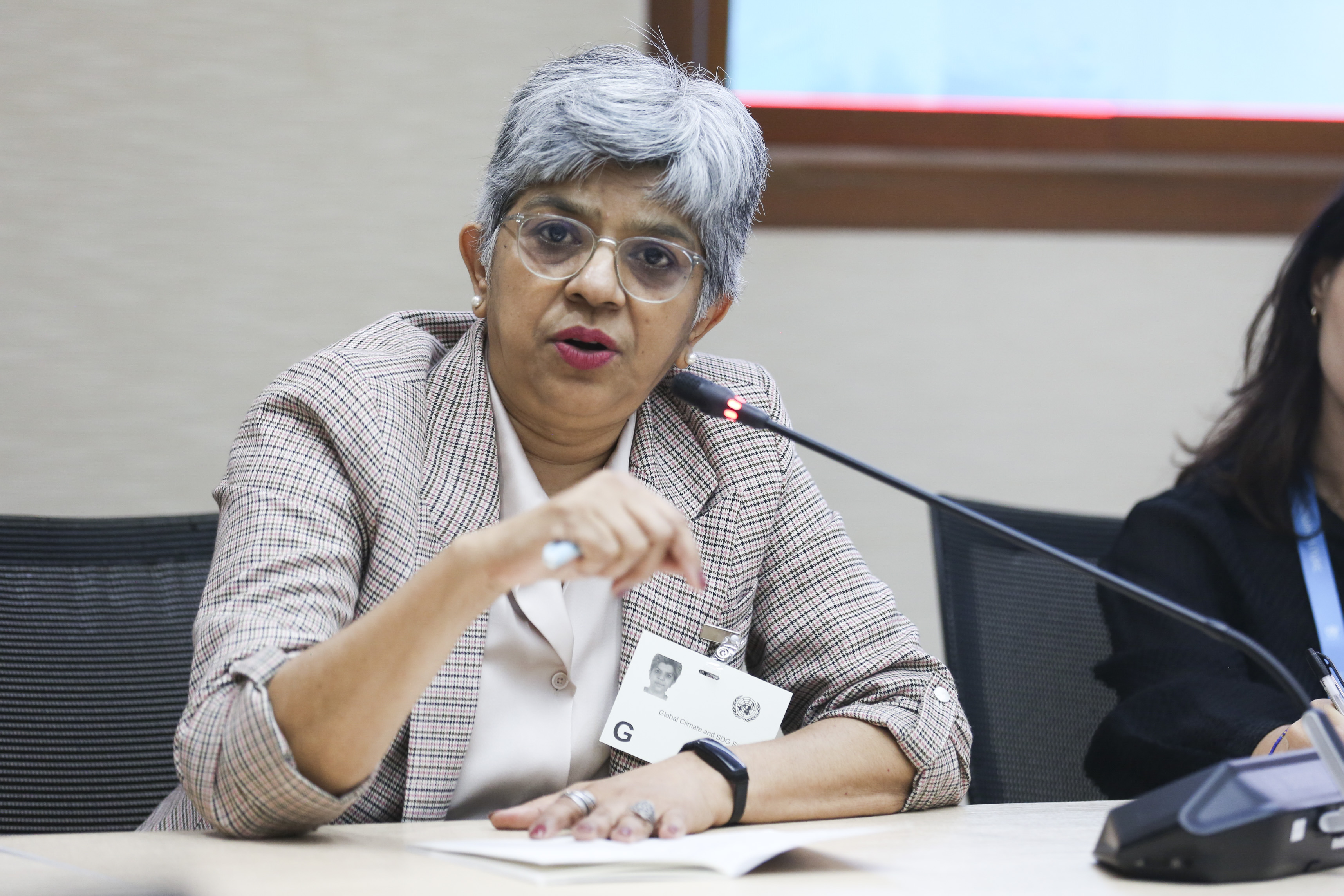
Kalpana Viswanath, Co-Founder and CEO, Safetipin
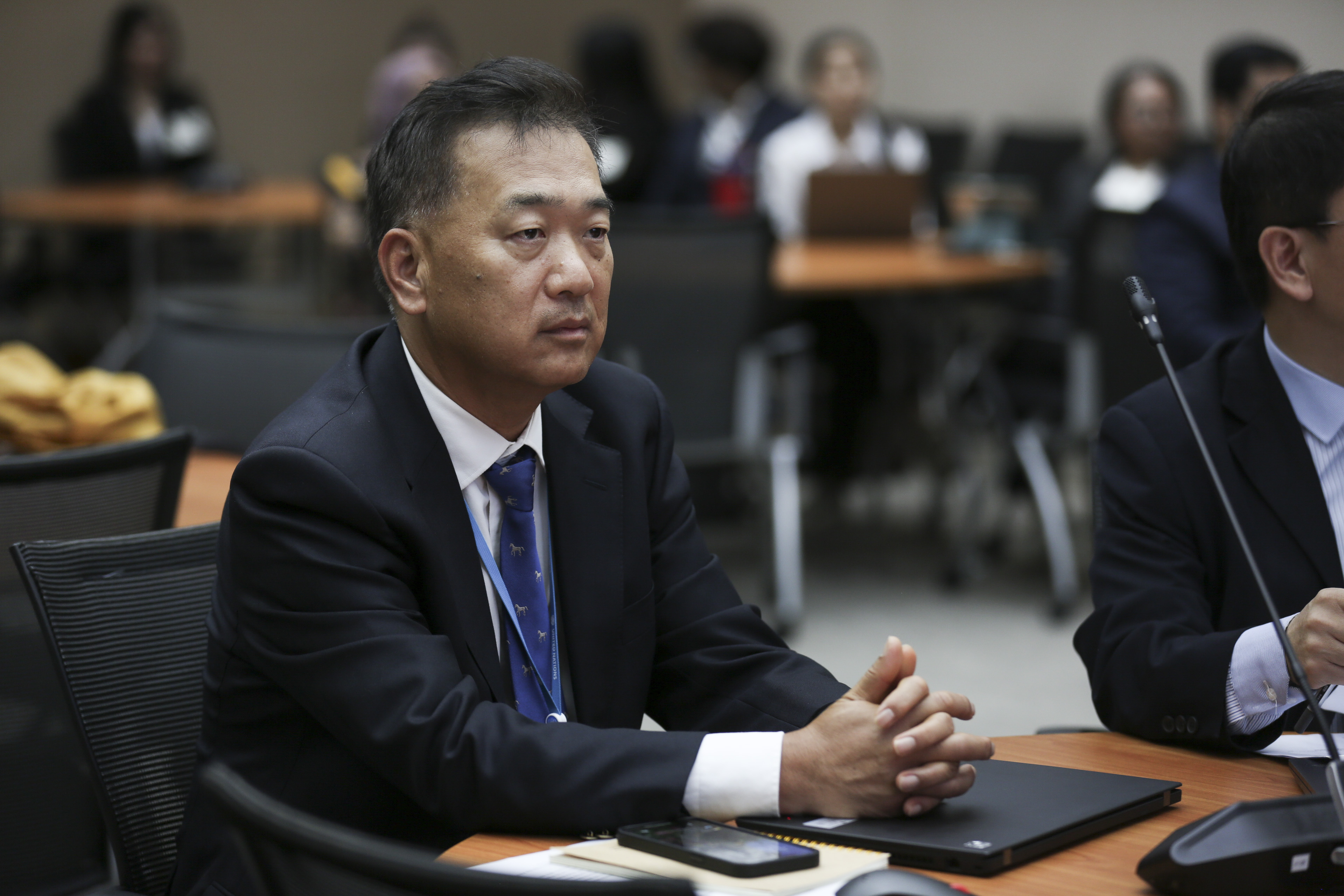
Weimin Ren, Director, Transport Division, ESCAP
Thematic Roundtable: Energy and Just Transition for Climate and Development - Scaling Access, Renewables, and Efficiency to Drive Growth and Equality
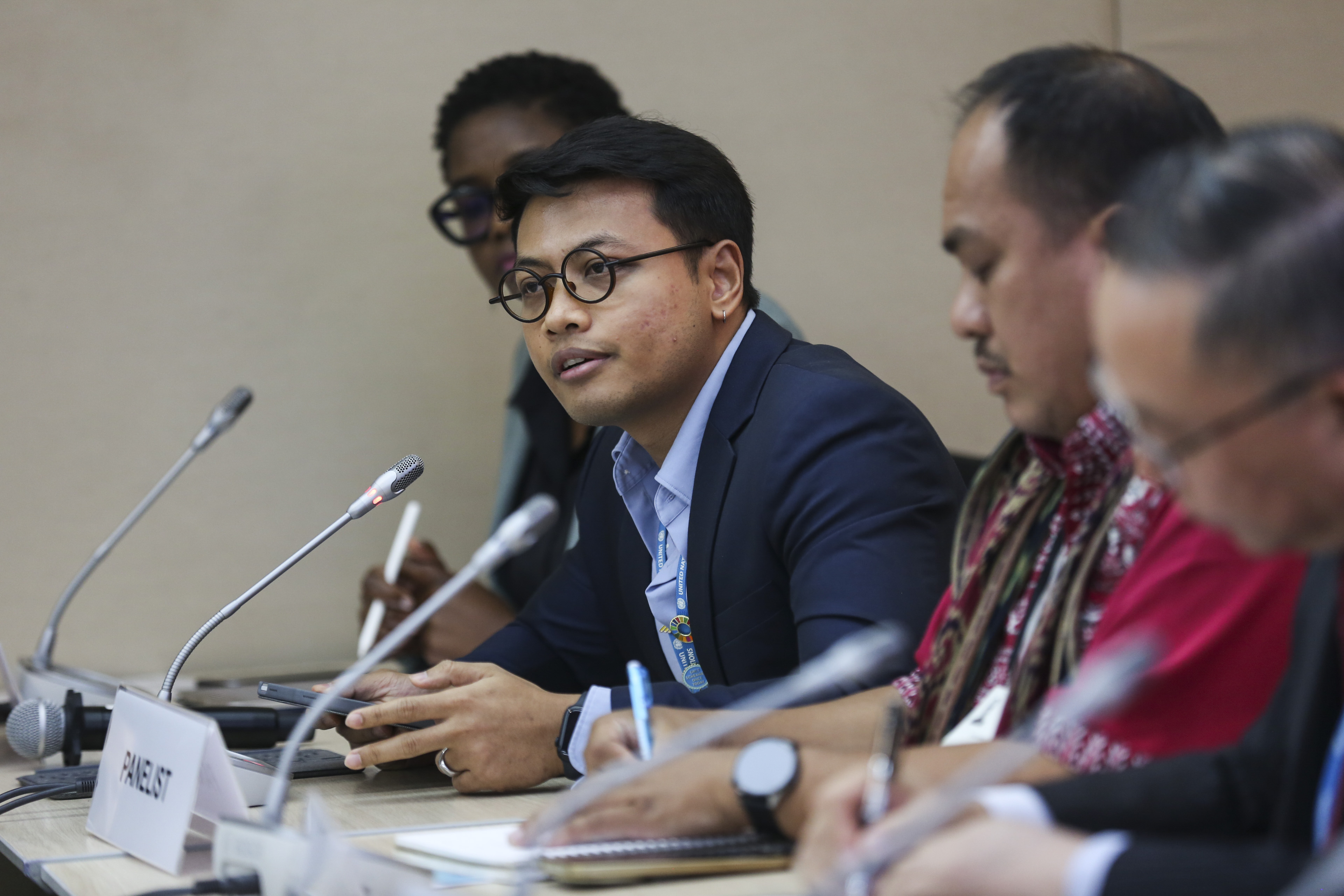
Dimas Fauzi, South East Asian Energy Transition Partnership
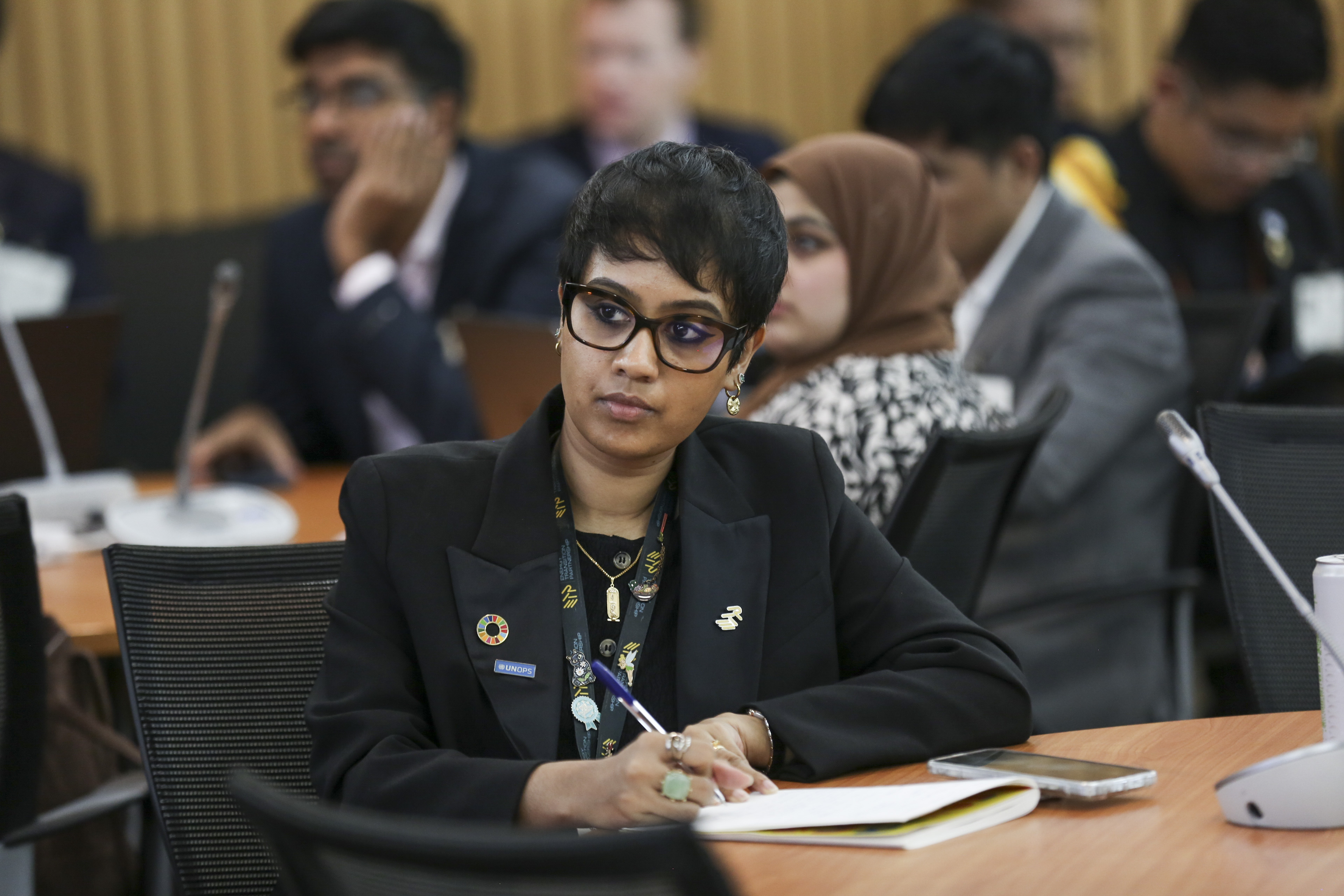
Thematic Roundtable: Water, Health, and Climate - Securing human well-being in a changing climate
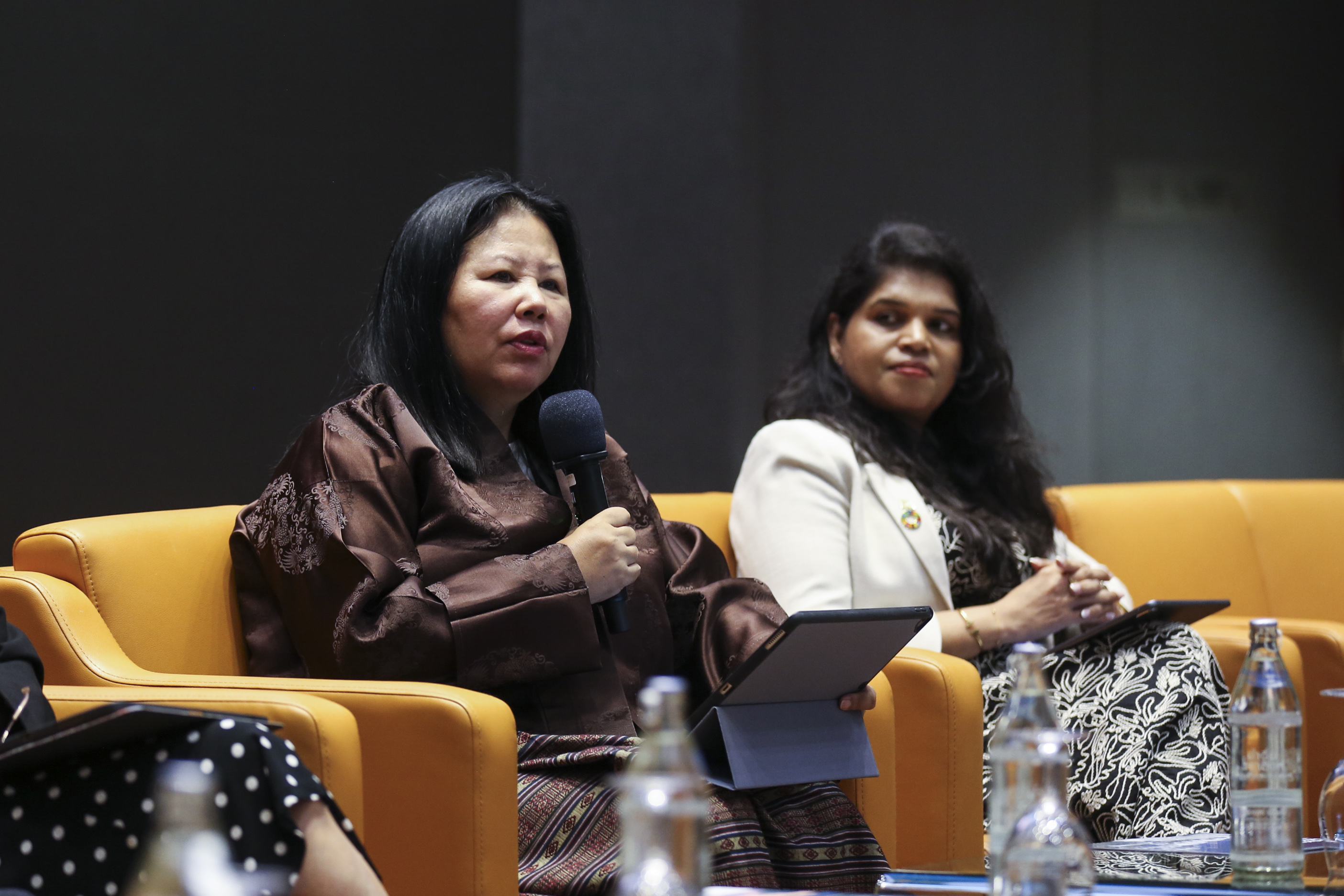
Dechen Tsering, Director, UNEP Regional Office for Asia and the Pacific
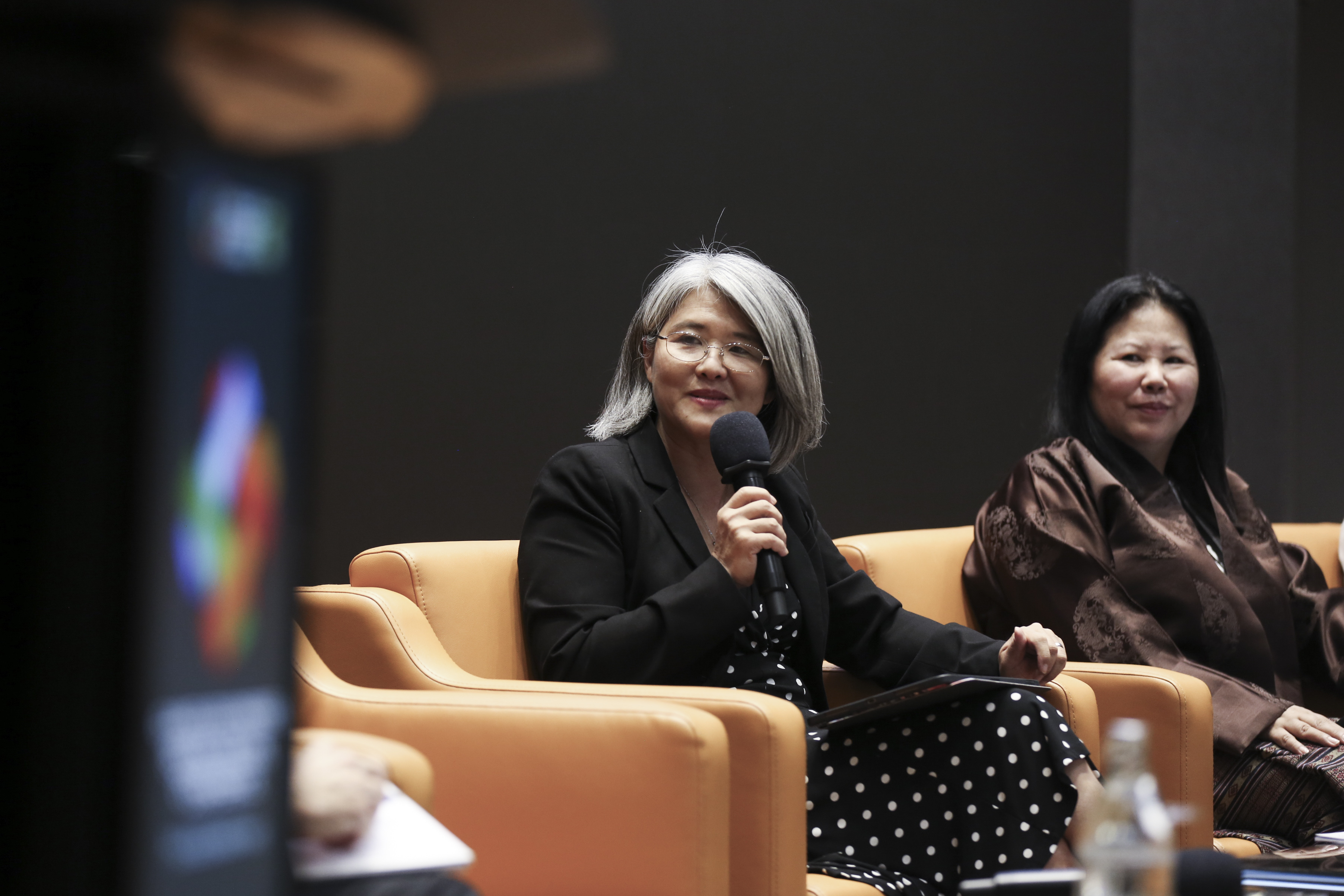
Yoko Watanabe, Director for Environment, Asian Development Bank
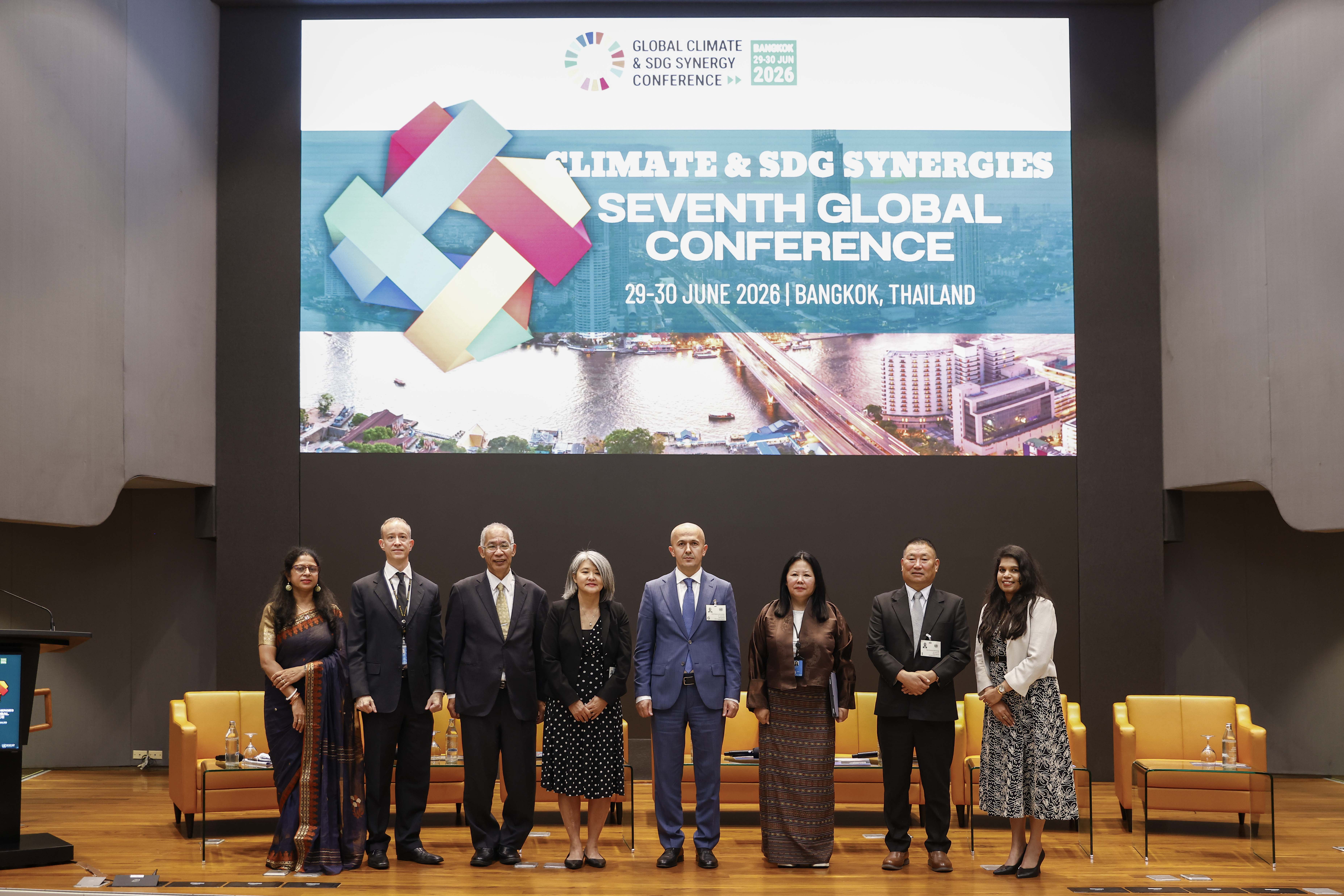
Thematic Roundtable: Nature-based Solutions for a Climate Resilient and Nature Positive Future
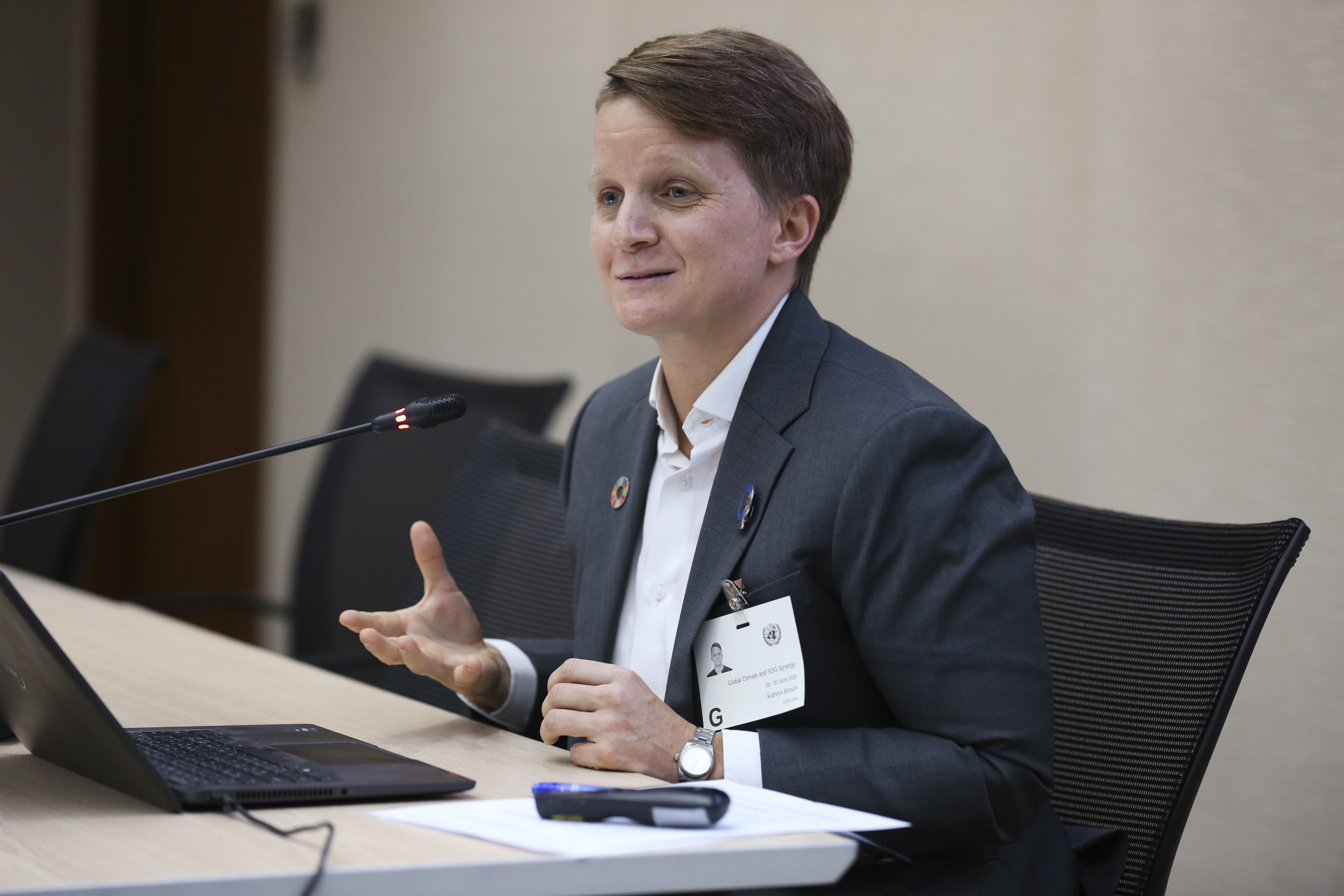
Kathryn Bimson, International Union for Conservation of Nature (IUCN)
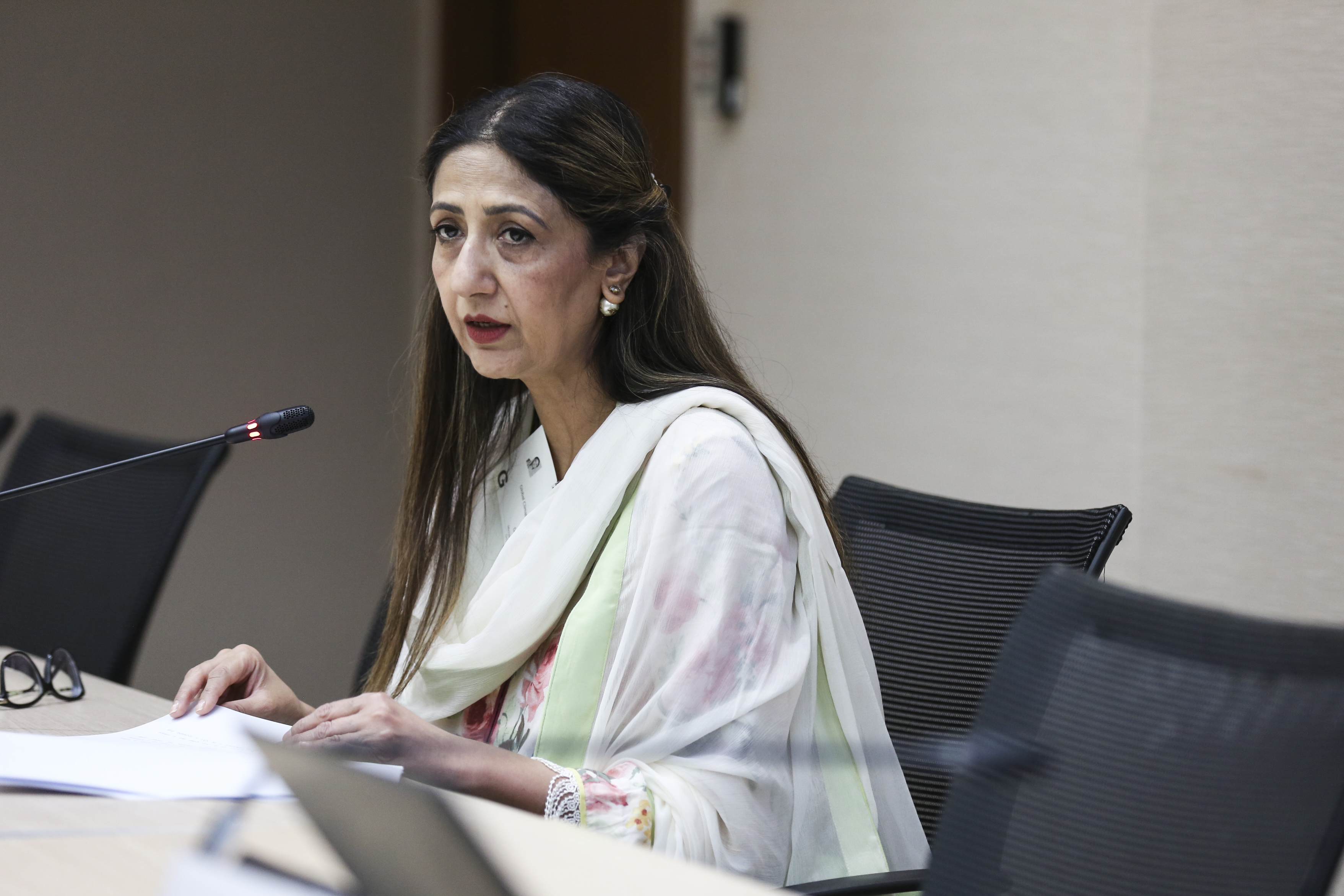
Shezra Mansab Ali Khan, Minister of State for Climate Change and Environmental Coordination, Pakistan
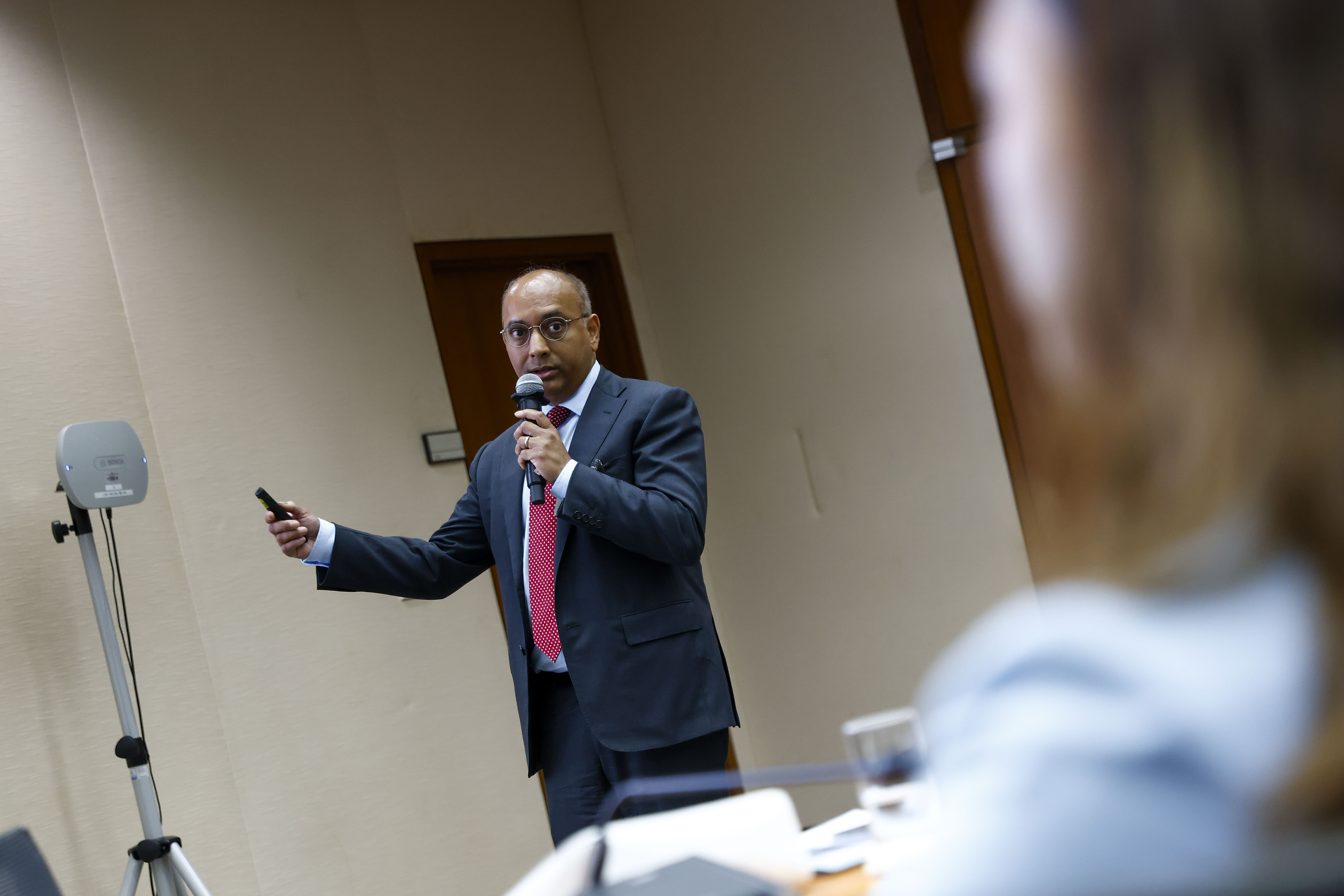
Sandeep Sengupta, Head of Global Climate Policy, IUCN
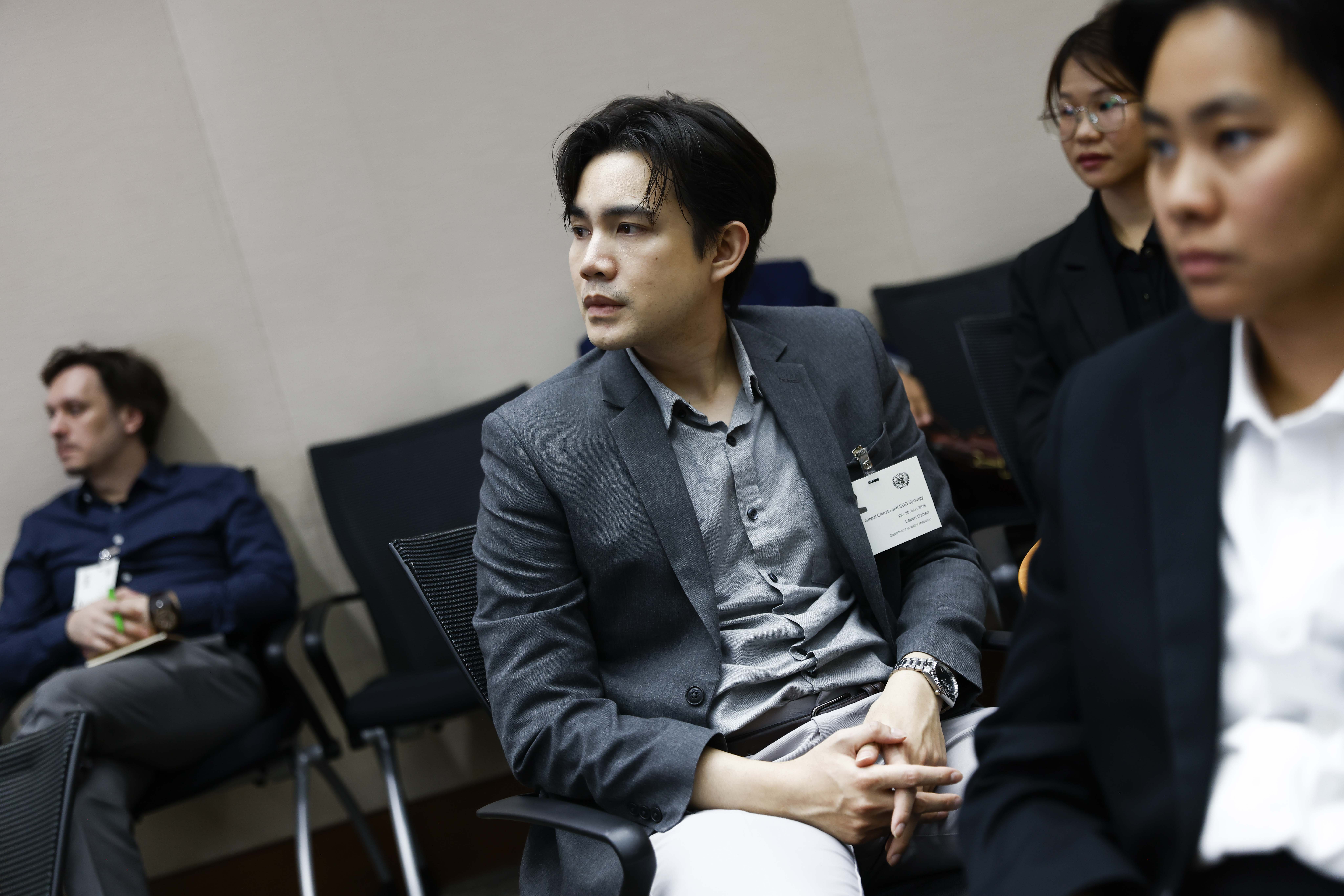
Thematic Roundtable: Smart, Sustainable Cities - Leveraging Digital Innovation at the Local Level for Climate and Development
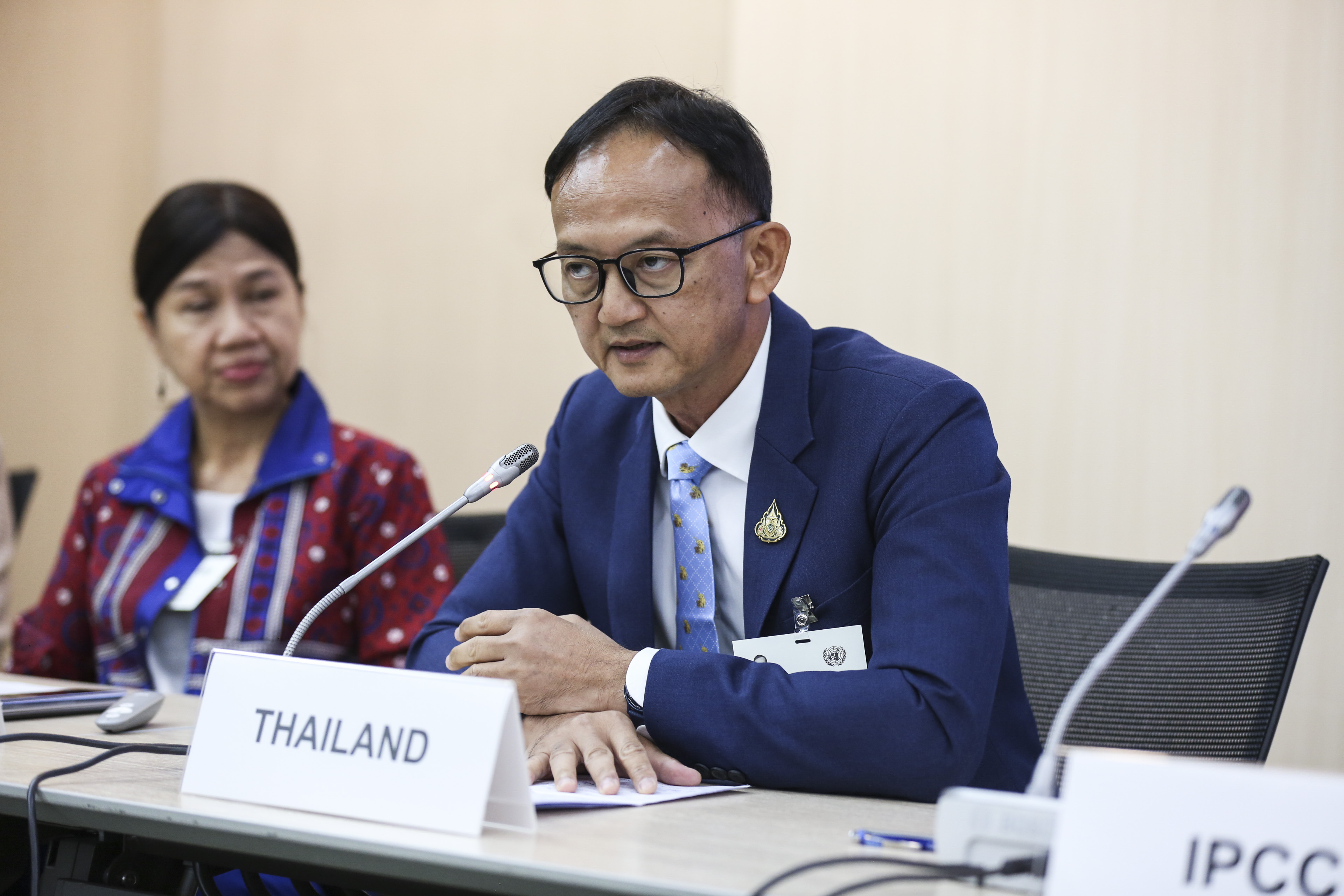
Kanop Ketchart, Mayor of Nakhon Si Thammarat City, Thailand
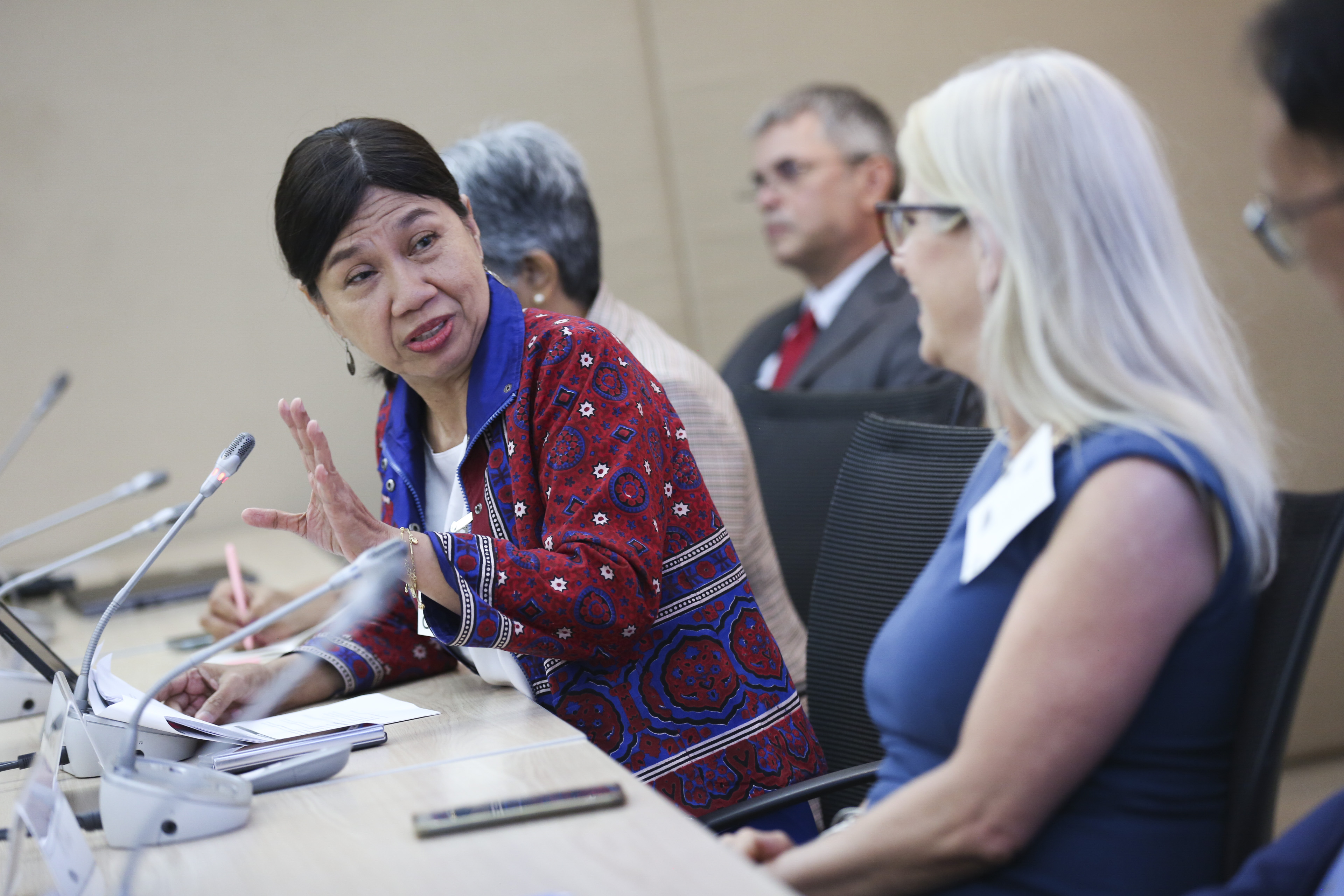
Bernadia Irawati Tjandradewi, Secretary General, UCLG-ASPAC
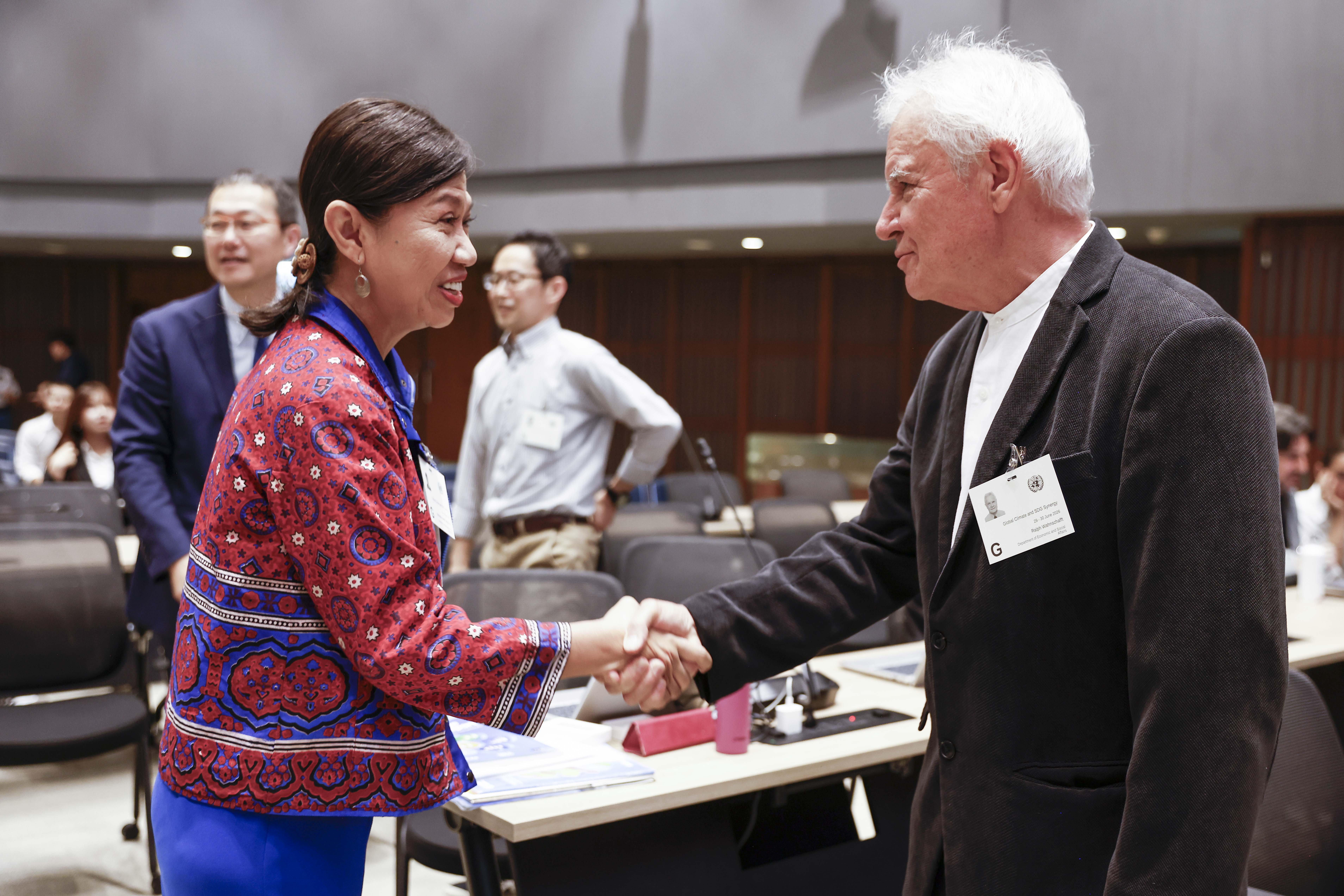
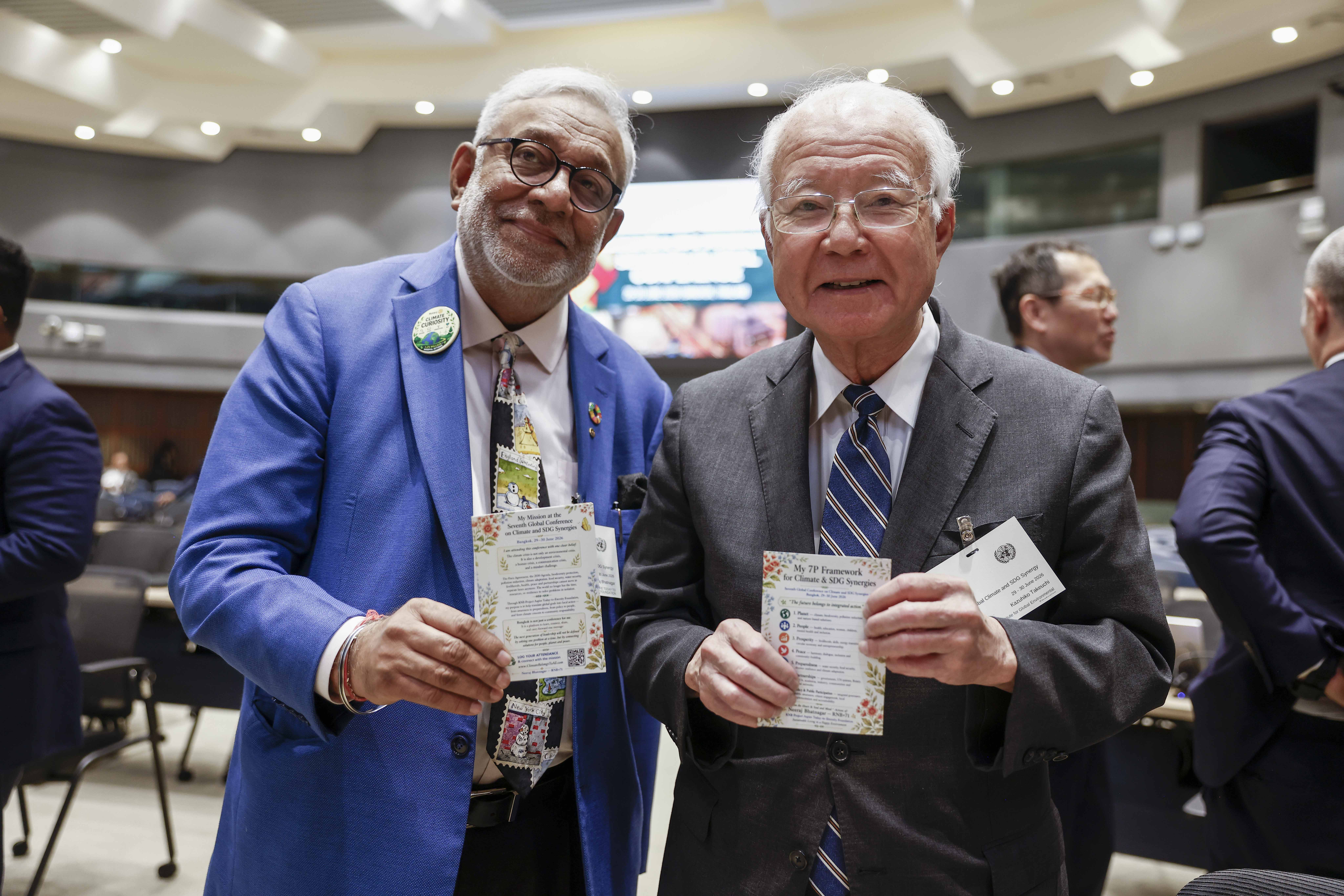
Between Sessions
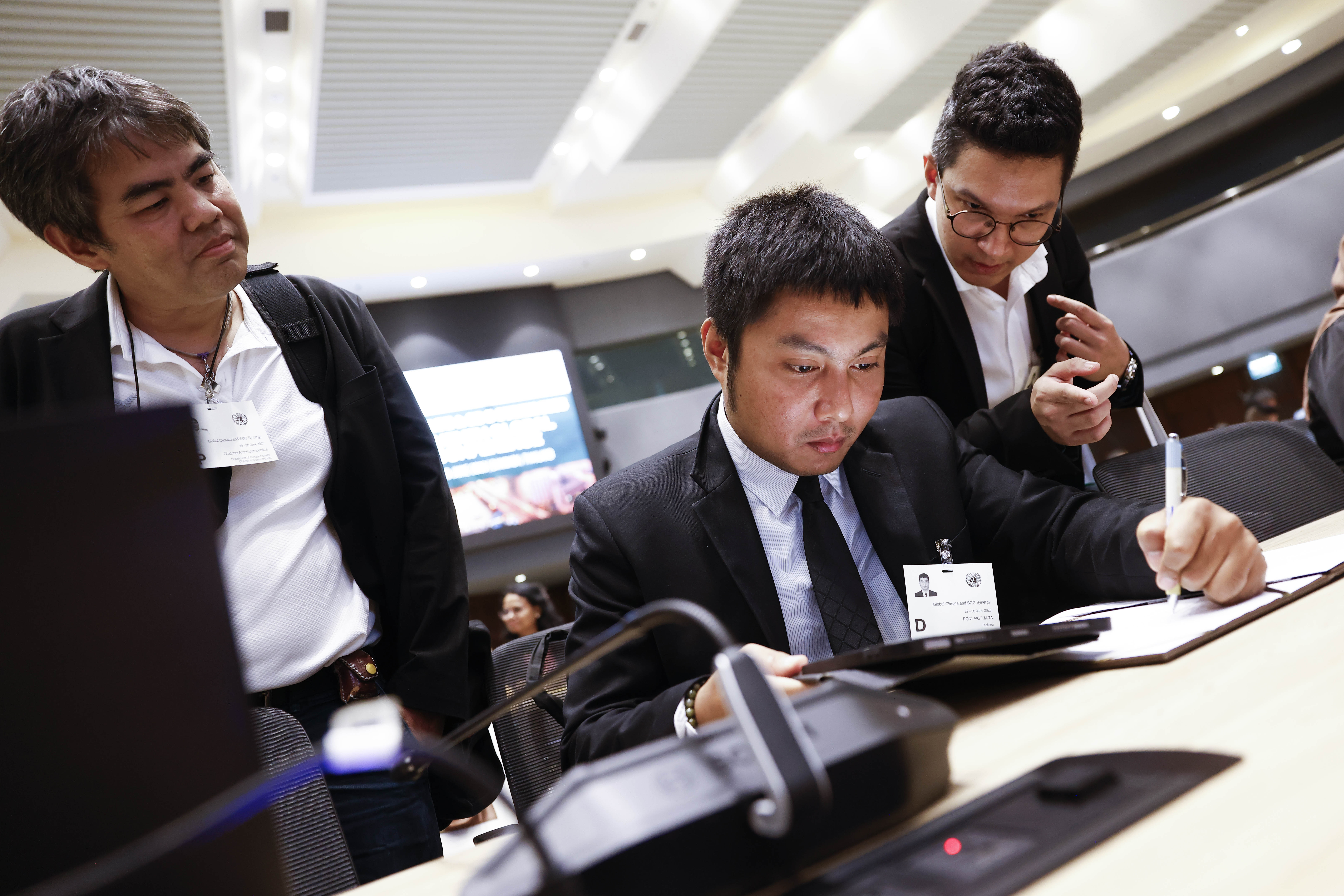
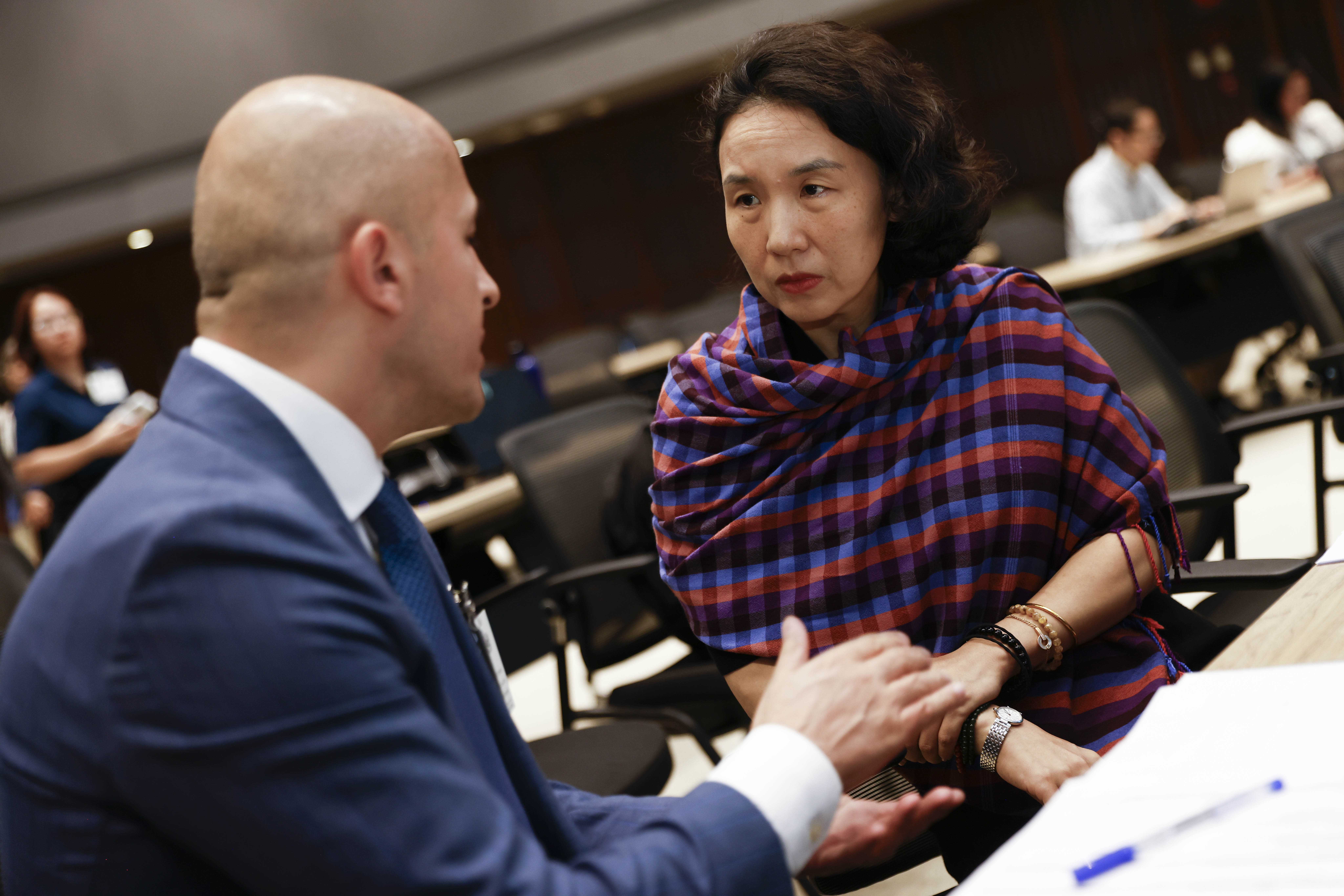
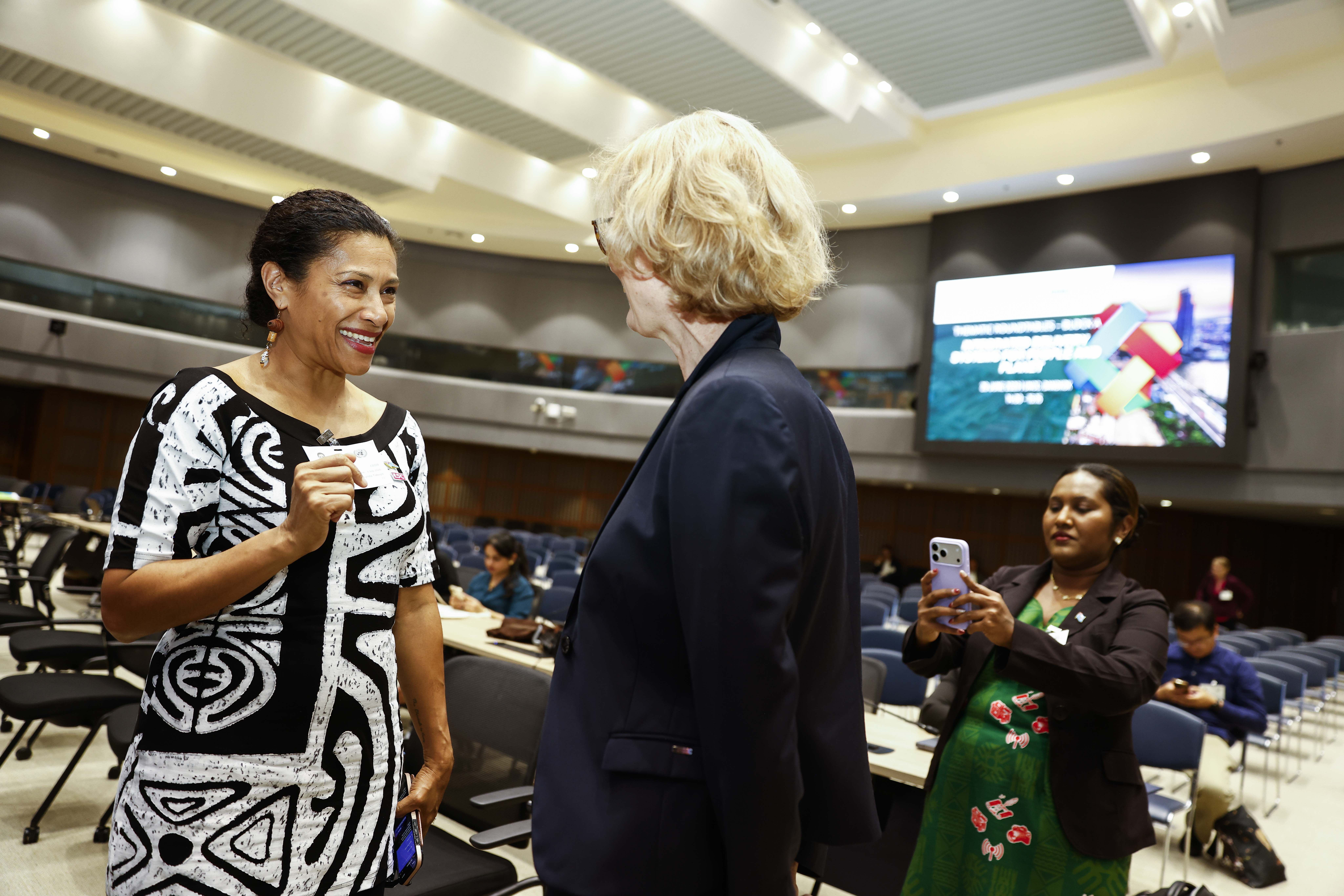
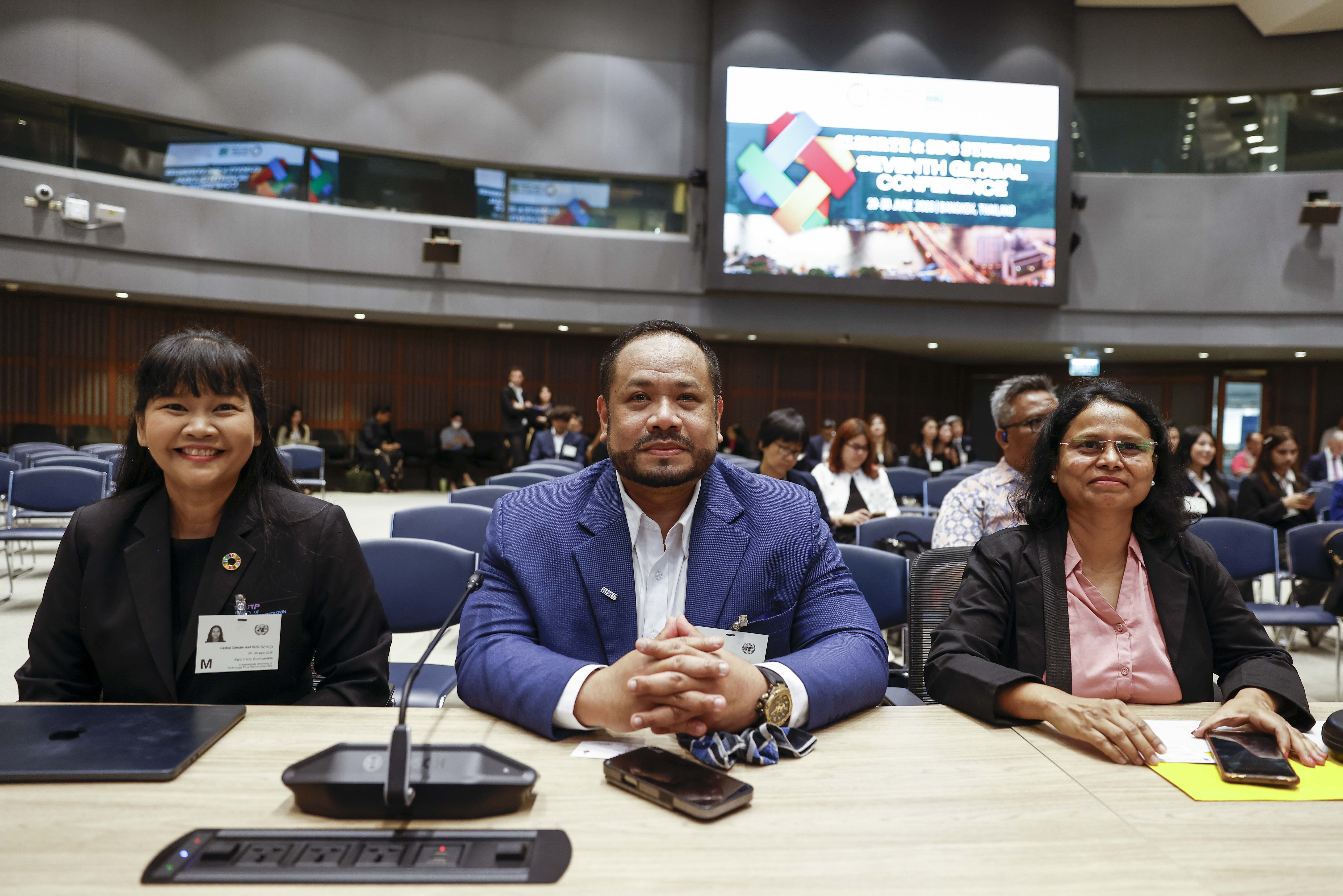
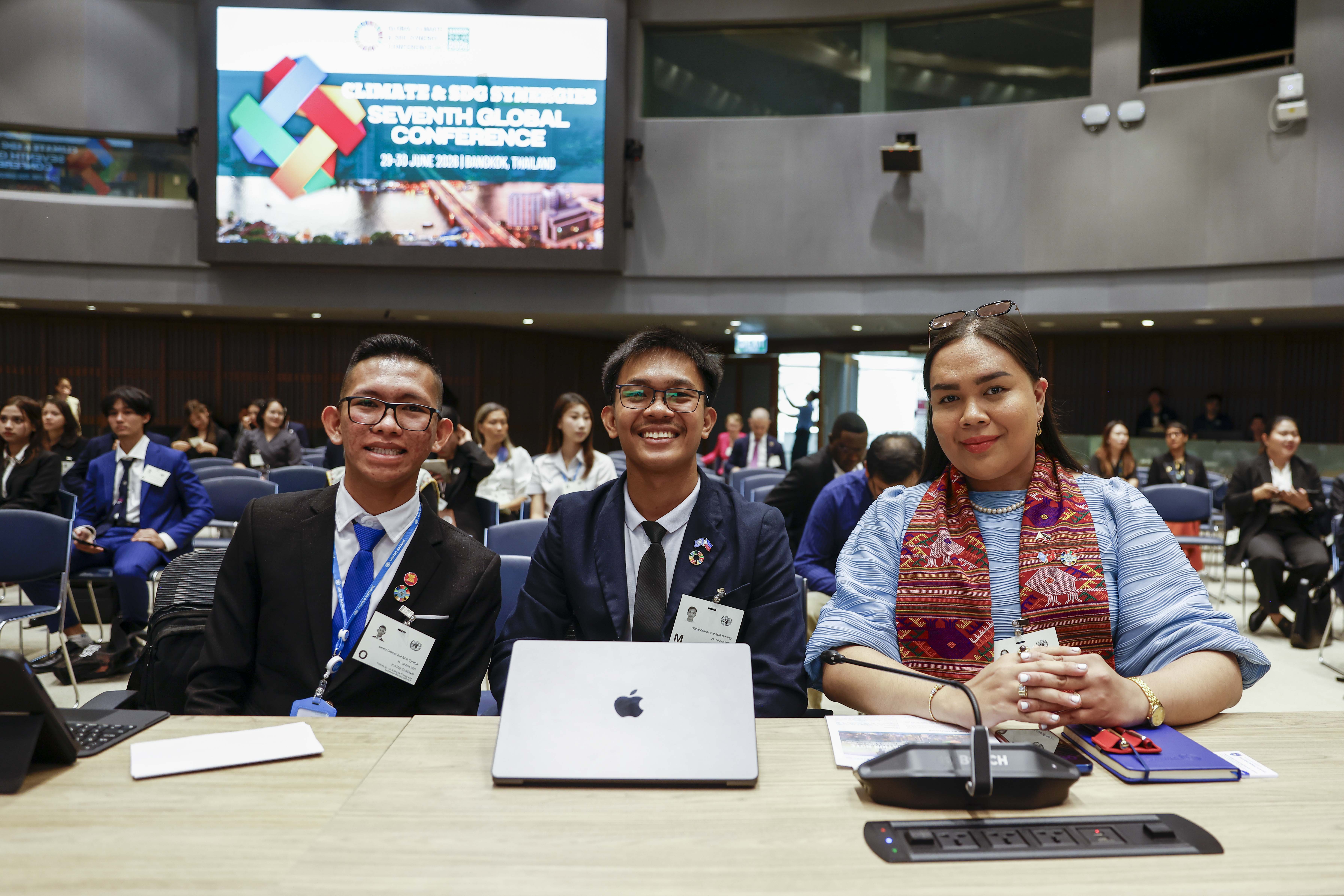

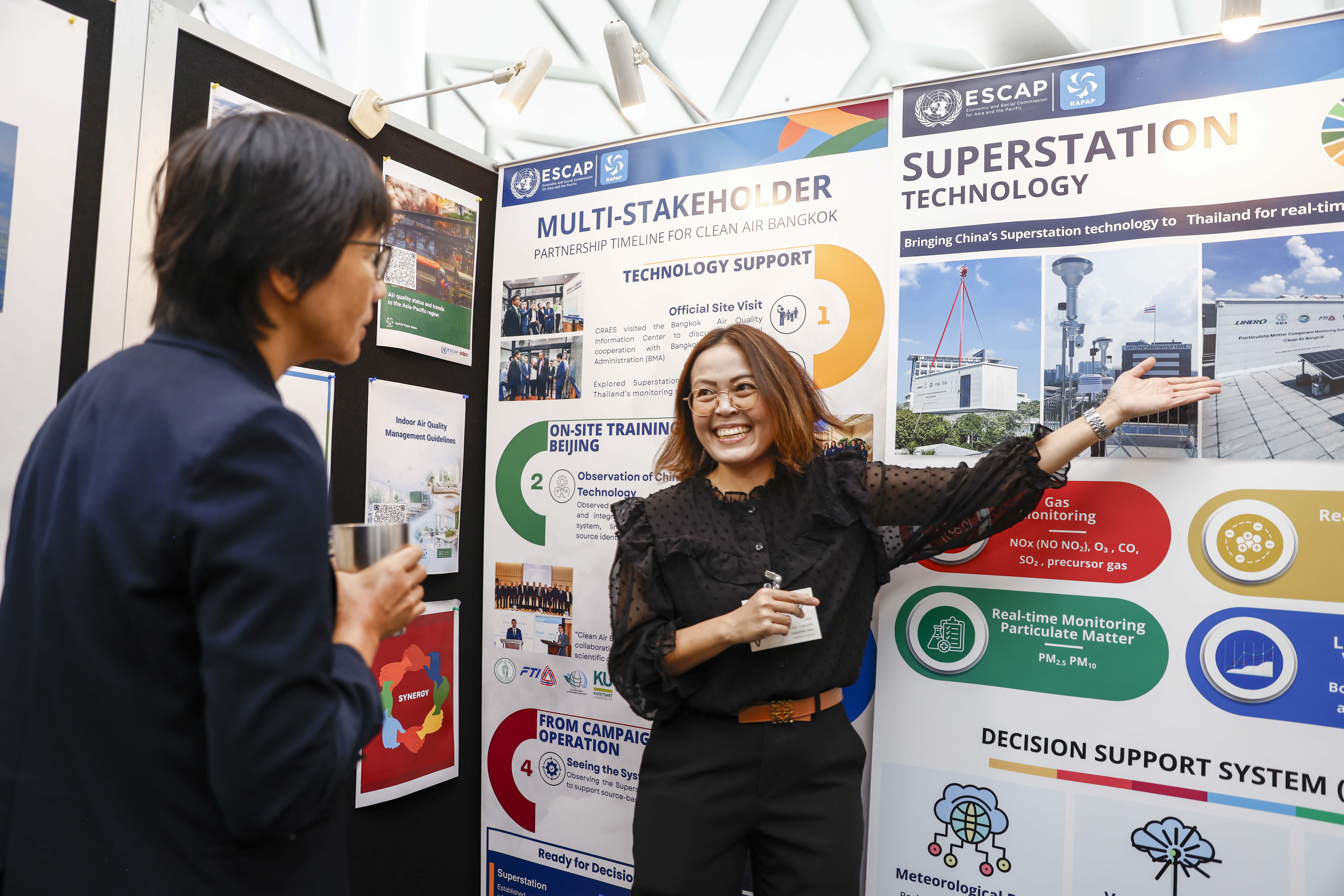
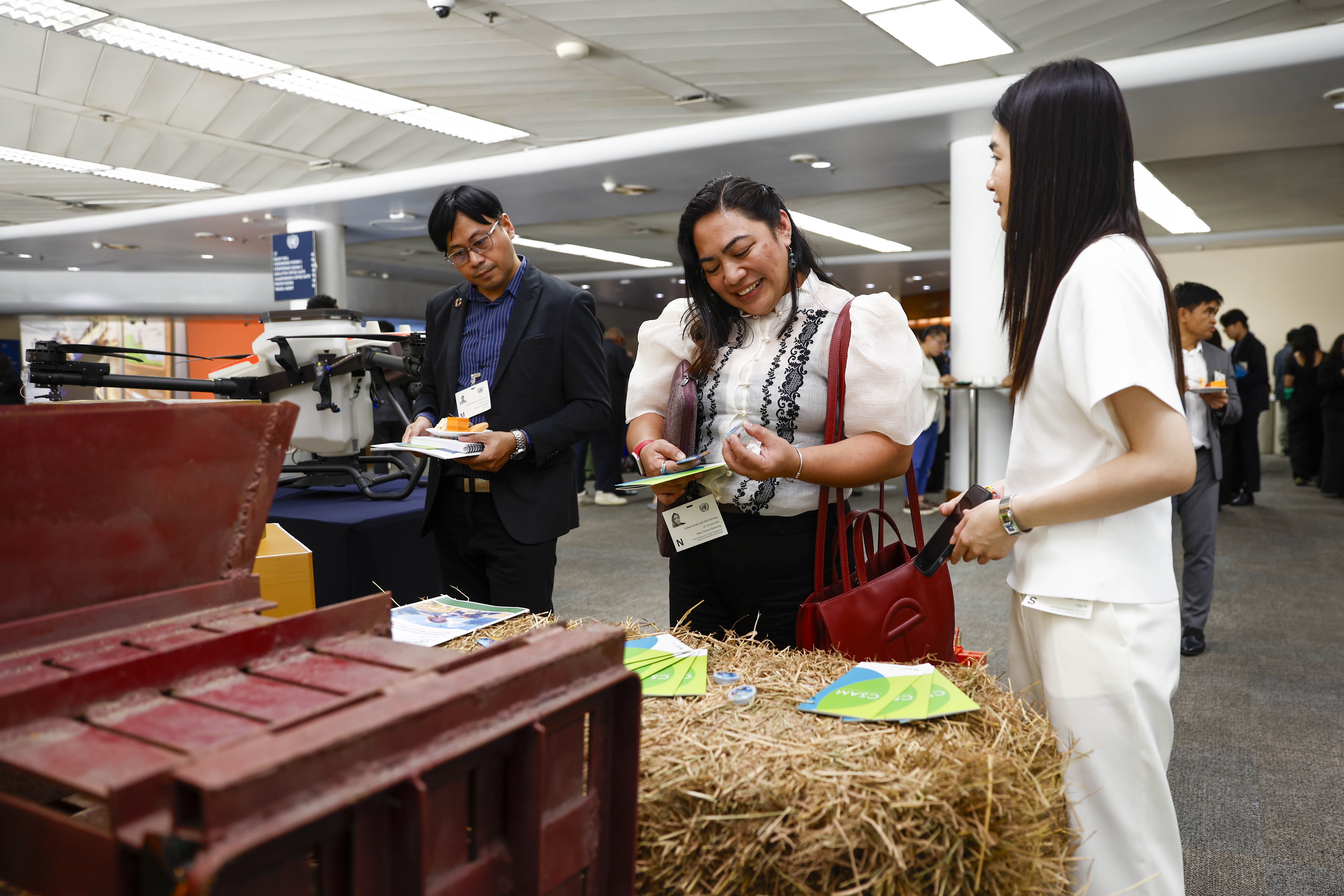
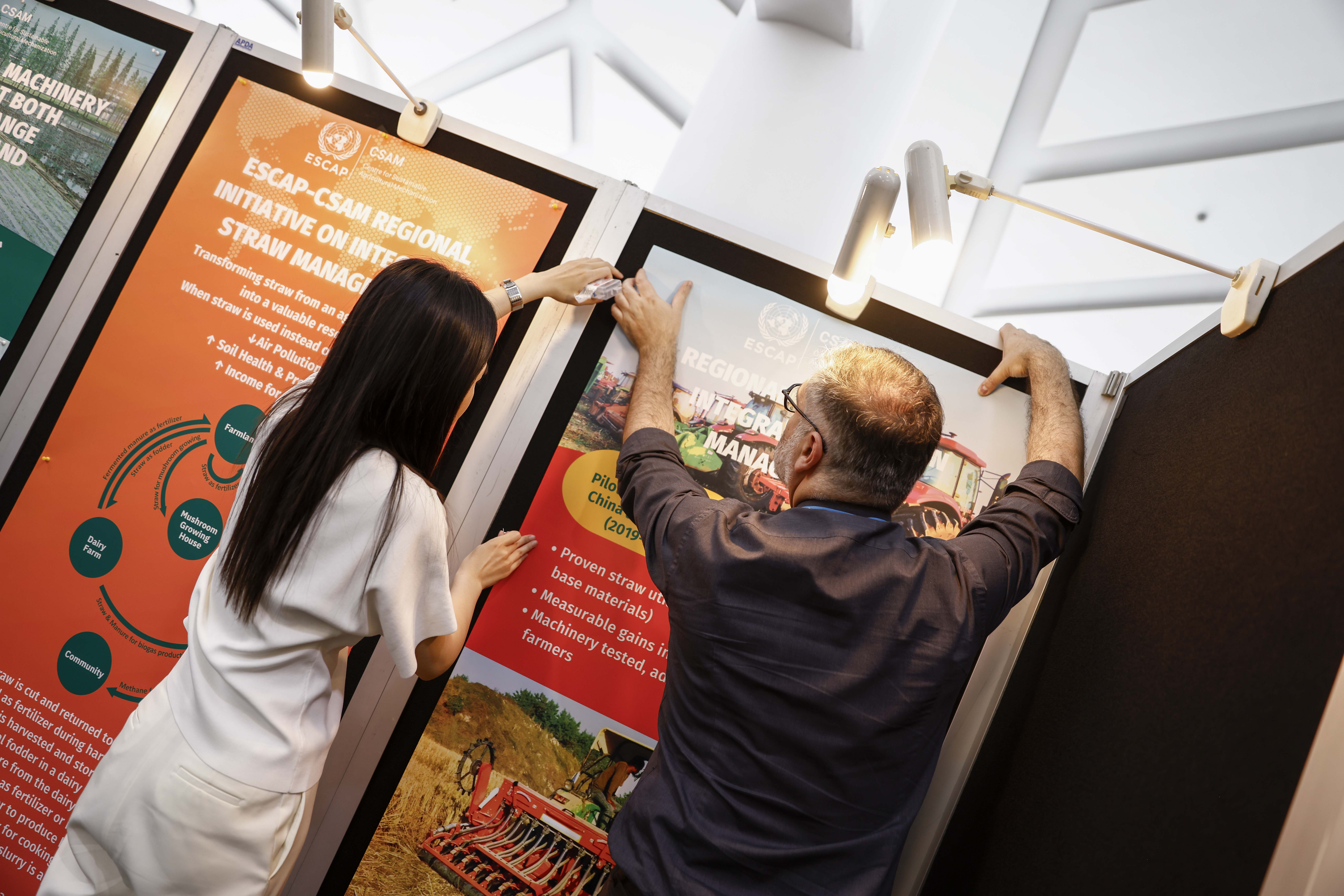
Around the Venue
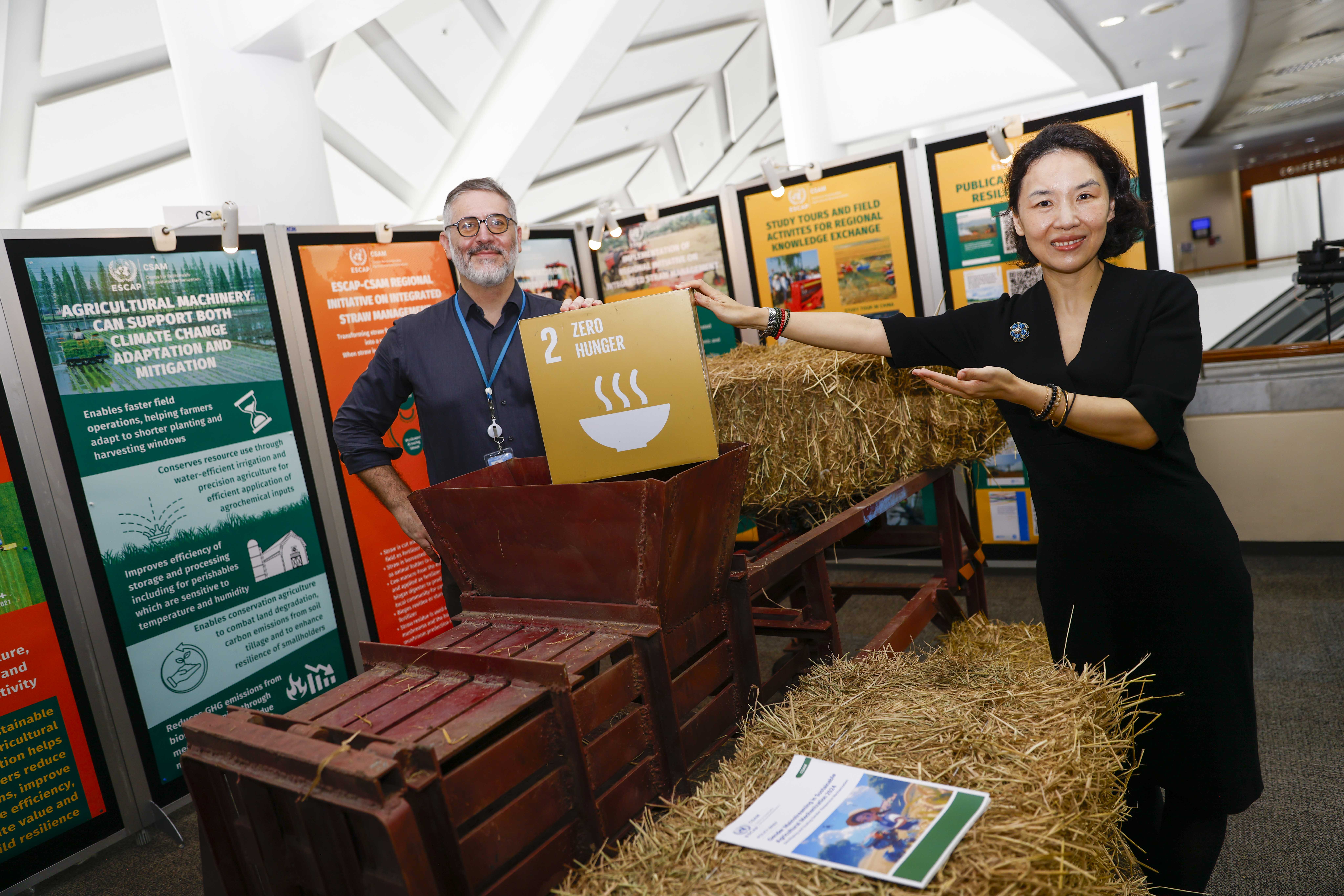
Marco Silvestri and Lin Yang, ESCAP
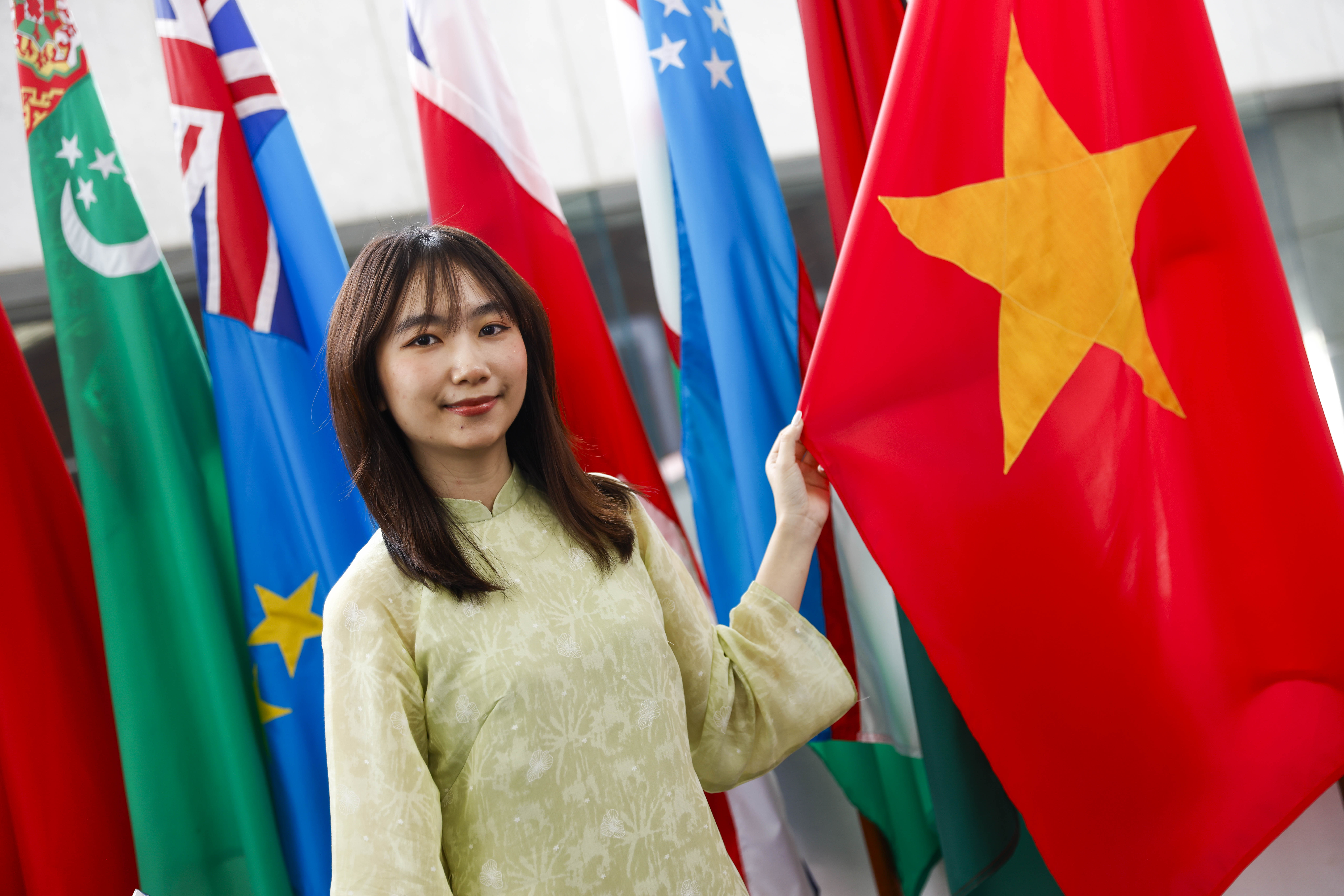
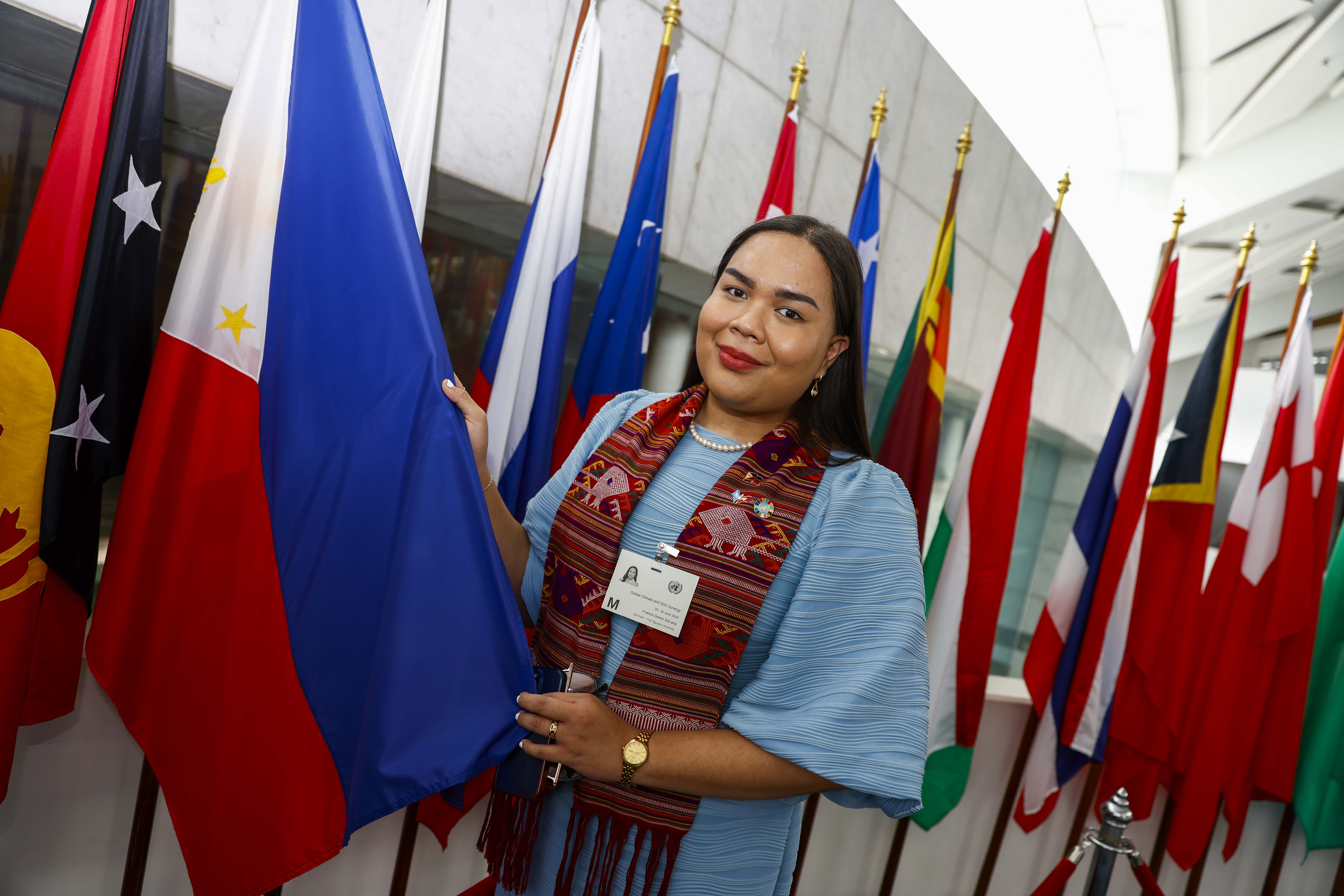
Francis Geren Sta Ana, Thai Nguyen University

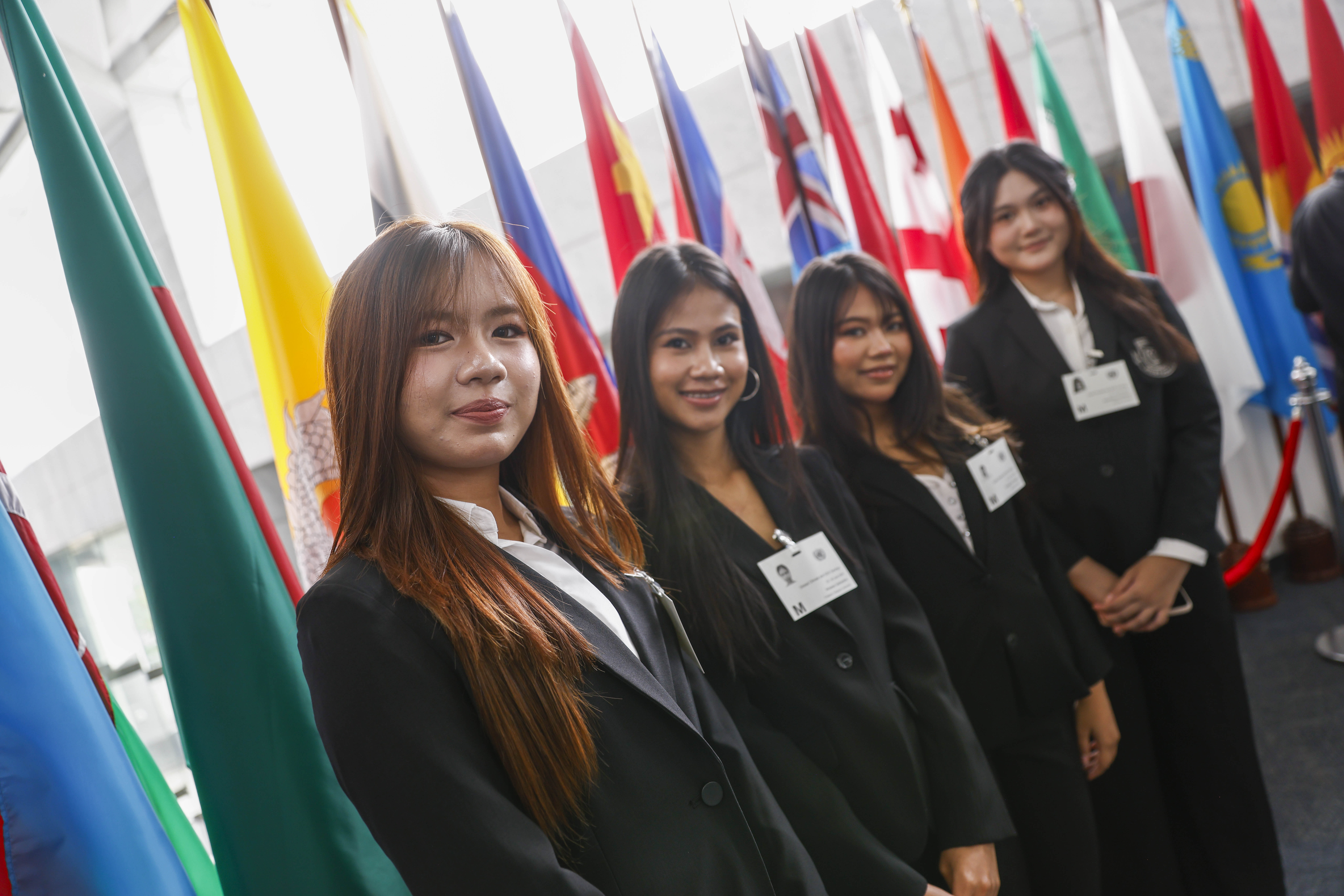
Delegates from Sripatum University
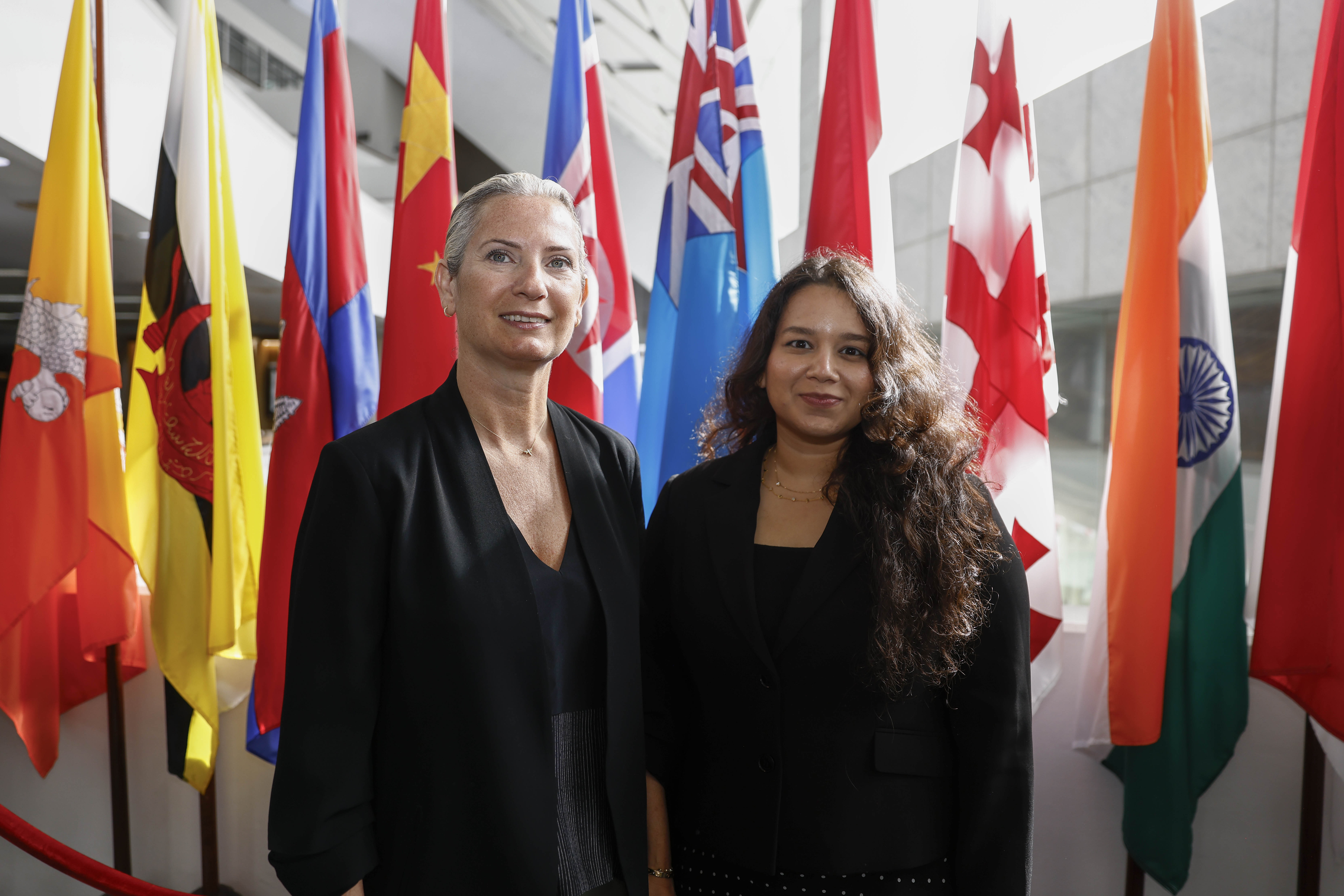
Nadine Salame and Aashna Swarup, UN DESA