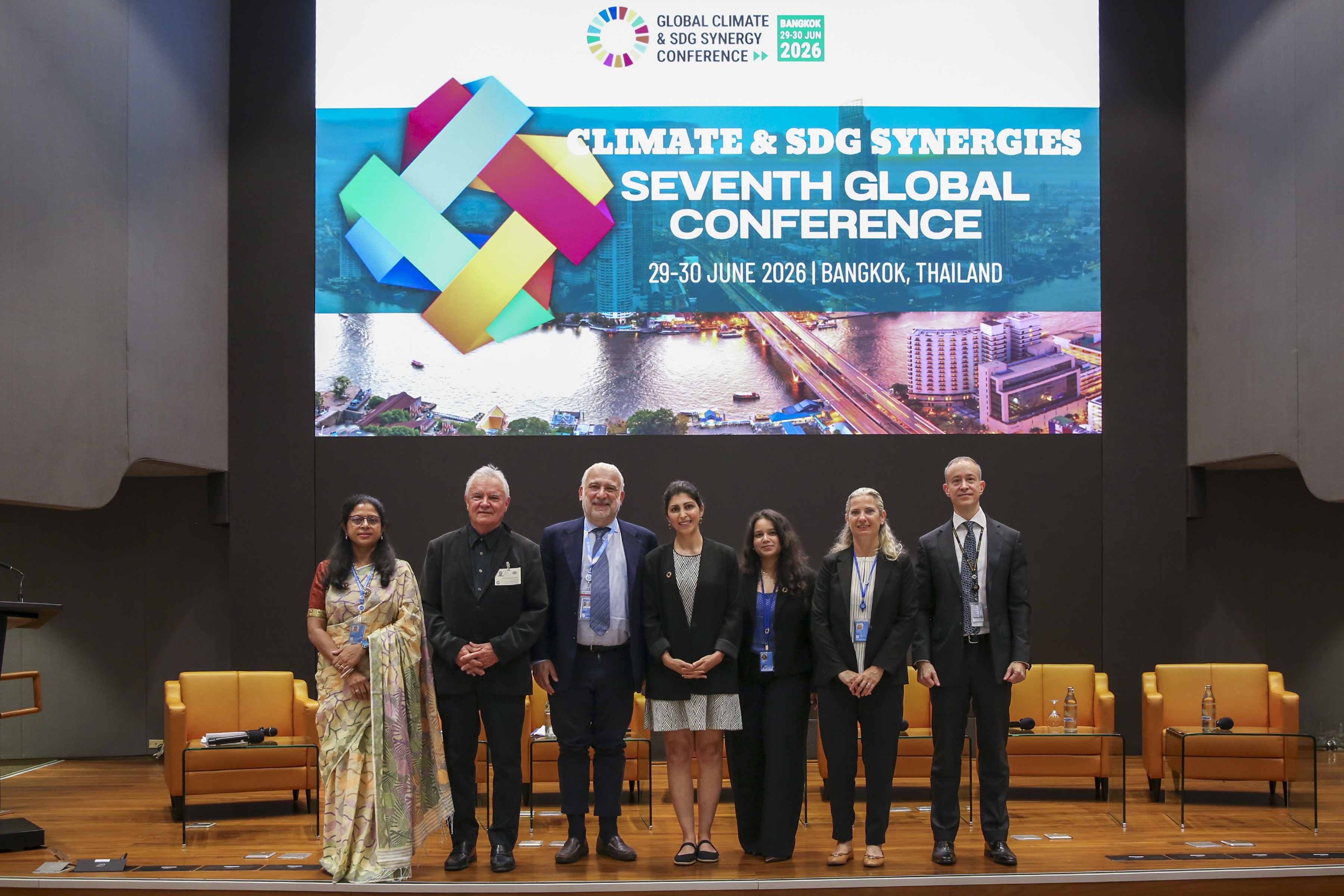
“What are synergies in practice? Beyond collaborative or integrated approaches, they are mechanisms for achieving greater impact than the sum of their parts.” On the second day of the Seventh Global Conference on Climate and Sustainable Development Goal (SDG) Synergies, participants turned to the heart of the matter: how to design and deliver impactful and cascading solutions to compounding planetary crises.
A high-level session in the morning emphasized the link between recommitting to the Paris Agreement and the 2030 Agenda for Sustainable Development with regaining peace, solidarity, sustainability, and prosperity. Via video message, UN Deputy Secretary-General Amina Mohammed noted the commitments of the Paris Agreement and the 2030 Agenda, to protect people and the planet, are connected promises. Alongside Lok Bahadur Thapa, Permanent Representative of Nepal to the UN, and President, UN Economic and Social Council, she underlined that when climate action and development plans unite, public expenditure can be 40% more effective, thereby contributing to closing the finance gap.
Participants heard from Ministers of the Environment and high-level government representatives from the Asia-Pacific region, who converged on the need to break silos, including within ministerial cabinets, to implement efficient solutions. Geeta Chaudhary, Minister for Agriculture, Forests and Environment, Nepal, stressed that synergies can guide investments toward delivering multiple, reinforcing, cross-sectoral benefits.
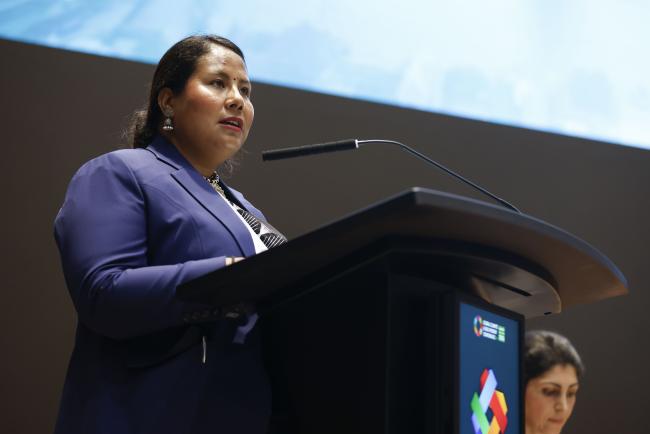
Darika Sarunyagate, Advisor to the Minister of Natural Resources and Environment, Thailand, underscored international cooperation as a vital mechanism for improving policy coherence and accelerating implementation. Anton Jayakody, Deputy Minister of Environment, Sri Lanka, called for international solidarity, stressing that prosperity can only be achieved through integrated action and partnerships.
Liu Zhenmin, Special Envoy for Climate Change, China, recommended, among others: scaling up support to developing countries that is tailored to national contexts; striking a balanced approach between energy security and decarbonization; and establishing an inclusive, just transition mechanism.
During a segment on fiscal policies and sustainable financing for synergistic solutions, panelists delved into the implications of current geopolitical tensions on climate finance and the role of debt-based instruments in closing the financing gap. Among others, speakers highlighted: how low-carbon technology can mitigate climate shocks affecting small-scale farmers; innovative approaches to reducing perceived and actual investment risk; and the importance of transitioning away from fossil fuel dependence, considering recent conflict-induced global energy price shocks.
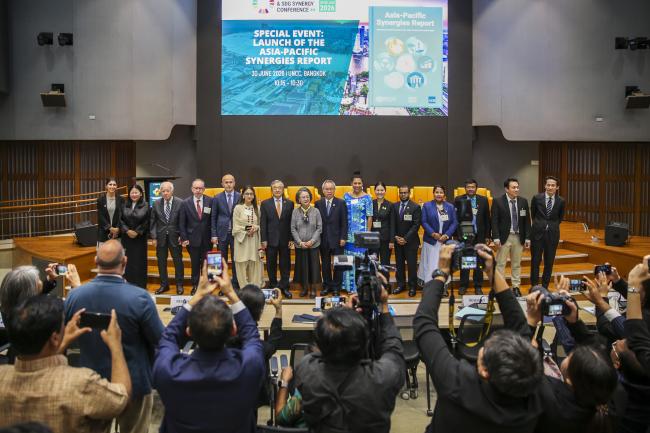
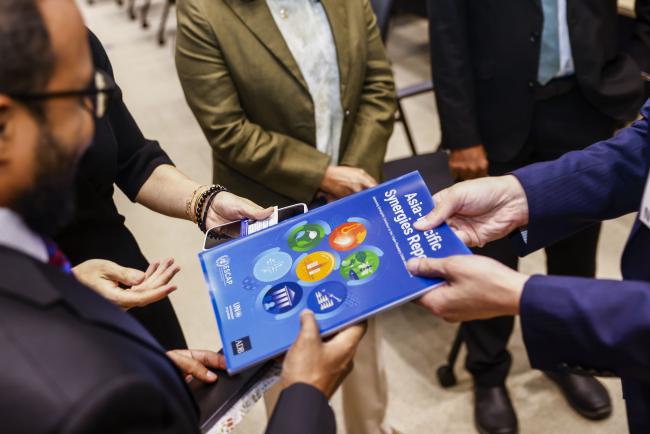
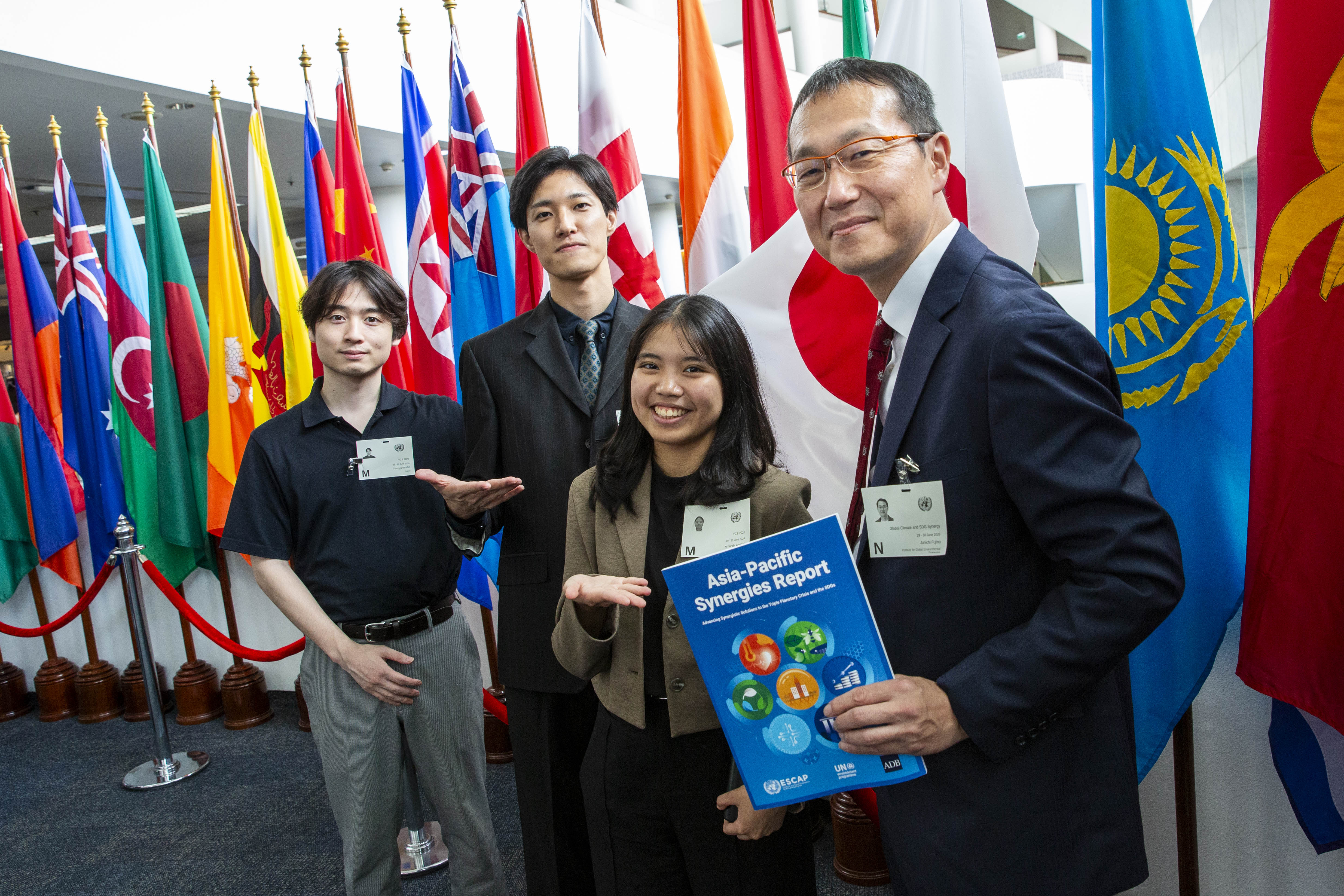
In a special event, the first Asia-Pacific Synergies Report was launched. By video link, Hirotaka Ishihara, Minister of the Environment, Japan, noted the report provides practical guidance for policymakers and practitioners, alongside a wealth of case studies on synergistic actions for climate and development from across the region. The report further outlines four entry points for transformation pathways, through:
- centering health in climate action;
- nature-positive nexus approaches;
- circular economy approaches; and
- considering cities as key delivery platforms for synergies.
In the afternoon, a series of roundtables convened under the theme “Scaling integrated implementation and partnerships.”
Speakers in the roundtable addressing regional approaches to synergies underlined that the Asia-Pacific region is severely off-track in achieving the SDGs, and considered how the newly launched Synergies Report can guide cost-effective, climate-development action. Among others, participants called for reframing climate change as a health issue, “which everyone can understand the impacts of.”
A roundtable on harnessing country platforms for integrated delivery explored how international cooperation and partnerships can better serve climate-SDG synergies. Panelists underlined the strengths of cooperation that is “rooted in common values, rather than dependency,” and that finance must be understood as a development investment rather than a cost.
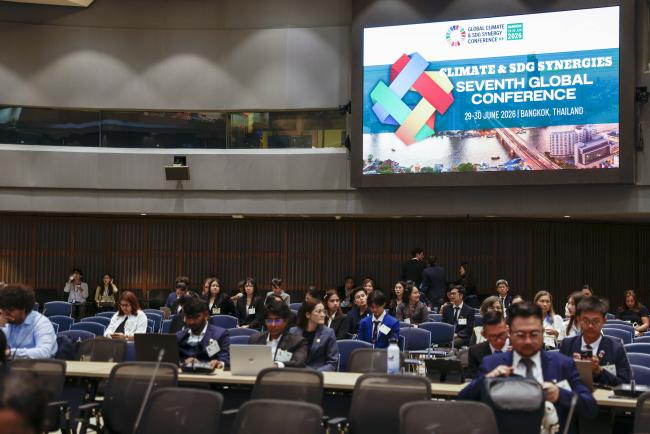
The roundtable session on aligning climate and development pathways considered how to close implementation gaps in fulfilling climate and sustainable development commitments. Speakers converged on the need to enhance stakeholder ownership in the Nationally Determined Contributions (NDCs) implementation process, and for accountability on net-zero pledges.
A youth dialogue featured practitioners’ reflections on the role of youth in driving climate action and sustainable development. Panelists called on governments to institutionalize meaningful youth participation from the outset in policymaking processes, pointing out that young people are an active force already shaping and delivering solutions on the ground.
The conference concluded with key messages and tangible next steps for advancing the SDGs and the goals of the Paris Agreement. Among others, recommendations on the way forward emphasized substantially increasing global investments in climate mitigation and adaptation, and strengthening partnerships.
To receive free coverage of global environmental events delivered to your inbox, subscribe to the ENB Update newsletter.
All ENB photos are free to use with attribution. For the Seventh Global Conference on Climate and SDG Synergies meeting, please use: Photo by IISD/ENB | Natalia Mroz
High-level Segment: Recommitting to the Paris Agreement and the 2030 Agenda - Regaining Peace, Solidarity, Sustainability, and Prosperity
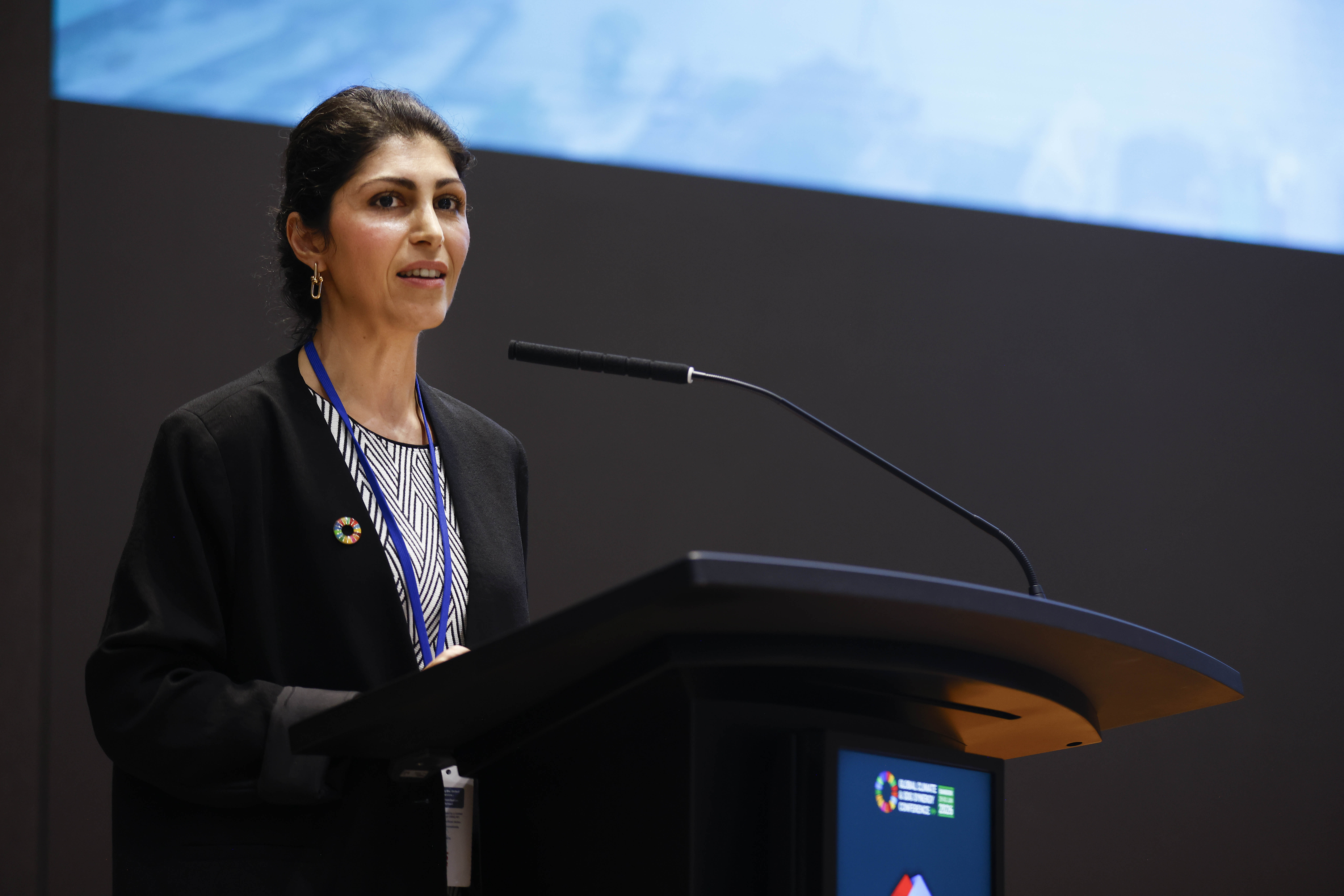
Bahareh Seyedi, Senior Sustainable Energy and Climate Advisor, UN DESA
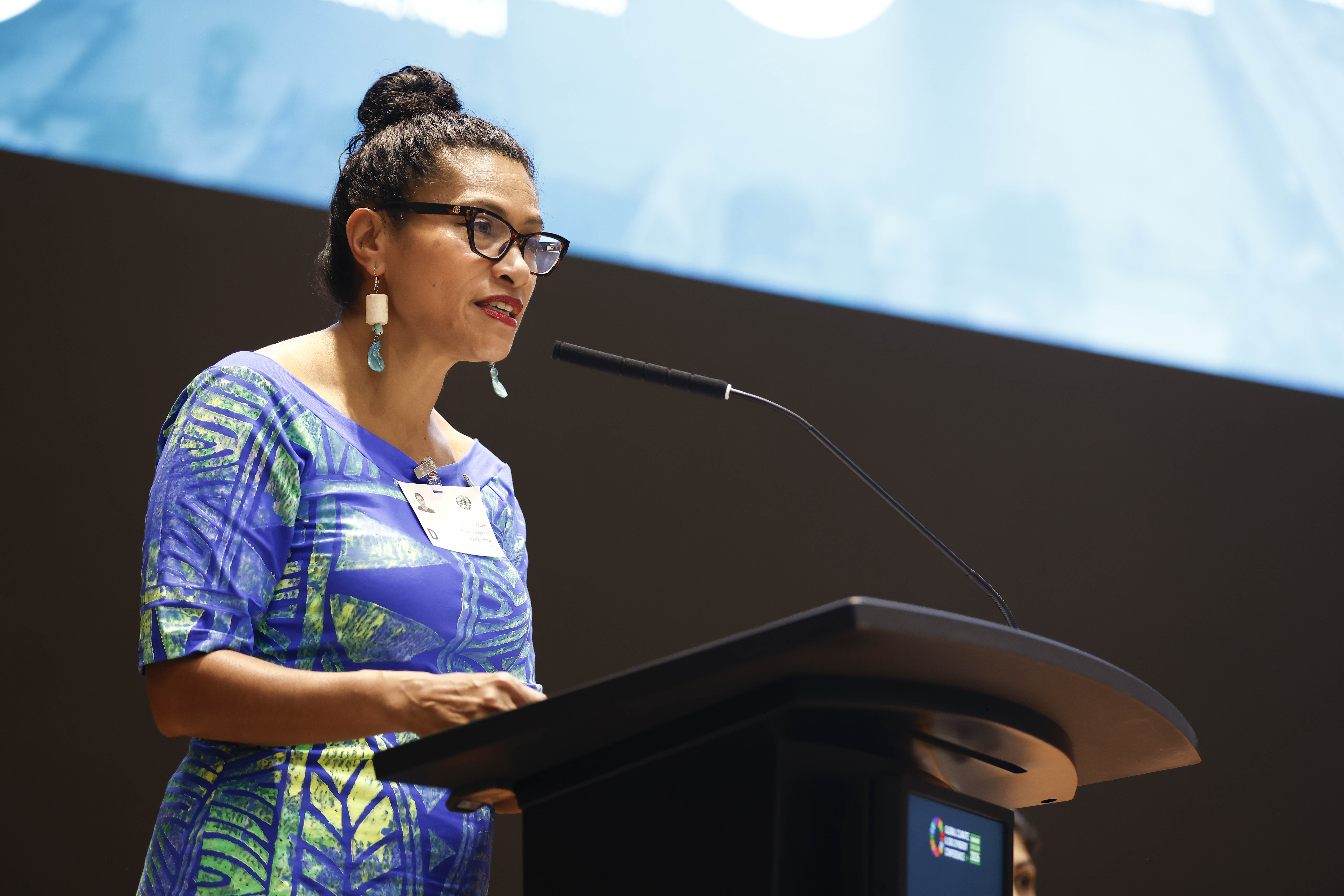
Lynda Tabuya, Minister for Information, Environment and Climate Change, Fiji
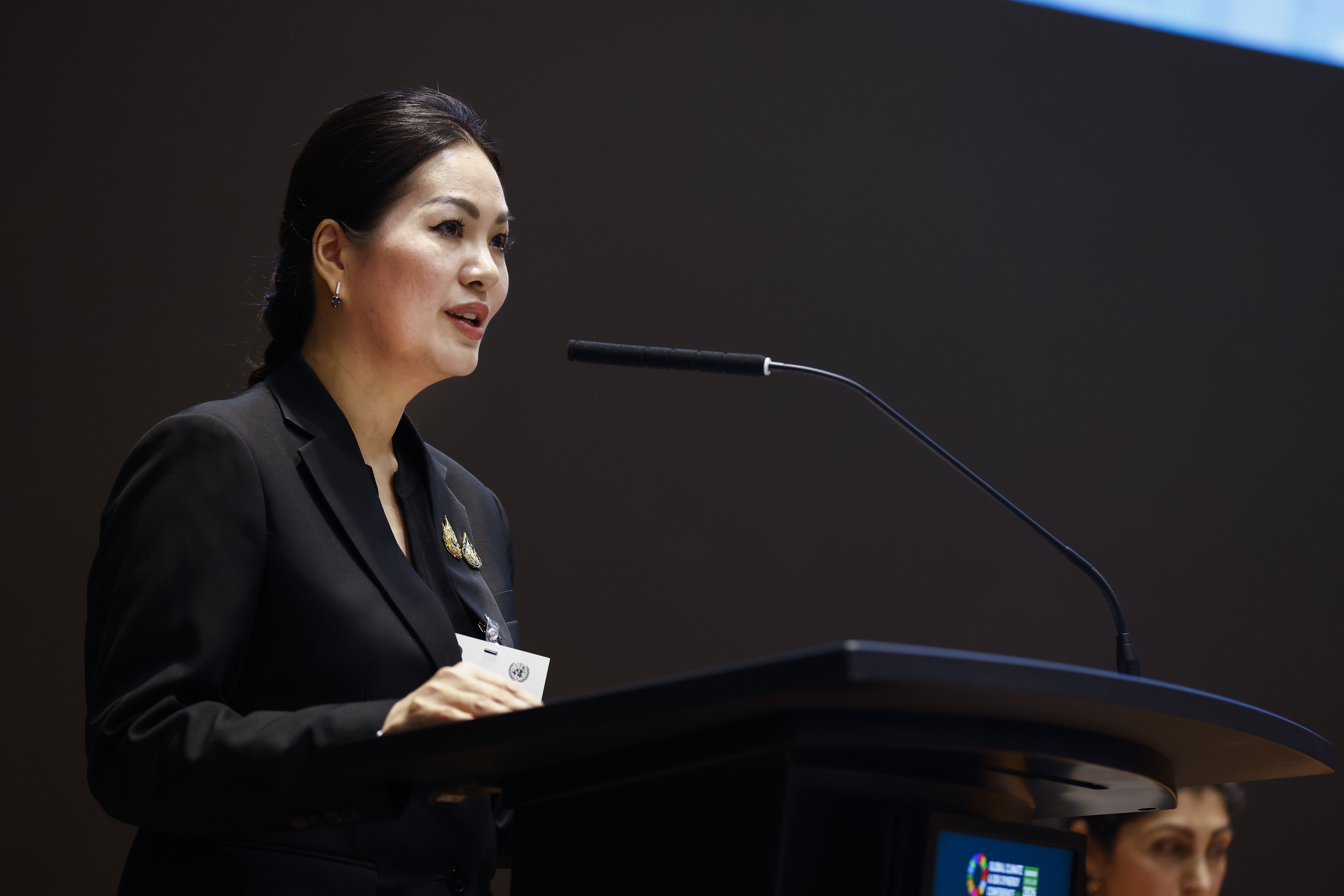
Darika Sarunyagate, Advisor to the Minister of Natural Resources and Environment, Thailand
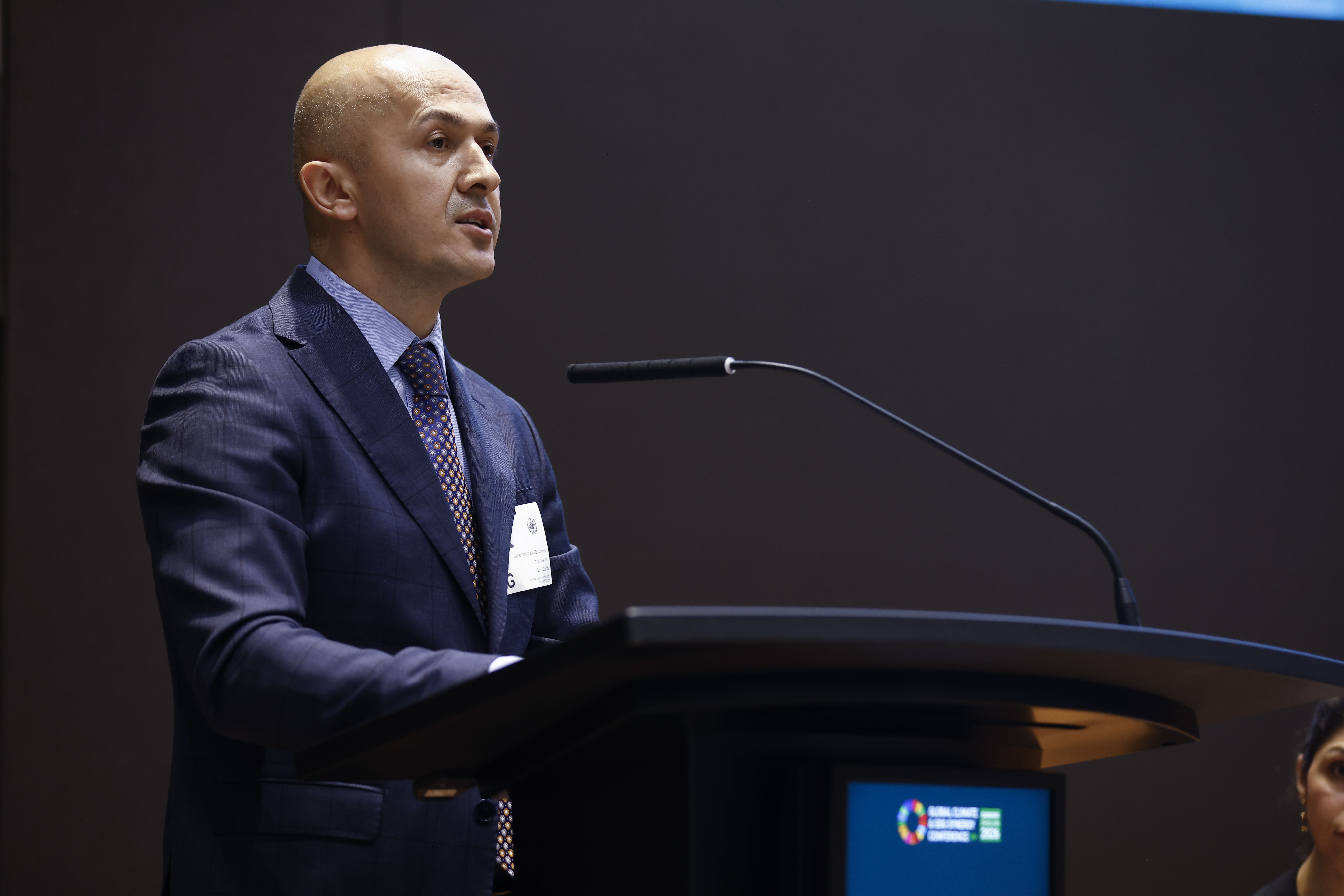
Sanoi Boyzoda, Deputy Minister of Foreign Affairs, Tajikistan
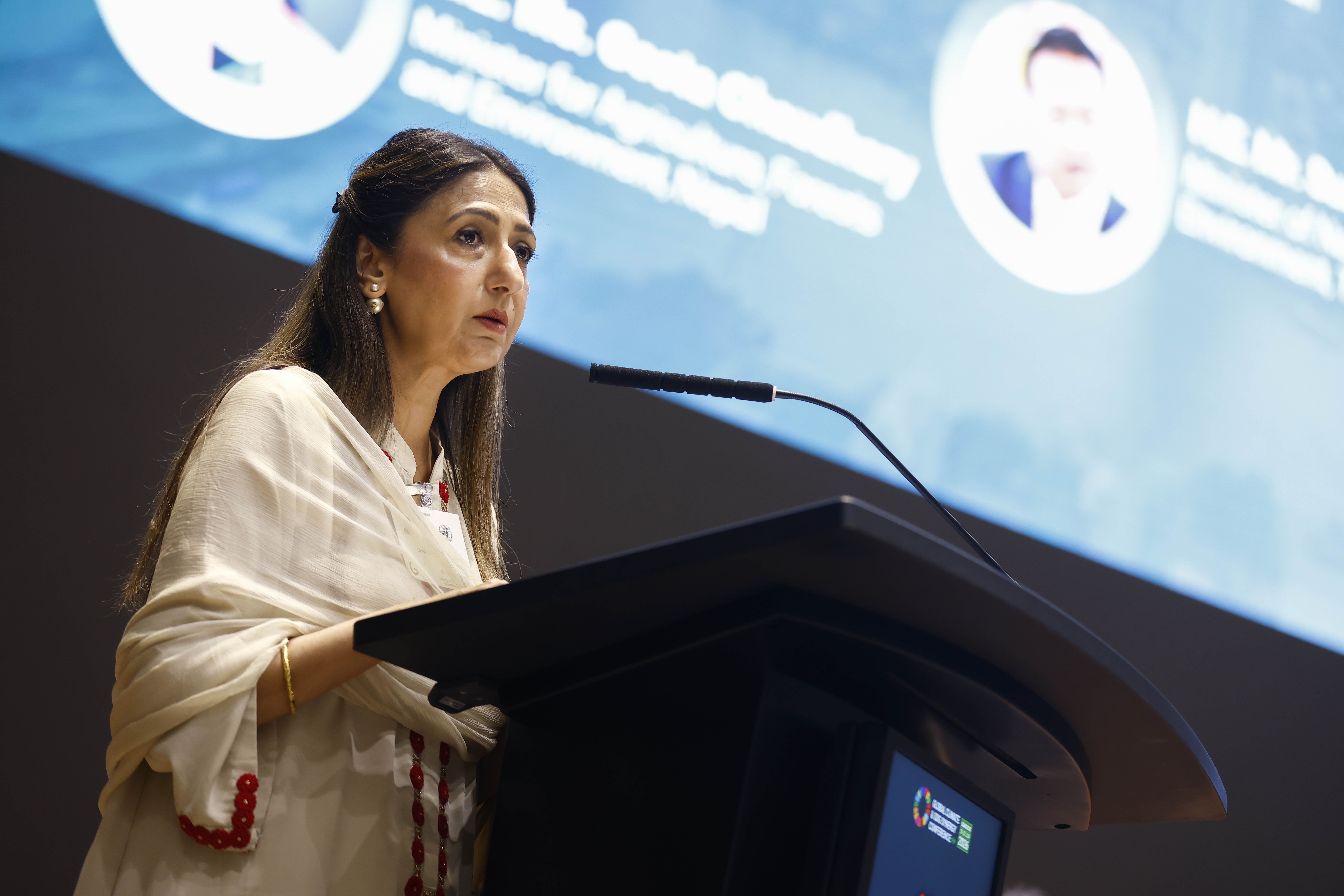
Shezra Mansab Ali Khan, Minister of State for Climate Change and Environmental Coordination, Pakistan
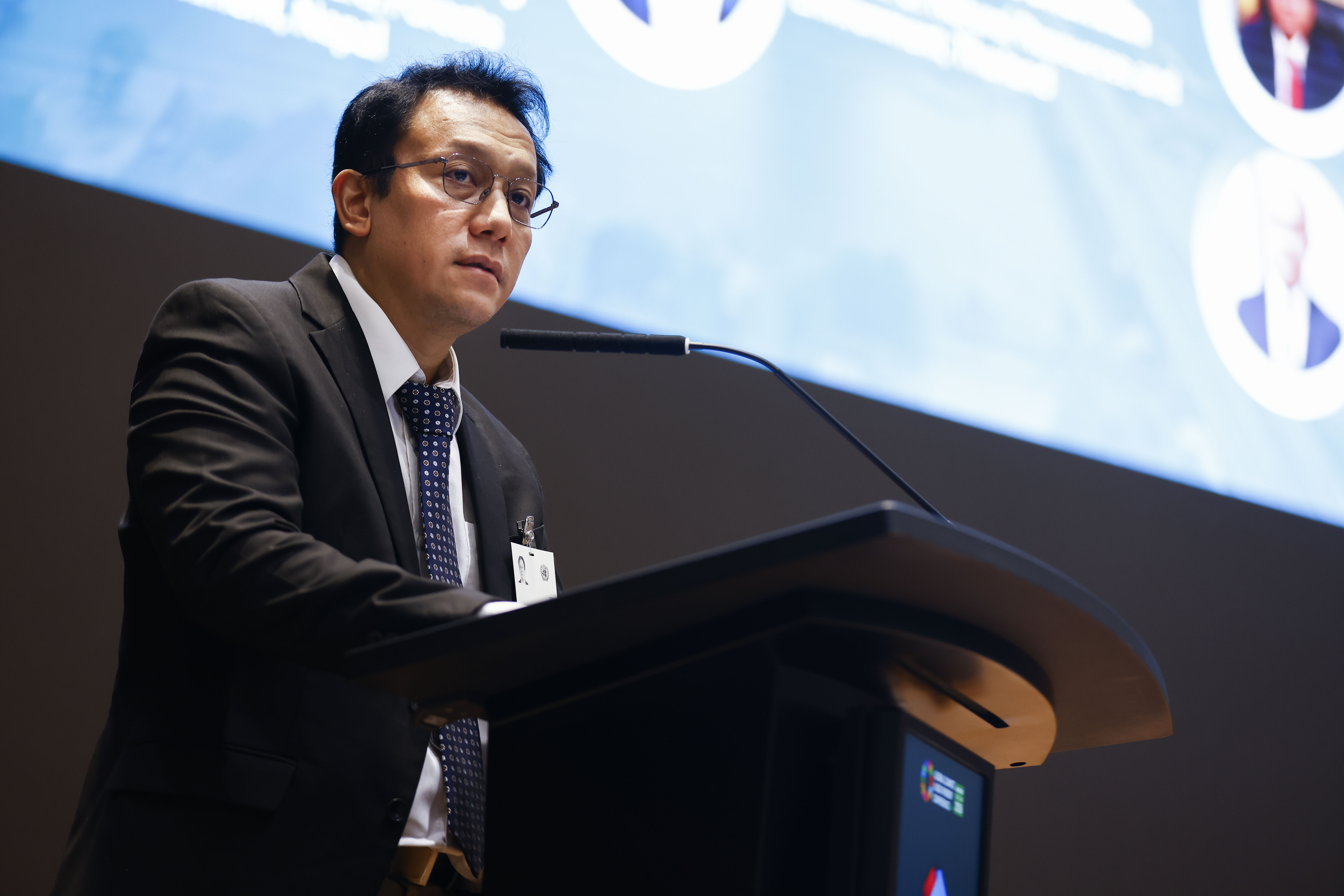
Diaz Faisal Malik Hendropriyono, Deputy Minister of Environment and Forestry, Indonesia
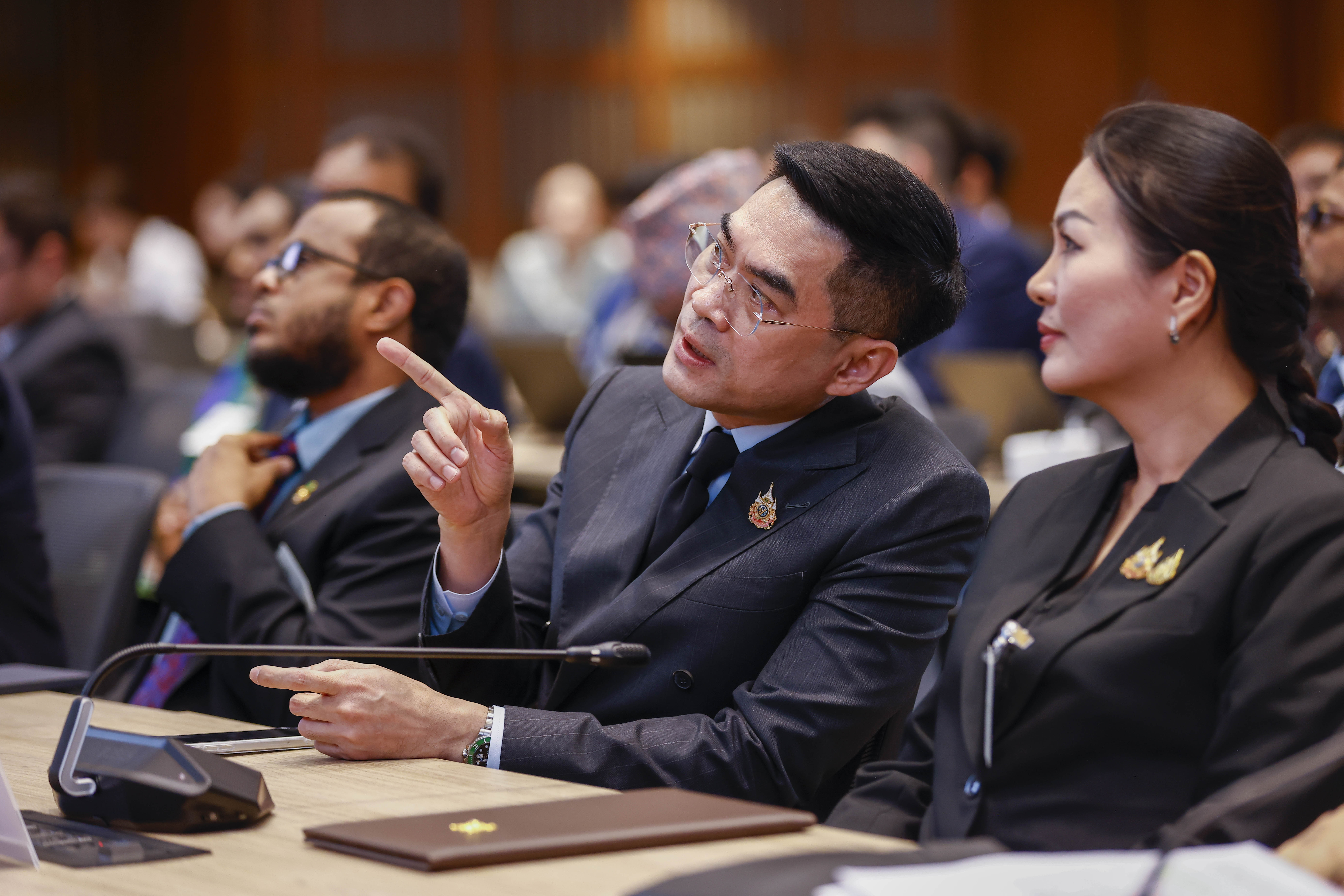
Phirun Saiyasitpanich, Director-General, Department of Climate Change and Environment, Ministry of Natural Resources and Environment, Thailand
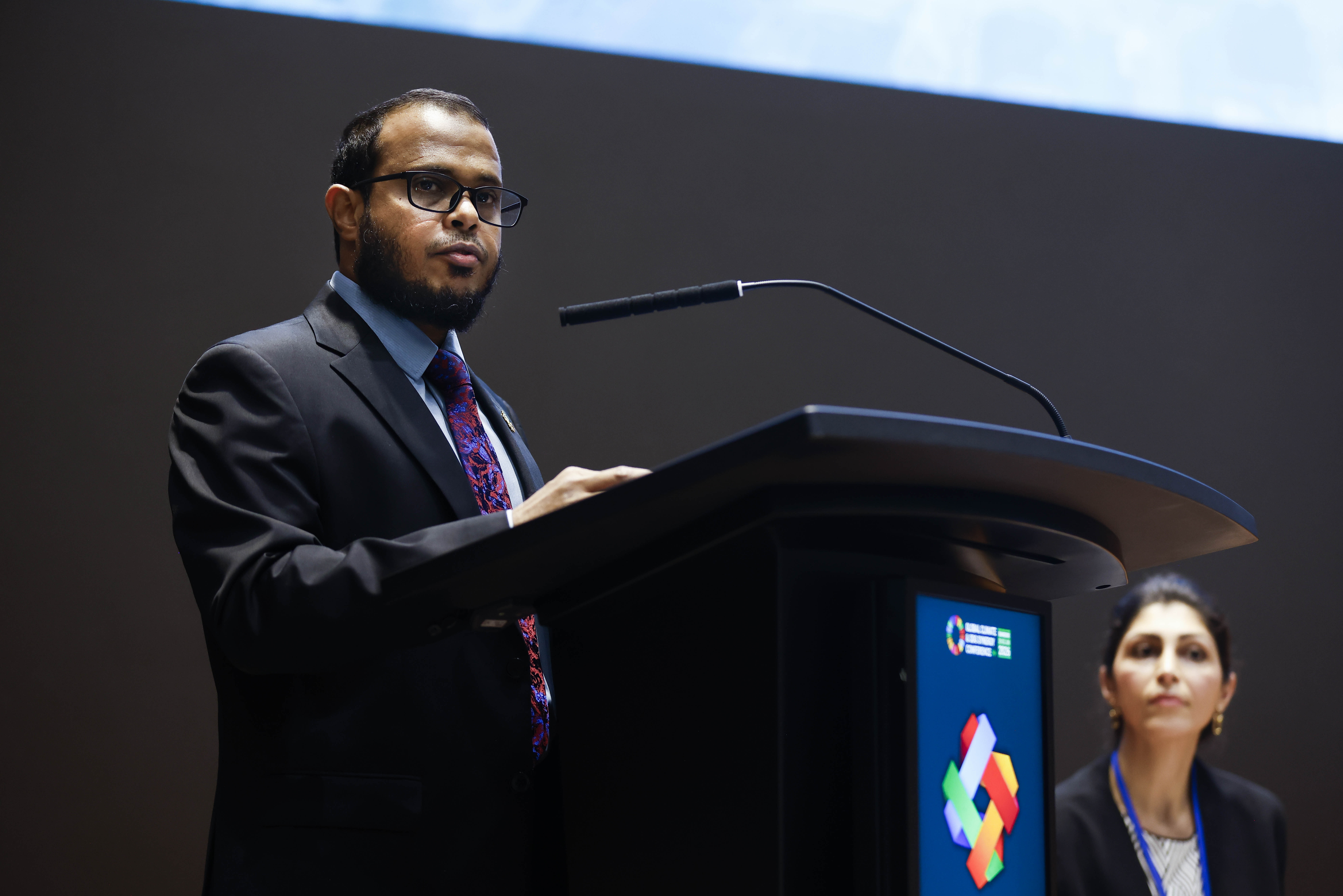
Ali Shareef, Minister of Climate Change, Environment and Energy, Maldives
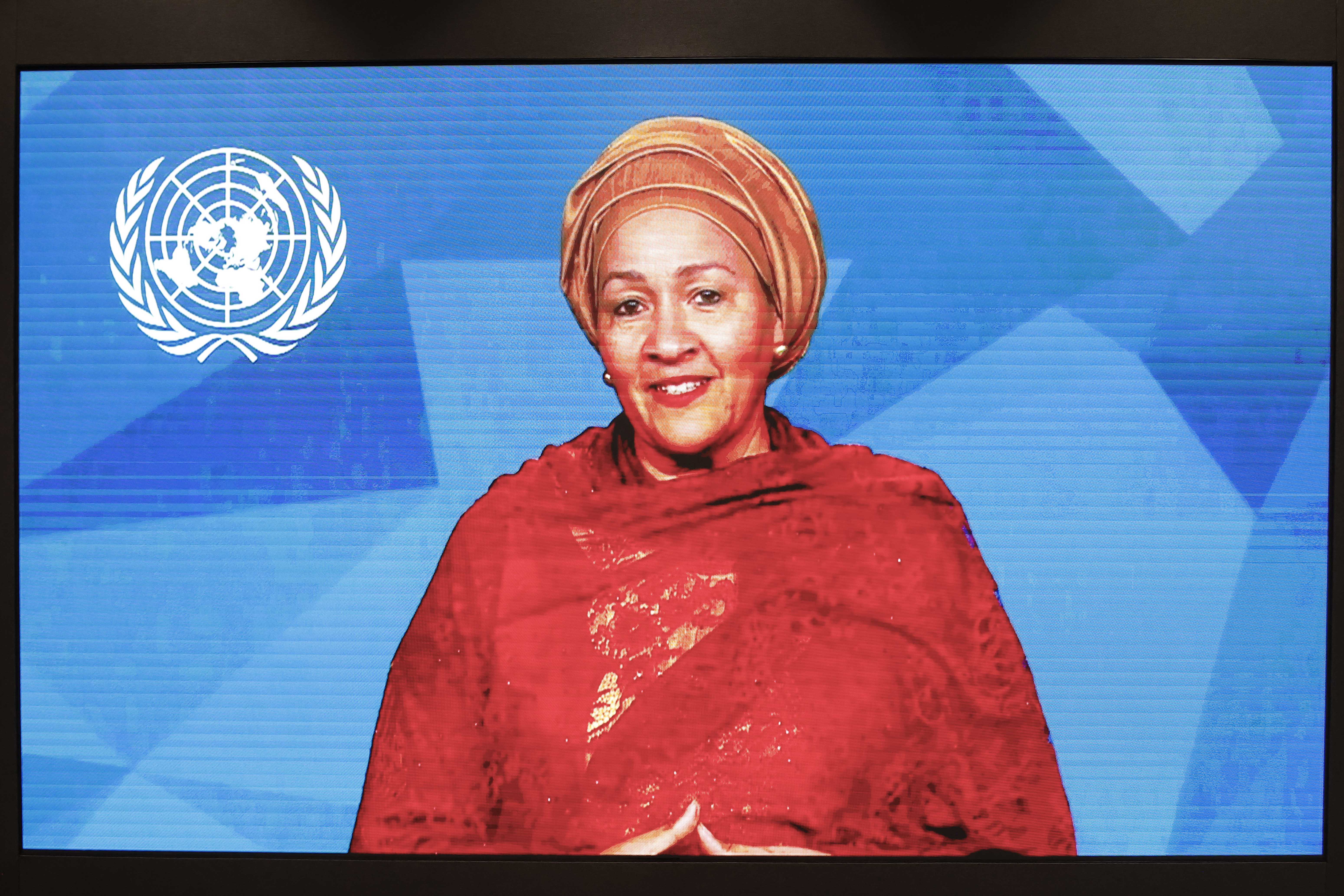
Amina Mohammed, Deputy Secretary-General of the UN
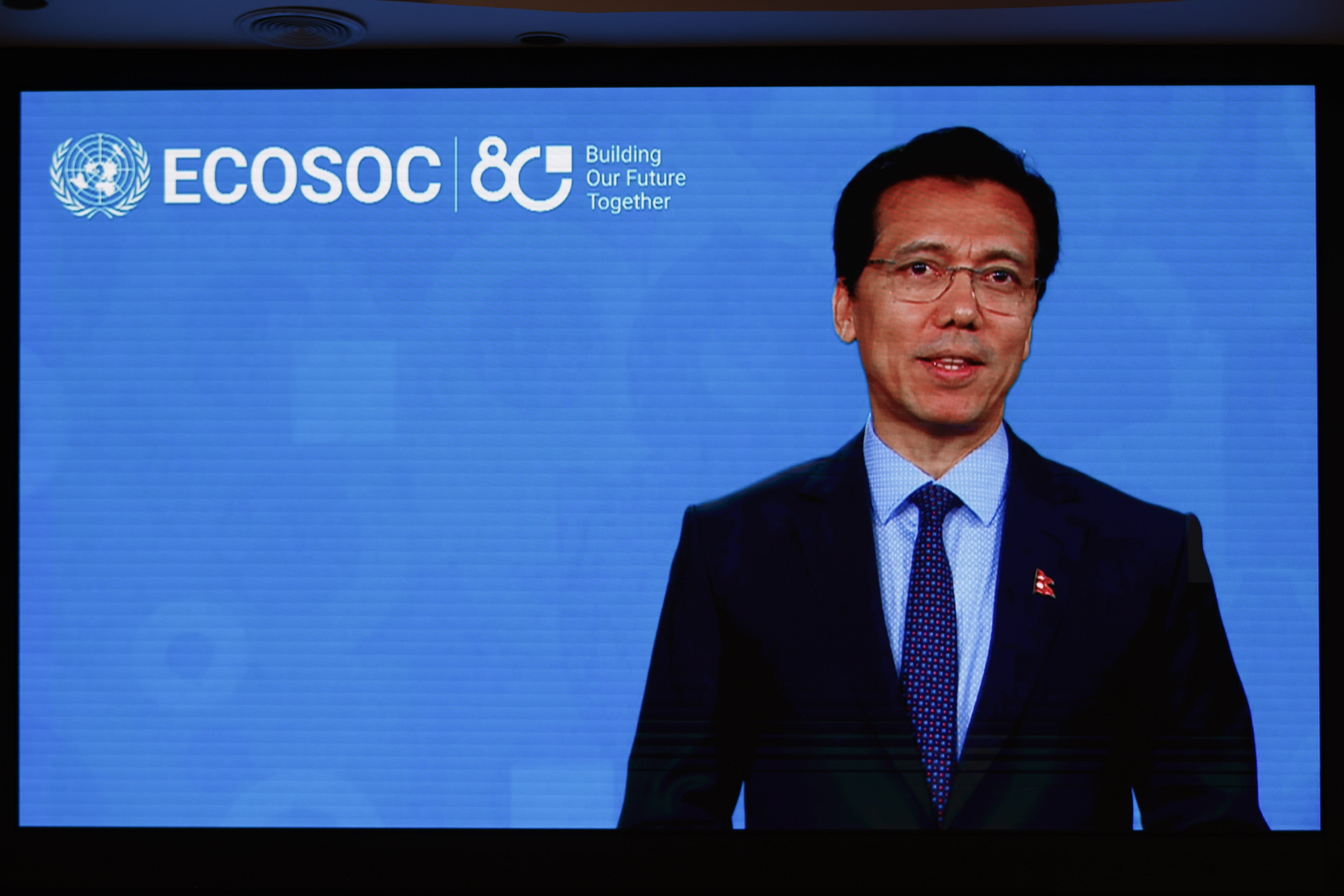
Lok Bahadur Thapa, Permanent Representative of Nepal to the UN and President, UN Economic and Social Council
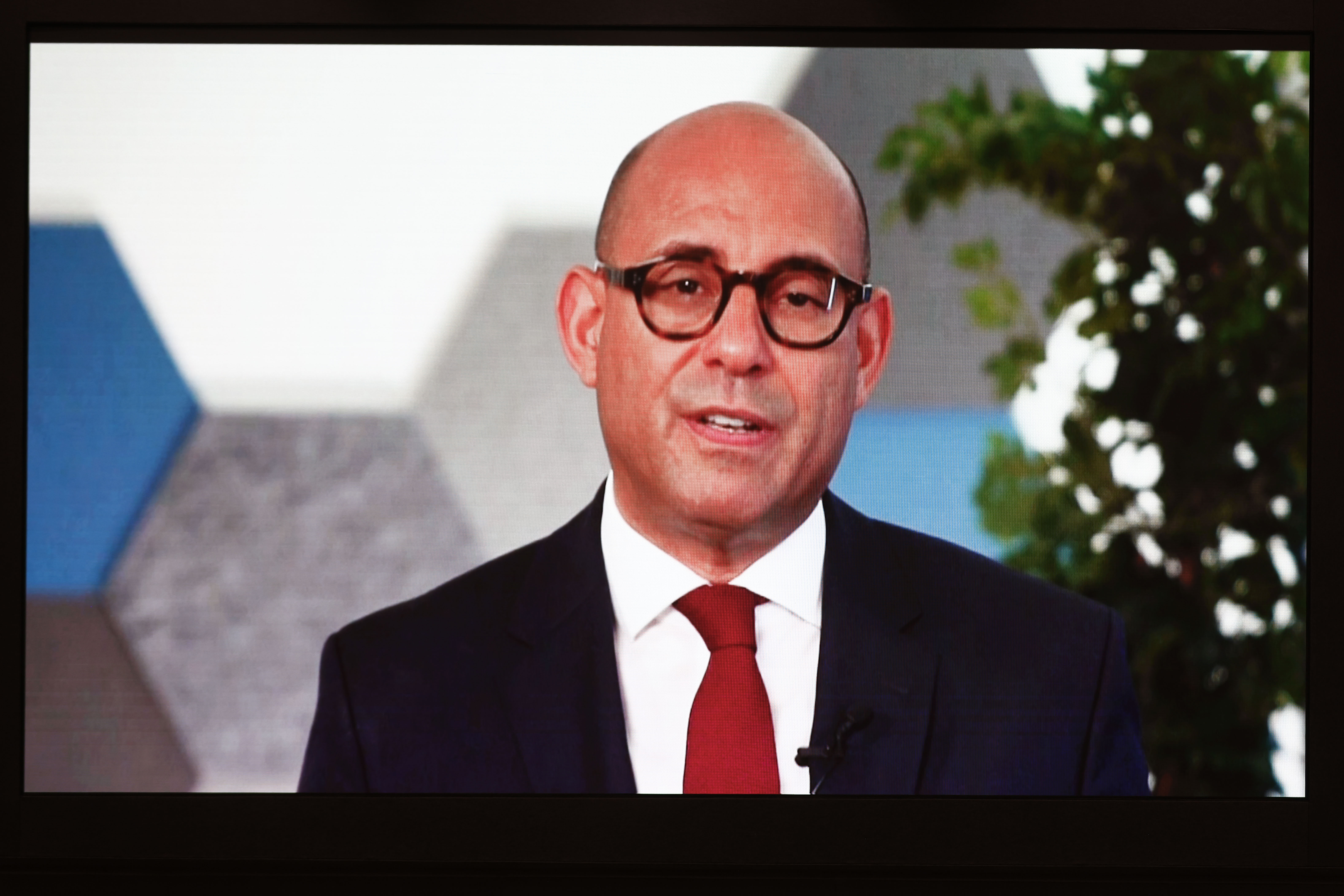
Simon Stiell, Executive Secretary, UN Framework Convention on Climate Change
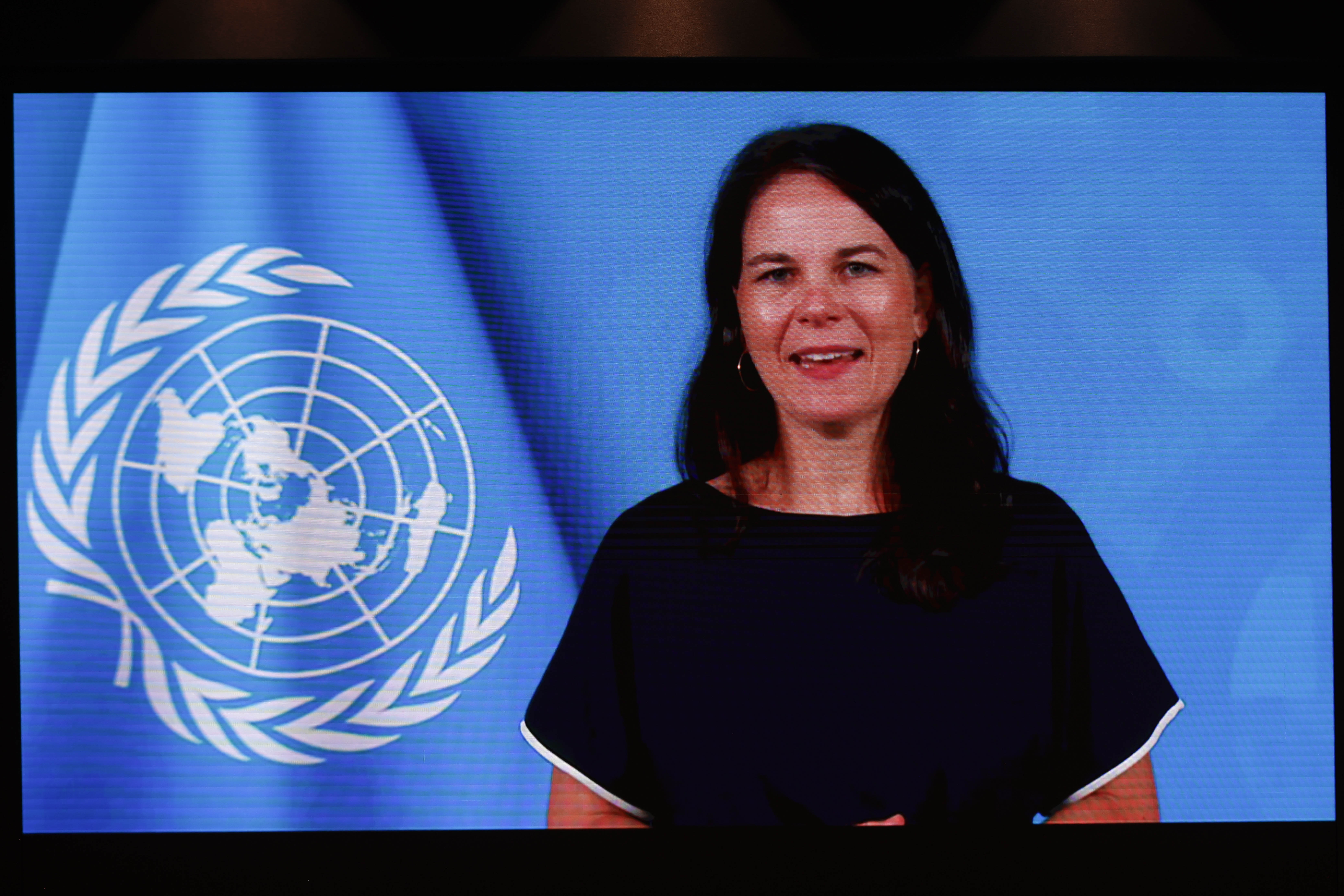
Annalena Baerbock, President of the 80th Session of the UN General Assembly
Special Event: Launch of the Asia-Pacific Synergies Report
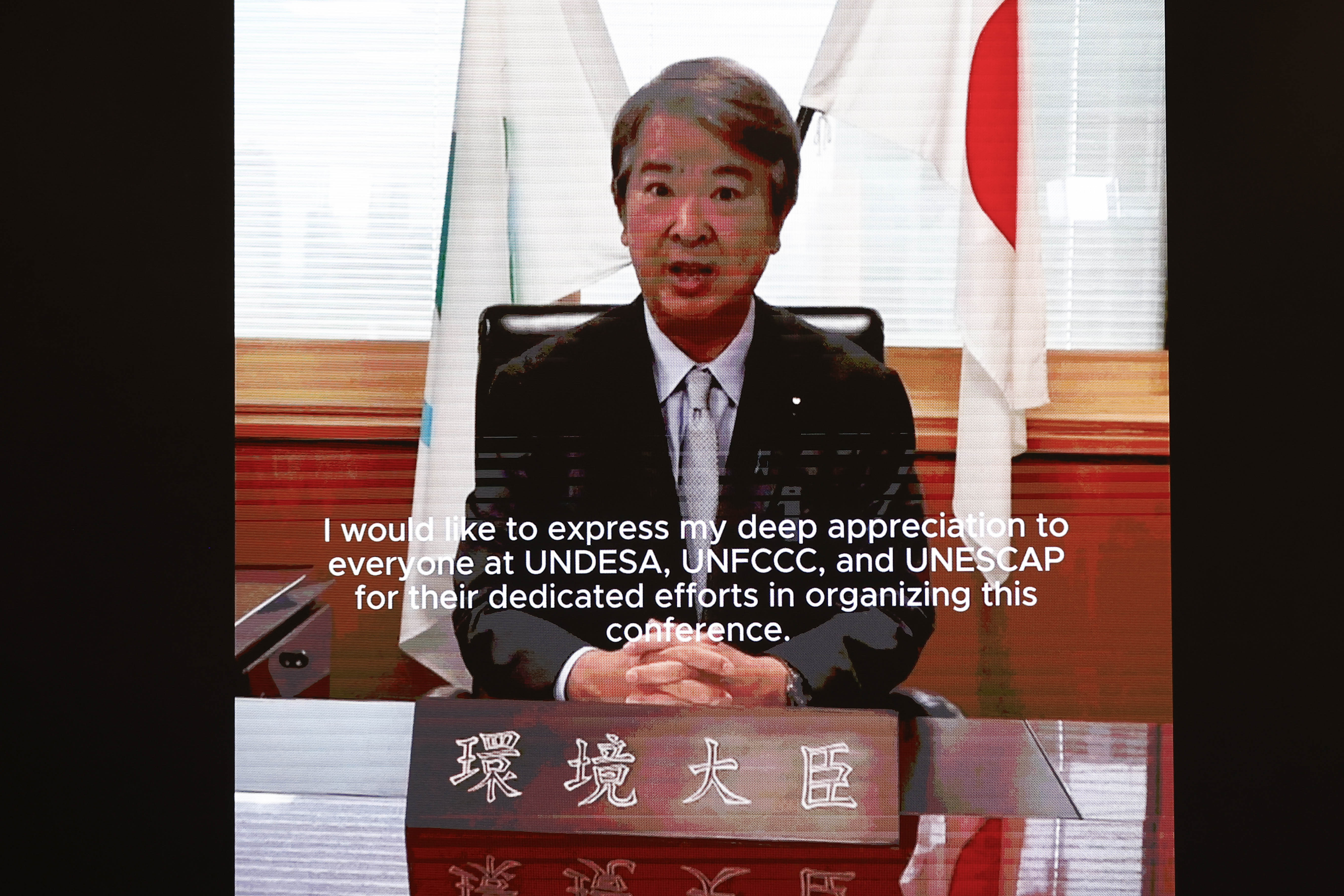
Hirotaka Ishihara, Minister of the Environment, Japan
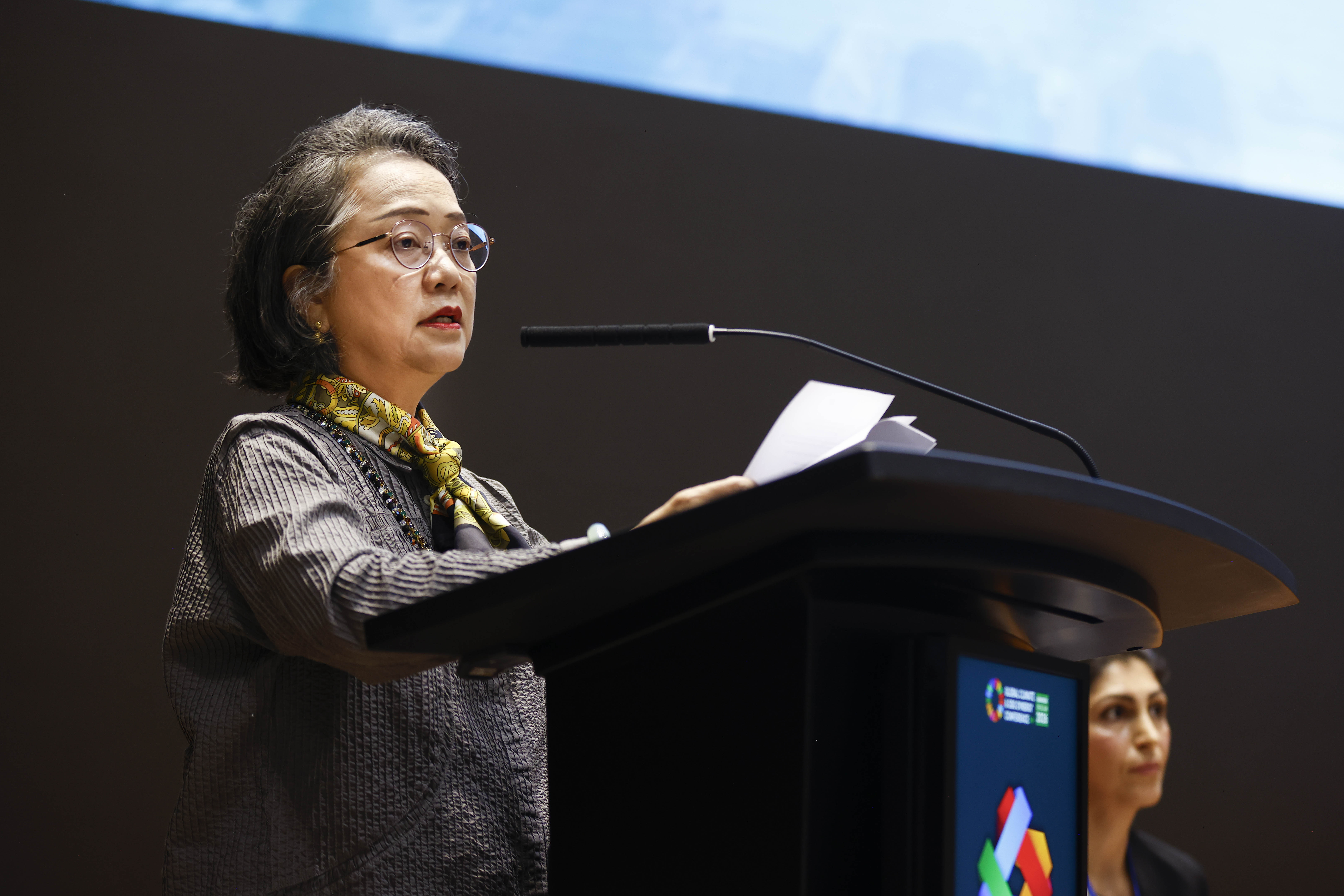
Armida Salsiah Alisjahbana, Executive Secretary, UN Economic and Social Commission for Asia and the Pacific

Junichi Fujino, Principal Synergy Coordinator, Institute for Global Environmental Strategies (IGES)
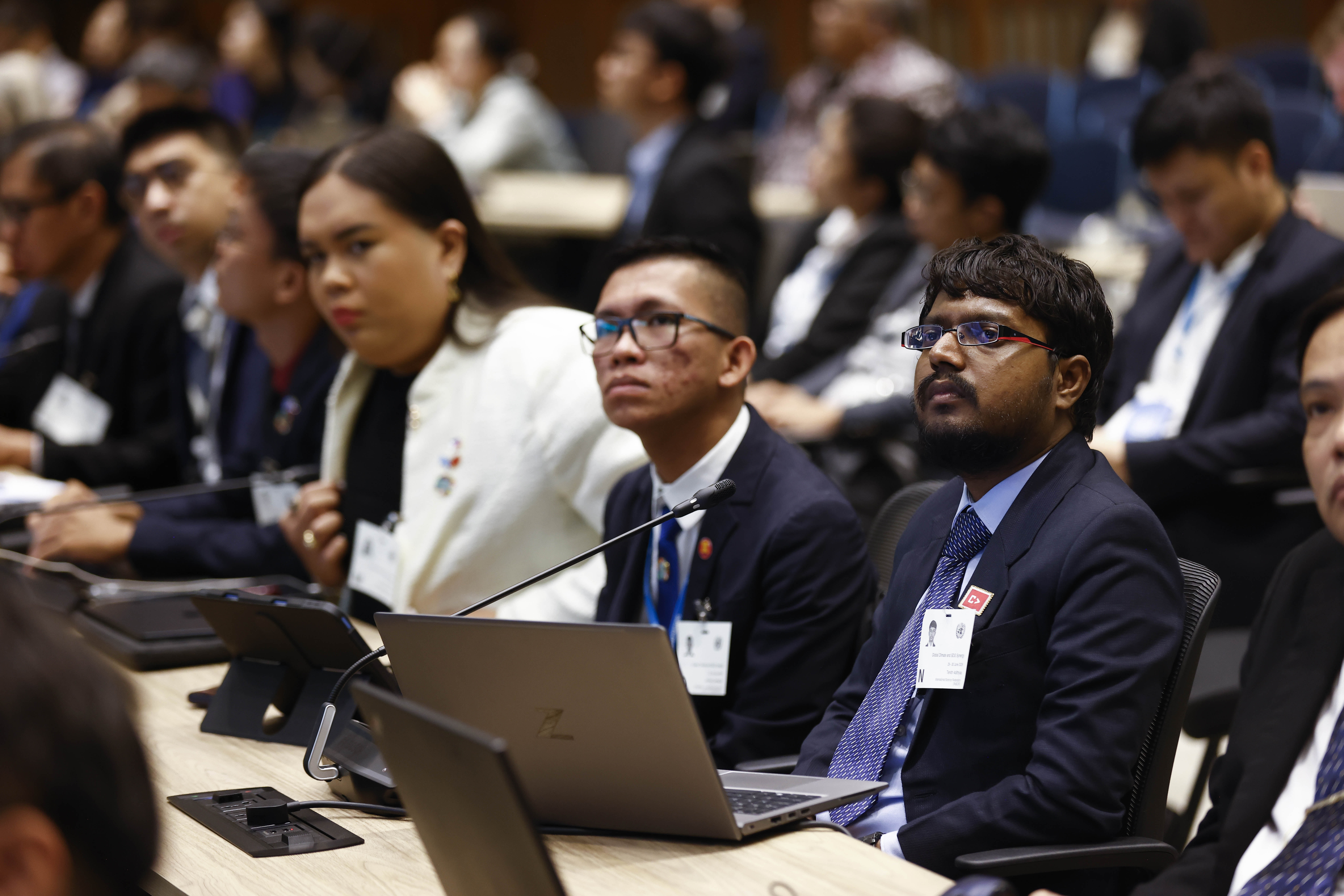
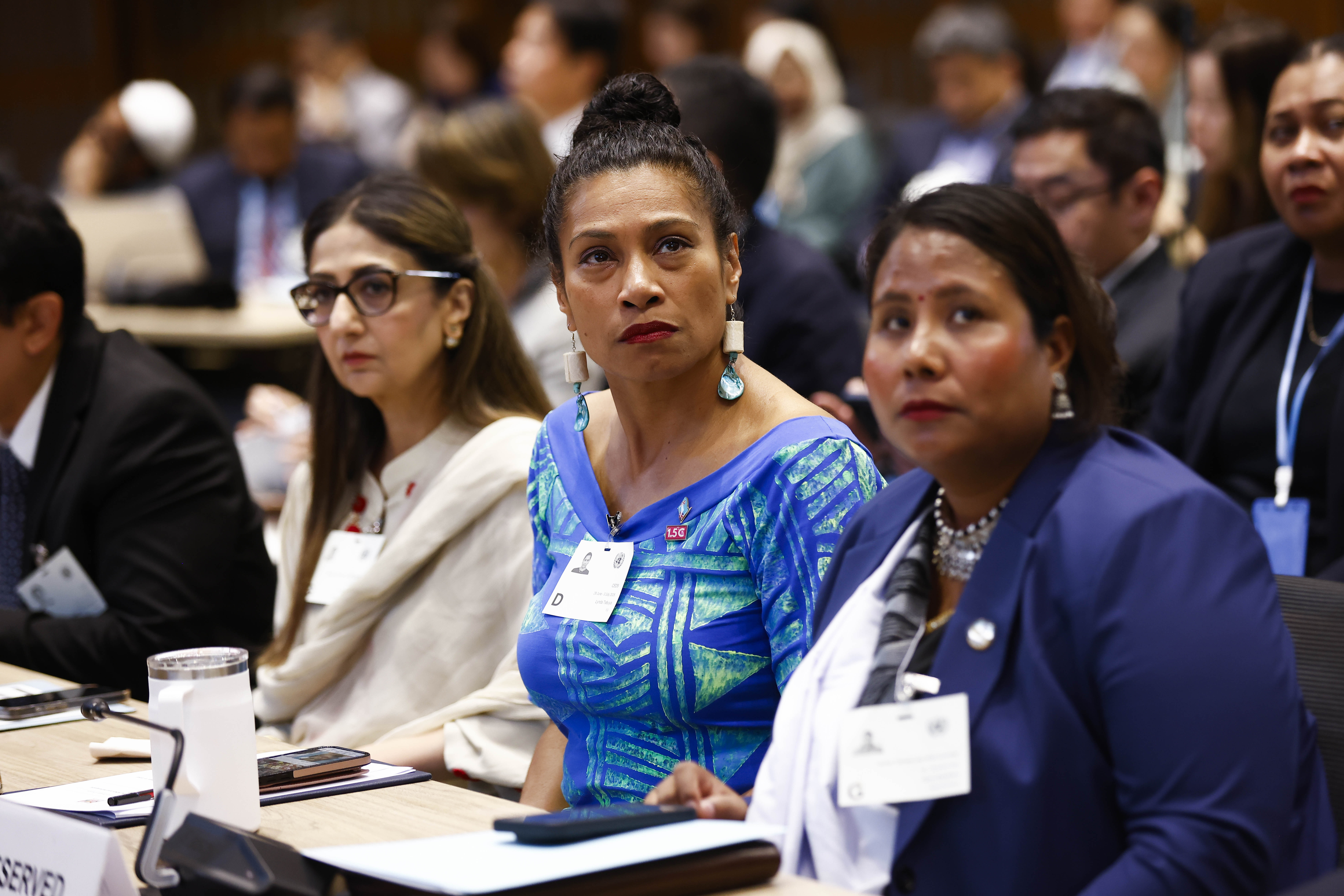
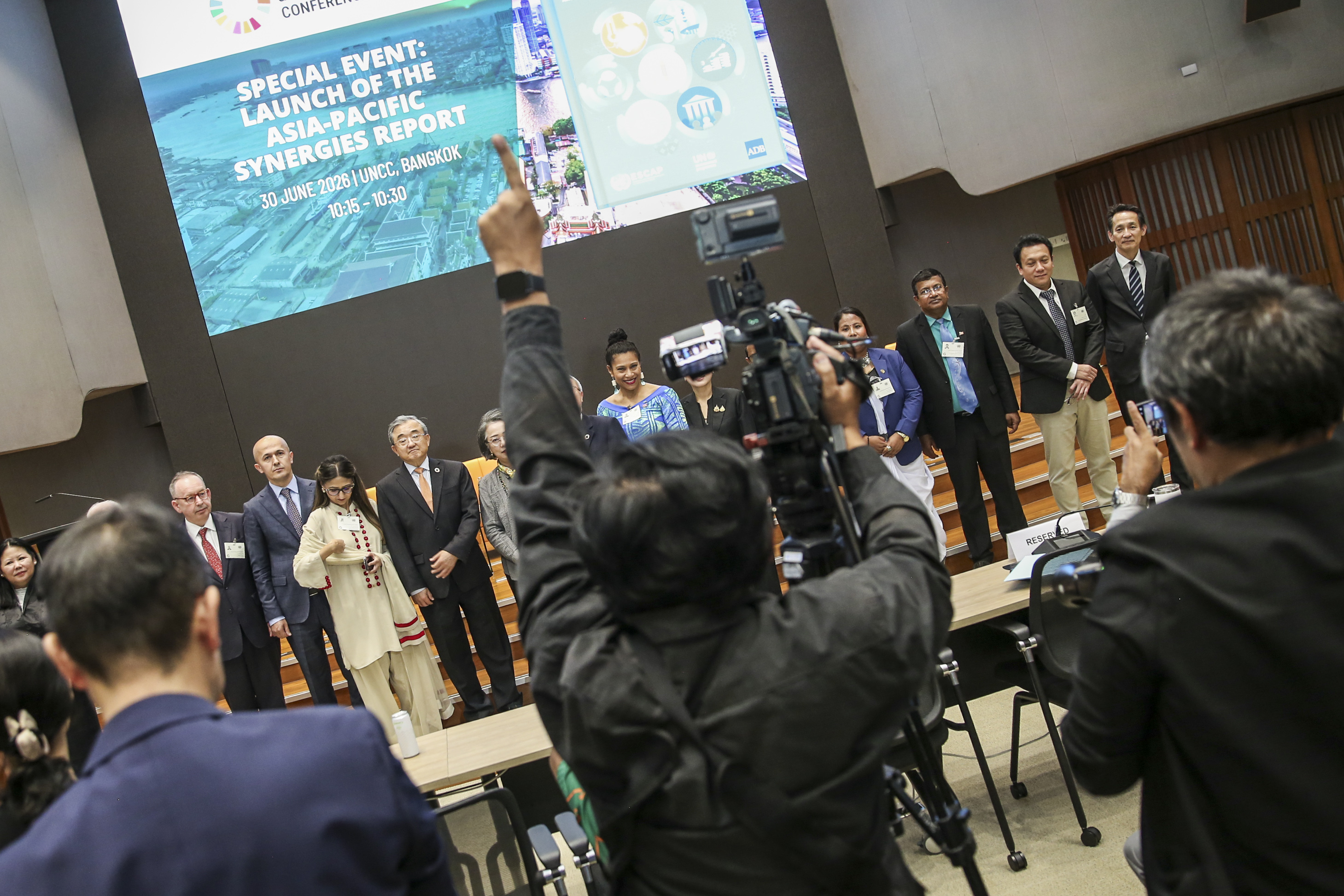
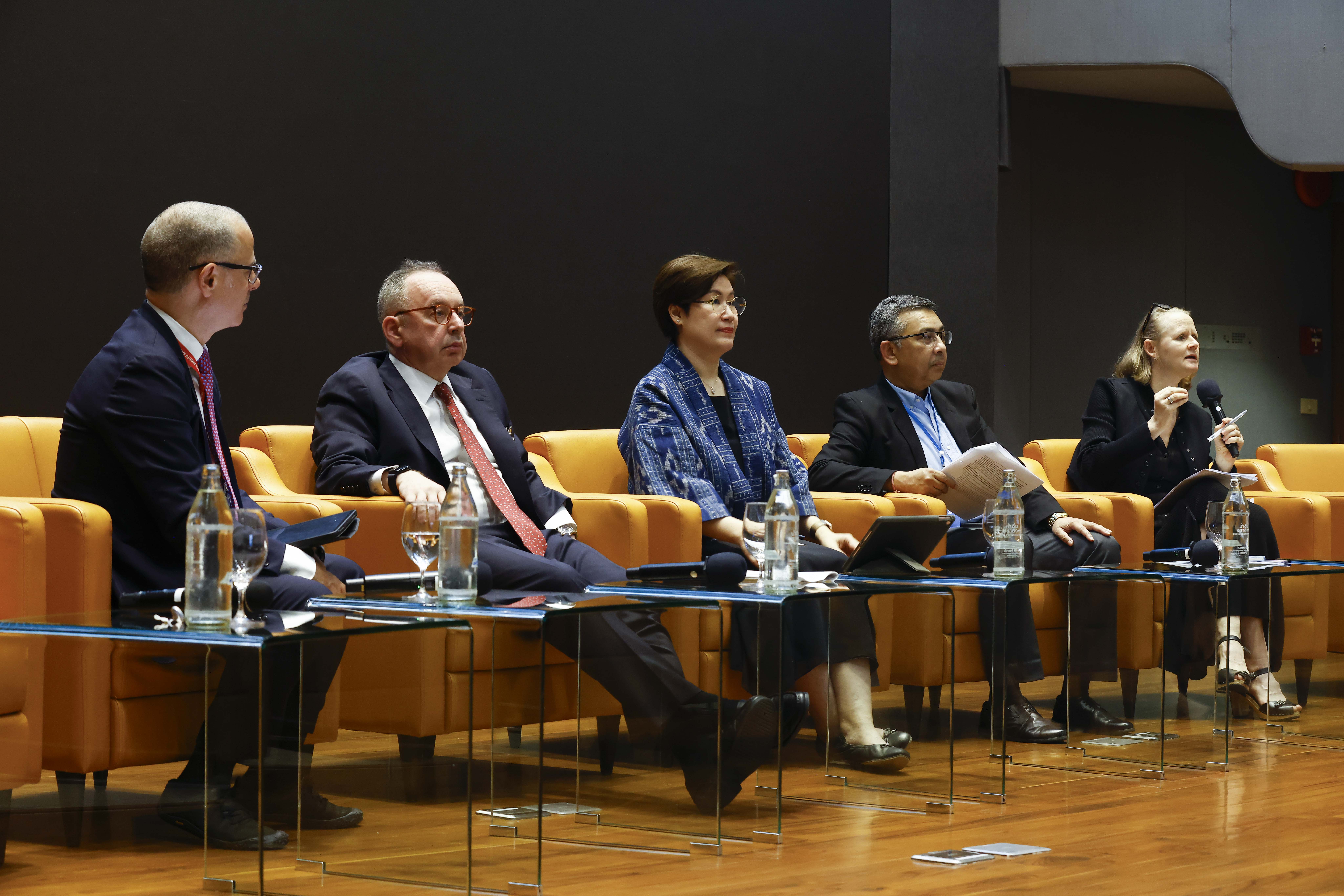
High-level Segment: Strengthening Resilience in Times of Volatility - Fiscal Policies and Sustainable Financing for Synergistic Solutions
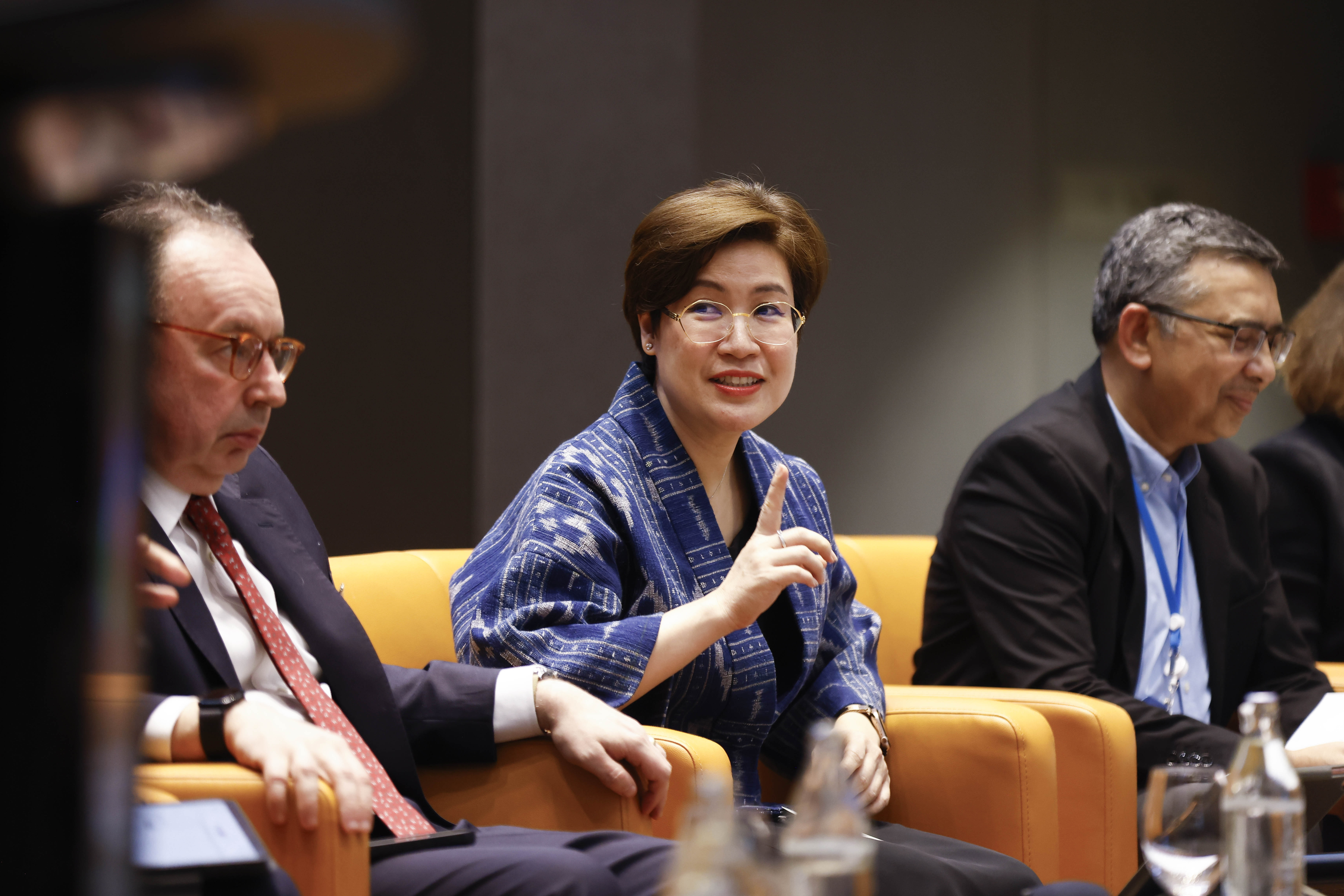
Thanyaporn Krichtitayawuth, Executive Director, UN Global Compact Network Thailand
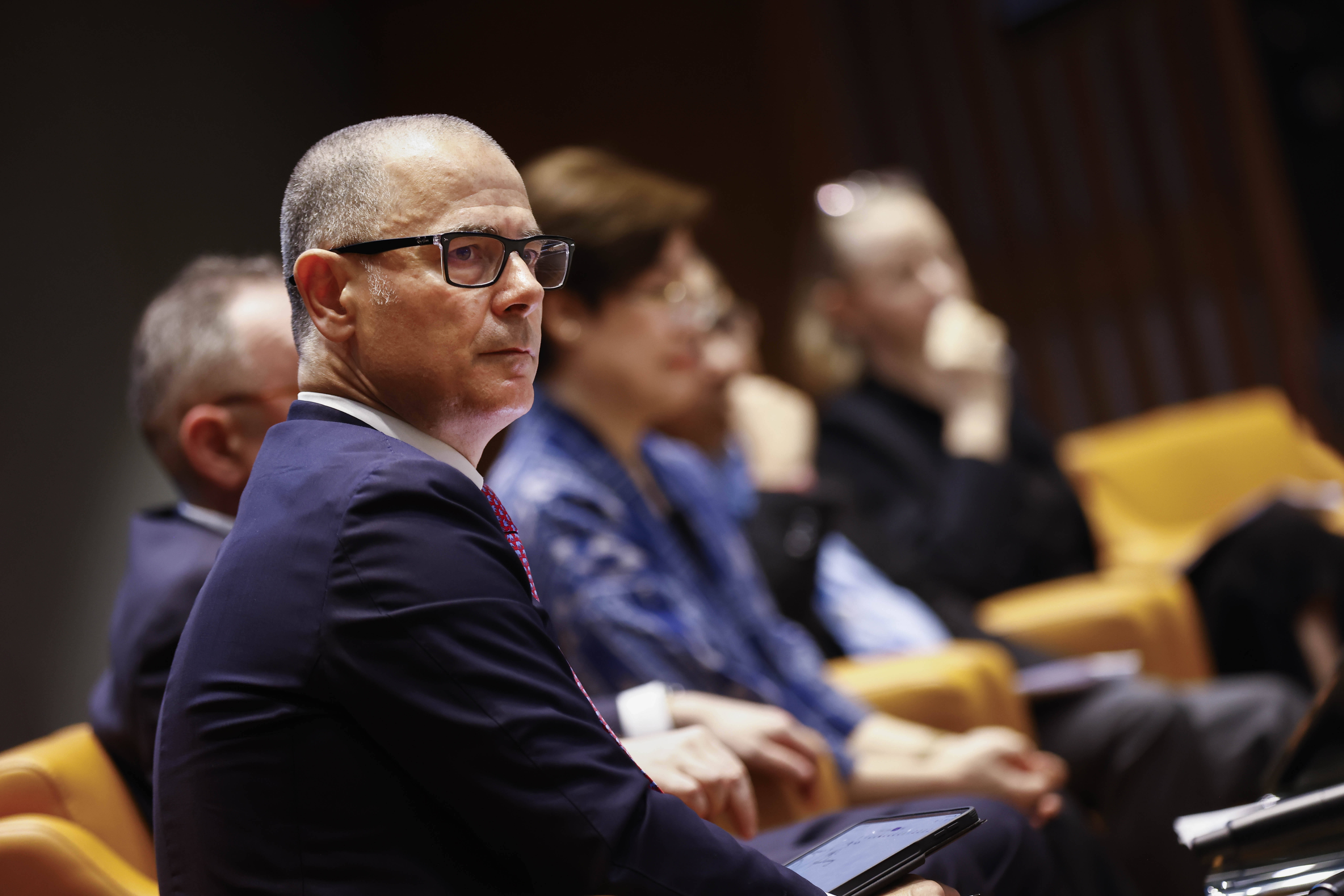
Kaveh Guilanpour, Vice-President, International Strategies, Center for Climate and Energy Solutions
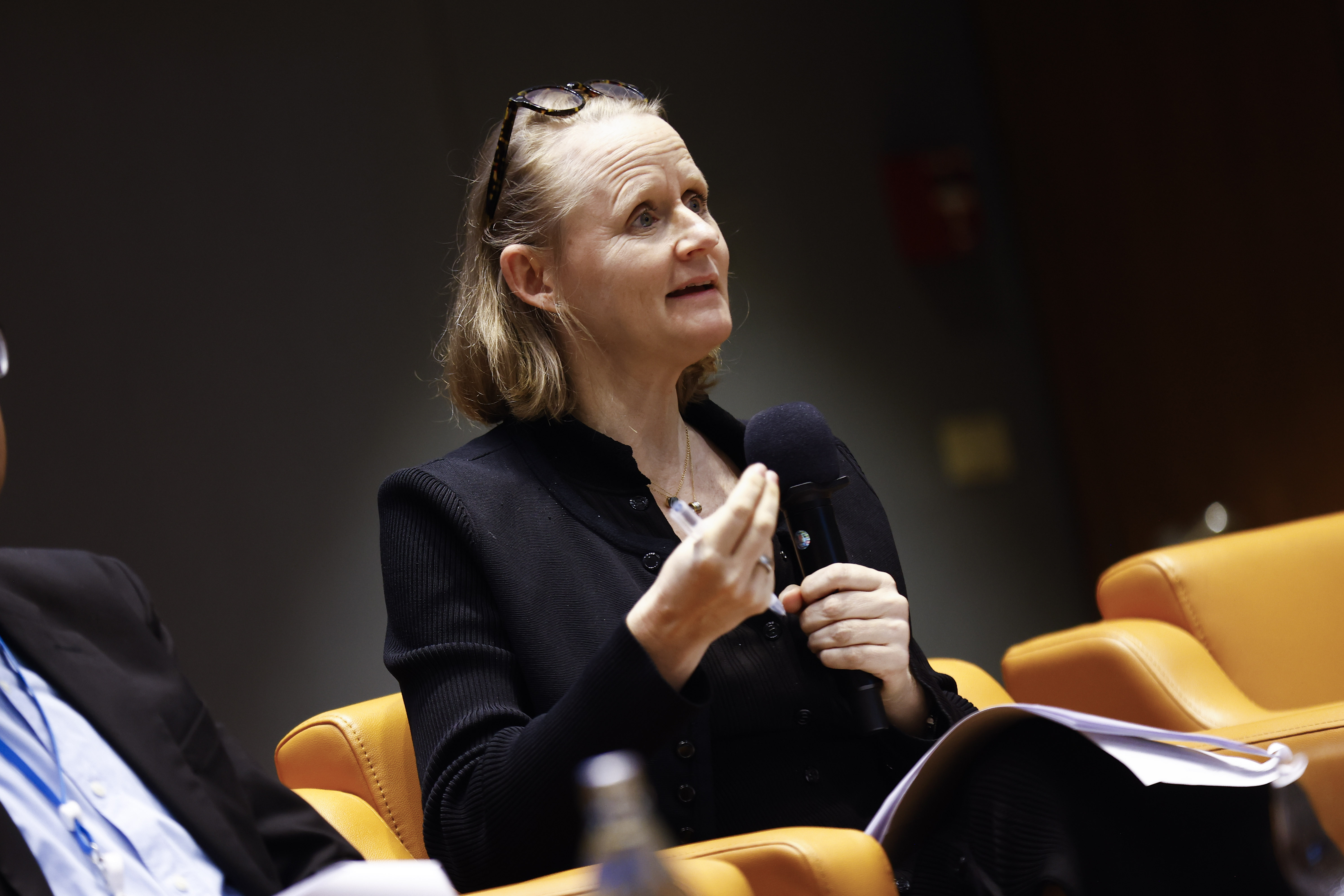
Maria Holtsberg, Deputy Regional Director, UN Women Asia and the Pacific
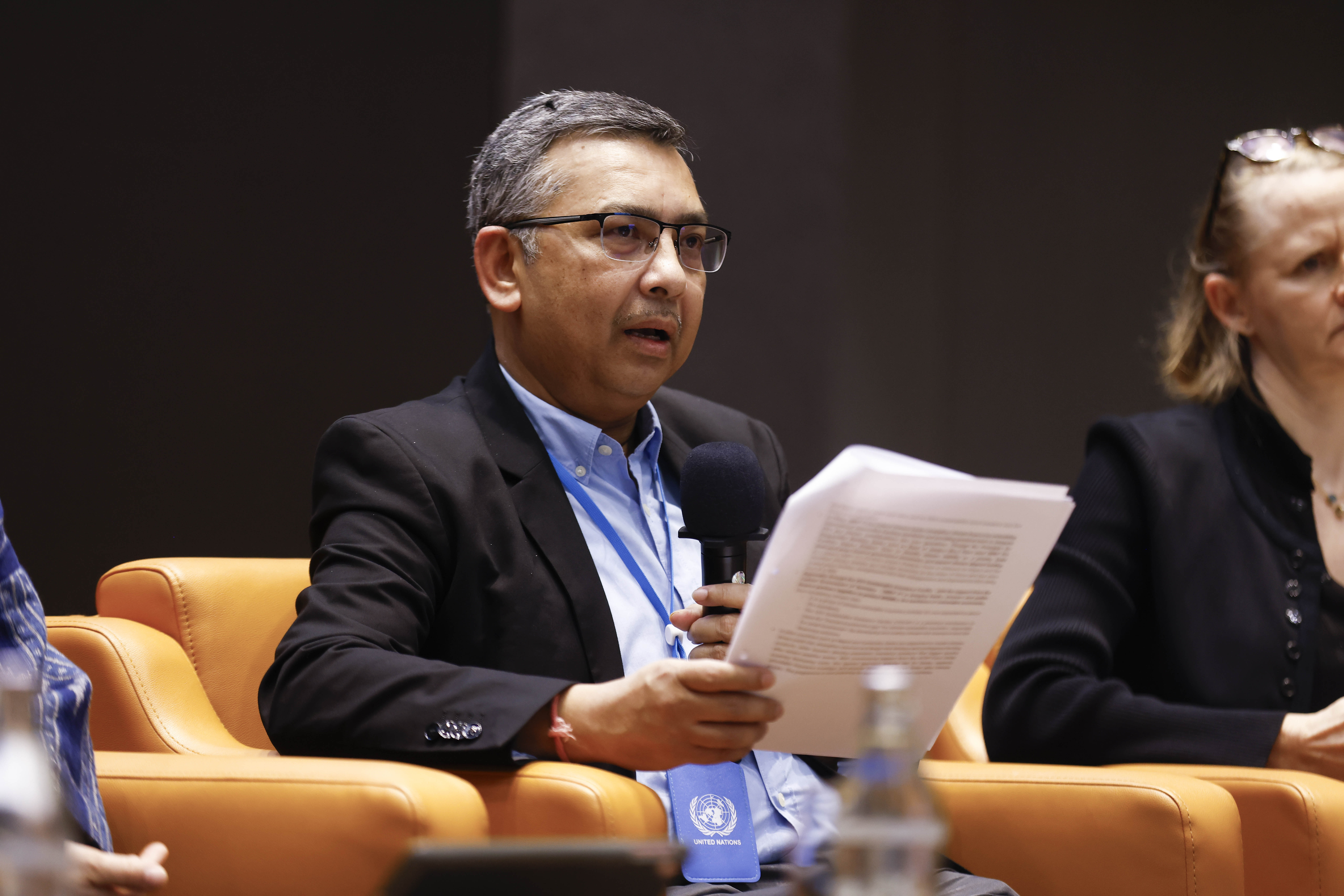
Subrata Sinha, Deputy Regional Director a.i., UN Environment Programme (UNEP) Asia and the Pacific Office
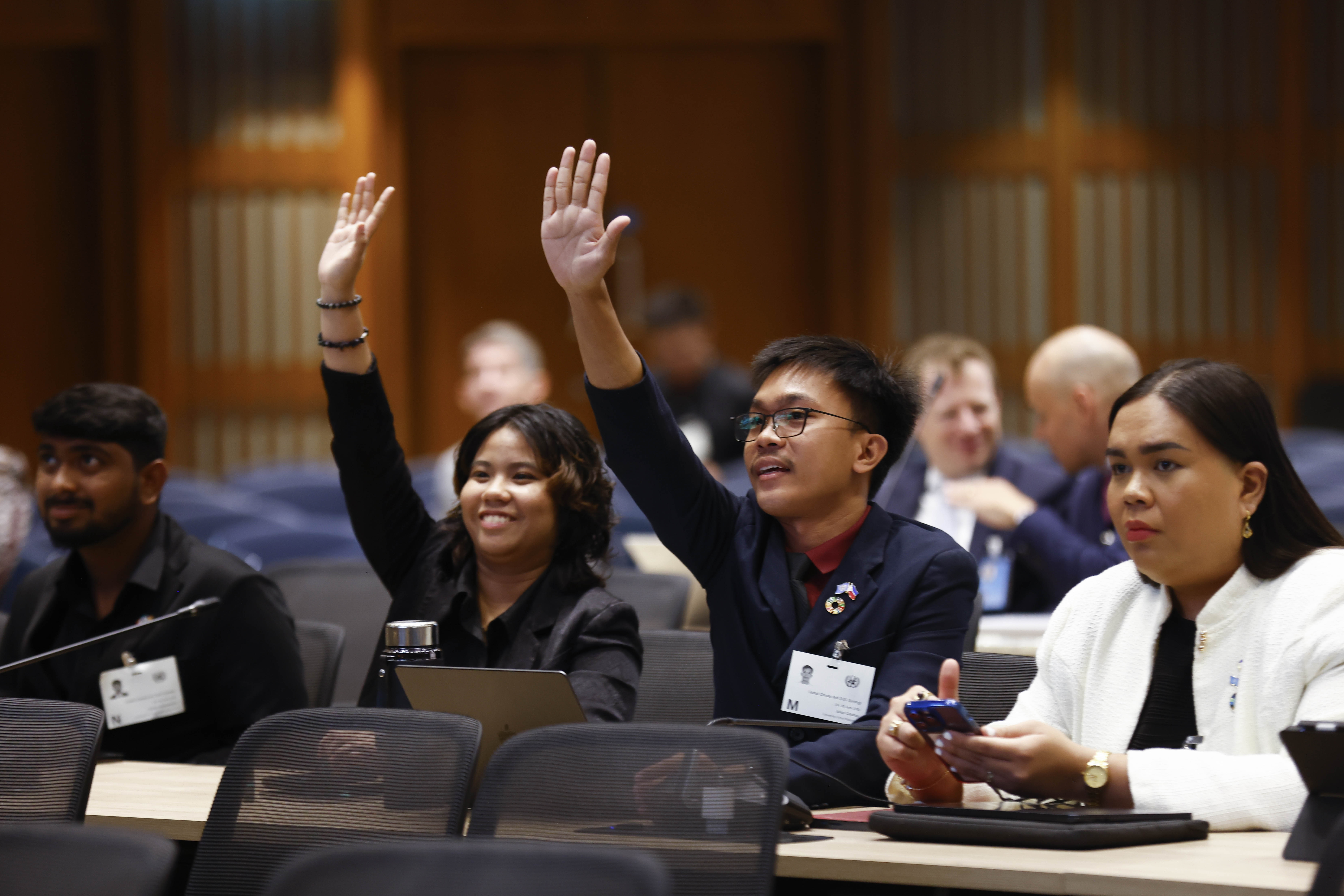
Delegates pose questions from the floor
Thematic Roundtable: Water, Health, and Climate - Securing Human Well-being in a Changing Climate
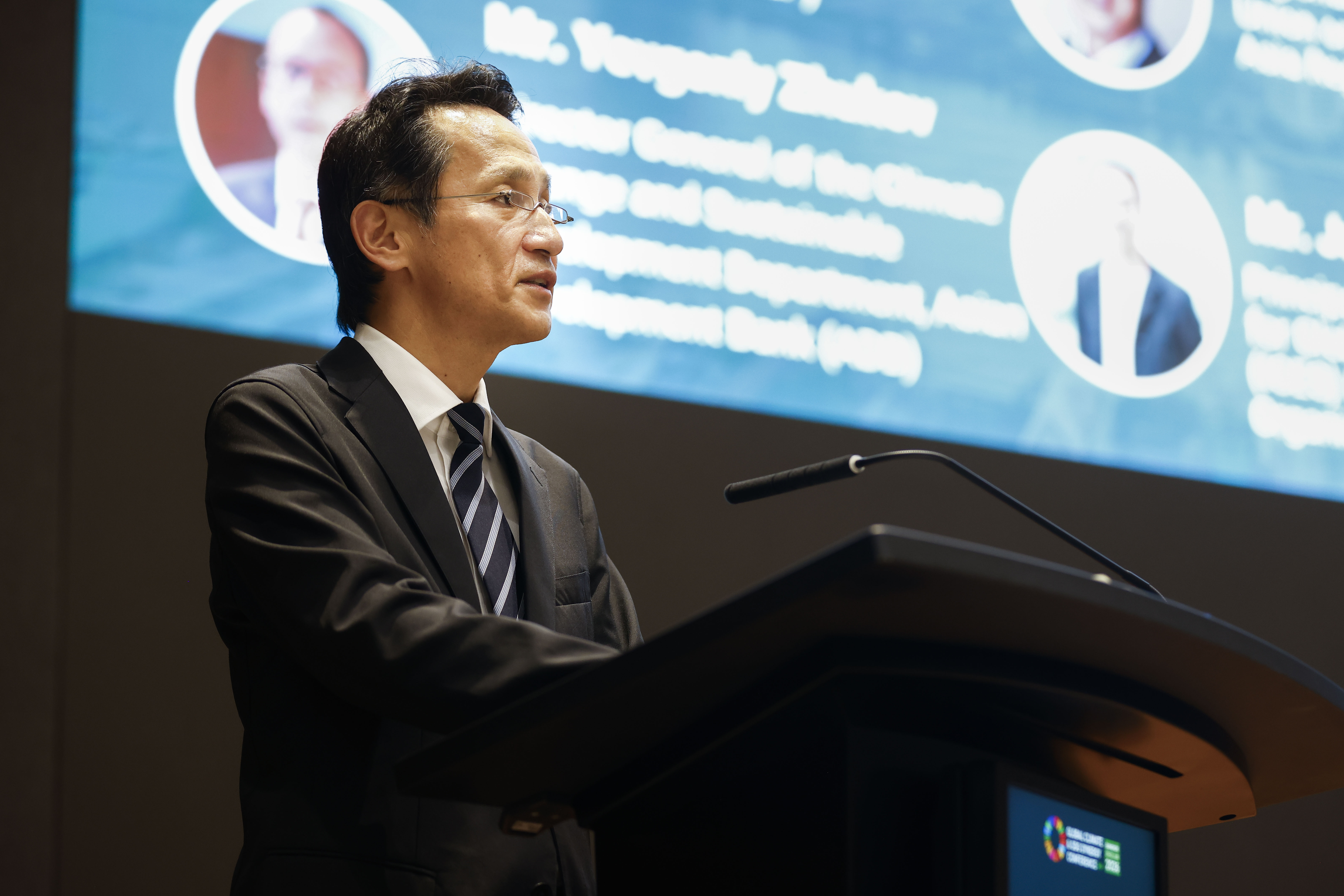
Doi Kentaro, Vice-Minister, Ministry of Environment, Japan
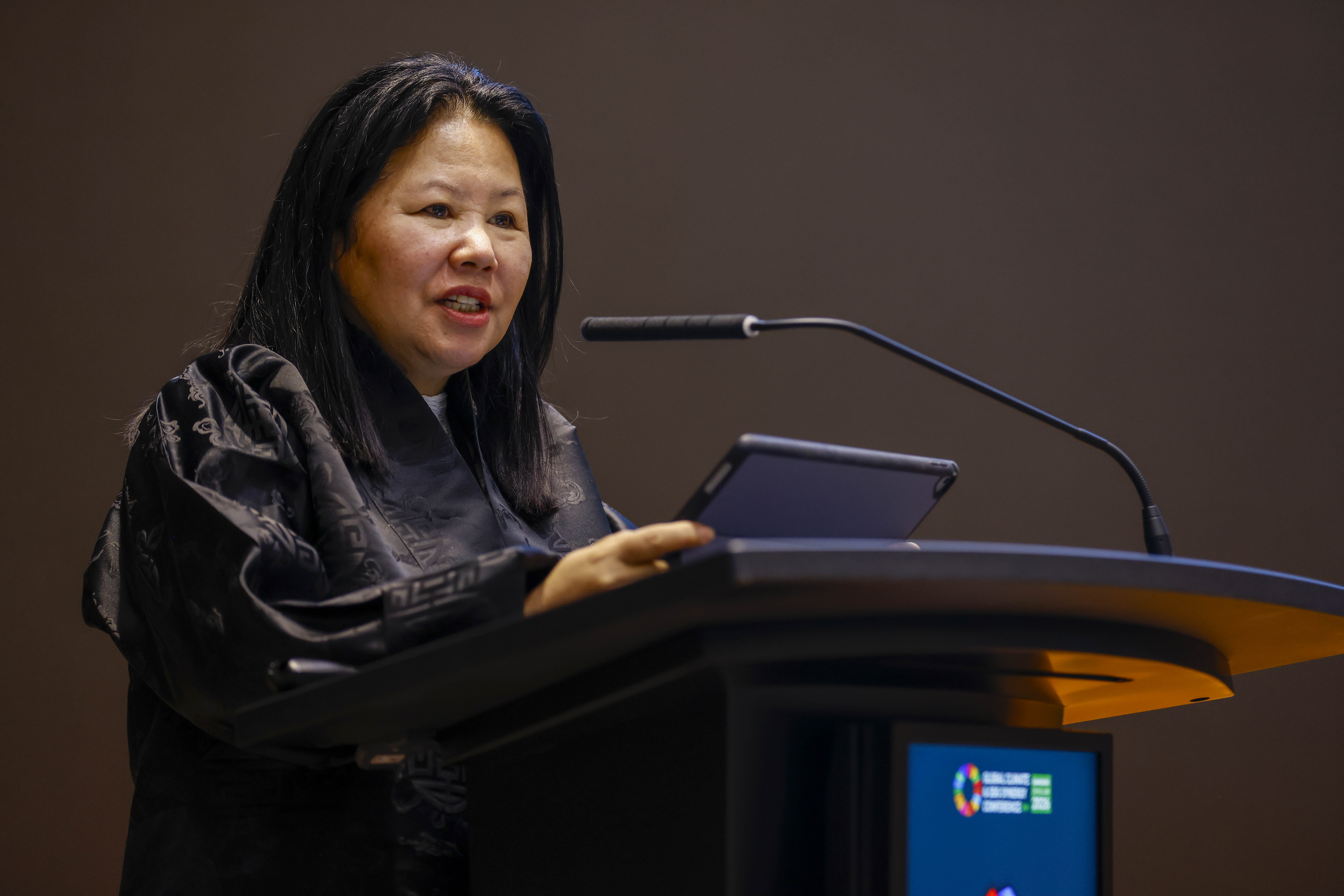
Dechen Tsering, Regional Director, UNEP Asia and the Pacific Office
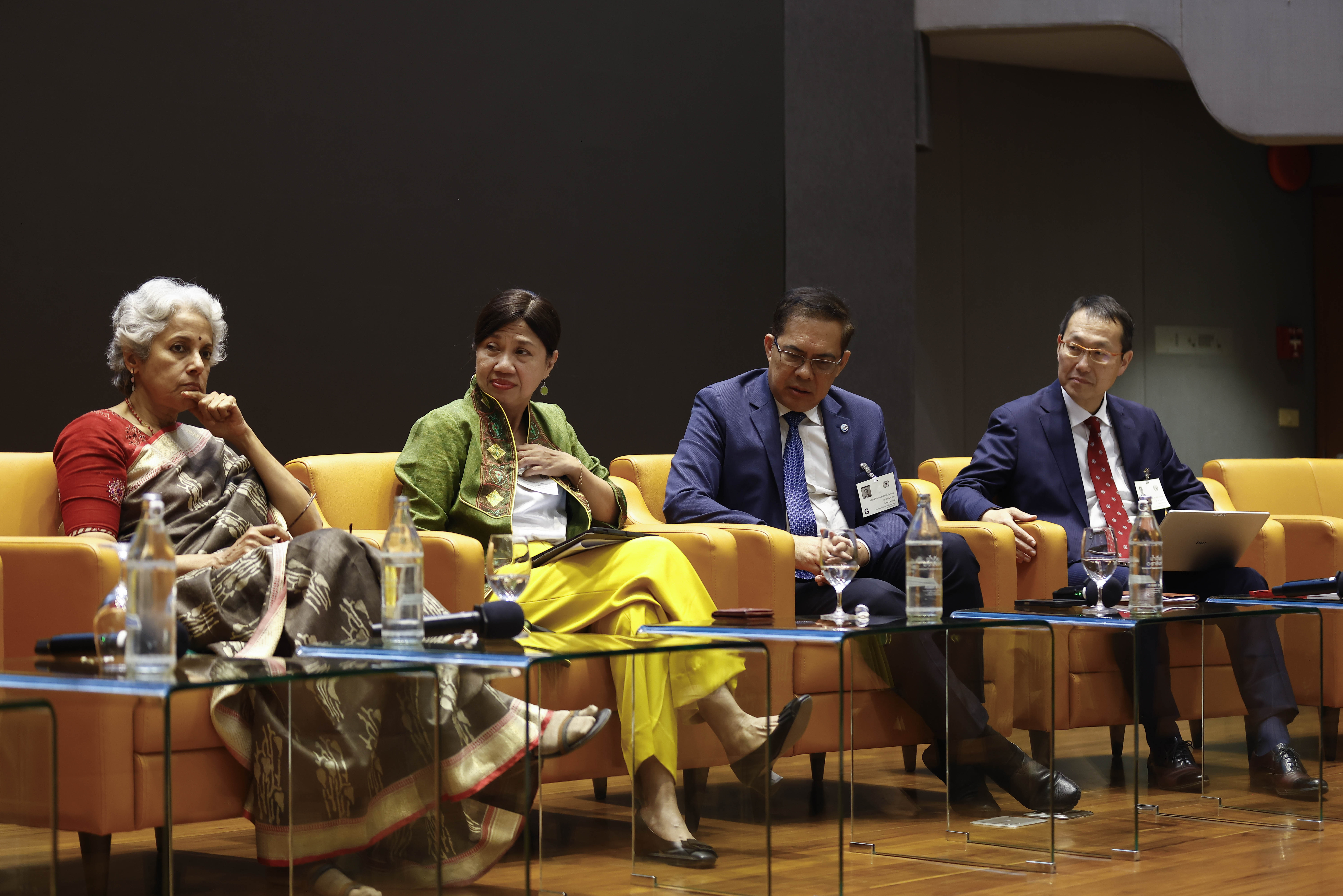
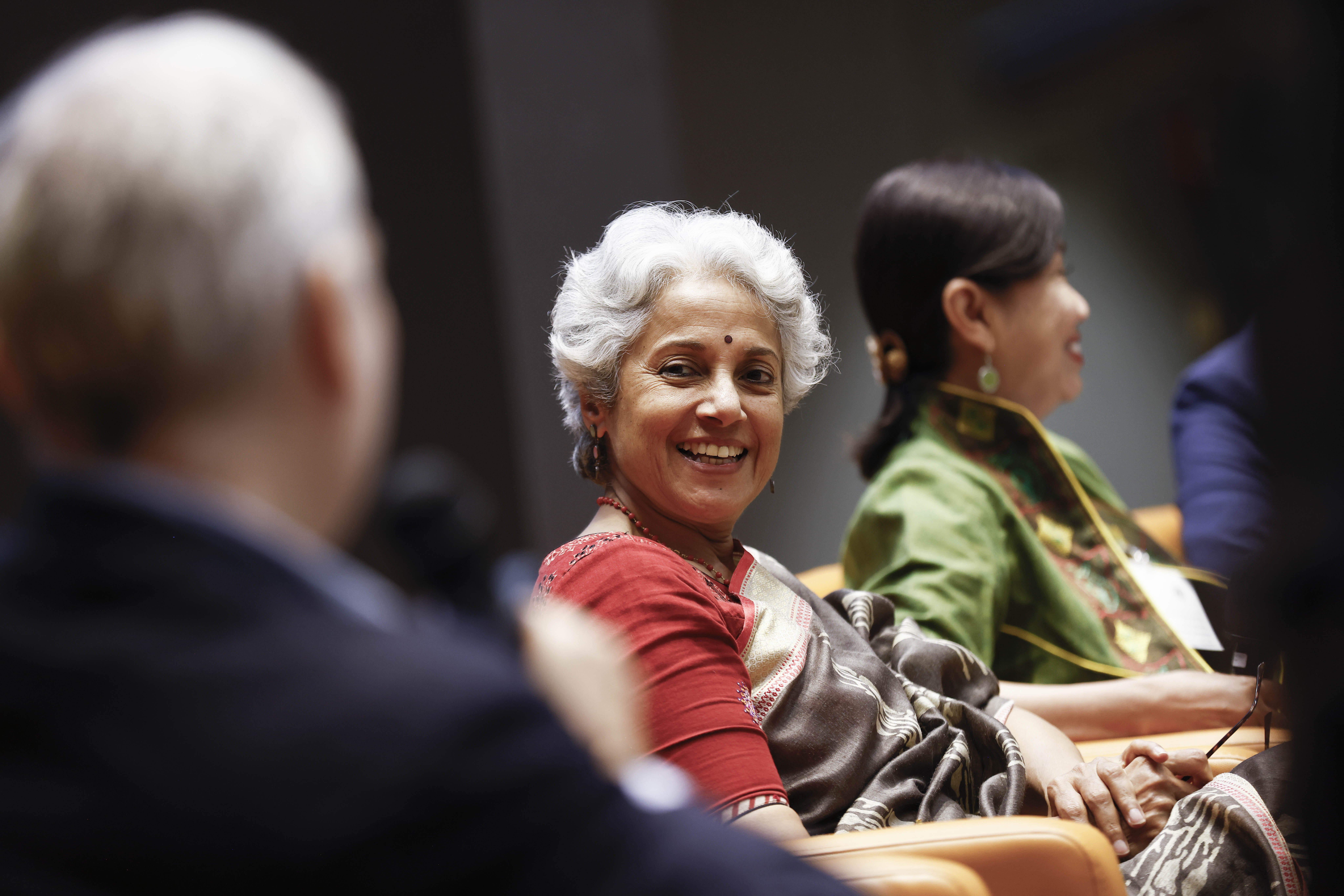
Soumya Swaminathan, Chairperson, M S Swaminathan Research Foundation
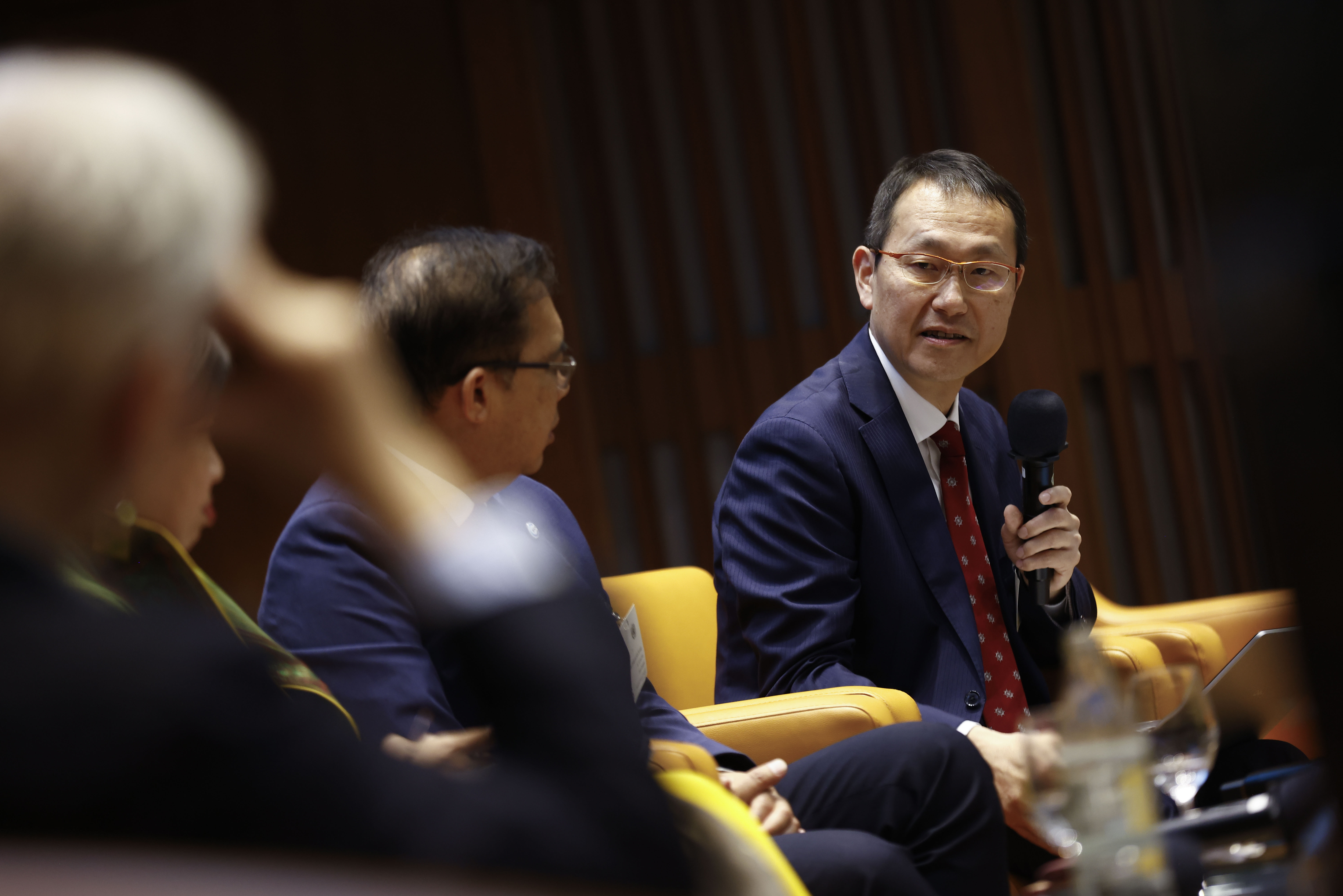
Junichi Fujino, Principal Synergy Coordinator, IGES
Thematic Roundtable: Aligning Climate and Development Pathways - From NDCs to Integration Implementation for Climate and SDGs
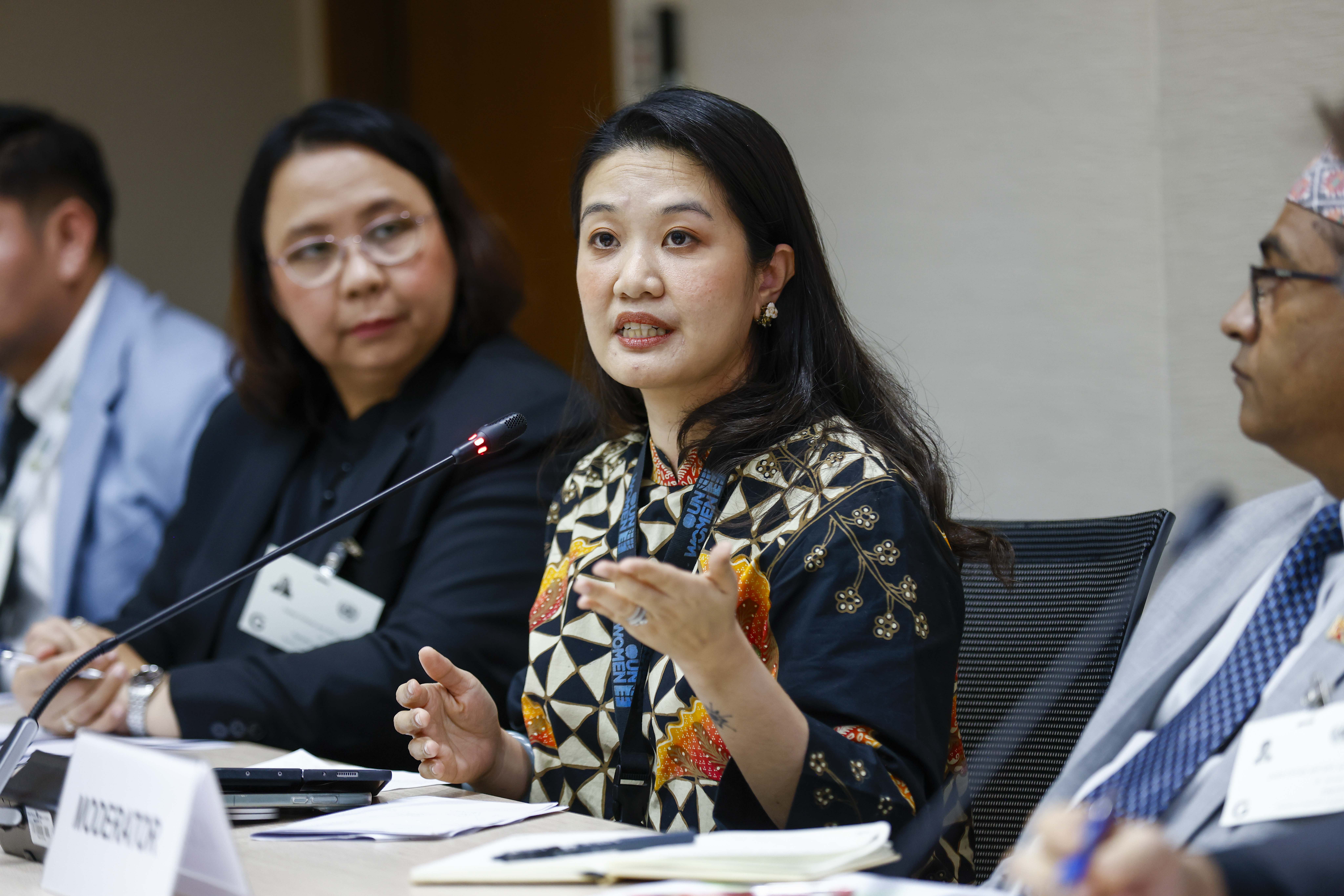
Athena Denise Galao, UN Women Regional Office for Asia and the Pacific
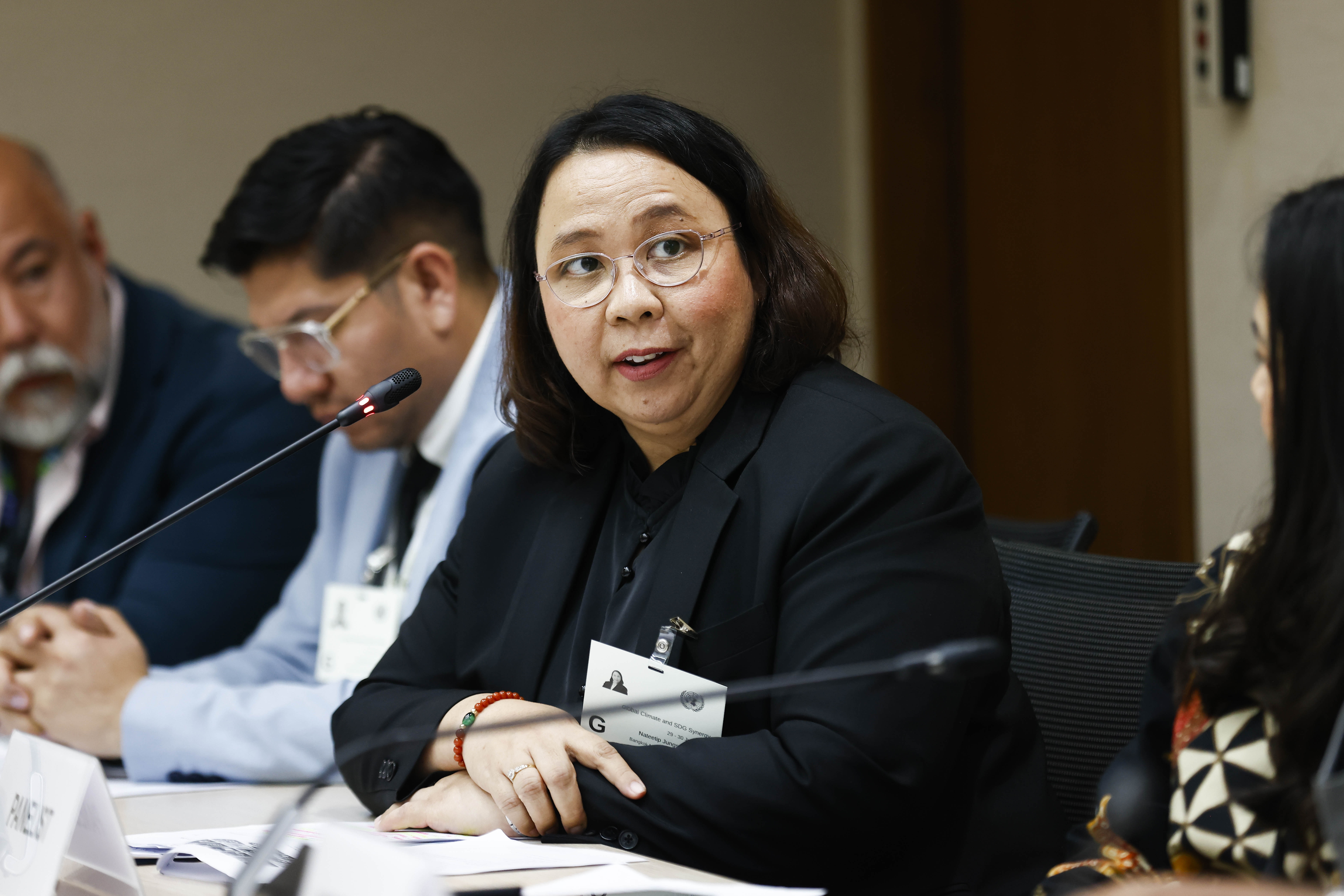
Nateetip Jungsomprasong, Director, Sustainable Environment Office, Environment Department, Bangkok Metropolitan Authority
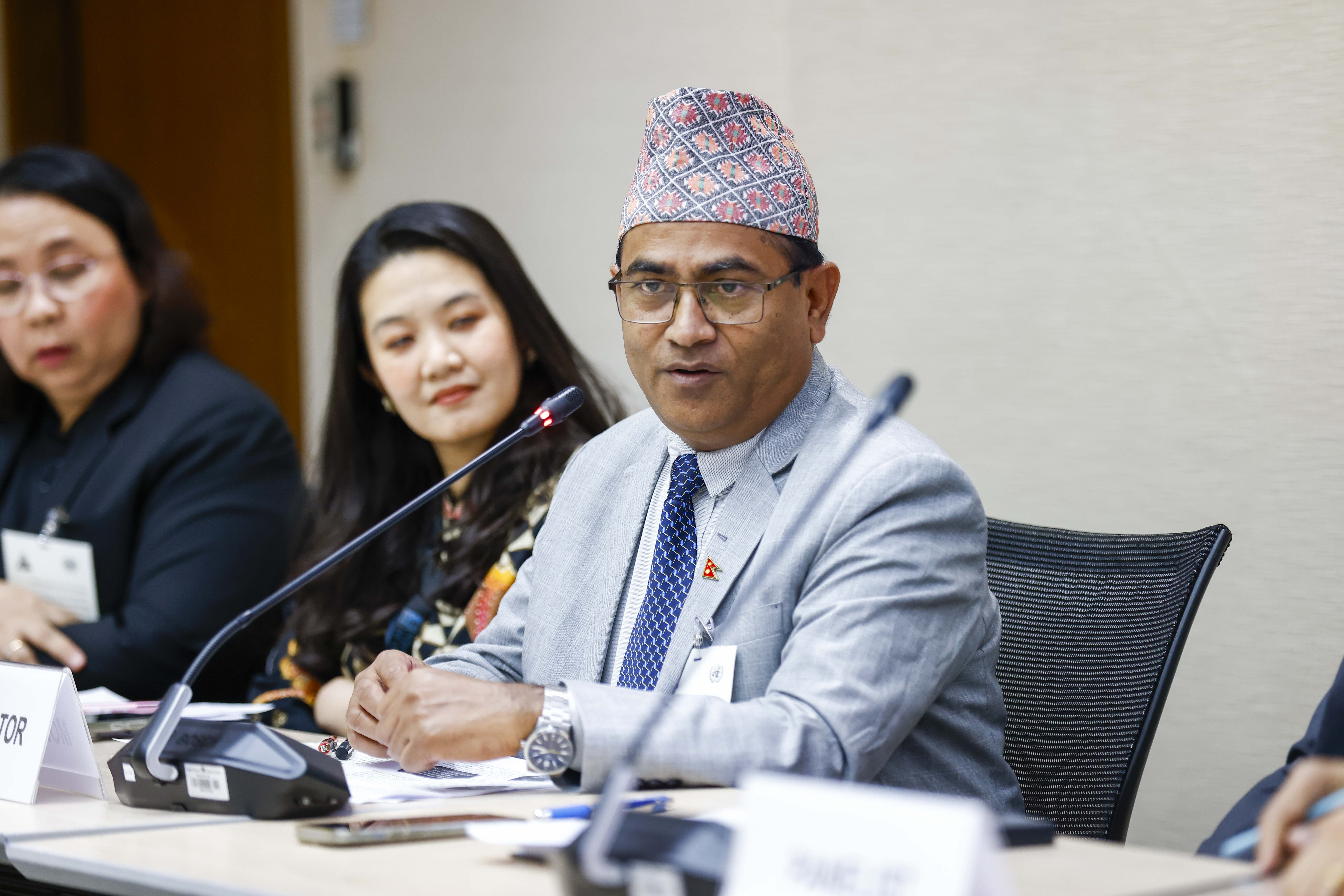
Rajendra KC, Director General, Department of Forests and Soil Conservation, Ministry of Agriculture, Forests and Environment, Nepal
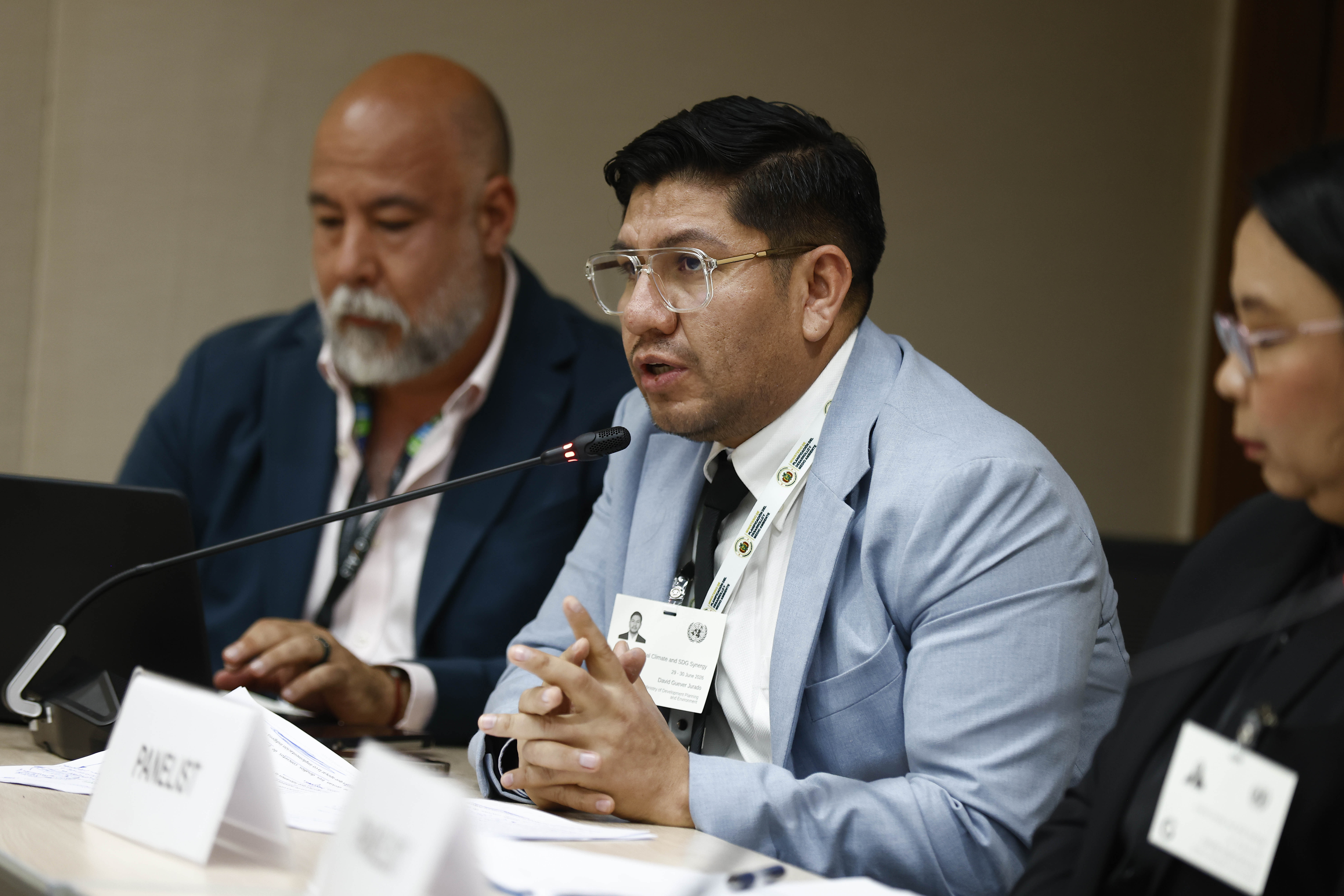
David Guever Jurado, Head of Unit, National Mandatory Registry, Ministry of Development Planning and Environment, Bolivia
Thematic Roundtable: Country Platforms for Integrated Delivery - Enhancing International Cooperation and Partnerships for Climate-SDG Synergies
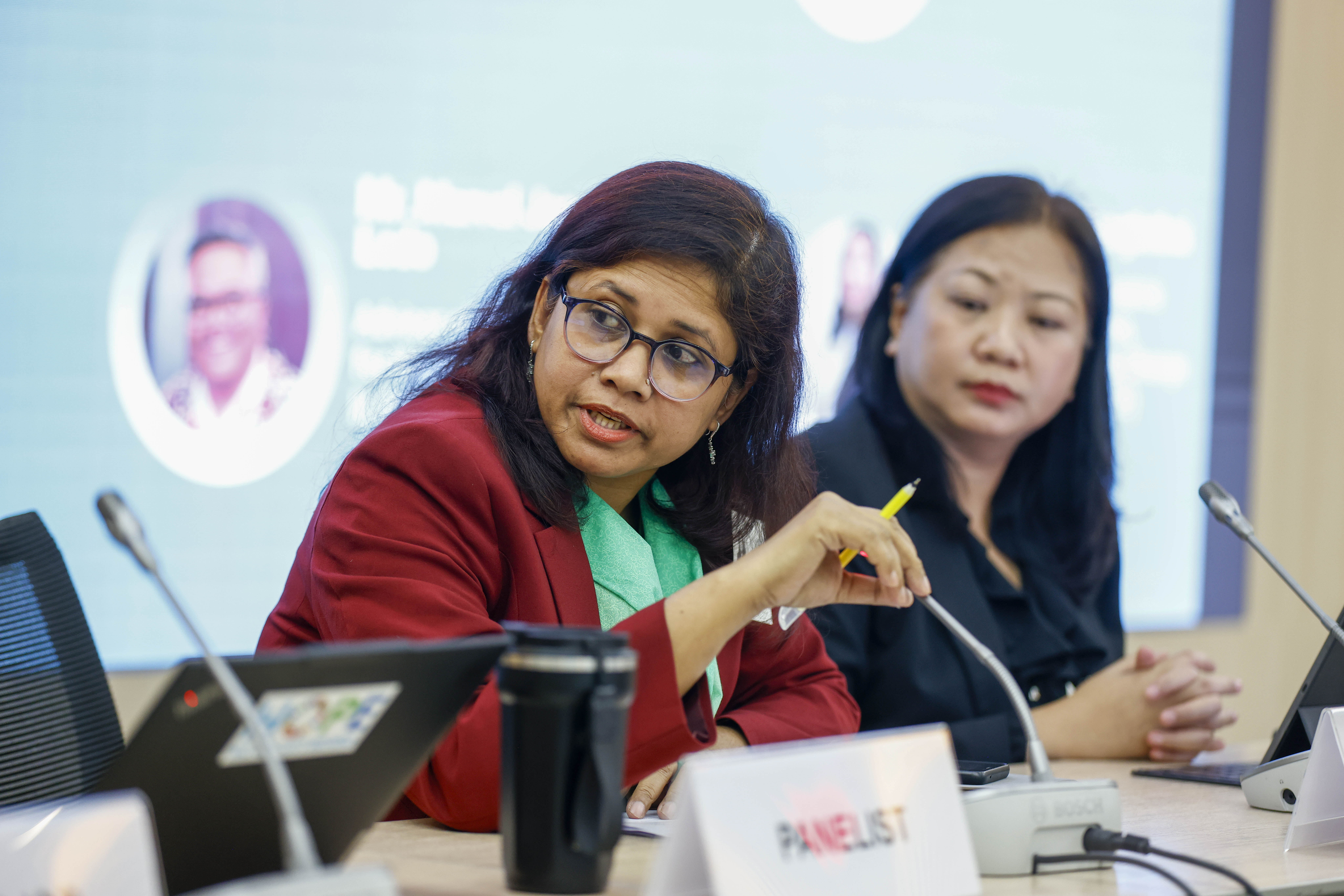
Rubina Ferdoushy, Deputy Secretary, Ministry of Environment, Forestry and Climate Change, Bangladesh

Rajibul Alam, Senior Assistant Secretary, Ministry of Finance, Bangladesh
Looking Ahead: A Youth Dialogue
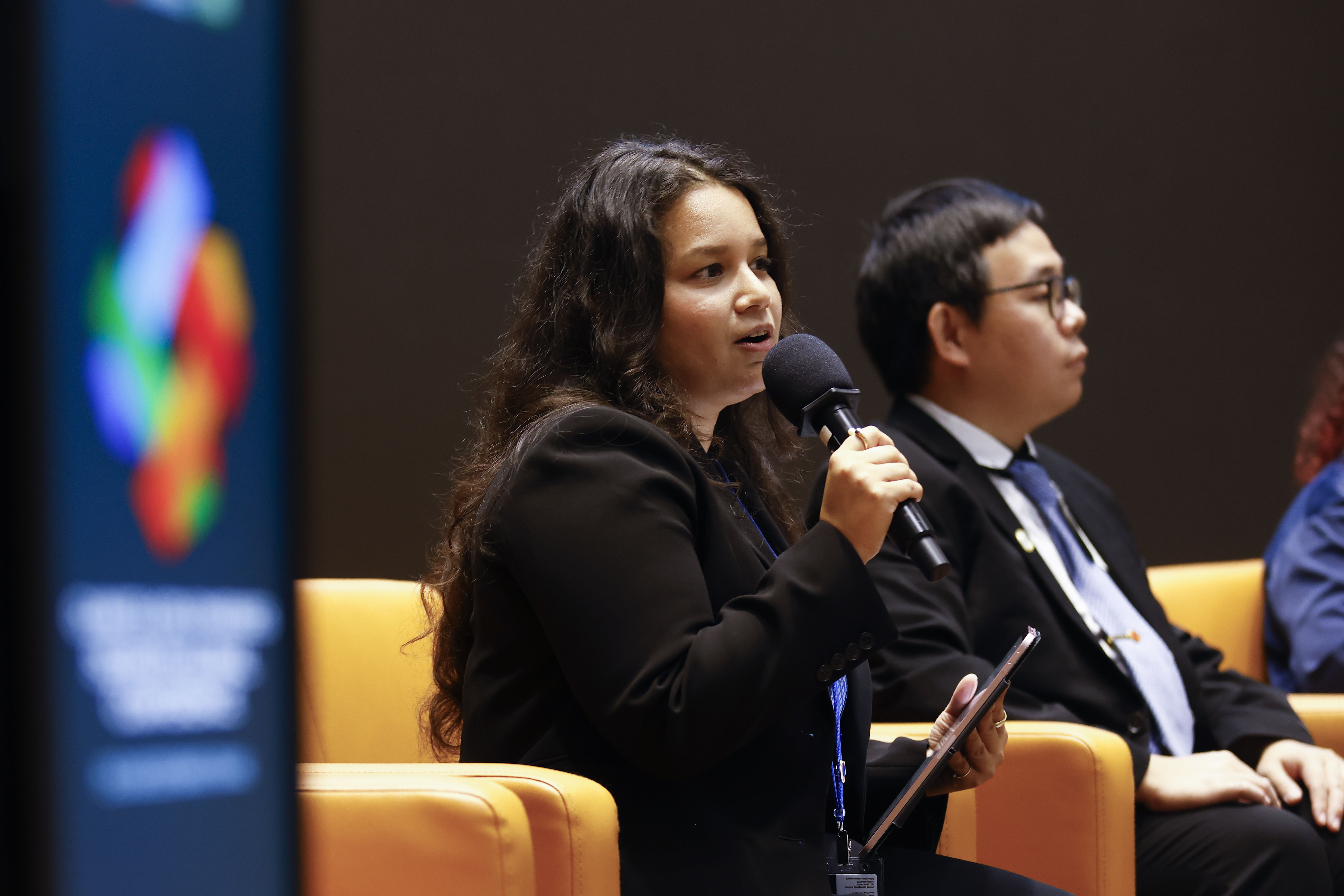
Aashna Swarup, UN DESA

Aghgul Mehdiyeva, ClimaTalk, and Bianca Yap, Flint
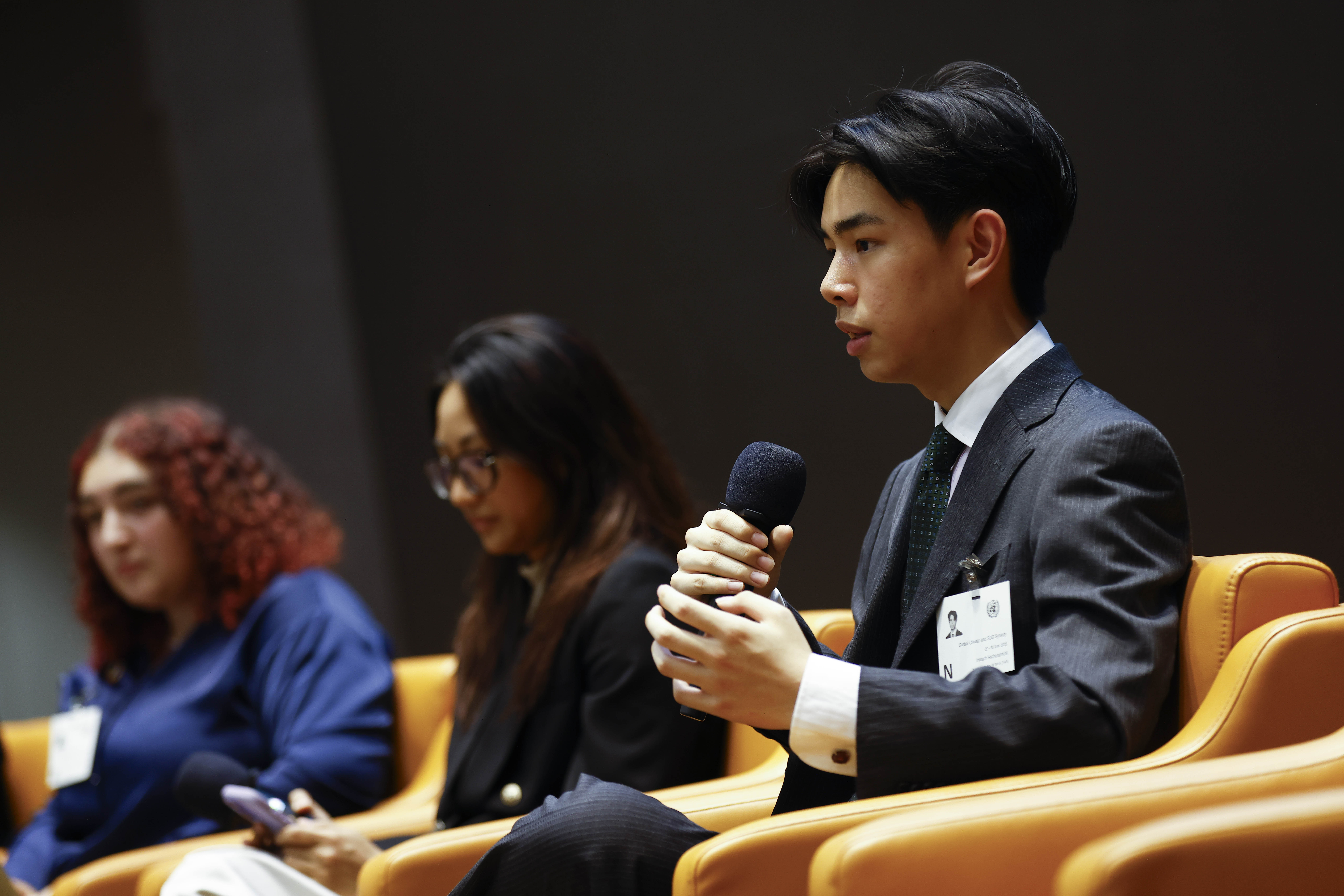
Intouch Sricharoenchit, Youth Advocacy Network, Pakistan and Representative, Asia Pacific Regional Civil Society Organization Engagement Mechanism

Closing Session
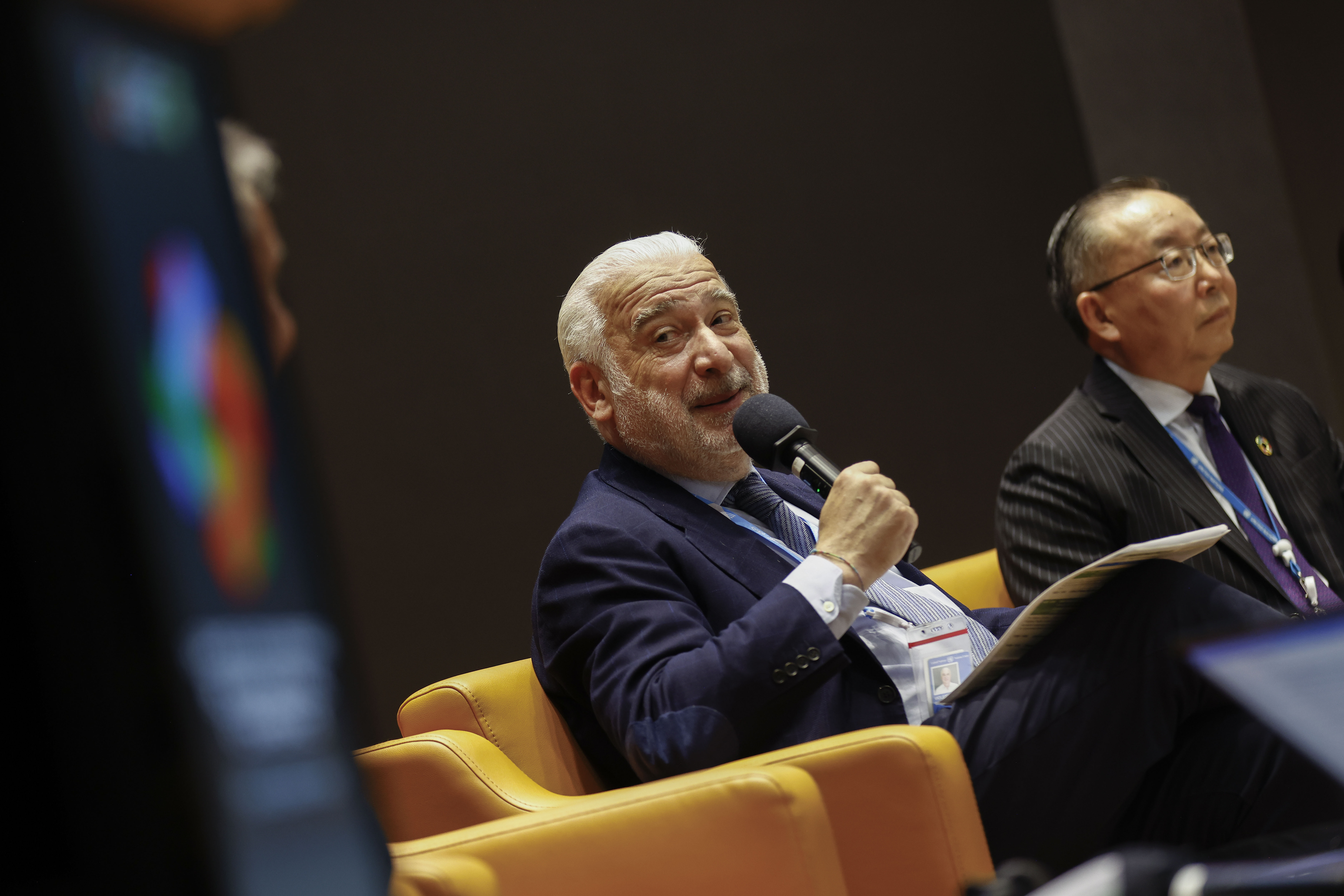
Daniele Violetti, Senior Director, Programmes Coordination, UNFCCC
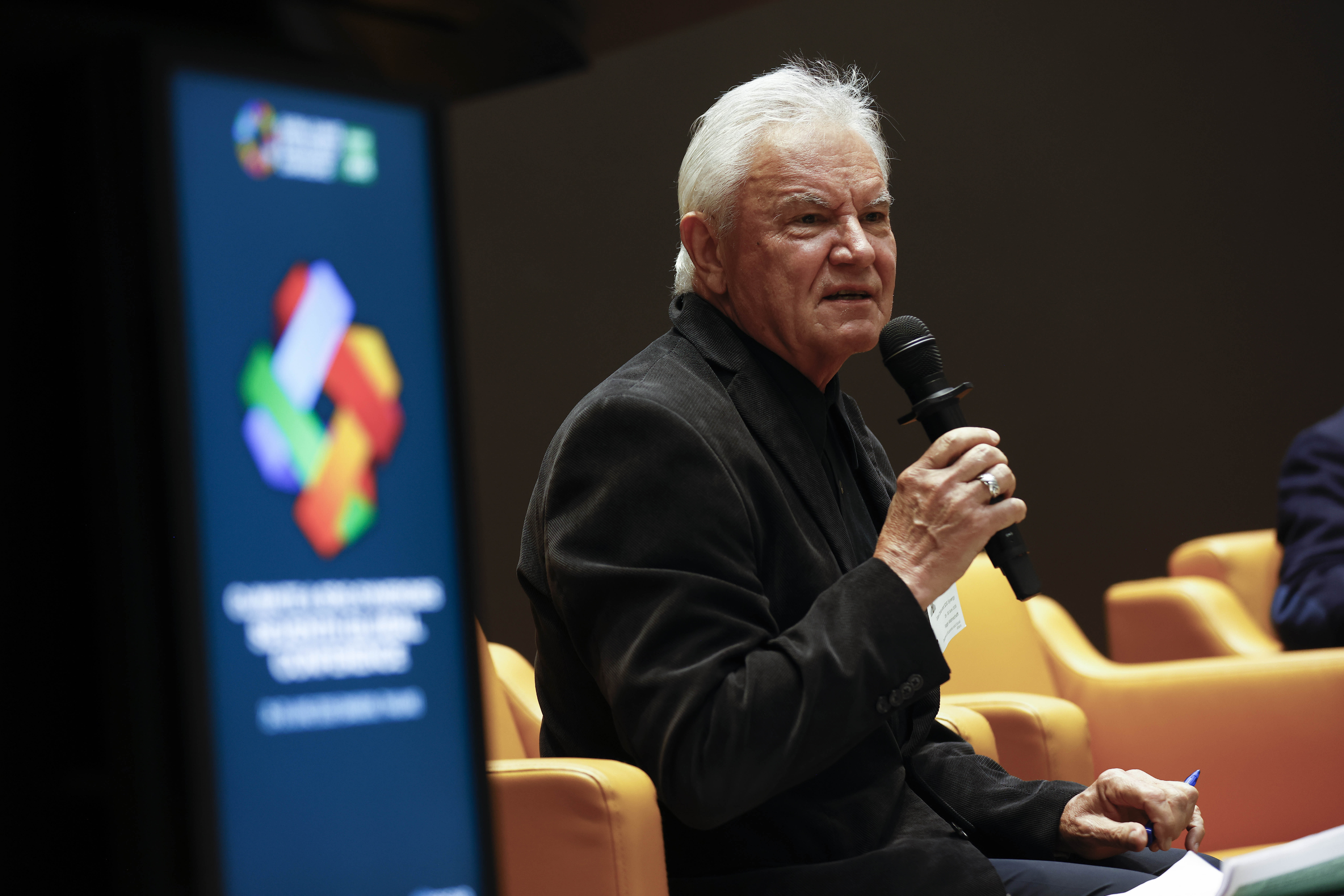
Ralph Wahnschafft, Senior Economic Affairs Officer, UN DESA
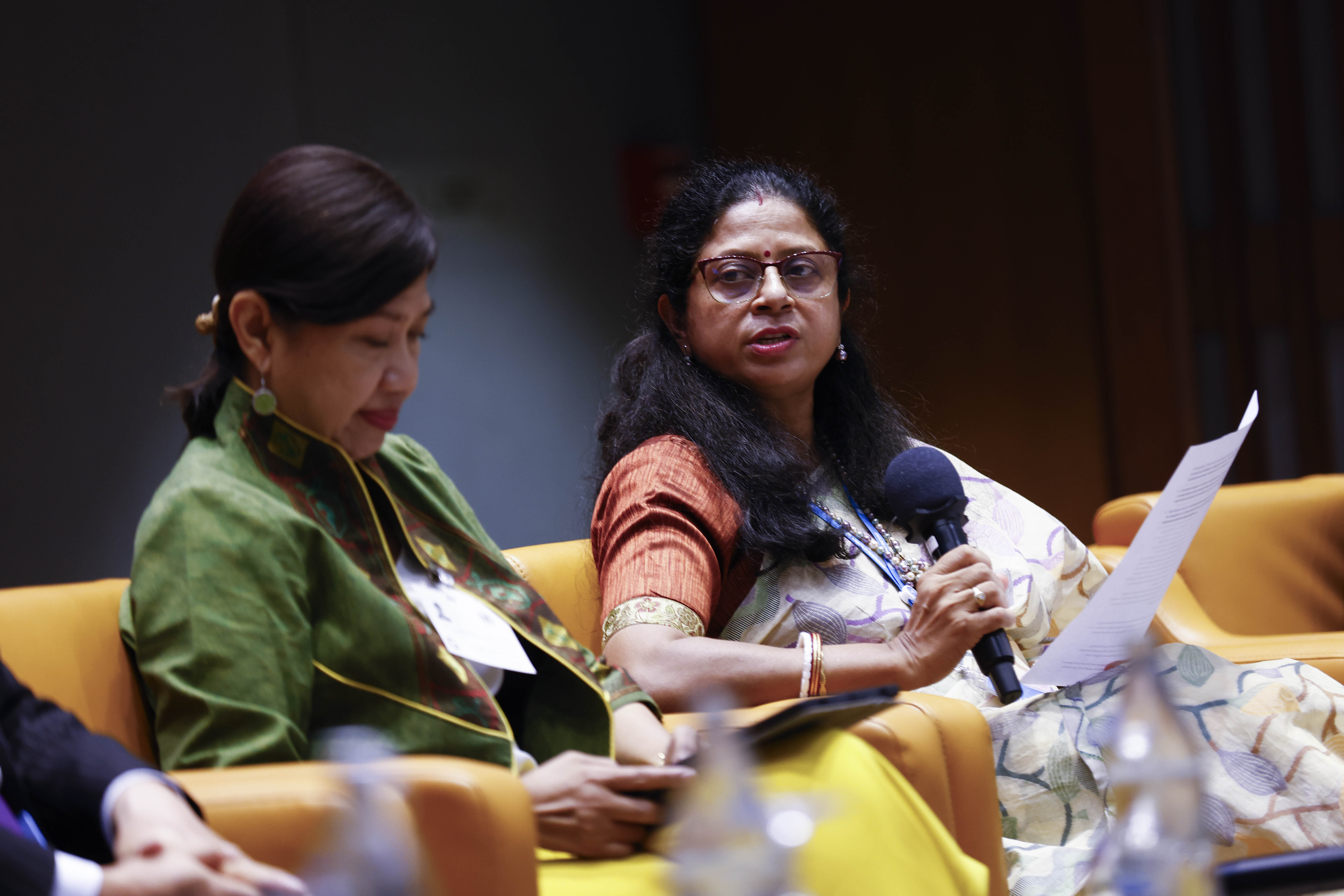
Rapporteurs of the thematic roundtables report on salient points discussed
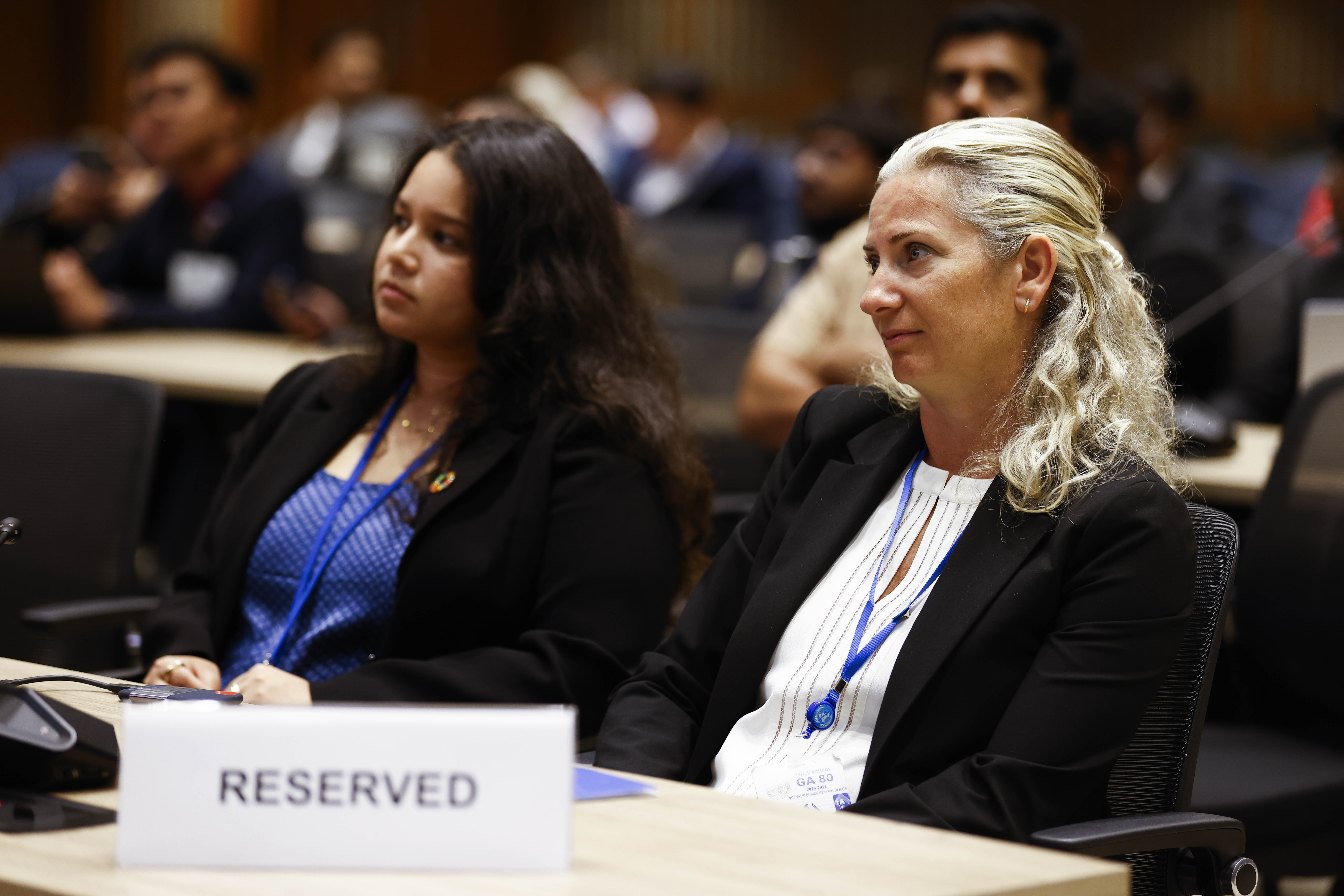
Aashna Swarup and Nadine Salame, UN DESA
Between Sessions
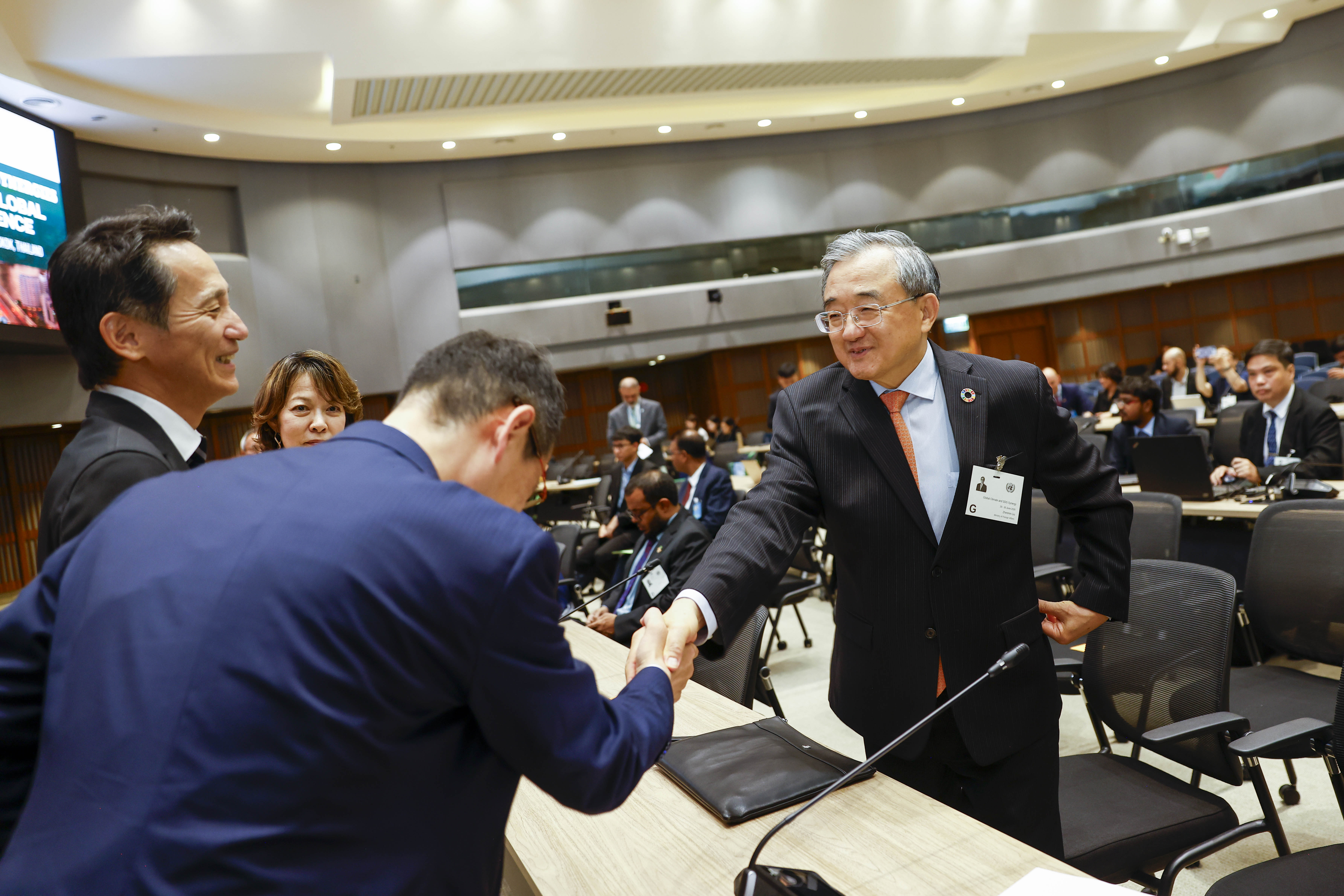
Liu Zhenmin, Special Envoy for Climate Change, China
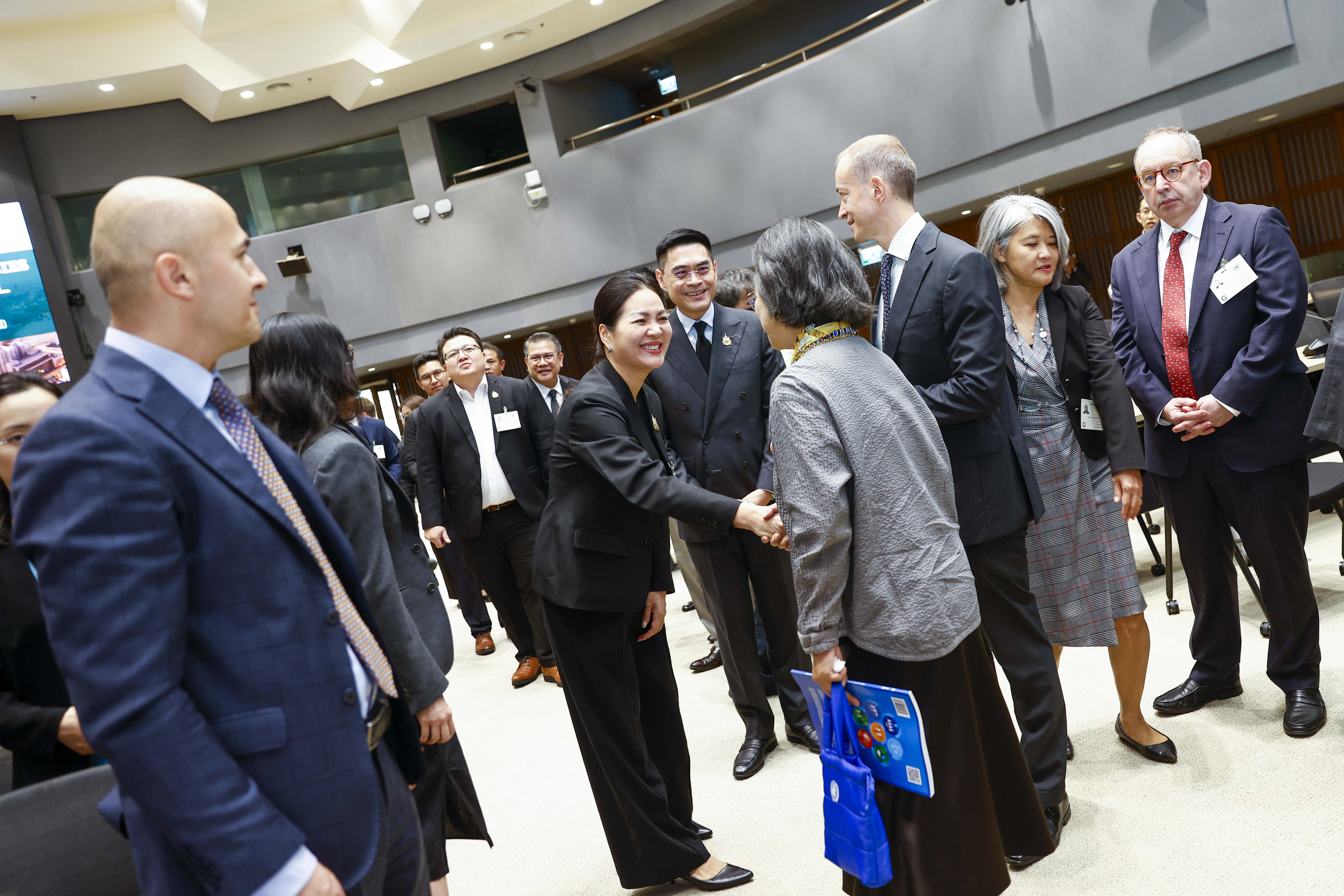
Darika Sarunyagate, Advisor to the Minister of Natural Resources and Environment, Thailand
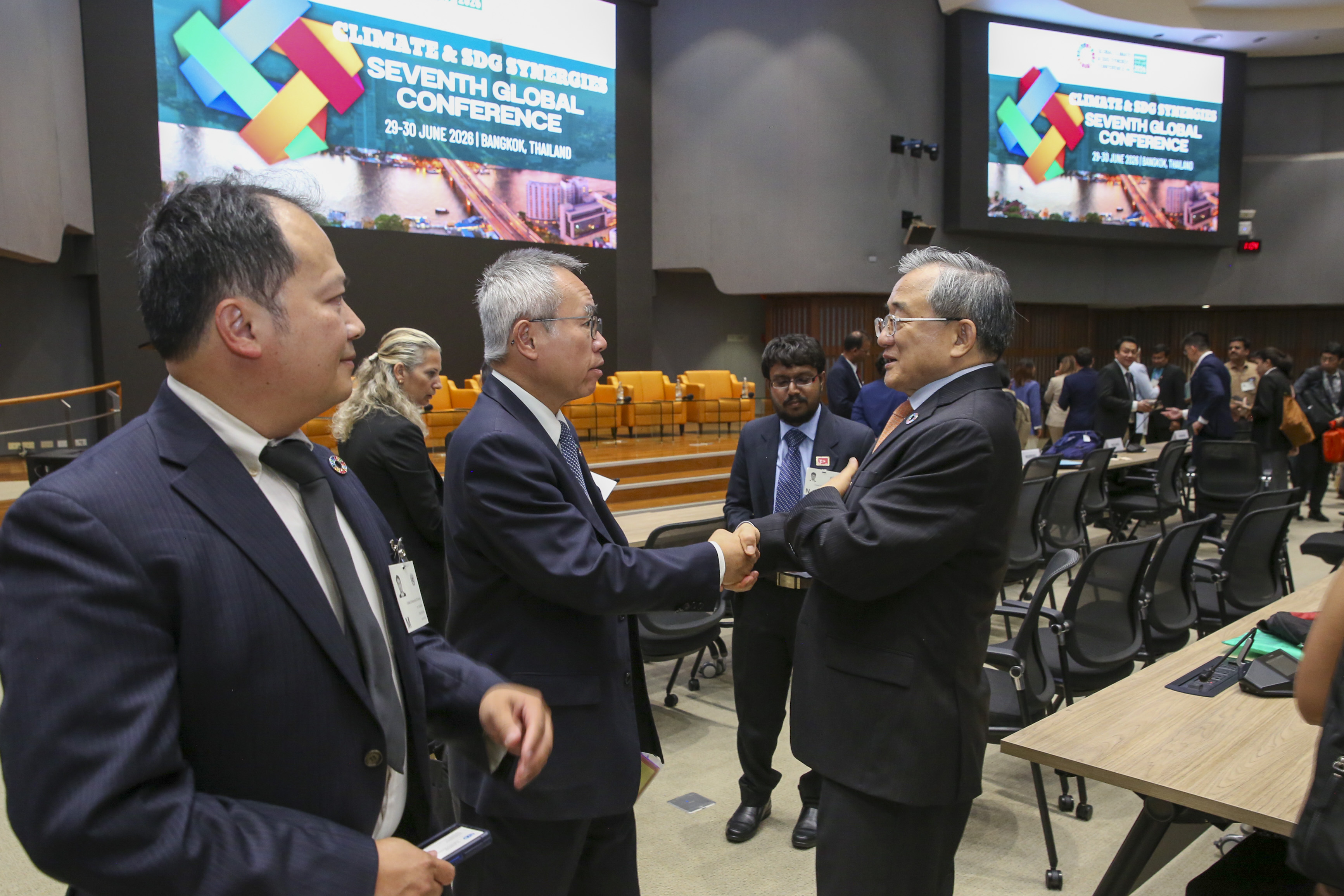
Li Junhua, UN Under-Secretary-General for Economic and Social Affairs, and Liu Zhenmin, Special Envoy for Climate Change, China
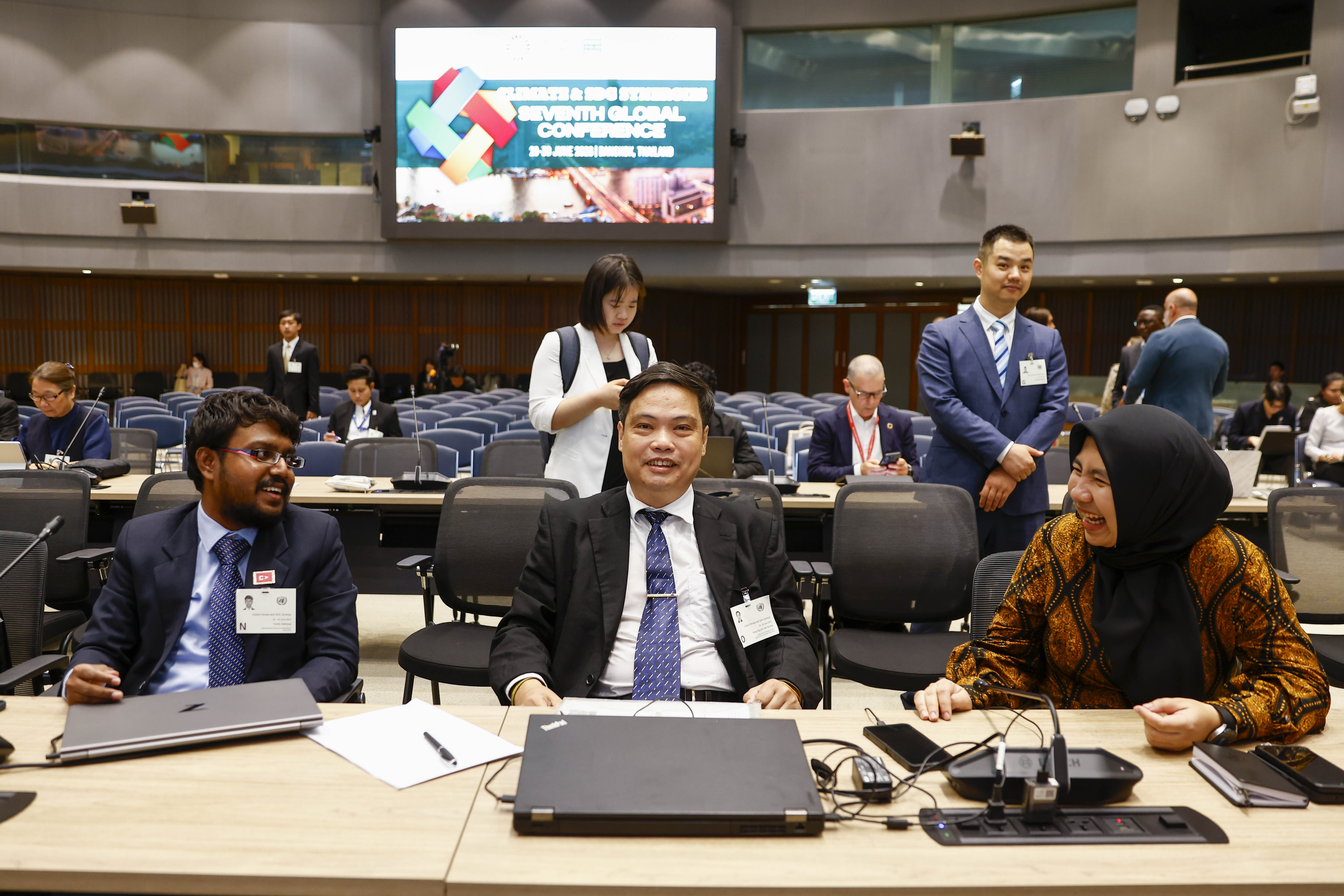
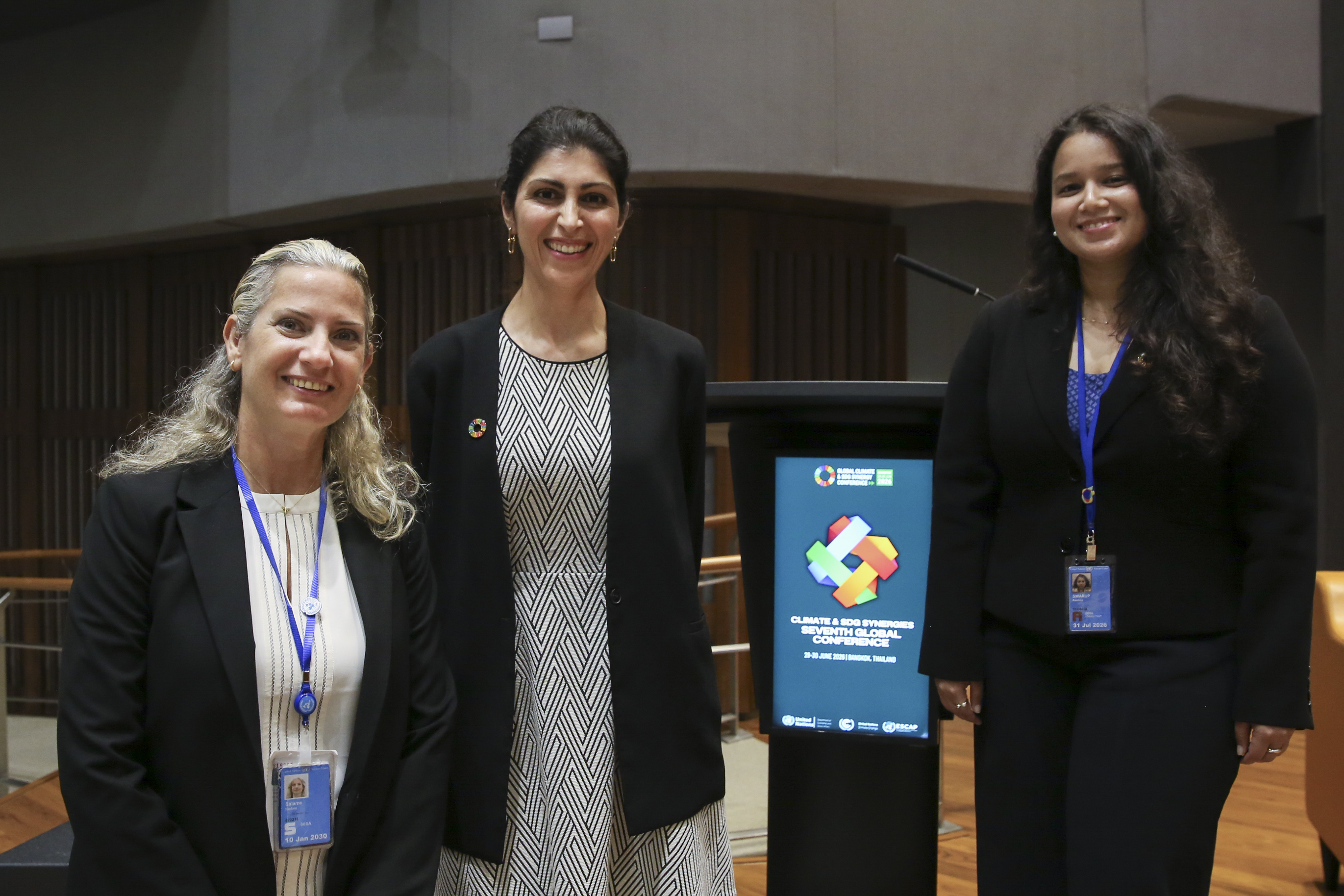
Nadine Salame, Bahareh Seyedi, and Aashna Swarup, UN DESA
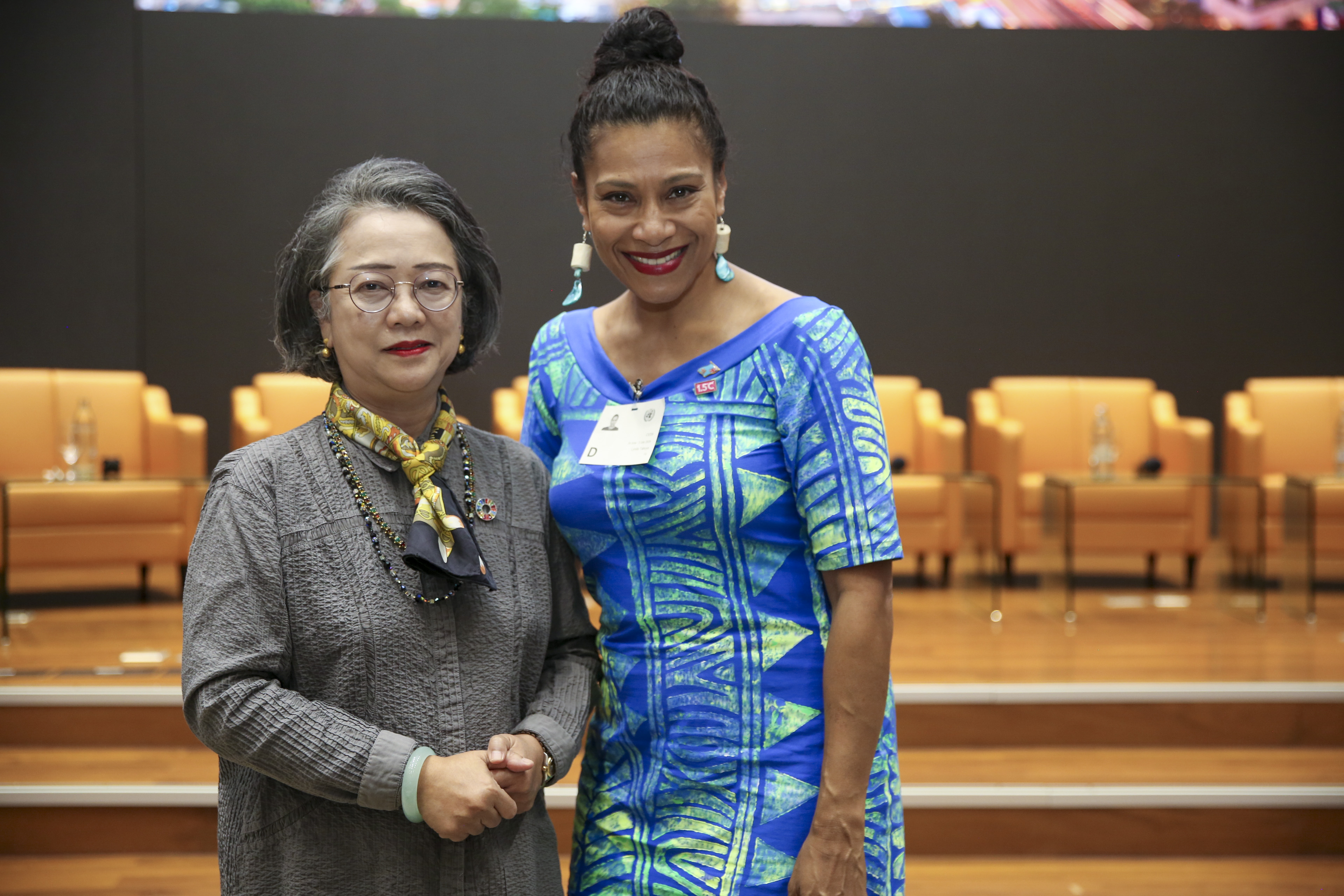
Armida Salsiah Alisjahbana, Executive Secretary, ESCAP, and Lynda Tabuya, Minister for Environment and Climate Change, Fiji
Around the Venue
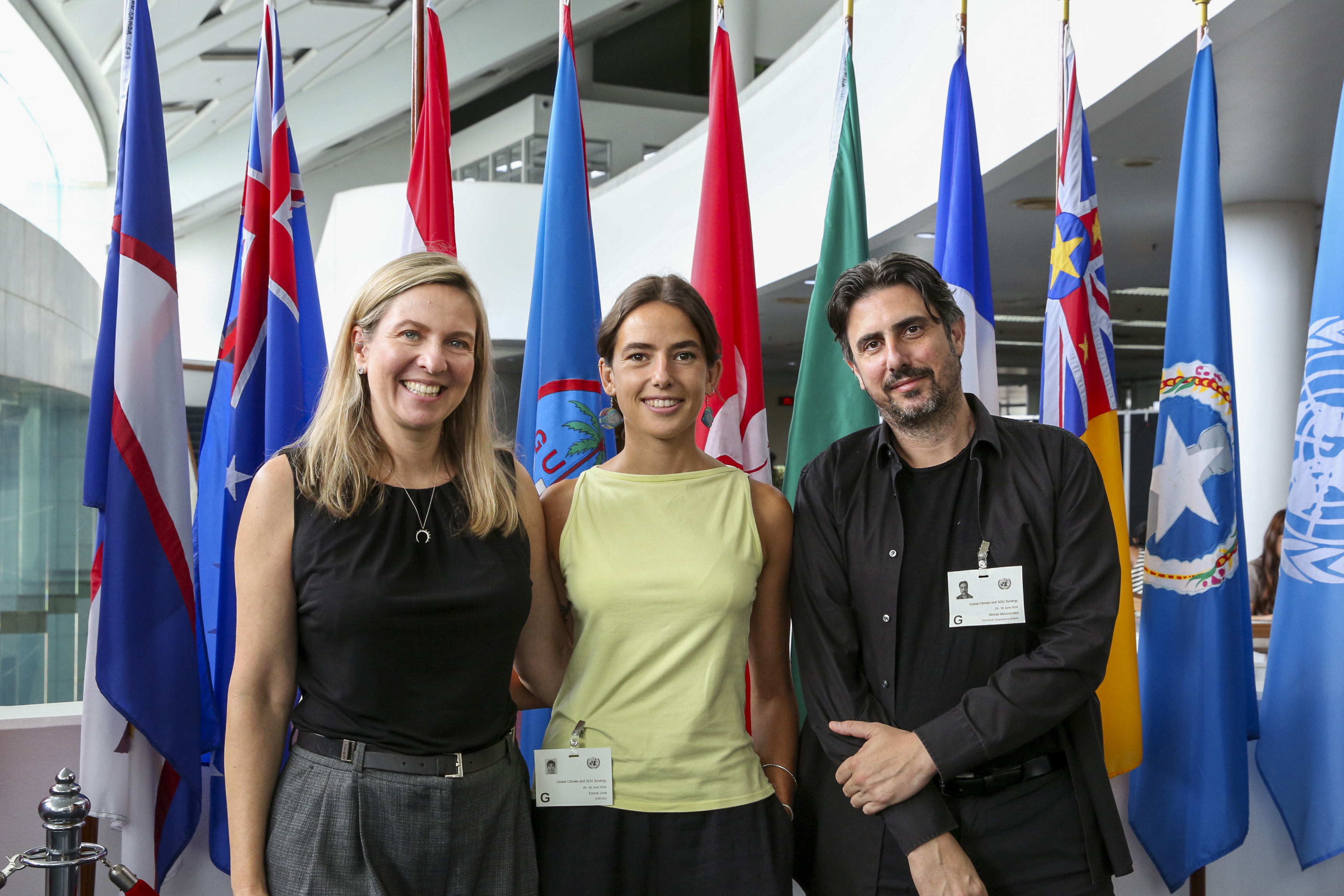
Natalia Mroz, Emma Vovk, and Mike Muzurakis, Earth Negotiations Bulletin
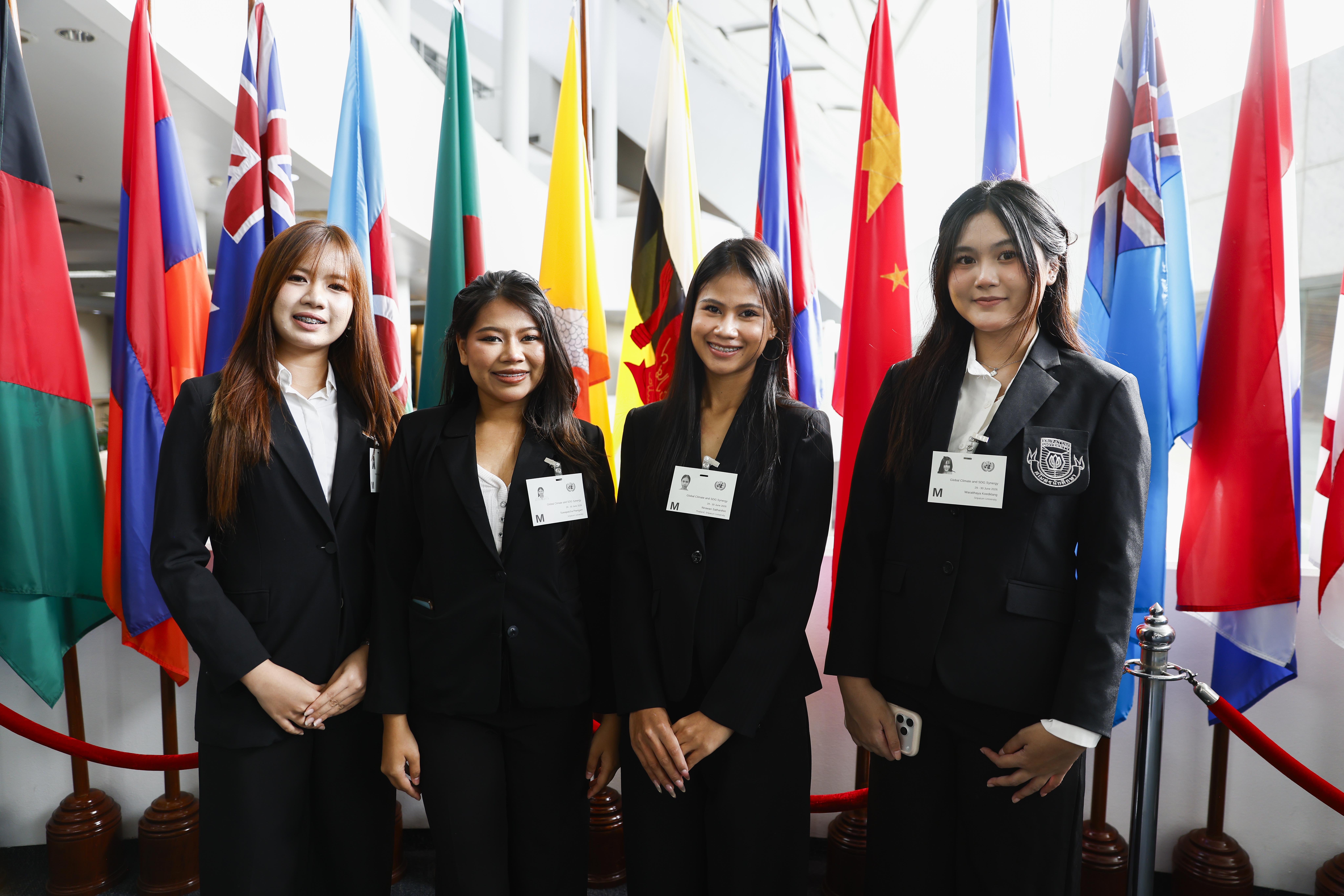
Delegates from Sripatum University