Voluntary National Reviews (VNRs) 10 Years on – Our Common Journey
Co-Hosted by Finland, Germany, Guatemala, Indonesia, Nigeria, South Africa, Thailand
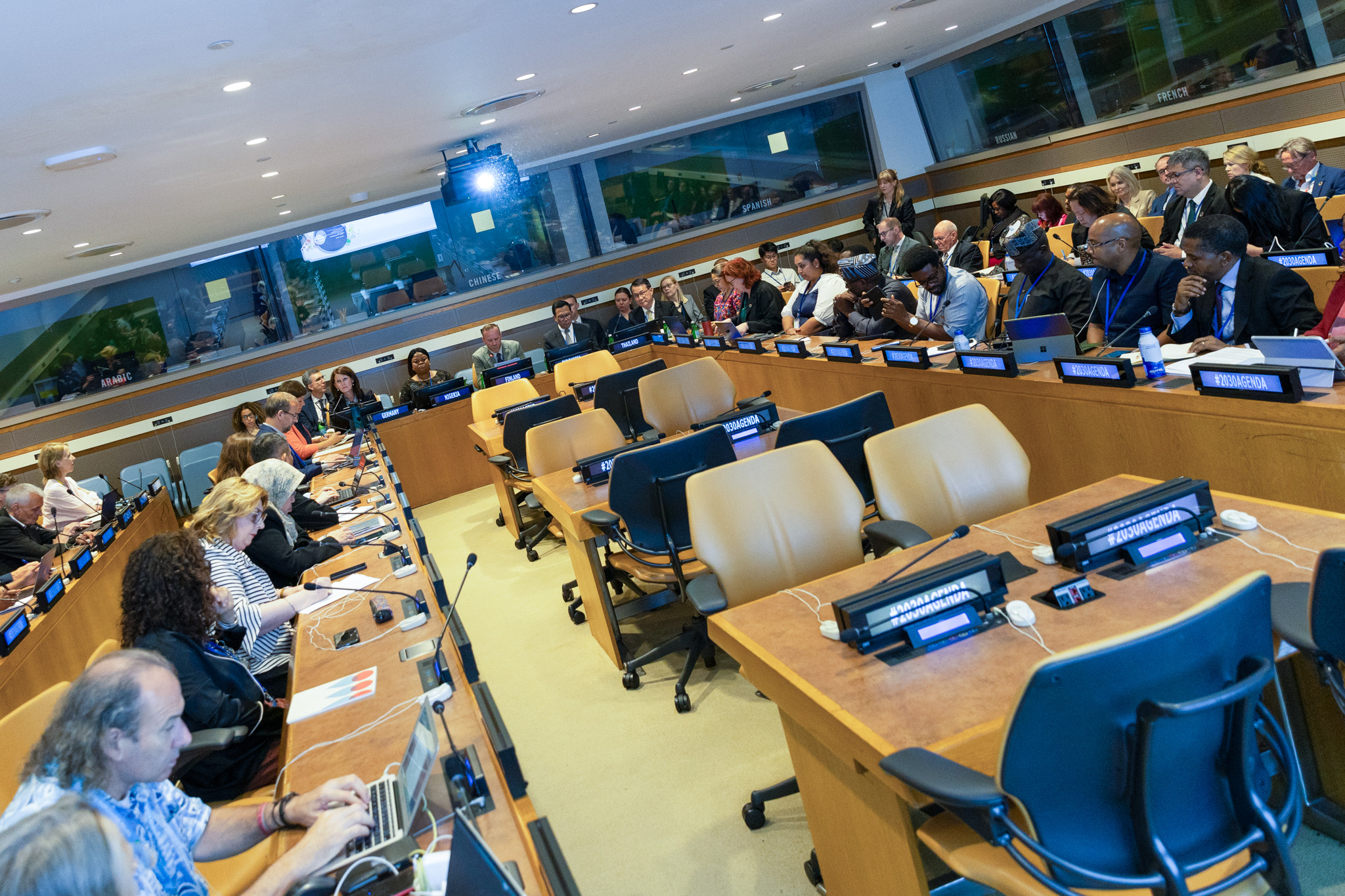
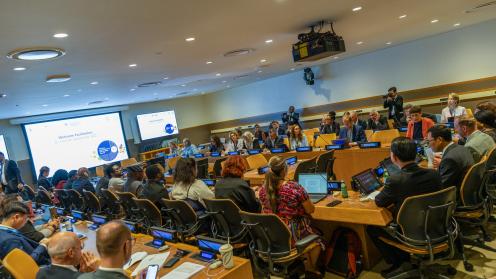
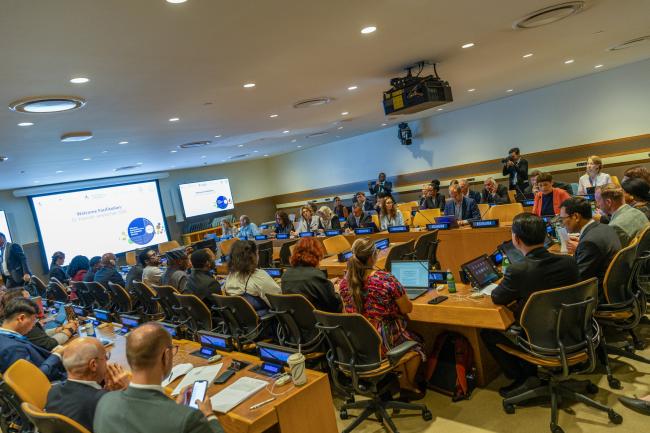
Voluntary National Reviews (VNRs), the reports states present to the UN on their efforts and progress towards achieving the Sustainable Development Goals (SDGs), are key elements of follow up and review under the 2030 Agenda. In the ten years since the Agenda’s adoption, 190 countries and the EU have presented more than 400 VNRs, with many preparing three or more reports. Aside from assessing progress, VNRs are also an excellent tool for countries to learn from each other and inspire cooperation and partnerships towards more ambitious implementation. To enhance the use of VNRs as a tool for mutual exchange and learning, the governments of Germany, Finland, Guatemala, Indonesia, Nigeria, South Africa, and Thailand jointly organized a peer-learning process. This HLPF side event, co-hosted by the governments participating in the initiative, provided an opportunity to reflect on key learnings and innovative practices.
Hannah Janetschek, Deutsche Gesellschaft für Internationale Zusammenarbeit (GIZ), welcomed participants, noting that, as tools for effective SDG implementation, VNRs are a great success story. She invited a panel of high-level representatives to share their experiences with VNR reporting and insights gained during the peer-learning process.
Mika Poutala, Finland’s Minister of Youth, Sport and Physical Activity, said peer-learning fostered cooperation with civil servants and stakeholder networks from other parts of the world. He explained that Finland’s sustainable development activities are led by a high-level commission that convenes stakeholders, coordinates activities and reporting from different government departments, and maintains dialogue with parliamentarians. He emphasized the inclusion of youth delegates at HLPF, youth leadership at the sustainable development commission, and youth participation in the VNR.
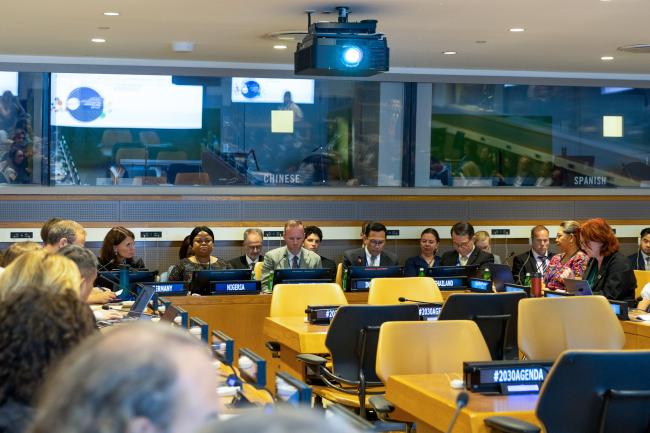
Princess Adejoke Orelope-Adefulire, Senior Special Advisor to the President on SDGs, Nigeria, said peer-learning facilitated the sharing of innovative ideas on conducting the VNR, such as methodologies and mechanisms for inclusion. She described how the VNR process served as a platform to convene stakeholders and coordinate local communities, noting this was key to ensuring that no one is left behind. She said the VNR process created new partnerships and renewed desire to advance the SDGs in Nigeria.
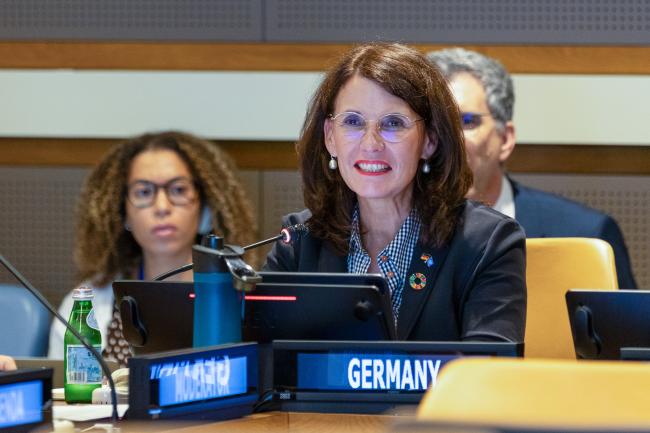
Rita Schwarzelühr-Sutter, Parliamentary State Secretary, Federal Ministry for the Environment, Climate Action, Nature Conservation and Nuclear Safety, Germany, said the peer-learning process aimed to inspire greater ambition in the context of insufficient SDG progress and increasing climate change impacts. She explained that VNRs can be a platform for reporting and discussion of difficult issues related to the political transitions needed to accelerate SDG implementation. Calling the peer-learning a common marketplace of ideas which can lead to breakthroughs, she invited other countries to join the partnership for accelerated implementation based on honest discussion.
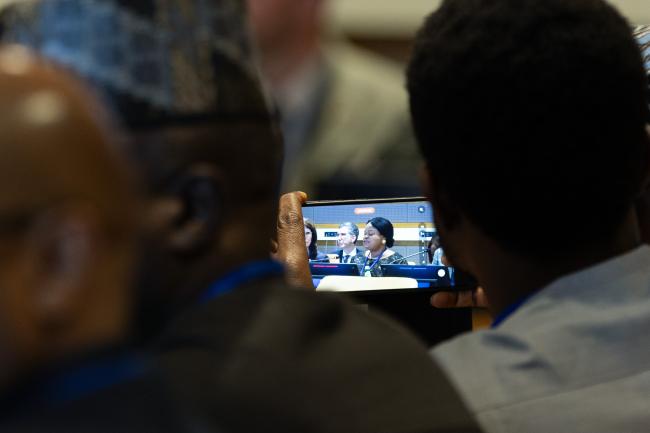
Pungkas Bahjuri Ali, Senior Advisor to the Minister for Social Affairs and Poverty Alleviation, Ministry of National Development Planning, Indonesia, said the peer-learning facilitated innovations in VNR preparation, such as: better data integration – including provincial data; the use of an SDG metadata registry; engagement of Indonesia’s supreme audit institution; and the institutionalization of SDG budgeting at multiple administrative levels. Noting additional bilateral peer-exchanges with the Philippines and Bulgaria, he suggested continued exchanges among participating countries after their VNR presentations.
Paisan Rupanichkij, Deputy Permanent Secretary for Foreign Affairs of the Kingdom of Thailand, said the peer-learning provided an opportunity to take stock of his country’s VNR process and learn how to leverage it to increase understanding and foster a whole-of-government approach. He reported that Thailand is using “unofficial” VNRs in the years between official reporting to maintain momentum and keep implementing agencies engaged.
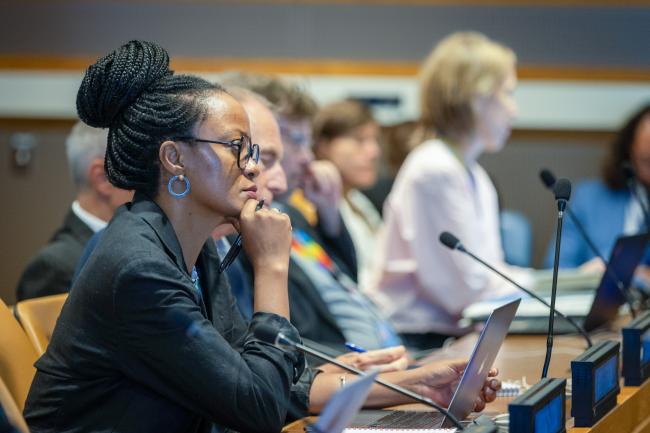
Bety Cutzal Sirin, Director of Public Management, Technical Director of the Voluntary National Reports, Guatemala, outlined innovative activities for participation, including: a cities café; a territorial conference; integration with territorial planning; and social auditing. Noting that each of Guatemala’s VNRs has been more inclusive than the last, she described a transformative partnership among the government, civil society and marginalized communities that aims to leave no one behind.
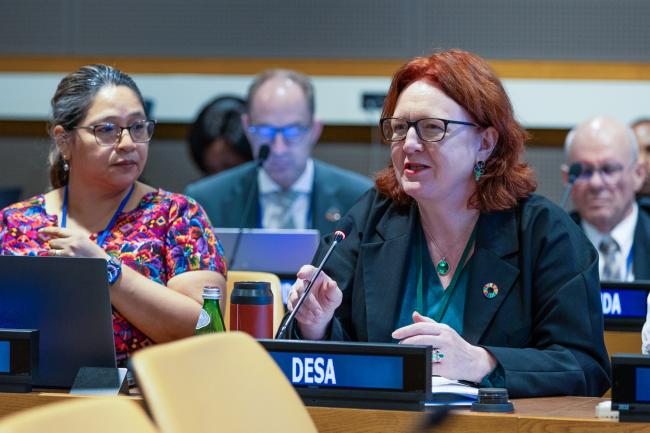
Reflecting on the presentations, Bjørg Sandkjær, Assistant Secretary-General, UNDESA, said VNRs have evolved into a platform that can drive mutual learning to adapt solutions while avoiding common pitfalls. Highlighting the value of time series data and experiences, she commended countries that have presented three or more VNRs, noting progress on inclusion towards whole-of-government and whole-of-society approaches for SDG implementation.
In the ensuing discussion, participants commented on experiences with VNRs in diverse countries, noting the challenges of maintaining momentum, ensuring adequate inclusion, and supporting stakeholders for continued engagement.
Responding to questions, Poutala noted that stakeholders will be more engaged if they are given authority to make decisions. On maintaining momentum after the HLPF, he said his government will organize stakeholder debriefings to discuss follow up actions.
Orelope-Adefulire, described how stakeholder engagement increased with the SDGs, compared to the Millennium Development Goals (MDGs), and described a youth scholarship program that is training students to assess and report needs of their communities.
On supporting stakeholders, Schwarzelühr-Sutter described an ongoing debate in Germany over public funding for NGOs, noting that participation in decision making benefits all. She also underlined the importance of strong networks to support multilateralism.
Ali highlighted how including NGO perspectives, alongside official data, can enrich VNR discussions, and improvement in the data does not always reflect an improvement in real life experience, which is determined by many factors.
Rupanichkij clarified that the unofficial VNR is conducted by the national committee on sustainable development and is seen as a useful too to improve people’s livelihoods.
Responding to a question on funding for engagement, Cutzal Sirin explained that the process was 90% government funded, with additional support from international development partners.
In her closing remarks, Sandkjær highlighted differences and commonalities between VNR approaches, encouraging countries to continue exchanging experiences. She proposed using SDG indicator data collected by UN Statistics to identify successful interventions and barriers to progress.
Janetschek said the discussion highlighted a belief in joint action and encouraged countries to continue sharing experiences and celebrating SDG milestones “as we strive for a better world.”
To receive free coverage of global environmental events delivered to your inbox, subscribe to the ENB Update newsletter.
All ENB photos are free to use with attribution. For HLPF 2025 please use: Photo by IISD/ENB - Kiara Worth
Select Images
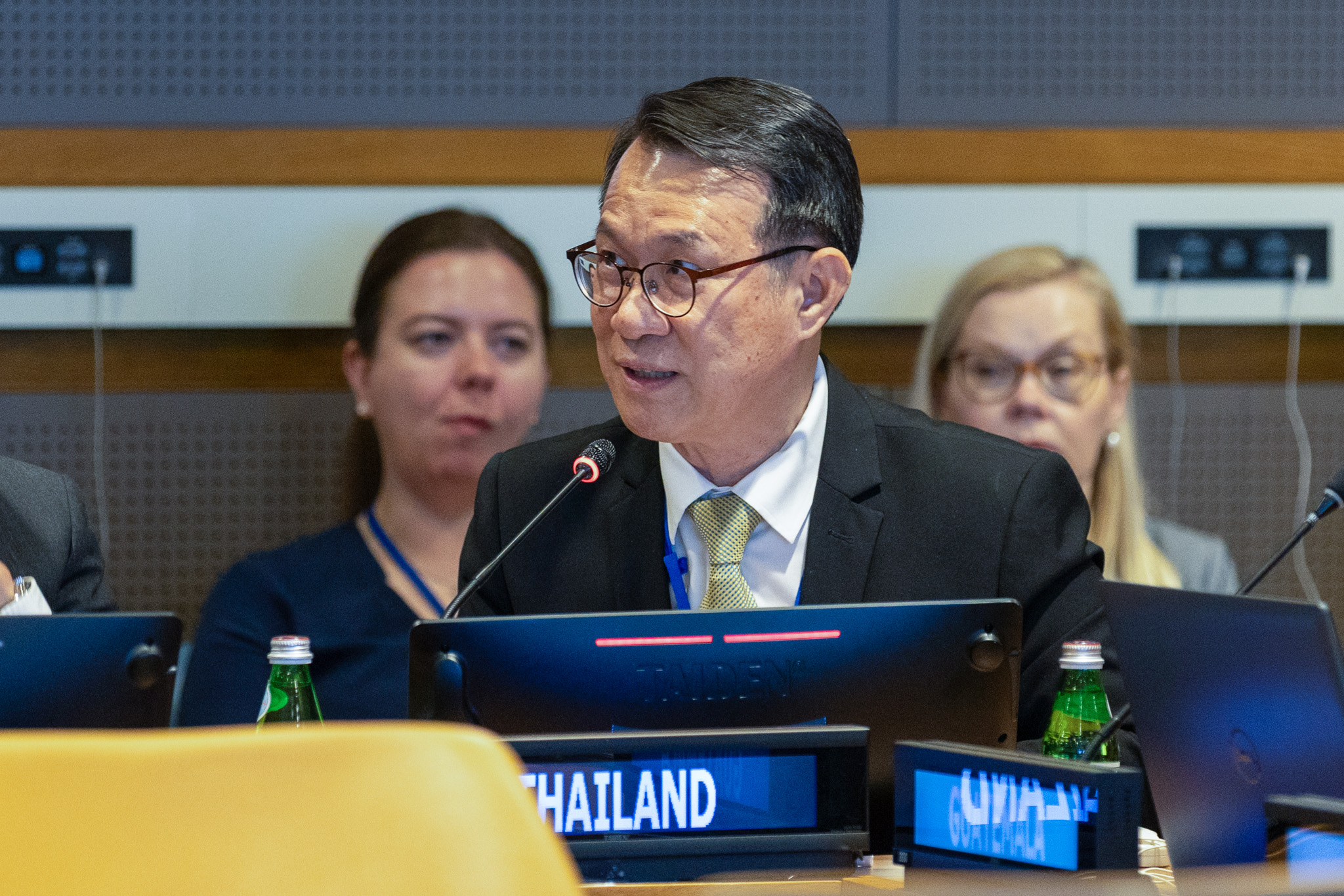
Paisan Rupanichkij, Deputy Permanent Secretary for Foreign Affairs of the Kingdom of Thailand
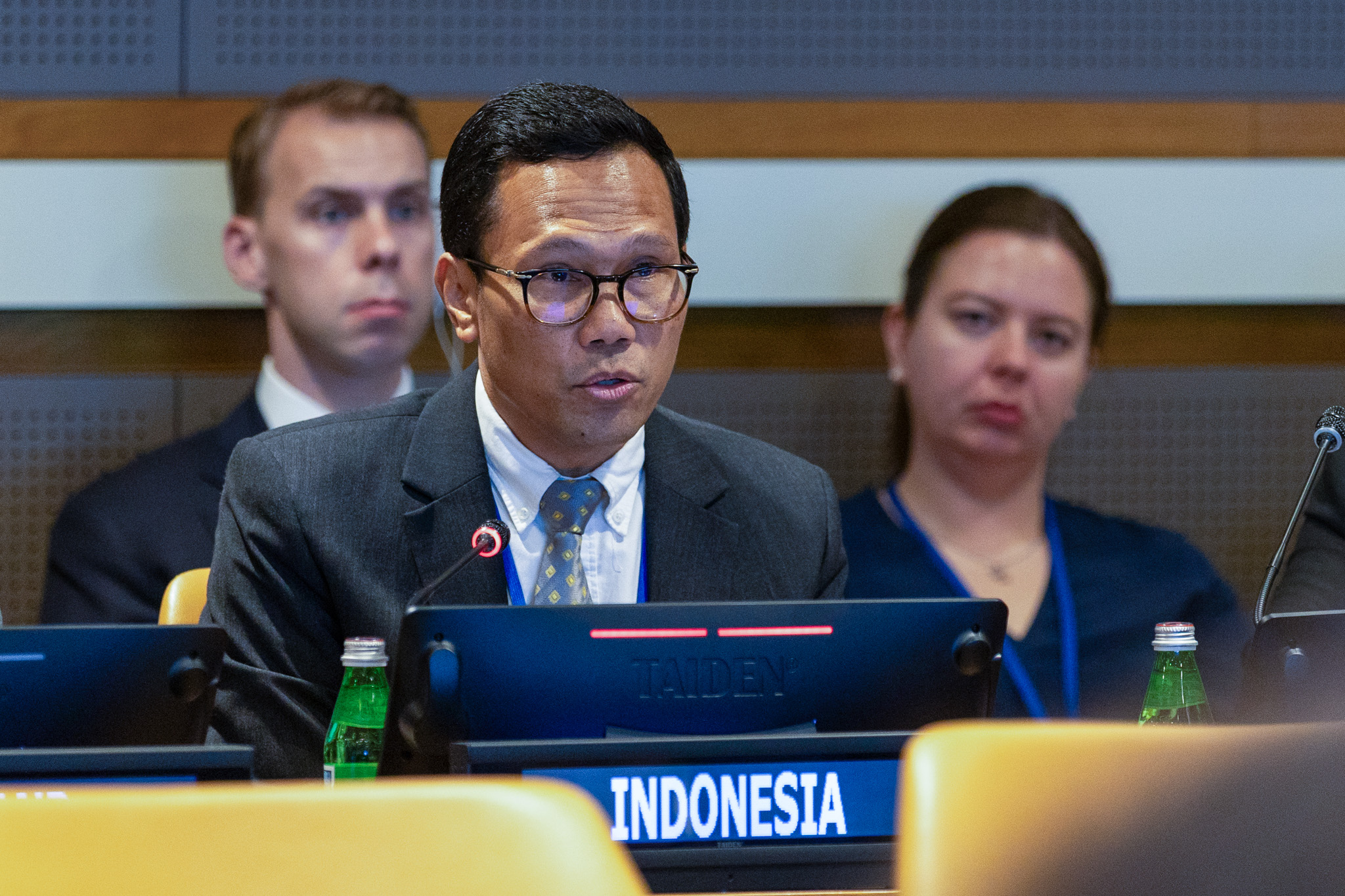
Pungkas Bahjuri Ali, Senior Advisor to the Minister for Social Affairs and Poverty Alleviation, Ministry of National Development Planning, Indonesia

Princess Adejoke Orelope-Adefulire, Senior Special Advisor to the President on SDGs, Nigeria
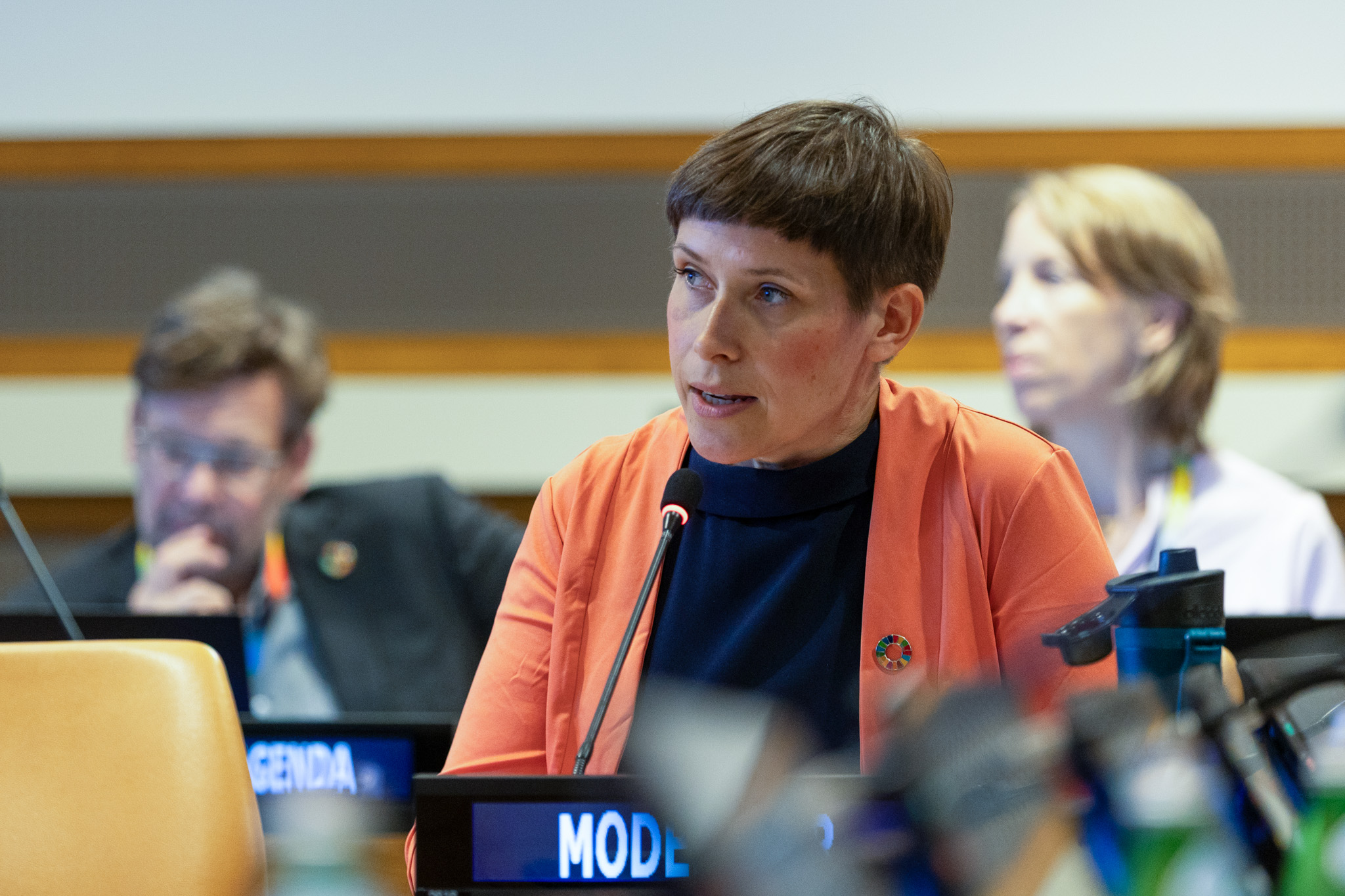
Hannah Janetschek, Deutsche Gesellschaft für Internationale Zusammenarbeit (GIZ)

Mika Poutala, Minister of Youth, Sport and Physical Activity, Finland