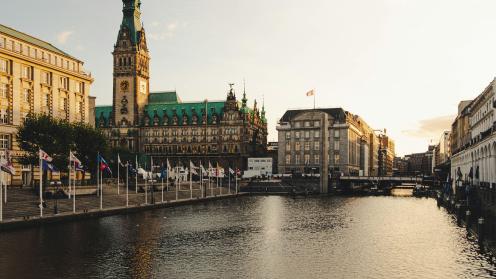
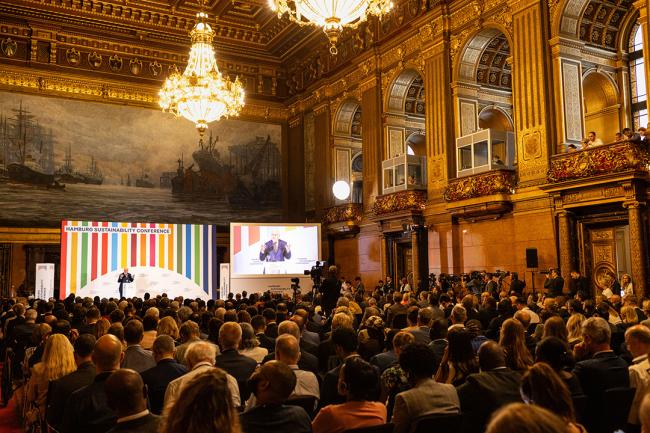
The third Hamburg Sustainability Conference (HSC) opened with a high-level session. Participants stressed the need to strengthen international cooperation in response to mounting geopolitical tensions, climate change, rising inequality, and growing pressure on the multilateral system. Throughout the opening ceremony and subsequent sessions, speakers argued that sustainable development, peace, and economic resilience are increasingly interconnected and require renewed international partnerships.
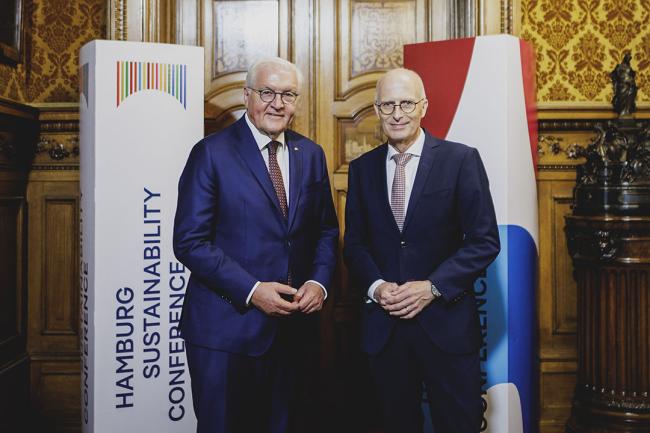
Welcoming participants from more than 100 countries, Hamburg’s First Mayor Peter Tschentscher highlighted the role of cities in advancing the Sustainable Development Goals (SDGs), noting that urban areas account for most global energy consumption and greenhouse gas emissions.
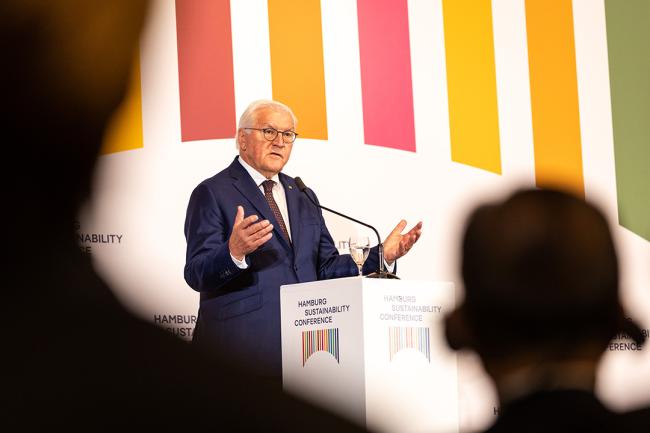
Frank-Walter Steinmeier, President of Germany, warned that a “new world disorder” is emerging as countries increasingly disregard the rules-based international order. Calling for stronger rather than weaker multilateral cooperation, he argued that only a reformed UN system would be capable of addressing challenges such as climate change, poverty and conflict.
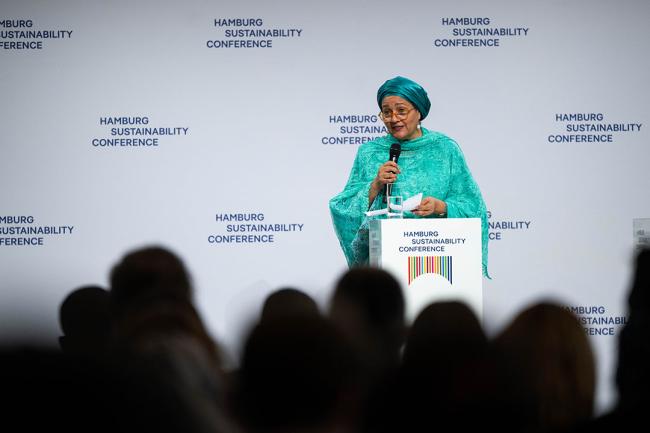
UN Deputy Secretary-General Amina Mohammed called for reform of global governance and the international financial architecture, emphasizing the need to mobilize investment for developing countries, address growing inequalities, and ensure that artificial intelligence (AI) supports inclusive development.
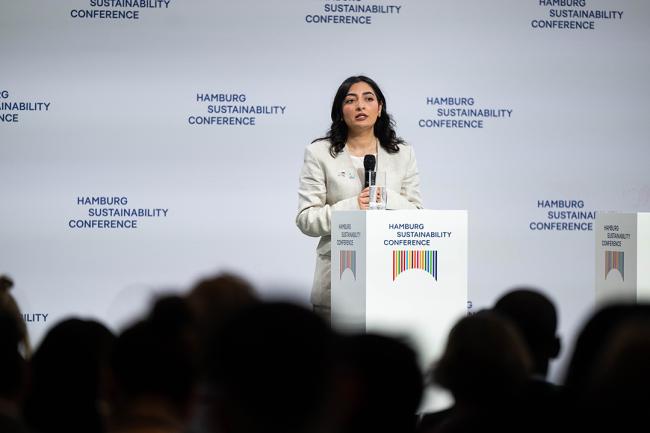
UNDP Administrator Alexander De Croo linked peace and development, arguing that debt burdens are preventing countries from investing in the green transition, while German Development Minister Reem Alabali Radovan described the HSC as a growing platform for building trust, launching investments and forging new alliances.
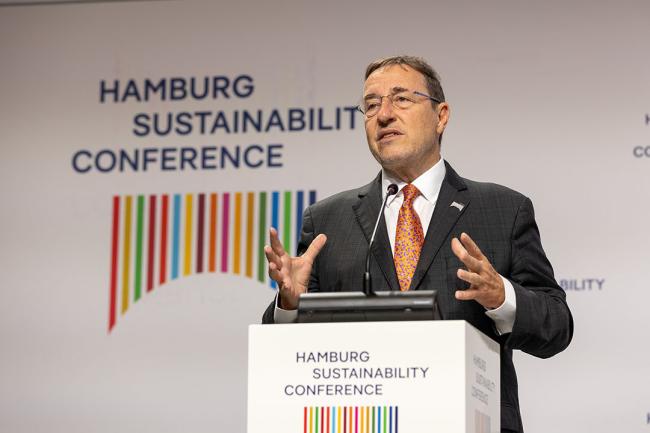
HSC Chair Achim Steiner emphasized that sustainability is not an abstract concept but the foundation of economies and societies. He pointed to rapidly growing investment in renewable energy and green mobility.
Discussions continued in around thirty sessions held in parallel throughout the day. Topics reflected the conference’s three overarching themes: resilient economies, risk and conflict, and multilateralism. A session on “Reimagining Global Cooperation” examined the implications of a changing geopolitical order. Speakers explored how international cooperation could evolve in an increasingly fragmented world, with several emphasizing that periods of disruption also create opportunities to rethink institutions and strengthen shared norms.
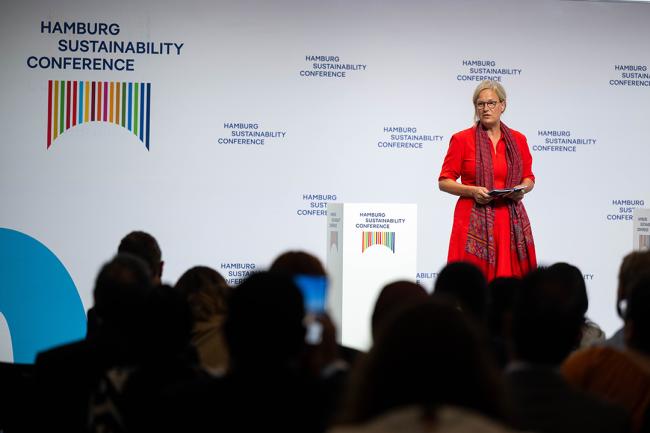
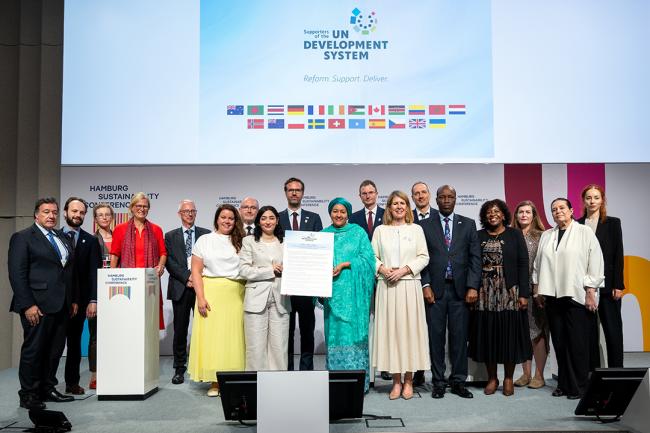
A session on UN reform focused on the UN80 Initiative, launched in 2025 to improve the UN system’s efficiency, effectiveness and coherence in response to mounting financial constraints and growing global challenges. Speakers stressed that, despite geopolitical tensions, the UN remains the only universal forum where all countries can address shared challenges. During the session, German Development Minister Reem Alabali Radovan presented UN Deputy Secretary-General Amina Mohammed with a joint ten-step proposal, drawn up by a coalition of countries backing the UN80 agenda, and invited additional governments to join the initiative. Youth representative Kepiaya Prabaharan underscored the importance of involving young people in shaping a more effective and inclusive UN.
Selected Images
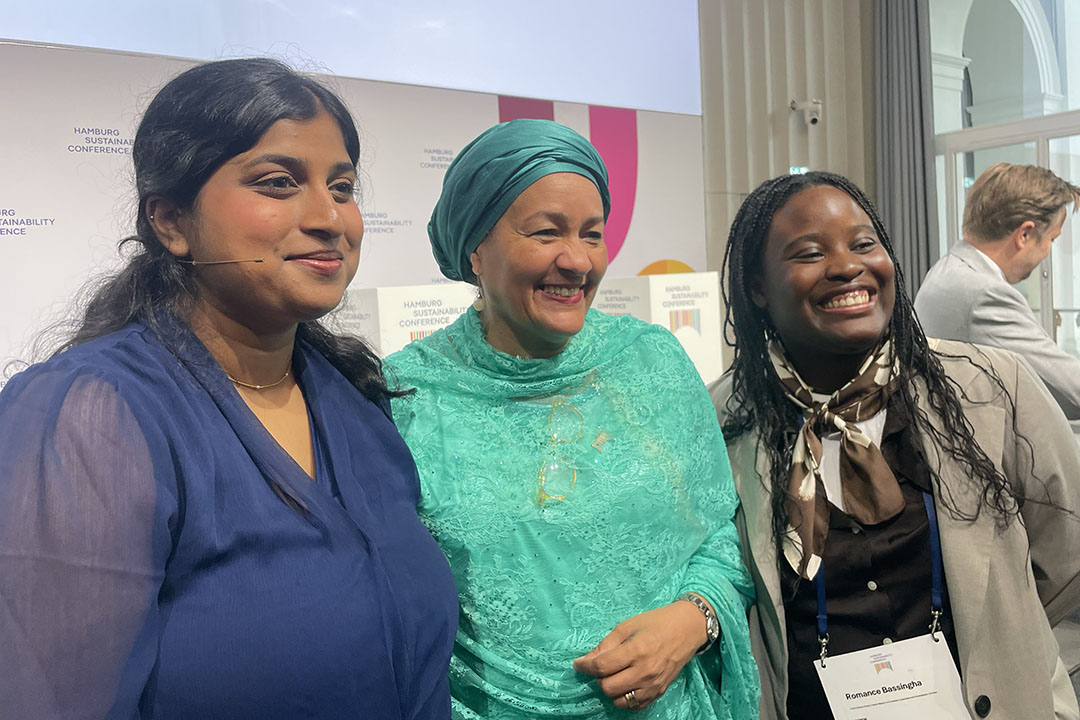
Amina J. Mohammed, UN Deputy Secretary-General, flanked by youth representatives Kepiaya Prabaharan and Romance Bassingha
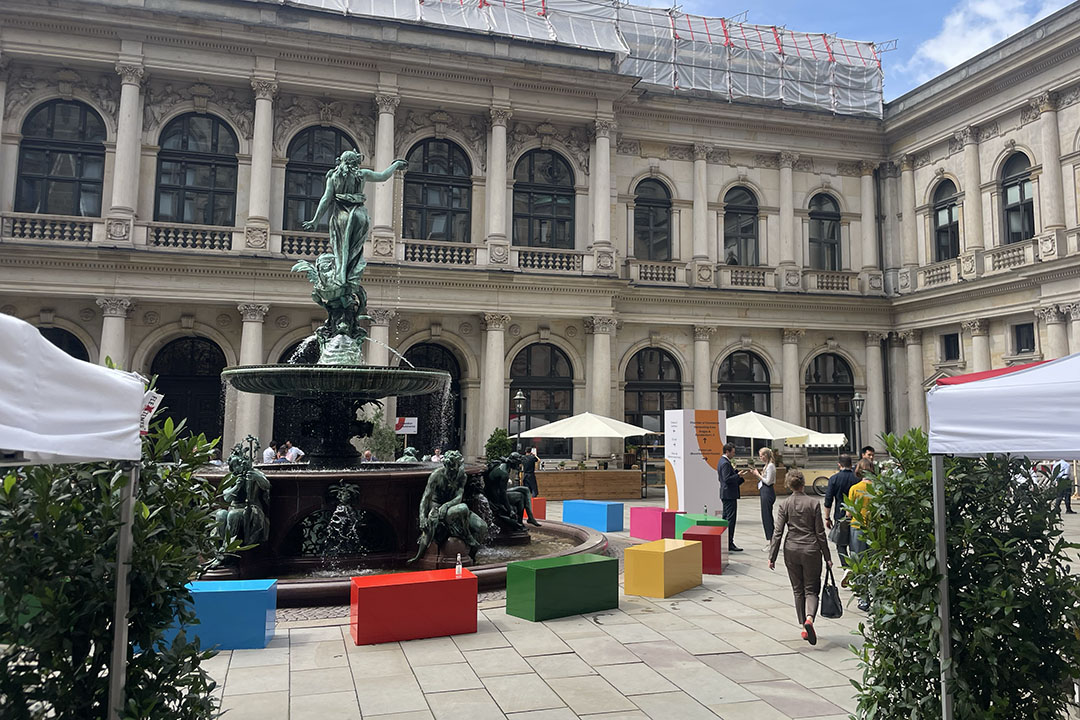
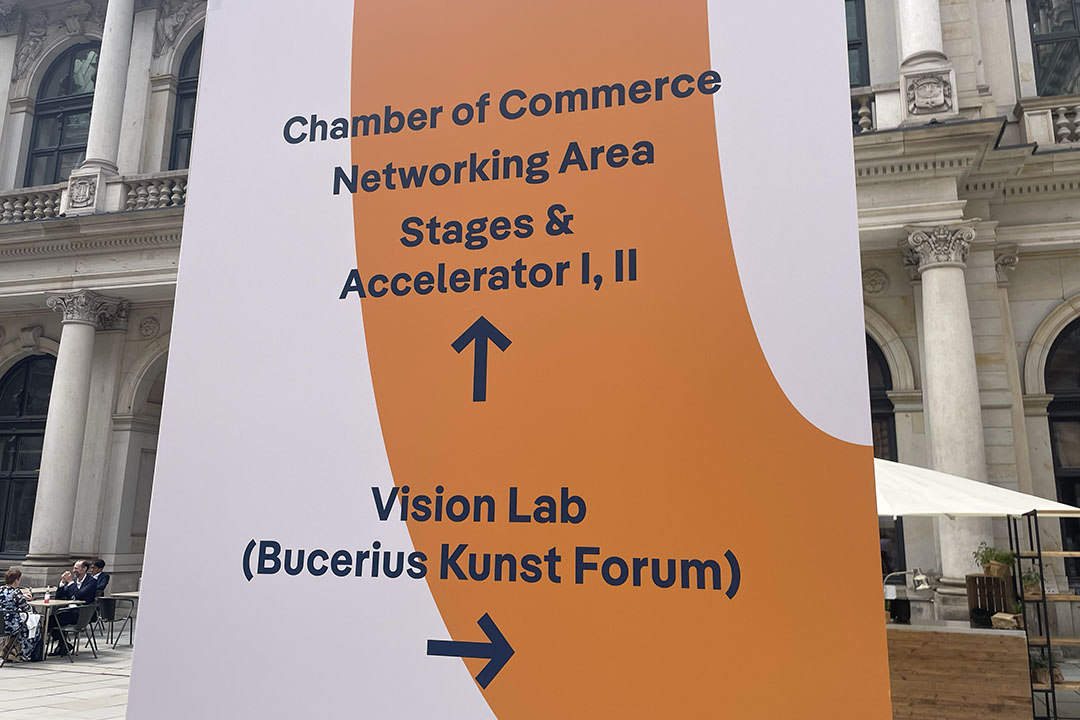
Courtyard between the City Hall and the Chamber of Commerce
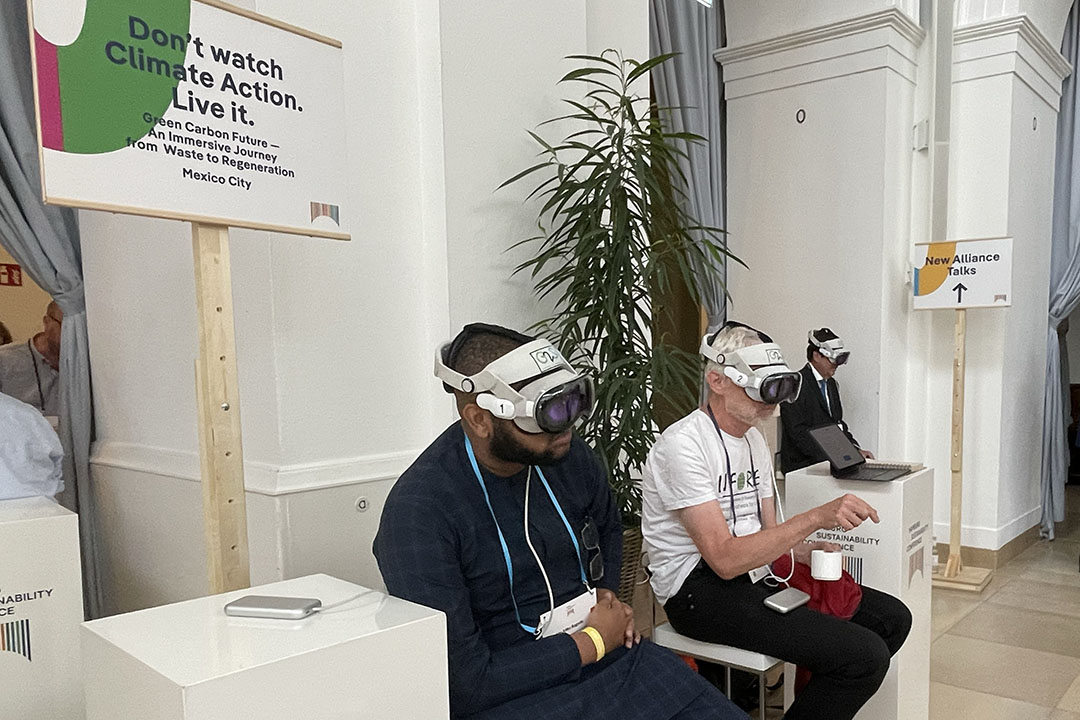
Participants trying out virtual reality equipment, experiencing “a Green Carbon Future – an immersive journey from waste to regeneration”
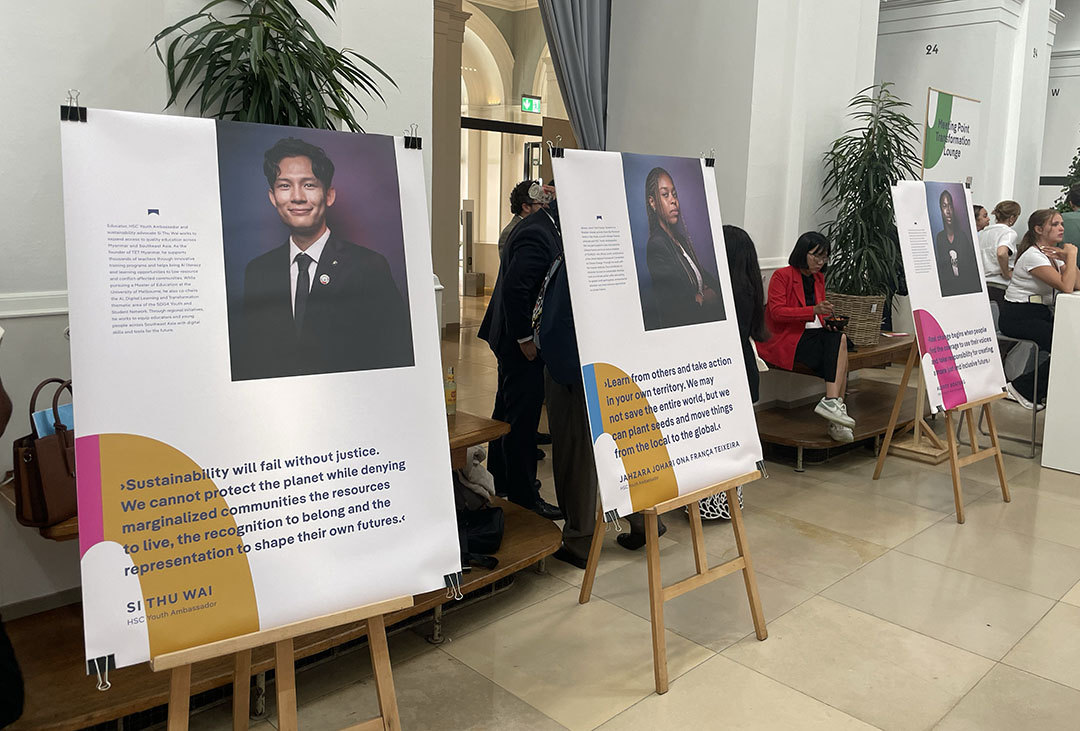
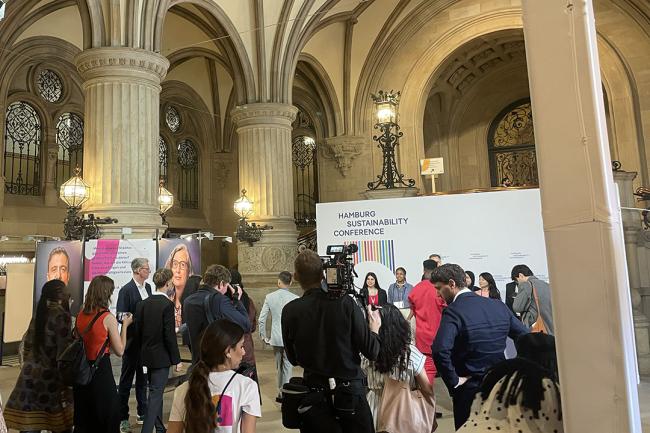
Exposition of portraits and inspiring stories in the lobby of the Chamber of Commerce
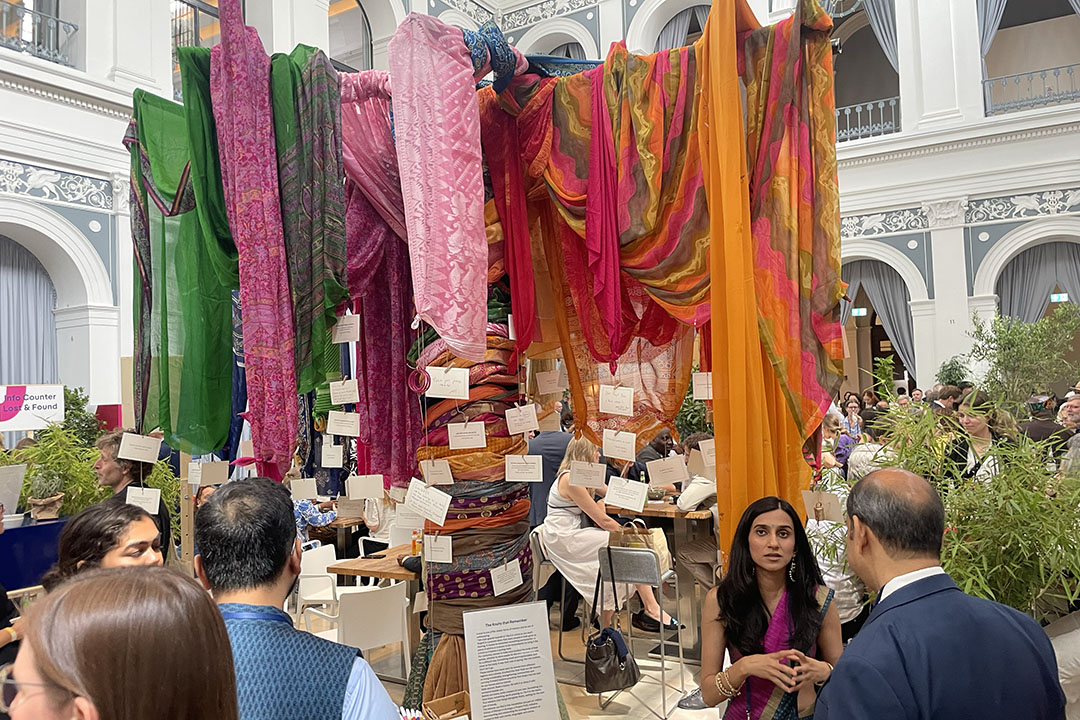
Art installation entitled “The Knots that Remember”, part of the initiative “1 Million Voices of Women in Ecology”