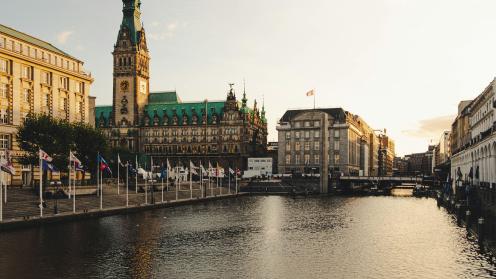
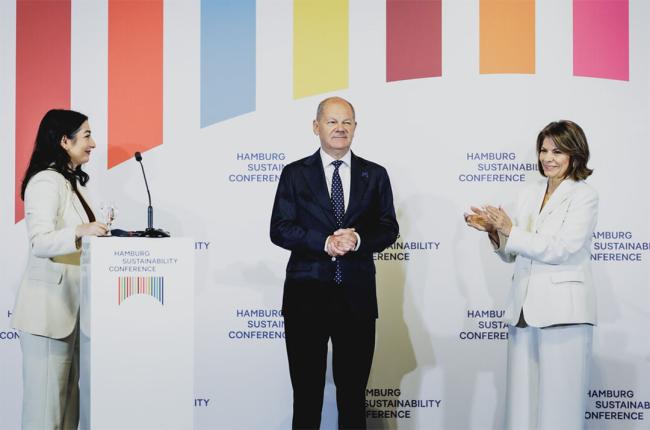
Tuesday’s plenary session featured the launch of the South-North Commission on Development, a new independent initiative intended to explore how international cooperation and multilateral institutions should evolve in an increasingly multipolar world. Opening the session, HSC Chair Achim Steiner highlighted the role of a new generation of youth ambassadors in shaping future cooperation.
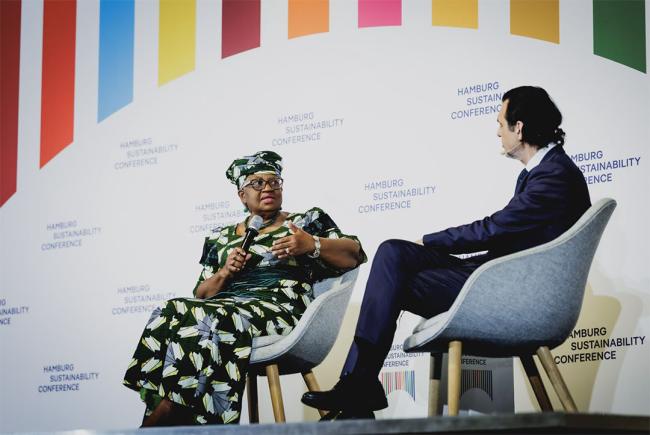
WTO Director-General Ngozi Okonjo-Iweala cautioned against abandoning multilateralism in response to growing geopolitical tensions. While acknowledging that the post-war global architecture requires reform to reflect twenty-first century realities, she stressed that the rules-based trading system continues to underpin most global trade. Rather than “lamentations,” she called for practical reforms to address declining trust, unequal benefits from globalization, and the opportunities and risks presented by technological change, including artificial intelligence.
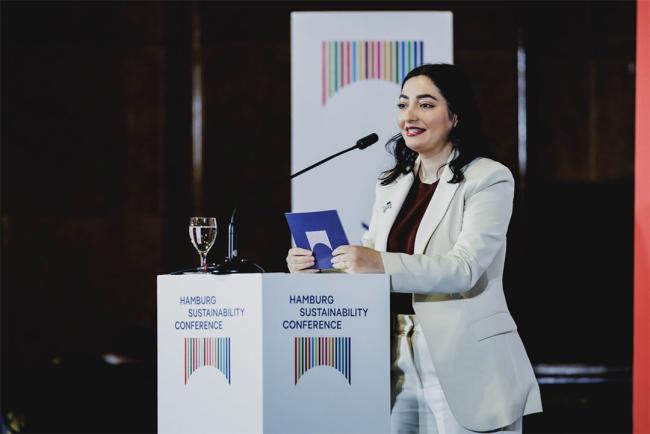
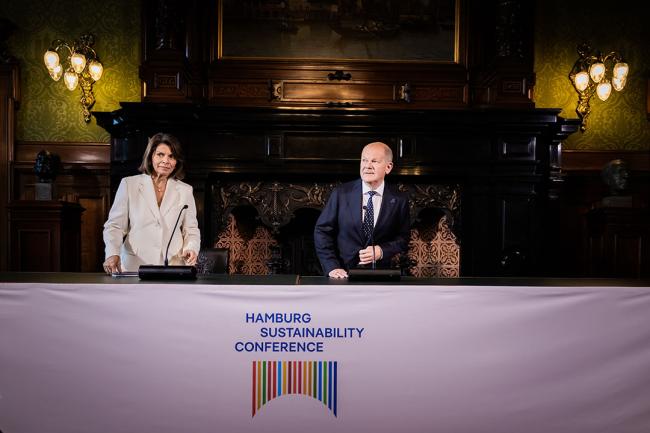
German Development Minister Reem Alabali Radovan formally launched the Commission, describing it as a successor to the landmark North-South Commission chaired by former German Chancellor Willy Brandt in the late 1970s. She said the new Commission would bring together leaders from governments, business, international organizations and civil society to develop a shared vision for international cooperation. Co-chaired by former Costa Rican President Laura Chinchilla and former German Chancellor Olaf Scholz, the Commission is expected to present an interim report in 2027 and a final report in 2028.
Both Co-chairs emphasized that today’s global challenges require partnerships among equals. Scholz argued that the changing global economy demands new approaches to shared prosperity, and recognition of the diversity of realities in the Global South, while Chinchilla stressed that restoring trust in multilateralism begins with recognizing the Global South as a source of opportunity and leadership, not merely a recipient of assistance.
Around twenty parallel sessions on Tuesday explored how international cooperation can help address global challenges related to, among other issues, artificial intelligence (AI), water security, and financing sustainable development. Many speakers emphasized the need to move from dialogue to implementation through stronger partnerships, innovative financing, and locally-driven solutions.
A session reviewing one year of progress under the Hamburg AI Declaration highlighted efforts to promote responsible and inclusive AI. Speakers from governments, the private sector and international organizations stressed that AI governance should be people-centered and responsive to local needs. Discussions focused on expanding AI skills, improving access to computing capacity, supporting open-source technologies and local languages, and developing financing mechanisms to help developing countries shape their own AI futures. Speakers also emphasized the importance of transparency, accountability and national ownership of data.
Water security featured prominently in a discussion on the water-growth nexus. Participants described water scarcity as an increasingly important economic and geopolitical issue that threatens industrial development. They called for greater investment in water infrastructure, stronger regulation, and technologies to improve water-use efficiency and reuse, while highlighting the need to better integrate water risks into investment and development planning.
In a session on global public goods, speakers argued that climate stability, water security and other shared resources require renewed multilateral cooperation. Participants called for greater investment in development, stronger partnerships between public and private actors, and financing approaches that focus on measurable development outcomes while mobilizing additional private capital.
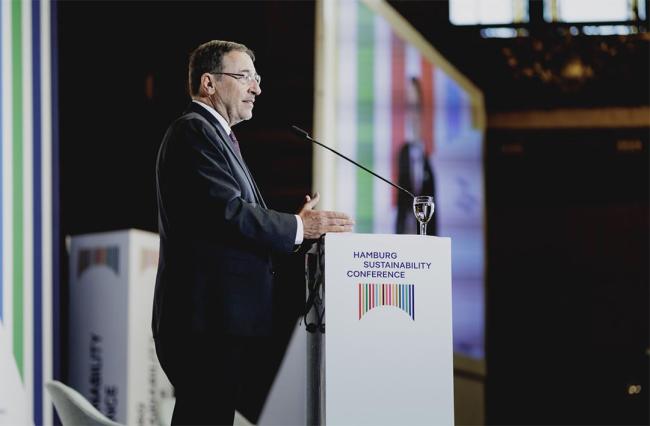
During the closing session, several speakers reflected on translating dialogue into action. Youth representatives highlighted the importance of inclusive leadership, while other speakers emphasized that sustainability must be embedded across sectors. Spoken word artist Alhanislam delivered a powerful and emotional performance, which was met with a standing ovation. HSC Chair Achim Steiner challenged participants to transform new partnerships into concrete initiatives before the next conference.
Kuanysh Uzbekov, Youth Parliament of Kazakhstan, formally closed HSC 2026 shortly after 6pm.
Selected Images
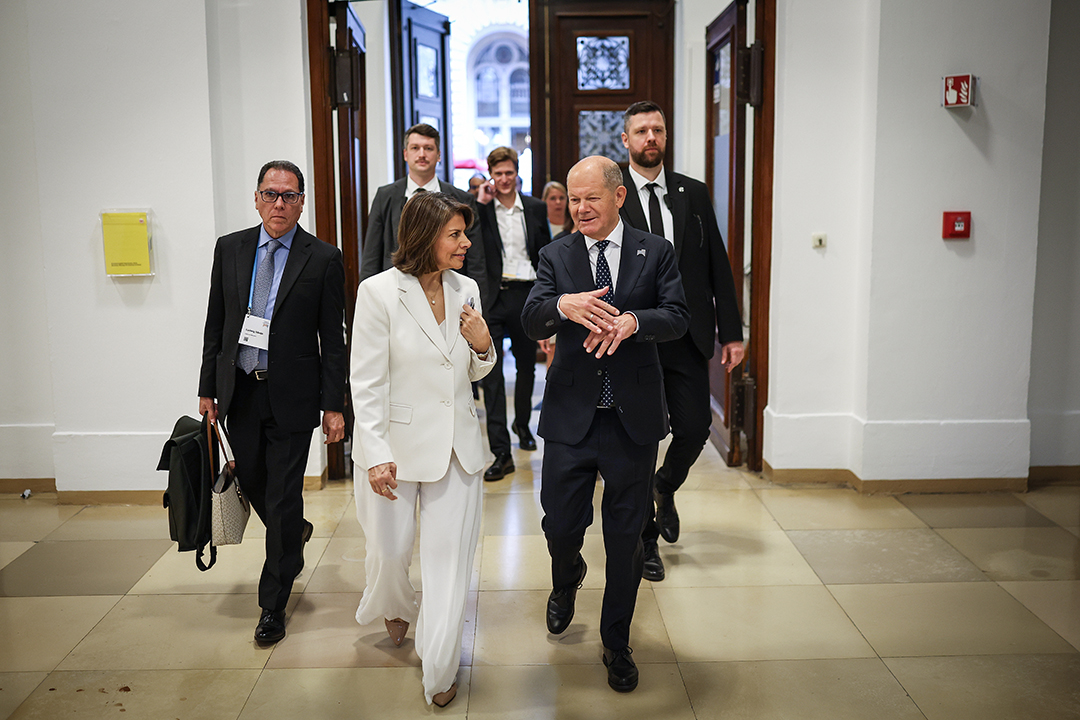
Photo Credit: Hamburg Sustainability Conference
Photo Credit: Hamburg Sustainability Conference
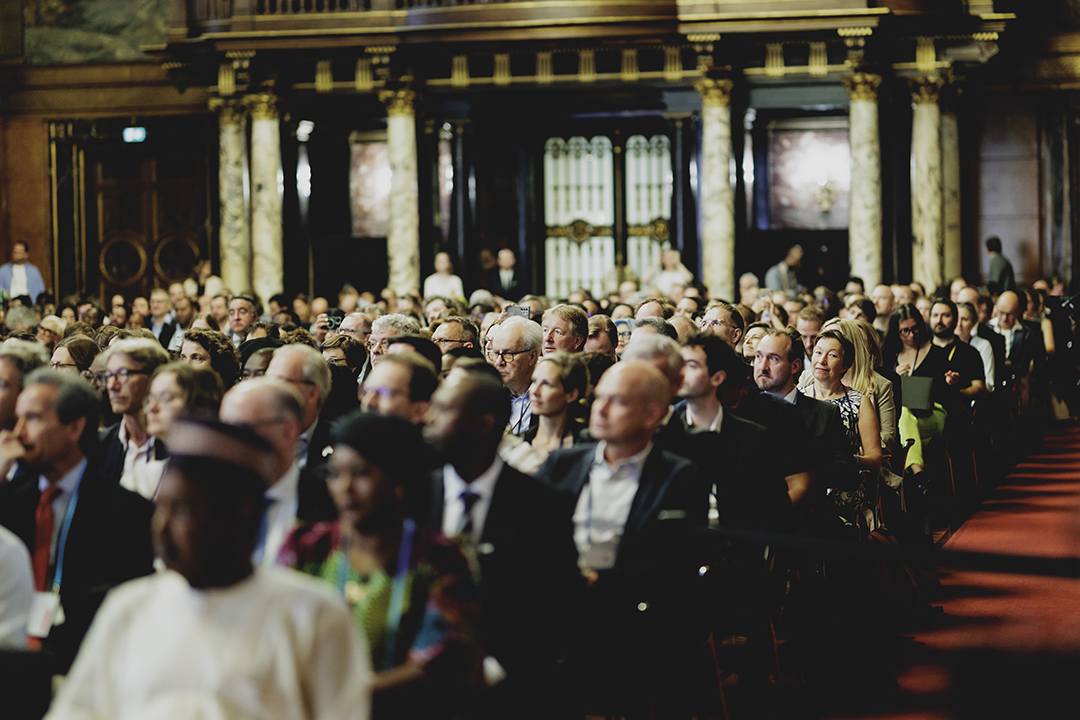
Photo Credit: Hamburg Sustainability Conference
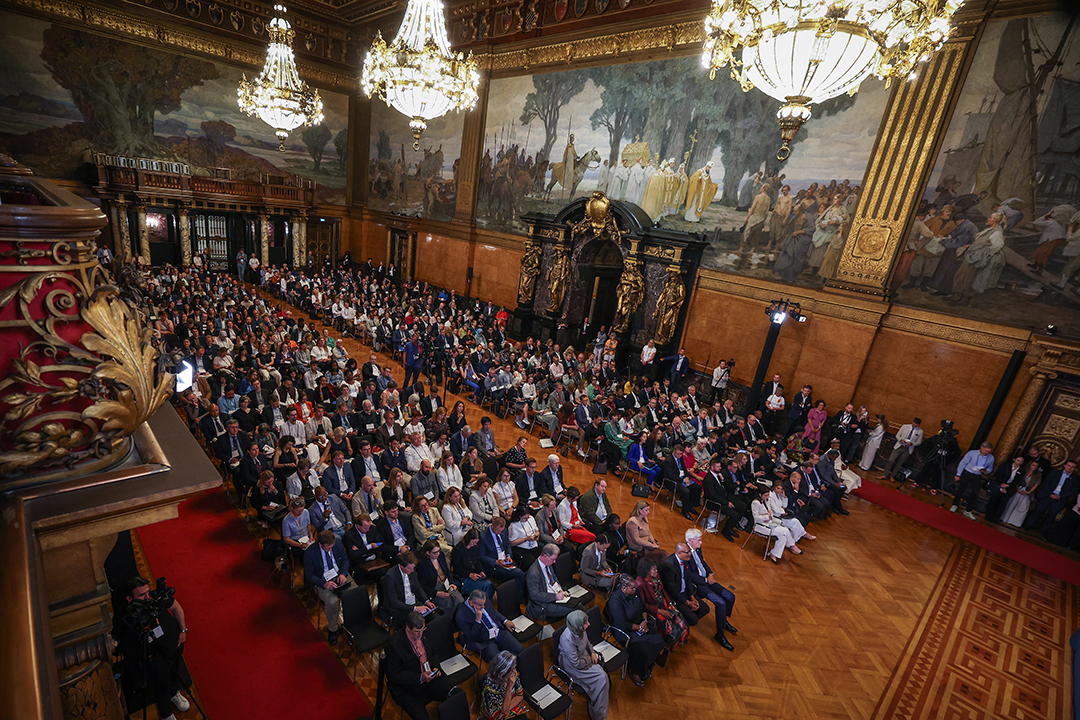
Photo Credit: Hamburg Sustainability Conference
Session: Partnerships for Inclusive AI – One Year of Impact from the Hamburg AI Declaration
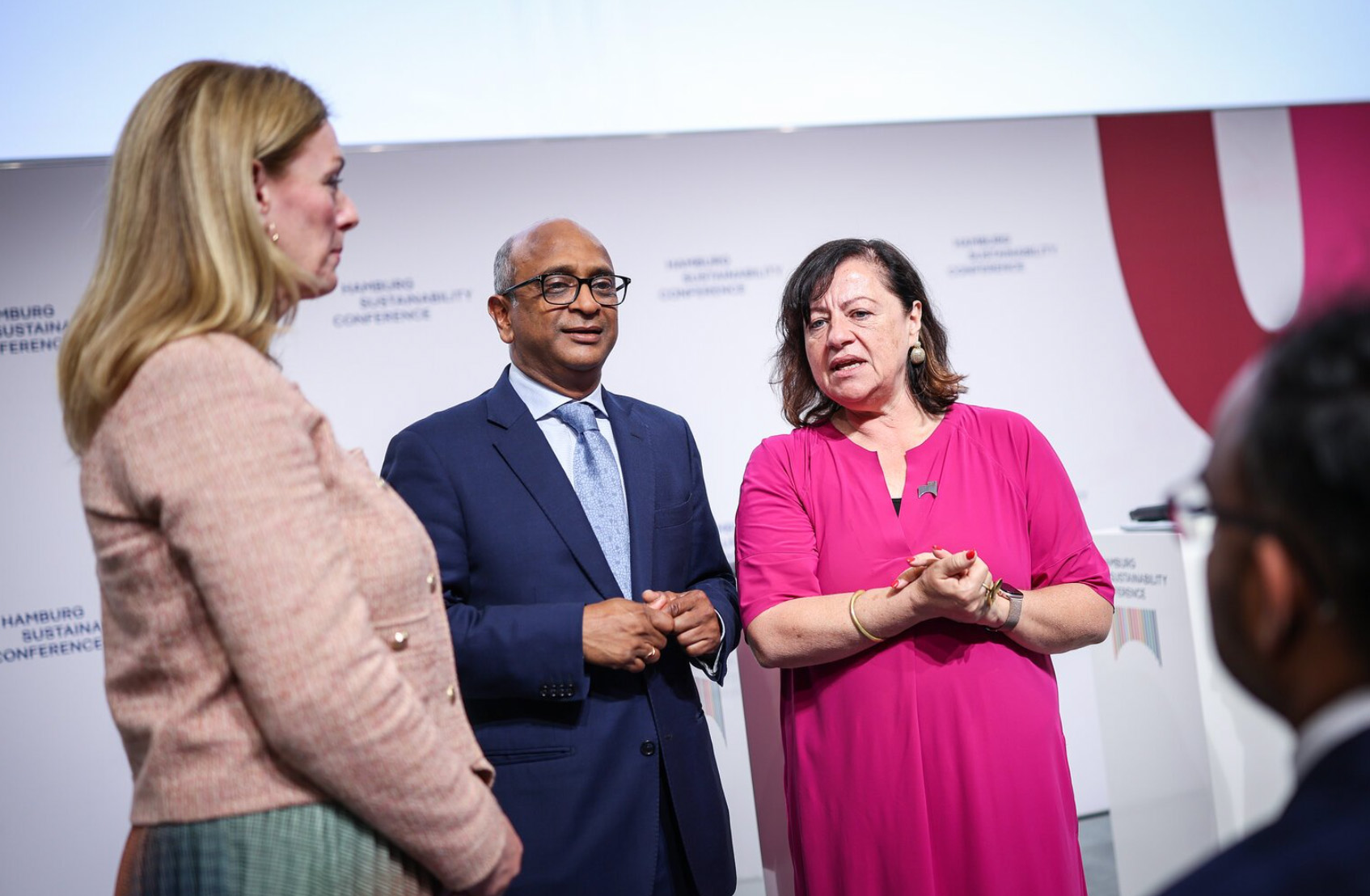
Ivana Živković, UNDP, Hemakiran Gupta, Tata Consultancy Services, and Bärbel Kofler, Parliamentary State Secretary, German Federal Ministry for Economic Cooperation and Development
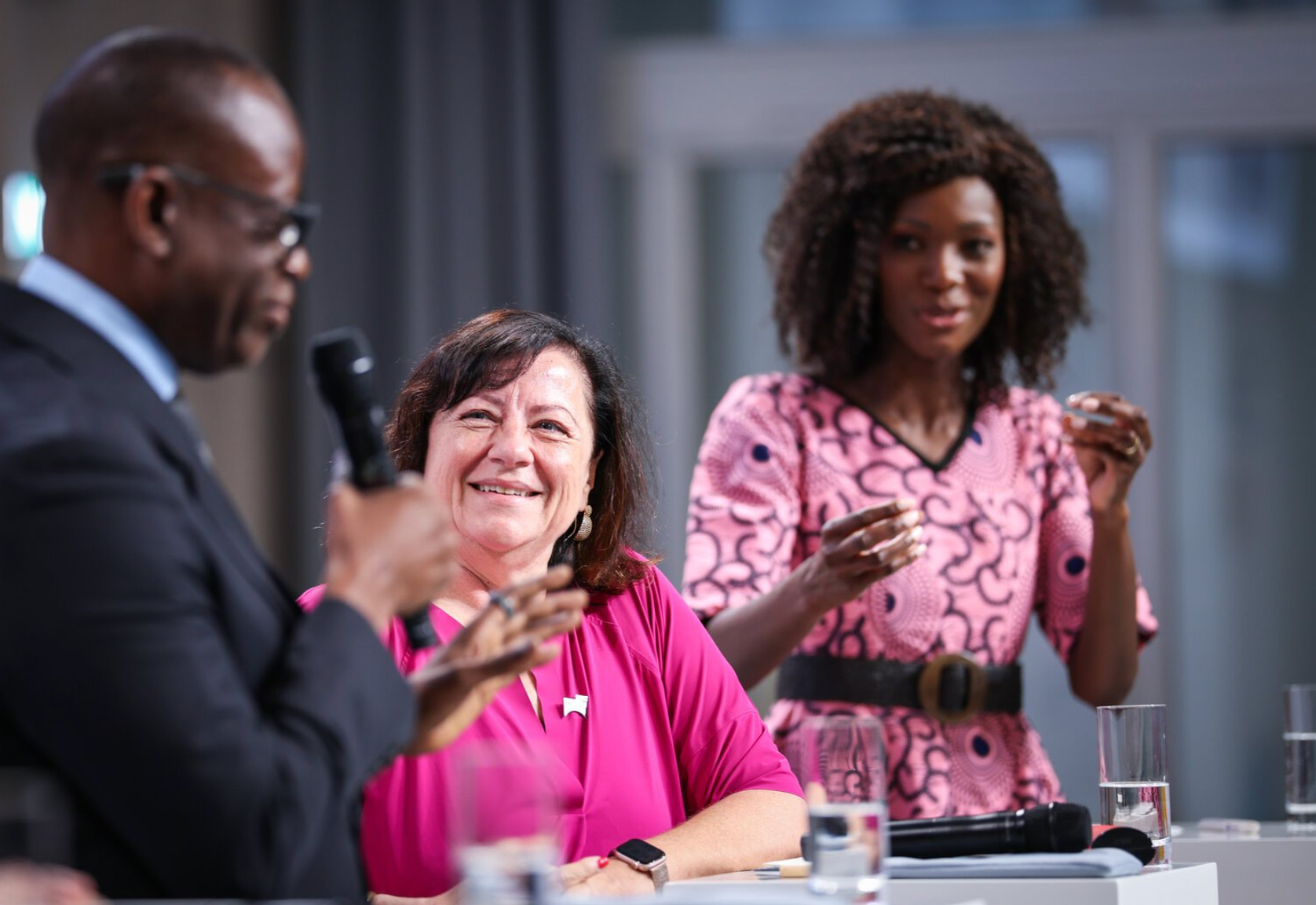
Moderator Liz Shoo, Deutsche Welle (right) - Photo Credit: Hamburg Sustainability Conference
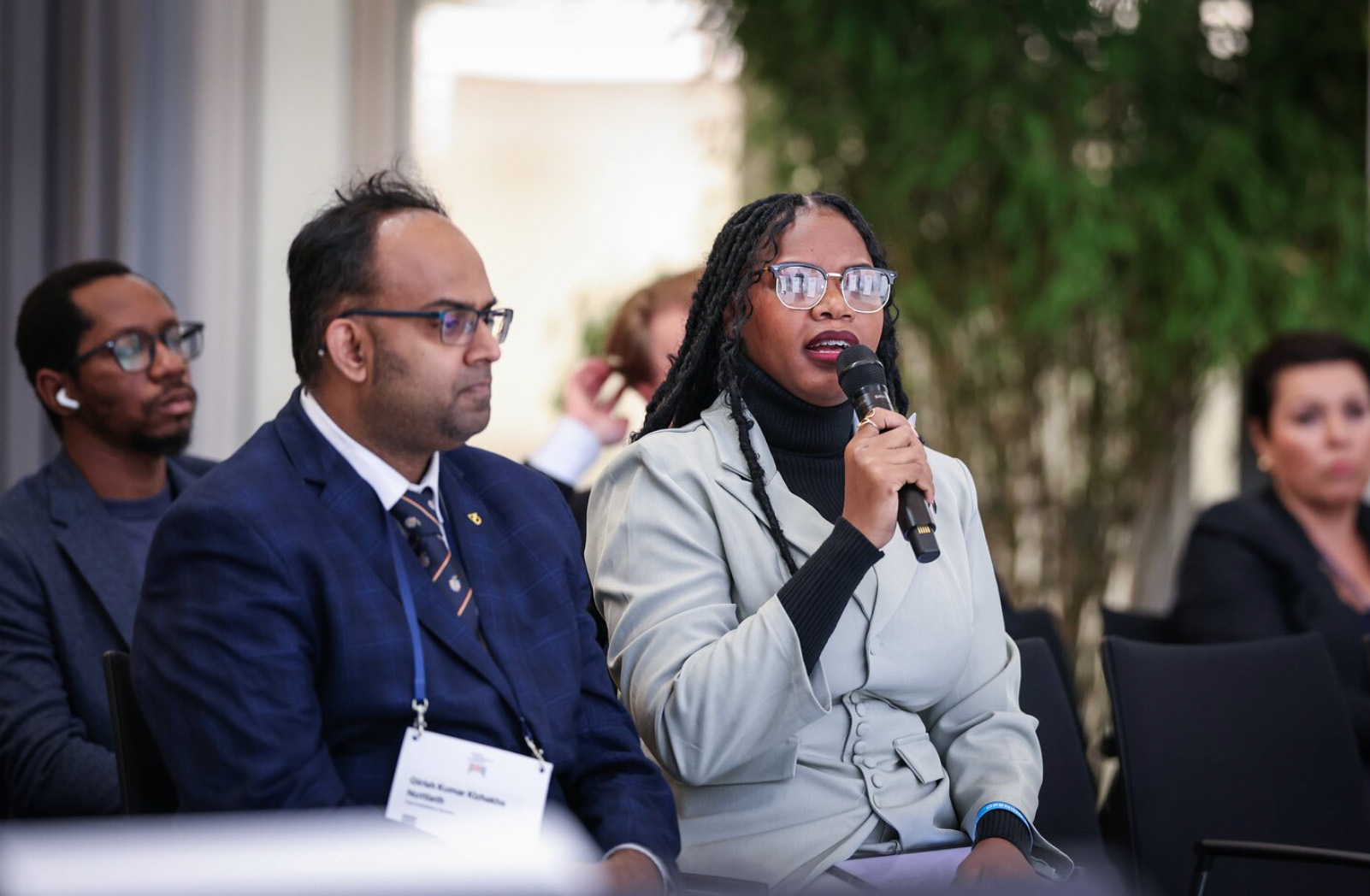
Jacquiline Msambila, Africa Digital Transformation Network (ADTN) - Photo Credit: Hamburg Sustainability Conference
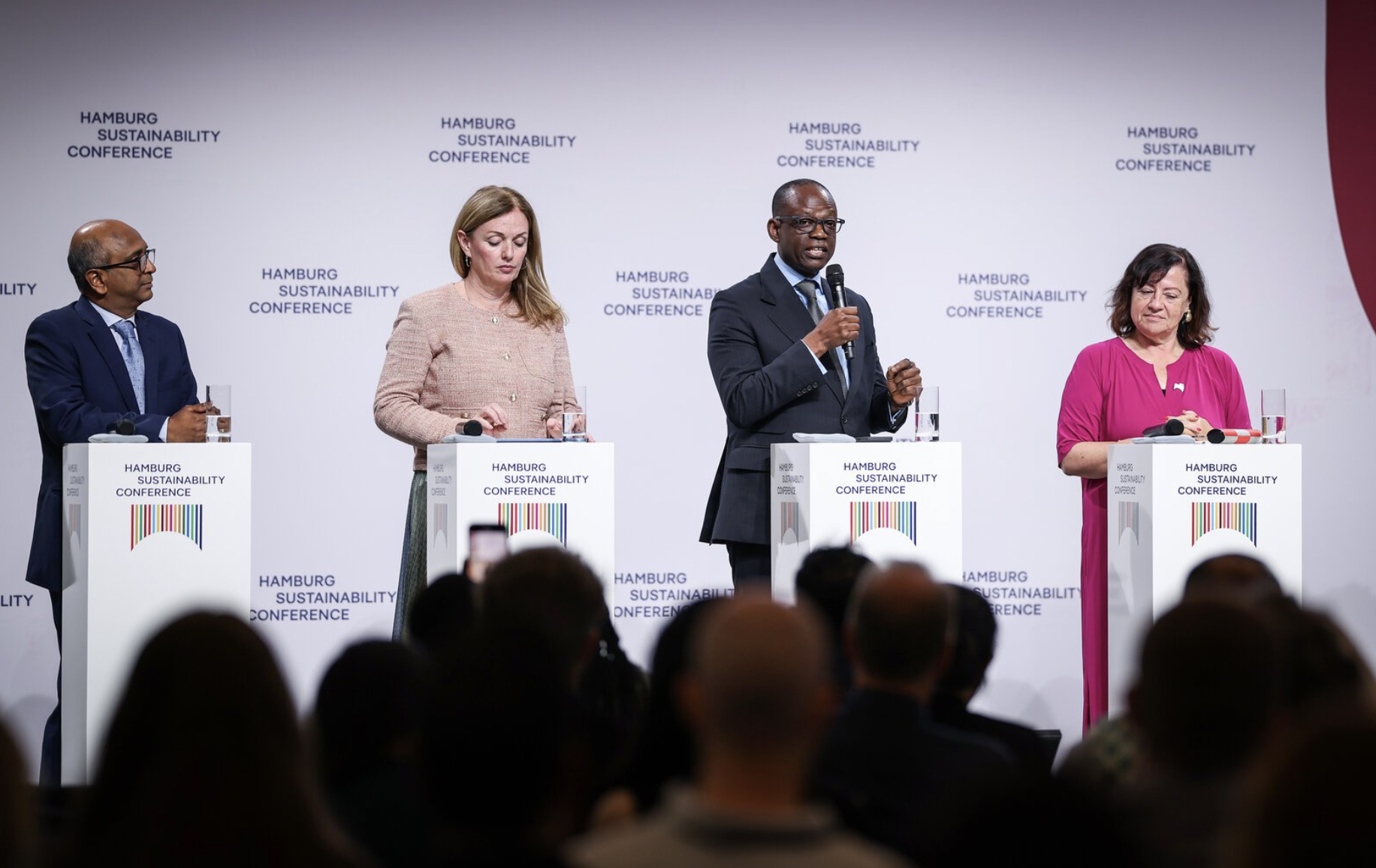
Lacina Koné, Smart Africa - Photo Credit: Hamburg Sustainability Conference
Session: Water–Growth Nexus: Sustaining Industrial Development in a Thirsty World
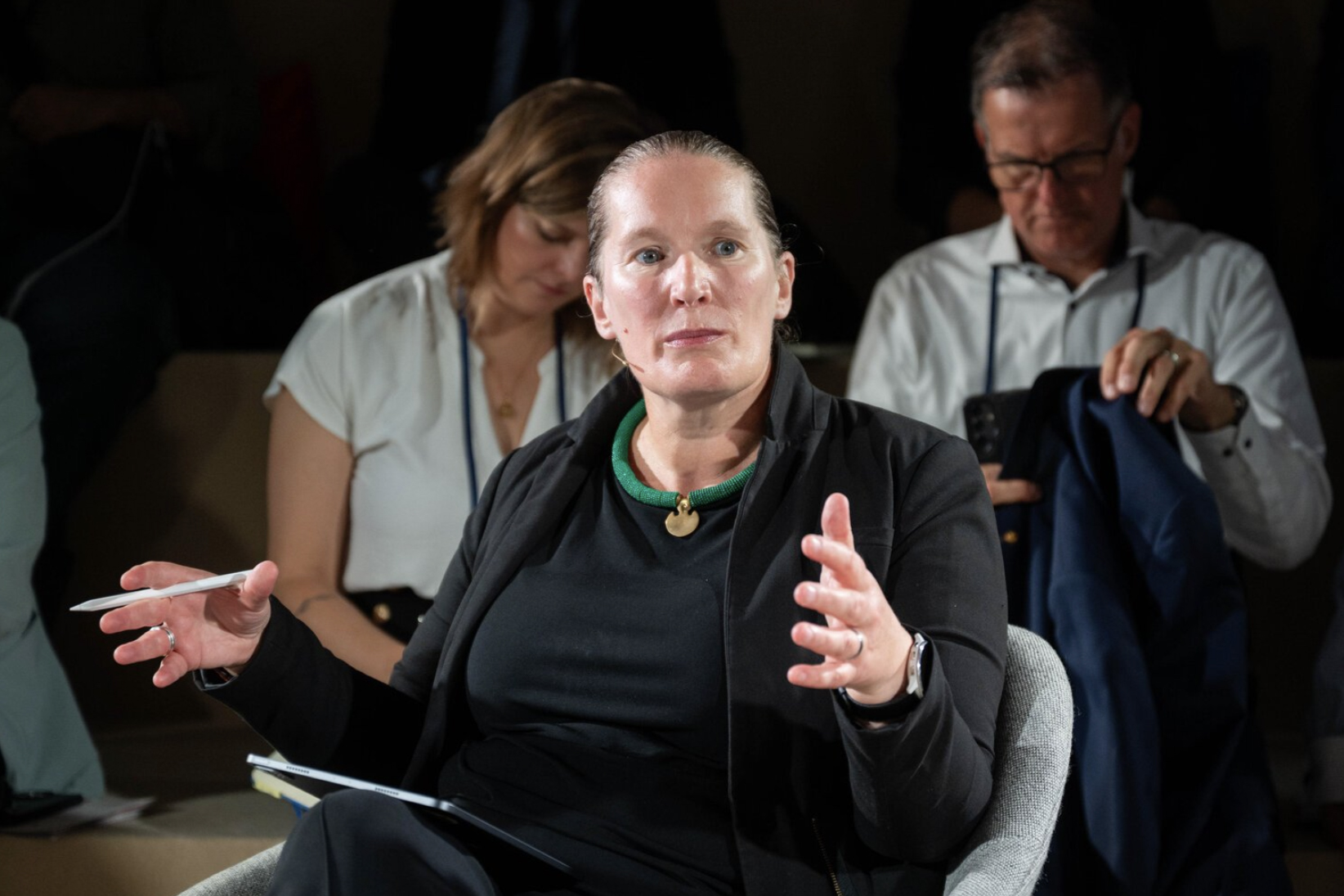
Valerie Hickey, World Bank Group - Photo Credit: Hamburg Sustainability Conference
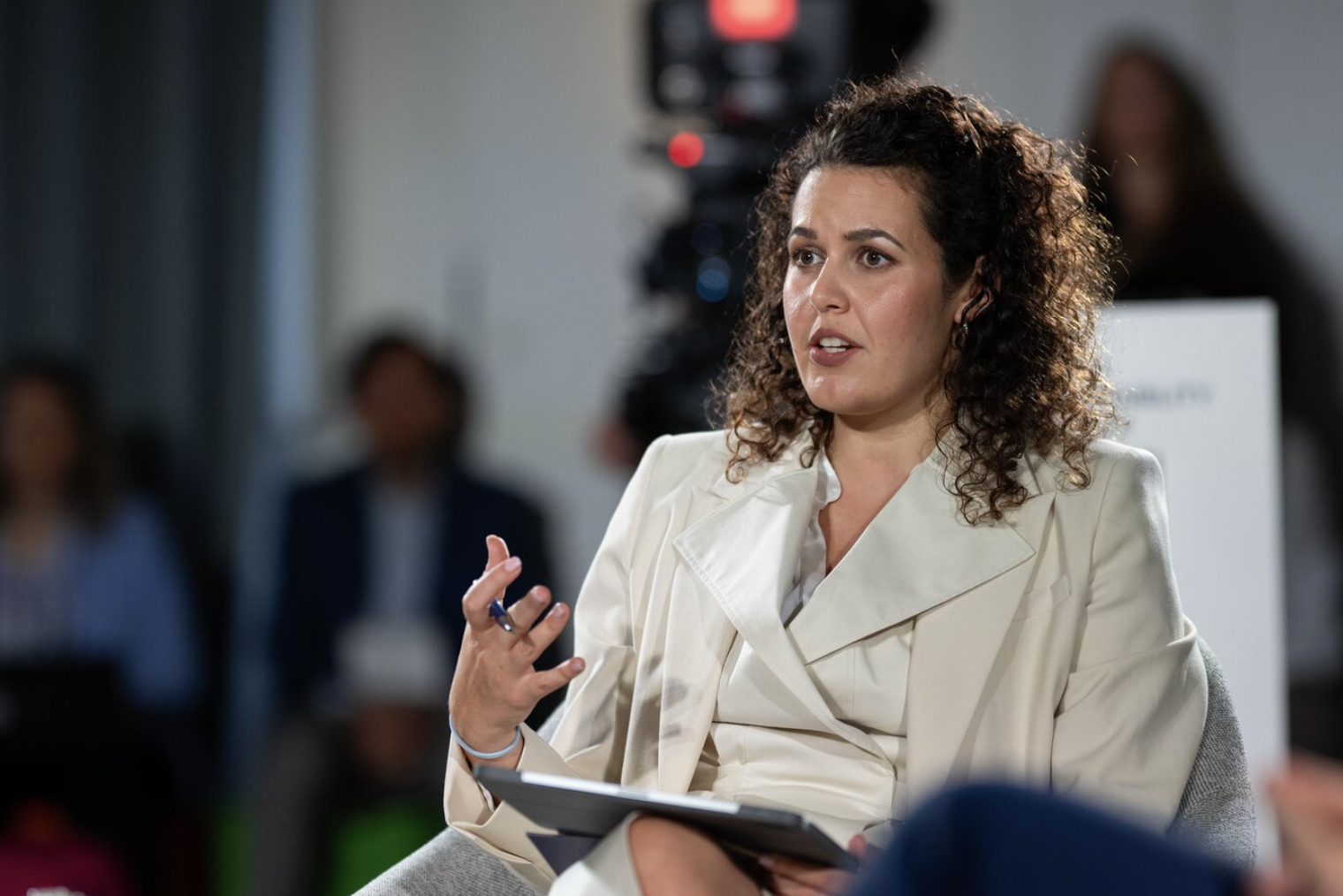
Katie Gallus, Moderator - Photo Credit: Hamburg Sustainability Conference
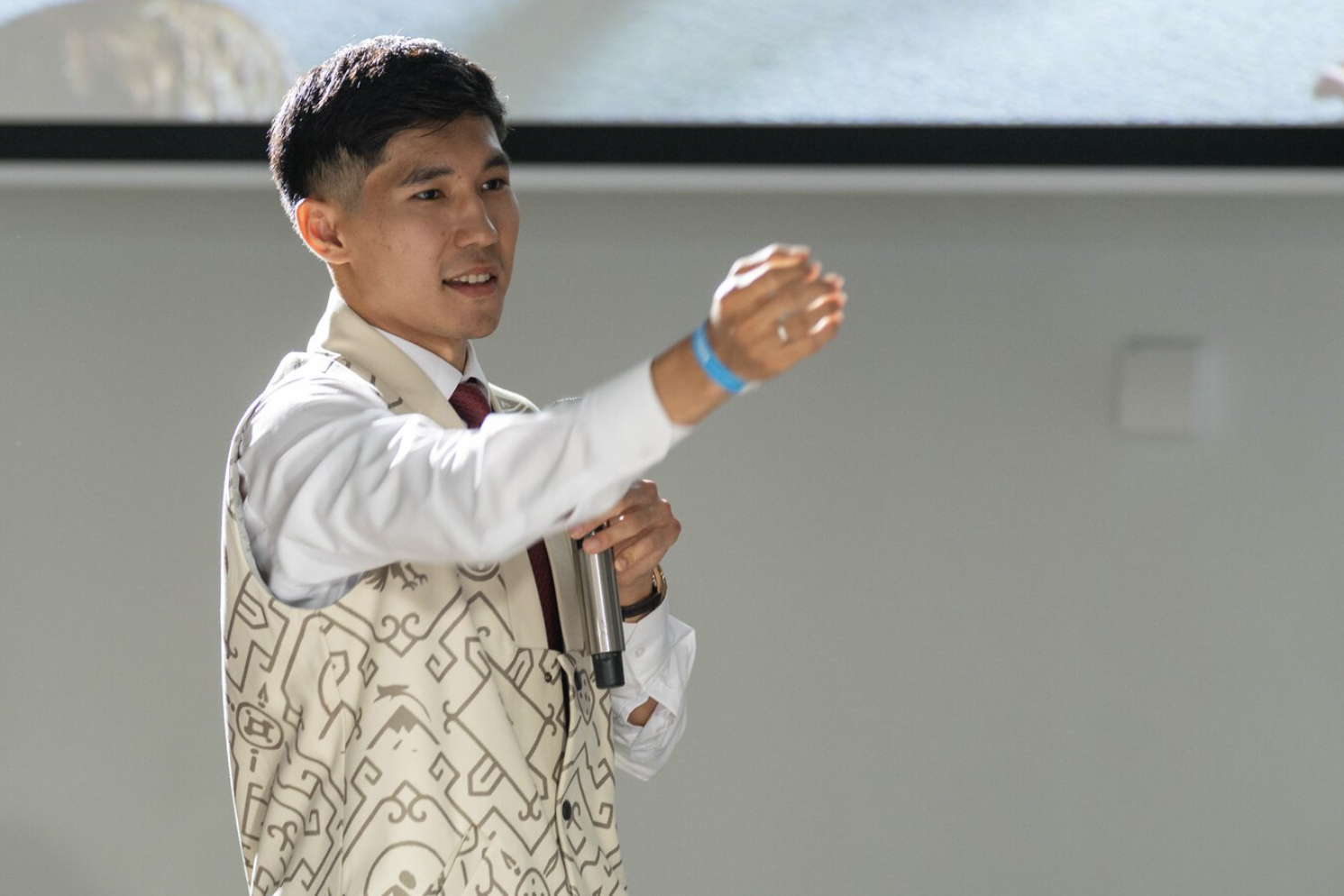
Kuanysh Uzbekov, Youth Parliament of Kazakhstan - Photo Credit: Hamburg Sustainability Conference
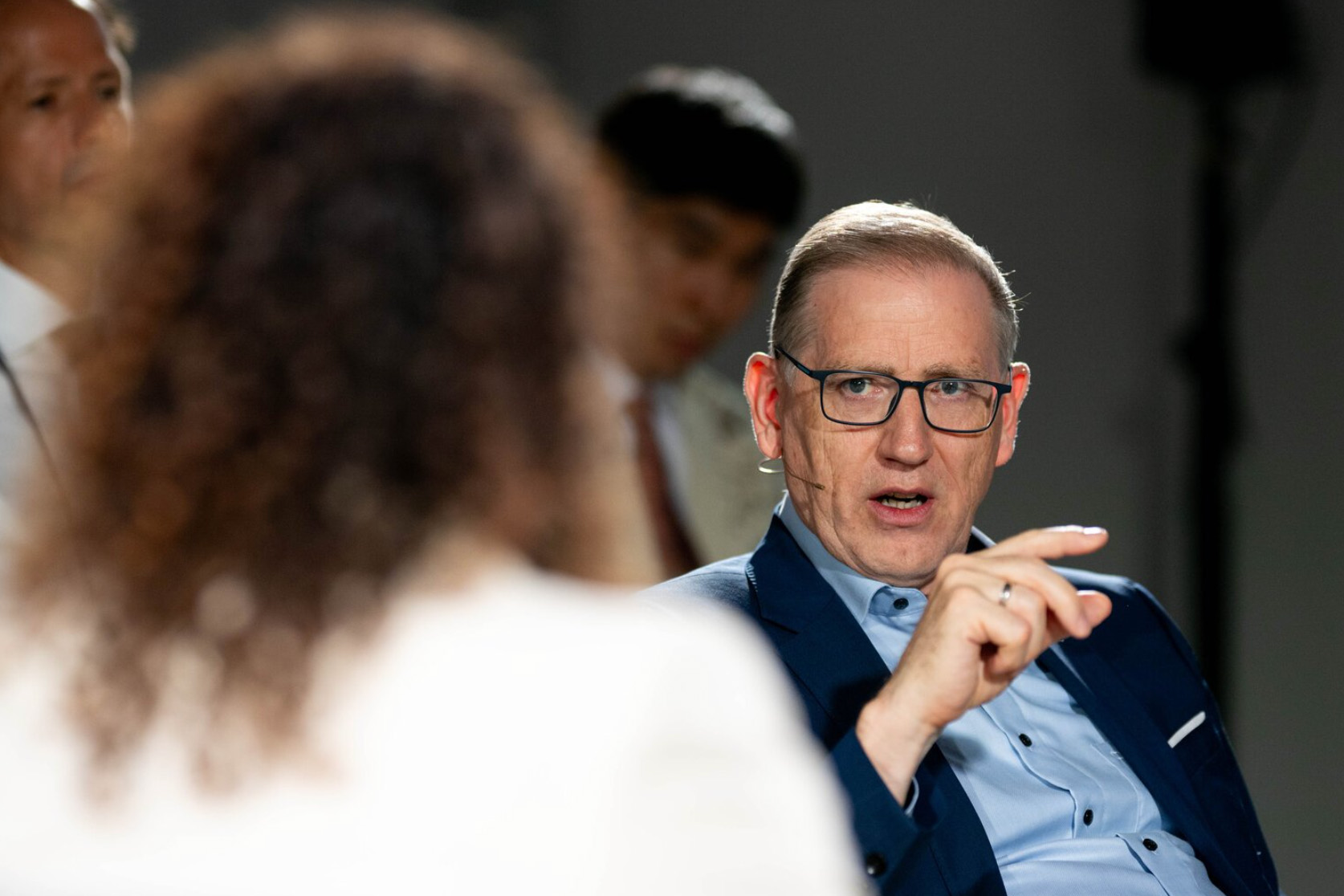
Georg Weber, WILO Group - Photo Credit: Hamburg Sustainability Conference
Session: Global Public Goods for a Fragmented World
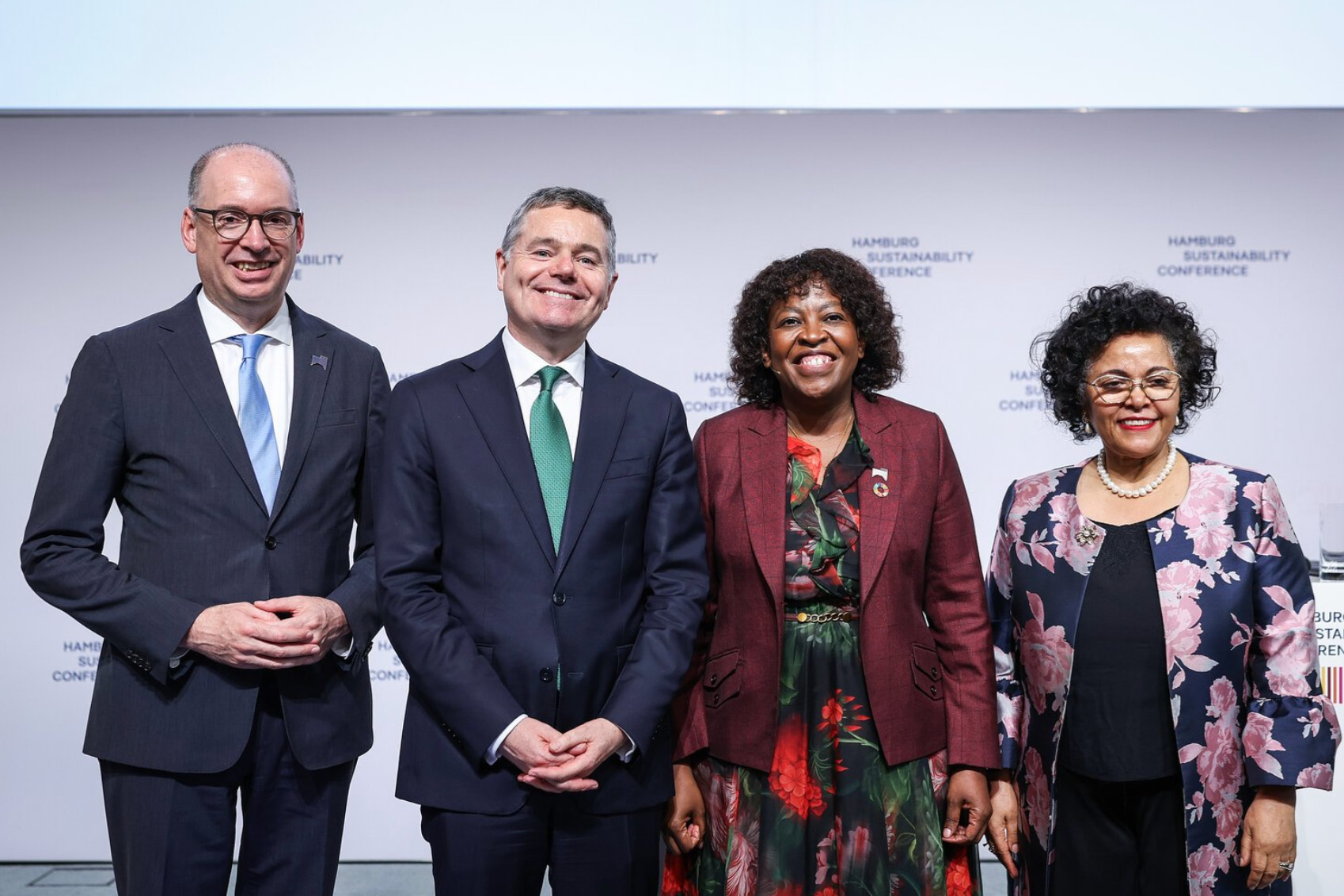
Niels Annen, Parliamentary State Secretary, German Development Ministry; Paschal Donohoe World Bank Group; Maropene Lydia Ramokgopa, Minister of Planning, Monitoring and Evaluation, South Africa; and Nardos Bekele-Thomas, Chief Executive Officer, African Union Development Agency (AUDA-NEPAD) - Photo Credit: Hamburg Sustainability Conference
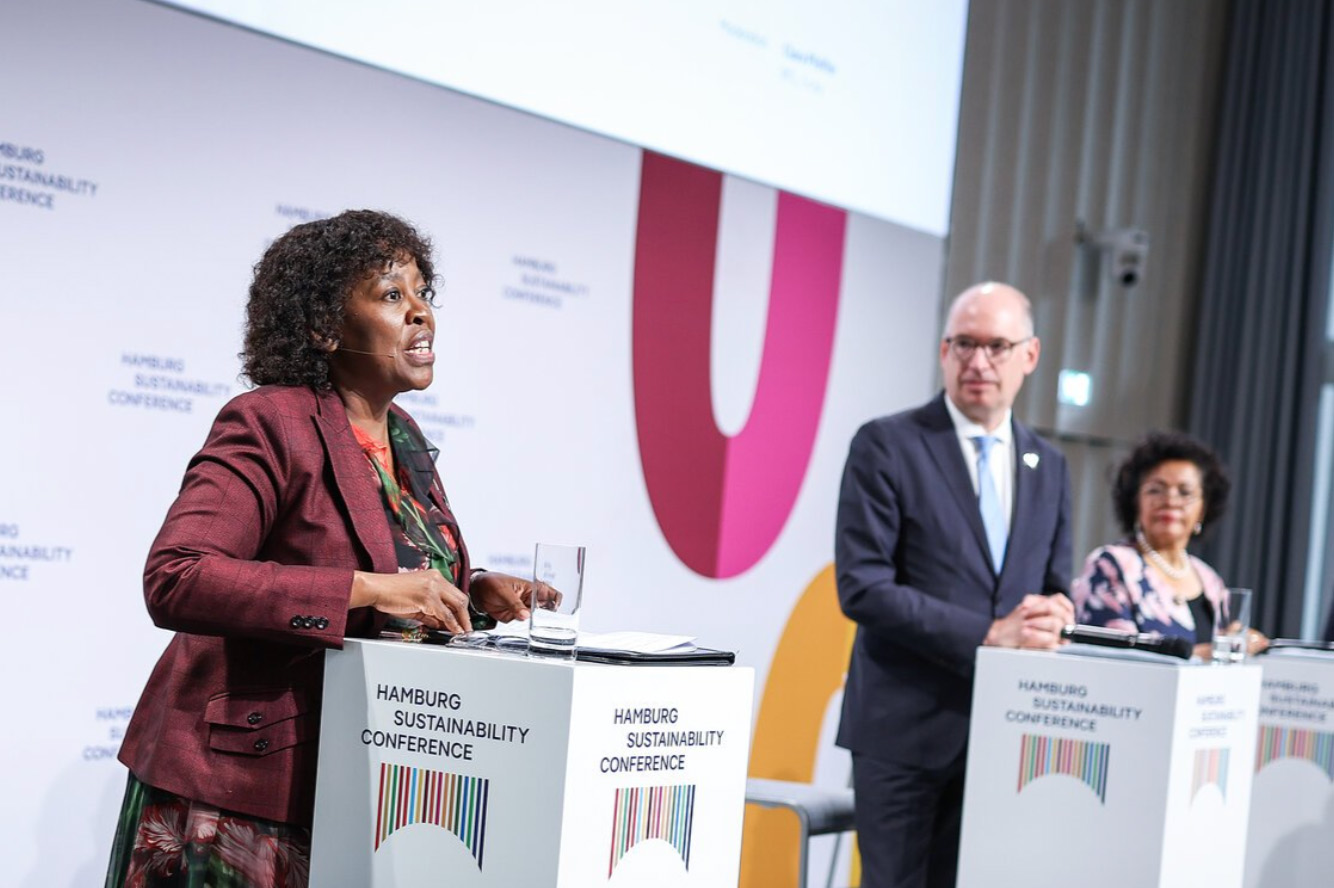
Maropene Lydia Ramokgopa, Minister of Planning, Monitoring and Evaluation, South Africa - Photo Credit: Hamburg Sustainability Conference
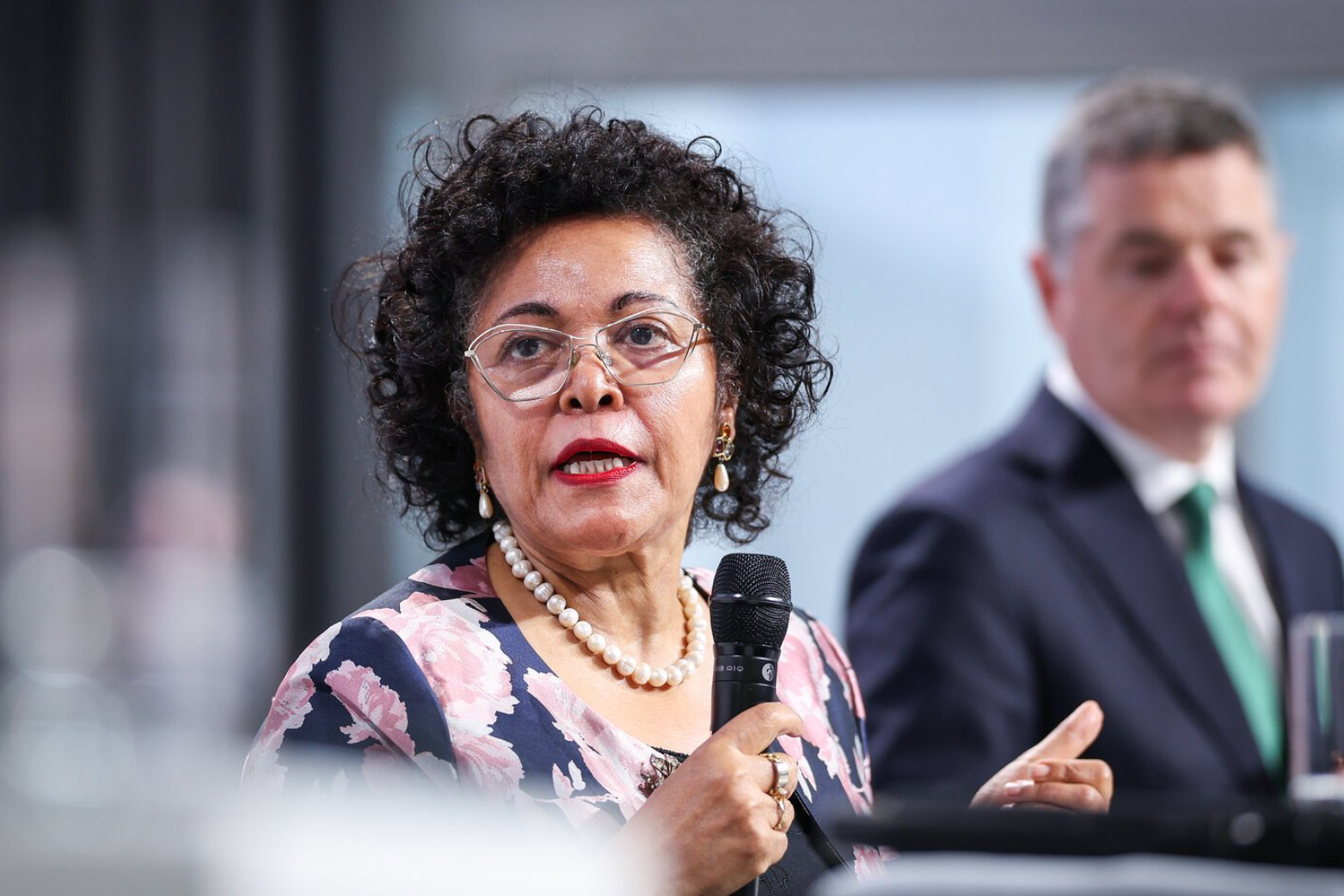
Nardos Bekele-Thomas, Chief Executive Officer, African Union Development Agency (AUDA-NEPAD) - Photo Credit: Hamburg Sustainability Conference
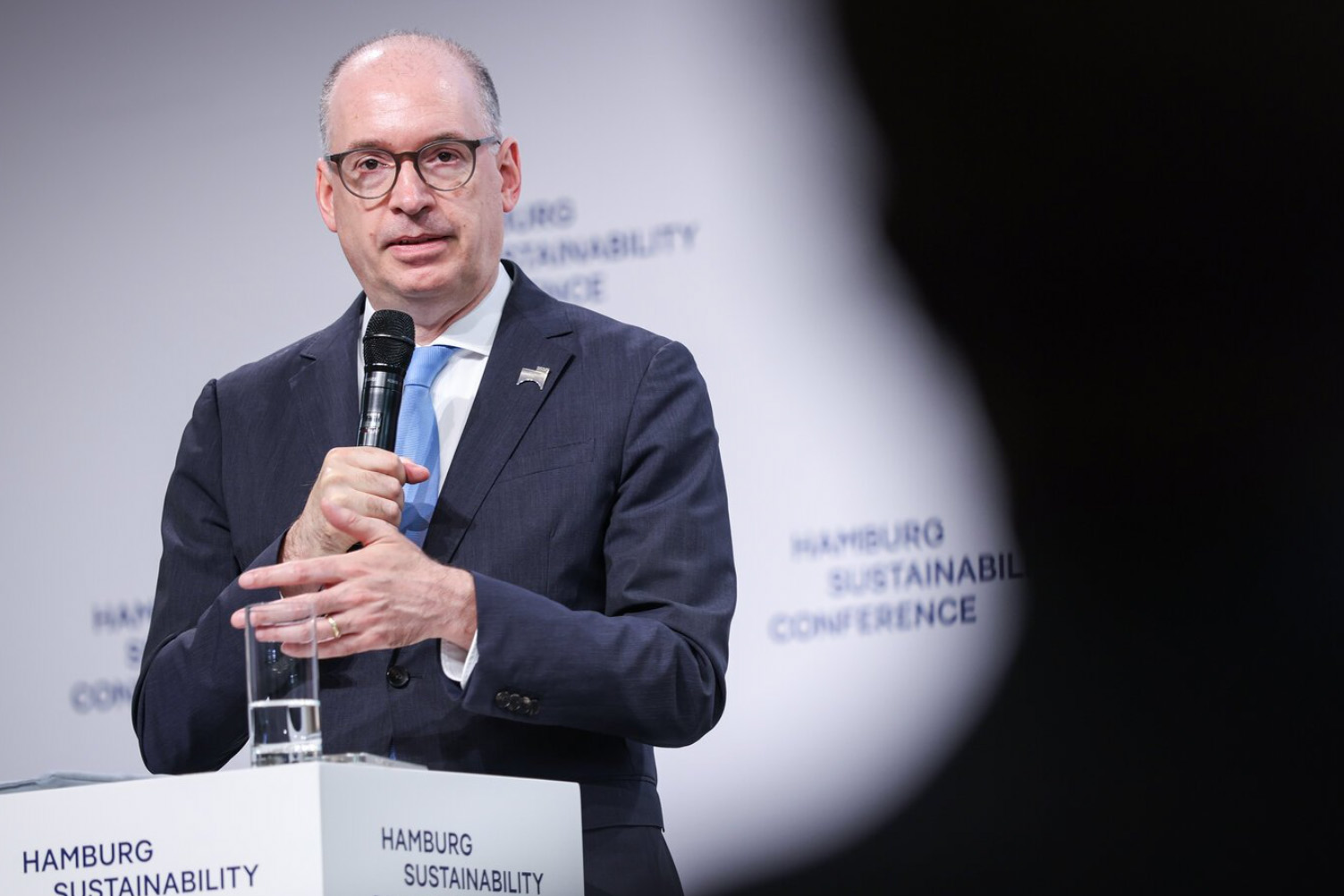
Niels Annen, Parliamentary State Secretary, German Development Ministry - Photo Credit: Hamburg Sustainability Conference
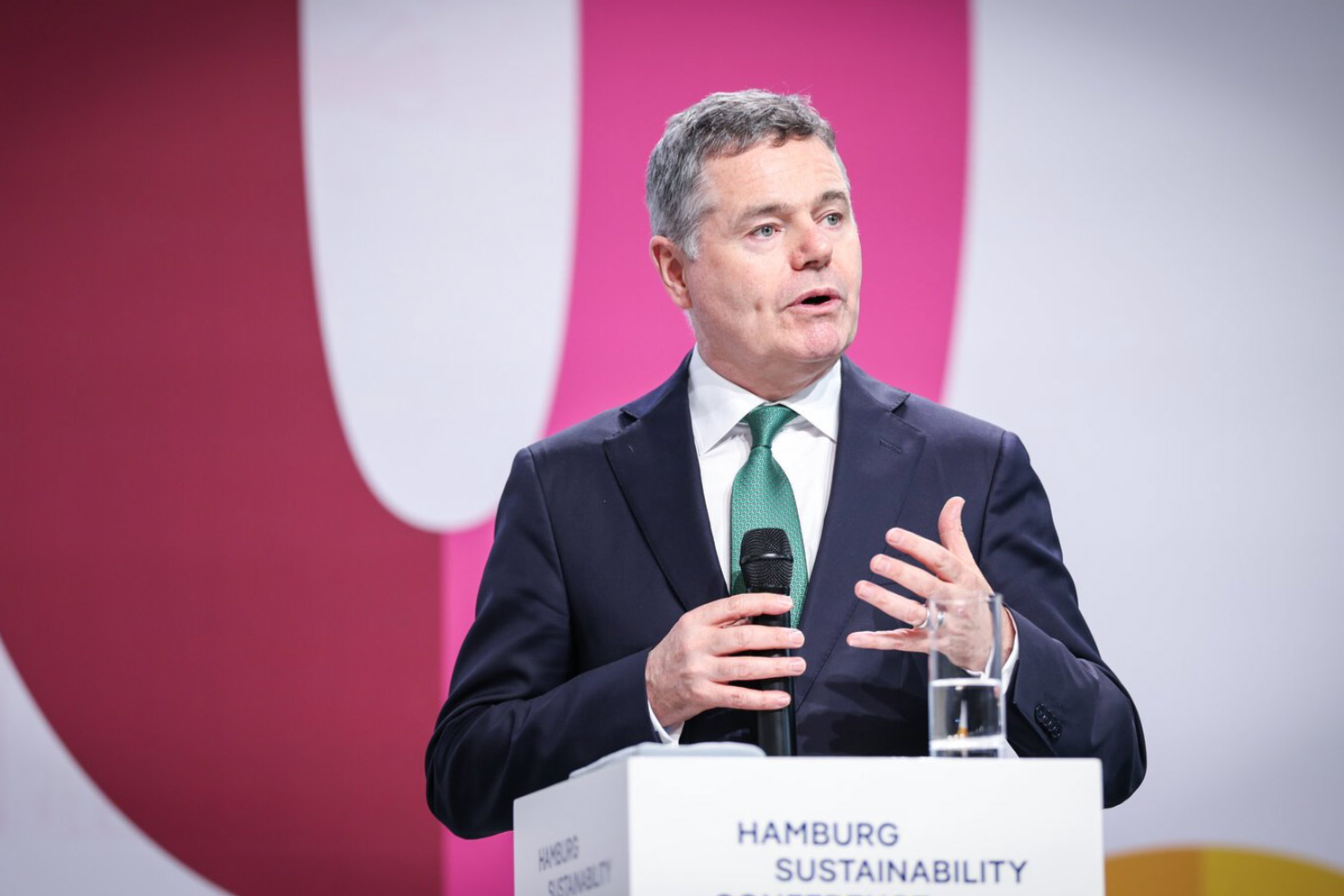
Paschal Donohoe, World Bank Group - Photo Credit: Hamburg Sustainability Conference