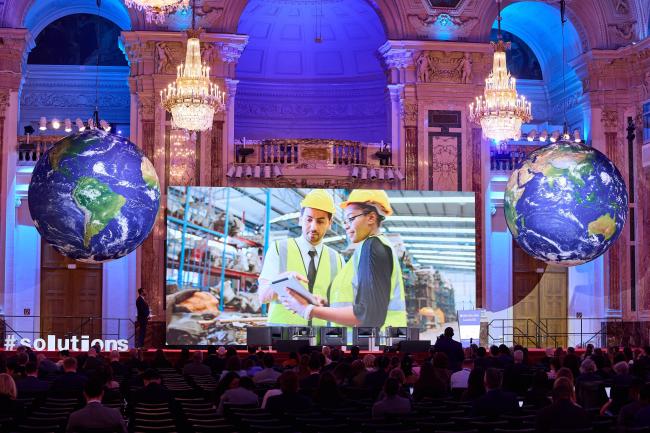
The energy transition is no longer being framed purely as a way to address climate change but as a tool for economic transformation. On the second and final day of the International Vienna Energy and Climate Forum (IVECF), speakers pointed to the role of green industrialization in leveraging the energy transition for productivity and resilience, while also focusing on the practical challenge of mobilizing finance and scaling solutions.
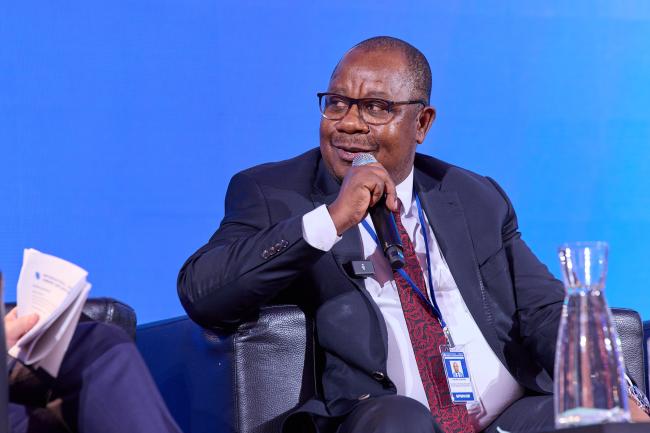
In the morning plenary on Just Energy Transition for Structural Transformation and Economic Diversification, participants explored how the energy transition can translate into real productivity gains. Ezéchiel Nibigira, President of the Economic Community of Central African States, emphasized the importance of regional cooperation, noting that regional Heads of State have developed a regional industrialization plan. He added that a lack of investment in energy infrastructure remains a major barrier, and called for partners to plan, finance, and implement projects collectively.
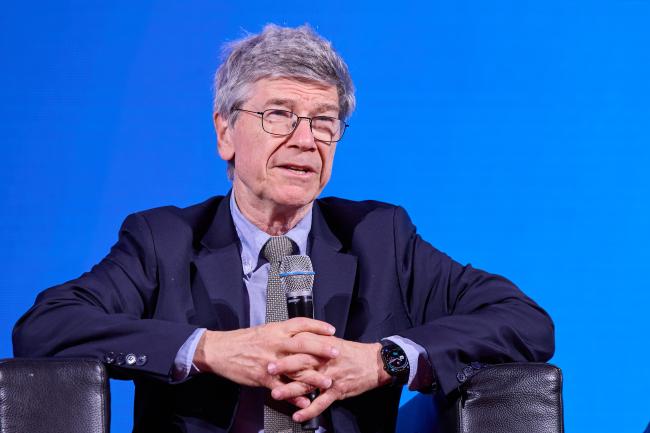
Jeffrey Sachs, President, Sustainable Development Solutions Network, emphasized that large-scale projects, such as hydropower in the Congo Basin, require regional coordination and significant upfront investment. He noted that mobilizing such investment will require new partnerships, including with emerging economies like China and India.
Rana Adib, Executive Director, Renewable Energy Policy Network for the 21st Century (REN21), stressed that the shift to renewable energy represents a broader structural transformation, requiring alignment between energy systems, industrial demand, and workforce development.
Haneen AlJuhani, Institute of Electrical and Electronics Engineers (IEEE) Young Professionals, highlighted the importance of skills and inclusion, noting that while young professionals are already contributing to the transition, they are often excluded from decision-making processes.
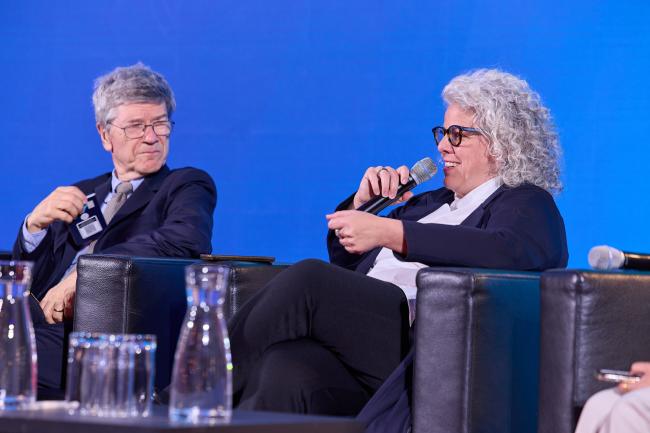
In the subsequent roundtable on Enabling Green Industrialization at Scale: Policies, Institutions, and Investments, speakers emphasized that achieving impact requires moving beyond pilot projects toward commercially viable and replicable solutions. Participants highlighted the need to align innovation with real industrial demand, develop sustainable business models, and strengthen partnerships across public and private sectors.
Discussions in the roundtable on Regional Value Chains and Green Industrial Corridors highlighted the growing importance of cross-border approaches. Participants emphasized that economic corridors must evolve beyond transport and logistics to become integrated systems linking energy, industry, and trade.
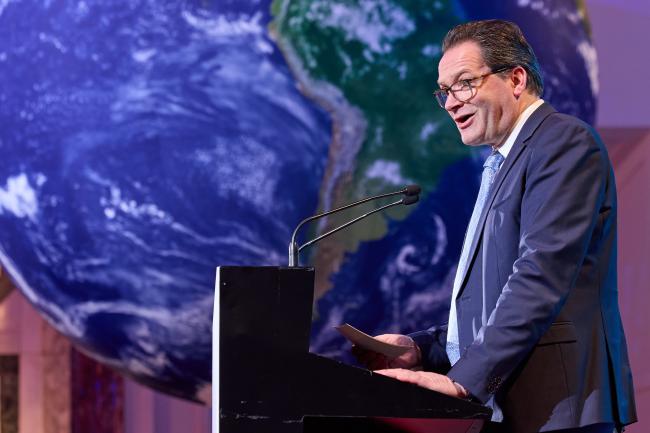
In the afternoon, participants gathered in a plenary session on Securing the Green Transformation: Resilient Technologies and Infrastructure. Norbert Totschnig, Federal Minister of Agriculture and Forestry, Climate and Environmental Protection, Regions and Water Management, Austria, stressed that climate and energy policies are now geopolitical issues, calling for regulatory certainty, resilient value chains, and investment incentives to secure the green transition.
Gedion Timothewos Hessebon, Minister of Foreign Affairs, Ethiopia, highlighted his country’s large-scale afforestation efforts, high share of clean electricity generation, and recent ban on fossil fuel vehicle imports as pillars of a resilient development pathway.
Marie-May Jeremie, Minister of Environment, Climate, Energy and Natural Resources, Seychelles, underlined the close link between environmental sustainability and economic prosperity in small island developing States, with current investments focused on climate-resilient infrastructure and renewable energy.
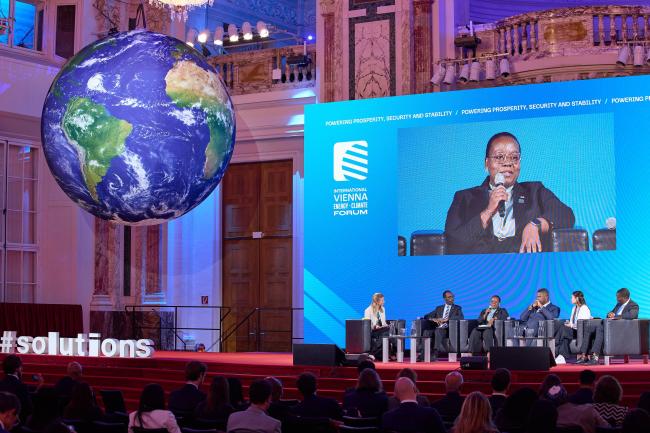
Jonathan Reid, Minister of Innovation, Industry, Science and Technology, Barbados, described the country’s shift from fossil fuel dependence toward wind, solar, and ocean-based infrastructure, alongside efforts to position Barbados as a green industrial and innovation hub.
Dana Kadyrbek, Founder, HydroTech ATM, presented atmospheric water harvesting technology designed to provide decentralized, electricity-free drinking water in fragile and rural contexts. Luke LeBlanc, SDG7 Youth Constituency, called for greater investment in youth skills and local vocational training.
During the subsequent roundtable on Rebuilding Futures: Green Industrialization in Crisis Contexts, discussions focused on how crisis recovery can serve as an opportunity to rebuild industrial systems along green and climate-resilient pathways. Speakers, including representatives from Ukraine, Palestine, Sri Lanka, and Sudan, stressed that, in contexts marked by climate shocks, war, and political and economic instability, recovery investments must be aligned with context-specific and long-term industrial transformation.
During the roundtable on Entrepreneurship, Skills and Inclusive Green Industrial Value Creation, participants highlighted the importance of investing in human capital, strengthening entrepreneurial ecosystems, and ensuring that innovation is closely linked to real-world challenges.
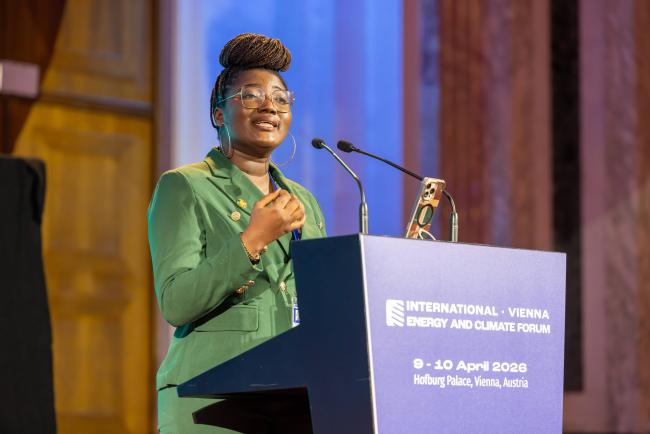
In the closing segment, Master of Ceremony Katharina Moser reflected on the key message that had emerged across the Forum: energy security, climate action, and economic transformation must move forward together. She invited participants to carry this momentum into the Vienna Call to Action.
The Forum closed at 6.15pm with a shared emphasis on sustained delivery and ensuring that vulnerable communities remain at the centre of implementation efforts.
Newsletter: To receive free coverage of global environmental events delivered to your inbox, subscribe to the ENB Update newsletter.
Photos: All ENB photos are free to use with attribution. For the International Vienna Energy and Climate Forum 2026, please use: Photo by IISD/ENB | Mika Benoni.
Plenary on Just Energy Transition for Structural Transformation and Economic Diversification
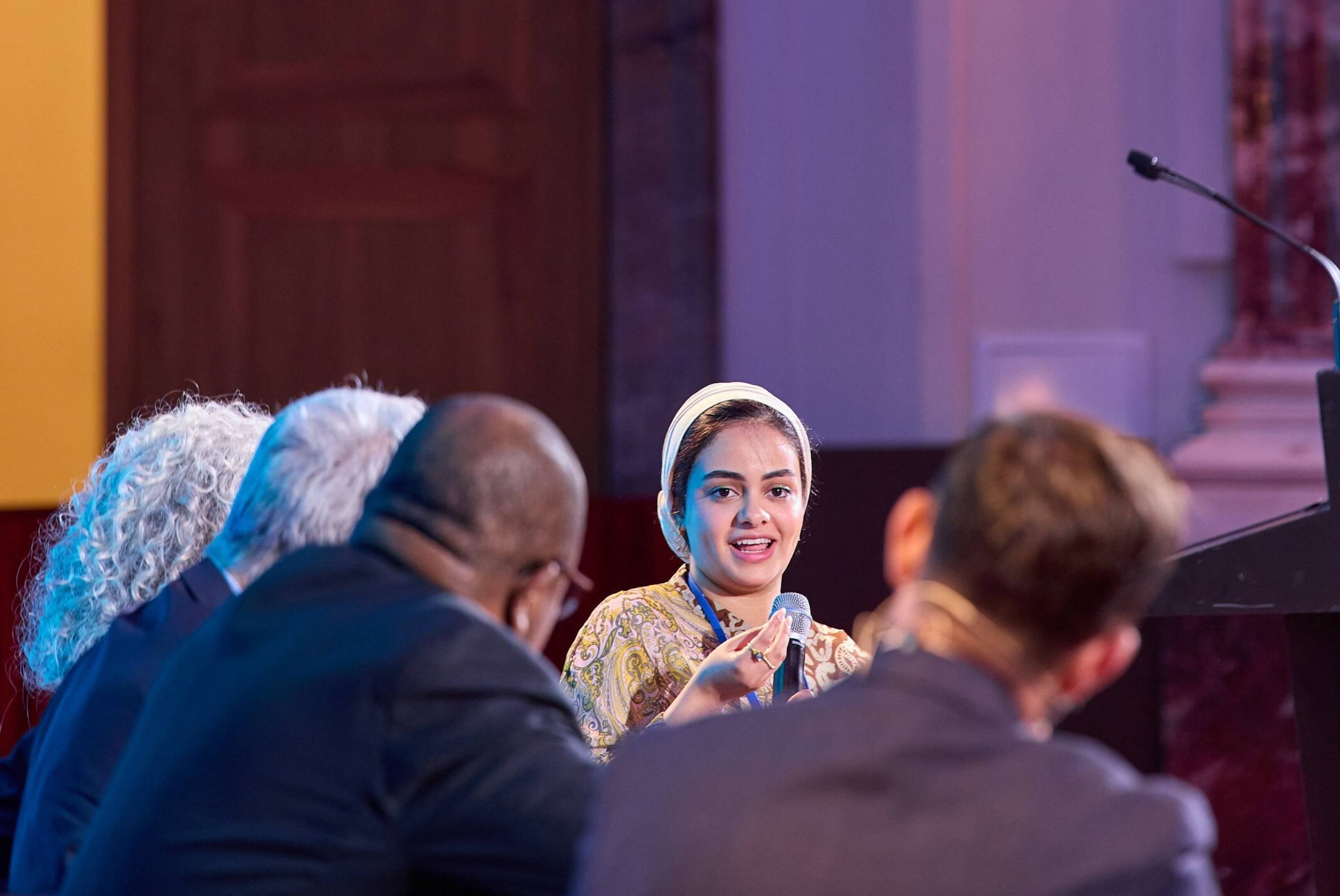
Haneen AlJuhani, IEEE Young Professionals
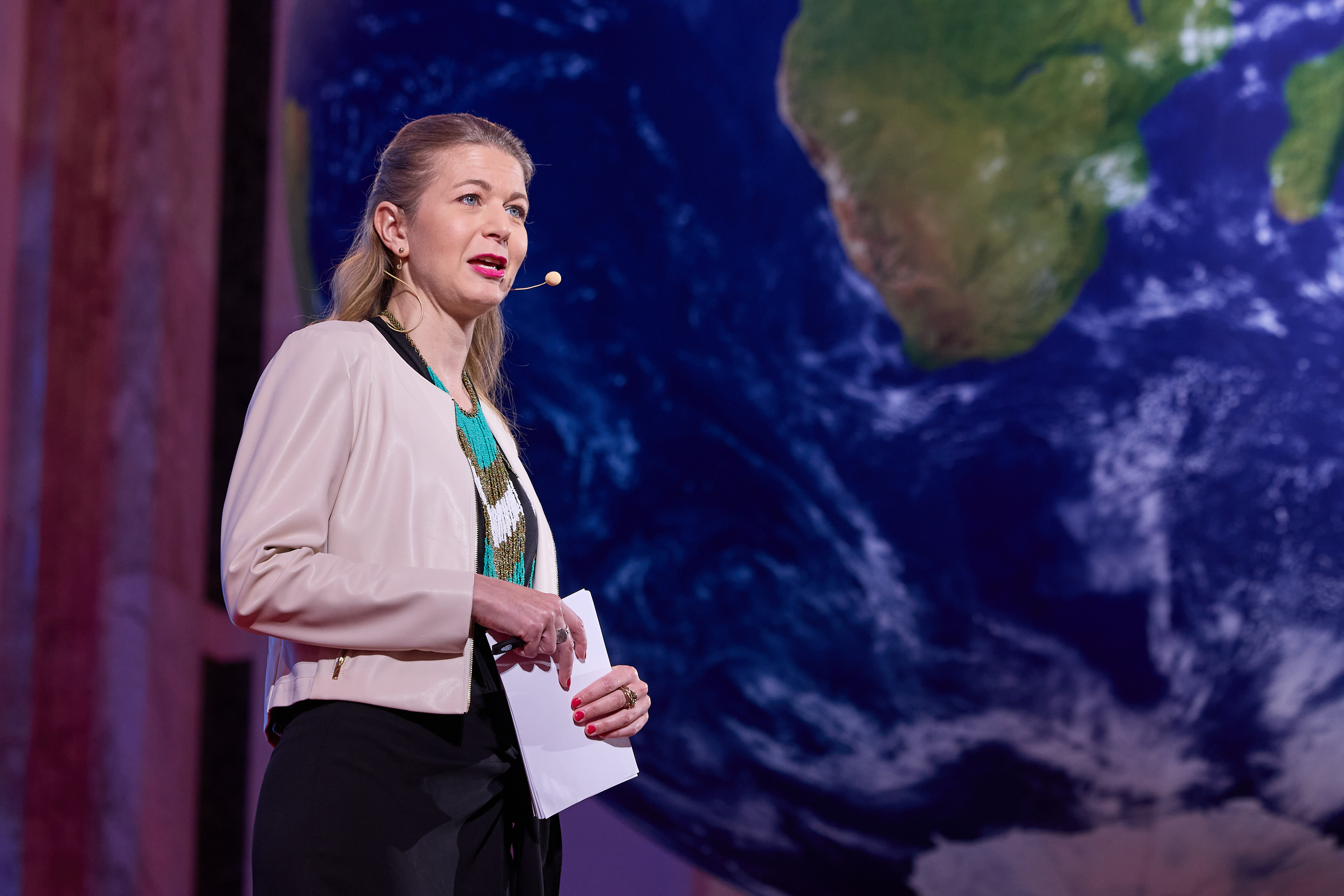
Katharina Moser, Master of Ceremony
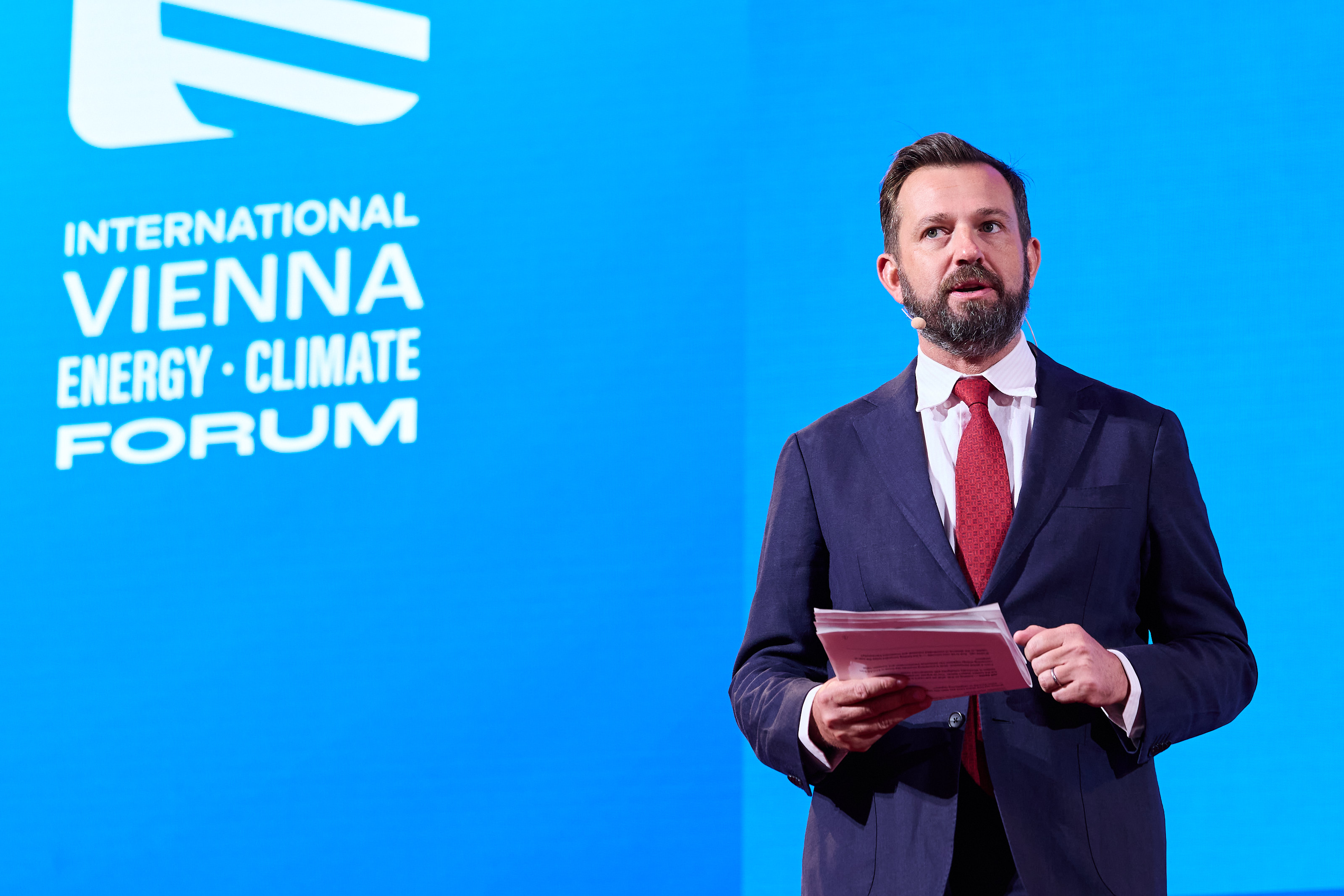
Phillip Cornell, Senior Advisor for Energy and Environment, Economist Group
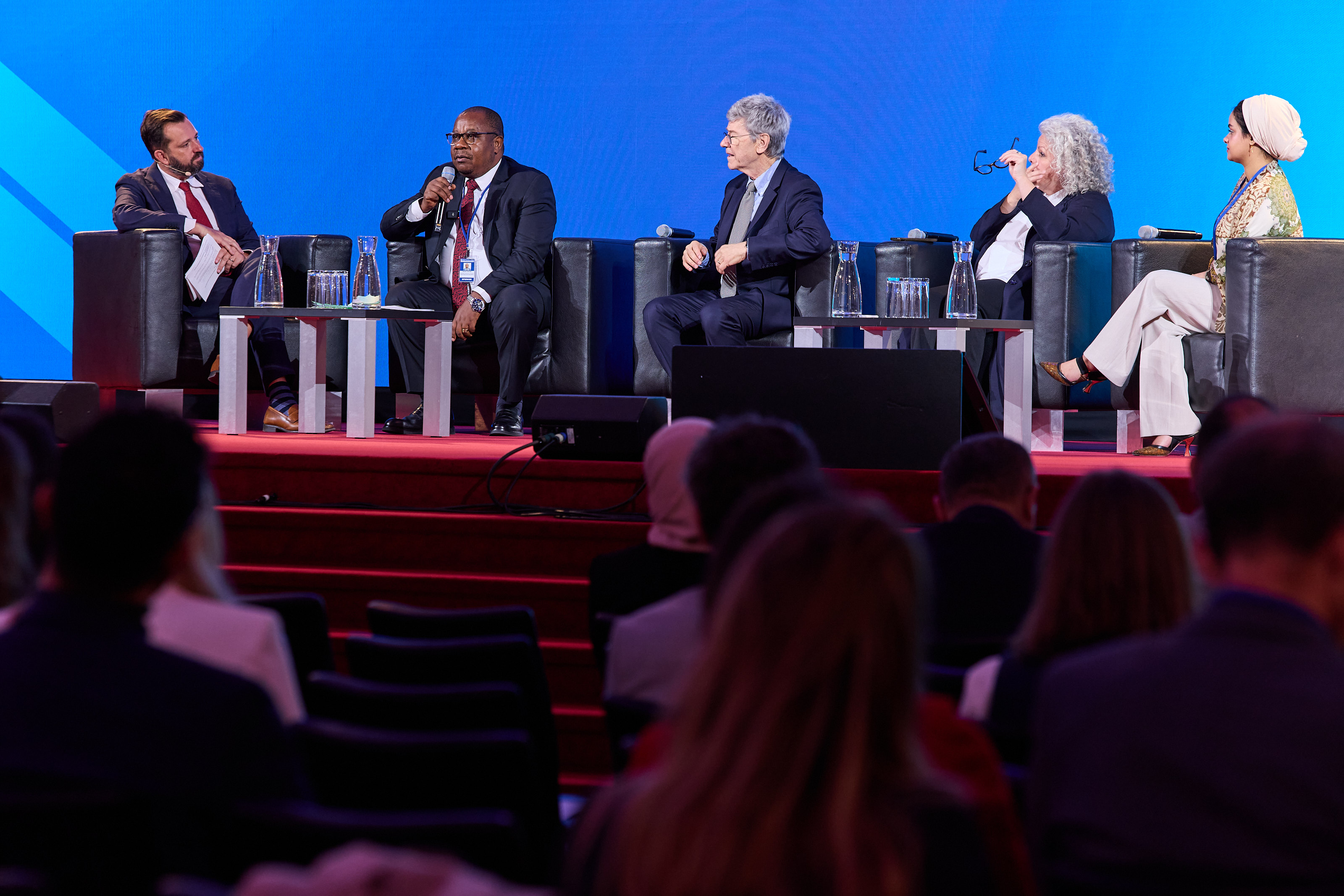
Morning plenary panel on Just Energy Transition for Structural Transformation and Economic Diversification

Roundtable on Enabling Green Industrialization at Scale: Policies, Institutions, and Investments
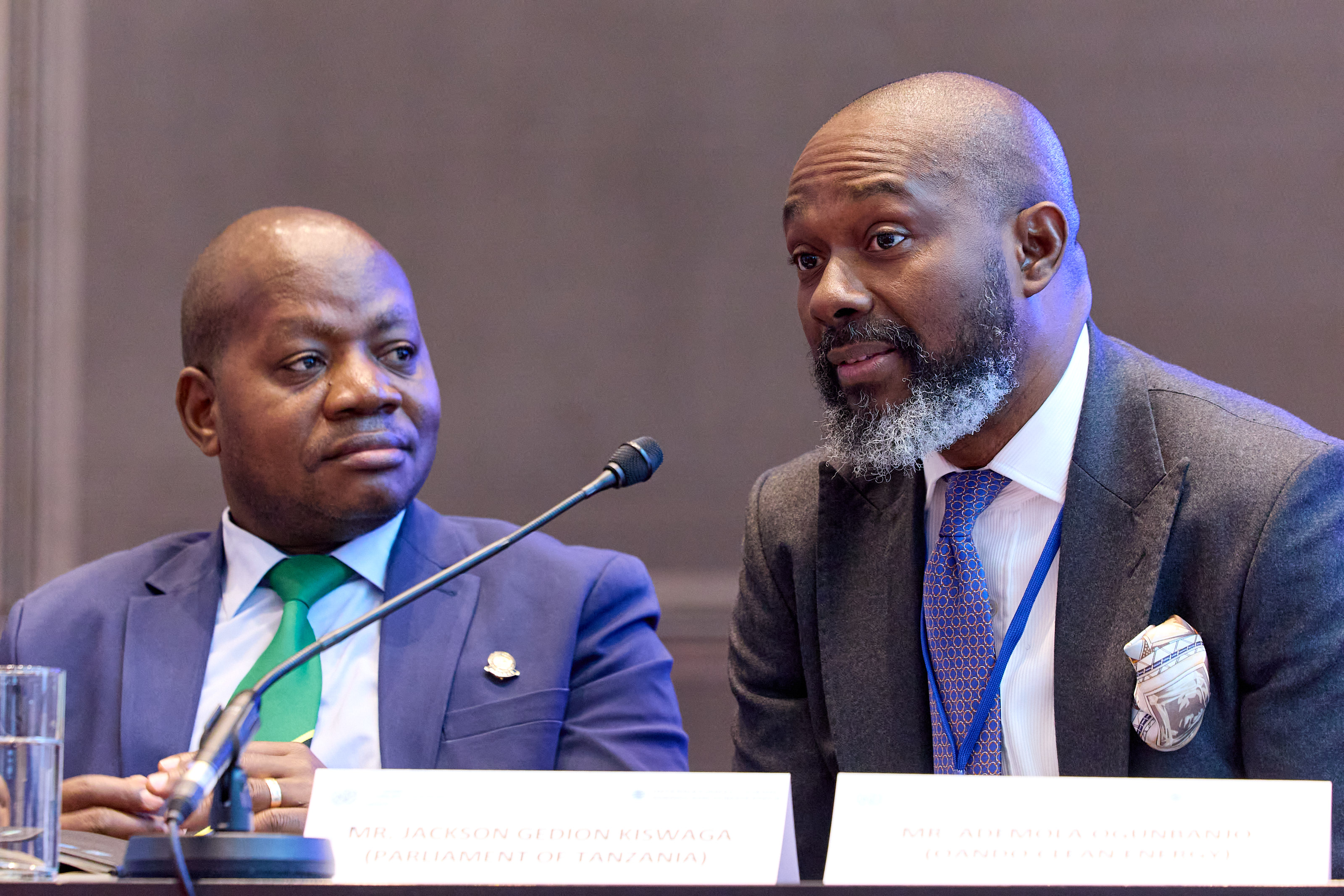
Ademola Ogunbanjo, President and Chief Executive Officer, Oando Clean Energy Limited
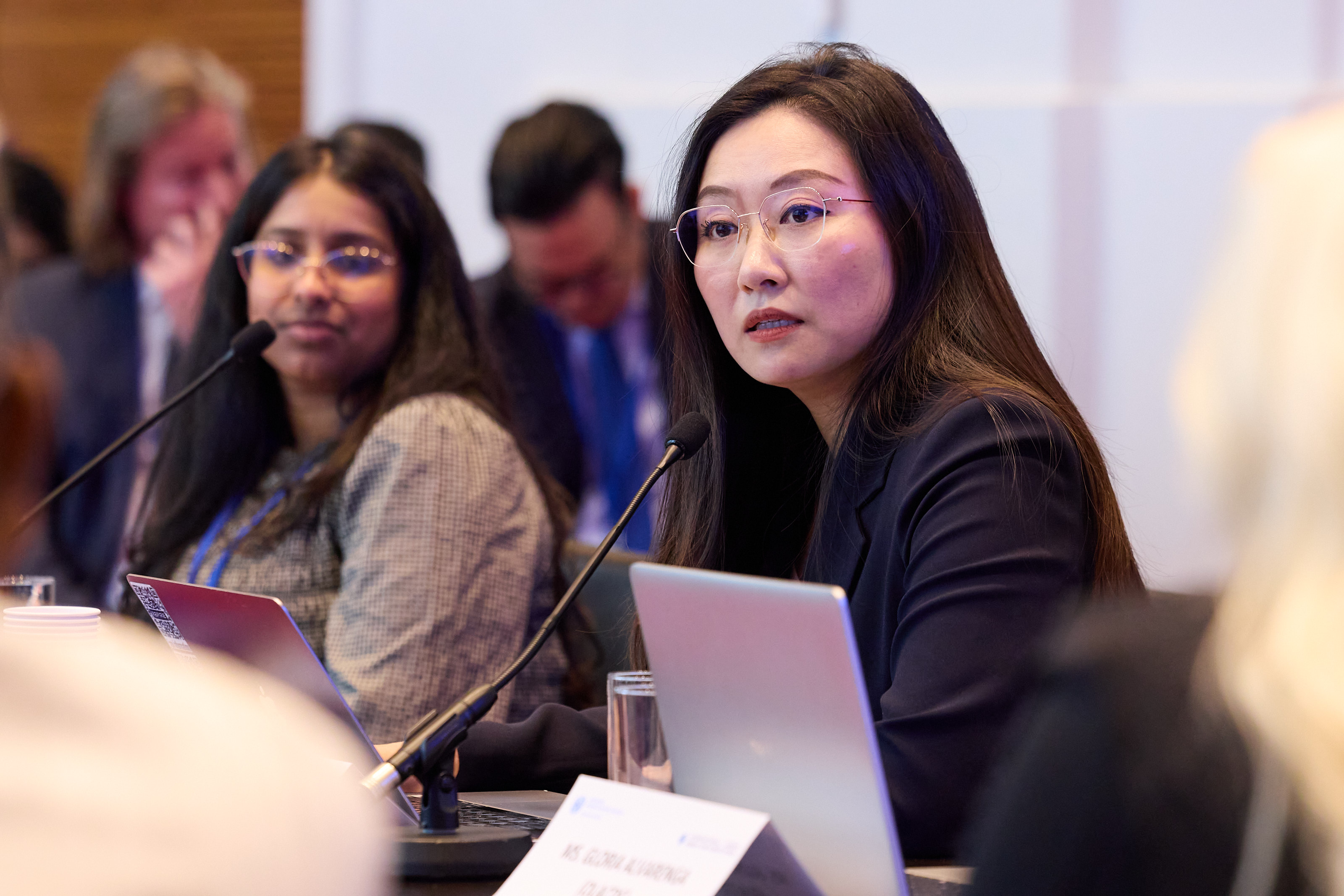
Audrey Ma, Board Executive Director and Vice President of International Business, REFIRE Group
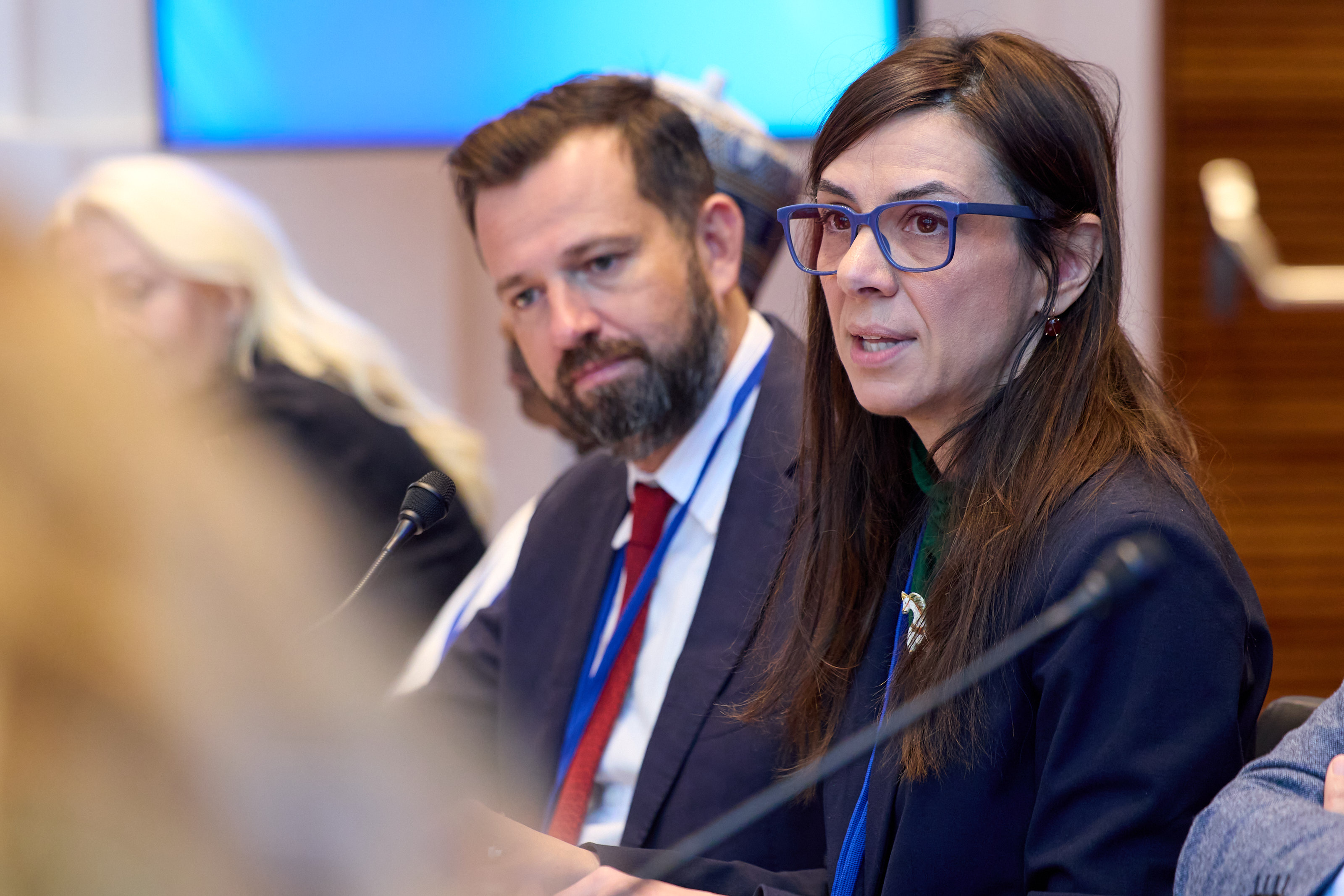
Georgia Iordanescu, Chief, Sustainable Energy and Just Transition Unit, UNIDO
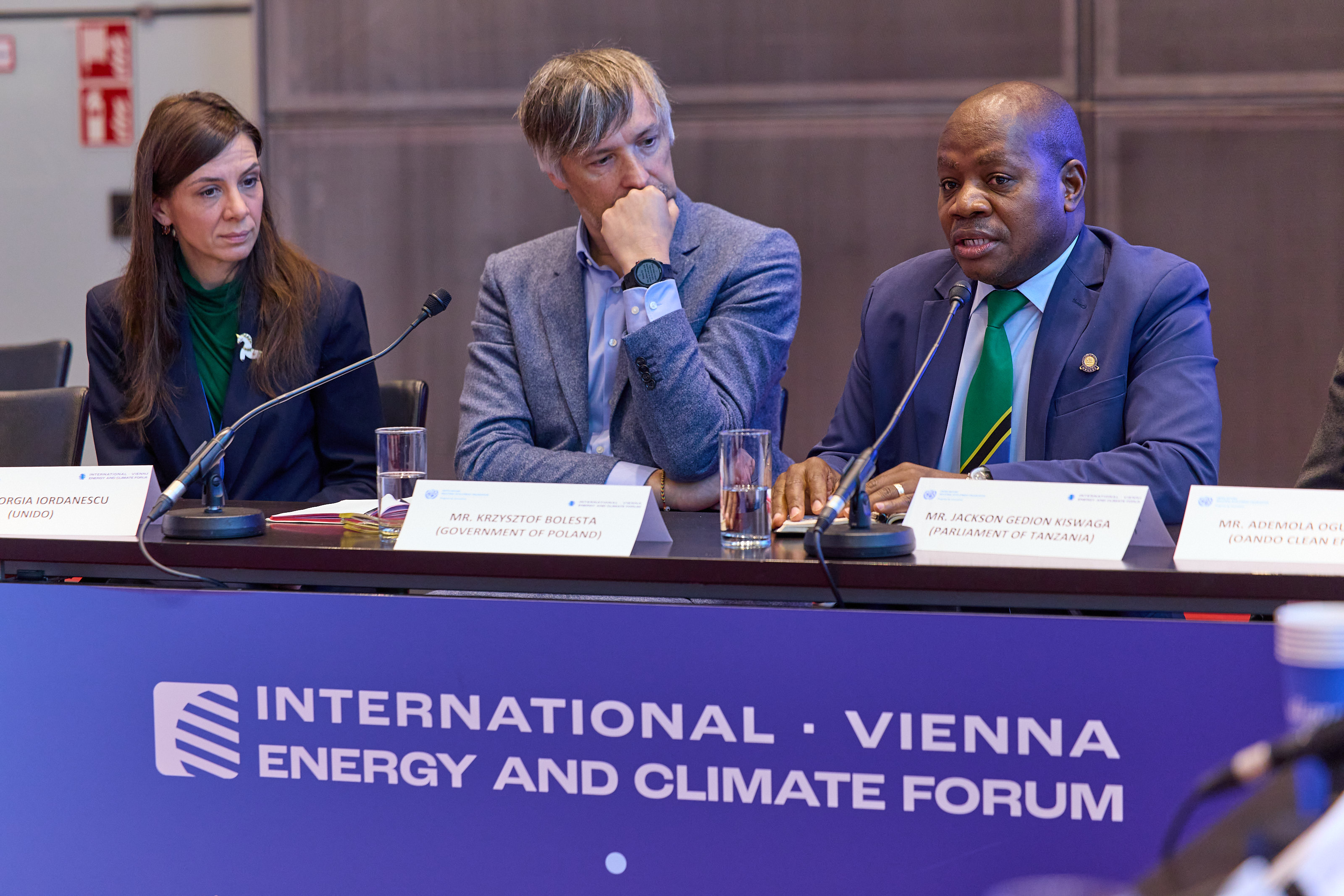
Jackson Gedion Kiswaga, Member of Parliament, Tanzania
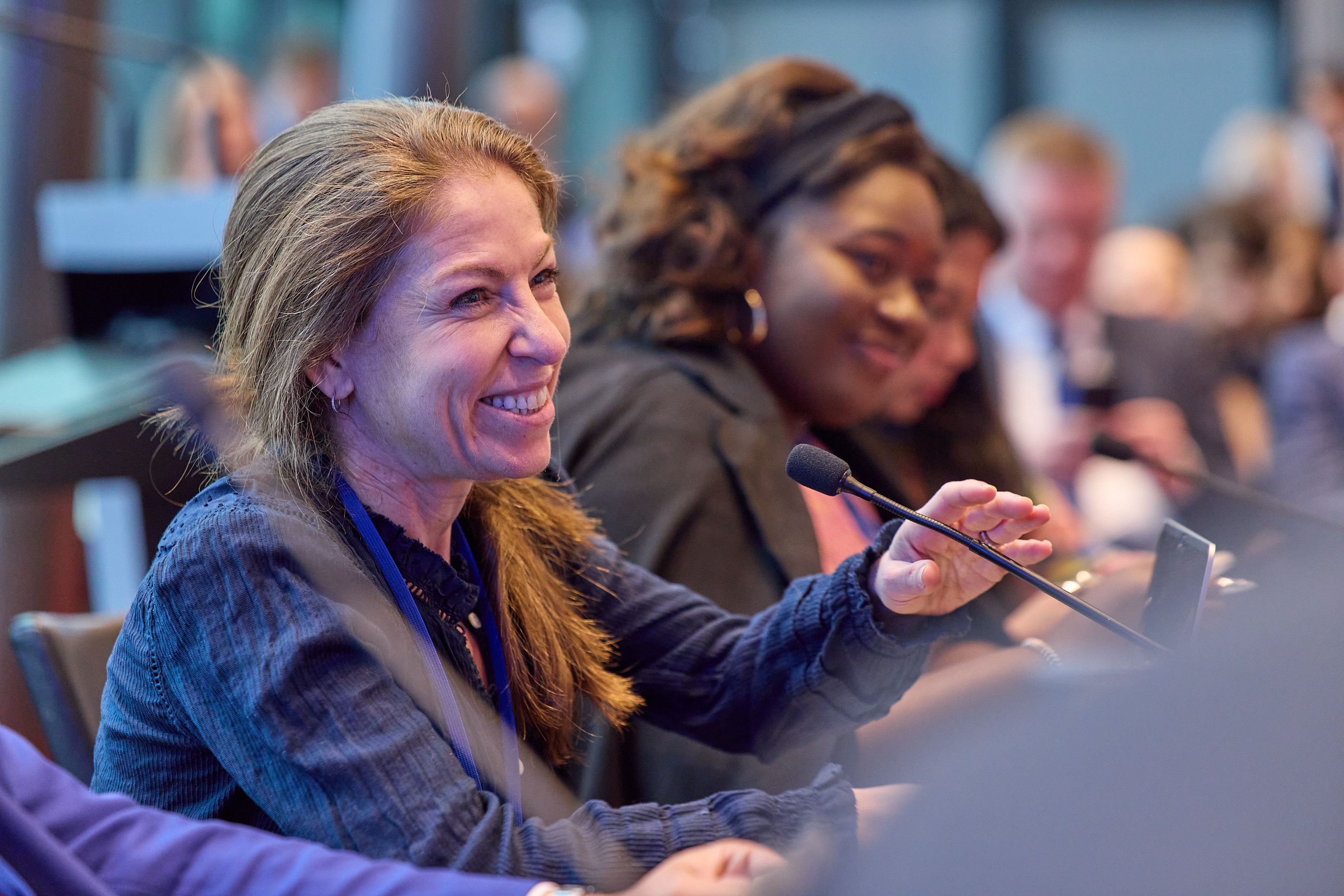
Lisa Sachs, Director, Columbia Center on Sustainable Investment, Columbia University
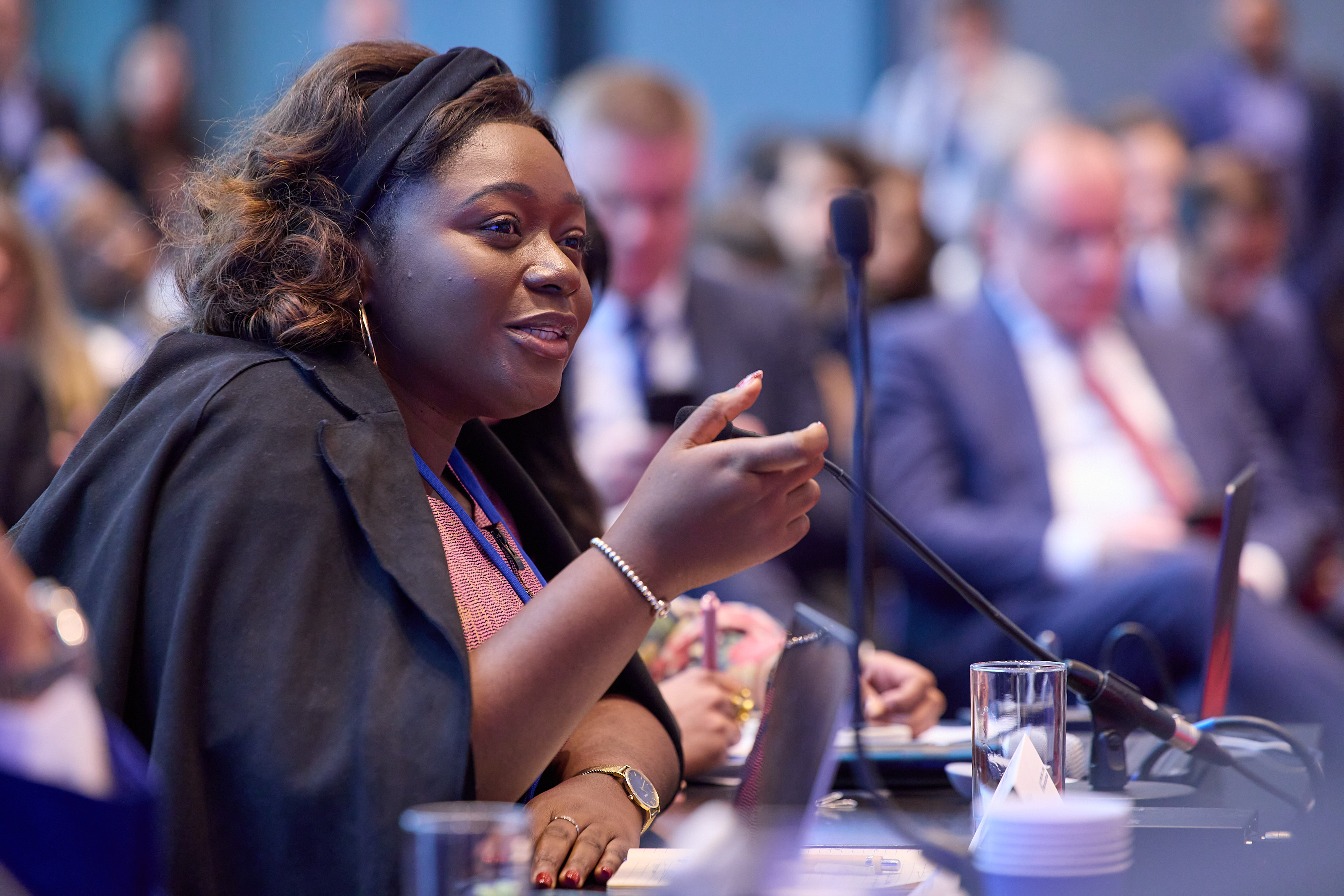
Maryse Dadina Nkoua Ngavouka, Executive Director, Centre d'Excellence d'Oyo pour les Energies Renouvelables et l'Efficacité Energétique
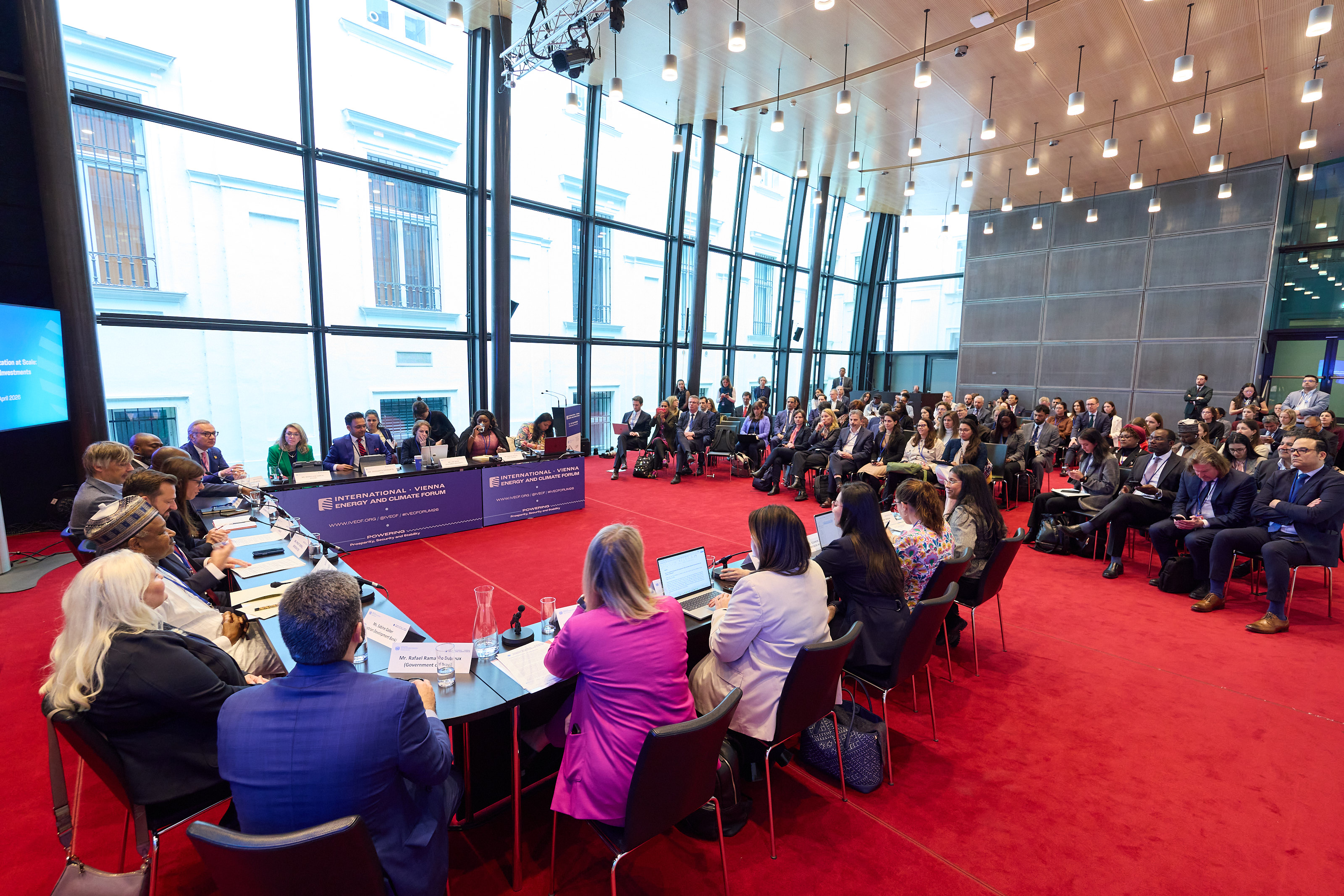
View of the room during the roundtable session
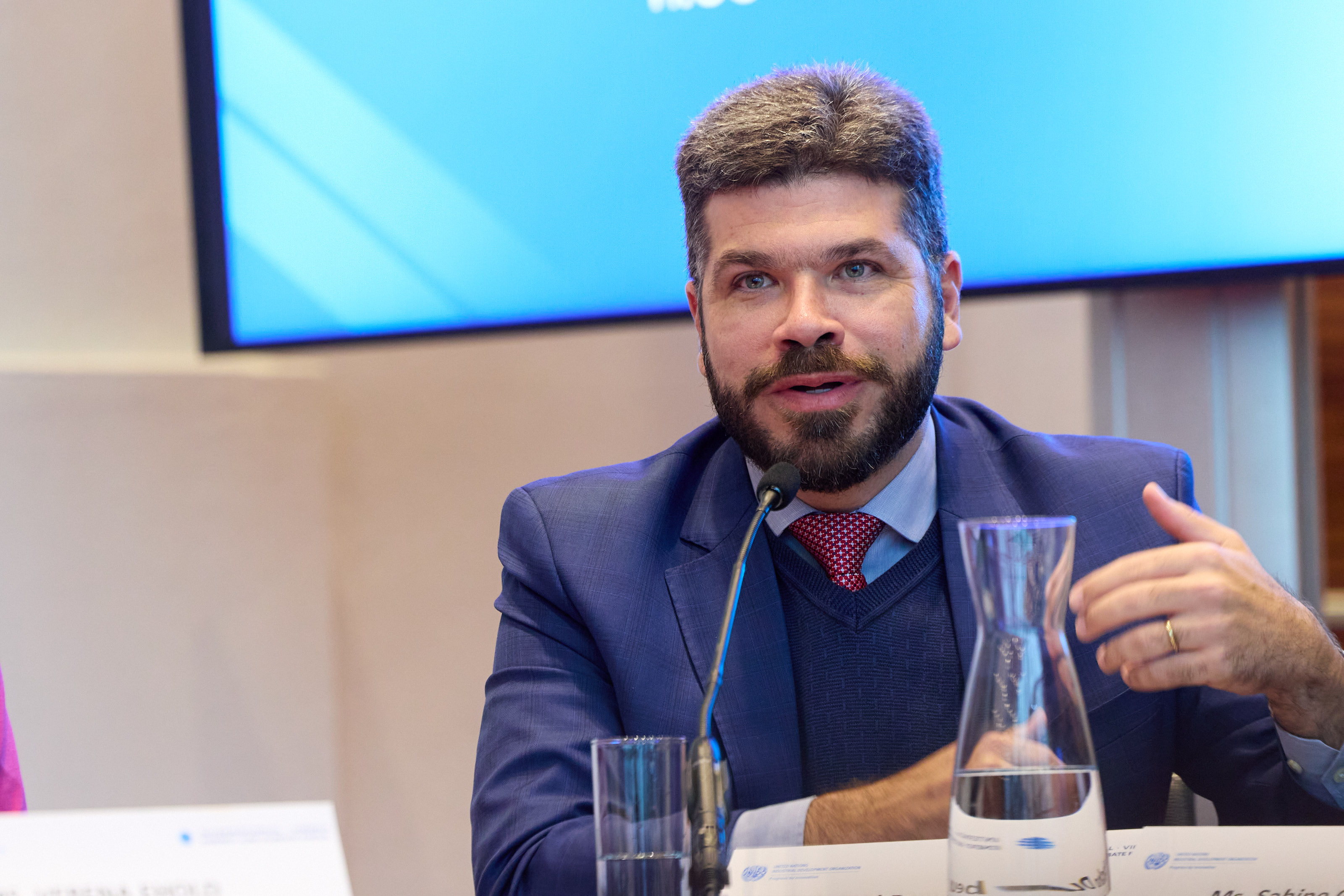
Rafael Ramalho Dubeuz, Deputy Executive Secretary of the Ministry of Finance, Brazil
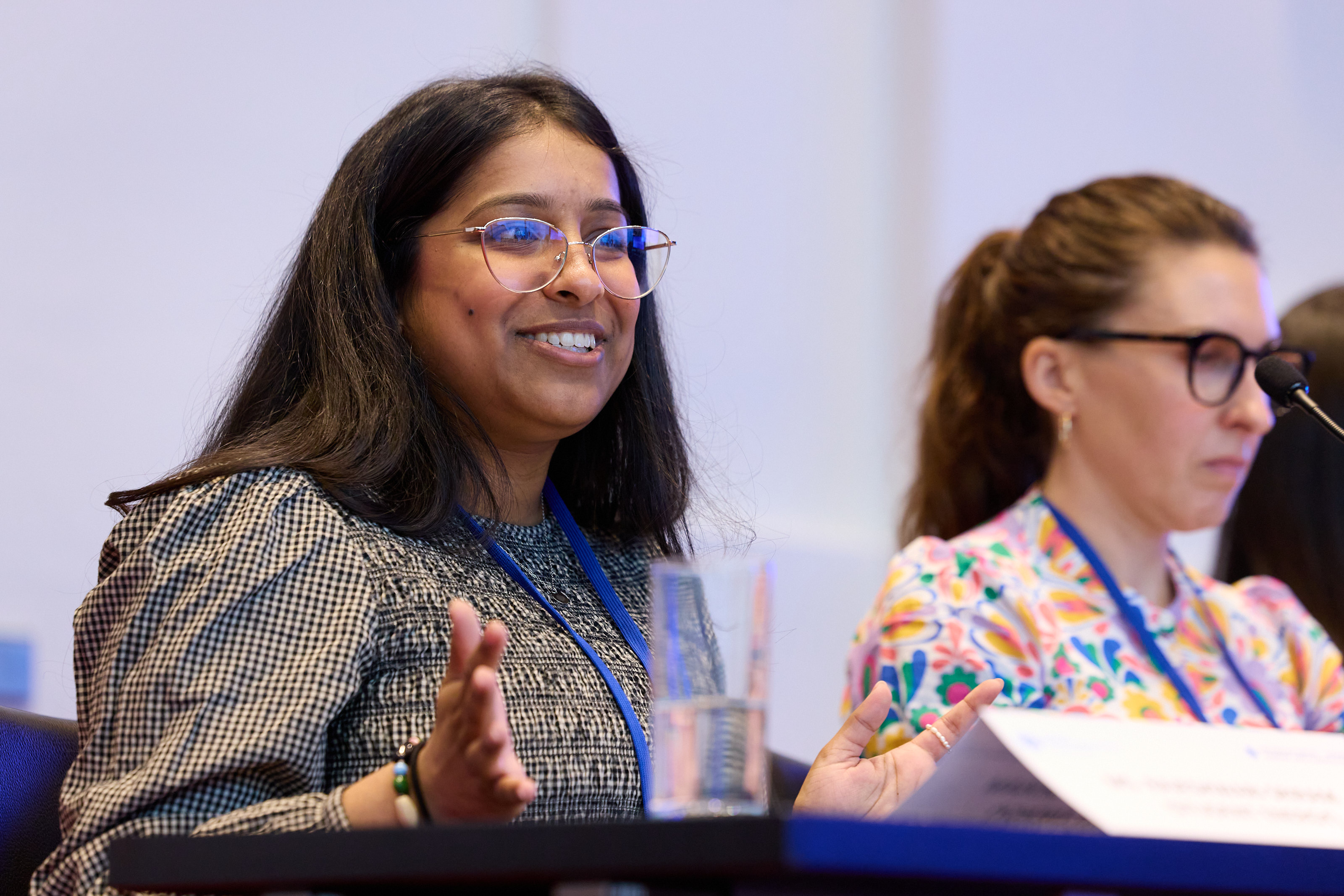
Rajeshwari Sriram, Chapters Coordinator, Student Energy
Roundtable on Beyond Borders: Regional Value Chains and Green Industrial Corridors
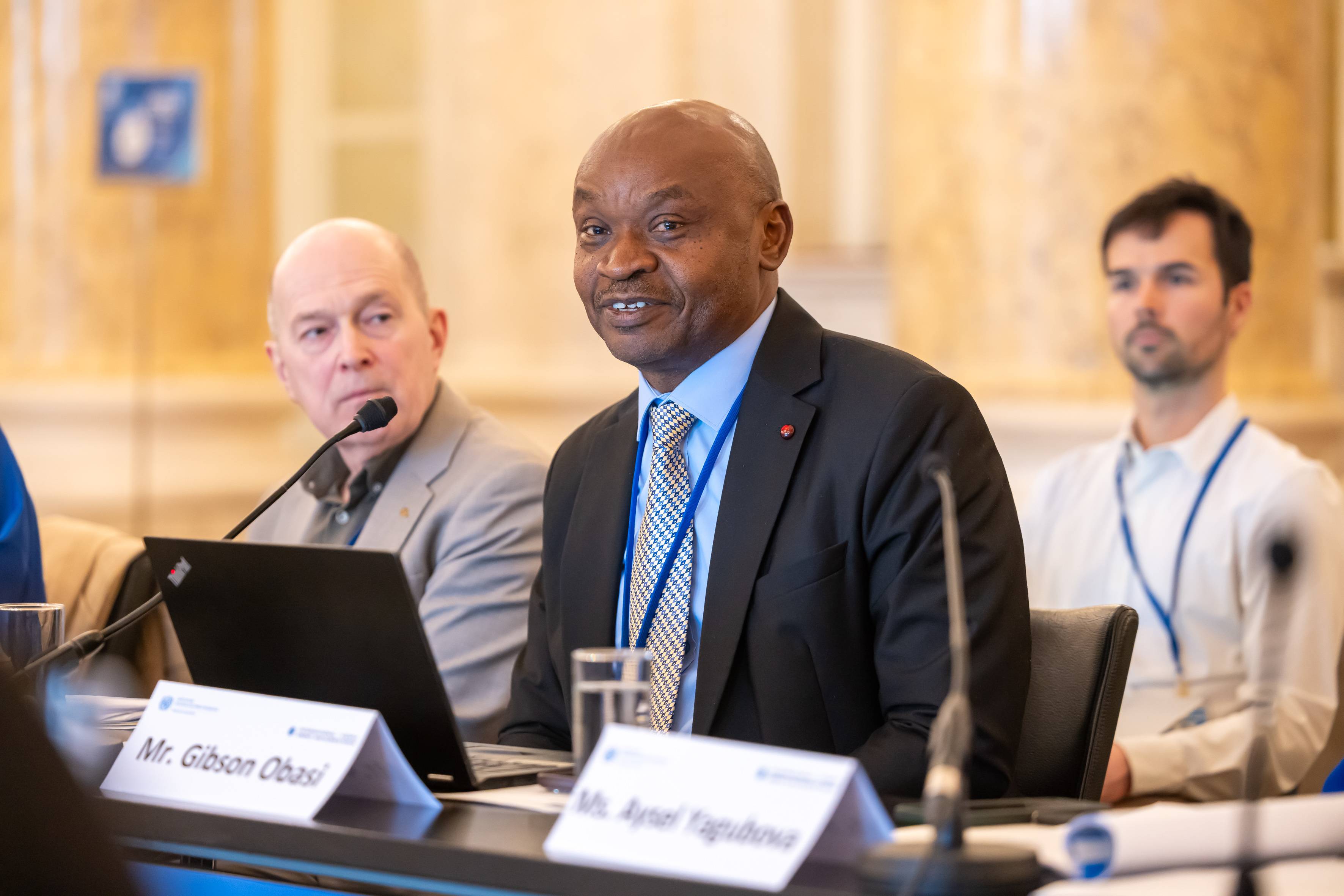
Gibson Obasi, Acting Executive Director, ECOWAS Centre for Renewable Energy and Energy Efficiency
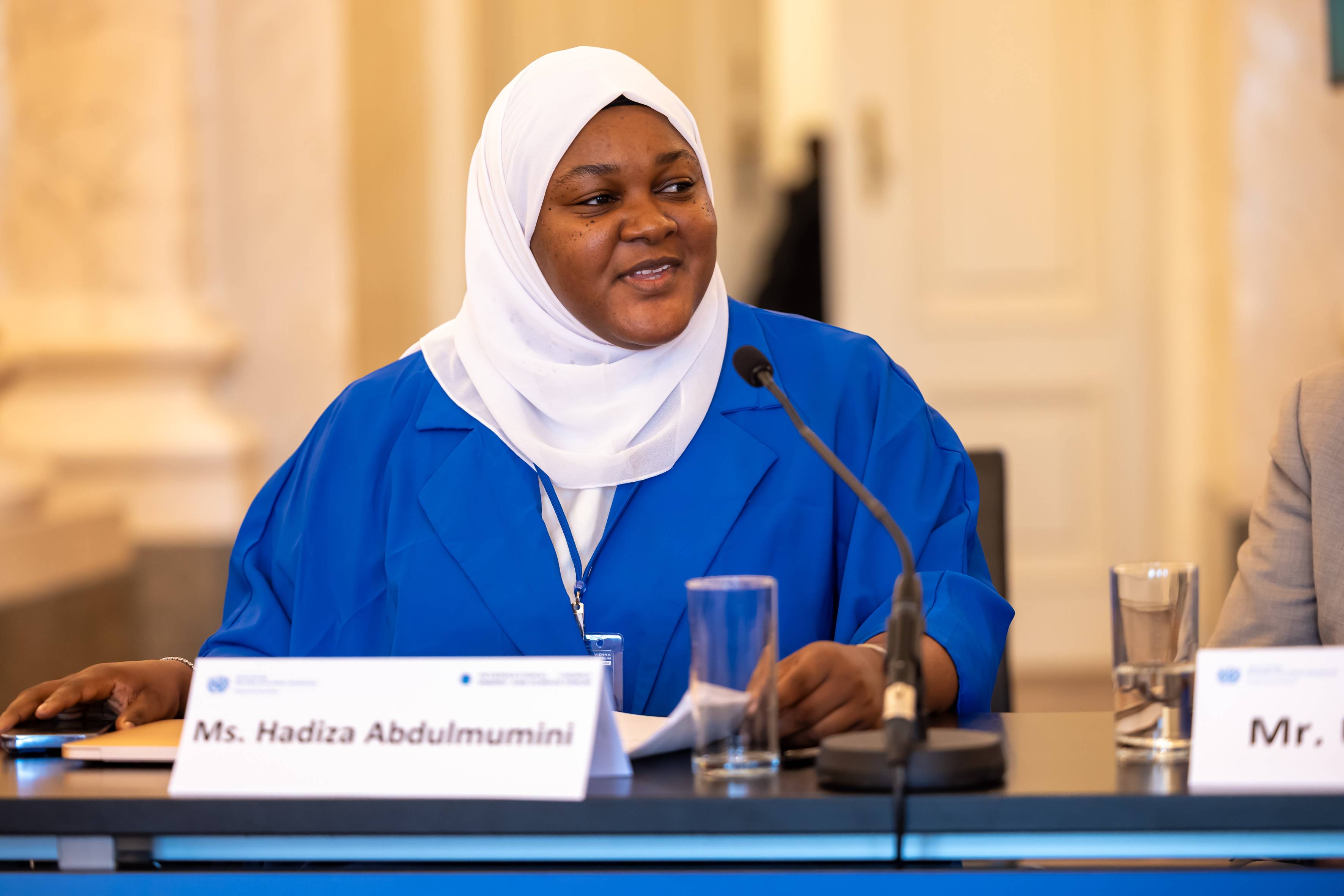
Hadiza Abdulmumini, SDG7 Youth Constituency
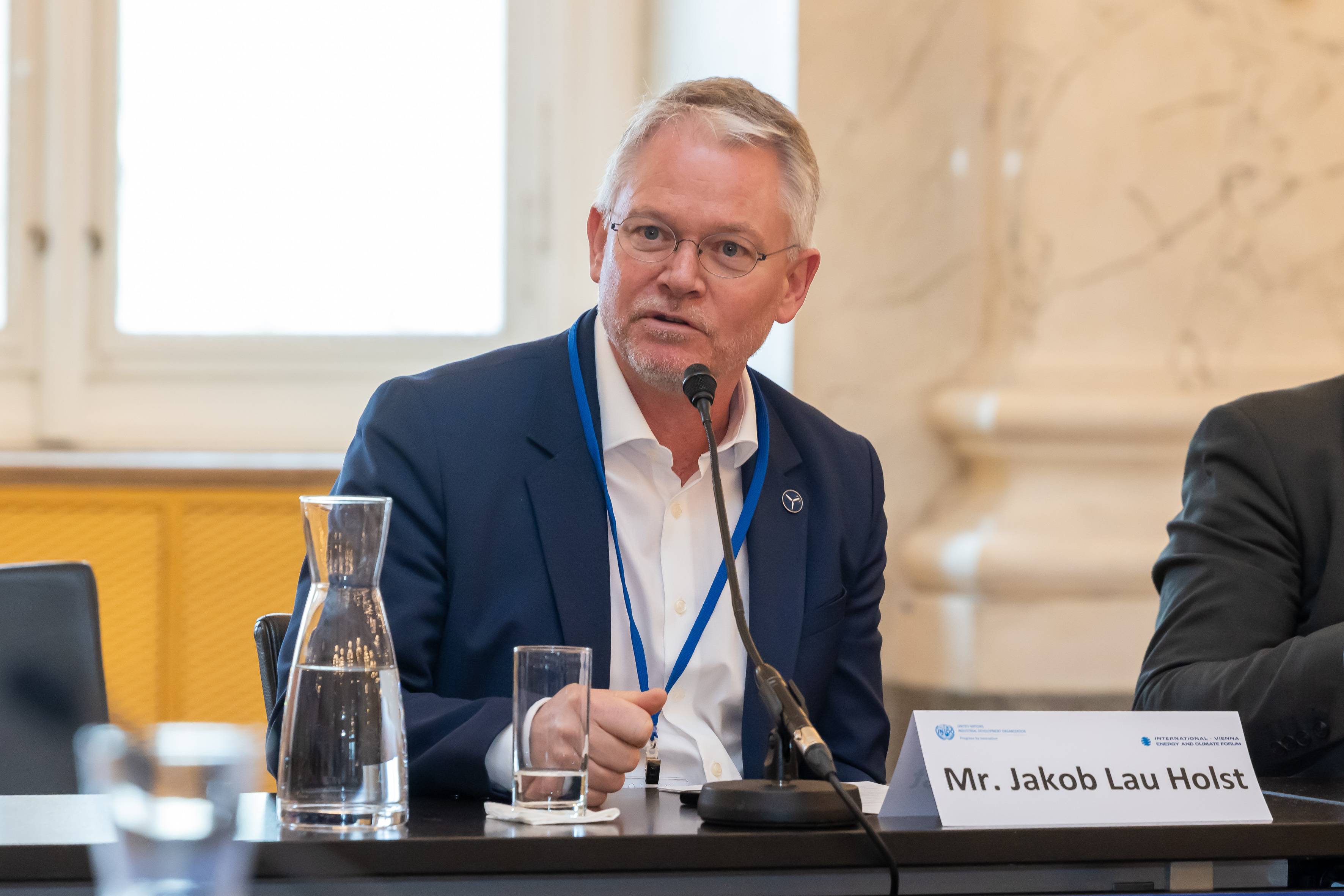
Jakob Lau Holst, Chief Executive Officer, Global Wind Organization
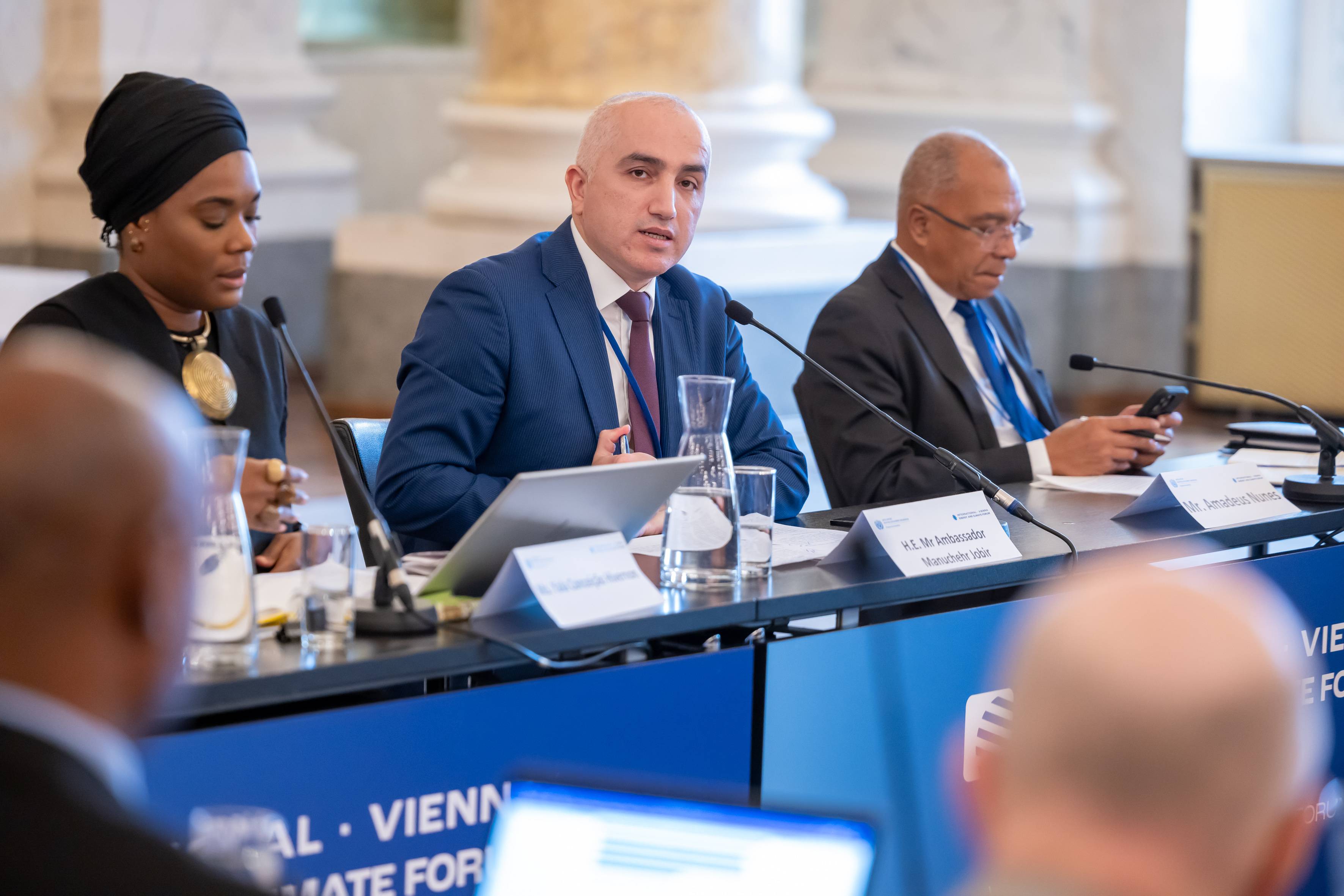
Manuchehr Jobir, Ambassador Extraordinary and Plenipotentiary of Tajikistan to Austria
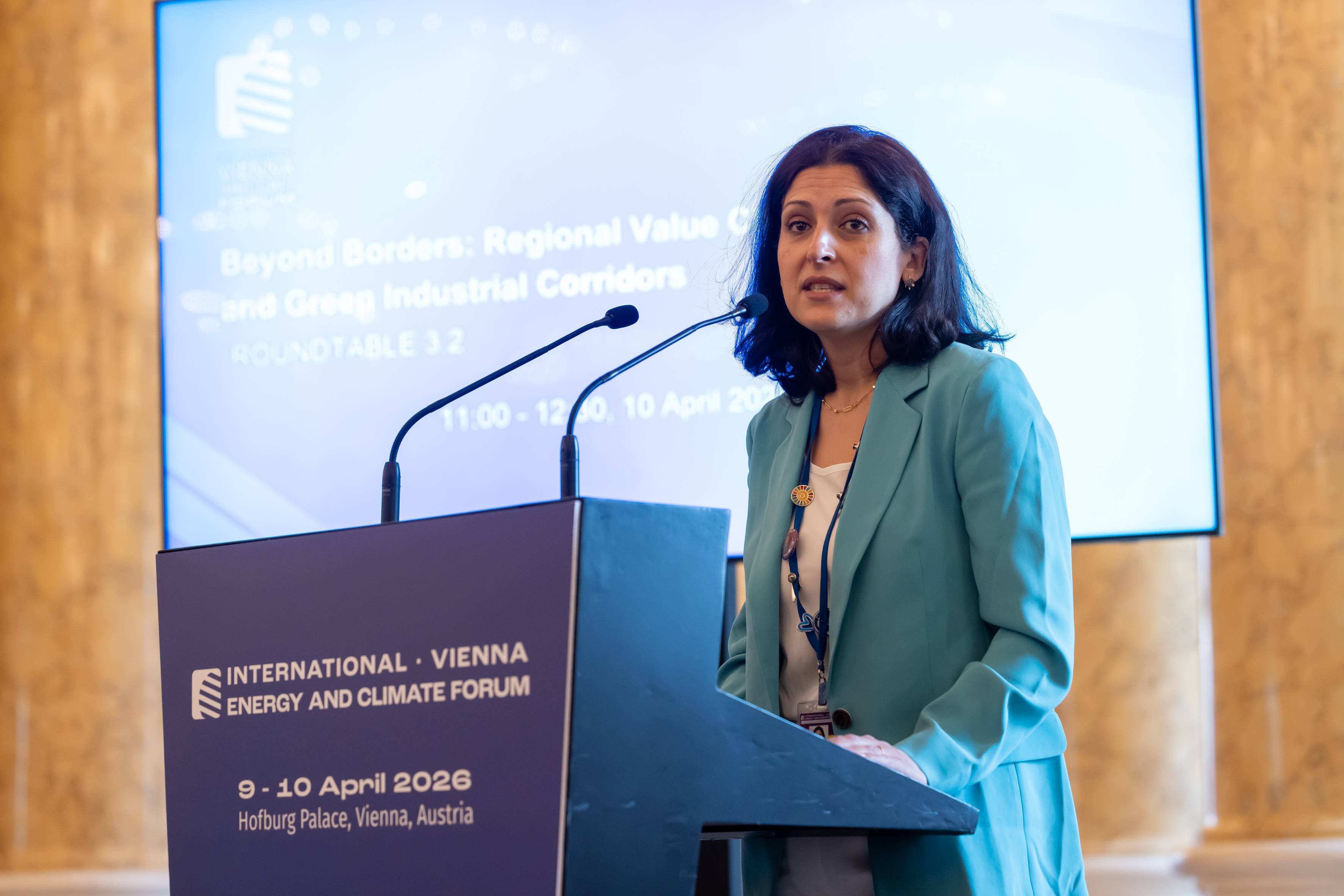
Rana Ghoneim, Director, Division of Energy and Climate Action, UNIDO
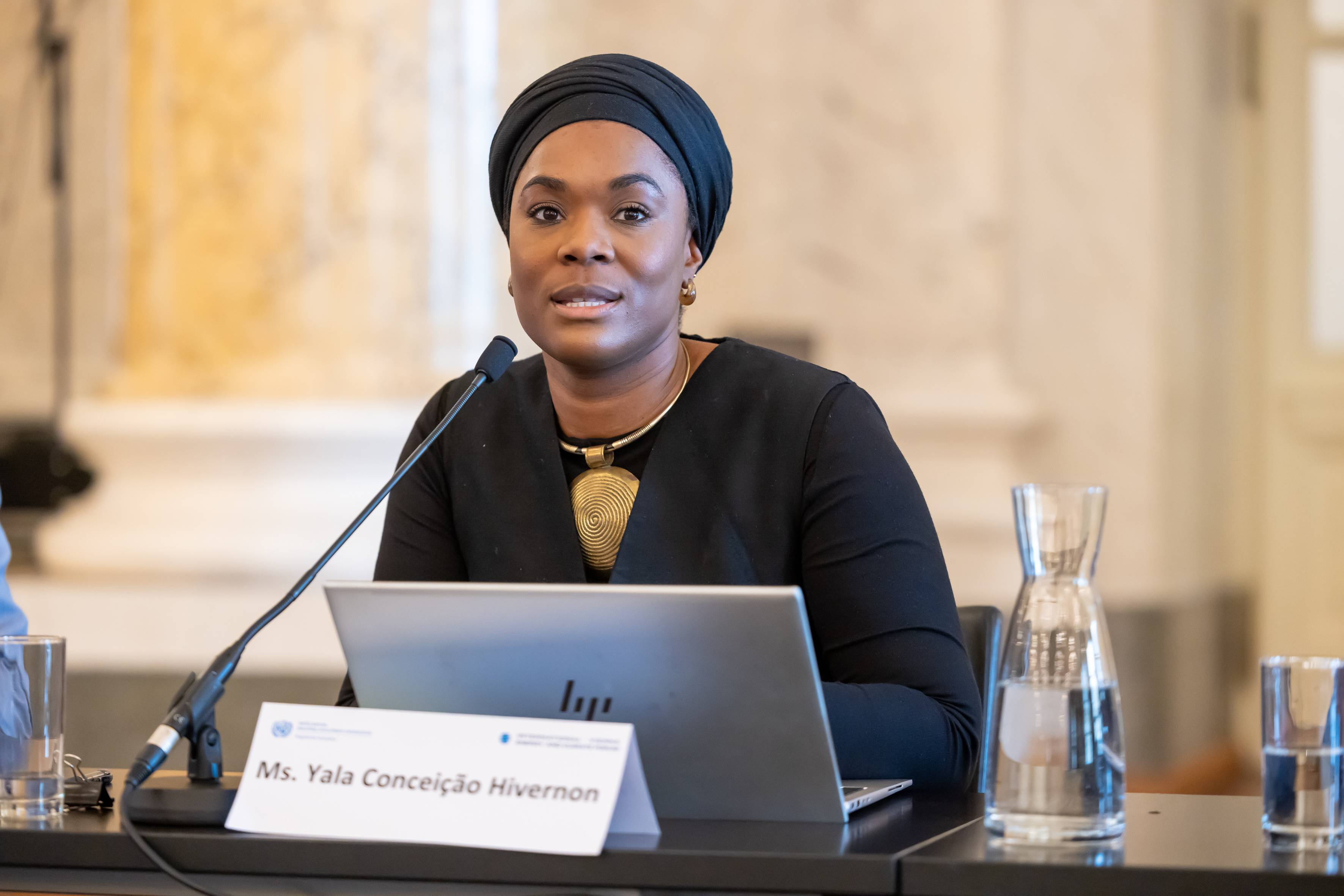
Yala Conceição Hivernon, Assistant Industrial Development Officer, UNIDO
Plenary on Securing the Green Transformation: Resilient Technologies and Infrastructure

Dana Kadyrbek, Founder, HydroTech ATM
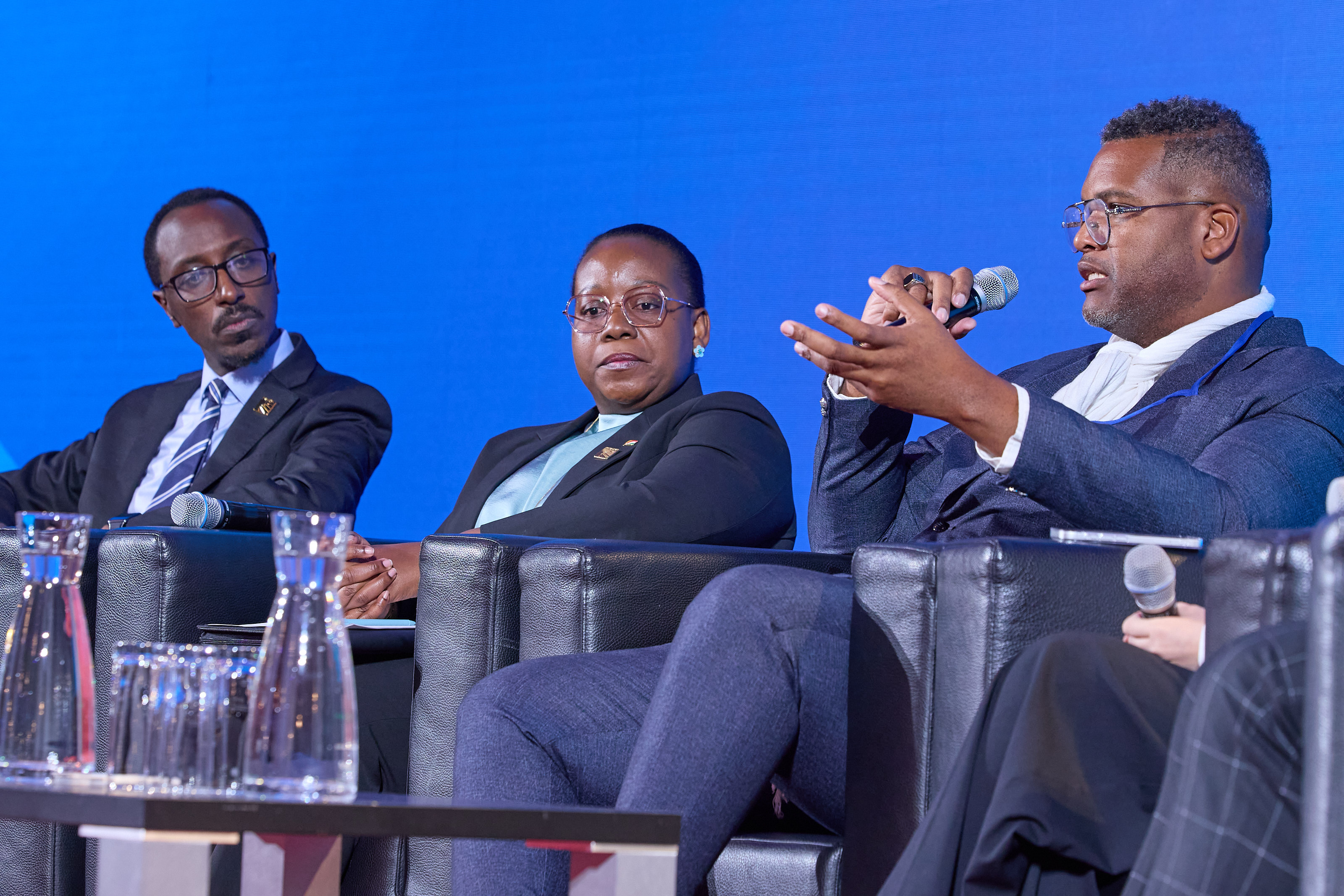
Jonathan Reid, Minister of Innovation, Industry, Science and Technology, Barbados
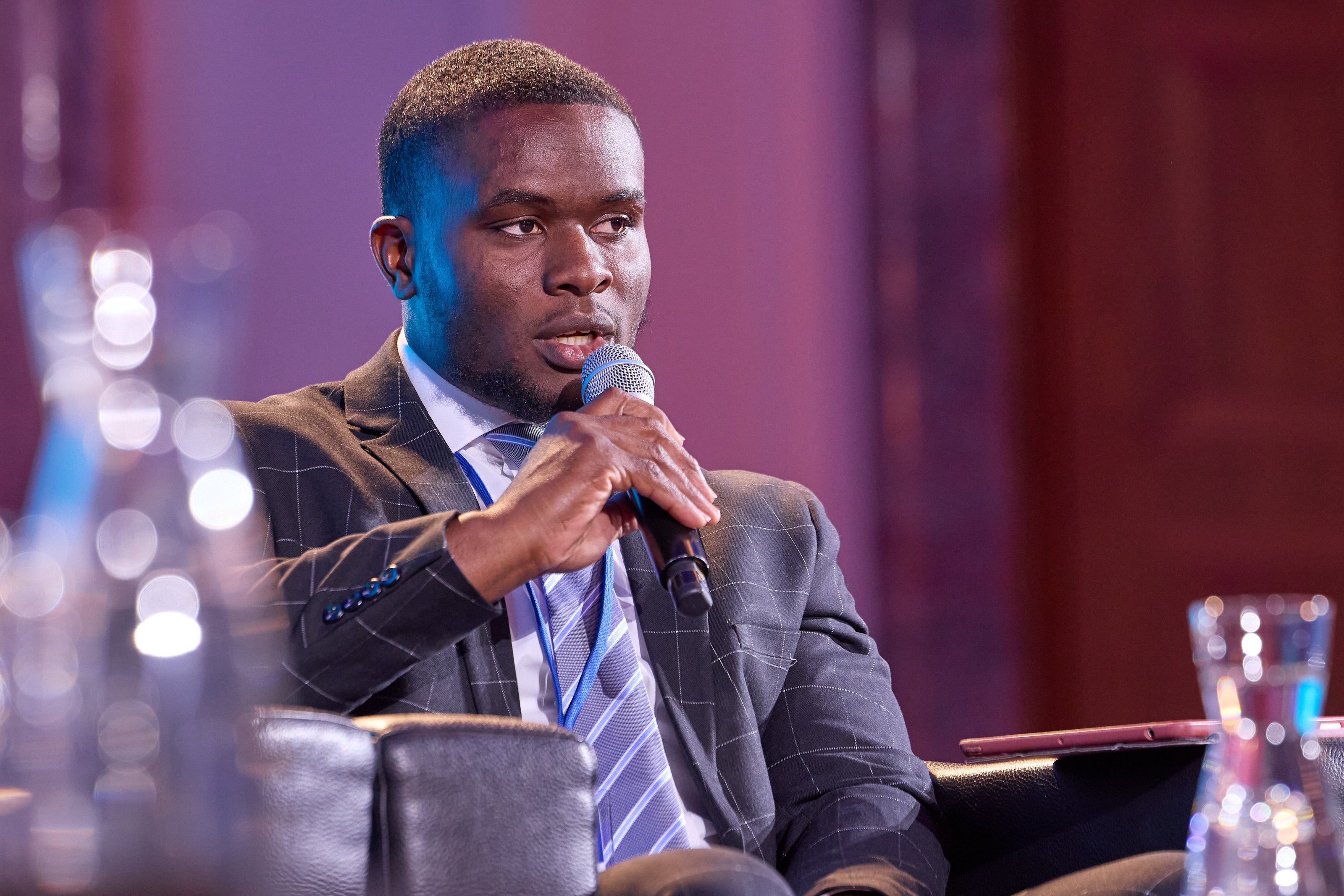
Luke LeBlanc, SDG7 Youth Constituency
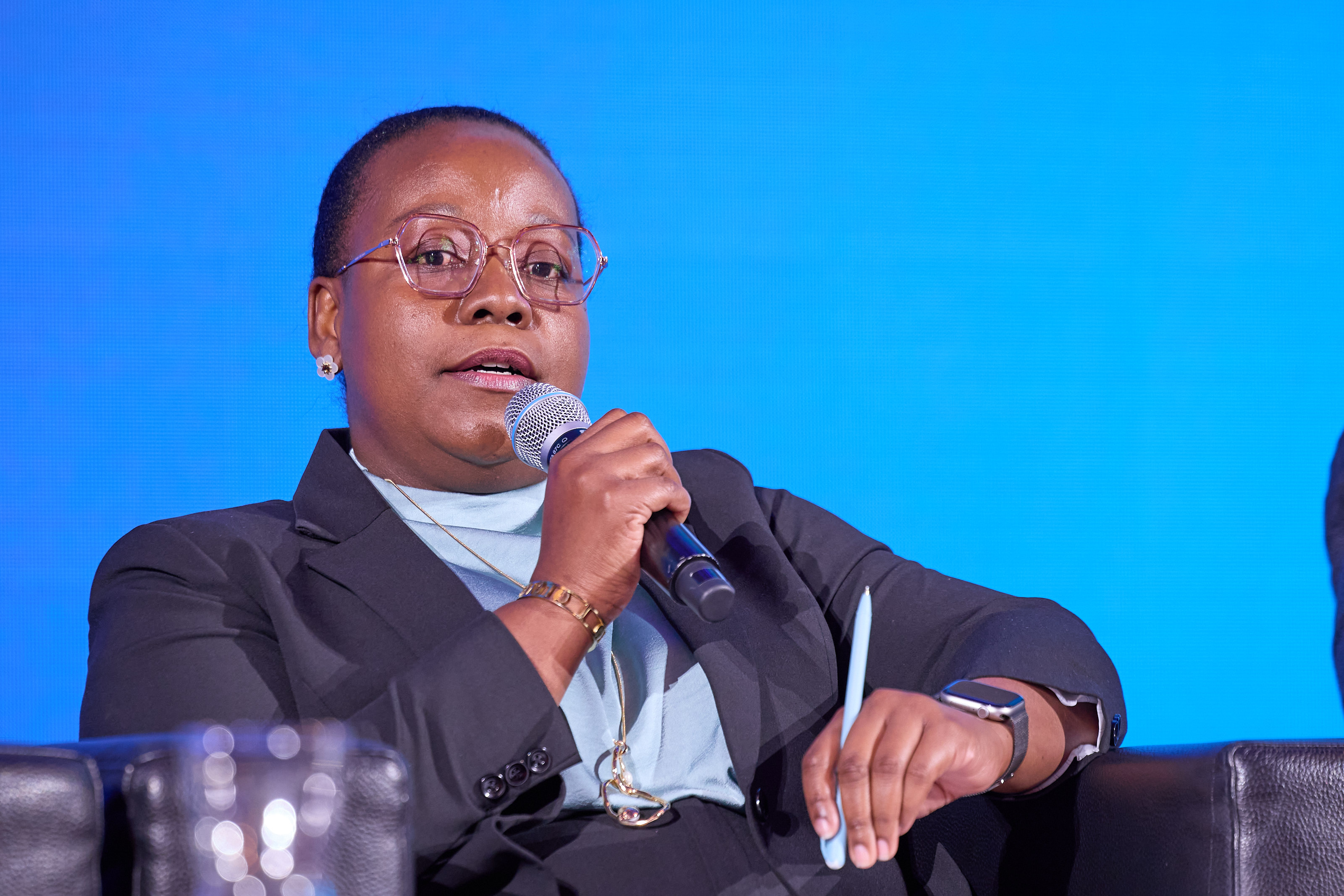
Marie-May Jeremie, Minister of Environment, Climate, Energy and Natural Resources, Seychelles
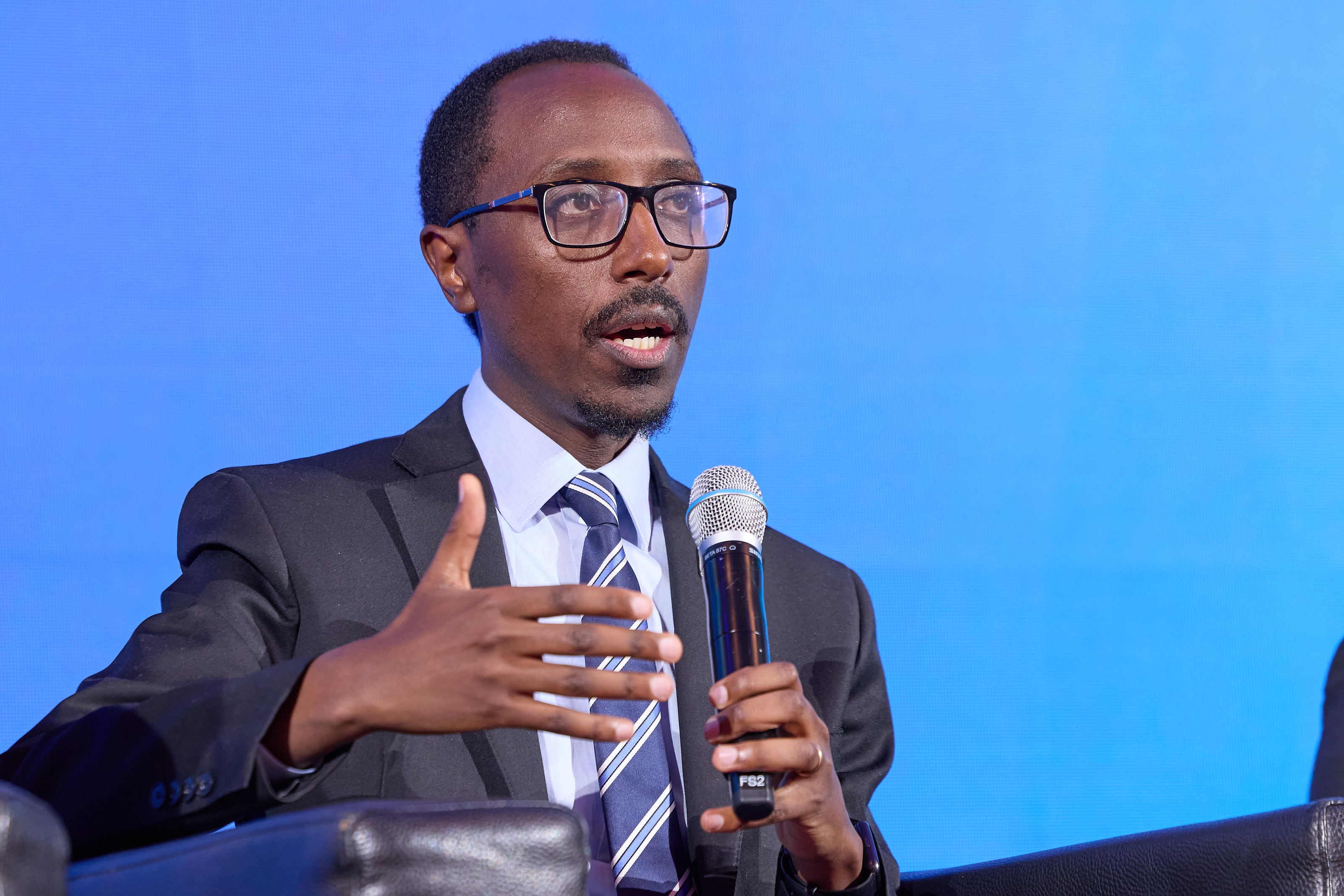
Gedion Timothewos Hessebon, Minister of Foreign Affairs, Ethiopia
Roundtable on Innovation to Impact: Entrepreneurship, Skills and Inclusive Green Industrial Value Creation
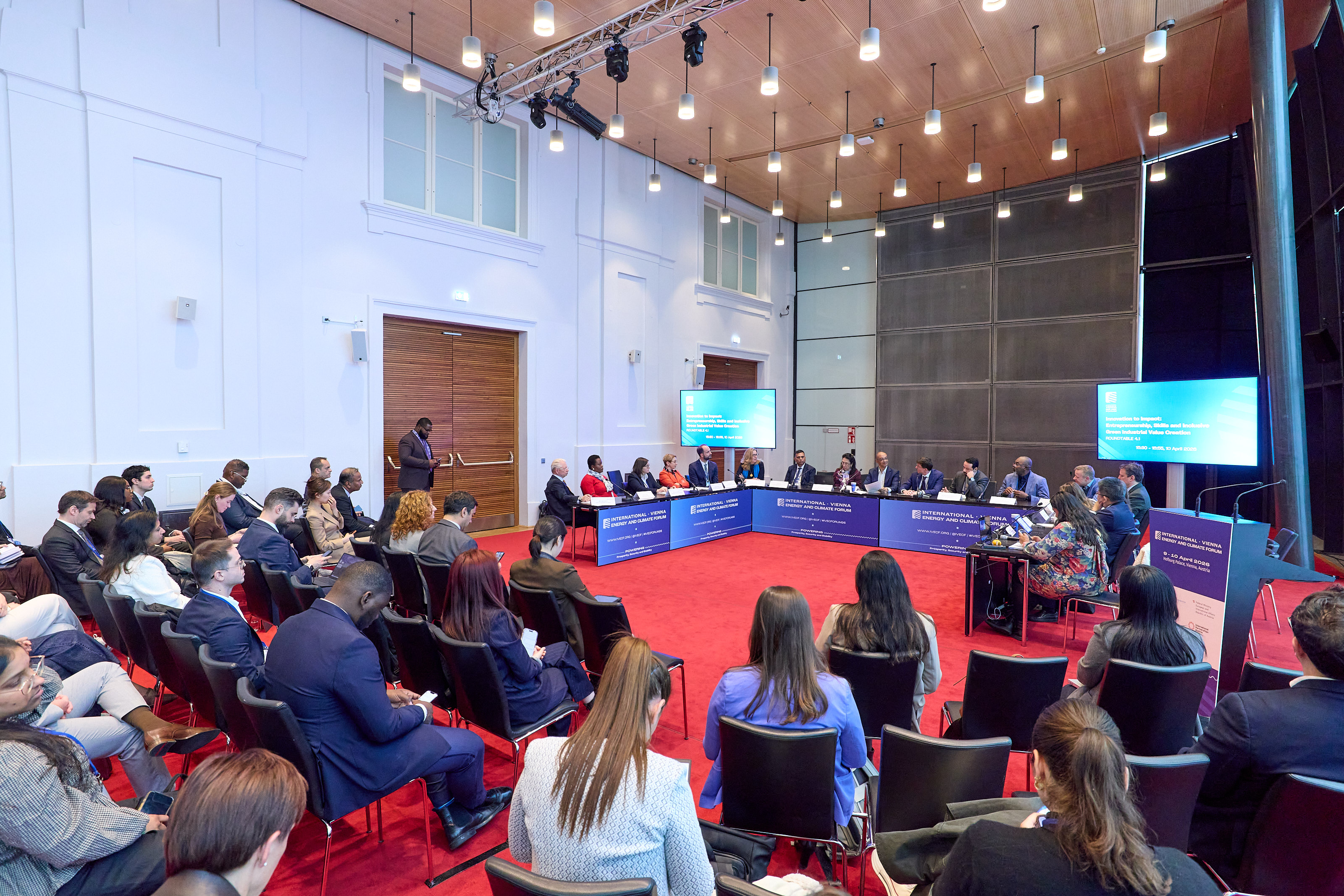
View of the room during the roundtable session
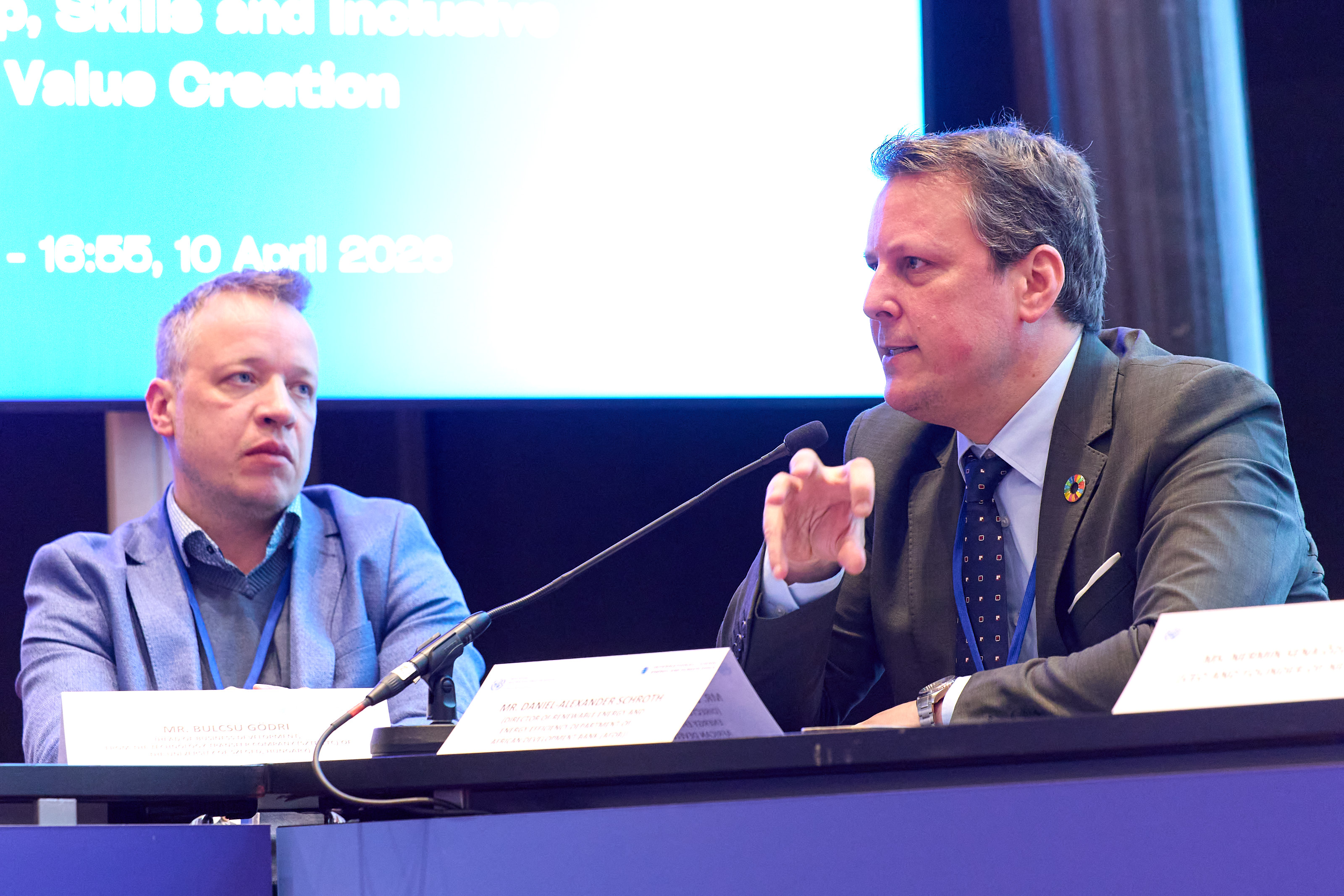
Daniel Alexander Schroth, Director for Renewable Energy and Energy Efficiency, African Development Bank
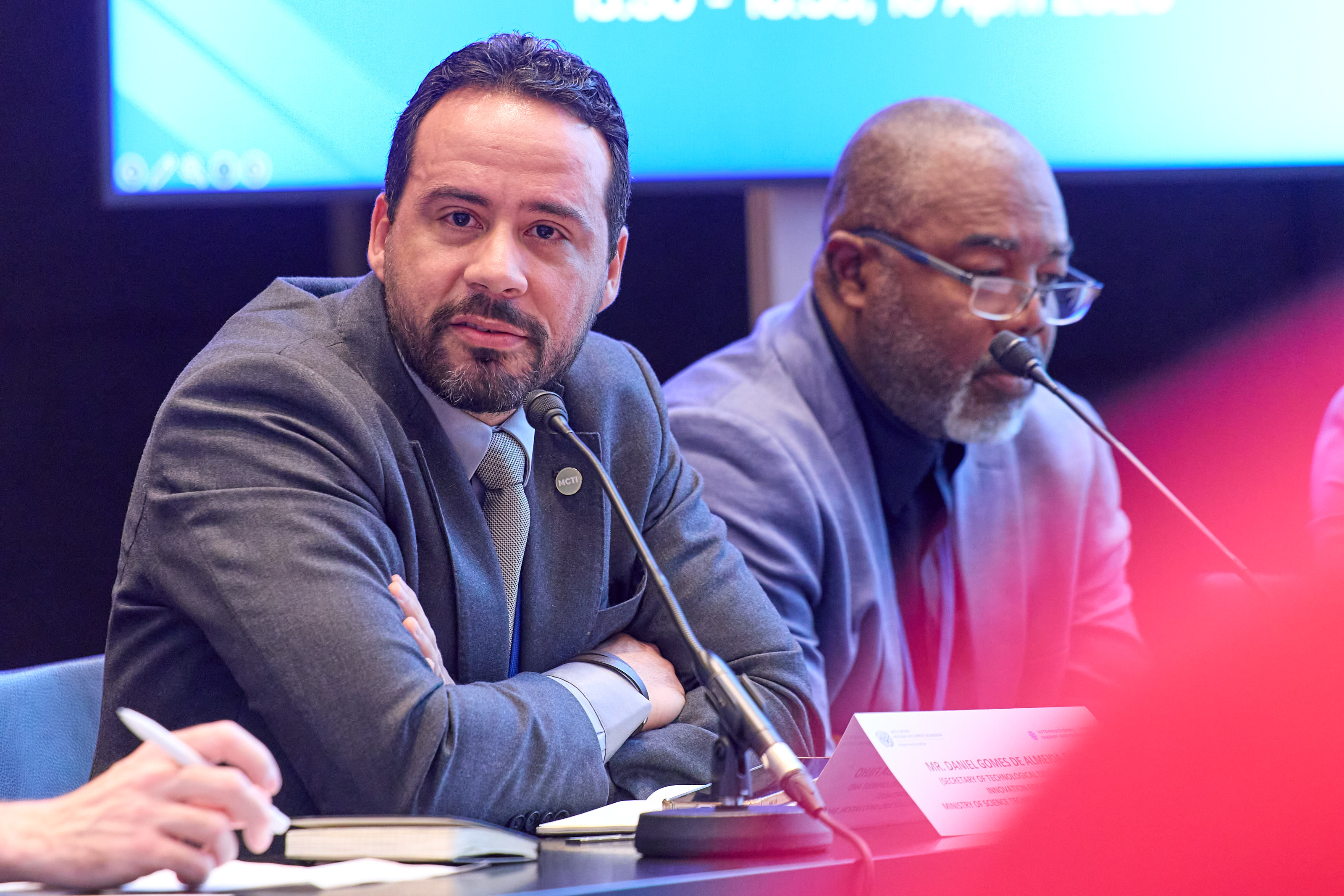
Daniel Gomes de Almeida Filho, Secretary for Technological Development and Innovation, Brazil
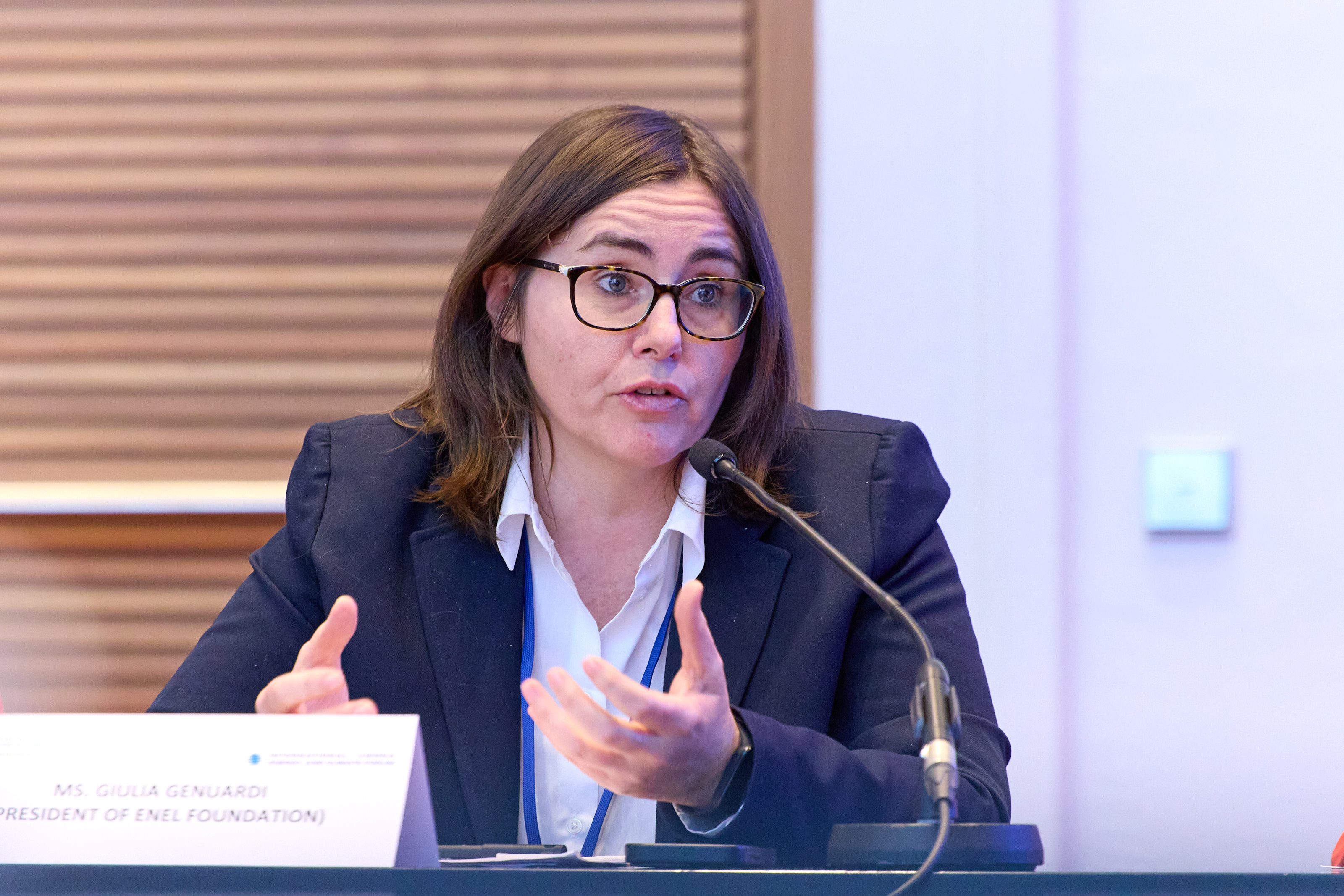
Giulia Gernuardi, Managing Director, Enel Group
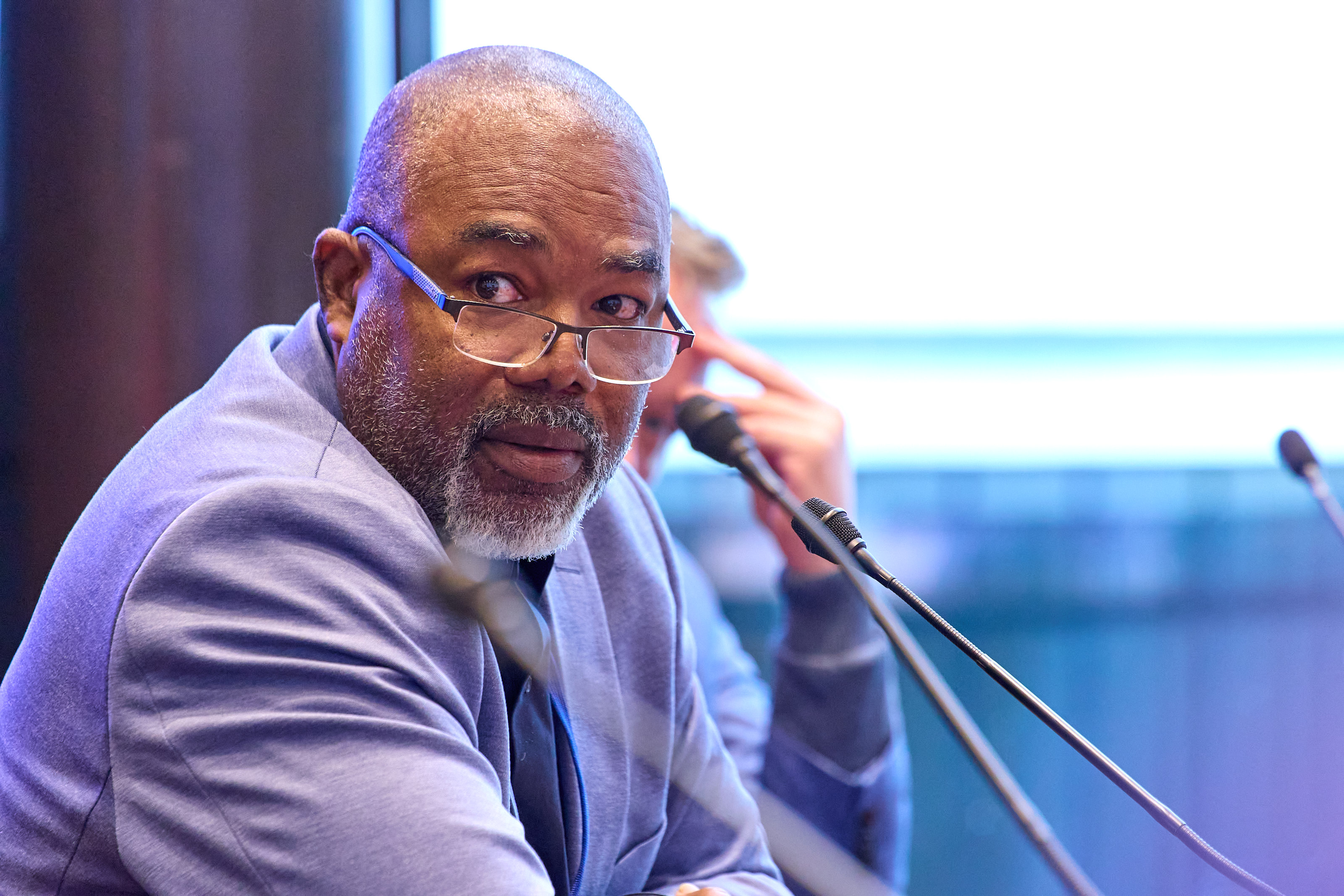
Mark Hill, Chief Executive Officer, Export Barbados
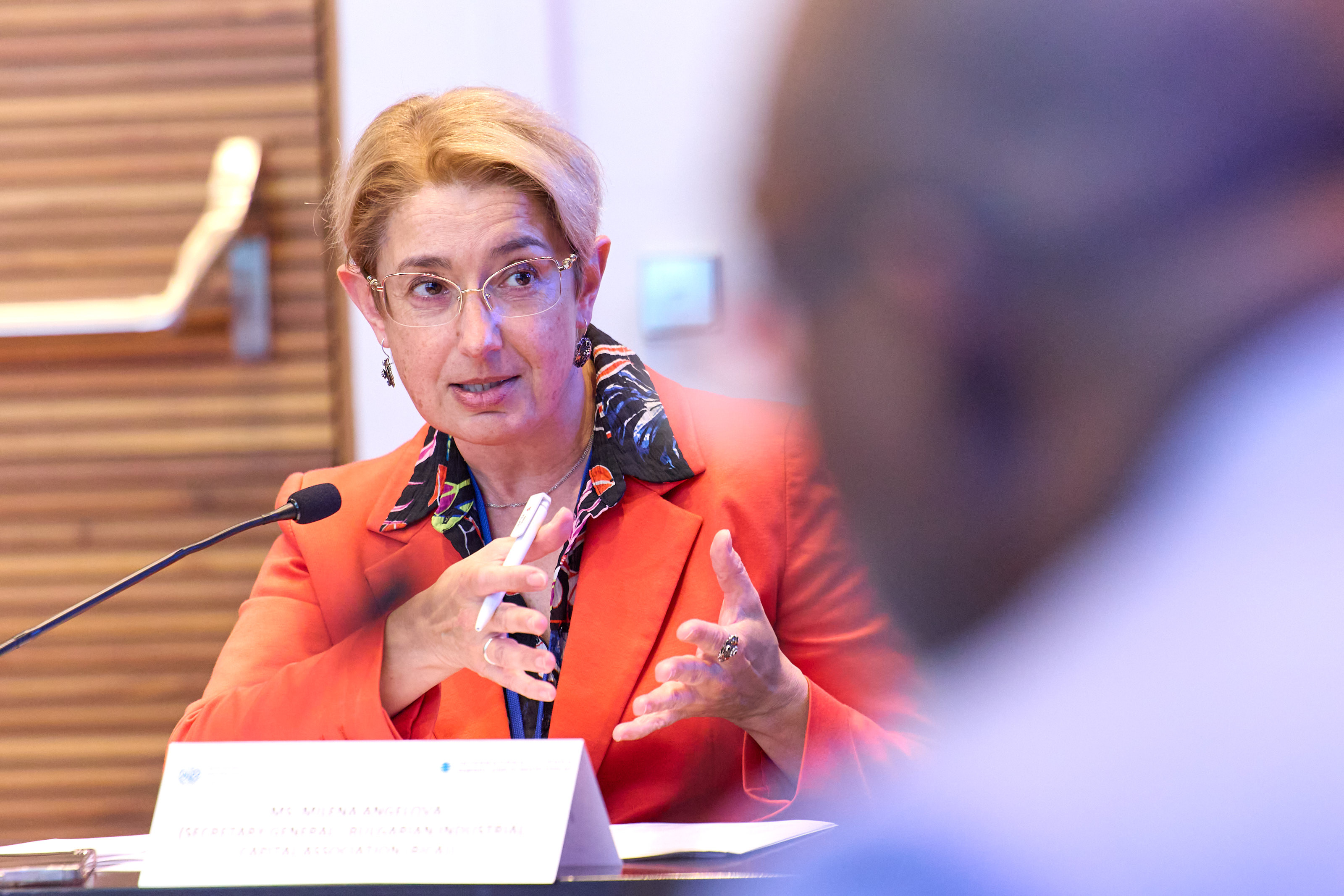
Milena Angelova, Secretary General, Bulgarian Industrial Capital Association
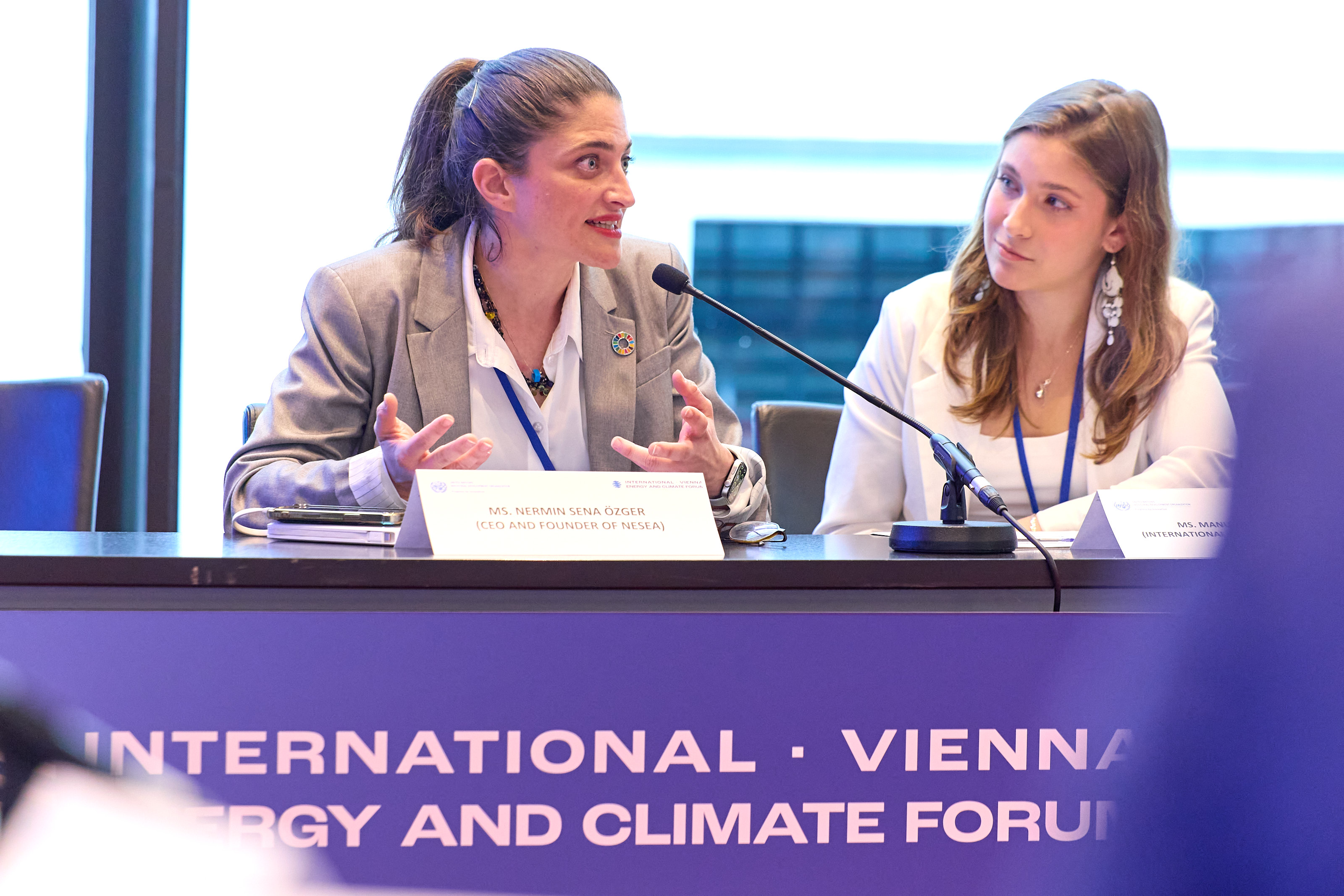
Nermin Sena Özger, Chief Executive Officer and Founder, NeSea
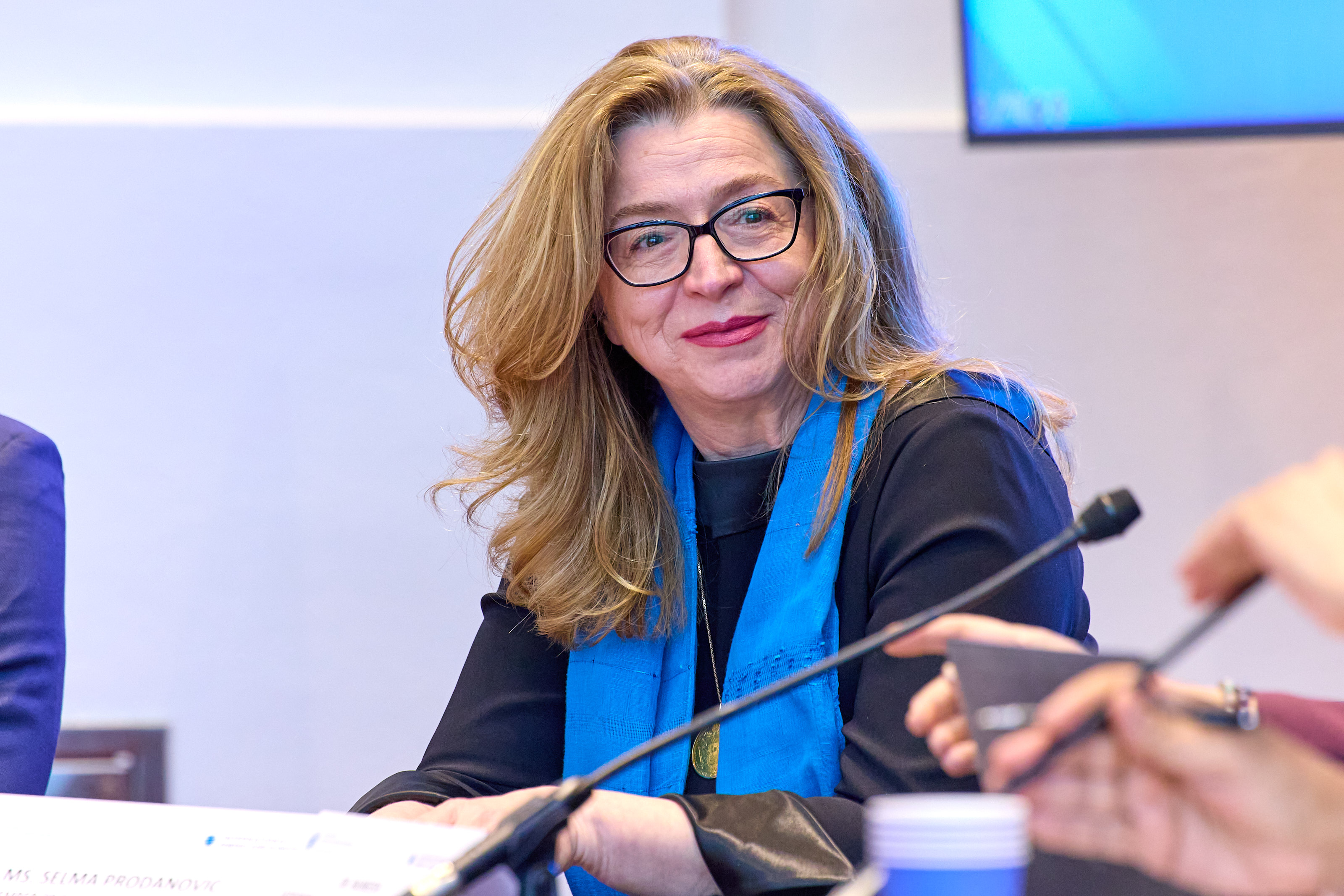
Selma Prodanovic, Chief Executive Officer and Founder, 1MillionStartups
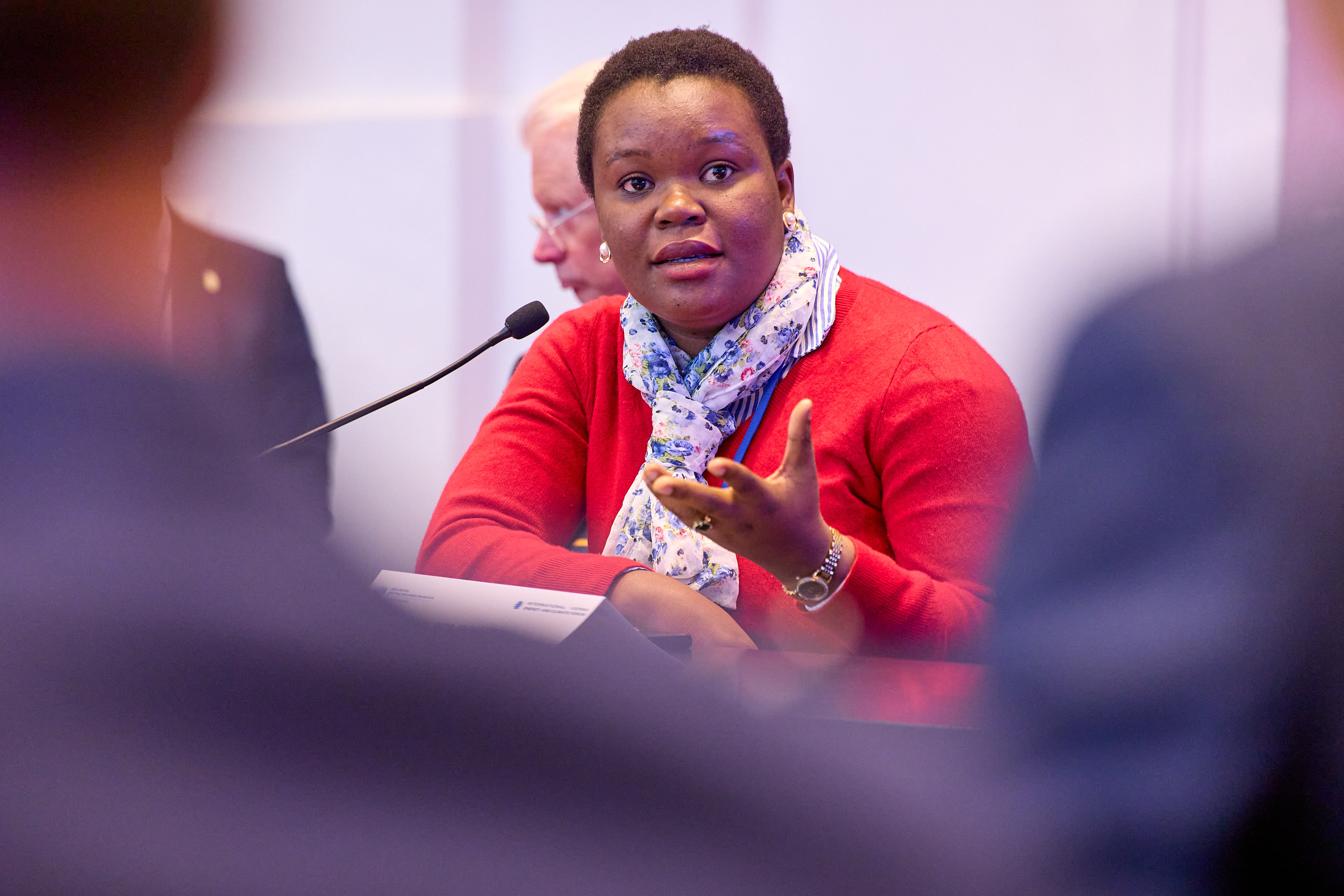
Rita Idehai, Chief Executive Officer and Founder, Ecobarter
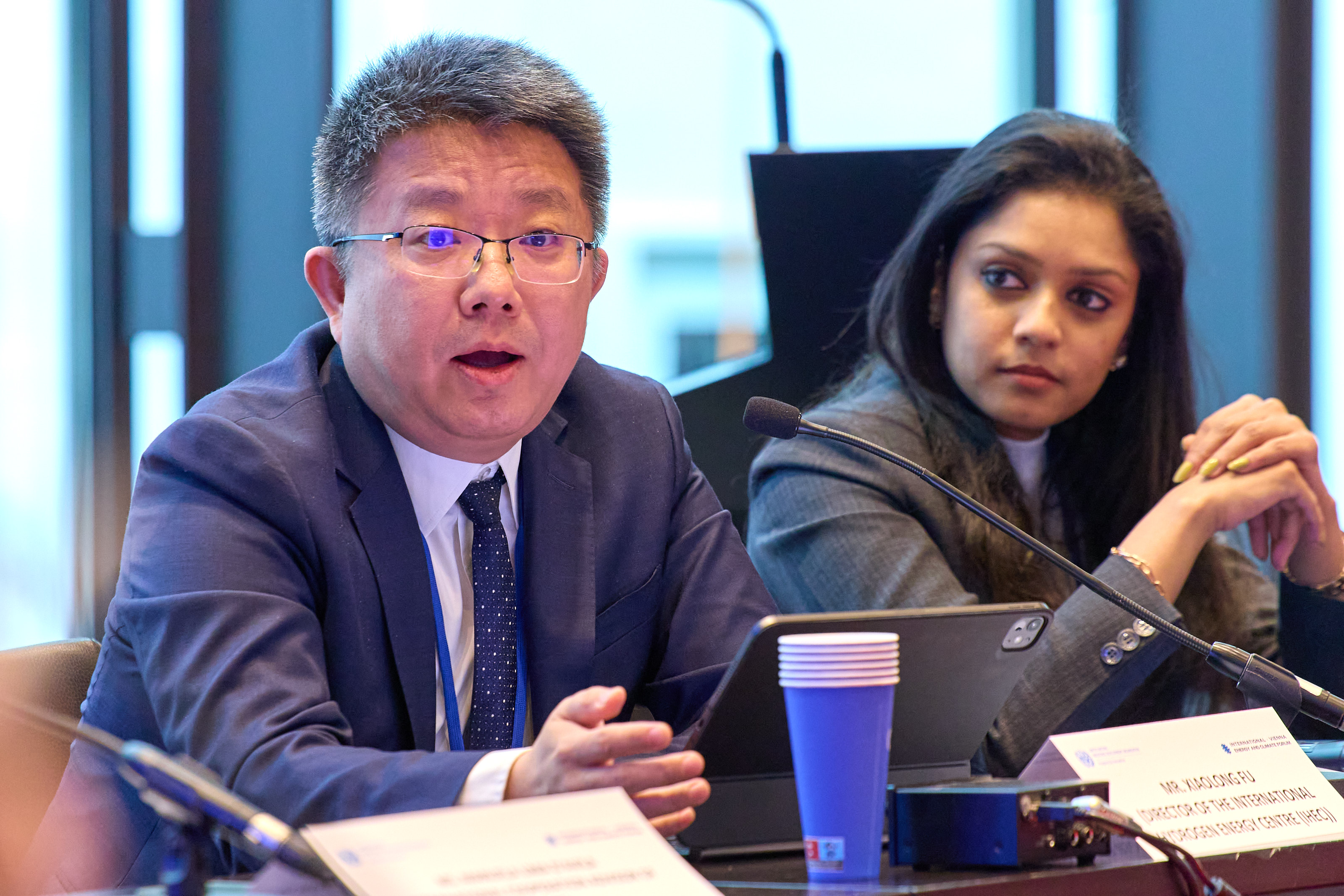
Xiaolong Fu, Director, International Hydrogen Energy Centre
Roundtable on Rebuilding Futures: Green Industrialization in Crisis Contexts
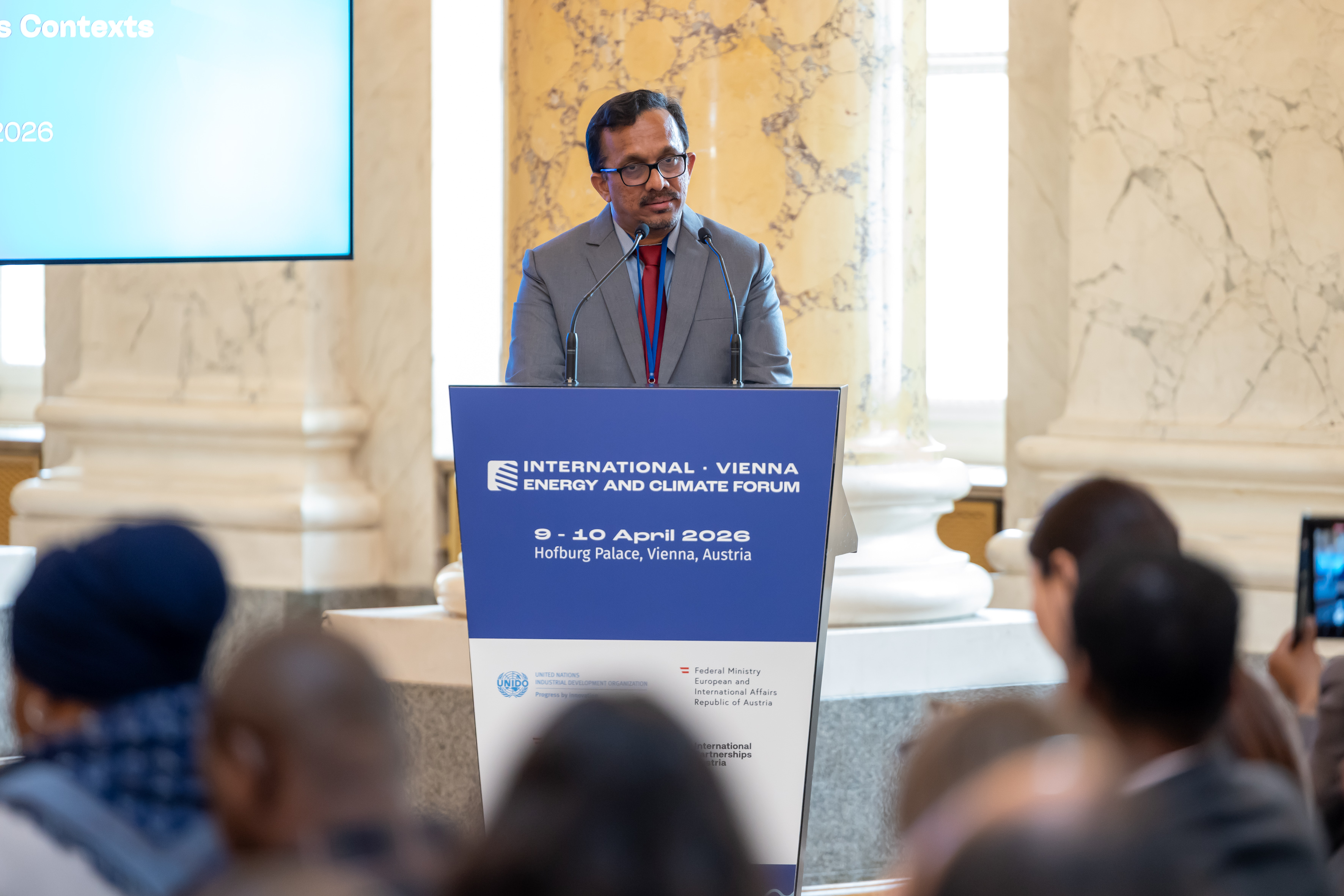
Sunil Handunnetti, Minister of Industry and Entrepreneurship Development, Sri Lanka
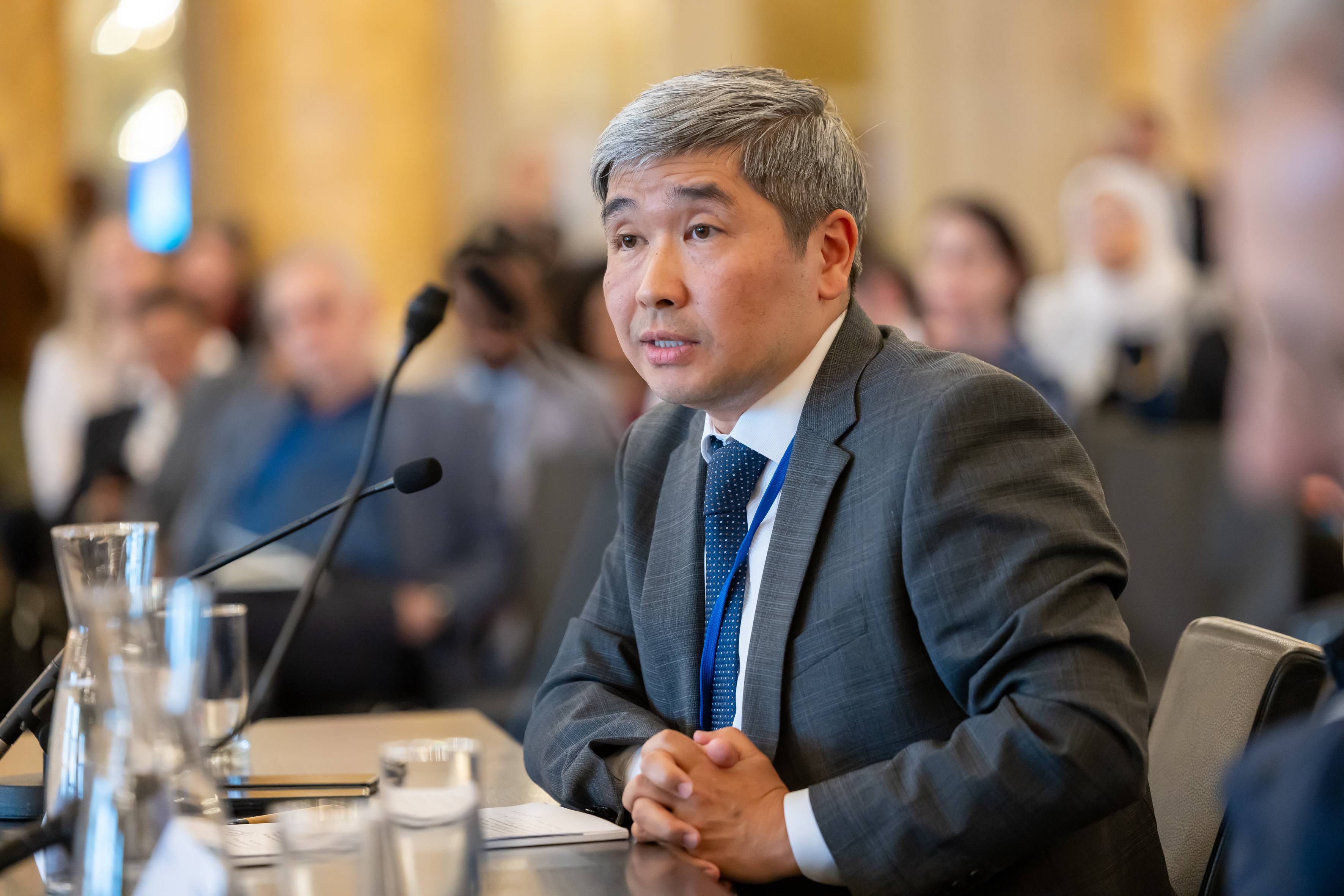
Bakyt Dzhusupov, Co-ordinator of Organization for Security and Co-operation in Europe (OSCE) Economic and Environmental Activities
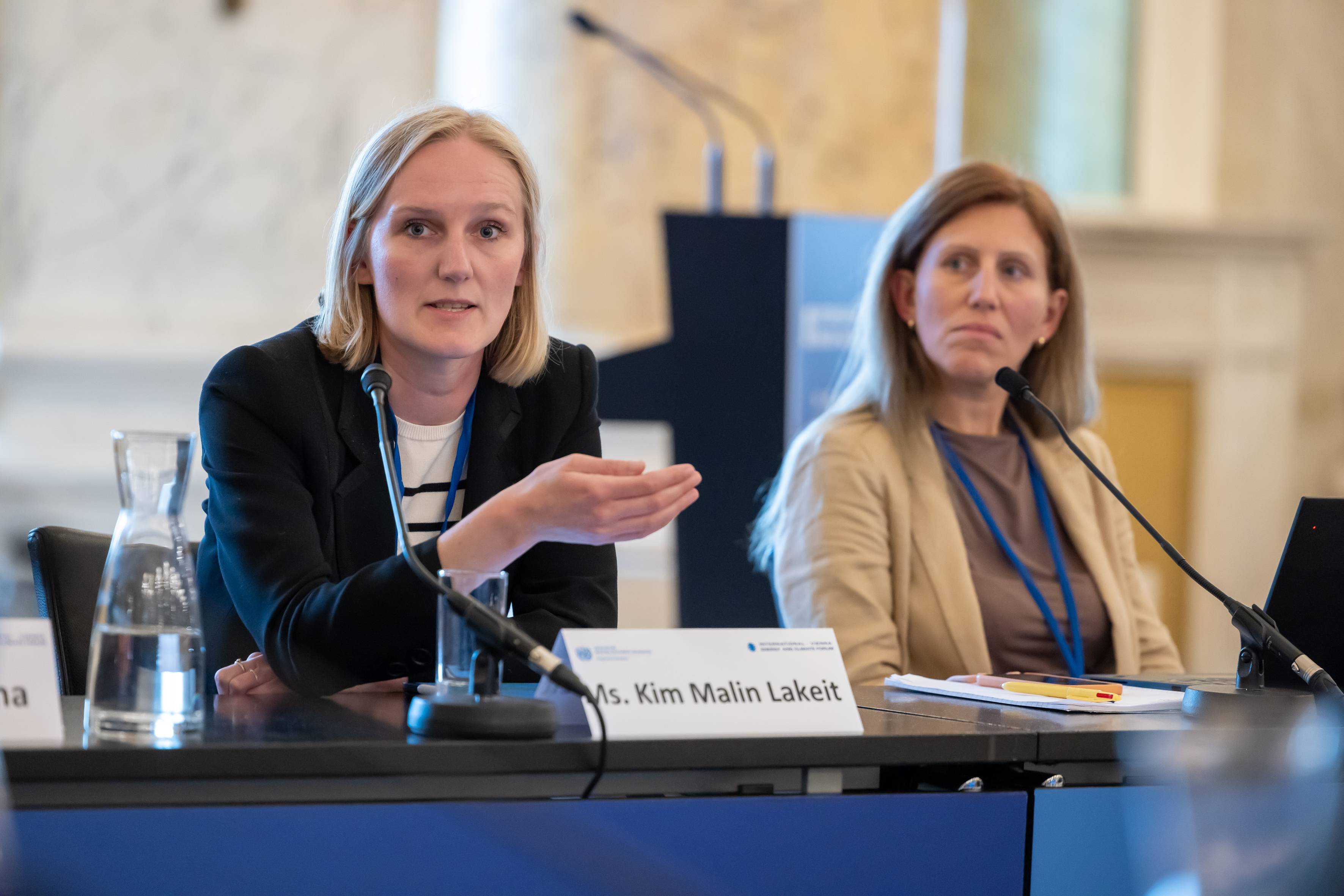
Kim Malin Lakeit, Director for International Cooperation, Deutsche Energie-Agentur GmbH
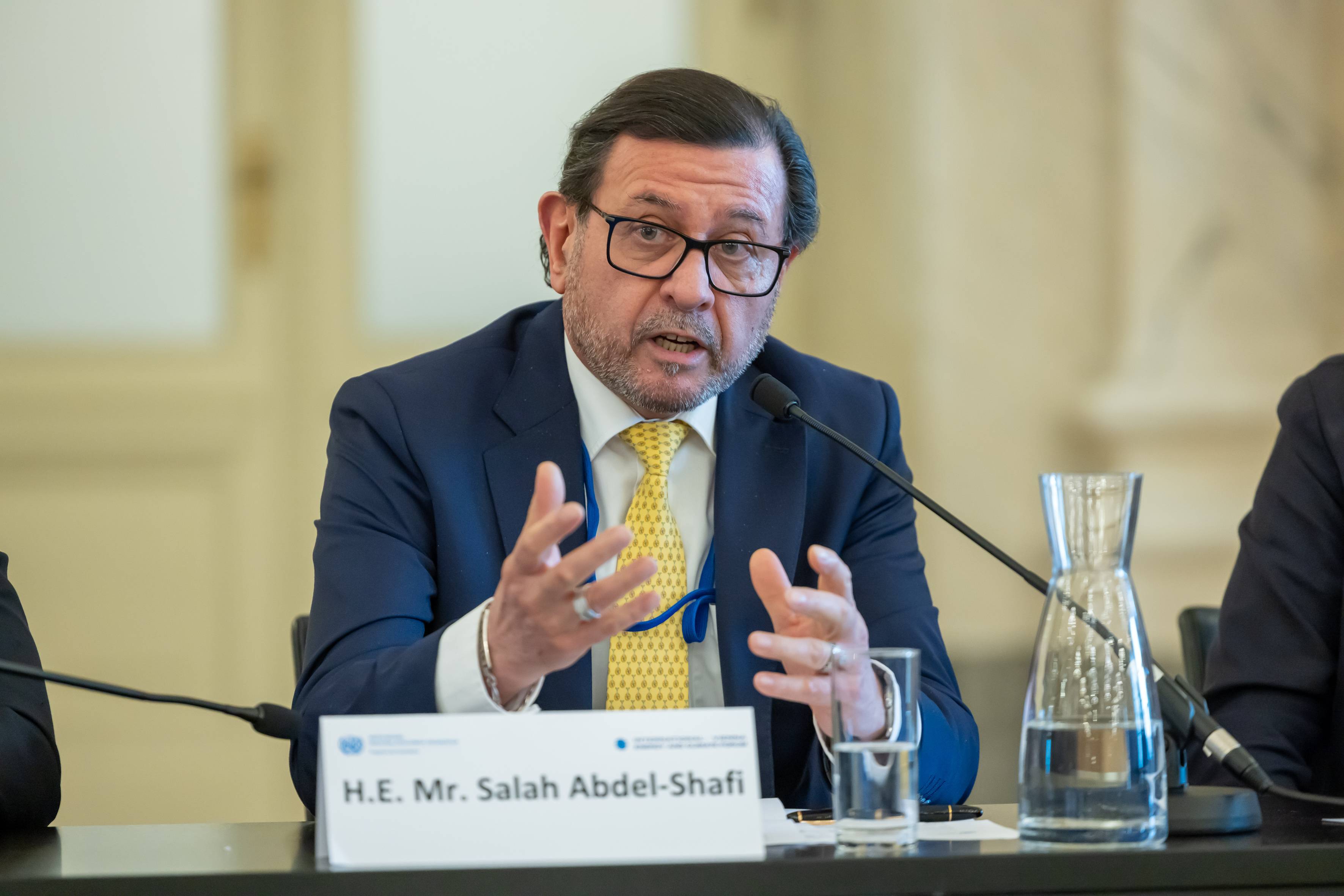
Salah Abdel-Shafi, Palestinian Ambassador to Austria and Permanent Observer to the UN in Vienna

Yuko Yasunaga, Deputy to the Director General and Managing Director of the Directorate of Corporate Services and Operations, UNIDO
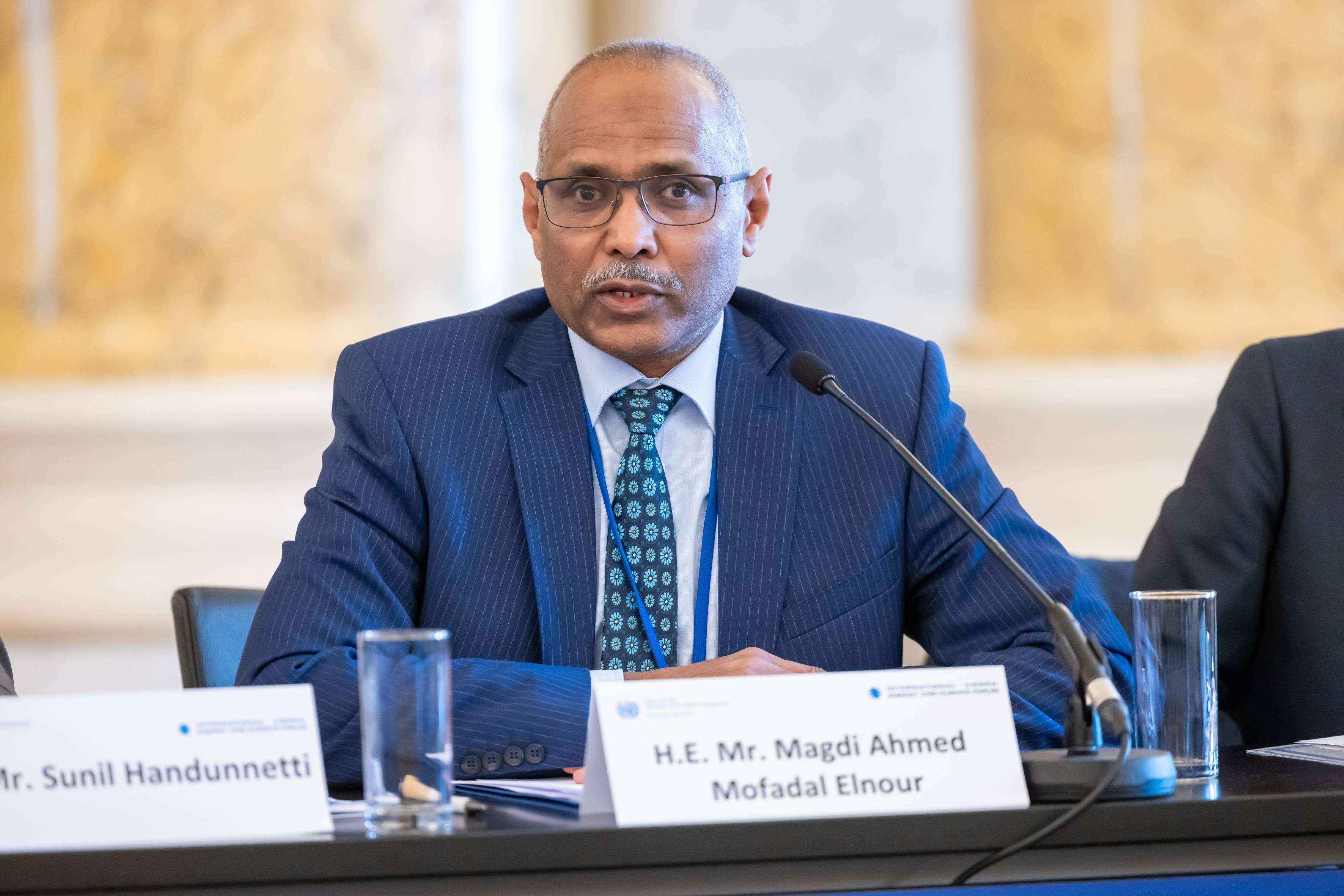
Magdi Ahmed Mofadal Elnour, Permanent Representative of Sudan to the UN and other International Organizations in Vienna
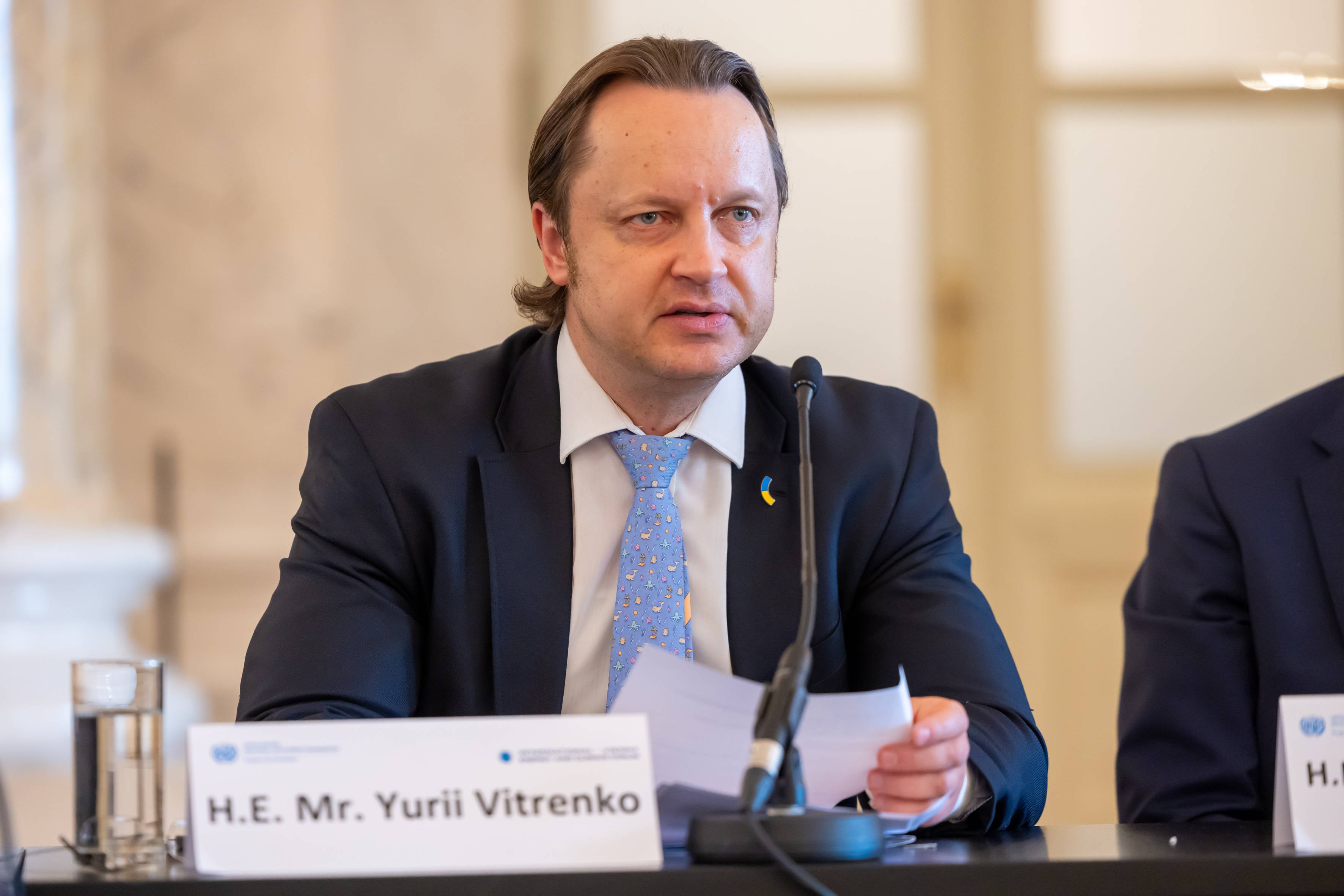
Yurii Vitrenko, Permanent Representative of Ukraine to the UN and other International Organizations in Vienna
Closing
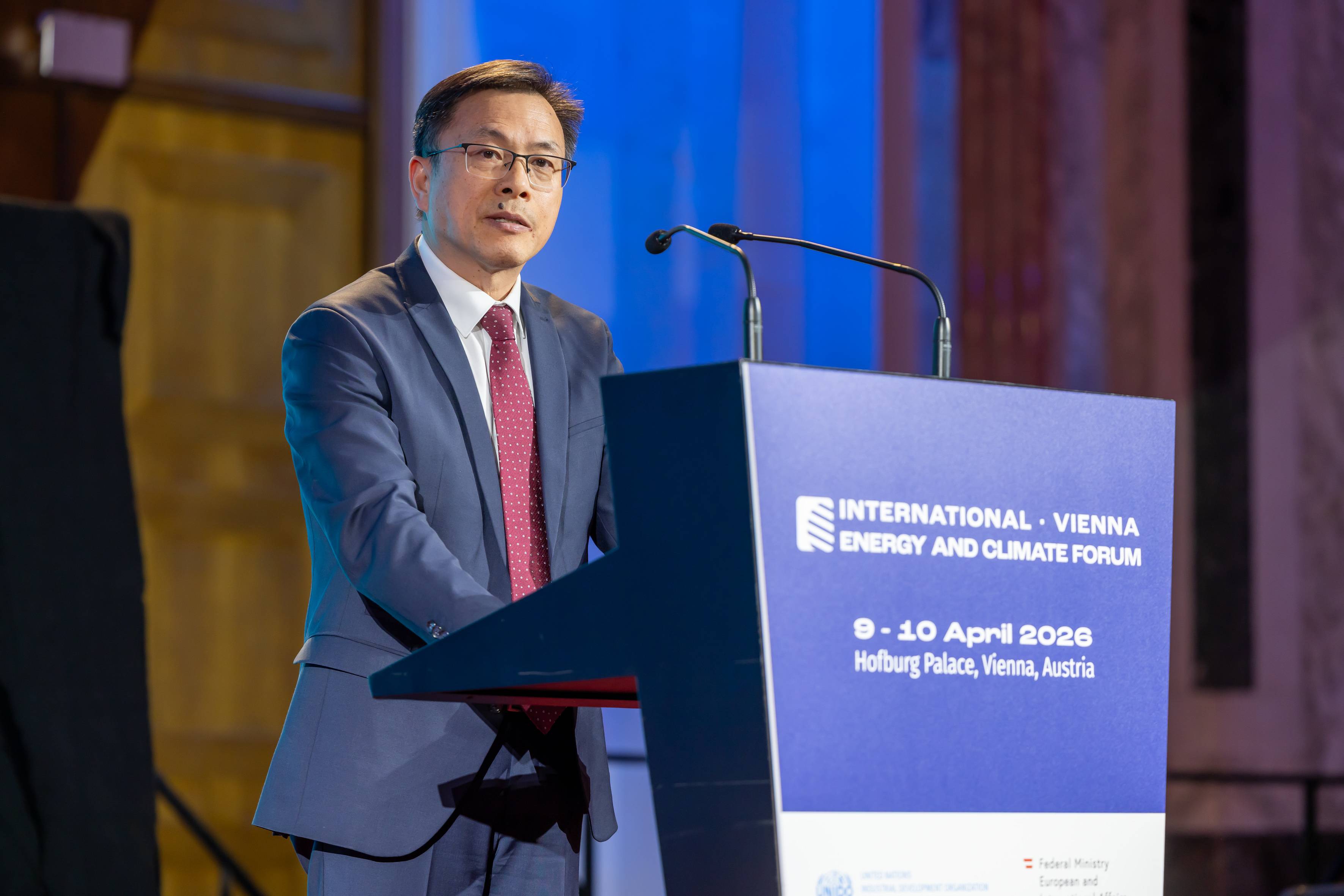
Ciyong Zou, Deputy to the Director General and the Managing Director of the Directorate of Technical Cooperation and Sustainable Industrial Development, UNIDO
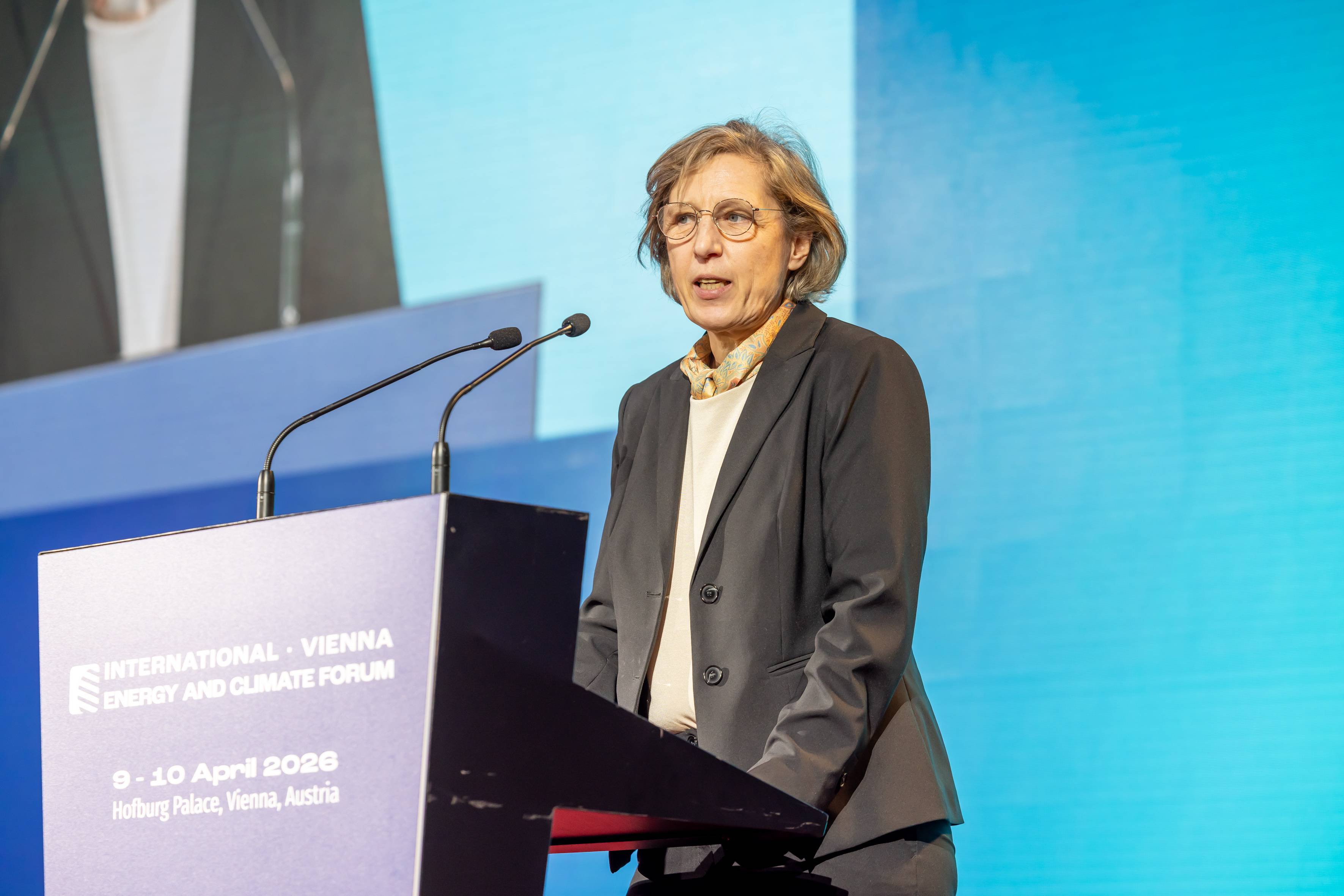
Gabriela Sellner, Permanent Representative of Austria to the UN in Vienna
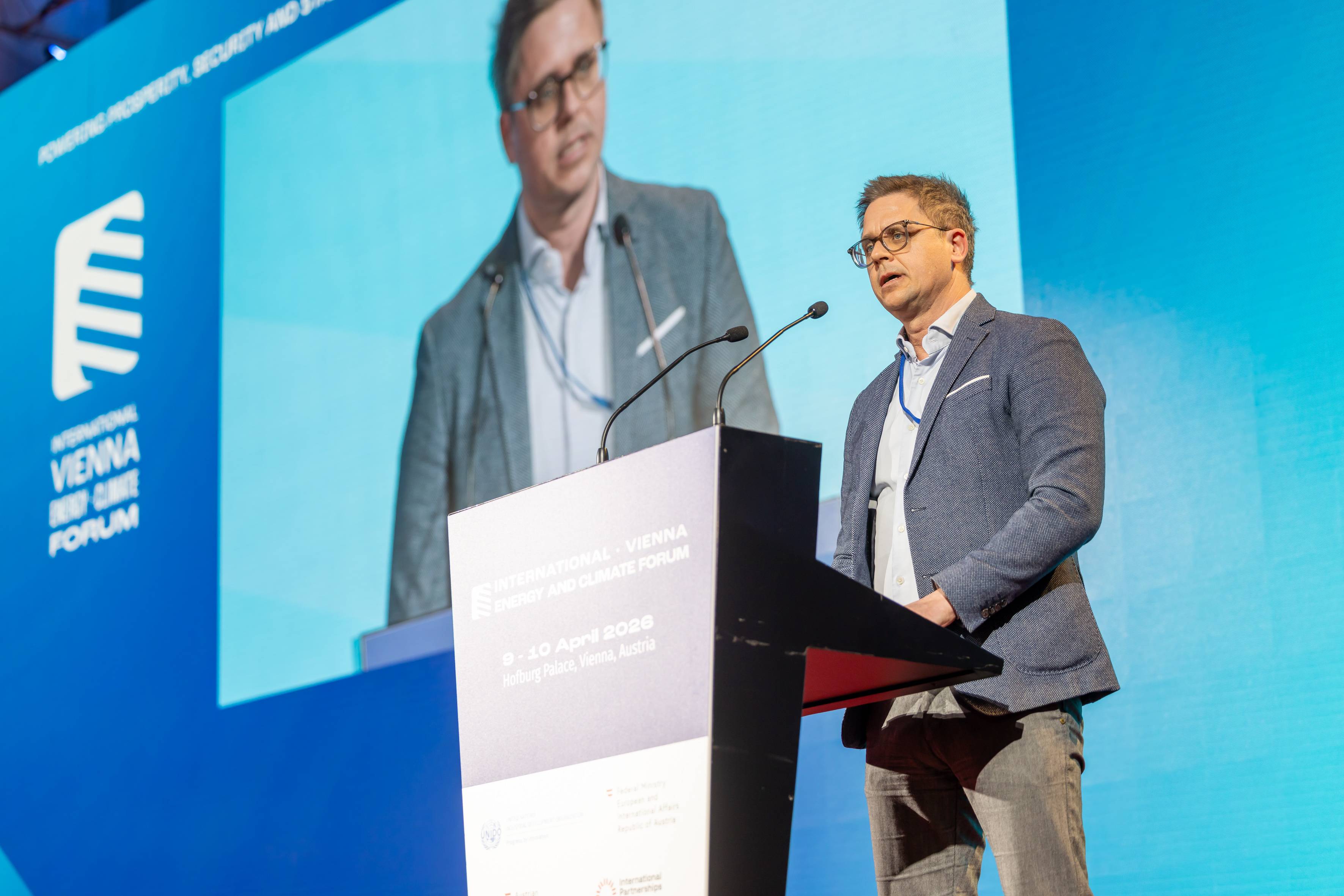
Alexander Karner, Head of Unit Themes and Quality, Austrian Development Agency
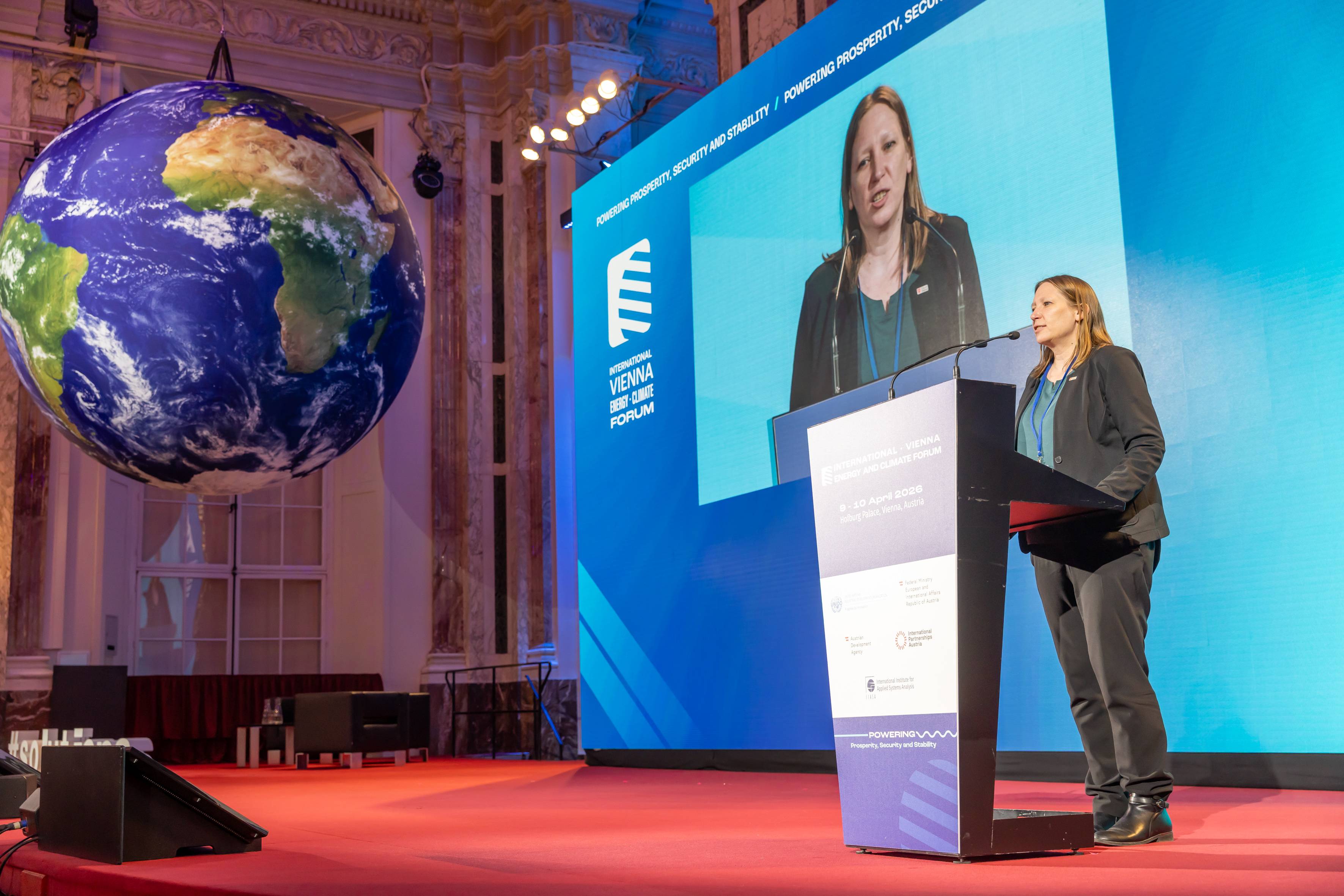
Nina Abrahamczik, City Councillor, City of Vienna
Around the venue