Developing countries, particularly those rich in natural resources, must not remain solely exporters of raw materials but become creators of value to overcome commodity dependence. Energy must, therefore, be linked to productivity so countries can generate local added value. This was one of the key messages from the first day of the International Vienna Energy and Climate Forum (IVECF), where discussions focused on advancing climate action, energy security, and green industrialization in an increasingly unstable global context.
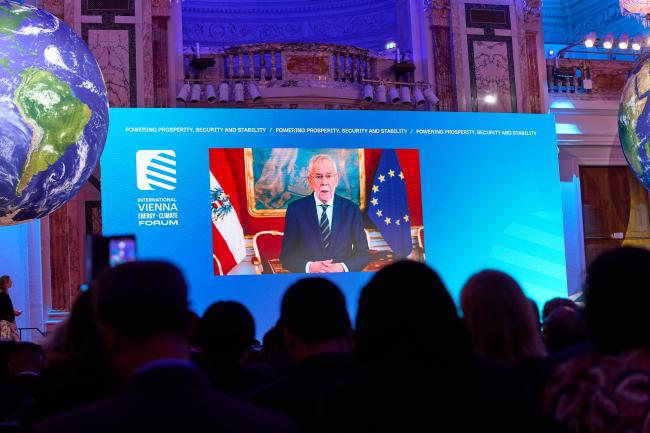
Opening the opening ceremony with a video message, Alexander Van der Bellen, Federal President of Austria, emphasized that climate change disproportionately affects small island developing States (SIDS), least developed countries (LDCs), and landlocked developing countries (LLDCs). He also stressed that the Forum’s holistic approach, which links climate, energy, security, and green industrialization, is reflective of Austria’s priorities.
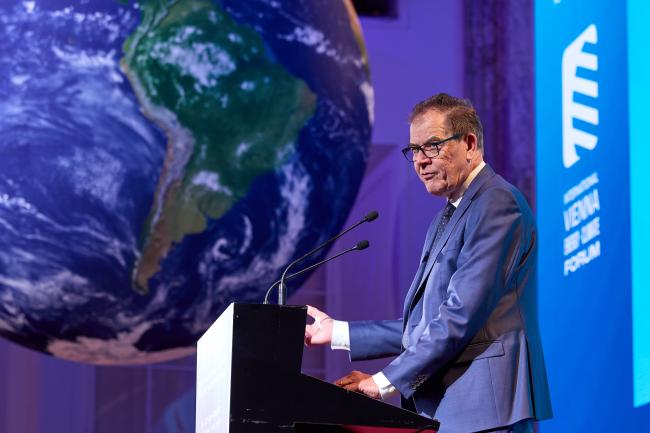
Gerd Müller, Director General, UN Industrial Development Organization (UNIDO), pointed to the central challenge of decoupling economic growth from rising emissions, arguing that technologies and knowledge already exist, but financing and implementation must now be scaled up.
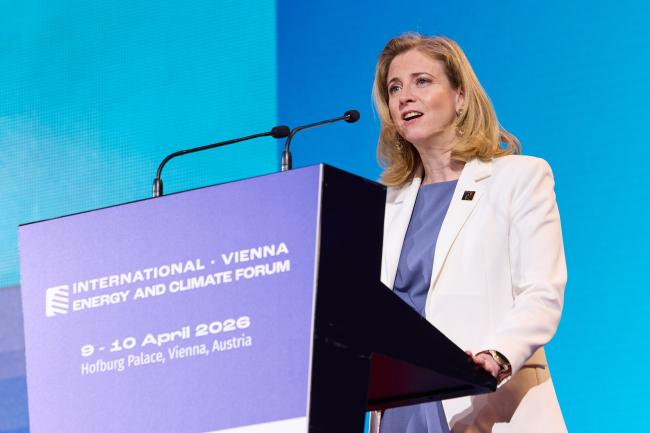
Beate Meinl-Reisinger, Federal Minister for European and International Affairs, Austria, stressed that the current geopolitical instability has exposed the vulnerabilities of existing energy systems and called for a shift toward systems that are sustainable, renewable, and resilient.
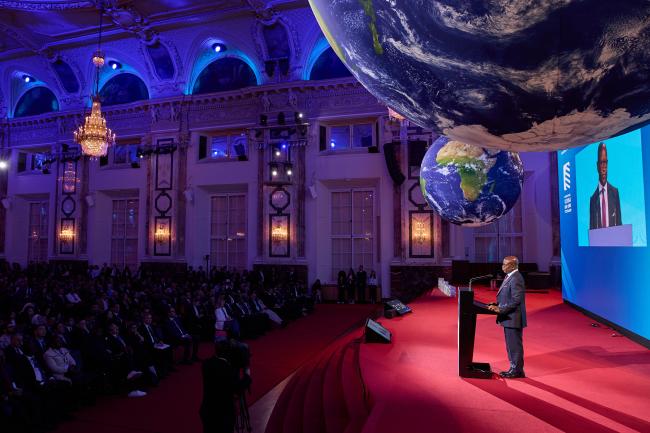
Julius Maada Bio, President of Sierra Leone, argued that the energy transition should be judged not only by power generation, but by how much value it creates and how many lives it transforms. He said Africa will not be “the warehouse of global energy transition, but a centre of value creation and industrial growth.”
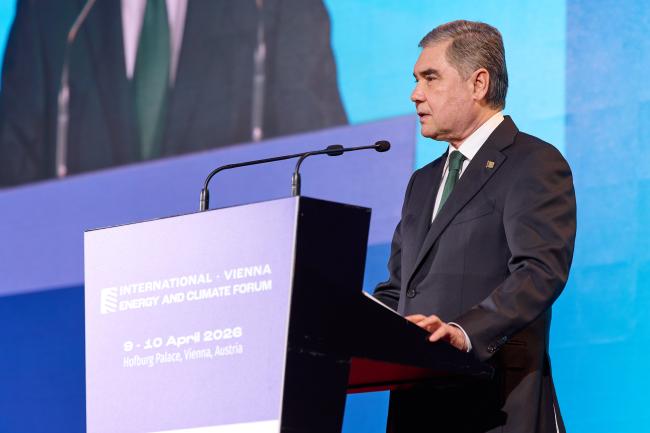
Gurbanguly Berdimuhamedow, Chairman of the People’s Council, Turkmenistan, proposed, among others, a global security strategy premised on the indivisibility of security and a UN General Assembly resolution on the role of energy connectivity in sustainable development.
Via video message, Hilda Heine, President of the Marshall Islands, underscored the acute vulnerability of SIDS, whose economies and energy systems face compounding pressures from the climate crisis, and called for a fairer international financial architecture to enable these countries access adequate financing.
Rabab Fatima, Under-Secretary-General and High Representative for the LDCs, LLDCs and SIDS, speaking on behalf of UN Secretary-General António Guterres, emphasized that energy remains foundational to prosperity, and that the energy transition and adaptation must advance together.
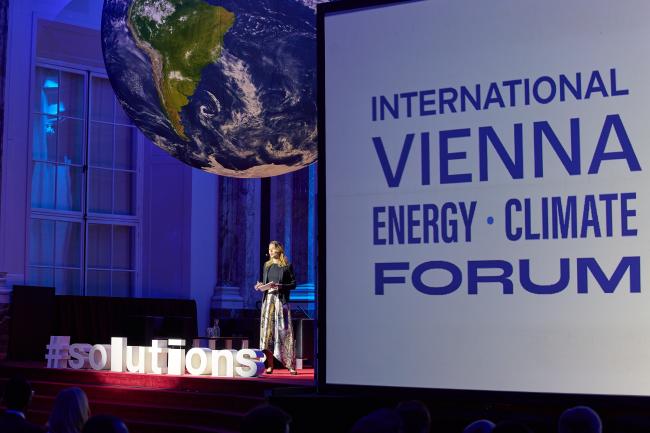
Participants then gathered in plenary and roundtable sessions focusing on how to translate ambition into delivery. The first plenary, on Powering Prosperity, Security and Stability: Climate and Stability in a Shifting Global Landscape, examined the growing link between climate risks and international security. Speakers warned that climate change is increasingly acting as a threat multiplier, worsening instability, migration pressures, and economic vulnerability.
In the afternoon, a second plenary, titled From Commitment to Action: Global Green Industrialization as a Pillar of Prosperity for All, examined how to translate high-level commitments on green industrialization into concrete investment pipelines and policy frameworks.
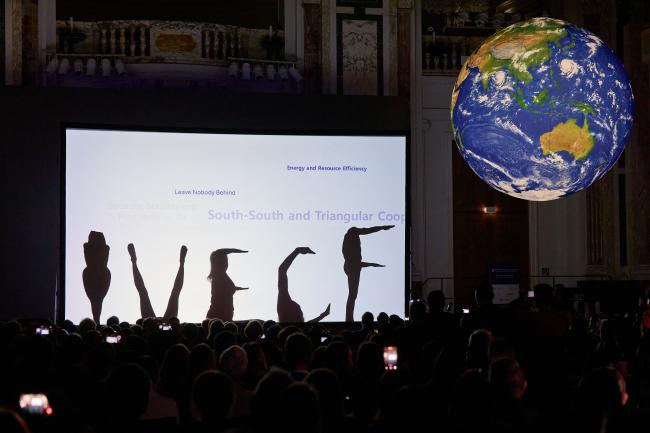
The roundtable session on LDCs and LLDCs focused on green industrialization for stability and shared prosperity, with speakers underscoring that green industrialization must link energy access to jobs, production, and resilience. They stressed concessional finance, technology access, and stronger regional cooperation as key levers.
A dedicated roundtable on SIDS focused on resilient renewable energy systems for climate security and marked the launch of the Global Programme on Climate Resilient Renewable Energy Systems in SIDS (G-RES). Speakers highlighted both the acute vulnerability of SIDS and their potential as laboratories for innovation.
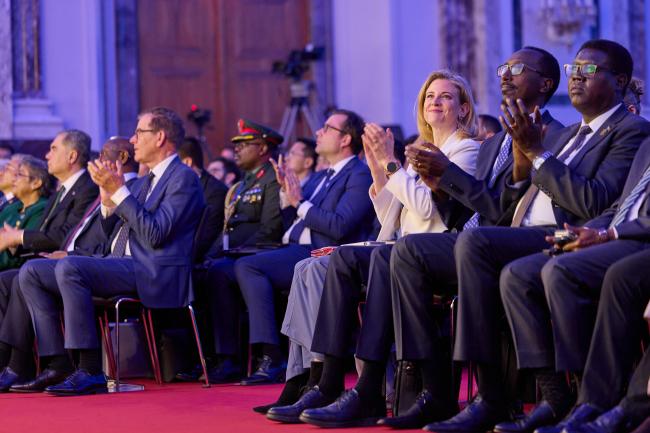
Roundtable discussions on strengthening multilateral support for green industrialization considered how to move from fragmented initiatives to coordinated delivery. Speakers underscored the need for: market demand for low-carbon products; regional coordination; technology-neutral regulation; and stronger public-private cooperation.
The roundtable on middle-income countries as engines of green industrial transformation explored experiences from these countries and private sector actors in advancing low-carbon industrial strategies. Speakers highlighted that many are already moving from targets to delivery, generating transferable lessons on how to expand industrial capacity.
Newsletter: To receive free coverage of global environmental events delivered to your inbox, subscribe to the ENB Update newsletter.
Photos: All ENB photos are free to use with attribution. For the International Vienna Energy and Climate Forum 2026, please use: Photo by IISD/ENB | Mika Benoni.
Plenaries
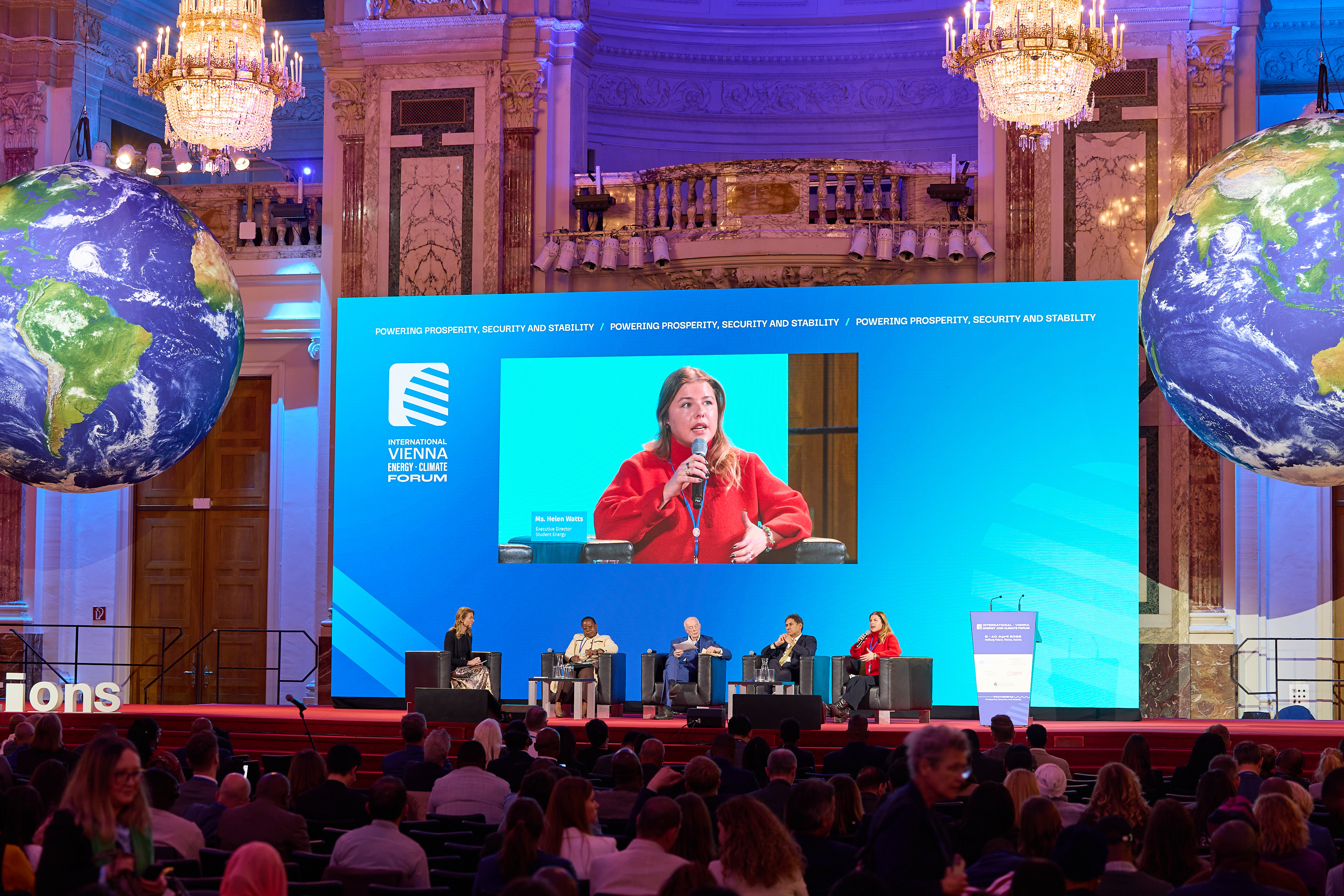
Helen Watts, Executive Director, Student Energy, addresses the morning plenary on Powering Prosperity, Security and Stability: Climate and Stability in a Shifting Global Landscape.
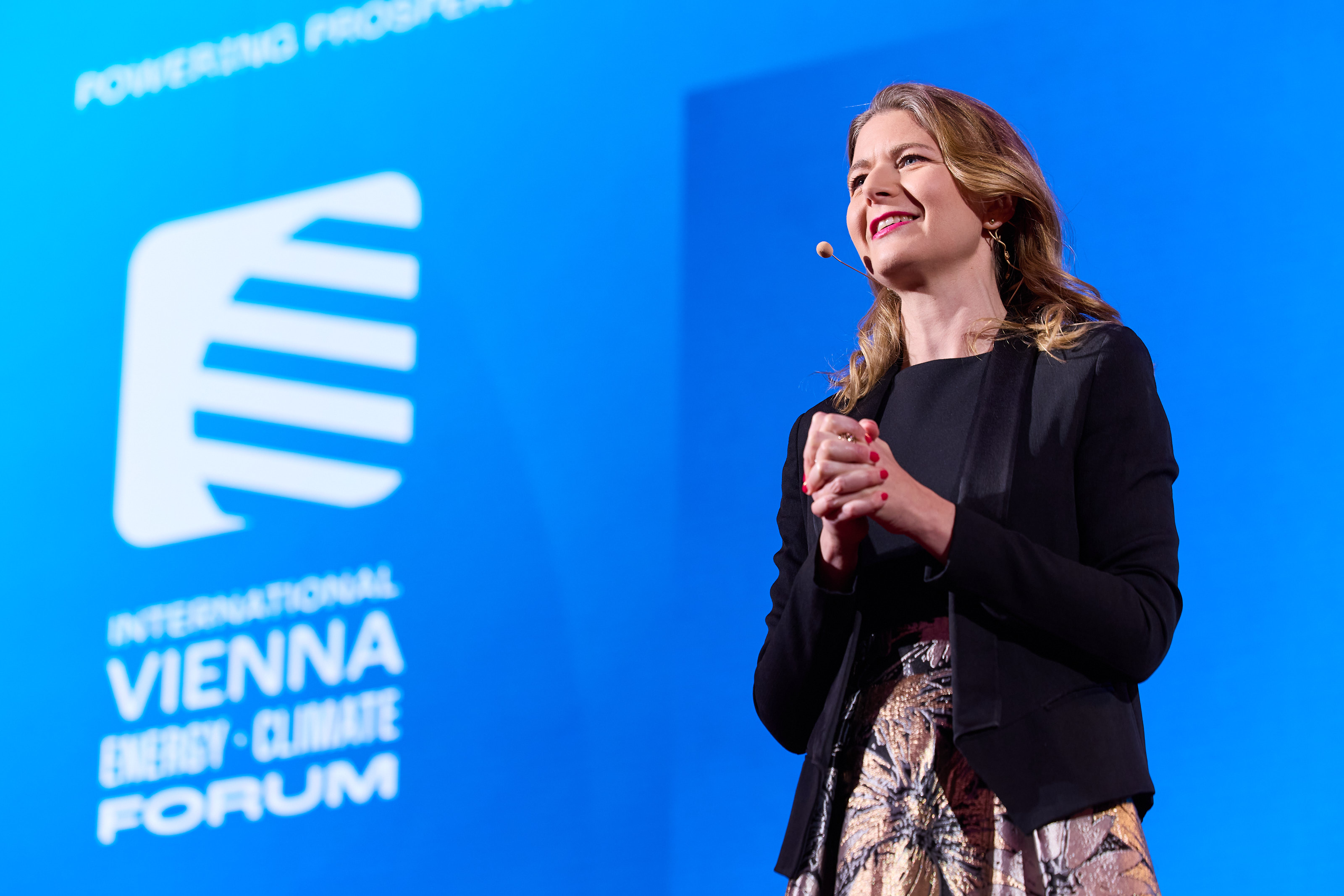
Katharina Moser, Master of Ceremony
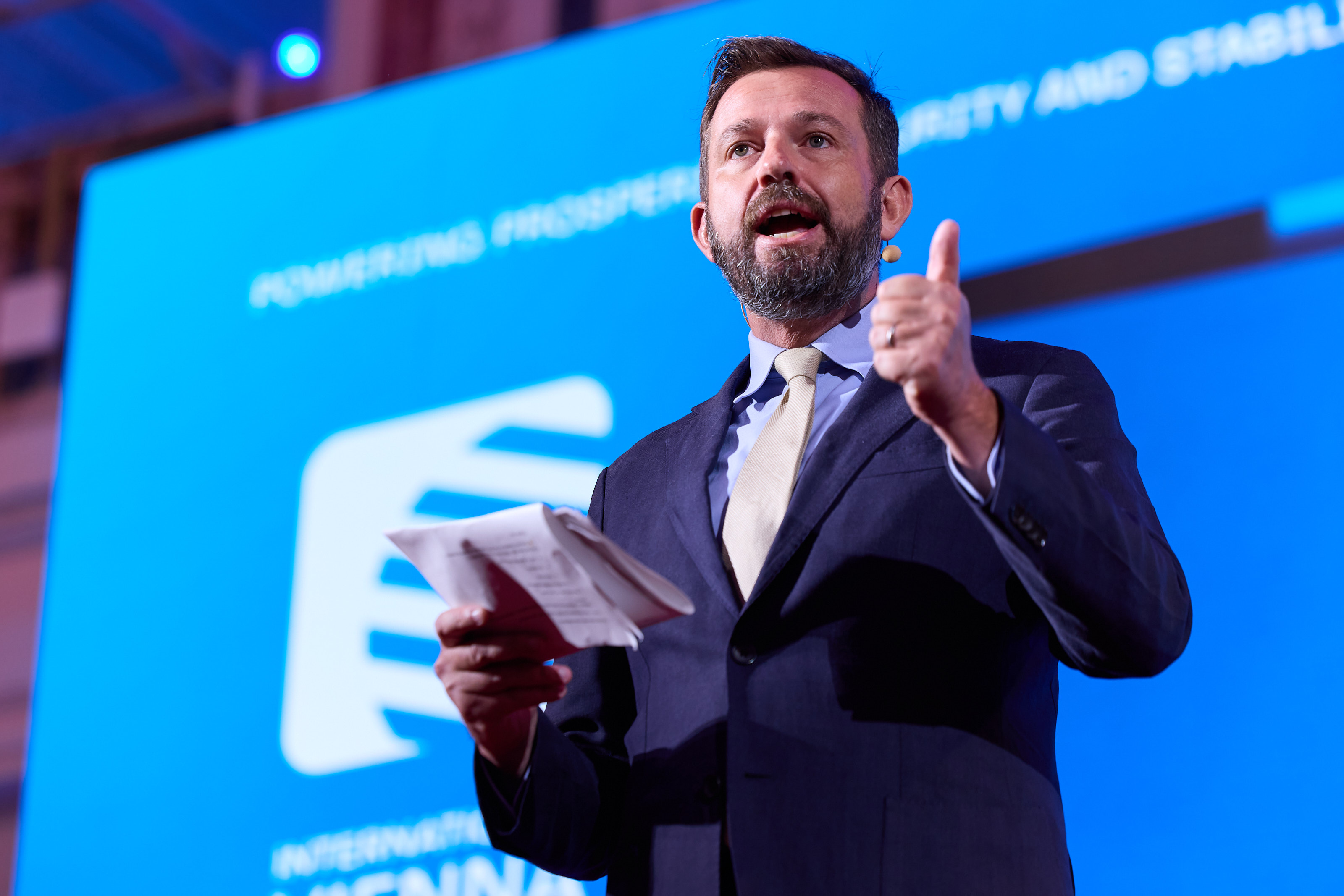
Phillip Cornell, Senior Advisor for Energy & Environment, Economist Group
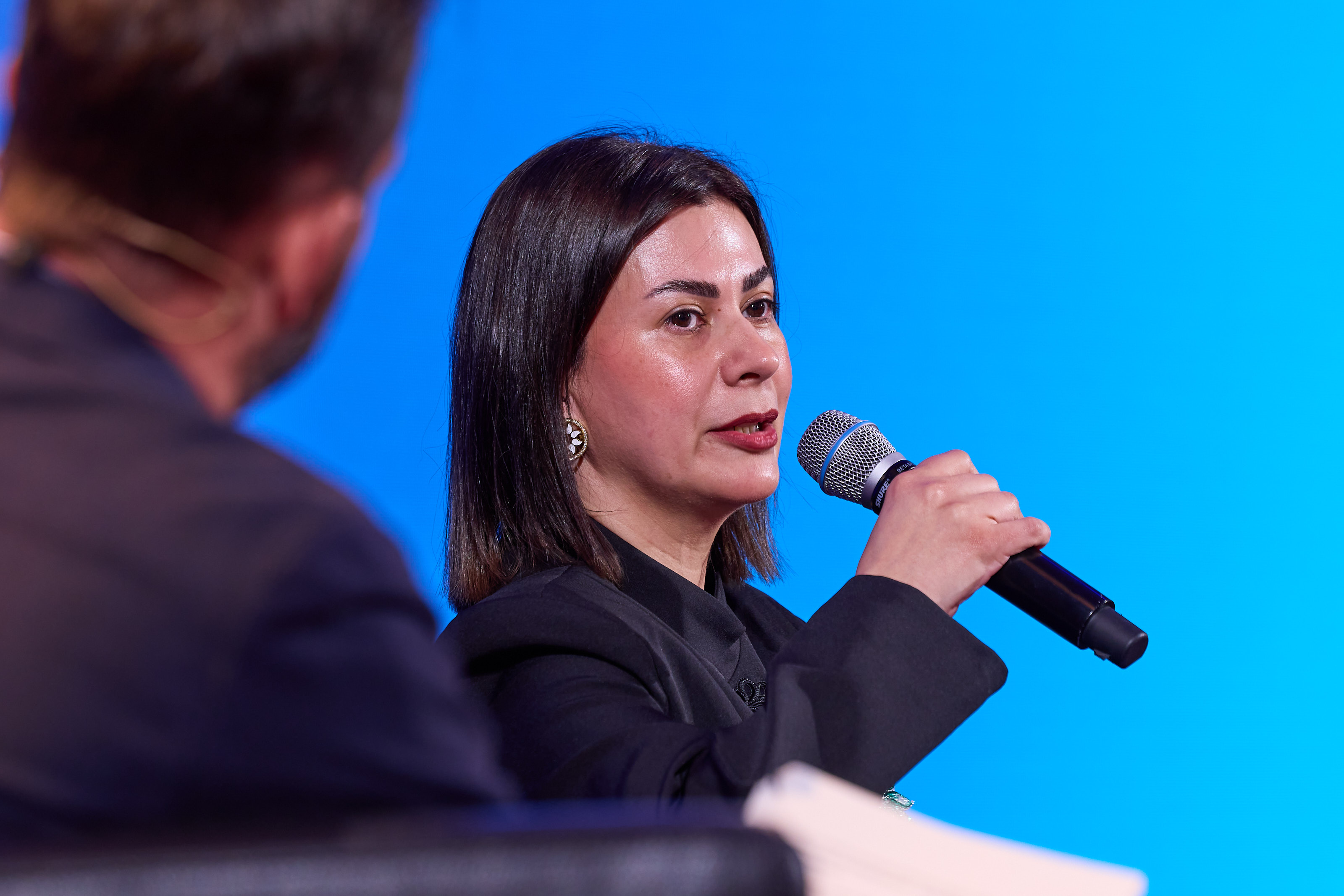
Aysel Yagubova, Executive Director, Clean Energy Centre of the Economic Cooperation Community
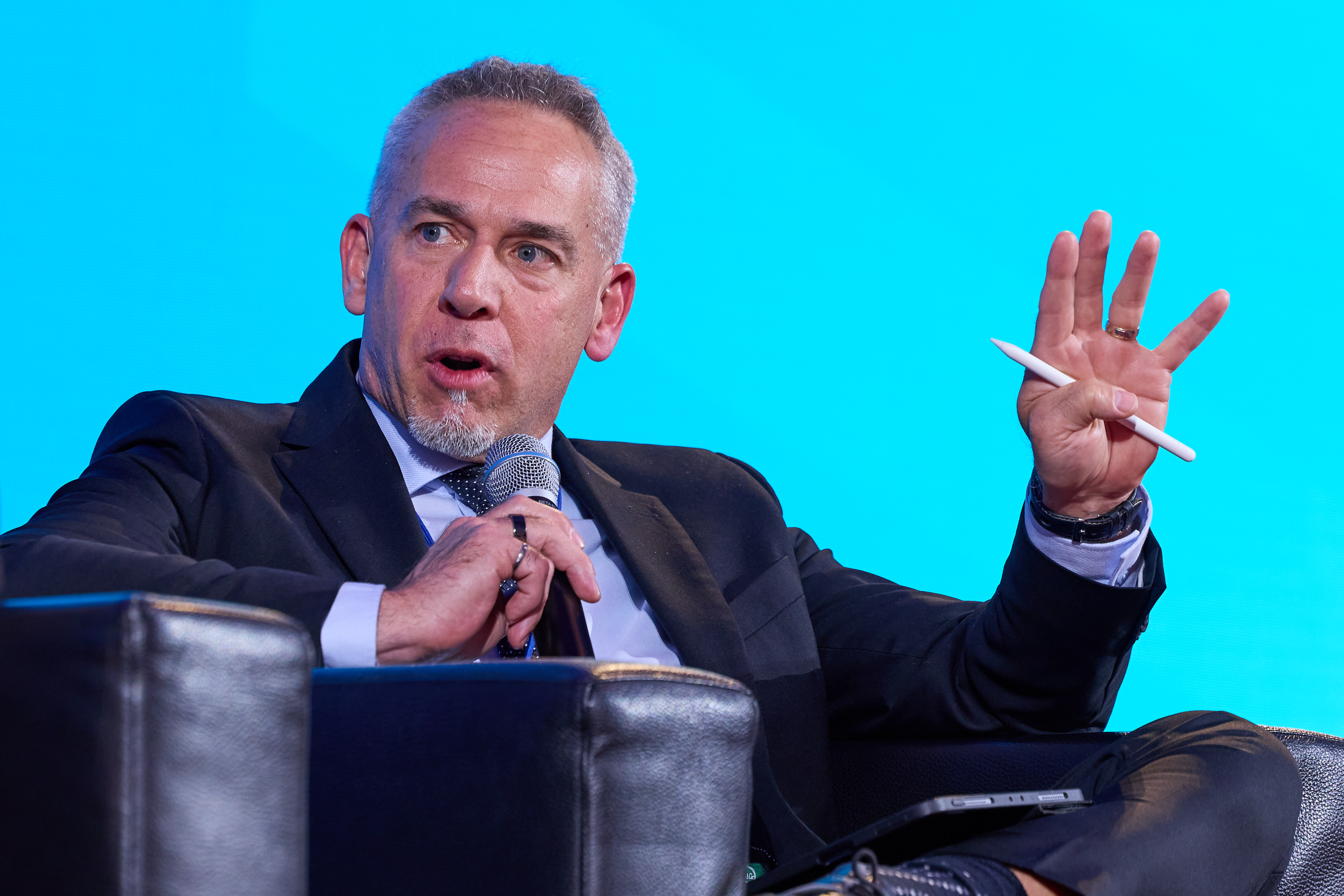
Jean-François Gagné, Head of Secretariat, Clean Energy Ministerial
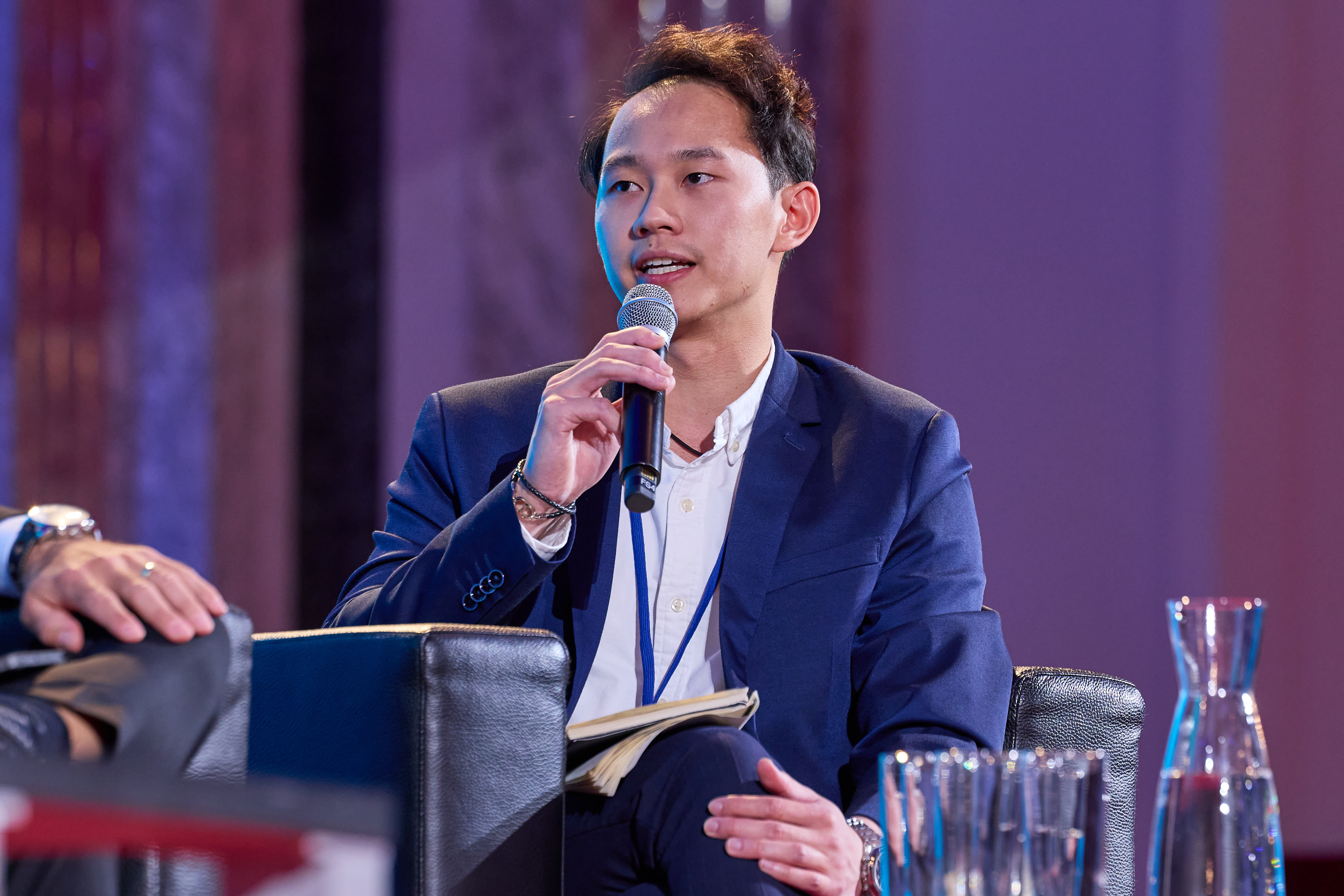
Kenneth Jon Fo Wei, Youth for Energy Southeast Asia
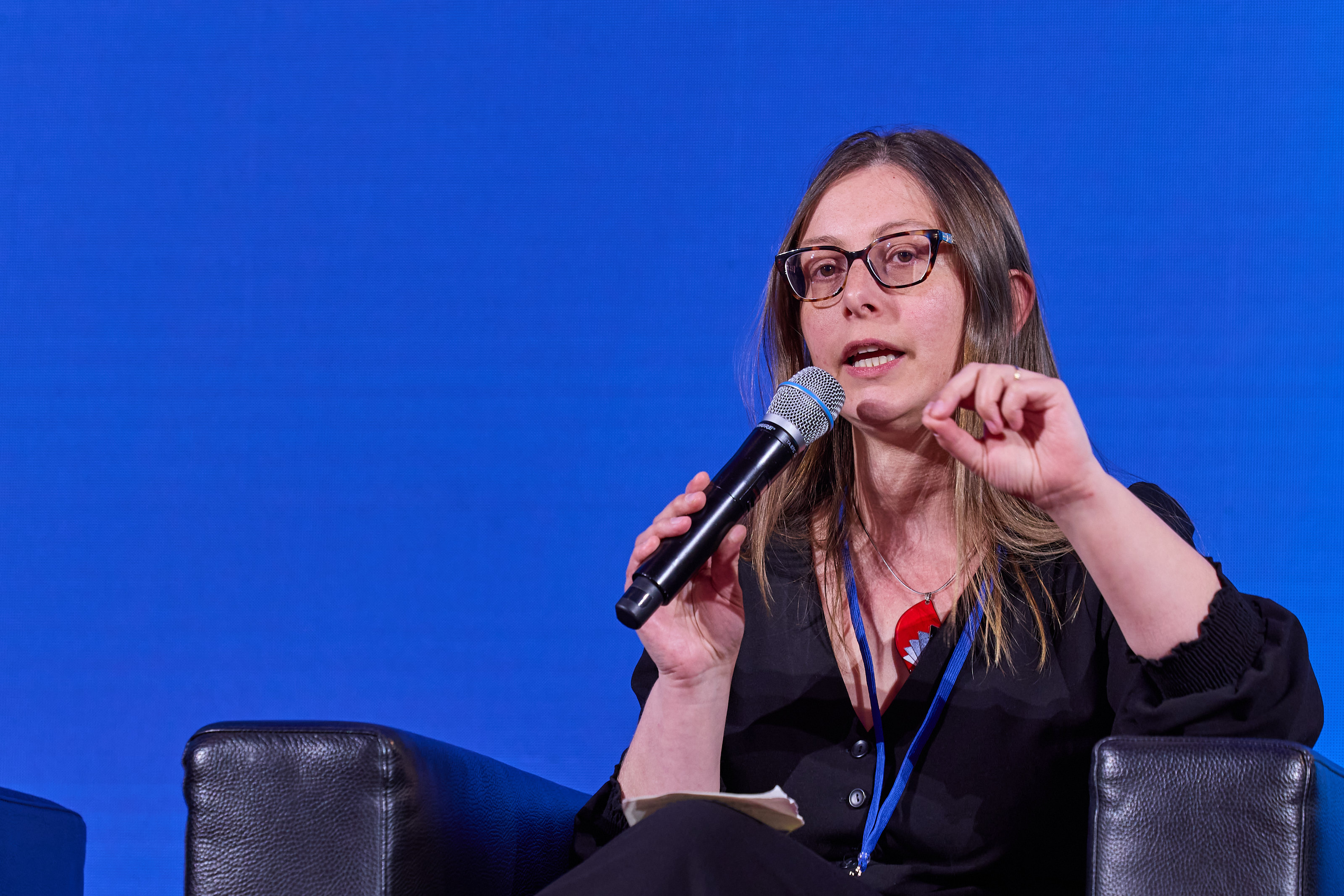
Faustine Delasalle, Chief Executive Officer, Mission Impossible Partnership
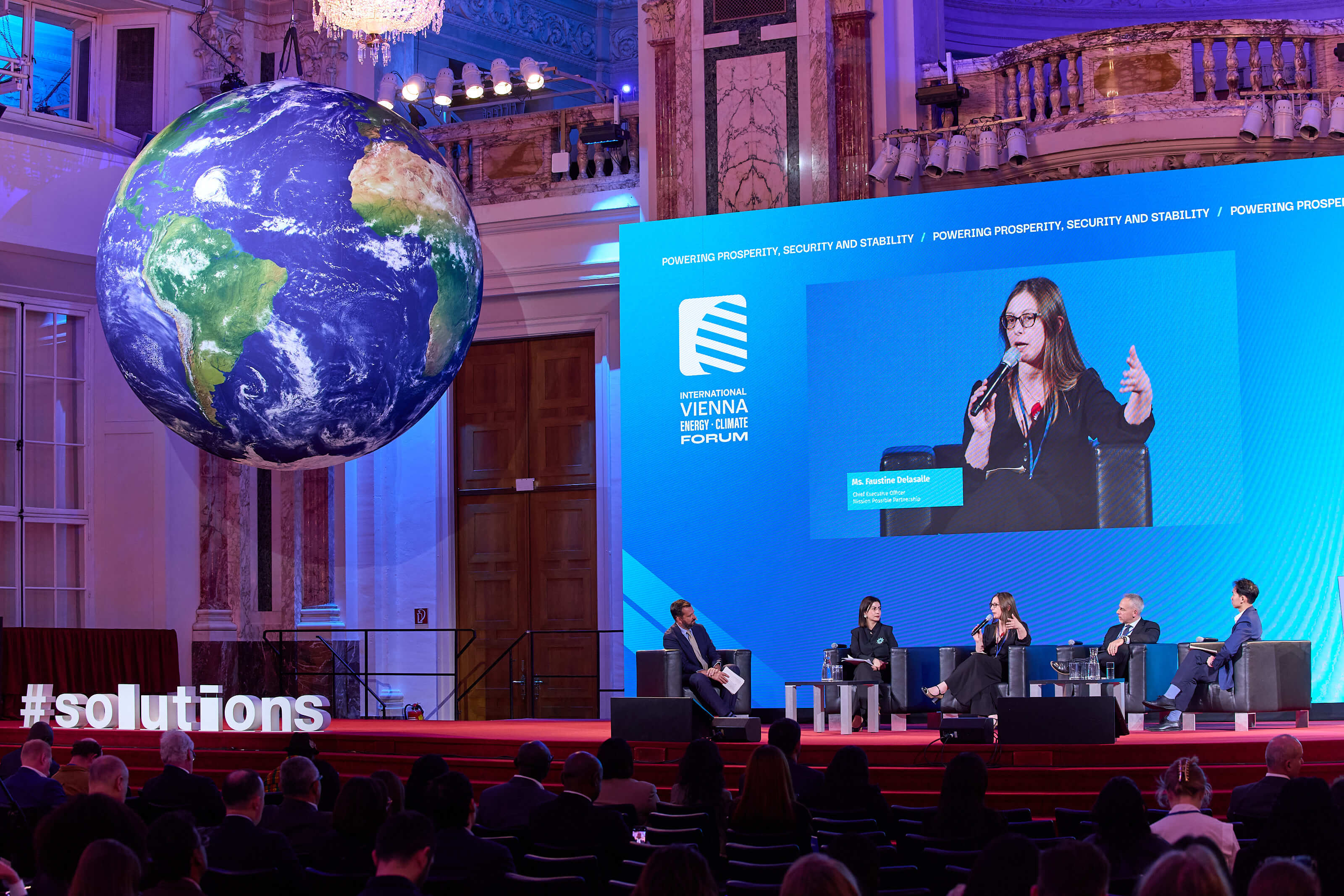
Afternoon plenary panel on From Commitment to Action: Global Green Industrialization as a Pillar of Prosperity for All
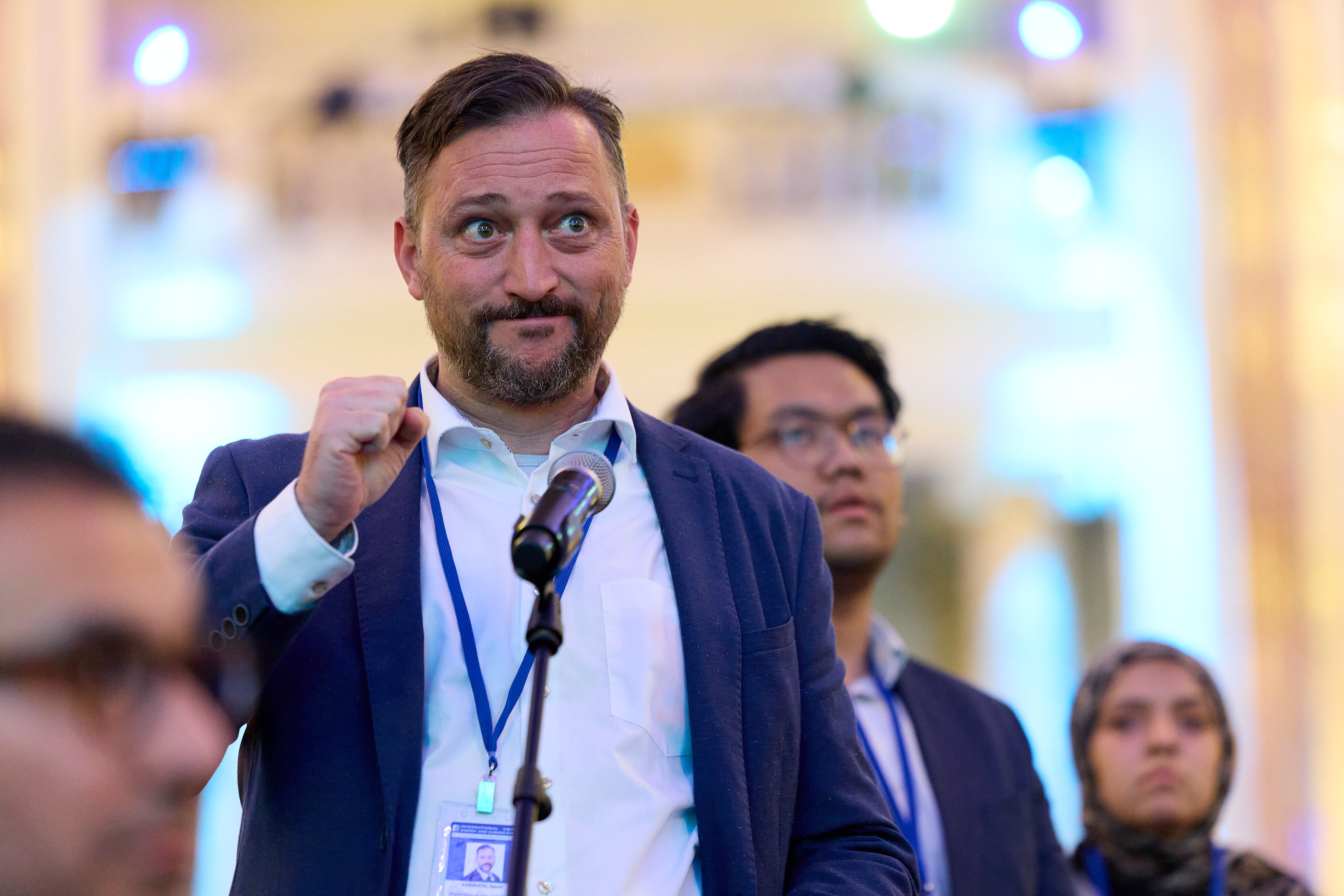
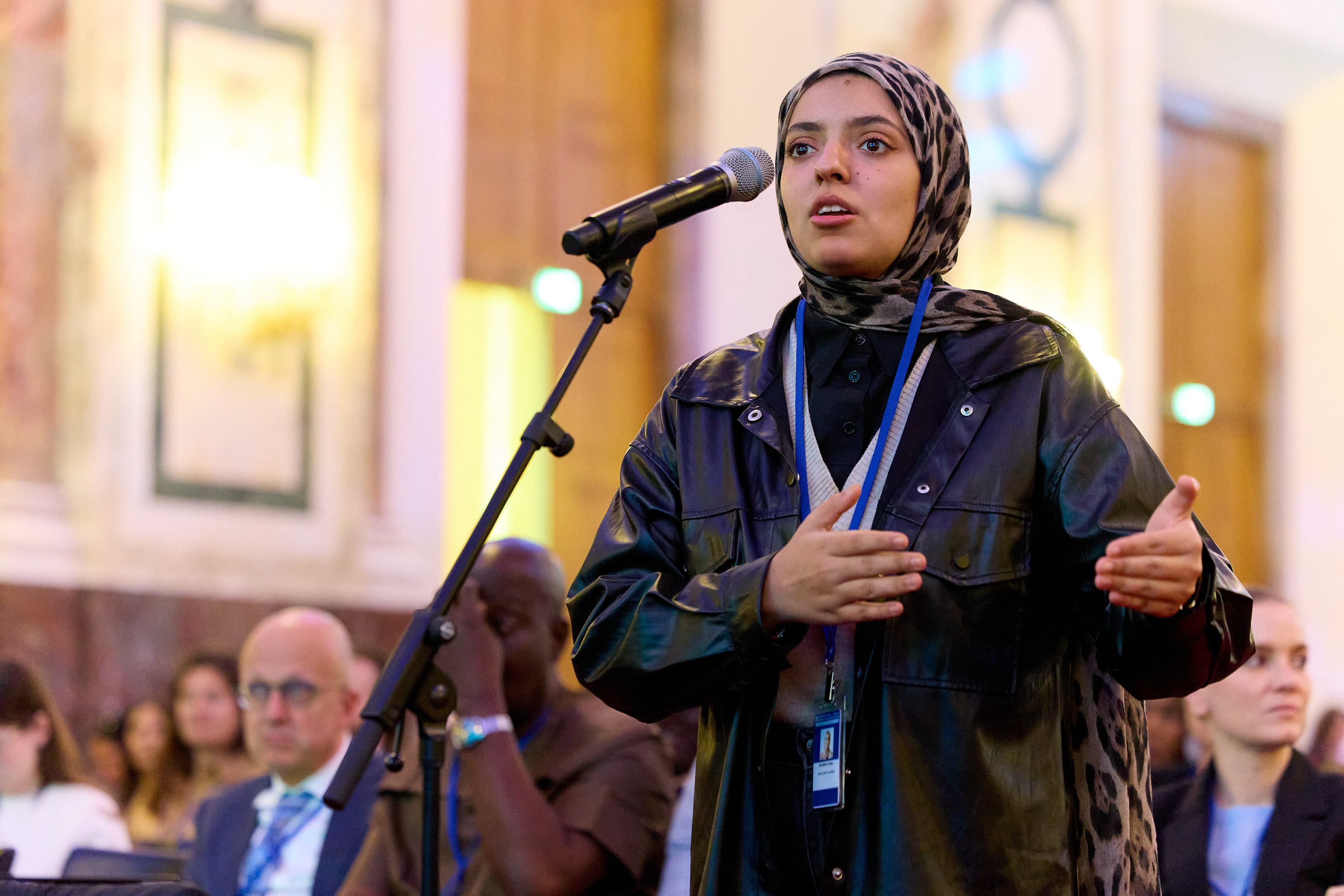
Roundtable on Green Industrialization for Stability and Shared Prosperity
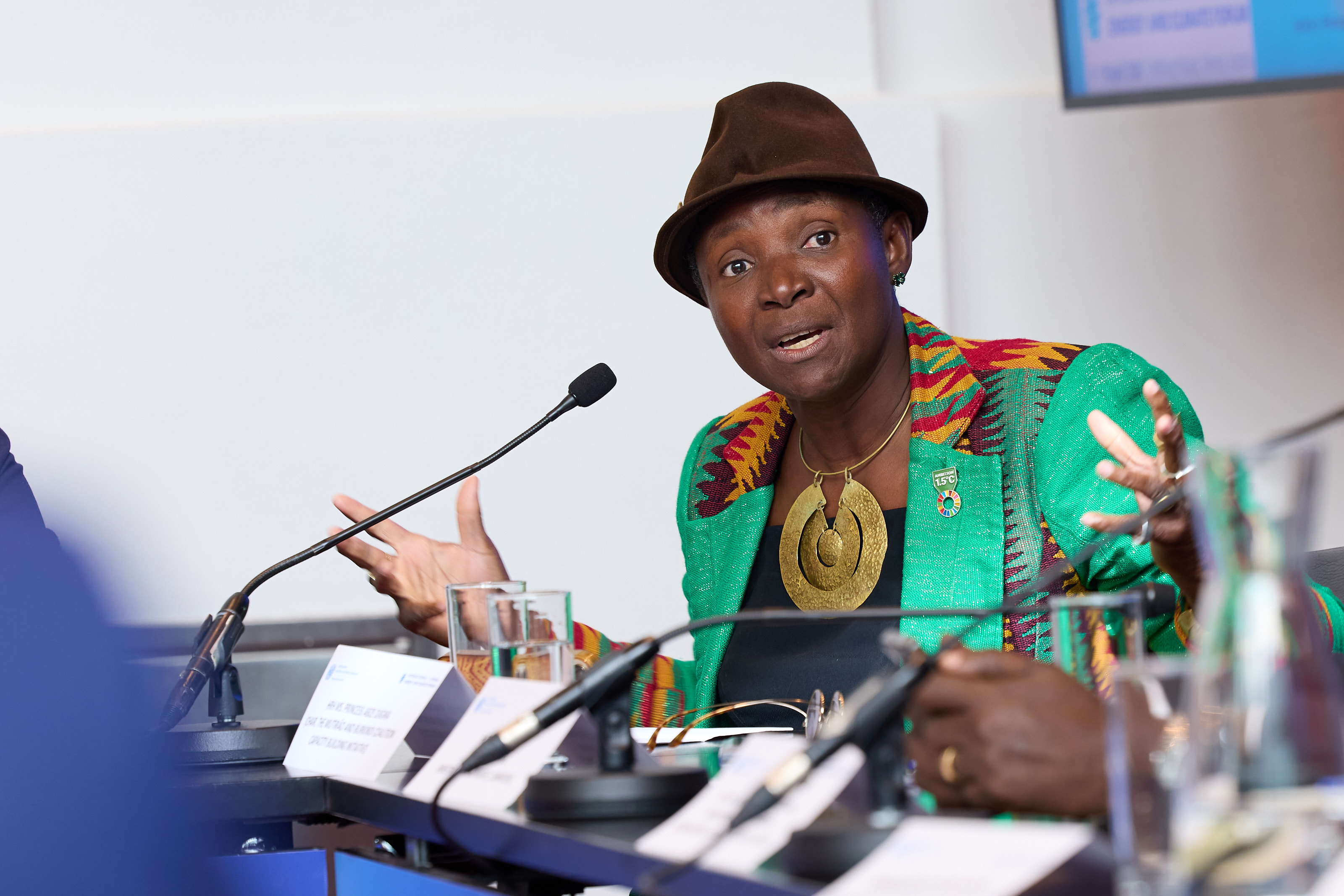
Princess Abze Djigma, Chair, The Mutirão and Burkindi Coalition Capacity Building Initiative
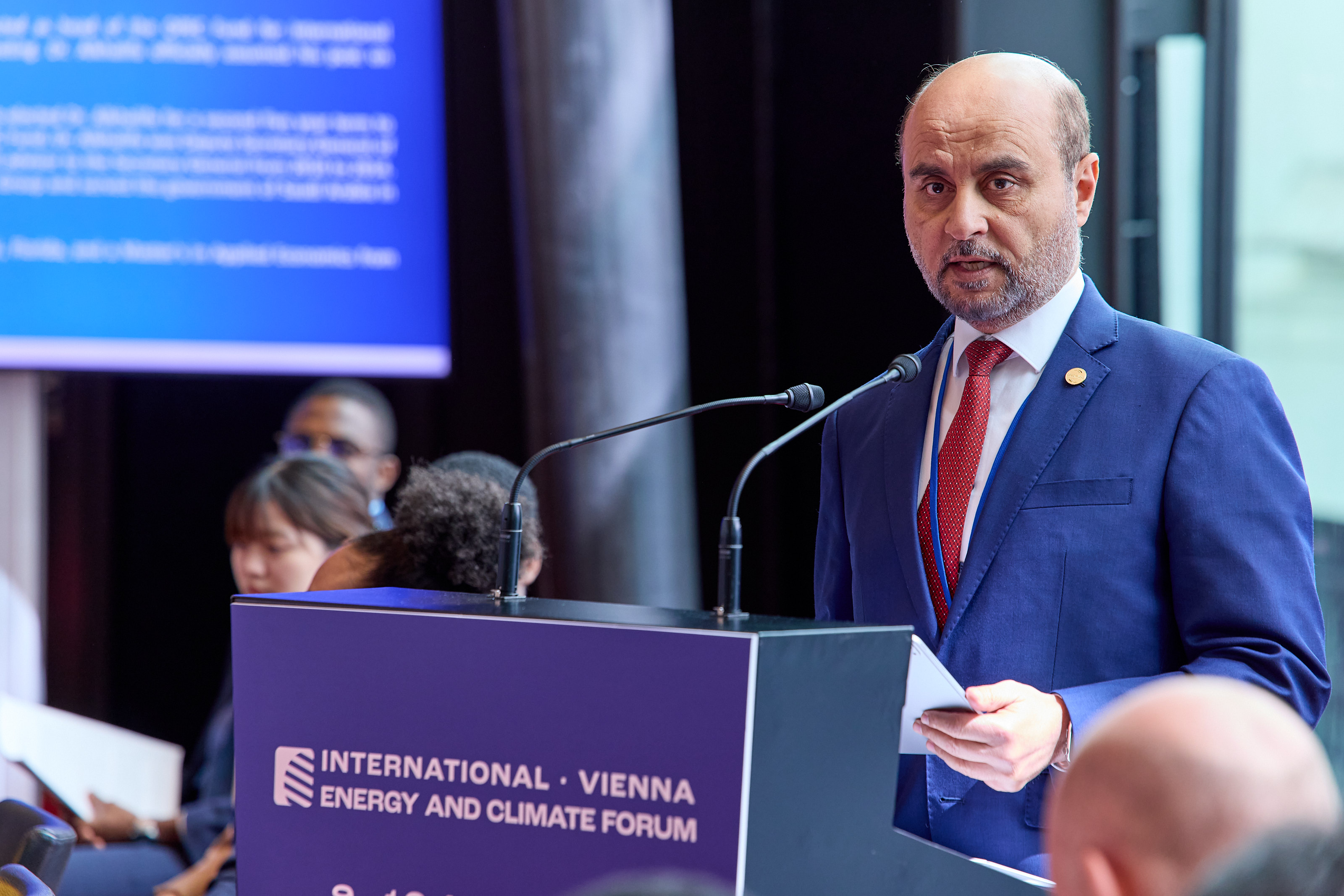
Abdulhamid Alkhalifa, President, OPEC Fund for Development
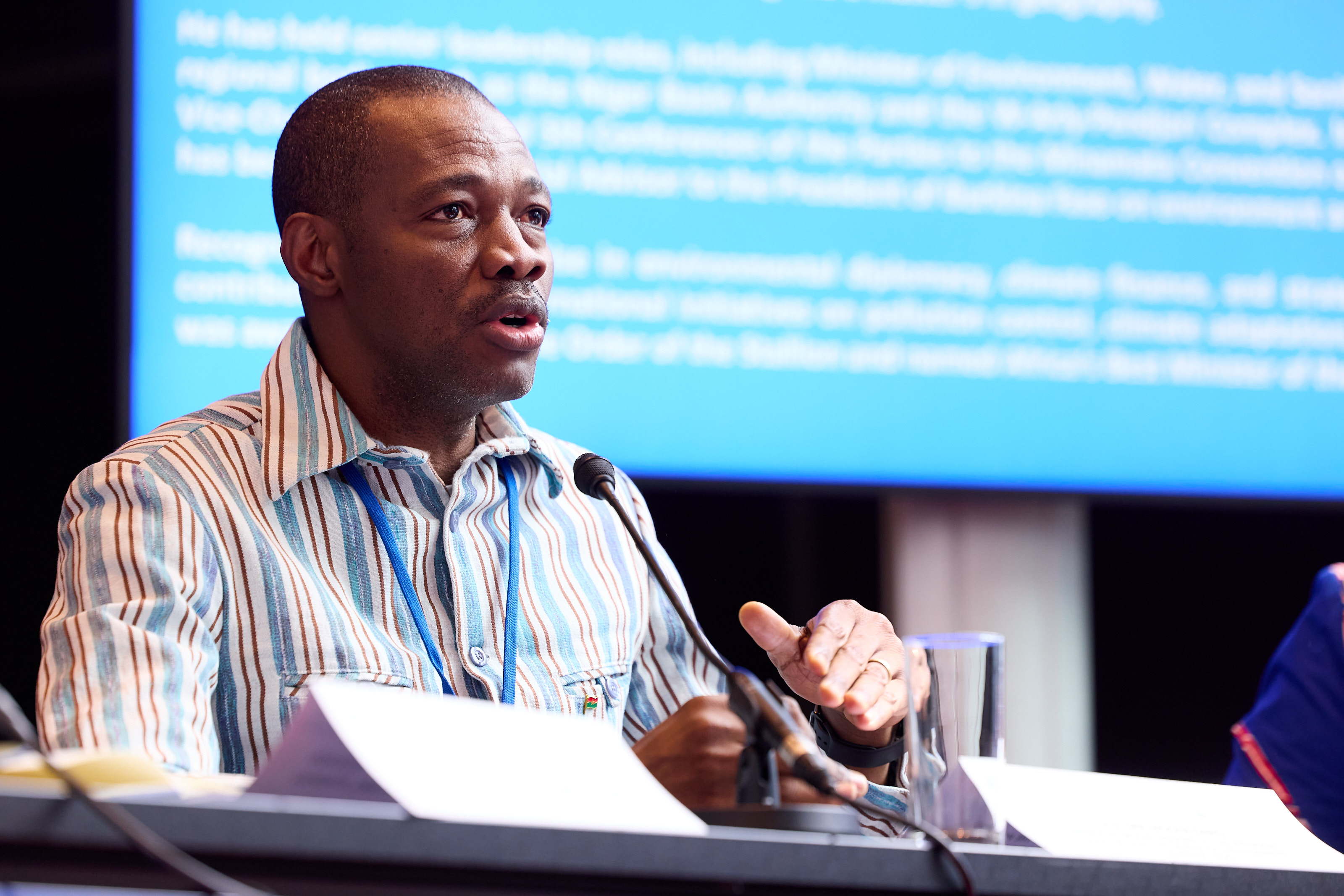
Roger Baro, Special Advisor on Environment to the President of Burkina Faso
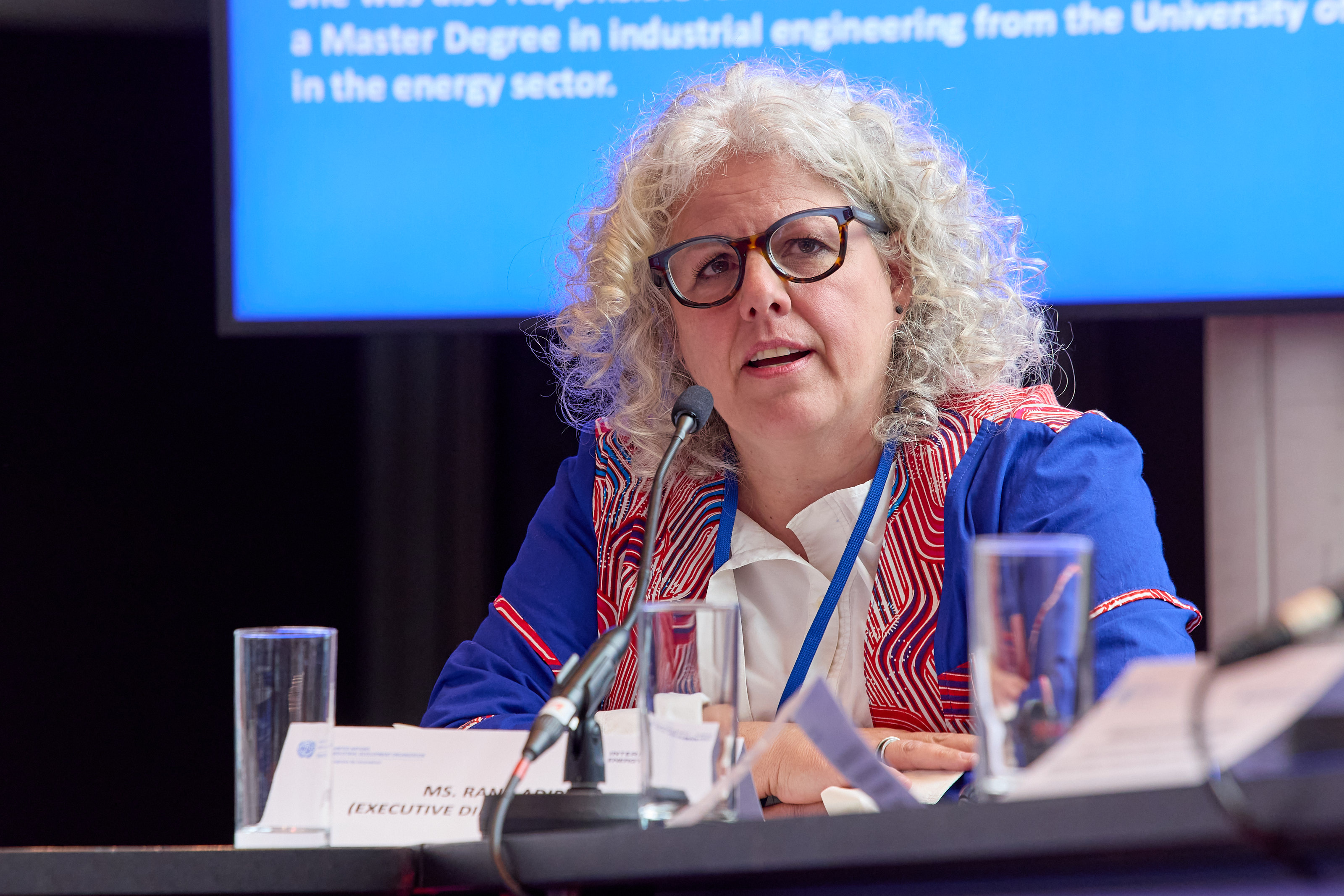
Rana Adib, Executive Director, Renewable Energy Policy Network for the 21st Century
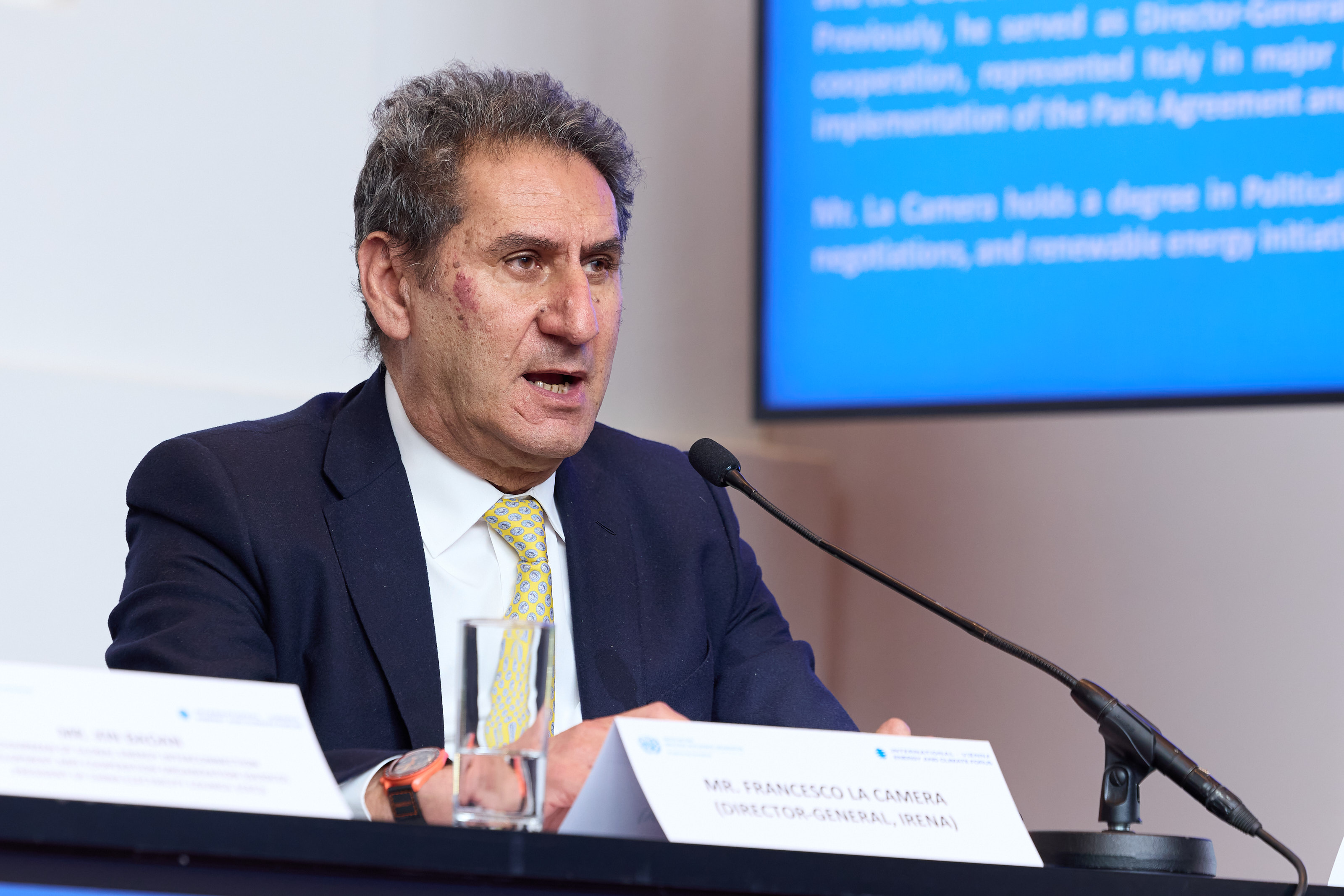
Francesco La Camera, Director General, International Renewable Energy Agency
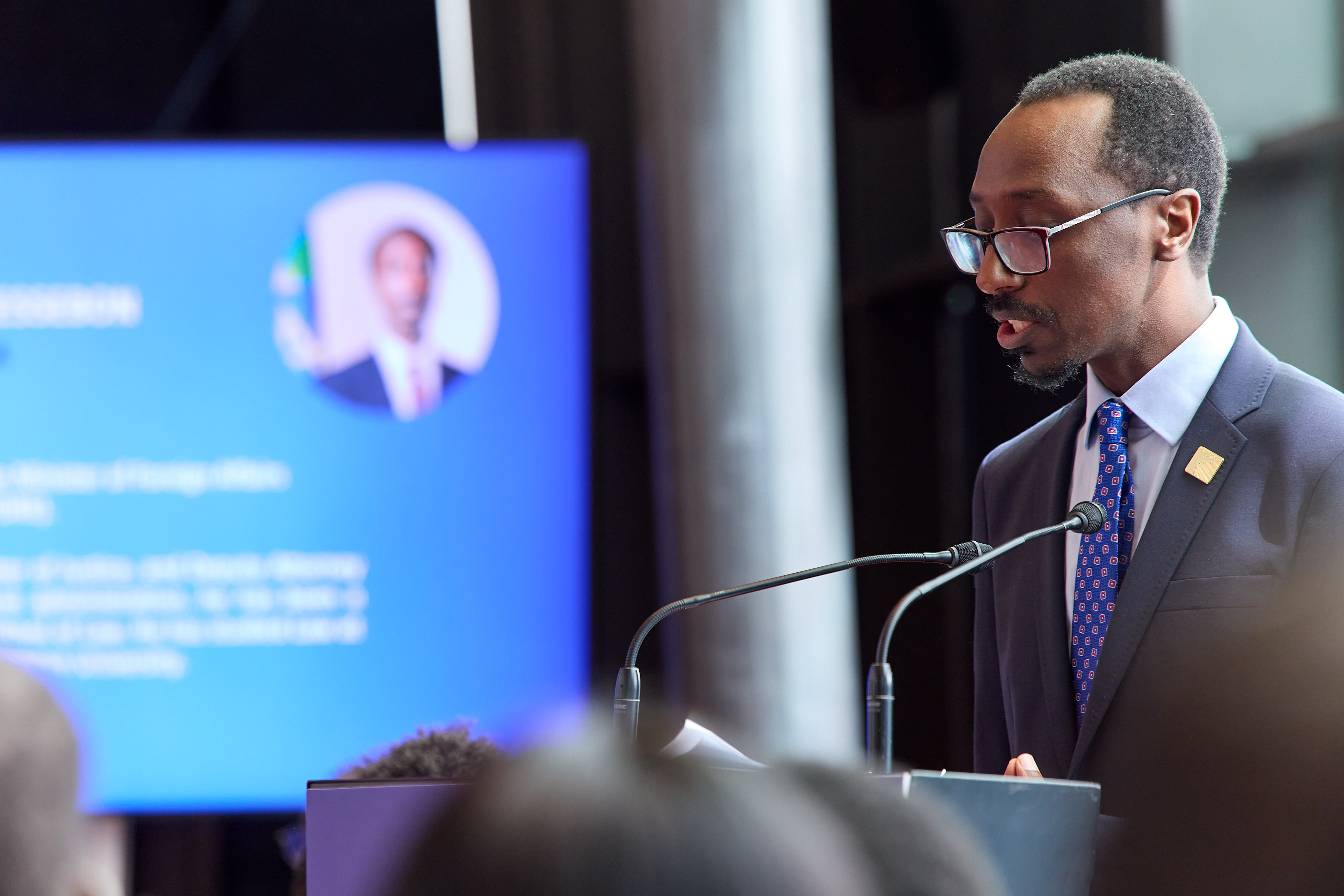
Gedion Timothewos Hessebon, Minister of Foreign Affairs, Ethiopia
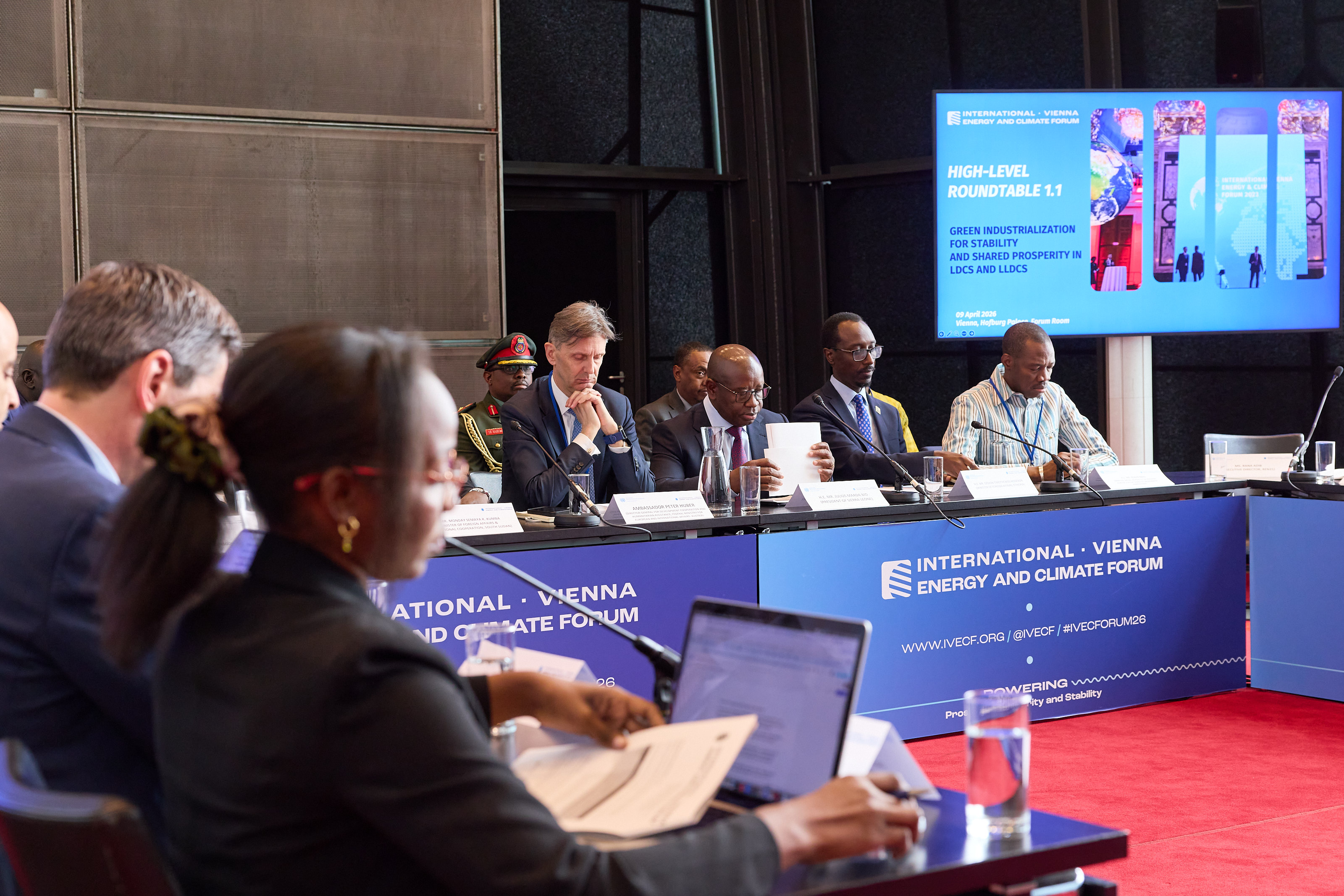
Speakers during the Roundtable Spotlight on LDC:s and LLDC:s Green Industrialization for Stability and Shared Prosperity
Roundtable on Resilient Renewable Energy Systems for Climate Security in Small Island Developing States
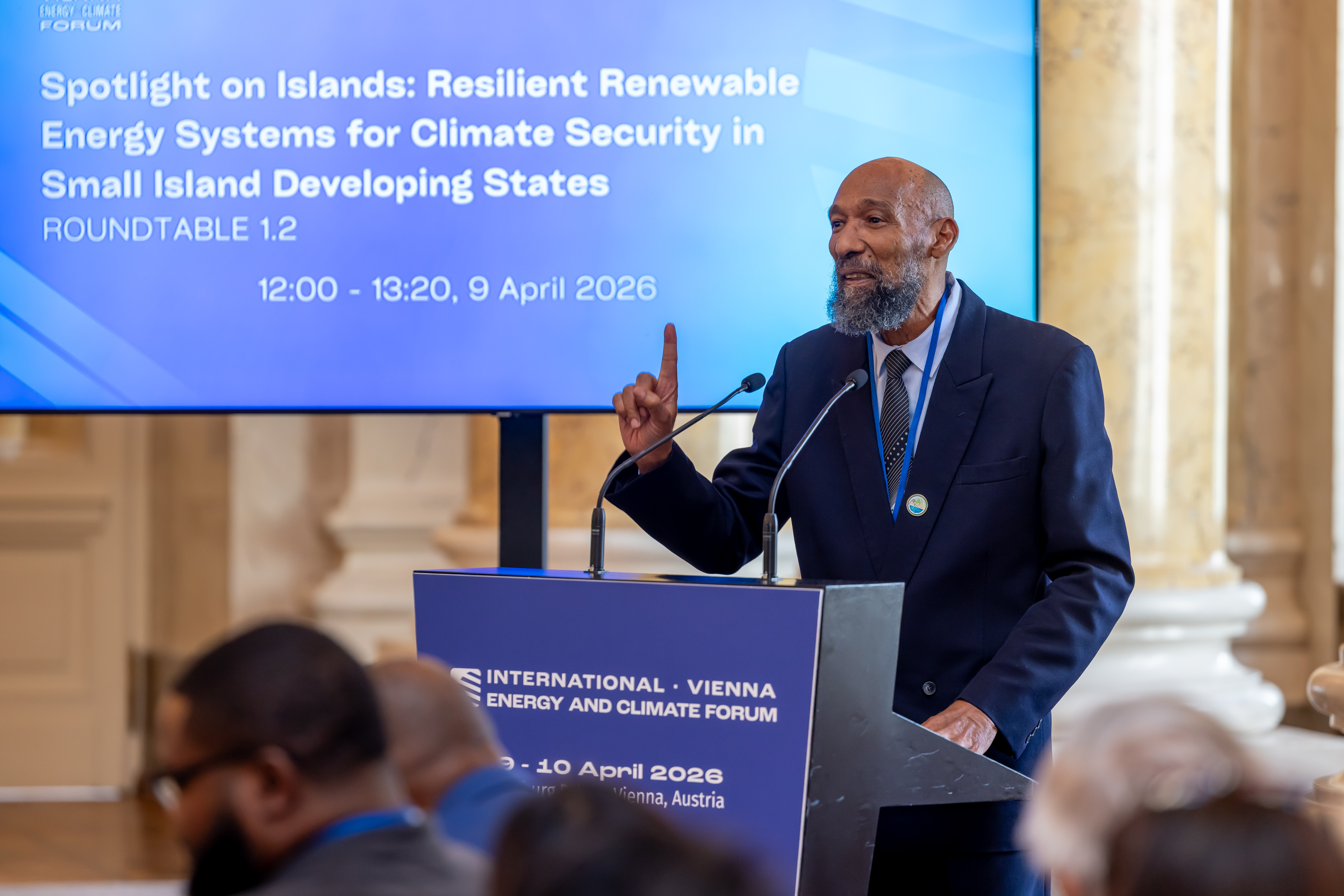
Albert Binger, Secretary General, Small Island Sustainable Energy and Climate Resilience Organization
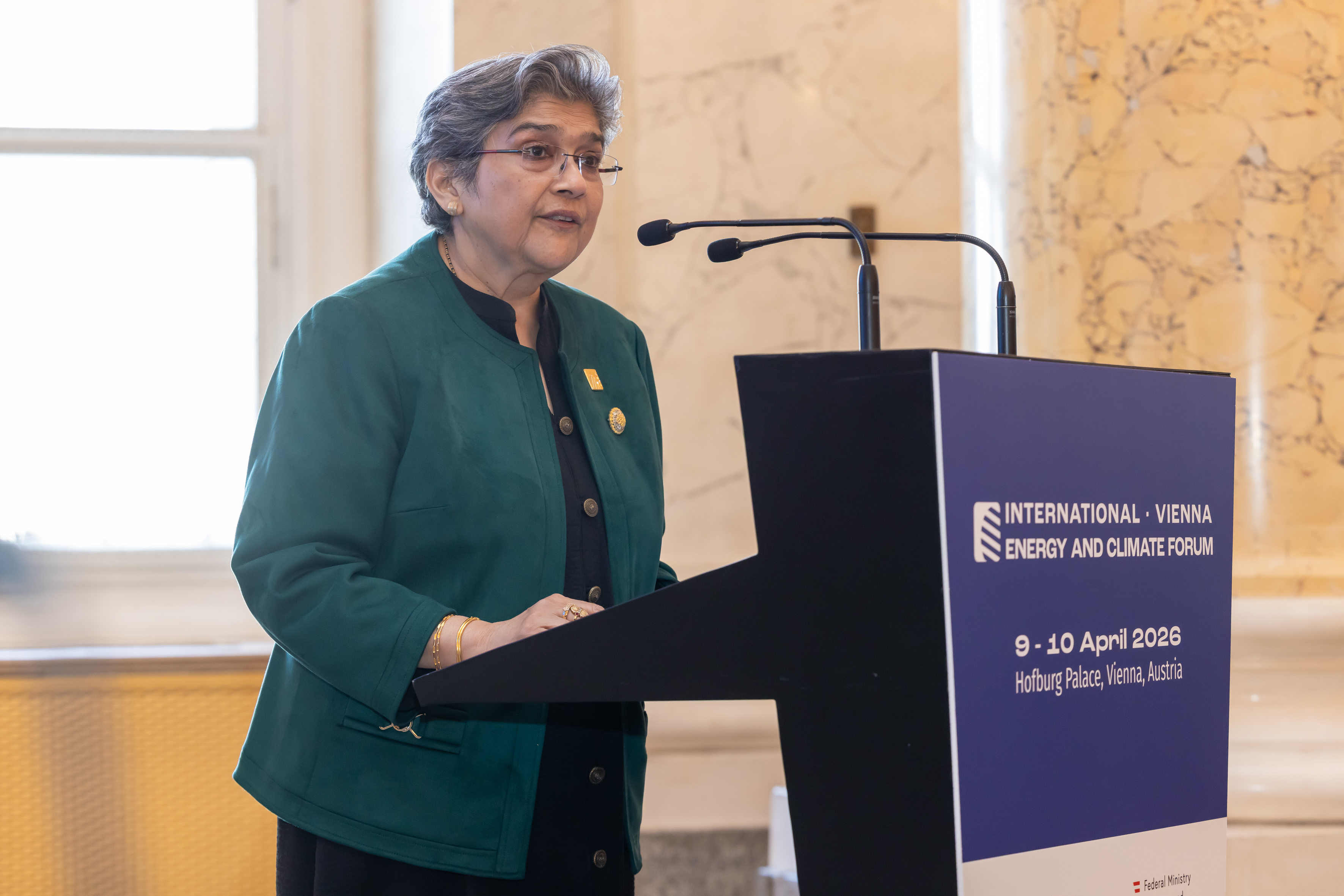
Rabab Fatima, Under-Secretary-General and UN High Representative for LDCs, LLDCs, and SIDS
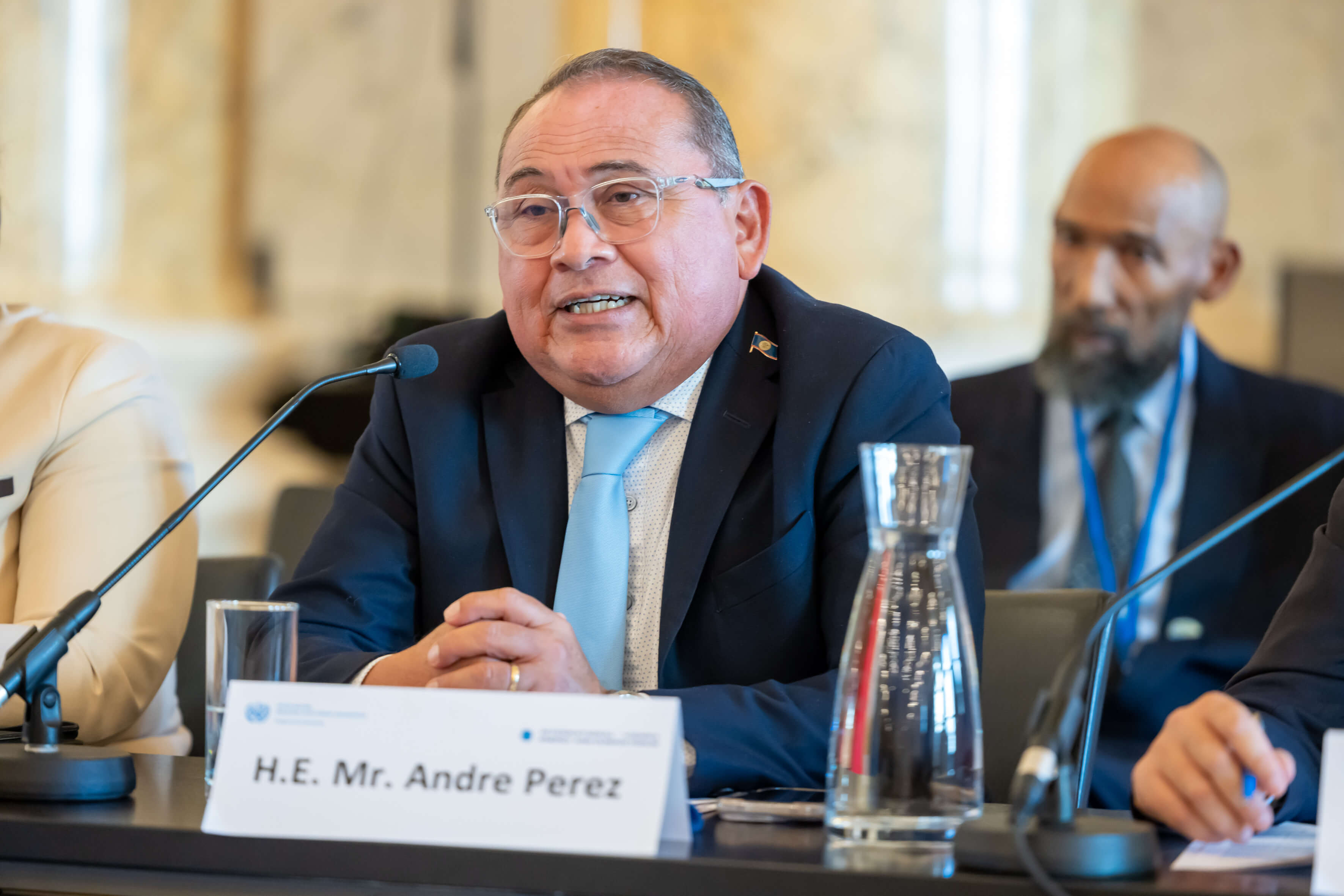
Andre Perez, Minister of Blue Economy and Marine Conservation, Belize
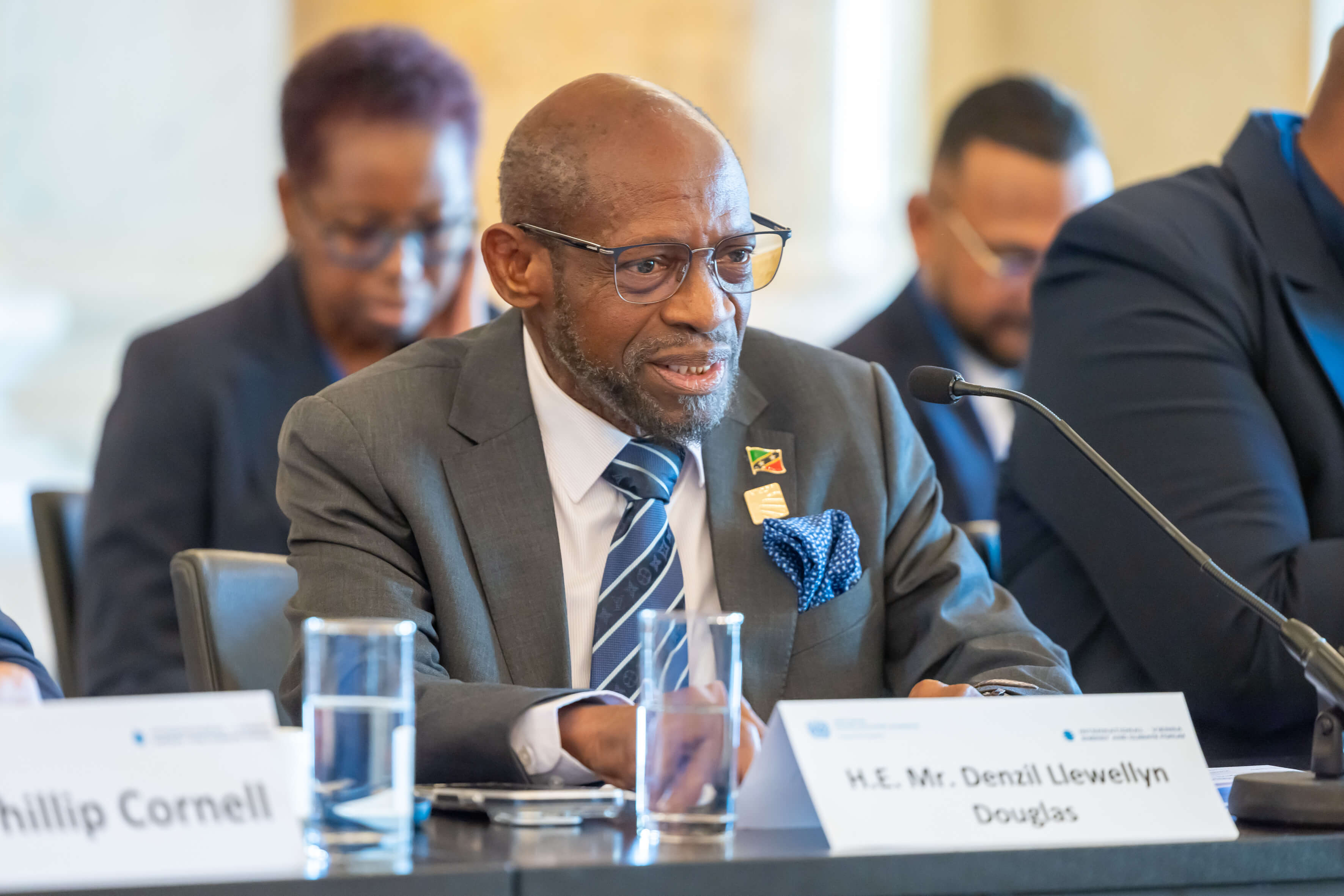
Denzil Llewellyn Douglas, Minister for Foreign Affairs, International Trade, Industry, Commerce and Consumer Affairs, Economic Development and Investment, Saint Kitts and Nevis
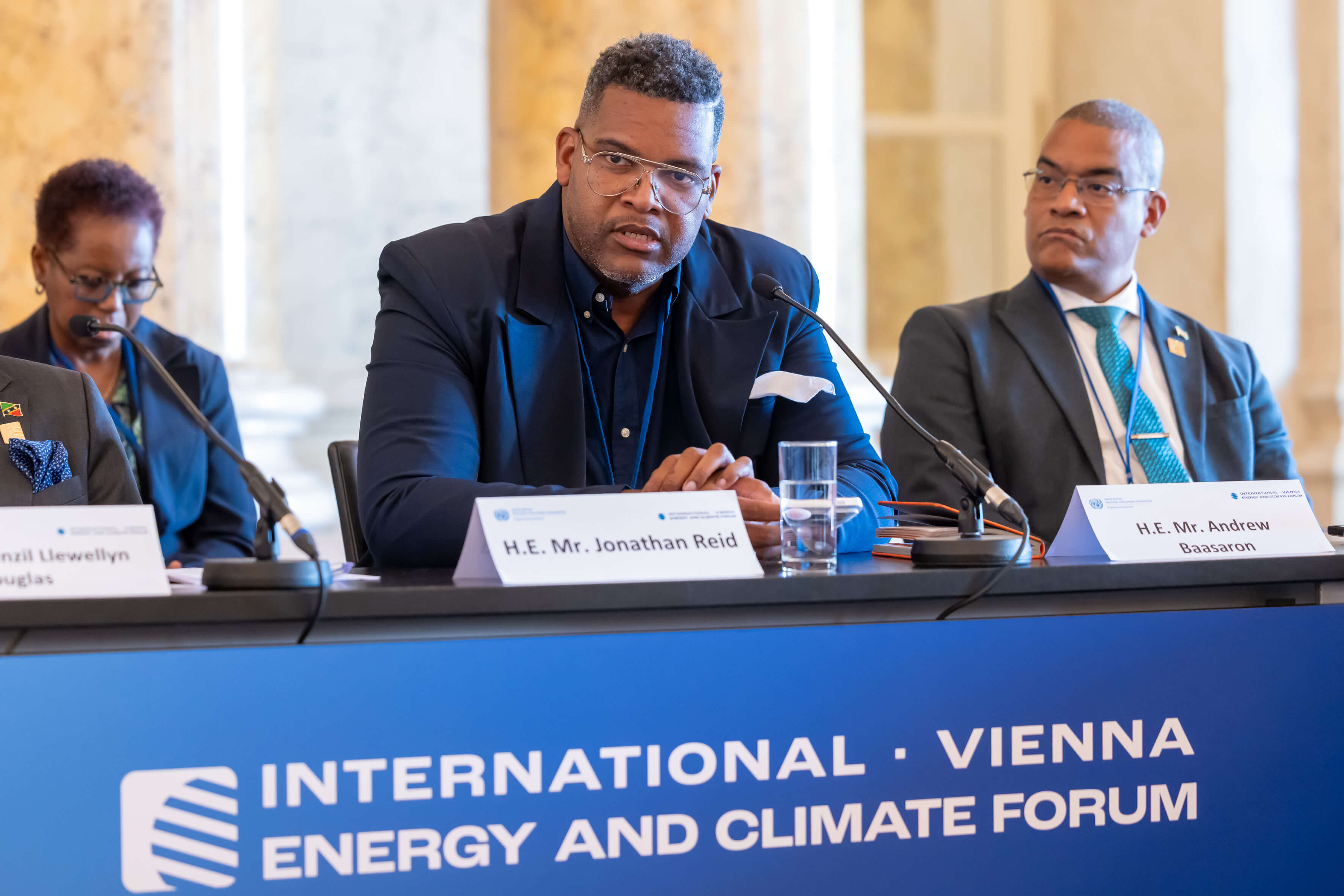
Jonathan Reid, Minister of Innovation, Industry, Science and Technology, Barbados
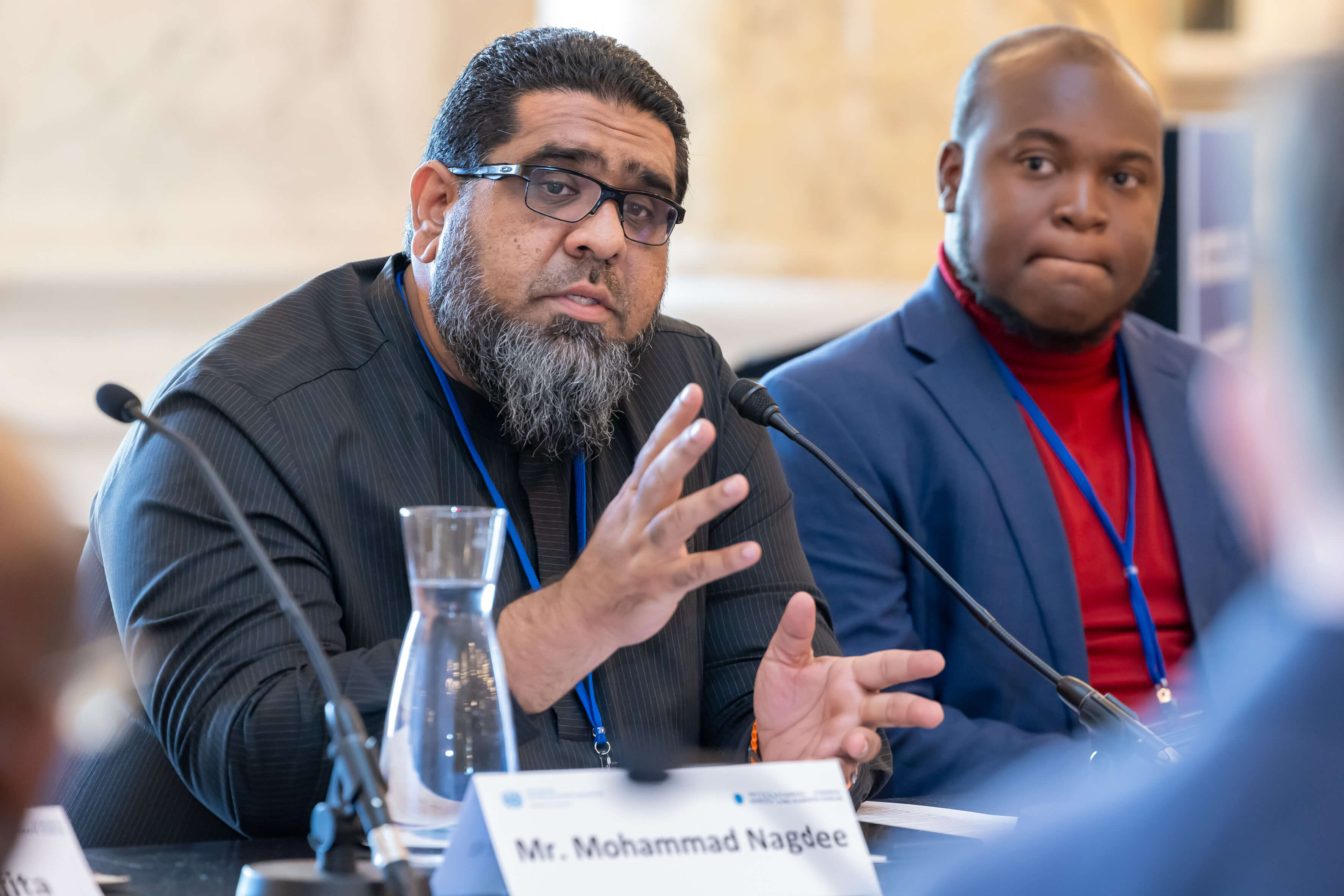
Mohammad Nagdee, Executive Director, Caribbean Centre for Renewable Energy and Energy Efficiency of the Caribbean Community
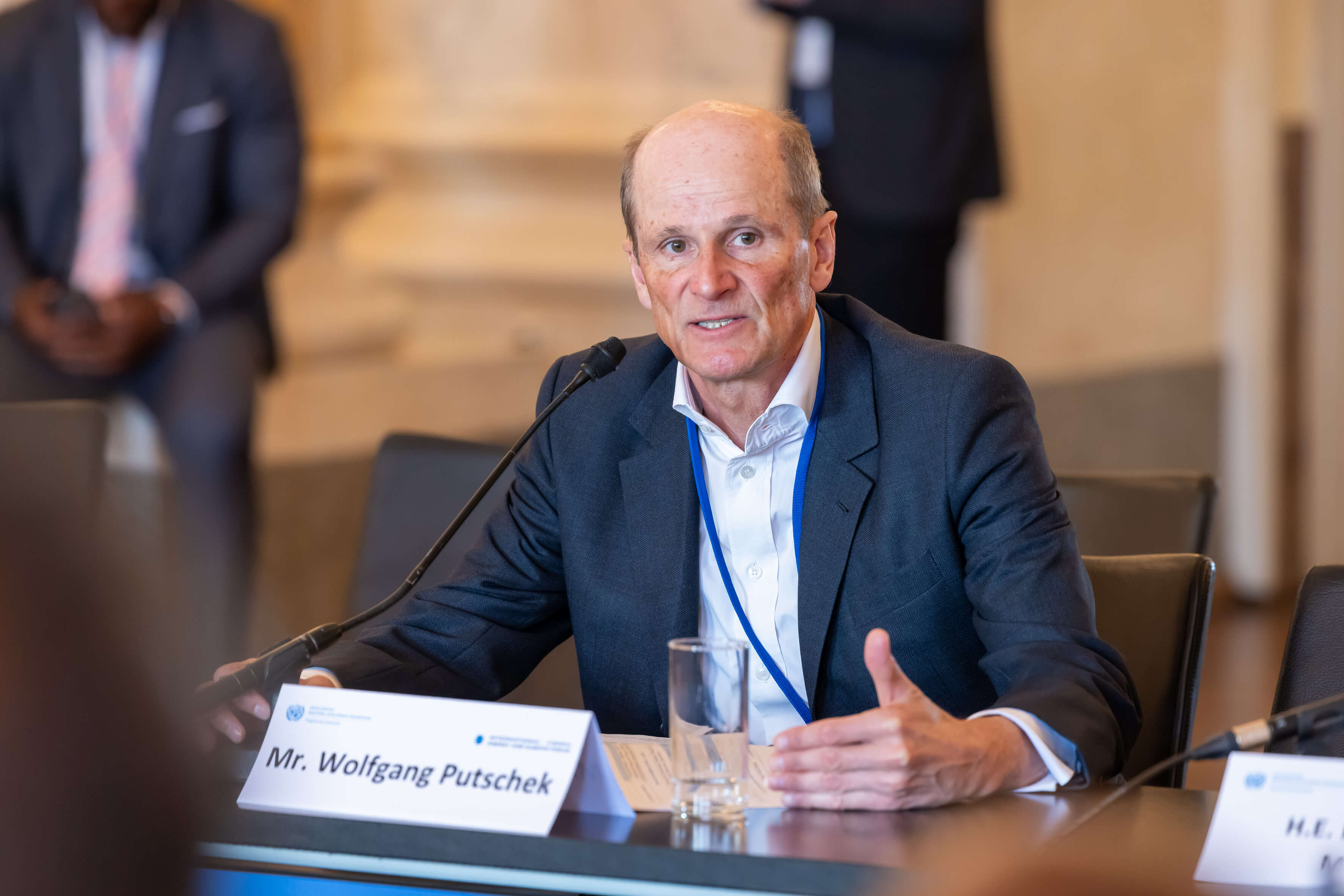
Wolfgang Putschek, Managing Director, Swimsol
Roundtable on Strengthening Multilateral Support for Green Industrialization
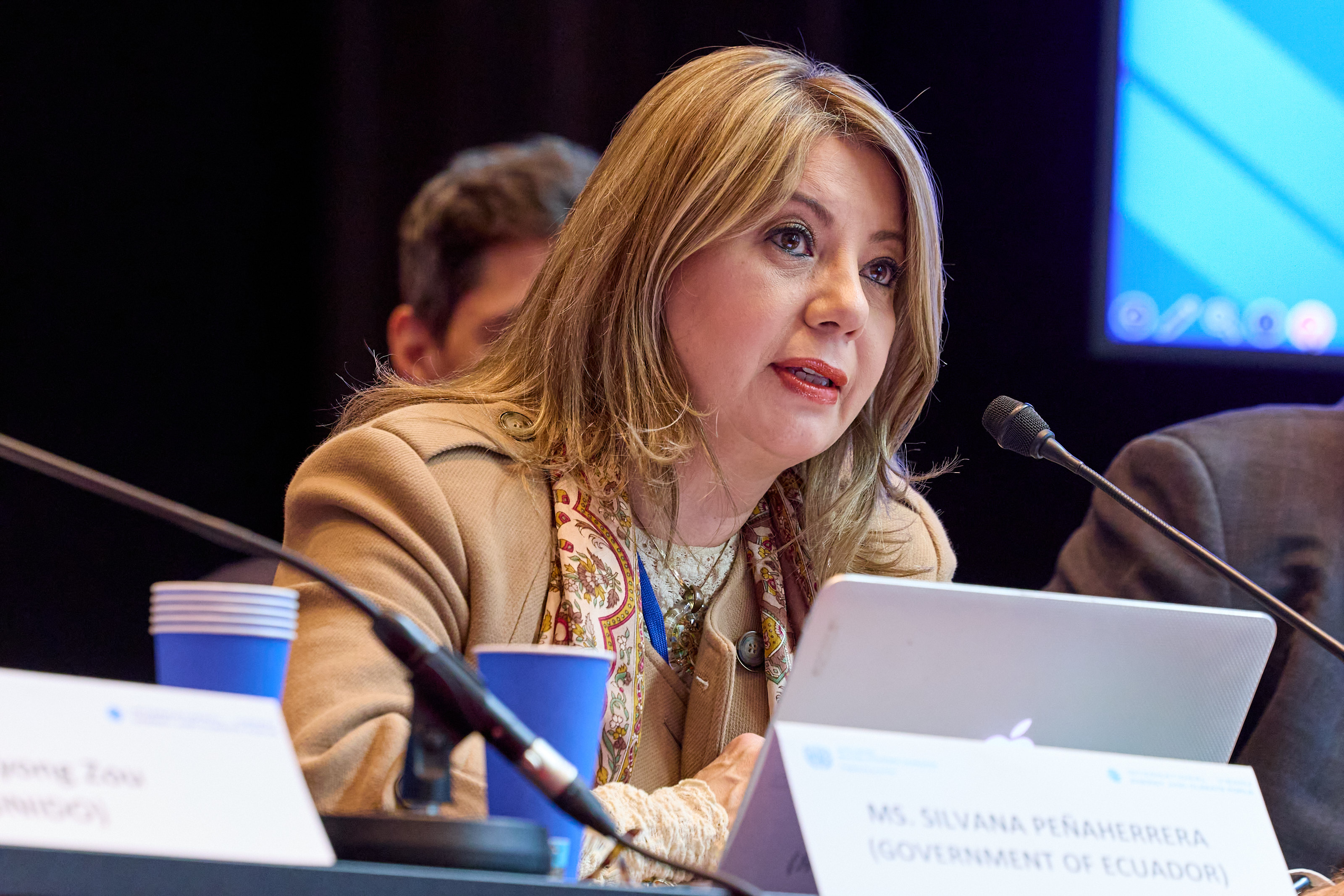
Silvana Peñaherrera, Subsecretary, Ministry of Production, Foreign Trade, Investments and Fisheries, Ecuador
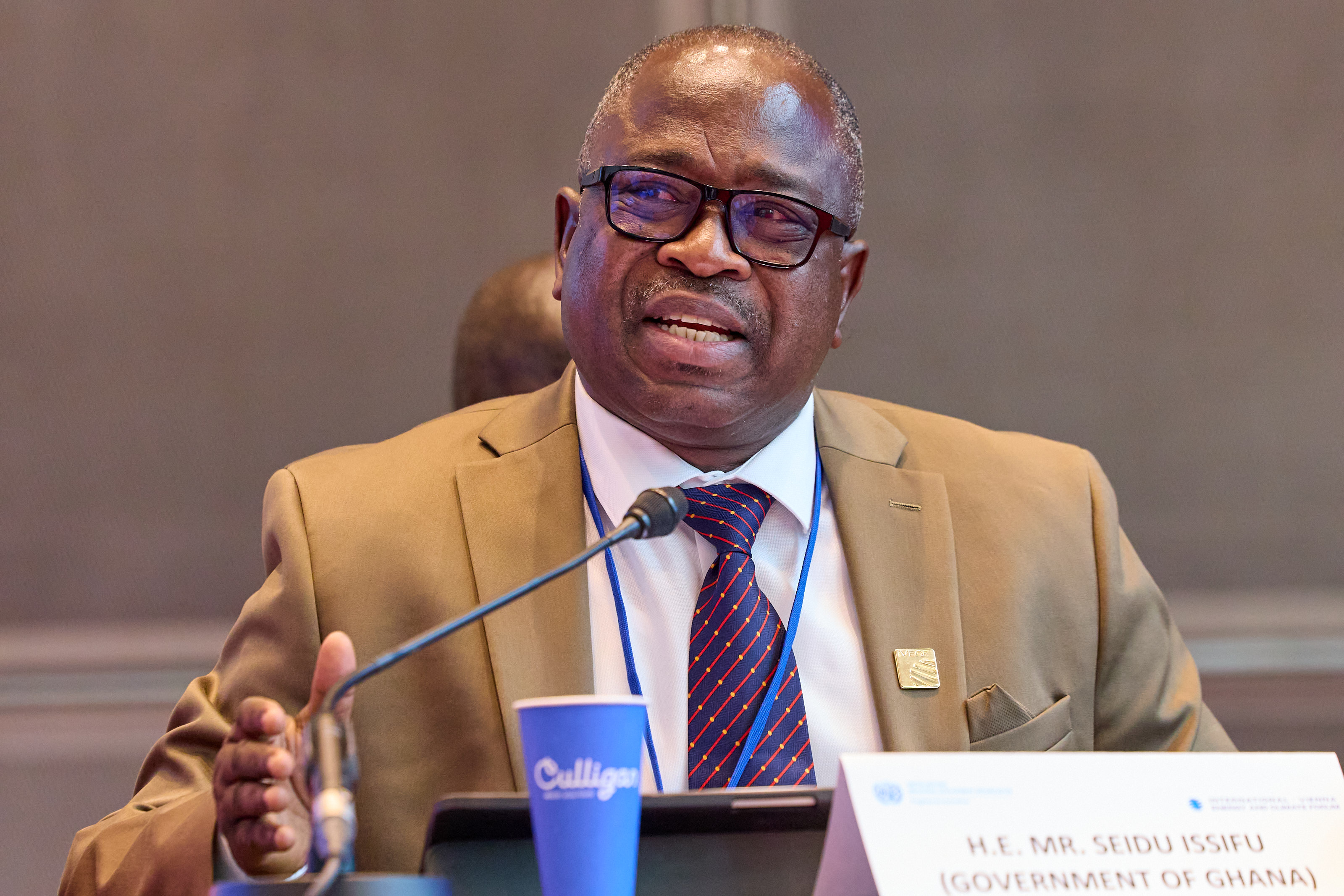
Sedu Issifu, Minister of State for Climate Change and Sustainability, Ghana
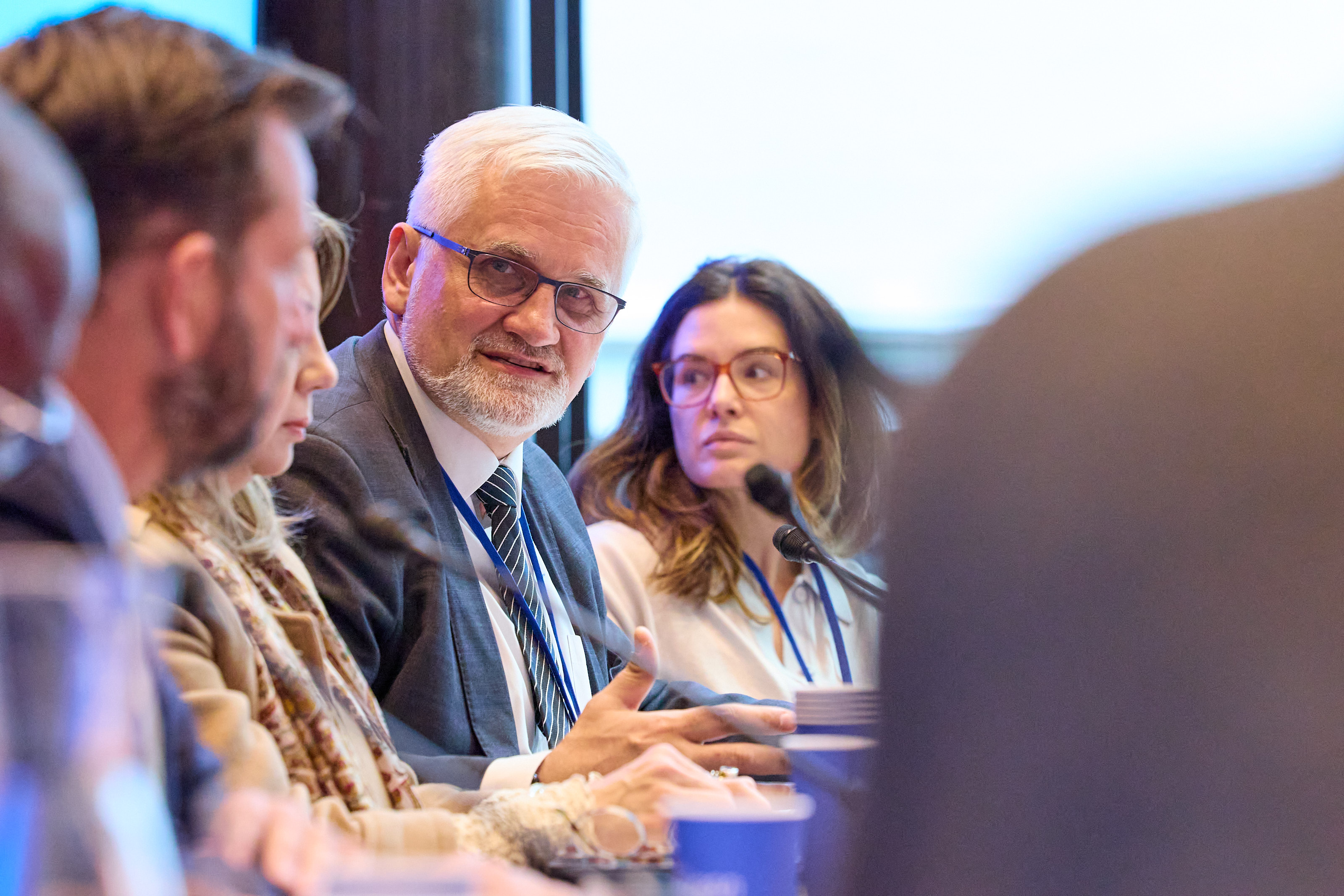
Jan Dusík, Deputy Director General, CLIMA, European Commission
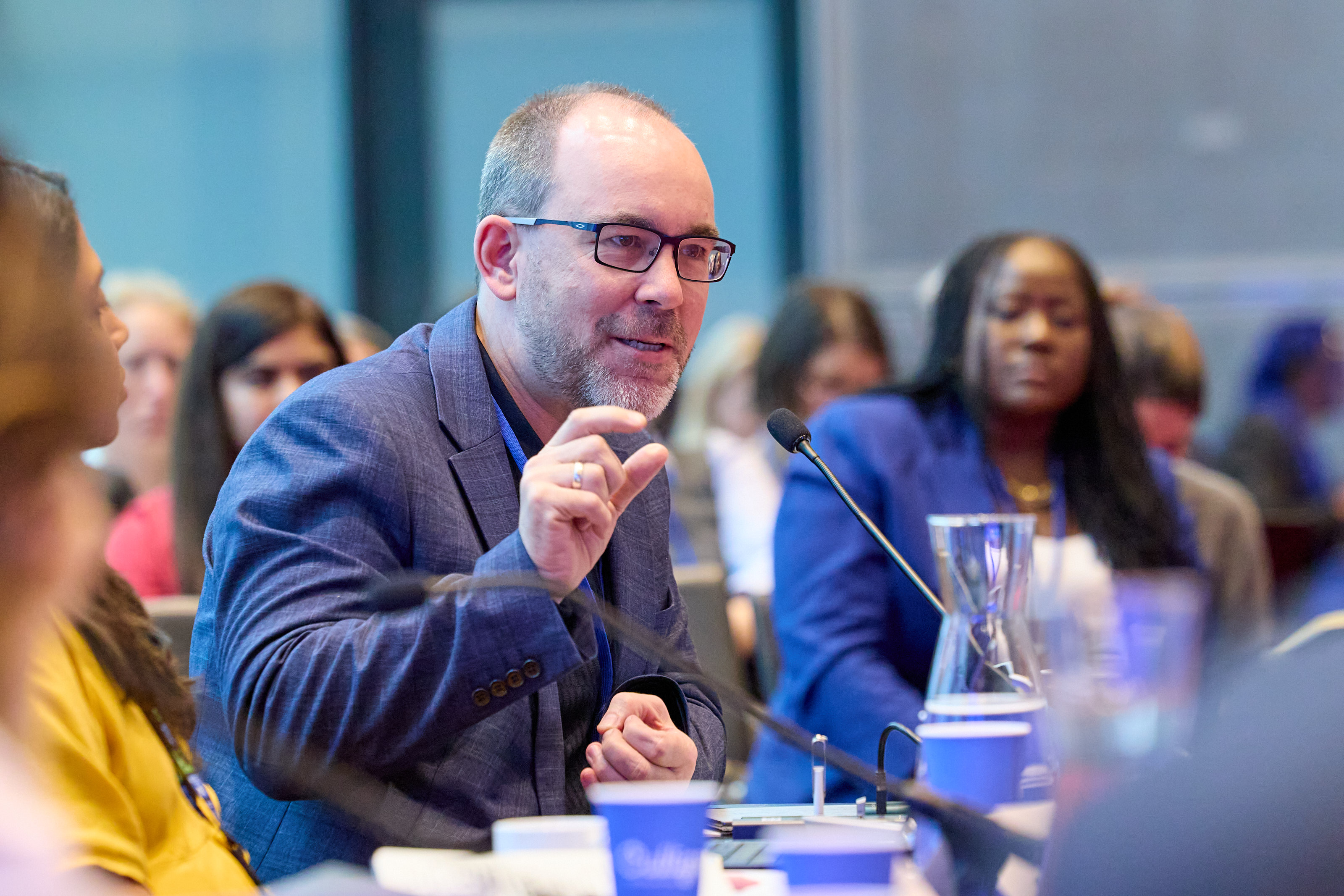
Paul Durrant, Joint Head, Breakthrough Agenda
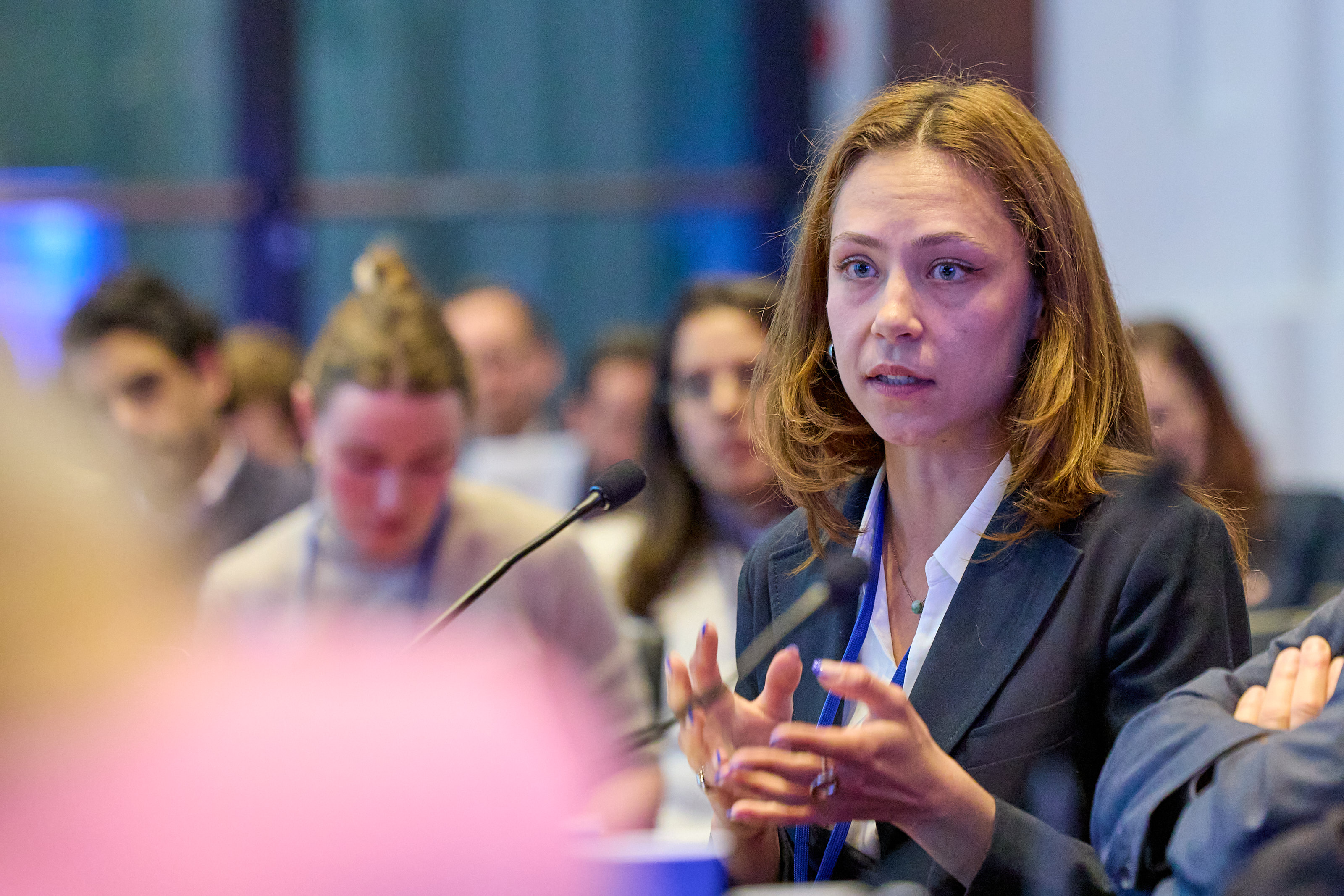
Maryana Malyshevska, European Youth Energy Network
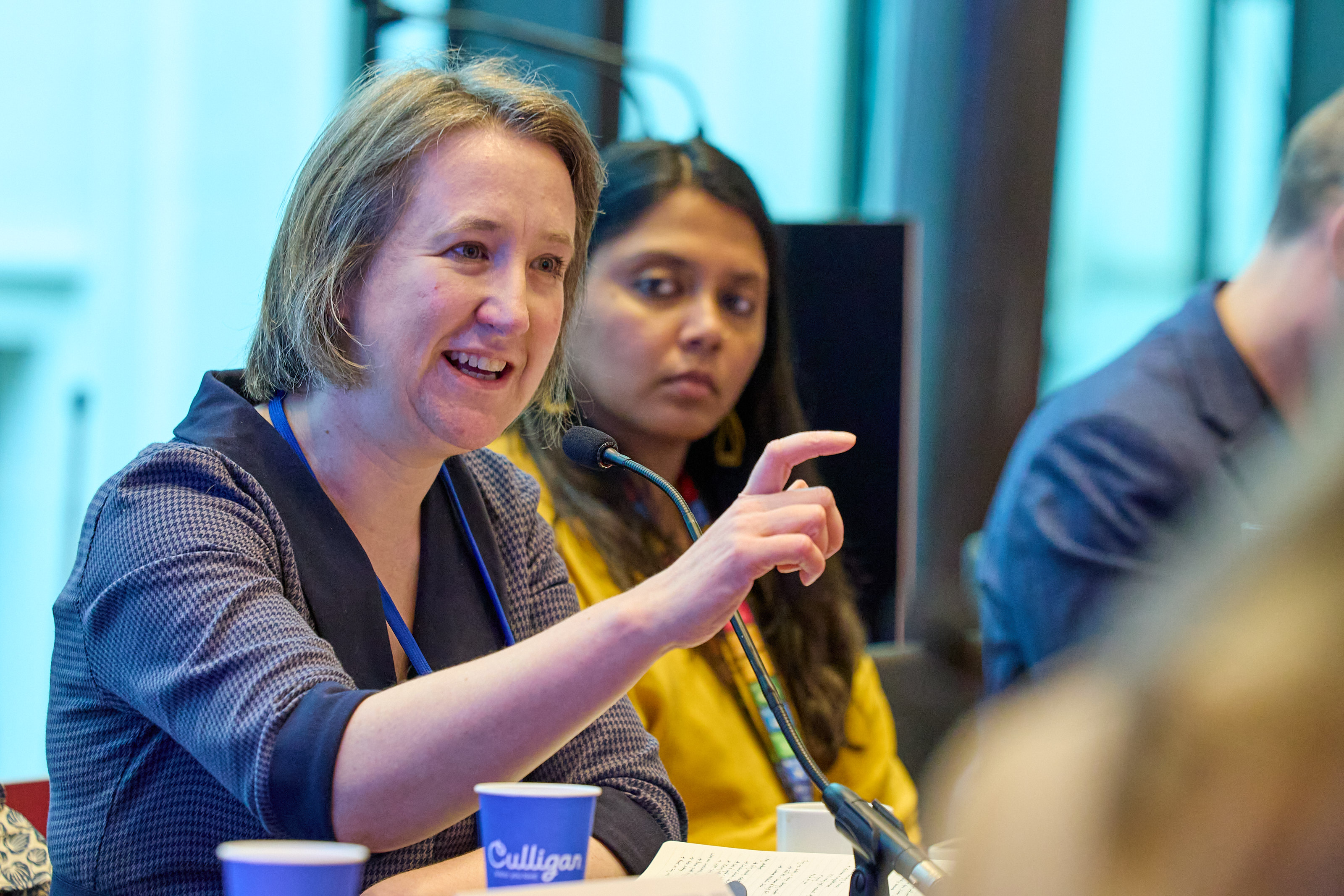
Jennie Dodson, Senior Director of Policy, Advocacy and Member Mobilization, World Business Council for Sustainable Development
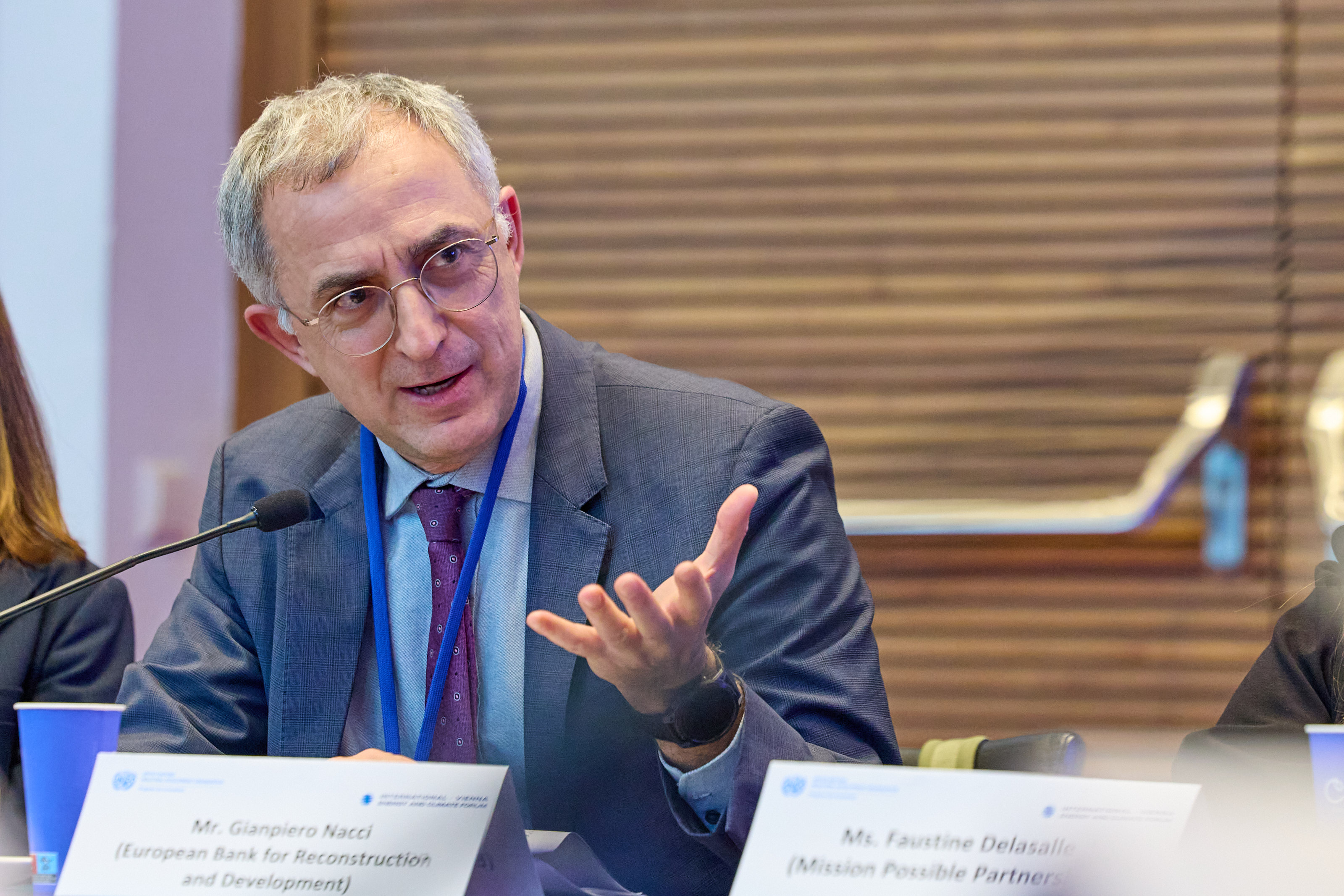
Gianpiero Nacci, Managing Director, Climate Strategy and Delivery, European Bank for Reconstruction and Development
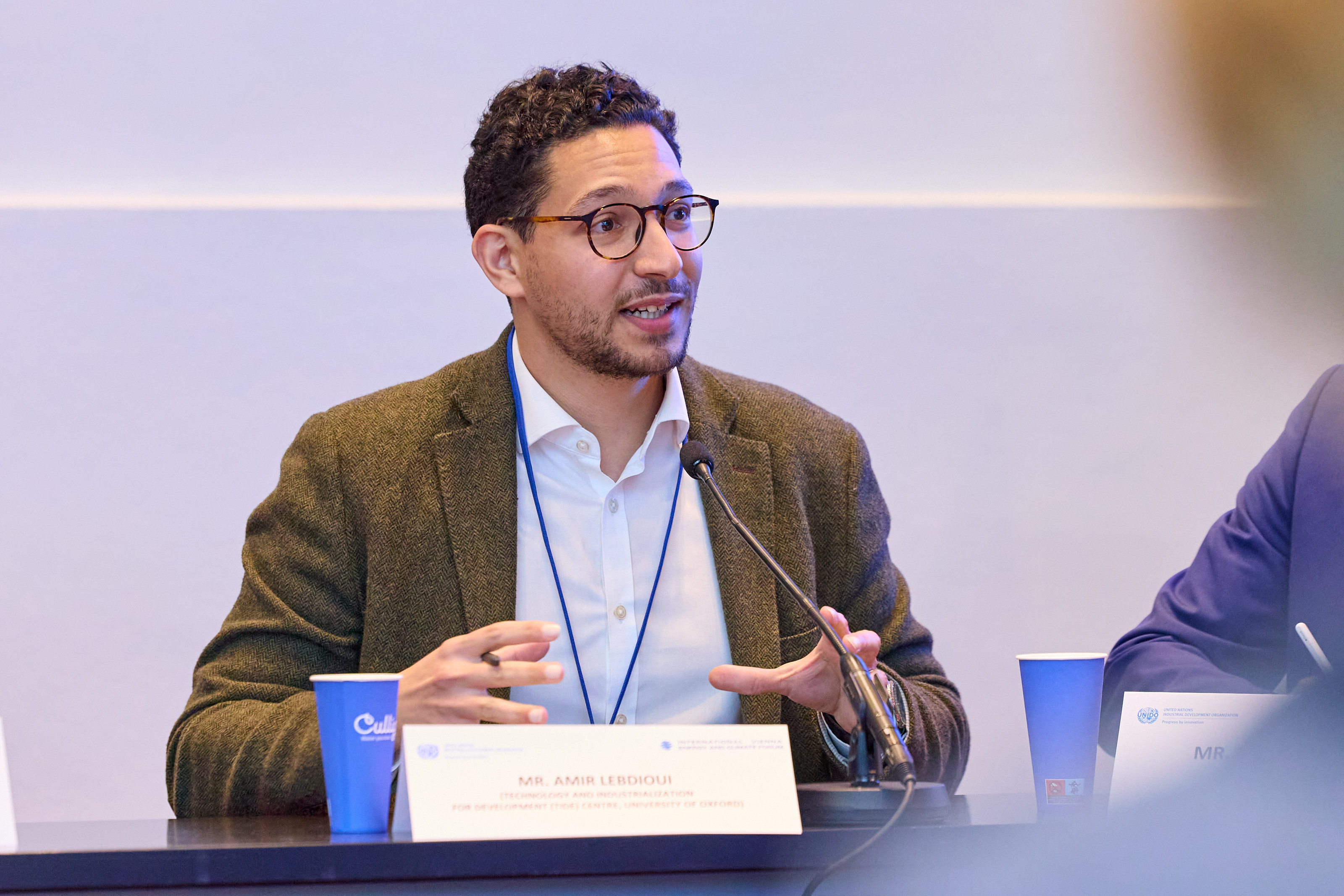
Amir Lebdioui, Director, Technology and Industrialization for Development Centre, University of Oxford
Roundtable on Middle-Income Countries as Engines of Green Industrial Transformation
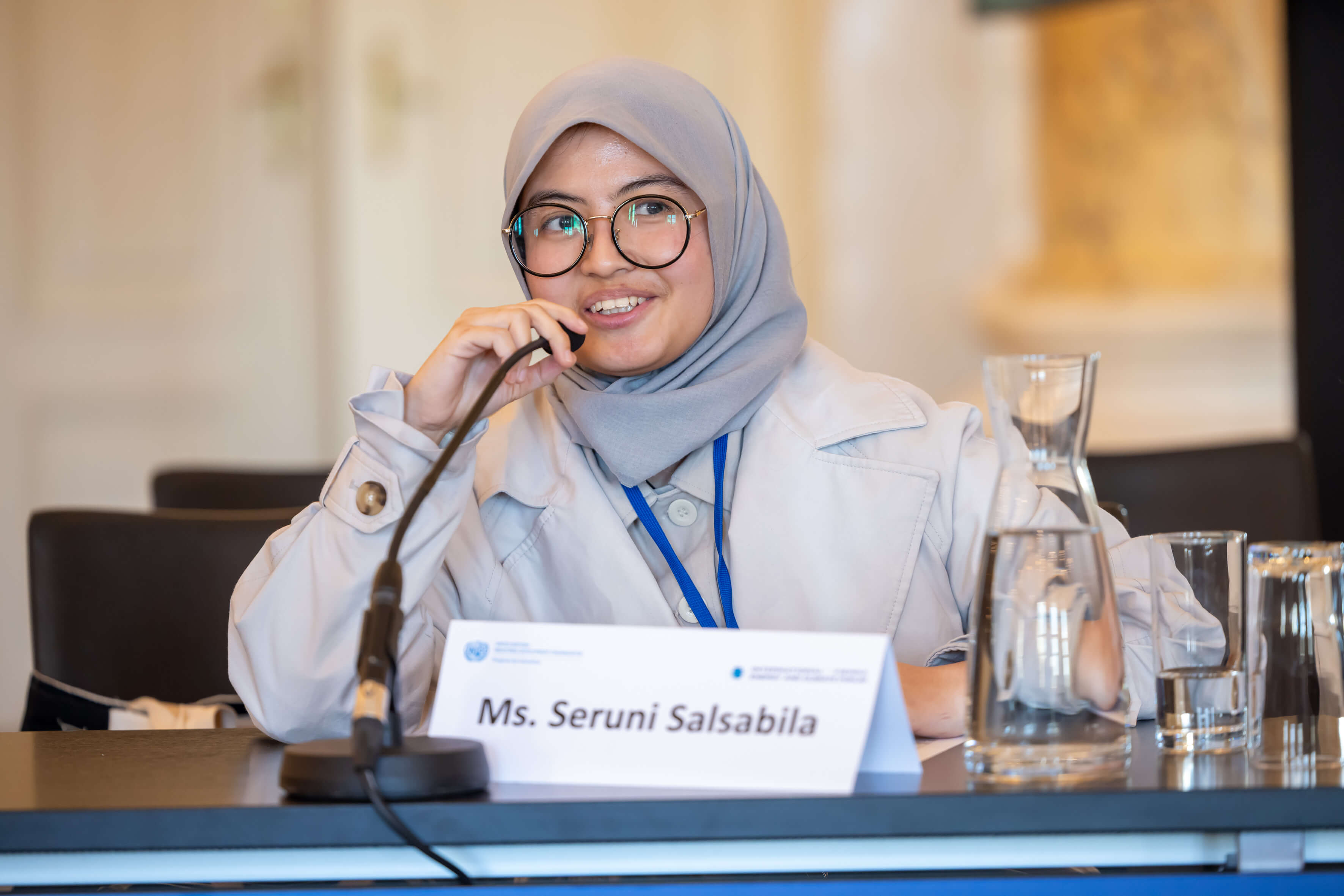
Seruni Salsabila, Children and Youth Constituency to the UNFCCC
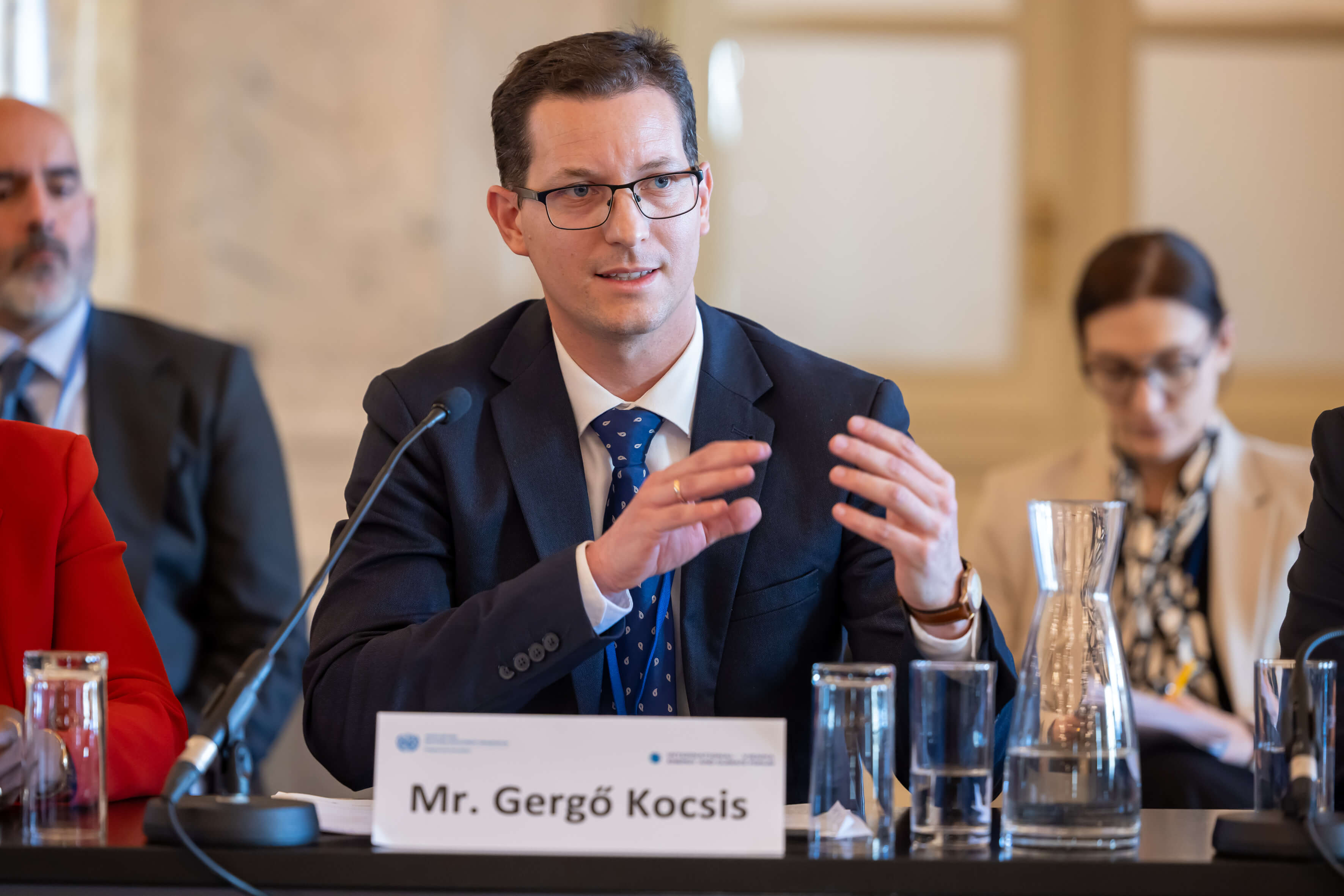
Gergő Kocsis, Deputy State Secretary for International Cooperation, Hungary
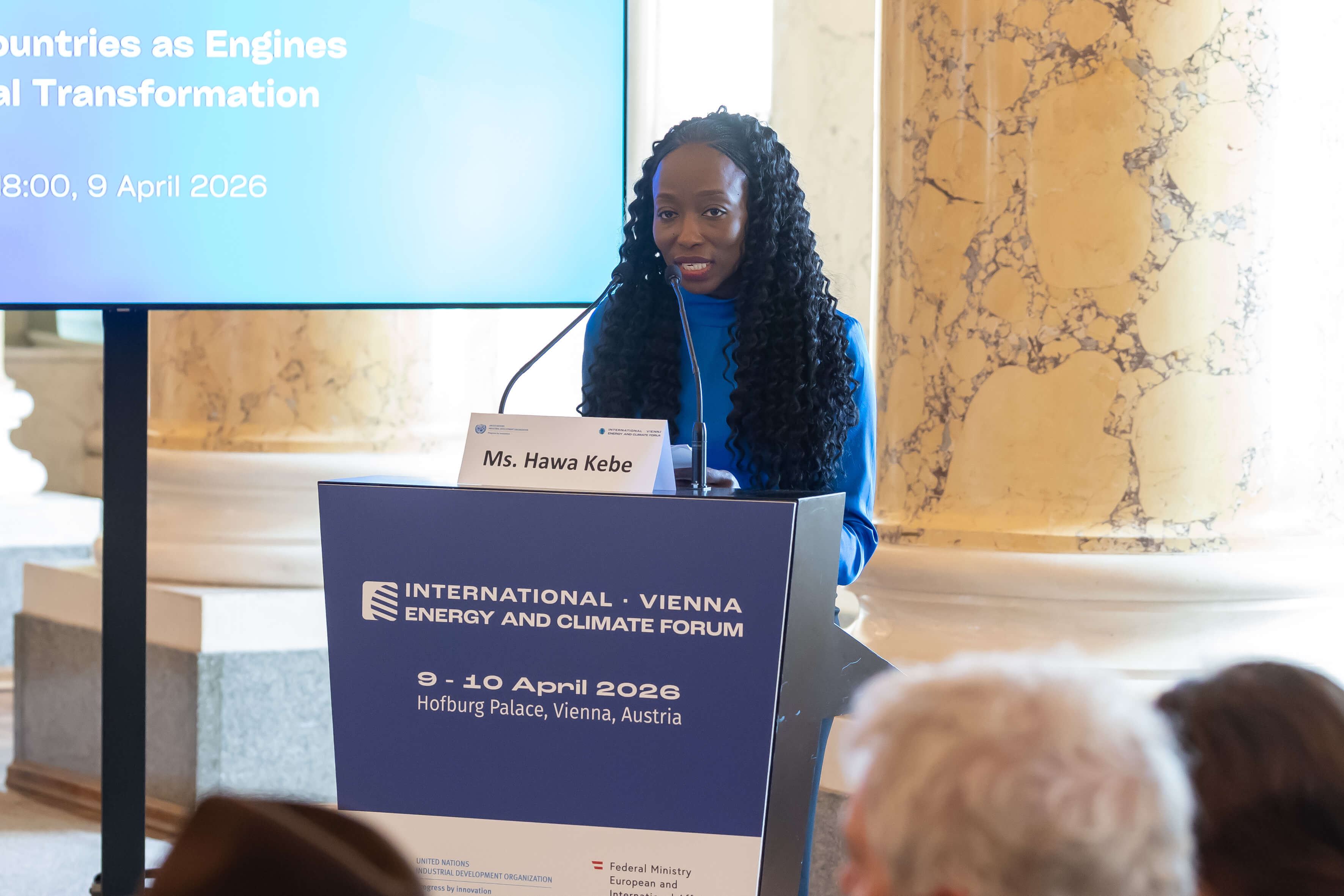
Hawa Kebe, Project Administrator, Competitiveness, Quality and Compliance Unit, UNIDO
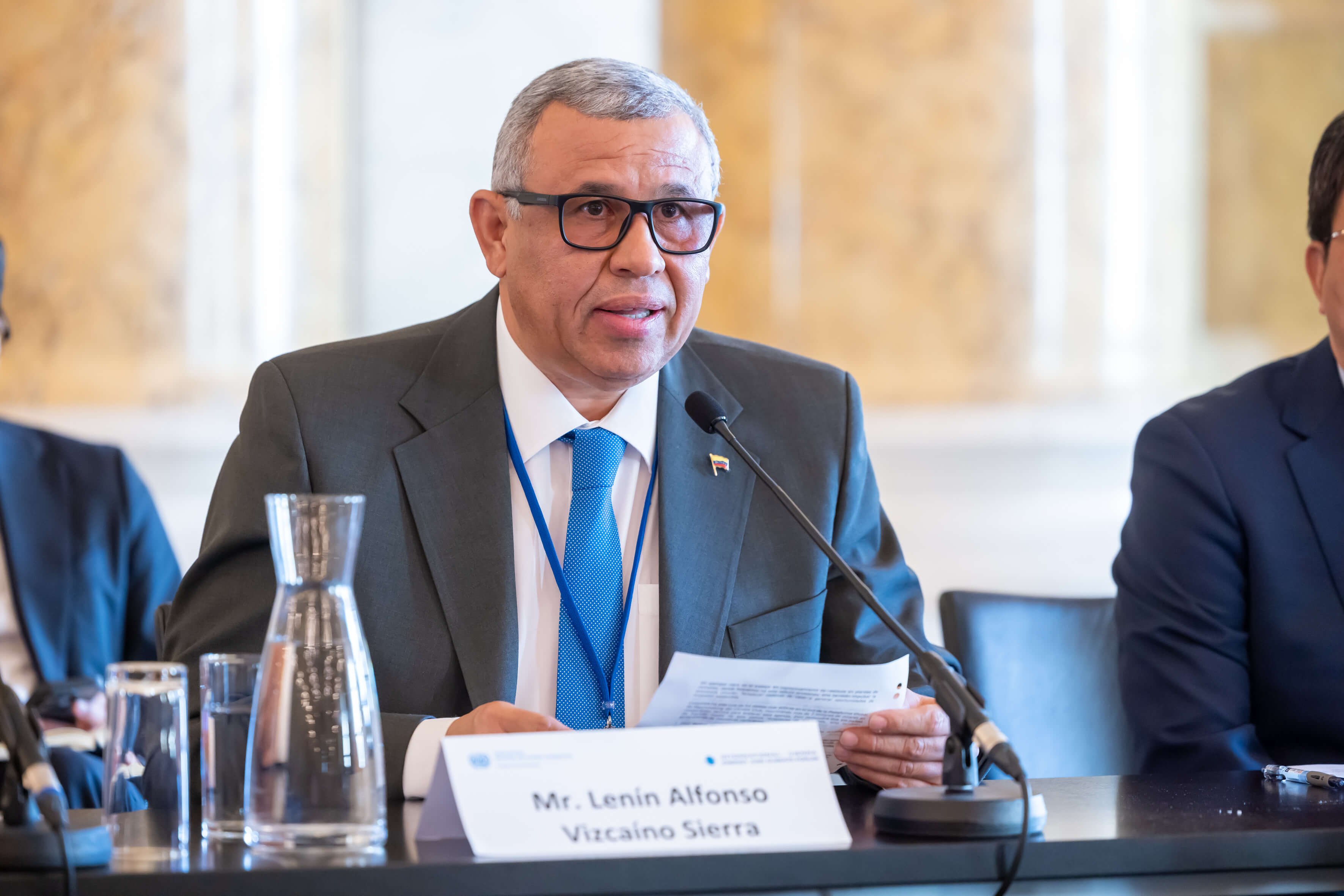
Lenín Vizcaíno Sierra, Vice Minister for Business Development, Ministry of Commerce, Industry and Tourism, Colombia
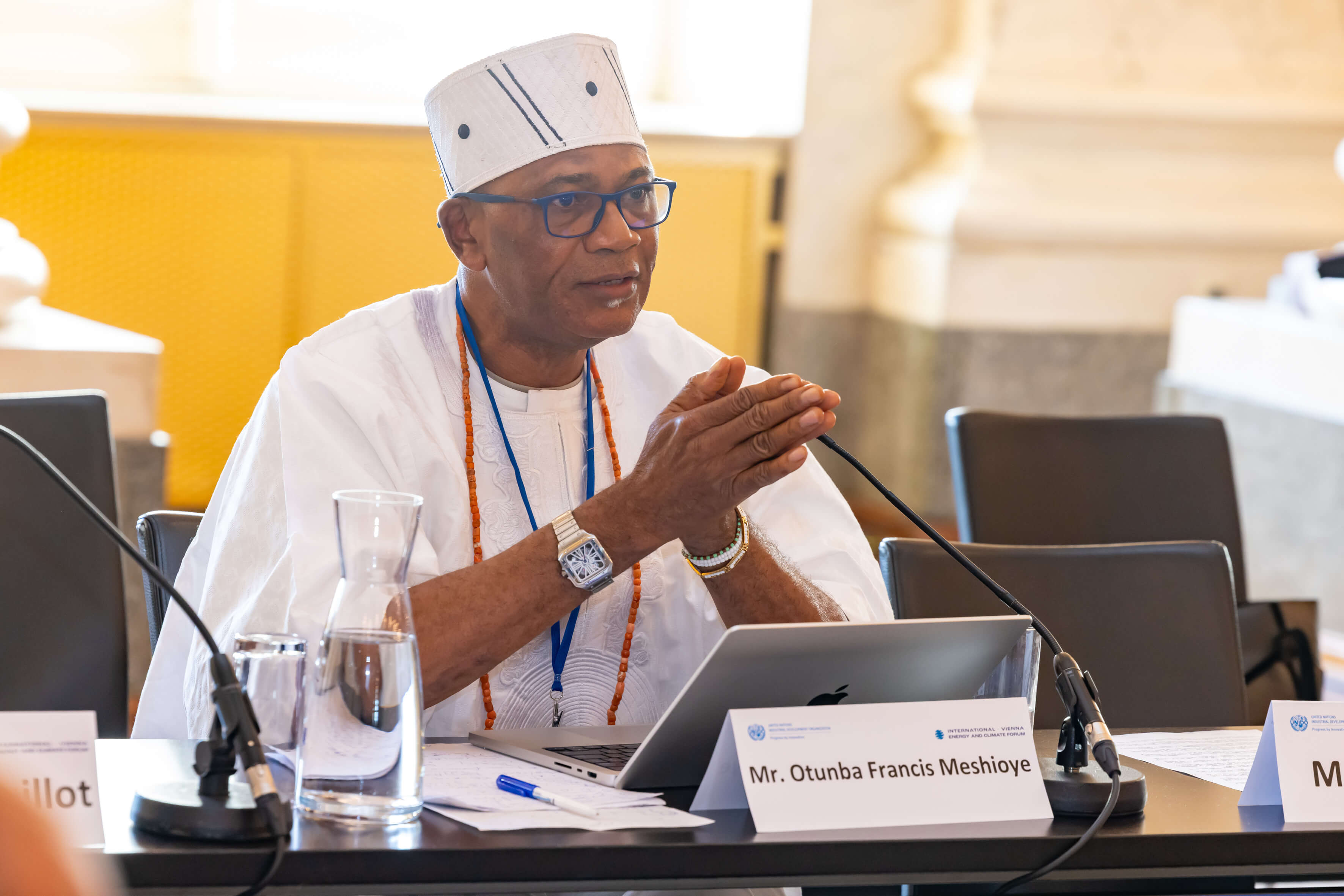
Otunba Francis Meshioye, President, Manufacturers Association of Nigeria
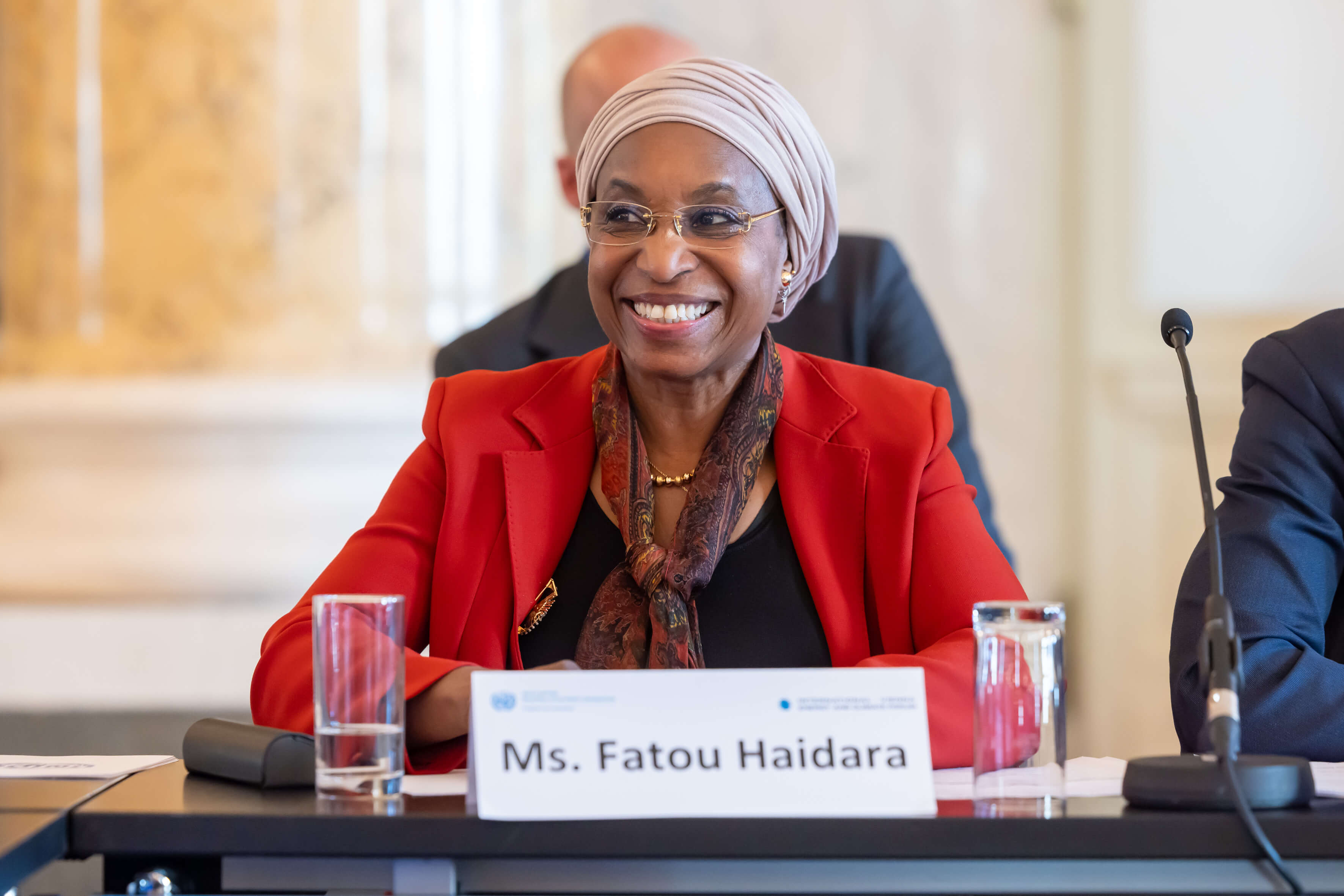
Fatou Haidara, Deputy to the Director General and Managing Director of the Directorate of Global Partnerships and External Relations, UNIDO
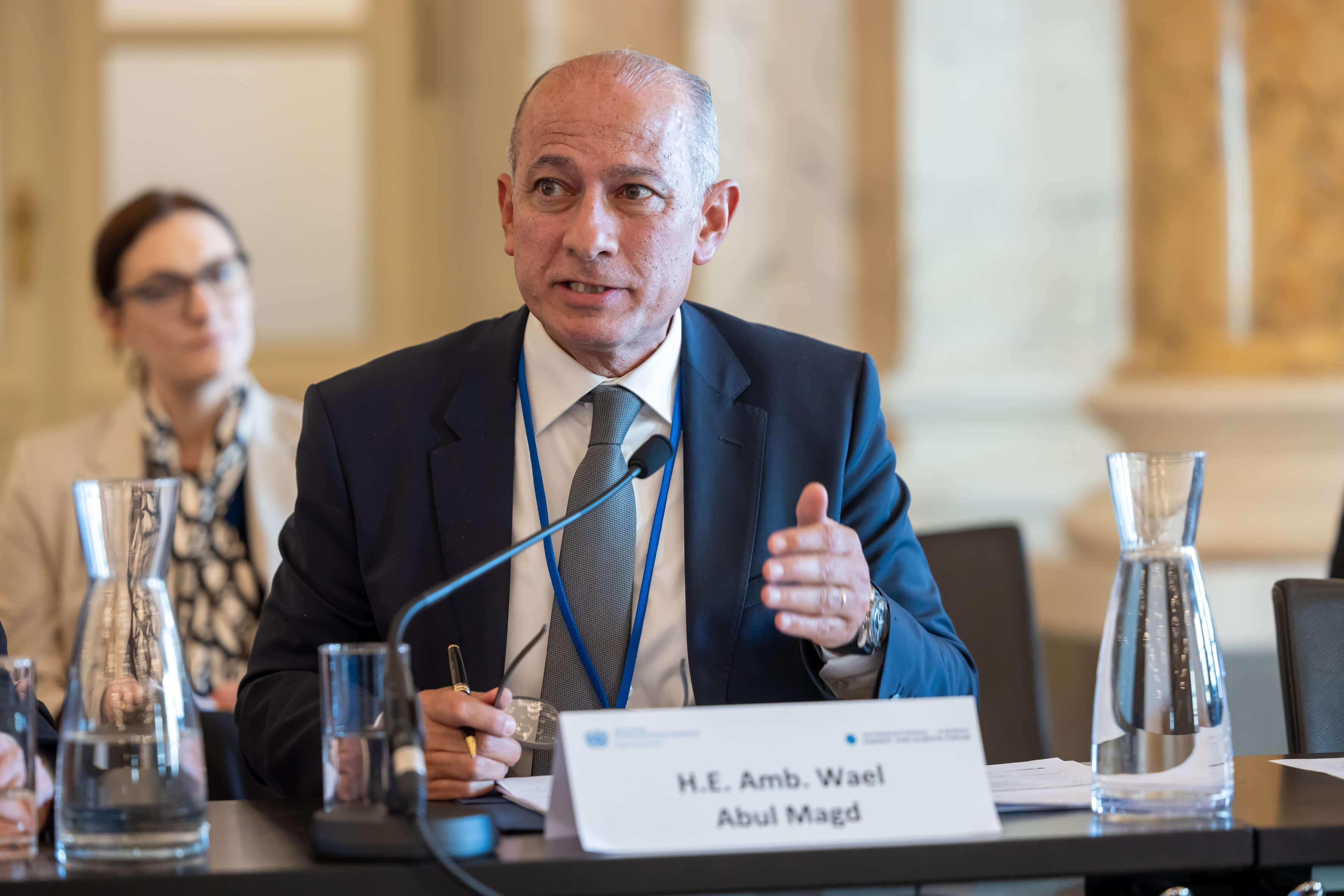
Wael Aboulmagd, Assistant Foreign Minister for Climate, Environment and Sustainable Development Department, Egypt
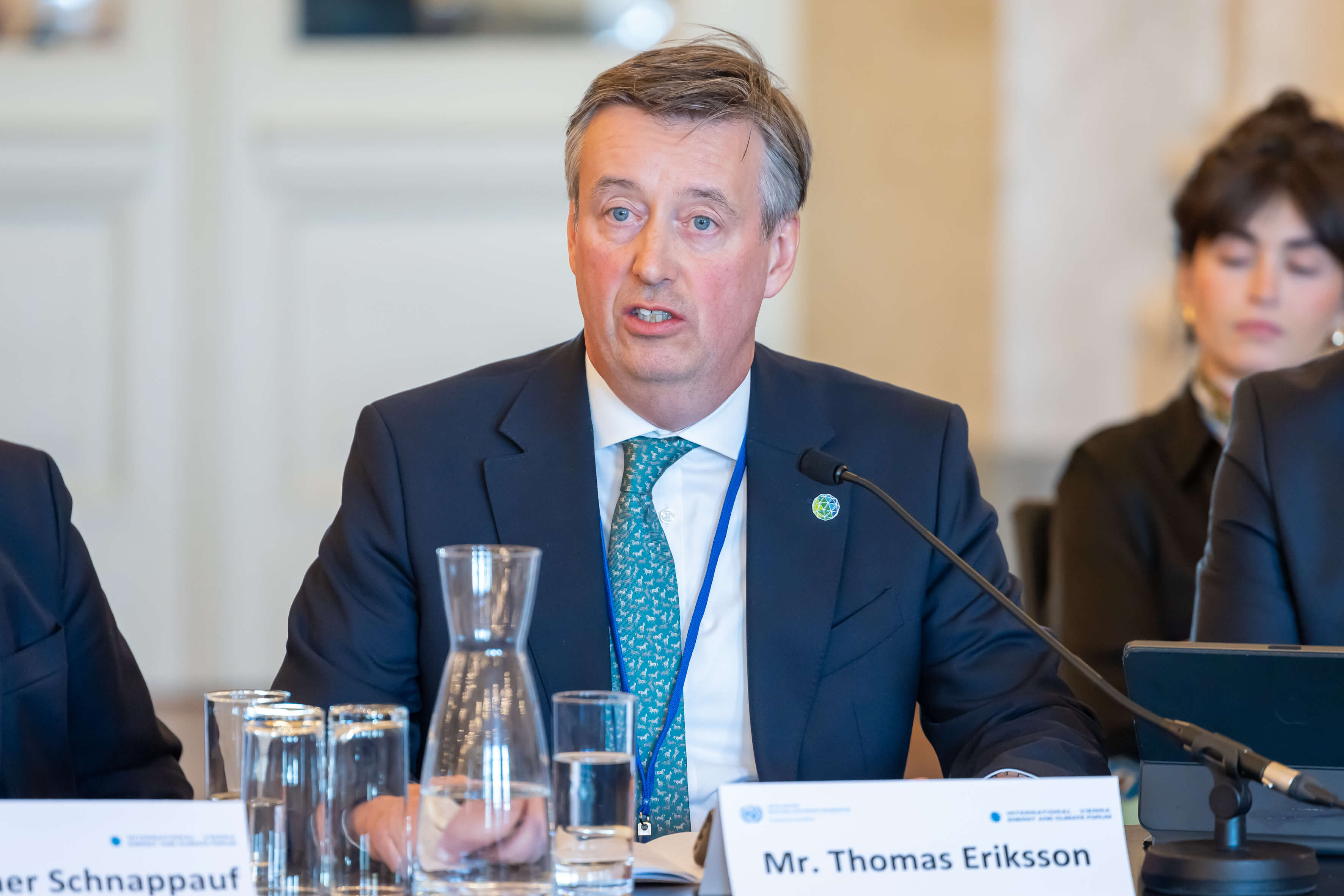
Thomas Eriksson, Regional Director, Department of the Eastern Europe, Central Asia, and the Middle East Region, Green Climate Fund
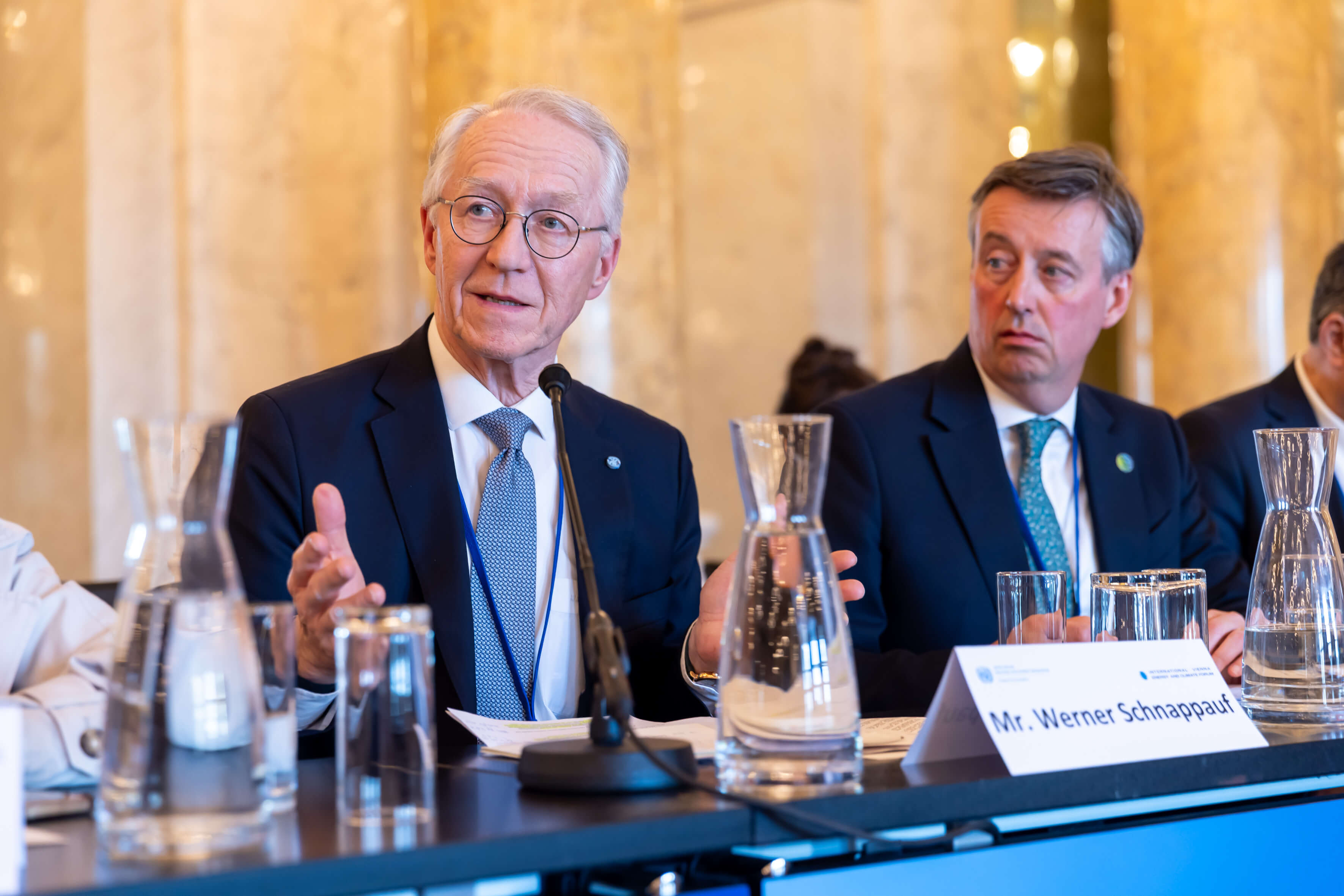
Werner Schnappauf, German Council for Sustainable Development
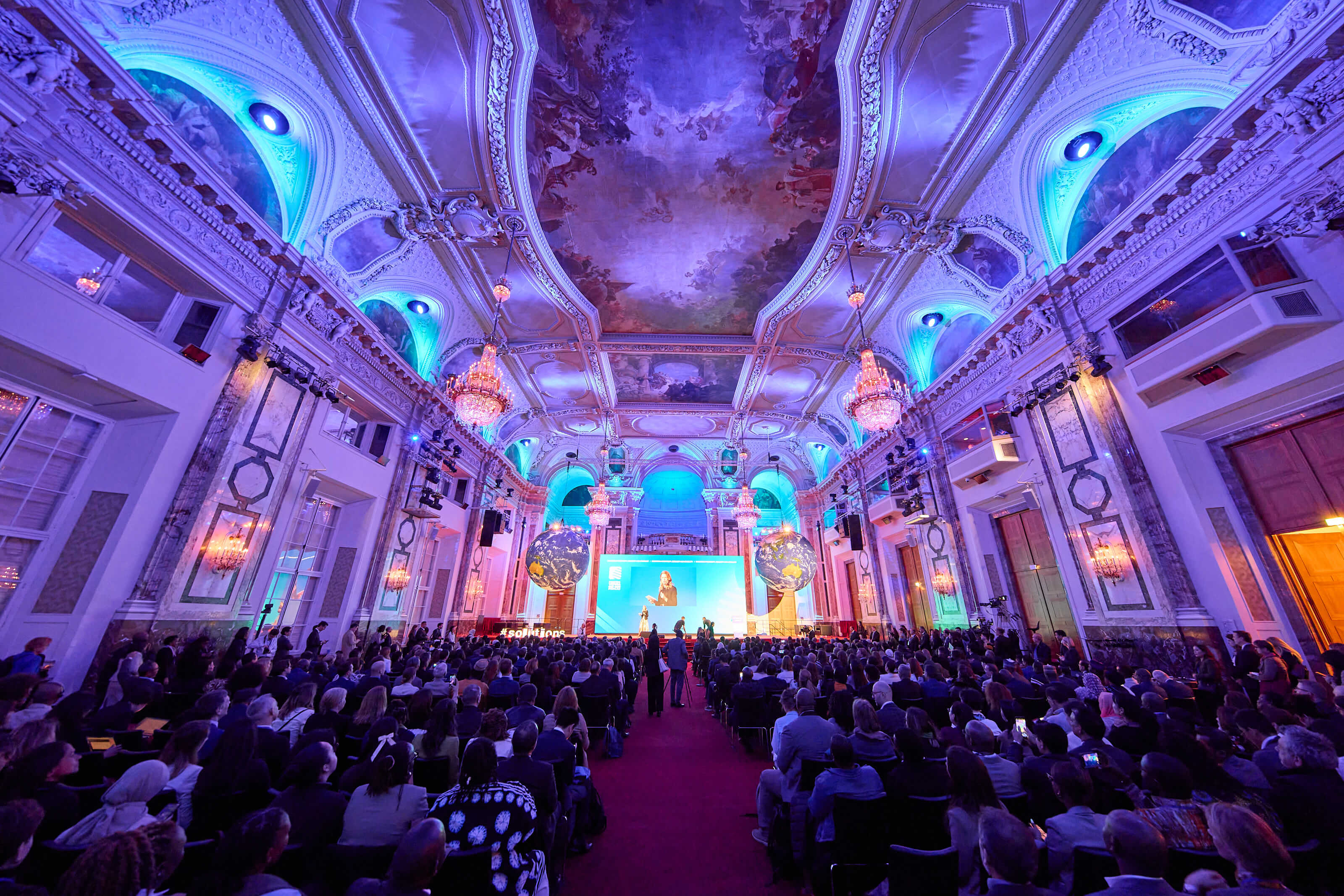
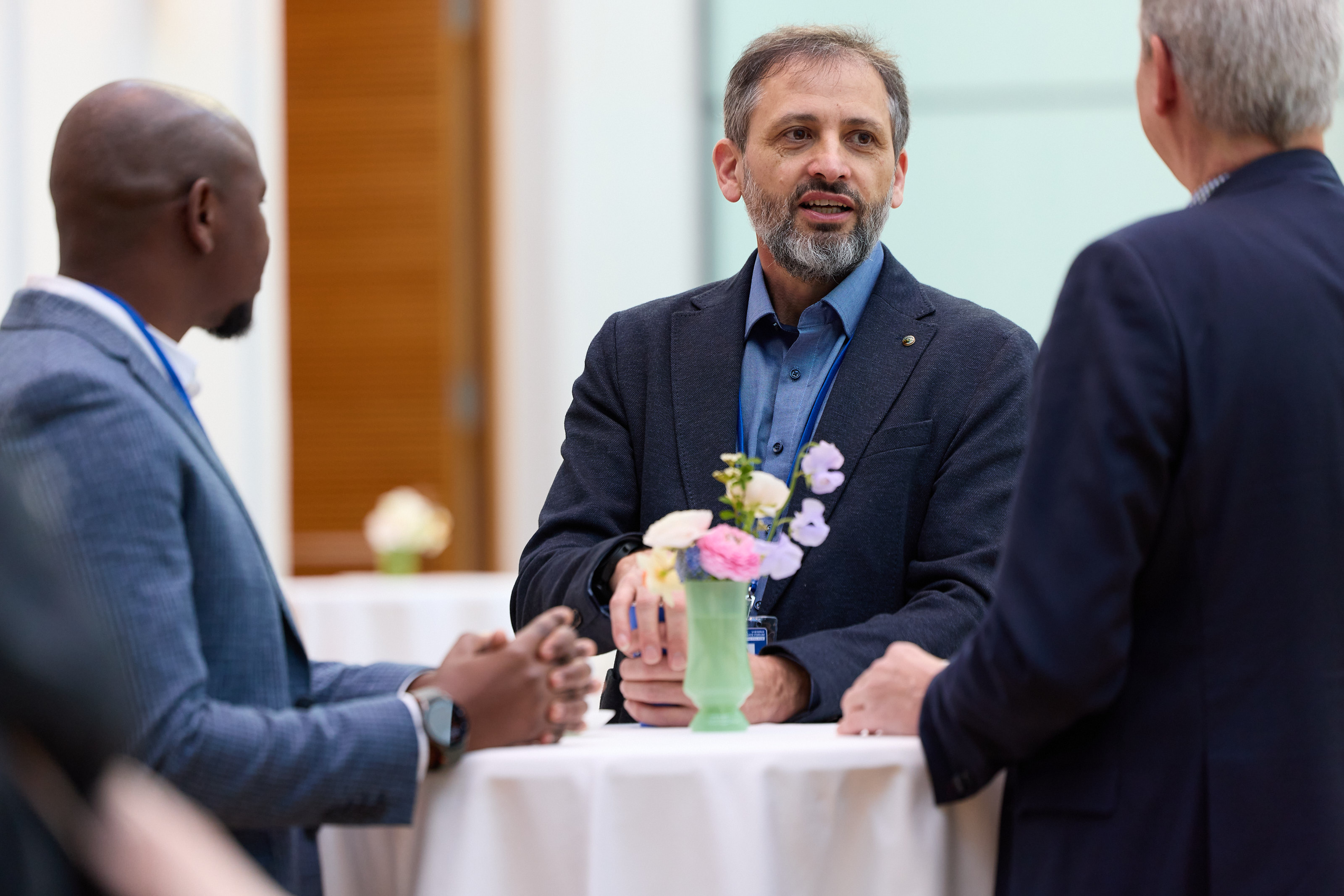
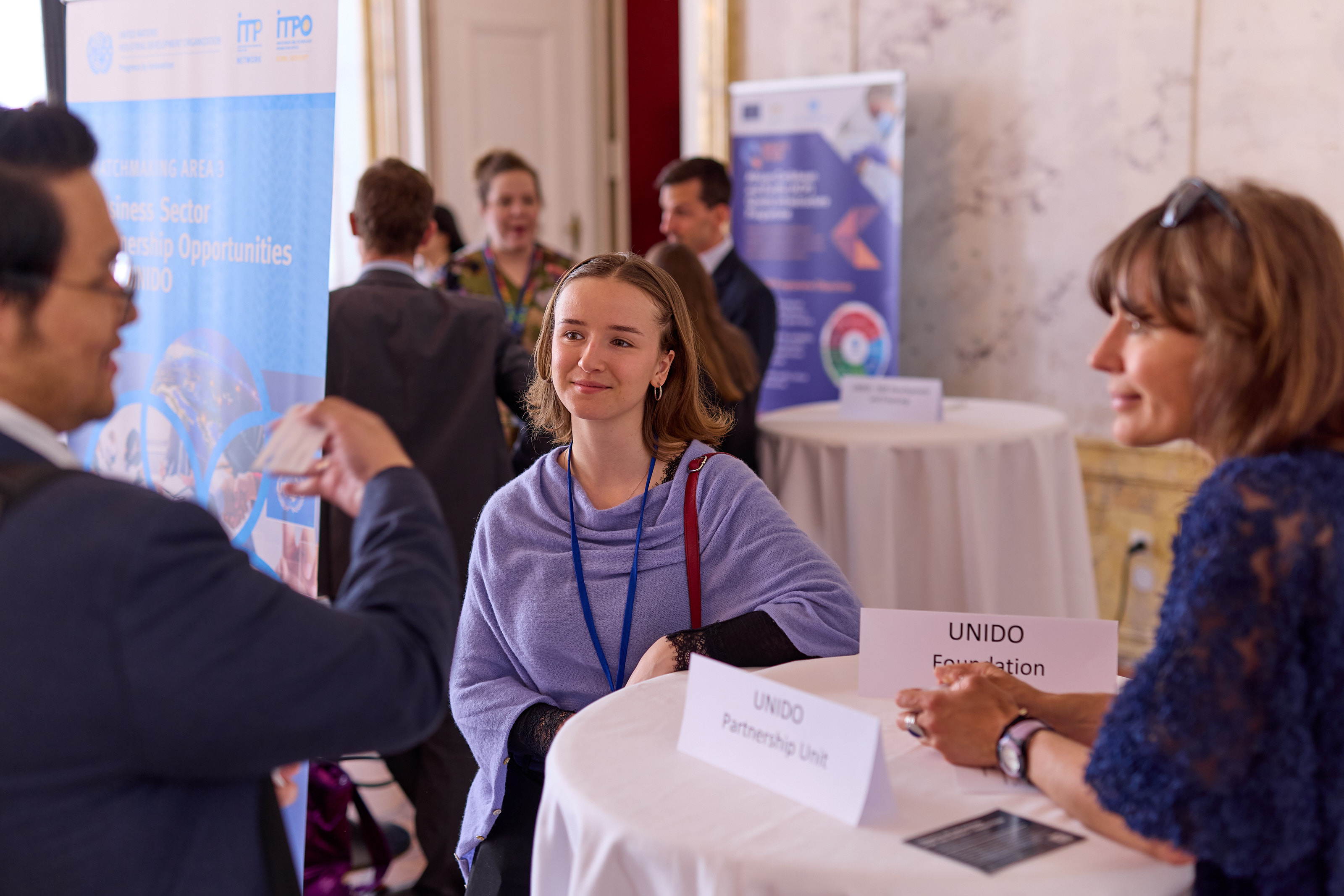
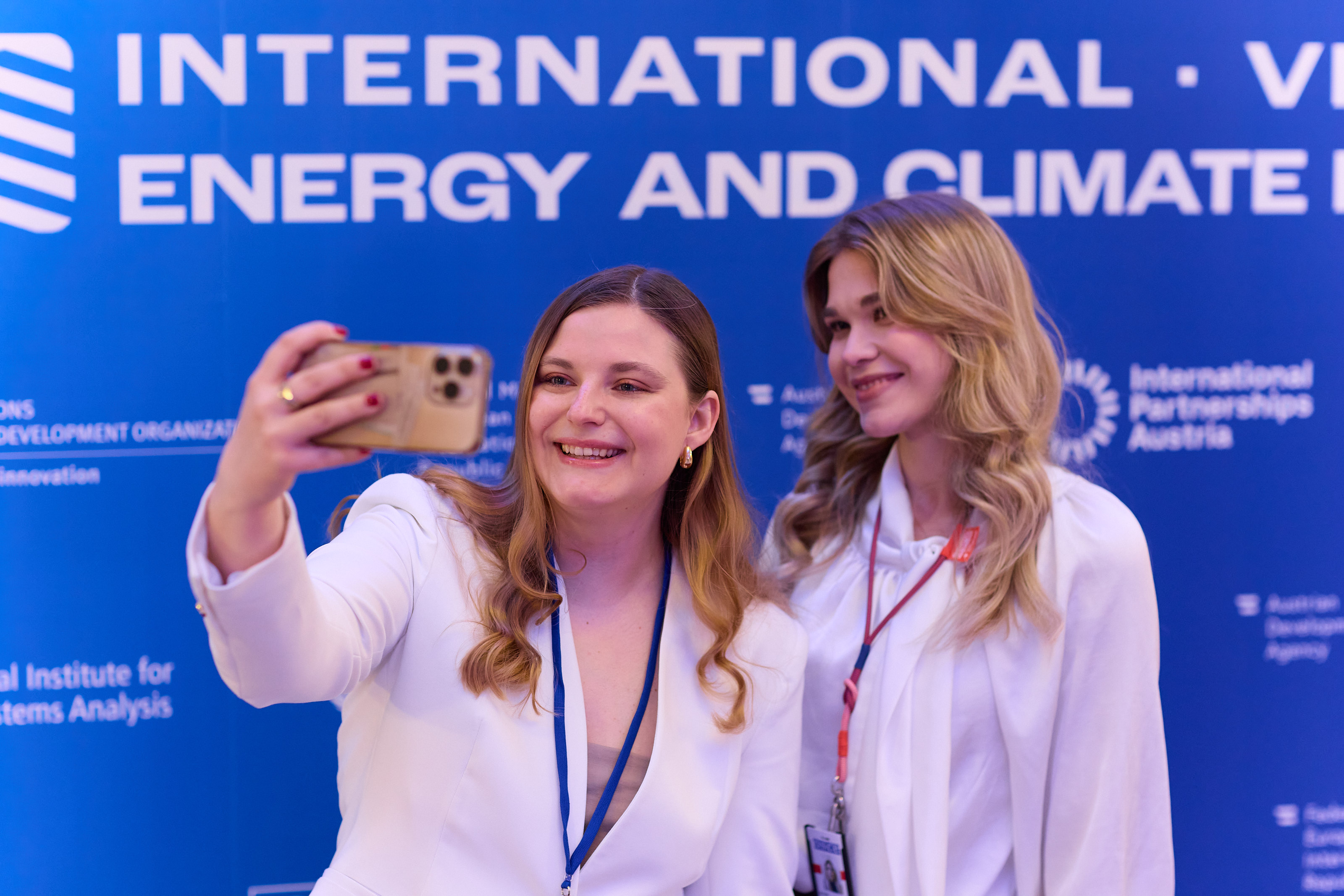
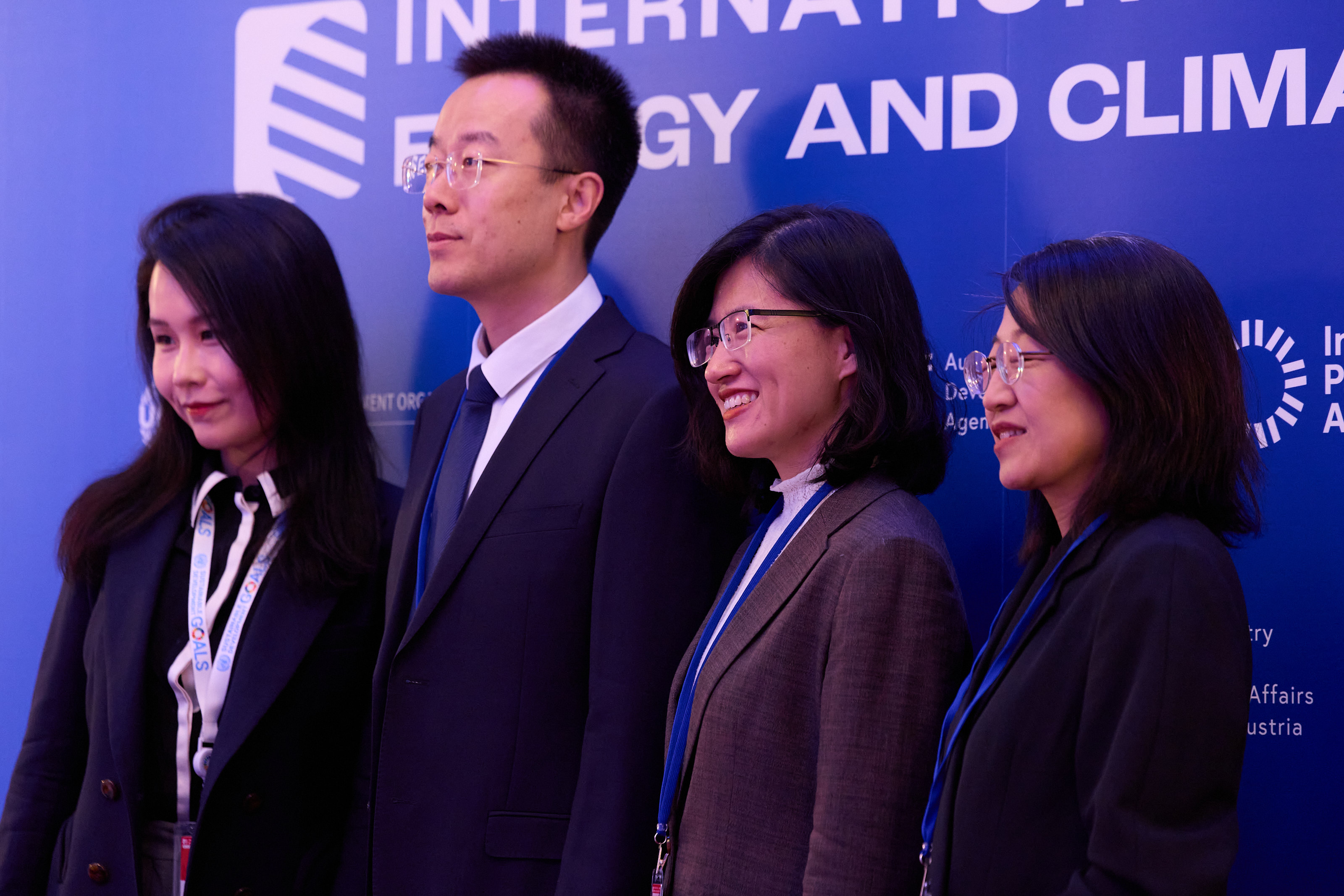
Around the venue
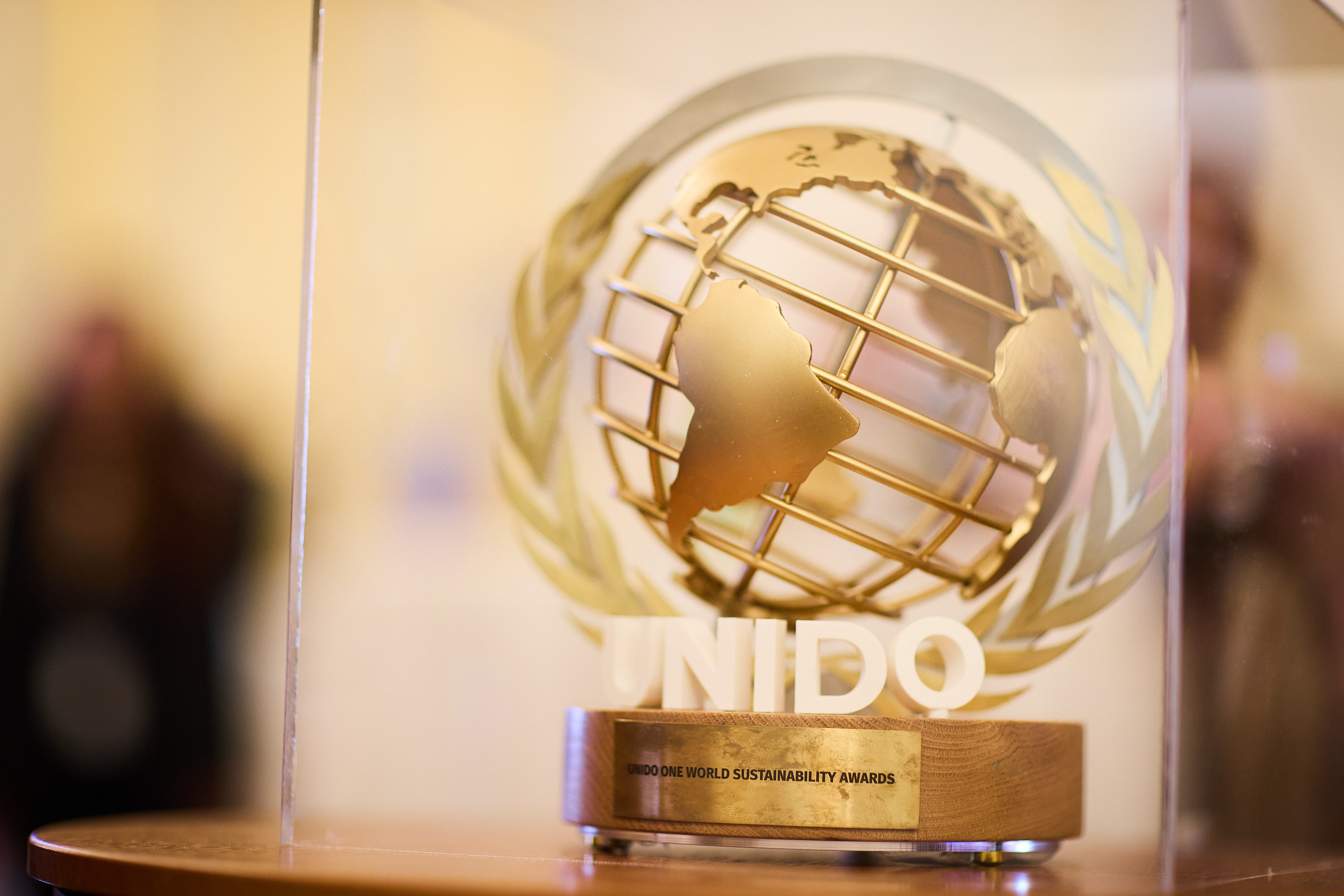
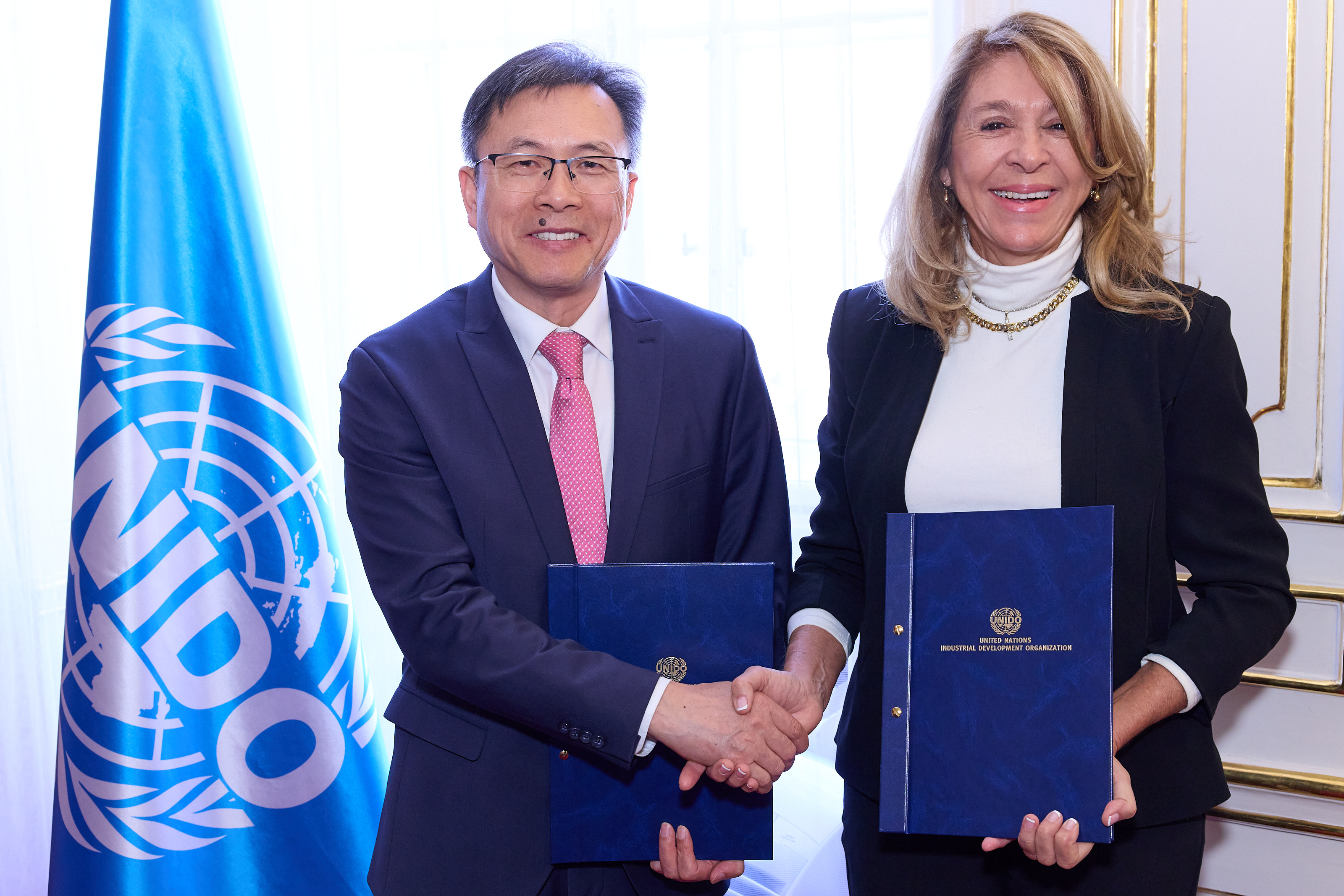
Ciyong Zou, Deputy to the Director General and the Managing Director of the Directorate of Technical Cooperation and Sustainable Industrial Development, UNIDO, and Maria José Garcia Jaramillo, Executive director of the Inter-American Cement Federation, after signing a joint declaration.