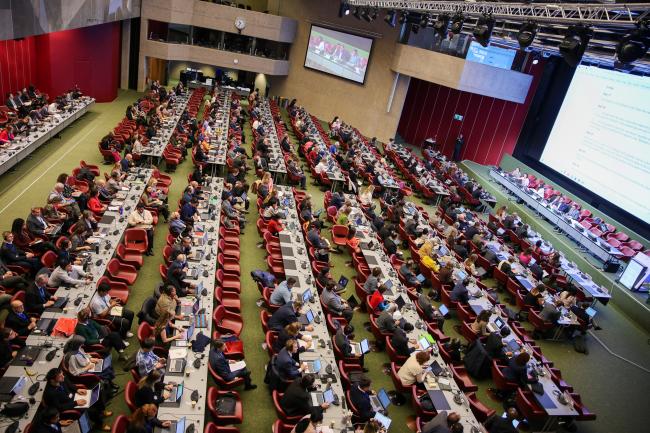
Every intergovernmental body has rules of engagement. They set out who participates and how. These rules also give, or take back, powers from the Chairs, Member States, and subsidiary bodies. The ability to vote, or the need to reach consensus, are often flashpoints when setting these rules.
The new Intergovernmental Science-Policy Panel on Chemicals, Waste and Pollution (ISP-CWP) is working to establish these rules of procedure. The discussions can be pedantic. Considerable time was spent on whether the rules of procedure apply to the sessions of the Plenary, or to the entire ISP-CWP, including its subsidiary bodies, for example. In the afternoon, progress slowed to a crawl.
Want to dig deeper into today's talks? Read the full Earth Negotiations Bulletin daily report.
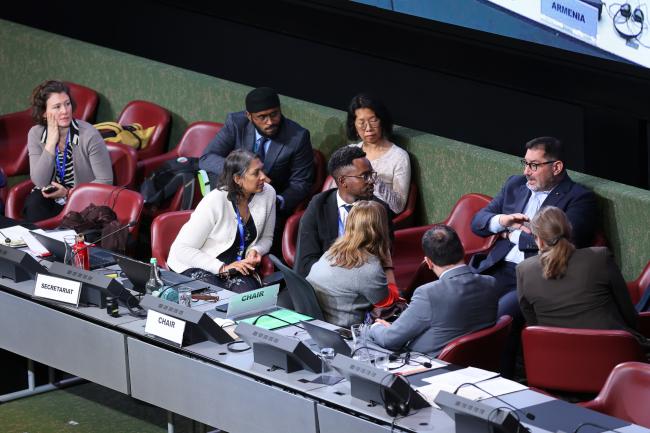
But even at the slow pace, the discussions are important. As Chair Álvarez Pérez explained, getting consensus on a set of practical rules is worth the time investment. Clarity and precision in the rules of procedure will provide comfort to all Member States as they work in the future. Exploring and explaining the implications of the rules of procedure helps ensure that all Member States are on board with full knowledge of how the rules could shape discussions going forward. It is important to get the rules right because they can be difficult to change.
More immediately, the rules of procedure set out how Member States will elect the Bureau and choose which country will host the Secretariat. Many participants want to see these decisions taken at this first meeting because they constitute major milestones toward making the ISP-CWP operational.
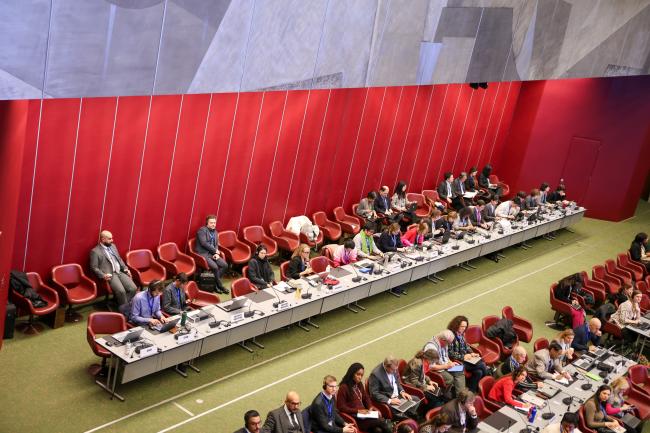
The slow pace of work, however, worried those hoping for this smooth start. After spending three hours on the definition of observers, especially how to reflect the differences between Indigenous Peoples and local communities, those with concerns were especially vocal. This wording was already debated at length in the previous session in Punta del Este and remains in brackets in the ISP-CWP’s foundational document. Similarly, the lengthy discussion on how often to hold the Panel’s meetings - annually or biennially - prompted frustrations that the rules of procedure will take much longer than hoped.
To receive free coverage of global environmental events delivered to your inbox, subscribe to the ENB Update newsletter.
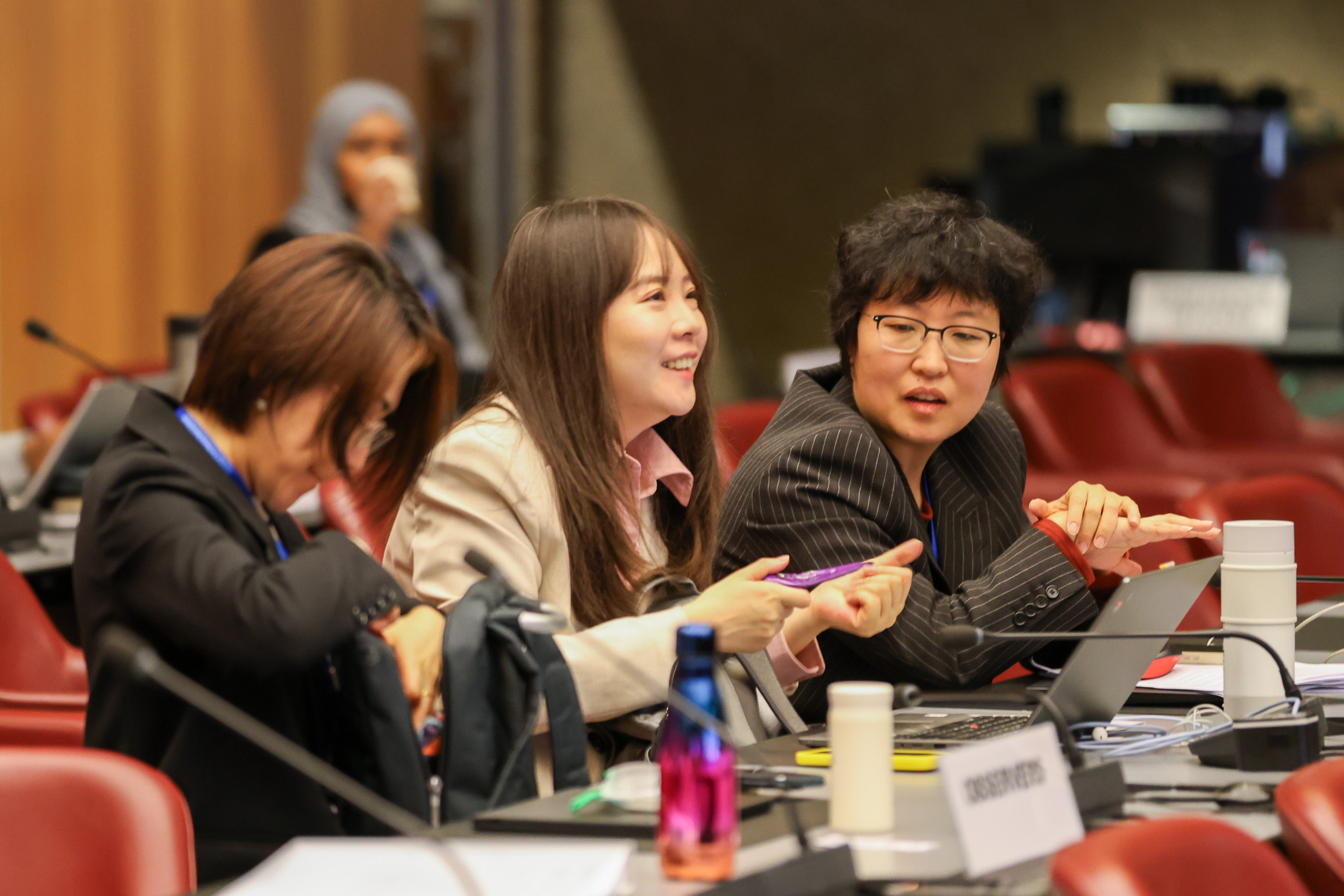
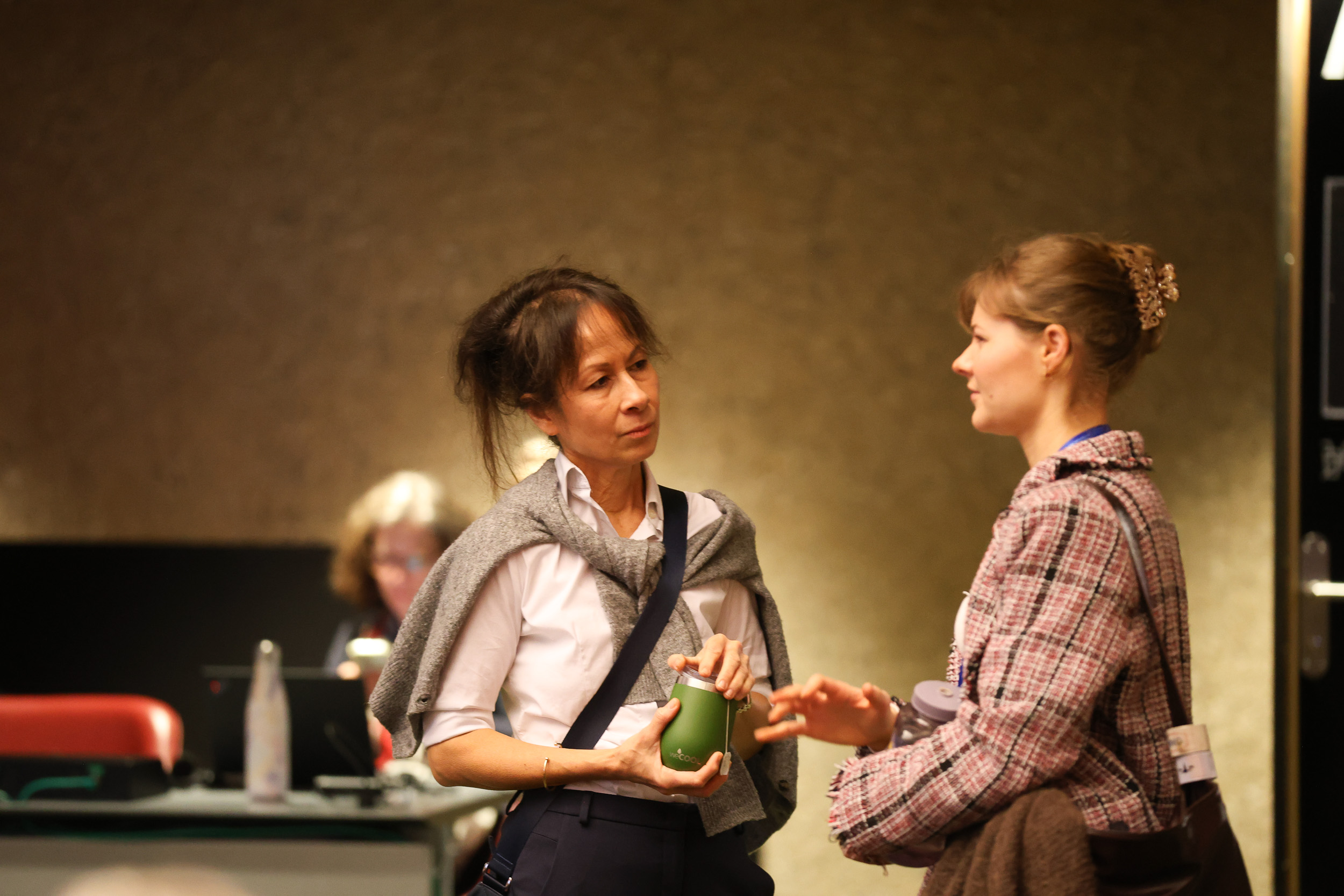
All ENB photos are free to use with attribution. For photos of the 1st Session of the Plenary of the Intergovernmental Science-Policy Panel on Chemicals, Waste and Pollution, please use: Photo by IISD/ENB - Mike Muzurakis
Contact Group on the Rules of Procedure
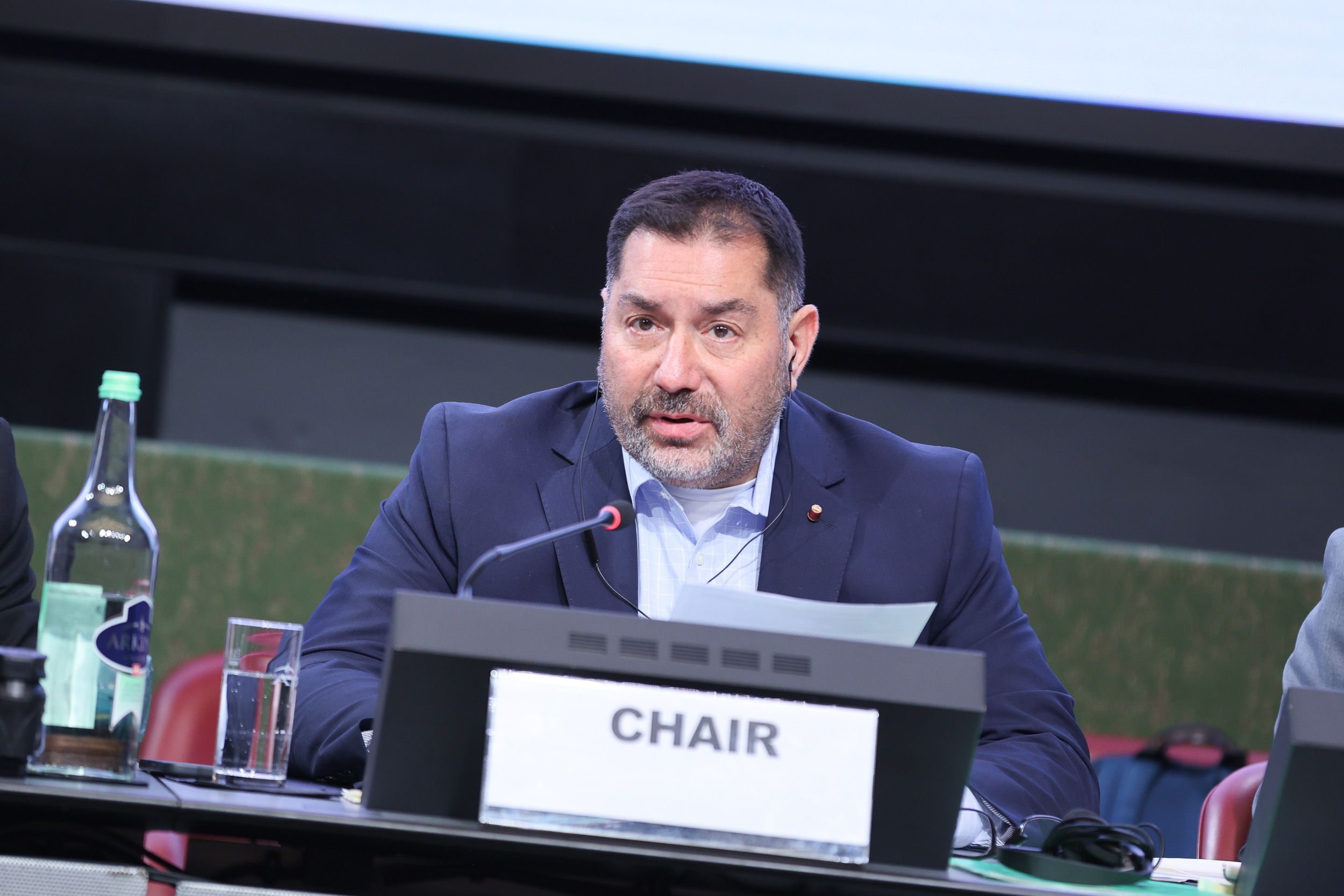
ISP-CWP Chair Osvaldo Álvarez Pérez, Chile
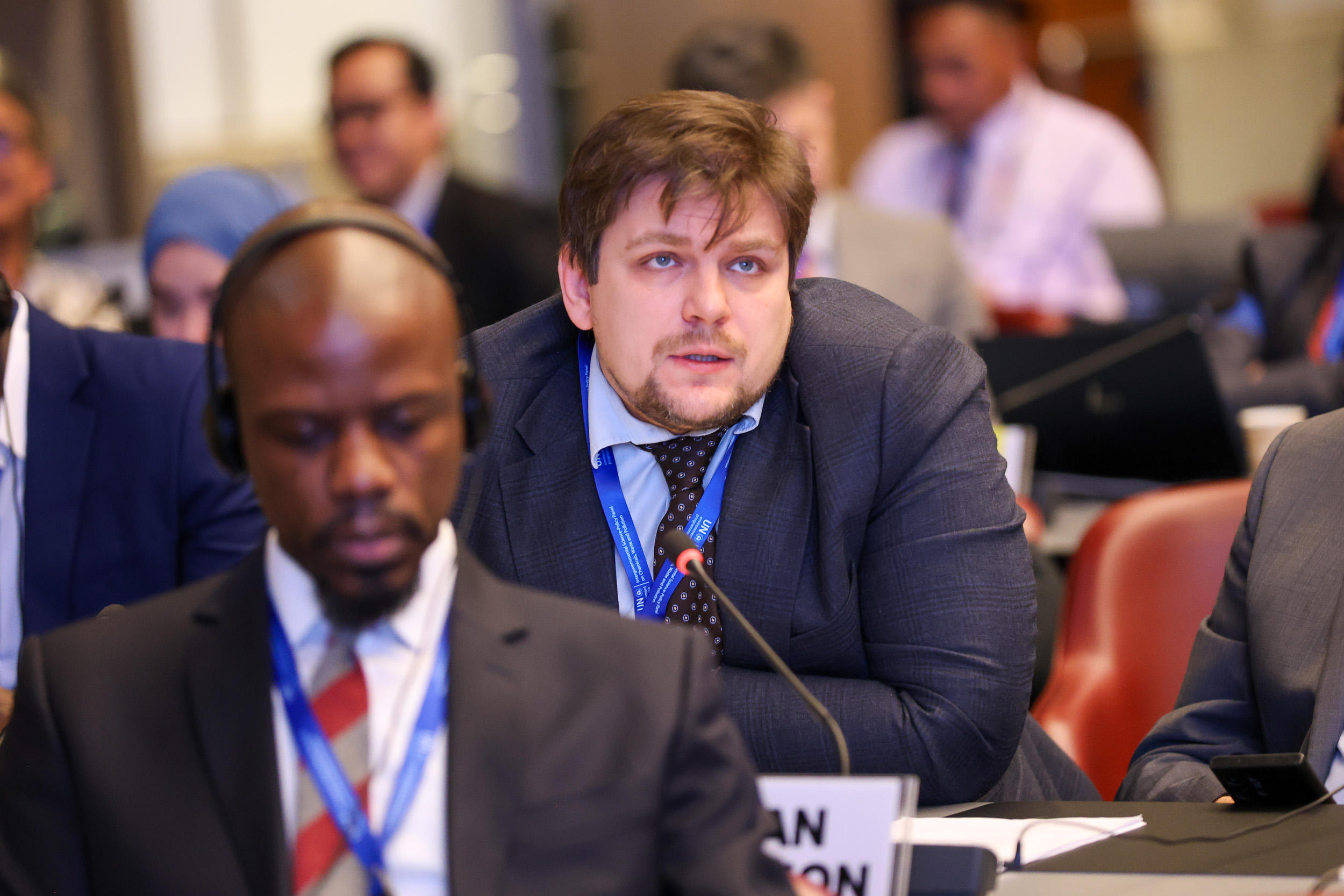
Oleg Senchenko, Russian Federation
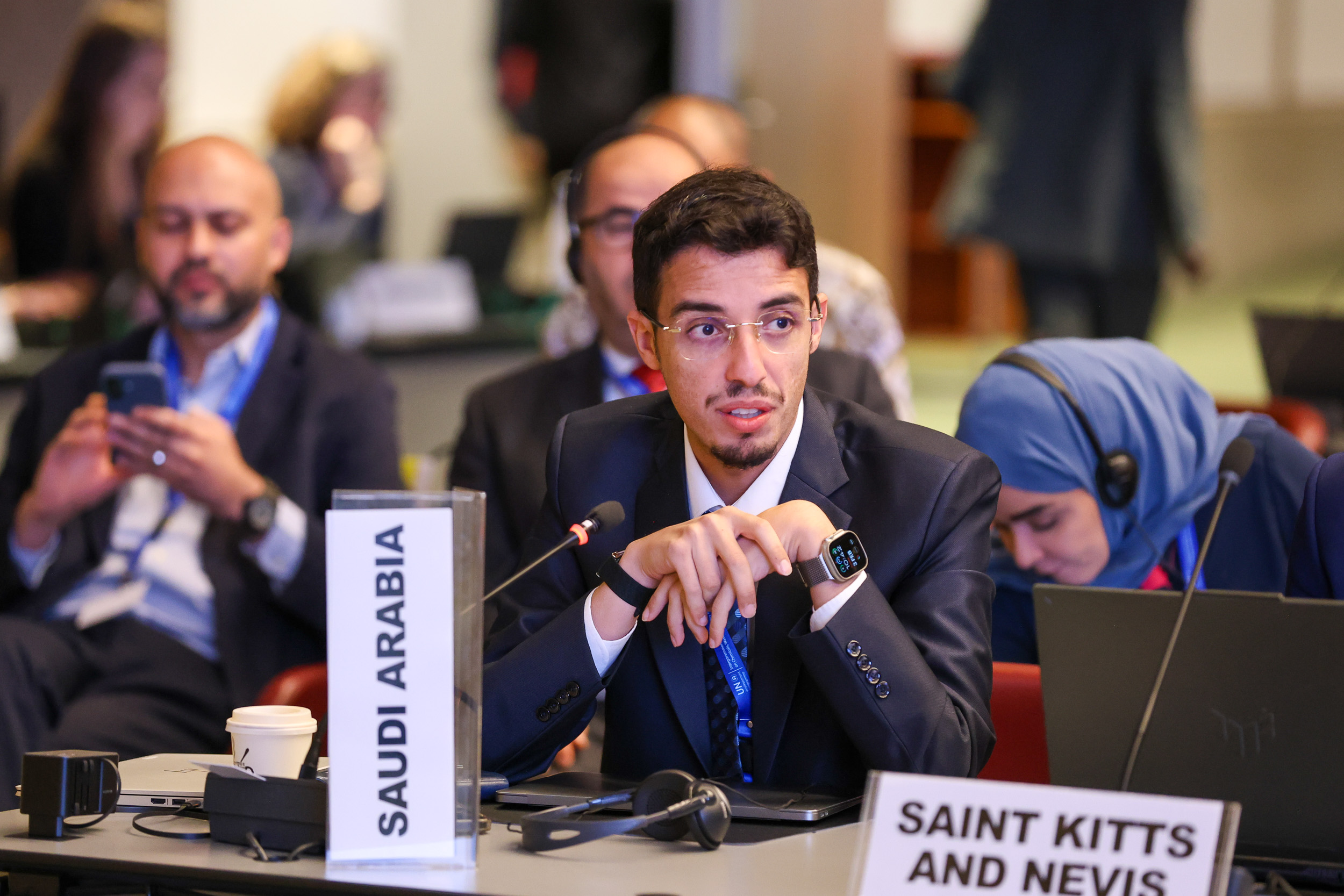
Tamim Alothimin, Saudi Arabia
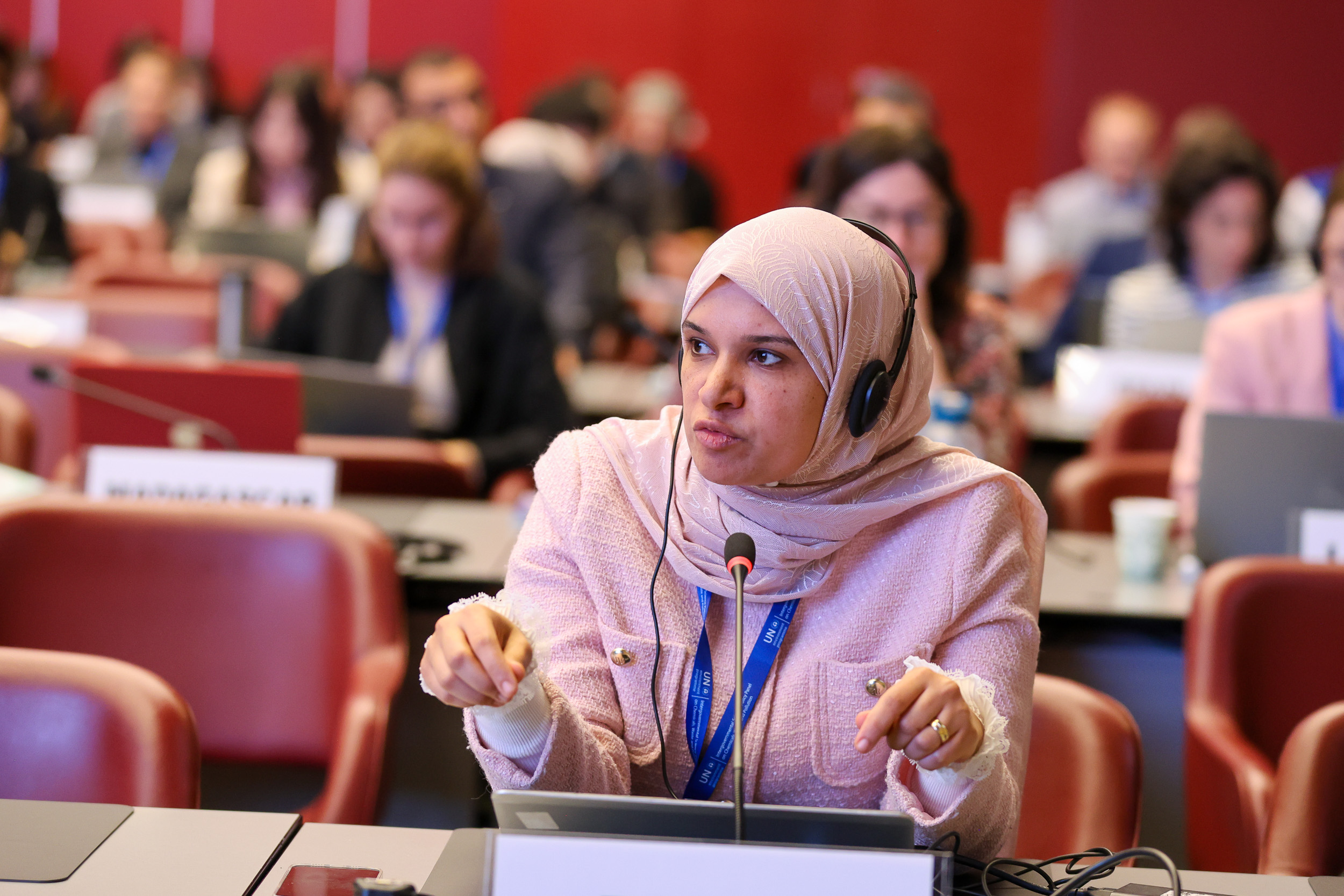
Sara Hassan, Egypt
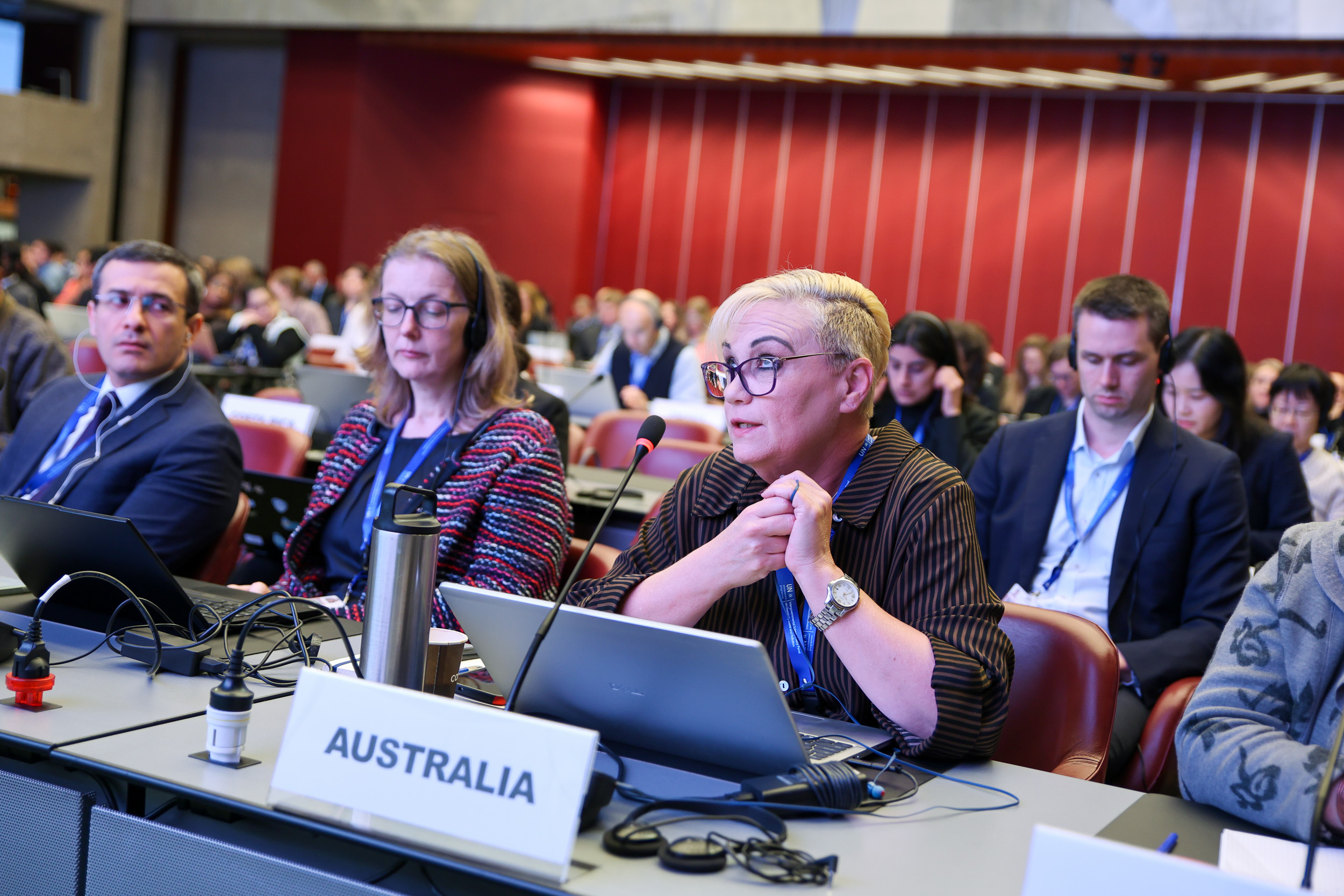
Rachel Burgess, Australia
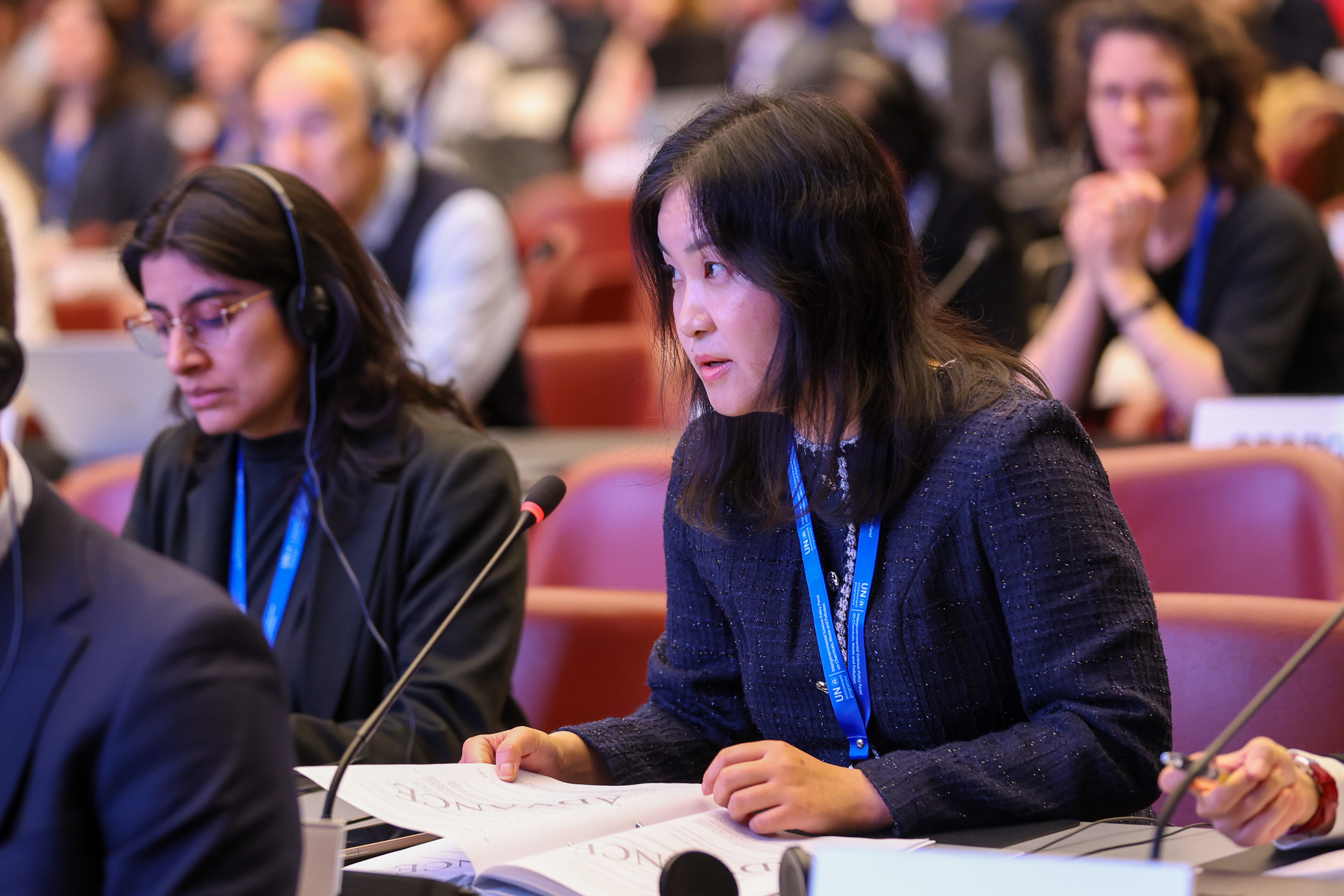
Haijun Chen, China
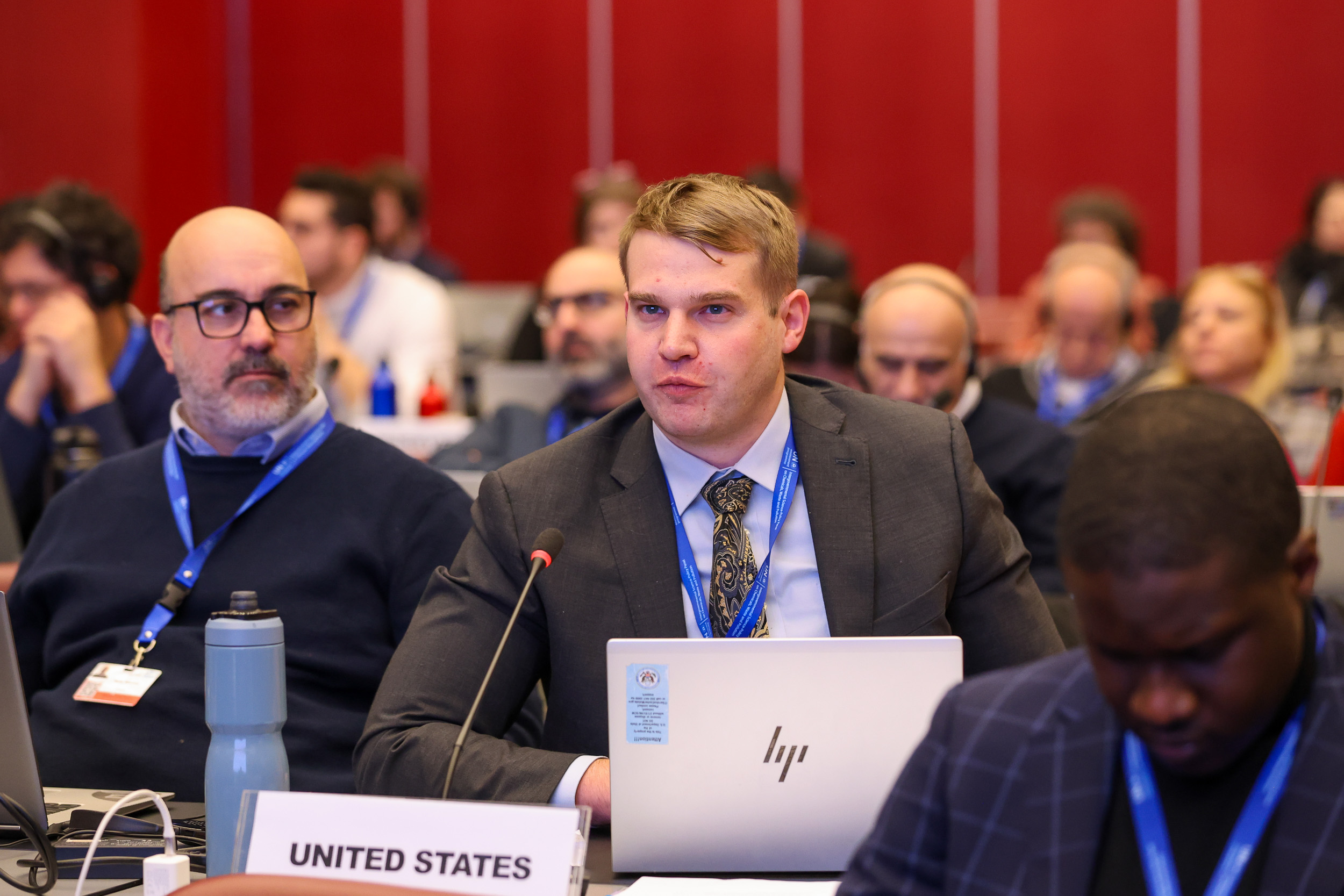
Robert Nightingale, US
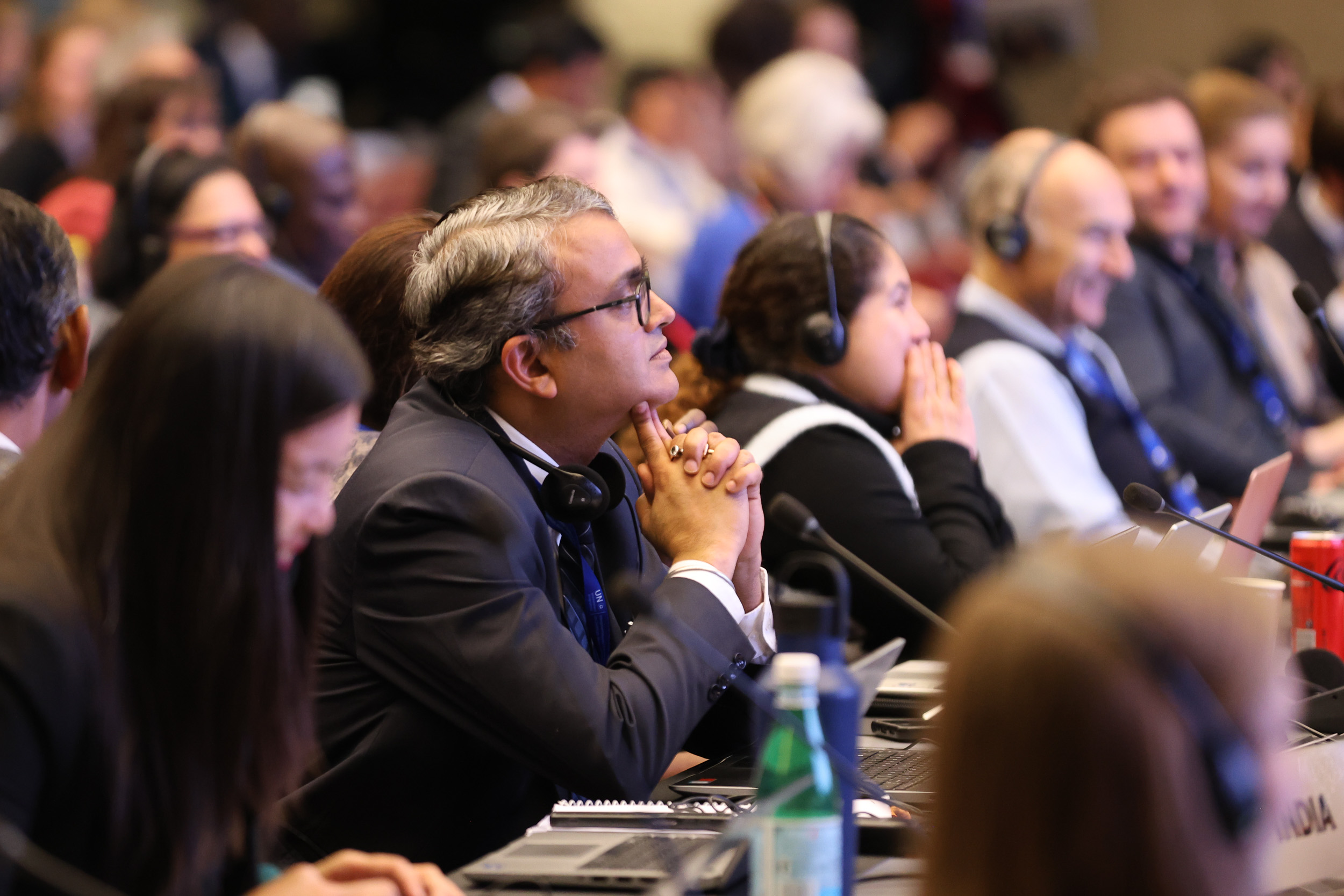
Amit Raj, India
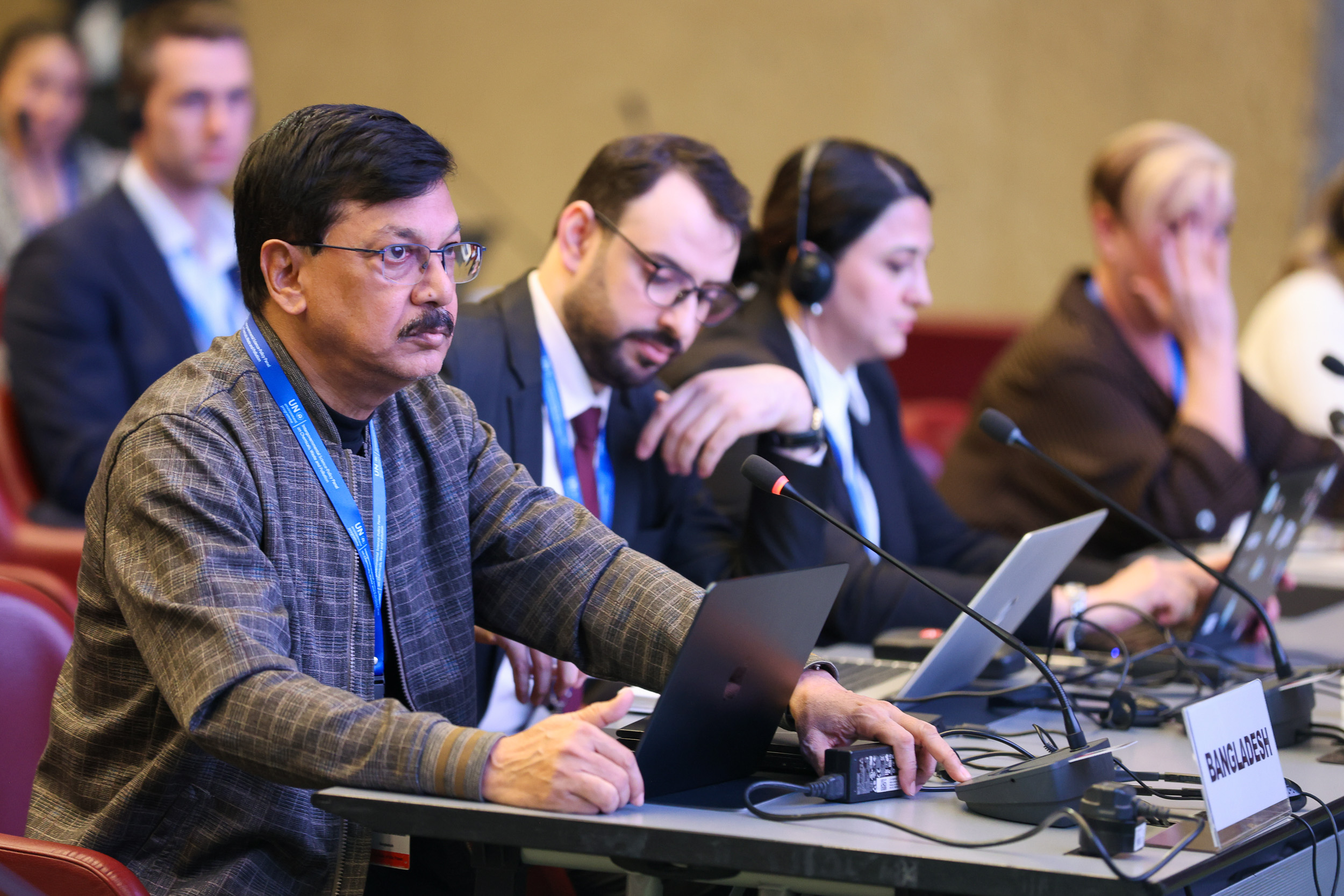
Shahriar Hossain, Bangladesh
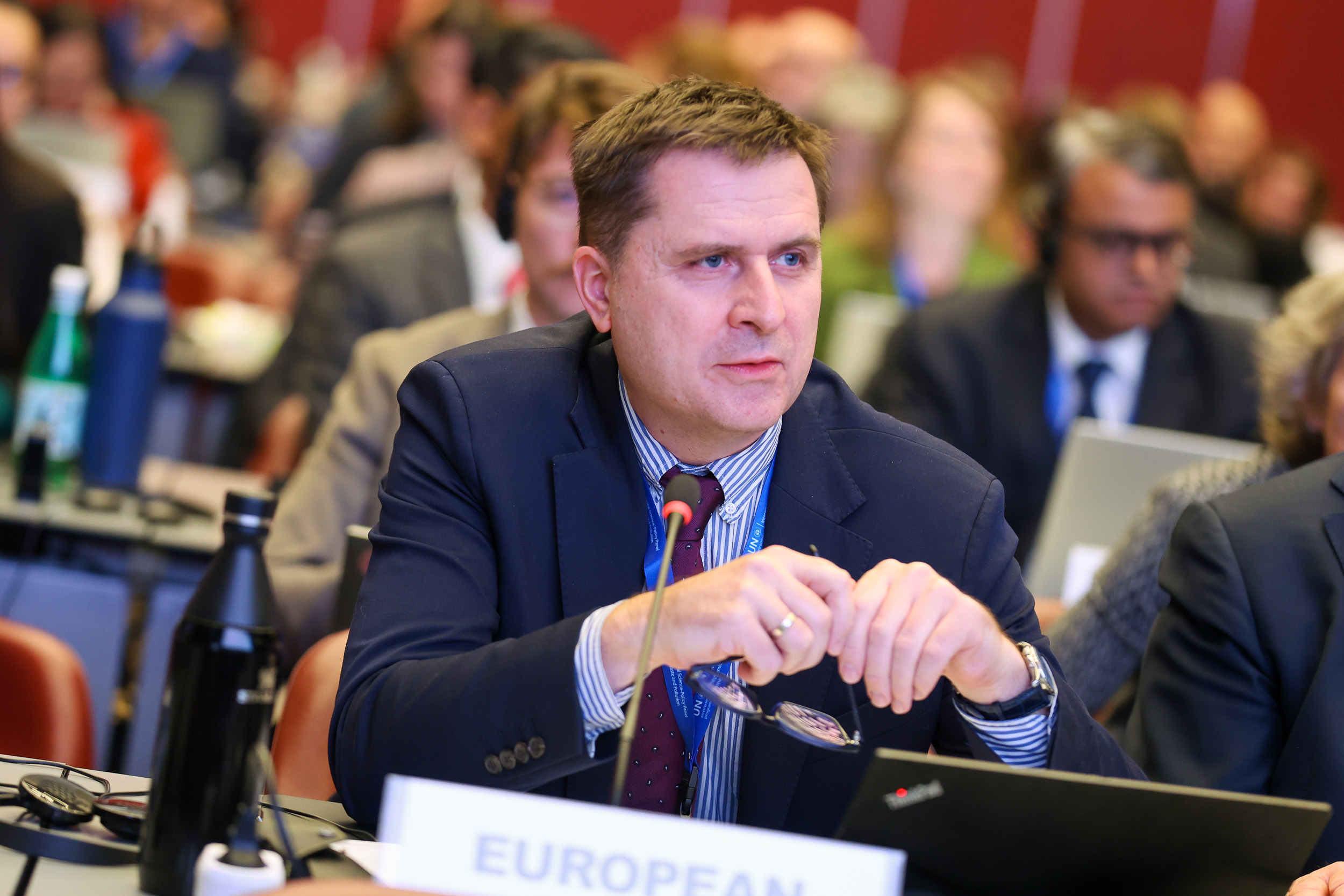
Sebastian Gil, EU
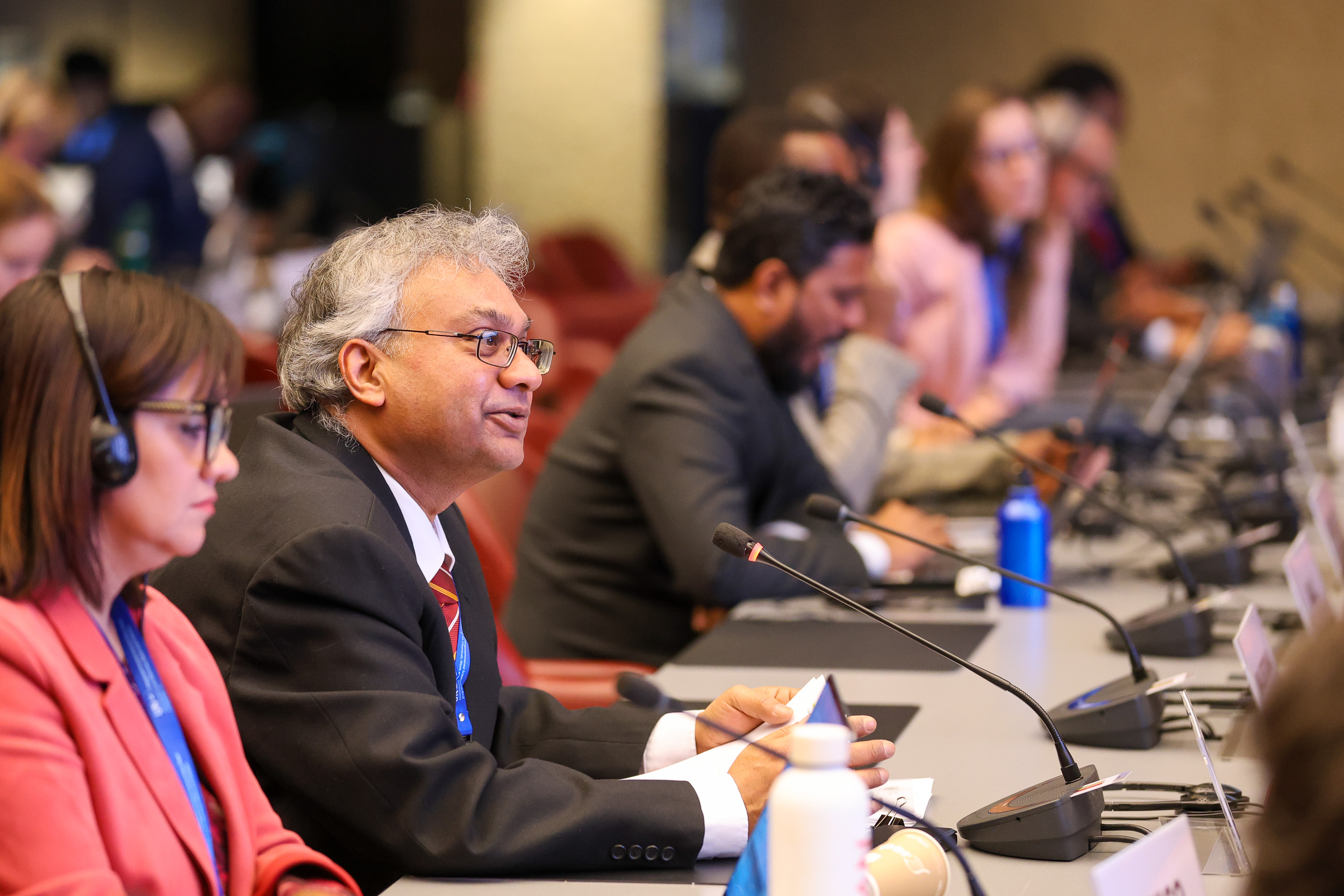
Hirikeshsing Unnuth, Mauritius
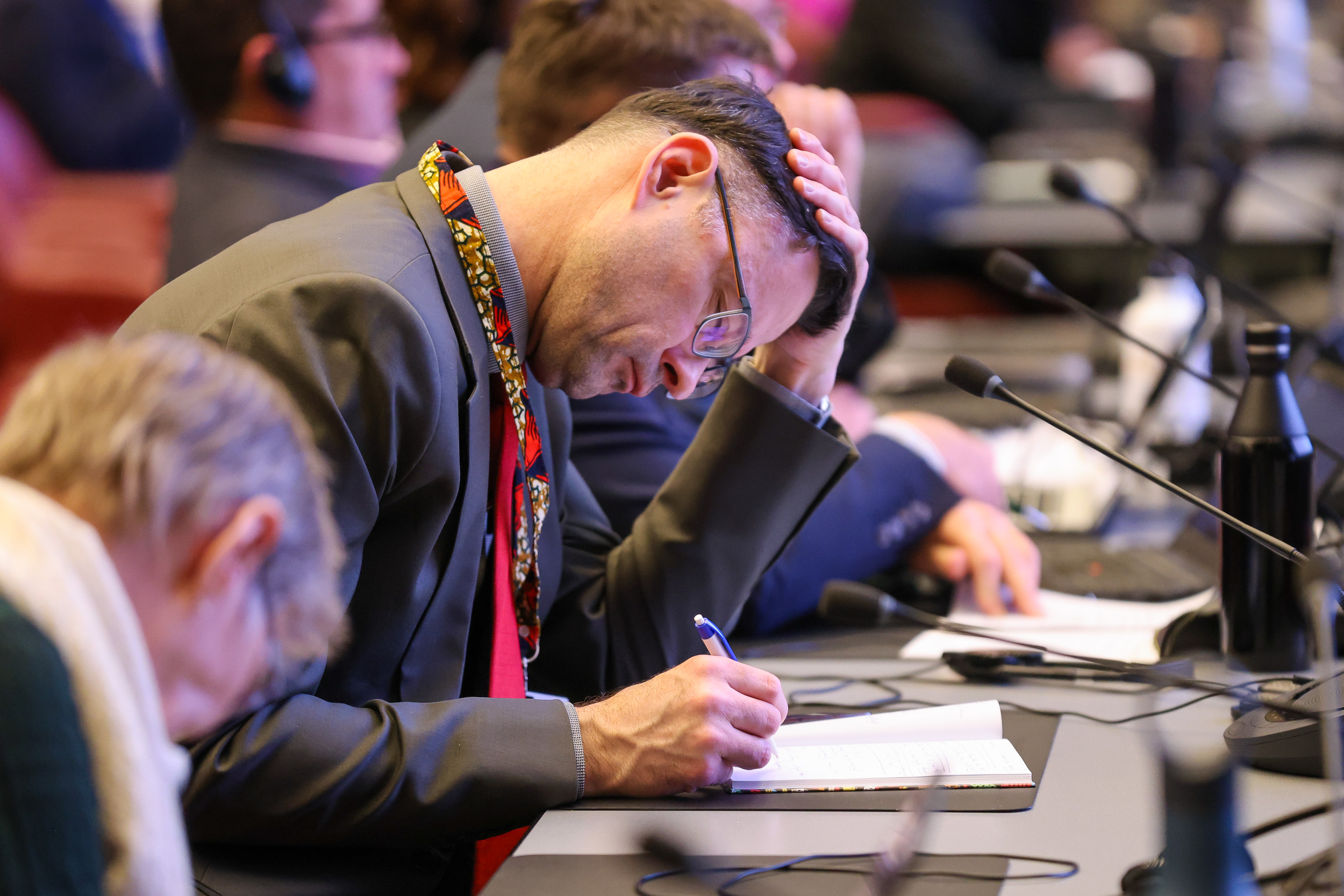
Přemysl Štěpánek, Czechia
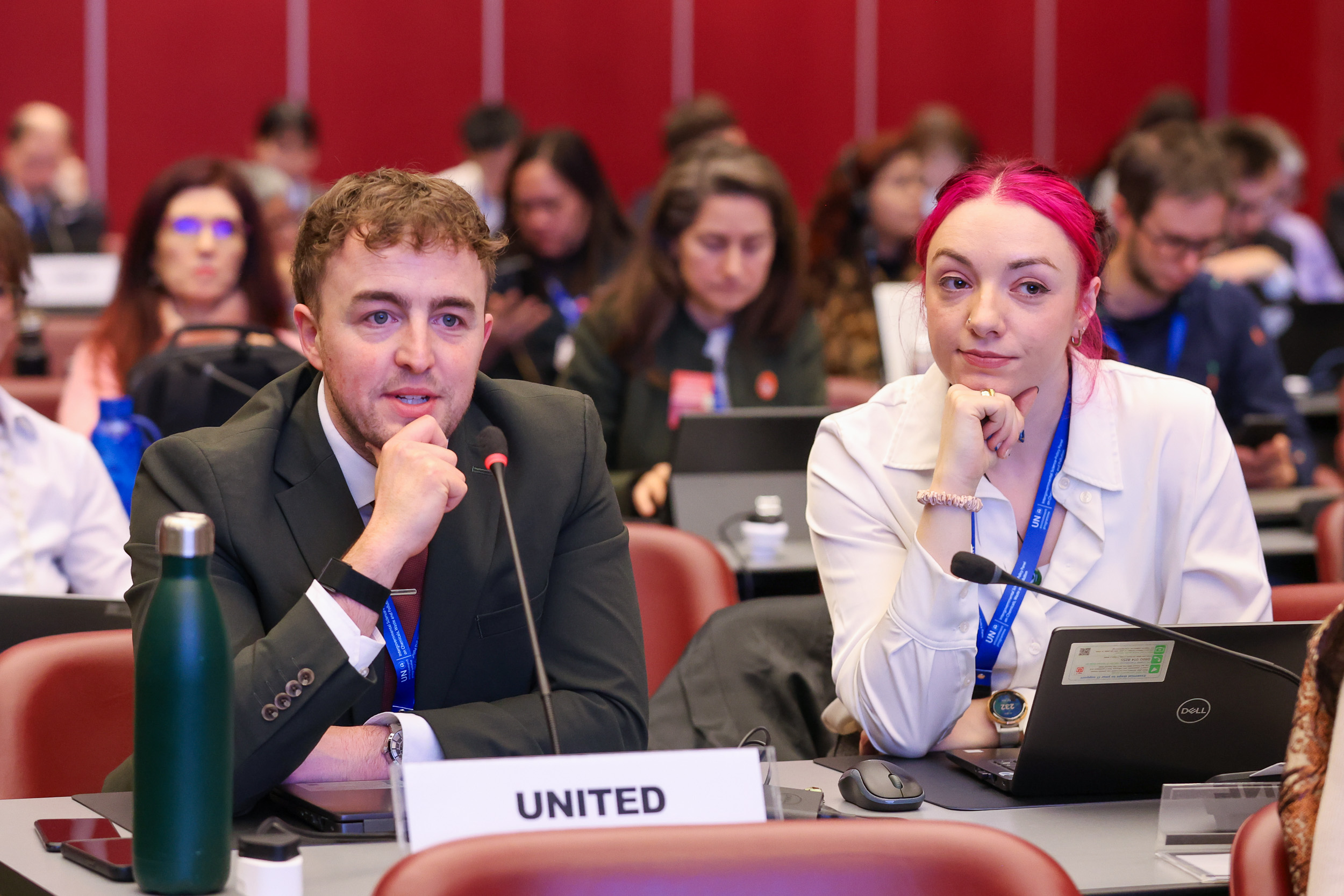
Matthew Lovatt-Wood and Helena Richards, UK
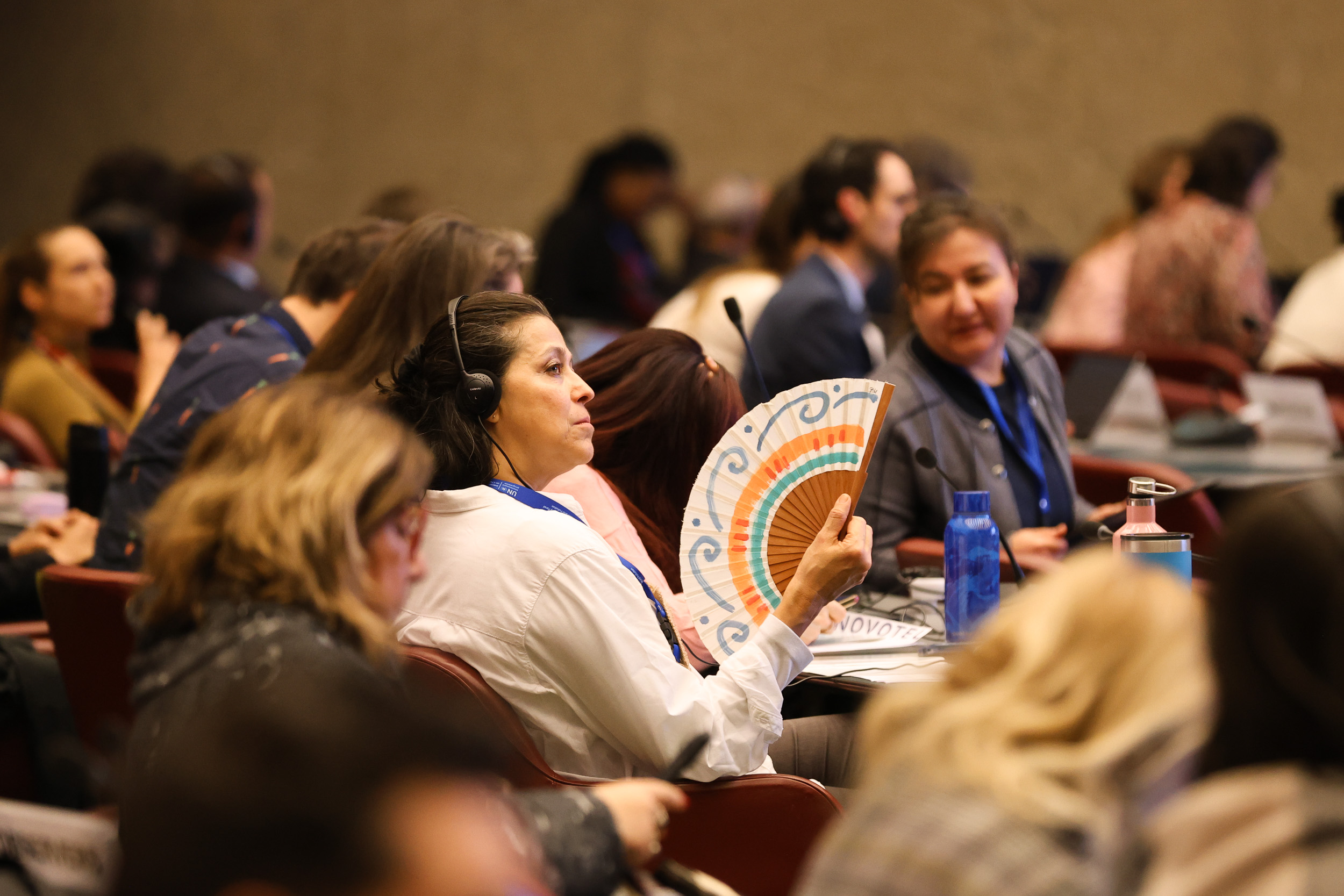
Between Sessions
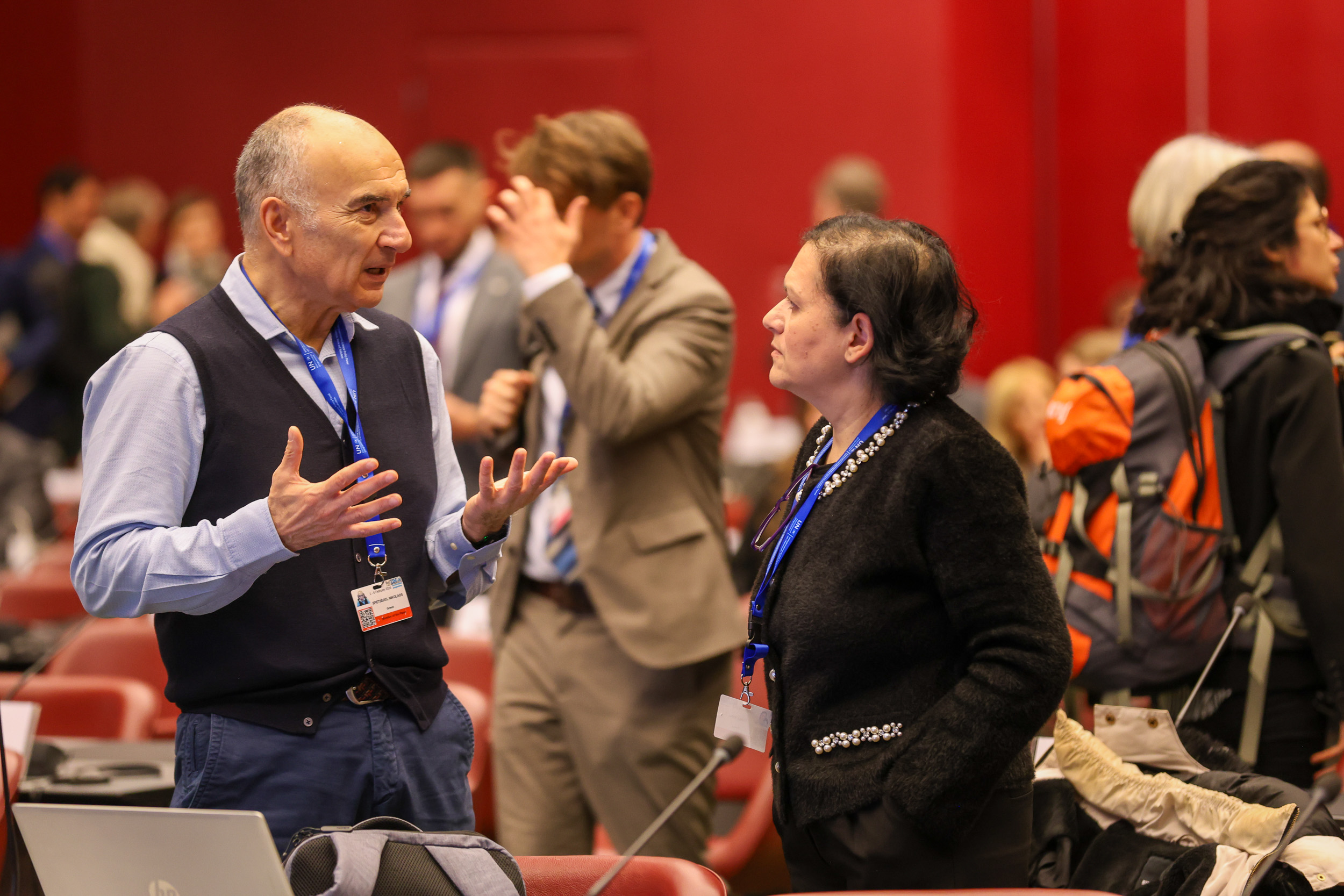
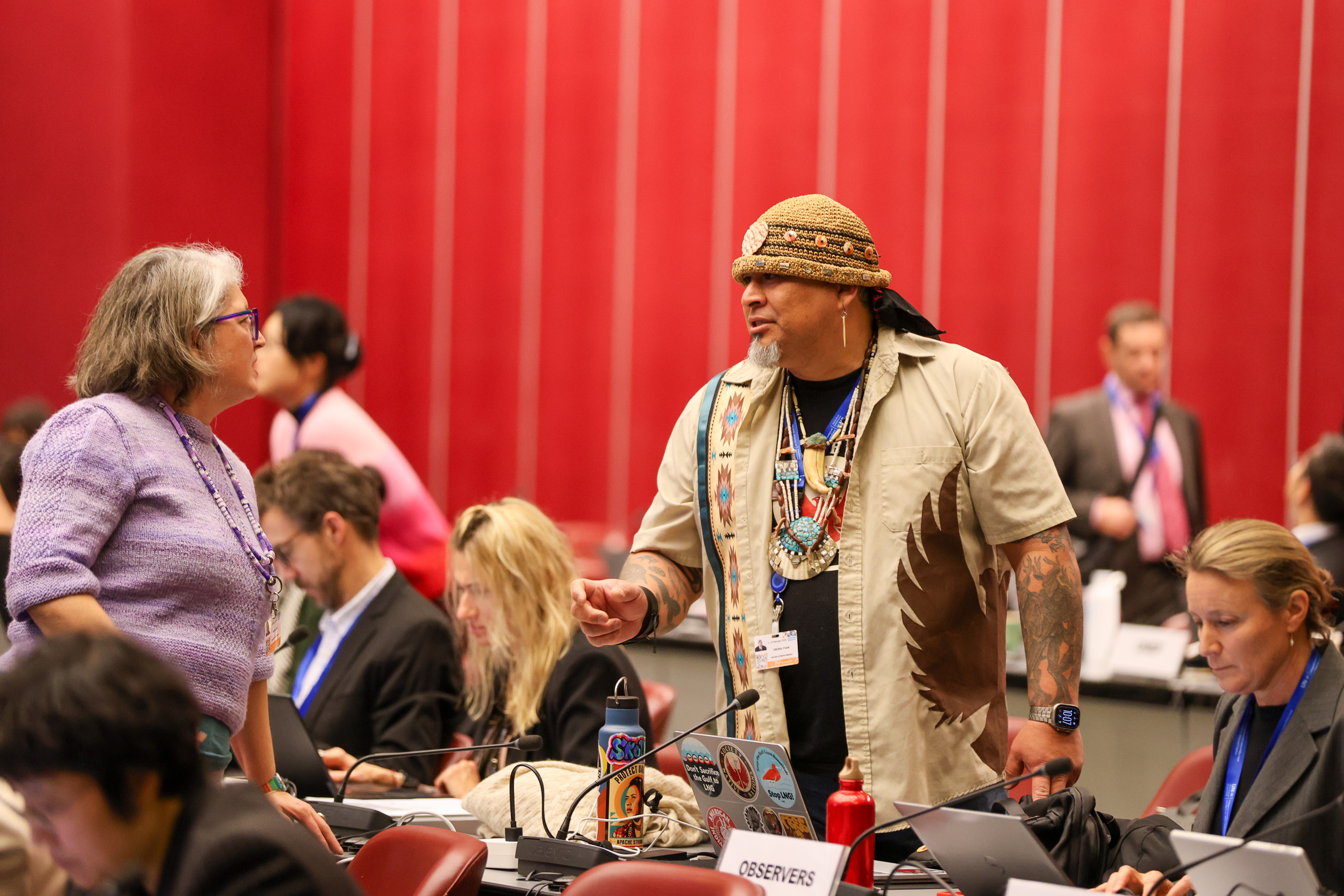
Frankie Orona, Society of Native Nations
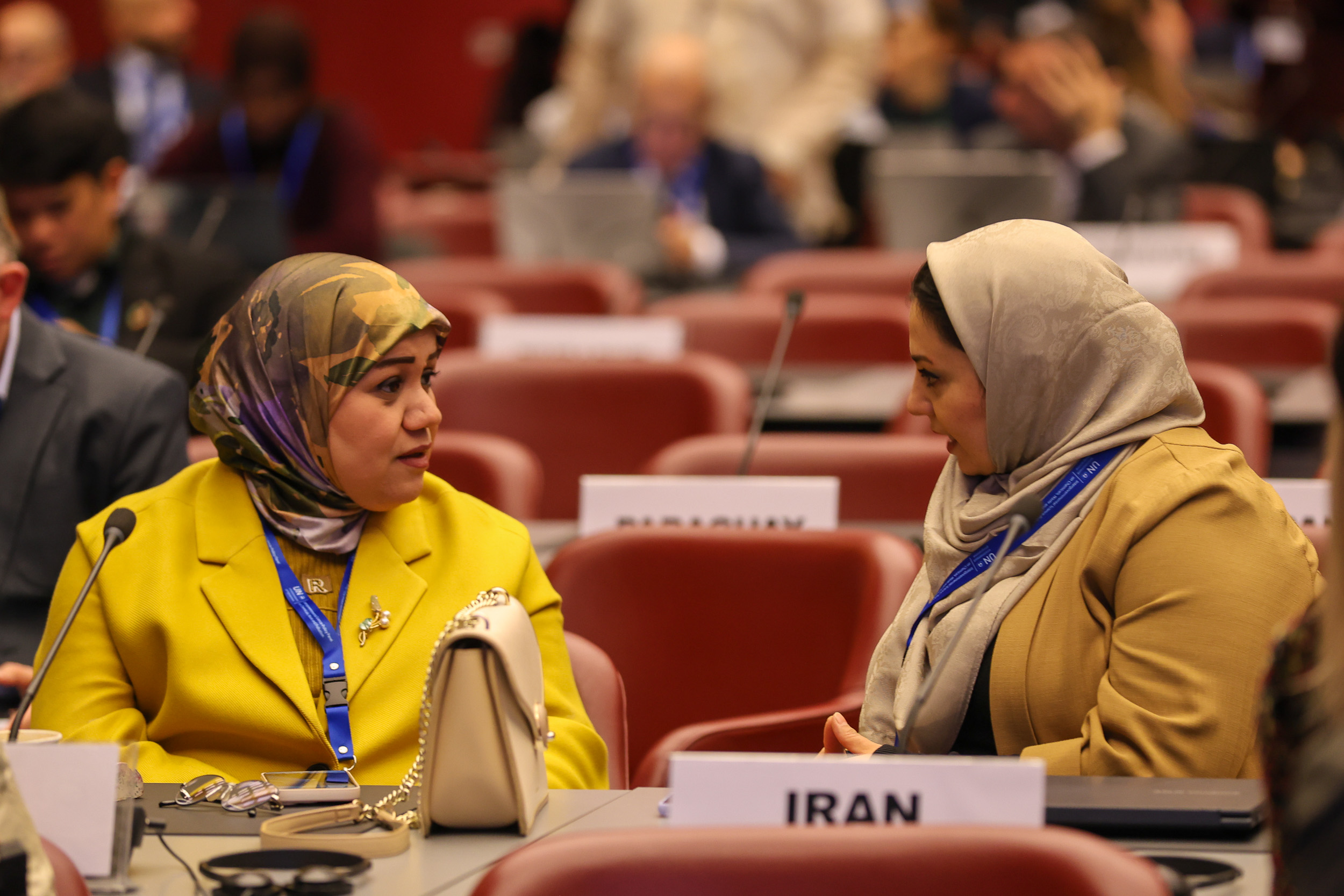
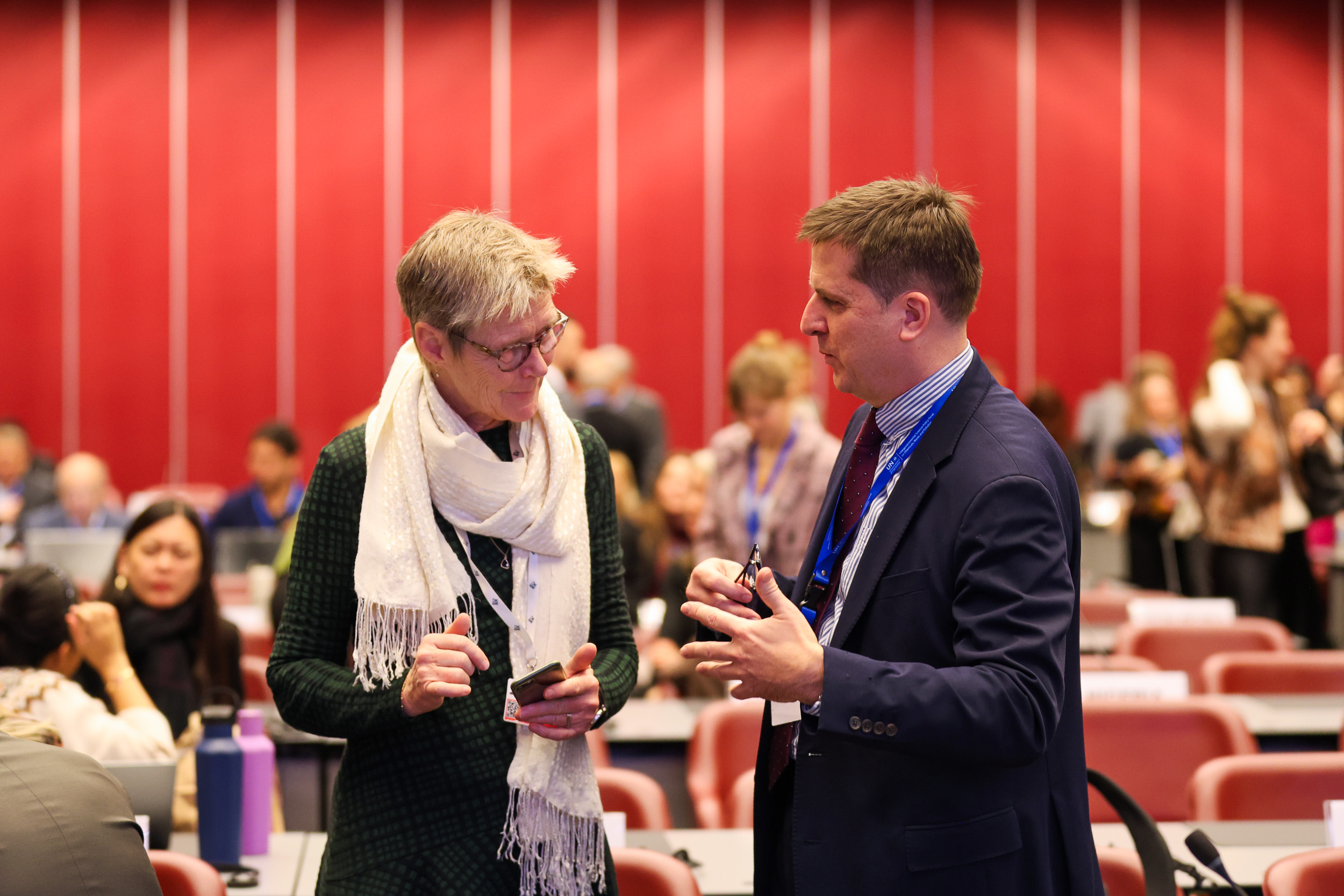
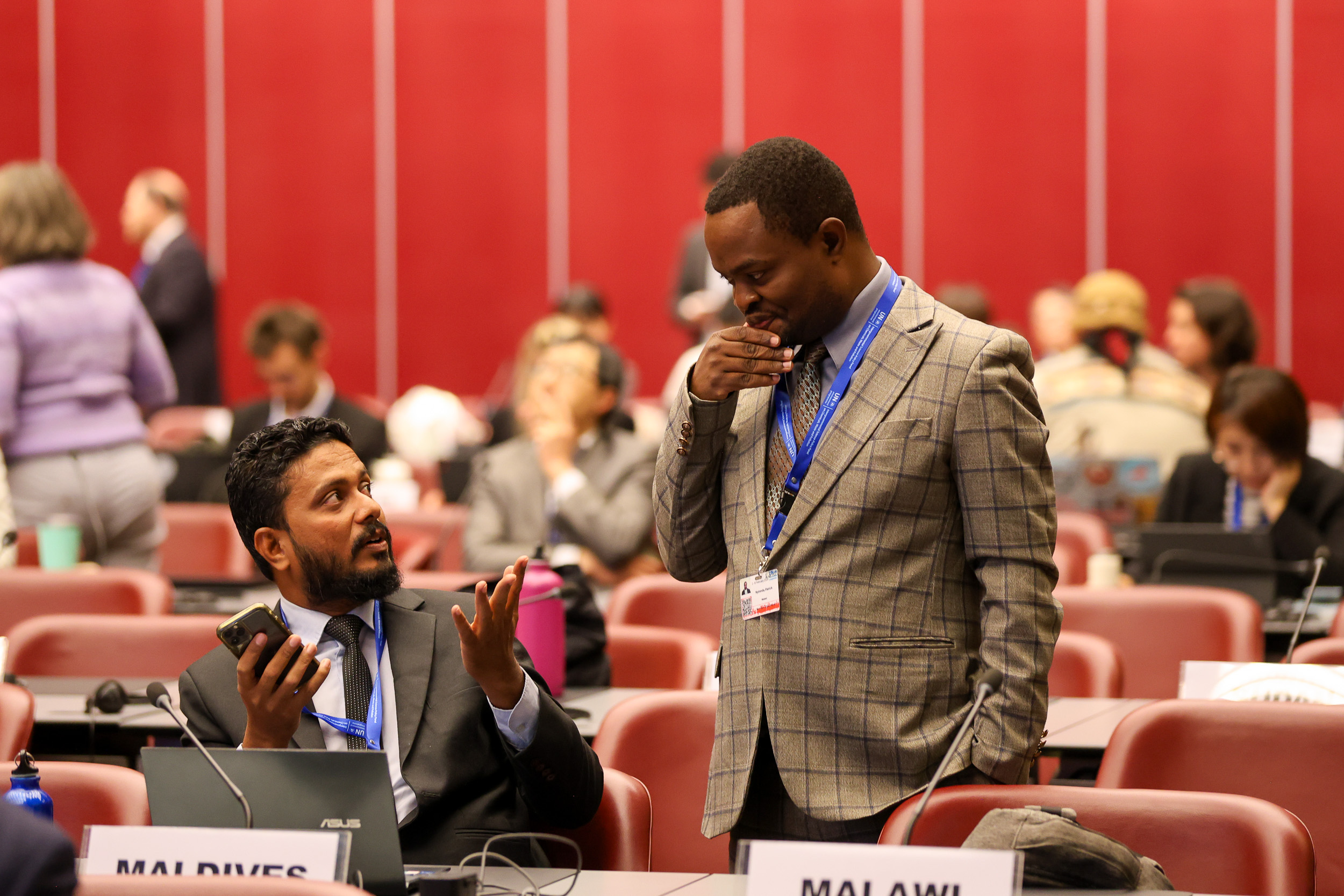
Hassan Azhar, Maldives, and Patrick Nyirenda, Malawi
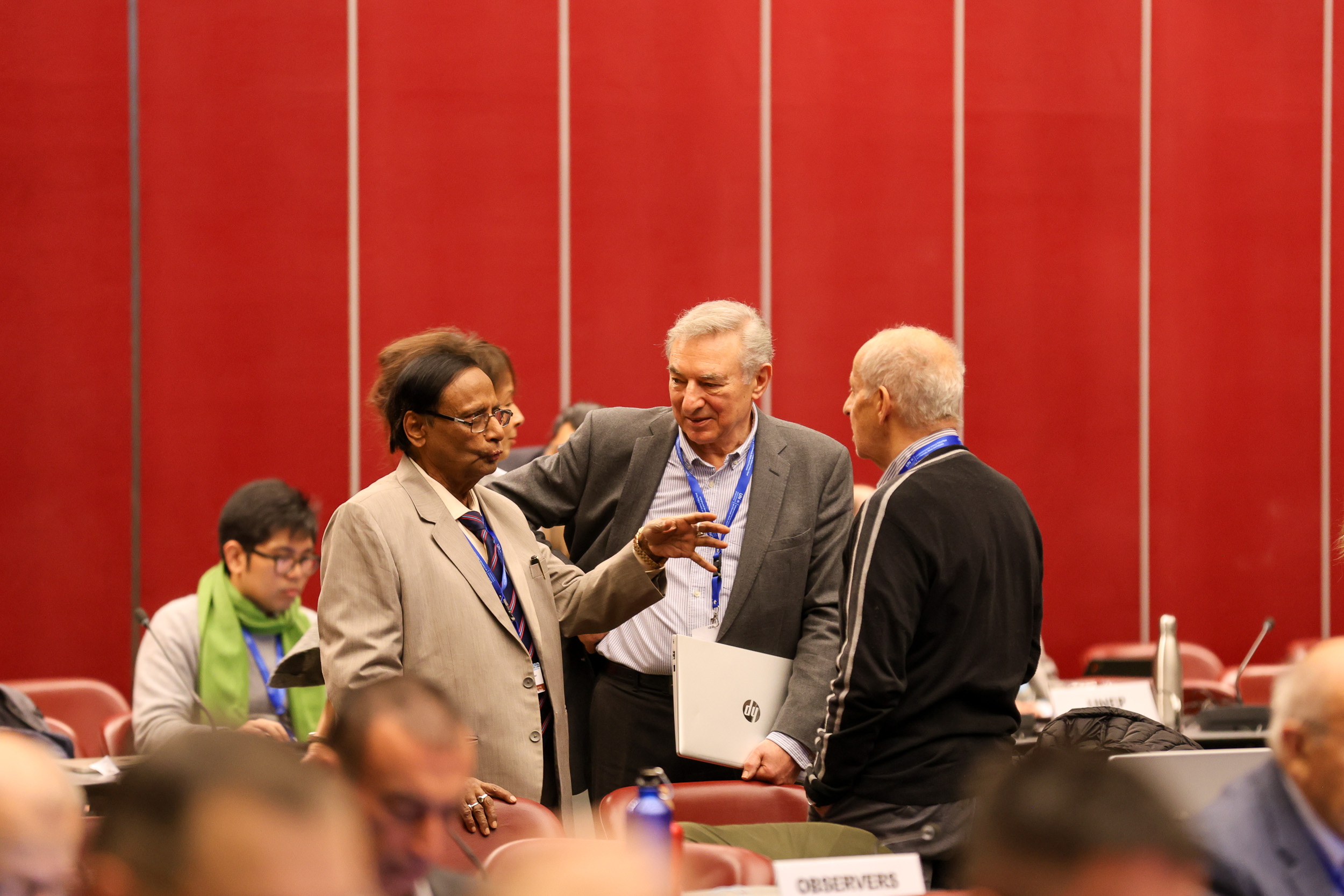
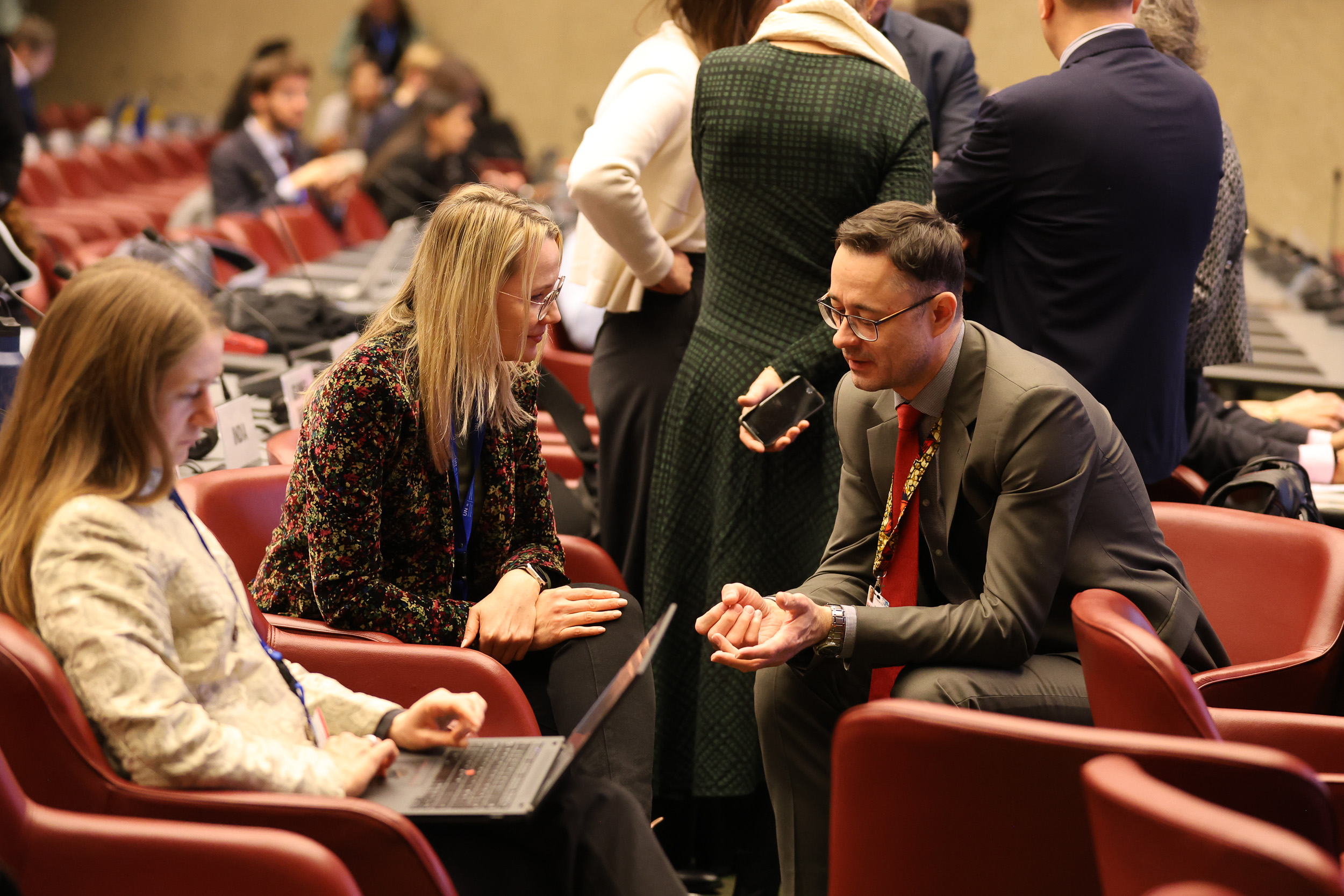
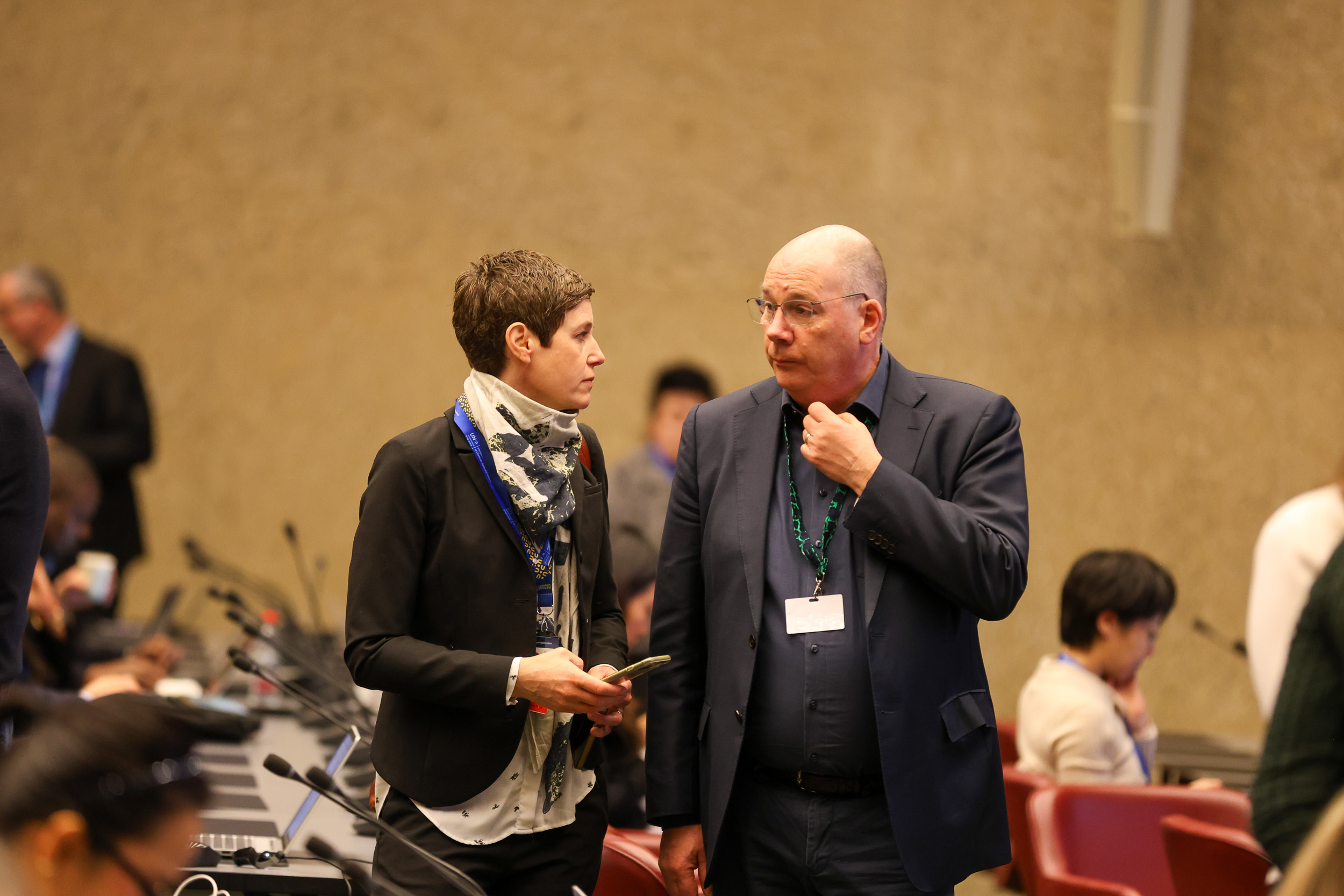
Sofia Tingstorp, Sweden, and Ivo de Zwaan, the Netherlands
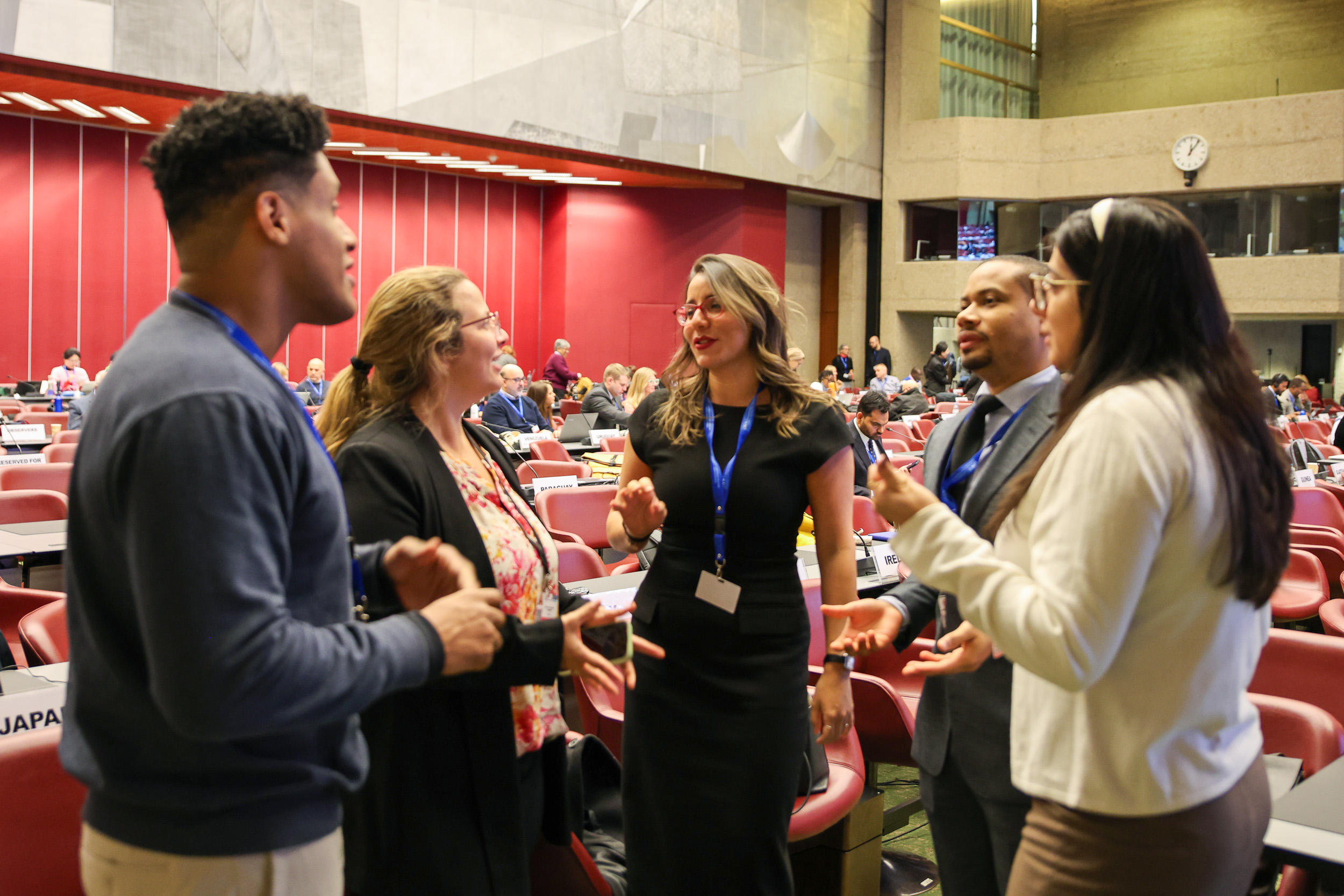
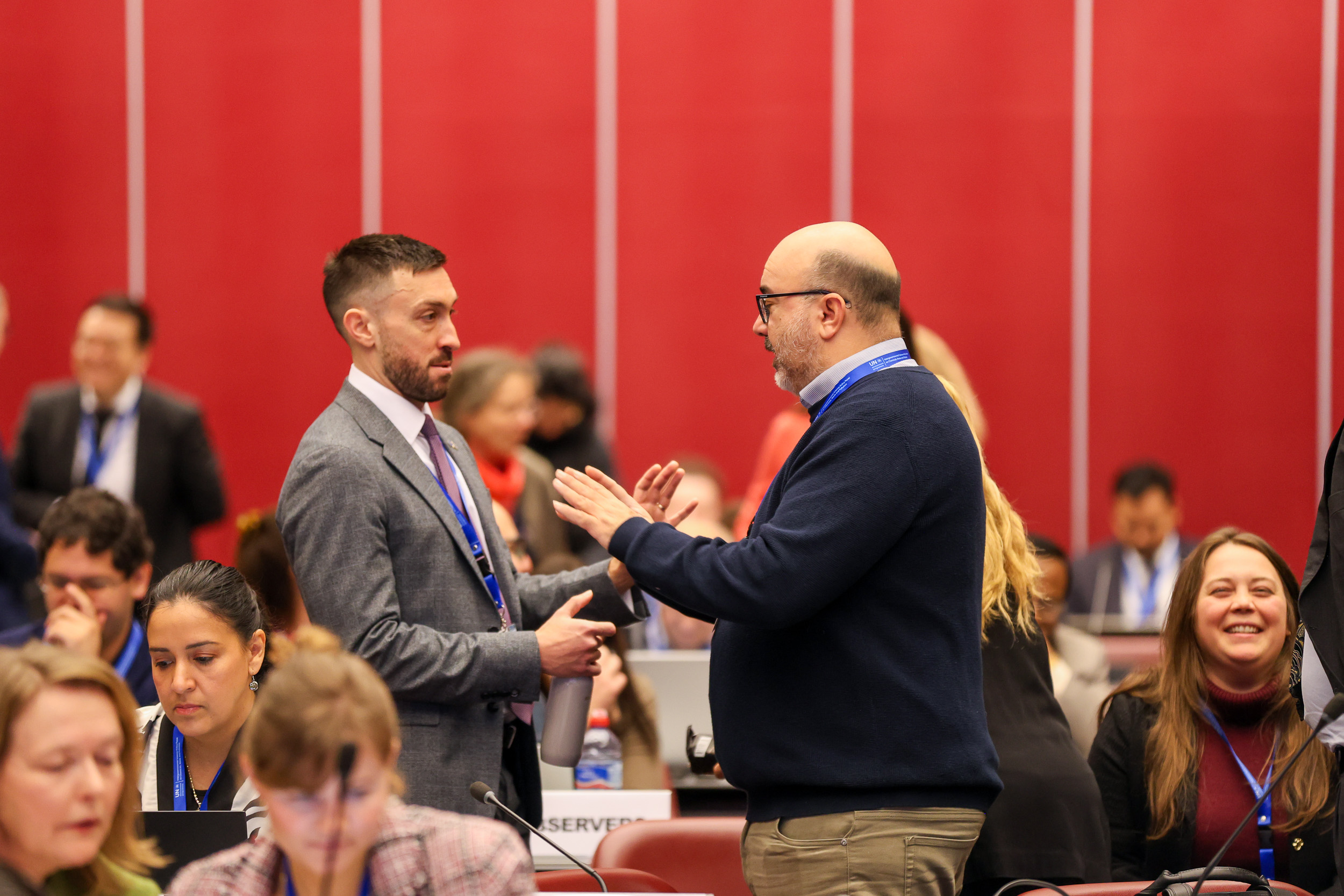
Around the Venue

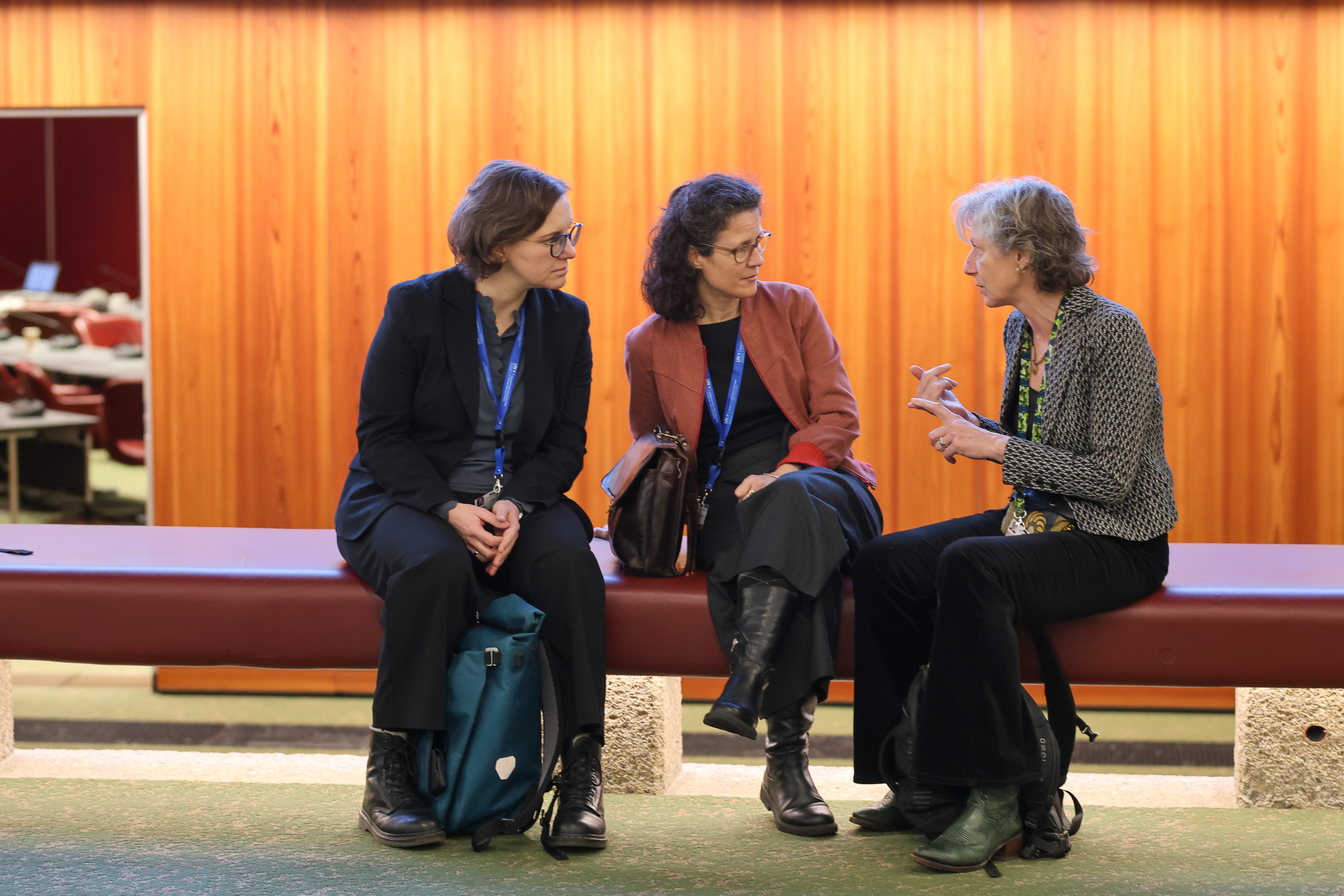
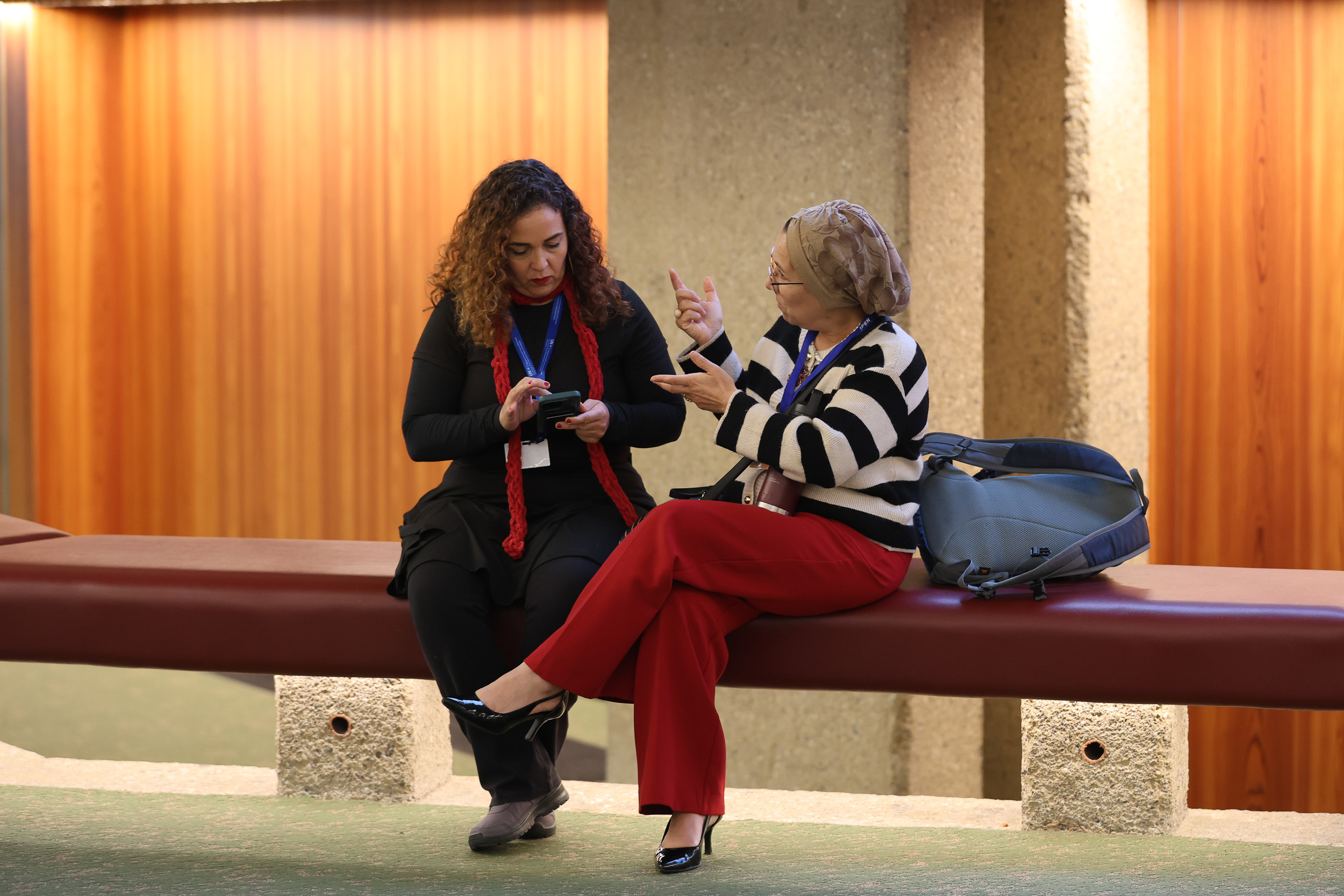


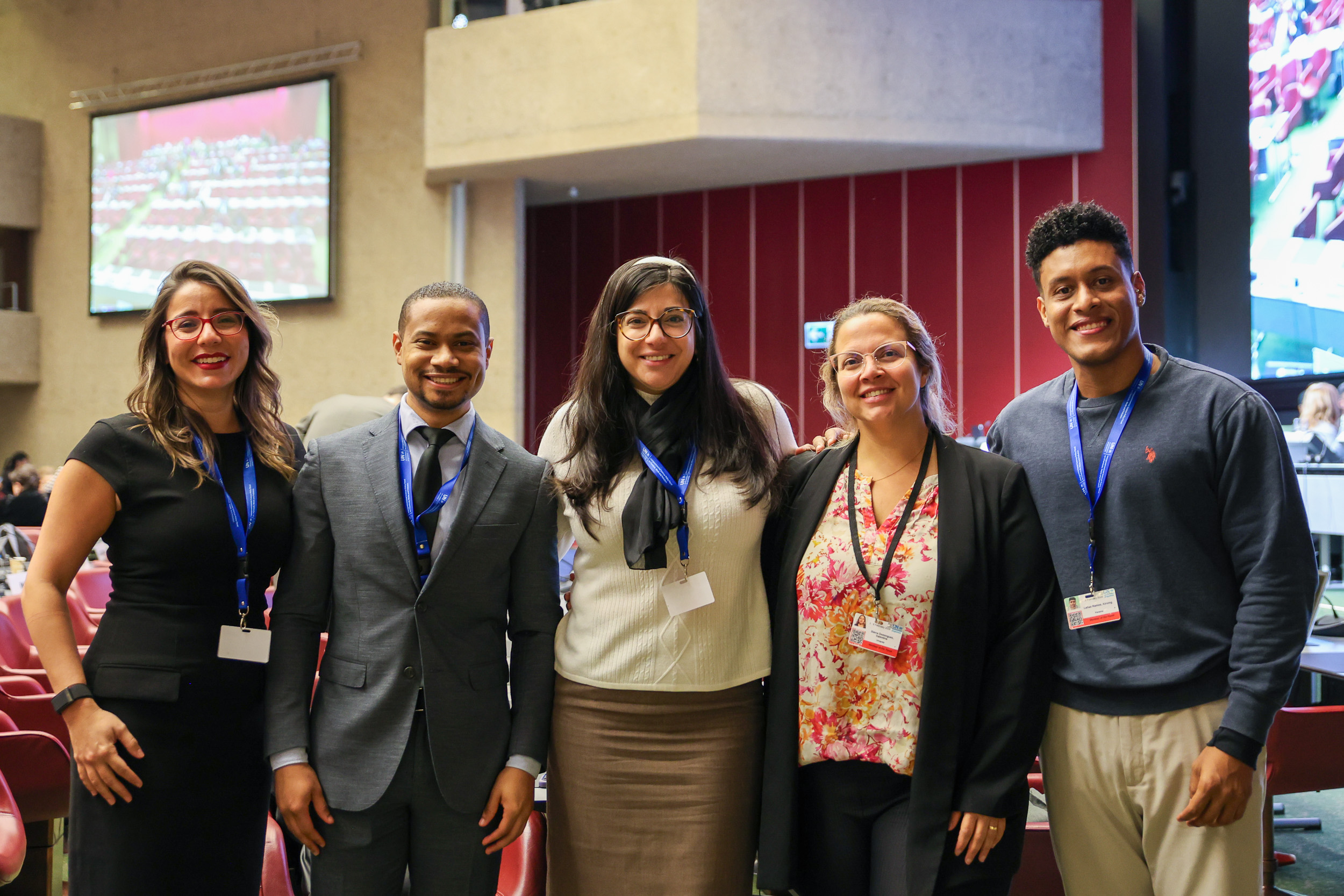
From L-R: Claudia Taboada Flores and Melanciano Aquino Domingo Alberto, Dominican Republic; María Vanessa Aliaga Araujo, Peru; Valentina Sierra, Uruguay; and Kirving Lañas Ramos, Panama